P.01CVE-2026-81934: Redis TLS Use-After-Free, Who's Exposed
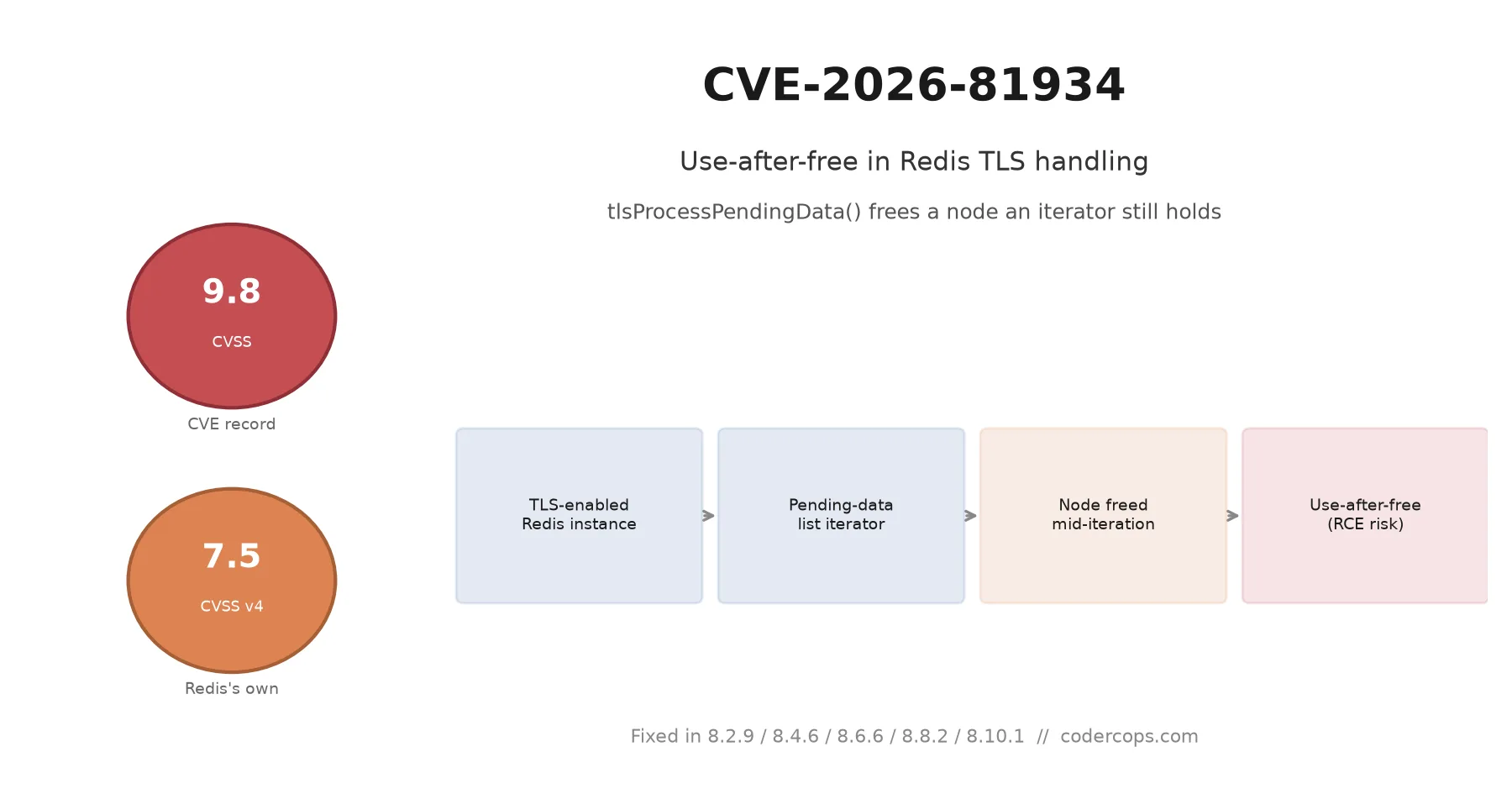
CVE-2026-81934 is a use-after-free in Redis's TLS pending-data handling, with a public PoC. If you don't terminate TLS inside Redis, it mostly passes you by.
Tag
6 articles tagged #Redis.
P.01CVE-2026-81934 is a use-after-free in Redis's TLS pending-data handling, with a public PoC. If you don't terminate TLS inside Redis, it mostly passes you by.
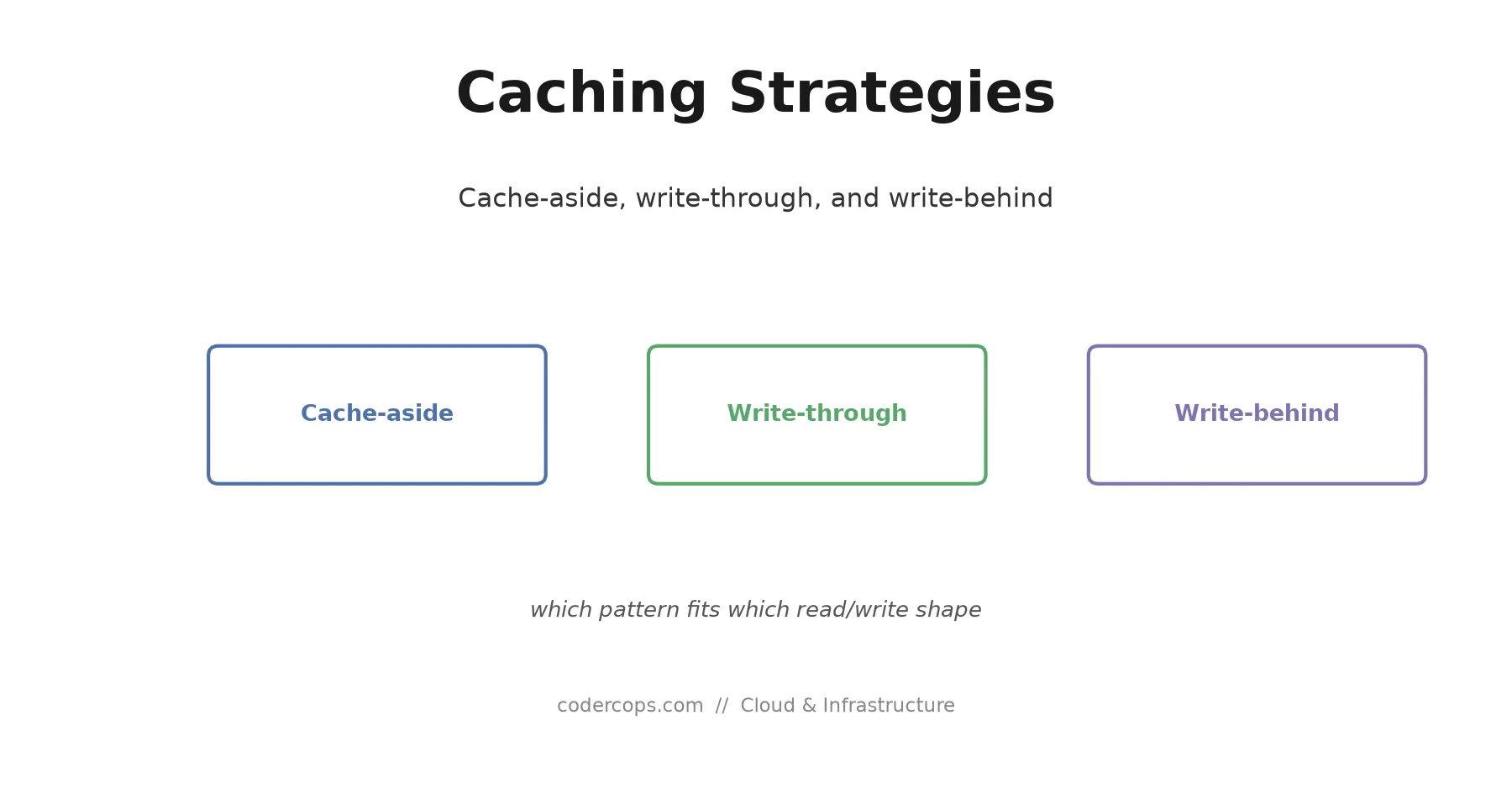
P.02Most teams reach for cache-aside by default and never ask if it's actually the right pattern. Here's how the three main caching strategies behave under real traffic, the consistency gap each one leaves open, and how to pick between them.
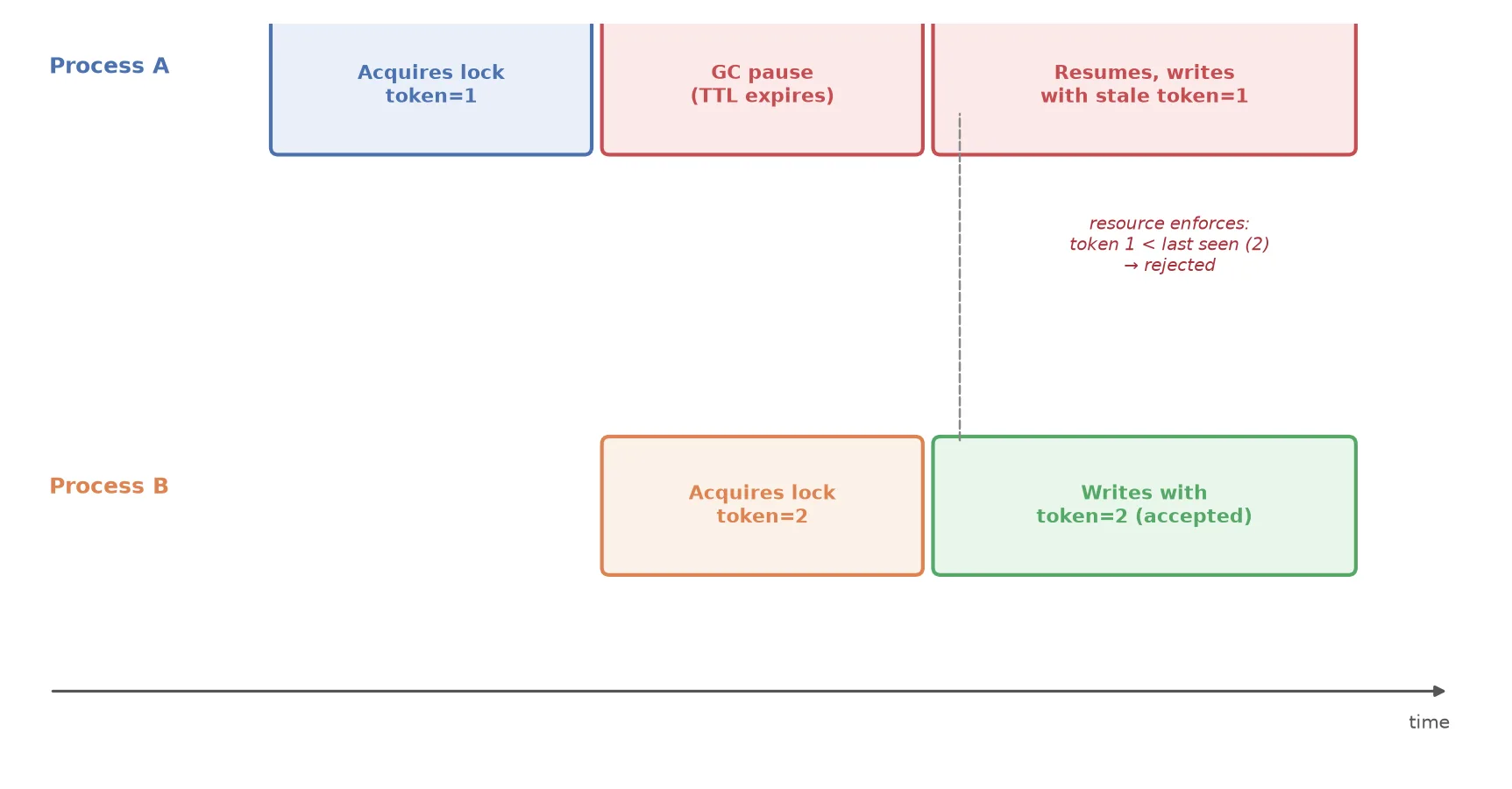
P.03A distributed lock keeps two processes on different machines from touching the same resource at once, but the naive Redis implementation has a gap that lets it fail silently. Here's how the pattern actually works, and the fencing token that closes the gap.
Message queues and event streams solve different problems. Kafka is not always the right answer. Here's how to think through event-driven patterns and choose the right tool for your production workload.
Every public API needs rate limiting, but the algorithm you choose shapes the user experience and the failure modes. Here's how each approach works and when to use it.
In March 2024, Redis Ltd. relicensed Redis under a source-available license. Within weeks, the Linux Foundation forked it as Valkey. Two years on, here's how the split played out and what it means for teams choosing an in-memory data store today.