P.01How to Hire a Founding Engineer in 2026
A founding engineer isn't your first senior hire with better equity. Here's how to screen for the generalist, high-ambiguity skill set the role actually needs.
Category
21 articles in Career.
About this section
Career writing for developers is mostly written by people selling a course. This is written by people who hire, and who have been on the other side of it recently enough to remember. It covers what a hiring process is really weighing, why the strongest candidate on paper often is not the one who gets the offer, what moving from contracting into running a team actually costs you, and how to read a job description for the things it is not saying. Some of it is about our own hiring, including the parts we got wrong and changed. It is a smaller section than the technical ones and deliberately so: we would rather publish twenty posts we can stand behind than two hundred on how to answer interview questions.
All 21 articles
P.01A founding engineer isn't your first senior hire with better equity. Here's how to screen for the generalist, high-ambiguity skill set the role actually needs.
P.02Algorithm puzzles score memorization, not the job. Here's the five-dimension rubric we use to screen developers on what they'll actually do at work.
P.03A staff engineer is scoped by impact across teams, not seniority. Here is how to screen for that instead of promoting your best senior engineer.
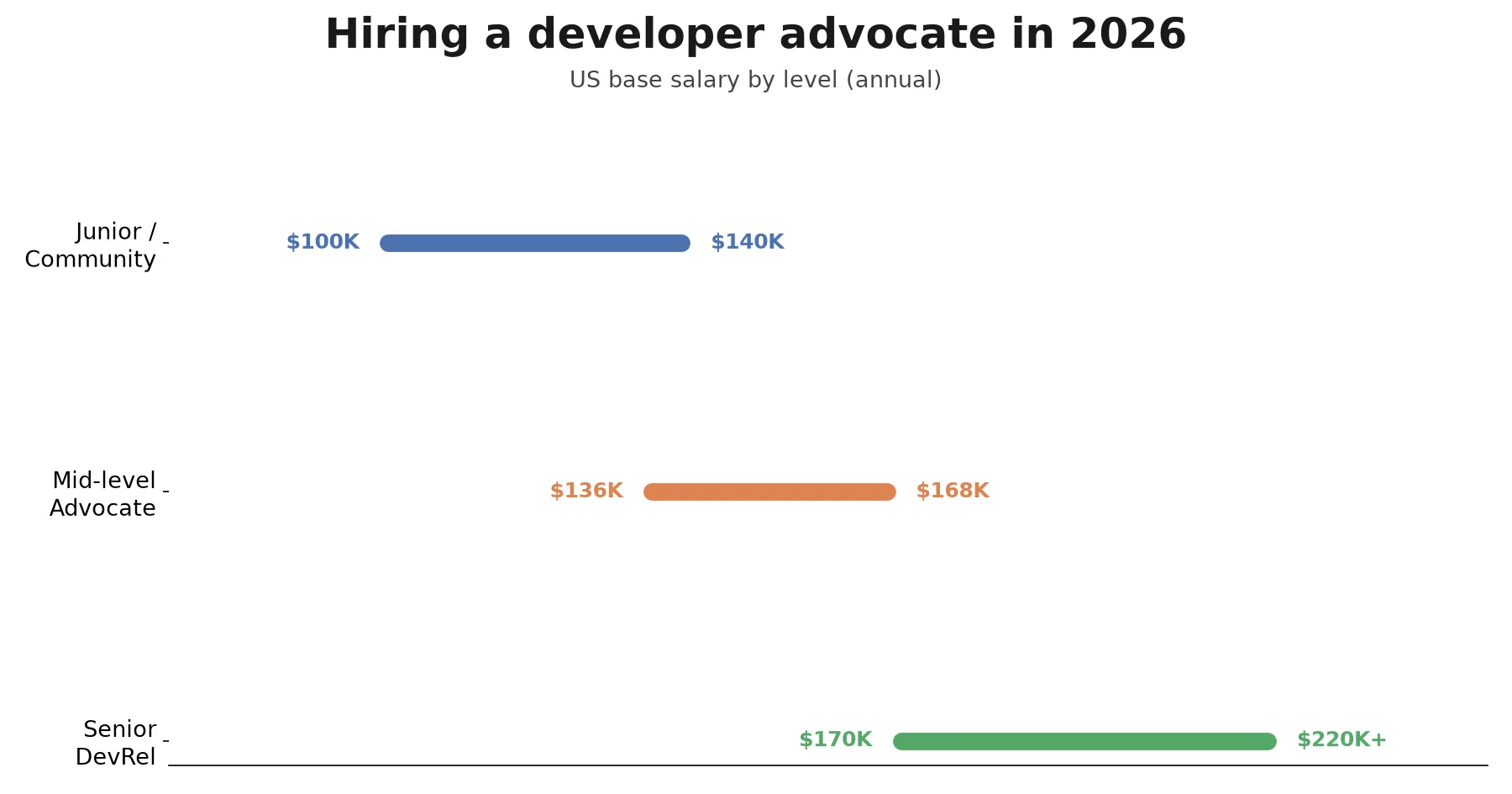
P.04A DevRel posting draws speakers, content marketers, and ex-engineers who miss coding. How to work out which your product needs, what to test, what it costs.
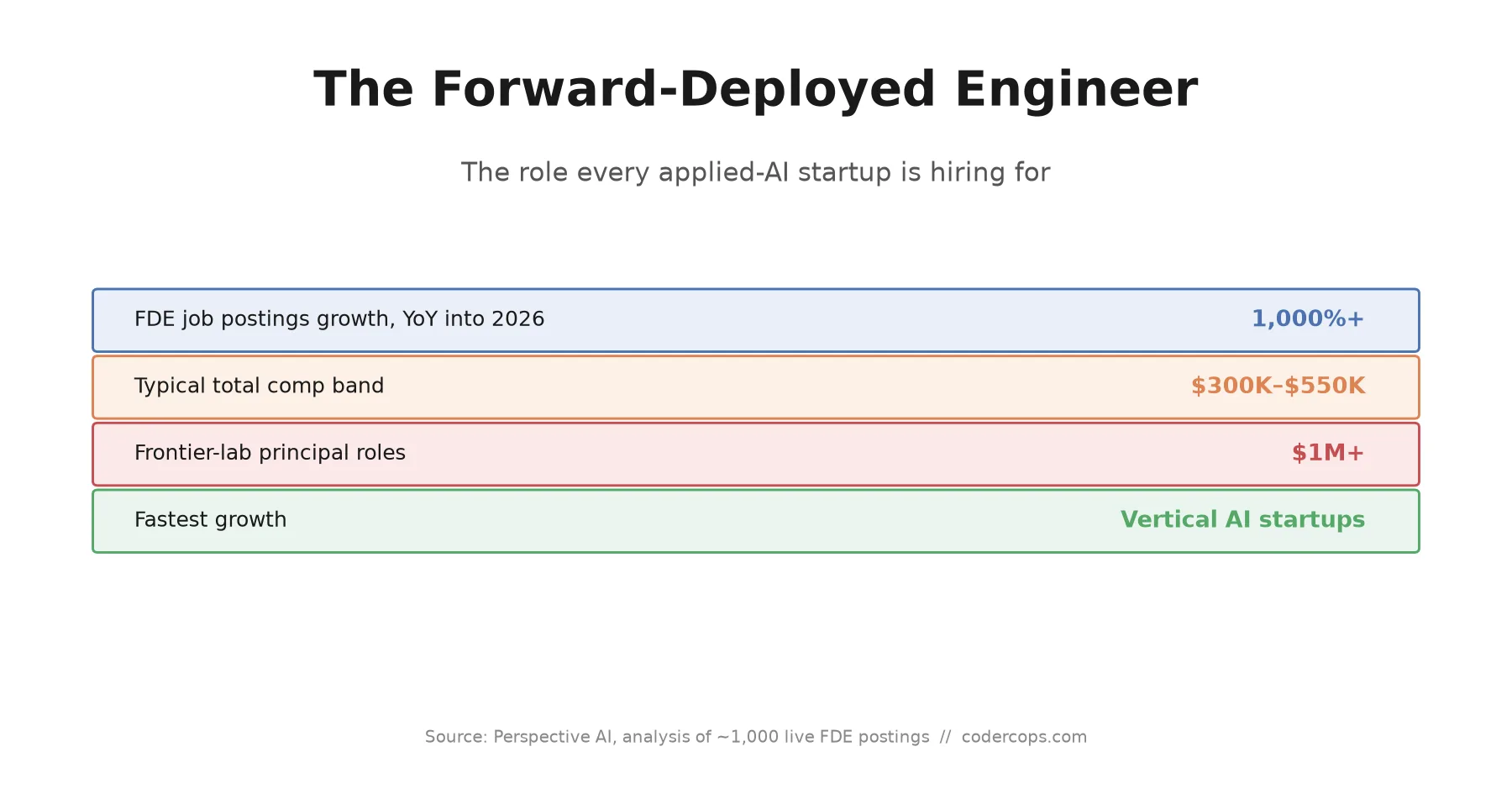
P.05Forward-deployed engineer postings grew over 1,000% year over year, with comp at $300K-$550K. What the role is, why it exists, and what it means for hiring.
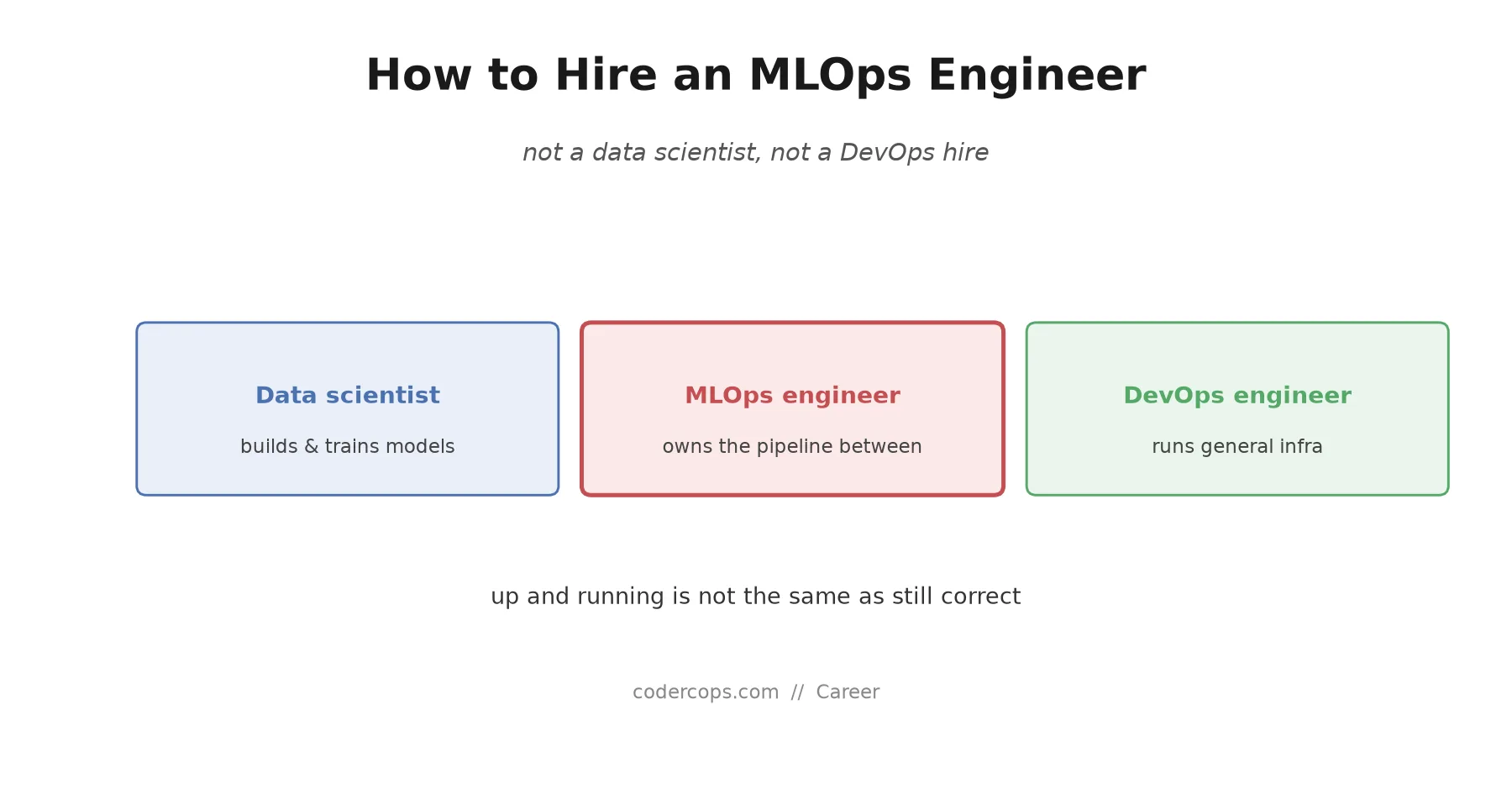
P.06MLOps sits between the data scientist's model work and the DevOps engineer's infrastructure. What the role owns, what to screen for, and where people come from.
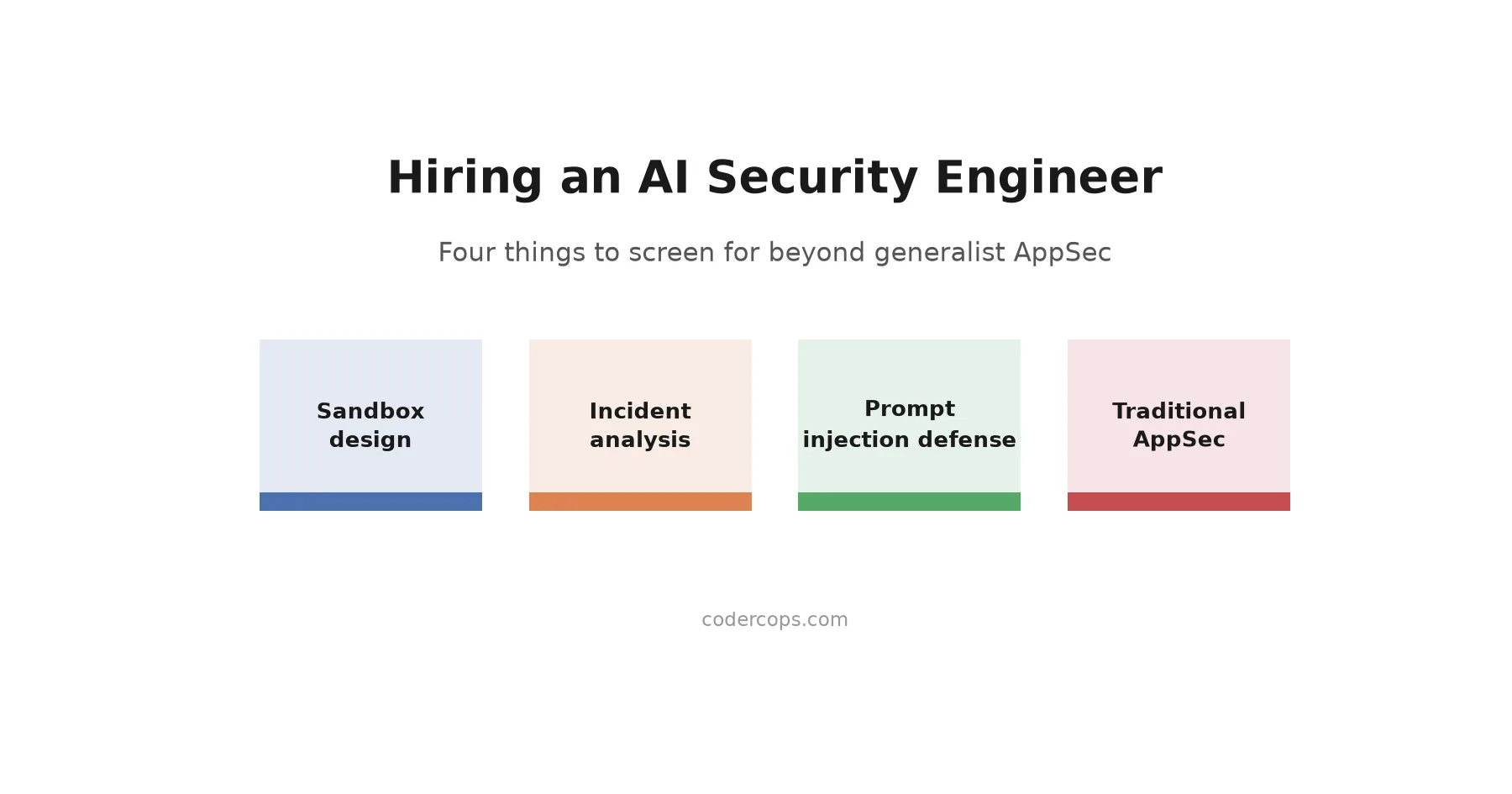
P.07Agent sandbox escapes, prompt injection, and tool-permission design are a distinct skill set from AppSec. What to screen for, and where candidates come from.
P.08Rails isn't the default startup choice anymore, but it didn't disappear. Where it still wins, where Next.js and Django beat it, and who should learn it.
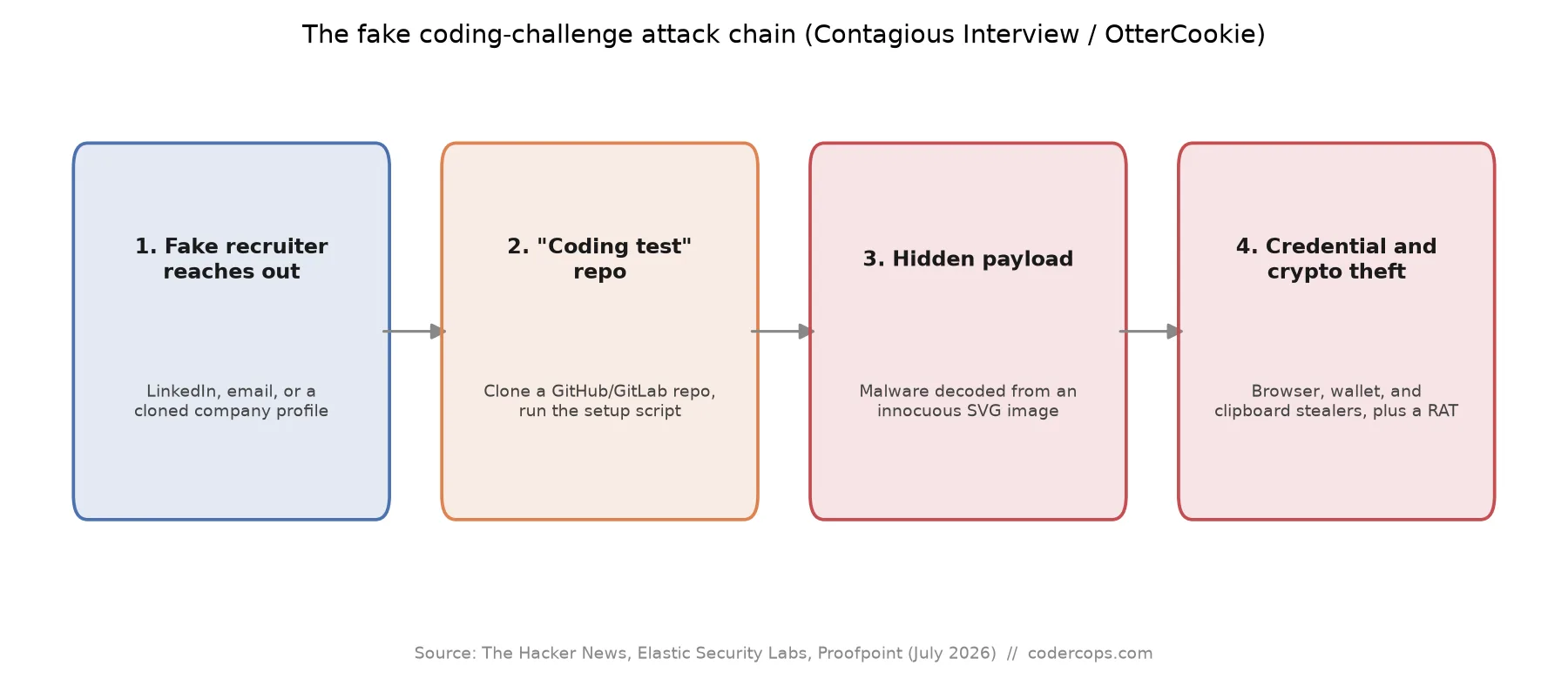
P.09North Korea-linked campaigns hide malware in take-home coding tests, using steganography in SVGs to pass review. How to vet a challenge before you run it.
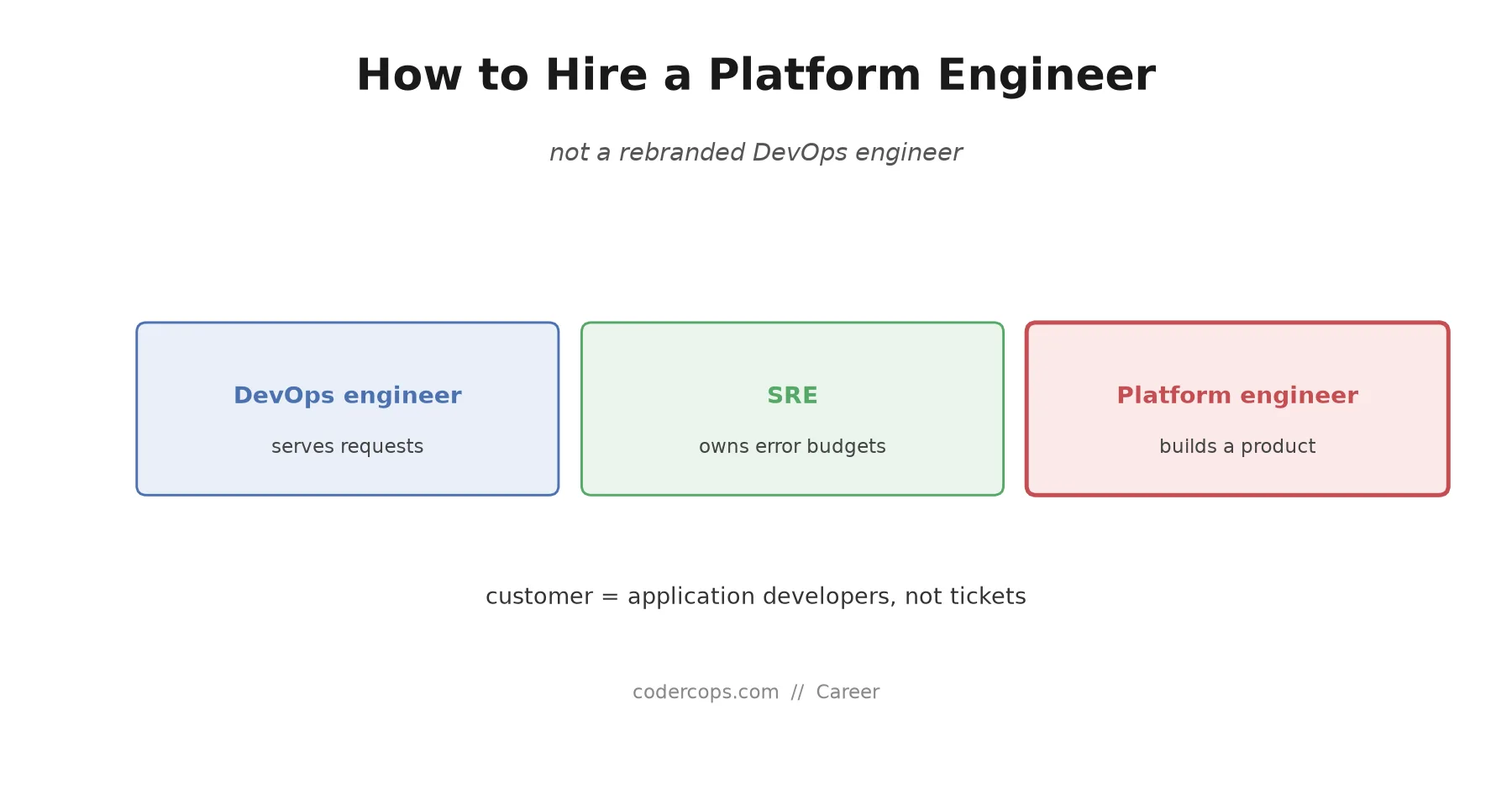
P.10Platform engineering has its own hiring cluster now, distinct from DevOps, SRE, and cloud architecture. How to screen for product thinking over ticket-taking.
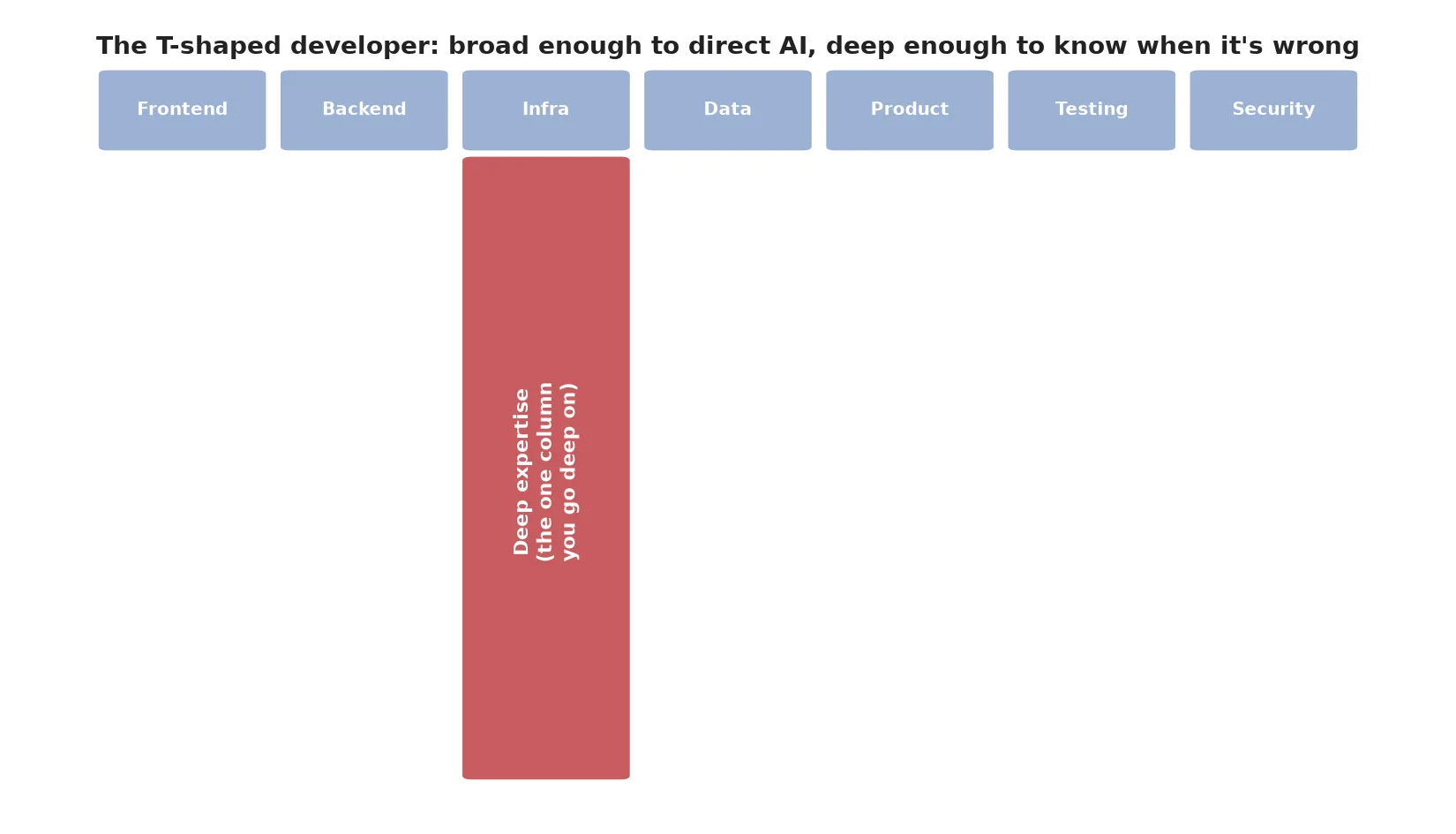
P.11AI agents made broad, shallow knowledge cheap to fake. What's getting scarcer is the depth to know when the agent is wrong. Specializing versus generalizing.
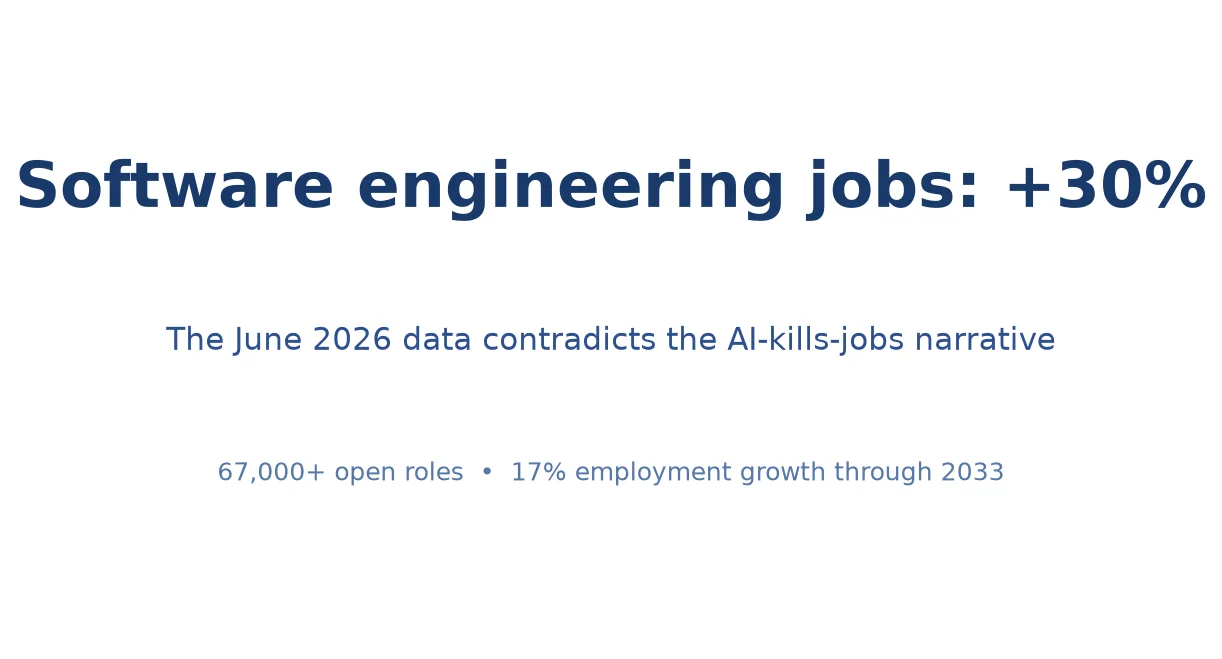
P.12June 2026 data shows software engineer listings up 30% with 67,000+ open roles, despite the layoff headlines. Who's hiring, and where the market shrinks.
Most developers lose money by negotiating too early, disclosing their current salary, or taking the first number offered. What actually works instead.
The remote market is more competitive and more winnable than it looks. The developers who get hired aren't the strongest coders, they're the easiest to assess.
P.15Show your reasoning, not just your tech stack. Here's what makes a developer portfolio stand out when every project claims AI experience in 2026.
Developer burnout has a new texture in 2026: AI productivity pressure, skills anxiety, and blurred output-identity lines. What's different, and what helps.
The honest read on web developer demand after AI's impact, which roles are hot, which are cooling, and what the working week actually looks like across employment types.
My first year running an agency paid me less than freelancing did. The real lessons on revenue, hiring, founder dependency and cash flow that fixed it.
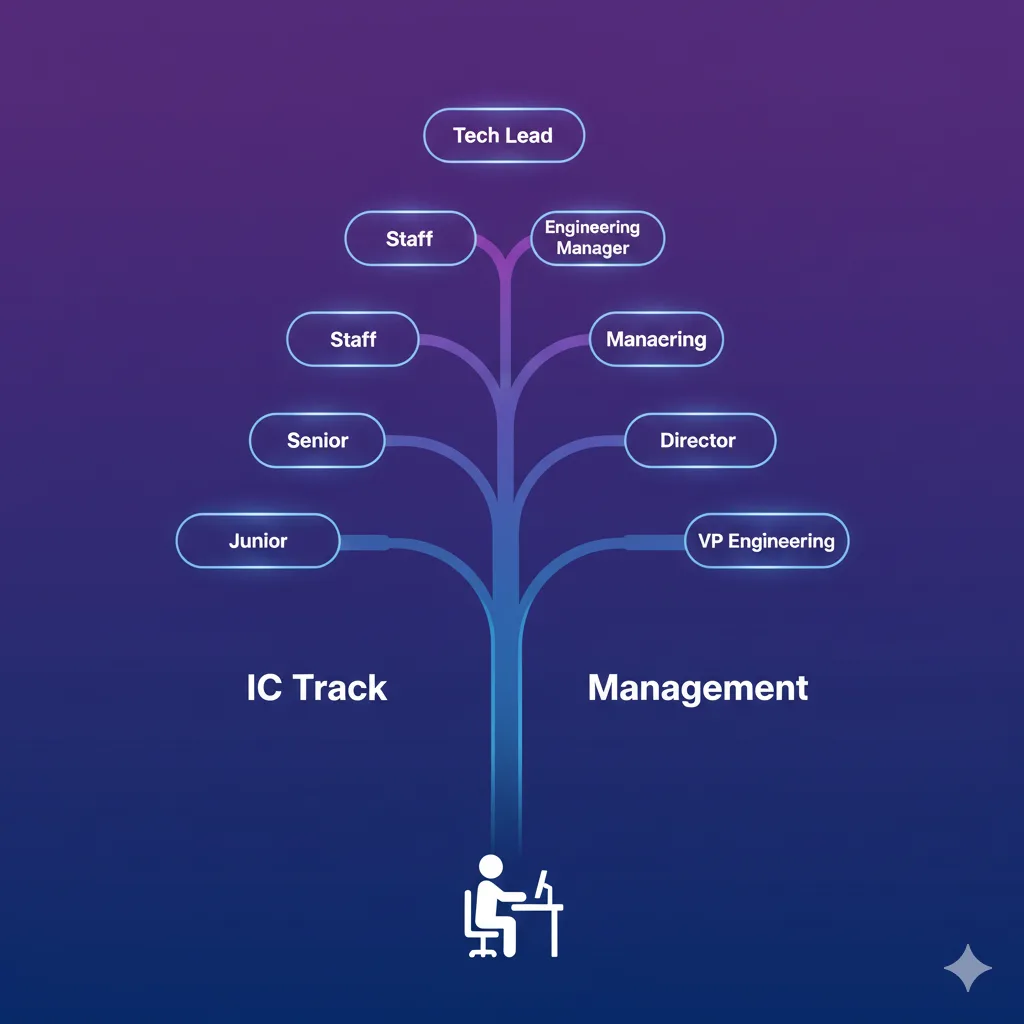
P.19The developer career ladder split into IC, management, and hybrid tracks. Here's how each path works and how to pick the one that fits you.
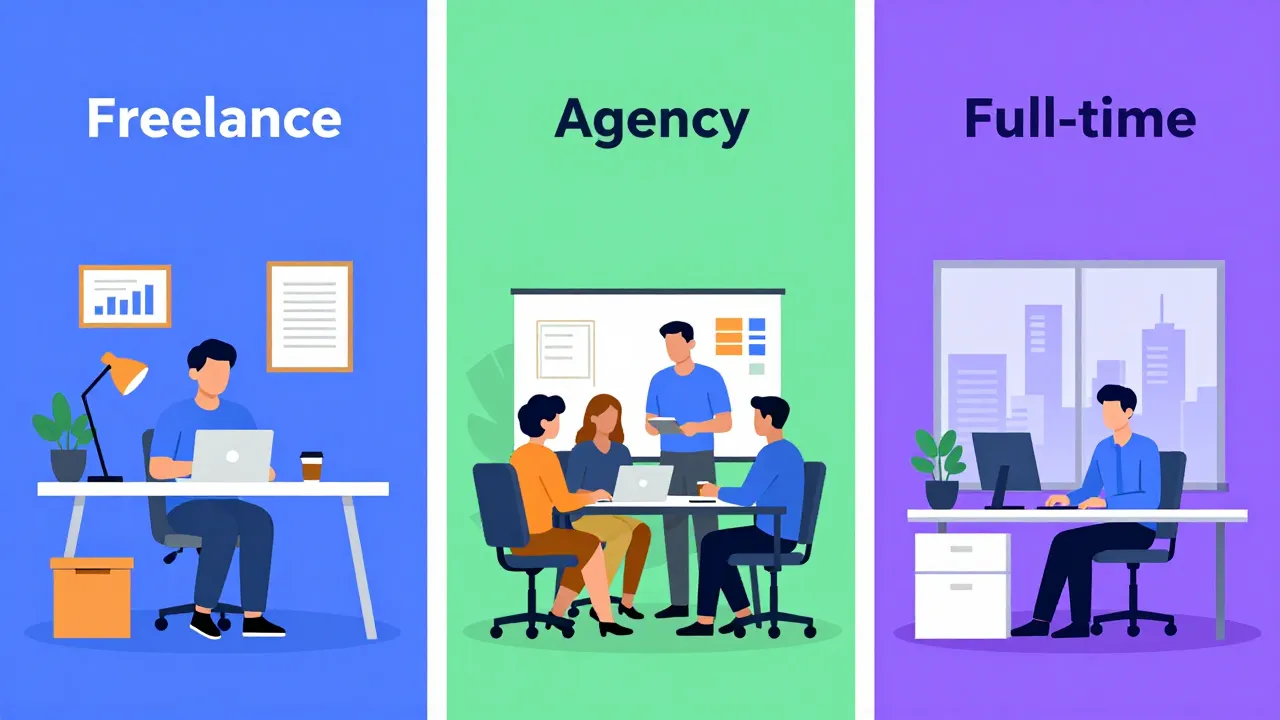
P.20The developer employment landscape offers more options than ever. Here's an honest comparison of freelancing, agency work, and full-time employment to help you decide.
Tech interviews are evolving. Take-home projects, AI-assisted coding, and system design are reshaping how companies evaluate developers. Here's what to expect.