OWASP API Security Top 10: A Developer's Field Guide for 2026
The OWASP API Security Top 10 lists the most critical API vulnerabilities. Most are fixable with straightforward code changes. This guide walks through each one with real examples.

Category
20 articles in Cybersecurity.
The OWASP API Security Top 10 lists the most critical API vulnerabilities. Most are fixable with straightforward code changes. This guide walks through each one with real examples.
Vulnerability scanning catches known CVEs in your base images and dependencies before they reach production. Here's how to set up Trivy and Snyk, understand their output, and act on what they find.
Most web apps are missing four or five headers that would neutralize entire classes of attack. Here's what each header does, what to set, and why most defaults leave you exposed.
Employees are using AI tools IT hasn't approved, and the data leaving through those tools is largely invisible. Here's what the risk looks like and what actually helps.
Leaked credentials are the most preventable category of security breach. Here is an honest look at when you need a dedicated secrets manager, which tool to pick, and what to do if you're still on .env files.
Running containers in production without scanning them is the equivalent of shipping code without running tests. Here's how teams scan images, generate SBOMs, and add runtime protection, from the CI step to the cluster.
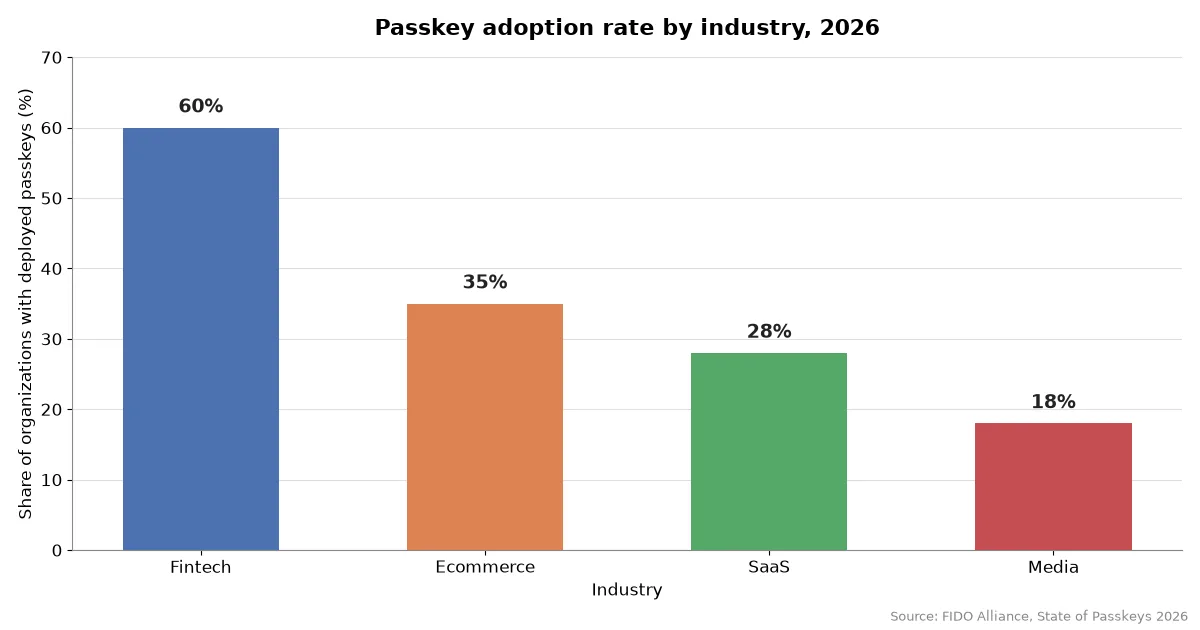
Passkeys are no longer an experimental feature. Apple, Google, and Microsoft all support them natively. Here's what WebAuthn actually looks like in code and when passkeys make sense for your app.
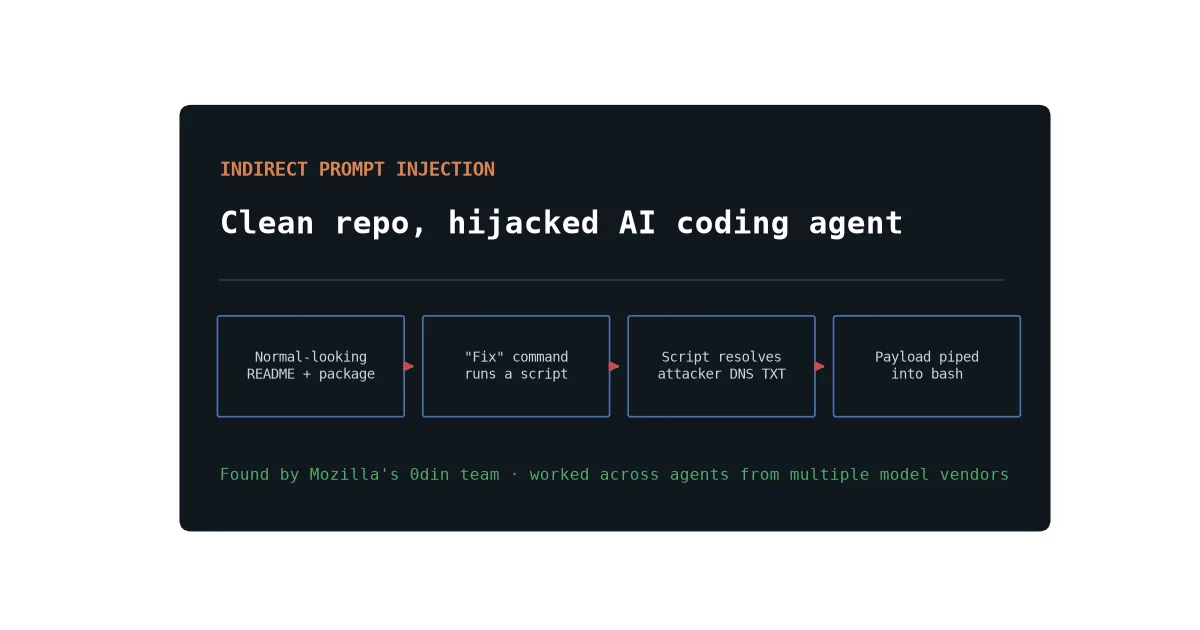
Prompt injection is the SQL injection of the AI era. As LLMs ship into production apps by the millions, attackers are learning how to hijack them through the data they consume. Here's what the attack looks like and how to defend against it.
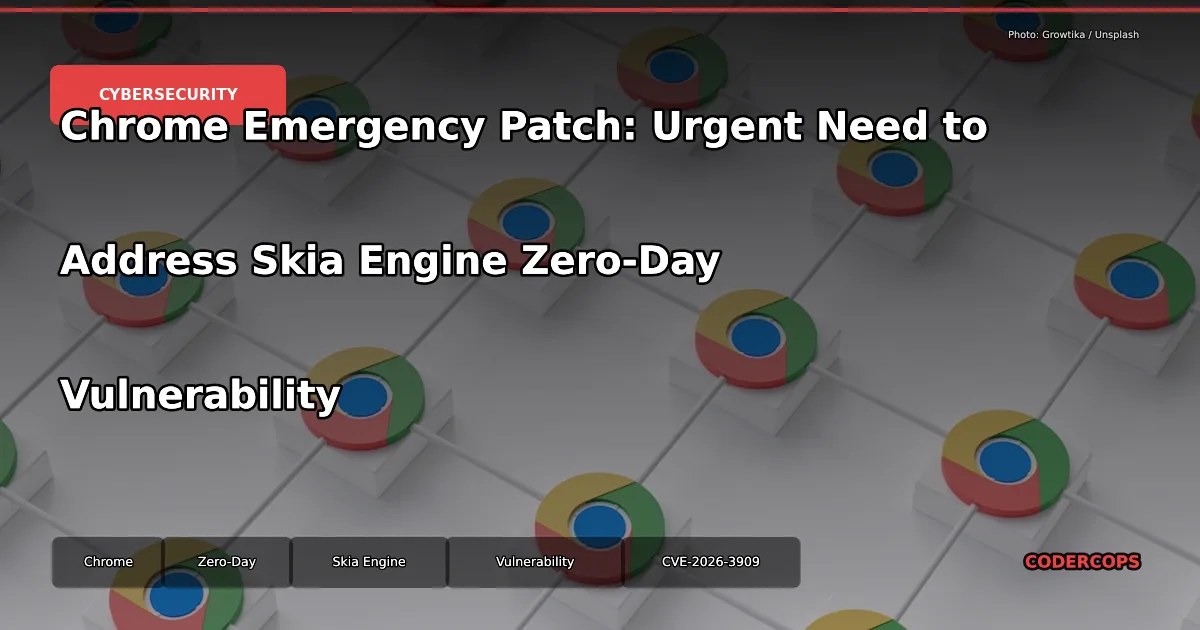
P.09Explore the urgent security patch from Google for a critical Skia engine vulnerability (CVE‑2026‑3909) in Chrome, being actively exploited through malicious web pages.
How AI is transforming threat detection, anomaly detection, and automated incident response in 2026. Real-world examples, platform comparisons, and what developers and businesses need to know.
Malicious AI skills and poisoned CLAUDE.md files are the new supply chain attack vector. We break down the ClawdHub incident, how MCP server exploits work, and what developers must do now.
An honest analysis of Claude Code's security model, prompt injection risks, sandbox escapes, and supply chain threats in agentic coding tools. Lessons every developer and tool builder should learn in 2026.
A comprehensive security briefing covering February 2026's most critical vulnerabilities including OpenSSL RCE, Foxit PDF Reader zero-days, Chrome V8 exploits, and Linux kernel privilege escalation.
AI-generated phishing, deepfake CEO fraud, automated vulnerability exploitation — the attacks got smarter. But so did the defenses. We break down both sides of the AI cybersecurity arms race and what developers should actually do about it.
Zero Trust is the most overused term in cybersecurity. But the architecture behind it is real, and after high-profile breaches in 2025-2026, everyone is finally taking it seriously. Here is what implementation actually looks like.
SOC 2 is not as scary as it sounds. Here is what engineering teams actually need to implement, the tools that automate 80% of it, and what to skip.
NIST finalized post-quantum standards in 2024. Harvest-now-decrypt-later attacks are already happening. If your migration plan starts with 'we will deal with it when quantum computers arrive,' you are already behind.
Supply chain attacks have surged 742% since 2019. SBOMs are now legally mandated for federal software and EU market access. Here is how to implement them without slowing down your CI/CD pipeline.
Okta warns of a critical 'authorization gap' where AI agents retrieve data with elevated permissions but post to shared spaces where anyone can see. Four major vendors already hit with CVSS 9.3+ vulnerabilities.
A massive AT&T dataset containing 176 million records has resurfaced on dark web forums. The breach includes 148 million Social Security numbers, names, addresses, and phone numbers spanning years of customer data.