P.01Serverless Cold Starts Explained: Causes and Fixes
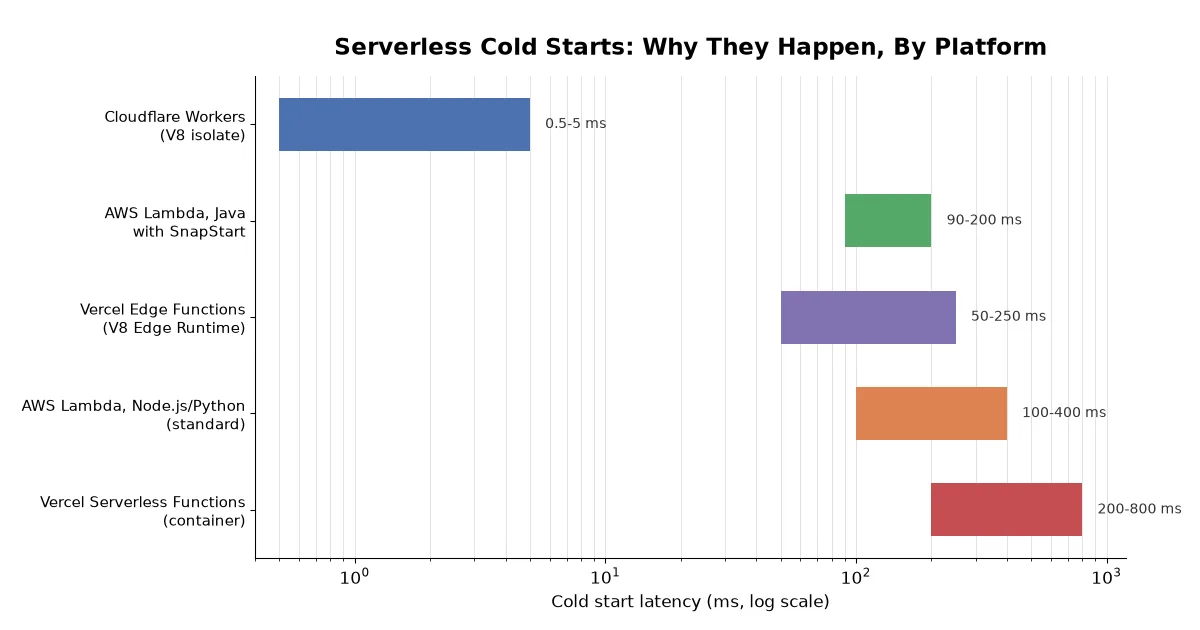
A cold start is the fresh execution environment a platform builds before running your code. Some take 5ms, others 2 seconds. Here's why, and how to cut it.
Category
90 articles in Cloud & Infrastructure.
About this section
Infrastructure decisions are the ones you live with longest and revisit least, usually because revisiting them is expensive. So this section leans toward comparisons made under real constraints rather than benchmarks made under ideal ones: edge against serverless against containers for a specific workload, what a managed database costs once traffic is uneven, why a platform's scale-to-zero behaviour matters more than its cold start numbers. Postmortems get a lot of space, ours and other people's, because an outage report tells you more about a system than its documentation does. If you are choosing a platform for something that has to run unattended, the failure modes here are the ones worth reading before the pricing page.
All 90 articles
P.01A cold start is the fresh execution environment a platform builds before running your code. Some take 5ms, others 2 seconds. Here's why, and how to cut it.
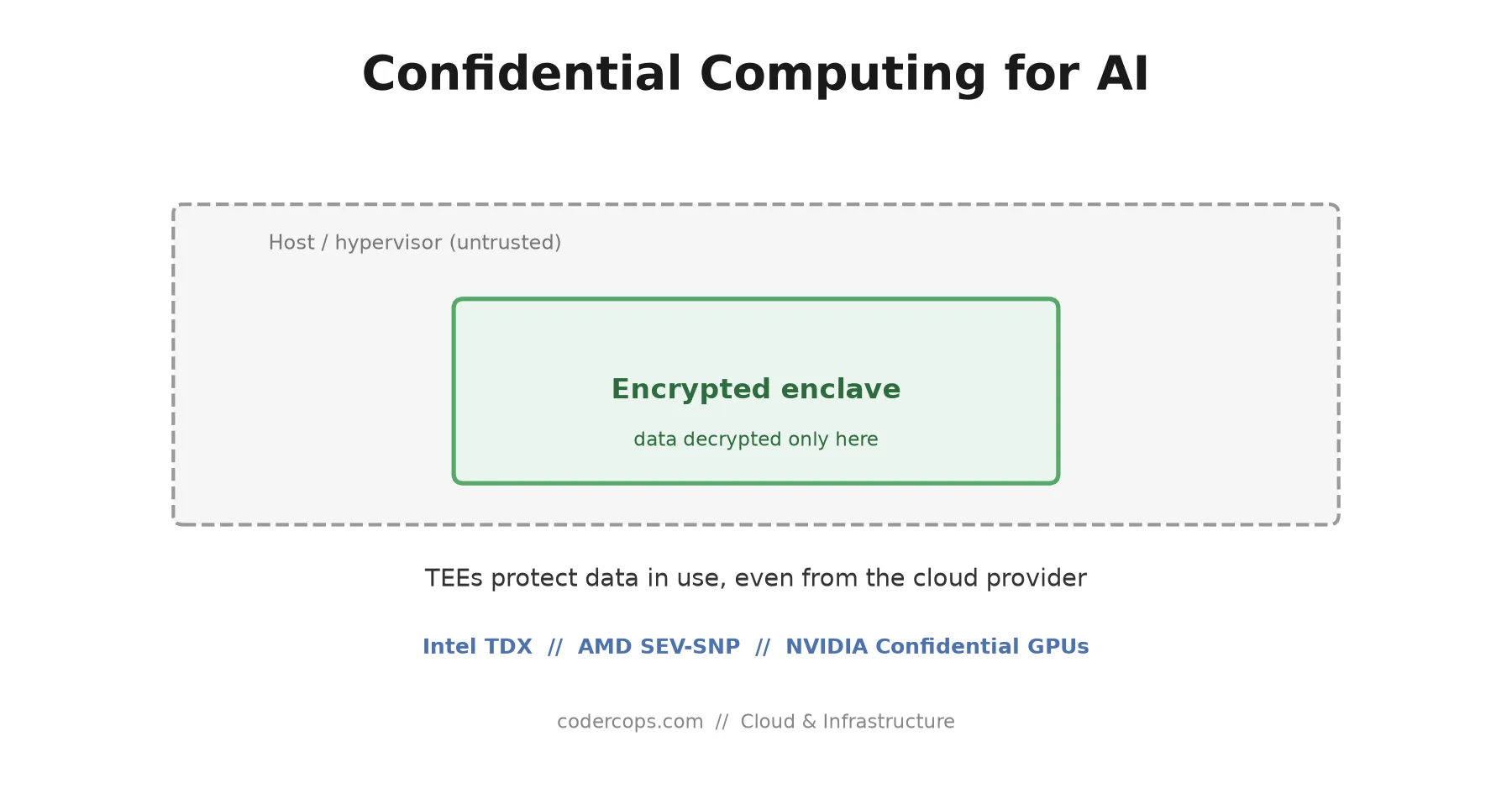
P.02TEEs encrypt data even from the cloud provider running it, which is why confidential computing became a real AI requirement. What it does and doesn't cover.
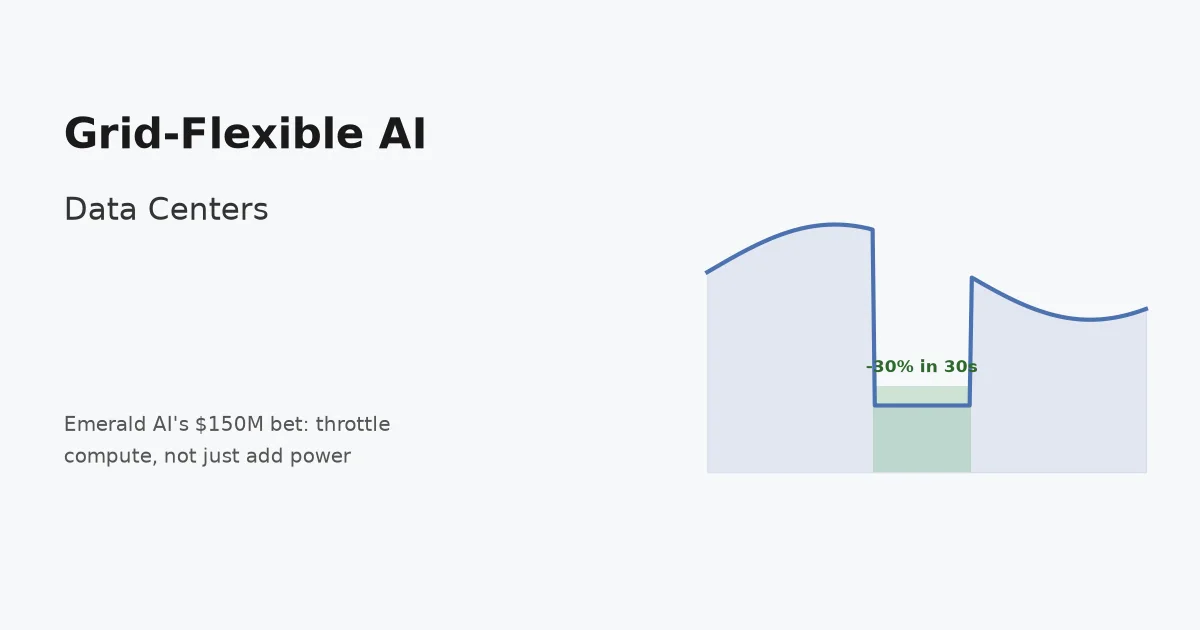
P.03Emerald AI raised $150M to make AI data centers shed power on demand. A 96-GPU Nvidia trial cut draw 30% in 30 seconds. What that means for capex plans.
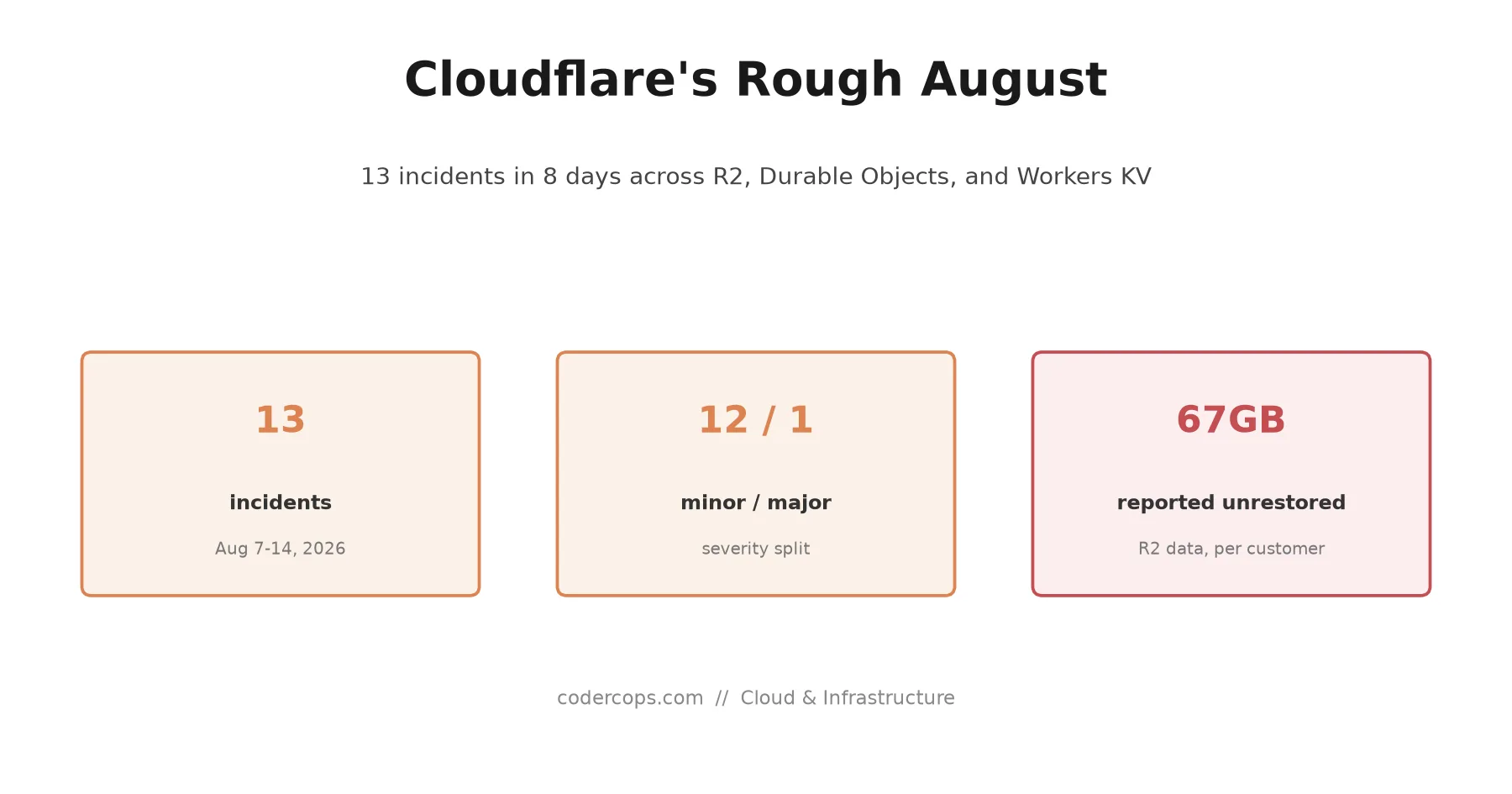
P.04Cloudflare logged 13 incidents between August 7 and 14, touching R2, Durable Objects, and Workers KV. What that means for building on one edge provider.
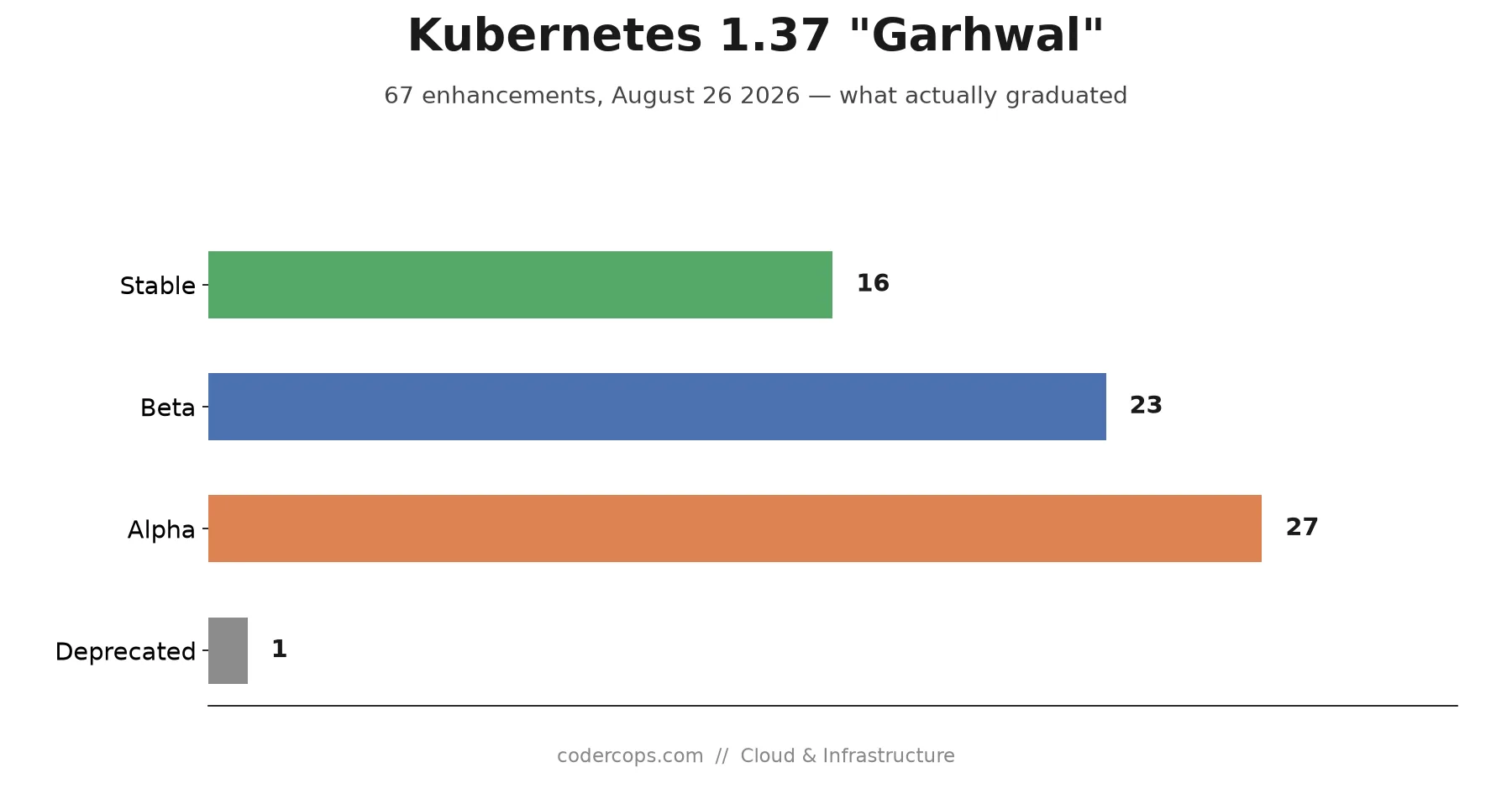
P.05Kubernetes 1.37 shipped August 26 with 67 enhancements. What actually graduated to stable, what's worth testing in beta, and what to leave alone for now.
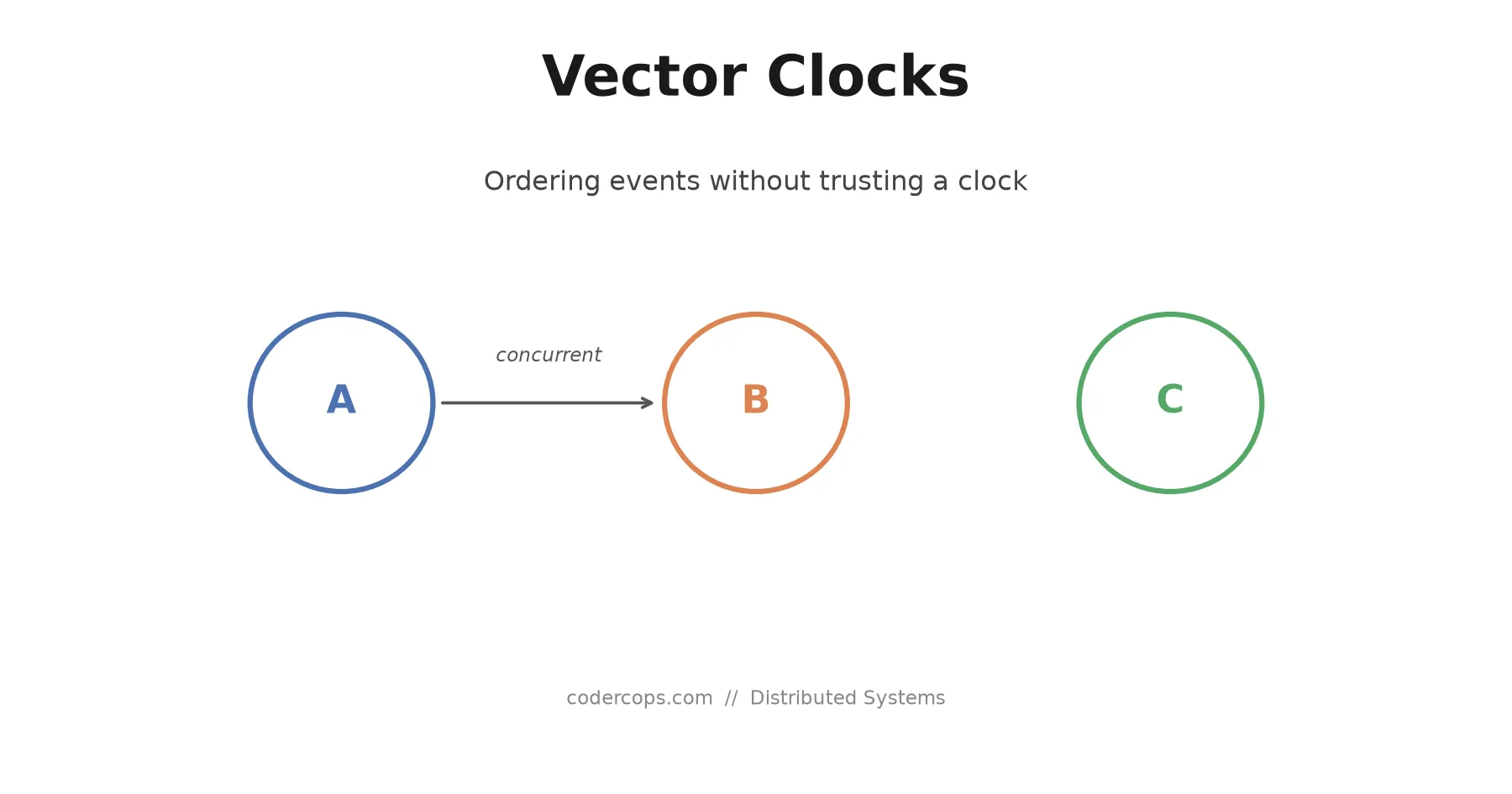
P.06Two writes hit different replicas at once. Which came first? Sometimes neither. How vector clocks tell a real conflict from a false one, without wall time.
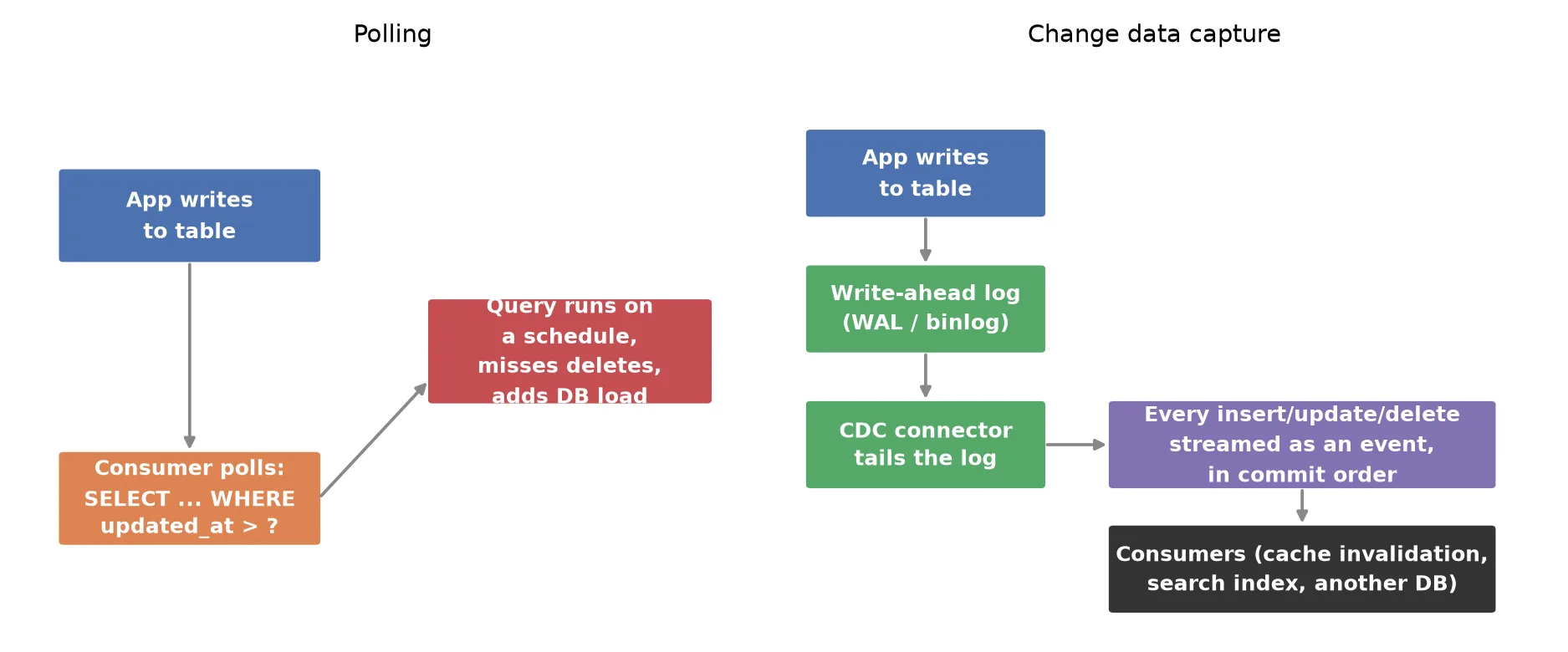
P.07Polling misses deletes, adds load, and always lags. CDC reads the write-ahead log instead, turning every insert, update, and delete into an event stream.
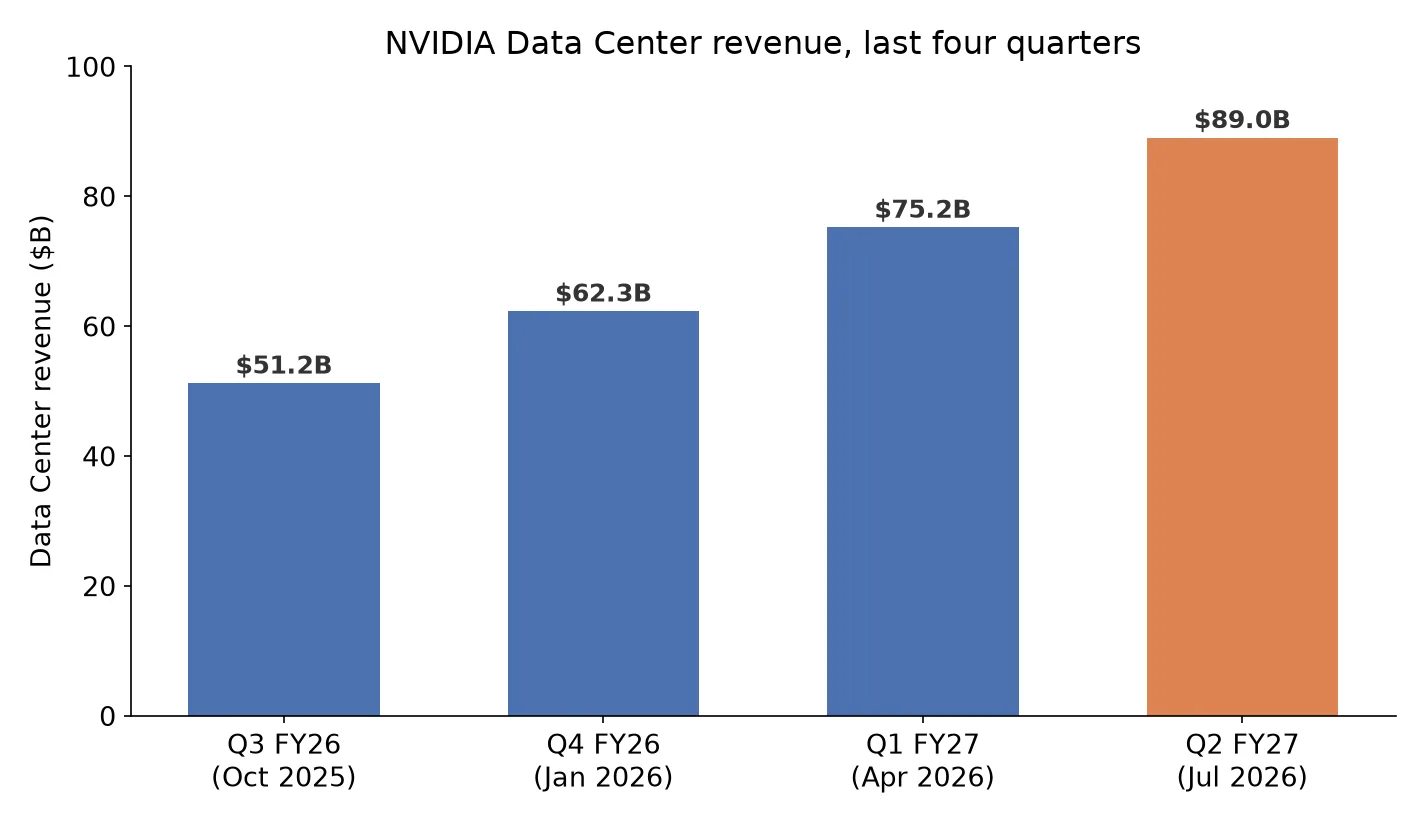
P.08Nvidia posted $96.2B in Q2 FY27 revenue, Data Center up 117% to $89B. What the number means if you're the one budgeting GPU capacity this quarter.
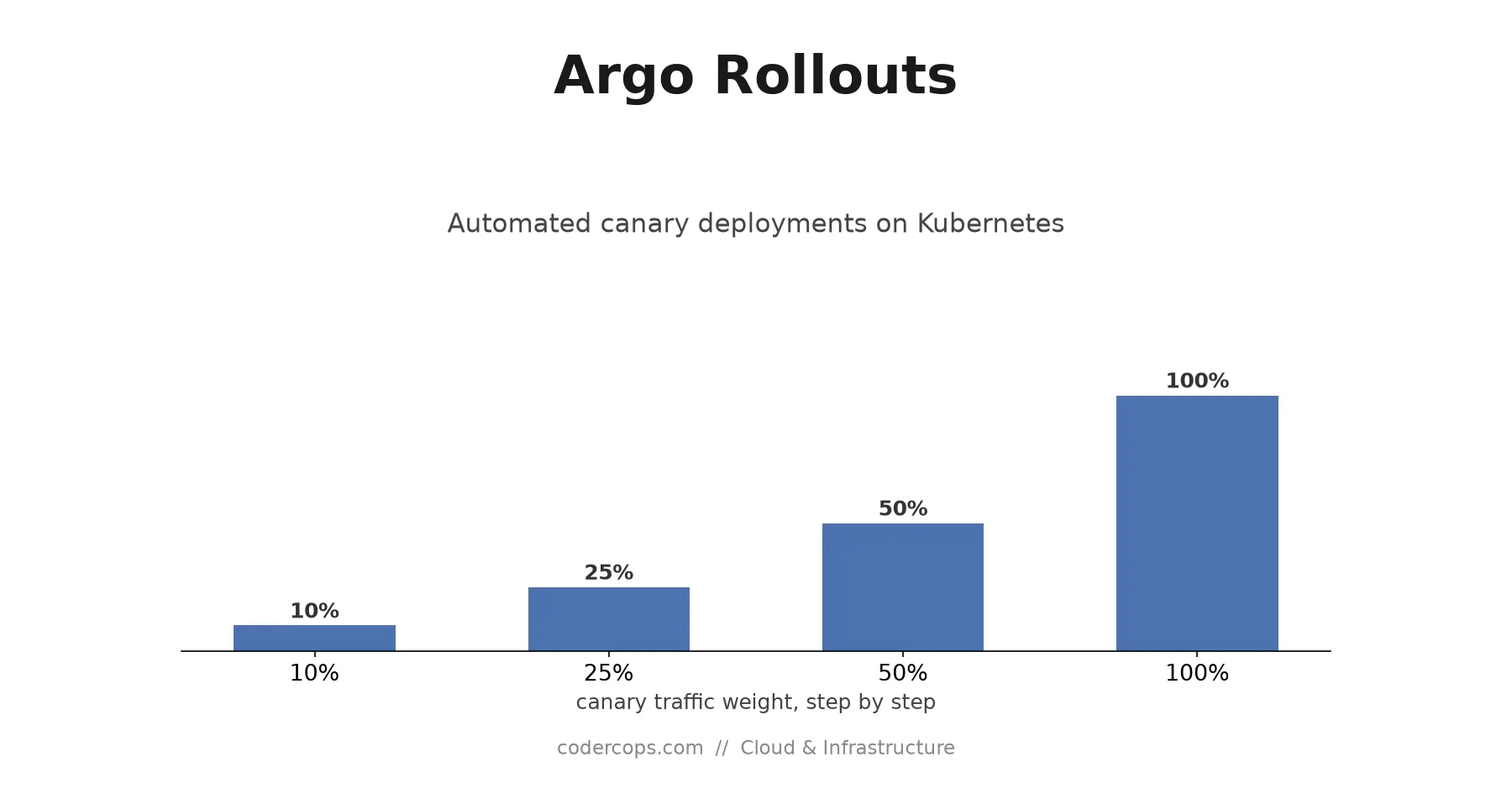
P.09Argo Rollouts replaces a Deployment with a controller that shifts traffic gradually and rolls back on bad metrics. Real manifests, plain Deployment to canary.
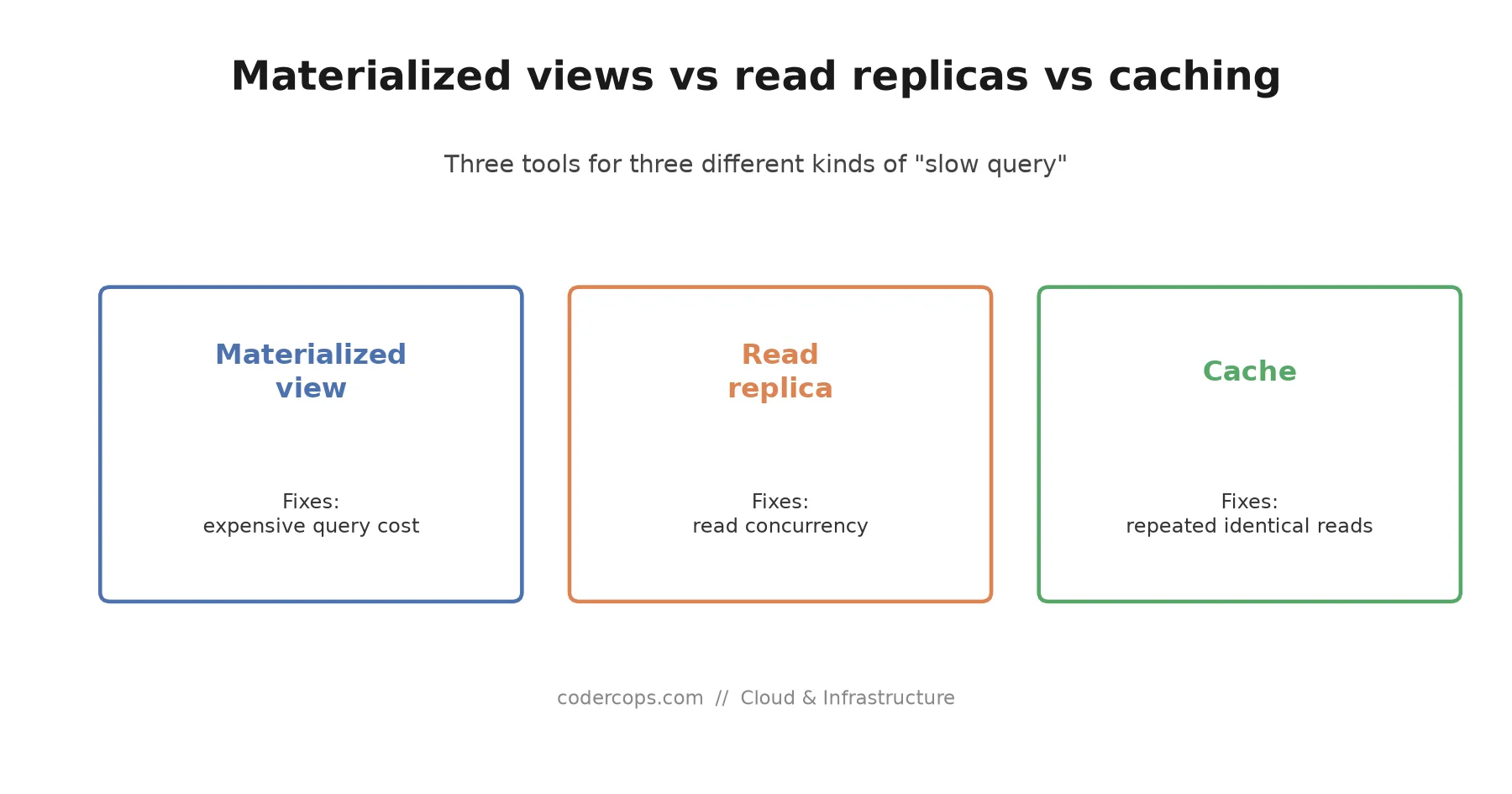
P.10Three tools solve three different versions of "this query is slow." How materialized views, read replicas, and caches differ, and how to pick one.
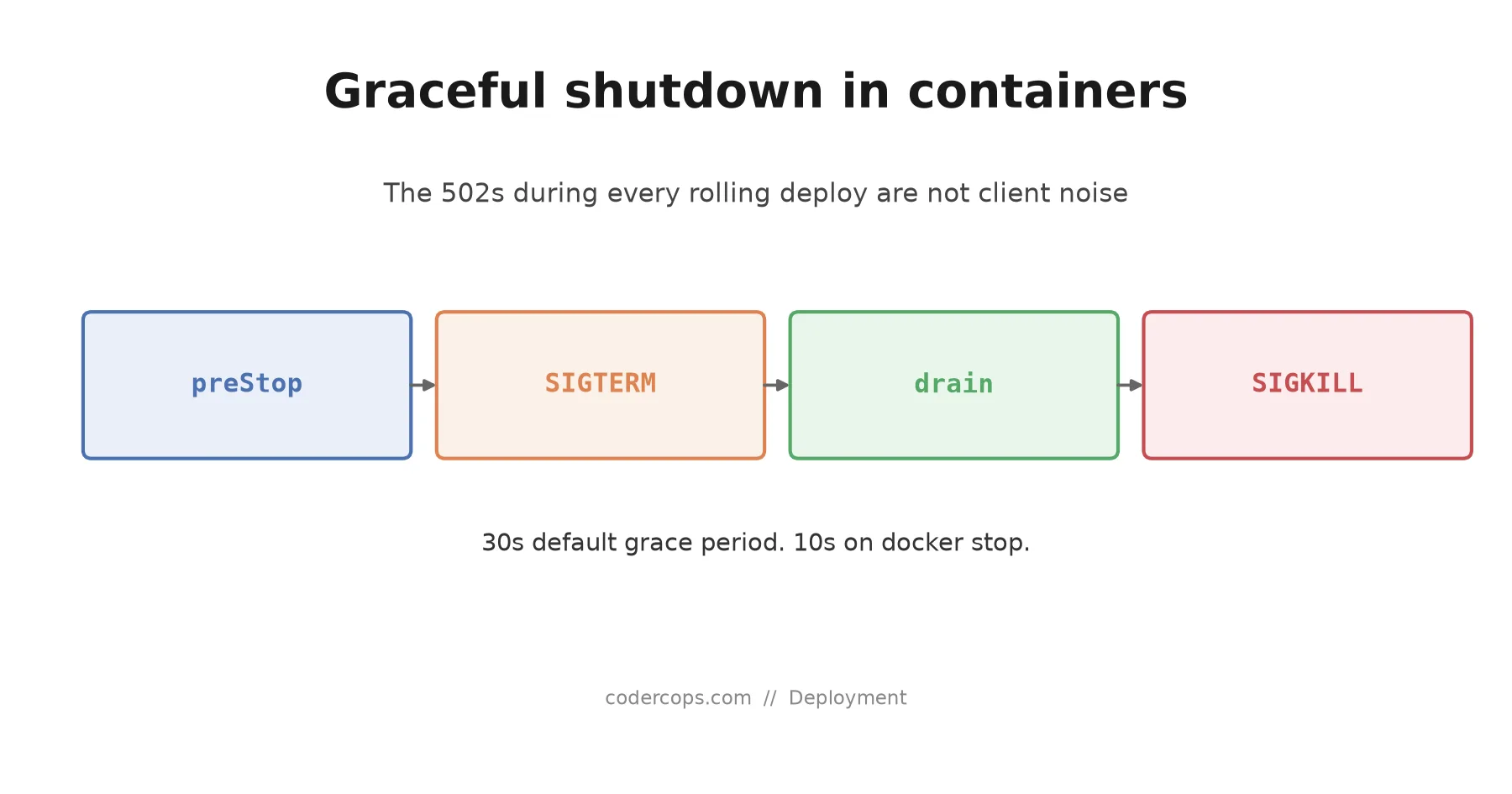
P.11Every rolling deploy drops a few requests and the errors look like client noise. The shutdown sequence, the race behind it, and the code that fixes it.
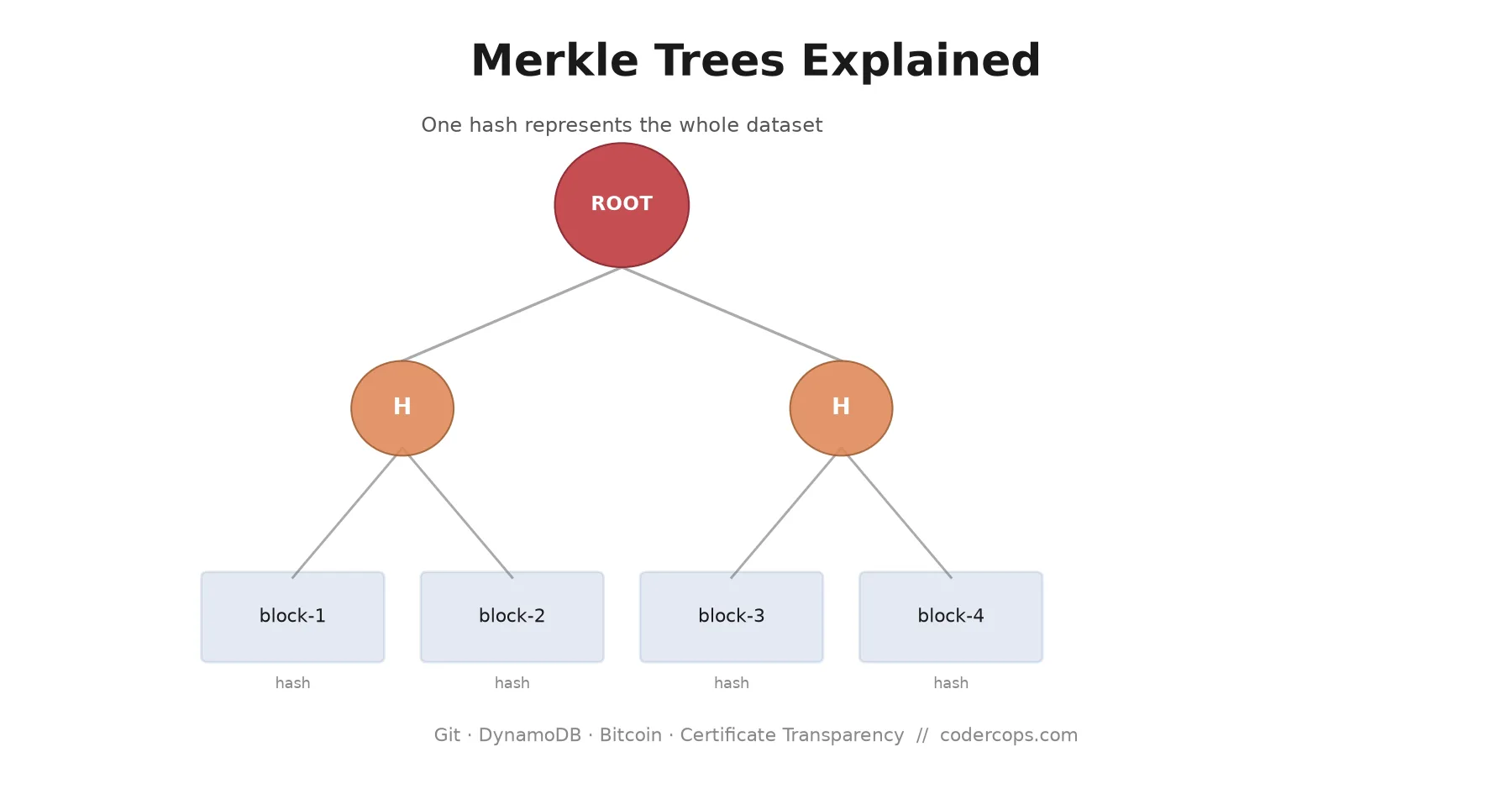
P.12A Merkle tree proves a piece of data belongs to a large dataset, or finds exactly what changed between copies, without reading all of it. How, and where.
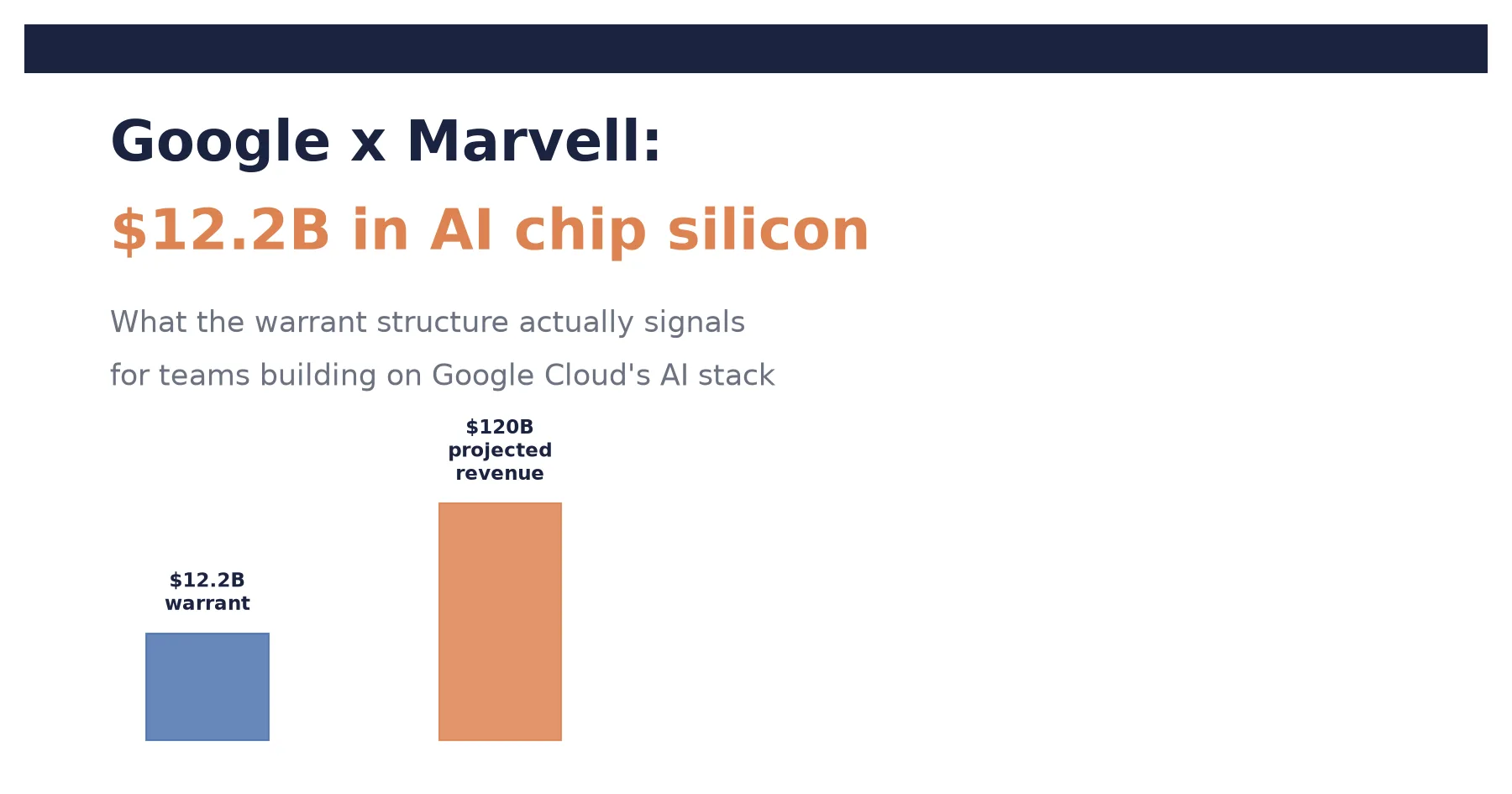
P.13Marvell gave Google a warrant on up to $12.2B in shares that vests as Google buys custom TPU silicon. What the structure says about GCP's AI roadmap.
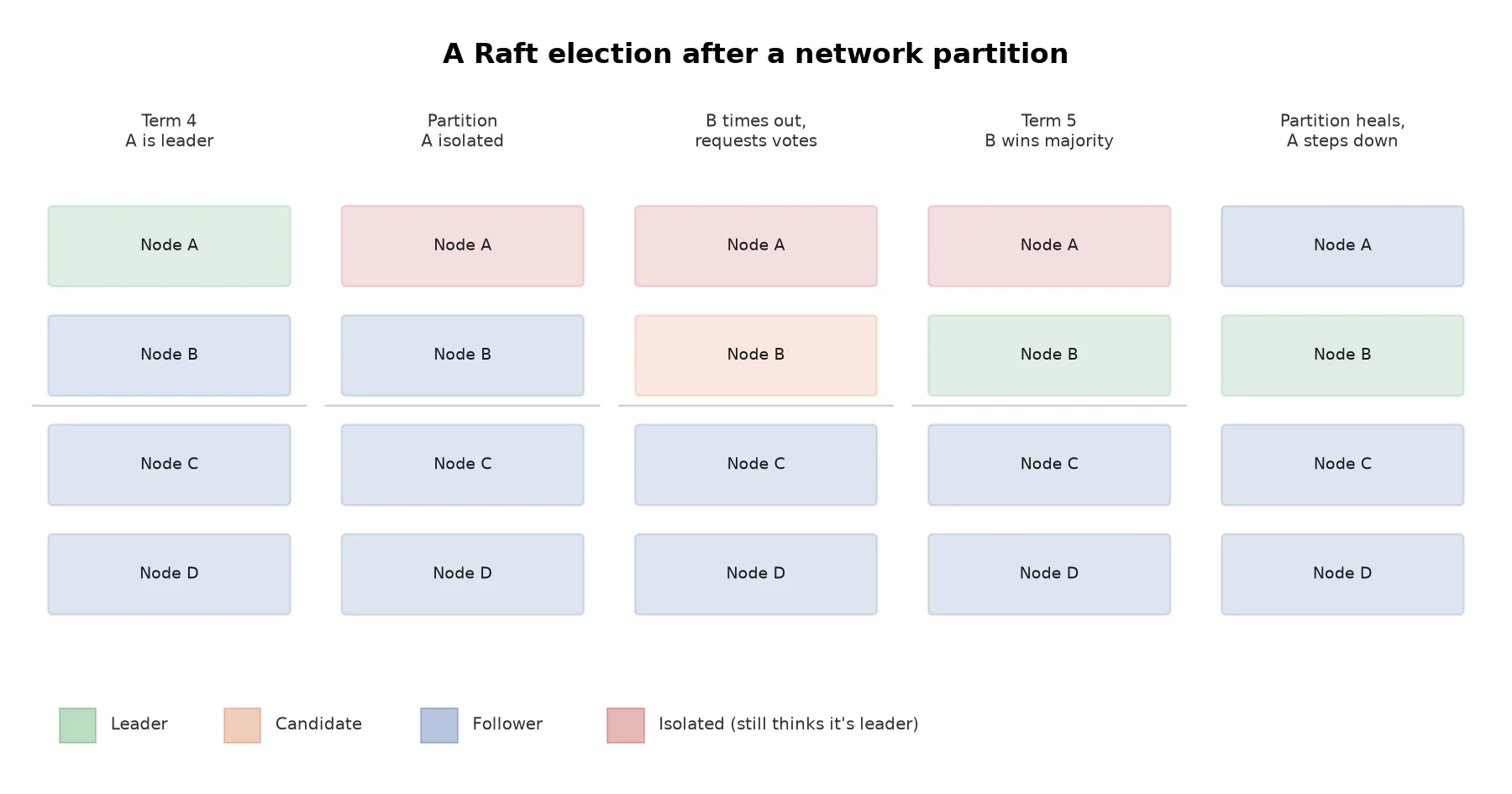
P.14Run three copies of a service and only one should do certain jobs. How leader election works, from Raft's term voting to the etcd lease pattern teams use.
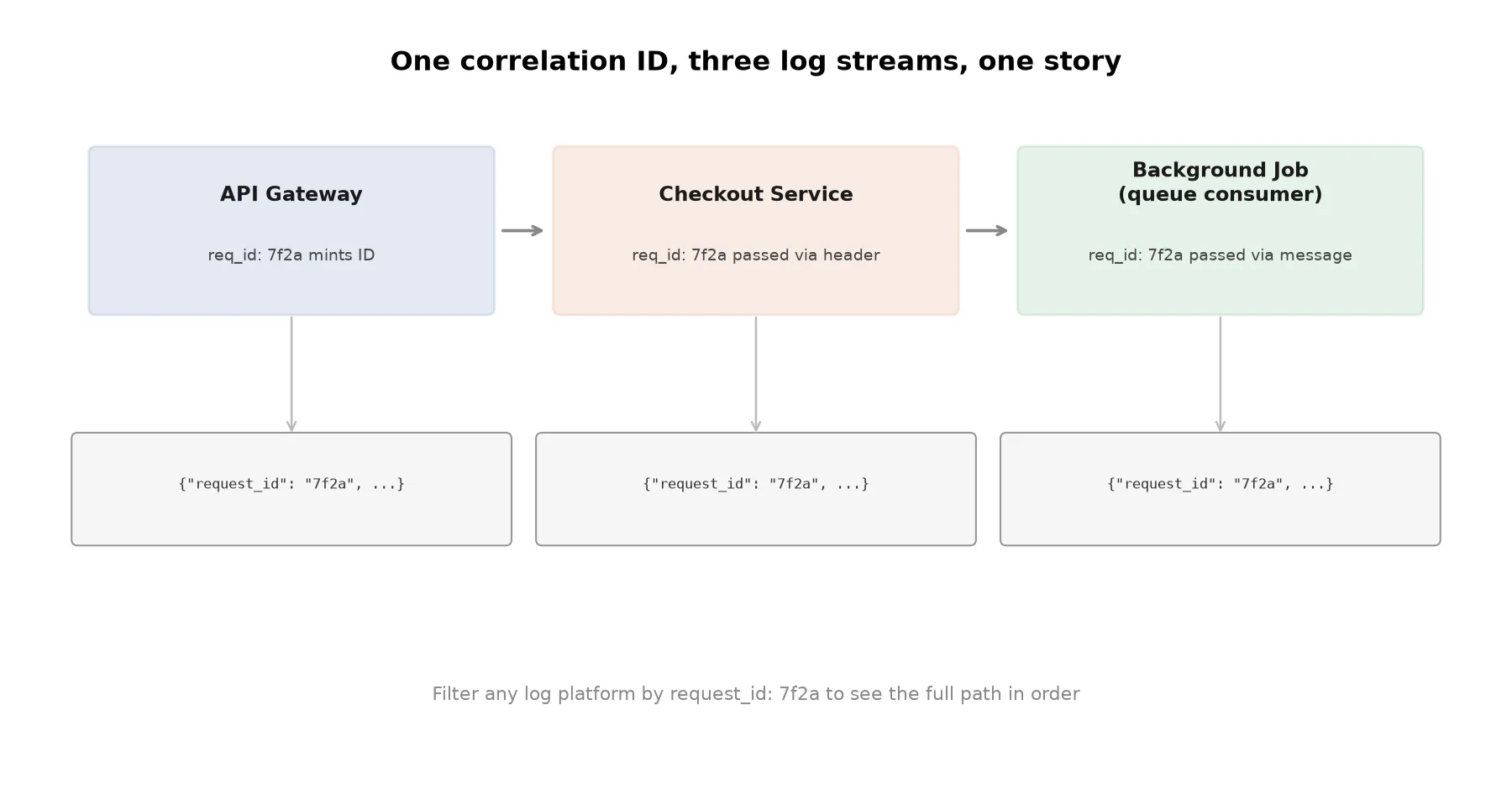
P.15A log line that's just a sentence is fine until you search a million at 2am. How structured logging works, threading a correlation ID, and what to skip.
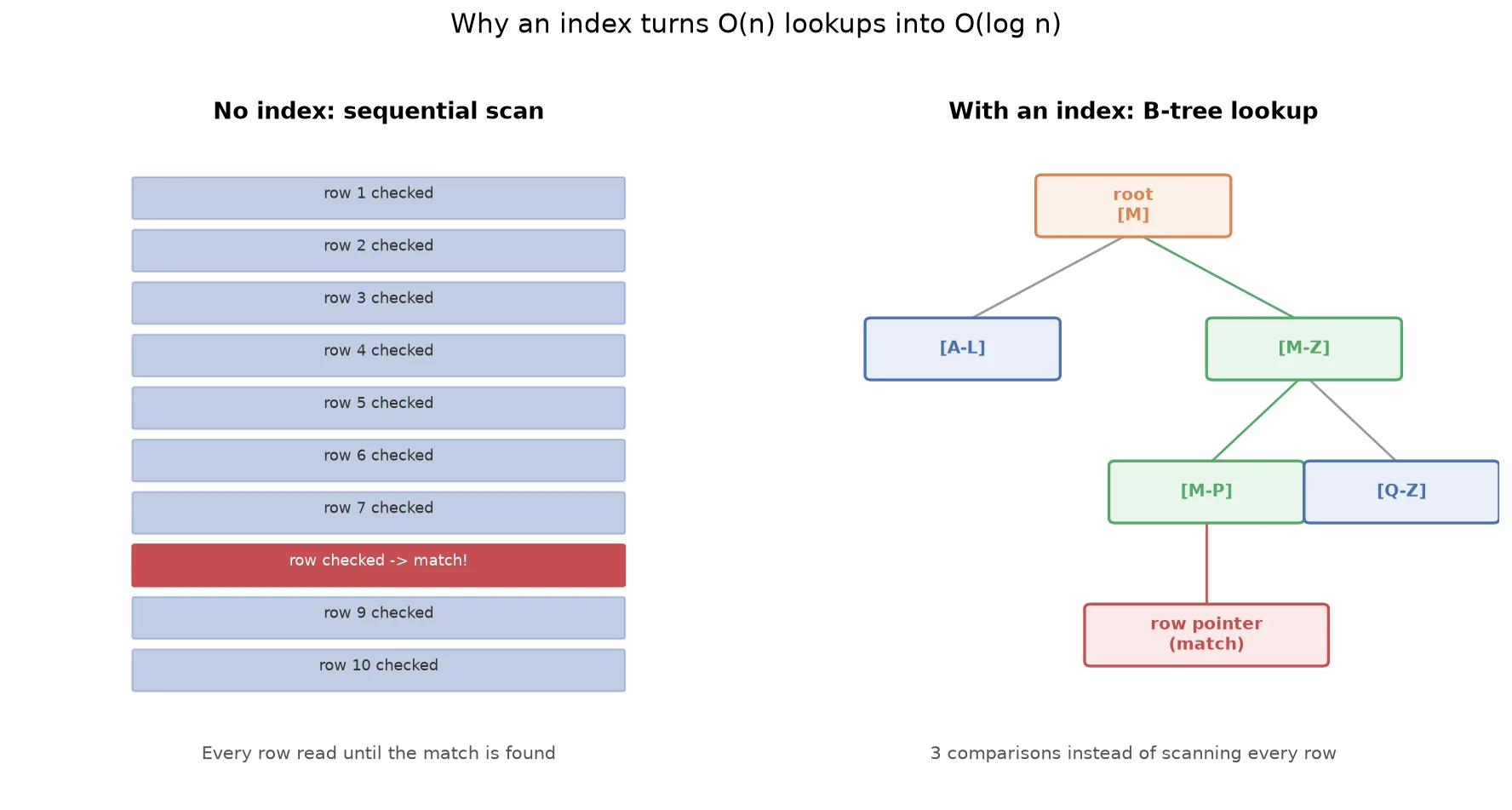
P.16An index turns a table scan into a few comparisons, but only for the queries it was built for. How B-trees work, and the write cost nobody budgets for.
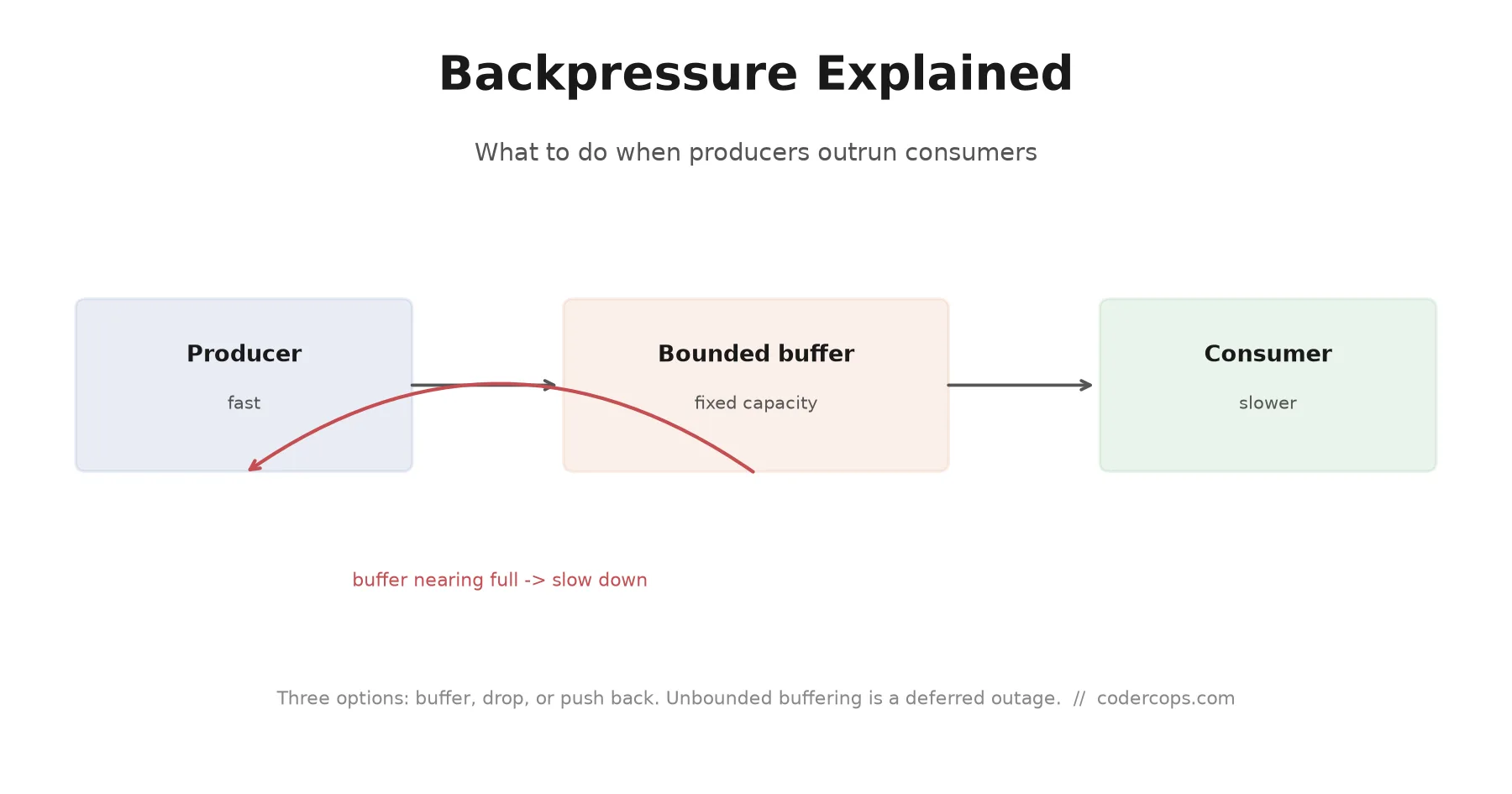
P.17When production outruns consumption, a system must buffer, drop, or push back. How backpressure works across queues, streams, and APIs, with patterns.
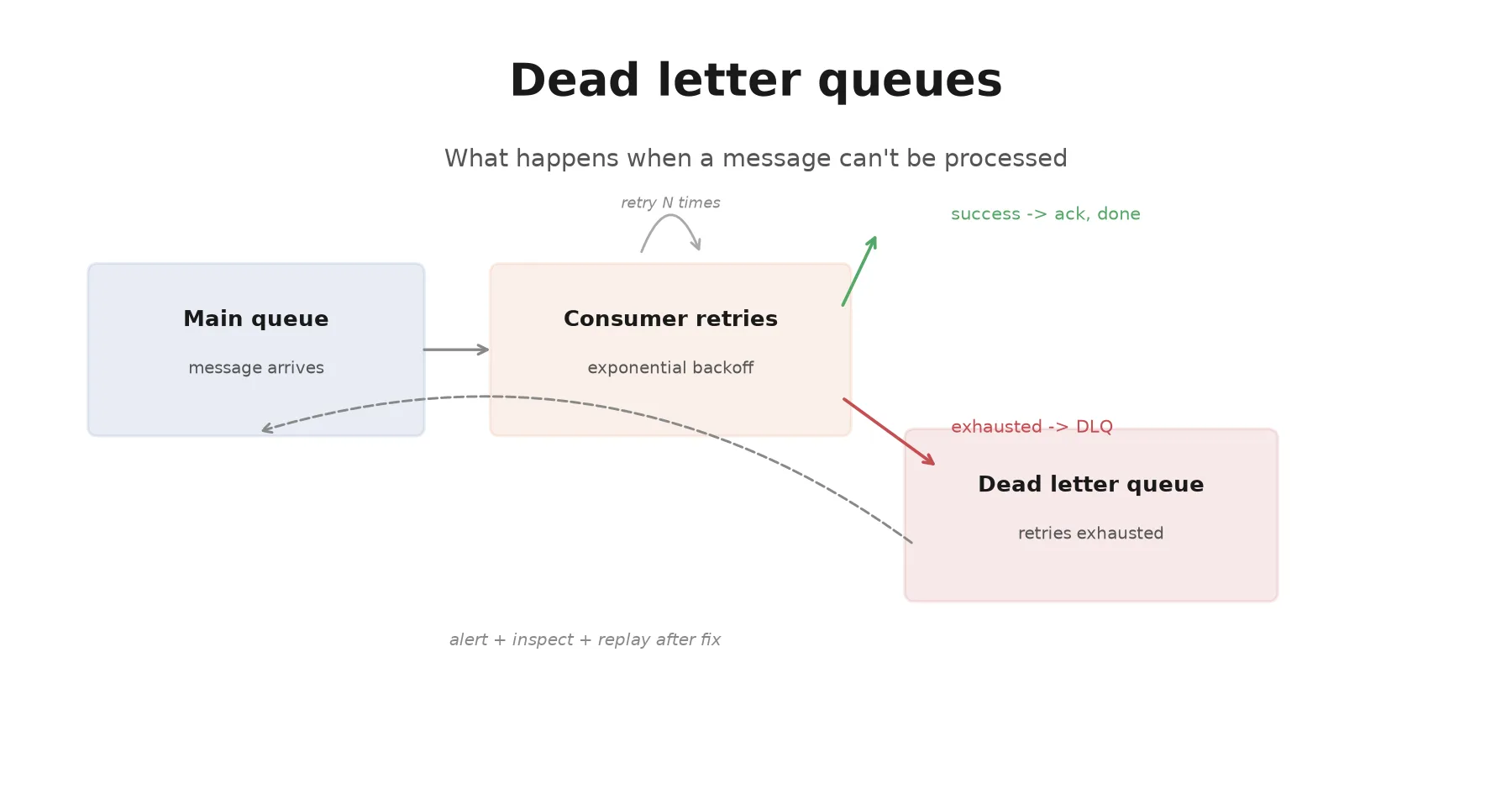
P.18A message that fails every retry shouldn't loop forever or vanish. How dead letter queues catch it, how to set retry limits, and the reprocessing workflow.
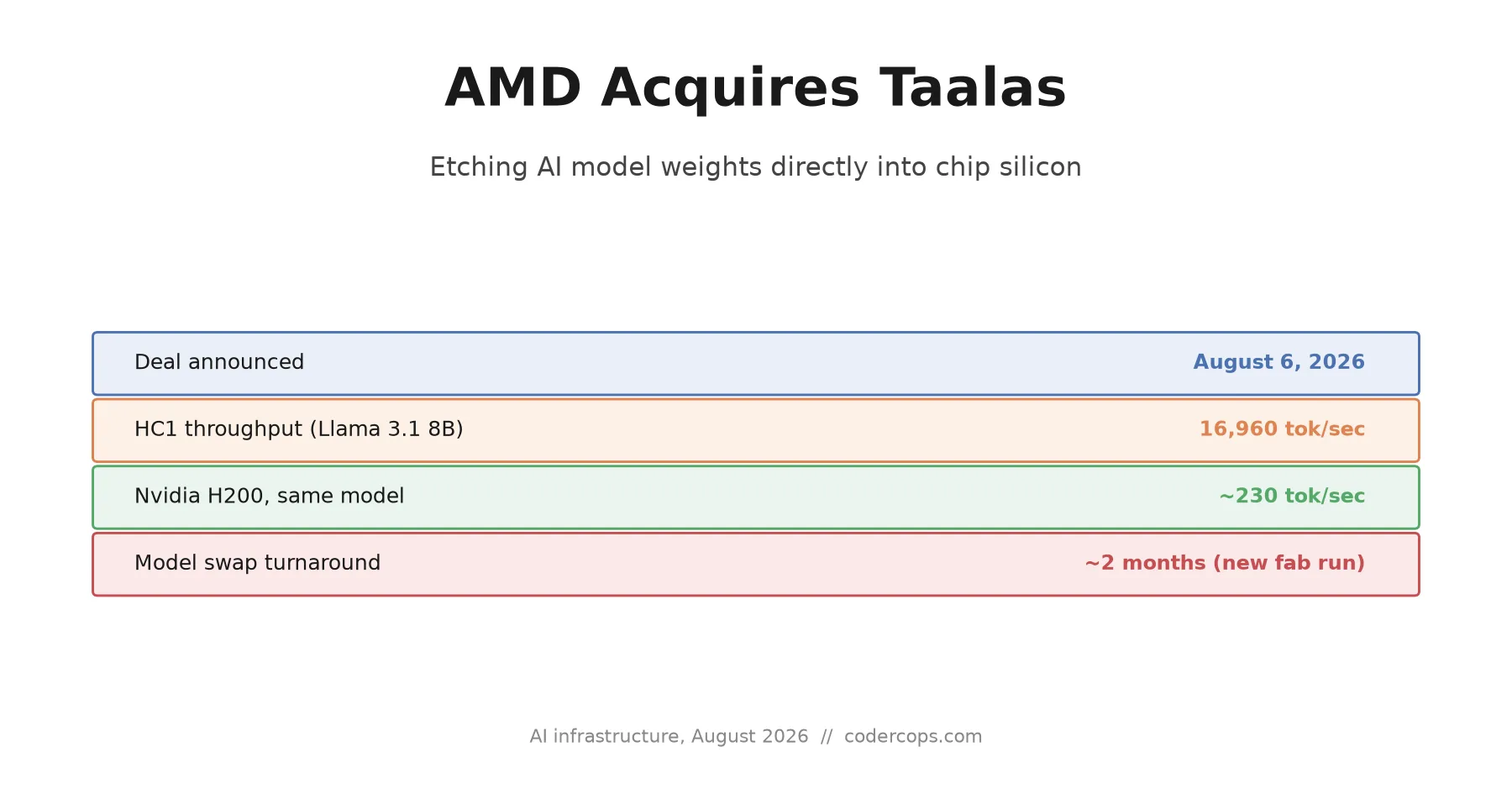
AMD acquired Taalas, which hardwires model weights into chip silicon instead of loading from memory. What that trades away, and why it won't replace GPUs.
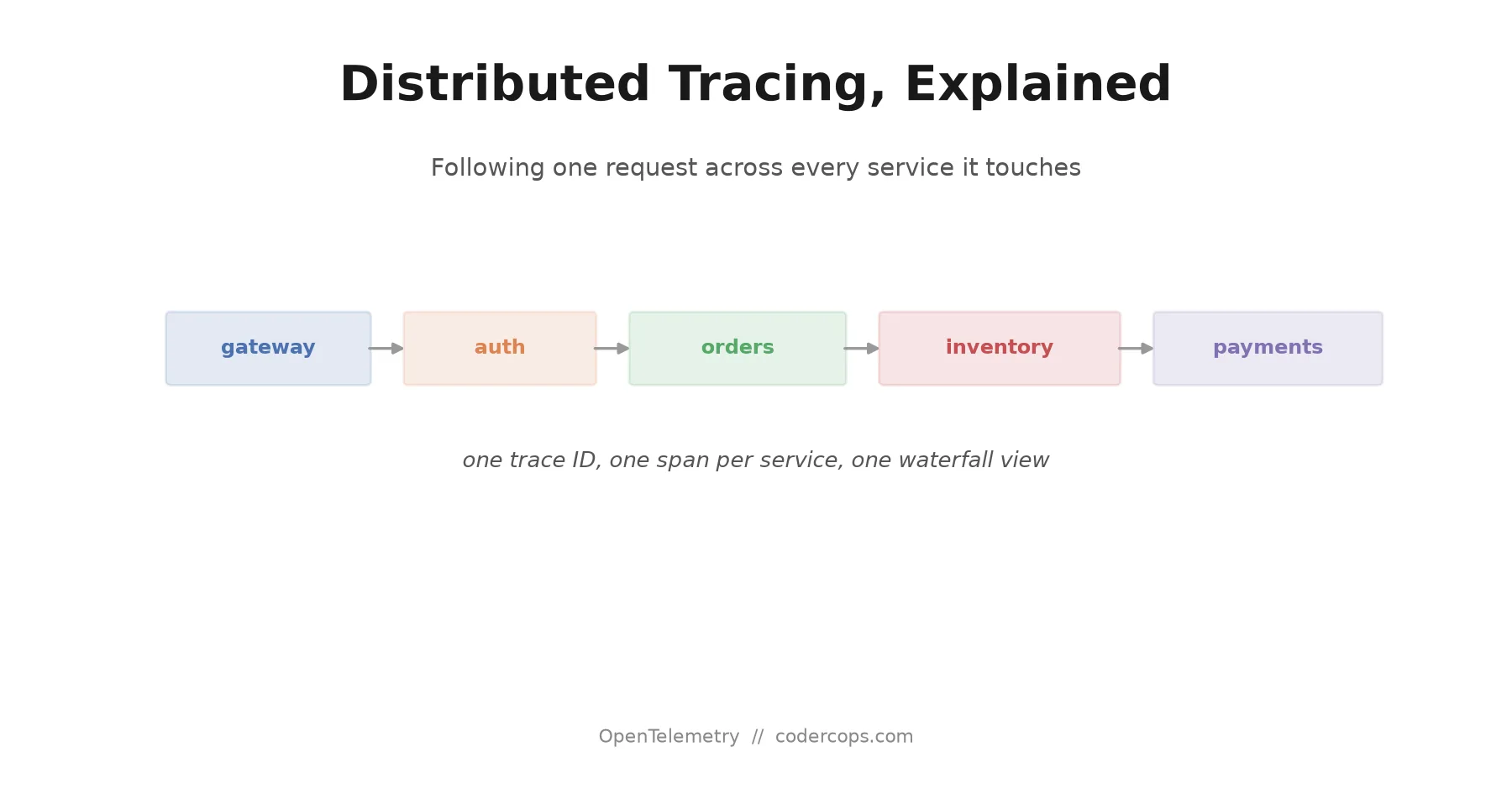
P.20One checkout request touches five services and nobody knows which is slow. How trace IDs, spans, and context propagation fix that, with OpenTelemetry code.
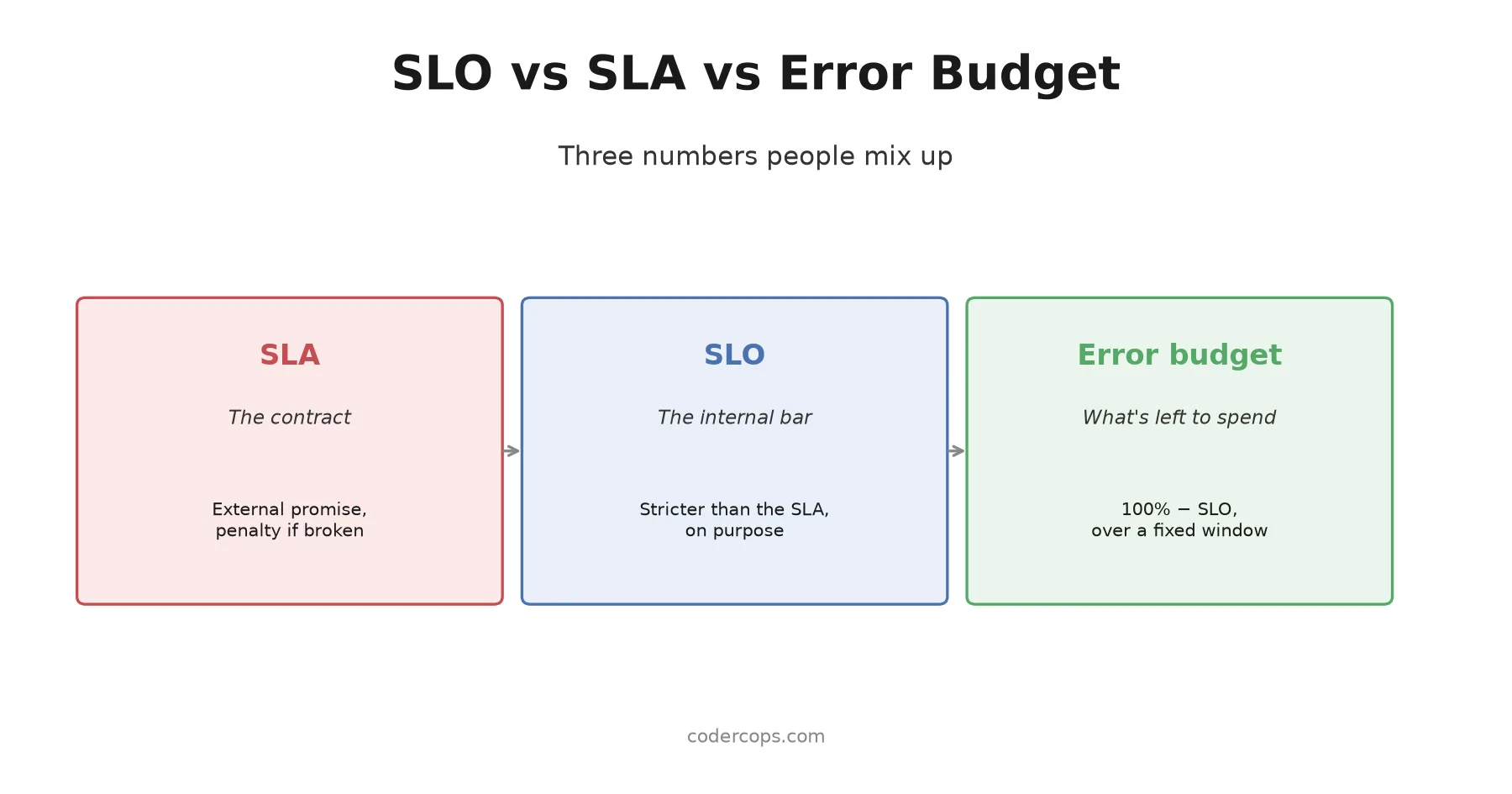
P.21An SLA is a promise with a penalty. An SLO is the internal target that keeps you inside it. An error budget is what's left. The math, on a real example.
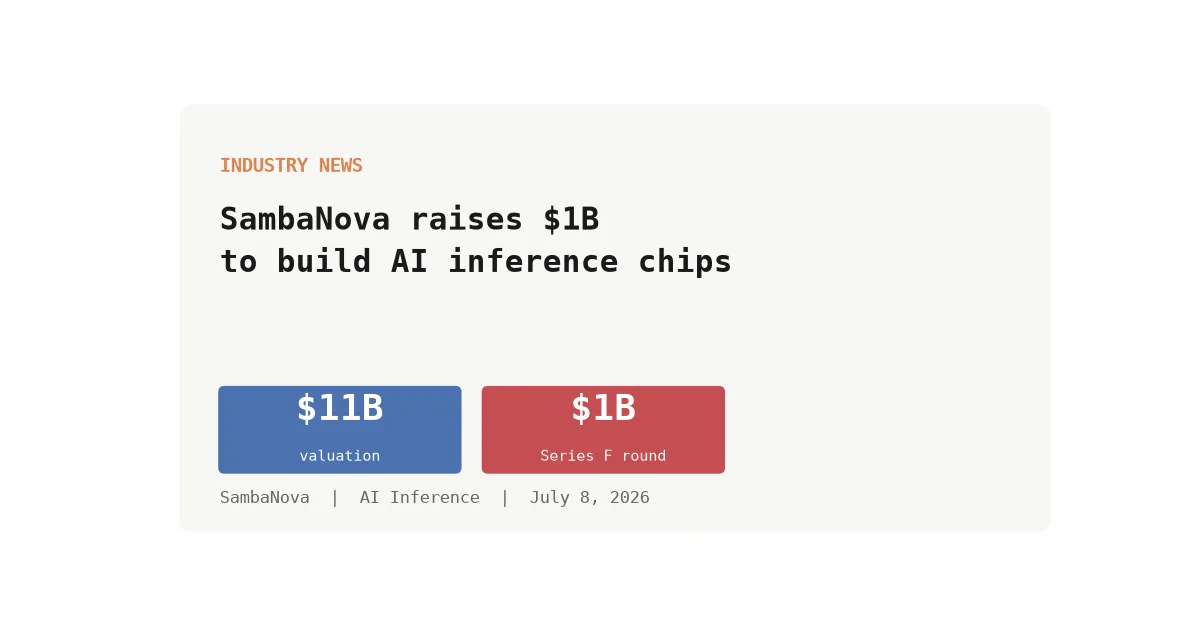
P.22SambaNova raised $1B at an $11B valuation to build inference-specific chips, not training hardware. What the inference wave means for production AI.
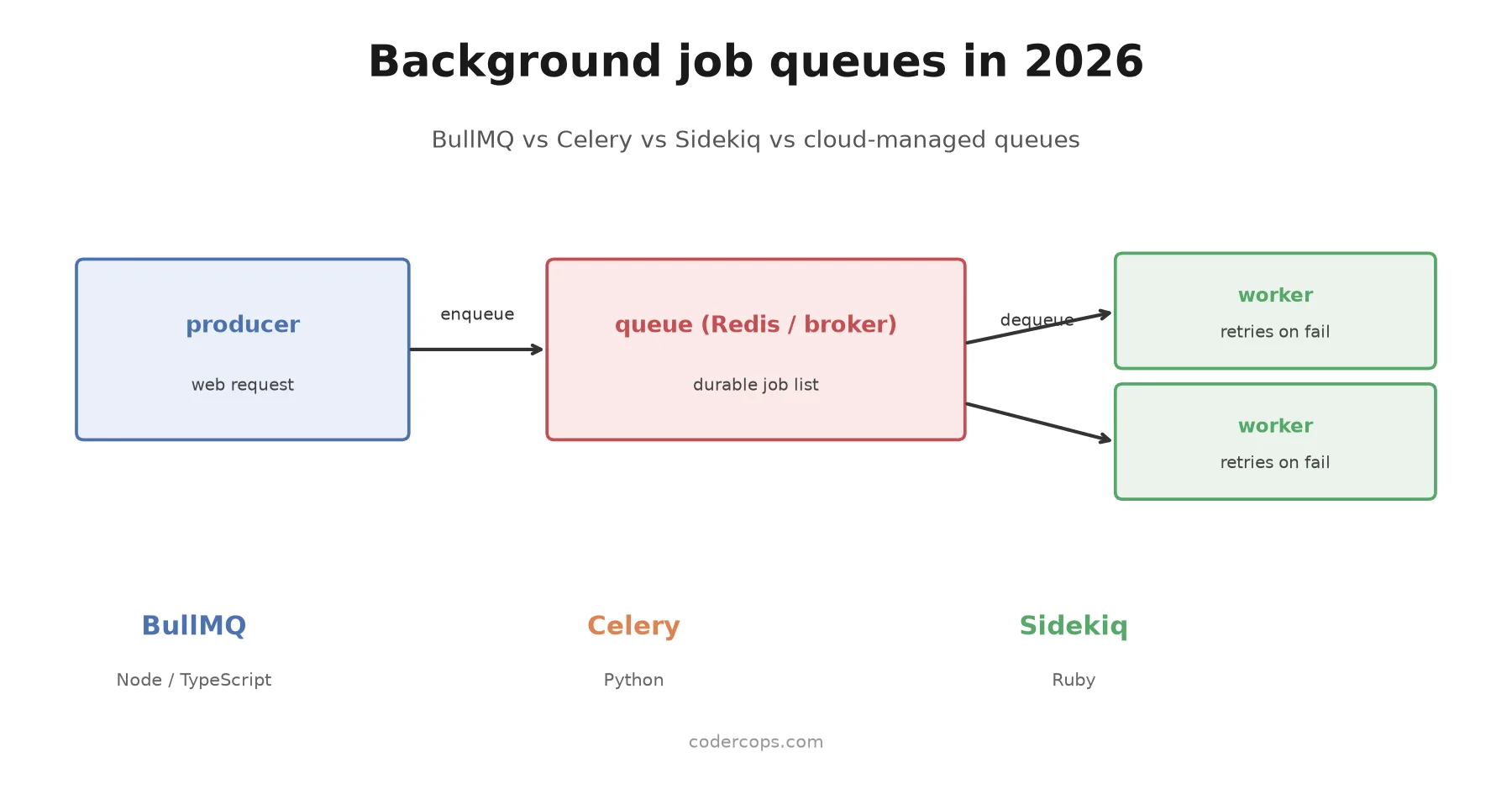
P.23BullMQ for Node, Celery for Python, Sidekiq for Ruby, and Temporal or a cloud queue when you need durability without owning a broker. The reasoning.
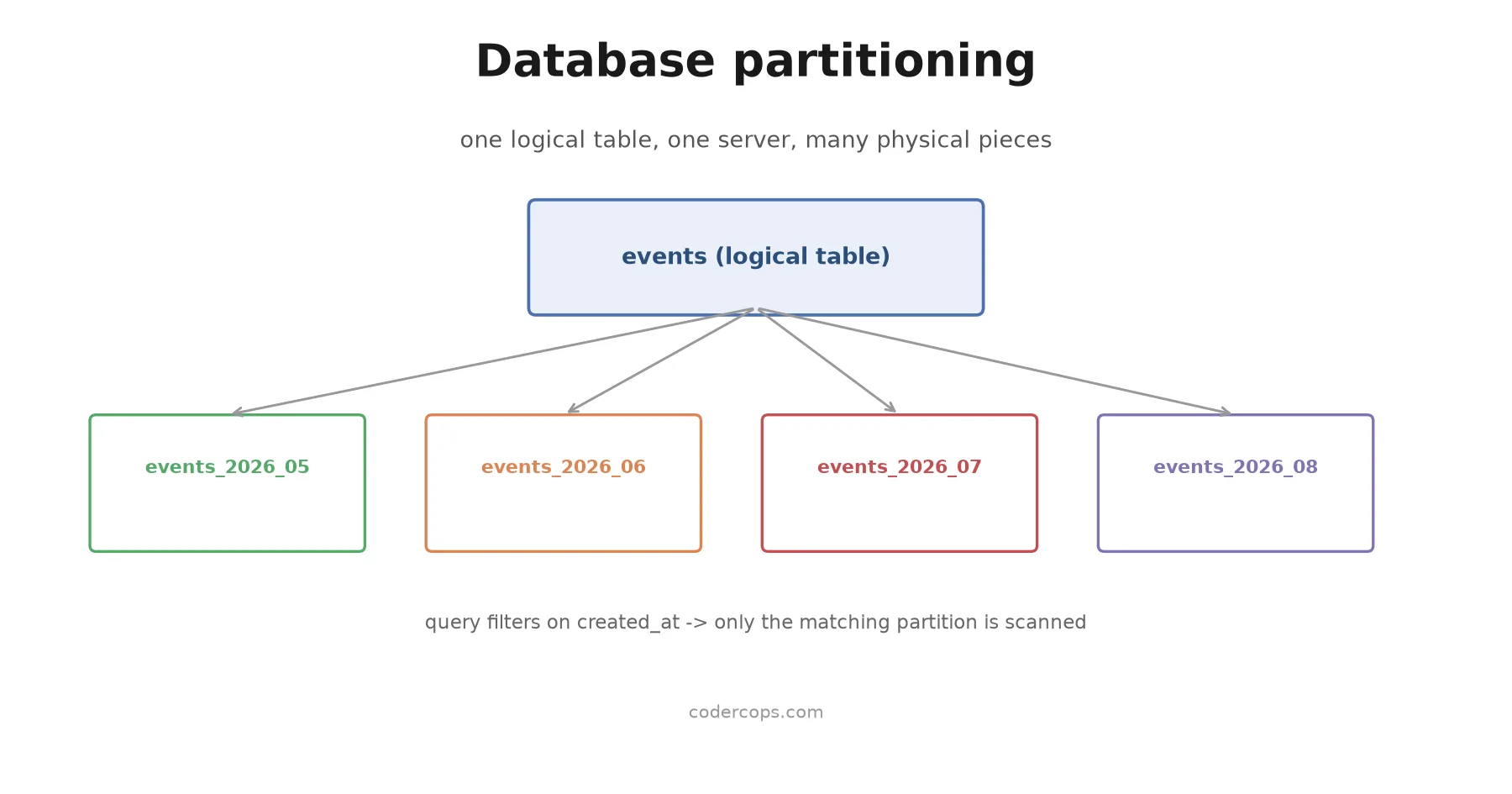
P.24Partitioning and sharding get confused constantly. Partitioning stays on one server. How range, list, and hash work, and when it solves it before sharding.
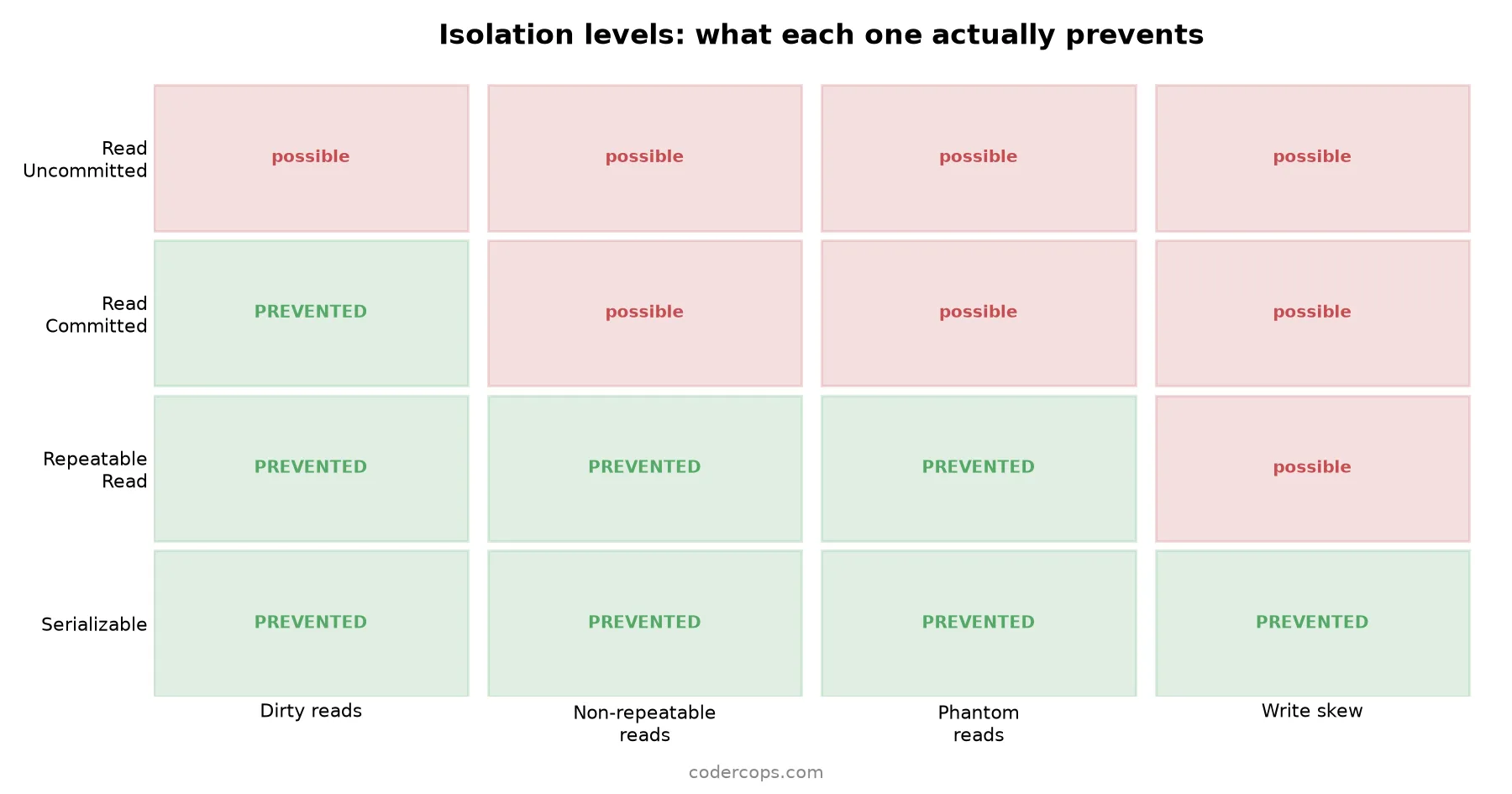
P.25Most developers use whatever their ORM defaults to. What Read Committed, Repeatable Read, and Serializable prevent, what they allow, and how to choose.
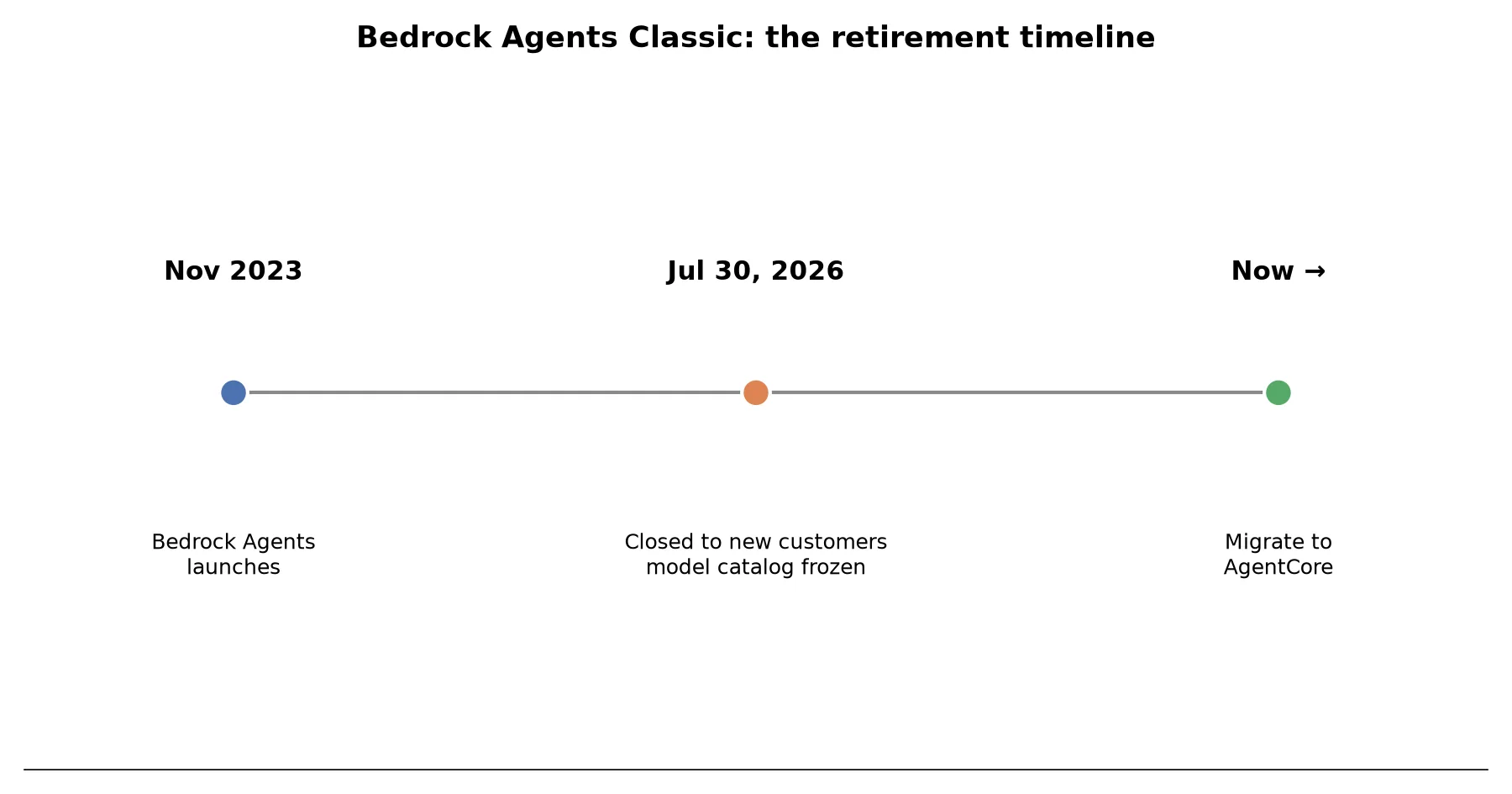
P.26Bedrock Agents Classic closes to new customers on July 30, 2026, and its model catalog freezes too. What that means, and how to move over to AgentCore.
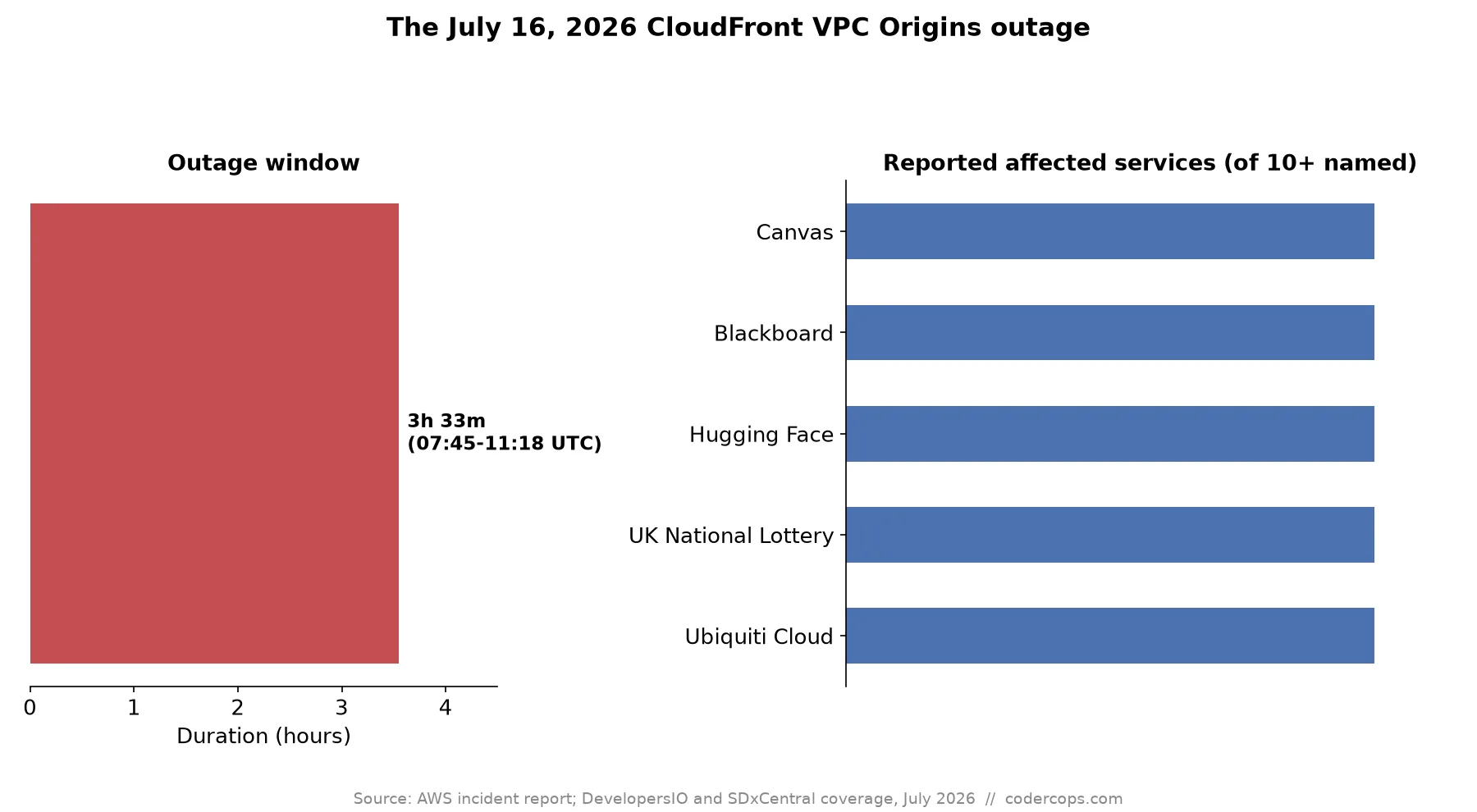
P.27A 3-hour-33-minute CloudFront VPC Origins failure knocked out ten unrelated services worldwide. The cause was a single-ingress design worth checking for.
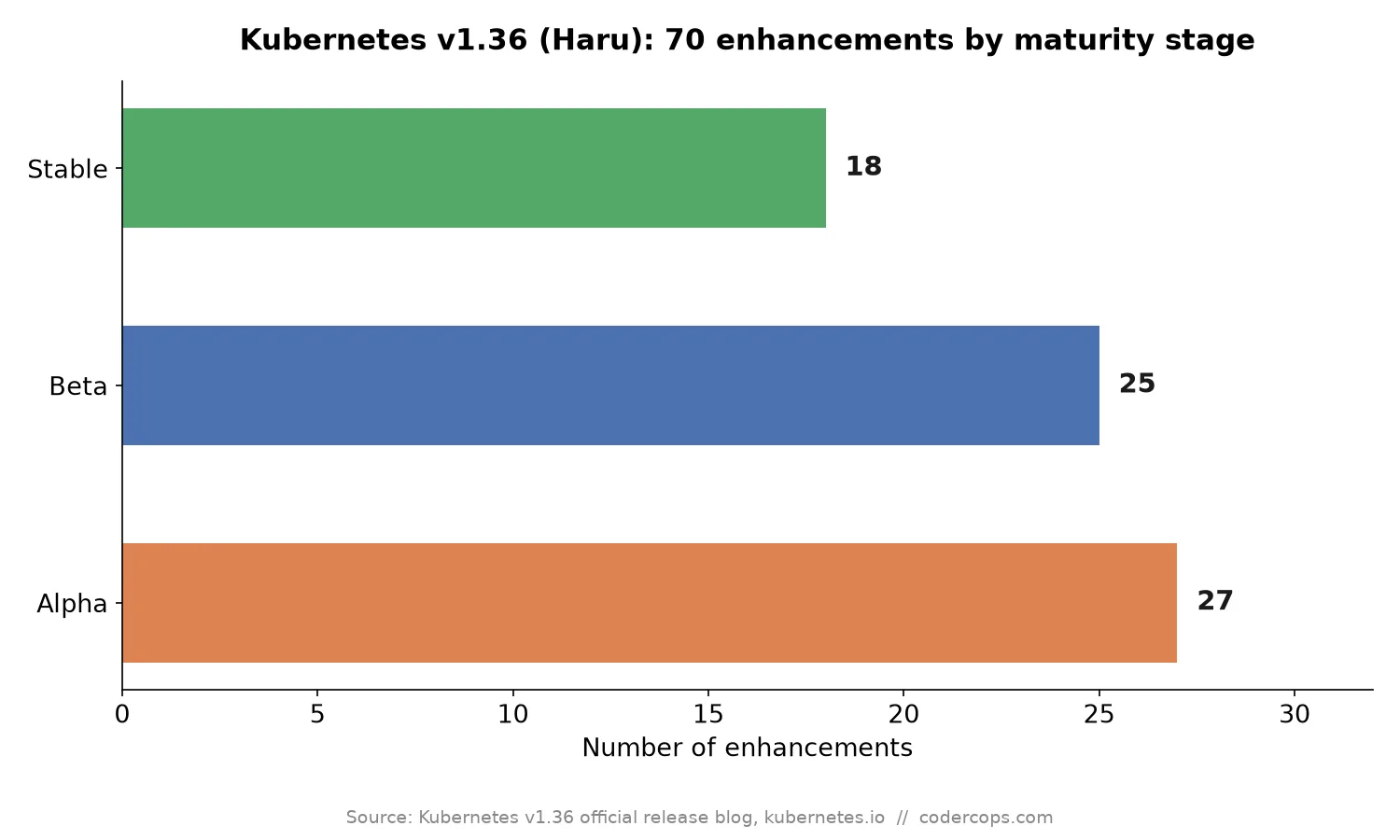
P.28Kubernetes 1.36 shipped 70 enhancements with no headline rewrite, just years of work reaching stable. What changes for platform teams, and what to skip.
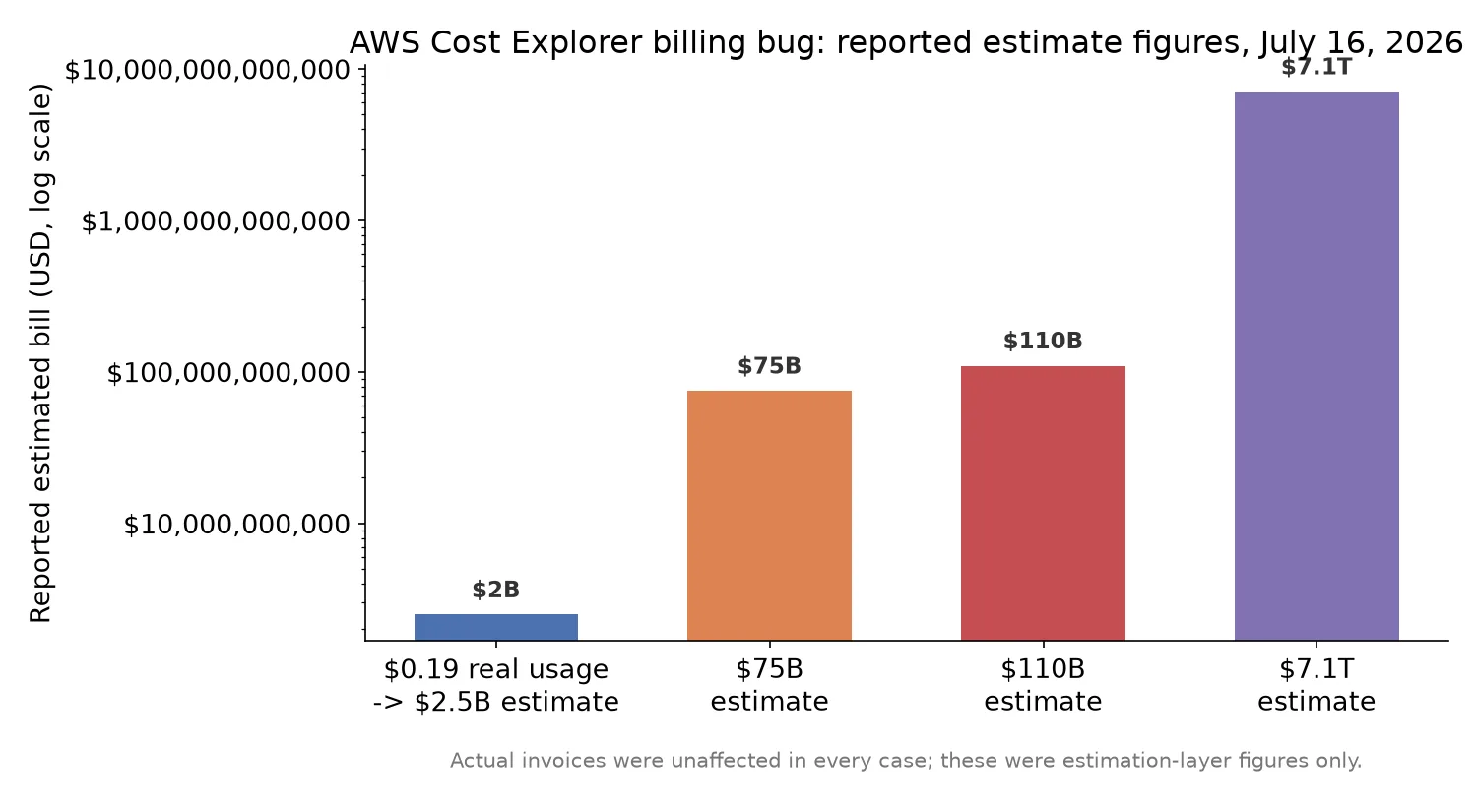
P.29A unit-pricing bug sent some AWS customers cost projections in the billions on July 16. Invoices were fine; automation wired to those estimates wasn't.
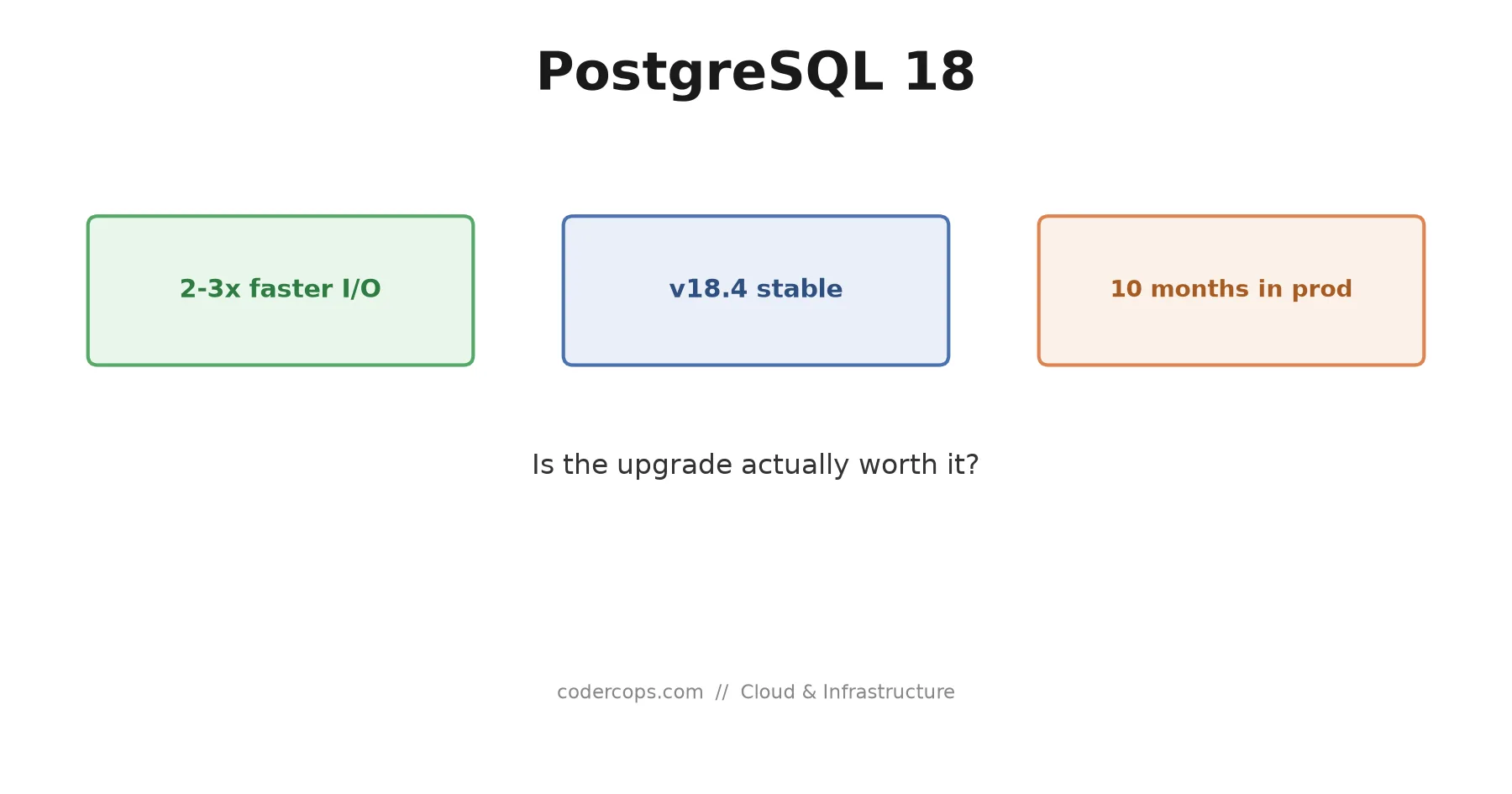
P.30PostgreSQL 18 is on 18.4 and 19 is still beta, so 18 is what you should run today. What async I/O, UUIDv7, and virtual generated columns actually buy you.
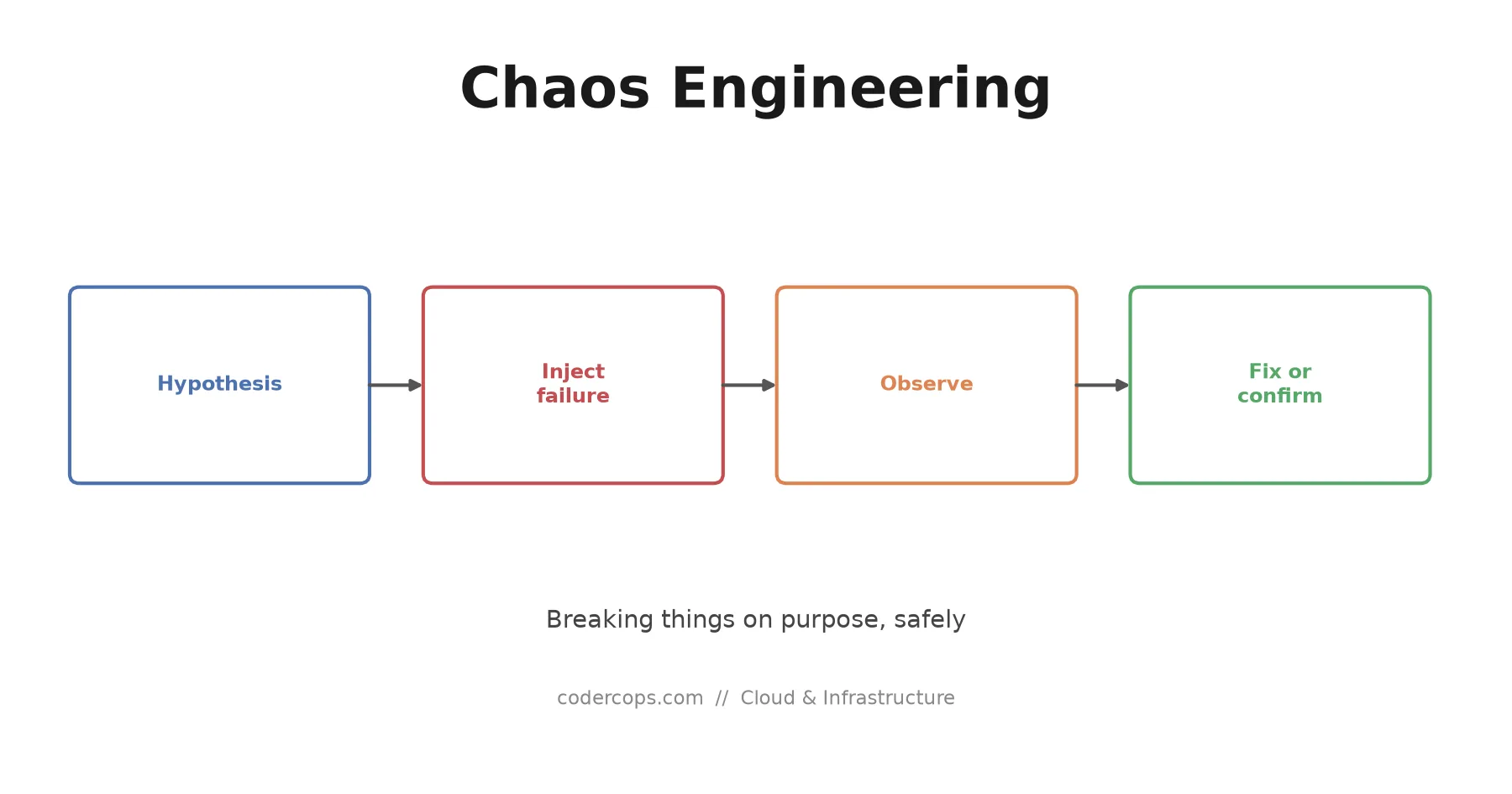
P.31Chaos engineering injects failure into a running system to find weaknesses before an outage does. What it involves, what tools help, and when to skip it.
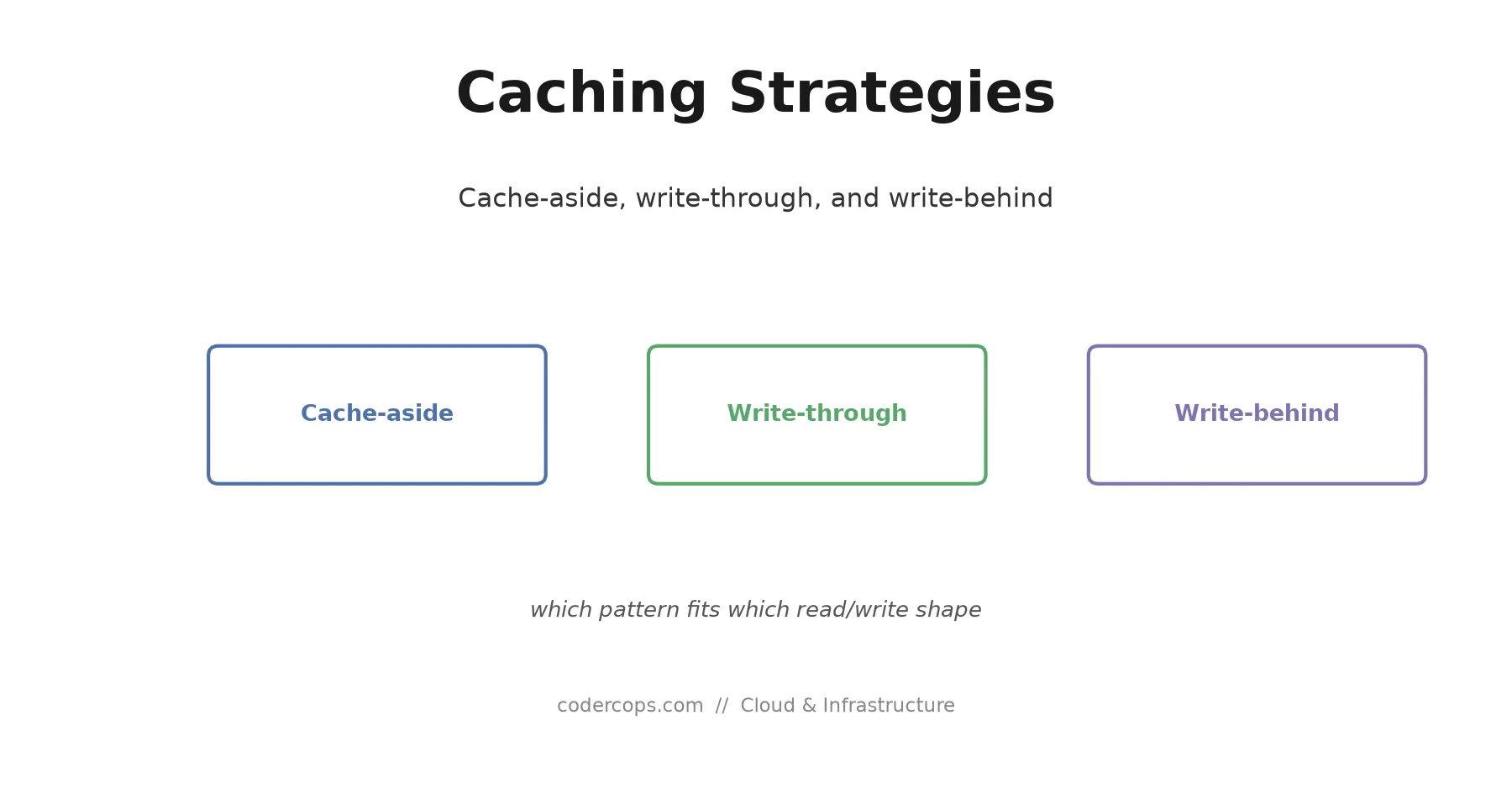
P.32Most teams reach for cache-aside by default and never ask if it's actually the right pattern. Here's how the three main caching strategies behave under real traffic, the consistency gap each one leaves open, and how to pick between them.
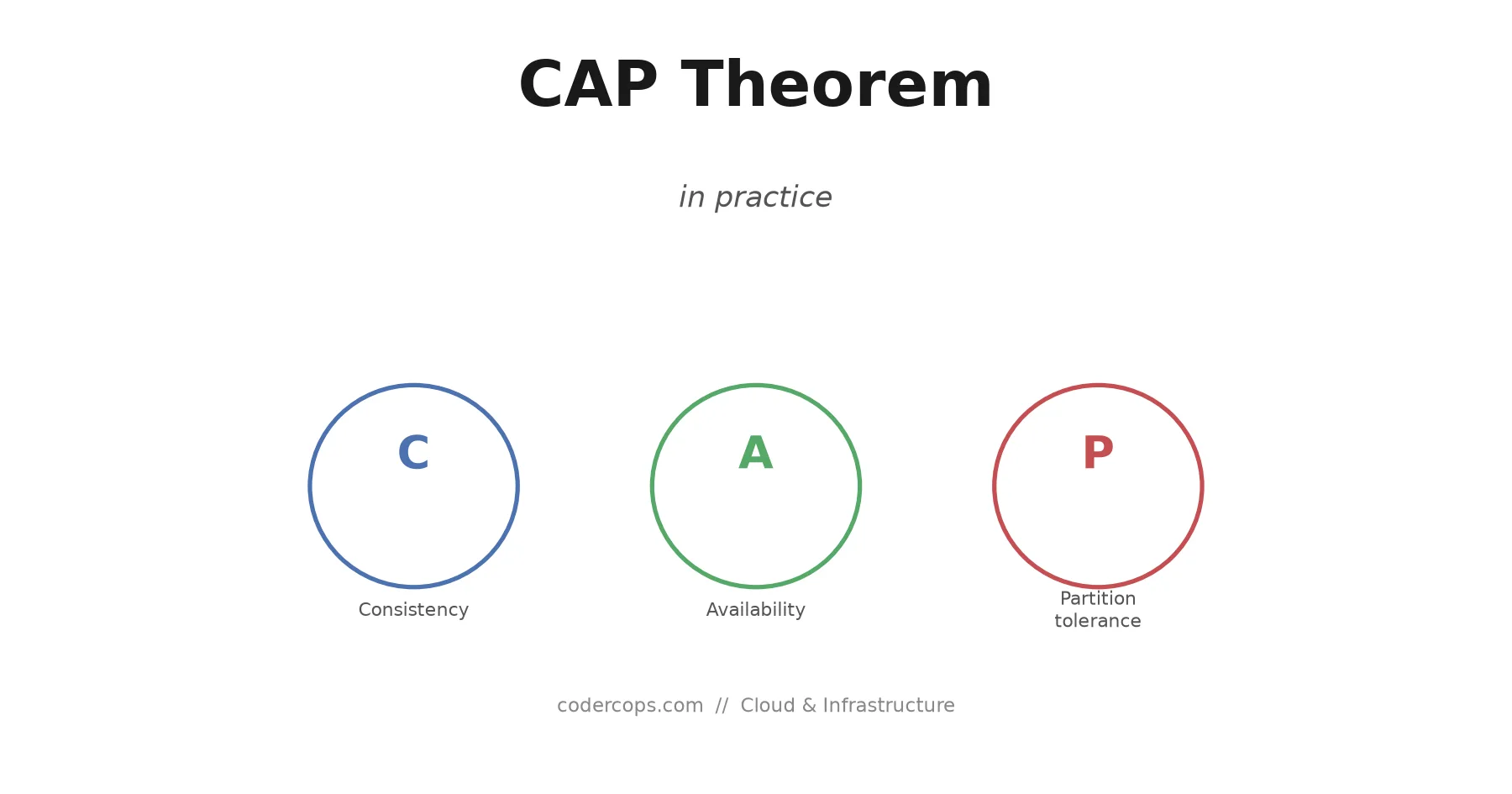
P.33CAP theorem gets summarized as 'pick two of three' so often that the summary has replaced the theorem. Here's what it actually says, why the real constraint only bites during a network partition, and how to pick a consistency model for a system you're actually building.
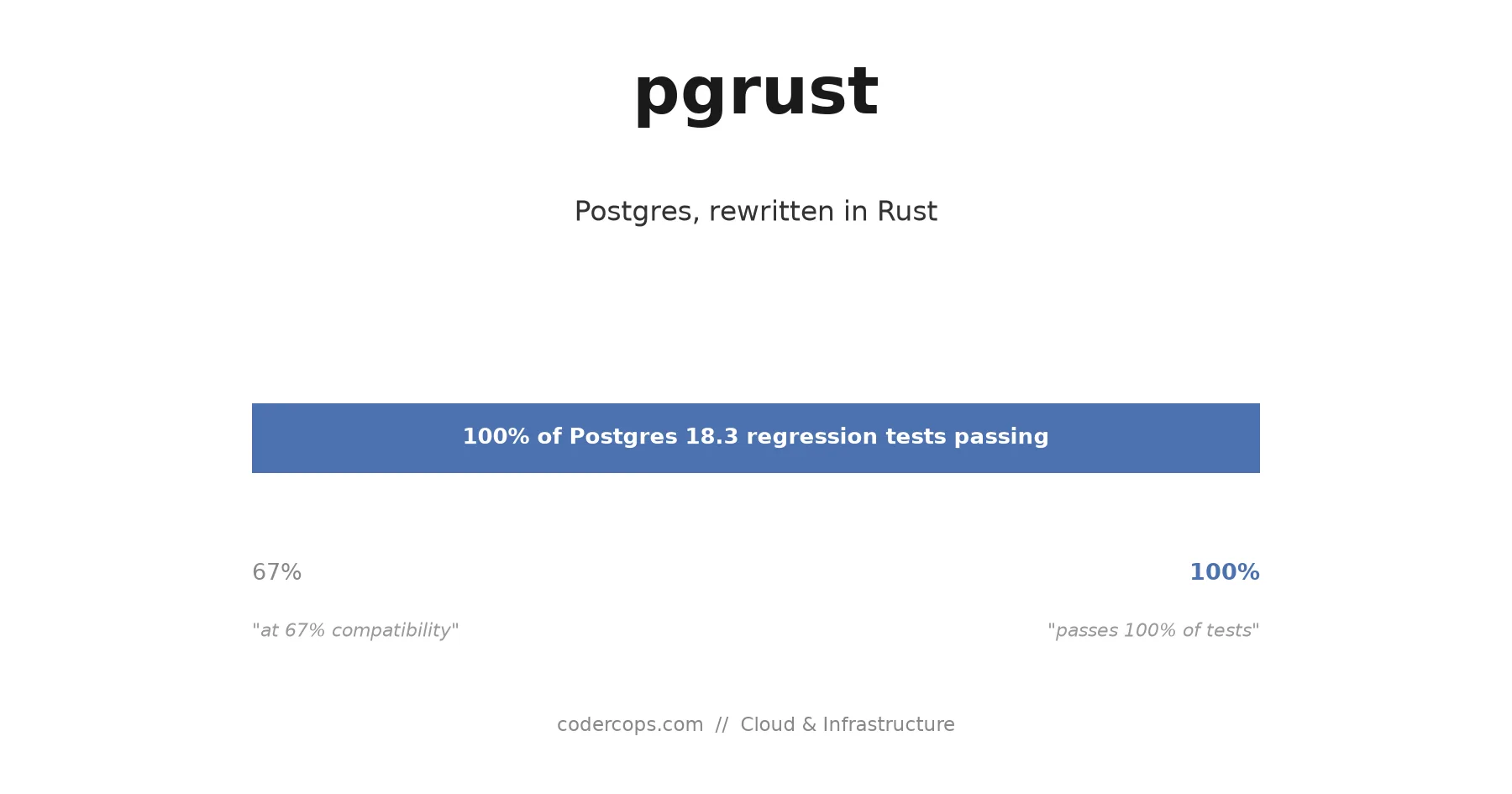
P.34One developer rebuilt Postgres in Rust with AI agents in under three months, and pgrust now matches 18.3 across 46,000+ regression queries. What it isn't.
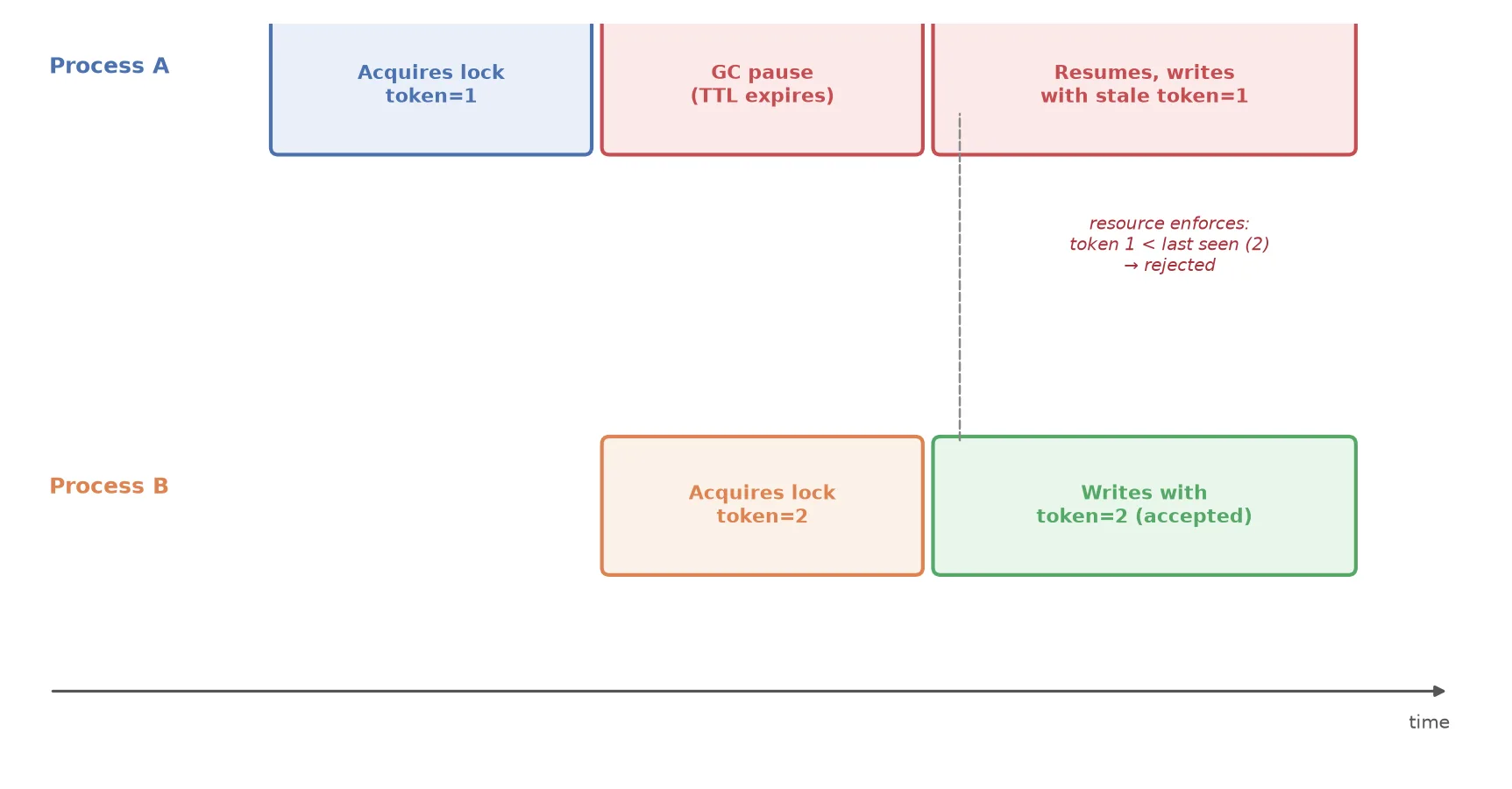
P.35A distributed lock keeps two processes on different machines from touching the same resource at once, but the naive Redis implementation has a gap that lets it fail silently. Here's how the pattern actually works, and the fencing token that closes the gap.
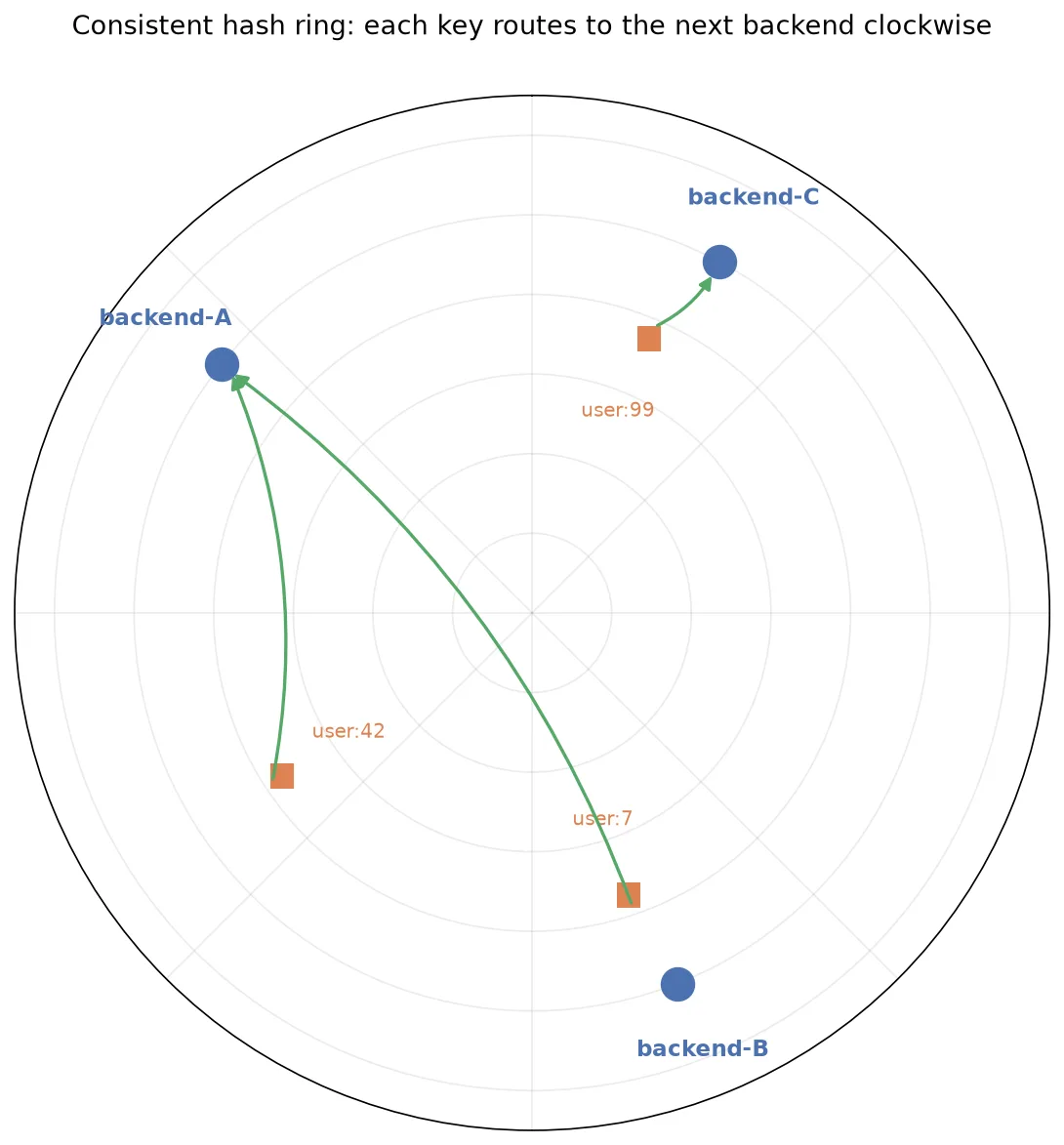
P.36Round robin isn't wrong, but it's the wrong default more often than teams realize. Here's how the main load balancing algorithms actually behave under uneven traffic, when each one earns its complexity, and a working consistent hashing implementation.
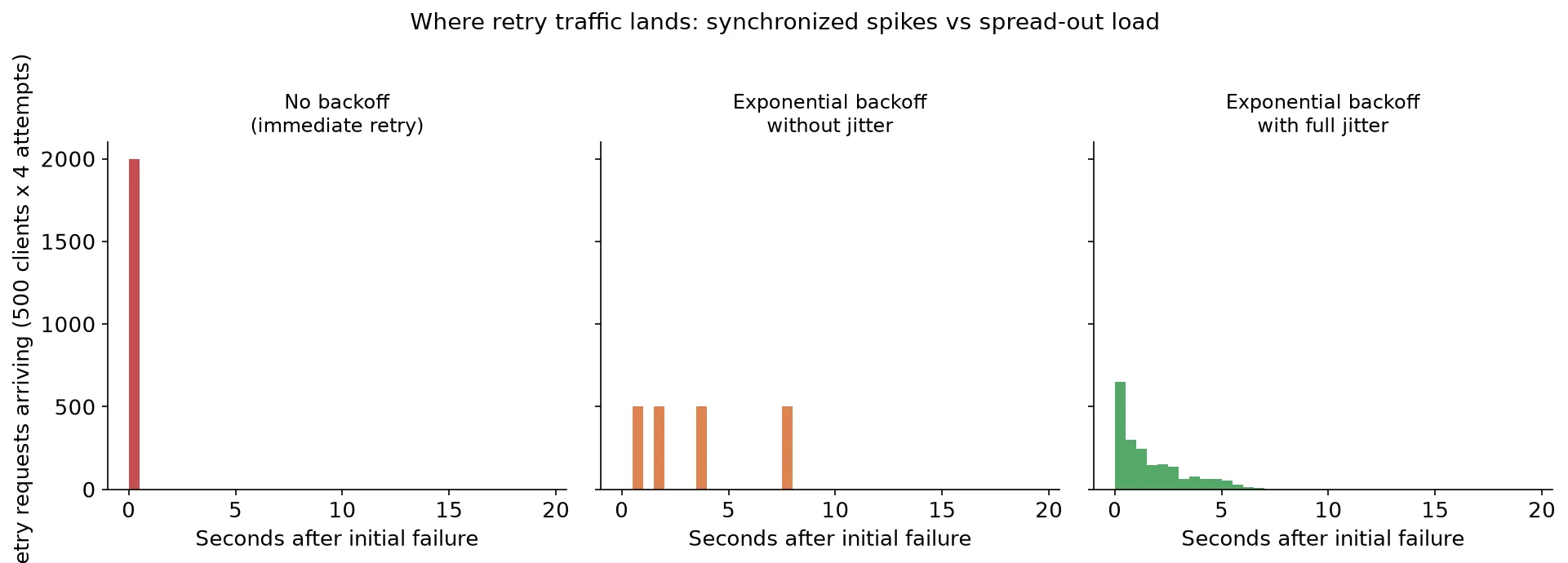
P.37A naive retry loop can turn a brief blip into a full outage by hammering a recovering service the instant it comes back. Here's how exponential backoff and jitter actually prevent that, with working code, not just the formula.
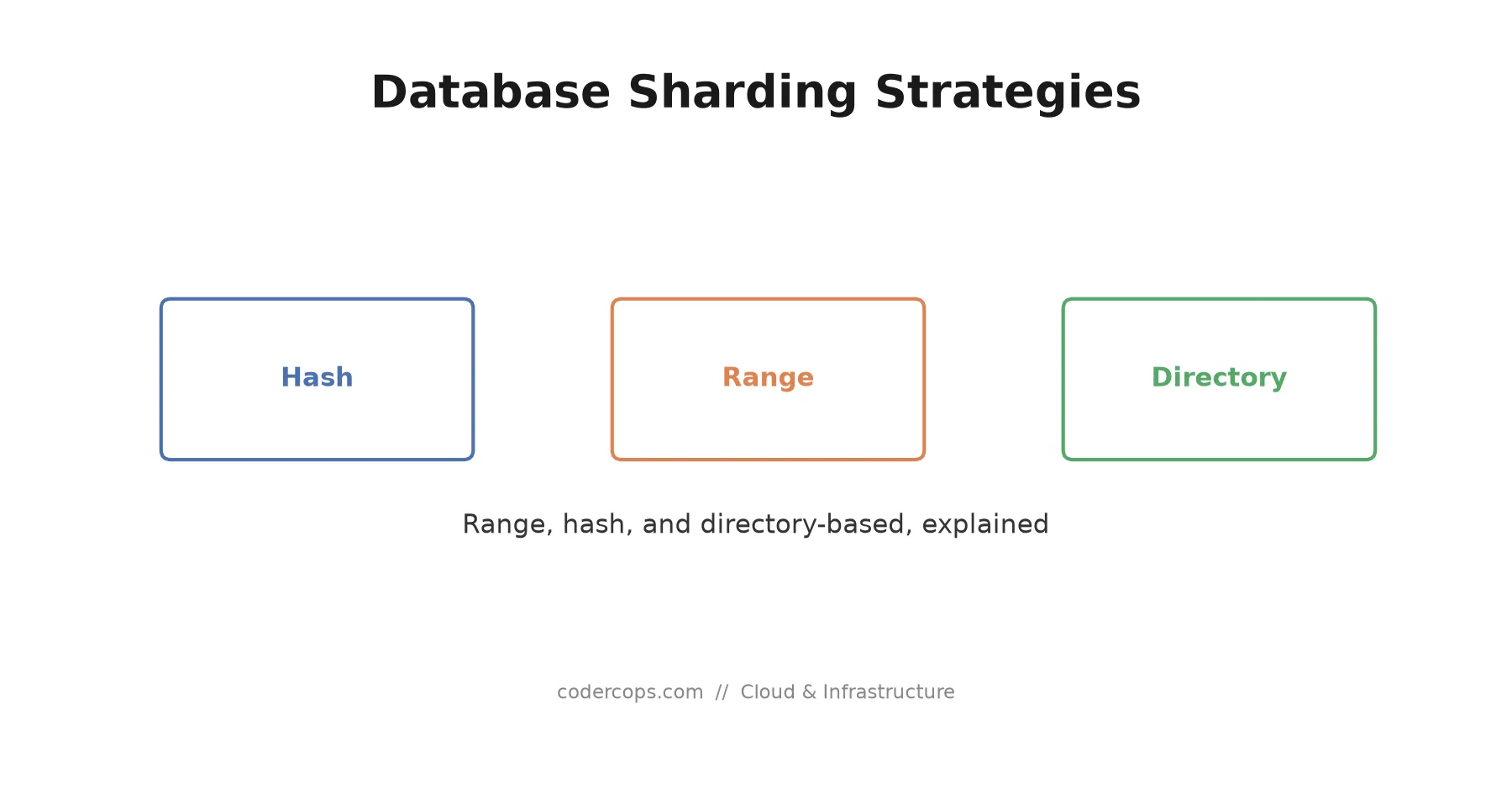
P.38Sharding splits one database across many machines. The strategy you pick decides whether you get hot spots, painful resharding, or something that scales.
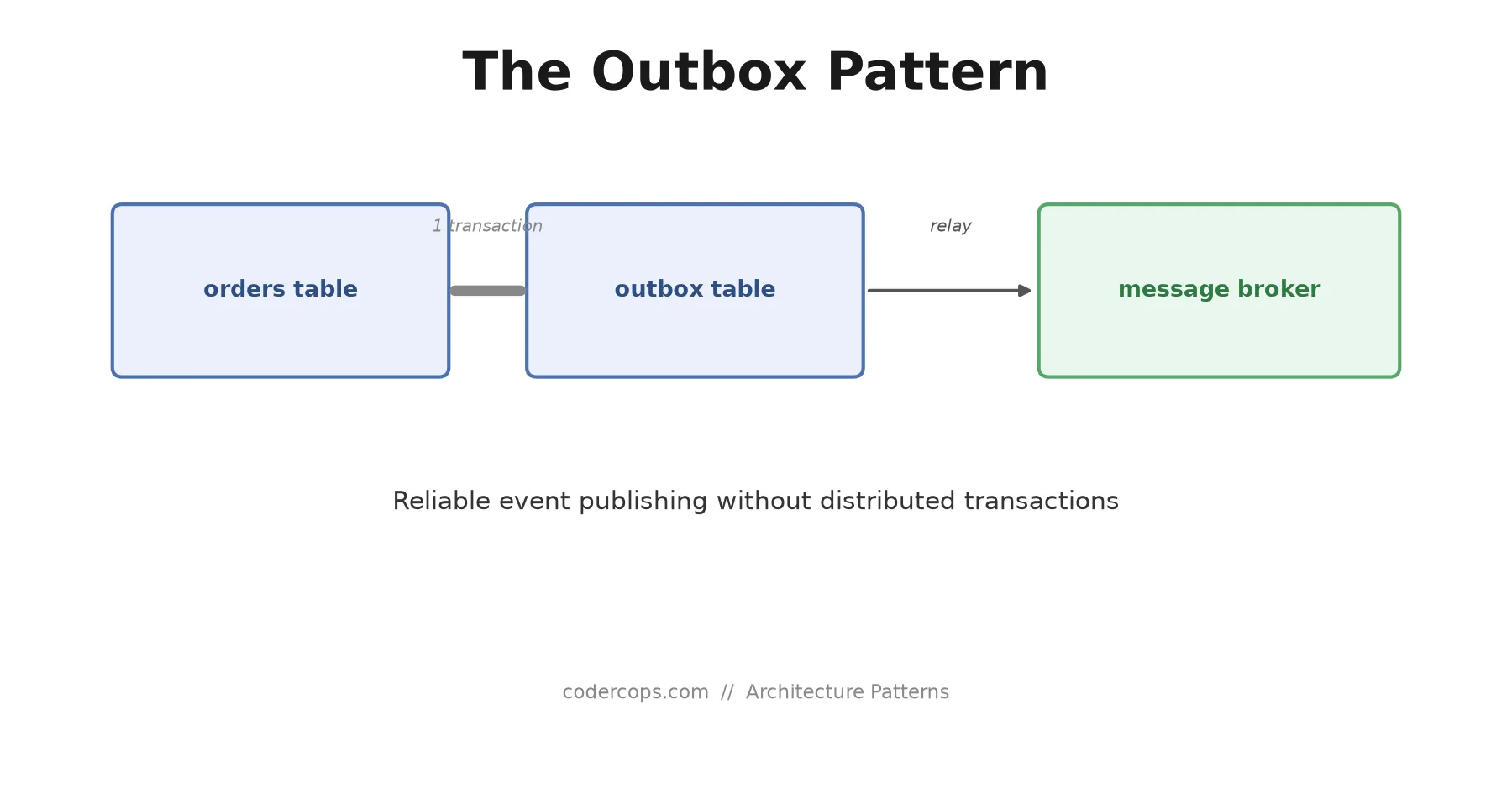
P.39Writing to your database and publishing an event are two operations, and a crash between them loses data silently. How the transactional outbox closes it.
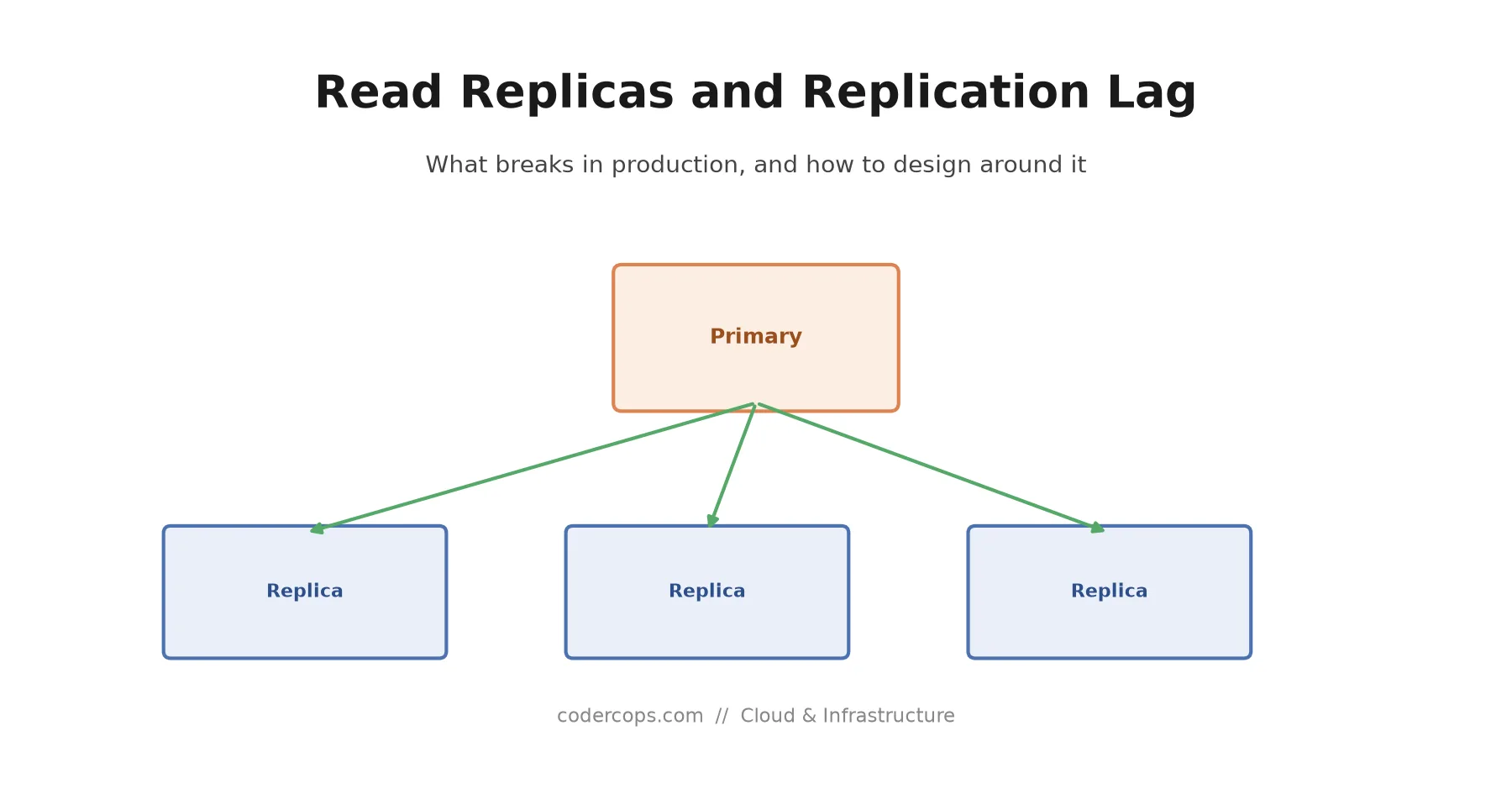
P.40Read replicas are the standard fix for read load, but they open a gap between writing data and reading it back. What lag breaks, and how to design around it.
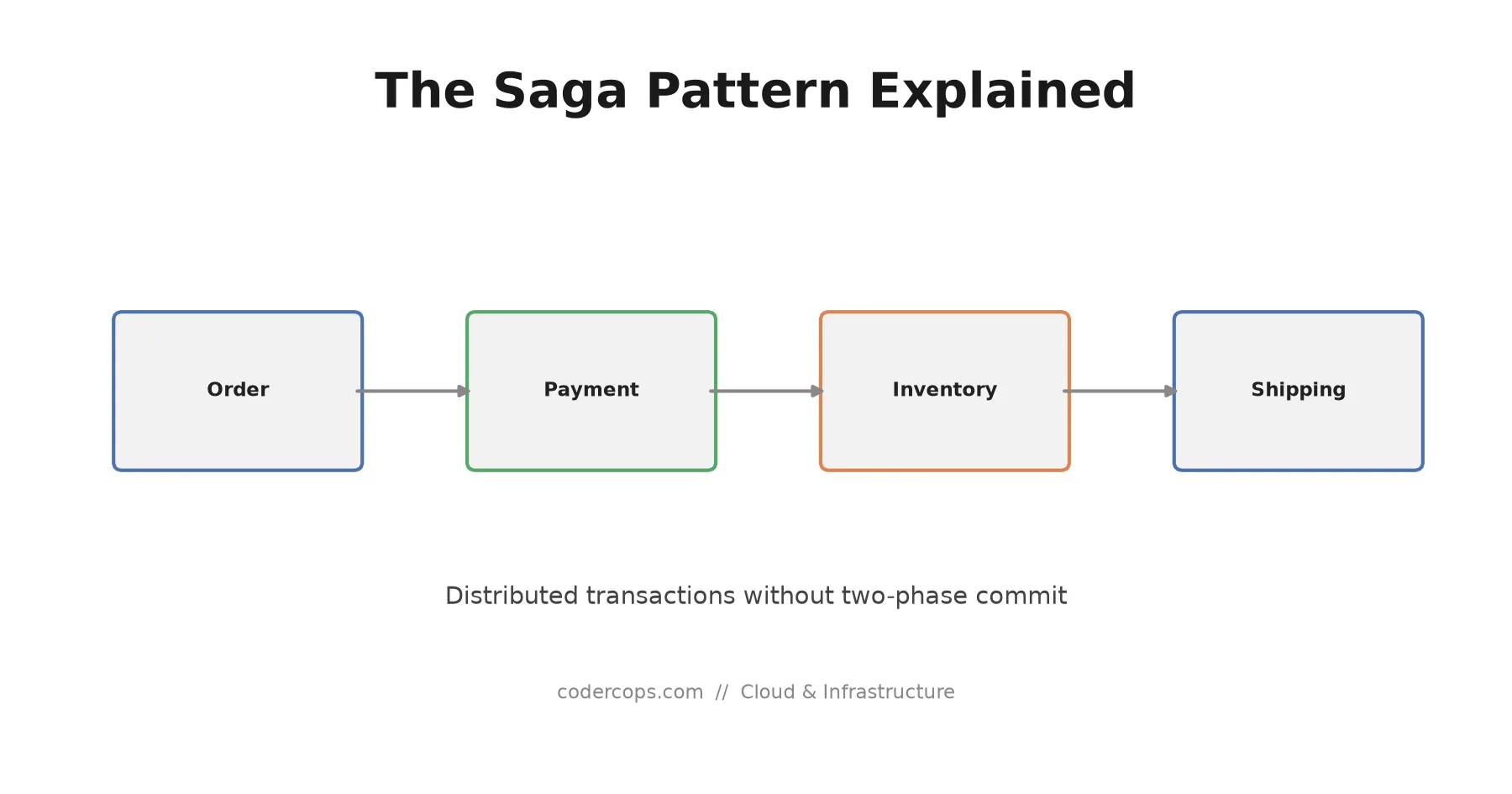
P.41When a transaction spans services you can't wrap it in one database transaction. Sagas use local transactions plus compensating actions. When that pays.
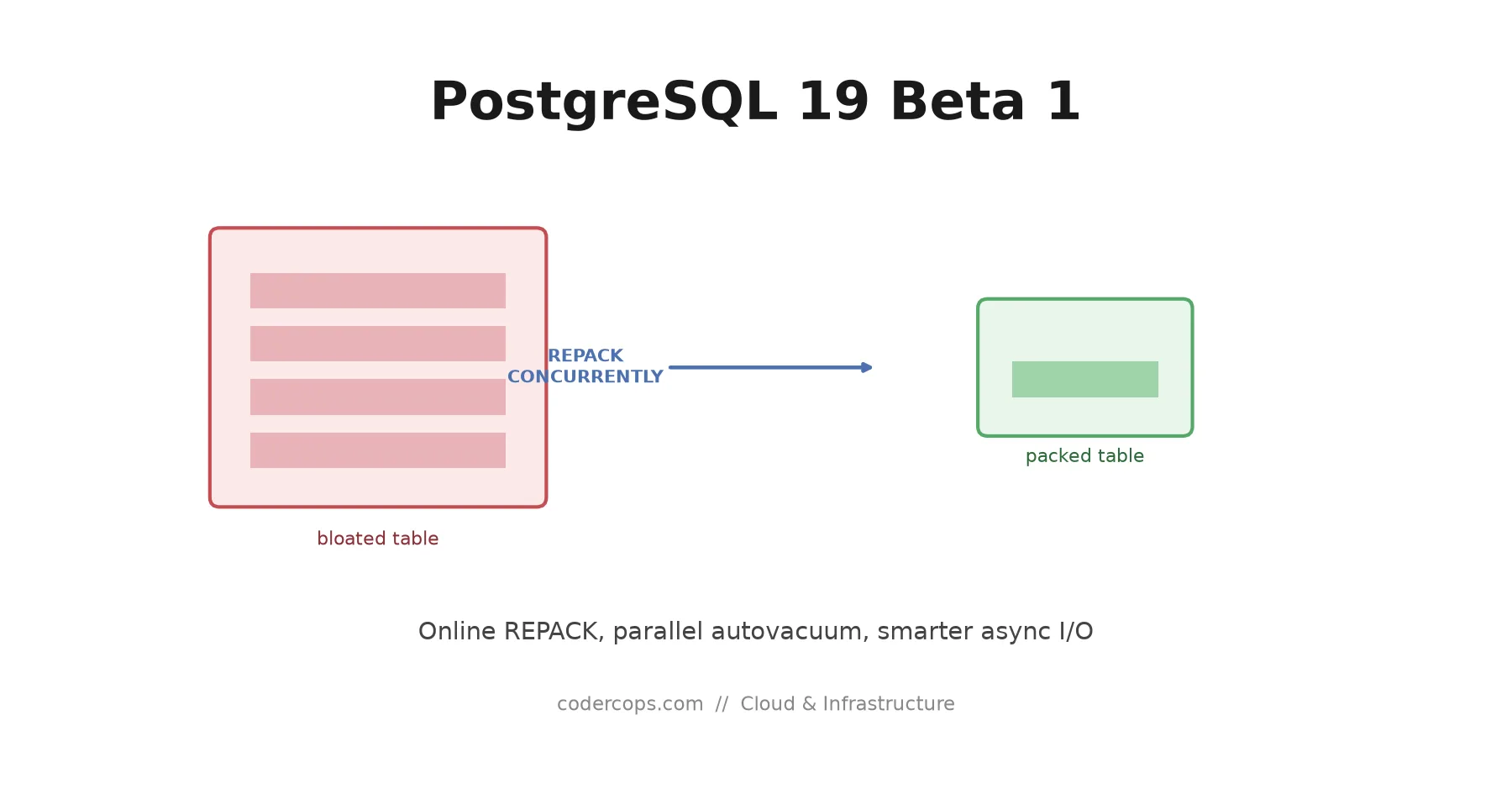
P.42PostgreSQL 19 Beta 1 adds REPACK, which rewrites bloated tables without a maintenance window, plus parallel autovacuum and smarter async I/O.
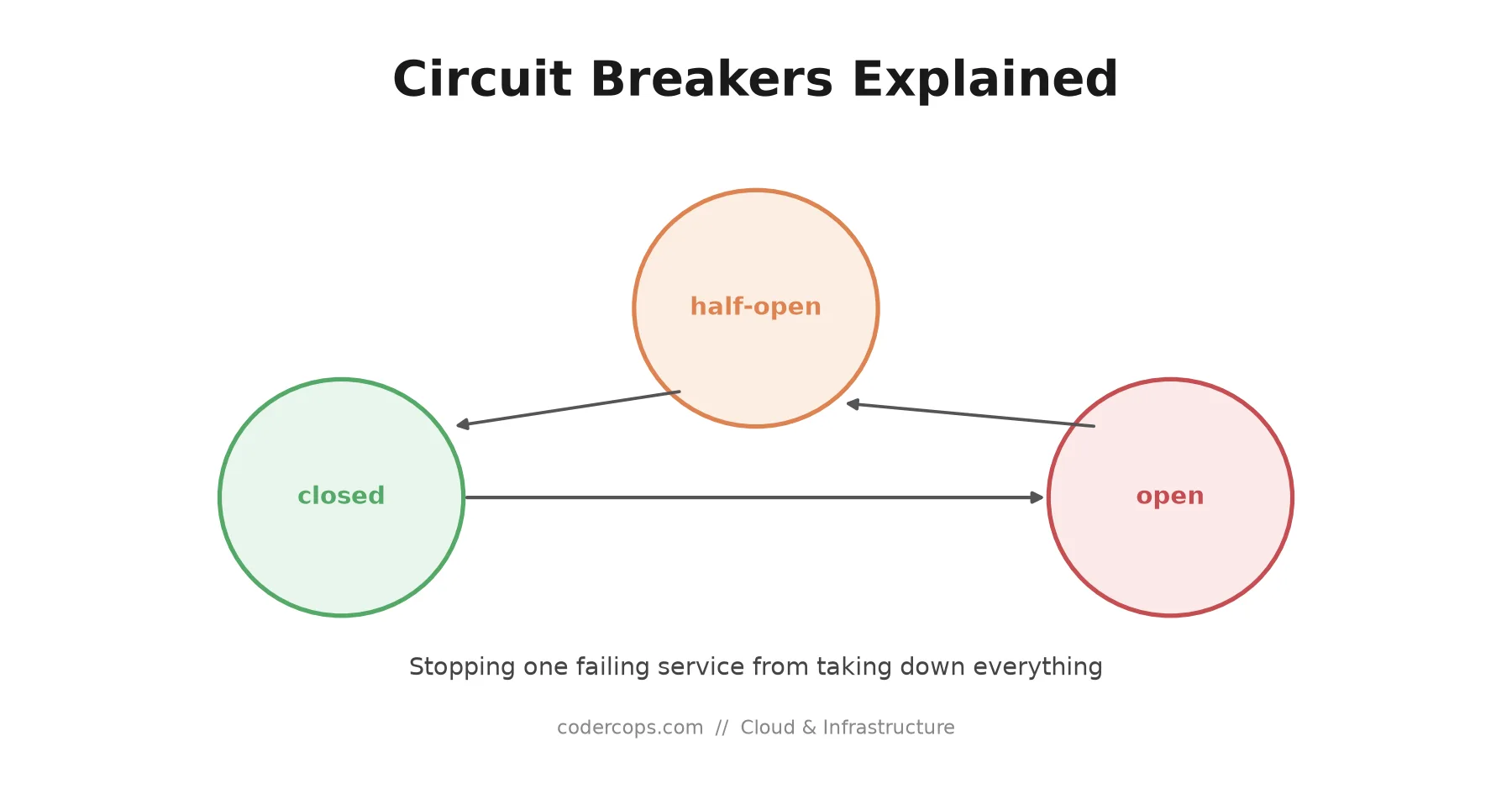
P.43A circuit breaker stops your app hammering a failing dependency until it recovers. The three states, a minimal implementation, and how retries differ.
Firebase's complexity and Supabase's Postgres assumptions don't fit every project. How PocketBase, Appwrite, and Convex differ, and when each one fits.
Three tools, three bets on where complexity belongs. How to choose between BullMQ, Inngest, and Temporal based on what your system needs, not what sounds big.
Durable Objects solve edge computing's coordination problem: consistent state across distributed nodes. Here's how they work and when to use them.
Kafka is the default answer for message queuing at scale. But for teams running fewer than a million messages per day, NATS JetStream offers persistence, delivery guarantees, and a dramatically simpler operational footprint.
Setting up metrics with Prometheus and dashboards with Grafana: what to instrument, what to skip, and what a dashboard should show during an incident.
Dev Containers define your entire dev environment in a devcontainer.json file, so new teammates are productive in minutes. Here's how to set them up.
Multi-stage Docker builds cut image size by 80-90%, speeding up pulls, cold starts, and CI, while shrinking your attack surface and registry bill.
R2's zero-egress pricing looks compelling on paper. Here's when it actually saves money, when S3's ecosystem still wins, and how to migrate if you decide to switch.
Logs say what happened. Error tracking says what broke, for which users, in what context. Setting up Sentry properly, without the alert fatigue.
Every cloud decision locks you in somewhere; the real question is which lock-in costs less. A practical framework for when to abstract and when to accept it.
ClickHouse is a columnar database designed for analytical workloads. It answers queries over billions of rows in seconds that would take minutes in Postgres. Here's what application developers need to know.
dbt turns SQL SELECT statements into a tested, documented, version-controlled data pipeline. Here's how it works and when you should add it to your data stack.
Vercel dominates frontend hosting. AWS dominates enterprise infrastructure. Between those two extremes, Fly.io and Railway are the most practical choices for backend-heavy full-stack apps in 2026.
Workers AI runs open-weight models (Llama, Mistral, Whisper, embeddings) inside Cloudflare's network. What's useful, what the limits are, and when it fits.
SQLite runs in every phone and browser. Turso extends it to the server and edge with replication, branching, and a network protocol. Here's when it makes sense.
Blue-green and canary deployments give you a way to release software without taking down your service or discovering a bug when it's already affecting everyone. Here's how they work and when to use each.
eBPF lets you attach programs to any kernel hook — network packets, system calls, function calls — without patching the kernel or rebooting. Here's what application developers actually need to know.
Tailscale is a mesh VPN giving distributed teams private networking between laptops, servers, and office machines in about 30 seconds, no VPN hardware needed.
Multi-cloud usually costs more in engineering time than the lock-in risk it prevents; most teams do better on one cloud with deliberate exceptions.
OpenTelemetry is the observability standard now. Most tutorials show you how to install the SDK and emit traces. Fewer explain which signals actually matter for web applications and which add noise without helping you debug anything.
Password resets, invoices, and notification emails are infrastructure. Most developers treat them as an afterthought until a client asks why their welcome emails are disappearing. Here is the full picture.
HPA scales on CPU and memory. But most production workloads don't scale well on those signals. KEDA, VPA, and Goldilocks fill the gaps that HPA leaves open.
The queries that wreck production Postgres share a few root causes. How to find them, read EXPLAIN ANALYZE properly, and fix them without guessing.
Neon separates storage from compute to make Postgres behave like a serverless resource. The branching feature is what actually changes the development workflow — here's how it works and when it's worth the migration.
Connection exhaustion is one of the most common production failures for apps that scale. Here's how pooling works, which tool fits which setup, and the configuration decisions that matter.
From .env files to Vault to AWS Secrets Manager: a practical guide to storing credentials, API keys, and certificates without waking up to a breach notification.
A practical incident response process for small teams: severity tiers, on-call rotations, better alerting, and blameless postmortems, no SRE org required.
Service meshes promise secure, observable microservice communication. But most teams that adopt one do so before they need it. Here is how to decide, and what each option actually costs you.
Message queues and event streams solve different problems. Kafka is not always the right answer. Here's how to think through event-driven patterns and choose the right tool for your production workload.
Every SaaS team eventually faces the multi-tenancy decision. The wrong choice creates migration pain later. Here's how to think through database-per-tenant, schema-per-tenant, and row-level security based on what your product actually needs.
Background jobs that crash mid-run lose their state. Temporal makes workflows durable state machines that survive restarts and deploys. In TS and Python.
Most teams treat their CI pipeline as a black box that occasionally fails. A few hours of optimization can cut your CI time by 40-60% and your GitHub Actions bill by a similar margin. Here's exactly how to do it.
HashiCorp's 2023 BSL relicensing split Terraform into OpenTofu, while Pulumi took a code-first approach. Here's how to choose between them in 2026.
In March 2024, Redis Ltd. relicensed Redis under a source-available license. Within weeks, the Linux Foundation forked it as Valkey. Two years on, here's how the split played out and what it means for teams choosing an in-memory data store today.
LLM calls are slow and expensive, so caching is the obvious fix. Here's when it backfires and how to implement exact-match and semantic caching.
ALTER TABLE locks your database. Your migration takes longer than expected. Users get errors. Here's how to handle schema changes that don't interrupt production traffic.
Traditional monitoring won't tell you an LLM call burned $0.04 in tokens on a hallucinated answer. Here's how to instrument AI apps with OpenTelemetry.
P.81Explore the financial impact of the AI storage tax and the sharp rise in NAND and RAM costs, affecting enterprise IT budgets and cloud infrastructure strategies.
P.82Explore the shift towards serverless edge computing in the post-cloud era, focusing on performance improvements, cost savings, and real-world case studies of enterprises leveraging this technology.
A cascading config error bypassed canary checks in Cloudflare's Feb 2026 outage, hitting R2 and Workers for 4h37m. Real distributed-systems lessons.
Data-driven analysis of platform engineering adoption in 2026. Compare Backstage, Port, and Cortex IDPs, golden paths, self-service infrastructure, and how to measure platform success with DORA metrics.
Deploy WebAssembly workloads on Kubernetes using SpinKube: cluster setup, Spin deployment, autoscaling, monitoring, and a production readiness checklist.
Everyone said Wasm would kill Docker. Two years later they coexist, and teams running both ship faster: a reality check on Wasm, containers, and the containerd shim.
Everyone says go cloud-native. But what does that actually mean in 2026? We break down microservices, serverless, and containers — and why most teams should start simpler than they think.
Edge functions win on cold starts (6-18ms), containers win on steady-traffic cost, and serverless wins on developer experience. Real benchmark numbers inside.
AWS and Google Cloud now offer encrypted cross-cloud interconnect networking. Here is what the partnership includes, and what still locks you in.
GitOps adoption hit 64% in 2025, and the next evolution is integrating real-time cost visibility into every infrastructure pull request. We break down why GitOps plus FinOps is the operational model serious teams are adopting in 2026.