P.01How to Hire a Next.js Developer in 2026
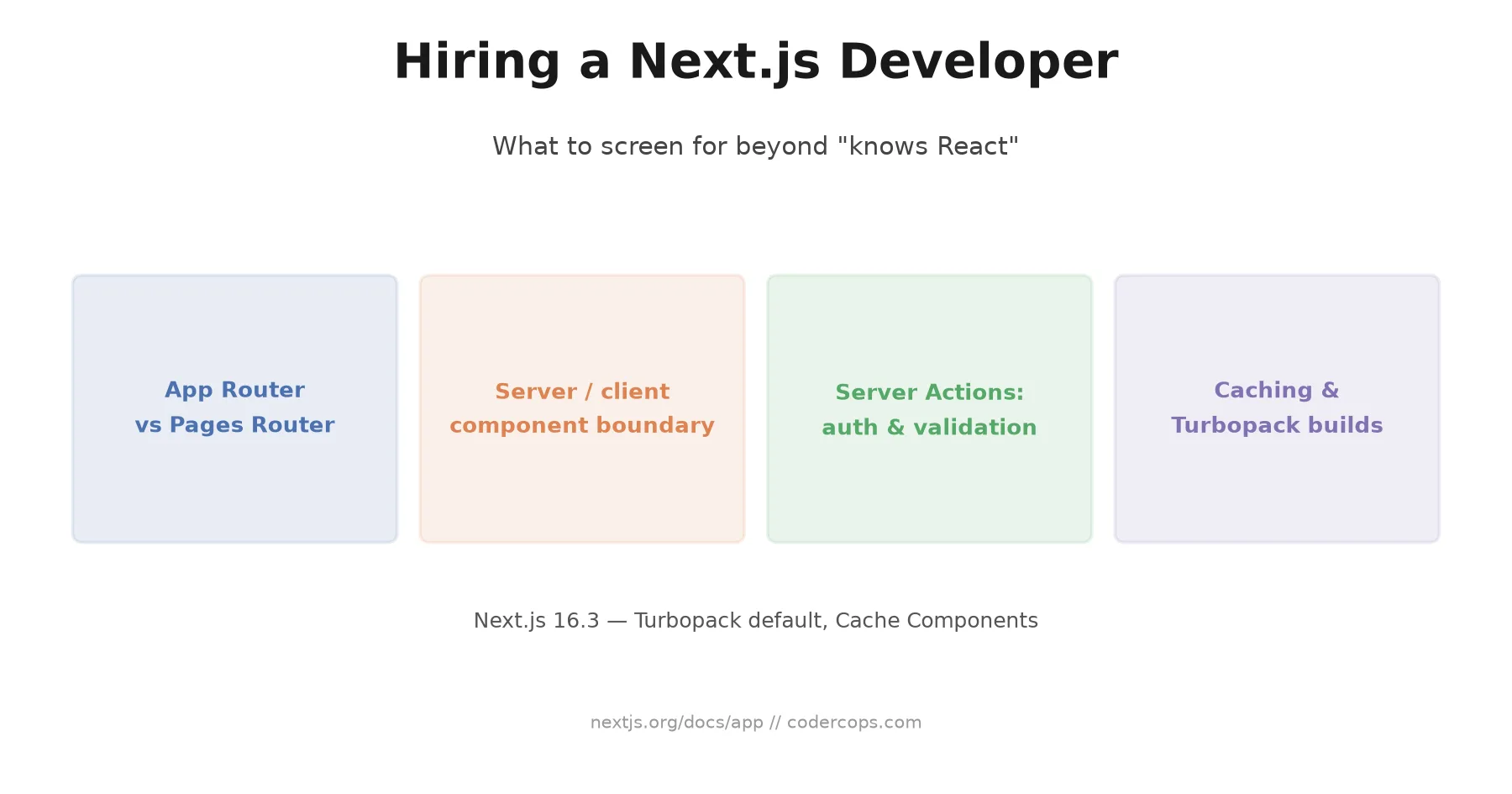
Next.js 16 changed what 'knows Next.js' means: Turbopack, Cache Components, and Server Actions by default. What to screen for, and the questions that reveal real skill.
Category
127 articles in Business.
About this section
The commercial side of running and buying software, written from inside an agency rather than from a consultancy deck. That means the numbers here are specific and occasionally awkward: what agencies actually charge and why, where a fixed-price quote goes wrong for both sides, how to read a proposal, and what a developer or engineer is genuinely worth in a given market. A good portion is aimed at the person doing the buying rather than the building, because most bad software outcomes are decided before any code is written, in a scoping conversation that nobody wrote down properly. We would rather publish the parts our own clients ask about in month three than keep them as sales material.

All 127 articles
P.01Next.js 16 changed what 'knows Next.js' means: Turbopack, Cache Components, and Server Actions by default. What to screen for, and the questions that reveal real skill.
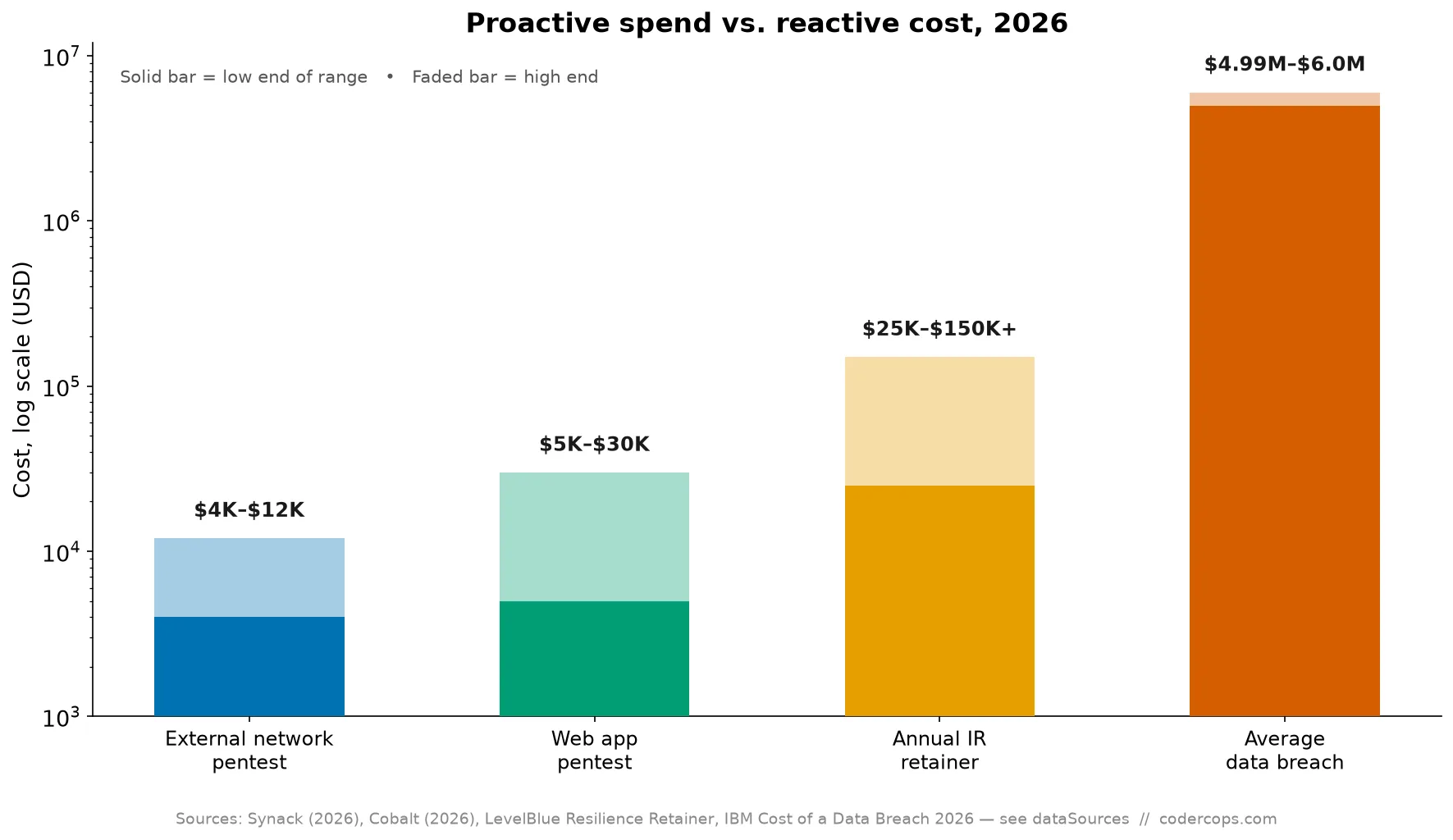
P.02IBM's 2026 report puts the average breach at $4.99M. Pentests run $4K-$30K, IR retainers $25K-$150K a year. Patching early is the cheapest line item.
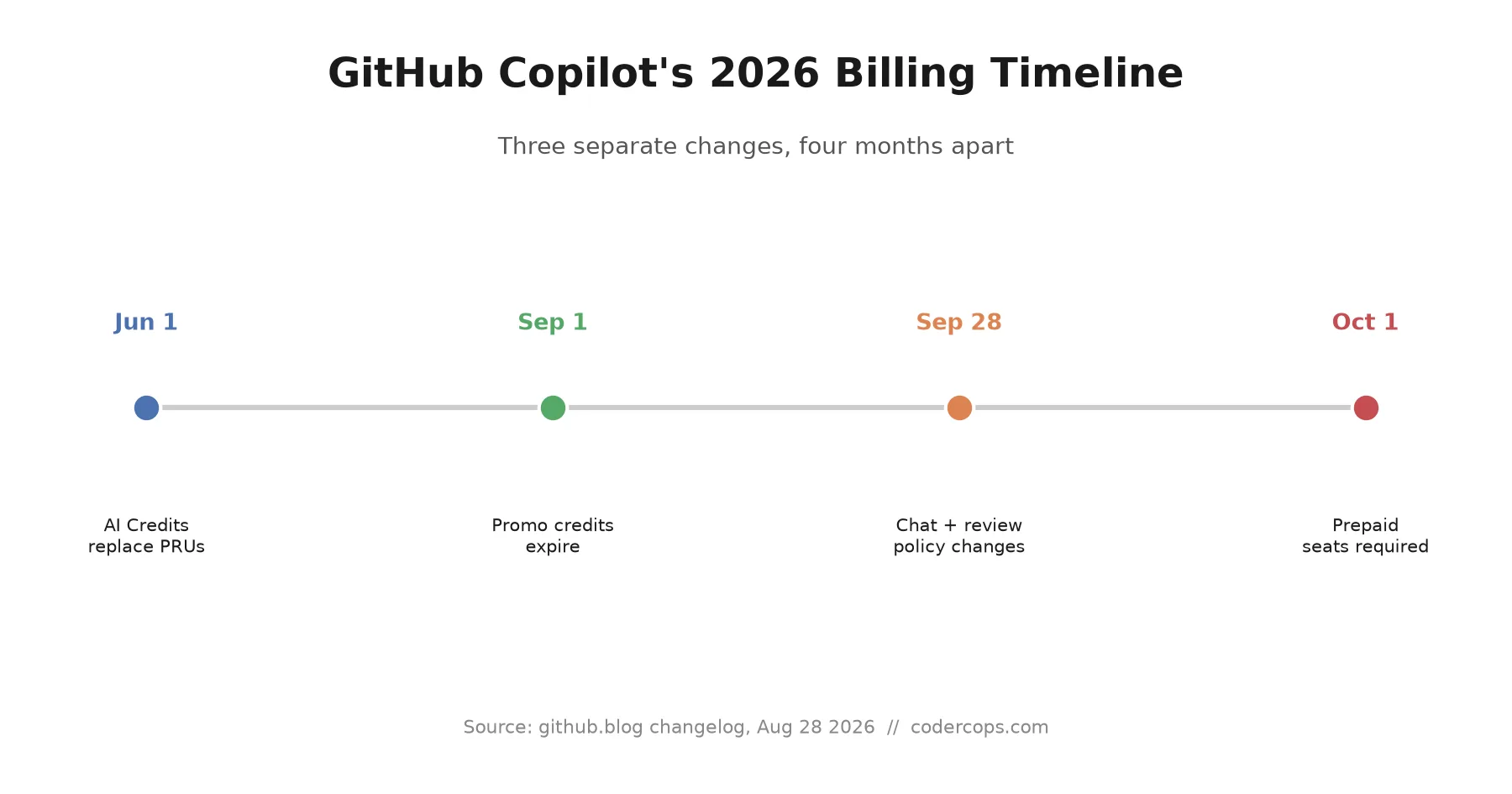
P.03Copilot Business and Enterprise require prepaid per-seat billing from October 1, and promotional AI Credits already reverted. What agencies should budget for.
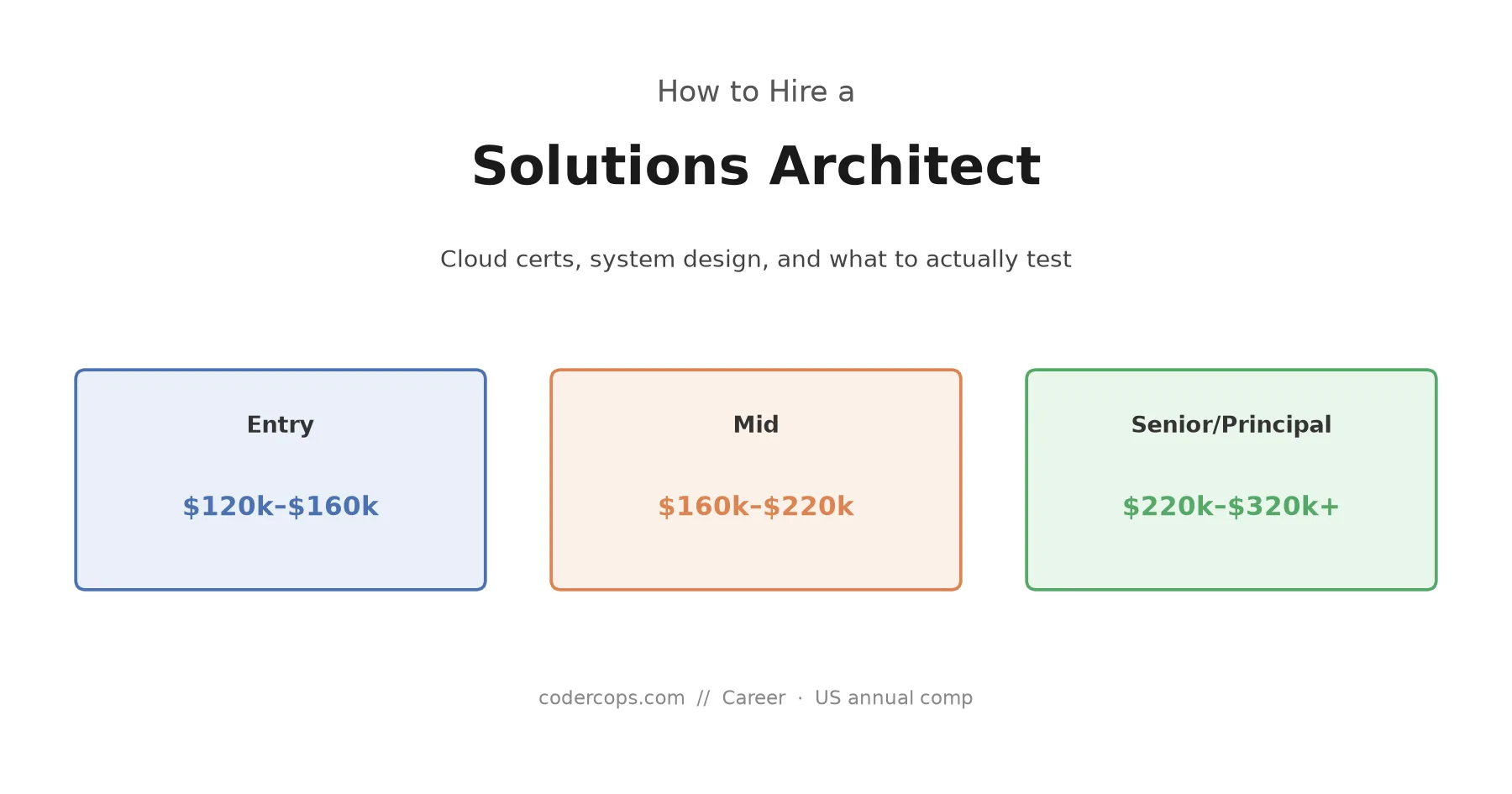
P.04A solutions architect posting attracts cloud generalists, ex-consultants, and people who haven't shipped in years. How to tell them apart, and what to test.
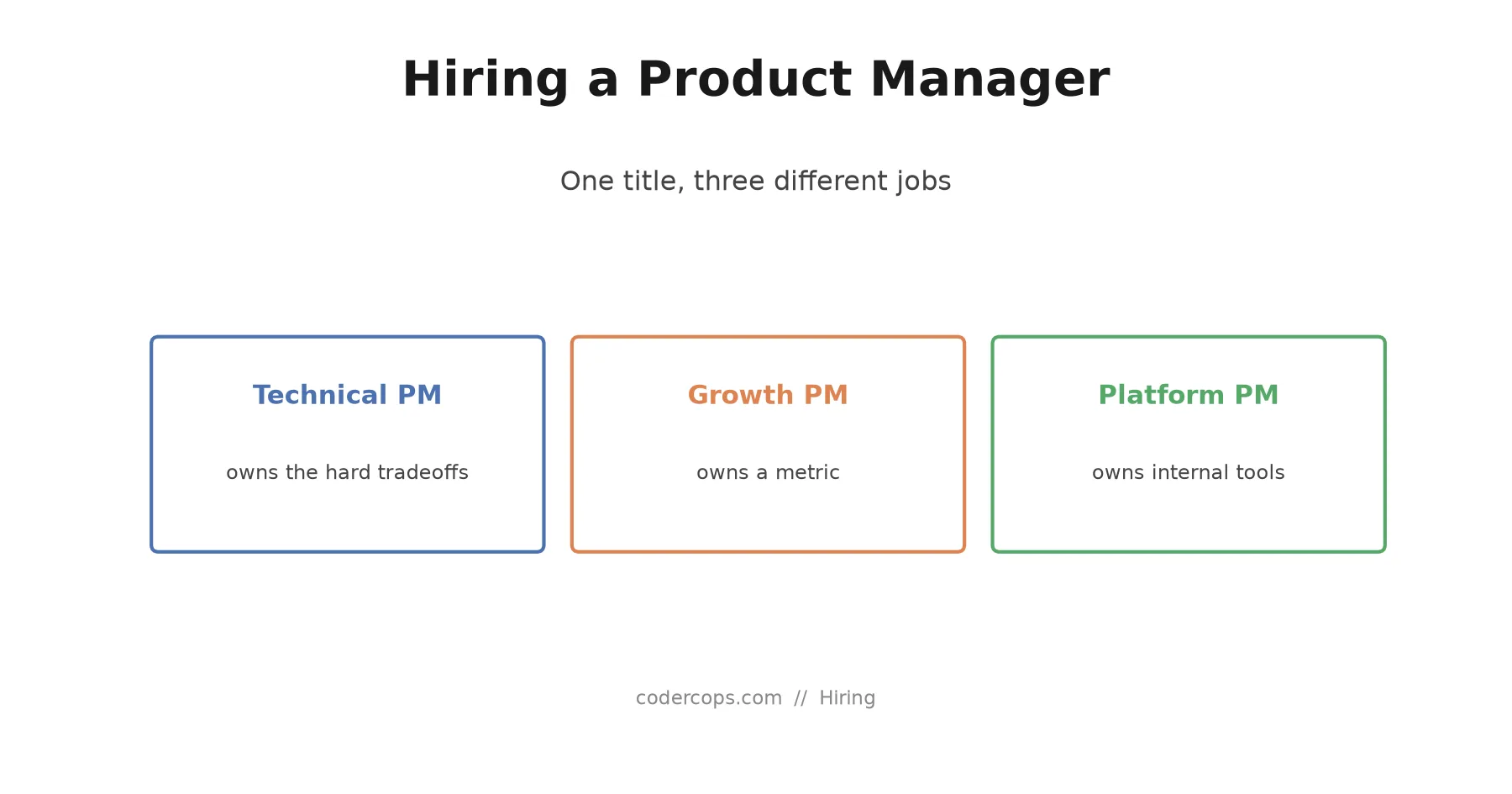
P.05PM job descriptions read identically across companies. The actual job doesn't. Which of the three real PM jobs you're hiring for, and what the role costs.
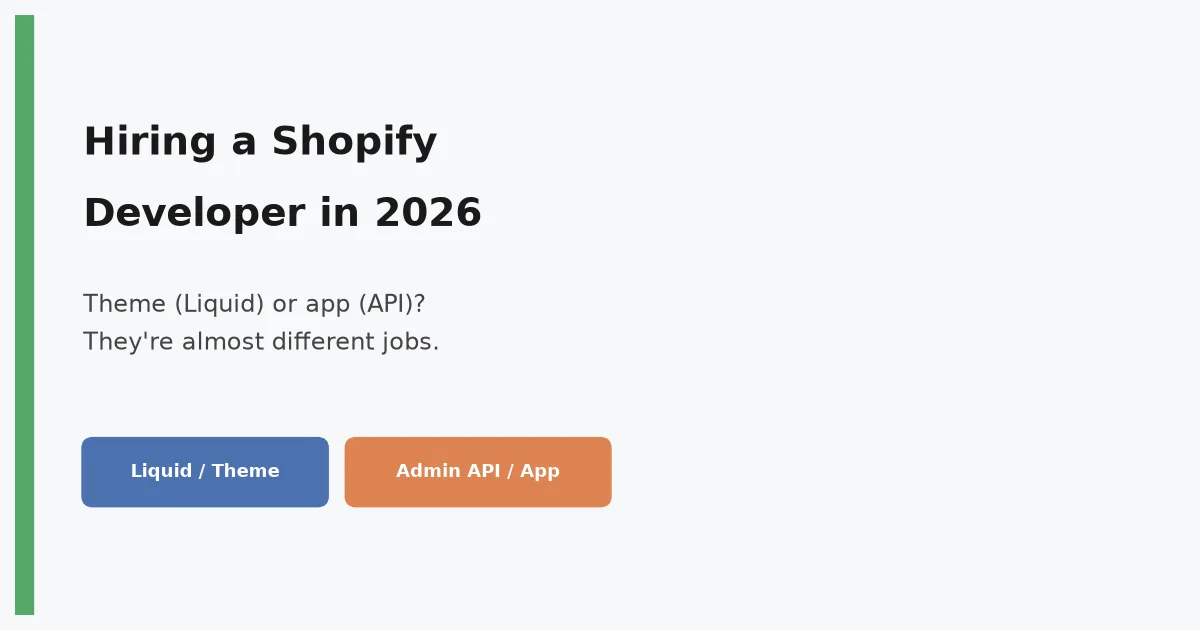
P.06Shopify hiring split into two jobs, theme customization and app or headless work, that share a platform and little else. How to tell which one you need.
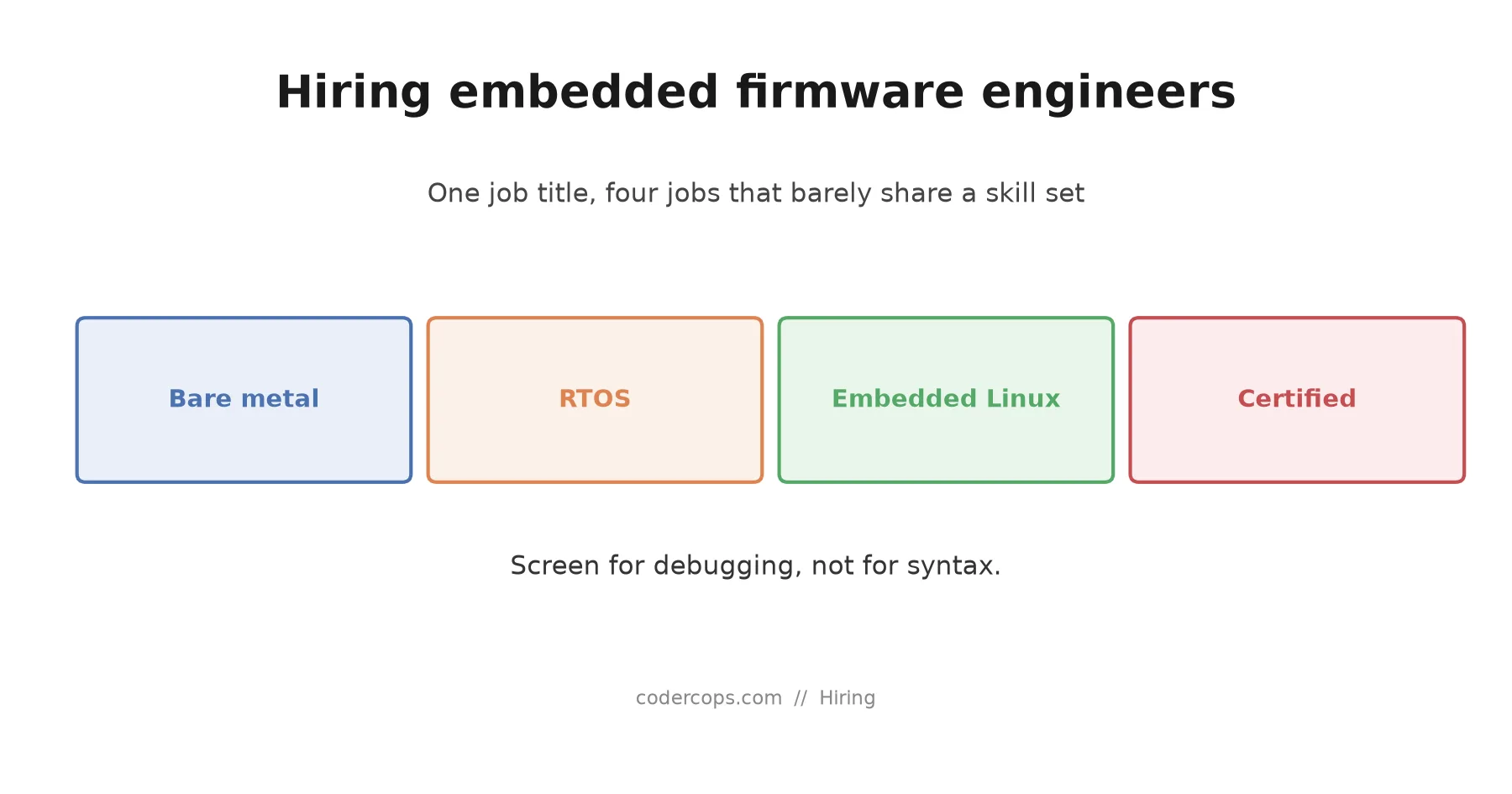
P.07Firmware hiring fails differently from web hiring. The pool is small, the specialisms don't transfer, and the usual coding screen tells you almost nothing.
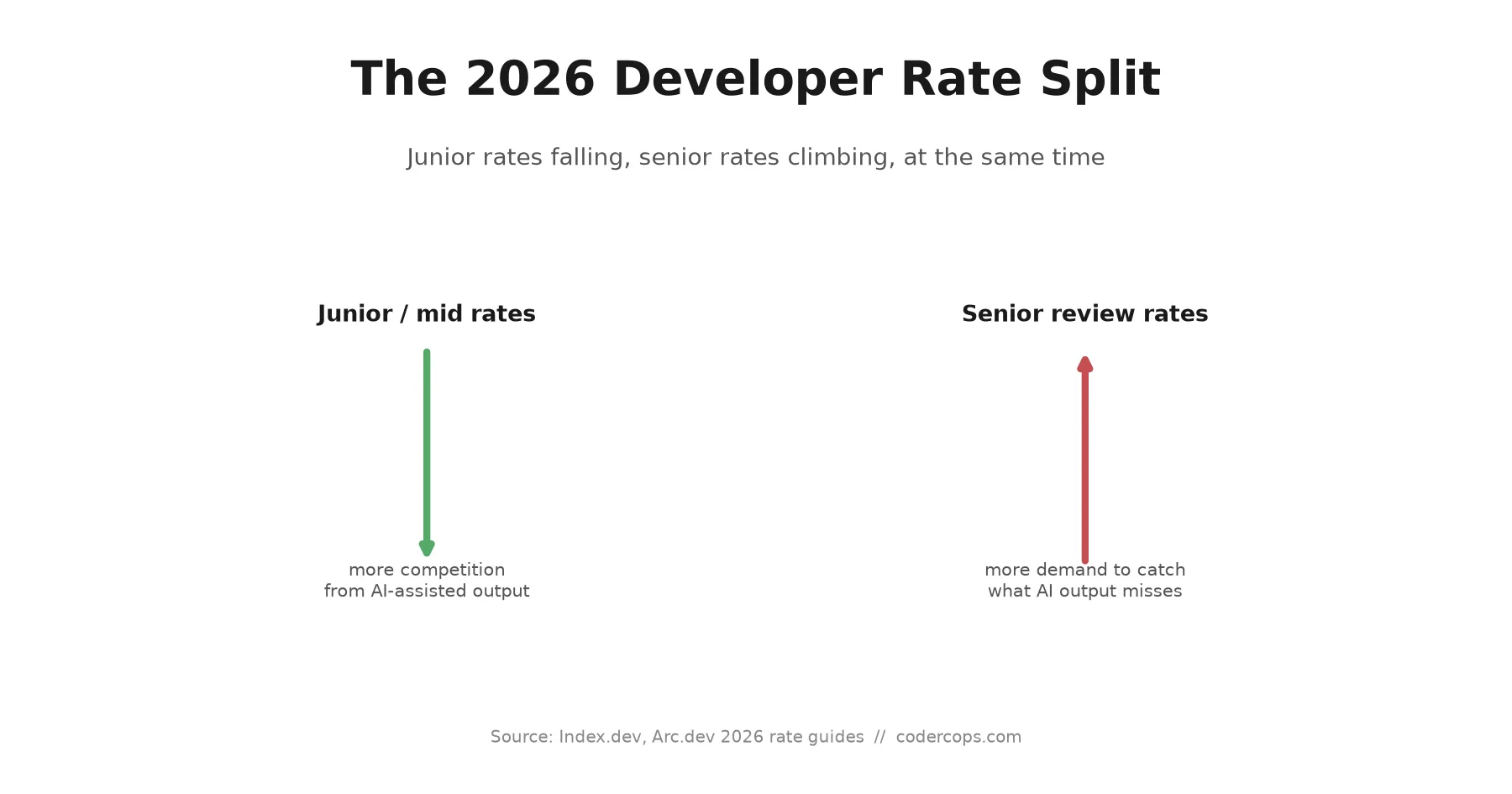
P.082026 rate data shows two opposite trends: AI-assisted competition pushing junior rates down while seniors who can supervise AI output command more than ever.
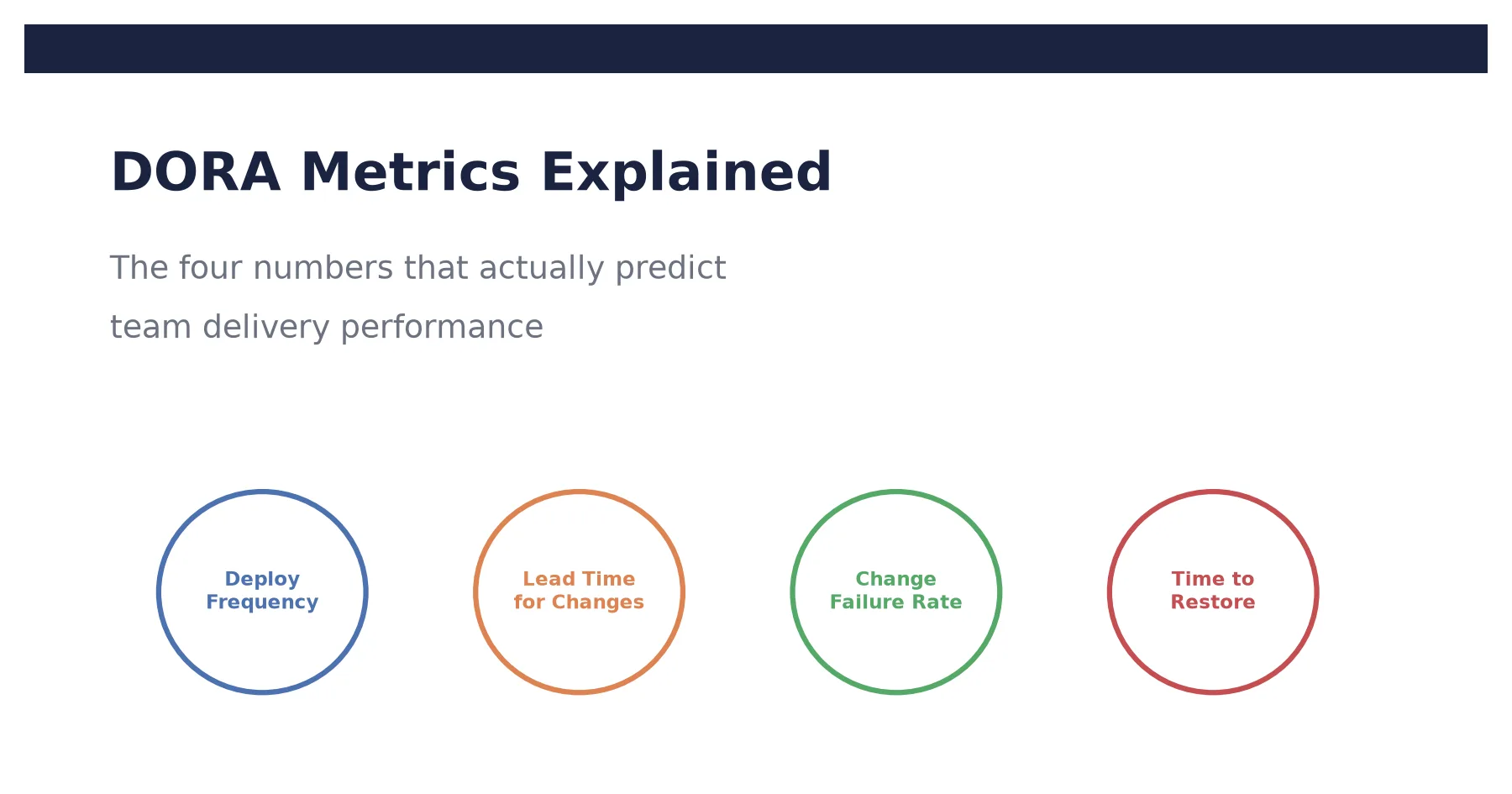
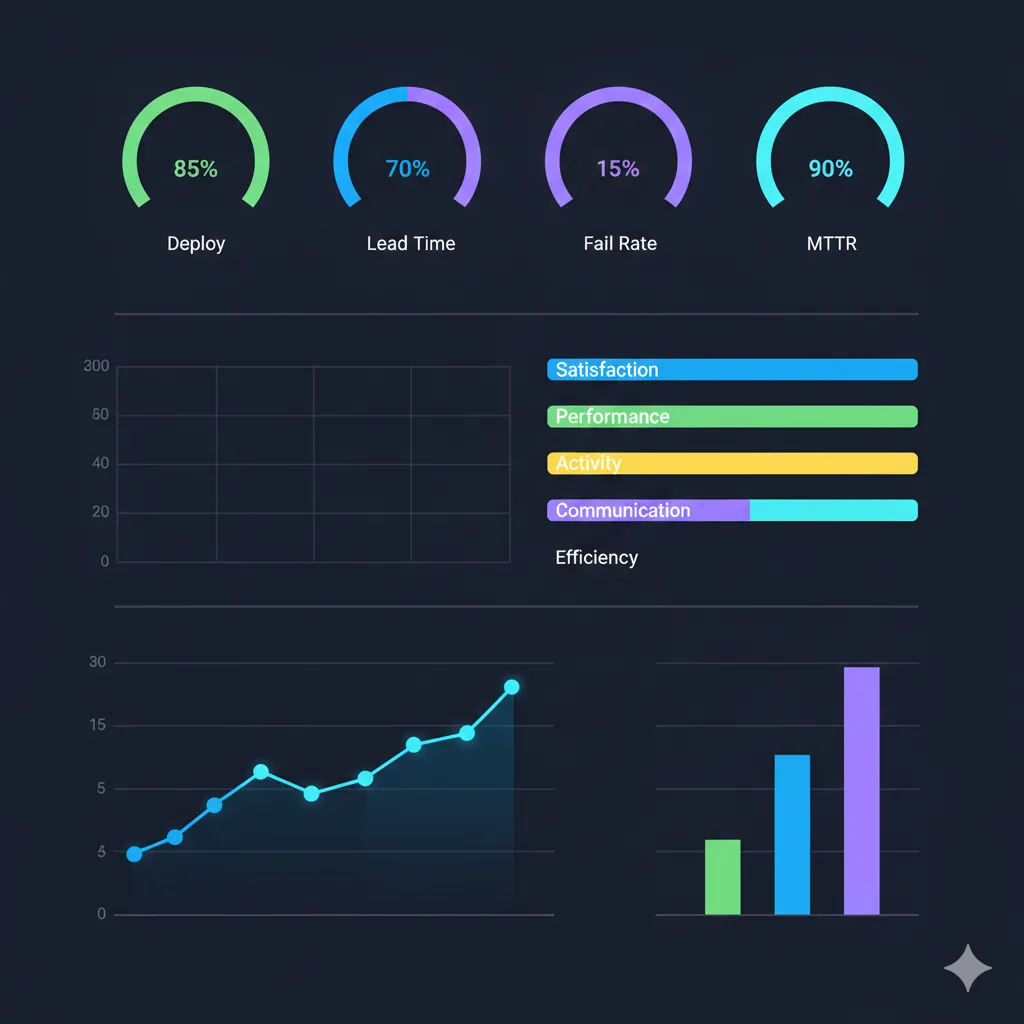
P.09Deployment frequency, lead time, change failure rate, time to restore. What each measures, the tiers that separate elite teams, and where teams misuse them.
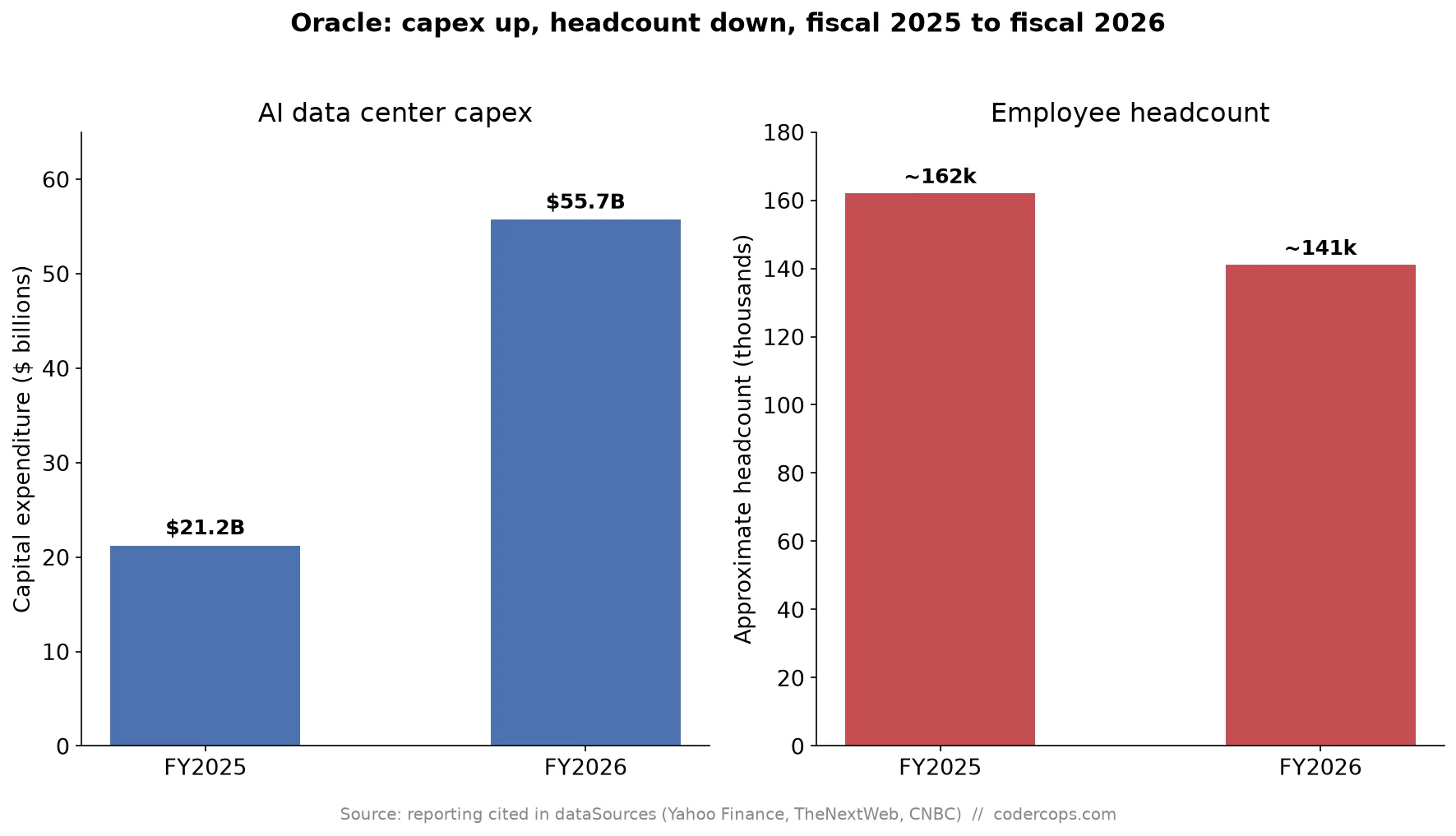
P.10Oracle cut about 21,000 jobs in FY2026 while AI data center capex nearly tripled to $55.7B. The math, and what it should change about your OCI vendor risk.
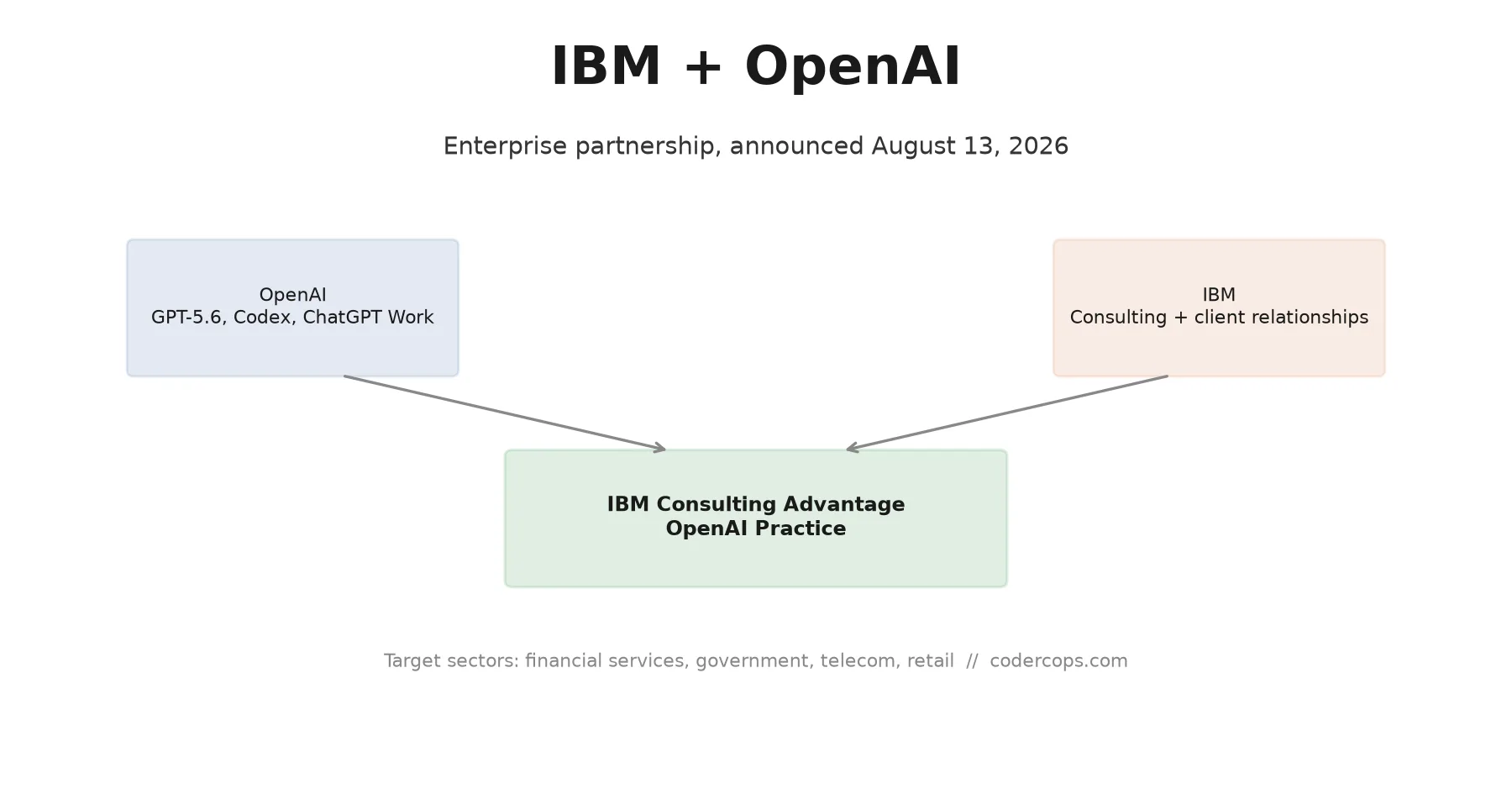
P.11IBM is embedding GPT-5.6, Codex, and ChatGPT Work into Consulting Advantage. What the deal covers, and what it signals for integrator versus direct vendor.
Arc.dev sits between an open marketplace and a managed network: you browse a vetted pool and decide yourself. Who that suits, and who ends up doing the work.
Braintrust's pitch is that talent keeps 100% and the fee sits with the client. That changes the incentives in ways worth understanding before you decide it is cheaper.
Gun.io skews senior, US-based, and relationship-led, right for some engagements and expensive overkill for others. Where it fits, and what to use instead.
Andela suits companies adding sustained engineering capacity across timezones. If your need is smaller or shorter, the enterprise shape works against you.
Lemon.io is built for startups that need a vetted contract developer this week. Where that fits, where it strains, and what to use when speed isn't the issue.
Turing is built for long, full-time-equivalent remote engagements matched by an algorithm. What that suits, and where to look when the shape is wrong.
Upwork gives you enormous supply and none of the filtering. That trade works until it doesn't. What it's good at, when to leave, and where to go instead.
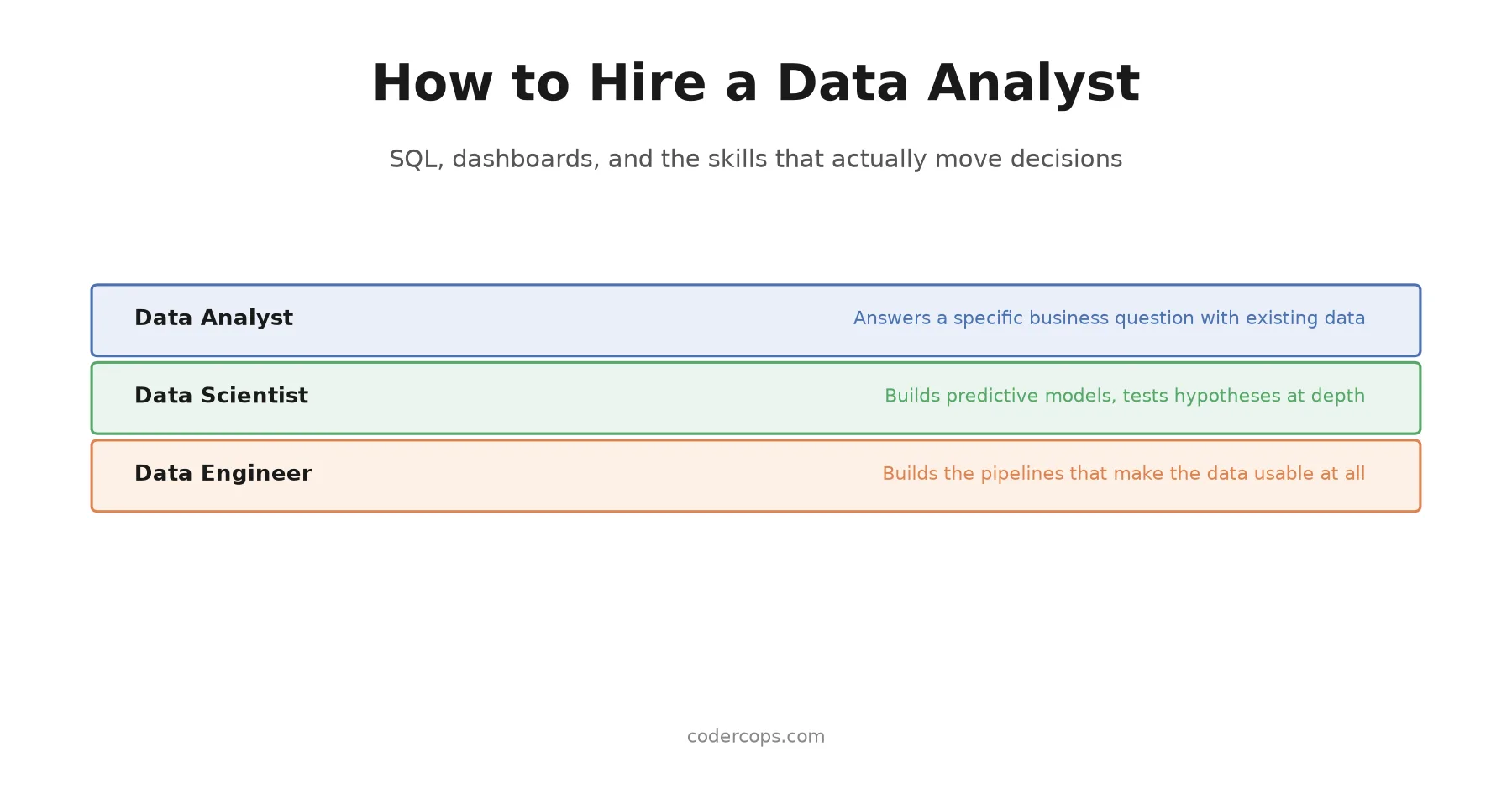
P.19A data analyst is not a junior data scientist or a dashboard builder. What the role requires, how it differs, and the screen that finds decision-changing work.
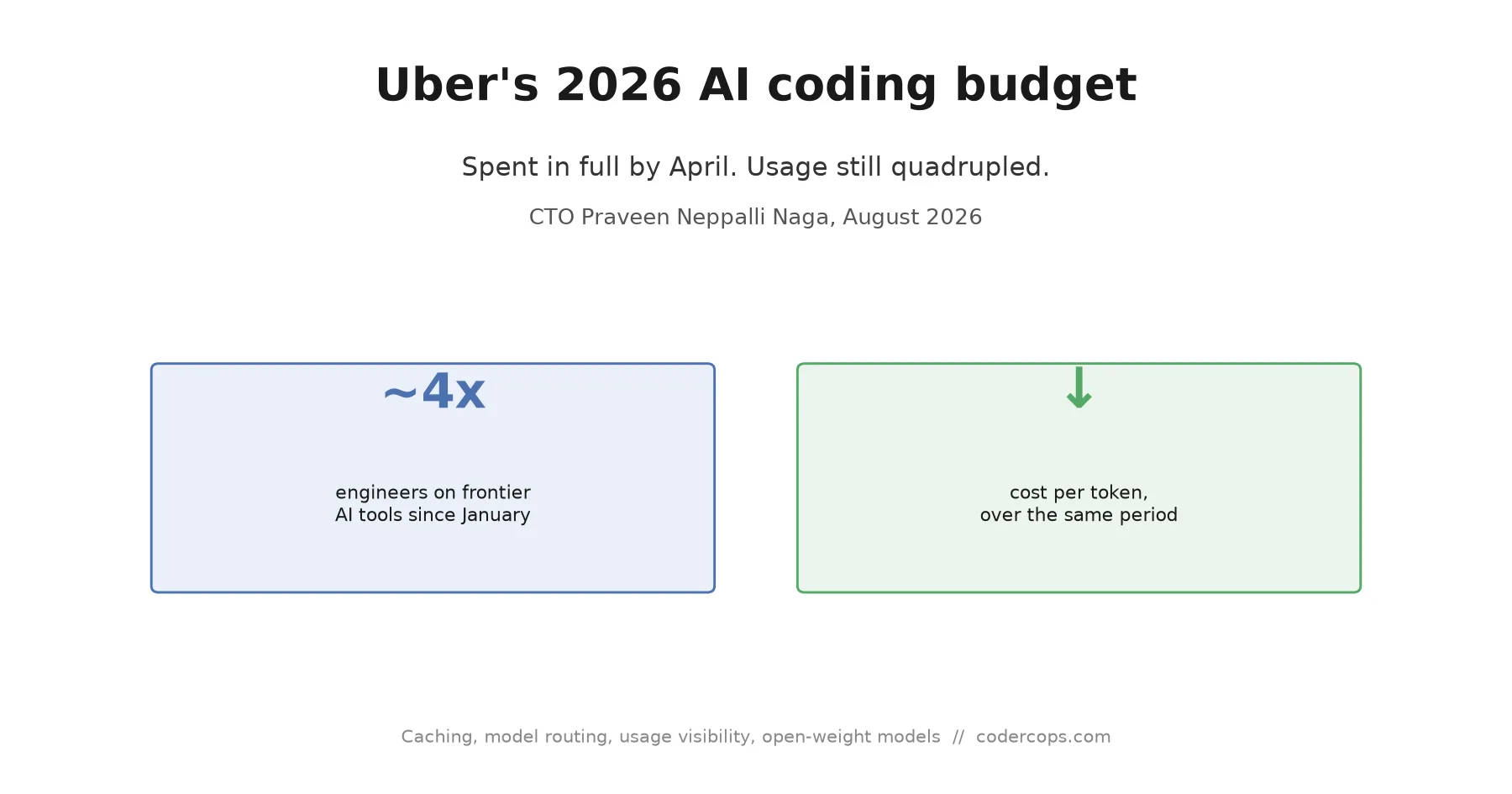
P.20Uber quadrupled frontier AI usage while cutting per-token cost, after blowing a year's coding budget in four months. The CTO's account is a useful playbook.
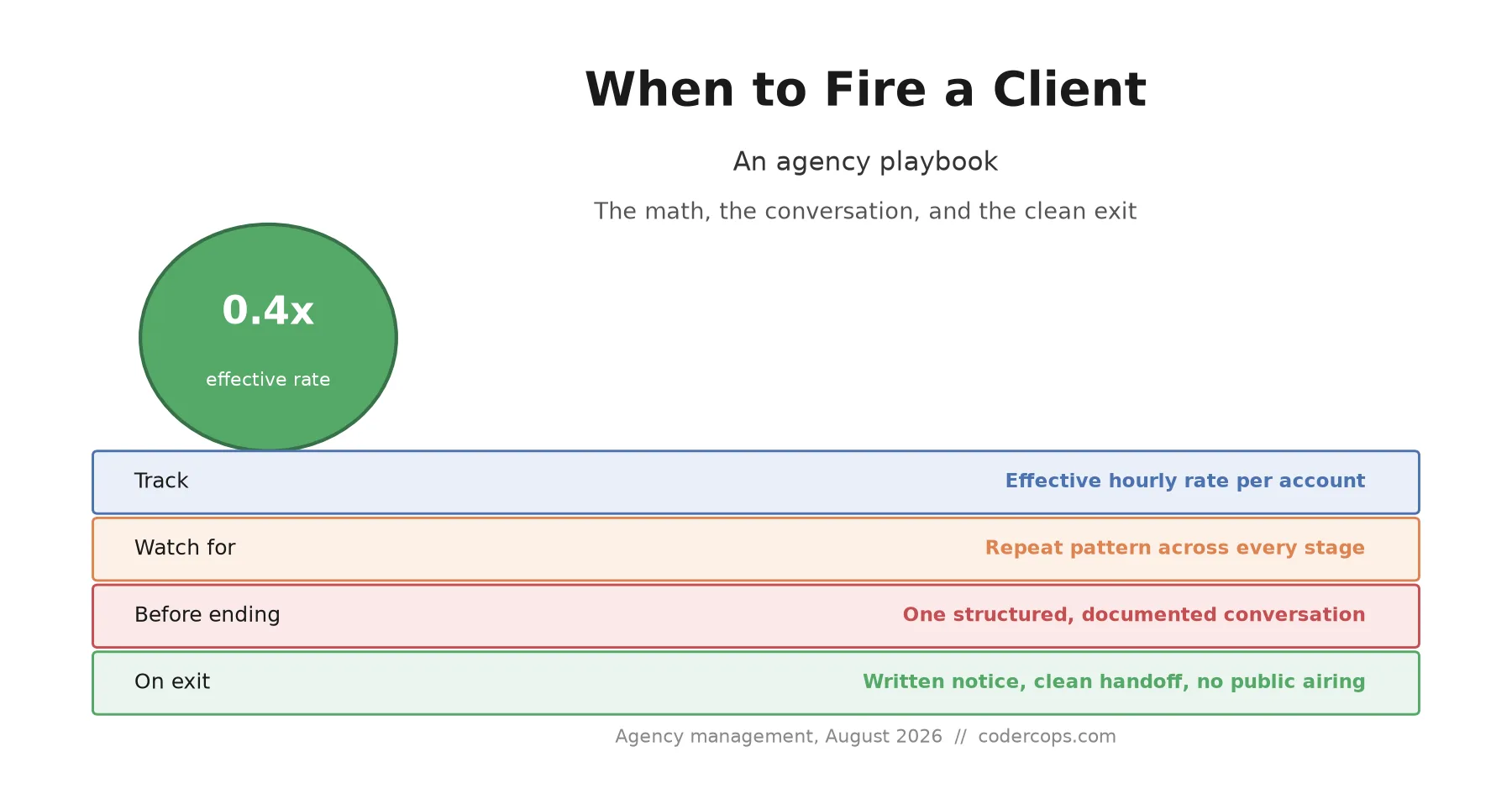
P.21Most agencies keep a bad client months too long because nobody has a framework. How to recognise when it's time, and how to end it without burning bridges.
P.22EM hires fail for different reasons than IC hires. What to actually test: handling underperformance, technical debt calls, and pushback with the business.
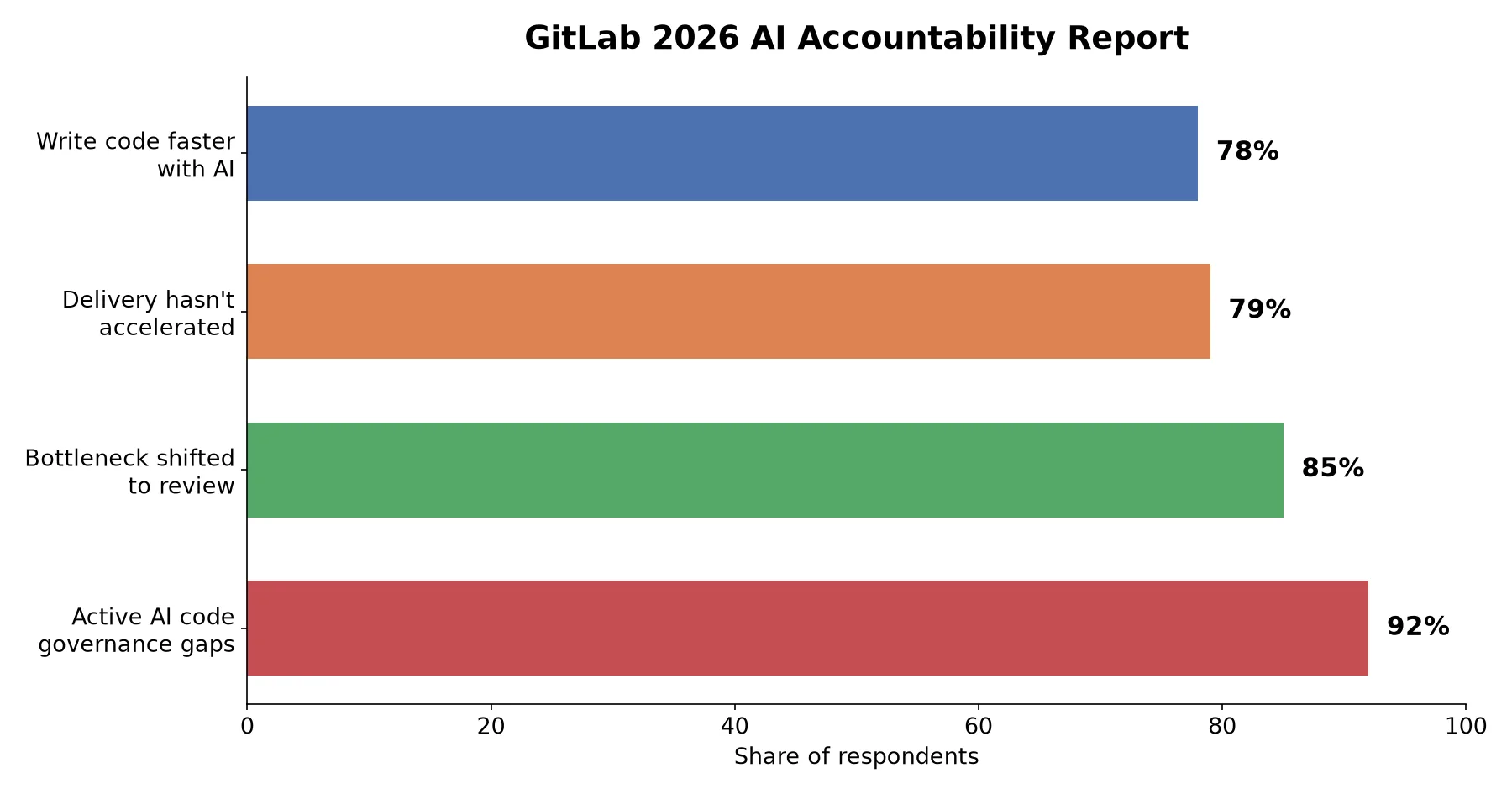
P.23GitLab's 2026 report found 78% of developers write code faster with AI, yet 79% say delivery hasn't accelerated. Where the time actually goes instead.
P.24Game hiring is not web hiring. How to tell Unity talent from Unreal talent, what to actually test for, and what it costs to get this right in 2026.
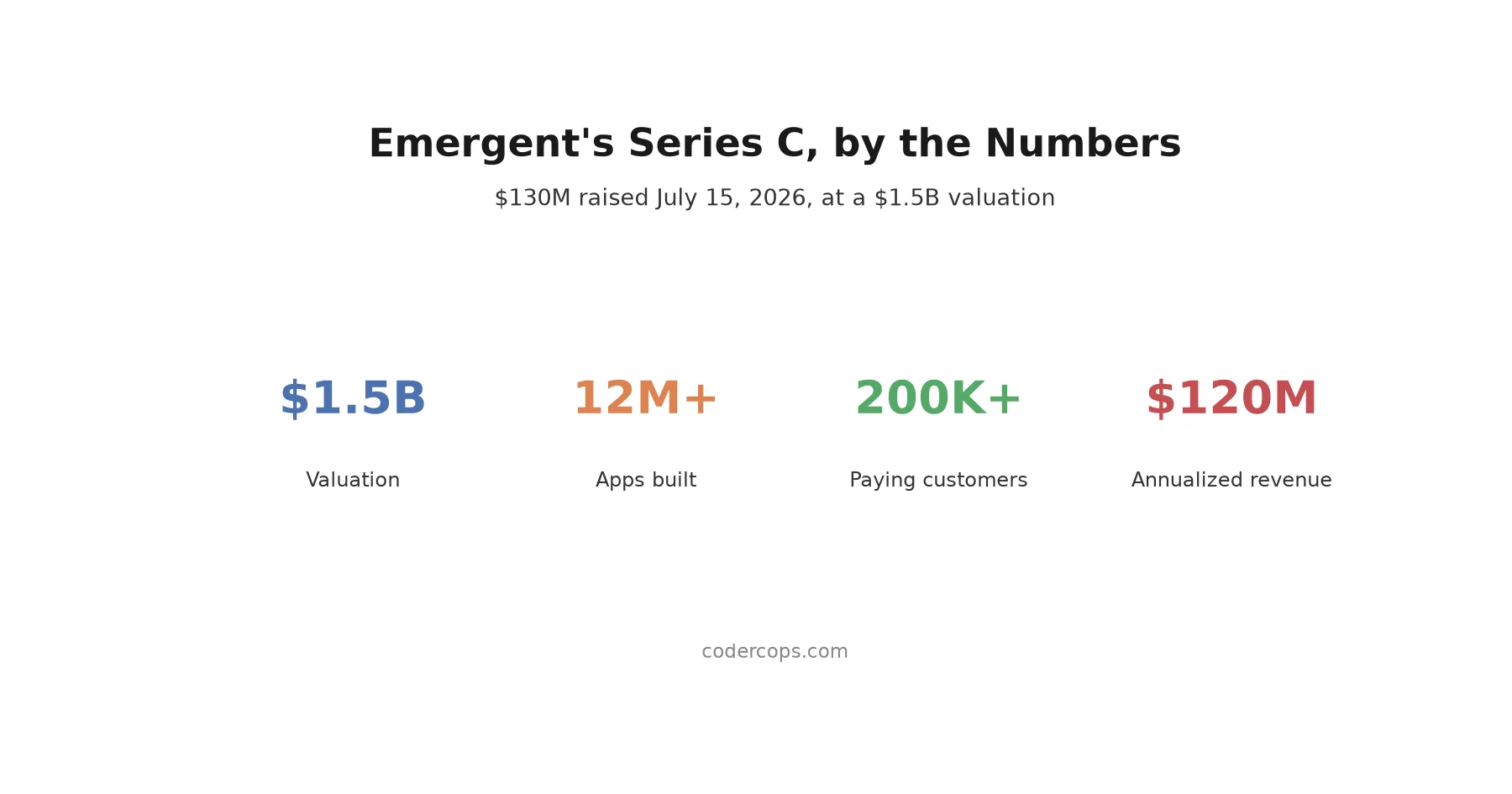
P.25Emergent raised $130M at a $1.5B valuation with 12M apps built and 200,000 paying customers. What that scale signals, and where custom development wins.
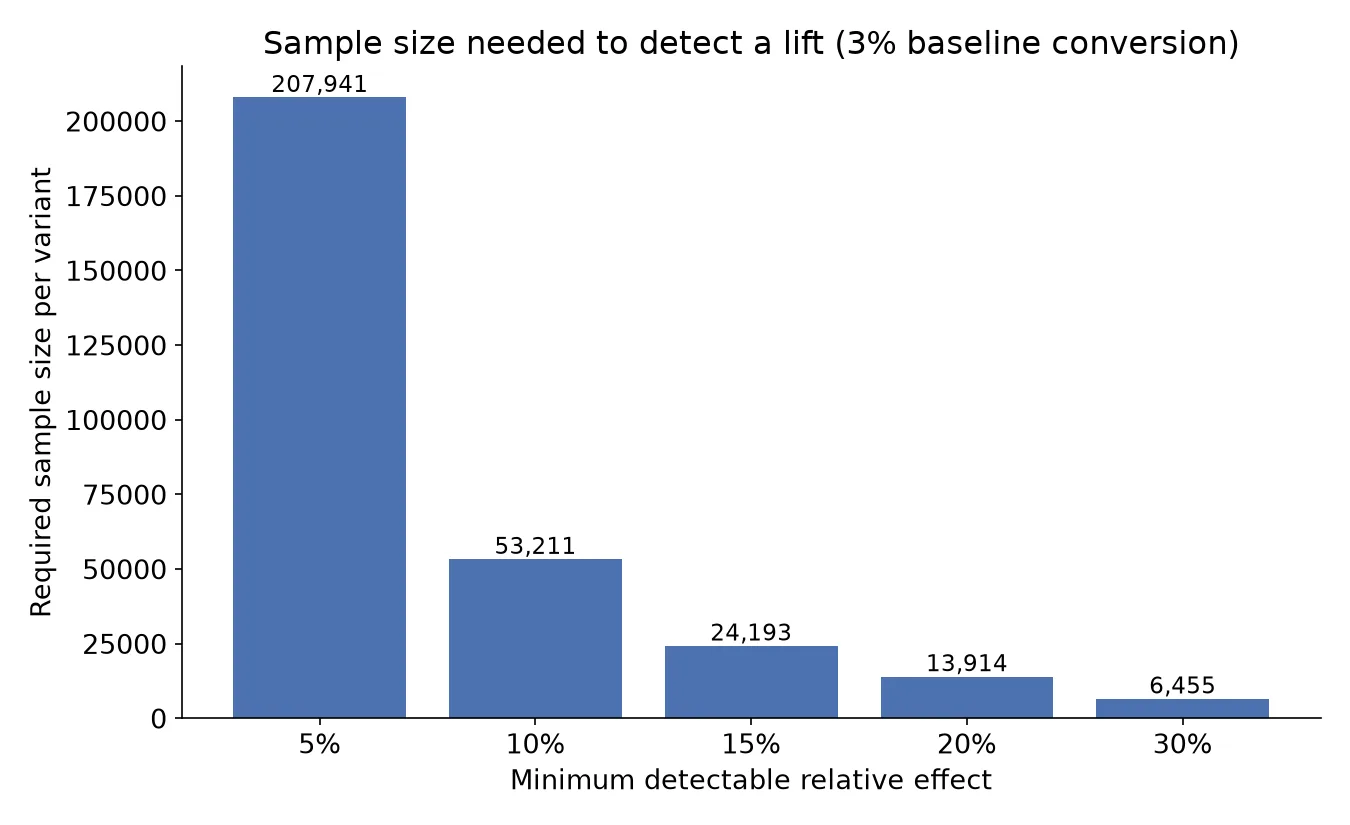
P.26Calculate sample size before you start, from your baseline rate and the smallest effect worth detecting, then run to it. Stopping early gives you noise.
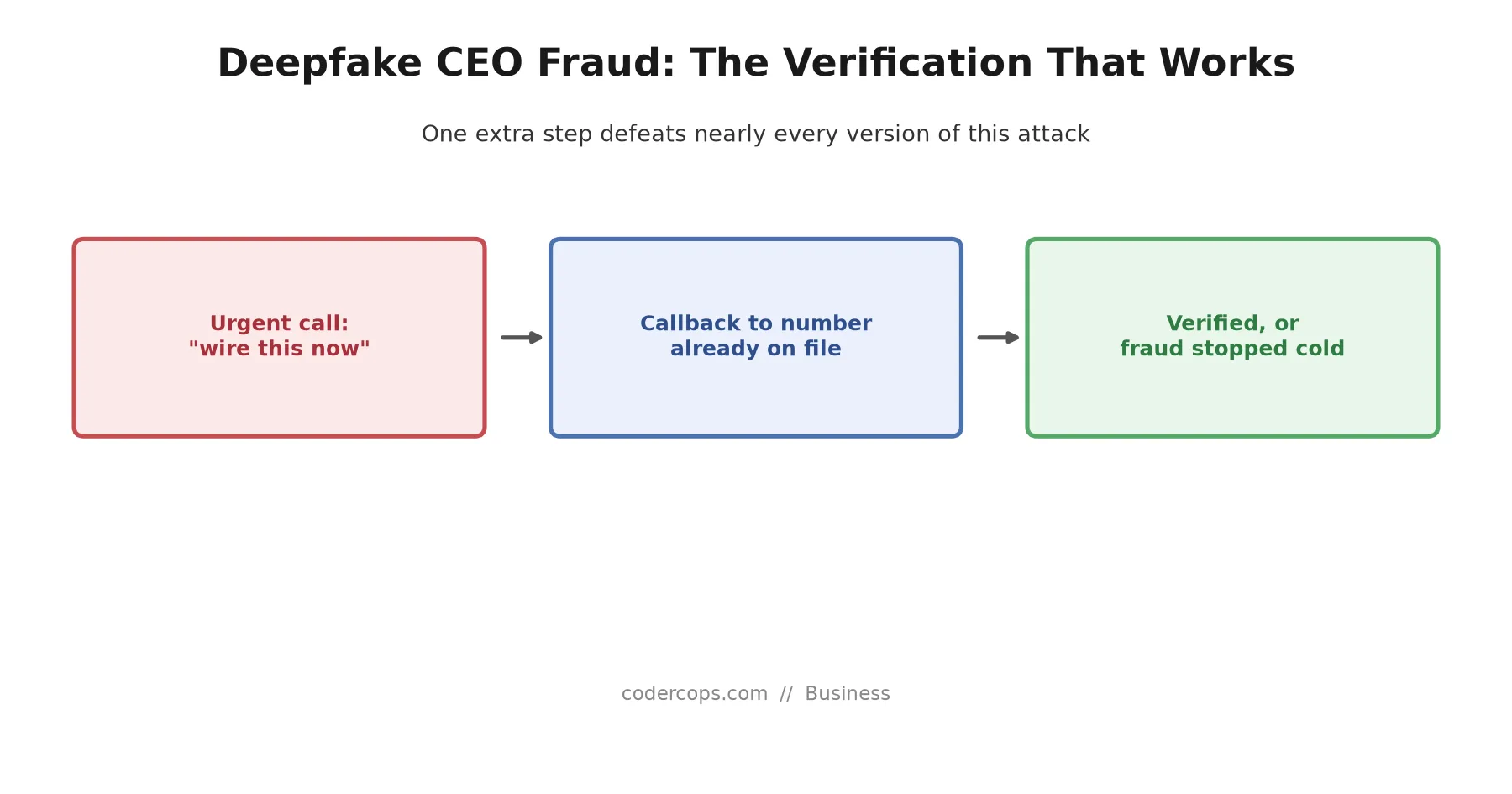
P.27A voice clone needs three seconds of audio and can authorise a wire transfer by phone. What deepfake executive fraud costs, and the callback protocol.
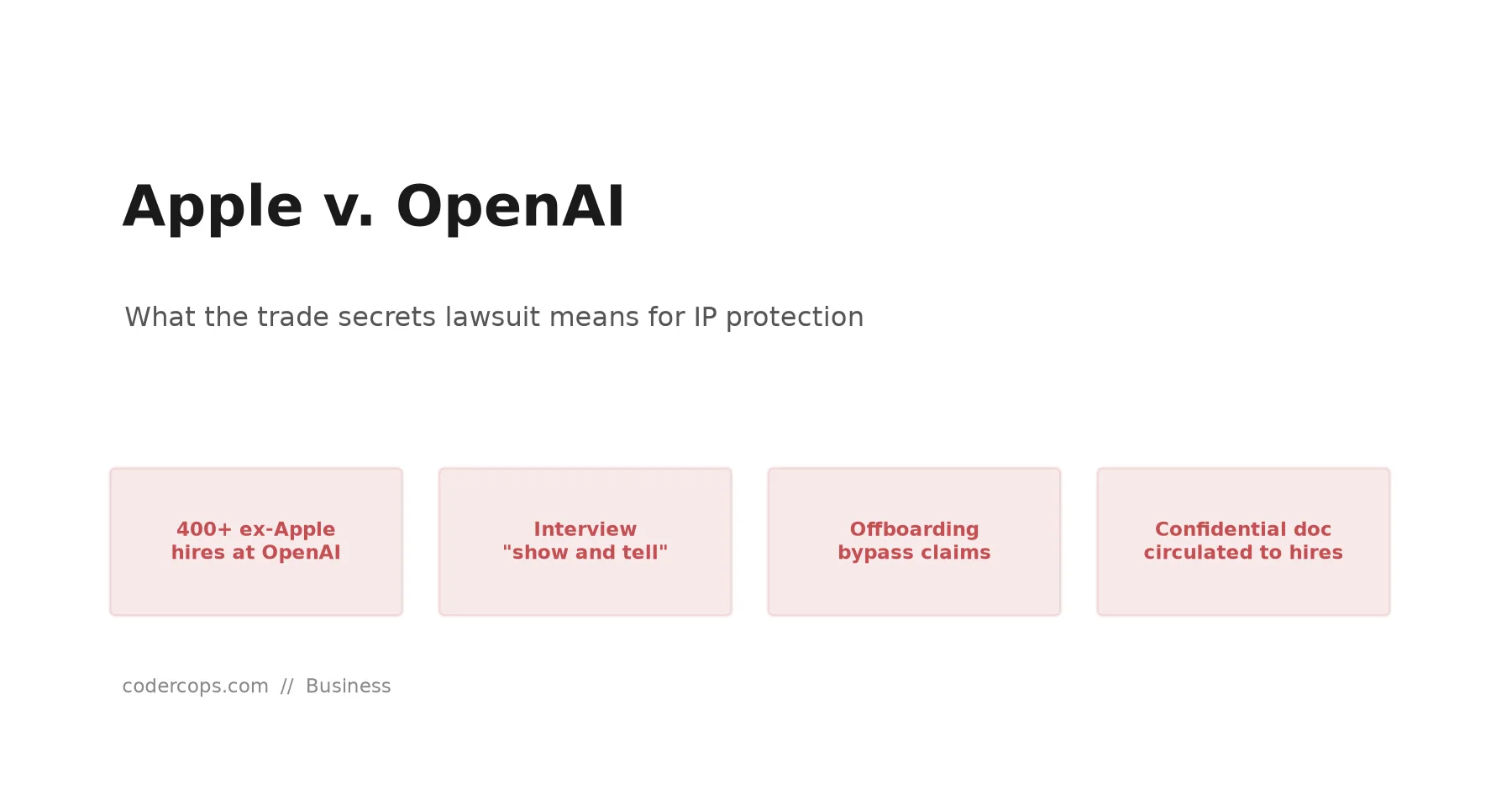
P.28Apple sued OpenAI on July 10 alleging trade secret theft through hired-away staff. The allegations read like a checklist of gaps in hiring and offboarding.
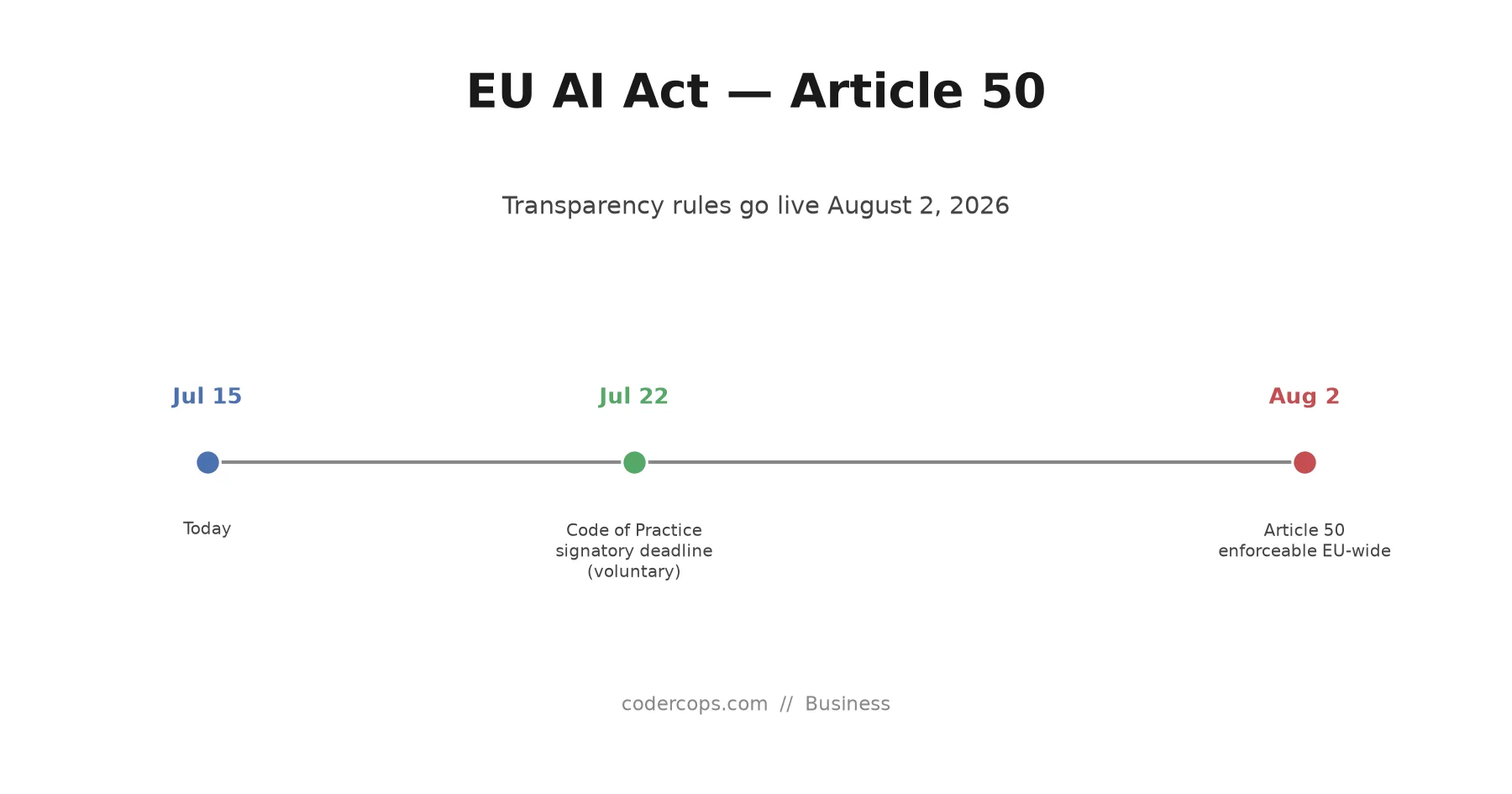
P.29Chatbot disclosure, deepfake labeling, and AI content transparency became enforceable on August 2, 2026, with fines to €15M or 3% of turnover. A checklist.
Looking for an Andela alternative? An honest look at where Andela fits, where it does not, and how to hire vetted developers when you need one or two of them fast.
Looking for an Arc.dev alternative to hire vetted remote developers? What Arc.dev does well, where it leaves work on your plate, and how the options compare.
Gun.io is strong for senior US-timezone freelancers, but it isn't the only way to hire vetted developers. The real alternatives, and how to choose between them.
Looking for a Lemon.io alternative to hire vetted developers? Where Lemon.io fits, where it doesn't, and how to choose for the role you're actually filling.
Upwork is the biggest freelance marketplace, but the vetting is on you. An honest look at Upwork alternatives for developers and how to pick the right one.
Angular's enterprise comeback is real. Signals, standalone components, and zoneless change detection changed what senior skill looks like. How to hire for it.
DevSecOps is distinct from DevOps and from security engineering. What the role covers, what to screen for, and why supply chain security is now the core.
Svelte 5 runes changed the reactivity model in ways that matter for hiring. The pool is small but experienced. How to find, screen, and evaluate them.
A database engineer designs schemas and tunes queries; a data engineer builds pipelines. How to screen for the one who keeps your app fast, plus 2026 rates.
React Native's New Architecture is the default now. Screening for JS and native boundaries, Expo tradeoffs, and knowing when cross-platform is wrong.
Salesforce runs sales and service for 150,000+ companies. The wrong developer means expensive tech debt inside a platform you can't easily migrate off.
WordPress runs 43% of the web, but the title covers everyone from theme configurers to block API engineers. How to find one who builds what you need.
How to assess a codebase before you buy, inherit, or partner on it: the documents to request, what kills deals, and what turns out to be fixable.
Blockchain developer is four jobs: smart contract, dApp frontend, protocol, and security auditing. Each needs a different screen. How to find the right one.
C++ covers game engines, embedded, high-frequency trading, and infrastructure. The skills that matter change completely with what you're actually building.
Elixir's talent pool is small, opinionated, and genuinely skilled. How to find the real engineers in it, and why the screen differs from other backend hires.
SRE is a discipline, not DevOps with a pager. How to define the role, screen for reliability math, and avoid hiring an ops generalist by accident.
The order you hire your first 10 engineers matters more than the headcount. How to sequence the hires, what ratios work, and the mistakes that slow teams.
Mobile app budgets get underestimated because they only price the build. A full cost breakdown by app type and platform, plus the hidden line items.
Cloud architect is a badly misused title. How to define the role, screen for real judgment, and avoid hiring a certification collection by mistake.
Security engineer covers five genuinely different jobs. How to define the one you need, run a screen that tests real skill, and dodge the usual mistakes.
The product designer role consolidated in 2026. How to write the job post, read portfolios honestly, and screen for designers who can actually ship.
Most software RFPs draw no responses or bad ones. What belongs in the document, what to leave out, and how agencies decide whether to reply at all.
Data scientist and ML engineer are two different jobs. The distinction, what a strong data scientist does, and how to screen for real analytical judgment.
Frontend developer means different things to different teams. The core screen: HTML semantics, CSS fundamentals, Core Web Vitals, and skill beyond React.
Kotlin is the default for Android and growing on the JVM backend. What to screen for, how Kotlin skills differ from Java, and what the role really needs.
QA is risk thinking, not script writing. What a strong QA engineer brings, what to test in the interview, and how to avoid hiring a regression-suite runner.
Most hiring managers look at the wrong things. Stars and followers tell you almost nothing. What to look for, and what AI changed about reading profiles.
AI engineer is not ML engineer. One trains models, the other builds products on them. The screen that tells them apart and finds people who actually ship.
The .NET platform changed more in three years than the decade before. What a strong .NET developer looks like now, and what marks a 2015 mindset.
Java 21 brought virtual threads; Spring Boot 3 needs Java 17. Most job posts still test for Java 8. What a strong Java developer actually looks like now.
Everyone claims ML experience since the AI boom. The screen that separates people who ship ML systems from people who fine-tuned once in a Colab notebook.
Flutter dominates cross-platform mobile now, and the gap between tutorial-complete and production-shipped is wide. The screen that finds the difference.
PHP runs most of the web and the pool is huge, which makes it easy to hire someone who knows PHP and hard to hire someone who can actually build with it.
Rails 8 changed the deployment and infrastructure story. A developer who kept up looks different from one working off 2019 knowledge. What to screen for.
Rust is growing in backend, systems, and WASM. The challenge is telling developers who understand ownership from those who just fight the borrow checker.
Vue 3 is the default now and the Options API is legacy. What a strong Vue developer looks like, what questions reveal real skill, and the red flags.
Both formats have real problems, and AI made take-homes worse. What each predicts, where each fails, and the hybrid that beats either one on its own.
Most reference checks are theater: three friends say nice things and you move on. How to run calls that surface real information before you make an offer.
Data engineers build the pipelines, warehouses, and transformation layers. They aren't data scientists, backend developers, or analysts. How to hire for it.
Go runs Kubernetes, Docker, Prometheus, and most cloud tooling. What the language attracts, what it demands, and how to screen for the right profile.
TypeScript is the default now, so the market is full of people who write it without understanding it. The questions that tell the two groups apart.
Full-stack means something different to every team. How to define what you need, catch specialists in disguise, and know when a generalist is the right call.
Node.js has split into async-first, TypeScript-native, and edge-runtime camps. The screen that finds someone who builds production backends, not tutorials.
Choosing the wrong contract structure reliably damages a client relationship. A practical guide to SoW, T&M, and the hybrid models that actually work.
The DevOps engineer title now covers three jobs: platform engineer, SRE, and CI/CD specialist. What each does, what to screen for, and what the market pays.
iOS changed more in three years than the previous seven. What strong candidates actually know, how to screen for it, and what to expect on rates.
LeetCode interviews are popular and mostly useless for predicting on-the-job performance. What the research says works, and how to build that process.
Android changed more in three years than the prior decade. How to tell who builds modern Compose apps from who learned it in 2019 and stopped there.
Python spans AI, data, backend, and DevOps, so the title says little. How to define the role, screen for real ability, and avoid a costly mismatch.
A week-by-week playbook for onboarding a new software engineer. What to cover in the first month, what most teams skip, and how to measure whether it is working.
A step-by-step guide to screening React developers in 2026 — what to test, what seniority looks like, and the red flags that save you from a bad hire.
I run one, so here's how to hire one, including the parts most agency owners would rather you didn't know. Green flags, red flags, partner versus vendor.
Everyone says their developers are vetted. Almost nobody says what that means. What real vetting looks like, the screen we run, and the red flags to catch.
Comparing offshore, nearshore, and onshore development for staffing a project: what each model costs, where each one breaks, and how to actually choose.
Most technical job descriptions repel the people they're trying to hire. What senior developers actually look for, and how to write a posting that lands.
Toptal is the default answer for pre-vetted developers fast. It isn't the only one, and for many teams it isn't right. The alternatives, and how to choose.
The salary is the smallest part of the answer. A framework for the real cost of in-house, freelance, agency, and managed hiring, so you budget the total.
AI has cut development time, but not what software is worth. Here are three pricing models, value-based, output-based, and capacity retainers, for agencies.
Agency IP productization turns rebuilt code into recurring revenue: how to spot what's worth extracting, pick a packaging model, and price it.
Most agency owners are the bottleneck in their own business. Here's how to build systems for client work, hiring, and operations that run without you.
The standard Scrum playbook was designed for product teams with stable backlogs. Agencies have different constraints: client reviews, scope negotiations, and projects that end. Here's what actually works.
Most agencies figure out support pricing and SLA structure only after a client calls at 11pm. A better approach: define what you're selling before the project launches.
When AI tools write 40-70% of a codebase, the usual rules for estimating support costs break down. Here's how to price maintenance work when your team didn't write most of the code.
Most agency case studies fail because they document process instead of the client's decision and what changed. The structure that converts, and what to cut.
Hiring full-time for a three-month surge is one of the most expensive agency mistakes. How to build a contractor network before the moment you need it.
Most software estimates fail before code is written, not from bad hours but unexamined assumptions. Here is a more honest, process-driven estimation approach.
Most handoff docs end up ignored six months later when a client can't find their CMS login. Here's what to write, how to structure it, and what most agencies skip that causes the most post-launch support calls.
The invoice you send is only as good as the terms behind it. Here's how to structure deposits, milestones, and late fees so cash flow stays predictable and overdue invoices become rare.
Manually compiling monthly reports is one of the highest-effort, lowest-value activities in a web agency. Here's how to replace most of that work with automated pipelines.
PLG is not a marketing strategy. It's an architectural decision about where conversion happens. Here's what it looks like in practice and which patterns actually move revenue.
Most agencies invoice and move on. The ones that improve fastest sit down and ask what actually happened. How to run a debrief that produces changes.
A spec that doesn't get signed is a spec that doesn't protect anyone. Here's how agencies structure technical specifications that move projects forward instead of stalling them.
A practical comparison of PostHog, Amplitude, and Mixpanel for SaaS teams in 2026: pricing, self-hosting, event tracking, and what metrics matter.
Scope creep feels like a client problem until you realize the same clients cause it on every project while other clients never do. The difference is process, not personality.
AI contract clauses on IP, hallucination liability, and data deletion trip up agencies before they sign. Here's what each clause means and how to rewrite it.
Every agency hits the same wall: more work than the team can handle, not enough volume for a hire. White-label partnerships are how survivors manage growth.
Most agency developers never check the licence of an npm package until a client's lawyer does. What MIT, Apache 2.0, GPL and AGPL actually require.
Retainer contracts promise stable revenue but often create scope creep and capacity problems. Here's how to structure retainers that work for both sides.
Seat-based pricing rewards headcount, usage-based rewards consumption, hybrids blend both. Here's how each works and how to pick the right SaaS pricing model.
Project kickoffs are where agency relationships are won or lost. The wrong start leads to scope creep, missed expectations, and a client who stops responding. Here's the exact onboarding process we use.
Most technical proposals lose because they describe what will be built, not why the client should trust you to build it. Here's how to write one that actually wins.
Most AI project failures start at scoping: nobody defines what 'AI integration' means before a price is quoted. Here's how to scope AI projects properly.
Every AI budget starts with API costs and ends in surprises. What production AI features really cost once evaluation, observability and prompt rot are counted.
The choice between fixed-price and time-and-materials contracts is one of the most consequential decisions in an agency-client relationship. Each model transfers risk differently. Here's how to decide which one fits your project.
Real revenue, profit margins, and owner take-home for solo, boutique, mid-size, and enterprise web agencies, including the messy parts most income reports skip.
How SaaS founders are using AI agents, automation hubs, and agentic workflows to run lean teams that punch above their weight. Our complete workflow with tools, costs, and real results.
P.117Samsung halts Galaxy Z TriFold sales in South Korea after just three months, highlighting challenges in the foldable smartphone market amid this innovative era.
Budget 2026 launches Biopharma SHAKTI with Rs 10,000 Cr outlay for biopharmaceutical innovation. Here's what it covers and who can benefit.
Lenskart shares worth Rs 30,000 crore are being unlocked post lock-in period. With analyst targets of Rs 500-535, here's what investors need to know.
Budget 2026 introduces SHE-Mark certification and SHE Marts for women-led businesses. Here's what it means and how women entrepreneurs can benefit.
Budget 2026 brings Rs 10,000 Cr SME fund, Semiconductor Mission 2.0, Biopharma SHAKTI & more for startups. Complete founder's guide to every announcement.
UPI transactions exceed 14 billion monthly. Digital lending to hit $350B by 2030. Explore India's fintech revolution with key stats and trends for 2026.
P.123Every engineering team faces build vs buy decisions constantly. Here's a practical framework for making these decisions without analysis paralysis.
P.124Measuring developer productivity is notoriously difficult. DORA and SPACE frameworks offer research-backed approaches, but implementation is where most teams fail.
Open source powers the modern internet, but maintainer burnout and funding challenges threaten its future. Here's the state of open source sustainability and emerging solutions.
P.126Remote work is permanent. Here's how to hire, onboard, and manage distributed engineering teams across time zones, cultures, and employment structures.
Choosing a tech stack is one of the earliest and most consequential decisions for a startup. Here's a practical guide to making choices you won't regret.