P.01Backpressure: When Producers Outrun Consumers
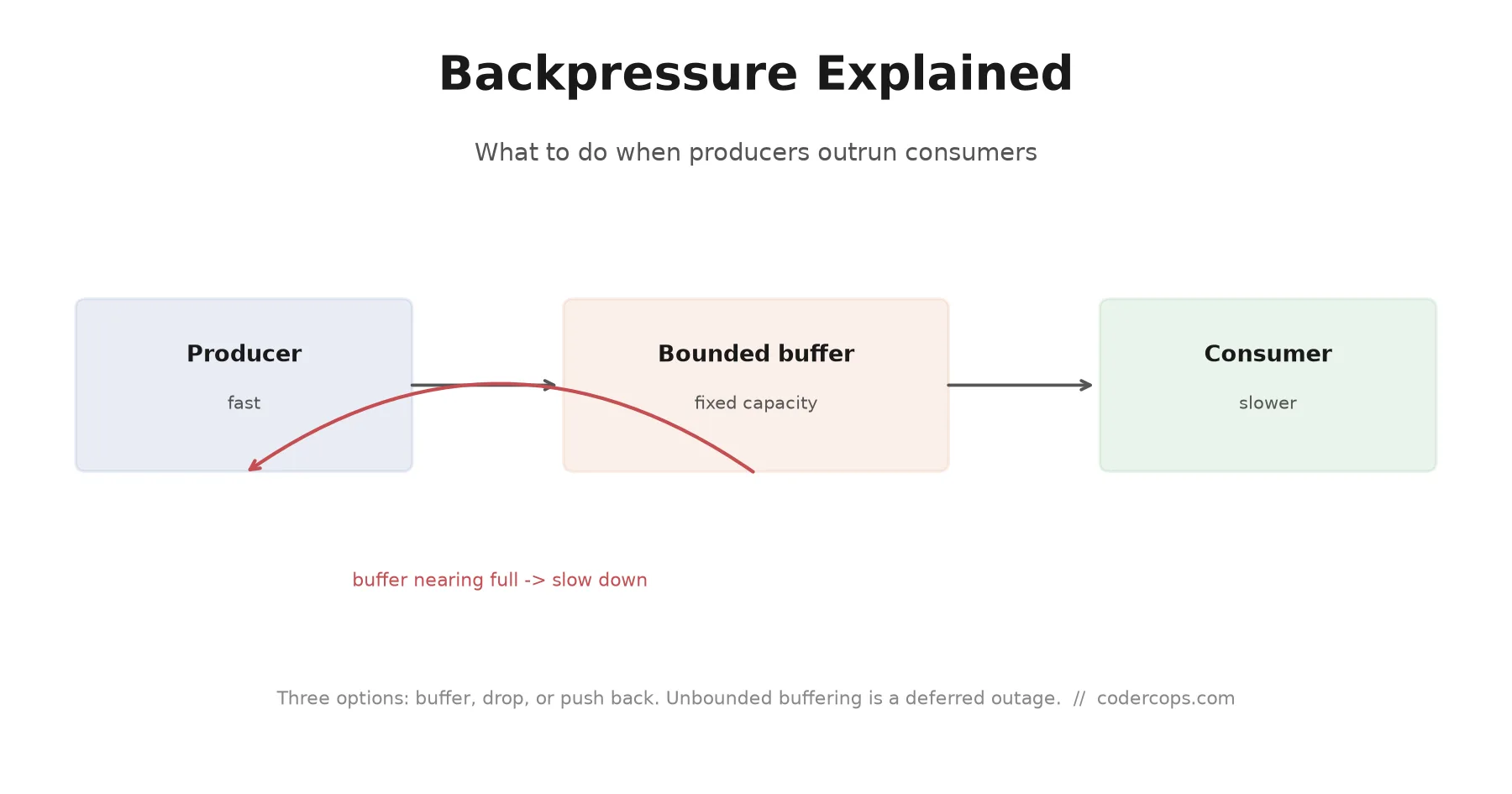
When production outruns consumption, a system must buffer, drop, or push back. How backpressure works across queues, streams, and APIs, with patterns.
Tag
9 articles tagged #Microservices.
P.01When production outruns consumption, a system must buffer, drop, or push back. How backpressure works across queues, streams, and APIs, with patterns.
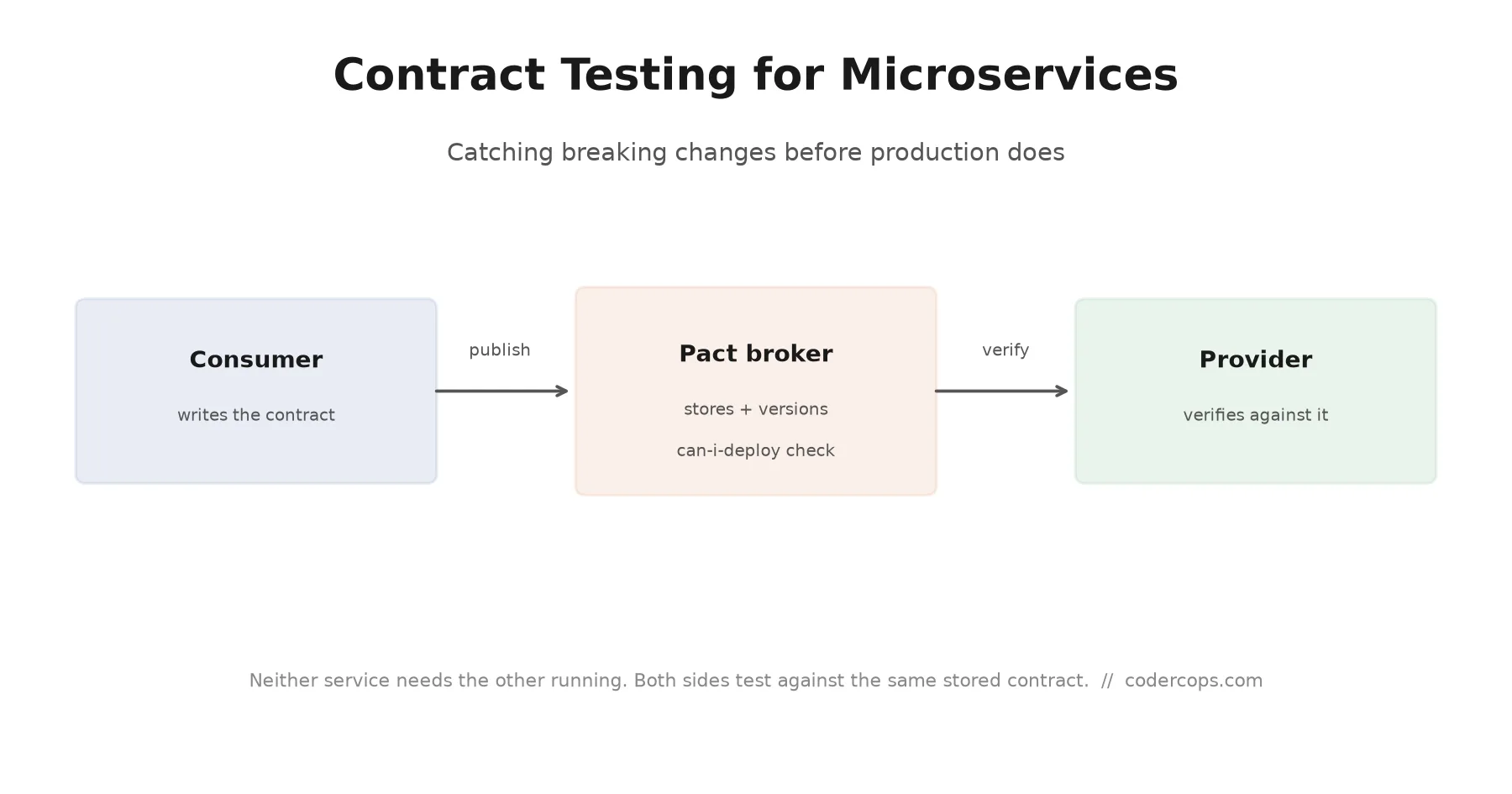
P.02Integration tests that boot every dependency are slow and flaky. Contract testing checks that consumer and provider agree on a shape without either running.
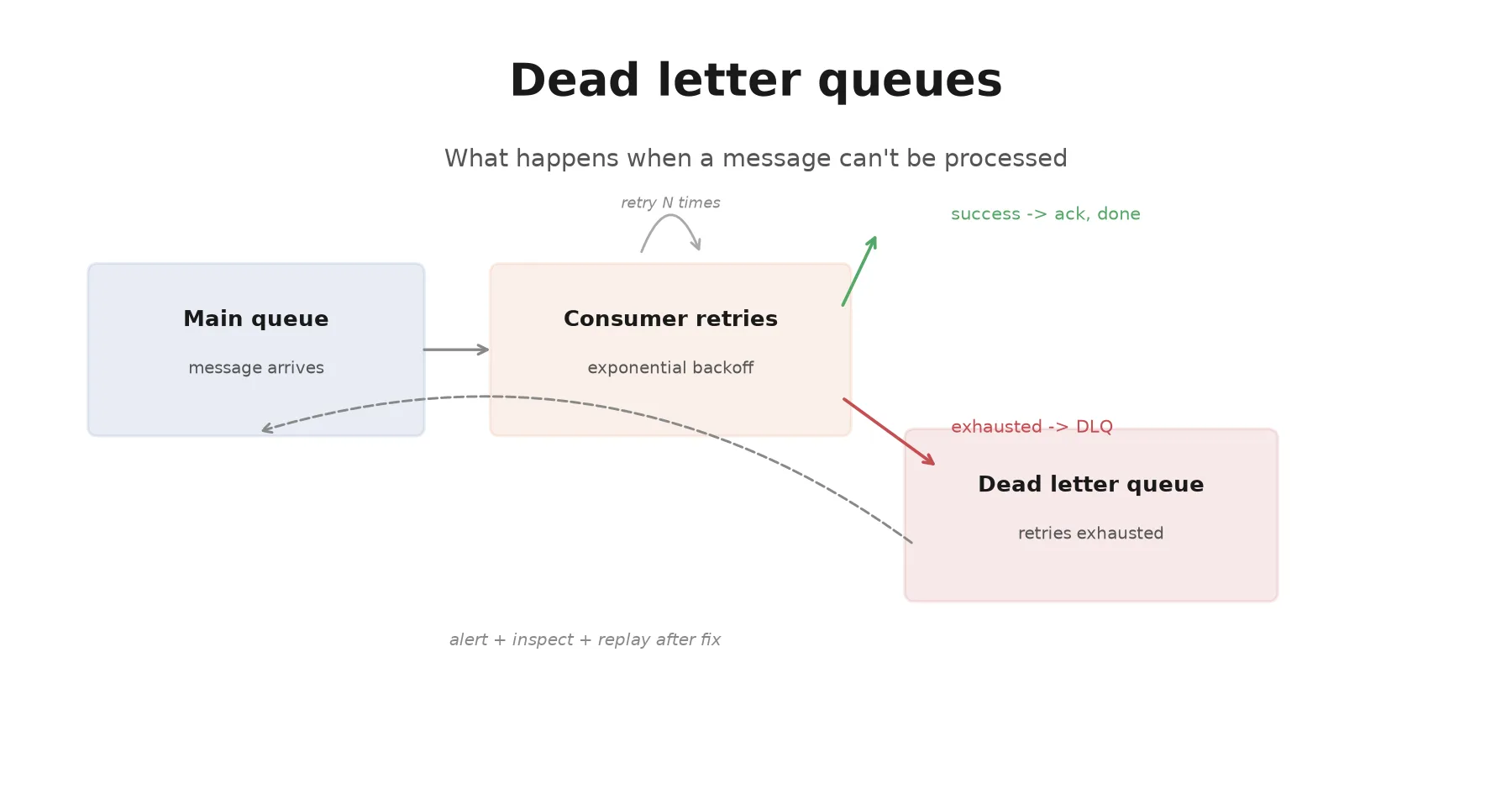
P.03A message that fails every retry shouldn't loop forever or vanish. How dead letter queues catch it, how to set retry limits, and the reprocessing workflow.
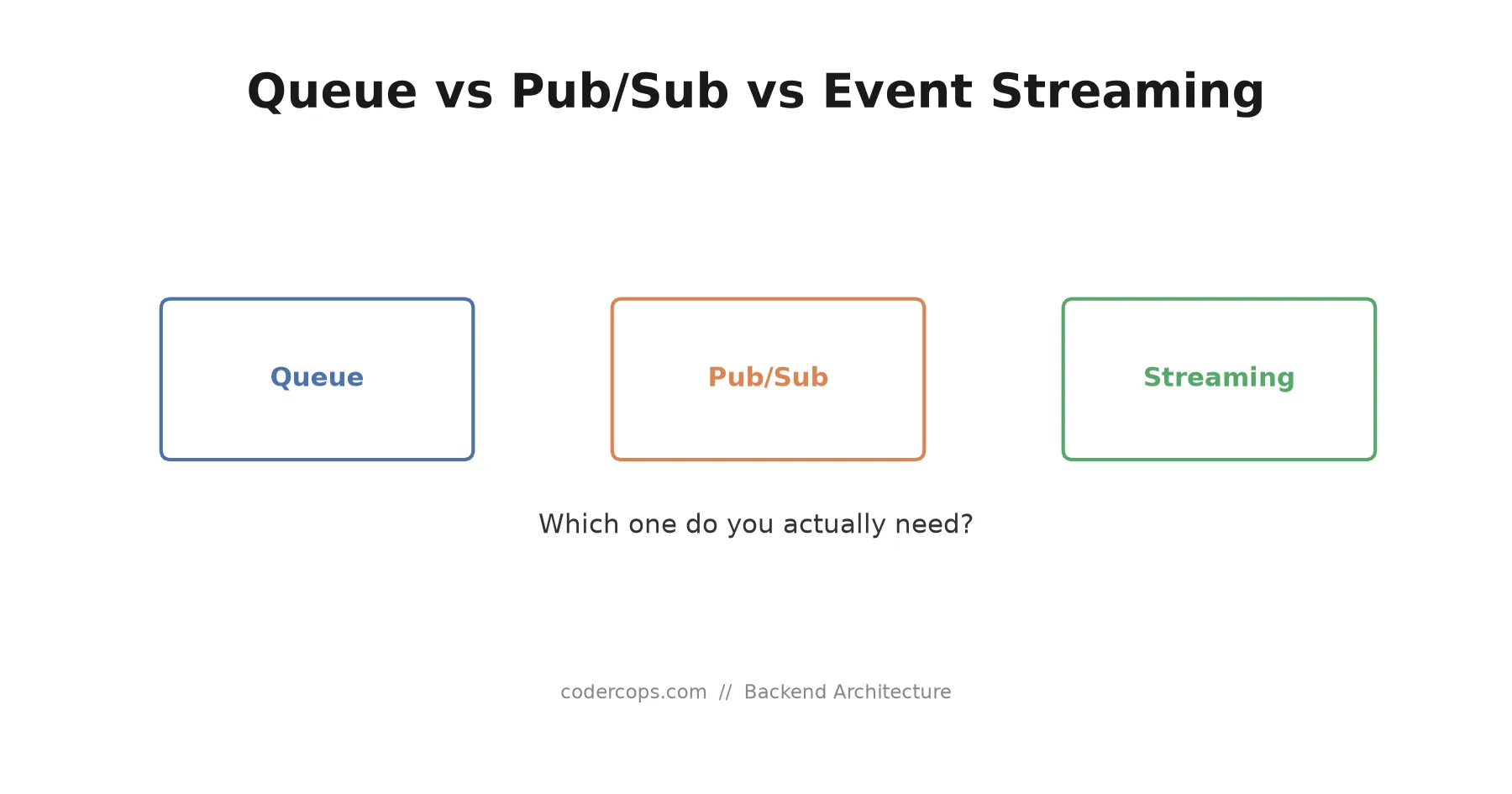
P.04All three move messages between services, but answer different questions about delivery, replay, and who reads what. The decision, and the failure modes.
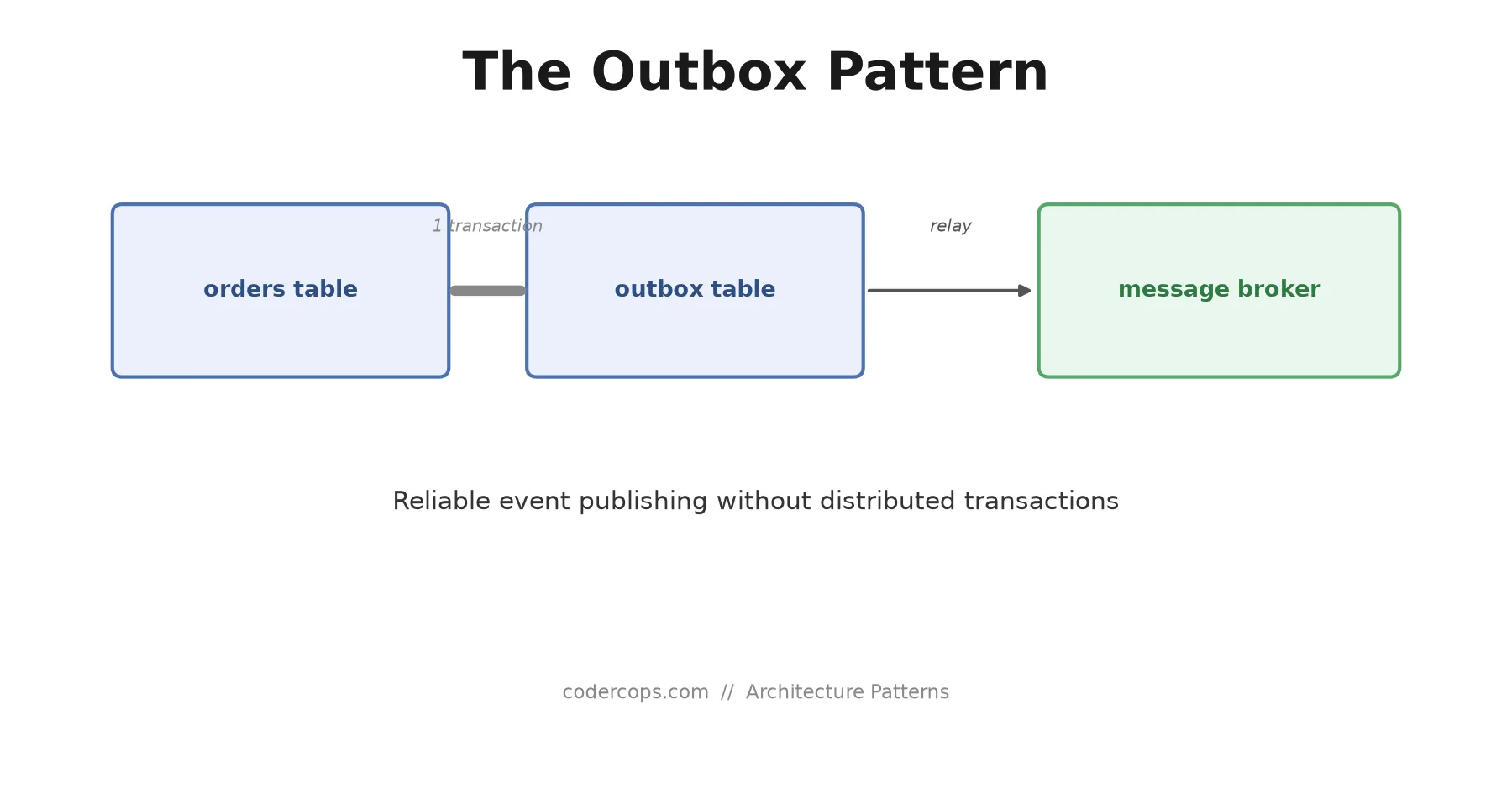
P.05Writing to your database and publishing an event are two operations, and a crash between them loses data silently. How the transactional outbox closes it.
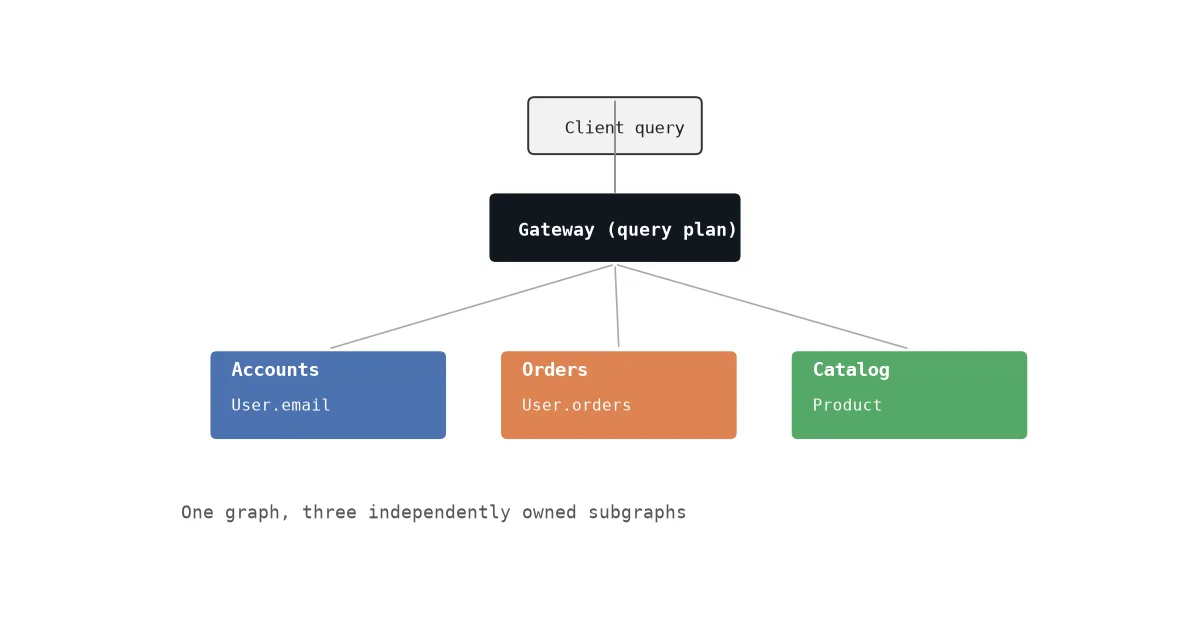
P.06A single GraphQL schema works until several teams own different parts of the data. What federation solves, how Apollo composes subgraphs, and the cost.
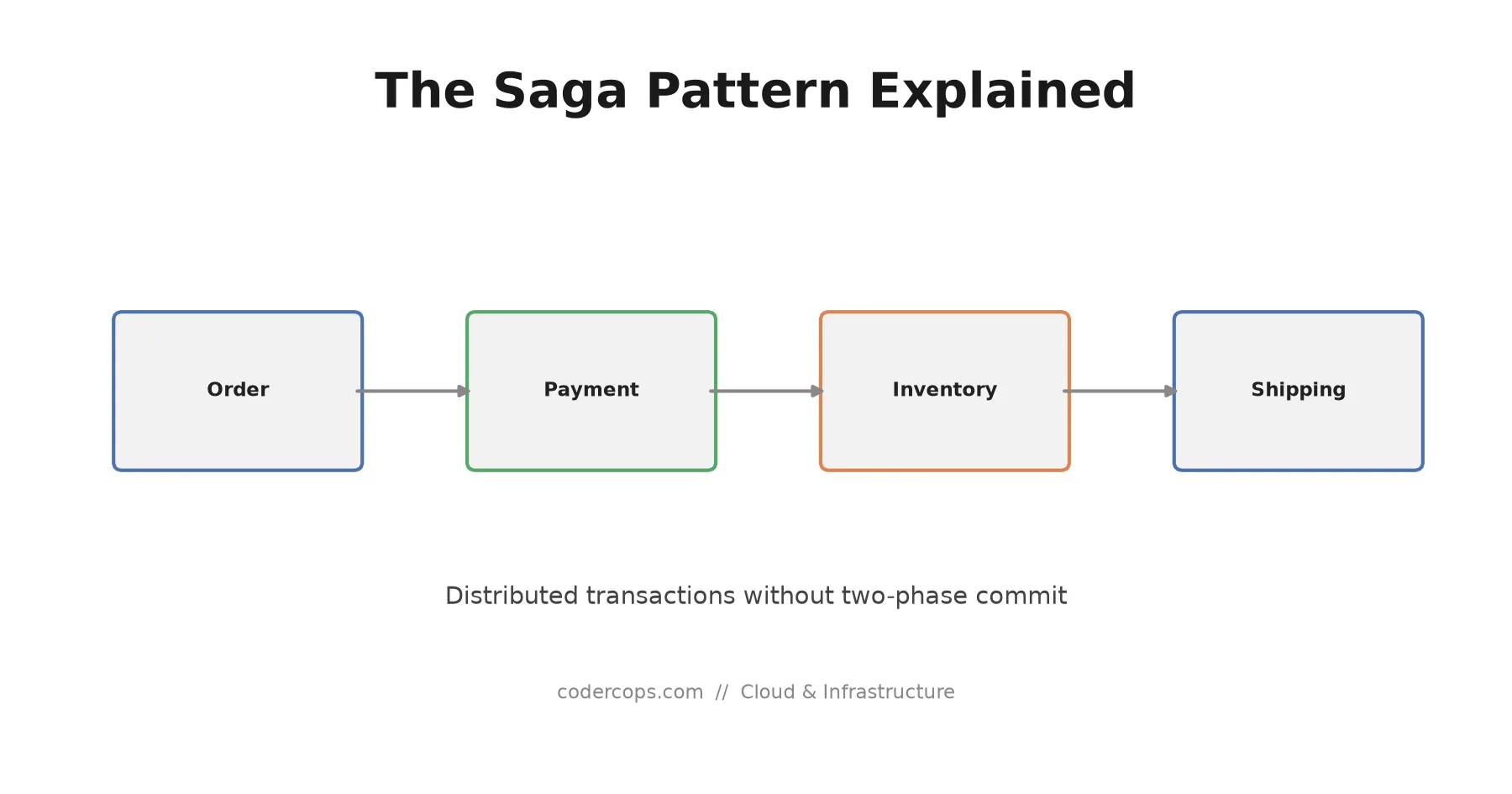
P.07When a transaction spans services you can't wrap it in one database transaction. Sagas use local transactions plus compensating actions. When that pays.
Service meshes promise secure, observable microservice communication. But most teams that adopt one do so before they need it. Here is how to decide, and what each option actually costs you.
Everyone says go cloud-native. But what does that actually mean in 2026? We break down microservices, serverless, and containers — and why most teams should start simpler than they think.