Cloud & Infrastructure · Resilience Patterns
Backpressure Explained: What to Do When Producers Outrun Consumers
When something produces work faster than something else can handle it, the system has to do one of three things: buffer, drop, or push back. Here's how backpressure actually works across queues, streams, and APIs, with real implementation patterns.

Abhishek Gupta
6 min read
Sponsored
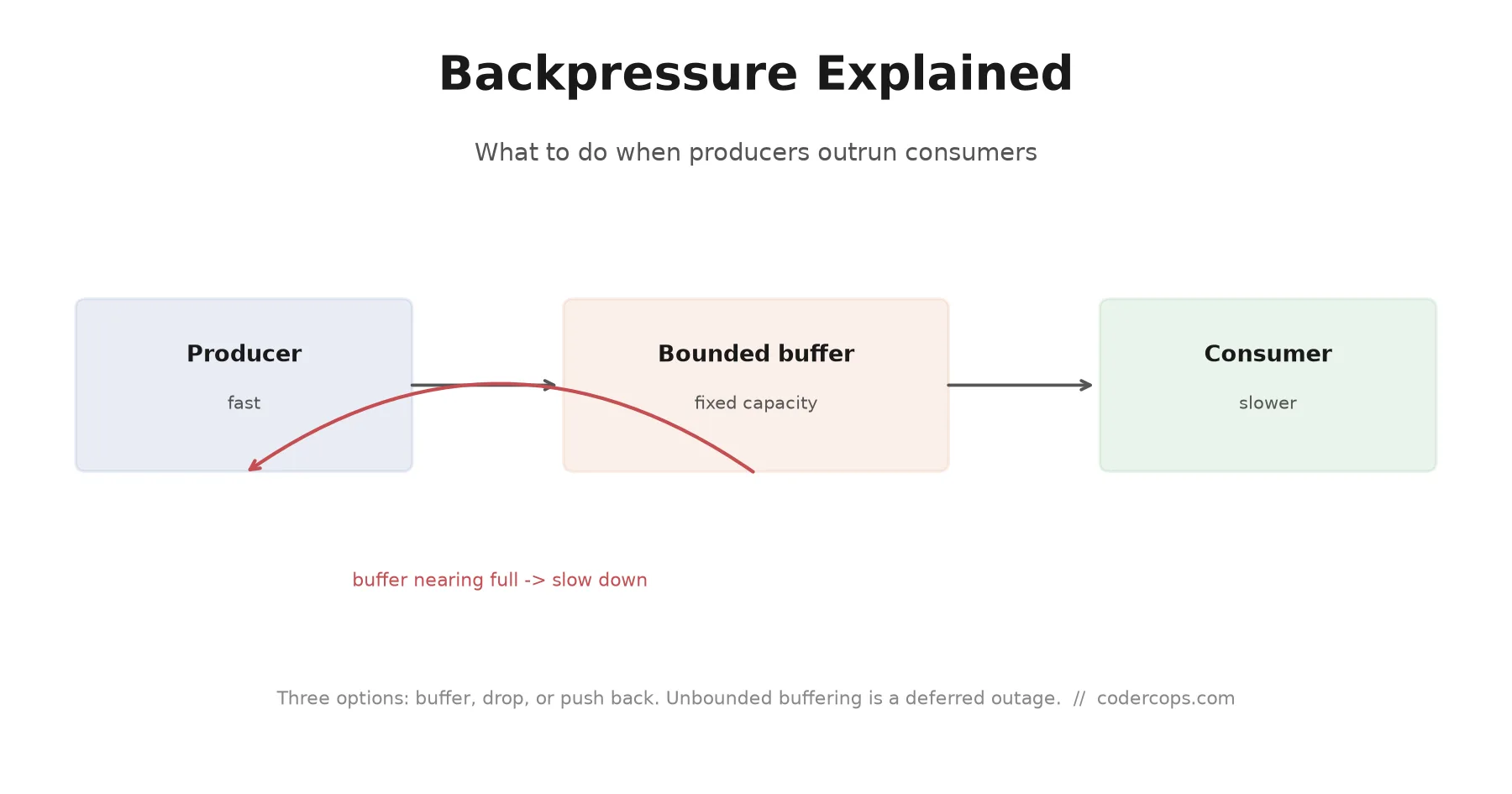
A producer that makes work faster than a consumer can handle it isn’t a bug, it’s a normal condition in any system with more than one moving part. What determines whether that’s a non-event or an outage is whether the system has backpressure: some mechanism for the consumer to signal it can’t keep up, and for the producer to actually respond to that signal instead of continuing to fire at full speed into a queue that’s about to run out of memory.
The three options, and why “just buffer more” isn’t one of them
When a producer outruns a consumer, a system has exactly three real choices:
- Buffer the excess. Hold the extra work somewhere until the consumer catches up. This works as long as the mismatch is temporary and the buffer has a bound.
- Drop some of it. Discard work that can’t be handled in time, either the newest arrivals or the oldest waiting ones, depending on which matters more for your use case.
- Push back on the producer. Signal the producer to slow down or stop, so work never enters the system faster than it can be processed.
“Just add a bigger buffer” is the answer teams reach for by default, and it’s the one that fails worst. An unbounded buffer doesn’t solve the mismatch, it just delays the failure and makes it bigger. If a consumer is permanently, not just temporarily, slower than the producer, the buffer grows without limit until the process runs out of memory and crashes, at which point every message in that buffer is lost at once, along with whatever else was running in that process. A dead letter queue handles the case where individual messages fail processing; backpressure handles the case where the rate of incoming work outpaces the rate of processing, which is a different problem and needs a different mechanism.
Backpressure already exists in your stack, probably
Several layers of common infrastructure implement backpressure natively, which means the right first move is often “use the mechanism that’s already there” rather than building a custom one.
TCP has a receive window: the receiver advertises how much unacknowledged data it can buffer, and the sender throttles to match. If your application isn’t reading from a socket fast enough, the window shrinks and the sender’s throughput drops automatically, no application code required.
Node.js streams implement backpressure through the write() return value and the drain event:
function writeData(writable, chunks) {
  let i = 0;

  function write() {
    let ok = true;
    while (i < chunks.length && ok) {
      // write() returns false when the internal buffer is full
      ok = writable.write(chunks[i++]);
    }
    if (i < chunks.length) {
      // paused: wait for 'drain' before writing more
      writable.once('drain', write);
    }
  }

  write();
}
Ignore the false return value and keep calling write() anyway, and Node buffers everything in memory regardless, silently defeating the backpressure the stream API was designed to provide. This is the most common way teams accidentally build an unbounded buffer without meaning to: the mechanism is right there, and the code just doesn’t check it.
Reactive libraries (RxJS, Project Reactor, Akka Streams) build backpressure into the subscription model itself, where a subscriber requests a specific number of items and the publisher is contractually bound not to send more than requested until asked. This pushes the buffer-or-drop decision to whoever’s writing the subscriber, instead of leaving it implicit.
When there’s no native mechanism: queues and explicit limits
Message queues need an explicit bound and an explicit overflow policy, because most queue implementations will happily grow unbounded by default.
import queue

# A bounded queue: put() blocks once full, applying natural backpressure
# to whatever is producing into it.
work_queue = queue.Queue(maxsize=1000)

def producer(item):
    # blocks here if the queue is full, which is the point:
    # the producer's own thread slows down to match consumption
    work_queue.put(item, block=True, timeout=5)
Blocking put() is backpressure in its simplest form: the producer’s own code pauses until there’s room. For a producer you don’t control, or where blocking indefinitely isn’t acceptable, the timeout plus an explicit overflow policy (reject, drop-oldest, or route to a separate low-priority path) makes the failure mode a decision instead of an accident.
HTTP APIs: 429 is backpressure
At the API boundary, backpressure looks like a status code. When a service is at capacity, the correct response isn’t to accept the request and let latency degrade for everyone, it’s to reject it explicitly:
HTTP/1.1 429 Too Many Requests
Retry-After: 30
Content-Type: application/json

{"error": "rate_limit_exceeded", "retry_after_seconds": 30}
A well-behaved client reads Retry-After and backs off accordingly. That’s the request/response version of a downstream consumer telling an upstream producer to slow down, functionally identical to a TCP receive window or a false return from stream.write(), just expressed at the HTTP layer instead of the transport or process layer. For clients you don’t control and can’t trust to honor the header, pair this with an API gateway or load balancer rate limit as a hard backstop, since Retry-After is a request, not an enforcement mechanism.
Picking a strategy for your actual system
| Situation | Reasonable default |
|---|---|
| Temporary burst, consumer catches up quickly | Bounded buffer, sized to the expected burst |
| Consumer permanently slower than peak producer rate | Push back on the producer (block, 429, or reject) |
| Losing some data is acceptable, staying responsive isn’t | Drop-oldest or drop-newest with metrics on drop rate |
| Producer is external and doesn’t respect signals | Bounded buffer plus a hard rate limit at the edge |
The wrong choice usually isn’t picking the wrong strategy, it’s not picking one at all and letting an unbounded buffer become the default by omission. If you’re reviewing a system for where load spikes turn into outages, an unbounded queue or a stream write path that ignores its own backpressure signal is one of the first places worth checking, and our team has found exactly that gap during more than a few production incident reviews.
Frequently asked questions
- What is backpressure in software systems?
- Backpressure is the general term for what happens when a system component that produces data or work faster than a downstream component can consume it. It covers the mechanisms, bounded buffers, explicit signaling, load shedding, that keep the mismatch from crashing the slower component or silently losing data.
- What's the difference between backpressure and rate limiting?
- Rate limiting caps how much a client can send, usually enforced at a fixed threshold regardless of the server's current capacity. Backpressure is a feedback loop: the consumer signals its actual current state, not busy, getting full, overwhelmed, and the producer adjusts dynamically. Rate limiting is often how backpressure gets implemented at an API boundary, but true backpressure responds to real-time load rather than a static number.
- Why is an unbounded queue dangerous?
- An unbounded queue defers the failure instead of preventing it. If a consumer falls permanently behind a producer, the queue grows without limit until the process exhausts available memory and crashes, at which point every buffered message is lost simultaneously. A bounded queue with an explicit overflow policy, drop the newest, drop the oldest, or block the producer, fails in a smaller, more controlled way instead of all at once.
- How does TCP implement backpressure?
- TCP has a receive window, a value the receiver advertises to the sender indicating how much unacknowledged data it's willing to buffer. If the receiver's application isn't reading fast enough, the window shrinks, and the sender reduces its send rate to match. It's a built-in example of the consumer signaling capacity back to the producer, which is the core mechanism behind every higher-level backpressure implementation.
- How do I add backpressure to an HTTP API?
- Return a 429 Too Many Requests status with a Retry-After header when you're at capacity, rather than accepting every request and letting your service degrade under load. Well-behaved clients respect Retry-After and back off; for clients you don't control, pair this with a load balancer or API gateway rate limit as a hard backstop so a misbehaving client can't ignore the signal indefinitely.
Sponsored
More from this category
More from Cloud & Infrastructure
 R.01
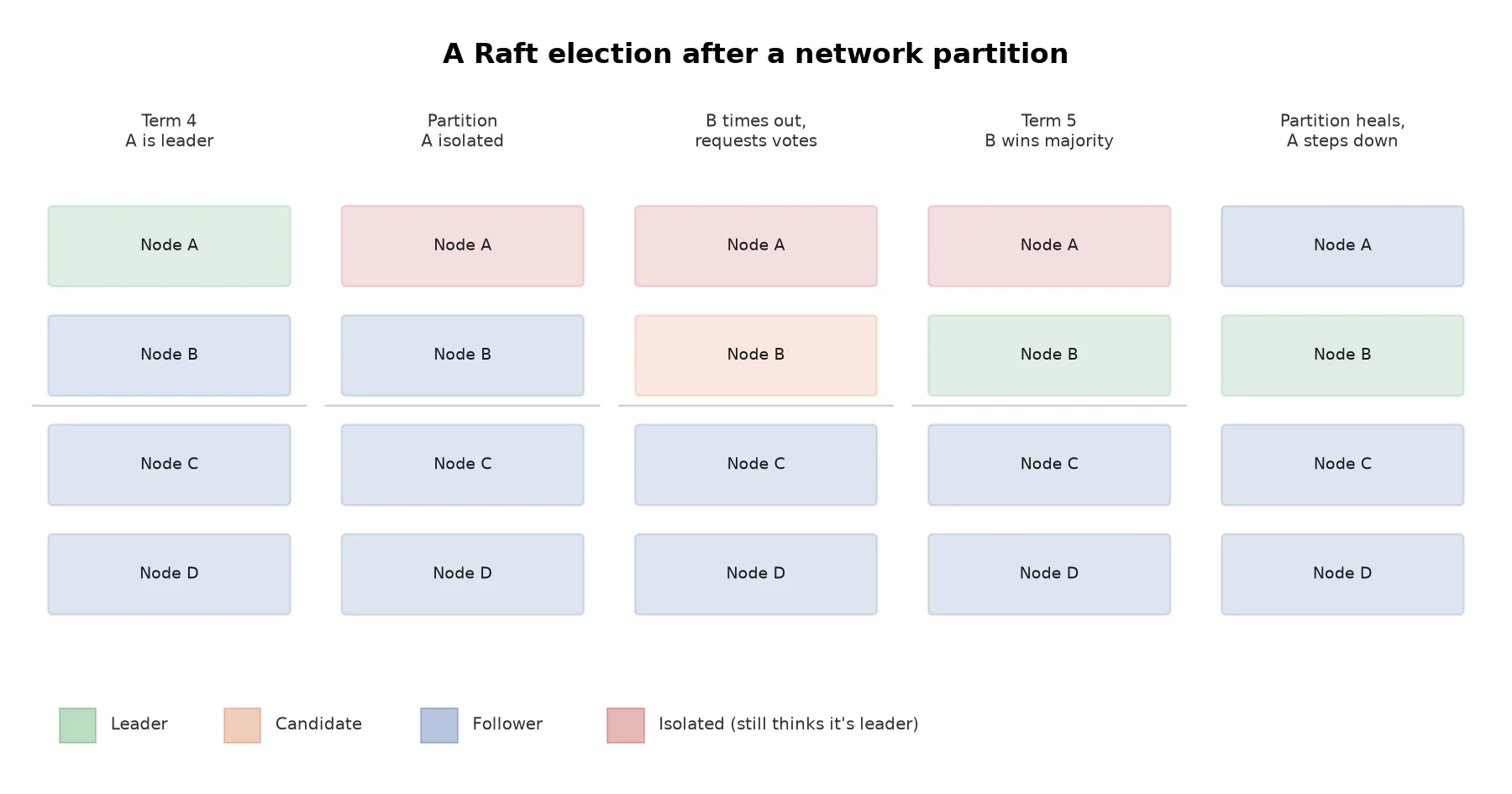
R.01 Leader Election Explained: How a Cluster Picks Who's in Charge
 R.02
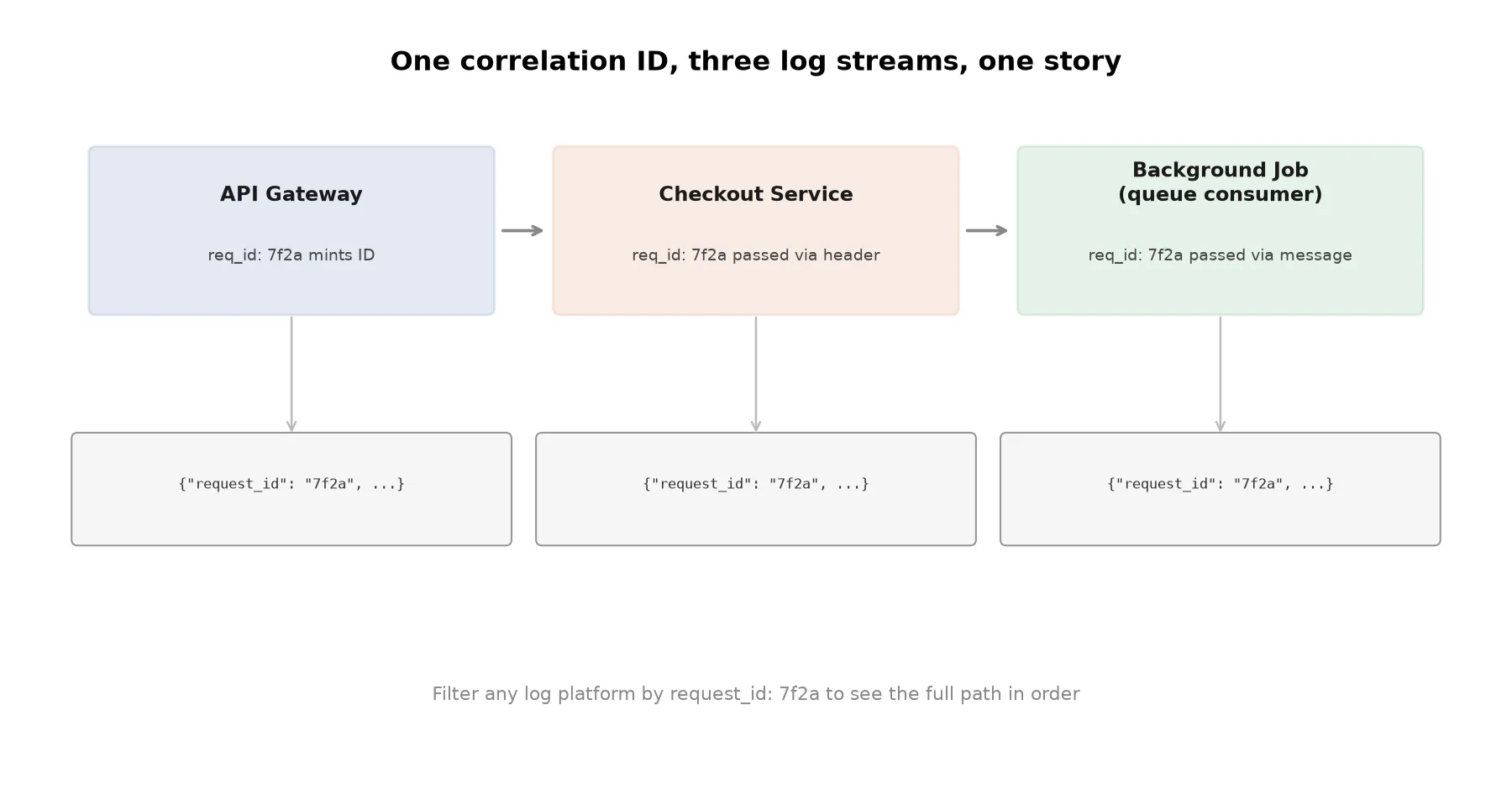
R.02 Structured Logging Done Right: JSON, Correlation IDs, and What to Skip
 R.03
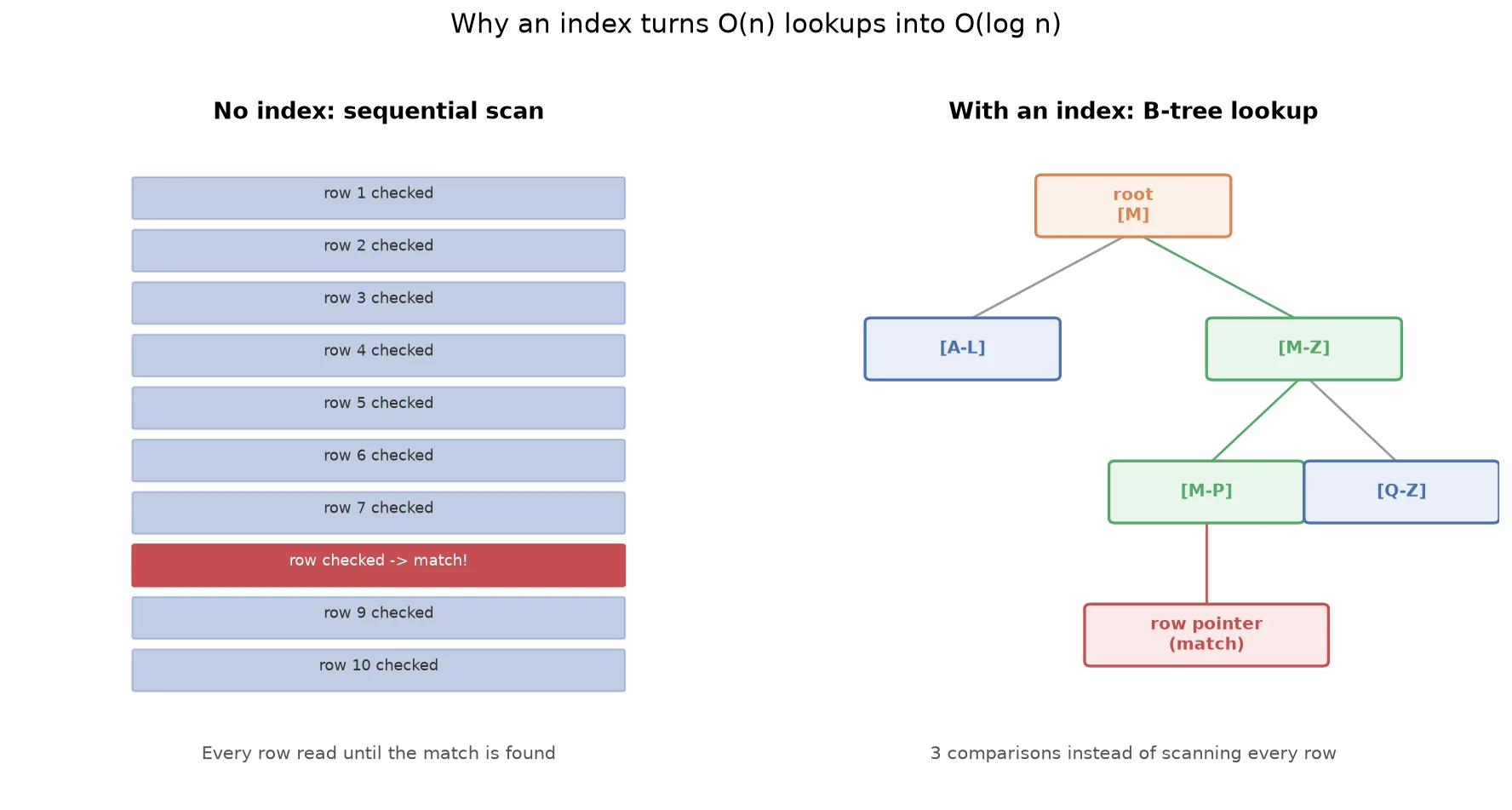
R.03 How Database Indexes Actually Work (And When They Make Queries Slower)
Sponsored
Discussion
Join the conversation.
Comments are powered by GitHub Discussions. Sign in with your GitHub account to leave a comment.
Sponsored