P.01Next.js 16.4: Cache Components Are Now the Default
Next.js 16.4 recommends Cache Components for every app and makes them the default in create-next-app. What changed, what to enable, and whether to upgrade.
Tag
26 articles tagged #React.
P.01Next.js 16.4 recommends Cache Components for every app and makes them the default in create-next-app. What changed, what to enable, and whether to upgrade.
P.02Next.js 15 stops getting security patches on October 21, 2026. Here is the upgrade path to 16: codemods, the breaking changes that bite, and a safe rollout.
P.03Next.js 16 changed what 'knows Next.js' means: Turbopack, Cache Components, and Server Actions by default. What to screen for, and the questions that reveal real skill.
P.04React 19.3 shipped September 9, 2026, and turned two long-experimental APIs stable: View Transitions and Fragment Refs. What changed and whether to upgrade.
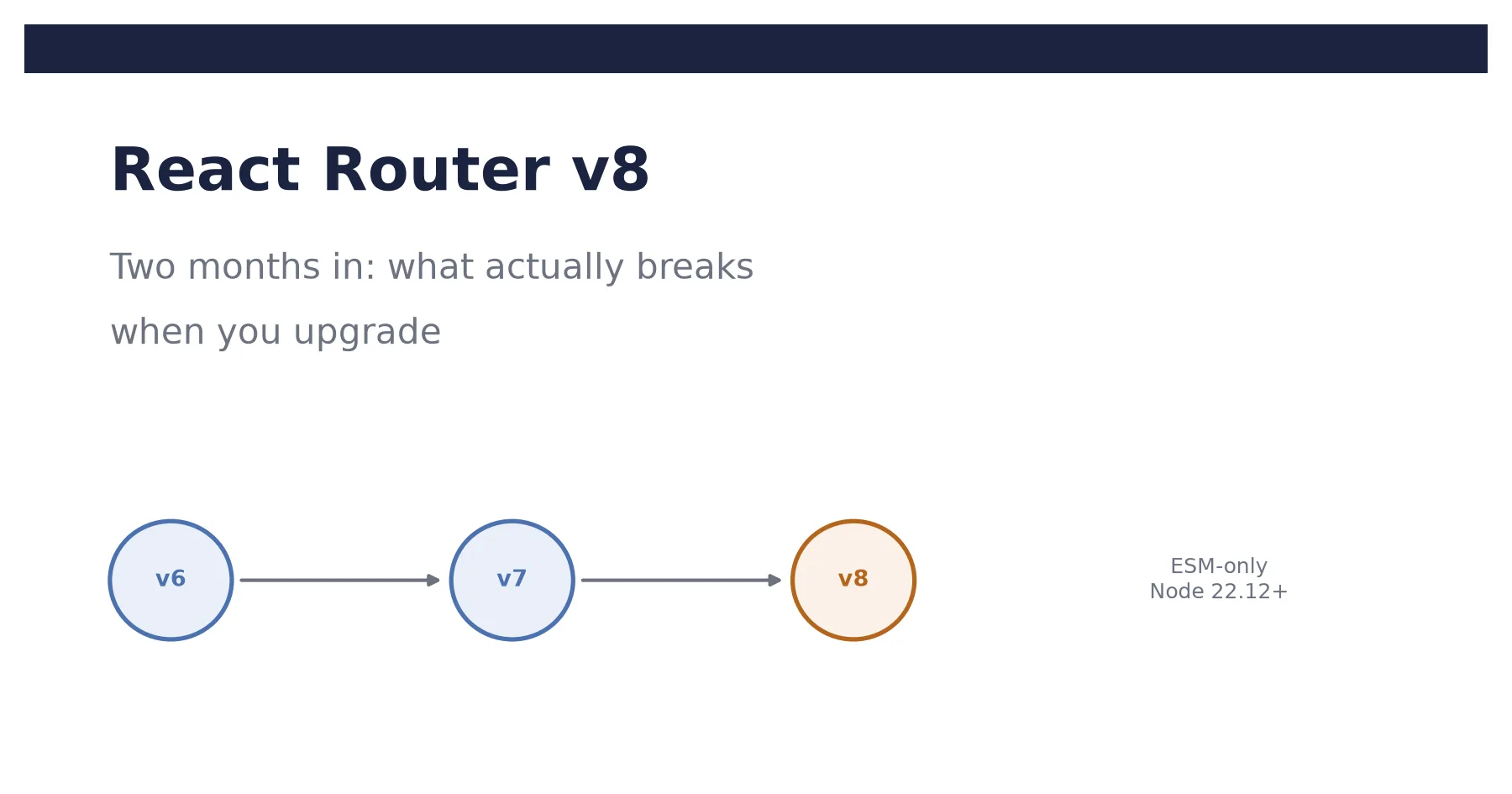
P.05React Router v8 shipped as a deliberately boring release. What the version bump requires, what the codemod handles, and the three things that catch teams.
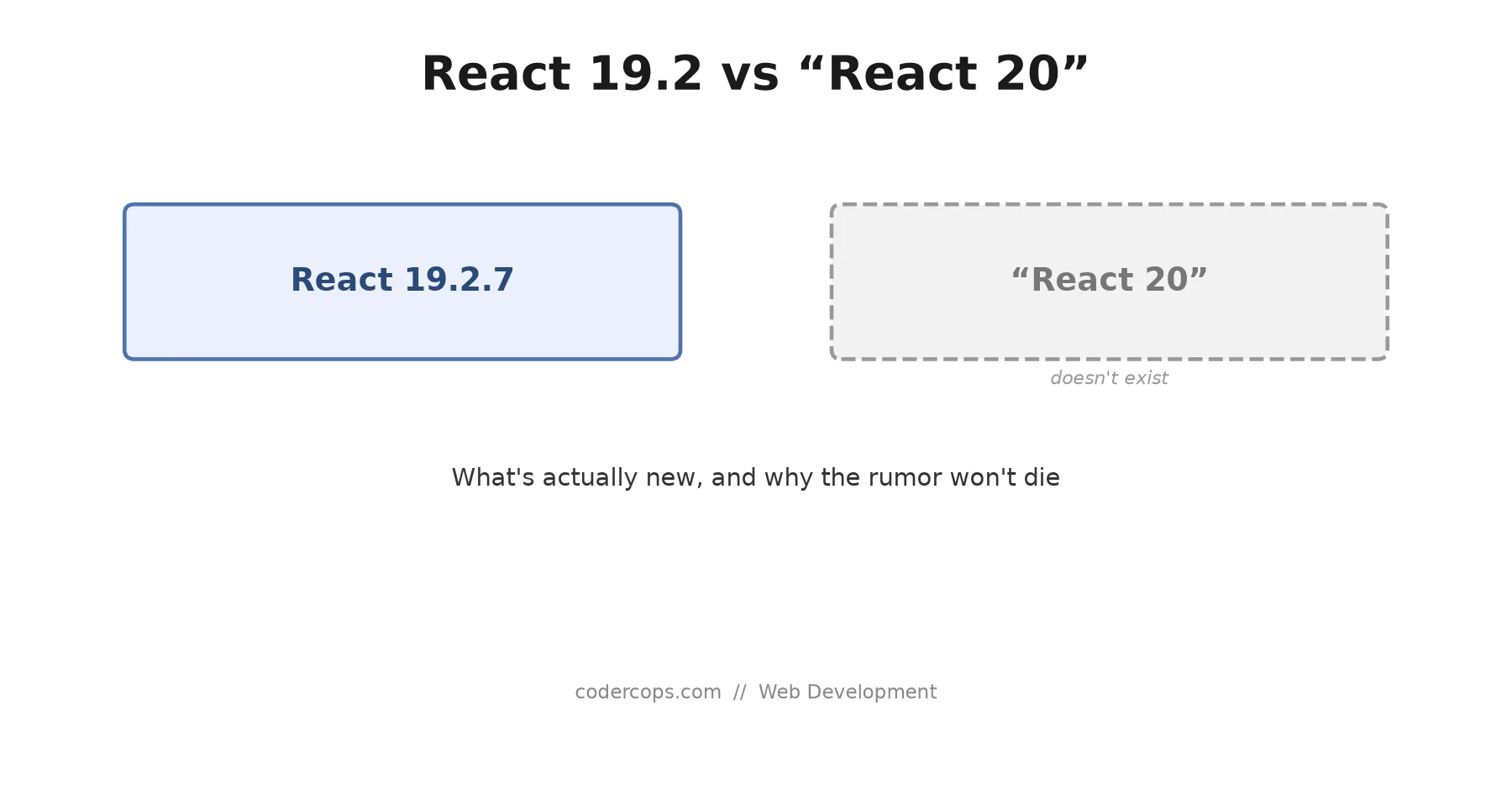
P.06Searches for React 20 keep climbing, but the latest release is 19.2.7. What actually shipped in the 19.2 line, including useEffectEvent, and why.
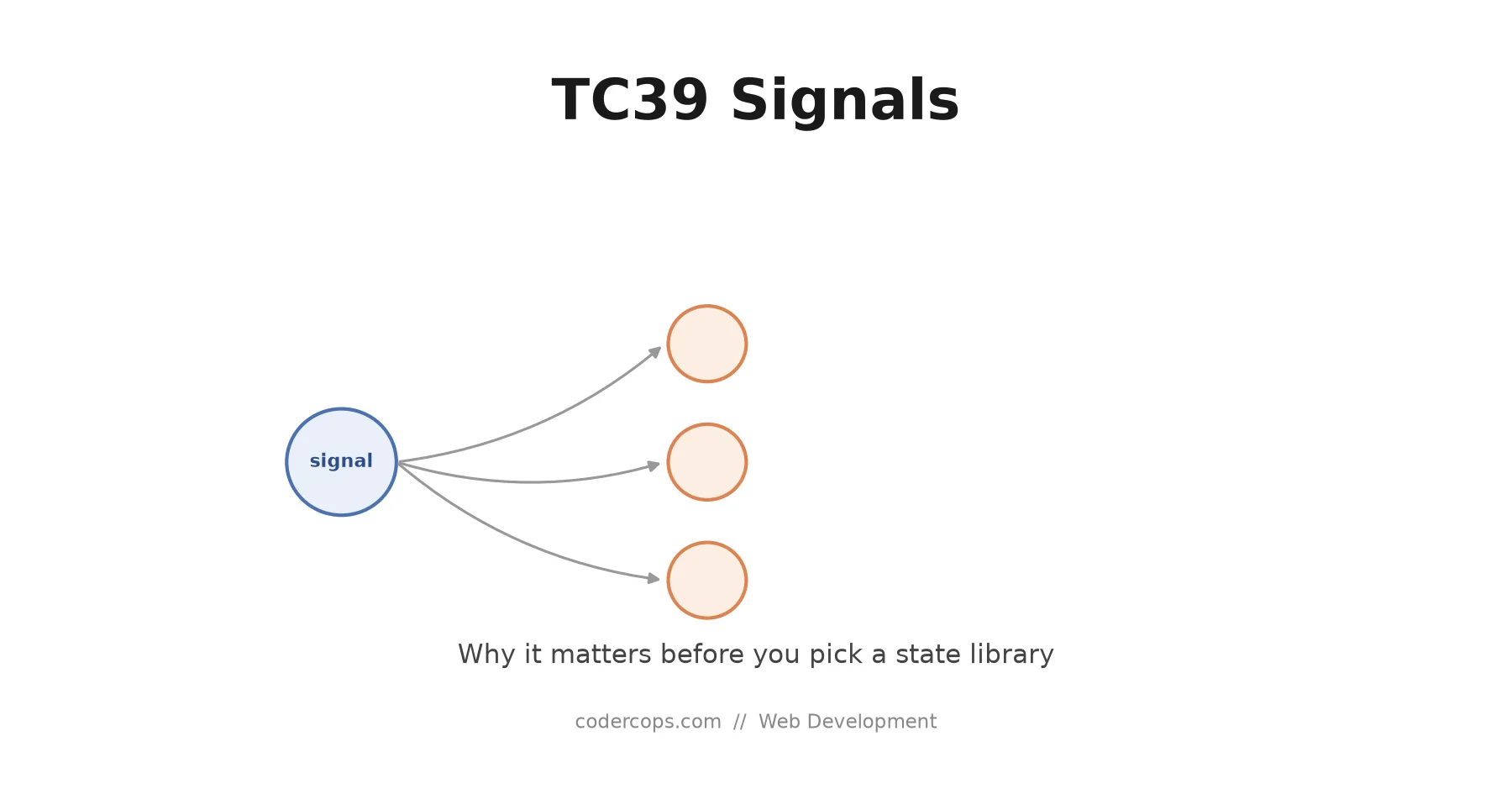
P.07TC39 is standardizing signals, the reactive pattern already inside Vue, Solid, Angular, and Preact. Years from browsers, but it changes what to build on.
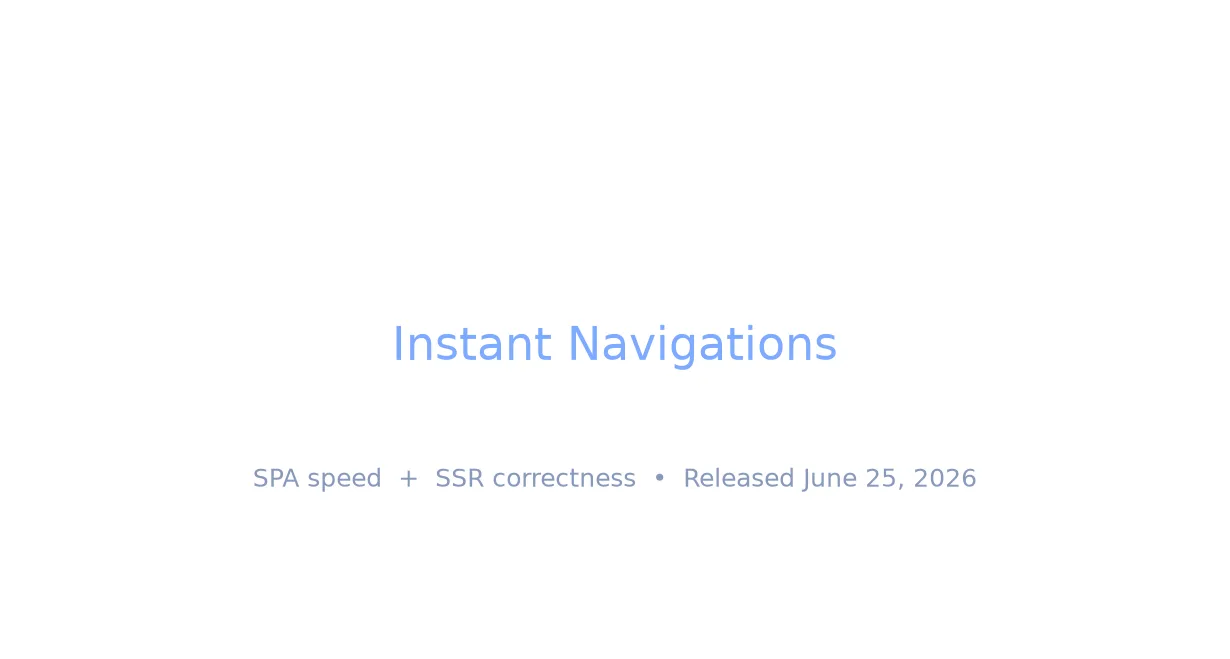
P.08Next.js 16.3 preview added Instant Navigations, giving server-rendered apps the snappy feel of a client-side SPA. What changed, and when to use it.
P.09All three frameworks matured and all three make different tradeoffs. The four questions that settle it, and why there's no universally right answer.
P.10TanStack Start hit 1.x stable and is closing on Next.js in downloads. An honest comparison: what each is good at, where each falls short, how to decide.
A step-by-step guide to screening React developers in 2026 — what to test, what seniority looks like, and the red flags that save you from a bad hire.
SolidJS skips the virtual DOM entirely, compiling to real DOM operations with fine-grained signal-based reactivity. Here's what that means in practice.
Three.js makes WebGL usable. React Three Fiber makes Three.js feel like React. The fastest path to interactive 3D on the web, and how to use it.
TanStack Router brings full TypeScript inference to URL params, search params, and loader data. Here's what that looks like in practice and when it's worth adopting.
Redux is overkill for most React apps: Zustand and Jotai cover most state needs with far less boilerplate. Here is when to use each and how they actually work.
Choosing between react-i18next, next-intl, and Lingui comes down to your framework: next-intl for Next.js App Router, react-i18next elsewhere.
Storybook 8 is faster and easier to configure than it was. More useful is the workflow shift: building in isolation makes components genuinely decoupled.
Client state is easy. Server state, which lives on a backend and changes on its own, is where React apps make a mess. TanStack Query handles it cleanly.
shadcn/ui is now the default starting point for React UIs. Here's what it actually is, why copy-paste beats npm install, and how to use it without accumulating a mess.
Learn how to migrate to Next.js 16 with Turbopack as the default bundler, React Compiler integration, and cache components. Step-by-step guide with code examples.
Server components have gone from React experiment to cross-framework standard. Here is how they work in React, Vue, Astro, and Svelte — and what changes for your apps.
How we built QueryLytic, an AI tool that turns plain English into validated queries for PostgreSQL, MySQL and MongoDB, cutting time-to-insight to seconds.
Choosing a modern web app stack means weighing Next.js vs Astro vs Remix, SQL vs NoSQL, and Vercel vs AWS against your project's actual priorities, not trends.
React 19 shipped Server Components, Actions, a built-in compiler, and new hooks like useOptimistic and use(). Here's what changed and how to migrate.
A working reference for the Next.js App Router: Server Components, data fetching patterns, Cache Components, typed routes, and Partial Pre-rendering, with real code.
Step-by-step guide to configuring a complete full-stack development environment with Python, Django backend, and React frontend.