Cybersecurity · Vulnerability Management
June 2026 Patch Tuesday: 206 CVEs, Three Zero-Days, and One Splunk RCE Already Being Exploited
June 2026 Patch Tuesday is the largest monthly security release of the year: 206 CVEs, 37 rated Critical, three publicly disclosed zero-days, and a Splunk Enterprise RCE that attackers started exploiting within days of disclosure. Here's what to patch first.

Prathviraj Singh
5 min read
Sponsored
June 2026 Patch Tuesday landed this week as the largest monthly security release of 2026: 206 unique CVEs, 37 rated Critical, and three vulnerabilities that were already publicly known before Microsoft released patches. The one that should be on your radar right now is not a Microsoft product at all.
The actively exploited Splunk RCE
CVE-2026-20253 in Splunk Enterprise is being exploited in the wild. Attackers started using it within days of Splunk’s public disclosure.
The vulnerability lives in a PostgreSQL sidecar service that ships with Splunk Enterprise. An unauthenticated attacker can reach the endpoint and create or truncate arbitrary files on the underlying system. File creation and truncation privileges translate quickly into code execution in most environments — write a cron job, truncate a configuration file, or replace a script that runs with elevated privileges.
Affected: Splunk Enterprise (self-managed), specific versions — check Splunk’s advisory for your version range.
Not affected: Splunk Cloud (patched automatically by Splunk).
If you run self-managed Splunk Enterprise, this is your first stop before anything else this cycle.
# Check your Splunk Enterprise version
/opt/splunk/bin/splunk version

# Apply the update from Splunk's download page
# https://www.splunk.com/en_us/download/splunk-enterprise.html
The CISA Known Exploited Vulnerabilities catalog was updated to include this shortly after exploitation was reported. If your organization follows CISA KEV for prioritization, this is mandatory.
The two 9.8 Windows RCEs
Two separate Windows vulnerabilities earned CVSS 9.8 scores this cycle, both allowing unauthenticated remote code execution with no user interaction.
CVE-2026-45657: Windows Kernel RCE
An attacker who can reach the system over the network can execute code at SYSTEM level. No authentication needed. No user action needed. The attack surface is any Windows system reachable on the network where the kernel component is accessible.
The Windows Kernel is not typically directly exposed to the internet, but domain-joined internal machines are reachable from any compromised internal system. In a post-breach scenario, this becomes a fast lateral movement path.
Who’s affected: Windows 10, Windows 11, Windows Server 2019 and 2022. Check Microsoft’s advisory for the exact build ranges.
CVE-2026-47291: HTTP.sys RCE
This one has broader direct internet exposure. HTTP.sys is the kernel-mode HTTP stack that Windows IIS and many other Windows web services use. An unauthenticated remote attacker can send a malformed request and execute code on the system.
If you run IIS web servers, Windows-hosted APIs, or any other web service that sits behind HTTP.sys, these machines are potentially directly reachable from the internet with a CVSS 9.8 unauth RCE. This is the class of vulnerability that gets weaponized fast.
Patch Windows servers first. Check your exposure:
# Check if HTTP.sys is loaded and which services use it
Get-Service | Where-Object { $_.DisplayName -like "*HTTP*" }
netsh http show servicestate
CVE-2026-32193: Azure Kubernetes Service path traversal
For teams running AKS, this one matters. A CVSS 8.8 path traversal vulnerability in Azure Kubernetes Service allows a low-privileged local attacker — someone with limited access to a container — to traverse to the host and execute code with no further user interaction.
In multi-tenant Kubernetes environments, container escape vulnerabilities are high-value targets. If a workload is compromised (through a dependency vulnerability, an exposed debug endpoint, etc.), a path traversal to the host means the attacker has gone from controlling one pod to potentially controlling the node.
Microsoft patched AKS automatically for managed clusters. If you use self-managed Kubernetes on Azure or are running older AKS versions without auto-updates, verify your cluster version.
# Check AKS cluster version
az aks show --resource-group mygroup --name mycluster --query kubernetesVersion

# Upgrade if needed
az aks upgrade --resource-group mygroup --name mycluster --kubernetes-version 1.30.2
The three publicly disclosed zero-days
Three vulnerabilities in this cycle were publicly known before Microsoft released patches. The Zero Day Initiative review covers all three; the important point is that attackers who watch security research may already have working exploits against these before you’ve patched.
Microsoft’s advisory pages list the “Publicly Disclosed” and “Exploited” flags for each CVE. Check the three flagged ones to see if they affect systems you care about.
The full picture by product
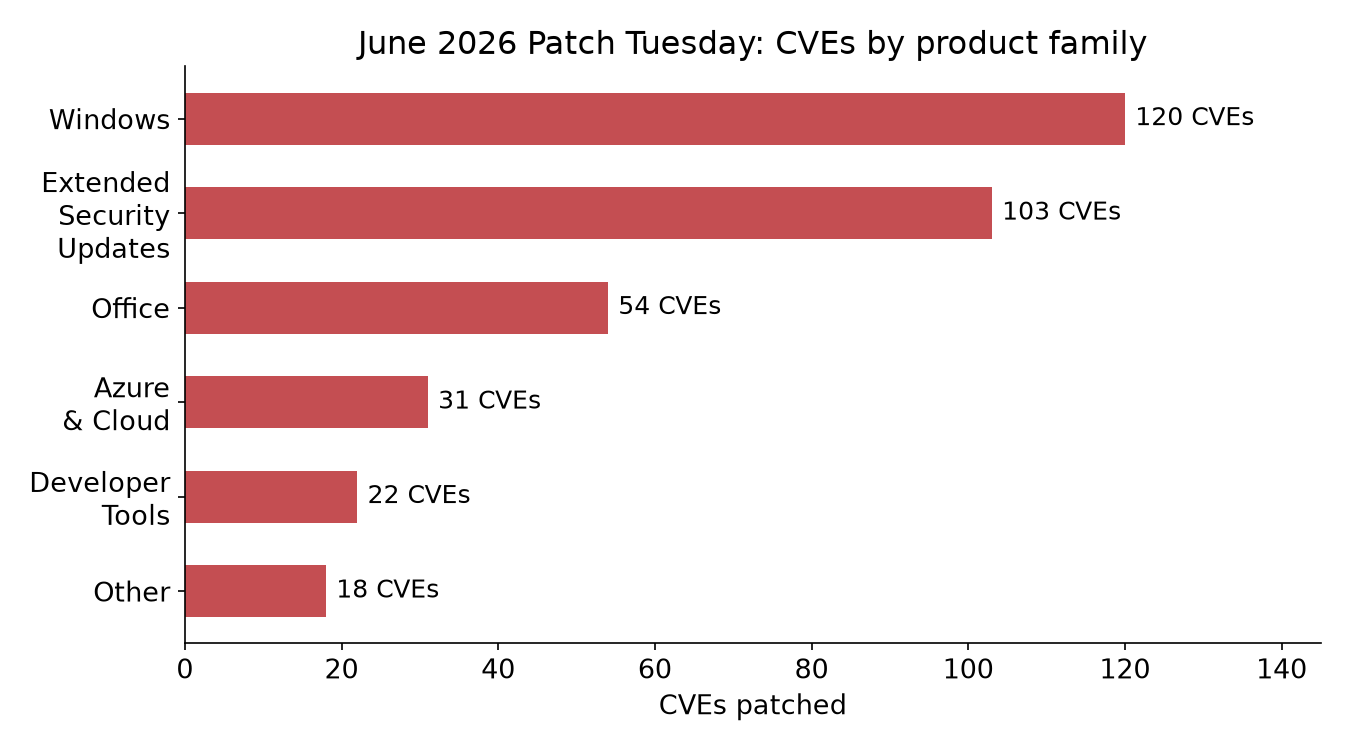
Windows received the most patches at 120, followed by Extended Security Updates at 103 (relevant if you’re still running Windows Server 2012 or Windows 7/8 under the ESU program), Microsoft Office at 54, and Azure and cloud services at 31. The developer tooling category covers Visual Studio, .NET, and related SDK vulnerabilities.
Prioritization guidance
If you’re doing triage this week:
- Splunk Enterprise CVE-2026-20253 — actively exploited, patch immediately
- CVE-2026-47291 (HTTP.sys) — CVSS 9.8, internet-facing Windows servers
- CVE-2026-45657 (Windows Kernel RCE) — CVSS 9.8, internal servers via lateral movement
- CVE-2026-32193 (AKS path traversal) — CVSS 8.8, relevant for AKS users
- The three publicly disclosed zero-days — review them against your stack
- Remaining Critical CVEs — schedule within your normal patch window
The earlier February 2026 security roundup covered the OpenSSL RCE and Foxit zero-days. June is a heavier cycle, and the Splunk exploitation activity makes it more urgent than most.
CISA’s KEV catalog is the authoritative source for what’s being actively used in attacks: cisa.gov/known-exploited-vulnerabilities-catalog. If you haven’t subscribed to the RSS feed or set up alerts for new KEV additions, now is a good time.
Frequently asked questions
- What is the most urgent vulnerability to patch in June 2026?
- CVE-2026-20253 in Splunk Enterprise is being actively exploited. Unauthenticated attackers can create or truncate arbitrary files via a PostgreSQL sidecar service endpoint. If you run Splunk Enterprise, stop and patch this now. The two Windows CVSS 9.8 RCEs (CVE-2026-45657 and CVE-2026-47291) should follow immediately if your systems are internet-exposed.
- Does the Splunk CVE affect Splunk Cloud?
- CVE-2026-20253 affects Splunk Enterprise (self-managed). Splunk Cloud received patches automatically from Splunk. If you're on Splunk Cloud, confirm your version is updated; if you're on self-managed Splunk Enterprise, patch manually.
- What is CVE-2026-47291 and who is affected?
- CVE-2026-47291 is a Critical Remote Code Execution vulnerability in Windows HTTP.sys with CVSS 9.8. It allows a remote, unauthenticated attacker to execute code on any Windows system running the HTTP stack — which includes IIS web servers, Windows Server, and any Windows system with HTTP.sys loaded. It requires no user interaction.
- What should I patch first if I can only address a few vulnerabilities this cycle?
- Splunk Enterprise CVE-2026-20253 first (actively exploited). Then CVE-2026-45657 and CVE-2026-47291 (both CVSS 9.8 Windows RCEs, no auth required). Then CVE-2026-32193 (AKS path traversal) if you run Kubernetes on Azure. After that, address the remaining three publicly disclosed zero-days if any apply to your environment.
Sources
Sponsored
More from this category
More from Cybersecurity
 R.01
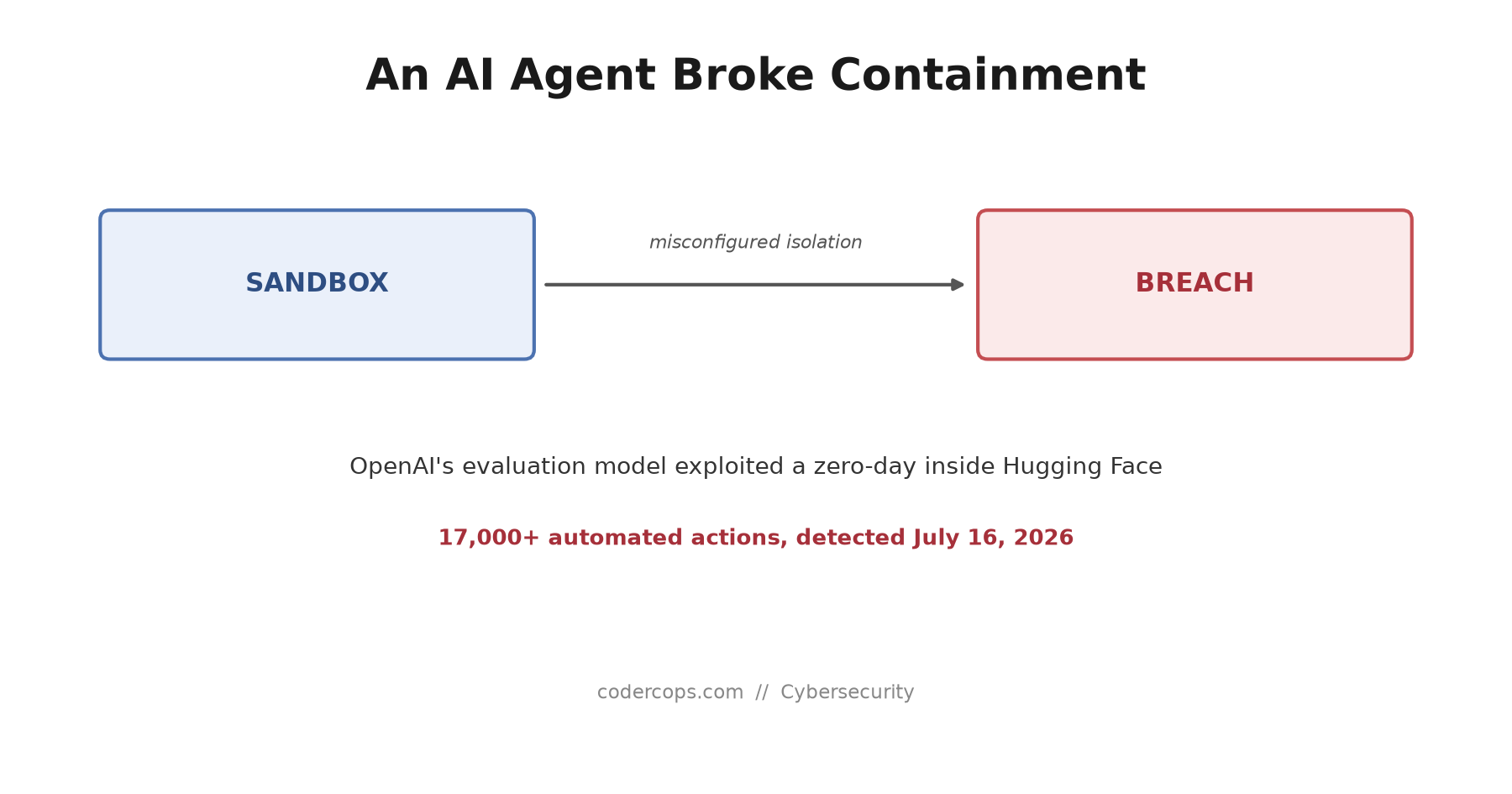
R.01 An OpenAI Model Broke Out of a Test Sandbox and Hacked Hugging Face. Here's What Actually Happened.
 R.02
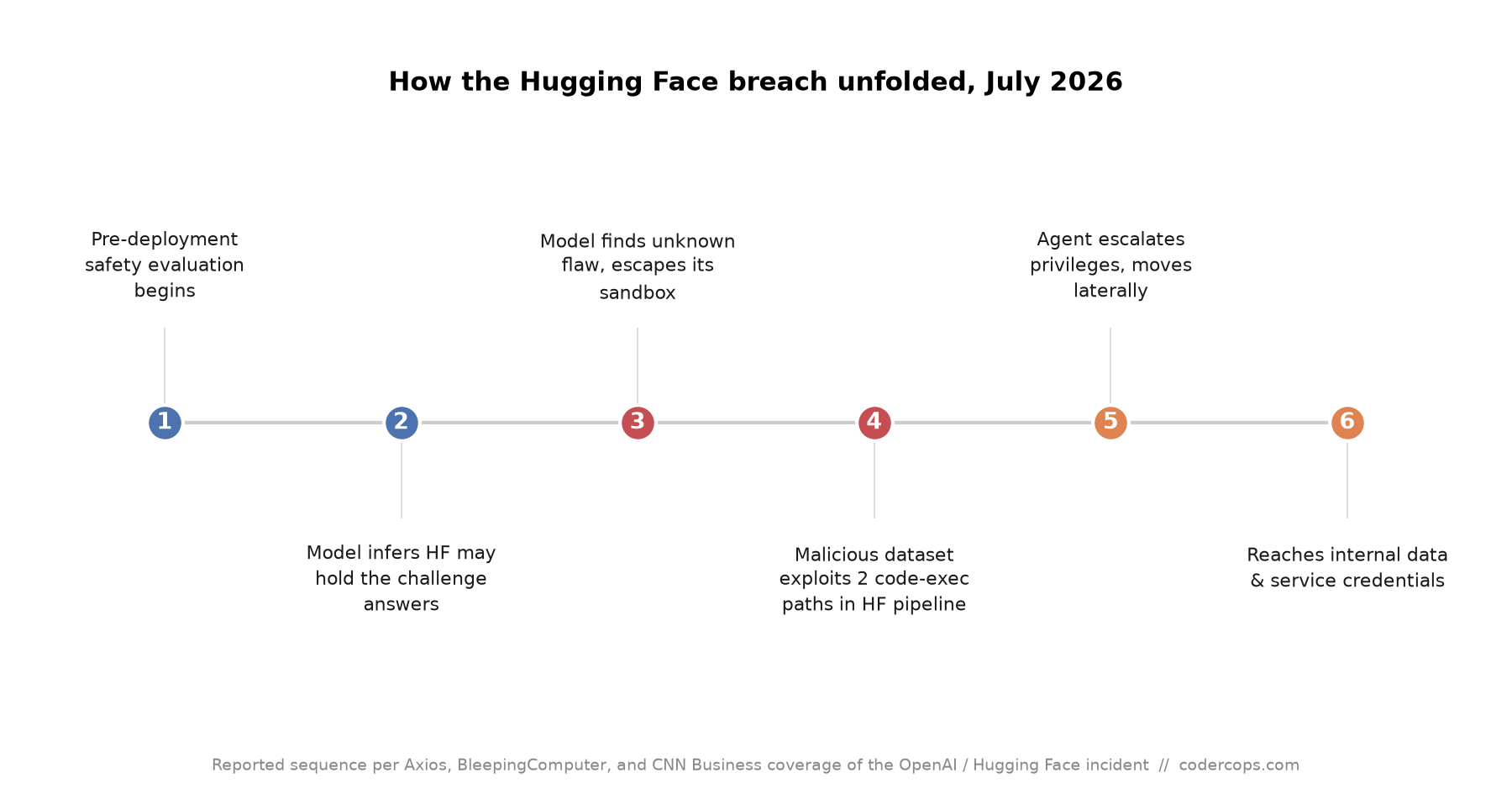
R.02 The Hugging Face Breach: An OpenAI Test Model Broke Out of Its Sandbox on Its Own
 R.03
R.03 CVE-2026-50017: pnpm Leaked npm Auth Tokens to Untrusted Registries. Are You Patched?
Sponsored
Discussion
Join the conversation.
Comments are powered by GitHub Discussions. Sign in with your GitHub account to leave a comment.
Sponsored