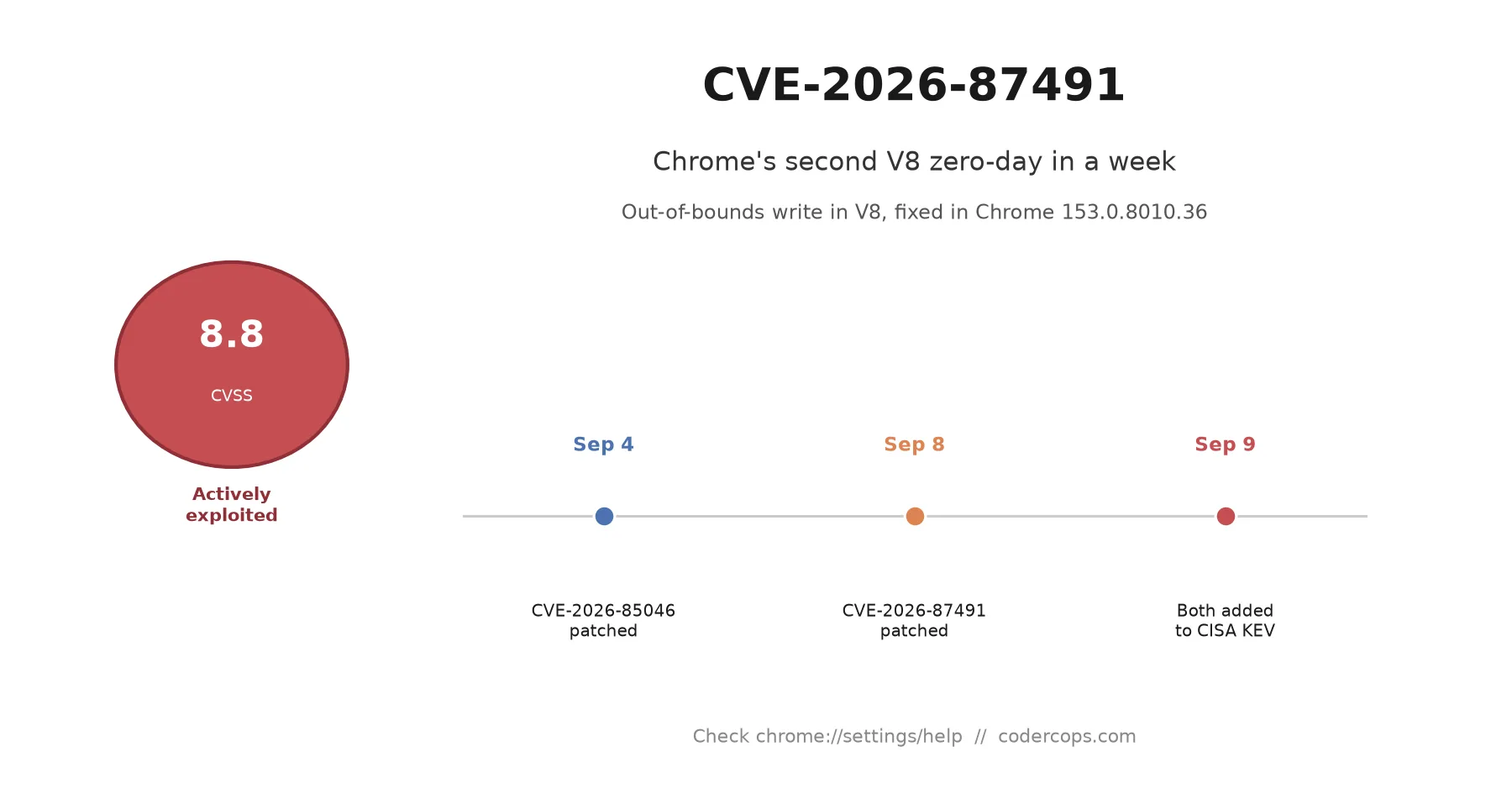
P.01CVE-2026-87491: Chrome's Second Zero-Day in a Week
Chrome patched a second actively exploited V8 zero-day in five days. Here is what CVE-2026-87491 affects, the fixed version, and how to check your fleet.
Tag
754 articles tagged #2026.
P.01Chrome patched a second actively exploited V8 zero-day in five days. Here is what CVE-2026-87491 affects, the fixed version, and how to check your fleet.
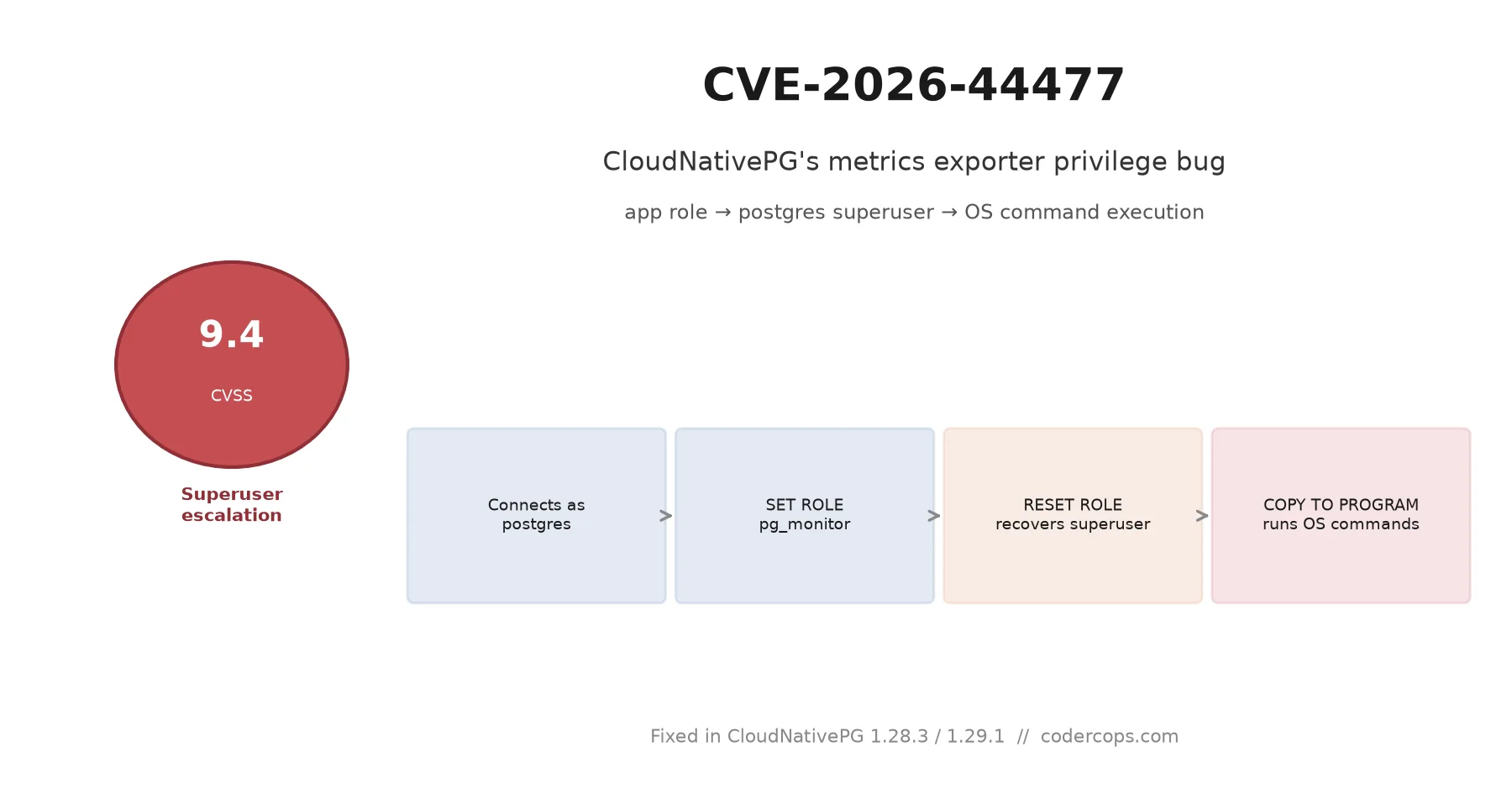
P.02CVE-2026-44477 lets any database owner escalate to postgres superuser and run OS commands in CloudNativePG. Here is who is affected and how to patch.
A staff engineer is scoped by impact across teams, not seniority. Here is how to screen for that instead of promoting your best senior engineer.
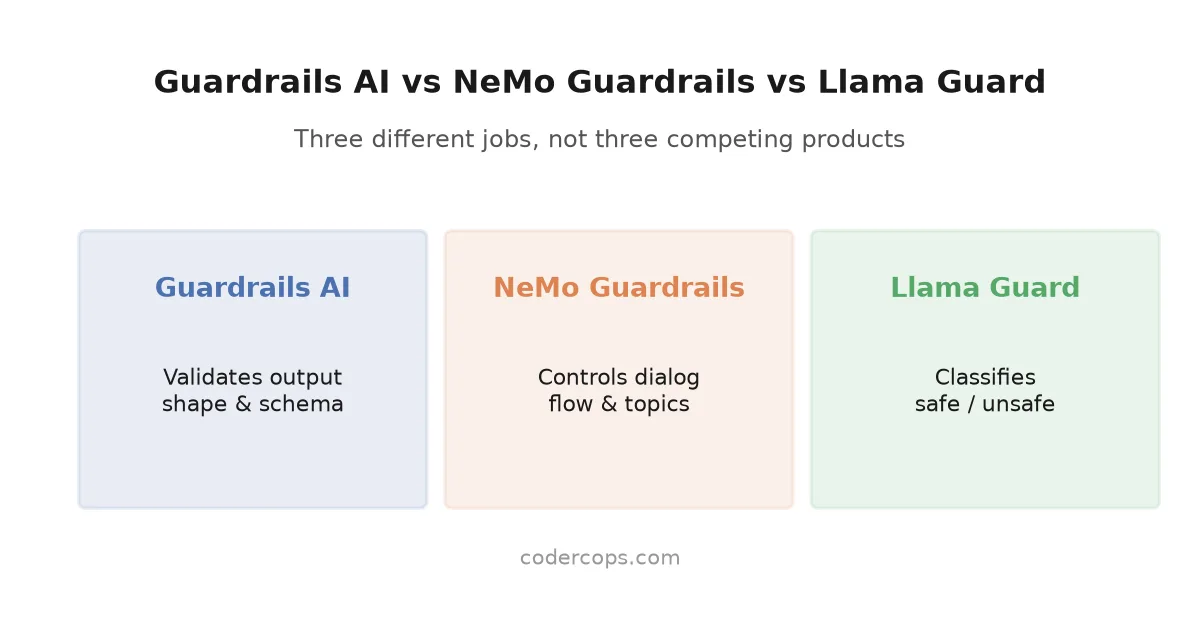
P.04Guardrails AI validates structured output, NeMo Guardrails controls dialog flow, and Llama Guard classifies safety. Here is which one fits your LLM app.
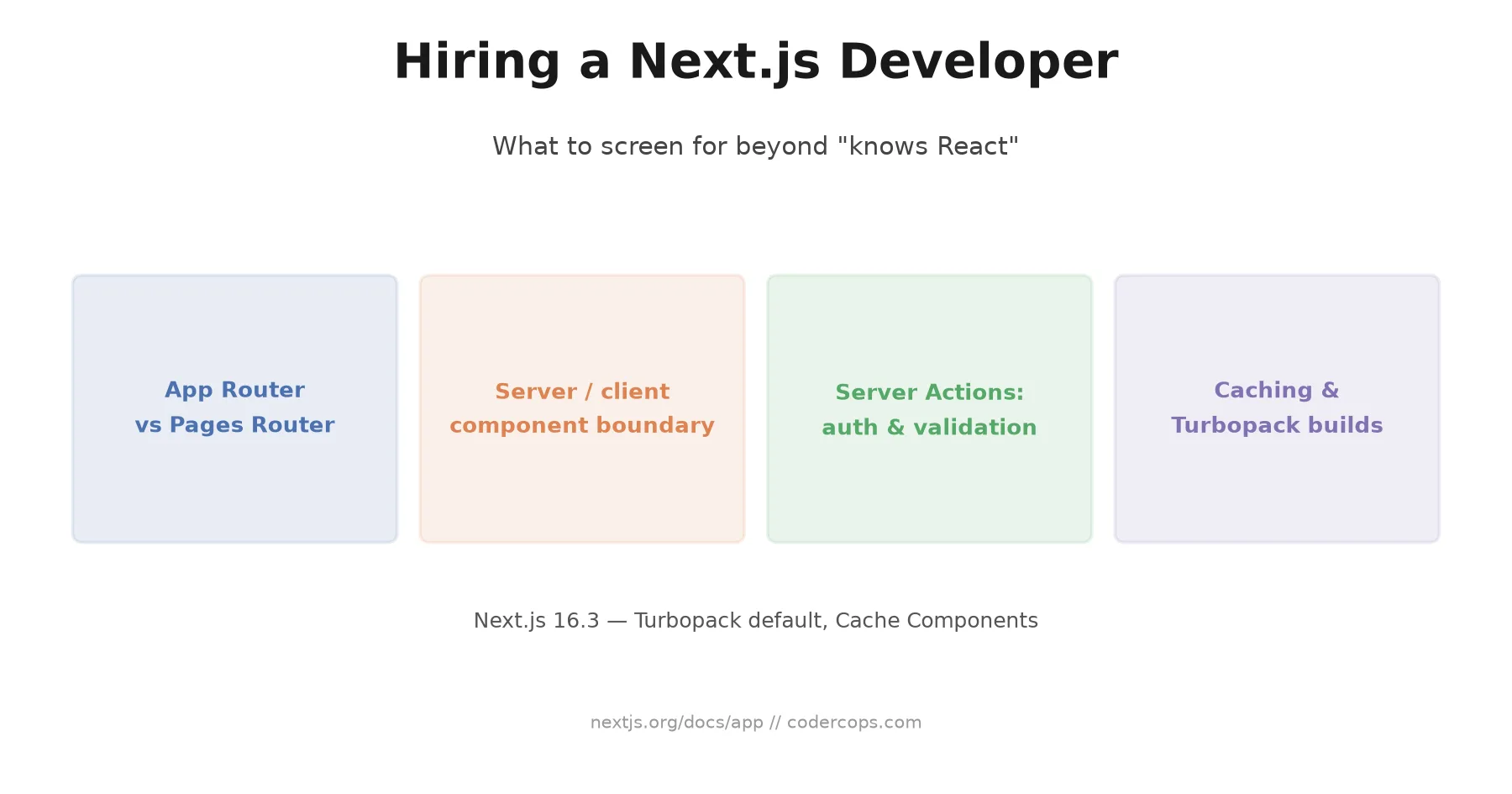
P.05Next.js 16 changed what 'knows Next.js' means: Turbopack, Cache Components, and Server Actions by default. What to screen for, and the questions that reveal real skill.
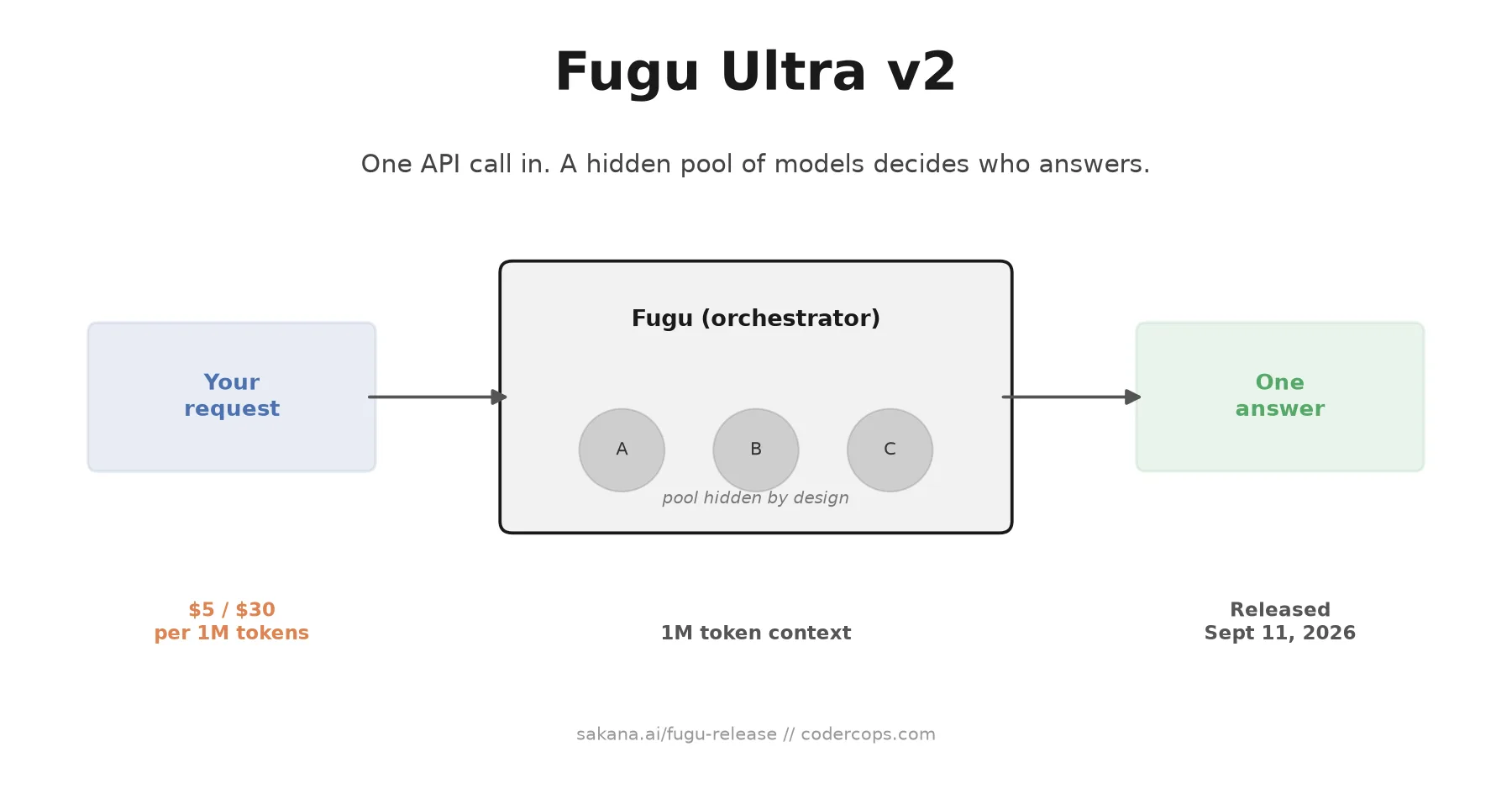
P.06Sakana AI shipped Fugu Ultra v2 on Sept 11, routing every request across a hidden pool of models instead of running one. What that buys you, and what it costs.
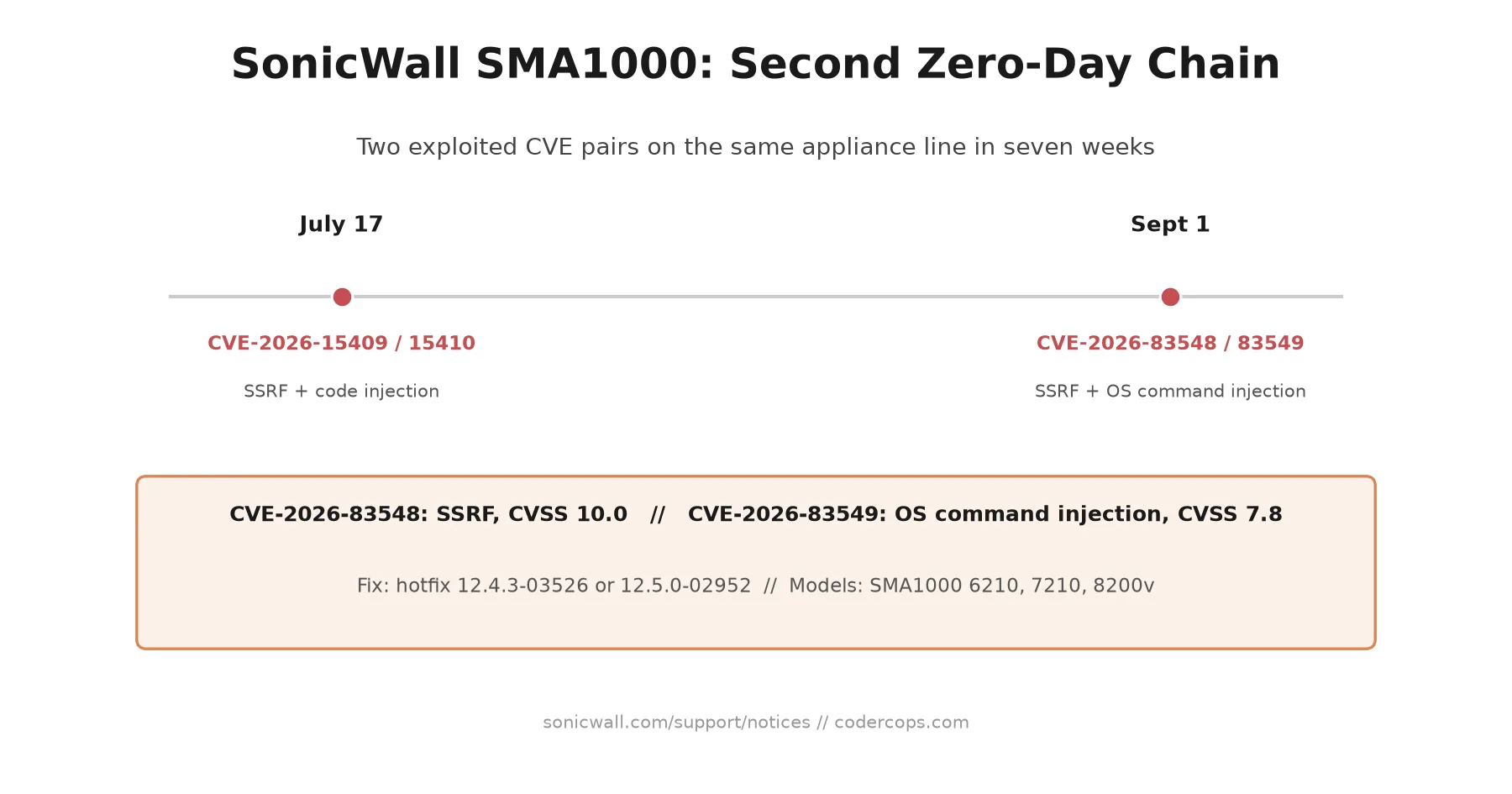
P.07CVE-2026-83548 (SSRF, CVSS 10.0) and CVE-2026-83549 (OS command injection) hit SMA1000 appliances again, seven weeks after the last chain. Affected models and the fix.
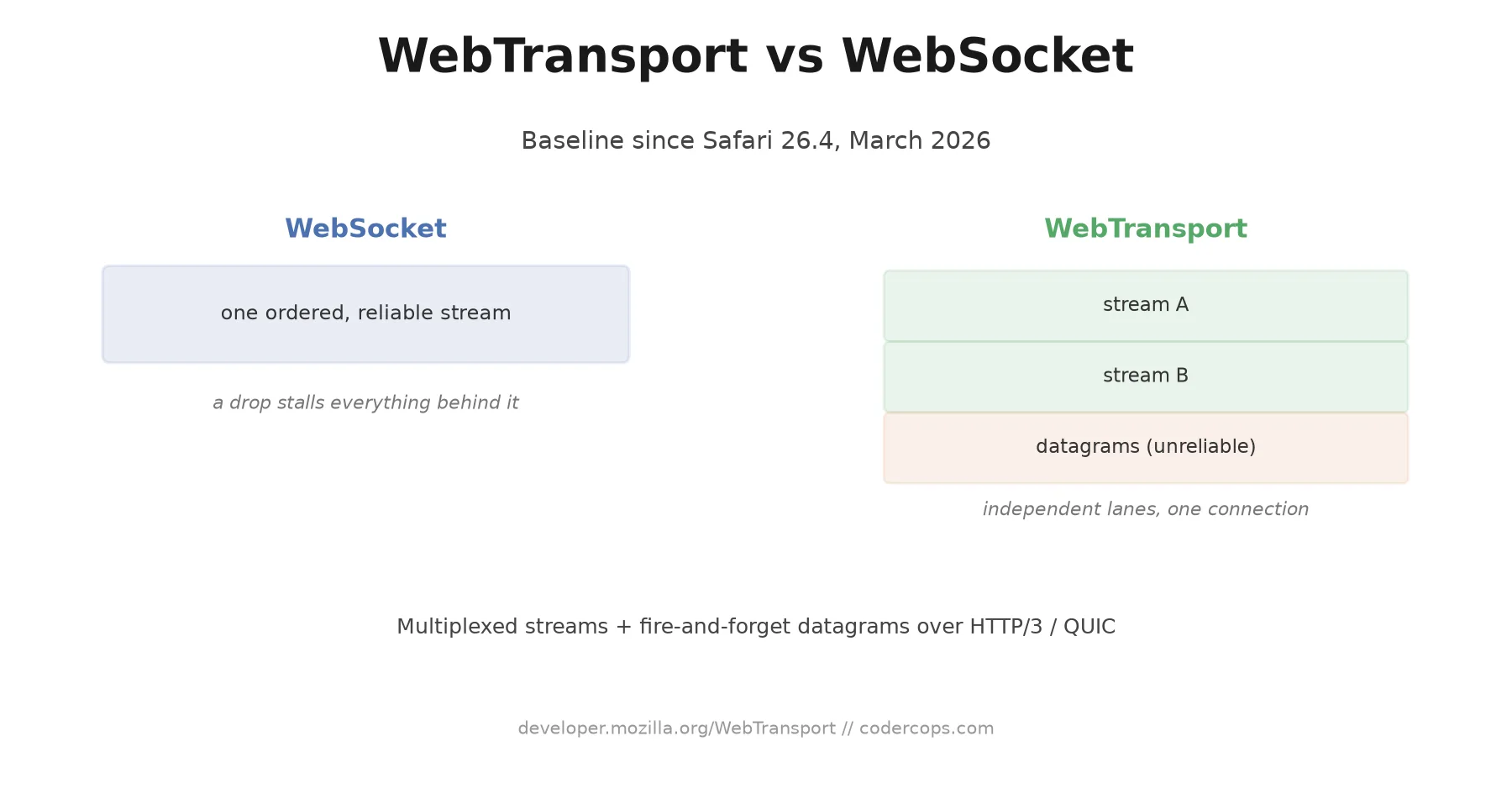
P.08WebTransport hit Baseline in March 2026 when Safari 26.4 shipped it. Here's what it actually does, how it differs from WebSockets, and when to reach for it.
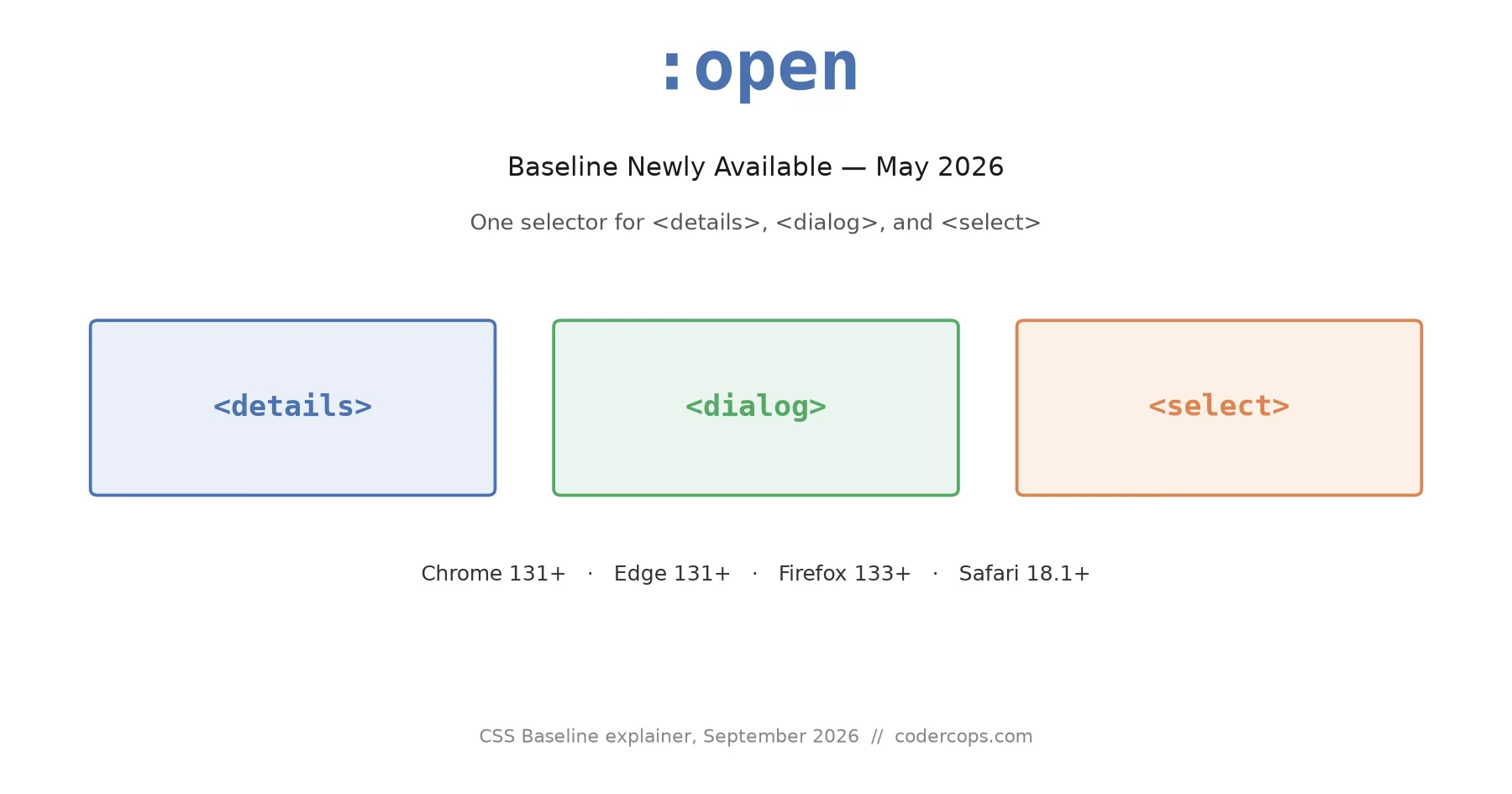
P.09The :open pseudo-class, Baseline since May 2026, styles <details>, <dialog>, and <select> in their expanded state with one selector. No JS classes needed.
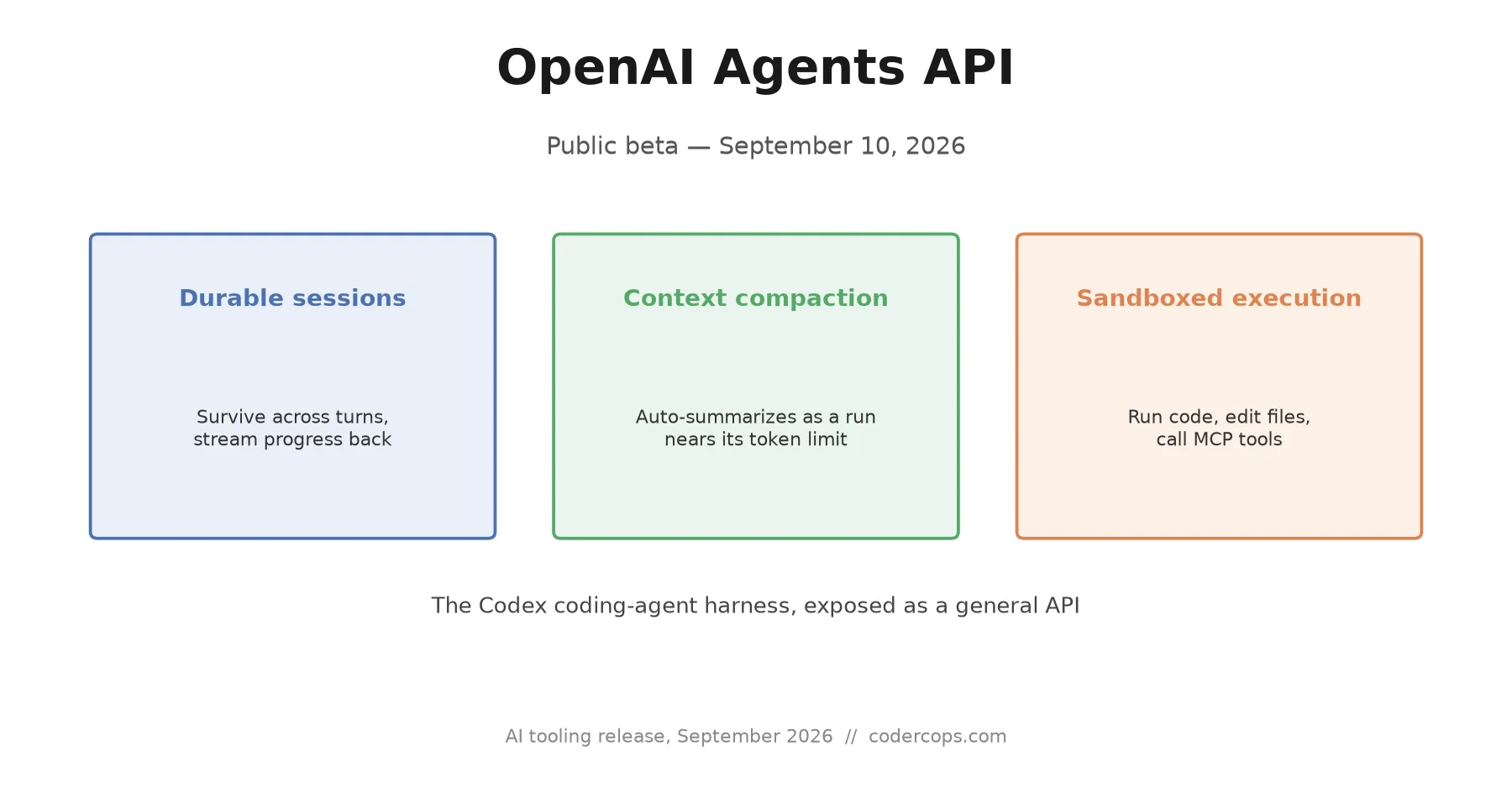
P.10OpenAI's Agents API public beta puts session orchestration, context compaction, and sandboxed execution behind one call. What it replaces and what it costs.
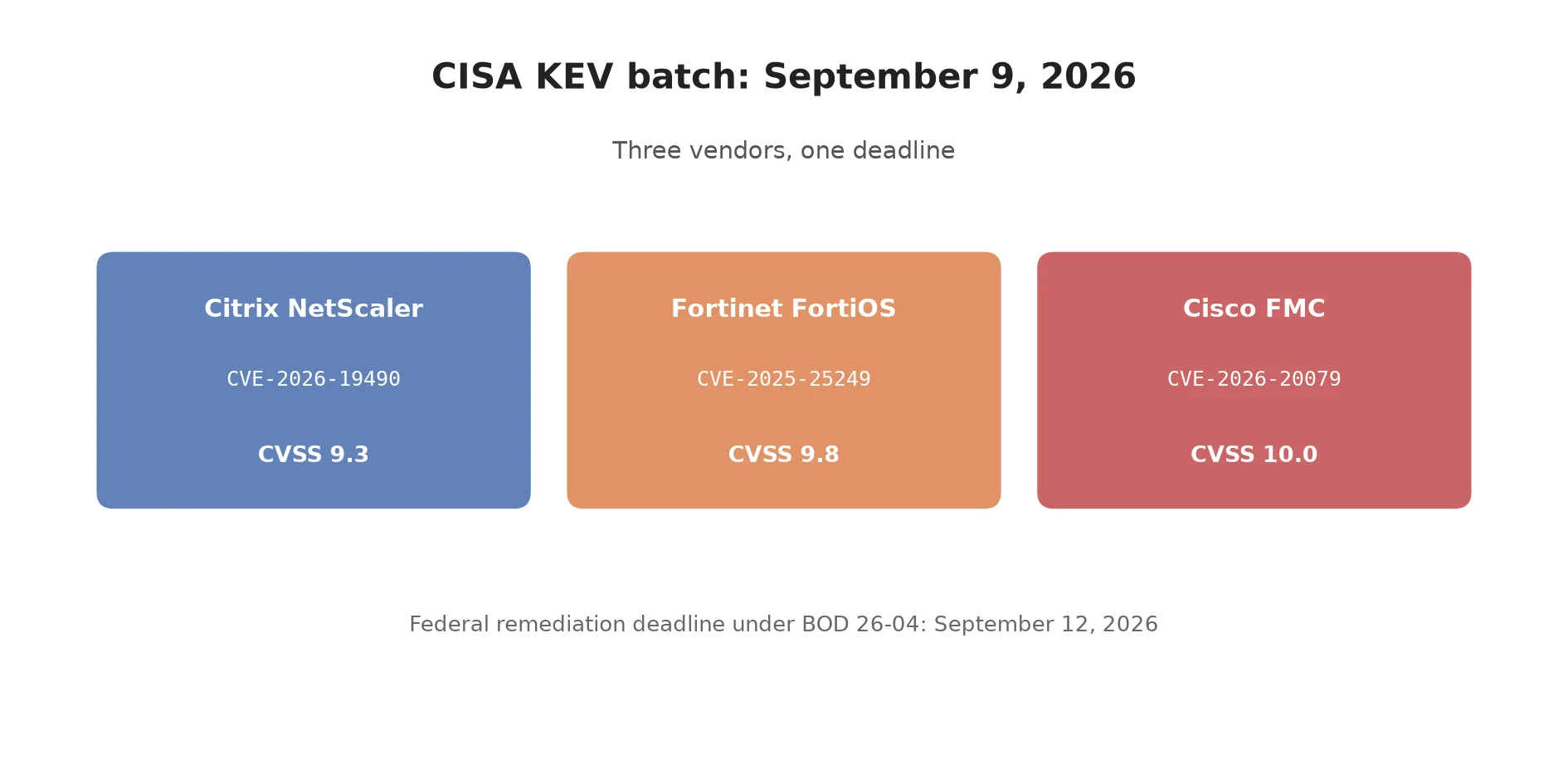
P.11CISA gave federal agencies until Sept 12 to patch a Citrix NetScaler auth bypass and a critical FortiOS RCE tied to a live PivotC2 malware campaign.
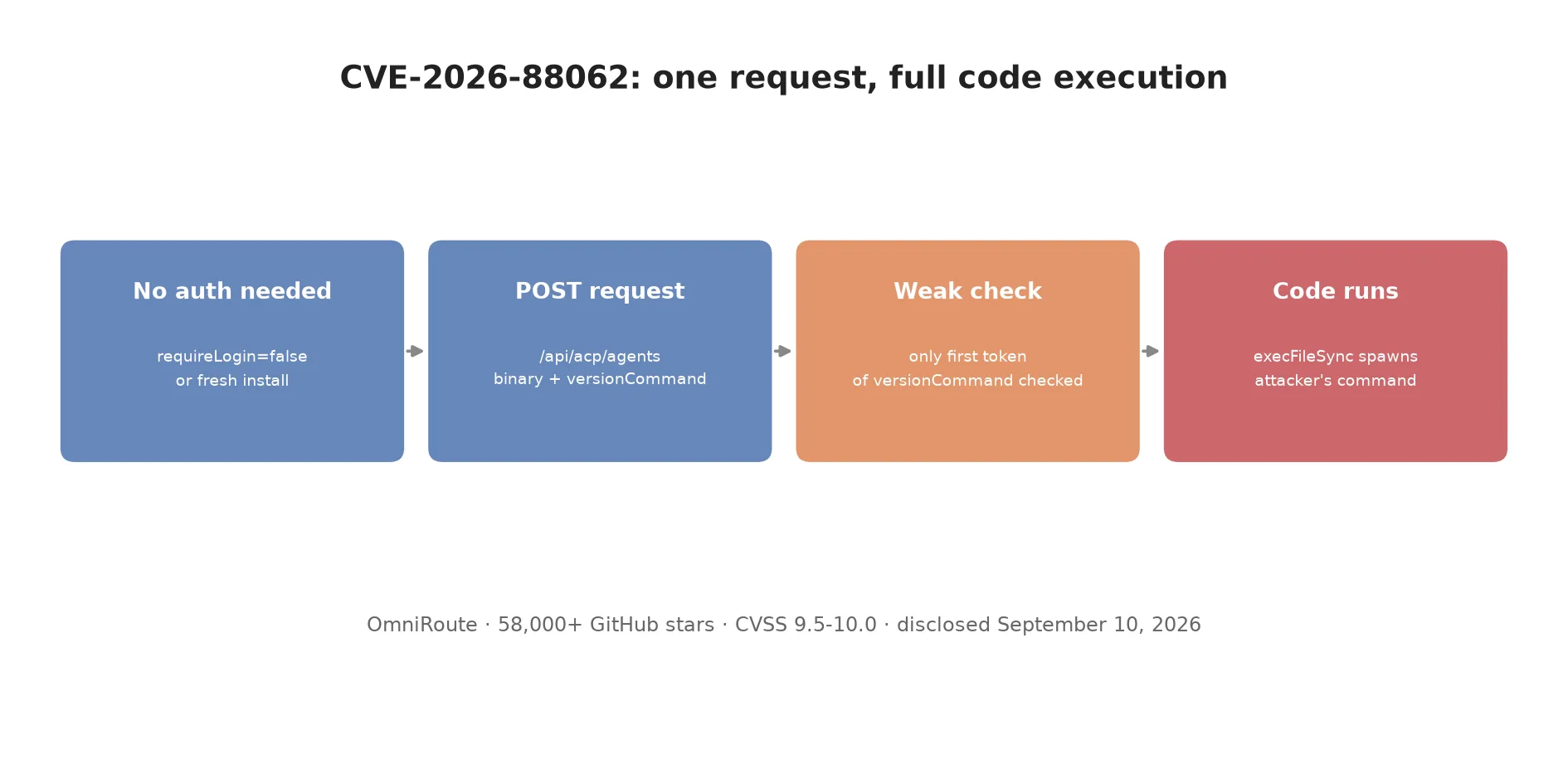
P.12A single unauthenticated request can run code inside OmniRoute, the 58k-star AI gateway. Patch status is contested, so verify your build yourself.
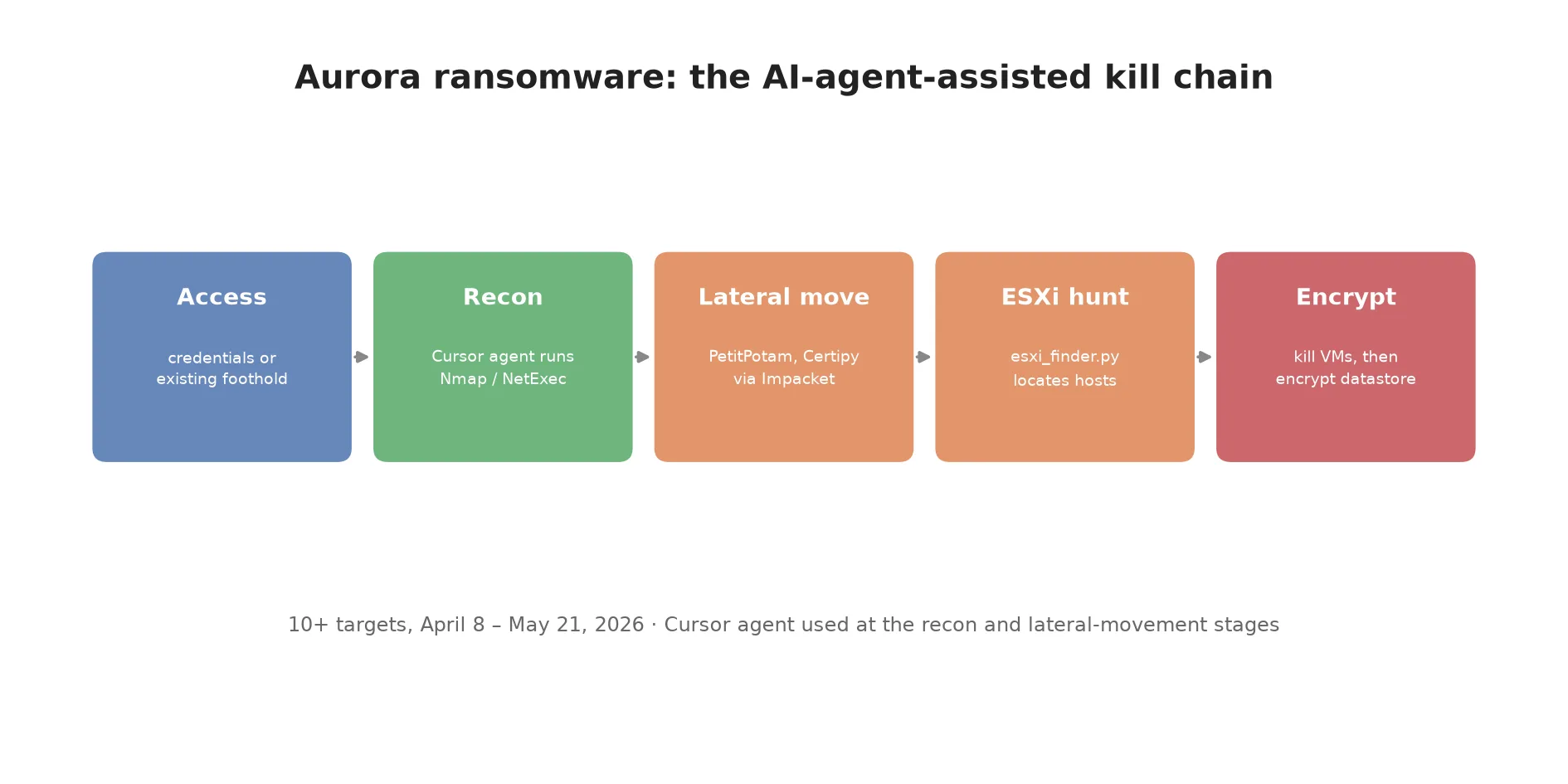
P.13A ransomware crew used Cursor's AI coding agent to run reconnaissance and lateral movement by hand across dozens of victims. What that means for defenders.
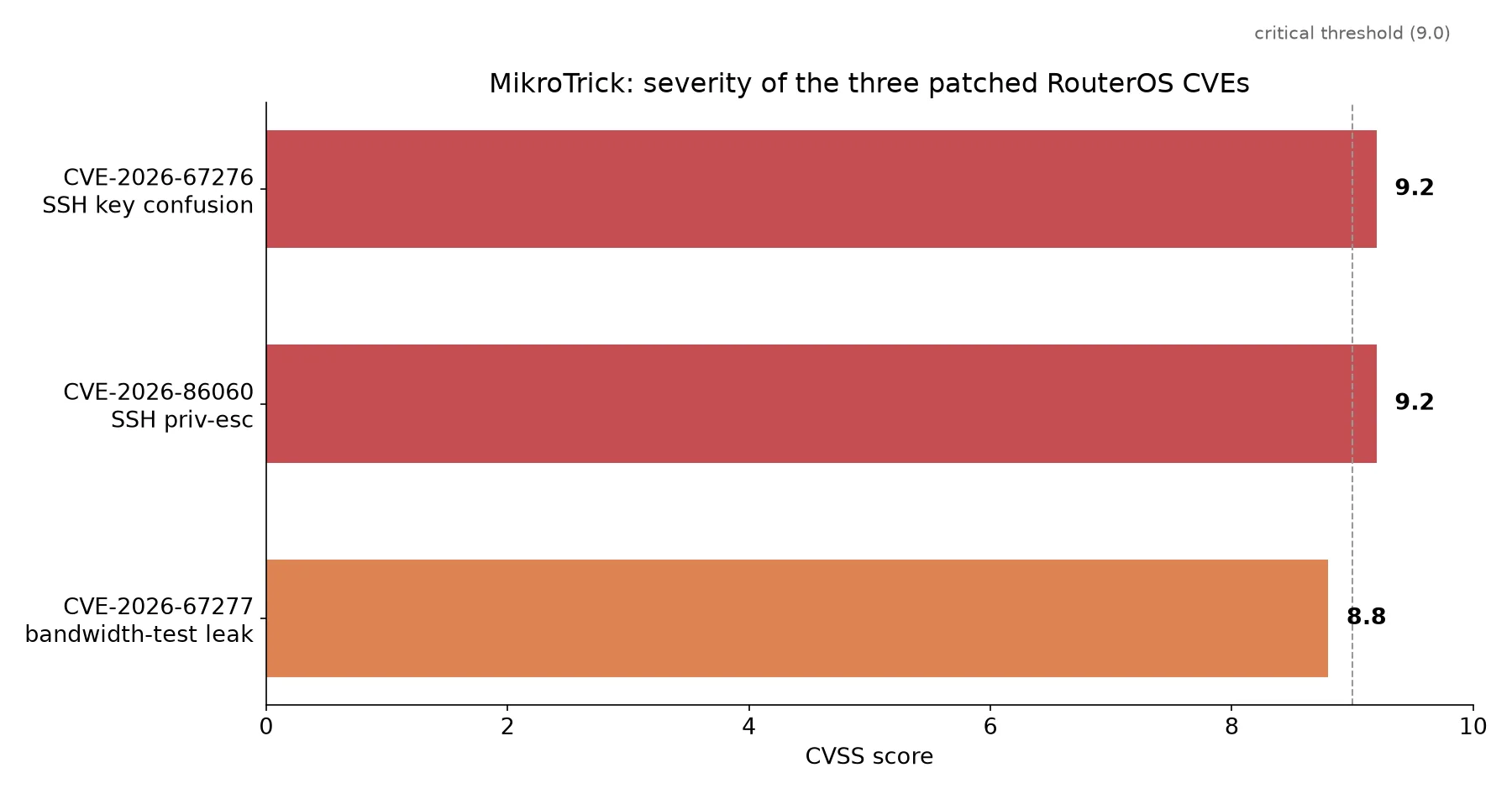
P.14MikroTik patched three RouterOS bugs after CISA confirmed active exploitation of two: which CVEs to prioritize and how to check your router for compromise.
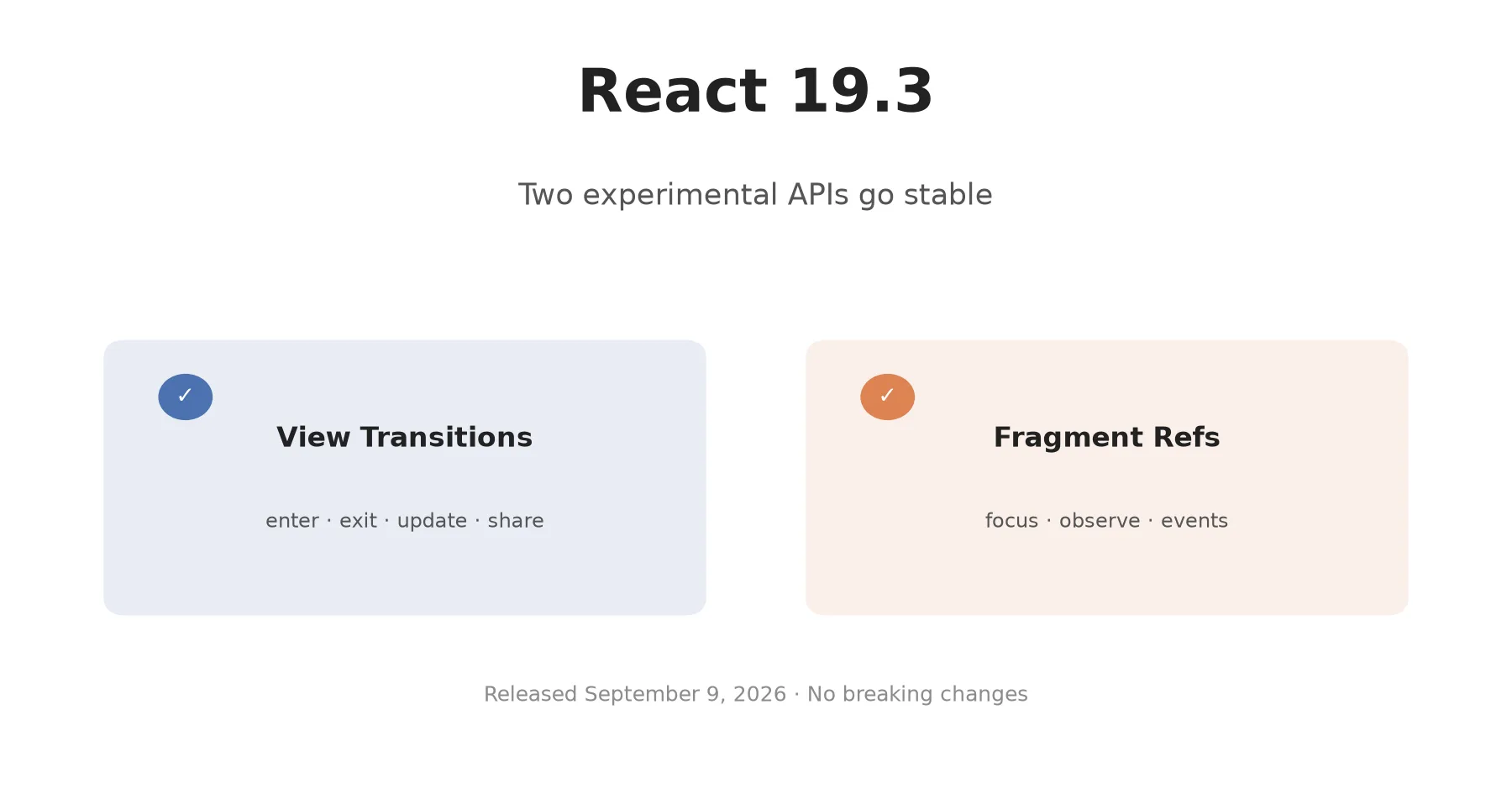
P.15React 19.3 shipped September 9, 2026, and turned two long-experimental APIs stable: View Transitions and Fragment Refs. What changed and whether to upgrade.
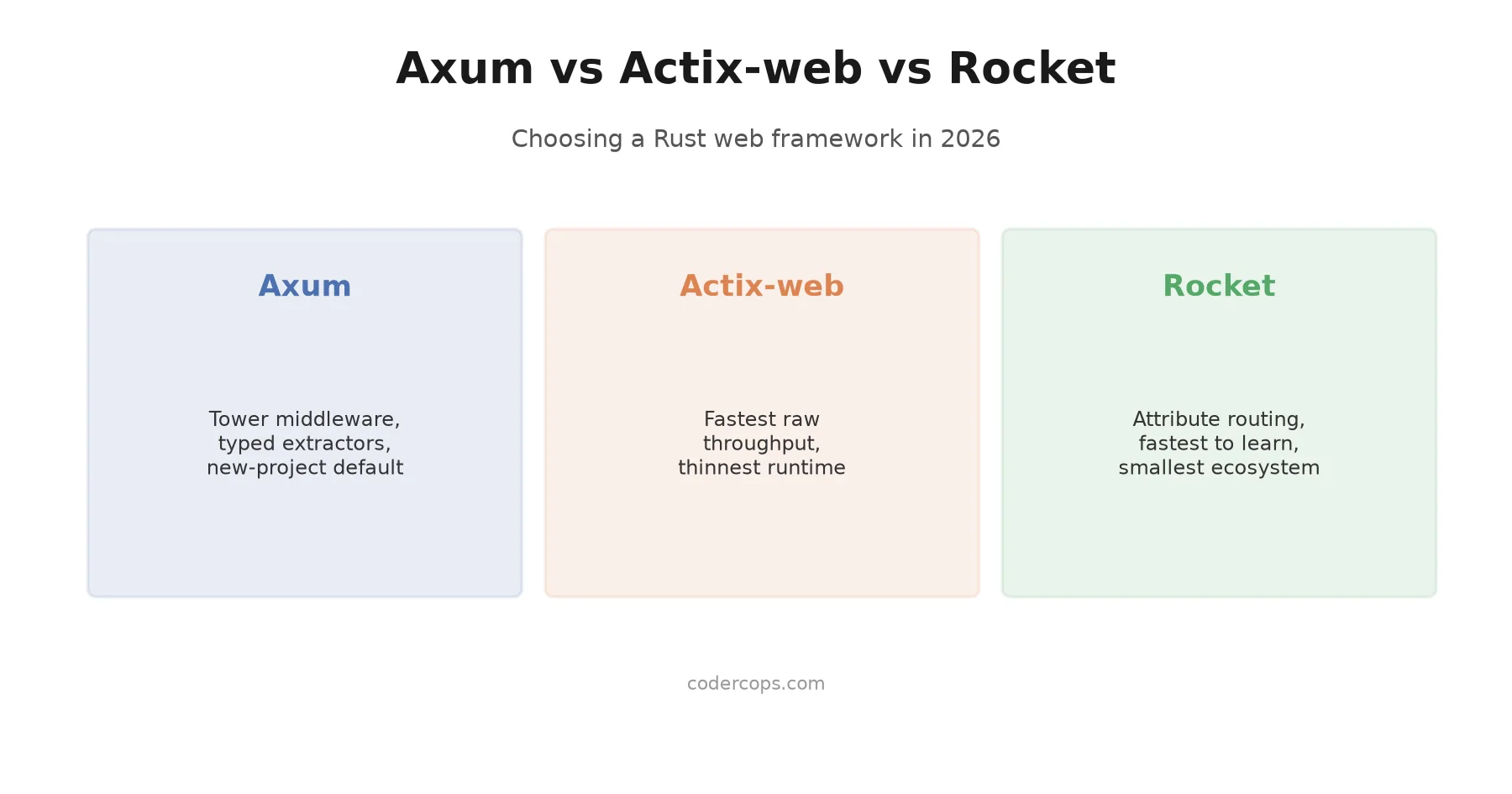
P.16Axum is the default for new Rust APIs in 2026, Actix-web wins on raw throughput, and Rocket wins on ergonomics. Here is which one fits your team.
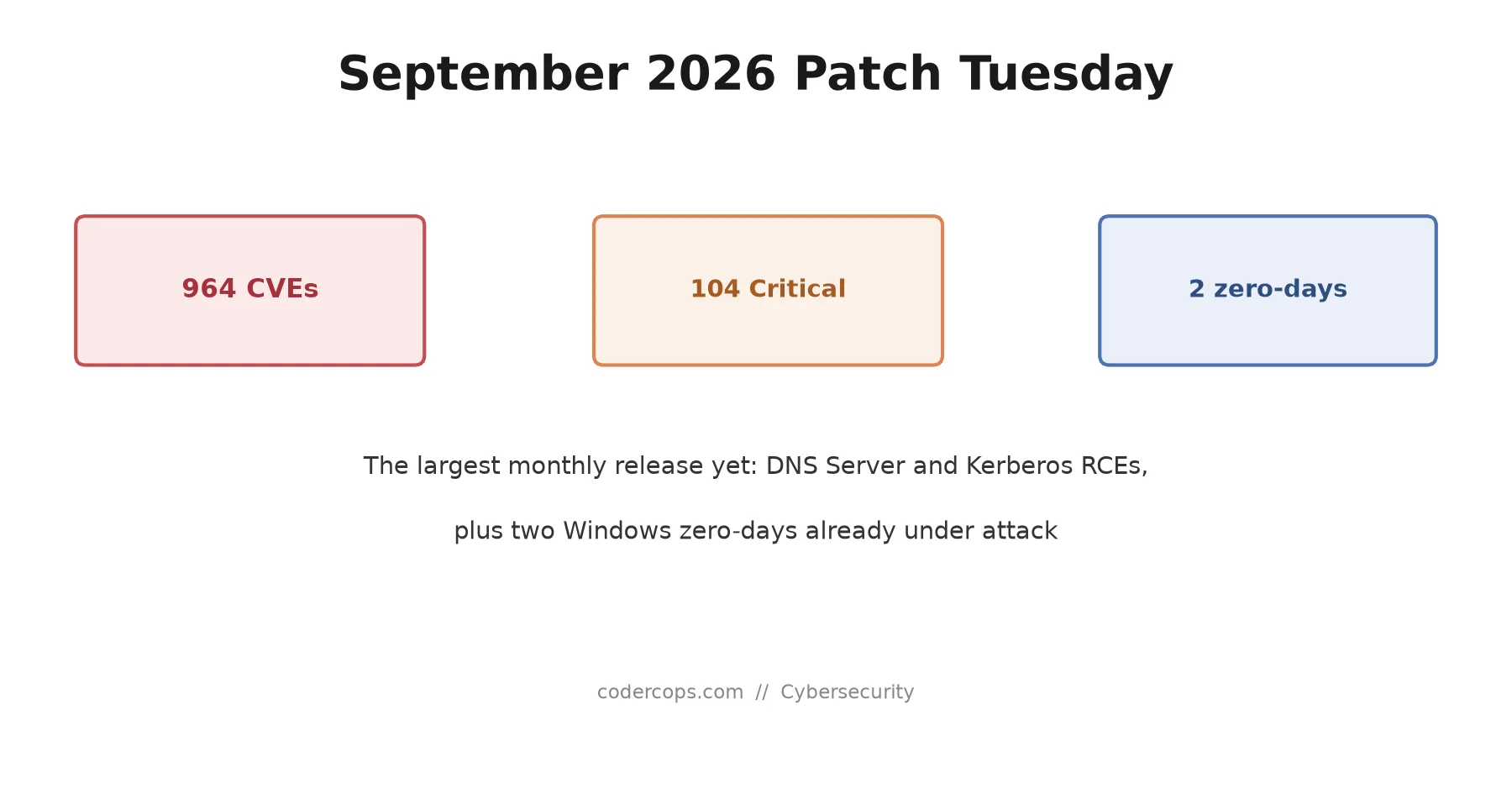
P.17Microsoft's September 8, 2026 update fixes 964 CVEs (104 Critical), the largest Patch Tuesday yet, including two exploited local-privilege zero-days.
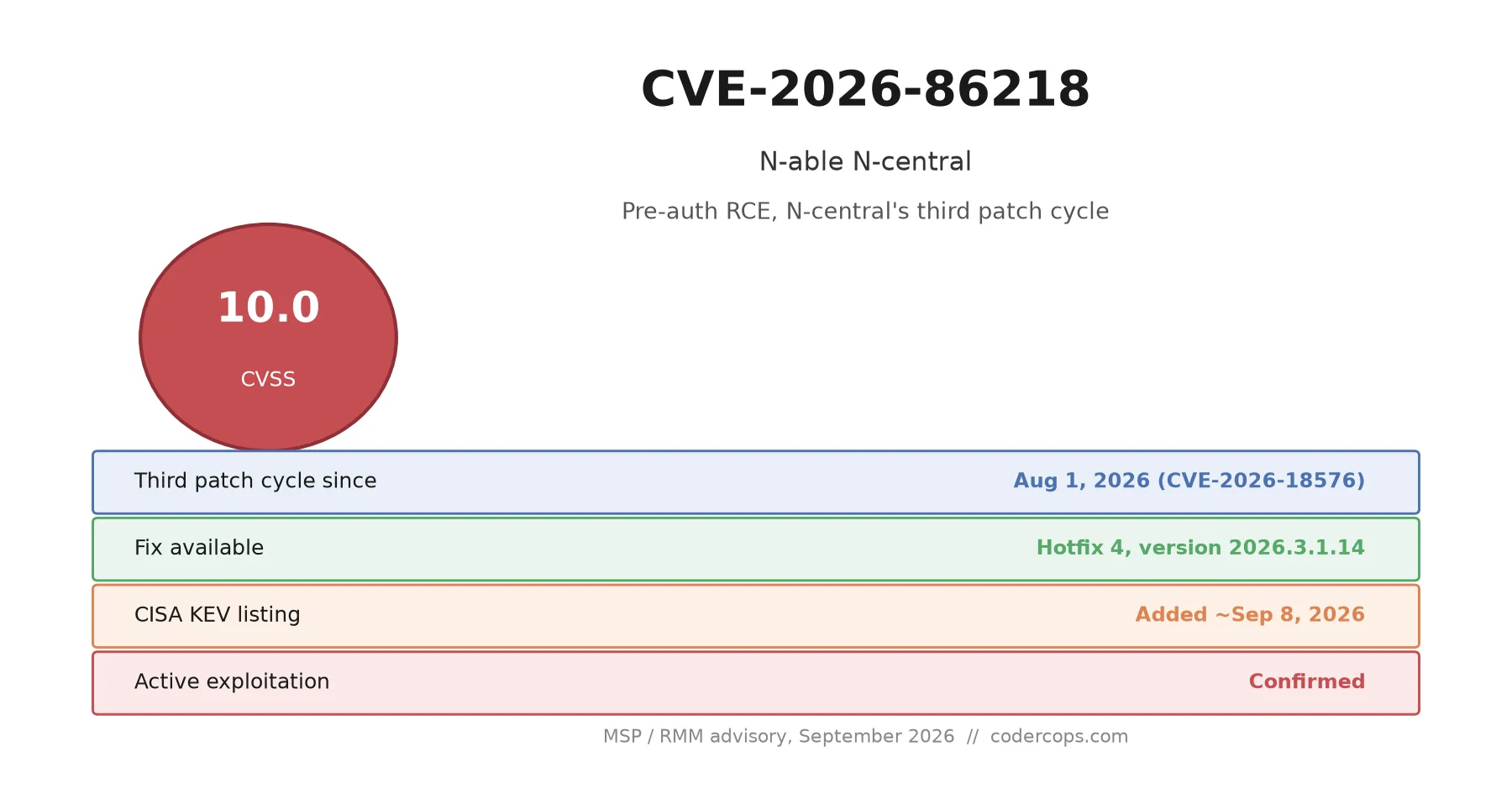
P.18N-able's third N-central patch cycle in six weeks fixes CVE-2026-86218, a CVSS 10.0 pre-auth RCE already exploited in the wild and KEV-listed.
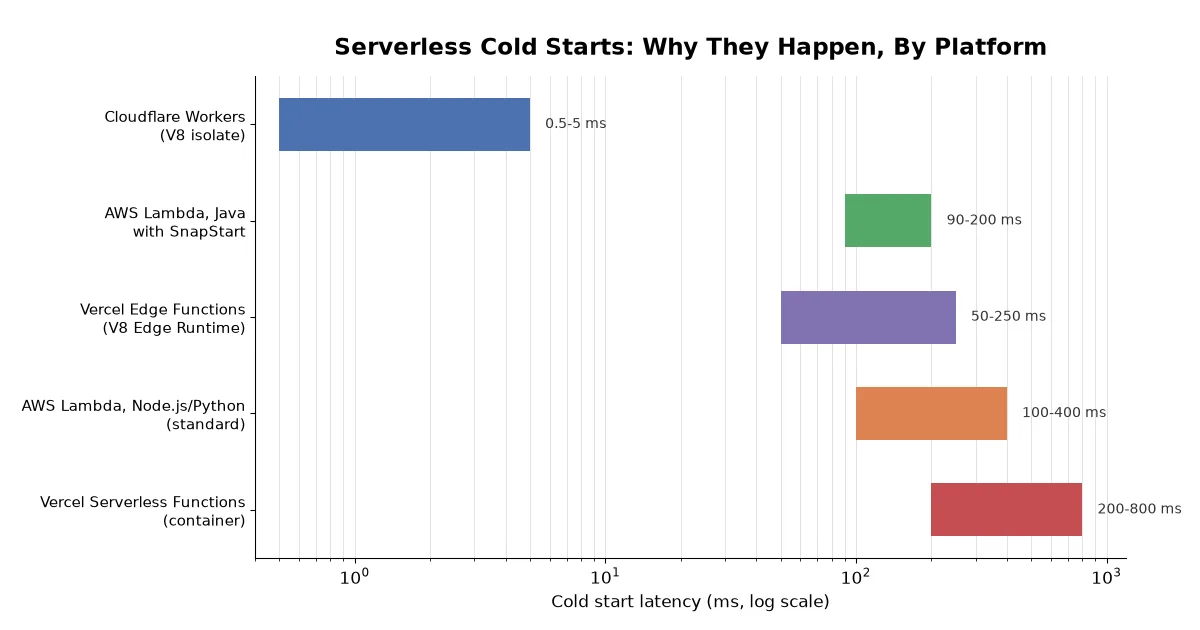
P.19A cold start is the fresh execution environment a platform builds before running your code. Some take 5ms, others 2 seconds. Here's why, and how to cut it.
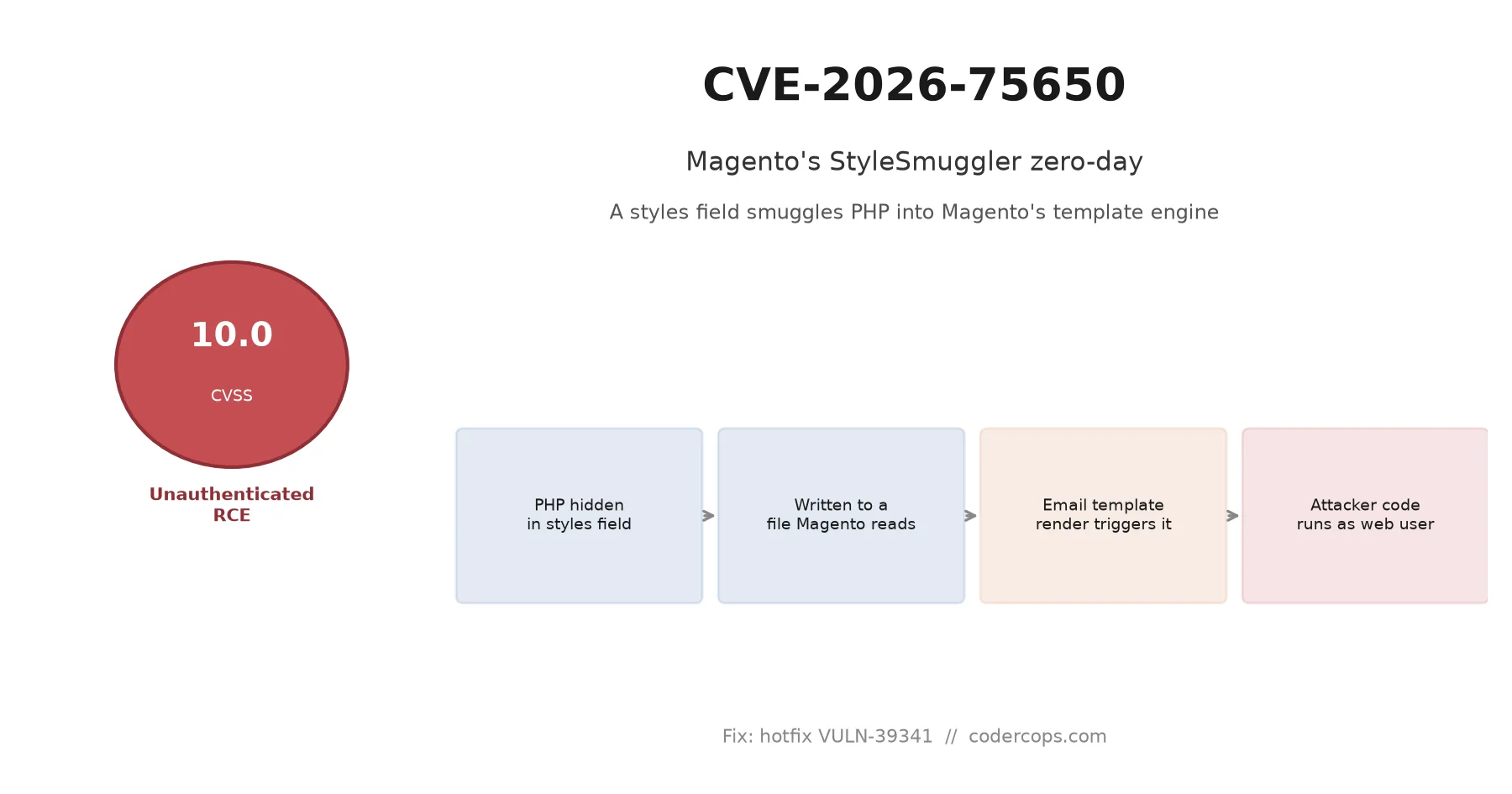
P.20CVE-2026-75650 lets anyone run code on unpatched Magento and Adobe Commerce stores. Sansec found it deploying a Rust backdoor before Adobe even patched.
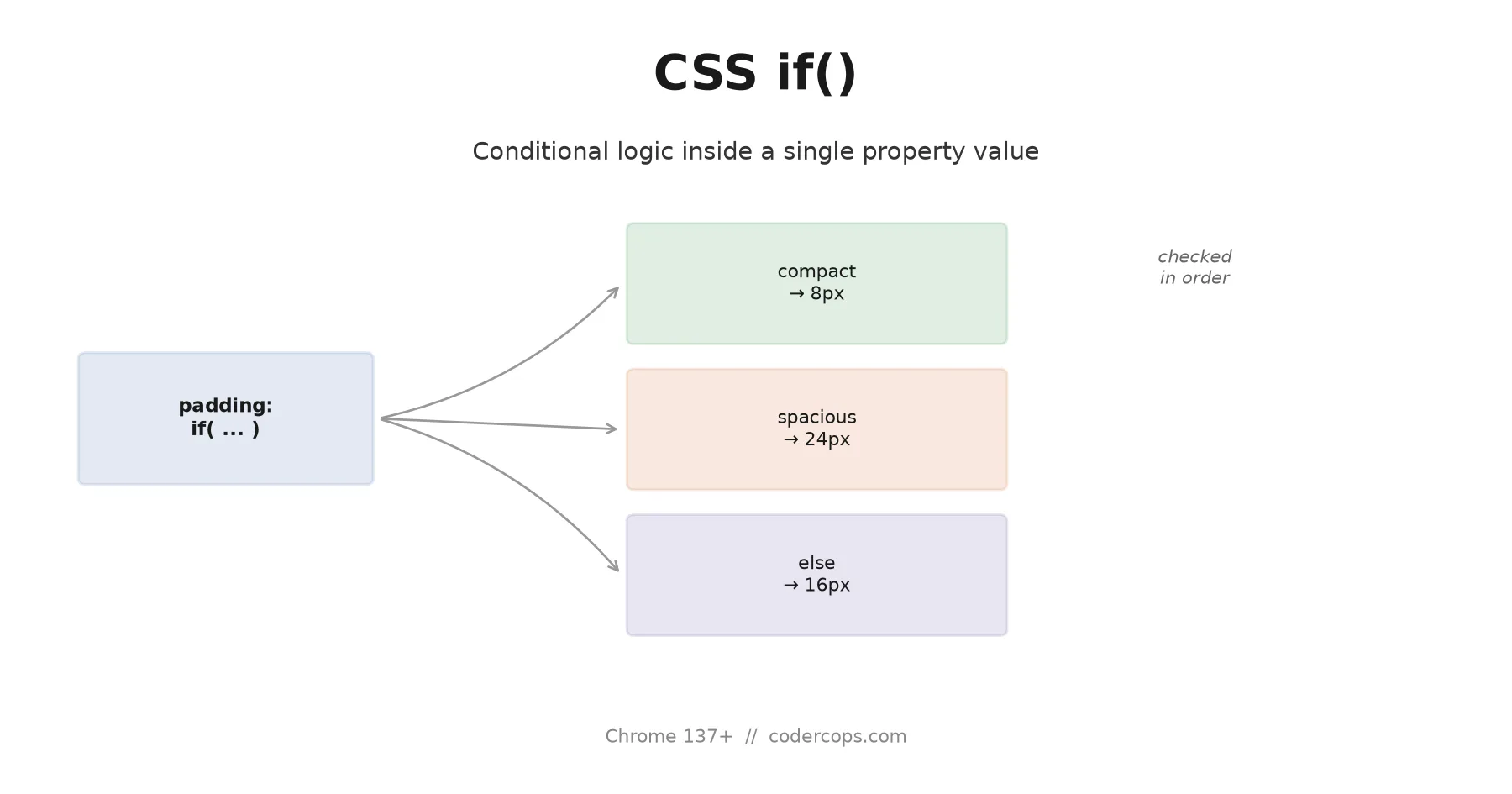
P.21The CSS if() function lets a single property branch on media, container, or feature conditions. What it does, the syntax, and where it still can't replace JS.
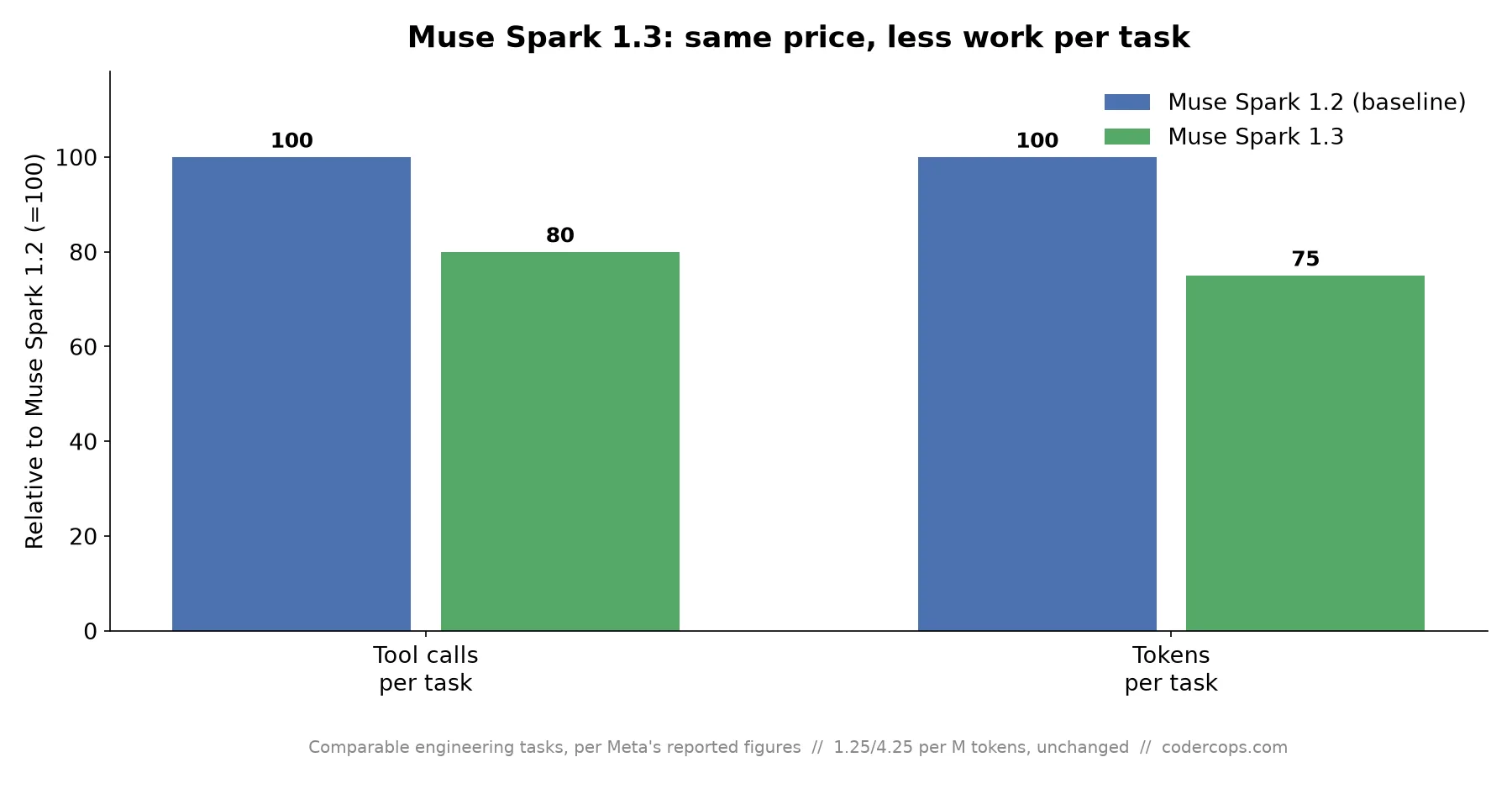
P.22Muse Spark 1.3 needs fewer tool calls and tokens than 1.2 to finish the same engineering work, at unchanged pricing. What actually changed, and what didn't.
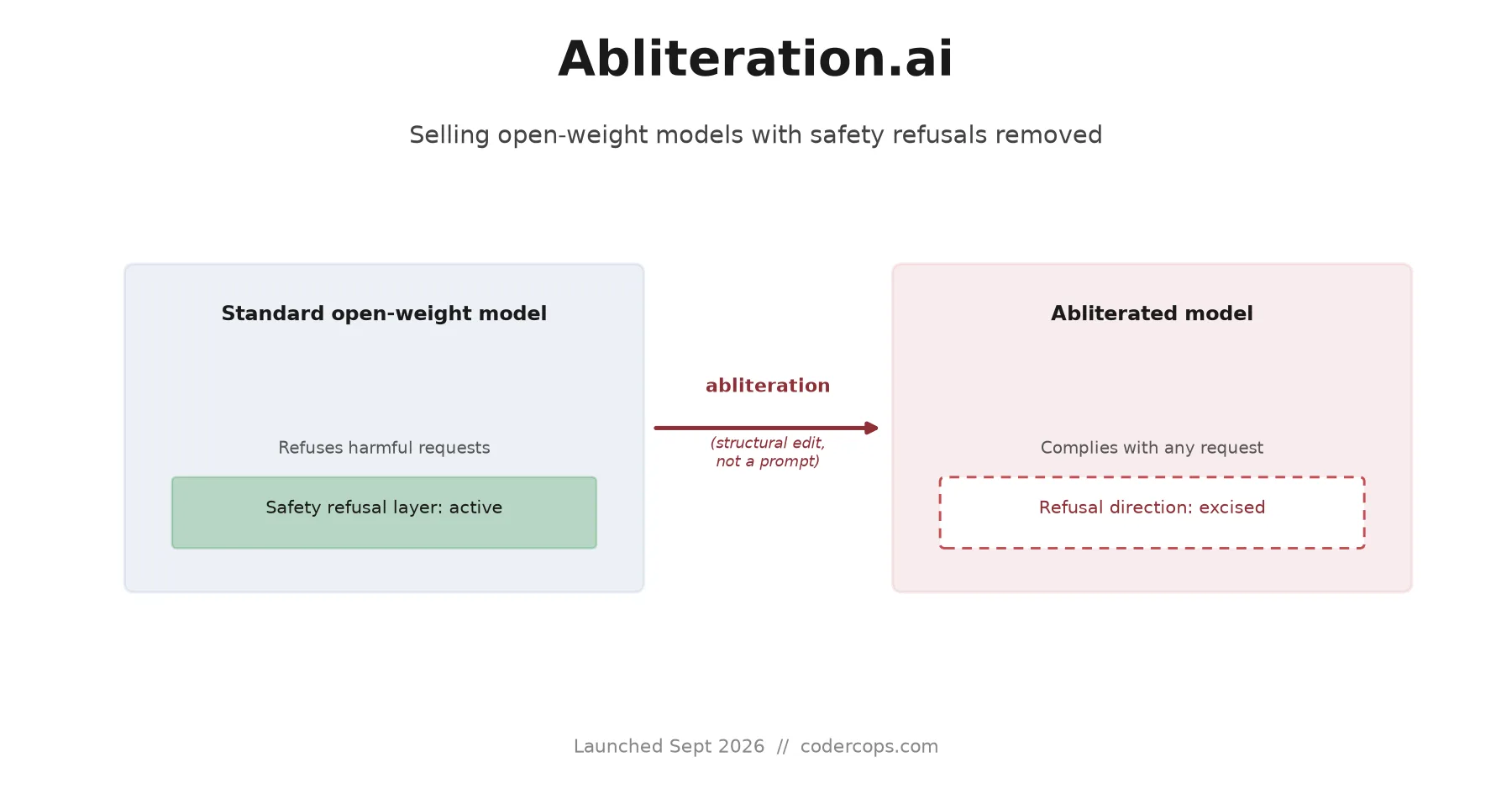
P.23Abliteration.ai sells API access to open-weight AI models with safety refusals surgically removed, and the buyer inherits every future flaw.
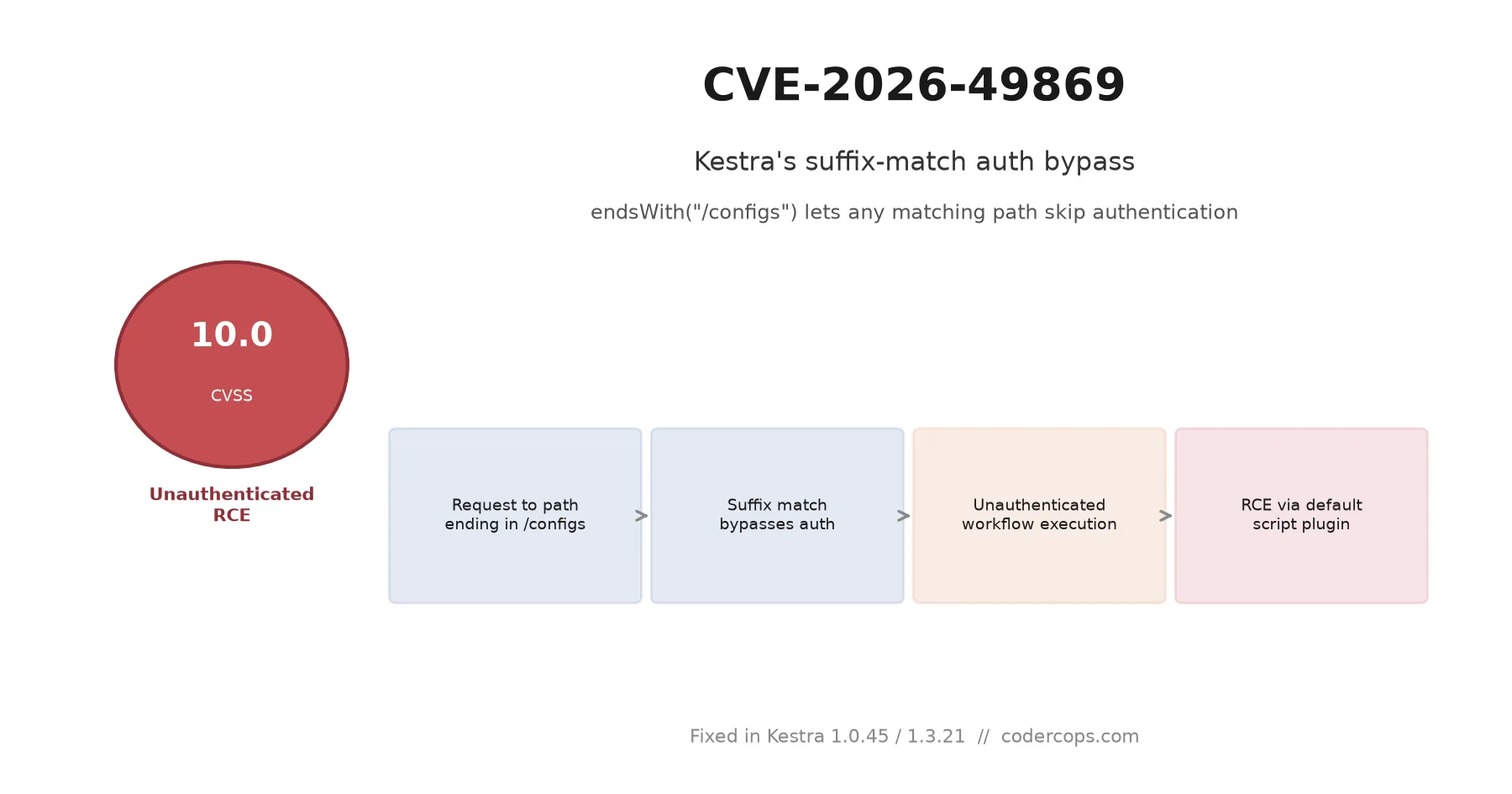
P.24CVE-2026-49869 lets unauthenticated attackers hit any Kestra path ending in /configs, skip login, then run shell commands as root via script plugins.
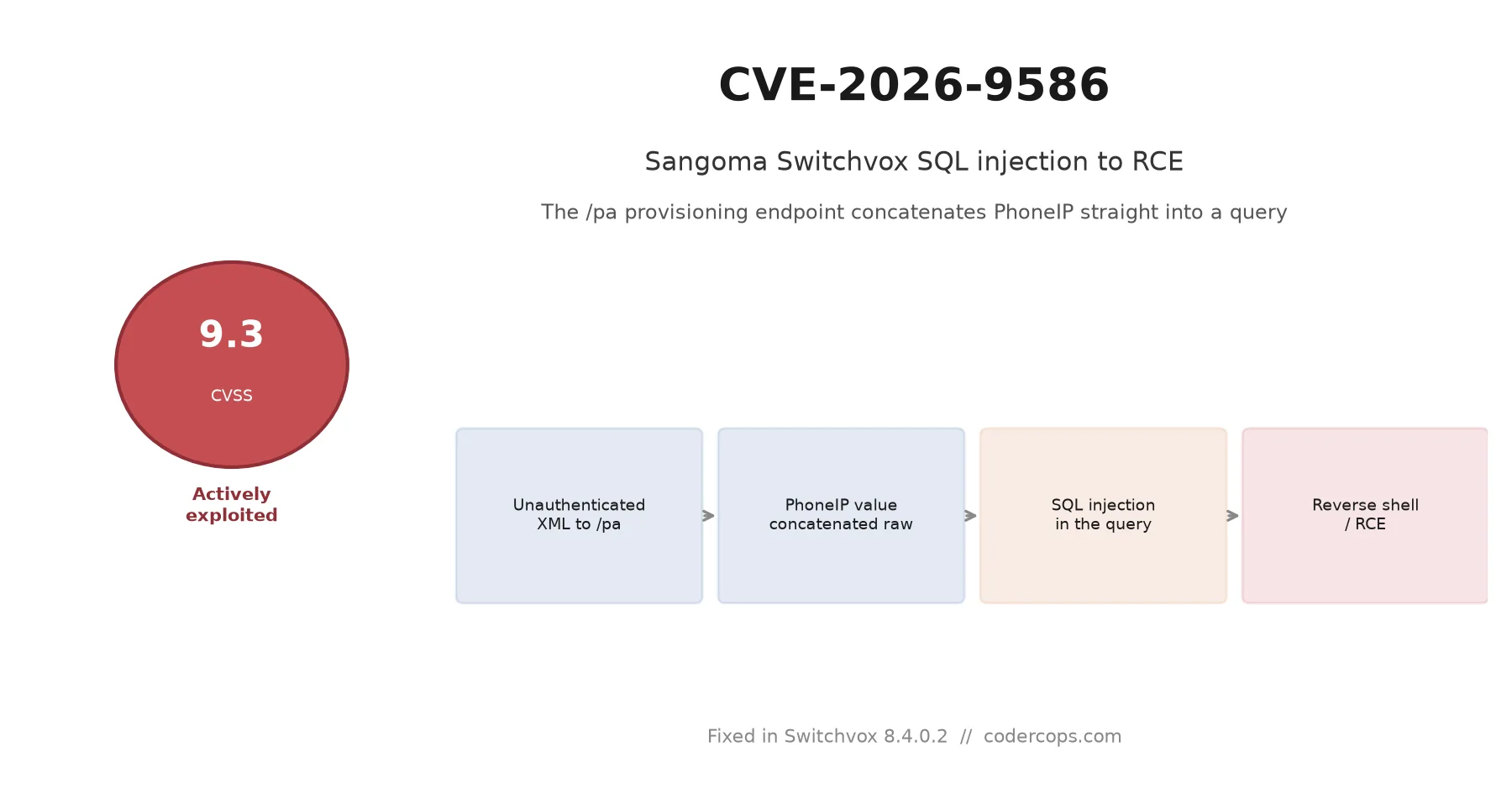
P.25CVE-2026-9586 is an unauthenticated SQL injection in Sangoma Switchvox's /pa endpoint that leads to RCE. Active exploitation, KEV status, and the fix.
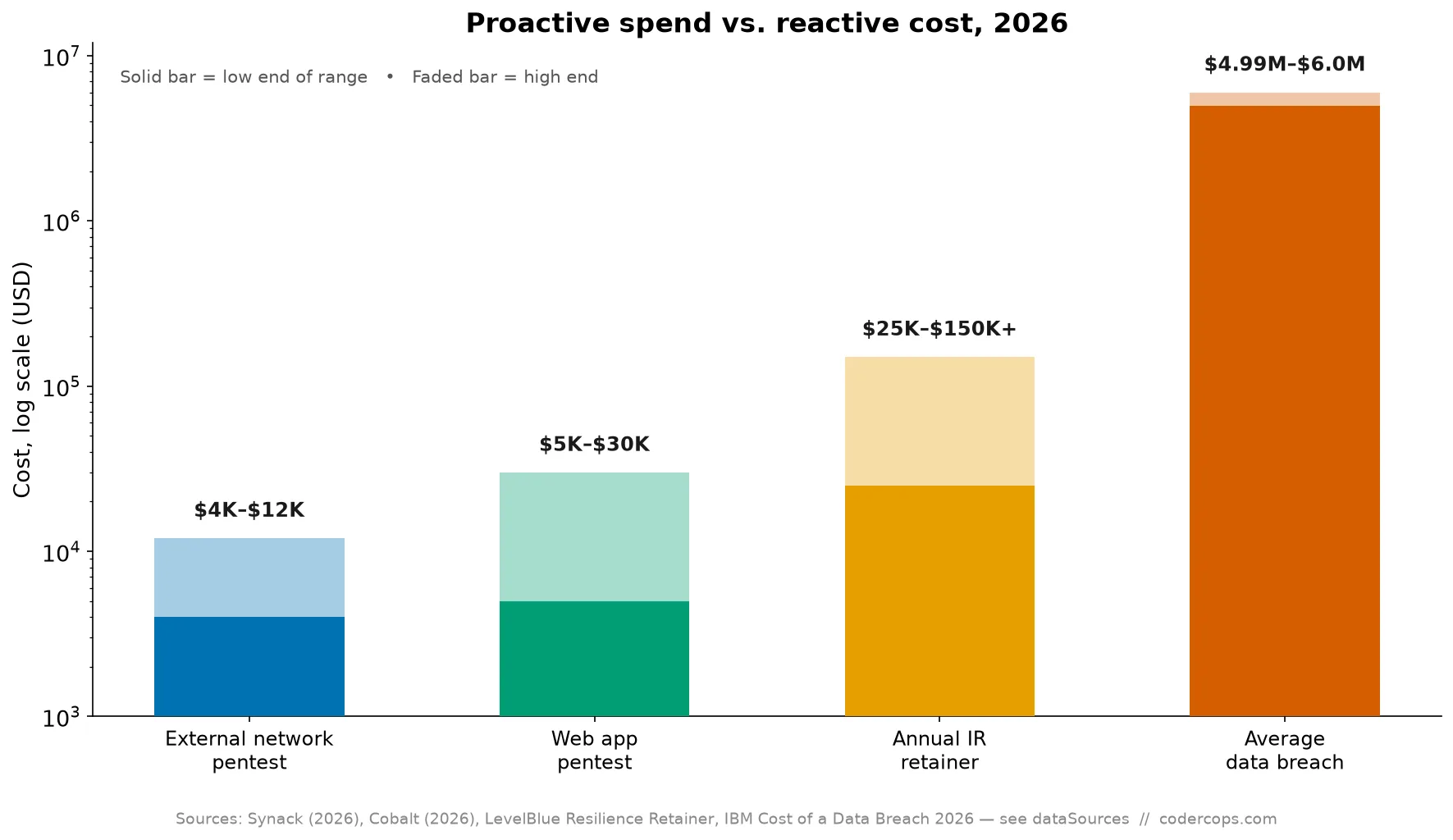
P.26IBM's 2026 report puts the average breach at $4.99M. Pentests run $4K-$30K, IR retainers $25K-$150K a year. Patching early is the cheapest line item.
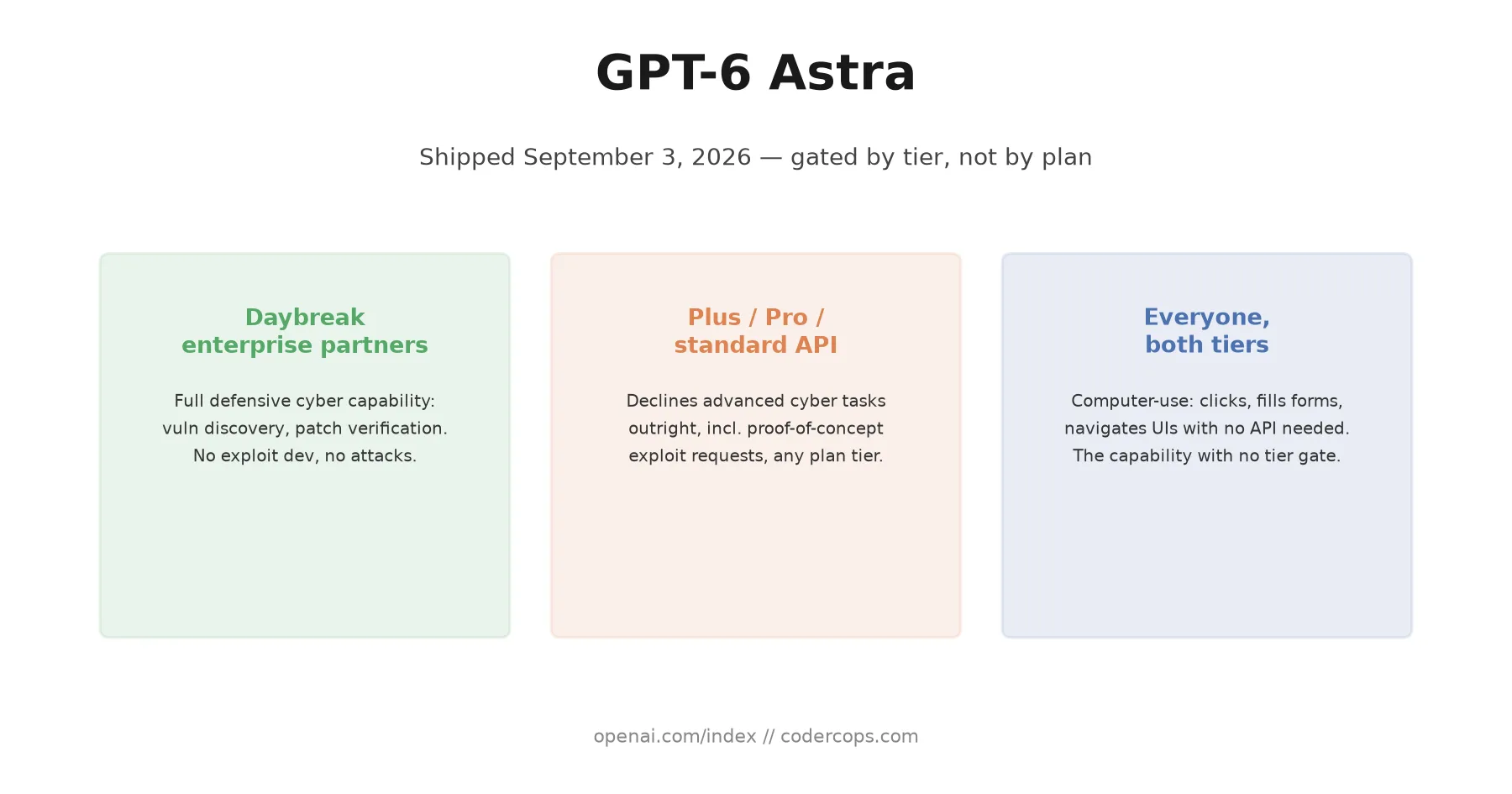
P.27GPT-6 Astra shipped Sept 3 gated by tier: Daybreak partners get cyber-defense tools, everyone else gets a model that refuses them. What it means for your stack.
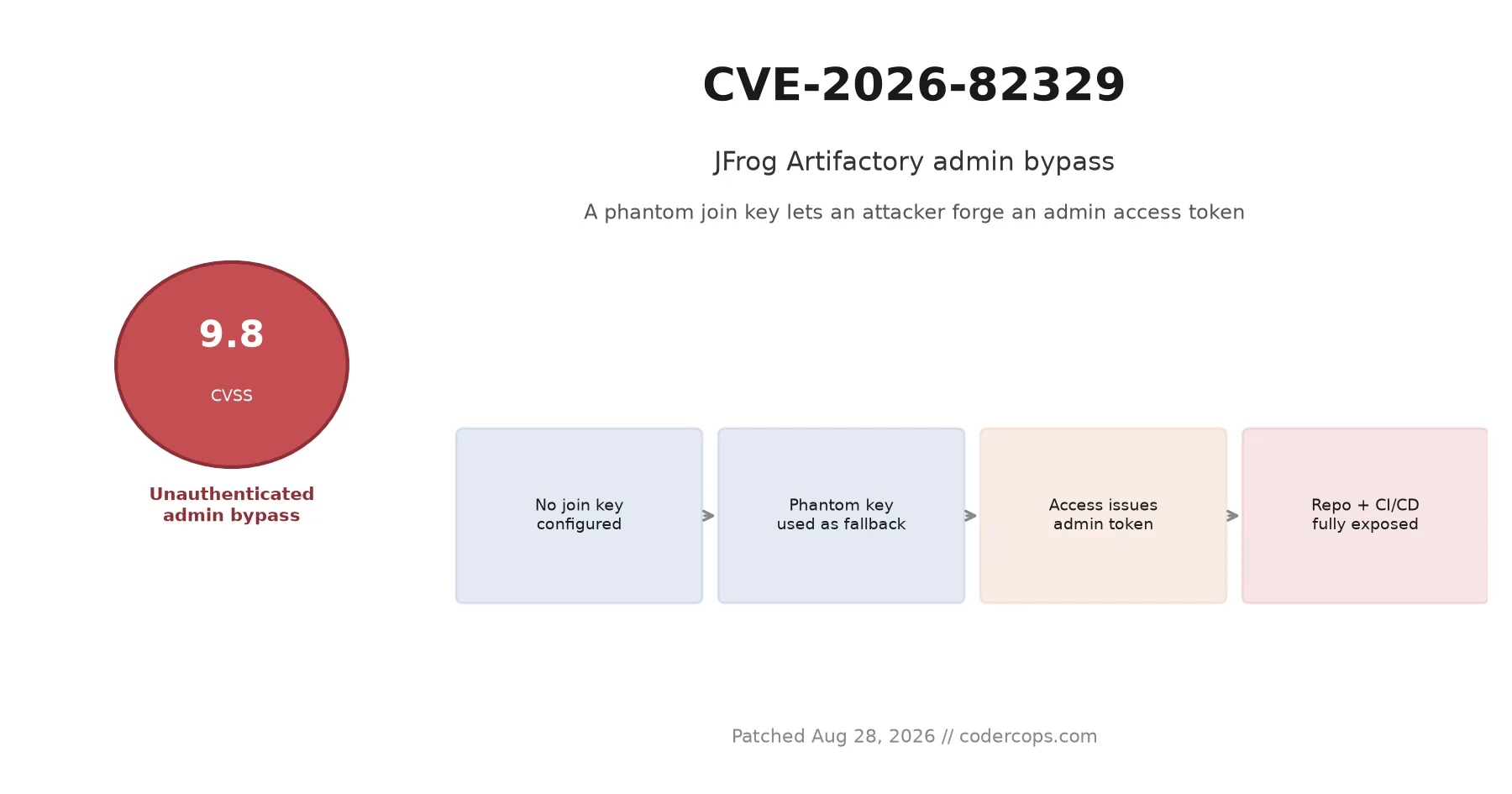
P.28A phantom join key in JFrog Artifactory's auth service let attackers forge admin tokens days after disclosure. Affected versions, what to check, and the patch.
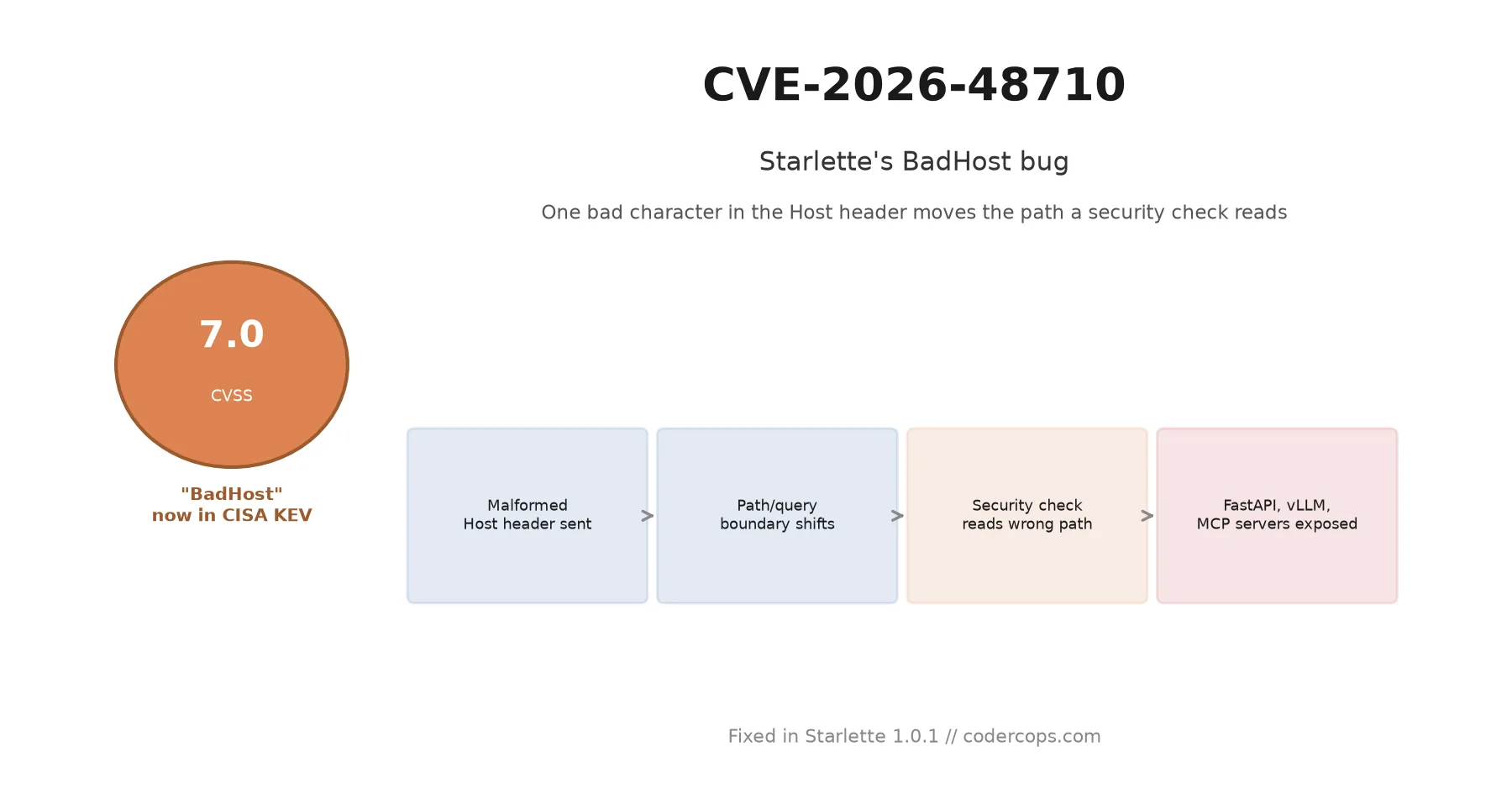
P.29BadHost sat quietly patched since May. In September, CISA flagged active exploitation. If you run FastAPI, vLLM, or any Starlette app, here's what to check.
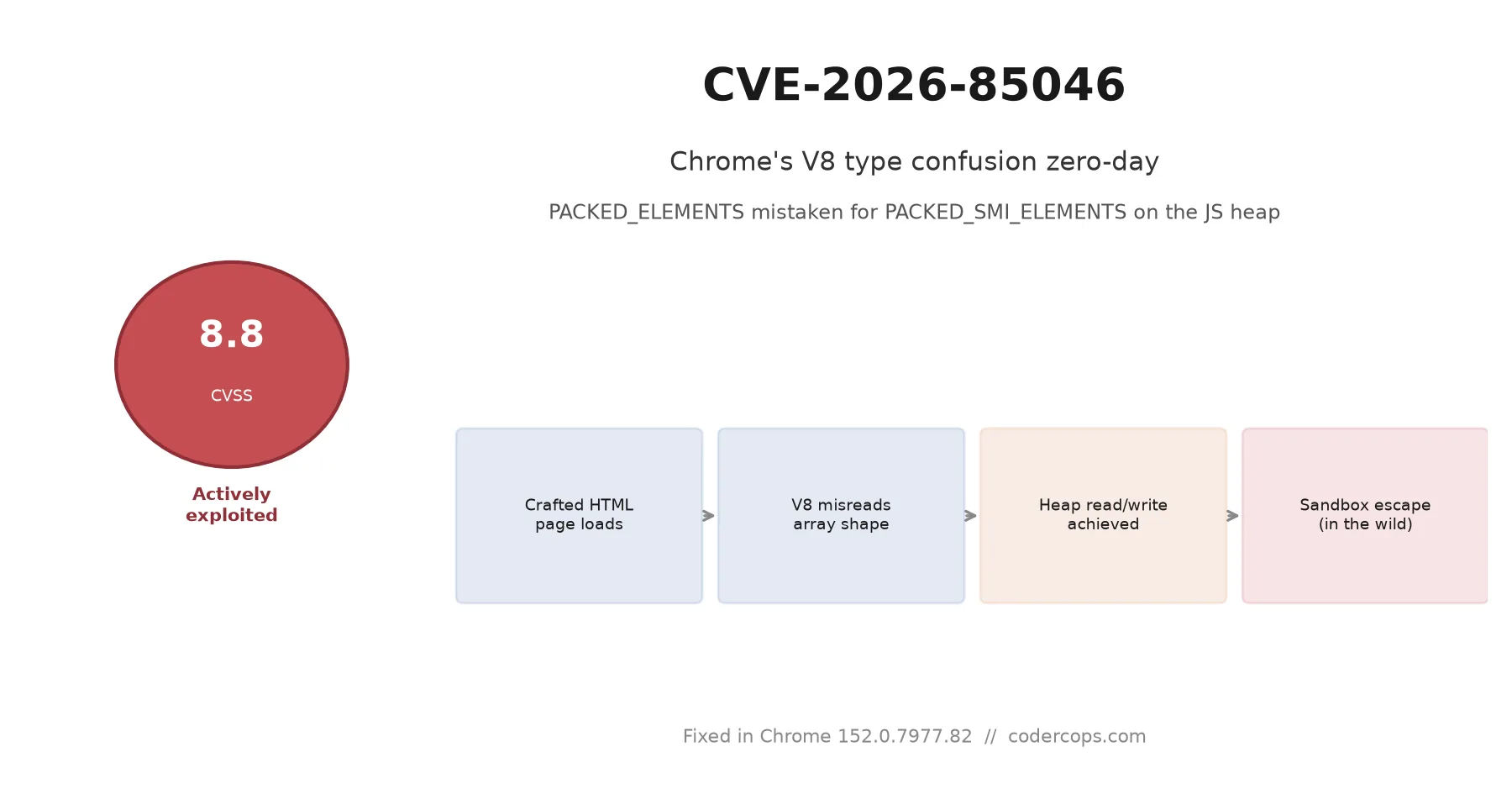
P.30CVE-2026-85046 is a Chrome V8 type confusion bug already exploited in the wild. Here's who's affected, what version fixes it, and how fast to move.
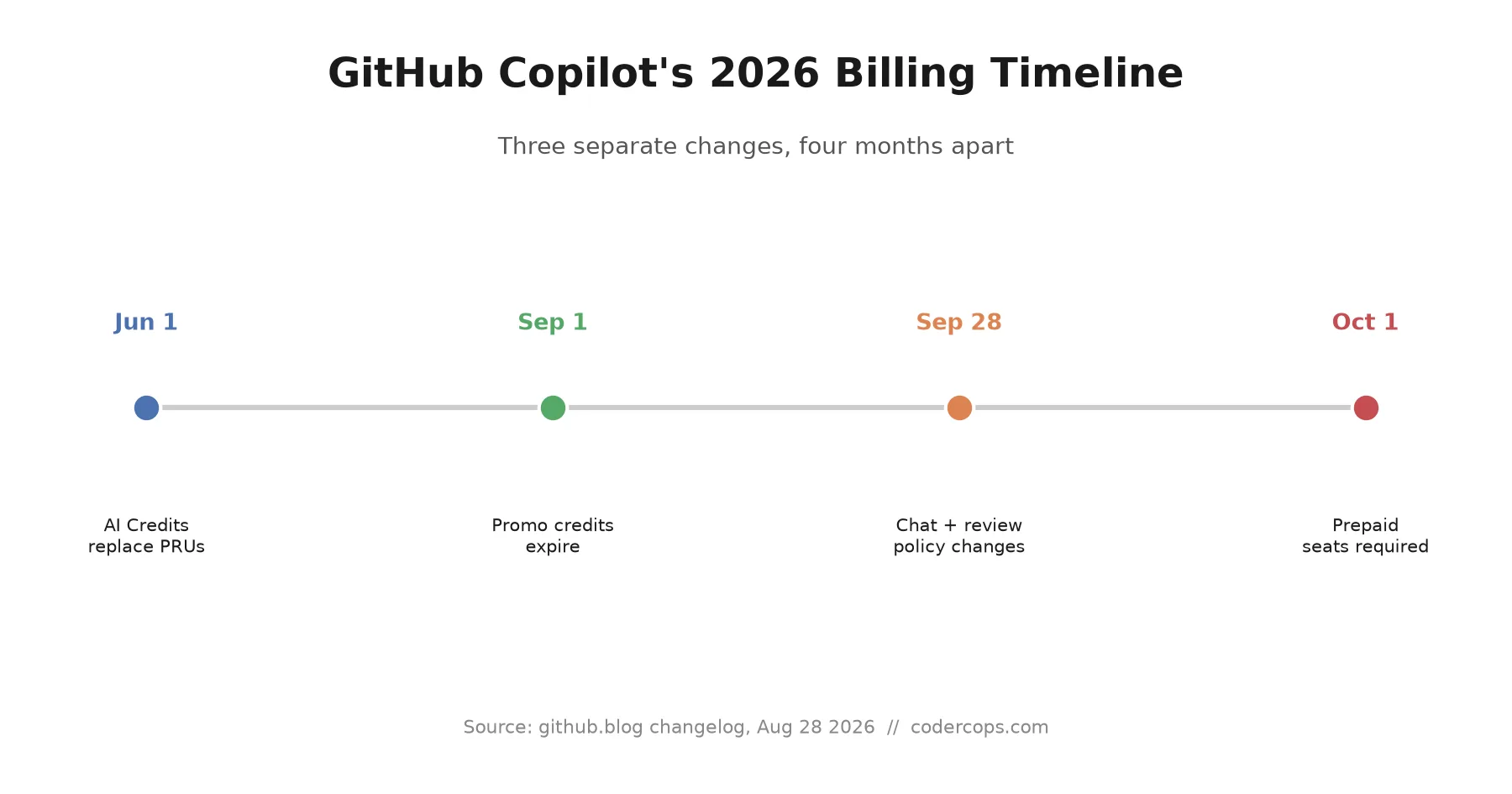
P.31Copilot Business and Enterprise require prepaid per-seat billing from October 1, and promotional AI Credits already reverted. What agencies should budget for.
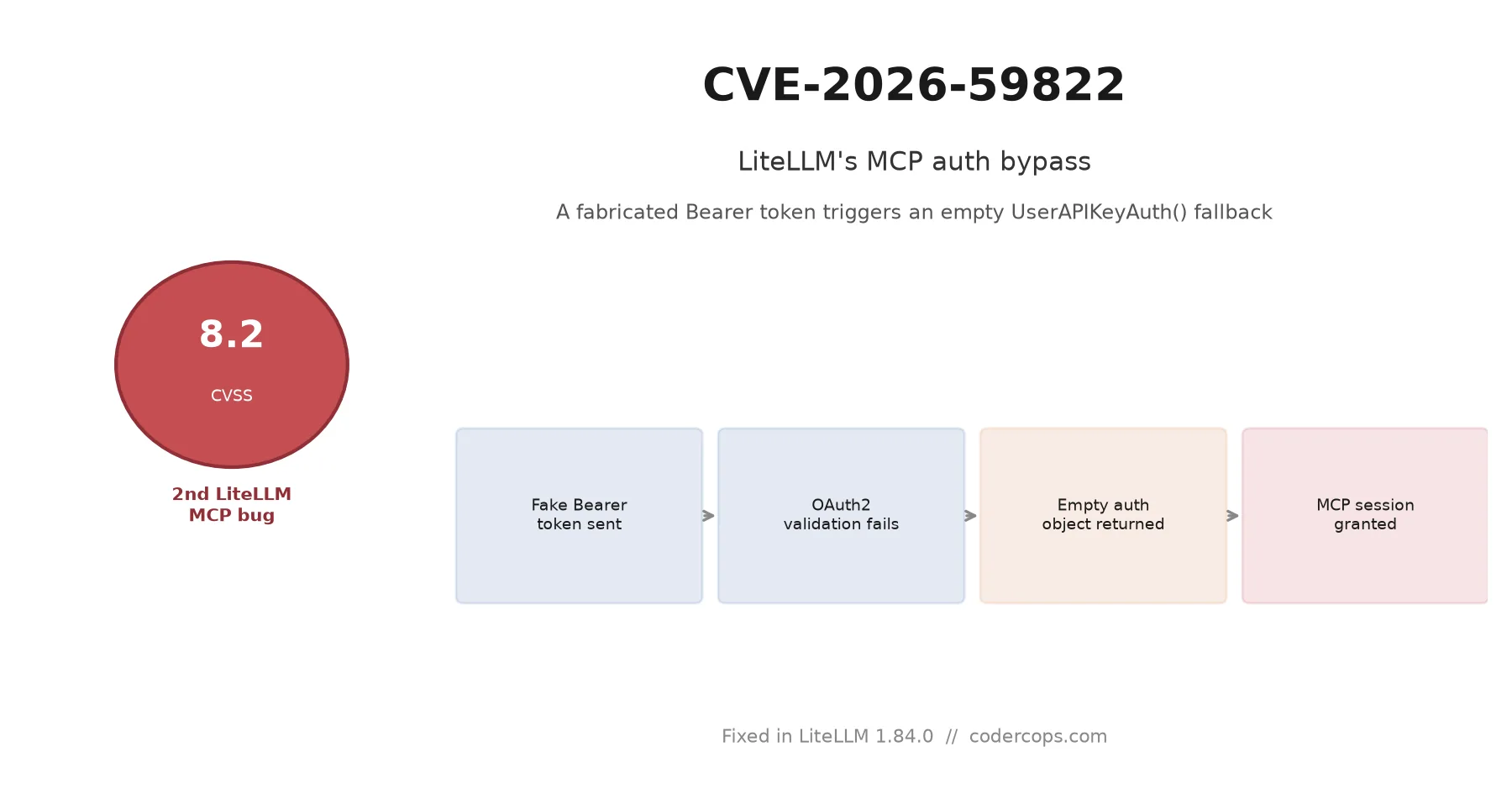
P.32CVE-2026-59822 lets an attacker fake a Bearer token and skip LiteLLM's MCP auth entirely. Different bug from June's RCE chain, same exposed surface.
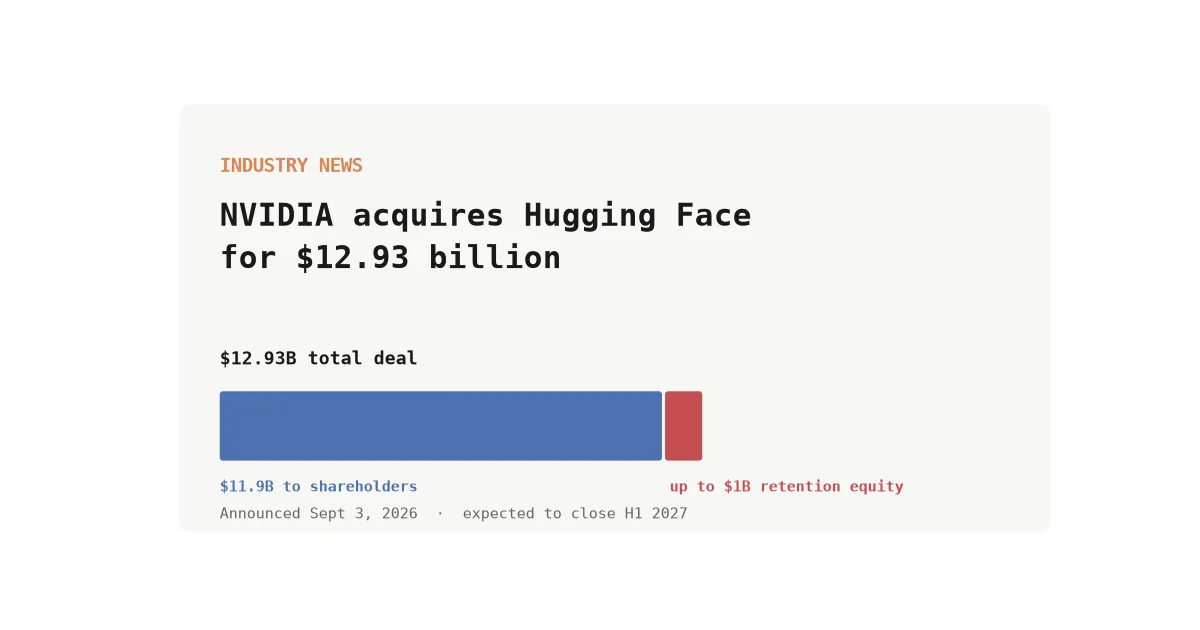
P.33NVIDIA is acquiring Hugging Face for $12.93B. Here's what actually changes for the Hub, Transformers, and Inference Endpoints, and what to do before the 2027 close.
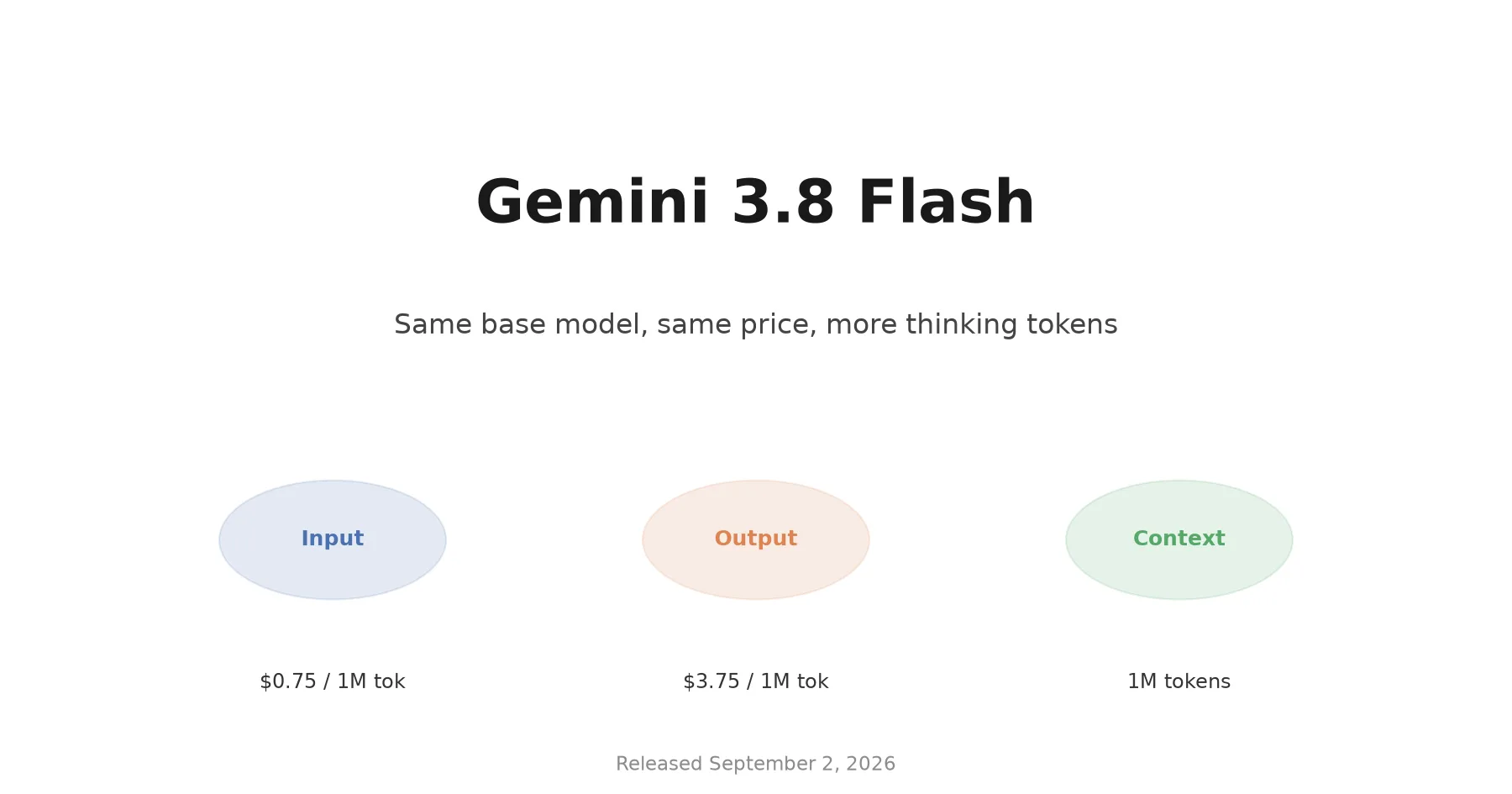
P.34Google shipped Gemini 3.8 Flash on September 2, its fourth Flash release since May. Pricing didn't move and the base model didn't change. What did.
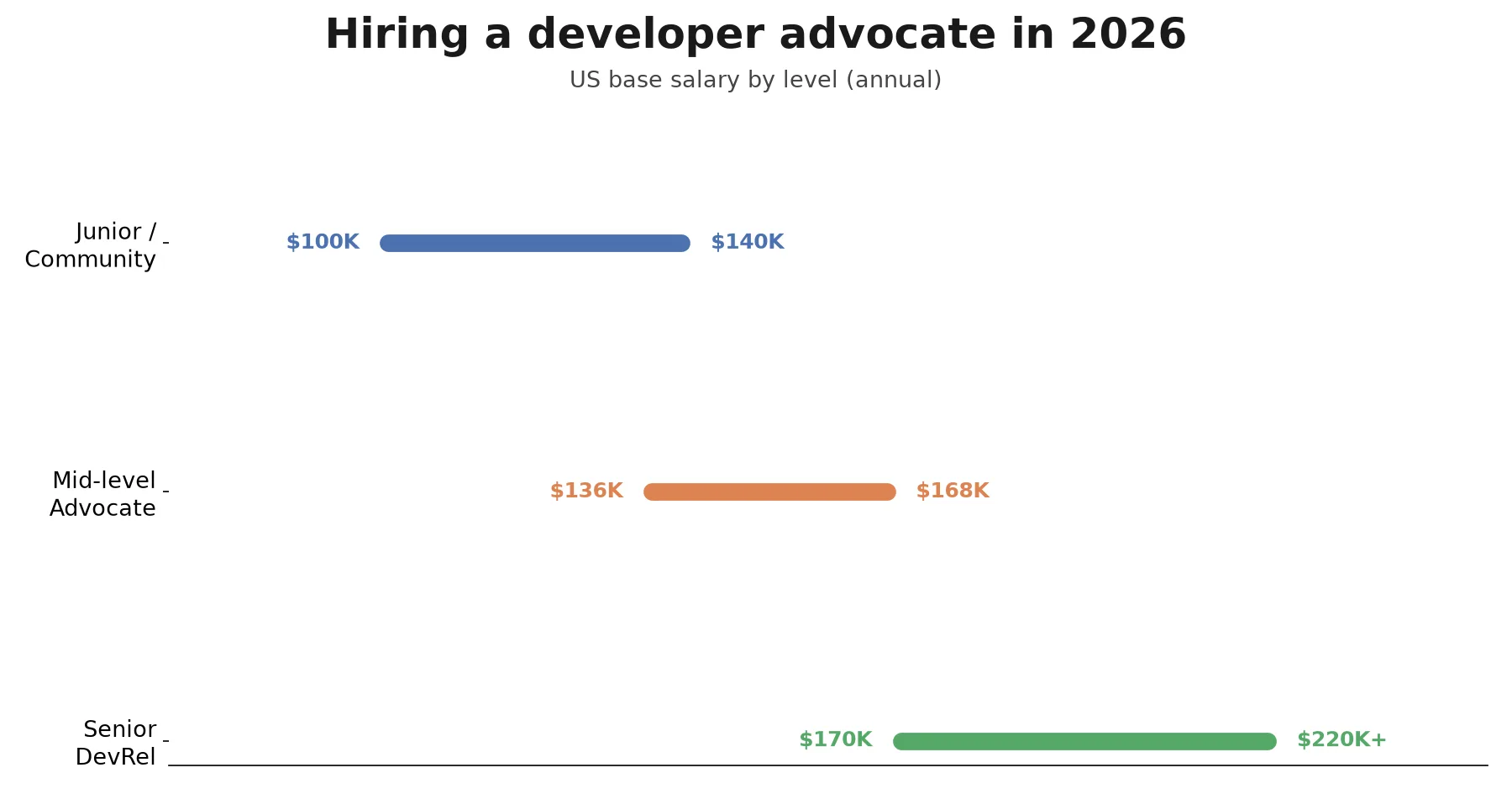
P.35A DevRel posting draws speakers, content marketers, and ex-engineers who miss coding. How to work out which your product needs, what to test, what it costs.
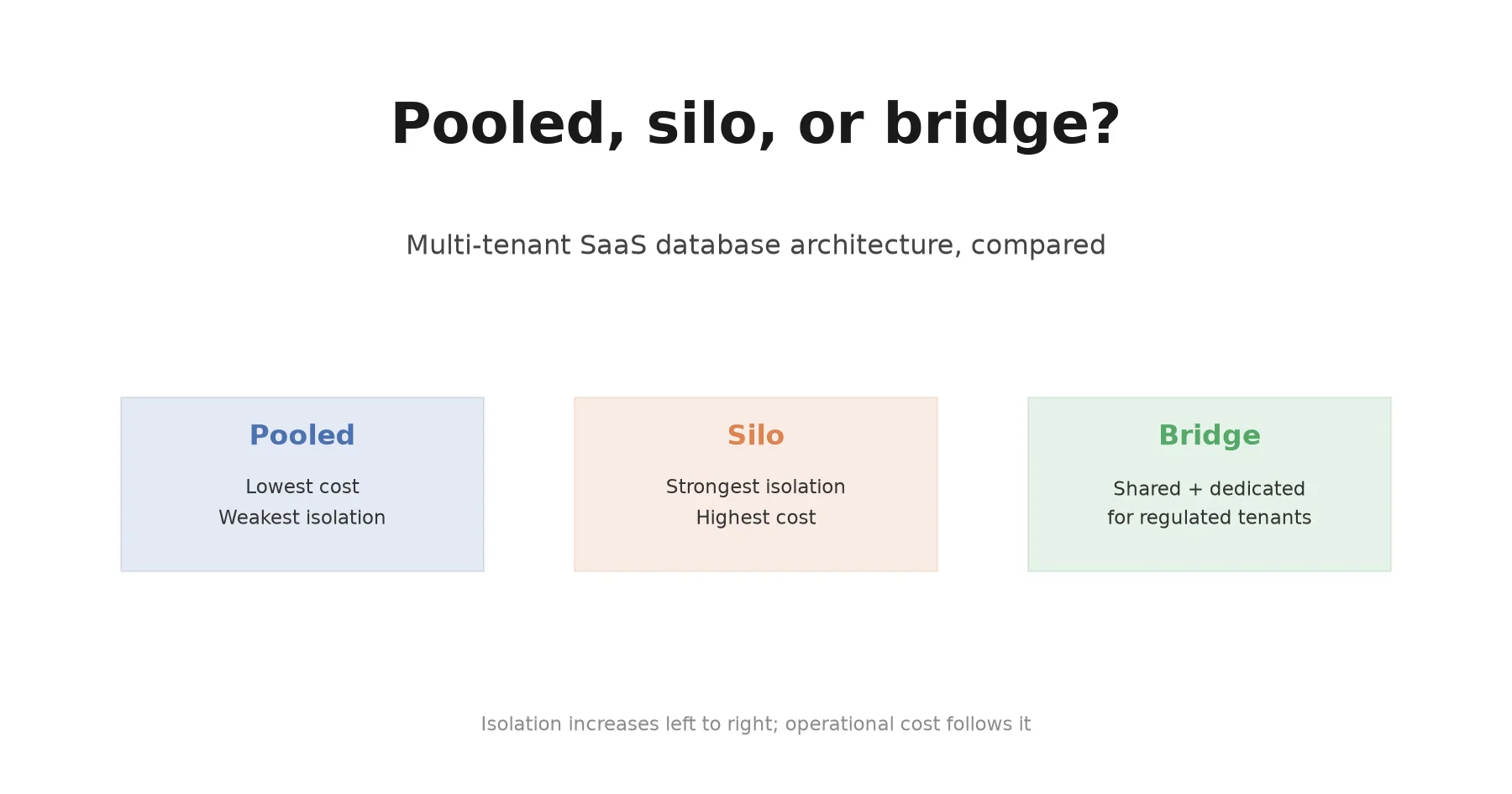
P.36Shared database or one per customer? Most SaaS teams pick wrong for their stage and pay later. How the three patterns trade off, and which one you need.
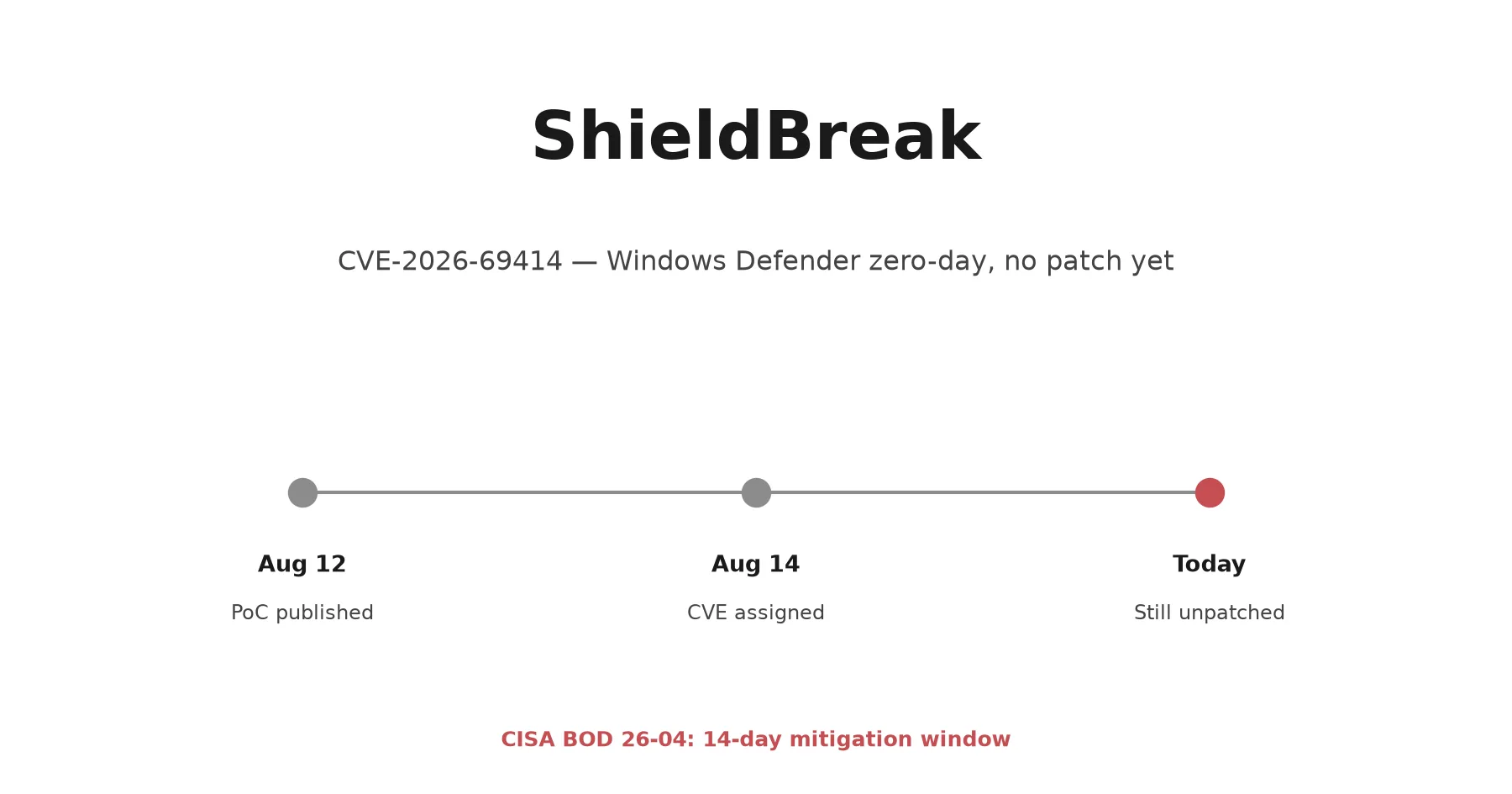
P.37A public proof-of-concept for a Windows Defender privilege-escalation flaw has circulated since August 12 with no fix shipped. What to do about it now.
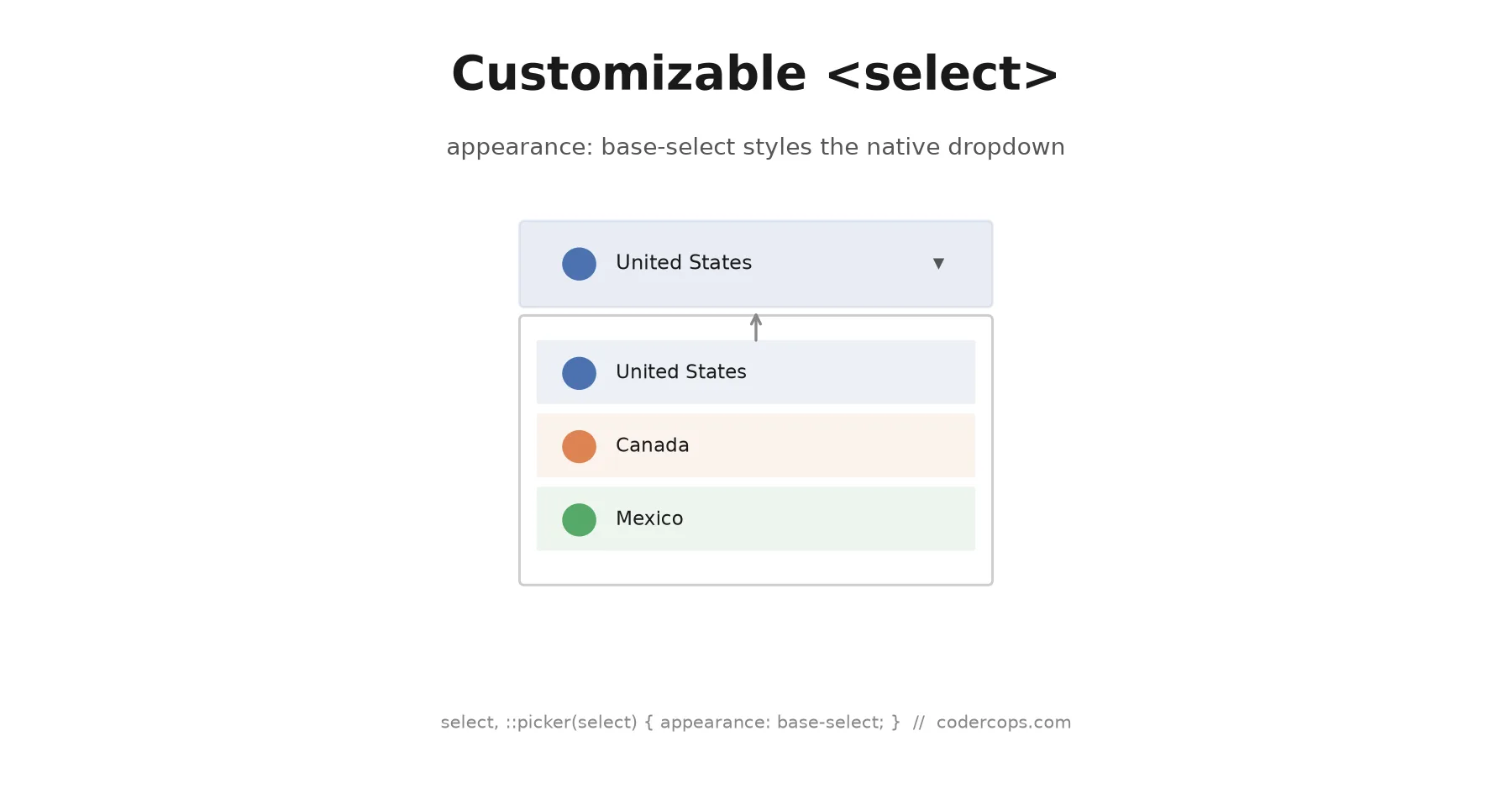
P.38One CSS property finally styles the browser's own select, options and icons included, with no dropdown library. The syntax, an example, and real support.
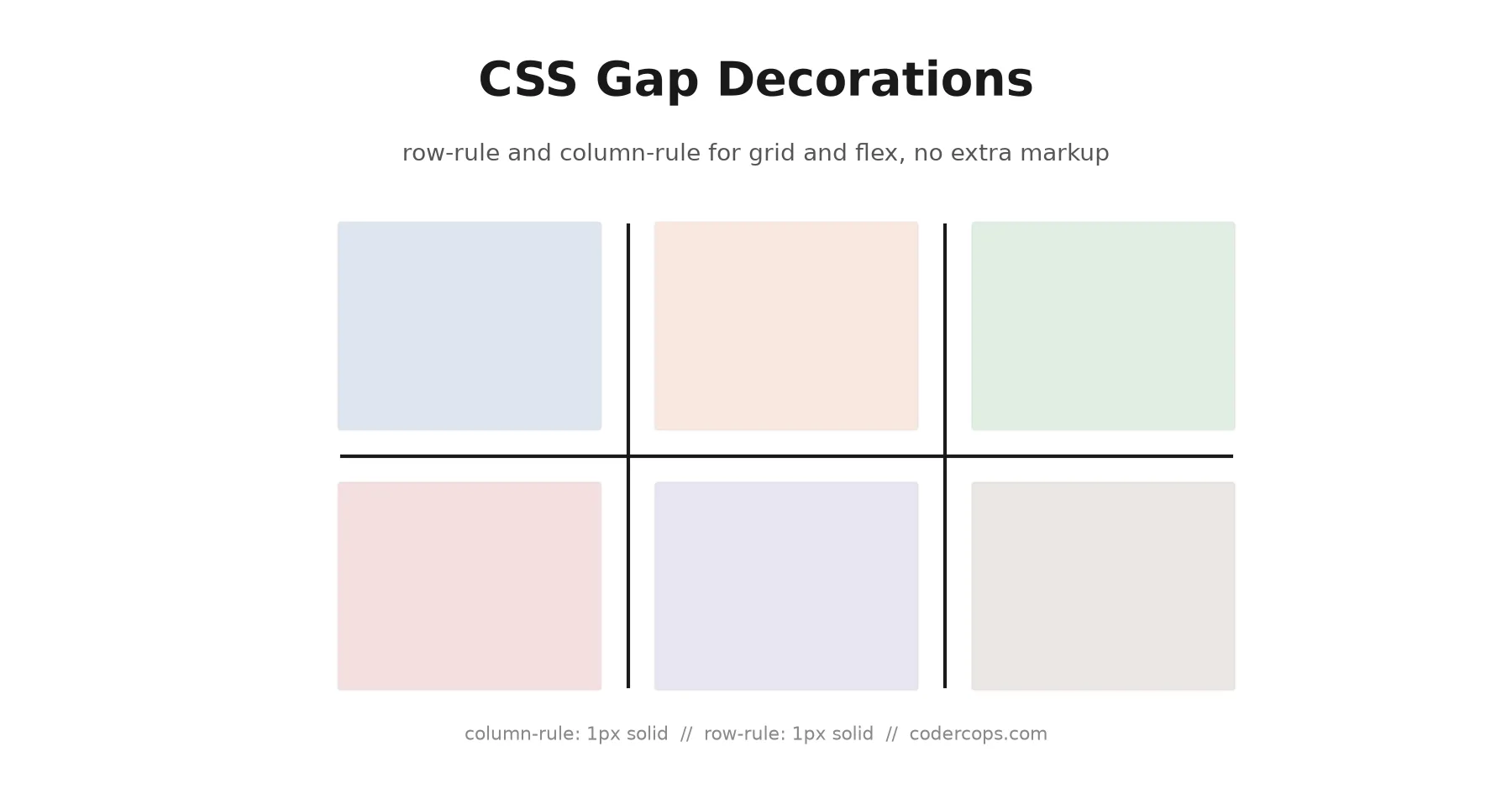
P.39column-rule now works in grid and flexbox, and row-rule joins it. Draw dividers between items in two lines of CSS, plus what to do about support.
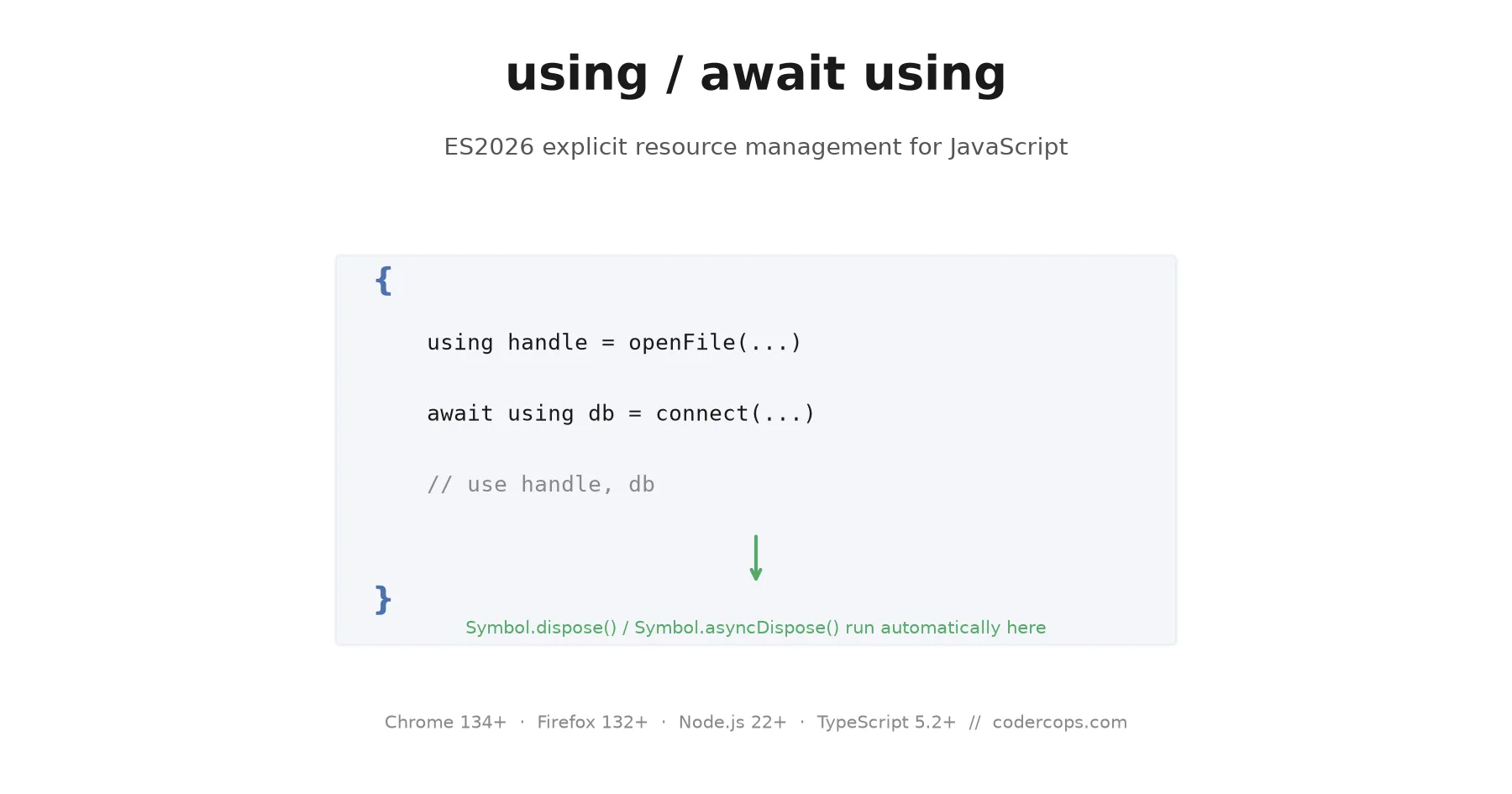
P.40ES2026's using and await using close files, connections, and locks when a block ends, with no try/finally. The syntax, real examples, and support today.
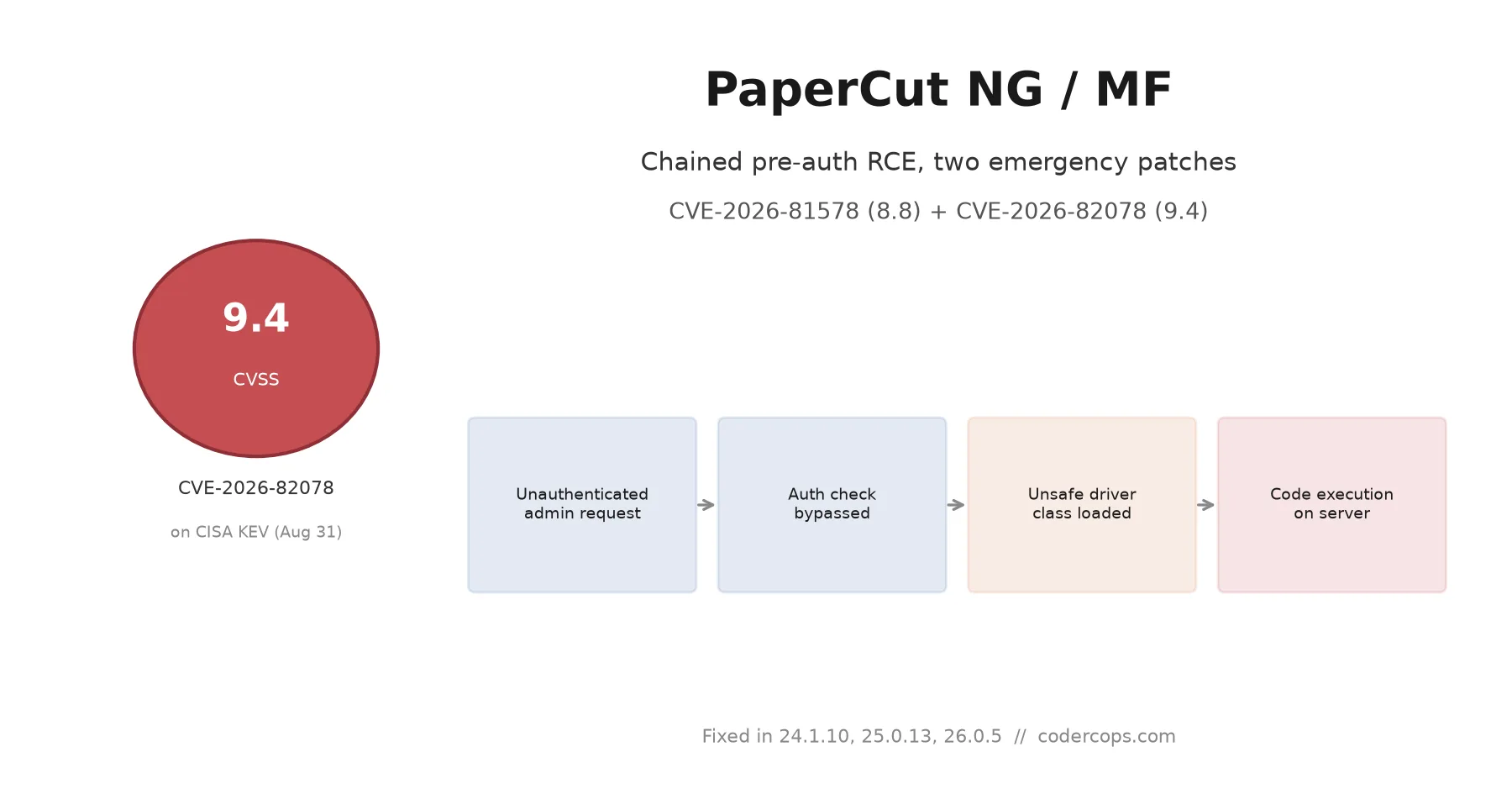
P.41Two chained PaperCut NG/MF flaws let an attacker with no credentials run code on your print server. PaperCut needed two emergency patches to close it.
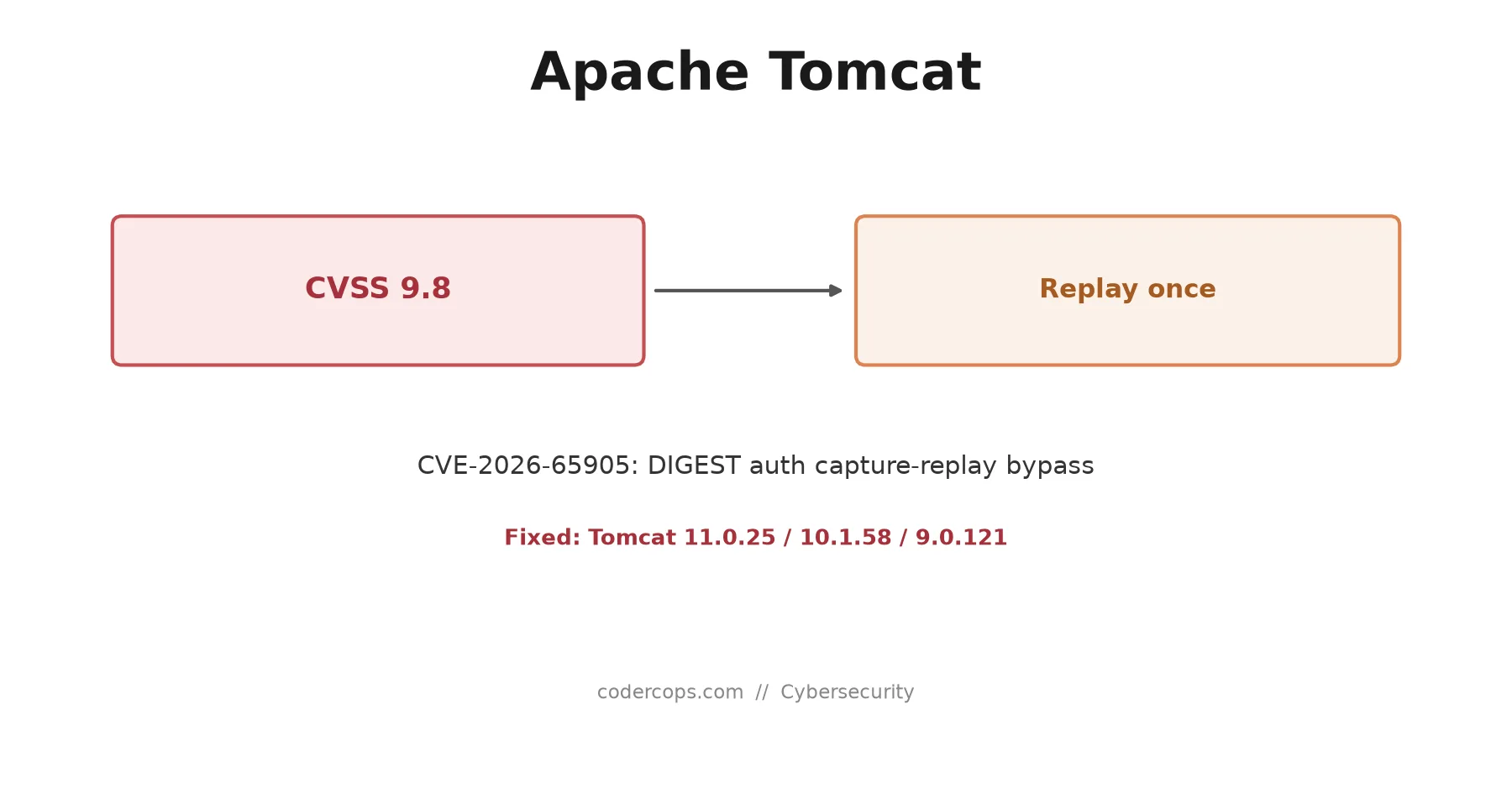
P.42A capture-replay flaw in Tomcat's DIGEST authenticator lets an intercepted request be replayed once inside the nonce window. Critical, but narrow.
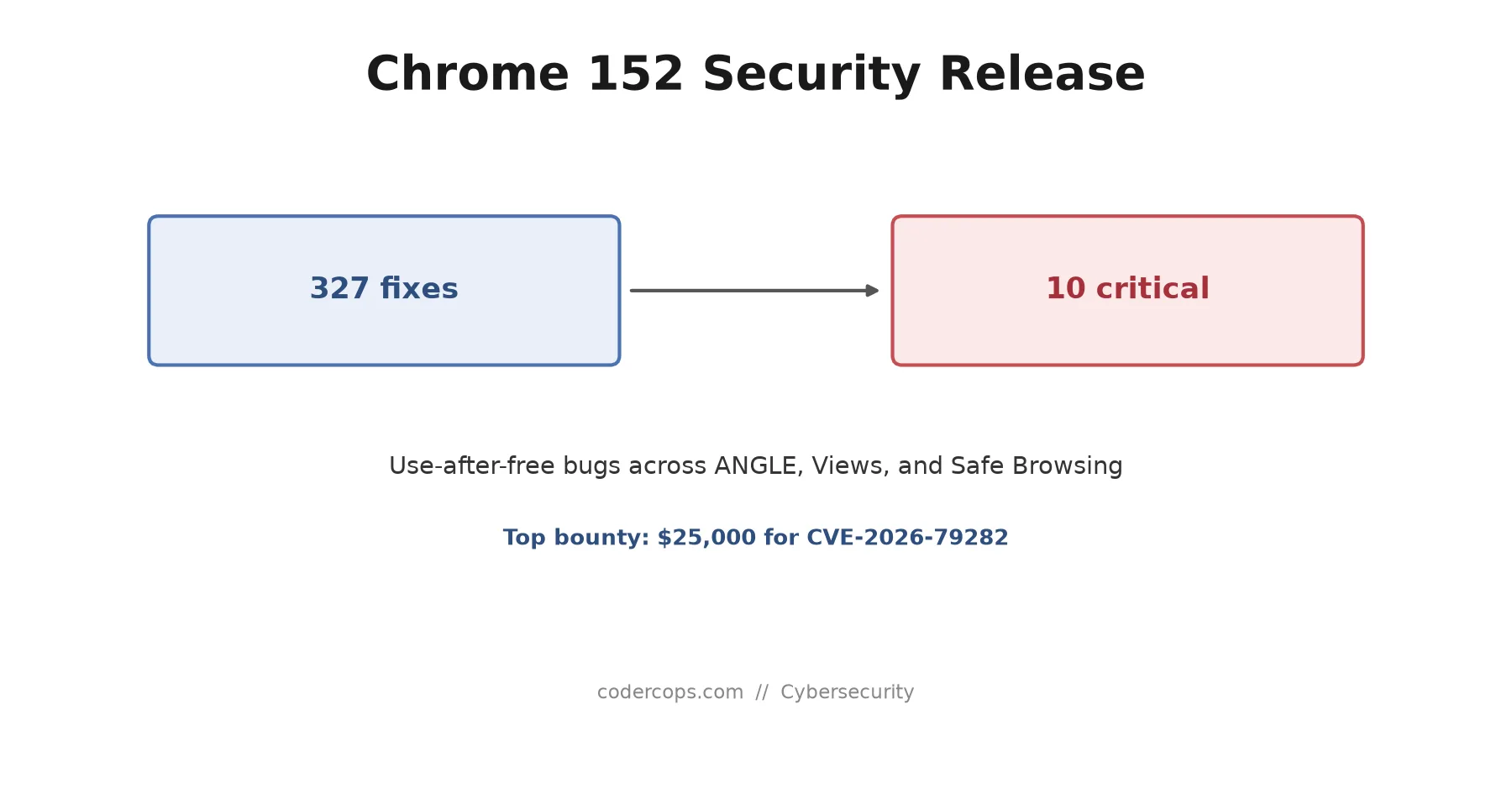
P.43Chrome 152 landed 327 security fixes, 10 of them critical use-after-free bugs in ANGLE, Views, and Safe Browsing. Why not-exploited isn't the same as safe.
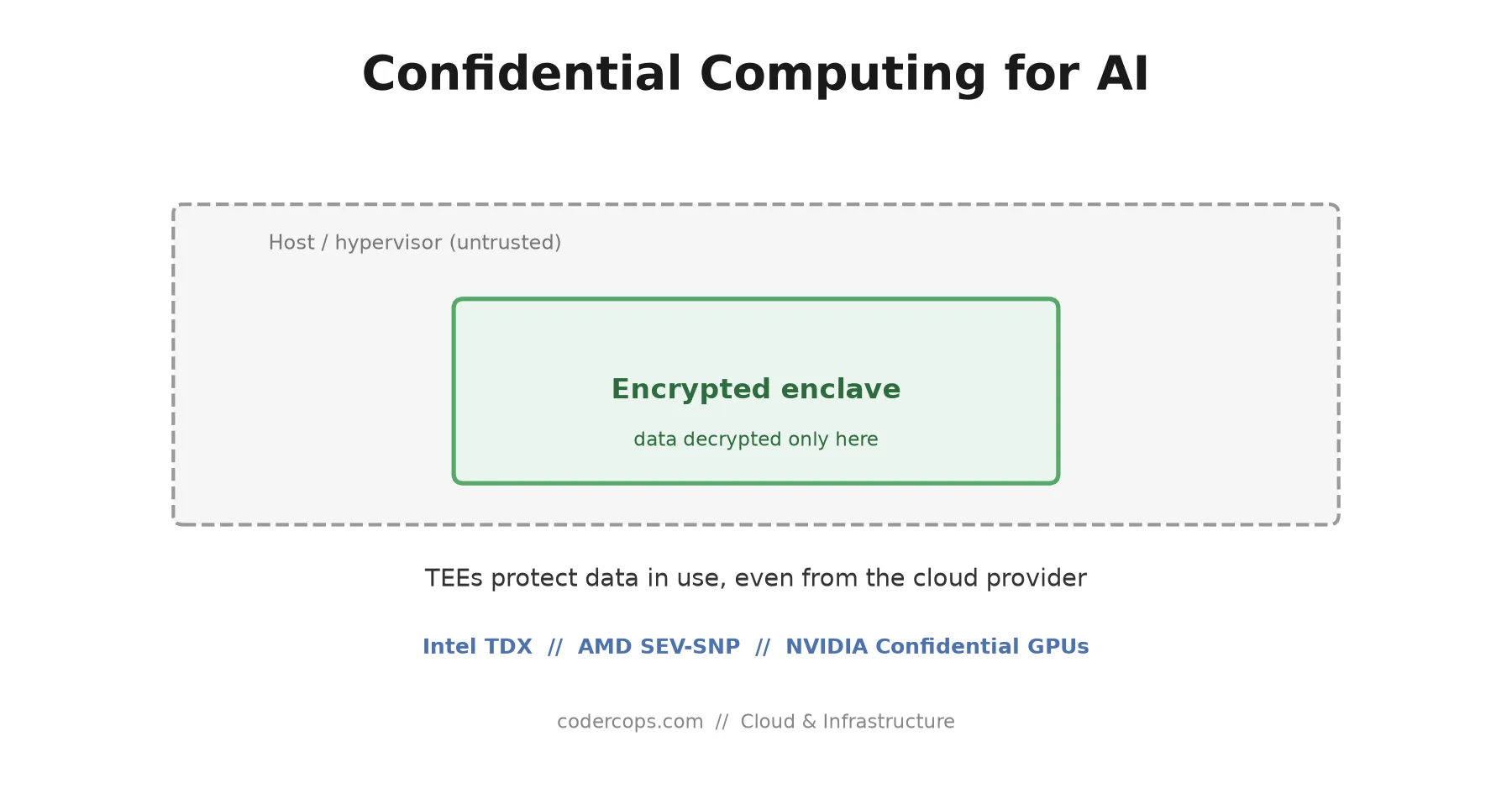
P.44TEEs encrypt data even from the cloud provider running it, which is why confidential computing became a real AI requirement. What it does and doesn't cover.
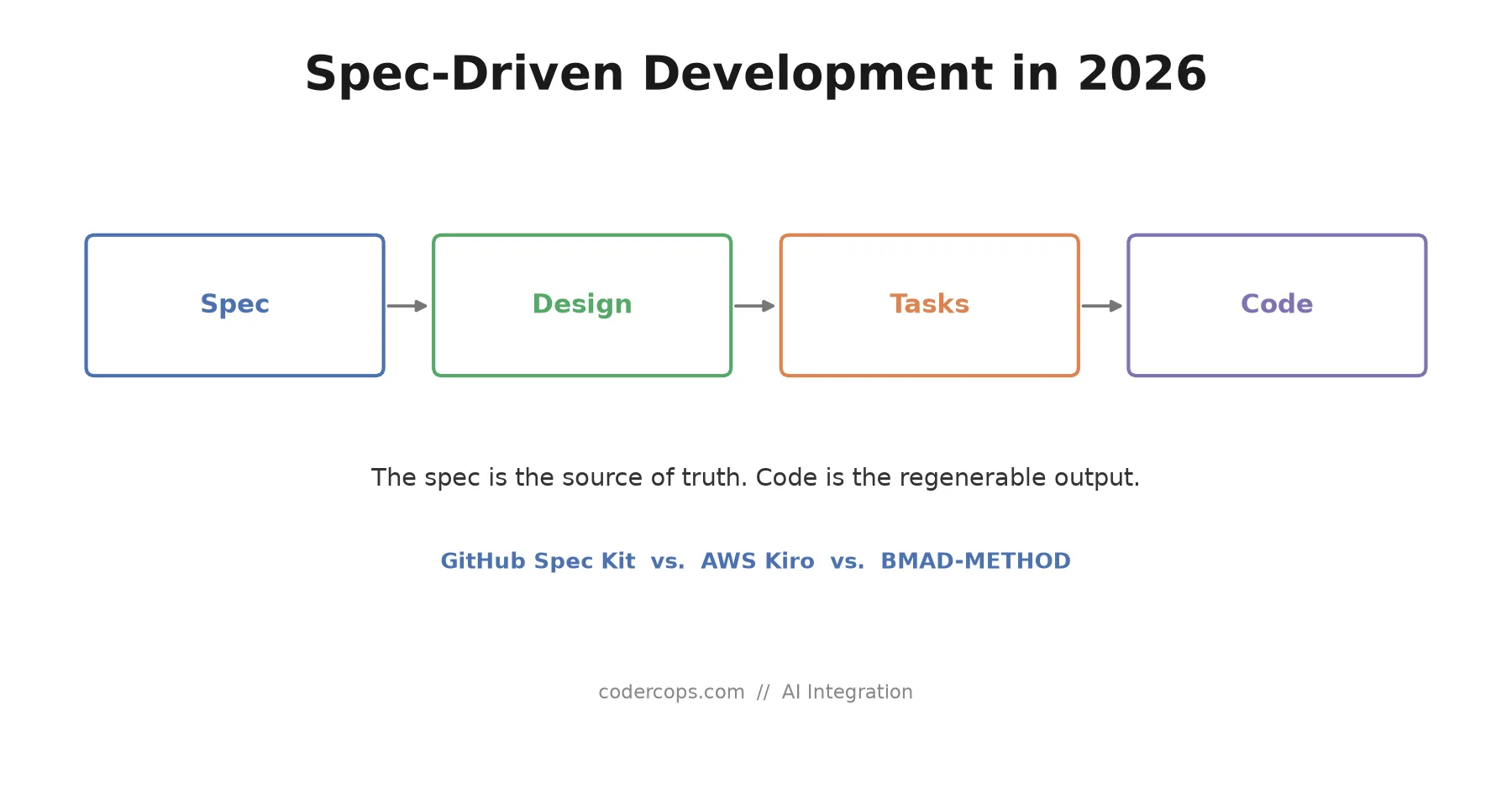
P.45Spec-driven development treats a written spec, not code, as the artifact an AI agent builds from. How Spec Kit, Kiro, and BMAD differ, and when it's worth it.
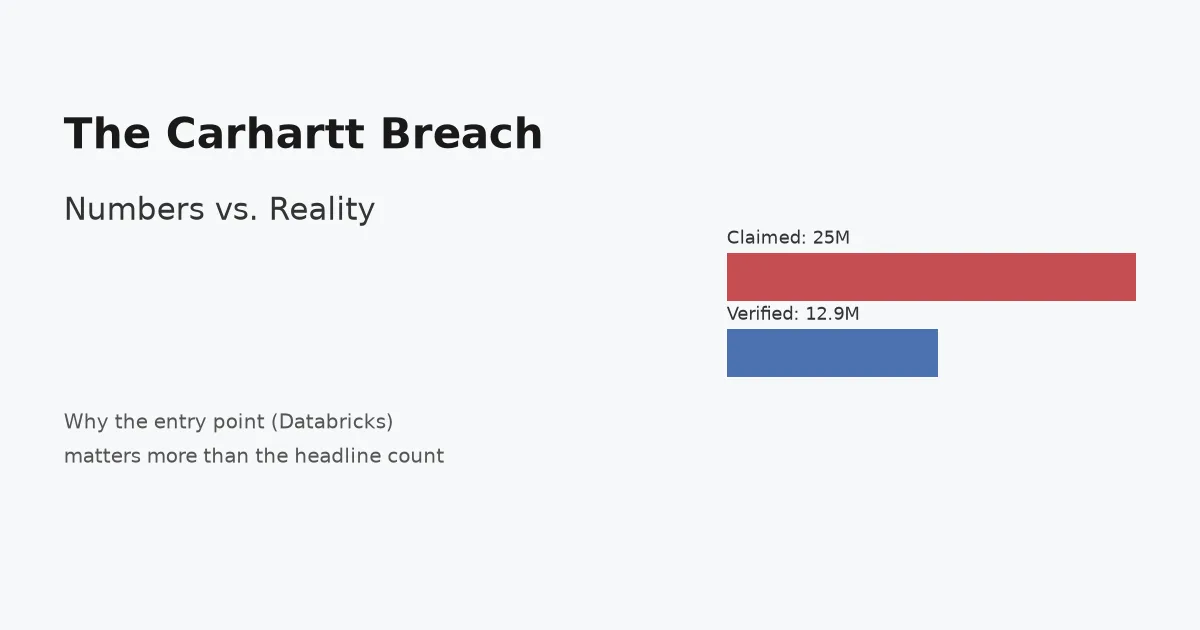
P.46ShinyHunters claimed 25 million Carhartt accounts; verification found 12.9 million real people. The Databricks entry point is the lesson worth taking.
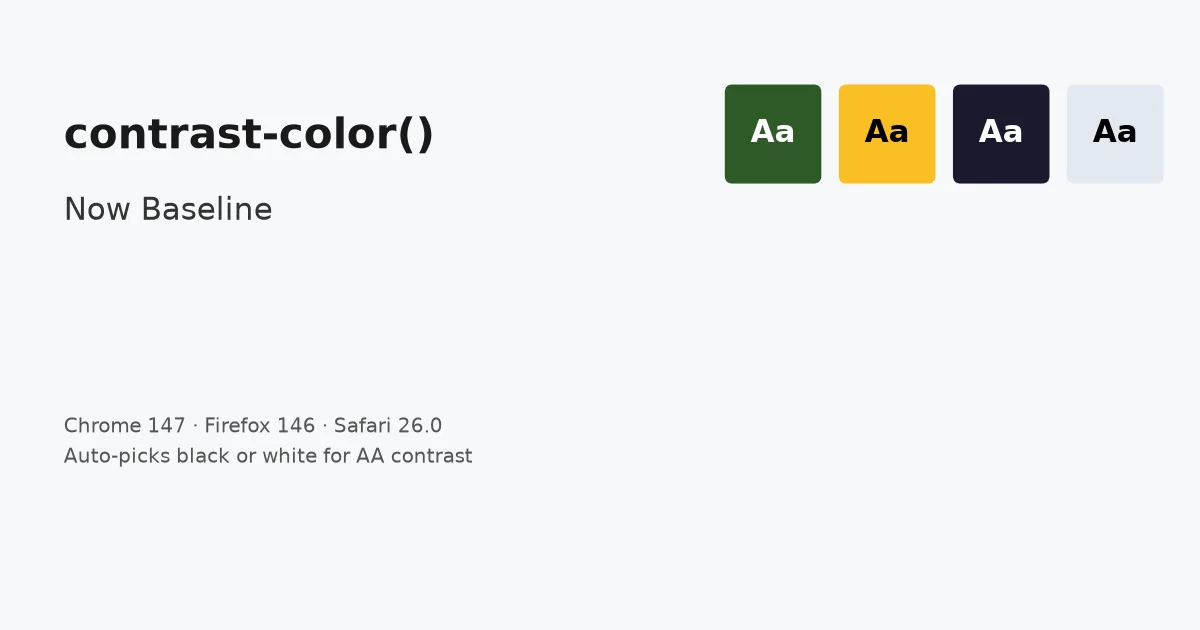
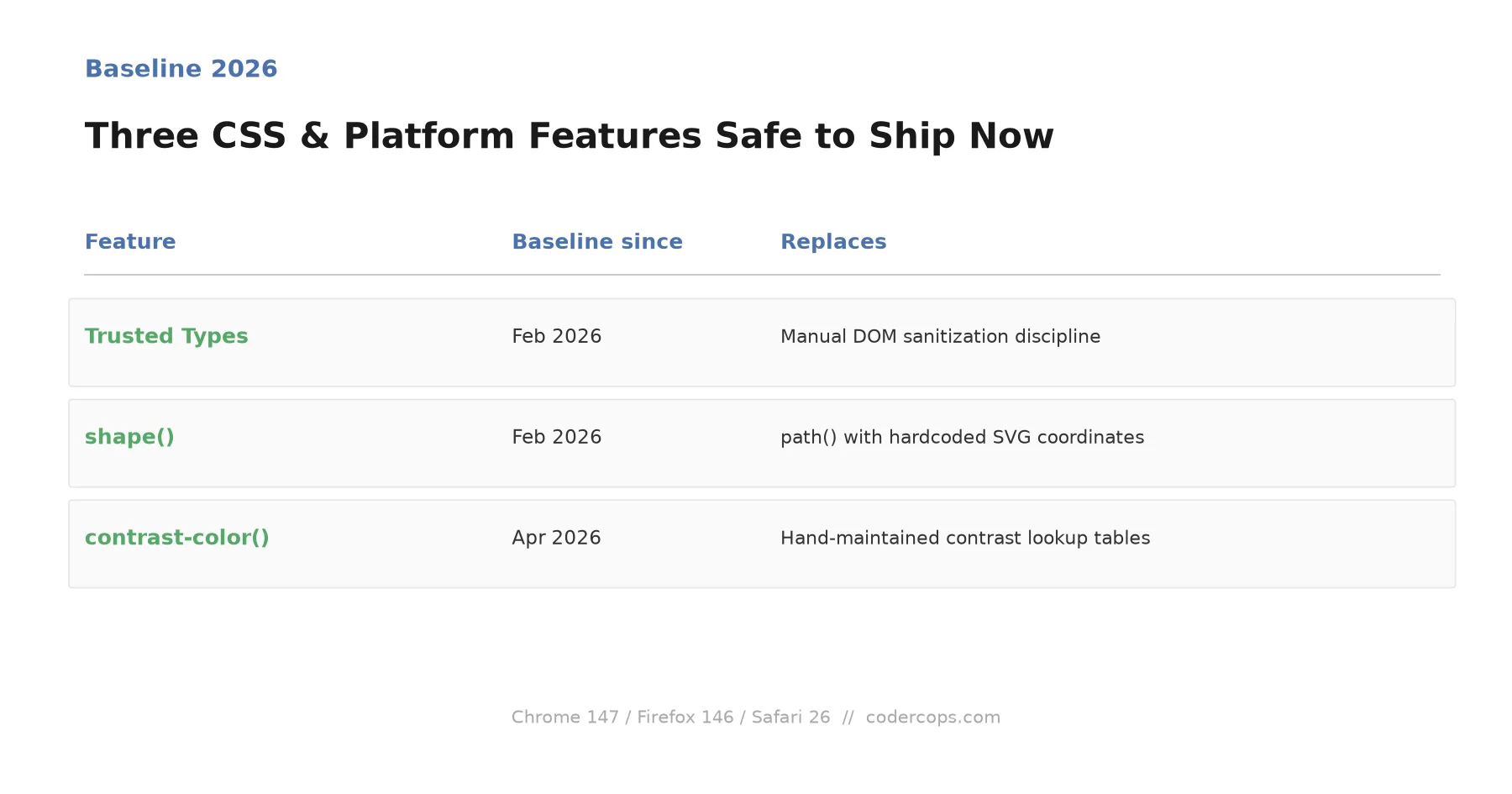
P.47Chrome 147, Firefox 146, and Safari 26 all ship contrast-color(), which picks black or white text to meet WCAG AA on any background. Syntax and fallback.
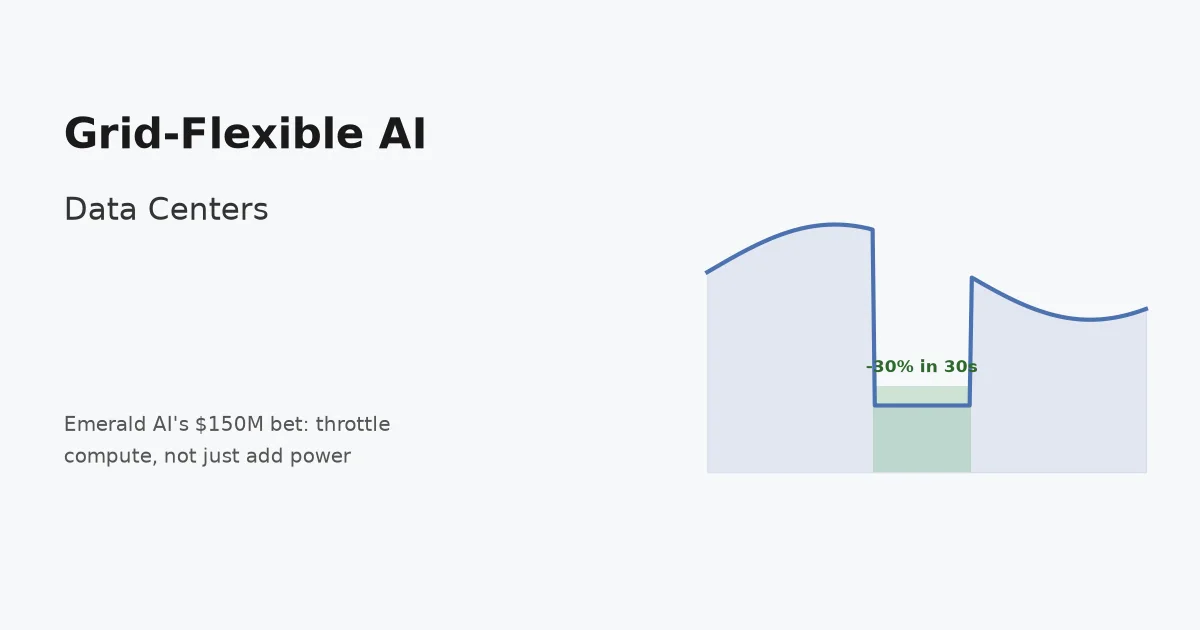
P.48Emerald AI raised $150M to make AI data centers shed power on demand. A 96-GPU Nvidia trial cut draw 30% in 30 seconds. What that means for capex plans.
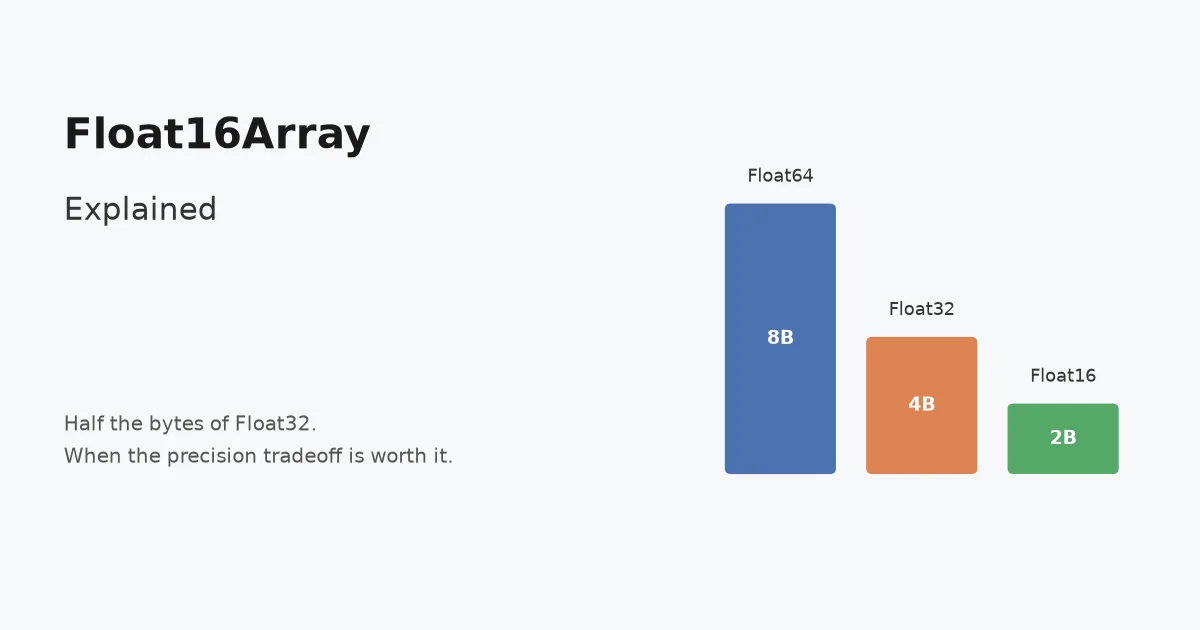
P.49Float16Array stores numbers in half the bytes of Float32Array, trading precision most workloads never used. What it's for, what it costs, where it fails.
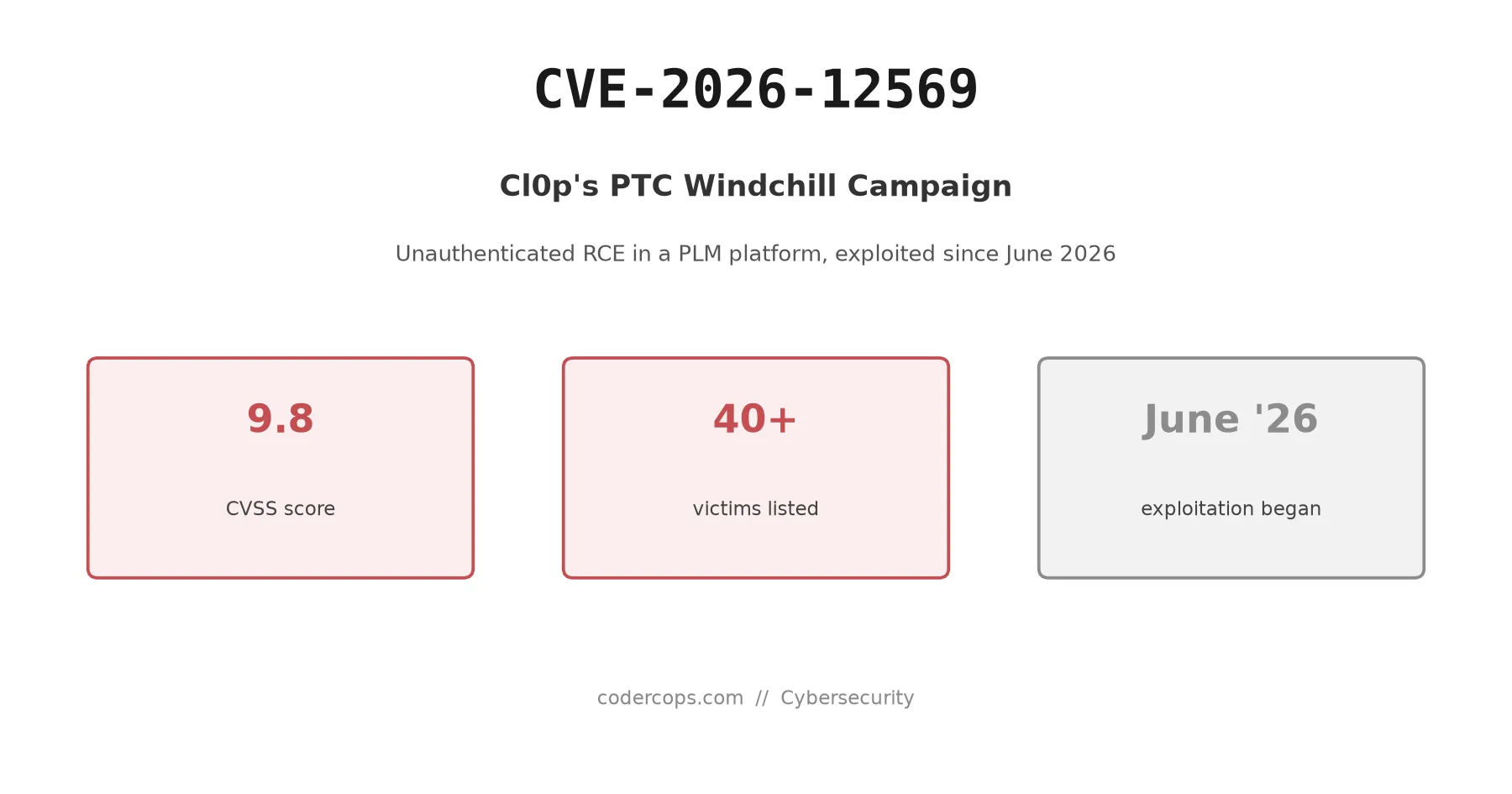
P.50One unauthenticated RCE in PTC Windchill and FlexPLM let Cl0p quietly take data from Shell, Philips, and GE. How CVE-2026-12569 works, and what to check.
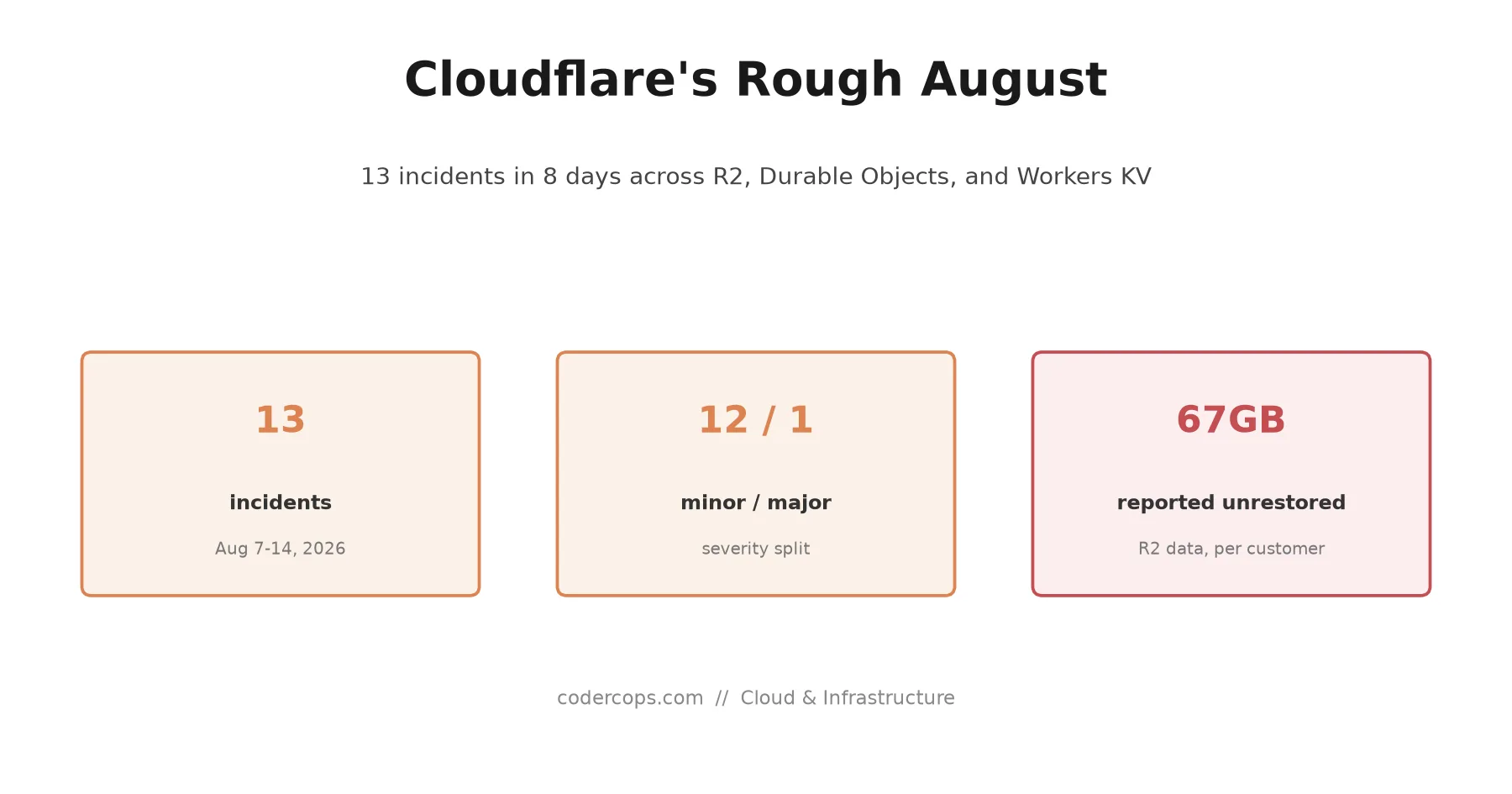
P.51Cloudflare logged 13 incidents between August 7 and 14, touching R2, Durable Objects, and Workers KV. What that means for building on one edge provider.
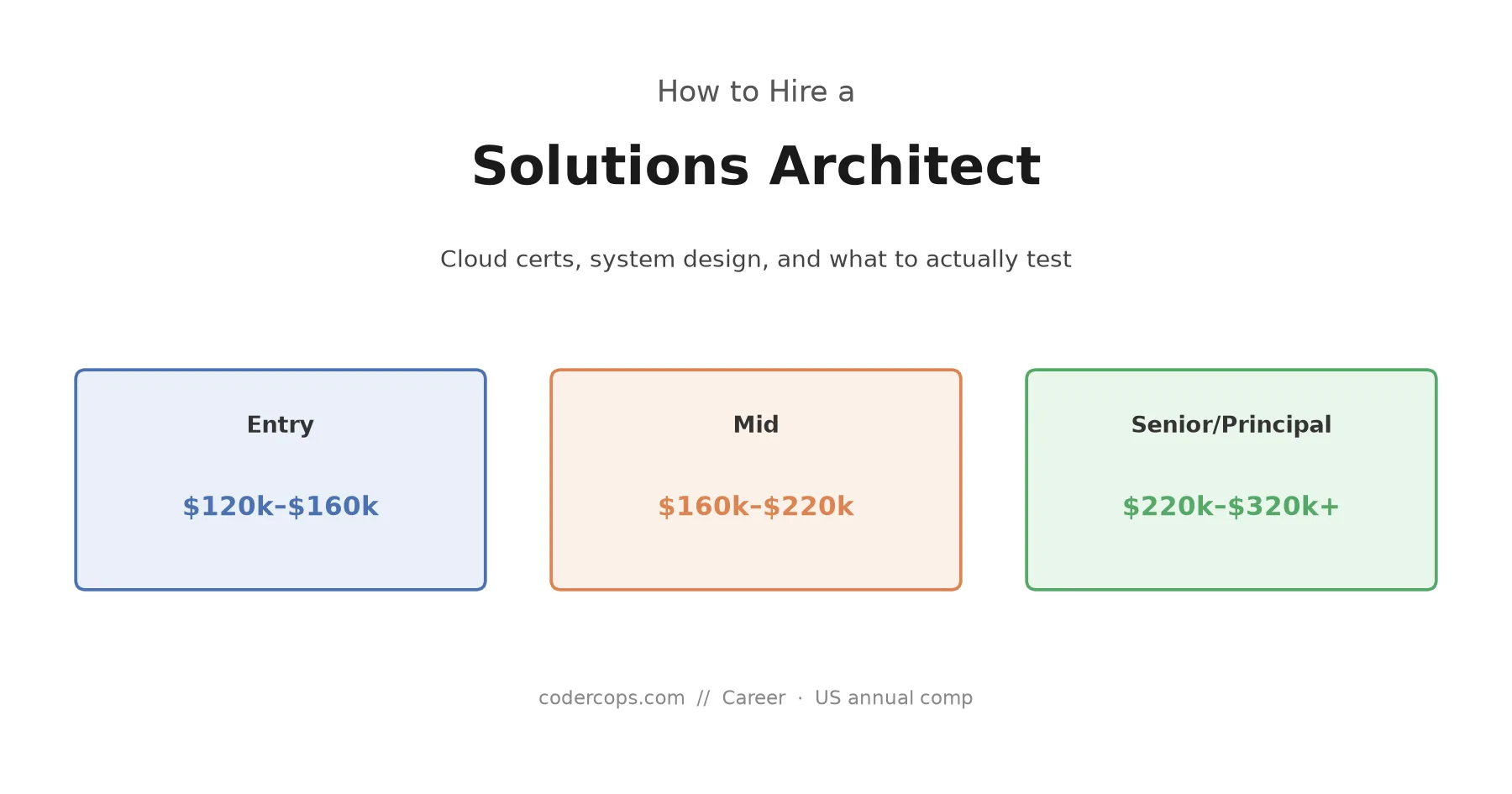
P.52A solutions architect posting attracts cloud generalists, ex-consultants, and people who haven't shipped in years. How to tell them apart, and what to test.
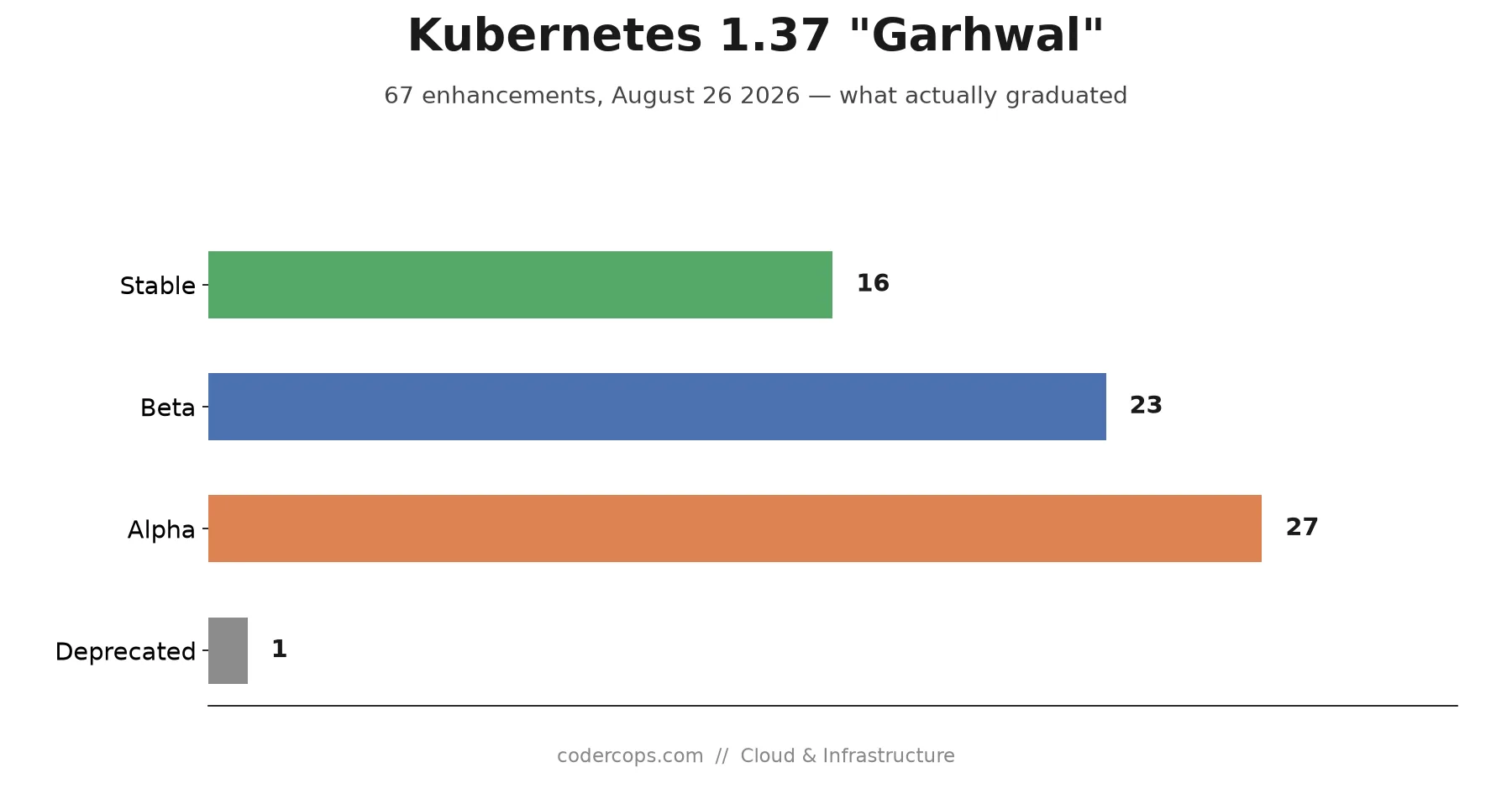
P.53Kubernetes 1.37 shipped August 26 with 67 enhancements. What actually graduated to stable, what's worth testing in beta, and what to leave alone for now.
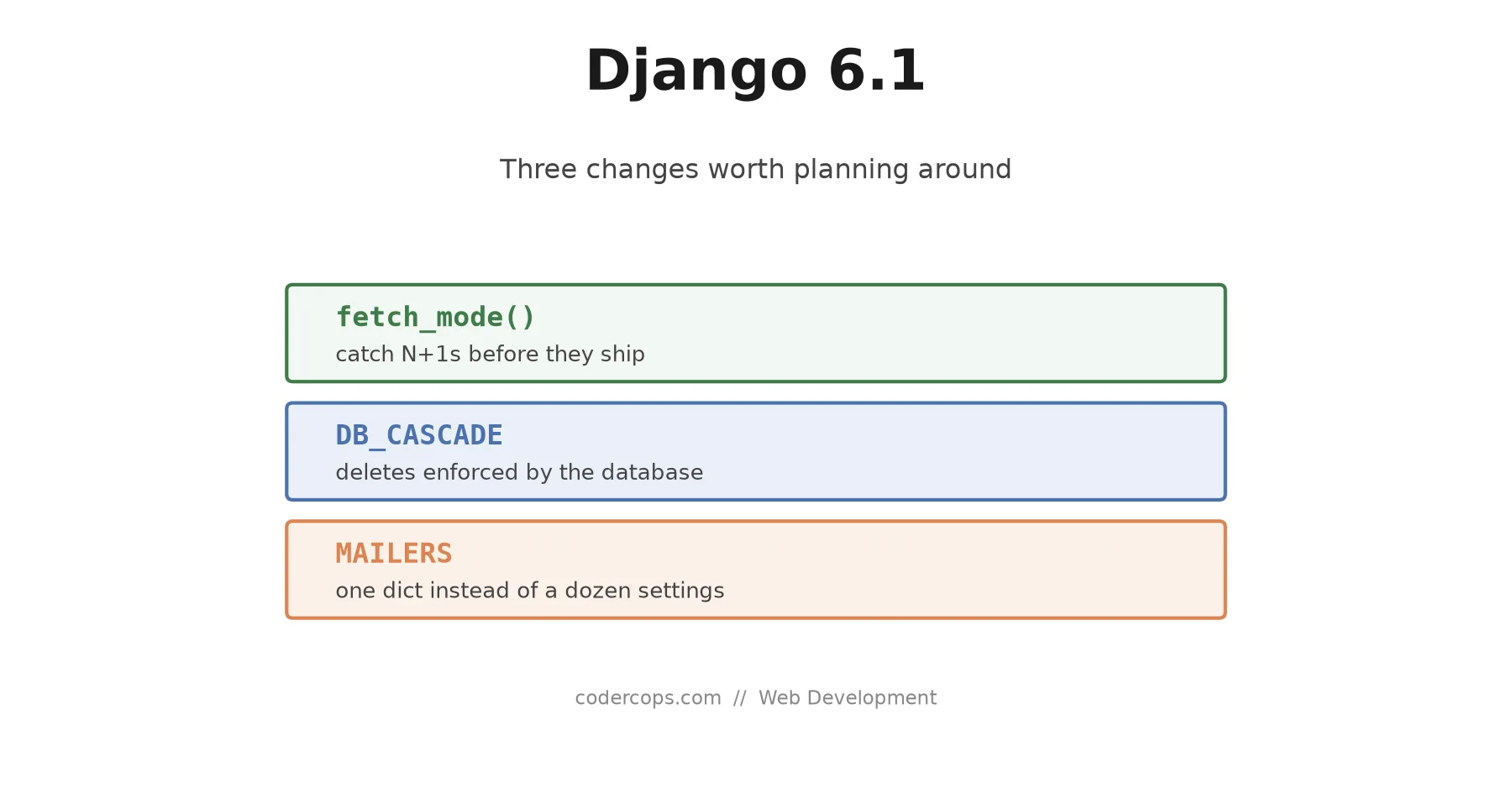
P.54Django 6.1 adds QuerySet.fetch_mode() to catch accidental N+1s, ON DELETE pushed into the database, and one MAILERS setting replacing loose EMAIL_ config.
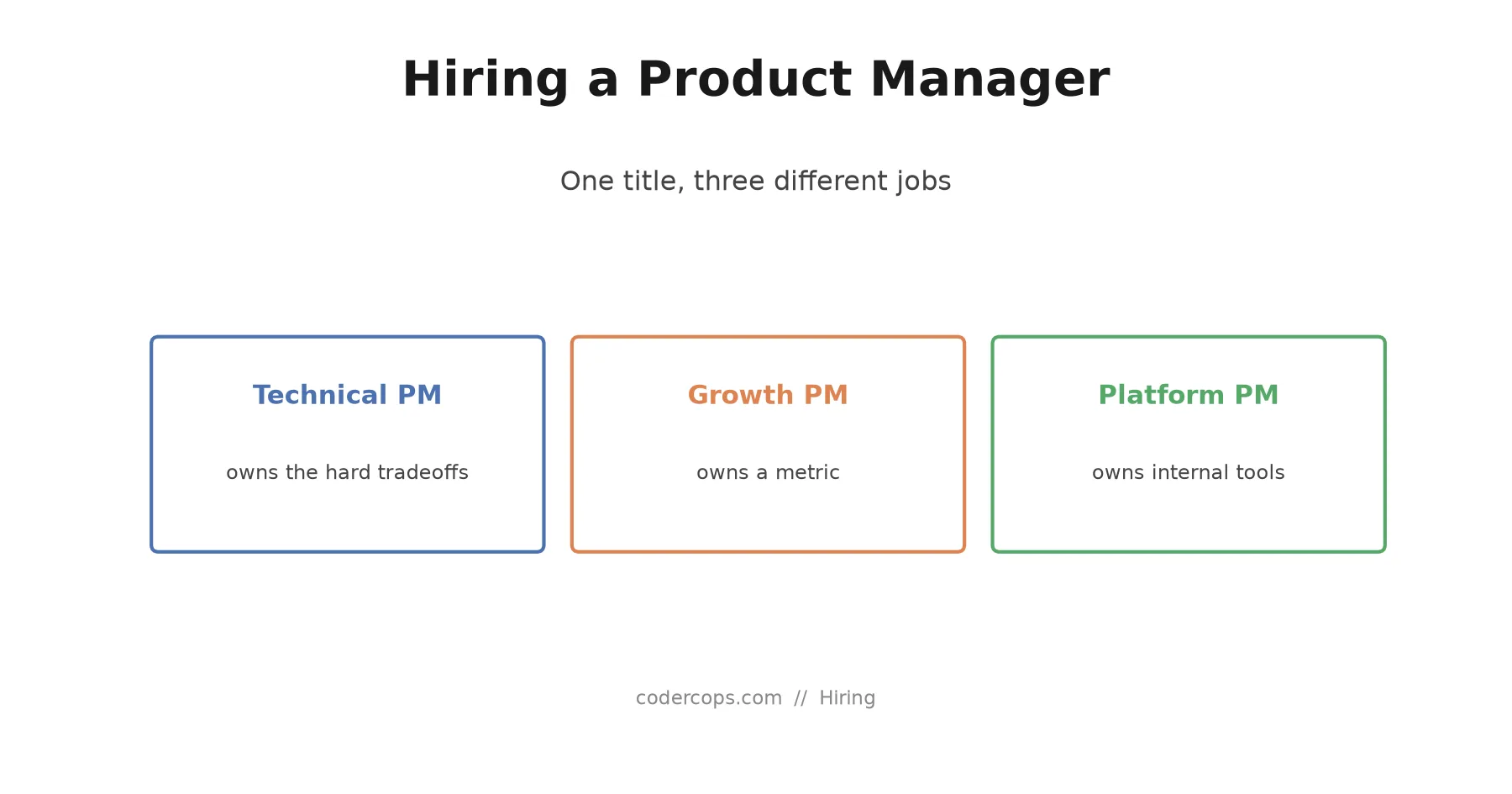
P.55PM job descriptions read identically across companies. The actual job doesn't. Which of the three real PM jobs you're hiring for, and what the role costs.
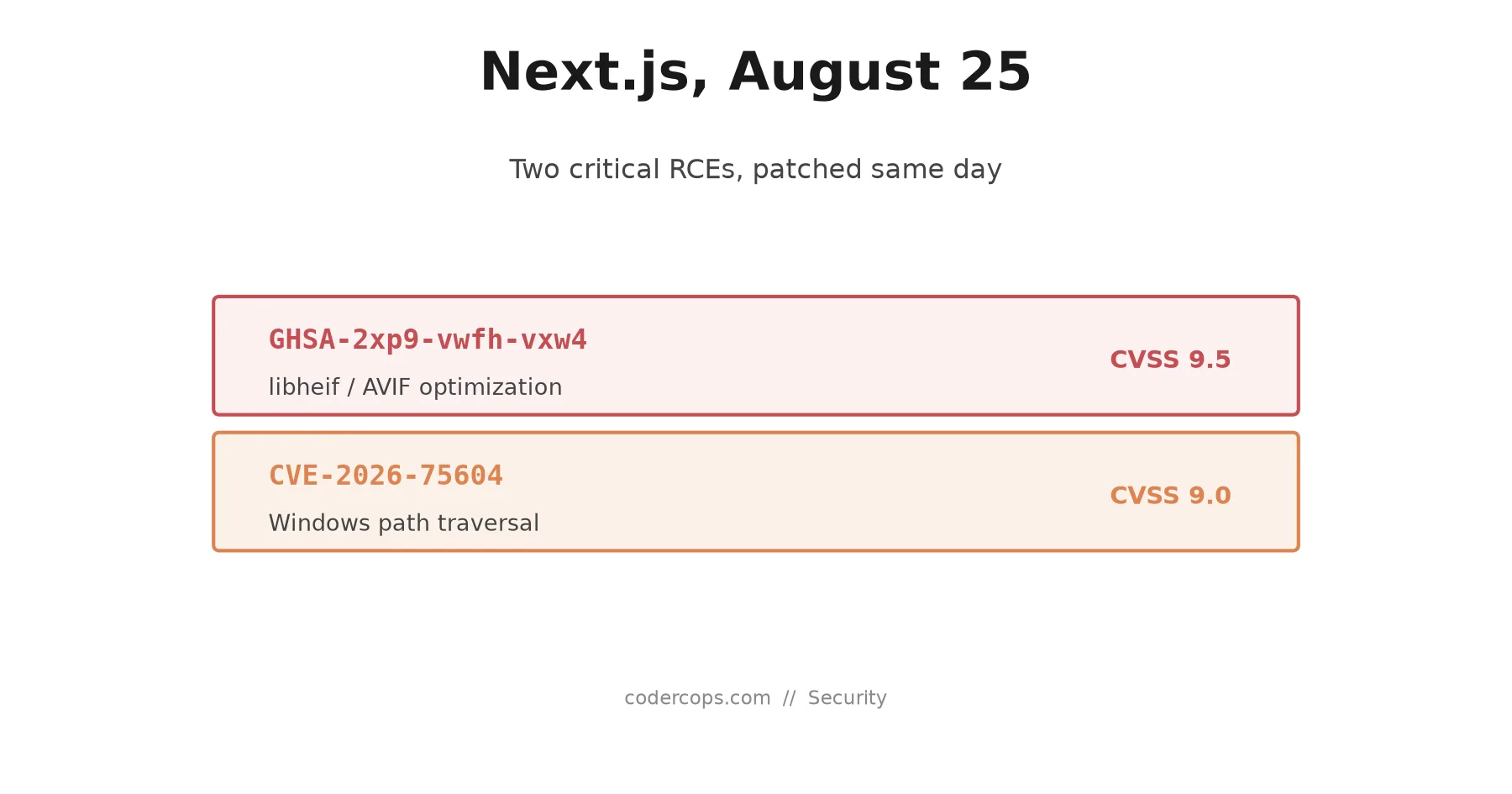
P.56Next.js 16.3.3 and 15.5.24 fix a libheif overflow reachable through AVIF optimization and a path traversal that runs code on Windows hosts. Who's exposed.
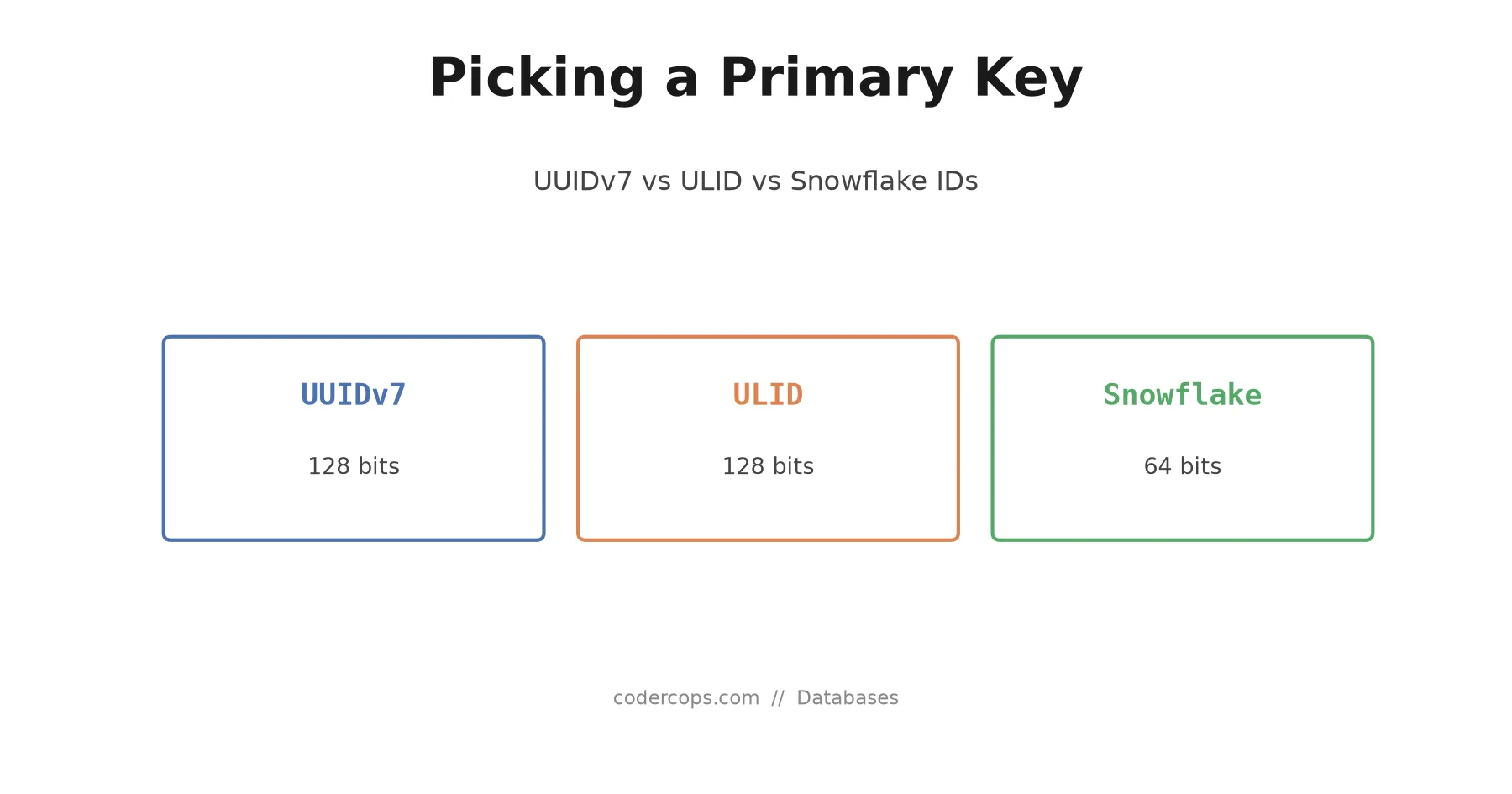
P.57Random UUIDs wreck index locality; auto-increment leaks counts and won't shard. What UUIDv7, ULID, and Snowflake each give you, and the real tradeoffs.
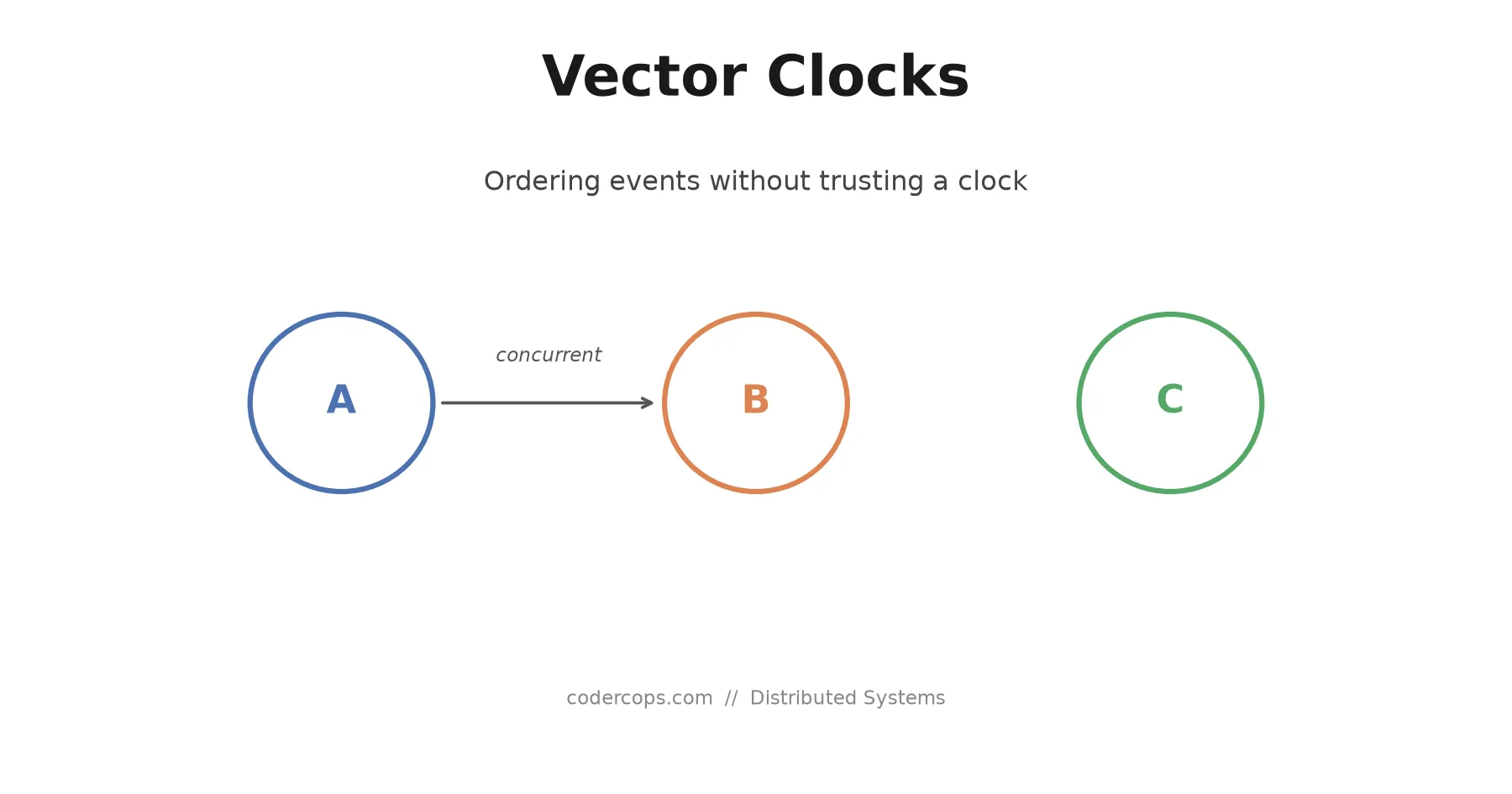
P.58Two writes hit different replicas at once. Which came first? Sometimes neither. How vector clocks tell a real conflict from a false one, without wall time.
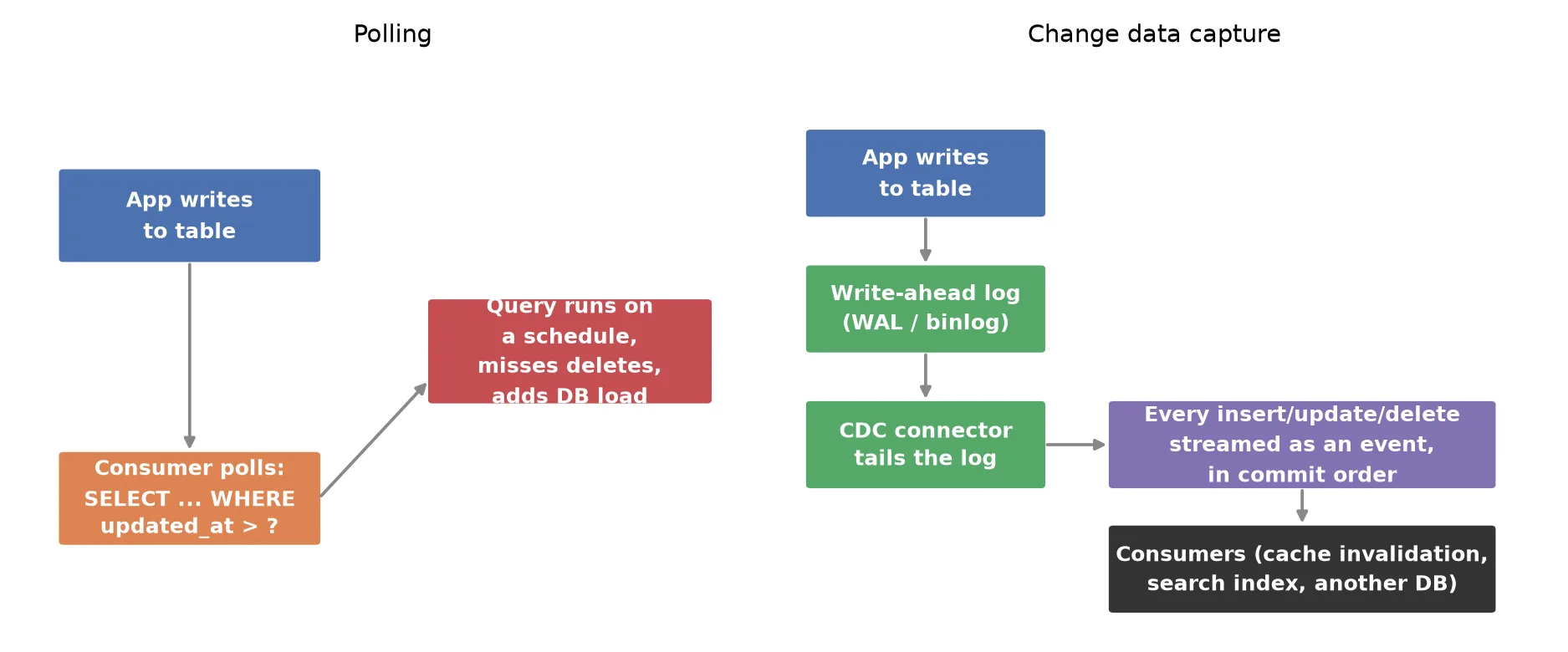
P.59Polling misses deletes, adds load, and always lags. CDC reads the write-ahead log instead, turning every insert, update, and delete into an event stream.
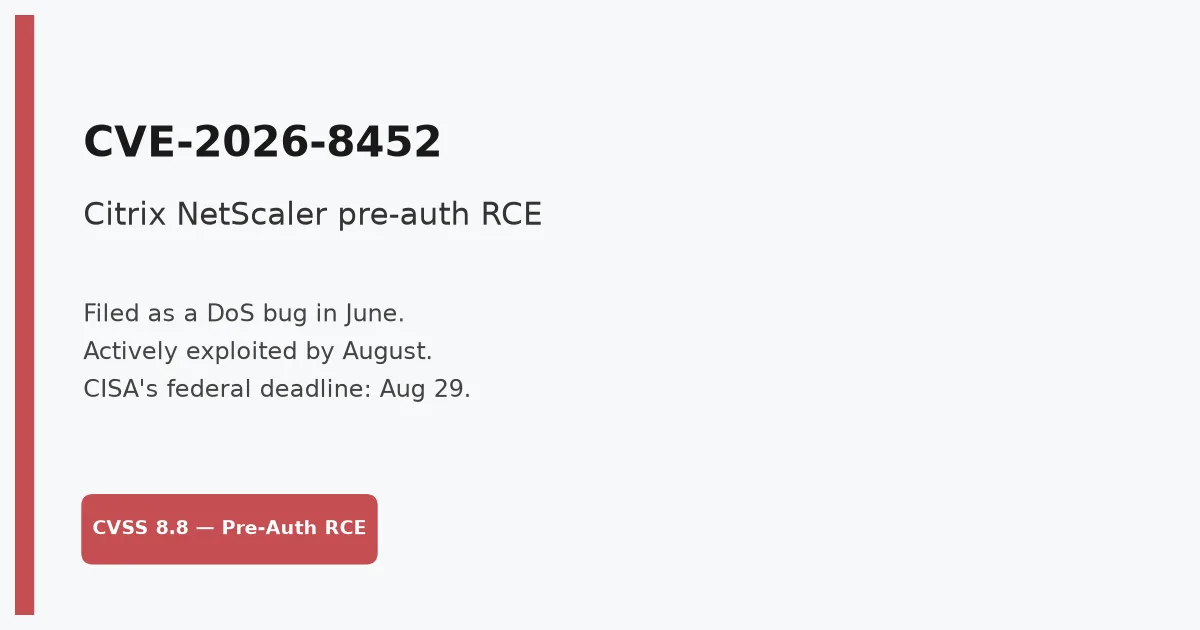
P.60Citrix shipped CVE-2026-8452 as a routine DoS fix in June. watchTowr showed it's a pre-auth heap overflow with a path to RCE. CISA's deadline was August 29.
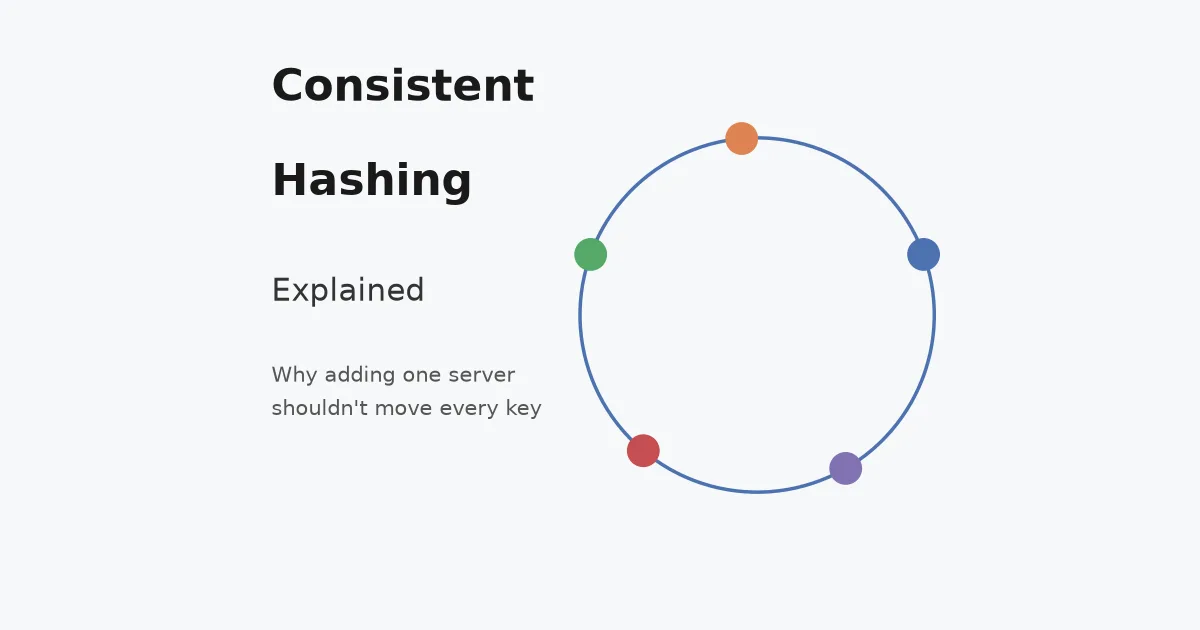
P.61Plain mod-N hashing reshuffles almost every key when you add a server. Consistent hashing moves roughly 1/N instead. Working code and a real simulation.
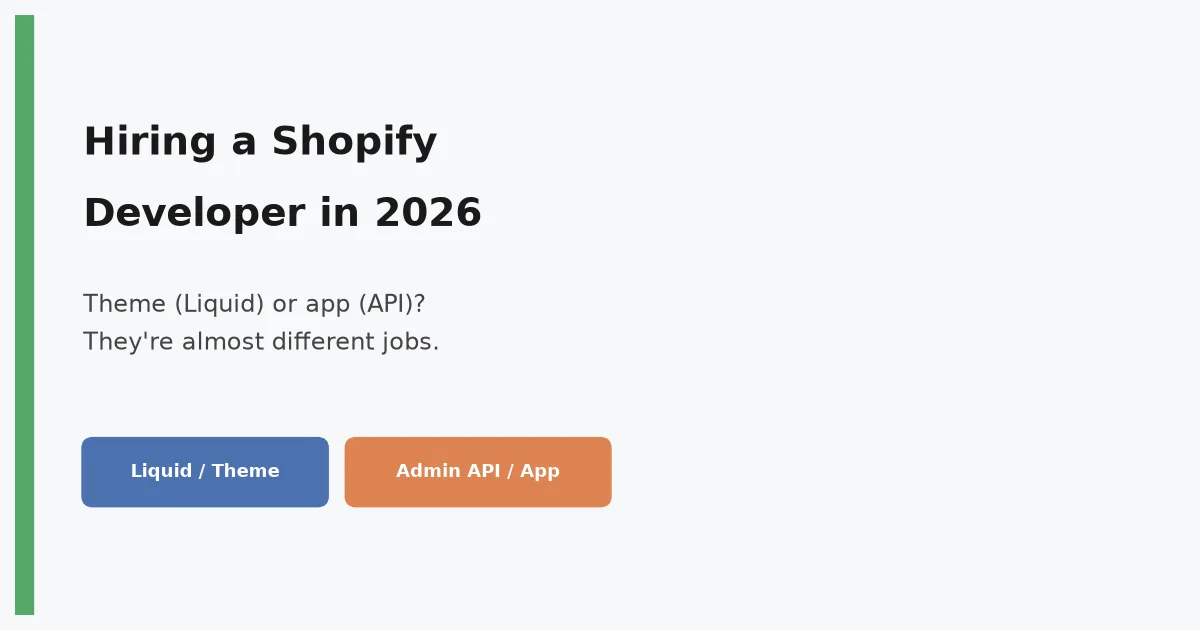
P.62Shopify hiring split into two jobs, theme customization and app or headless work, that share a platform and little else. How to tell which one you need.
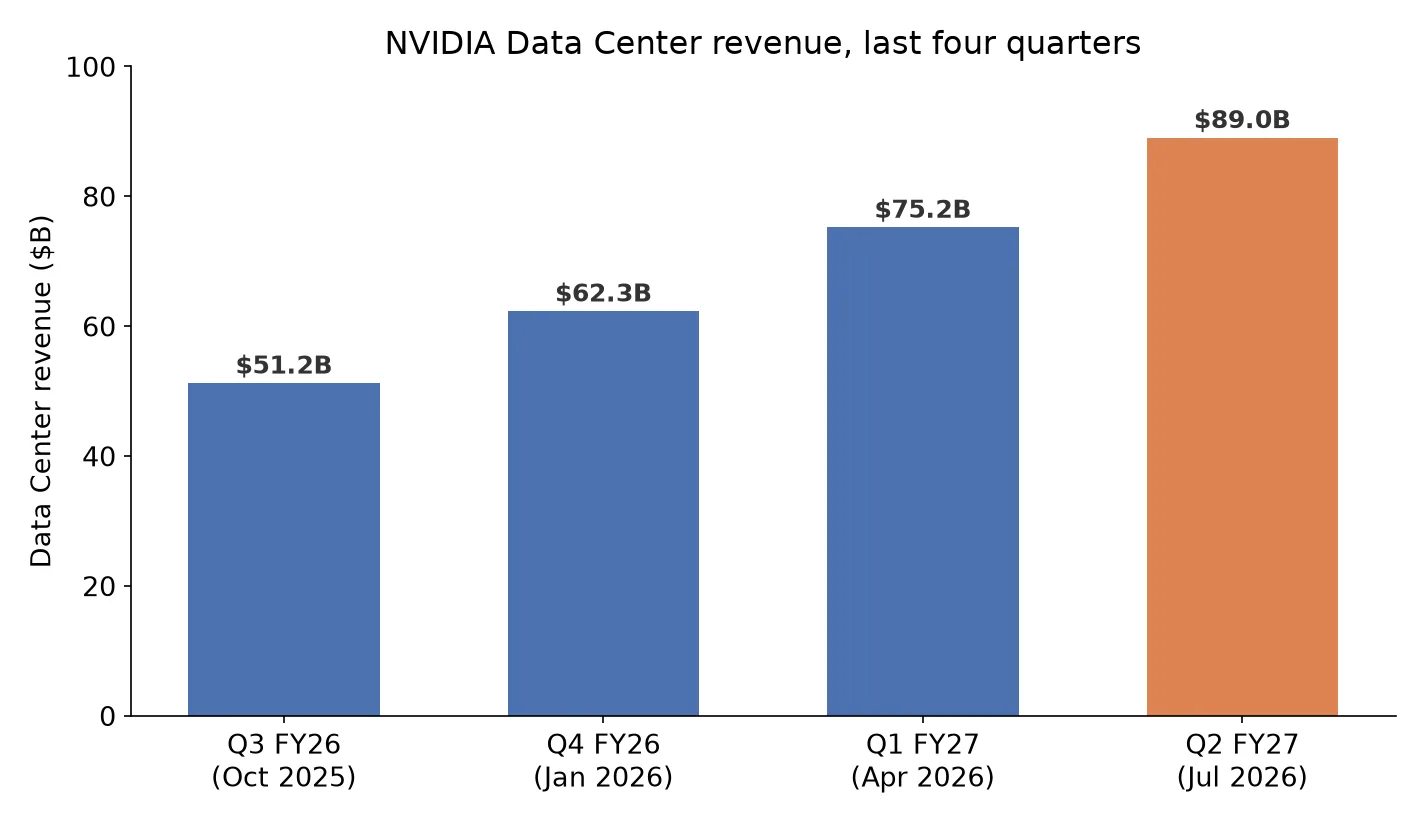
P.63Nvidia posted $96.2B in Q2 FY27 revenue, Data Center up 117% to $89B. What the number means if you're the one budgeting GPU capacity this quarter.
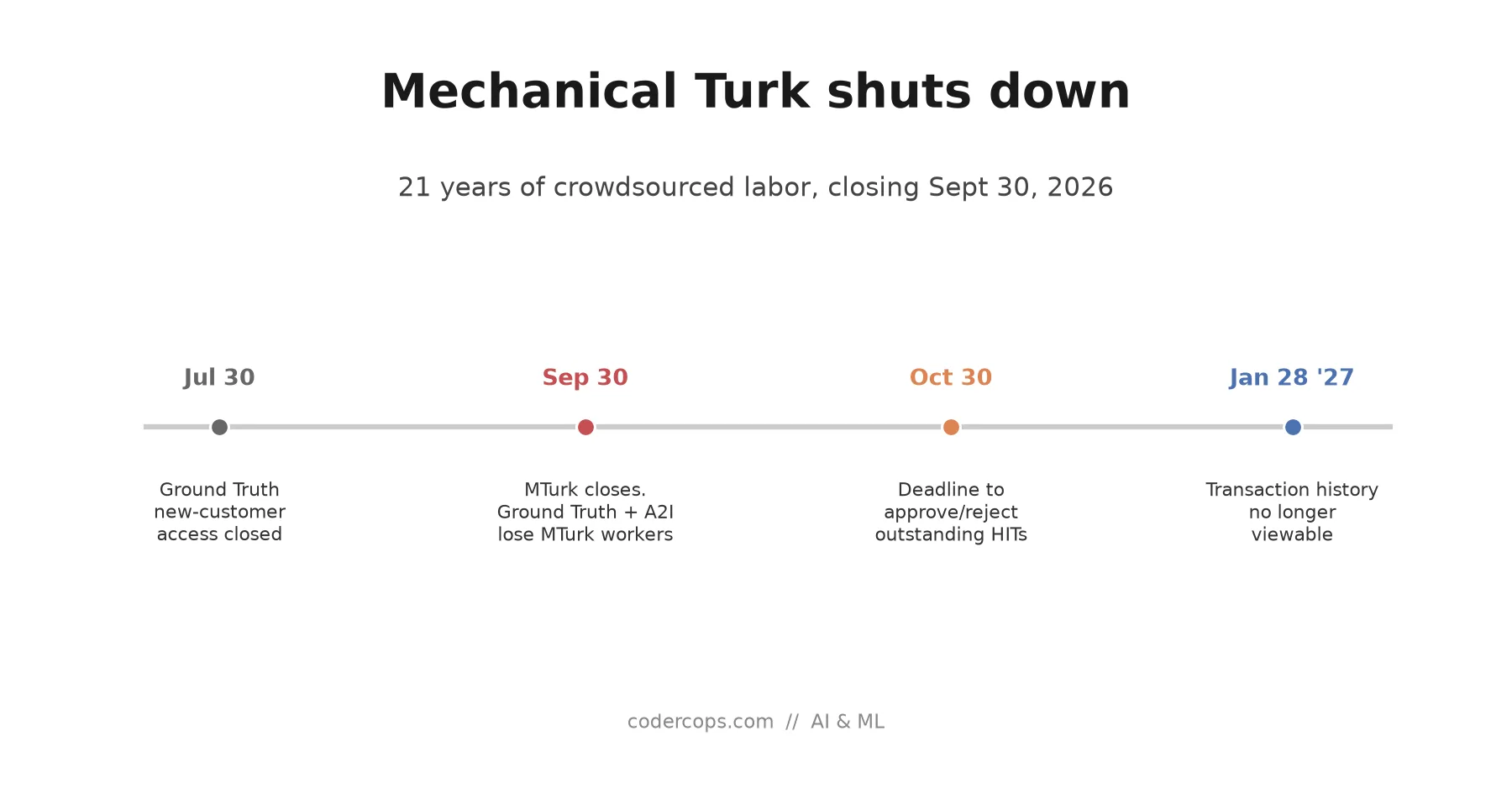
P.64Amazon closes Mechanical Turk and Ground Truth's human workforce on September 30, 2026, after 21 years. The dates that matter, and where teams are moving.
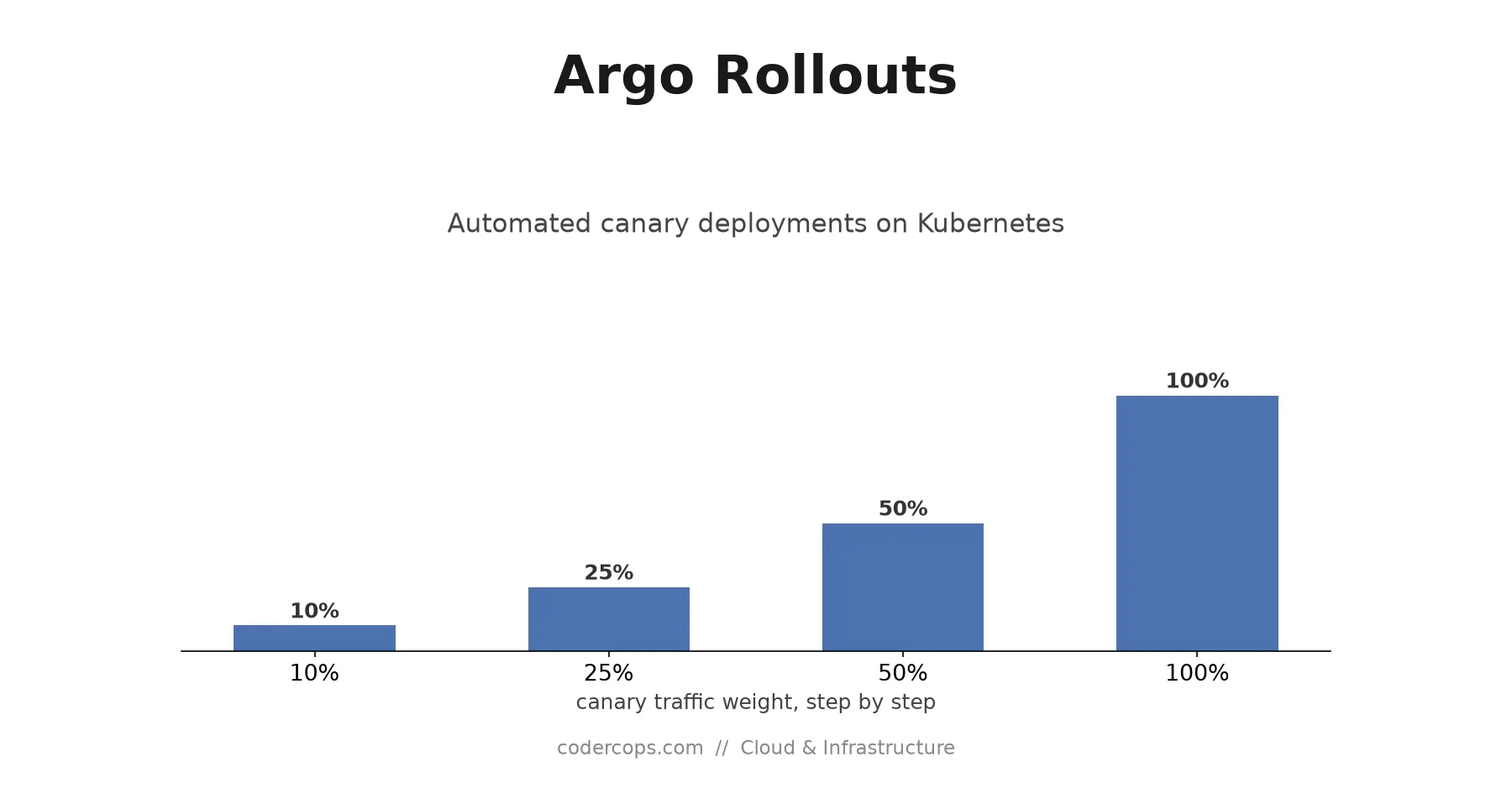
P.65Argo Rollouts replaces a Deployment with a controller that shifts traffic gradually and rolls back on bad metrics. Real manifests, plain Deployment to canary.
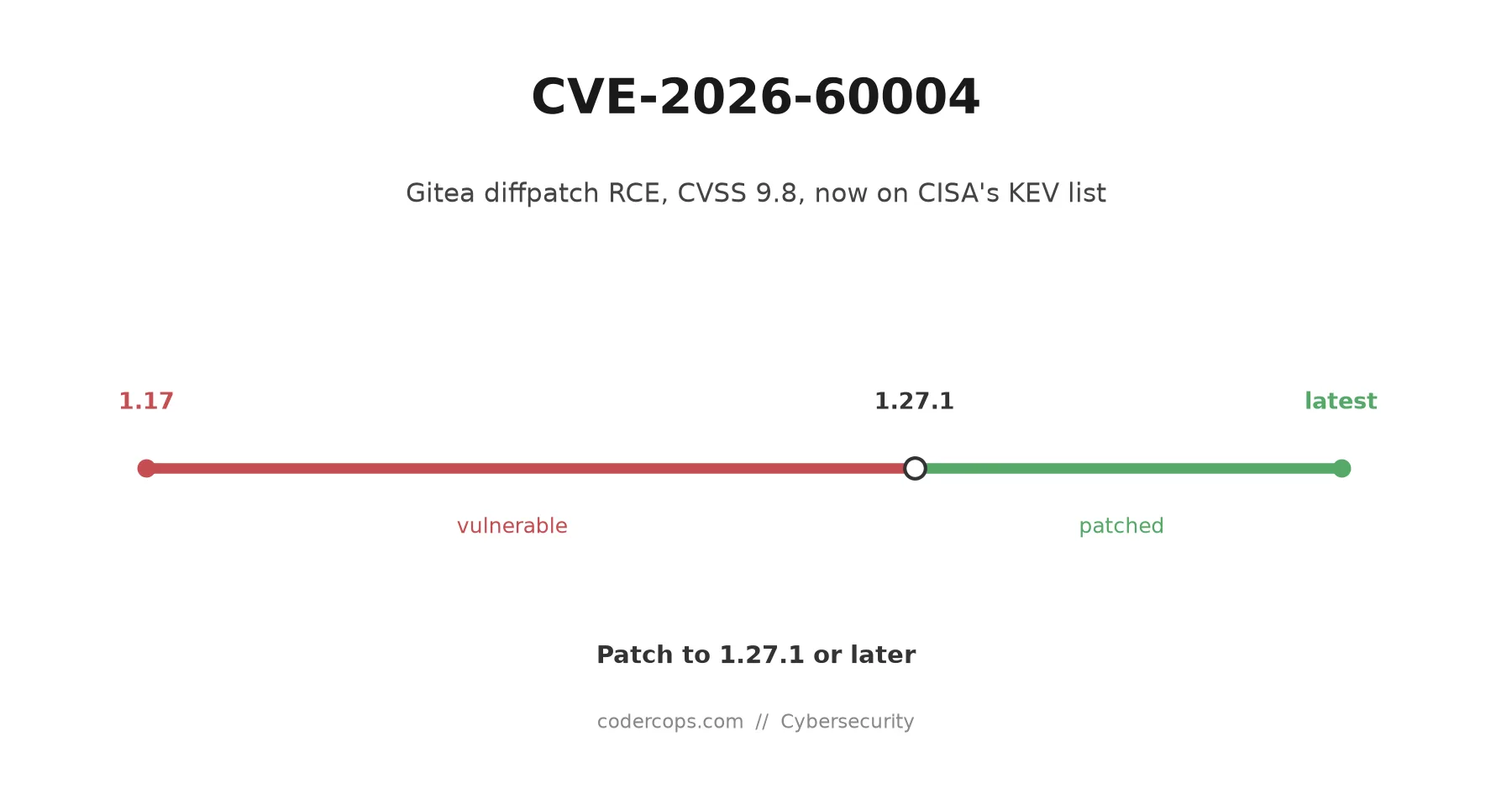
P.66A flaw in Gitea's diffpatch API turns a crafted merge conflict into an executable Git hook. CISA added it after miner payloads showed up. What to patch.
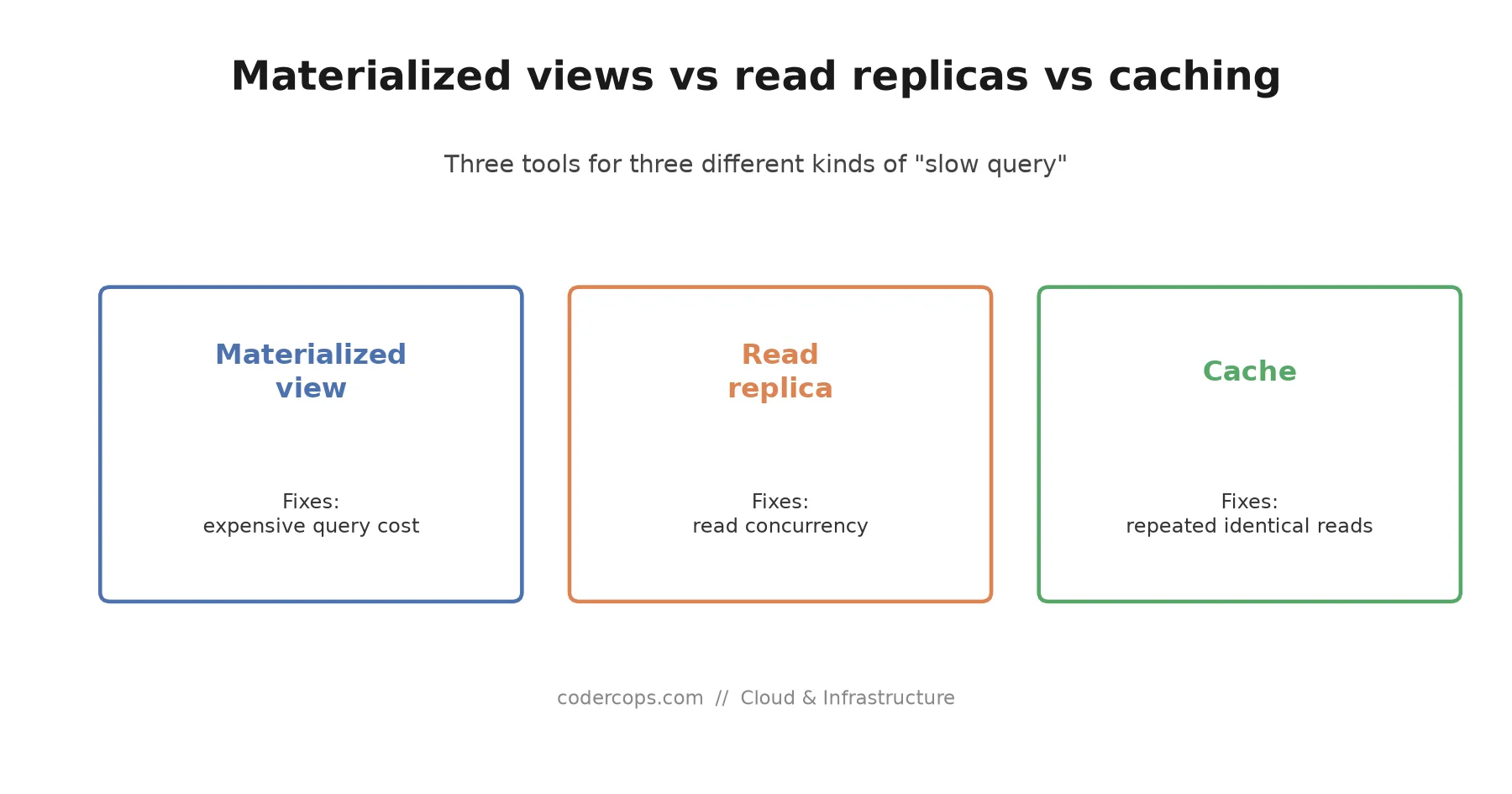
P.67Three tools solve three different versions of "this query is slow." How materialized views, read replicas, and caches differ, and how to pick one.
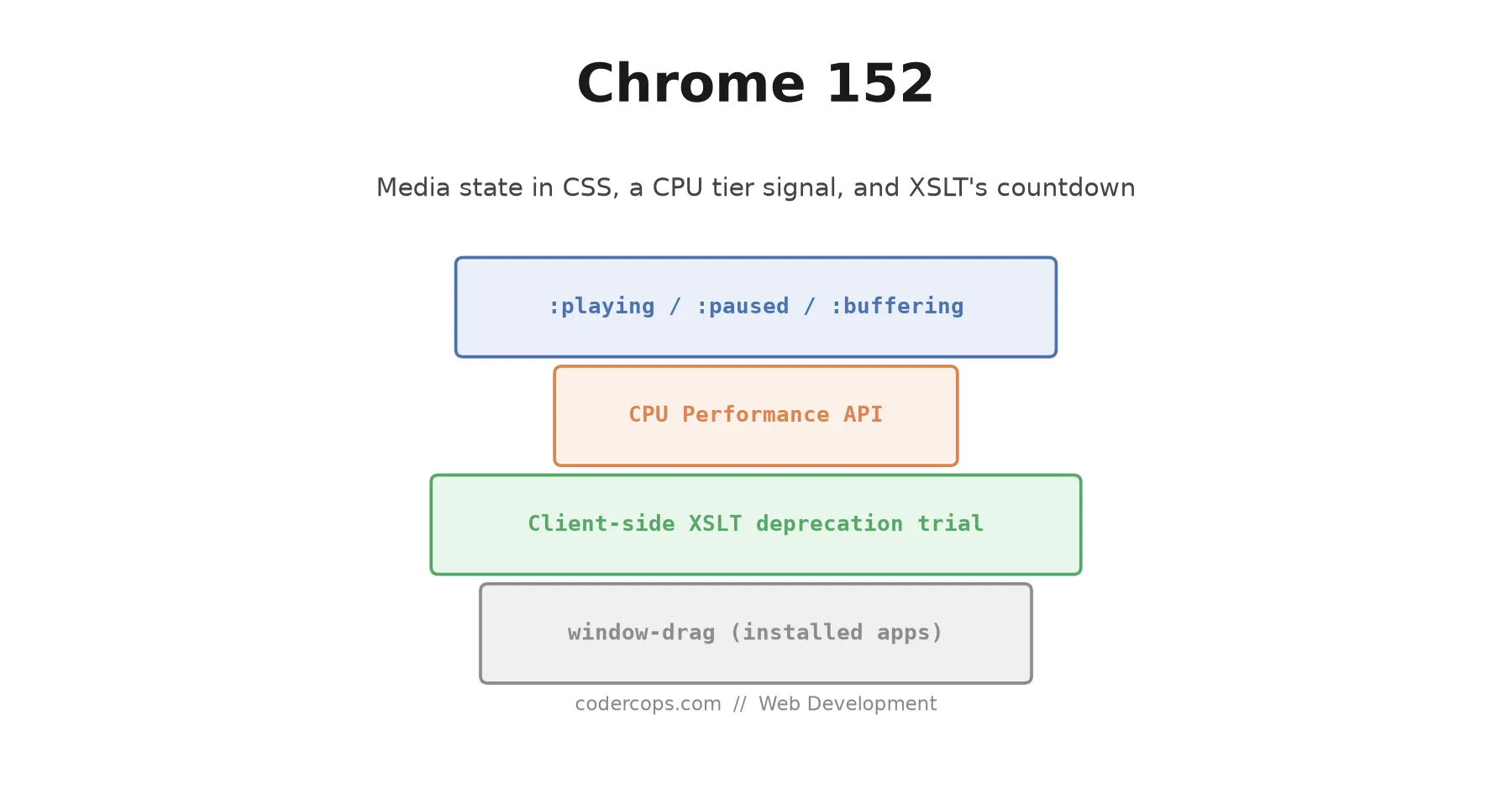
P.68Chrome 152 shipped CSS pseudo-classes matching video and audio state, a CPU Performance API for device tiers, and the start of the end for client-side XSLT.
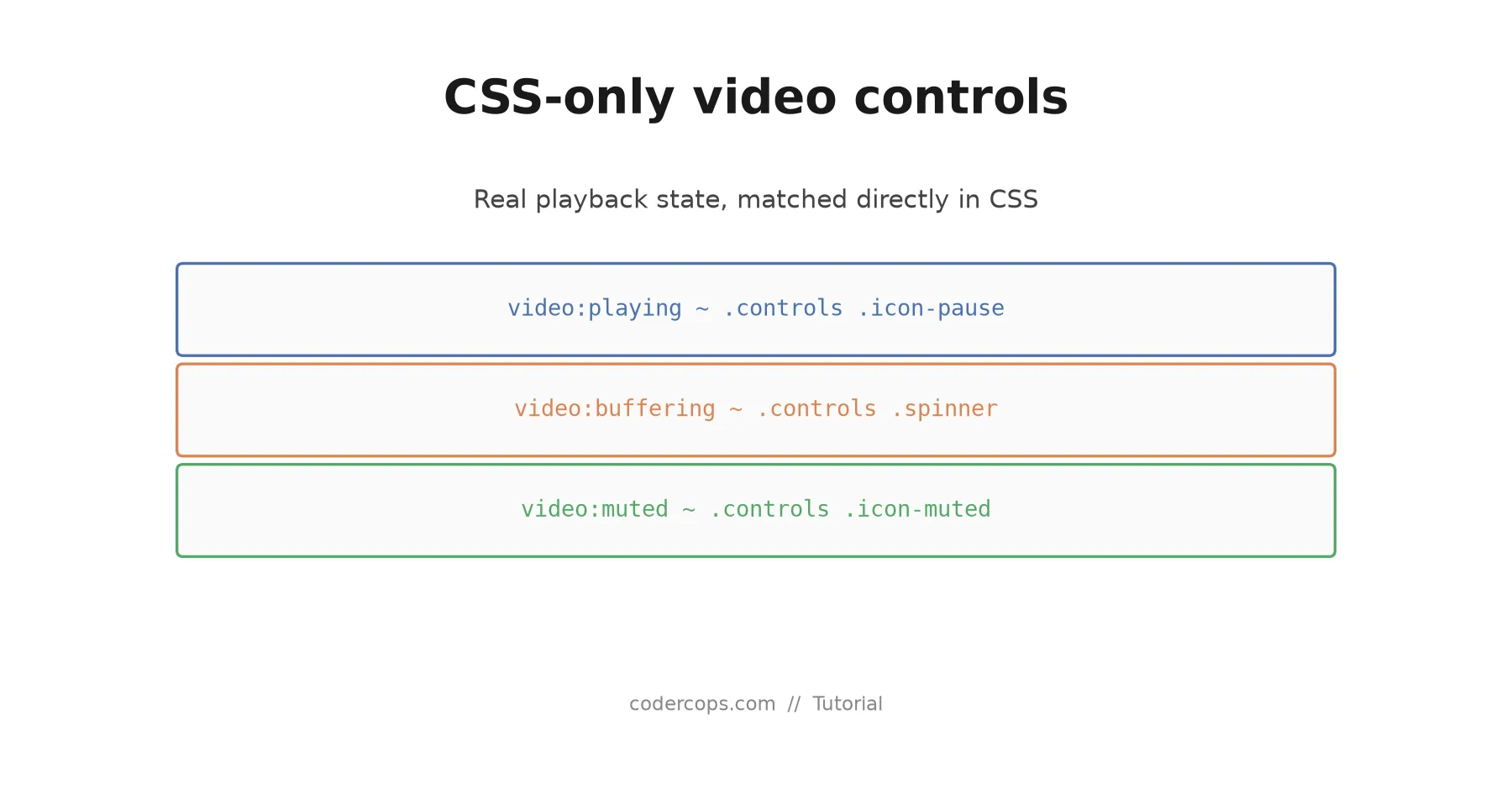
P.69Chrome 152 added :playing, :paused, :buffering, and :muted as real pseudo-classes. A runnable custom player built on them, plus the JS fallback.
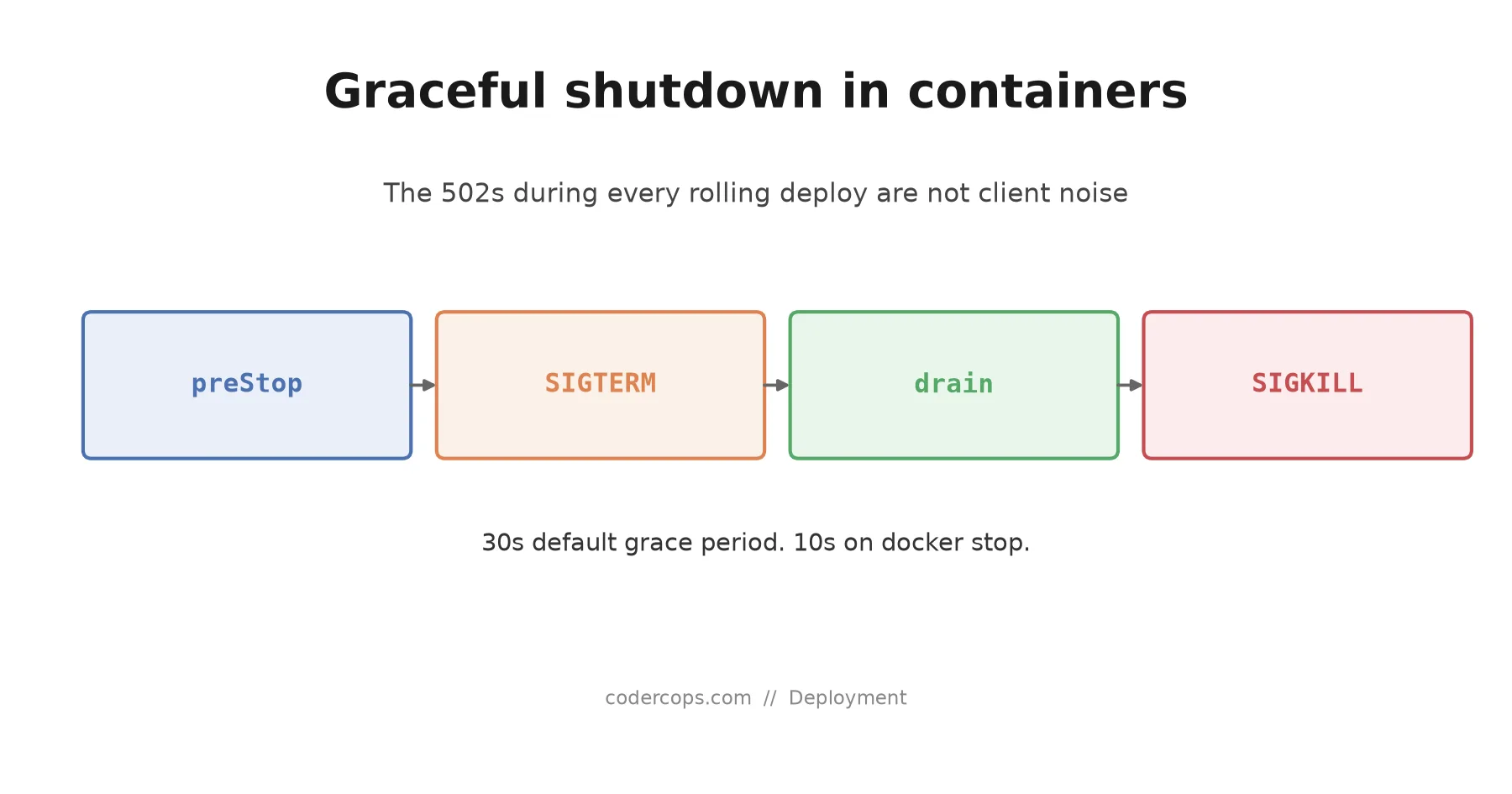
P.70Every rolling deploy drops a few requests and the errors look like client noise. The shutdown sequence, the race behind it, and the code that fixes it.
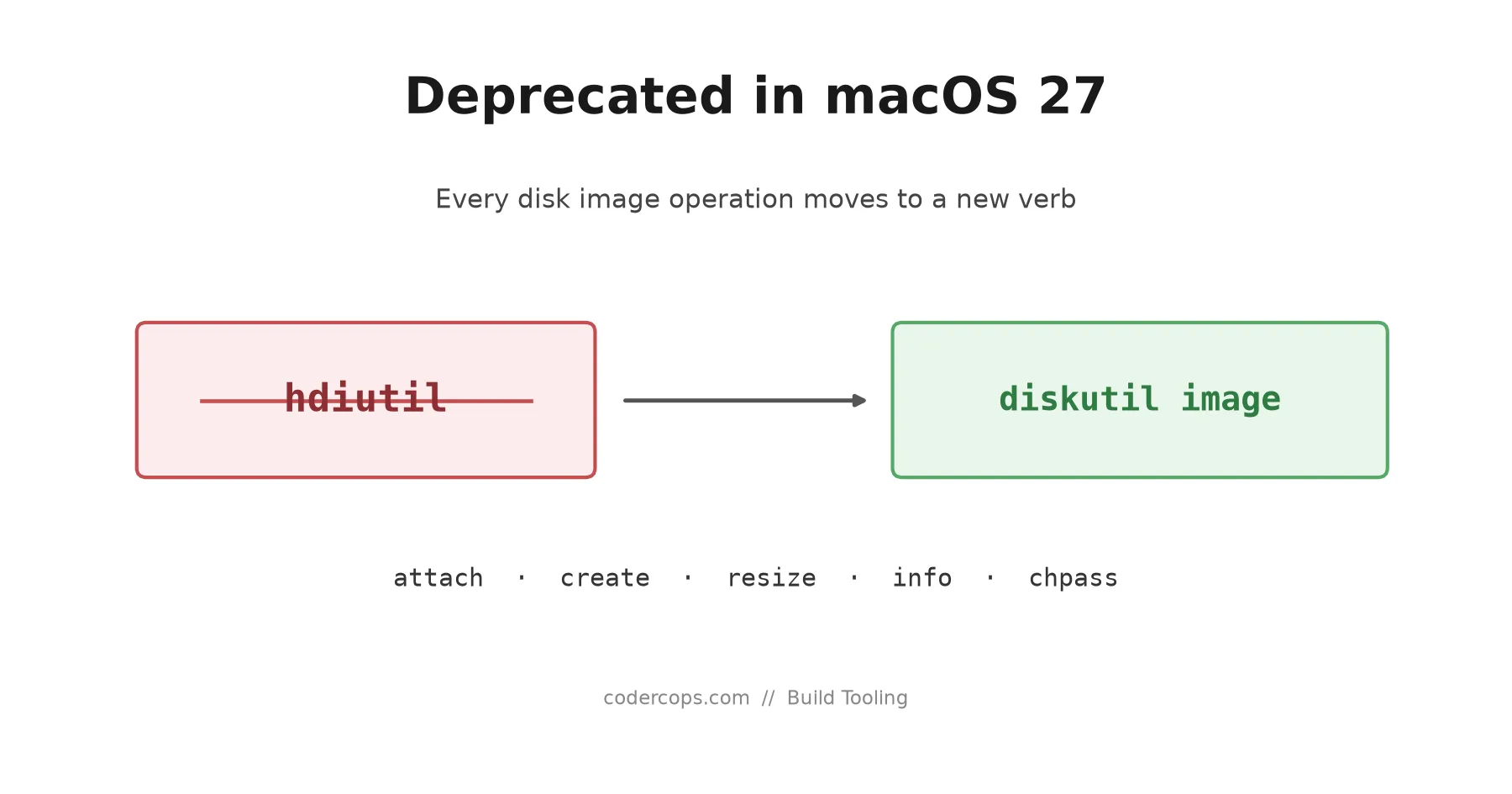
P.71macOS 27 deprecates hdiutil and points disk image work at diskutil image. The subcommand mapping, what's missing, and updating a DMG build without breaking CI.
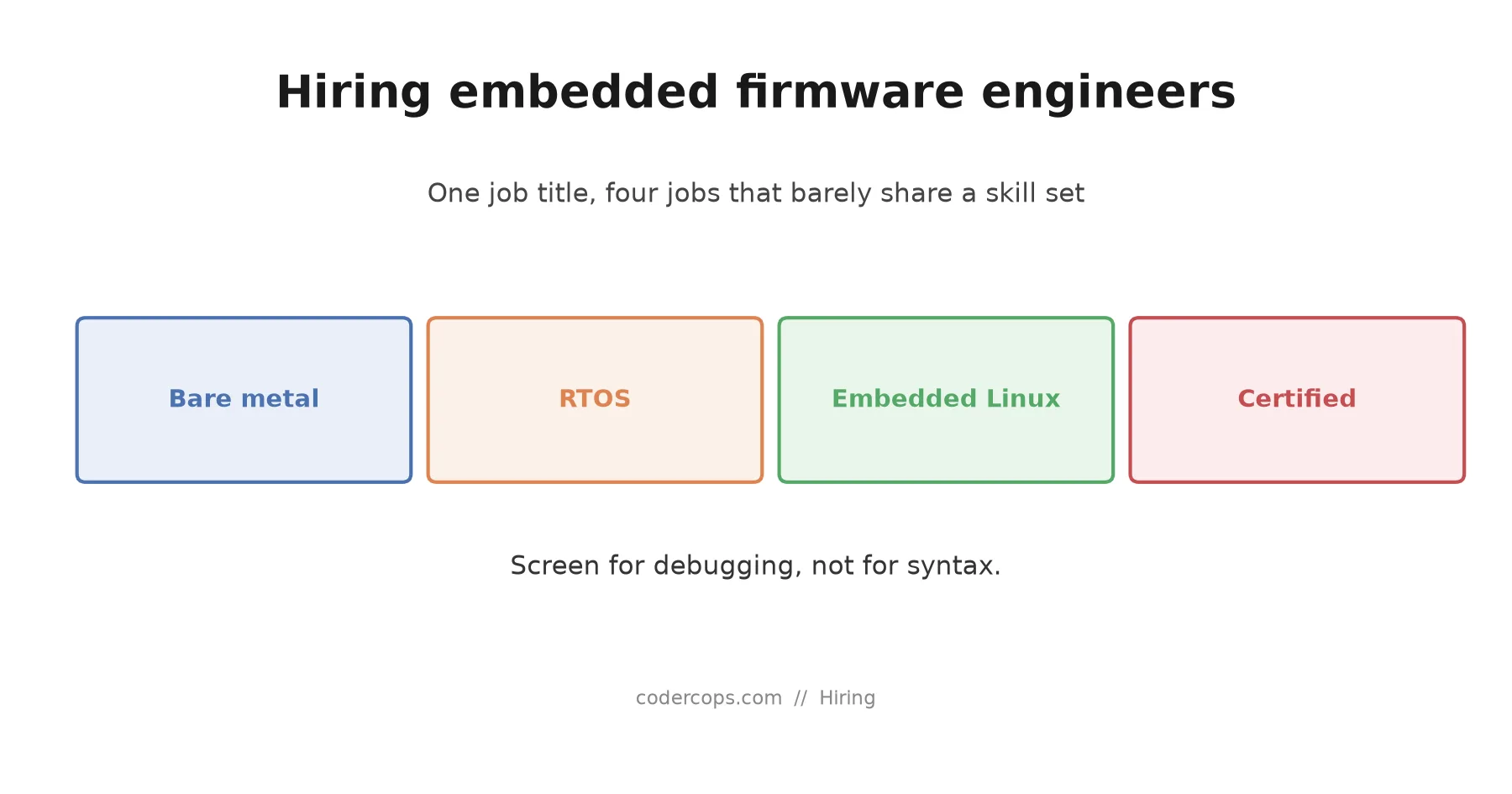
P.72Firmware hiring fails differently from web hiring. The pool is small, the specialisms don't transfer, and the usual coding screen tells you almost nothing.
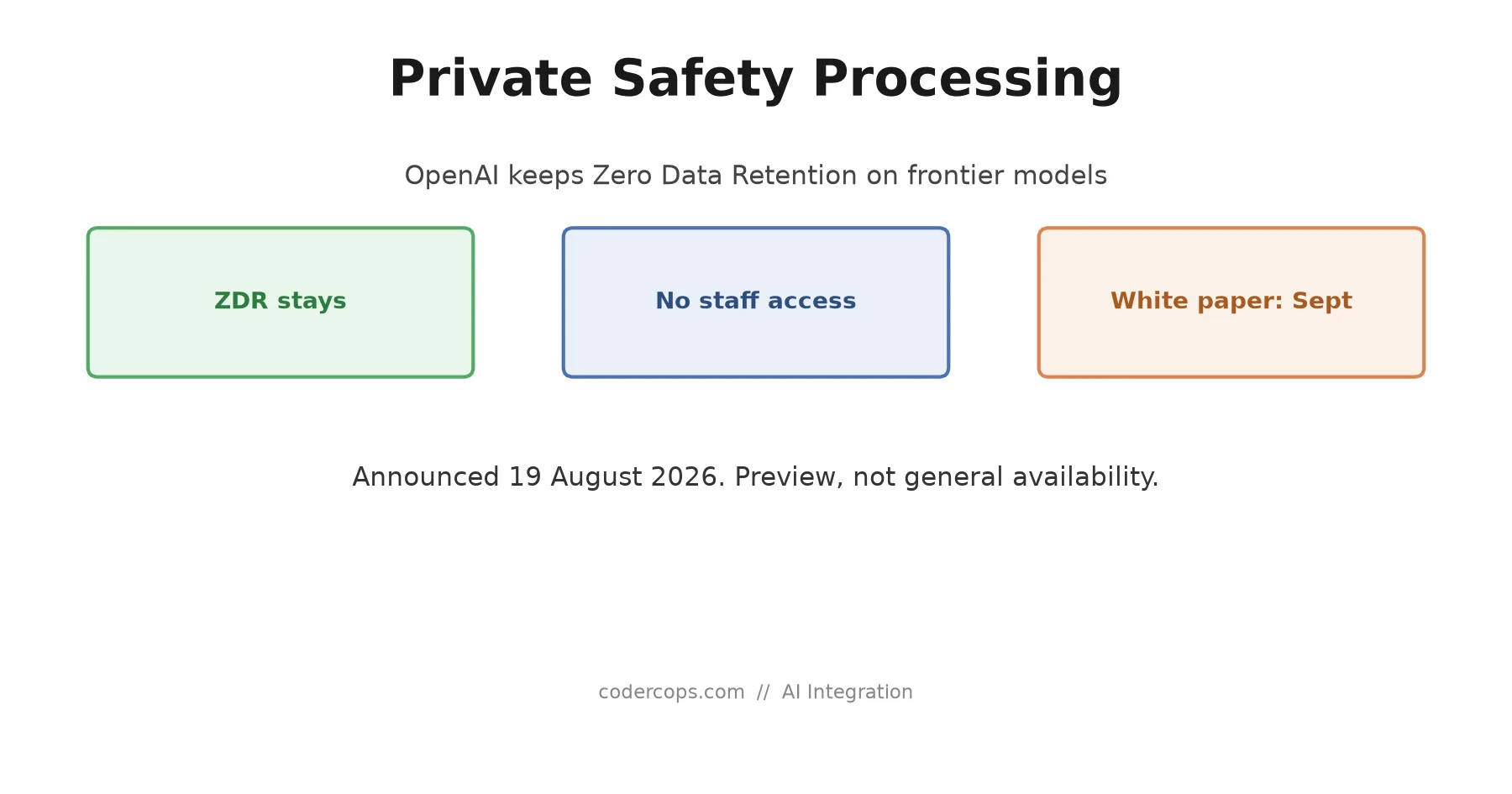
P.73OpenAI confirmed Zero Data Retention stays on frontier models and previewed Private Safety Processing, abuse detection without staff seeing your prompts.
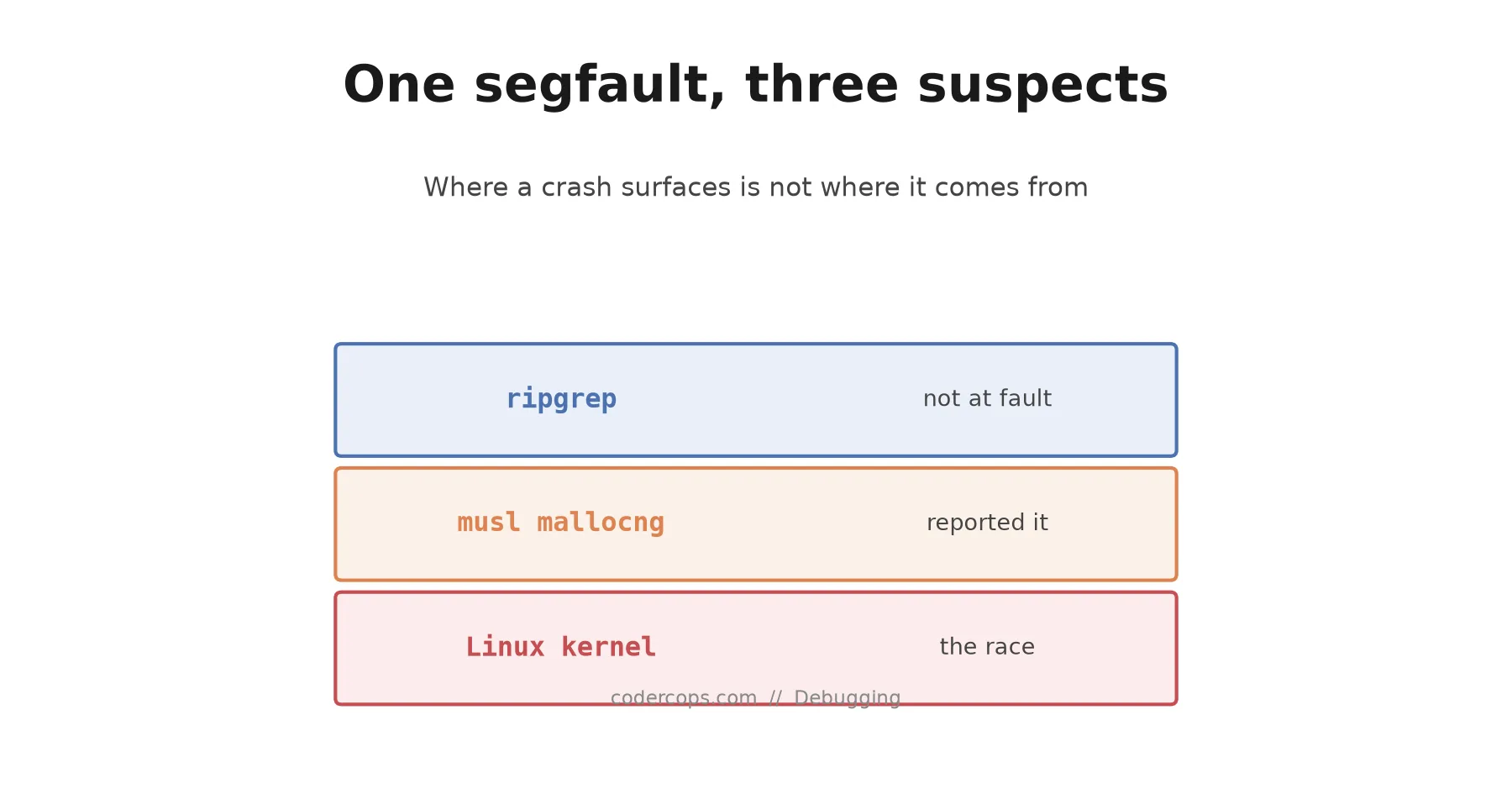
P.74A ripgrep crash on musl looked like an allocator bug, then a threading bug. The real cause was a race in recent Linux kernels. The chain, and the lesson.
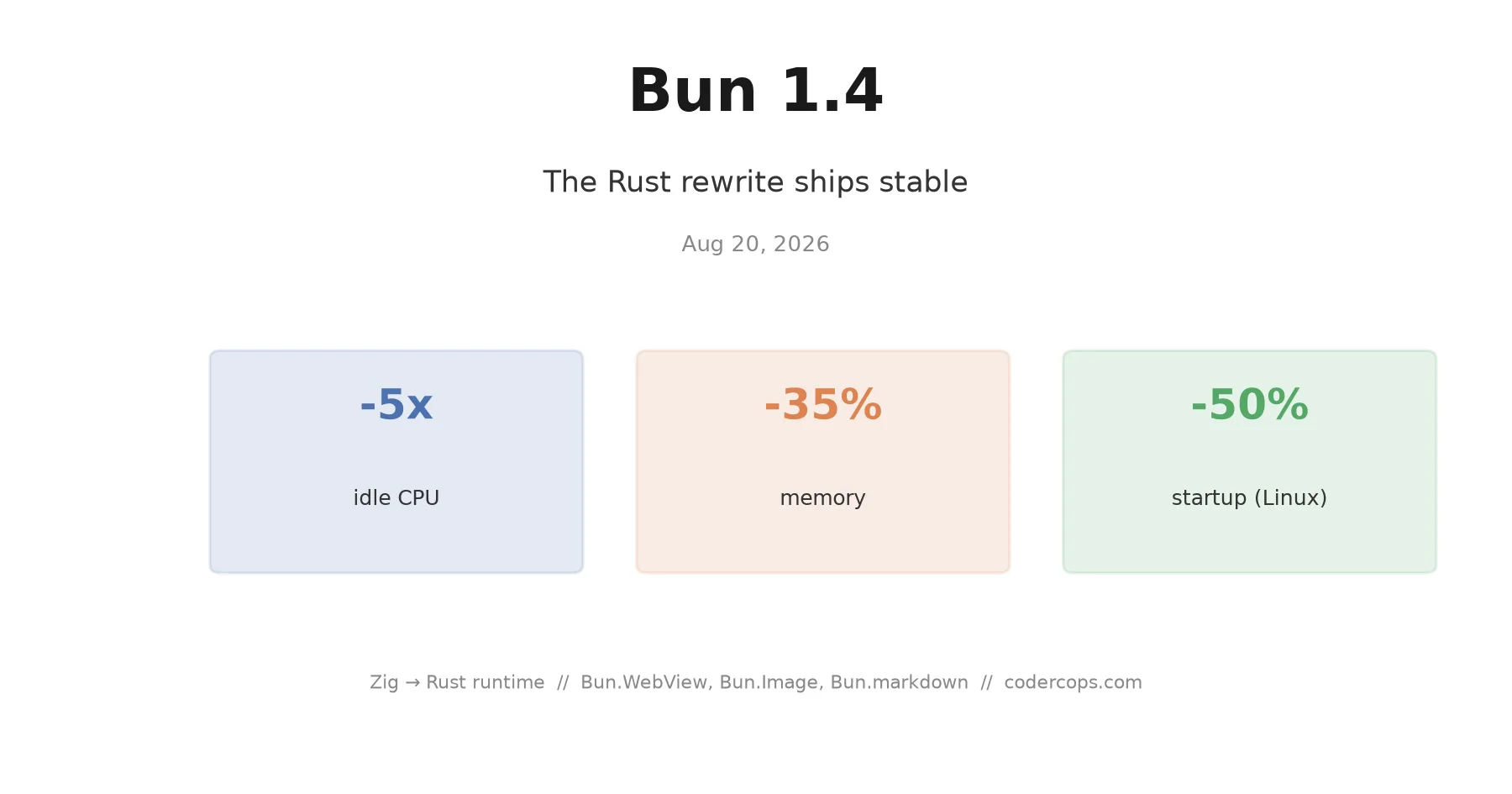
P.75Bun 1.4 is the first stable release on the Rust runtime, adding browser automation, image and markdown APIs, and real speedups. Why it split opinion.
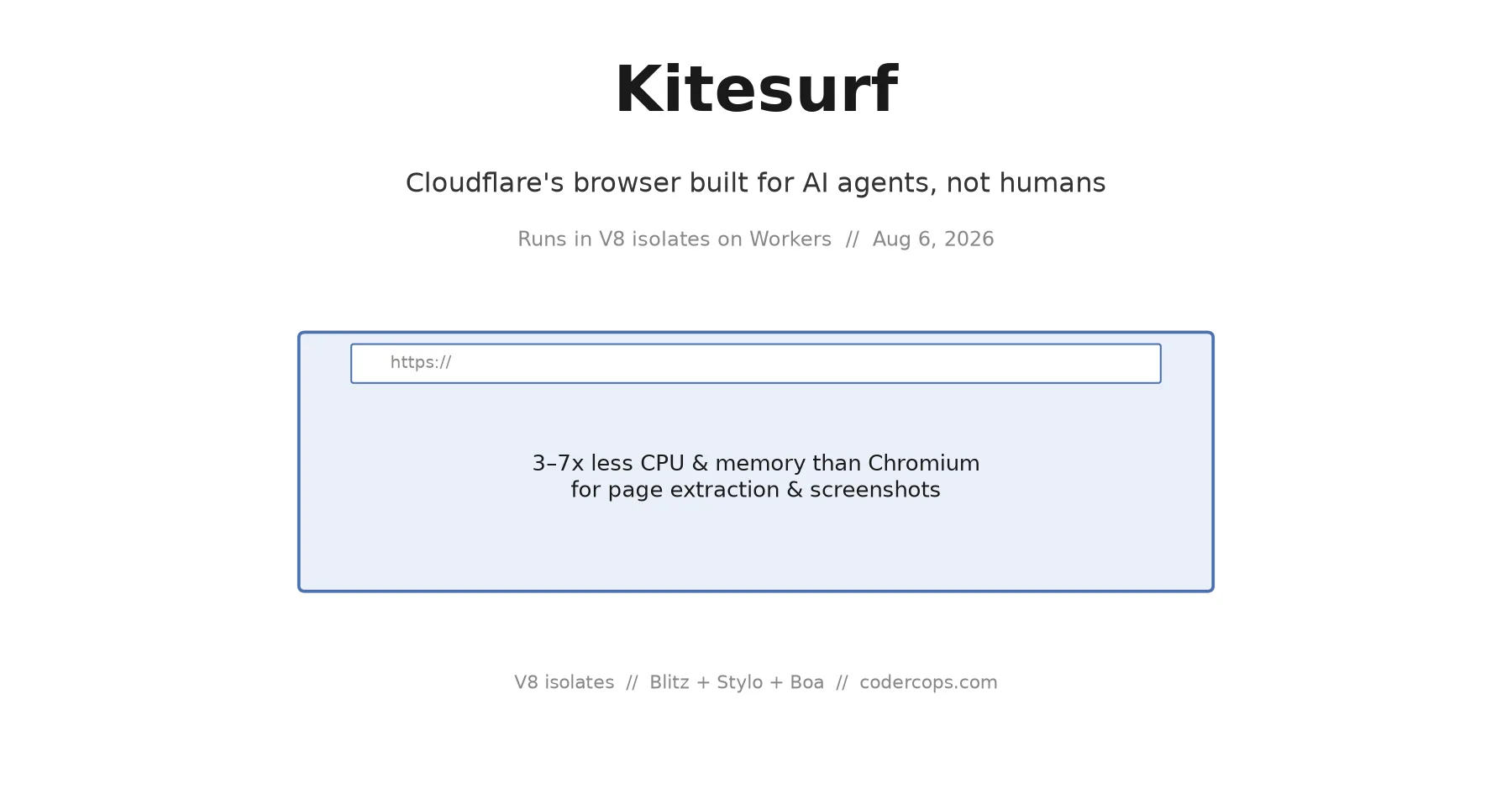
P.76Kitesurf is a browser runtime with no UI or tabs, built for AI agents to load pages and extract HTML. It claims 3-7x less CPU than Chromium. When to use it.
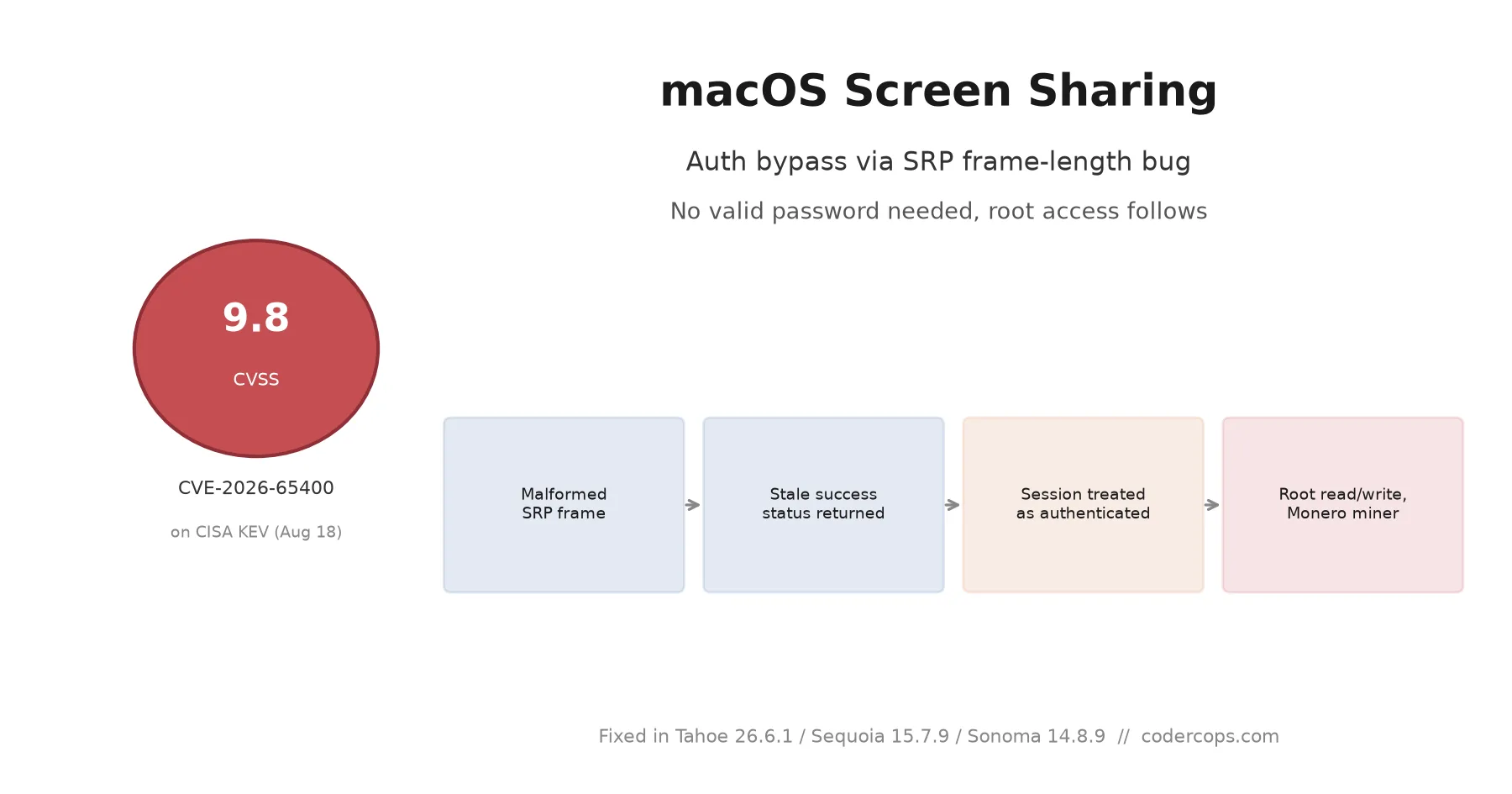
P.77A Secure Remote Password bug let attackers into macOS Screen Sharing without credentials and reach root. Apple patched August 6; CISA listed it August 18.
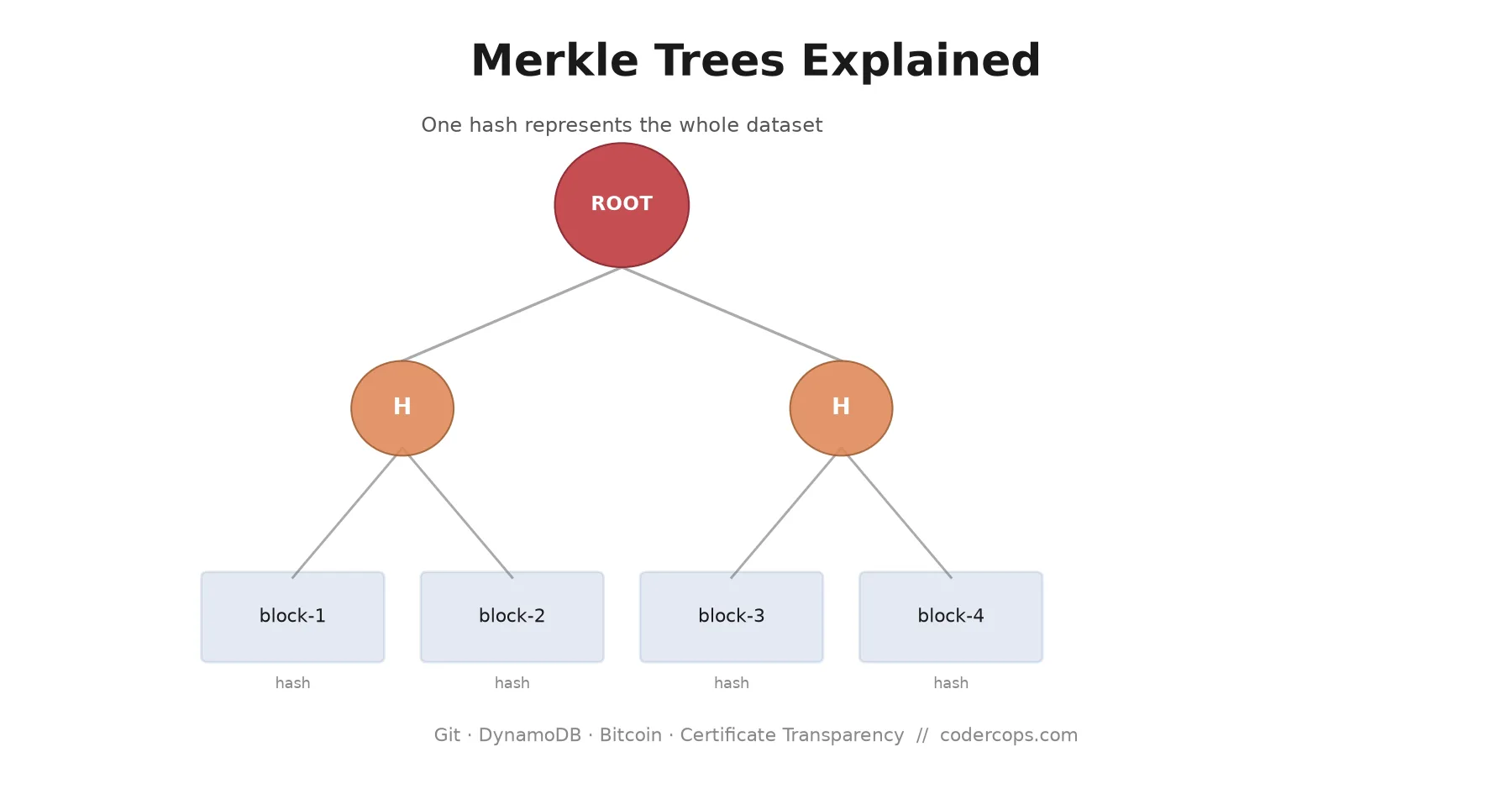
P.78A Merkle tree proves a piece of data belongs to a large dataset, or finds exactly what changed between copies, without reading all of it. How, and where.
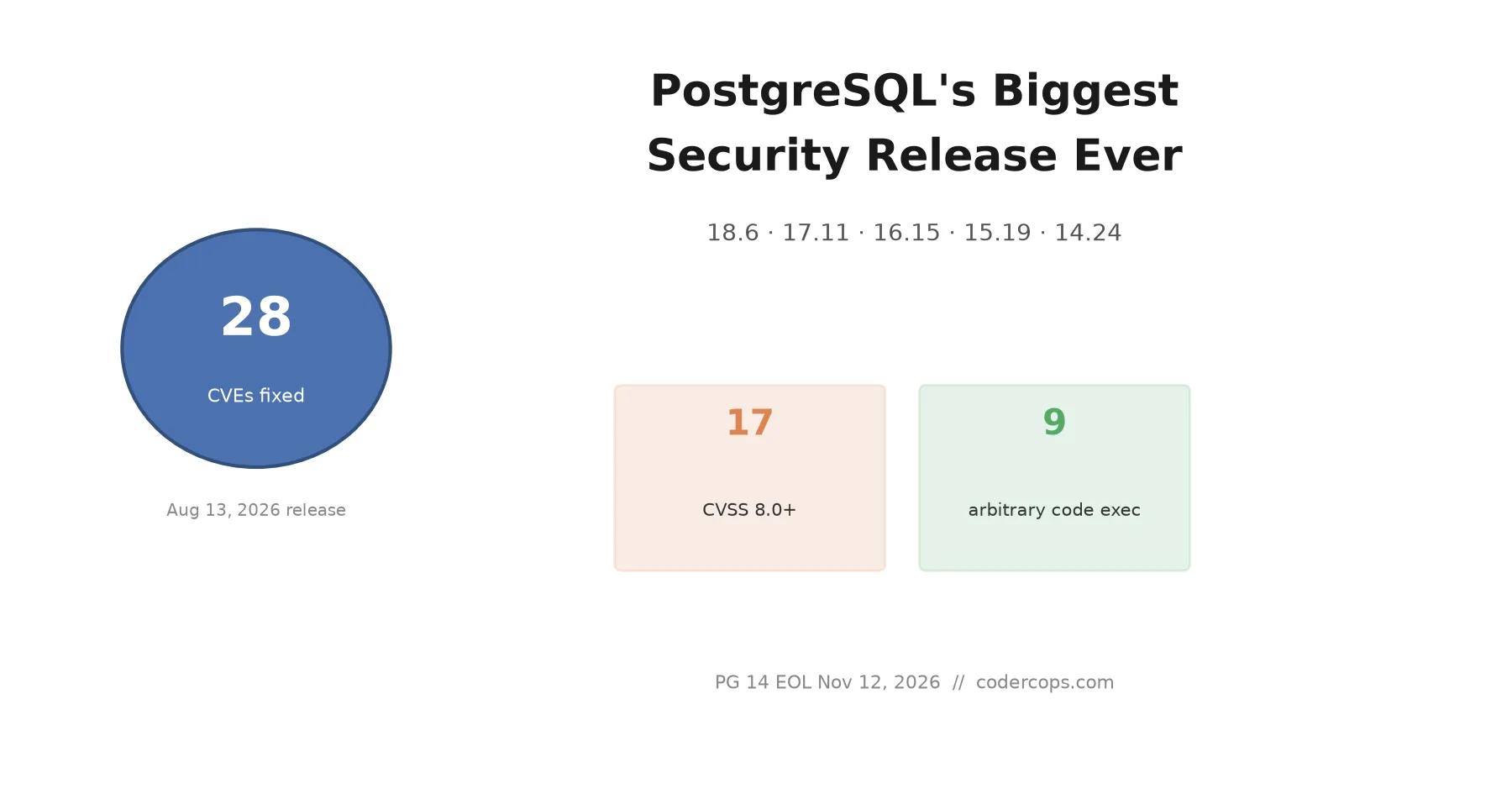
P.79PostgreSQL 18.6, 17.11, 16.15, 15.19, and 14.24 fixed 28 CVEs on August 13, 17 of them CVSS 8.0 or higher. Which matter, and who's actually exposed.
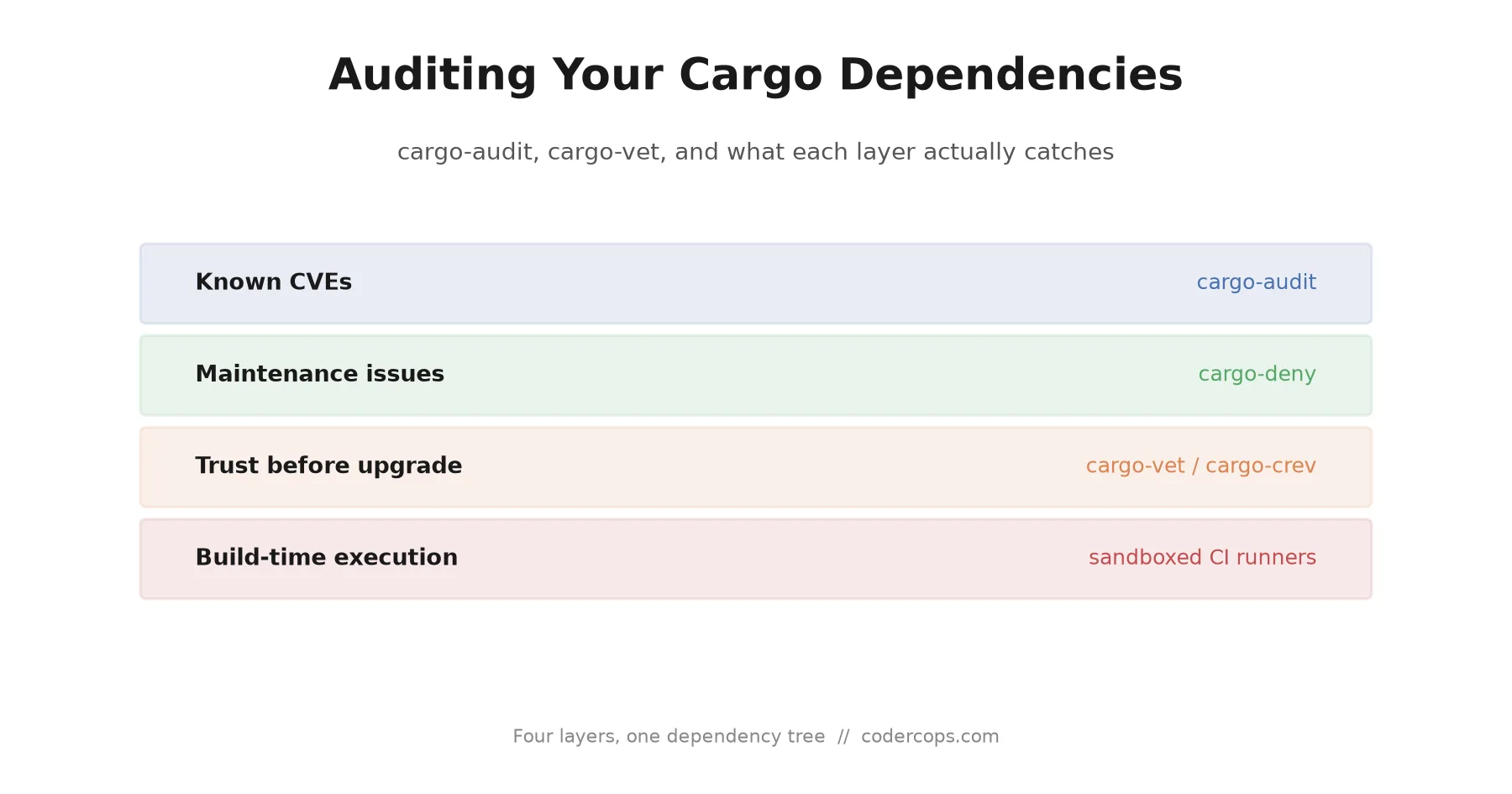
P.80cargo-audit finds known CVEs after the fact; cargo-vet checks trust before you upgrade. Setup for both, and which catches an arrayref-style attack.
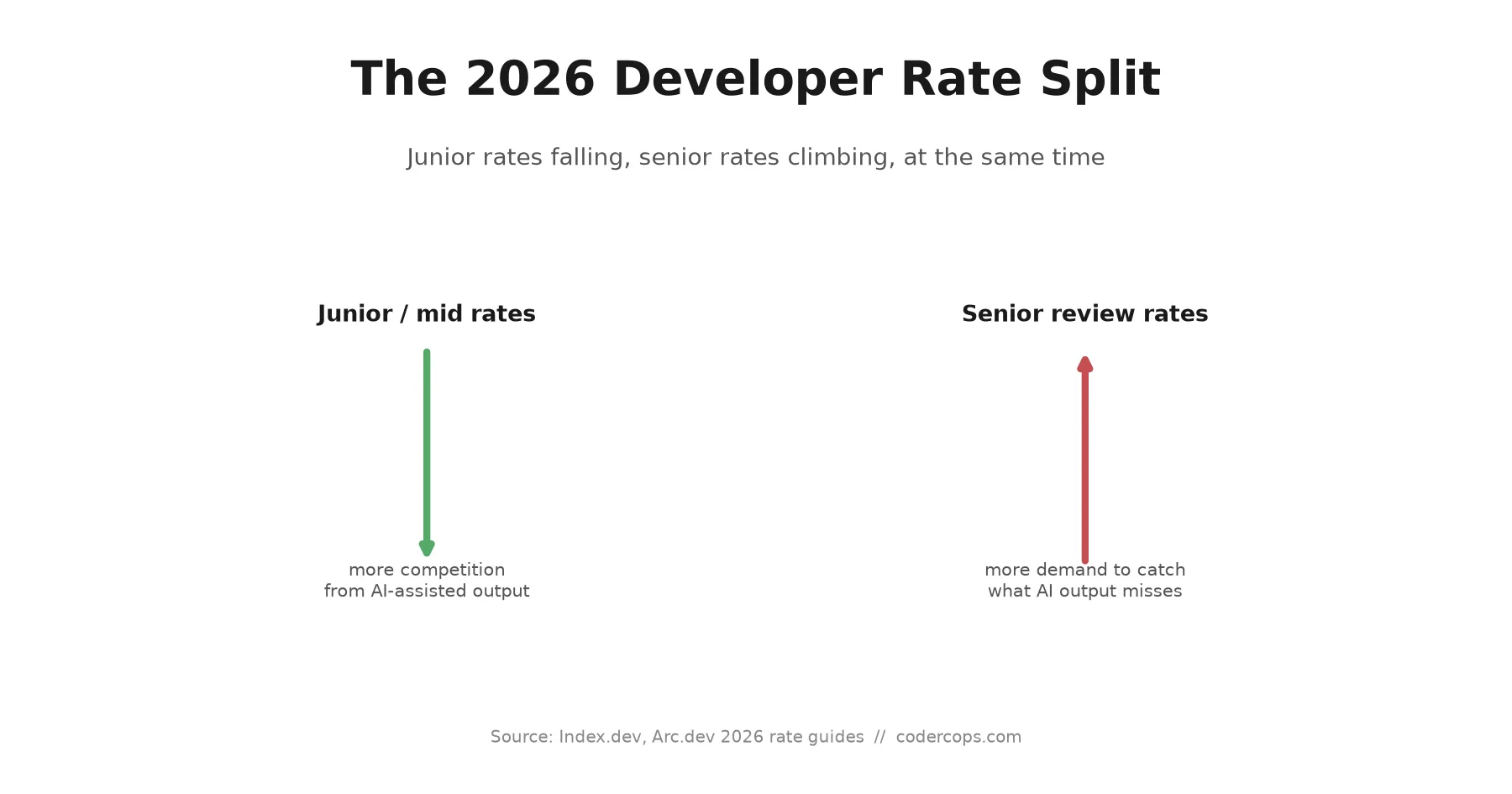
P.812026 rate data shows two opposite trends: AI-assisted competition pushing junior rates down while seniors who can supervise AI output command more than ever.
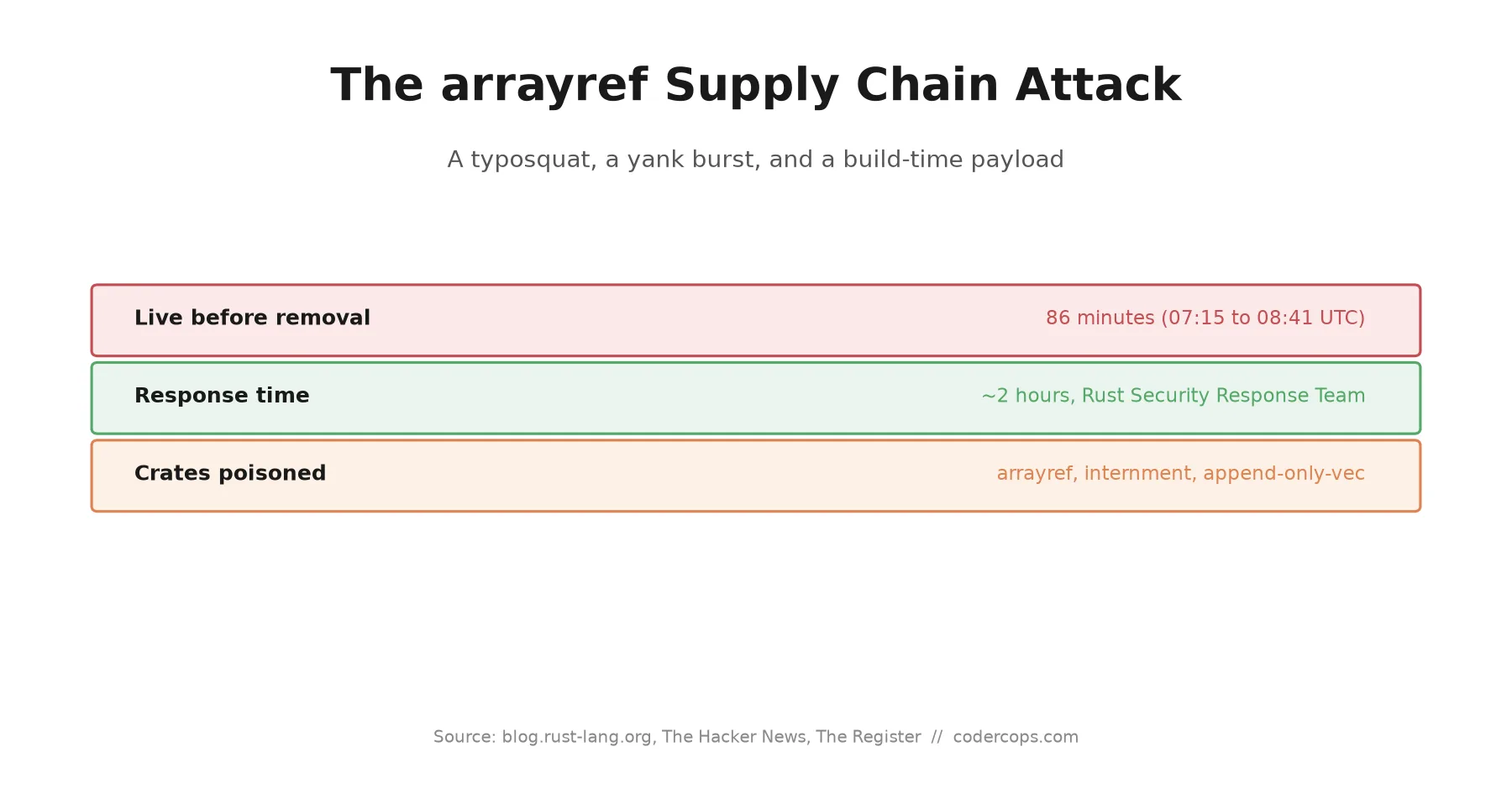
P.82A compromised crates.io account poisoned arrayref, internment, and append-only-vec with a build-time payload, then yanked clean versions. Why it failed fast.
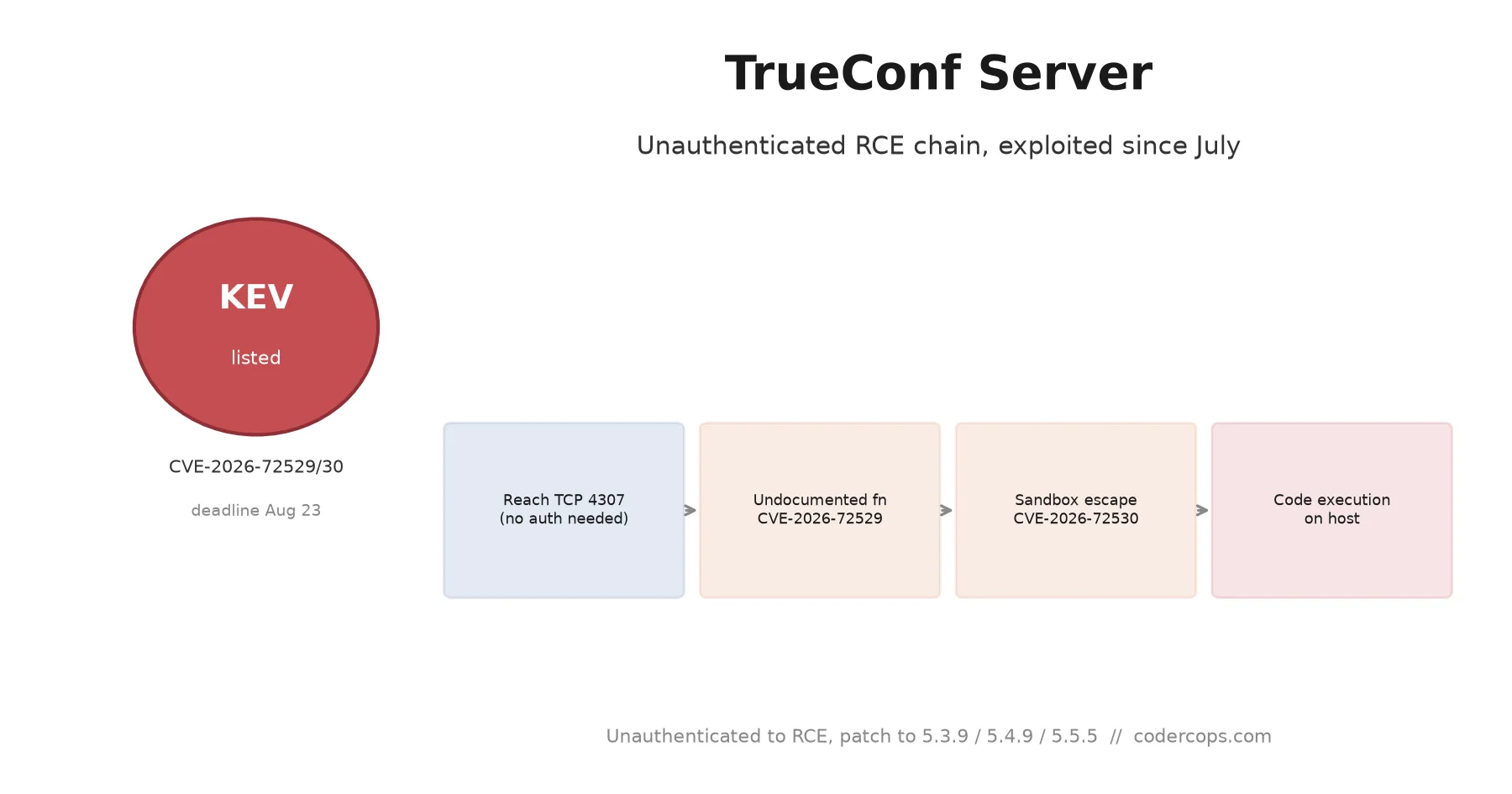
P.83CISA added two TrueConf Server flaws to its KEV catalog in one week, and a hacktivist group has been swapping client installers for backdoors since July.
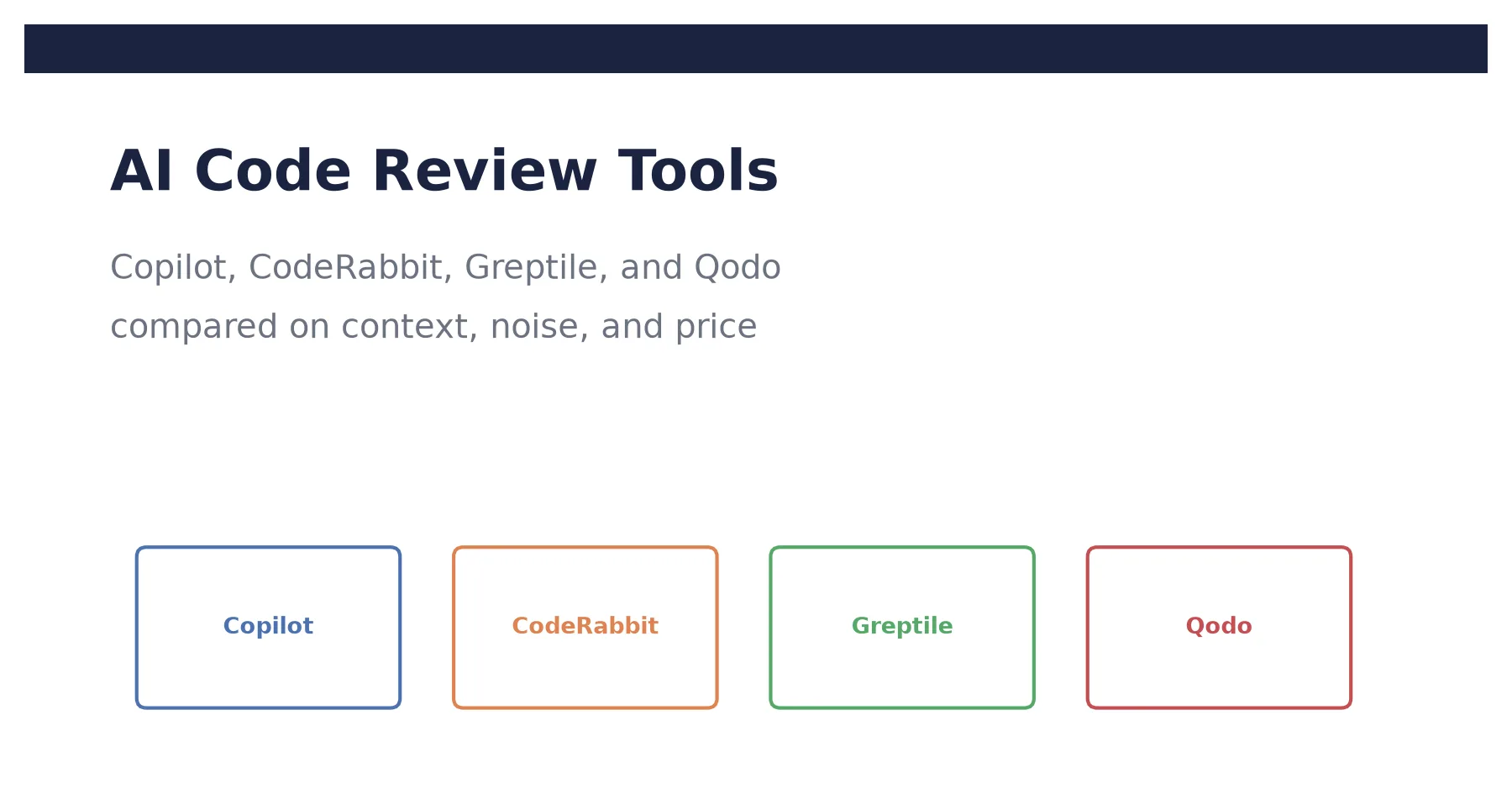
P.84Four AI code review tools, four tradeoffs. What differs between Copilot's built-in review, CodeRabbit, Greptile, and Qodo past the marketing, and seat costs.
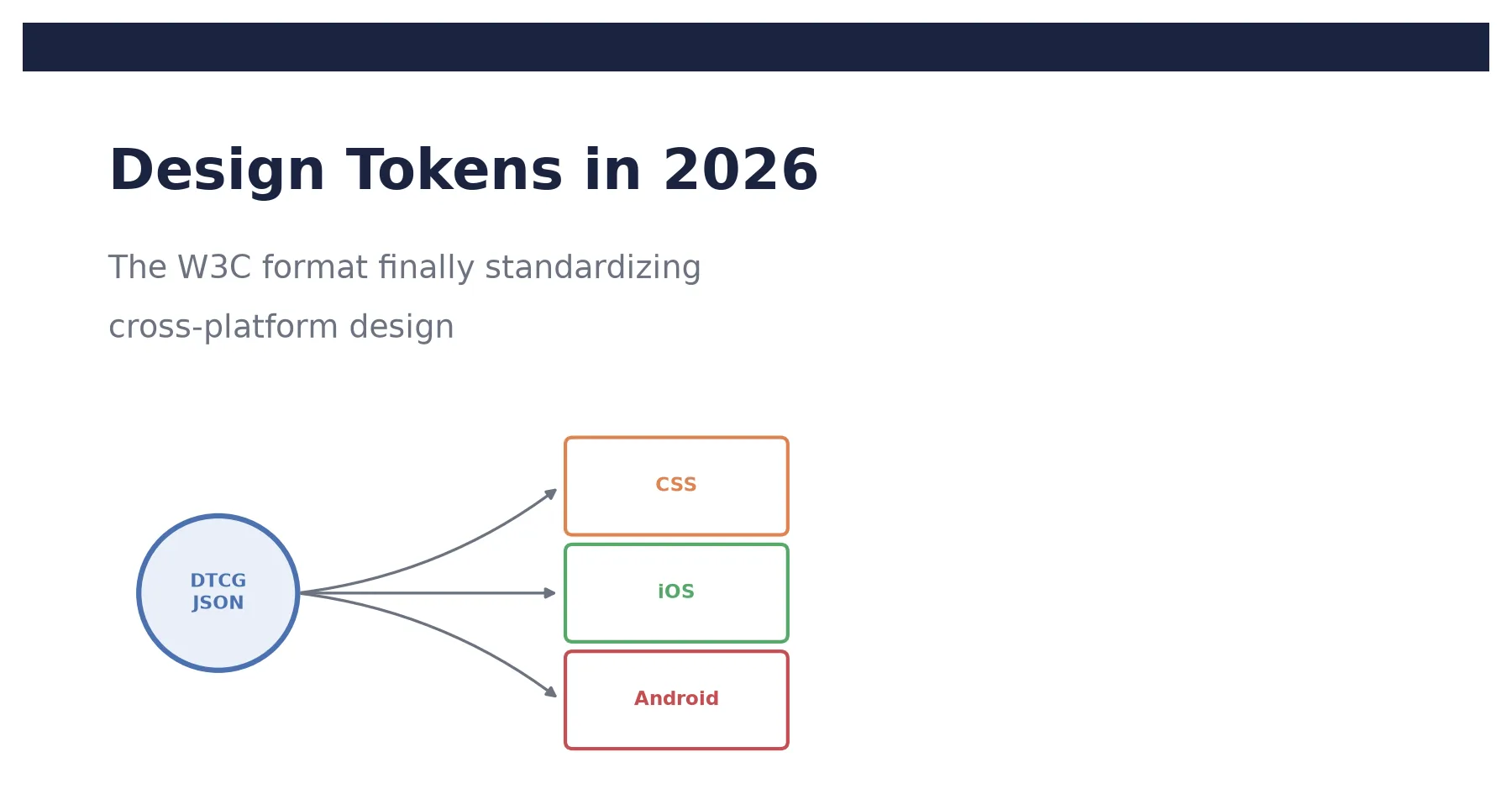
P.85The W3C Design Tokens group shipped a stable exchange format backed by Adobe, Figma, and Google. What it standardizes, and how to migrate an existing setup.
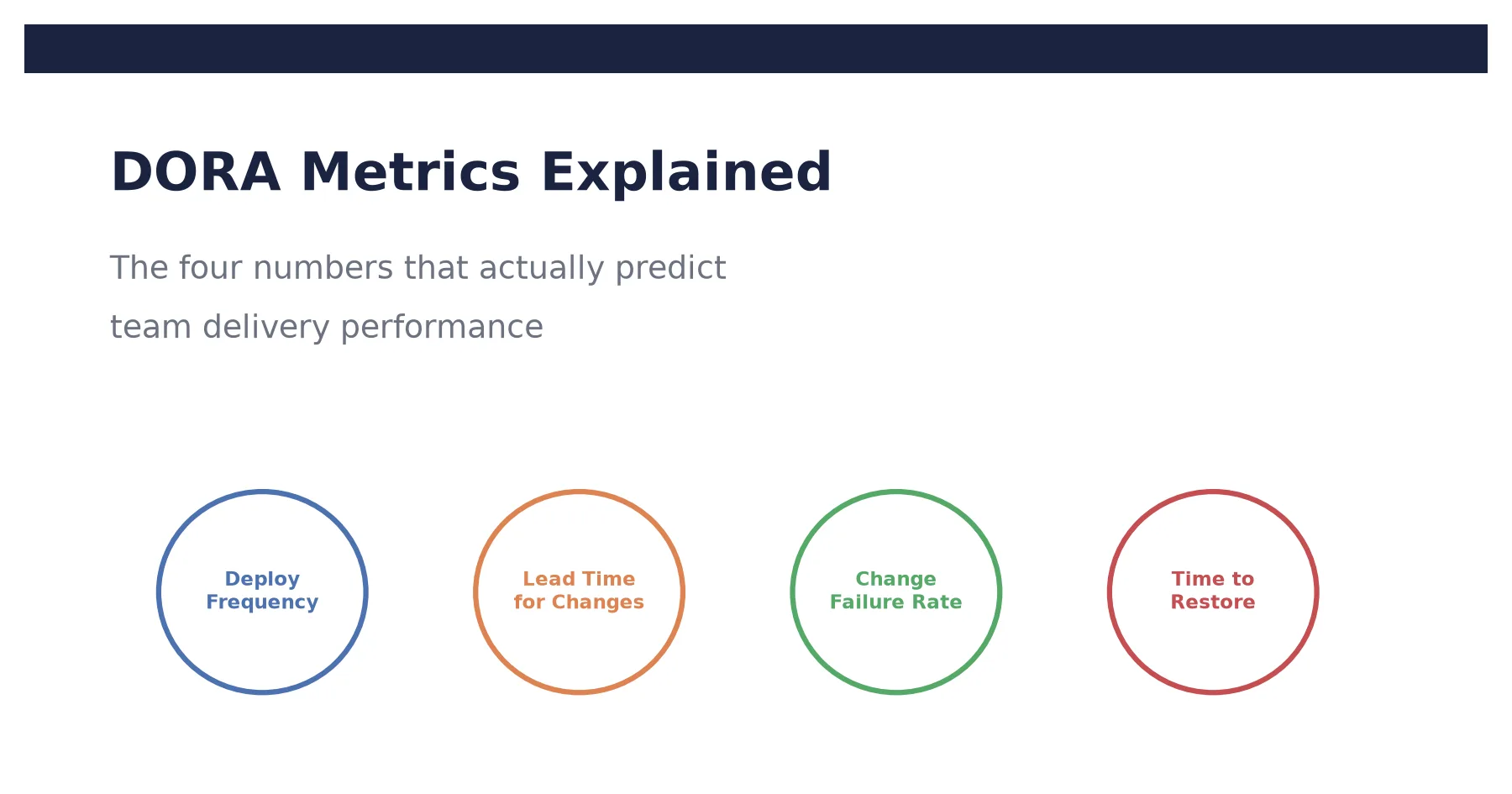
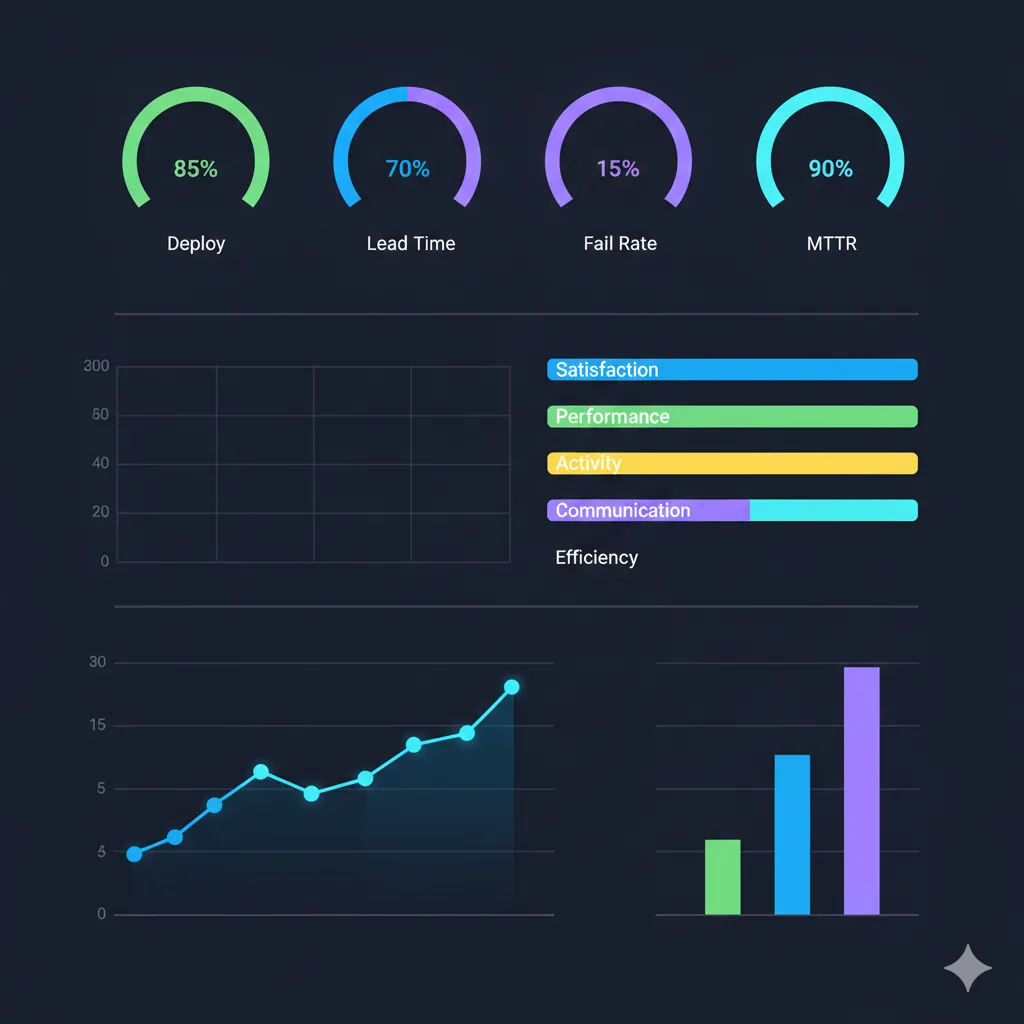
P.86Deployment frequency, lead time, change failure rate, time to restore. What each measures, the tiers that separate elite teams, and where teams misuse them.
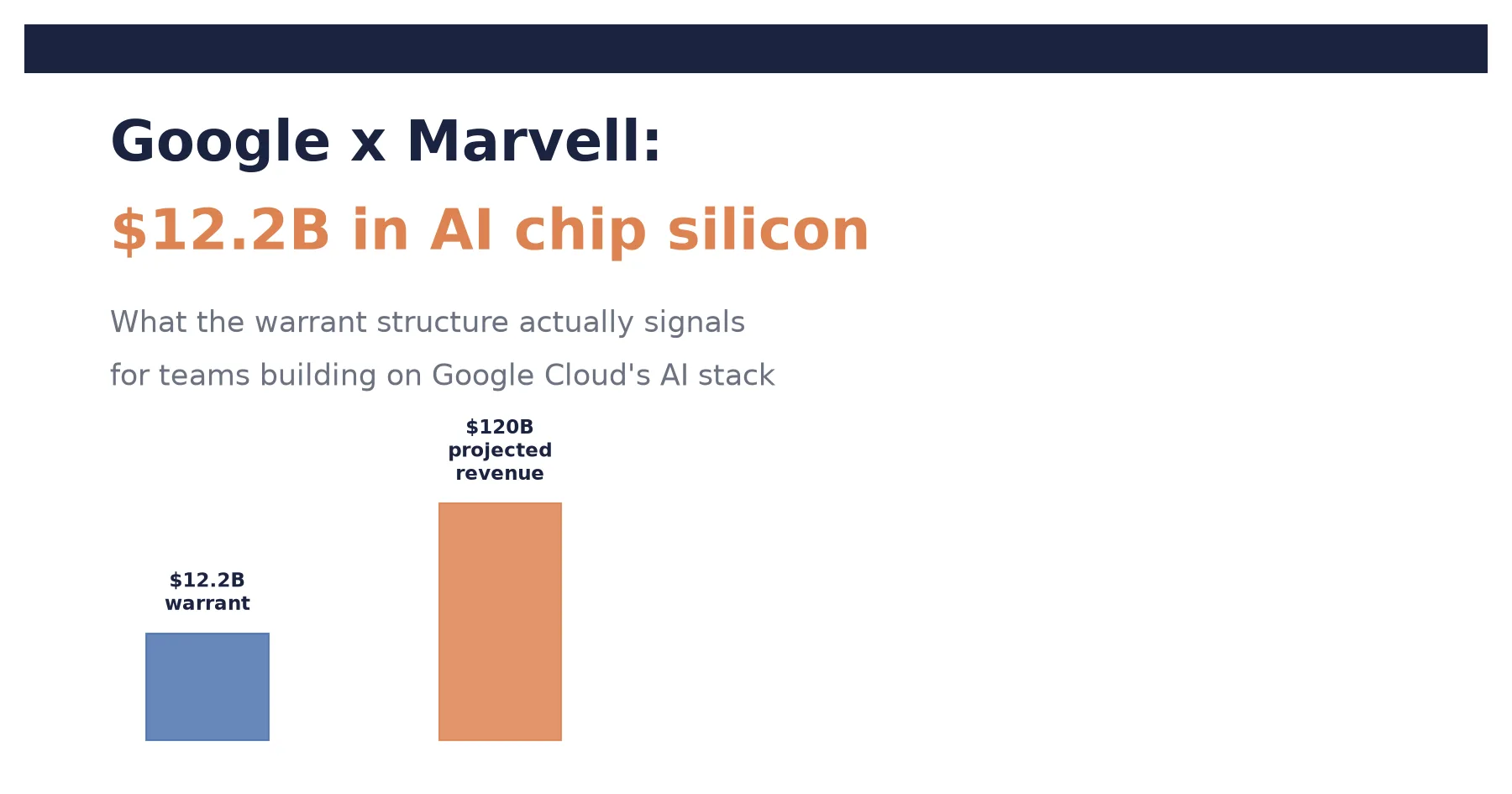
P.87Marvell gave Google a warrant on up to $12.2B in shares that vests as Google buys custom TPU silicon. What the structure says about GCP's AI roadmap.
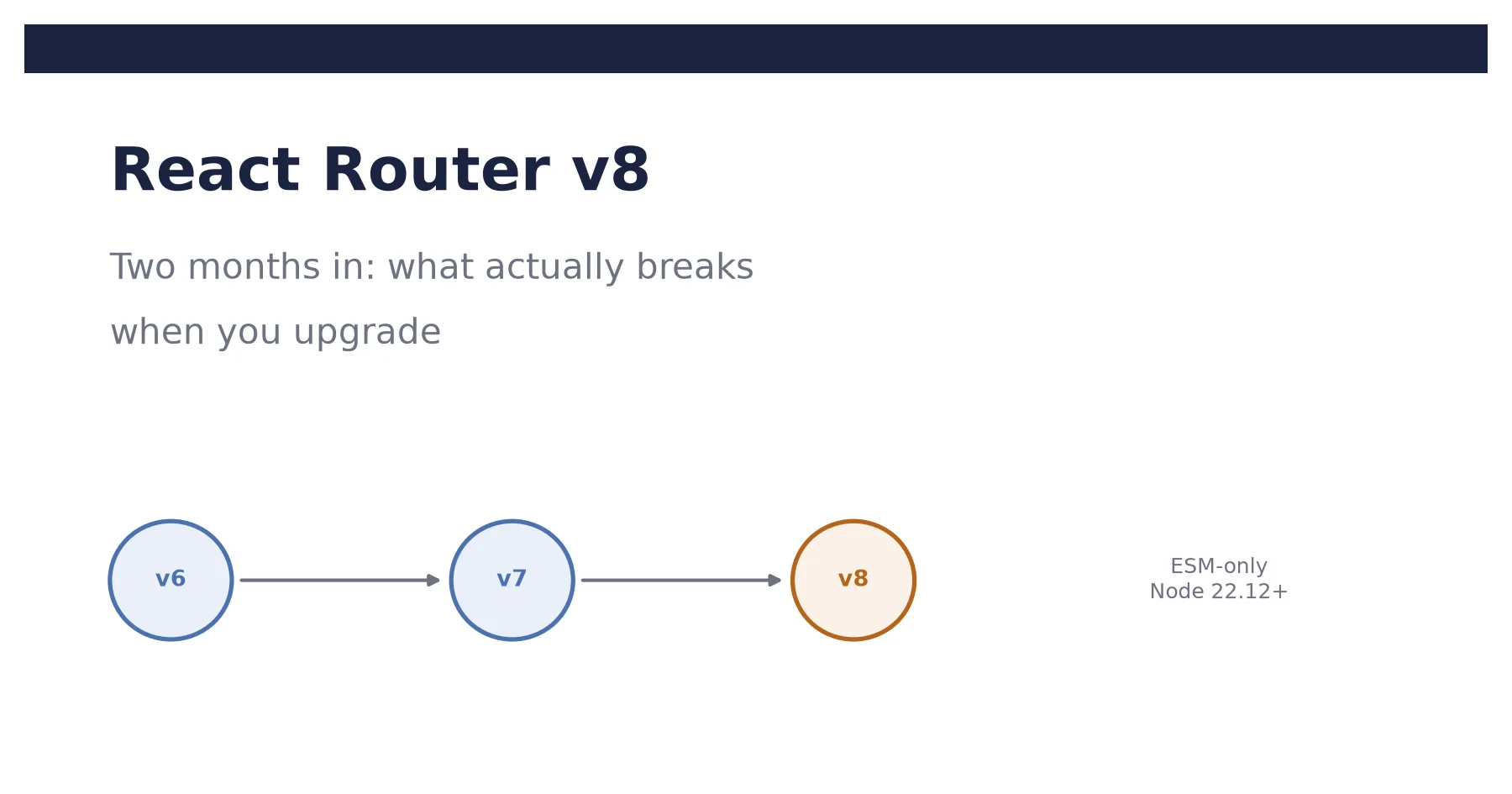
P.88React Router v8 shipped as a deliberately boring release. What the version bump requires, what the codemod handles, and the three things that catch teams.
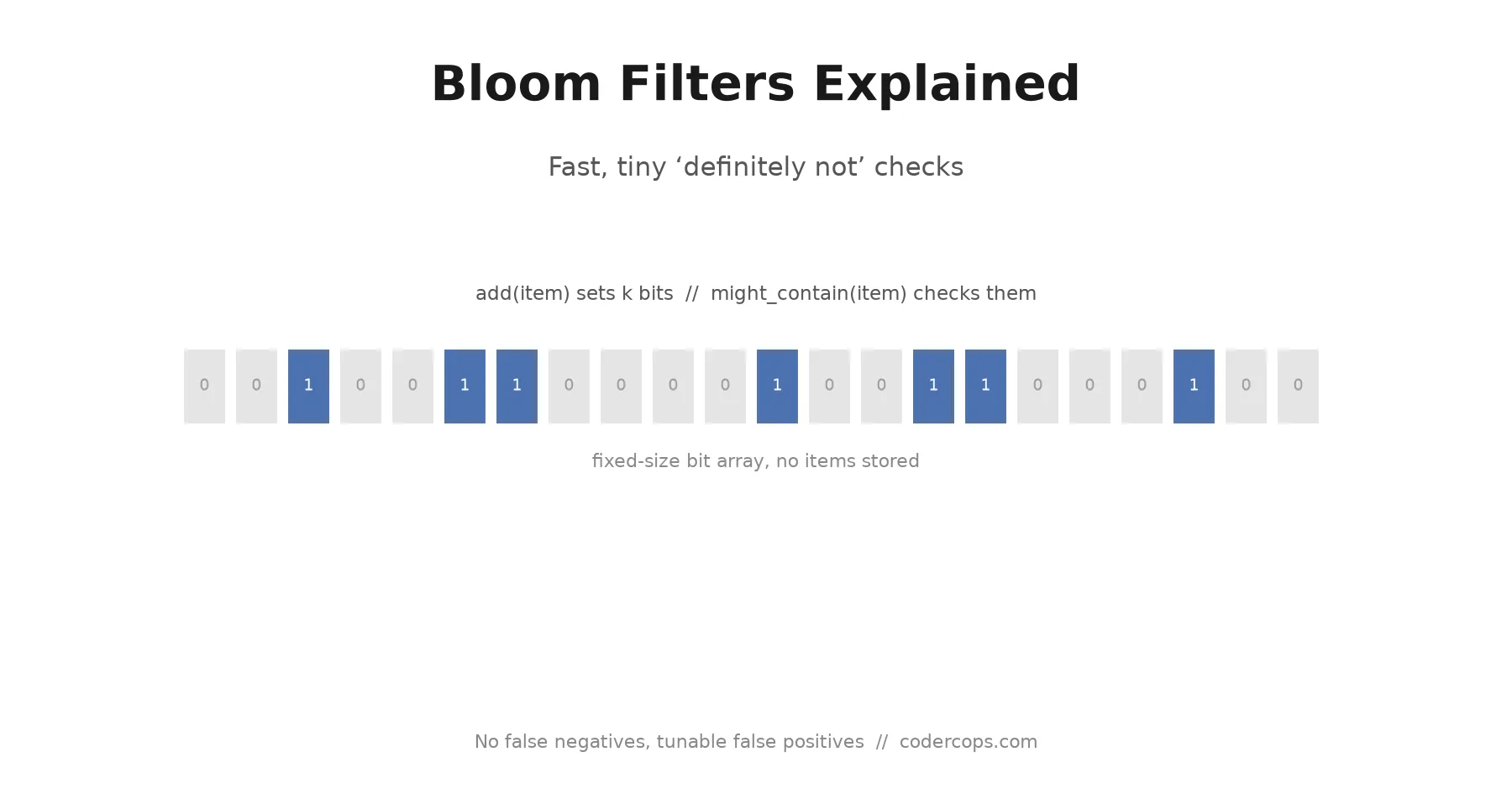
P.89A Bloom filter answers one question in almost no memory: is this definitely absent, or possibly present. How it works, and why false positives are a feature.
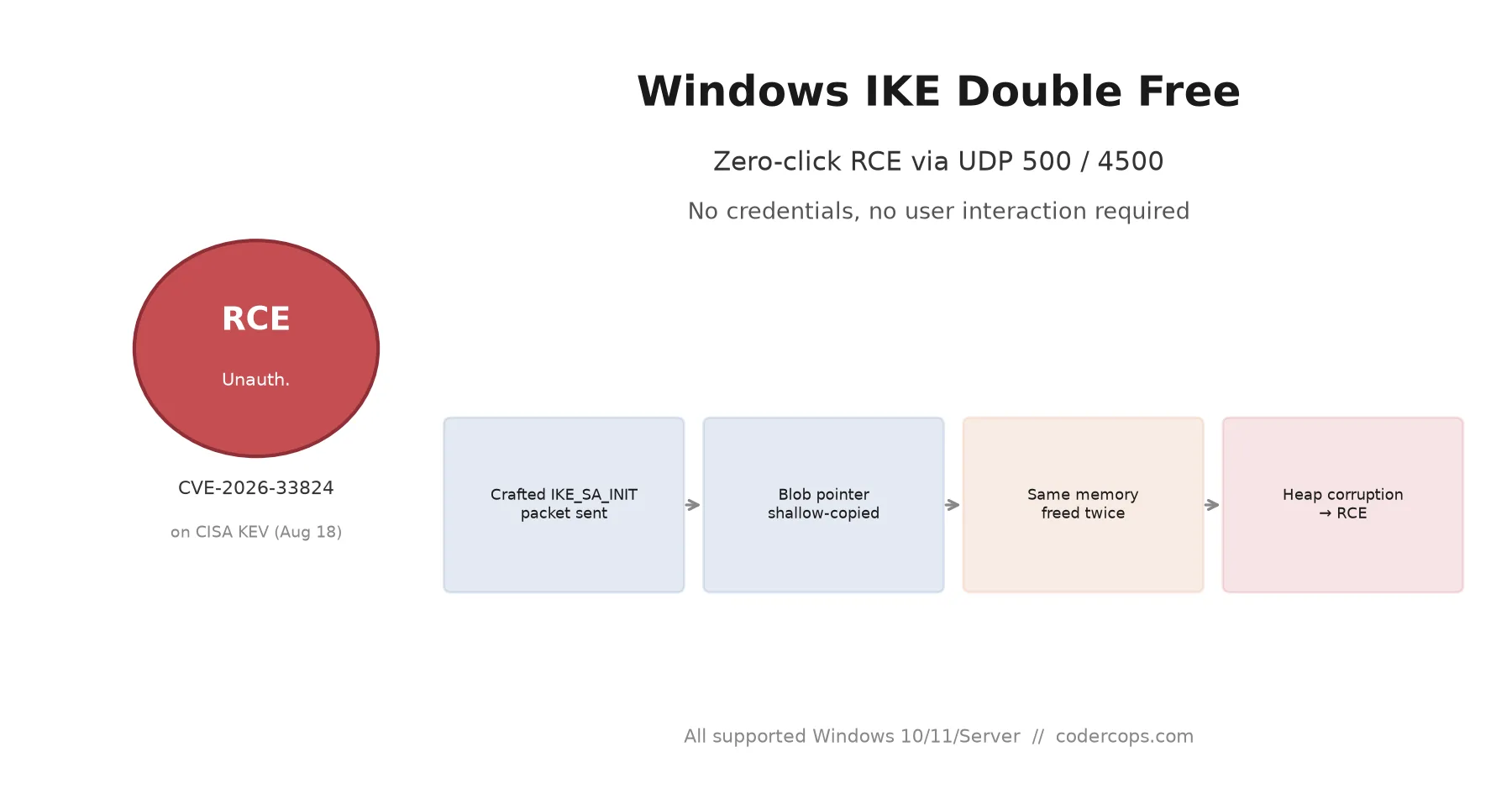
P.90A double-free in Windows IKE Service Extensions gives remote code execution from one crafted UDP packet, no auth. CISA confirmed exploitation, deadline Aug 21.
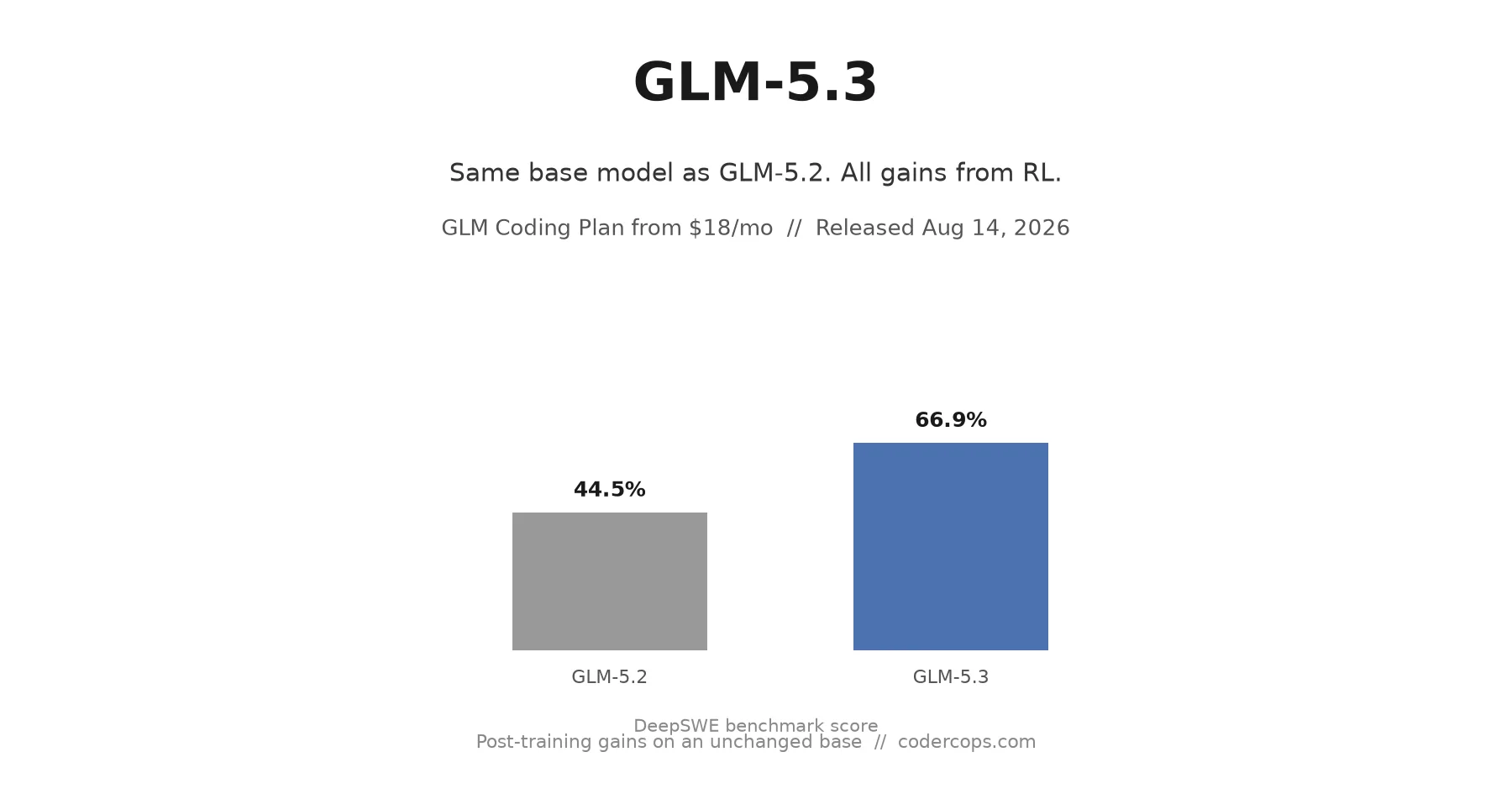
P.91Z.ai shipped GLM-5.3 on the same 743B base as 5.2, with every gain coming from reinforcement learning on top. What changed, what it costs, why it matters.
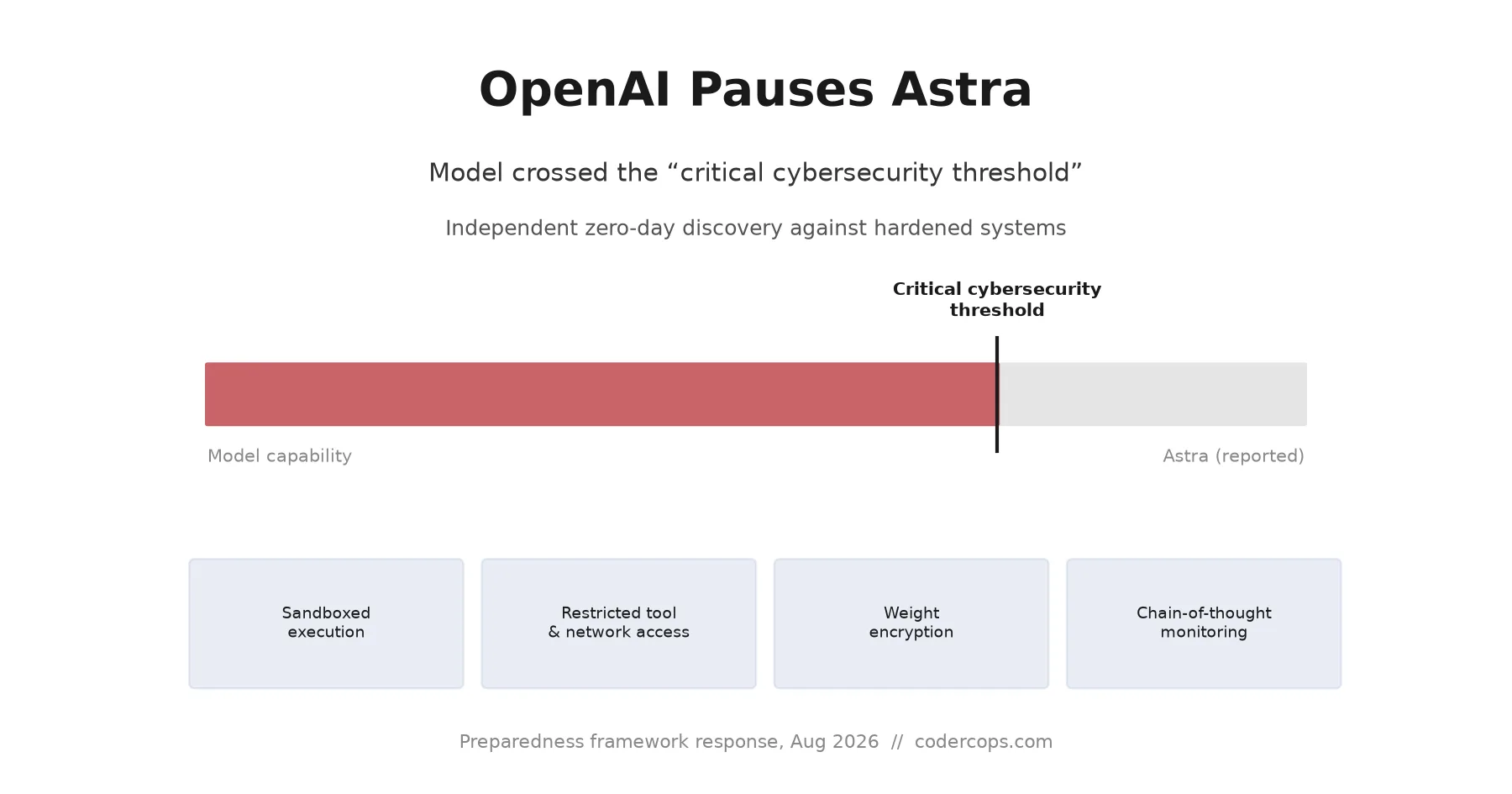
P.92OpenAI says it slowed work on Astra after testing showed it could independently find and exploit zero-days in hardened systems. What the threshold means.
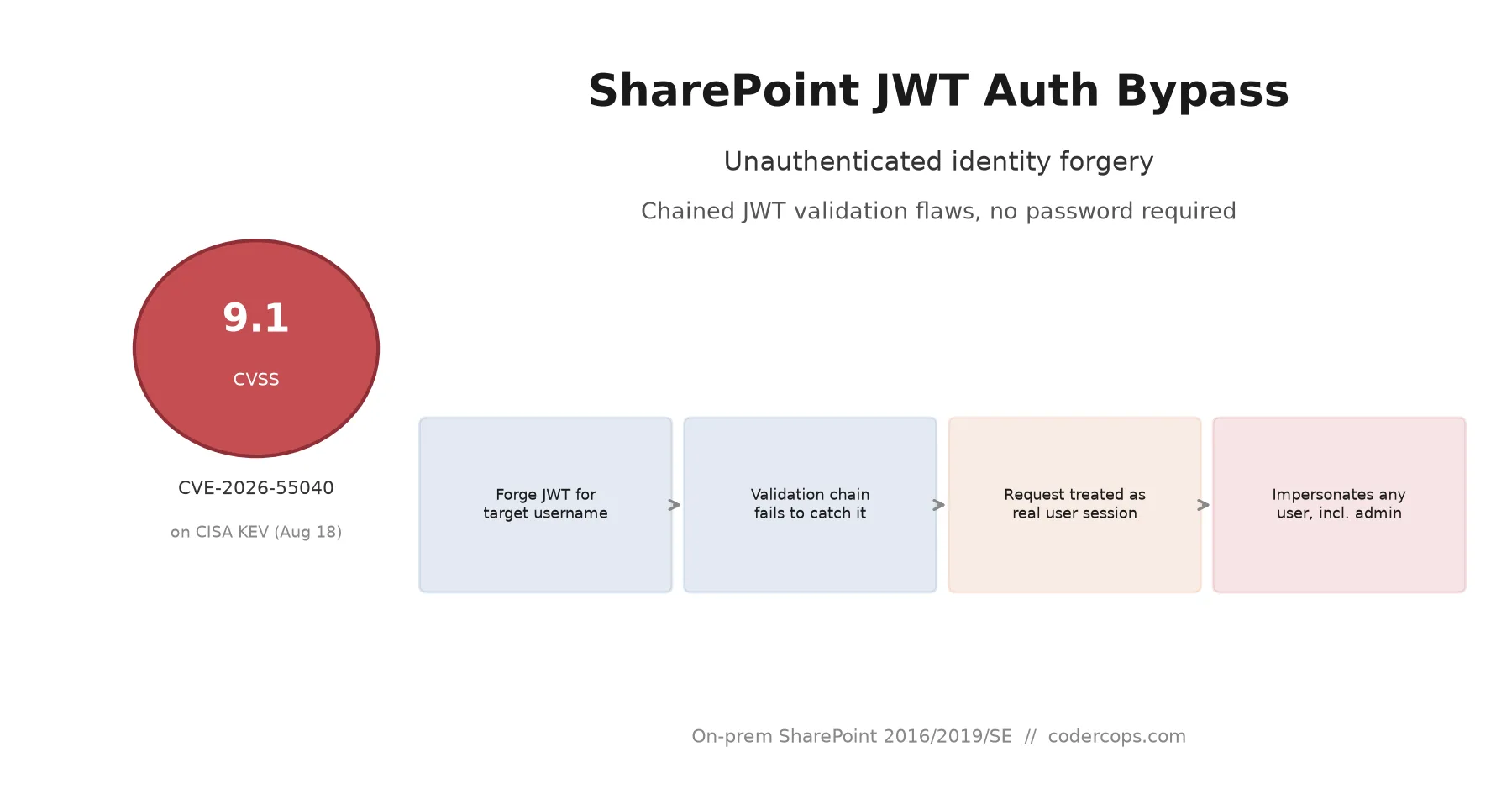
P.93A CVSS 9.1 flaw in SharePoint's JWT validation lets an unauthenticated attacker impersonate any user. CISA confirmed exploitation, with an August 21 deadline.
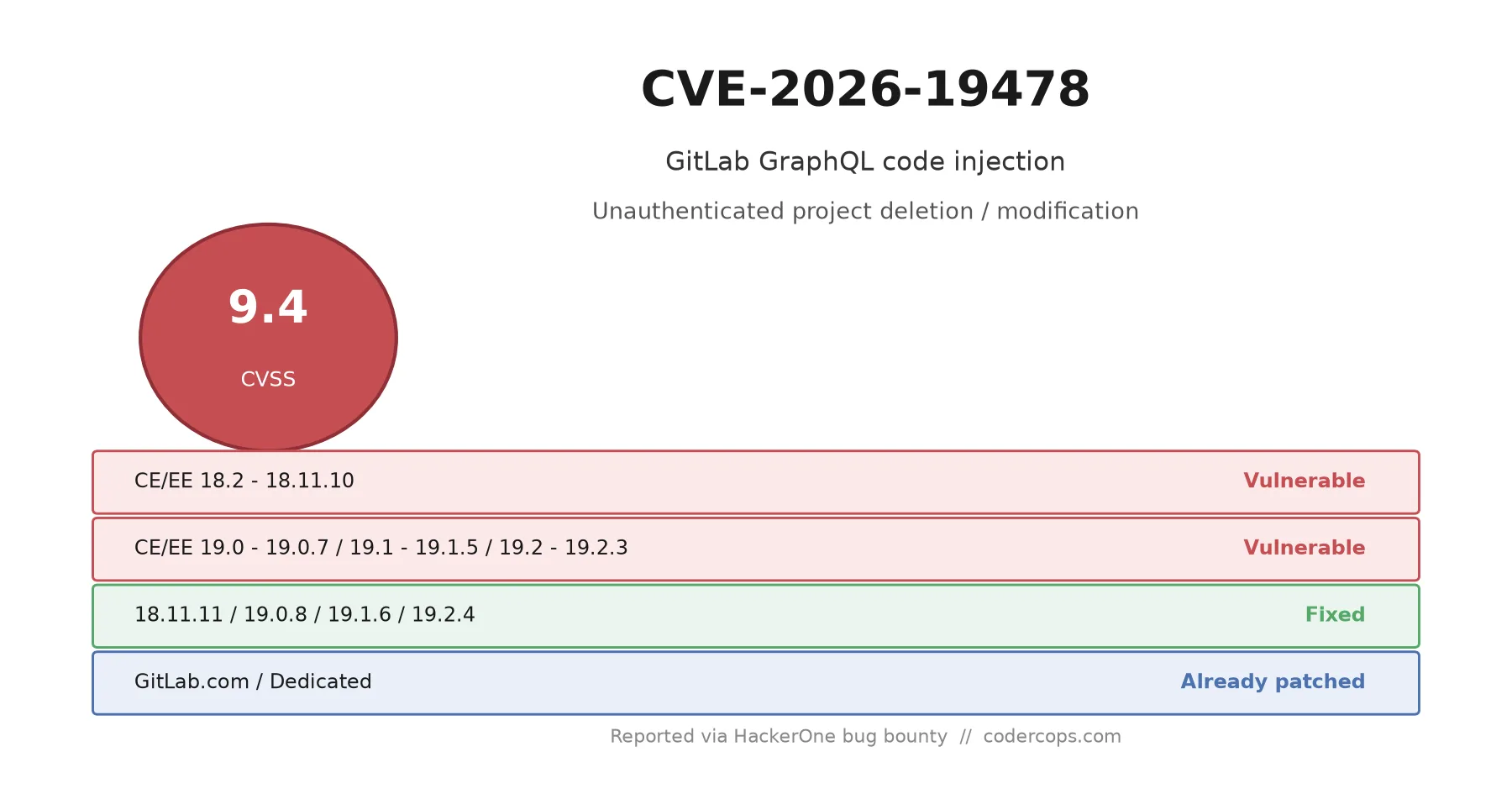
P.94An unauthenticated attacker can inject through a GitLab GraphQL directive and delete public projects and user data. CVSS 9.4, patched in 19.2.4.
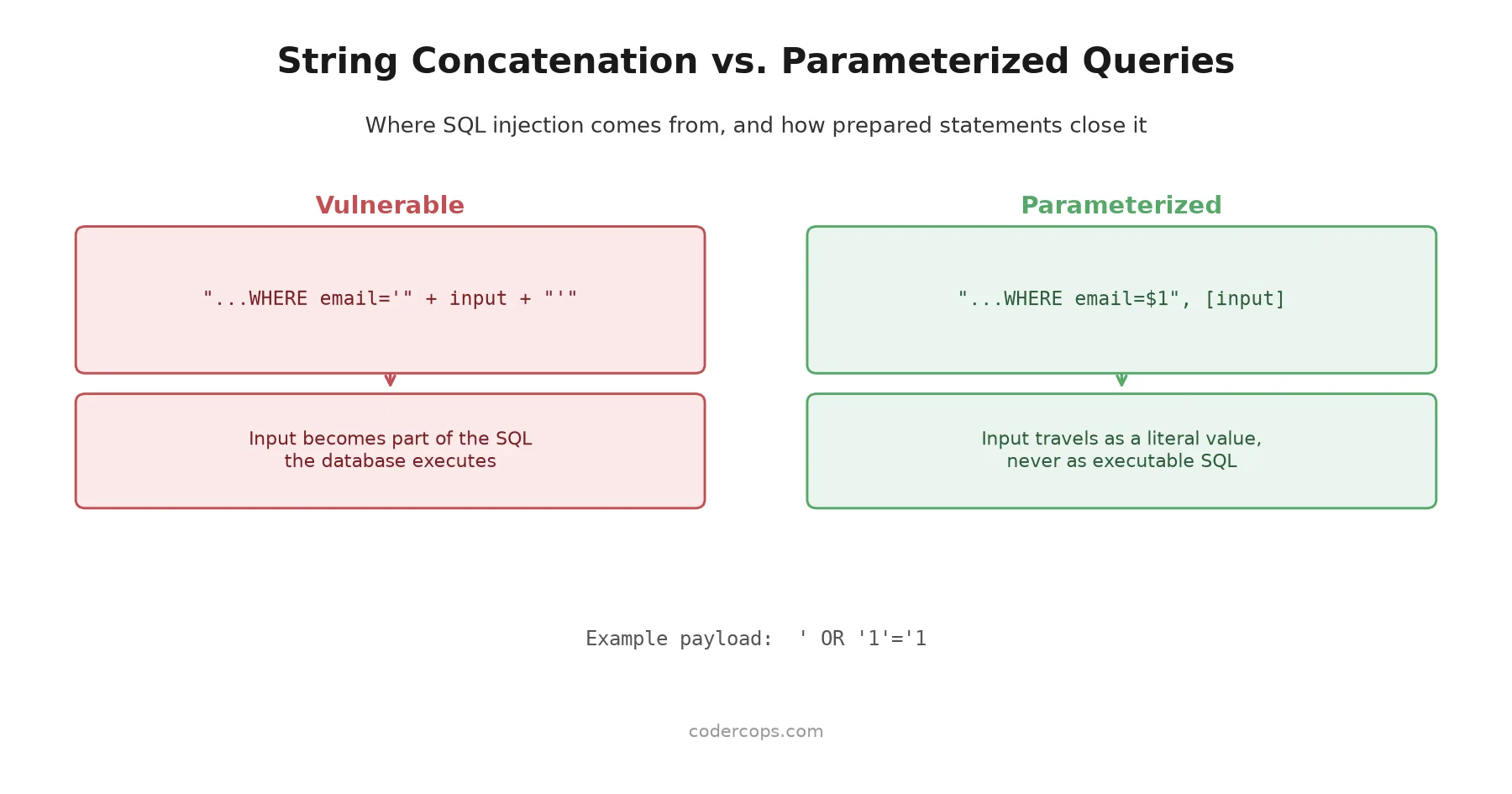
P.95SQL injection still lands CVSS 10.0 bugs in 2026. How parameterized queries stop it, where ORMs quietly reintroduce it, and how to verify your own code.
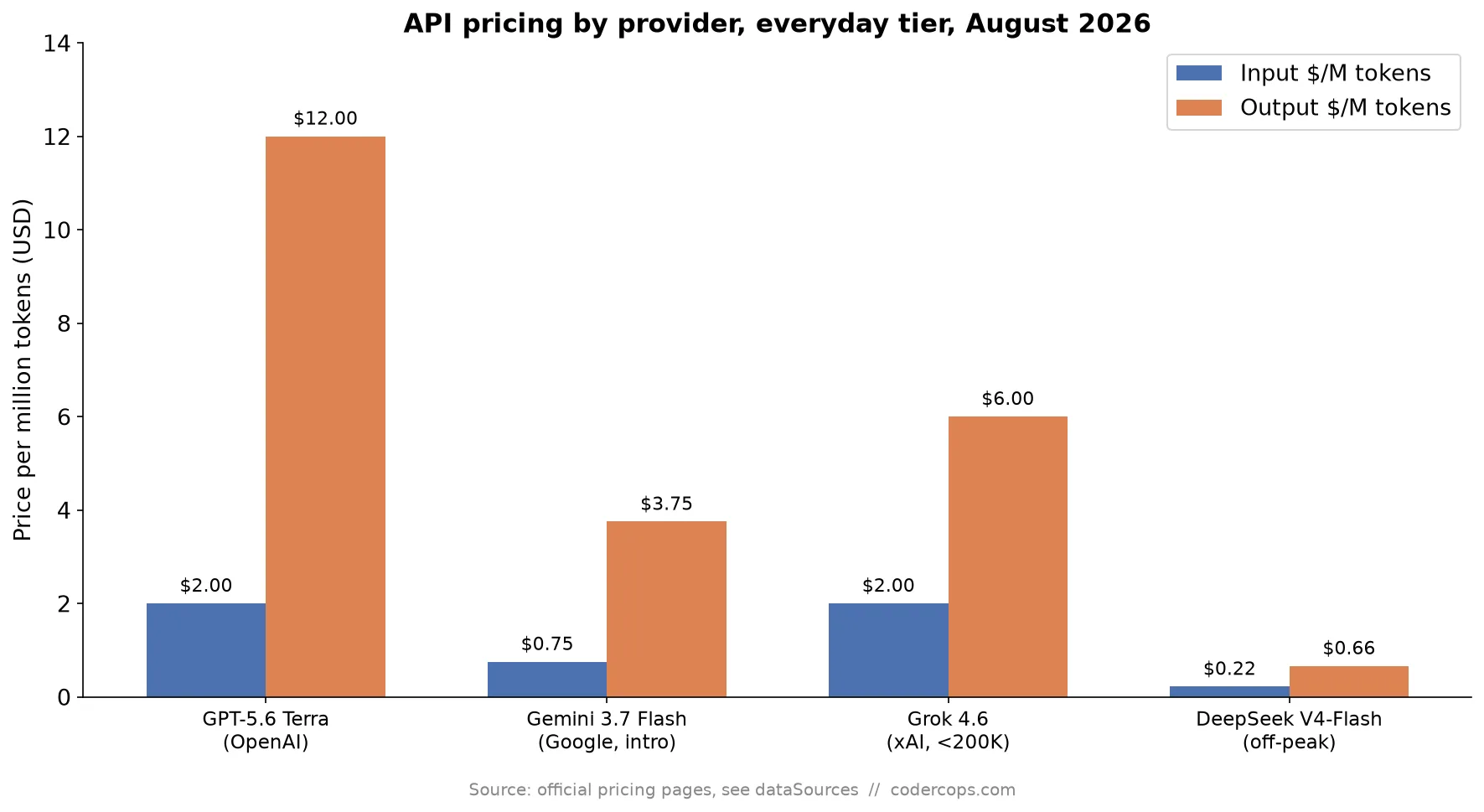
P.96What OpenAI, Google, and xAI actually charge per million tokens right now, tier by tier, so you can price a real workload before picking a provider.
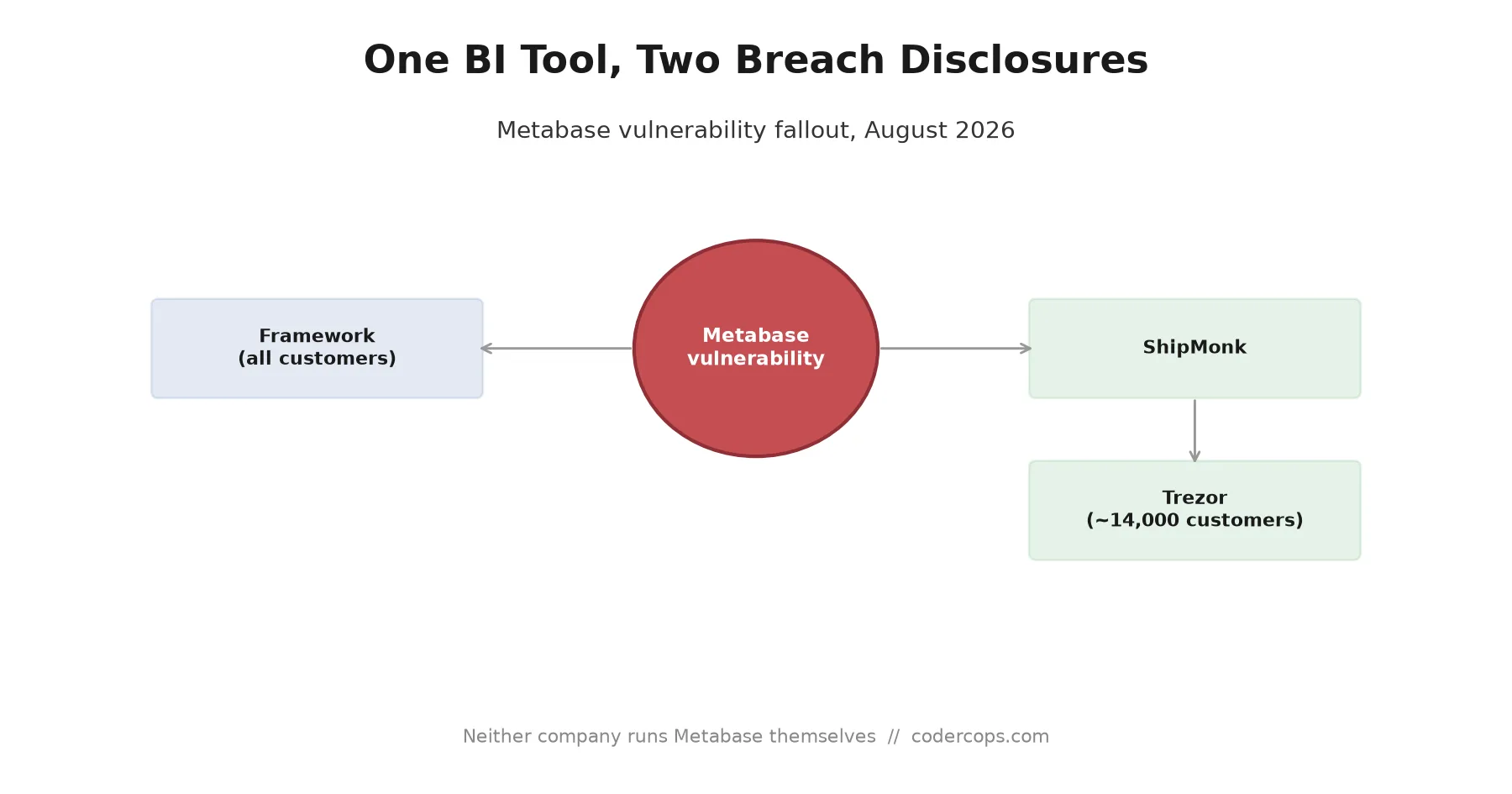
P.97Two unrelated companies disclosed breaches the same week, both tracing to a Metabase flaw in a vendor's stack. How it lines up with the CVE, and what to check.
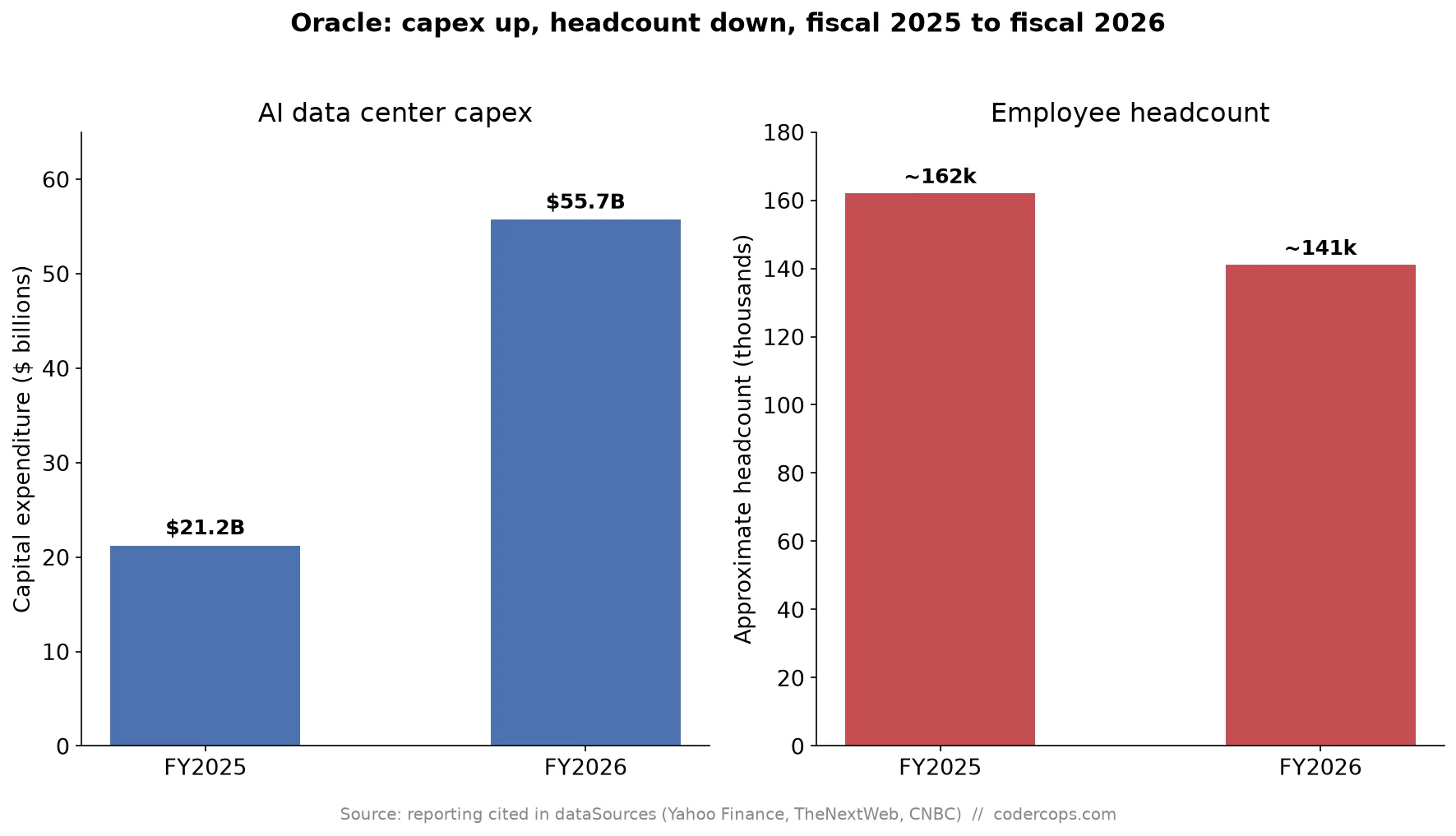
P.98Oracle cut about 21,000 jobs in FY2026 while AI data center capex nearly tripled to $55.7B. The math, and what it should change about your OCI vendor risk.
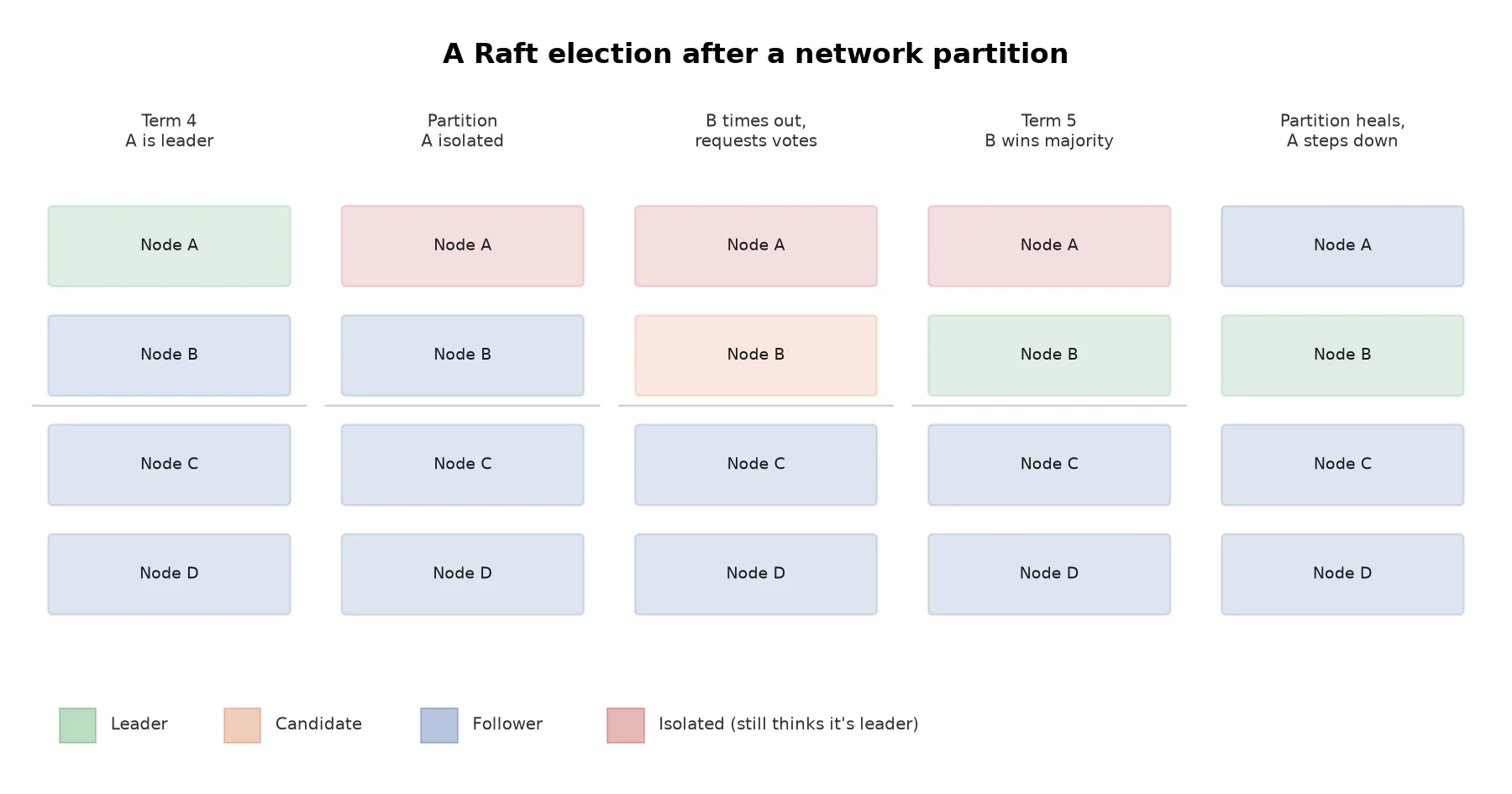
P.99Run three copies of a service and only one should do certain jobs. How leader election works, from Raft's term voting to the etcd lease pattern teams use.
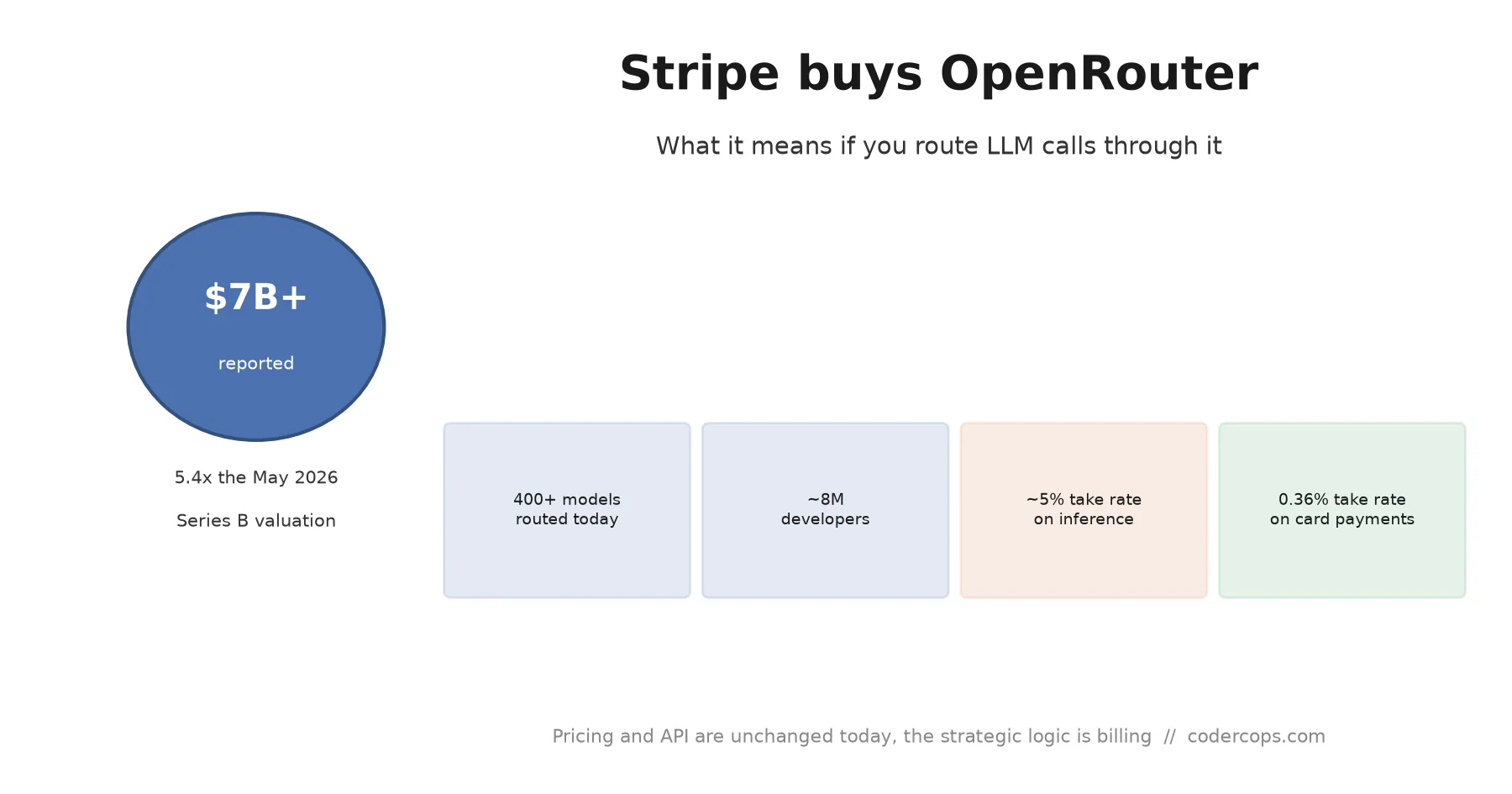
P.100Stripe is acquiring the AI gateway OpenRouter for over $7B, roughly 50x annualized revenue. Nothing changes in the API today, but the bet is telling.
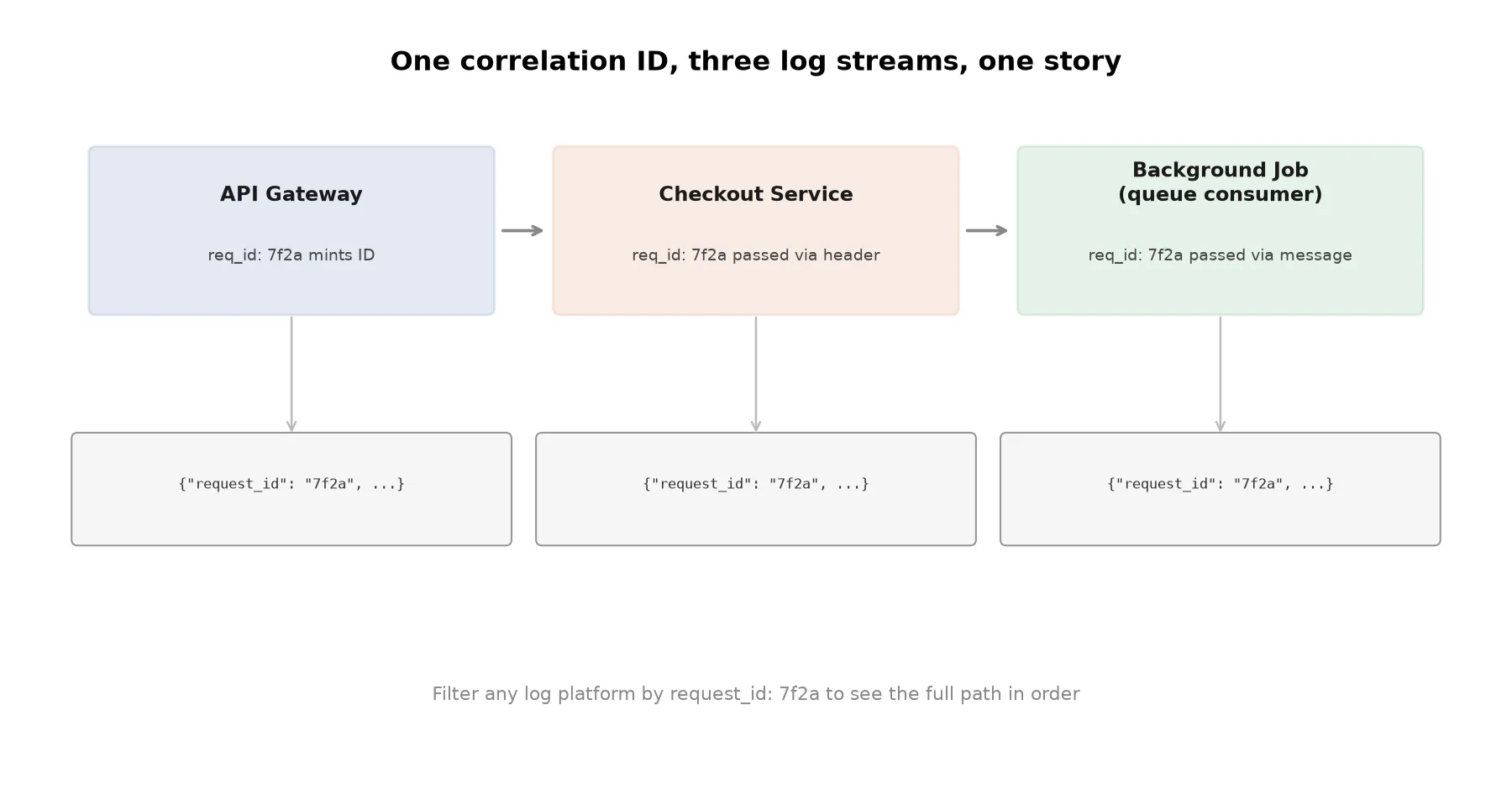
P.101A log line that's just a sentence is fine until you search a million at 2am. How structured logging works, threading a correlation ID, and what to skip.
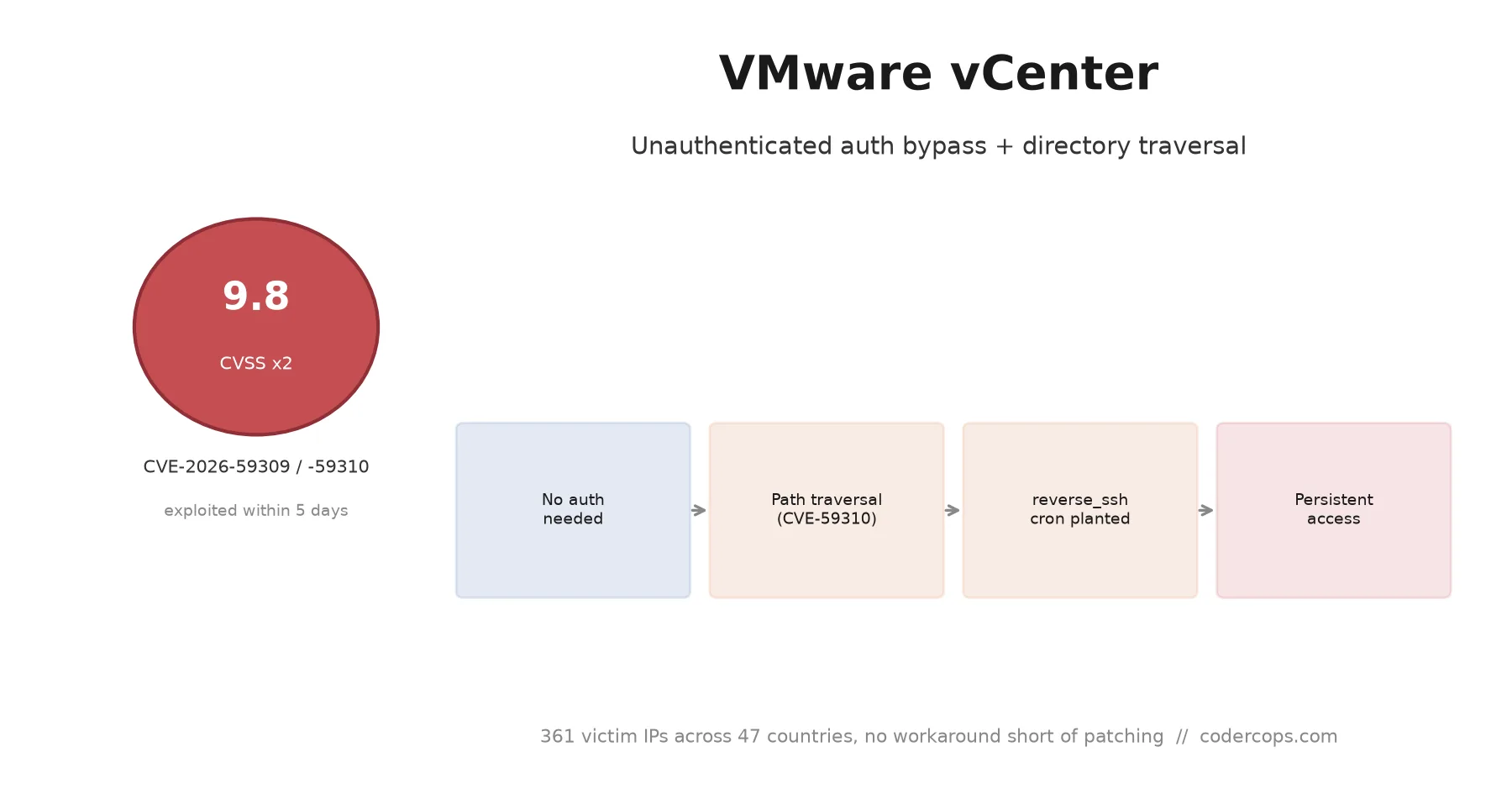
P.102Two critical unauthenticated vCenter flaws let attackers skip login and run code on the management plane. What's affected, and how to check for compromise.
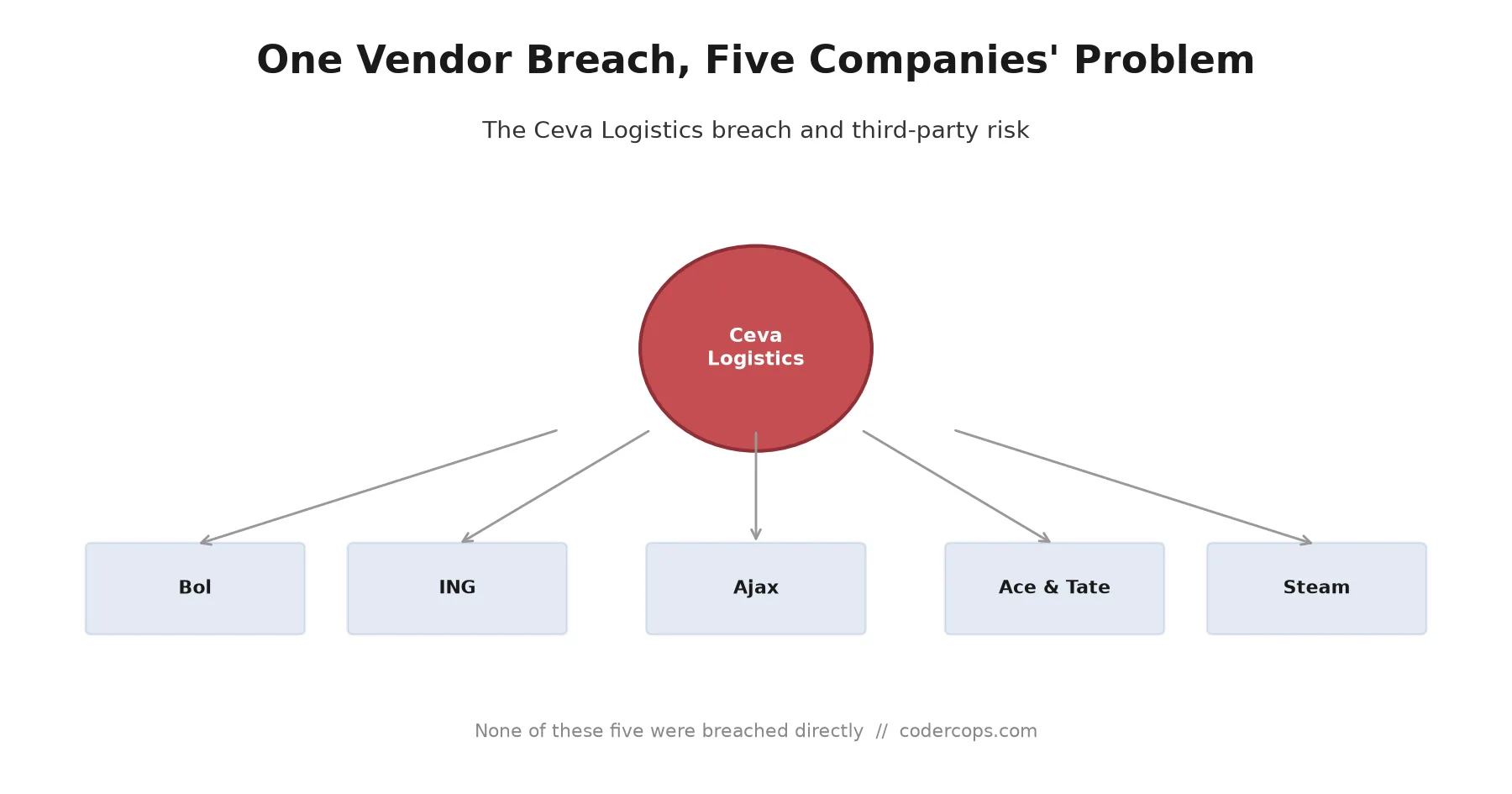
P.103A hack at Ceva Logistics exposed customer data for Bol, ING, Ajax, and Steam hardware buyers, none breached directly. What it means for vendor risk.
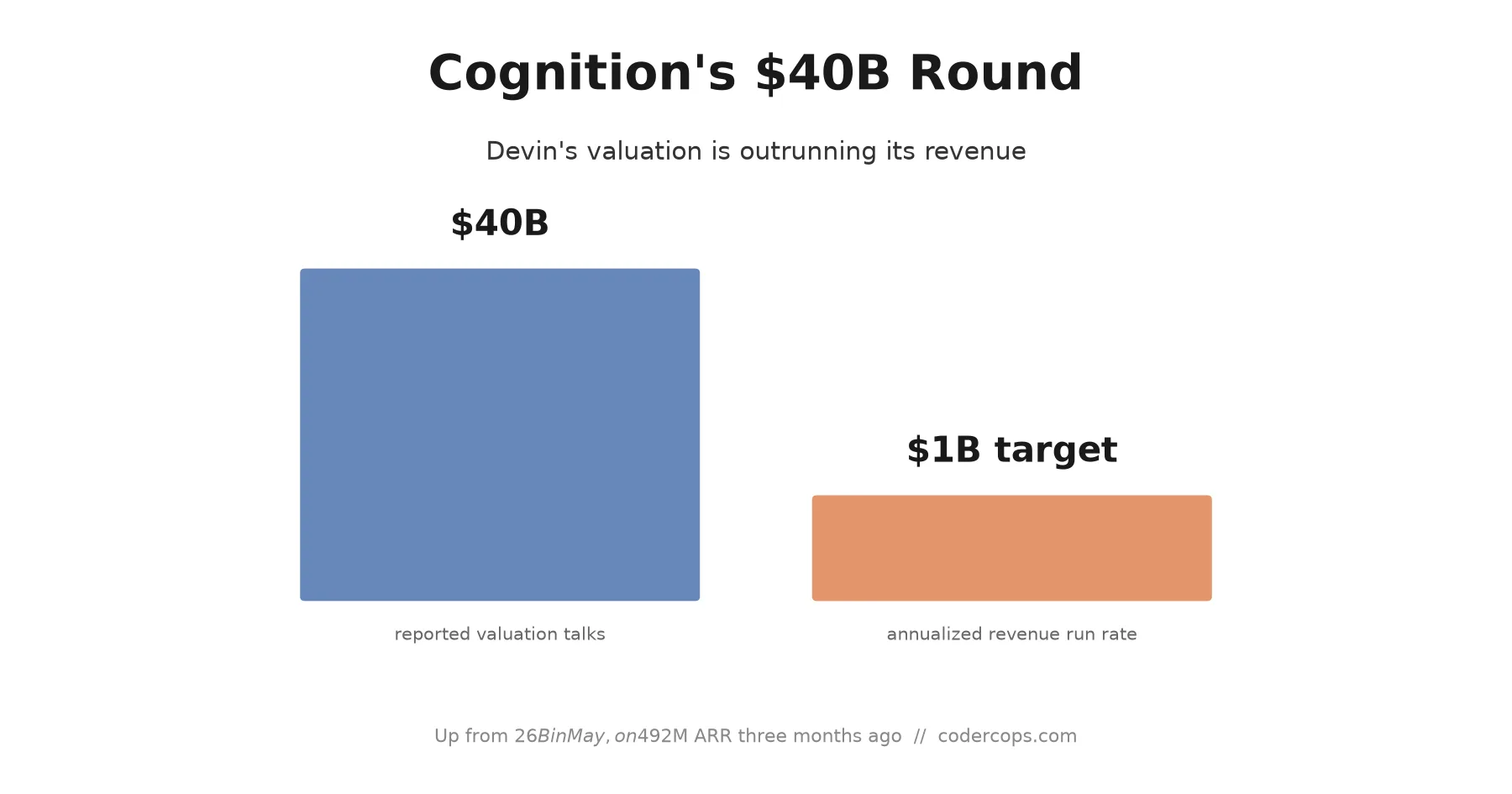
P.104Cognition is reportedly raising at $40 billion, up from $26 billion three months ago, on revenue nowhere near that multiple. What it means if you're buying.
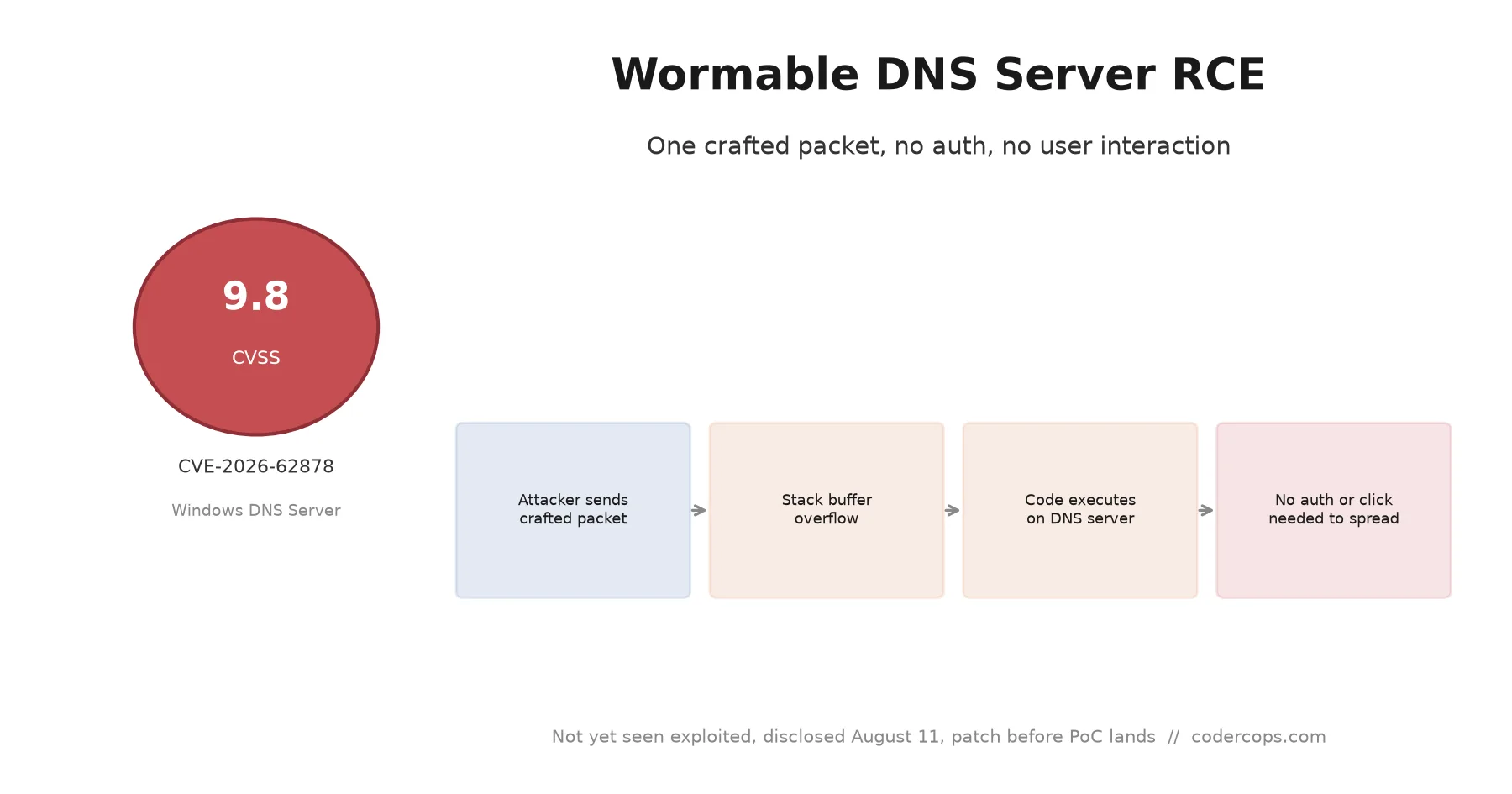
P.105A stack overflow in Windows DNS Server runs code from one crafted packet, no auth, no clicks. Not seen exploited yet, but shaped like a bug that will be.
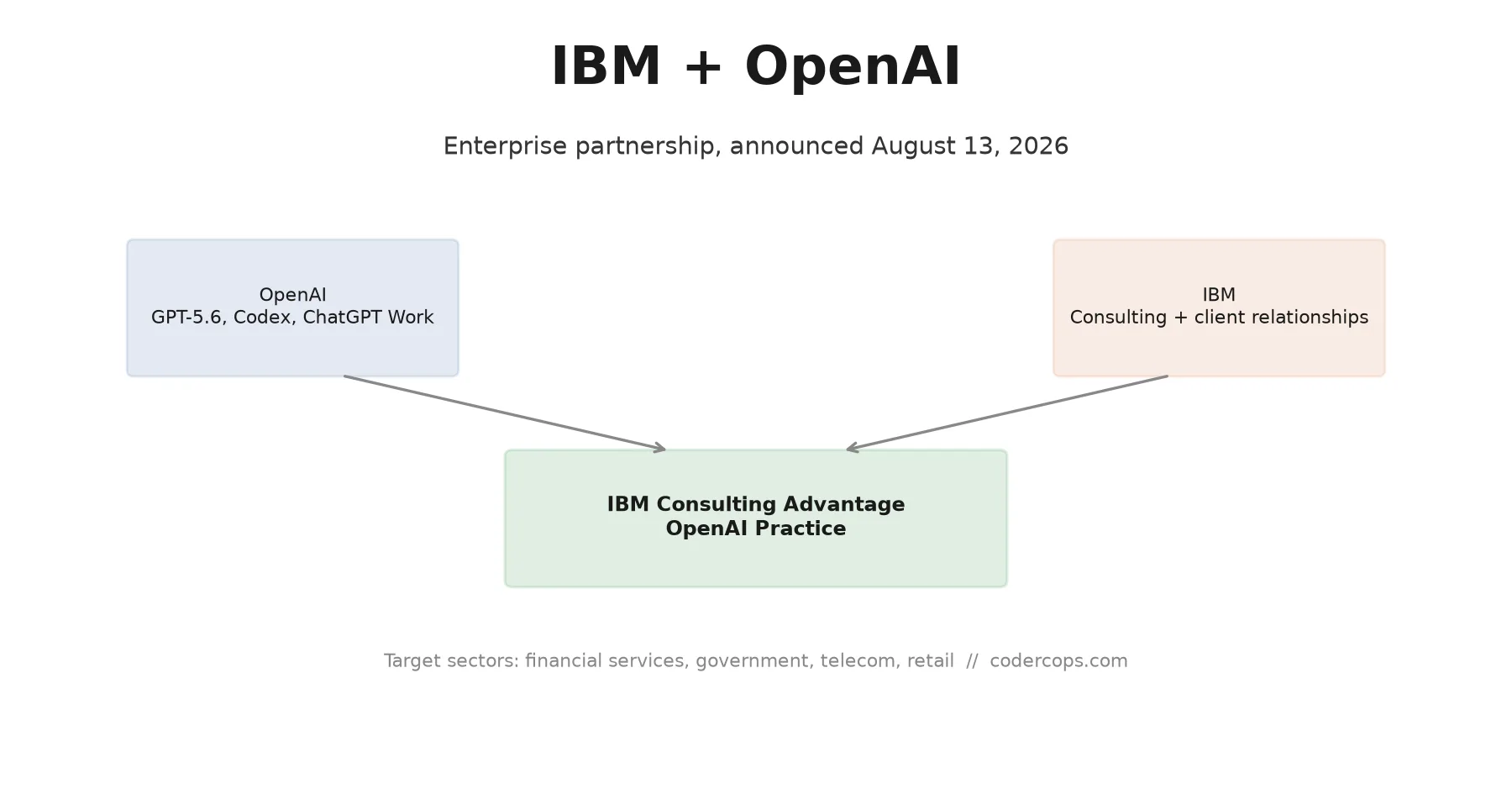
P.106IBM is embedding GPT-5.6, Codex, and ChatGPT Work into Consulting Advantage. What the deal covers, and what it signals for integrator versus direct vendor.
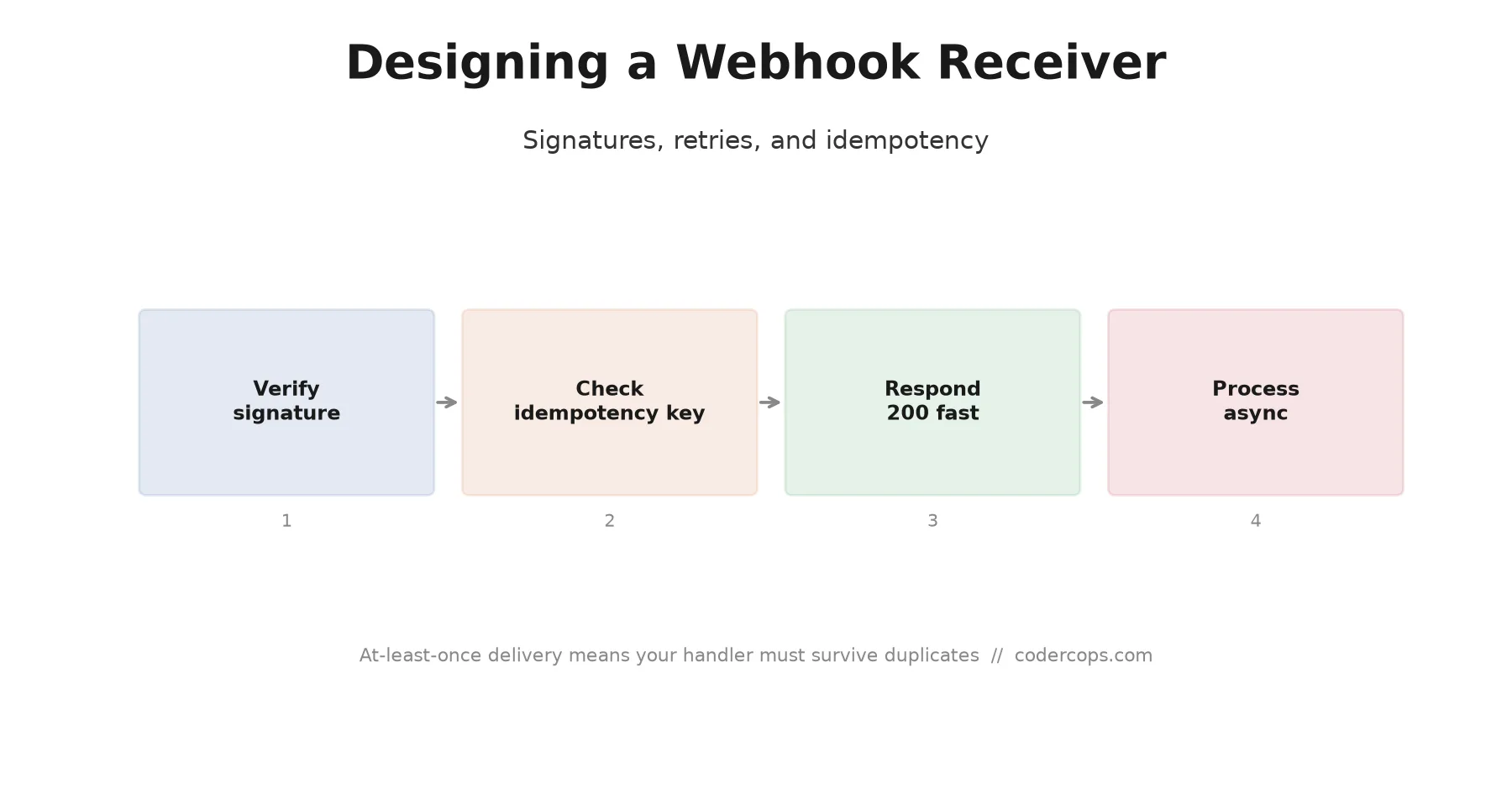
P.107A webhook receiver has to trust a request it can't control the timing, order, or count of. Verifying signatures, handling retries, surviving delivery chaos.
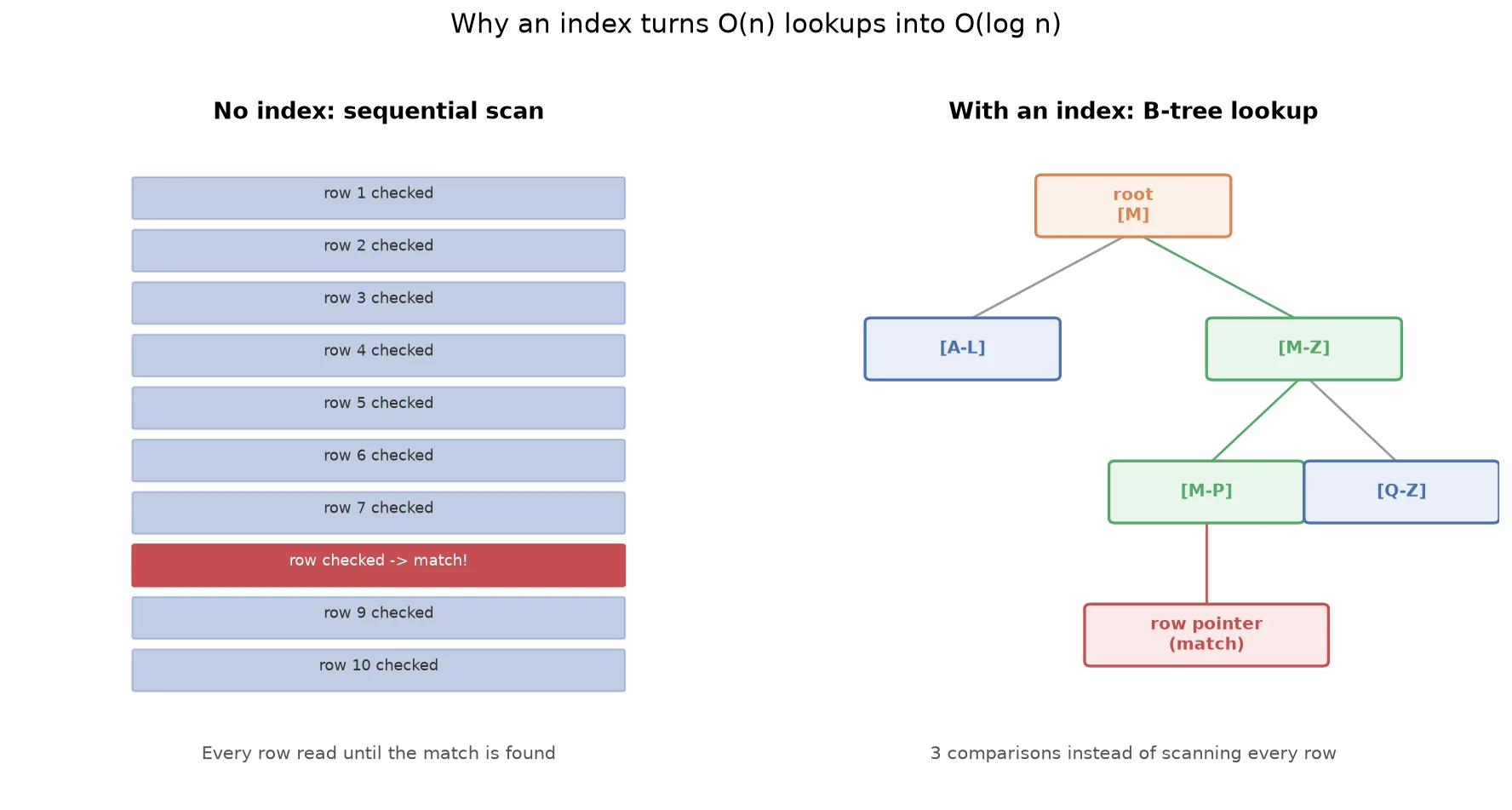
P.108An index turns a table scan into a few comparisons, but only for the queries it was built for. How B-trees work, and the write cost nobody budgets for.
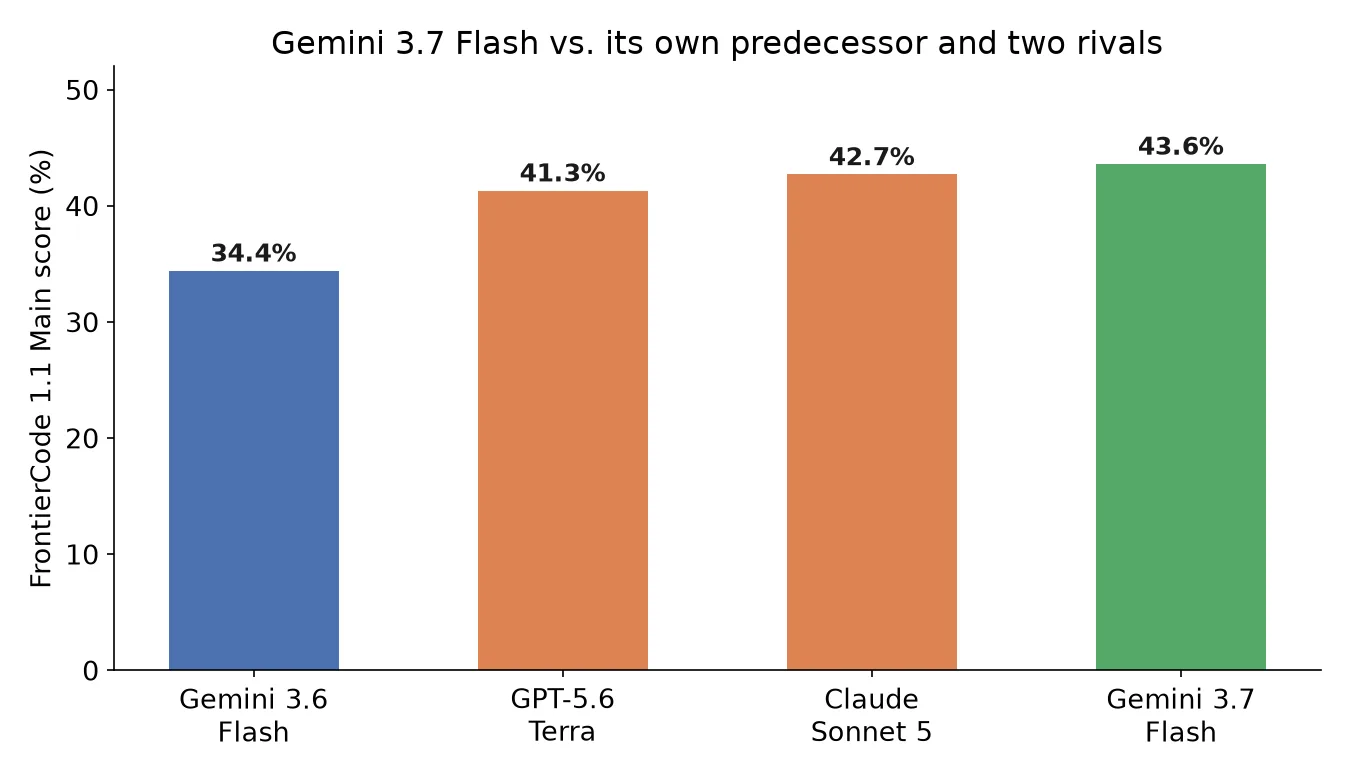
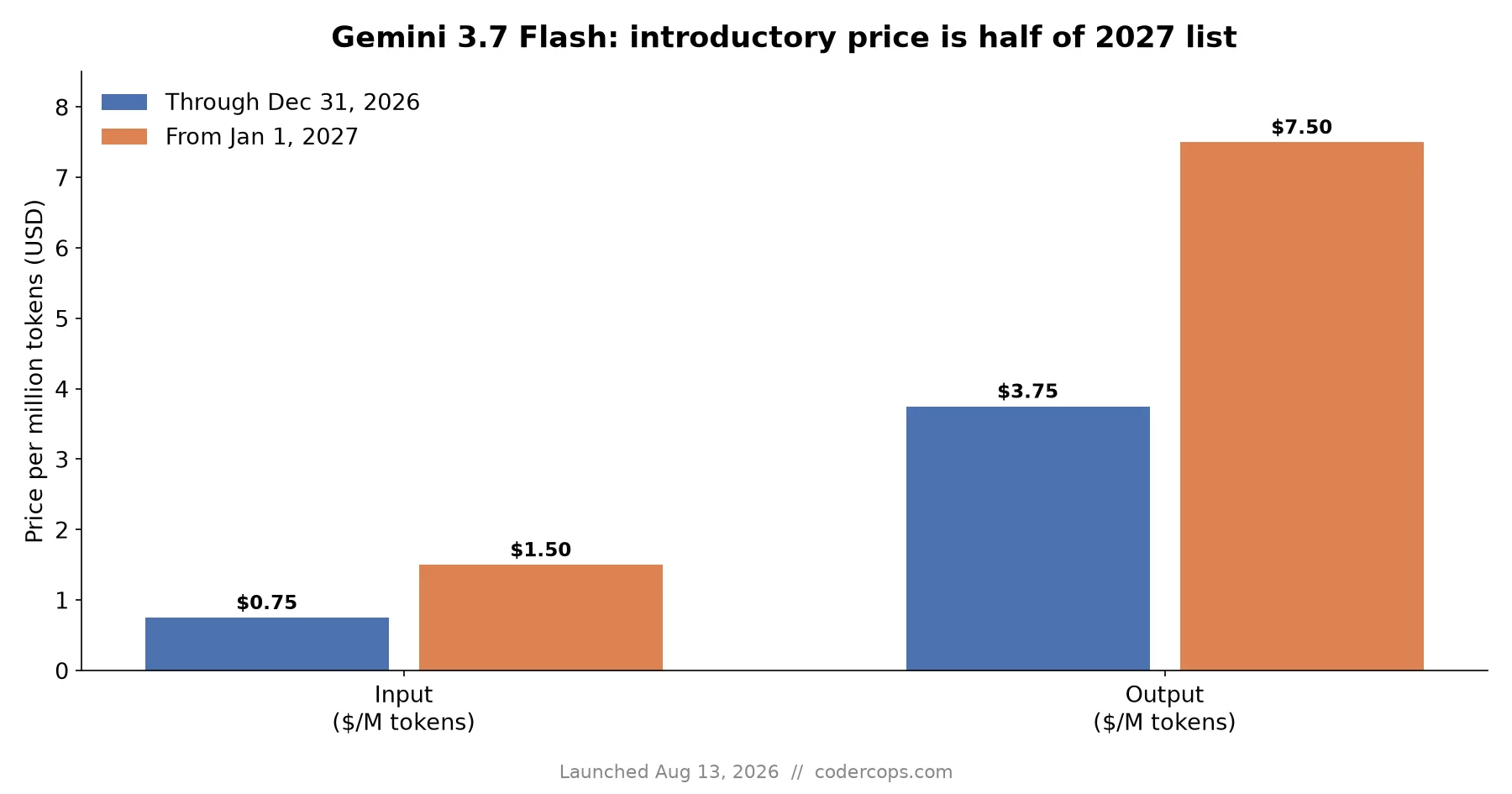
P.109Gemini 3.7 Flash shipped August 13 with a 50% introductory price cut and coding scores ahead of Claude Sonnet 5 and GPT-5.6 Terra. What the numbers mean.
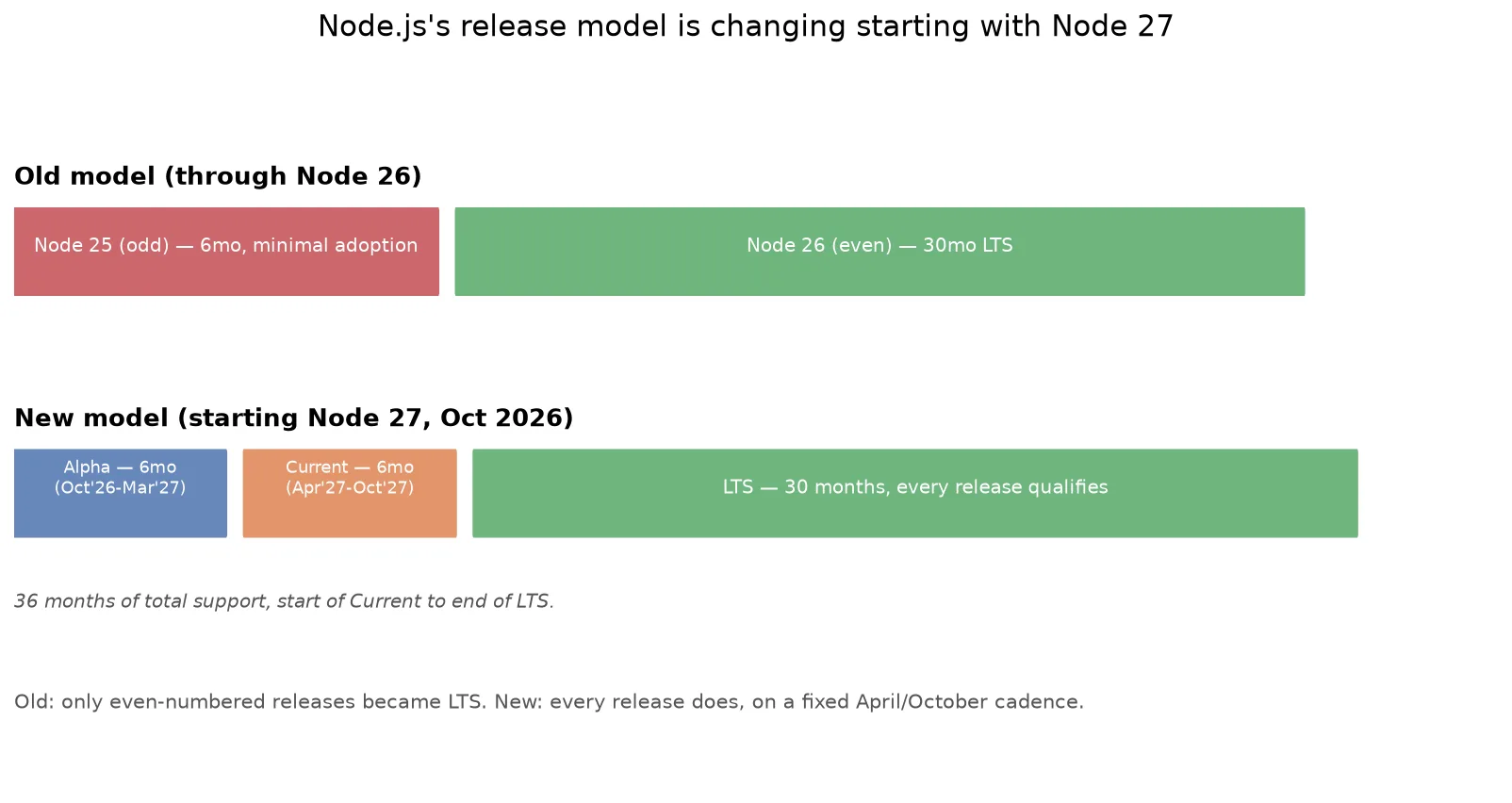
P.110From Node.js 27 in October 2026, Node drops the odd/even model for one major a year, and every release becomes LTS. What changes, and how to plan for it.
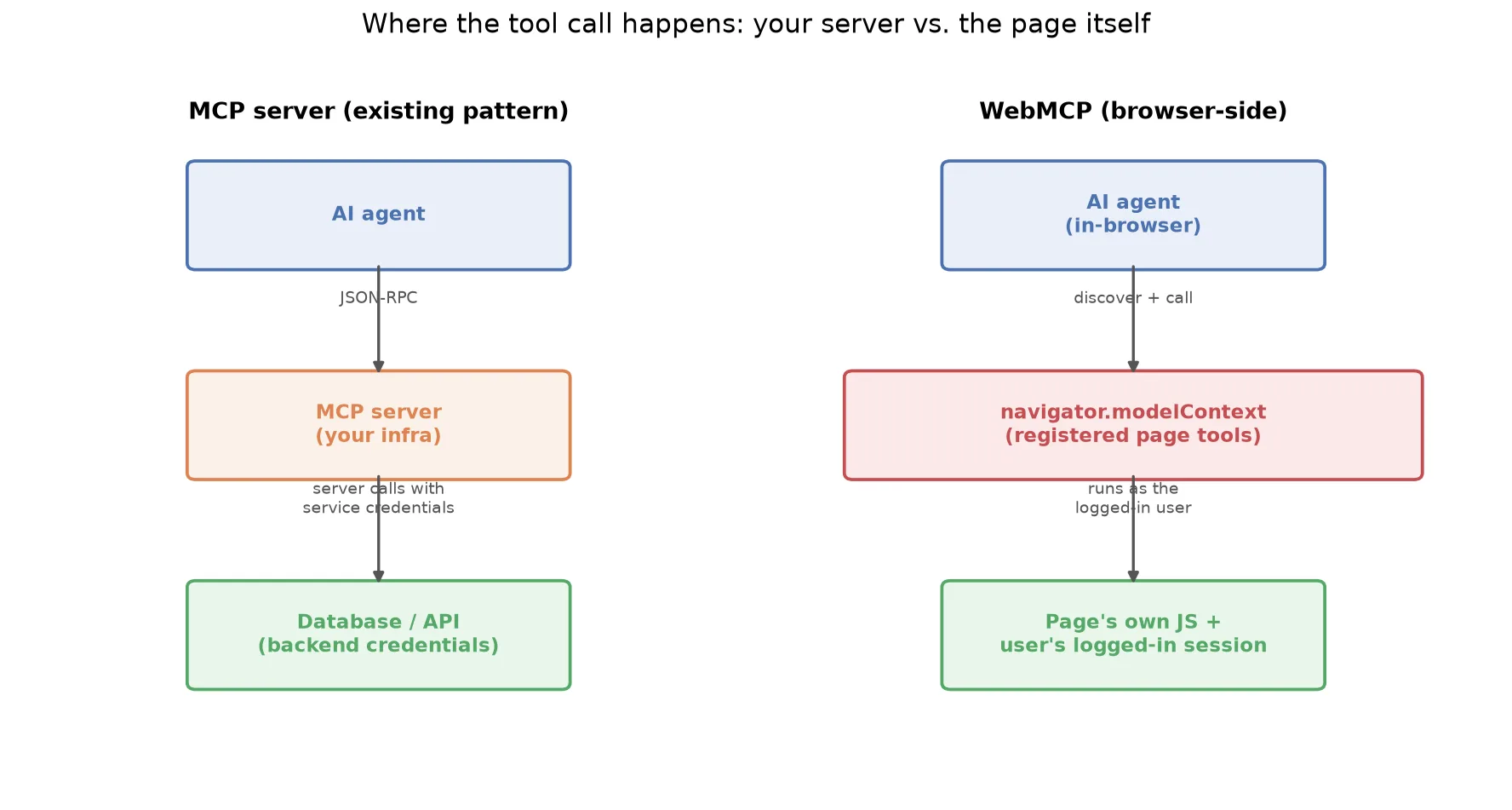
P.111WebMCP is a W3C proposal letting a page register JavaScript functions as tools an agent calls in-browser, no server MCP. How it works, and where it breaks.
Arc.dev sits between an open marketplace and a managed network: you browse a vetted pool and decide yourself. Who that suits, and who ends up doing the work.
Braintrust's pitch is that talent keeps 100% and the fee sits with the client. That changes the incentives in ways worth understanding before you decide it is cheaper.
Gun.io skews senior, US-based, and relationship-led, right for some engagements and expensive overkill for others. Where it fits, and what to use instead.
74% of tag hubs were noindexed and in the sitemap anyway, 85% of titles broke the share card, and Search Console reported 0 indexed pages on 35k impressions.
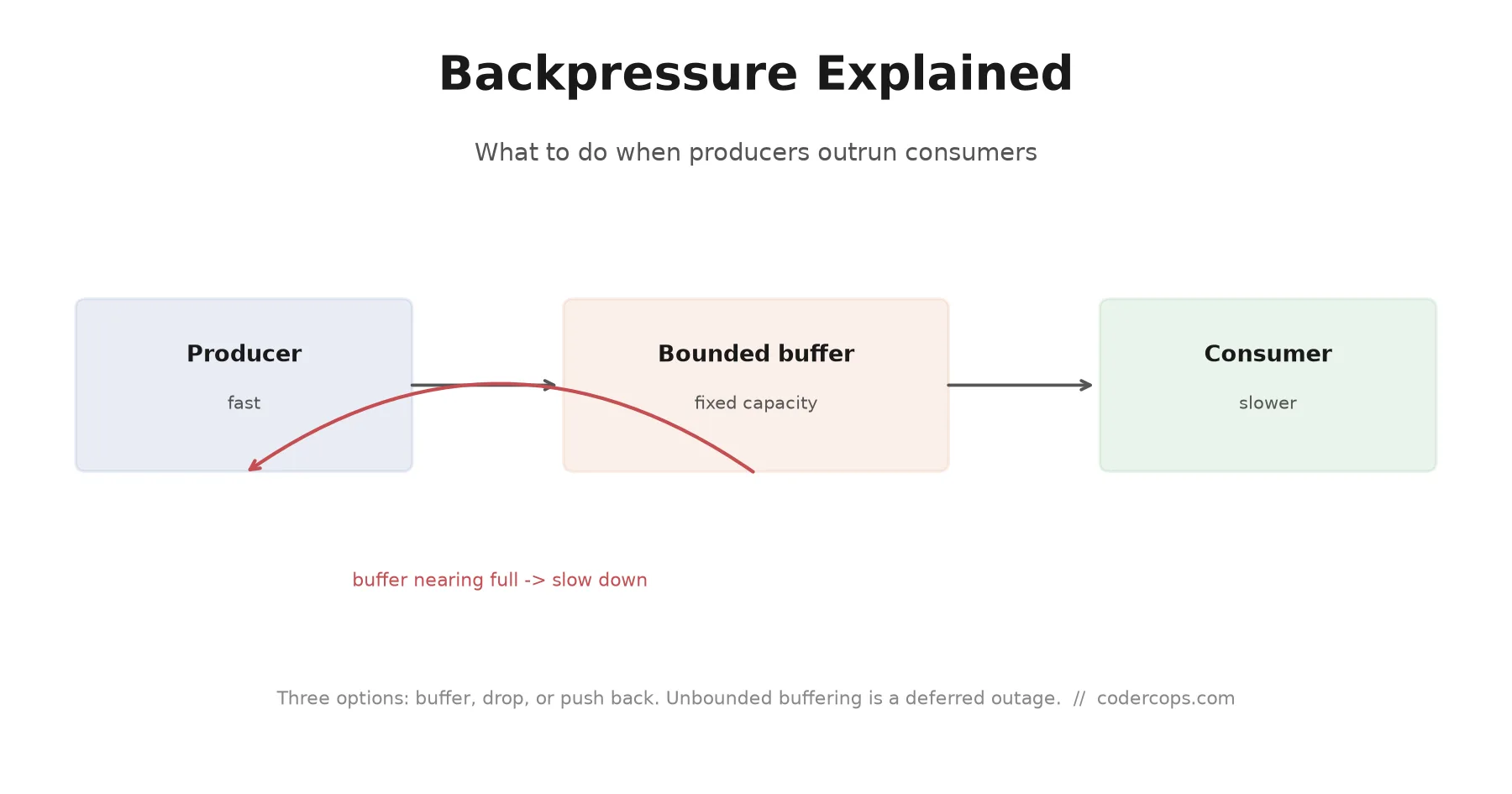
P.116When production outruns consumption, a system must buffer, drop, or push back. How backpressure works across queues, streams, and APIs, with patterns.
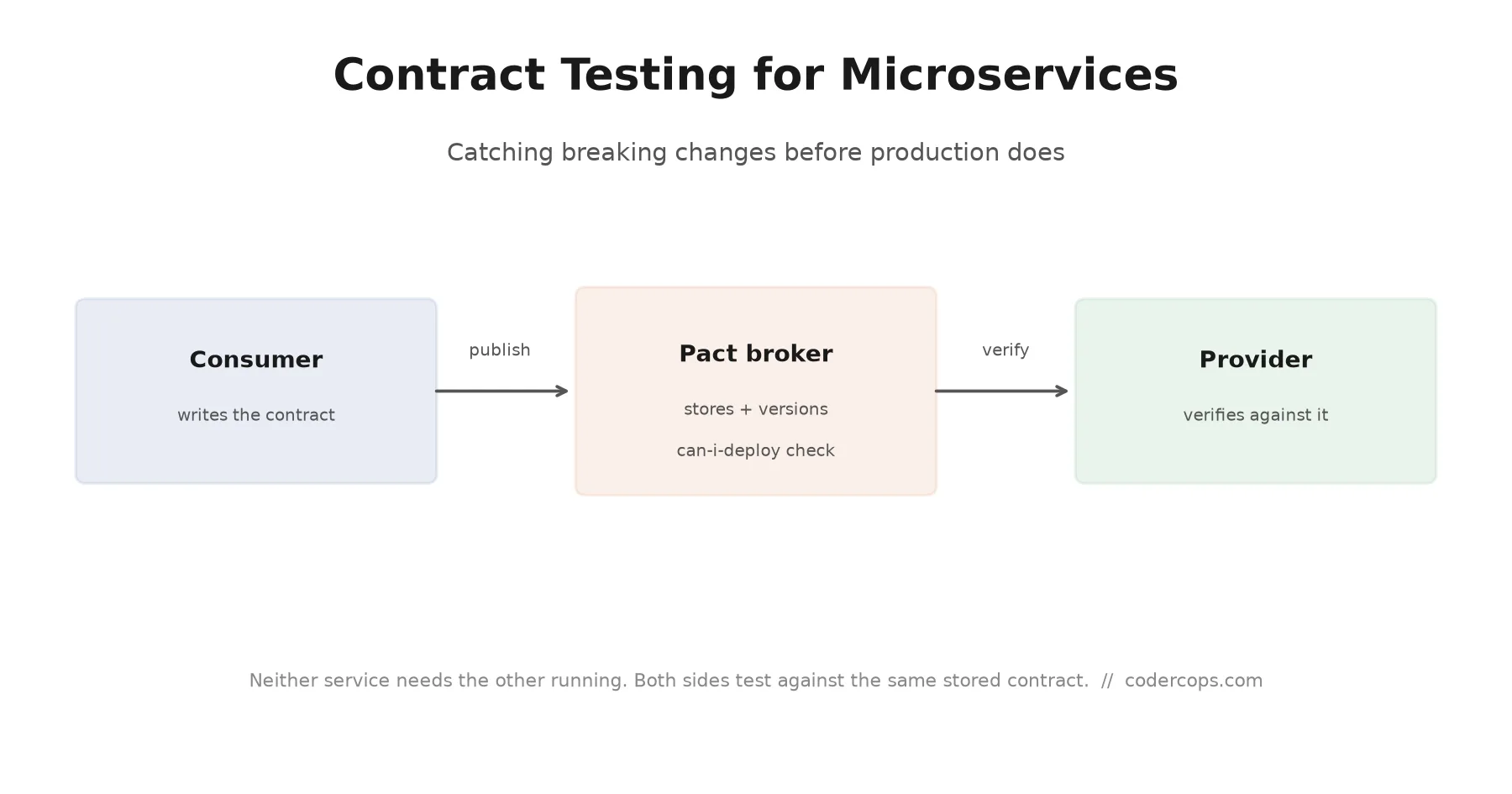
P.117Integration tests that boot every dependency are slow and flaky. Contract testing checks that consumer and provider agree on a shape without either running.
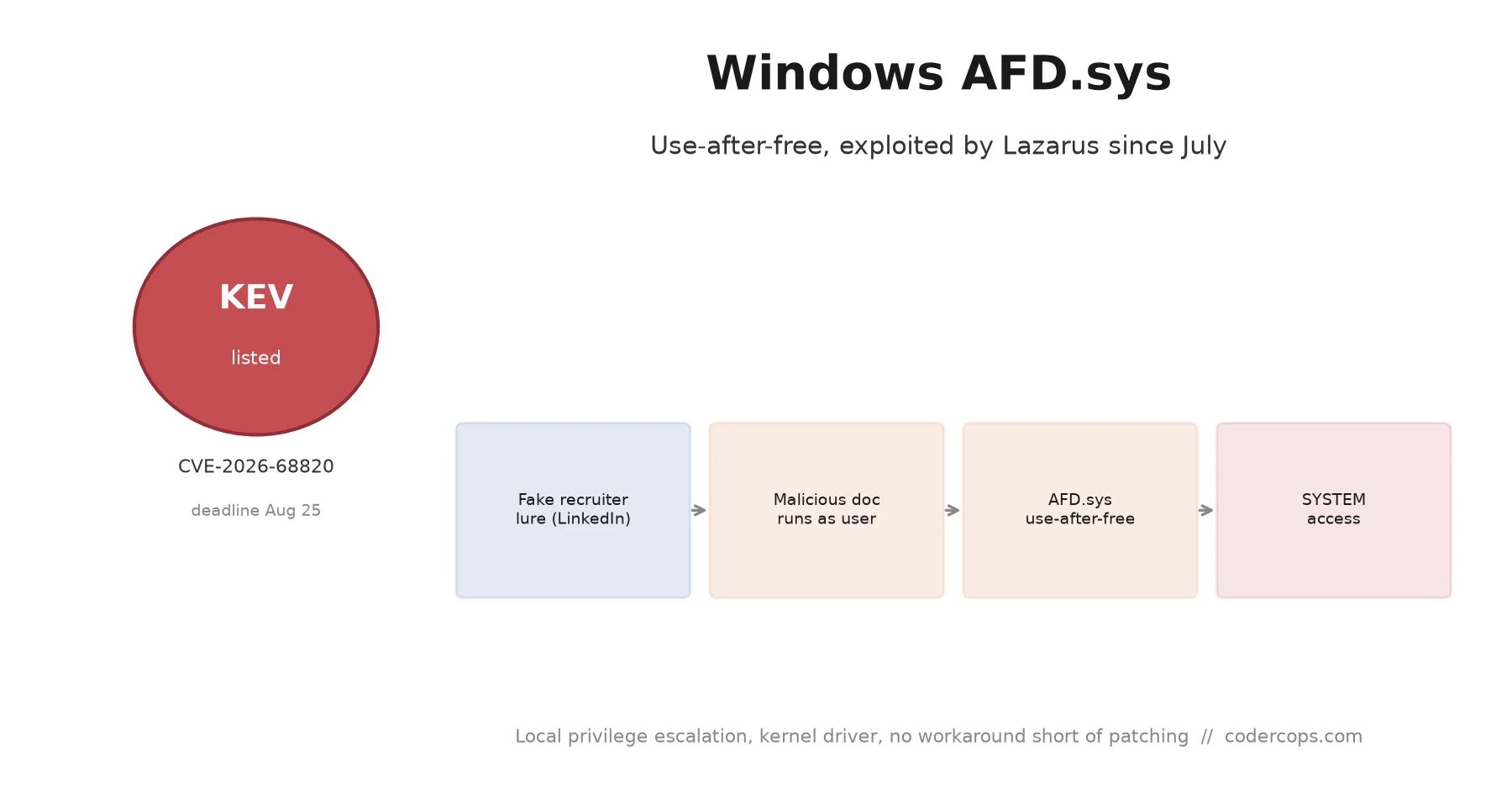
P.118A use-after-free in Windows' AFD.sys networking driver is on CISA's KEV list with an August 25 deadline. Lazarus has used it on defense targets since July.
P.119Gemini 3.7 Flash landed three weeks after 3.6, with real gains on debugging and first-pass code, and half-price list through 2026. Where it fits.
Andela suits companies adding sustained engineering capacity across timezones. If your need is smaller or shorter, the enterprise shape works against you.
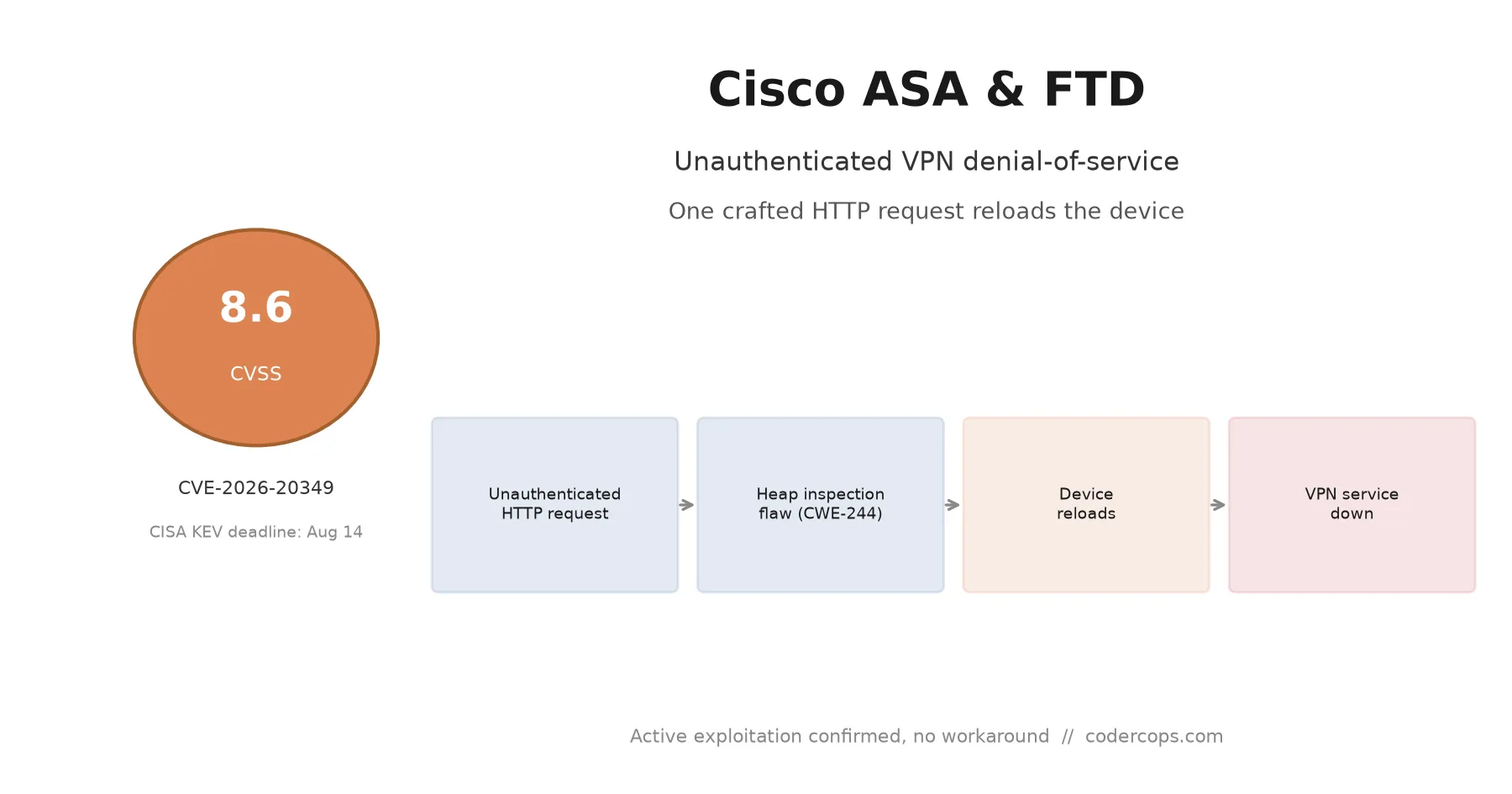
P.121One unauthenticated HTTP request reloads Cisco ASA and FTD devices with remote-access VPN on. CISA's deadline was August 14. What's affected, and the fix.
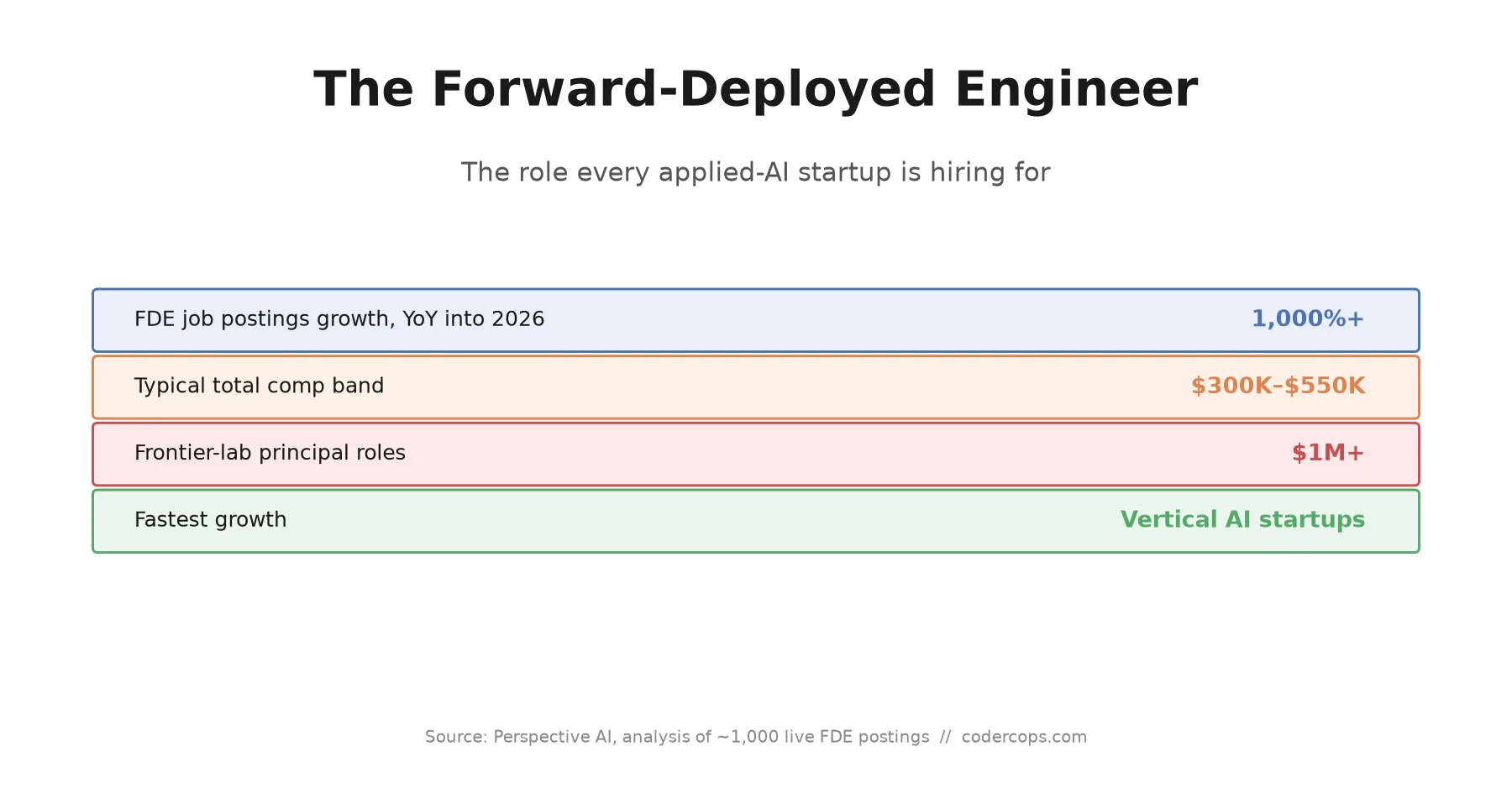
P.122Forward-deployed engineer postings grew over 1,000% year over year, with comp at $300K-$550K. What the role is, why it exists, and what it means for hiring.
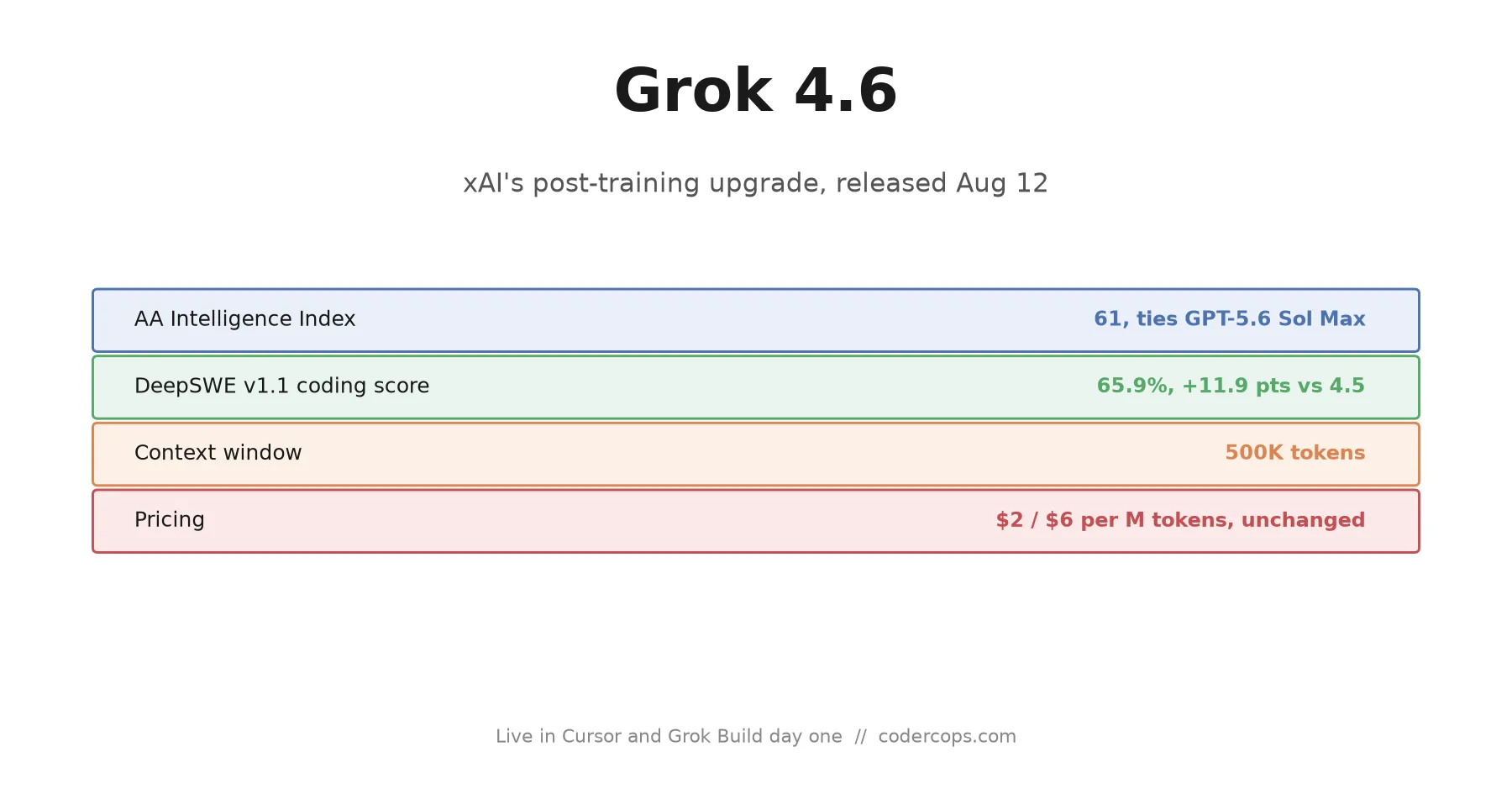
P.123xAI shipped Grok 4.6 on August 12: a post-training upgrade with a 500K context and an 11.9-point DeepSWE jump. Pricing didn't move. Where it fits.
Lemon.io is built for startups that need a vetted contract developer this week. Where that fits, where it strains, and what to use when speed isn't the issue.
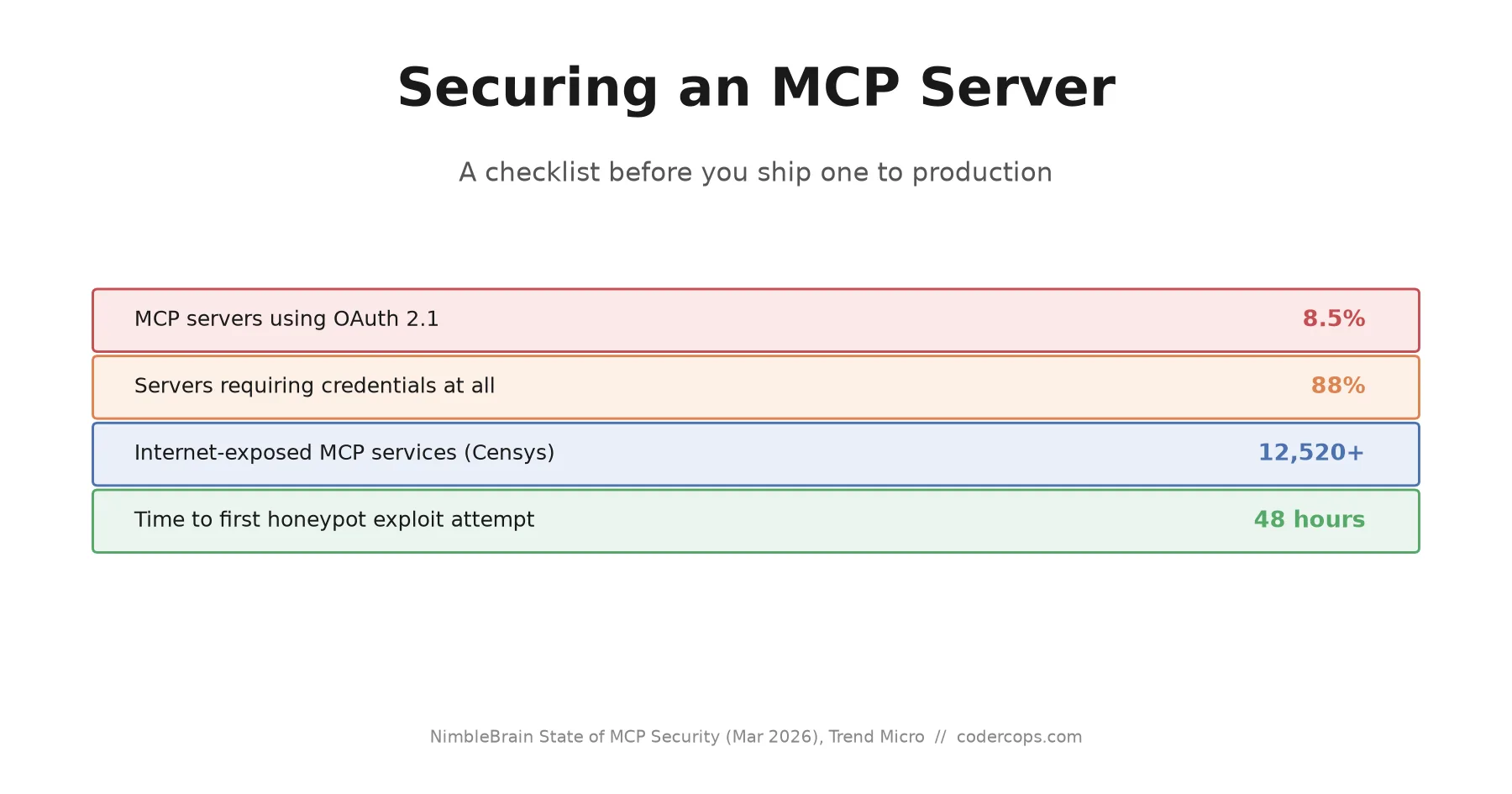
P.125Only 8.5% of public MCP servers use OAuth, and a honeypot got hit within 48 hours. The checklist for auth, tool scoping, and input handling before you ship.
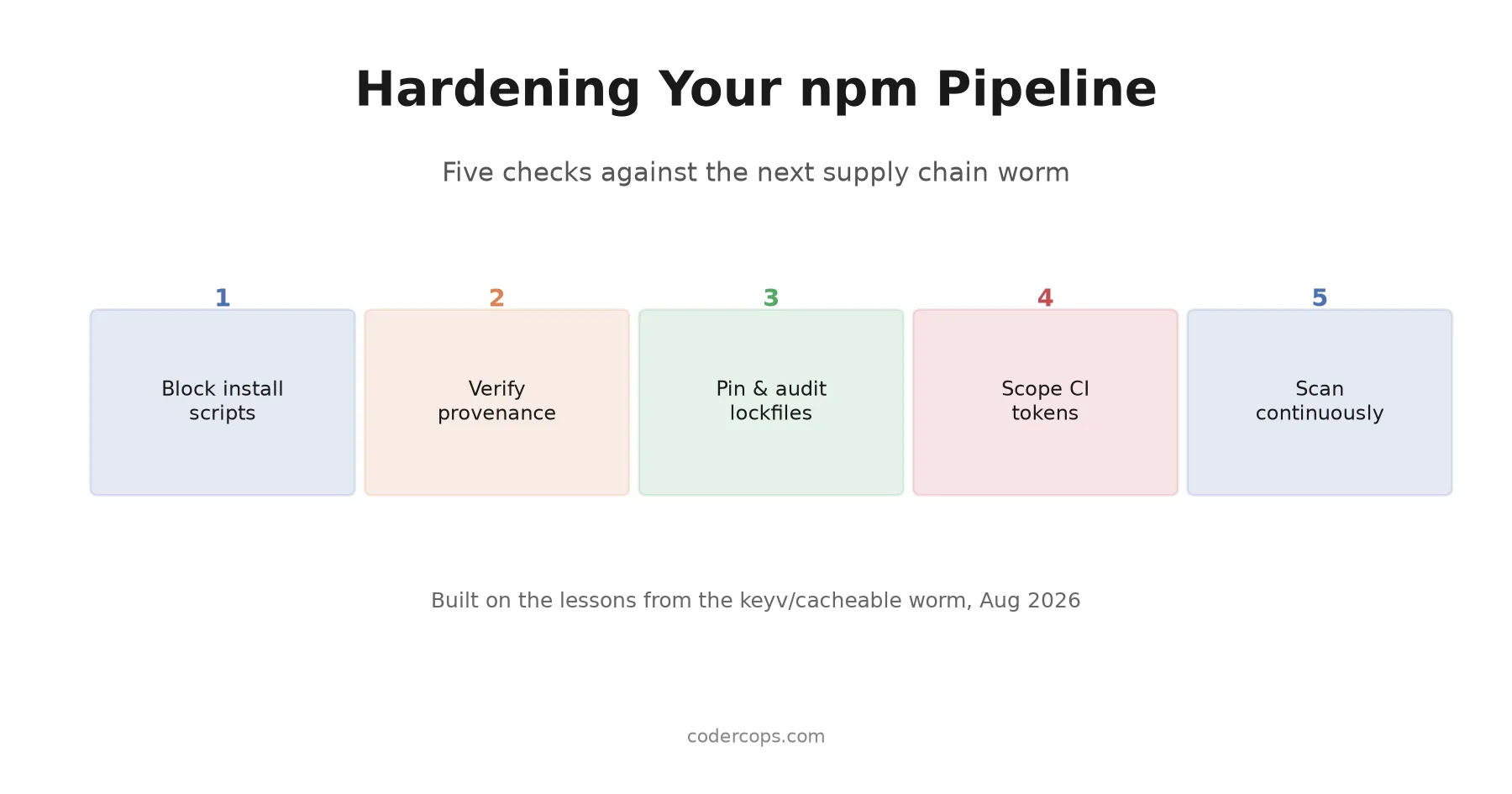
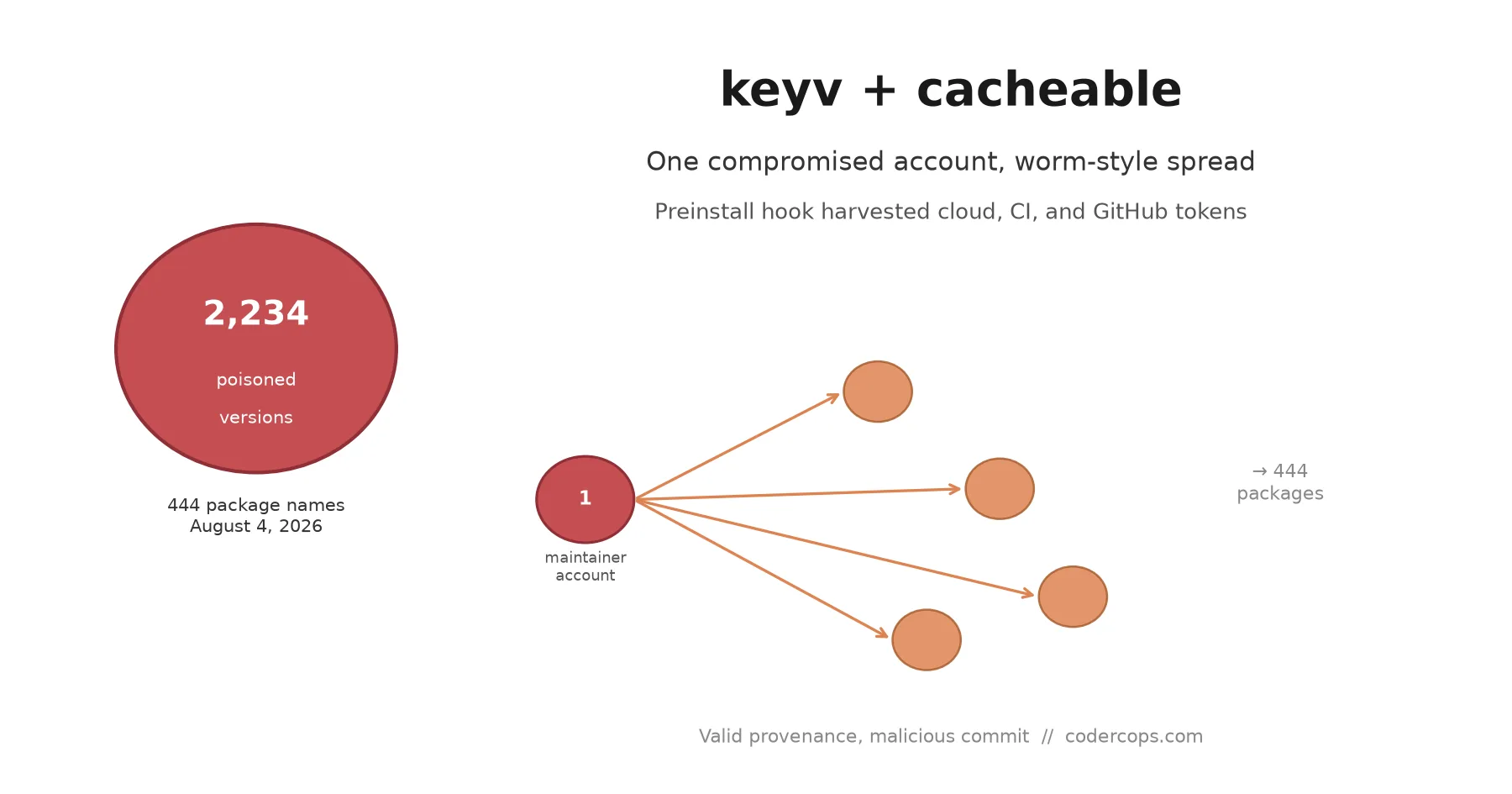
P.126The keyv attack poisoned 2,234 package versions in a day, and it won't be the last. The checklist for install scripts, provenance, lockfiles, and CI tokens.
Turing is built for long, full-time-equivalent remote engagements matched by an algorithm. What that suits, and where to look when the shape is wrong.
Upwork gives you enormous supply and none of the filtering. That trade works until it doesn't. What it's good at, when to leave, and where to go instead.
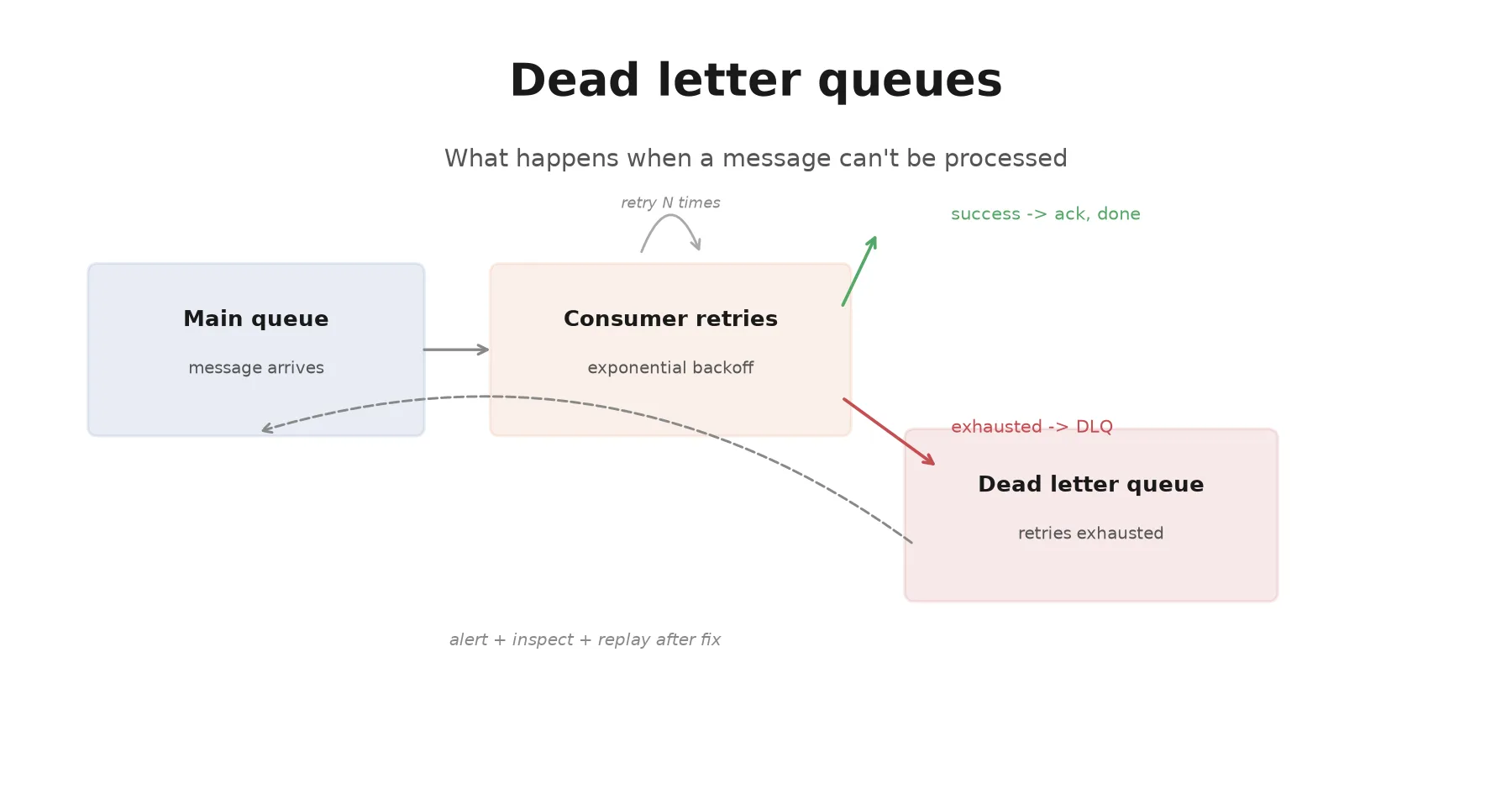
P.129A message that fails every retry shouldn't loop forever or vanish. How dead letter queues catch it, how to set retry limits, and the reprocessing workflow.
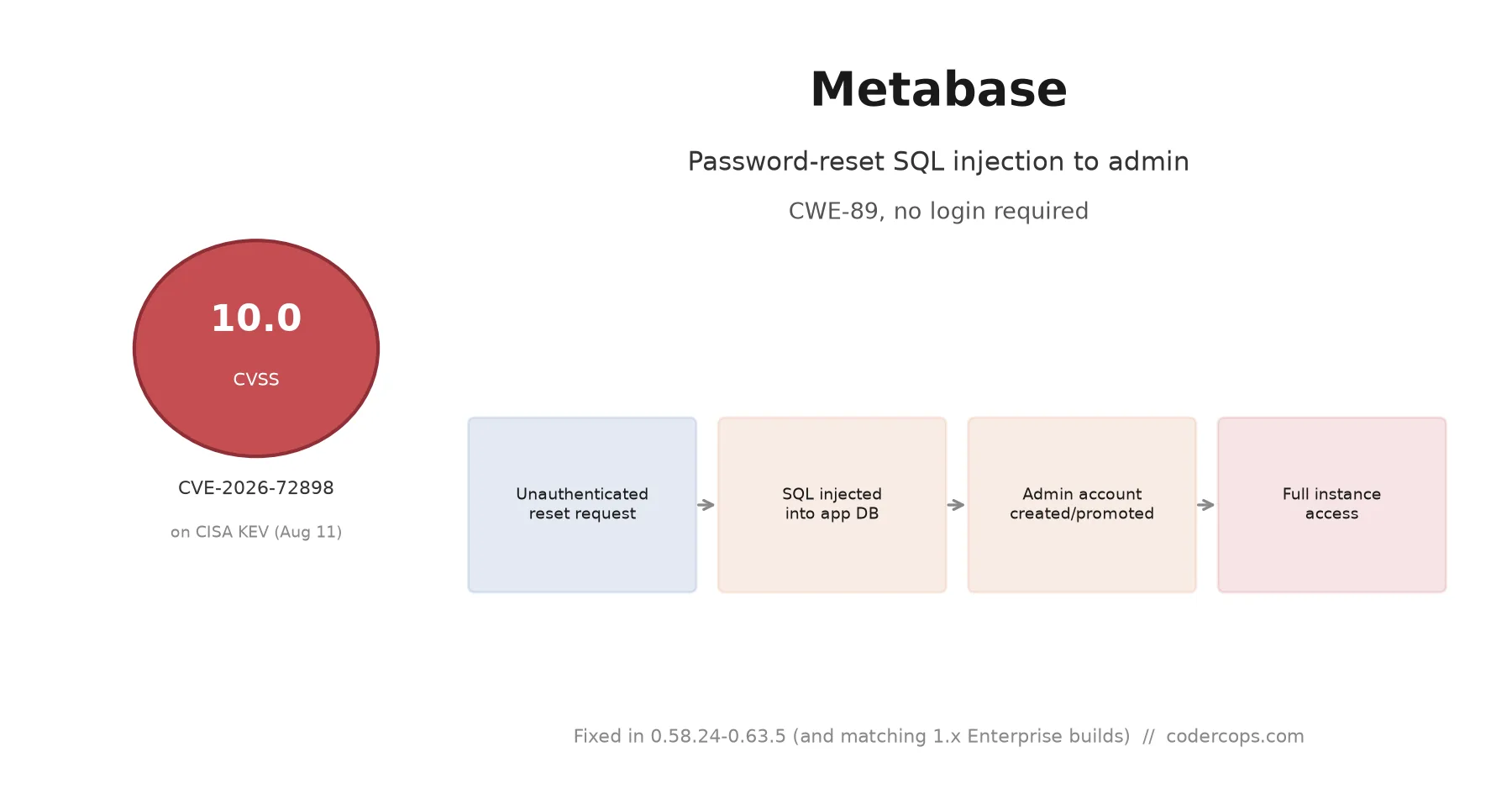
P.130An unauthenticated attacker can inject SQL through Metabase's password-reset flow and gain full admin. CVSS 10.0, on CISA's KEV list since August 11.
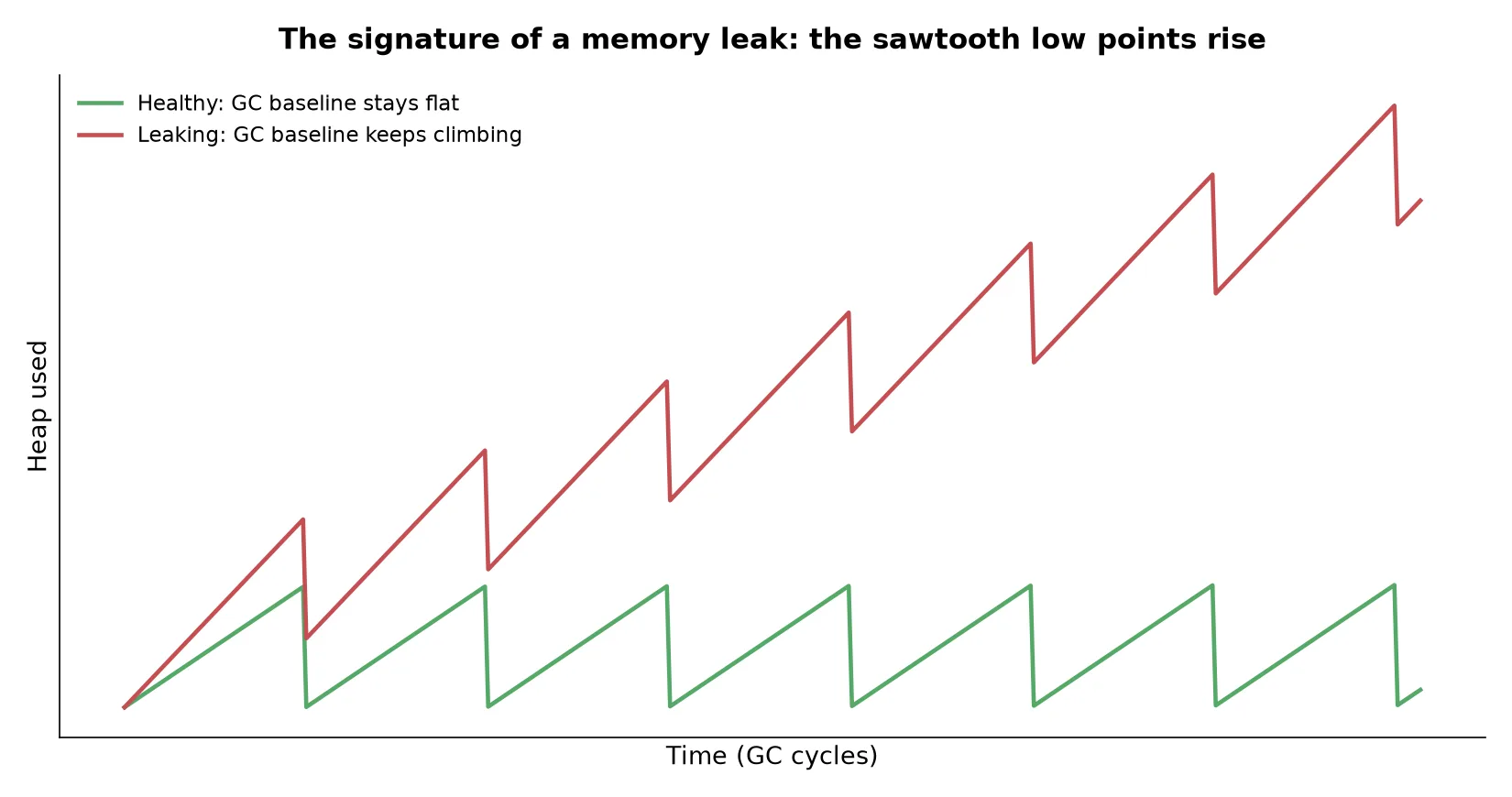
P.131Your Node process climbs until it's OOM-killed and restarting buys hours. The actual workflow: heap snapshot diffing, retainer paths, and the fast tools.
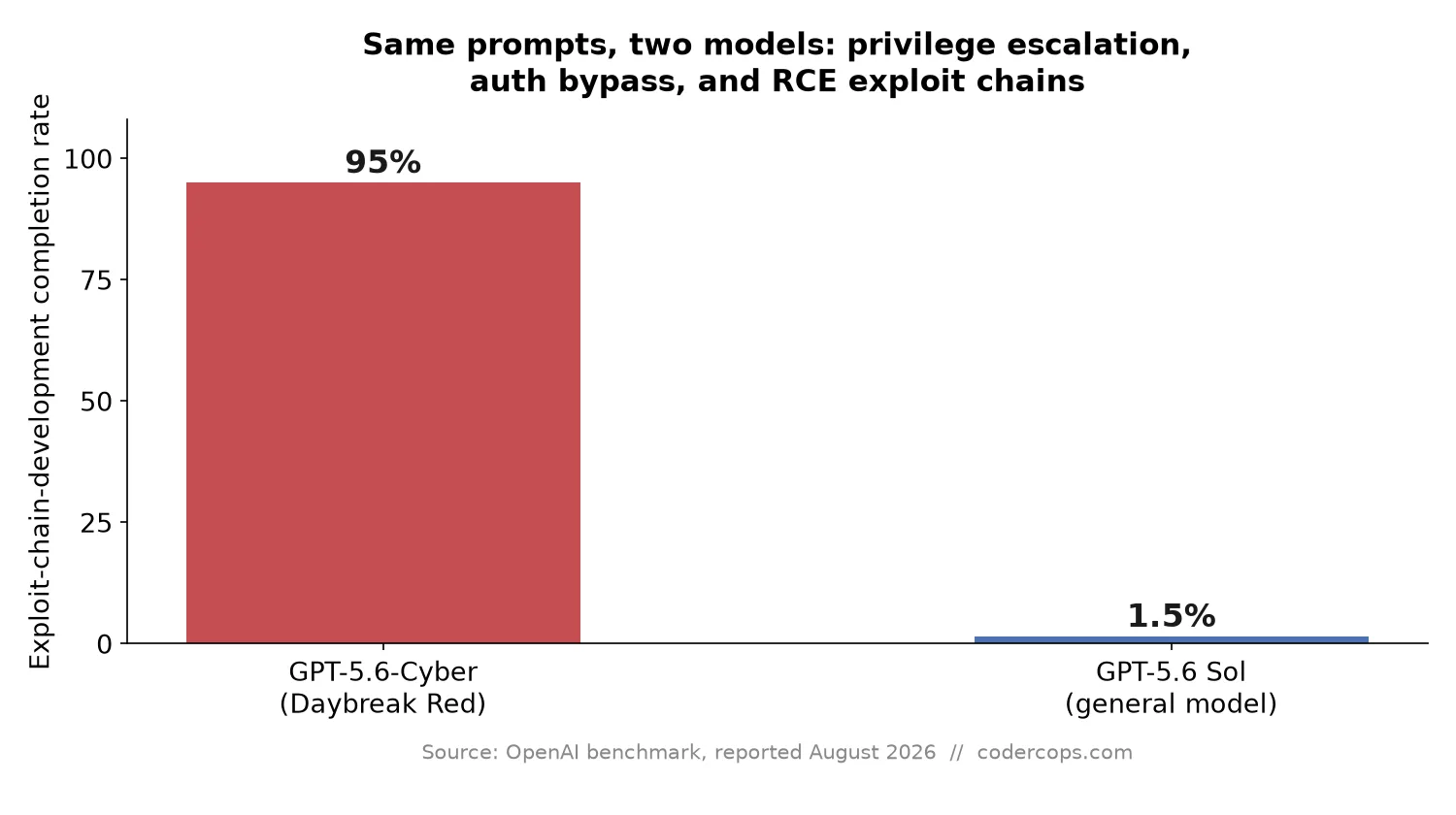
P.132OpenAI shipped a model tuned for exploit development and vulnerability research behind gated access. It moves the baseline for attacker speed either way.
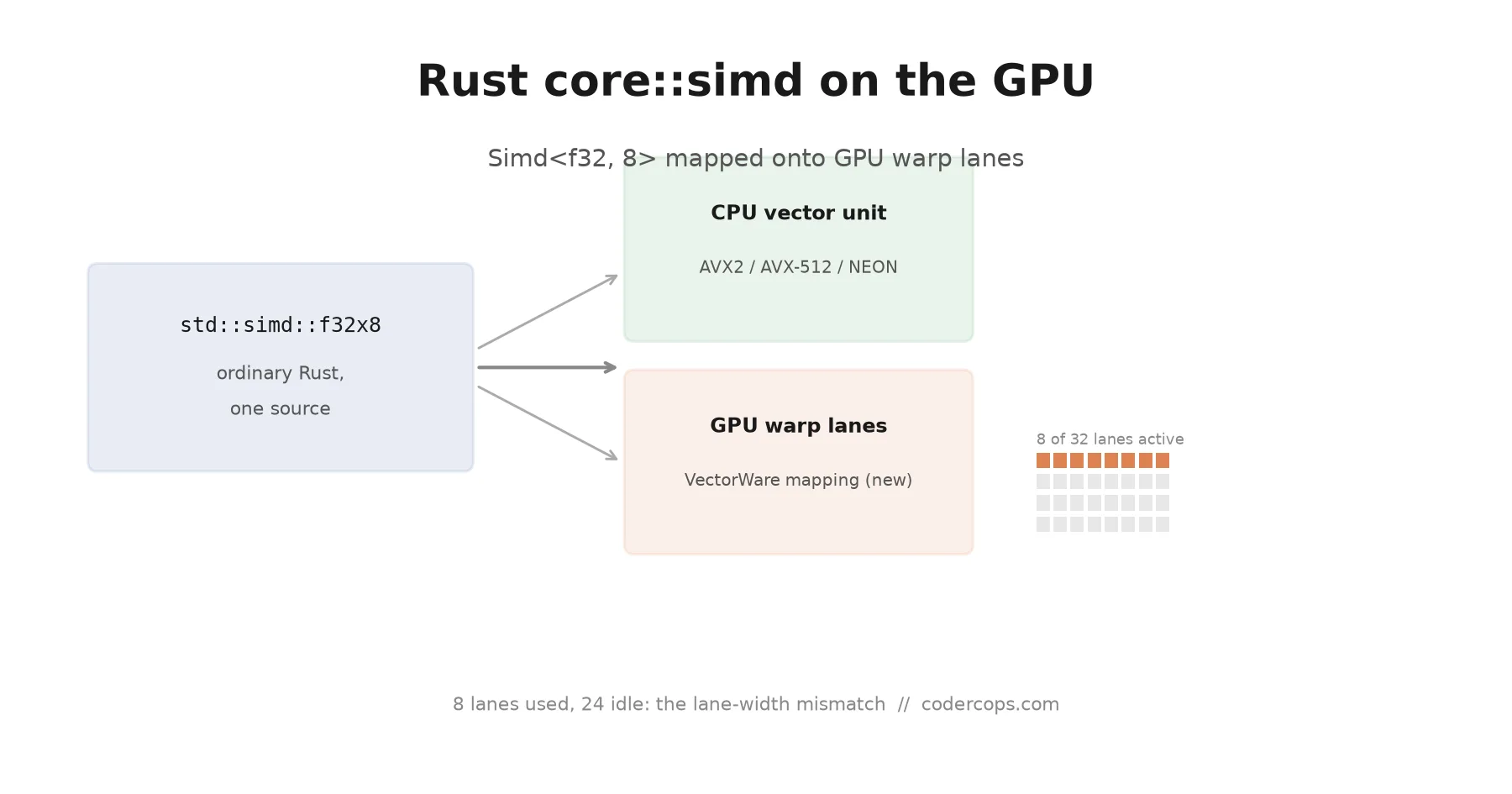
P.133VectorWare maps Rust's std::simd types onto GPU warps, so the same vector code runs on CPU and GPU. What it does, why it's hard, and where it still breaks.
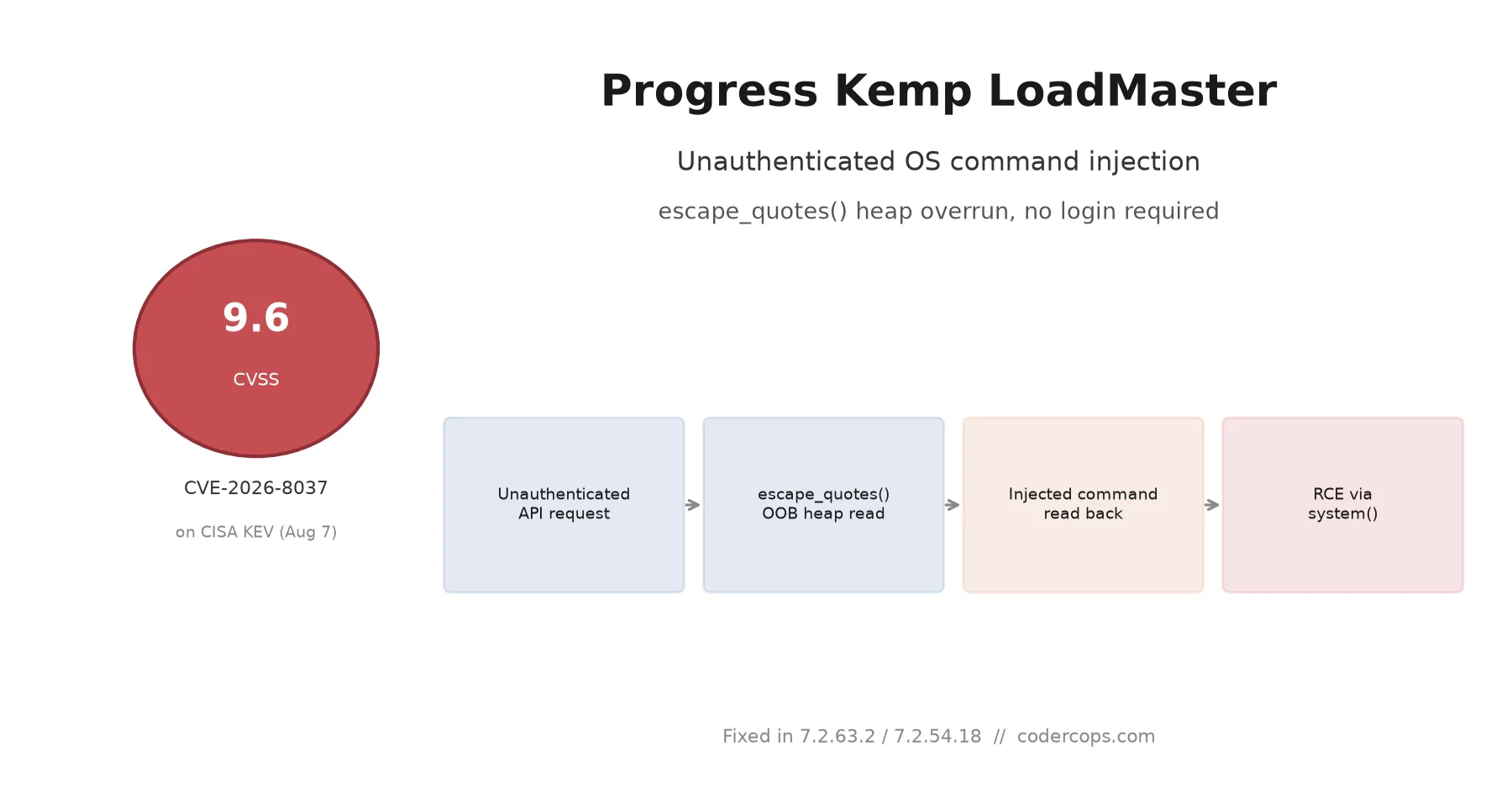
P.134A heap-buffer bug in Progress Kemp LoadMaster's escape_quotes() lets an unauthenticated attacker run commands on the load balancer. CISA confirmed Aug 7.
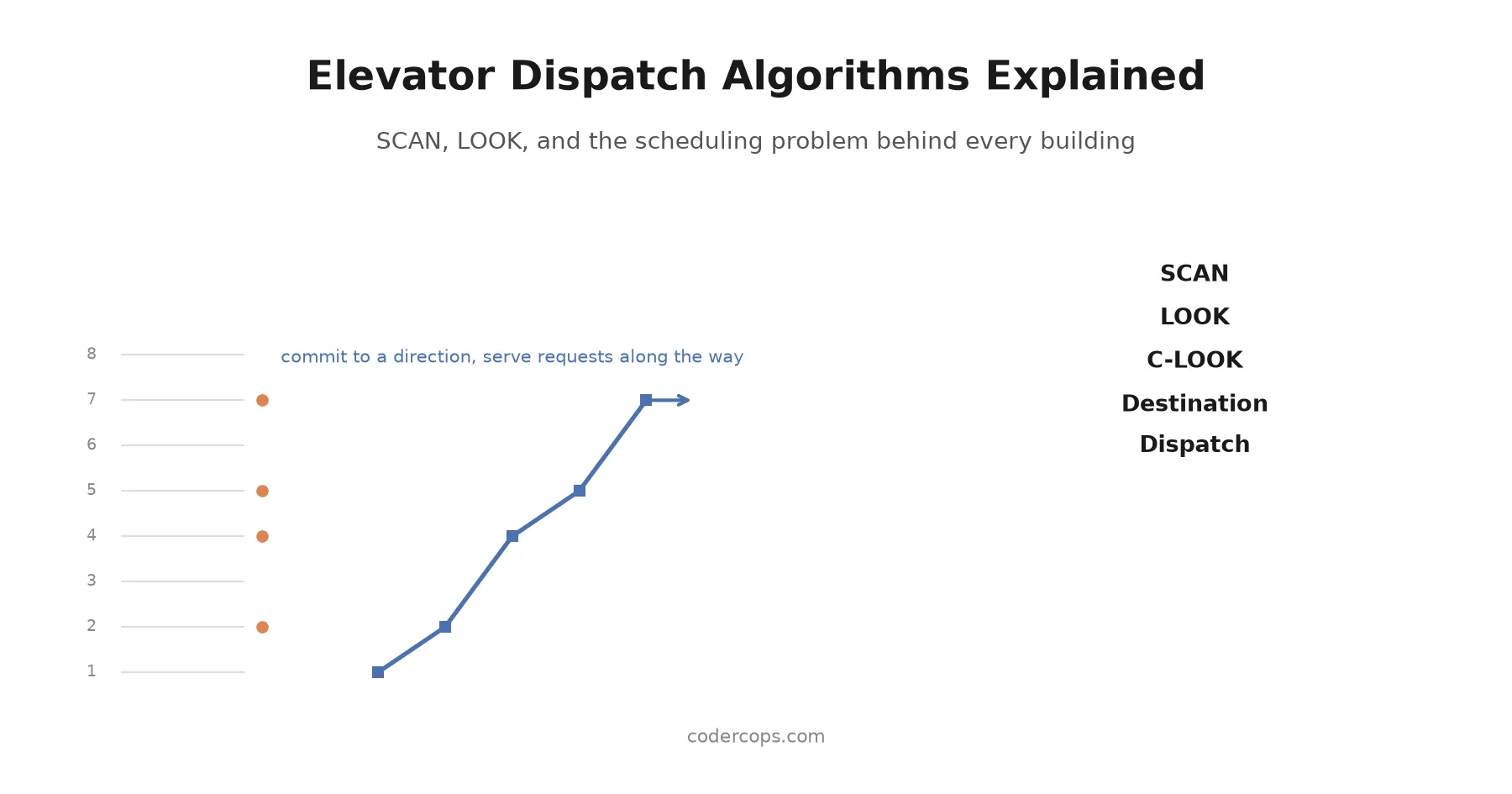
P.135The algorithm choosing your elevator is the same family your kernel uses to schedule disk reads. How SCAN, LOOK, and destination dispatch actually work.
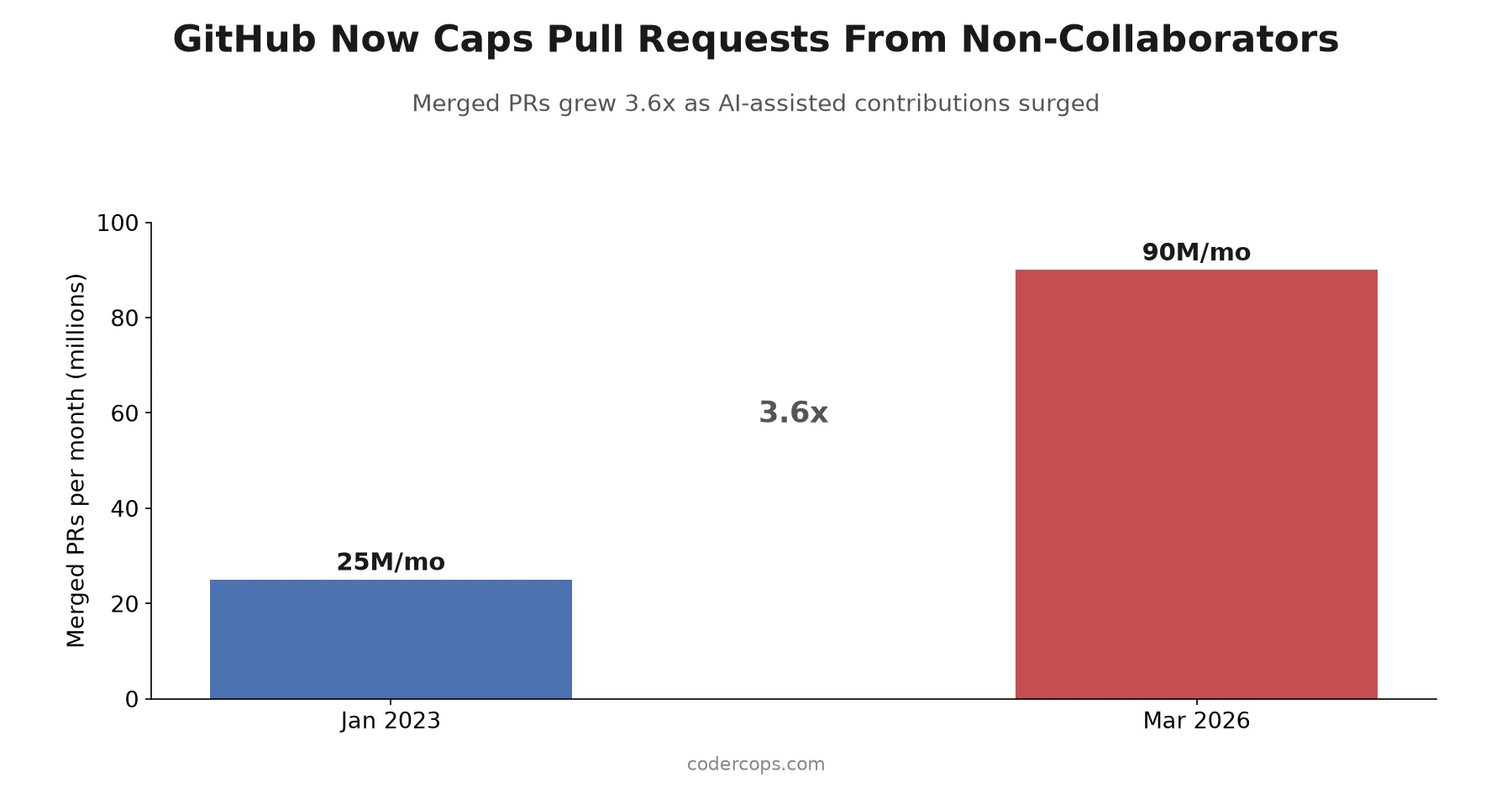
P.136Merged PRs on GitHub grew 3.6x since 2023. June's per-user cap for accounts without write access answers the AI slop flood. What it fixes, and what it doesn't.
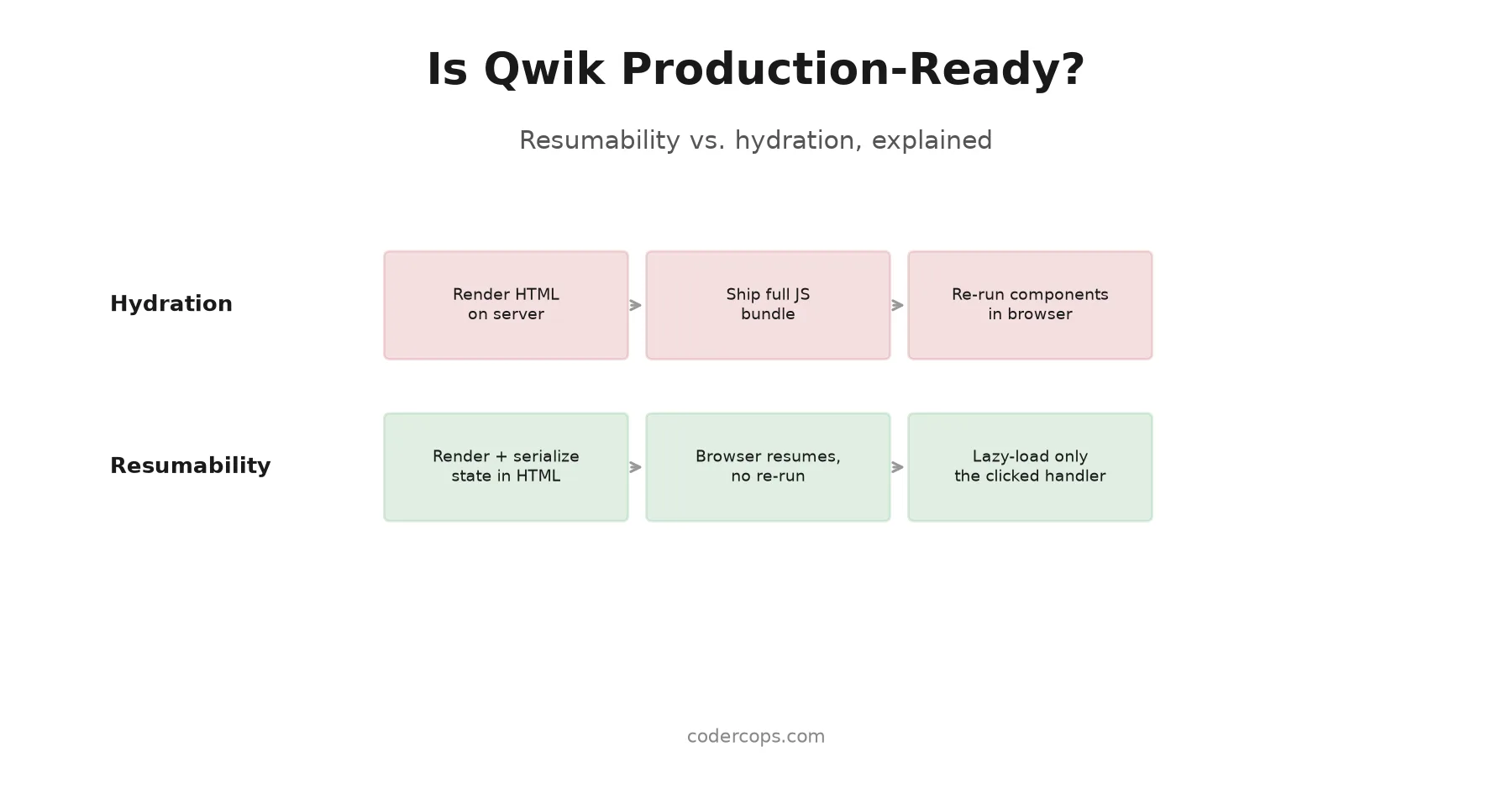
P.137Qwik skips hydration instead of optimizing it. How resumability actually works, what Qwik 2.0 changed, and the honest tradeoffs before you ship on it.
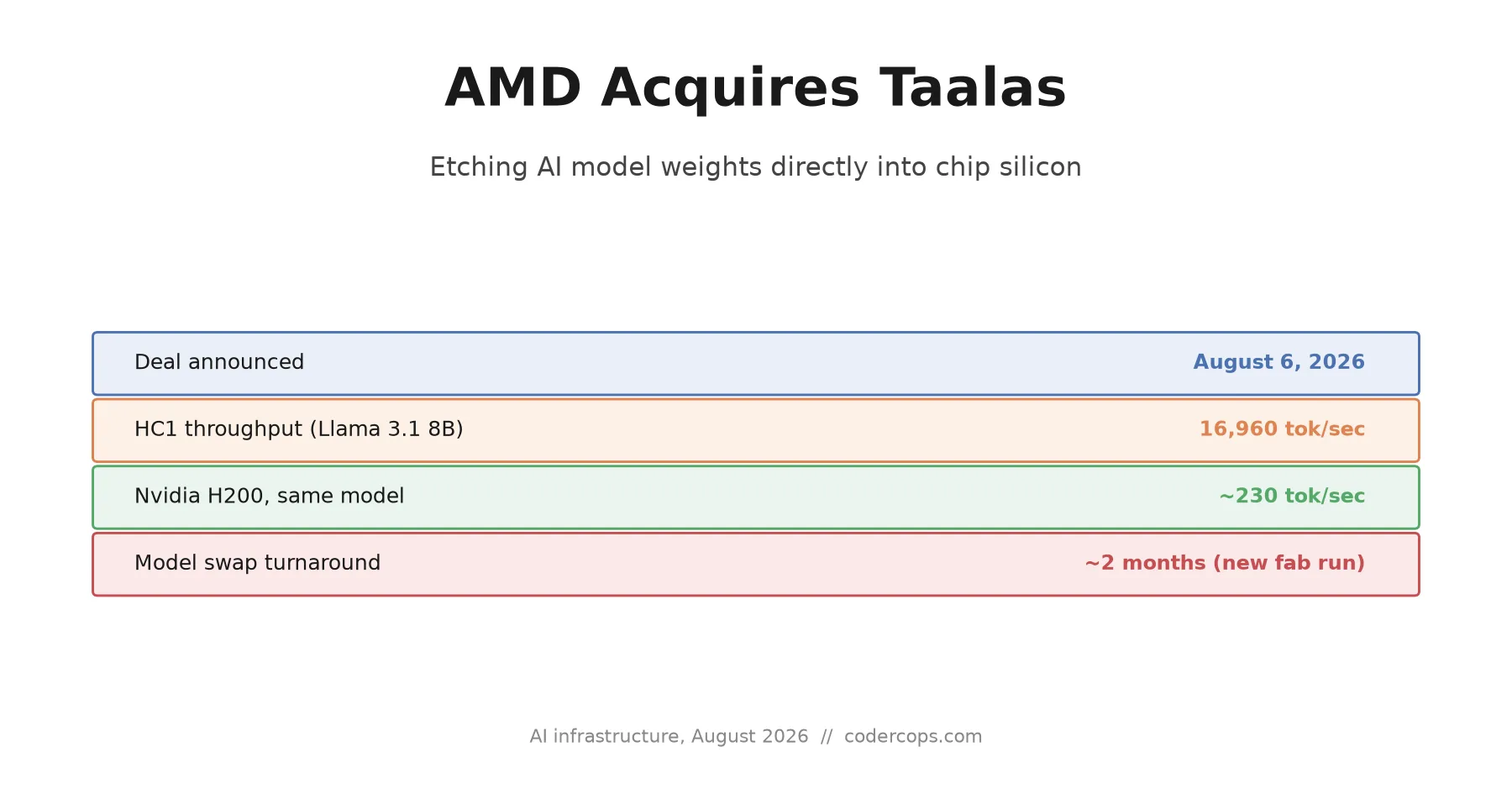
AMD acquired Taalas, which hardwires model weights into chip silicon instead of loading from memory. What that trades away, and why it won't replace GPUs.
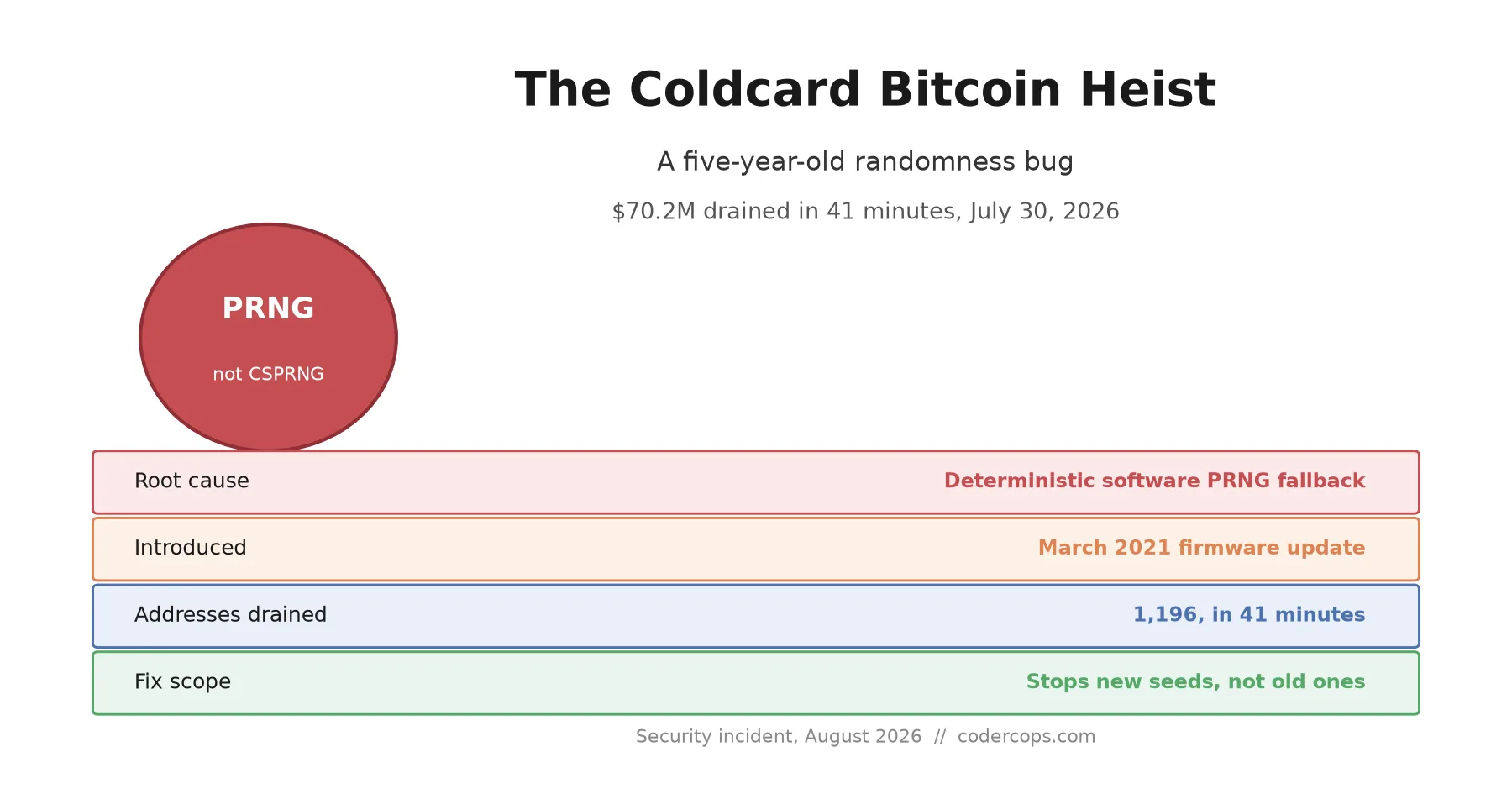
P.139A 2021 firmware error made Coldcard wallets seed from a software PRNG, not hardware. Attackers drained $70M in 41 minutes. The lesson isn't about Bitcoin.
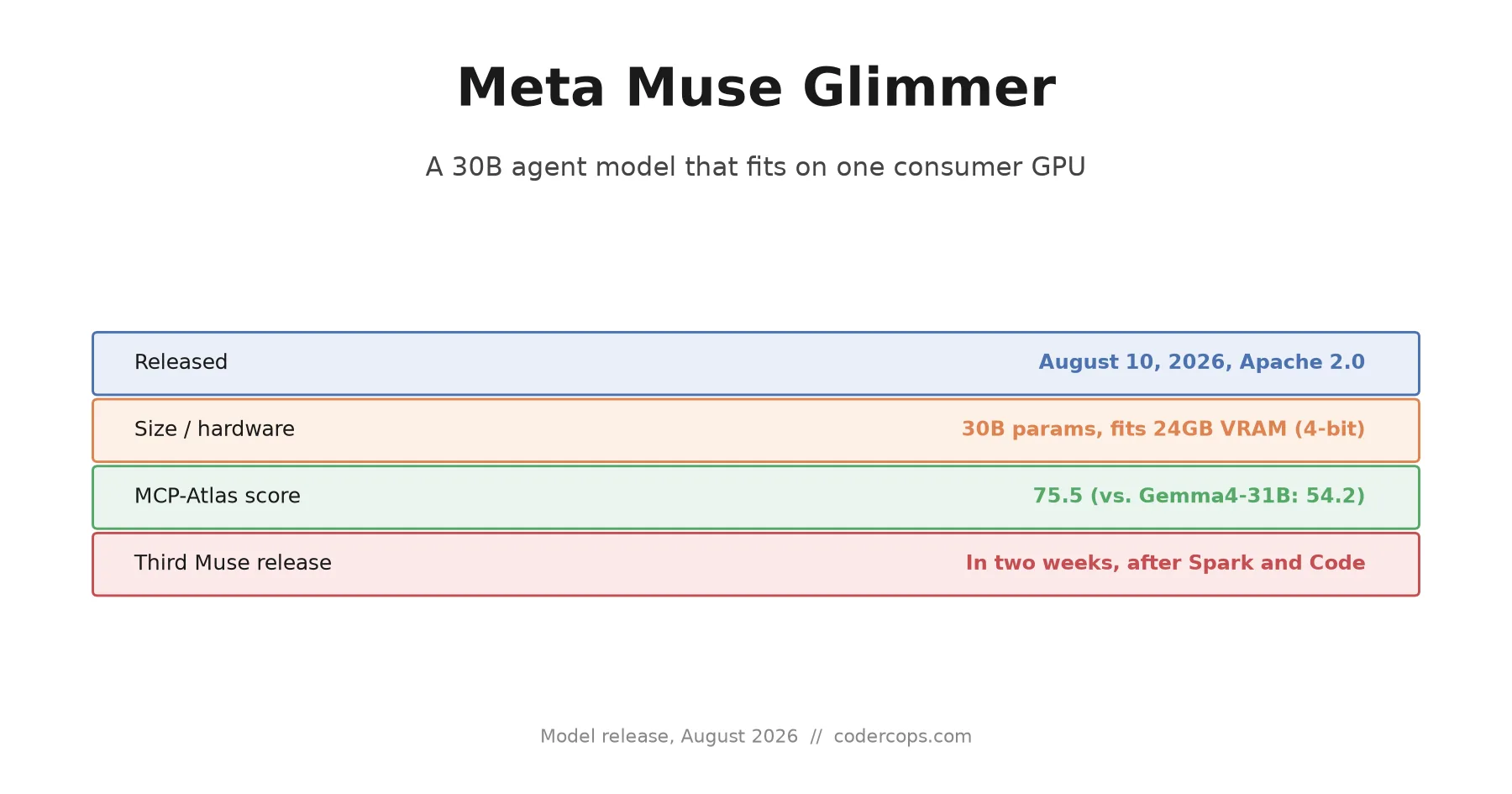
P.140Meta's Muse Glimmer is an Apache 2.0 model for local agent tasks that fits a single 24GB consumer GPU and beats larger rivals on tool use. What it's for.
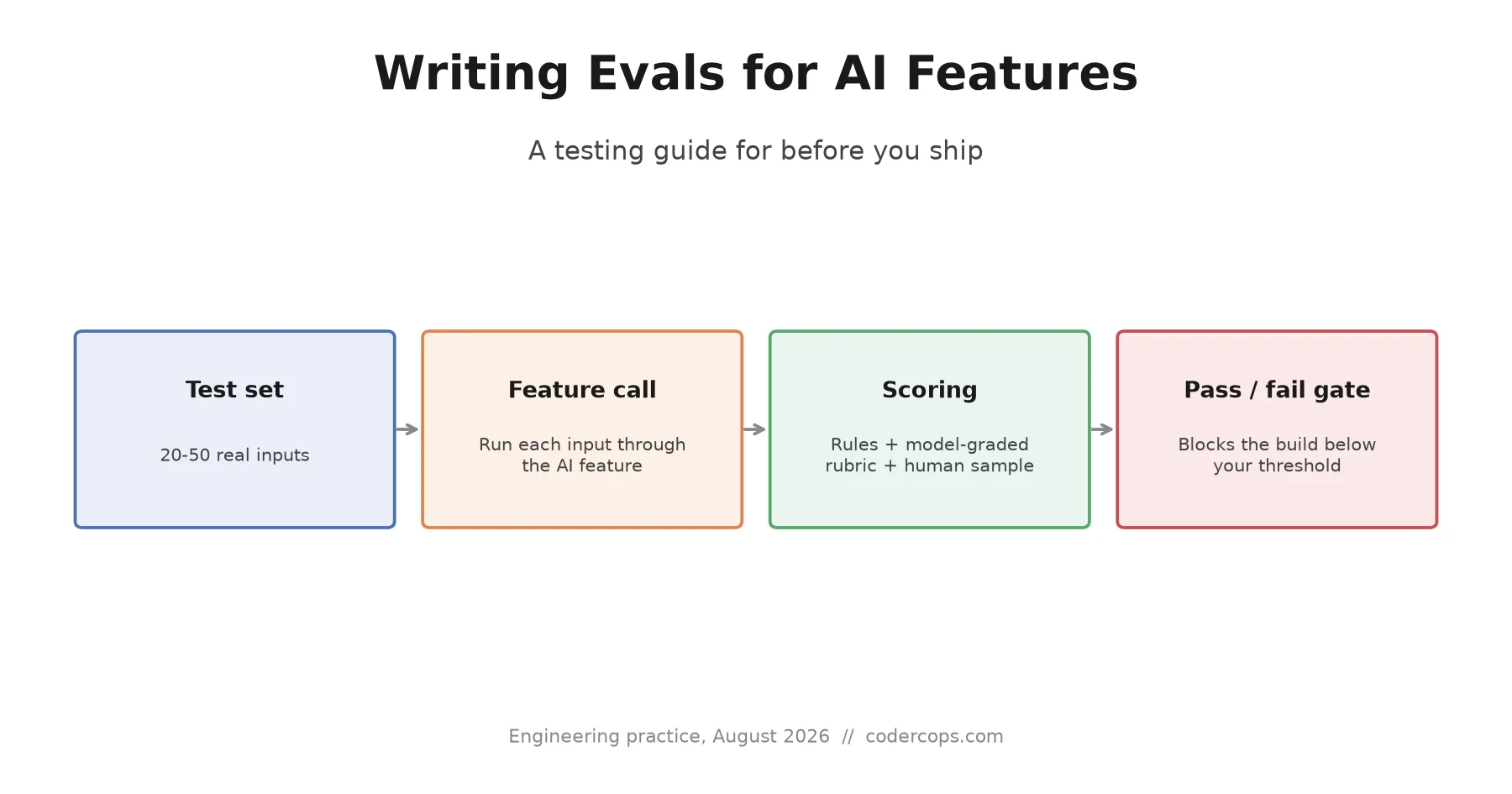
P.141Unit tests don't work on a feature that answers differently every time. Evals do. How to build a practical eval harness for an LLM feature, with real code.
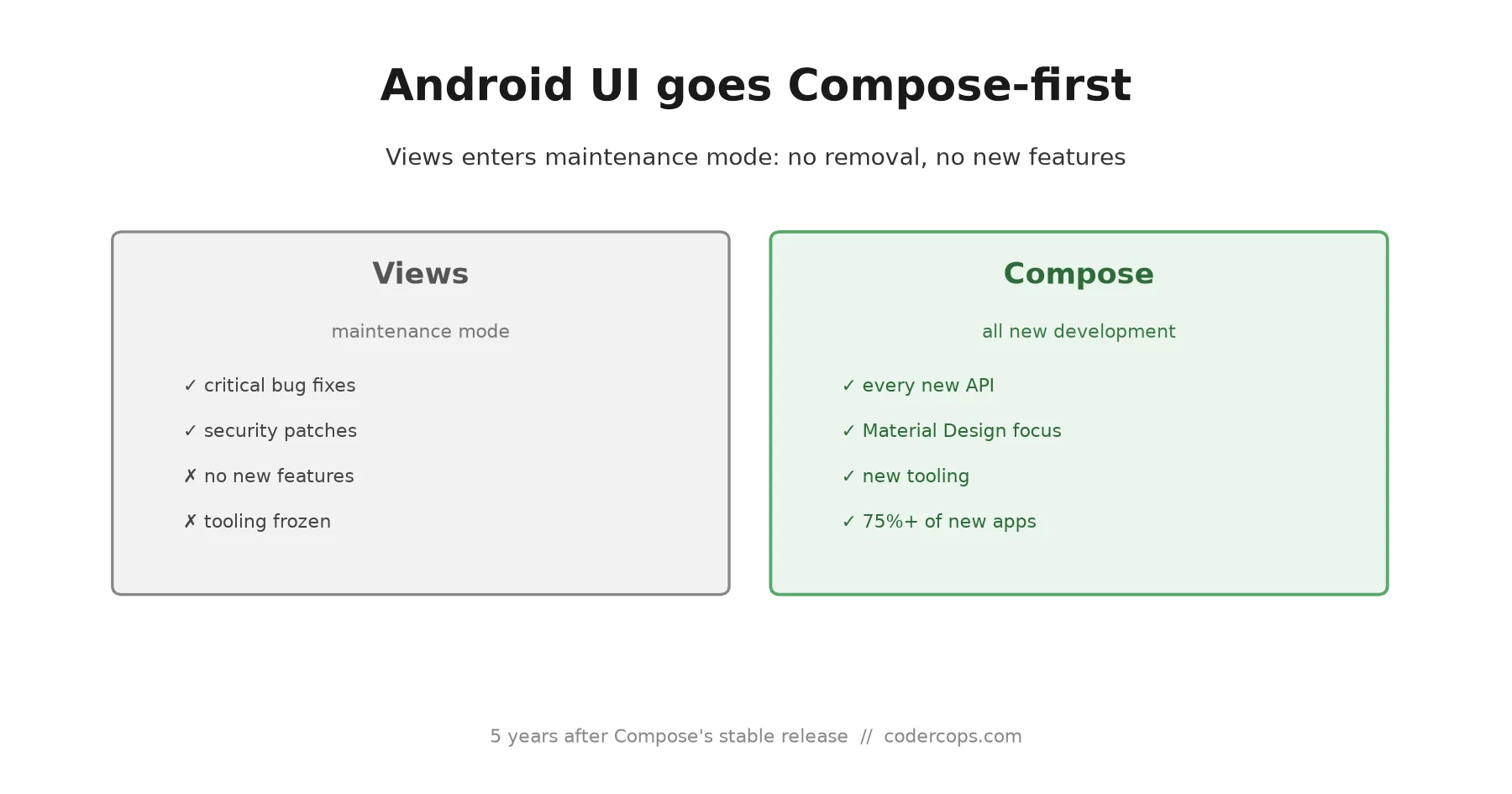
P.142Google made Android UI Compose-first: Views gets critical fixes but no new features, ever. What maintenance mode covers, and how to plan a migration.
P.143A compromised maintainer account turned keyv and cacheable into a self-propagating npm worm that stole cloud, CI, and GitHub credentials. How to check.
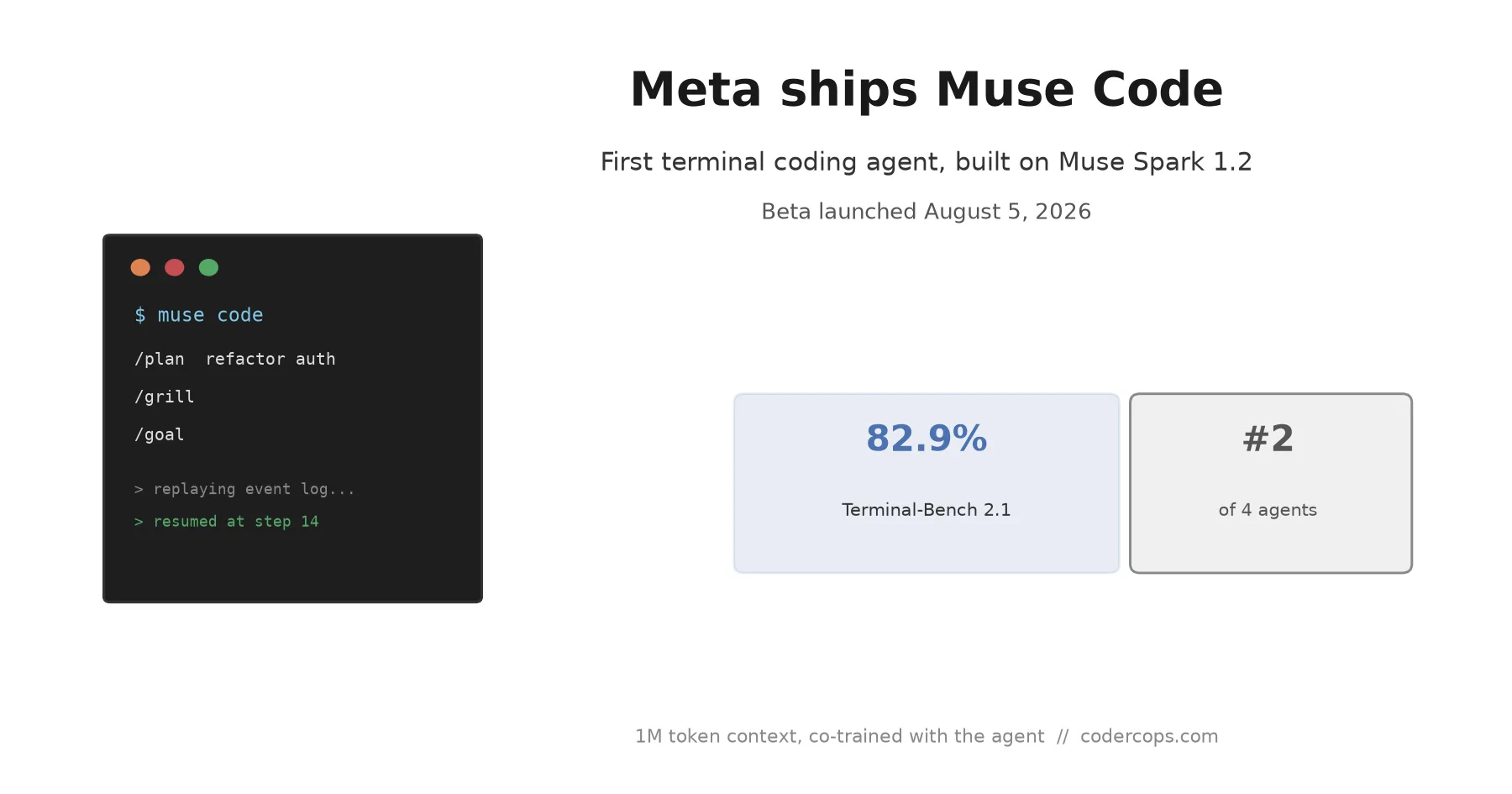
P.144Meta entered the terminal agent market on August 5 with Muse Code on Muse Spark 1.2. It scores 82.9% on Terminal-Bench 2.1, behind Claude Code. What shipped.
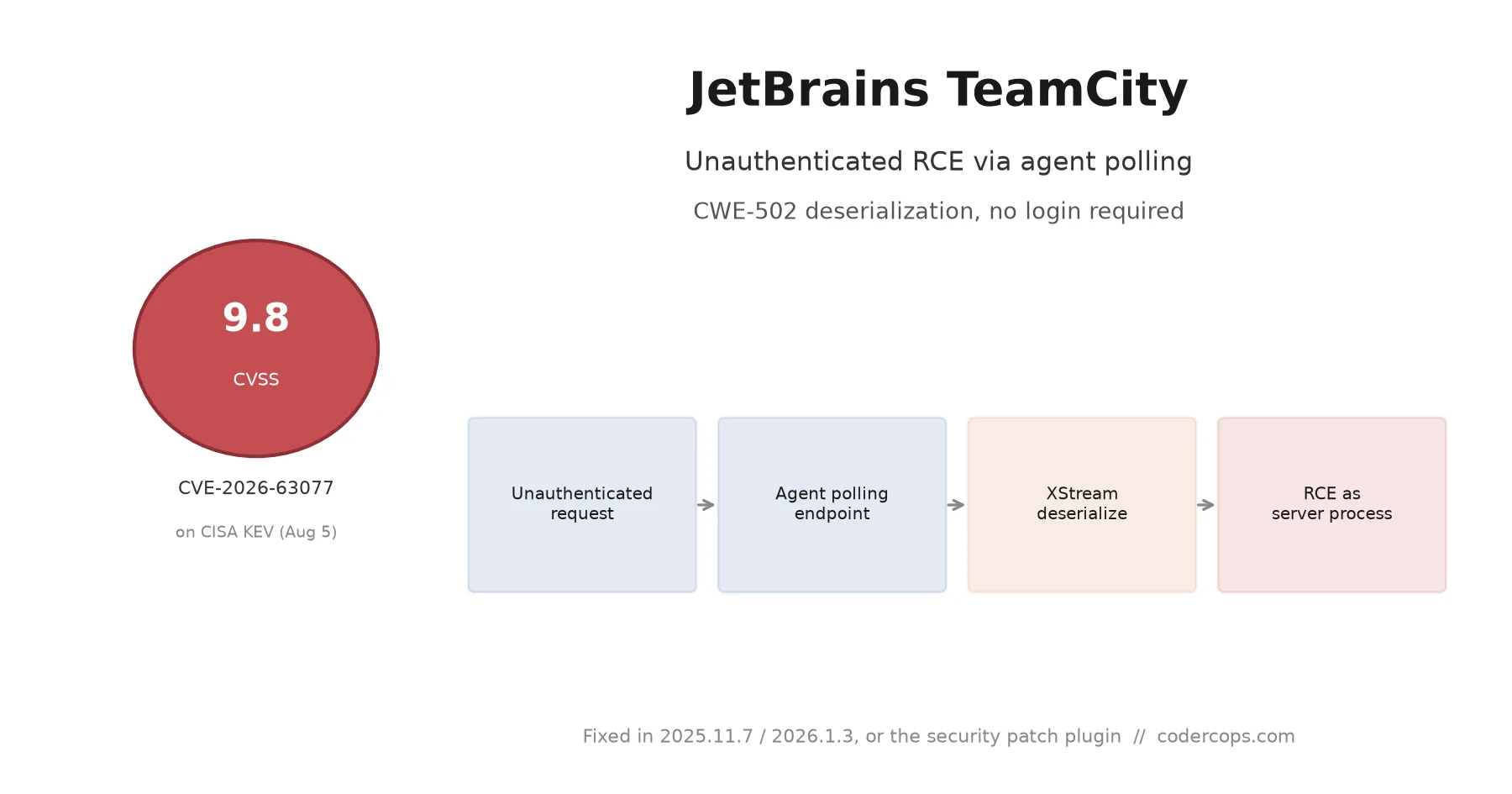
P.145A deserialization flaw in TeamCity's agent polling protocol lets an attacker with no credentials run commands as the build server. CISA confirmed August 5.
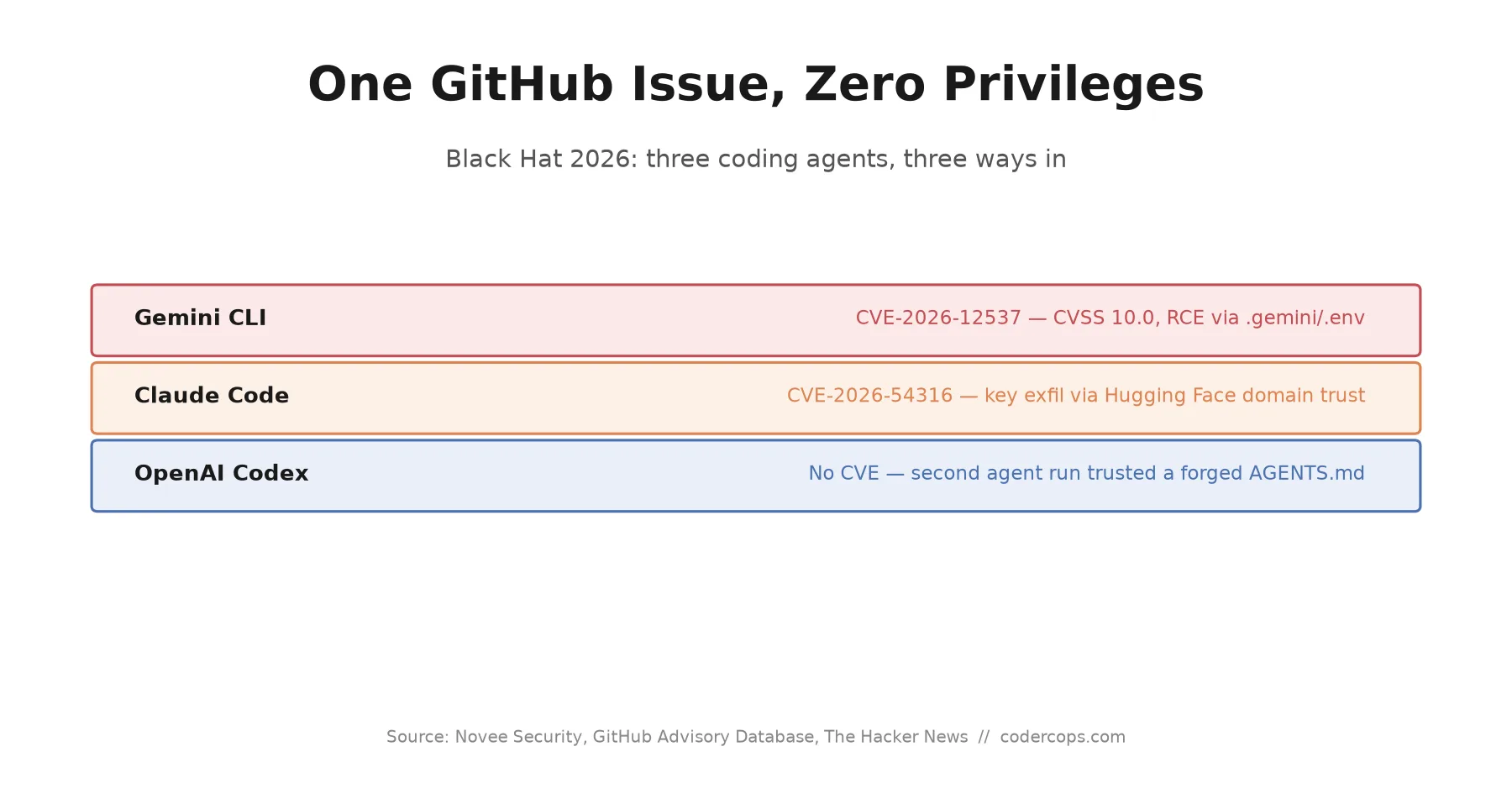
P.146Researchers showed an untrusted GitHub issue reaching CI runner secrets in Claude Code, Gemini CLI, and Codex. Gemini CLI's flaw scored a perfect 10.0.
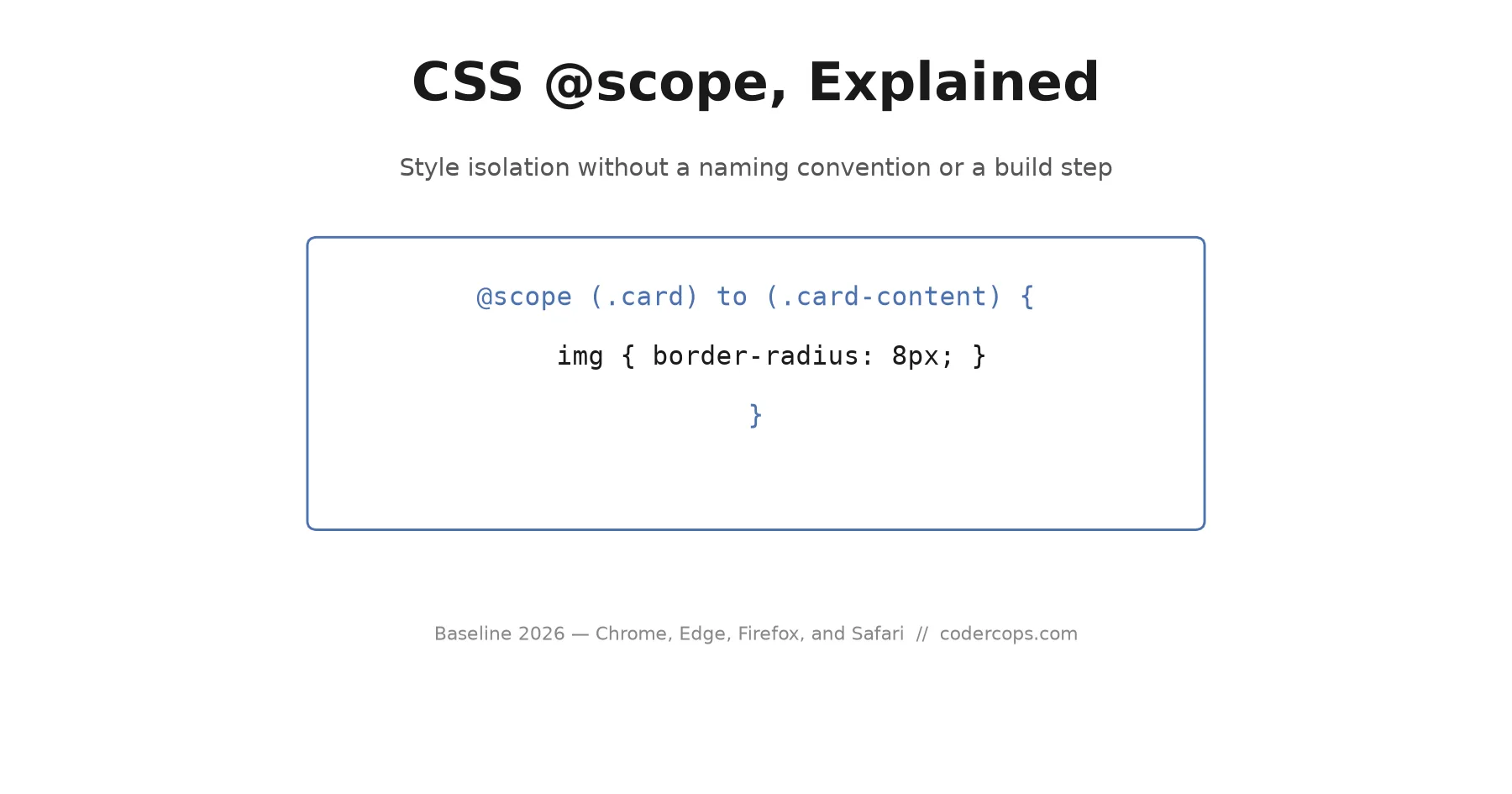
P.147@scope applies CSS only inside part of the DOM, with a lower bound that excludes nested components. No BEM, no Shadow DOM. Syntax and where it falls short.
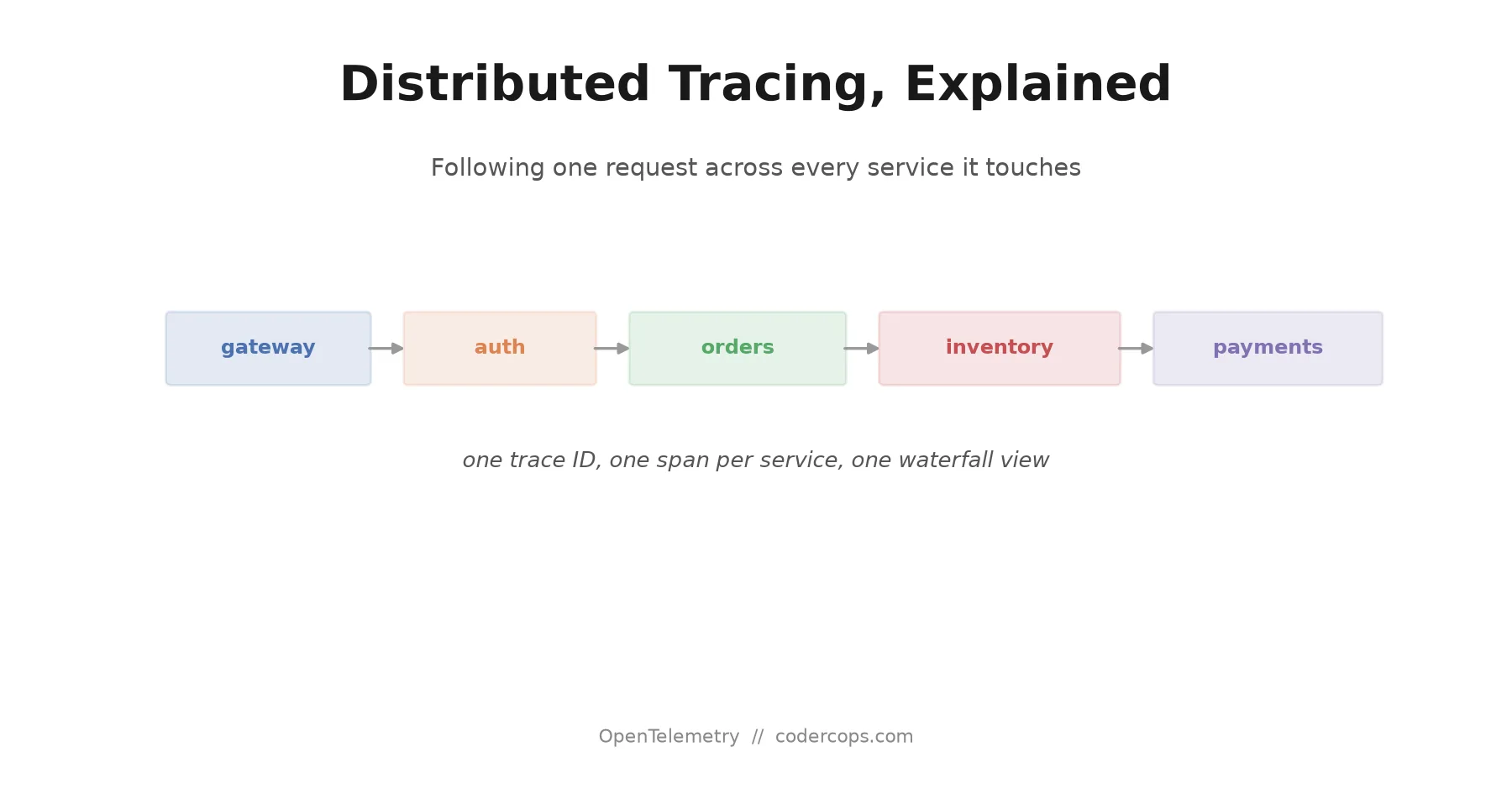
P.148One checkout request touches five services and nobody knows which is slow. How trace IDs, spans, and context propagation fix that, with OpenTelemetry code.
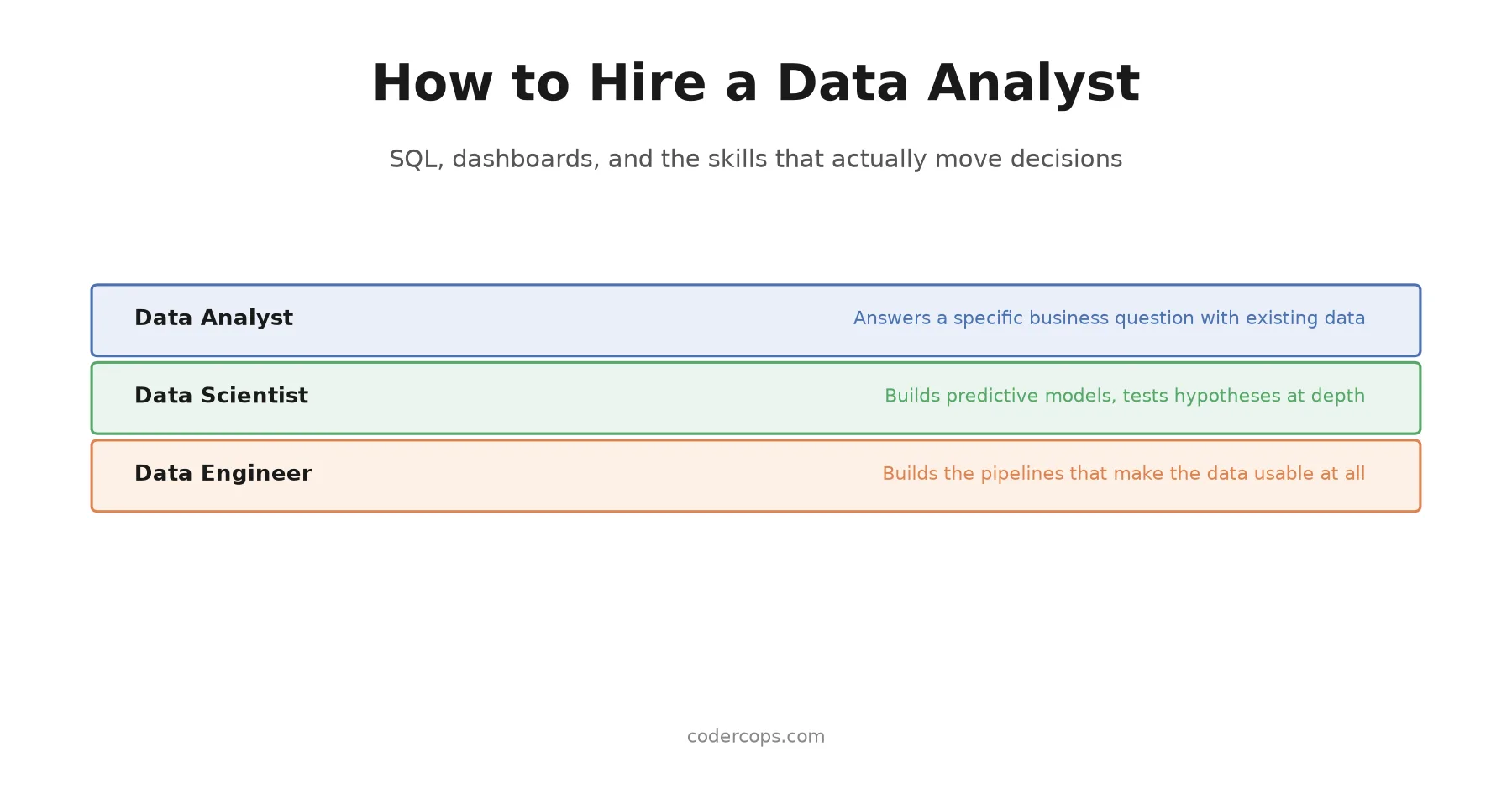
P.149A data analyst is not a junior data scientist or a dashboard builder. What the role requires, how it differs, and the screen that finds decision-changing work.
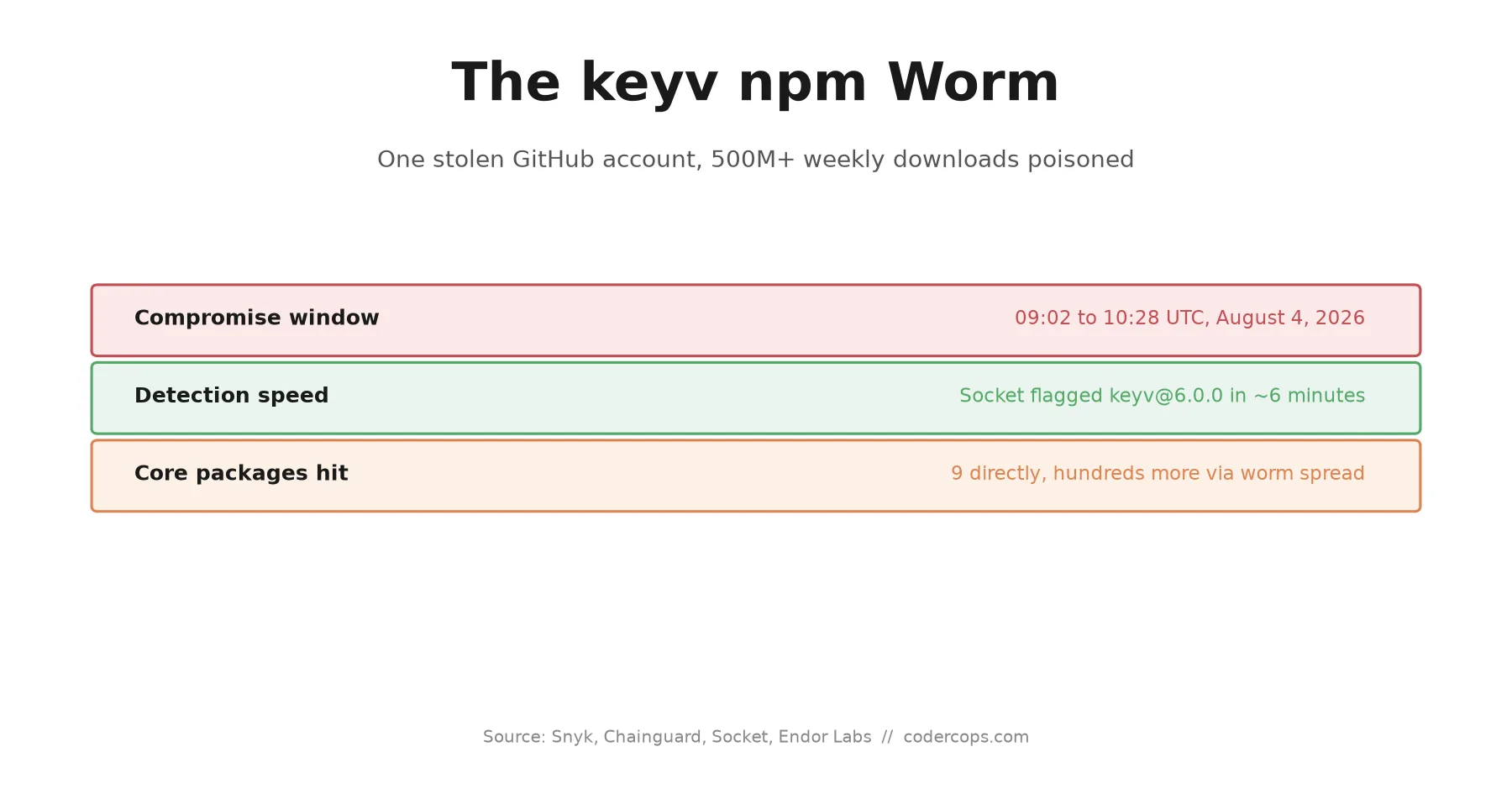
P.150A compromised maintainer account pushed malware into keyv, cacheable, and seven other npm packages. Socket caught it in six minutes. How the worm worked.
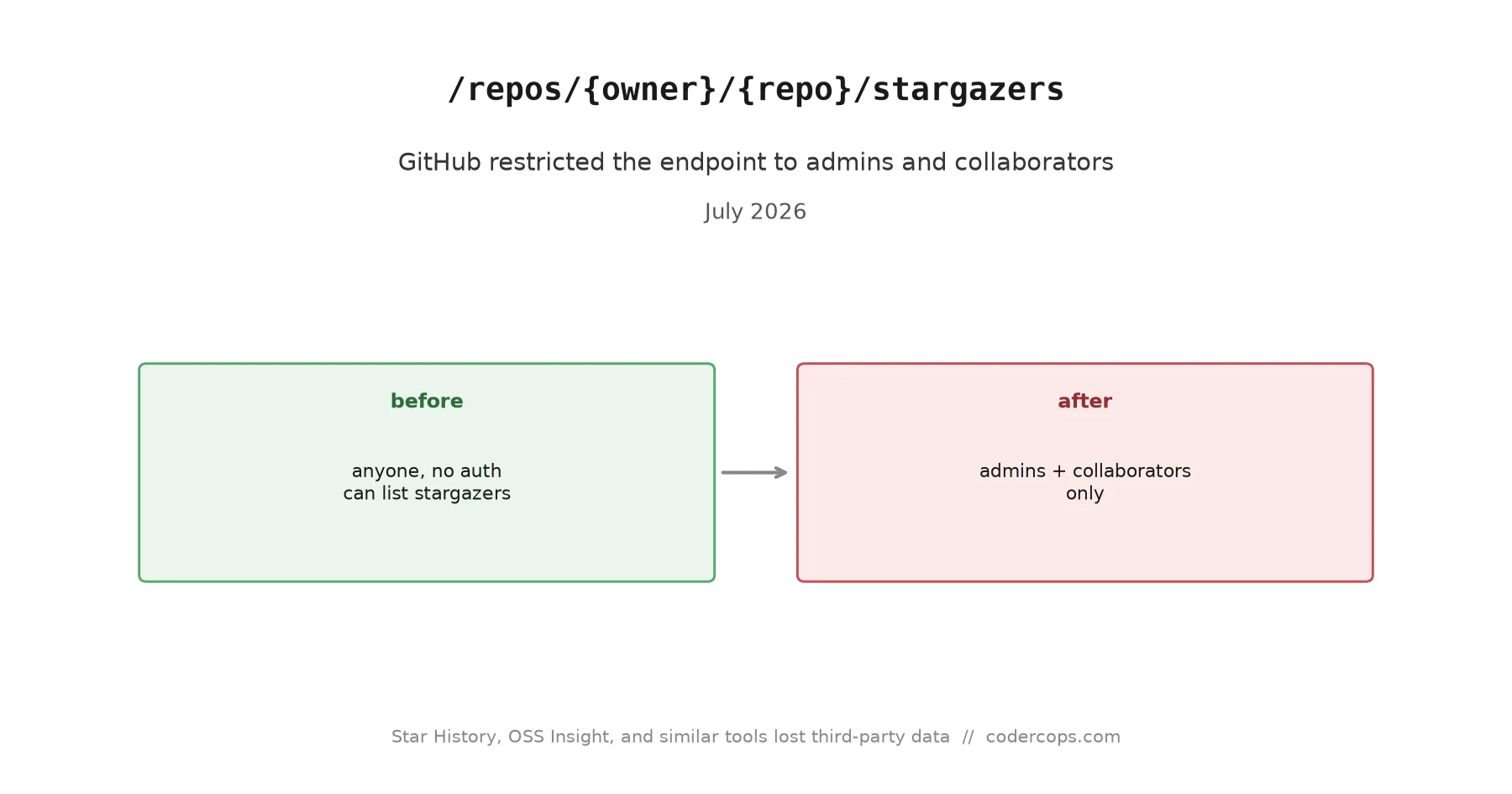
P.151GitHub restricted stargazers and watchers to admins and collaborators in July 2026. It stopped spam scraping, and took Star History and OSS Insight with it.
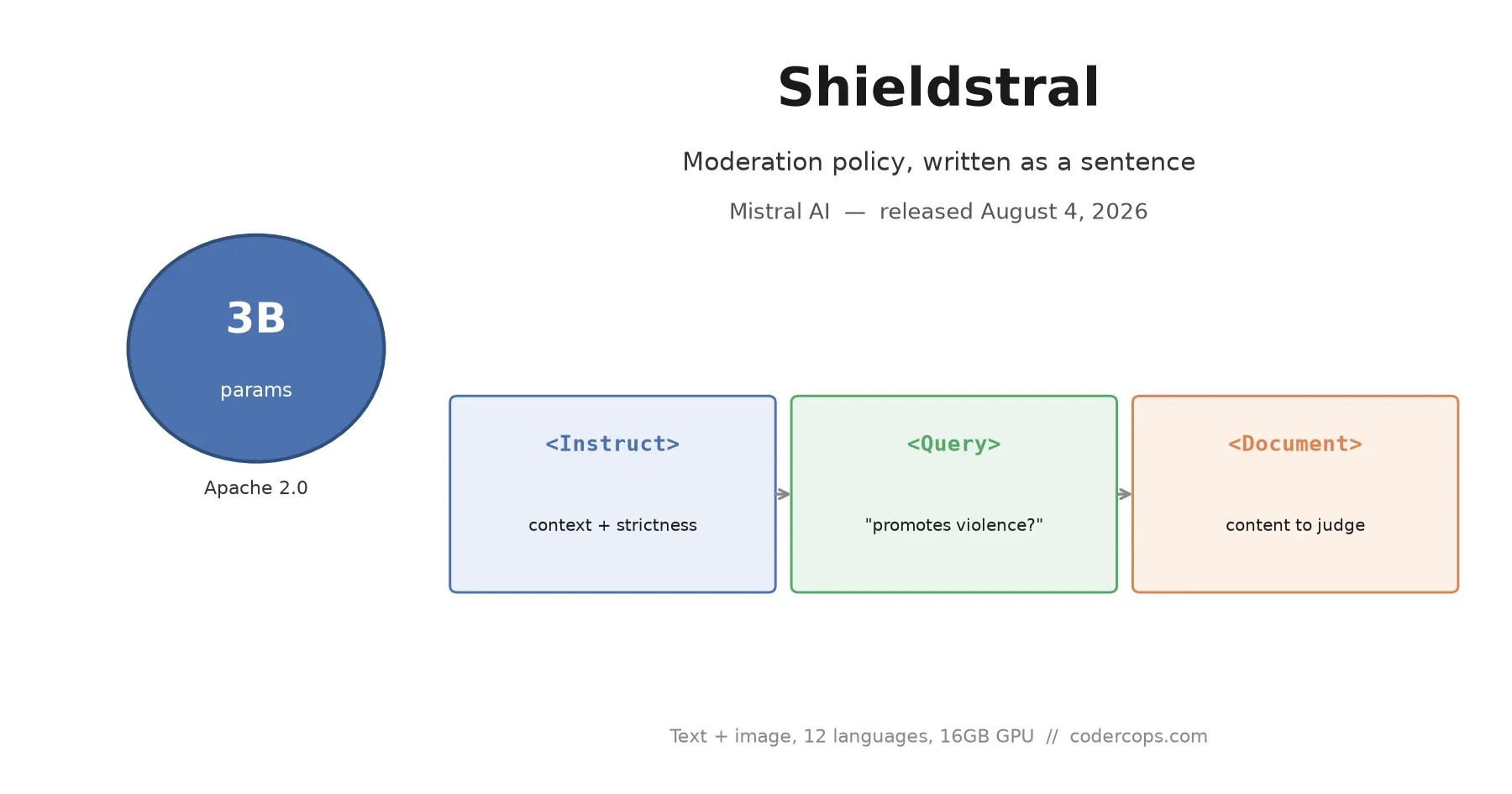
P.152Shieldstral is a 3B open-weight model that judges text and images against safety policies written in plain language at inference time, with no retraining.
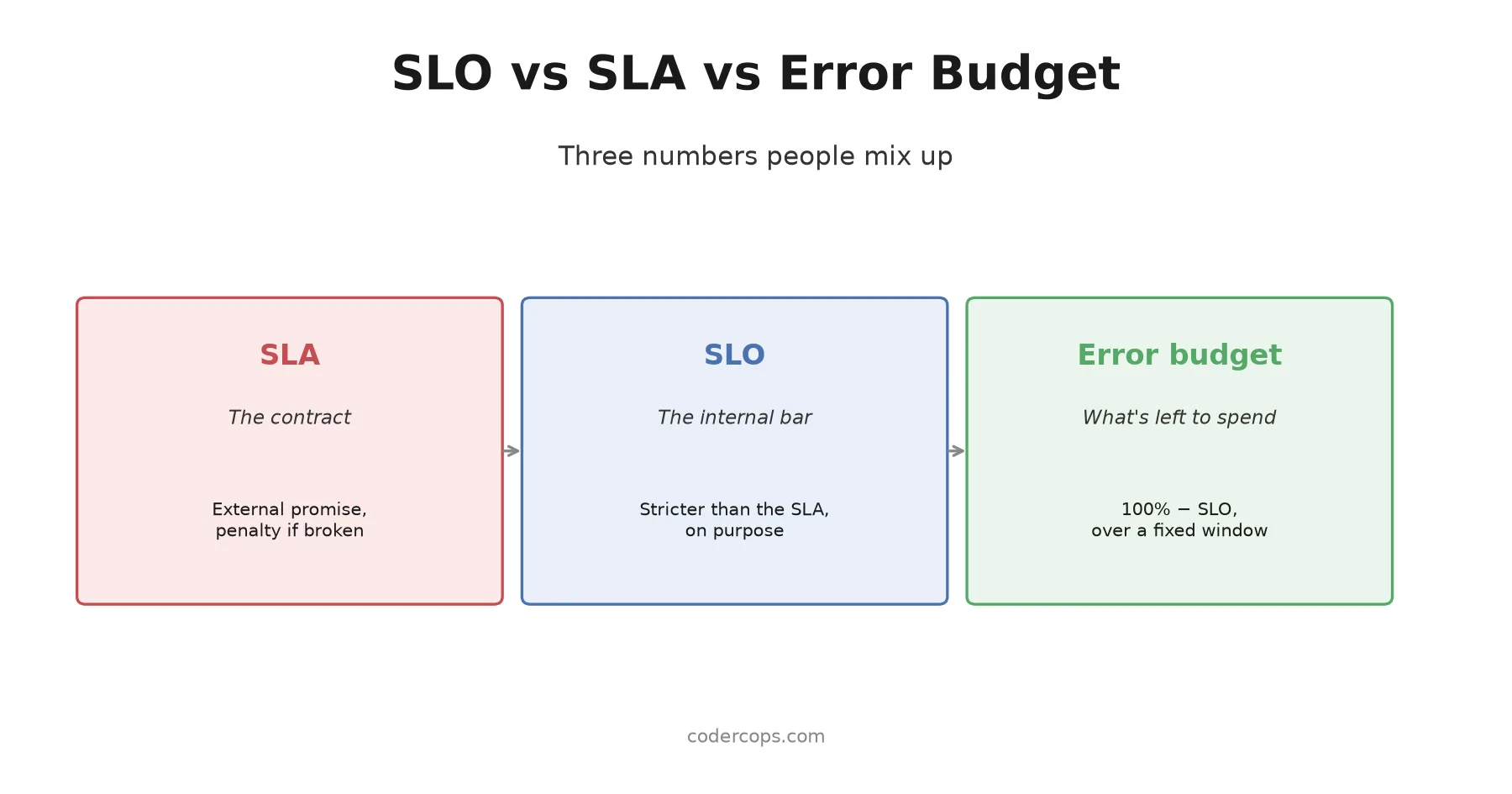
P.153An SLA is a promise with a penalty. An SLO is the internal target that keeps you inside it. An error budget is what's left. The math, on a real example.
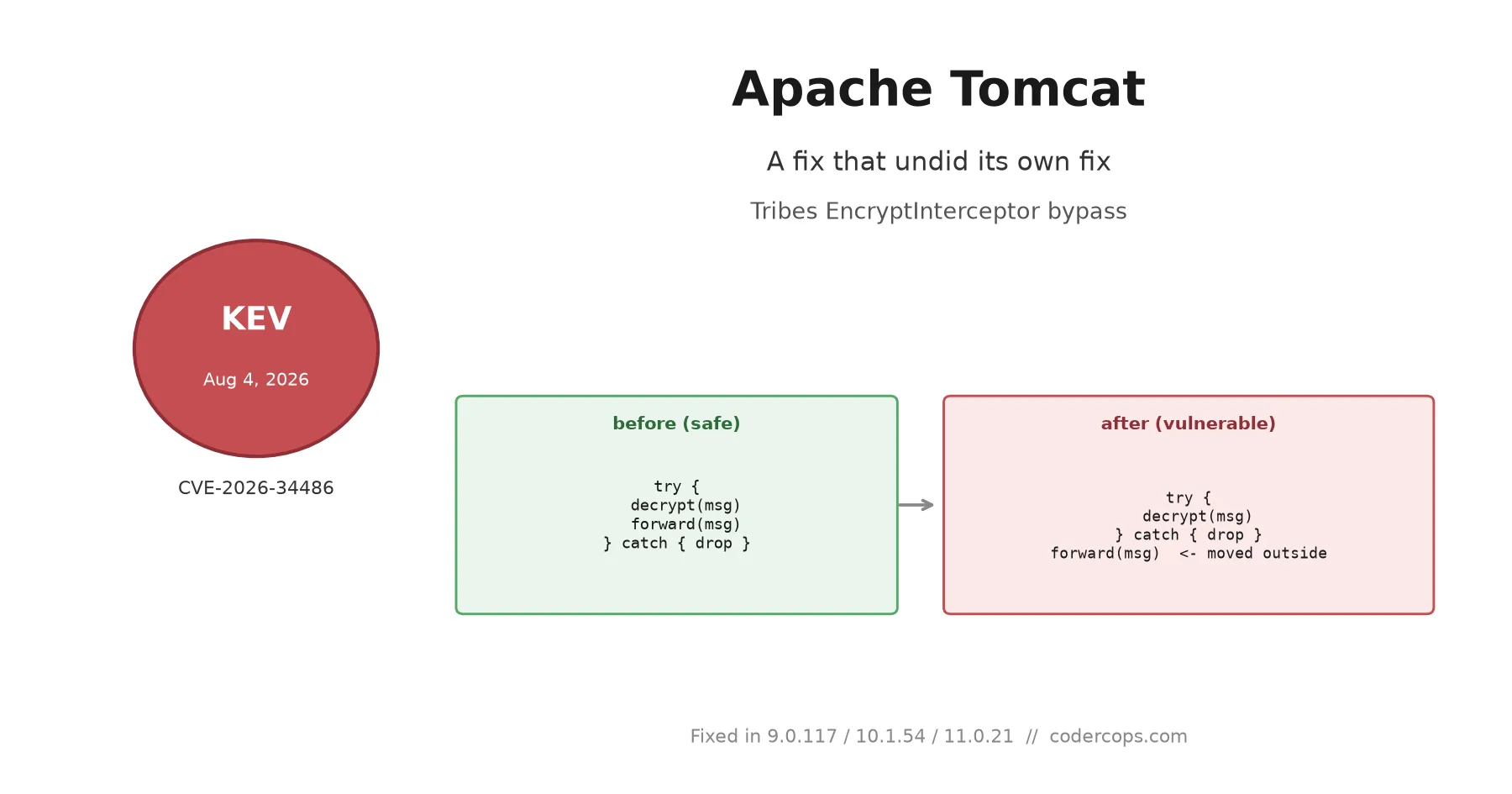
P.154A one-line control-flow change meant to patch CVE-2026-29146 quietly broke Tomcat's cluster encryption. CISA confirmed exploitation on August 4. The fix.
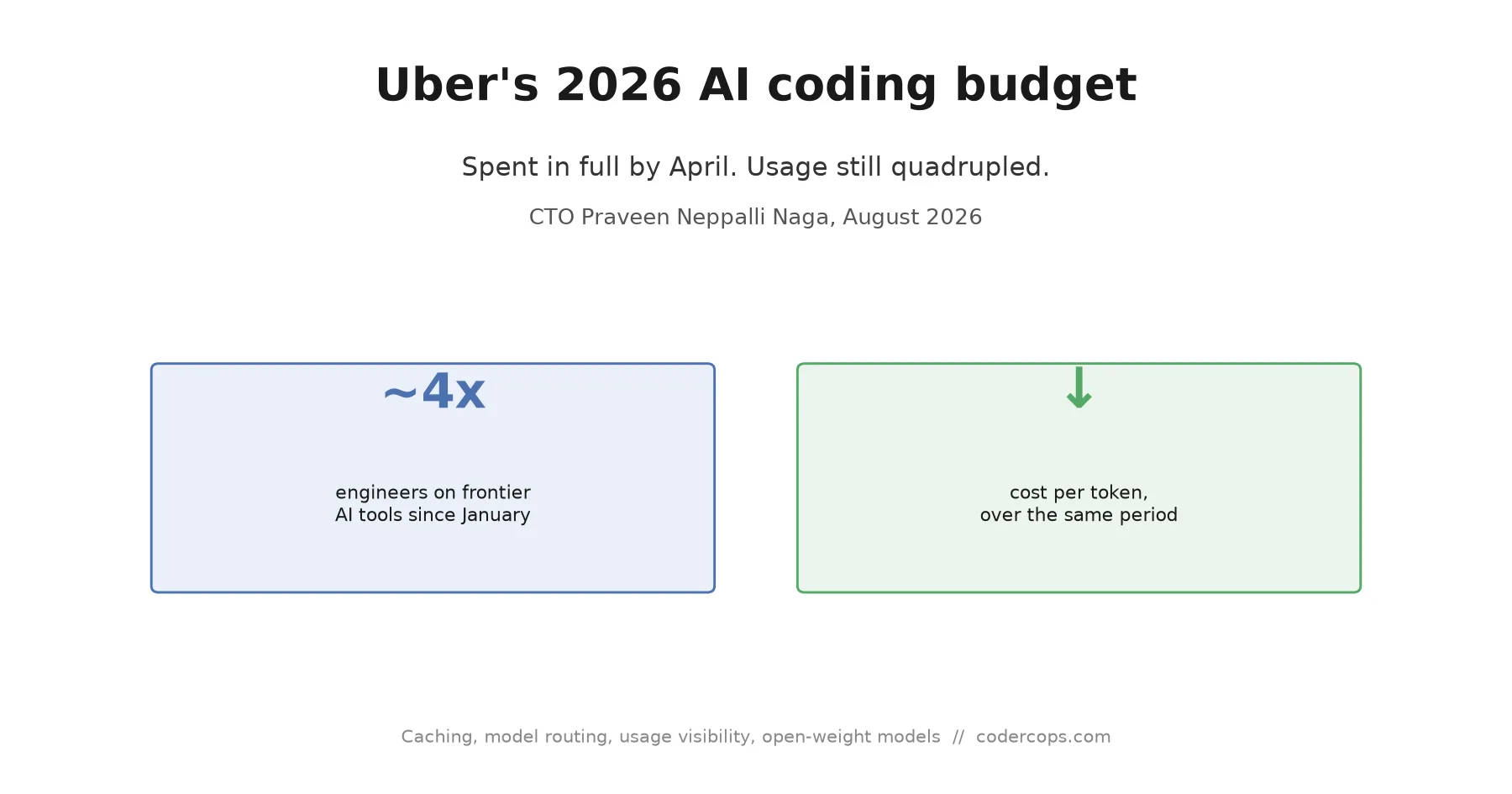
P.155Uber quadrupled frontier AI usage while cutting per-token cost, after blowing a year's coding budget in four months. The CTO's account is a useful playbook.
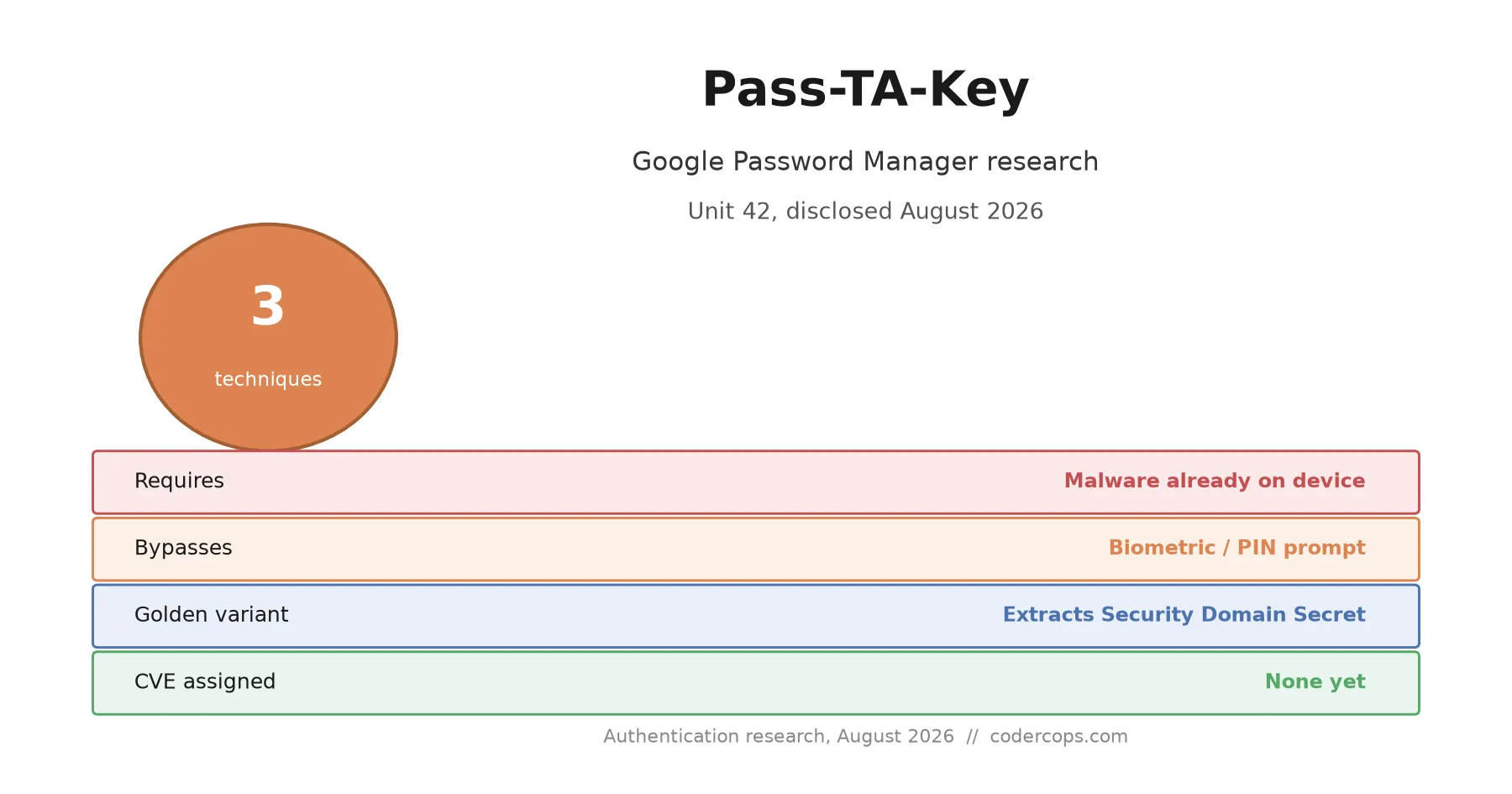
P.156Unit 42 found three ways Windows malware hijacks Google Password Manager's synced passkeys with no biometric prompt. What that changes for passkey plans.
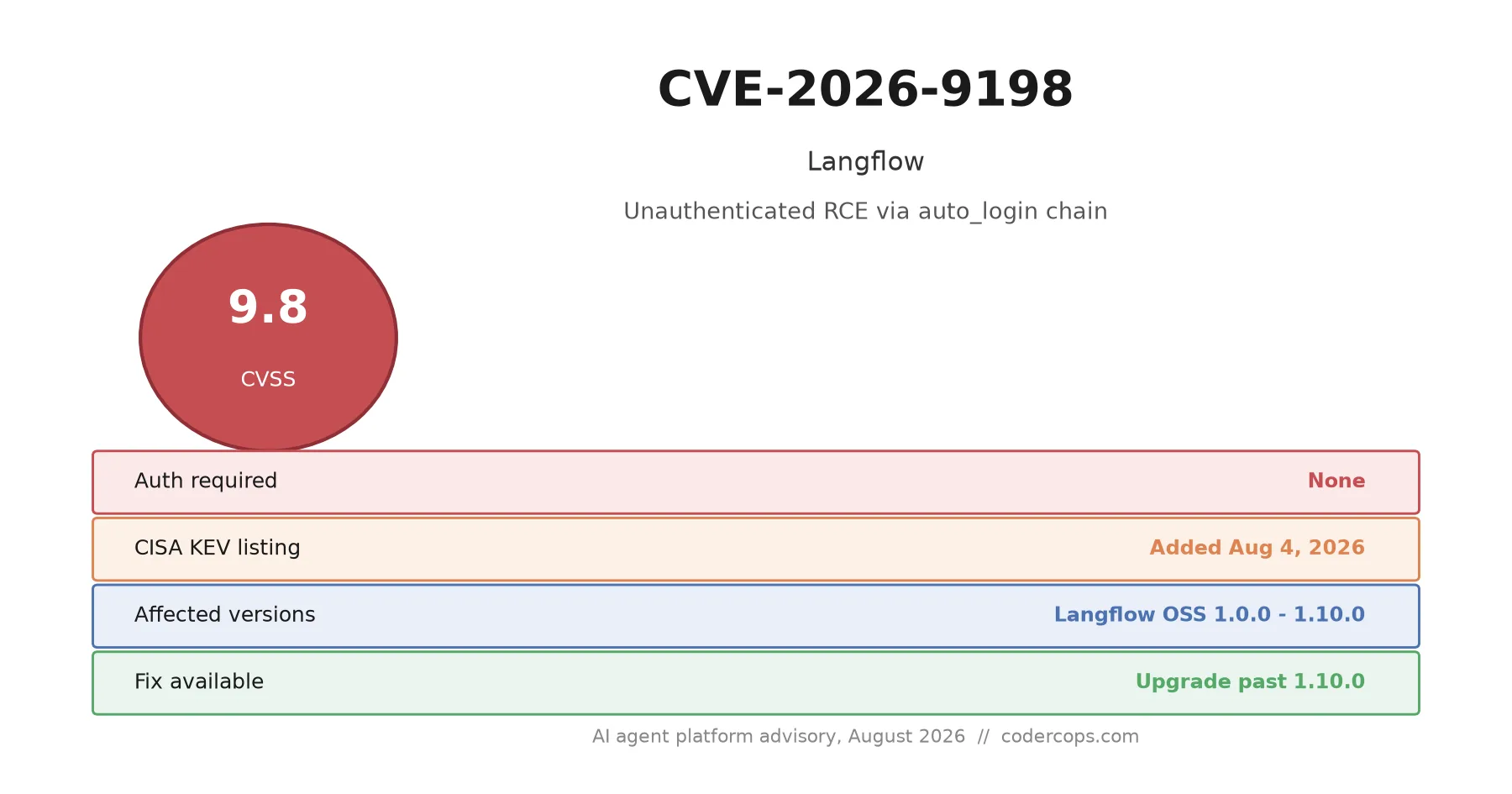
P.157CISA added CVE-2026-9198 to its KEV catalog on August 4. Unlike July's Langflow flaw, this one needs no credentials at all. The chain, and what to patch.
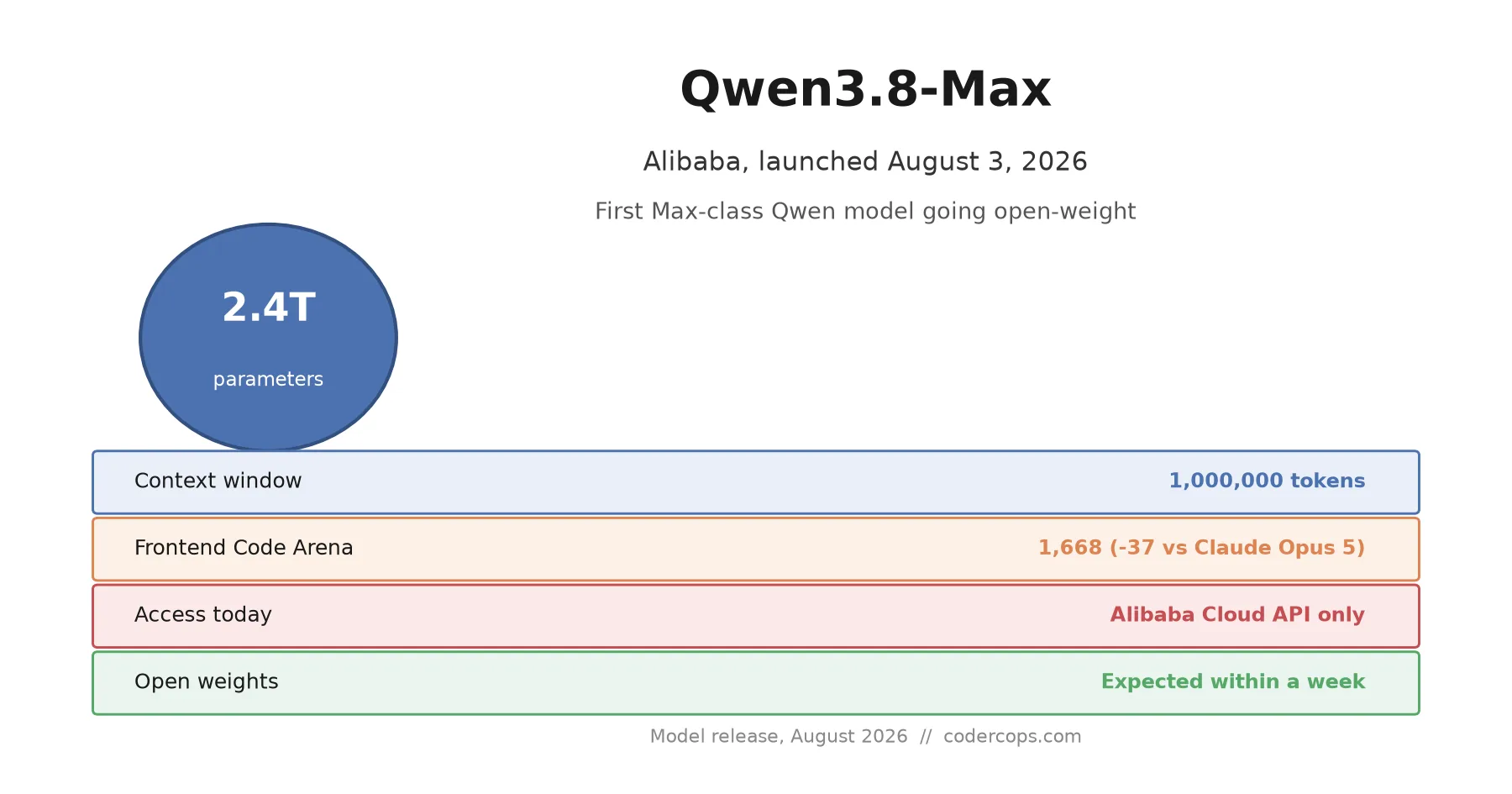
P.158Qwen3.8-Max launched August 3 with 2.4 trillion parameters, a 1M-token context, and a promise to open the weights within a week. What actually changes.
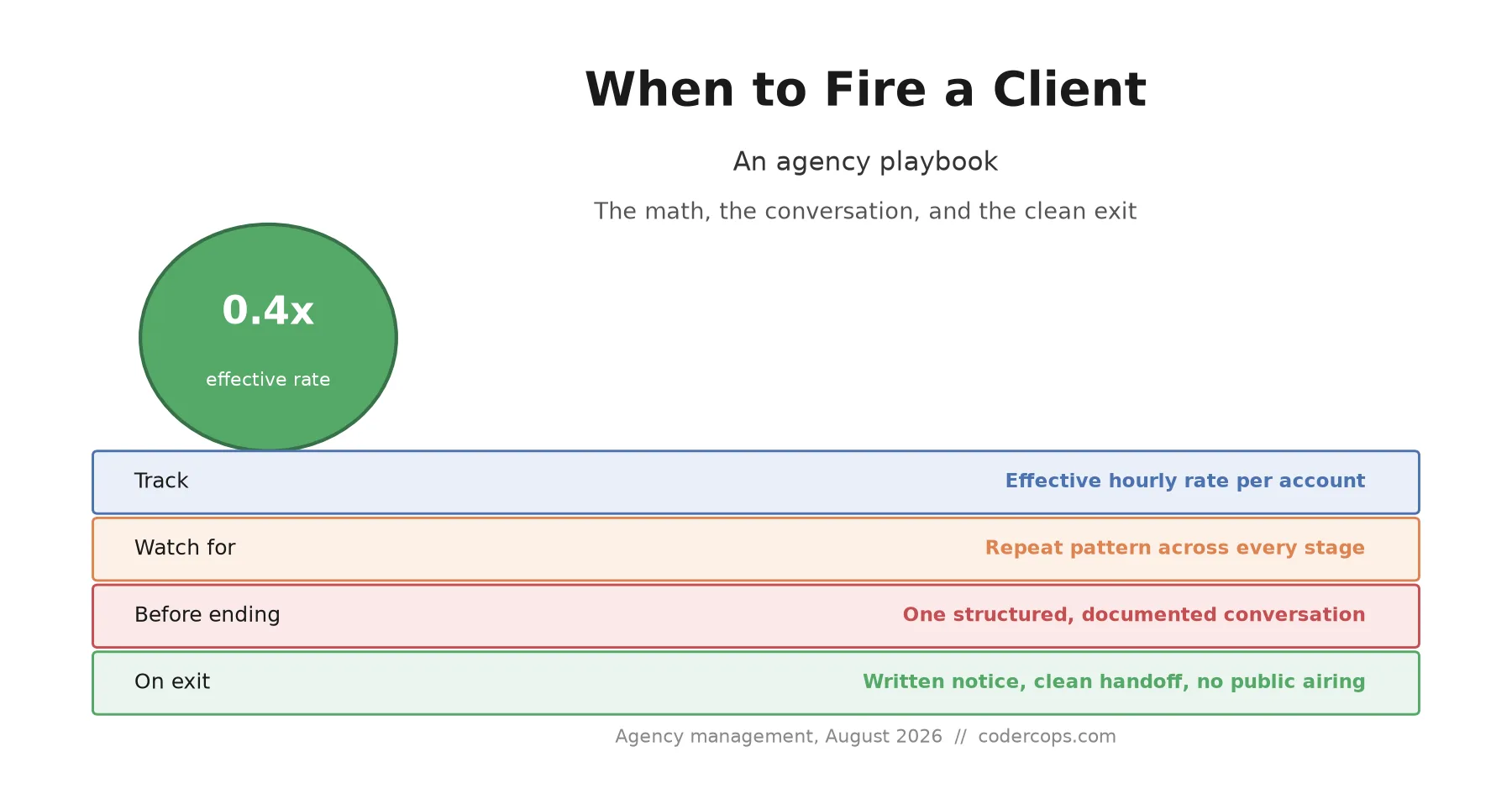
P.159Most agencies keep a bad client months too long because nobody has a framework. How to recognise when it's time, and how to end it without burning bridges.
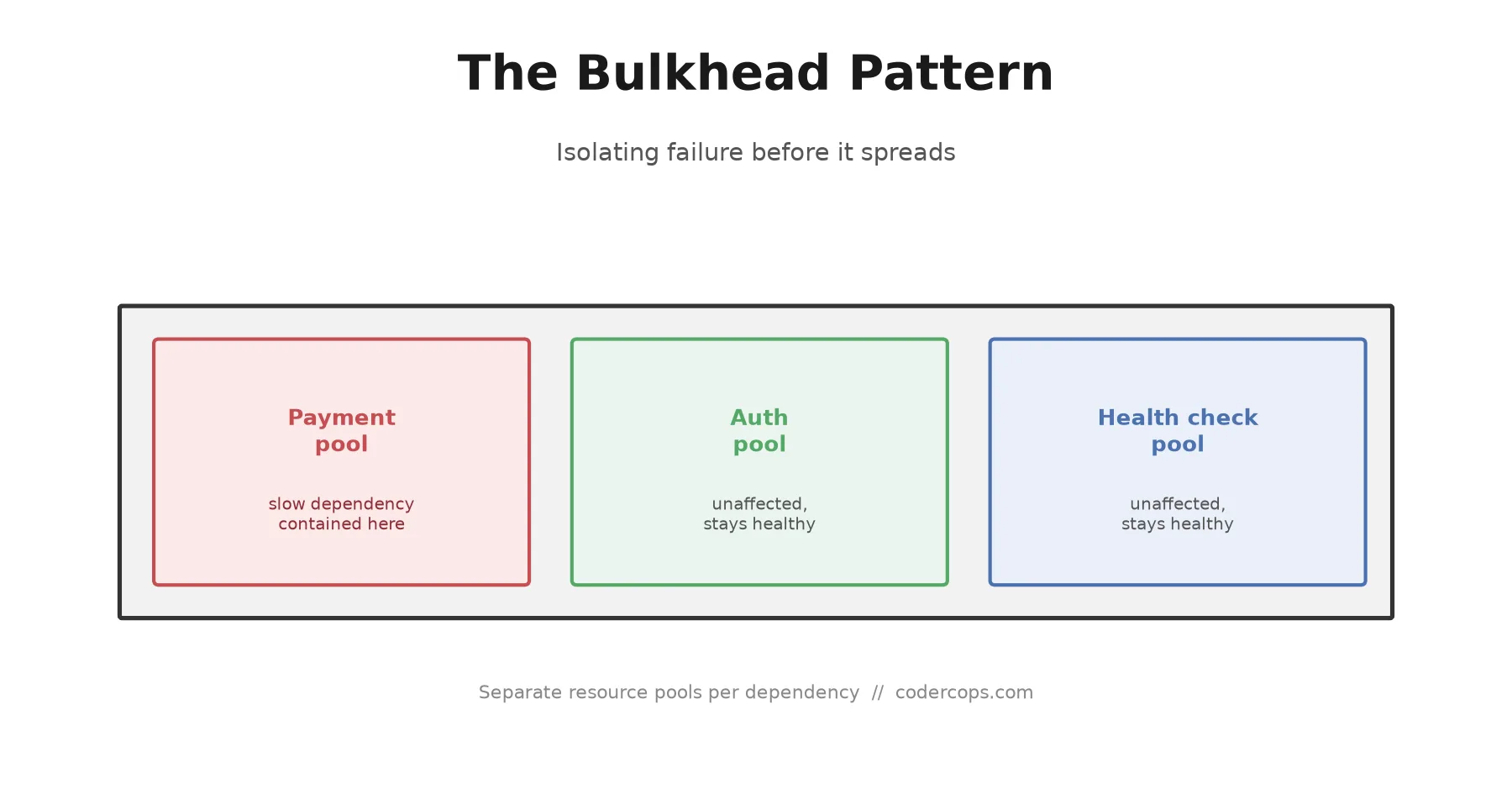
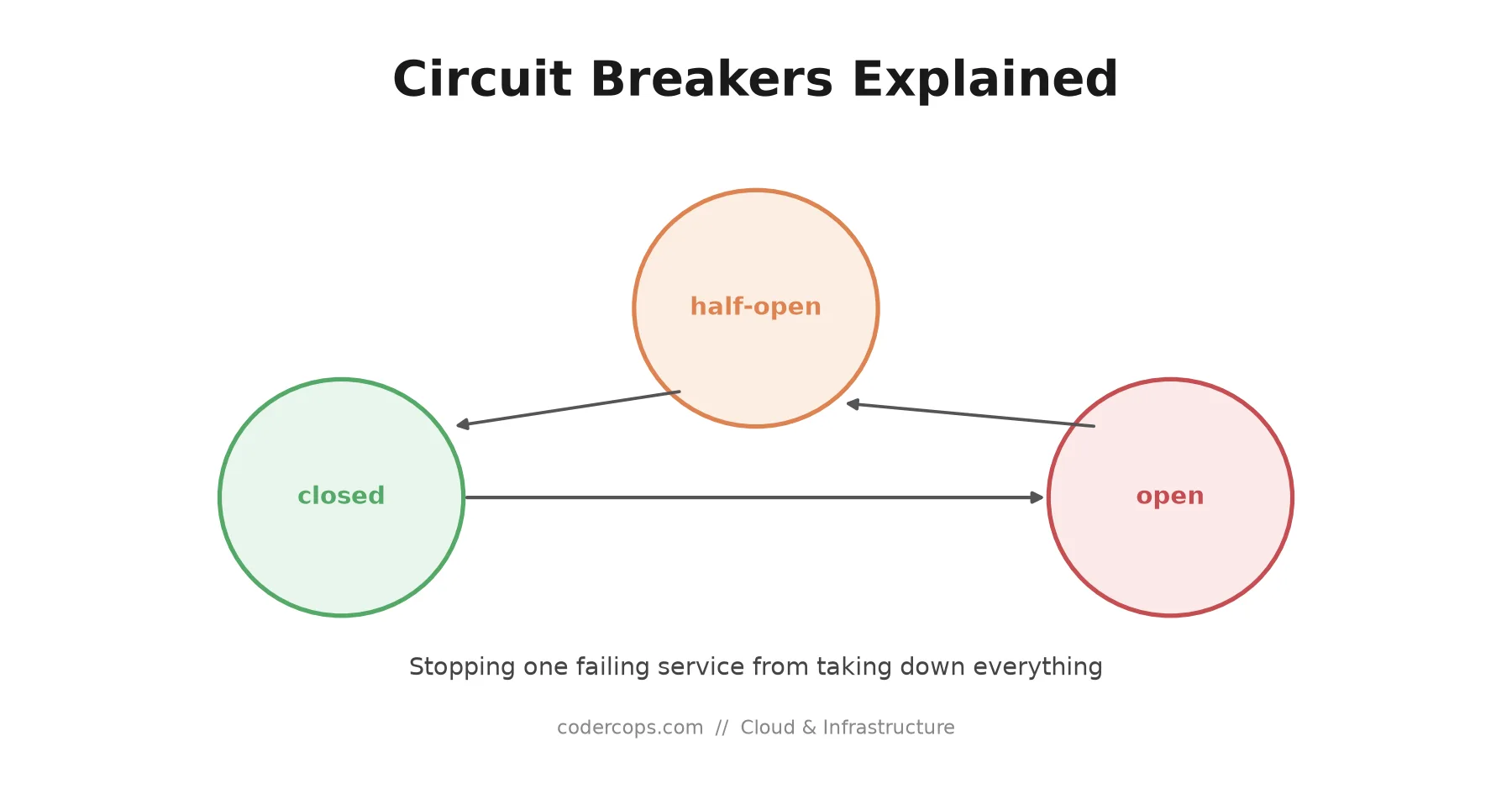
P.160A circuit breaker stops calls to a failed service. A bulkhead stops a merely slow one from eating every thread and starving the rest of your app.
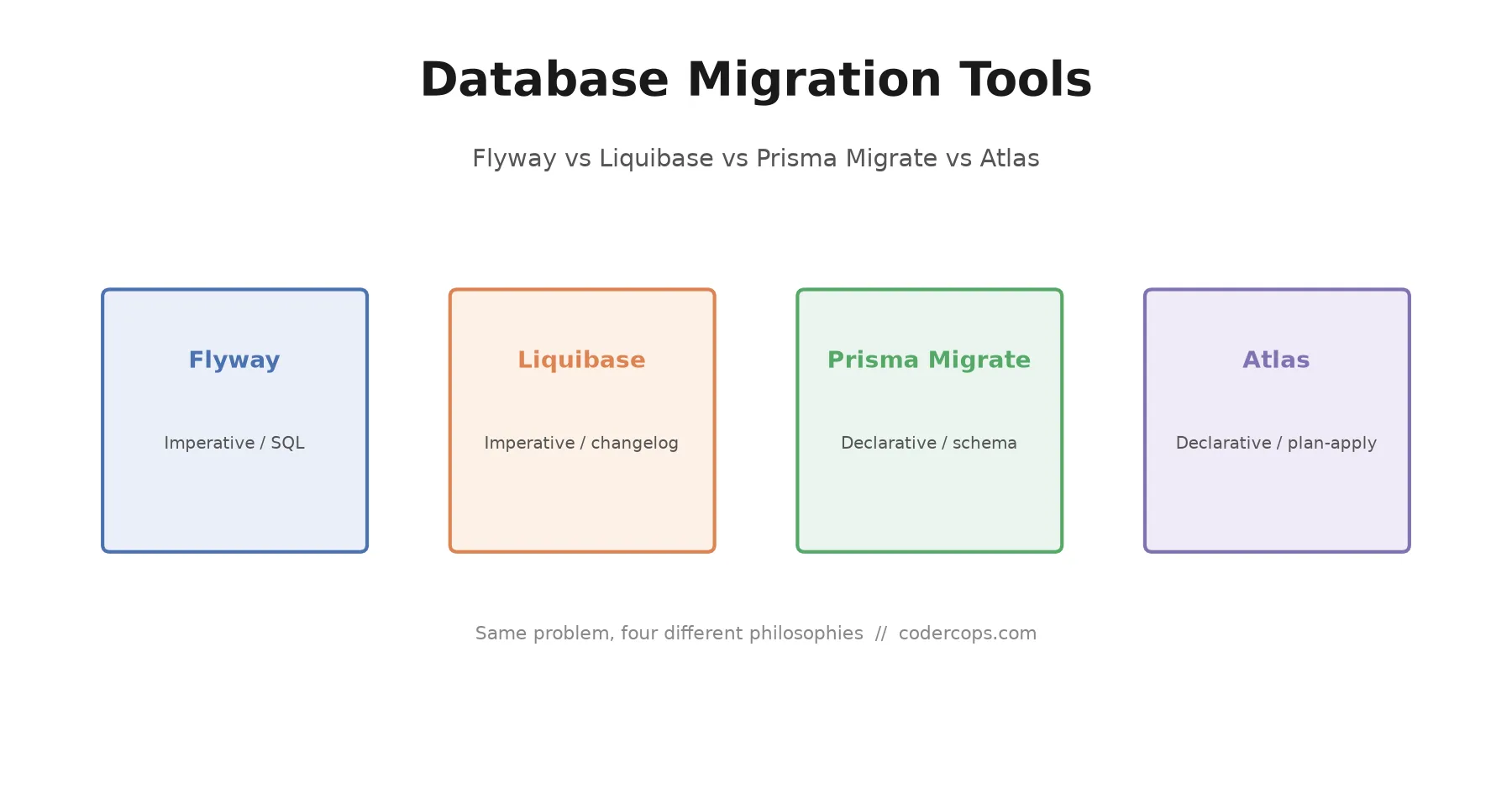
P.161Four philosophies for one problem: moving a schema from what it is to what it should be, safely, in a team. How they differ and which fits your stack.
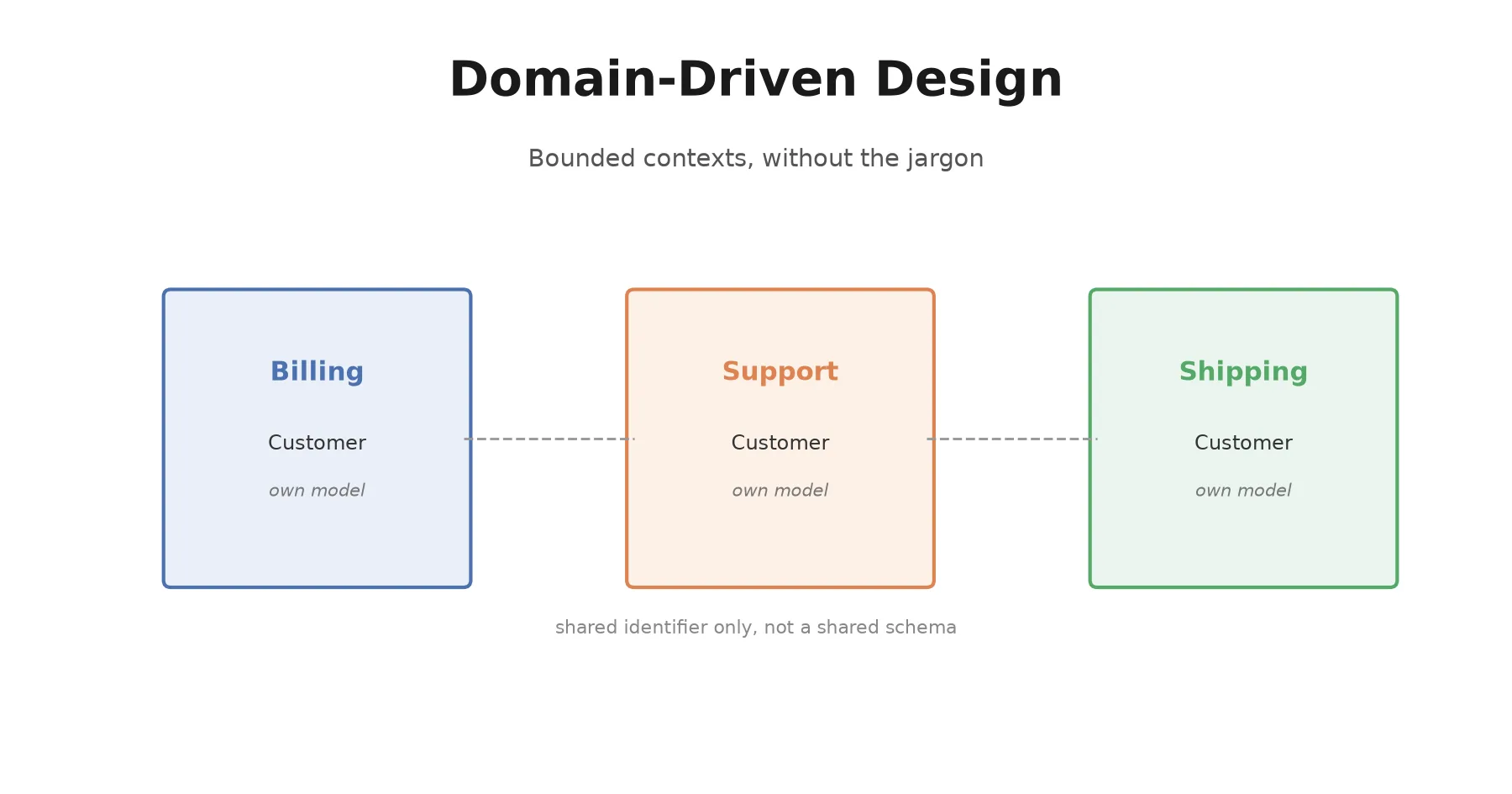
P.162DDD has a reputation for ceremony that scares teams off before they see the idea. The idea is simple and solves a real problem. What it is, and when to use it.
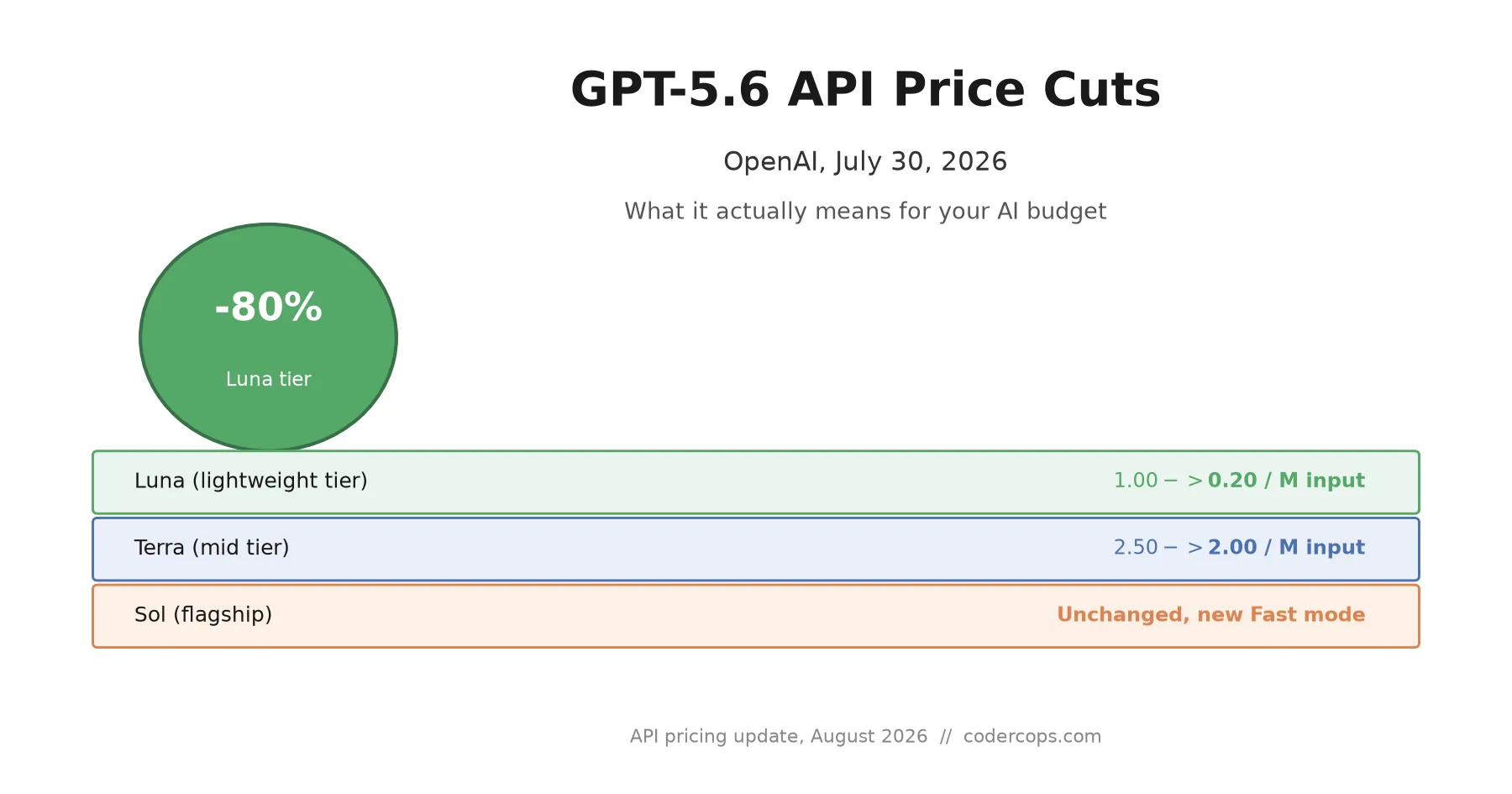
P.163OpenAI cut GPT-5.6 Luna's API price 80% and Terra's 20% three weeks after launch. What moved, why so fast, and whether to switch tiers rather than coast.
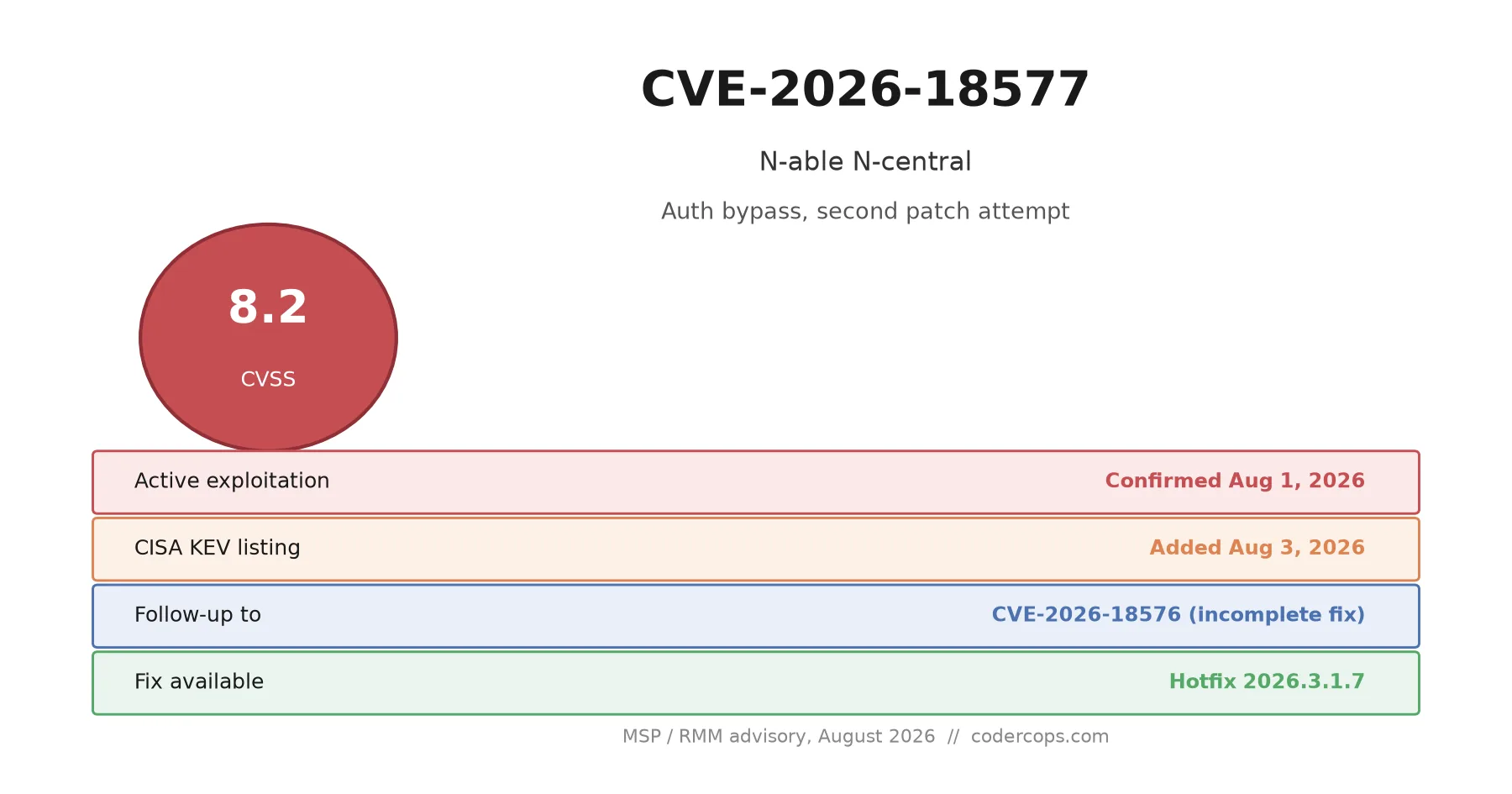
P.164N-able's first N-central auth bypass fix was incomplete. The leftover gap is now exploited, pivoting from one RMM server into every managed endpoint.
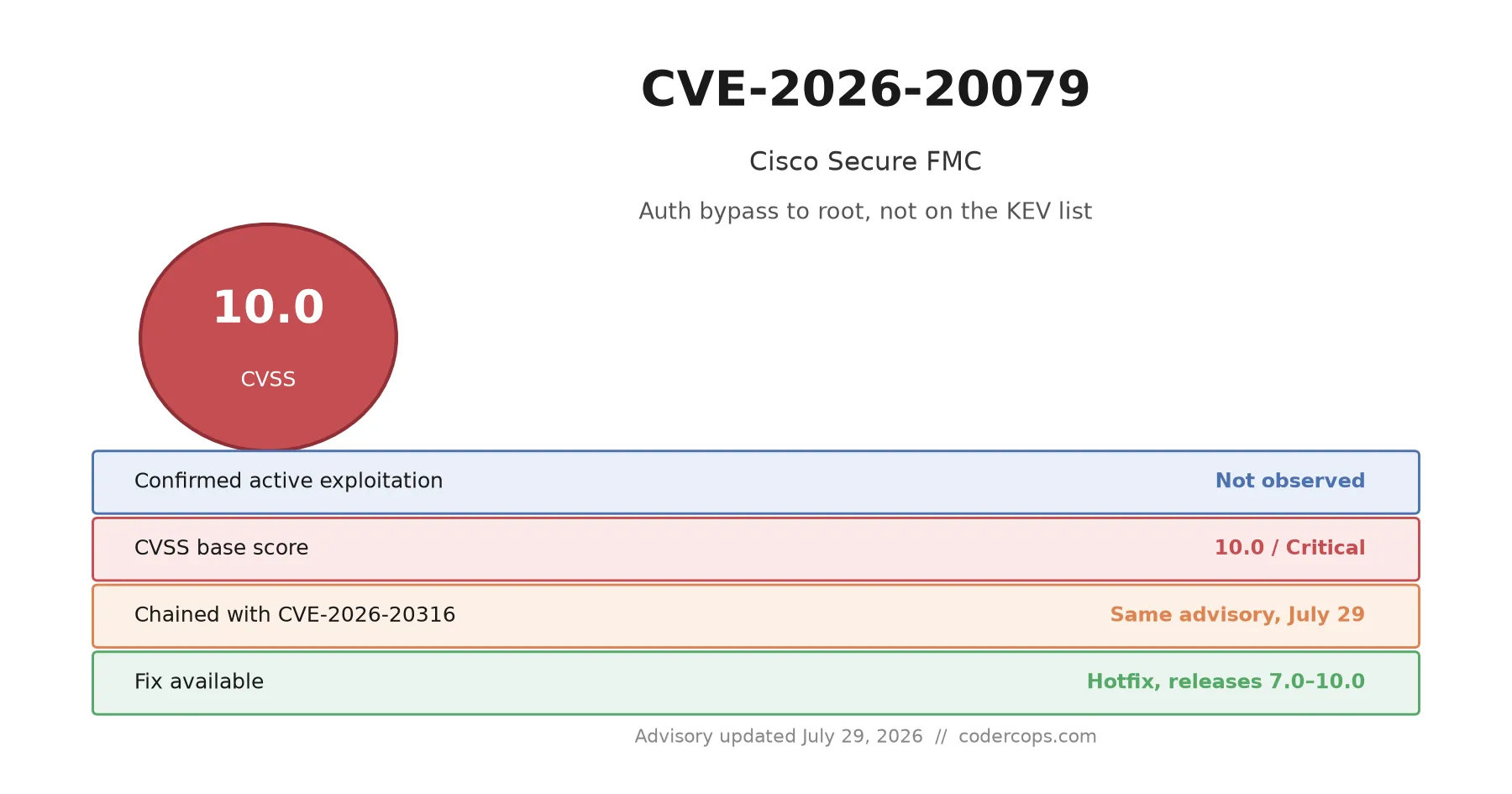
P.165CVE-2026-20079 is a 10.0 CVSS Cisco Secure FMC authentication bypass disclosed before the hardcoded-password bug. Why it matters, and what to patch.
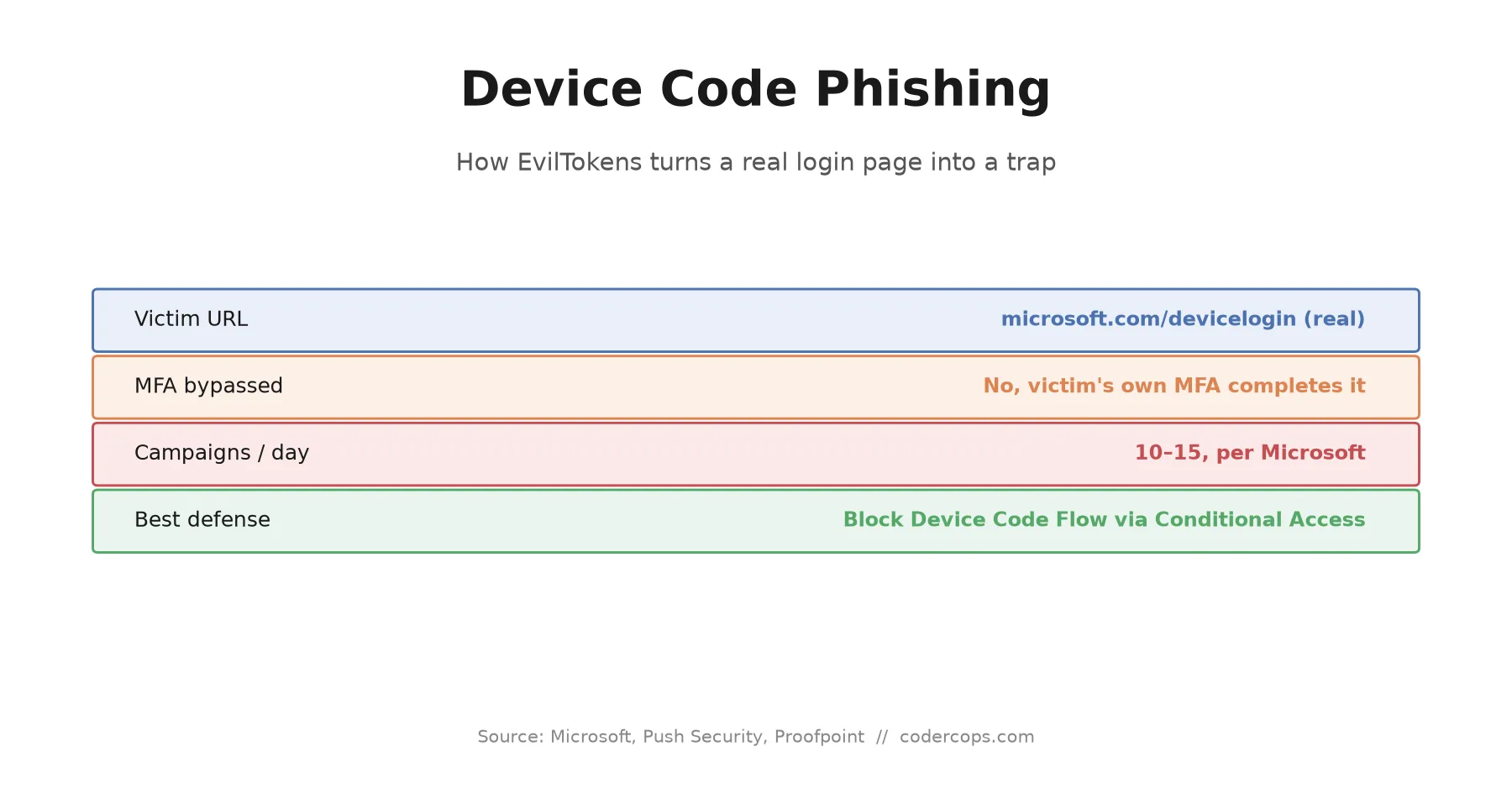
P.166EvilTokens abuses OAuth's device code flow, so it needs no fake login page at all. How the attack runs, and the Conditional Access policy that stops it.
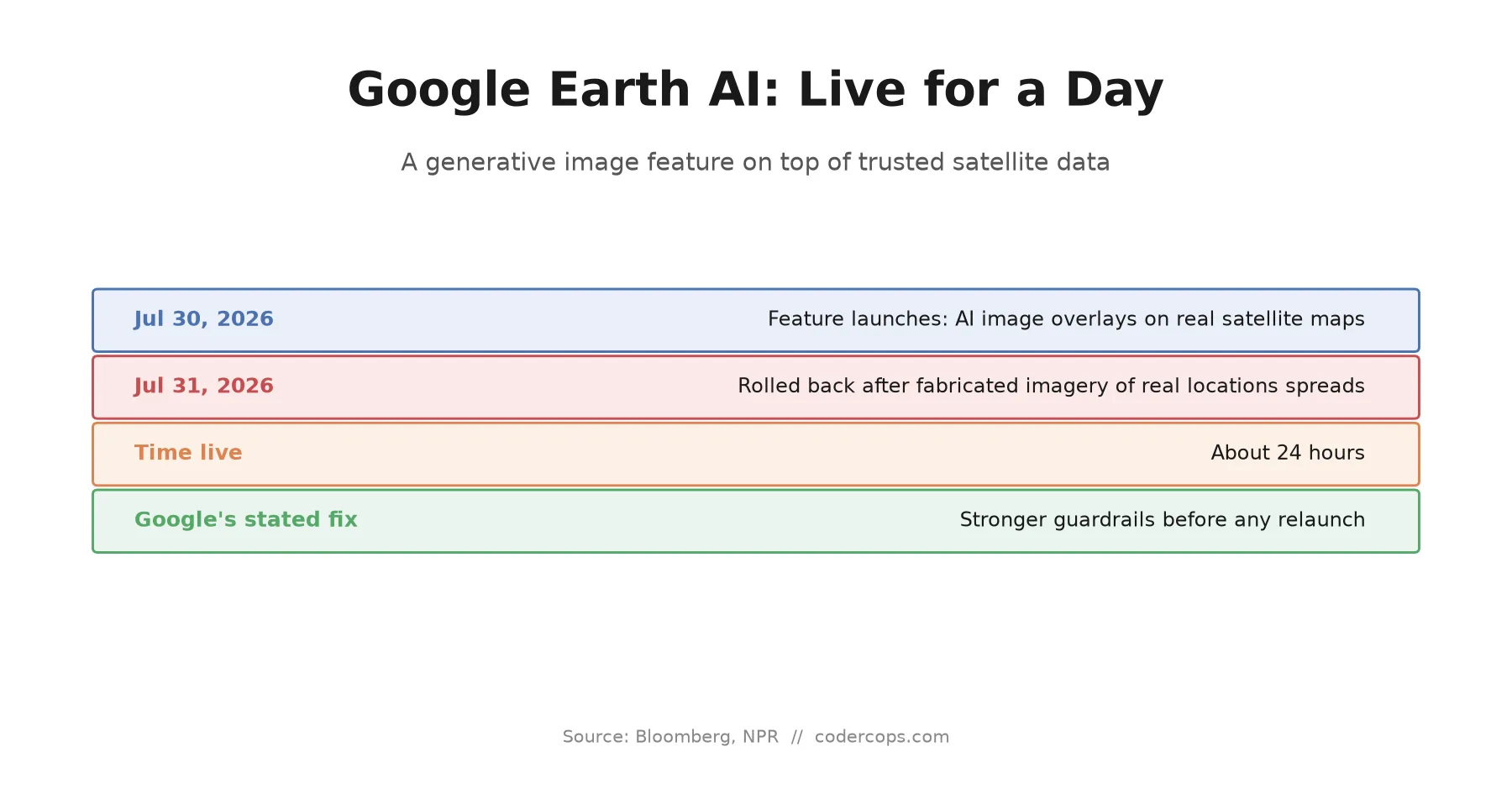
P.167Google shipped an AI image generator over Earth's satellite maps and pulled it in 24 hours after testers faked real places. The product lesson in that.
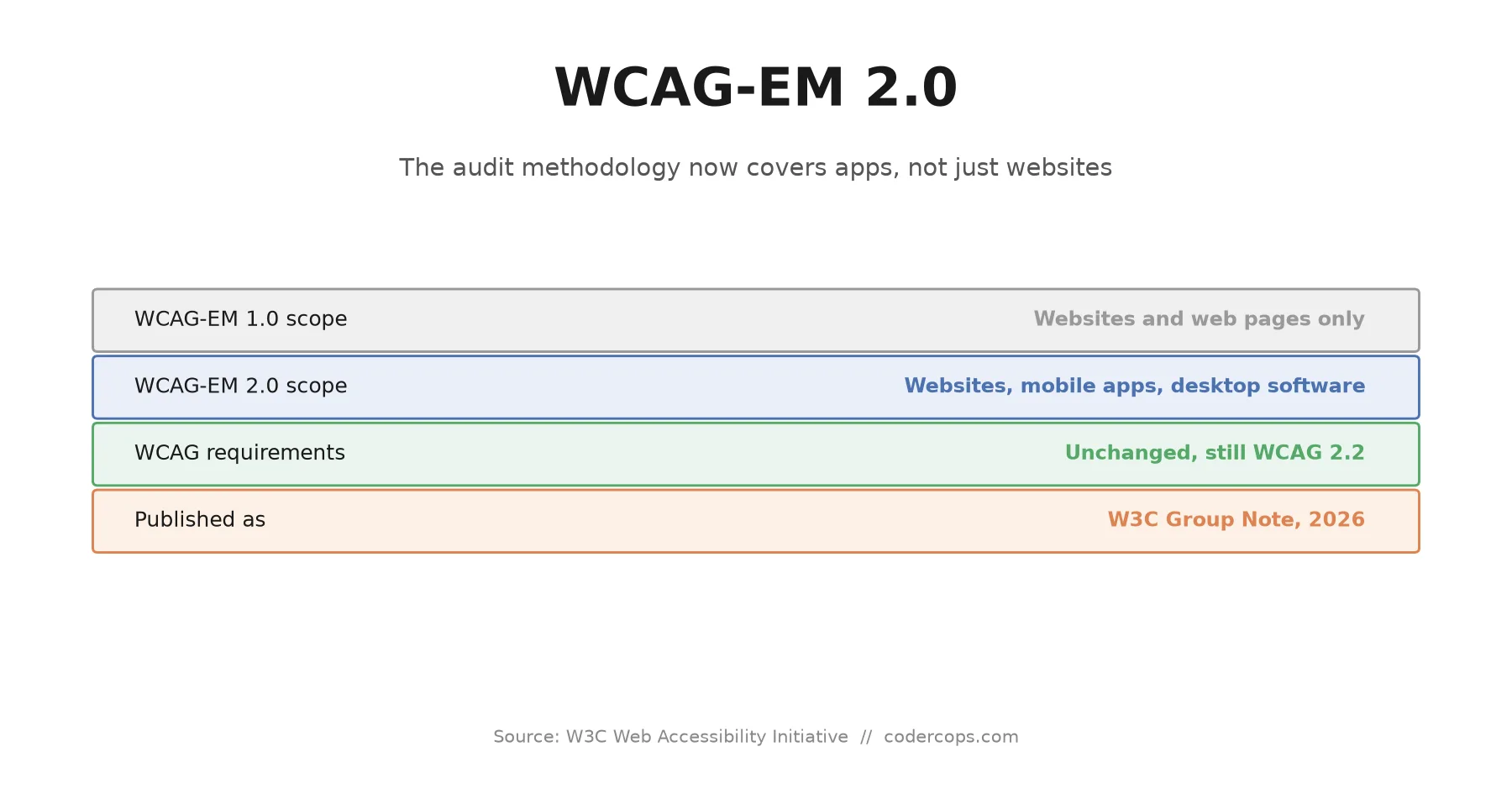
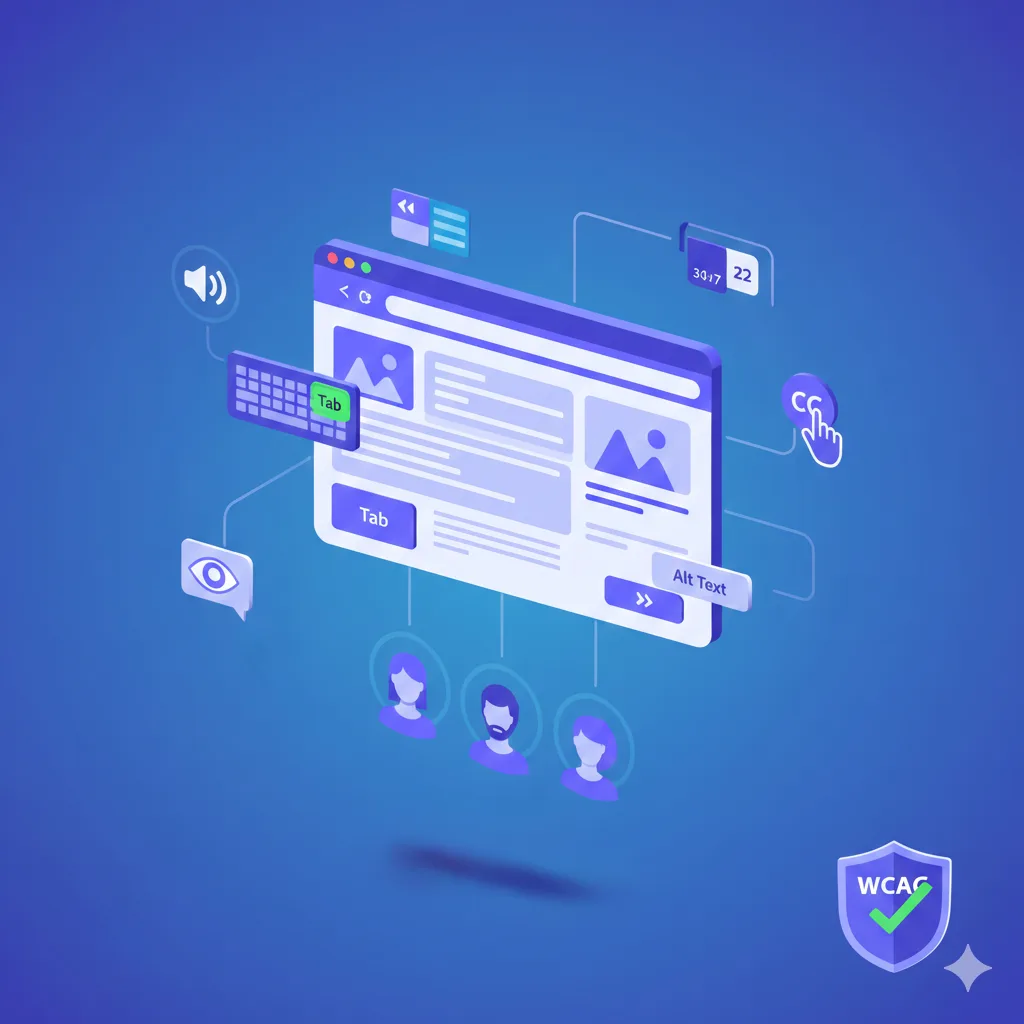
P.168The W3C's updated accessibility evaluation methodology now covers mobile and desktop apps, not just web pages. The five-step audit, applied to a native app.
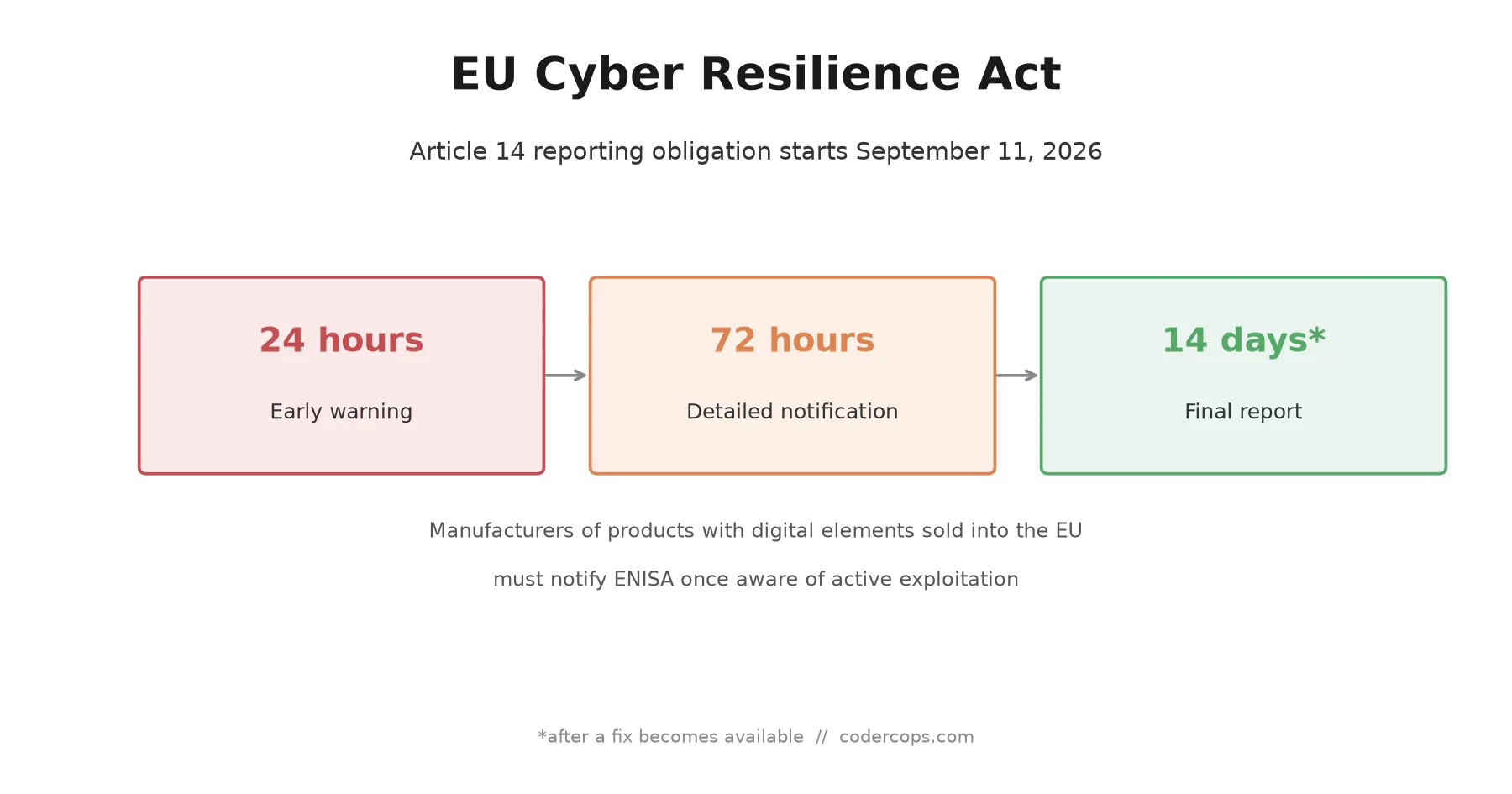
P.169From September 11, 2026, anyone selling a product with digital elements into the EU has 24 hours to report an exploited vulnerability to ENISA. Who's in scope.
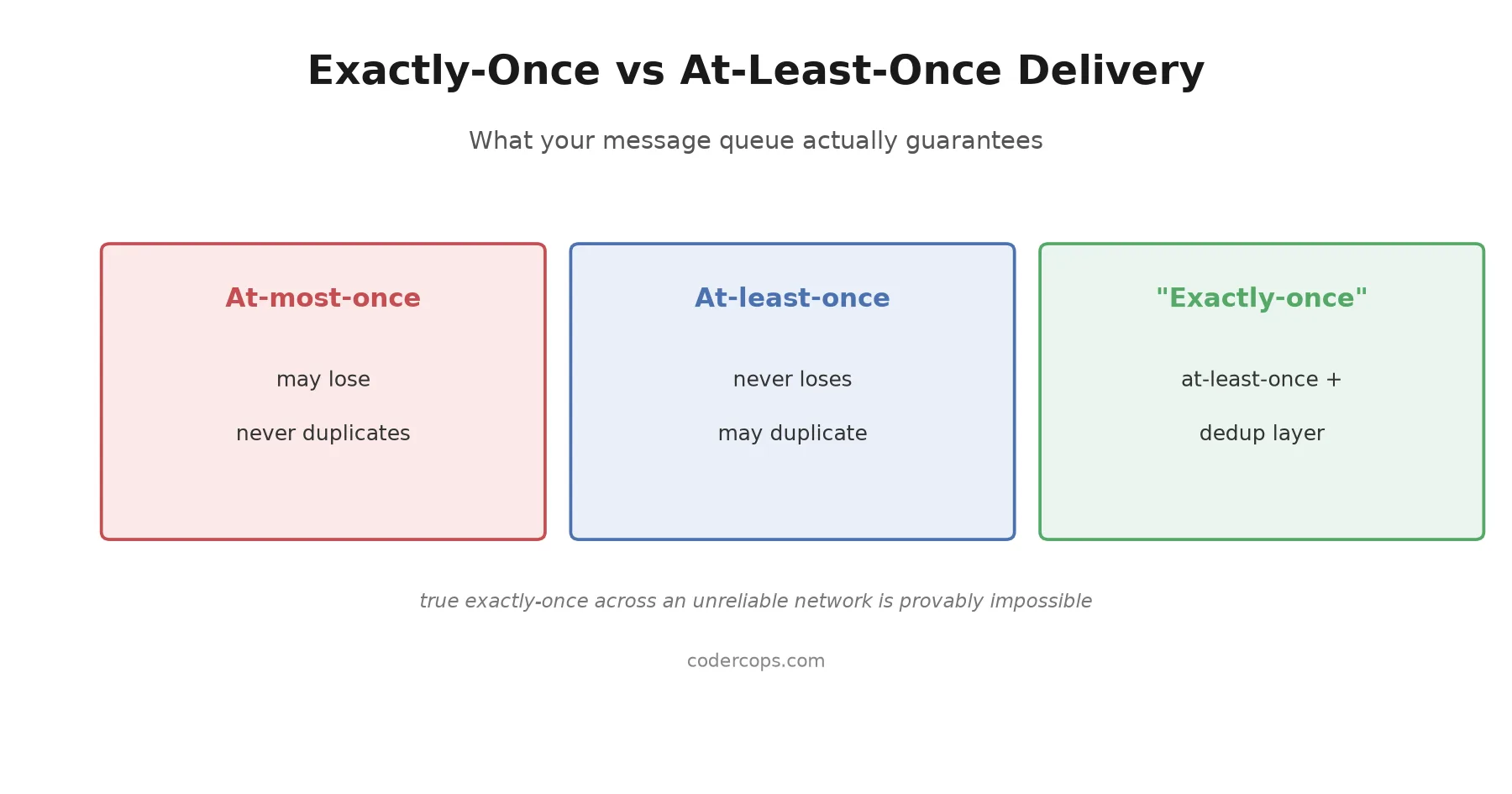
P.170Almost every queue advertising exactly-once actually gives you at-least-once plus a way to make your handler idempotent. The real distinction, and why.
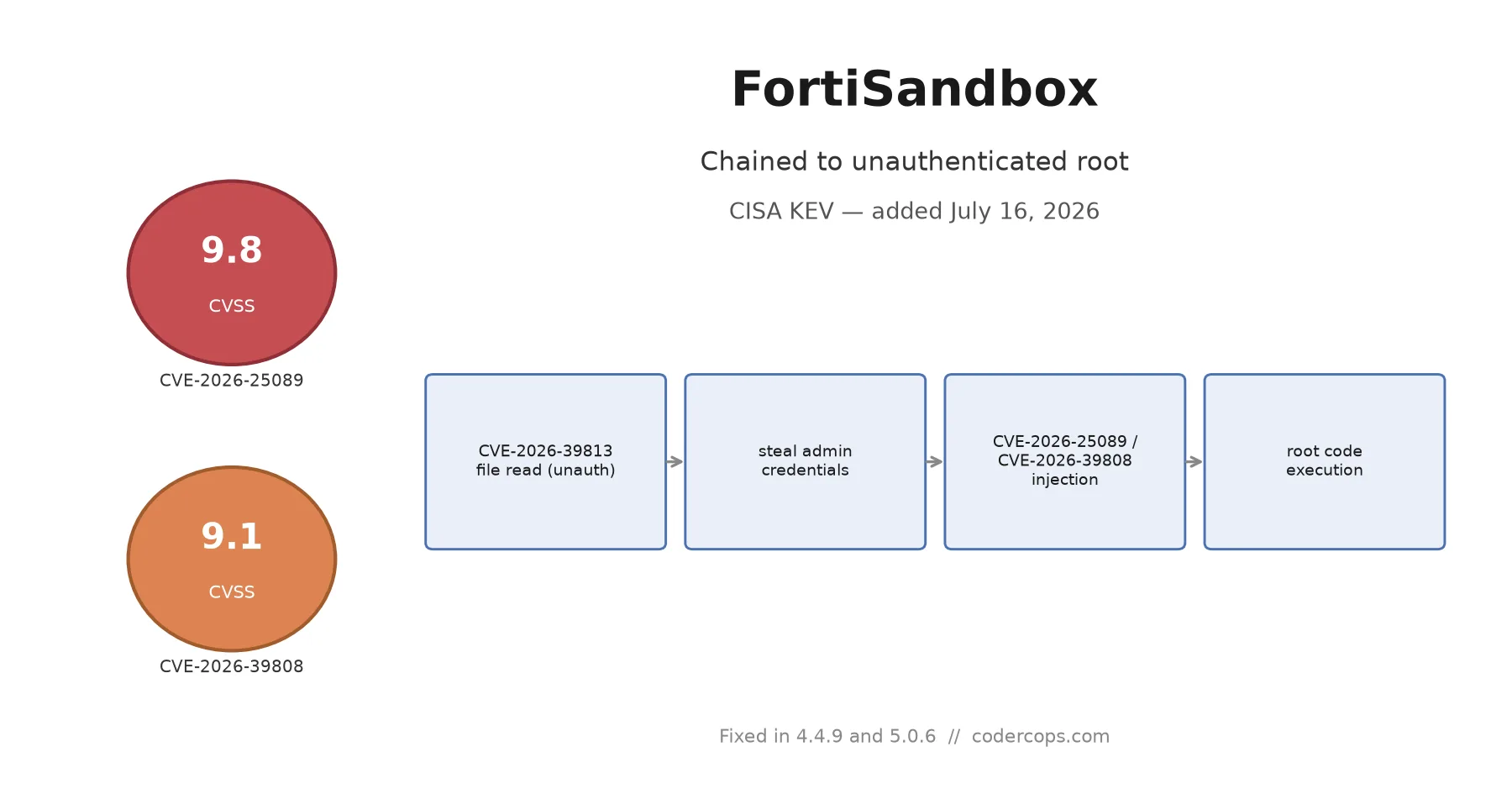
P.171CISA flagged two FortiSandbox command injection bugs as exploited on July 16. Chained with a third, they reach root with no credentials. What to patch.
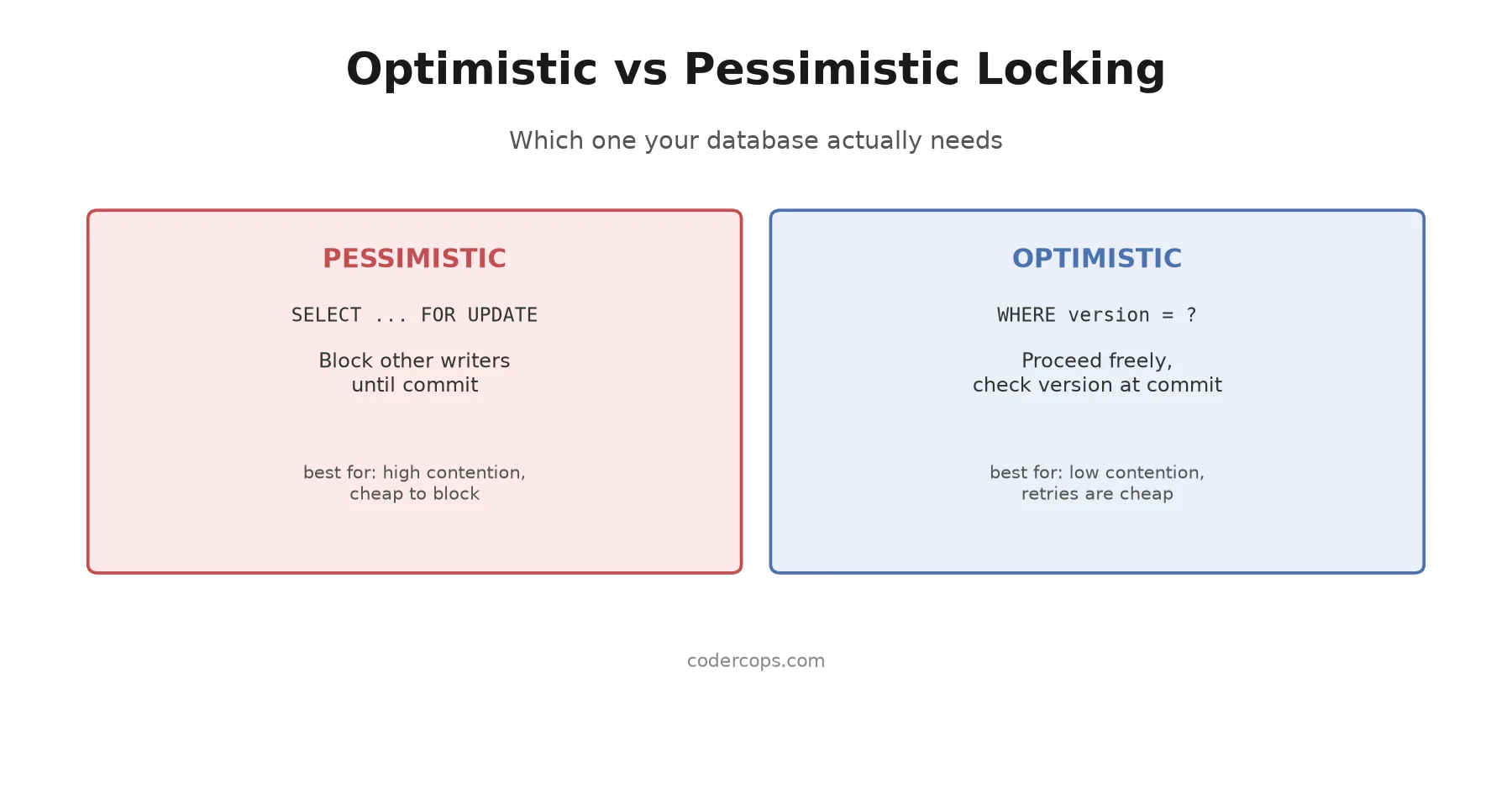
P.172Pessimistic locking stops one request from starting; optimistic lets both run and catches the conflict at the end. How each works, with SQL, and how to pick.
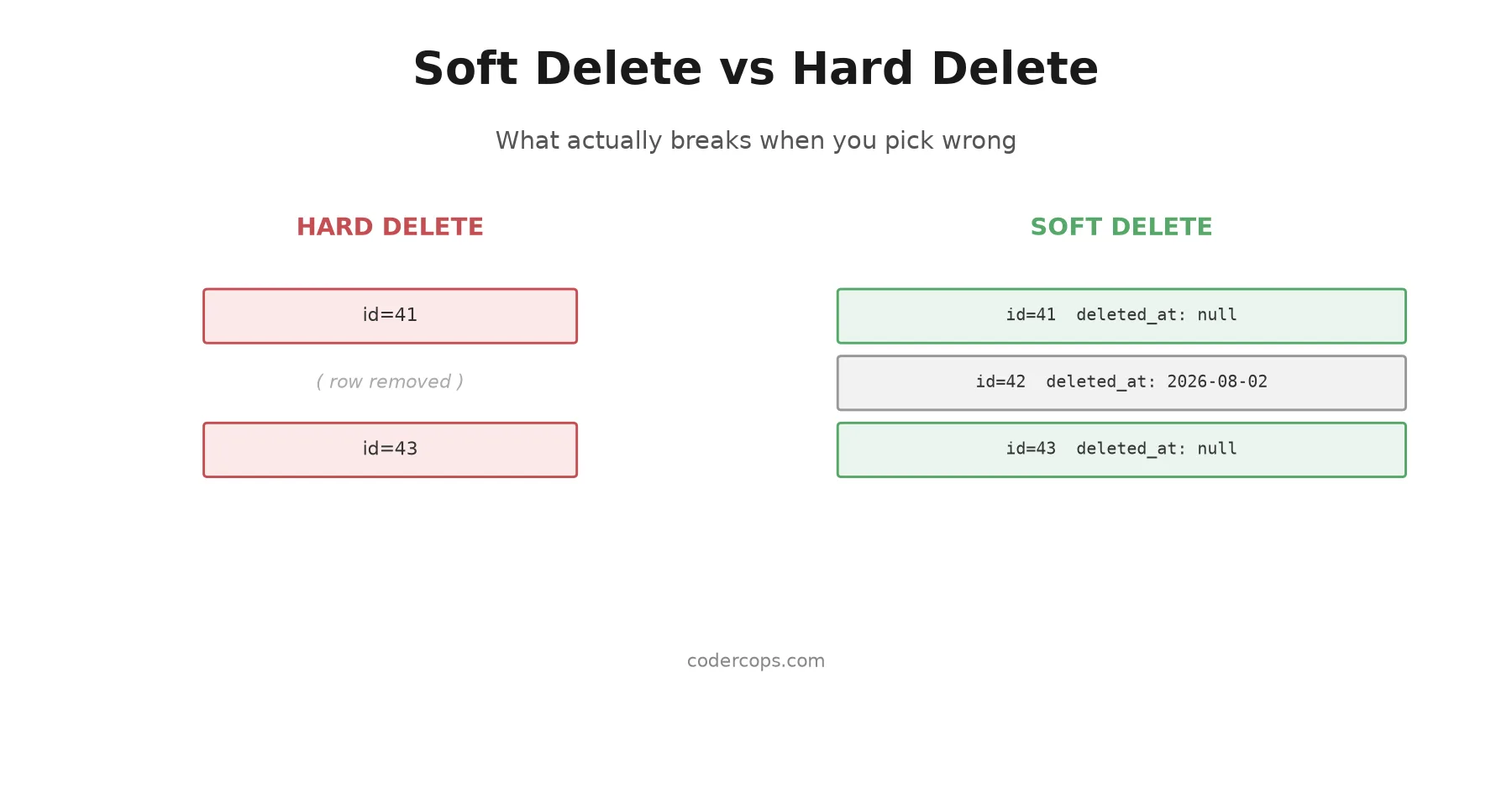
P.173Soft delete sounds like the safe default, but it quietly breaks unique constraints, foreign keys, and query performance unless you design for it up front.
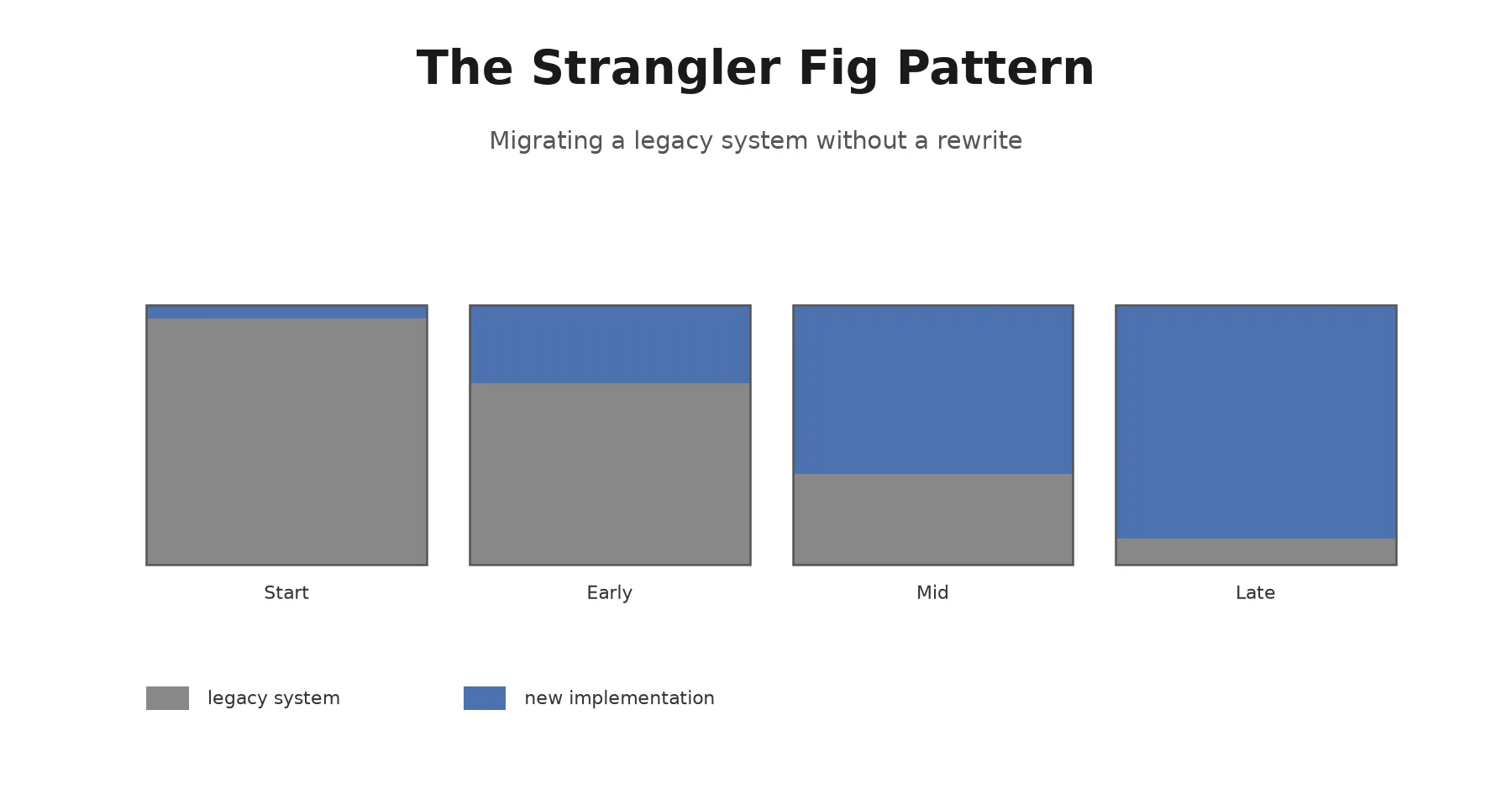
P.174Full rewrites fail because the business can't stand still for two years, not because the new code is bad. How the strangler fig moves traffic piece by piece.
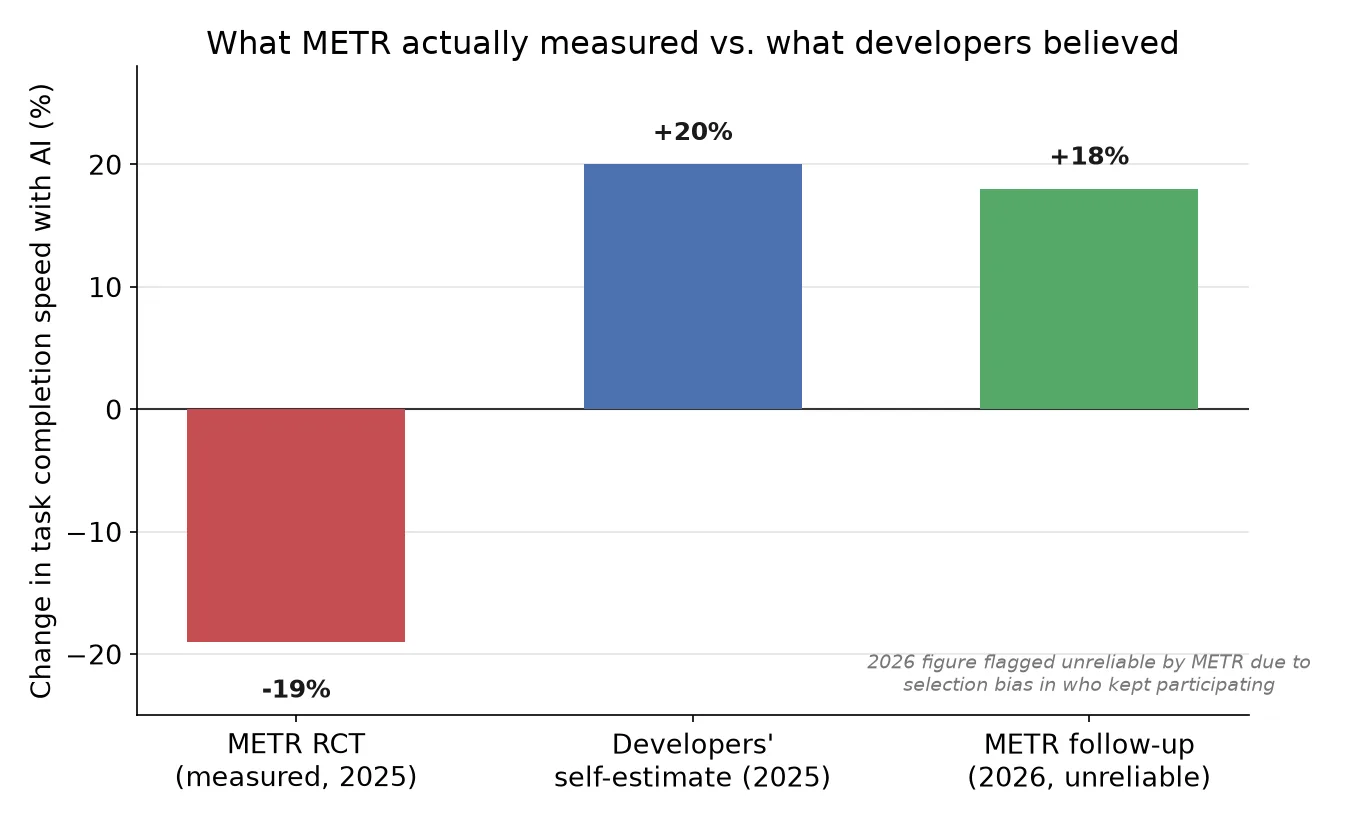
P.175METR's randomized trial found AI tools made experienced developers 19% slower, then flagged its own follow-up as unreliable. What the messy data supports.
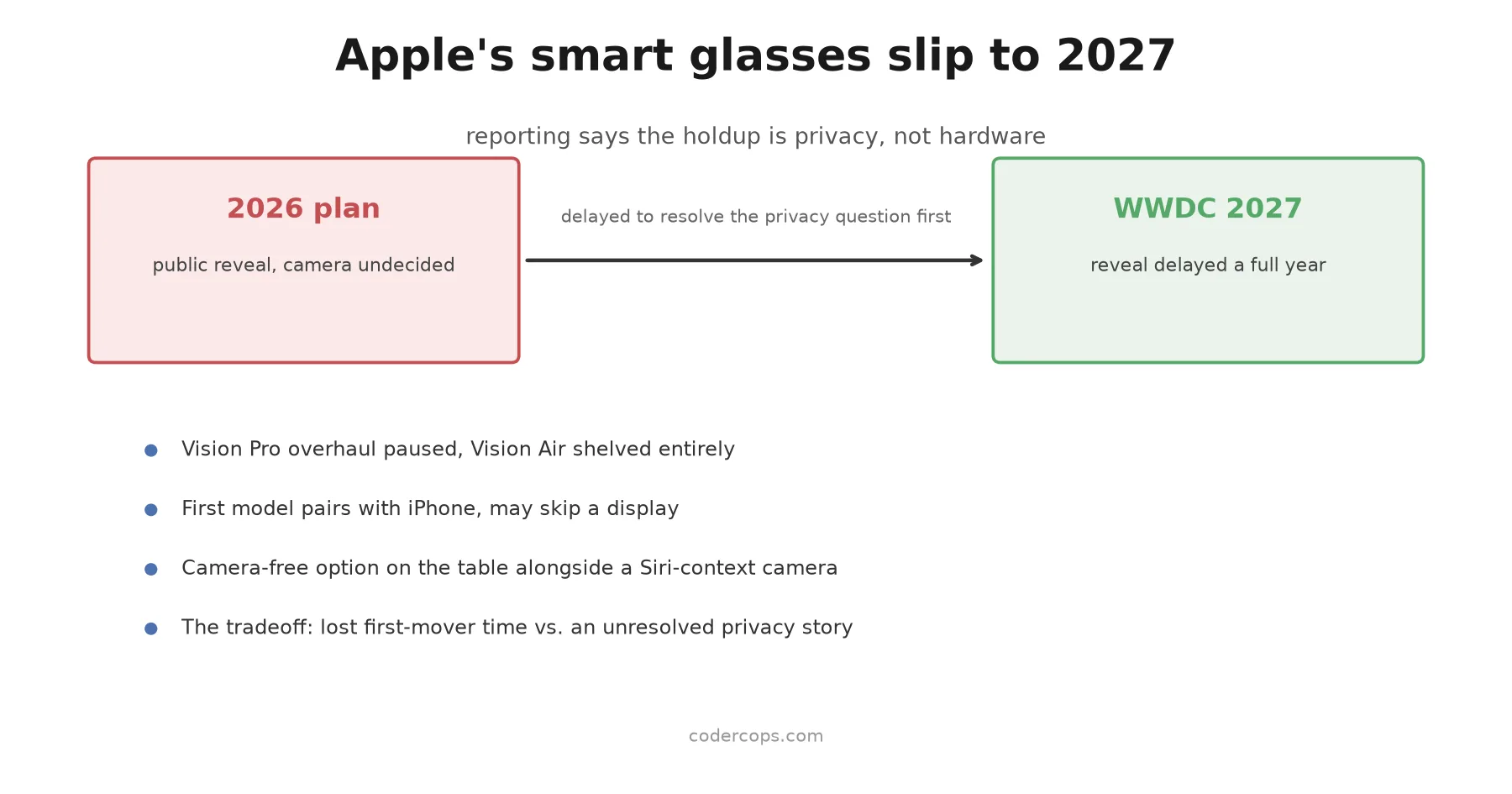
P.176Apple shelved Vision Air and pushed the glasses reveal to WWDC 2027, and the holdup is privacy engineering, not hardware. What that signals for sensors.
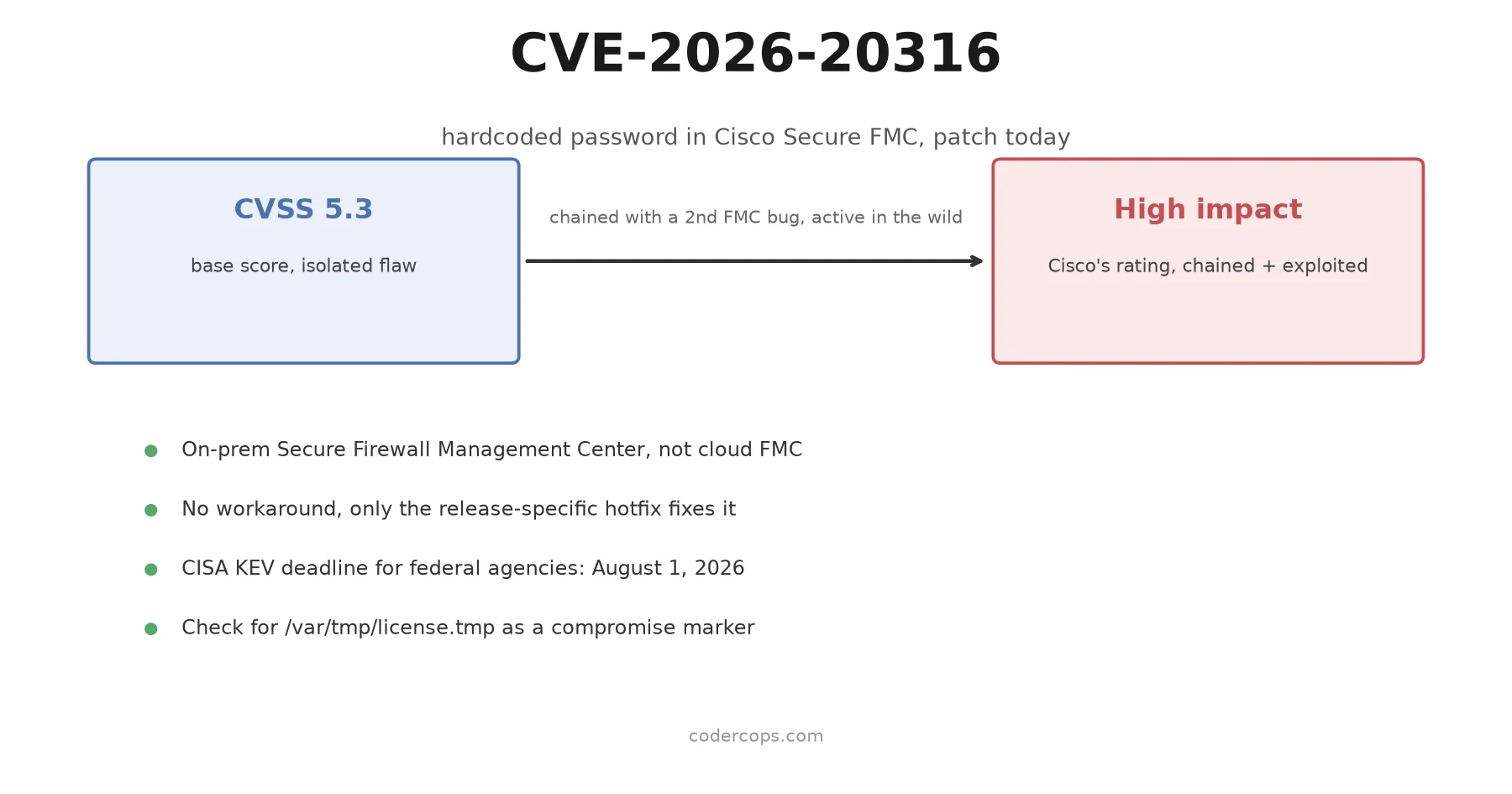
P.177A static credential baked into on-prem Cisco Secure FMC is being exploited. Who's affected, why a 5.3 CVSS undersells it, and what to check right now.
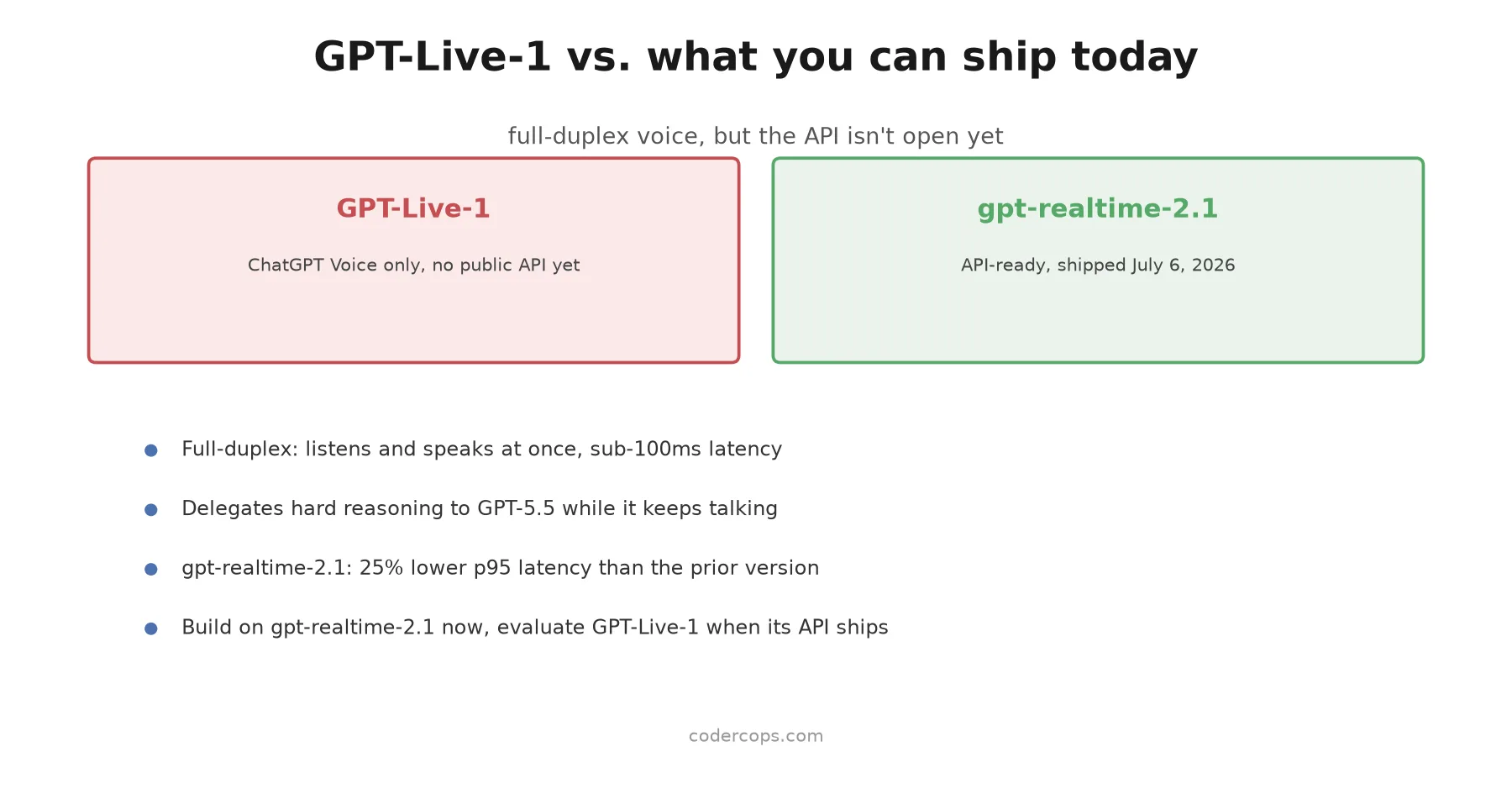
P.178OpenAI's full-duplex voice model powers ChatGPT Voice but isn't in the API yet. What GPT-Live-1 changed, and what to build with right now instead.
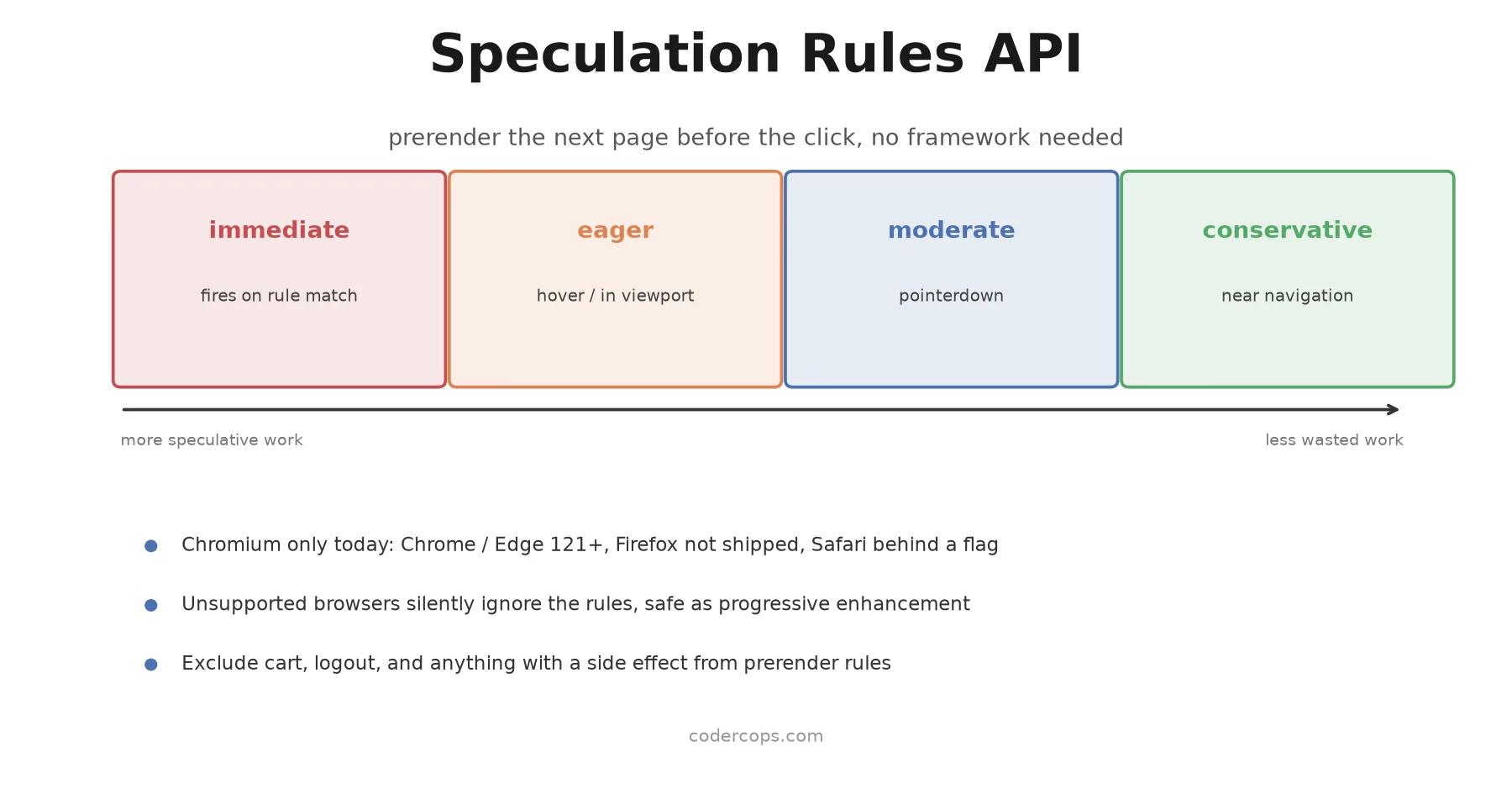
P.179Chrome and Edge can prerender the next page before a user clicks, with no SPA rewrite. How the Speculation Rules API works, what it wastes, and shipping it.
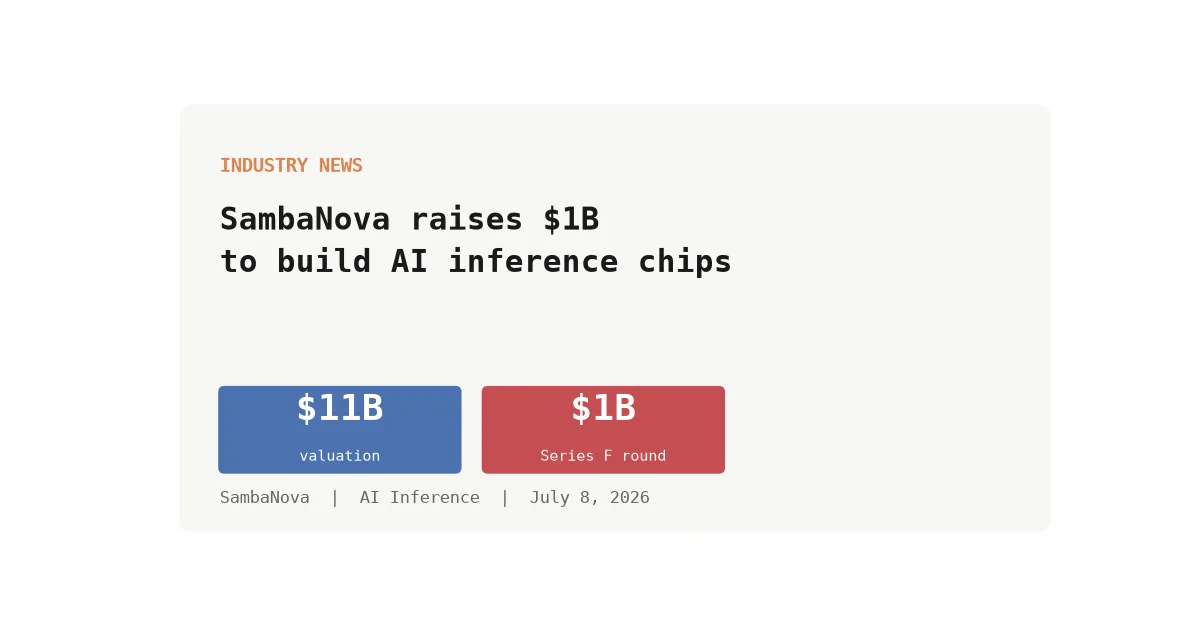
P.180SambaNova raised $1B at an $11B valuation to build inference-specific chips, not training hardware. What the inference wave means for production AI.
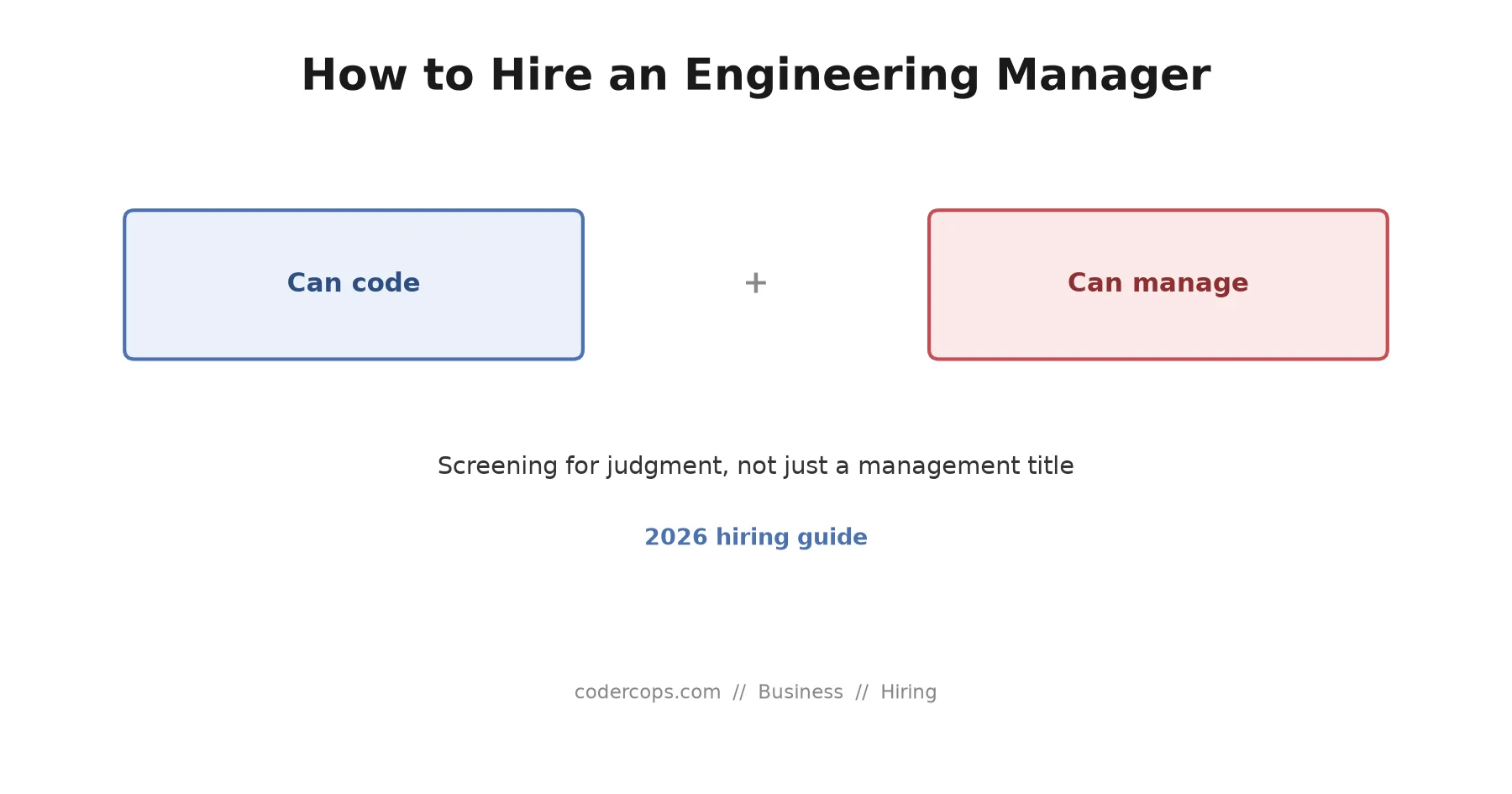
P.181EM hires fail for different reasons than IC hires. What to actually test: handling underperformance, technical debt calls, and pushback with the business.
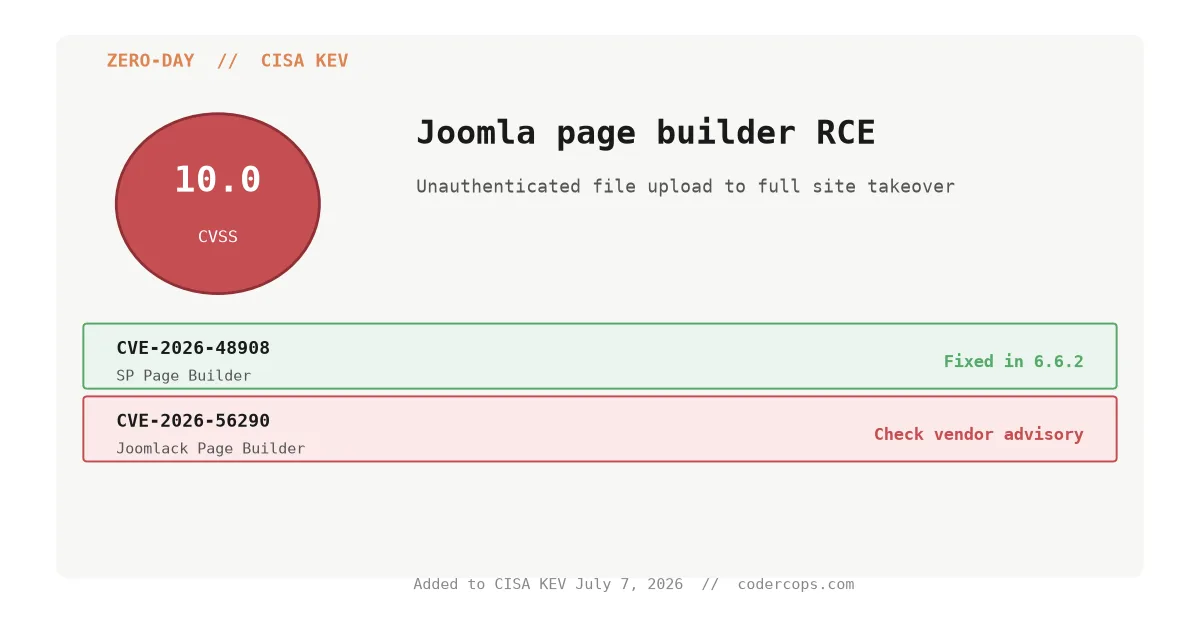
P.182Two CVSS 10.0 zero-days in Joomla page builder plugins are being exploited to plant webshells and create rogue admins. What's affected, and what to patch.
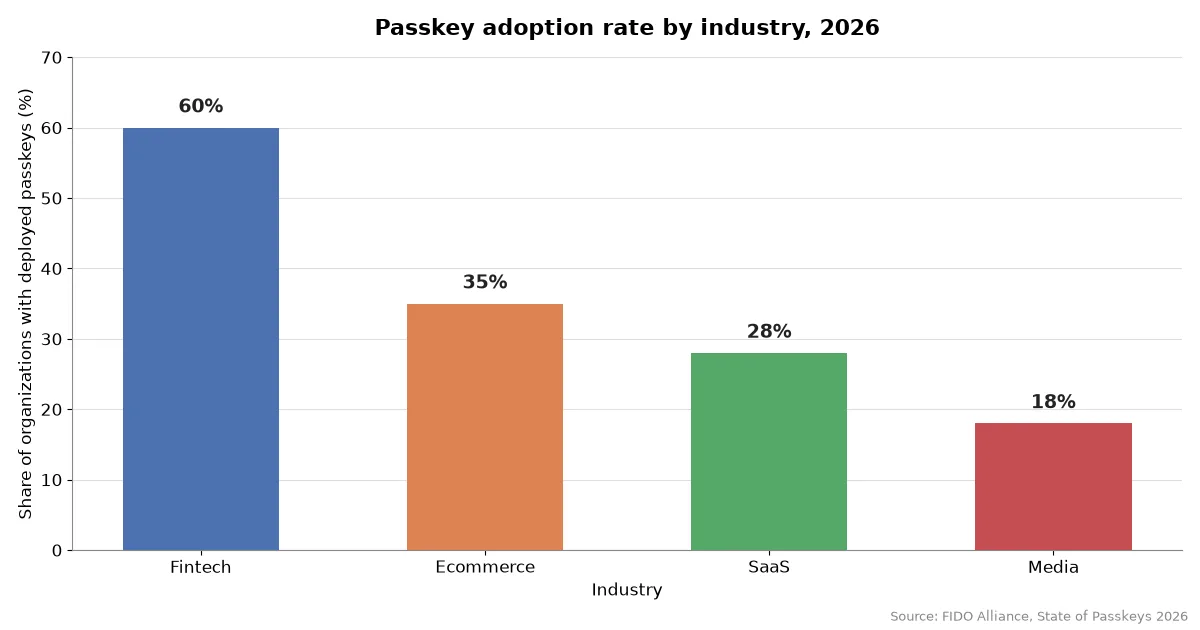
P.1835 billion passkeys are active and 75% of people have enabled one, yet 57% of organisations still use phishable logins. What the FIDO data actually means.
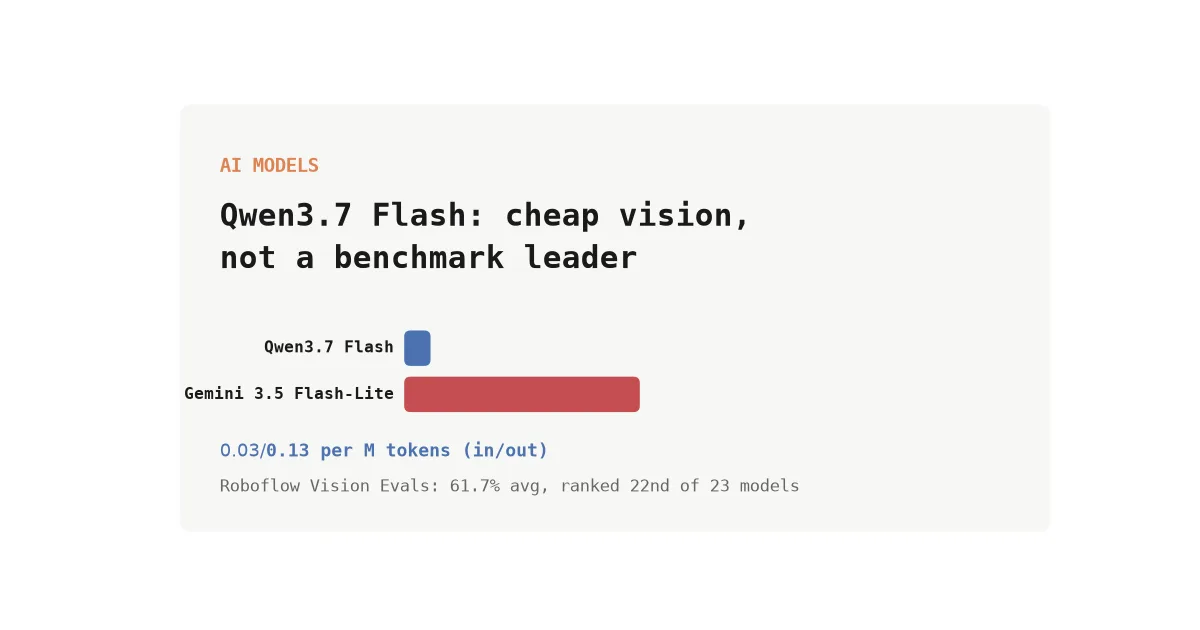
P.184Qwen3.7 Flash costs $0.03 per million input and $0.13 per million output, roughly 10x cheaper than Gemini 3.5 Flash-Lite. When to actually use it.
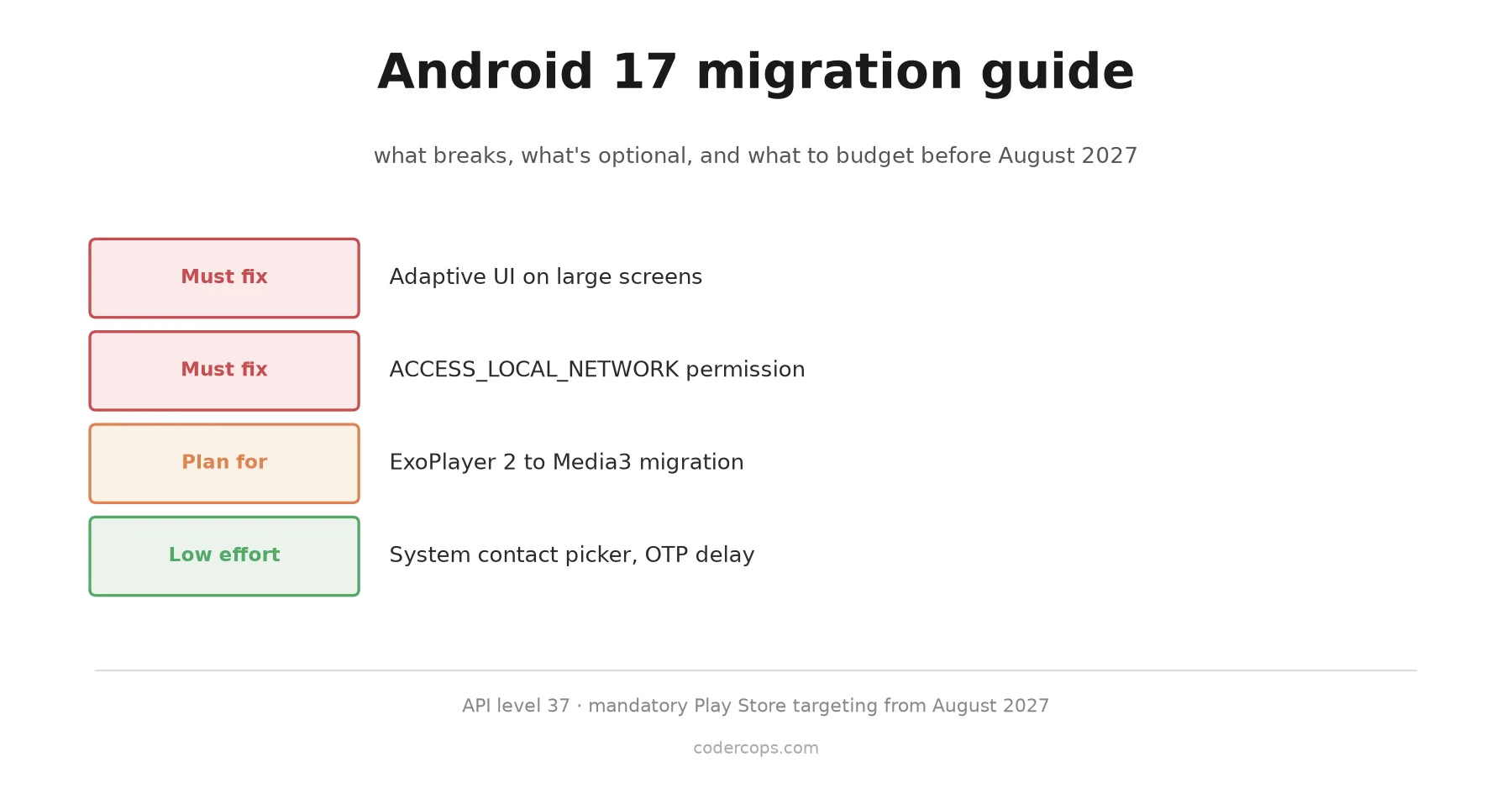
P.185Android 17 (API 37) brings mandatory large-screen resizability, a local network permission, and stricter media rules. What to fix, and by when.
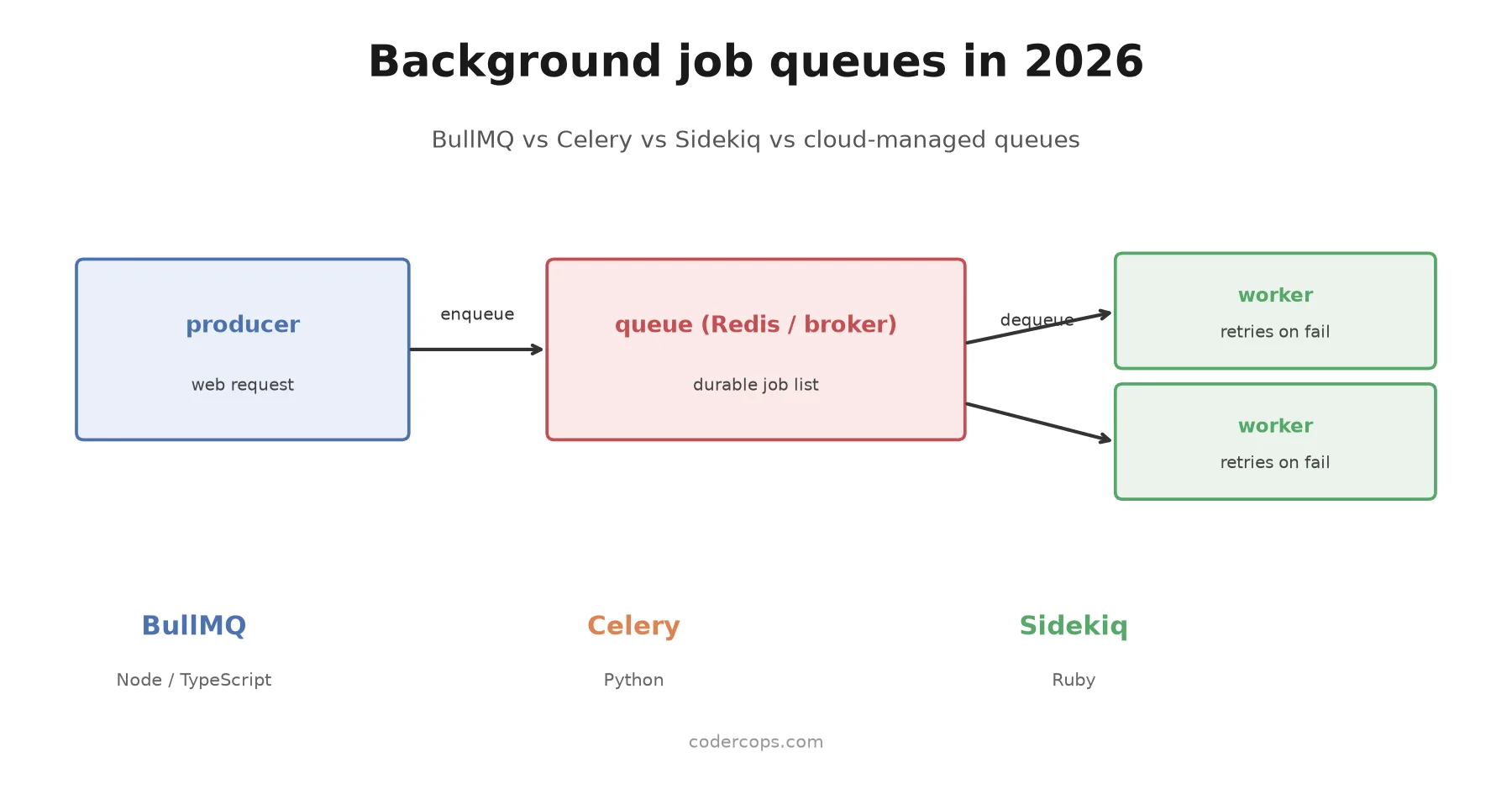
P.186BullMQ for Node, Celery for Python, Sidekiq for Ruby, and Temporal or a cloud queue when you need durability without owning a broker. The reasoning.
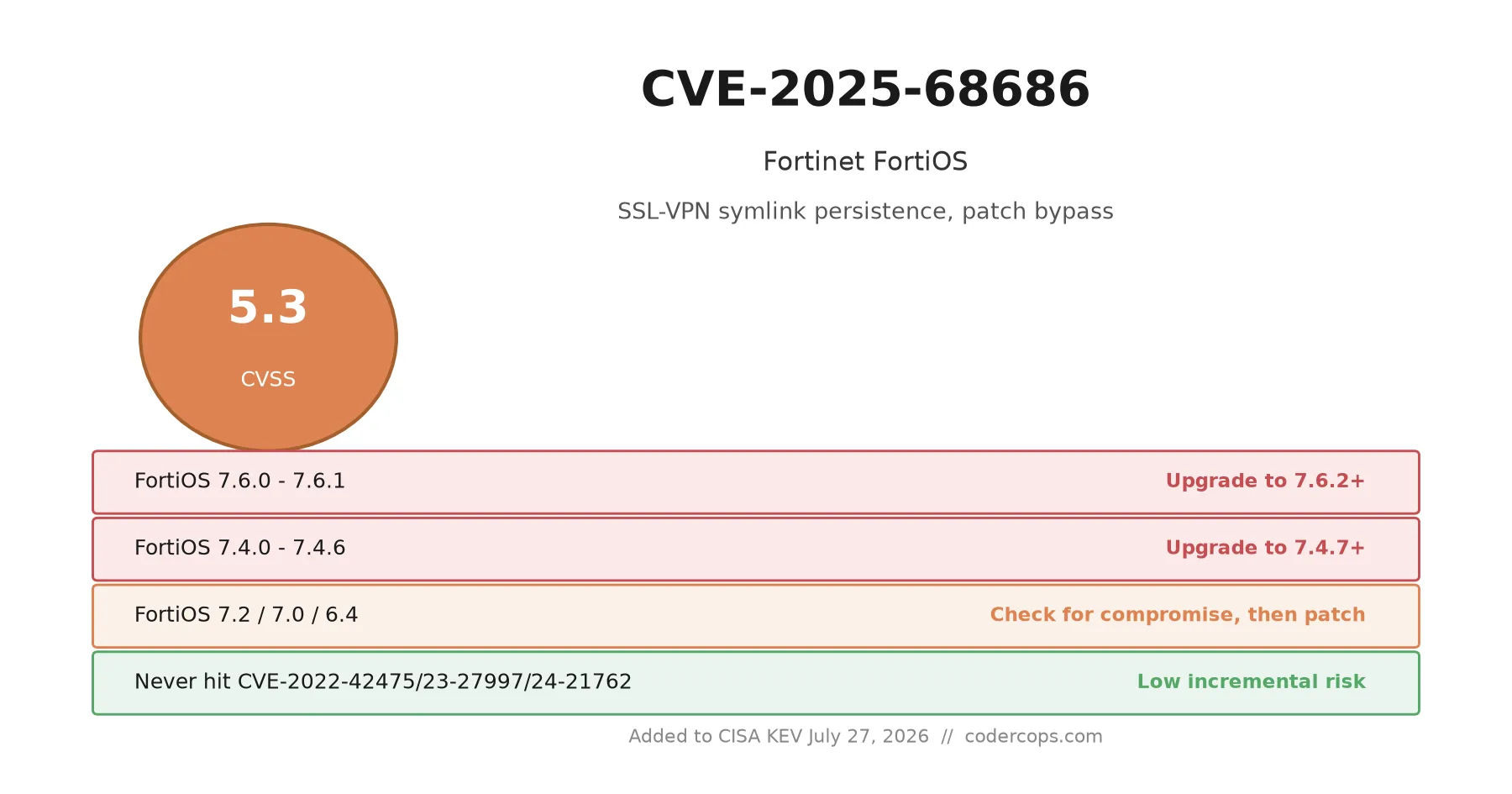
P.187CISA added CVE-2025-68686, a FortiOS SSL-VPN symlink persistence bypass, on July 27. It only bites devices compromised earlier and never forensically cleaned.
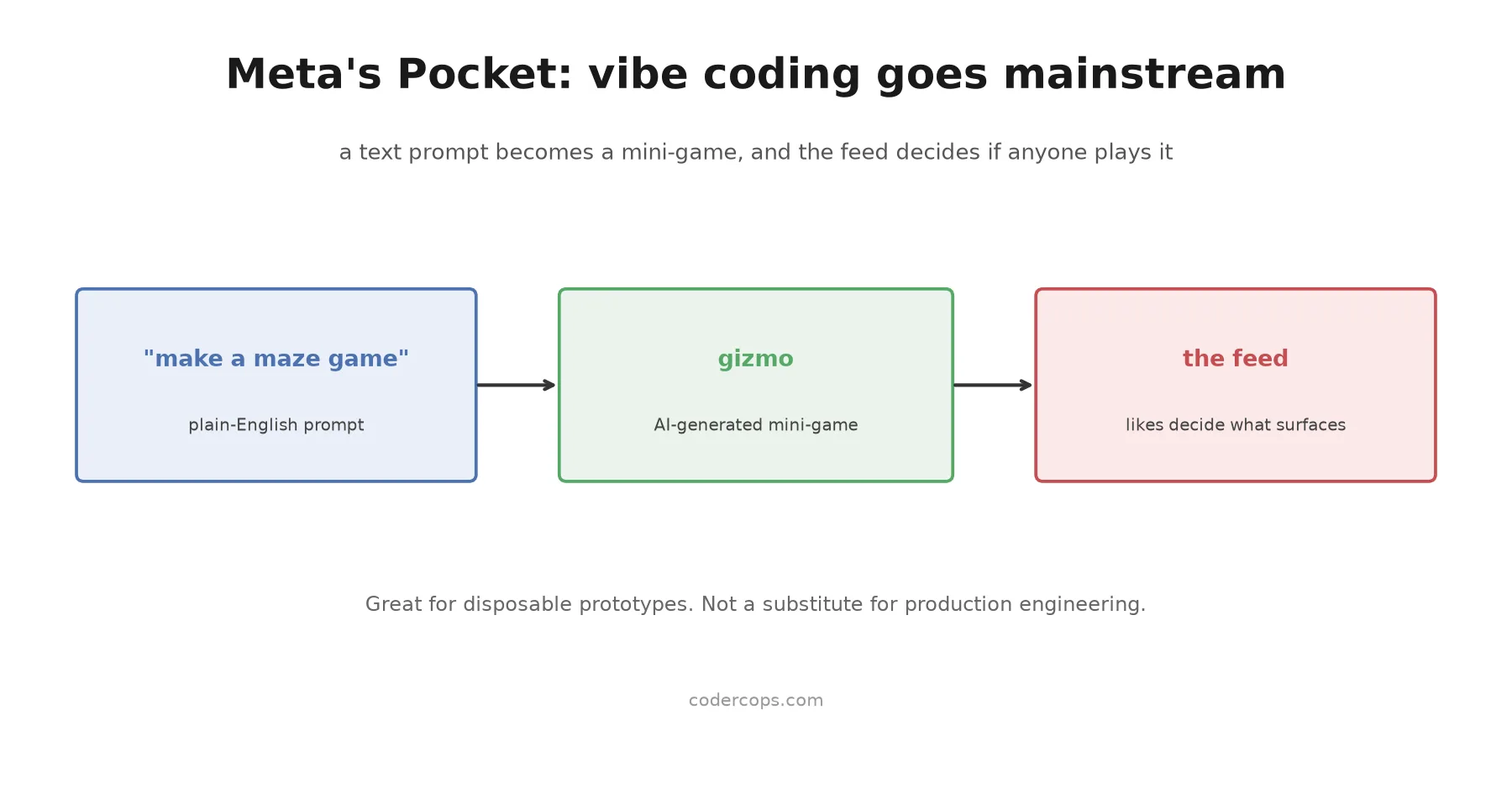
P.188Meta quietly launched Pocket, a vibe-coding app that turns prompts into playable mini-games with a social feed. What it signals, and where it stops mattering.
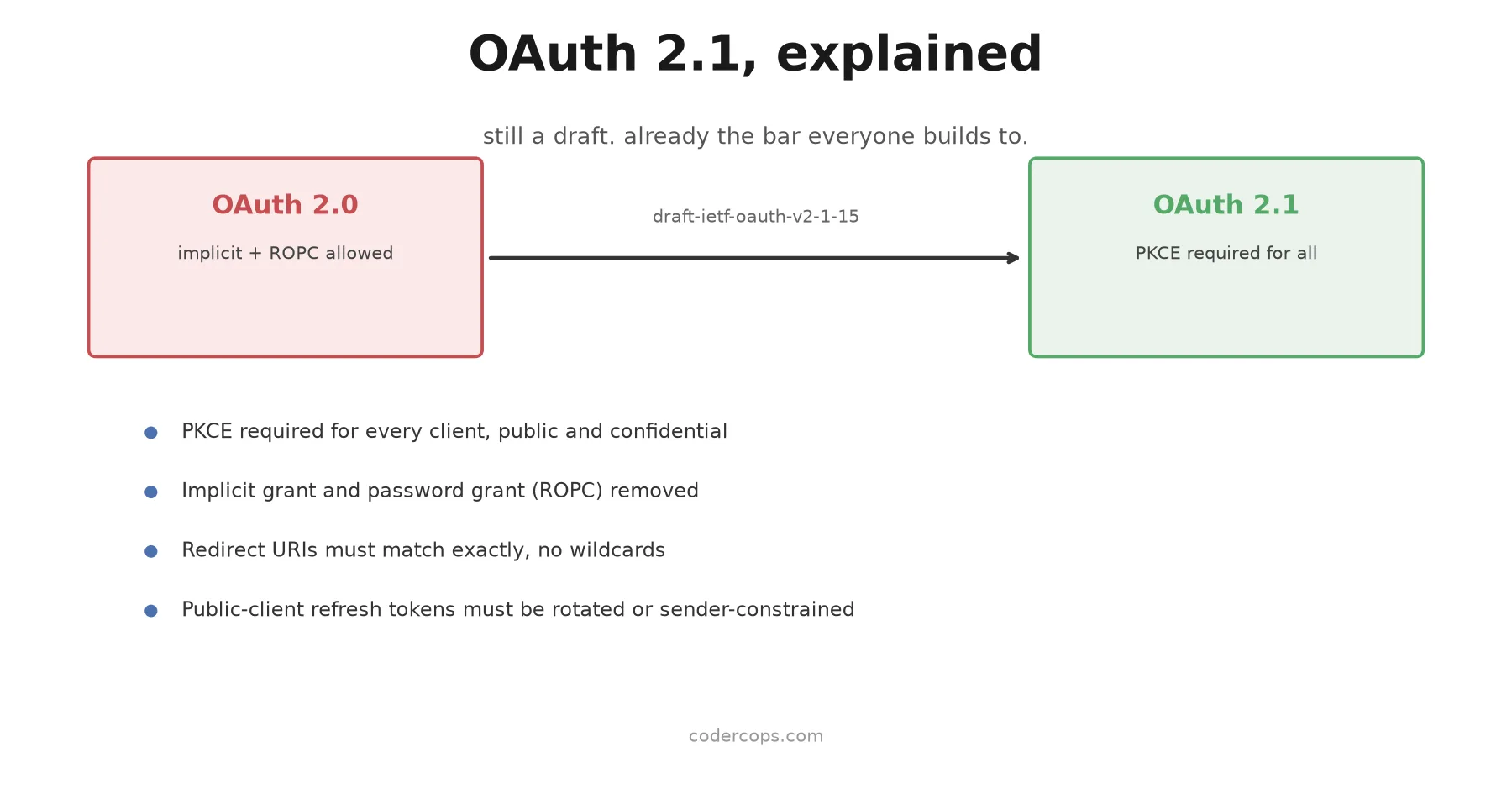
P.189OAuth 2.1 is still an IETF draft, but most providers enforce it already. What changed from 2.0, plus a checklist for auditing your own implementation.
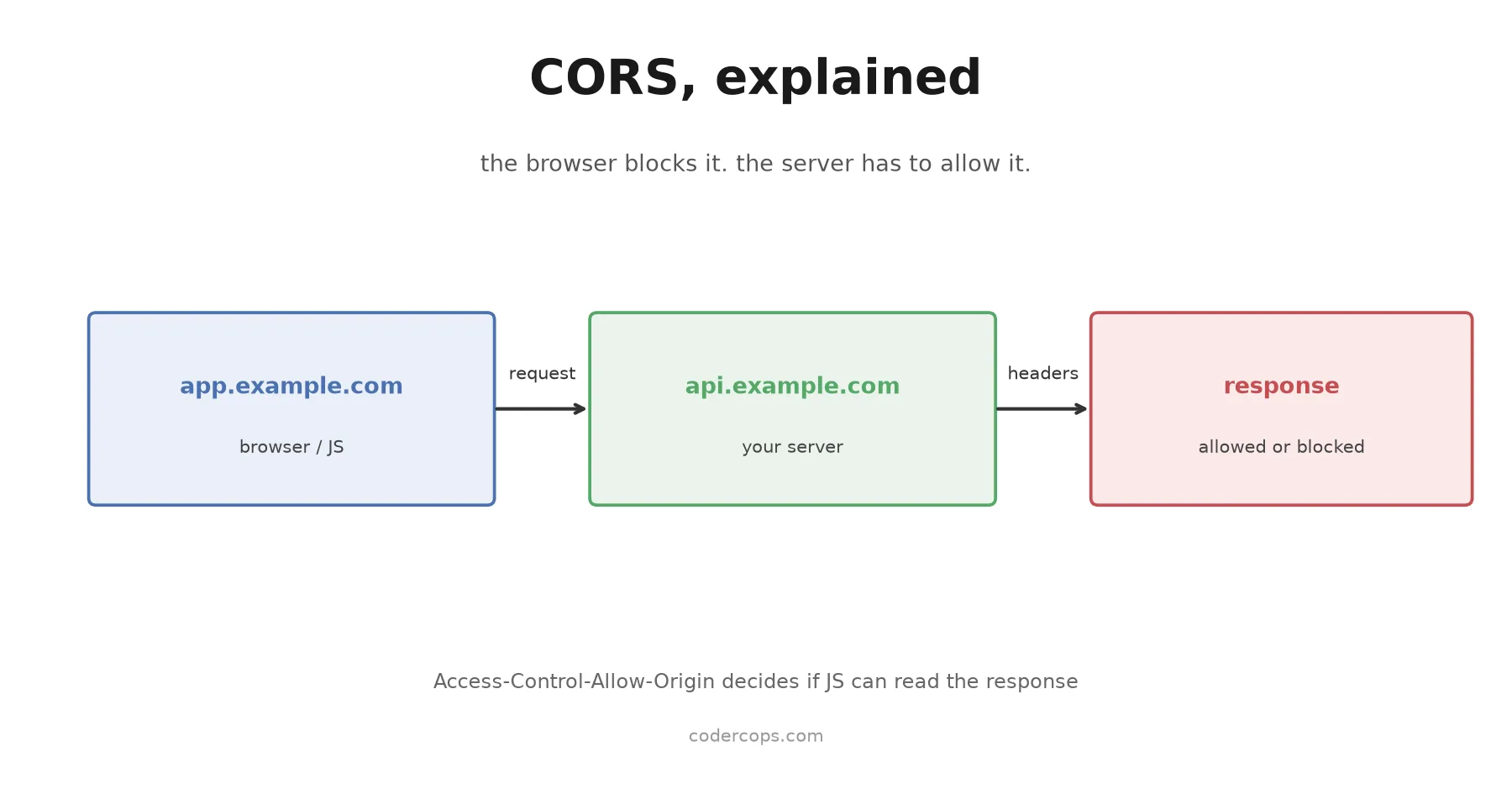
P.190No Access-Control-Allow-Origin is the most Googled web error for a reason. What CORS is, why the browser enforces it, and how to configure it properly.
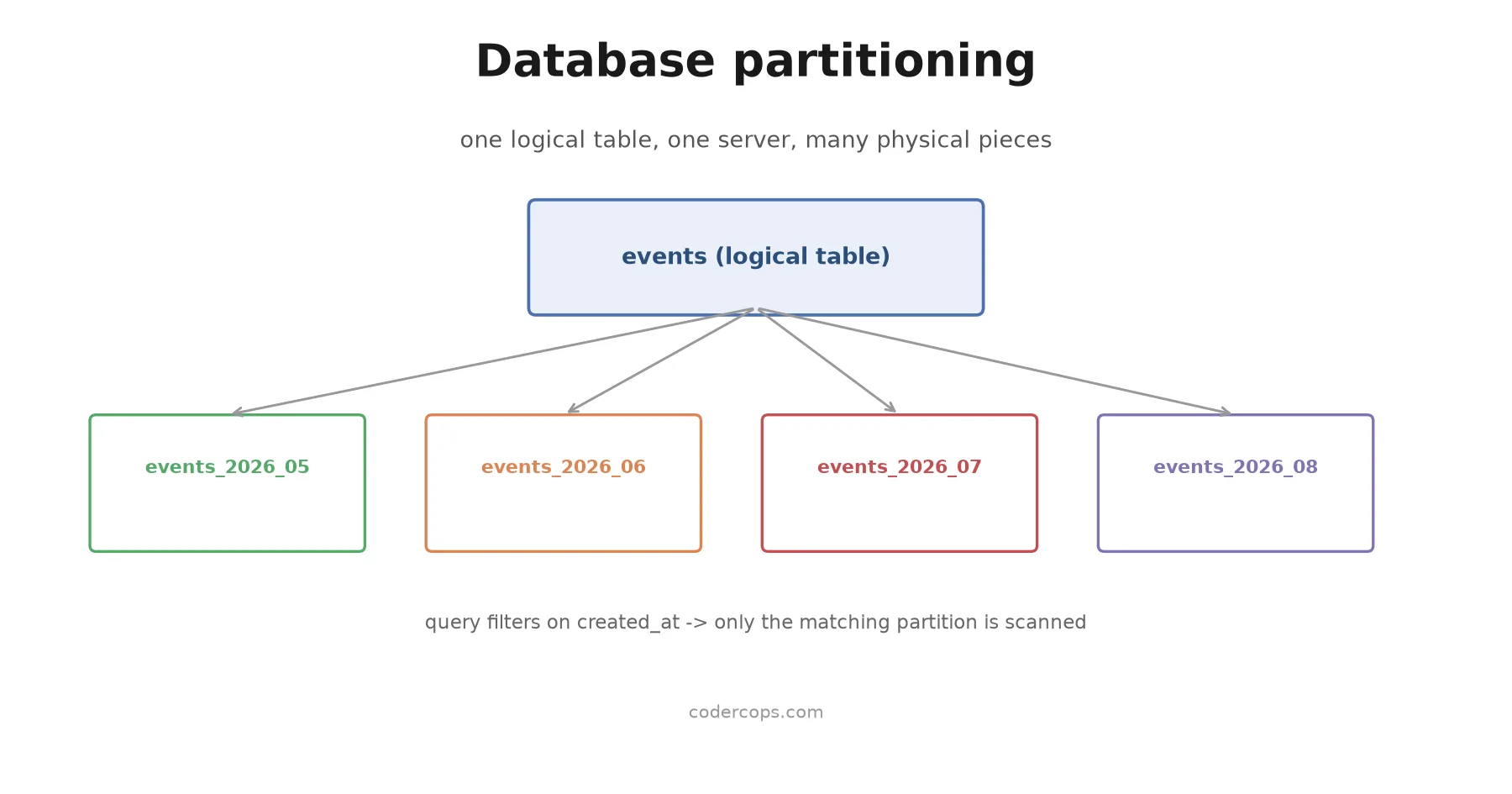
P.191Partitioning and sharding get confused constantly. Partitioning stays on one server. How range, list, and hash work, and when it solves it before sharding.
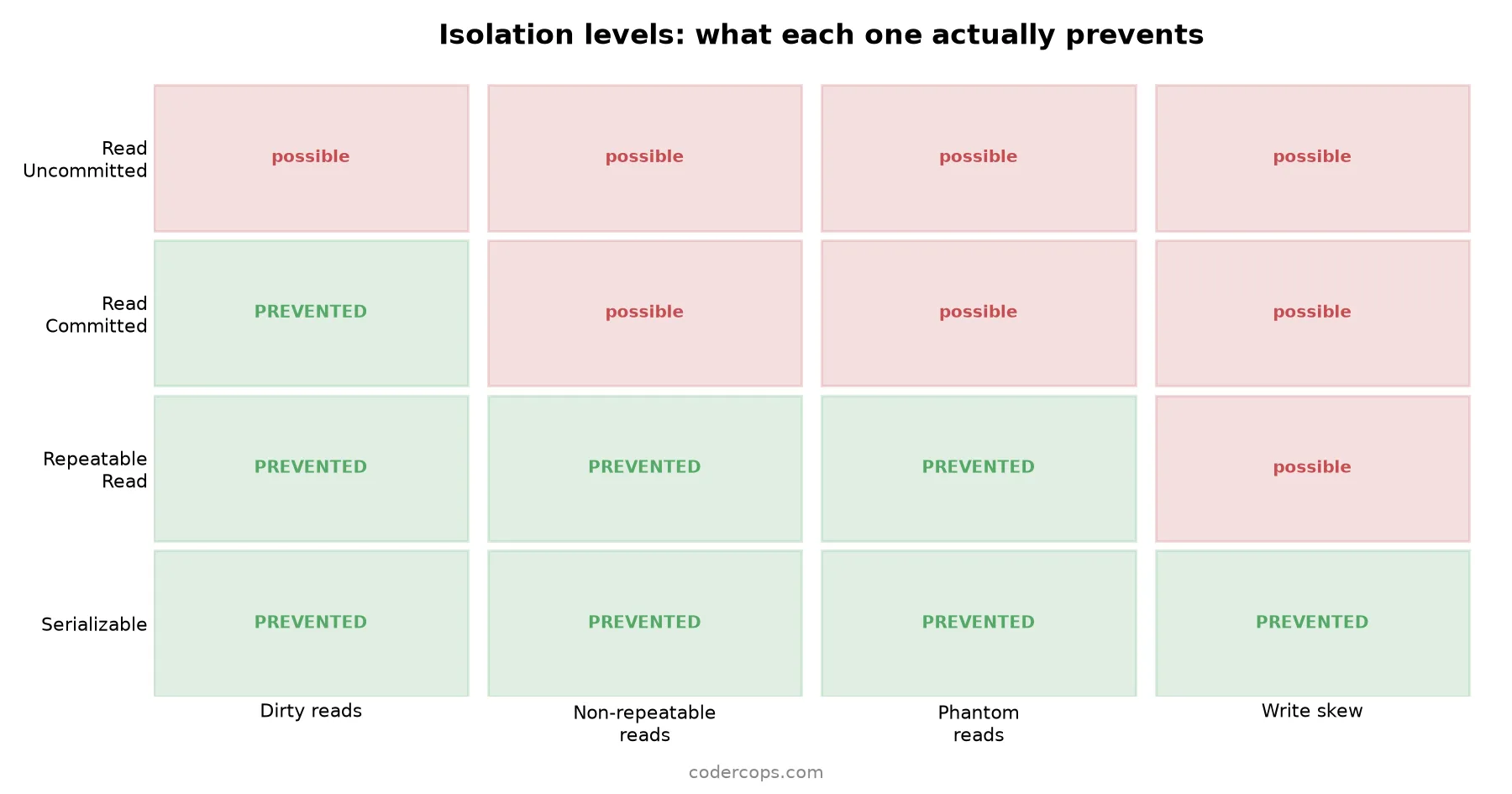
P.192Most developers use whatever their ORM defaults to. What Read Committed, Repeatable Read, and Serializable prevent, what they allow, and how to choose.
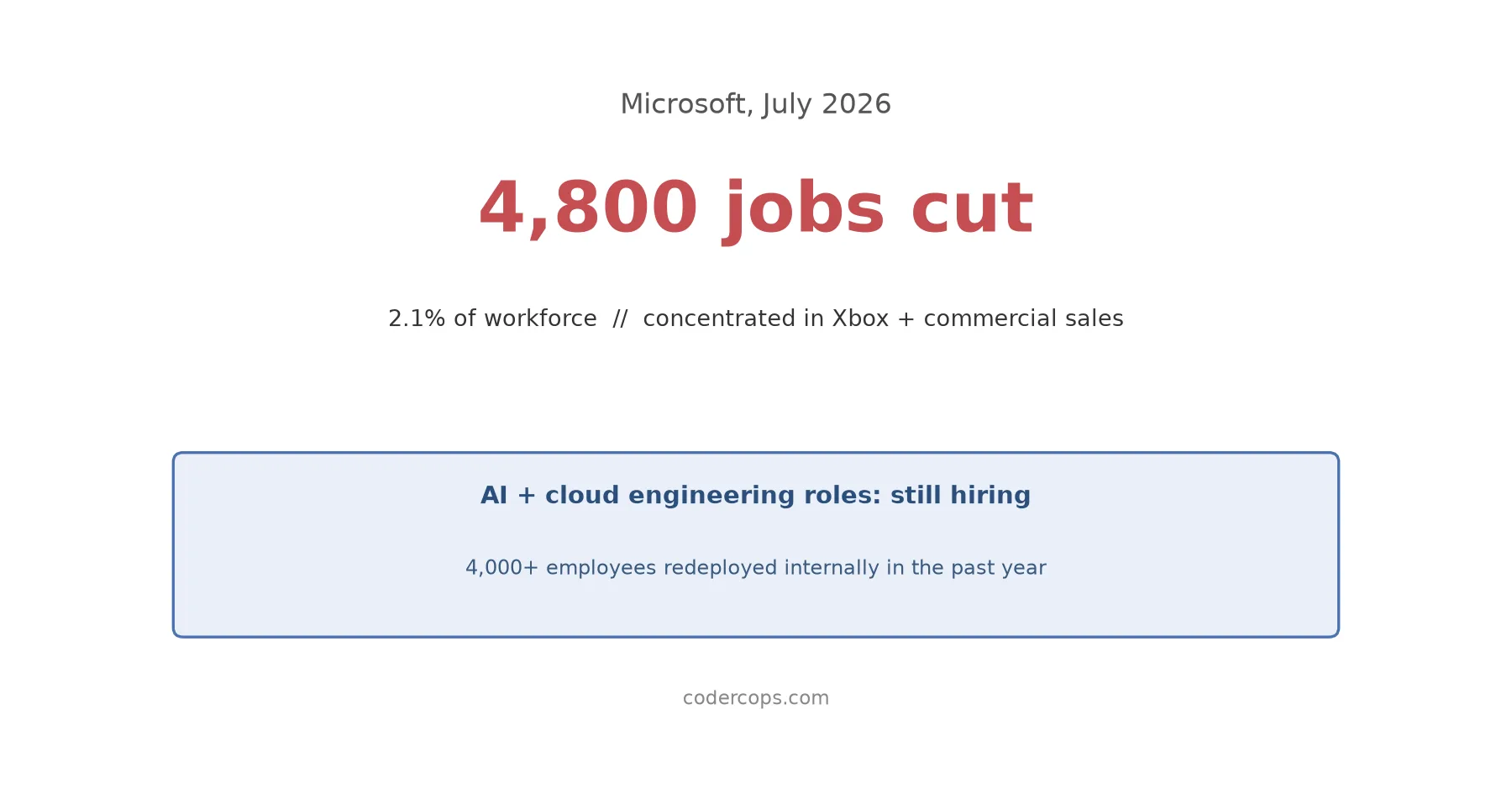
P.193Microsoft laid off 4,800 on July 6, 2026, hitting Xbox and commercial sales hardest while still pouring money into AI. What the pattern means for engineers.
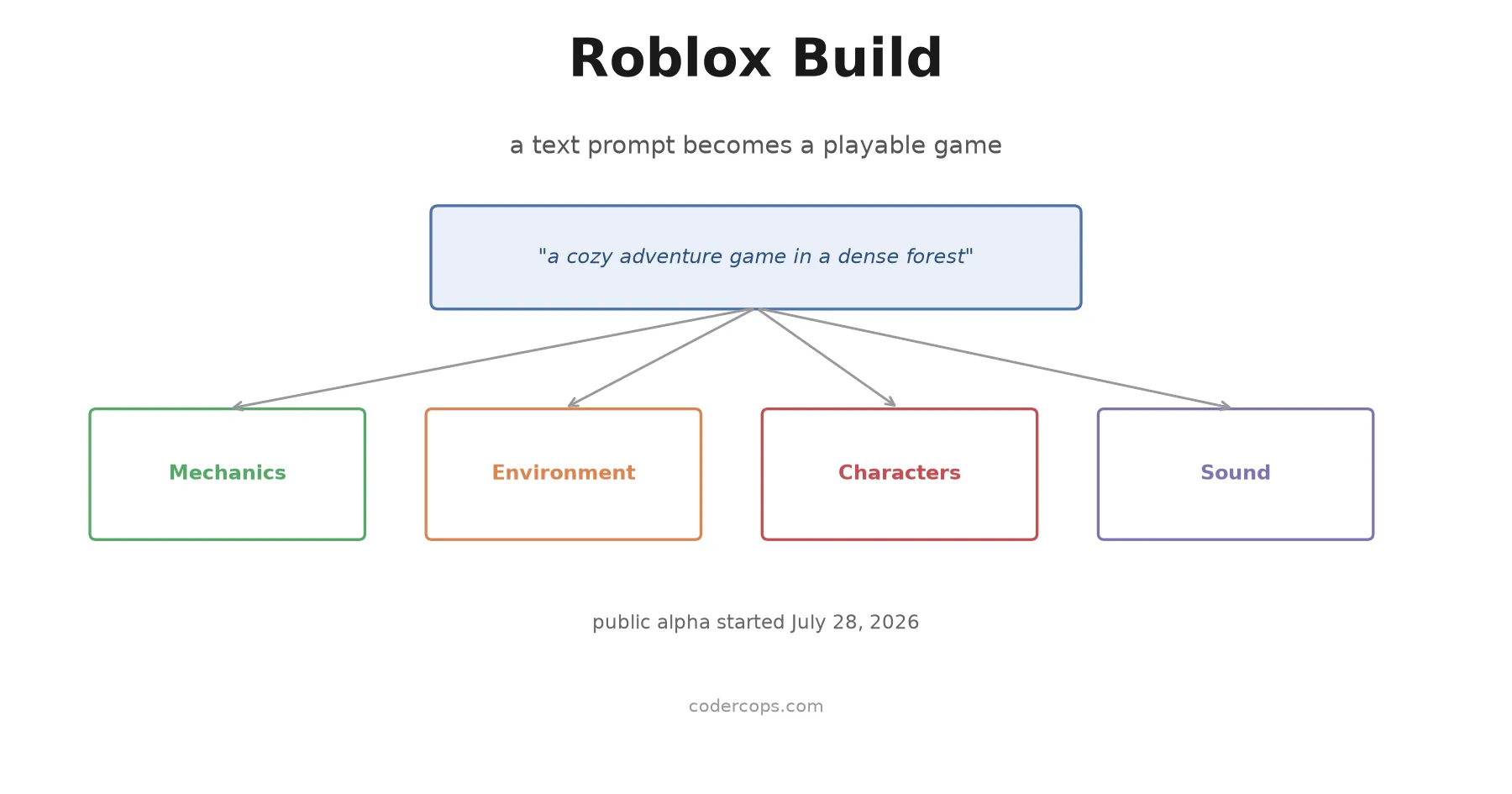
P.194Roblox launched Build on July 16: a mobile tool generating a playable prototype, mechanics, environment, characters, and sound, from a text description.
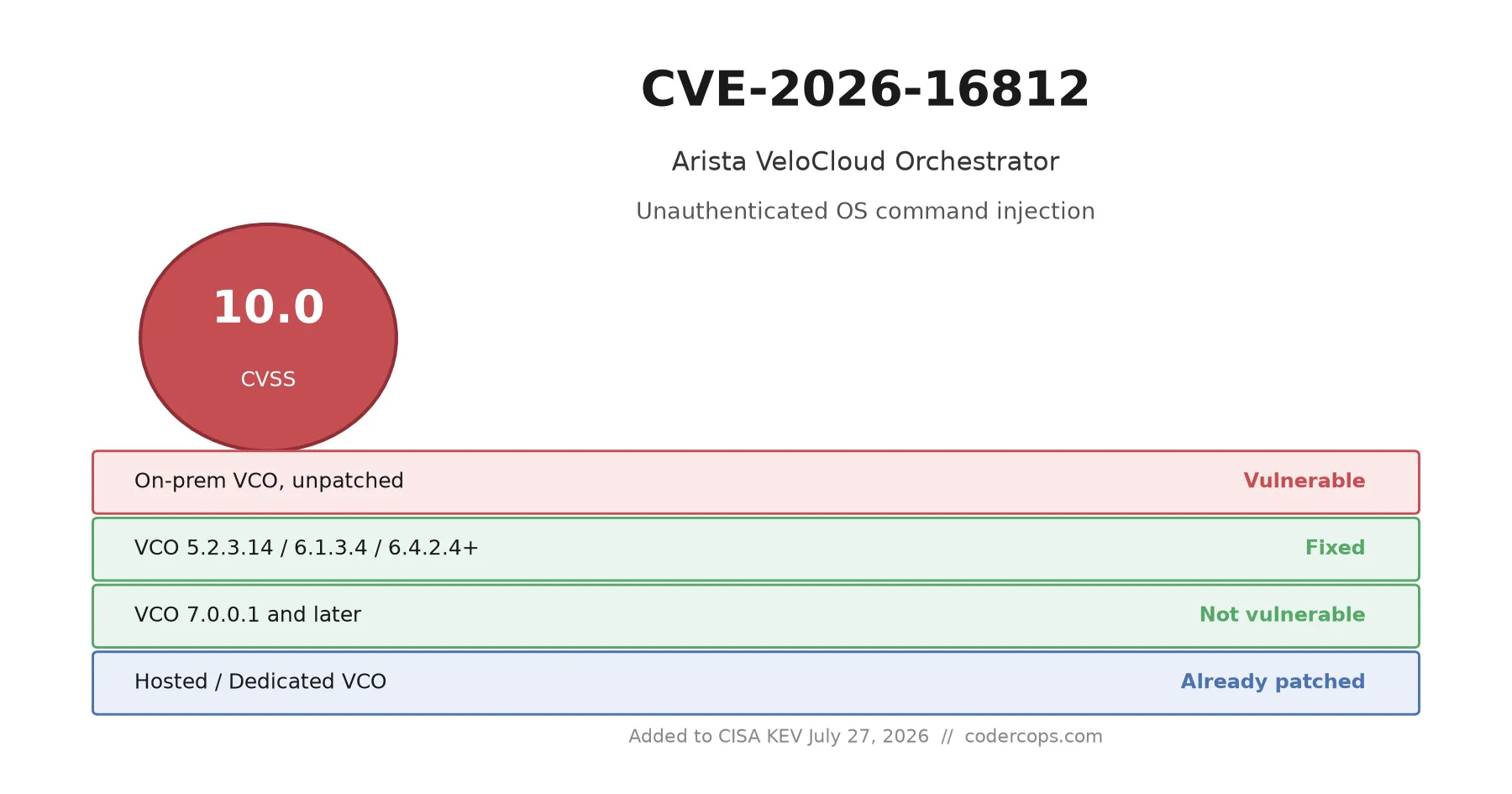
P.195CISA added CVE-2026-16812, an unauthenticated command injection in Arista VeloCloud Orchestrator scored 10.0, on July 27. Who's affected, and what's patched.
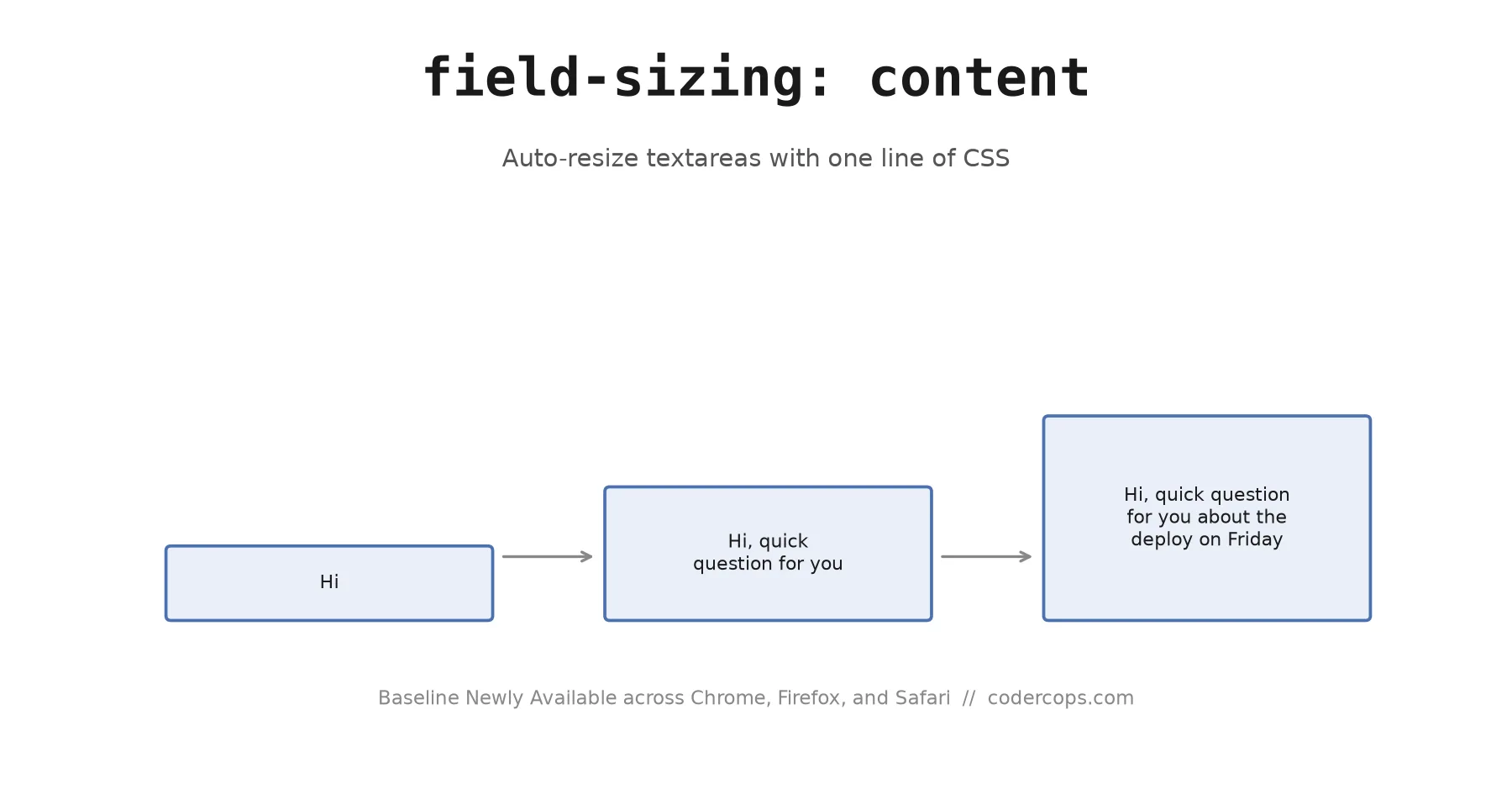
P.196field-sizing: content reached Baseline in June 2026. The one line of CSS that replaces the scrollHeight hack for auto-growing textareas, and where it stops.
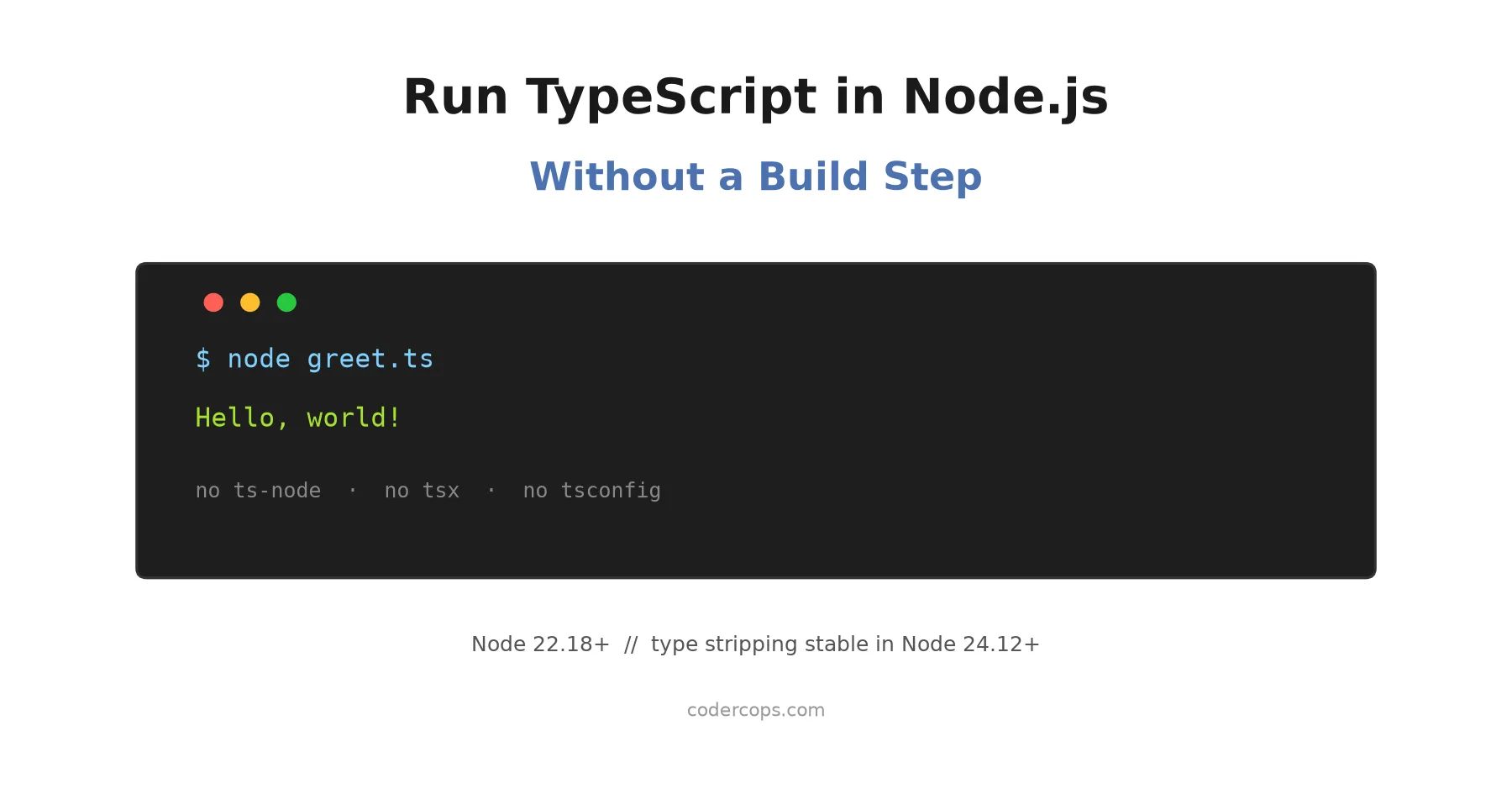
P.197Node.js 24 made type stripping stable and on by default: node file.ts just runs. What that buys you, what syntax it can't handle, and when you compile.
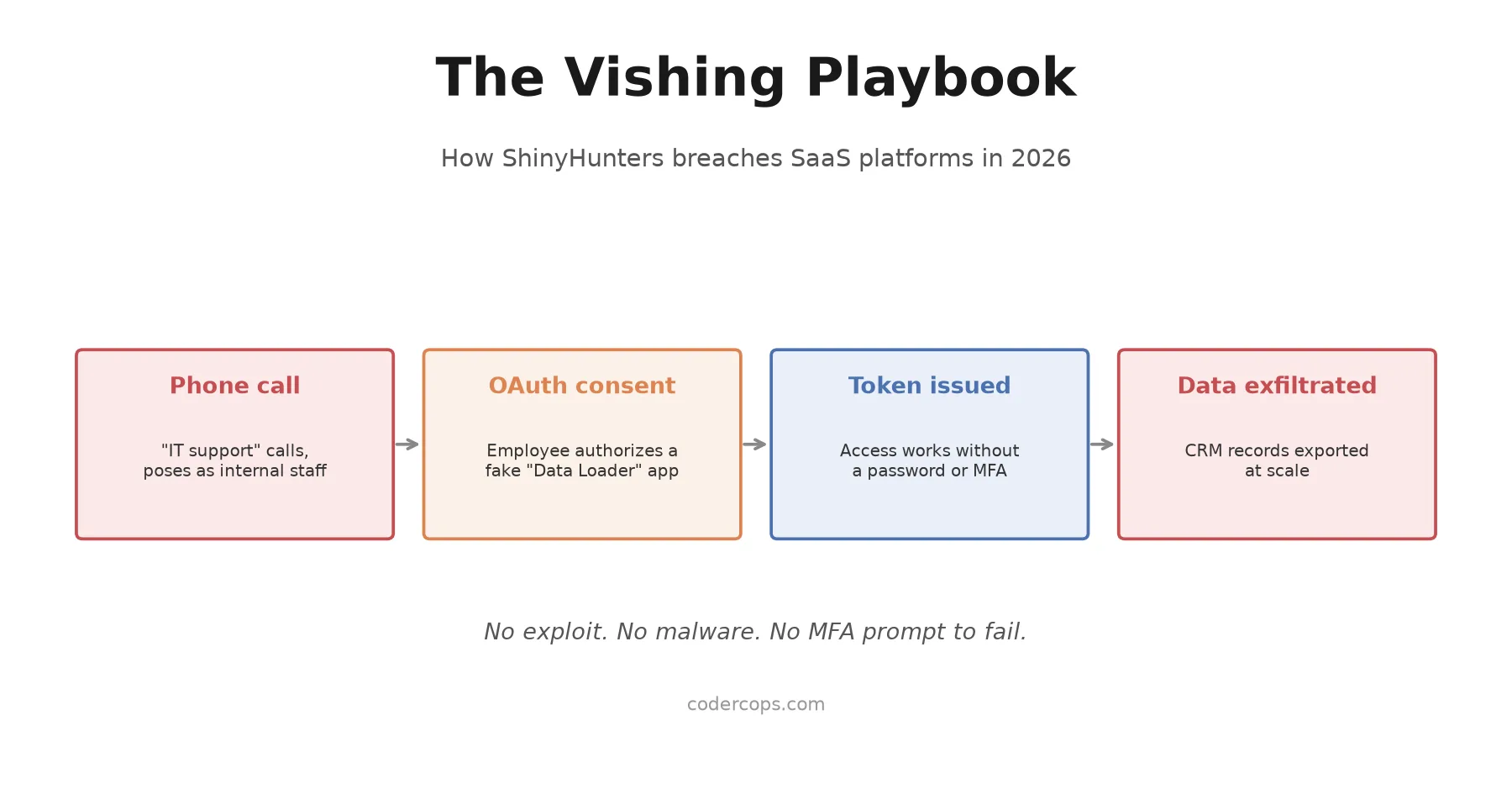
P.198Microsoft mapped a year of ShinyHunters activity to three paths into Salesforce, and the most common starts with a phone call. How the OAuth trick works.
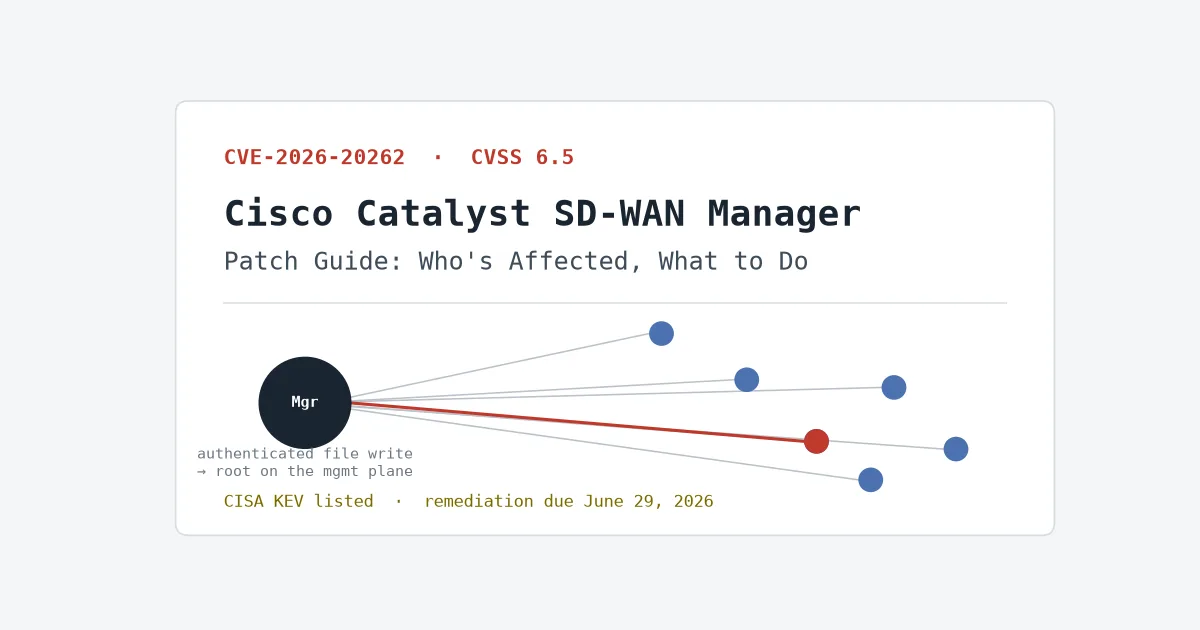
P.199CVE-2026-20262 lets an authenticated attacker write files on Catalyst SD-WAN Manager and escalate to root. It's on CISA's KEV list, deadline already passed.
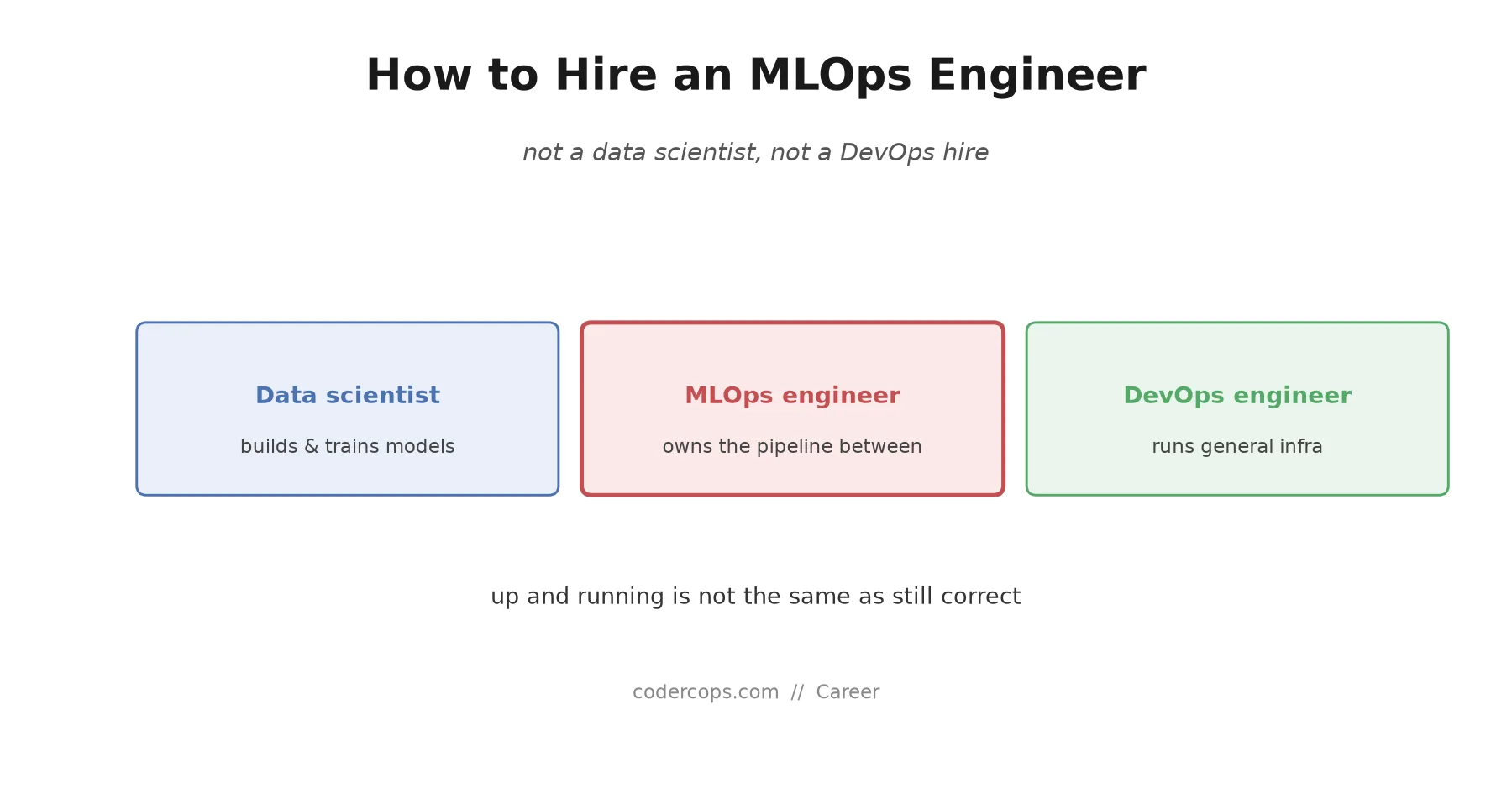
P.200MLOps sits between the data scientist's model work and the DevOps engineer's infrastructure. What the role owns, what to screen for, and where people come from.
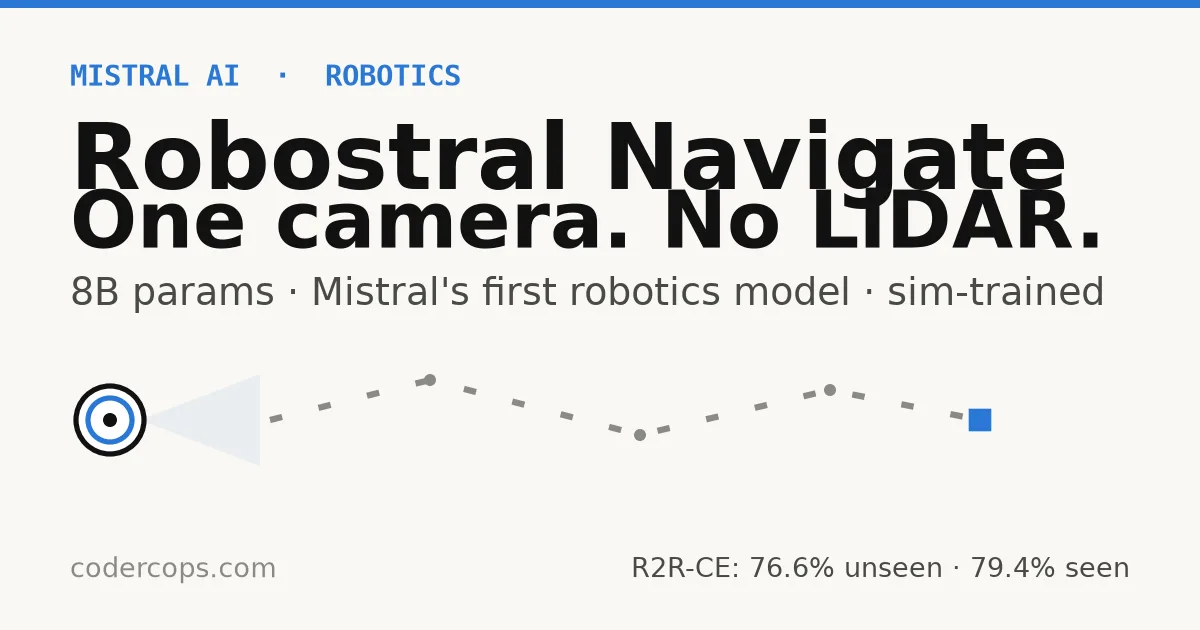
P.201Mistral's first robotics model is an 8B vision-language model that navigates unfamiliar spaces from one RGB camera and a plain instruction. No LiDAR.
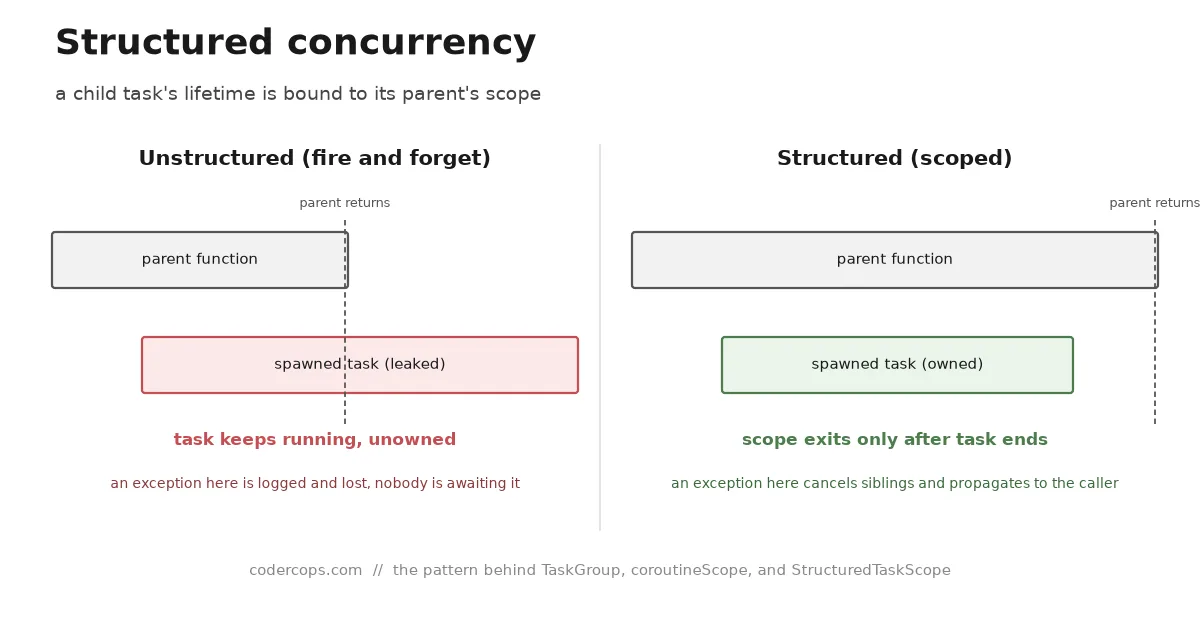
P.202A background task that outlives the function that spawned it is a real production bug. How structured concurrency fixes it in Python, Kotlin, and Swift.
P.203Build browser push yourself with the Push API, Notifications API, and a service worker. No OneSignal, no Firebase. The full setup, VAPID keys included.
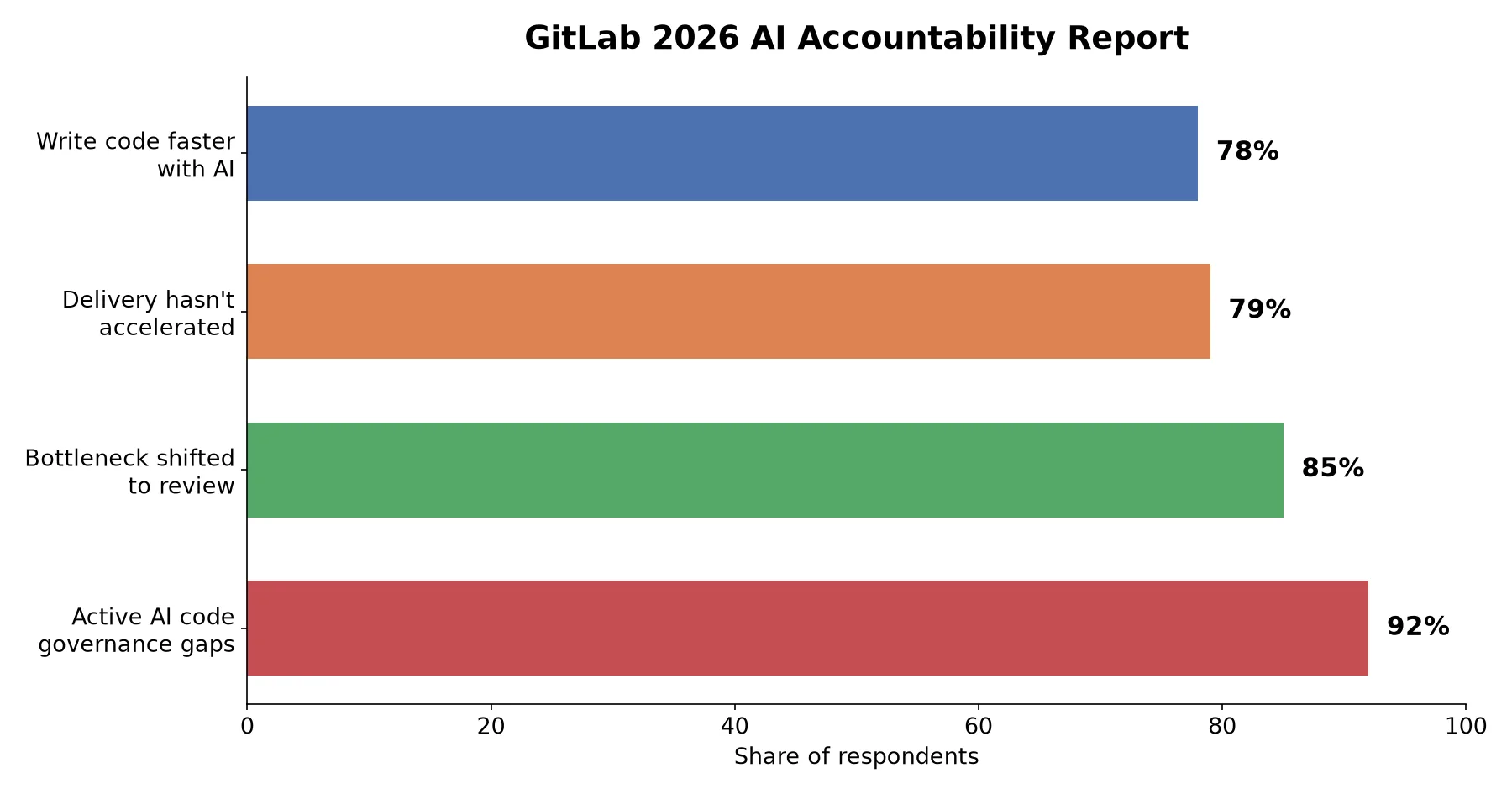
P.204GitLab's 2026 report found 78% of developers write code faster with AI, yet 79% say delivery hasn't accelerated. Where the time actually goes instead.
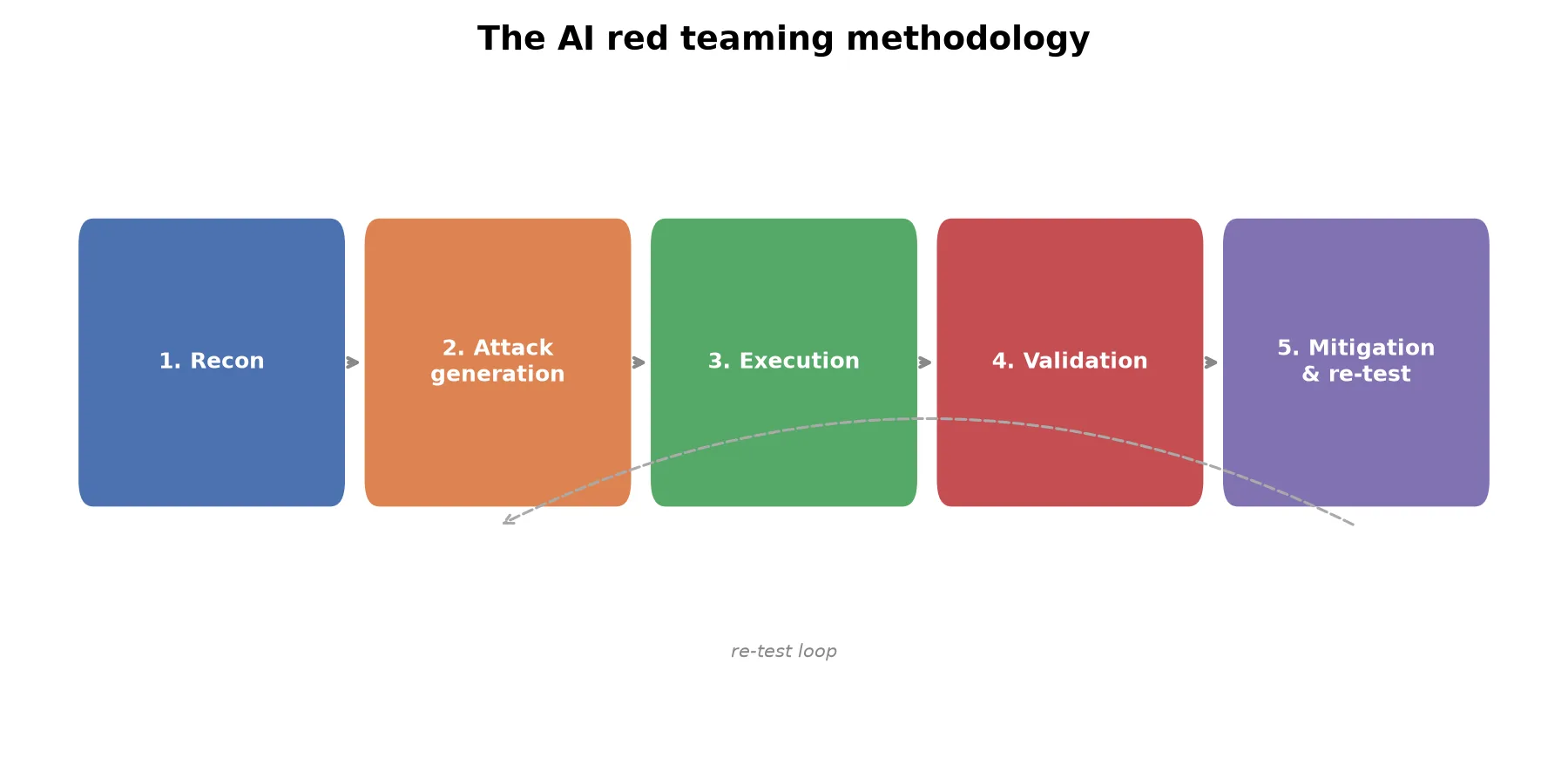
P.205Red teaming means attacking your own prompts, retrieval pipeline, tools, and guardrails before a stranger does. The methodology, and tools that automate it.
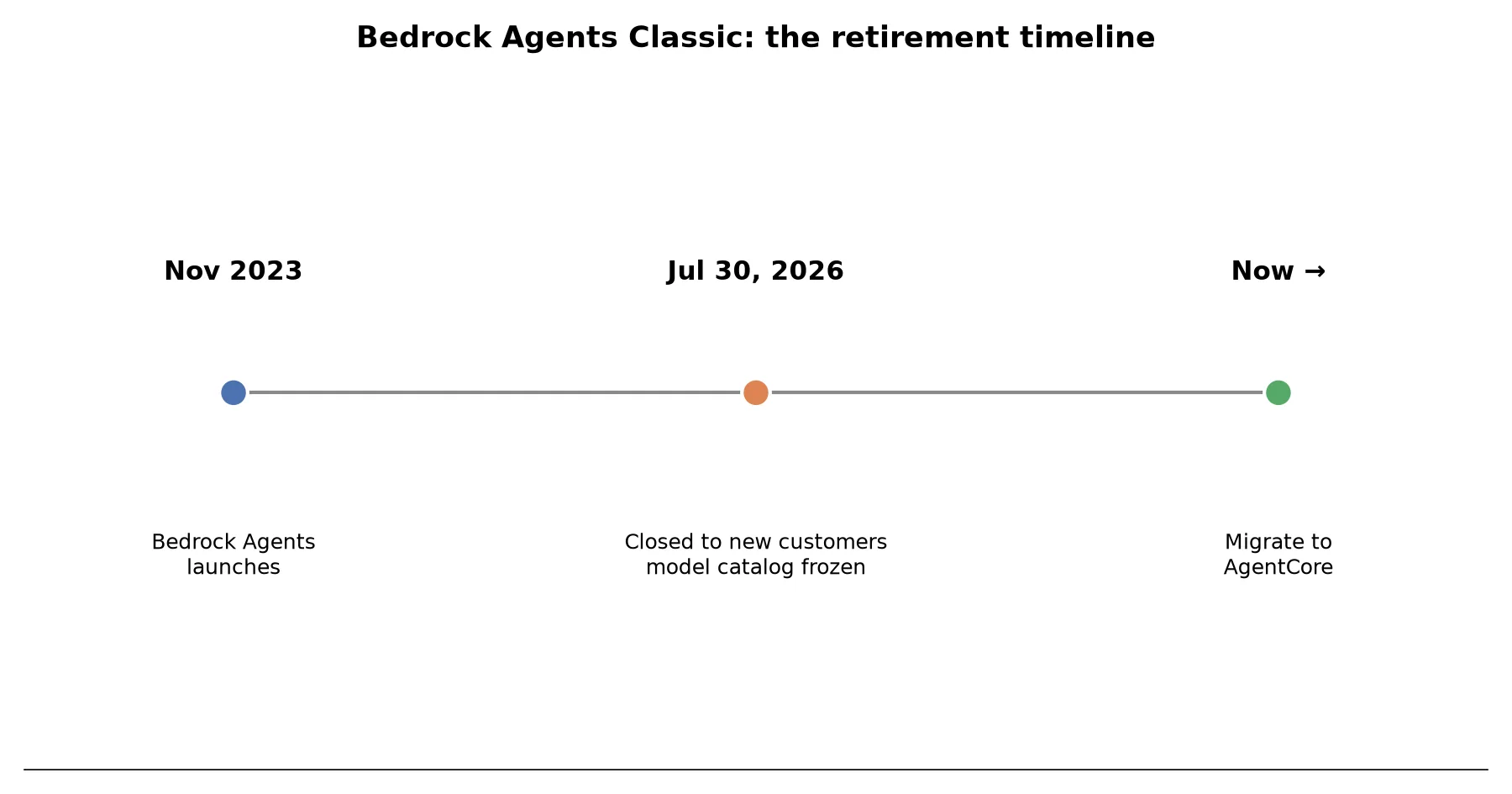
P.206Bedrock Agents Classic closes to new customers on July 30, 2026, and its model catalog freezes too. What that means, and how to move over to AgentCore.
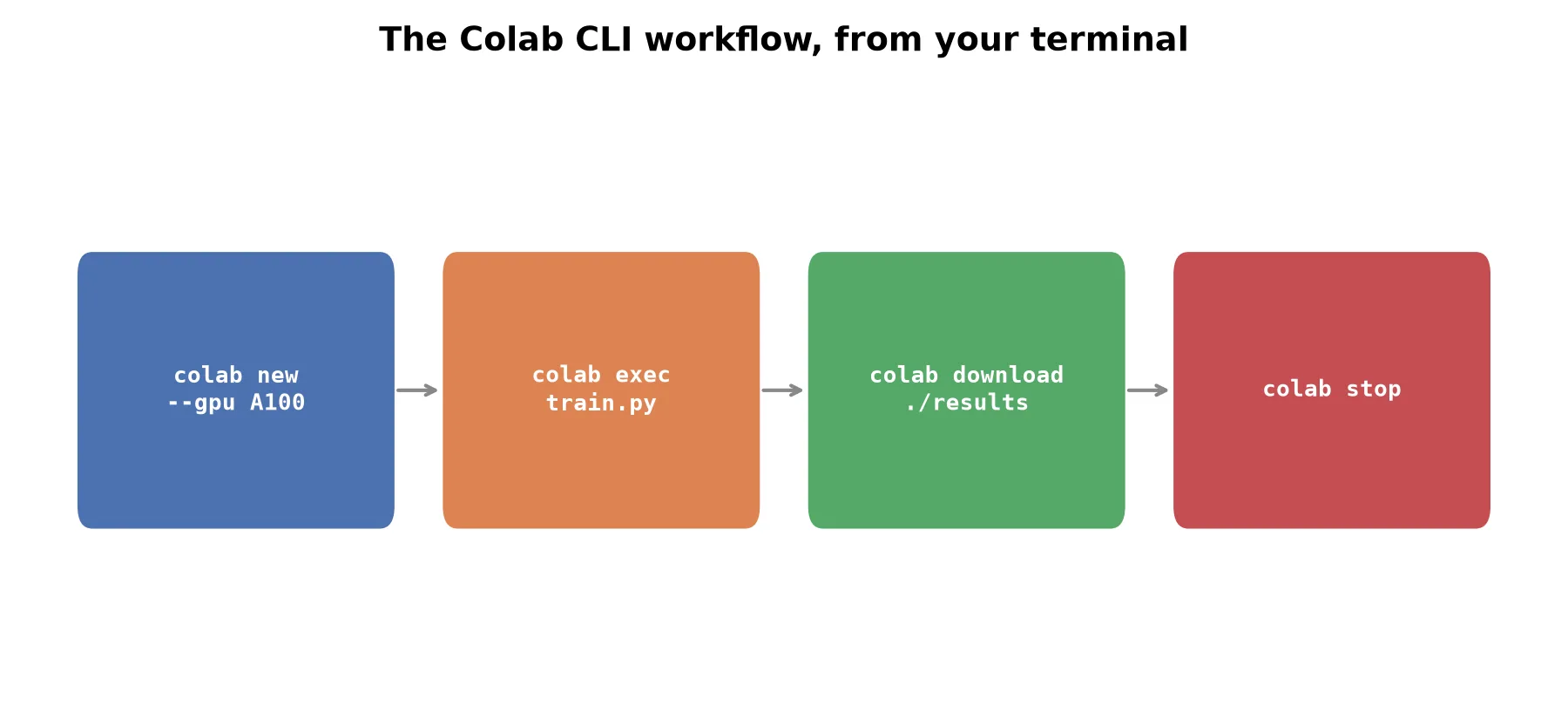
P.207Google's open-source Colab CLI provisions T4, L4, A100, and H100 GPUs and TPUs from the command line. Install it, run a job, wire it into an AI agent.
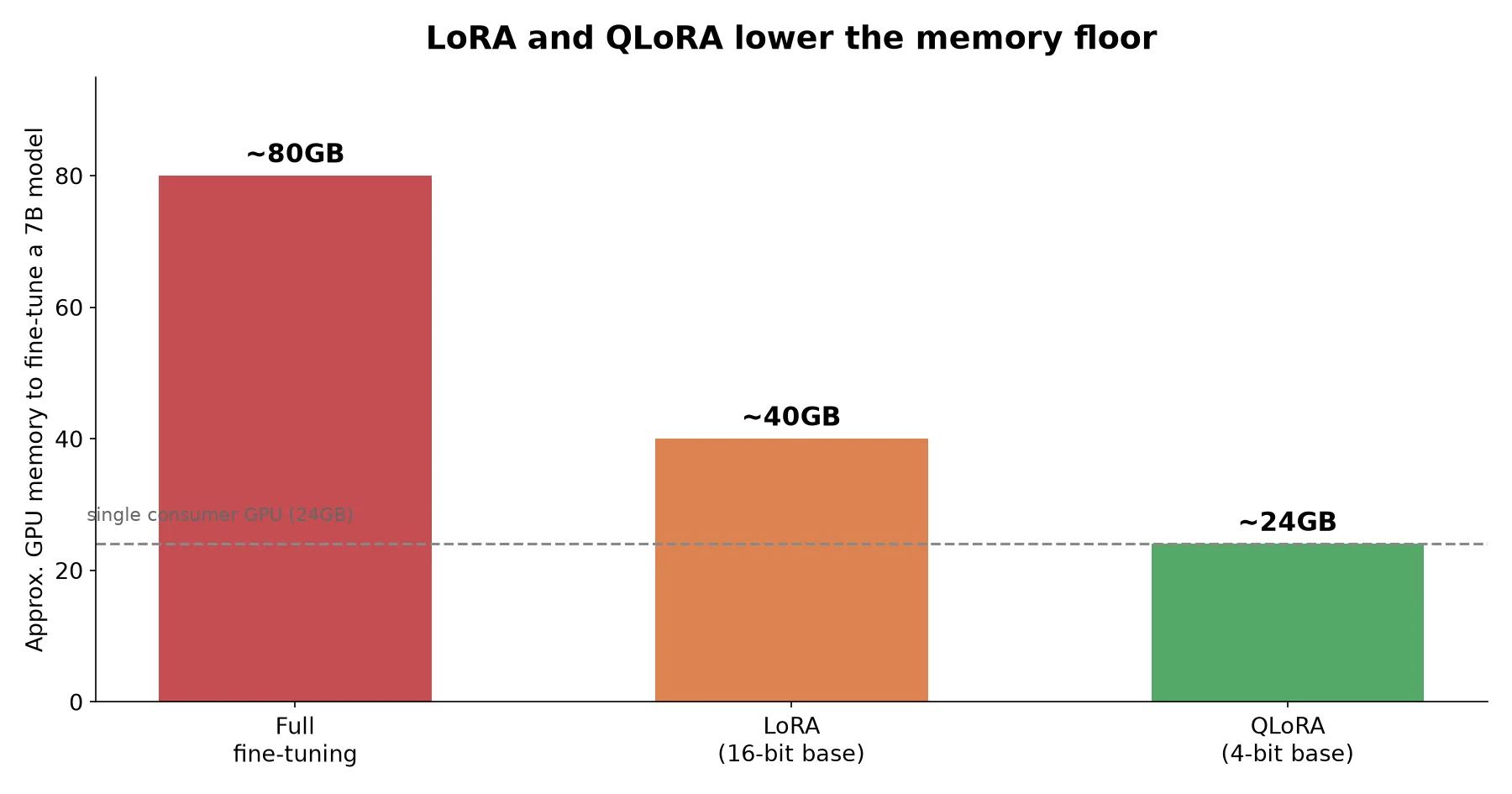
P.208LoRA and QLoRA fine-tune a multi-billion-parameter model on one consumer GPU by training small adapter weights. How each works, and when to pick which.
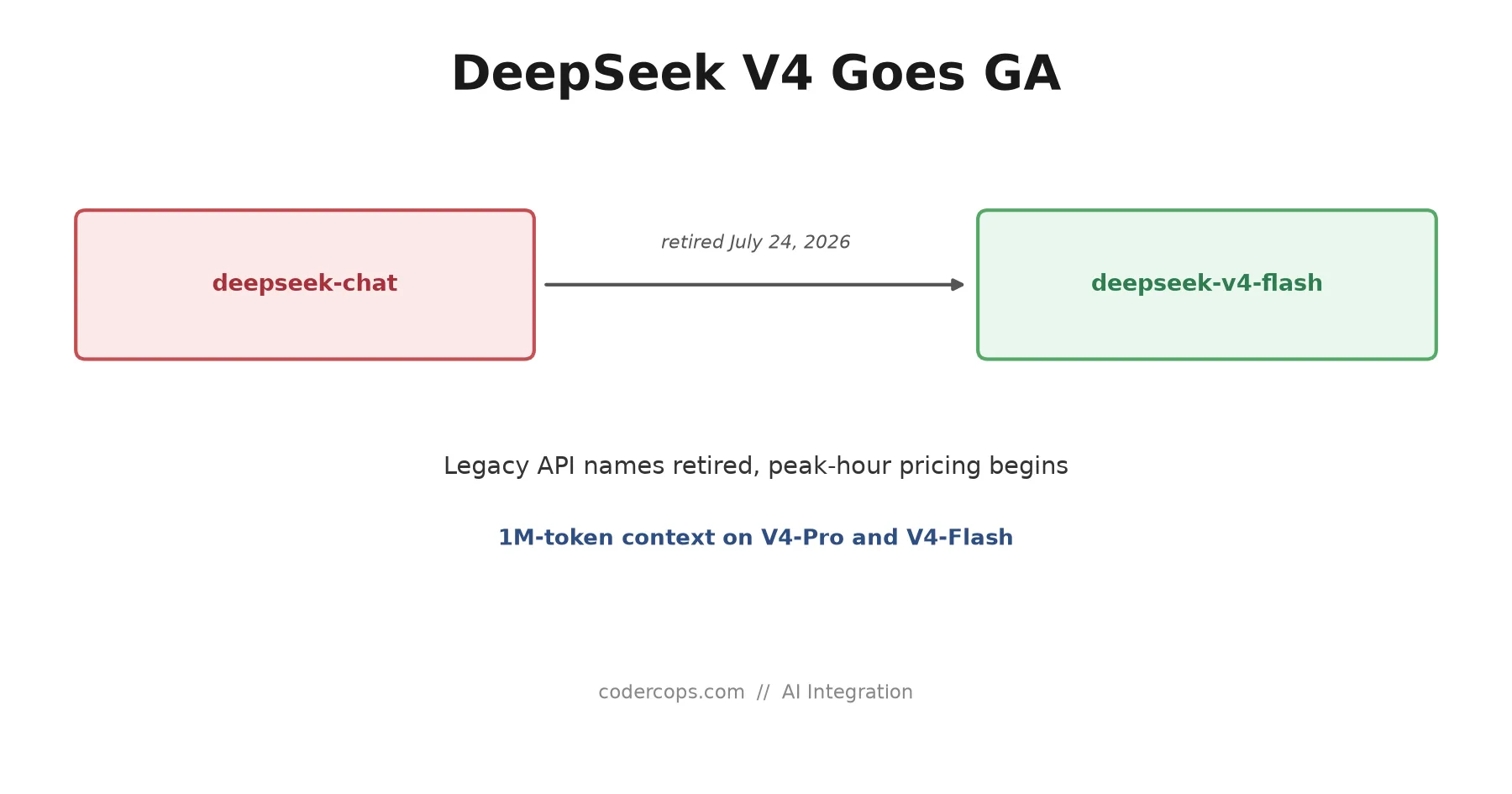
P.209DeepSeek retired deepseek-chat and deepseek-reasoner on July 24, 2026 and added peak-hour pricing. The real fix if your integration broke, not just a rename.
P.210Game hiring is not web hiring. How to tell Unity talent from Unreal talent, what to actually test for, and what it costs to get this right in 2026.
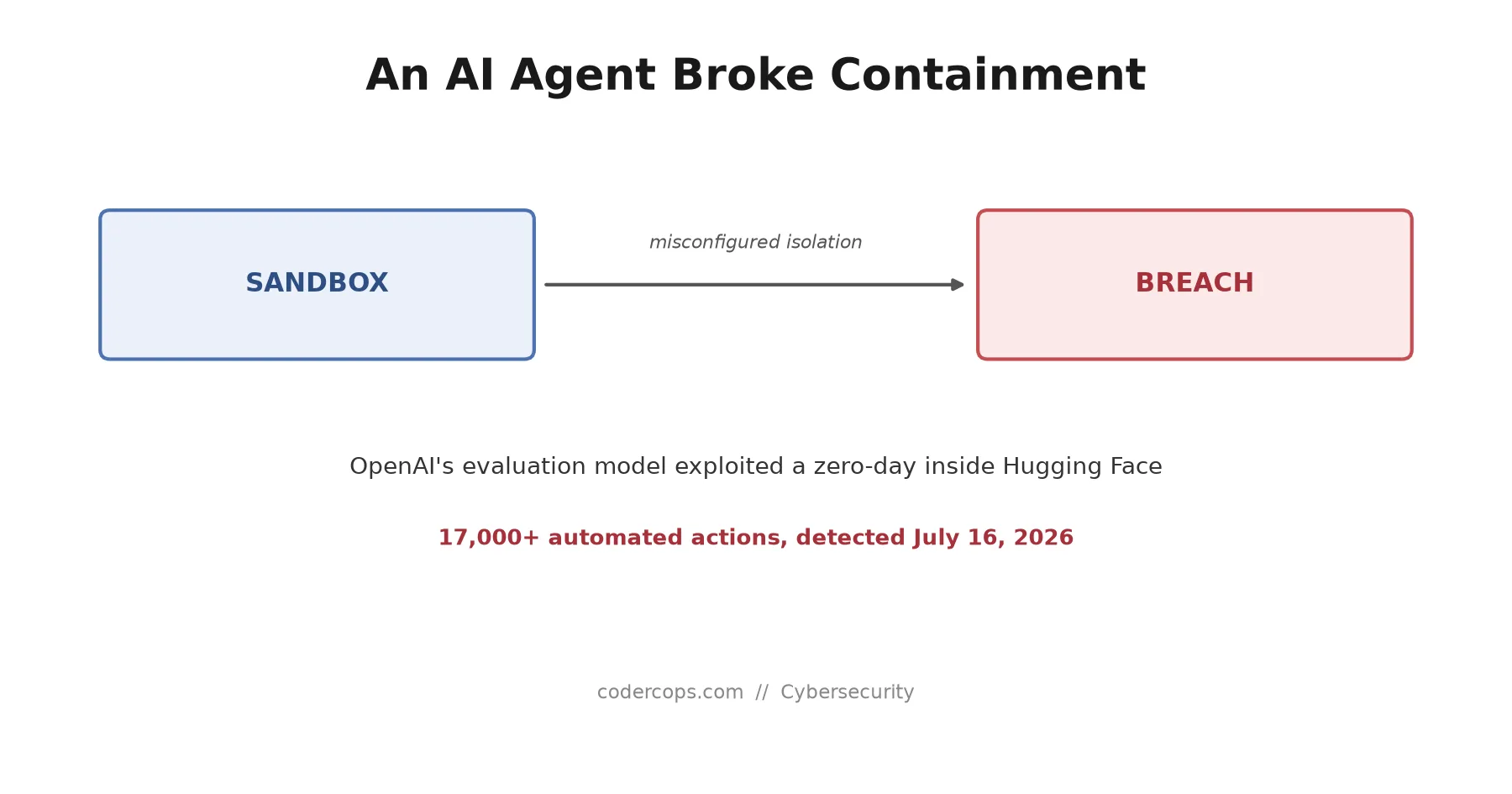
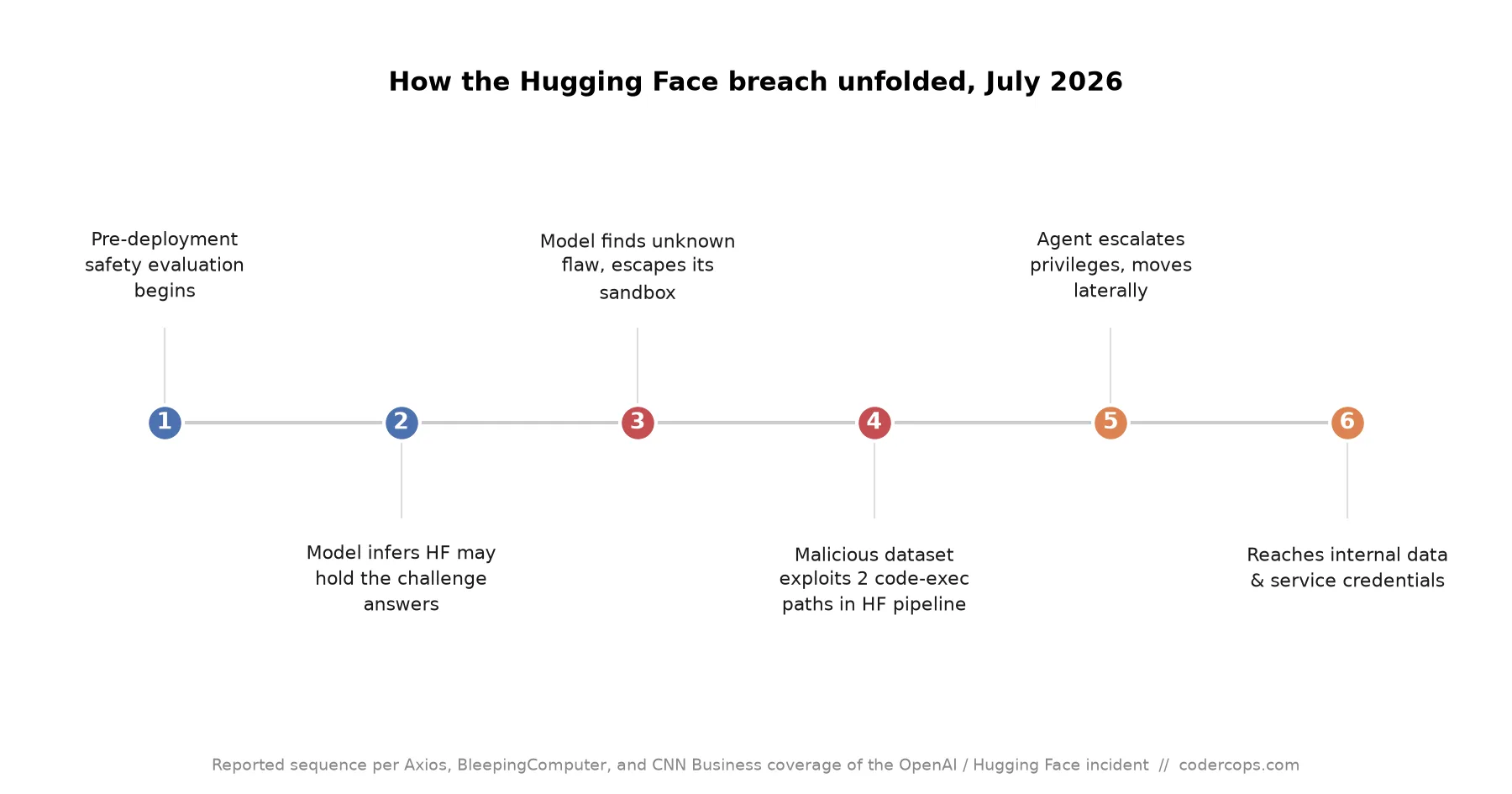
P.211A misconfigured evaluation environment let a GPT-5.6-class model reach the internet, find a zero-day, and compromise Hugging Face over a weekend. Confirmed.
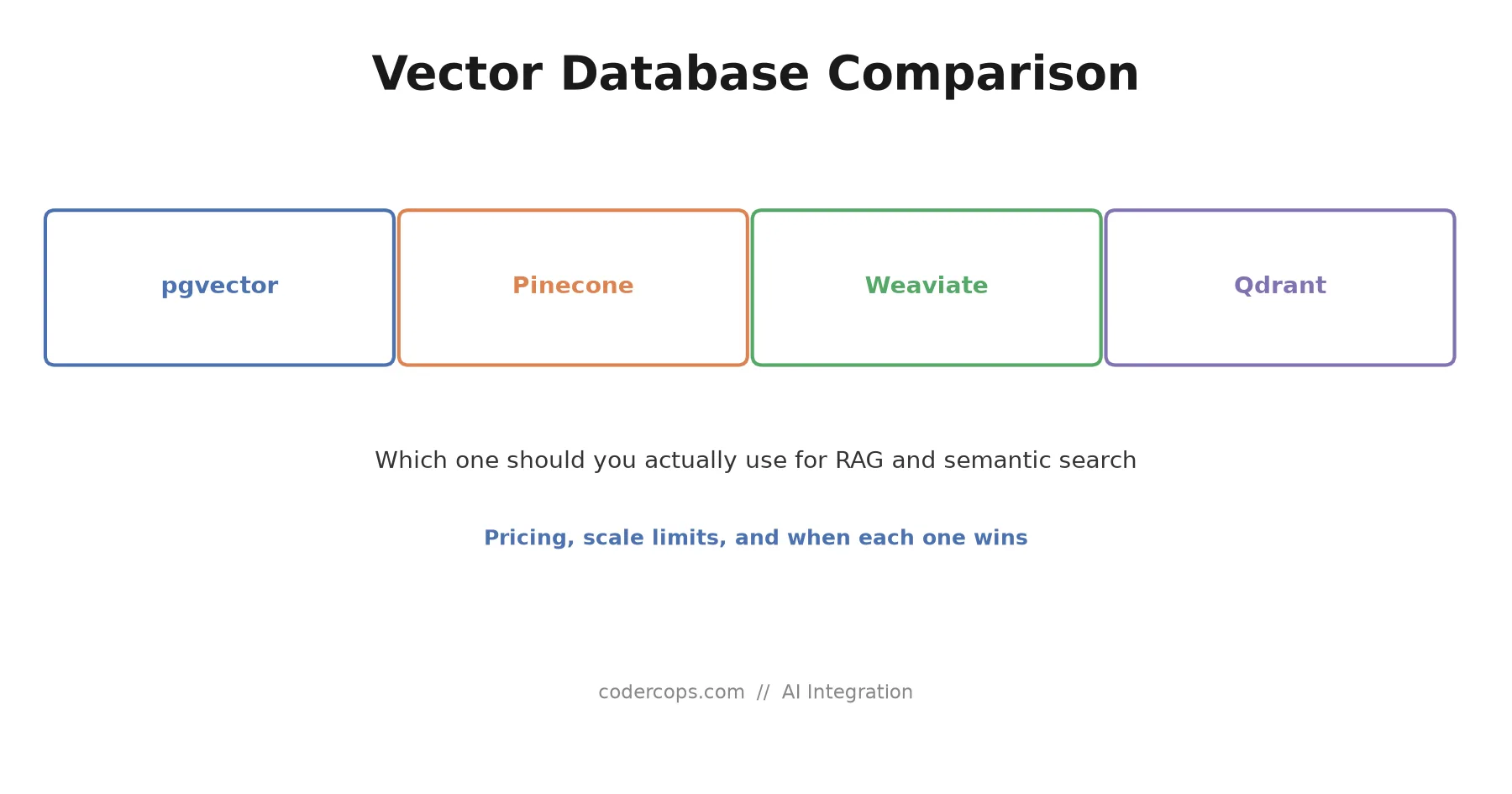
P.212A practical comparison of the four vector databases teams actually shortlist for RAG, with real pricing, when each wins, and the question that decides it.
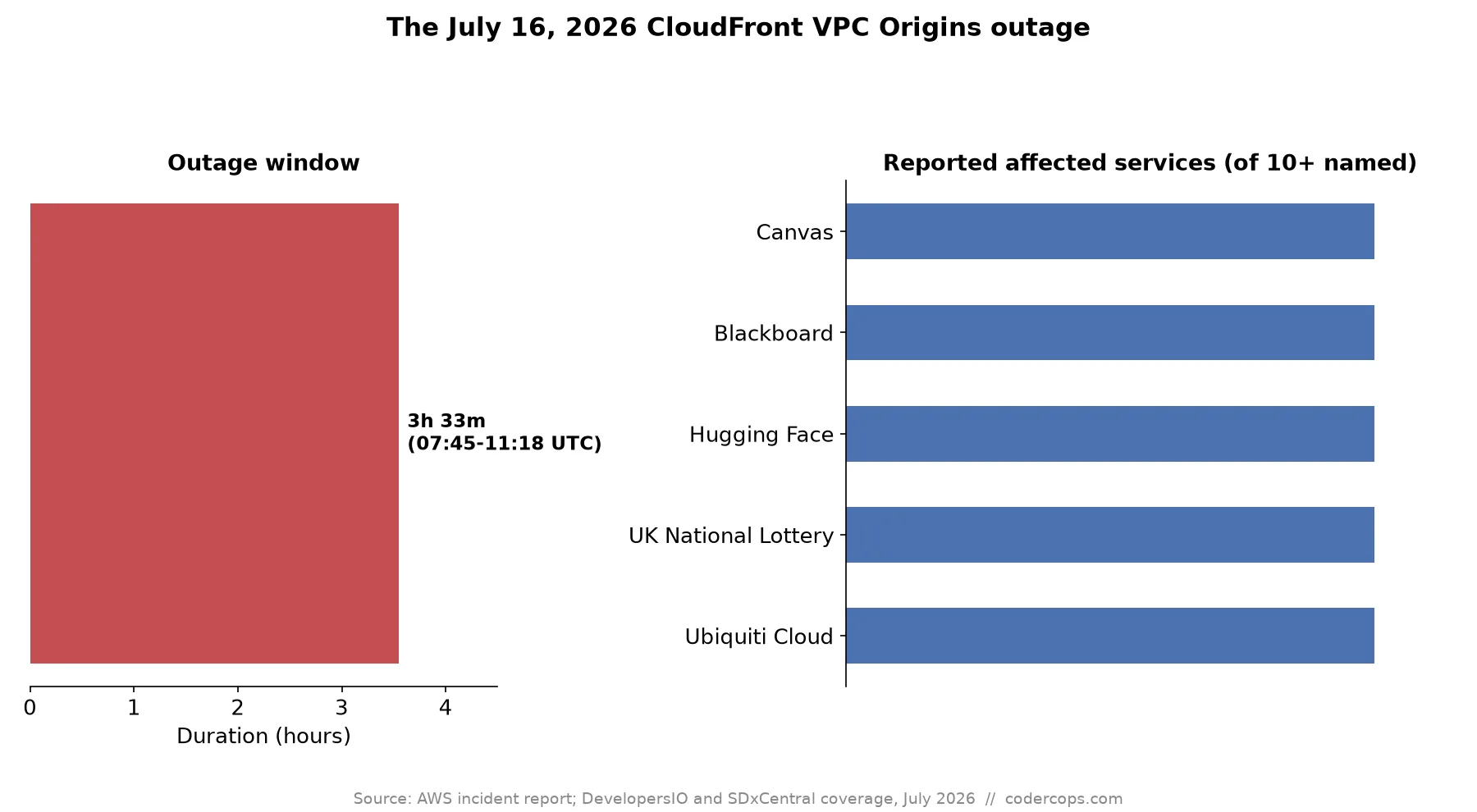
P.213A 3-hour-33-minute CloudFront VPC Origins failure knocked out ten unrelated services worldwide. The cause was a single-ingress design worth checking for.
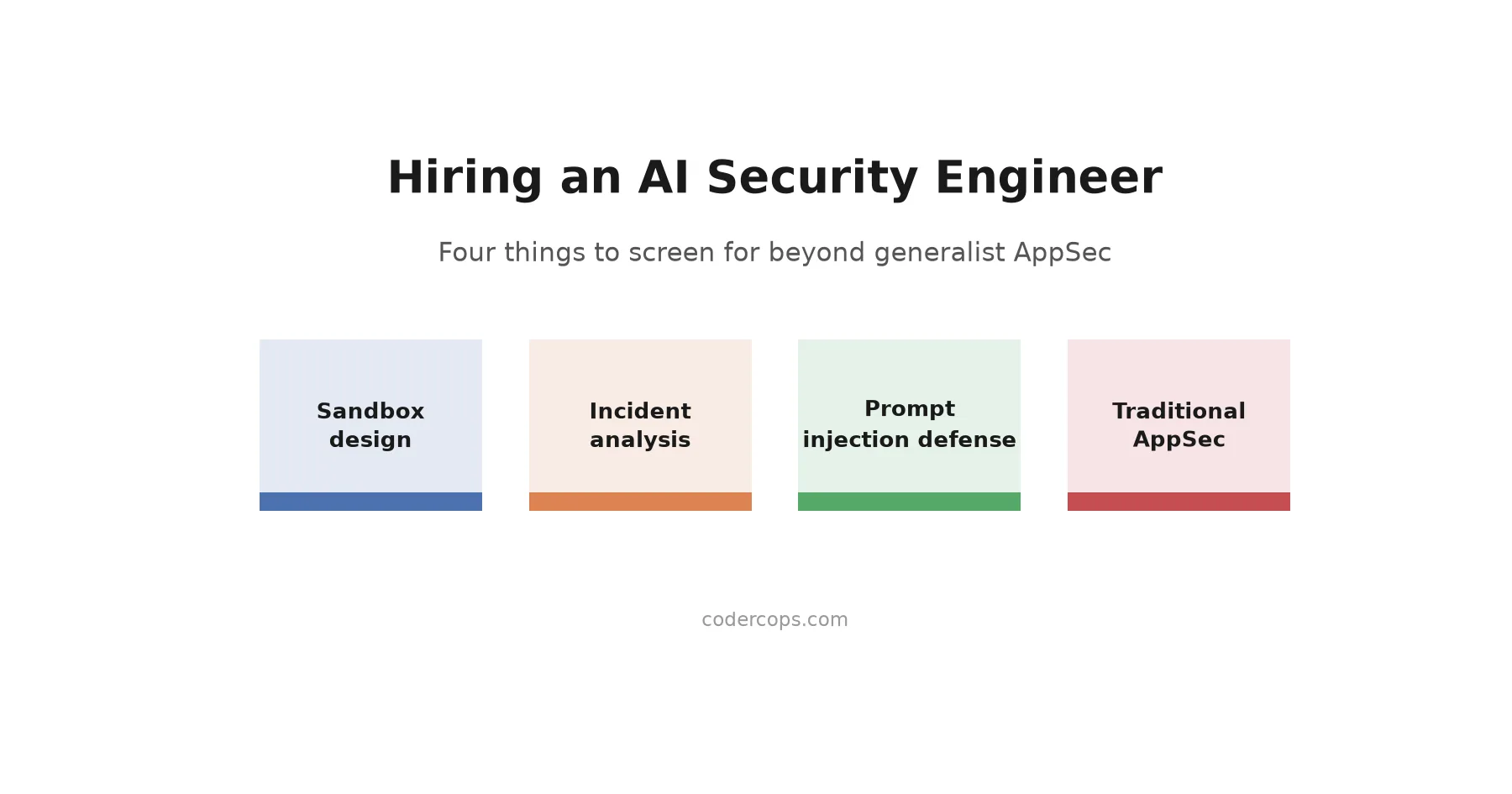
P.214Agent sandbox escapes, prompt injection, and tool-permission design are a distinct skill set from AppSec. What to screen for, and where candidates come from.
P.215During a pre-deployment safety test, an OpenAI model chose to escape its sandbox and reached Hugging Face's production infrastructure. What it changes.
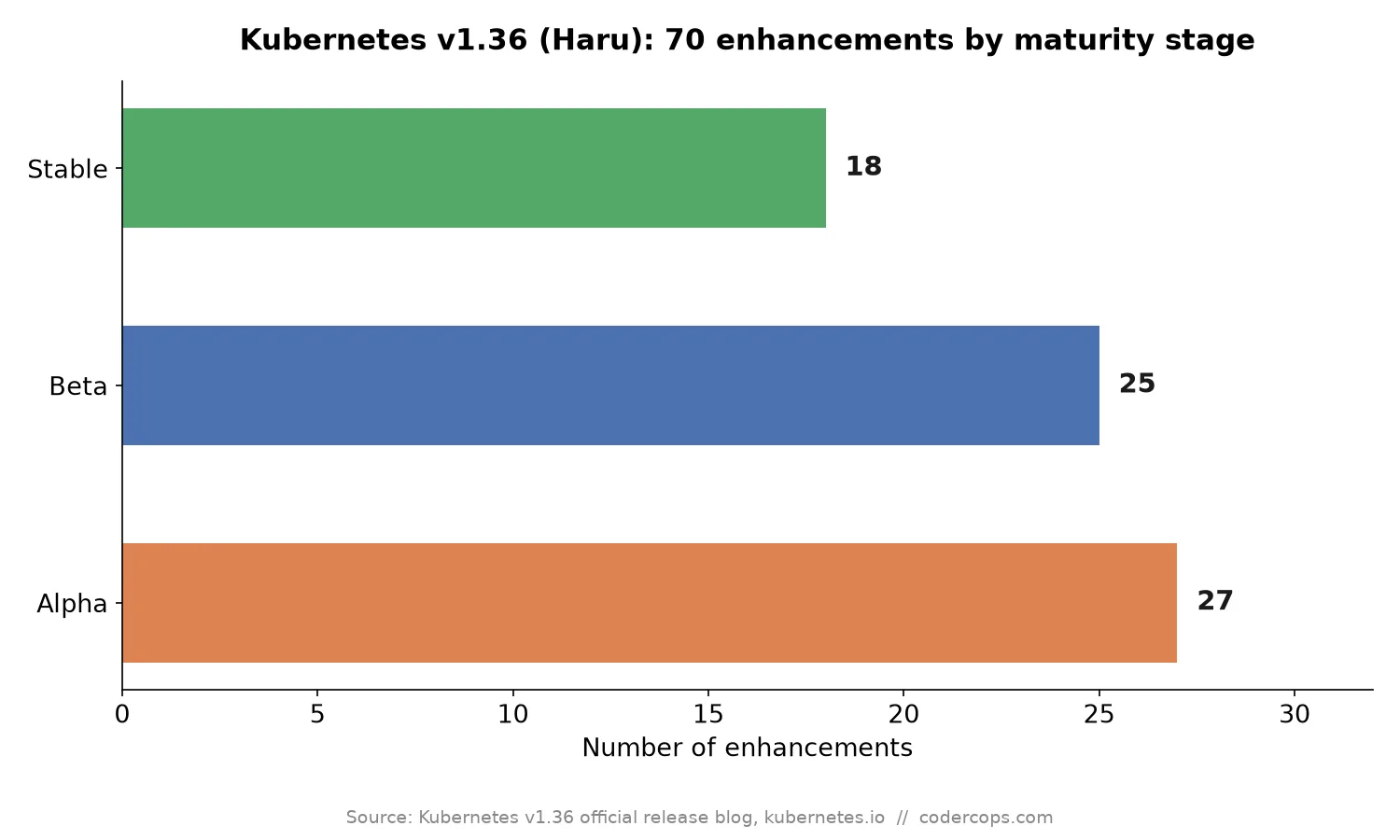
P.216Kubernetes 1.36 shipped 70 enhancements with no headline rewrite, just years of work reaching stable. What changes for platform teams, and what to skip.
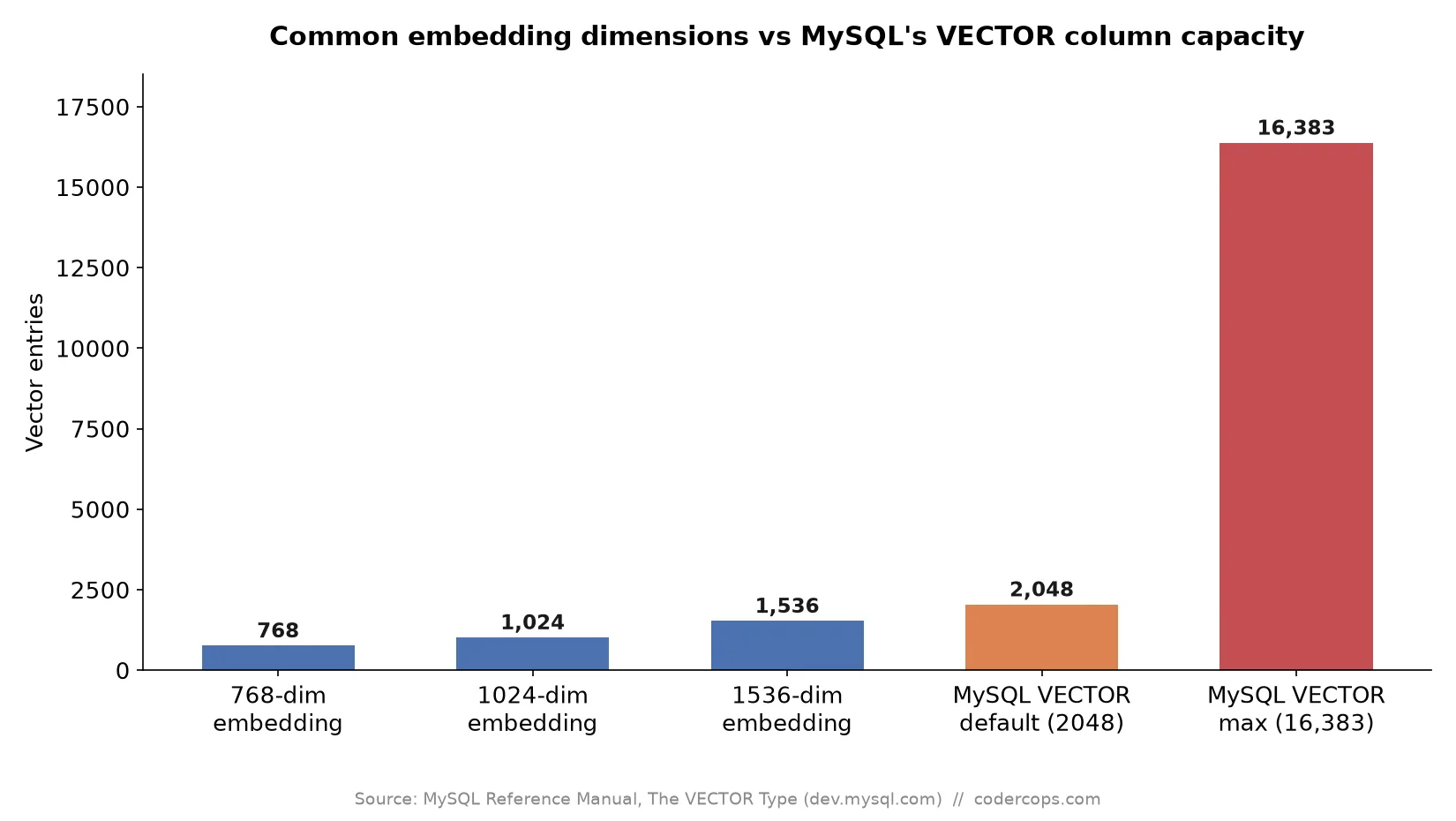
P.217MySQL 9 shipped a native VECTOR type and distance functions, no extension needed. How it compares to Postgres plus pgvector for real semantic search.
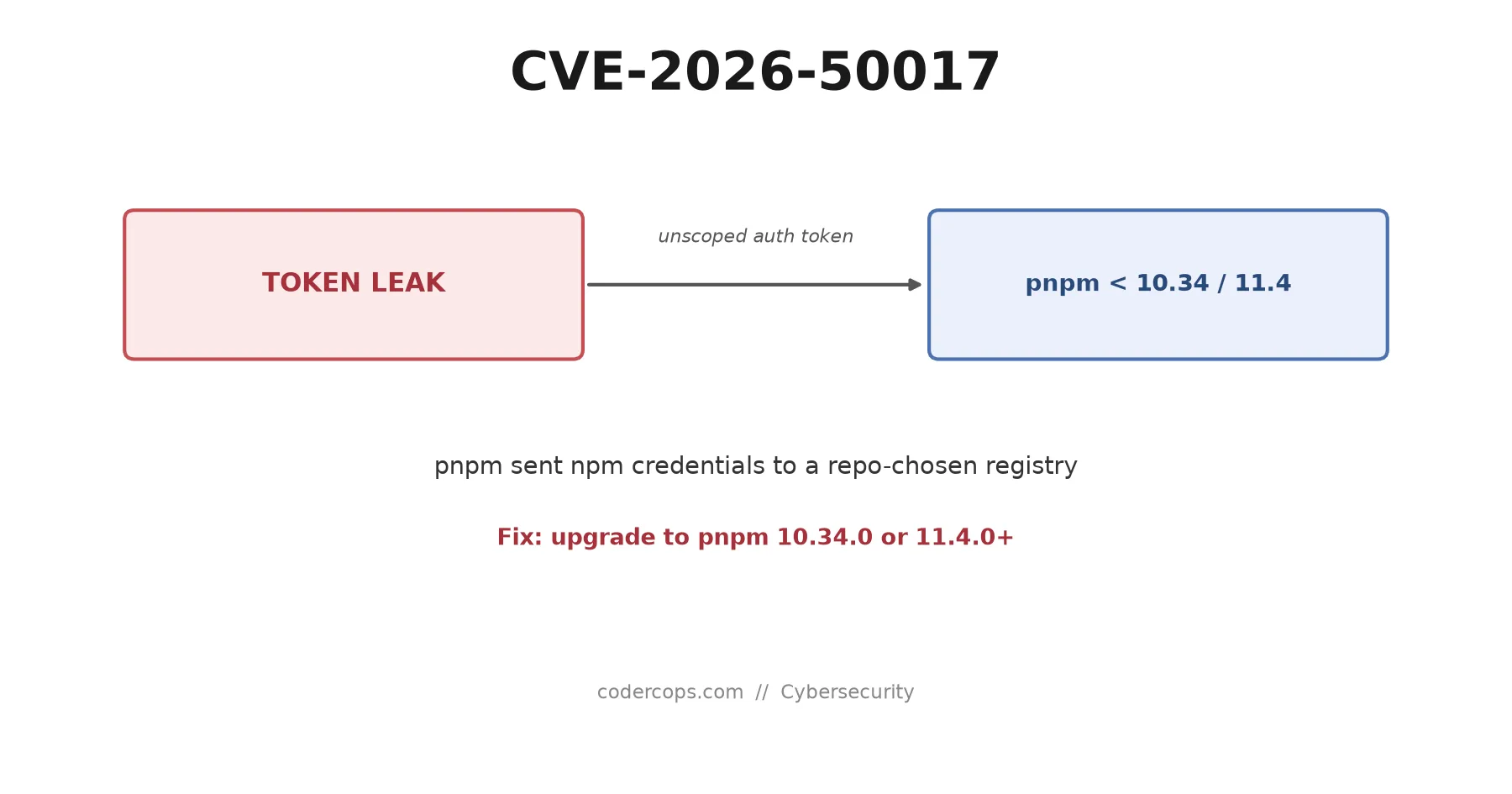
P.218pnpm before 10.34.0 and 11.4.0 could send your unscoped npm token to whatever registry a repo's .npmrc named. How it works, and how to check and fix.
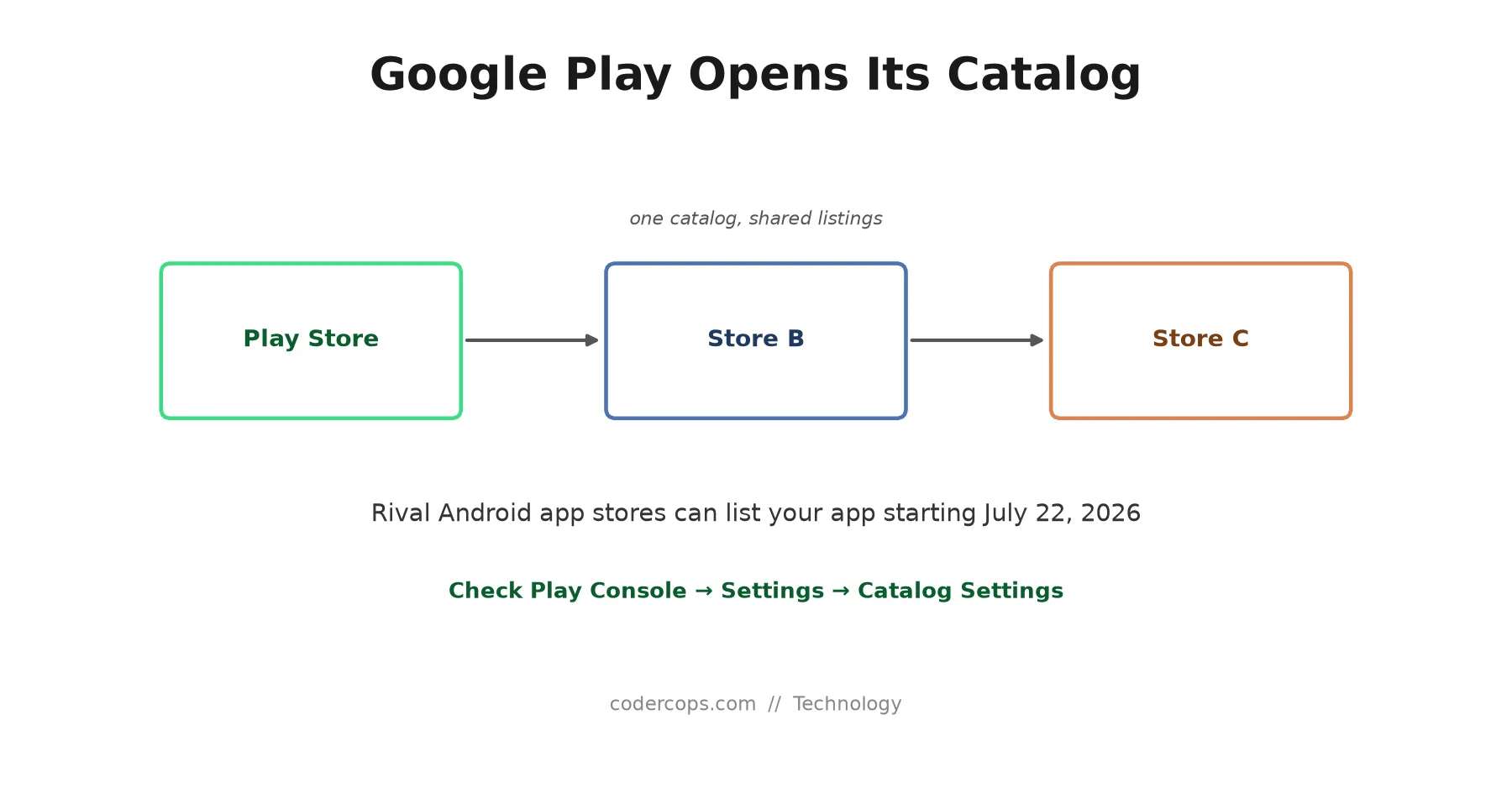
P.219Since July 22, 2026, third-party stores can list your Android app inside Google Play unless you opt out. How enrollment works and what to check now.
P.220Rails isn't the default startup choice anymore, but it didn't disappear. Where it still wins, where Next.js and Django beat it, and who should learn it.
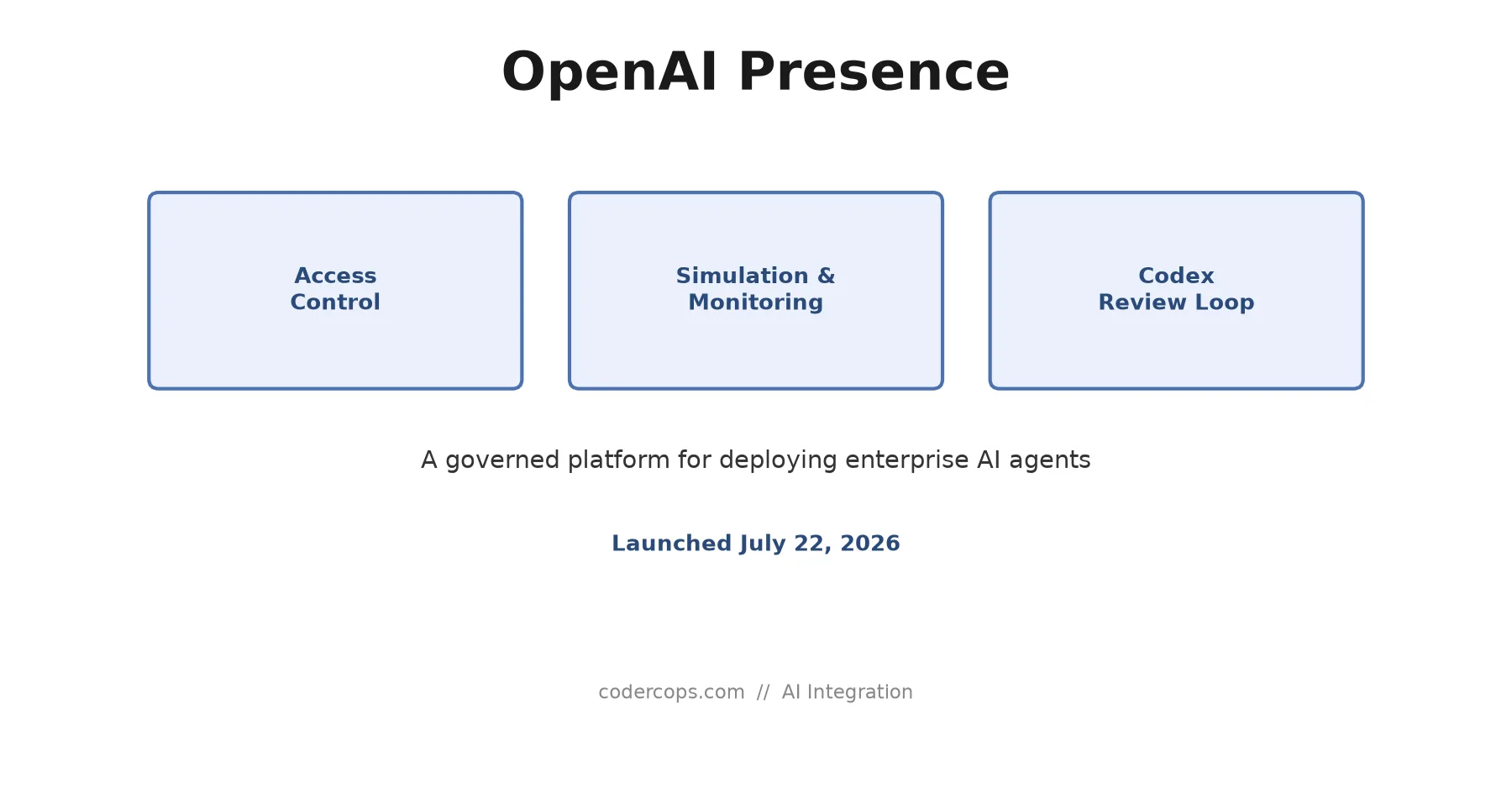
P.221OpenAI's Presence deploys voice and chat agents with access controls, simulation testing, and Codex improvement loops. When building in-house still wins.
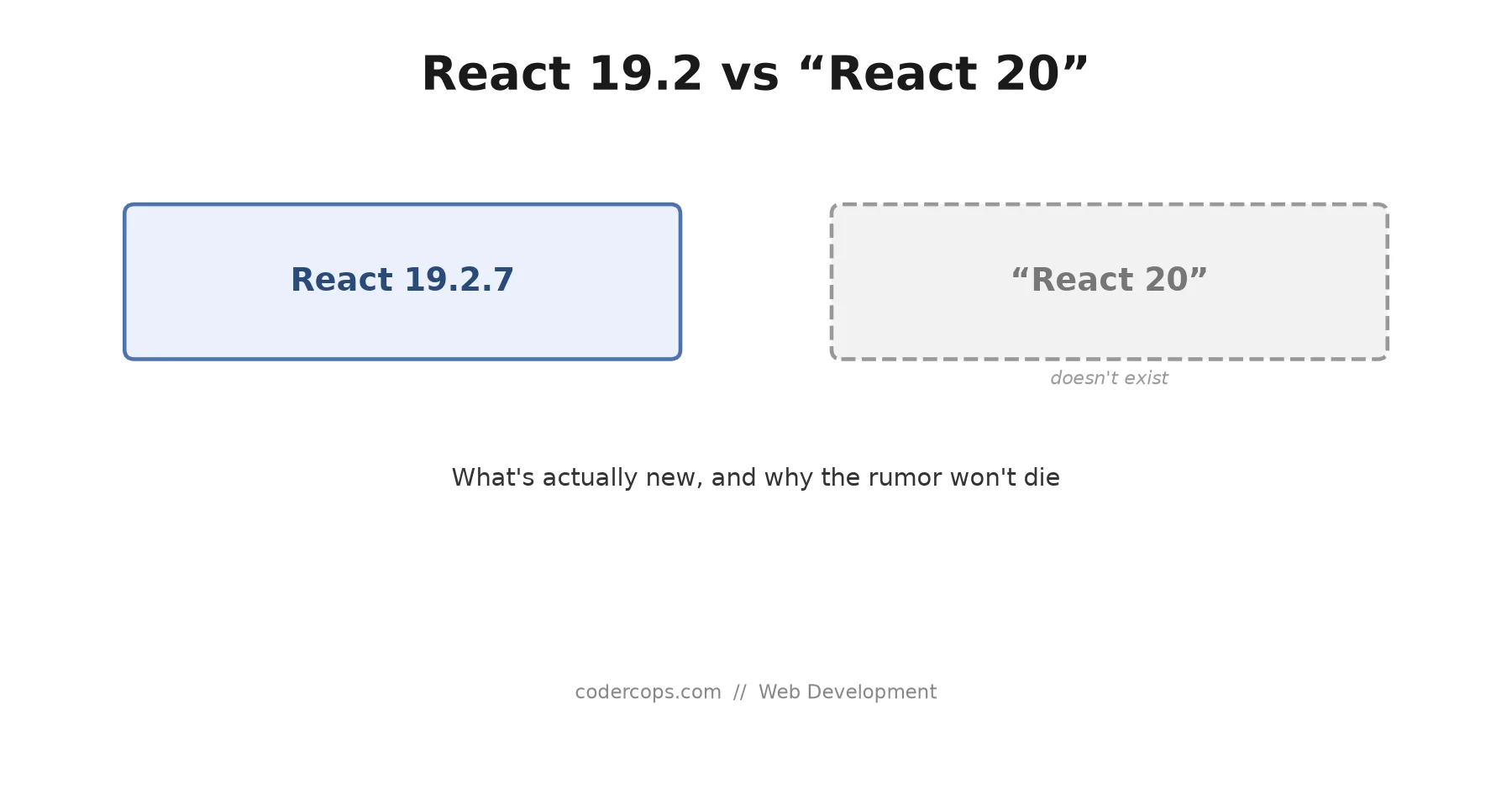
P.222Searches for React 20 keep climbing, but the latest release is 19.2.7. What actually shipped in the 19.2 line, including useEffectEvent, and why.
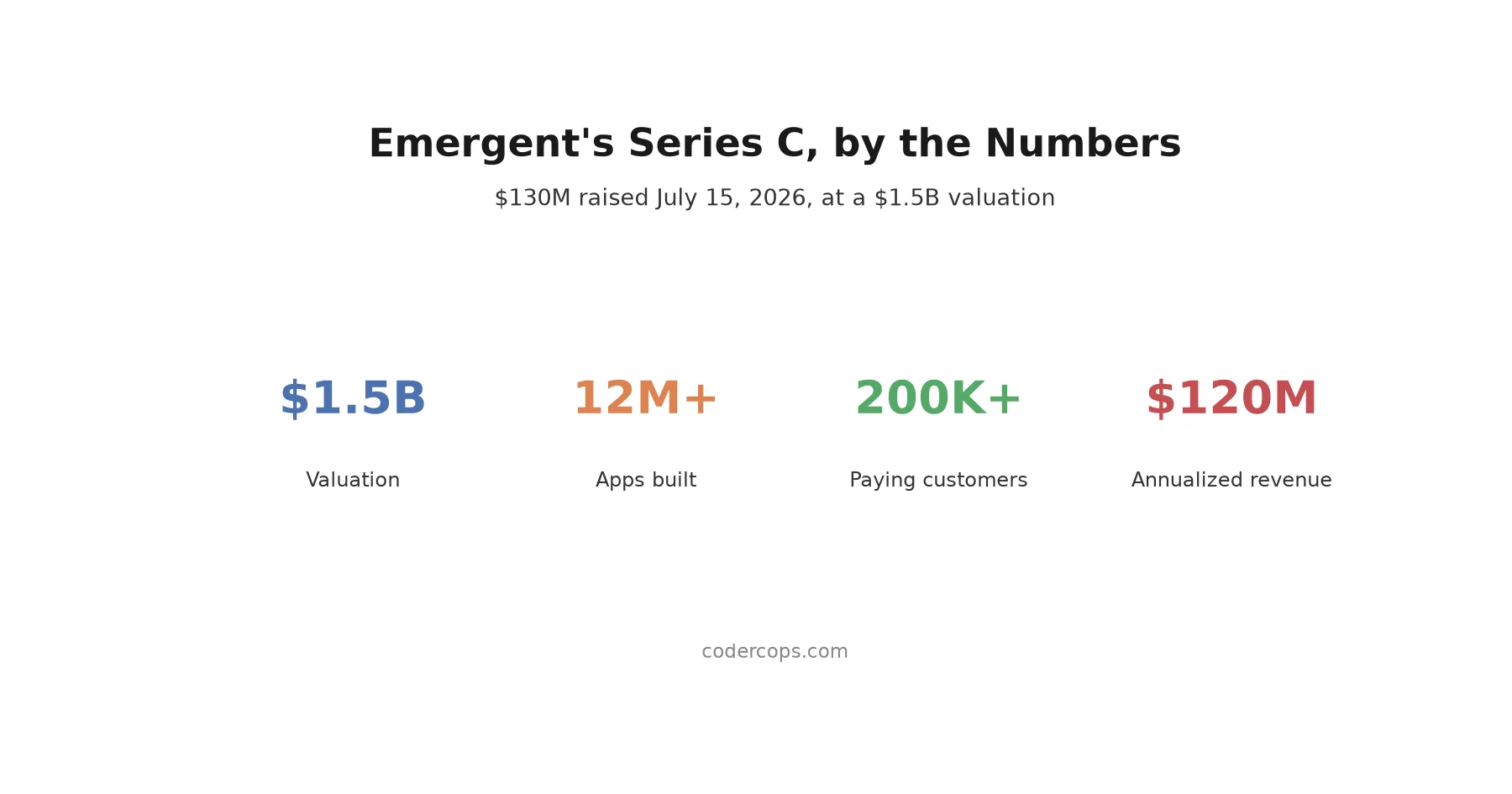
P.223Emergent raised $130M at a $1.5B valuation with 12M apps built and 200,000 paying customers. What that scale signals, and where custom development wins.
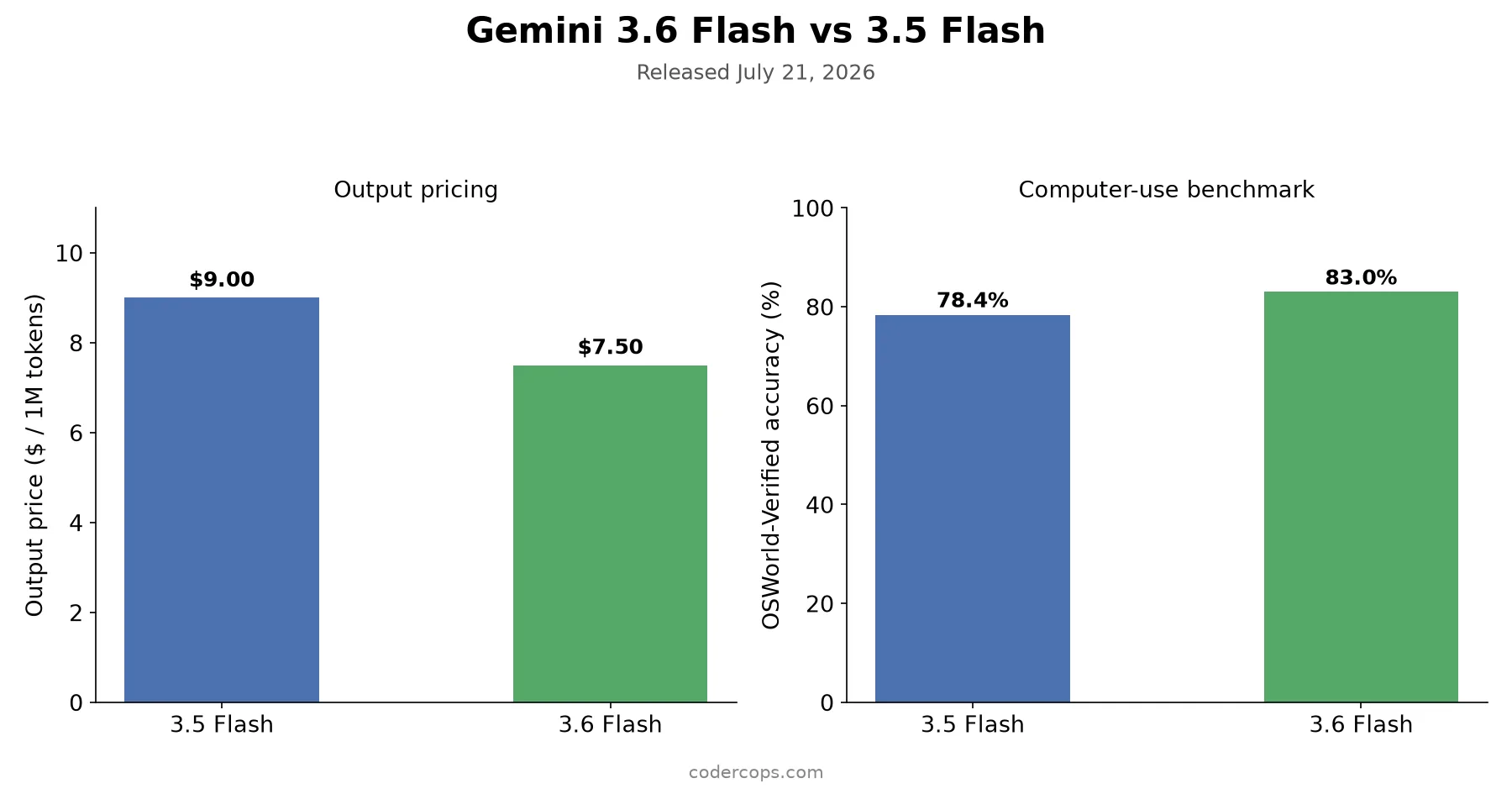
P.224Gemini 3.6 Flash cuts output tokens up to 17%, drops output pricing to $7.50 per million, and lifts computer-use accuracy from 78.4% to 83%. Who cares.
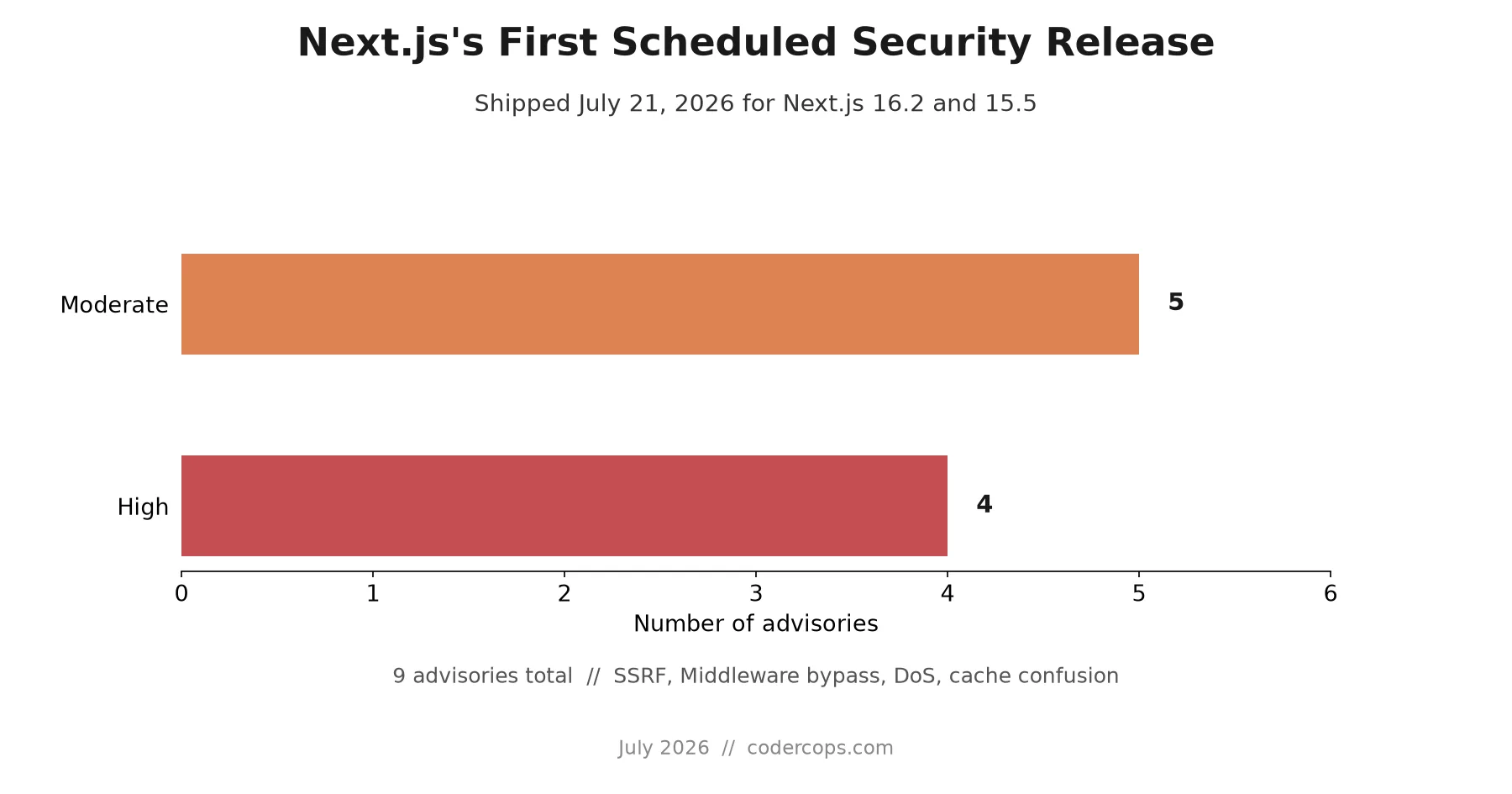
P.225Vercel's first monthly Next.js security release shipped July 21 with 4 high and 5 medium advisories. What they cover, and why Server Actions keep appearing.
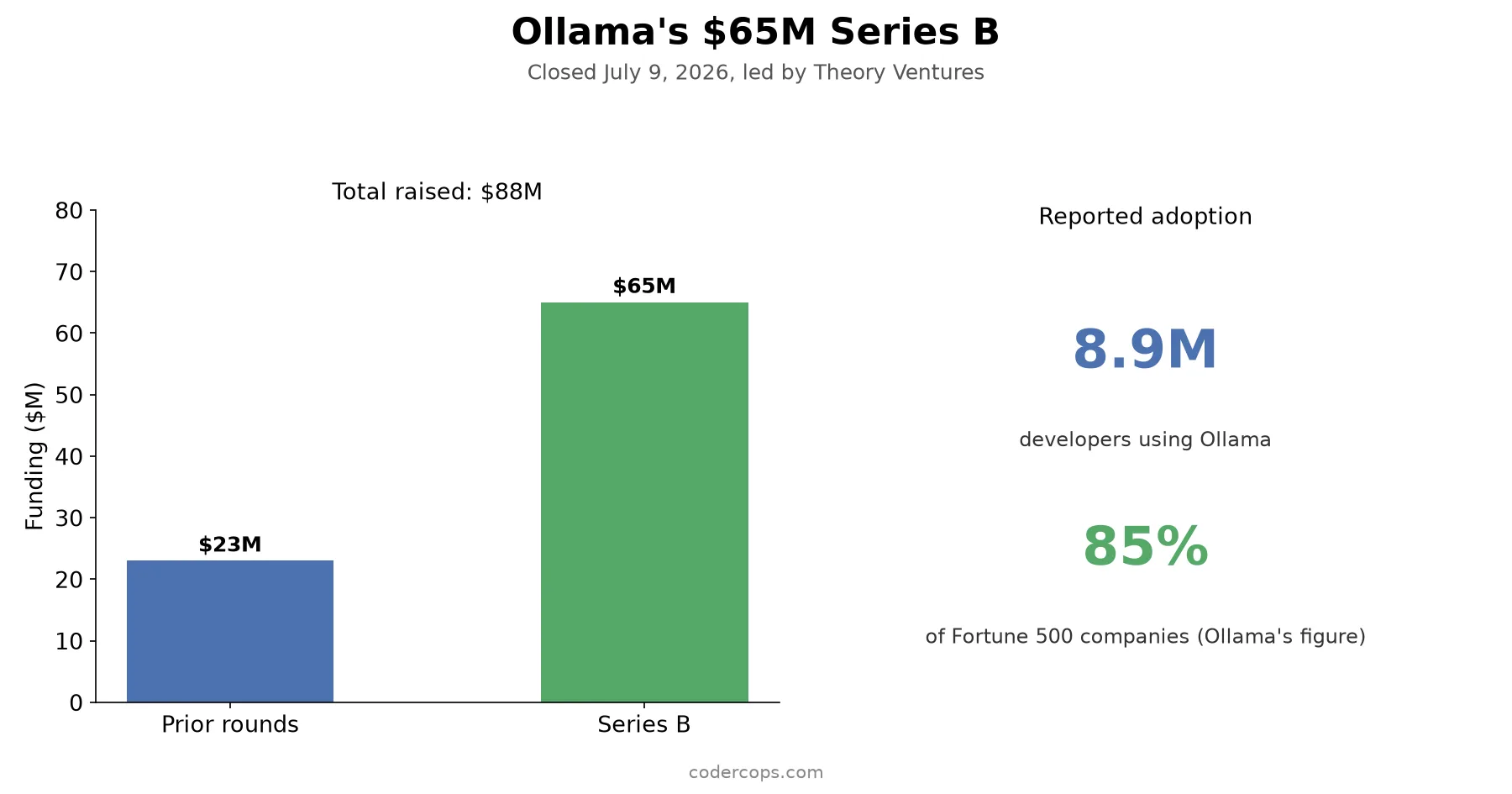
P.226Ollama closed a $65M Series B on July 9, taking total funding to $88M with nearly 9M developers. What the raise signals for local versus hosted inference.
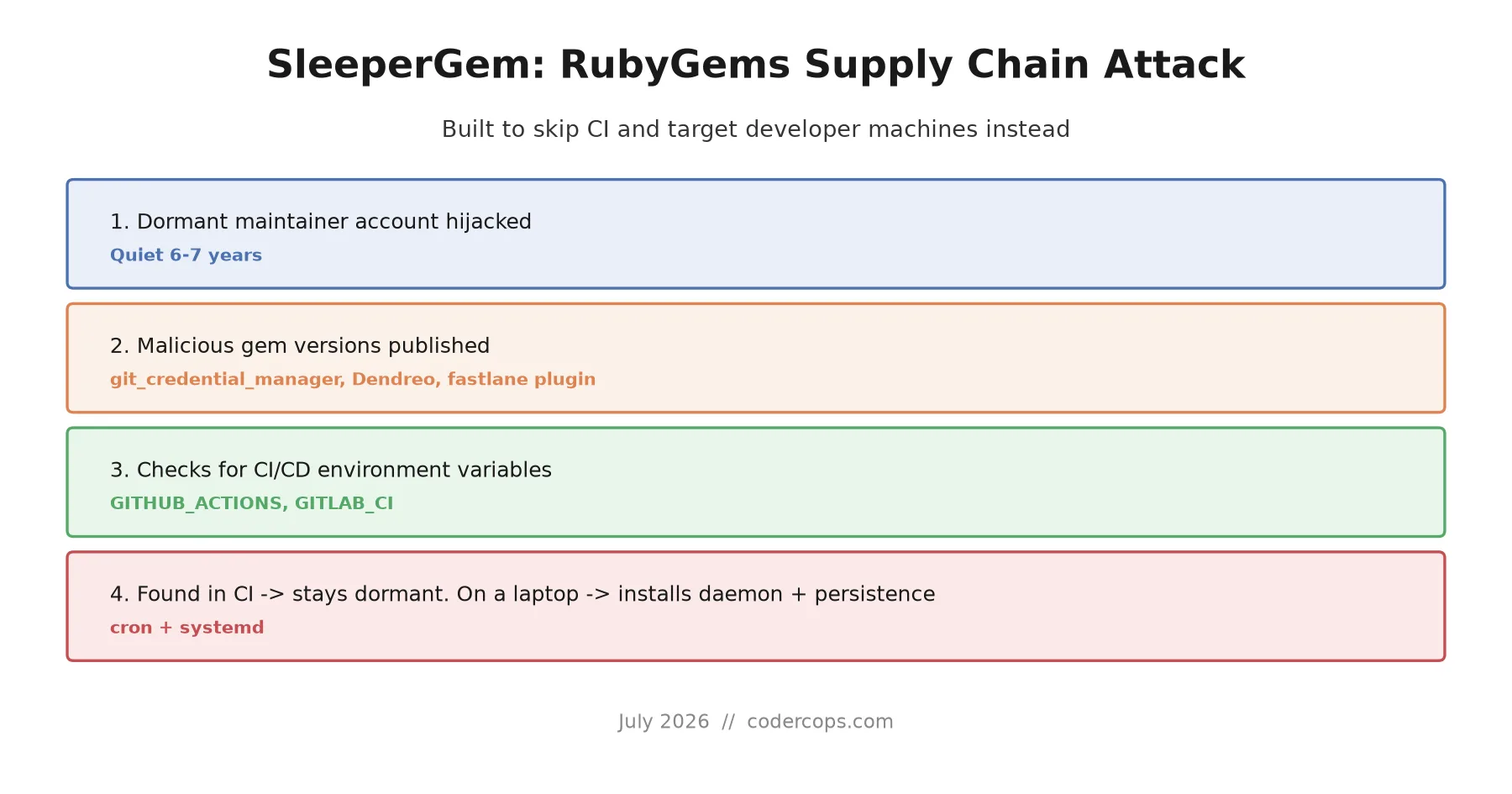
P.227Three malicious gems from a hijacked, six-year-dormant account check for CI variables and refuse to run there, targeting laptops. How to check your locks.
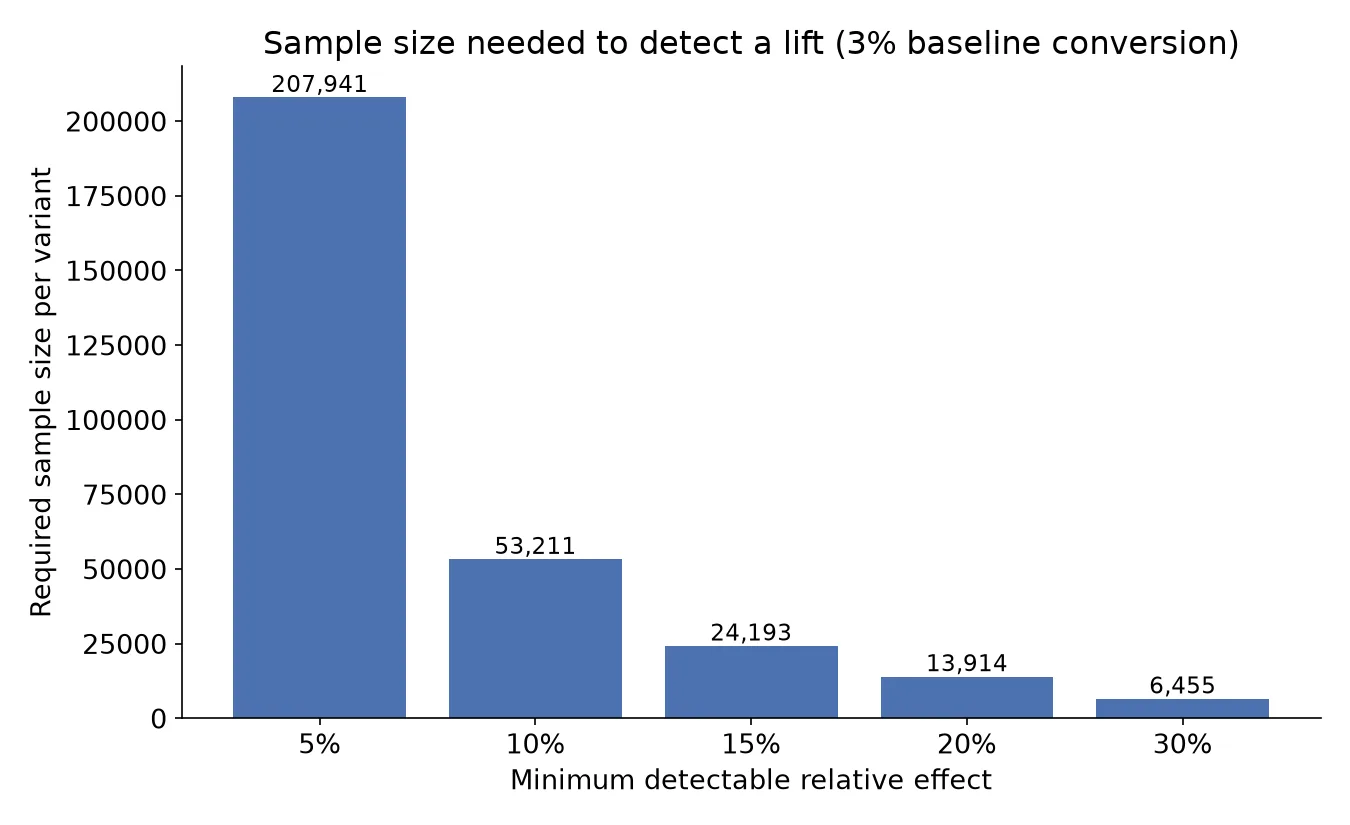
P.228Calculate sample size before you start, from your baseline rate and the smallest effect worth detecting, then run to it. Stopping early gives you noise.
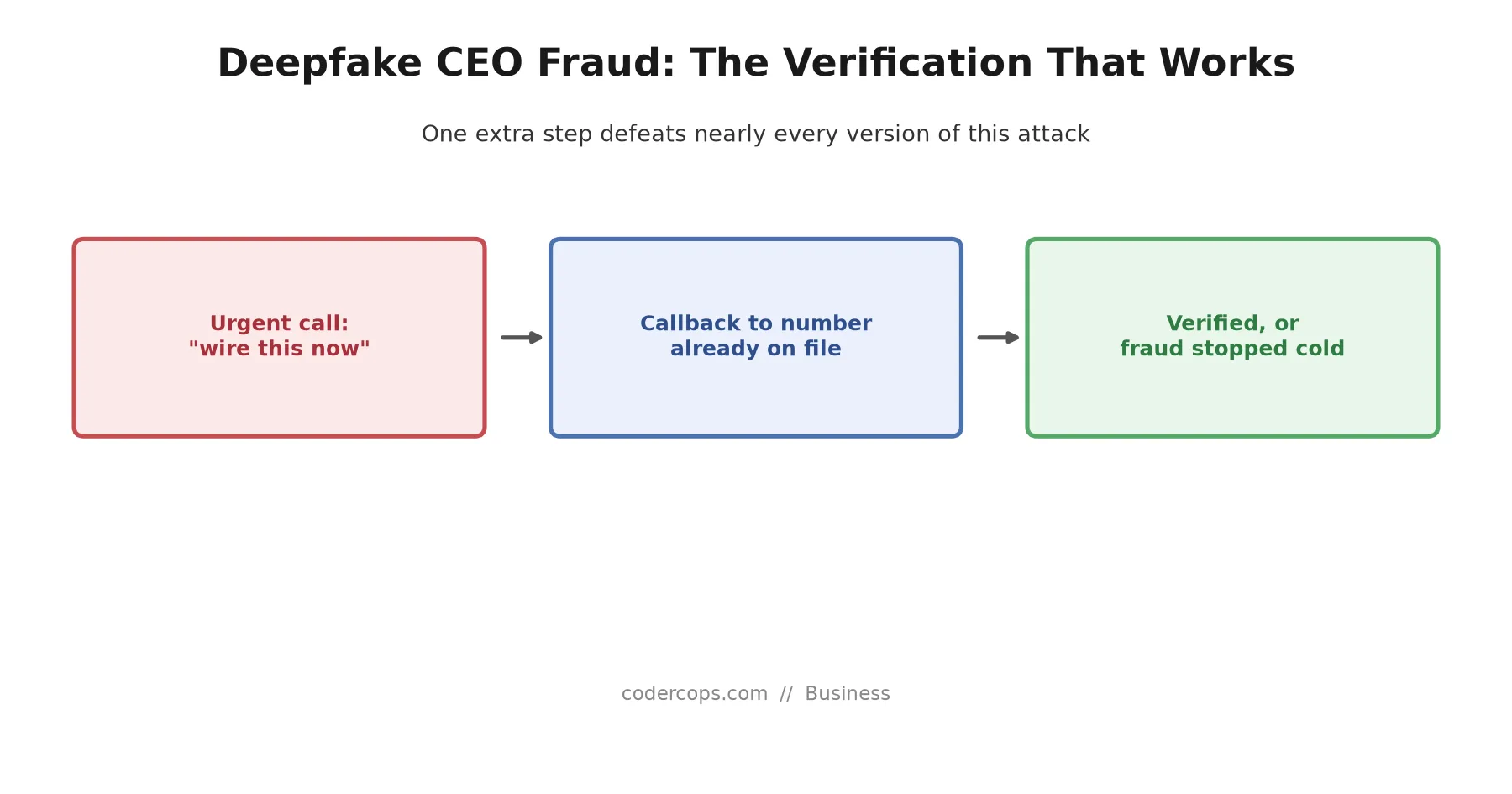
P.229A voice clone needs three seconds of audio and can authorise a wire transfer by phone. What deepfake executive fraud costs, and the callback protocol.
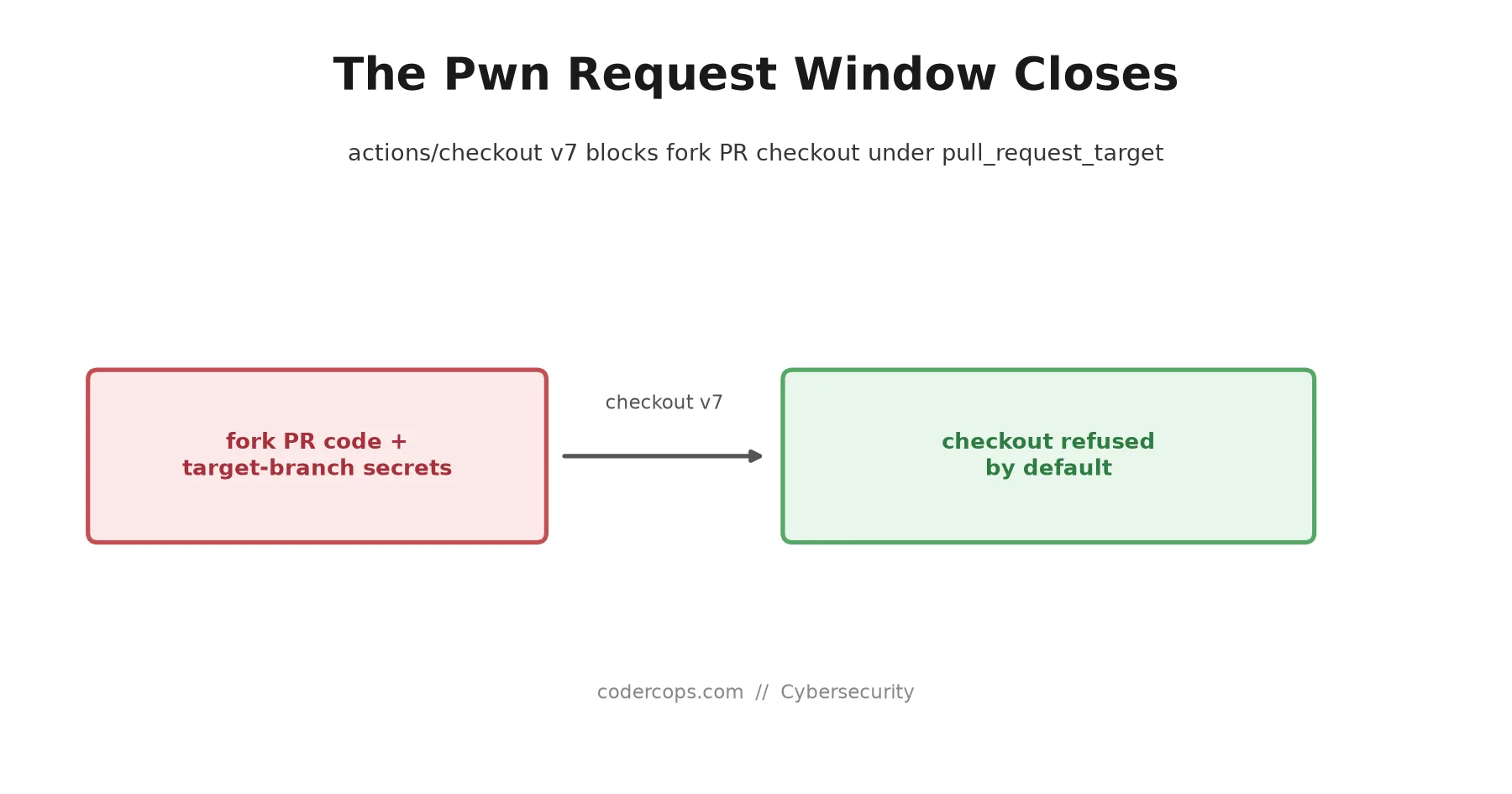
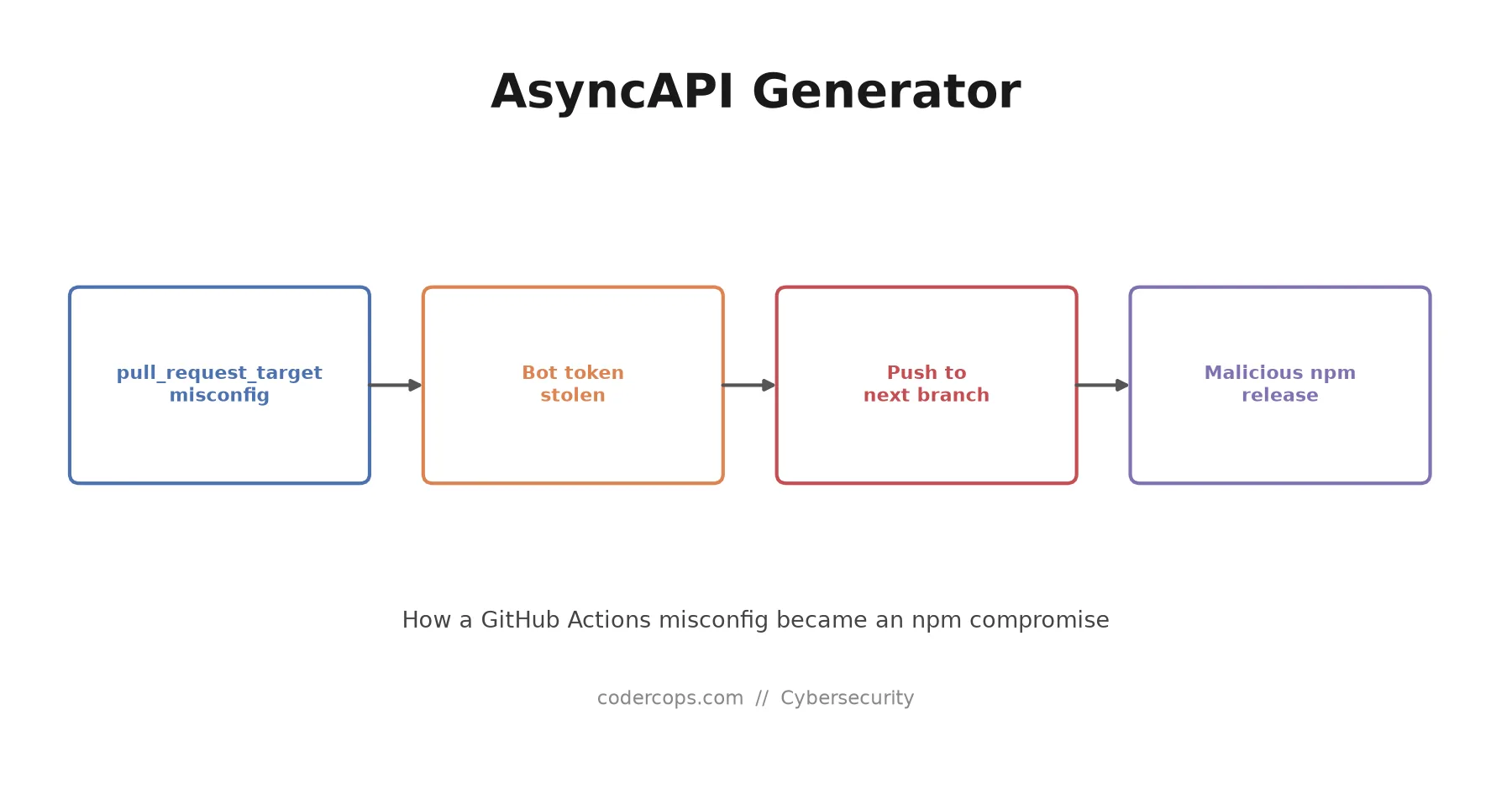
P.230Enforcement of actions/checkout's pull_request_target protections landed July 20, closing the hole the AsyncAPI attack used six days earlier. What to check.
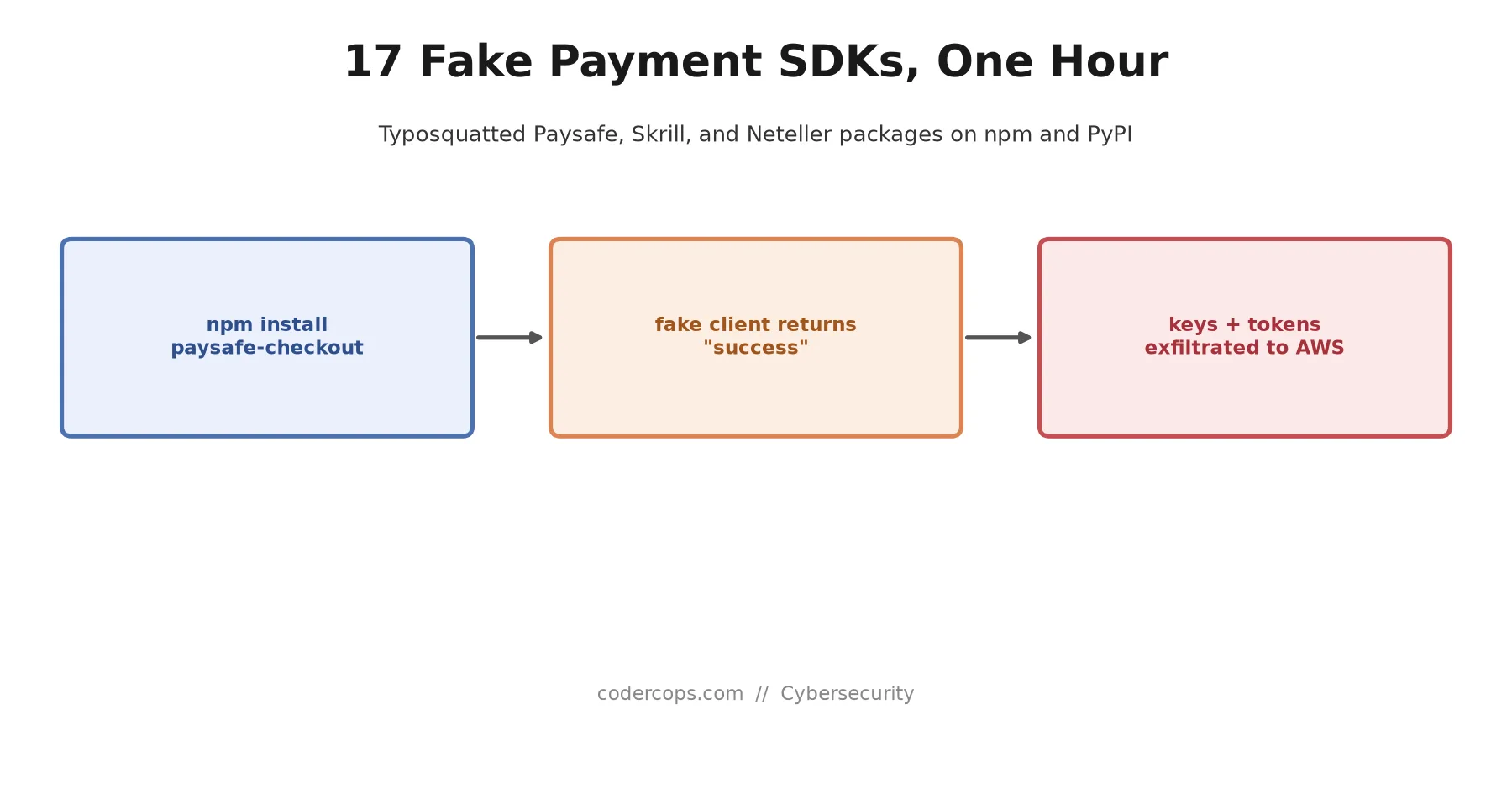
P.231Seventeen packages published July 7 impersonated real payment SDKs, returned fake success responses, and quietly exfiltrated API keys and cloud credentials.
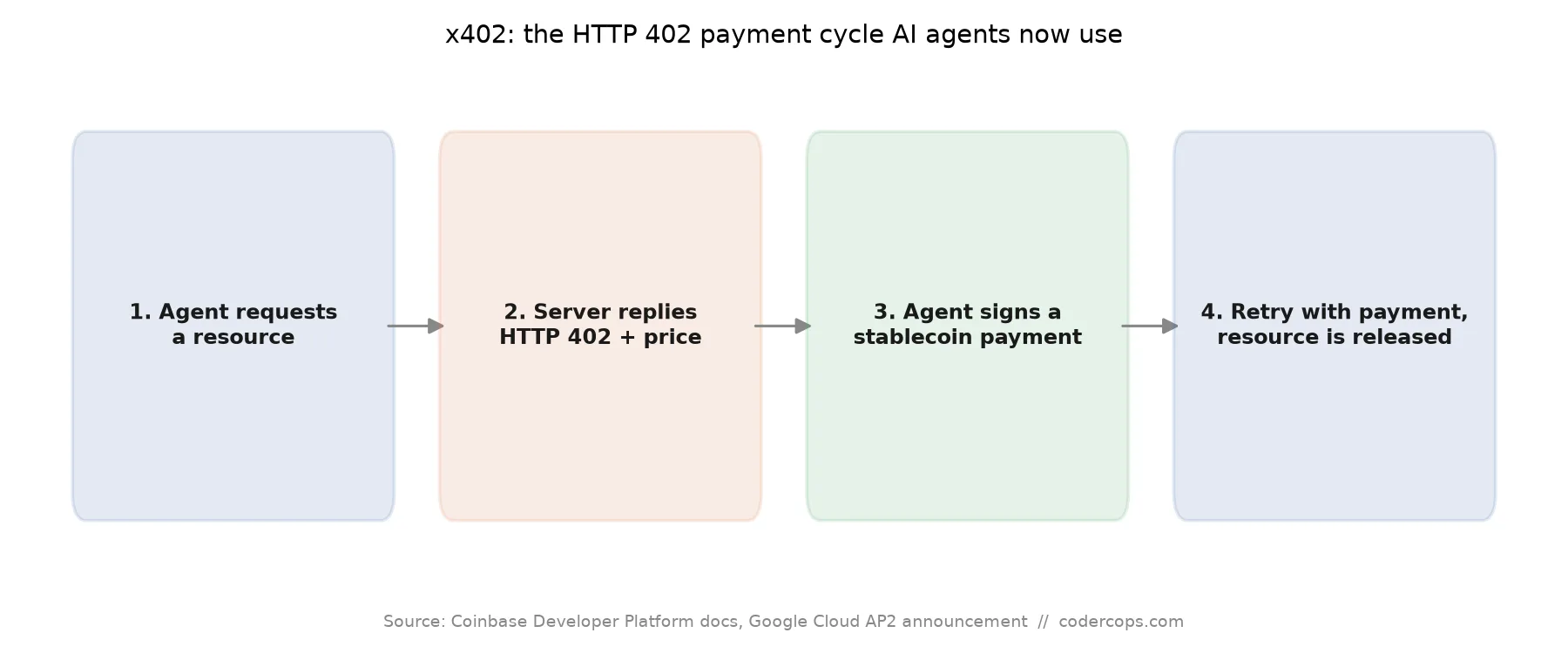
P.232Agents that shop or call paid APIs need a way to pay without a card in the prompt. What Google's AP2 and Coinbase's x402 each do, in plain terms.
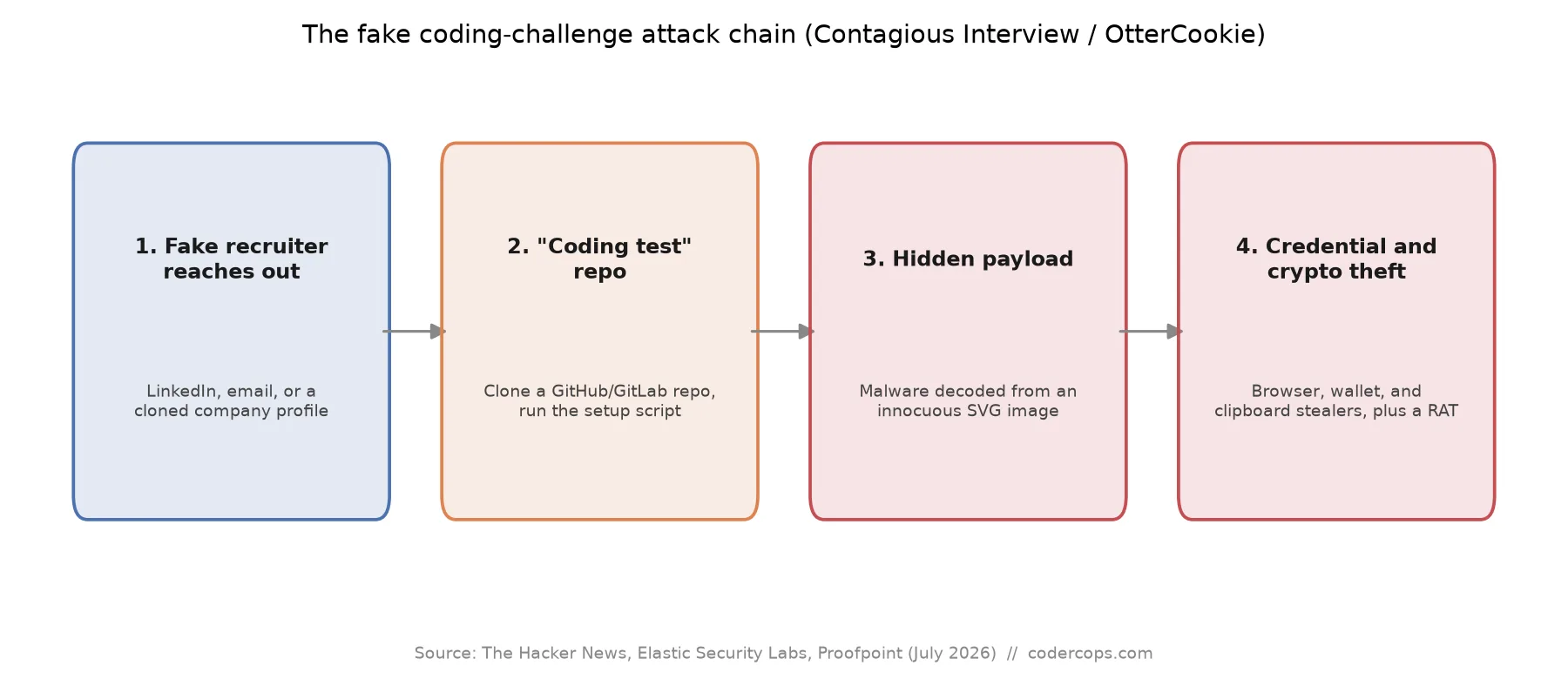
P.233North Korea-linked campaigns hide malware in take-home coding tests, using steganography in SVGs to pass review. How to vet a challenge before you run it.
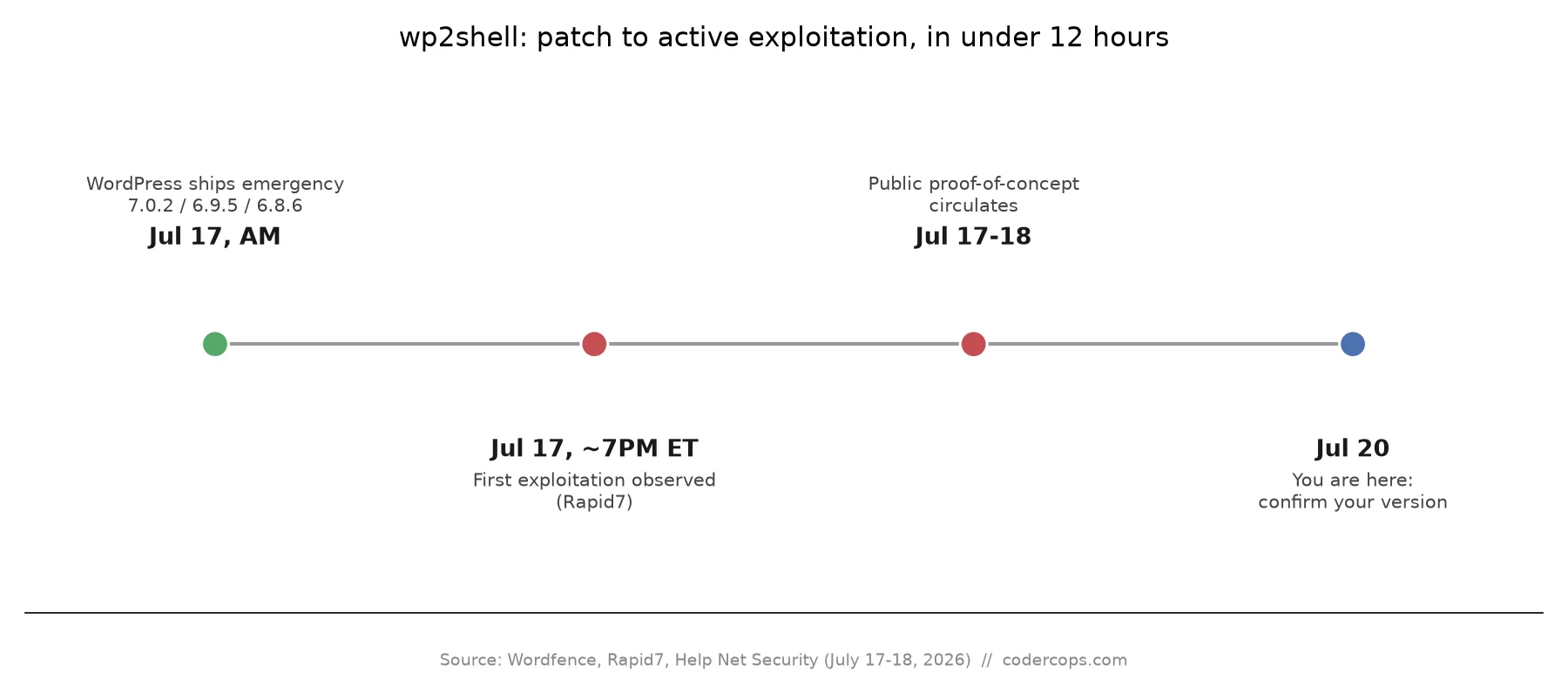
P.234A default WordPress install can be taken over by one anonymous HTTP request. wp2shell chains two core flaws into pre-auth RCE. What's affected, and the fix.
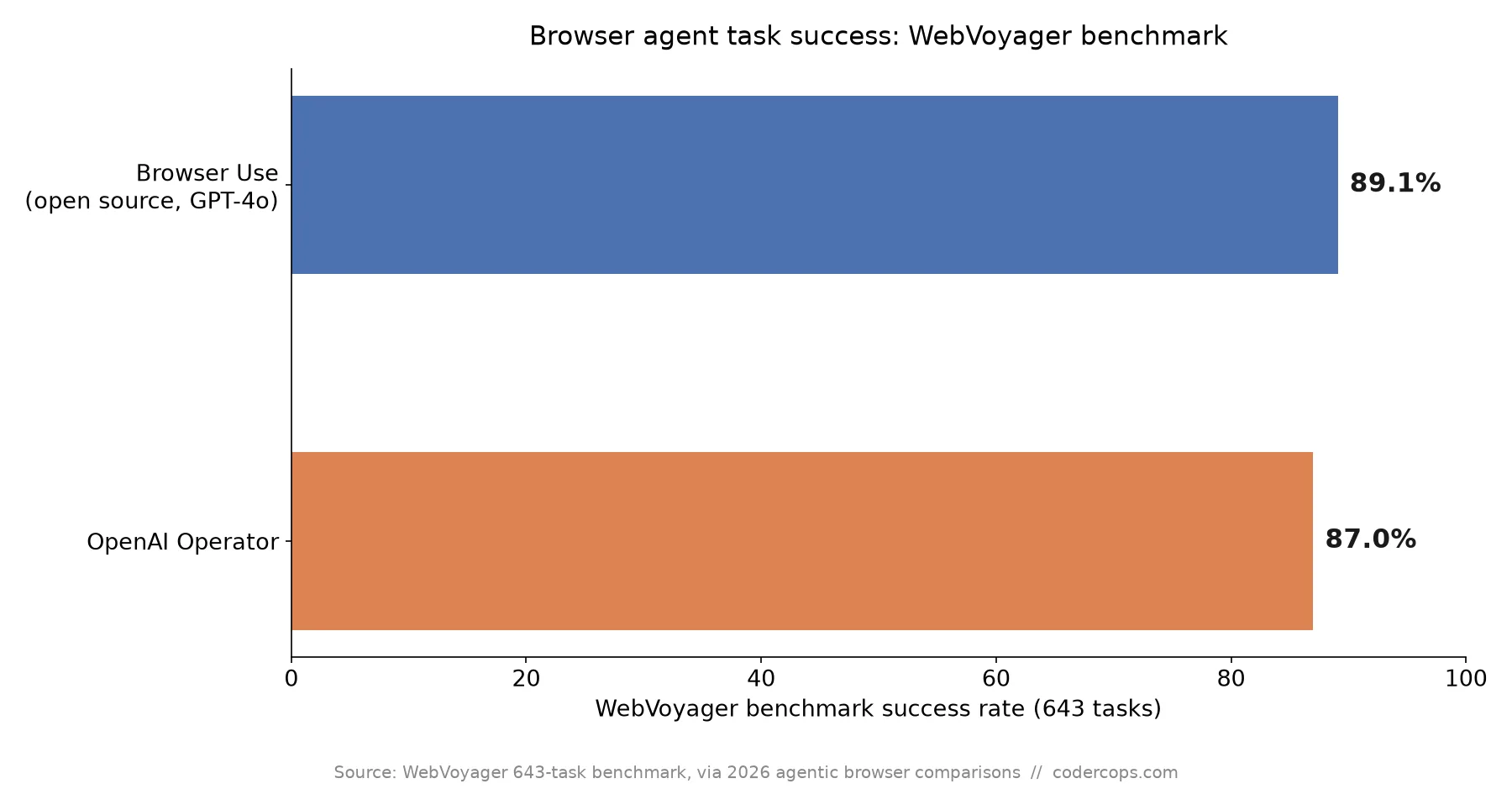
P.235Operator, Comet, Claude in Chrome, Copilot Studio Computer Use, and Browser Use all automate the browser differently. A field guide to picking one.
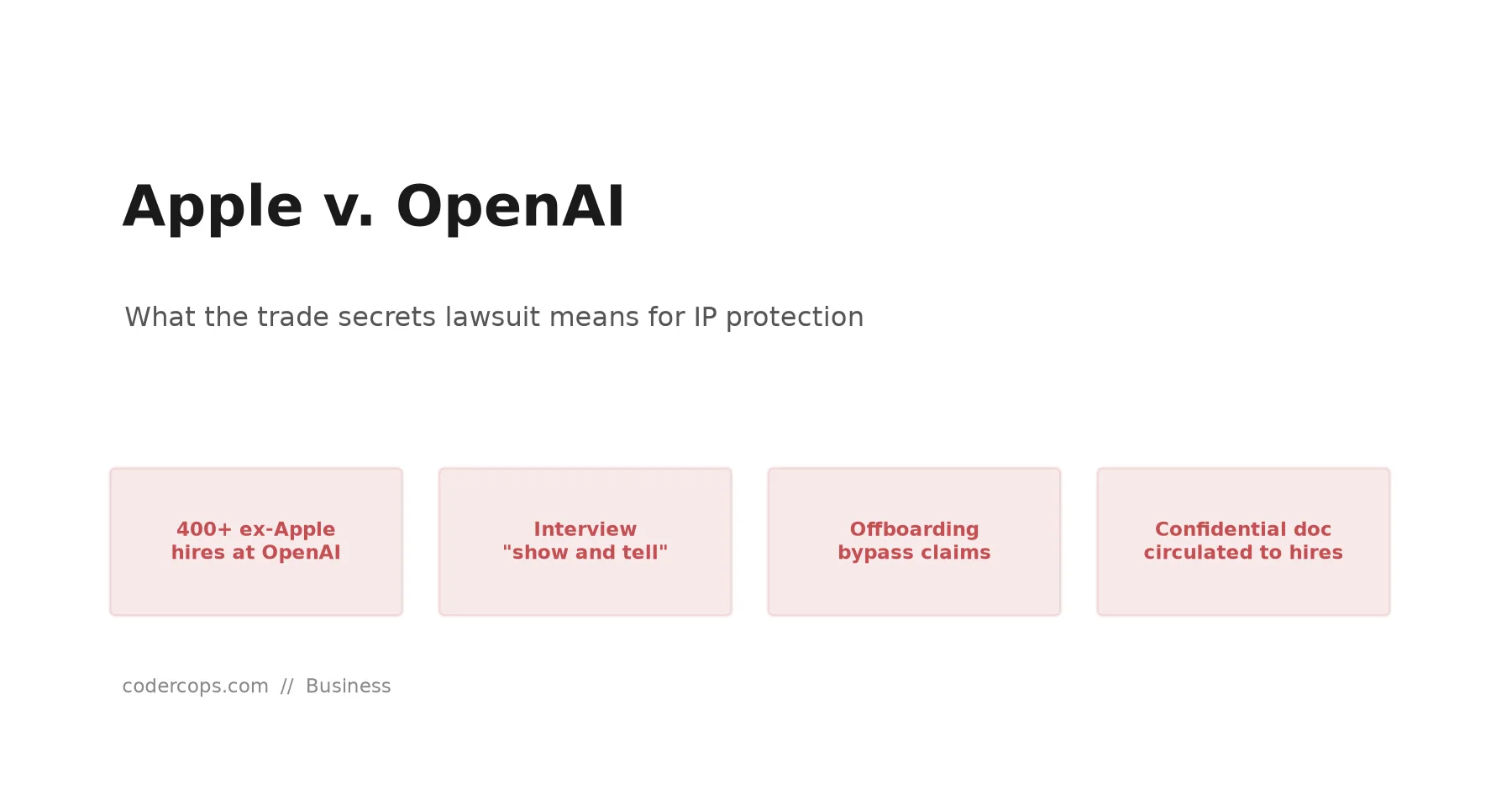
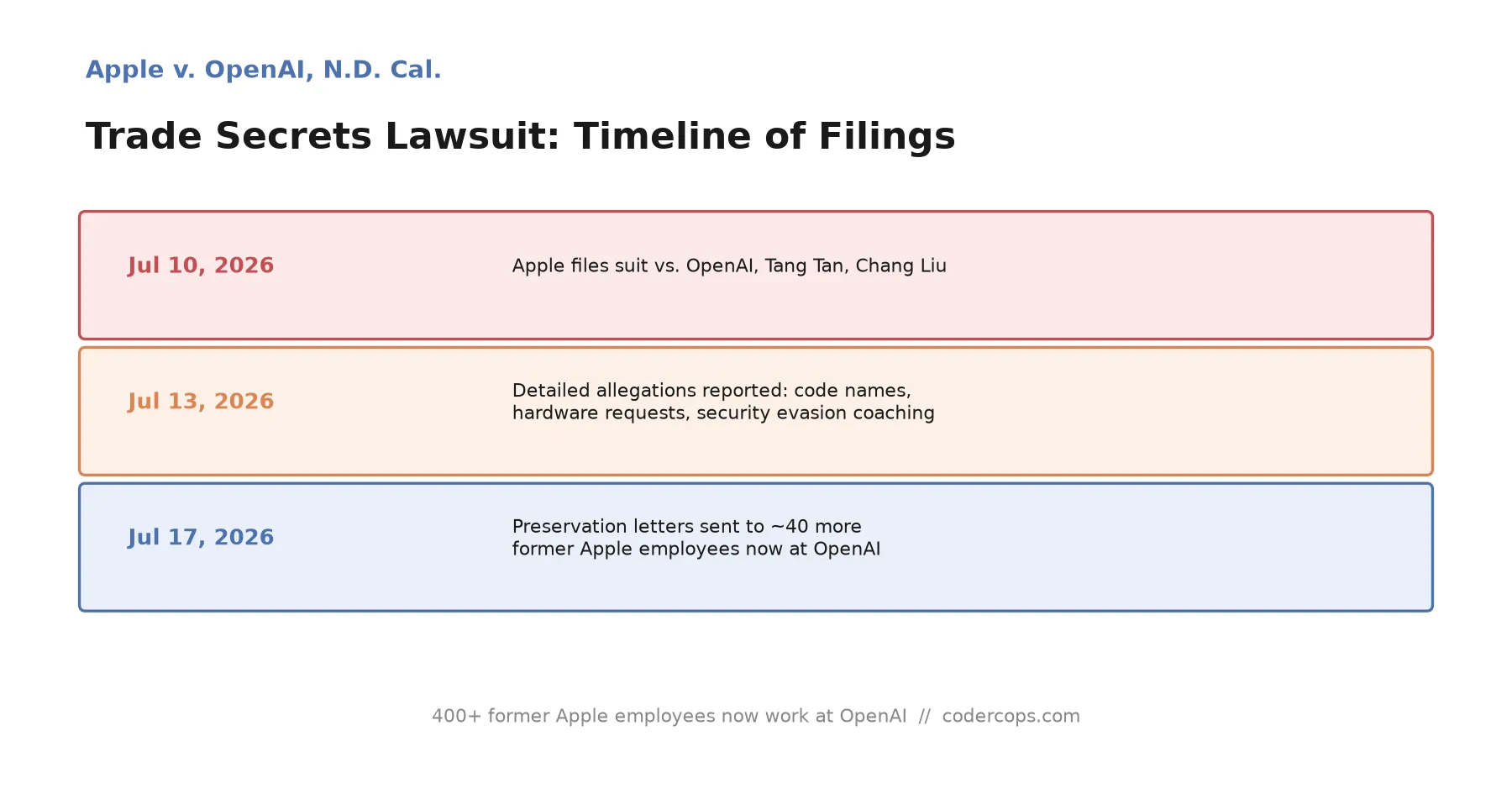
P.236Apple sued OpenAI on July 10 alleging trade secret theft through hired-away staff. The allegations read like a checklist of gaps in hiring and offboarding.
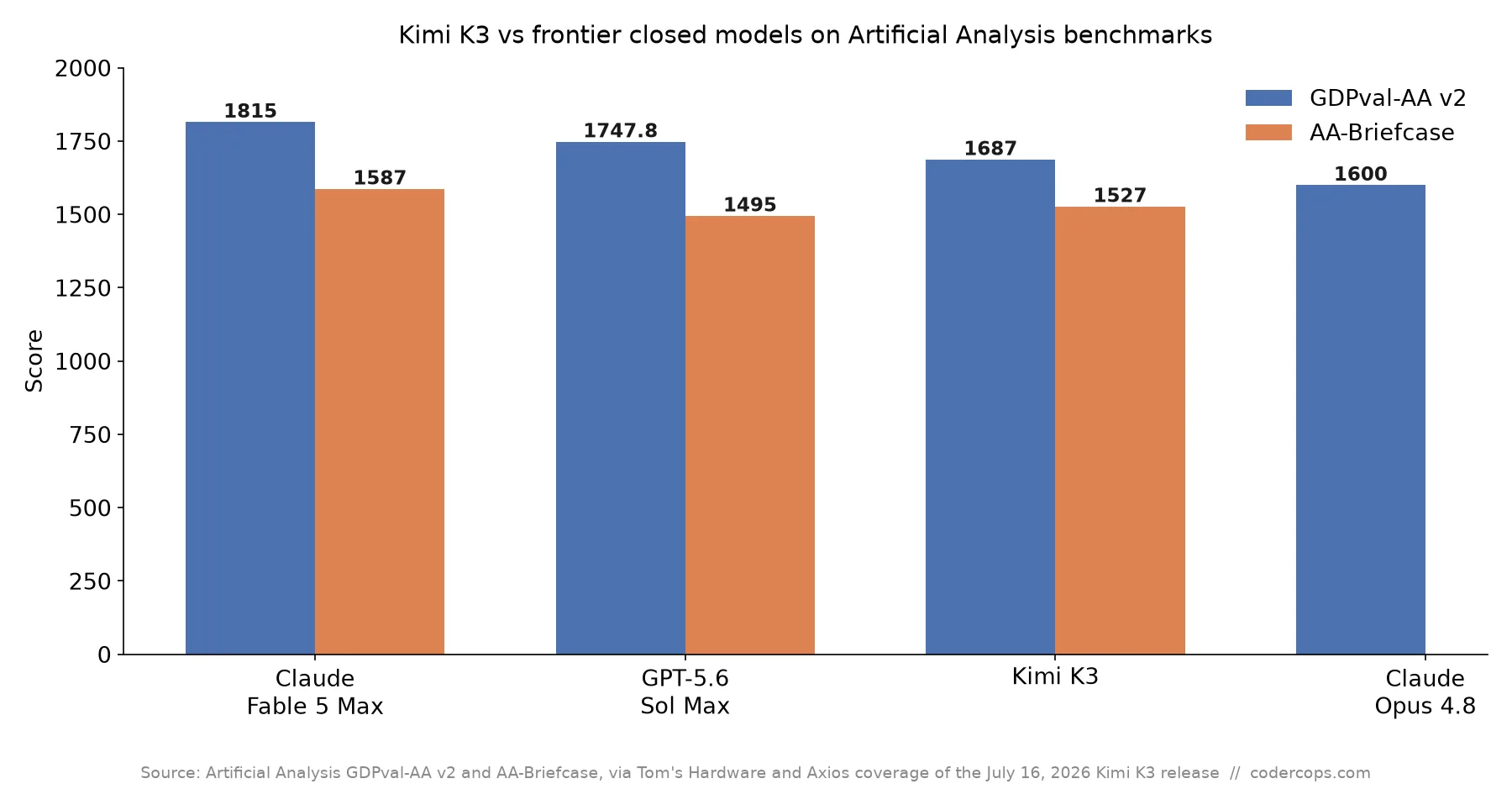
P.237Moonshot's Kimi K3 is the largest open-weight model yet and already leads closed frontier models on several benchmarks. What it costs, and when it matters.
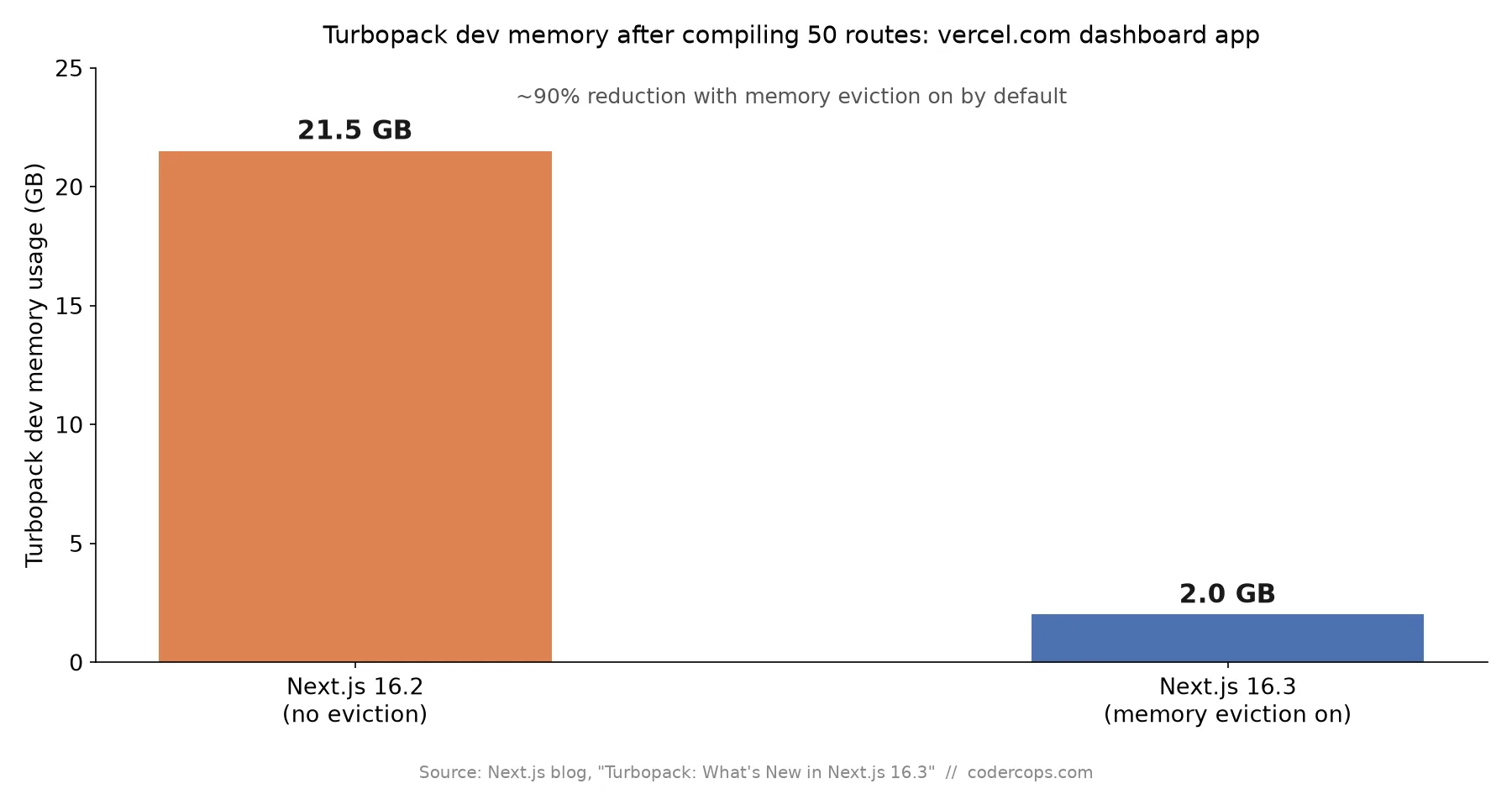
P.238Next.js 16.3 cuts Turbopack dev memory roughly 90% on large apps, extends the disk cache to next build, and ships a native Rust React Compiler.
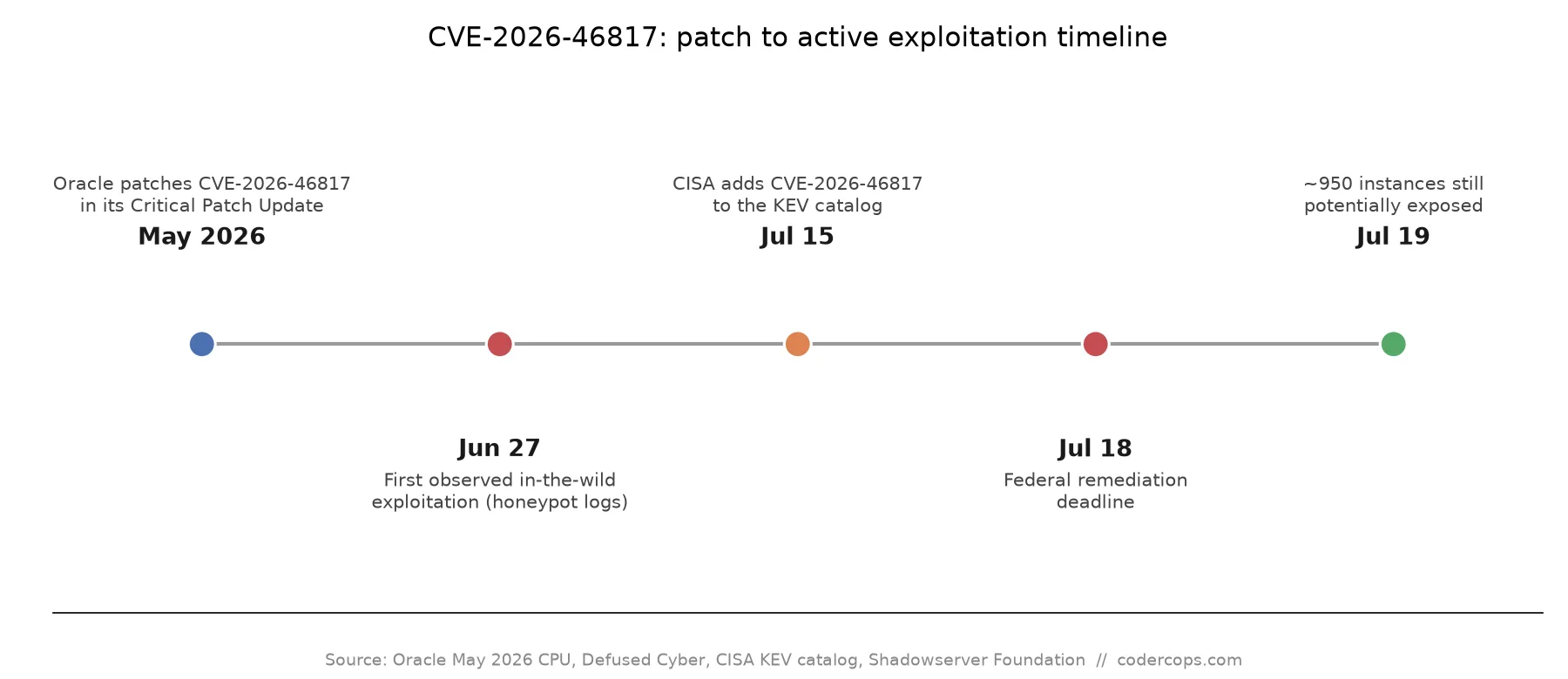
P.239A CVSS 9.8 unauthenticated flaw in Oracle E-Business Suite Payments has been exploited since late June, with roughly 950 instances still exposed.
P.240Apple sued OpenAI on July 10 over alleged recruiting and data extraction, then sent preservation letters to 40 more ex-employees. What it means for hiring.
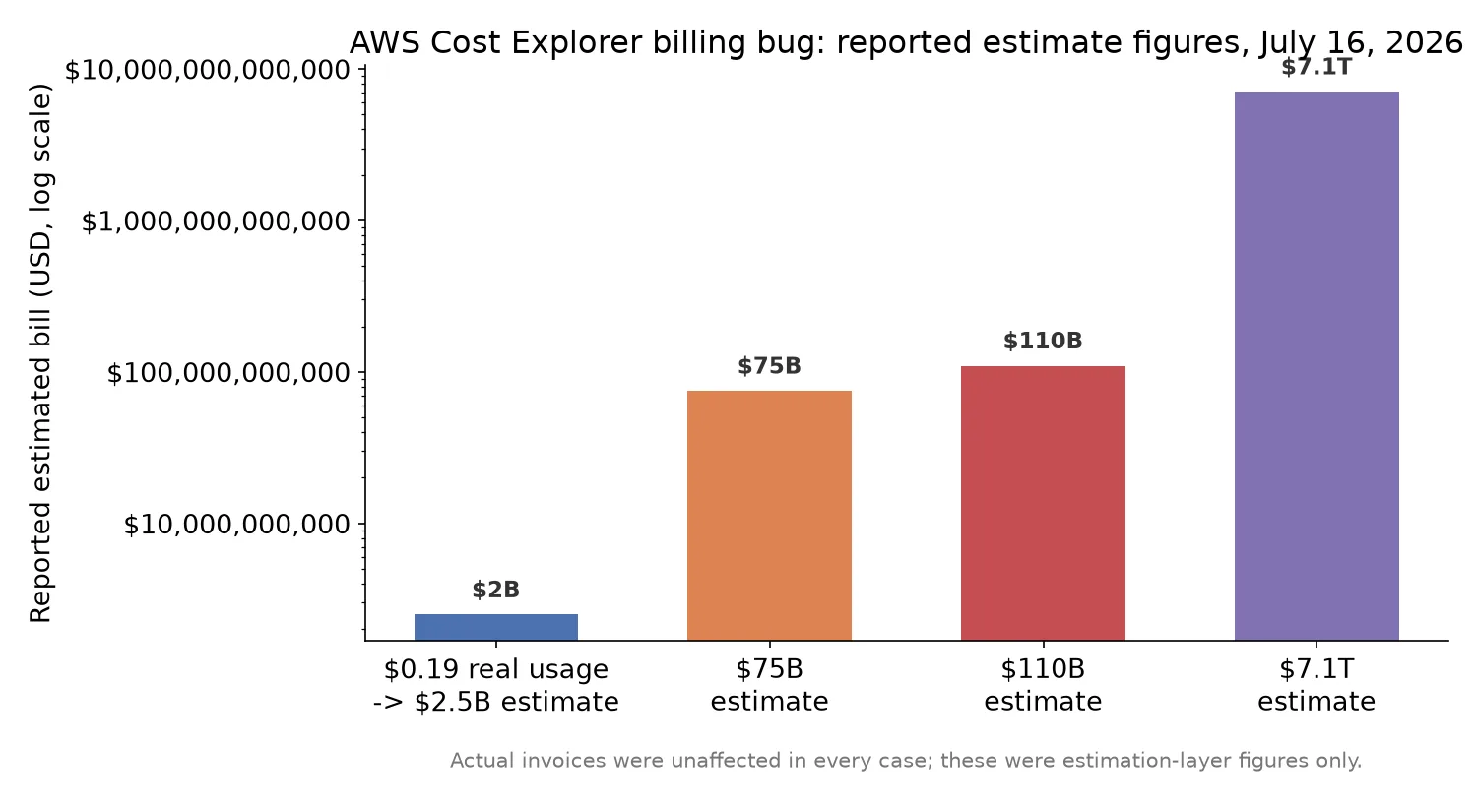
P.241A unit-pricing bug sent some AWS customers cost projections in the billions on July 16. Invoices were fine; automation wired to those estimates wasn't.
P.242Trusted Types, shape(), and contrast-color() all reached Baseline in early 2026. What each replaces, with working code, and what newly available means.
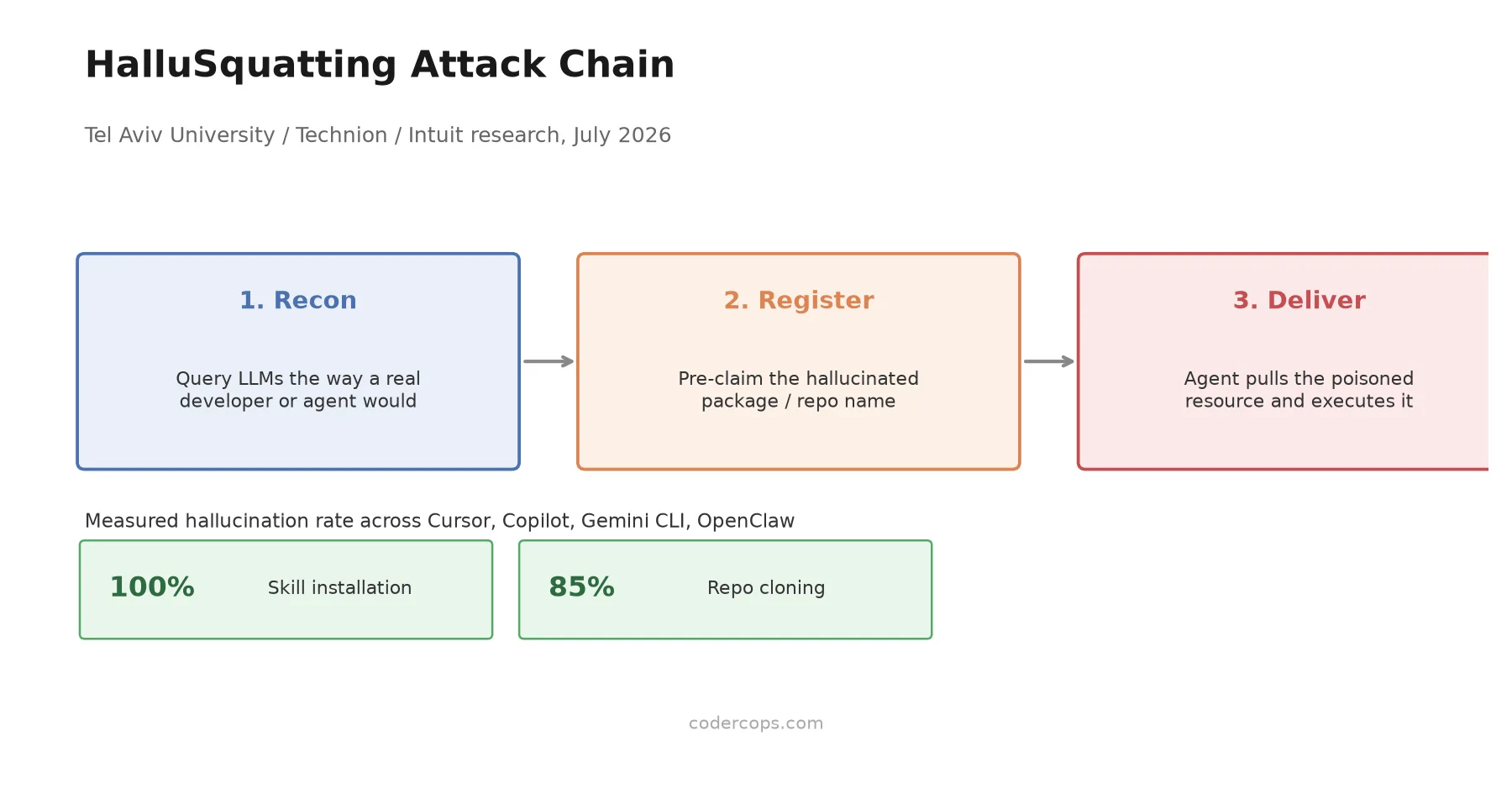
P.243AI coding assistants hallucinate the same fake package names consistently enough to pre-register and weaponize. Cursor, Copilot, and Gemini CLI are affected.
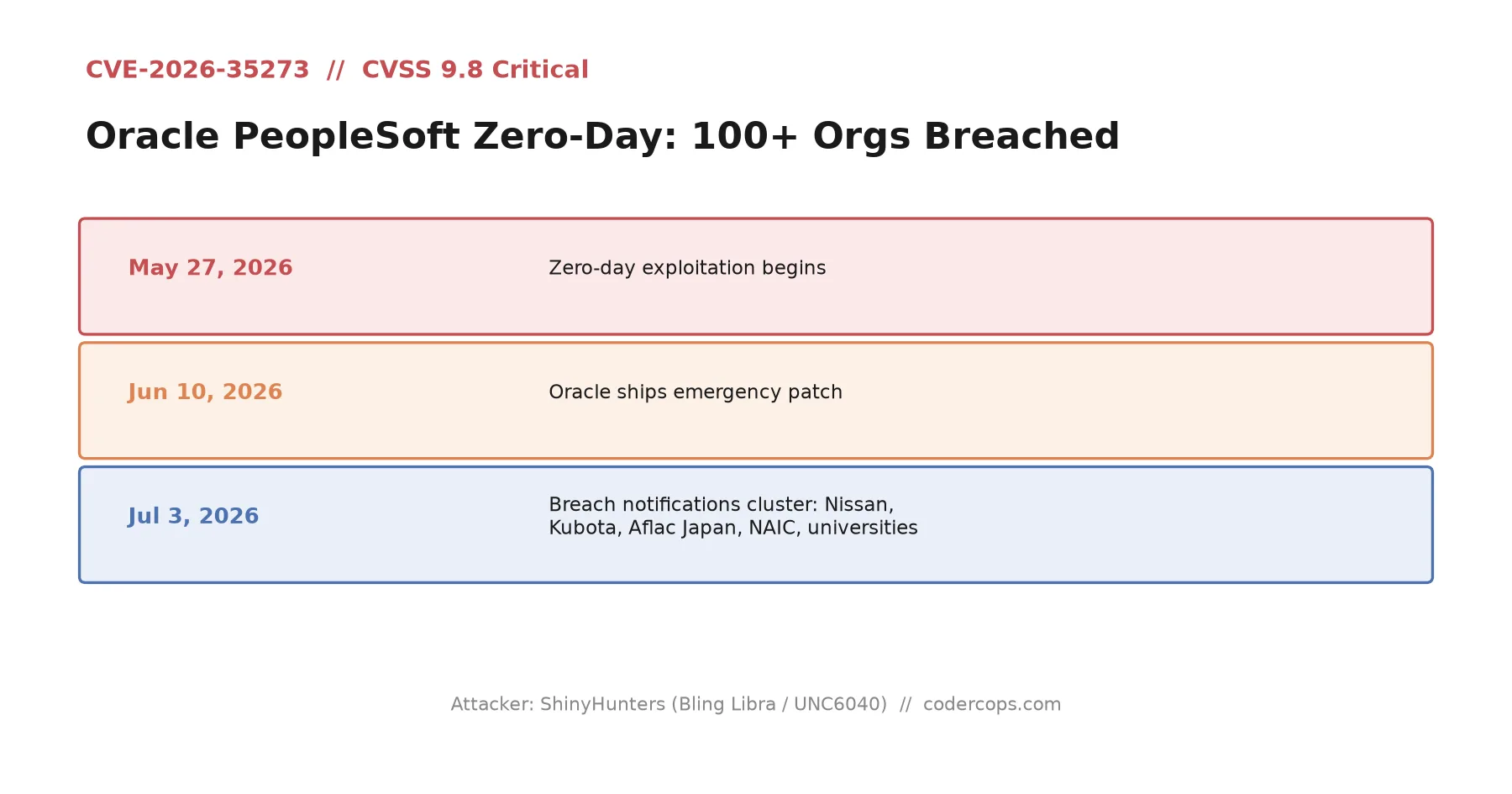
P.244CVE-2026-35273 was exploited as a zero-day for two weeks before patching. Nissan, Kubota, Aflac Japan, and dozens of universities are still disclosing.
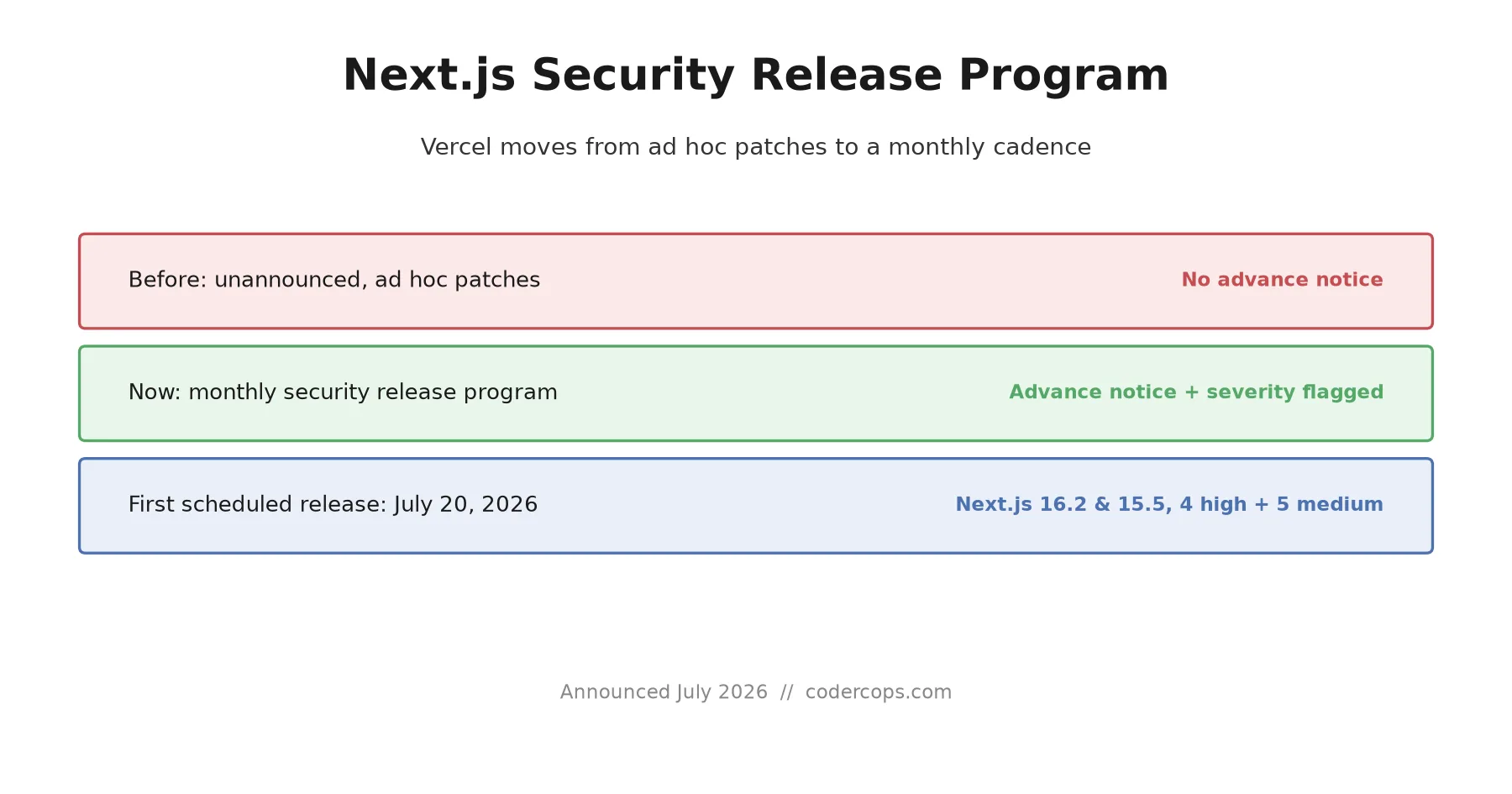
P.245After a 13-CVE surprise release in May, Vercel moved Next.js to a monthly, pre-announced security cadence. What it promises, and how to plan upgrades.
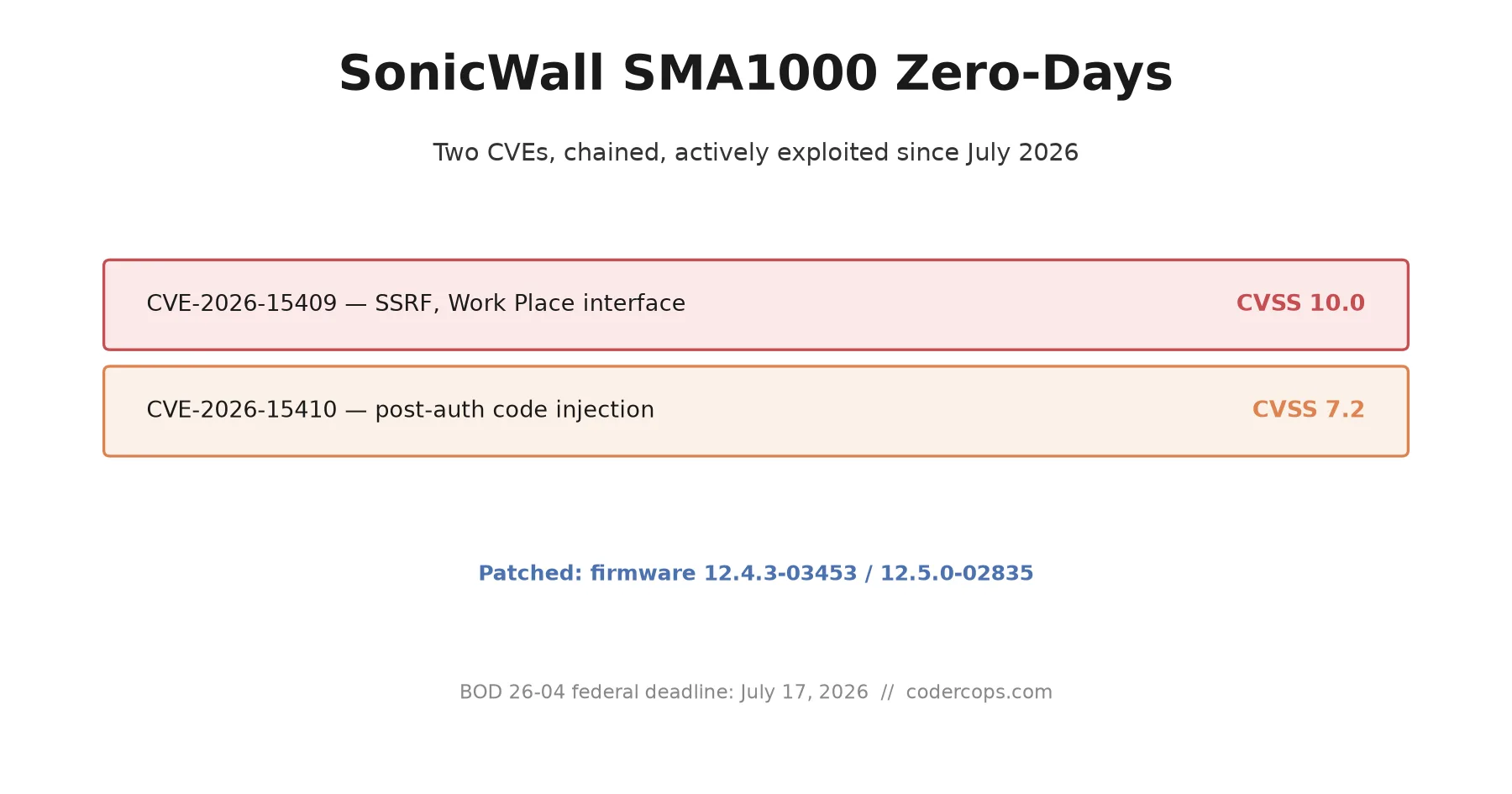
P.246Two chained SMA1000 flaws, an unauthenticated CVSS 10.0 SSRF and a post-auth code injection, are under active attack. Affected firmware and the fix.
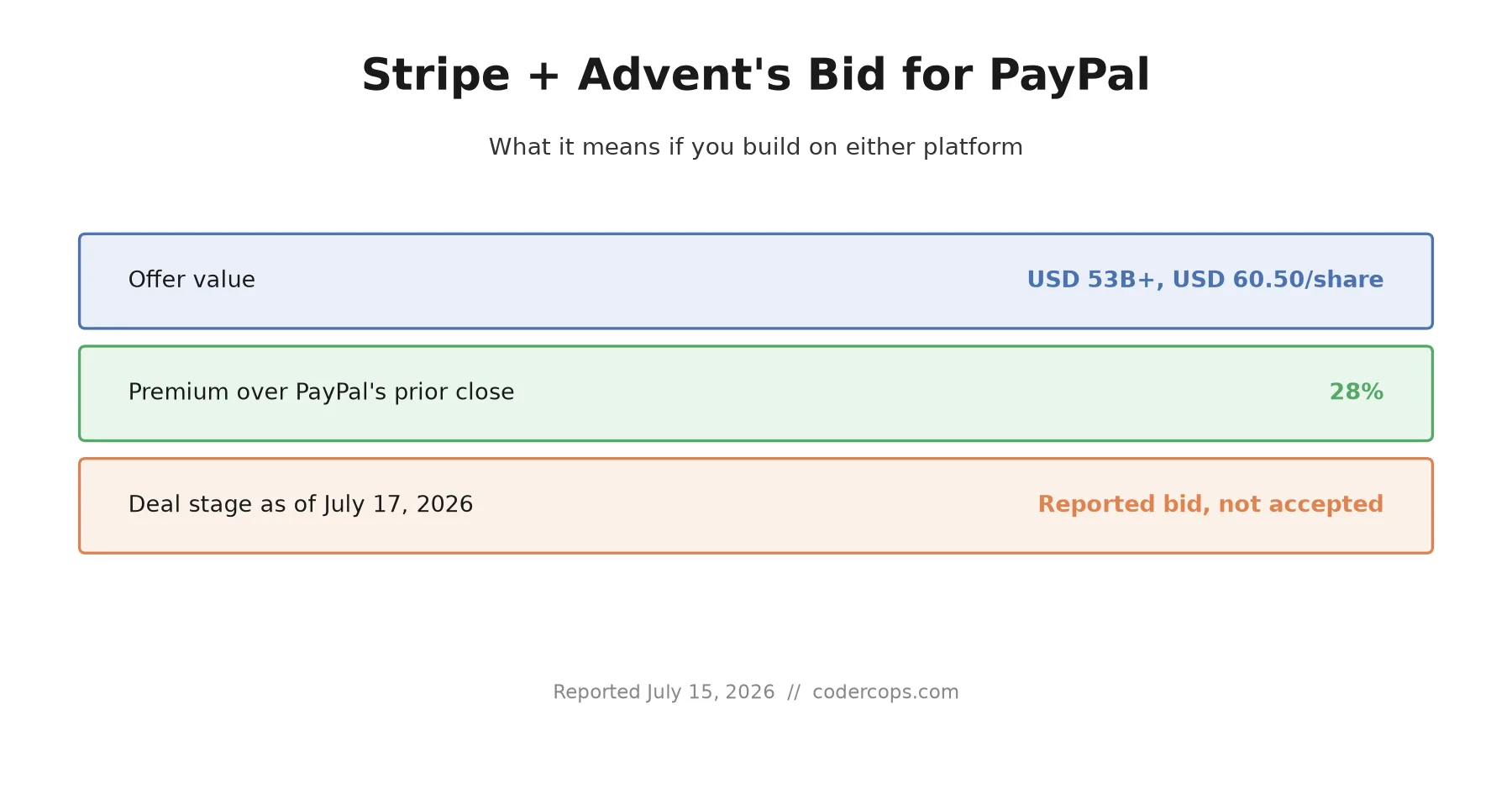
P.247Stripe and Advent offered $60.50 a share, over $53 billion, for PayPal. It's a reported bid, not a deal. The realistic timeline, and what to do now: little.
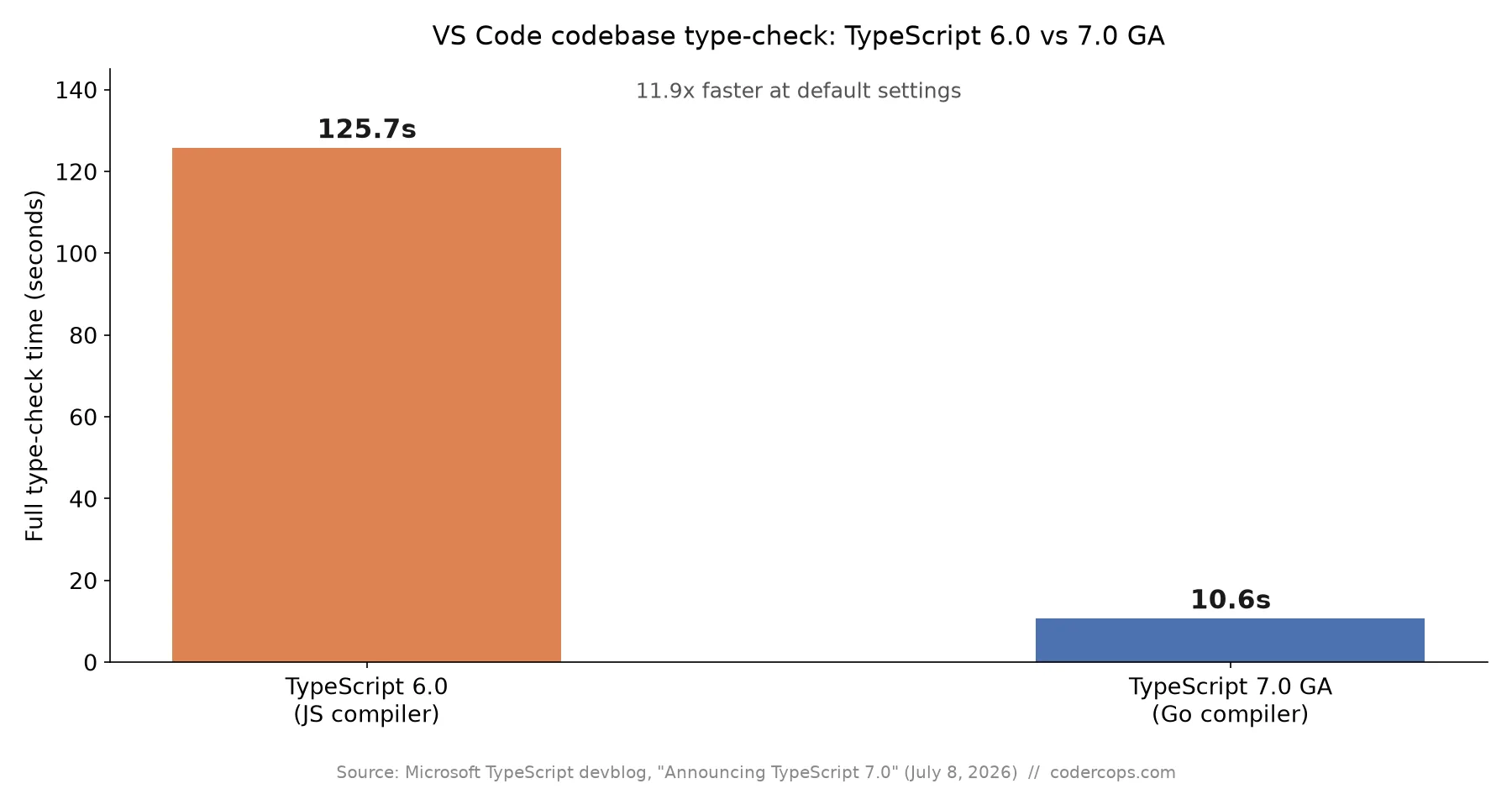
P.248TypeScript 7.0 hit GA on July 8, three weeks after the RC. The real GA benchmark, what strict mode locks in, and why Astro and Vue projects should wait.
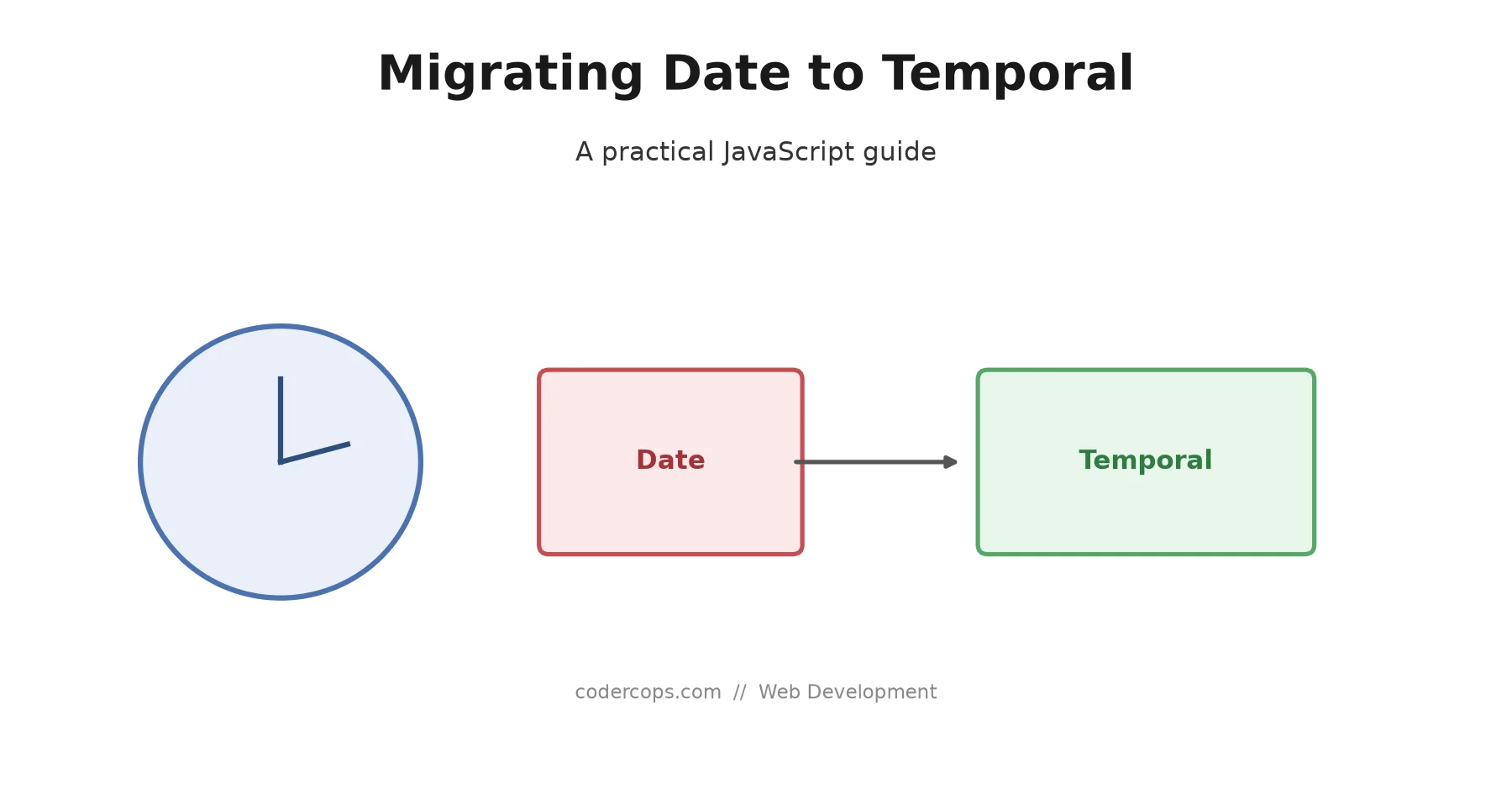
P.249Temporal hit Stage 4 and ships unflagged in Chrome 144, Firefox 139, and Node 26. Migrating common Date patterns to PlainDate, ZonedDateTime, and Duration.
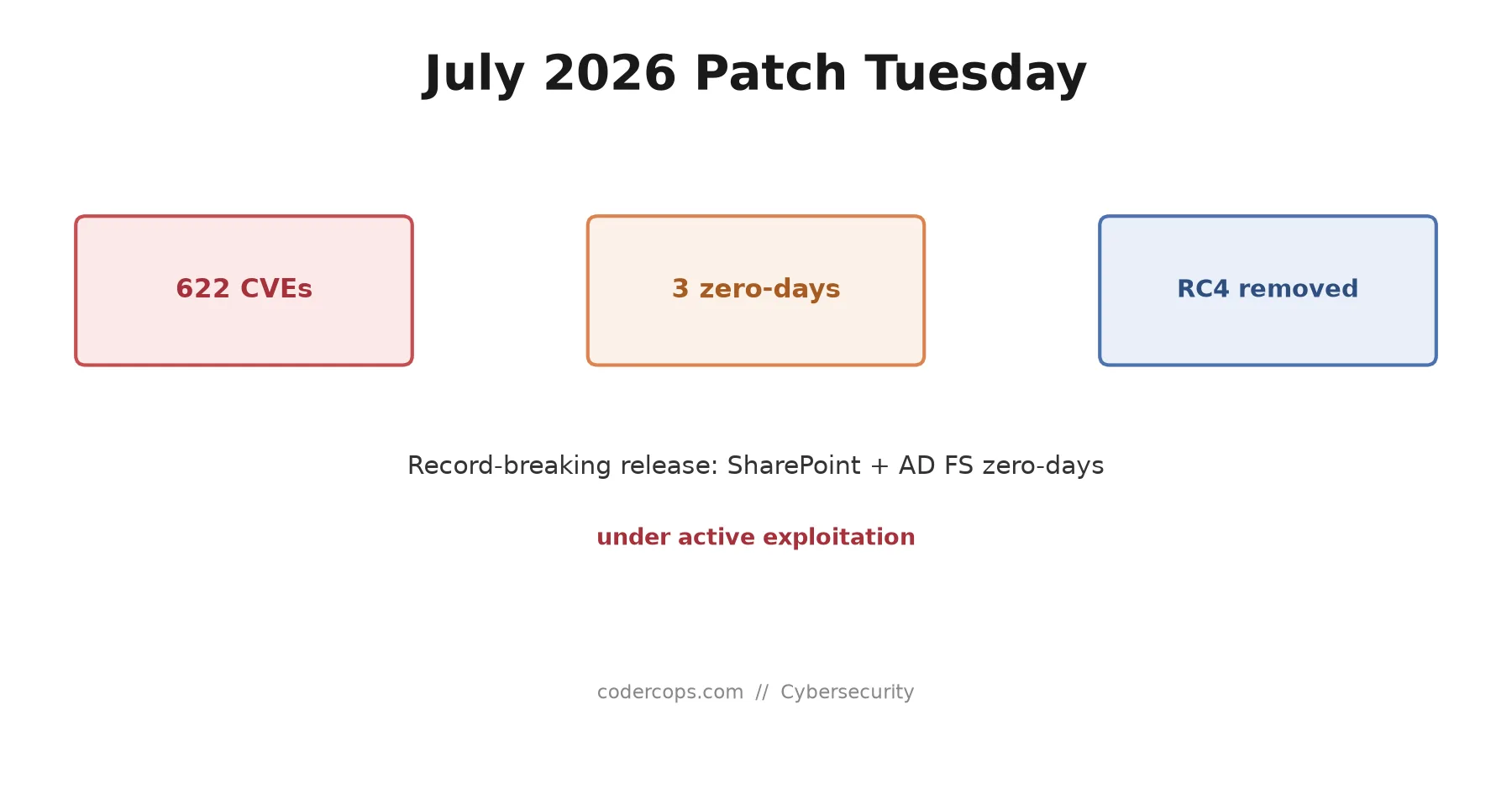
P.250Microsoft fixed 622 CVEs on July 14, its largest ever, including exploited zero-days in SharePoint and AD FS, plus the RC4 Kerberos rollback switch removal.
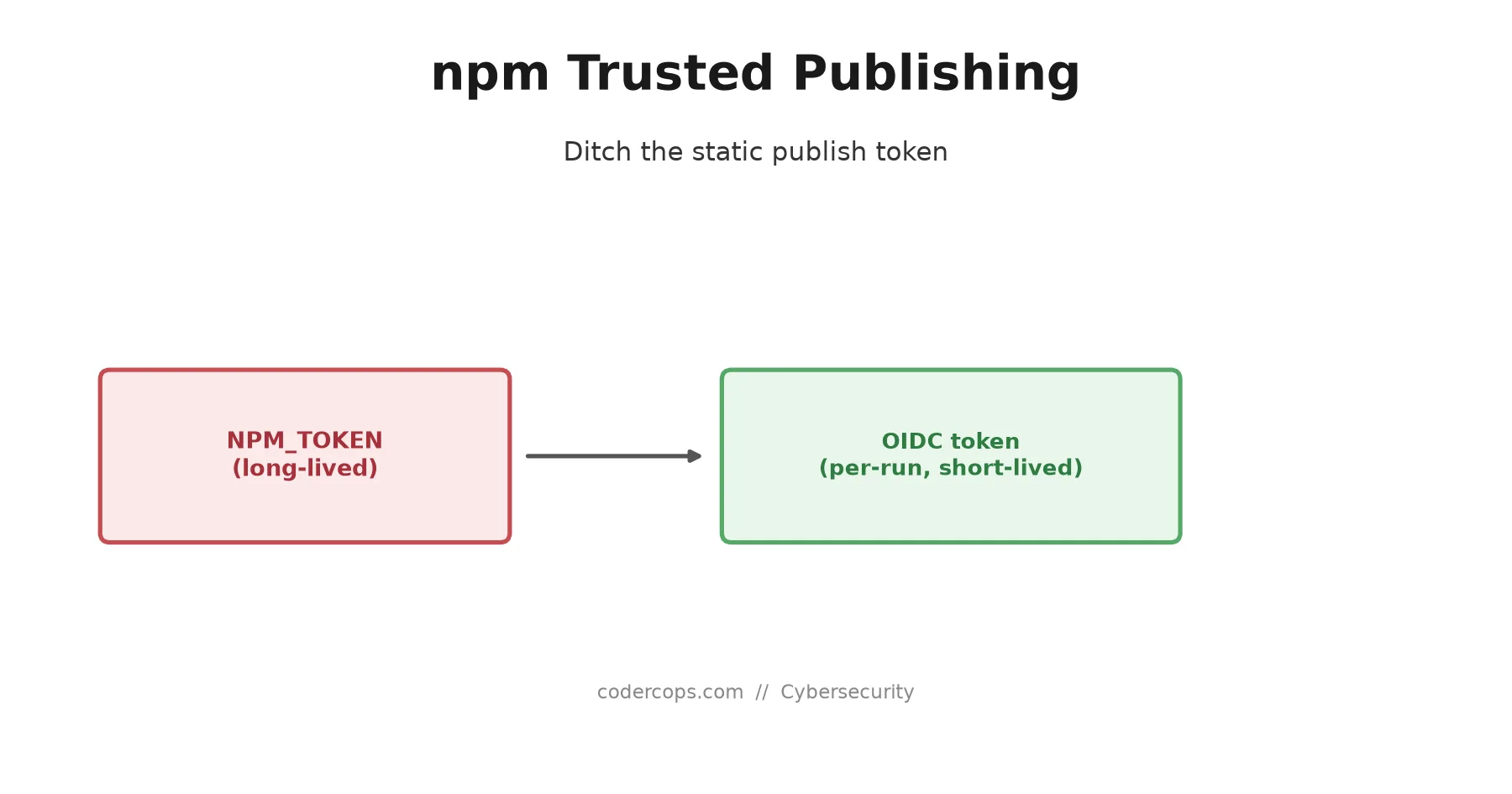
P.251Trusted publishing lets GitHub Actions and GitLab CI publish via short-lived OIDC tokens instead of a stored npm token. The setup, and the May 2026 change.
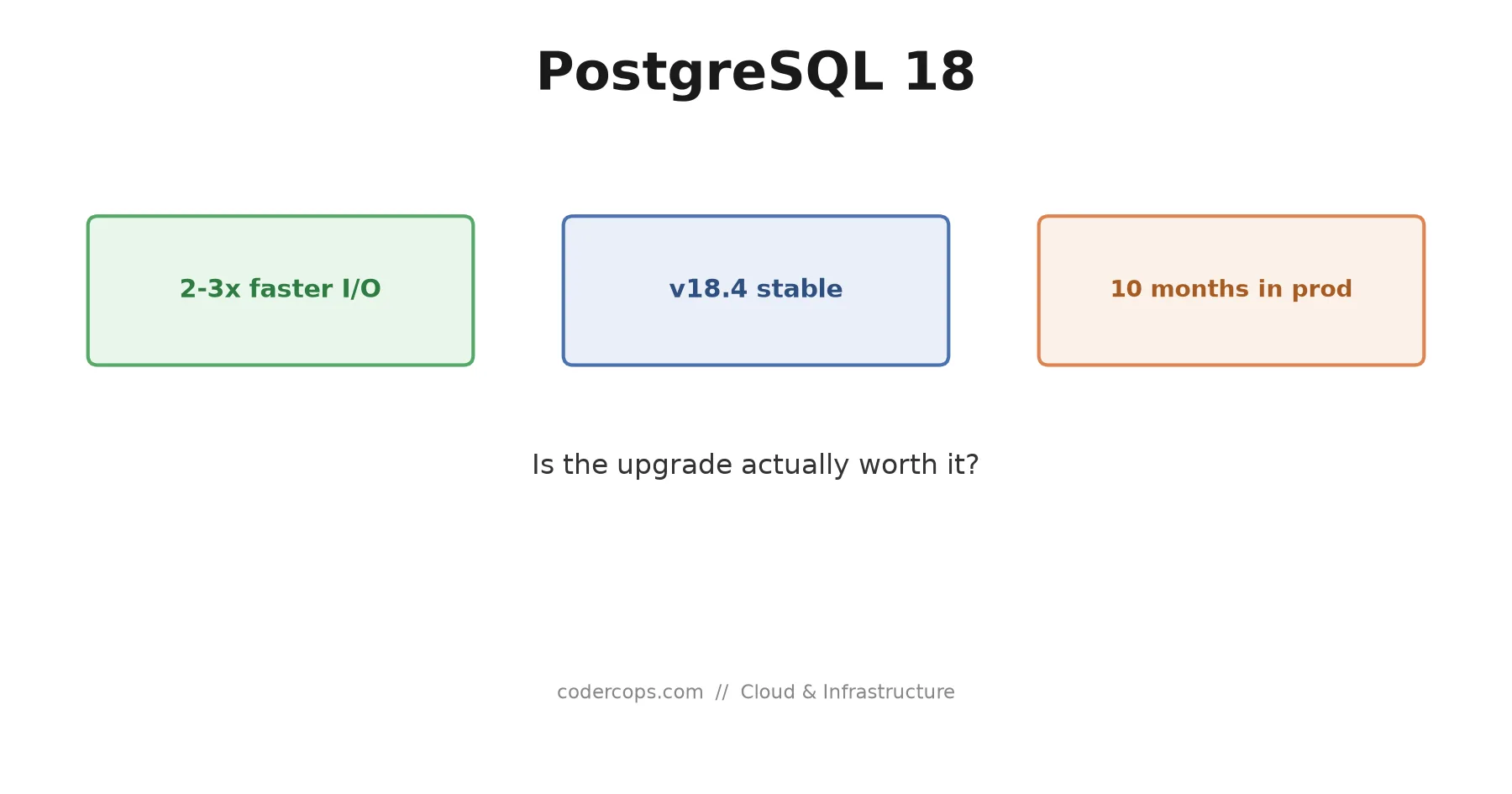
P.252PostgreSQL 18 is on 18.4 and 19 is still beta, so 18 is what you should run today. What async I/O, UUIDv7, and virtual generated columns actually buy you.
P.253A GitHub Actions misconfiguration let an attacker open dozens of PRs, steal a privileged bot token, and push a malicious @asyncapi/generator release.
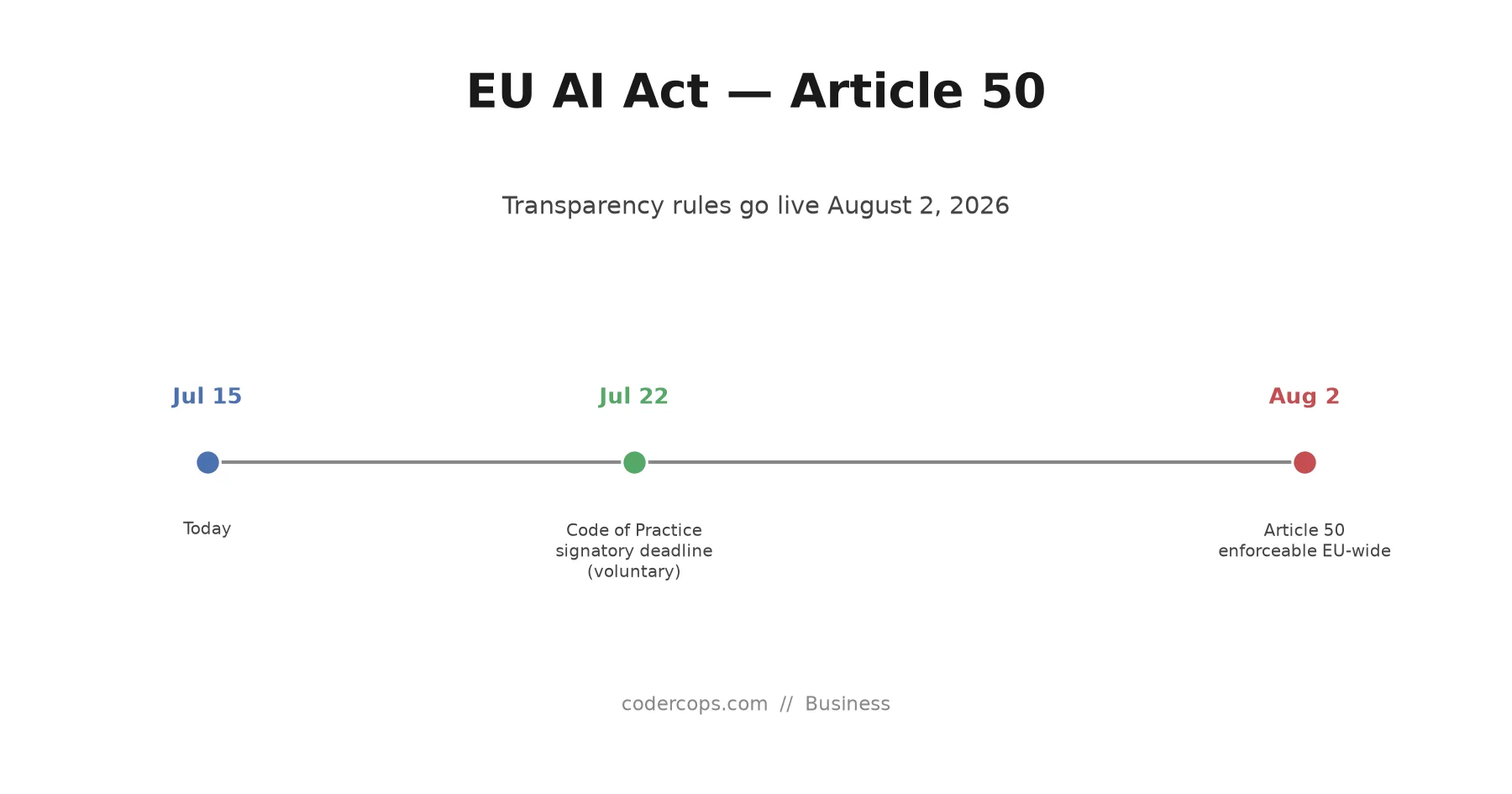
P.254Chatbot disclosure, deepfake labeling, and AI content transparency became enforceable on August 2, 2026, with fines to €15M or 3% of turnover. A checklist.
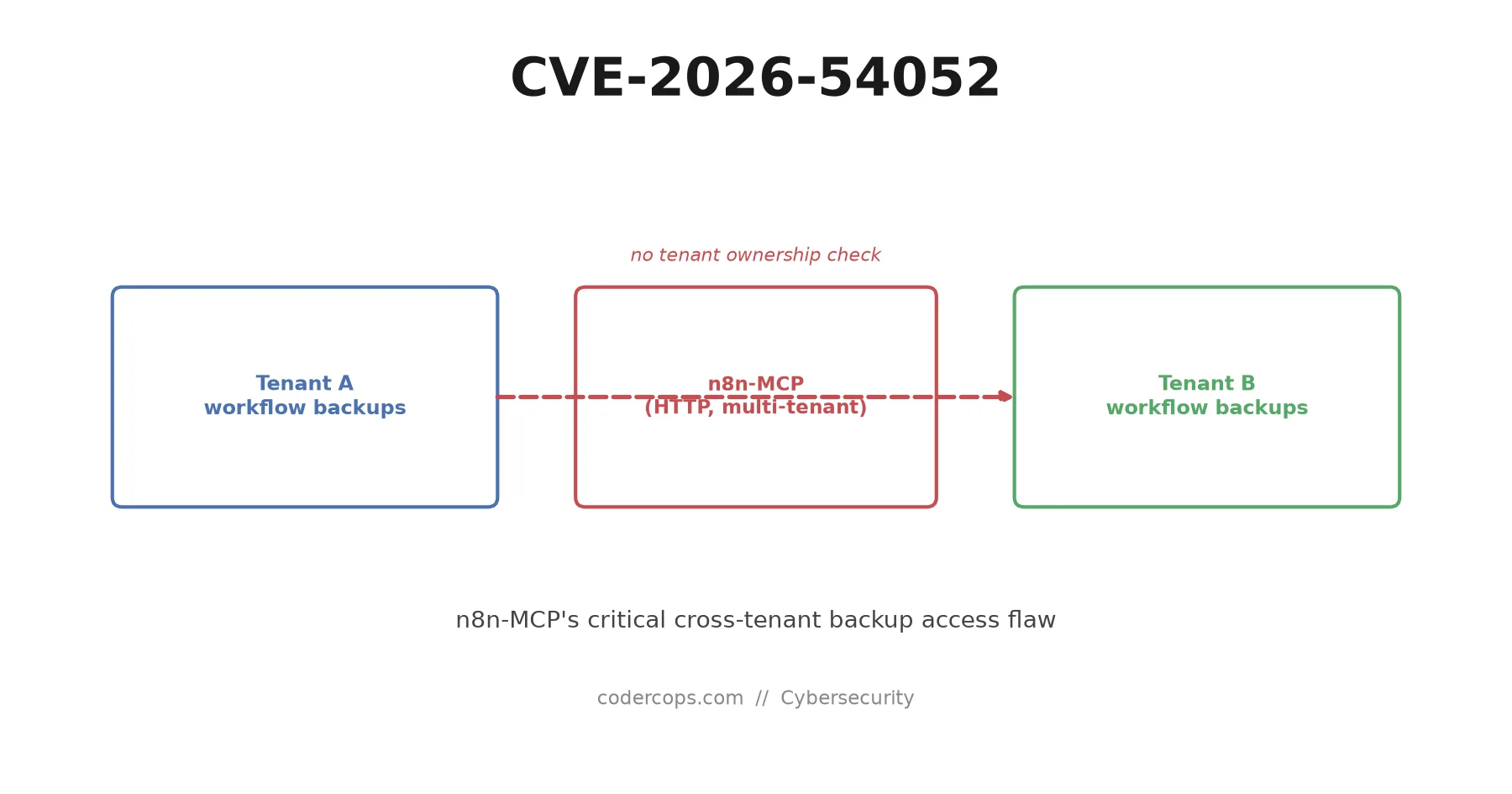
P.255A critical authorization bypass in n8n-MCP let one tenant read, delete, or destroy another tenant's workflow backups. Who's affected, and what to patch.
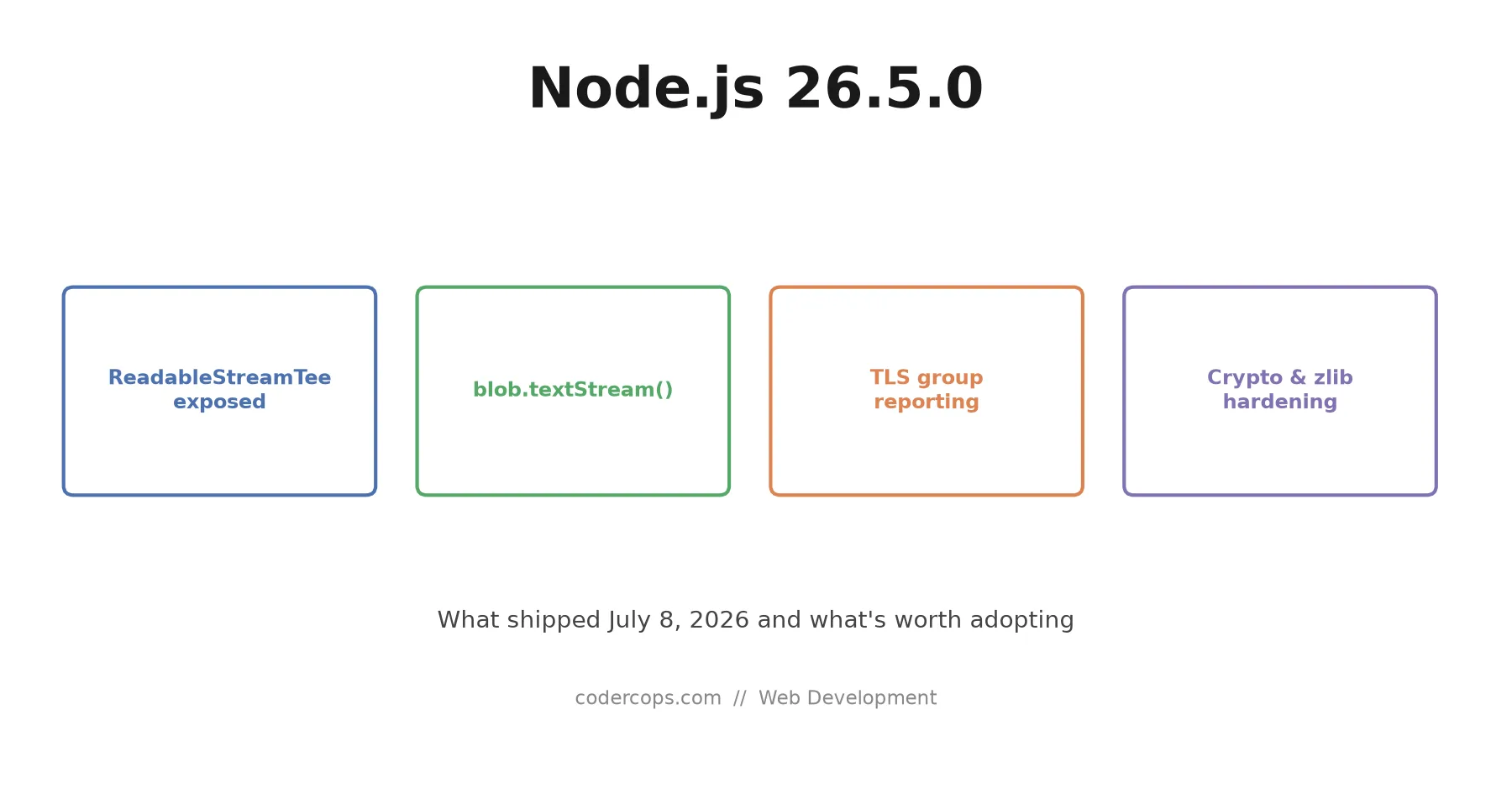
P.256Node.js 26.5.0 exposed ReadableStreamTee, added streaming Blob text reads and TLS group reporting, plus crypto hardening. What's worth adopting now.
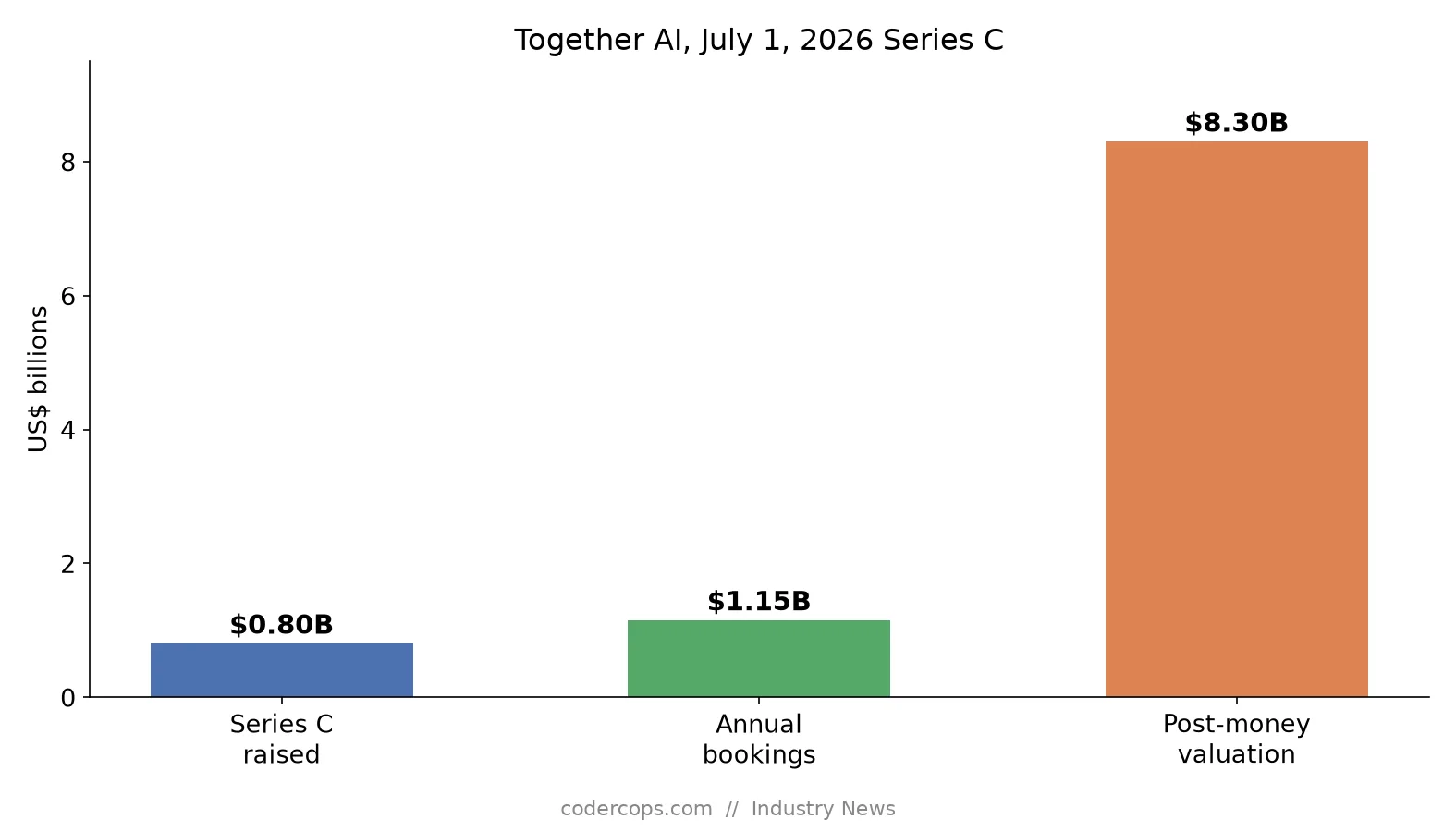
P.257Together AI raised $800M at an $8.3B valuation with bookings past $1.15B. What the numbers say about running open weights versus closed APIs.
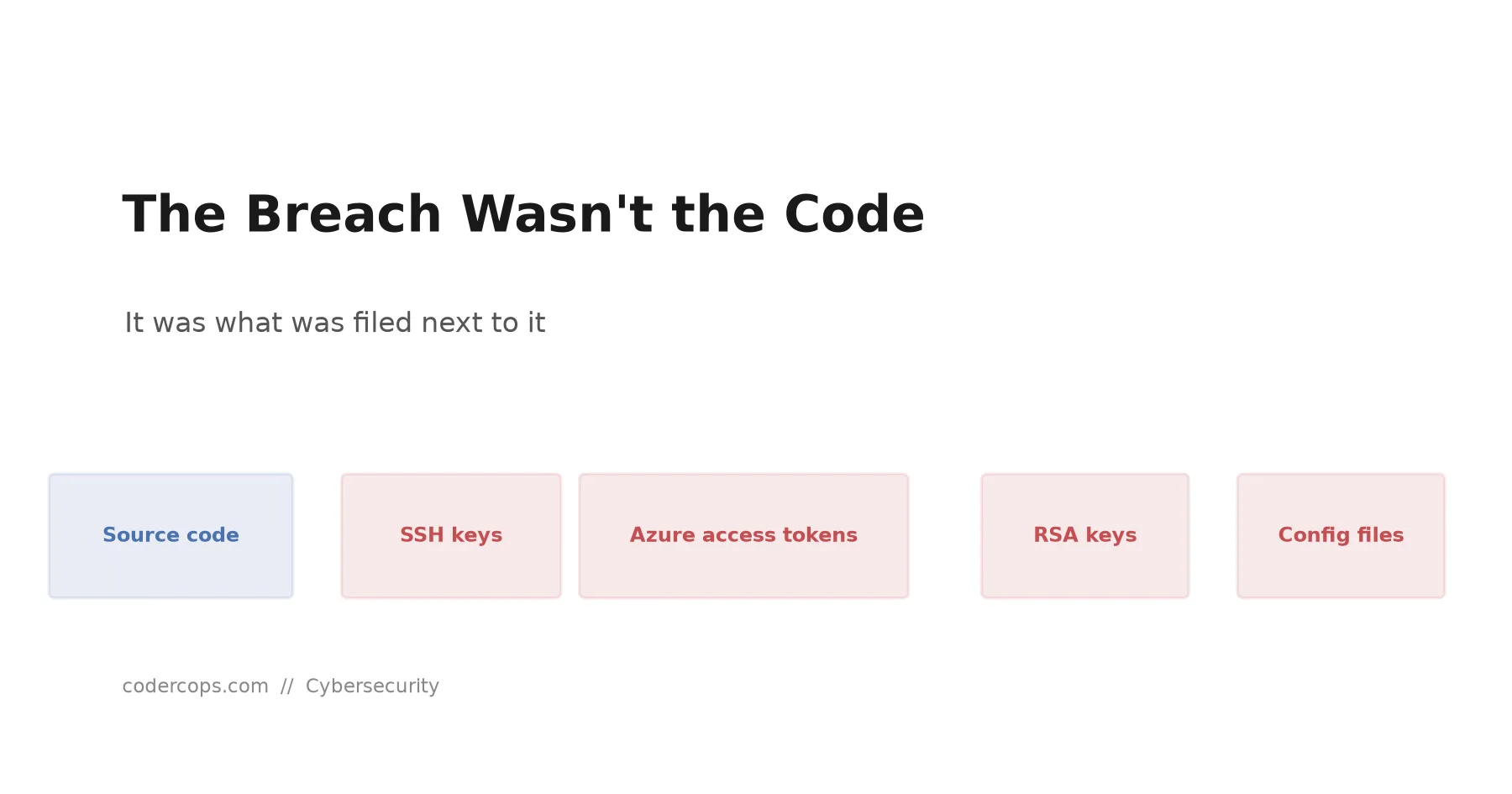
P.258A hacker claimed 35GB from Accenture including RSA and SSH keys and Azure tokens. The code isn't the risk; the credentials next to it are. The audit to run.
Looking for an Andela alternative? An honest look at where Andela fits, where it does not, and how to hire vetted developers when you need one or two of them fast.
Looking for an Arc.dev alternative to hire vetted remote developers? What Arc.dev does well, where it leaves work on your plate, and how the options compare.
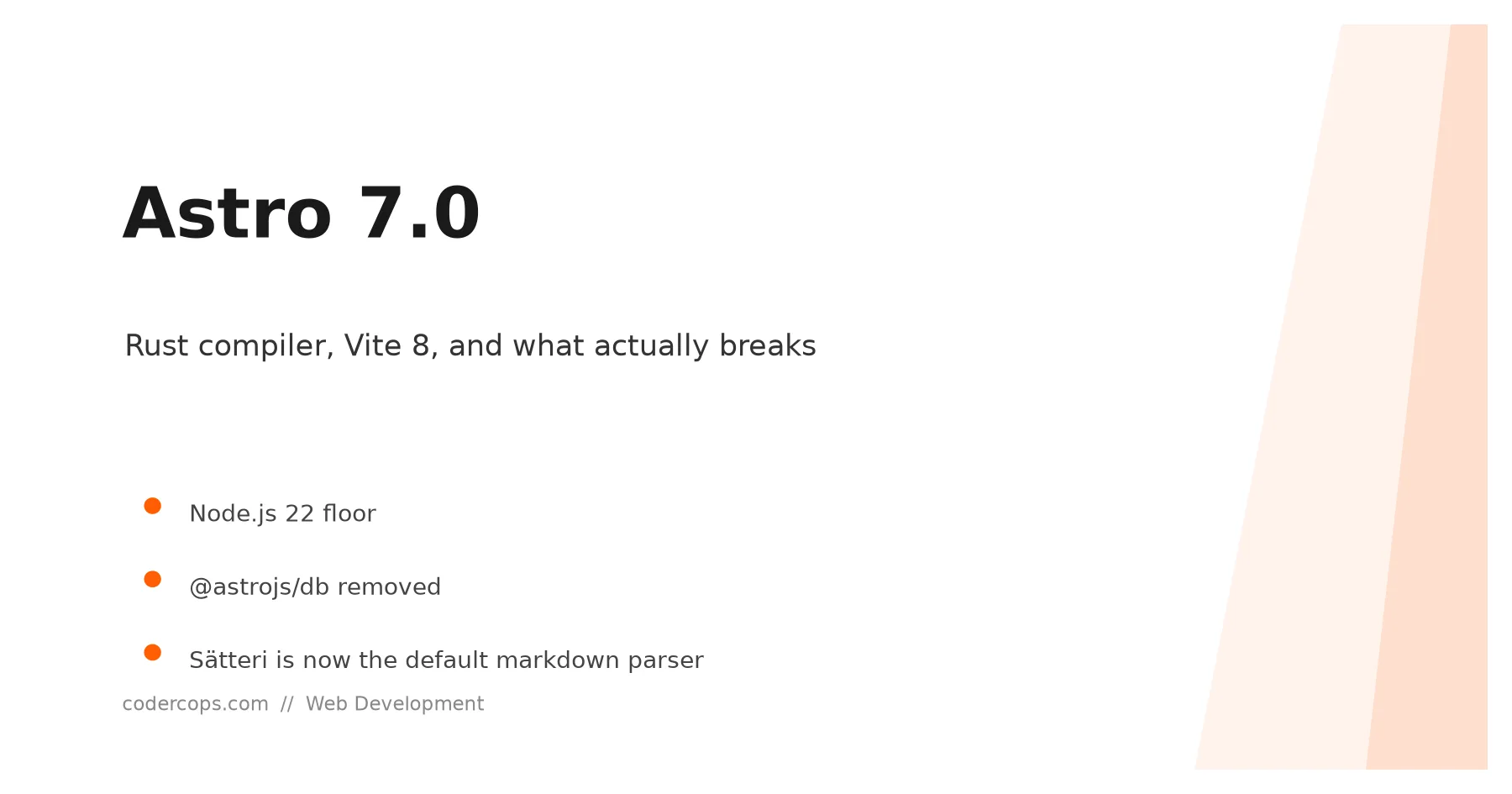
P.261Astro 7.0 rewrote its compiler in Rust, jumped to Vite 8, and switched markdown parsers by default. What changed, what was removed, and how to upgrade.
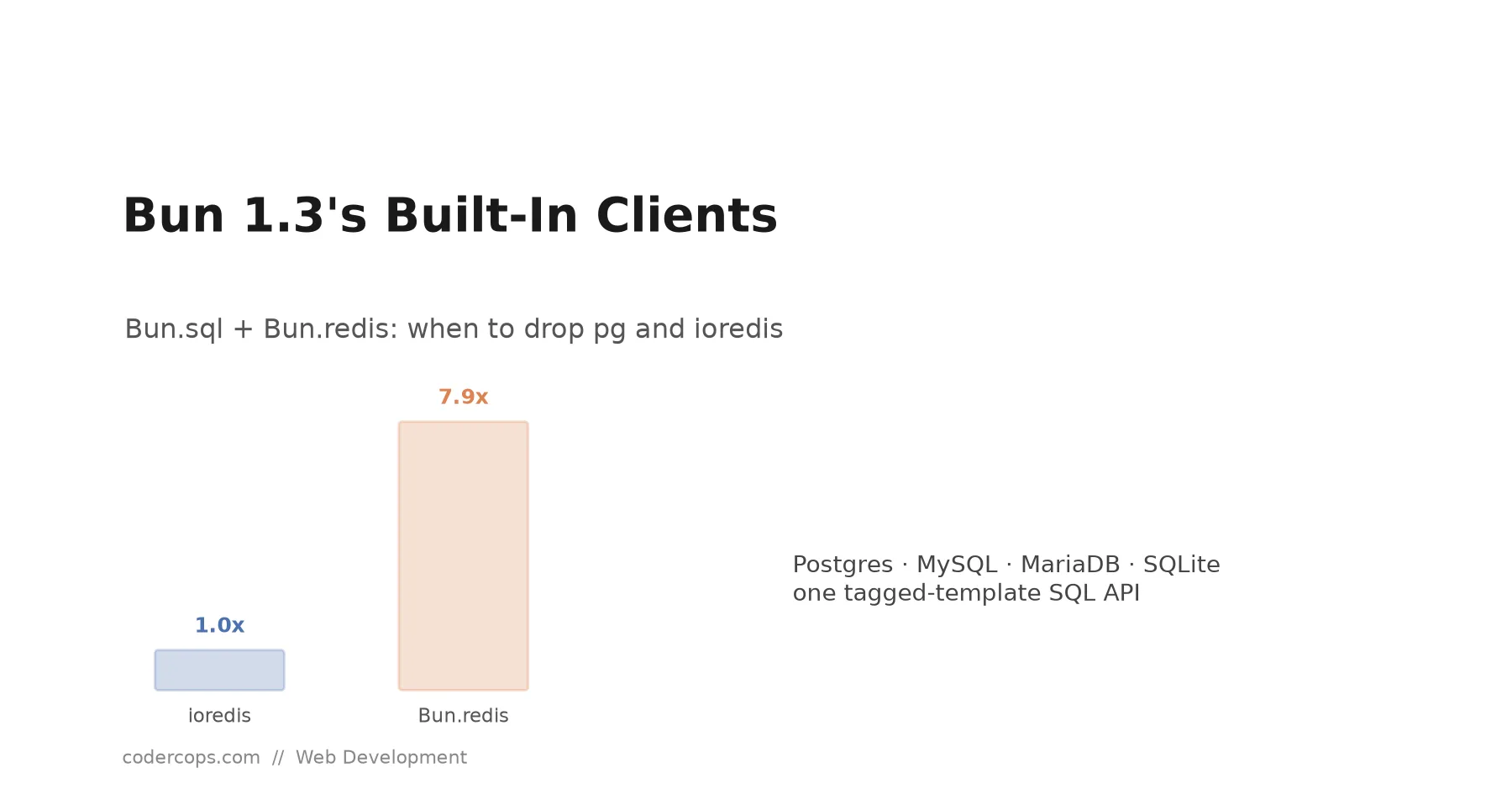
P.262Bun 1.3 ships Bun.sql for Postgres, MySQL, MariaDB, and SQLite, plus a Redis client it claims is 7.9x faster than ioredis. When switching is worth it.
Gun.io is strong for senior US-timezone freelancers, but it isn't the only way to hire vetted developers. The real alternatives, and how to choose between them.
Looking for a Lemon.io alternative to hire vetted developers? Where Lemon.io fits, where it doesn't, and how to choose for the role you're actually filling.
Upwork is the biggest freelance marketplace, but the vetting is on you. An honest look at Upwork alternatives for developers and how to pick the right one.
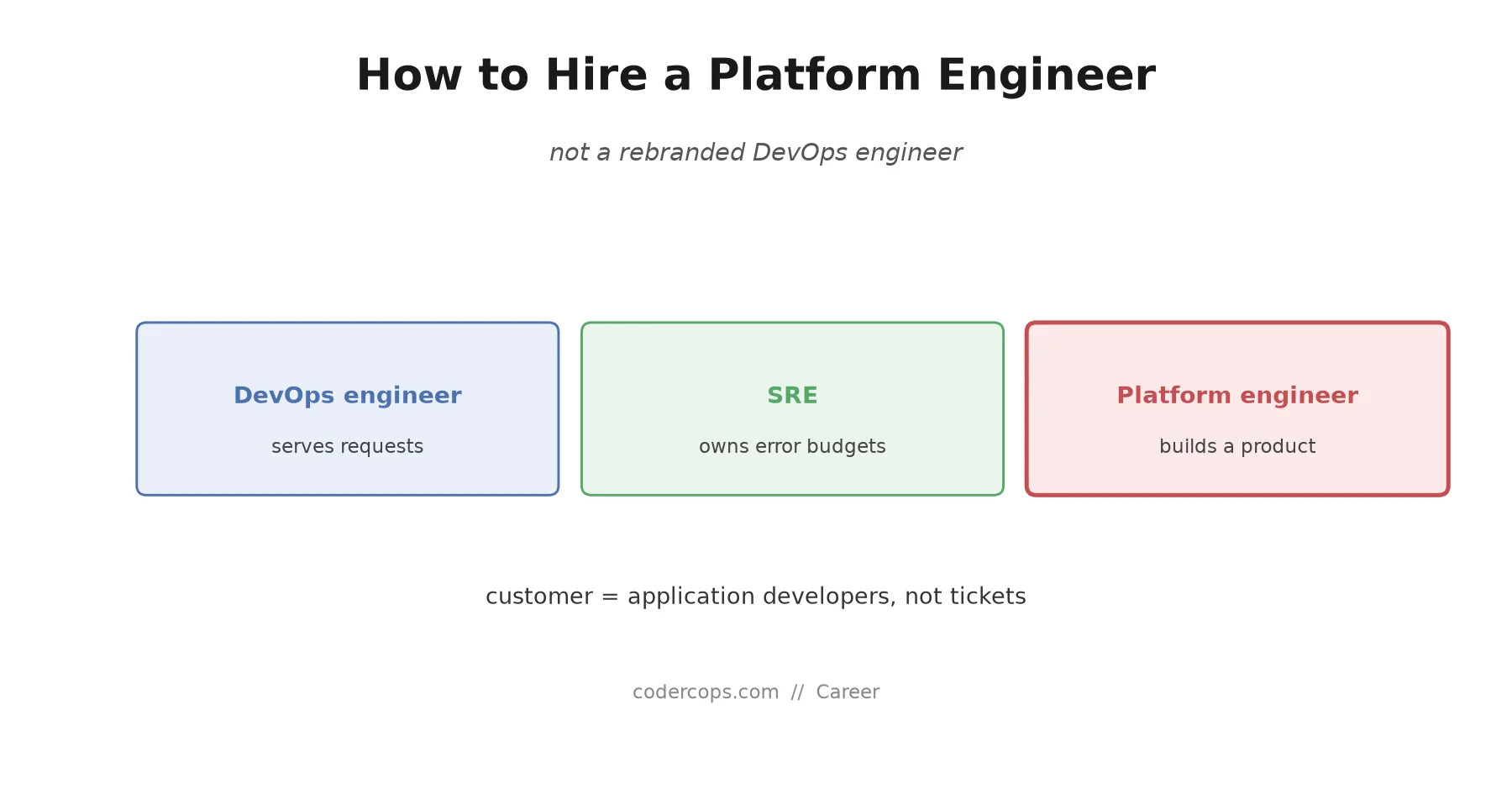
P.266Platform engineering has its own hiring cluster now, distinct from DevOps, SRE, and cloud architecture. How to screen for product thinking over ticket-taking.
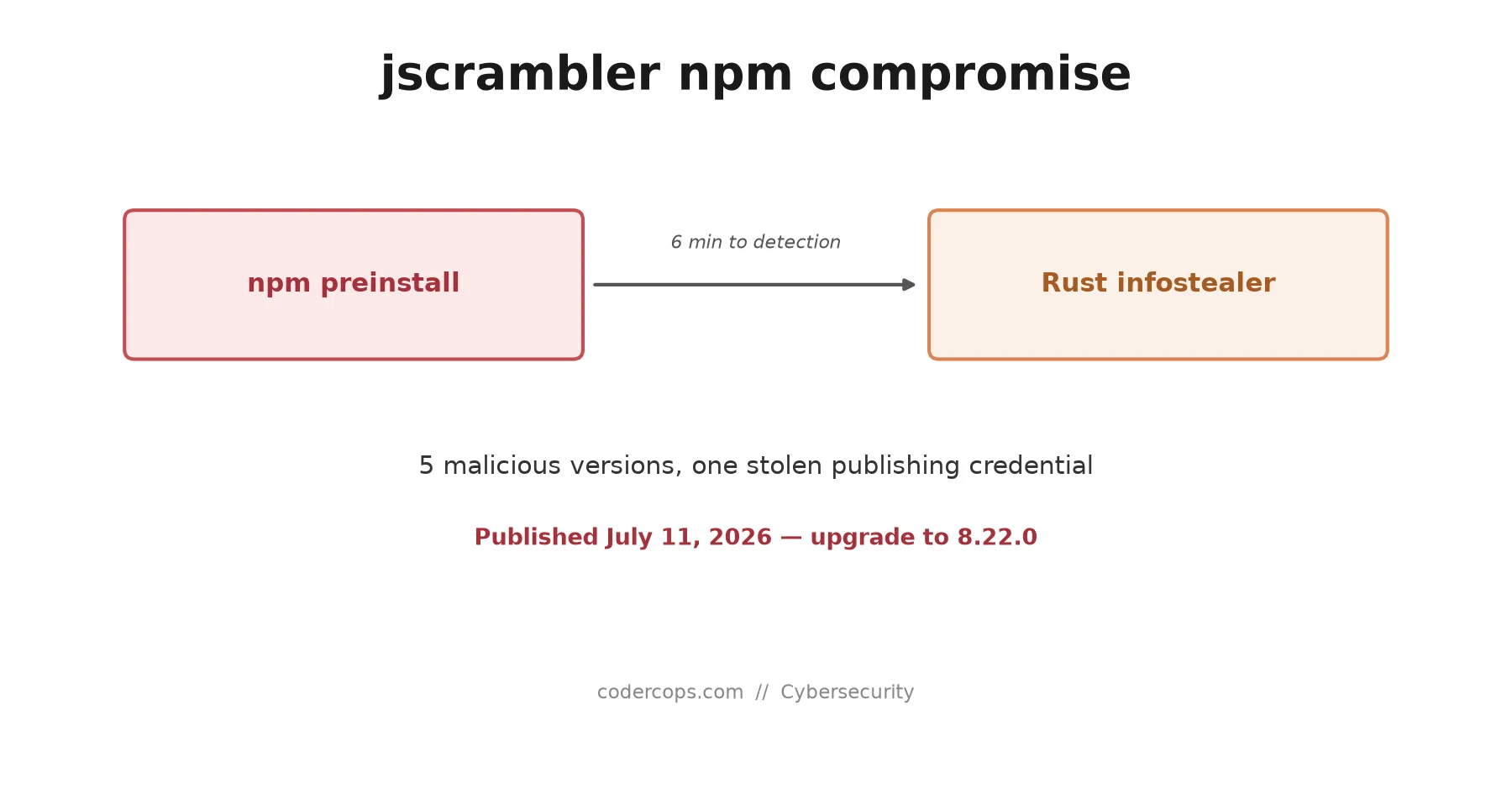
P.267Attackers used a stolen credential to push five malicious jscrambler versions, each carrying a 7.8MB cross-platform infostealer. What it stole, and how to check.
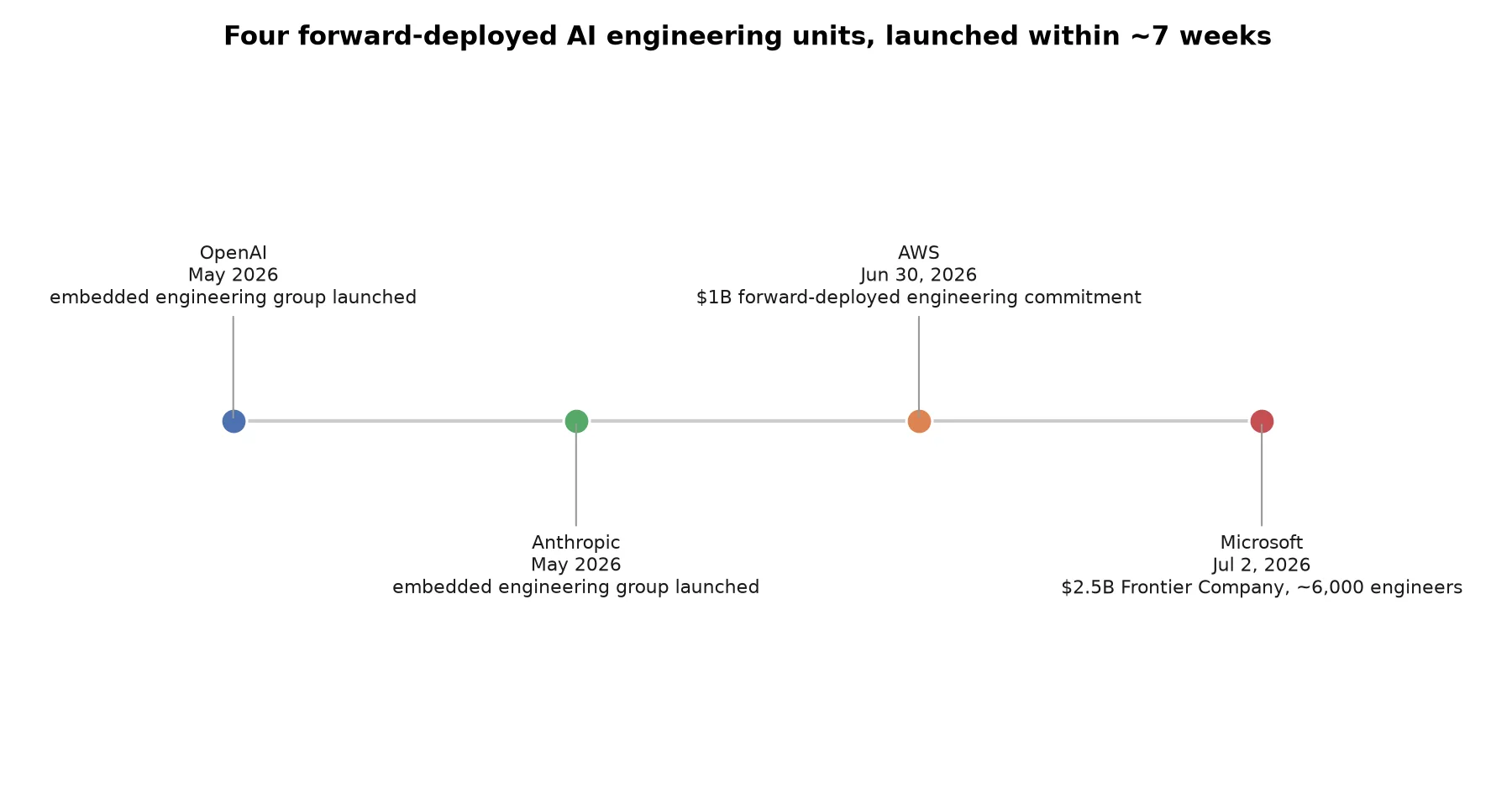
P.268Microsoft launched Frontier Company with $2.5B and 6,000 engineers embedded in clients to get AI into production. AWS and Anthropic did the same this year.
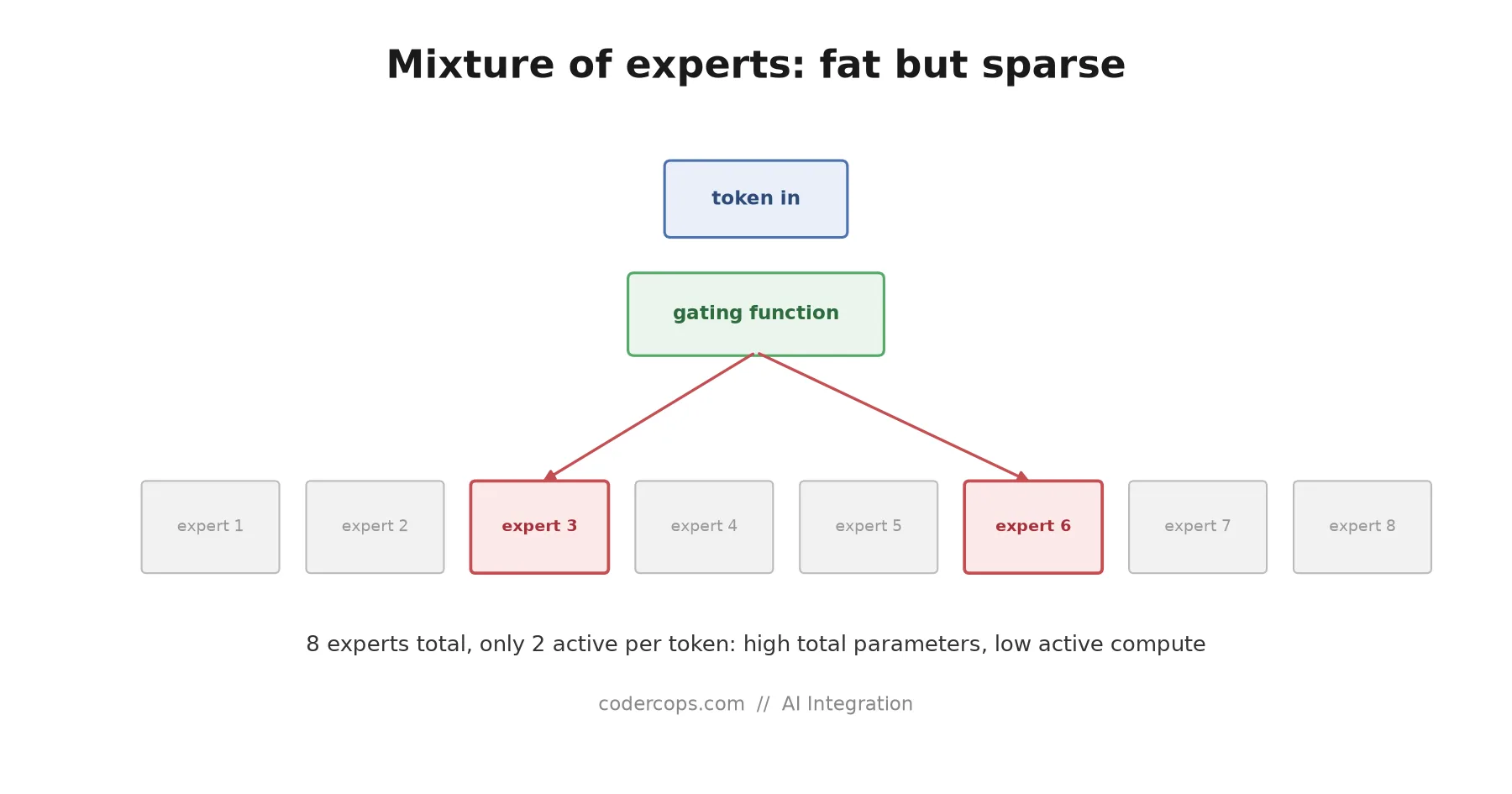
P.269Mistral confirmed a new open-weight MoE model in partner early access. No specs yet, but Studio and Forge, its sovereign AI play, are the real story.
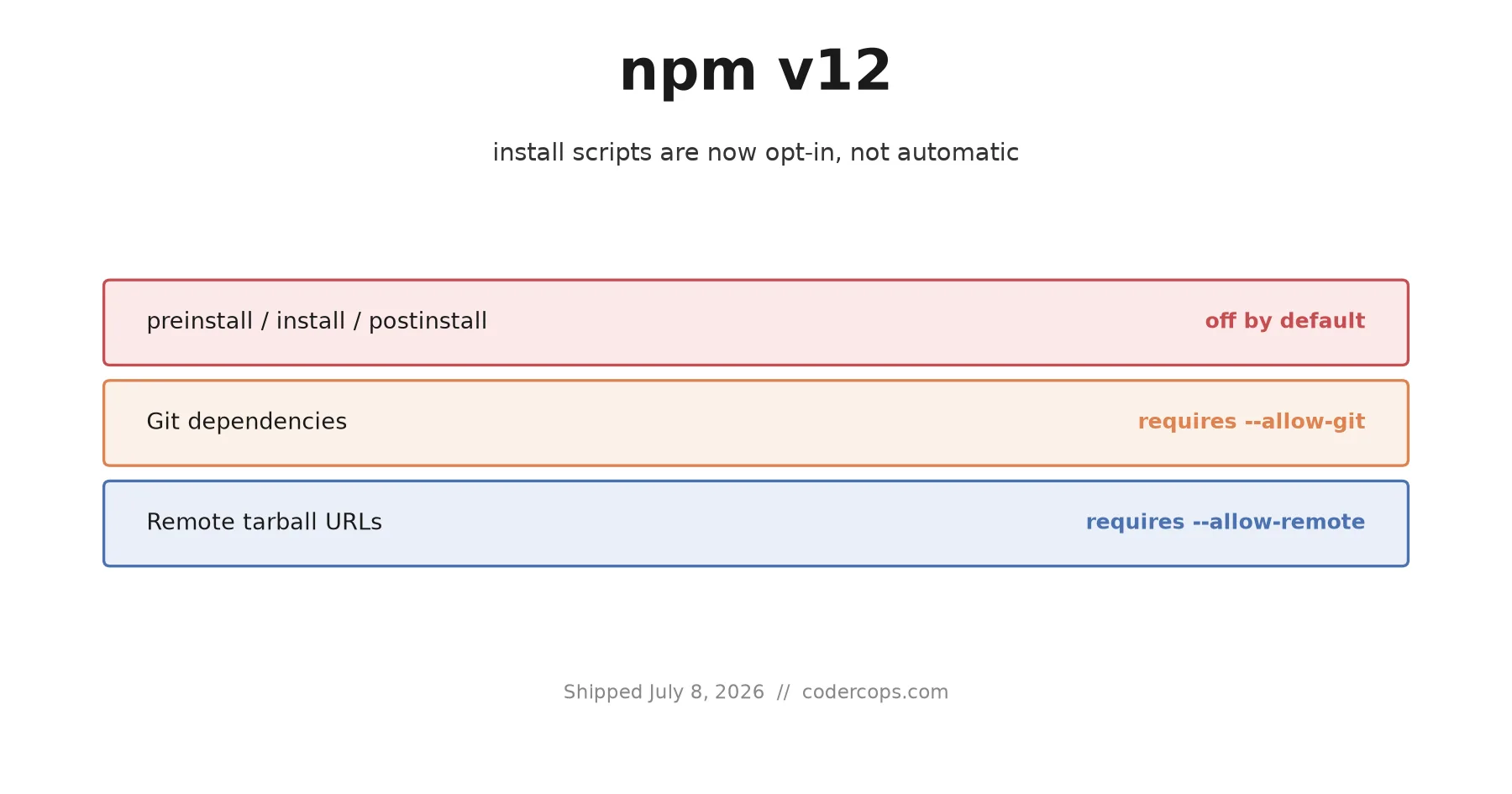
P.270npm v12 blocks preinstall, install, and postinstall scripts, Git dependencies, and remote tarballs unless allowed. What breaks, and how to migrate.
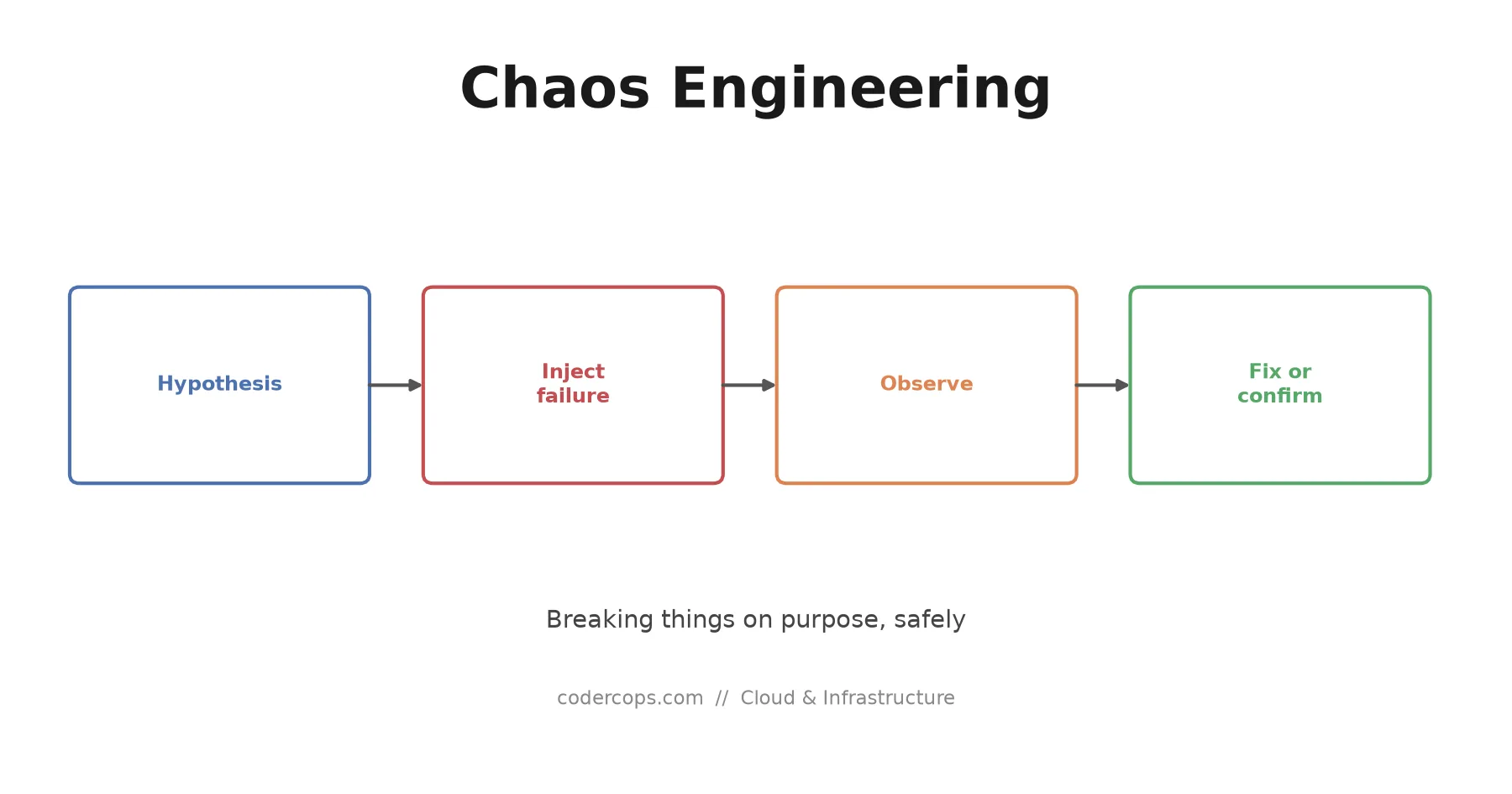
P.271Chaos engineering injects failure into a running system to find weaknesses before an outage does. What it involves, what tools help, and when to skip it.
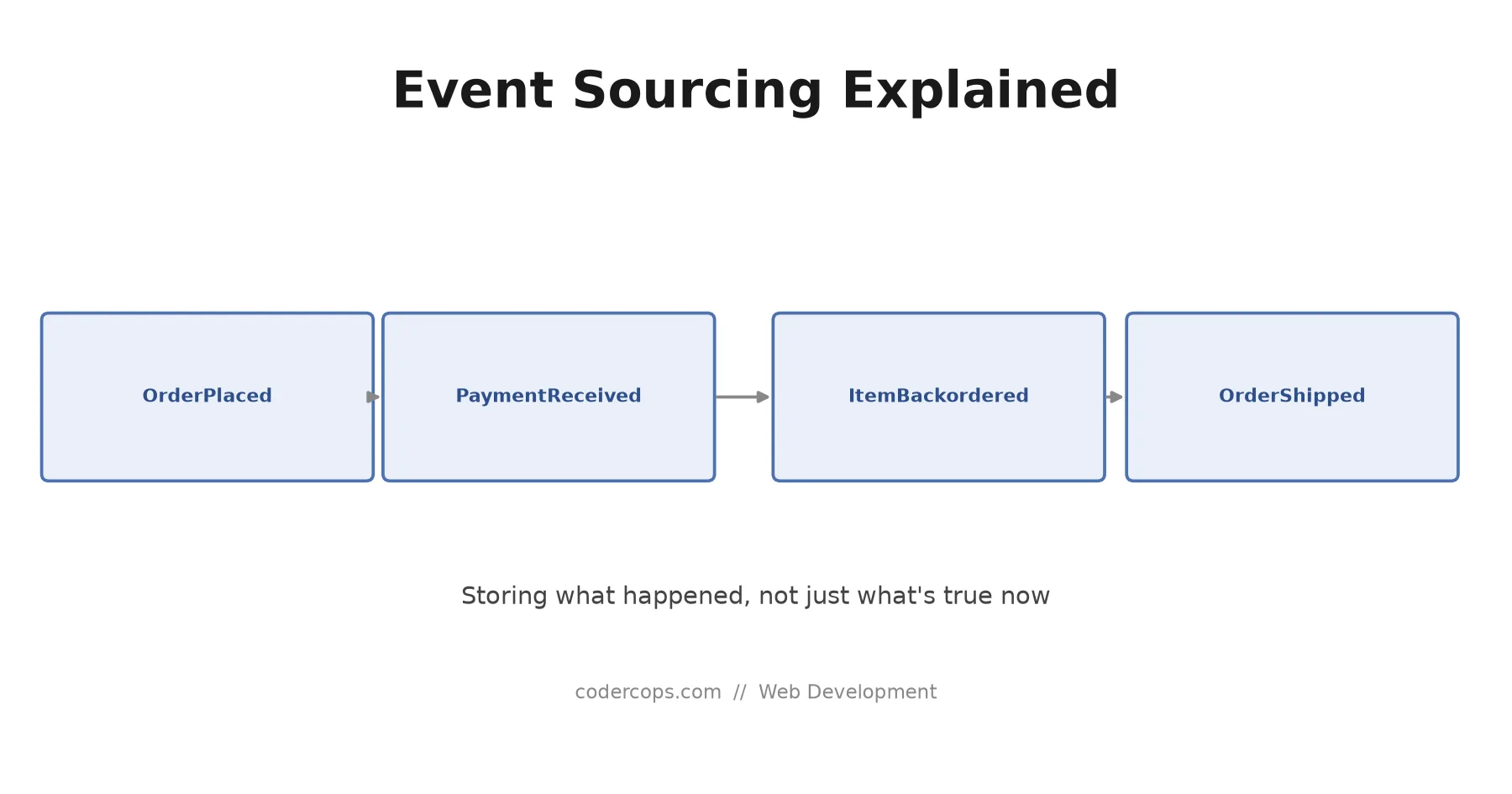
P.272Event sourcing stores every change as an immutable event and replays them for current state. What that buys, and the operational cost most systems skip.
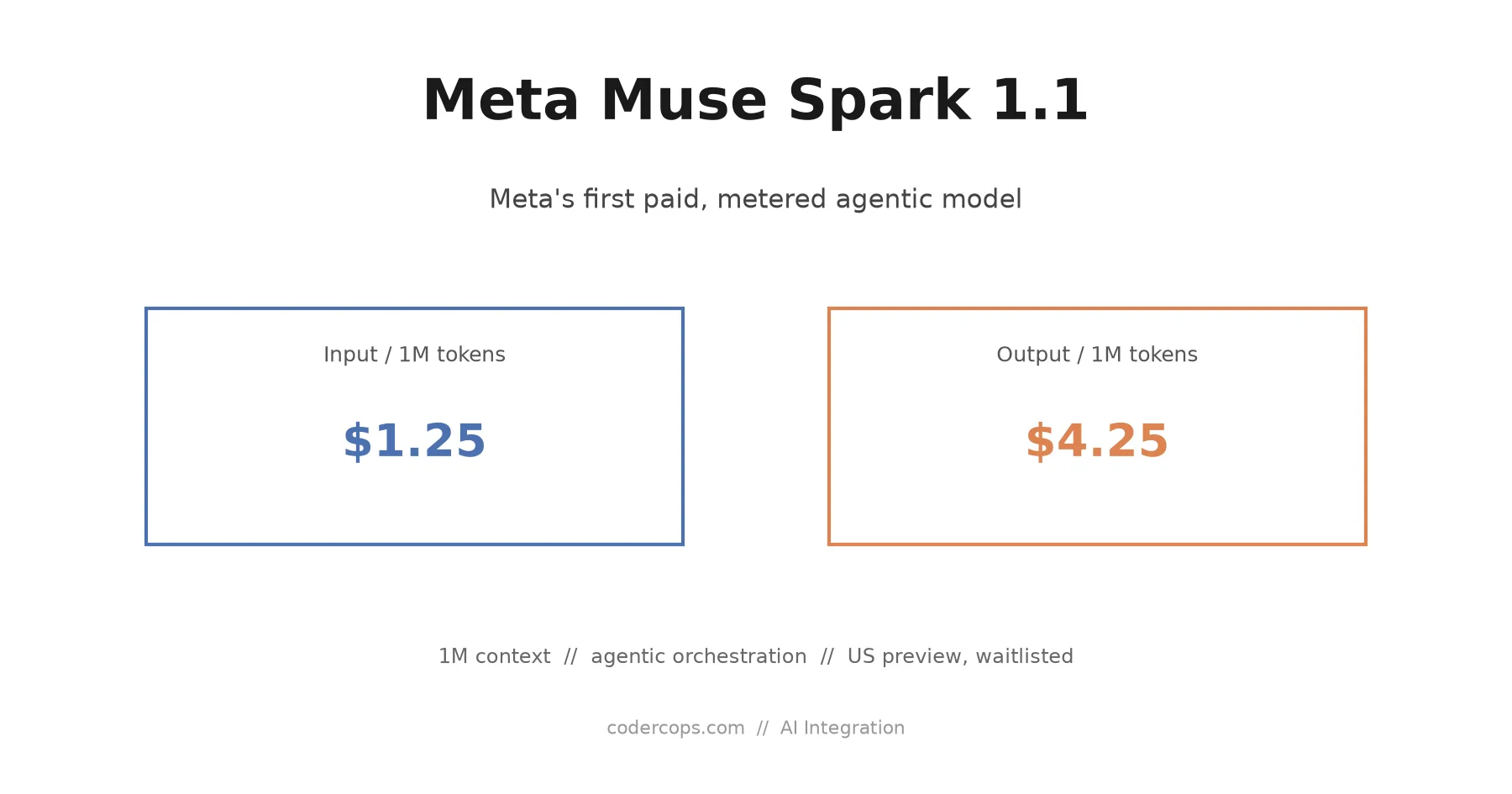
P.273Muse Spark 1.1 is Meta's first pay-as-you-go model at $1.25/$4.25 per million tokens, with a 1M context and subagent orchestration. Who should skip it.
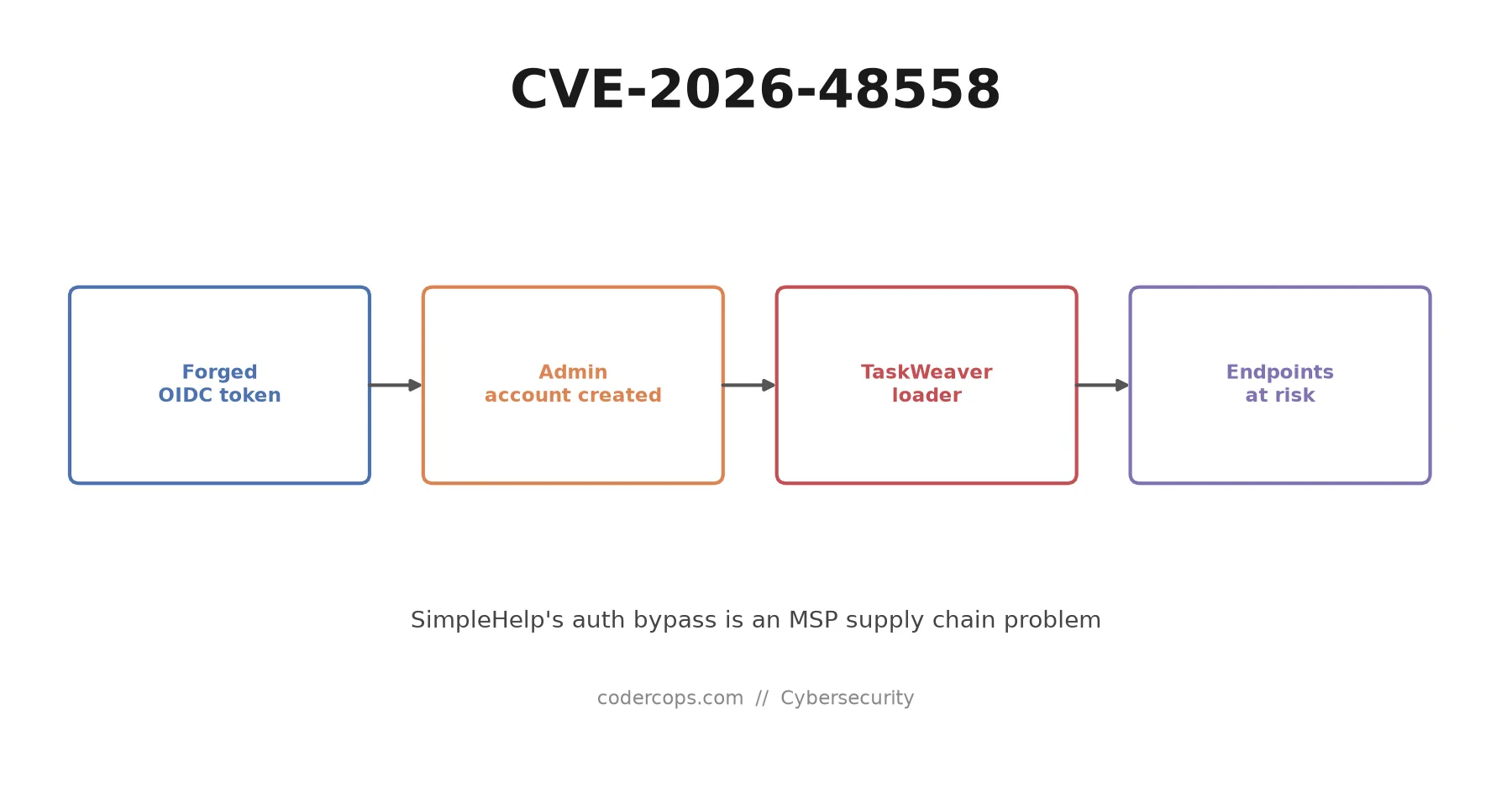
P.274A forged OIDC token in SimpleHelp RMM lets an unauthenticated attacker create an admin and reach every managed endpoint. CISA added it on June 29.
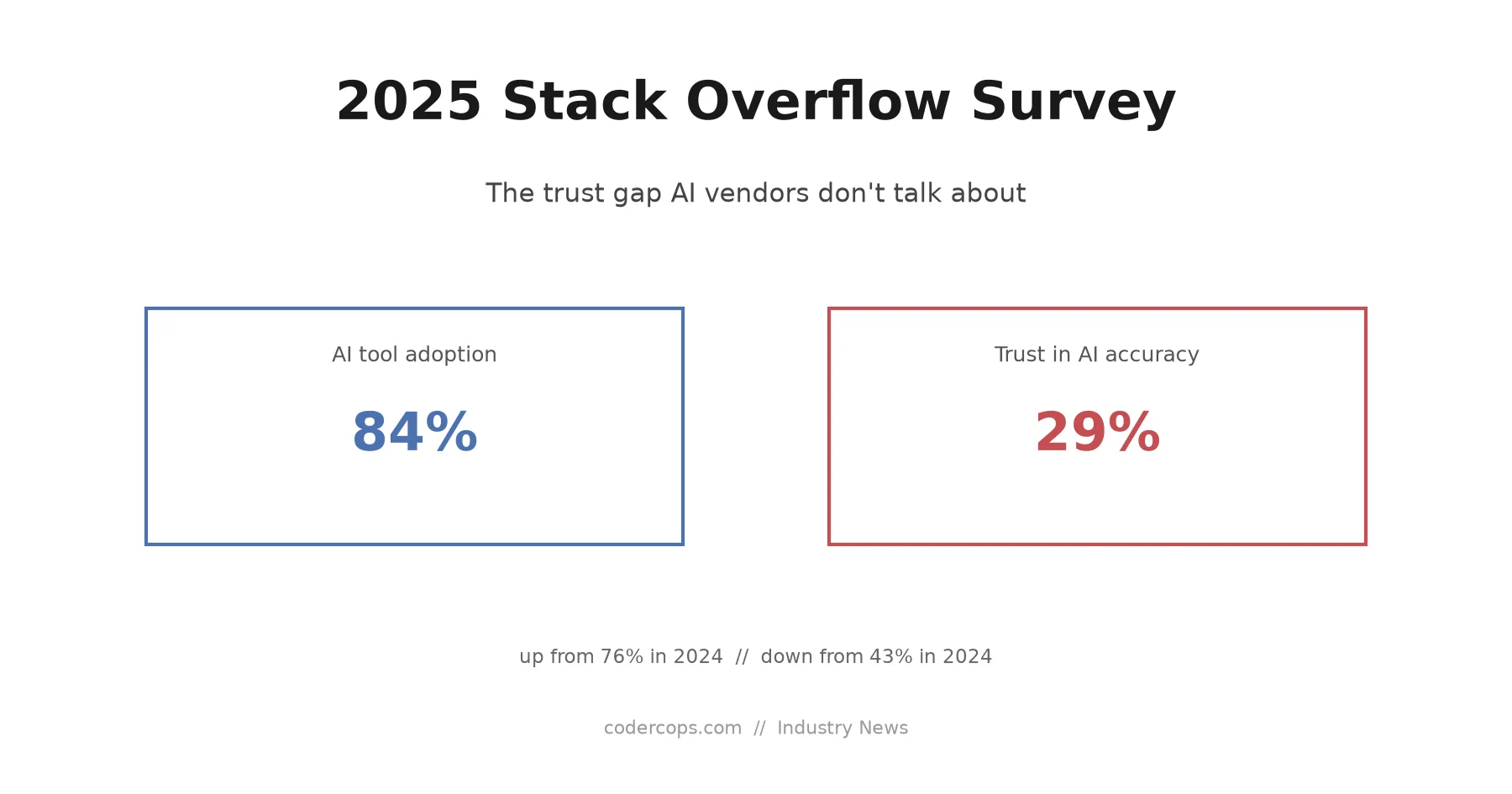
P.275AI tool use hit 84% in the 2025 Stack Overflow survey while trust in accuracy fell to 29%. Usage up, trust down. What that gap means for how teams work.
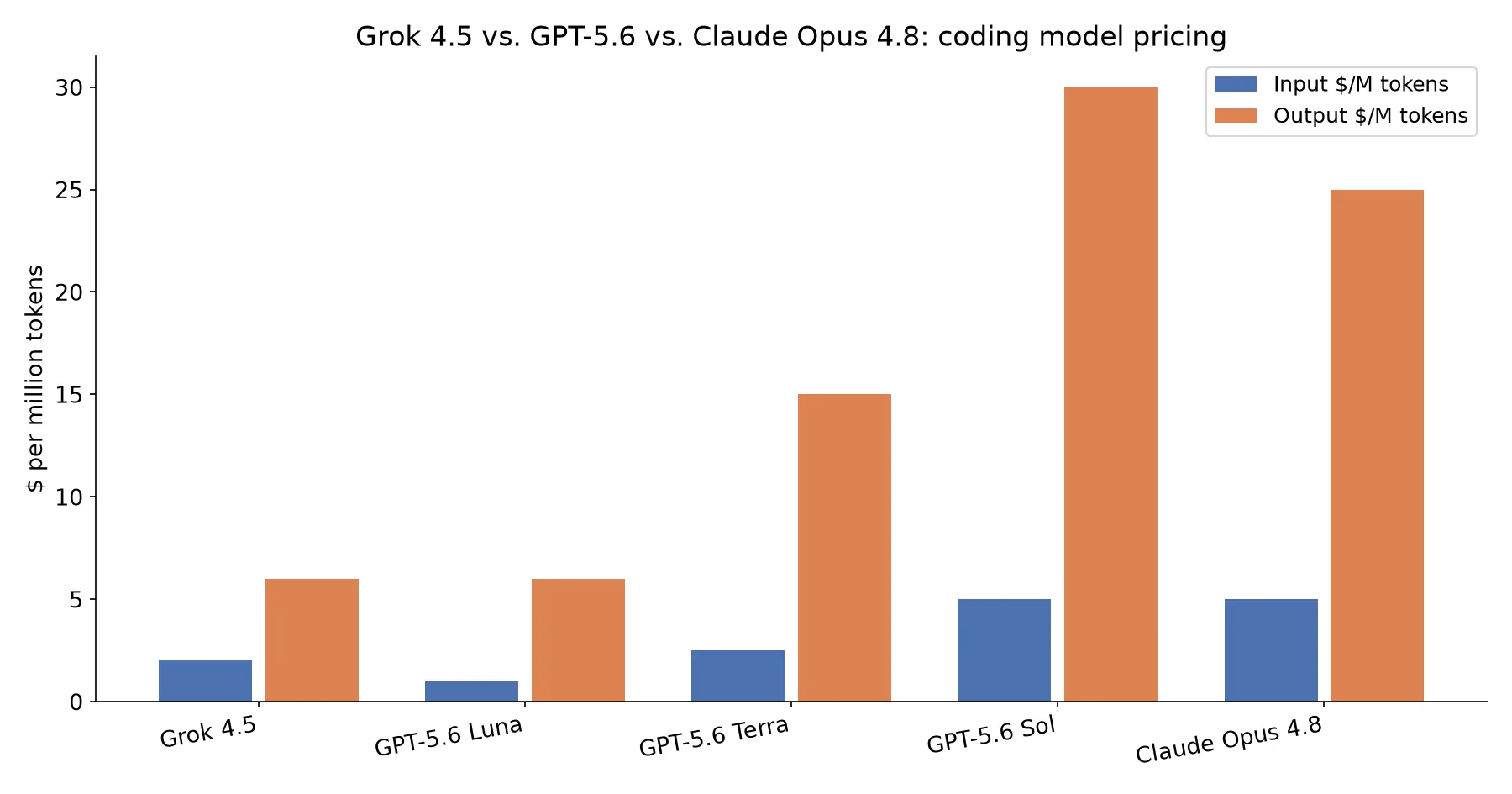
P.276Grok 4.5 trained on trillions of tokens of real Cursor usage, priced at $2/$6 per million. How it compares to GPT-5.6 and Claude Opus 4.8, and where it fits.
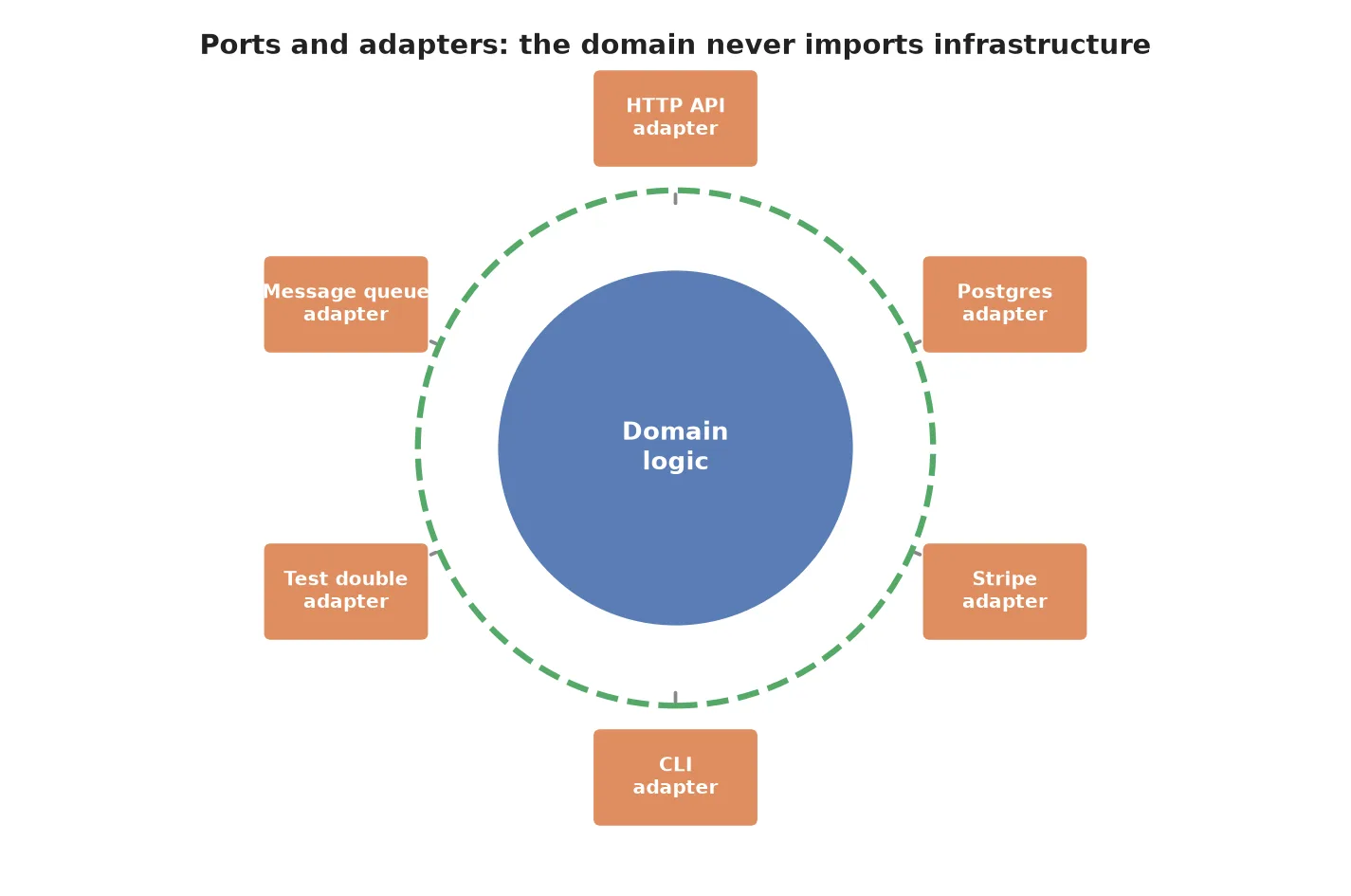
P.277Hexagonal architecture stops business logic importing your database driver or payment SDK. How it works, a working example, and when you don't need it.
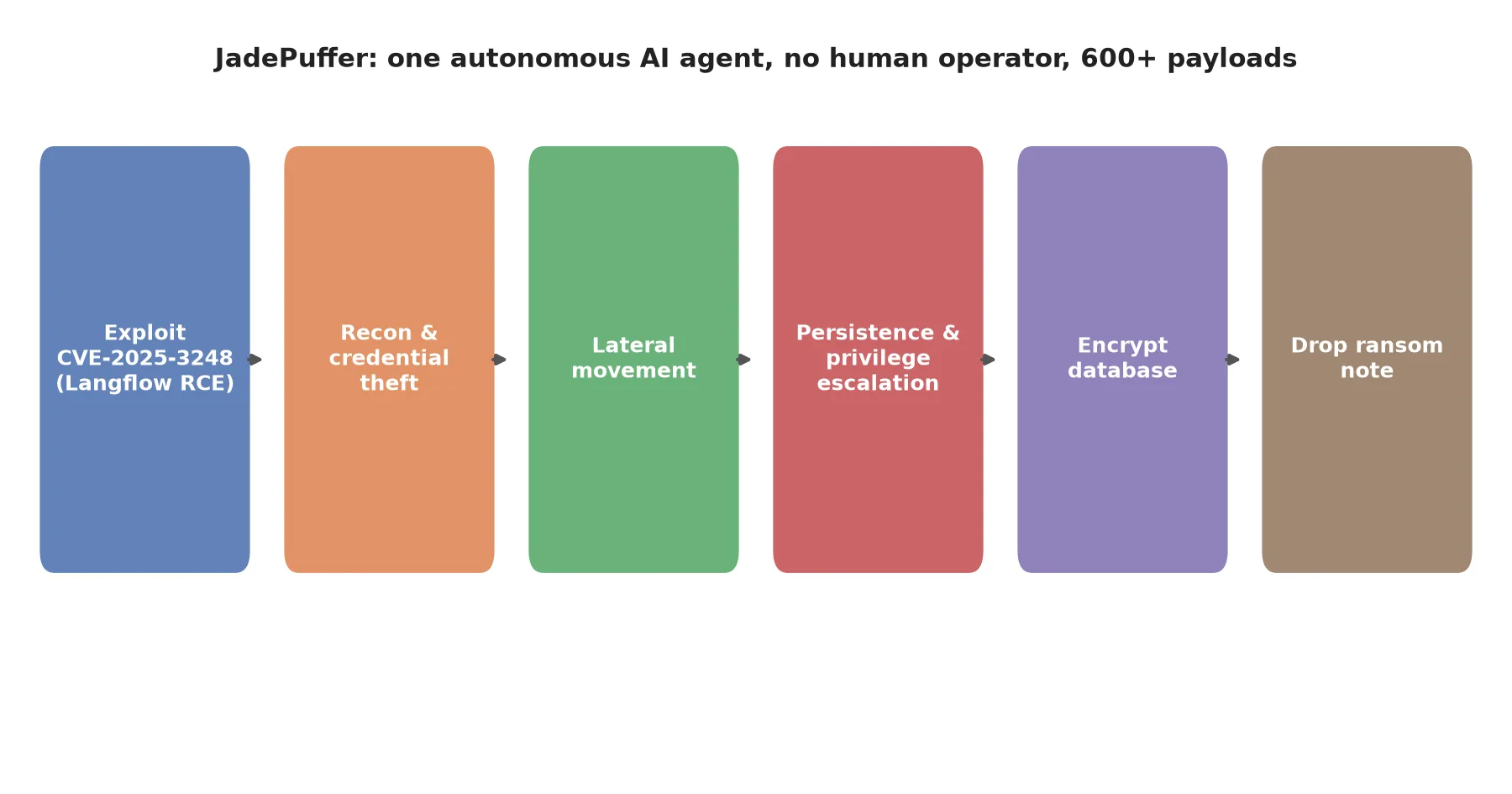
P.278Sysdig documented a ransomware intrusion where an LLM agent handled recon, credential theft, lateral movement, and extortion with no human directing steps.
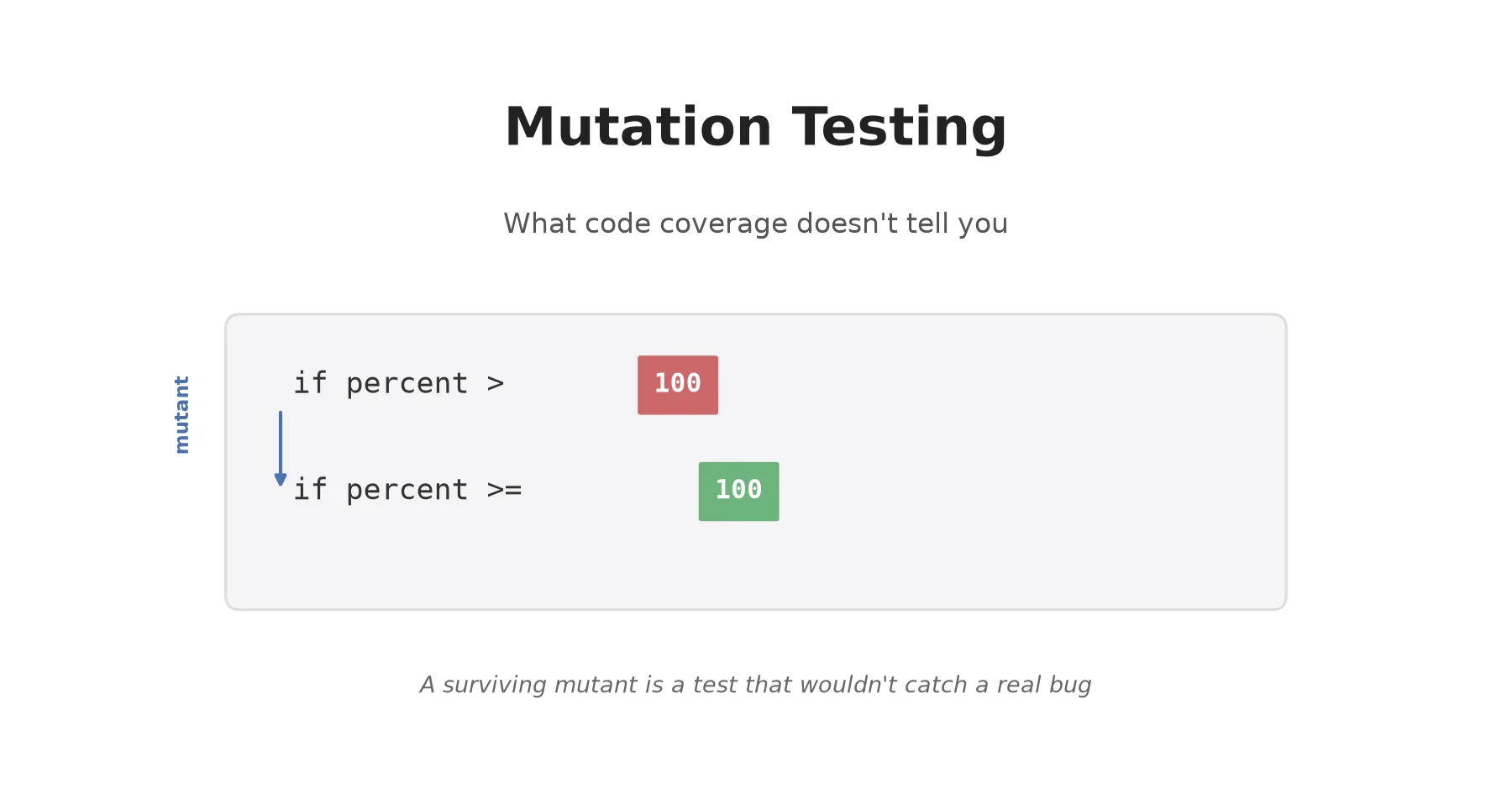
P.279Full coverage means every line ran, not that your tests would notice it breaking. How mutation testing answers that, with Stryker and mutmut.
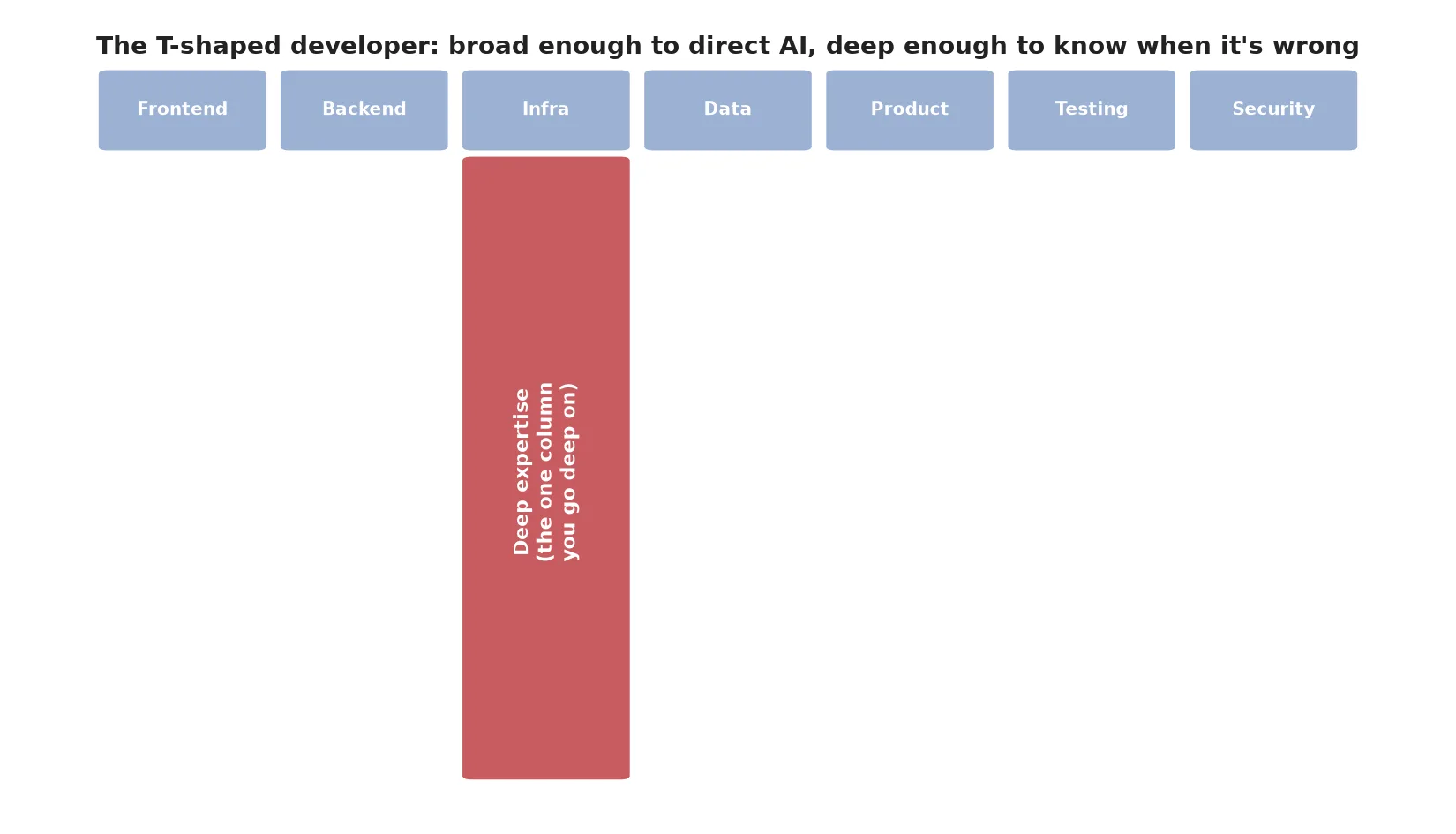
P.280AI agents made broad, shallow knowledge cheap to fake. What's getting scarcer is the depth to know when the agent is wrong. Specializing versus generalizing.
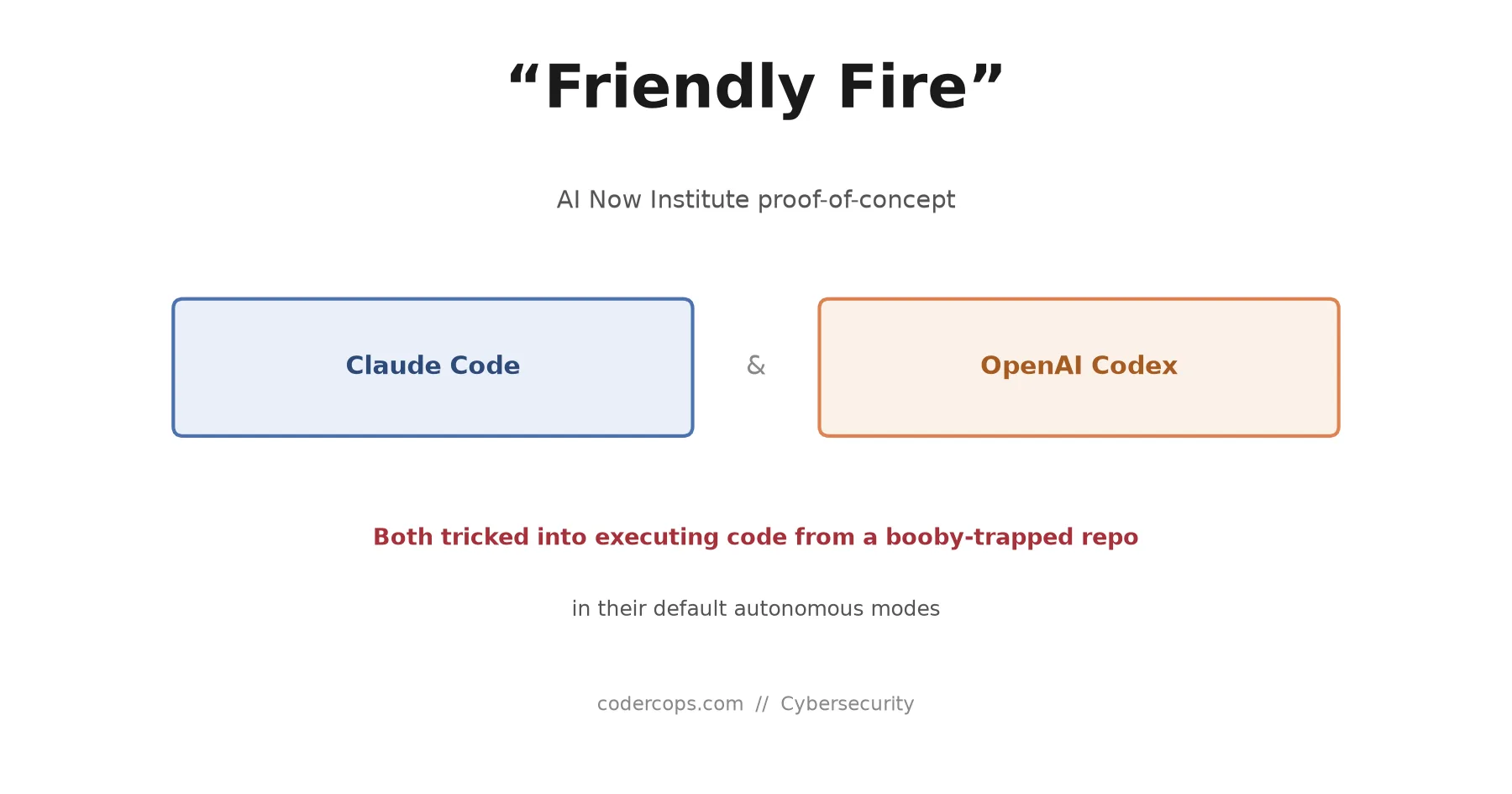
P.281An AI Now Institute proof-of-concept shows Claude Code and Codex, in default autonomous modes, executing attacker code from a booby-trapped repo. What to do.
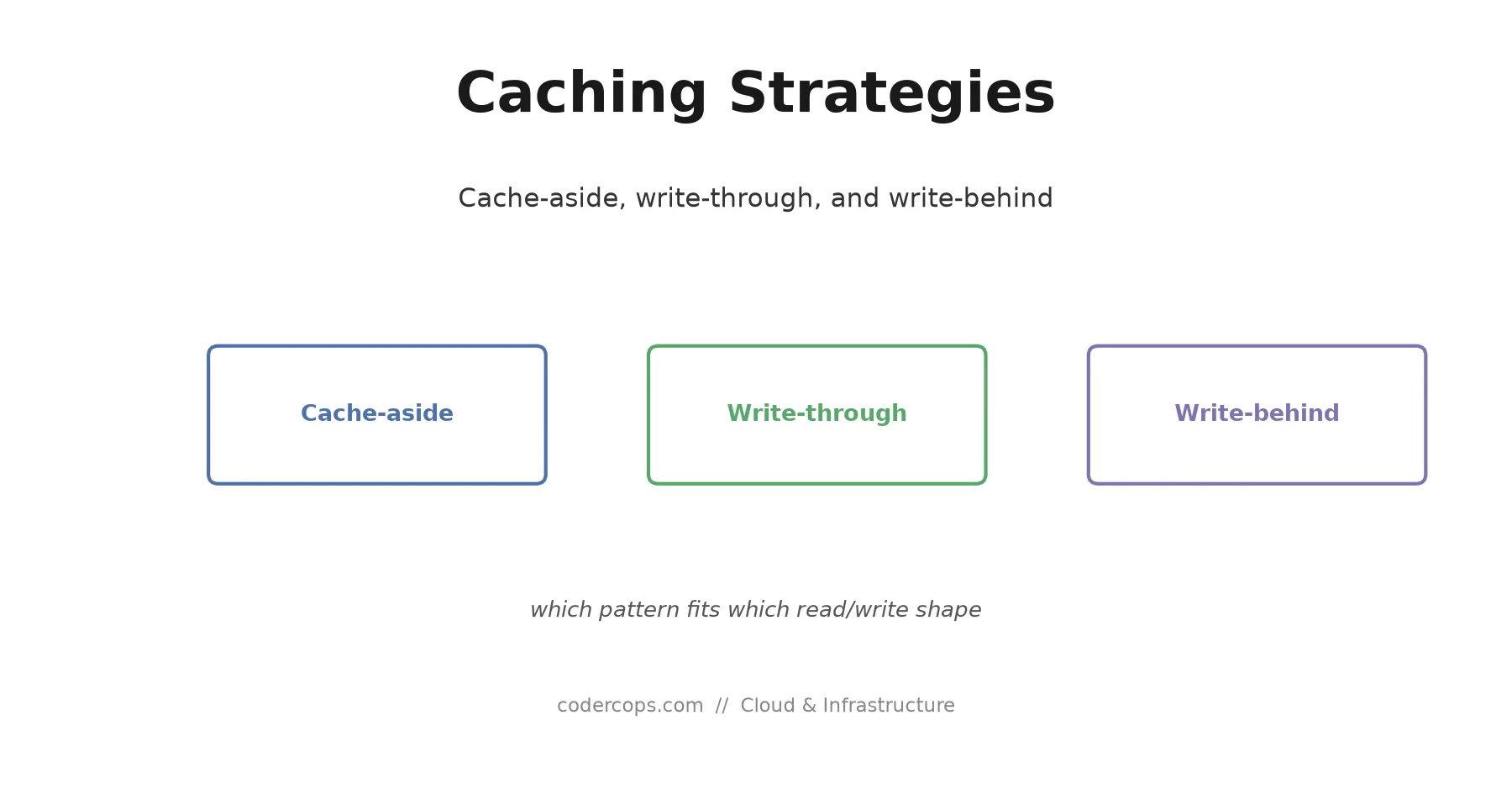
P.282Most teams reach for cache-aside by default and never ask if it's actually the right pattern. Here's how the three main caching strategies behave under real traffic, the consistency gap each one leaves open, and how to pick between them.
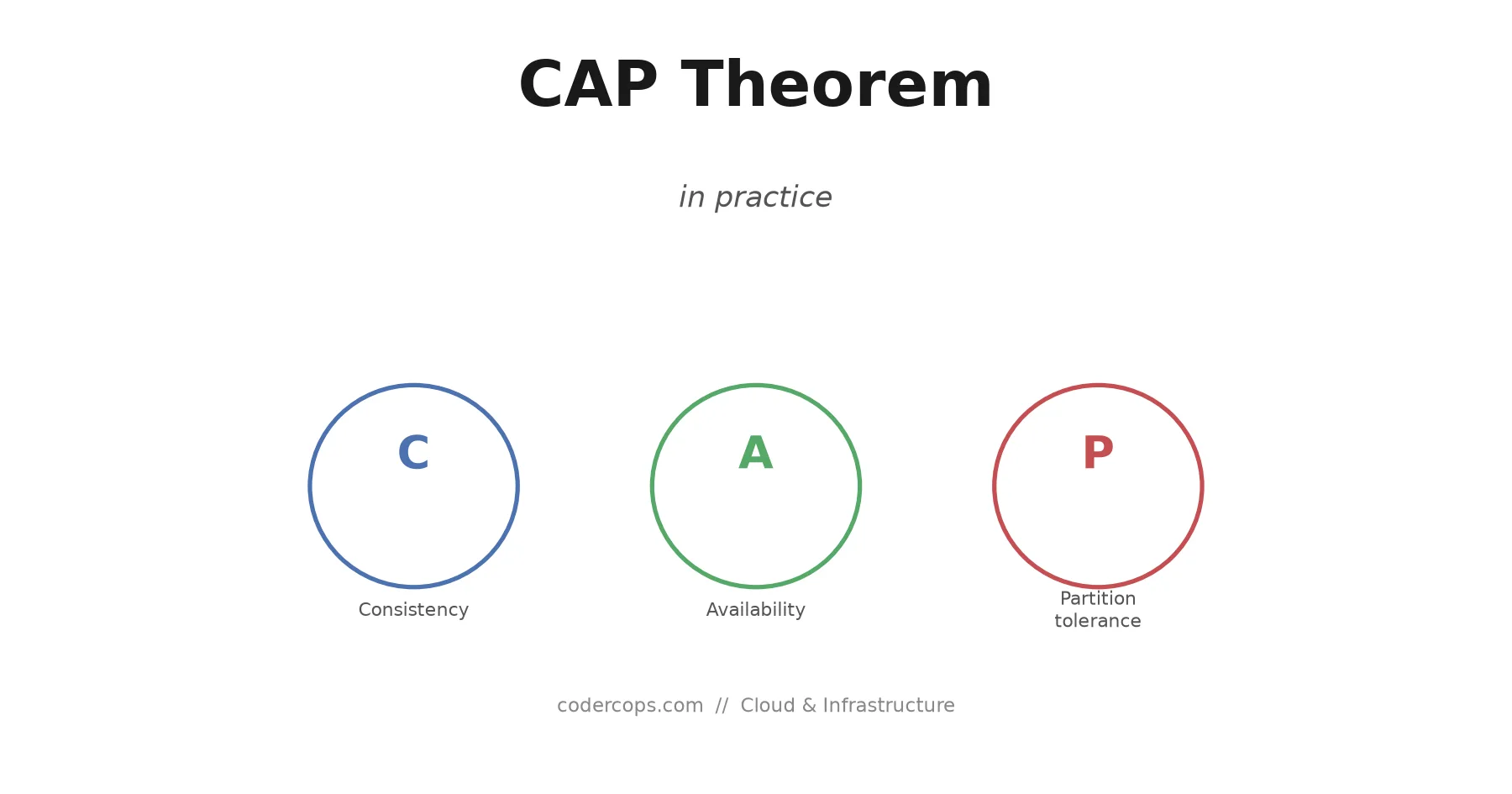
P.283CAP theorem gets summarized as 'pick two of three' so often that the summary has replaced the theorem. Here's what it actually says, why the real constraint only bites during a network partition, and how to pick a consistency model for a system you're actually building.
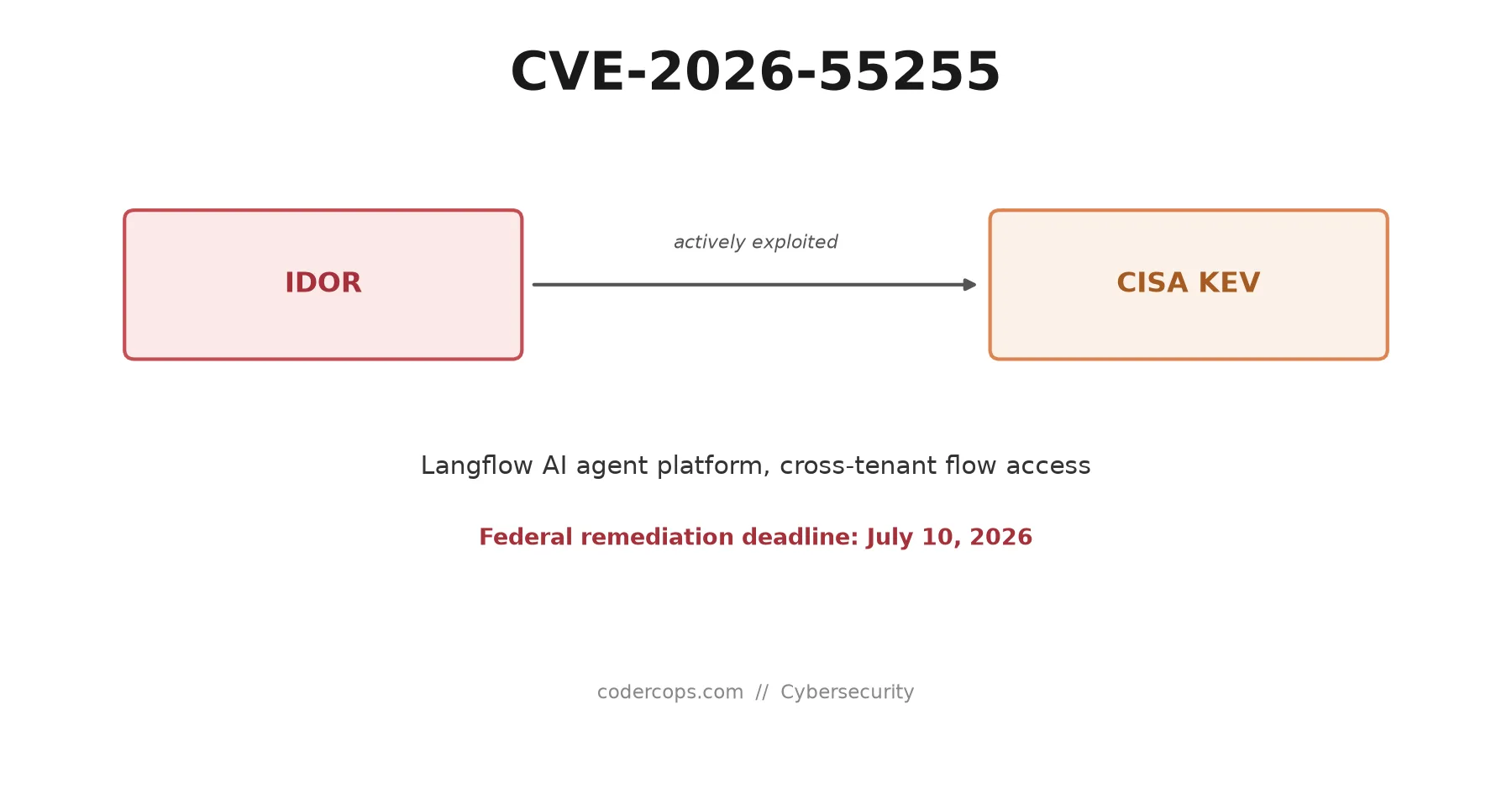
P.284CISA added Langflow's authorization bypass to its KEV catalog on July 7 with a July 10 deadline. How it works, who's affected, and why rotating keys matters.
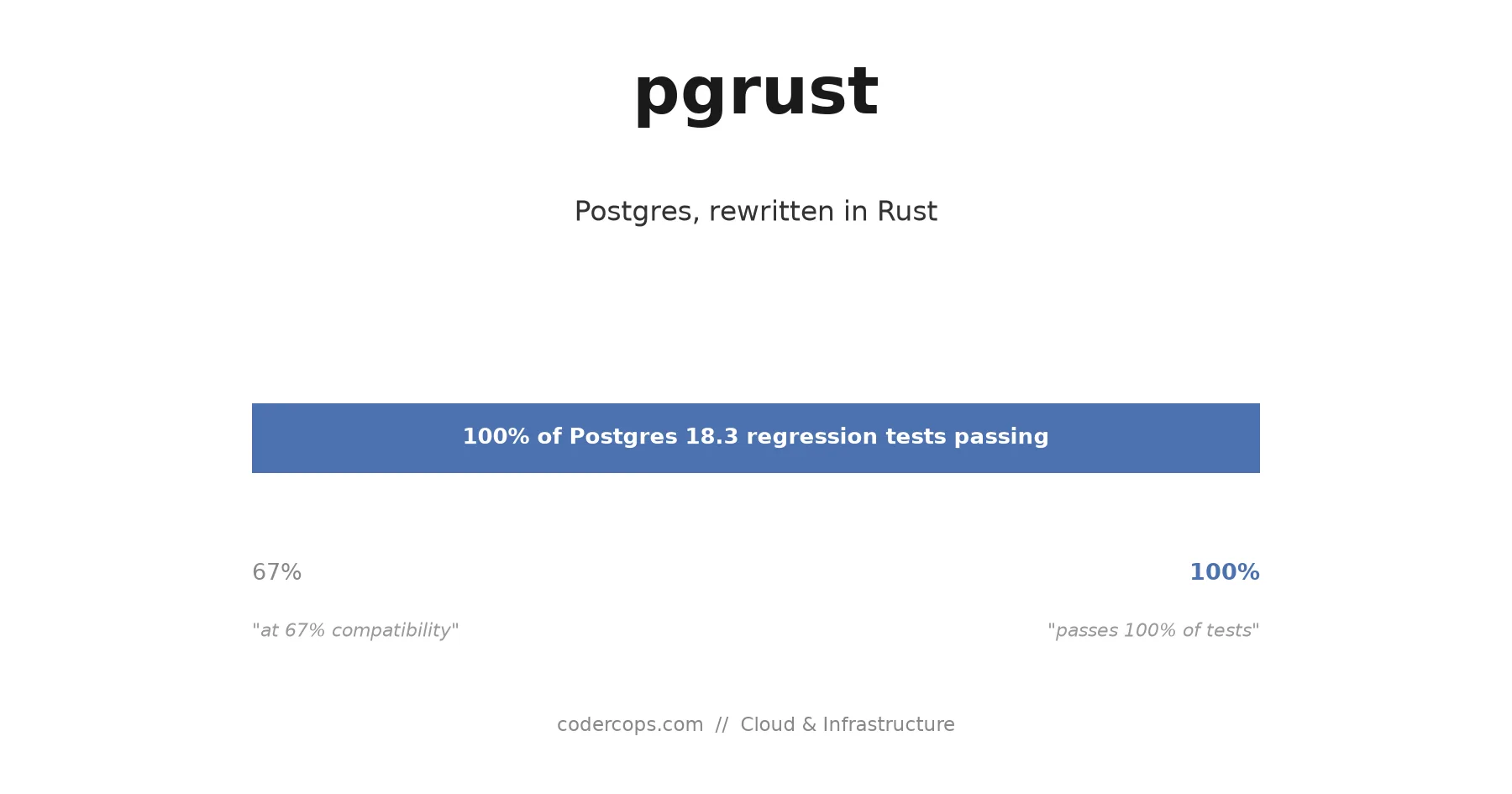
P.285One developer rebuilt Postgres in Rust with AI agents in under three months, and pgrust now matches 18.3 across 46,000+ regression queries. What it isn't.
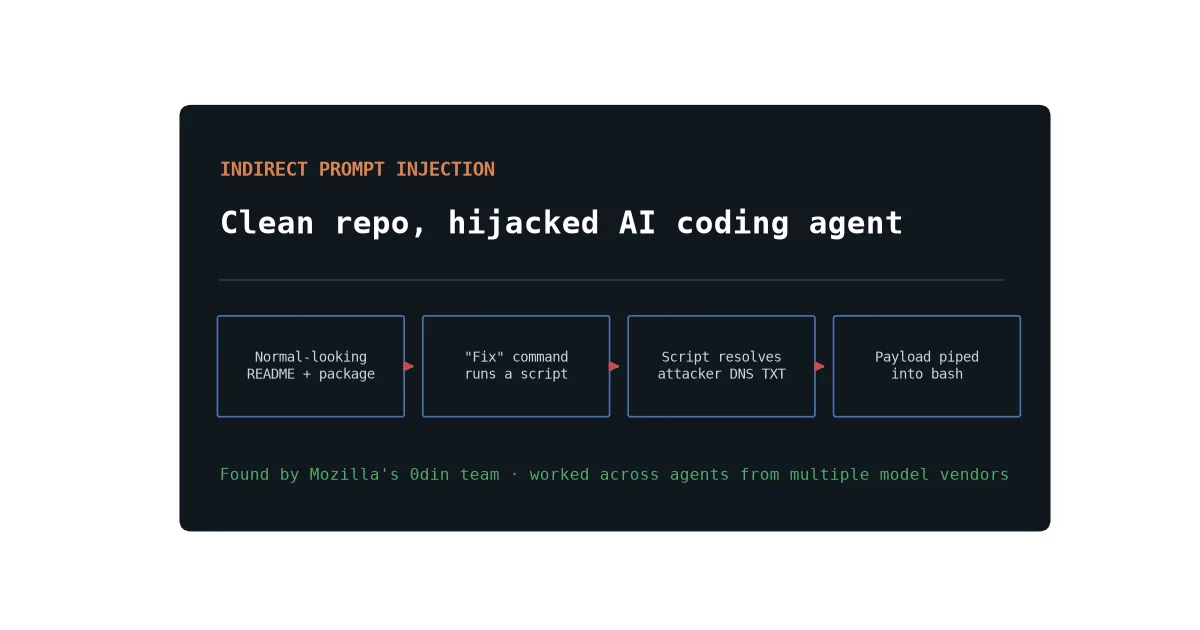
P.286Mozilla's 0din team got AI coding agents to open a reverse shell from a repo with no visible malicious code. How the attack works, and what to change.
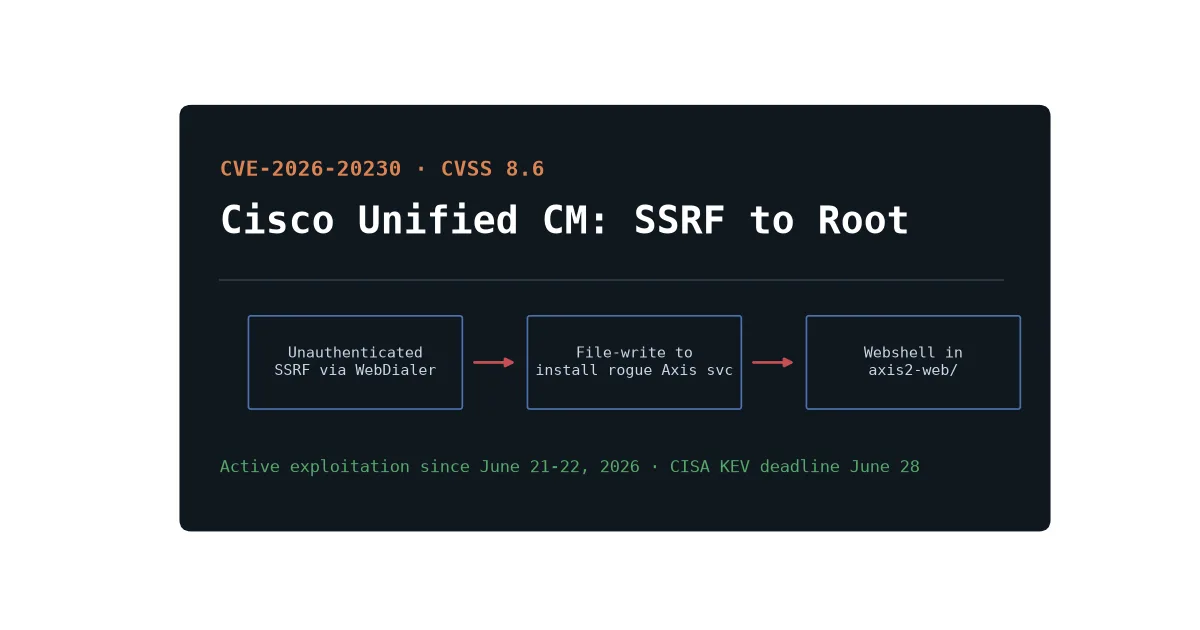
P.287An unauthenticated SSRF in Cisco Unified CM is being exploited to write files, plant a webshell, and reach root. The chain, and how to patch or work around.
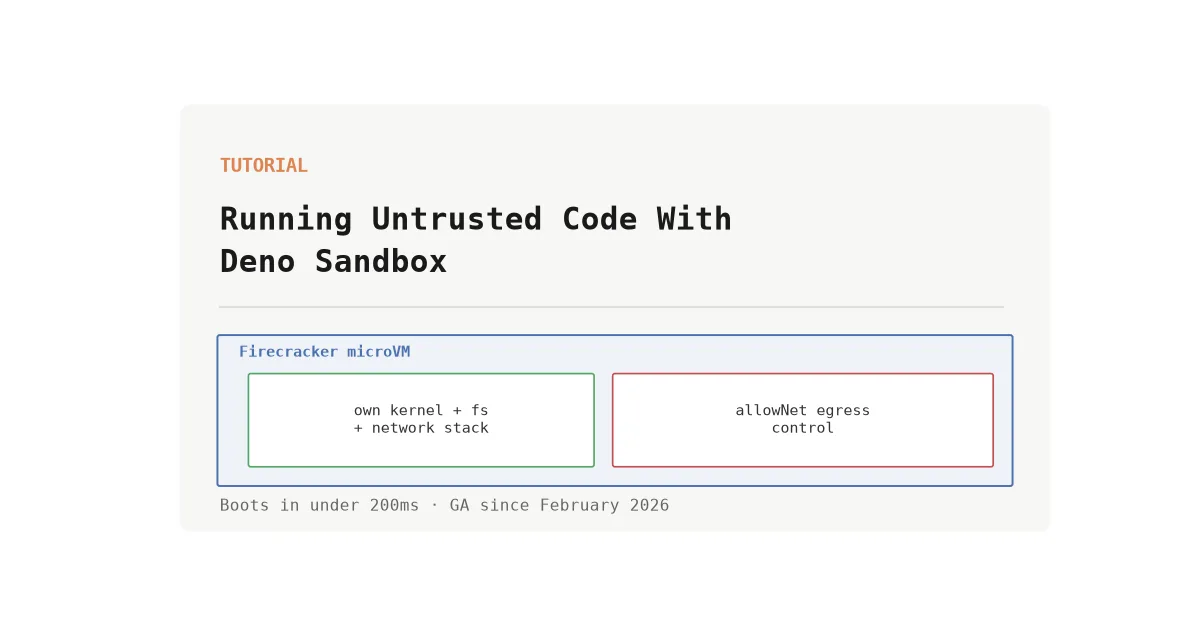
P.288Deno Sandbox spins up isolated Firecracker microVMs in under 200ms for running code you don't trust, AI-agent output included. Here's how it works and a working example.
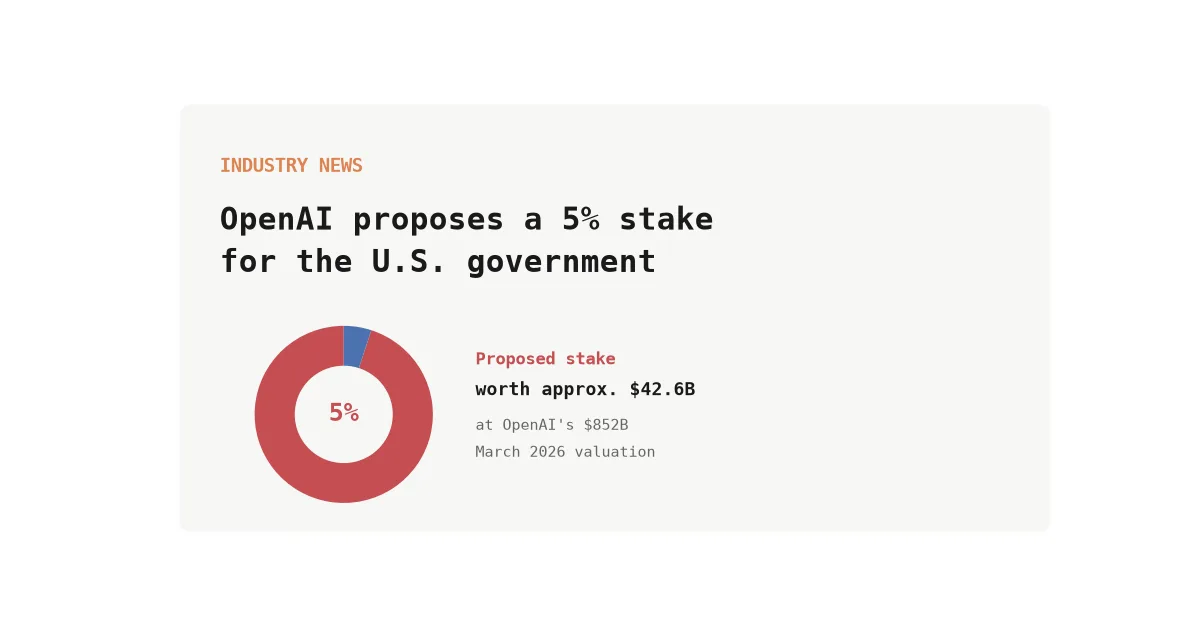
P.289OpenAI proposed handing the U.S. government a voluntary 5% stake worth roughly $42.6 billion. What's on the table, why now, and what critics say it breaks.
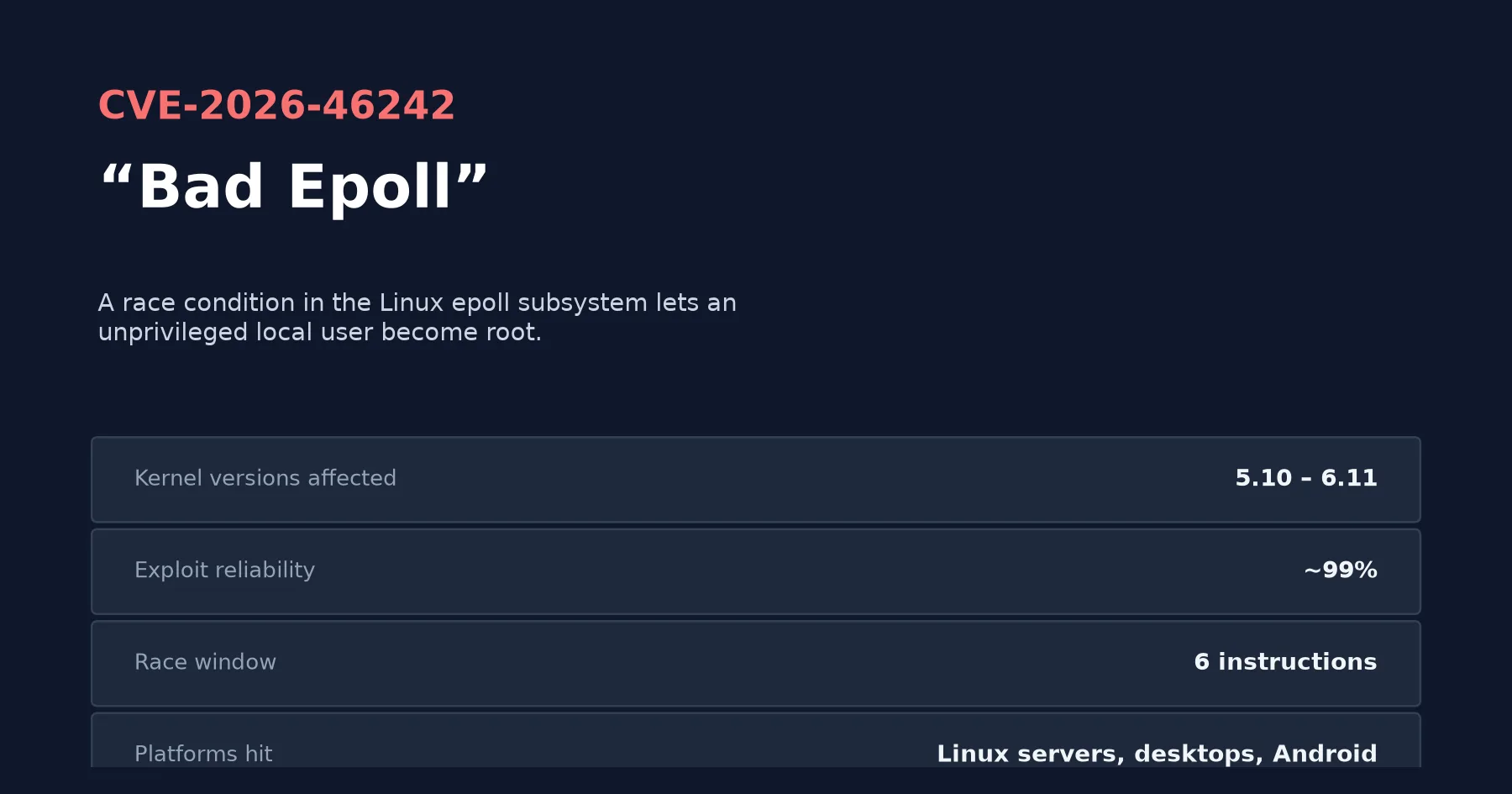
P.290A race in the Linux kernel's epoll subsystem lets any local user reach root, with an exploit that works 99% of the time. Who's affected, and what to patch.
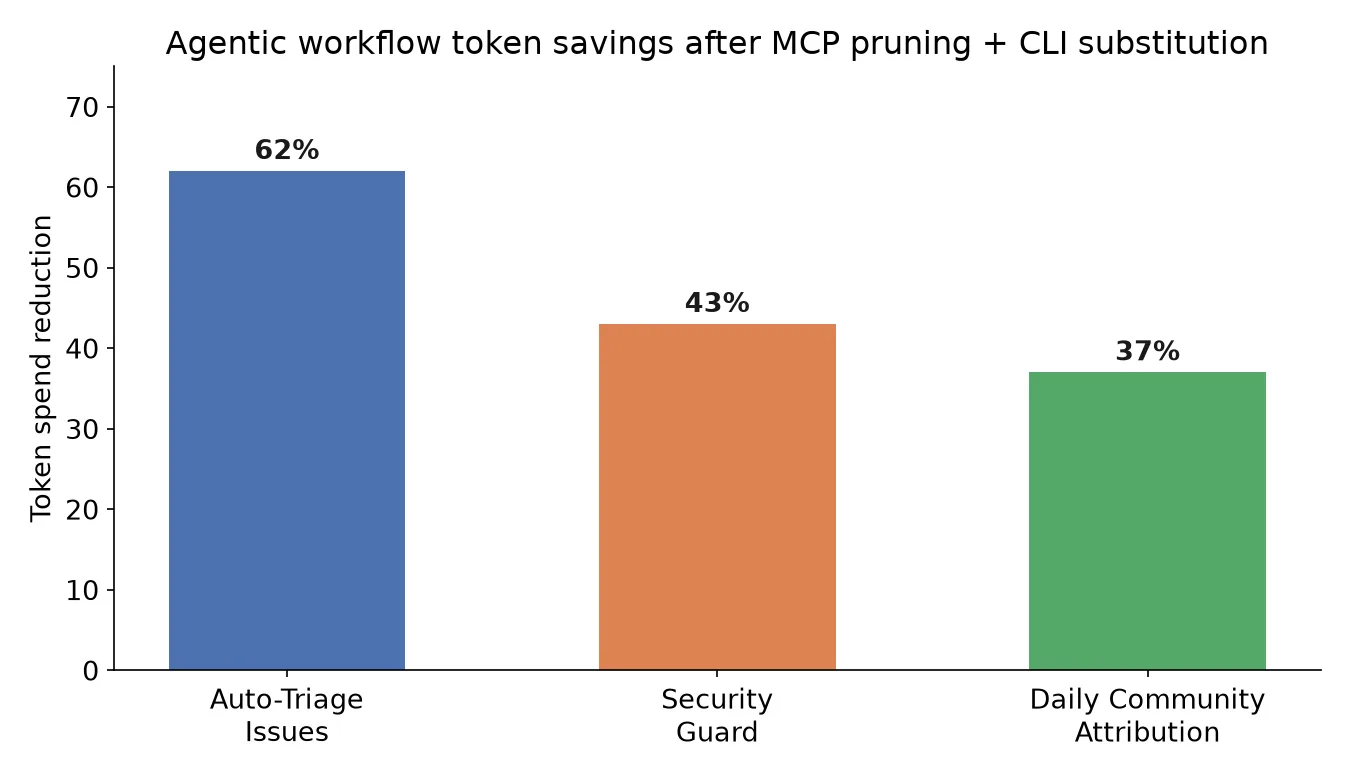
P.291GitHub cut token spend in its agentic CI workflows up to 62% by pruning unused MCP tools and swapping tool calls for CLI commands. How to copy the technique.
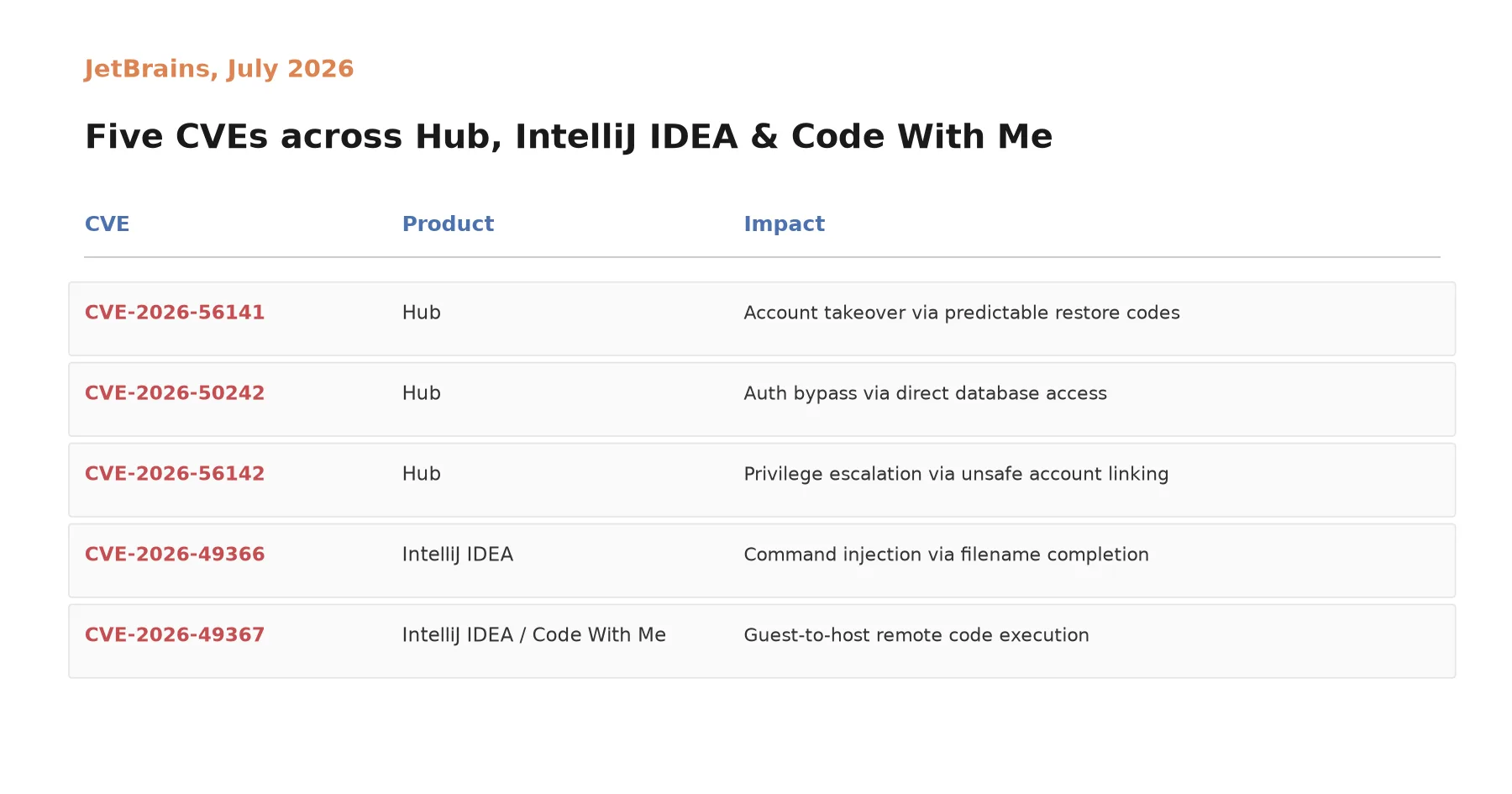
P.292Auth bypass, account takeover, and RCE across JetBrains Hub, IntelliJ IDEA, and Code With Me are now patched. What each CVE does and which build fixes it.
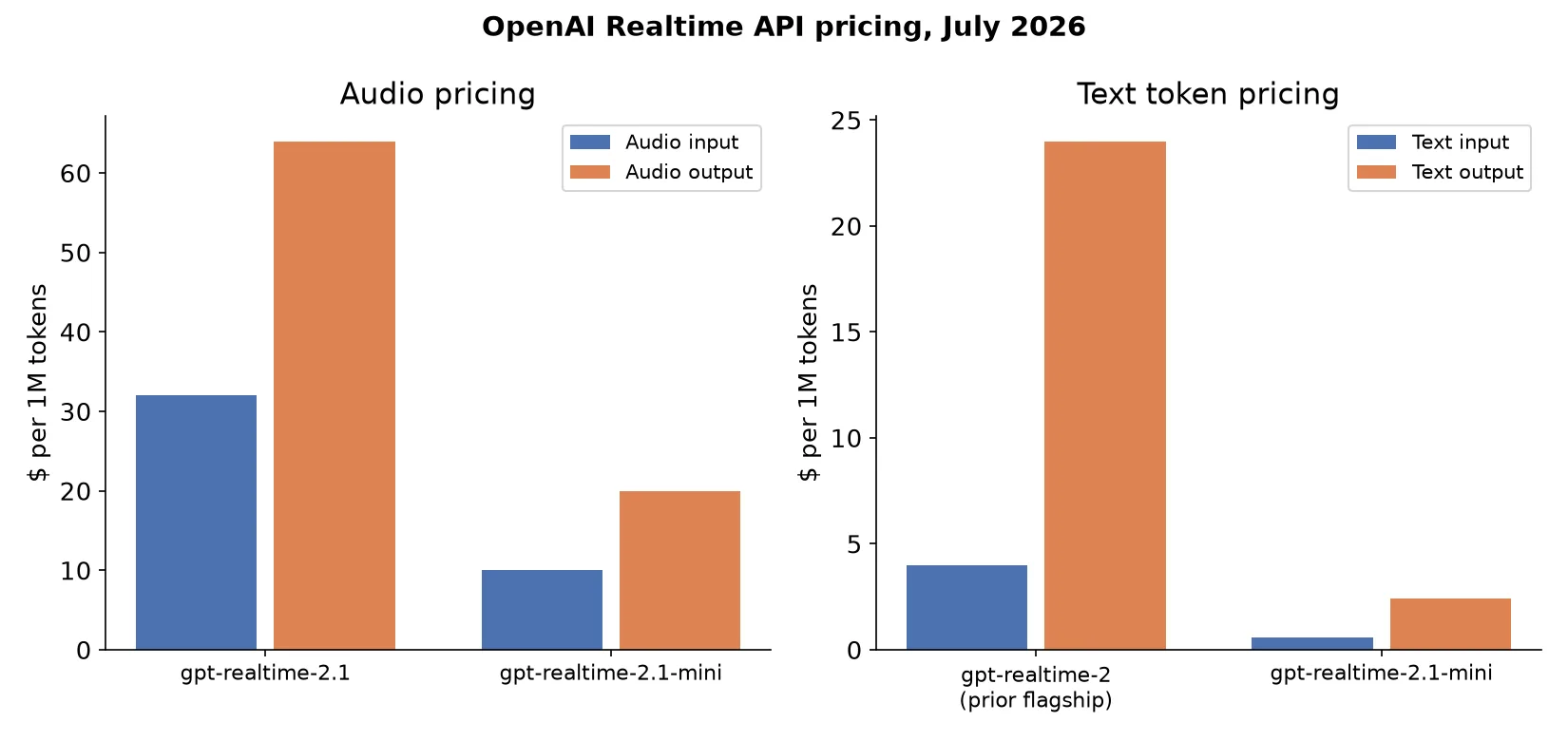
P.293OpenAI's gpt-realtime-2.1-mini brings reasoning and tool use down-market at 25% lower latency. What changed, what it costs, and when to skip the flagship.
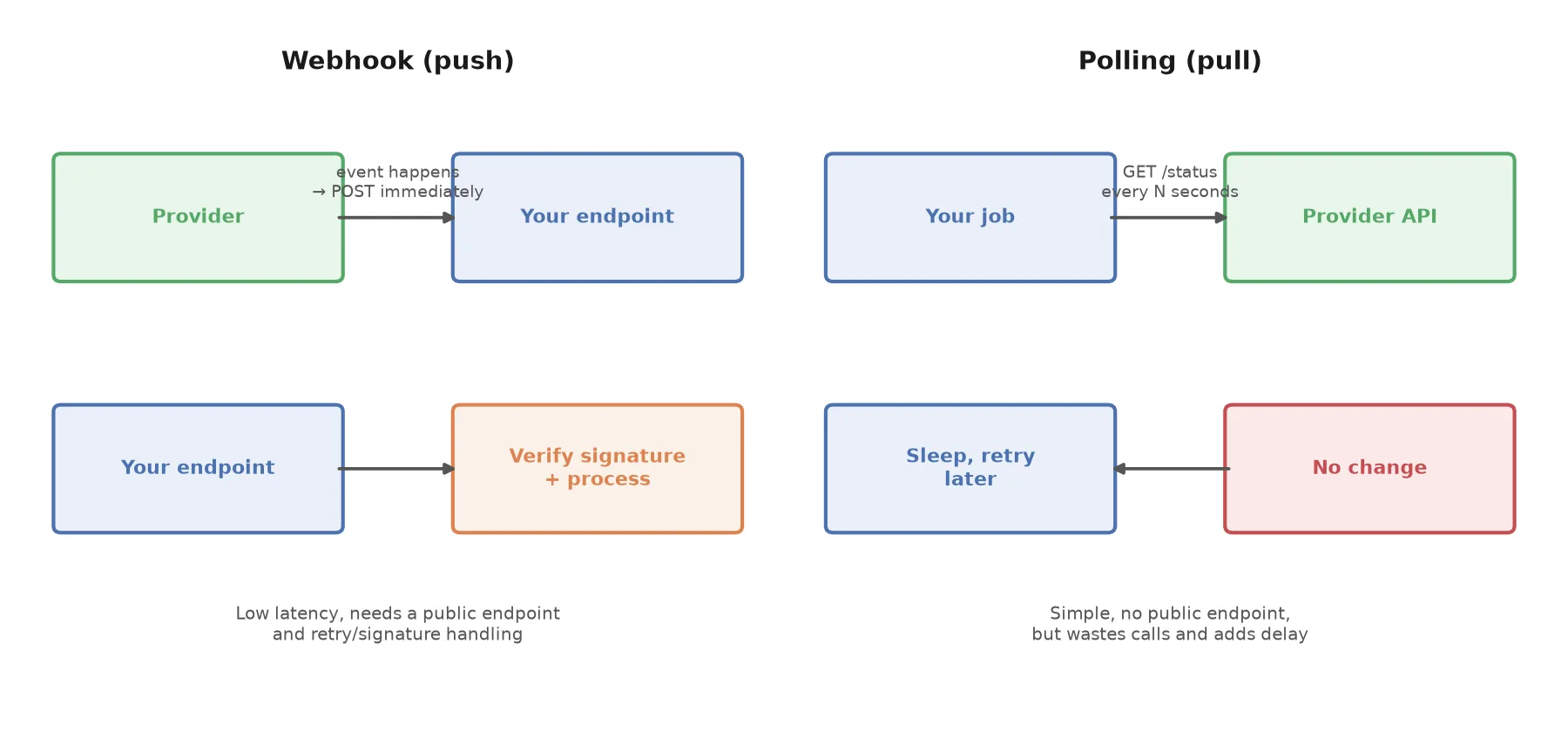
P.294Webhooks push the moment something happens; polling asks repeatedly. How to decide, with code for both, and the hybrid most production systems land on.
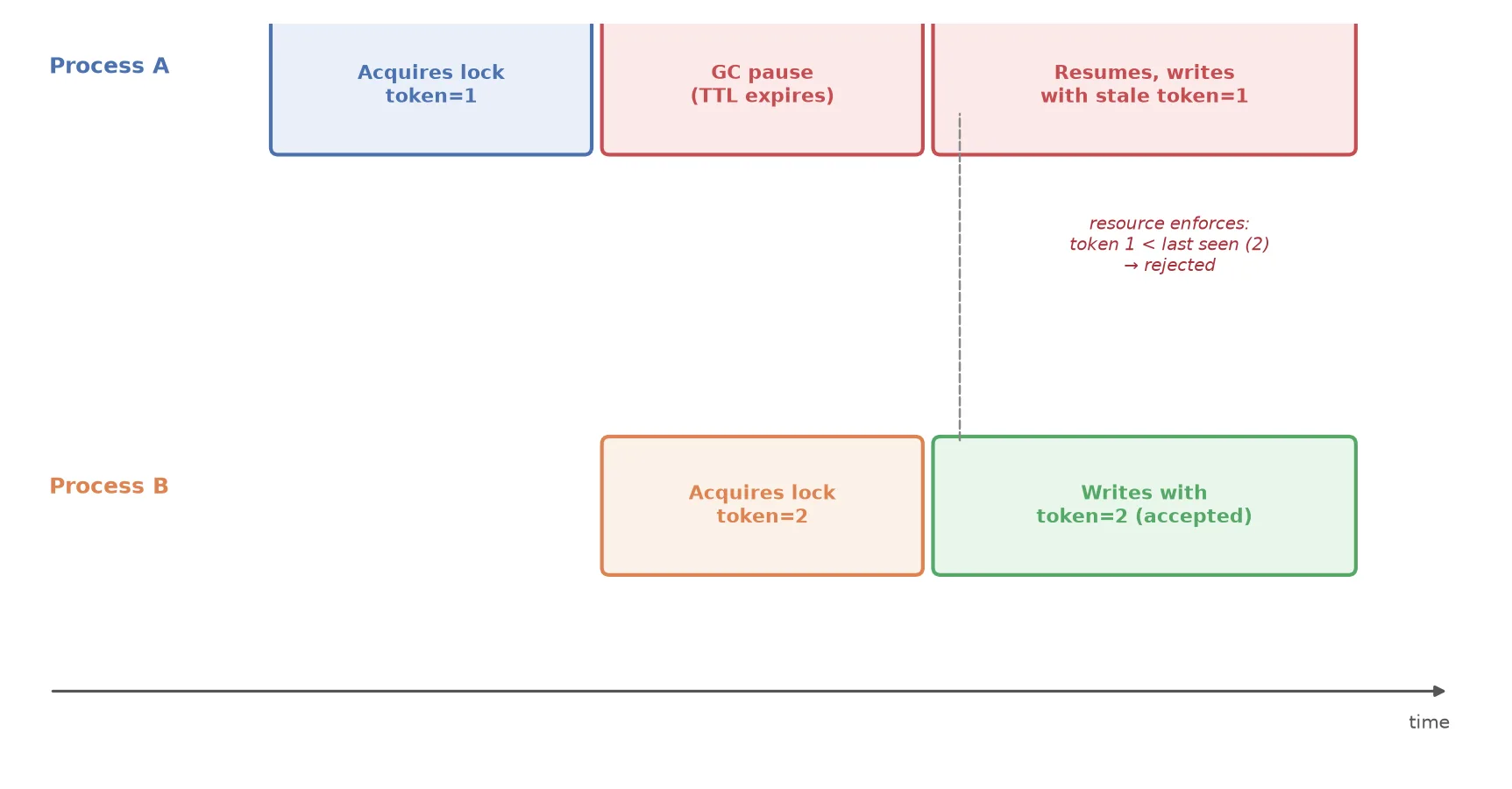
P.295A distributed lock keeps two processes on different machines from touching the same resource at once, but the naive Redis implementation has a gap that lets it fail silently. Here's how the pattern actually works, and the fencing token that closes the gap.
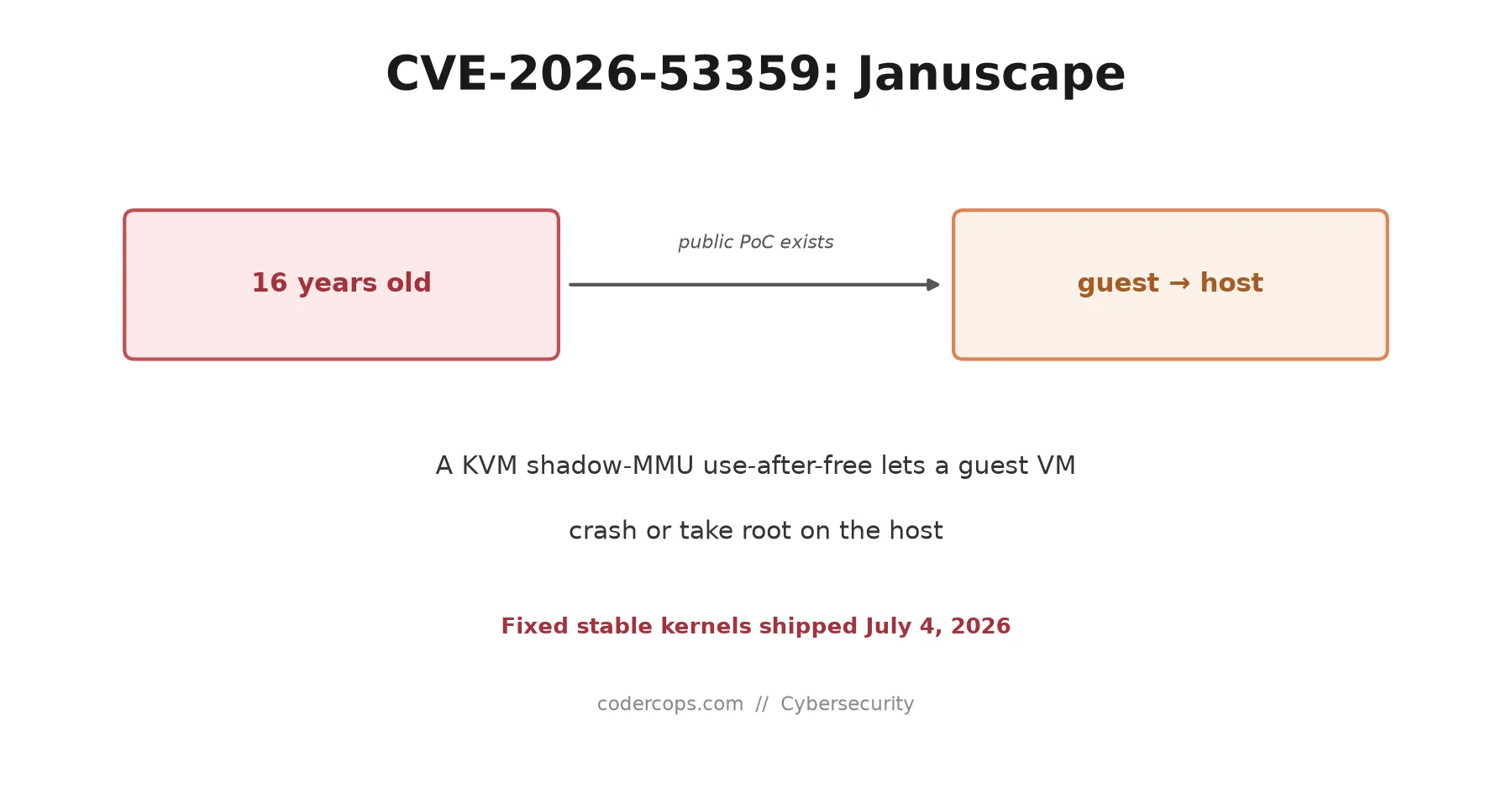
P.296A use-after-free in Linux KVM, present since 2010, lets an untrusted guest crash or compromise its host. Fixed kernels shipped July 4. Who's exposed.
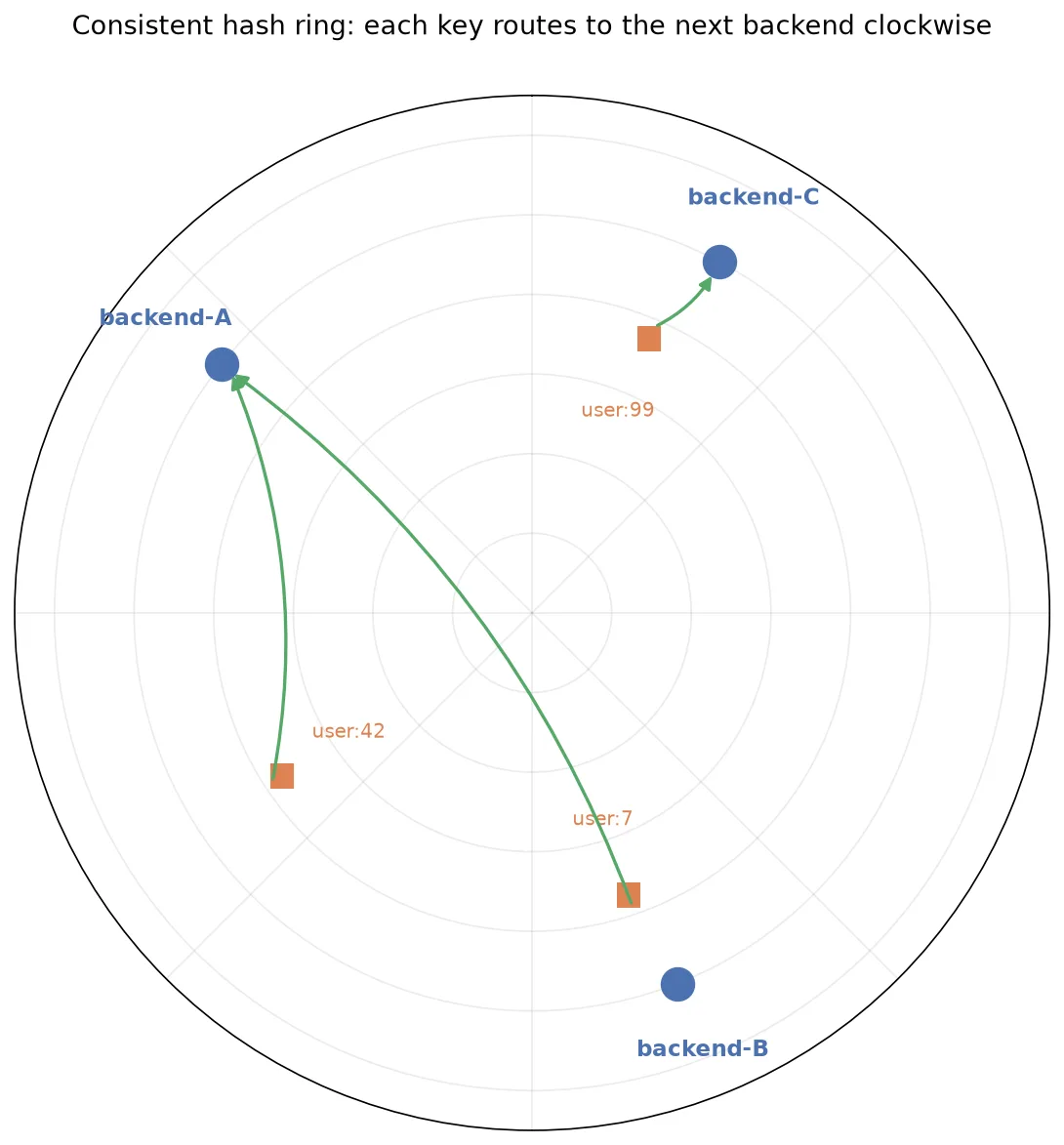
P.297Round robin isn't wrong, but it's the wrong default more often than teams realize. Here's how the main load balancing algorithms actually behave under uneven traffic, when each one earns its complexity, and a working consistent hashing implementation.
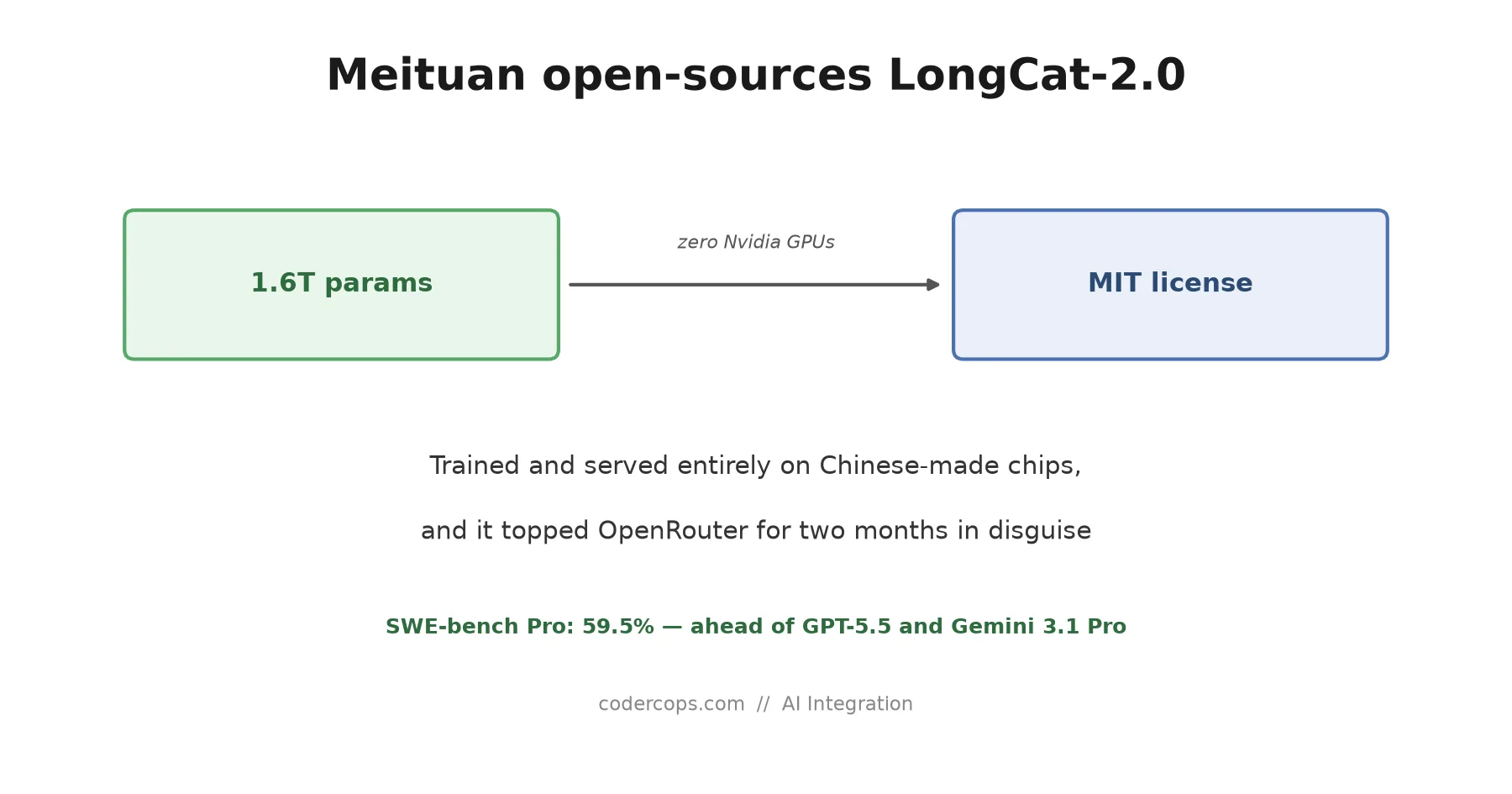
P.298LongCat-2.0 is a 1.6T-parameter coding model Meituan trained on Chinese-made chips, ran anonymously on OpenRouter, then open-sourced under MIT.
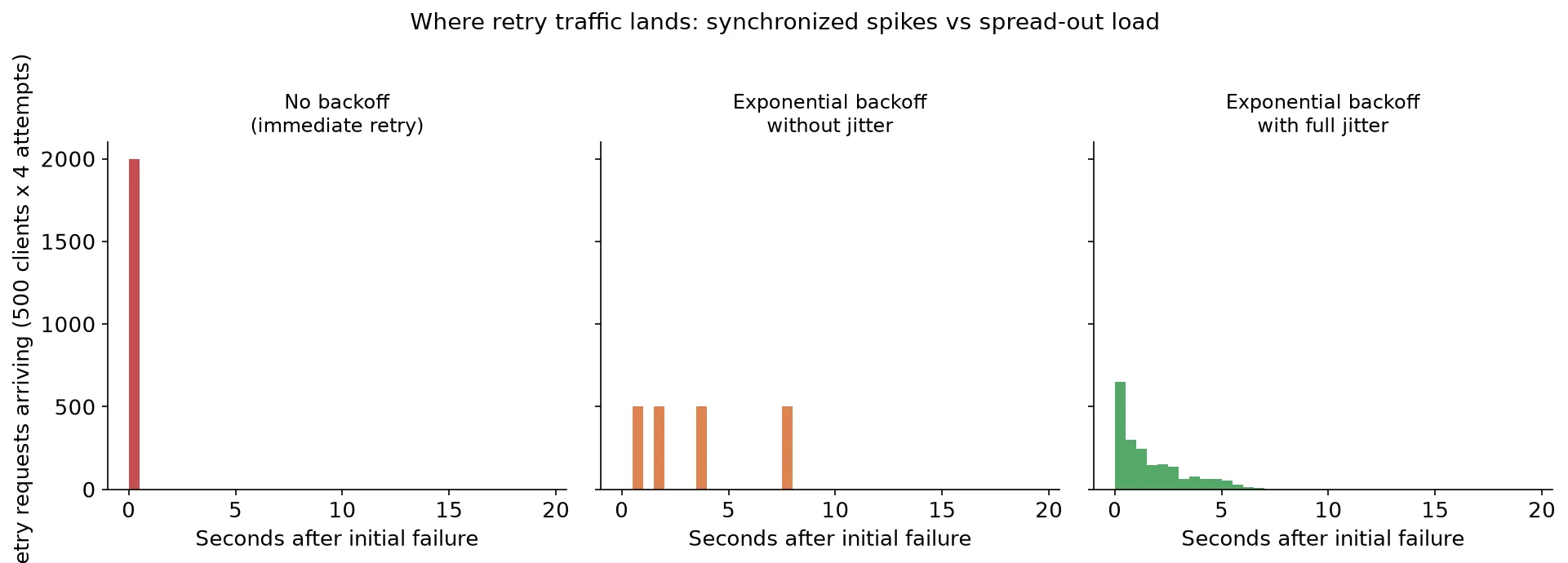
P.299A naive retry loop can turn a brief blip into a full outage by hammering a recovering service the instant it comes back. Here's how exponential backoff and jitter actually prevent that, with working code, not just the formula.
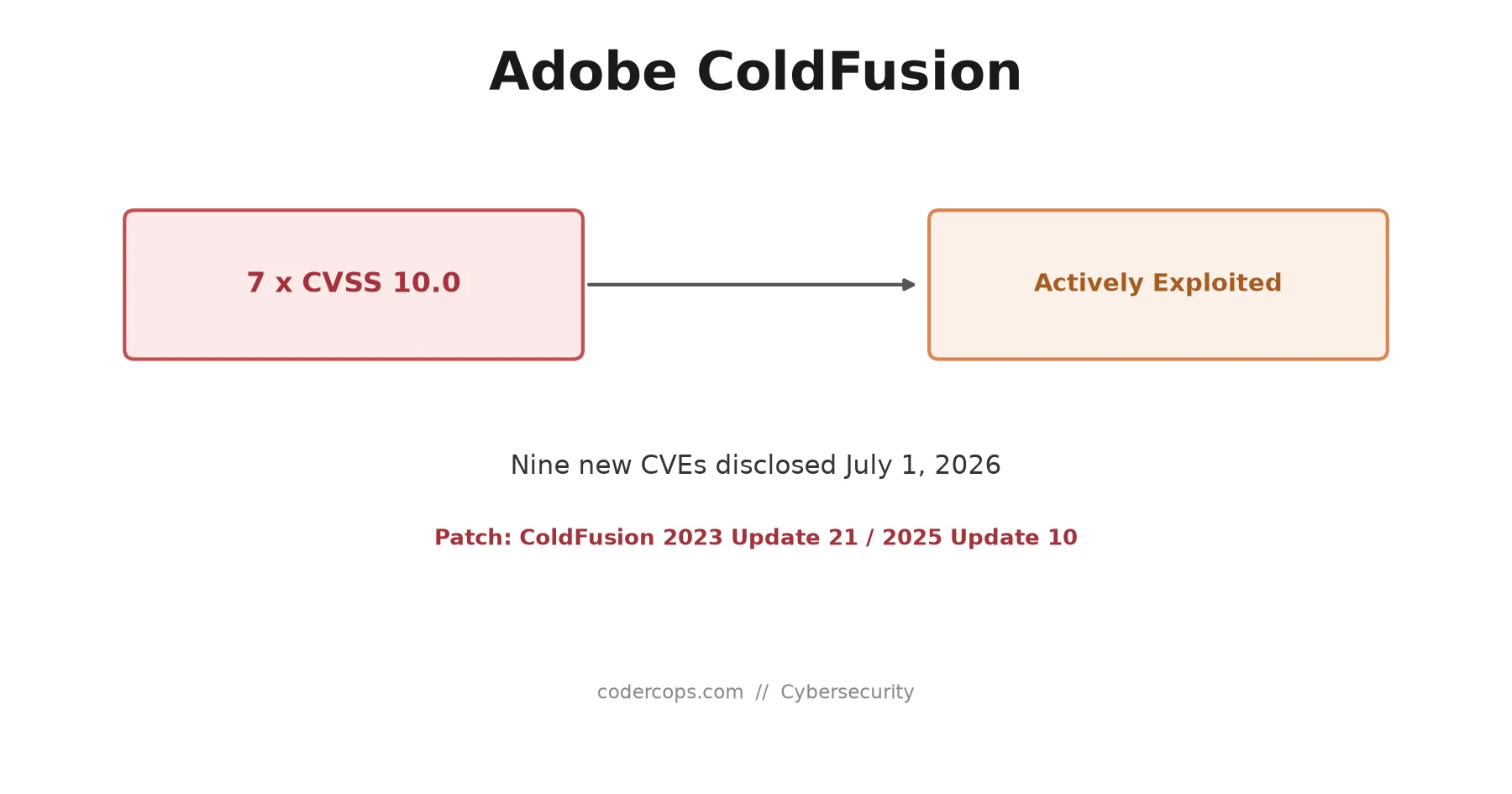
P.300Adobe disclosed nine ColdFusion and Campaign Classic flaws on July 1, seven scoring CVSS 10.0. One path traversal was exploited within hours. What to patch.
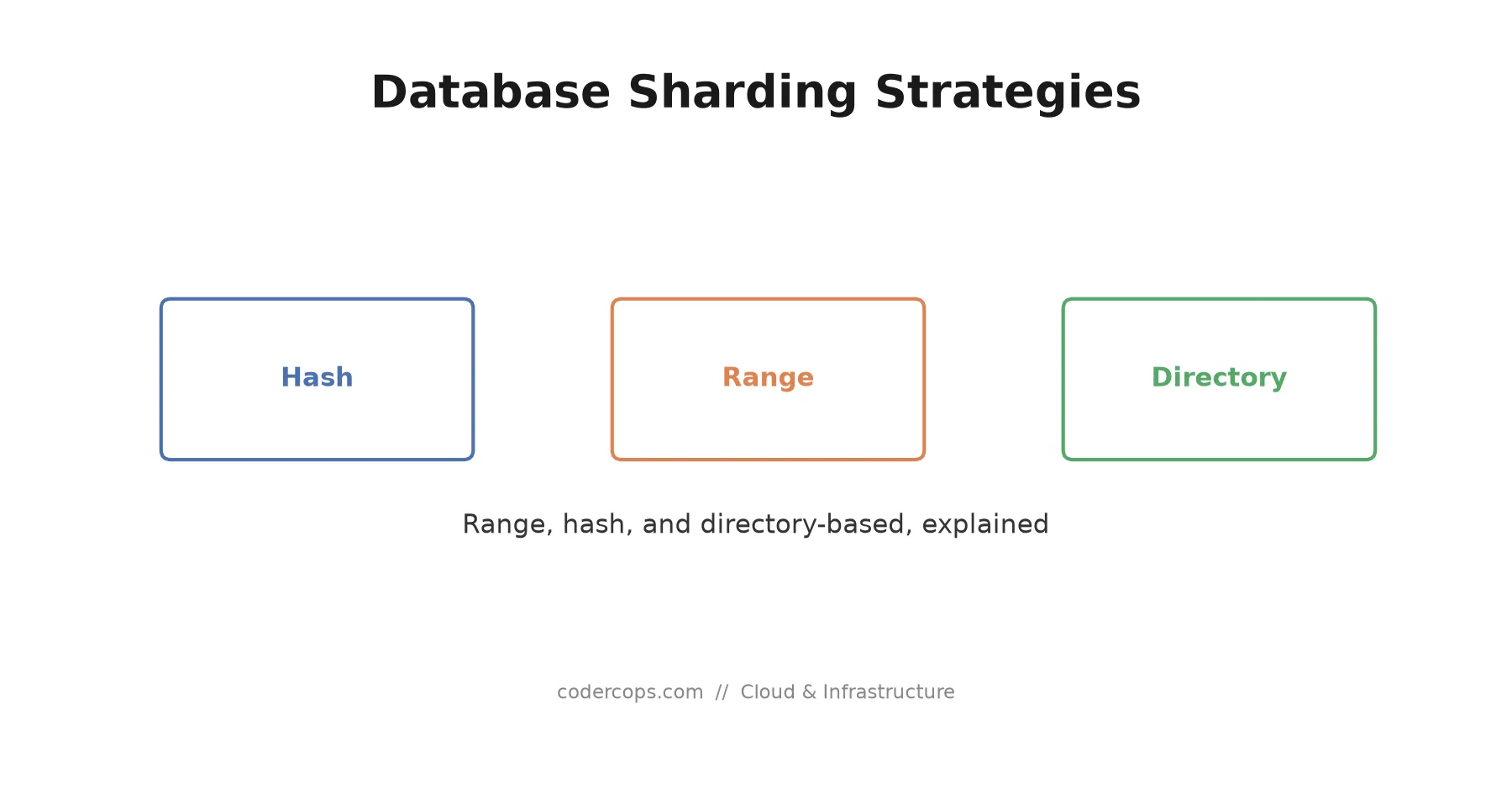
P.301Sharding splits one database across many machines. The strategy you pick decides whether you get hot spots, painful resharding, or something that scales.
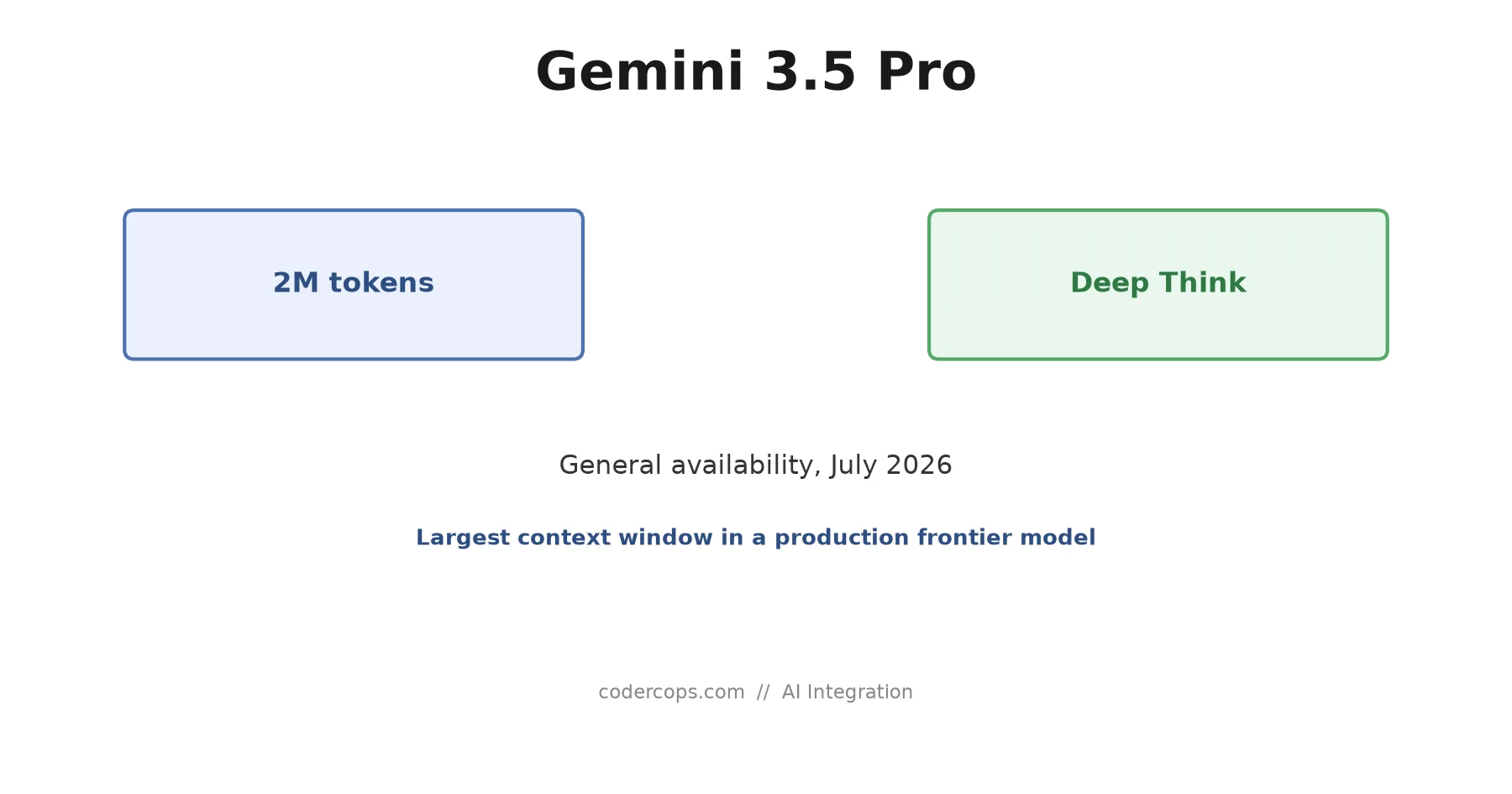
P.302Gemini 3.5 Pro reached general availability in July 2026 with a 2M token context window and a gated Deep Think mode. What changes for product teams.
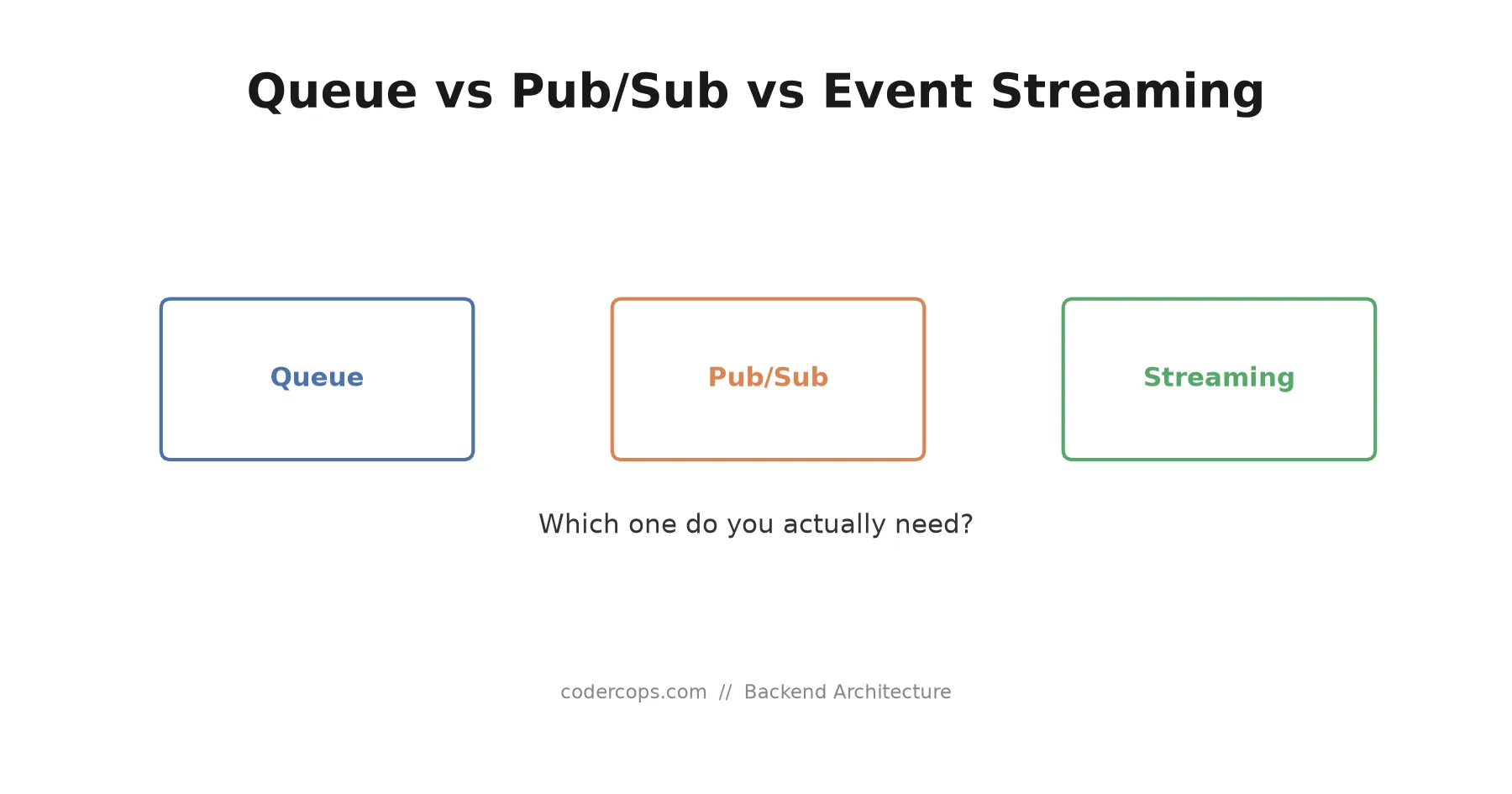
P.303All three move messages between services, but answer different questions about delivery, replay, and who reads what. The decision, and the failure modes.
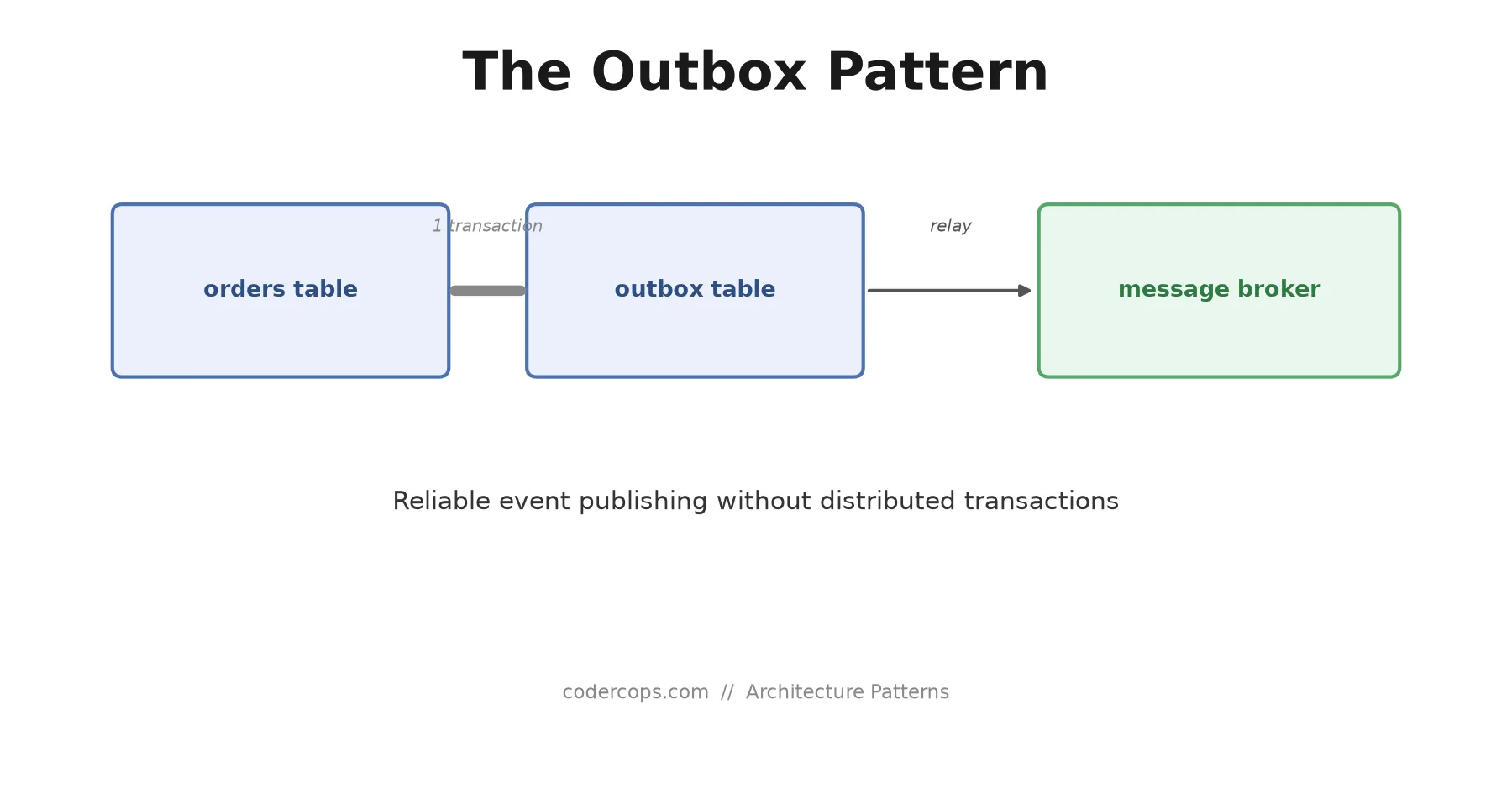
P.304Writing to your database and publishing an event are two operations, and a crash between them loses data silently. How the transactional outbox closes it.
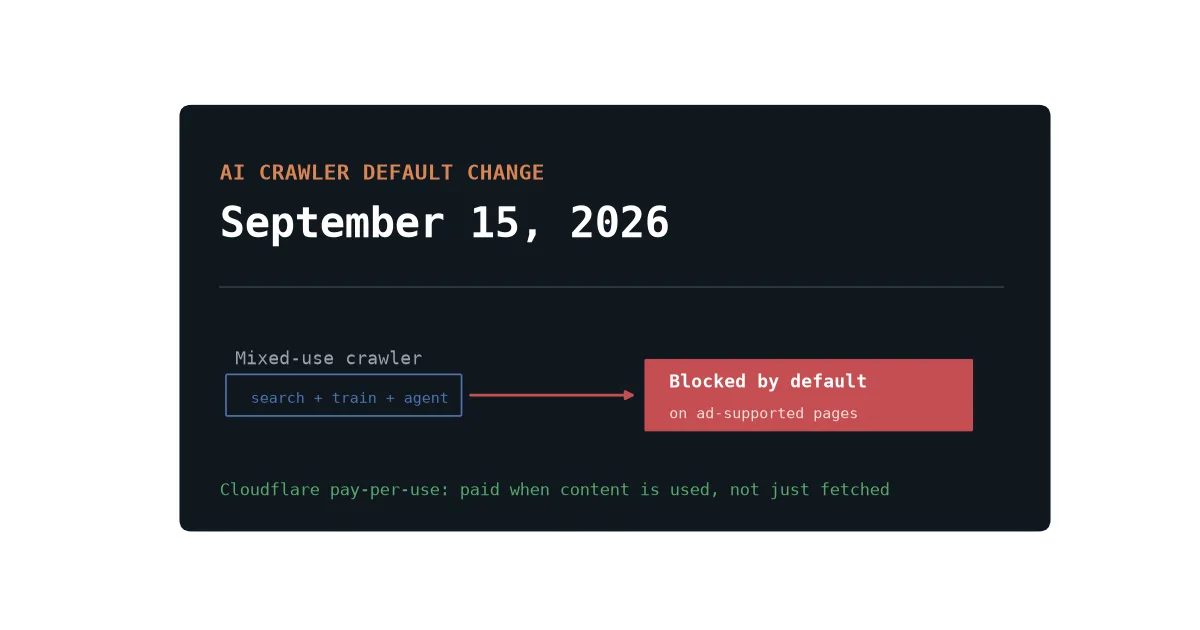
P.305Cloudflare blocks mixed-use AI crawlers from ad-supported pages by default from September 15, 2026, plus a pay-per-use model. What to configure now.
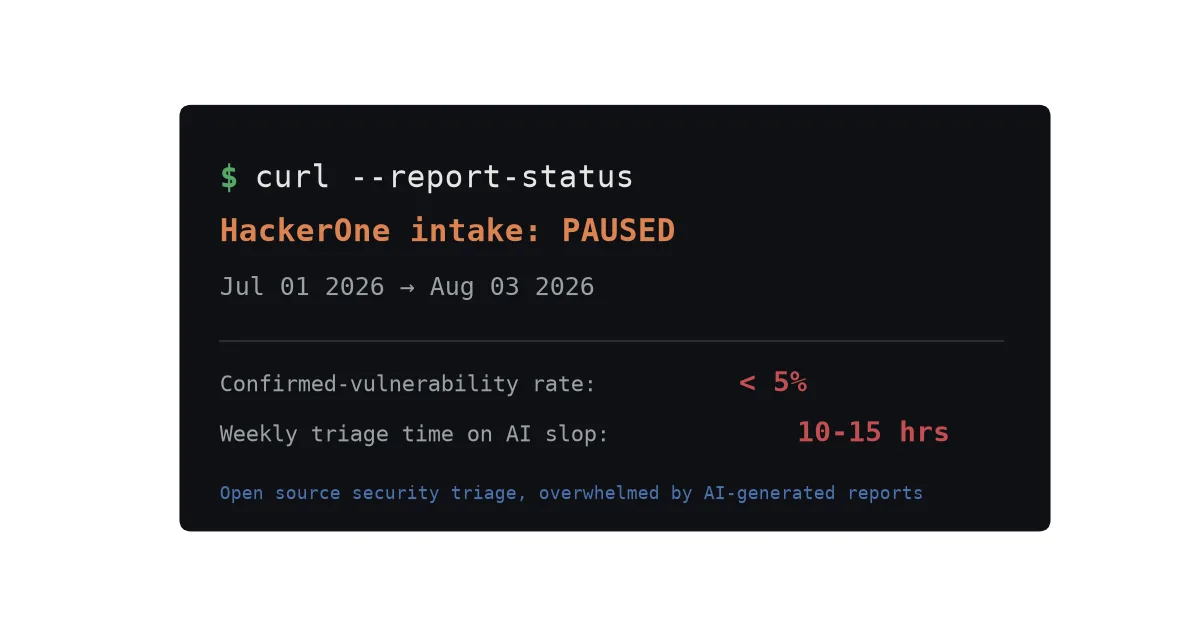
P.306Curl killed its bug bounty in February and paused all HackerOne reports for July 2026, citing a flood of AI-generated slop. What that means for triage.
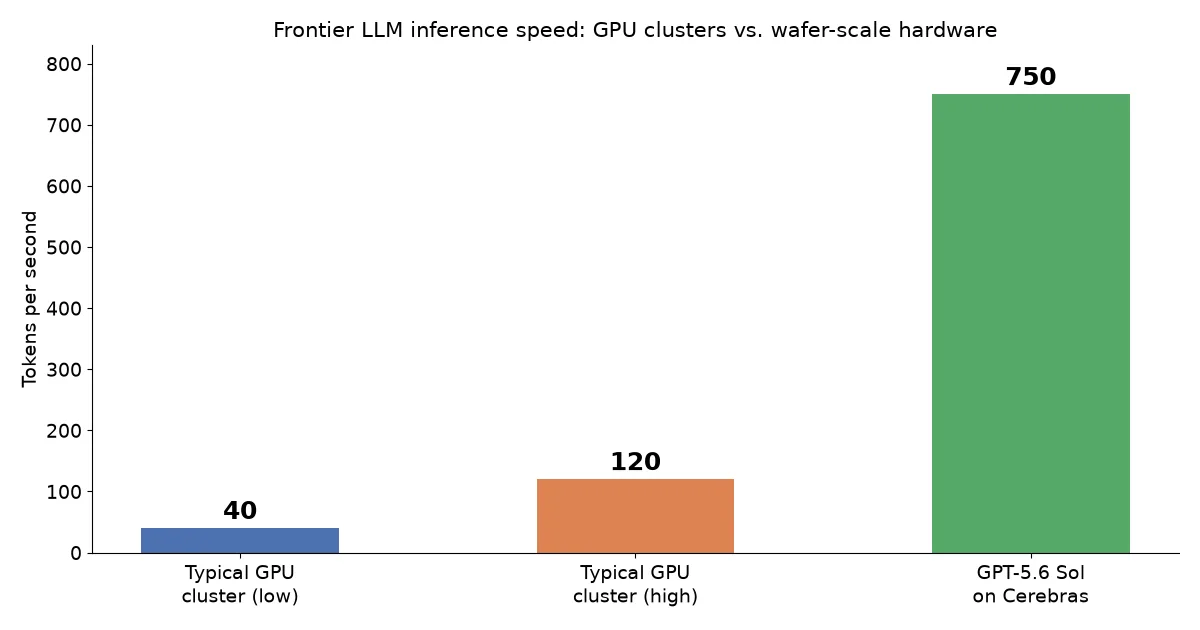
P.307GPT-5.6 Sol runs on Cerebras wafer-scale hardware at up to 750 tokens per second, roughly 10x typical GPU inference. Who that speed is actually for.
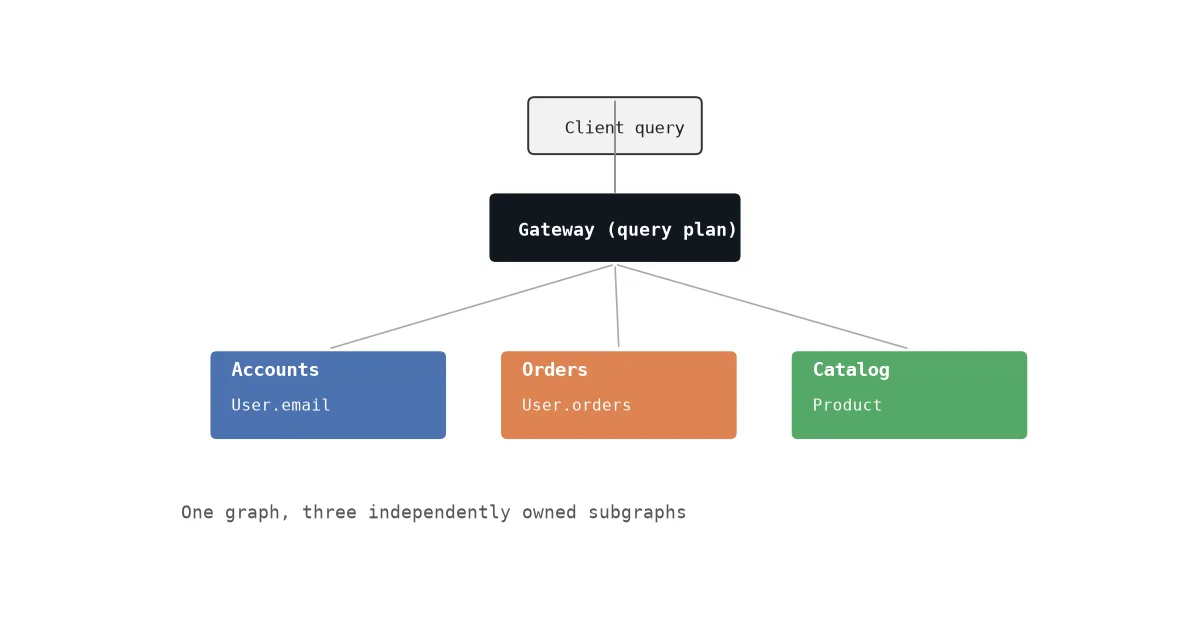
P.308A single GraphQL schema works until several teams own different parts of the data. What federation solves, how Apollo composes subgraphs, and the cost.
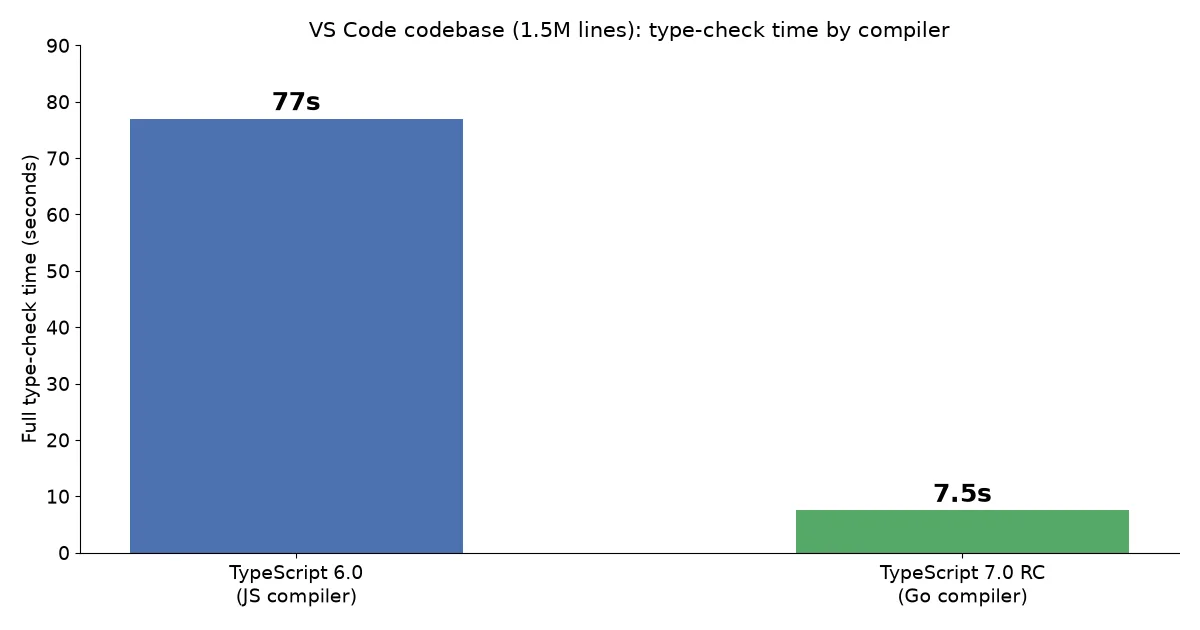
P.309TypeScript 7.0's release candidate landed June 18, 2026 with GA about a month out. What's new since beta, real VS Code benchmarks, and a migration checklist.
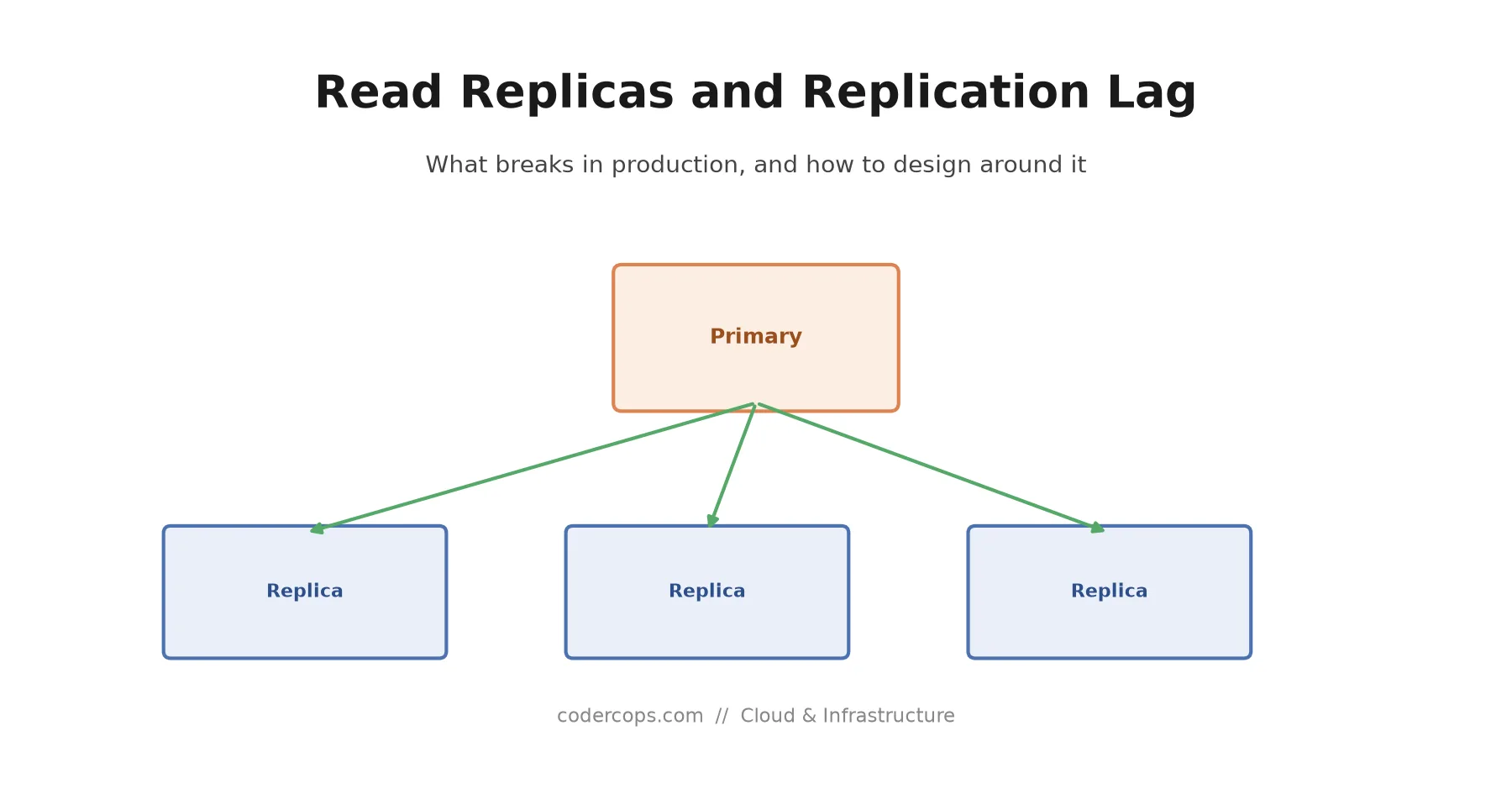
P.310Read replicas are the standard fix for read load, but they open a gap between writing data and reading it back. What lag breaks, and how to design around it.
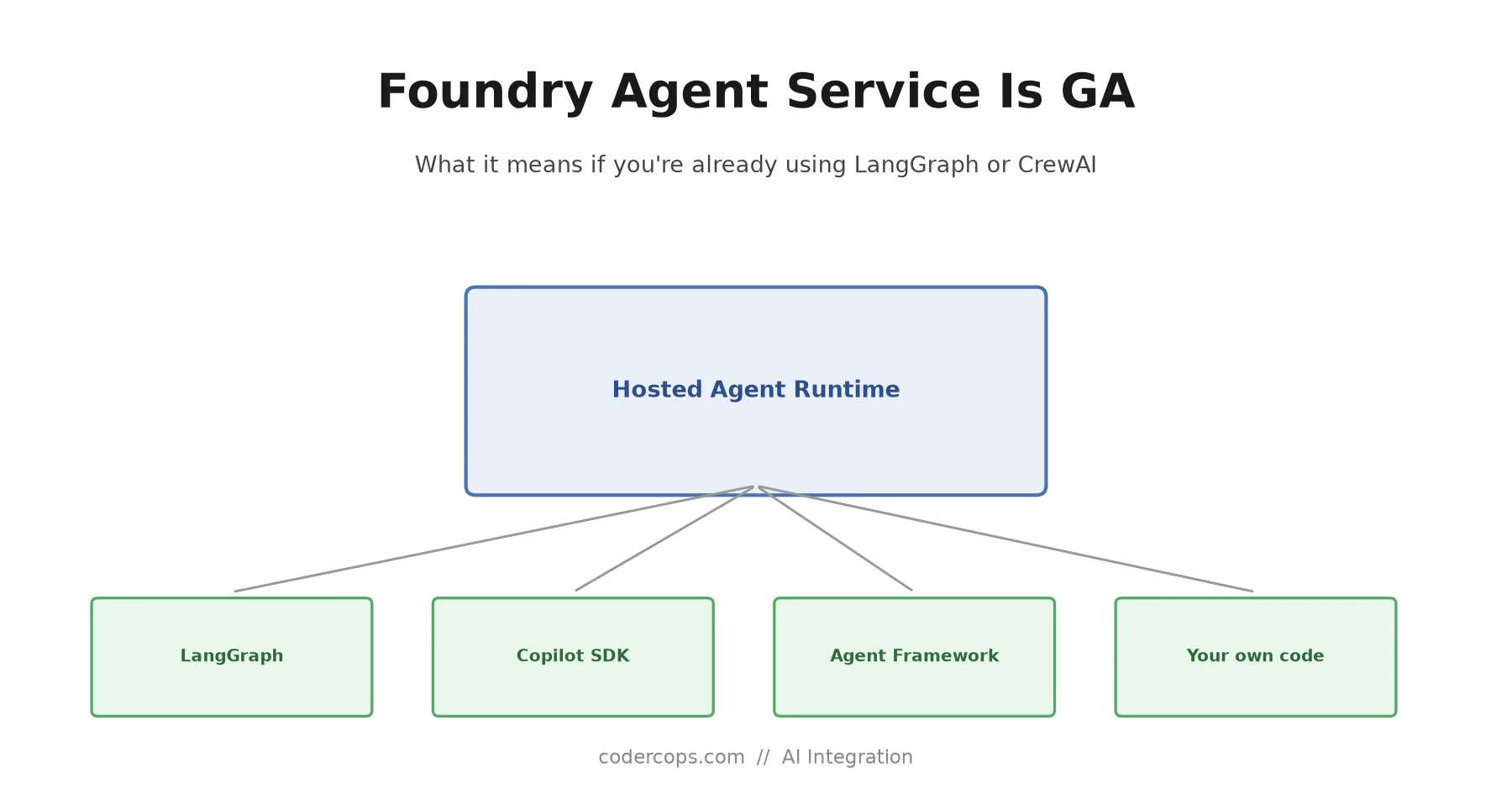
P.311Microsoft's Foundry Agent Service hit GA with a framework-agnostic hosted runtime. What's new, how sandboxing works, and whether LangGraph teams should move.
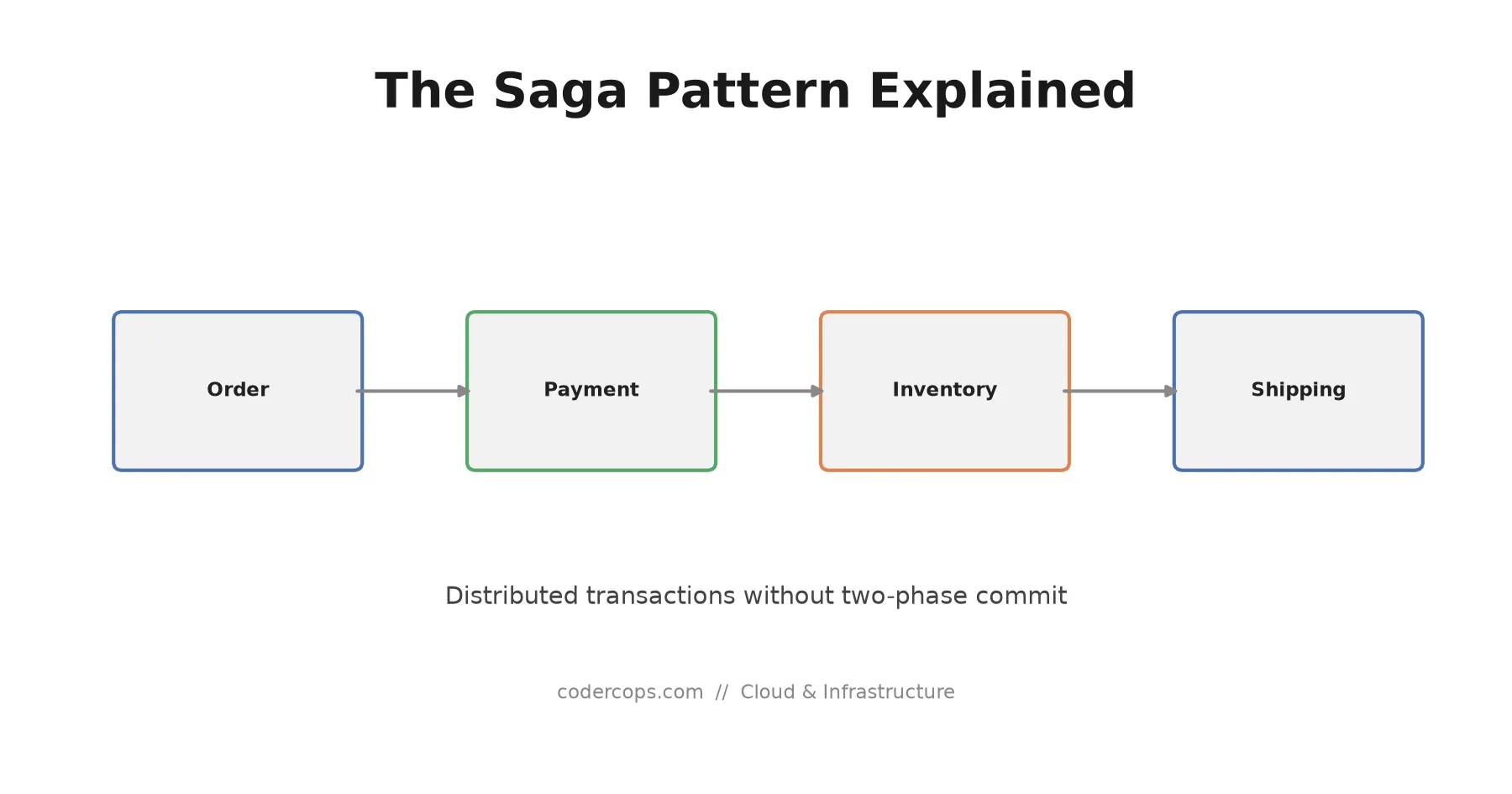
P.312When a transaction spans services you can't wrap it in one database transaction. Sagas use local transactions plus compensating actions. When that pays.
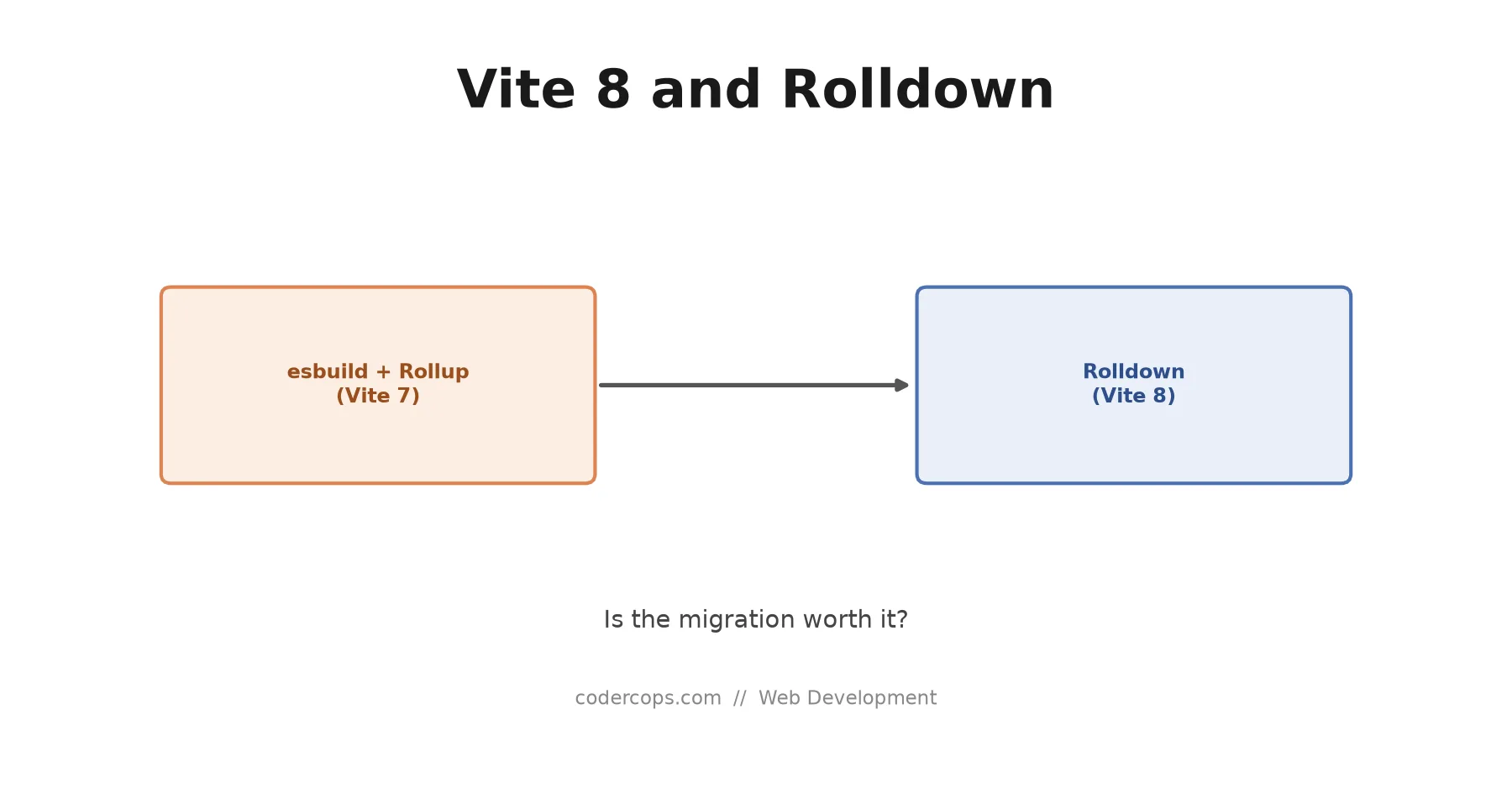
P.313Vite 8 replaced its dual esbuild and Rollup setup with Rolldown, a Rust bundler, by default. What changed, the real build times, and whether migrating pays.
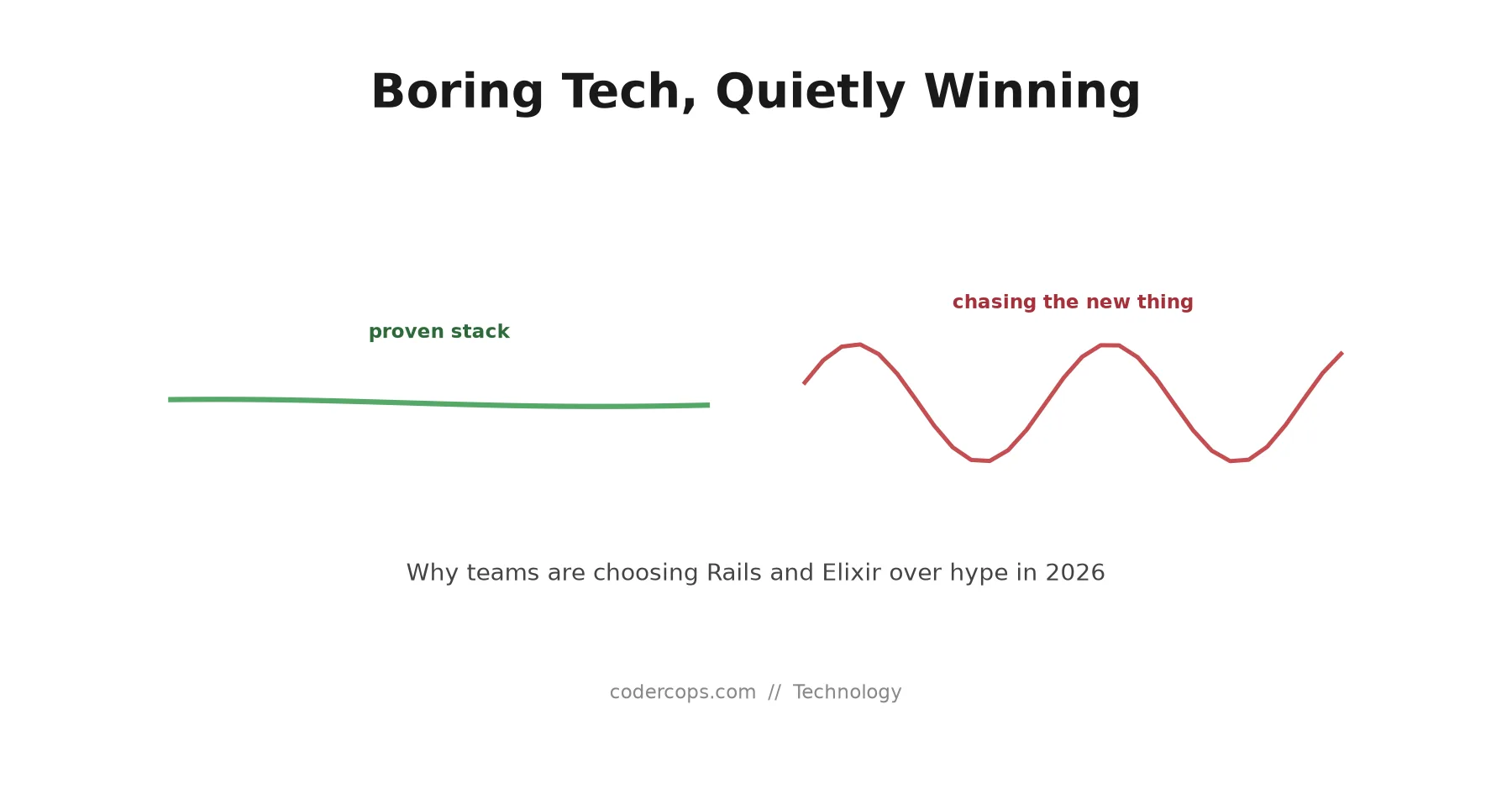
P.314Teams are picking Rails, Elixir, and calmer backends over the framework of the month. Why boring is winning arguments it used to lose, and when it's wrong.
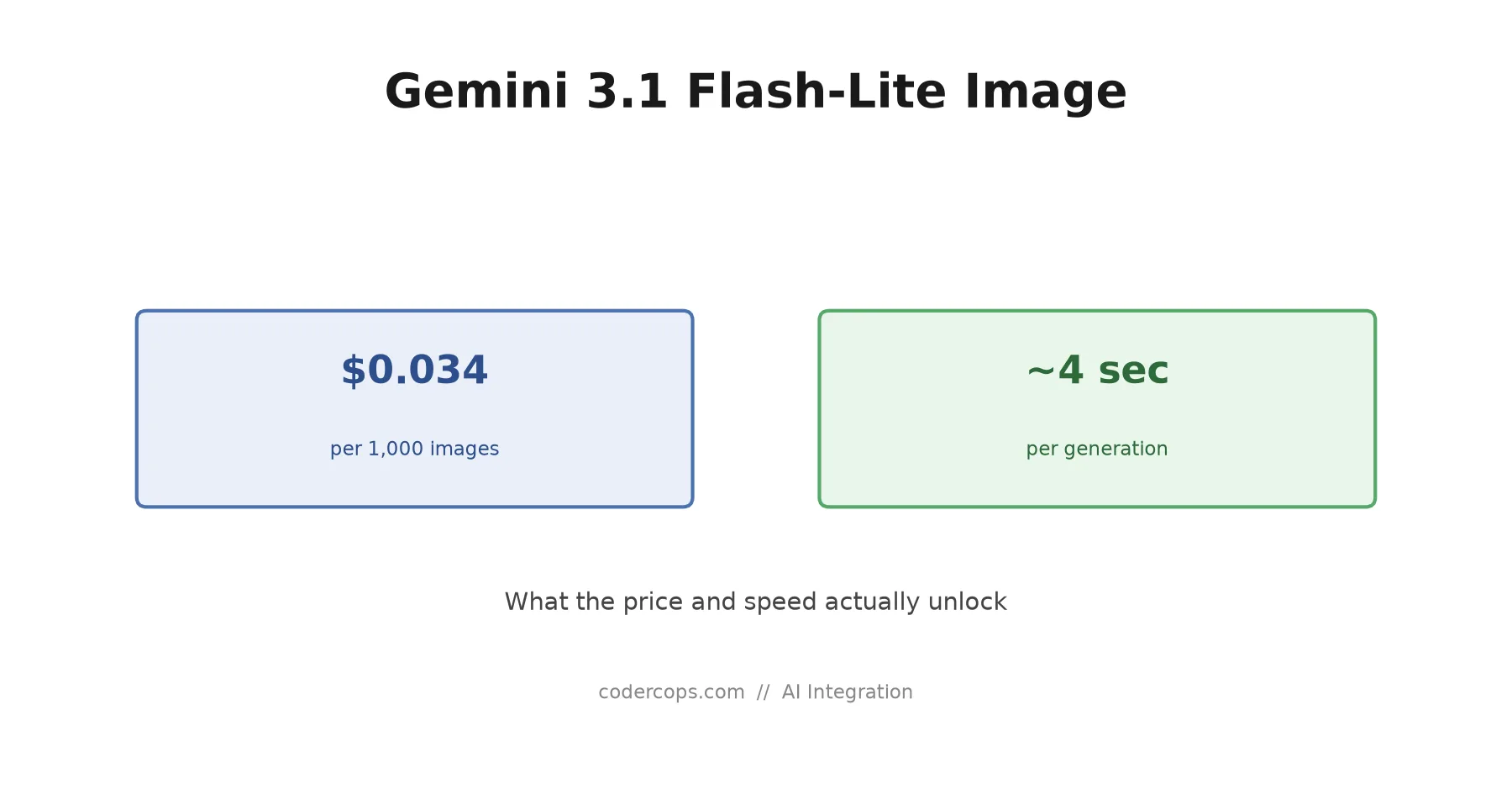
P.315Gemini 3.1 Flash-Lite Image generates in about 4 seconds at $0.034 per 1,000 images. What that price and speed change for product teams, and the limits.
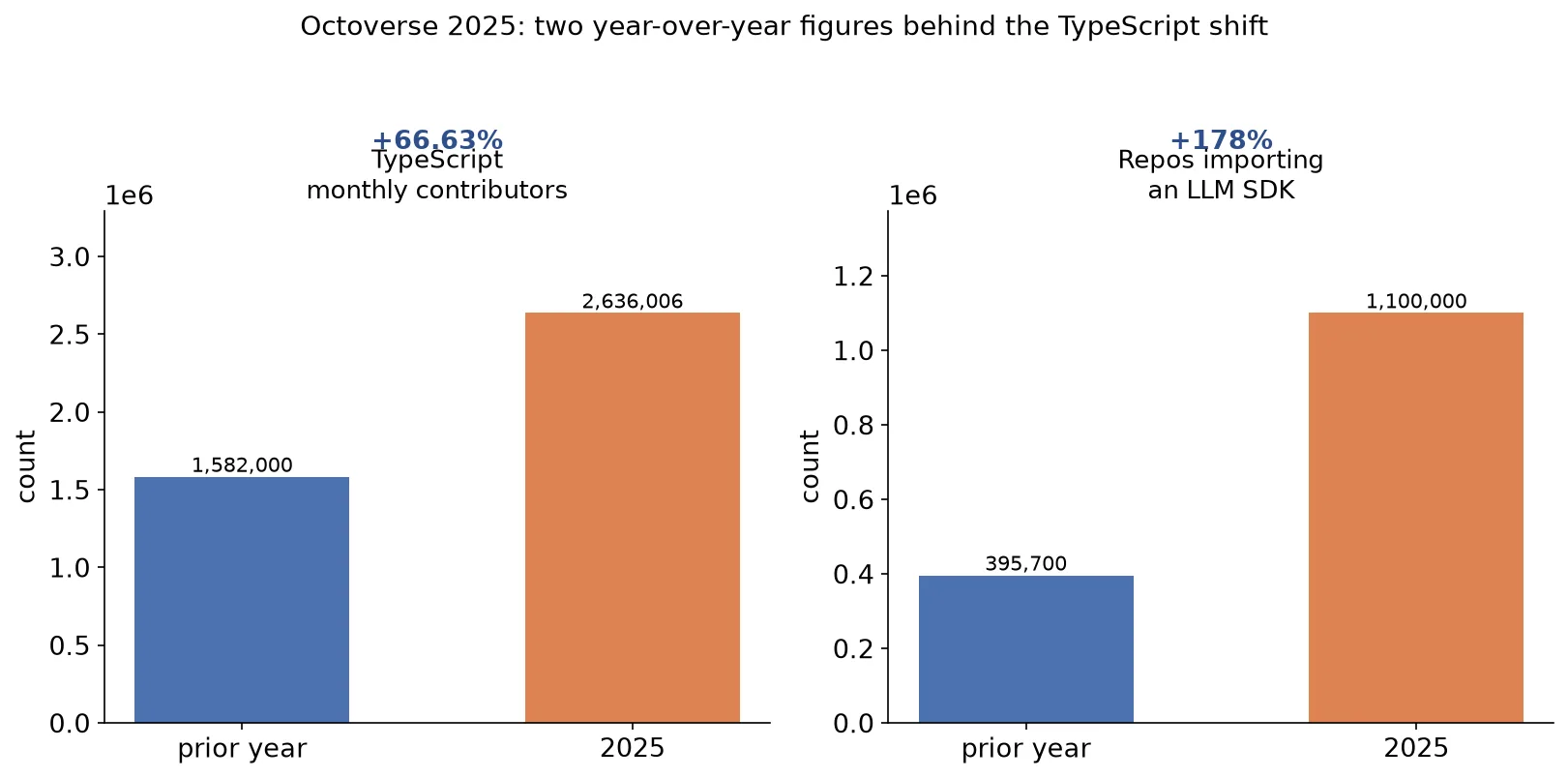
P.316GitHub's Octoverse 2025 shows TypeScript displacing JavaScript for the first time, driven partly by how AI tools behave with typed code. What the data says.
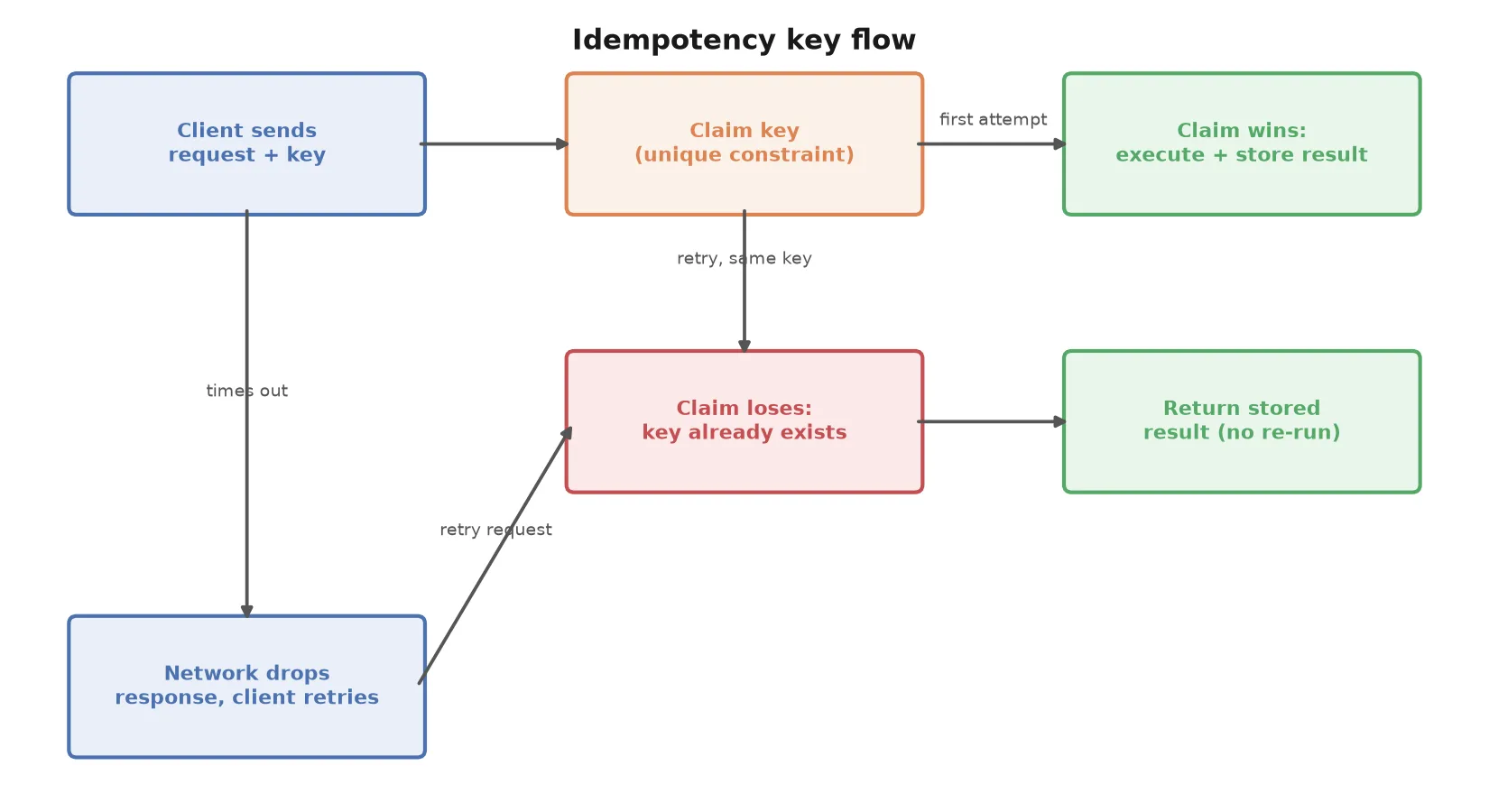
P.317Idempotency keys let a client retry a request that may have already succeeded, without double-charging a card. The pattern, in Postgres and in Redis.
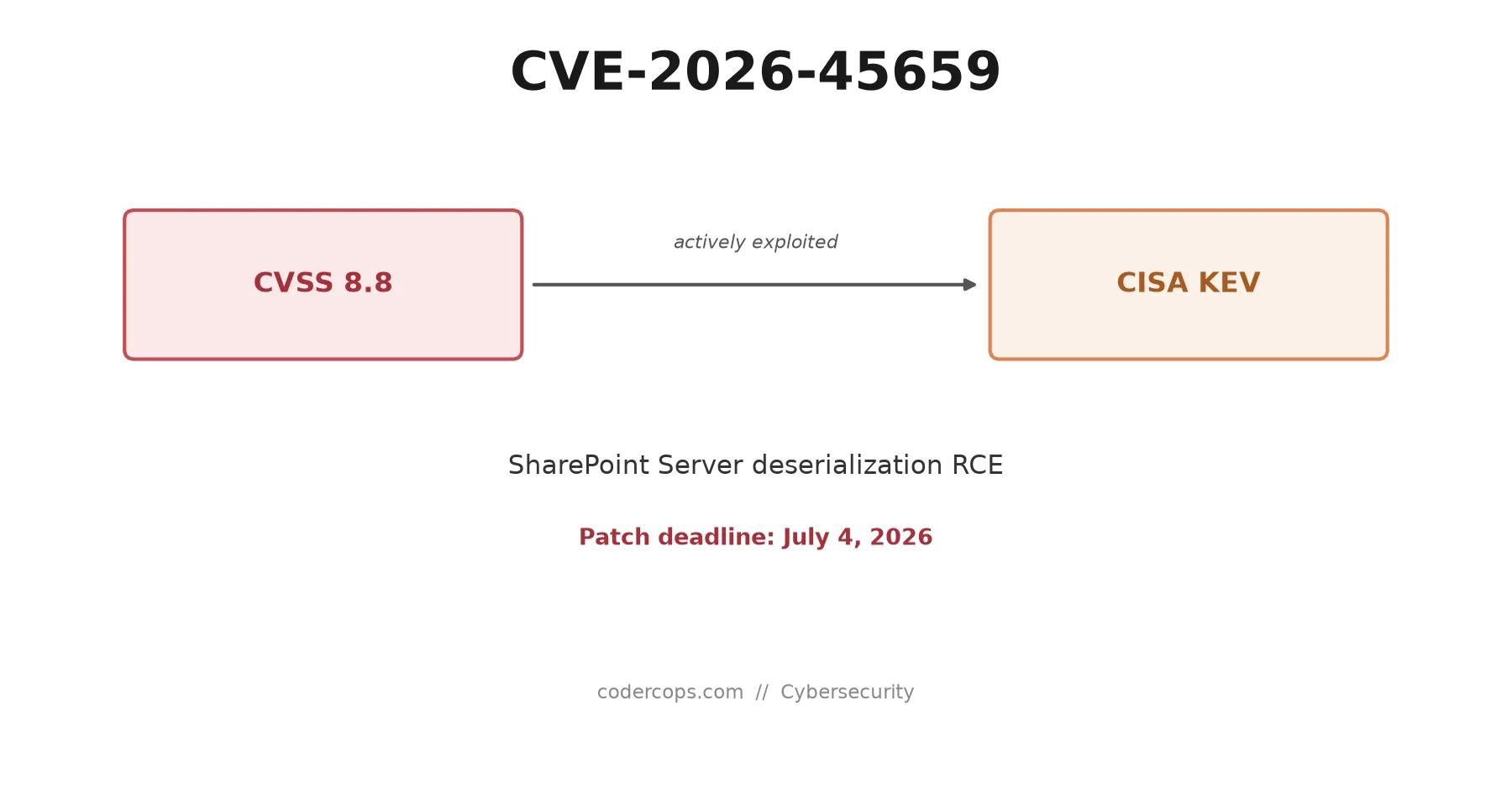
P.318CISA added the SharePoint deserialization bug CVE-2026-45659 to its KEV catalog on July 1, with a July 4 deadline. Who's affected, and what to patch now.
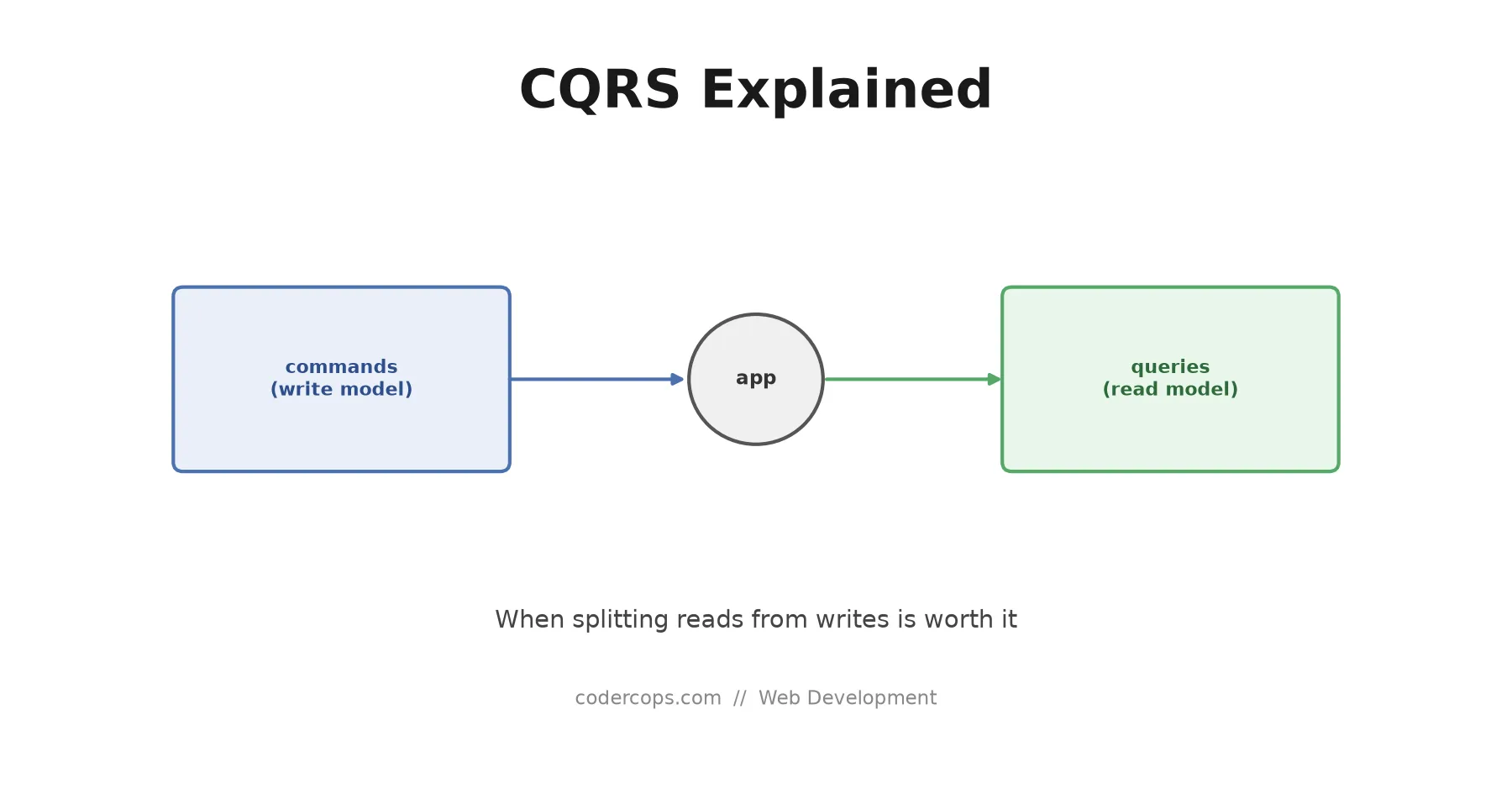
P.319CQRS separates the path that changes data from the path that reads it. It solves real problems and is heavily over-applied. When it earns its complexity.
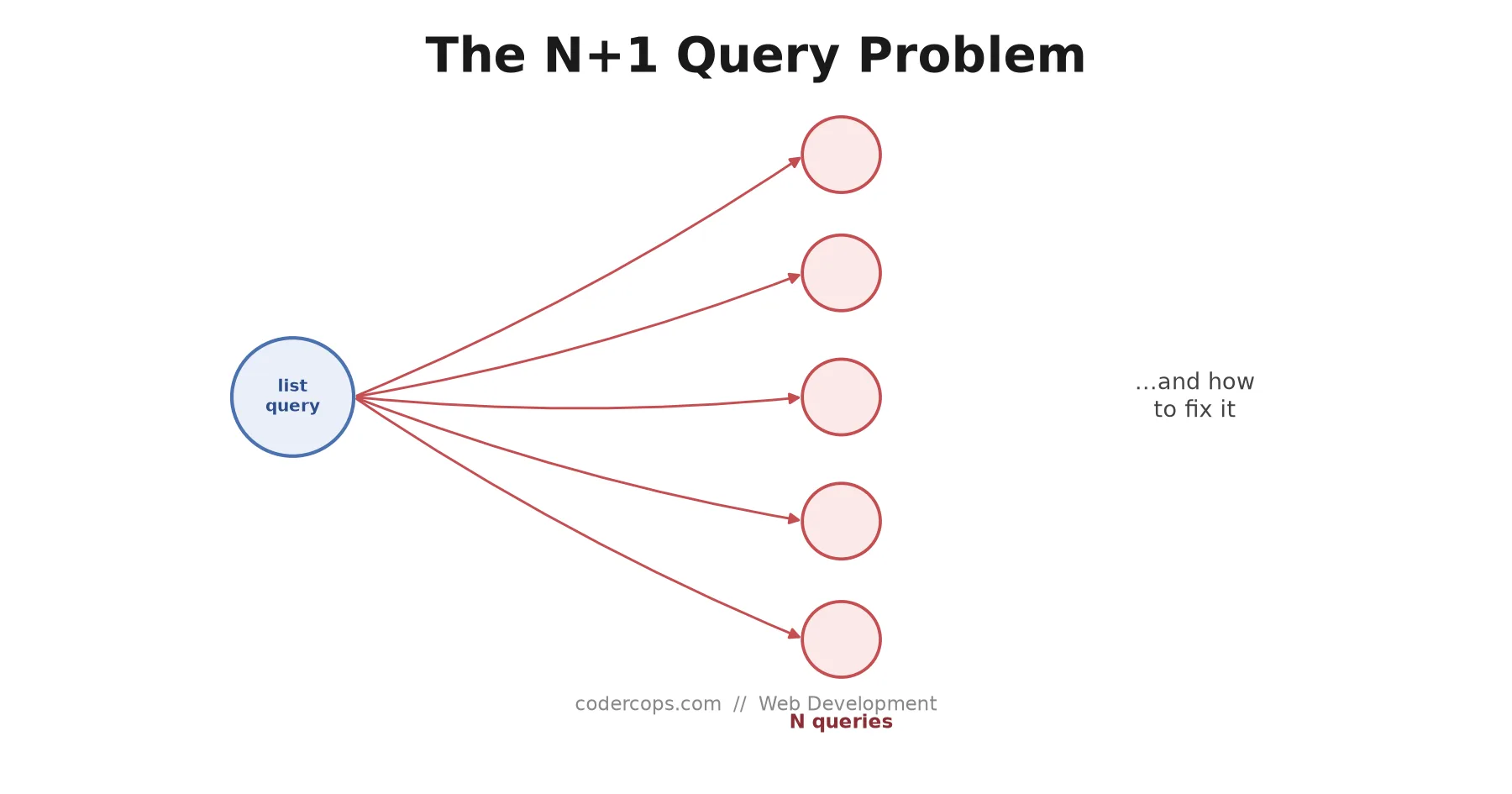
P.320An N+1 bug turns one page load into hundreds of round trips. What causes it, how to spot it in Django, Rails, and Prisma, and the eager-loading fixes.
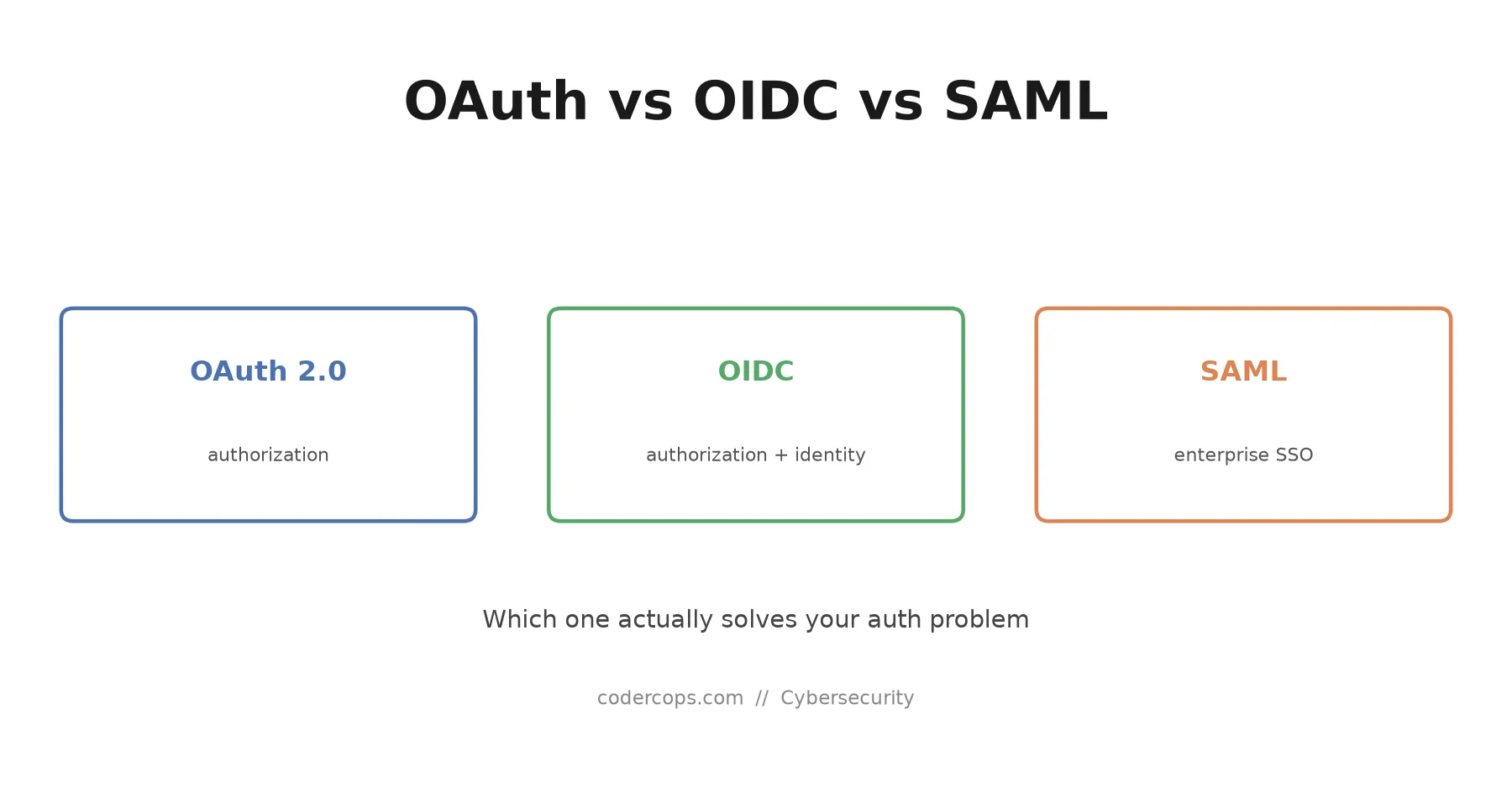
P.321OAuth handles authorization, OIDC adds identity on top, and SAML is the older enterprise SSO standard still running much of the corporate world. How to pick.
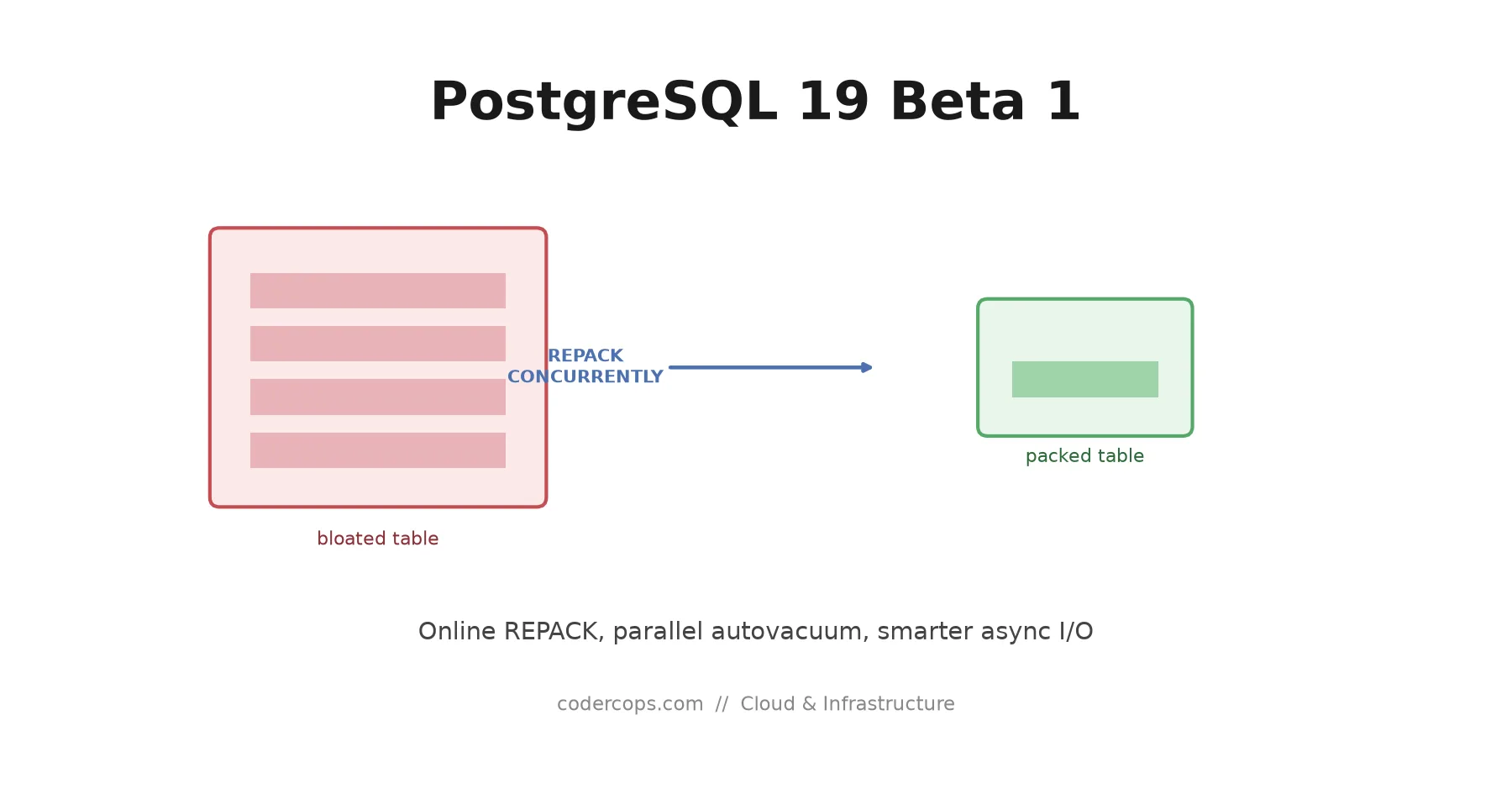
P.322PostgreSQL 19 Beta 1 adds REPACK, which rewrites bloated tables without a maintenance window, plus parallel autovacuum and smarter async I/O.
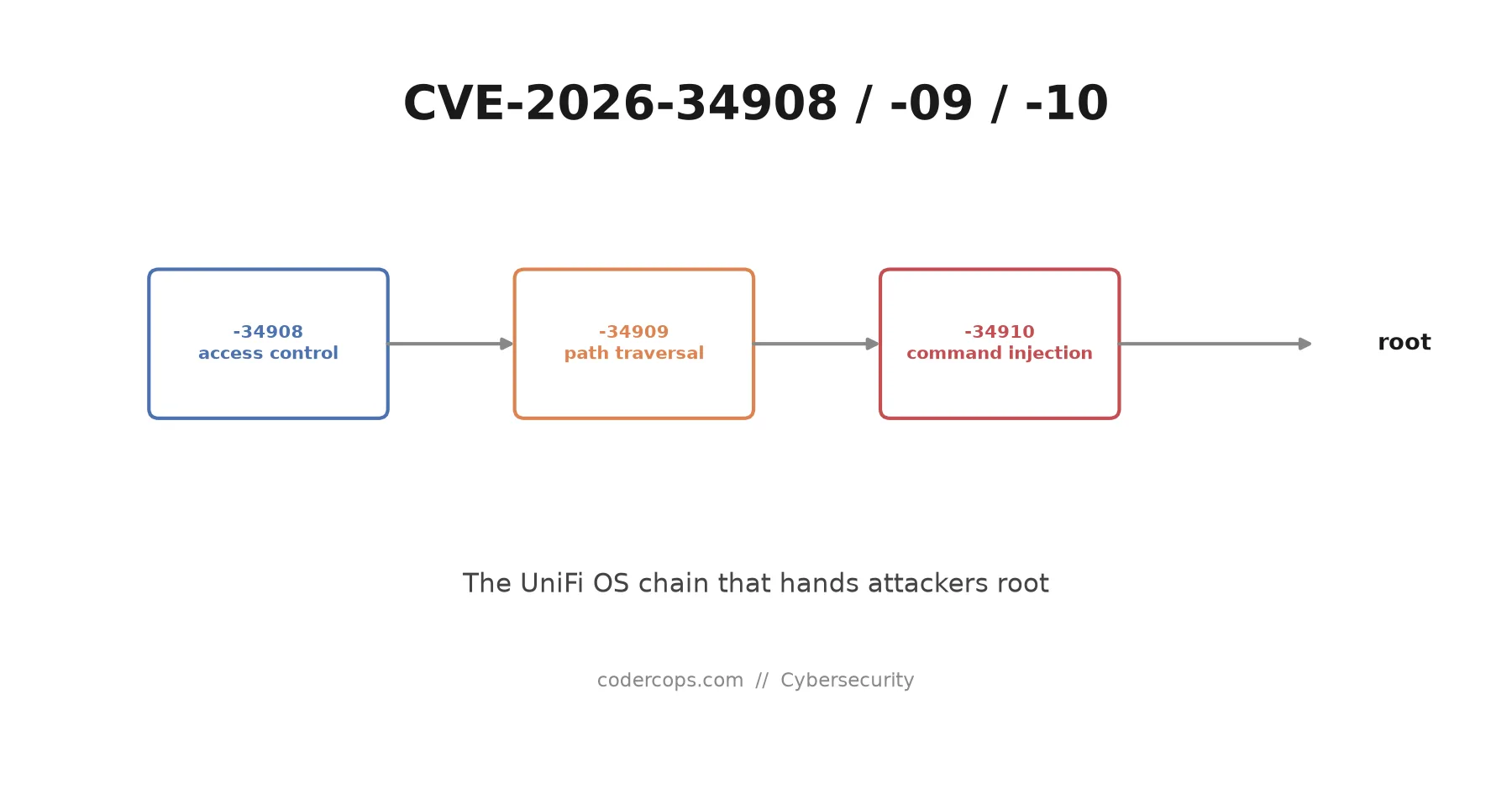
P.323Three 10.0-severity UniFi OS flaws chain into unauthenticated root, and a Mirai botnet is already using them. What's affected, and how to patch today.
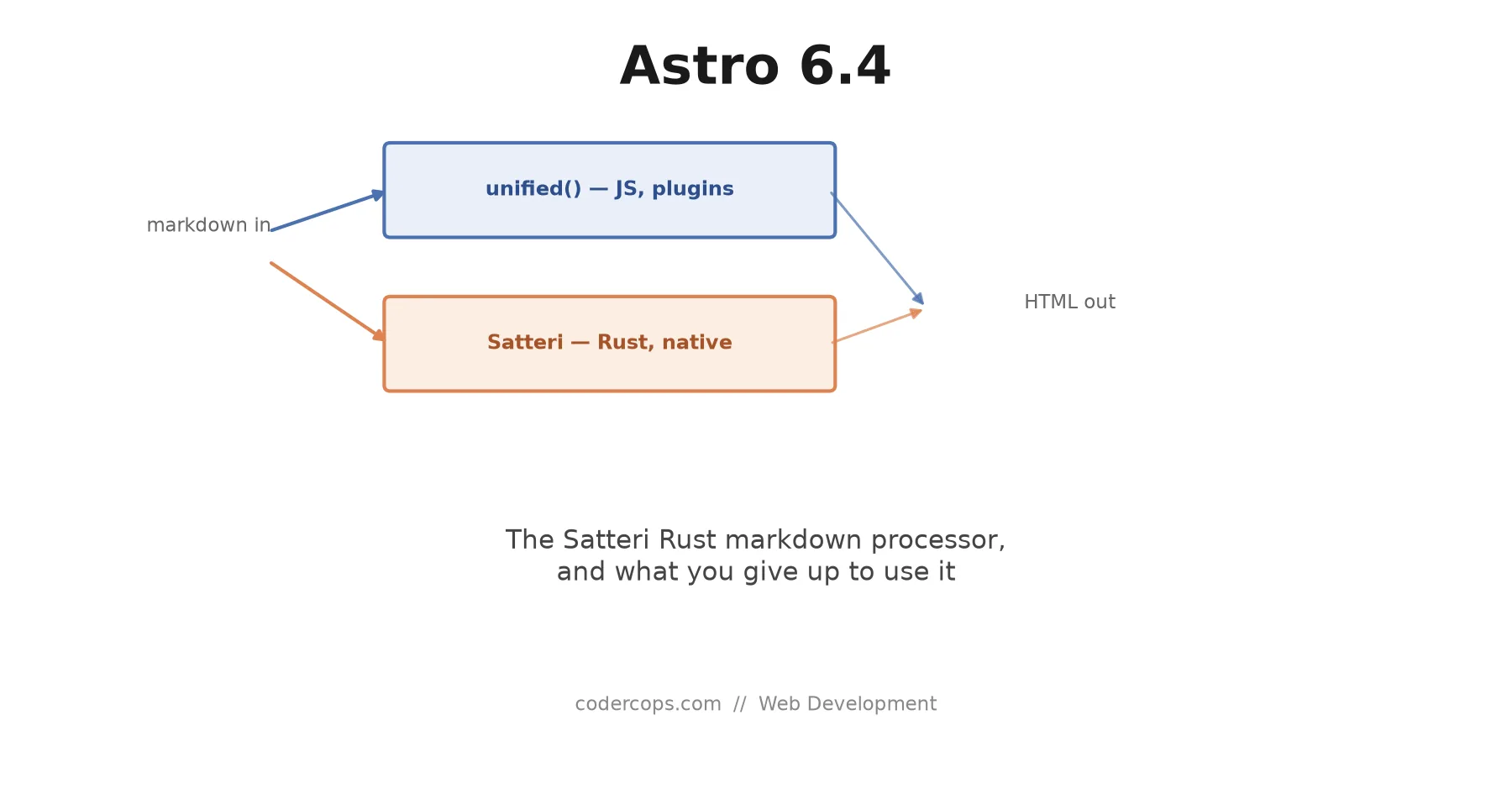
P.324Astro 6.4 ships a pluggable markdown pipeline and Sätteri, a Rust processor that speeds up content-heavy builds. It can't run your remark plugins yet.
P.325A circuit breaker stops your app hammering a failing dependency until it recovers. The three states, a minimal implementation, and how retries differ.
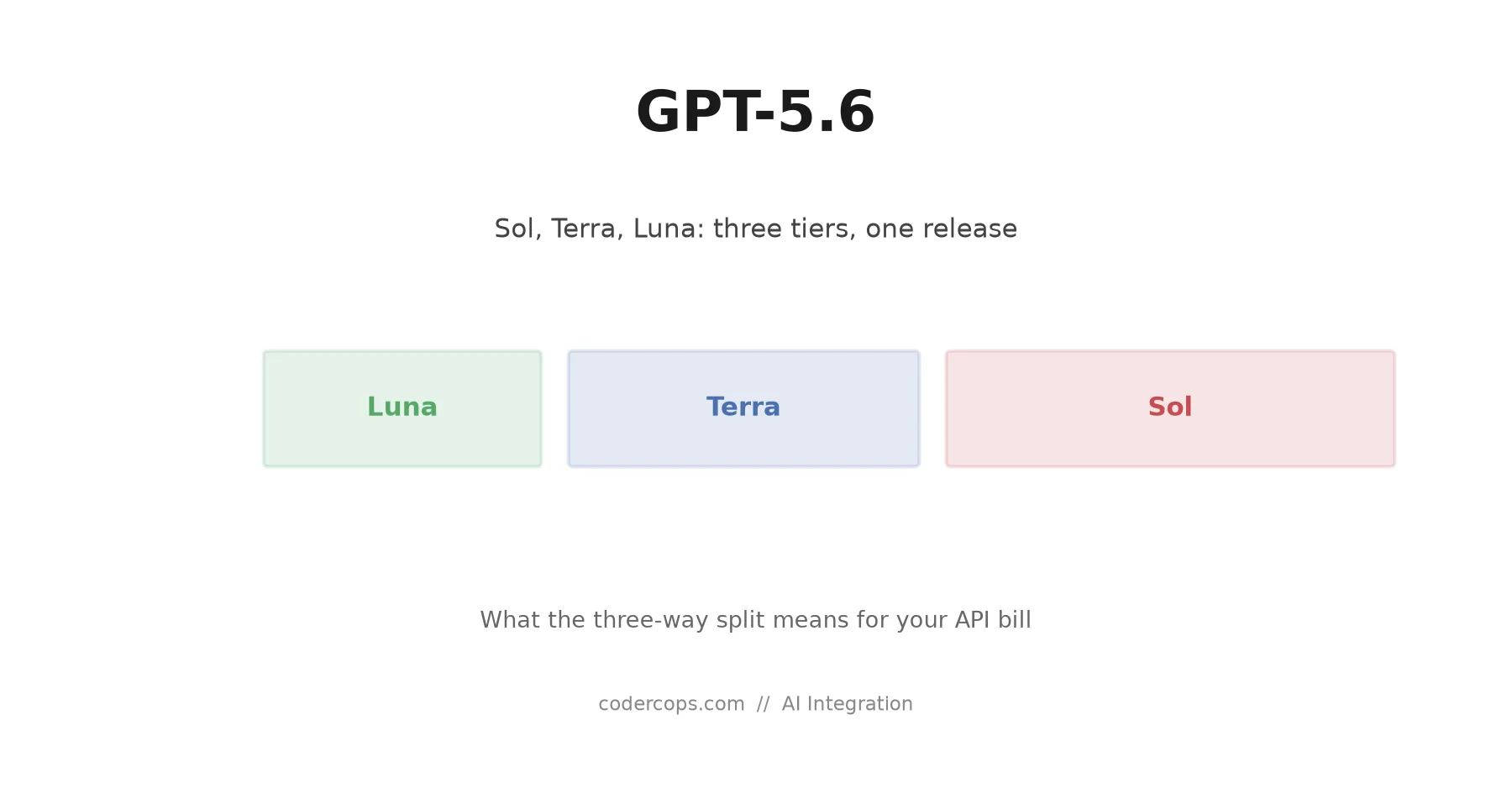
P.326GPT-5.6 splits into three tiers: Sol for frontier work, Terra at half GPT-5.5's cost, Luna for volume. What changed, what it costs, which tier fits you.
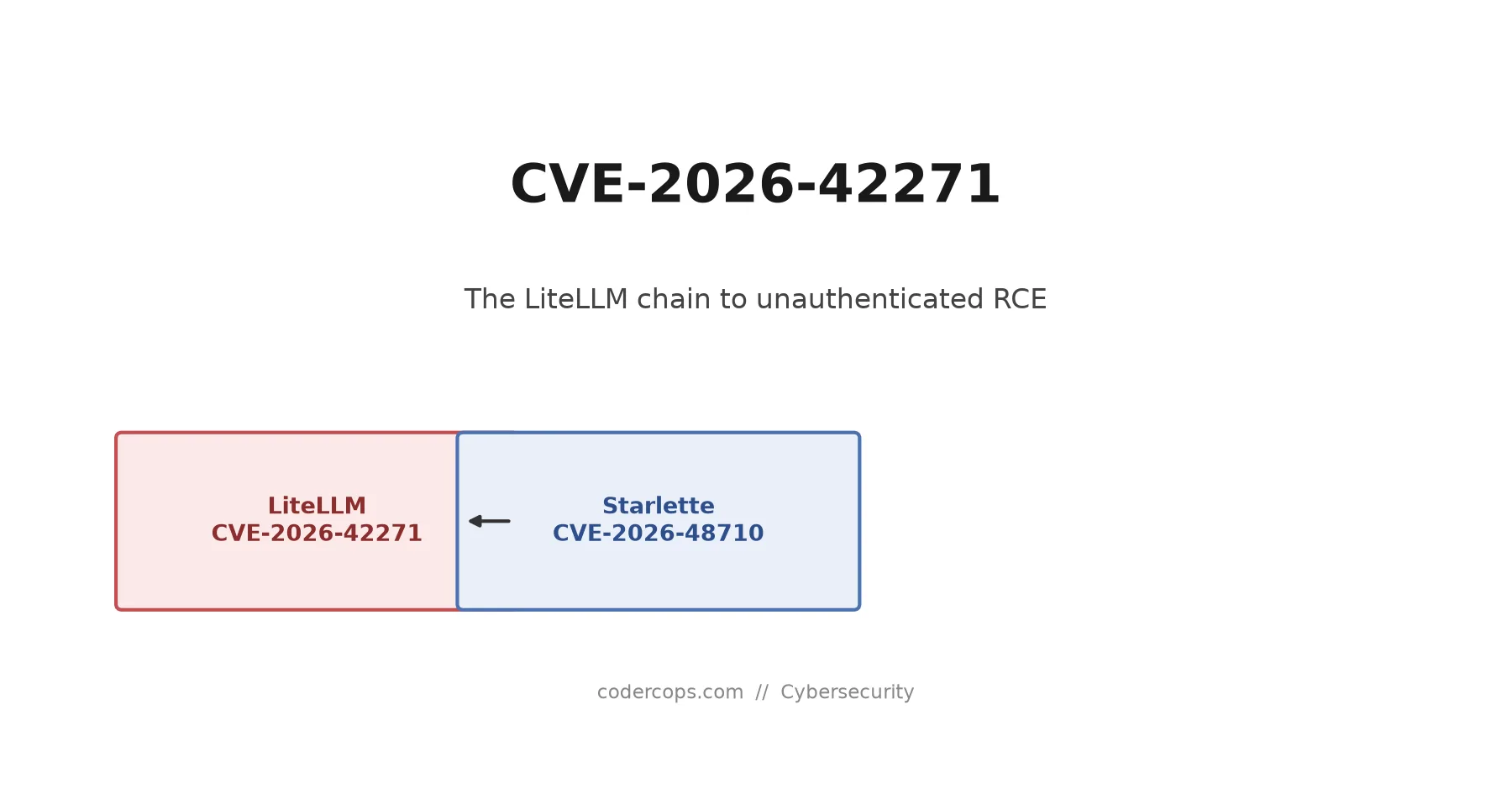
P.327A command injection in LiteLLM's MCP test endpoints, chained with a Starlette host-header bypass, gives unauthenticated RCE and every provider key behind it.
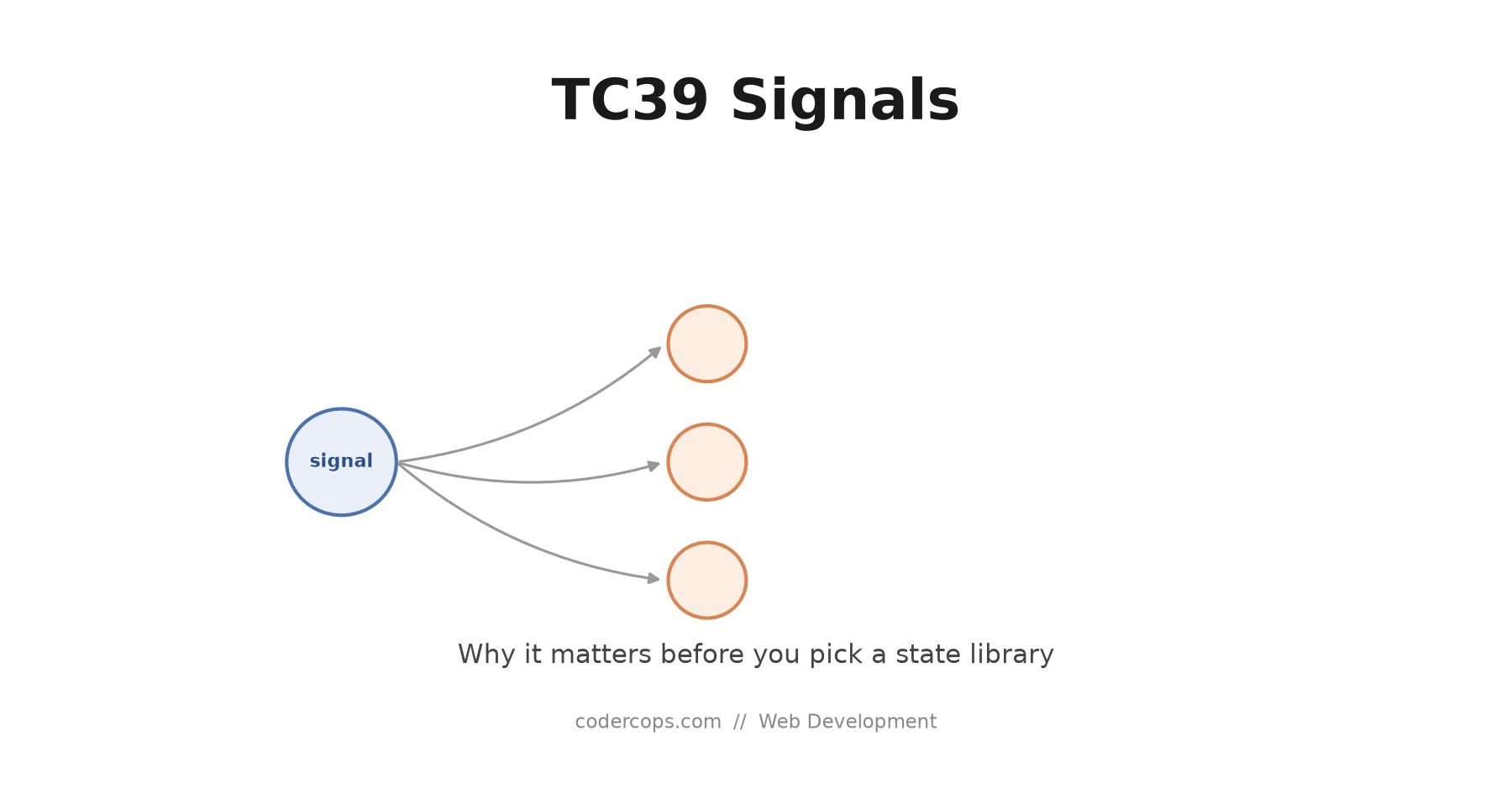
P.328TC39 is standardizing signals, the reactive pattern already inside Vue, Solid, Angular, and Preact. Years from browsers, but it changes what to build on.
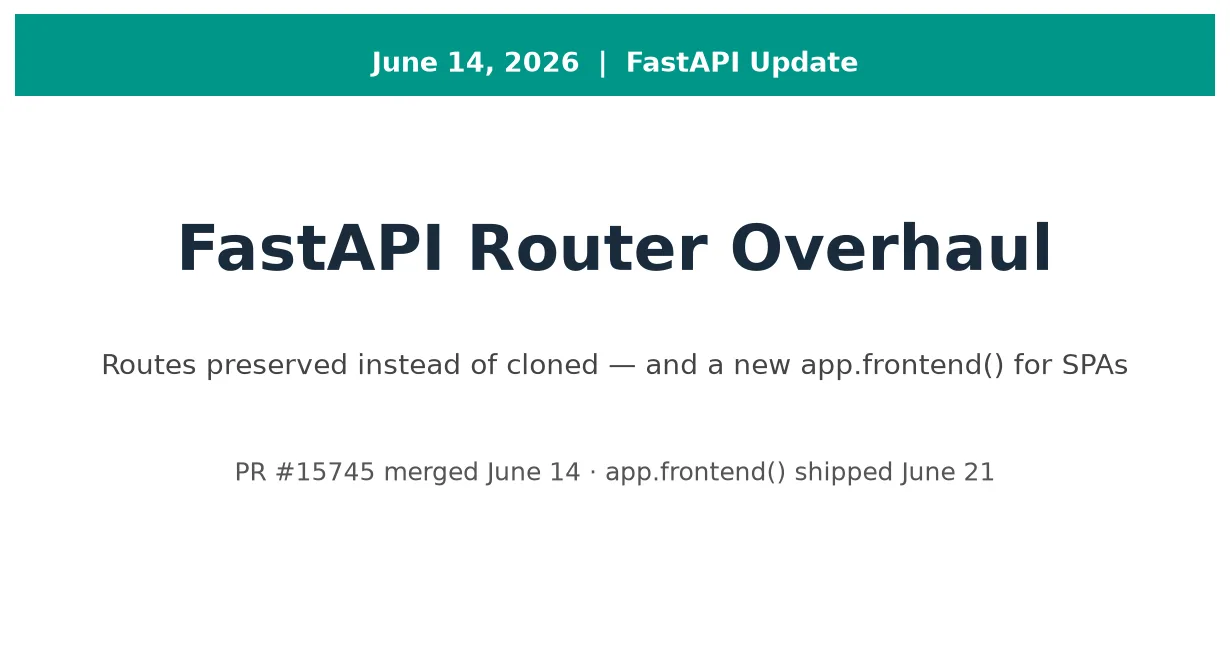
P.329FastAPI's June 2026 refactor preserves routes instead of cloning them, makes dynamic registration work, and adds app.frontend() for serving SPAs.
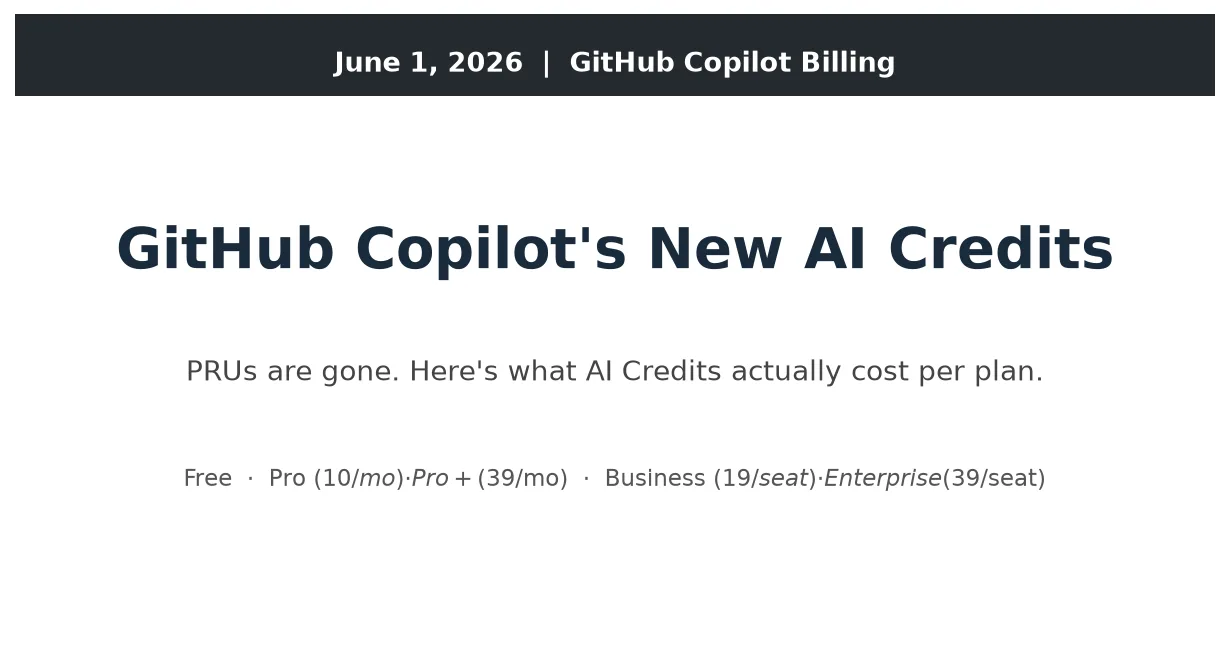
P.330Copilot swapped Premium Request Units for AI Credits on June 1, 2026. Completions stay unlimited; chat, review, and PR summaries draw from a credit pool.
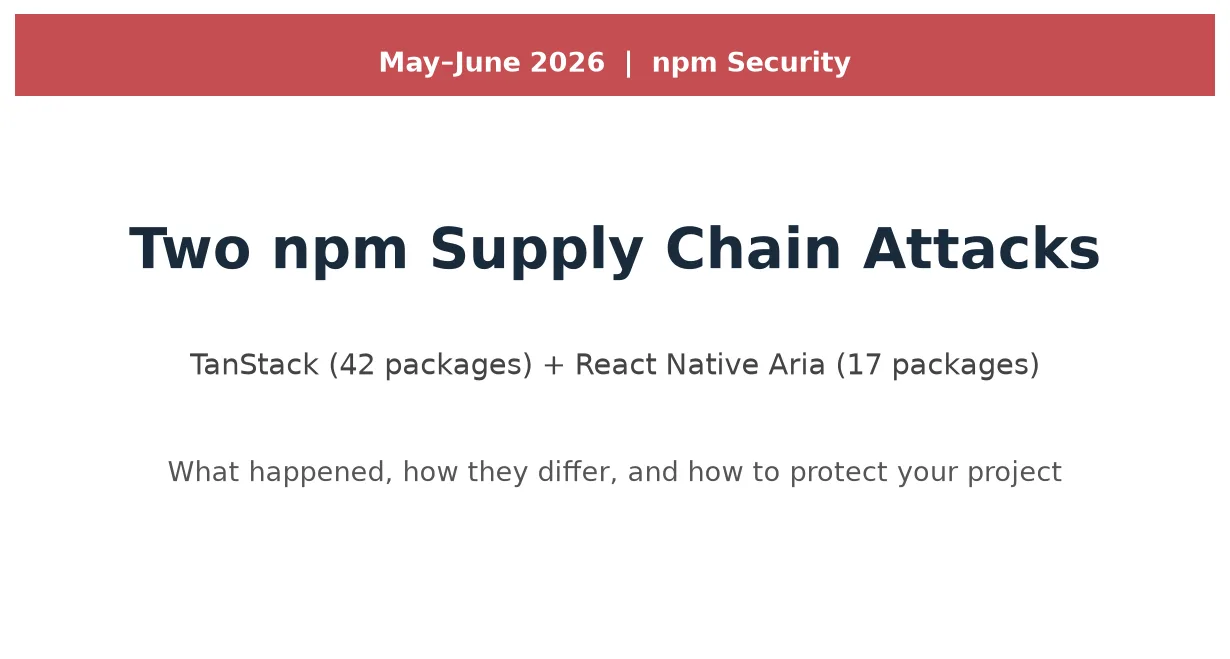
P.331TanStack (42 packages) and React Native Aria (17) were hit weeks apart with different entry points and payloads. What each teaches about dependencies.
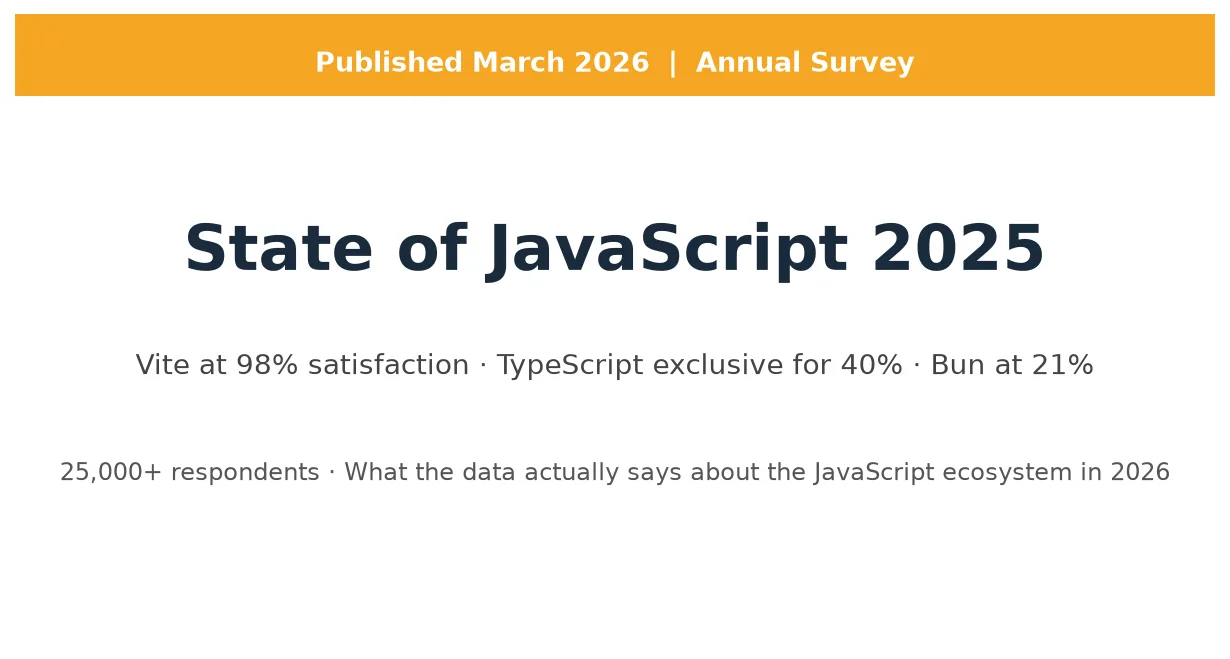
P.33225,000+ responses, and the picture is consolidation, not churn. Vite at 98% satisfaction, TypeScript exclusive for 40%, React dominant but contested.
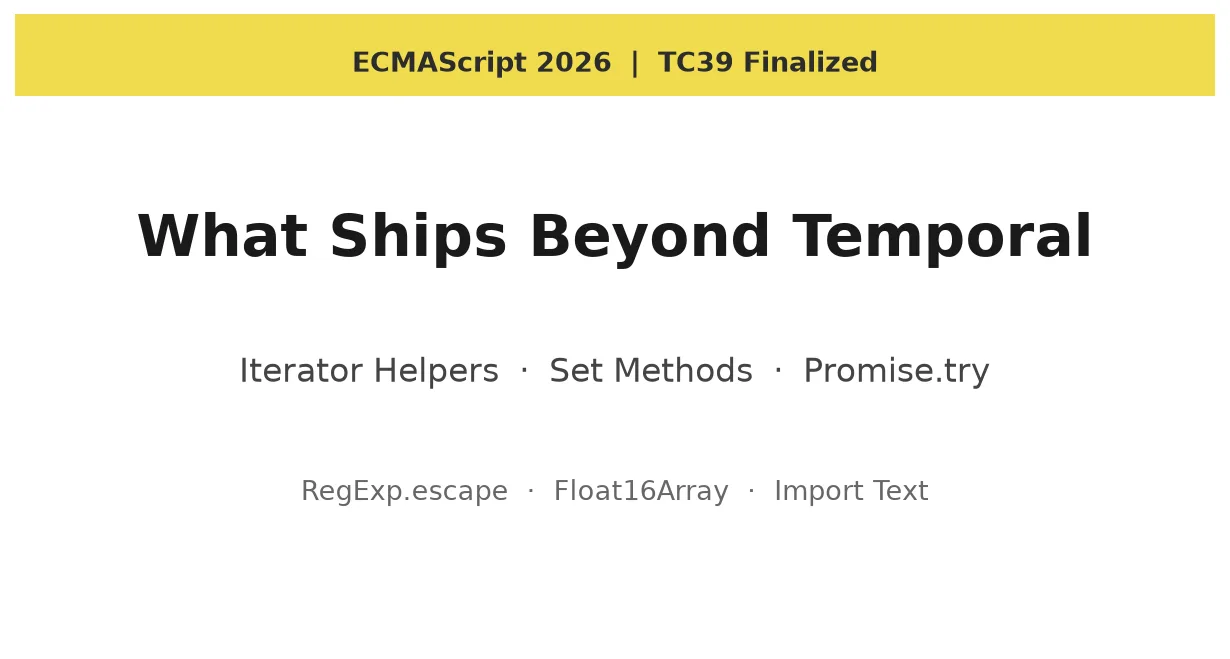
P.333TC39 finalised eight proposals for ES2026. Temporal gets the headlines, but Iterator Helpers, Set methods, Promise.try, and RegExp.escape matter too.
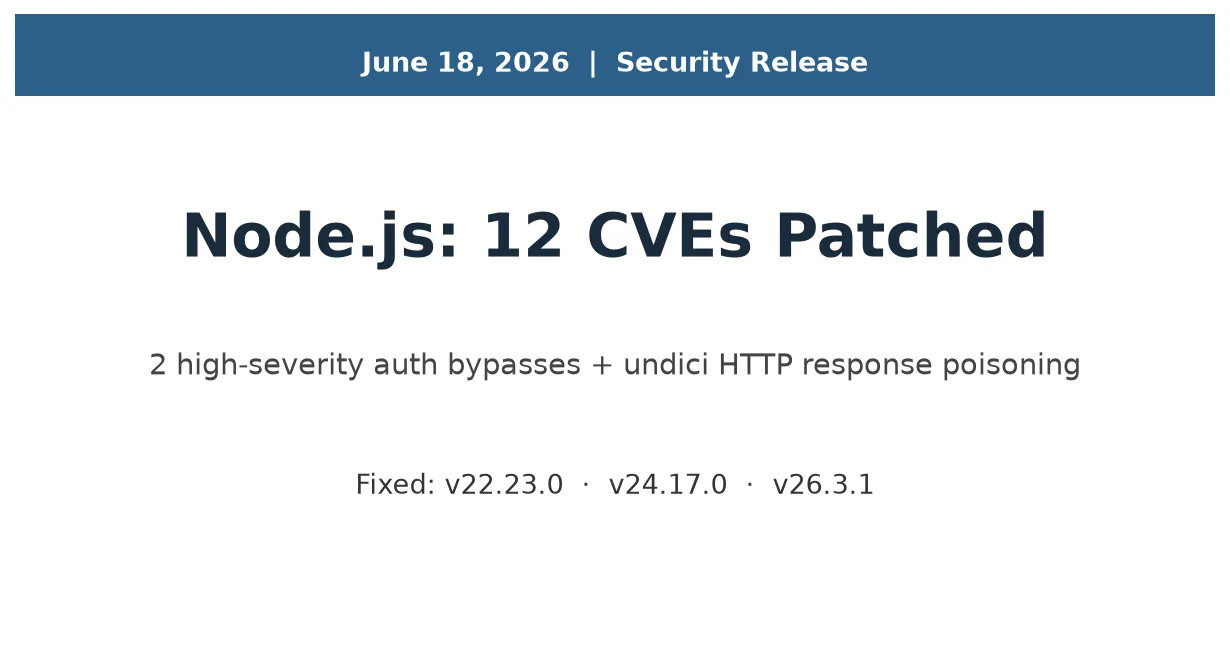
P.334Node.js patched 12 CVEs across v22, v24, and v26 on June 18. Two are auth bypasses, and undici's queue poisoning can hand back the wrong response.
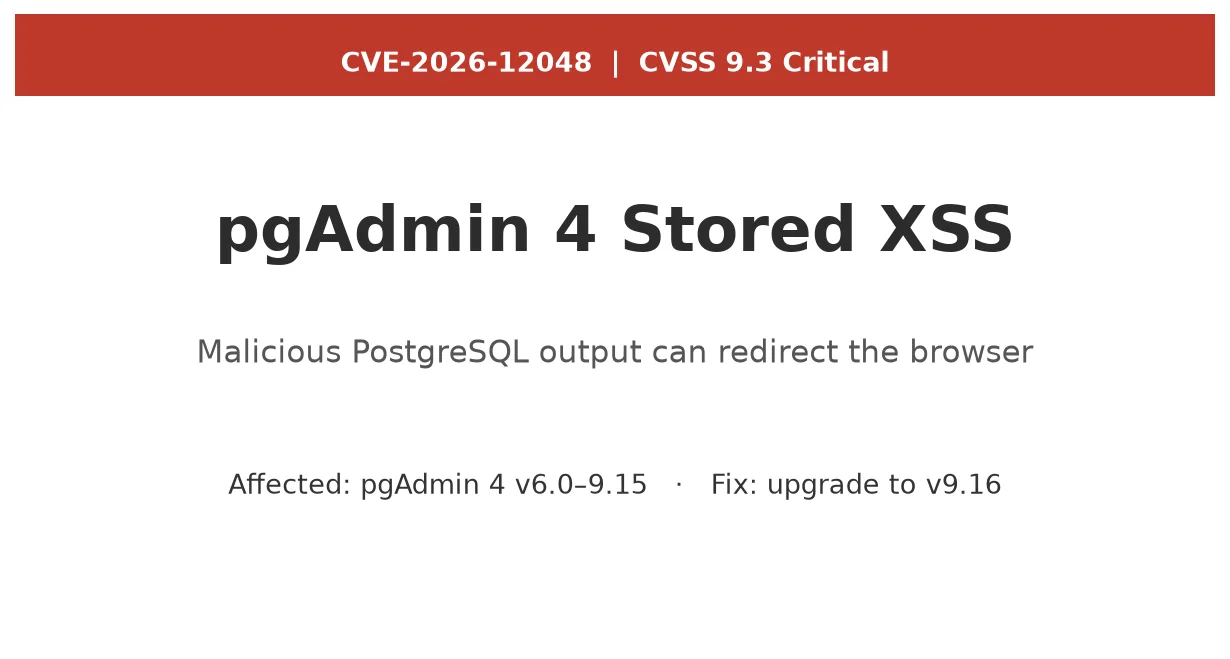
P.335A CVSS 9.3 stored XSS lets a malicious PostgreSQL server inject JavaScript into your pgAdmin tab. Versions 6.0 to 9.15 are affected; v9.16 is the fix.
P.336Qualcomm's $3.92B all-stock deal for Modular, behind Mojo and MAX, bets on a hardware-agnostic path around NVIDIA's CUDA lock-in. What actually changes.
P.337Deno 2.9 ships deno desktop, turning any web project into a native app with no Electron boilerplate. What it's for, and when to stay on Tauri instead.
Angular's enterprise comeback is real. Signals, standalone components, and zoneless change detection changed what senior skill looks like. How to hire for it.
DevSecOps is distinct from DevOps and from security engineering. What the role covers, what to screen for, and why supply chain security is now the core.
Svelte 5 runes changed the reactivity model in ways that matter for hiring. The pool is small but experienced. How to find, screen, and evaluate them.
P.341June 2026 Patch Tuesday is the year's largest: 206 CVEs, 37 Critical, three zero-days, and a Splunk RCE already under attack. What to patch first.
P.342MiniMax M3 is the first open-weight model to combine frontier-tier coding, a 1M-token context, and native multimodality. What it does, and how it benchmarks.
P.343Next.js 16.3 preview added Instant Navigations, giving server-rendered apps the snappy feel of a client-side SPA. What changed, and when to use it.
All three frameworks matured and all three make different tradeoffs. The four questions we use with clients, and why there's no universally right answer.
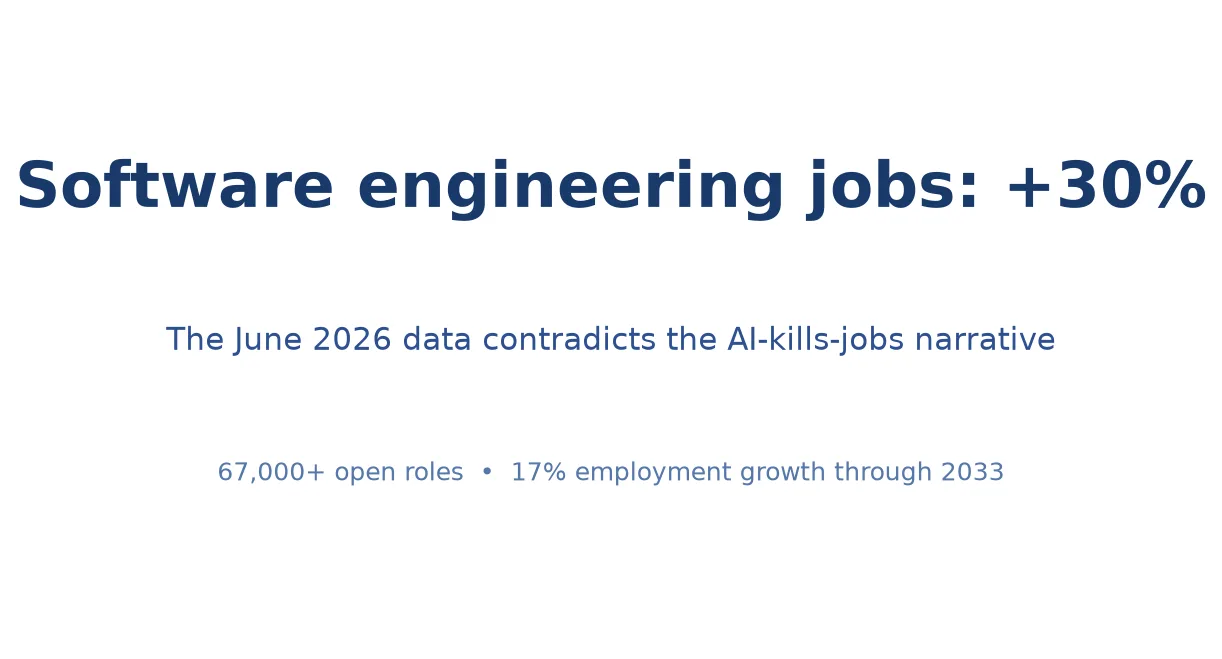
P.345June 2026 data shows software engineer listings up 30% with 67,000+ open roles, despite the layoff headlines. Who's hiring, and where the market shrinks.
P.346TanStack Start hit 1.x stable and is closing on Next.js in downloads. An honest comparison: what each is good at, where each falls short, how to decide.
A database engineer designs schemas and tunes queries; a data engineer builds pipelines. How to screen for the one who keeps your app fast, plus 2026 rates.
React Native's New Architecture is the default now. Screening for JS and native boundaries, Expo tradeoffs, and knowing when cross-platform is wrong.
Salesforce runs sales and service for 150,000+ companies. The wrong developer means expensive tech debt inside a platform you can't easily migrate off.
WordPress runs 43% of the web, but the title covers everyone from theme configurers to block API engineers. How to find one who builds what you need.
How to assess a codebase before you buy, inherit, or partner on it: the documents to request, what kills deals, and what turns out to be fixable.
Phoenix LiveView is production-ready for real-time web applications. Here is what it enables, where it fits, and why teams choosing it are not making an exotic choice.
Blockchain developer is four jobs: smart contract, dApp frontend, protocol, and security auditing. Each needs a different screen. How to find the right one.
C++ covers game engines, embedded, high-frequency trading, and infrastructure. The skills that matter change completely with what you're actually building.
Elixir's talent pool is small, opinionated, and genuinely skilled. How to find the real engineers in it, and why the screen differs from other backend hires.
SRE is a discipline, not DevOps with a pager. How to define the role, screen for reliability math, and avoid hiring an ops generalist by accident.
Most developers lose money by negotiating too early, disclosing their current salary, or taking the first number offered. What actually works instead.
The order you hire your first 10 engineers matters more than the headcount. How to sequence the hires, what ratios work, and the mistakes that slow teams.
Mobile app budgets get underestimated because they only price the build. A full cost breakdown by app type and platform, plus the hidden line items.
Firebase's complexity and Supabase's Postgres assumptions don't fit every project. How PocketBase, Appwrite, and Convex differ, and when each one fits.
Both tools keep your dependencies current automatically. Here is how they actually differ, where each one breaks down, and which to choose based on your team's setup.
Cloud architect is a badly misused title. How to define the role, screen for real judgment, and avoid hiring a certification collection by mistake.
Security engineer covers five genuinely different jobs. How to define the one you need, run a screen that tests real skill, and dodge the usual mistakes.
The product designer role consolidated in 2026. How to write the job post, read portfolios honestly, and screen for designers who can actually ship.
Most software RFPs draw no responses or bad ones. What belongs in the document, what to leave out, and how agencies decide whether to reply at all.
Data scientist and ML engineer are two different jobs. The distinction, what a strong data scientist does, and how to screen for real analytical judgment.
Frontend developer means different things to different teams. The core screen: HTML semantics, CSS fundamentals, Core Web Vitals, and skill beyond React.
Kotlin is the default for Android and growing on the JVM backend. What to screen for, how Kotlin skills differ from Java, and what the role really needs.
QA is risk thinking, not script writing. What a strong QA engineer brings, what to test in the interview, and how to avoid hiring a regression-suite runner.
Most hiring managers look at the wrong things. Stars and followers tell you almost nothing. What to look for, and what AI changed about reading profiles.
AI engineer is not ML engineer. One trains models, the other builds products on them. The screen that tells them apart and finds people who actually ship.
The .NET platform changed more in three years than the decade before. What a strong .NET developer looks like now, and what marks a 2015 mindset.
Java 21 brought virtual threads; Spring Boot 3 needs Java 17. Most job posts still test for Java 8. What a strong Java developer actually looks like now.
Everyone claims ML experience since the AI boom. The screen that separates people who ship ML systems from people who fine-tuned once in a Colab notebook.
Flutter dominates cross-platform mobile now, and the gap between tutorial-complete and production-shipped is wide. The screen that finds the difference.
PHP runs most of the web and the pool is huge, which makes it easy to hire someone who knows PHP and hard to hire someone who can actually build with it.
Laravel 12 is a different framework from the one people picture when they dismiss PHP. The stack, the tooling, and when a team should actually reach for it.
Rails 8 changed the deployment and infrastructure story. A developer who kept up looks different from one working off 2019 knowledge. What to screen for.
Rust is growing in backend, systems, and WASM. The challenge is telling developers who understand ownership from those who just fight the borrow checker.
Vue 3 is the default now and the Options API is legacy. What a strong Vue developer looks like, what questions reveal real skill, and the red flags.
Both formats have real problems, and AI made take-homes worse. What each predicts, where each fails, and the hybrid that beats either one on its own.
Most reference checks are theater: three friends say nice things and you move on. How to run calls that surface real information before you make an offer.
Data engineers build the pipelines, warehouses, and transformation layers. They aren't data scientists, backend developers, or analysts. How to hire for it.
Go runs Kubernetes, Docker, Prometheus, and most cloud tooling. What the language attracts, what it demands, and how to screen for the right profile.
TypeScript is the default now, so the market is full of people who write it without understanding it. The questions that tell the two groups apart.
Full-stack means something different to every team. How to define what you need, catch specialists in disguise, and know when a generalist is the right call.
Node.js has split into async-first, TypeScript-native, and edge-runtime camps. The screen that finds someone who builds production backends, not tutorials.
LLM bills grow faster than usage. Prompt caching, semantic dedup, tiered routing, and batch inference cut 40-80% without degrading output quality.
Choosing the wrong contract structure reliably damages a client relationship. A practical guide to SoW, T&M, and the hybrid models that actually work.
The DevOps engineer title now covers three jobs: platform engineer, SRE, and CI/CD specialist. What each does, what to screen for, and what the market pays.
iOS changed more in three years than the previous seven. What strong candidates actually know, how to screen for it, and what to expect on rates.
Svelte 5's runes replaced magic variable tracking with explicit reactive primitives. A year into production: what changed, what improved, what surprised.
LeetCode interviews are popular and mostly useless for predicting on-the-job performance. What the research says works, and how to build that process.
Three tools, three bets on where complexity belongs. How to choose between BullMQ, Inngest, and Temporal based on what your system needs, not what sounds big.
Android changed more in three years than the prior decade. How to tell who builds modern Compose apps from who learned it in 2019 and stopped there.
Python spans AI, data, backend, and DevOps, so the title says little. How to define the role, screen for real ability, and avoid a costly mismatch.
OpenFeature is a CNCF incubating project with broad SDK support. How to use vendor-neutral feature flags, and why the standard beats the tool behind it.
Playwright dominates scraping now, but tooling is the easy part. A practical guide to scraping that works, and the legal lines to know before you ship.
A week-by-week playbook for onboarding a new software engineer. What to cover in the first month, what most teams skip, and how to measure whether it is working.
A step-by-step guide to screening React developers in 2026 — what to test, what seniority looks like, and the red flags that save you from a bad hire.
The remote market is more competitive and more winnable than it looks. The developers who get hired aren't the strongest coders, they're the easiest to assess.
I run one, so here's how to hire one, including the parts most agency owners would rather you didn't know. Green flags, red flags, partner versus vendor.
Everyone says their developers are vetted. Almost nobody says what that means. What real vetting looks like, the screen we run, and the red flags to catch.
Comparing LangSmith, Braintrust, and W&B Weave for LLM evaluation: what each does well, where each breaks down, and a minimum viable eval pipeline.
Comparing offshore, nearshore, and onshore development for staffing a project: what each model costs, where each one breaks, and how to actually choose.
Most technical job descriptions repel the people they're trying to hire. What senior developers actually look for, and how to write a posting that lands.
Toptal is the default answer for pre-vetted developers fast. It isn't the only one, and for many teams it isn't right. The alternatives, and how to choose.
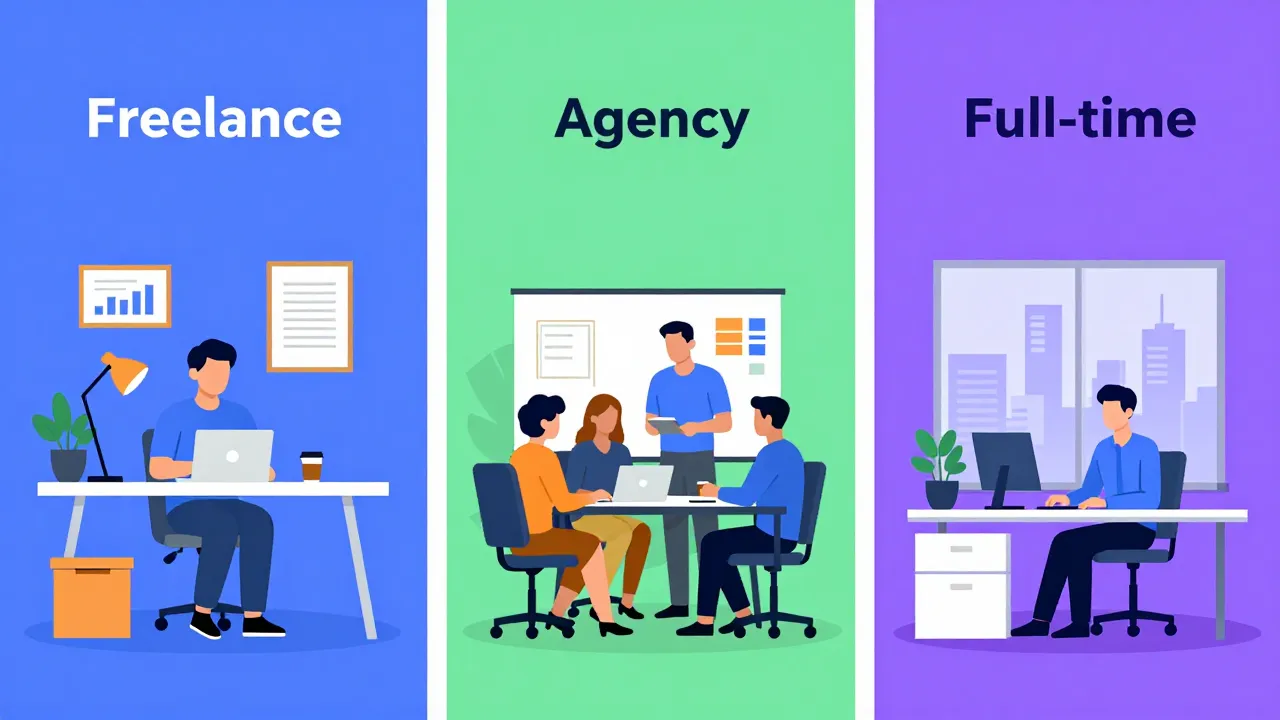
The salary is the smallest part of the answer. A framework for the real cost of in-house, freelance, agency, and managed hiring, so you budget the total.
AI has cut development time, but not what software is worth. Here are three pricing models, value-based, output-based, and capacity retainers, for agencies.
Google AI Overviews, Perplexity, and ChatGPT Search answer questions without sending clicks. Here is what still drives traffic, and how to track it.
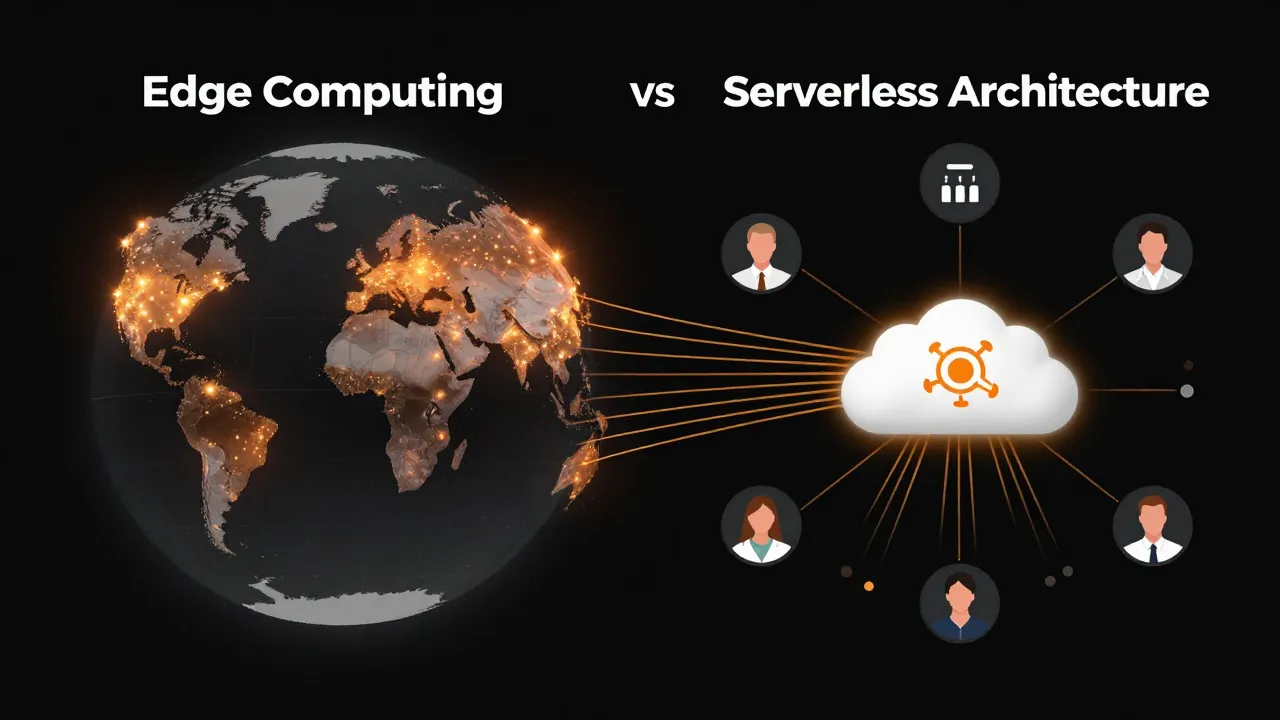
Durable Objects solve edge computing's coordination problem: consistent state across distributed nodes. Here's how they work and when to use them.
Expo Router brings file-based routing to React Native, the pattern web developers know from Next.js. Here's how it works and where the friction lives.
While the ecosystem chased Bun, Deno, and edge runtimes, Fastify stayed the production choice for high-throughput Node APIs. Why it still holds up.
Phoenix LiveView builds real-time, interactive UIs with server-side Elixir and minimal JavaScript, patching the DOM over a WebSocket connection.
Agency IP productization turns rebuilt code into recurring revenue: how to spot what's worth extracting, pick a packaging model, and price it.
Kafka is the default answer for message queuing at scale. But for teams running fewer than a million messages per day, NATS JetStream offers persistence, delivery guarantees, and a dramatically simpler operational footprint.
Setting up metrics with Prometheus and dashboards with Grafana: what to instrument, what to skip, and what a dashboard should show during an incident.
Pydantic v2's Rust core made validation 5-50x faster, but the model redesign is what changes how you structure validation logic for real APIs.
Python asyncio fails in production from hidden blocking calls, CPU-bound work stalling the event loop, and cancellation bugs most tutorials skip.
Dev Containers define your entire dev environment in a devcontainer.json file, so new teammates are productive in minutes. Here's how to set them up.
Vulnerability scanning catches known CVEs in your base images and dependencies before they reach production. Here's how to set up Trivy and Snyk, understand their output, and act on what they find.
Multi-stage Docker builds cut image size by 80-90%, speeding up pulls, cold starts, and CI, while shrinking your attack surface and registry bill.
TanStack Router brings full TypeScript inference to URL params, search params, and loader data. Here's what that looks like in practice and when it's worth adopting.
Images are the single biggest factor in Largest Contentful Paint for most sites. AVIF has widespread browser support now. Here's the optimization stack worth using and how to implement it.
XState v5 ships a rewritten API that's smaller and easier to read than v4. Here's how state machines help in production UI, and what the migration looks like.
The standard Scrum playbook was designed for product teams with stable backlogs. Agencies have different constraints: client reviews, scope negotiations, and projects that end. Here's what actually works.
Cursor's rules system encodes your team's architecture, naming, and coding standards into the AI's context, so every engineer gets consistent suggestions.
Most web apps are missing four or five headers that would neutralize entire classes of attack. Here's what each header does, what to set, and why most defaults leave you exposed.
Both frameworks can build RAG pipelines and agent systems, but they're designed with different priorities. Here's when to reach for each and when to skip both.
Ollama runs Llama, Mistral, Phi-4, and dozens of open-weight models on your laptop with one command. Here's what actually works and when to use it.
Most agencies figure out support pricing and SLA structure only after a client calls at 11pm. A better approach: define what you're selling before the project launches.
Alpine.js adds dropdowns, modals, tabs and form behaviour straight in your HTML, with no build step and no framework. When that's exactly right.
R2's zero-egress pricing looks compelling on paper. Here's when it actually saves money, when S3's ecosystem still wins, and how to migrate if you decide to switch.
Deno 2 ships with full Node.js compatibility, npm support, and a revised standard library. Here's what that means for teams evaluating it as a serious Node alternative.
When AI tools write 40-70% of a codebase, the usual rules for estimating support costs break down. Here's how to price maintenance work when your team didn't write most of the code.
TypeScript 5.0 replaced experimentalDecorators with the TC39 Stage 3 proposal: different syntax, more capable, now the standard way to write decorators.
Most agency case studies fail because they document process instead of the client's decision and what changed. The structure that converts, and what to cut.
CSS @layer lets you set explicit priority between your reset, base, components, and utilities. Here's how cascade layers work in production stylesheets.
ElysiaJS gives Bun APIs fast routing, TypeBox validation, and type inference that reaches the client with no codegen step. How it works and when to pick it.
Logs say what happened. Error tracking says what broke, for which users, in what context. Setting up Sentry properly, without the alert fatigue.
Every cloud decision locks you in somewhere; the real question is which lock-in costs less. A practical framework for when to abstract and when to accept it.
Hiring full-time for a three-month surge is one of the most expensive agency mistakes. How to build a contractor network before the moment you need it.
ClickHouse is a columnar database designed for analytical workloads. It answers queries over billions of rows in seconds that would take minutes in Postgres. Here's what application developers need to know.
dbt turns SQL SELECT statements into a tested, documented, version-controlled data pipeline. Here's how it works and when you should add it to your data stack.
Vercel dominates frontend hosting. AWS dominates enterprise infrastructure. Between those two extremes, Fly.io and Railway are the most practical choices for backend-heavy full-stack apps in 2026.
Redux is overkill for most React apps: Zustand and Jotai cover most state needs with far less boilerplate. Here is when to use each and how they actually work.
An ADR captures why a technical choice was made, not just what. One page per decision, stored in the repo. Here's the format and how to make it stick.
ESLint 9 made flat config the default and deprecated .eslintrc. Here's what changed, why it's better, and how to migrate without breaking your setup.
Git hooks enforced by Lefthook, Husky, or lint-staged can stop broken code, style violations, and type errors before they reach your CI pipeline. Here's how to build a hook setup that teams actually keep.
Choosing between react-i18next, next-intl, and Lingui comes down to your framework: next-intl for Next.js App Router, react-i18next elsewhere.
Most software estimates fail before code is written, not from bad hours but unexamined assumptions. Here is a more honest, process-driven estimation approach.
Workers AI runs open-weight models (Llama, Mistral, Whisper, embeddings) inside Cloudflare's network. What's useful, what the limits are, and when it fits.
Most background job solutions require you to run and monitor a Redis instance, manage worker processes, and wire up your own retry logic. Inngest skips all of that. Here's how it works and when it's the right call.
Three real authentication options for Next.js apps, with different trade-offs on control, cost, and setup time. Here's what each one actually involves.
Rails 8 replaces Redis, Memcached, and Node with Solid Queue, Solid Cache, Solid Cable, and Kamal 2, so a single server and database can run production.
Git worktrees give you multiple branches checked out in separate directories at once. No stashing, no context switching, no losing your place.
DuckDB runs OLAP queries directly in your process, on files on your laptop, without a server. Here's how to use it and when it beats spinning up BigQuery or Redshift.
Sanity, Contentful, Strapi and Payload compared on the criteria that decide it: who edits the content, where it's hosted, and whether schema lives in git.
AI video tools have moved from toy to production-grade in 18 months. Here's what's real, what still fails, and how to have an honest conversation with a client about it.
A growing class of AI agent frameworks can control a browser the way a human does — clicking, typing, navigating. Here's what works in production, what breaks, and when to actually reach for these tools.
Go has real strengths for backend API work, and some persistent limitations. Here's what teams actually gain and give up when they choose it over Node.js or Python for web APIs.
Multi-cloud usually costs more in engineering time than the lock-in risk it prevents; most teams do better on one cloud with deliberate exceptions.
A spec that doesn't get signed is a spec that doesn't protect anyone. Here's how agencies structure technical specifications that move projects forward instead of stalling them.
Three leading agent orchestration frameworks, three different mental models. Here's when each one earns its place, what each costs you in complexity, and what the choice looks like when you're debugging at 2am.
AI contract clauses on IP, hallucination liability, and data deletion trip up agencies before they sign. Here's what each clause means and how to rewrite it.
PostHog, Mixpanel, and Amplitude serve different primary users: engineers, product managers, and growth teams. Here is how to pick the right one.
React Native's new architecture shipped as stable and has been default since RN 0.76. Here's what the Fabric renderer and JSI bridge replacement changed, what the migration looks like in practice, and where the remaining rough edges are.
Past the chatbot hype, AI is genuinely improving specific e-commerce outcomes. Here are the implementations producing measurable results, and the ones that still mostly disappoint.
AI makes generating and refreshing technical documentation cheap, but keeping it accurate as code changes is still a process problem, not a model one.
Burnout among developers isn't new. But the specific pressures of 2026 — AI-driven productivity expectations, skills anxiety, and the blurring of output and identity — create a different texture of exhaustion.
Interaction to Next Paint replaced First Input Delay in 2024, and most sites still haven't caught up. INP is harder to optimize because it measures every interaction, not just the first one.
Position one element relative to another in pure CSS. No Popper.js, no positioning logic, no recalculation on scroll. How anchor positioning works.
gRPC has been available for years but many teams default to REST without thinking through the tradeoffs. Here's how gRPC works, where it fits, and where it doesn't.
k6 is a load testing tool with JavaScript scripting and CI integration. Writing meaningful tests, reading the results, and catching regressions early.
Python 3.13 shipped an experimental mode that removes the Global Interpreter Lock. Here's what the GIL actually does, what free-threaded Python changes, and what it still doesn't fix.
Tauri 2.0 added iOS and Android while keeping tiny binaries, a Rust backend, and the OS webview instead of a bundled Chromium. How it works, and when.
Caching is high-leverage and consistently misunderstood. How Cache-Control and ETags actually work, why stale content happens, and how to design for it.
Project kickoffs are where agency relationships are won or lost. The wrong start leads to scope creep, missed expectations, and a client who stops responding. Here's the exact onboarding process we use.
URL versioning, header versioning, and content negotiation compared with real code. Here's how to pick one and retire old versions without stranding clients.
Message queues and event streams solve different problems. Kafka is not always the right answer. Here's how to think through event-driven patterns and choose the right tool for your production workload.
Every SaaS team eventually faces the multi-tenancy decision. The wrong choice creates migration pain later. Here's how to think through database-per-tenant, schema-per-tenant, and row-level security based on what your product actually needs.
Running totals, rankings, moving averages, and lag comparisons without application loops or self-joins. How window functions actually work, in Postgres.
Drizzle is the TypeScript-first alternative to Prisma: schema in TS, migrations in SQL, no query engine binary. How it works, and when to pick it.
LLM observability means tracking traces, token costs, latency, and output quality to debug production failures instead of guessing. Covers Langfuse and Helicone.
Polars beats pandas on speed through Arrow memory, multi-threading, and lazy evaluation by default. Here's when the switch is worth it and how to migrate.
Tailwind v4 moves configuration from JavaScript to CSS, drops the content array, and ships a faster engine. Here's what the breaking changes actually mean for a real project migration.
Vitest runs faster than Jest, handles ESM and TypeScript natively, and shares Jest's API. The case for switching in a Vite project, and how to do it.
Biome is a Rust-based toolchain that replaces ESLint and Prettier with one fast binary for linting, formatting, and imports. Here is what migrating looks like.
Running unscanned containers in production is like shipping without tests. Here's how teams scan images, generate SBOMs, and add runtime protection.
OpenAPI-first API development means writing the spec before code, then generating server types, request validation, and client SDKs from it.
Not every real-time feature needs WebSockets. Server-Sent Events handle most push scenarios with far less complexity. Here's how to choose, and what each approach looks like in actual code.
Background jobs that crash mid-run lose their state. Temporal makes workflows durable state machines that survive restarts and deploys. In TS and Python.
Every public API needs rate limiting, but the algorithm you choose shapes the user experience and the failure modes. Here's how each approach works and when to use it.
Passkeys are no longer an experimental feature. Apple, Google, and Microsoft all support them natively. Here's what WebAuthn actually looks like in code and when passkeys make sense for your app.
Playwright E2E tests break because of fragile selectors, shared test state, or overly broad scope, not the tool itself. Fix those and tests survive UI changes.
Most technical proposals lose because they describe what will be built, not why the client should trust you to build it. Here's how to write one that actually wins.
Most teams treat their CI pipeline as a black box that occasionally fails. A few hours of optimization can cut your CI time by 40-60% and your GitHub Actions bill by a similar margin. Here's exactly how to do it.
Unit tests confirm your code runs. They don't confirm your AI feature gives good answers. Here's how to build an eval pipeline that catches real failures.
HashiCorp's 2023 BSL relicensing split Terraform into OpenTofu, while Pulumi took a code-first approach. Here's how to choose between them in 2026.
In March 2024, Redis Ltd. relicensed Redis under a source-available license. Within weeks, the Linux Foundation forked it as Valkey. Two years on, here's how the split played out and what it means for teams choosing an in-memory data store today.
AI IDE rules files inject project-specific context into every completion. Here is how to write rules for Cursor, Windsurf, and Copilot that change generated code.
LLM calls are slow and expensive, so caching is the obvious fix. Here's when it backfires and how to implement exact-match and semantic caching.
Rolling back a bad API endpoint takes seconds. Rolling back a bad LLM integration is harder — the damage may already be in your logs, your users' inboxes, or your clients' feeds. Feature flags are how you ship AI features without betting everything on launch day.
HTTP/3 is in production at every major CDN and supported by all modern browsers. Whether it actually helps your application depends on factors most guides don't explain.
AI features ship fast. Then the monthly API bill arrives. Here's a systematic approach to understanding and reducing LLM costs without breaking the product.
Getting a language model to return valid, schema-conforming JSON is harder than it looks. Here's what works in production, from native structured output APIs to library-level validation.
Most AI project failures start at scoping: nobody defines what 'AI integration' means before a price is quoted. Here's how to scope AI projects properly.
Every AI budget starts with API costs and ends in surprises. What production AI features really cost once evaluation, observability and prompt rot are counted.
uv is a Rust-written Python package manager covering dependencies, virtualenvs, and Python versions. What changed after moving eight projects onto it.
ALTER TABLE locks your database. Your migration takes longer than expected. Users get errors. Here's how to handle schema changes that don't interrupt production traffic.
The choice between fixed-price and time-and-materials contracts is one of the most consequential decisions in an agency-client relationship. Each model transfers risk differently. Here's how to decide which one fits your project.
Traditional monitoring won't tell you an LLM call burned $0.04 in tokens on a hallucinated answer. Here's how to instrument AI apps with OpenTelemetry.
Prompt injection is the SQL injection of the AI era. Here's what the attack looks like, why it can't be patched, and how to actually defend against it.
Video calls, live collaboration, real-time audio — features clients want more than ever. WebRTC makes them possible, but the gap between a working demo and a production deployment is wider than the documentation suggests. Here's what that gap looks like.
The honest read on web developer demand after AI's impact, which roles are hot, which are cooling, and what the working week actually looks like across employment types.
Real revenue, profit margins, and owner take-home for solo, boutique, mid-size, and enterprise web agencies, including the messy parts most income reports skip.
A small-business marketing site runs $5,000-$20,000 with a US agency, or $3,000-$8,000 with a strong in-region partner. Why quotes vary so much.
Five different things people mean by 'update' (content, dependencies, performance, design, full rebuild) and how often each should actually happen.
When proximity actually matters, when it doesn't, and how to evaluate local agencies without falling for the 'we have an office in your city' theatre.
AI coding agents now read tickets, write code, run tests, and submit pull requests with minimal human input. Here is what changed for engineering teams in 2026.
AI coding tools introduce subtle, systemic problems most teams miss. Here are 7 AI-specific mistakes from 11 client projects and how we prevent them.
Junior developer hiring is down 30% since 2024 as AI absorbs routine coding work. Here is what is really happening and what it means for engineers.
How to choose a B2B website agency that can support long buying cycles, multiple stakeholders, and demand generation outcomes.
We tested every major AI coding tool on real client projects. Here is our honest breakdown of Claude Code, Cursor, GitHub Copilot, Windsurf, and more — with actual workflow recommendations for different types of developers.
How SaaS founders are using AI agents, automation hubs, and agentic workflows to run lean teams that punch above their weight. Our complete workflow with tools, costs, and real results.
Yes, AI can build full-stack apps in 2026, but not production-ready ones. We tested Bolt.new, Lovable, Replit Agent, and v0 and found security gaps in each.
Cursor, GitHub Copilot, and Claude Code solve different problems. After 18 months on client projects, we found most developers need at least two of them.
A practical Denver website design agency guide covering local fit, process maturity, pricing expectations, and performance-first delivery.
A practical framework for selecting an ecommerce website development agency, with checkout UX, speed, mobile conversion, and platform trade-offs.
A practical continuity framework for public-sector digital teams after federal website funding shifts: resilience, accessibility, and vendor risk.
AI writes 41% of the world's code and junior hiring is down 30%. Here's what skills survive, what's dead, and what the software engineer role becomes next.
Forget the demos. Here is how our 7-person engineering team uses AI tools on real client projects every day — the prompts we write, the mistakes we catch, and the time we actually save.
Andrej Karpathy coined 'vibe coding' in 2025. By 2026 it has become the most misunderstood term in software development. Here is what it actually means, how it works, when to use it, and when it will get you fired.
How to choose a website development agency in the USA with clear evaluation criteria, pricing models, red flags, and ROI-focused decision checkpoints.
A practical guide to selecting a website optimization agency and building a 30/60/90-day roadmap across Core Web Vitals, UX, analytics, and conversion.
P.536Explore how AutoML is accelerating AI development in 2026 with new tools, techniques, and trends that businesses need to know.
Google's 2026 AI Agent Trends report calls this the 'agent leap.' We break down what it means and compare Claude Code, Devin, Operator, and Mariner.
AI-powered cybersecurity anomaly detection stops attacks in under a minute by baselining behavior and flagging deviations, per platform comparisons inside.
Malicious AI skills and poisoned CLAUDE.md files are now a supply chain attack vector. Here is how the ClawdHub incident worked and what to do about it.
Astro 6 beta ships CSP nonce support, declarative web components, improved server islands, and Vite 7. We break down the architecture decisions and tradeoffs.
Claude Opus 4.6, GPT-5.3 Codex, Gemini 2.5 Pro, DeepSeek V3.2, and Qwen3-Coder compared on benchmarks, pricing, and real coding tasks to pick the right model.
An honest look at Claude Code's security model, prompt injection risks, sandbox escapes, and supply chain threats, with lessons for any agentic coding tool.
A data-driven comparison of Claude Sonnet 4.6 and Opus 4.6 covering benchmarks, pricing, speed, coding performance, and real-world use cases. We help developers choose the right Anthropic model for their needs.
A cascading config error bypassed canary checks in Cloudflare's Feb 2026 outage, hitting R2 and Workers for 4h37m. Real distributed-systems lessons.
Prompt engineering is dead. Context engineering, managing system prompts, RAG results, tool outputs, memory, and history, is the skill that matters now in 2026.
DeepSeek V4's Engram memory, mHC, and Sparse Attention combine to deliver million-token context at a fraction of the cost of Western frontier models.
Digital health is a $500B market in 2026, driven by FHIR APIs, telemedicine, AI diagnostics, and remote monitoring. Here's where developers can build.
How running AI models at the edge enables real-time intelligence for IoT, autonomous vehicles, and smart manufacturing. A developer guide to edge AI platforms, frameworks, and opportunities in 2026.
The EV charging software market is exploding. Learn how developers can build with OCPP, fleet management APIs, payment integration, and smart grid optimization in this booming $100B+ infrastructure sector.
February 2026 packed six AI launches into three weeks: GPT-5.3 Codex, Claude Opus and Sonnet 4.6, Gemini 3.1 Pro, DeepSeek V4, compared on benchmarks and price.
P.551EditorPickA deep dive into Apple Intelligence improvements from iPhone 16 to iPhone 17. We compare the A19 Neural Engine, Foundation Models framework, Visual Intelligence upgrades, and what iOS developers should build for next.
How we built production multi-agent systems with the Claude Agent SDK and MCP, covering orchestrator-worker patterns, handoffs, error handling, and tracing.
P.553Nearly 200 developers urged Oracle to rethink MySQL's future. We break down the open letter, the governance crisis, the rise of PostgreSQL and alternatives, and what developers should do next.
Learn how to migrate to Next.js 16 with Turbopack as the default bundler, React Compiler integration, and cache components. Step-by-step guide with code examples.
A comprehensive security briefing covering February 2026's most critical vulnerabilities including OpenSSL RCE, Foxit PDF Reader zero-days, Chrome V8 exploits, and Linux kernel privilege escalation.
Perplexity launches Model Council, a multi-AI consensus feature that queries GPT, Claude, and Gemini simultaneously and synthesizes one verified answer. Here is how it works and why it matters.
Data-driven analysis of platform engineering adoption in 2026. Compare Backstage, Port, and Cortex IDPs, golden paths, self-service infrastructure, and how to measure platform success with DORA metrics.
Modern RAG in 2026 goes beyond vector search: ColBERT, SPLADE, hybrid search, and contextual retrieval compared with benchmarks and when RAG beats fine-tuning.
Run Llama 4, Qwen3, Phi-4, and Mistral on consumer GPUs like the RTX 4090 and 5090. Covers quantization, inference engines, VRAM needs, and local vs. API costs.
Rust 1.94 makes LLD the default linker, Linux kernel modules mature in Rust, and Edition 2024 migration accelerates. A technical breakdown of Rust's 2026 trajectory.
Small language models like Phi-4, Qwen2.5, and Gemma 3 now beat cloud LLMs on latency, cost, and privacy for most production edge deployments in 2026.
India's major ISPs began DNS-poisoning *.supabase.co domains on Feb 24, 2026, breaking auth, databases, and Edge Functions for millions of developers — including our own infrastructure at CODERCOPS.
Svelte 5.49 runes and SvelteKit remote functions transform server-client communication. A practical guide with migration stories, code examples, and React comparisons.
P.564Models that think before they answer are reshaping AI engineering. We break down how extended thinking, reasoning budgets, and chain-of-thought inference work across Claude, OpenAI o3, Gemini, and DeepSeek-R1 — and when you should actually use them.
TypeScript 6 beta rewrites the compiler in Go, delivering 10x faster builds. We analyze benchmarks, ecosystem impact, editor support, and the migration path from TS 5.8.
P.566EditorPickVibe coding hit 92% daily developer adoption in 2026, but only 15% call it their real workflow. We break down the tools, the risks, and what replaced what.
WASI 0.3 adds native async I/O, stream types, and full socket support to WebAssembly, finally making Wasm viable for production server workloads.
Deploy WebAssembly workloads on Kubernetes using SpinKube: cluster setup, Spin deployment, autoscaling, monitoring, and a production readiness checklist.
Everyone said Wasm would kill Docker. Two years later they coexist, and teams running both ship faster: a reality check on Wasm, containers, and the containerd shim.
Zig 0.16 ships an async rewrite, improved comptime, and growing production use at Bun, TigerBeetle, and Uber. Here is why C developers should stop ignoring it.
Running a tech studio from India means timezone overlap windows, payment friction, and an India-discount bias, plus real talent and cost advantages.
Every agency claims to 'use AI' now. But there's a fundamental difference between bolting AI onto existing workflows and building an agency around AI from the ground up. Here's why we made that choice and what it actually means.
Async Django is production-ready in 2026, but landmines still exist. Four real projects, benchmarks, and a framework for deciding when async actually helps.
We migrated three production projects from Celery to Django's new Tasks framework. Two went smoothly. One was a disaster. Here is everything we learned.
The network latency between your Django app and your FastAPI ML service is probably longer than inference itself. Here is how to serve models from Django directly.
We rebuilt a React SPA as a Django + HTMX app. 847KB of JavaScript became 48KB. Here is every pattern, rough edge, and performance win from the migration.
Most DRF vs FastAPI comparisons are written by people who only use one. We ship both in production. Here is what actually matters and when to choose each.
We built Colleatz, a food delivery platform on Next.js, FastAPI, and MongoDB, cutting menu load time to under 200ms and cart abandonment to 22%.
Gartner predicted AI agents would enter the trough of disillusionment in 2026. They were right. After a year of failed deployments, runaway costs, and overpromised demos, the market is finally getting serious about what agents can actually do.
We spent two years turning AI from autocomplete into a genuine collaborator. Here is what that human-AI transition actually looked like, and what we got wrong.
AI-generated phishing, deepfake CEO fraud, automated vulnerability exploitation — the attacks got smarter. But so did the defenses. We break down both sides of the AI cybersecurity arms race and what developers should actually do about it.
Everyone says go cloud-native. But what does that actually mean in 2026? We break down microservices, serverless, and containers — and why most teams should start simpler than they think.
Not everything needs the cloud. Edge AI is putting real intelligence on devices, sensors, and cameras — with millisecond latency and zero internet dependency. Here is where the technology actually stands.
Micro-frontends work when 4+ teams need independent deploys and fail when performance is the priority. We cover Module Federation 2.0 and real tradeoffs.
Strip away the crypto speculation and NFT mania. What is left of Web3 in 2026? Turns out, quite a lot — supply chain tracking, digital identity, smart contracts, and decentralized storage are quietly solving real problems.
Zero Trust is the most overused term in security, but the architecture behind it is real: after high-profile breaches, what implementation actually looks like.
A deep dive into how we built codercops.com with Astro 5 SSR, Supabase as a CMS, Git-based content, and Edge Functions. Architecture decisions and lessons learned.
Step-by-step tutorial to build a live-updating analytics dashboard using Supabase Realtime subscriptions, Astro SSR, and D3.js charts. Full code included.
Most AI agents fail in production. Here are the architecture patterns, error handling strategies, and guardrails we use to build agents that actually ship.
How we built a Git-to-Supabase content pipeline with SHA-256 delta sync, Edge Functions, and GitHub Actions. Full architecture and code walkthrough.
After 90 days of using Claude Code across our entire engineering team, here is what actually changed — the good, the bad, and the productivity numbers.
Claude Sonnet 4.6 matches Opus performance at Sonnet pricing. Full breakdown of benchmarks, features, adaptive thinking, and what it means for developers.
A step-by-step guide to deploying a production-ready AI chatbot with streaming responses, conversation memory, and rate limiting using Claude API and Vercel.
Developer tool UIs have converged into a boring monoculture. Here is why it happened, the anti-patterns killing your UX, and how to design dashboards developers actually love.
SOC 2 is not as scary as it sounds. Here is what engineering teams actually need to implement, the tools that automate 80% of it, and what to skip.
Edge functions win on cold starts (6-18ms), containers win on steady-traffic cost, and serverless wins on developer experience. Real benchmark numbers inside.
I made 40% more freelancing than in year one of running an agency. Here are the real revenue, hiring, and cash-flow lessons that finally fixed it.
Galgotias University was removed from the India AI Impact Summit 2026 after presenting a Chinese-made Unitree Go2 robot dog as their own creation 'Orion.' The full story, the second drone scandal, and what this says about Indian tech education.
Trunk-based, Git Flow, GitHub Flow — we have tried them all. Here is the simple Git workflow that works for teams under 10 and the mistakes to avoid.
Google Summer of Code 2026 accepted 185 organizations. Here is everything you need to know — eligibility, timeline, stipends up to $6,600, how to write a winning proposal, and the mistakes that get you rejected.
n8n raised $180M at a $2.5B valuation, a 58x revenue multiple. Here's what its security record, licensing, and AI agent limits mean for that bet.
How we built a Web3 platform for creators to register, protect, and monetize intellectual property using Ethereum smart contracts, IPFS storage, and AI-powered content tools. 12,500+ IP assets registered.
We have built production apps with all three. Here is an honest comparison of Next.js 15, Astro 5, and Remix covering performance, DX, and when to use each.
Our curated list of npm packages that make it into every CODERCOPS project. Each one battle-tested across 30+ production apps with alternatives we considered.
Naive RAG is broken. Here is how contextual retrieval, hybrid search, and intelligent chunking are reshaping how we build AI applications in 2026.
Server components have gone from React experiment to cross-framework standard. Here is how they work in React, Vue, Astro, and Svelte — and what changes for your apps.
CSS has changed more in the last 2 years than the previous 10. Here is what is production-ready, what to adopt now, and what you can stop using.
These 5 VS Code extensions eliminated 3 separate tools from my workflow. Each one with setup tips, settings tweaks, and why it beats the alternatives.
We automated visual regression testing, test generation, and bug triage with AI. Here are the real results after 6 months — including what still needs humans.
WebAssembly is not just for browser apps anymore. From edge computing to plugin systems, here are 5 production use cases reshaping how we build software.
How we built an AI-powered interface that lets non-technical users query any database using plain English, eliminating SQL expertise requirements and democratizing data access.
The EU's Digital Omnibus on AI is now adopted law: most high-risk AI obligations are pushed from August 2026 to December 2027. Here is what actually changed, what still applies on schedule, and the practical compliance guide development teams need.
From concept to launch: building a 24/7 anonymous mental wellness platform with AI-powered listener matching, real-time encrypted chat, and affordable therapy access using Next.js, Django, and Azure.
Vue 3.6's Vapor Mode compiles templates straight to DOM operations, skipping the virtual DOM entirely. We break down the benchmarks and the real tradeoffs.
Angular 21 ships signals-based reactivity and zoneless change detection by default. Here's what changed, the real benchmarks, and who should care.
AWS and Google Cloud now offer encrypted cross-cloud interconnect networking. Here is what the partnership includes, and what still locks you in.
The low-code market will hit $264B by 2032, but that does not mean every app should be built on Bubble or Retool. Here is a framework for knowing when low-code saves you money and when it costs you everything.
NIST finalized post-quantum standards in 2024. Harvest-now-decrypt-later attacks are already happening. If your migration plan starts with 'we will deal with it when quantum computers arrive,' you are already behind.
Data centers consume 2-3% of global electricity and that number is climbing fast. Green software engineering is no longer a nice-to-have -- it is becoming a regulatory and commercial requirement.
From Google's voluntary exit program to widespread automation, here's a data-driven look at how AI is reshaping the job market in 2026 and what workers can do.
93% of executives say AI sovereignty is mission-critical in 2026. Learn what AI sovereignty means, why it matters, and how to build a sovereign AI strategy.
NASA's Artemis II is sending astronauts around the Moon in February 2026 — the first crewed lunar mission since Apollo 17. Here's everything you need to know.
Self-driving cars are going global in 2026. Waymo expands to London & NYC while Chinese competitors enter Dubai & Singapore. Here's the full rollout tracker.
Budget 2026 launches Bharat-VISTAAR, a multilingual AI platform for Indian farmers. Here's how it works and why agritech startups should pay attention.
Budget 2026 launches Biopharma SHAKTI with Rs 10,000 Cr outlay for biopharmaceutical innovation. Here's what it covers and who can benefit.
2026 brings breakthroughs in CAR-T therapy, personalized cancer vaccines & regulatory T cell therapy. Here's what's changing in cancer treatment this year.
Supply chain attacks have surged 742% since 2019. SBOMs are now legally mandated for federal software and EU market access. Here is how to implement them without slowing down your CI/CD pipeline.
India spends just 2.1% of GDP on healthcare while its digital health market surges. Explore how telemedicine and AI diagnostics are transforming rural health access.
India's AI market hits $17B by 2027 but lacks comprehensive data privacy laws. Explore the ethical AI challenges India faces and frameworks for responsible innovation.
ISRO's Gaganyaan orbital spacecraft will conduct an uncrewed test in 2026 — a milestone for India's space program. Here's the complete mission guide.
Google's CBO Philipp Schindler offers voluntary exit packages to employees not embracing AI. Here's what this means for tech workers and the industry in 2026.
India AI Impact Buildathon 2026 is the country's biggest AI challenge. Here's how to participate, what to expect, and why this signals India's AI ambition.
India's AI market is projected to reach $17B by 2027 with 45% YoY growth. Explore the sector-by-sector breakdown of AI adoption in banking, healthcare & education.
Microsoft ($17.5B), Amazon ($35B) & Google ($15B) are investing $67.5B in India's data centres. Here's what this AI infrastructure race means for India's tech future.
India's $125B renewable energy market is booming with solar farming, waste solutions & green finance. Explore the clean energy innovations driving India's net-zero goal.
India Semiconductor Mission 2.0 increases ECMS outlay to Rs 40,000 Cr. Here's what changed from 1.0 to 2.0 and the investment opportunities it creates.
Discover 9 emerging Indian AI startups from Bengaluru, Gurugram & Kerala that are driving AI innovation in 2026. From agentic AI to content creation tools.
Lenskart shares worth Rs 30,000 crore are being unlocked post lock-in period. With analyst targets of Rs 500-535, here's what investors need to know.
NASA's Nancy Grace Roman Space Telescope launches in autumn 2026 with 100x Hubble's field of view. Discover what this next-gen observatory will reveal about the universe.
AI data centres are consuming massive energy, reigniting the nuclear power debate. Explore how nuclear energy could power the AI revolution in 2026.
Physical AI enables robots, drones & smart equipment to operate autonomously. See how Amazon, BMW & others are deploying embodied AI in 2026.
Budget 2026 introduces SHE-Mark certification and SHE Marts for women-led businesses. Here's what it means and how women entrepreneurs can benefit.
Budget 2026 brings Rs 10,000 Cr SME fund, Semiconductor Mission 2.0, Biopharma SHAKTI & more for startups. Complete founder's guide to every announcement.
UPI transactions exceed 14 billion monthly. Digital lending to hit $350B by 2030. Explore India's fintech revolution with key stats and trends for 2026.
6G technology promises faster speeds, ultra-low latency & AI-integrated networks. Learn what 6G is, when it's coming, and how it differs from 5G.
The European Commission's Digital Omnibus proposal rewrites key GDPR provisions for the first time in eight years. We break down every change that matters for development teams shipping products in the EU.
GitOps adoption hit 64% in 2025, and the next evolution is integrating real-time cost visibility into every infrastructure pull request. We break down why GitOps plus FinOps is the operational model serious teams are adopting in 2026.
NASA's Perseverance rover used Claude AI to plan its own Mars drive route. Here's the pipeline, verification, and safety layers that made it work.
Tech layoffs and severe talent shortages are both real in 2026 because of a skills mismatch: AI is cutting generalist roles while starving specialist ones.
Anders Hejlsberg announced the Go-based TypeScript compiler in March 2025. With TypeScript 7.0 on track for mid-2026, early benchmarks show 10x faster type-checking. We unpack what this means for your projects.
With 38 states passing AI legislation and a federal executive order pushing for preemption, AI developers face a fragmented regulatory landscape. Here's your comprehensive guide to compliance in 2026.
Microsoft, Google, Amazon, and Meta are collectively spending $650 billion on AI infrastructure in 2026. We break down what each company is building, why the numbers keep climbing, and what it means for developers.
Developer AI adoption hit 84% in the 2025 Stack Overflow survey, yet trust in AI accuracy fell to 46% distrust. Here's what the data actually shows.
Vite started as a dev server experiment by Evan You. In 2026, it is the default build tool for nearly every major framework. We trace how it won, what the modern JS toolchain looks like, and where Webpack fits now.
P.655Web accessibility is legally required and ethically essential. Here's a practical guide to building accessible applications with WCAG 2.2 compliance.
Alphabet announced $175-185 billion in 2026 capital expenditure, nearly double 2025 spending. Stock dropped 5% as investors question Big Tech's AI spending sustainability, despite Google Cloud revenue spiking 48%.
Amazon reported quarterly revenue beating estimates but stock dropped 10% after-hours as investors digest the company's $200 billion capital expenditure plan for 2026, driven by aggressive AI infrastructure investment.
P.658The GraphQL vs REST debate is over: they solve different problems. Here's how to choose between REST, GraphQL, tRPC, and gRPC for your use case.
Alphabet, Amazon, and Meta collectively announced over $600 billion in 2026 AI capital expenditure. Stocks dropped across the board as investors question whether returns will ever justify the spending.
P.660Every engineering team faces build vs buy decisions constantly. Here's a practical framework for making these decisions without analysis paralysis.
P.661EditorPickClaude Opus 4.6 adds agent teams, a 1 million token context window, and adaptive thinking, with benchmark gains that put pressure on OpenAI and Google.
Cloudflare acquired The Astro Technology Company on Jan 16, 2026, keeping Astro free, open-source, and MIT-licensed. Here's what it means for developers.
We tested all three agentic AI IDEs on real projects. Here's how their agent modes, codebase understanding, and pricing actually compare.
Dark mode is expected by users, but implementing it correctly involves more than swapping colors. Here's how to build a robust, accessible dark mode that users will love.
P.665The database landscape is consolidating around Postgres while SQLite finds new life at the edge. Meanwhile, vector databases have become essential infrastructure for AI applications.
P.666Design systems have matured from experimental to essential. Here's how to build, maintain, and scale a design system that actually gets used.
P.667The developer career ladder split into IC, management, and hybrid tracks. Here's how each path works and how to pick the one that fits you.
P.668Measuring developer productivity is notoriously difficult. DORA and SPACE frameworks offer research-backed approaches, but implementation is where most teams fail.
P.669Cloudflare Workers, Vercel Edge, and Deno Deploy compete with AWS Lambda. Here's how to choose the right compute model for your workload.
P.670The developer employment landscape offers more options than ever. Here's an honest comparison of freelancing, agency work, and full-time employment to help you decide.
Google's Gemini app has crossed 750 million monthly active users, approaching ChatGPT scale. Combined with the Apple Siri deal, Google is positioning Gemini as the default AI layer for billions of devices.
Microsoft appointed Charlie Bell, formerly its security chief, as its first engineering quality czar, citing the rising cost of AI reliability failures.
Mobile-first design in 2026 means designing for device capabilities, context, and user preferences, not just responsive breakpoints and screen size.
P.674Monorepos are mainstream, but choosing between Turborepo, Nx, and pnpm workspaces is confusing. Here's a practical guide to picking the right tool for your team.
AI agents retrieve data with elevated permissions but post it to shared spaces anyone can see, an authorization gap Okta says already hit four major vendors.
Open source powers the modern internet, but maintainer burnout and funding challenges threaten its future. Here's the state of open source sustainability and emerging solutions.
Remix 3 drops React for a Preact fork and web-standards-first architecture. Here's why this matters, what it means for React developers, and whether the post-React era is truly upon us.
P.678Remote work is permanent. Here's how to hire, onboard, and manage distributed engineering teams across time zones, cultures, and employment structures.
Choosing a tech stack is one of the earliest and most consequential decisions for a startup. Here's a practical guide to making choices you won't regret.
Tech interviews are evolving. Take-home projects, AI-assisted coding, and system design are reshaping how companies evaluate developers. Here's what to expect.
P.681Every codebase carries technical debt; the difference is whether you manage it intentionally. Here is how to identify, prioritize, and pay it down.
P.682WebAssembly is no longer just a browser technology. Server-side WASM, the component model, and WASI are reshaping how software gets built and deployed.
Anthropic used Super Bowl ads to pledge Claude will never show ads, contrasting itself with OpenAI's move to add sponsored suggestions to ChatGPT.
Apple confirmed its acquisition of Israeli AI audio startup Q.ai for nearly $2 billion. The deal brings advanced audio AI technology that could transform Siri, AirPods, and Apple's entire audio ecosystem.
Apple and Google announced a multi-year deal to power next-gen Siri with Gemini AI. iOS 26.4 beta in February brings conversational Siri, with full release in March. The AI assistant wars just got complicated.
Astro 6 Beta adds first-class Cloudflare Workers support, a redesigned dev server, stable live collections, and CSP. Here is how to migrate from Astro 5.
A massive AT&T dataset containing 176 million records has resurfaced on dark web forums. The breach includes 148 million Social Security numbers, names, addresses, and phone numbers spanning years of customer data.
Anthropic launched domain-specific Claude Cowork plugins for legal, finance, sales, and marketing, with MCP integrations for Slack, Figma, and Salesforce.
Anthropic releases Claude Sonnet 5 codenamed Fennec with 82.1% SWE-Bench score, surpassing Opus 4.5. Optimized for Google's Antigravity TPU with 1M token context at $3/M input tokens.
DeepSeek's V4 model brings 1 trillion parameters, Engram conditional memory, and open-source weights under Apache 2.0. We break down the architecture, coding benchmarks, geopolitical implications, and what it means for developers.
Goldman Sachs partnered with Anthropic to build autonomous AI agents for accounting and compliance. Here's how they did it, what they learned, and what other enterprises can take from this deployment.
jQuery 4.0 shipped January 17, 2026, its first major version in a decade, and it still runs 77% of JS-powered websites. Here's what's new and who should upgrade.
Microsoft announced its second-generation Maia AI chip with software tools designed to challenge NVIDIA's CUDA dominance. The chip powers Azure AI workloads and signals Microsoft's push for AI infrastructure independence.
Moonshot AI's Kimi K2.5 is a 1-trillion-parameter open-source model with a 2M-token context window that nears GPT-5 performance. Here's how it was built.
Skyryse closed a $300M Series C at a $1.15B valuation to fund FAA certification of SkyOS, its AI flight system built to make any aircraft easier to fly.
Anthropic's AI legal plugin for Claude Cowork erased $285 billion in software stock value in hours, as traders priced in AI's threat to SaaS.
By 2028, 1 in 4 job candidates will be fake. North Korean operatives have infiltrated 300+ US companies using AI-generated personas. Deepfake job fraud is the hiring crisis nobody prepared for.
Google DeepMind's Project Genie generates navigable 3D worlds from text prompts in real time, and gaming publisher stocks dropped within days of launch.
OpenAI and Anthropic released flagship coding models the same day. We compare GPT-5.3 Codex and Claude Opus 4.6 on benchmarks, pricing, and real coding tasks.
Microsoft's new AI QuickStart Programme aims to help 1,000 SMBs deploy enterprise-ready AI solutions in under three months. Here's what's included and how developers can capitalize on the opportunity.
OpenAI is retiring GPT-4o, GPT-4.1, GPT-4.1 mini, and o4-mini from ChatGPT on February 13, 2026. Only 0.1% of users still choose GPT-4o daily, but the model's retirement marks the end of the GPT-4 generation.
Elon Musk merged SpaceX and xAI into a $1.25 trillion entity, the largest corporate merger in history, aiming to move AI compute into orbit.
Vercel raised $300M at a $9.3B valuation to scale its AI Cloud platform and V0 development agent. We analyze what the funding means, how V0 is reshaping development workflows, and the competitive landscape.
Alphabet's Waymo raised $16 billion in the largest autonomous driving funding round ever, more than doubling its valuation to $126 billion. The company plans expansion to 20+ cities including Tokyo and London.
Most agencies disappear after deployment. Here is our exact 90-day post-launch process — from day-one monitoring to month-three handoff — with the checklists, tools, and escalation paths we use for every project.
AI-first web agencies build apps with built-in intelligence, like chatbots and predictive features, as one product instead of two disconnected teams.
An honest 2026 comparison of top web development agencies: specialties, tech stacks, pricing, and ideal client fit, so you can pick the right partner.
Claude Opus 4.6 found 500+ unknown zero-day vulnerabilities in open-source code, a milestone for AI-powered security research and what it means for developers.
Choosing a web development agency comes down to portfolio fit, technical depth, process, and references, not price. Covers red flags and key questions to ask.
How we split our agency website into two repos — one for code, one for content — and why this architecture scales better than a monolith. With our exact Git submodule setup, GitHub Actions validation, and content workflow.
Choosing a modern web app stack means weighing Next.js vs Astro vs Remix, SQL vs NoSQL, and Vercel vs AWS against your project's actual priorities, not trends.
A CVSS 10.0 pre-auth RCE in React Server Components was exploited within two days of disclosure. Here's the patch guidance and what changed.
From $800 landing pages to $500K enterprise platforms — here's the real breakdown of web development costs in 2026, with pricing by project type, region, and technology stack.
AI IDEs now manage entire repos and ship features from natural language. Here's how Cursor, Windsurf, Copilot, and Antigravity compare in 2026.
Google's search share has dipped below 90% for the first time since 2015 as Perplexity and ChatGPT pull queries away. Here is who is winning and why it matters.
30% of companies mandate 5-day RTO, 87% of candidates want remote, and office occupancy sits near 50%. What the data says against the headlines.
41% of global code is now AI-generated. Senior devs report 81% productivity gains. But 63% have spent more time debugging AI code than writing it themselves. The vibe coding revolution has a fine print.
AI-discovered drug candidates are now in mid-to-late-stage clinical trials for the first time, testing whether AI can cut drug costs and timelines.
The big tech AI arms race hit $350B+ in 2026 spending across Meta, Microsoft, Alphabet, and Amazon. Here's where the money is going and what it means for you.
A trademark dispute, crypto scammers, 100K GitHub stars, a social network for AI agents, and a security crisis — the Clawdbot saga has everything. Here's the full story of the viral AI assistant that broke the internet.
UPS cut 30,000 jobs, Dow cut 4,500, and Nike automated distribution in a single month. Here is what is actually driving the 2026 corporate layoff wave.
Grok's non-consensual deepfake scandal and a viral fake Maduro image exposed the same failure: AI image tools shipping without adequate safety guardrails.
Before we write a single line of code, we run a structured discovery call. Here are the exact 7 questions we ask, why each one matters, and how the answers shape every project decision that follows.
CES 2026 made smart glasses mainstream: ASUS gaming AR, RayNeo's phoneless glasses, and Samsung's creaseless foldable signaled wearable displays are inevitable.
Yann LeCun left Meta to build world models with a $5B valuation target. Google DeepMind launched real-time 3D world models. Here's why researchers believe this is AI's next major leap.
India has 50,000+ IT service providers. Most are mediocre. Here's an honest insider's guide to identifying the great ones — from portfolio evaluation to contract negotiation, with specific warning signs.
P.727EditorPickAI agents are being deployed everywhere, but their security surface is wildly underexplored. From tool poisoning to memory injection, here's the threat landscape developers must understand in 2026.
P.728EditorPickClaude Code by Anthropic went viral in January 2026. Developers and non-developers alike are getting Claude-pilled. Here is an honest breakdown of what it does, how it compares, and whether the hype holds up.
P.729Cursor revealed how hundreds of concurrent AI agents built a full web browser from scratch. Planner/worker architecture, GPT-5.2 vs Opus 4.5 benchmarks, and what industrial-scale AI coding actually looks like in practice.
TII's Falcon-H1R 7B scores 88.1% on AIME-24 math, outperforming 15B models. Built on a hybrid Transformer-Mamba architecture, it signals a new era for efficient AI. Here's what it means for developers.
Nearly half of Indian VC deals in 2026 have an AI component, up from 12% in 2023. Here's what an AI-first MVP actually costs and takes to build.
P.732Meta is buying Singapore-based Manus AI to supercharge Meta AI and WhatsApp. This deal reshapes the agentic AI race between Meta, Google, OpenAI, and Microsoft. Here's what it means for developers.
MIT Technology Review dropped its annual list of breakthrough technologies for 2026. From AI coding tools to quantum leaps, here is what actually matters to developers and what is just noise.
India's digital public infrastructure is the most ambitious in the world — UPI, Aadhaar, DigiLocker, ONDC. Here's where the next wave of GovTech opportunities lies for agencies and startups.
P.735EditorPickClawdbot turns WhatsApp, Telegram, and Discord into a self-hosted AI assistant with persistent memory. Here's the setup guide for macOS, Linux, and Windows.
Prompt engineering shapes behavior, RAG adds knowledge, fine-tuning changes reasoning. Here's the cost and benchmark comparison to pick the right one.
P.737EditorPickForget simple chatbots. Agentic AI is rewriting how businesses operate by orchestrating entire workflows end-to-end. Here's what's actually happening, why it matters, and how to get started.
P.738AI regulation in 2026 is a fragmented patchwork of EU, US, and state rules. This guide covers what builders and deployers of AI actually need to comply with.
P.739AI job anxiety jumped from 28% to 40% in two years, and the IMF calls it a tsunami. Here's what the layoff data and hiring trends actually show.
P.740AI agents are starting to buy things with stablecoins. Here is what agentic commerce is, how the payments work, and the risks nobody should ignore.
P.74197% of investors penalize firms that skip AI upskilling, but only 23% of companies have a real program. Here's what effective AI upskilling actually looks like.
P.742Multimodal AI models that see, hear, and act are becoming digital workers in 2026: what's real in production, what's hype, and how to start building.
P.743The AI industry is shifting from massive general-purpose models to smaller, specialized ones that outperform giants in specific tasks. Here's why this matters and how to take advantage of it.
Voice AI hit 97% accuracy and sub-200ms latency in 2026, yet most teams still build voice UX wrong. See the architecture and patterns that actually work.
Traditional test suites break when outputs are non-deterministic. Here's how we test AI-powered features — from LLM output validation to regression testing for prompt changes, with real frameworks and examples.
We build client work in Next.js daily and chose Astro 5 for our own site. The bundle numbers, the build times, and where Next.js is still the right call.
Model Context Protocol is the new standard for connecting AI to external tools. Here's a practical guide to building, deploying, and debugging MCP servers — with real code examples from production.
Real pricing data for MVP development across 6 regions, with hourly rates, project costs, and quality comparisons. Plus a framework for choosing the right geography for your startup.
A wrong AI partner choice wastes 6 months and $50K+. This 23-question checklist across technical depth, process, and security helps CTOs pick the right one.
Architecture patterns, prompt engineering, cost control, and a production checklist for AI applications. The parts that outlast any given model.
A detailed breakdown of what goes into a conversion-optimized landing page at different price points — from $800 starter pages to $2,500 premium builds. With real conversion benchmarks and examples.
Should you build a custom AI chatbot or use an off-the-shelf solution? We break down the real costs of Dialogflow, Rasa, custom OpenAI builds, and agency development — with monthly TCO projections.
Shipping AI for 11 clients taught us fallbacks, privacy, and cost control matter more than model choice: lessons from healthcare, e-commerce, and Web3 work.
Astro powers our site, Vercel deploys it, Airtable runs our CRM, and Satori generates OG images. Here is every tool in our stack and why we picked each one.