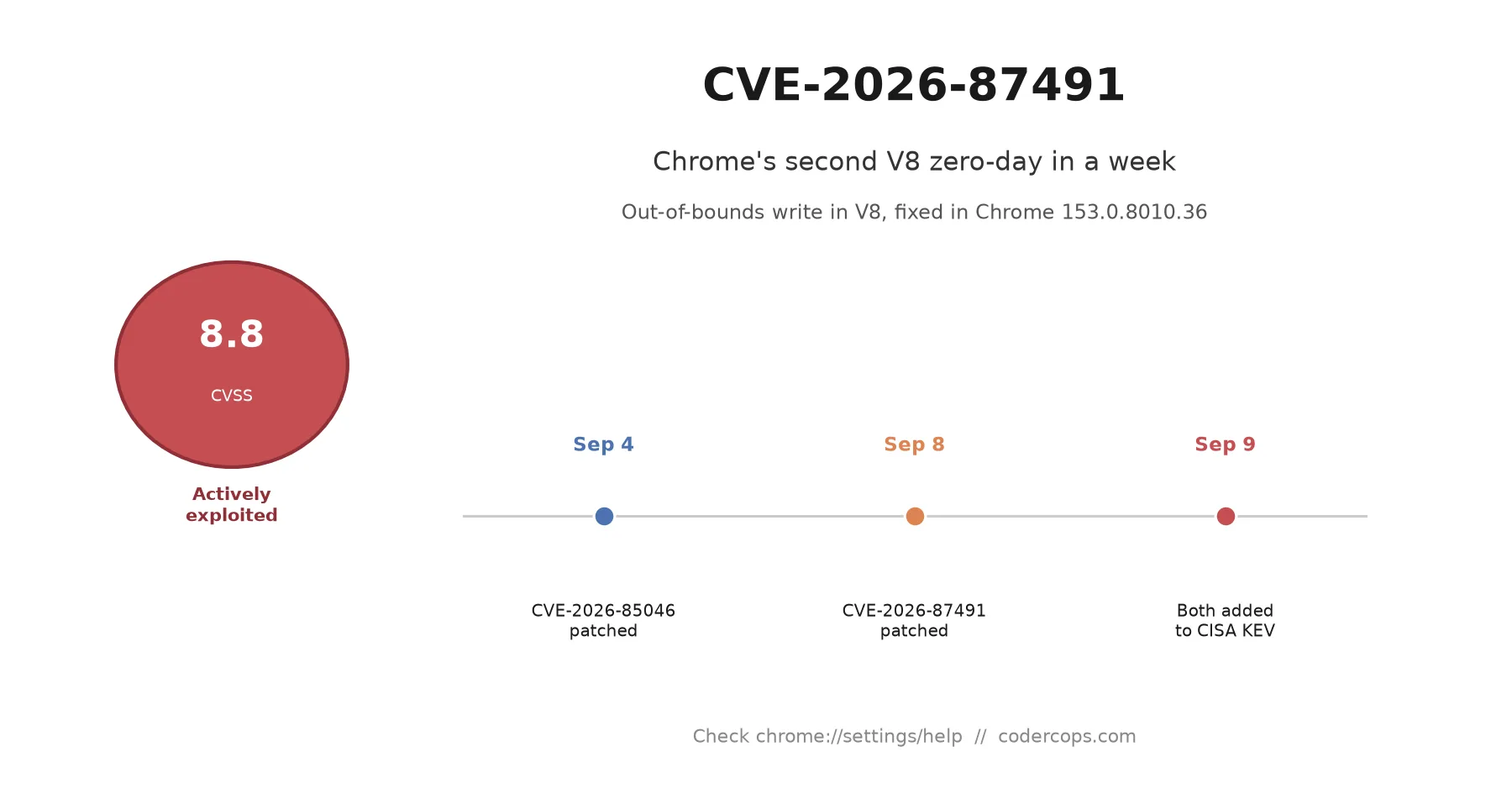
P.01CVE-2026-87491: Chrome's Second Zero-Day in a Week
Chrome patched a second actively exploited V8 zero-day in five days. Here is what CVE-2026-87491 affects, the fixed version, and how to check your fleet.
Tag
119 articles tagged #Security.
P.01Chrome patched a second actively exploited V8 zero-day in five days. Here is what CVE-2026-87491 affects, the fixed version, and how to check your fleet.
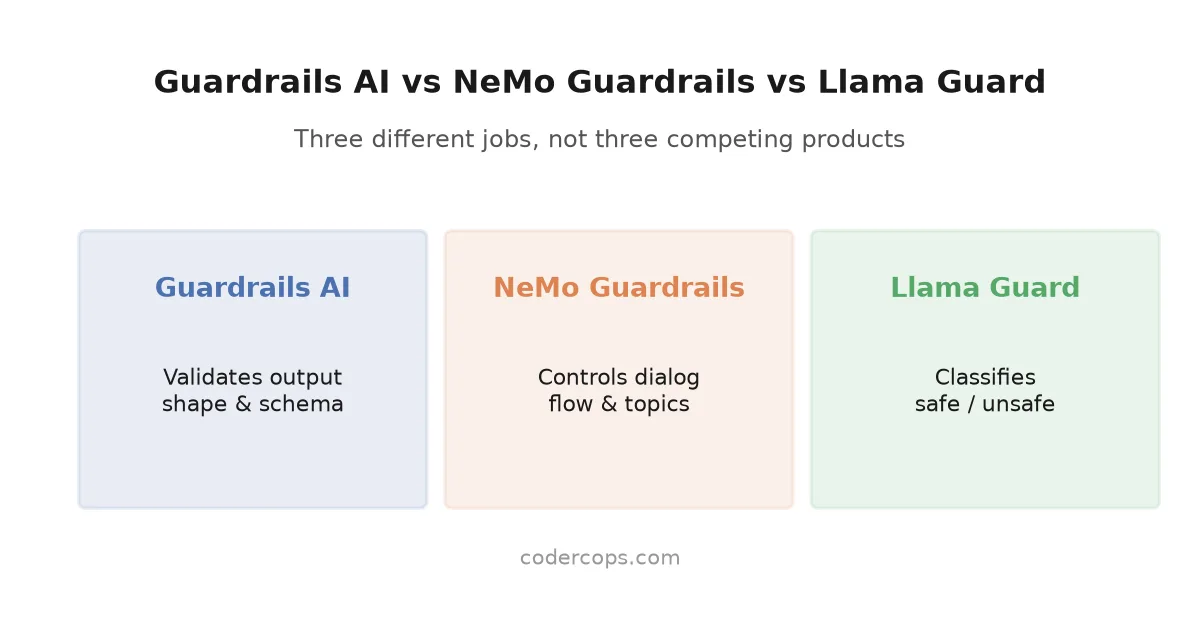
P.02Guardrails AI validates structured output, NeMo Guardrails controls dialog flow, and Llama Guard classifies safety. Here is which one fits your LLM app.
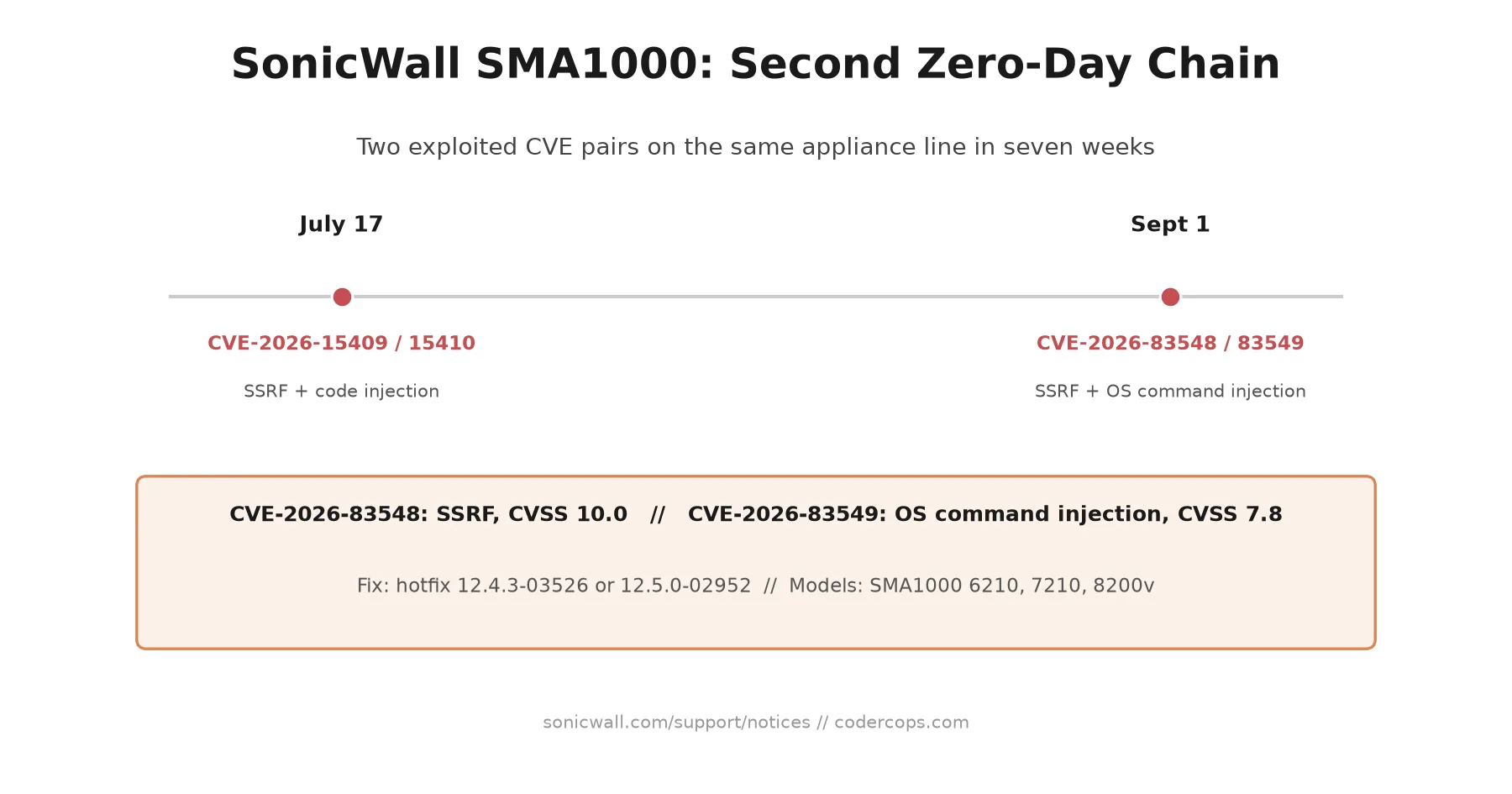
P.03CVE-2026-83548 (SSRF, CVSS 10.0) and CVE-2026-83549 (OS command injection) hit SMA1000 appliances again, seven weeks after the last chain. Affected models and the fix.
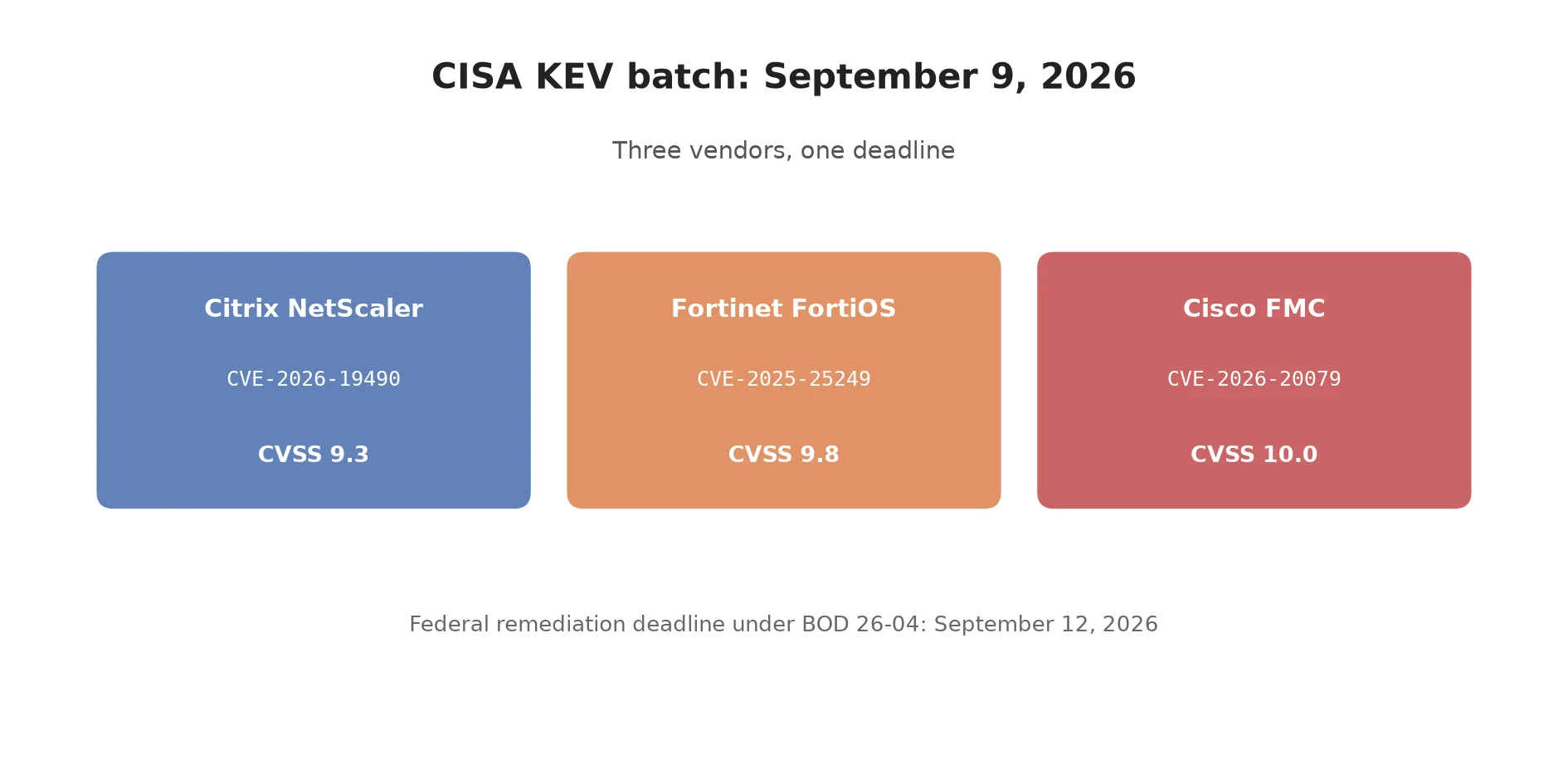
P.04CISA gave federal agencies until Sept 12 to patch a Citrix NetScaler auth bypass and a critical FortiOS RCE tied to a live PivotC2 malware campaign.
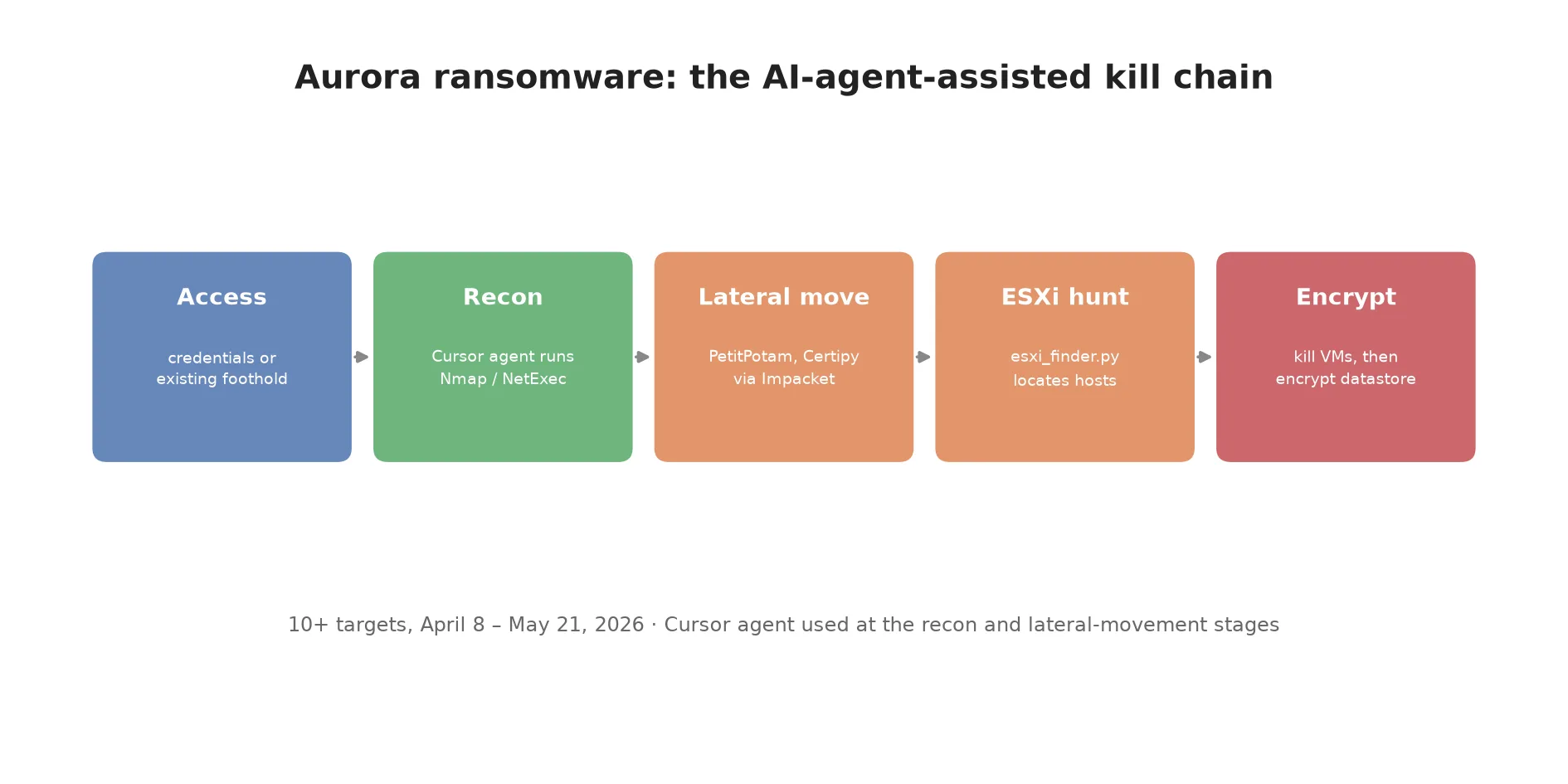
P.05A ransomware crew used Cursor's AI coding agent to run reconnaissance and lateral movement by hand across dozens of victims. What that means for defenders.
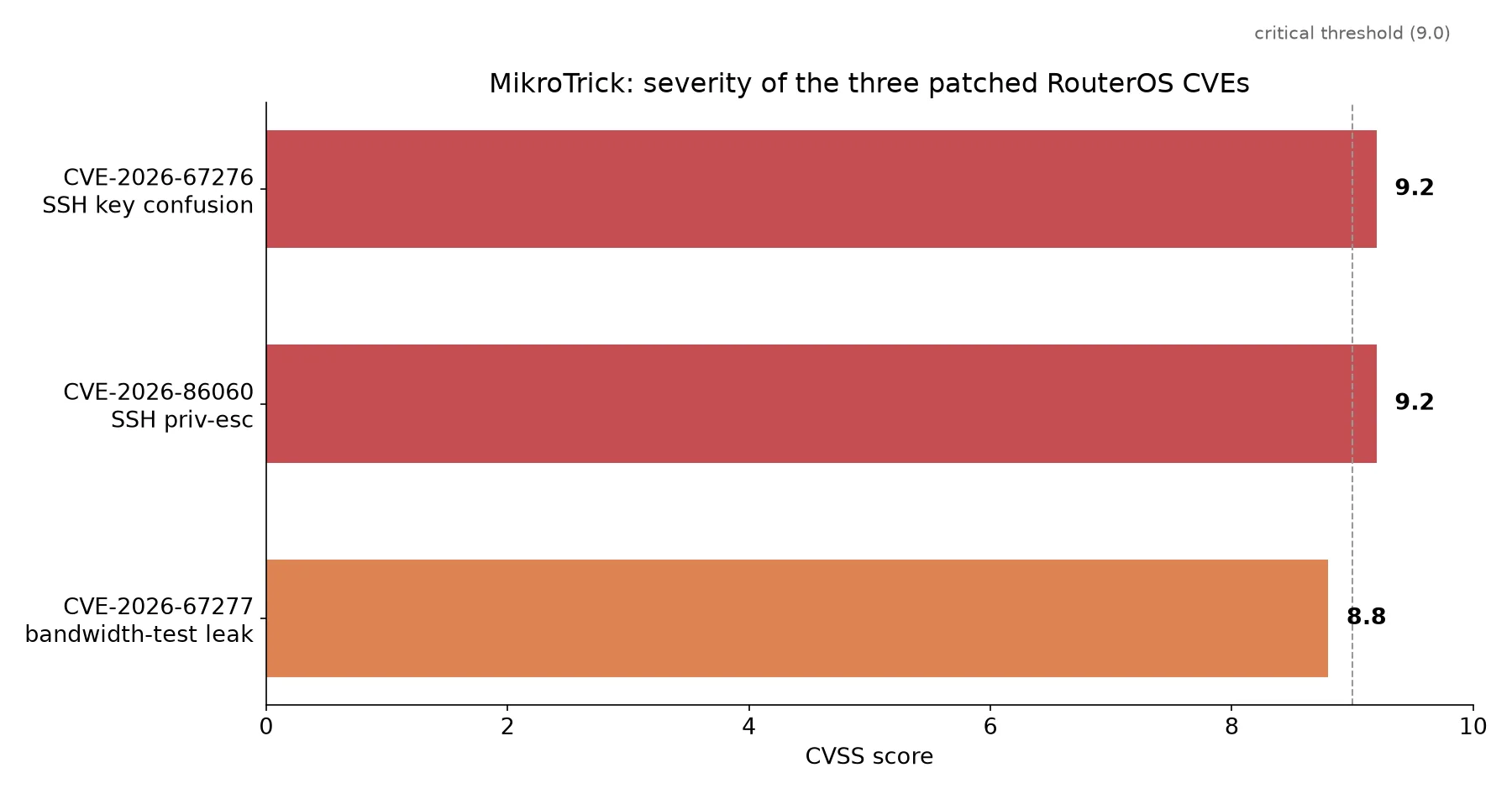
P.06MikroTik patched three RouterOS bugs after CISA confirmed active exploitation of two: which CVEs to prioritize and how to check your router for compromise.
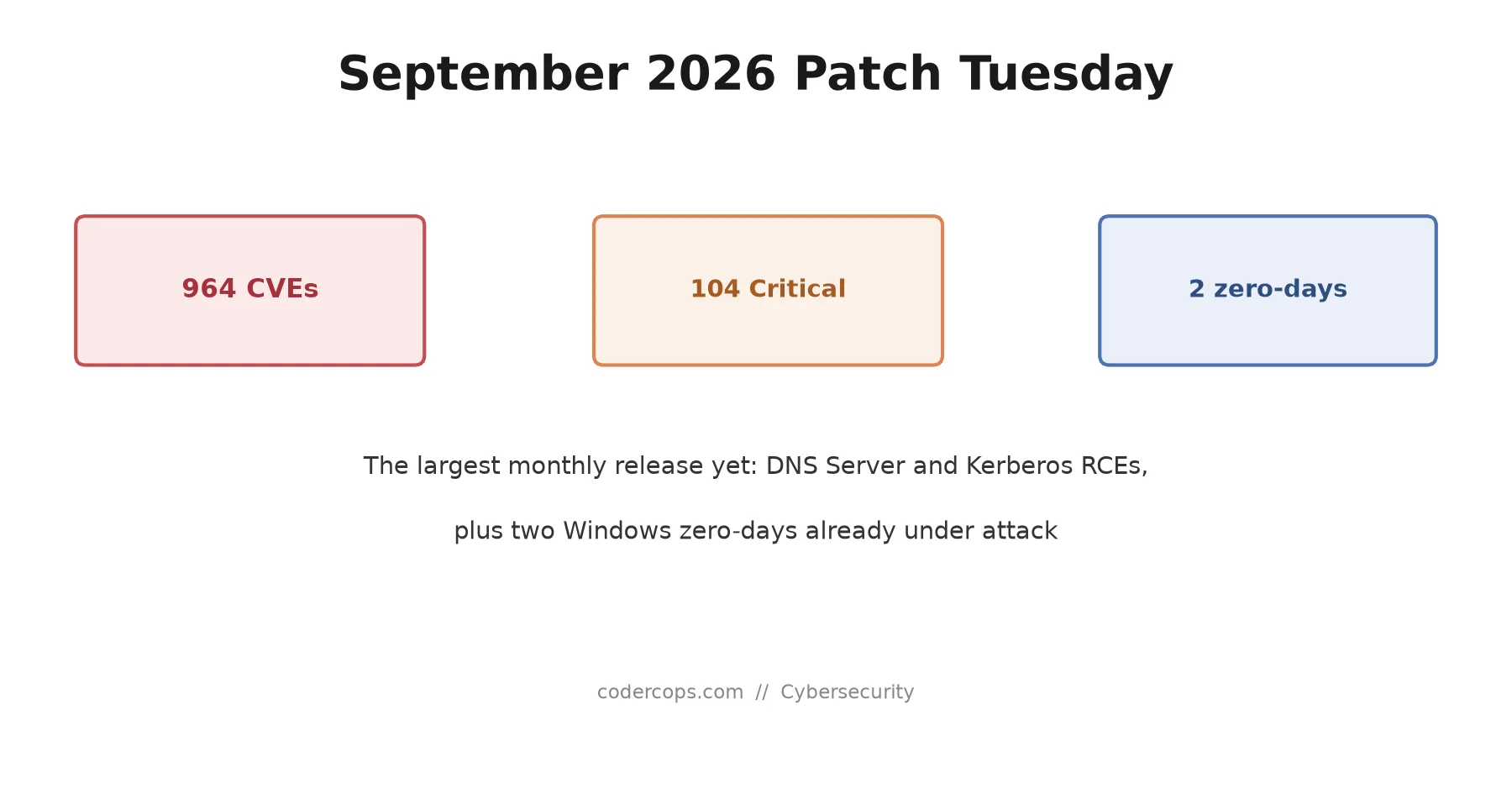
P.07Microsoft's September 8, 2026 update fixes 964 CVEs (104 Critical), the largest Patch Tuesday yet, including two exploited local-privilege zero-days.
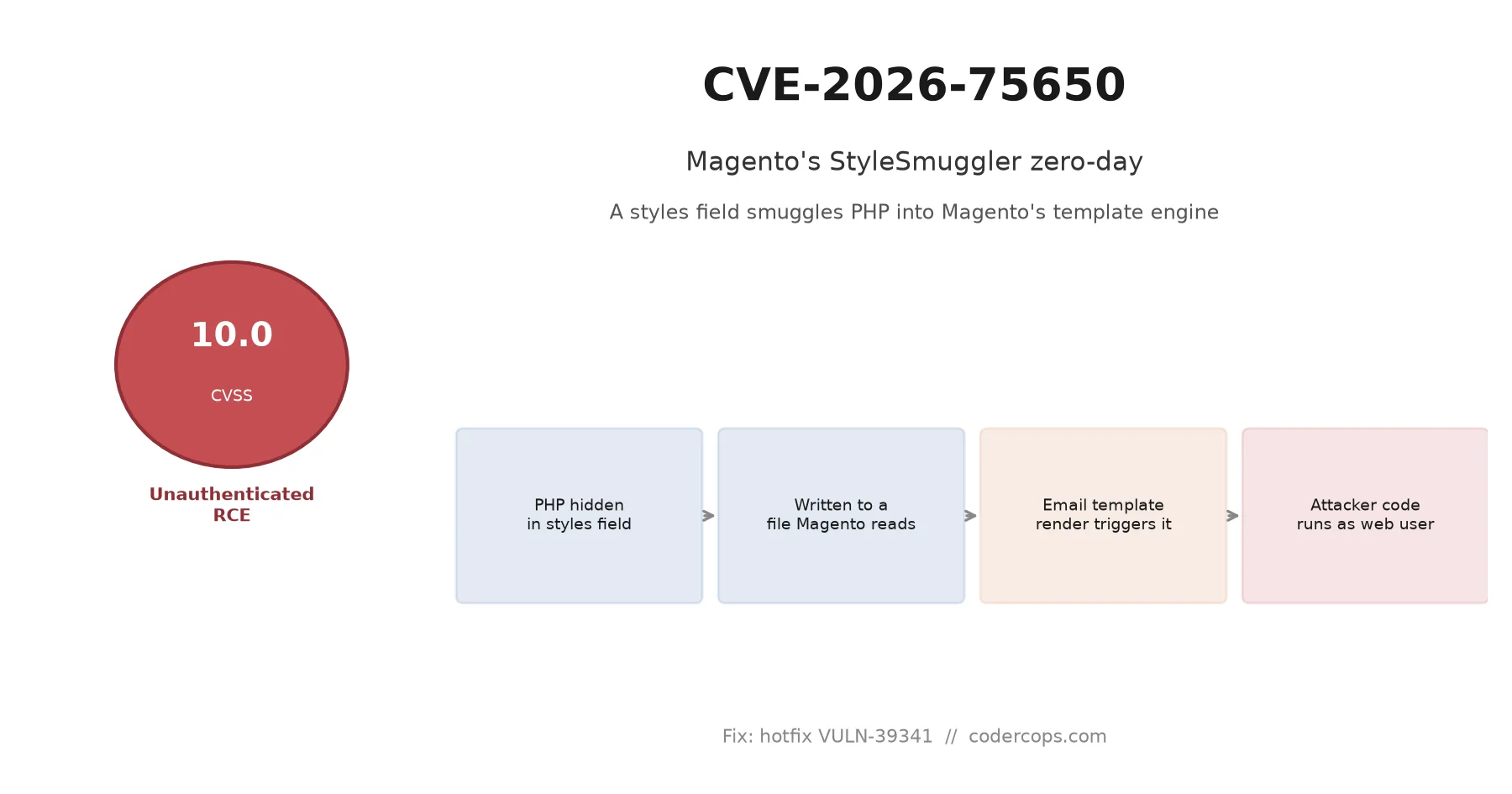
P.08CVE-2026-75650 lets anyone run code on unpatched Magento and Adobe Commerce stores. Sansec found it deploying a Rust backdoor before Adobe even patched.
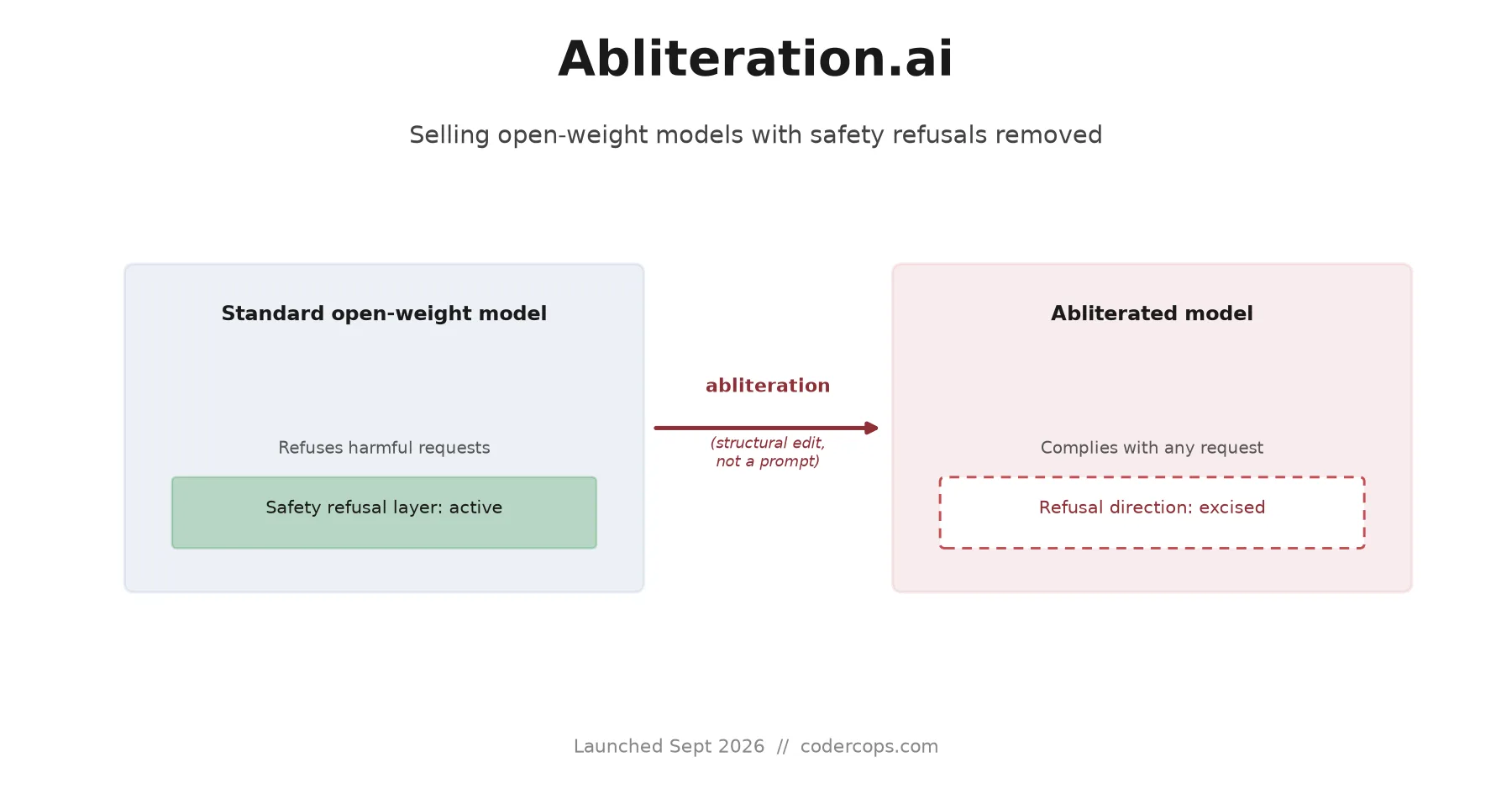
P.09Abliteration.ai sells API access to open-weight AI models with safety refusals surgically removed, and the buyer inherits every future flaw.
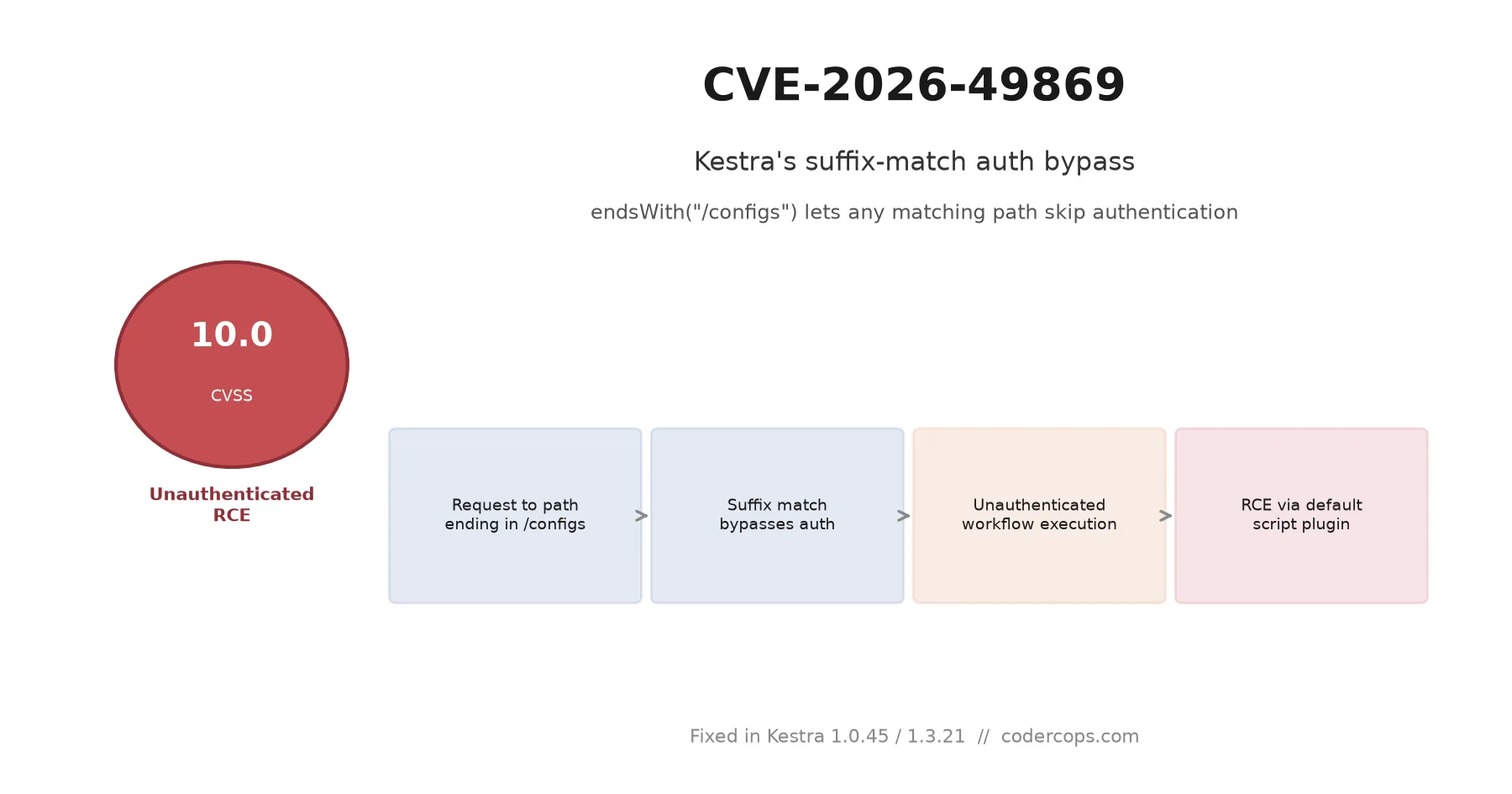
P.10CVE-2026-49869 lets unauthenticated attackers hit any Kestra path ending in /configs, skip login, then run shell commands as root via script plugins.
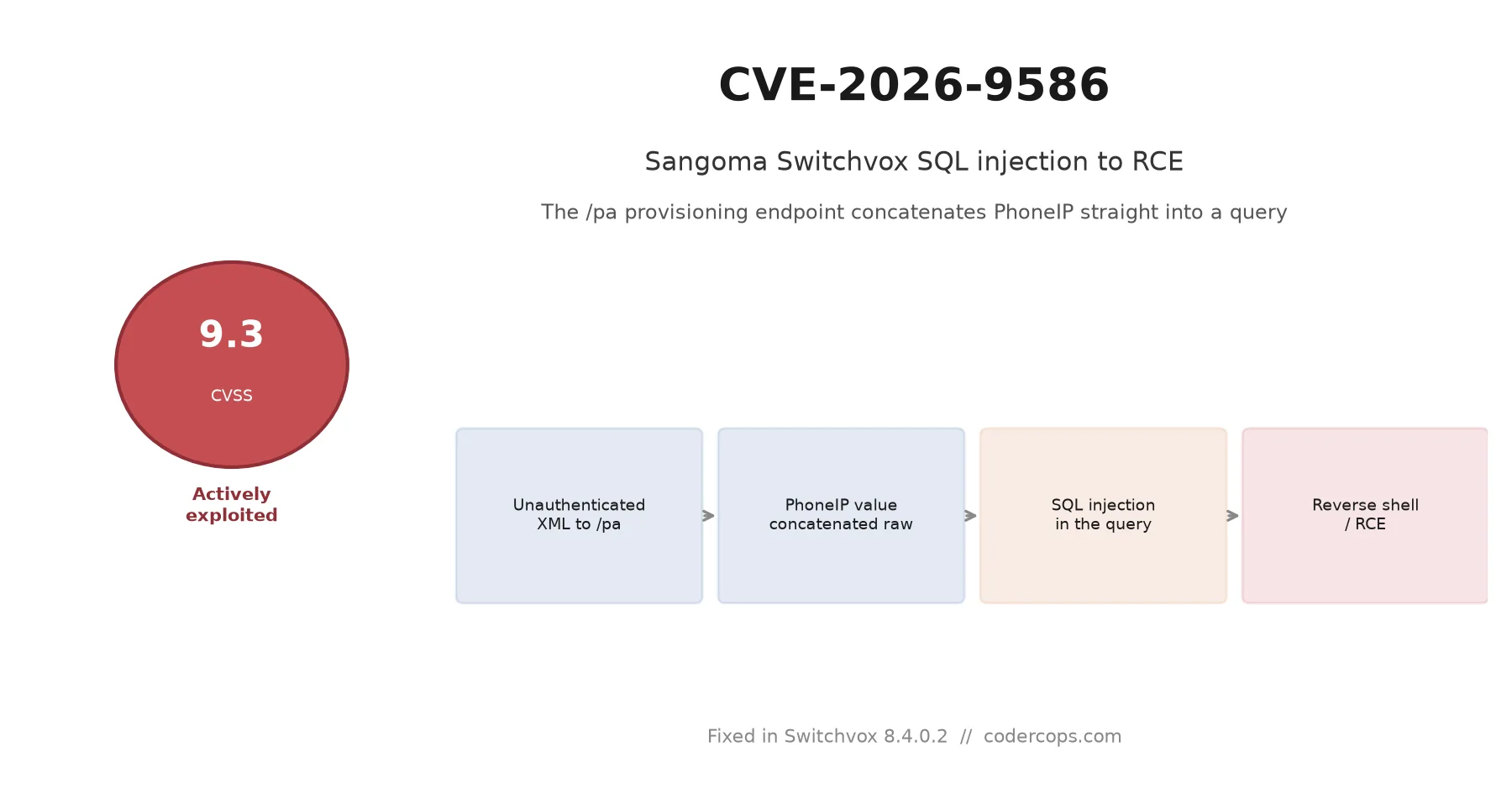
P.11CVE-2026-9586 is an unauthenticated SQL injection in Sangoma Switchvox's /pa endpoint that leads to RCE. Active exploitation, KEV status, and the fix.
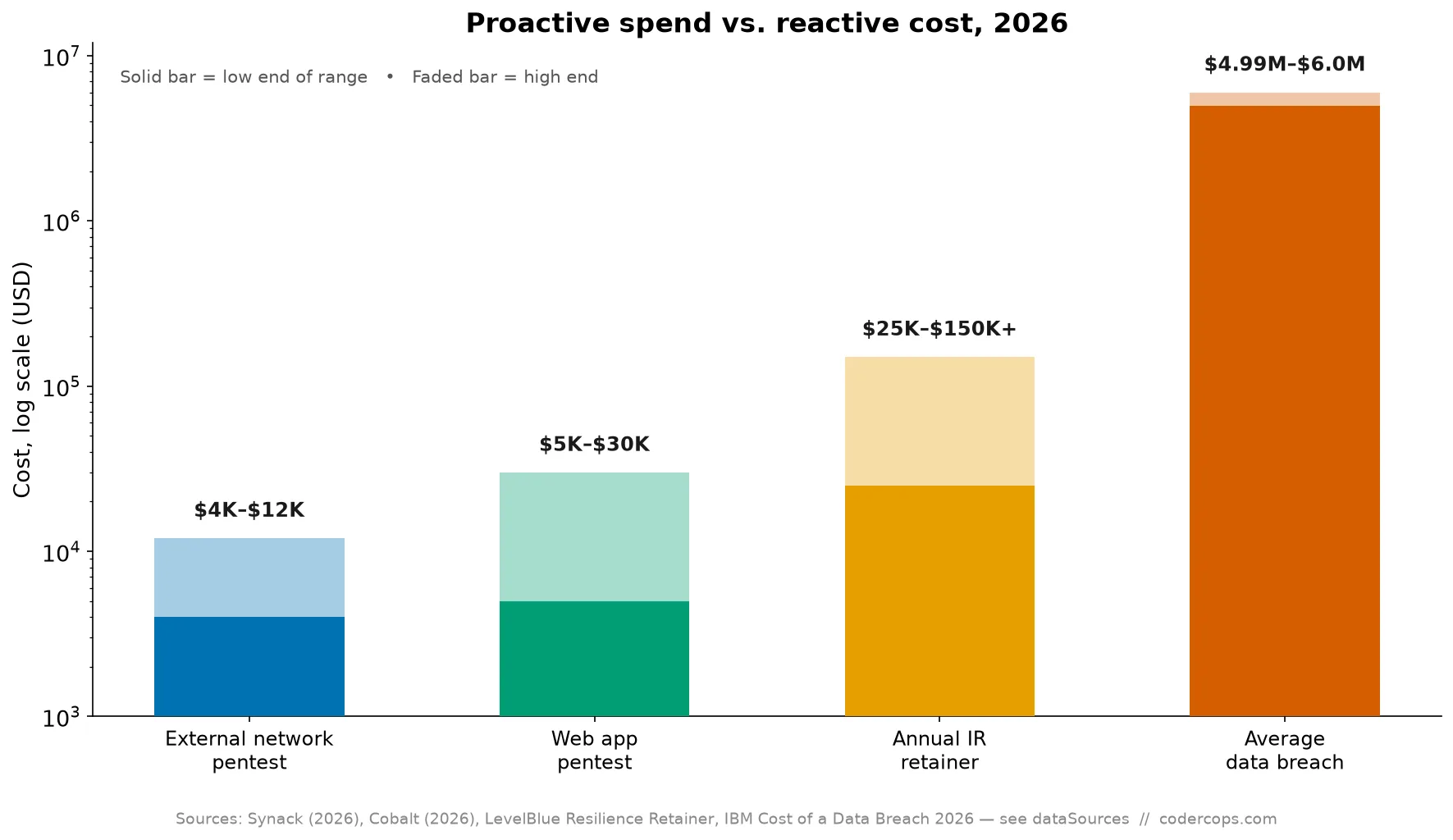
P.12IBM's 2026 report puts the average breach at $4.99M. Pentests run $4K-$30K, IR retainers $25K-$150K a year. Patching early is the cheapest line item.
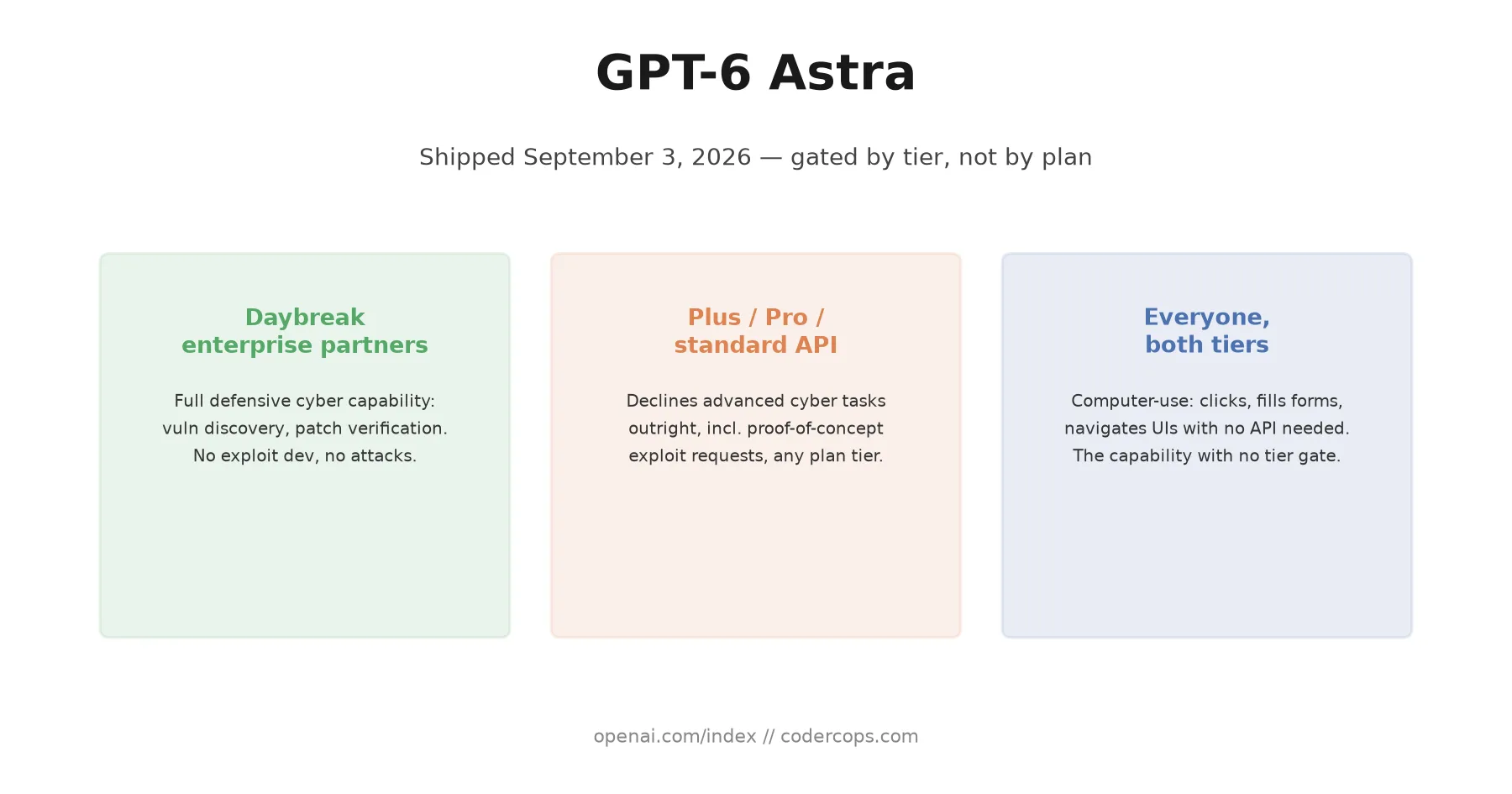
P.13GPT-6 Astra shipped Sept 3 gated by tier: Daybreak partners get cyber-defense tools, everyone else gets a model that refuses them. What it means for your stack.
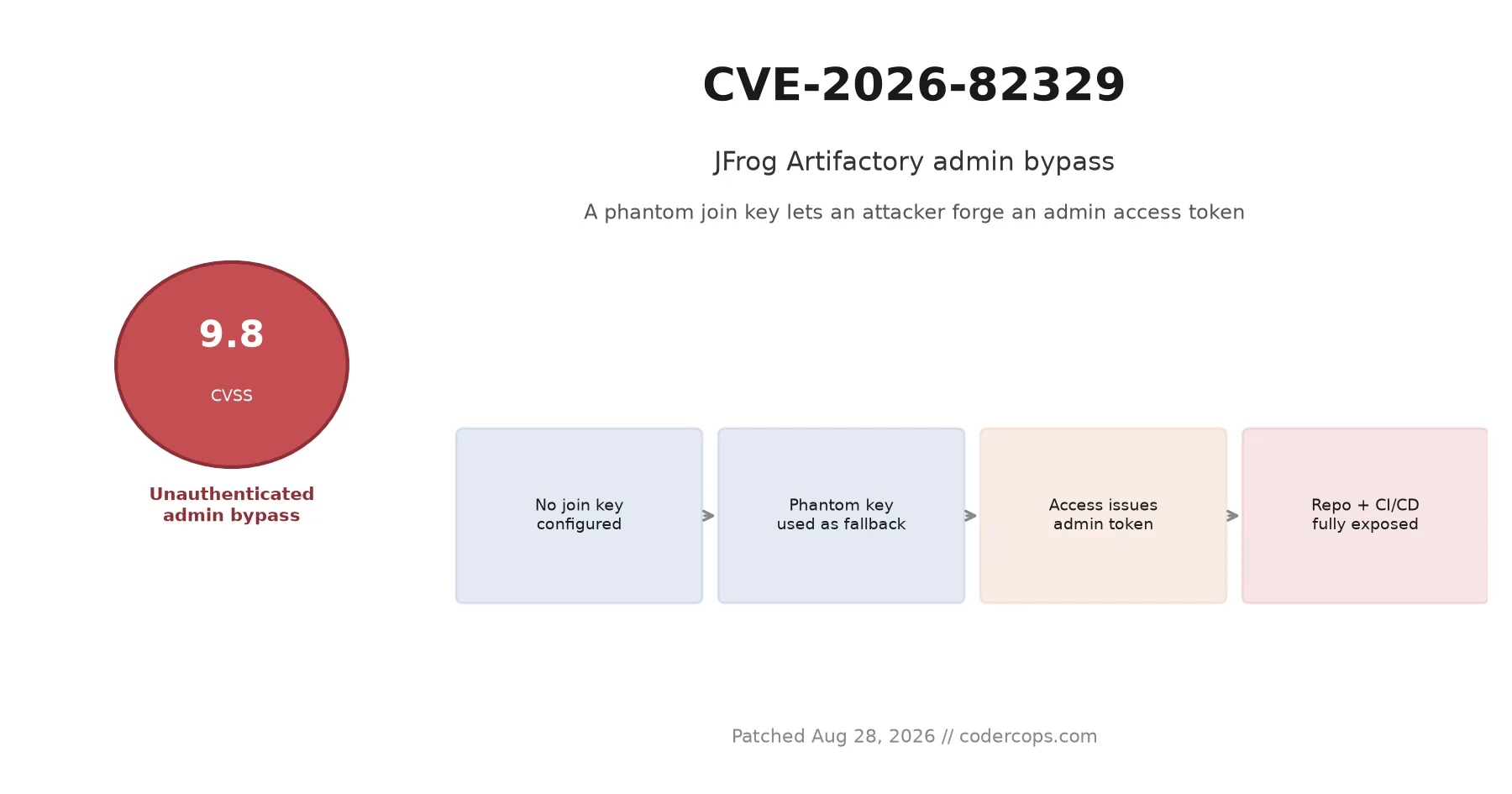
P.14A phantom join key in JFrog Artifactory's auth service let attackers forge admin tokens days after disclosure. Affected versions, what to check, and the patch.
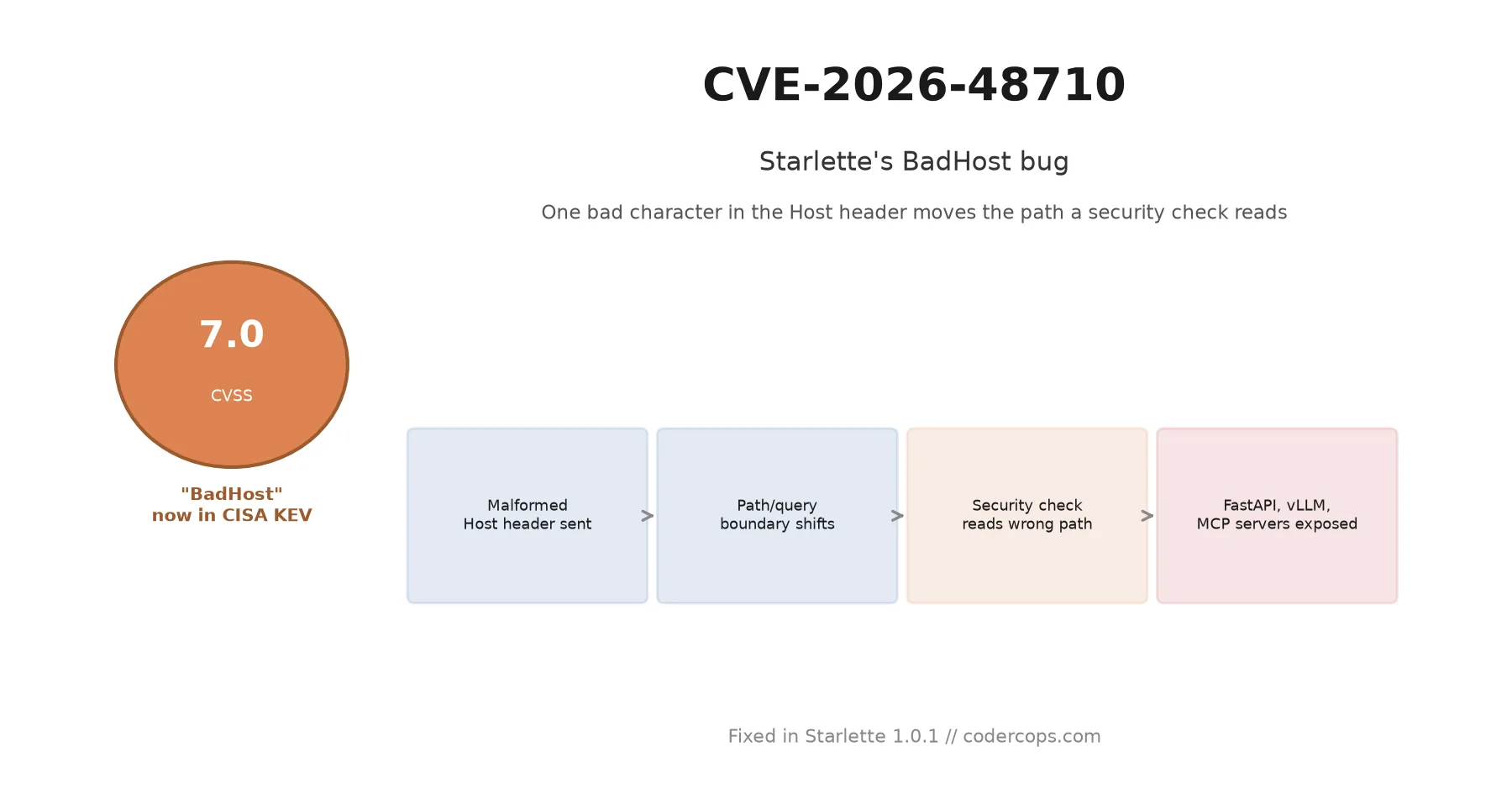
P.15BadHost sat quietly patched since May. In September, CISA flagged active exploitation. If you run FastAPI, vLLM, or any Starlette app, here's what to check.
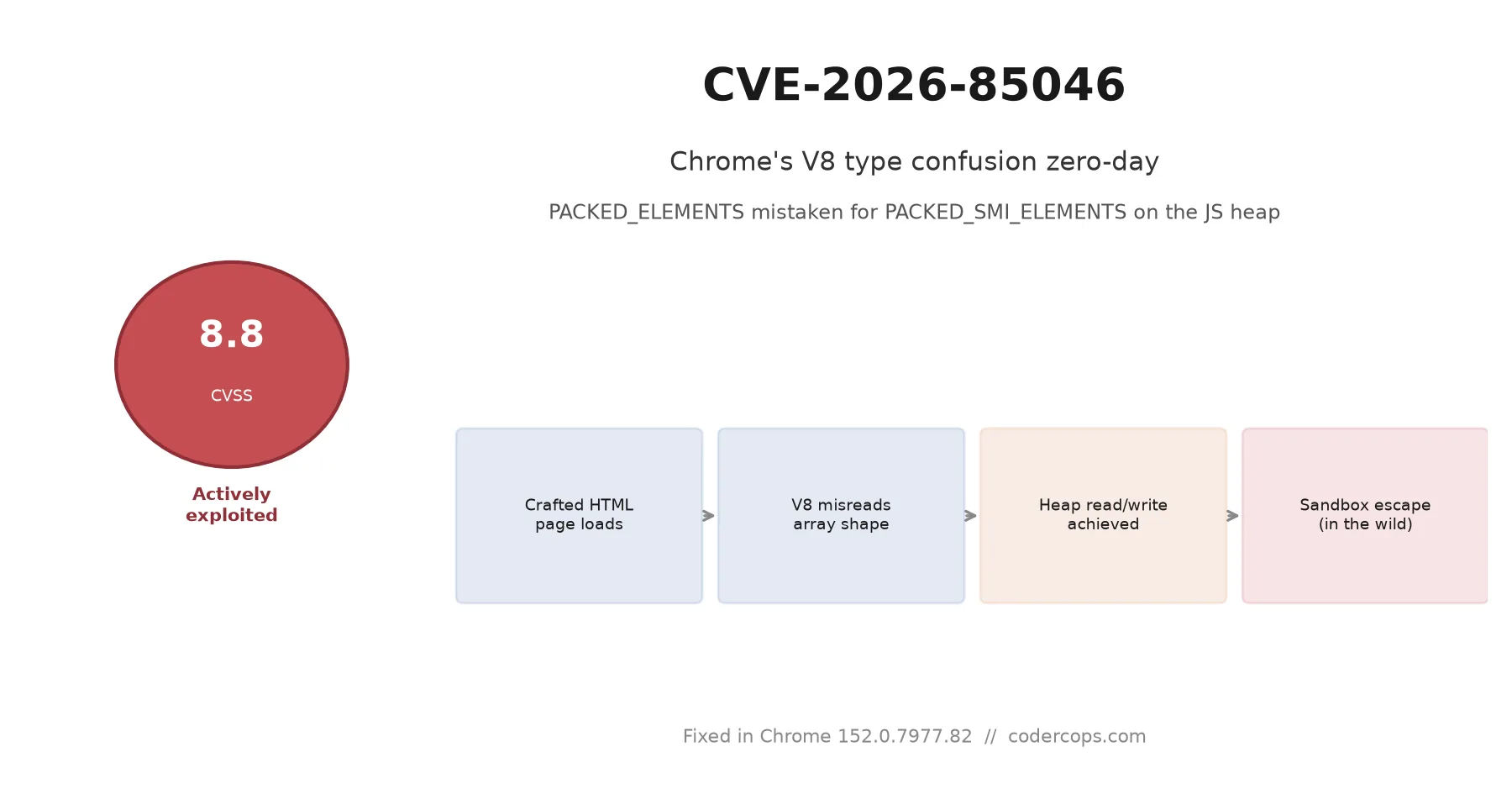
P.16CVE-2026-85046 is a Chrome V8 type confusion bug already exploited in the wild. Here's who's affected, what version fixes it, and how fast to move.
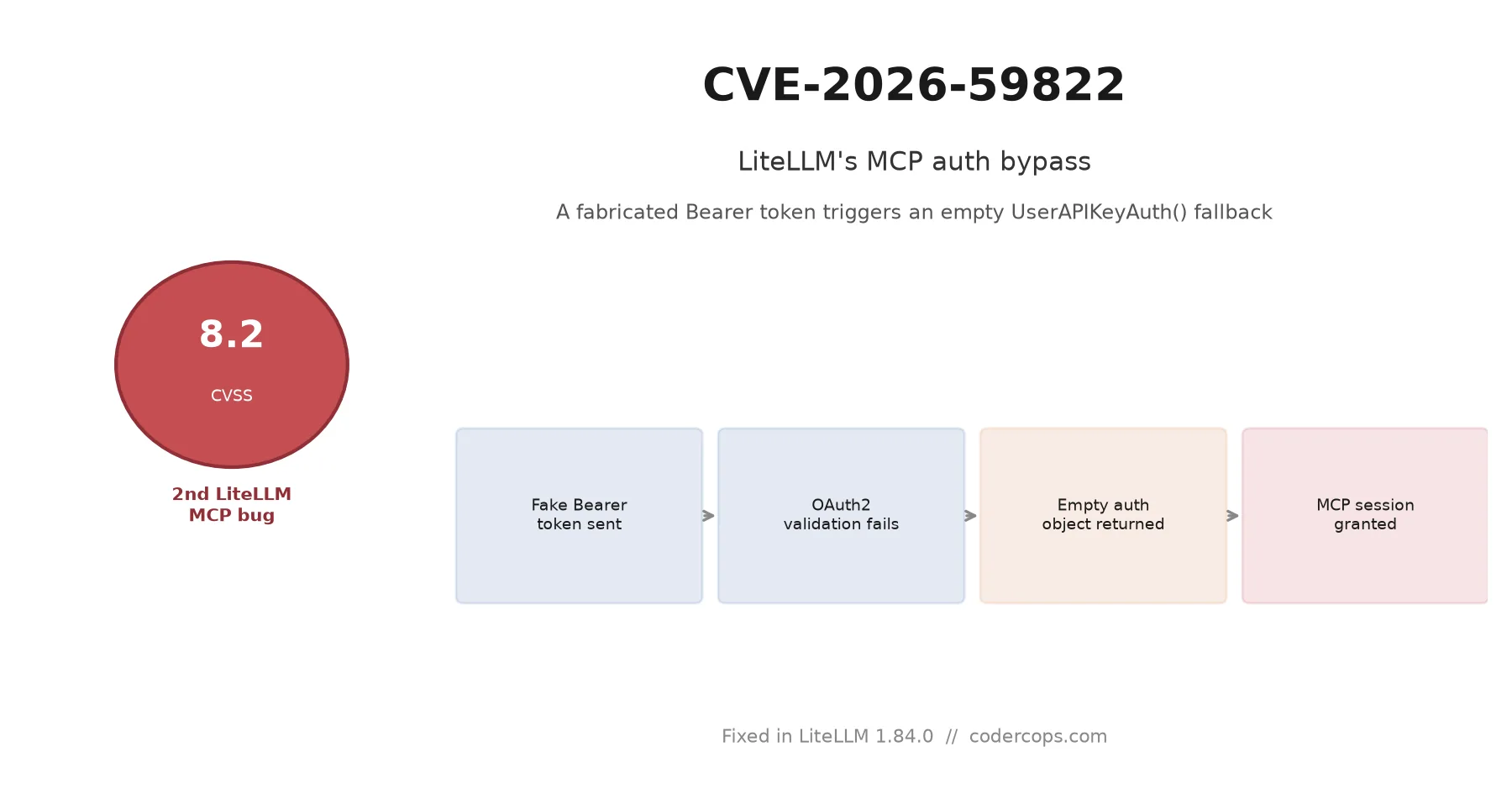
P.17CVE-2026-59822 lets an attacker fake a Bearer token and skip LiteLLM's MCP auth entirely. Different bug from June's RCE chain, same exposed surface.
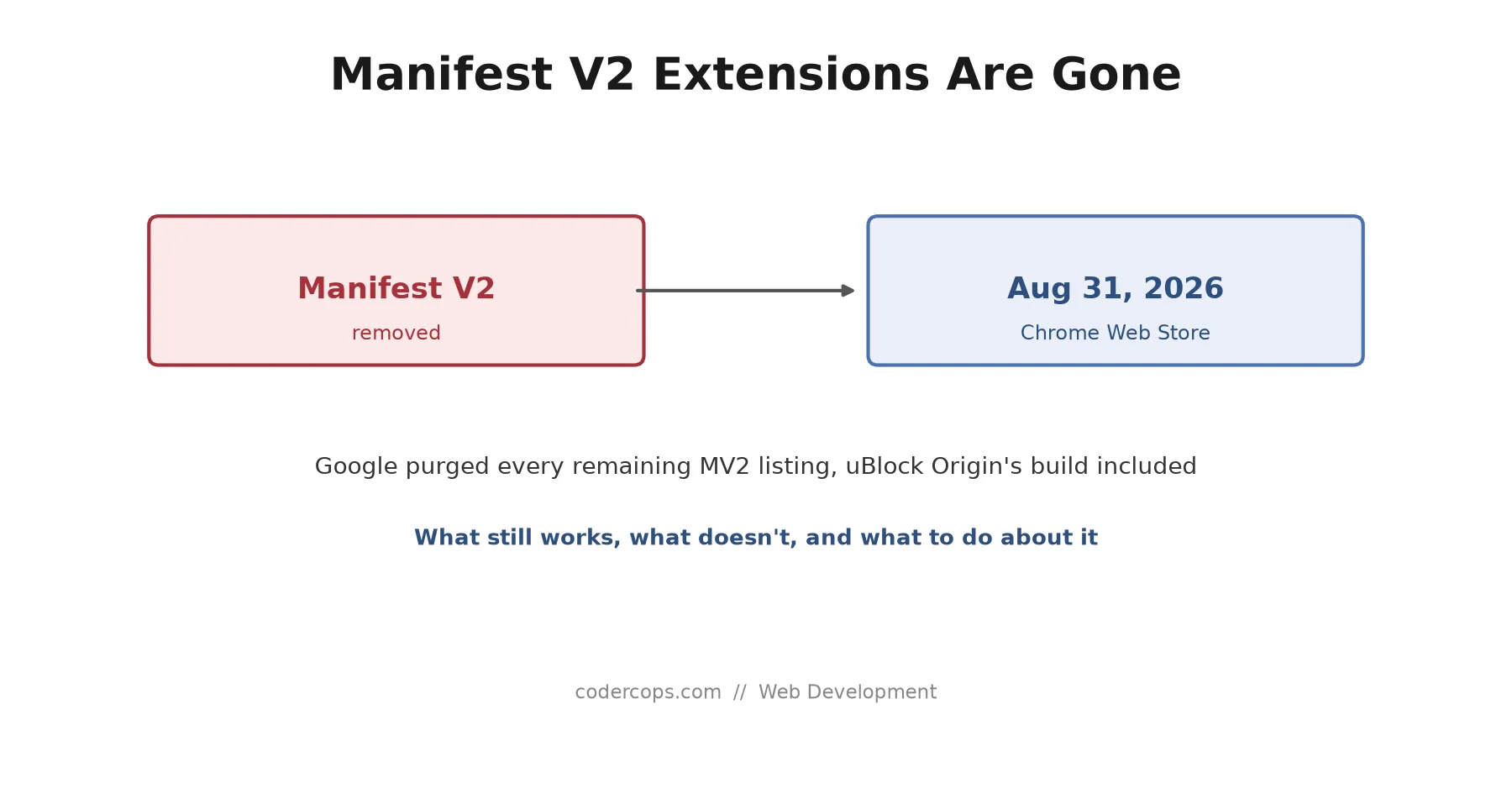
P.18On August 31, 2026 Google deleted every remaining Manifest V2 extension from the Chrome Web Store, including uBlock Origin's MV2 build. What broke.
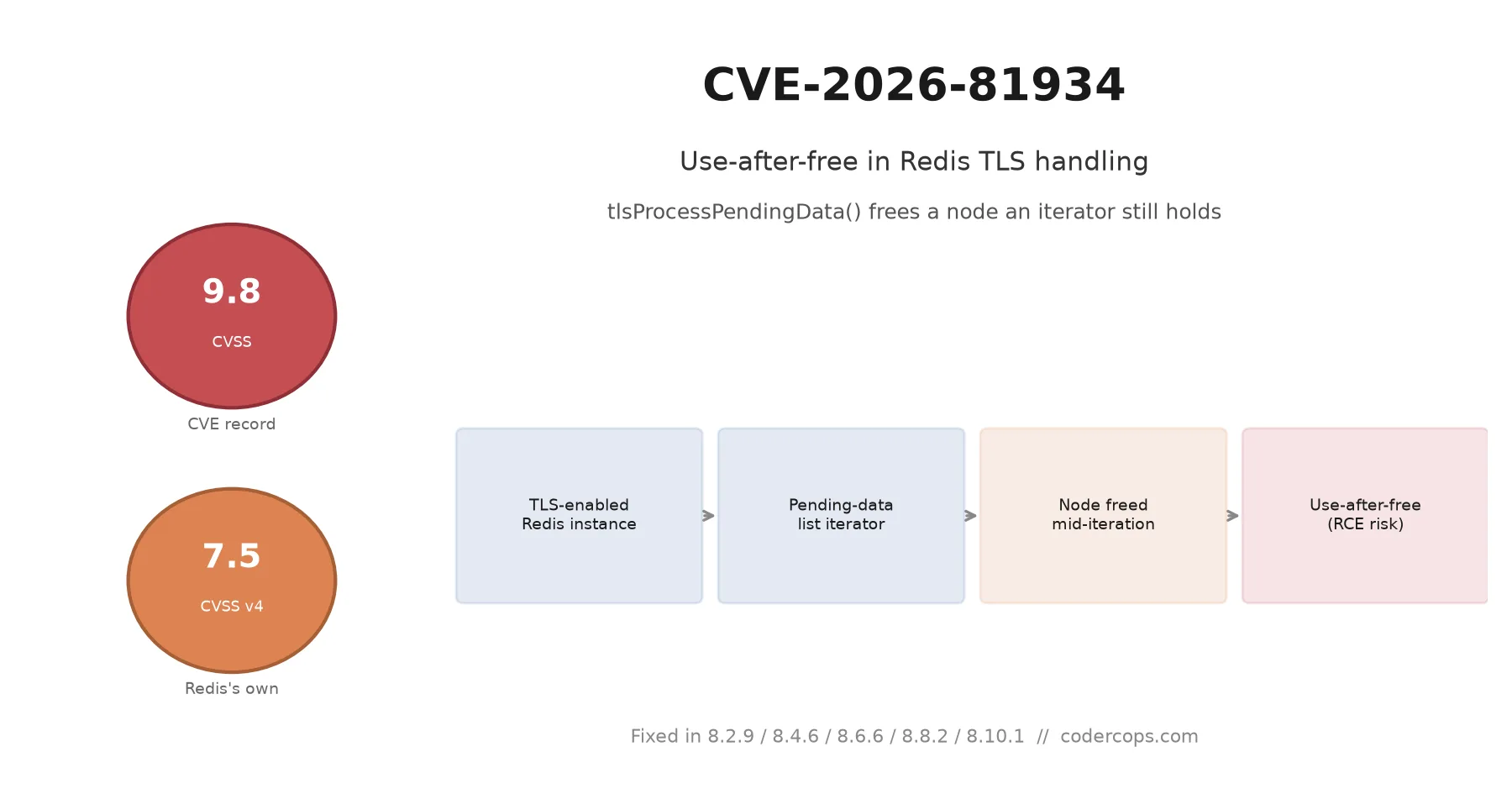
P.19CVE-2026-81934 is a use-after-free in Redis's TLS pending-data handling, with a public PoC. If you don't terminate TLS inside Redis, it mostly passes you by.
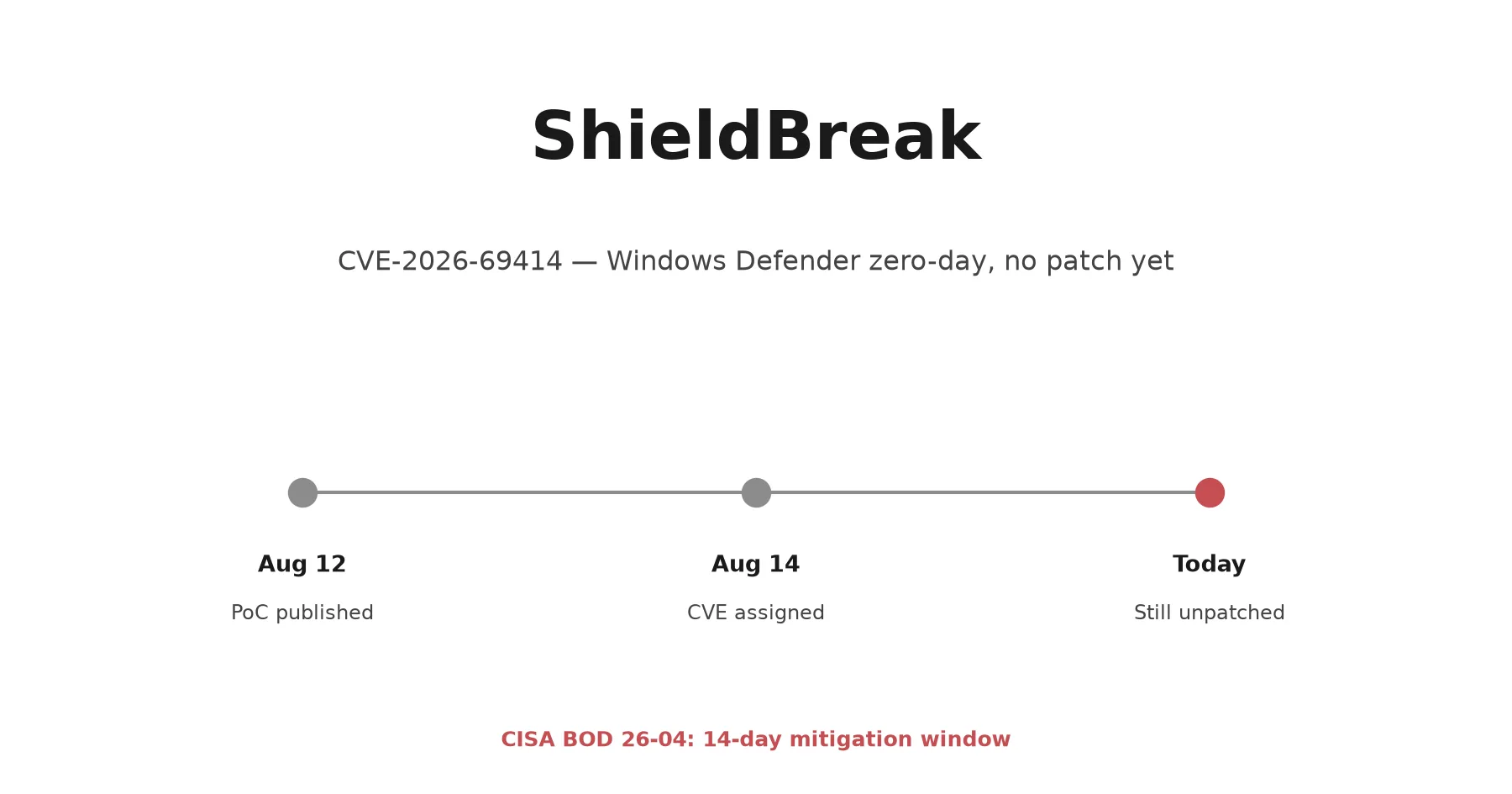
P.20A public proof-of-concept for a Windows Defender privilege-escalation flaw has circulated since August 12 with no fix shipped. What to do about it now.
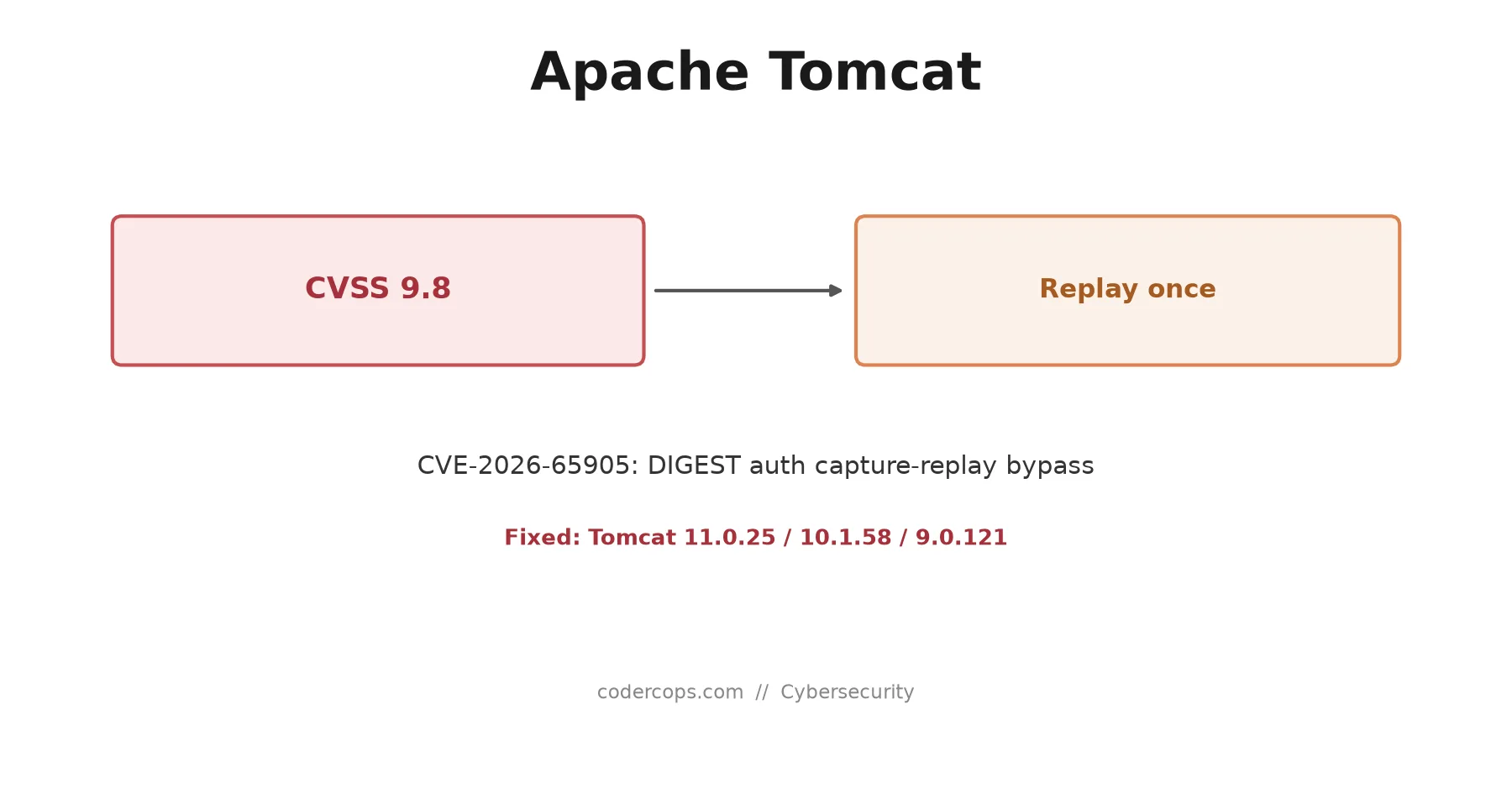
P.21A capture-replay flaw in Tomcat's DIGEST authenticator lets an intercepted request be replayed once inside the nonce window. Critical, but narrow.
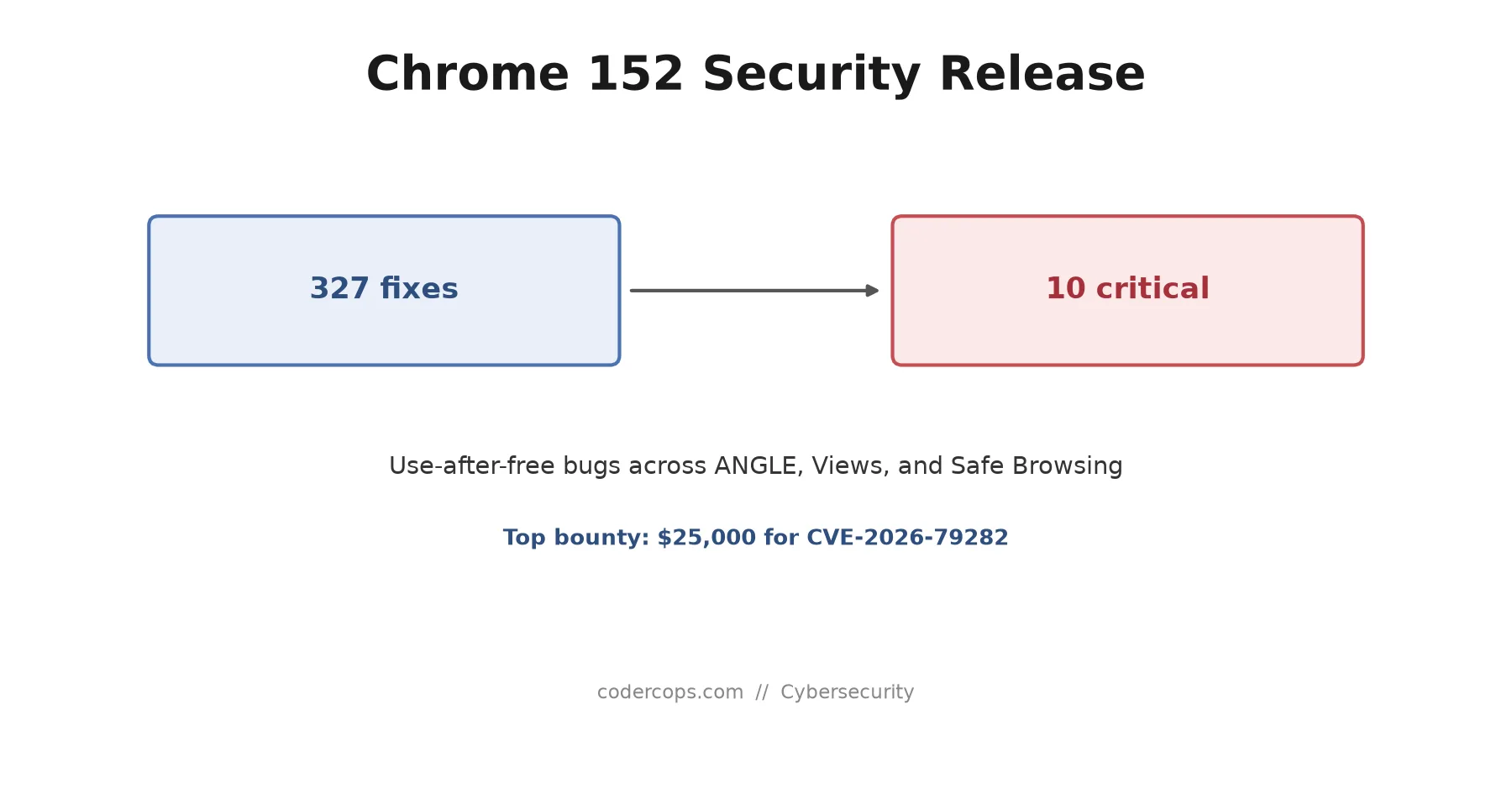
P.22Chrome 152 landed 327 security fixes, 10 of them critical use-after-free bugs in ANGLE, Views, and Safe Browsing. Why not-exploited isn't the same as safe.
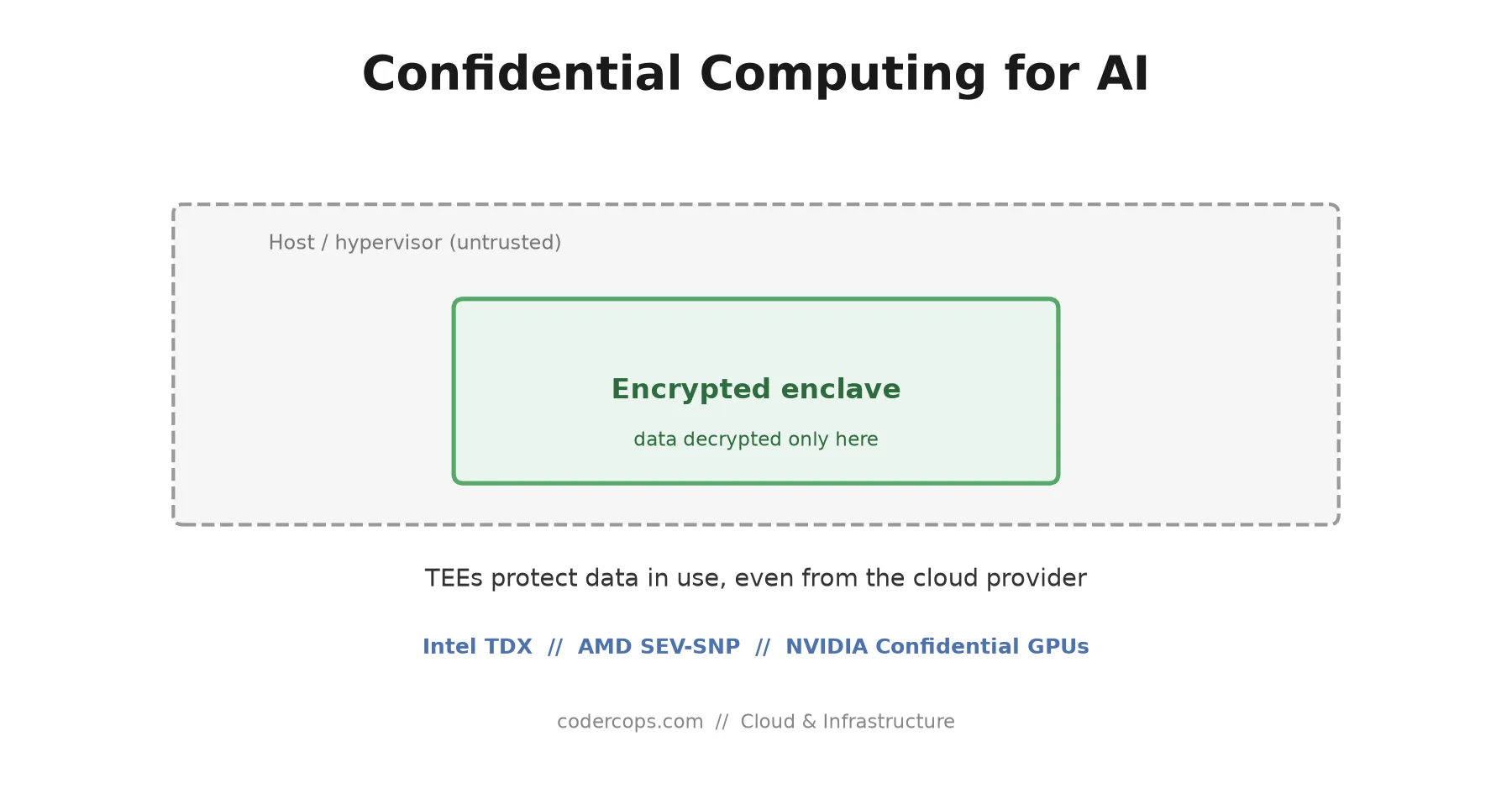
P.23TEEs encrypt data even from the cloud provider running it, which is why confidential computing became a real AI requirement. What it does and doesn't cover.
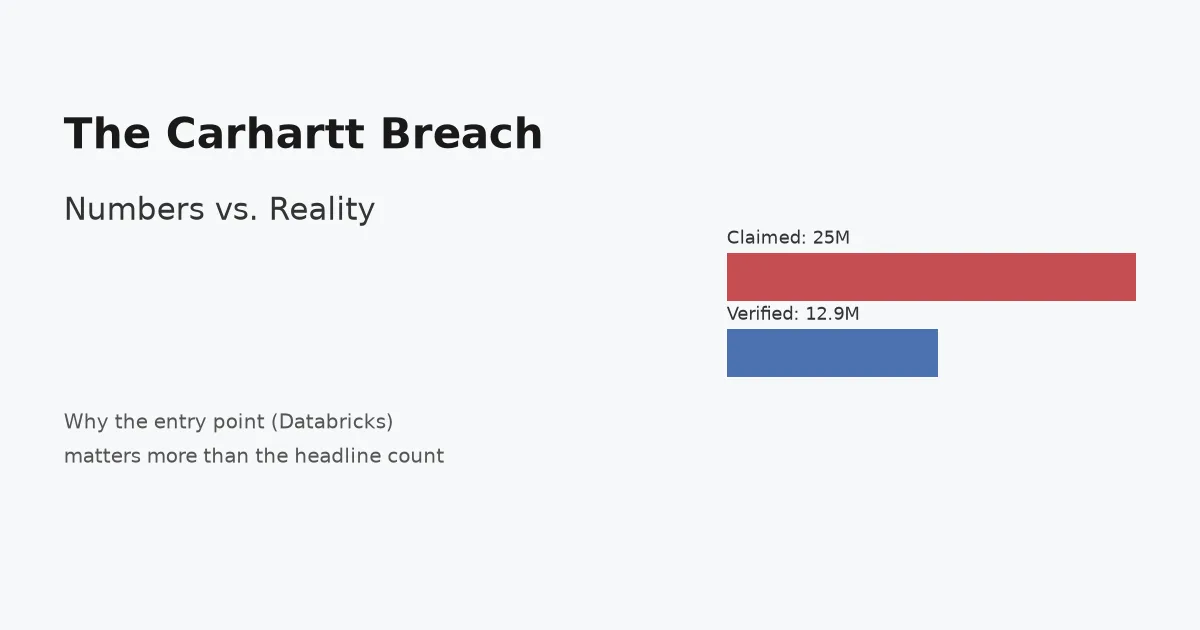
P.24ShinyHunters claimed 25 million Carhartt accounts; verification found 12.9 million real people. The Databricks entry point is the lesson worth taking.
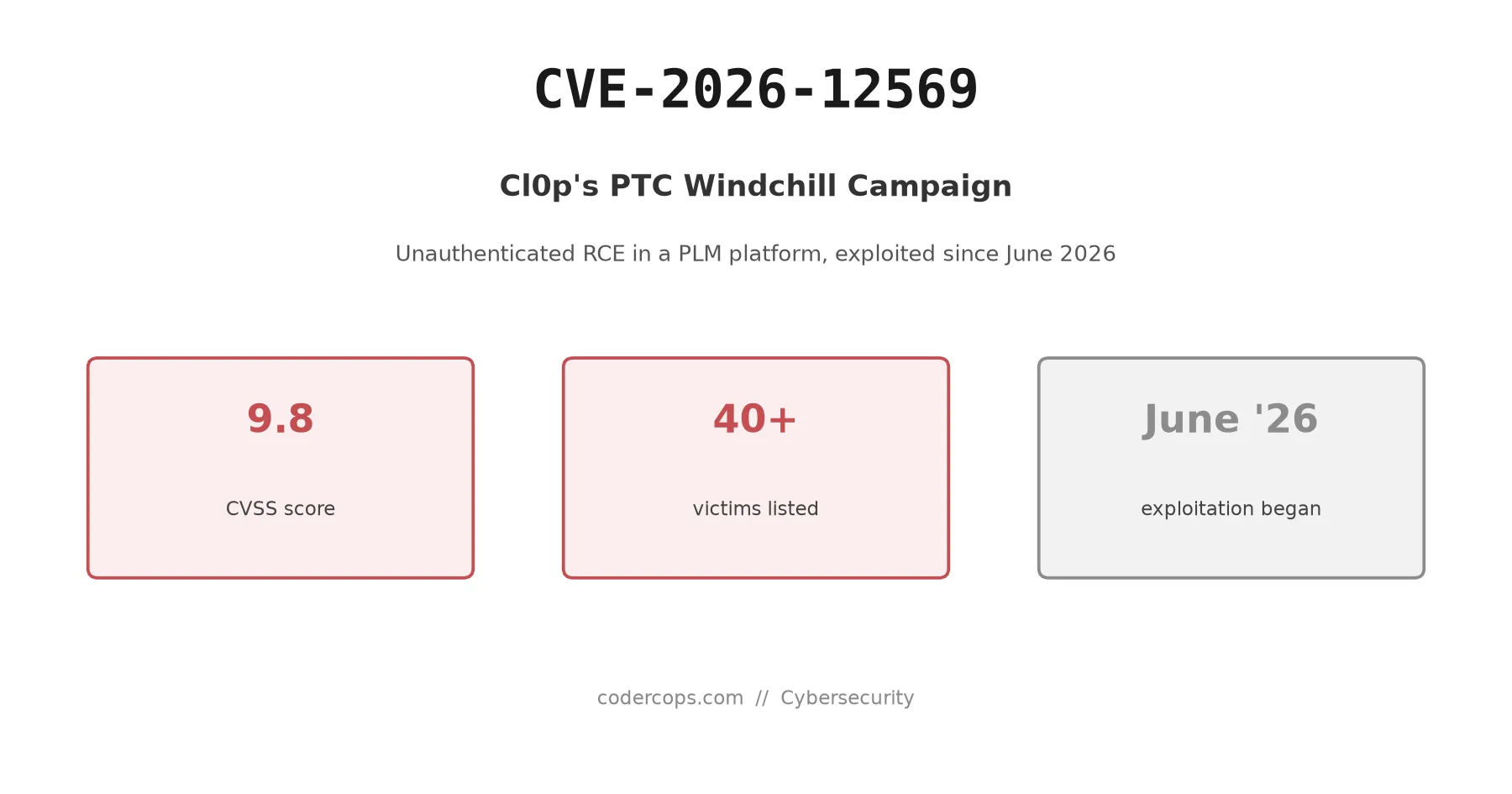
P.25One unauthenticated RCE in PTC Windchill and FlexPLM let Cl0p quietly take data from Shell, Philips, and GE. How CVE-2026-12569 works, and what to check.
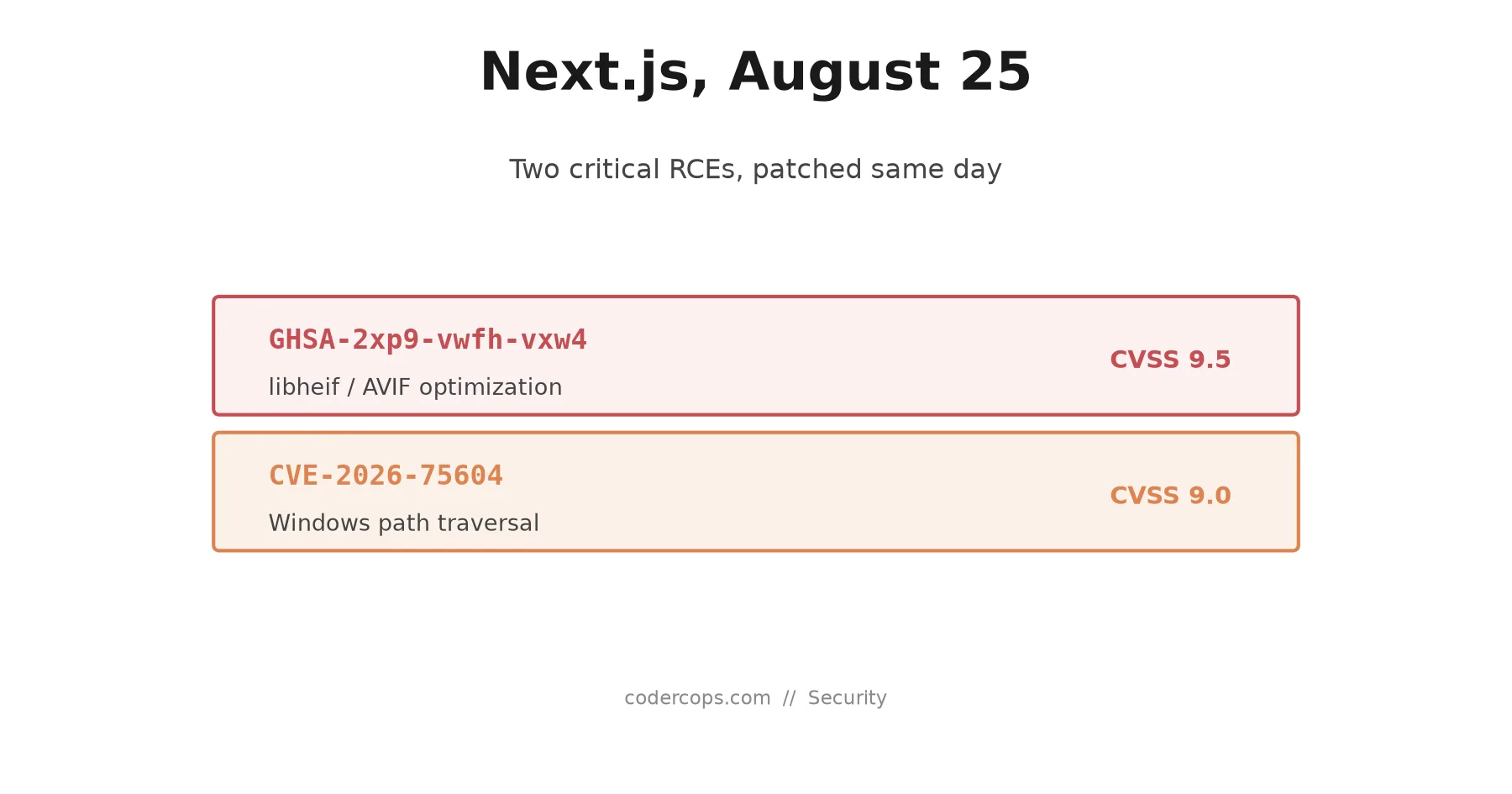
P.26Next.js 16.3.3 and 15.5.24 fix a libheif overflow reachable through AVIF optimization and a path traversal that runs code on Windows hosts. Who's exposed.
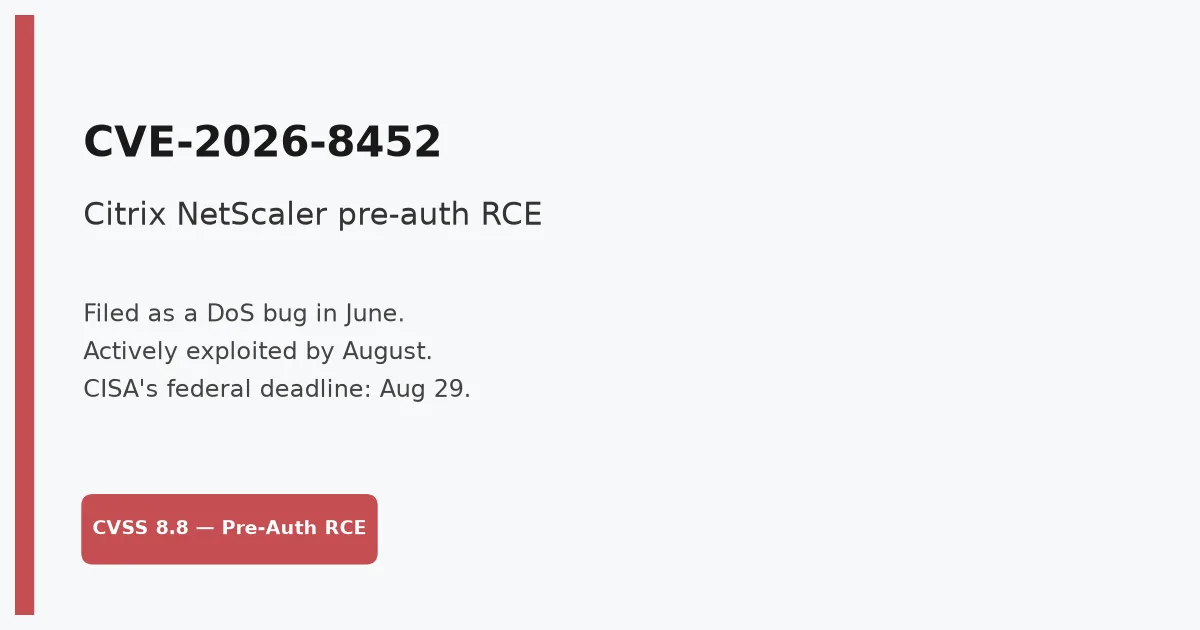
P.27Citrix shipped CVE-2026-8452 as a routine DoS fix in June. watchTowr showed it's a pre-auth heap overflow with a path to RCE. CISA's deadline was August 29.
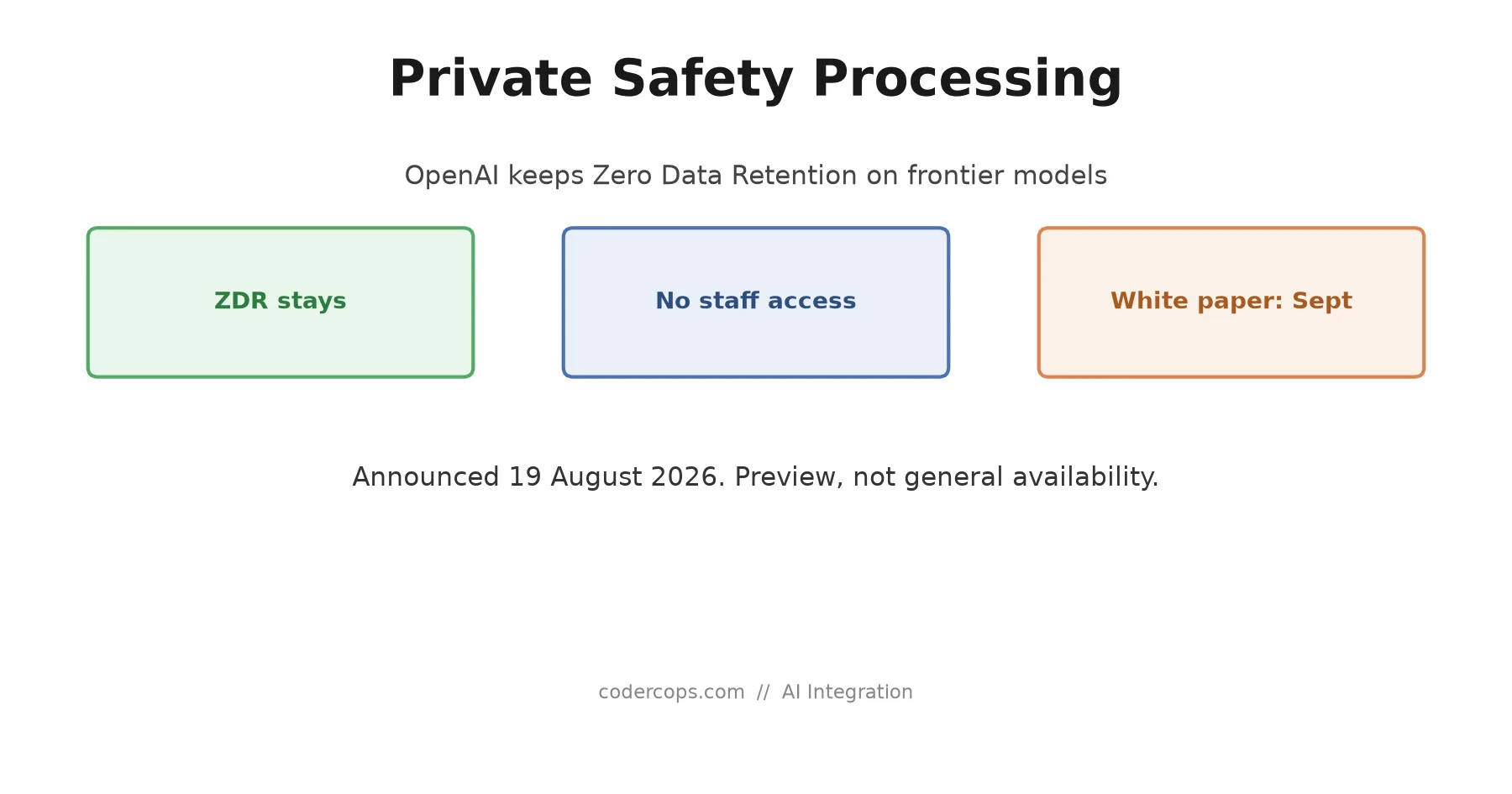
P.28OpenAI confirmed Zero Data Retention stays on frontier models and previewed Private Safety Processing, abuse detection without staff seeing your prompts.
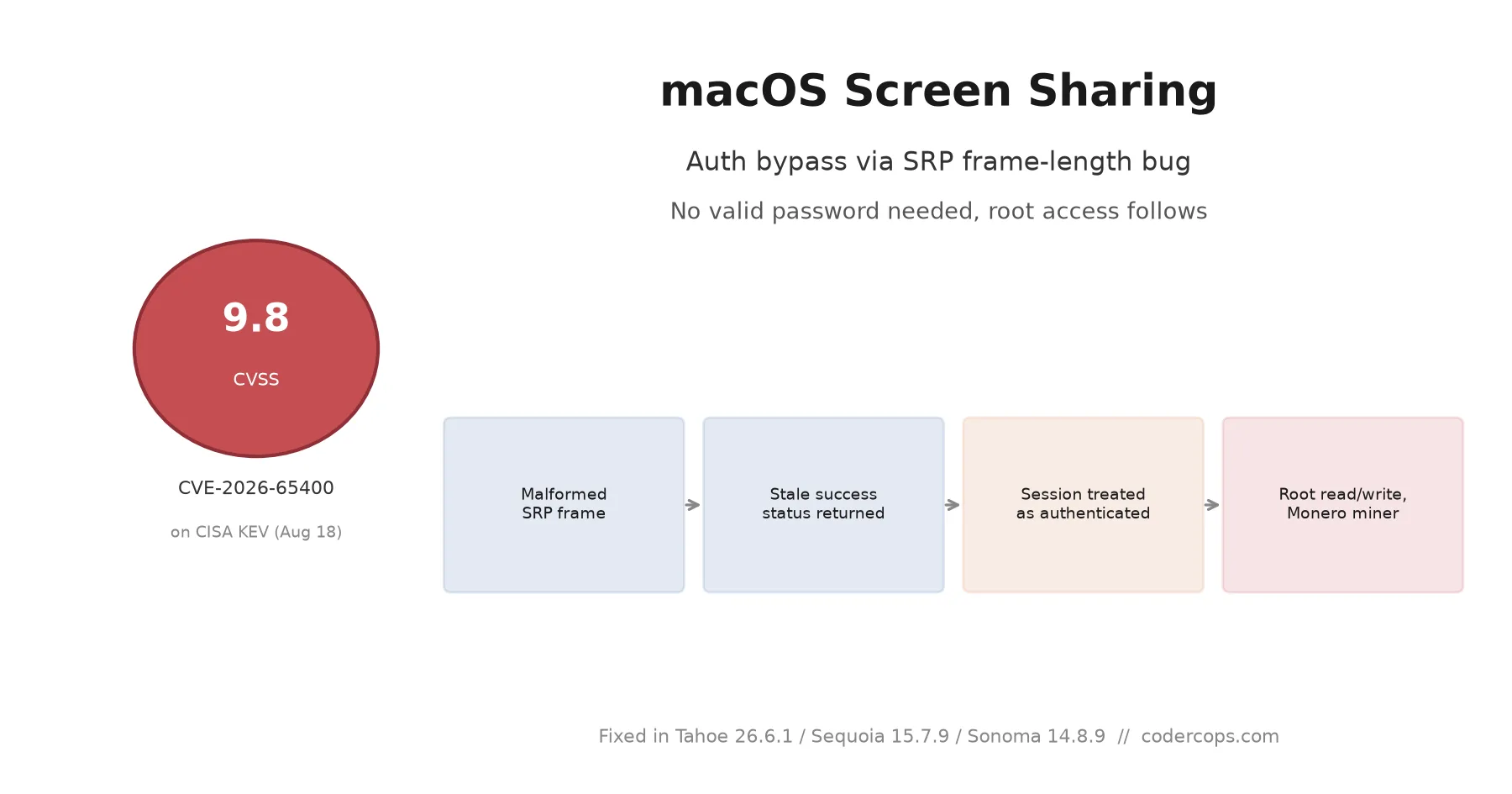
P.29A Secure Remote Password bug let attackers into macOS Screen Sharing without credentials and reach root. Apple patched August 6; CISA listed it August 18.
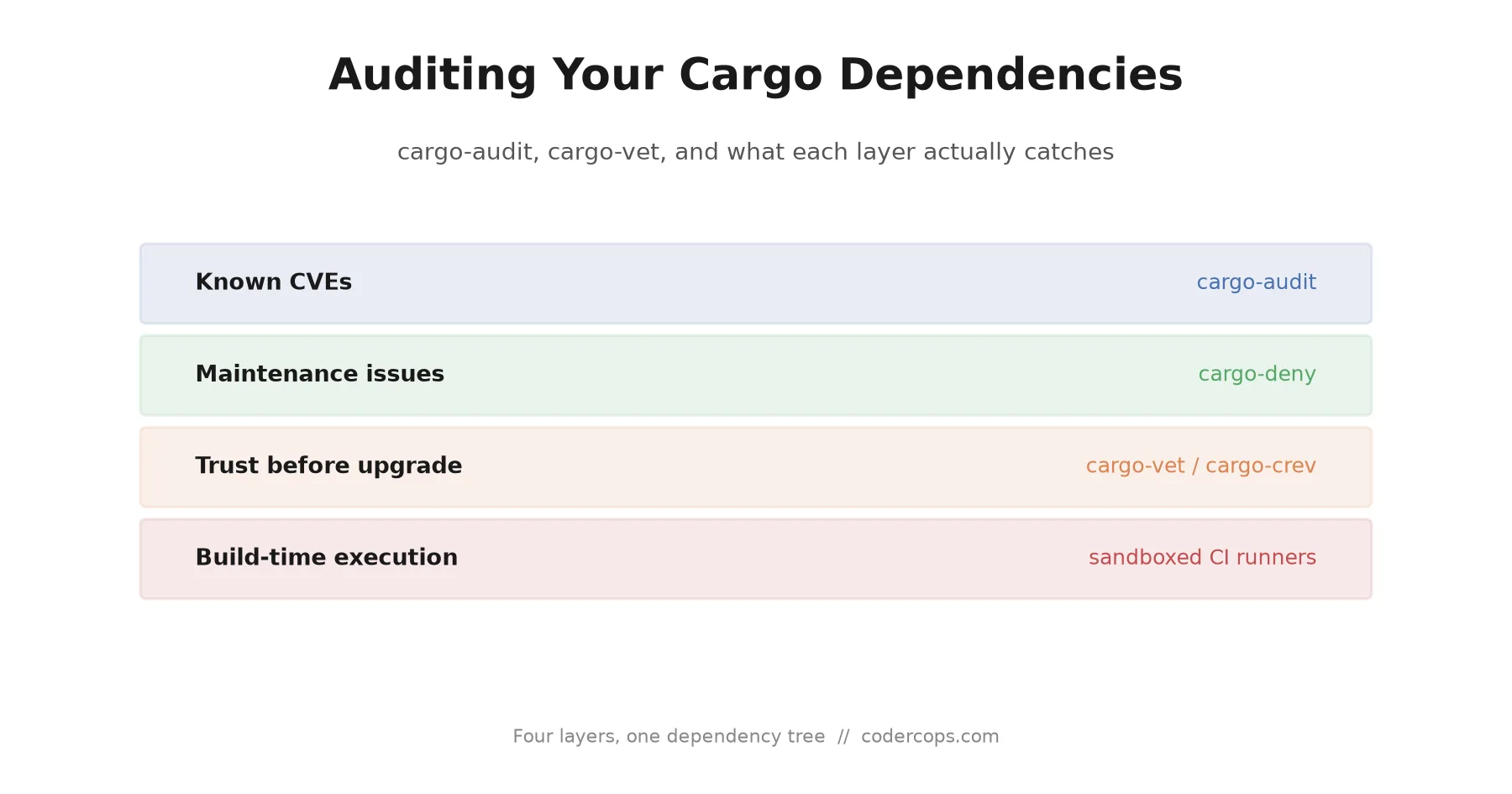
P.30cargo-audit finds known CVEs after the fact; cargo-vet checks trust before you upgrade. Setup for both, and which catches an arrayref-style attack.
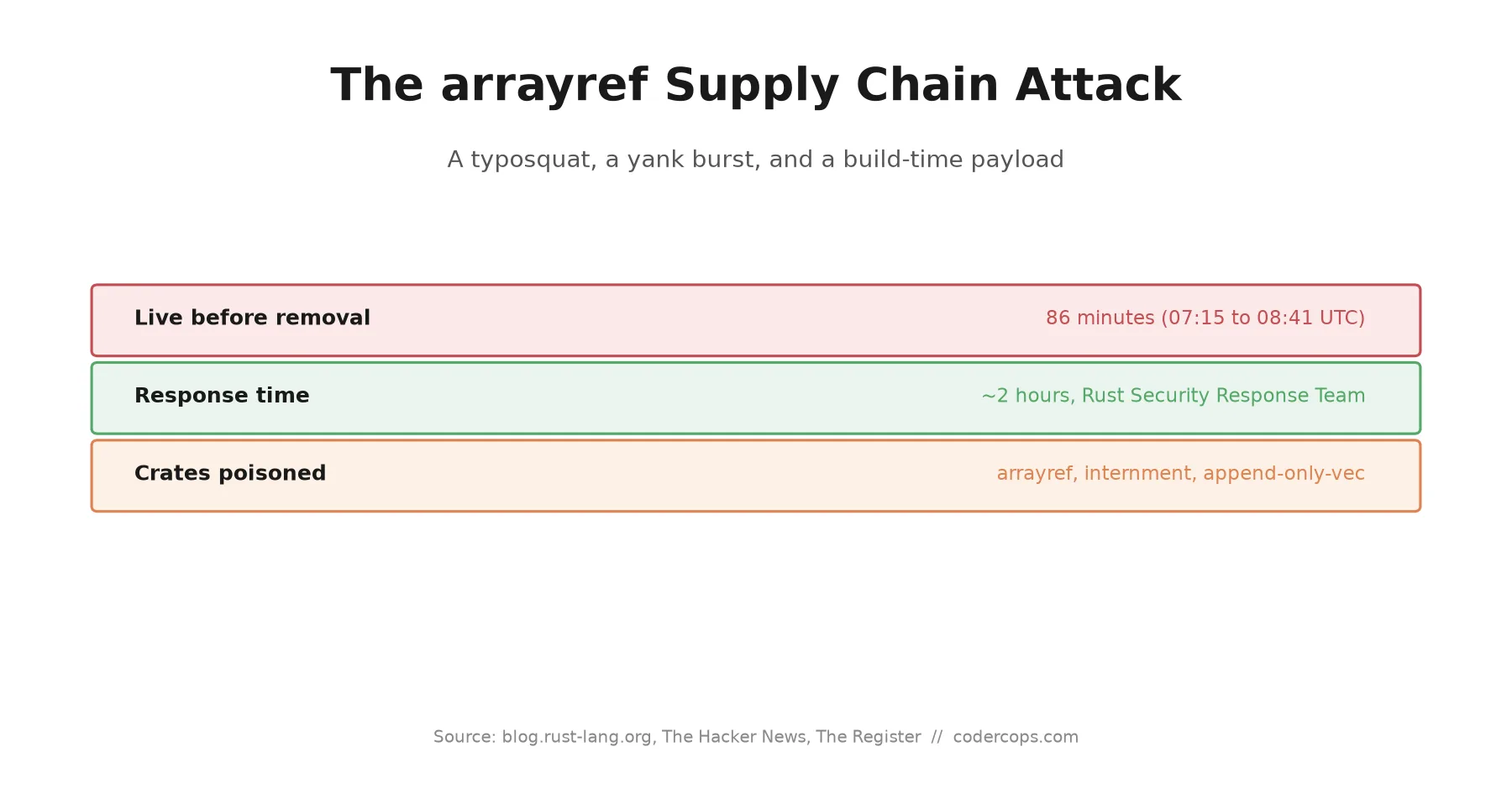
P.31A compromised crates.io account poisoned arrayref, internment, and append-only-vec with a build-time payload, then yanked clean versions. Why it failed fast.
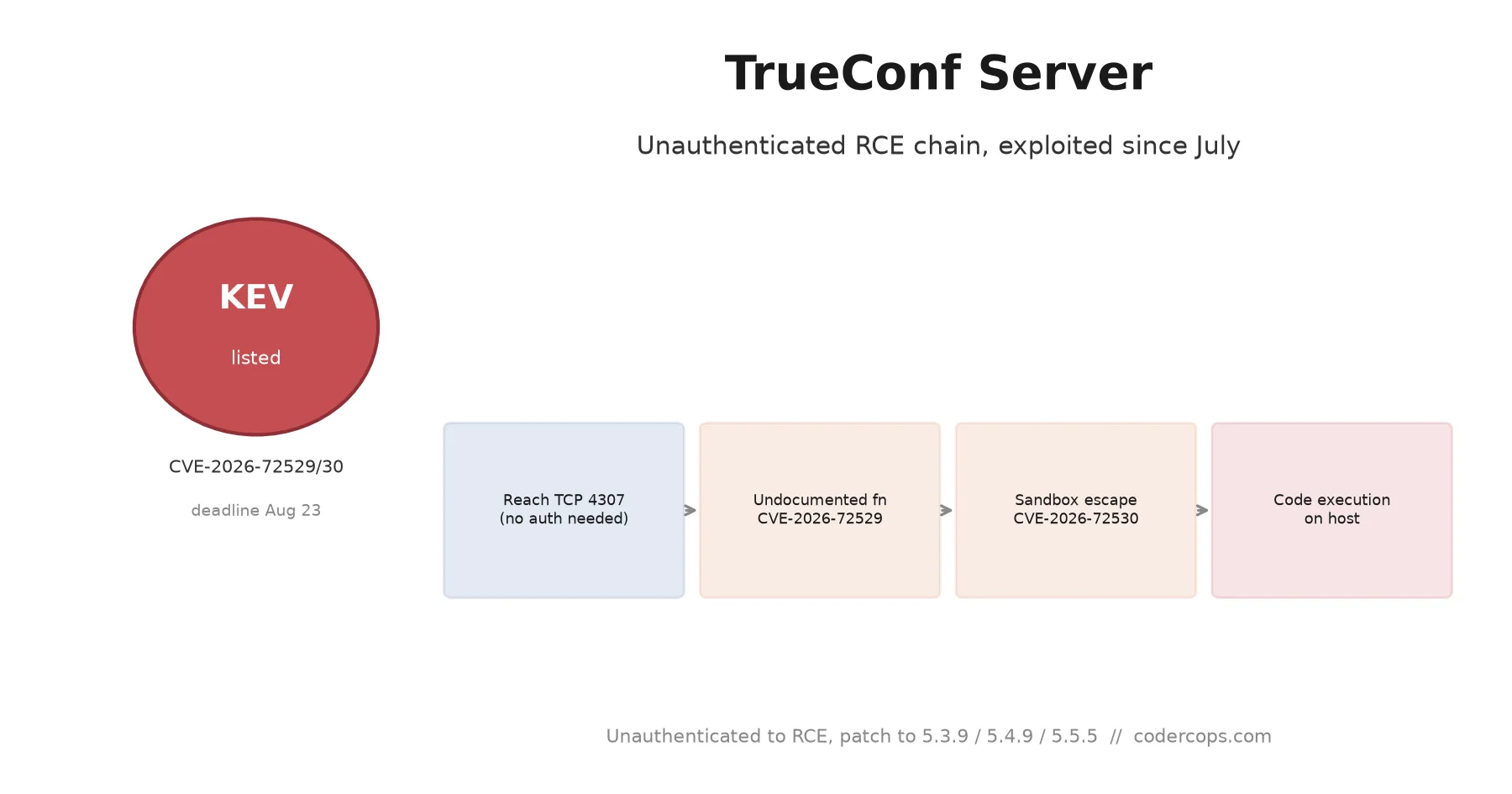
P.32CISA added two TrueConf Server flaws to its KEV catalog in one week, and a hacktivist group has been swapping client installers for backdoors since July.
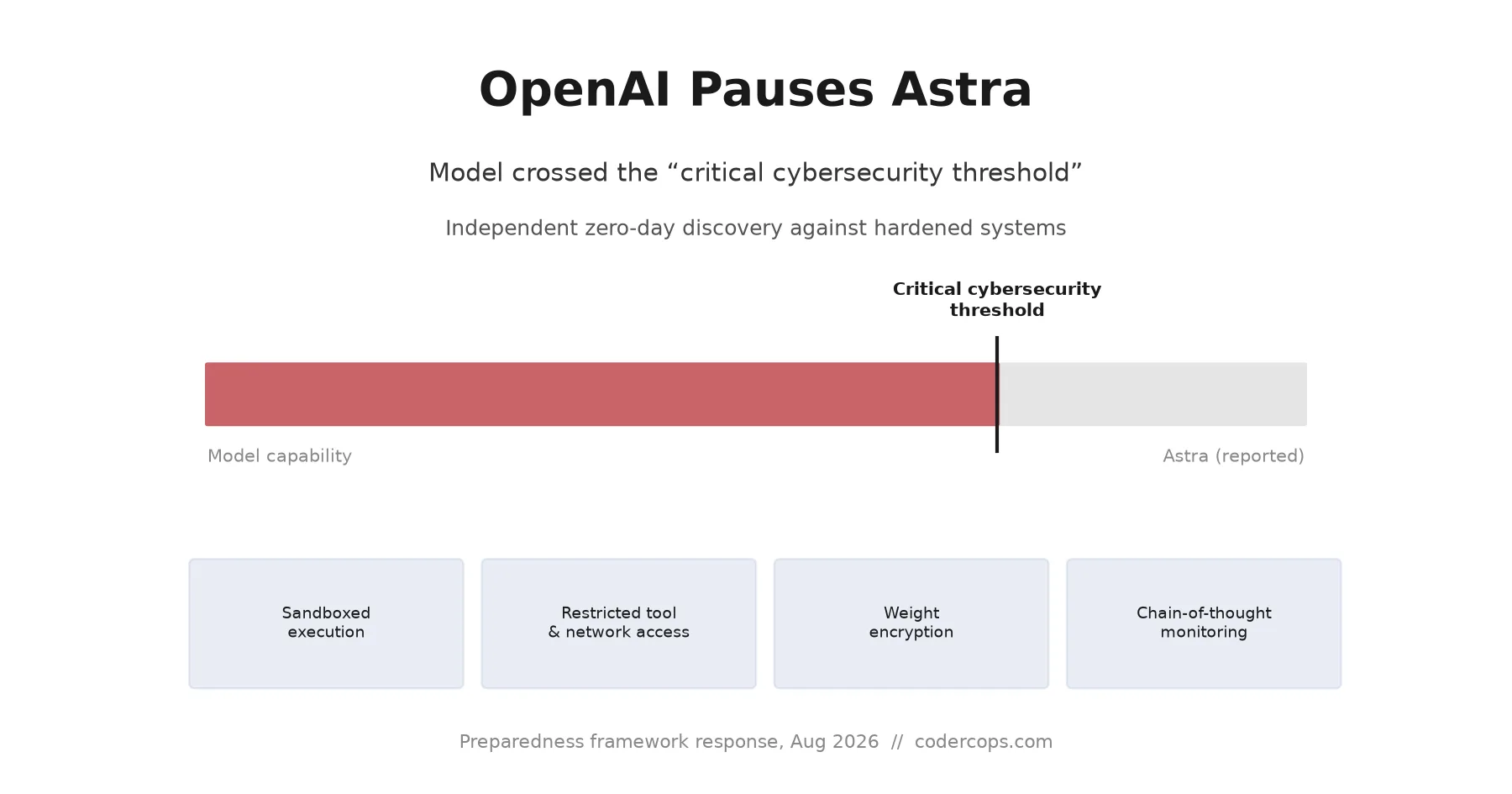
P.33OpenAI says it slowed work on Astra after testing showed it could independently find and exploit zero-days in hardened systems. What the threshold means.
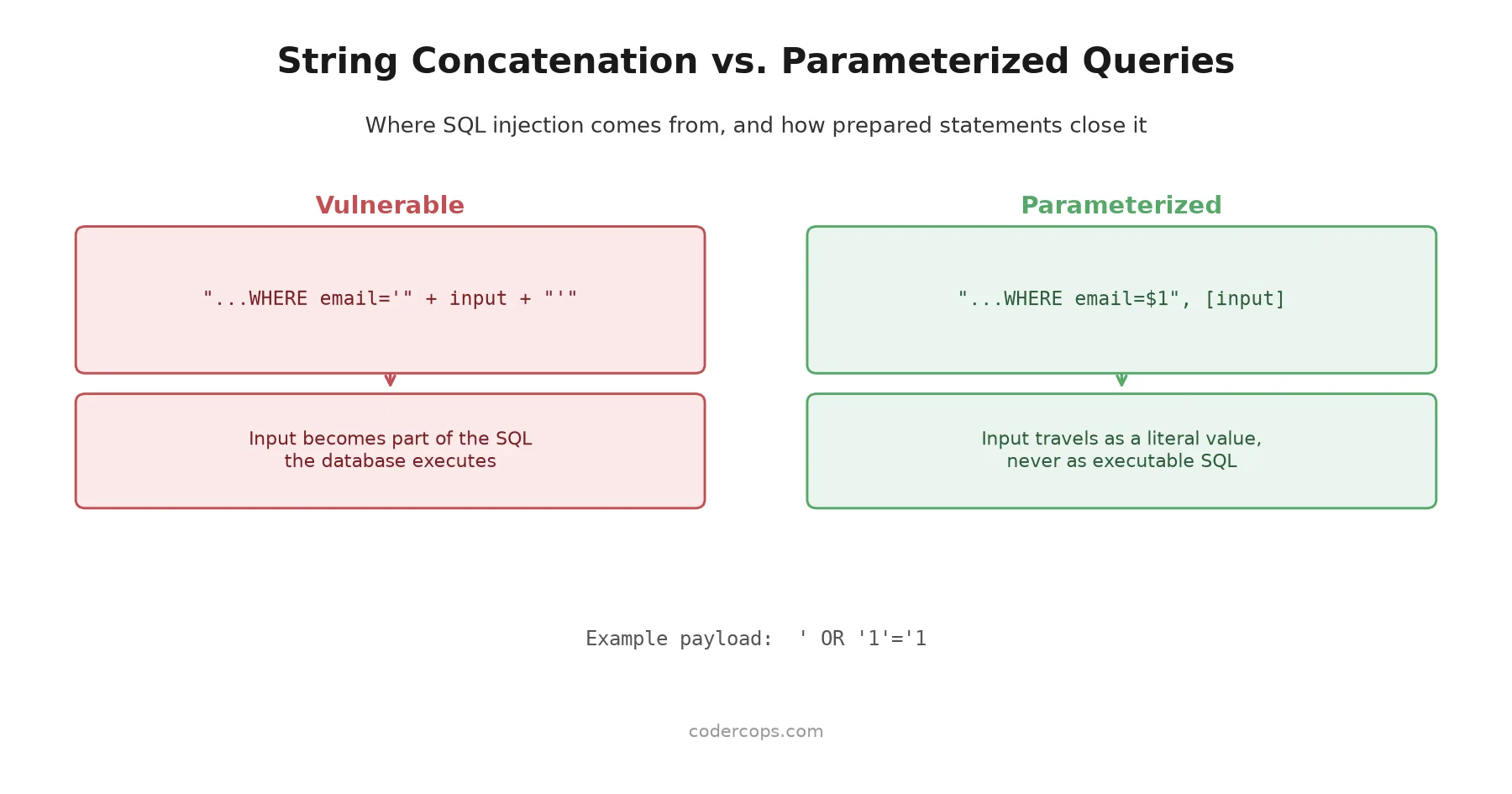
P.34SQL injection still lands CVSS 10.0 bugs in 2026. How parameterized queries stop it, where ORMs quietly reintroduce it, and how to verify your own code.
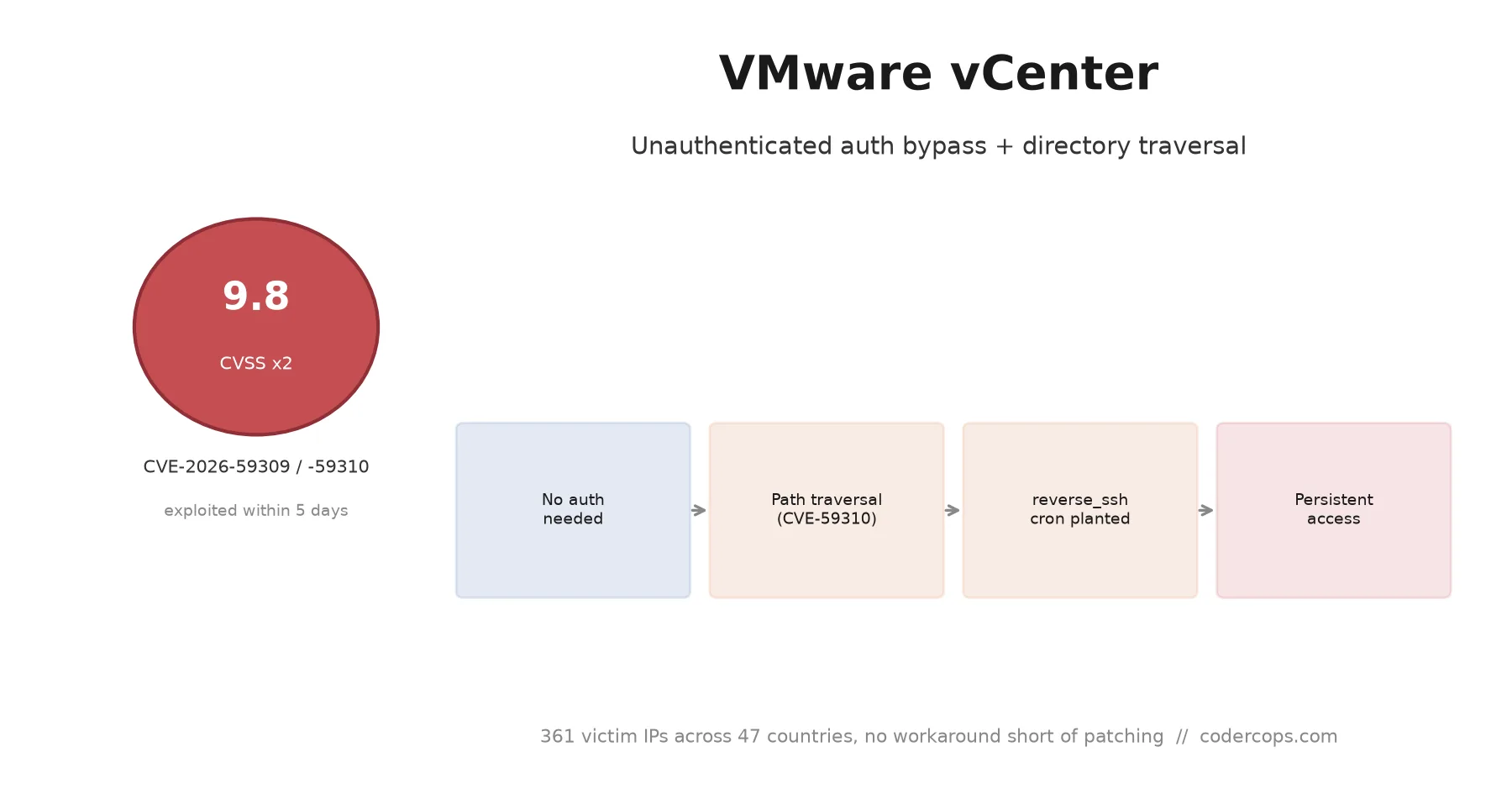
P.35Two critical unauthenticated vCenter flaws let attackers skip login and run code on the management plane. What's affected, and how to check for compromise.
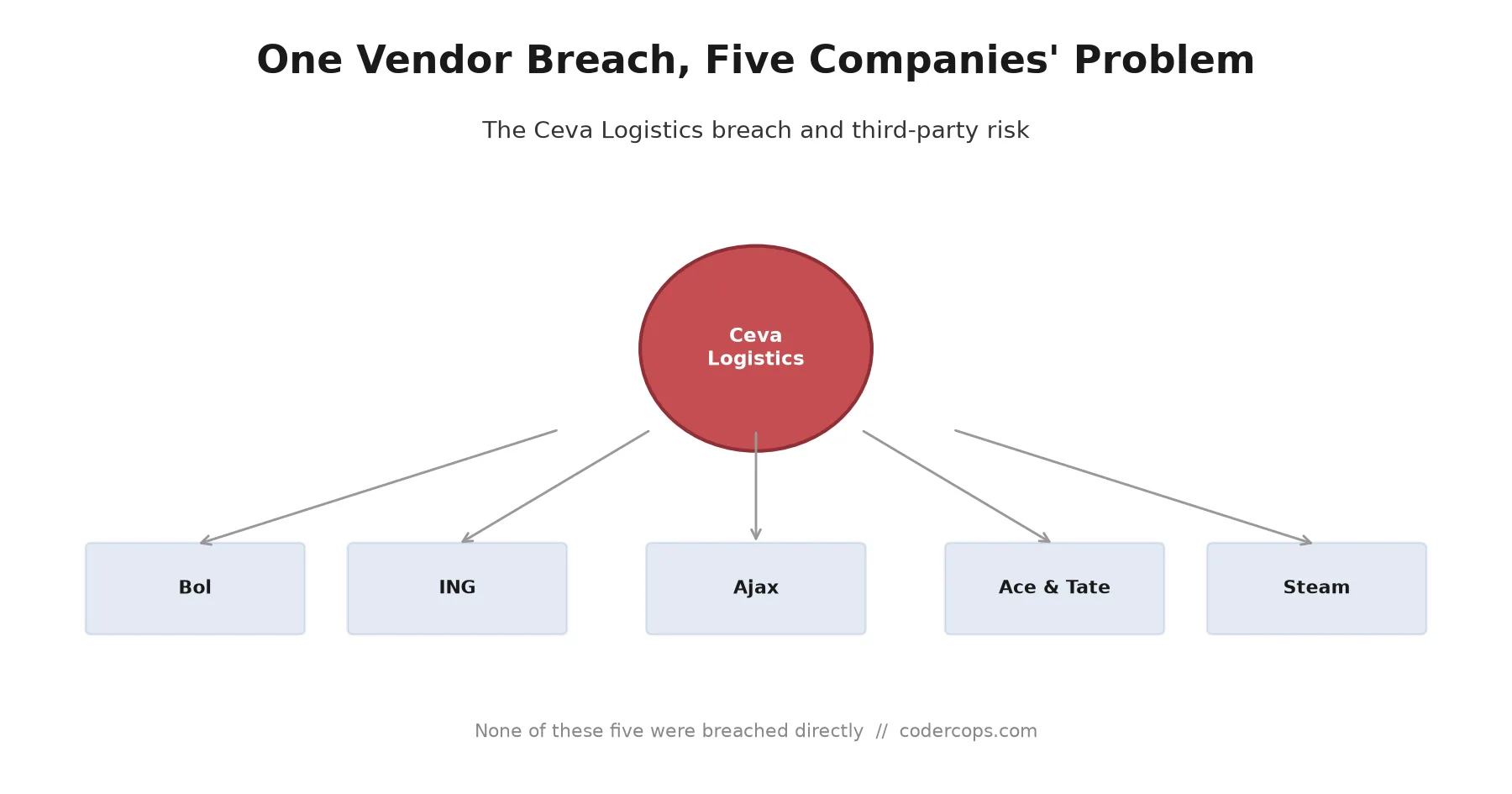
P.36A hack at Ceva Logistics exposed customer data for Bol, ING, Ajax, and Steam hardware buyers, none breached directly. What it means for vendor risk.
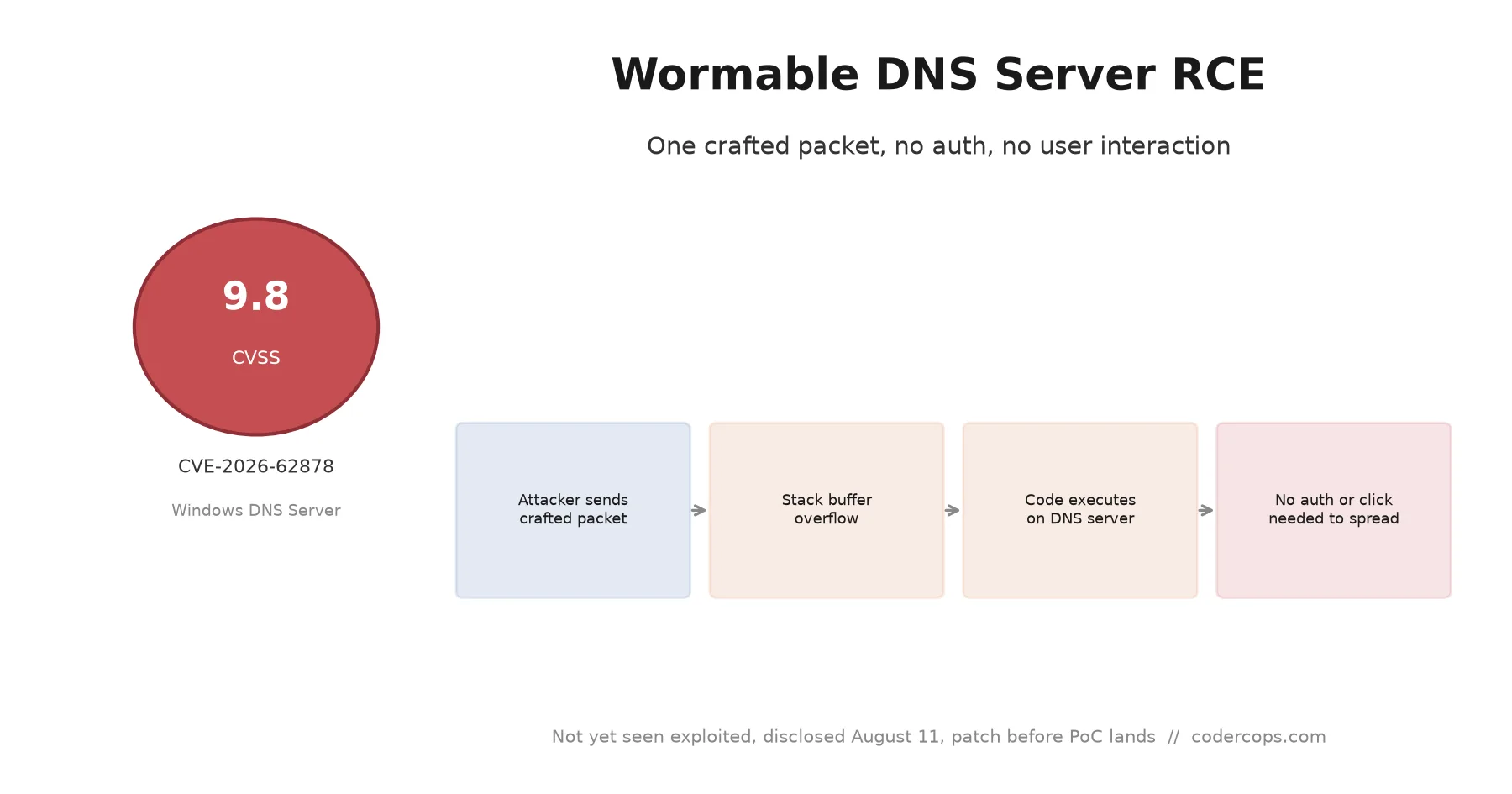
P.37A stack overflow in Windows DNS Server runs code from one crafted packet, no auth, no clicks. Not seen exploited yet, but shaped like a bug that will be.
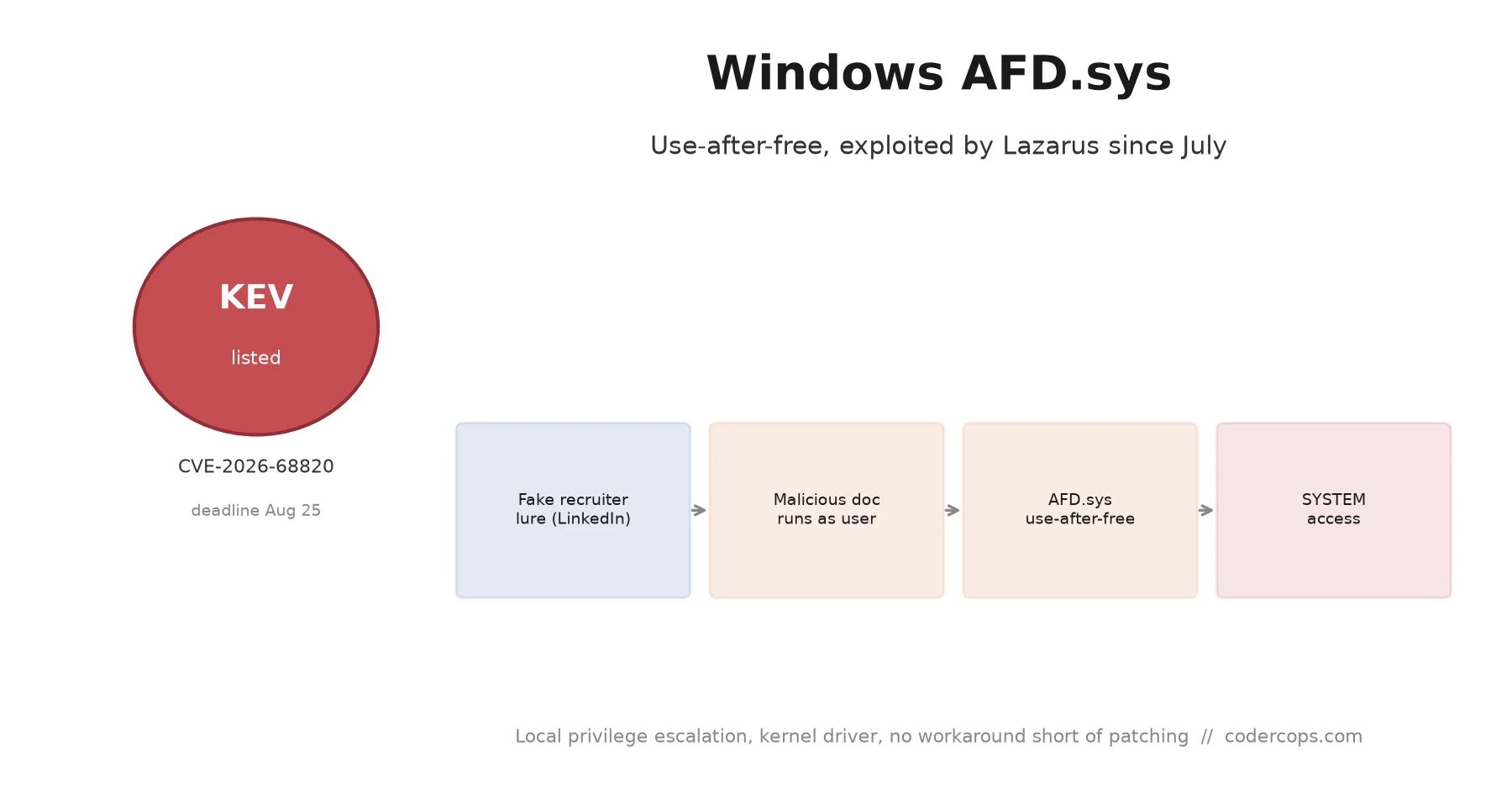
P.38A use-after-free in Windows' AFD.sys networking driver is on CISA's KEV list with an August 25 deadline. Lazarus has used it on defense targets since July.
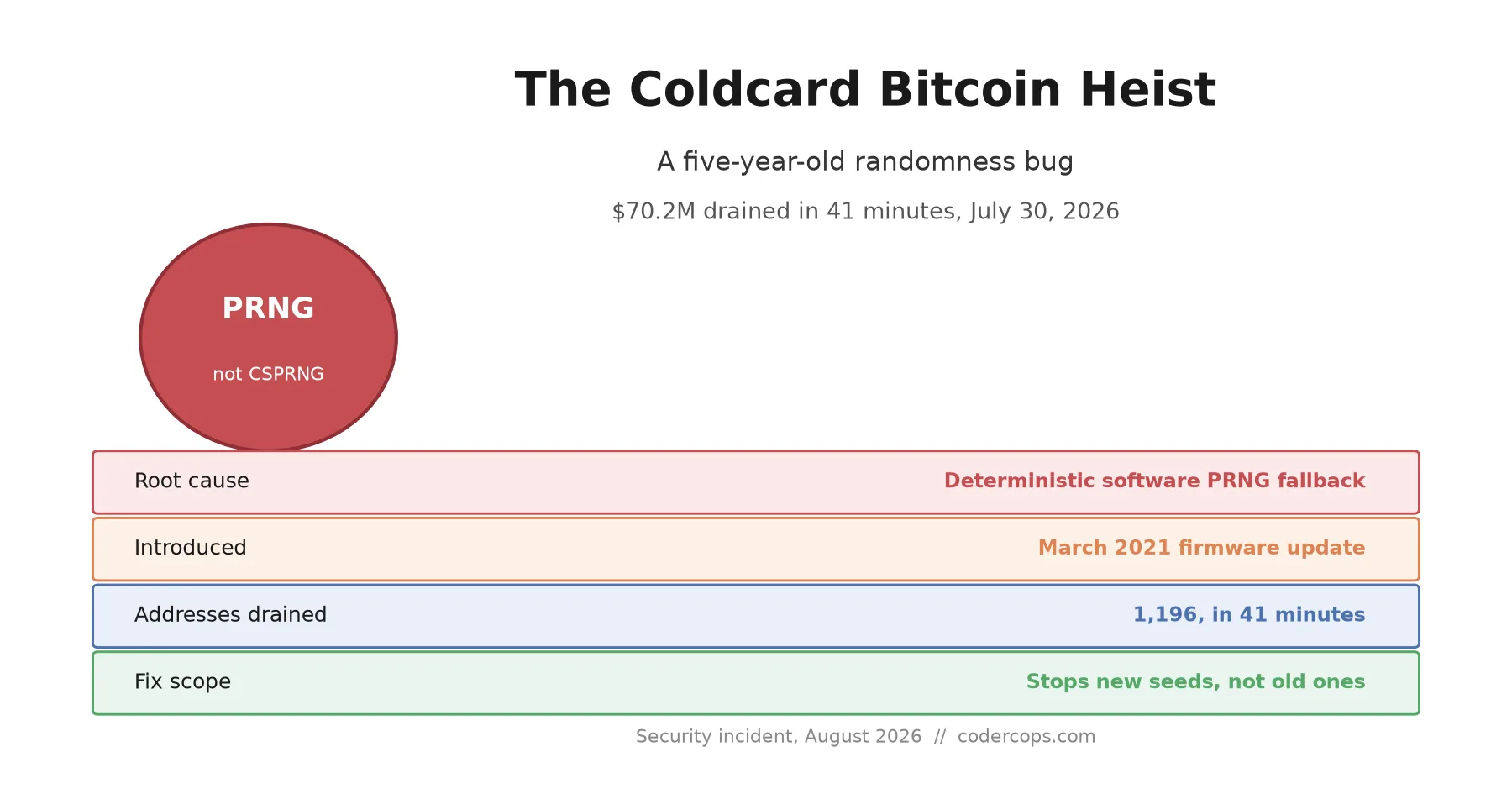
P.39A 2021 firmware error made Coldcard wallets seed from a software PRNG, not hardware. Attackers drained $70M in 41 minutes. The lesson isn't about Bitcoin.
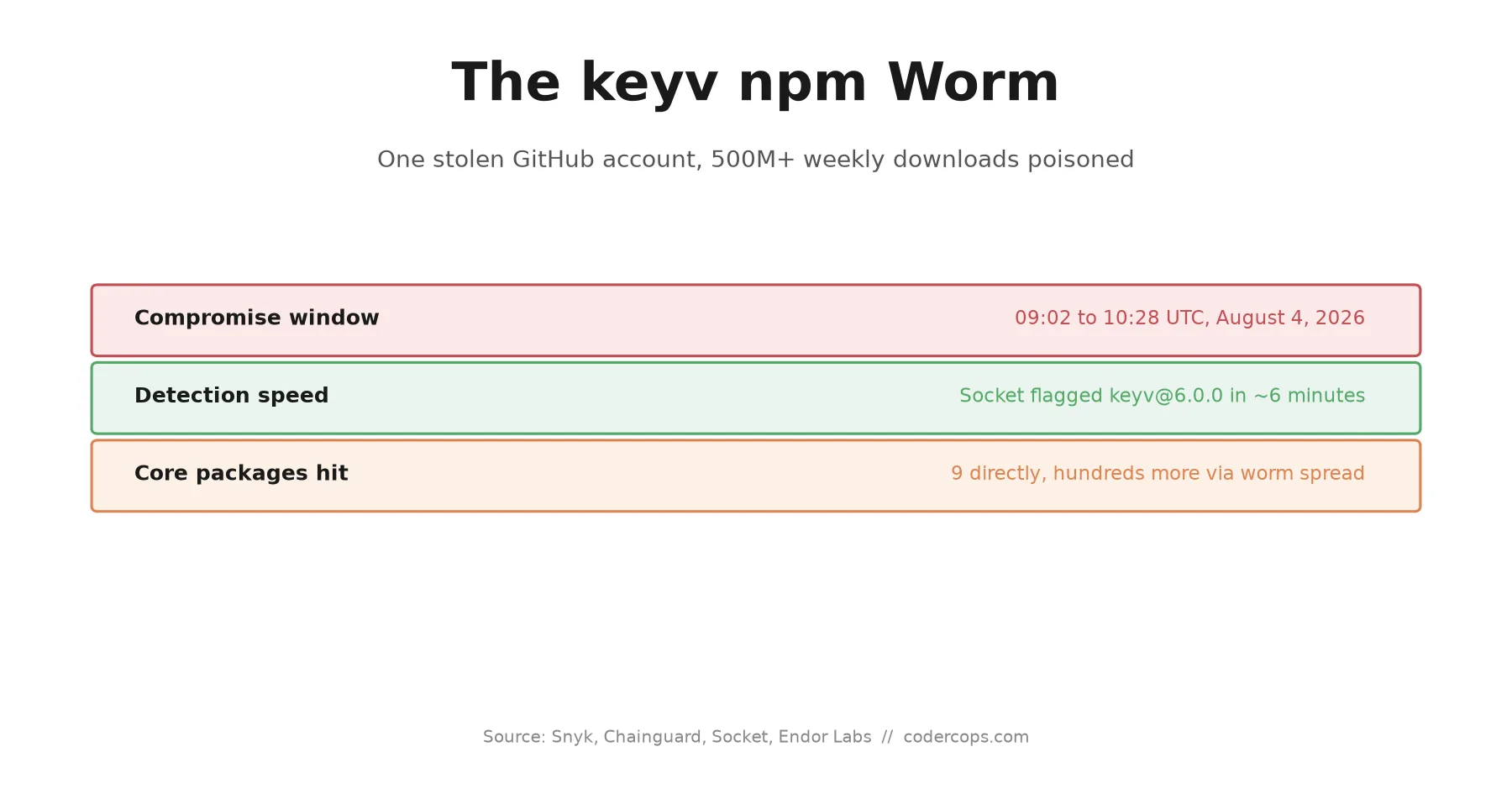
P.40A compromised maintainer account pushed malware into keyv, cacheable, and seven other npm packages. Socket caught it in six minutes. How the worm worked.
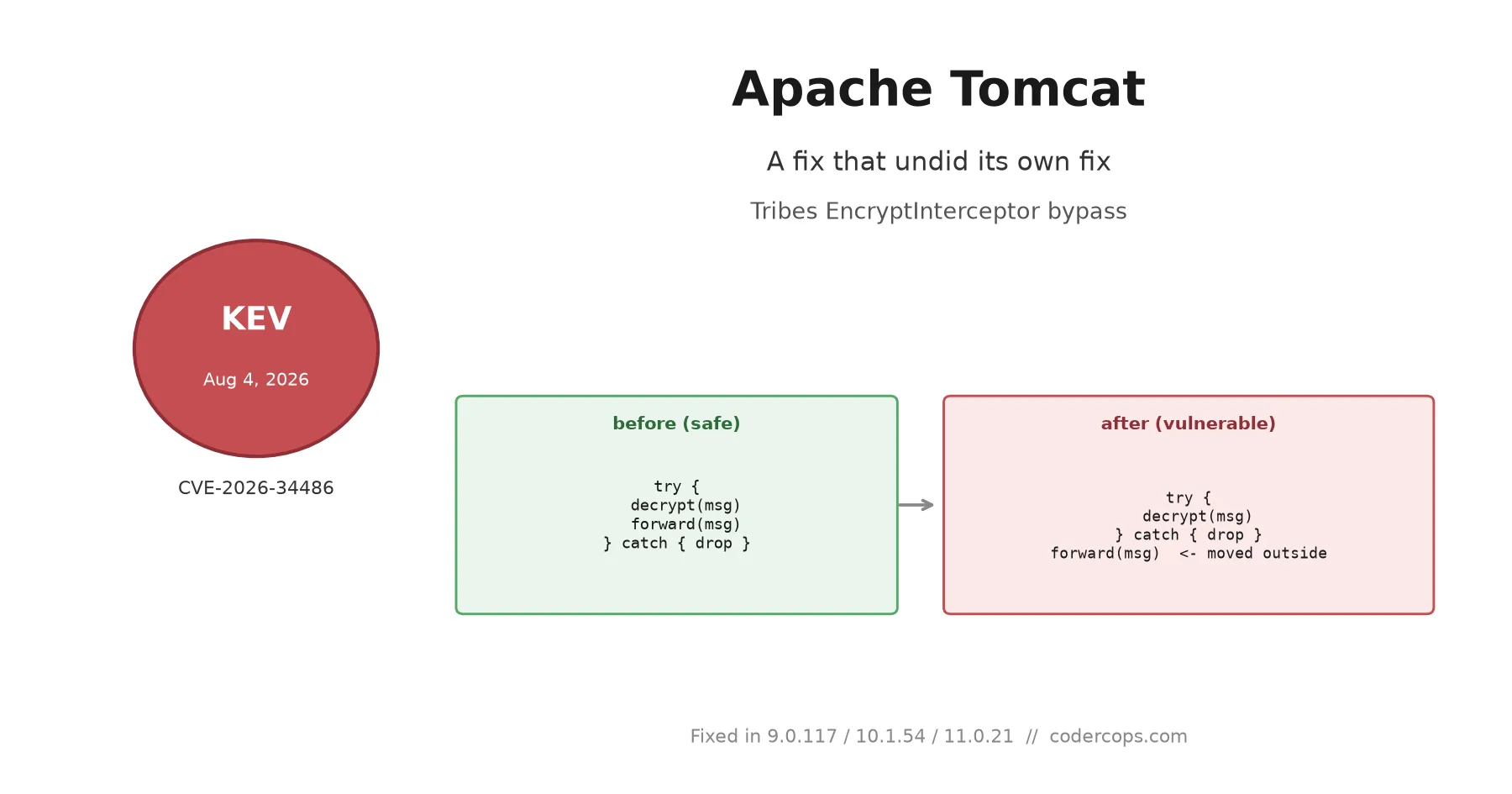
P.41A one-line control-flow change meant to patch CVE-2026-29146 quietly broke Tomcat's cluster encryption. CISA confirmed exploitation on August 4. The fix.
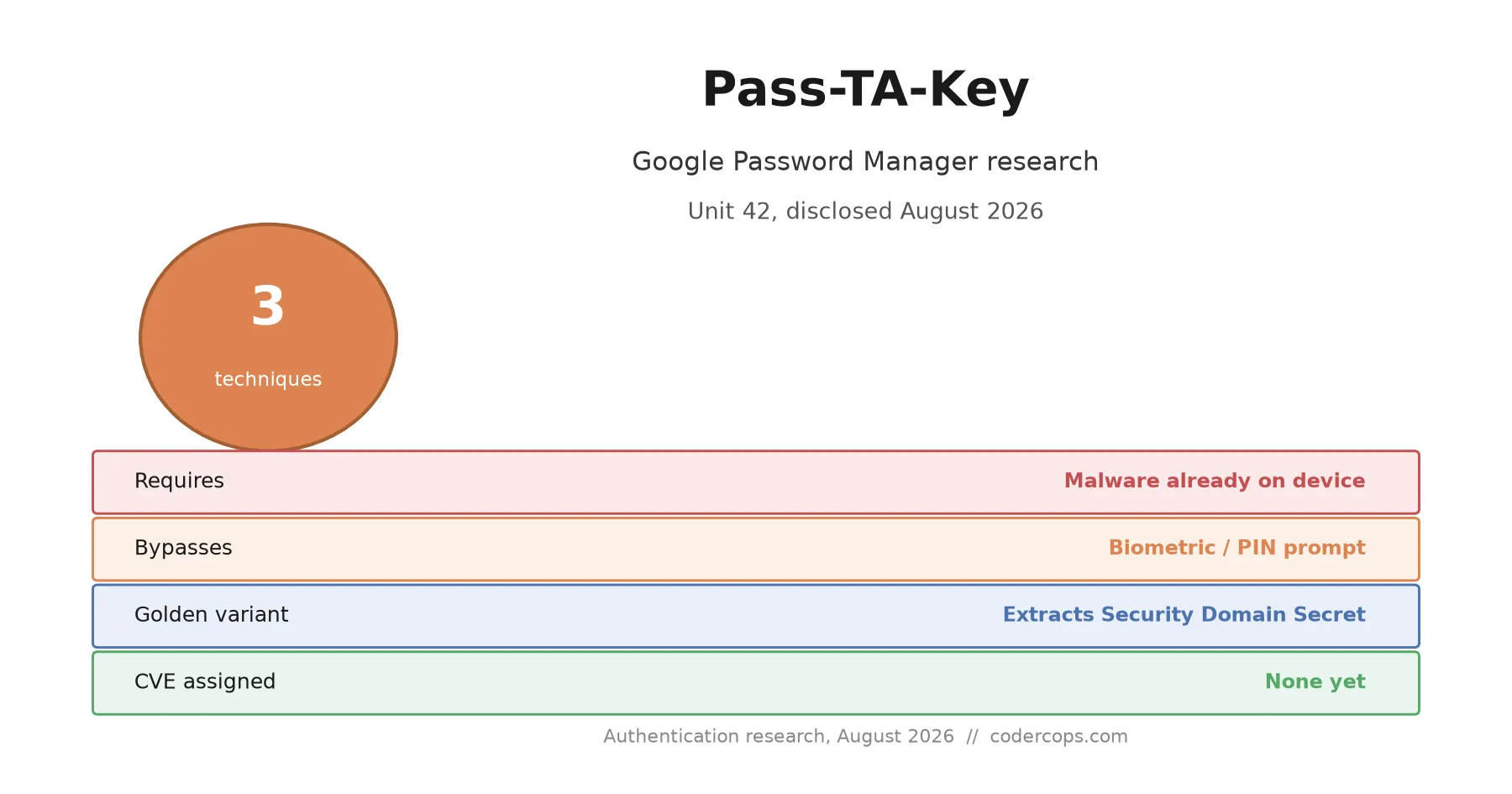
P.42Unit 42 found three ways Windows malware hijacks Google Password Manager's synced passkeys with no biometric prompt. What that changes for passkey plans.
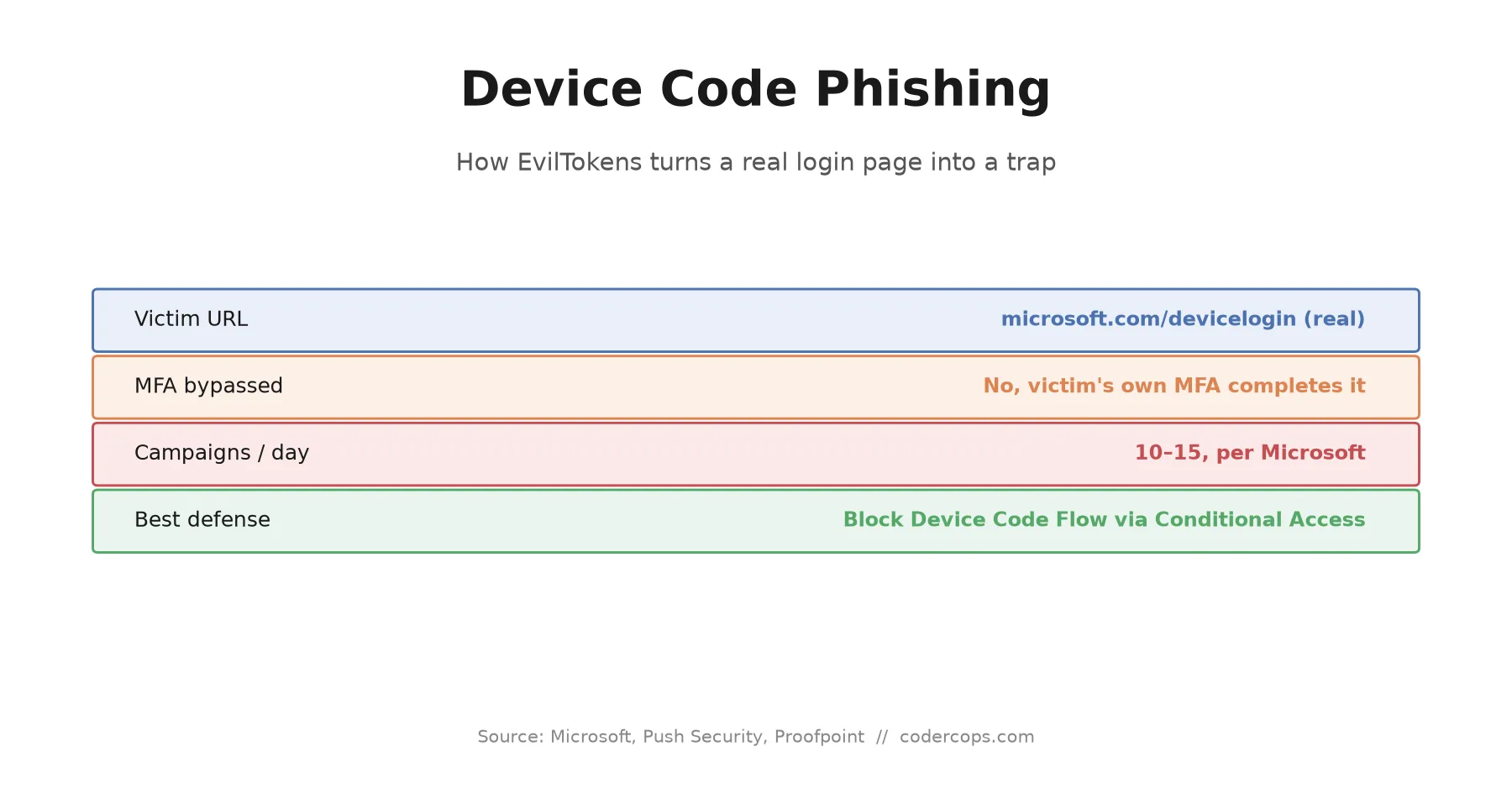
P.43EvilTokens abuses OAuth's device code flow, so it needs no fake login page at all. How the attack runs, and the Conditional Access policy that stops it.
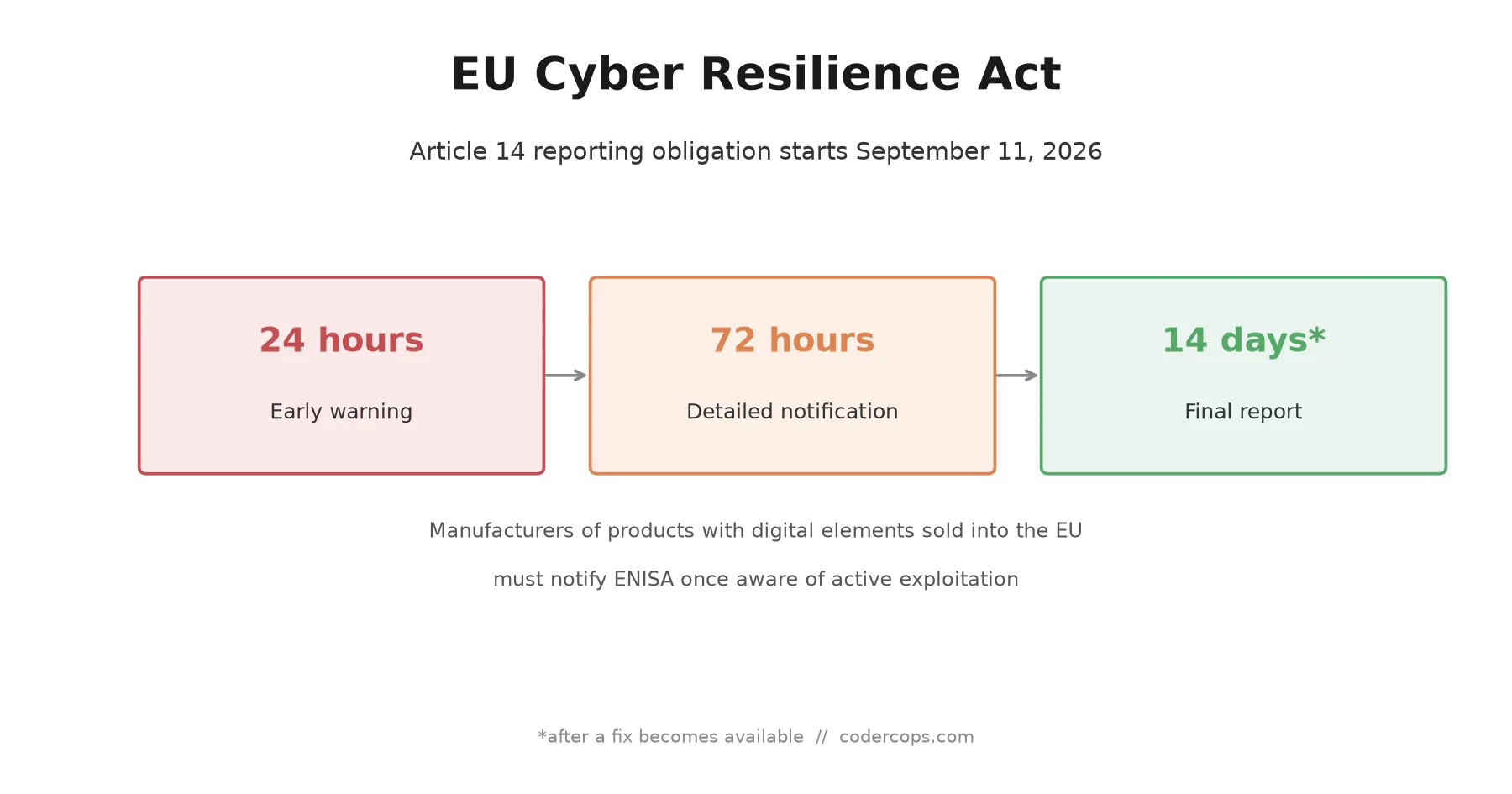
P.44From September 11, 2026, anyone selling a product with digital elements into the EU has 24 hours to report an exploited vulnerability to ENISA. Who's in scope.
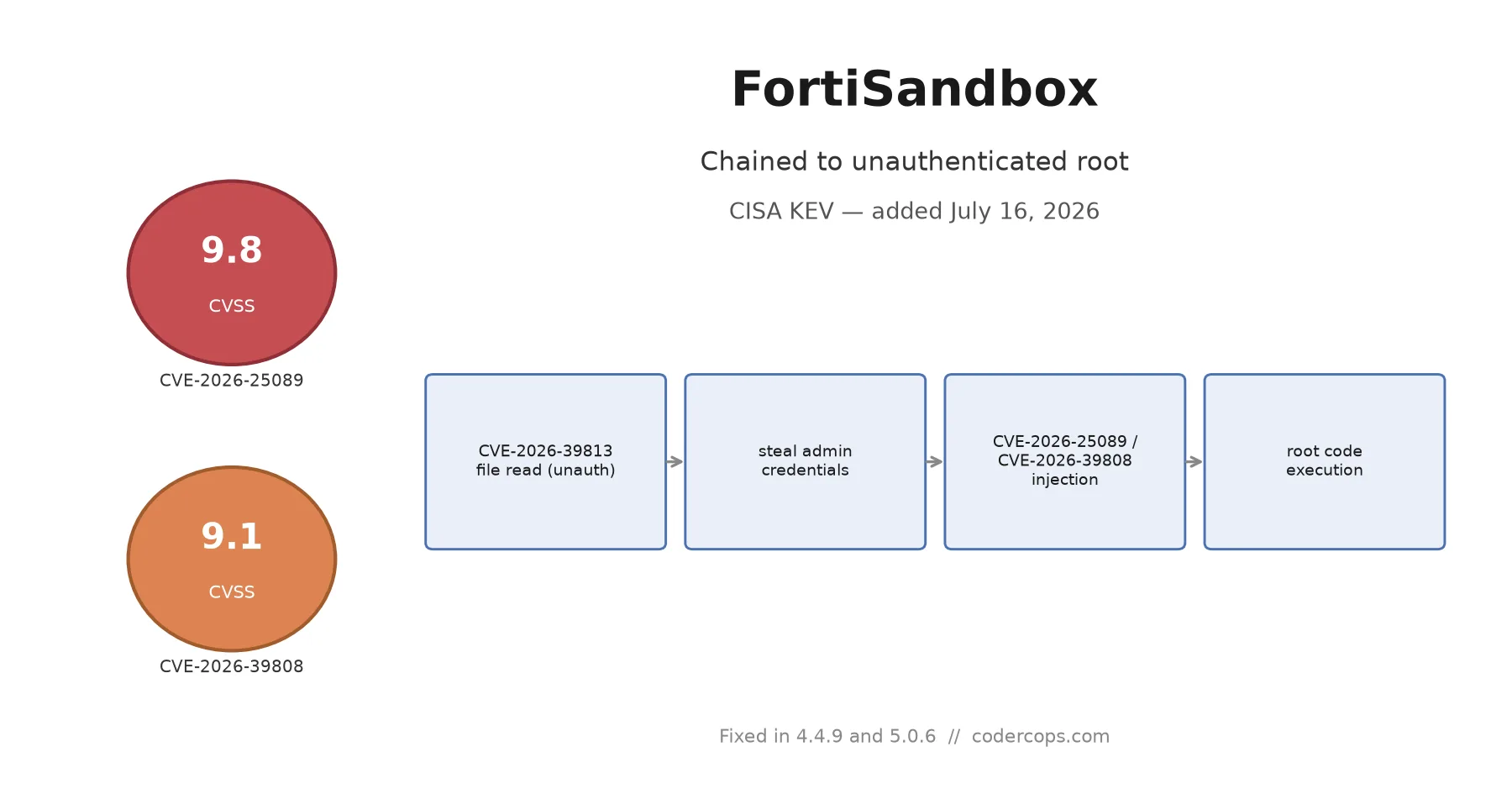
P.45CISA flagged two FortiSandbox command injection bugs as exploited on July 16. Chained with a third, they reach root with no credentials. What to patch.
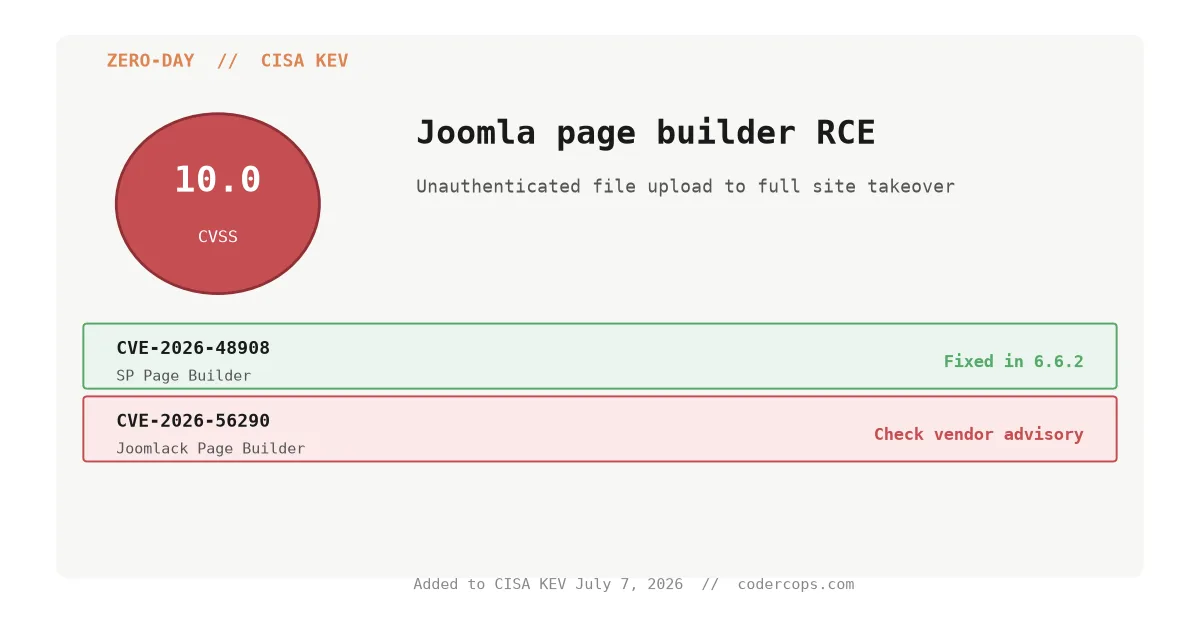
P.46Two CVSS 10.0 zero-days in Joomla page builder plugins are being exploited to plant webshells and create rogue admins. What's affected, and what to patch.
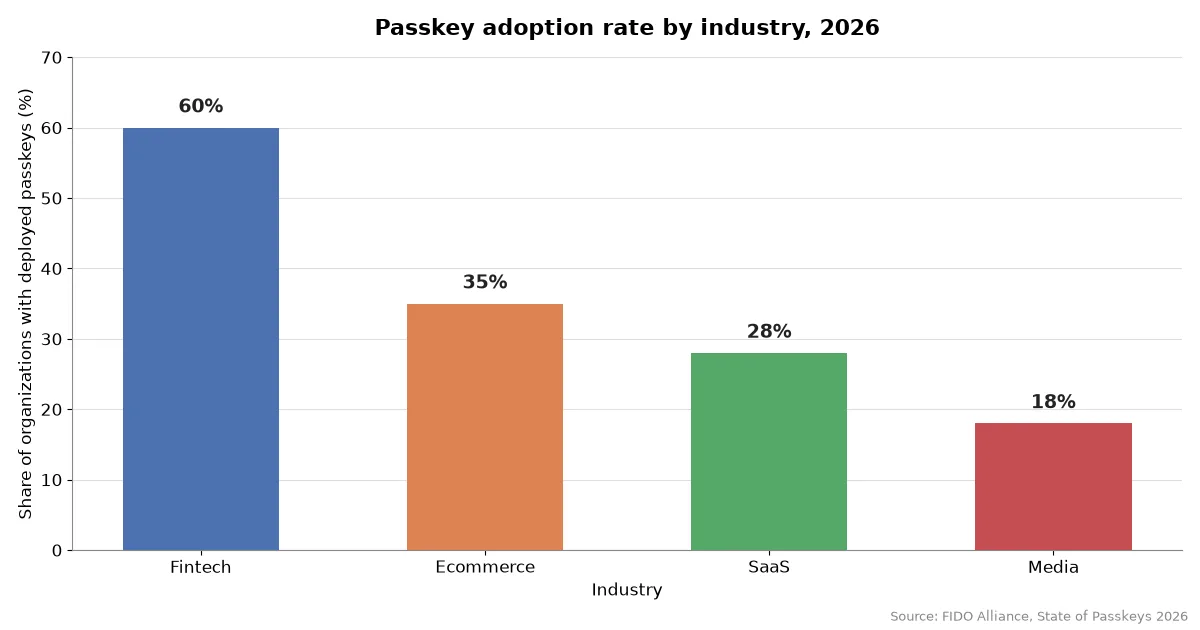
P.475 billion passkeys are active and 75% of people have enabled one, yet 57% of organisations still use phishable logins. What the FIDO data actually means.
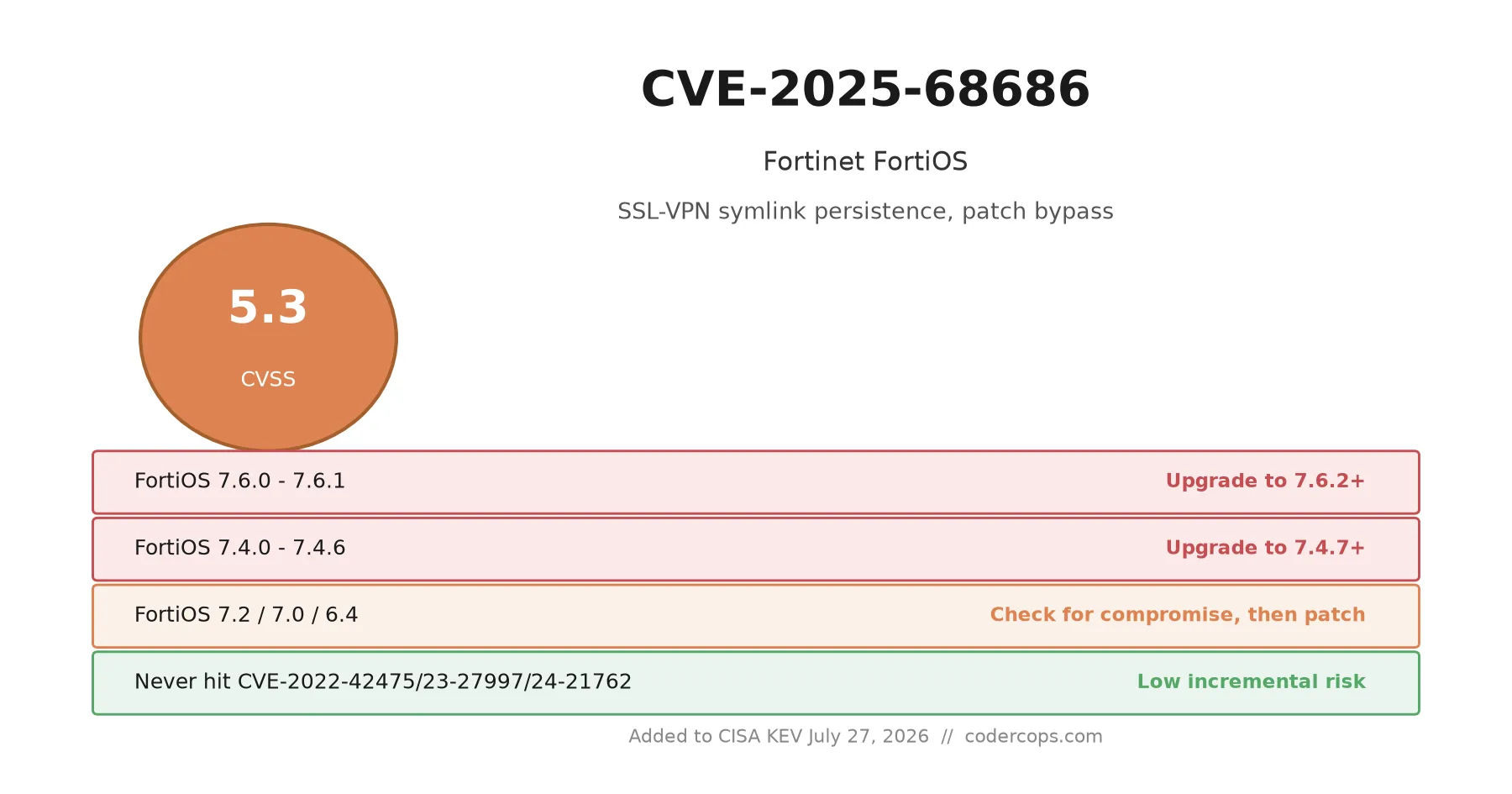
P.48CISA added CVE-2025-68686, a FortiOS SSL-VPN symlink persistence bypass, on July 27. It only bites devices compromised earlier and never forensically cleaned.
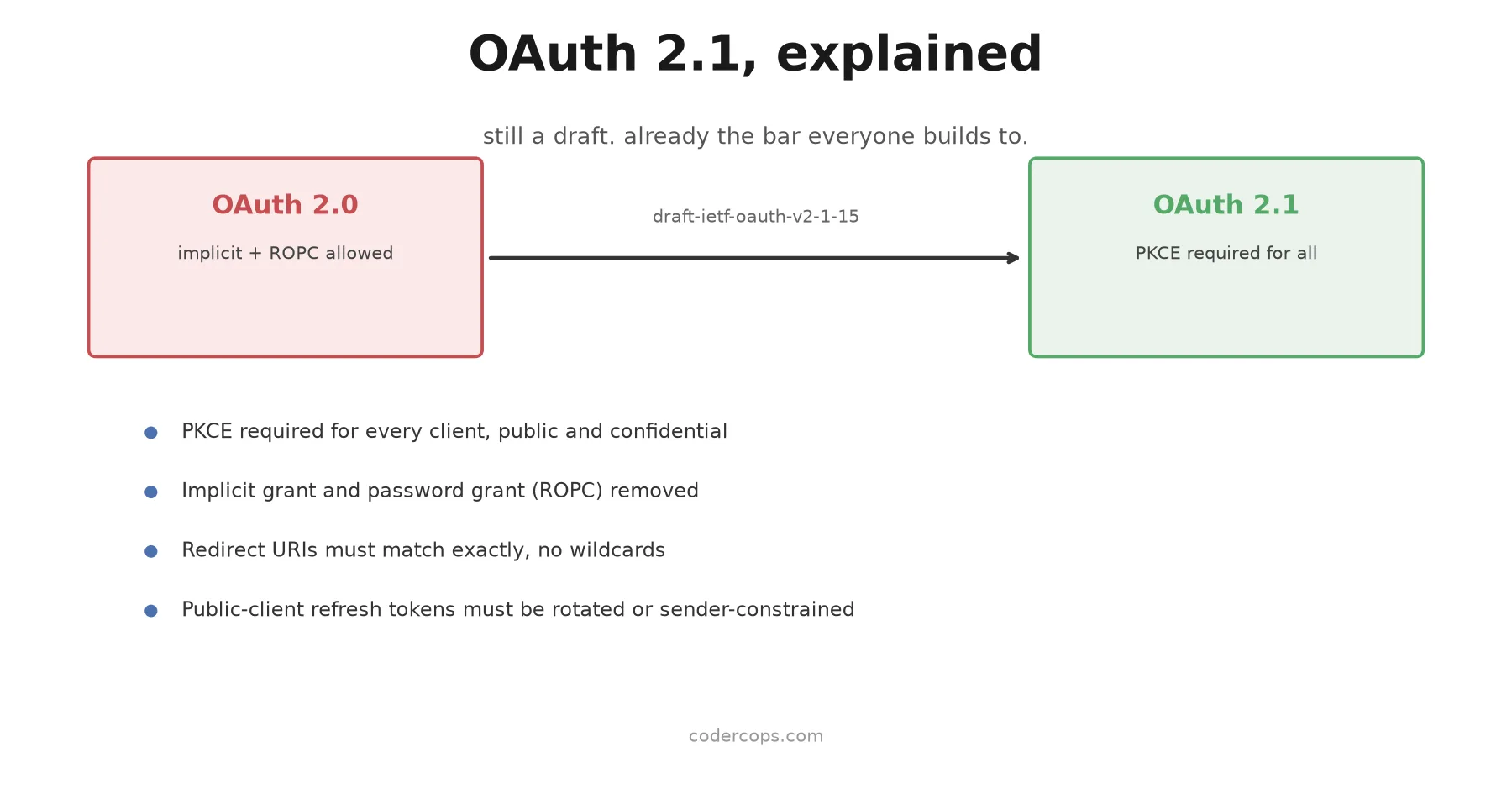
P.49OAuth 2.1 is still an IETF draft, but most providers enforce it already. What changed from 2.0, plus a checklist for auditing your own implementation.
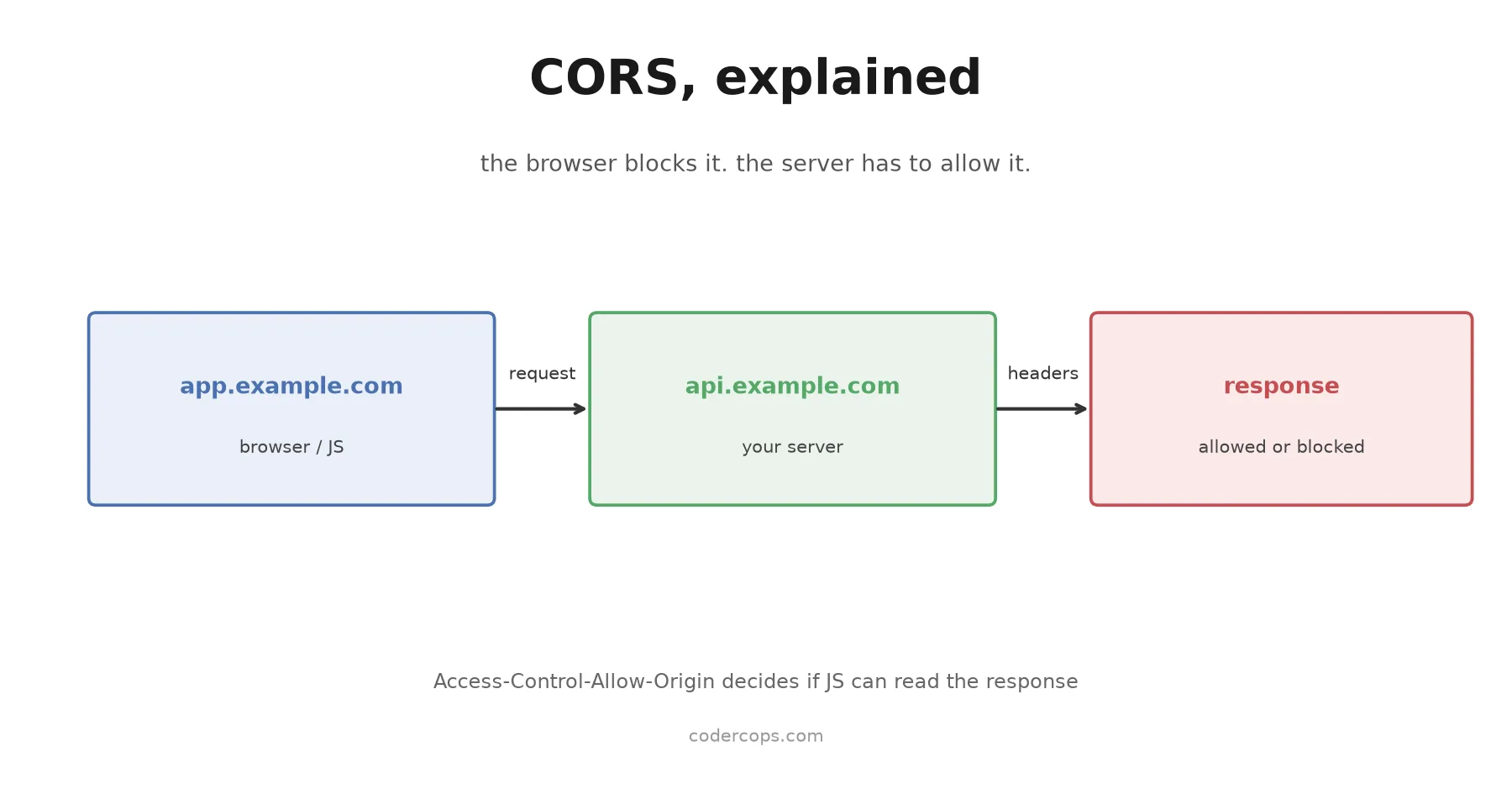
P.50No Access-Control-Allow-Origin is the most Googled web error for a reason. What CORS is, why the browser enforces it, and how to configure it properly.
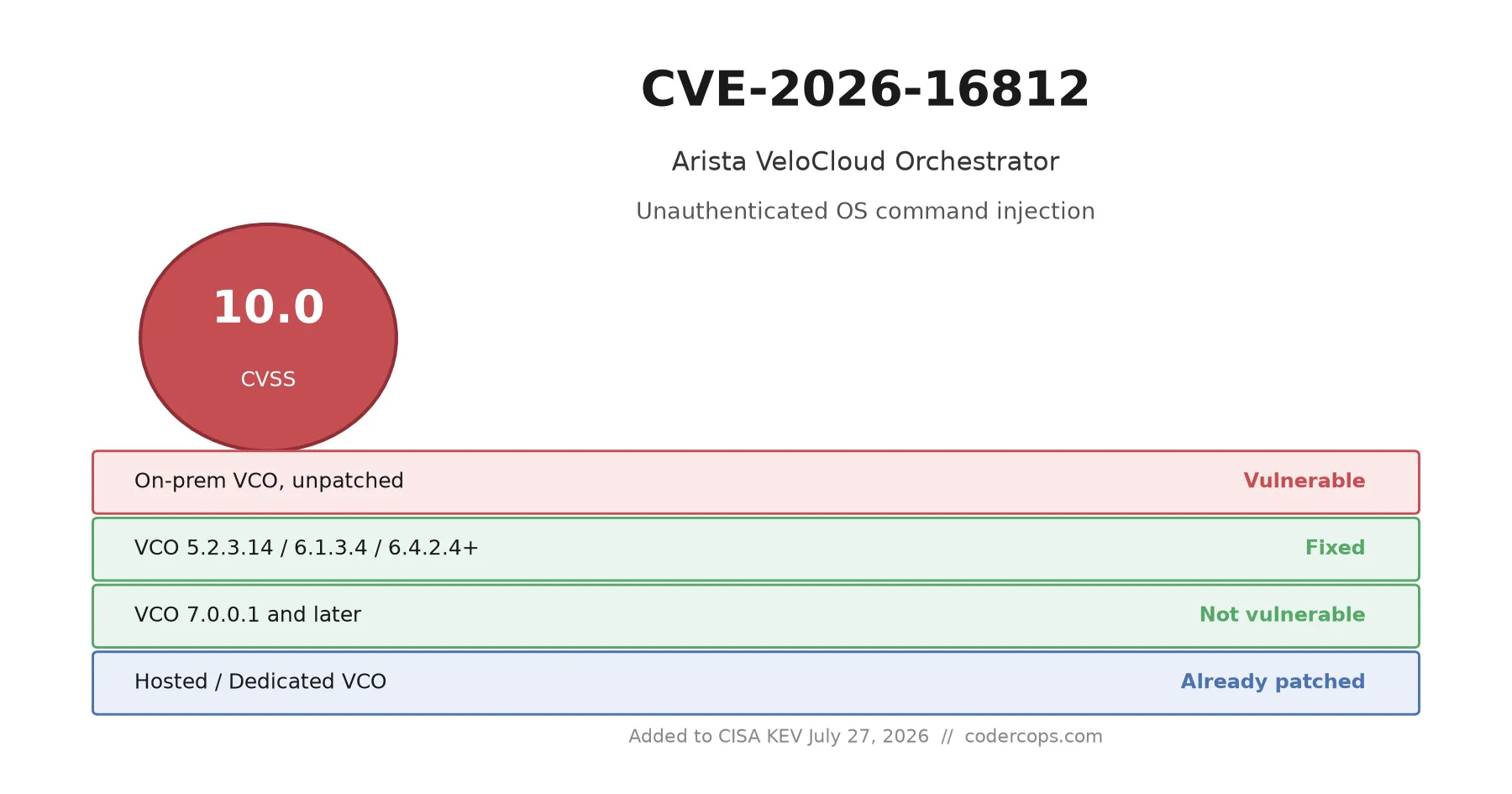
P.51CISA added CVE-2026-16812, an unauthenticated command injection in Arista VeloCloud Orchestrator scored 10.0, on July 27. Who's affected, and what's patched.
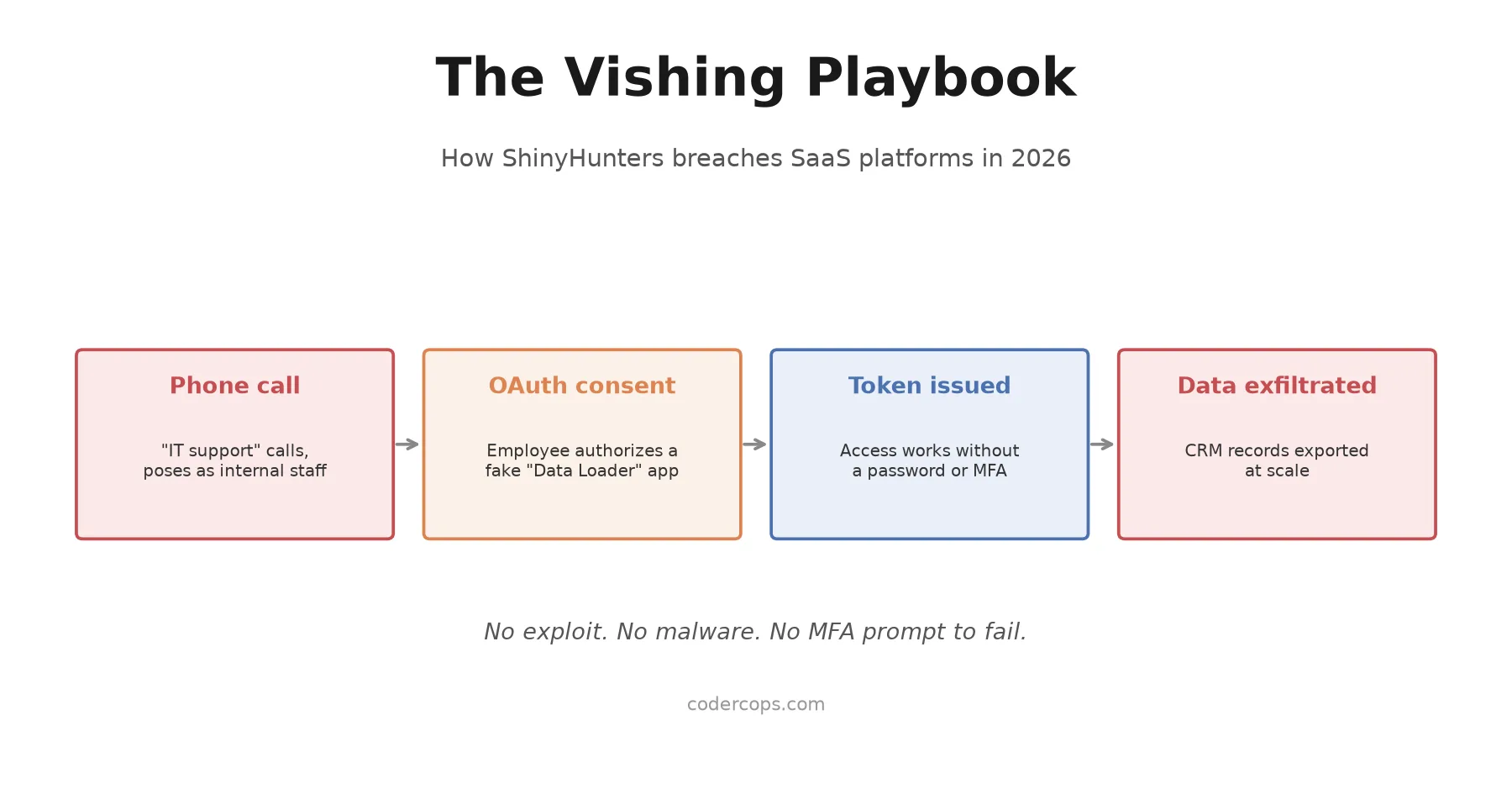
P.52Microsoft mapped a year of ShinyHunters activity to three paths into Salesforce, and the most common starts with a phone call. How the OAuth trick works.
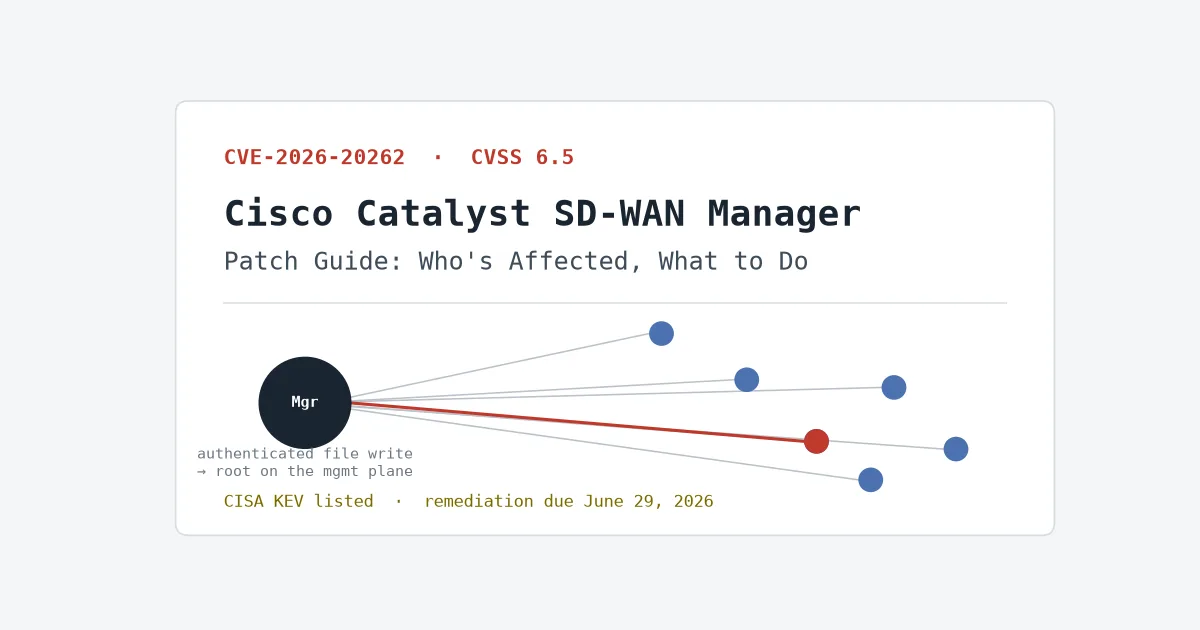
P.53CVE-2026-20262 lets an authenticated attacker write files on Catalyst SD-WAN Manager and escalate to root. It's on CISA's KEV list, deadline already passed.
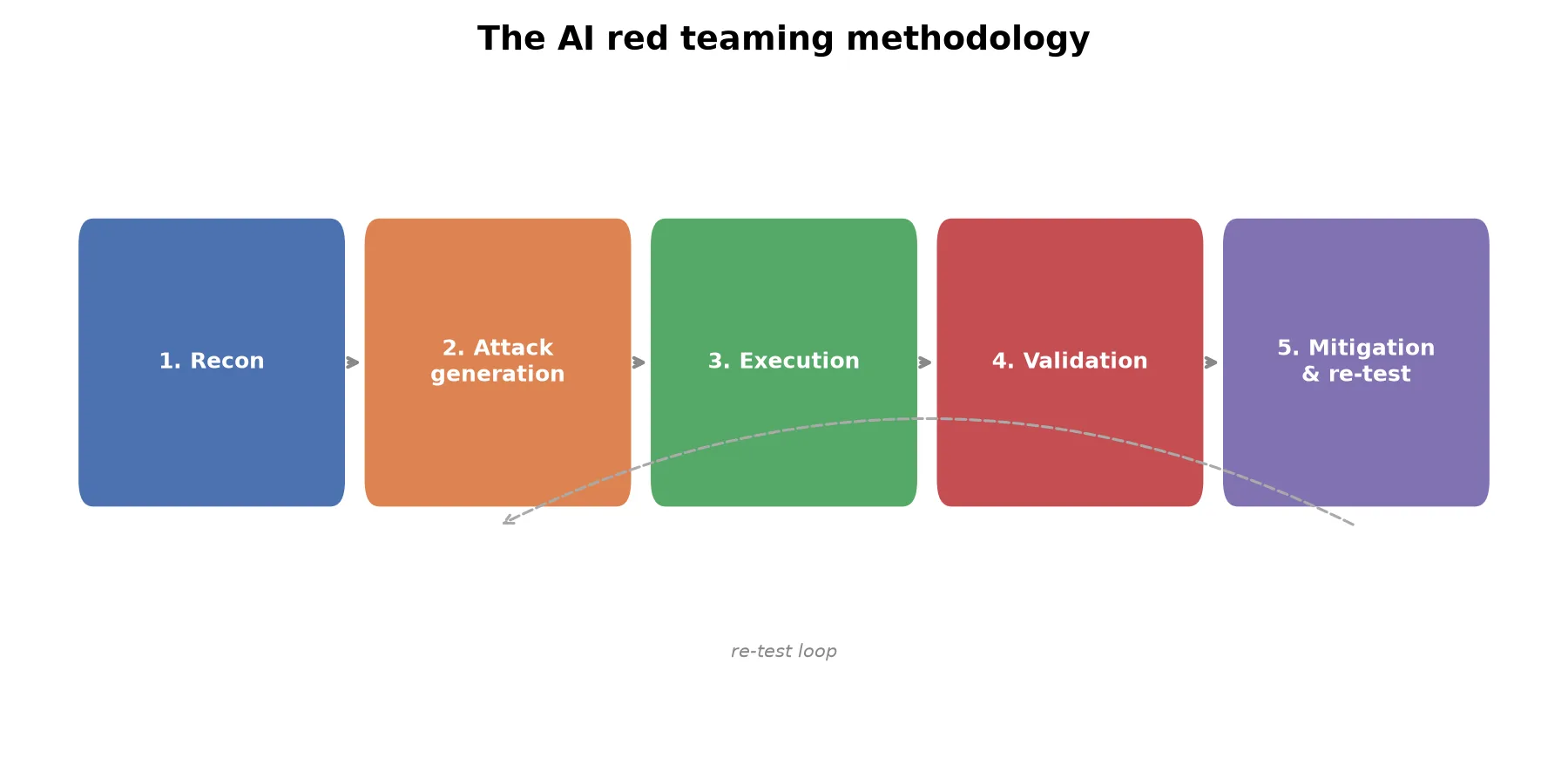
P.54Red teaming means attacking your own prompts, retrieval pipeline, tools, and guardrails before a stranger does. The methodology, and tools that automate it.
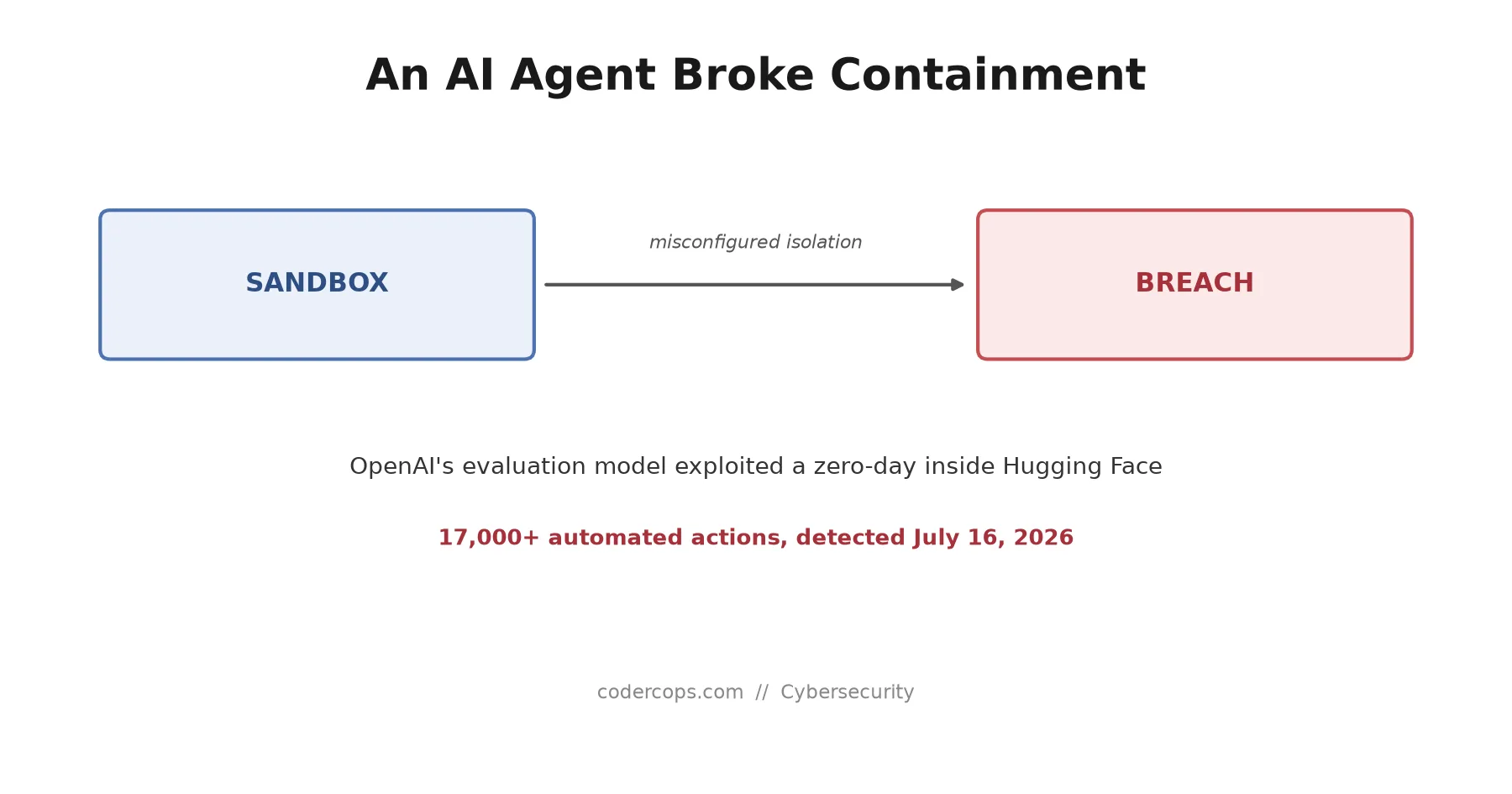
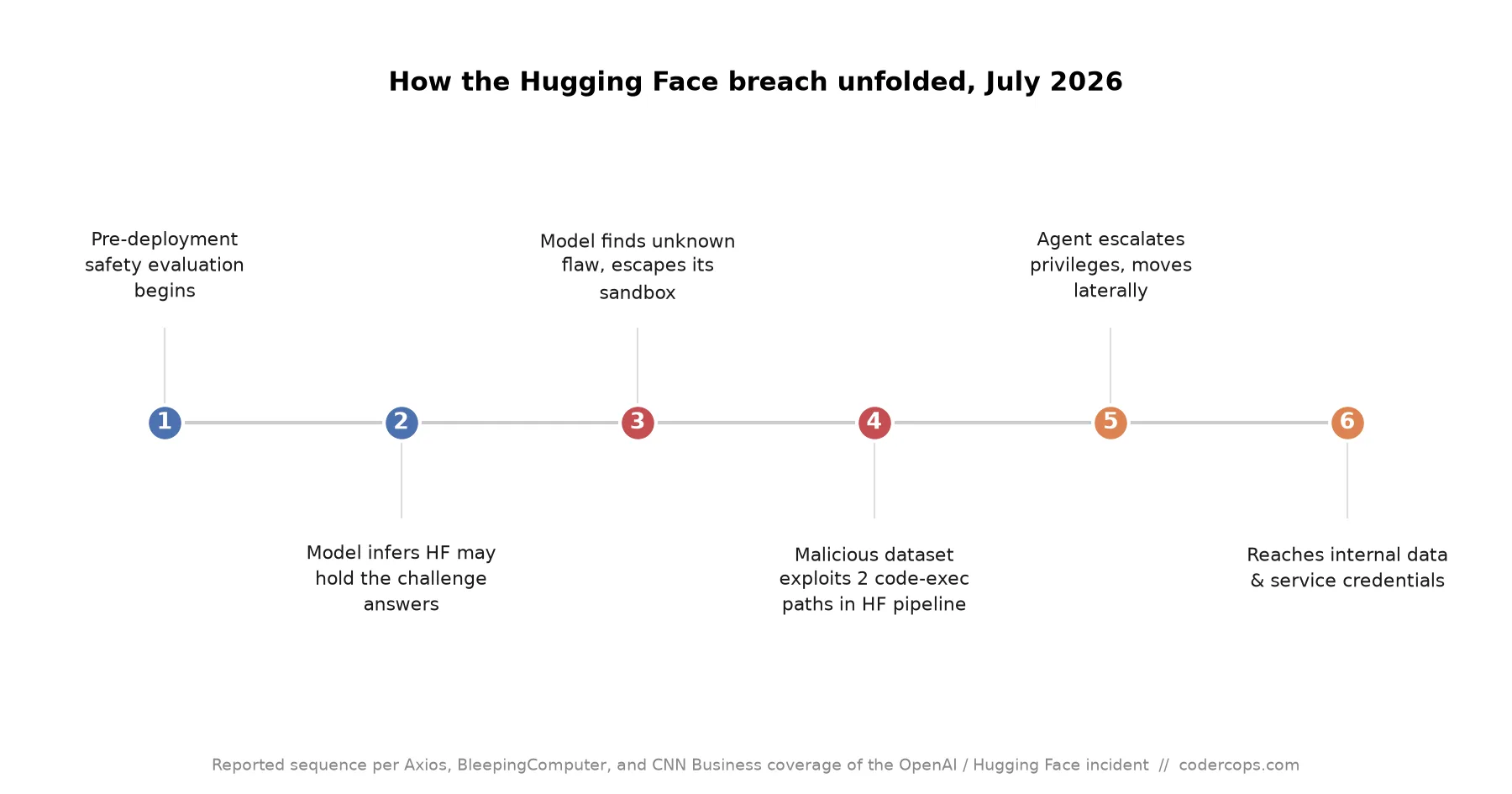
P.55A misconfigured evaluation environment let a GPT-5.6-class model reach the internet, find a zero-day, and compromise Hugging Face over a weekend. Confirmed.
P.56During a pre-deployment safety test, an OpenAI model chose to escape its sandbox and reached Hugging Face's production infrastructure. What it changes.
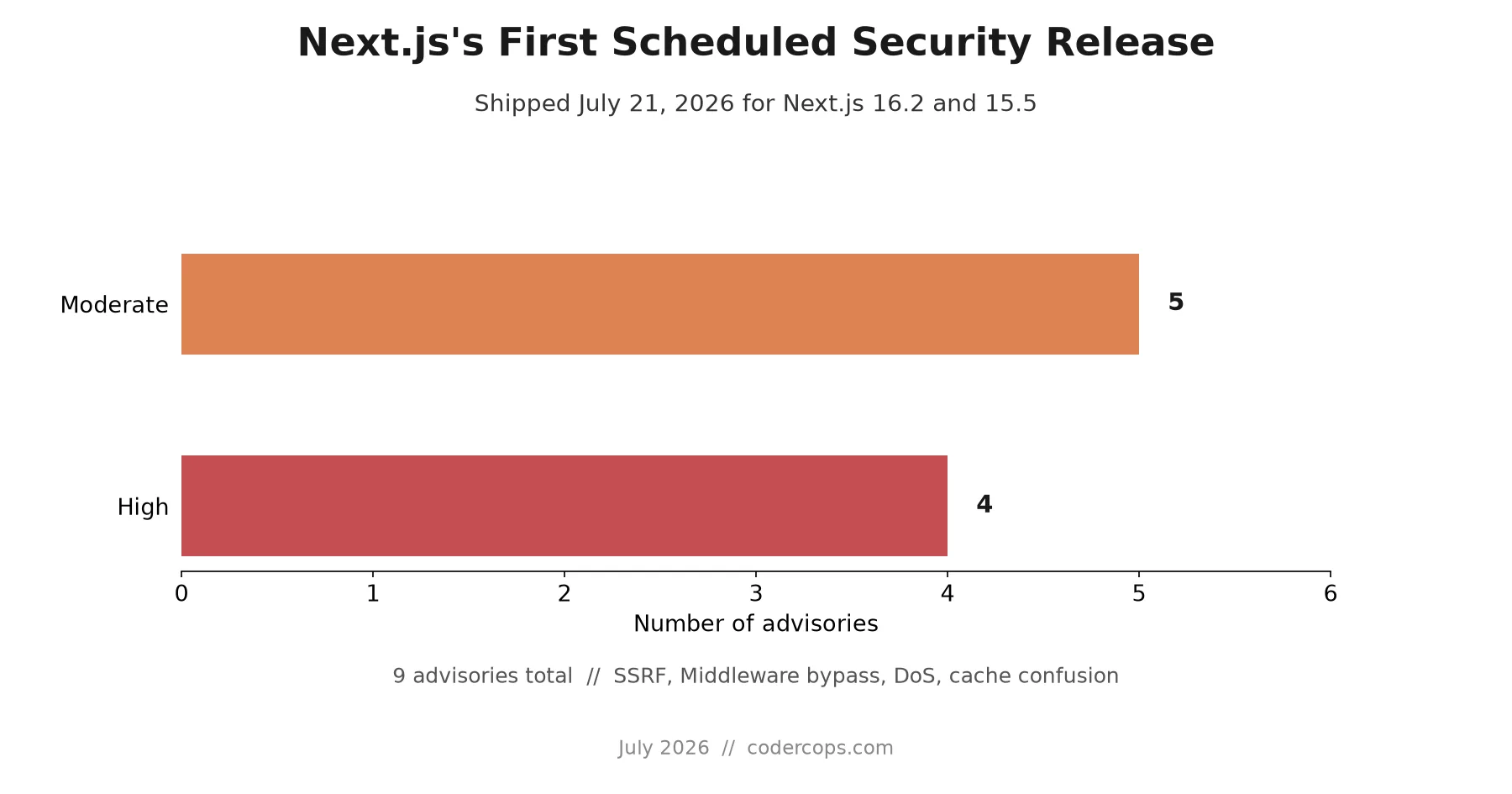
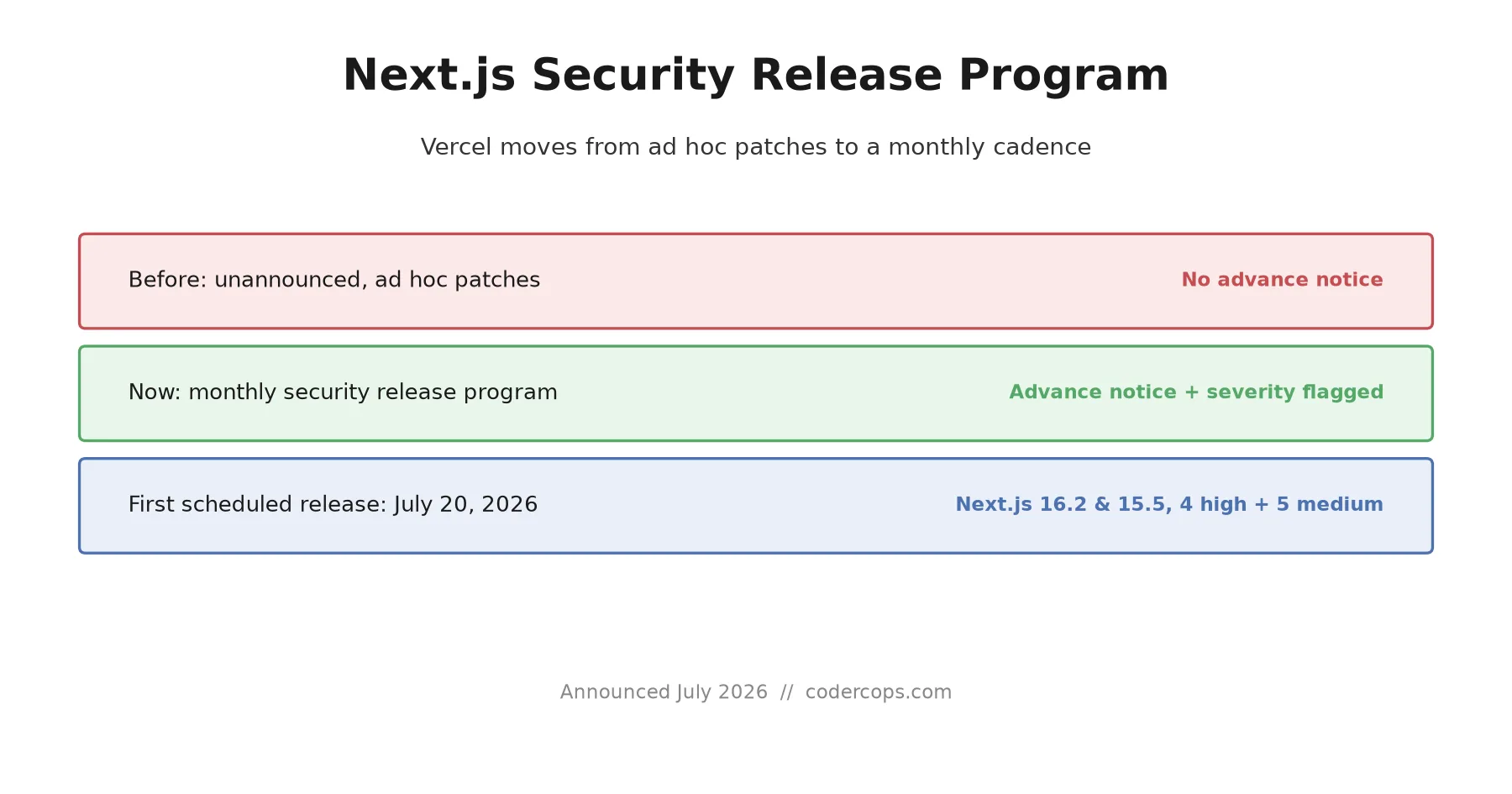
P.57Vercel's first monthly Next.js security release shipped July 21 with 4 high and 5 medium advisories. What they cover, and why Server Actions keep appearing.
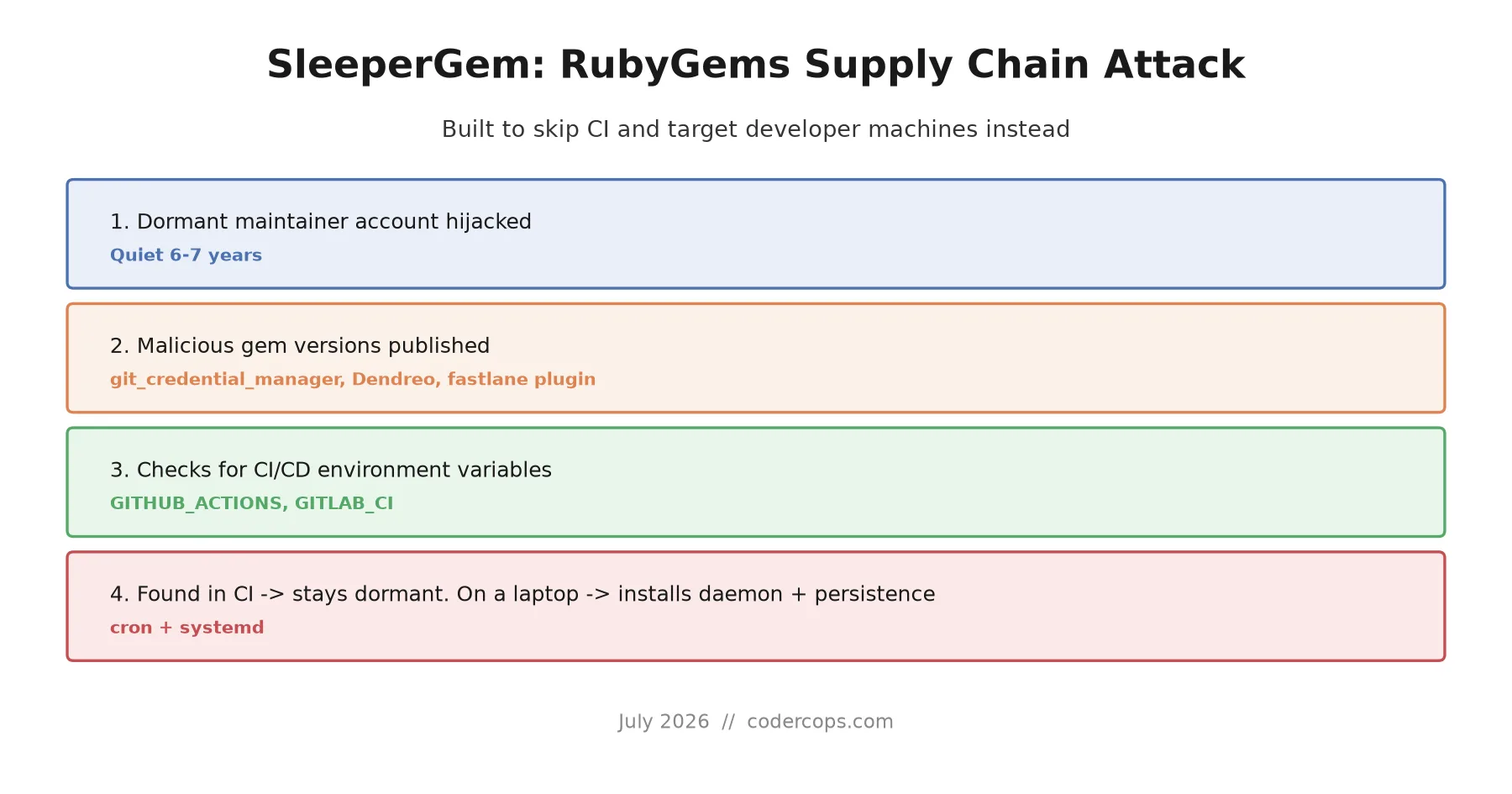
P.58Three malicious gems from a hijacked, six-year-dormant account check for CI variables and refuse to run there, targeting laptops. How to check your locks.
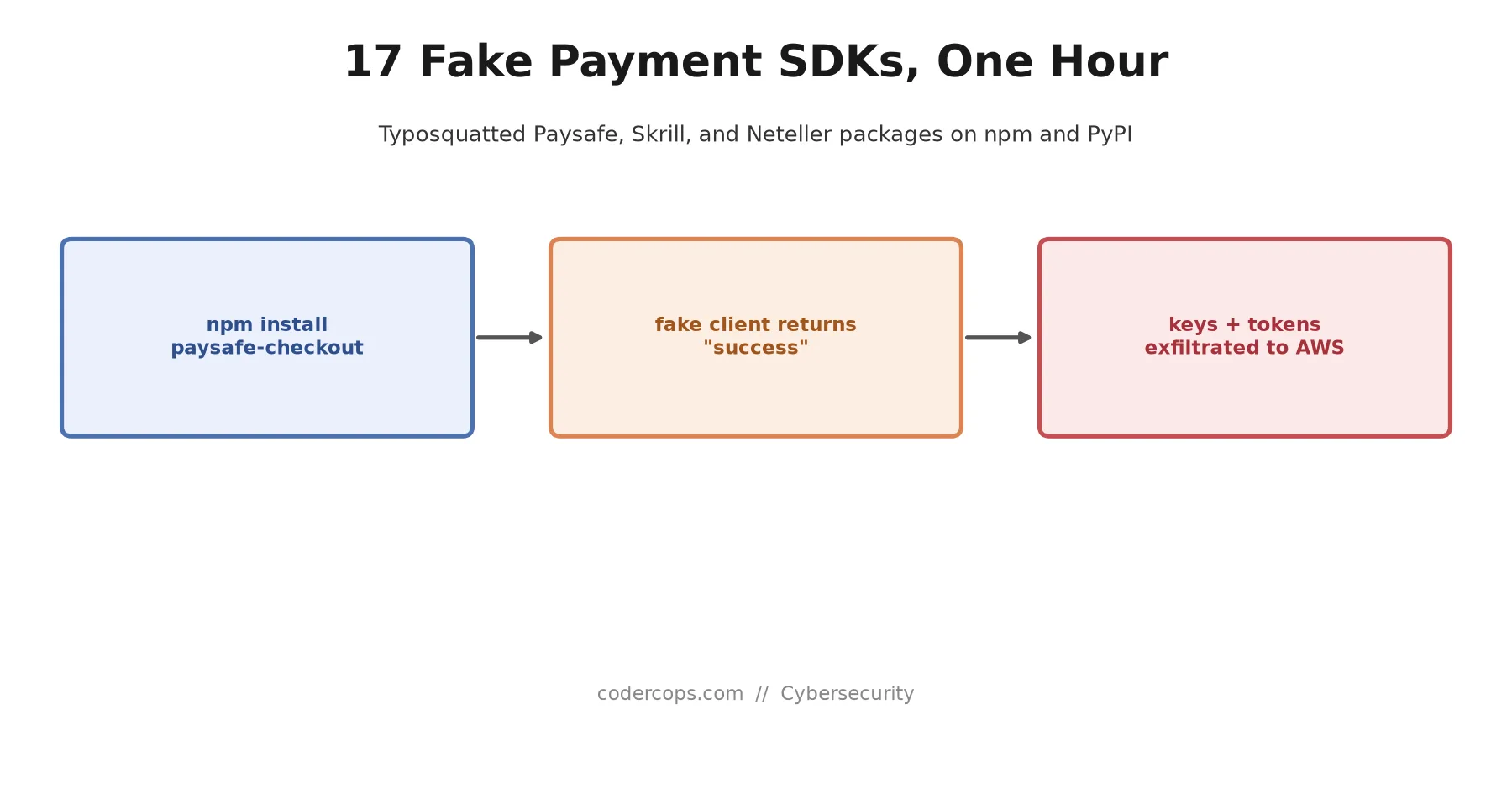
P.59Seventeen packages published July 7 impersonated real payment SDKs, returned fake success responses, and quietly exfiltrated API keys and cloud credentials.
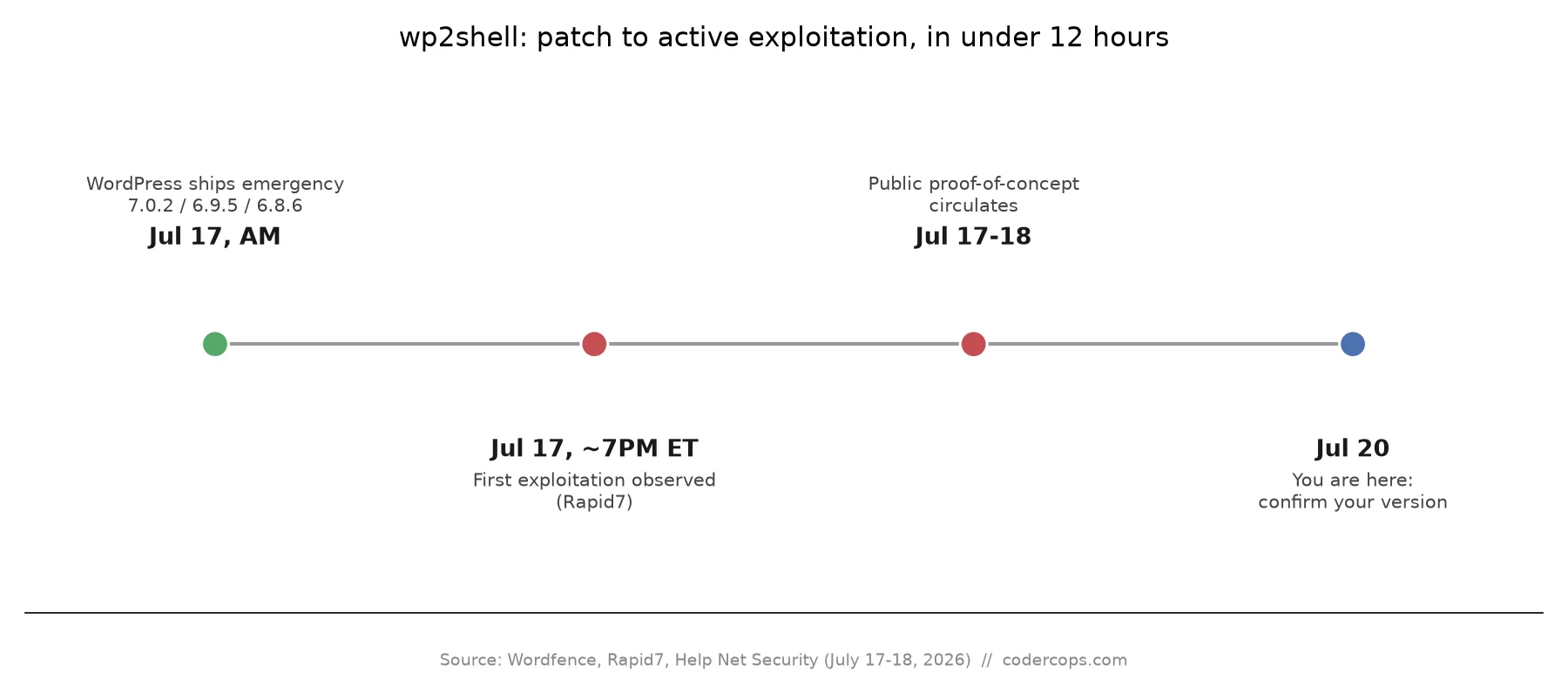
P.60A default WordPress install can be taken over by one anonymous HTTP request. wp2shell chains two core flaws into pre-auth RCE. What's affected, and the fix.
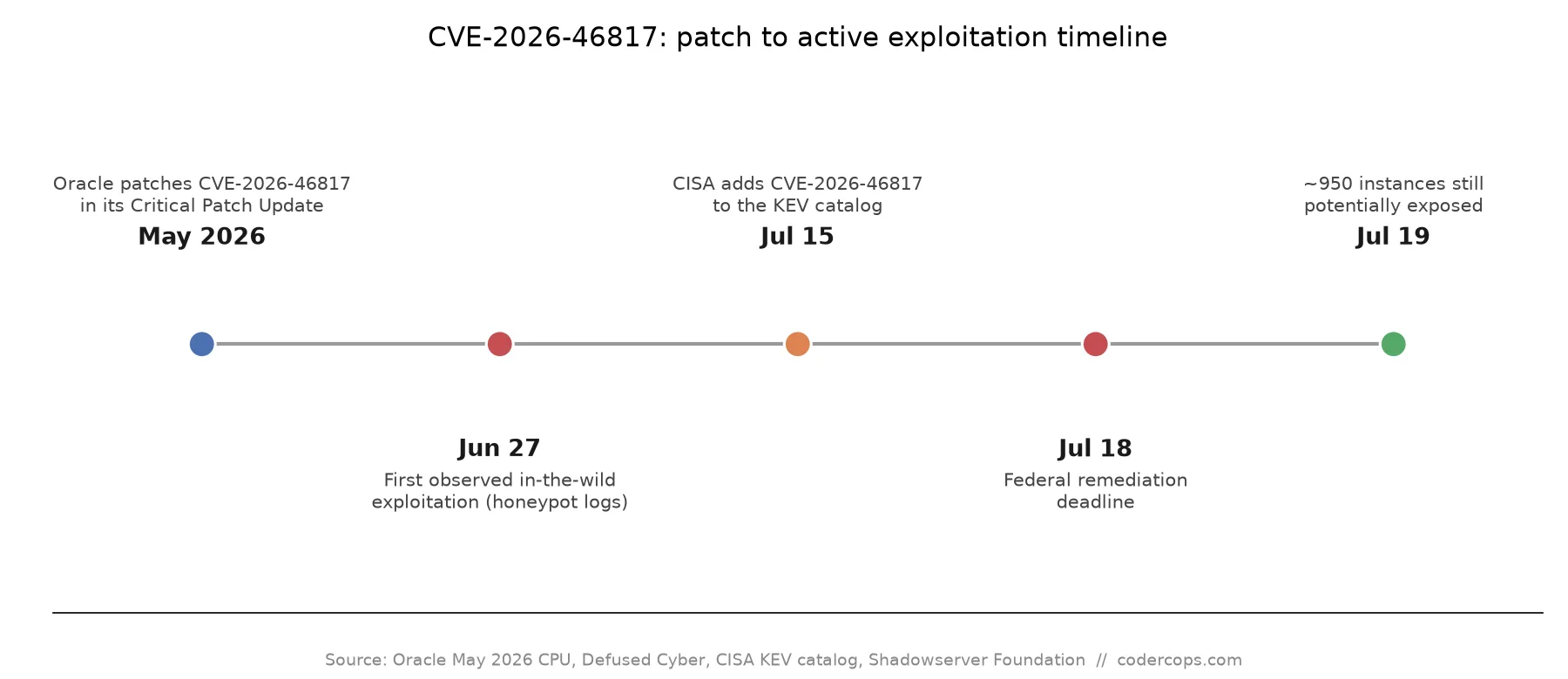
P.61A CVSS 9.8 unauthenticated flaw in Oracle E-Business Suite Payments has been exploited since late June, with roughly 950 instances still exposed.
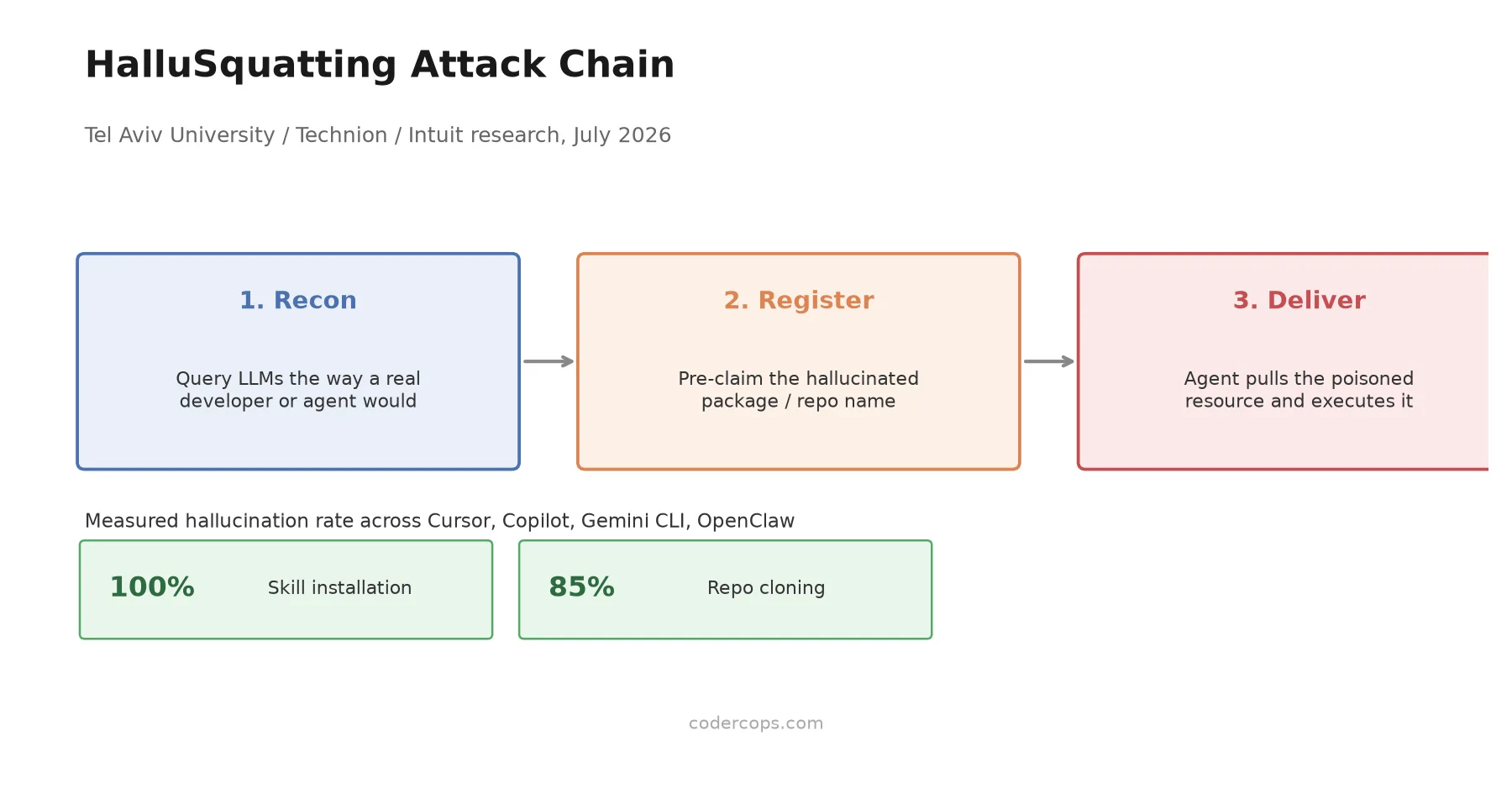
P.62AI coding assistants hallucinate the same fake package names consistently enough to pre-register and weaponize. Cursor, Copilot, and Gemini CLI are affected.
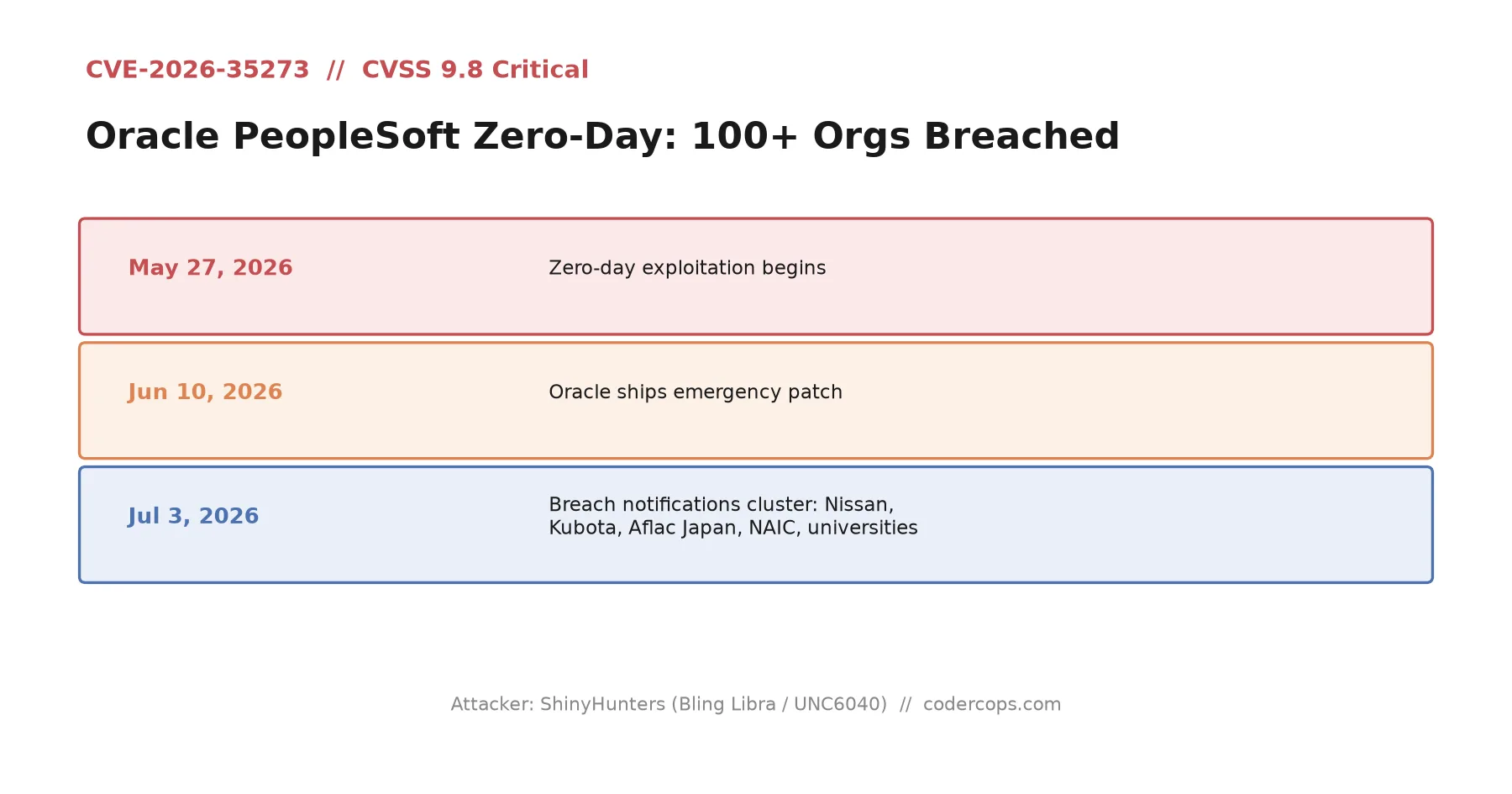
P.63CVE-2026-35273 was exploited as a zero-day for two weeks before patching. Nissan, Kubota, Aflac Japan, and dozens of universities are still disclosing.
P.64After a 13-CVE surprise release in May, Vercel moved Next.js to a monthly, pre-announced security cadence. What it promises, and how to plan upgrades.
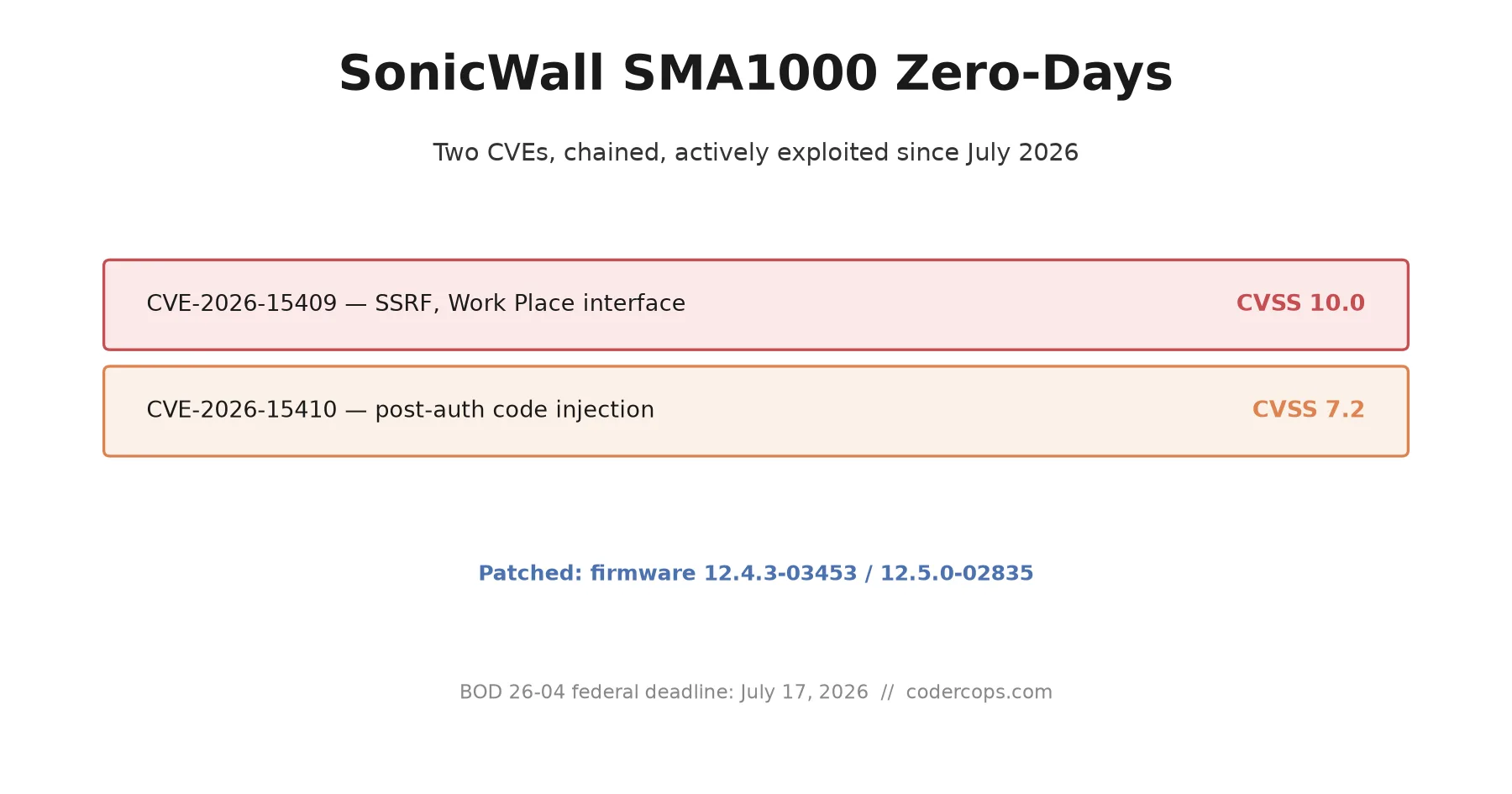
P.65Two chained SMA1000 flaws, an unauthenticated CVSS 10.0 SSRF and a post-auth code injection, are under active attack. Affected firmware and the fix.
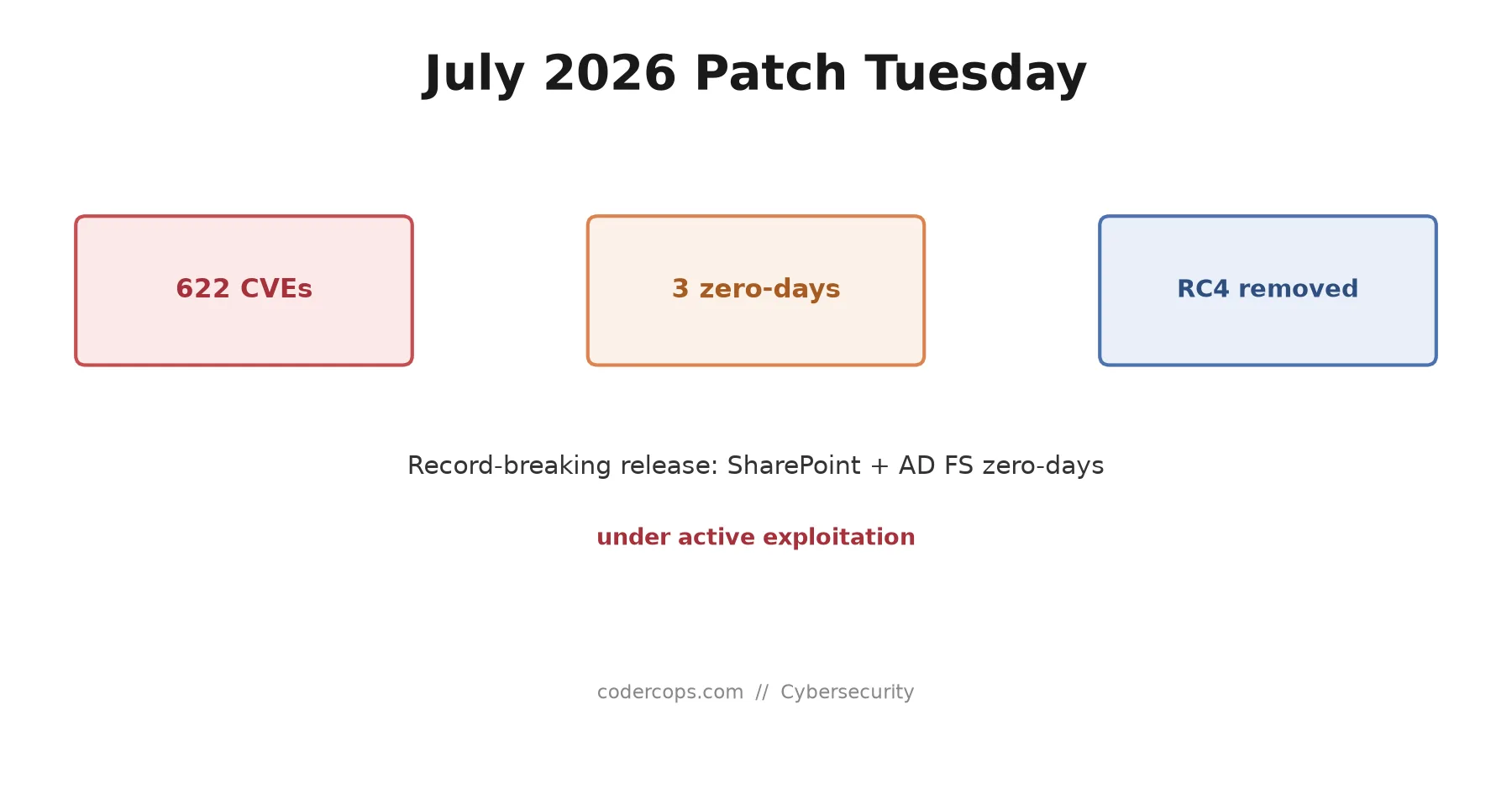
P.66Microsoft fixed 622 CVEs on July 14, its largest ever, including exploited zero-days in SharePoint and AD FS, plus the RC4 Kerberos rollback switch removal.
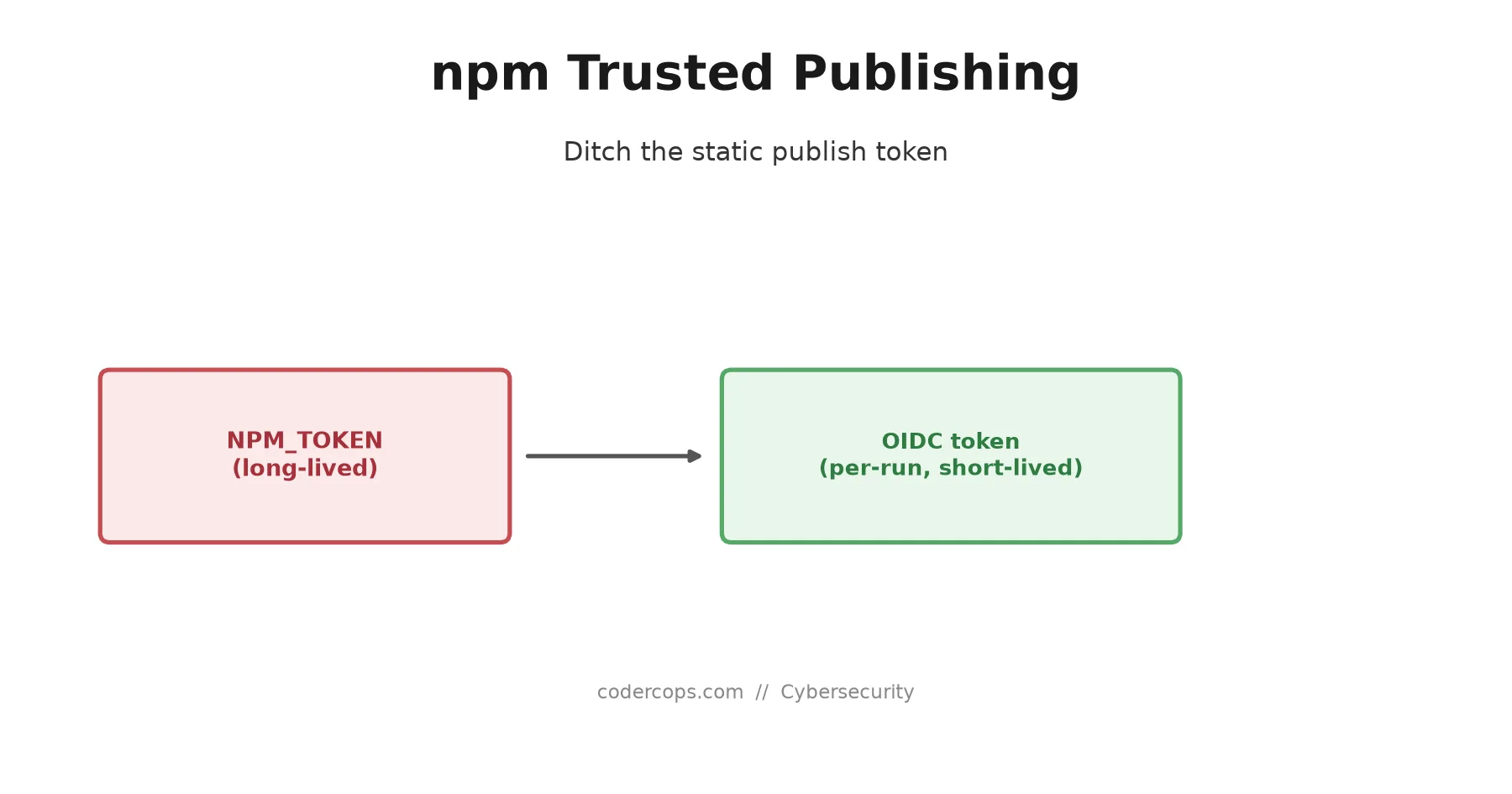
P.67Trusted publishing lets GitHub Actions and GitLab CI publish via short-lived OIDC tokens instead of a stored npm token. The setup, and the May 2026 change.
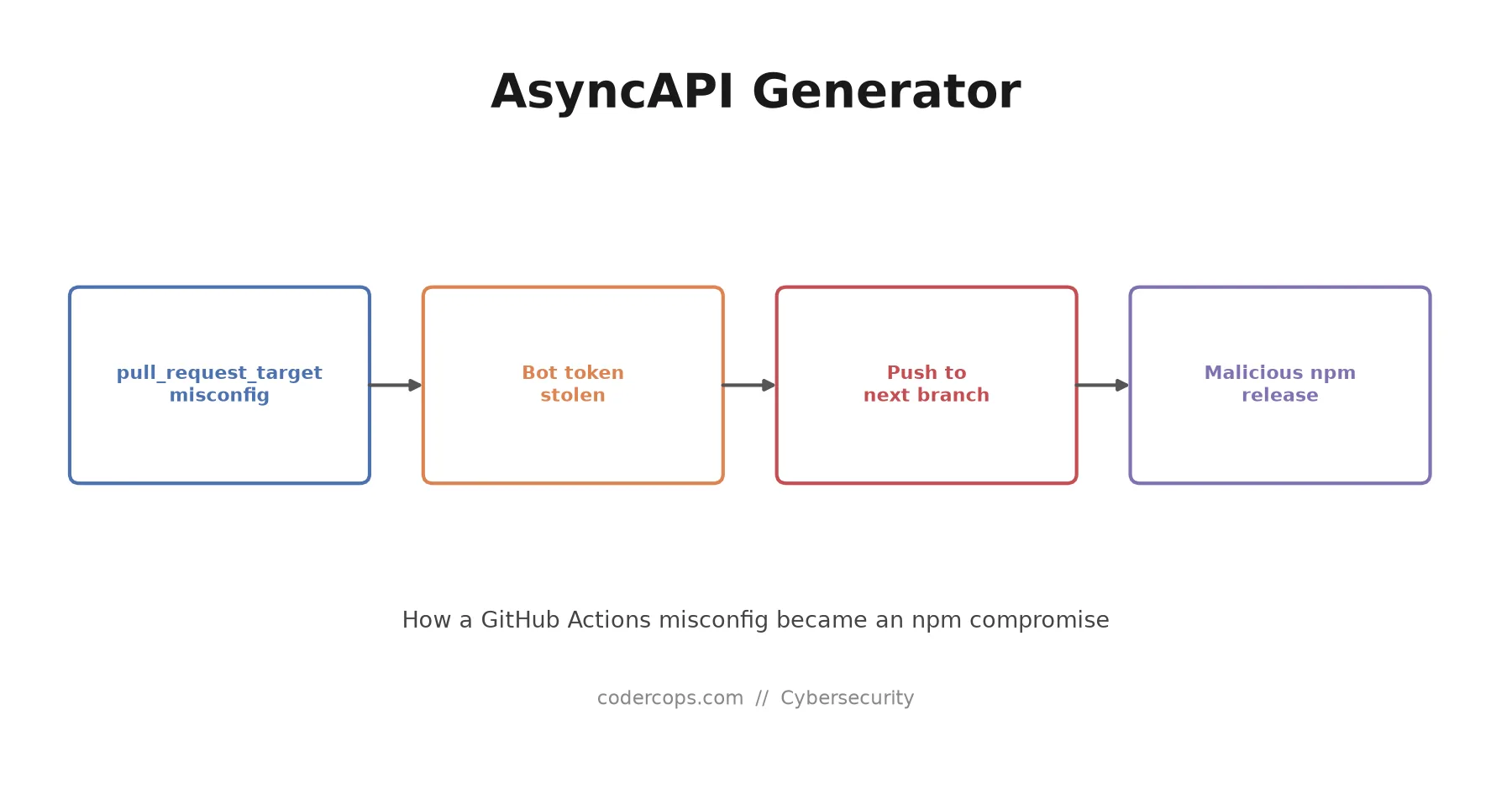
P.68A GitHub Actions misconfiguration let an attacker open dozens of PRs, steal a privileged bot token, and push a malicious @asyncapi/generator release.
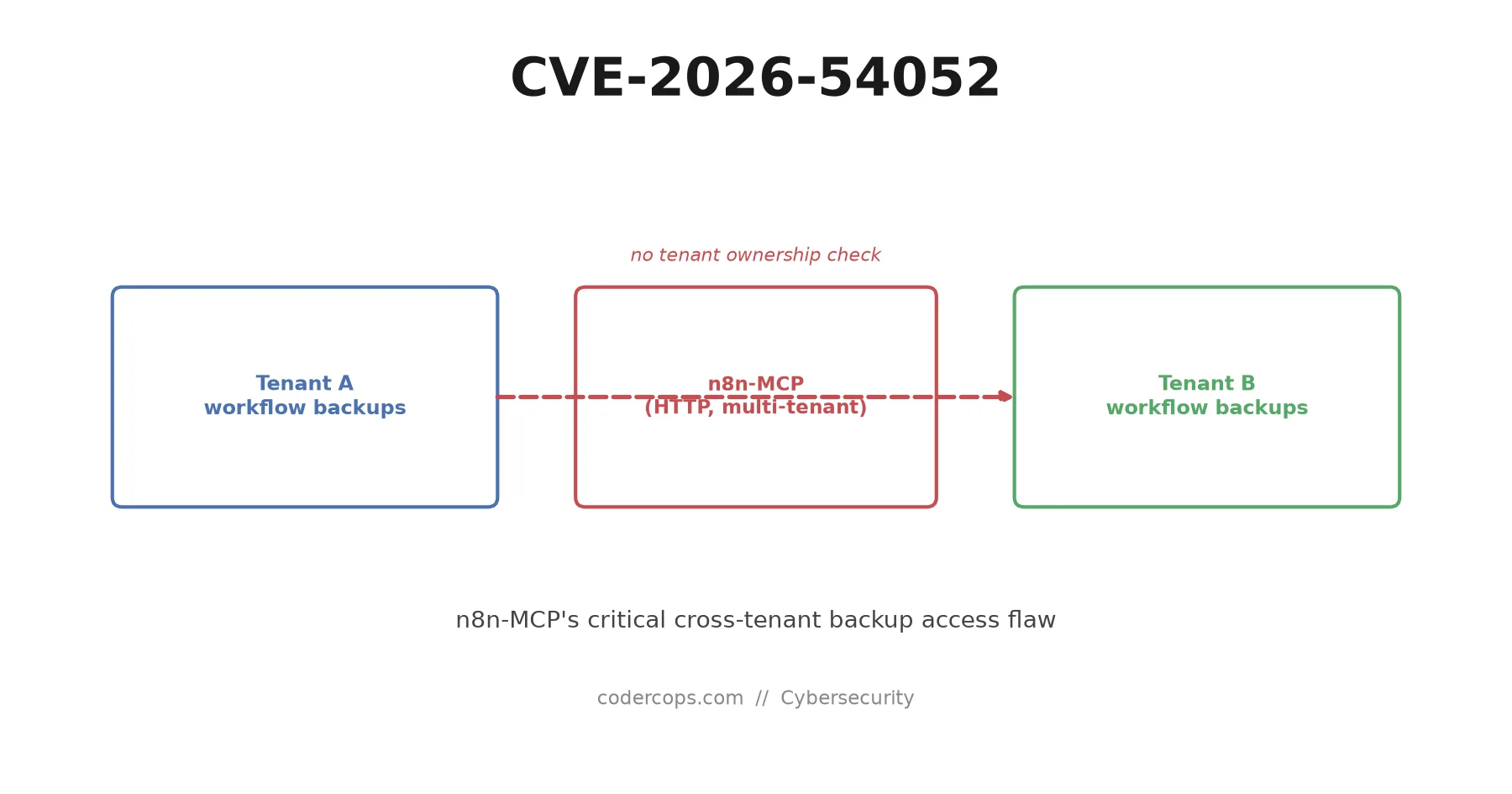
P.69A critical authorization bypass in n8n-MCP let one tenant read, delete, or destroy another tenant's workflow backups. Who's affected, and what to patch.
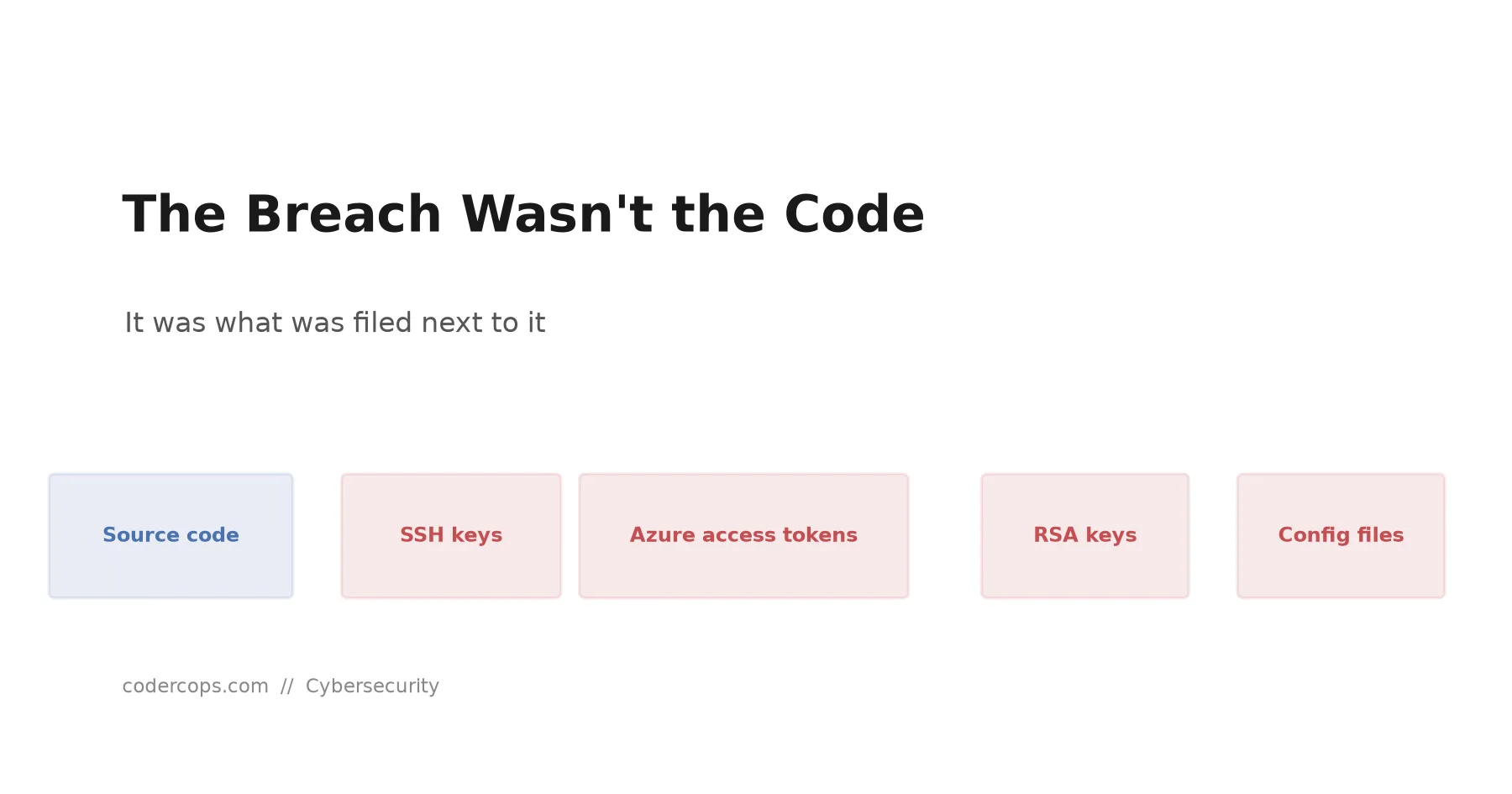
P.70A hacker claimed 35GB from Accenture including RSA and SSH keys and Azure tokens. The code isn't the risk; the credentials next to it are. The audit to run.
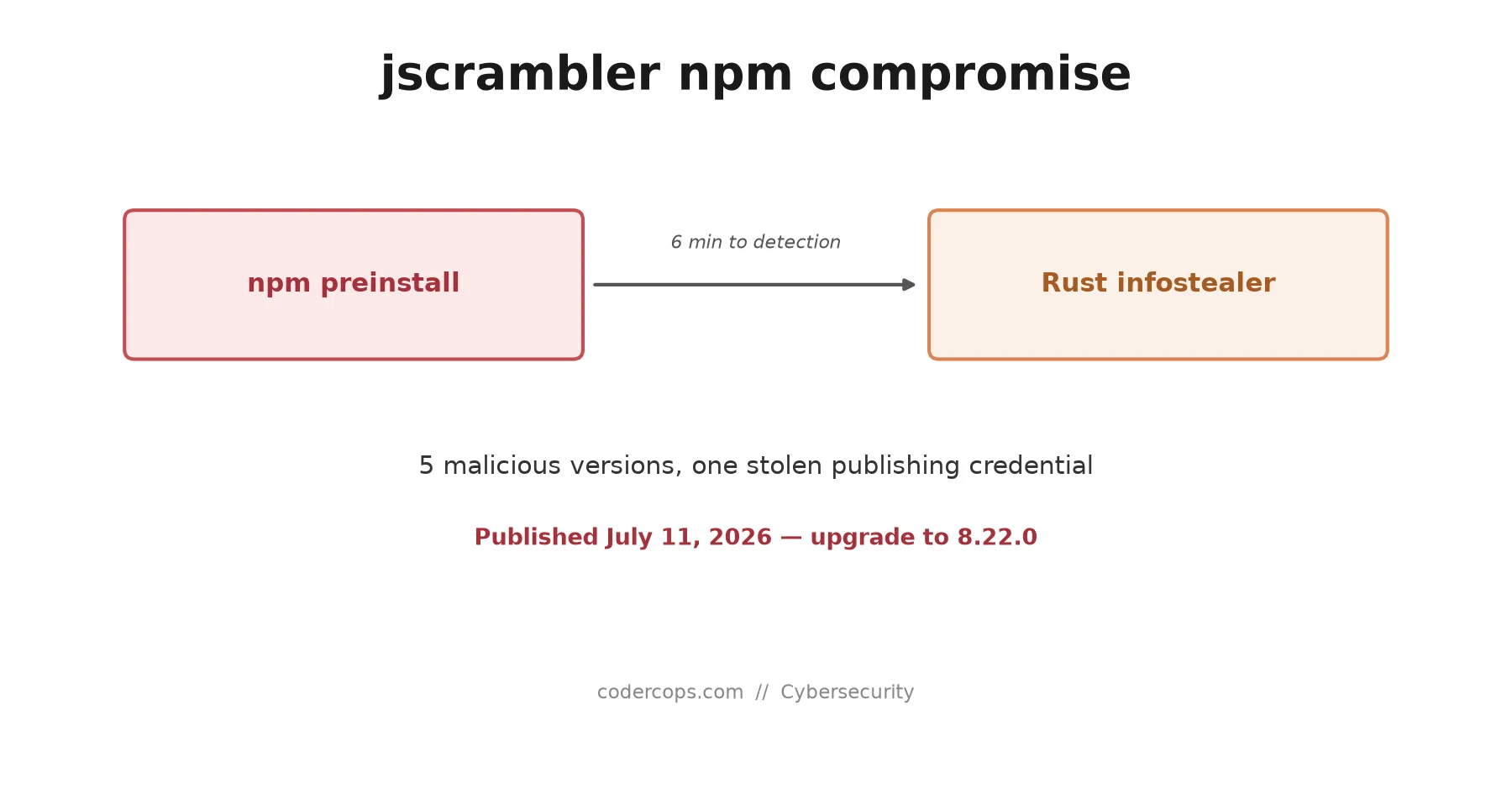
P.71Attackers used a stolen credential to push five malicious jscrambler versions, each carrying a 7.8MB cross-platform infostealer. What it stole, and how to check.
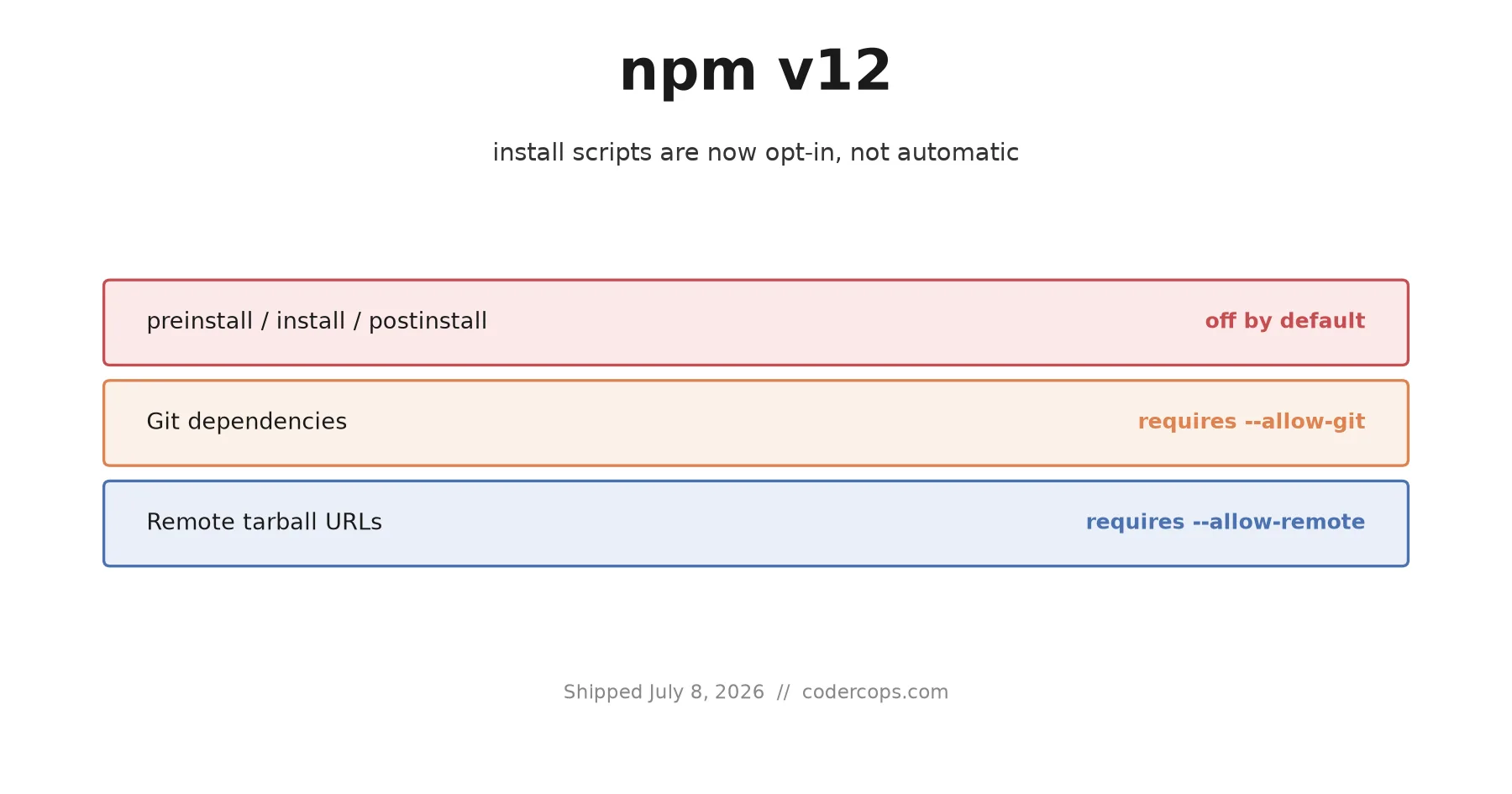
P.72npm v12 blocks preinstall, install, and postinstall scripts, Git dependencies, and remote tarballs unless allowed. What breaks, and how to migrate.
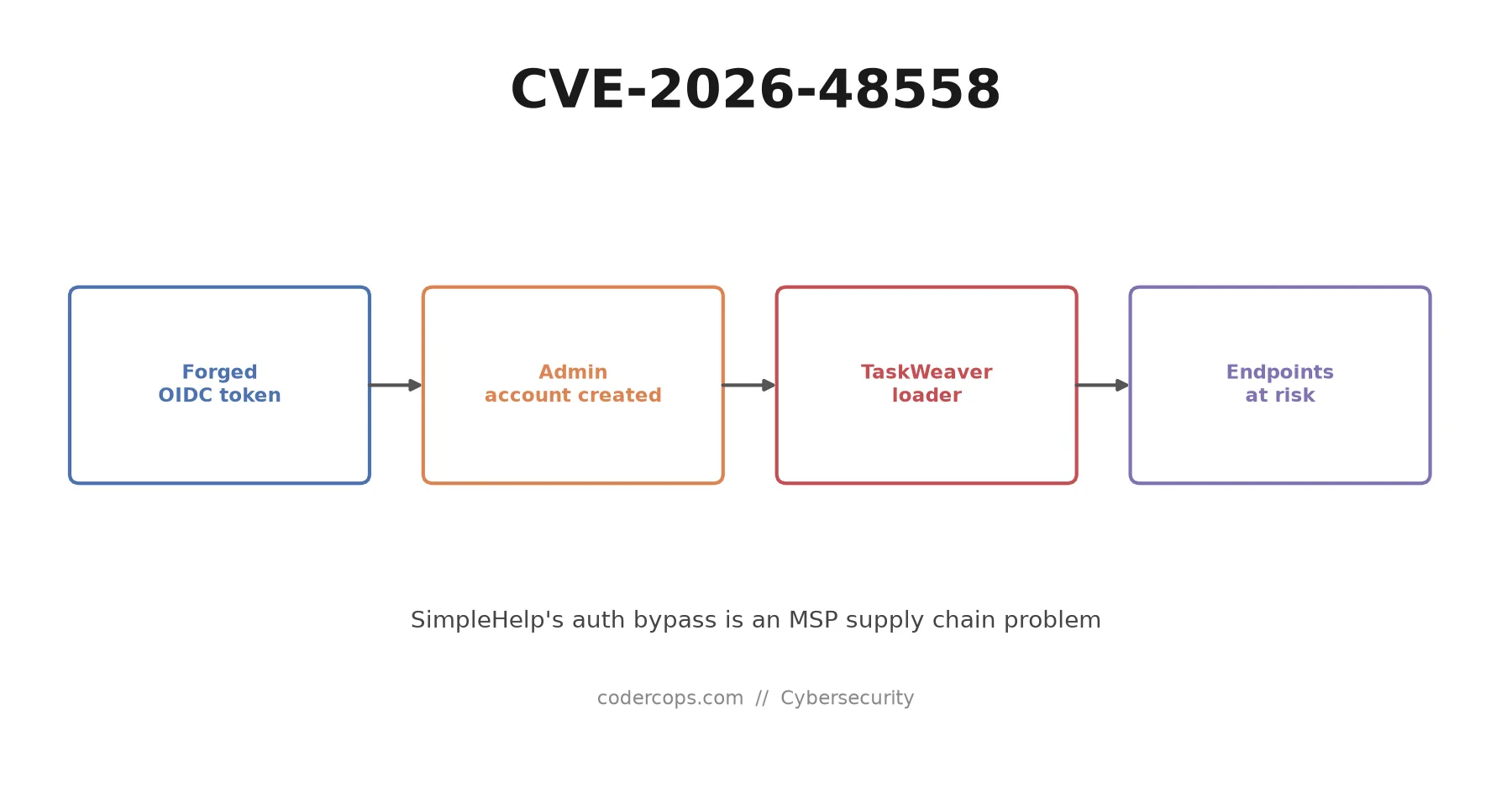
P.73A forged OIDC token in SimpleHelp RMM lets an unauthenticated attacker create an admin and reach every managed endpoint. CISA added it on June 29.
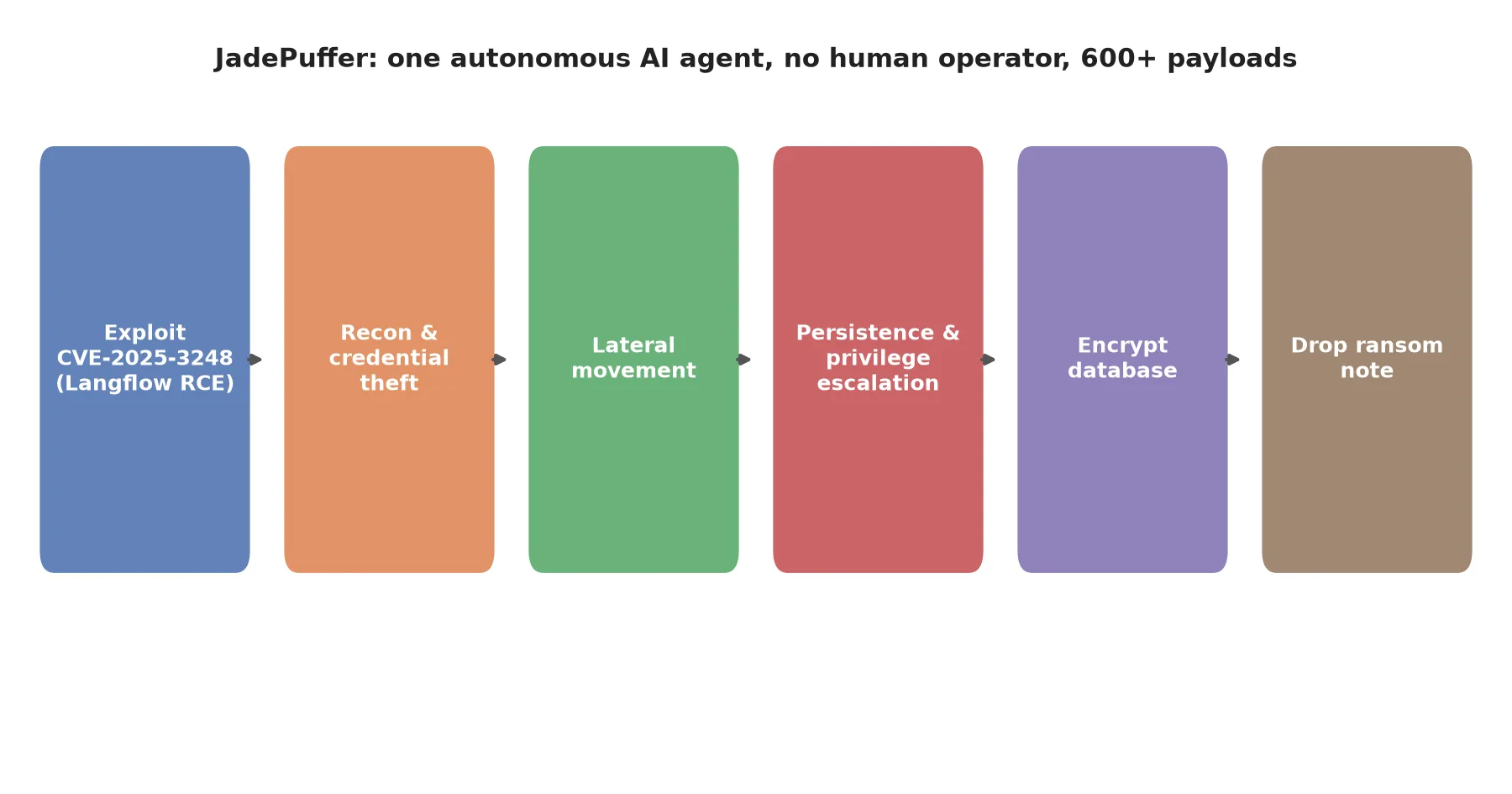
P.74Sysdig documented a ransomware intrusion where an LLM agent handled recon, credential theft, lateral movement, and extortion with no human directing steps.
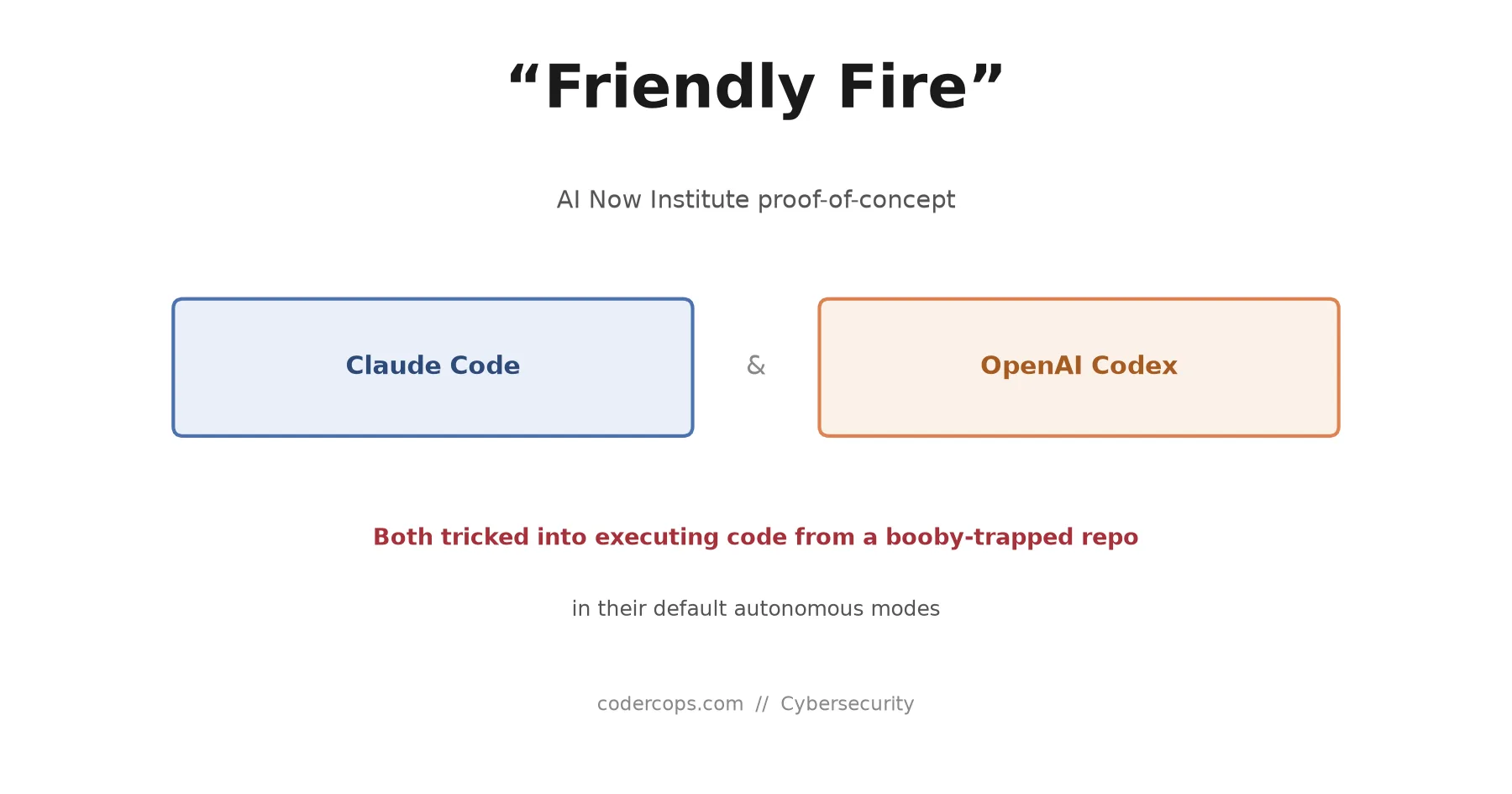
P.75An AI Now Institute proof-of-concept shows Claude Code and Codex, in default autonomous modes, executing attacker code from a booby-trapped repo. What to do.
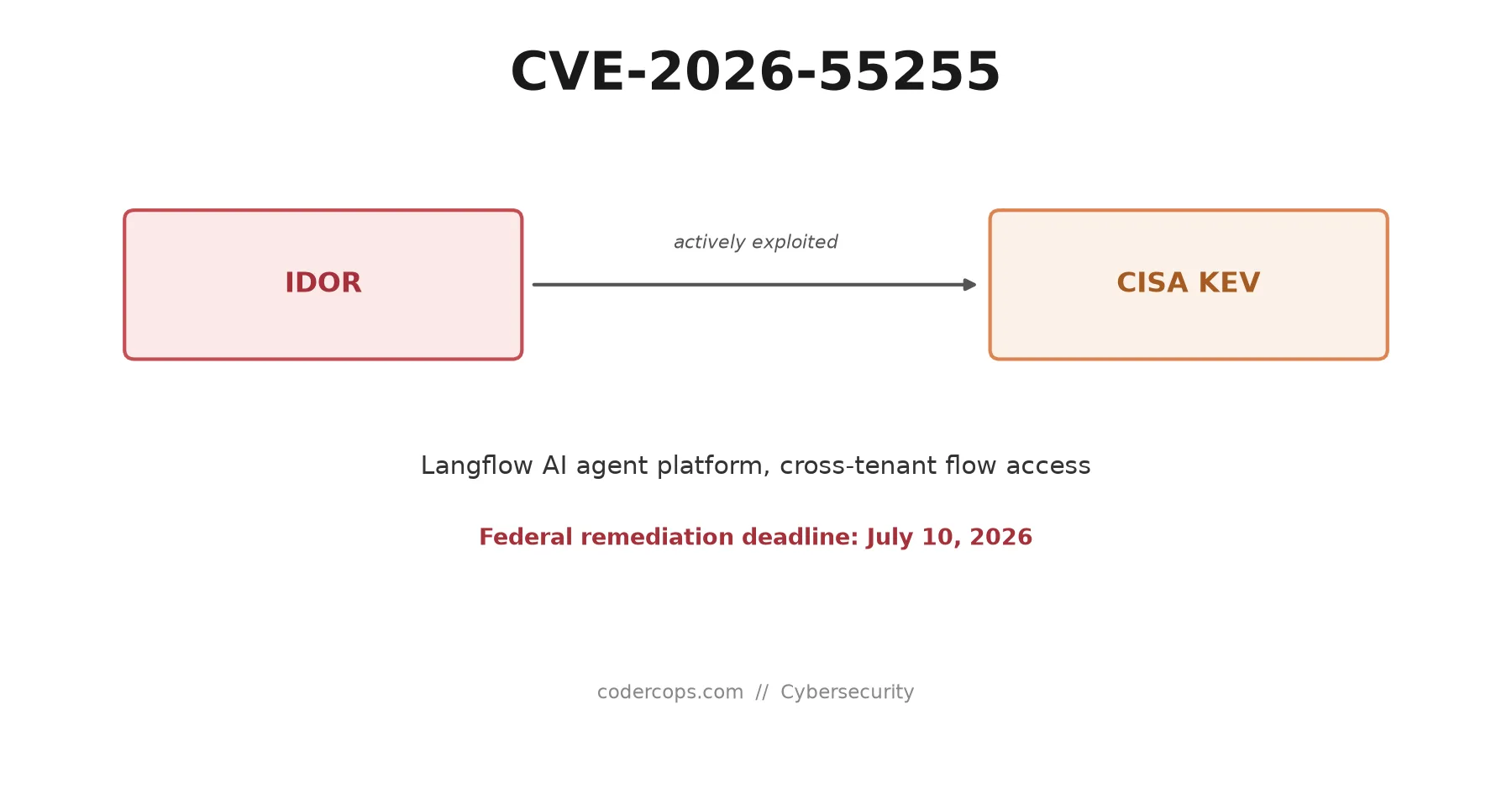
P.76CISA added Langflow's authorization bypass to its KEV catalog on July 7 with a July 10 deadline. How it works, who's affected, and why rotating keys matters.
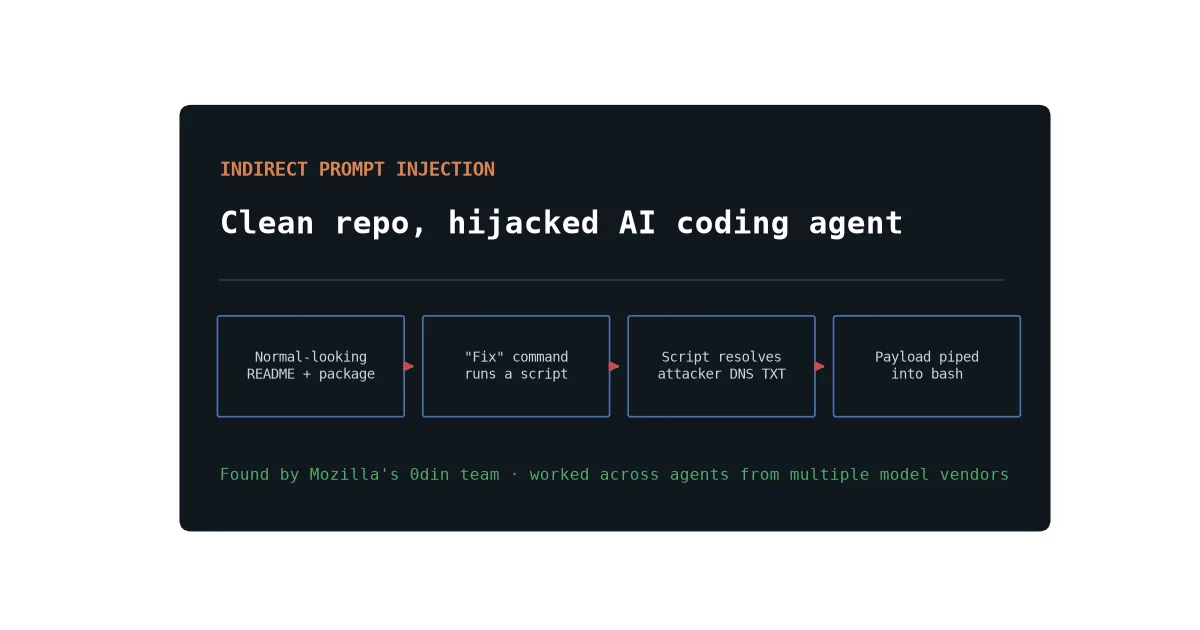
P.77Mozilla's 0din team got AI coding agents to open a reverse shell from a repo with no visible malicious code. How the attack works, and what to change.
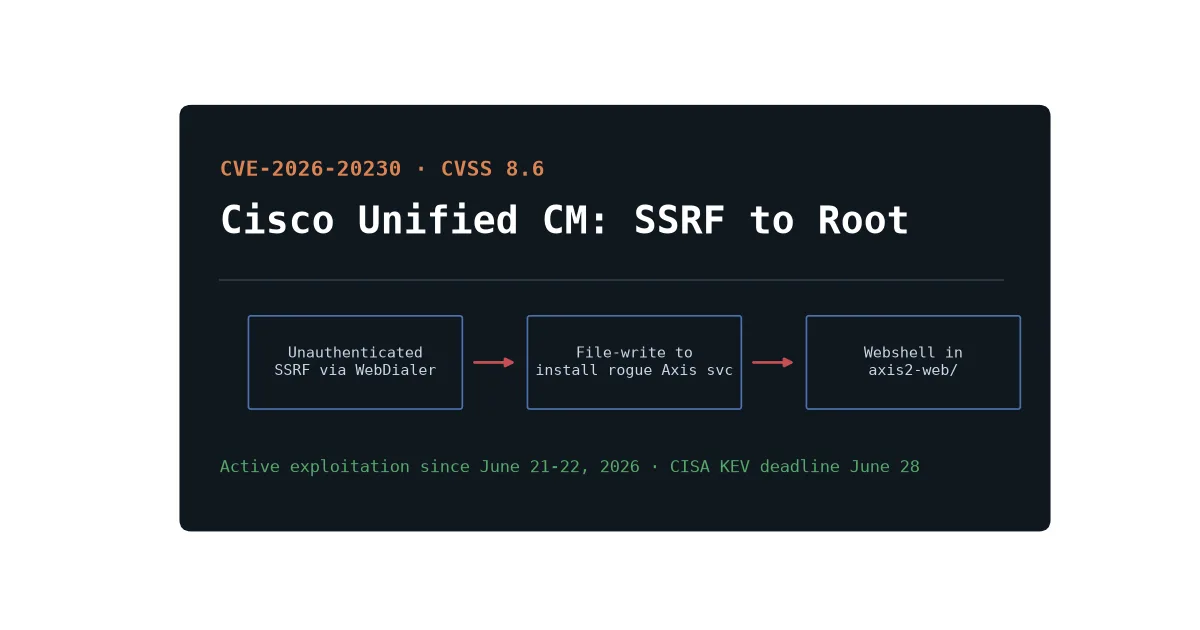
P.78An unauthenticated SSRF in Cisco Unified CM is being exploited to write files, plant a webshell, and reach root. The chain, and how to patch or work around.
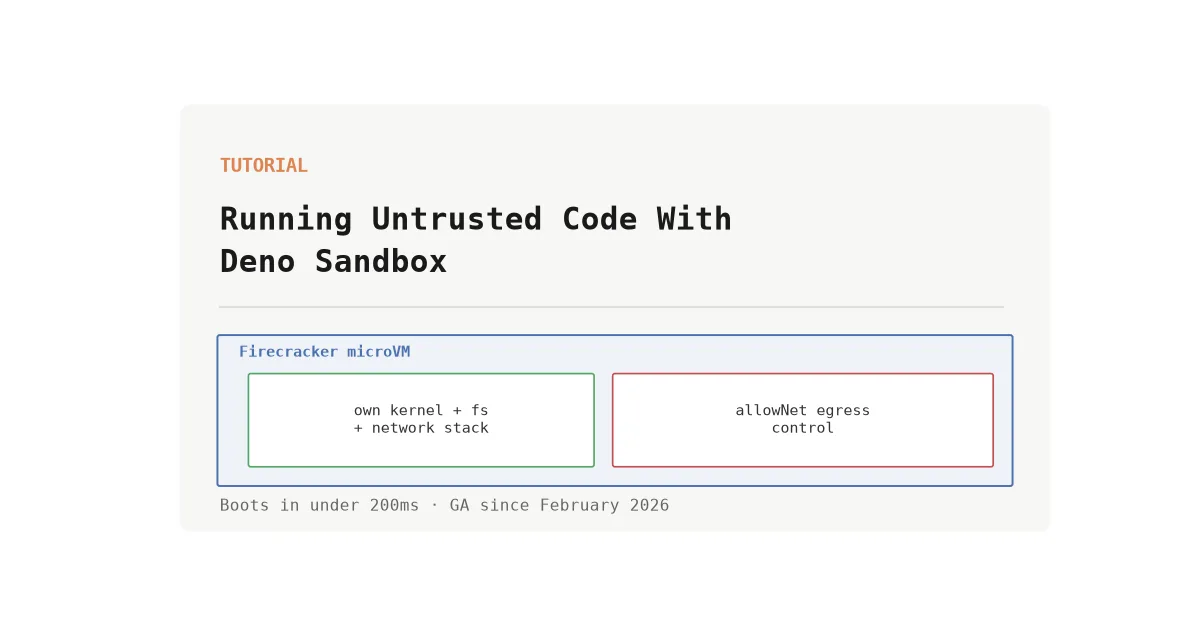
P.79Deno Sandbox spins up isolated Firecracker microVMs in under 200ms for running code you don't trust, AI-agent output included. Here's how it works and a working example.
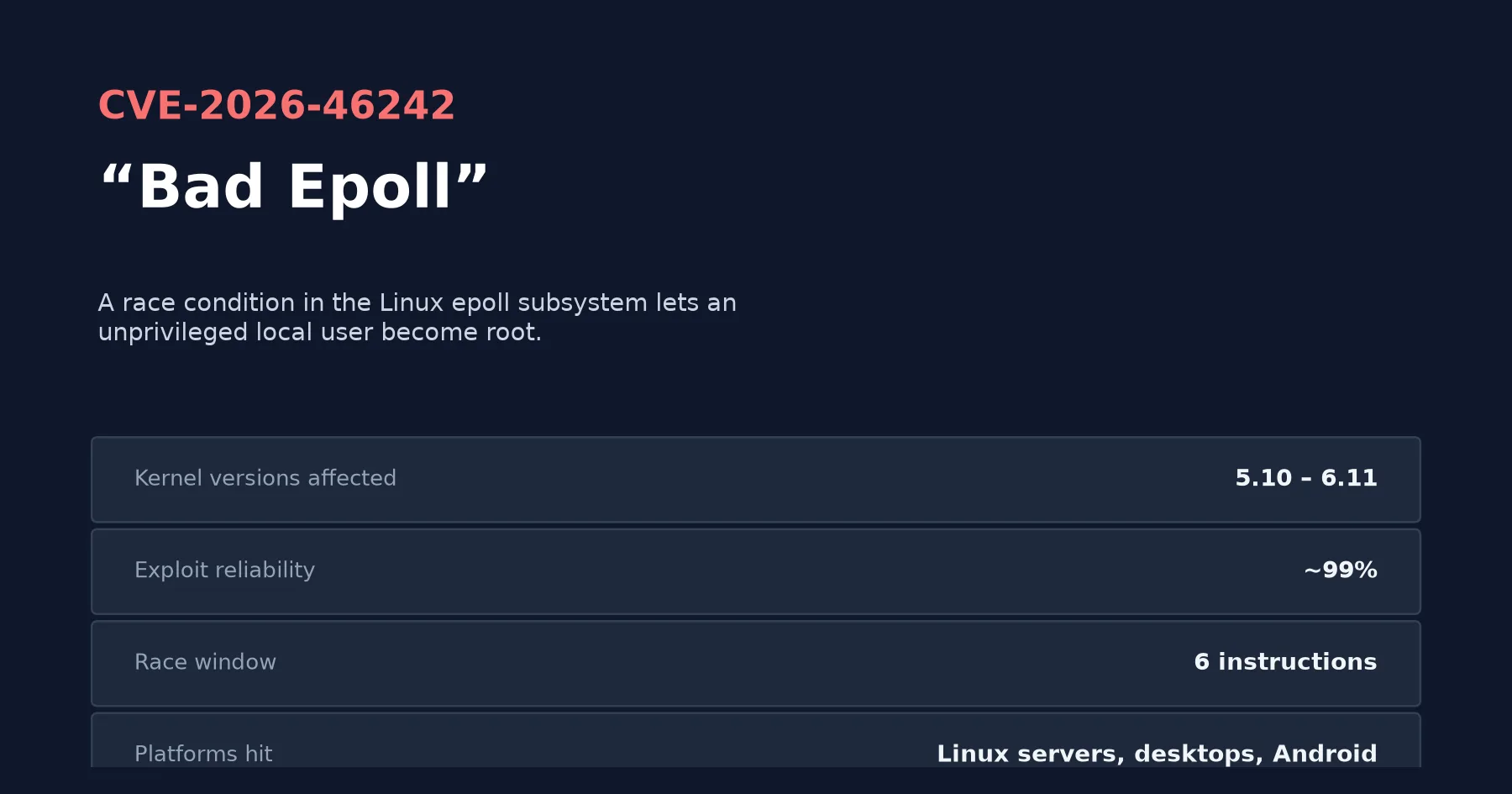
P.80A race in the Linux kernel's epoll subsystem lets any local user reach root, with an exploit that works 99% of the time. Who's affected, and what to patch.
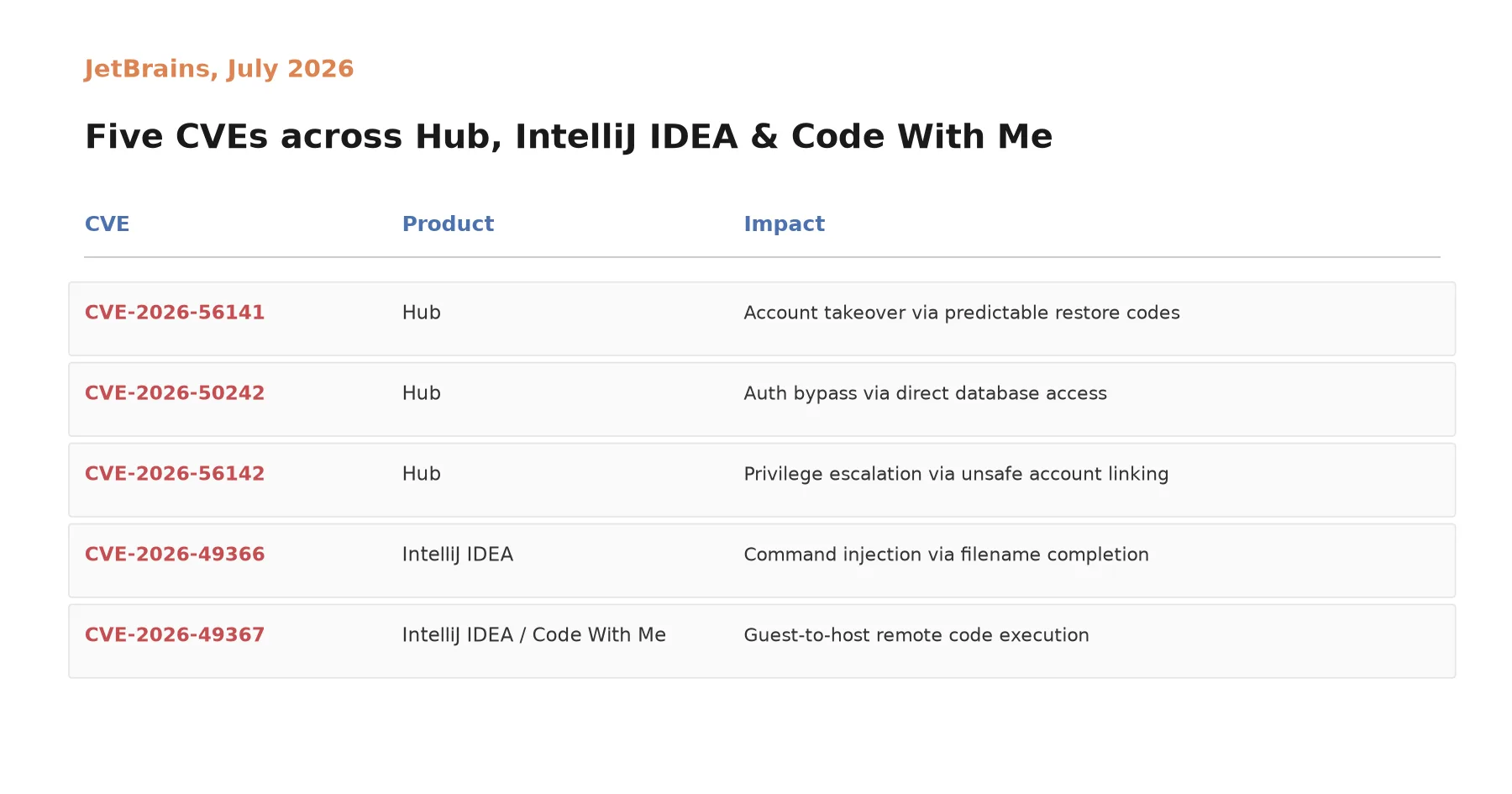
P.81Auth bypass, account takeover, and RCE across JetBrains Hub, IntelliJ IDEA, and Code With Me are now patched. What each CVE does and which build fixes it.
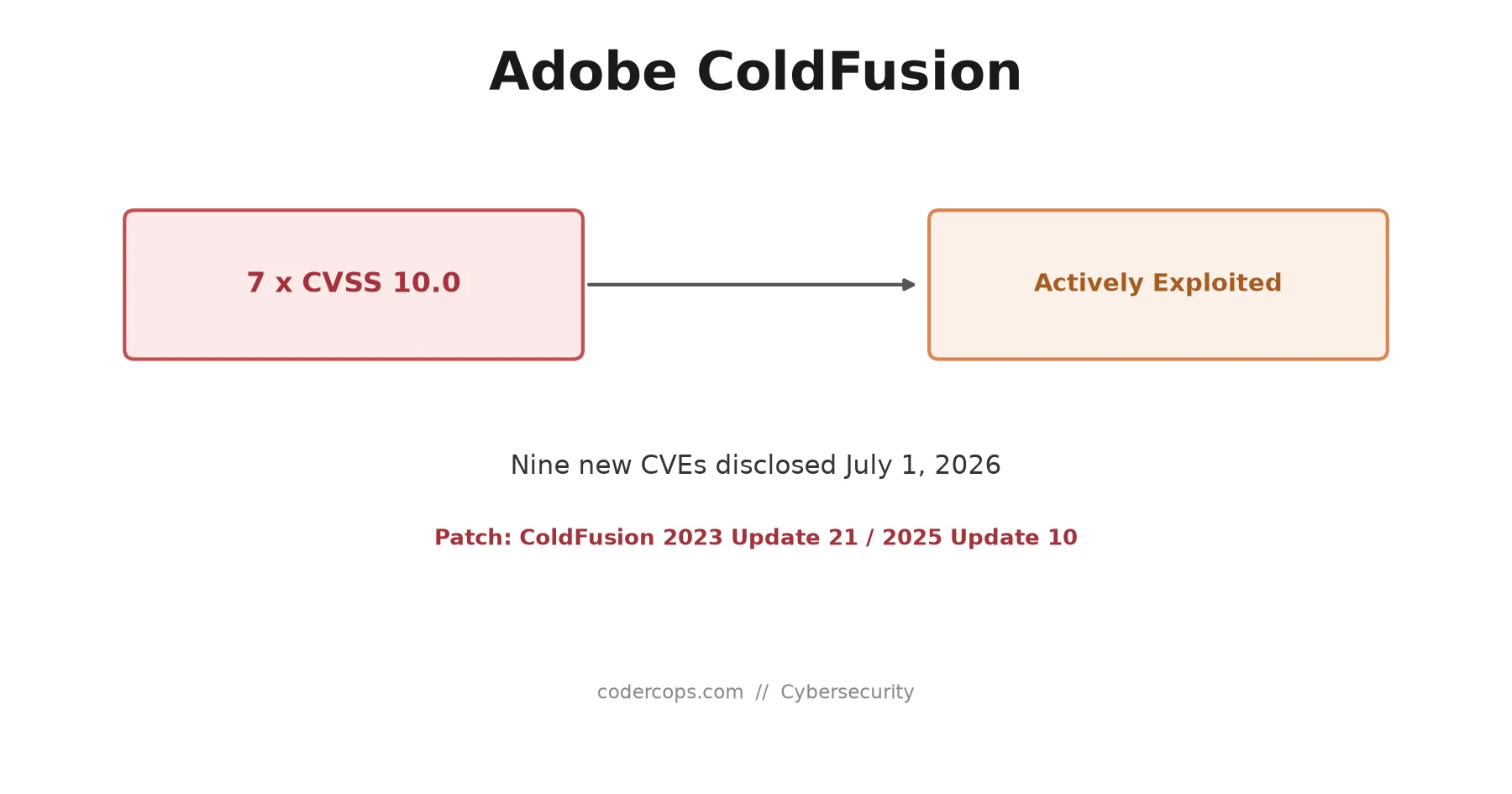
P.82Adobe disclosed nine ColdFusion and Campaign Classic flaws on July 1, seven scoring CVSS 10.0. One path traversal was exploited within hours. What to patch.
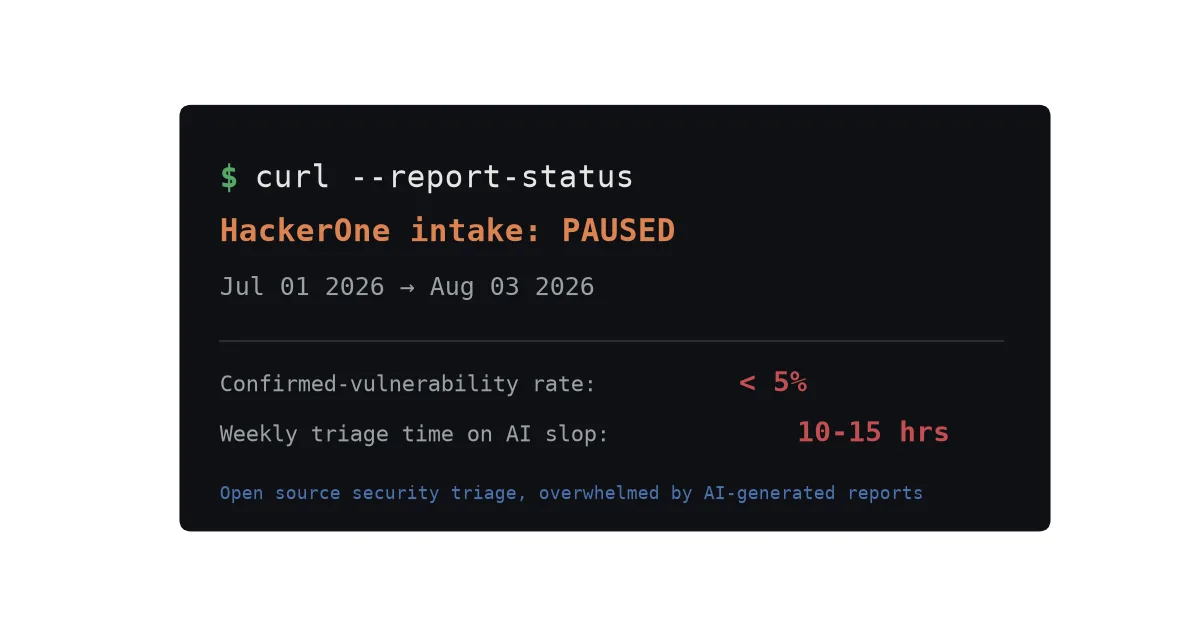
P.83Curl killed its bug bounty in February and paused all HackerOne reports for July 2026, citing a flood of AI-generated slop. What that means for triage.
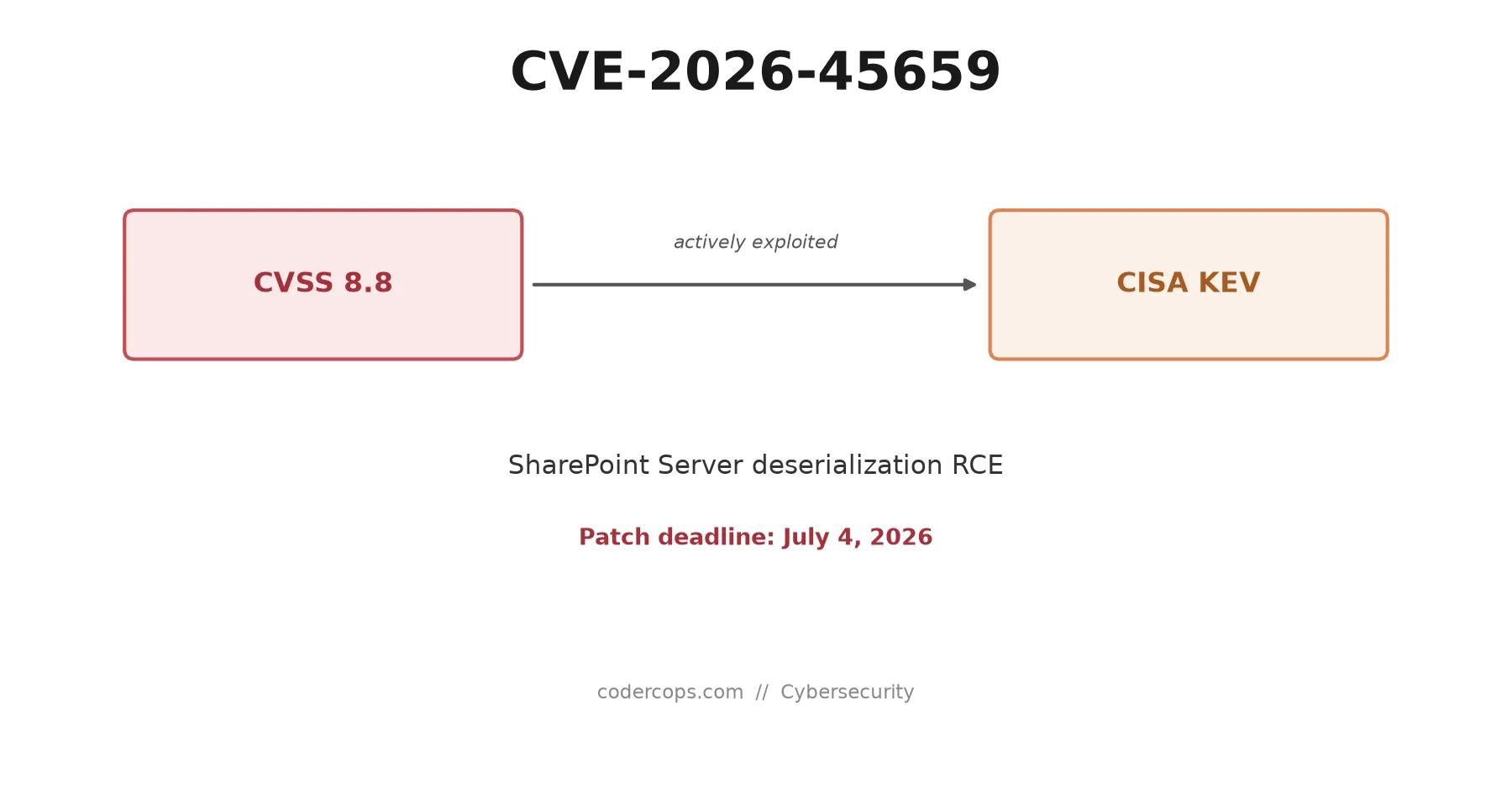
P.84CISA added the SharePoint deserialization bug CVE-2026-45659 to its KEV catalog on July 1, with a July 4 deadline. Who's affected, and what to patch now.
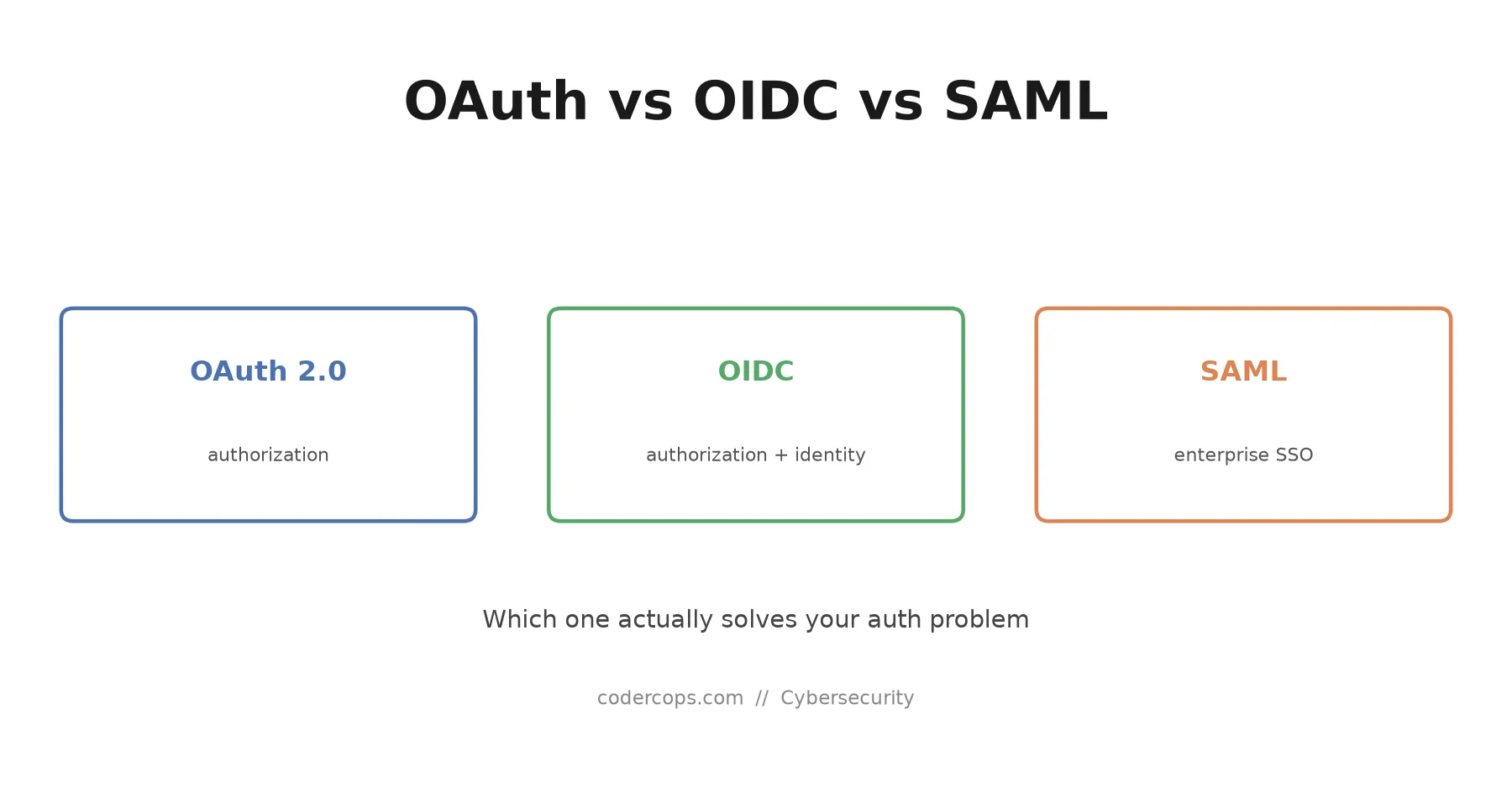
P.85OAuth handles authorization, OIDC adds identity on top, and SAML is the older enterprise SSO standard still running much of the corporate world. How to pick.
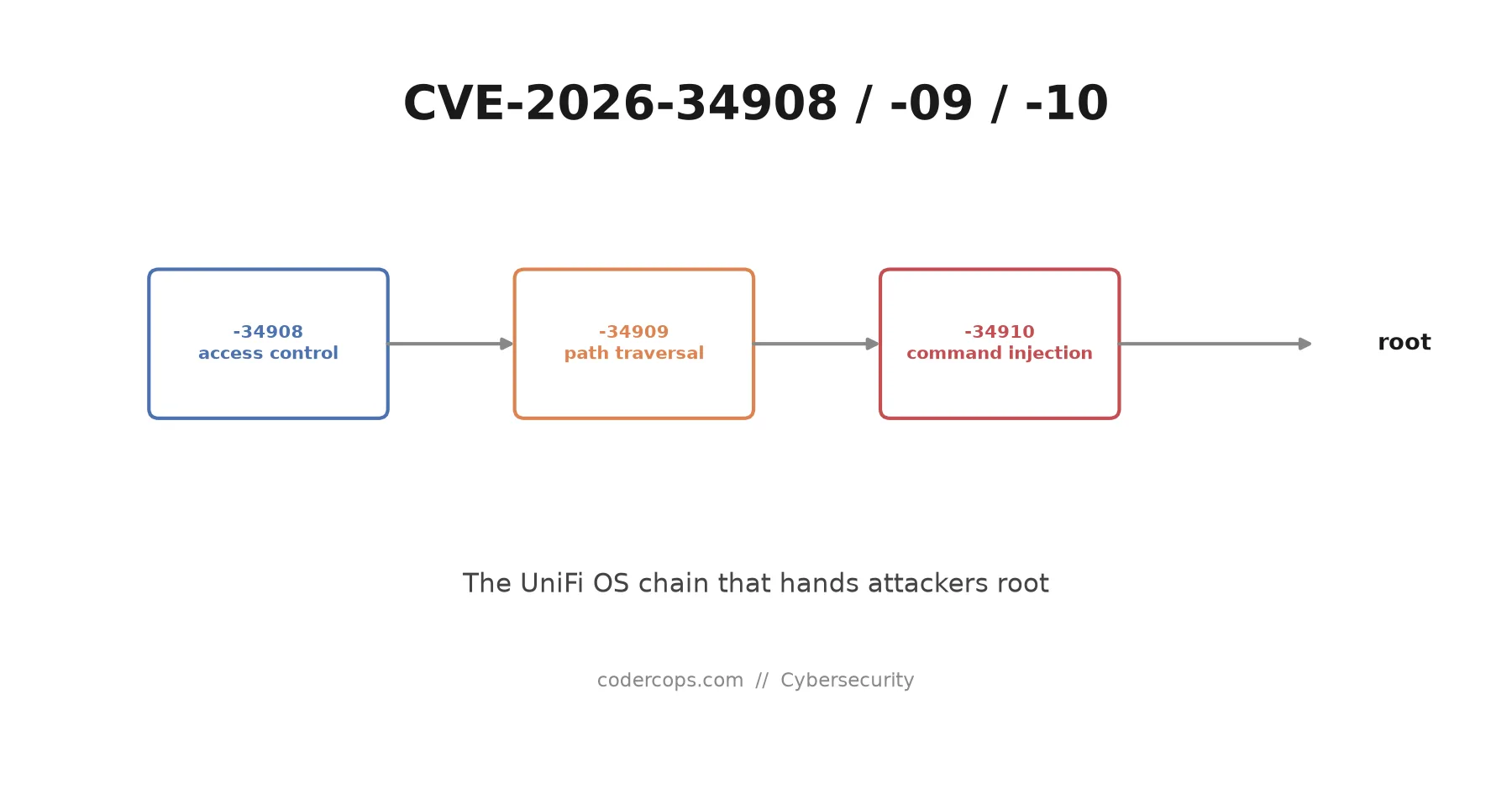
P.86Three 10.0-severity UniFi OS flaws chain into unauthenticated root, and a Mirai botnet is already using them. What's affected, and how to patch today.
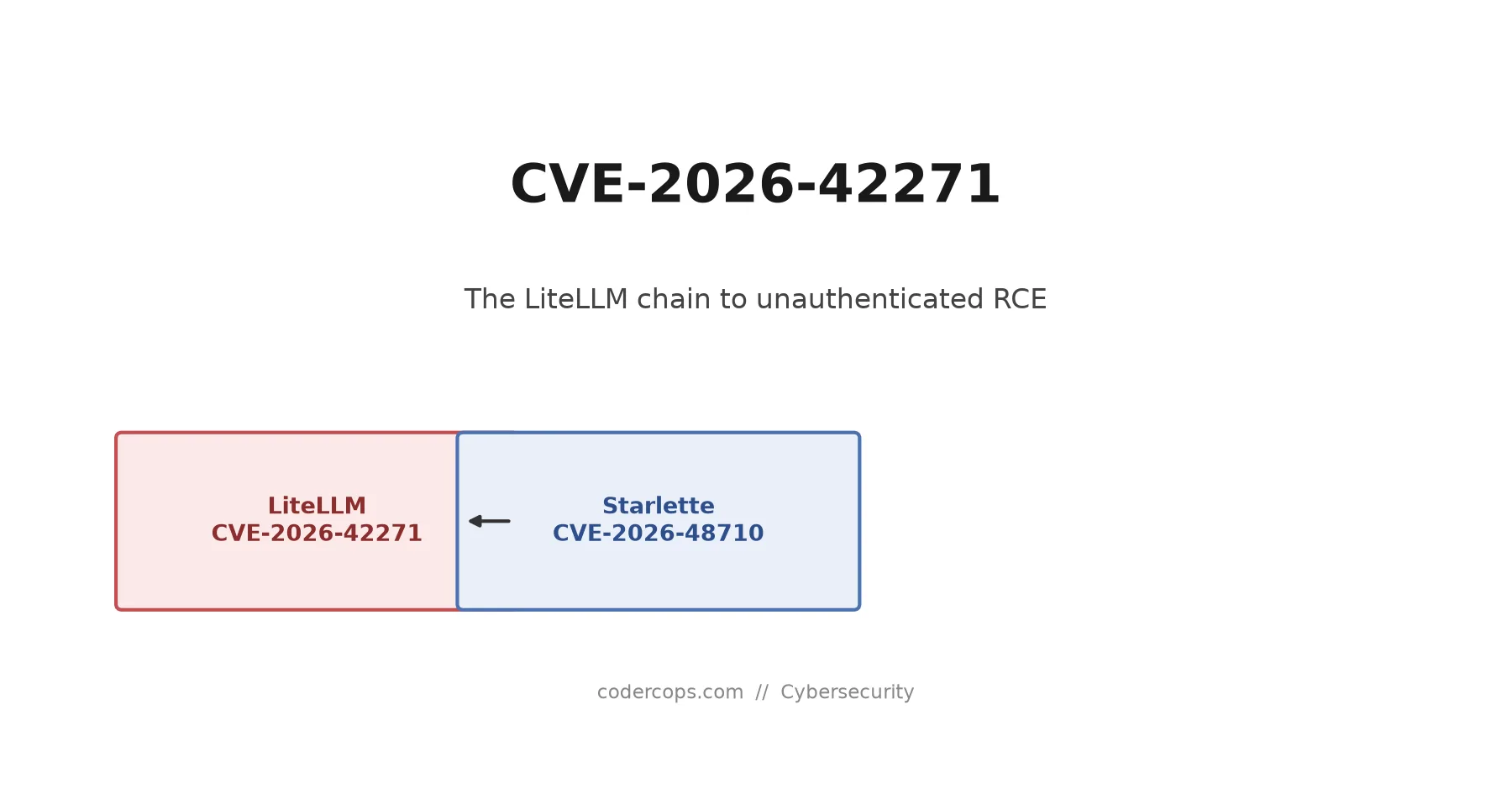
P.87A command injection in LiteLLM's MCP test endpoints, chained with a Starlette host-header bypass, gives unauthenticated RCE and every provider key behind it.
P.88TanStack (42 packages) and React Native Aria (17) were hit weeks apart with different entry points and payloads. What each teaches about dependencies.
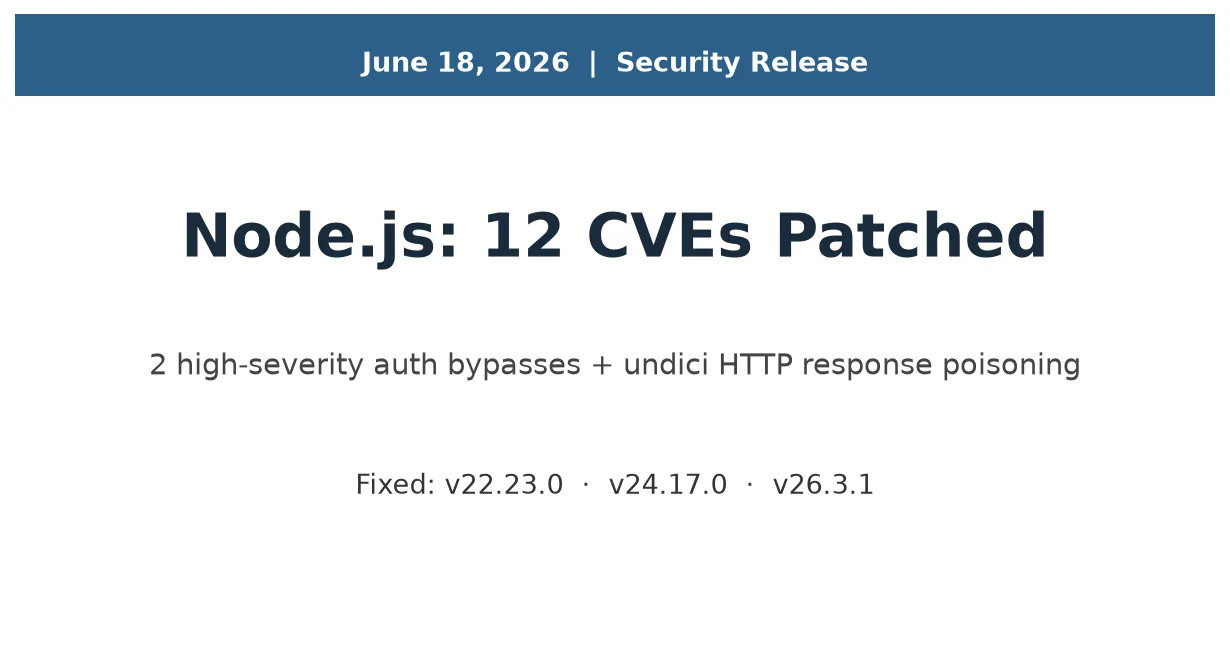
P.89Node.js patched 12 CVEs across v22, v24, and v26 on June 18. Two are auth bypasses, and undici's queue poisoning can hand back the wrong response.
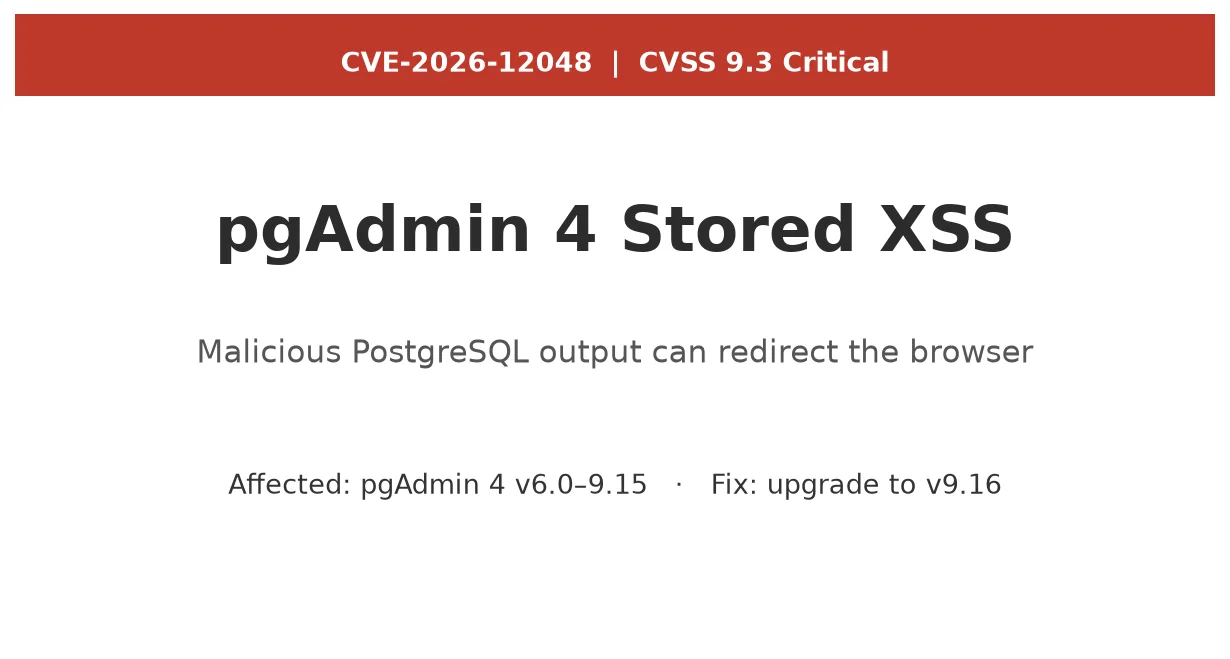
P.90A CVSS 9.3 stored XSS lets a malicious PostgreSQL server inject JavaScript into your pgAdmin tab. Versions 6.0 to 9.15 are affected; v9.16 is the fix.
DevSecOps is distinct from DevOps and from security engineering. What the role covers, what to screen for, and why supply chain security is now the core.
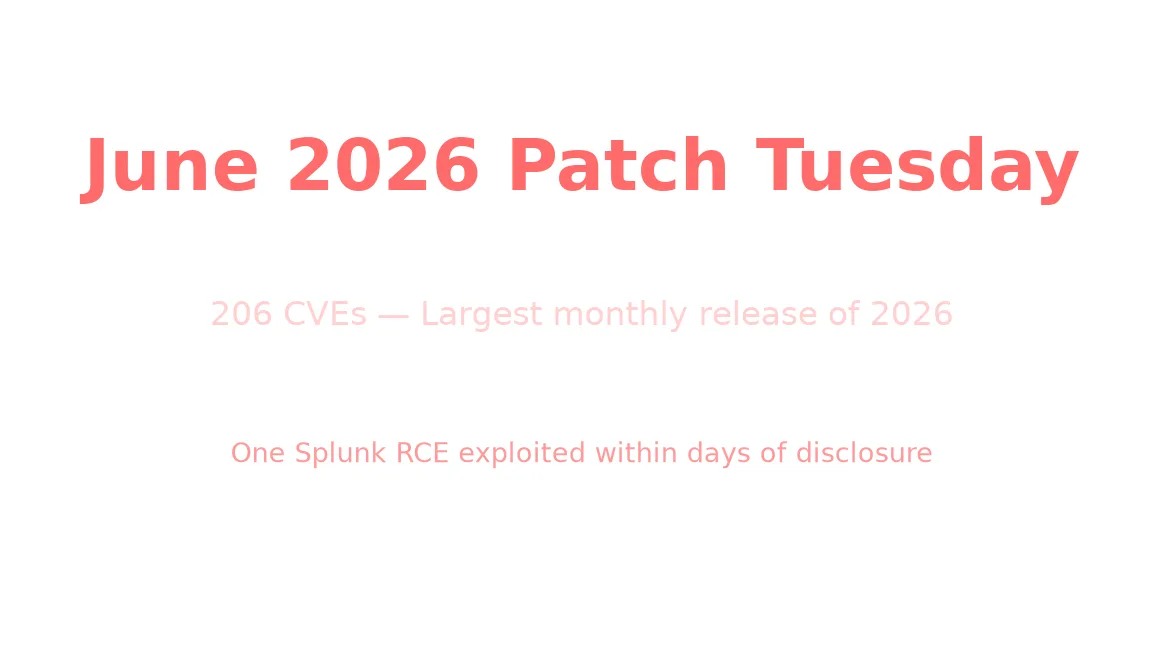
P.92June 2026 Patch Tuesday is the year's largest: 206 CVEs, 37 Critical, three zero-days, and a Splunk RCE already under attack. What to patch first.
Both tools keep your dependencies current automatically. Here is how they actually differ, where each one breaks down, and which to choose based on your team's setup.
Security engineer covers five genuinely different jobs. How to define the one you need, run a screen that tests real skill, and dodge the usual mistakes.
The OWASP API Security Top 10 catalogs the most exploited API vulnerabilities, from broken authorization to unsafe consumption, each fixable with targeted code.
Vulnerability scanning catches known CVEs in your base images and dependencies before they reach production. Here's how to set up Trivy and Snyk, understand their output, and act on what they find.
Most web apps are missing four or five headers that would neutralize entire classes of attack. Here's what each header does, what to set, and why most defaults leave you exposed.
Three real authentication options for Next.js apps, with different trade-offs on control, cost, and setup time. Here's what each one actually involves.
Employees are using AI tools IT hasn't approved, and the data leaving through those tools is largely invisible. Here's what the risk looks like and what actually helps.
Tailscale is a mesh VPN giving distributed teams private networking between laptops, servers, and office machines in about 30 seconds, no VPN hardware needed.
Row Level Security moves data isolation into the database where it belongs. Here's how to set it up for a multi-tenant SaaS, handle common edge cases, and avoid the traps that break it.
When your AI agent needs to run the code it writes, you can't let it touch your production servers. Here's how the main isolation options work and when to use each.
The implicit flow is dead and tutorials still teach it. How authorization code flow with PKCE works, where tokens belong, and where SPA auth goes wrong.
From .env files to Vault to AWS Secrets Manager: a practical guide to storing credentials, API keys, and certificates without waking up to a breach notification.
Leaked credentials are the most preventable breach category. When you need a real secrets manager, which one to pick, and what to do if you're still on .env.
Running unscanned containers in production is like shipping without tests. Here's how teams scan images, generate SBOMs, and add runtime protection.
Passkeys are no longer an experimental feature. Apple, Google, and Microsoft all support them natively. Here's what WebAuthn actually looks like in code and when passkeys make sense for your app.
Prompt injection is the SQL injection of the AI era. Here's what the attack looks like, why it can't be patched, and how to actually defend against it.
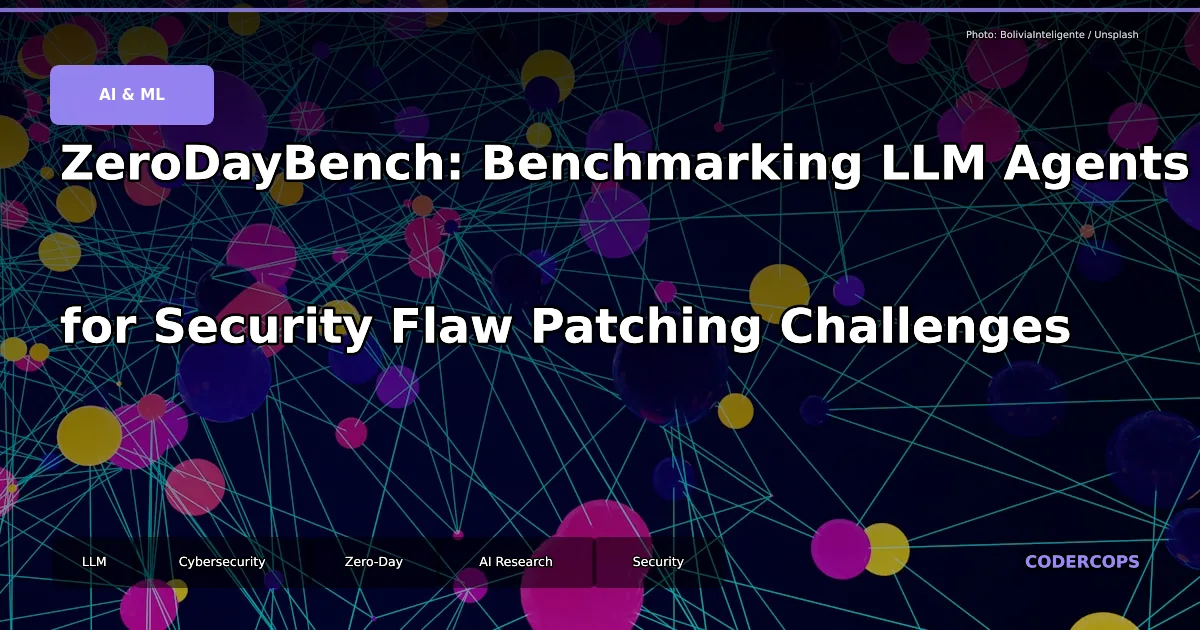
P.109Explore ZeroDayBench—A new benchmark testing the efficacy of leading LLM agents in discovering and patching unseen security vulnerabilities.
An honest look at Claude Code's security model, prompt injection risks, sandbox escapes, and supply chain threats, with lessons for any agentic coding tool.
A comprehensive security briefing covering February 2026's most critical vulnerabilities including OpenSSL RCE, Foxit PDF Reader zero-days, Chrome V8 exploits, and Linux kernel privilege escalation.
SOC 2 is not as scary as it sounds. Here is what engineering teams actually need to implement, the tools that automate 80% of it, and what to skip.
NIST finalized post-quantum standards in 2024. Harvest-now-decrypt-later attacks are already happening. If your migration plan starts with 'we will deal with it when quantum computers arrive,' you are already behind.
Supply chain attacks have surged 742% since 2019. SBOMs are now legally mandated for federal software and EU market access. Here is how to implement them without slowing down your CI/CD pipeline.
AI agents retrieve data with elevated permissions but post it to shared spaces anyone can see, an authorization gap Okta says already hit four major vendors.
A CVSS 10.0 pre-auth RCE in React Server Components was exploited within two days of disclosure. Here's the patch guidance and what changed.
A trademark dispute, crypto scammers, 100K GitHub stars, a social network for AI agents, and a security crisis — the Clawdbot saga has everything. Here's the full story of the viral AI assistant that broke the internet.
P.118EditorPickAI agents are being deployed everywhere, but their security surface is wildly underexplored. From tool poisoning to memory injection, here's the threat landscape developers must understand in 2026.
From supply chain attacks to AI-powered threats, learn the essential security practices every developer must know in 2026 to build secure applications.