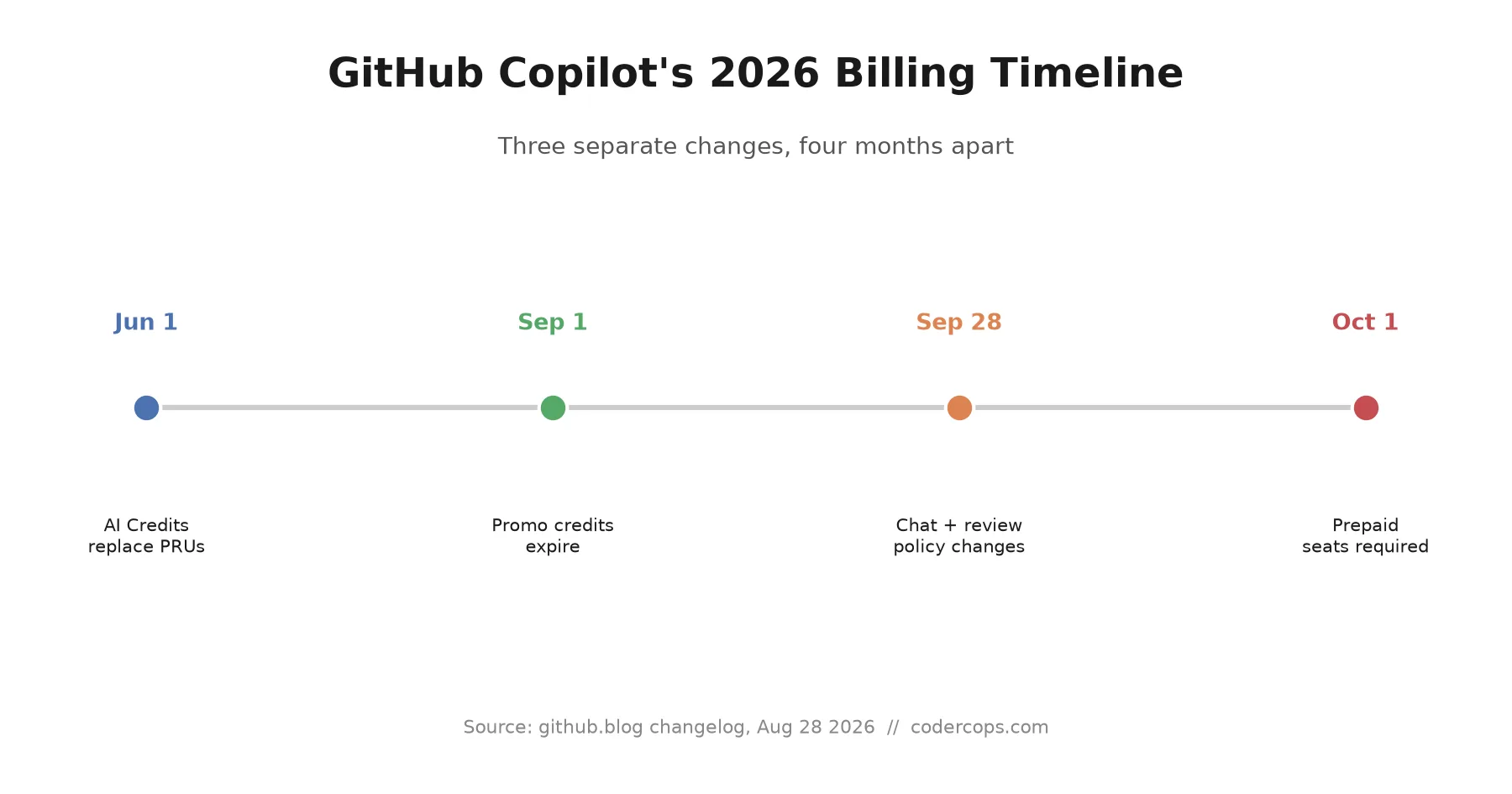
P.01GitHub Copilot's October Billing Change, Explained
Copilot Business and Enterprise require prepaid per-seat billing from October 1, and promotional AI Credits already reverted. What agencies should budget for.
Tag
60 articles tagged #Agency.
P.01Copilot Business and Enterprise require prepaid per-seat billing from October 1, and promotional AI Credits already reverted. What agencies should budget for.
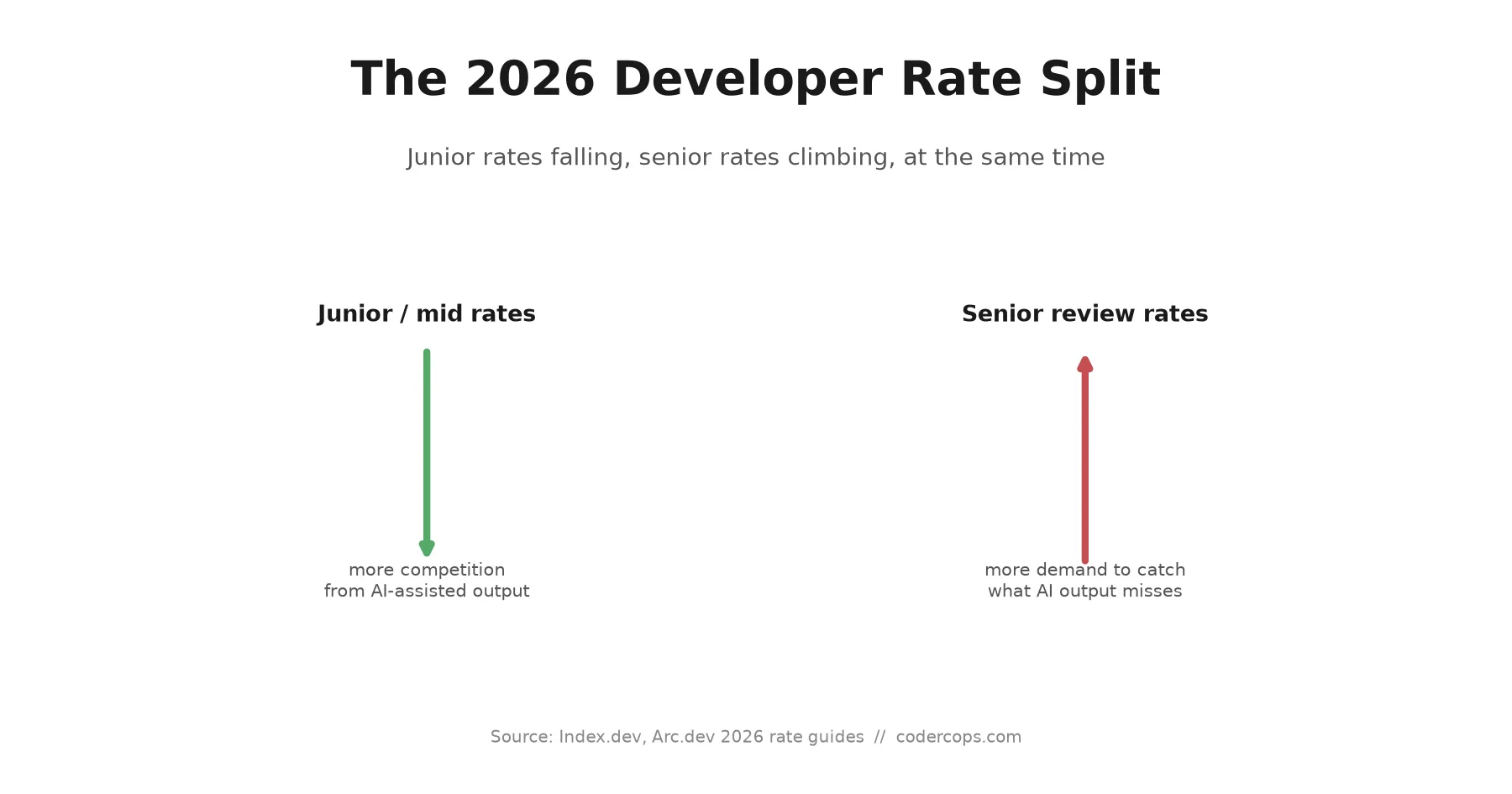
P.022026 rate data shows two opposite trends: AI-assisted competition pushing junior rates down while seniors who can supervise AI output command more than ever.
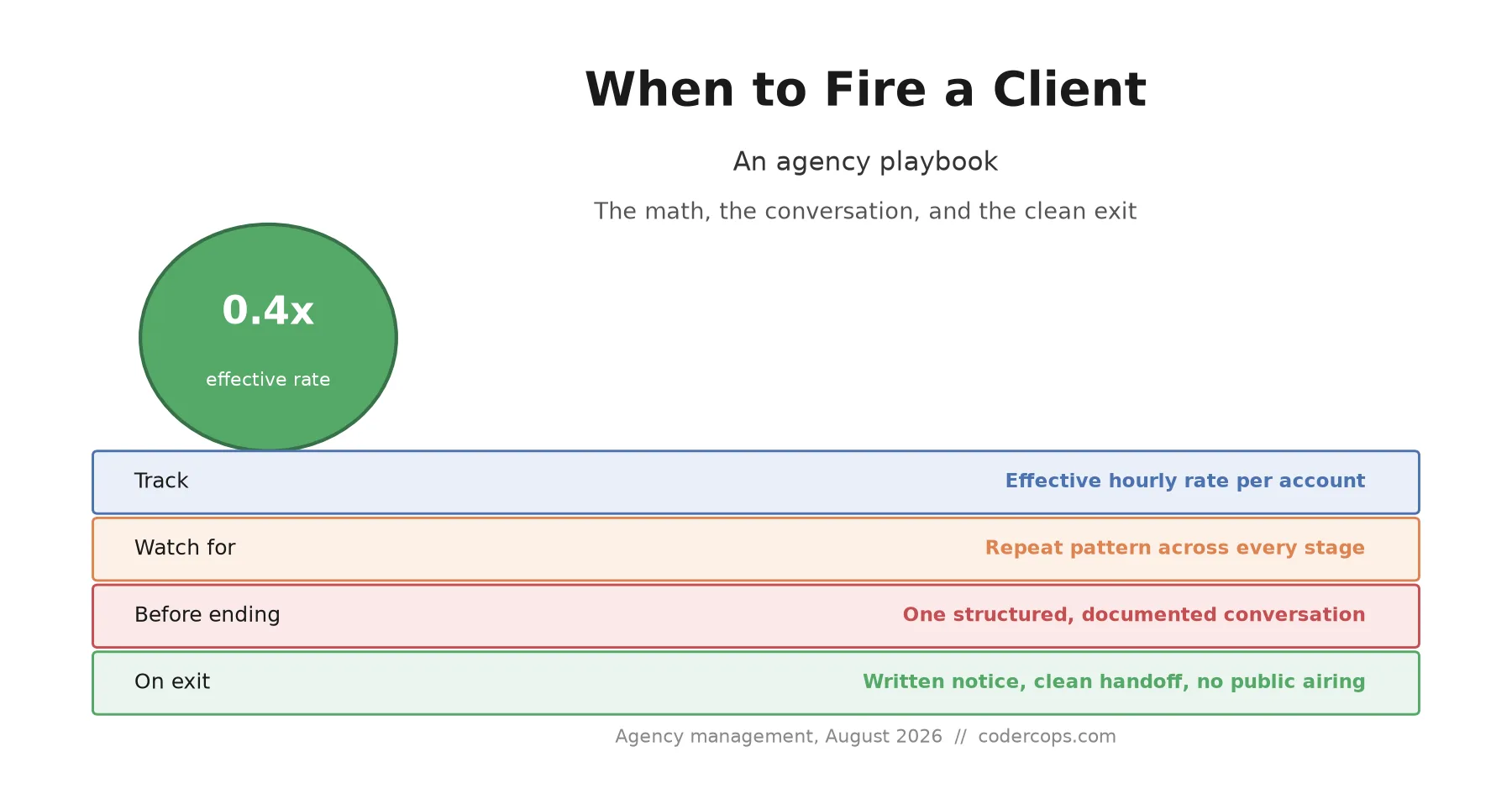
P.03Most agencies keep a bad client months too long because nobody has a framework. How to recognise when it's time, and how to end it without burning bridges.
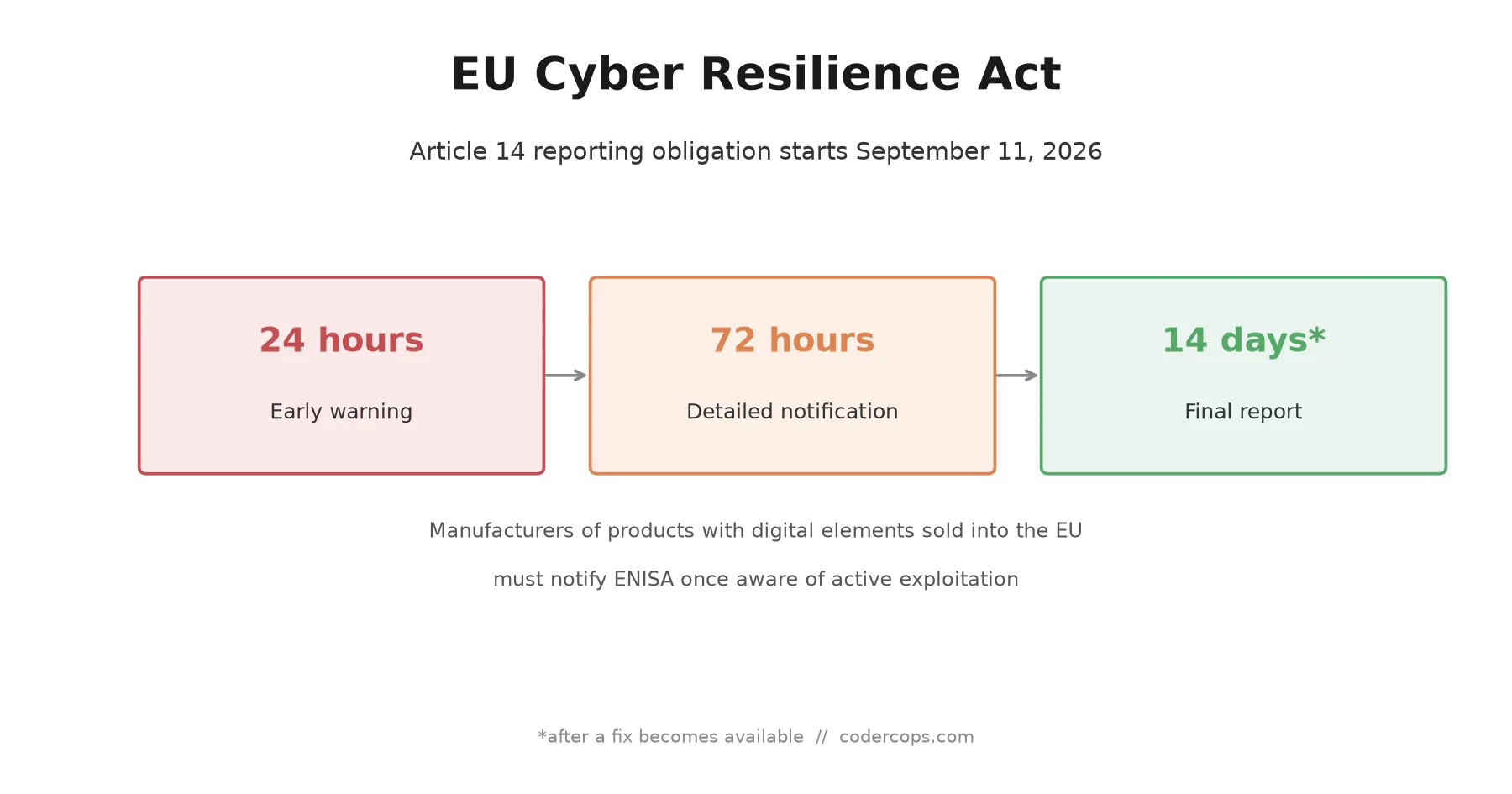
P.04From September 11, 2026, anyone selling a product with digital elements into the EU has 24 hours to report an exploited vulnerability to ENISA. Who's in scope.
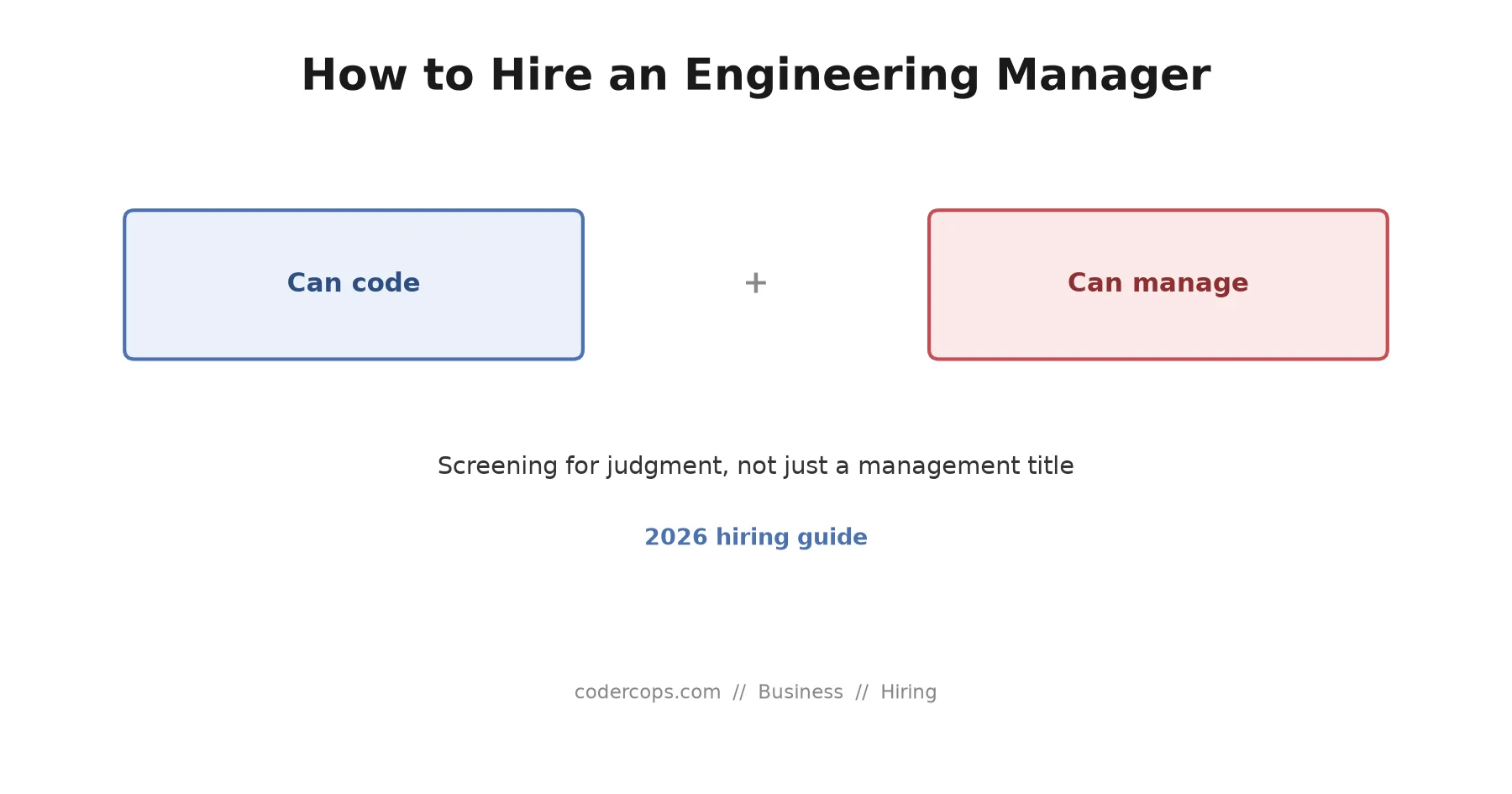
P.05EM hires fail for different reasons than IC hires. What to actually test: handling underperformance, technical debt calls, and pushback with the business.
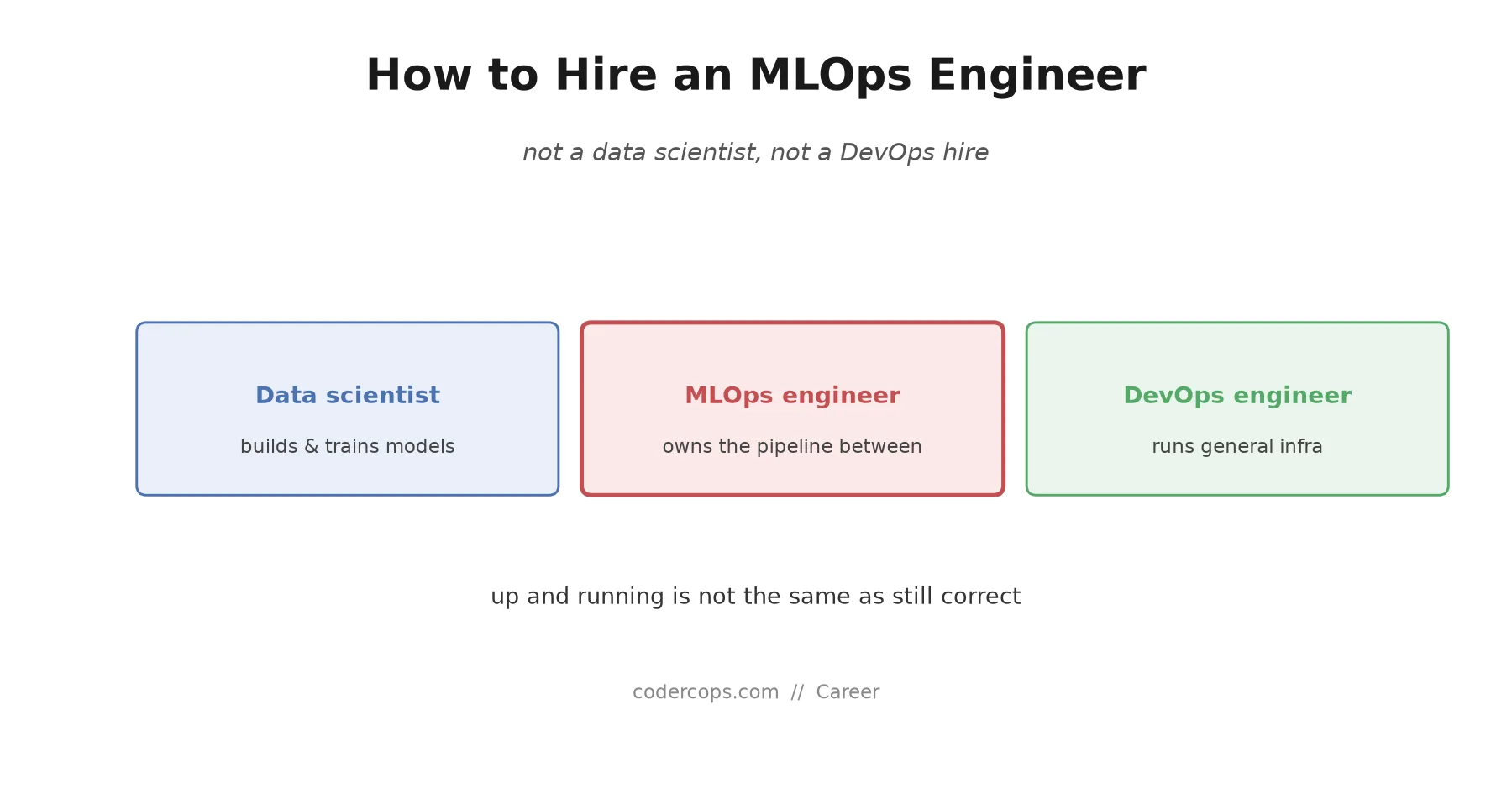
P.06MLOps sits between the data scientist's model work and the DevOps engineer's infrastructure. What the role owns, what to screen for, and where people come from.
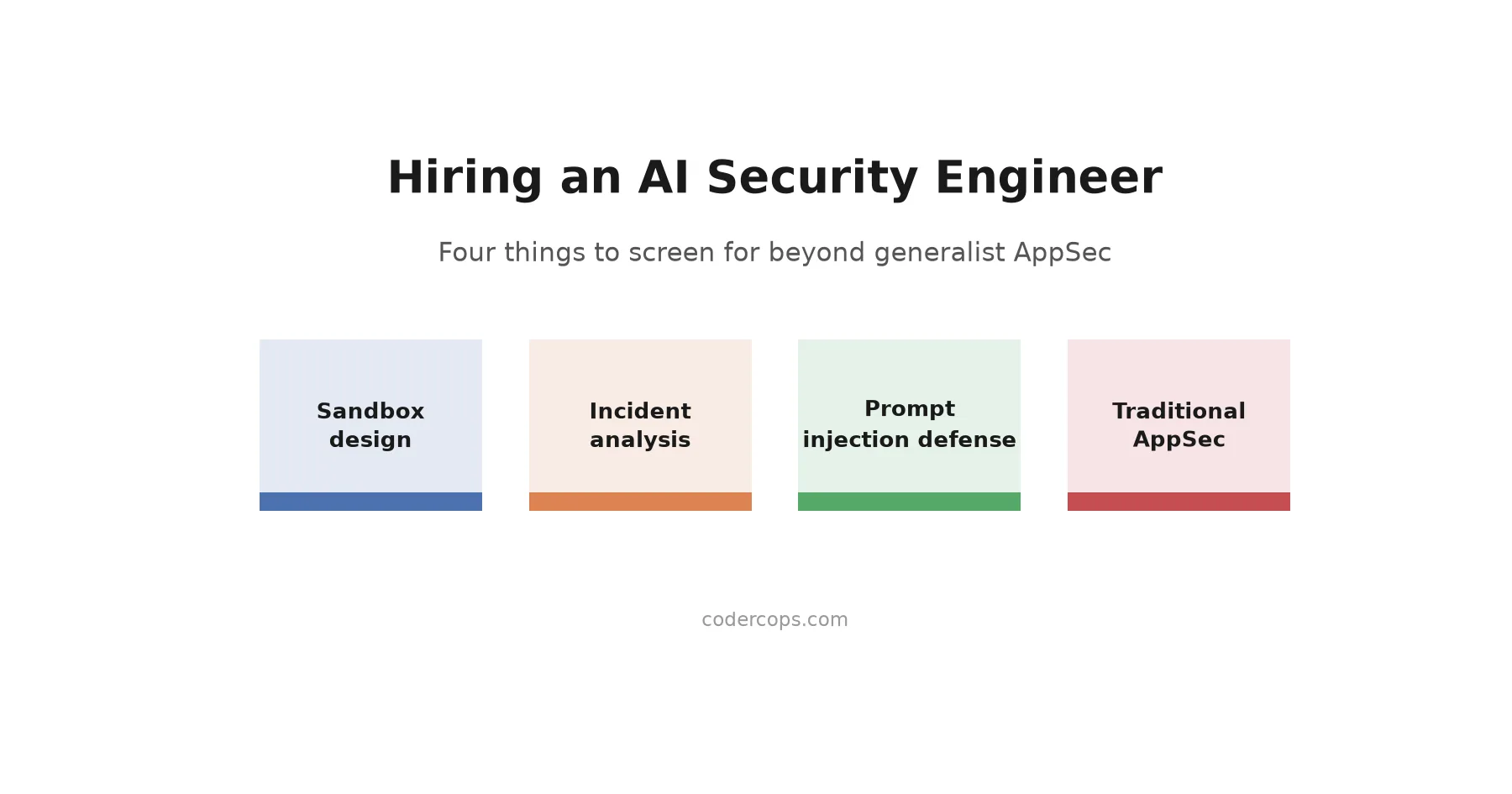
P.07Agent sandbox escapes, prompt injection, and tool-permission design are a distinct skill set from AppSec. What to screen for, and where candidates come from.
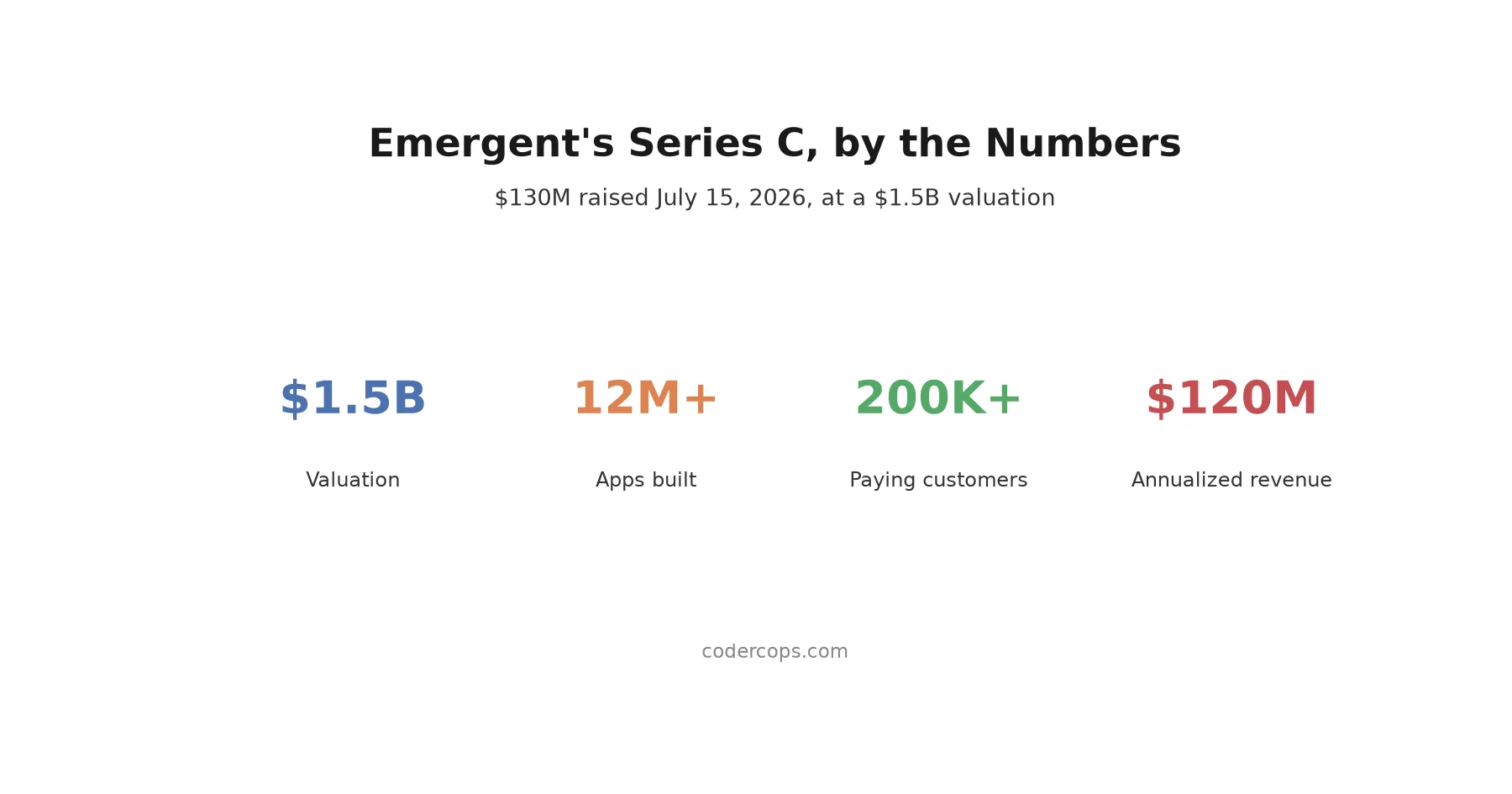
P.08Emergent raised $130M at a $1.5B valuation with 12M apps built and 200,000 paying customers. What that scale signals, and where custom development wins.
How to assess a codebase before you buy, inherit, or partner on it: the documents to request, what kills deals, and what turns out to be fixable.
Most software RFPs draw no responses or bad ones. What belongs in the document, what to leave out, and how agencies decide whether to reply at all.
Most reference checks are theater: three friends say nice things and you move on. How to run calls that surface real information before you make an offer.
Choosing the wrong contract structure reliably damages a client relationship. A practical guide to SoW, T&M, and the hybrid models that actually work.
I run one, so here's how to hire one, including the parts most agency owners would rather you didn't know. Green flags, red flags, partner versus vendor.
Comparing offshore, nearshore, and onshore development for staffing a project: what each model costs, where each one breaks, and how to actually choose.
AI has cut development time, but not what software is worth. Here are three pricing models, value-based, output-based, and capacity retainers, for agencies.
Agency IP productization turns rebuilt code into recurring revenue: how to spot what's worth extracting, pick a packaging model, and price it.
Most agency owners are the bottleneck in their own business. Here's how to build systems for client work, hiring, and operations that run without you.
The standard Scrum playbook was designed for product teams with stable backlogs. Agencies have different constraints: client reviews, scope negotiations, and projects that end. Here's what actually works.
Most agencies figure out support pricing and SLA structure only after a client calls at 11pm. A better approach: define what you're selling before the project launches.
When AI tools write 40-70% of a codebase, the usual rules for estimating support costs break down. Here's how to price maintenance work when your team didn't write most of the code.
Most agency case studies fail because they document process instead of the client's decision and what changed. The structure that converts, and what to cut.
Hiring full-time for a three-month surge is one of the most expensive agency mistakes. How to build a contractor network before the moment you need it.
Most software estimates fail before code is written, not from bad hours but unexamined assumptions. Here is a more honest, process-driven estimation approach.
Most handoff docs end up ignored six months later when a client can't find their CMS login. Here's what to write, how to structure it, and what most agencies skip that causes the most post-launch support calls.
The invoice you send is only as good as the terms behind it. Here's how to structure deposits, milestones, and late fees so cash flow stays predictable and overdue invoices become rare.
Three headless CMS platforms used by agencies, three different bets on where content management is going. Here's how Sanity, Payload, and Contentful actually compare when you're building for clients.
Manually compiling monthly reports is one of the highest-effort, lowest-value activities in a web agency. Here's how to replace most of that work with automated pipelines.
PLG is not a marketing strategy. It's an architectural decision about where conversion happens. Here's what it looks like in practice and which patterns actually move revenue.
Most agencies invoice and move on. The ones that improve fastest sit down and ask what actually happened. How to run a debrief that produces changes.
Clients ask agencies to automate PDFs constantly. Here's how to actually build document extraction pipelines: OCR, vision models, and validation.
Sanity, Contentful, Strapi and Payload compared on the criteria that decide it: who edits the content, where it's hosted, and whether schema lives in git.
AI video tools have moved from toy to production-grade in 18 months. Here's what's real, what still fails, and how to have an honest conversation with a client about it.
A spec that doesn't get signed is a spec that doesn't protect anyone. Here's how agencies structure technical specifications that move projects forward instead of stalling them.
Scope creep feels like a client problem until you realize the same clients cause it on every project while other clients never do. The difference is process, not personality.
AI contract clauses on IP, hallucination liability, and data deletion trip up agencies before they sign. Here's what each clause means and how to rewrite it.
Every agency hits the same wall: more work than the team can handle, not enough volume for a hire. White-label partnerships are how survivors manage growth.
Most agency developers never check the licence of an npm package until a client's lawyer does. What MIT, Apache 2.0, GPL and AGPL actually require.
Retainer contracts promise stable revenue but often create scope creep and capacity problems. Here's how to structure retainers that work for both sides.
Project kickoffs are where agency relationships are won or lost. The wrong start leads to scope creep, missed expectations, and a client who stops responding. Here's the exact onboarding process we use.
Most technical proposals lose because they describe what will be built, not why the client should trust you to build it. Here's how to write one that actually wins.
Most AI project failures start at scoping: nobody defines what 'AI integration' means before a price is quoted. Here's how to scope AI projects properly.
Every AI budget starts with API costs and ends in surprises. What production AI features really cost once evaluation, observability and prompt rot are counted.
The choice between fixed-price and time-and-materials contracts is one of the most consequential decisions in an agency-client relationship. Each model transfers risk differently. Here's how to decide which one fits your project.
Real revenue, profit margins, and owner take-home for solo, boutique, mid-size, and enterprise web agencies, including the messy parts most income reports skip.
When proximity actually matters, when it doesn't, and how to evaluate local agencies without falling for the 'we have an office in your city' theatre.
How to choose a B2B website agency that can support long buying cycles, multiple stakeholders, and demand generation outcomes.
A practical Denver website design agency guide covering local fit, process maturity, pricing expectations, and performance-first delivery.
A practical framework for selecting an ecommerce website development agency, with checkout UX, speed, mobile conversion, and platform trade-offs.
How to choose a website development agency in the USA with clear evaluation criteria, pricing models, red flags, and ROI-focused decision checkpoints.
A practical guide to selecting a website optimization agency and building a 30/60/90-day roadmap across Core Web Vitals, UX, analytics, and conversion.
Running a tech studio from India means timezone overlap windows, payment friction, and an India-discount bias, plus real talent and cost advantages.
Every agency claims to 'use AI' now. But there's a fundamental difference between bolting AI onto existing workflows and building an agency around AI from the ground up. Here's why we made that choice and what it actually means.
I made 40% more freelancing than in year one of running an agency. Here are the real revenue, hiring, and cash-flow lessons that finally fixed it.
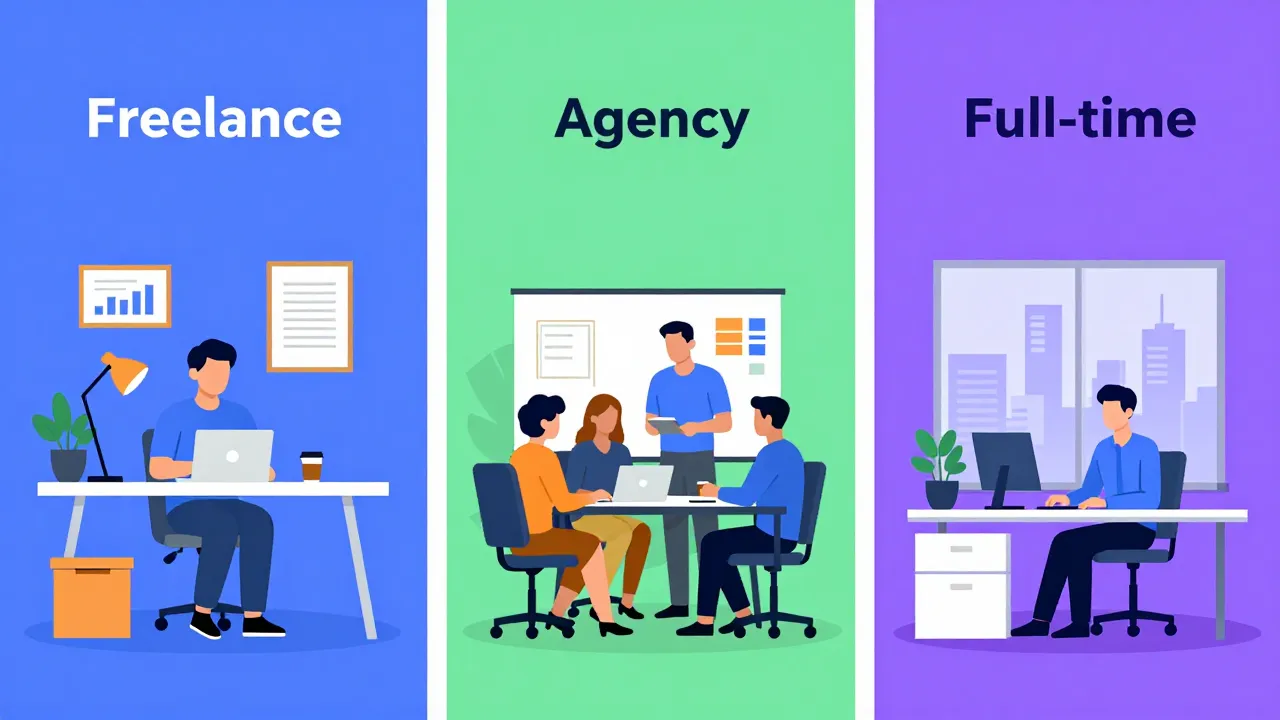
P.54The developer employment landscape offers more options than ever. Here's an honest comparison of freelancing, agency work, and full-time employment to help you decide.
Most agencies disappear after deployment. Here is our exact 90-day post-launch process — from day-one monitoring to month-three handoff — with the checklists, tools, and escalation paths we use for every project.
AI-first web agencies build apps with built-in intelligence, like chatbots and predictive features, as one product instead of two disconnected teams.
Choosing a web development agency comes down to portfolio fit, technical depth, process, and references, not price. Covers red flags and key questions to ask.
Before we write a single line of code, we run a structured discovery call. Here are the exact 7 questions we ask, why each one matters, and how the answers shape every project decision that follows.
India has 50,000+ IT service providers. Most are mediocre. Here's an honest insider's guide to identifying the great ones — from portfolio evaluation to contract negotiation, with specific warning signs.
Shipping AI for 11 clients taught us fallbacks, privacy, and cost control matter more than model choice: lessons from healthcare, e-commerce, and Web3 work.