P.01Amazon Is Shutting Down Mechanical Turk
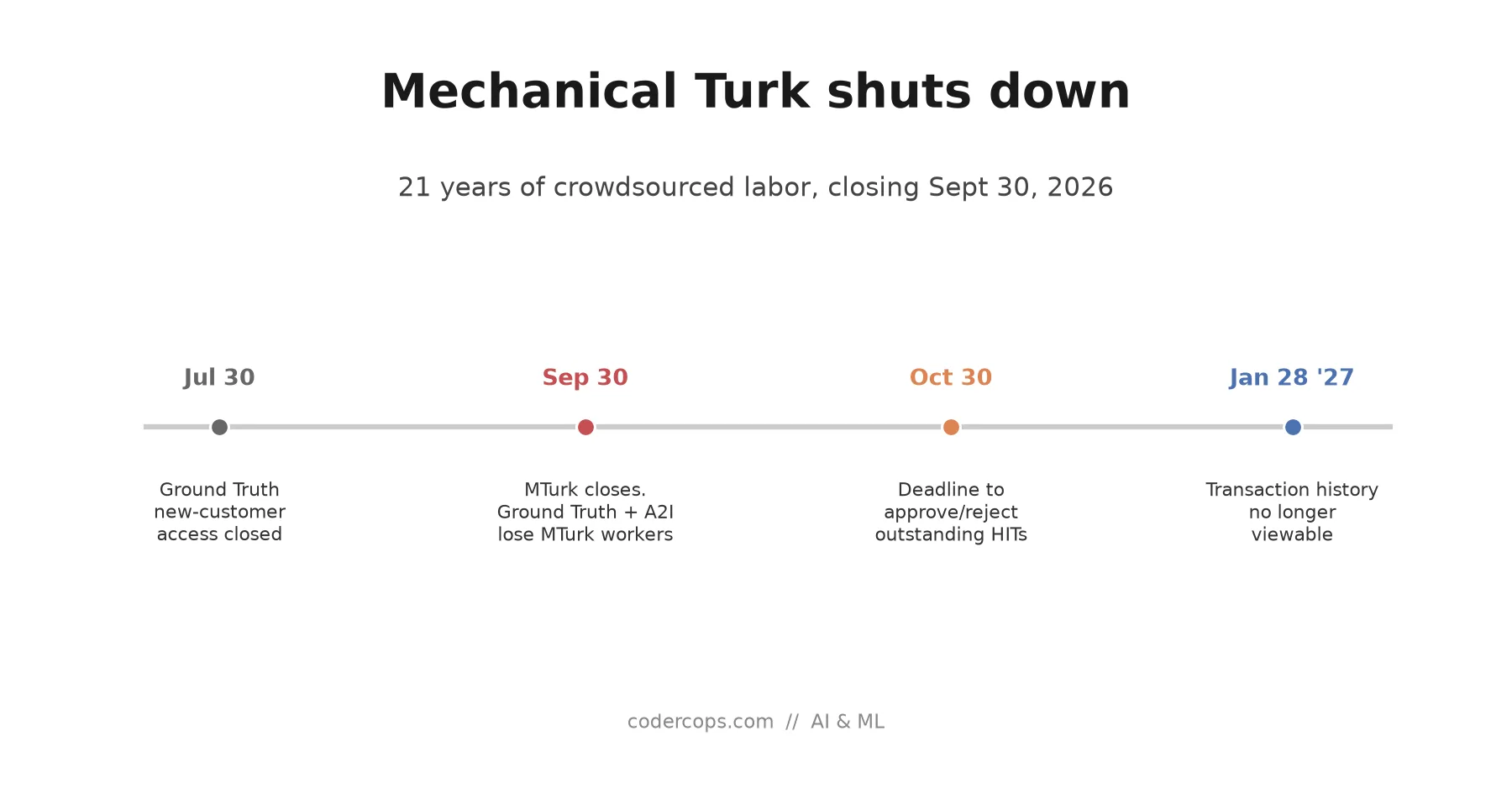
Amazon closes Mechanical Turk and Ground Truth's human workforce on September 30, 2026, after 21 years. The dates that matter, and where teams are moving.
Tag
54 articles tagged #Machine Learning.
P.01Amazon closes Mechanical Turk and Ground Truth's human workforce on September 30, 2026, after 21 years. The dates that matter, and where teams are moving.
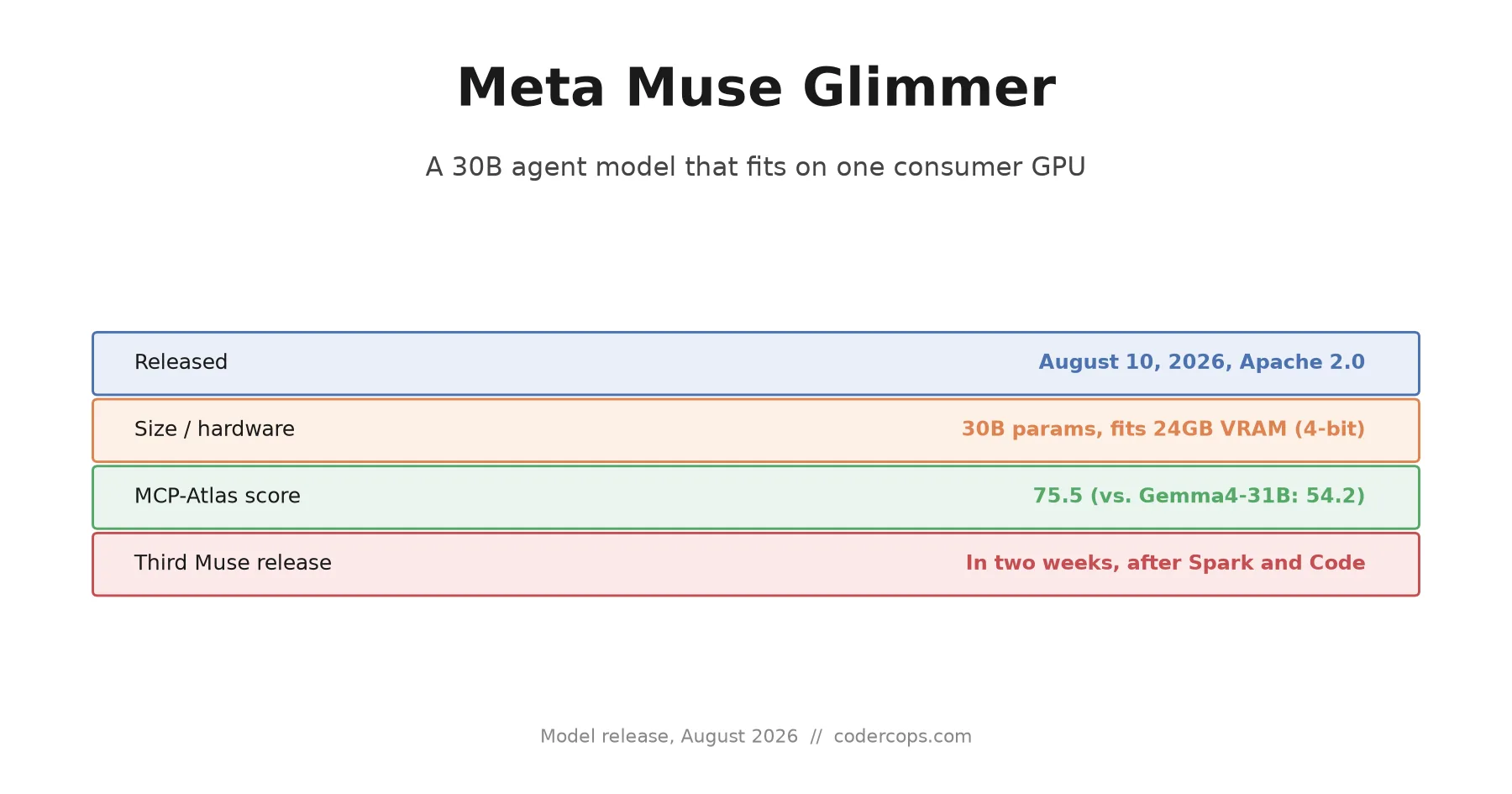
P.02Meta's Muse Glimmer is an Apache 2.0 model for local agent tasks that fits a single 24GB consumer GPU and beats larger rivals on tool use. What it's for.
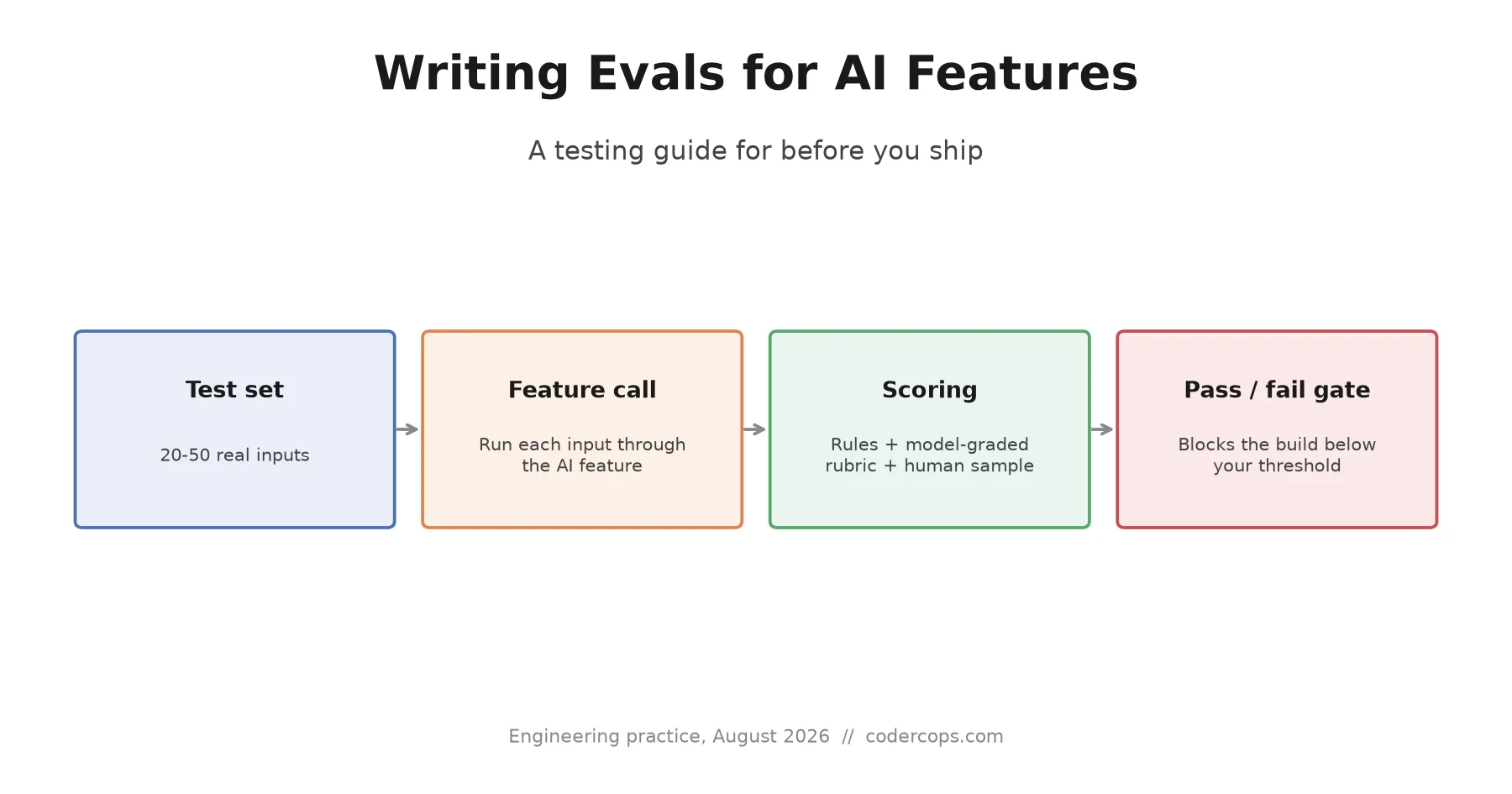
P.03Unit tests don't work on a feature that answers differently every time. Evals do. How to build a practical eval harness for an LLM feature, with real code.
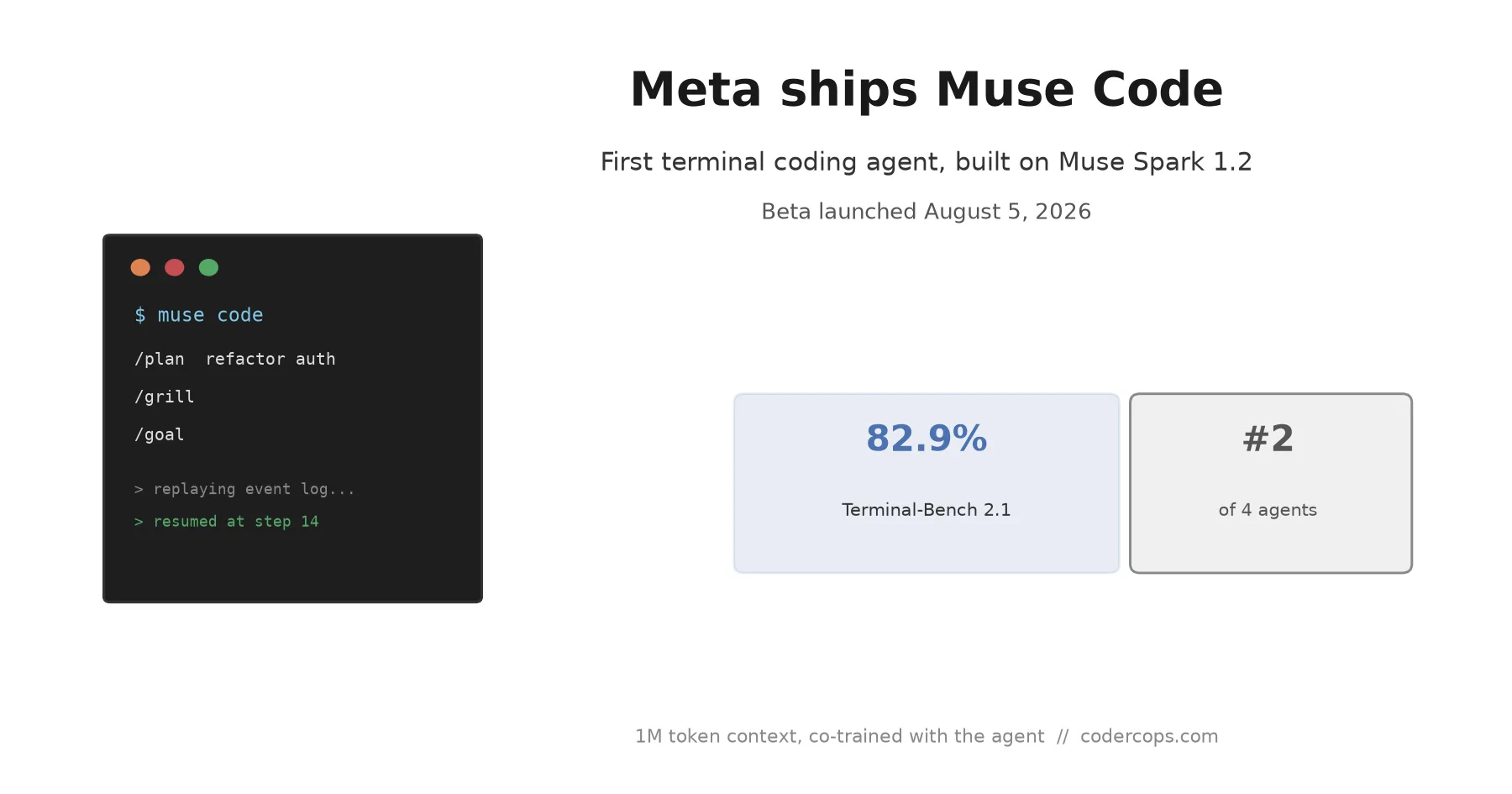
P.04Meta entered the terminal agent market on August 5 with Muse Code on Muse Spark 1.2. It scores 82.9% on Terminal-Bench 2.1, behind Claude Code. What shipped.
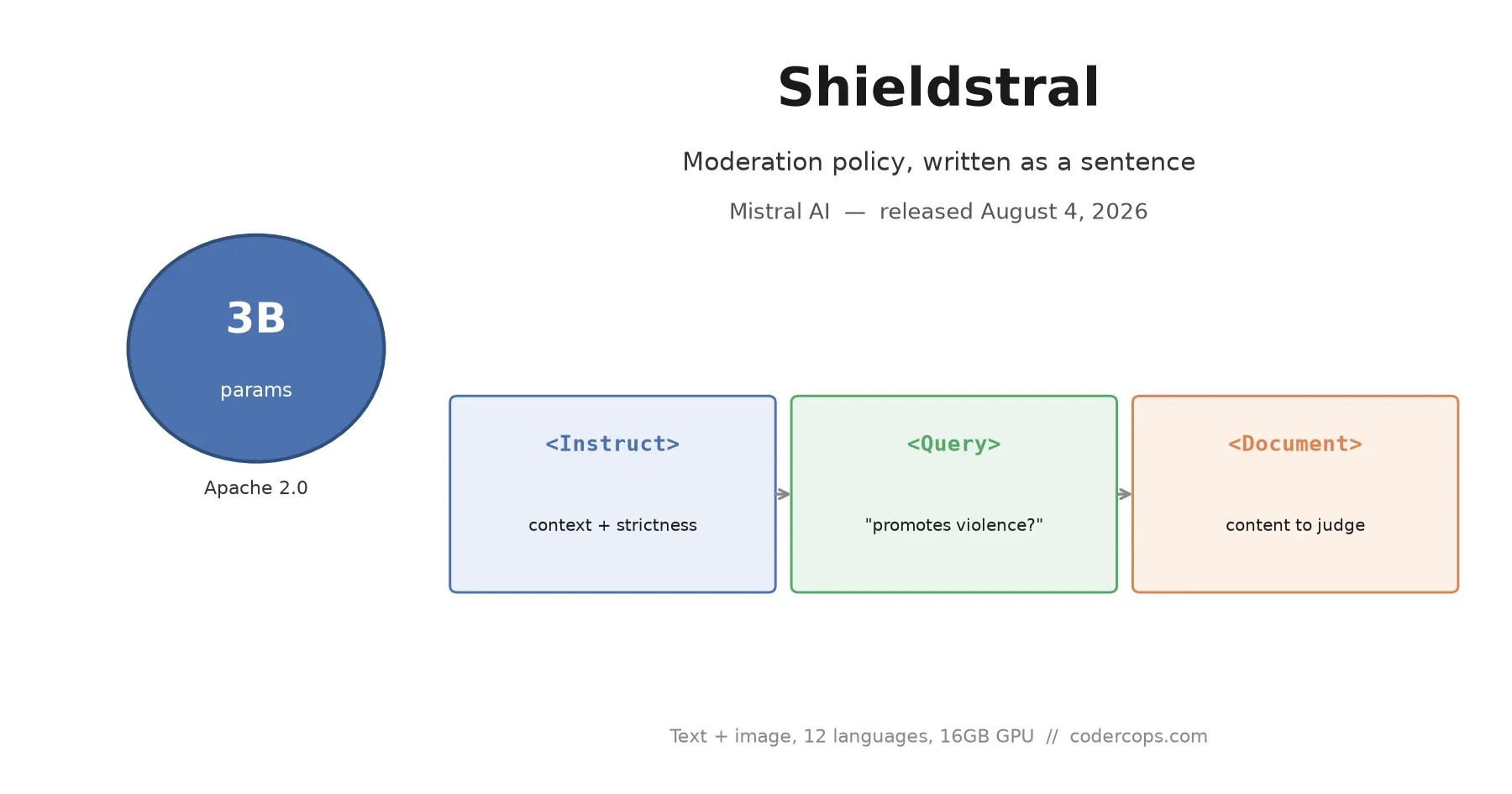
P.05Shieldstral is a 3B open-weight model that judges text and images against safety policies written in plain language at inference time, with no retraining.
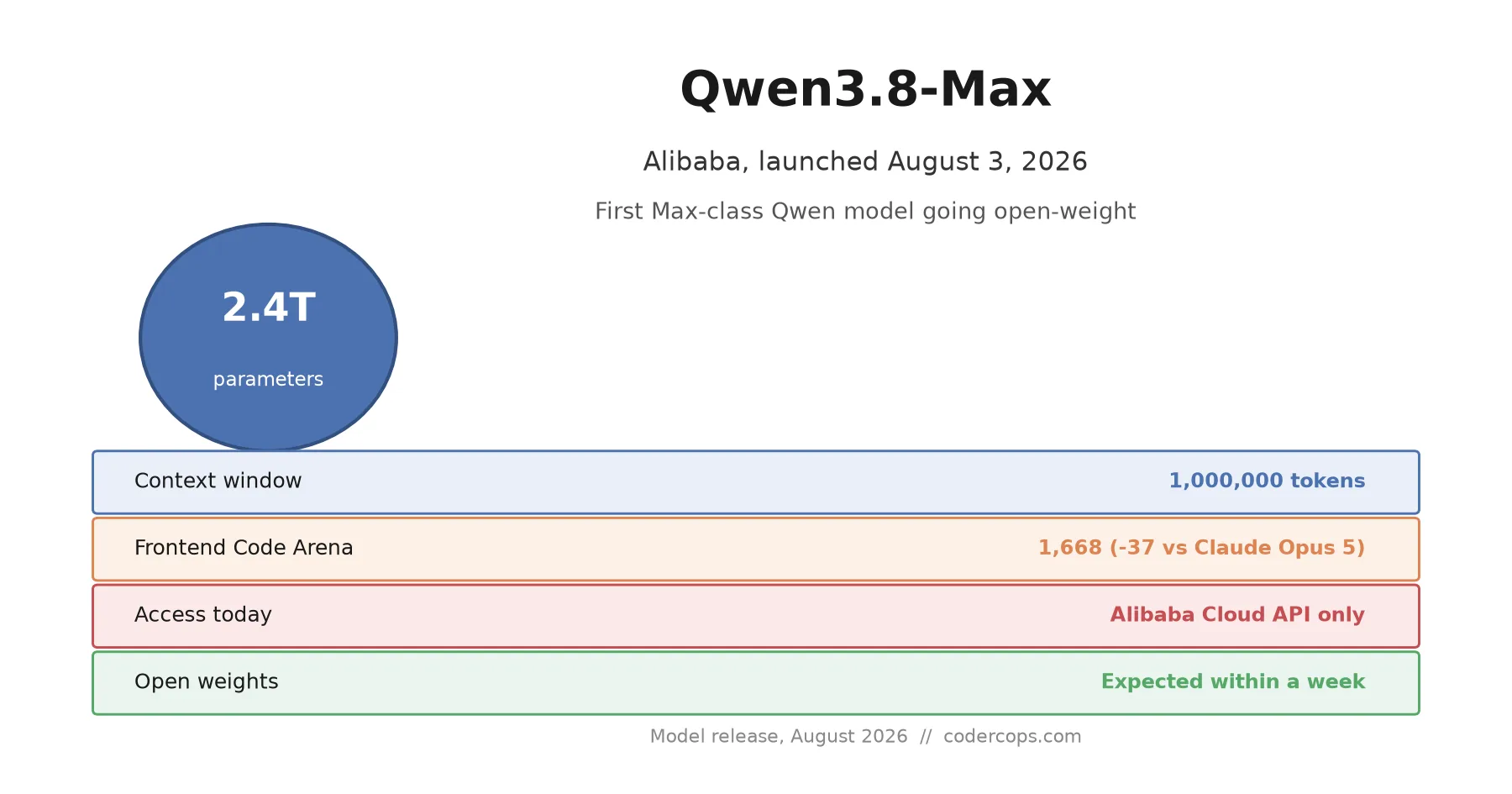
P.06Qwen3.8-Max launched August 3 with 2.4 trillion parameters, a 1M-token context, and a promise to open the weights within a week. What actually changes.
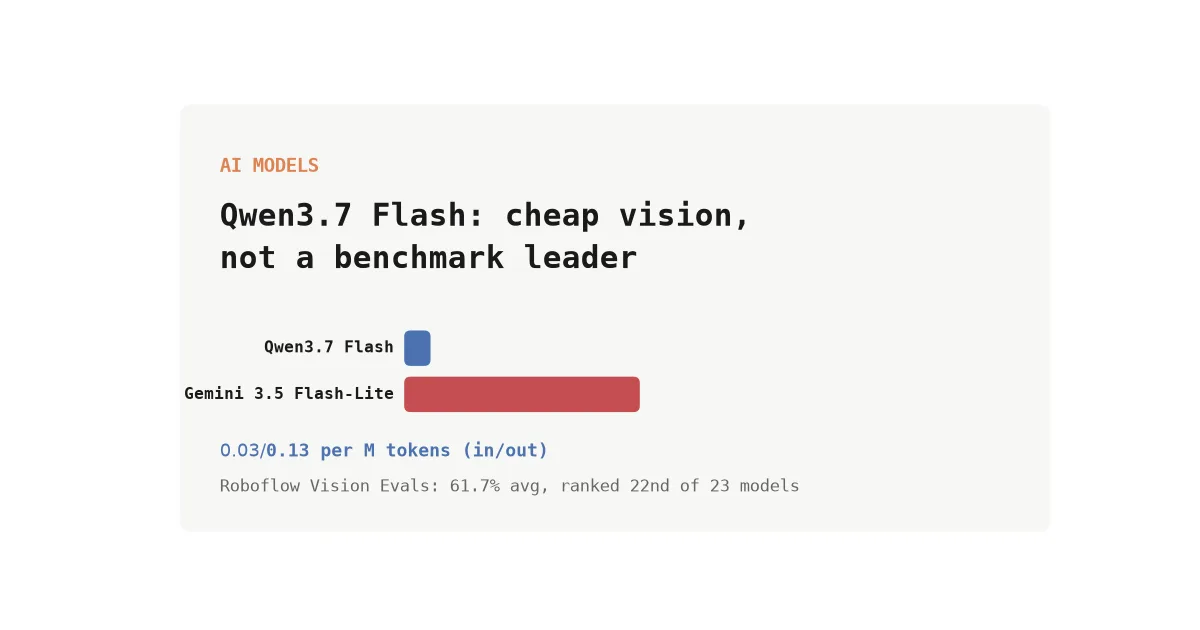
P.07Qwen3.7 Flash costs $0.03 per million input and $0.13 per million output, roughly 10x cheaper than Gemini 3.5 Flash-Lite. When to actually use it.
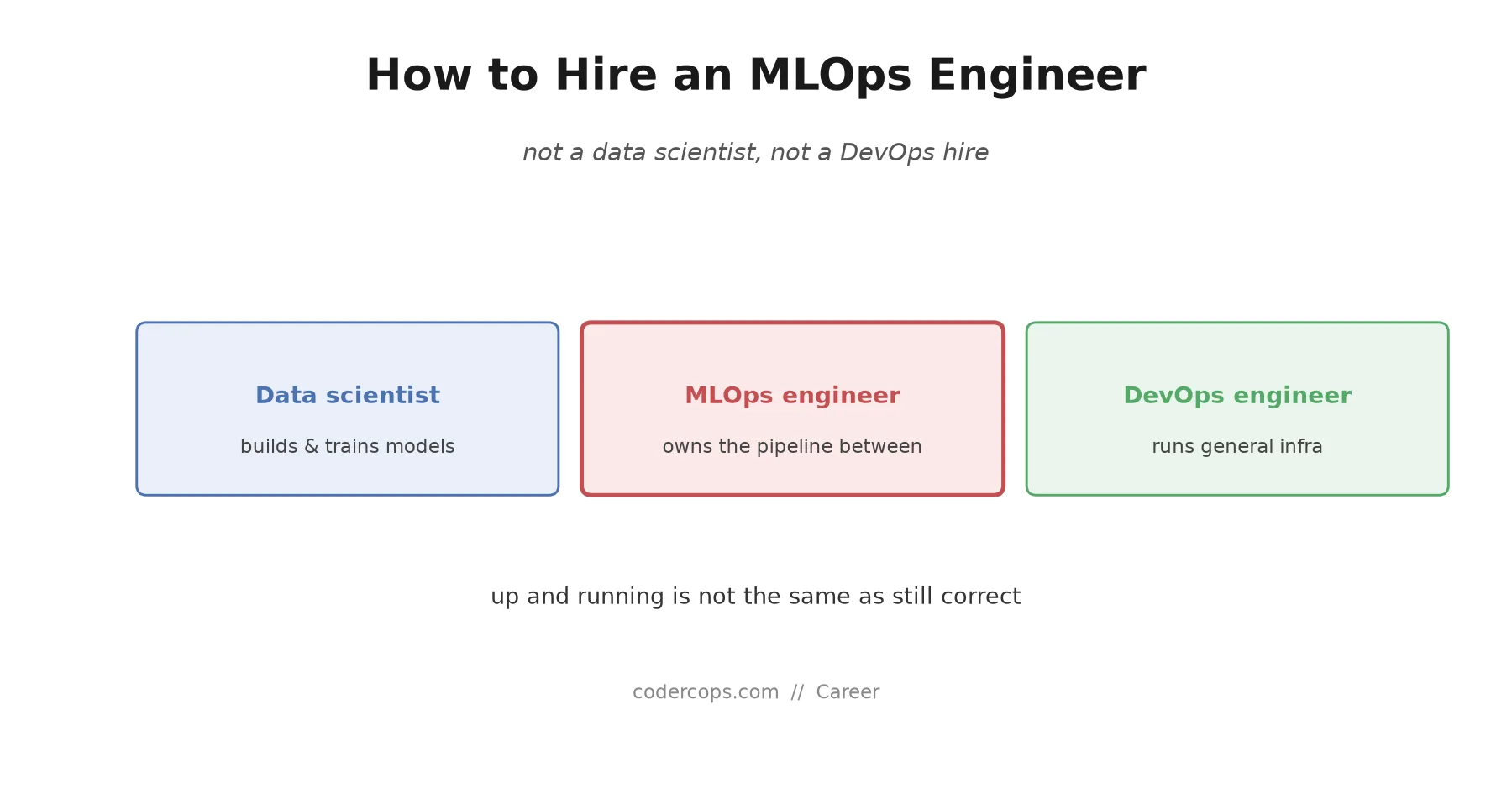
P.08MLOps sits between the data scientist's model work and the DevOps engineer's infrastructure. What the role owns, what to screen for, and where people come from.
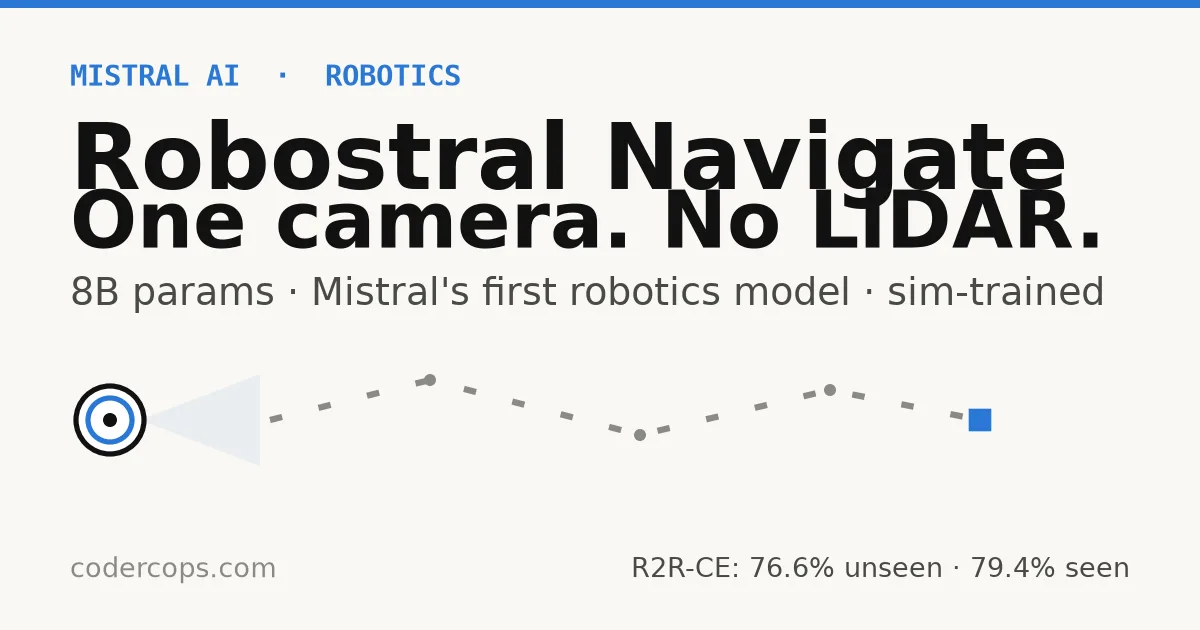
P.09Mistral's first robotics model is an 8B vision-language model that navigates unfamiliar spaces from one RGB camera and a plain instruction. No LiDAR.
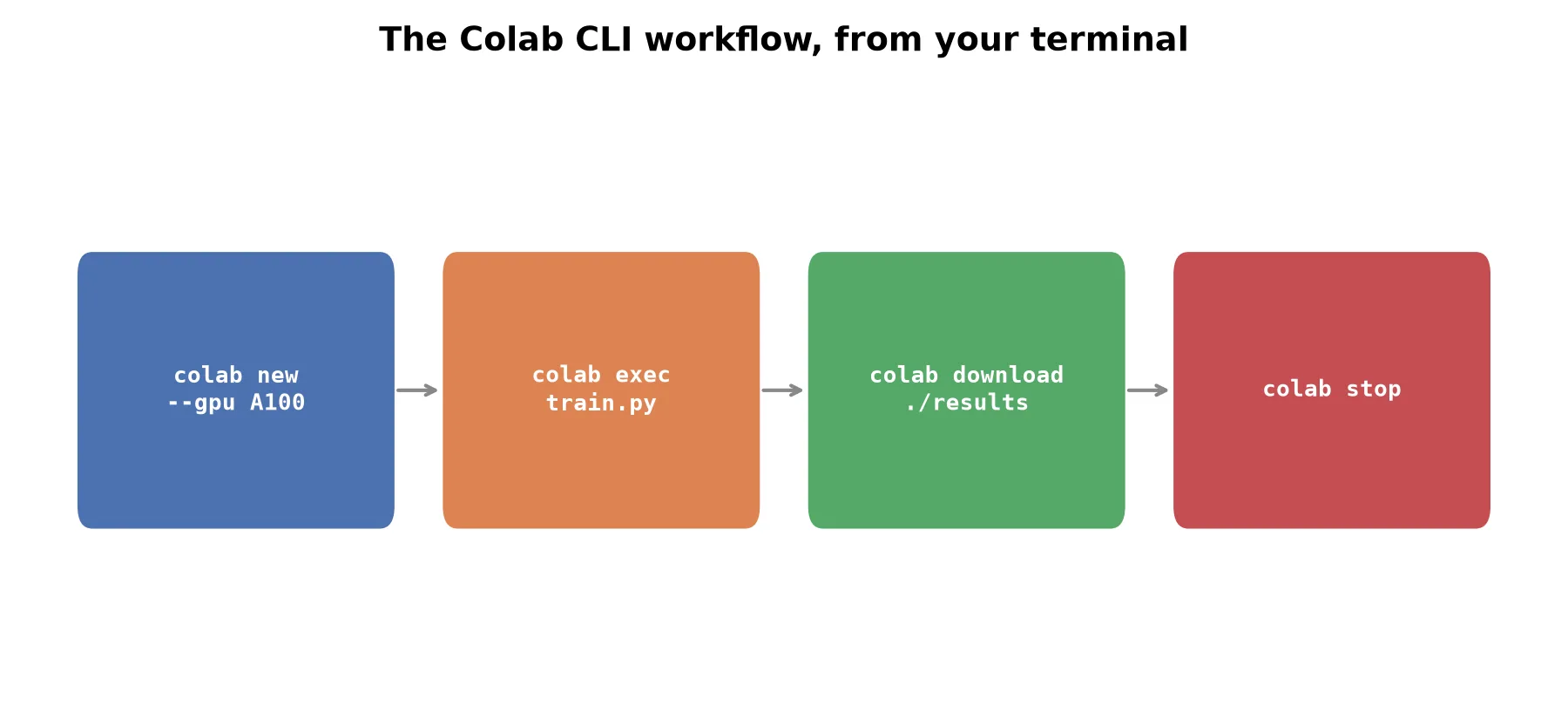
P.10Google's open-source Colab CLI provisions T4, L4, A100, and H100 GPUs and TPUs from the command line. Install it, run a job, wire it into an AI agent.
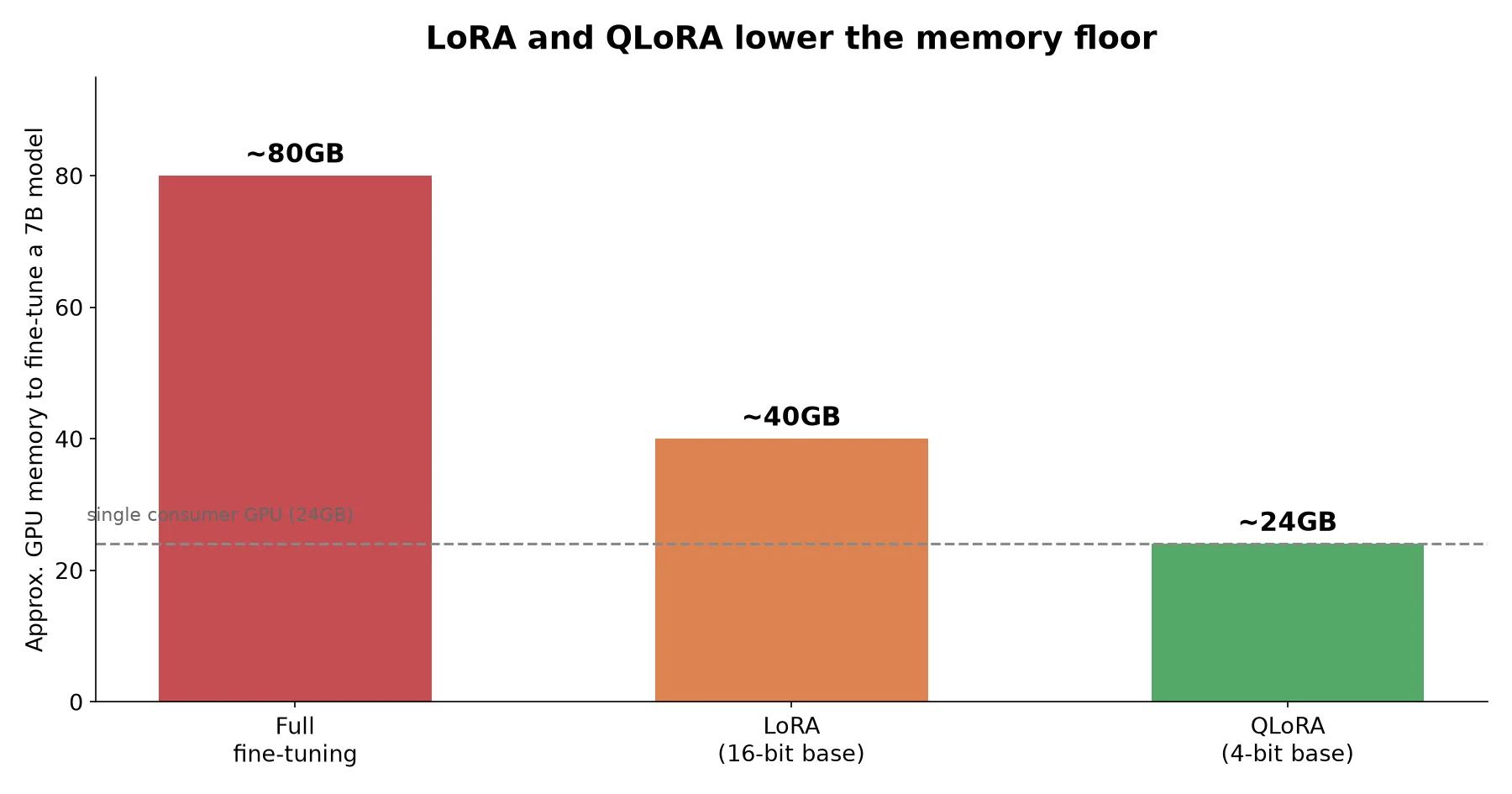
P.11LoRA and QLoRA fine-tune a multi-billion-parameter model on one consumer GPU by training small adapter weights. How each works, and when to pick which.
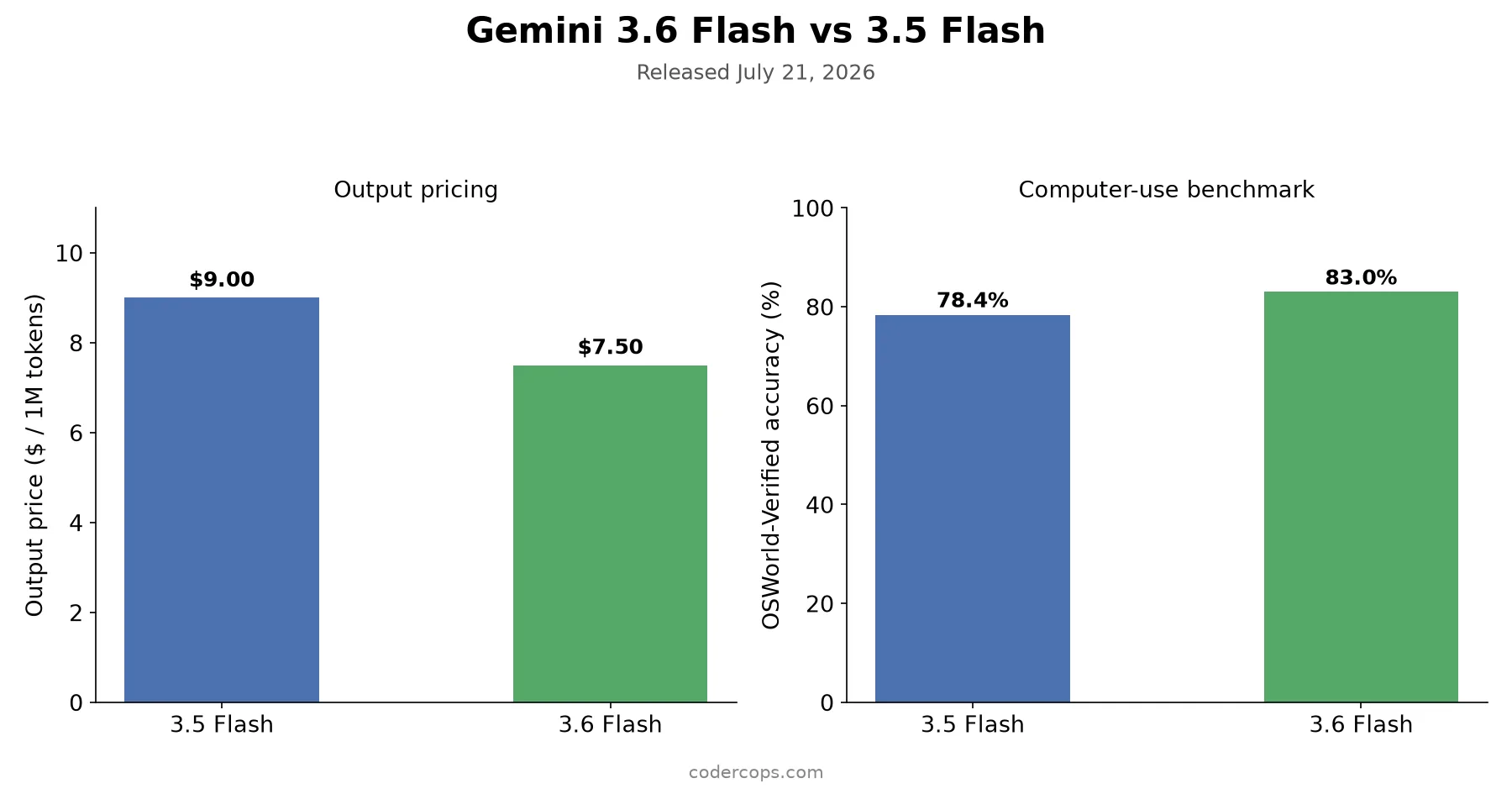
P.12Gemini 3.6 Flash cuts output tokens up to 17%, drops output pricing to $7.50 per million, and lifts computer-use accuracy from 78.4% to 83%. Who cares.
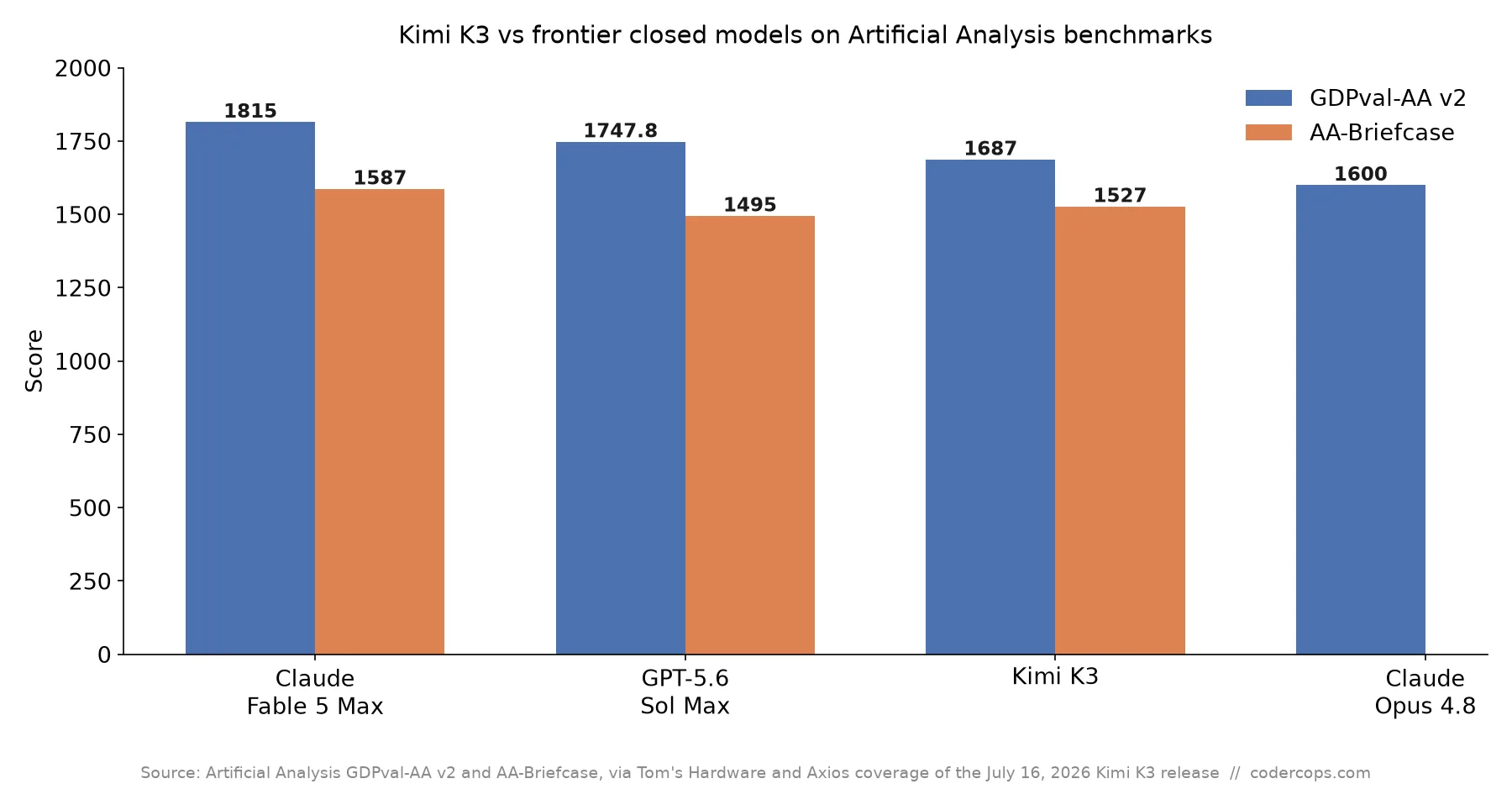
P.13Moonshot's Kimi K3 is the largest open-weight model yet and already leads closed frontier models on several benchmarks. What it costs, and when it matters.
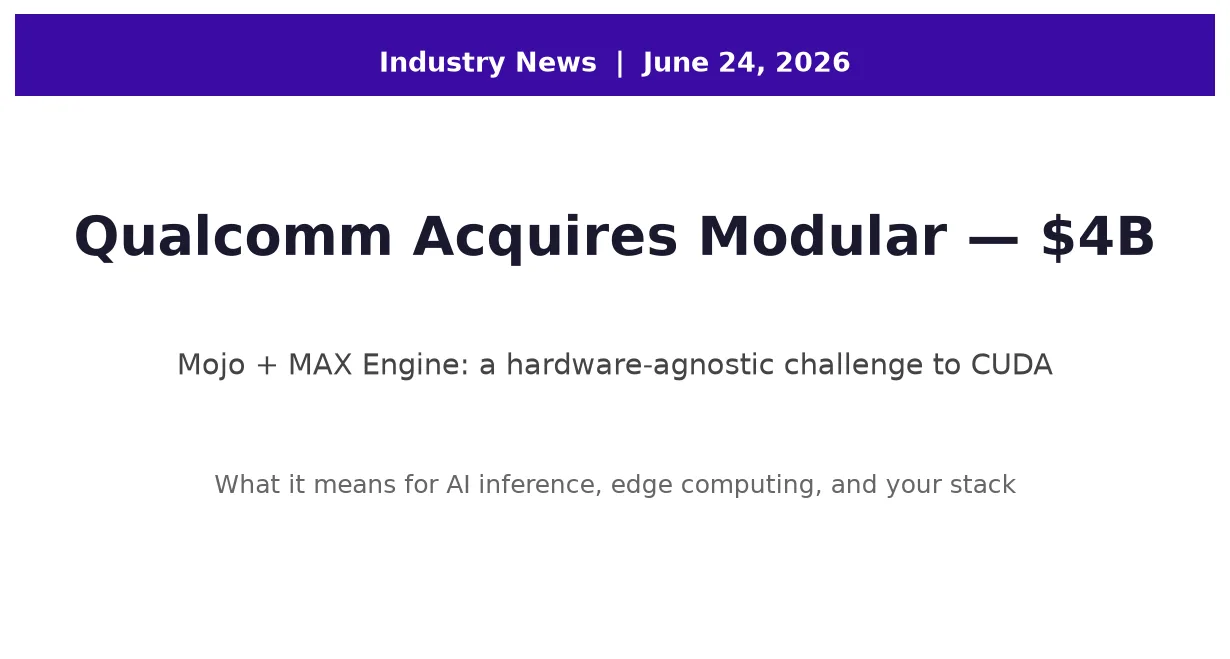
P.14Qualcomm's $3.92B all-stock deal for Modular, behind Mojo and MAX, bets on a hardware-agnostic path around NVIDIA's CUDA lock-in. What actually changes.
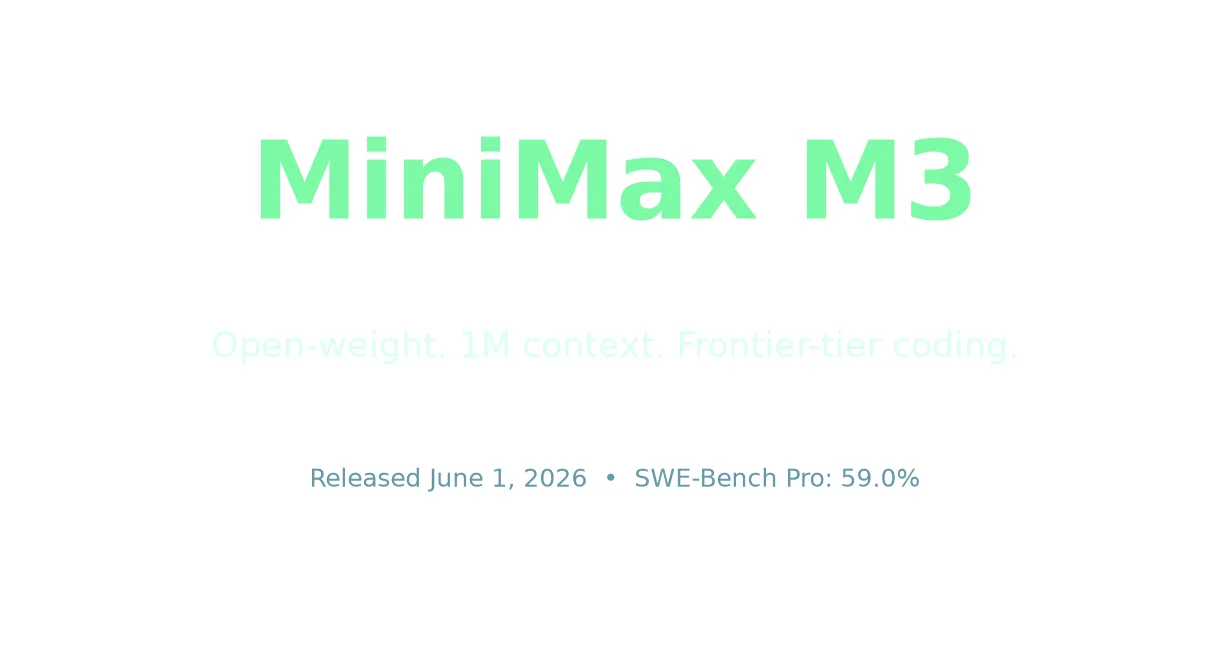
P.15MiniMax M3 is the first open-weight model to combine frontier-tier coding, a 1M-token context, and native multimodality. What it does, and how it benchmarks.
Data scientist and ML engineer are two different jobs. The distinction, what a strong data scientist does, and how to screen for real analytical judgment.
Everyone claims ML experience since the AI boom. The screen that separates people who ship ML systems from people who fine-tuned once in a Colab notebook.
Clients ask agencies to automate PDFs constantly. Here's how to actually build document extraction pipelines: OCR, vision models, and validation.
Both approaches customize LLM behavior for your use case, but they solve different problems. Here is how to decide which one you need, how to know when to use both, and what teams consistently get wrong.
Past the chatbot hype, AI is genuinely improving specific e-commerce outcomes. Here are the implementations producing measurable results, and the ones that still mostly disappoint.
P.21Explore how AutoML is accelerating AI development in 2026 with new tools, techniques, and trends that businesses need to know.
Small language models like Phi-4, Qwen2.5, and Gemma 3 now beat cloud LLMs on latency, cost, and privacy for most production edge deployments in 2026.
The network latency between your Django app and your FastAPI ML service is probably longer than inference itself. Here is how to serve models from Django directly.
Not everything needs the cloud. Edge AI is putting real intelligence on devices, sensors, and cameras — with millisecond latency and zero internet dependency. Here is where the technology actually stands.
P.25DeepSeek and Qwen surged from 1% to 15% of the global AI market in a year, powered by 700M+ Hugging Face downloads and open-source models rivaling closed ones.
TII's Falcon-H1R 7B scores 88.1% on AIME-24 math, outperforming 15B models. Built on a hybrid Transformer-Mamba architecture, it signals a new era for efficient AI. Here's what it means for developers.
P.27The AI industry is shifting from massive general-purpose models to smaller, specialized ones that outperform giants in specific tasks. Here's why this matters and how to take advantage of it.
P.28Small language models now beat frontier LLMs on cost and latency for narrow tasks. Here is why teams are shipping SLMs in production in 2026.
Understand overfitting and underfitting in ML models with practical solutions including cross-validation, regularization, early stopping, and data augmentation.
Explore dimensionality reduction techniques — PCA, LDA, t-SNE, and autoencoders — for improving model performance and data visualization.
Discover the key advantages of Random Forest algorithms — high accuracy, resistance to overfitting, feature importance, and handling missing data.
GridSearchCV trains and cross-validates a model across every hyperparameter combination you define, then picks the best. How it works and where it costs you.
Build a sentiment analysis pipeline with text preprocessing, CountVectorizer token counts, and Multinomial Naive Bayes classification on Twitter data.
Learn how centroid-based clustering algorithms like K-means partition datasets into meaningful groups based on distance metrics.
A guide to clustering algorithm types — partition-based, hierarchical, density-based, and model-based — with use cases and selection criteria.
Understand decision tree algorithms for classification and regression, their pros and cons, and build an Iris classifier with Python code.
Learn SVM theory including hyperplanes and the kernel trick, then build a classifier on the breast cancer dataset using scikit-learn.
Build a logistic regression model to predict diabetes outcomes using the Pima Indians dataset, covering sigmoid functions, feature scaling, and evaluation.
Implement K-Nearest Neighbors classification using scikit-learn with data visualization, model training, and performance evaluation on real datasets.
Understand the KNN algorithm — how it works, distance metrics, choosing K, and its applications in both classification and regression tasks.
Compare Naive Bayes, SVM, Decision Tree, and Random Forest for email spam detection with a complete Python pipeline from data loading to evaluation.
Learn Occam's Razor, regularization, pruning, ensemble methods, cross-validation, Bayesian model selection, genetic algorithms, and more to boost ML performance.
Master MAE, MSE, R², RMSE, accuracy, precision, recall, F1-score, AUC-ROC, and confusion matrices with formulas and Python code examples.
Understand the bias-variance tradeoff in machine learning with mathematical formulas, visual explanations, and strategies to find the right balance.
Build an insurance cost prediction model using multivariate linear regression with one-hot encoding, evaluation metrics, and residual analysis.
Master 7 encoding techniques for categorical variables — one-hot, label, dummy, binning, count, frequency, and target encoding with Python examples.
Build a linear regression model from scratch using scikit-learn, with data visualization, feature selection, and model evaluation metrics.
Explore reinforcement learning fundamentals — agents, environments, states, actions, Q-learning, SARSA, Actor-Critic, and deep RL approaches.
Understand unsupervised learning methods including clustering, dimensionality reduction, anomaly detection, and generative models with practical examples.
A structured 100-day data science bootcamp roadmap covering Python, statistics, machine learning, deep learning, and real-world projects.
A comprehensive guide covering 10 regression types — linear, polynomial, logistic, ridge, lasso, elastic net, and more — with Python code examples and selection criteria.
Discover how artificial intelligence and machine learning are transforming augmented and virtual reality applications in gaming, education, and beyond.
Understand the key differences between artificial intelligence, machine learning, and deep learning with clear definitions, examples, and real-world applications.
A step-by-step guide to writing and publishing research papers in artificial intelligence, machine learning, and deep learning — from ideation to submission.