P.01Node.js 26.11: --process-timeout and Histogram Diffs
Node.js 26.11.0 adds --process-timeout, histogram snapshots and diffs, Buffer.stringLength() and header validators. What to adopt, and the sqlite rename.
Tag
22 articles tagged #Node.js.
P.01Node.js 26.11.0 adds --process-timeout, histogram snapshots and diffs, Buffer.stringLength() and header validators. What to adopt, and the sqlite rename.
P.02Postgres LISTEN/NOTIFY pushes events to connected clients with no extra infrastructure. Working Node.js code, a trigger, and the limits that bite in production.
P.03Node.js 26 goes LTS in October 2026. What breaks moving from Node 24: removed stream modules, writeHeader, native addons, transform-types, and a rollout plan.
P.04SameSite cookies stop most CSRF, but not all. Learn when you still need tokens and Origin checks, with working Express code and a test you can run.
P.05A practical RBAC pattern for Node.js and Postgres: roles, permissions, a middleware that checks both, and the traps that turn clean RBAC into unmaintainable spaghetti.
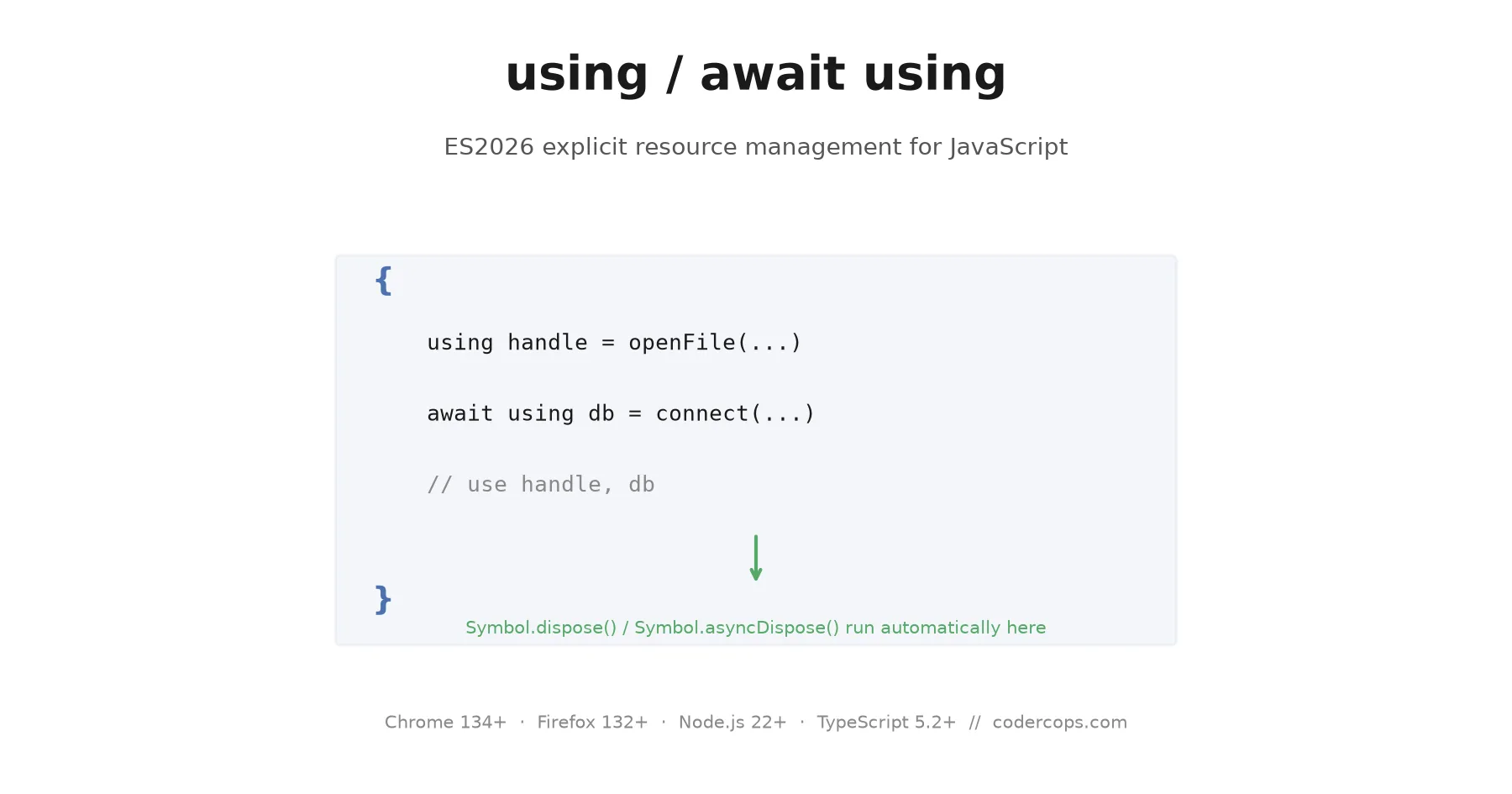
P.06ES2026's using and await using close files, connections, and locks when a block ends, with no try/finally. The syntax, real examples, and support today.
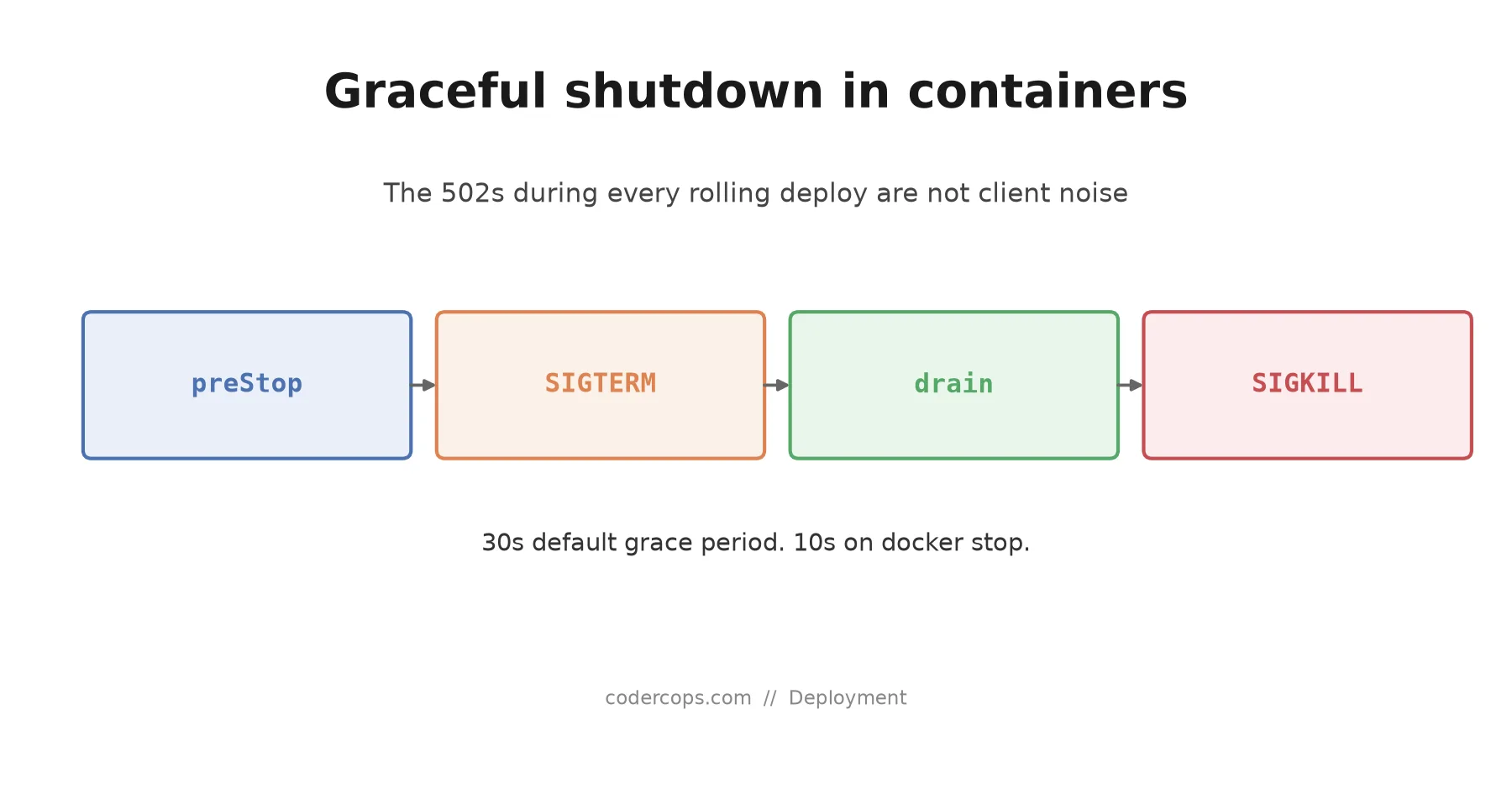
P.07Every rolling deploy drops a few requests and the errors look like client noise. The shutdown sequence, the race behind it, and the code that fixes it.
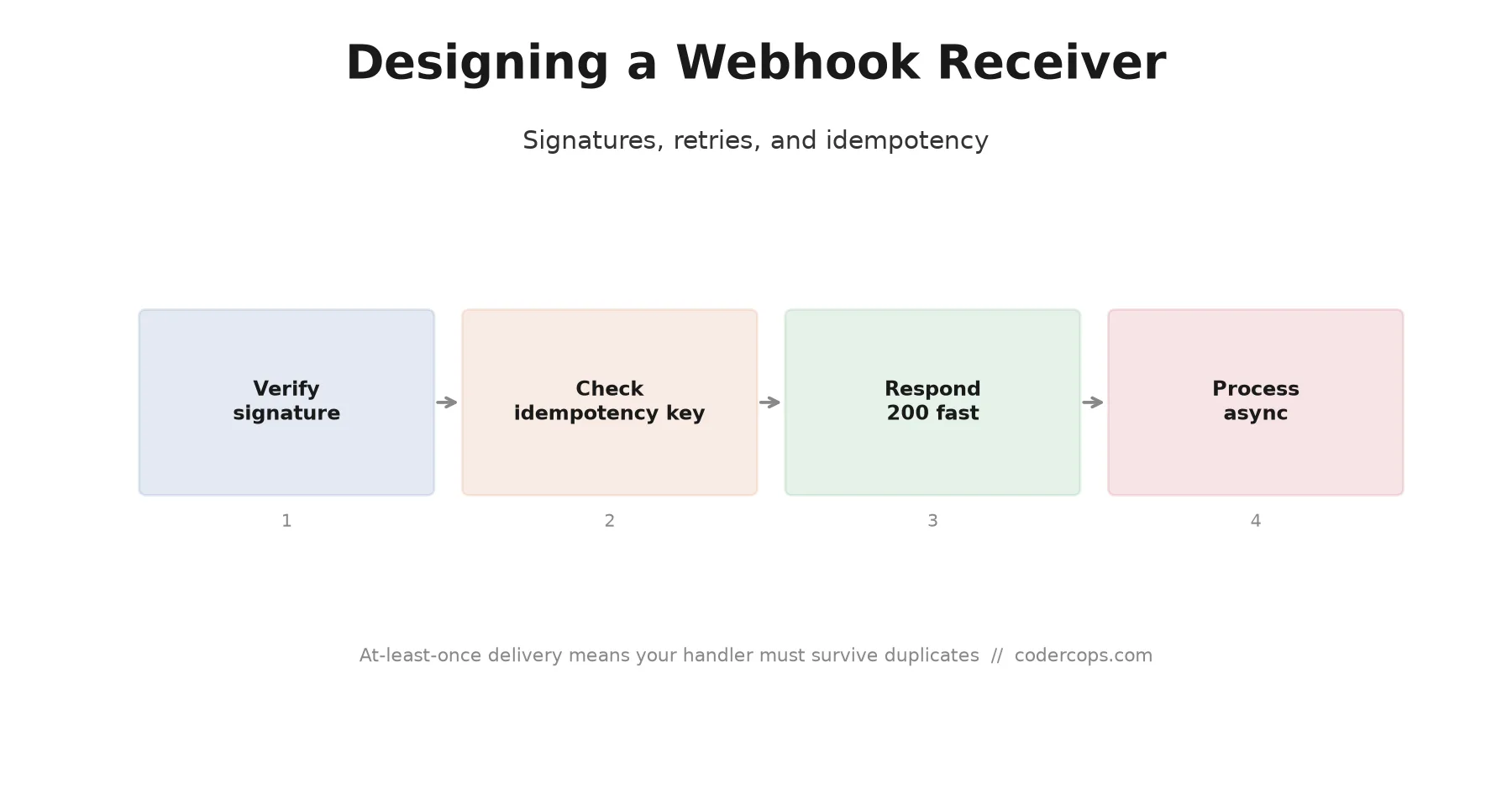
P.08A webhook receiver has to trust a request it can't control the timing, order, or count of. Verifying signatures, handling retries, surviving delivery chaos.
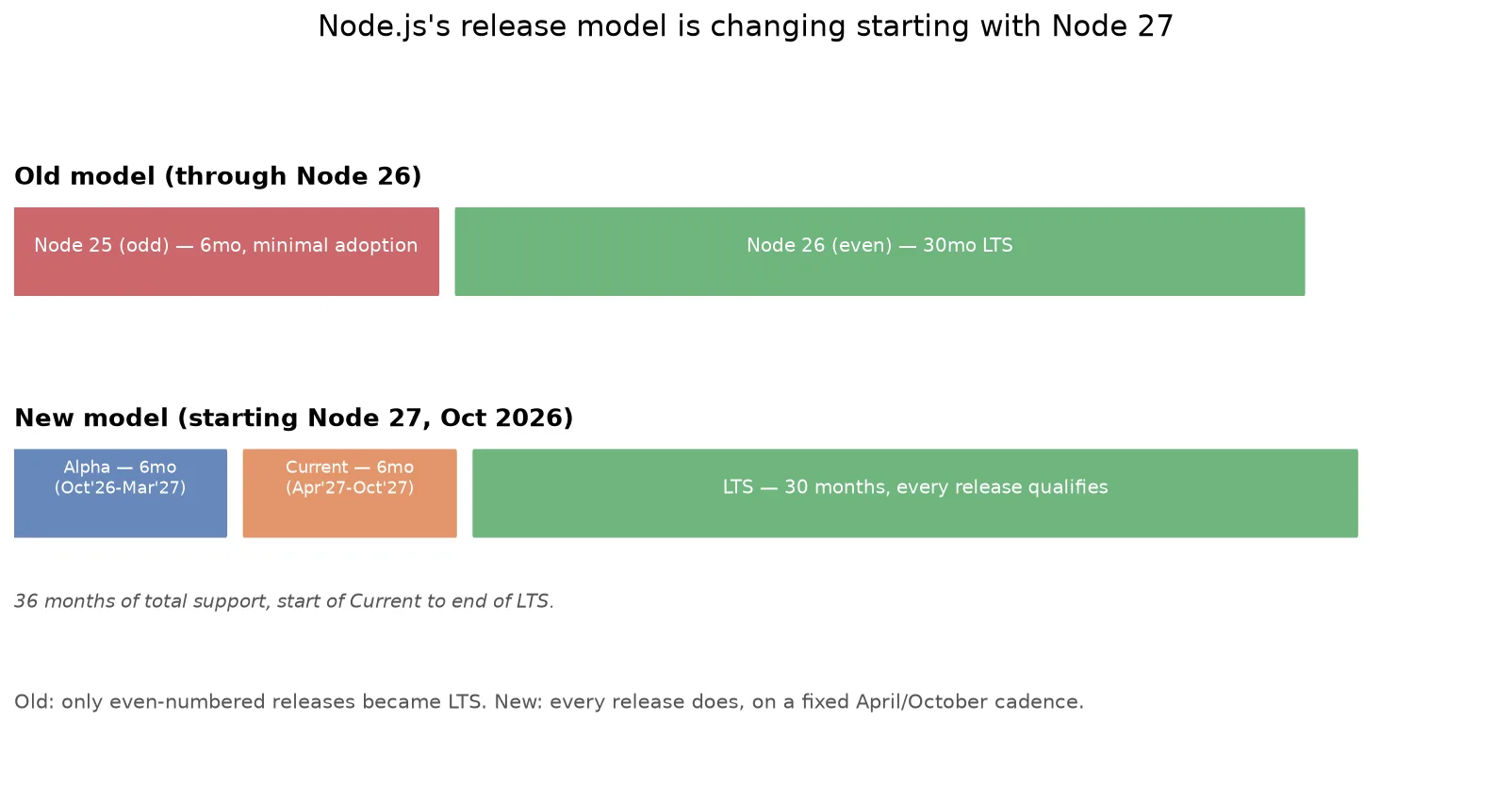
P.09From Node.js 27 in October 2026, Node drops the odd/even model for one major a year, and every release becomes LTS. What changes, and how to plan for it.
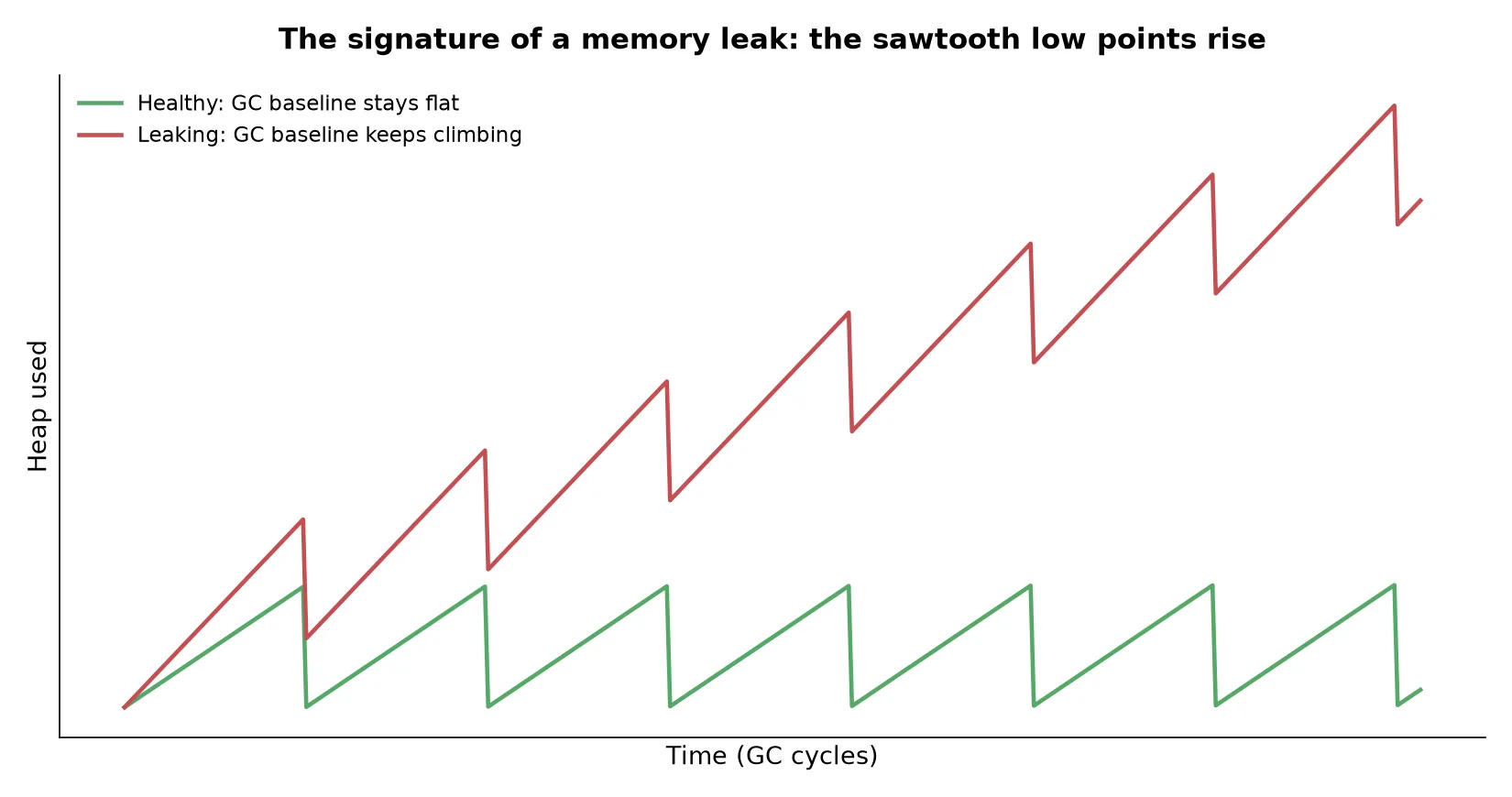
P.10Your Node process climbs until it's OOM-killed and restarting buys hours. The actual workflow: heap snapshot diffing, retainer paths, and the fast tools.
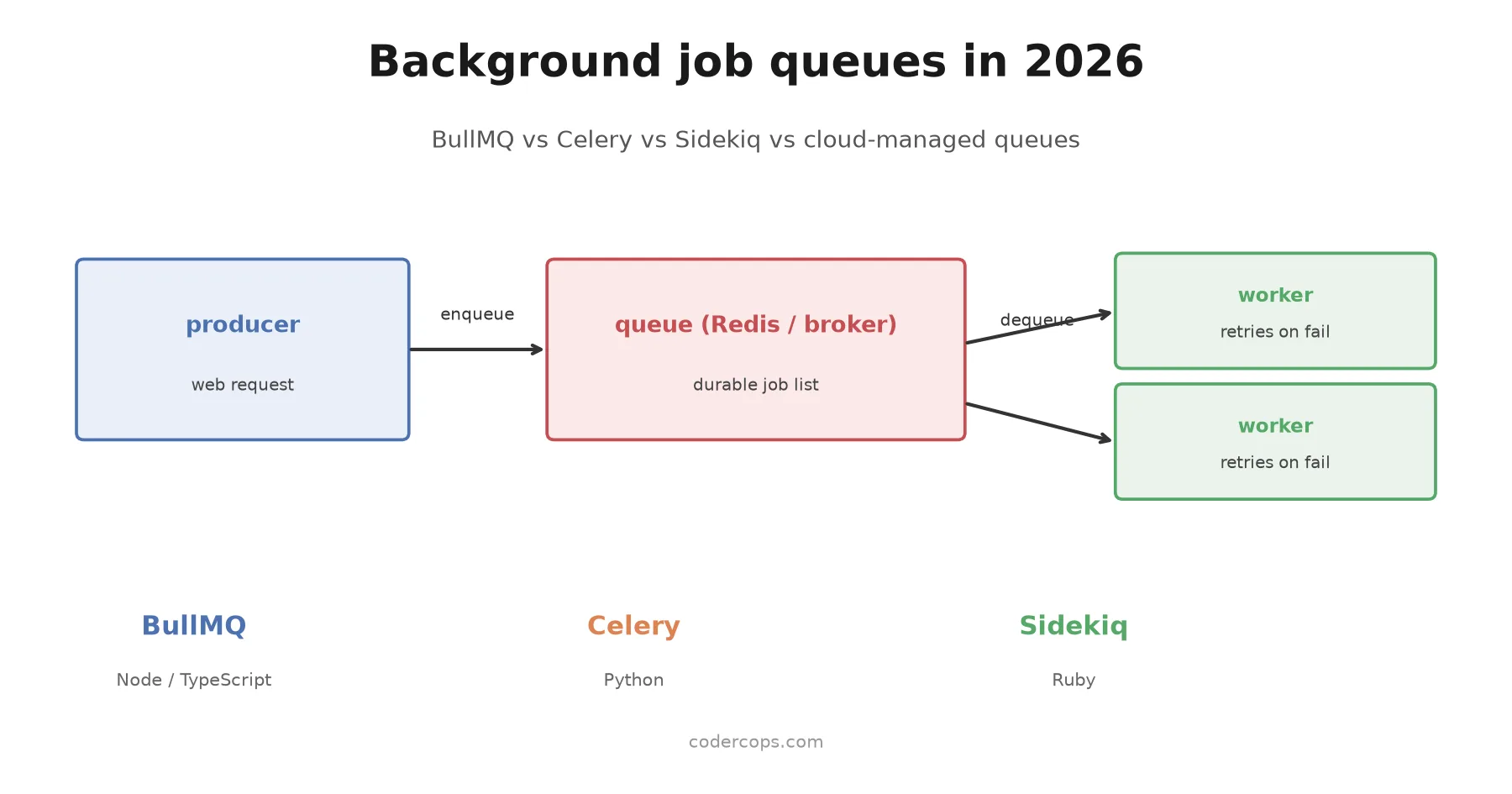
P.11BullMQ for Node, Celery for Python, Sidekiq for Ruby, and Temporal or a cloud queue when you need durability without owning a broker. The reasoning.
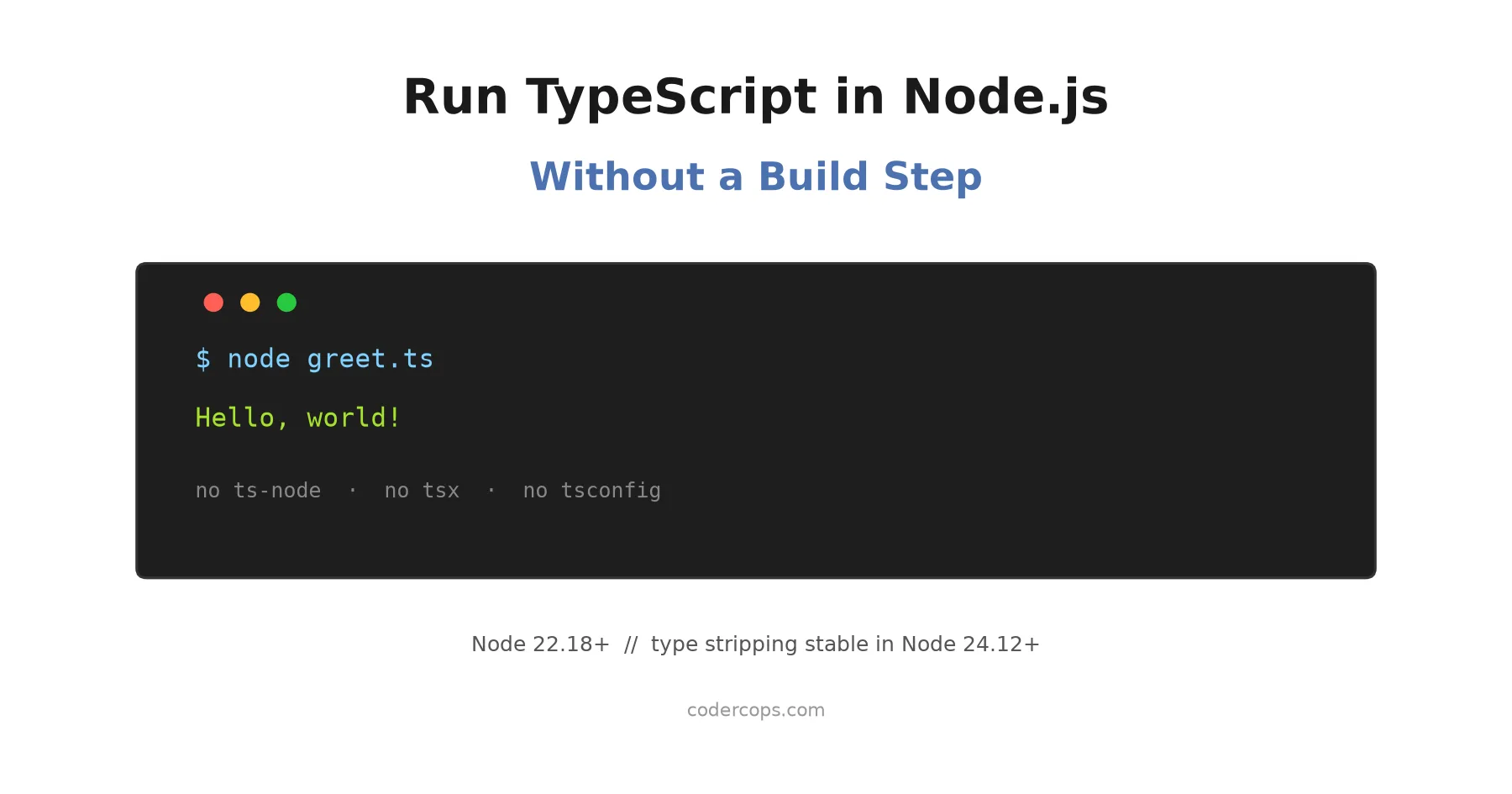
P.12Node.js 24 made type stripping stable and on by default: node file.ts just runs. What that buys you, what syntax it can't handle, and when you compile.
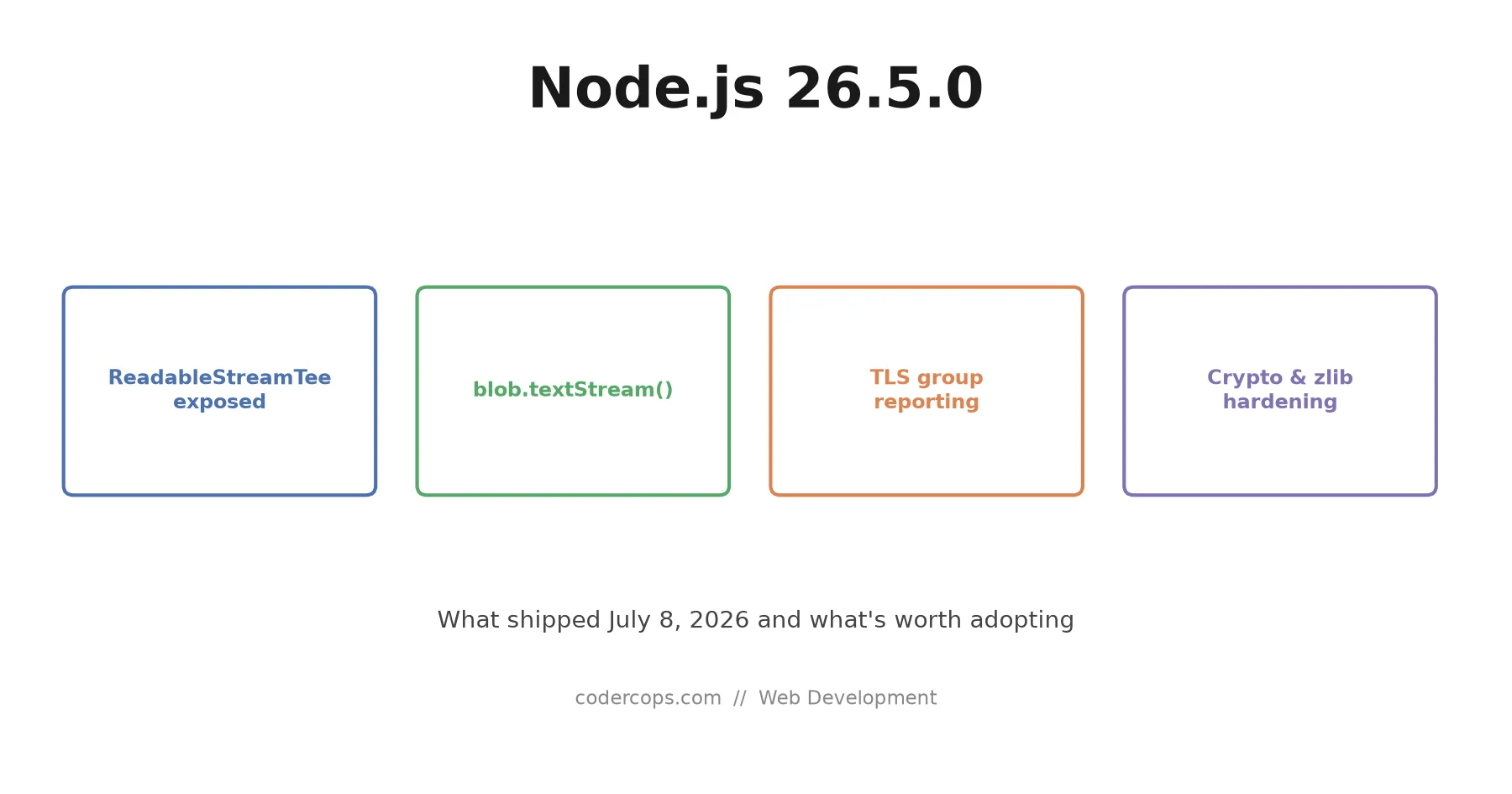
P.13Node.js 26.5.0 exposed ReadableStreamTee, added streaming Blob text reads and TLS group reporting, plus crypto hardening. What's worth adopting now.
Node.js has split into async-first, TypeScript-native, and edge-runtime camps. The screen that finds someone who builds production backends, not tutorials.
While the ecosystem chased Bun, Deno, and edge runtimes, Fastify stayed the production choice for high-throughput Node APIs. Why it still holds up.
Inngest handles background job scheduling, retries, and observability with no Redis or worker process to run. How it works, and when it beats BullMQ or Temporal.
Command-line tools are underrated as developer products, and TypeScript makes them maintainable. Parsing, prompts, output, errors, and distribution.
NestJS is Express with structure imposed: modules, dependency injection, decorators. When that pays for its learning curve, and when it does not.
Background jobs that crash mid-run lose their state. Temporal makes workflows durable state machines that survive restarts and deploys. In TS and Python.
Bun hits 52K req/sec, Deno 2 has full npm compatibility, and Node.js still leads enterprise adoption. Benchmarks and migration notes for picking a runtime.
A 16-package starter set for TypeScript projects: ESLint, Prettier, Vitest, Playwright, MSW, Zod, ky and more, with current versions and the packages to skip.
Choosing a modern web app stack means weighing Next.js vs Astro vs Remix, SQL vs NoSQL, and Vercel vs AWS against your project's actual priorities, not trends.