Developer Onboarding in 30 Days: Getting Engineers Productive Without the Chaos
A week-by-week playbook for onboarding a new software engineer. What to cover in the first month, what most teams skip, and how to measure whether it is working.
Tag
28 articles tagged #Productivity.
A week-by-week playbook for onboarding a new software engineer. What to cover in the first month, what most teams skip, and how to measure whether it is working.
Most agency owners are the bottleneck in their own business. Here's how to identify where you're needed versus where a system or a person could replace you, and how to build those systems.
The standard Scrum playbook was designed for product teams with stable backlogs. Agencies have different constraints: client reviews, scope negotiations, and projects that end. Here's what actually works.
Cursor's rules system lets teams encode their architecture decisions, naming conventions, and coding standards into the AI's context. Here's how to set it up so every engineer gets consistent suggestions.
Git hooks enforced by Lefthook, Husky, or lint-staged can stop broken code, style violations, and type errors before they reach your CI pipeline. Here's how to build a hook setup that teams actually keep.
Bruno keeps API collections as plain files in your repository. No account, no cloud sync, no vendor lock-in. Here's how it compares to Postman and why teams are switching.
Git worktrees let you have multiple branches checked out simultaneously in separate directories. No stashing, no context switching, no 'just a second while I save my work.'
Manually compiling monthly reports is one of the highest-effort, lowest-value activities in a web agency. Here's how to replace most of that work with automated pipelines.
Command-line tools are underrated as developer products. TypeScript makes them maintainable. Here's the full picture: argument parsing, interactive prompts, output formatting, and distribution.
Standardized commit messages unlock automatic changelogs, version bumps, and release notes. Here's the full setup — from writing commits to shipping releases without manual steps.
AI projects flood every portfolio. Here's what actually distinguishes a developer's work from the crowd — and why the way you document your decisions matters more than the tech stack you picked.
Most agencies finish a project, invoice the client, and move immediately to the next one. The ones that improve fastest do one more thing: they sit down and ask what actually happened.
The command line tools most developers use today are a decade old. Here's what's replaced them and why: terminals, Git UIs, shell configuration, and the small tools that compound into significant time savings.
Every agency hits the same wall: more work than the team can handle, but not enough volume to justify a full-time hire. White-label partnerships are how the ones that survive it manage growth.
Bad documentation is usually not a writing problem — it's a maintenance problem. AI tools are changing the equation by making initial doc generation cheap and doc refresh practical at scale.
Burnout among developers isn't new. But the specific pressures of 2026 — AI-driven productivity expectations, skills anxiety, and the blurring of output and identity — create a different texture of exhaustion.
CodeRabbit, GitHub Copilot code review, and similar tools have changed the first-pass review. Here's what they actually catch, where they fail, and the workflow that combines both effectively.
Biome is a Rust-based JavaScript toolchain that handles linting, formatting, and imports in a single binary. We've been running it in production projects since late 2025. Here's what the migration from ESLint and Prettier actually looks like.
The AI IDE tools everyone uses have a feature most developers set up once and never tune: custom rules. Here's how to write rules that change how the tool generates code, not just what it says it will do.
uv is a Python package manager written in Rust that handles dependencies, virtual environments, and Python version management. We've been using it across all our projects since early 2026. Here's what actually changed.
How SaaS founders are using AI agents, automation hubs, and agentic workflows to run lean teams that punch above their weight. Our complete workflow with tools, costs, and real results.
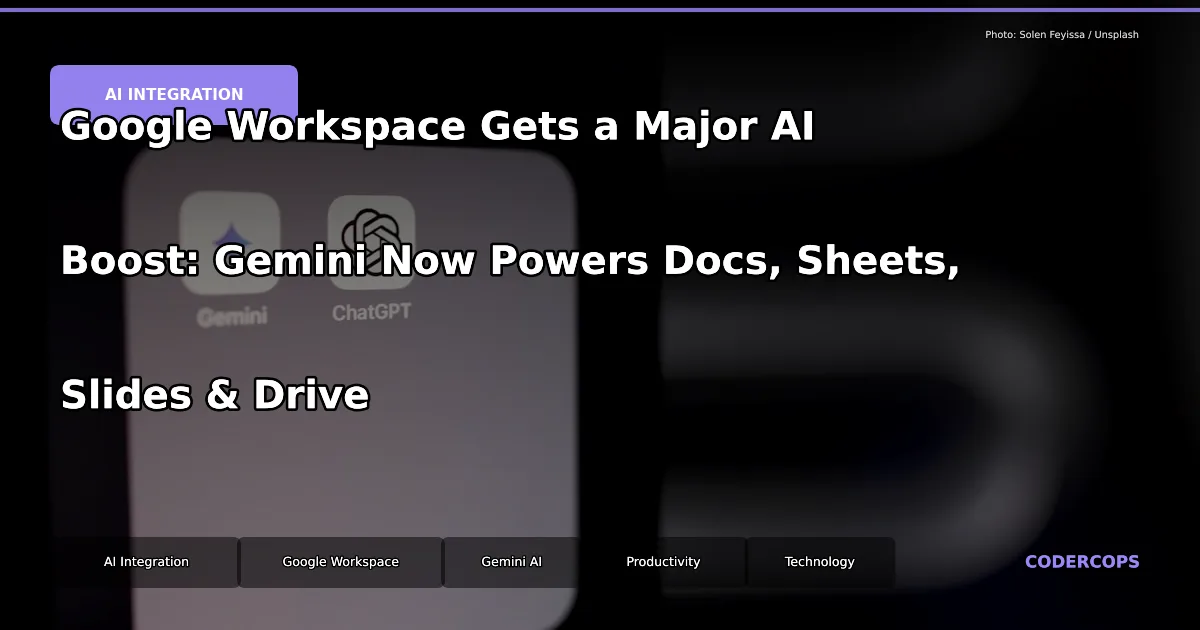
P.22Explore Google's latest Workspace update with Gemini AI enhancing Docs, Sheets, Slides, and Drive, empowering users to leverage AI capabilities for more efficient productivity.
We have been using AI tools at CODERCOPS for over two years now. The shift from 'helpful autocomplete' to 'genuine collaborator' happened gradually, then all at once. Here is what changed, what surprised us, and what we got wrong.
After 90 days of using Claude Code across our entire engineering team, here is what actually changed — the good, the bad, and the productivity numbers.
These 5 VS Code extensions eliminated 3 separate tools from my workflow. Each one with setup tips, settings tweaks, and why it beats the alternatives.
The 2025 Stack Overflow Developer Survey reveals a paradox: AI tool adoption has hit 84%, but developer trust in AI accuracy has plummeted. We analyze the findings, the tools developers actually use, and what the trust gap means.
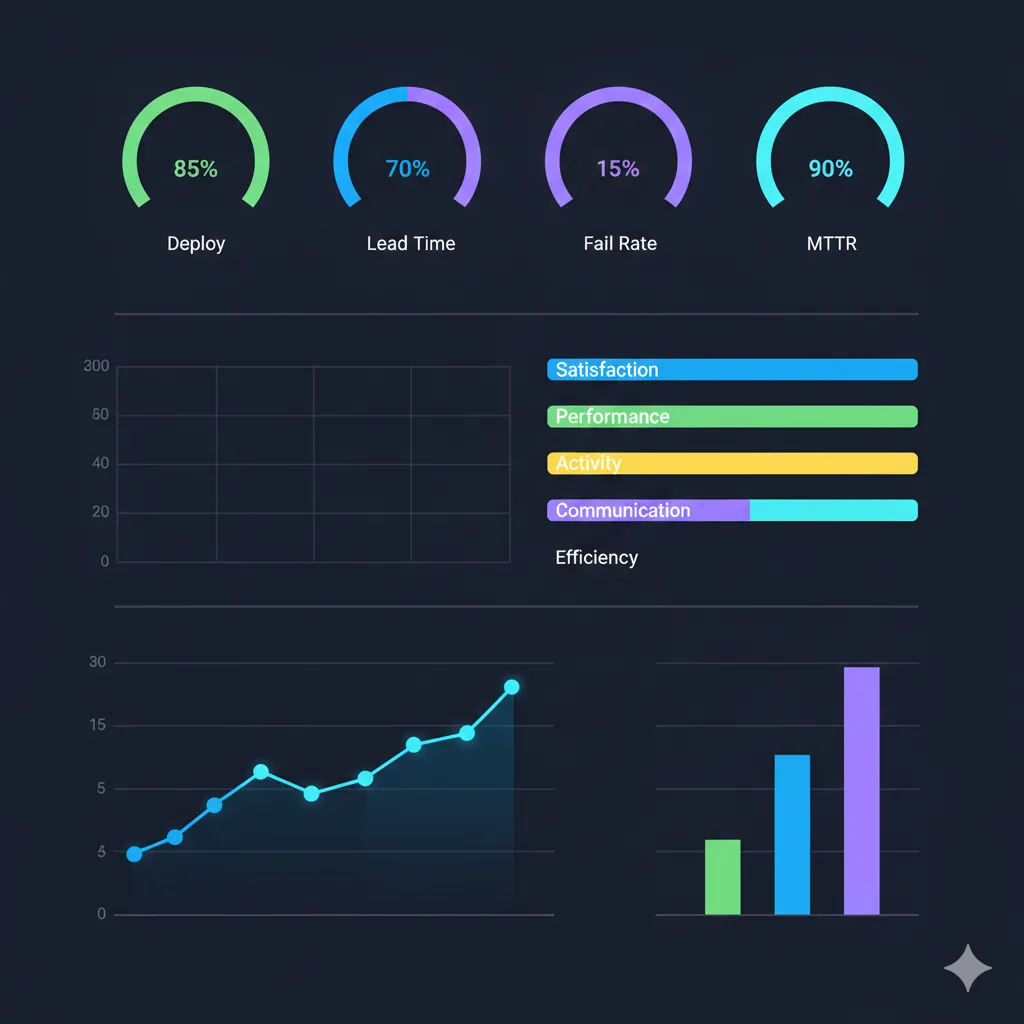
P.27Measuring developer productivity is notoriously difficult. DORA and SPACE frameworks offer research-backed approaches, but implementation is where most teams fail.
41% of global code is now AI-generated. Senior devs report 81% productivity gains. But 63% have spent more time debugging AI code than writing it themselves. The vibe coding revolution has a fine print.