Career · Emerging Roles
What Is a Forward-Deployed Engineer, and Why Is Every AI Startup Hiring One?
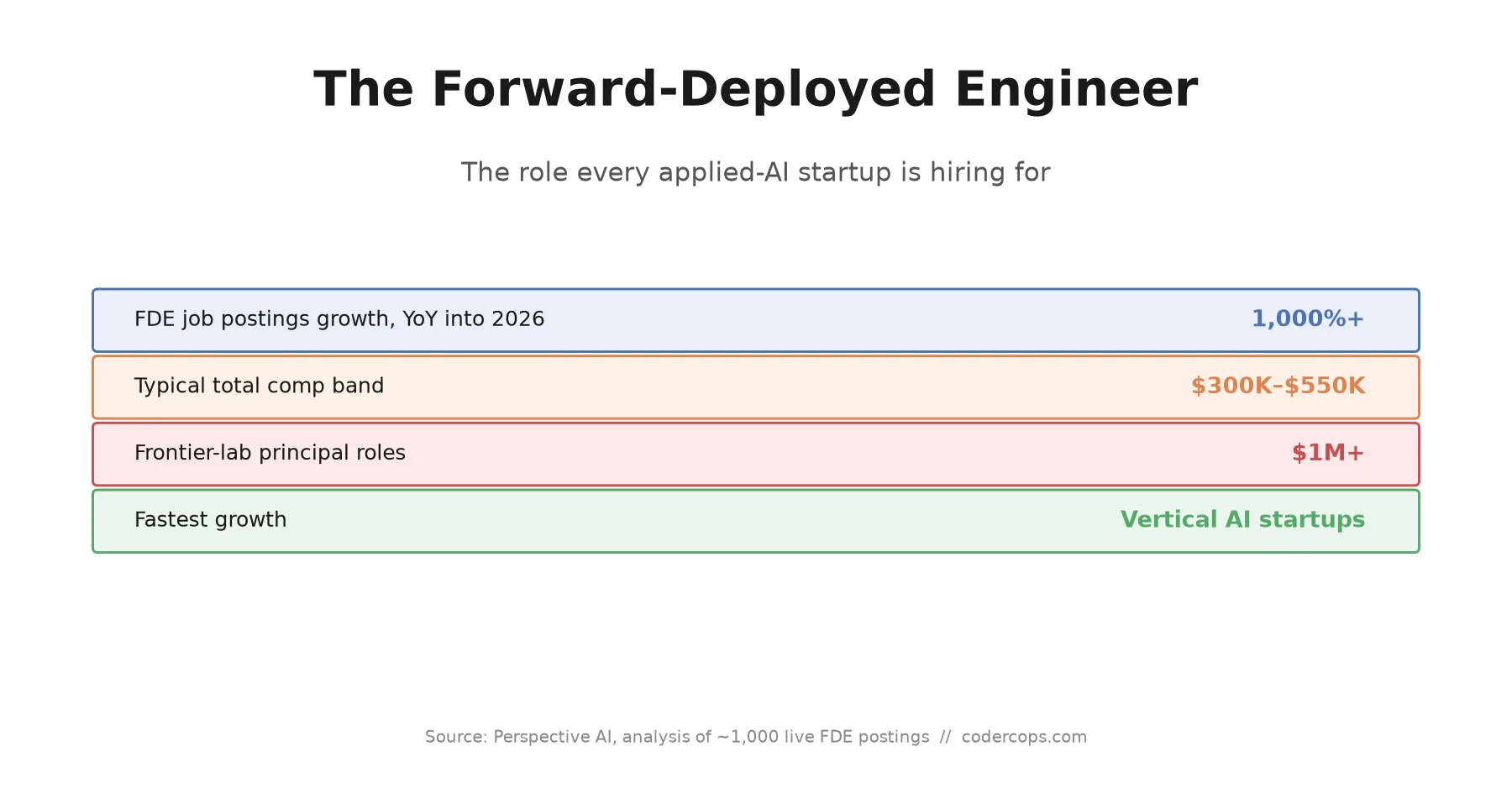
Forward-deployed engineer job postings grew over 1,000% year-over-year heading into 2026, with comp bands clustering at $300K-$550K. Here's what the role actually is, why it exists, and what it means if you're hiring or being hired.

Shashikant Gupta
5 min read
Sponsored
Job postings for a role called “forward-deployed engineer” grew more than 1,000% year-over-year heading into 2026. That’s not a typo, and it’s not a niche title inflating off a small base. It’s now the hardest single role to fill at Palantir, OpenAI, Anthropic, and most applied-AI startups past their Series A. If you haven’t run into the term yet, you will soon, either as something you’re trying to hire for or something a job posting is trying to convince you to apply to.
What the role actually is
A forward-deployed engineer embeds directly with a customer to make a company’s AI product actually work inside that customer’s real systems, data, and workflows, instead of shipping something generic and hoping it fits. Palantir popularized the model years before “AI” was the reason for it: send an engineer to sit with the customer, write real code against their real data, and don’t leave until the thing works in production for that specific deployment.
The AI wave made this dramatically more relevant, because the gap it closes is exactly where most enterprise AI projects stall. A model can be genuinely capable and a deployment can still fail, not because the model is wrong, but because the customer’s data is messy, their systems don’t integrate cleanly, their internal workflow doesn’t match the product’s default assumptions, and nobody on either side has the time or context to close that gap alone. The FDE is the person whose job is closing it.
How it differs from the roles it gets confused with
| Role | When the job starts | What they own | What they typically produce |
|---|---|---|---|
| Sales engineer | Before the deal closes | Proving the product can do what a prospect needs | A demo, a proof of concept |
| Solutions engineer | Around implementation | Configuring the product for a customer | Configuration, light customization |
| Forward-deployed engineer | After the deal closes, ongoing | Whether it actually works in production for that customer | Real production code specific to that deployment |
The distinction that matters most is ownership. A sales engineer’s incentives point toward the demo working well enough to close. A forward-deployed engineer’s incentives point toward the thing still working three months later when the customer’s edge cases show up, because they’re the one who answers for it.
The numbers behind the hiring surge
An analysis of roughly 1,000 live FDE job postings found comp bands clustering at $300K-$550K in total compensation, with principal-level roles at frontier labs clearing $1M+. That’s a striking number for an individual-contributor engineering role, and it reflects genuine scarcity: the skill set is a specific combination of strong engineering, direct customer-facing communication, and comfort operating without the usual product-team scaffolding around you.
Palantir remains the highest-volume single hirer of FDEs, followed by OpenAI, Anthropic, Google, and Databricks. But the fastest growth in postings is coming from vertical AI application startups building for specific industries: Harvey in legal, Sierra and Decagon in customer support, Cresta and Hebbia in their respective niches. That pattern tells you something about where the role is headed. It’s not just a frontier-lab specialty anymore; it’s becoming the standard go-to-market motion for any applied-AI company selling into enterprises with real operational complexity.
Andreessen Horowitz called FDE the hottest job in startups back in mid-2025, framing it as a “services-led growth” strategy: instead of relying purely on a self-serve product to prove itself, you put an engineer directly in the deployment to guarantee the customer actually gets value, and that guarantee is what closes and retains the deal. A year later, hiring data backs that framing up.
What this means if you’re on the hiring side
If your organization is deploying AI tooling into production, and it isn’t going smoothly, the gap you’re hitting is probably the exact one FDEs exist to close: not a model capability problem, but an integration and workflow-fit problem that a generic implementation team either doesn’t have the bandwidth or the customer-specific context to solve. That’s worth naming explicitly when you scope a hire or an engagement, rather than defaulting to a general “AI engineer” req that undersells what the job actually requires.
For agencies and consultancies, this is also a positioning question worth taking seriously. If your team is already doing the work of making an off-the-shelf AI tool function against a client’s messy real data, you’re doing FDE-shaped work under a different name. Naming it explicitly, and pricing and staffing it as ongoing integration rather than a fixed-scope build, tends to set more honest expectations with clients than treating it as a project that ends at handoff. We’ve written before about the tradeoffs agencies weigh when scoping AI-assisted development work, and this is the same conversation applied to a specific, fast-growing role.
The honest read
FDE is currently the hottest job title in AI hiring, and the comp numbers reflect real, not hyped, scarcity. But scarcity in a fast-growing category also means the title is getting stretched to cover jobs that don’t really fit its original definition, “forward-deployed” attached to work that’s really just implementation consulting with a trendier name. If you’re hiring for one, screen for the actual skill combination, deep technical ability plus genuine comfort operating in a customer’s messy production environment without a product team’s usual guardrails, rather than the title alone. If you’re being hired as one, ask specifically whether the role means embedding in customer deployments with real ownership, or whether it’s a solutions-engineering job that picked up better marketing.
Frequently asked questions
- What does a forward-deployed engineer actually do day to day?
- They work on-site or closely embedded with a specific customer, adapting a company's AI product to that customer's data, systems, and workflows. That might mean writing custom integration code, building internal tooling around the core product, or iterating on prompts and agent behavior based on what that customer's actual use case reveals. It's closer to consulting-plus-engineering than either building a general product or doing pure client services.
- How is a forward-deployed engineer different from a solutions engineer or a sales engineer?
- A sales engineer's job ends when the deal closes; their focus is proving the product can do what a prospect needs. A forward-deployed engineer's job starts after the deal closes and continues for as long as the deployment needs it, often writing real production code specific to that one customer rather than demo-ware. The FDE owns whether the thing actually works in production for that customer, not just whether it can be demonstrated.
- Why did this role suddenly become so in-demand?
- Most enterprise AI deployments stall not because the underlying model is incapable, but because a customer's data is messy, their systems don't integrate cleanly, and their actual workflow doesn't match the product's default assumptions. Someone has to close that gap, and 'ship a generic product and hope it fits' hasn't been working well enough for applied-AI startups competing to prove real customer value quickly. FDEs are the services-led growth strategy that closes deals a self-serve product alone can't.
- What does it pay, and where are the jobs?
- An analysis of roughly 1,000 live FDE postings found comp bands clustering at $300K-$550K in total compensation, with principal-level roles at frontier labs clearing $1M+. Palantir is the highest-volume single hirer, followed by OpenAI, Anthropic, Google, and Databricks, while the fastest posting growth is coming from vertical AI application startups serving specific industries like legal (Harvey) or customer support (Sierra, Decagon).
- Should an agency or consultancy build an FDE-style service line?
- If your clients are already asking you to make an off-the-shelf AI tool actually work with their specific data and systems, you're likely doing FDE-shaped work under a different name already. The distinct value of naming it as its own service is clarity: it sets different expectations, staffing, and pricing than a standard build engagement, and it positions the work as ongoing integration and iteration rather than a fixed-scope project that ends at handoff.
Sources
Sponsored
More from this category
More from Career
 R.01
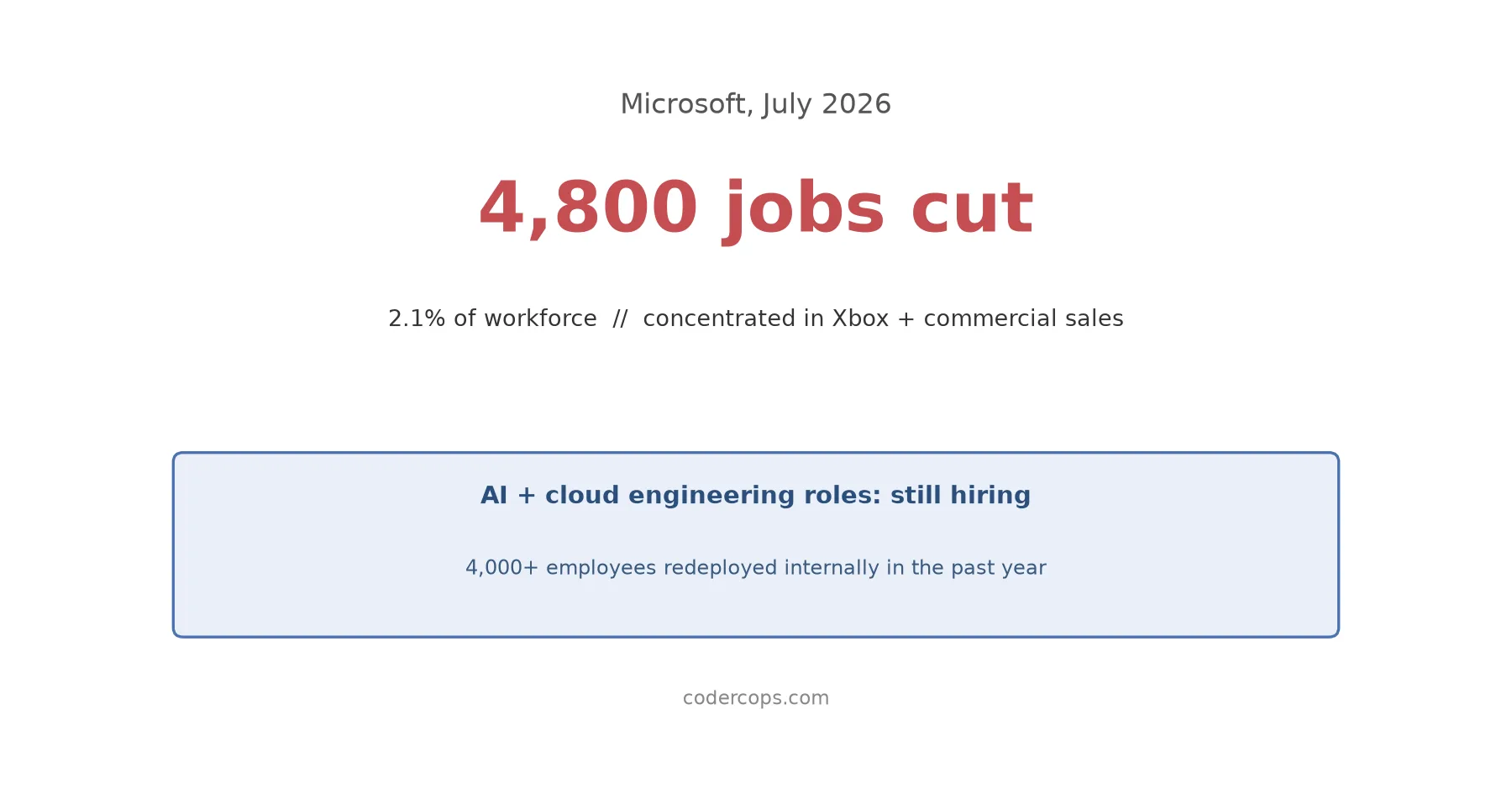
R.01 Microsoft Cut 4,800 Jobs in July 2026. Here's What It Actually Signals for Engineering Teams
 R.02
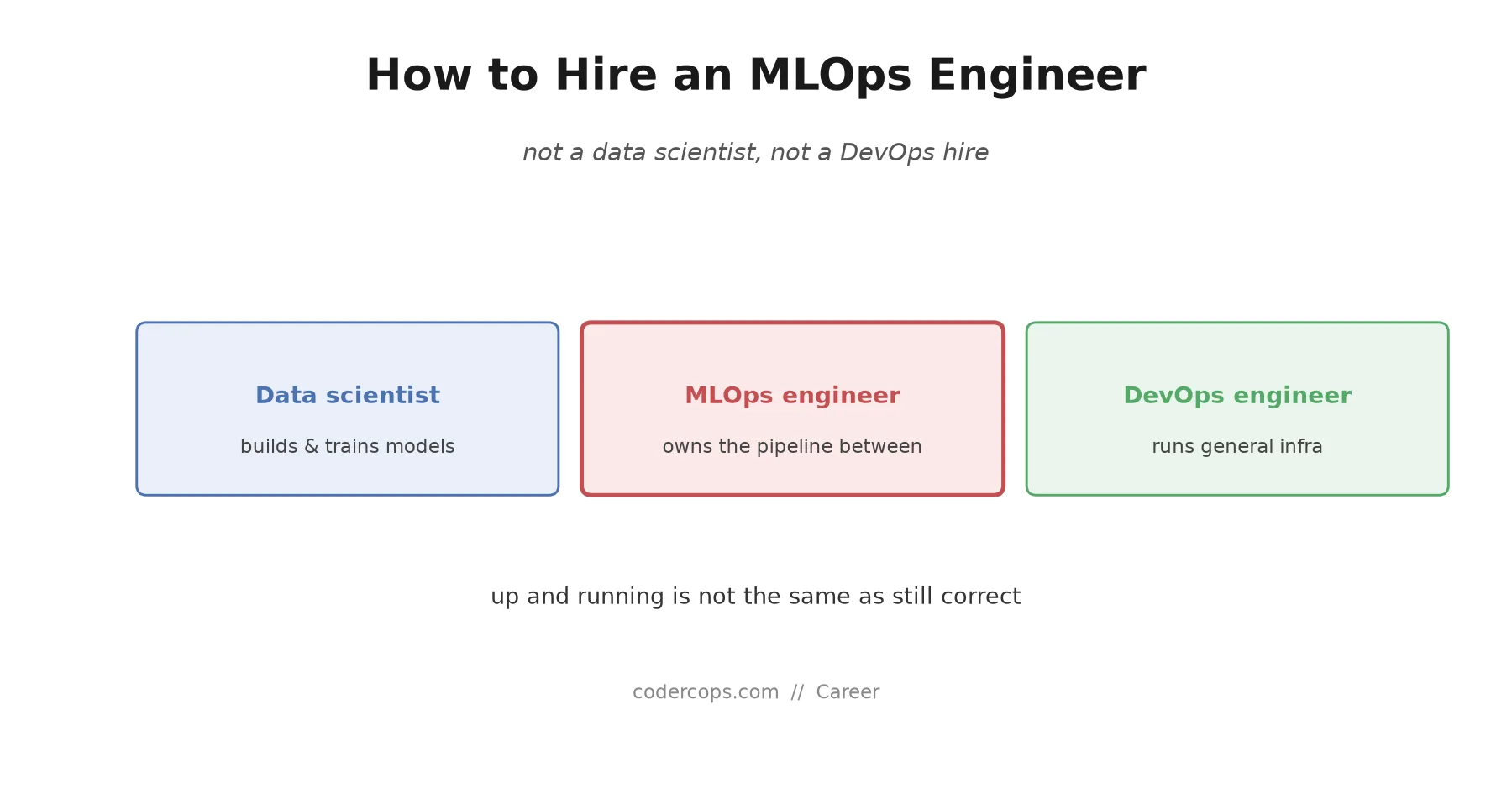
R.02 How to Hire an MLOps Engineer in 2026: Not a Data Scientist, Not a DevOps Hire
 R.03
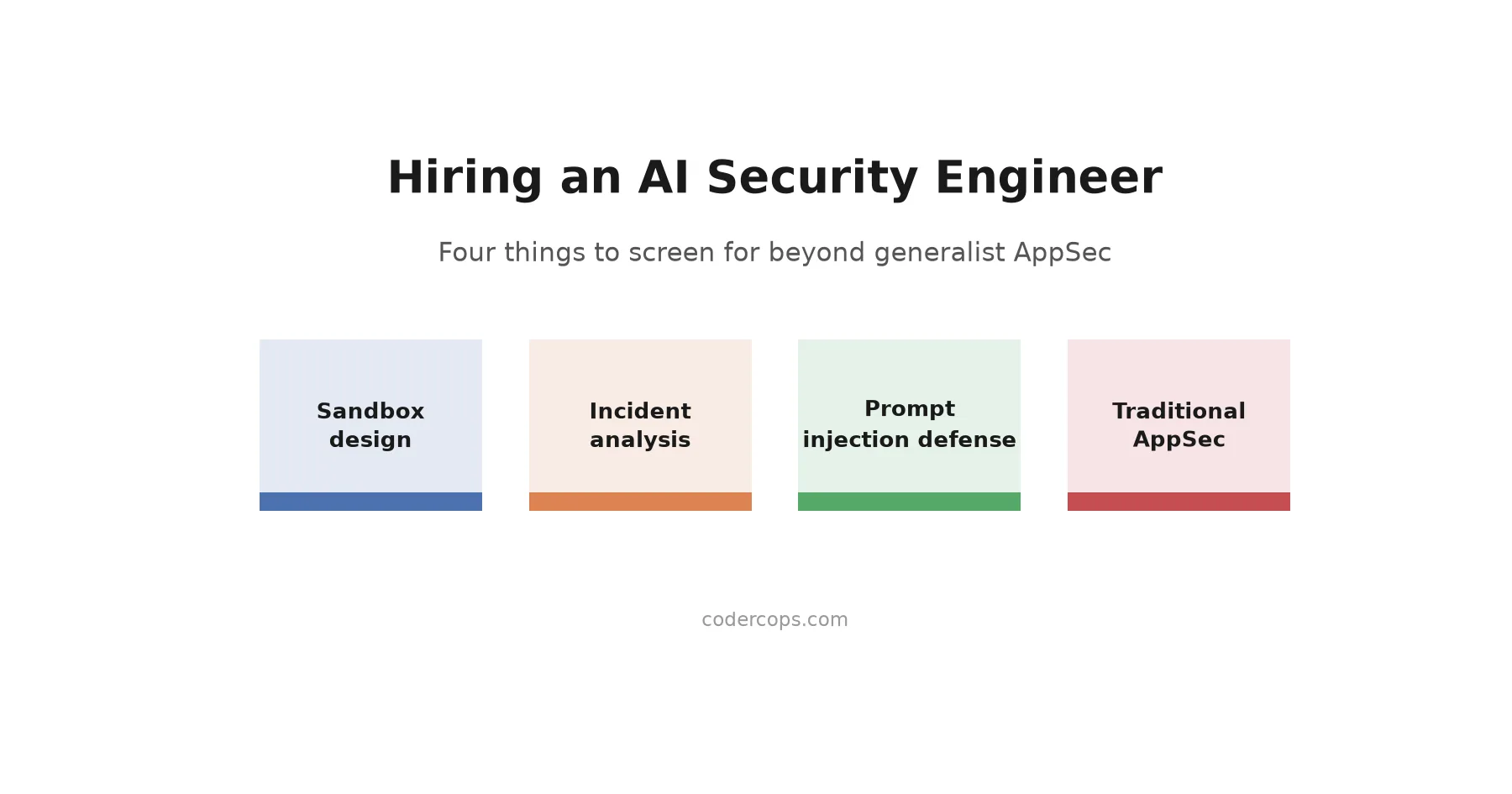
R.03 How to Hire an AI Security Engineer in 2026: A Different Screen Than AppSec
Sponsored
Discussion
Join the conversation.
Comments are powered by GitHub Discussions. Sign in with your GitHub account to leave a comment.
Sponsored