How to Hire a Staff Engineer in 2026
A staff engineer is scoped by impact across teams, not seniority. Here is how to screen for that instead of promoting your best senior engineer.
Tag
63 articles tagged #Career.
A staff engineer is scoped by impact across teams, not seniority. Here is how to screen for that instead of promoting your best senior engineer.
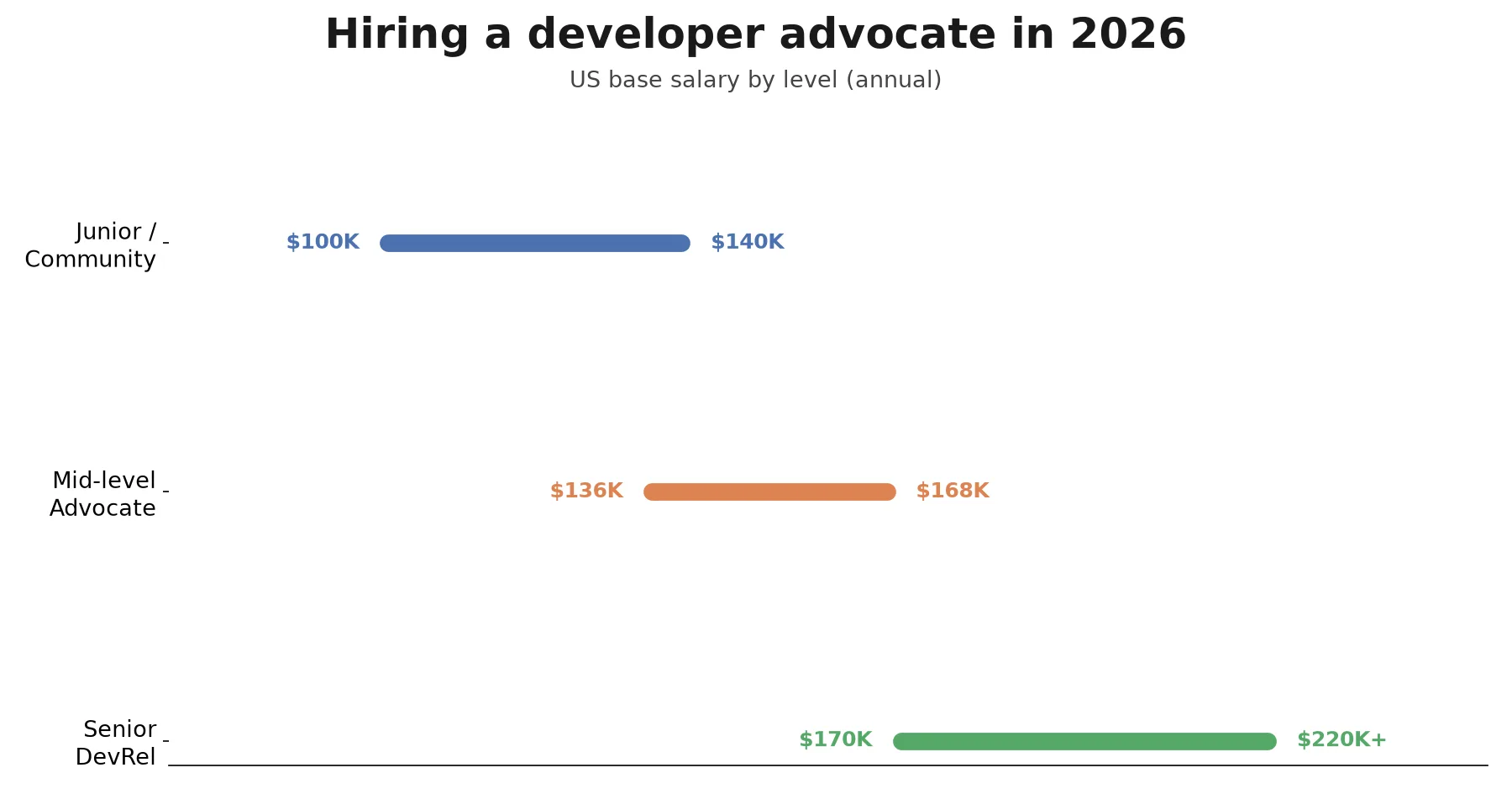
P.02A DevRel posting draws speakers, content marketers, and ex-engineers who miss coding. How to work out which your product needs, what to test, what it costs.
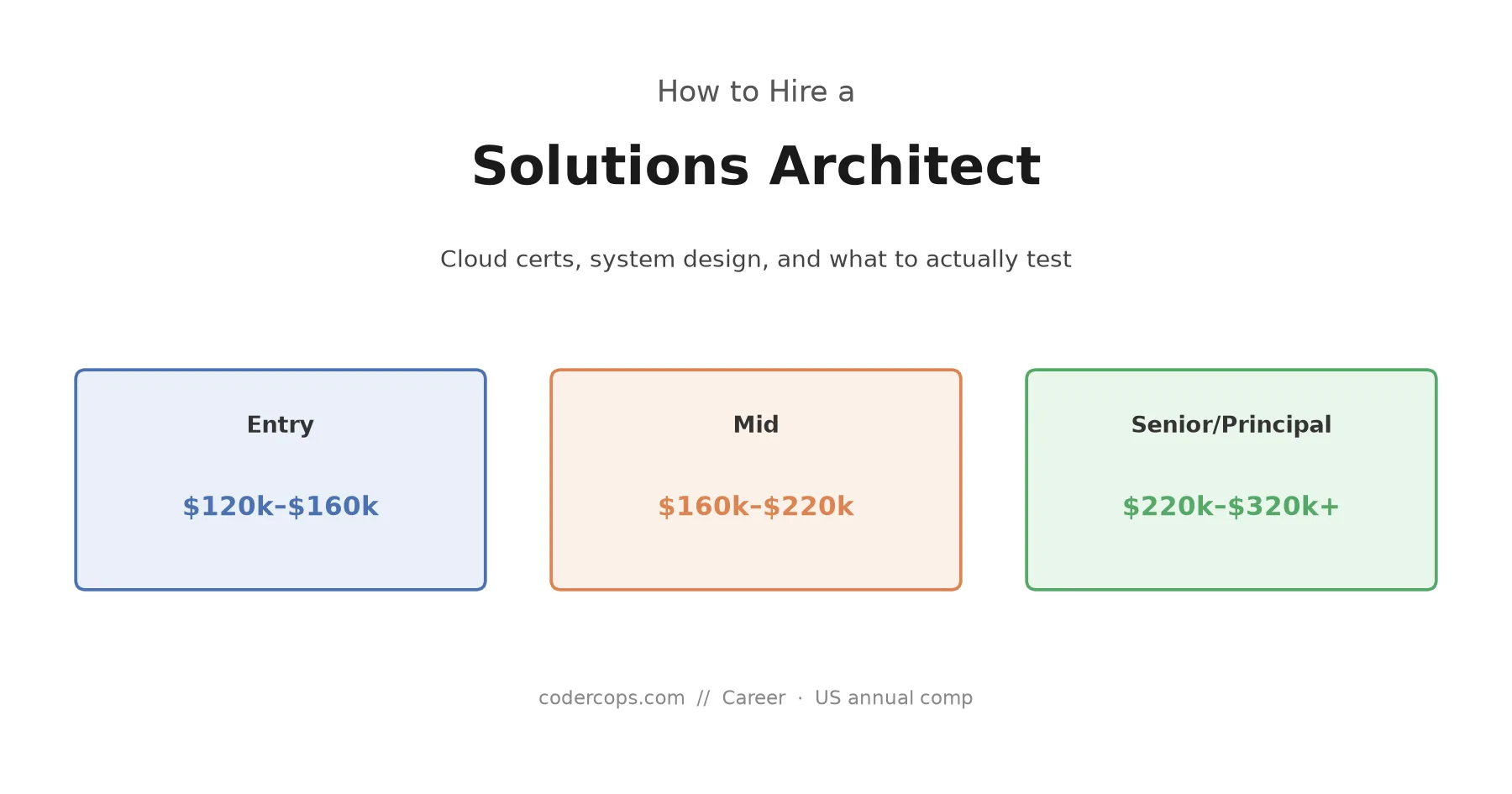
P.03A solutions architect posting attracts cloud generalists, ex-consultants, and people who haven't shipped in years. How to tell them apart, and what to test.
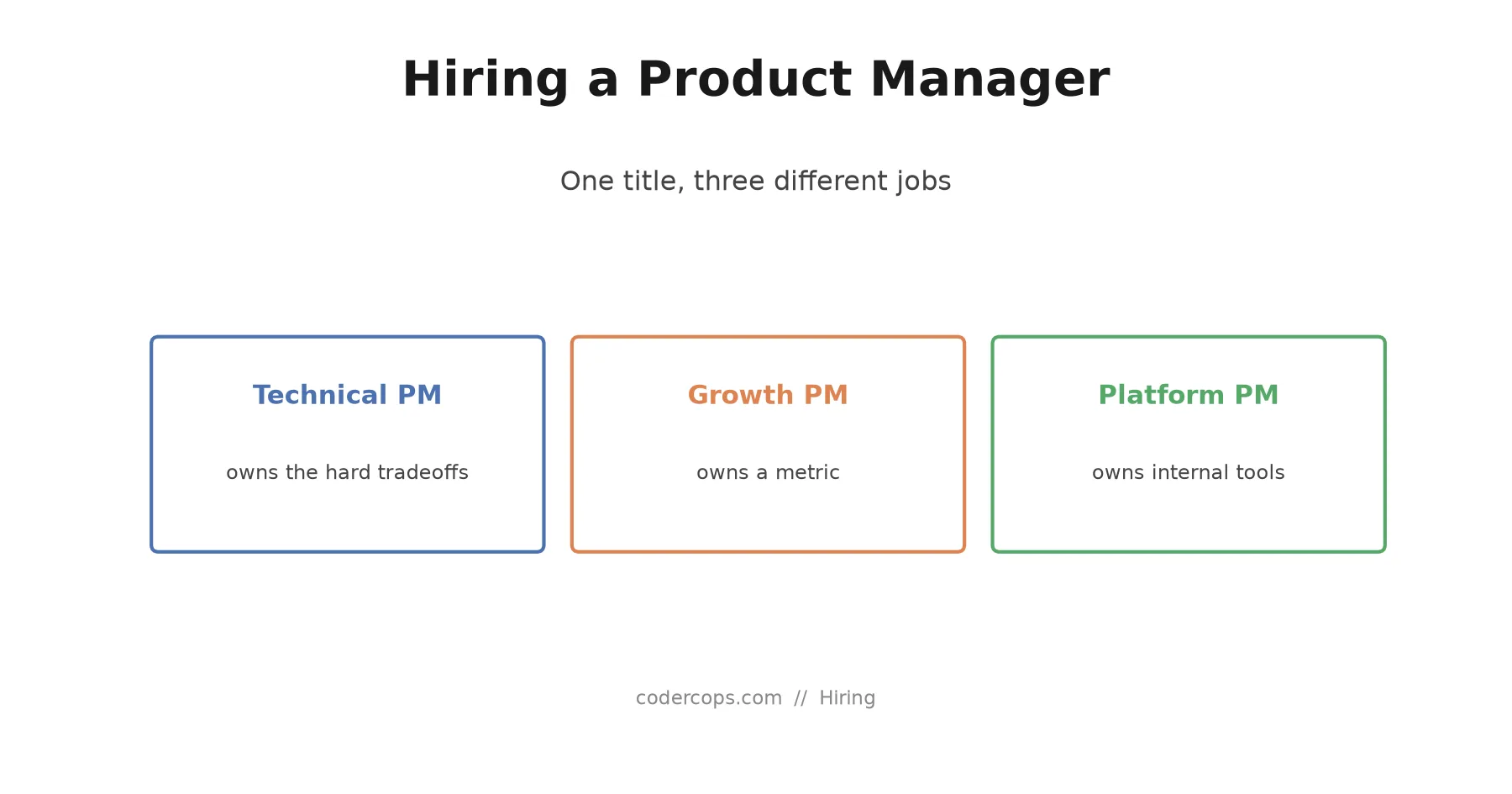
P.04PM job descriptions read identically across companies. The actual job doesn't. Which of the three real PM jobs you're hiring for, and what the role costs.
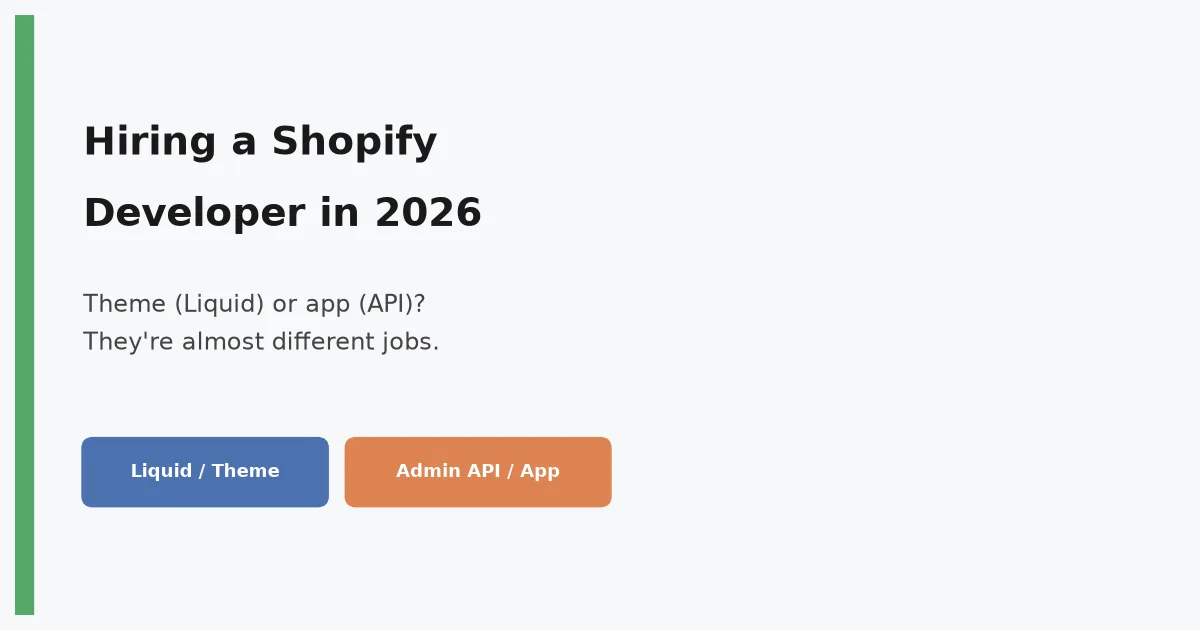
P.05Shopify hiring split into two jobs, theme customization and app or headless work, that share a platform and little else. How to tell which one you need.
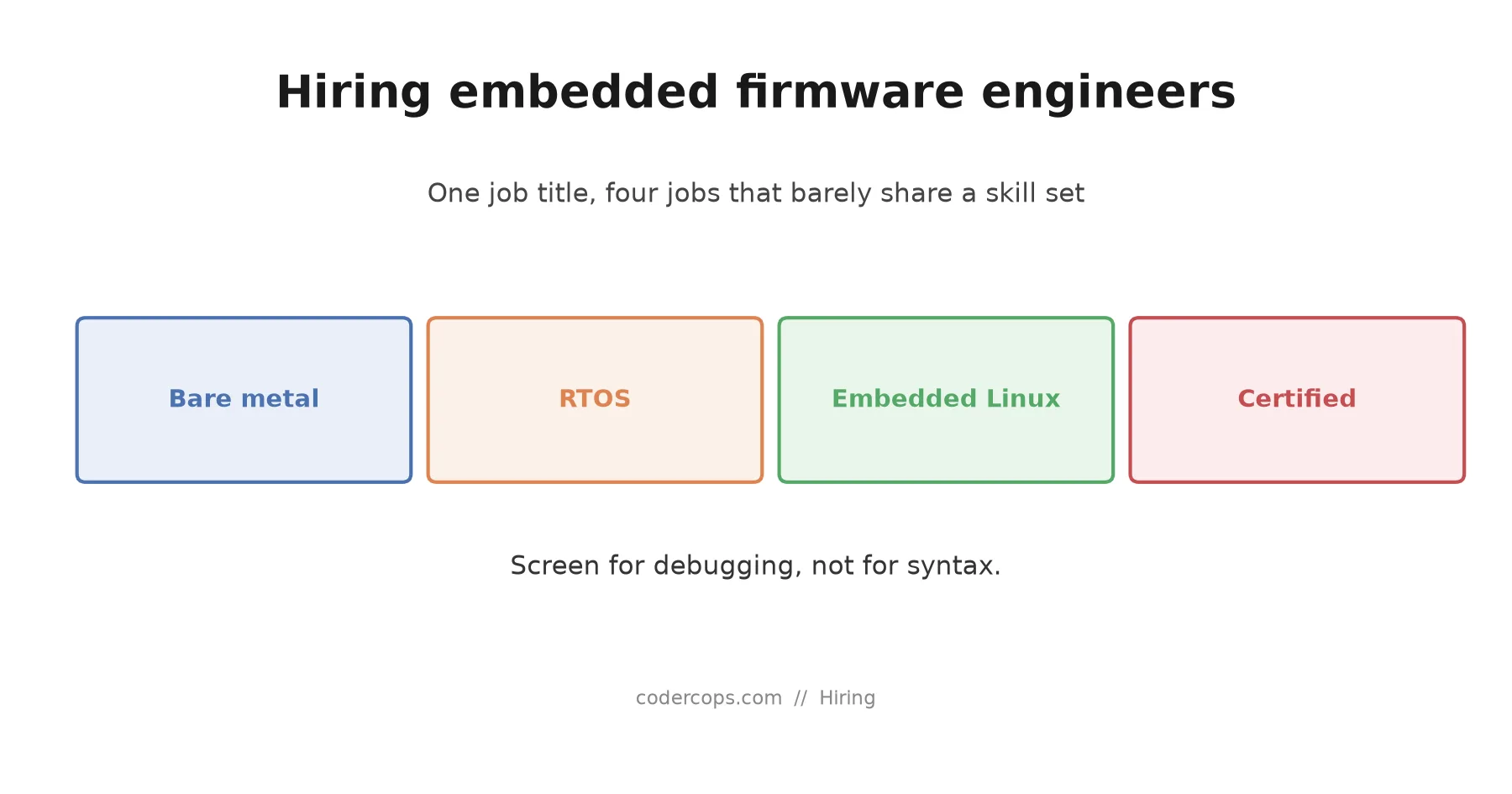
P.06Firmware hiring fails differently from web hiring. The pool is small, the specialisms don't transfer, and the usual coding screen tells you almost nothing.
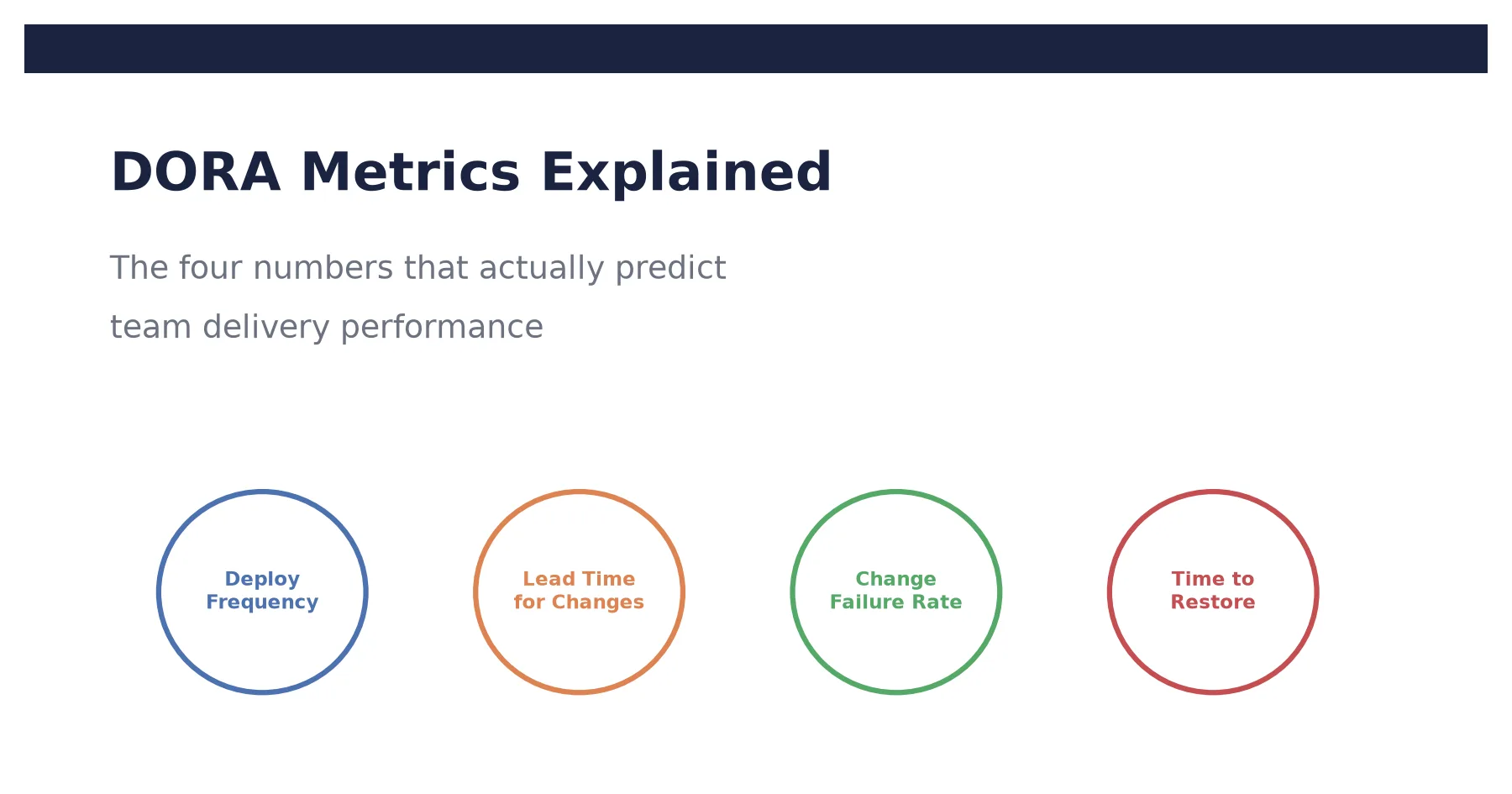
P.07Deployment frequency, lead time, change failure rate, time to restore. What each measures, the tiers that separate elite teams, and where teams misuse them.
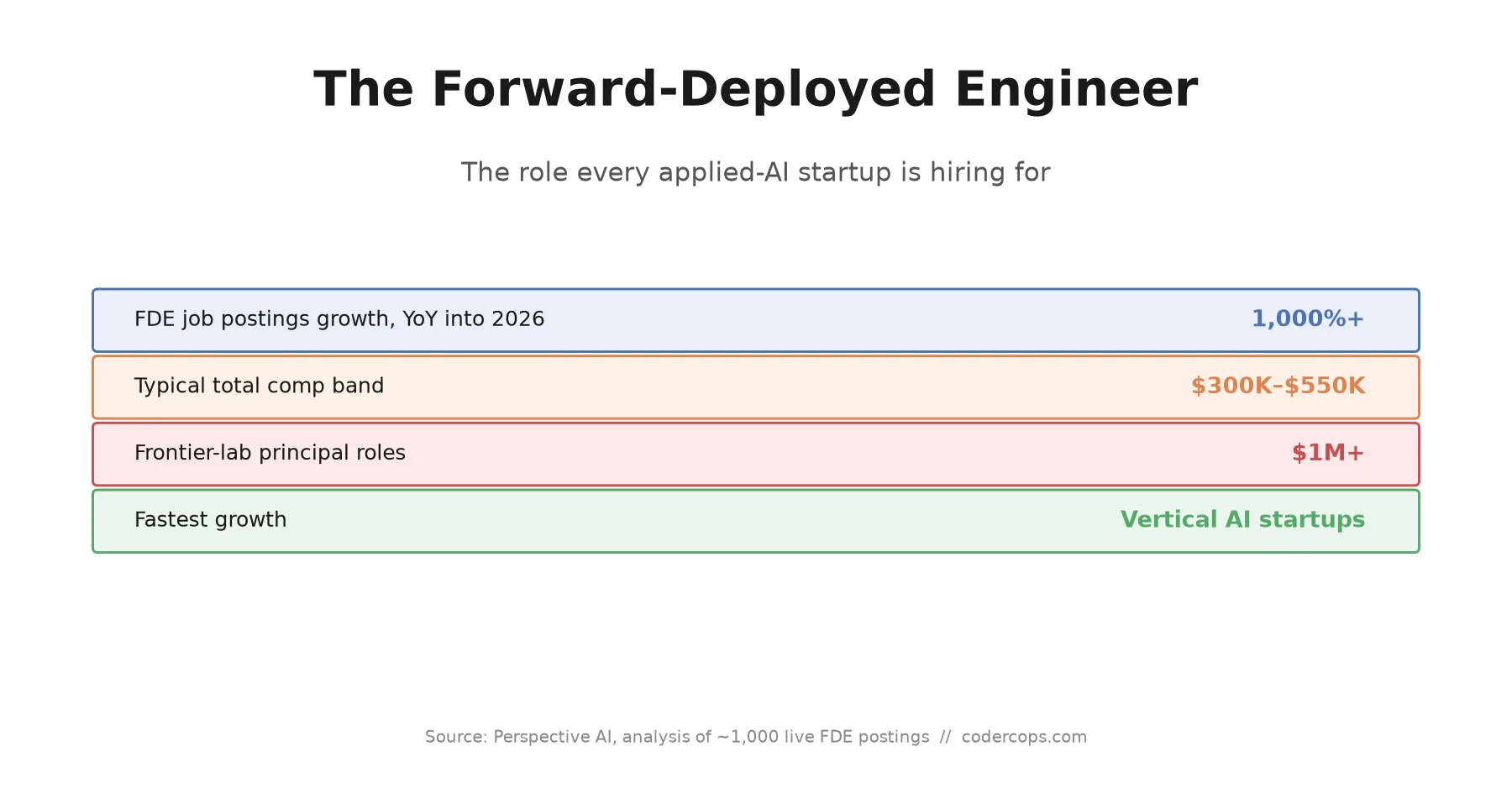
P.08Forward-deployed engineer postings grew over 1,000% year over year, with comp at $300K-$550K. What the role is, why it exists, and what it means for hiring.
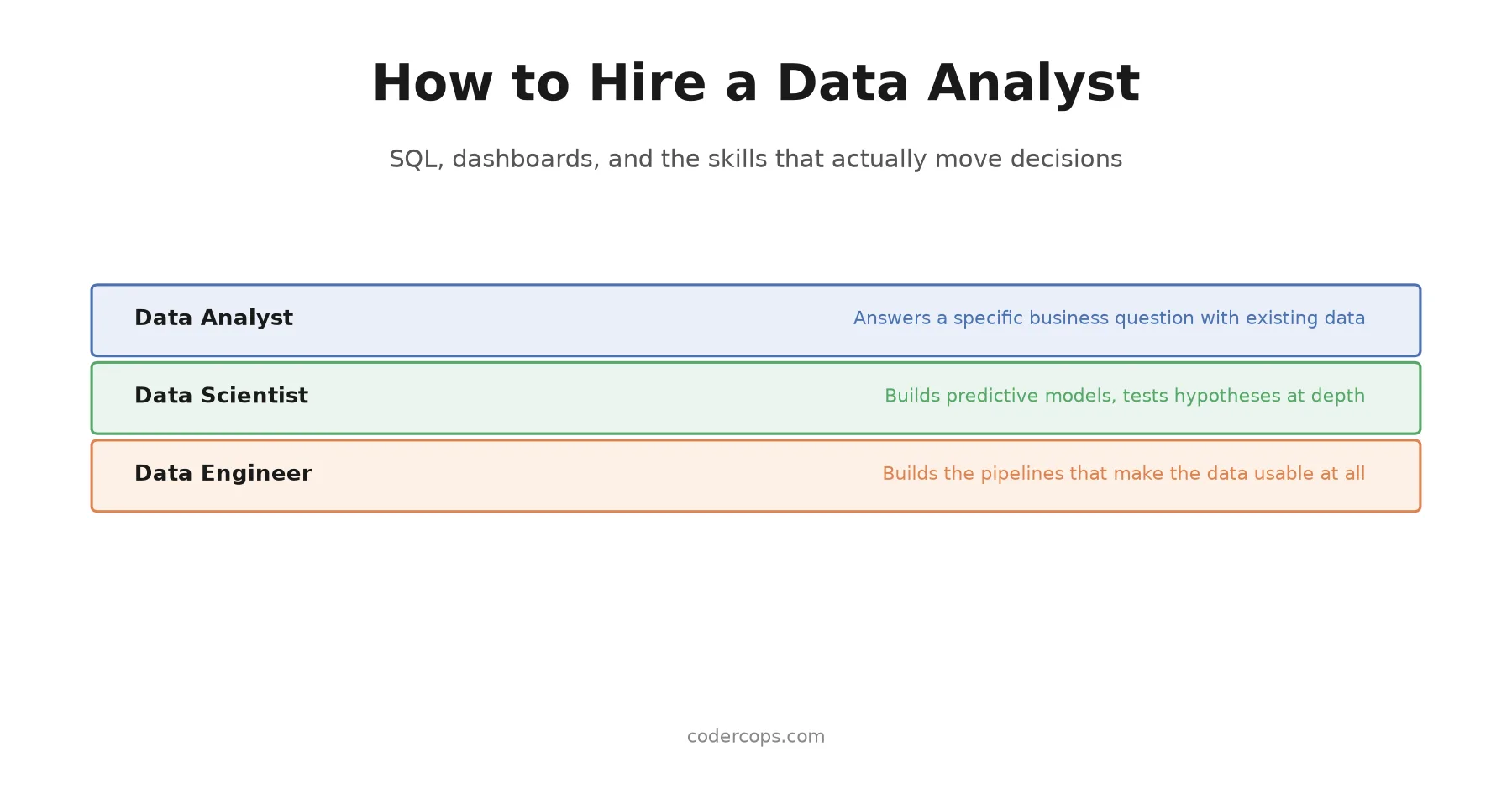
P.09A data analyst is not a junior data scientist or a dashboard builder. What the role requires, how it differs, and the screen that finds decision-changing work.
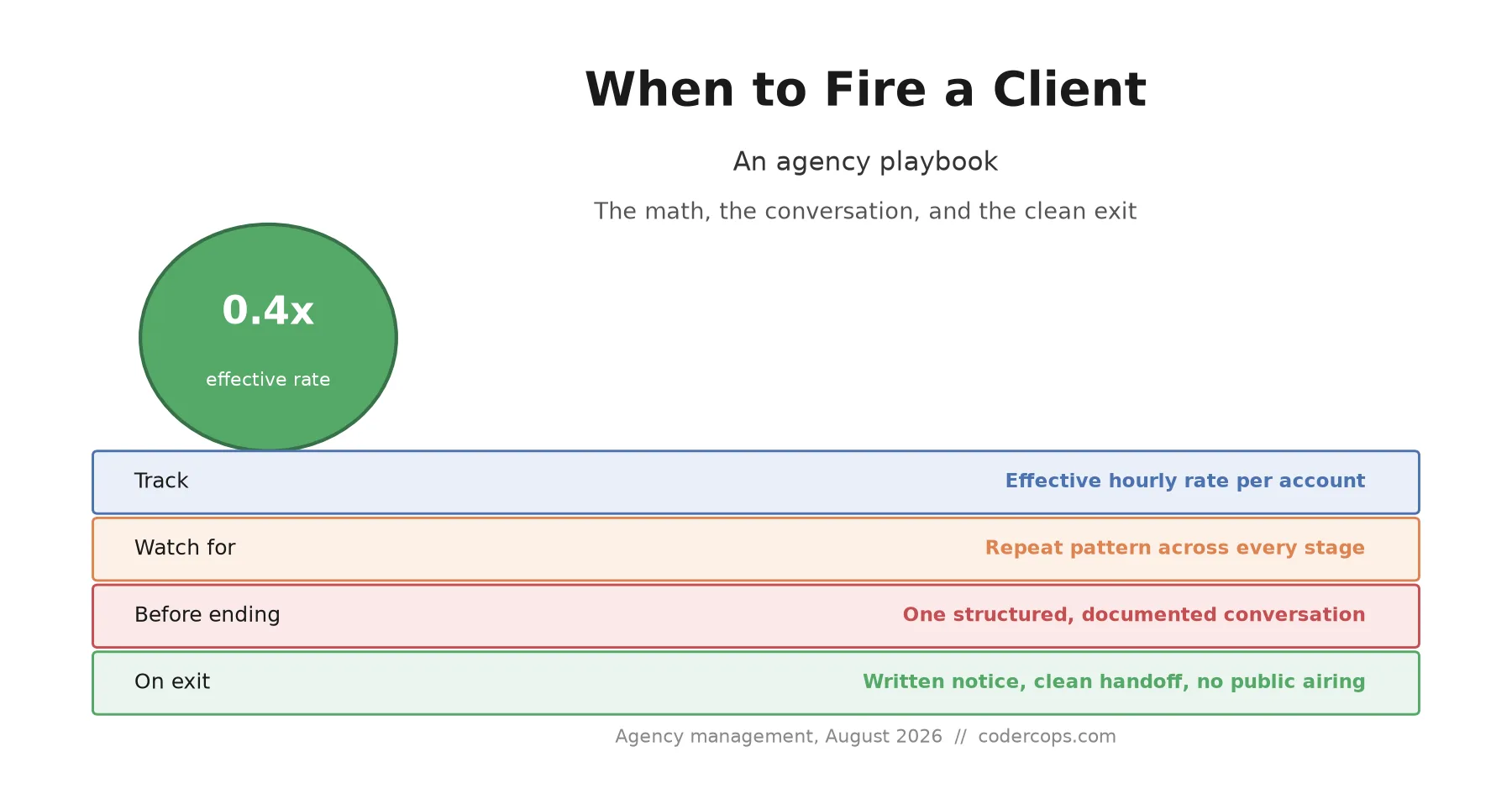
P.10Most agencies keep a bad client months too long because nobody has a framework. How to recognise when it's time, and how to end it without burning bridges.
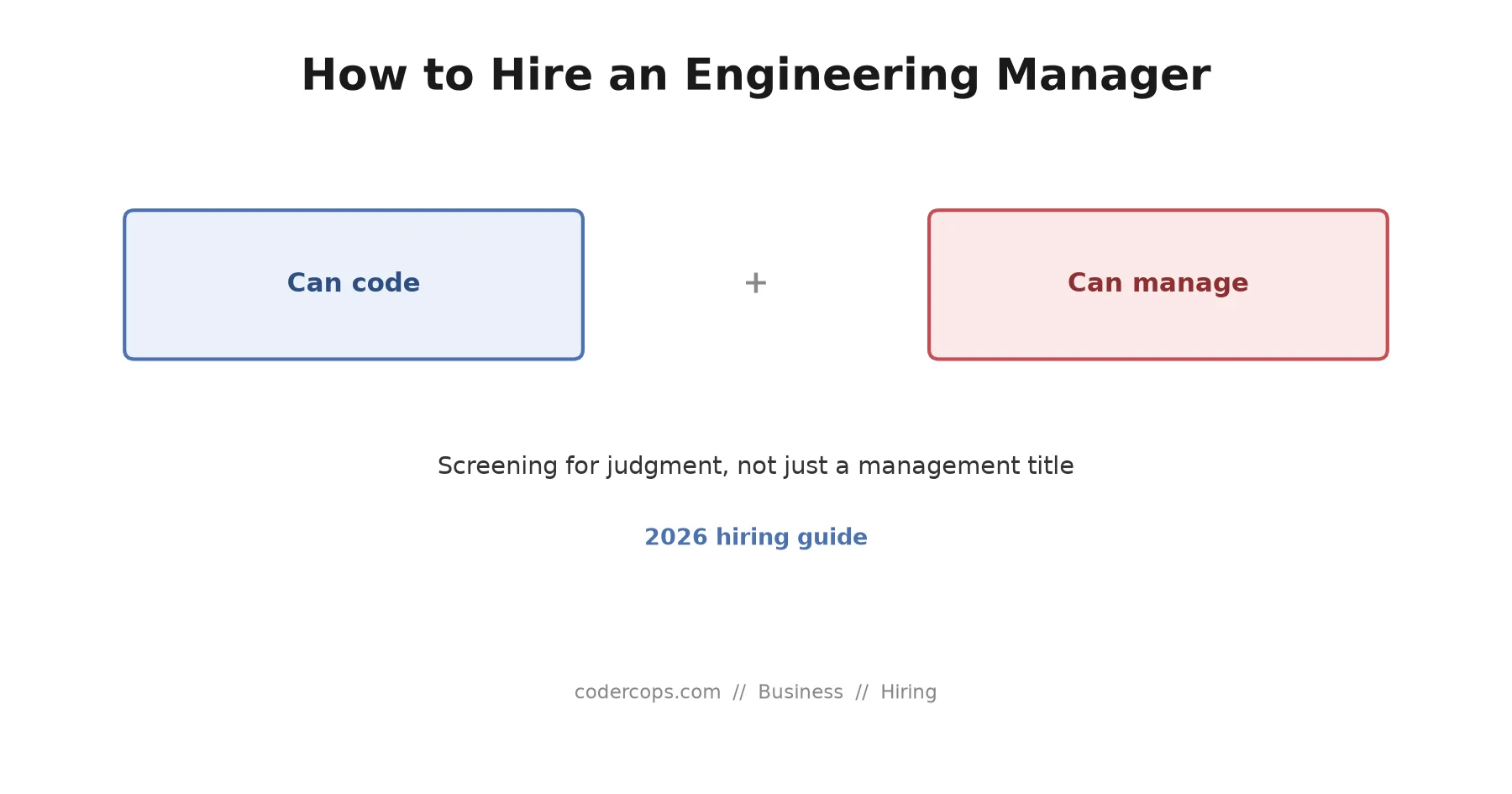
P.11EM hires fail for different reasons than IC hires. What to actually test: handling underperformance, technical debt calls, and pushback with the business.
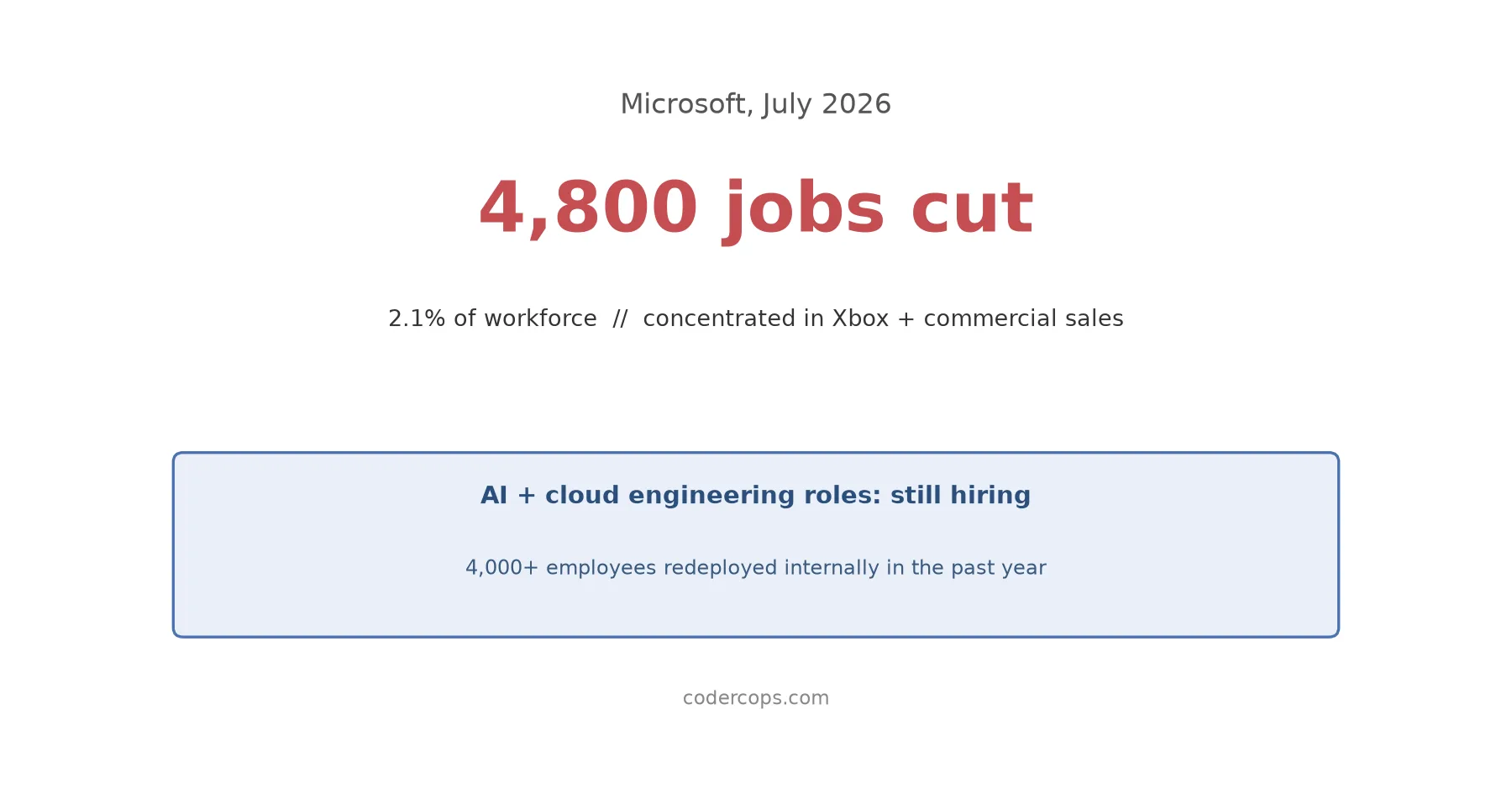
P.12Microsoft laid off 4,800 on July 6, 2026, hitting Xbox and commercial sales hardest while still pouring money into AI. What the pattern means for engineers.
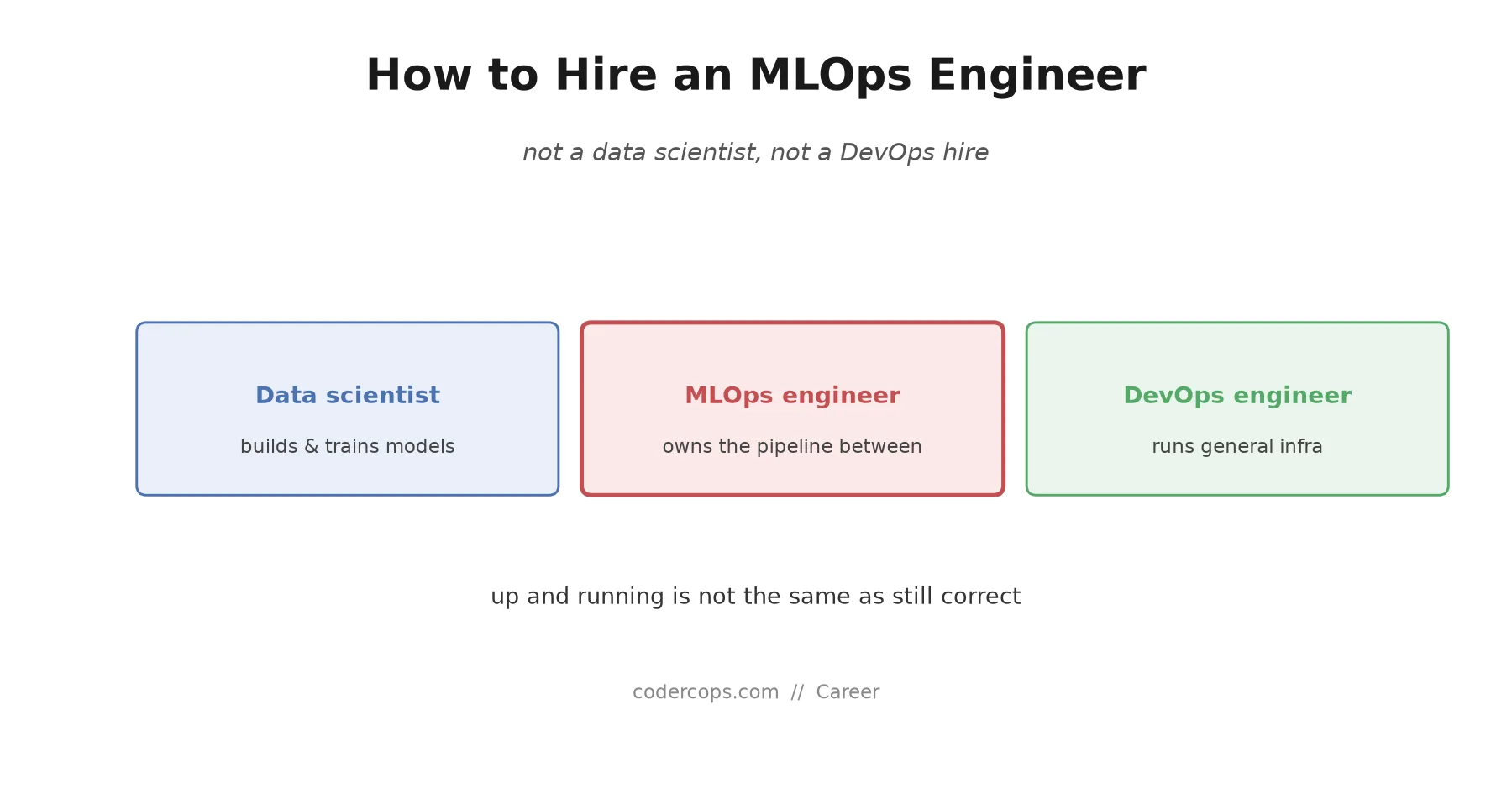
P.13MLOps sits between the data scientist's model work and the DevOps engineer's infrastructure. What the role owns, what to screen for, and where people come from.
P.14Game hiring is not web hiring. How to tell Unity talent from Unreal talent, what to actually test for, and what it costs to get this right in 2026.
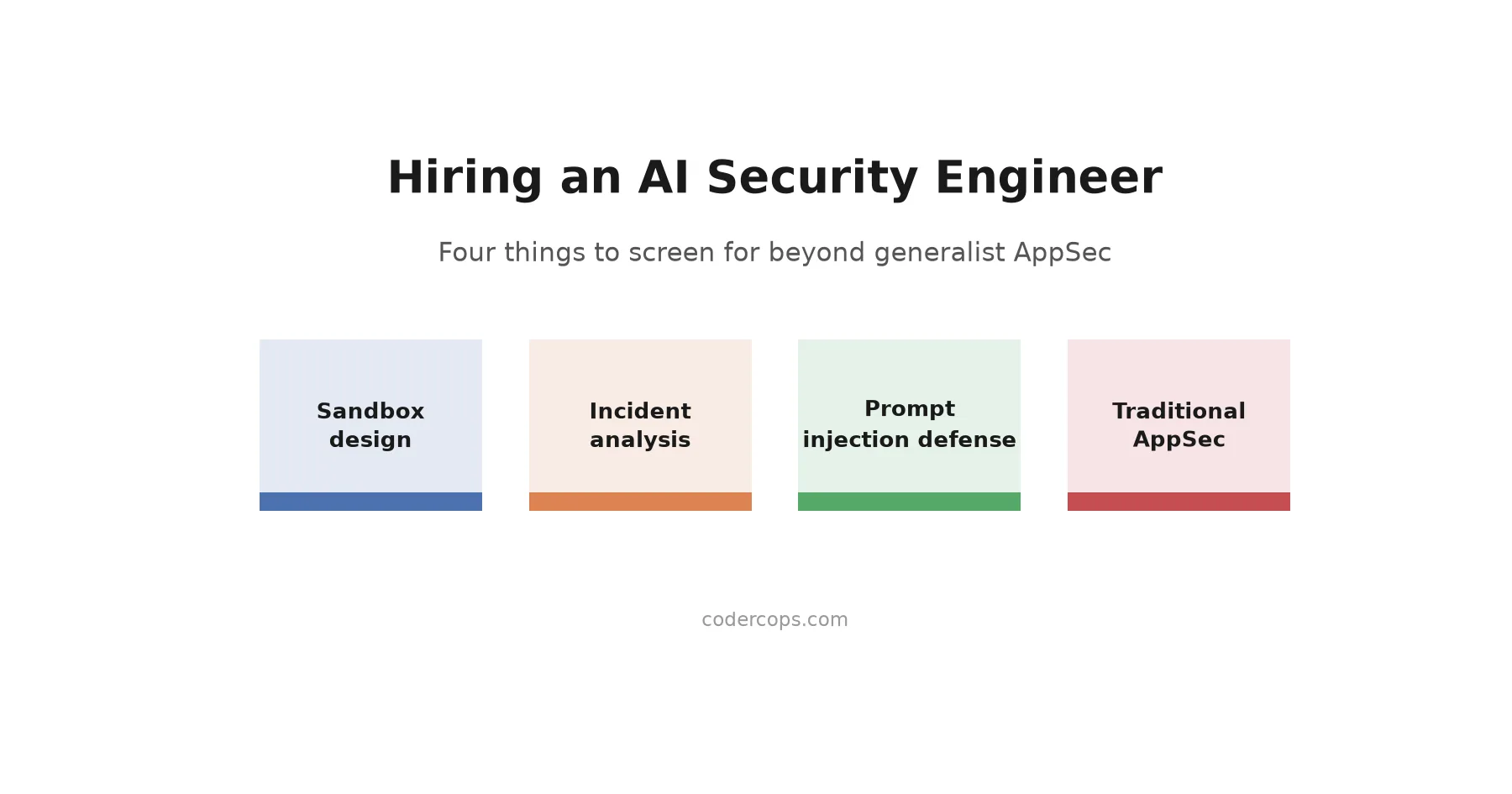
P.15Agent sandbox escapes, prompt injection, and tool-permission design are a distinct skill set from AppSec. What to screen for, and where candidates come from.
P.16Rails isn't the default startup choice anymore, but it didn't disappear. Where it still wins, where Next.js and Django beat it, and who should learn it.
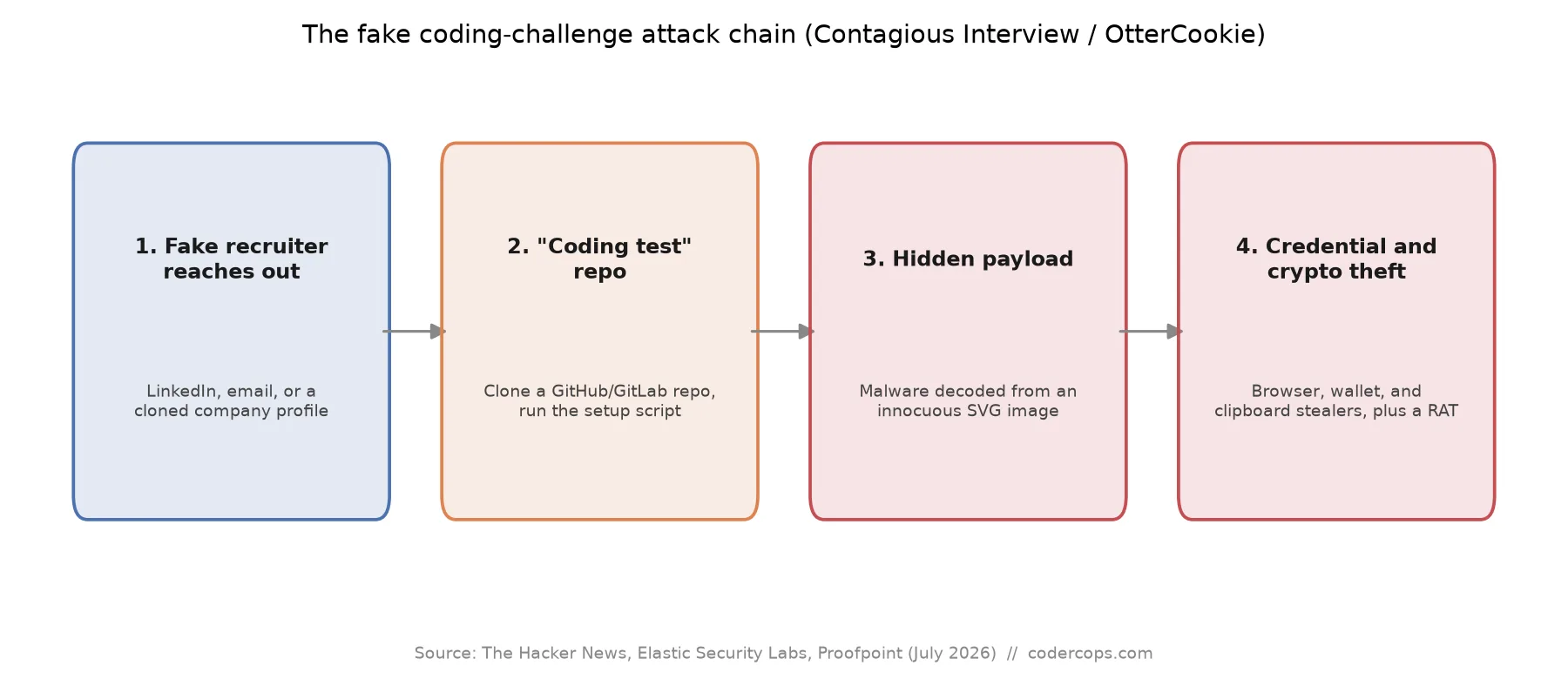
P.17North Korea-linked campaigns hide malware in take-home coding tests, using steganography in SVGs to pass review. How to vet a challenge before you run it.
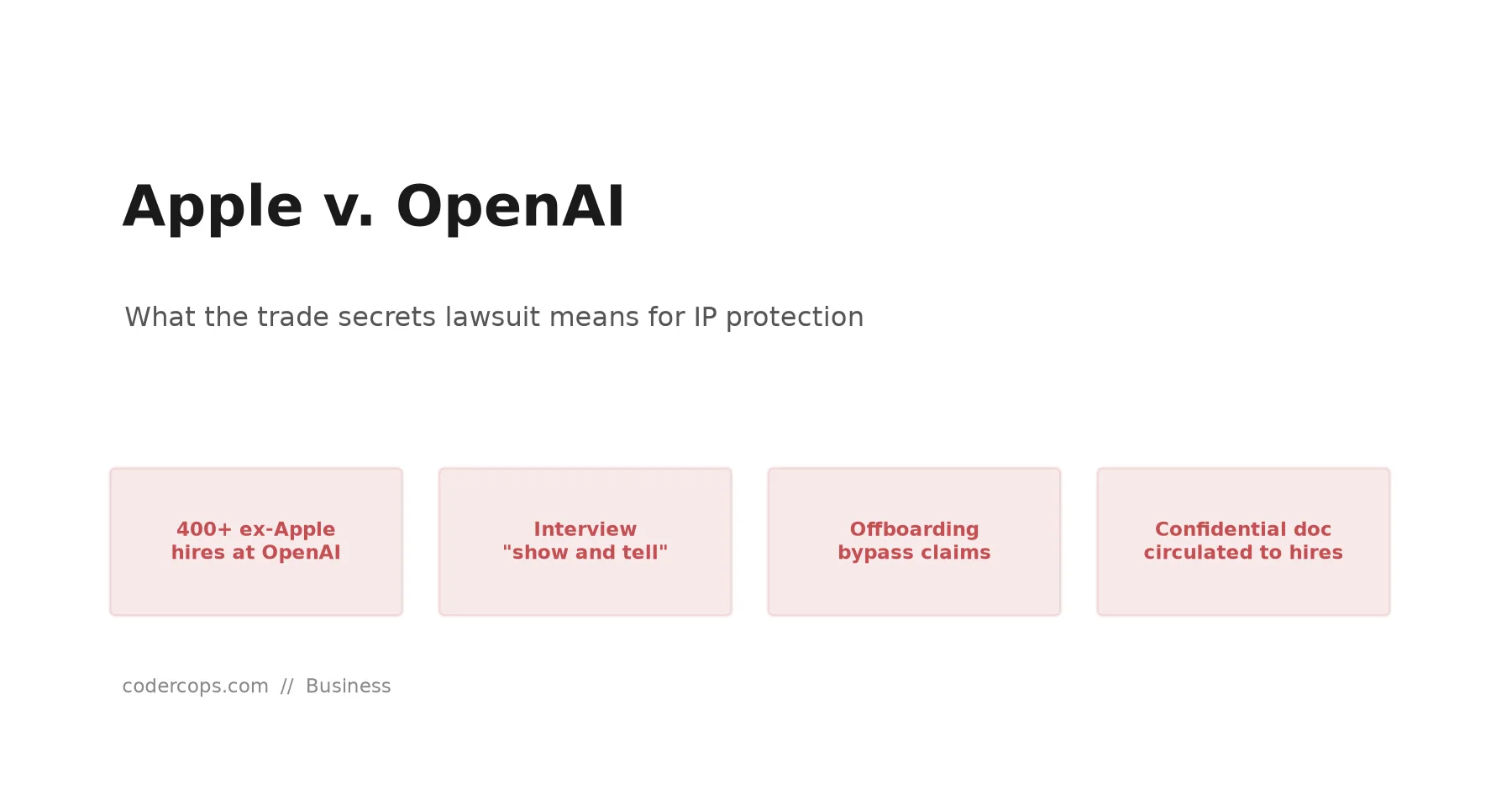
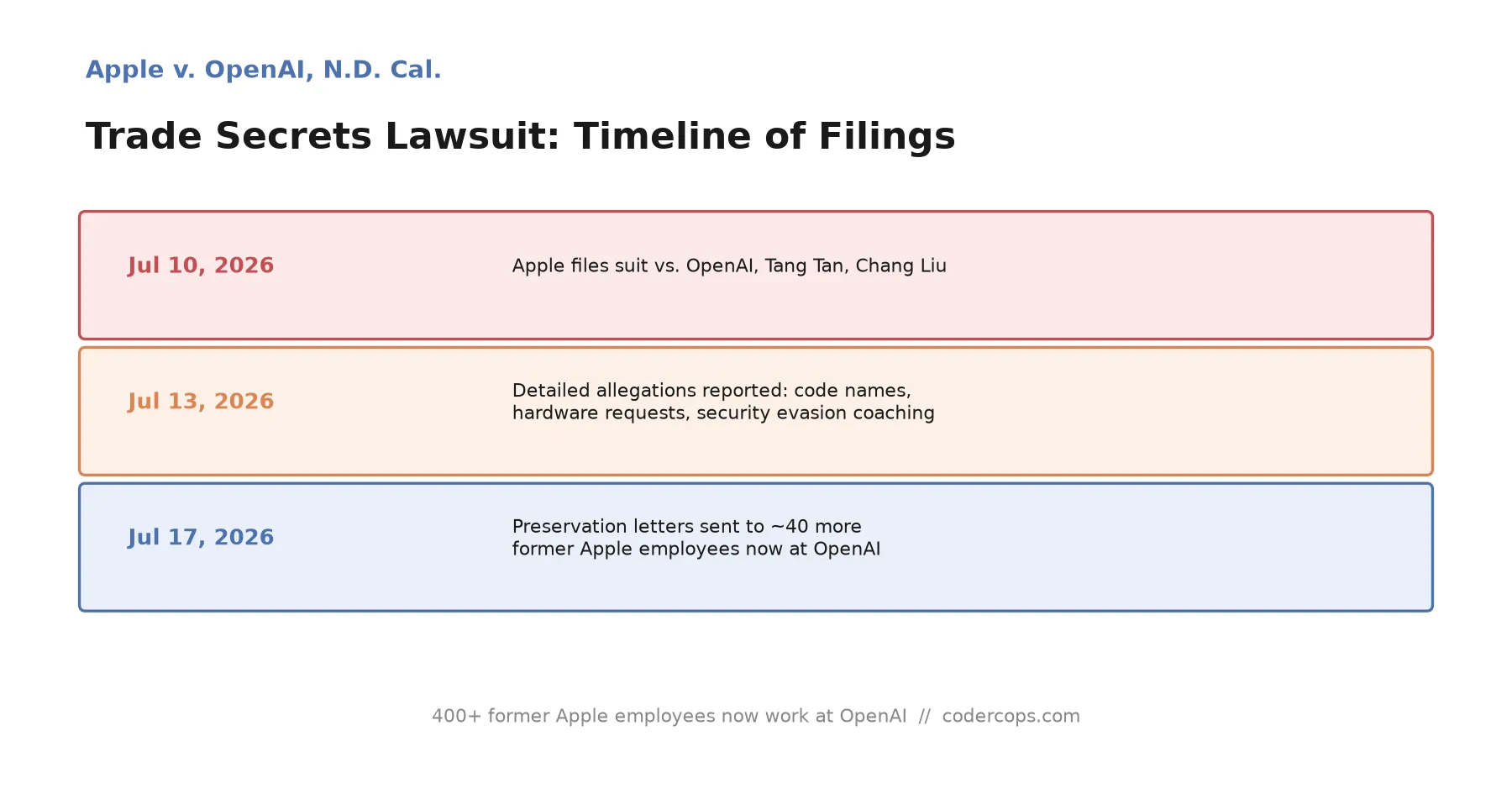
P.18Apple sued OpenAI on July 10 alleging trade secret theft through hired-away staff. The allegations read like a checklist of gaps in hiring and offboarding.
P.19Apple sued OpenAI on July 10 over alleged recruiting and data extraction, then sent preservation letters to 40 more ex-employees. What it means for hiring.
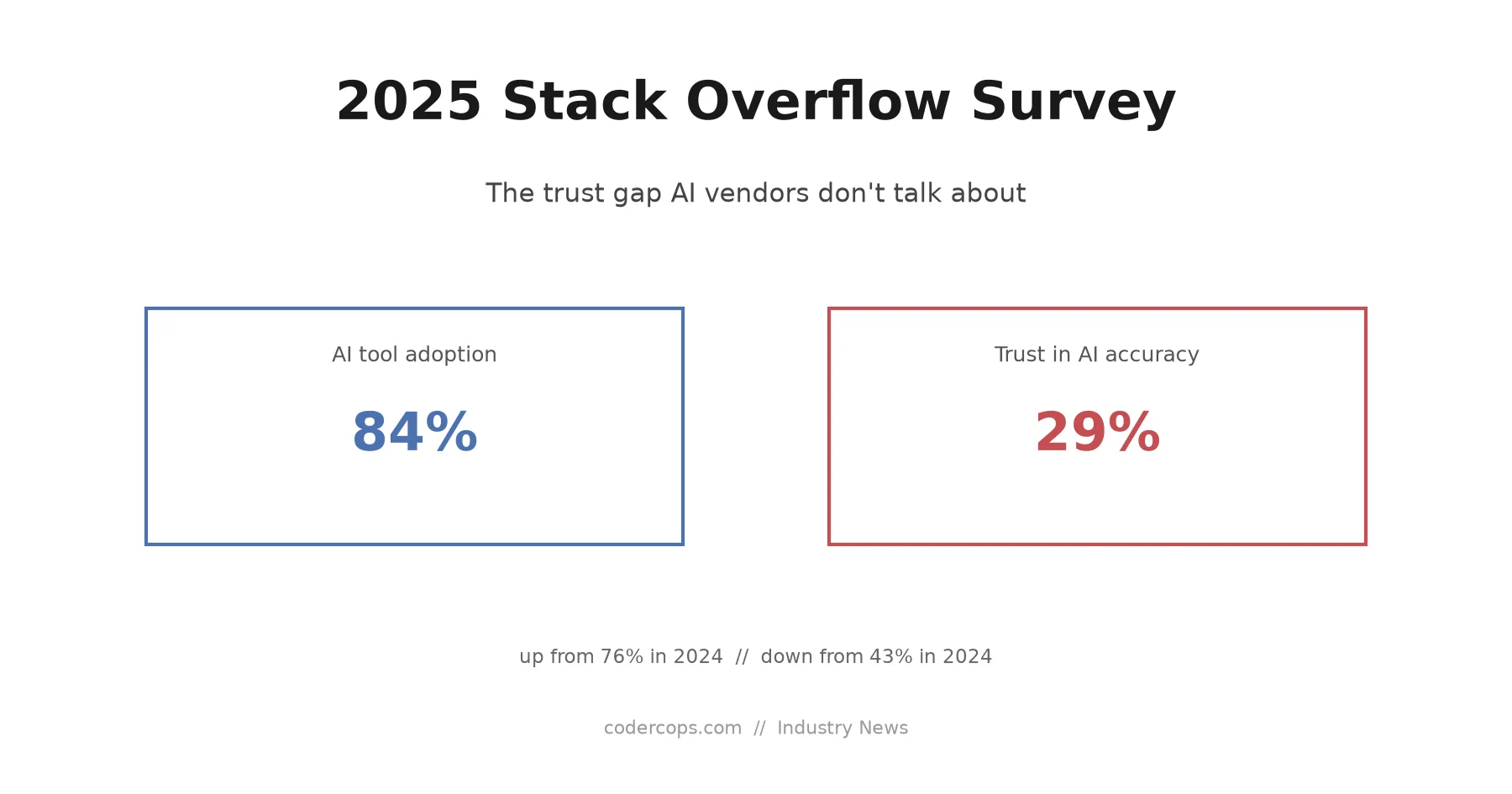
P.20AI tool use hit 84% in the 2025 Stack Overflow survey while trust in accuracy fell to 29%. Usage up, trust down. What that gap means for how teams work.
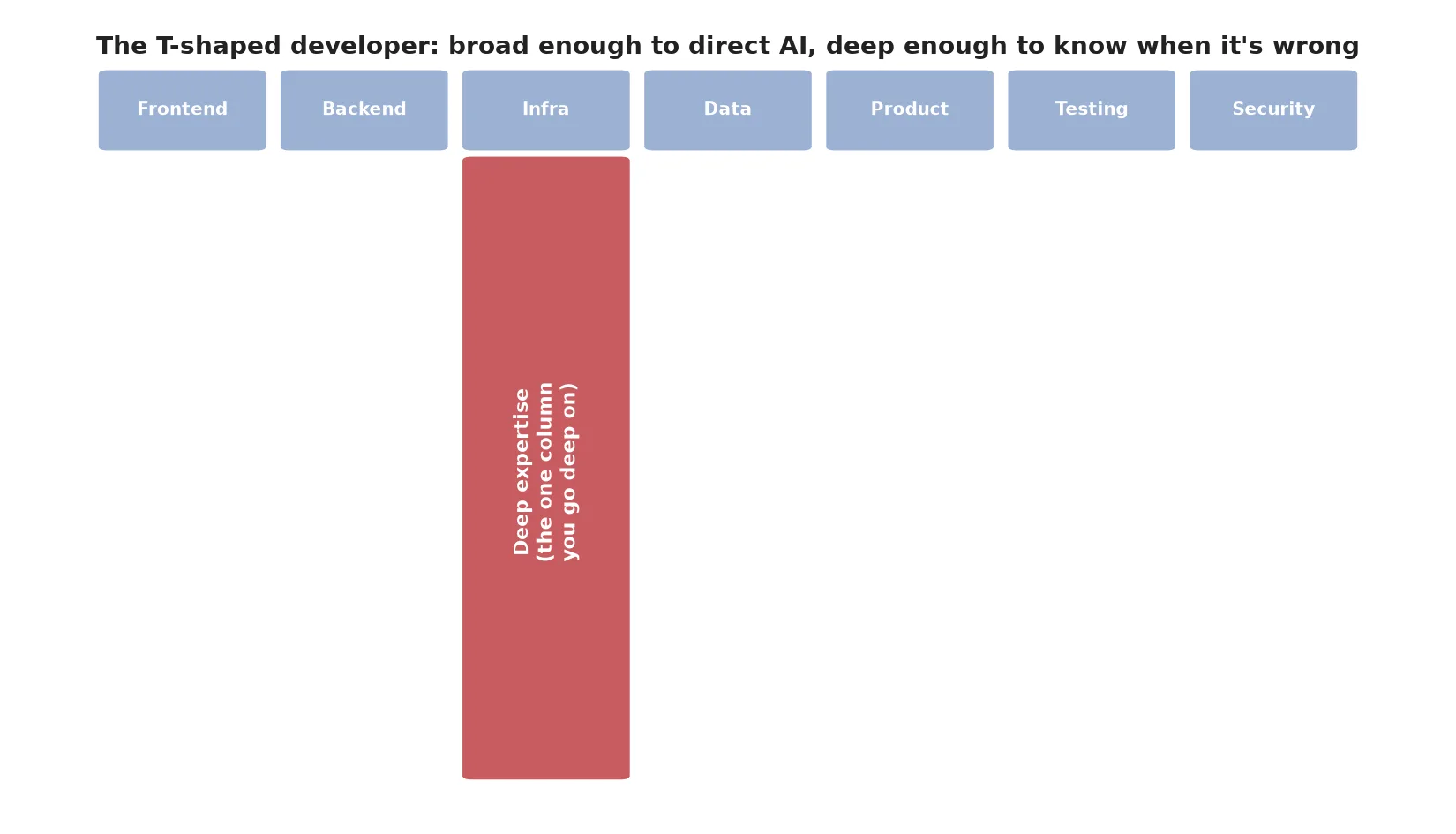
P.21AI agents made broad, shallow knowledge cheap to fake. What's getting scarcer is the depth to know when the agent is wrong. Specializing versus generalizing.
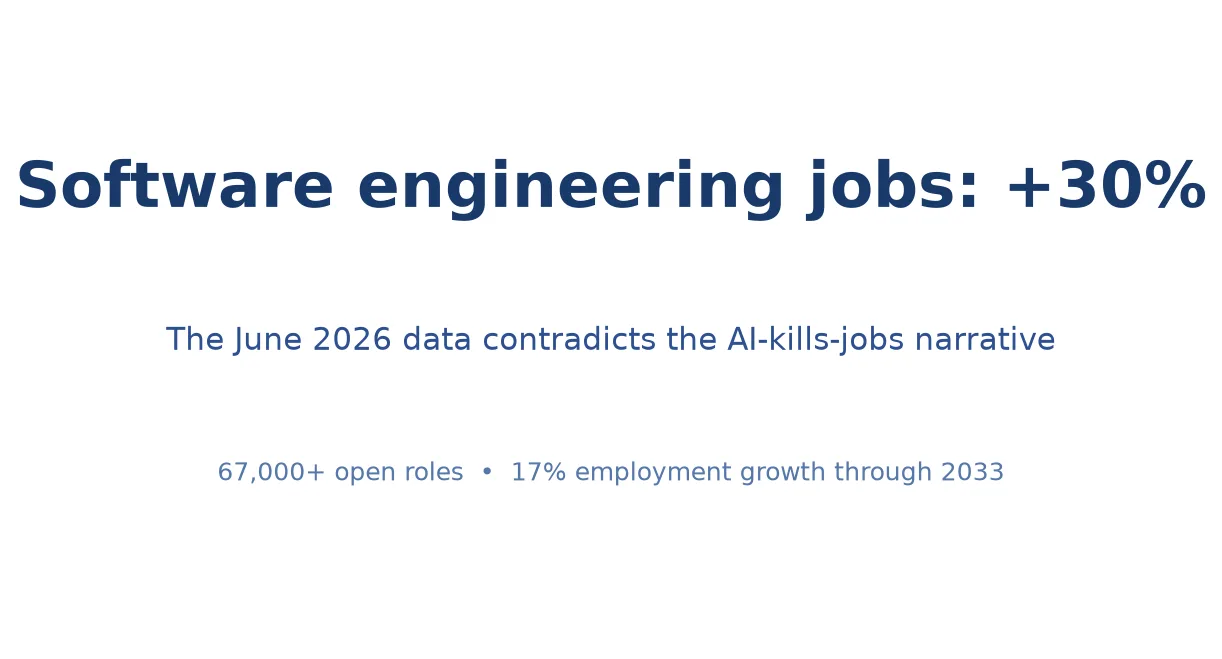
P.22June 2026 data shows software engineer listings up 30% with 67,000+ open roles, despite the layoff headlines. Who's hiring, and where the market shrinks.
Most developers lose money by negotiating too early, disclosing their current salary, or taking the first number offered. What actually works instead.
Most hiring managers look at the wrong things. Stars and followers tell you almost nothing. What to look for, and what AI changed about reading profiles.
Both formats have real problems, and AI made take-homes worse. What each predicts, where each fails, and the hybrid that beats either one on its own.
Most reference checks are theater: three friends say nice things and you move on. How to run calls that surface real information before you make an offer.
LeetCode interviews are popular and mostly useless for predicting on-the-job performance. What the research says works, and how to build that process.
A week-by-week playbook for onboarding a new software engineer. What to cover in the first month, what most teams skip, and how to measure whether it is working.
The remote market is more competitive and more winnable than it looks. The developers who get hired aren't the strongest coders, they're the easiest to assess.
Most technical job descriptions repel the people they're trying to hire. What senior developers actually look for, and how to write a posting that lands.
Agency IP productization turns rebuilt code into recurring revenue: how to spot what's worth extracting, pick a packaging model, and price it.
Most agency owners are the bottleneck in their own business. Here's how to build systems for client work, hiring, and operations that run without you.
The standard Scrum playbook was designed for product teams with stable backlogs. Agencies have different constraints: client reviews, scope negotiations, and projects that end. Here's what actually works.
Most agencies figure out support pricing and SLA structure only after a client calls at 11pm. A better approach: define what you're selling before the project launches.
Most agency case studies fail because they document process instead of the client's decision and what changed. The structure that converts, and what to cut.
Hiring full-time for a three-month surge is one of the most expensive agency mistakes. How to build a contractor network before the moment you need it.
An ADR captures why a technical choice was made, not just what. One page per decision, stored in the repo. Here's the format and how to make it stick.
Most software estimates fail before code is written, not from bad hours but unexamined assumptions. Here is a more honest, process-driven estimation approach.
Most handoff docs end up ignored six months later when a client can't find their CMS login. Here's what to write, how to structure it, and what most agencies skip that causes the most post-launch support calls.
The invoice you send is only as good as the terms behind it. Here's how to structure deposits, milestones, and late fees so cash flow stays predictable and overdue invoices become rare.
PLG is not a marketing strategy. It's an architectural decision about where conversion happens. Here's what it looks like in practice and which patterns actually move revenue.
AI projects flood every portfolio. Here's what actually distinguishes a developer's work from the crowd — and why the way you document your decisions matters more than the tech stack you picked.
Most agencies invoice and move on. The ones that improve fastest sit down and ask what actually happened. How to run a debrief that produces changes.
The command line tools most developers use today are a decade old. Here's what's replaced them and why: terminals, Git UIs, shell configuration, and the small tools that compound into significant time savings.
Scope creep feels like a client problem until you realize the same clients cause it on every project while other clients never do. The difference is process, not personality.
Every agency hits the same wall: more work than the team can handle, not enough volume for a hire. White-label partnerships are how survivors manage growth.
Most agency developers never check the licence of an npm package until a client's lawyer does. What MIT, Apache 2.0, GPL and AGPL actually require.
Burnout among developers isn't new. But the specific pressures of 2026 — AI-driven productivity expectations, skills anxiety, and the blurring of output and identity — create a different texture of exhaustion.
Retainer contracts promise stable revenue but often create scope creep and capacity problems. Here's how to structure retainers that work for both sides.
Most technical proposals lose because they describe what will be built, not why the client should trust you to build it. Here's how to write one that actually wins.
The honest read on web developer demand after AI's impact, which roles are hot, which are cooling, and what the working week actually looks like across employment types.
Real revenue, profit margins, and owner take-home for solo, boutique, mid-size, and enterprise web agencies, including the messy parts most income reports skip.
RAM prices jumped roughly 90% in Q1 2026 as AI data centers now consume 70% of global memory supply, and the squeeze isn't expected to ease before 2028.
Gartner's $44.5B low-code market projection has arrived. Here's how Retool, Bubble, and FlutterFlow are reshaping development for professional teams.
I made 40% more freelancing than in year one of running an agency. Here are the real revenue, hiring, and cash-flow lessons that finally fixed it.
Google Summer of Code 2026 accepted 185 organizations. Here is everything you need to know — eligibility, timeline, stipends up to $6,600, how to write a winning proposal, and the mistakes that get you rejected.
Tech layoffs and severe talent shortages are both real in 2026 because of a skills mismatch: AI is cutting generalist roles while starving specialist ones.
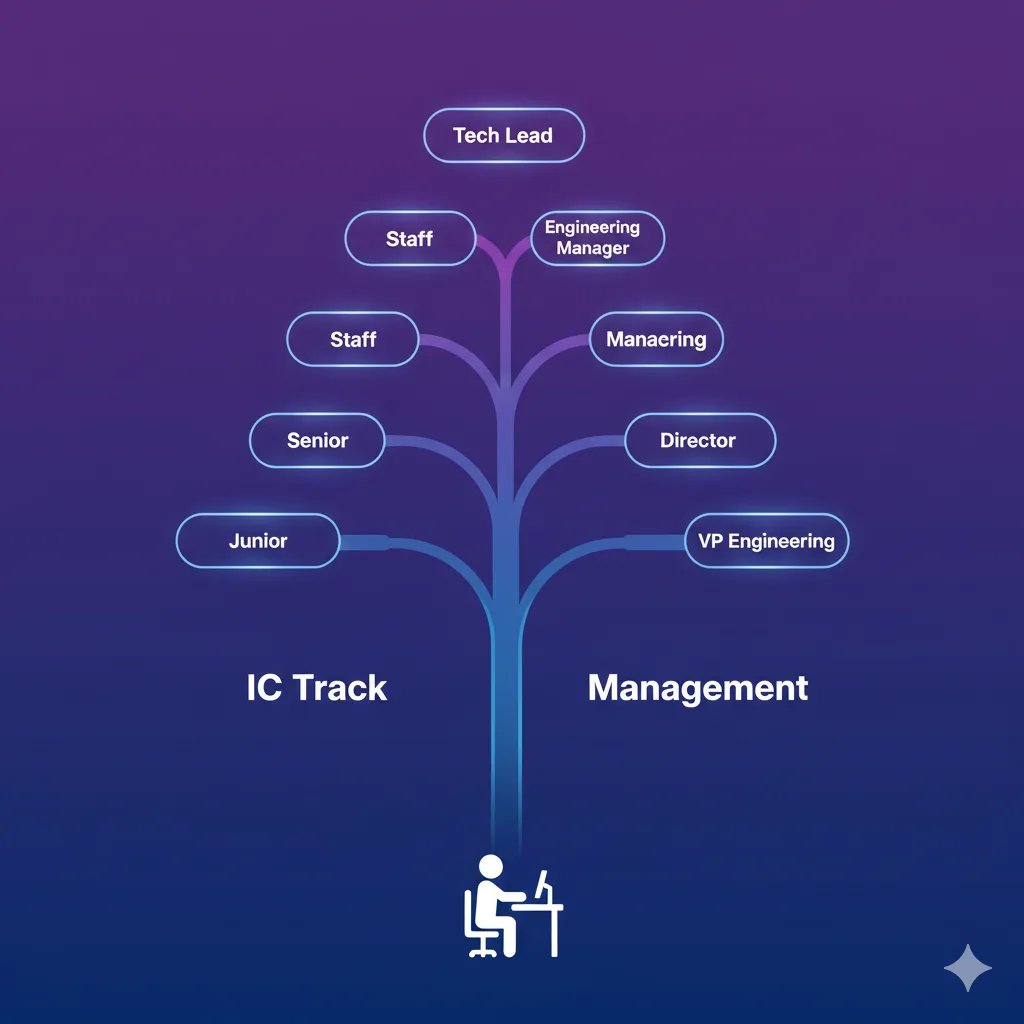
P.58The developer career ladder split into IC, management, and hybrid tracks. Here's how each path works and how to pick the one that fits you.
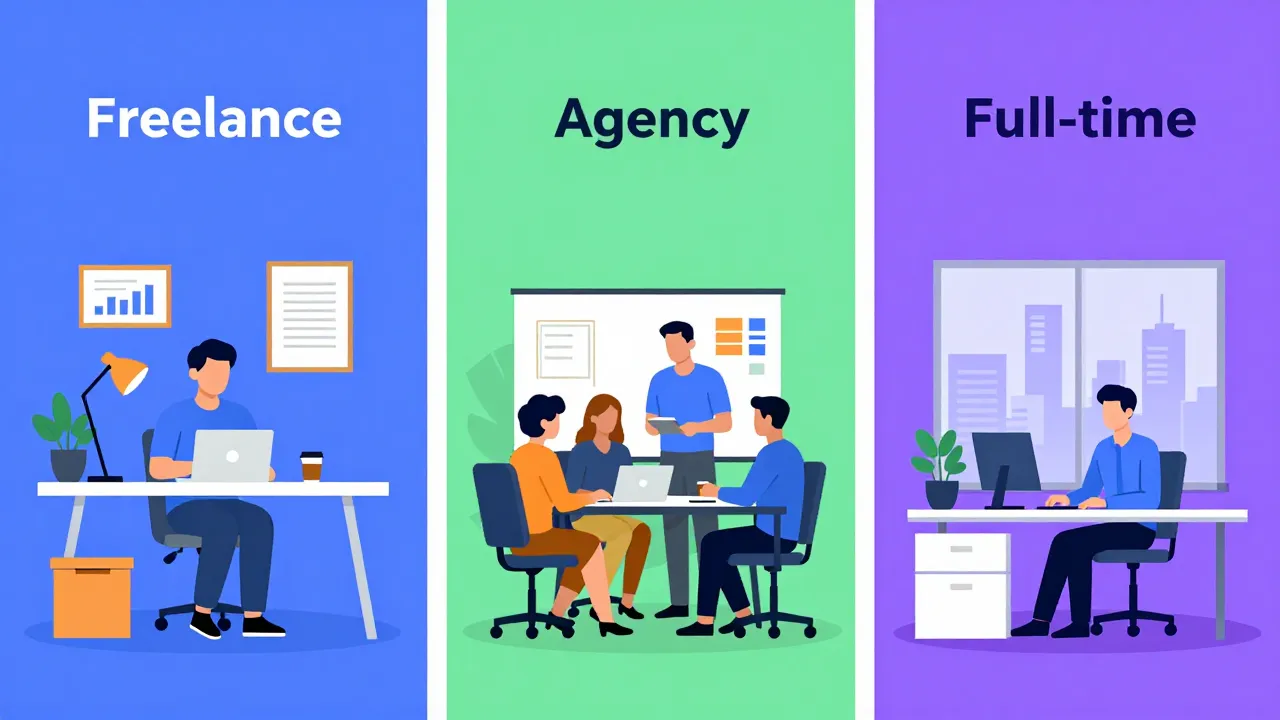
P.59The developer employment landscape offers more options than ever. Here's an honest comparison of freelancing, agency work, and full-time employment to help you decide.
Tech interviews are evolving. Take-home projects, AI-assisted coding, and system design are reshaping how companies evaluate developers. Here's what to expect.
Microsoft, Google, and Amazon are migrating critical systems to Rust. Learn why Rust is becoming the default choice for systems programming and how to get started.
A structured 100-day data science bootcamp roadmap covering Python, statistics, machine learning, deep learning, and real-world projects.
A step-by-step guide to writing and publishing research papers in artificial intelligence, machine learning, and deep learning — from ideation to submission.