Business · Hiring
Andela Alternatives in 2026: Building a Distributed Team Without an Enterprise Contract
Andela is built for companies adding sustained engineering capacity across timezones. If your need is smaller or shorter than that, the enterprise shape works against you. Where else to look, and how to decide.

Anurag Verma
7 min read

Sponsored
Andela occupies a specific position in this market: a partner for companies building sustained engineering capacity across borders, with the contracting, compliance and payment machinery included. When you actually need that, it is a serious product and the machinery is most of what you are paying for.
The reason people search for alternatives is almost always scale, not quality.
The shape of the need matters more than the vendor
There is a real difference between buying a person and buying a team-building partner, and the two get compared as though they were the same purchase.
A person is a seat: one engineer, working under your direction, for a defined stretch. A team-building partner is infrastructure: multiple people over quarters, plus the legal and payroll apparatus that makes employing them across countries possible, plus a relationship that survives individual turnover.
Andela is closer to the second. If you are running a fifteen-person engineering organisation and expanding it to twenty-five across three countries, that is exactly the problem it solves, and the alternative is building an international HR function yourself.
If what you need is one backend engineer for eight weeks, the same machinery becomes overhead. You will spend weeks on procurement and contracting before anyone opens a code editor, and none of that time was buying you engineering.
Where to go when the horizon is shorter
For contract-shaped work, Lemon.io and Gun.io are built for it and move in days rather than weeks. Arc sits closer to a curated marketplace and suits teams who would rather browse candidates than be assigned them.
For a long-term remote seat without the full partner relationship, Turing is the nearest comparison, and we went through where its model helps and hinders in Turing alternatives.
For small, well-specified work you can evaluate yourself, an open marketplace remains the cheapest option and always will be, because nobody is charging you for filtering. The trade is covered in Upwork alternatives.
And if you want a defined outcome shipped rather than people to manage, that is an agency, which is a different purchase again.
What actually breaks distributed teams
Not individual ability. Communication overhead.
Teams that make decisions verbally, in a room or a call, and never write them down, degrade sharply when you add people who were not in the room. The information was never durable; it lived in the heads of whoever attended. Add three engineers eight timezones away and the gap is not their skill, it is that half the context they need does not exist in writing anywhere.
Teams that already write things down absorb distributed members almost invisibly. Same people, same salaries, completely different outcome, and the variable is a habit rather than a hire.
This matters when you are choosing a partner because it is the part no partner can fix. Every talent service will tell you their engineers communicate well. None of them can make your side write decisions down.
Three things worth having before you sign anything
Someone who owns technical direction. One named person who decides what gets built and reviews what comes back. Distributed engineering without a clear owner produces a lot of activity and not much software, and it takes a surprisingly long time to notice.
Written decisions. Not documentation in the heavy sense. A paragraph in a shared place saying what was decided and why, so someone joining in week six does not have to reconstruct it by asking.
A definition of done that does not need a conversation. If “finished” means whatever the reviewer feels on the day, remote engineers will guess, and they will guess differently from each other.
None of these costs money. All three do more for the outcome than the difference between any two vendors on this page.
How to choose
Ask yourself whether you are buying infrastructure or a person. If you are genuinely building distributed capacity over quarters and the compliance burden is real, a partner like Andela is priced for that and worth it. If you need one or two people for a defined stretch, a contract-first network gets you there faster and cheaper, and the enterprise apparatus is a cost with no matching benefit.
Then ask what you would do if the first placement did not work out, and get the answer in writing before you start rather than discovering it in week three.
We built codercops around the smaller end of this, one screened shortlist rather than a partnership, so treat that as an interested view. The part I would argue for regardless is matching the vendor to the shape of the need. Most bad hiring outcomes I have watched were not bad vendors. They were the right vendor bought for the wrong shape of problem.
The options side by side
Deliberately no rates in this table. Published rates move constantly and depend on stack, seniority and region, so any number here would be wrong within a quarter and wrong for your role today. What does not move is the shape of each model, and that is what should decide your choice.
| Model | Best for | Watch out for | |
|---|---|---|---|
| Toptal | Premium vetted network | Non-technical buyers who cannot run their own screen | High markup, and the screening is not shown to you |
| Turing | Algorithmic matching, long engagements | A full-time-equivalent remote seat for six months or more | Short or part-time work fights the model |
| Andela | Team-building partner | Sustained multi-person capacity across countries | Enterprise process is overhead on a single hire |
| Lemon.io / Gun.io | Contract-first vetted networks | A competent contractor working this week | Faster matching means a lighter screen |
| Arc | Curated marketplace | Teams who prefer browsing to being matched | You still do the final evaluation |
| Upwork | Open marketplace | Small, specified work you can check yourself | All filtering is yours, and it costs a day |
| Agency or studio | Outcome delivery | A scoped result shipped to a date | You are buying management, so it costs more per hour |
The part that is genuinely hard to do yourself
The reason partners exist at this end of the market is not sourcing. It is everything that happens after you say yes.
Engaging engineers in other countries means deciding, per country, whether they are contractors or employees, and getting that wrong is a real liability rather than a paperwork annoyance. It means being able to pay people reliably in their own currency. It means contracts that hold up locally, and knowing what notice periods and statutory entitlements apply. It means having an answer when somebody asks who owns the intellectual property.
None of that is engineering, all of it is mandatory, and it is most of what a partner is charging for. Teams comparing an hourly rate against a direct hire in the same country are usually comparing the engineering line only and treating the rest as free. It is not free; it is either bought from a partner or built internally.
The question is which of those is cheaper at your size. Below a handful of people in a given country, buying it is almost always cheaper, because the fixed cost of building the function does not amortise. Past that, it flips, and the companies that get this right notice the crossover rather than discovering it two years late.
An employer-of-record service is the third option people forget: you choose the engineer yourself and buy only the compliance layer. It suits teams who can source and screen but do not want to open a legal entity, and it is usually cheaper than a full talent partner because you are buying less.
Frequently asked questions
- What is Andela good at?
- Helping a company add sustained engineering capacity across multiple people and timezones, with the contracting, compliance and payment layers handled. If you are building out a distributed team over quarters rather than weeks, that infrastructure is worth real money.
- Why look for an Andela alternative?
- Usually scale mismatch. The model assumes a longer horizon and a larger commitment than many teams have. If you need one engineer for eight weeks, an enterprise-shaped process adds weeks of procurement before anyone writes code, and a contract-first network gets you there faster.
- Is it cheaper to hire directly in the same regions?
- Per hour, usually yes. Then you own the recruiting, the compliance, the local employment law, the payroll and the replacement risk. Partners exist because those are real costs. Hiring directly makes sense once you have enough headcount in one country to justify building that function.
- How many people does it take before a distributed team pays off?
- The honest answer is that it depends on communication discipline, not headcount. Two well-documented engineers across timezones can outperform six who rely on being in a room. If your team makes decisions verbally and never writes them down, adding distributed people makes things worse before it makes them better.
- What should I have in place before hiring distributed engineers?
- One named person who owns technical direction, written decisions rather than verbal ones, and a definition of done that does not require a conversation to interpret. Those three cost nothing and determine most of the outcome. No talent partner can substitute for them.
Sources
Sponsored
More from this category
More from Business
 R.01
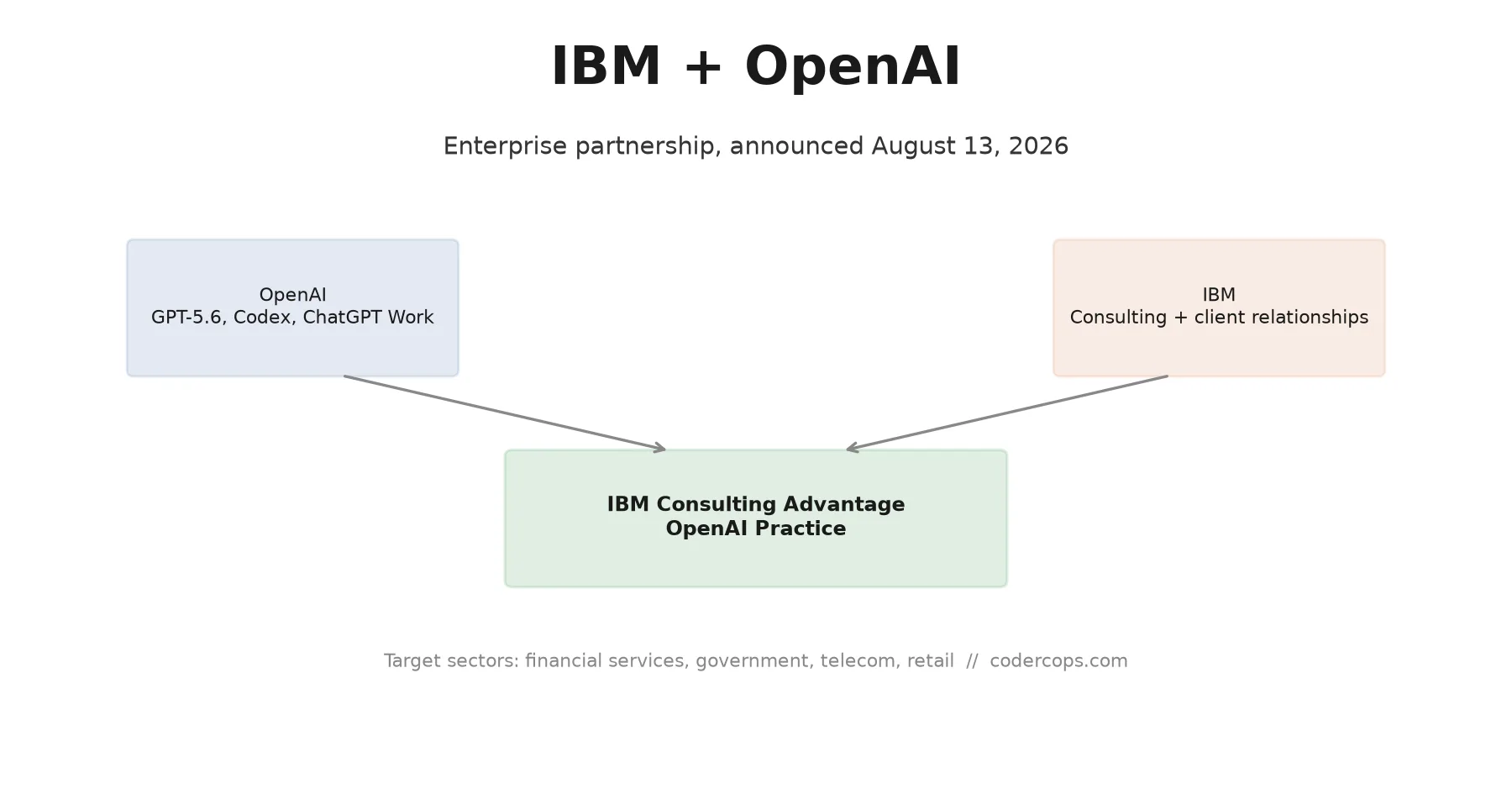
R.01 IBM and OpenAI's Enterprise Deal: What It Means Beyond the Press Release
 R.02
R.02 Arc.dev Alternatives in 2026: When a Curated Marketplace Is and Isn't the Answer
 R.03
R.03 Braintrust Alternatives in 2026: What the No-Fee Model Actually Costs You
Sponsored
Discussion
Join the conversation.
Comments are powered by GitHub Discussions. Sign in with your GitHub account to leave a comment.
Sponsored