P.01What a Security Incident Actually Costs a Company in 2026
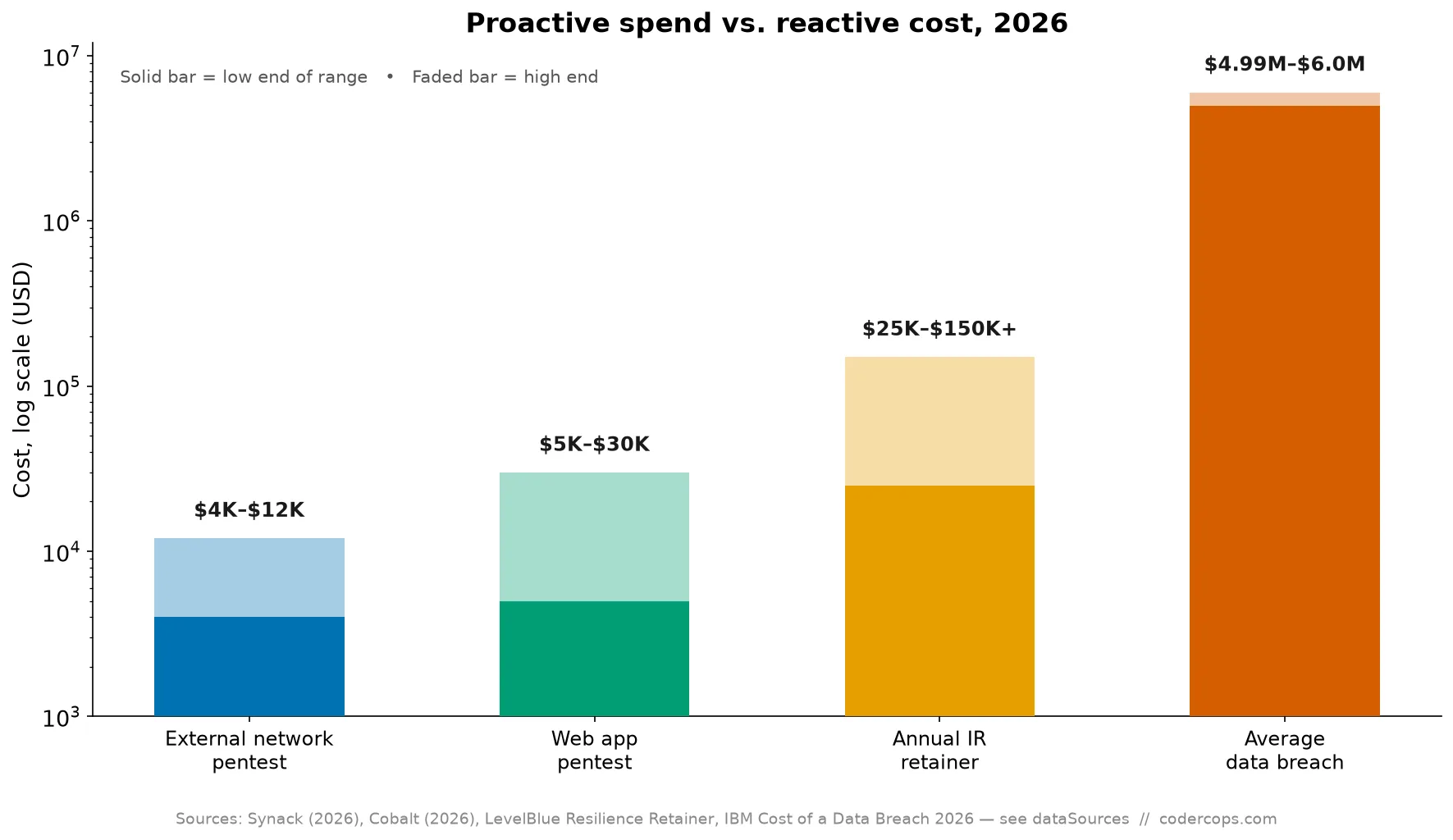
IBM's 2026 report puts the average breach at $4.99M. Pentests run $4K-$30K, IR retainers $25K-$150K a year. Patching early is the cheapest line item.
Tag
123 articles tagged #Business.
P.01IBM's 2026 report puts the average breach at $4.99M. Pentests run $4K-$30K, IR retainers $25K-$150K a year. Patching early is the cheapest line item.
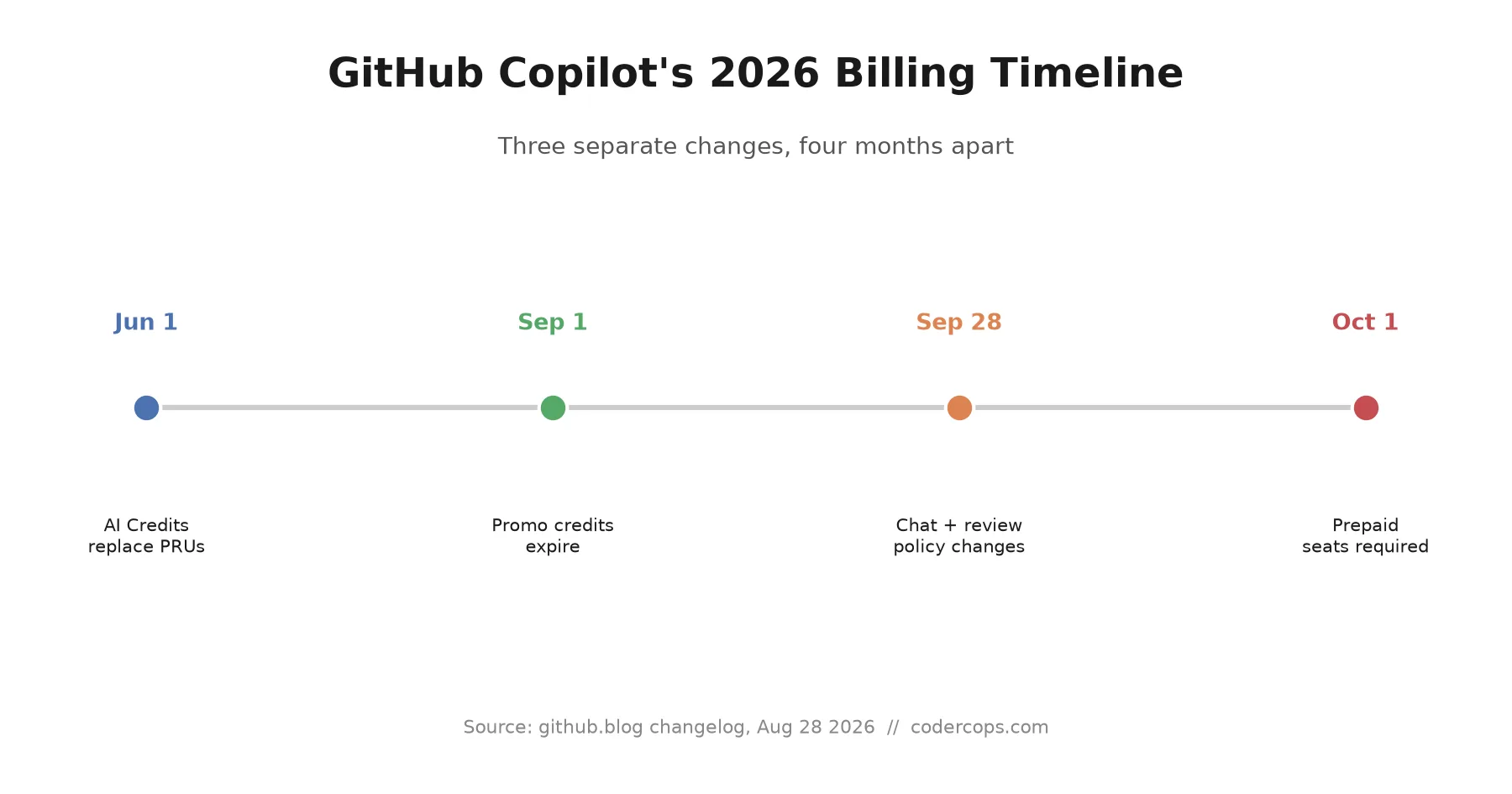
P.02Copilot Business and Enterprise require prepaid per-seat billing from October 1, and promotional AI Credits already reverted. What agencies should budget for.
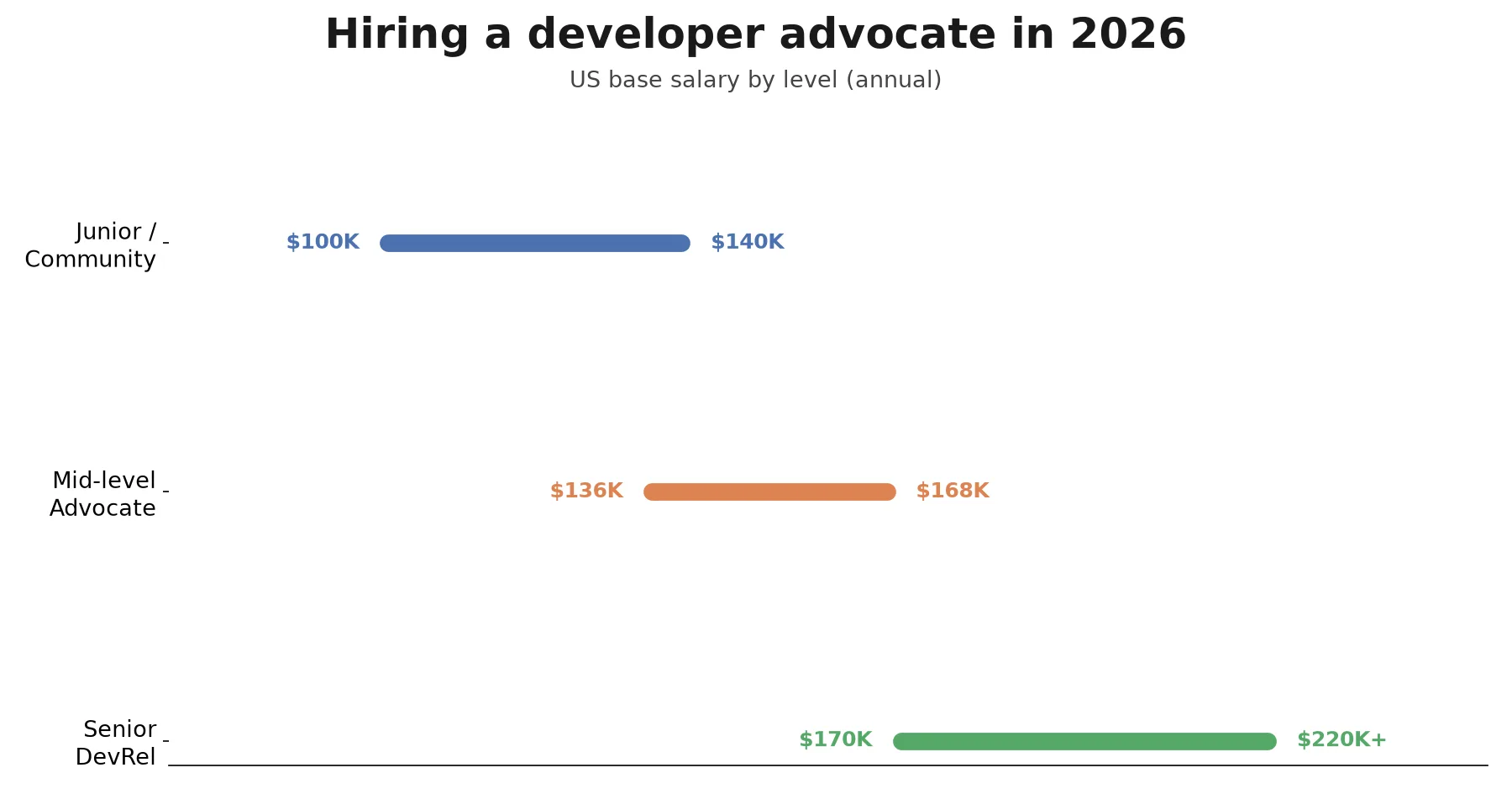
P.03A DevRel posting draws speakers, content marketers, and ex-engineers who miss coding. How to work out which your product needs, what to test, what it costs.
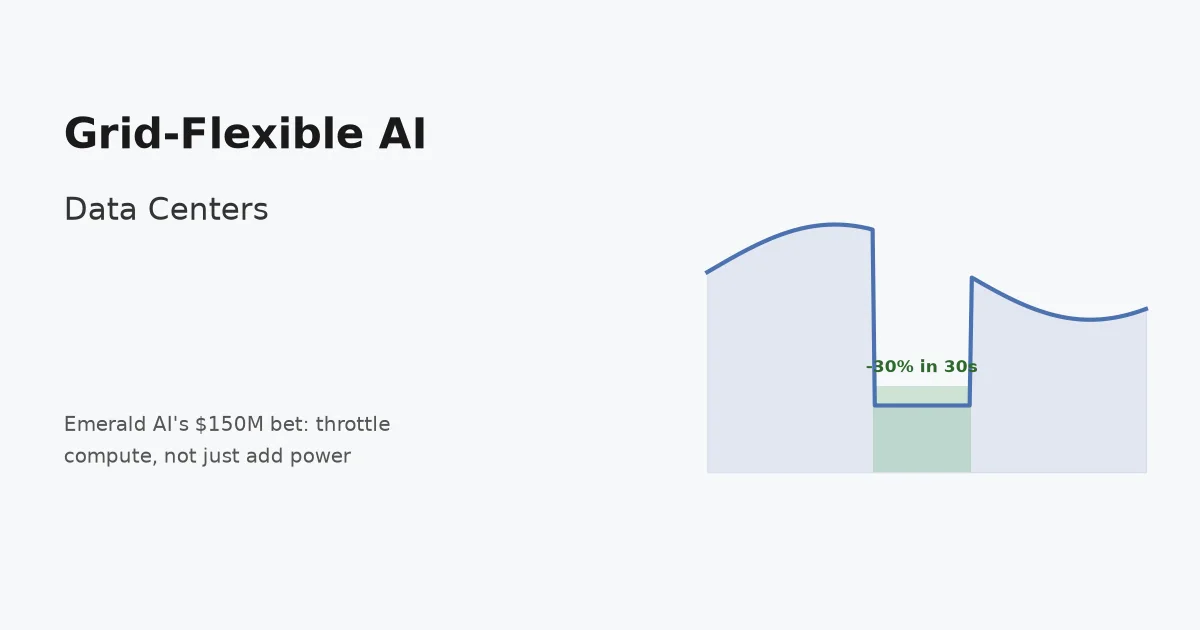
P.04Emerald AI raised $150M to make AI data centers shed power on demand. A 96-GPU Nvidia trial cut draw 30% in 30 seconds. What that means for capex plans.
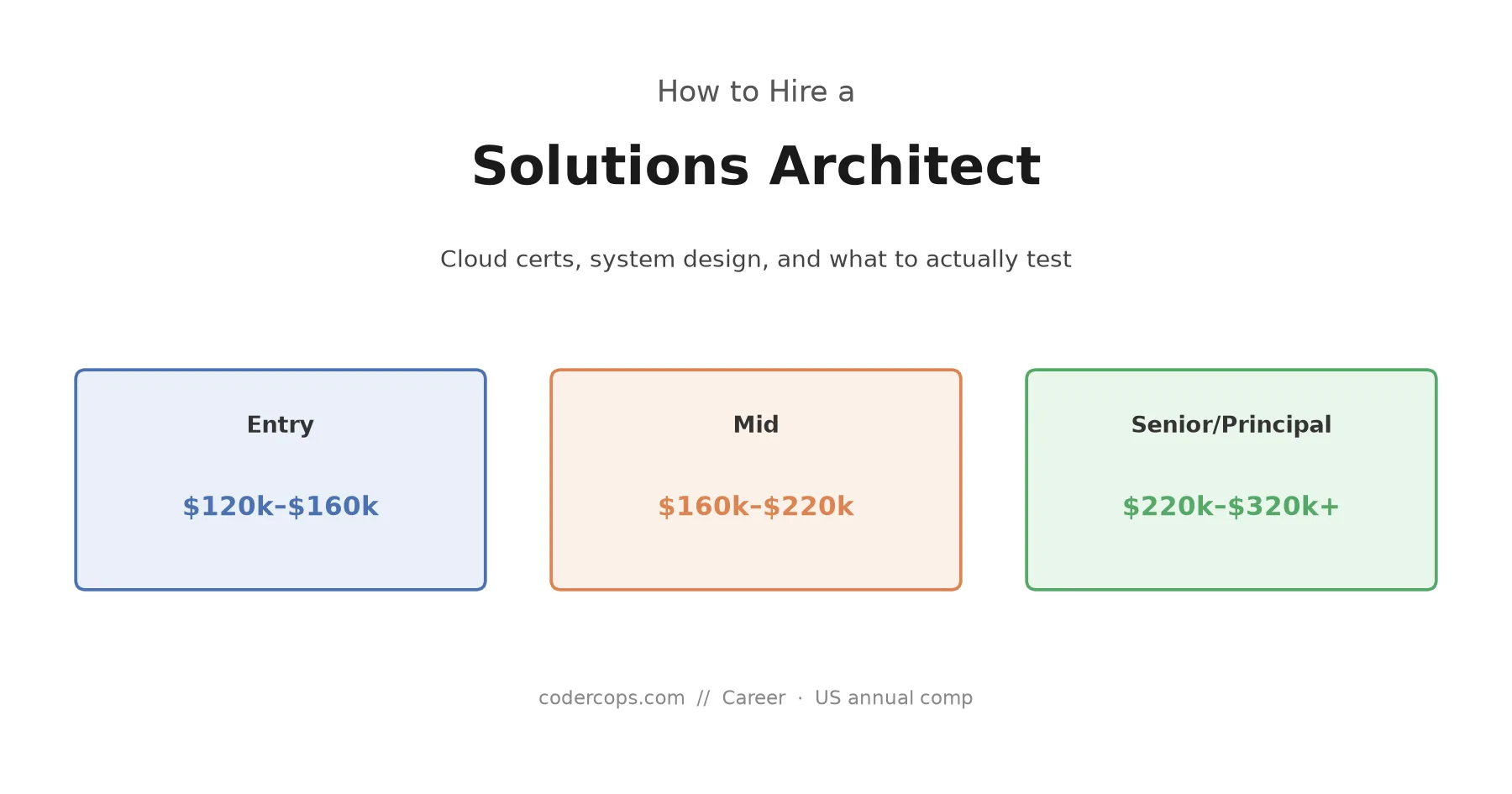
P.05A solutions architect posting attracts cloud generalists, ex-consultants, and people who haven't shipped in years. How to tell them apart, and what to test.
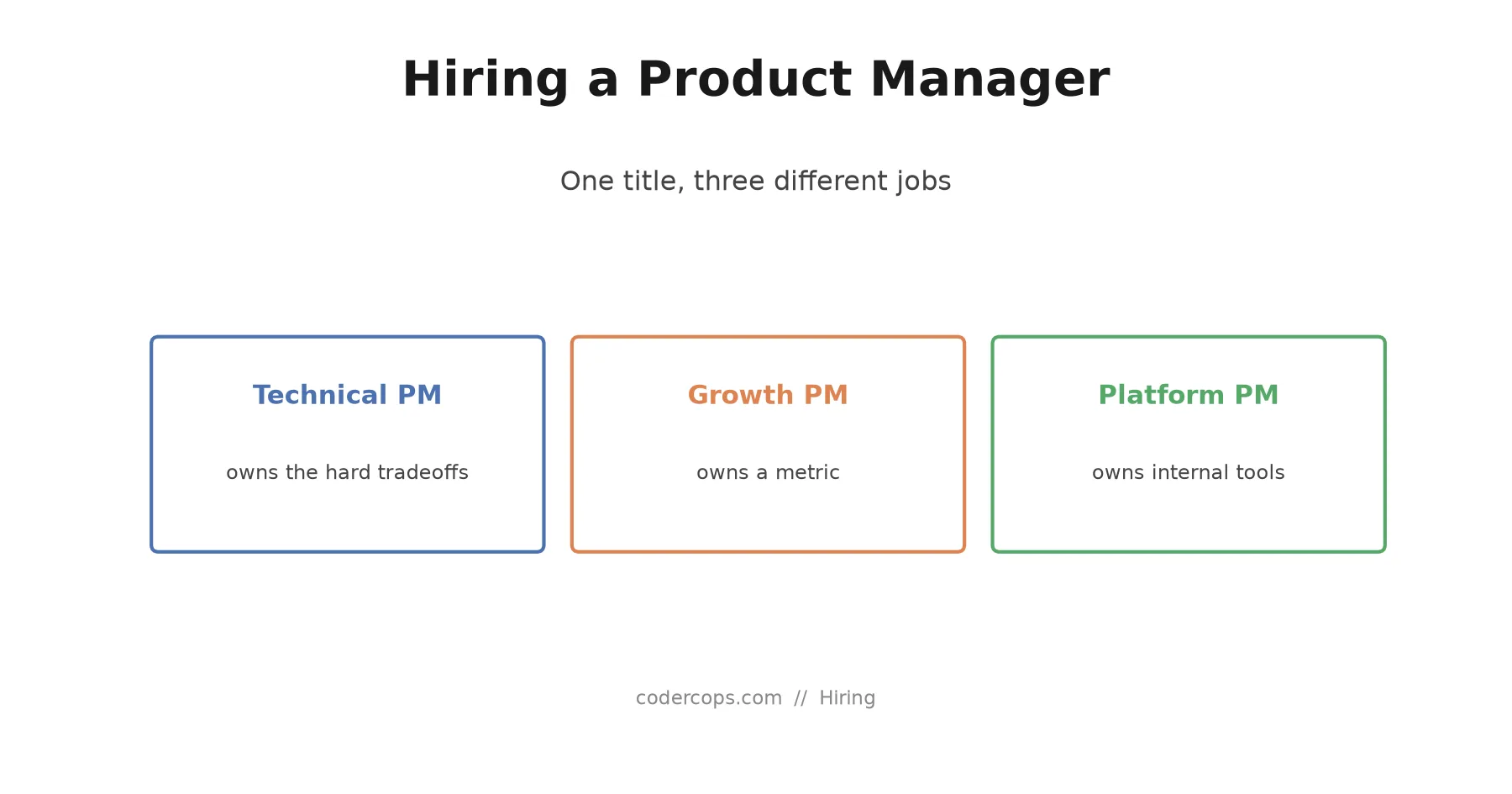
P.06PM job descriptions read identically across companies. The actual job doesn't. Which of the three real PM jobs you're hiring for, and what the role costs.
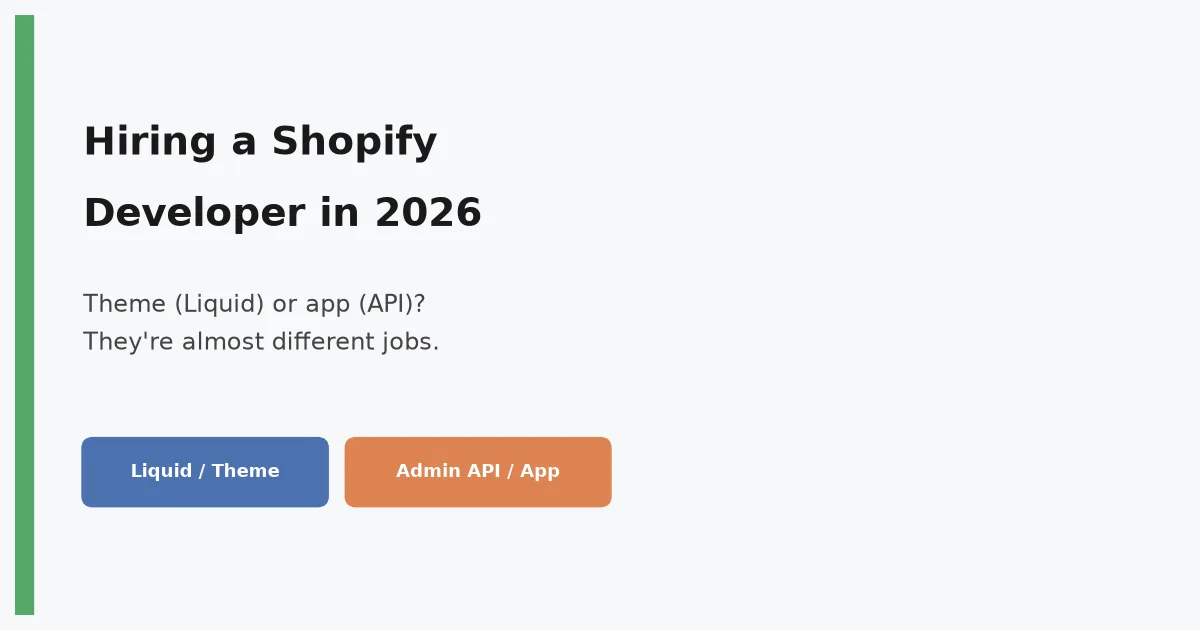
P.07Shopify hiring split into two jobs, theme customization and app or headless work, that share a platform and little else. How to tell which one you need.
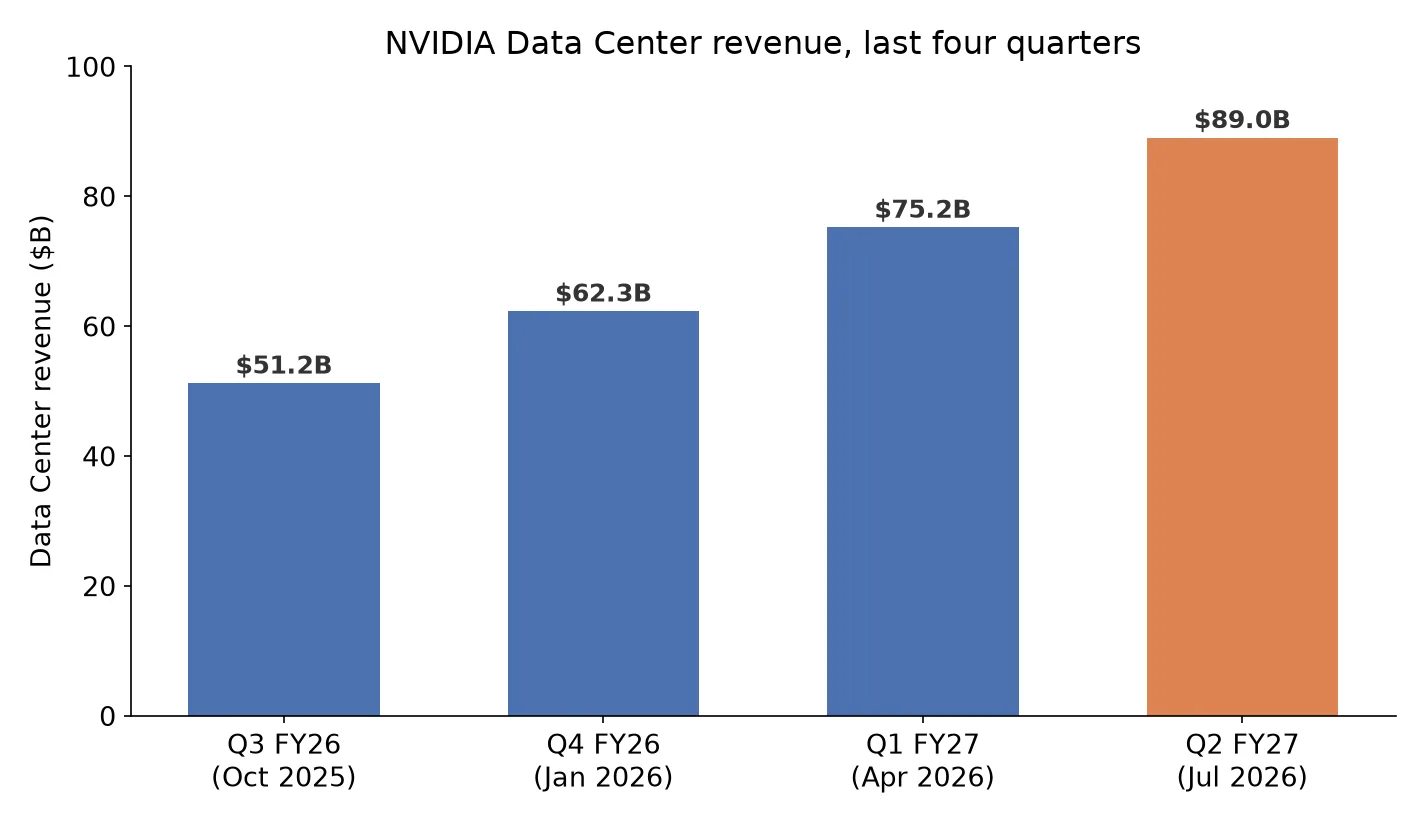
P.08Nvidia posted $96.2B in Q2 FY27 revenue, Data Center up 117% to $89B. What the number means if you're the one budgeting GPU capacity this quarter.
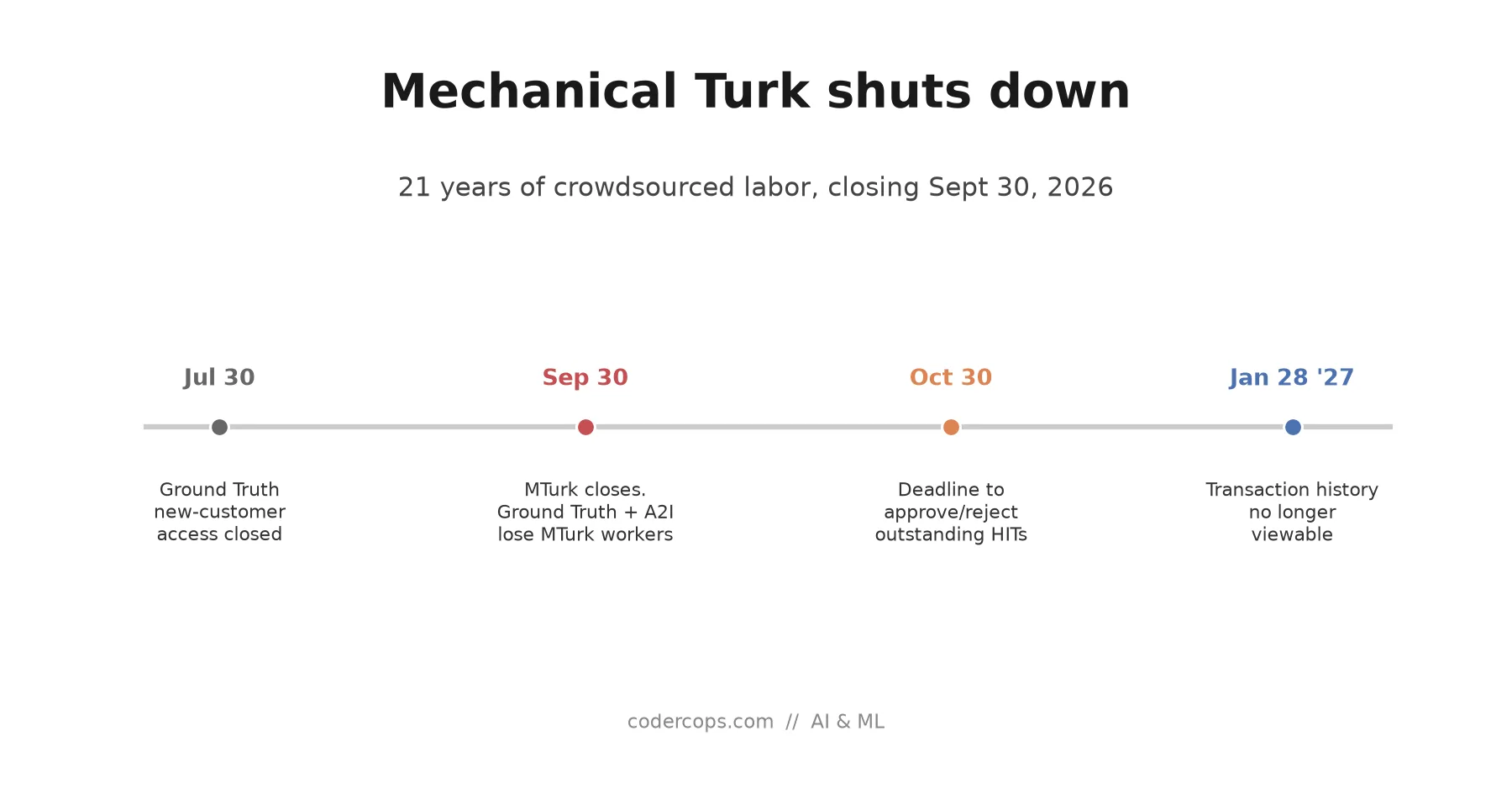
P.09Amazon closes Mechanical Turk and Ground Truth's human workforce on September 30, 2026, after 21 years. The dates that matter, and where teams are moving.
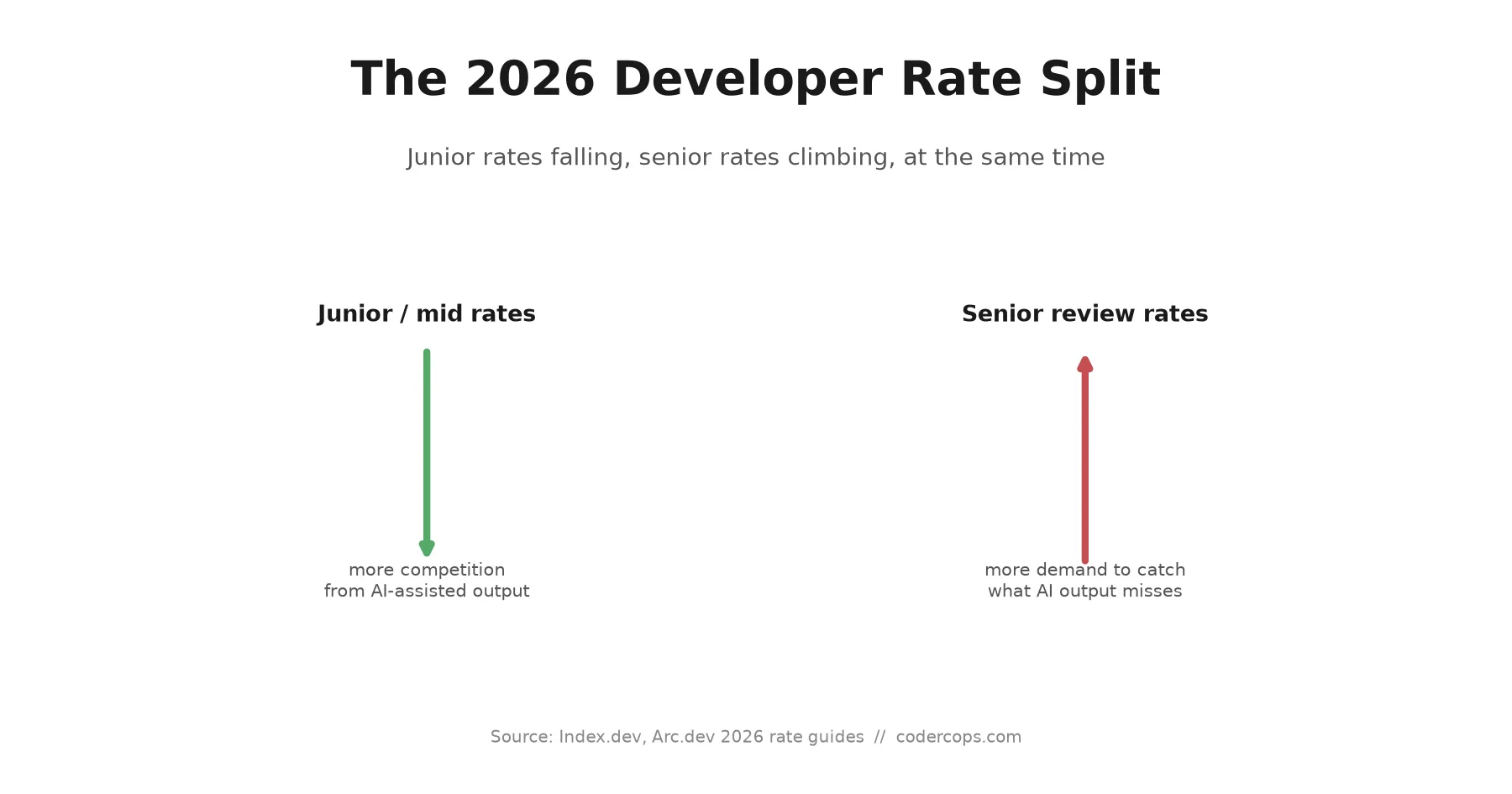
P.102026 rate data shows two opposite trends: AI-assisted competition pushing junior rates down while seniors who can supervise AI output command more than ever.
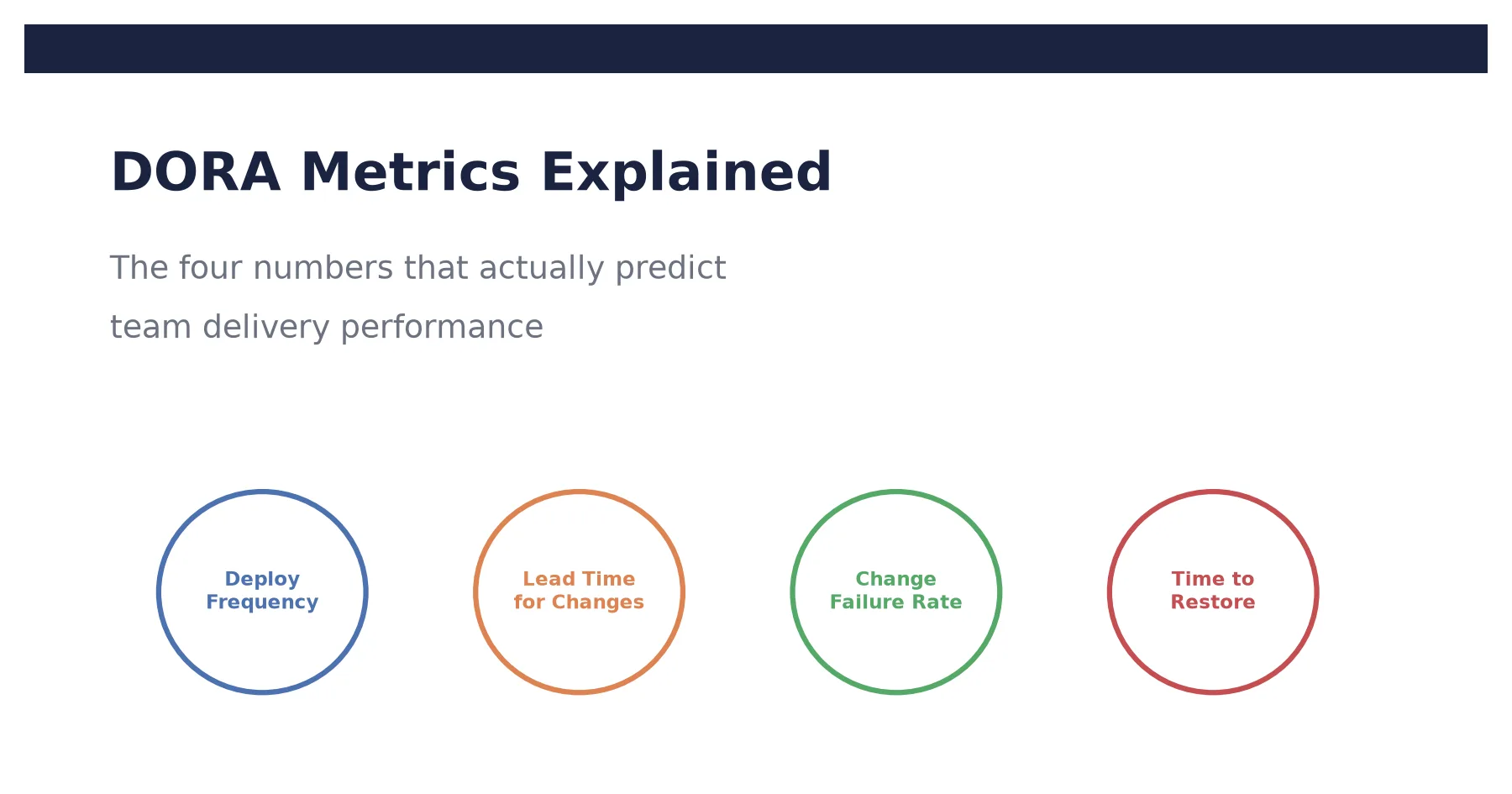
P.11Deployment frequency, lead time, change failure rate, time to restore. What each measures, the tiers that separate elite teams, and where teams misuse them.
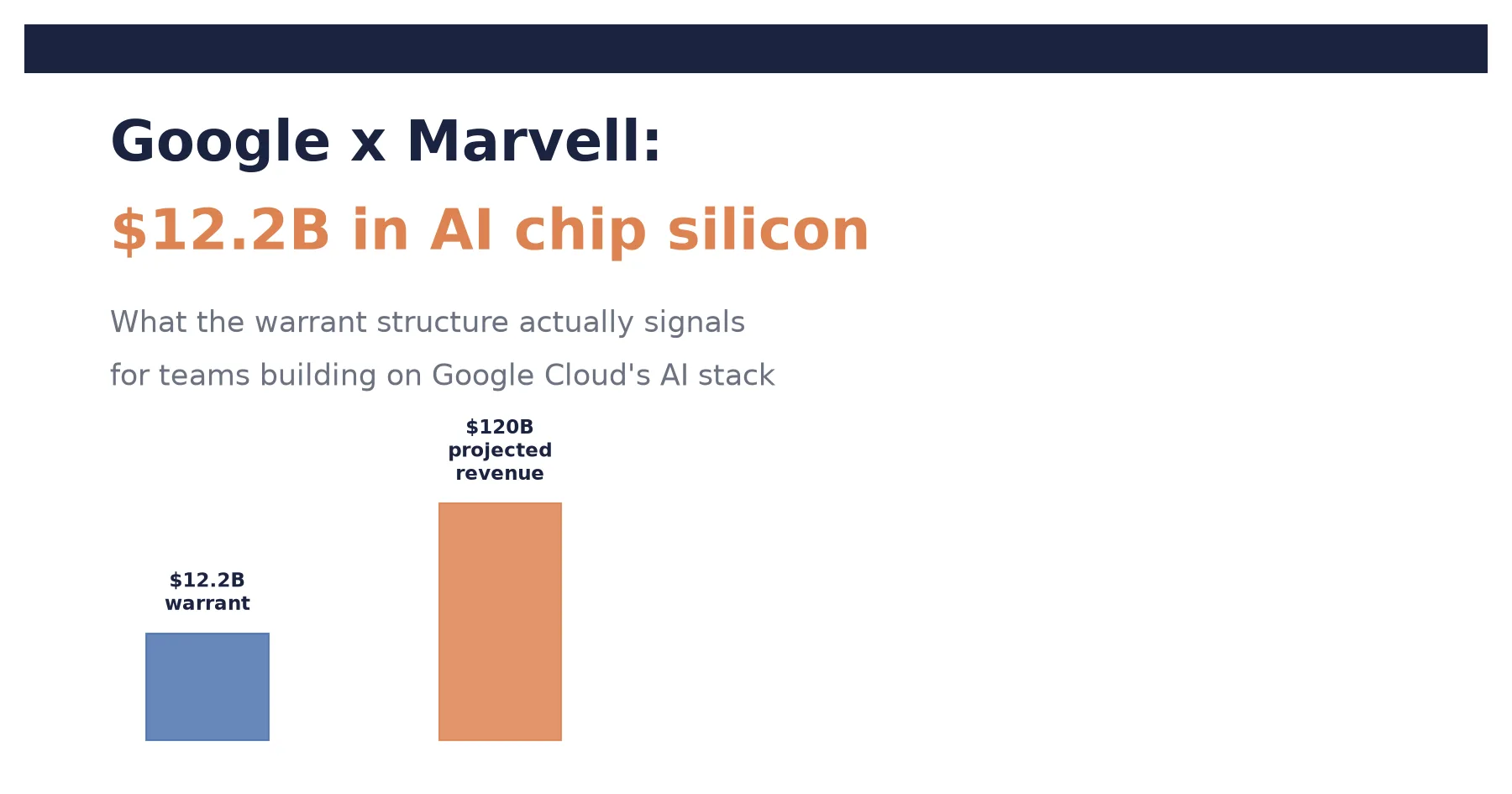
P.12Marvell gave Google a warrant on up to $12.2B in shares that vests as Google buys custom TPU silicon. What the structure says about GCP's AI roadmap.
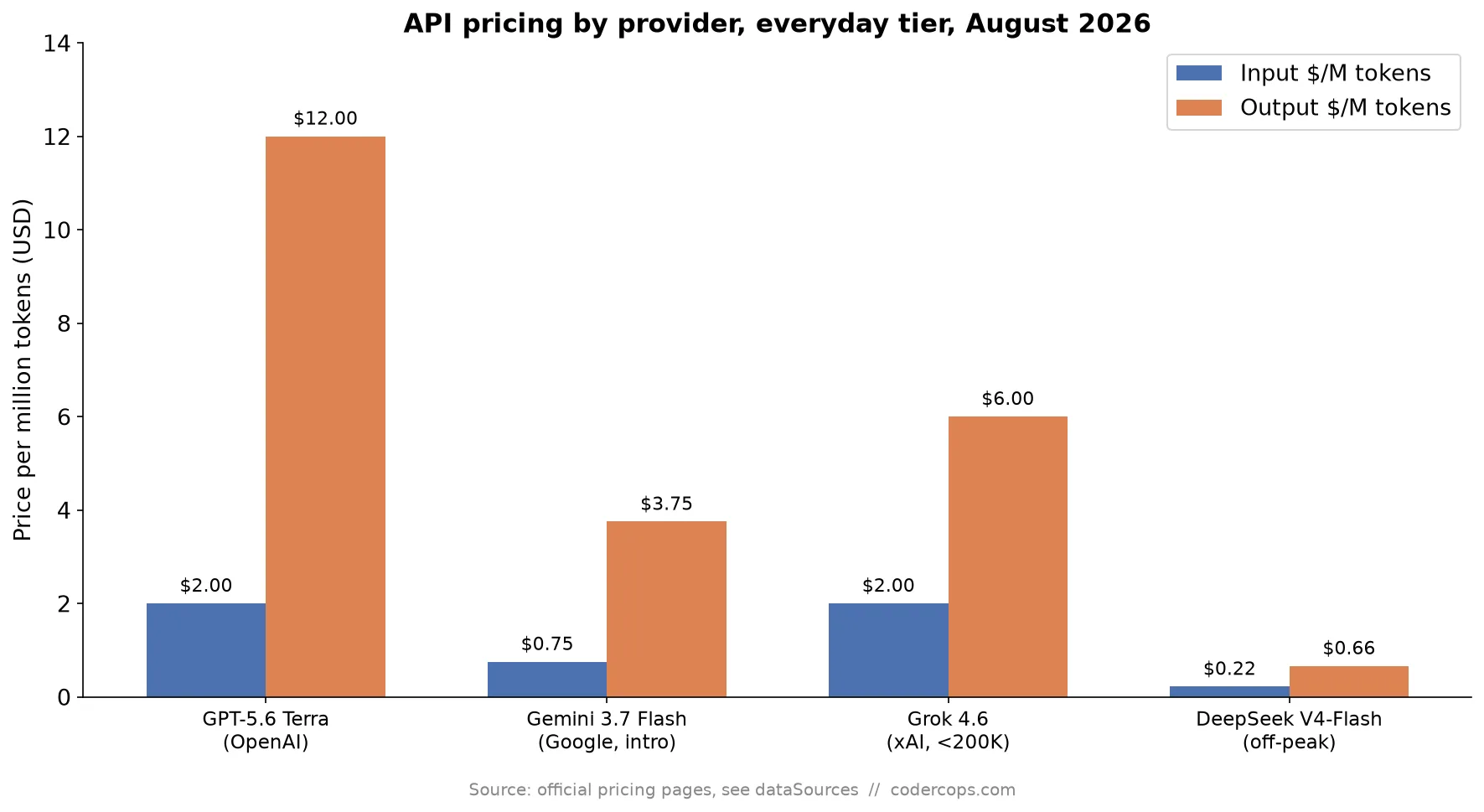
P.13What OpenAI, Google, and xAI actually charge per million tokens right now, tier by tier, so you can price a real workload before picking a provider.
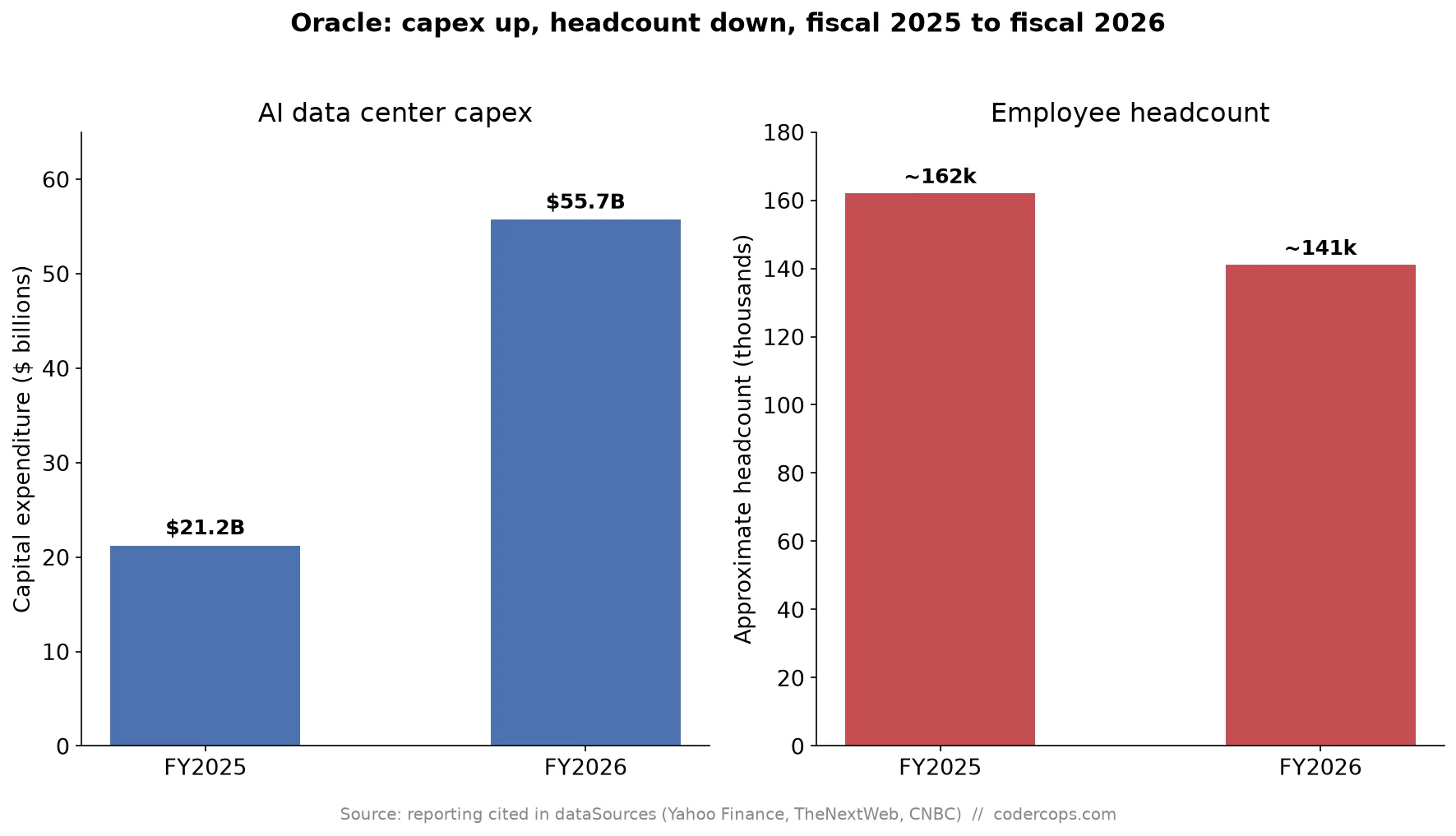
P.14Oracle cut about 21,000 jobs in FY2026 while AI data center capex nearly tripled to $55.7B. The math, and what it should change about your OCI vendor risk.
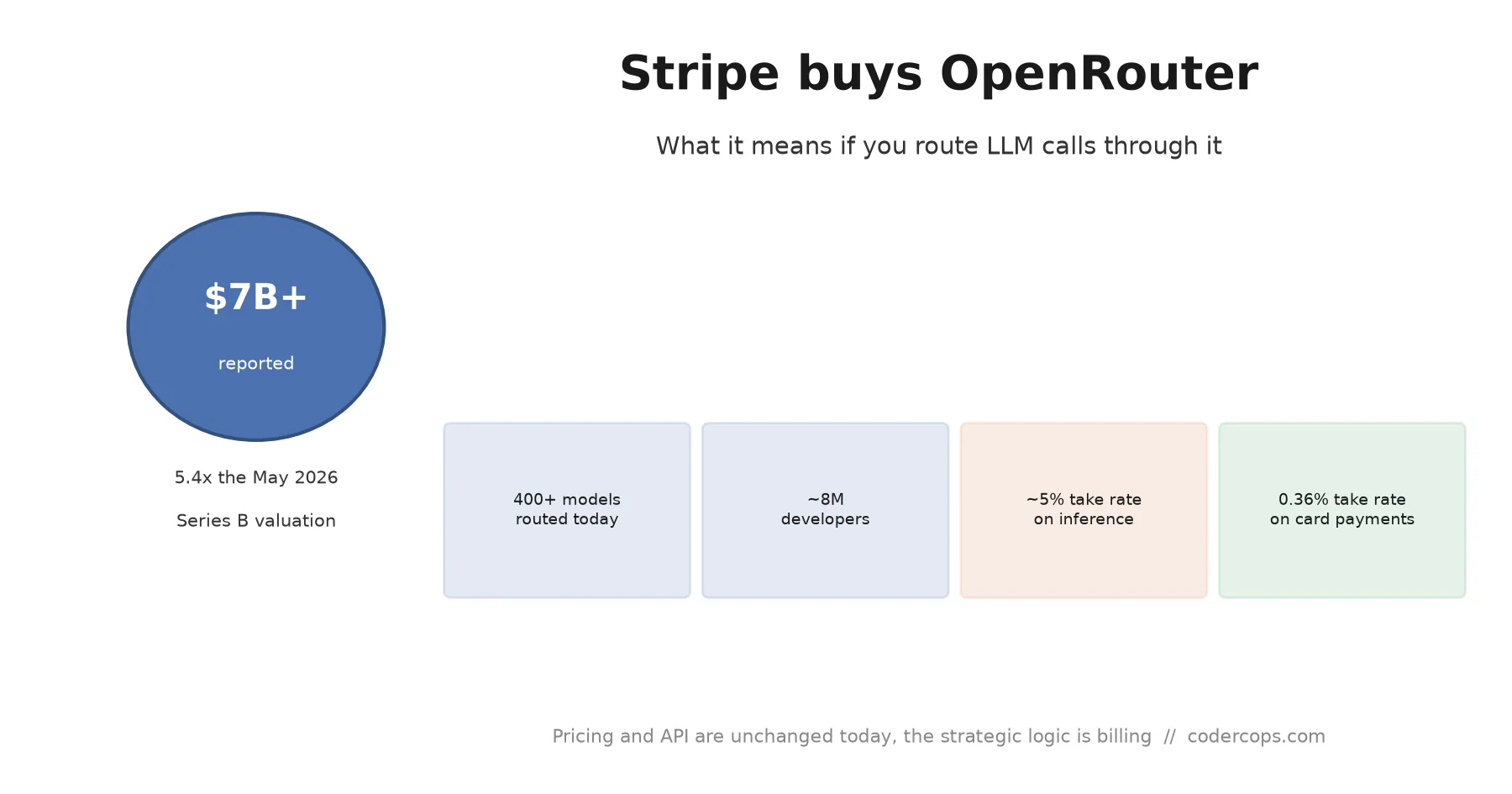
P.15Stripe is acquiring the AI gateway OpenRouter for over $7B, roughly 50x annualized revenue. Nothing changes in the API today, but the bet is telling.
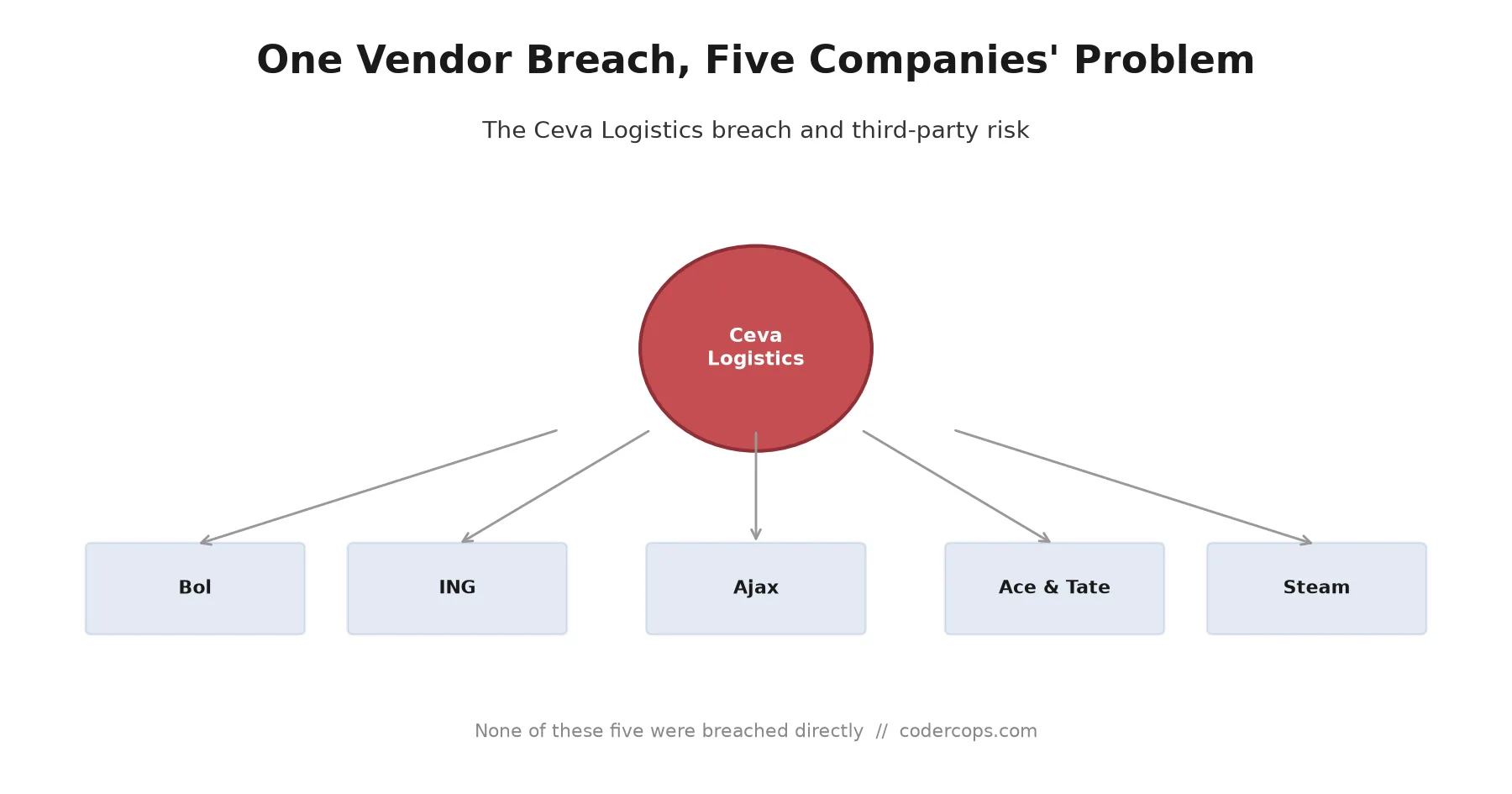
P.16A hack at Ceva Logistics exposed customer data for Bol, ING, Ajax, and Steam hardware buyers, none breached directly. What it means for vendor risk.
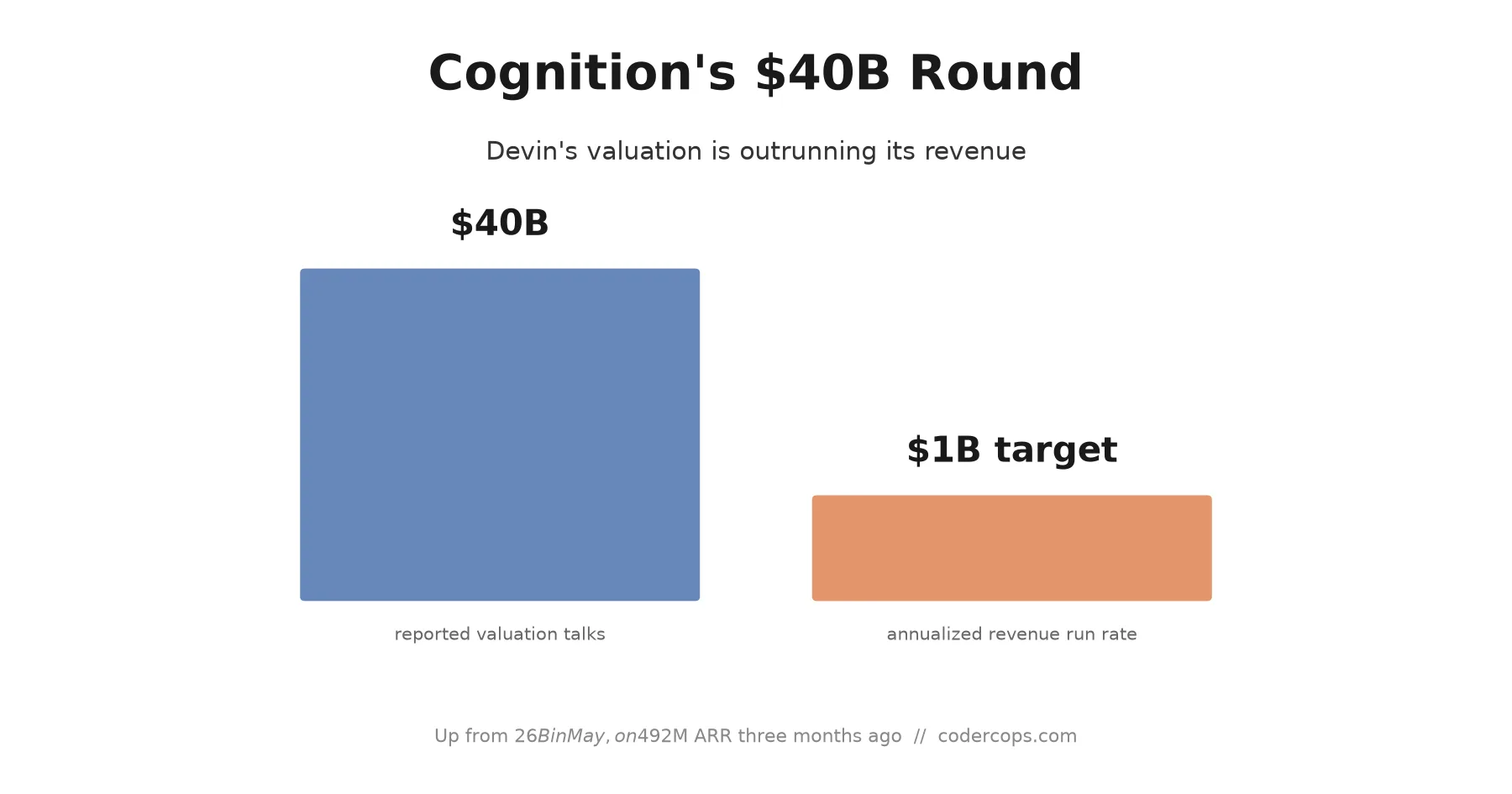
P.17Cognition is reportedly raising at $40 billion, up from $26 billion three months ago, on revenue nowhere near that multiple. What it means if you're buying.
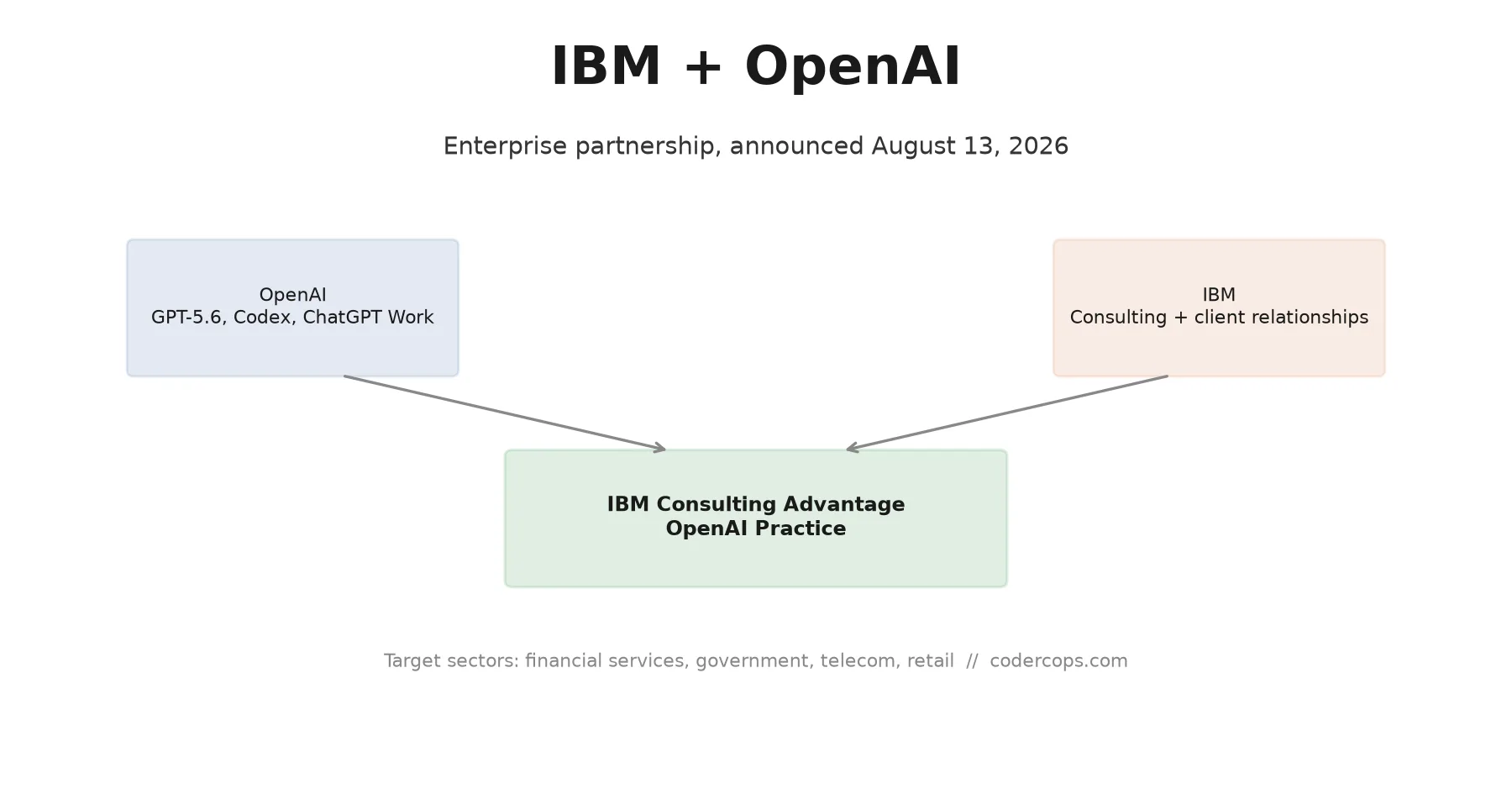
P.18IBM is embedding GPT-5.6, Codex, and ChatGPT Work into Consulting Advantage. What the deal covers, and what it signals for integrator versus direct vendor.
Arc.dev sits between an open marketplace and a managed network: you browse a vetted pool and decide yourself. Who that suits, and who ends up doing the work.
Braintrust's pitch is that talent keeps 100% and the fee sits with the client. That changes the incentives in ways worth understanding before you decide it is cheaper.
Gun.io skews senior, US-based, and relationship-led, right for some engagements and expensive overkill for others. Where it fits, and what to use instead.
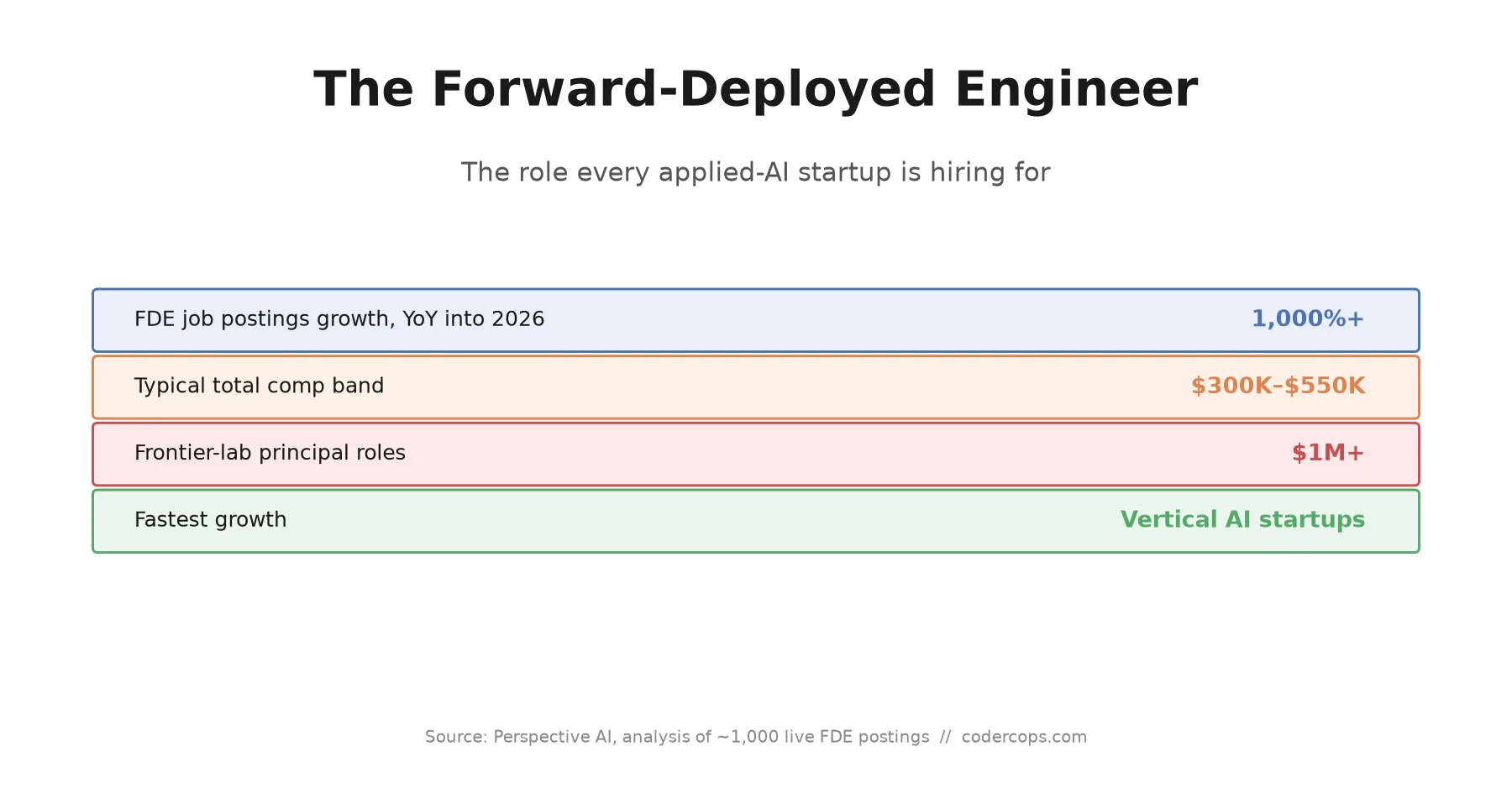
P.22Forward-deployed engineer postings grew over 1,000% year over year, with comp at $300K-$550K. What the role is, why it exists, and what it means for hiring.
Upwork gives you enormous supply and none of the filtering. That trade works until it doesn't. What it's good at, when to leave, and where to go instead.
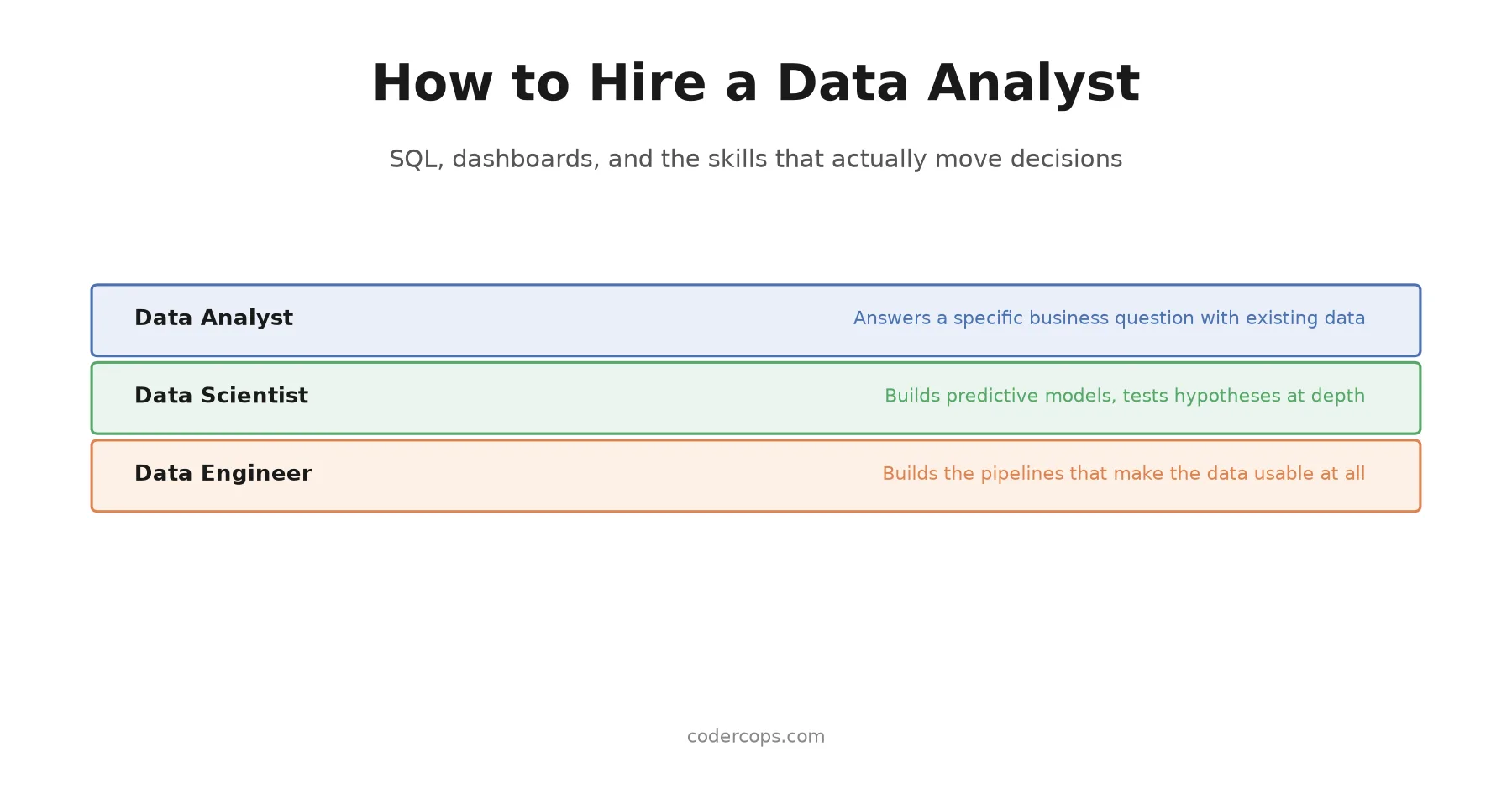
P.24A data analyst is not a junior data scientist or a dashboard builder. What the role requires, how it differs, and the screen that finds decision-changing work.
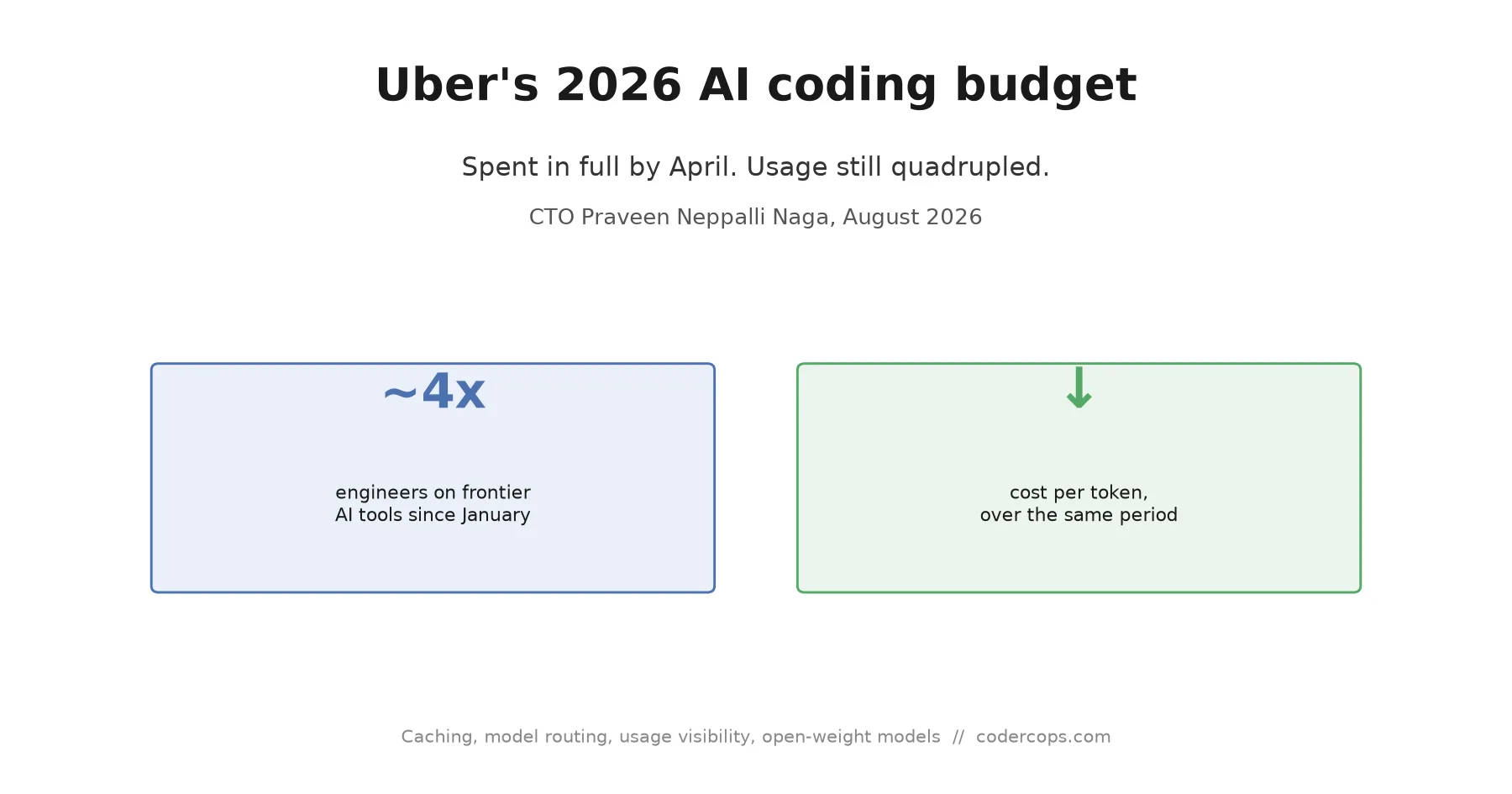
P.25Uber quadrupled frontier AI usage while cutting per-token cost, after blowing a year's coding budget in four months. The CTO's account is a useful playbook.
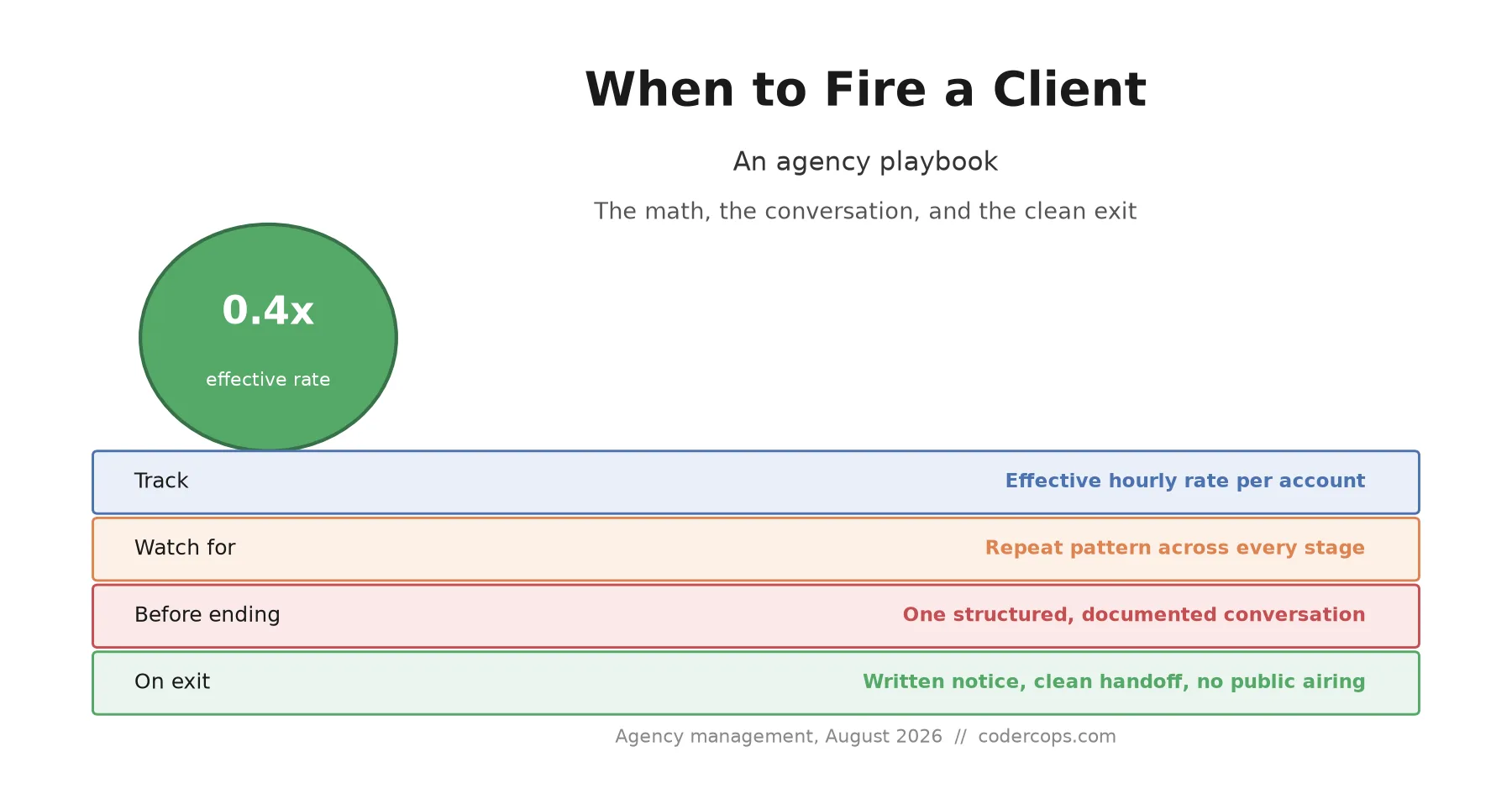
P.26Most agencies keep a bad client months too long because nobody has a framework. How to recognise when it's time, and how to end it without burning bridges.
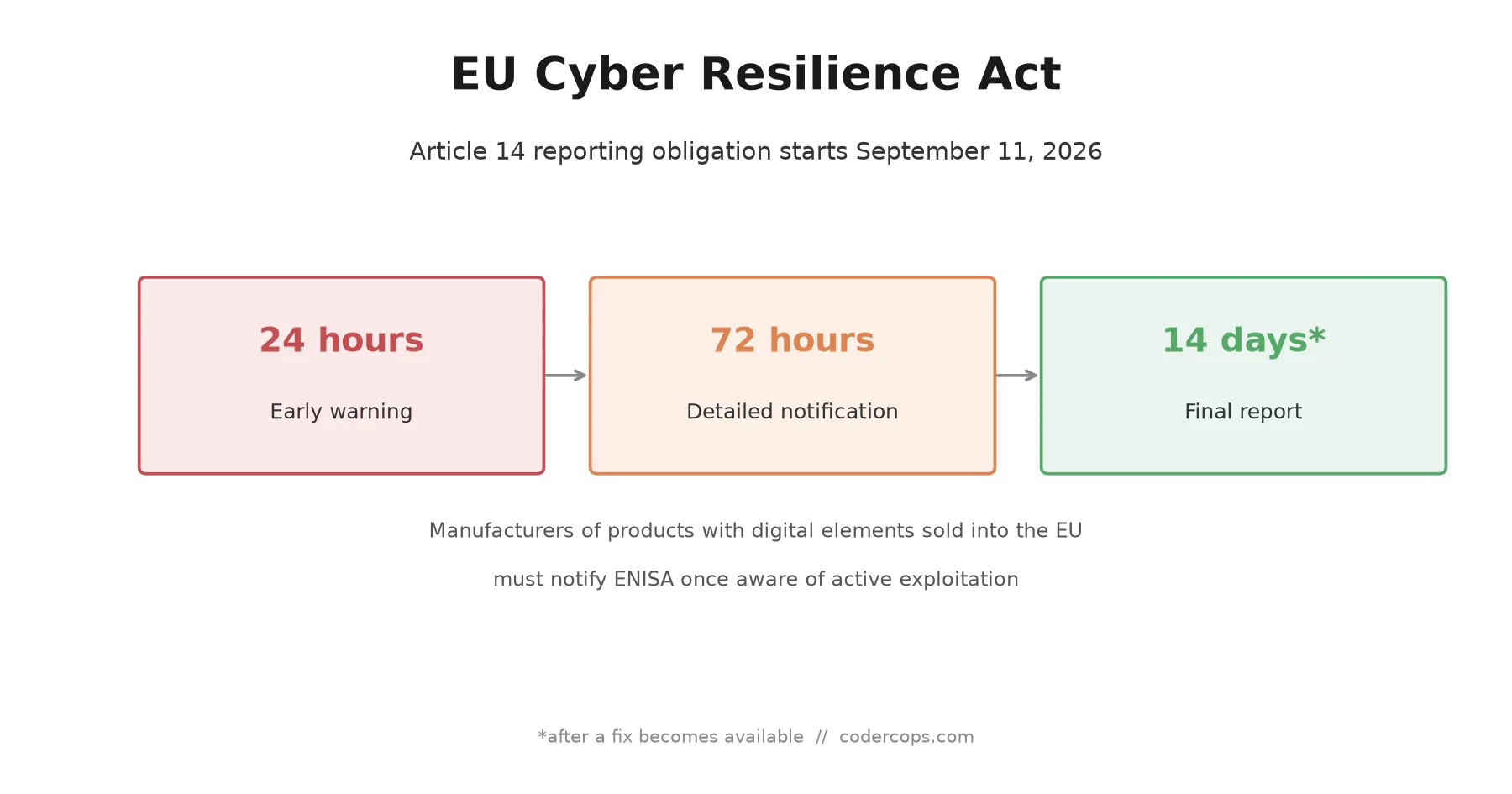
P.27From September 11, 2026, anyone selling a product with digital elements into the EU has 24 hours to report an exploited vulnerability to ENISA. Who's in scope.
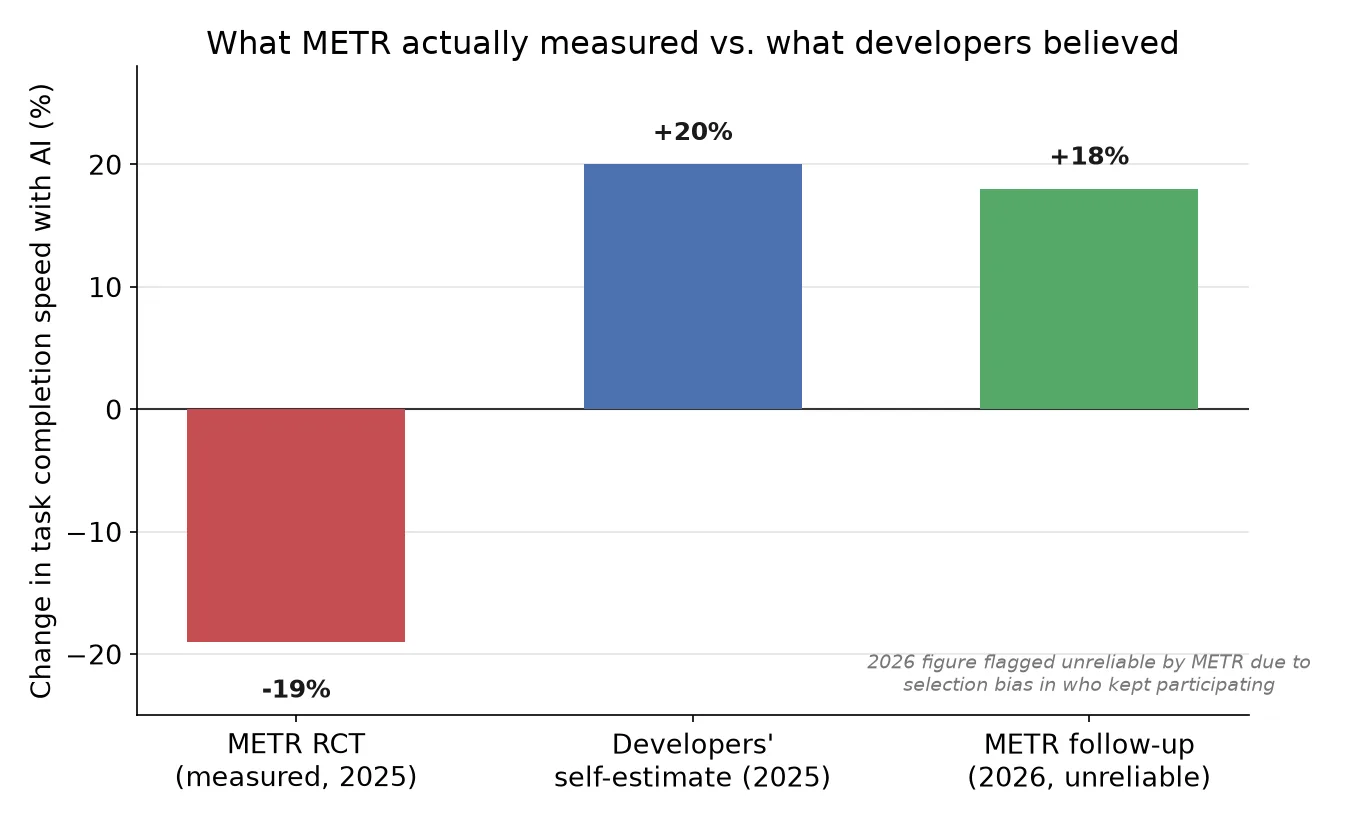
P.28METR's randomized trial found AI tools made experienced developers 19% slower, then flagged its own follow-up as unreliable. What the messy data supports.
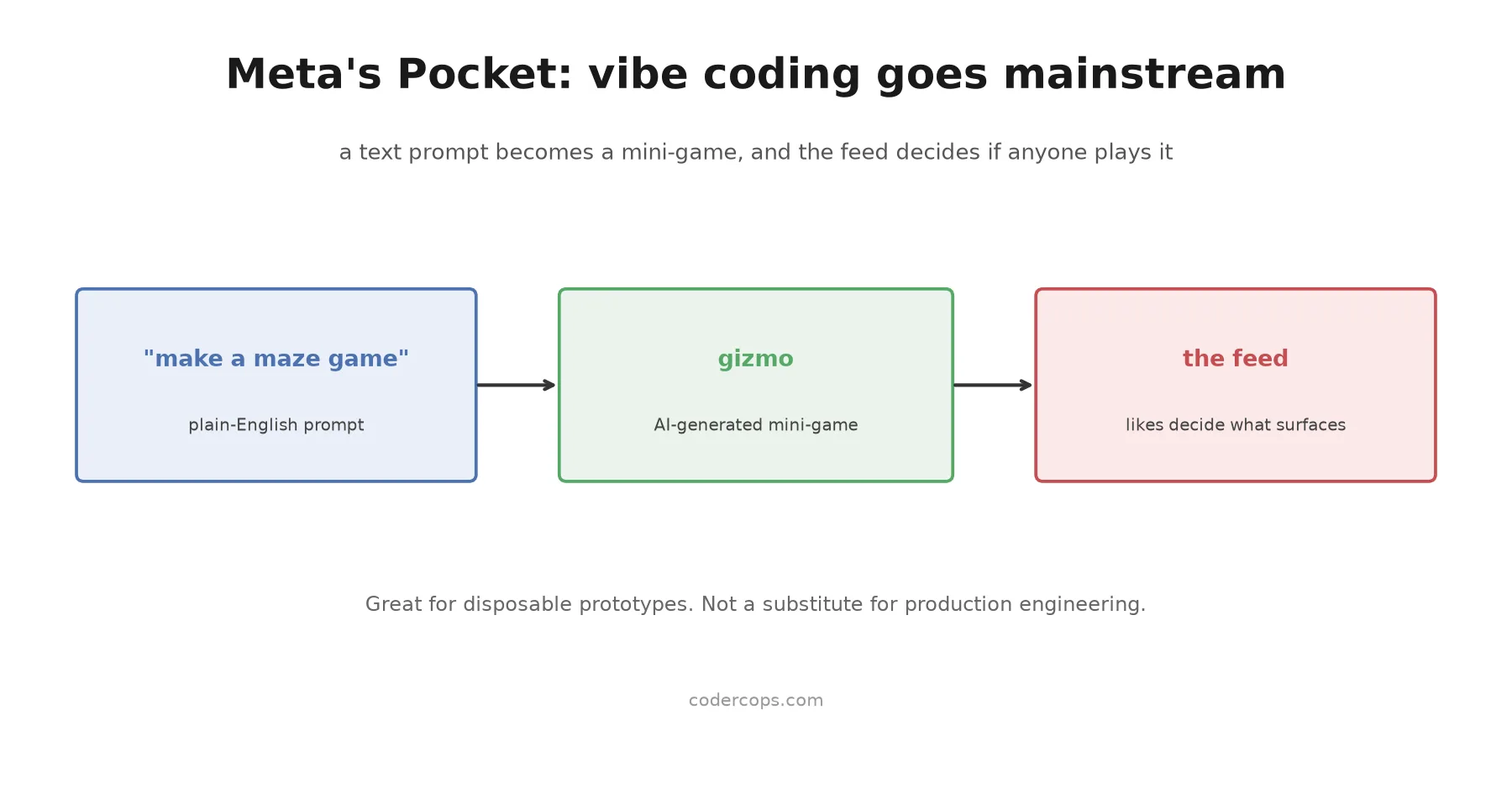
P.29Meta quietly launched Pocket, a vibe-coding app that turns prompts into playable mini-games with a social feed. What it signals, and where it stops mattering.
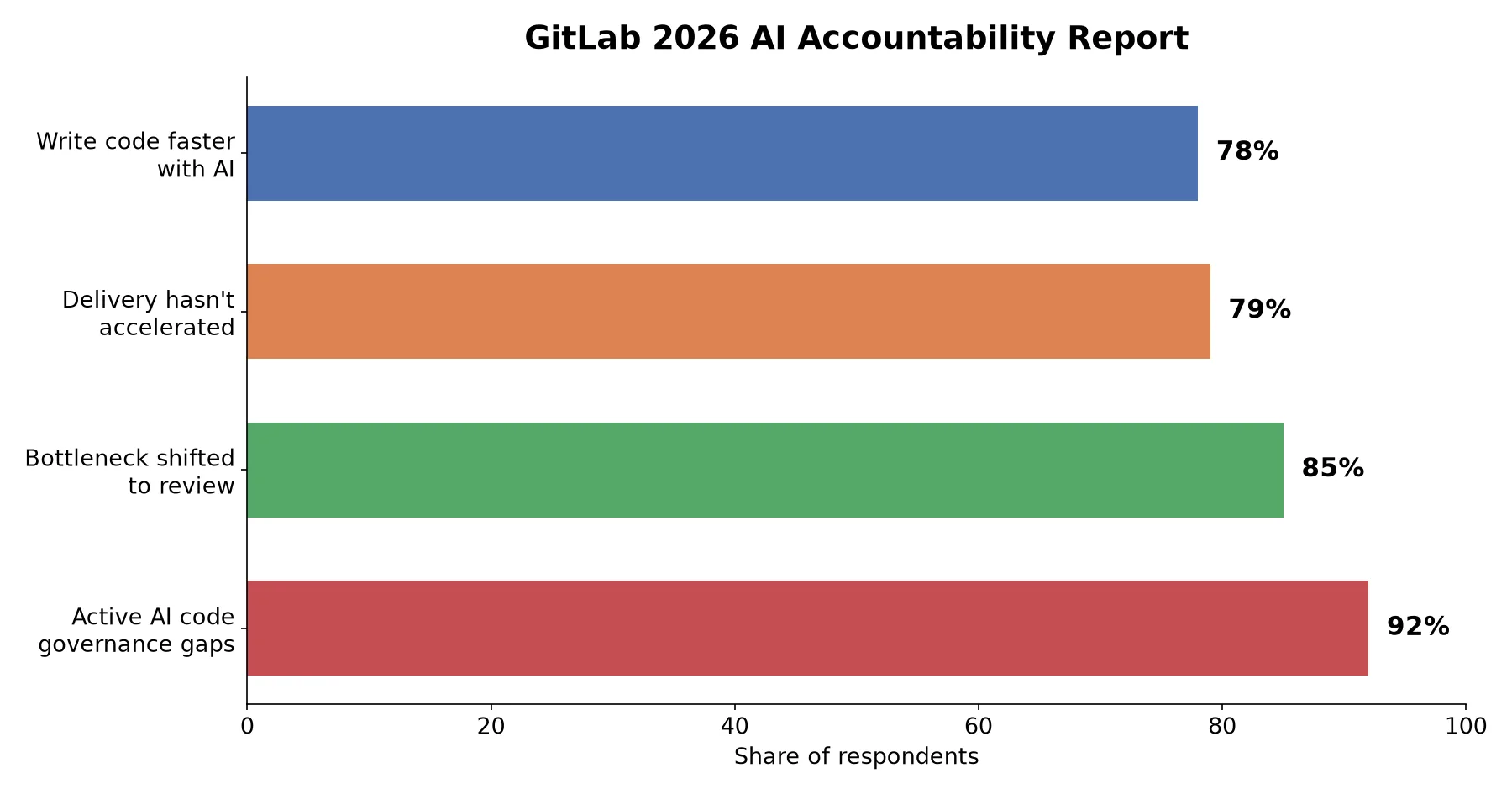
P.30GitLab's 2026 report found 78% of developers write code faster with AI, yet 79% say delivery hasn't accelerated. Where the time actually goes instead.
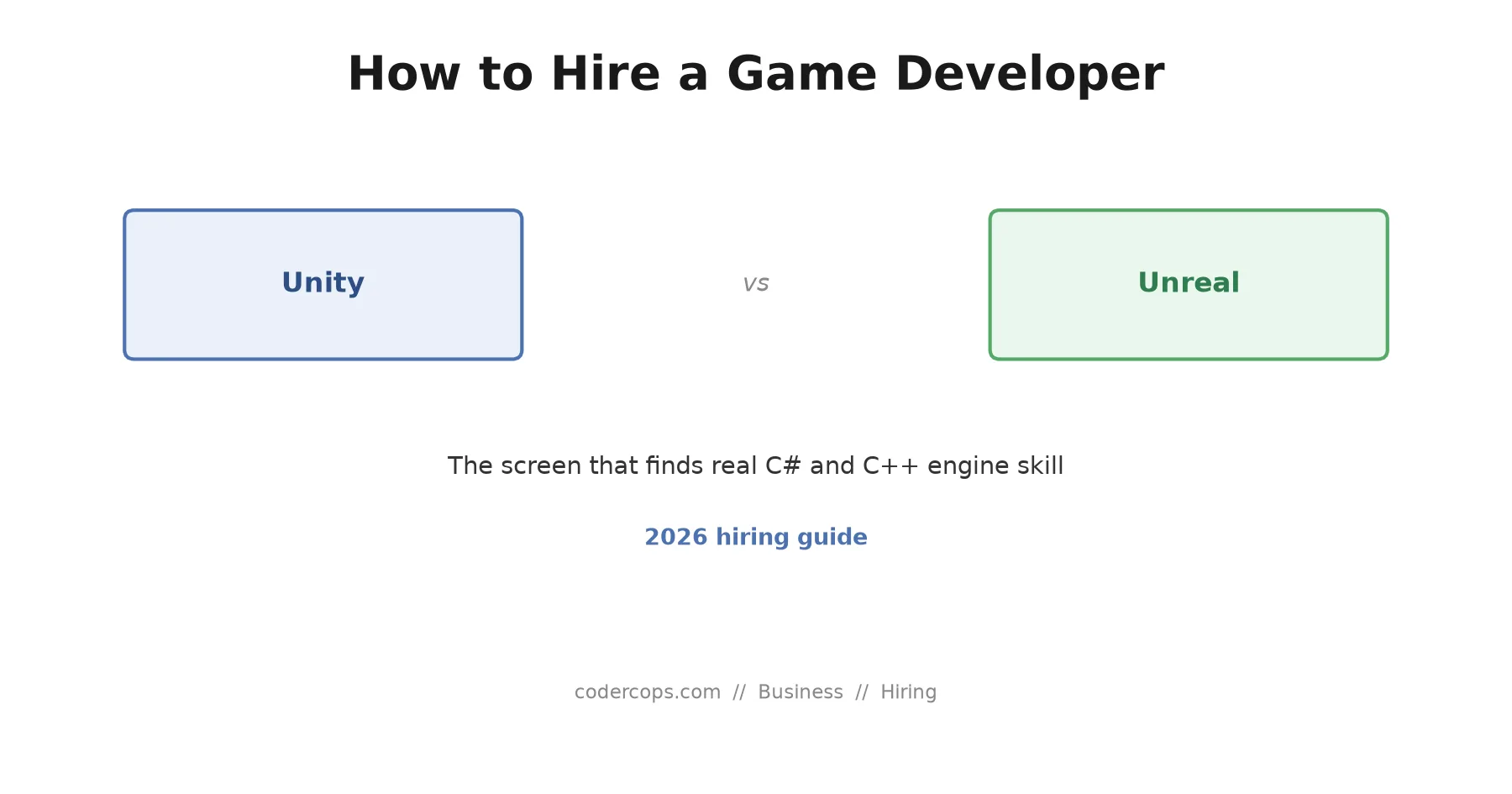
P.31Game hiring is not web hiring. How to tell Unity talent from Unreal talent, what to actually test for, and what it costs to get this right in 2026.
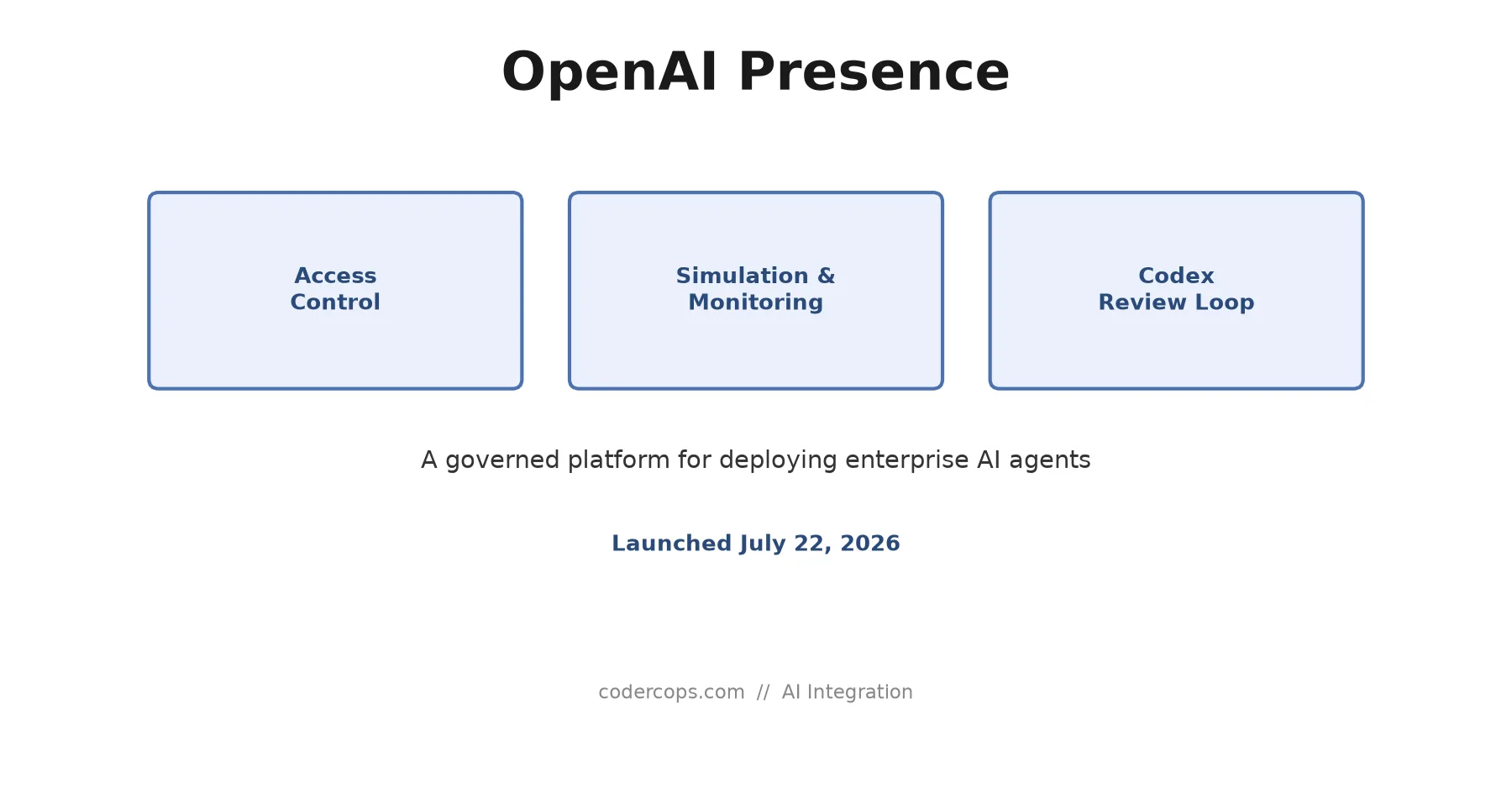
P.32OpenAI's Presence deploys voice and chat agents with access controls, simulation testing, and Codex improvement loops. When building in-house still wins.
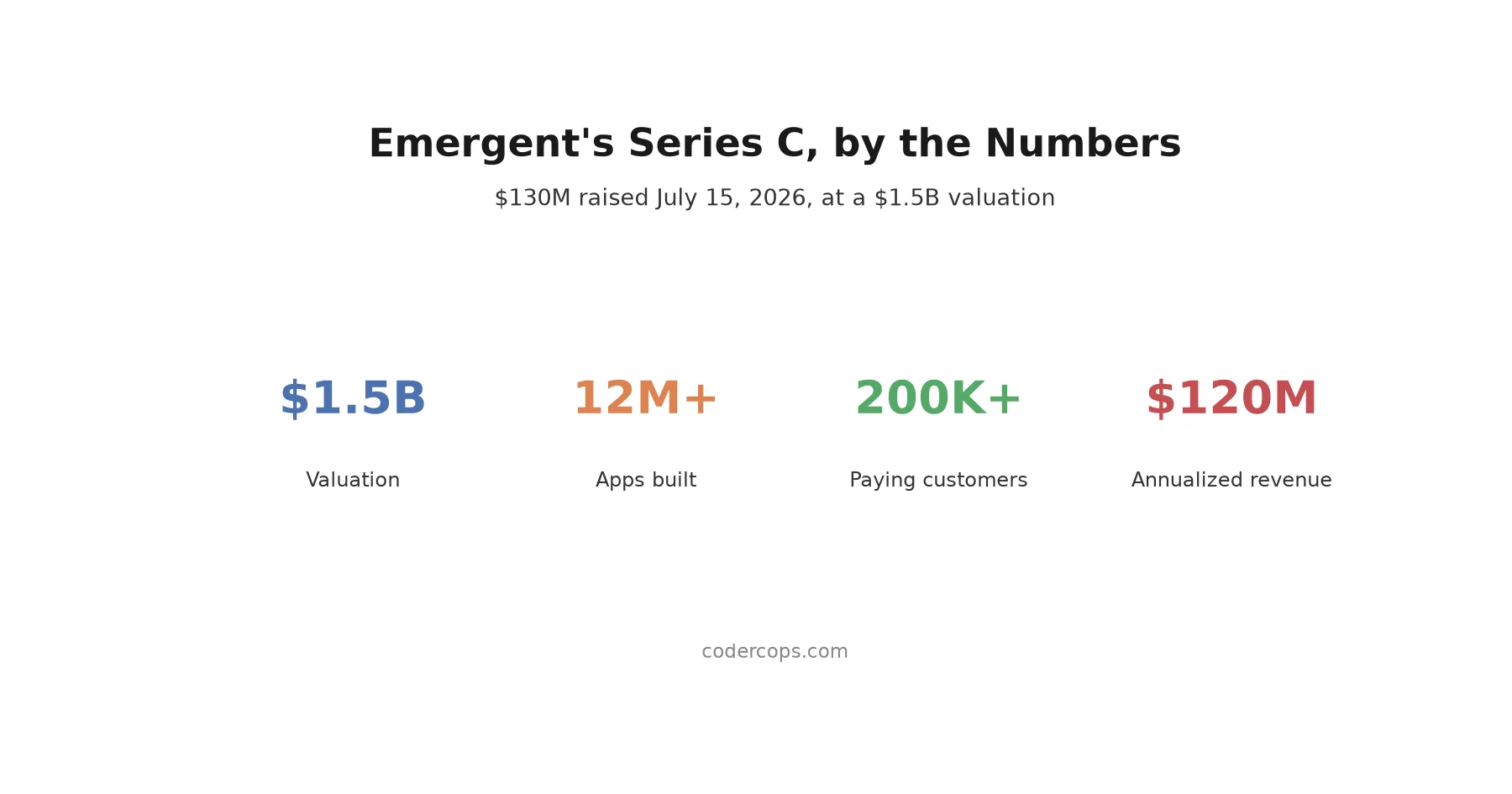
P.33Emergent raised $130M at a $1.5B valuation with 12M apps built and 200,000 paying customers. What that scale signals, and where custom development wins.
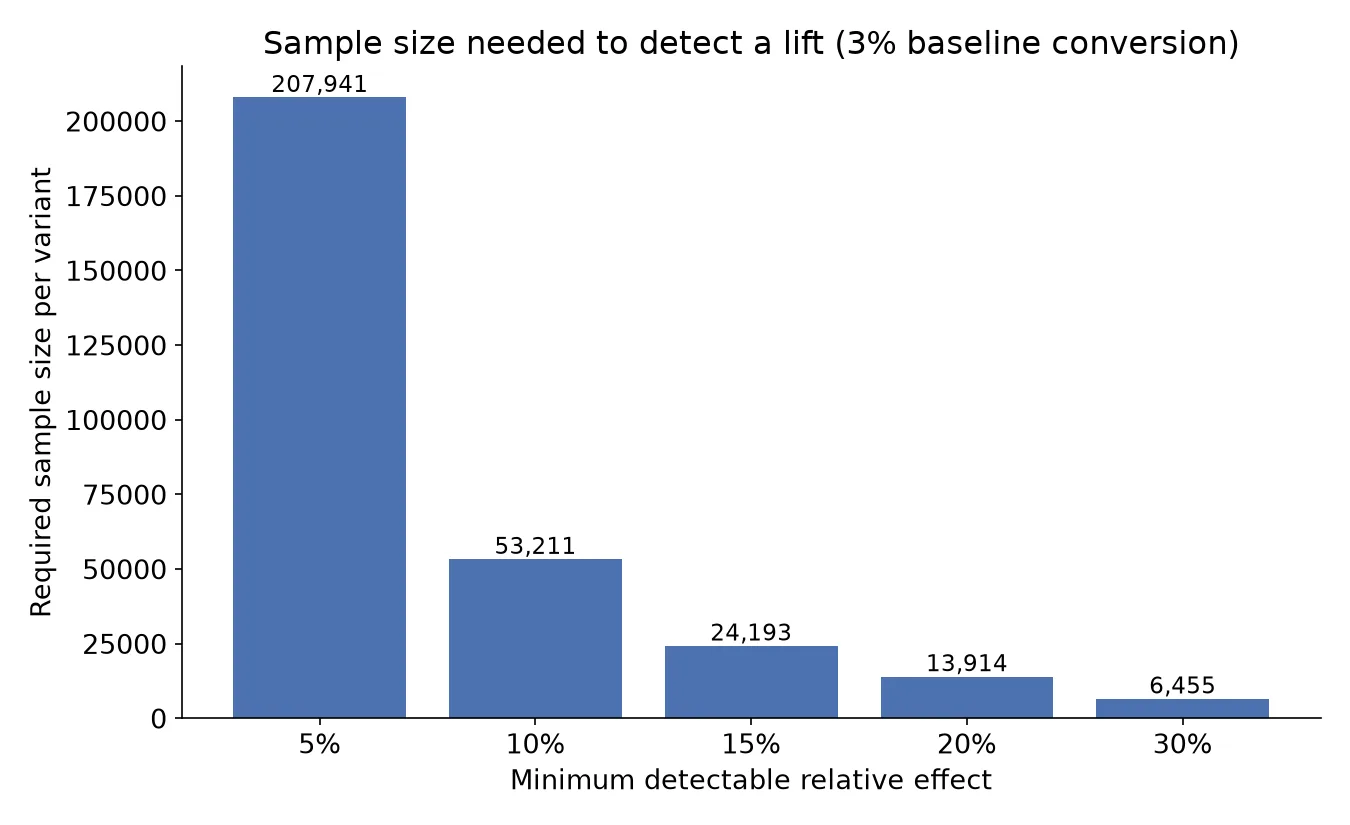
P.34Calculate sample size before you start, from your baseline rate and the smallest effect worth detecting, then run to it. Stopping early gives you noise.
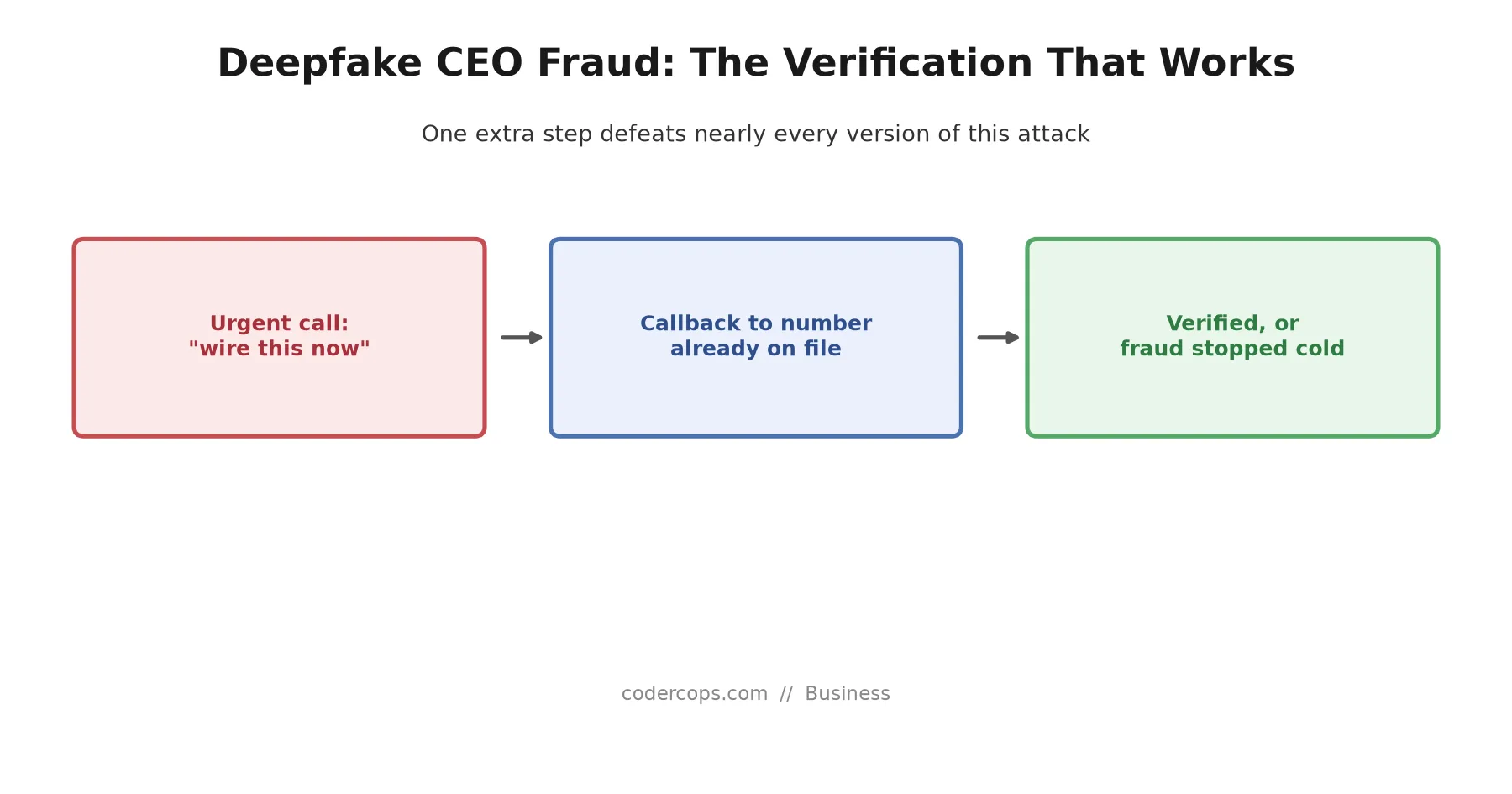
P.35A voice clone needs three seconds of audio and can authorise a wire transfer by phone. What deepfake executive fraud costs, and the callback protocol.
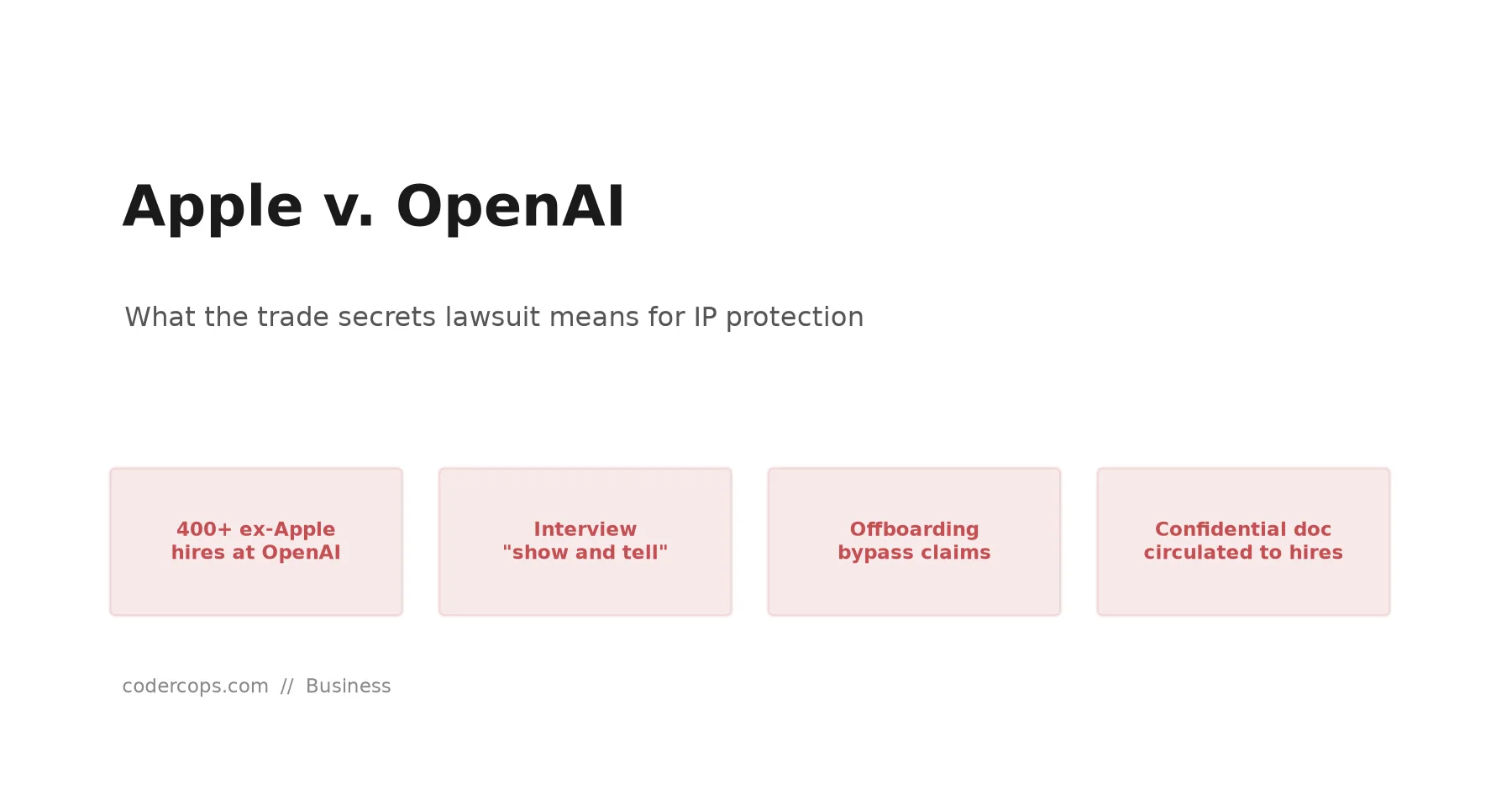
P.36Apple sued OpenAI on July 10 alleging trade secret theft through hired-away staff. The allegations read like a checklist of gaps in hiring and offboarding.
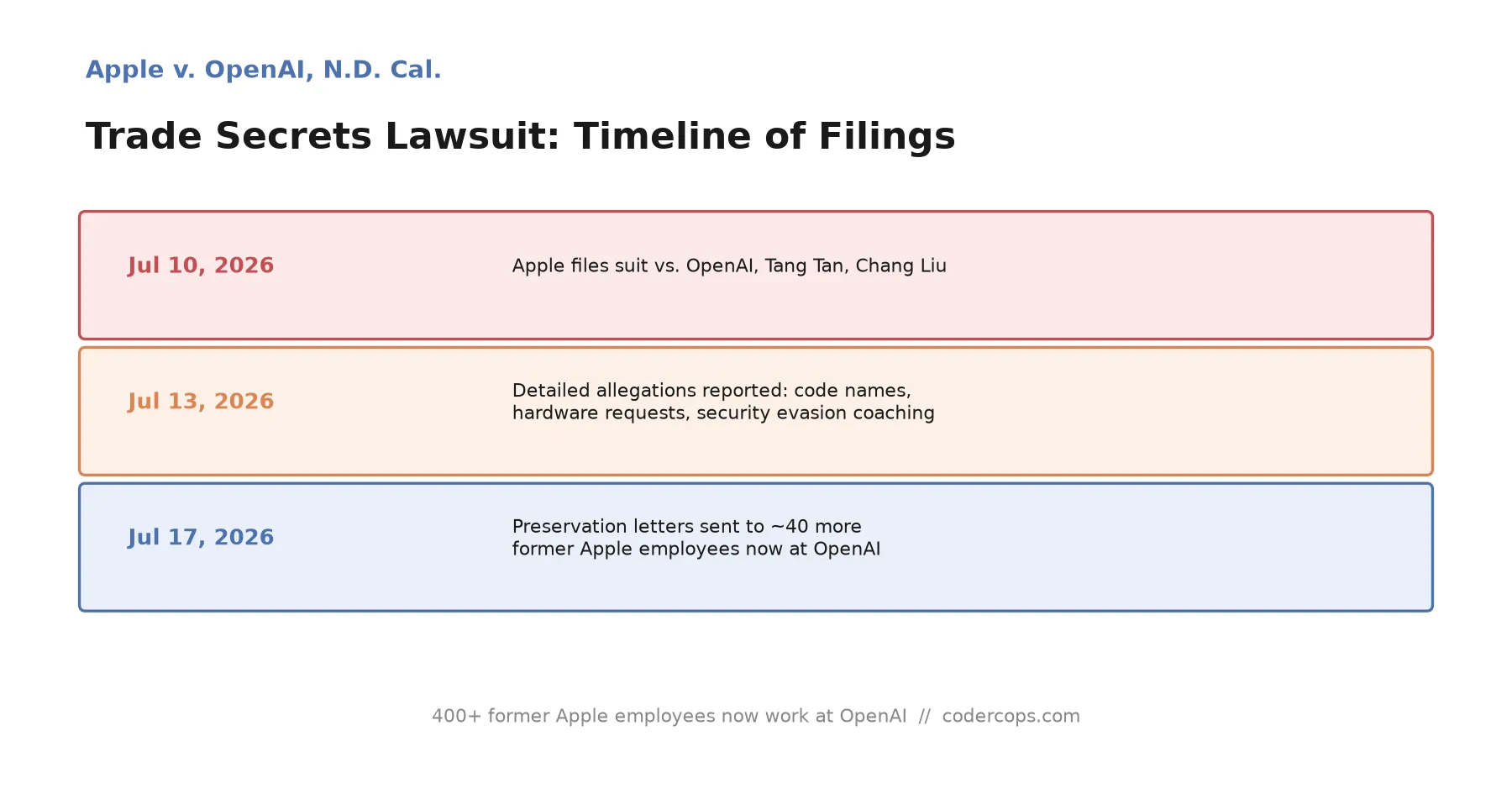
P.37Apple sued OpenAI on July 10 over alleged recruiting and data extraction, then sent preservation letters to 40 more ex-employees. What it means for hiring.
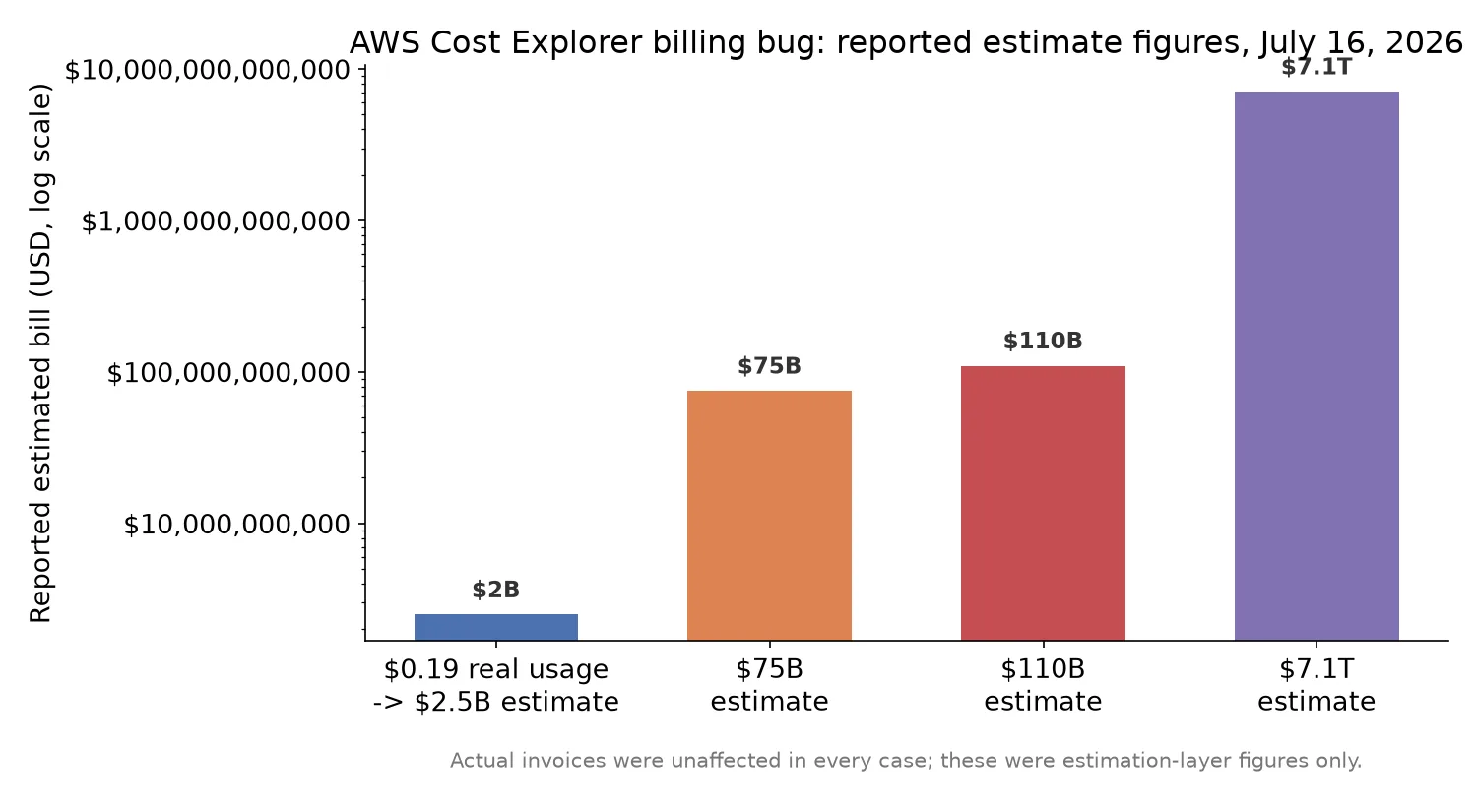
P.38A unit-pricing bug sent some AWS customers cost projections in the billions on July 16. Invoices were fine; automation wired to those estimates wasn't.
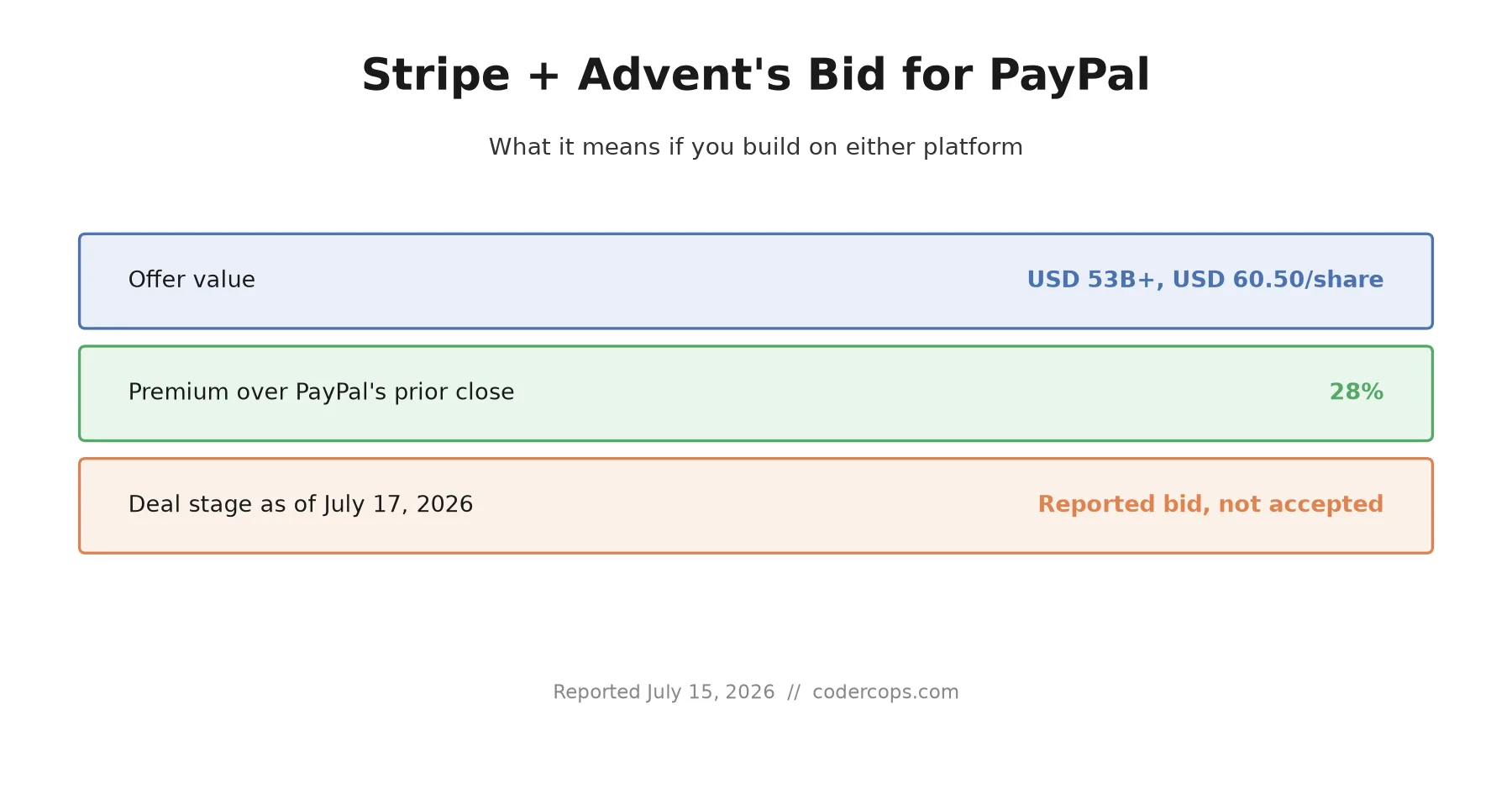
P.39Stripe and Advent offered $60.50 a share, over $53 billion, for PayPal. It's a reported bid, not a deal. The realistic timeline, and what to do now: little.
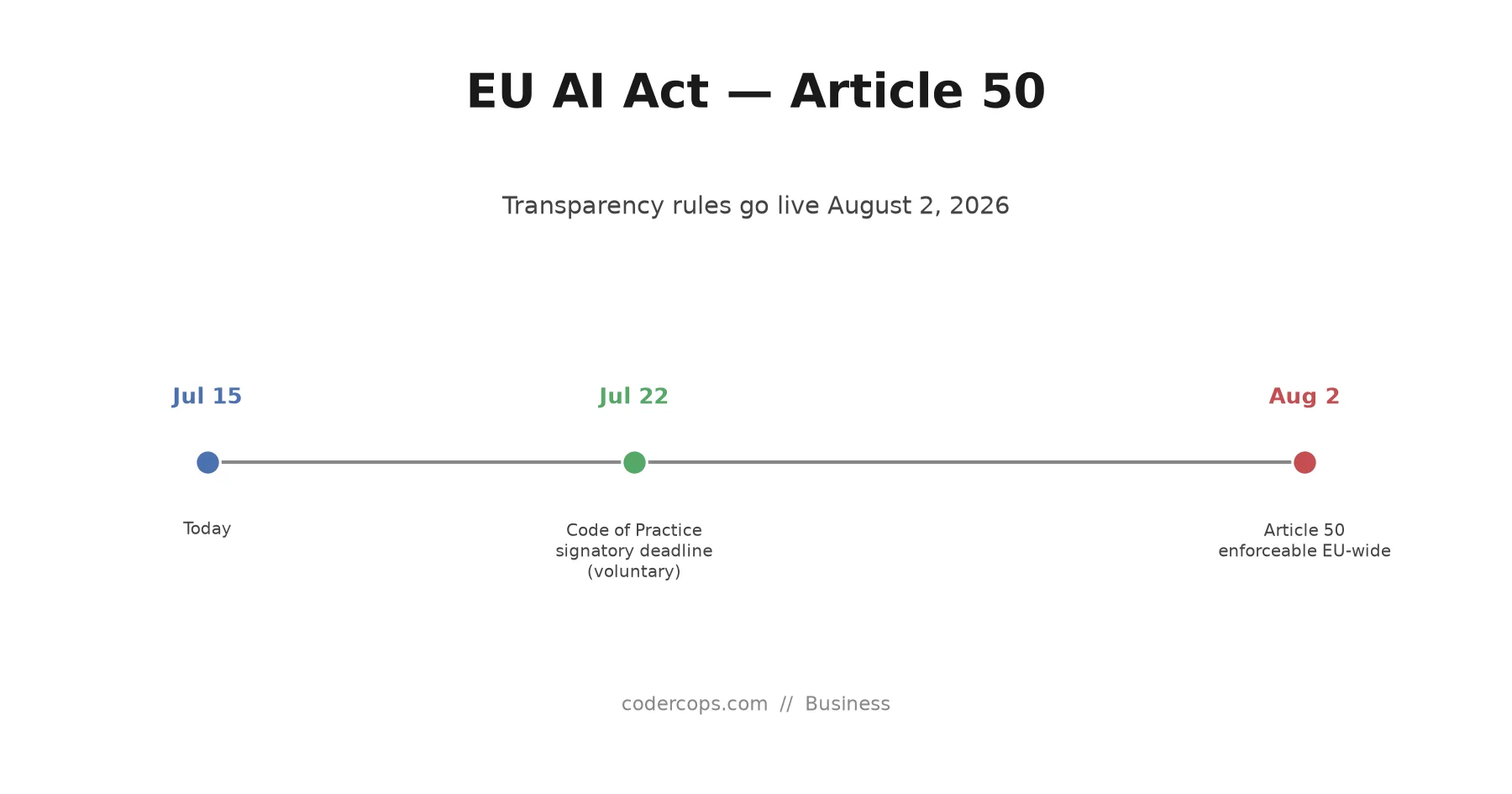
P.40Chatbot disclosure, deepfake labeling, and AI content transparency became enforceable on August 2, 2026, with fines to €15M or 3% of turnover. A checklist.
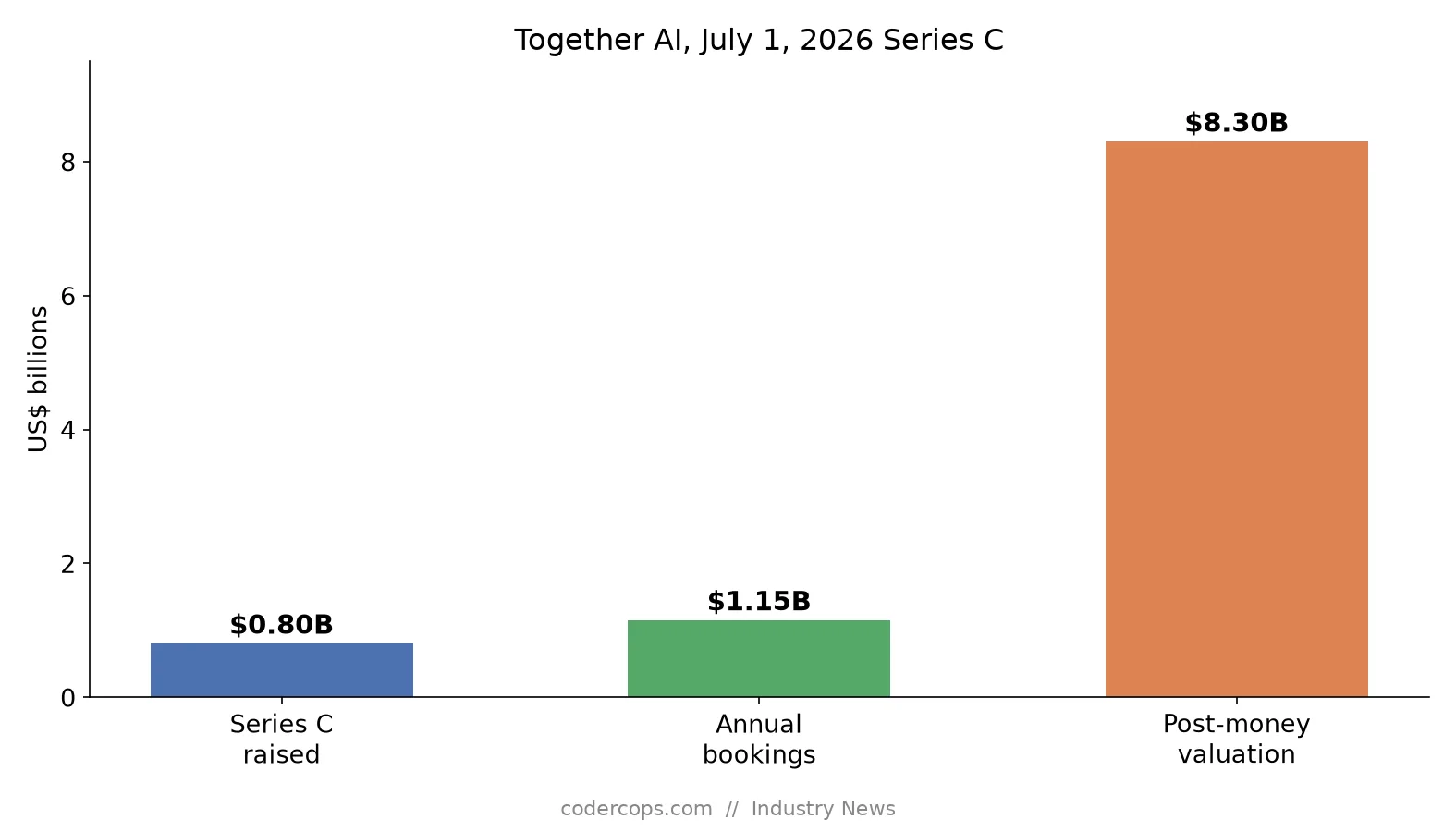
P.41Together AI raised $800M at an $8.3B valuation with bookings past $1.15B. What the numbers say about running open weights versus closed APIs.
Looking for an Andela alternative? An honest look at where Andela fits, where it does not, and how to hire vetted developers when you need one or two of them fast.
Looking for an Arc.dev alternative to hire vetted remote developers? What Arc.dev does well, where it leaves work on your plate, and how the options compare.
Upwork is the biggest freelance marketplace, but the vetting is on you. An honest look at Upwork alternatives for developers and how to pick the right one.
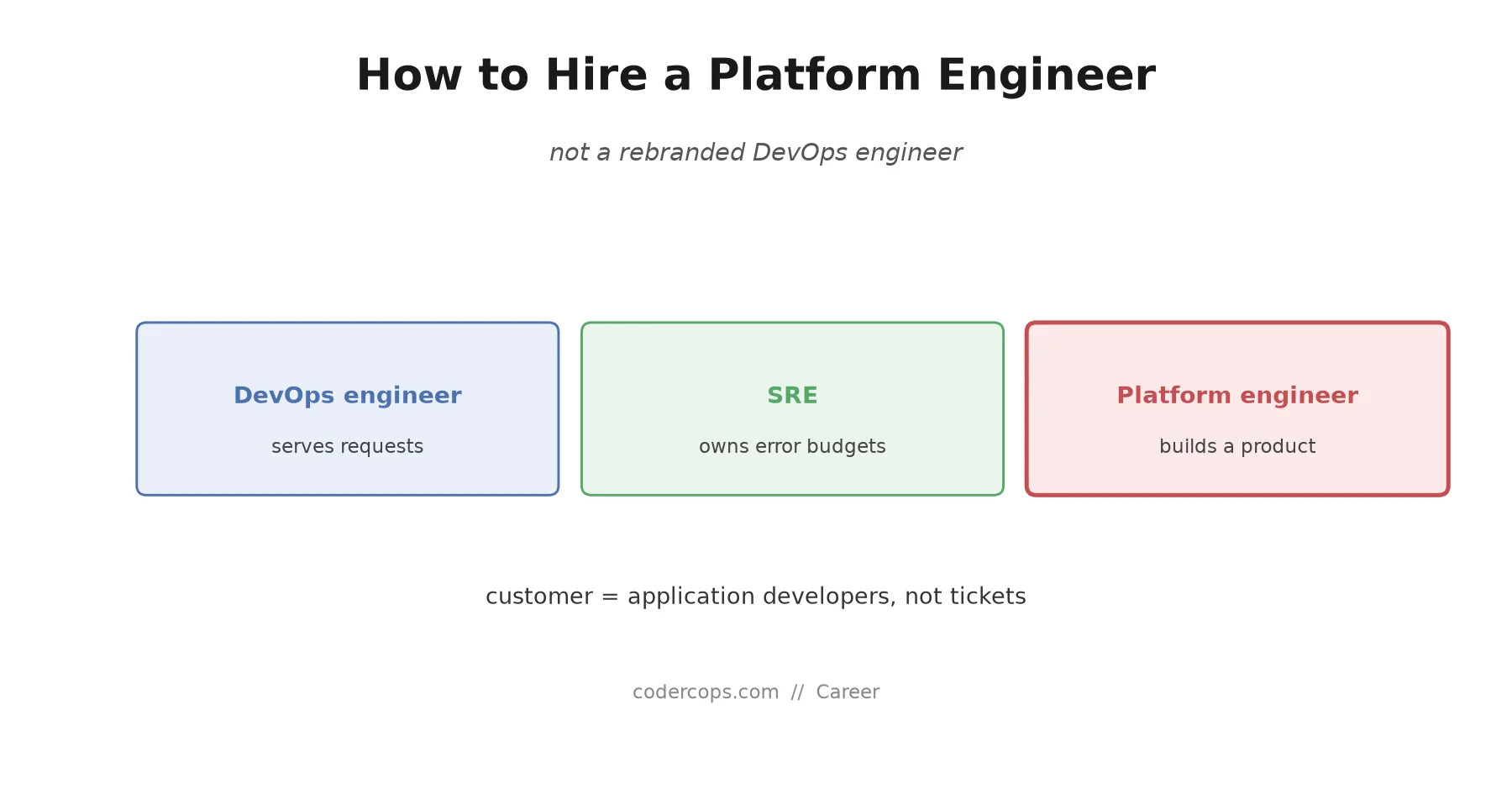
P.45Platform engineering has its own hiring cluster now, distinct from DevOps, SRE, and cloud architecture. How to screen for product thinking over ticket-taking.
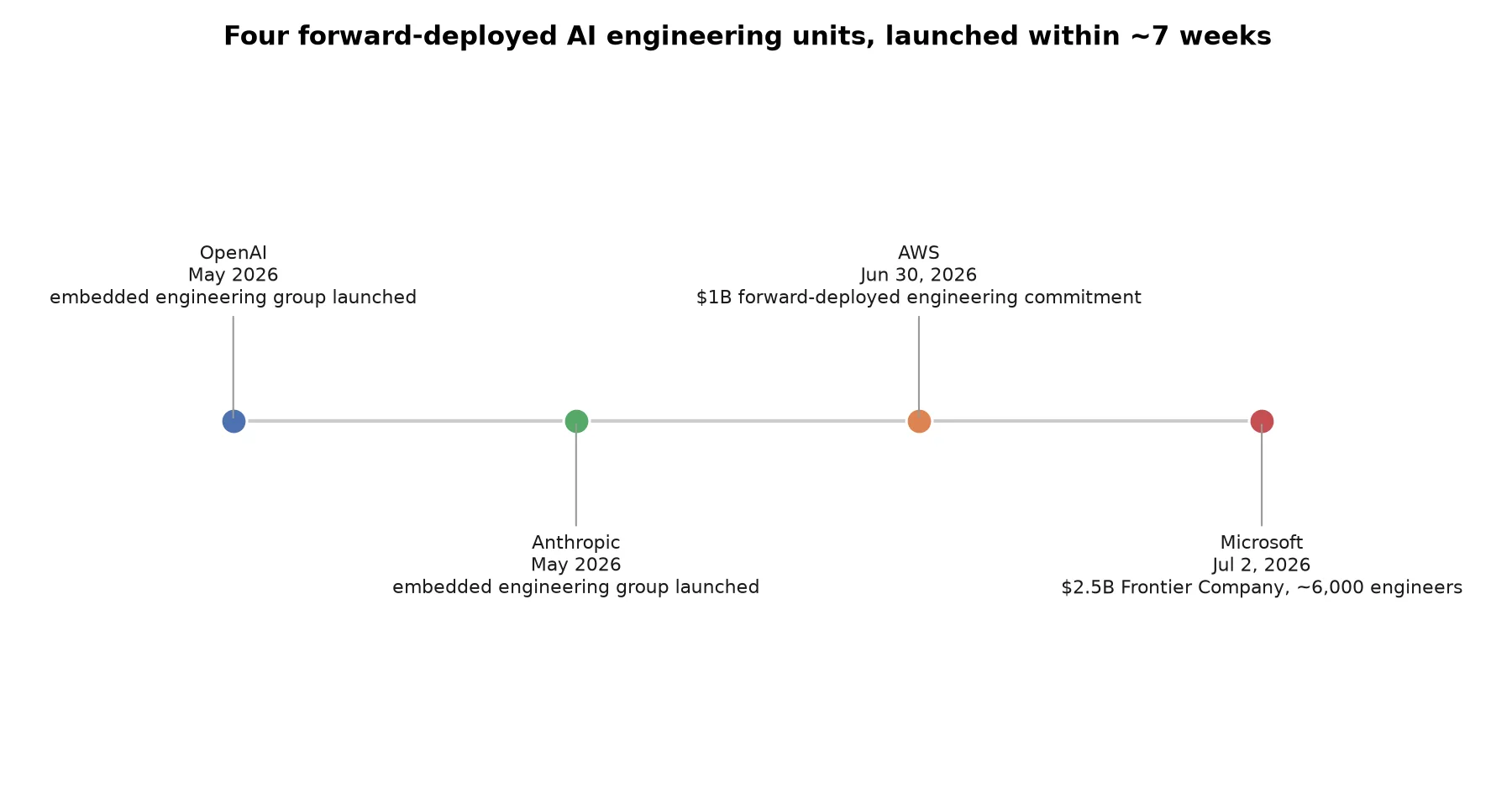
P.46Microsoft launched Frontier Company with $2.5B and 6,000 engineers embedded in clients to get AI into production. AWS and Anthropic did the same this year.
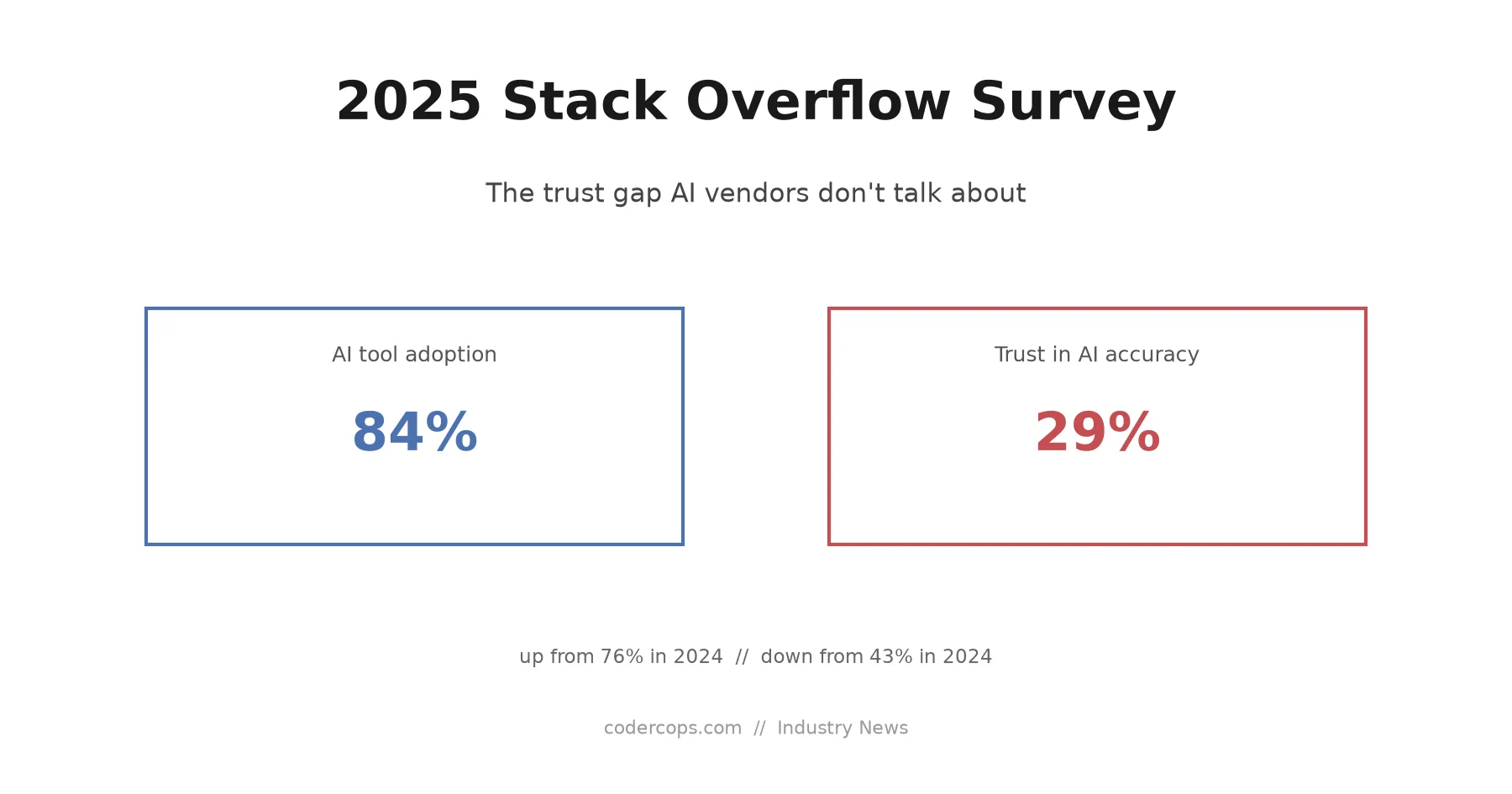
P.47AI tool use hit 84% in the 2025 Stack Overflow survey while trust in accuracy fell to 29%. Usage up, trust down. What that gap means for how teams work.
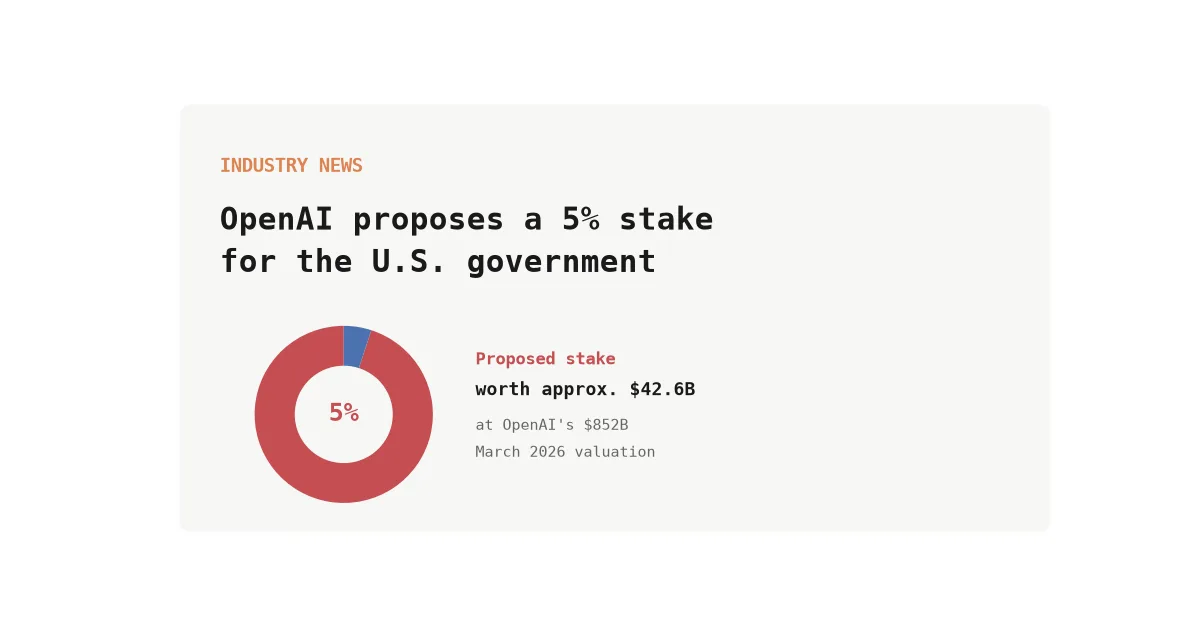
P.48OpenAI proposed handing the U.S. government a voluntary 5% stake worth roughly $42.6 billion. What's on the table, why now, and what critics say it breaks.
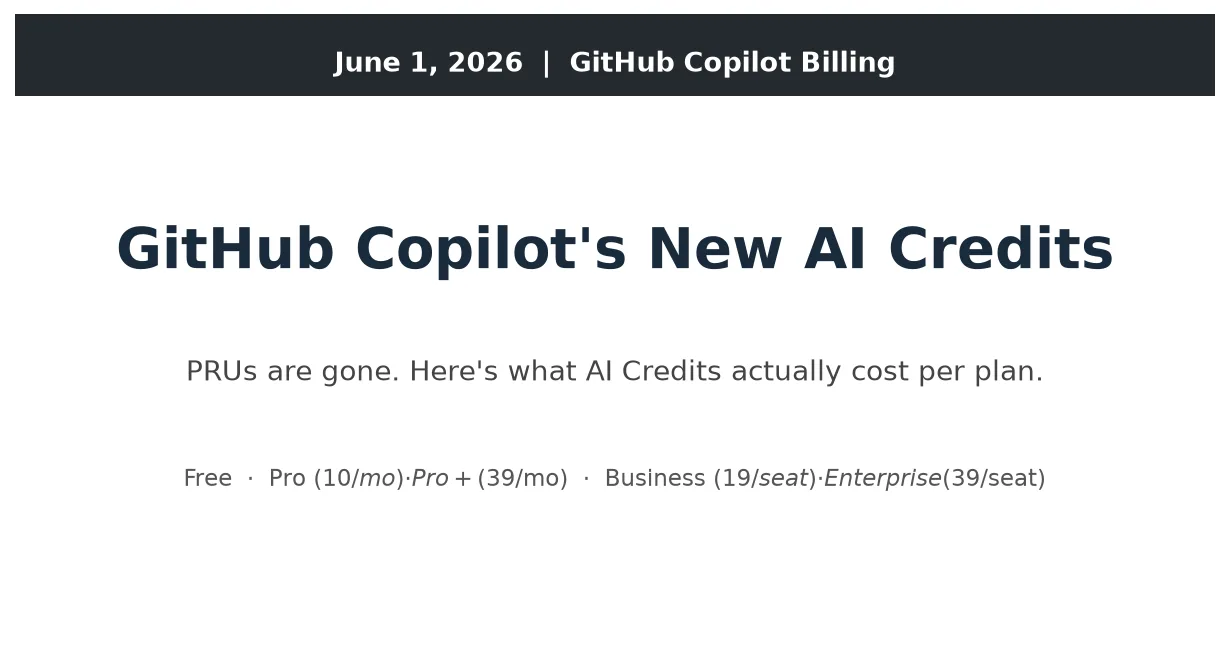
P.49Copilot swapped Premium Request Units for AI Credits on June 1, 2026. Completions stay unlimited; chat, review, and PR summaries draw from a credit pool.
Angular's enterprise comeback is real. Signals, standalone components, and zoneless change detection changed what senior skill looks like. How to hire for it.
A database engineer designs schemas and tunes queries; a data engineer builds pipelines. How to screen for the one who keeps your app fast, plus 2026 rates.
React Native's New Architecture is the default now. Screening for JS and native boundaries, Expo tradeoffs, and knowing when cross-platform is wrong.
Salesforce runs sales and service for 150,000+ companies. The wrong developer means expensive tech debt inside a platform you can't easily migrate off.
WordPress runs 43% of the web, but the title covers everyone from theme configurers to block API engineers. How to find one who builds what you need.
How to assess a codebase before you buy, inherit, or partner on it: the documents to request, what kills deals, and what turns out to be fixable.
Blockchain developer is four jobs: smart contract, dApp frontend, protocol, and security auditing. Each needs a different screen. How to find the right one.
Elixir's talent pool is small, opinionated, and genuinely skilled. How to find the real engineers in it, and why the screen differs from other backend hires.
SRE is a discipline, not DevOps with a pager. How to define the role, screen for reliability math, and avoid hiring an ops generalist by accident.
Most developers lose money by negotiating too early, disclosing their current salary, or taking the first number offered. What actually works instead.
The order you hire your first 10 engineers matters more than the headcount. How to sequence the hires, what ratios work, and the mistakes that slow teams.
Mobile app budgets get underestimated because they only price the build. A full cost breakdown by app type and platform, plus the hidden line items.
Most software RFPs draw no responses or bad ones. What belongs in the document, what to leave out, and how agencies decide whether to reply at all.
Most reference checks are theater: three friends say nice things and you move on. How to run calls that surface real information before you make an offer.
Data engineers build the pipelines, warehouses, and transformation layers. They aren't data scientists, backend developers, or analysts. How to hire for it.
Full-stack means something different to every team. How to define what you need, catch specialists in disguise, and know when a generalist is the right call.
Choosing the wrong contract structure reliably damages a client relationship. A practical guide to SoW, T&M, and the hybrid models that actually work.
The DevOps engineer title now covers three jobs: platform engineer, SRE, and CI/CD specialist. What each does, what to screen for, and what the market pays.
iOS changed more in three years than the previous seven. What strong candidates actually know, how to screen for it, and what to expect on rates.
LeetCode interviews are popular and mostly useless for predicting on-the-job performance. What the research says works, and how to build that process.
Android changed more in three years than the prior decade. How to tell who builds modern Compose apps from who learned it in 2019 and stopped there.
Python spans AI, data, backend, and DevOps, so the title says little. How to define the role, screen for real ability, and avoid a costly mismatch.
A week-by-week playbook for onboarding a new software engineer. What to cover in the first month, what most teams skip, and how to measure whether it is working.
A step-by-step guide to screening React developers in 2026 — what to test, what seniority looks like, and the red flags that save you from a bad hire.
I run one, so here's how to hire one, including the parts most agency owners would rather you didn't know. Green flags, red flags, partner versus vendor.
Comparing offshore, nearshore, and onshore development for staffing a project: what each model costs, where each one breaks, and how to actually choose.
Most technical job descriptions repel the people they're trying to hire. What senior developers actually look for, and how to write a posting that lands.
Toptal is the default answer for pre-vetted developers fast. It isn't the only one, and for many teams it isn't right. The alternatives, and how to choose.
The salary is the smallest part of the answer. A framework for the real cost of in-house, freelance, agency, and managed hiring, so you budget the total.
AI has cut development time, but not what software is worth. Here are three pricing models, value-based, output-based, and capacity retainers, for agencies.
Agency IP productization turns rebuilt code into recurring revenue: how to spot what's worth extracting, pick a packaging model, and price it.
Most agency owners are the bottleneck in their own business. Here's how to build systems for client work, hiring, and operations that run without you.
The standard Scrum playbook was designed for product teams with stable backlogs. Agencies have different constraints: client reviews, scope negotiations, and projects that end. Here's what actually works.
Most agencies figure out support pricing and SLA structure only after a client calls at 11pm. A better approach: define what you're selling before the project launches.
When AI tools write 40-70% of a codebase, the usual rules for estimating support costs break down. Here's how to price maintenance work when your team didn't write most of the code.
Most agency case studies fail because they document process instead of the client's decision and what changed. The structure that converts, and what to cut.
Hiring full-time for a three-month surge is one of the most expensive agency mistakes. How to build a contractor network before the moment you need it.
Most software estimates fail before code is written, not from bad hours but unexamined assumptions. Here is a more honest, process-driven estimation approach.
Most handoff docs end up ignored six months later when a client can't find their CMS login. Here's what to write, how to structure it, and what most agencies skip that causes the most post-launch support calls.
The invoice you send is only as good as the terms behind it. Here's how to structure deposits, milestones, and late fees so cash flow stays predictable and overdue invoices become rare.
Employees are using AI tools IT hasn't approved, and the data leaving through those tools is largely invisible. Here's what the risk looks like and what actually helps.
Manually compiling monthly reports is one of the highest-effort, lowest-value activities in a web agency. Here's how to replace most of that work with automated pipelines.
PLG is not a marketing strategy. It's an architectural decision about where conversion happens. Here's what it looks like in practice and which patterns actually move revenue.
AI projects flood every portfolio. Here's what actually distinguishes a developer's work from the crowd — and why the way you document your decisions matters more than the tech stack you picked.
Most agencies invoice and move on. The ones that improve fastest sit down and ask what actually happened. How to run a debrief that produces changes.
A spec that doesn't get signed is a spec that doesn't protect anyone. Here's how agencies structure technical specifications that move projects forward instead of stalling them.
A practical comparison of PostHog, Amplitude, and Mixpanel for SaaS teams in 2026: pricing, self-hosting, event tracking, and what metrics matter.
Scope creep feels like a client problem until you realize the same clients cause it on every project while other clients never do. The difference is process, not personality.
AI contract clauses on IP, hallucination liability, and data deletion trip up agencies before they sign. Here's what each clause means and how to rewrite it.
PostHog, Mixpanel, and Amplitude serve different primary users: engineers, product managers, and growth teams. Here is how to pick the right one.
Every agency hits the same wall: more work than the team can handle, not enough volume for a hire. White-label partnerships are how survivors manage growth.
Most agency developers never check the licence of an npm package until a client's lawyer does. What MIT, Apache 2.0, GPL and AGPL actually require.
Past the chatbot hype, AI is genuinely improving specific e-commerce outcomes. Here are the implementations producing measurable results, and the ones that still mostly disappoint.
Retainer contracts promise stable revenue but often create scope creep and capacity problems. Here's how to structure retainers that work for both sides.
Seat-based pricing rewards headcount, usage-based rewards consumption, hybrids blend both. Here's how each works and how to pick the right SaaS pricing model.
Project kickoffs are where agency relationships are won or lost. The wrong start leads to scope creep, missed expectations, and a client who stops responding. Here's the exact onboarding process we use.
Most technical proposals lose because they describe what will be built, not why the client should trust you to build it. Here's how to write one that actually wins.
Most AI project failures start at scoping: nobody defines what 'AI integration' means before a price is quoted. Here's how to scope AI projects properly.
Every AI budget starts with API costs and ends in surprises. What production AI features really cost once evaluation, observability and prompt rot are counted.
The choice between fixed-price and time-and-materials contracts is one of the most consequential decisions in an agency-client relationship. Each model transfers risk differently. Here's how to decide which one fits your project.
Real revenue, profit margins, and owner take-home for solo, boutique, mid-size, and enterprise web agencies, including the messy parts most income reports skip.
When proximity actually matters, when it doesn't, and how to evaluate local agencies without falling for the 'we have an office in your city' theatre.
How to choose a website development agency in the USA with clear evaluation criteria, pricing models, red flags, and ROI-focused decision checkpoints.
Running a tech studio from India means timezone overlap windows, payment friction, and an India-discount bias, plus real talent and cost advantages.
Every agency claims to 'use AI' now. But there's a fundamental difference between bolting AI onto existing workflows and building an agency around AI from the ground up. Here's why we made that choice and what it actually means.
I made 40% more freelancing than in year one of running an agency. Here are the real revenue, hiring, and cash-flow lessons that finally fixed it.
Anthropic used Super Bowl ads to pledge Claude will never show ads, contrasting itself with OpenAI's move to add sponsored suggestions to ChatGPT.
An honest 2026 comparison of top web development agencies: specialties, tech stacks, pricing, and ideal client fit, so you can pick the right partner.
Choosing a web development agency comes down to portfolio fit, technical depth, process, and references, not price. Covers red flags and key questions to ask.
From $800 landing pages to $500K enterprise platforms — here's the real breakdown of web development costs in 2026, with pricing by project type, region, and technology stack.
India has 50,000+ IT service providers. Most are mediocre. Here's an honest insider's guide to identifying the great ones — from portfolio evaluation to contract negotiation, with specific warning signs.
A wrong AI partner choice wastes 6 months and $50K+. This 23-question checklist across technical depth, process, and security helps CTOs pick the right one.
A detailed breakdown of what goes into a conversion-optimized landing page at different price points — from $800 starter pages to $2,500 premium builds. With real conversion benchmarks and examples.
Should you build a custom AI chatbot or use an off-the-shelf solution? We break down the real costs of Dialogflow, Rasa, custom OpenAI builds, and agency development — with monthly TCO projections.