Arc.dev Alternatives: When Curated Pools Fit
Arc.dev sits between an open marketplace and a managed network: you browse a vetted pool and decide yourself. Who that suits, and who ends up doing the work.
Tag
47 articles tagged #Developers.
Arc.dev sits between an open marketplace and a managed network: you browse a vetted pool and decide yourself. Who that suits, and who ends up doing the work.
Braintrust's pitch is that talent keeps 100% and the fee sits with the client. That changes the incentives in ways worth understanding before you decide it is cheaper.
Gun.io skews senior, US-based, and relationship-led, right for some engagements and expensive overkill for others. Where it fits, and what to use instead.
Andela suits companies adding sustained engineering capacity across timezones. If your need is smaller or shorter, the enterprise shape works against you.
Lemon.io is built for startups that need a vetted contract developer this week. Where that fits, where it strains, and what to use when speed isn't the issue.
Turing is built for long, full-time-equivalent remote engagements matched by an algorithm. What that suits, and where to look when the shape is wrong.
Upwork gives you enormous supply and none of the filtering. That trade works until it doesn't. What it's good at, when to leave, and where to go instead.
P.08Game hiring is not web hiring. How to tell Unity talent from Unreal talent, what to actually test for, and what it costs to get this right in 2026.
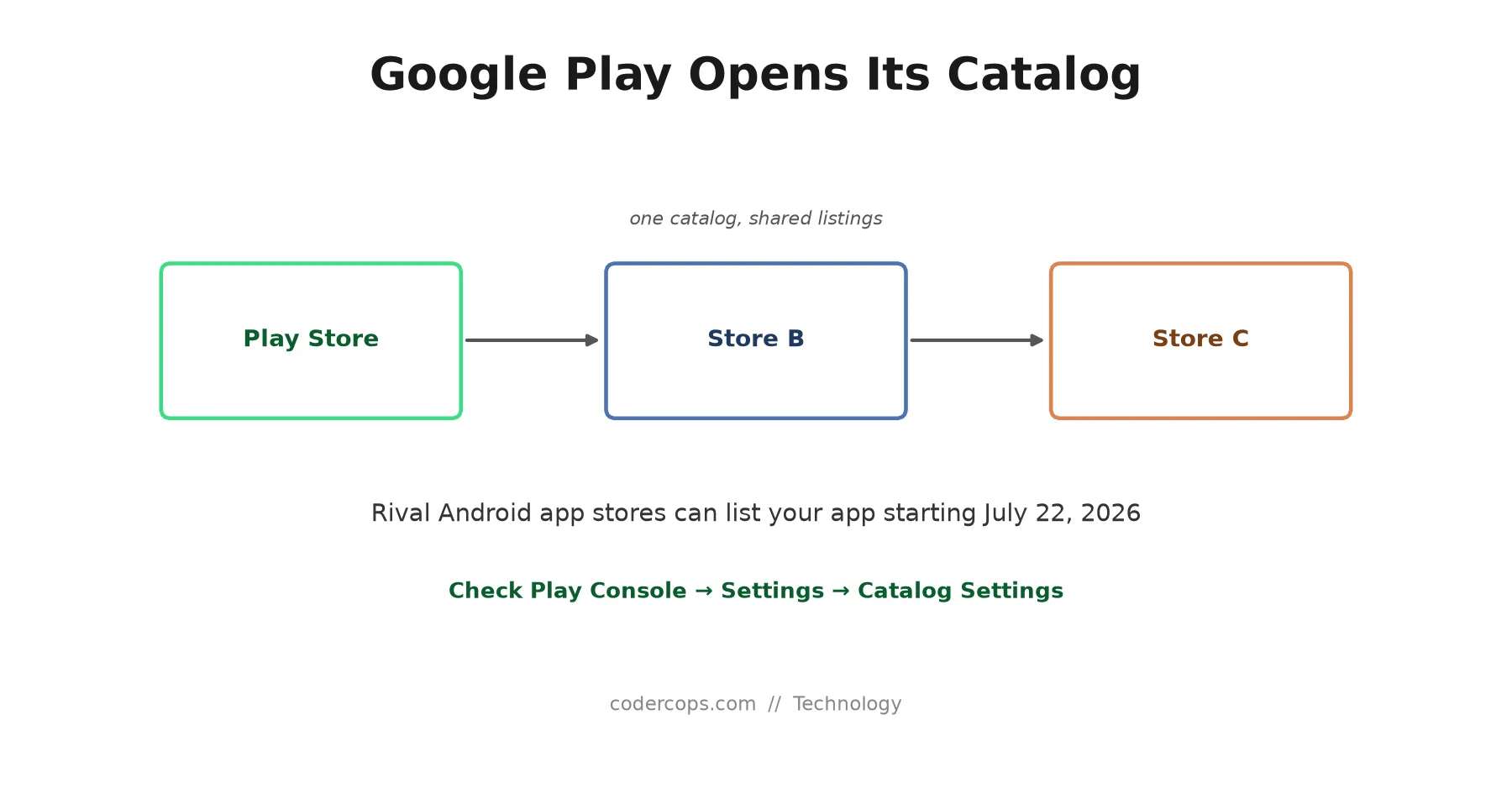
P.09Since July 22, 2026, third-party stores can list your Android app inside Google Play unless you opt out. How enrollment works and what to check now.
P.10Rails isn't the default startup choice anymore, but it didn't disappear. Where it still wins, where Next.js and Django beat it, and who should learn it.
Looking for an Andela alternative? An honest look at where Andela fits, where it does not, and how to hire vetted developers when you need one or two of them fast.
Looking for an Arc.dev alternative to hire vetted remote developers? What Arc.dev does well, where it leaves work on your plate, and how the options compare.
Gun.io is strong for senior US-timezone freelancers, but it isn't the only way to hire vetted developers. The real alternatives, and how to choose between them.
Looking for a Lemon.io alternative to hire vetted developers? Where Lemon.io fits, where it doesn't, and how to choose for the role you're actually filling.
Upwork is the biggest freelance marketplace, but the vetting is on you. An honest look at Upwork alternatives for developers and how to pick the right one.
Angular's enterprise comeback is real. Signals, standalone components, and zoneless change detection changed what senior skill looks like. How to hire for it.
Svelte 5 runes changed the reactivity model in ways that matter for hiring. The pool is small but experienced. How to find, screen, and evaluate them.
Salesforce runs sales and service for 150,000+ companies. The wrong developer means expensive tech debt inside a platform you can't easily migrate off.
Blockchain developer is four jobs: smart contract, dApp frontend, protocol, and security auditing. Each needs a different screen. How to find the right one.
C++ covers game engines, embedded, high-frequency trading, and infrastructure. The skills that matter change completely with what you're actually building.
Elixir's talent pool is small, opinionated, and genuinely skilled. How to find the real engineers in it, and why the screen differs from other backend hires.
Most developers lose money by negotiating too early, disclosing their current salary, or taking the first number offered. What actually works instead.
The order you hire your first 10 engineers matters more than the headcount. How to sequence the hires, what ratios work, and the mistakes that slow teams.
Security engineer covers five genuinely different jobs. How to define the one you need, run a screen that tests real skill, and dodge the usual mistakes.
Data scientist and ML engineer are two different jobs. The distinction, what a strong data scientist does, and how to screen for real analytical judgment.
Frontend developer means different things to different teams. The core screen: HTML semantics, CSS fundamentals, Core Web Vitals, and skill beyond React.
Kotlin is the default for Android and growing on the JVM backend. What to screen for, how Kotlin skills differ from Java, and what the role really needs.
QA is risk thinking, not script writing. What a strong QA engineer brings, what to test in the interview, and how to avoid hiring a regression-suite runner.
Most hiring managers look at the wrong things. Stars and followers tell you almost nothing. What to look for, and what AI changed about reading profiles.
AI engineer is not ML engineer. One trains models, the other builds products on them. The screen that tells them apart and finds people who actually ship.
The .NET platform changed more in three years than the decade before. What a strong .NET developer looks like now, and what marks a 2015 mindset.
Java 21 brought virtual threads; Spring Boot 3 needs Java 17. Most job posts still test for Java 8. What a strong Java developer actually looks like now.
Everyone claims ML experience since the AI boom. The screen that separates people who ship ML systems from people who fine-tuned once in a Colab notebook.
Flutter dominates cross-platform mobile now, and the gap between tutorial-complete and production-shipped is wide. The screen that finds the difference.
PHP runs most of the web and the pool is huge, which makes it easy to hire someone who knows PHP and hard to hire someone who can actually build with it.
Most reference checks are theater: three friends say nice things and you move on. How to run calls that surface real information before you make an offer.
Full-stack means something different to every team. How to define what you need, catch specialists in disguise, and know when a generalist is the right call.
LeetCode interviews are popular and mostly useless for predicting on-the-job performance. What the research says works, and how to build that process.
Python spans AI, data, backend, and DevOps, so the title says little. How to define the role, screen for real ability, and avoid a costly mismatch.
A week-by-week playbook for onboarding a new software engineer. What to cover in the first month, what most teams skip, and how to measure whether it is working.
A step-by-step guide to screening React developers in 2026 — what to test, what seniority looks like, and the red flags that save you from a bad hire.
The remote market is more competitive and more winnable than it looks. The developers who get hired aren't the strongest coders, they're the easiest to assess.
Everyone says their developers are vetted. Almost nobody says what that means. What real vetting looks like, the screen we run, and the red flags to catch.
Comparing offshore, nearshore, and onshore development for staffing a project: what each model costs, where each one breaks, and how to actually choose.
Most technical job descriptions repel the people they're trying to hire. What senior developers actually look for, and how to write a posting that lands.
Toptal is the default answer for pre-vetted developers fast. It isn't the only one, and for many teams it isn't right. The alternatives, and how to choose.
The salary is the smallest part of the answer. A framework for the real cost of in-house, freelance, agency, and managed hiring, so you budget the total.