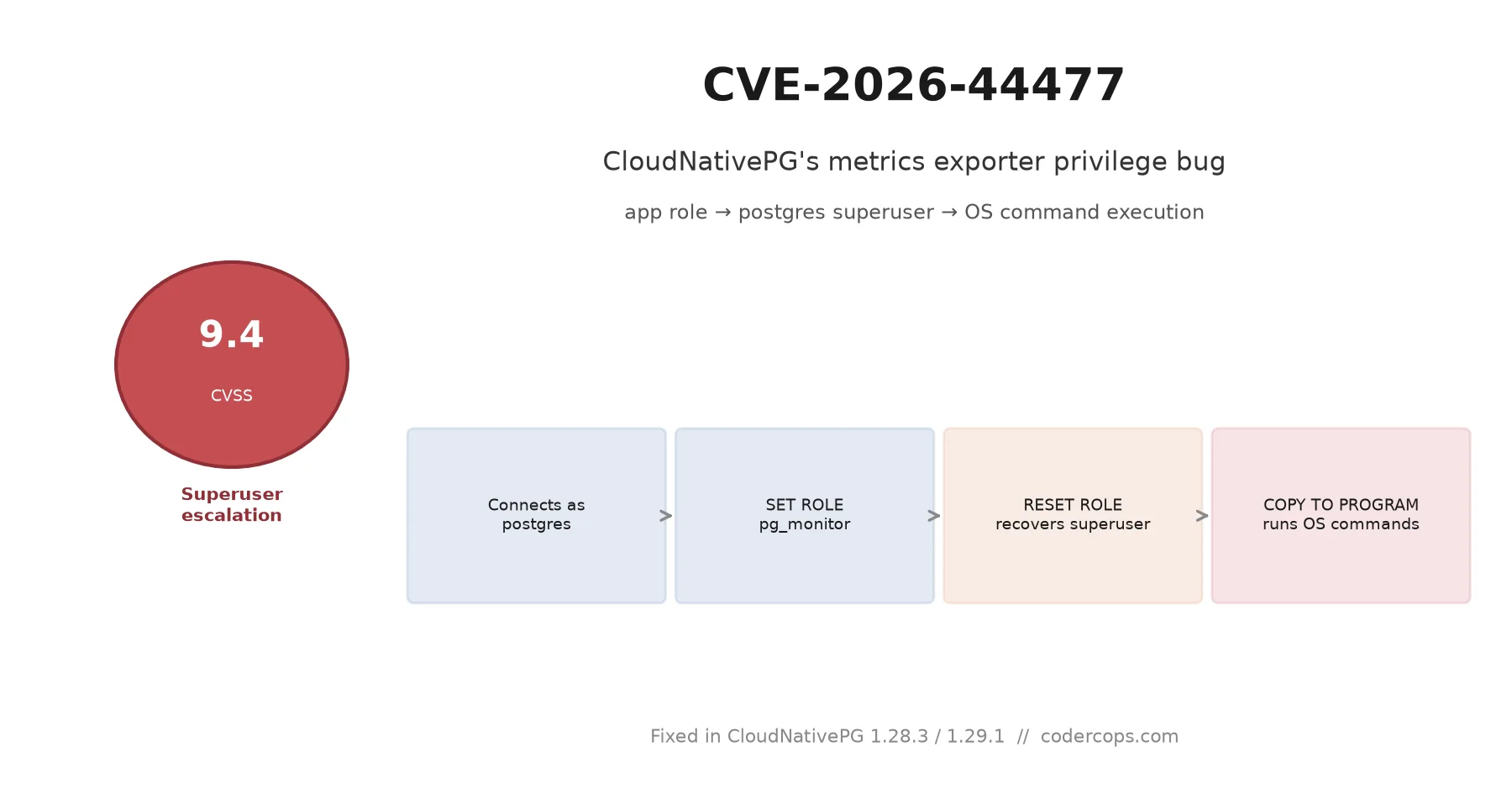
P.01CVE-2026-44477: CloudNativePG's Superuser Escalation Bug
CVE-2026-44477 lets any database owner escalate to postgres superuser and run OS commands in CloudNativePG. Here is who is affected and how to patch.
Tag
24 articles tagged #PostgreSQL.
P.01CVE-2026-44477 lets any database owner escalate to postgres superuser and run OS commands in CloudNativePG. Here is who is affected and how to patch.
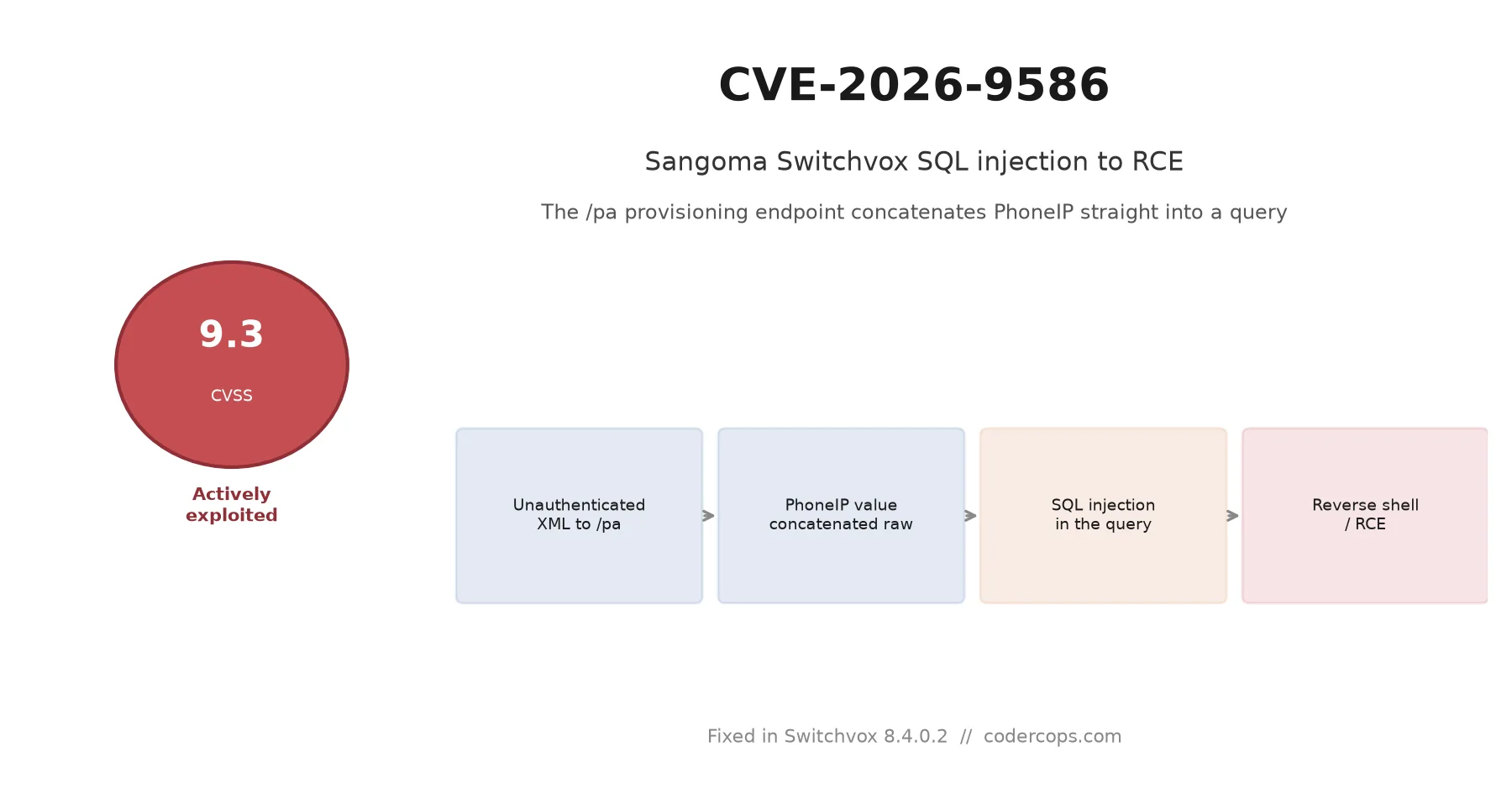
P.02CVE-2026-9586 is an unauthenticated SQL injection in Sangoma Switchvox's /pa endpoint that leads to RCE. Active exploitation, KEV status, and the fix.
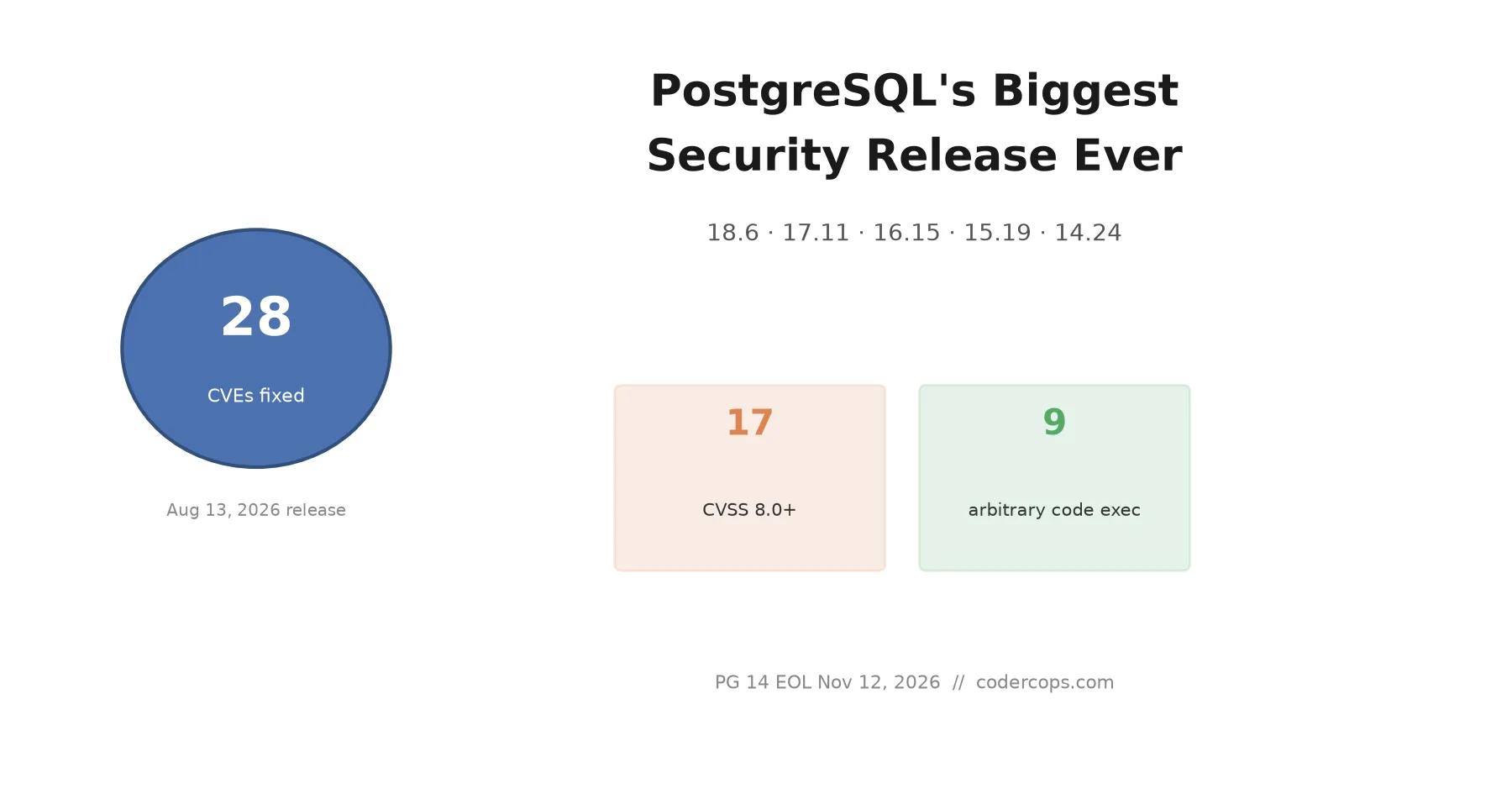
P.03PostgreSQL 18.6, 17.11, 16.15, 15.19, and 14.24 fixed 28 CVEs on August 13, 17 of them CVSS 8.0 or higher. Which matter, and who's actually exposed.
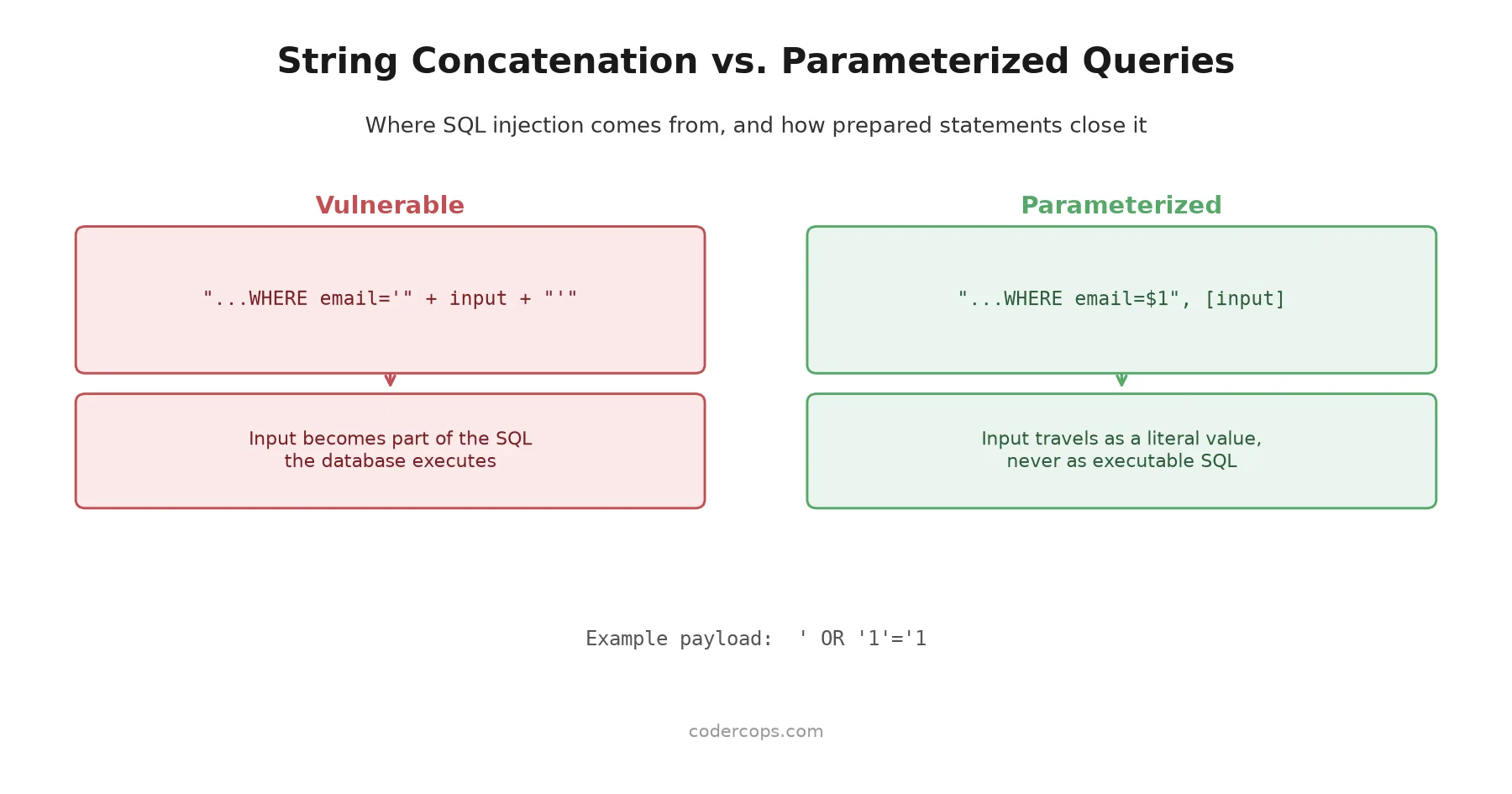
P.04SQL injection still lands CVSS 10.0 bugs in 2026. How parameterized queries stop it, where ORMs quietly reintroduce it, and how to verify your own code.
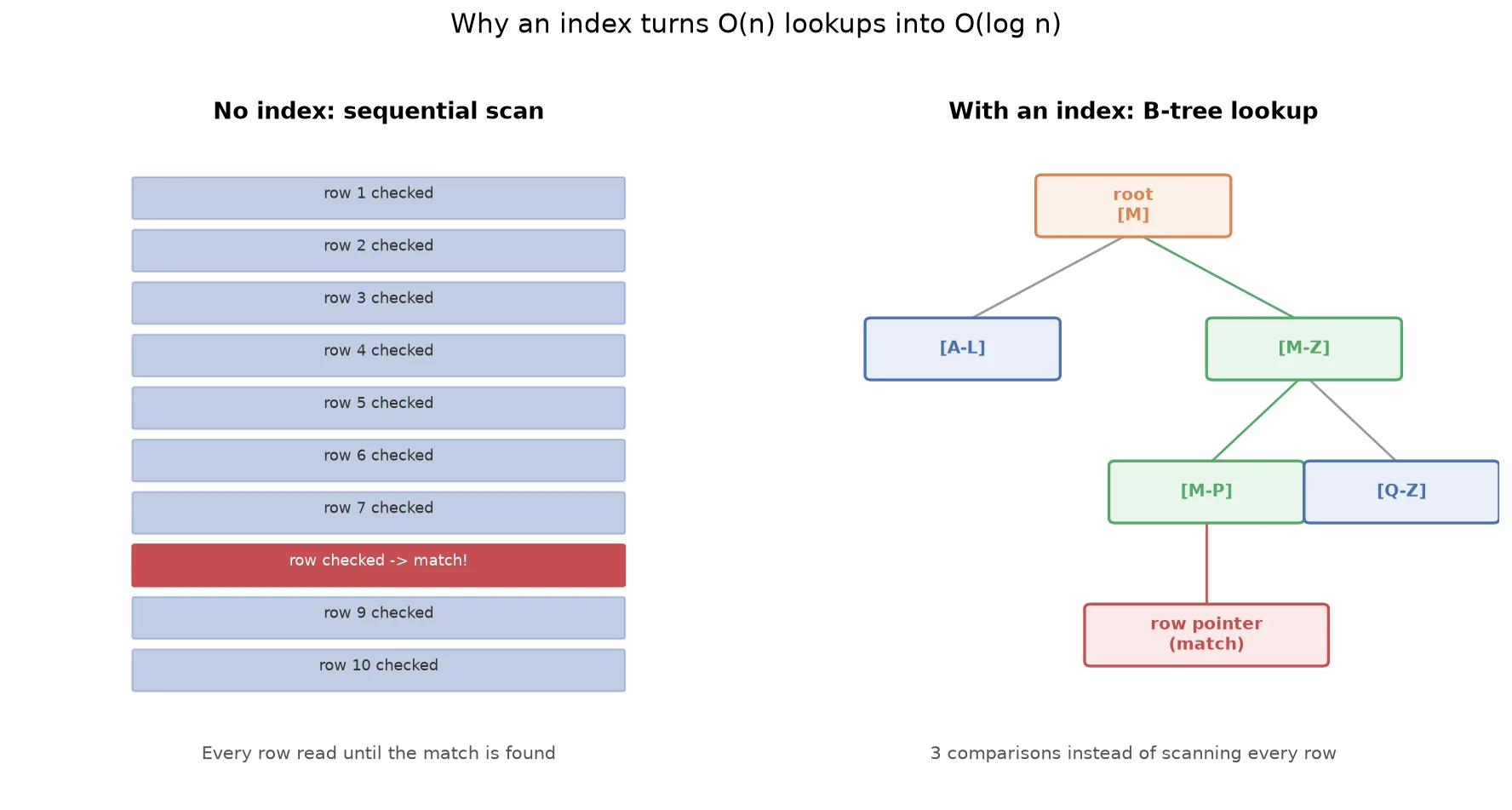
P.05An index turns a table scan into a few comparisons, but only for the queries it was built for. How B-trees work, and the write cost nobody budgets for.
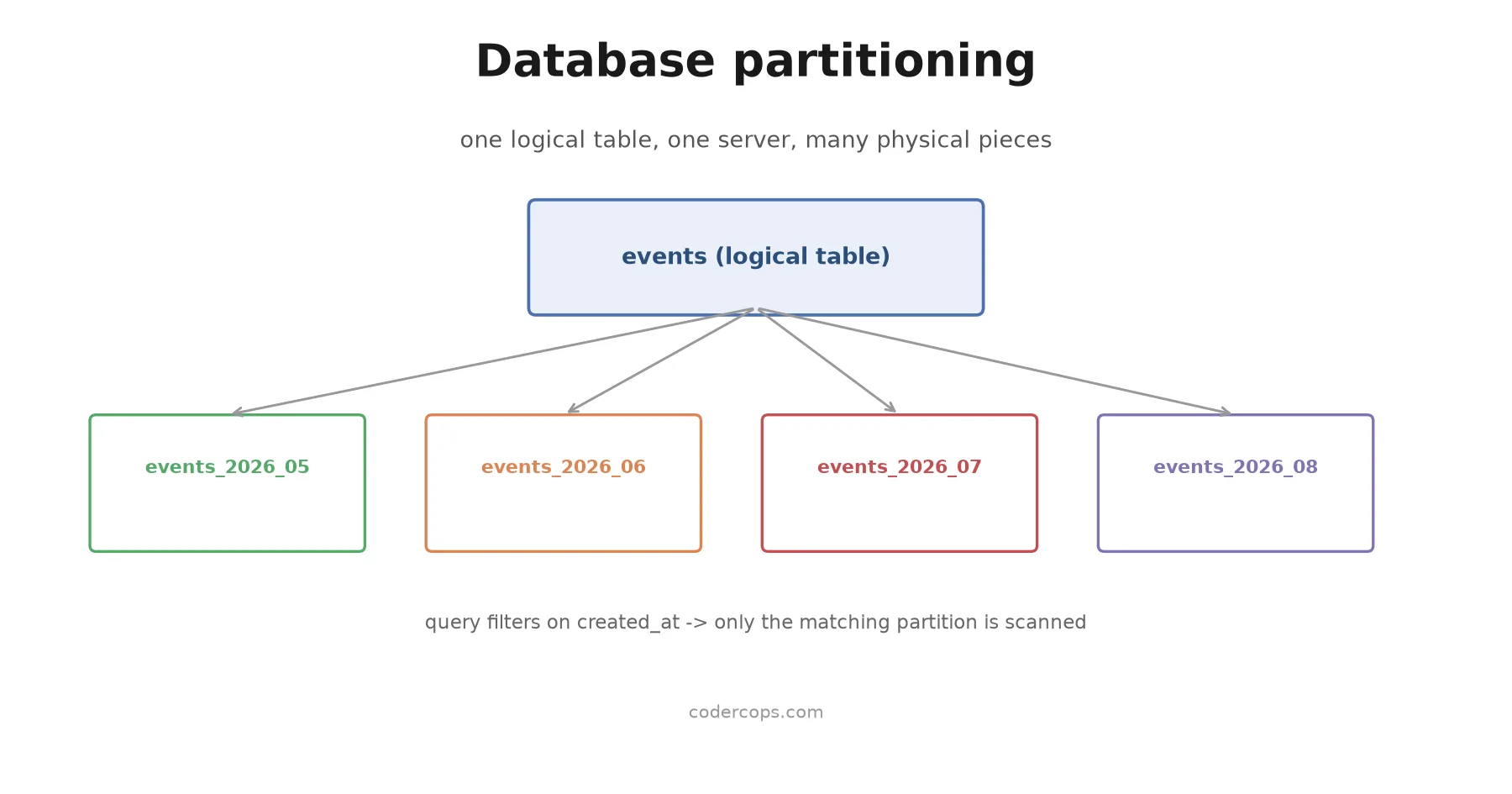
P.06Partitioning and sharding get confused constantly. Partitioning stays on one server. How range, list, and hash work, and when it solves it before sharding.
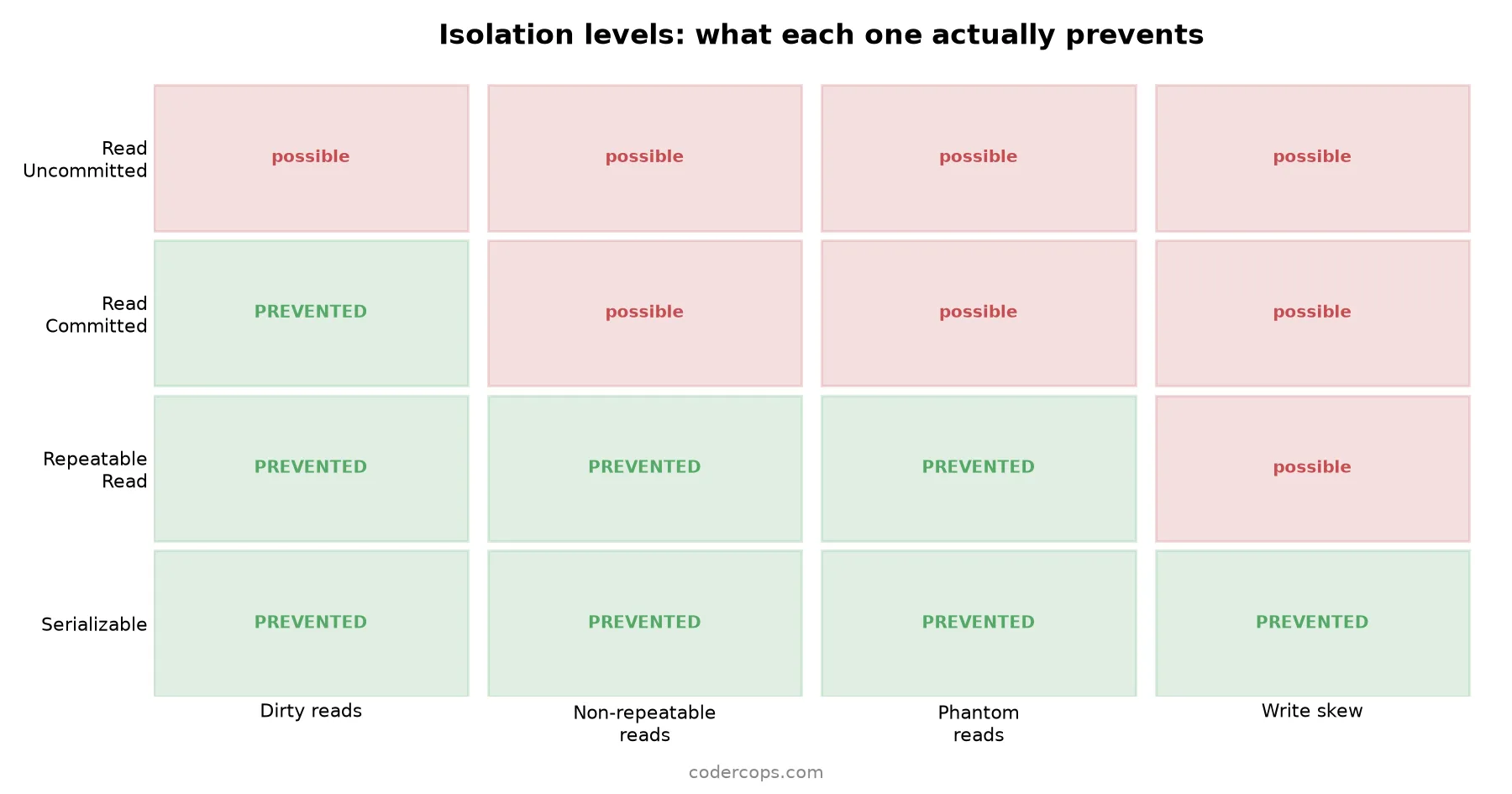
P.07Most developers use whatever their ORM defaults to. What Read Committed, Repeatable Read, and Serializable prevent, what they allow, and how to choose.
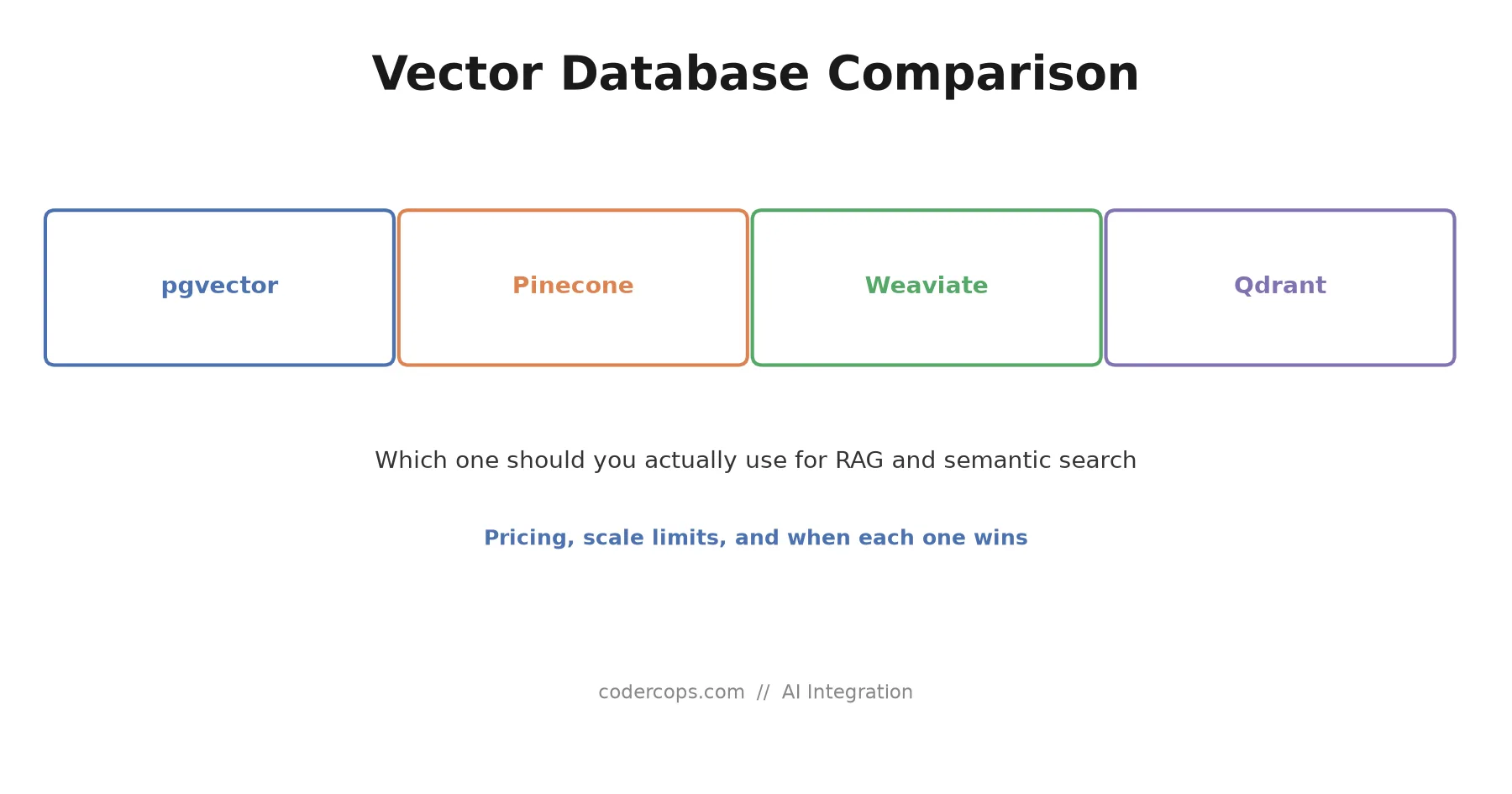
P.08A practical comparison of the four vector databases teams actually shortlist for RAG, with real pricing, when each wins, and the question that decides it.
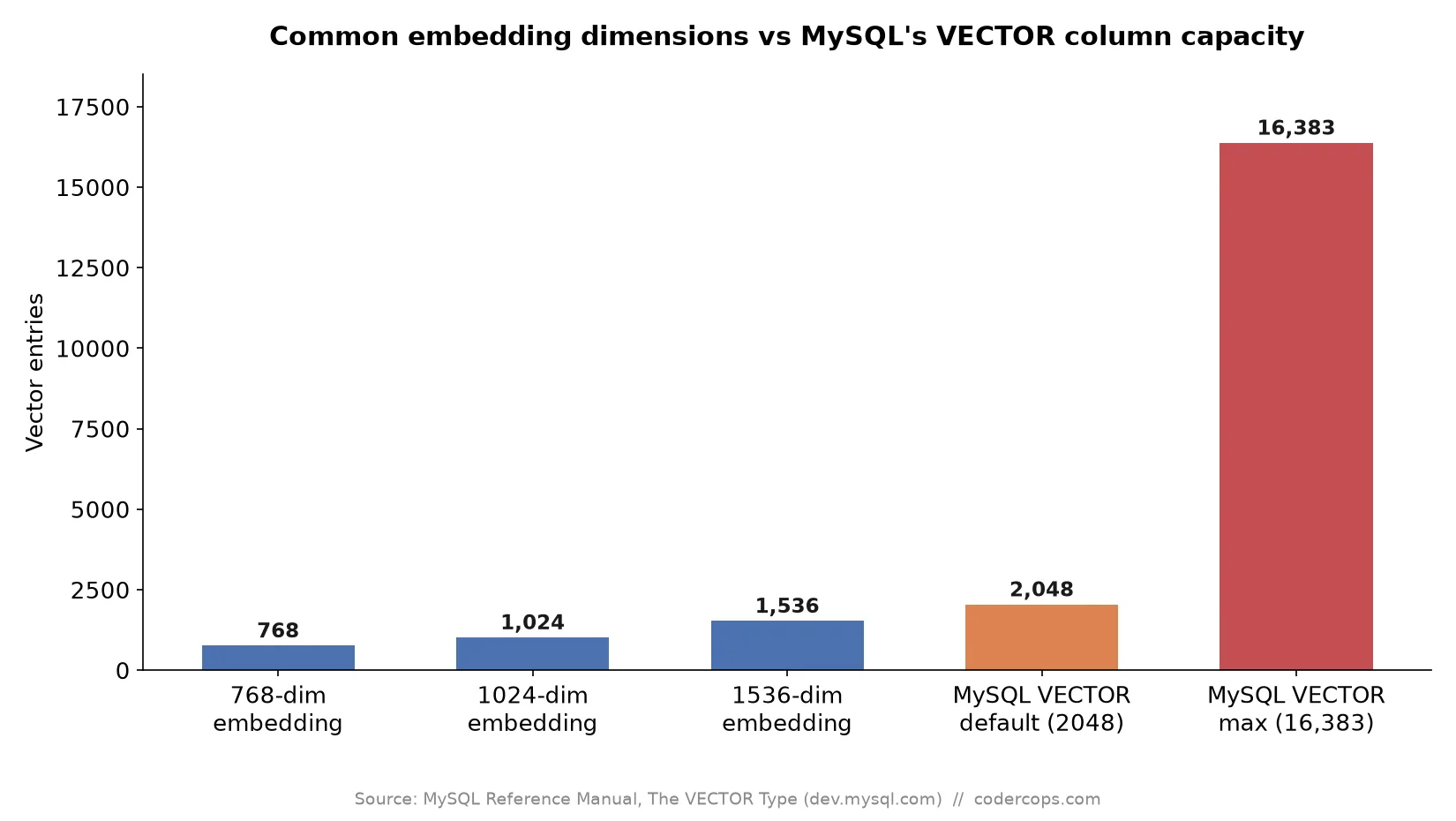
P.09MySQL 9 shipped a native VECTOR type and distance functions, no extension needed. How it compares to Postgres plus pgvector for real semantic search.
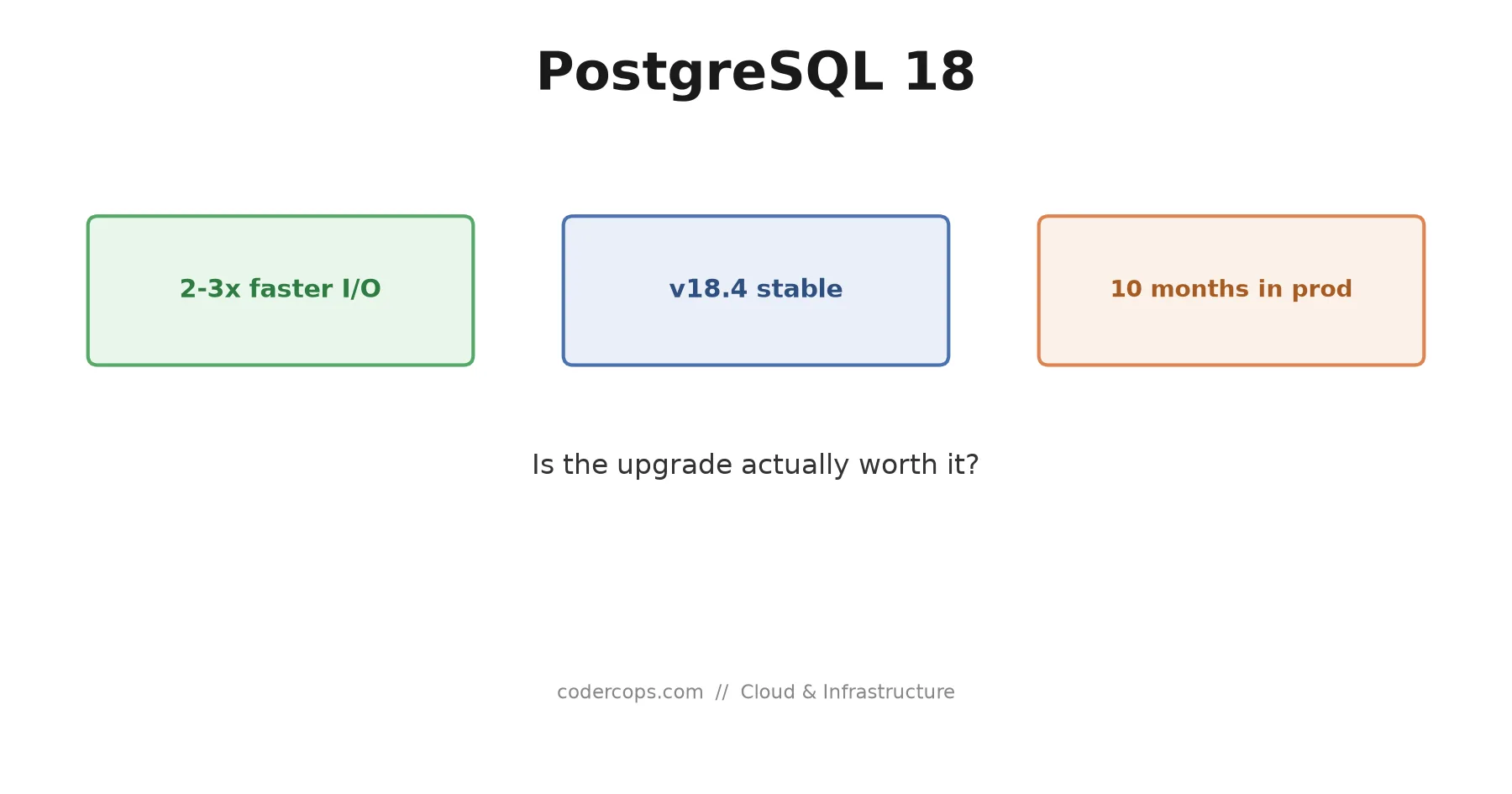
P.10PostgreSQL 18 is on 18.4 and 19 is still beta, so 18 is what you should run today. What async I/O, UUIDv7, and virtual generated columns actually buy you.
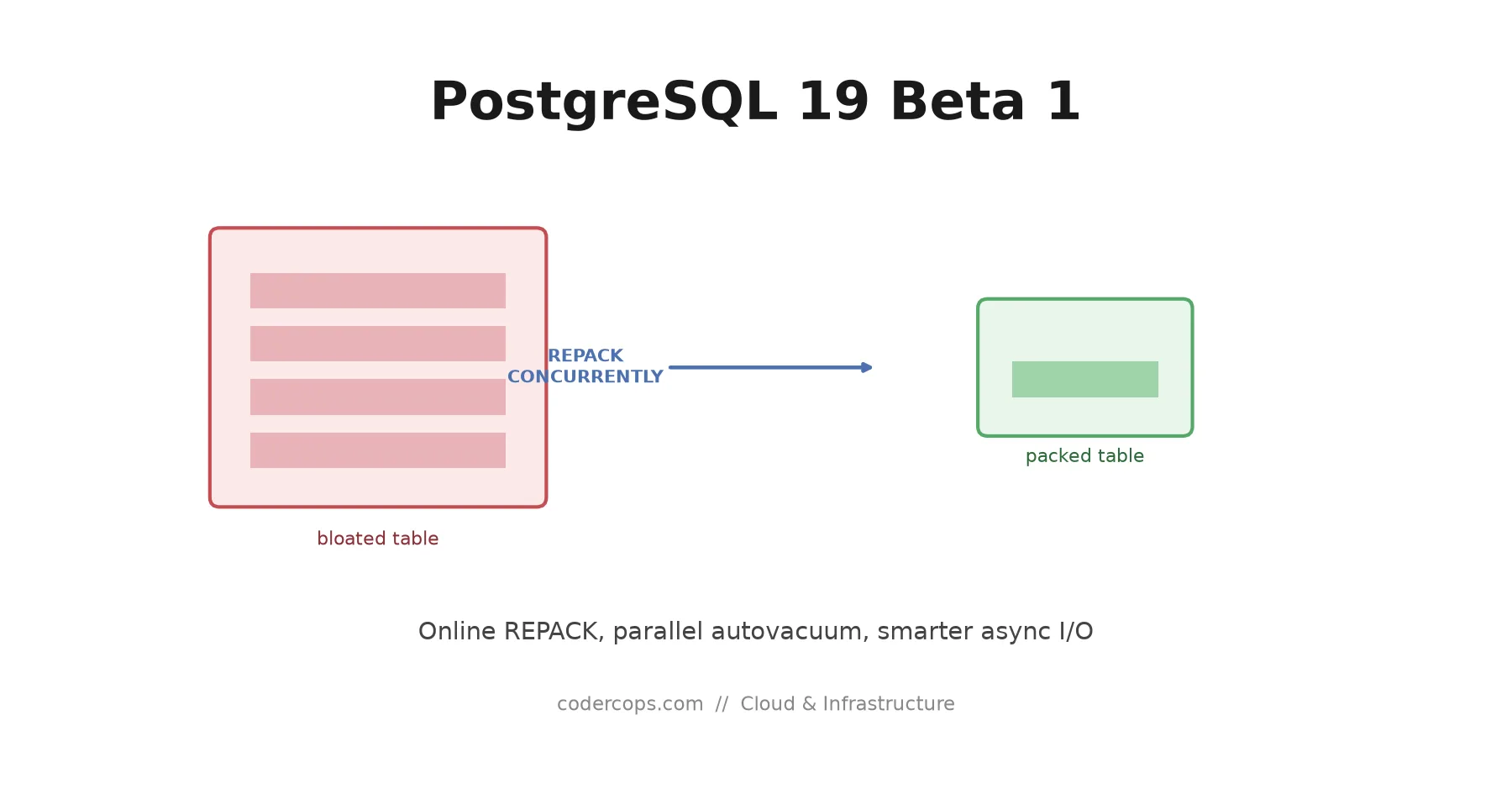
P.11PostgreSQL 19 Beta 1 adds REPACK, which rewrites bloated tables without a maintenance window, plus parallel autovacuum and smarter async I/O.
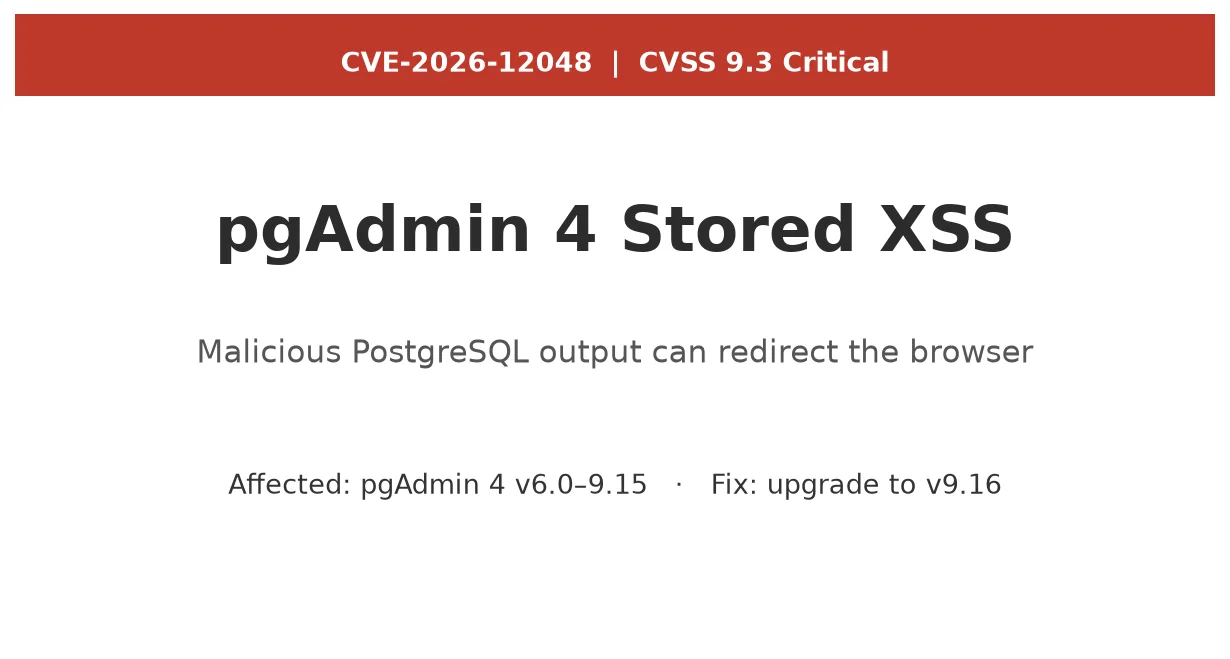
P.12A CVSS 9.3 stored XSS lets a malicious PostgreSQL server inject JavaScript into your pgAdmin tab. Versions 6.0 to 9.15 are affected; v9.16 is the fix.
A database engineer designs schemas and tunes queries; a data engineer builds pipelines. How to screen for the one who keeps your app fast, plus 2026 rates.
Most slow queries come from a small set of fixable problems: missing indexes, N+1 patterns, and over-fetching. This is the practical diagnostic and fix guide.
Row Level Security moves data isolation into the database where it belongs. Here's how to set it up for a multi-tenant SaaS, handle common edge cases, and avoid the traps that break it.
The queries that wreck production Postgres share a few root causes. How to find them, read EXPLAIN ANALYZE properly, and fix them without guessing.
Neon separates storage from compute to make Postgres behave like a serverless resource. The branching feature is what actually changes the development workflow — here's how it works and when it's worth the migration.
Connection exhaustion is one of the most common production failures for apps that scale. Here's how pooling works, which tool fits which setup, and the configuration decisions that matter.
Add similarity search to your existing Postgres database using pgvector. Real setup, indexing strategies, and when you actually need a dedicated vector database.
Every SaaS team eventually faces the multi-tenancy decision. The wrong choice creates migration pain later. Here's how to think through database-per-tenant, schema-per-tenant, and row-level security based on what your product actually needs.
Running totals, rankings, moving averages, and lag comparisons without application loops or self-joins. How window functions actually work, in Postgres.
ALTER TABLE locks your database. Your migration takes longer than expected. Users get errors. Here's how to handle schema changes that don't interrupt production traffic.
P.23Nearly 200 developers urged Oracle to rethink MySQL's future. We break down the open letter, the governance crisis, the rise of PostgreSQL and alternatives, and what developers should do next.
P.24The database landscape is consolidating around Postgres while SQLite finds new life at the edge. Meanwhile, vector databases have become essential infrastructure for AI applications.