Cybersecurity · Third-Party Risk
The Ceva Logistics Breach Shows Why Your Vendor's Vendor Is Your Problem
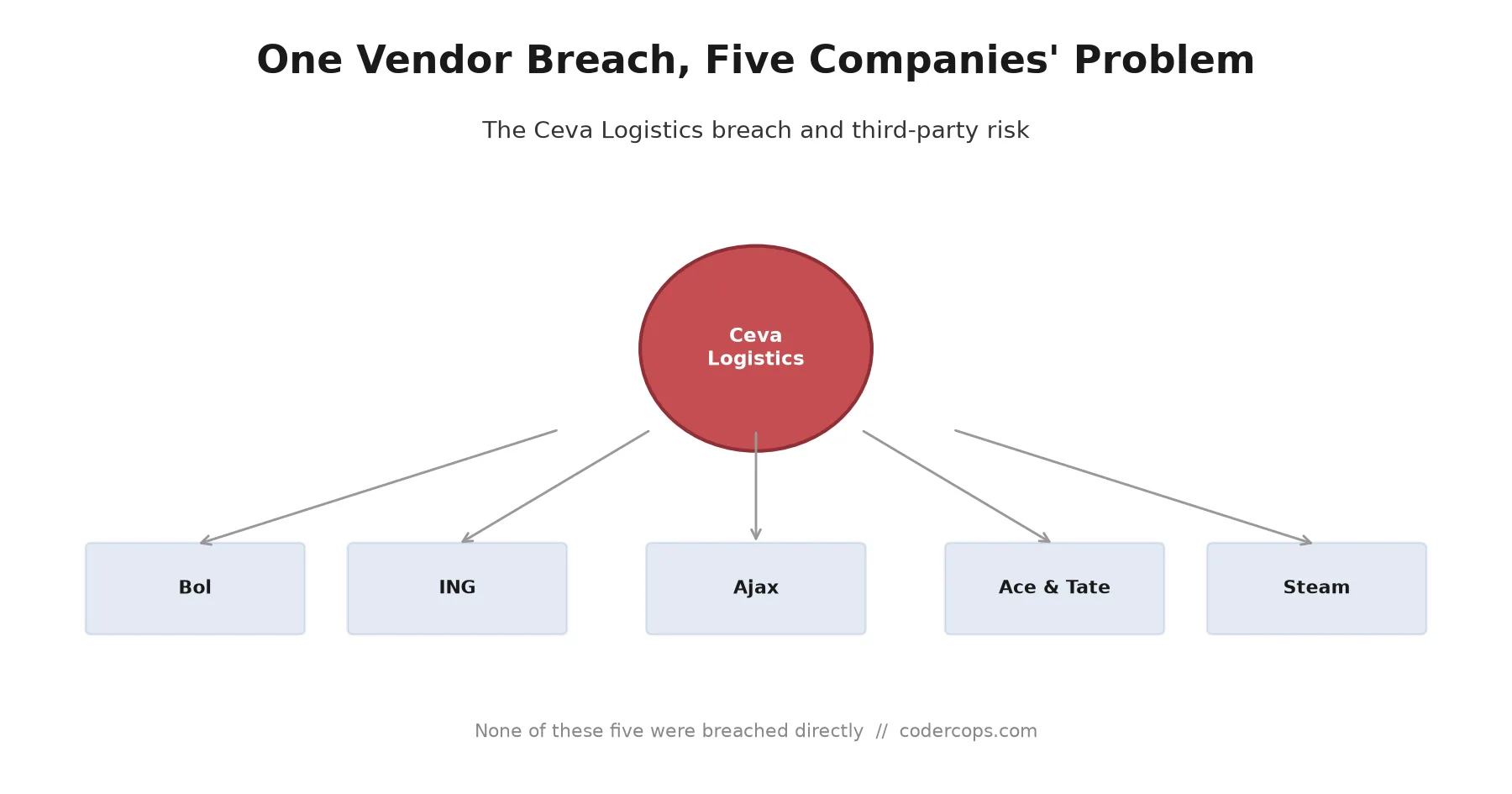
A hack at shipping giant Ceva Logistics that started July 29 has exposed customer data for Bol, ING, Ajax, Ace & Tate, and Valve's Steam hardware buyers, none of whom were breached directly. Here's what happened and what it means for how you assess vendor risk.

Prathviraj Singh
5 min read
Sponsored
None of the companies whose customers just had their data exposed were the ones that got hacked. That’s the part of the Ceva Logistics breach worth sitting with longer than the list of affected brands. A cyberattack that began July 29 against a shipping and logistics company most consumers have never heard of is now rippling through a bank, a football club, an eyewear retailer, a major online retailer, and Valve’s Steam hardware business, and every one of them is explaining to customers that their data was exposed by a partner’s partner, not by their own systems.
What happened
Ceva Logistics is a France-headquartered contract logistics and shipping company that operates warehouses across Europe on behalf of other businesses, the kind of vendor most of its clients’ customers never interact with directly or even know exists. According to reporting, the attack began on July 29 and has affected at least eight of Ceva’s European warehouses. On August 1, Ceva confirmed to affected customers that a cyber intrusion was impacting part of its European contract logistics operations and said its security team had activated response protocols, with the investigation still ongoing as of the most recent reporting.
The practical effect showed up downstream. Companies that route their shipping and warehousing through Ceva started notifying their own customers that data had been exposed, because the information needed to fulfill an order, name, address, phone number, email, sometimes order details, lives with the logistics provider actually handling the box.
Who’s been affected so far
Reporting names several companies whose customer data was exposed through the Ceva breach, despite none of them being the party that was actually compromised:
| Company | What they do | What was reportedly exposed |
|---|---|---|
| Bol | Dutch online retail giant | Customer shipping details via its warehousing partner Ceva |
| ING | Banking group | Customer shipping information |
| Ajax | Football club | Customer/fan shipping information |
| Ace & Tate | Eyewear retailer | Customer shipping details |
| Valve (Steam) | Gaming platform, hardware sales | Names, addresses, phone numbers, Steam-linked emails, hardware type and price ordered |
That’s a retailer, a bank, a sports club, and a gaming platform, four businesses with almost nothing in common except a shared shipping vendor. That’s exactly the pattern that makes third-party breaches harder to reason about than a direct one: the blast radius doesn’t follow industry lines, it follows the vendor relationship graph, which most companies don’t map with the same rigor they map their own infrastructure.
Why this is a fourth-party problem, not a vendor problem
Most security programs think in terms of vendor risk: who do we contract with, what access do they have, did we review their SOC 2 report. That model assumes the risk stops at your direct vendors. The Ceva breach is a clean example of why it doesn’t. Bol’s relationship is with Ceva. Ceva’s security posture, patch cadence, and internal access controls are things Bol has limited visibility into and essentially no control over, and yet a failure there becomes Bol’s customer notification problem within days.
Your company
  -> Vendor (e.g. a logistics or fulfillment partner)
       -> Vendor's own subprocessors, warehouses, regional partners
            -> A breach here is invisible to you until it's already happened
This is the same structural gap we’ve written about for AI vendor contracts: the risk that actually materializes often sits one or two hops past the relationship you directly negotiated and can audit. A vendor security questionnaire covers the company you signed a contract with. It rarely reaches the subprocessors that company relies on, and those subprocessors are where a lot of real exposure lives.
What to actually do about it
If you run a business that ships physical goods, handles customer data through a logistics or fulfillment partner, or otherwise depends on a vendor that in turn depends on other vendors, a few concrete steps are worth taking now rather than after your own version of this incident:
- Map subprocessors, not just direct vendors. Ask every vendor with access to customer data which third parties they rely on to deliver the service, and get that in writing, not just in a sales conversation.
- Put a real breach-notification clock in vendor contracts. A clause that says “reasonable time” is not a clause. Specify a number of hours or days, and make it enforceable.
- Build an incident response runbook for the scenario where you find out from a vendor’s disclosure, not your own monitoring. That’s a fundamentally different starting position, you’re reacting to someone else’s timeline and someone else’s forensics, and your plan should say explicitly who owns customer notification in that case.
- Ask what data actually needs to flow to a fulfillment partner. Ceva needed names, addresses, and enough order detail to ship a package. It’s worth periodically checking whether the data flowing to any given vendor is the minimum required for the service, since every field you send is a field they can lose.
If you’re building or auditing an incident response process and want a second set of eyes on where the actual exposure sits in your vendor chain, that’s exactly the kind of review our team does alongside infrastructure and security work.
The takeaway
The companies that had to notify customers this week did nothing wrong in the conventional sense, they picked a large, established logistics provider and trusted it to secure the data flowing through it. That trust wasn’t unreasonable, and it also wasn’t sufficient. If your incident response plan only accounts for a breach of your own systems, the Ceva Logistics story is a reminder to extend it one hop further, because that’s exactly where this one landed.
Frequently asked questions
- What happened in the Ceva Logistics breach?
- Ceva Logistics, a major shipping and contract logistics company headquartered in France, suffered a cyberattack that began on July 29, 2026, affecting at least eight of its warehouses across Europe. On August 1, Ceva confirmed to affected customers that a cyber intrusion was impacting part of its European contract logistics operations, and the investigation was still ongoing as of the reporting.
- Which companies were affected, and how?
- Companies that use Ceva as a shipping or warehousing partner reported that their own customers' data was exposed as a result, even though the companies themselves weren't directly hacked. Reported cases include Dutch retailer Bol, banking group ING, football club Ajax, eyewear retailer Ace & Tate, and Valve, whose Steam hardware buyers had their shipping and order information exposed.
- What data was stolen?
- Reporting across affected companies describes customer names, home addresses, phone numbers, and email addresses used to place orders. For Valve's Steam hardware customers specifically, the exposed data reportedly included Steam-linked email addresses and the type and price of hardware ordered, since that information flows to a shipping partner to fulfill the order.
- Am I affected if I ordered from one of these companies?
- If you placed an order with a company that used Ceva for shipping or fulfillment during the affected window, your shipping and contact details may be part of the exposure. The affected companies have been notifying customers directly. If you're unsure, check for a direct notification from the retailer you ordered from rather than assuming the absence of an email means you weren't affected. It's still early in most companies' notification processes.
- What should a business do differently after seeing a breach like this?
- Map which vendors and subprocessors actually touch your customer data, not just the vendors you contract with directly. A shipping partner, a payment processor's subprocessor, a customer support tool's data warehouse, each is a point where your customer's data leaves your direct control. Ask vendors what their subprocessors are, require breach notification clauses in vendor contracts with a real time limit, and build an incident response plan that includes the scenario where you learn about an exposure from a vendor's disclosure, not your own monitoring.
Sources
Sponsored
More from this category
More from Cybersecurity
 R.01
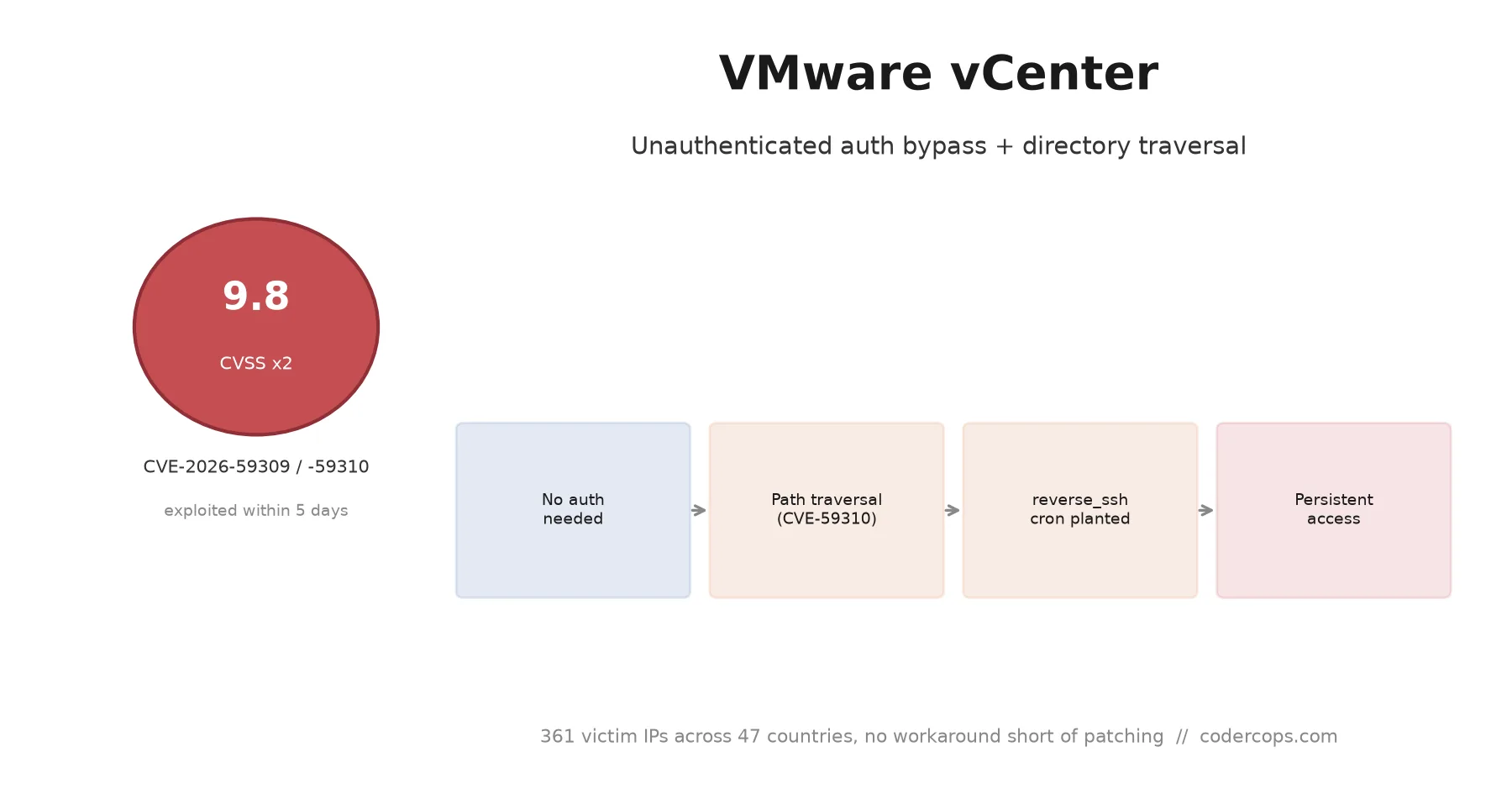
R.01 CVE-2026-59309 and 59310: VMware vCenter Bugs Attackers Hit in Five Days
 R.02
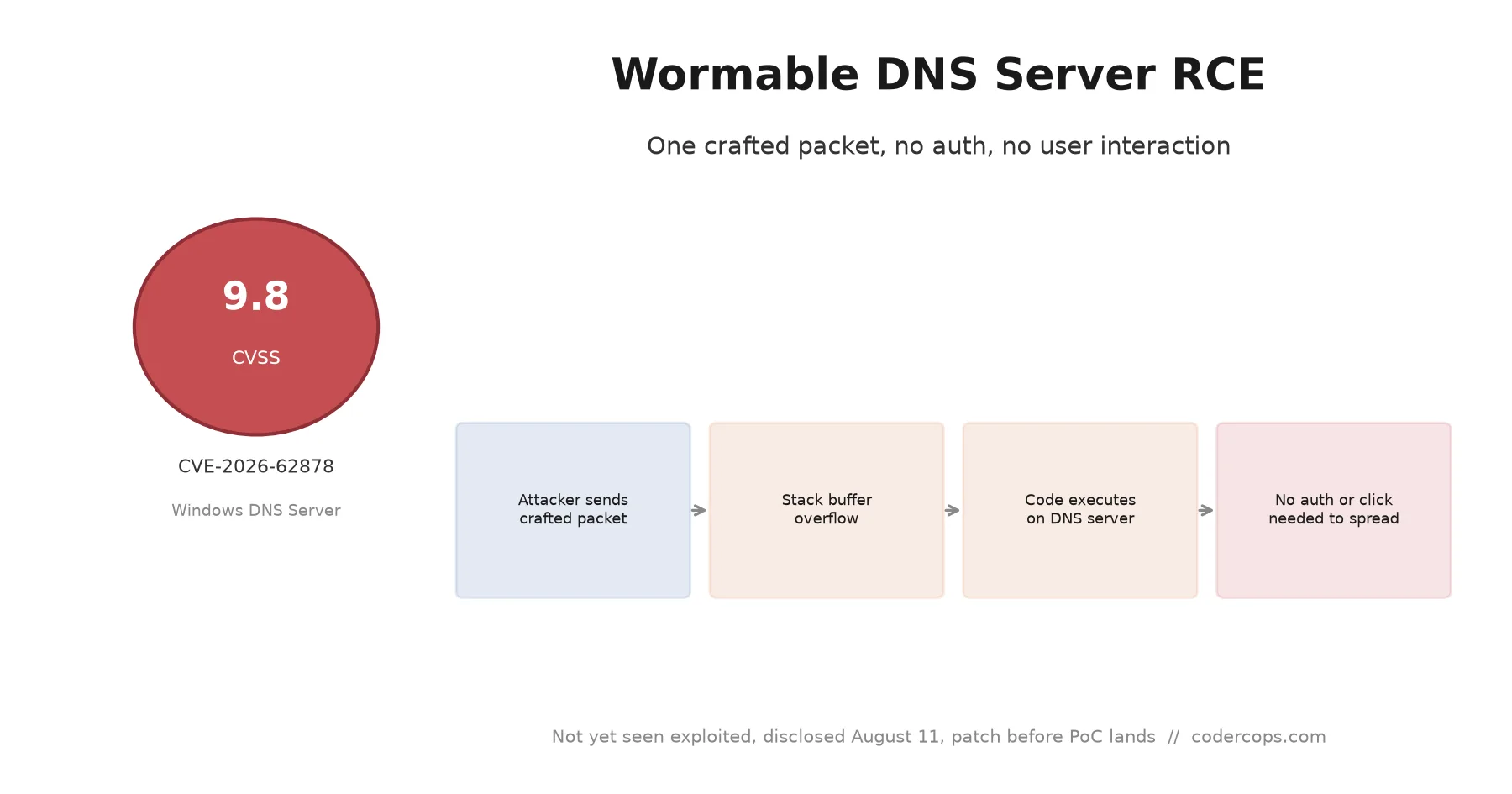
R.02 CVE-2026-62878: The Wormable Windows DNS Server Bug You Need to Patch Now
 R.03
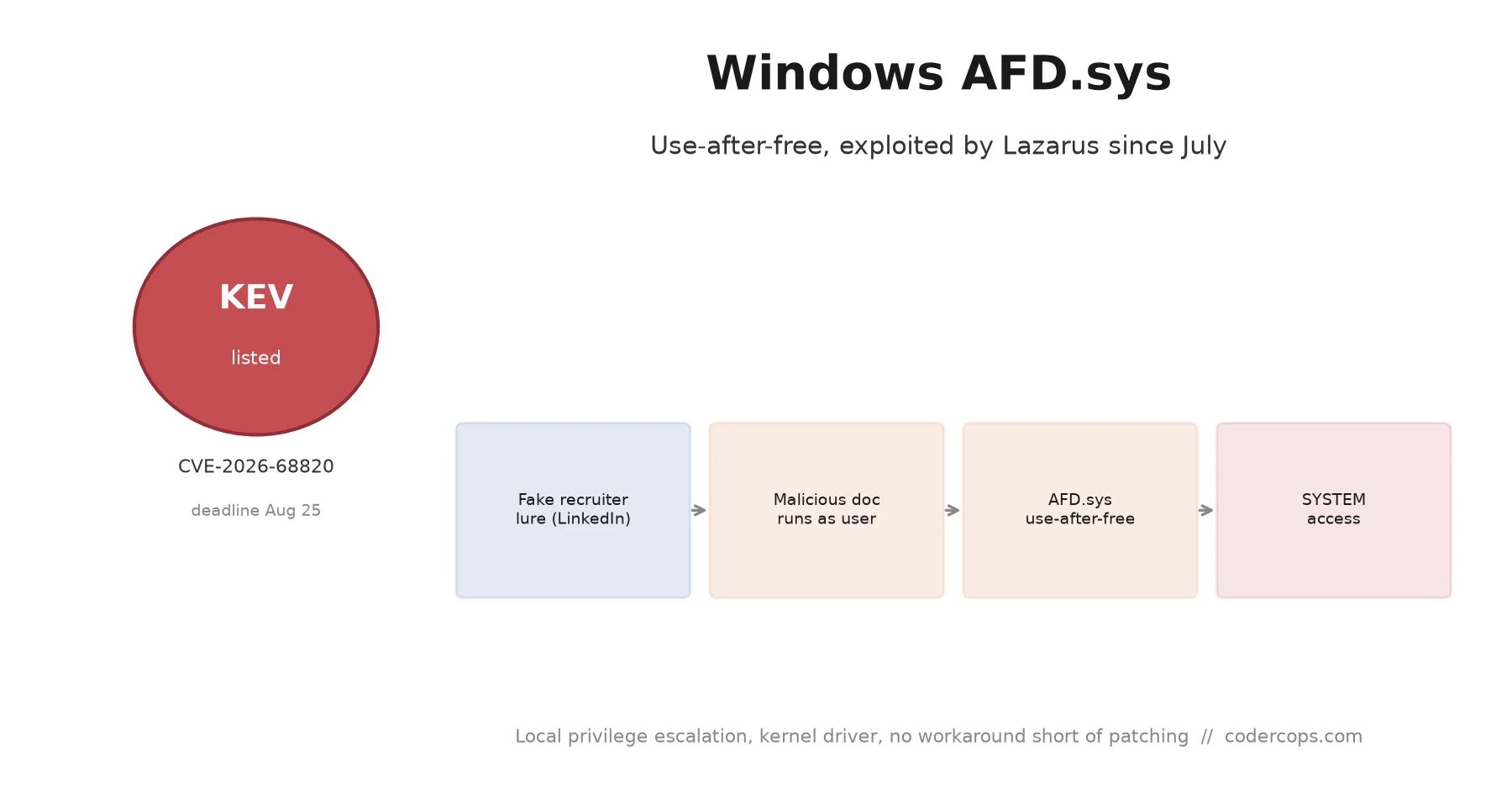
R.03 CVE-2026-68820: The Windows Driver Bug Lazarus Used Four Times on the Same Targets
Sponsored
Discussion
Join the conversation.
Comments are powered by GitHub Discussions. Sign in with your GitHub account to leave a comment.
Sponsored