Technology · Algorithms
Elevator Dispatch Algorithms Explained: The Scheduling Problem Hiding in Every Building
The algorithm that decides which elevator picks you up is the same family of algorithm your kernel uses to schedule disk reads and your backend uses to schedule background jobs. Here's how SCAN, LOOK, and destination dispatch actually work.

Abhishek Gupta
6 min read
Sponsored
Stand in the lobby of an office building and press the up button. Somewhere above you, a piece of software just made a scheduling decision, and the algorithm it used is a close relative of the one your kernel uses to decide which disk block to read next. That’s not a coincidence or a stretch of an analogy. The algorithm most operating systems books call “the elevator algorithm” was named that because it was originally, literally, an elevator algorithm.
Why the obvious approach doesn’t work
The naive way to dispatch an elevator is to send whichever idle car is physically closest to the person who just pressed a button. It’s simple, and it’s wrong in a way that gets worse as a building fills up.
The problem is direction. Imagine a car on floor 9, descending, with three people already inside heading to floors 3, 2, and 1. Someone on floor 7 presses “up.” A nearest-car algorithm sees an idle-ish car close by and sends it there, ignoring the fact that it’s already committed to a downward trip with passengers who now have to sit through a detour to floor 7 and back before continuing down. Do this across a whole building under real traffic and you get long, unpredictable waits and passengers who never quite trust the “up” and “down” arrows again.
The elevator algorithm: commit to a direction
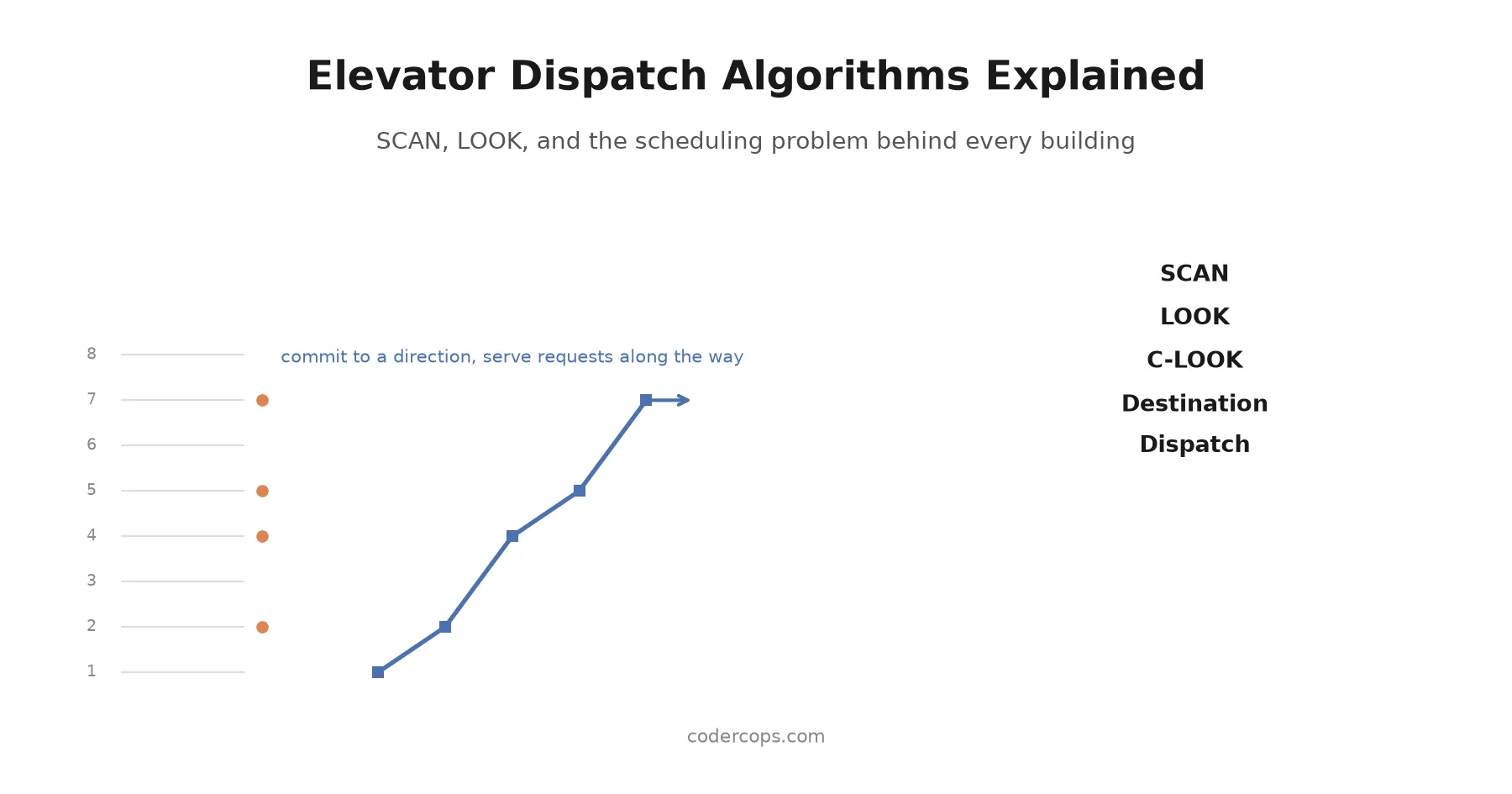
The classic fix, and the one that gives the algorithm family its name, is called SCAN. Instead of reacting to whichever request just arrived, a car commits to a direction and serves every pending call along the way, in order, until it reaches the top or bottom of its range. Only then does it reverse and sweep back down, again picking up everything in its path.
This is exactly how a disk head works in the SCAN disk-scheduling algorithm: it moves across the platter in one direction, servicing every pending read or write request it passes, then reverses at the end rather than jumping back and forth to whichever request came in most recently. Early Linux kernels shipped an I/O scheduler literally called “Linus Elevator” for this reason, and the elevator naming has stuck in operating systems curricula ever since, even as the scheduling has moved on to deadline-based and multi-queue approaches.
SCAN has one obvious inefficiency: it travels all the way to the physical end of the range, floor 1 or the top floor, even if nothing is waiting out there. LOOK fixes that by only traveling as far as the last pending request in the current direction, then reversing immediately, “looking ahead” instead of committing blindly to the extreme. C-LOOK goes one step further: rather than reversing at the last request, it jumps straight back to the lowest pending request and sweeps in the same direction again. That keeps the wait-time distribution more even across floors, at the cost of that one non-servicing jump.
| Algorithm | Behavior | Tradeoff |
|---|---|---|
| FCFS / nearest car | Serve requests in arrival order or by proximity | Simple, but ignores direction; causes unnecessary reversals |
| SCAN | Sweep to the physical end of the range, then reverse | No starvation, but wastes travel past the last real request |
| LOOK | Sweep only as far as the last pending request, then reverse | Less wasted travel than SCAN, still direction-committed |
| C-LOOK | Sweep to the last request, jump back to the lowest, repeat | More uniform wait times, one non-servicing jump per cycle |
None of these are elevator-specific. They’re general answers to the same question: given a stream of requests that each have a cost related to your current position, in what order do you serve them to minimize total movement or wait time, without starving requests at the far end?
Destination dispatch: changing the input, not just the algorithm
Modern high-rises mostly don’t use hallway up/down buttons anymore. You’ve probably used destination dispatch without knowing its name: a keypad or touchscreen in the lobby where you enter your destination floor before you board, and the system tells you which car to take, sometimes labeled by letter rather than “up” or “down.”
This is a bigger change than swapping SCAN for LOOK. It changes what information the scheduler has before it commits anyone to a car. A conventional system doesn’t know where you’re going until you’re already inside and have pressed a floor button, by which point the car’s route is partly locked in. Destination dispatch knows every passenger’s destination before assignment, which lets the controller group people heading to nearby floors into the same car and route that car with far fewer total stops. Industry data on destination dispatch systems shows real trip-time reductions and effective capacity gains large enough that some buildings can serve the same traffic with fewer elevator cars, which is why it’s become standard in new high-rise construction despite the added cost of the lobby hardware.
The lesson generalizes past elevators: sometimes the biggest improvement to a scheduler isn’t a smarter algorithm operating on the same inputs, it’s collecting better information earlier so the scheduler has less to guess about.
Where this actually shows up in software you build
If you’ve done load balancing algorithm design, you’ve already seen a cousin of this problem: round robin is the FCFS-equivalent, blind to real load; least-connections routing is closer to a reactive, state-aware assignment; and consistent hashing is closer to destination dispatch, deciding placement based on a stable key rather than reacting purely to whoever asks first.
Background job schedulers face the identical direction-commitment tradeoff. A worker that grabs the newest job in the queue behaves like the naive nearest-car dispatcher, cheap to reason about, prone to reversals and starvation under bursty load. A worker pool that batches jobs by some shared property, tenant, priority tier, or downstream dependency, before dispatching behaves more like destination dispatch: more setup cost, meaningfully less wasted movement.
None of this means you should reach for SCAN by name in your next scheduler. It means the next time you’re deciding how a queue picks its next item, the question worth asking is the same one a building’s elevator controller has to answer dozens of times a minute: are you reacting to whatever just arrived, or do you know enough about what’s coming to batch it intelligently first? Real elevators answered that question with better hardware and more upfront information. Most software schedulers have the same option available and don’t take it.
Frequently asked questions
- What is the elevator algorithm?
- It's the common name for SCAN, a scheduling algorithm where a server (originally an elevator car, later a disk head) moves in one direction, serving every request it passes along the way, until it reaches the end of its range or runs out of pending requests, then reverses. It's called the elevator algorithm because it mirrors how an elevator serves calls in the direction it's already traveling before turning around, rather than jumping back and forth to whichever request arrived most recently.
- What's the difference between SCAN and LOOK?
- SCAN travels all the way to the physical end of its range, floor 1 or the top floor, disk track 0 or the last track, before reversing, even if there are no pending requests out there. LOOK is a refinement that only travels as far as the last pending request in the current direction, then reverses immediately. C-LOOK goes further: instead of reversing, it jumps back to the lowest pending request and sweeps in the same direction again, which keeps wait times more uniform across all requests.
- How is destination dispatch different from a normal elevator system?
- In a conventional system, you press a hallway button for up or down, board whichever car arrives, and press your floor once inside. In destination dispatch, you enter your destination floor before boarding, at a keypad or touchscreen in the lobby, and the system tells you which car to take. That lets the controller group people going to nearby floors into the same car before anyone boards, which cuts the number of stops per trip and reduces how many different directions a single car has to serve.
- Why does a software team care how elevators work?
- Because the underlying problem, deciding in what order to serve a stream of arriving requests when serving one has a cost that depends on your current position or state, is the same problem behind disk I/O scheduling, background job queues, and parts of request routing. The elevator framing makes the tradeoffs concrete and easy to reason about before you apply the same logic to a scheduler you're actually building.
Sources
Sponsored
More from this category
More from Technology
 R.01
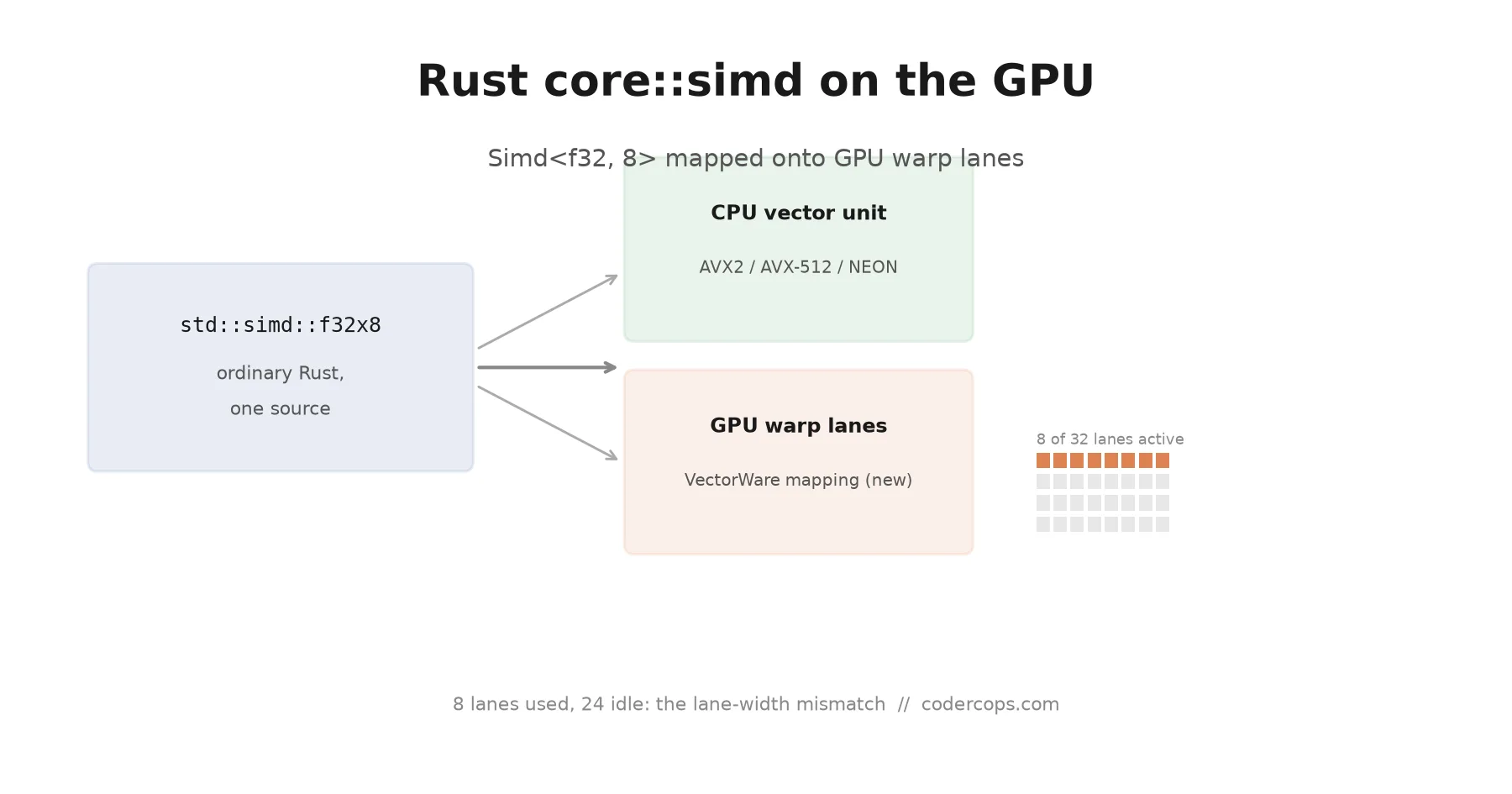
R.01 Rust's Portable SIMD Just Landed on the GPU. Here's Why That's a Bigger Deal Than It Sounds
 R.02
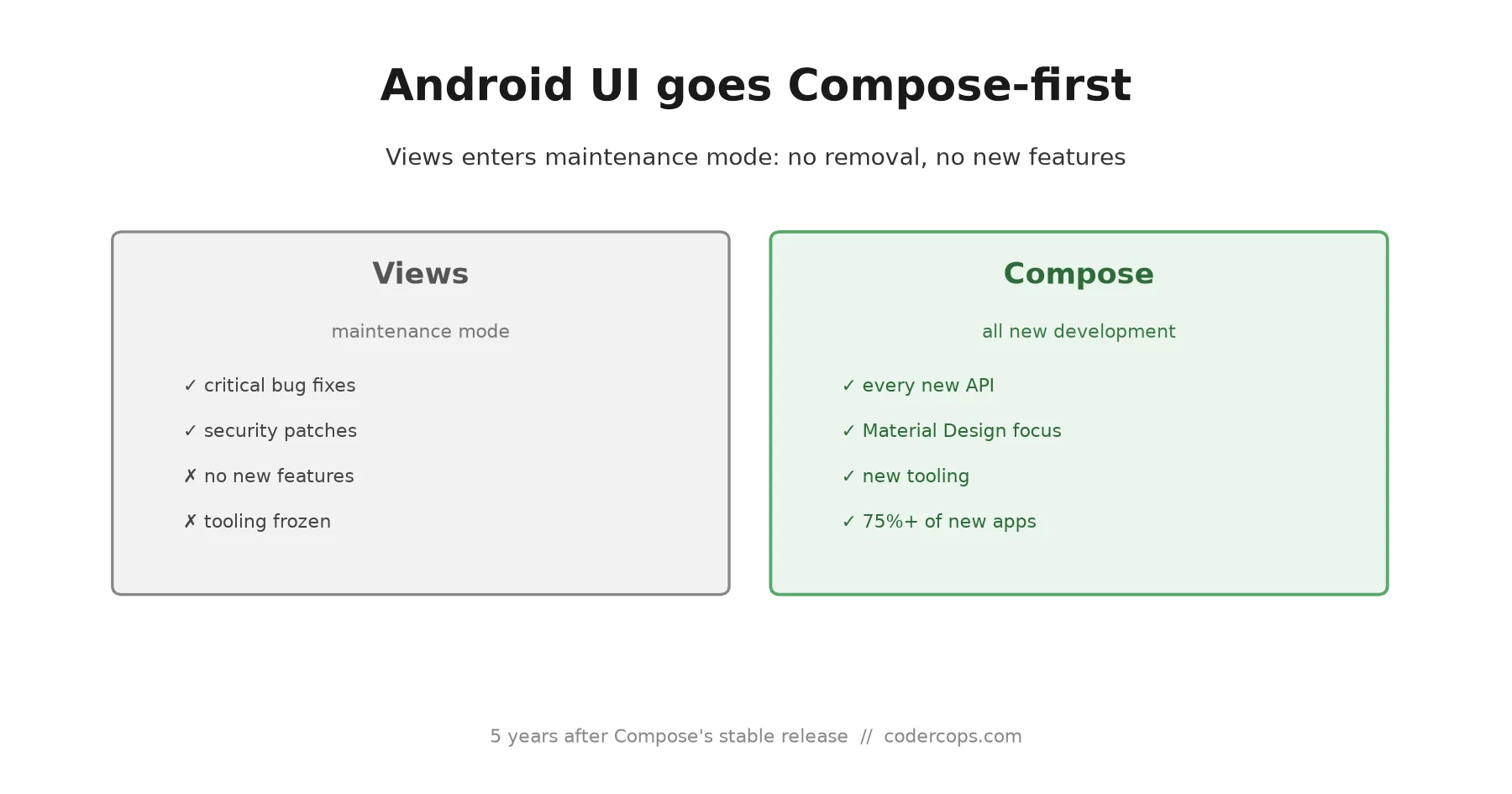
R.02 Android Views Just Entered Maintenance Mode. Here's What That Means for Your App
 R.03
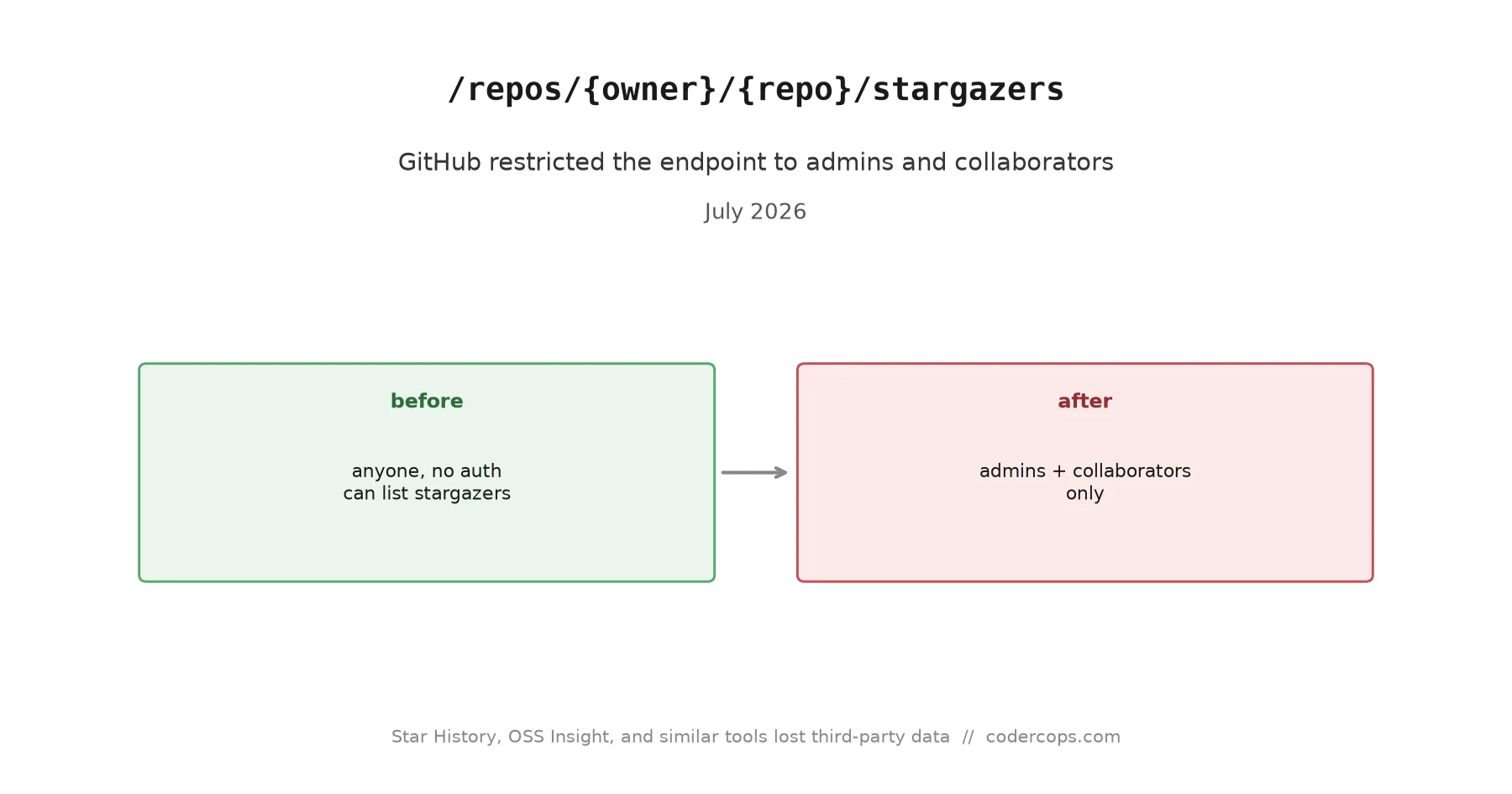
R.03 GitHub Locked Down Public Stargazer Lists. Here's What Actually Broke
Sponsored
Discussion
Join the conversation.
Comments are powered by GitHub Discussions. Sign in with your GitHub account to leave a comment.
Sponsored