P.01WebTransport Explained: A Real WebSocket Alternative Now
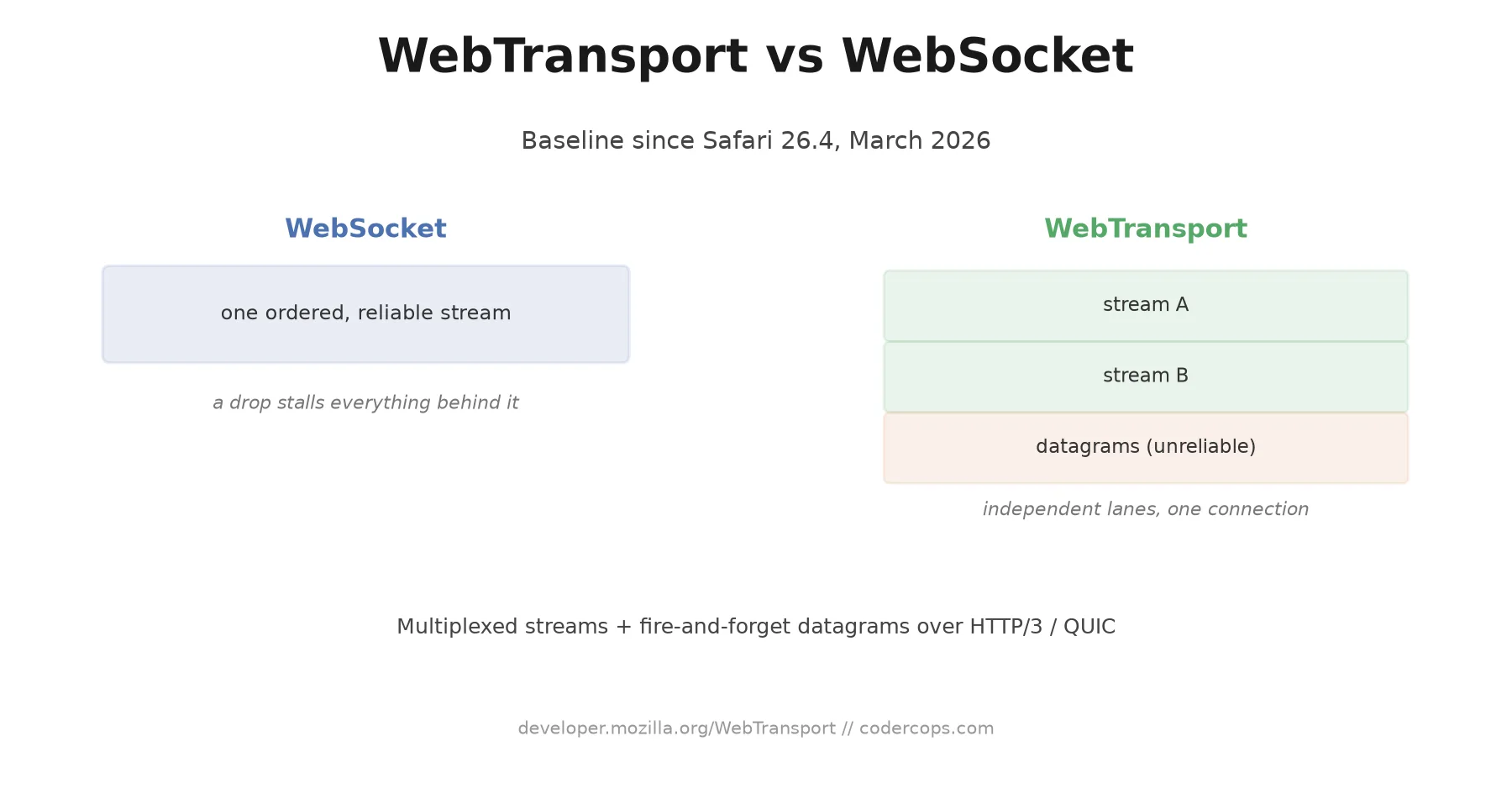
WebTransport hit Baseline in March 2026 when Safari 26.4 shipped it. Here's what it actually does, how it differs from WebSockets, and when to reach for it.
Tag
188 articles tagged #Backend.
P.01WebTransport hit Baseline in March 2026 when Safari 26.4 shipped it. Here's what it actually does, how it differs from WebSockets, and when to reach for it.
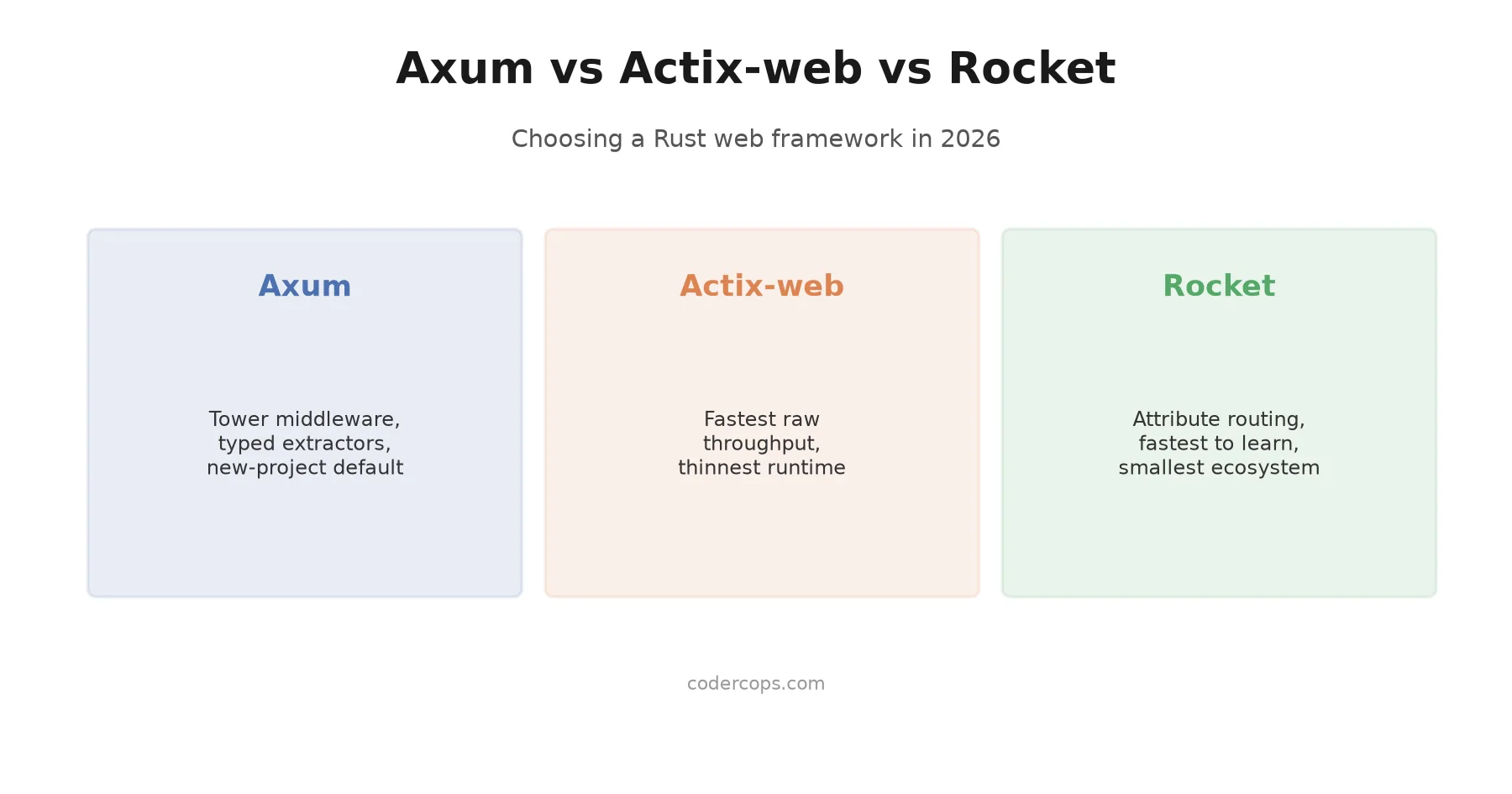
P.02Axum is the default for new Rust APIs in 2026, Actix-web wins on raw throughput, and Rocket wins on ergonomics. Here is which one fits your team.
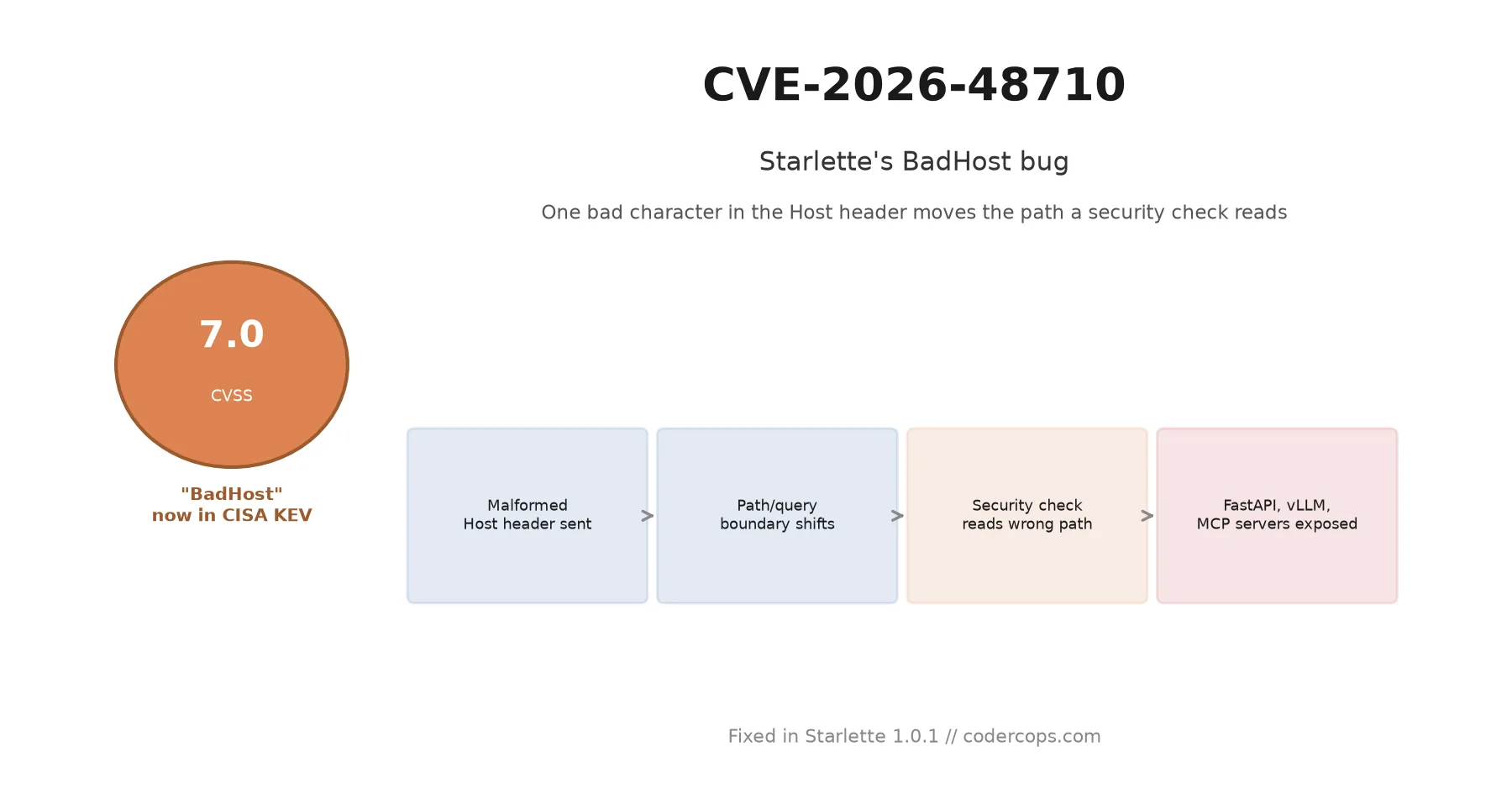
P.03BadHost sat quietly patched since May. In September, CISA flagged active exploitation. If you run FastAPI, vLLM, or any Starlette app, here's what to check.
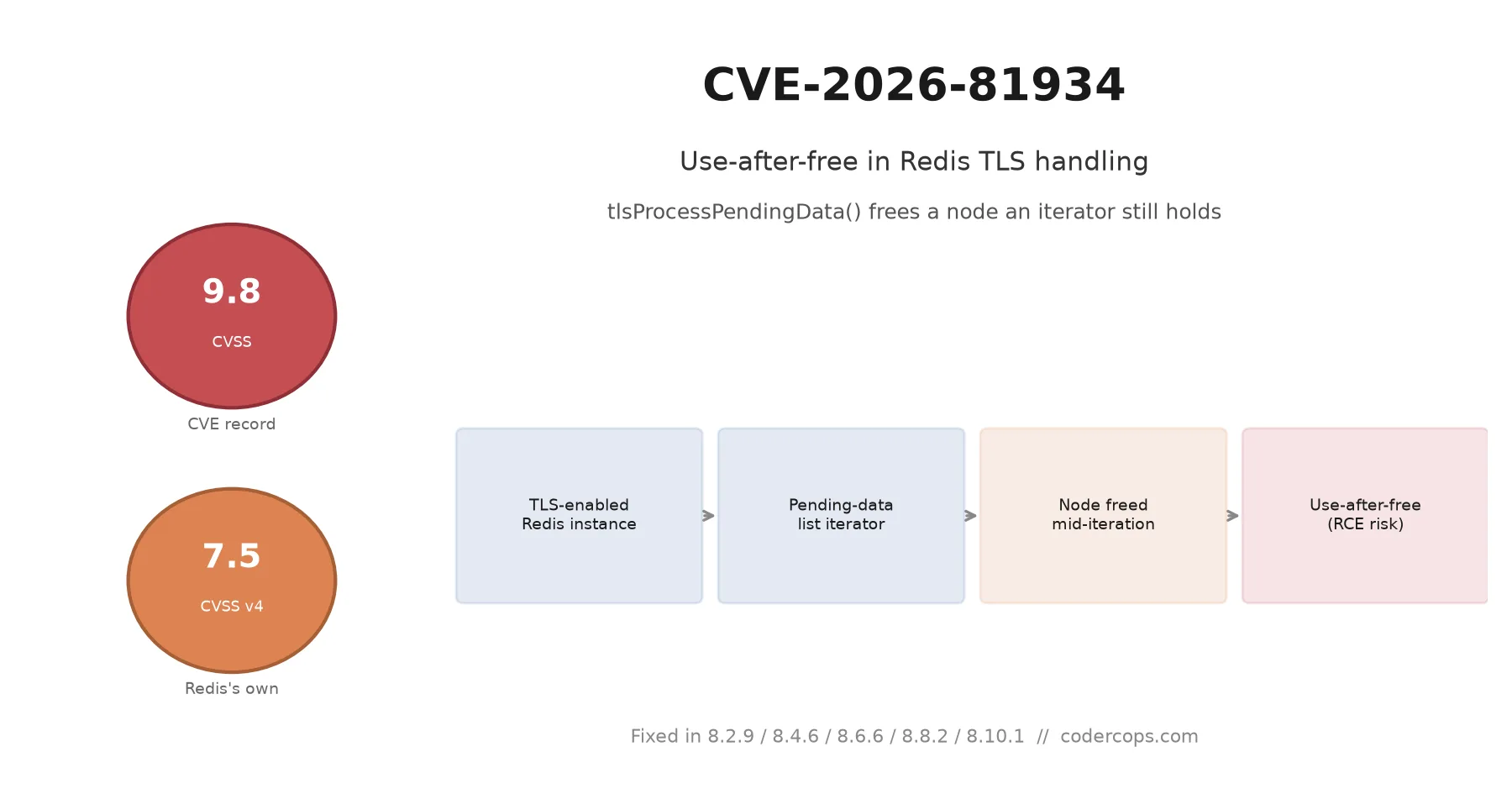
P.04CVE-2026-81934 is a use-after-free in Redis's TLS pending-data handling, with a public PoC. If you don't terminate TLS inside Redis, it mostly passes you by.
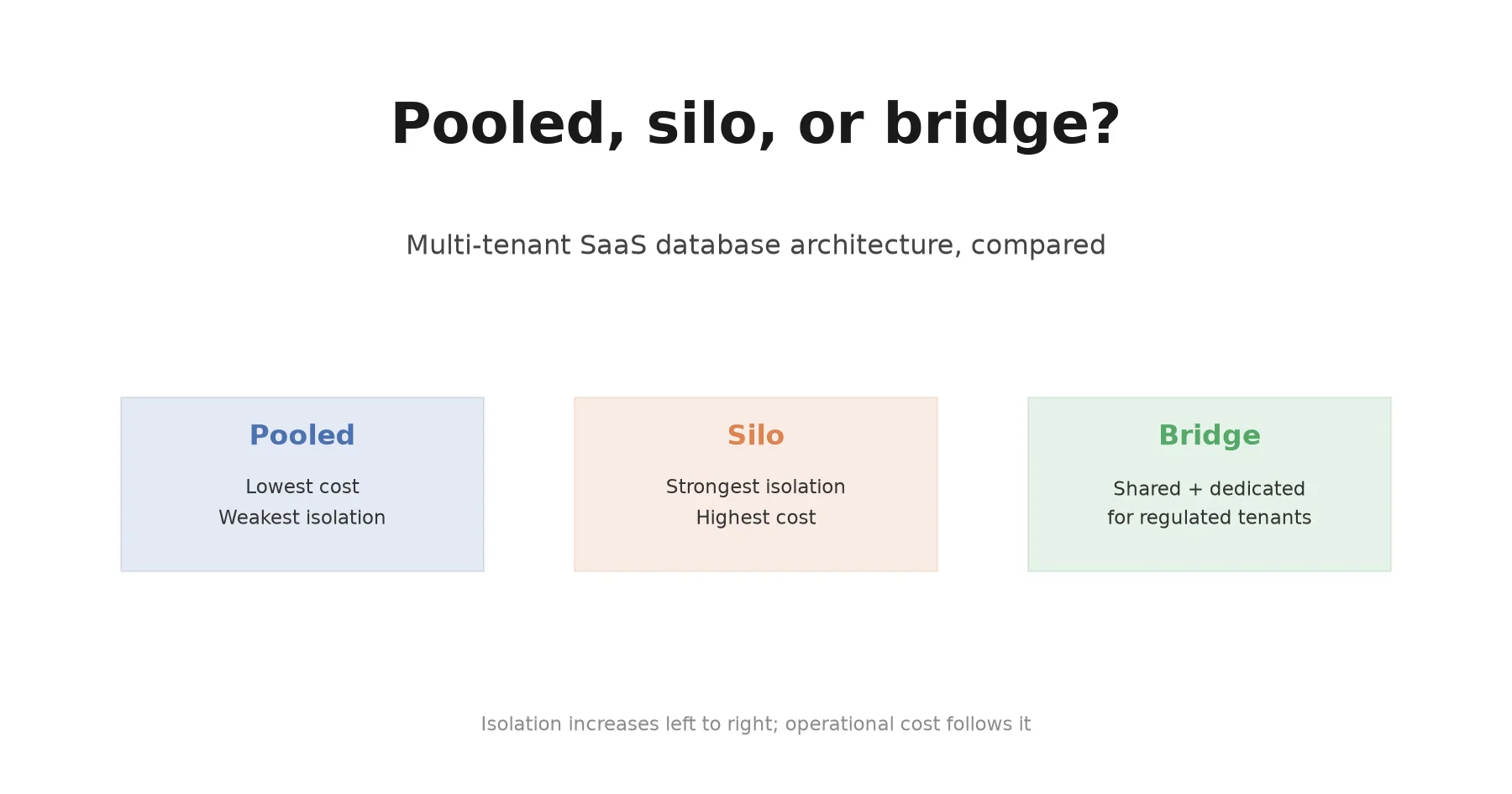
P.05Shared database or one per customer? Most SaaS teams pick wrong for their stage and pay later. How the three patterns trade off, and which one you need.
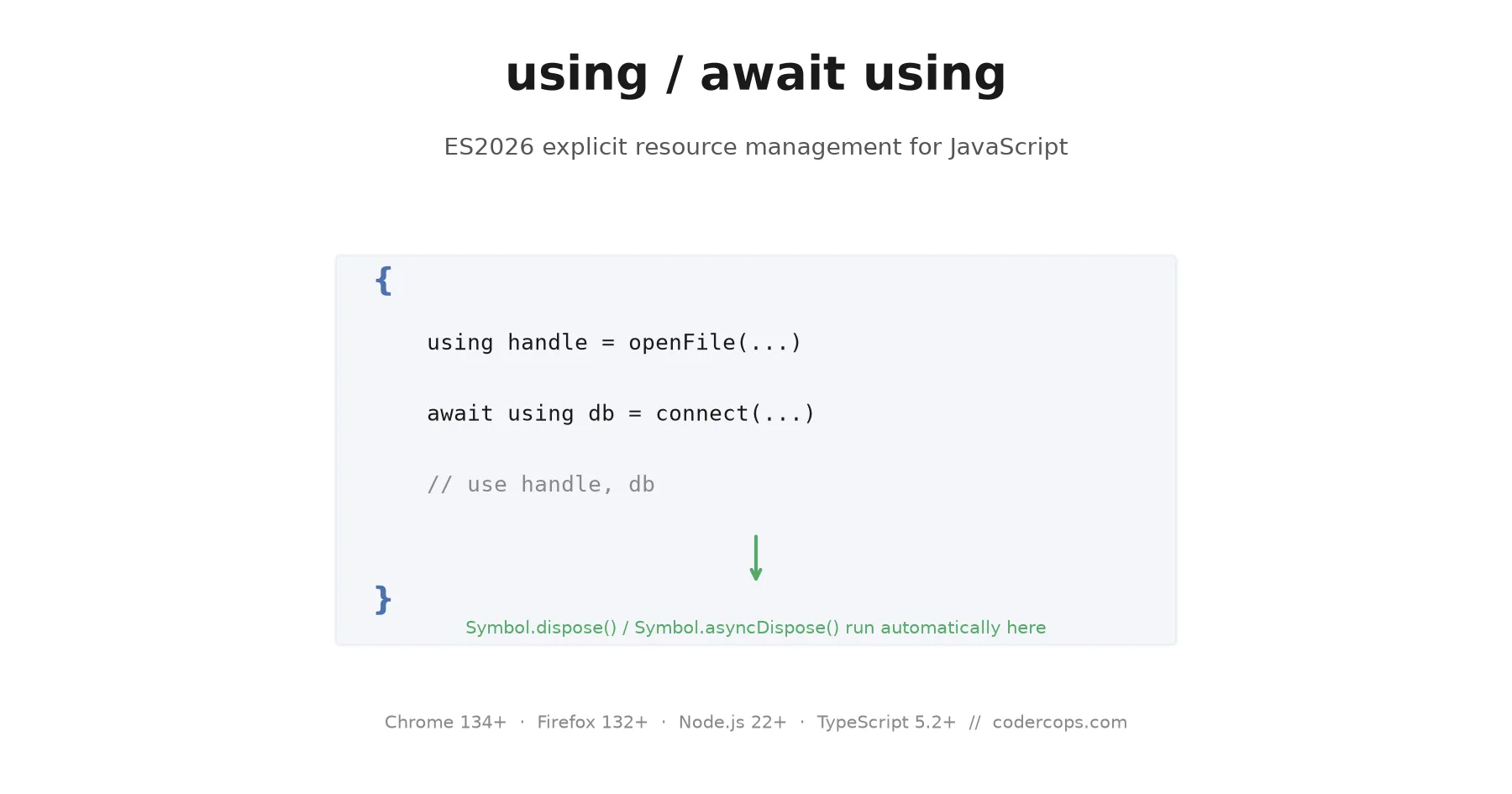
P.06ES2026's using and await using close files, connections, and locks when a block ends, with no try/finally. The syntax, real examples, and support today.
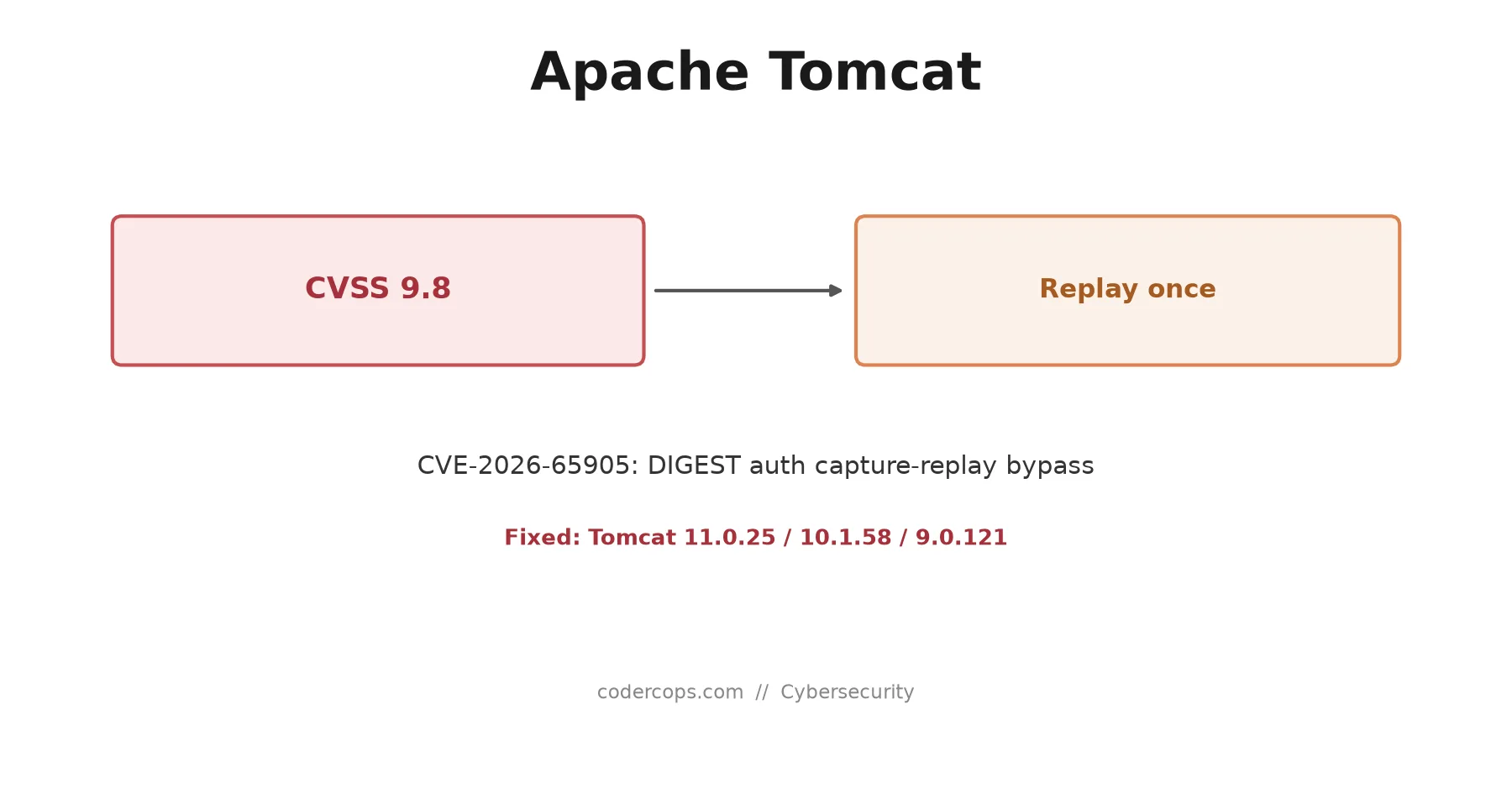
P.07A capture-replay flaw in Tomcat's DIGEST authenticator lets an intercepted request be replayed once inside the nonce window. Critical, but narrow.
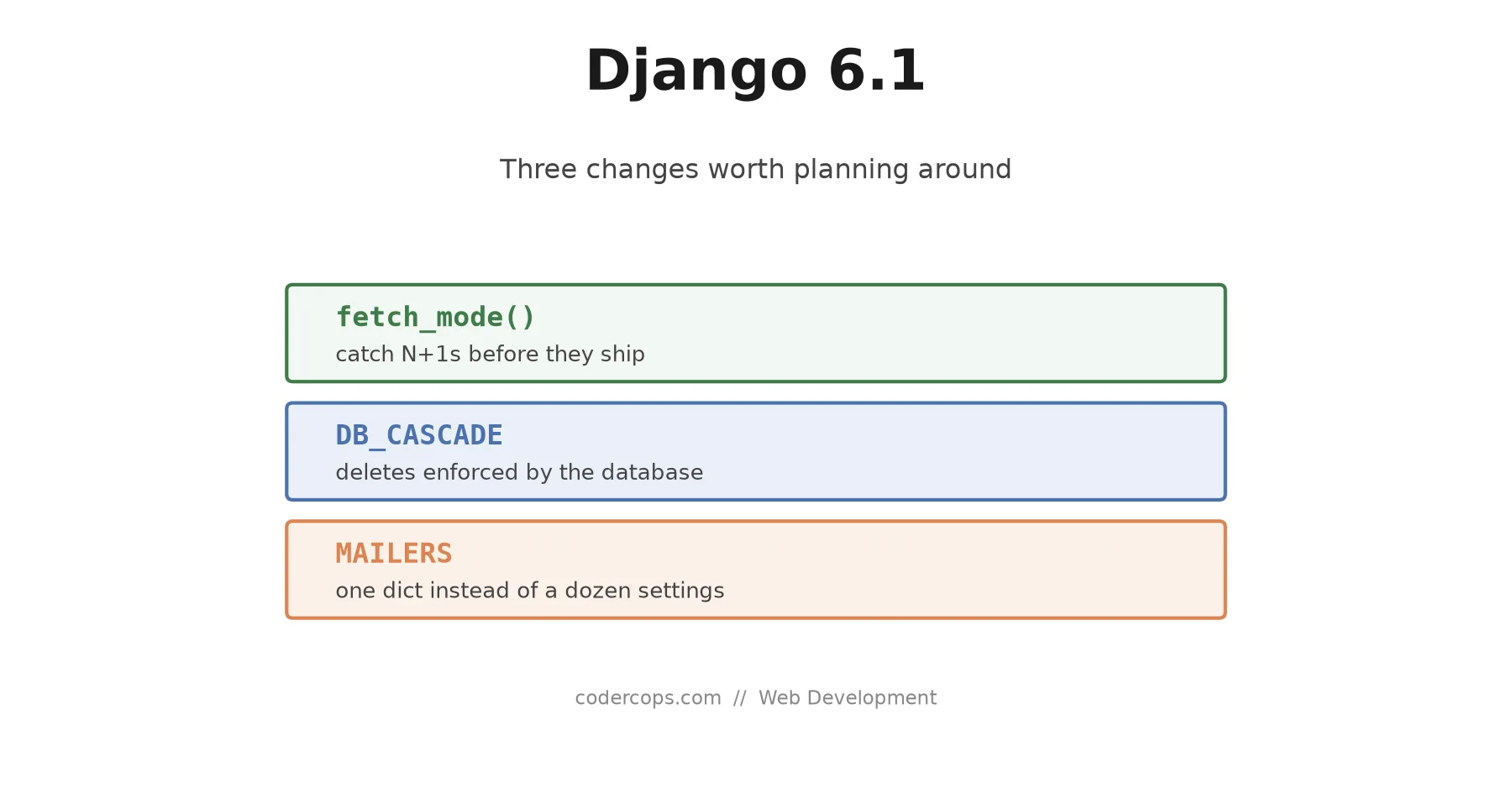
P.08Django 6.1 adds QuerySet.fetch_mode() to catch accidental N+1s, ON DELETE pushed into the database, and one MAILERS setting replacing loose EMAIL_ config.
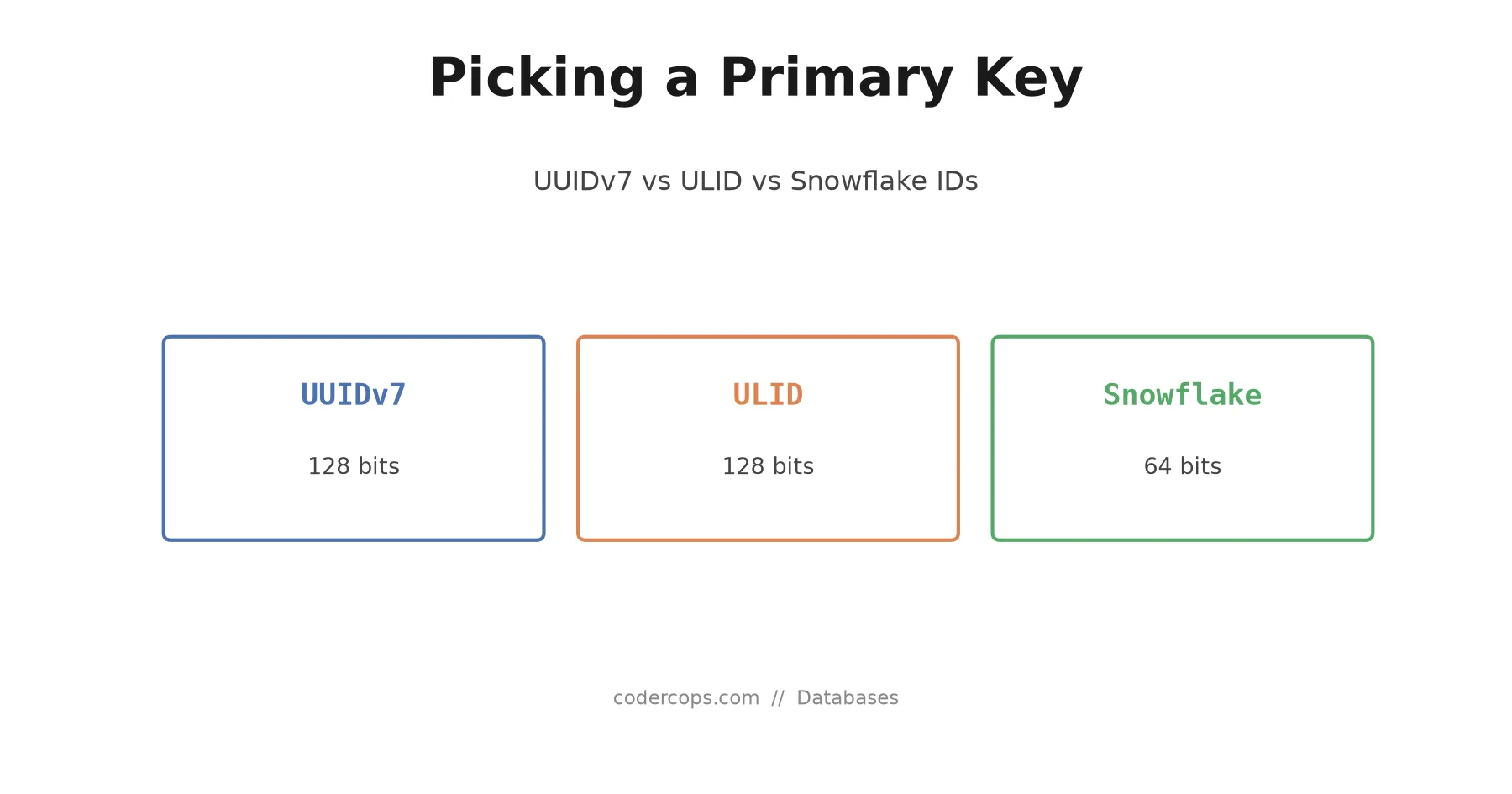
P.09Random UUIDs wreck index locality; auto-increment leaks counts and won't shard. What UUIDv7, ULID, and Snowflake each give you, and the real tradeoffs.
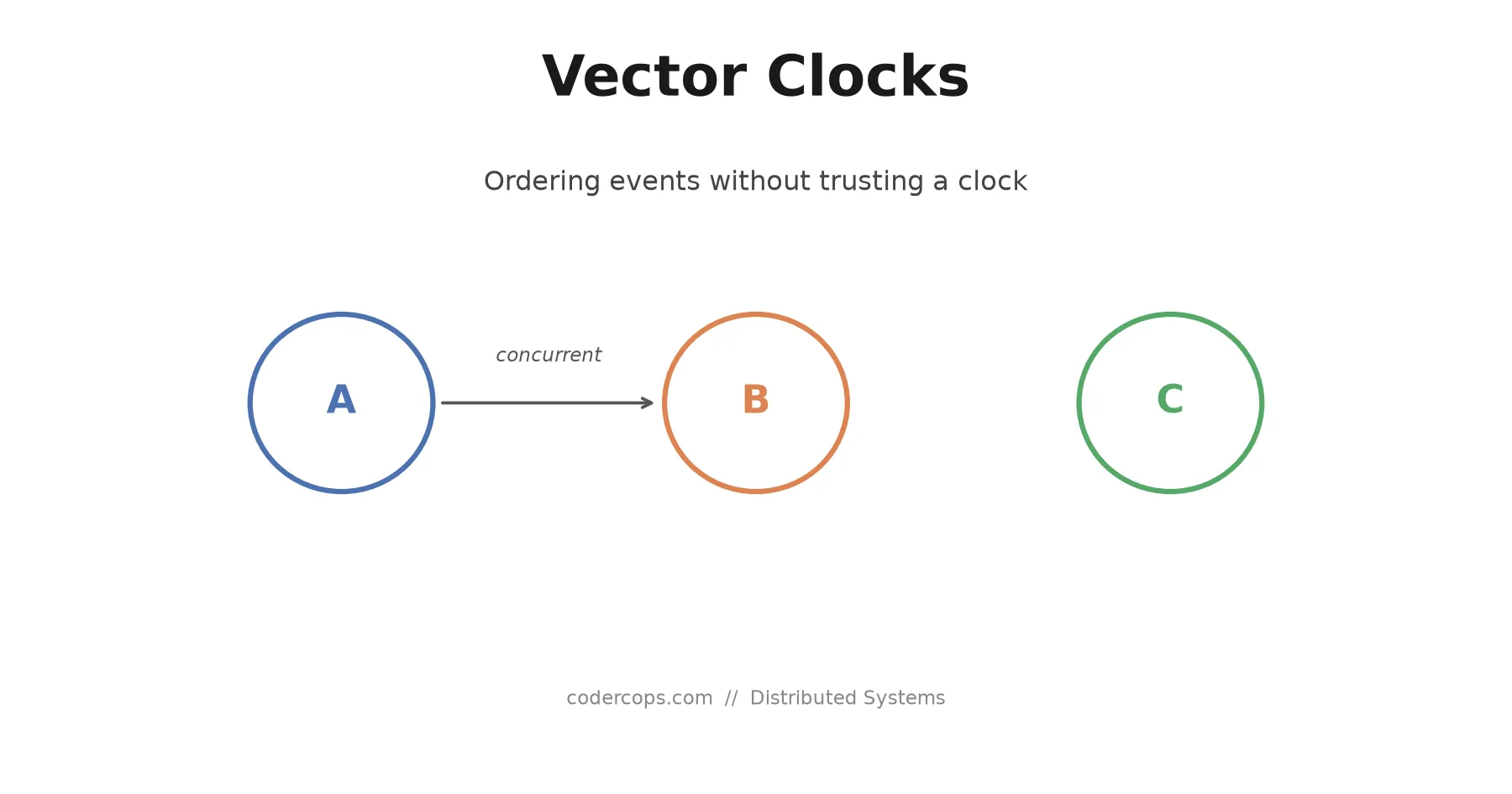
P.10Two writes hit different replicas at once. Which came first? Sometimes neither. How vector clocks tell a real conflict from a false one, without wall time.
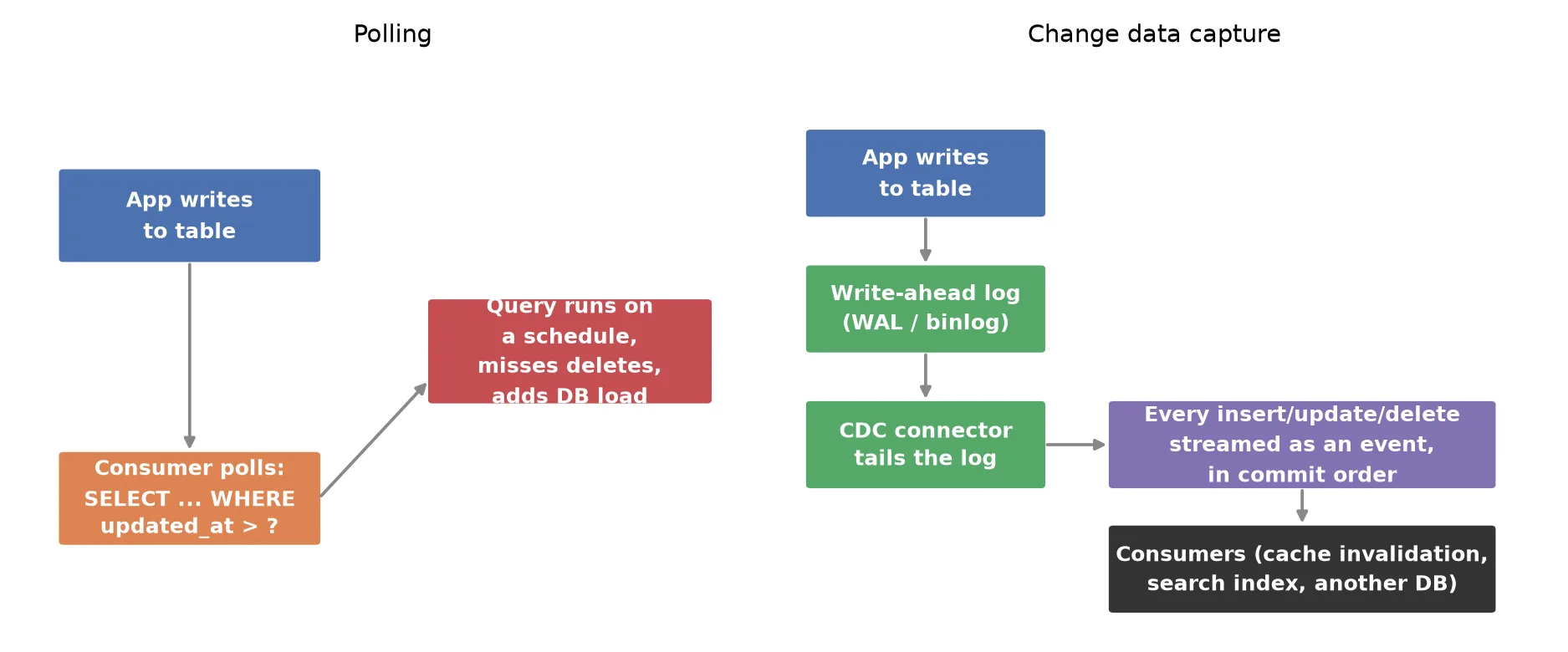
P.11Polling misses deletes, adds load, and always lags. CDC reads the write-ahead log instead, turning every insert, update, and delete into an event stream.
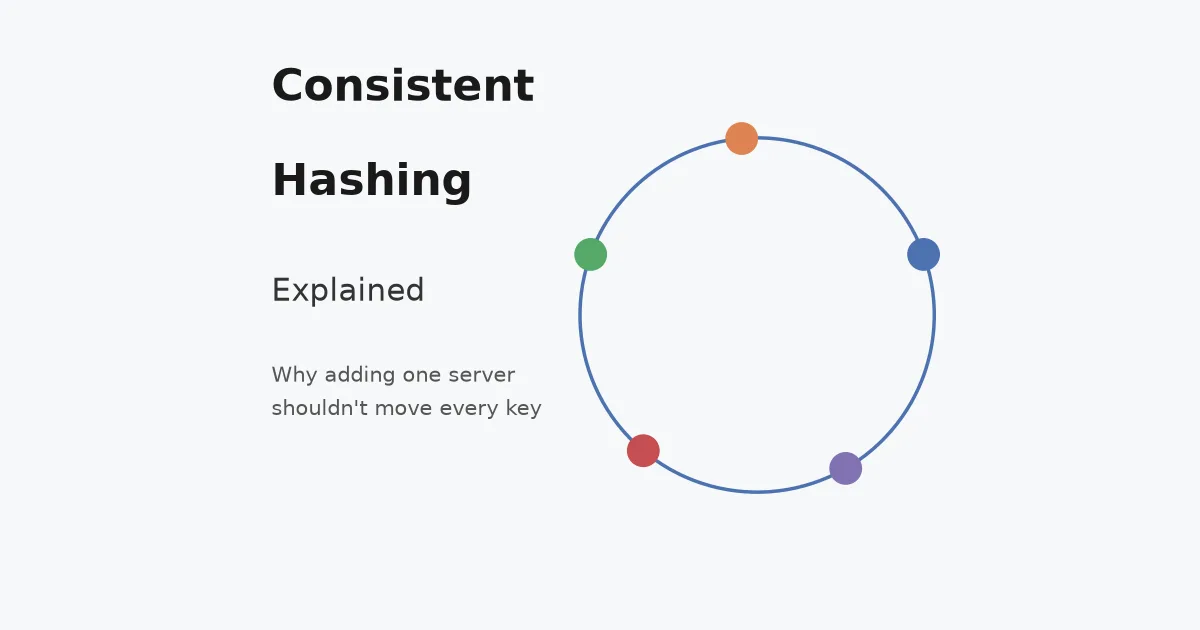
P.12Plain mod-N hashing reshuffles almost every key when you add a server. Consistent hashing moves roughly 1/N instead. Working code and a real simulation.
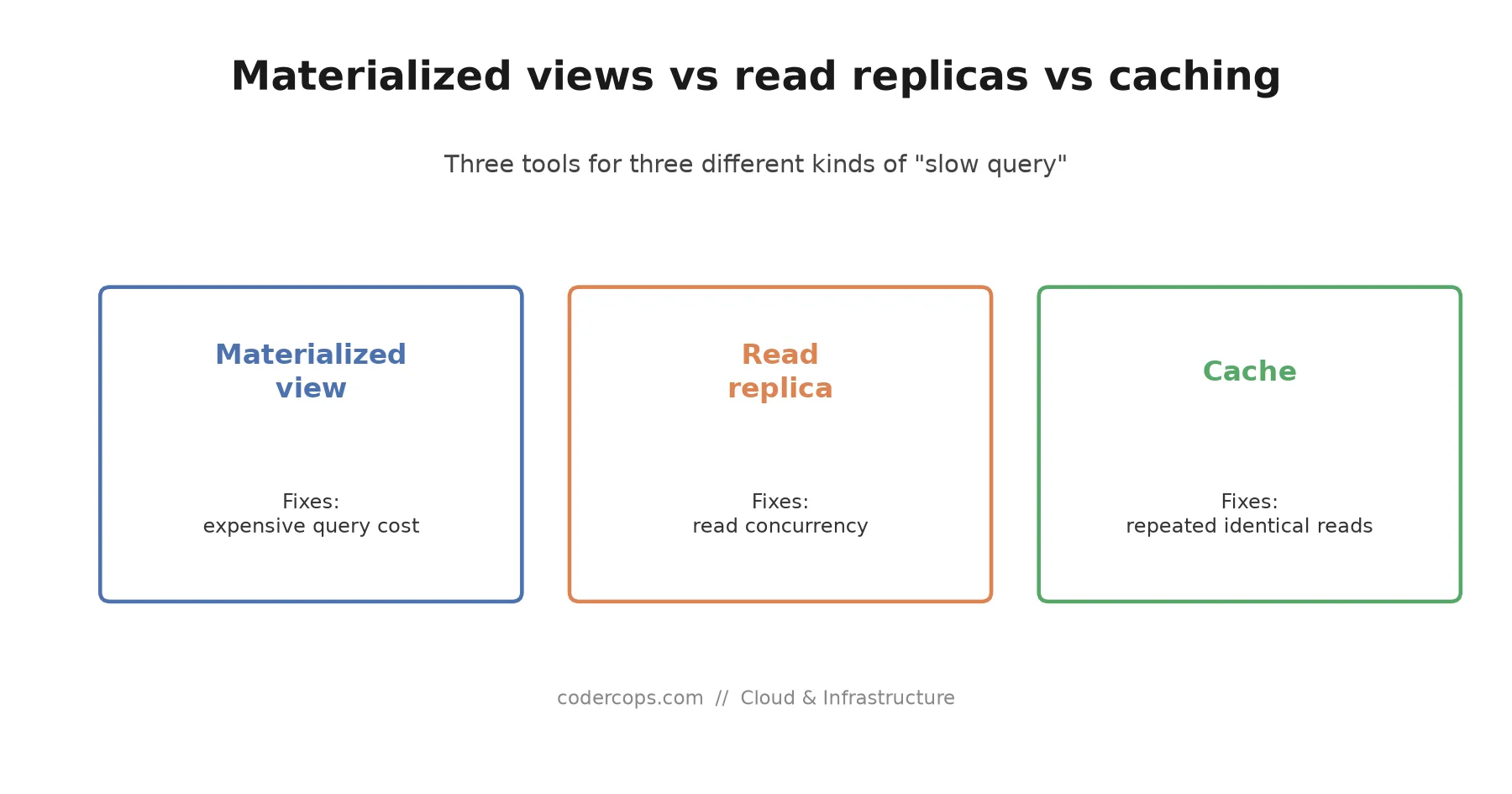
P.13Three tools solve three different versions of "this query is slow." How materialized views, read replicas, and caches differ, and how to pick one.
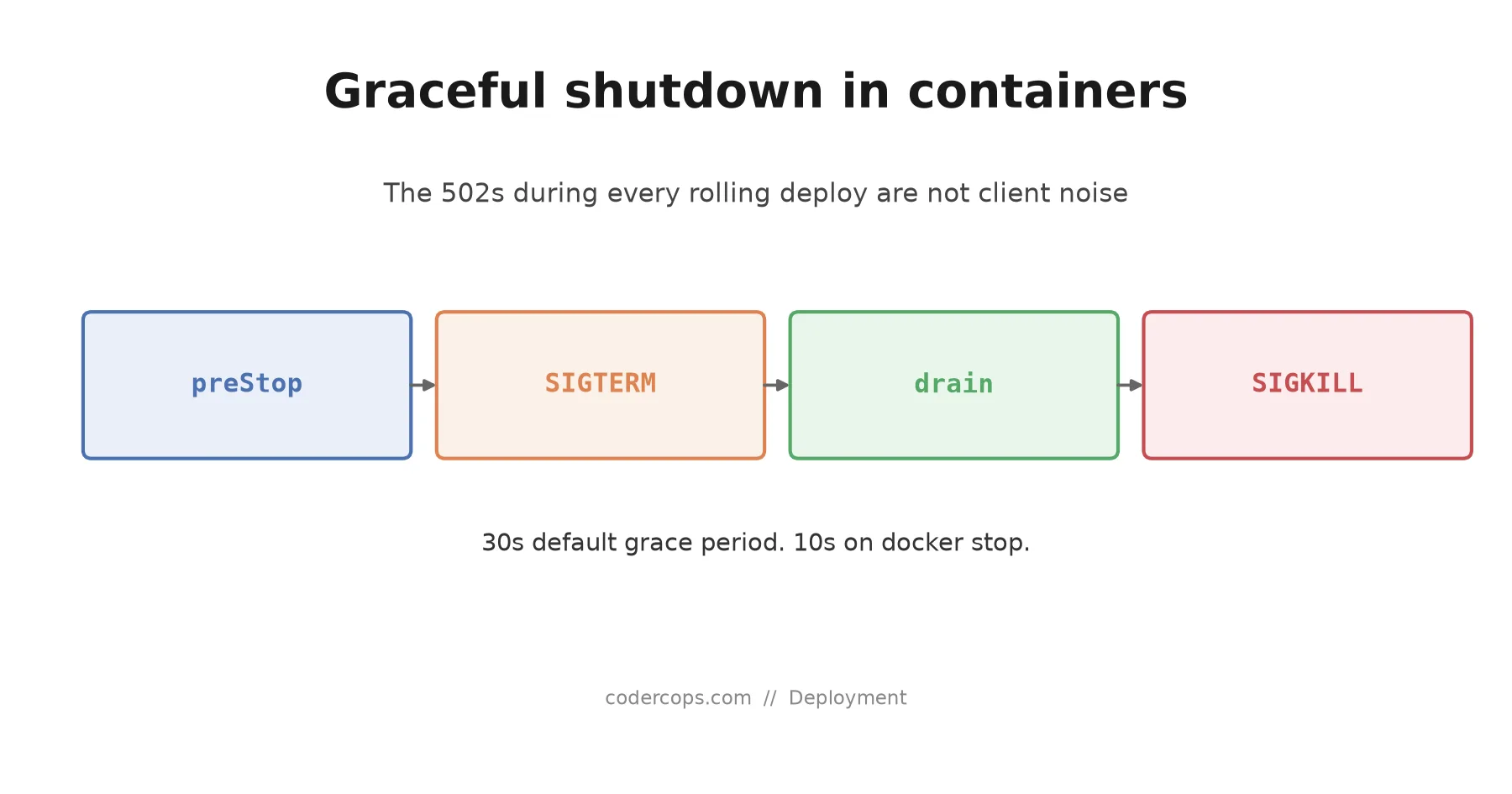
P.14Every rolling deploy drops a few requests and the errors look like client noise. The shutdown sequence, the race behind it, and the code that fixes it.
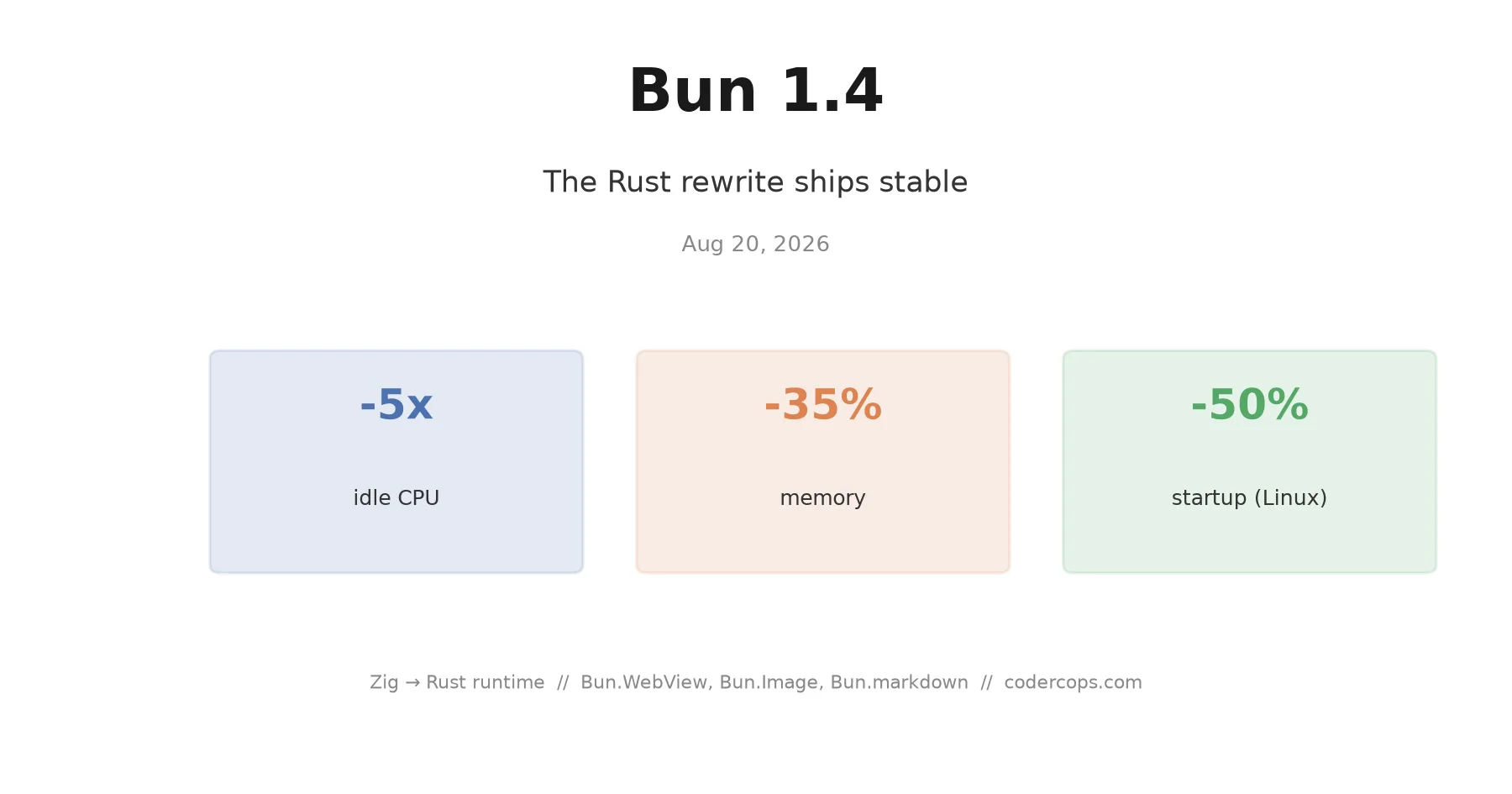
P.15Bun 1.4 is the first stable release on the Rust runtime, adding browser automation, image and markdown APIs, and real speedups. Why it split opinion.
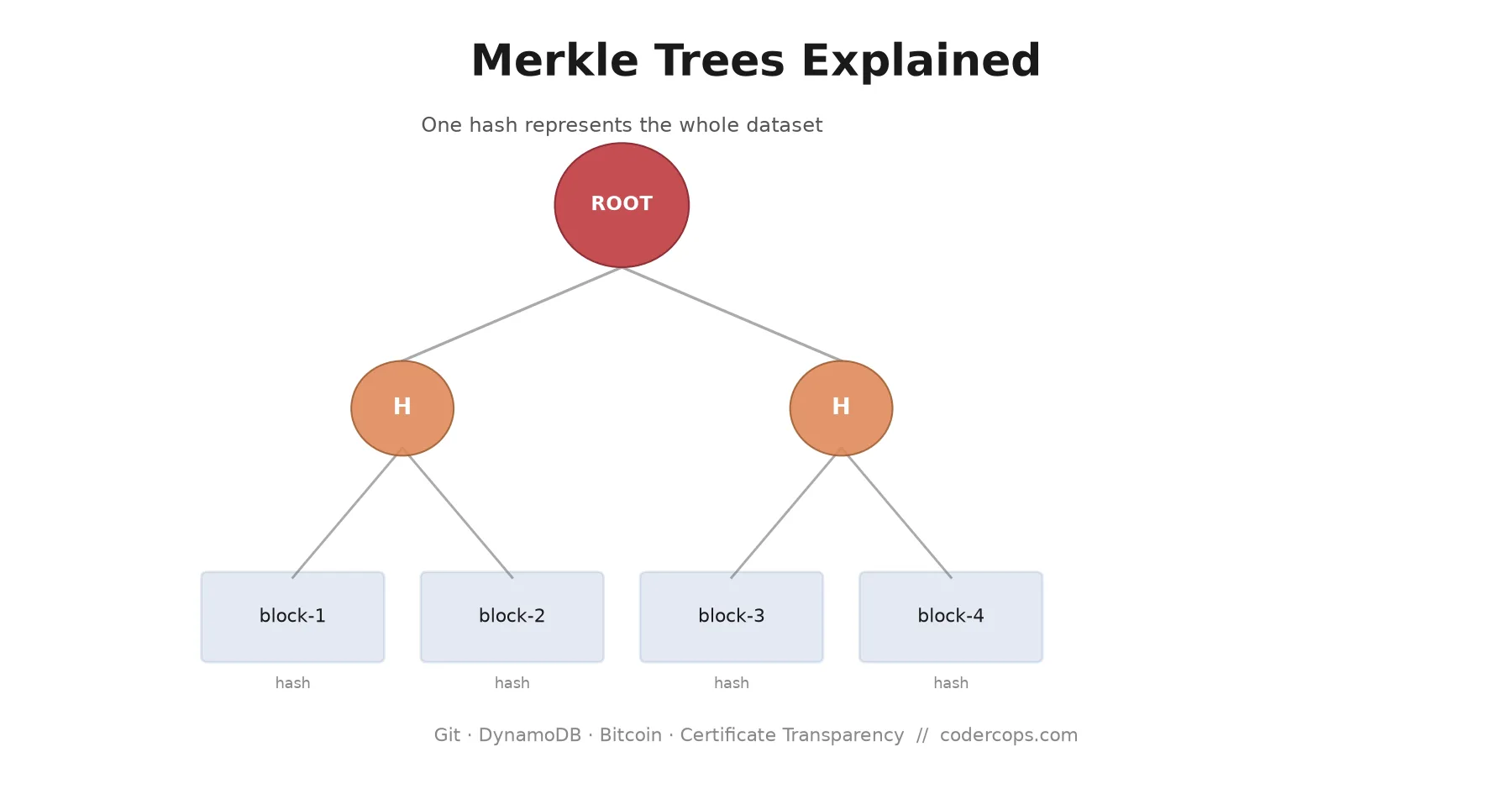
P.16A Merkle tree proves a piece of data belongs to a large dataset, or finds exactly what changed between copies, without reading all of it. How, and where.
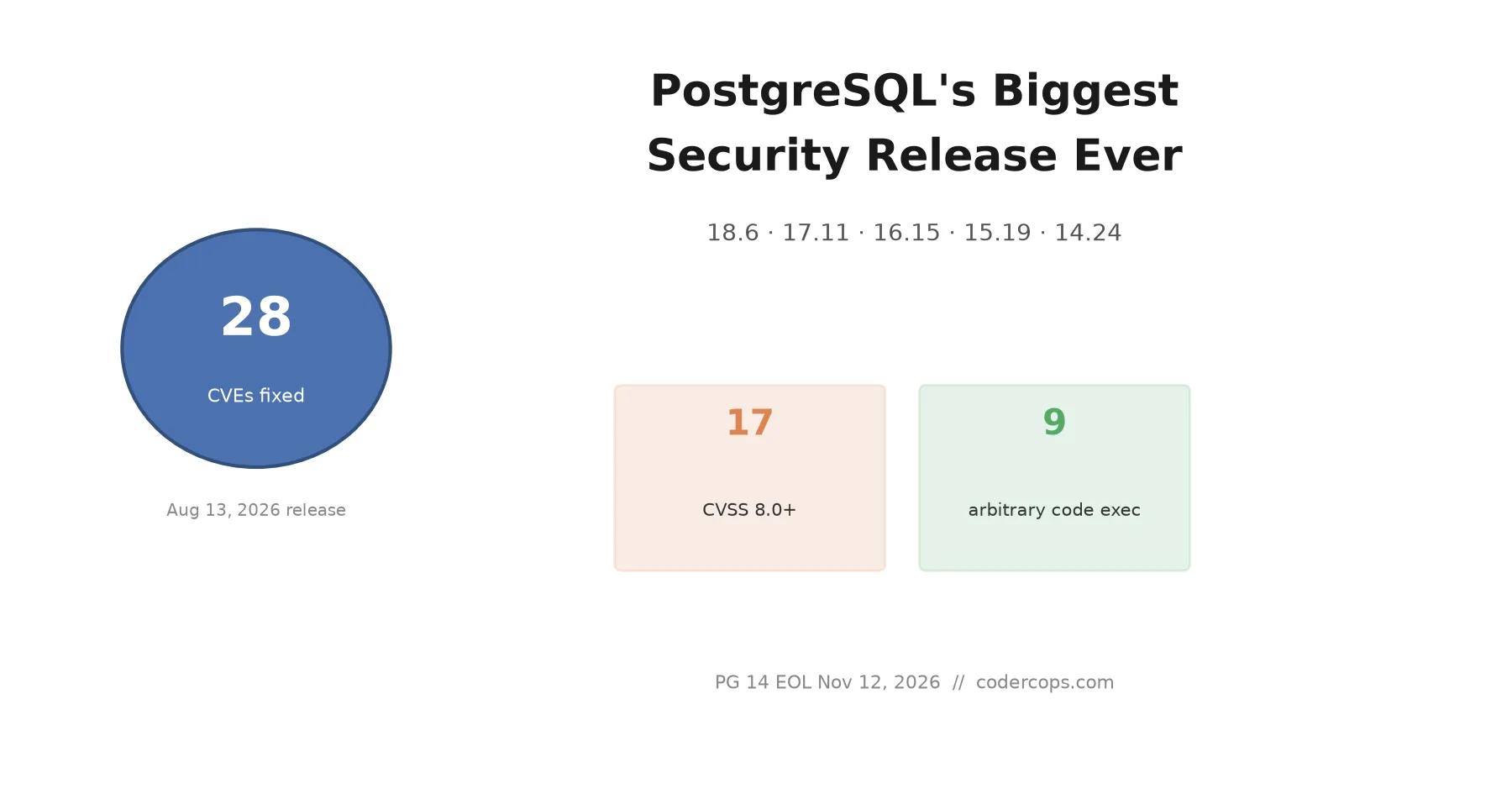
P.17PostgreSQL 18.6, 17.11, 16.15, 15.19, and 14.24 fixed 28 CVEs on August 13, 17 of them CVSS 8.0 or higher. Which matter, and who's actually exposed.
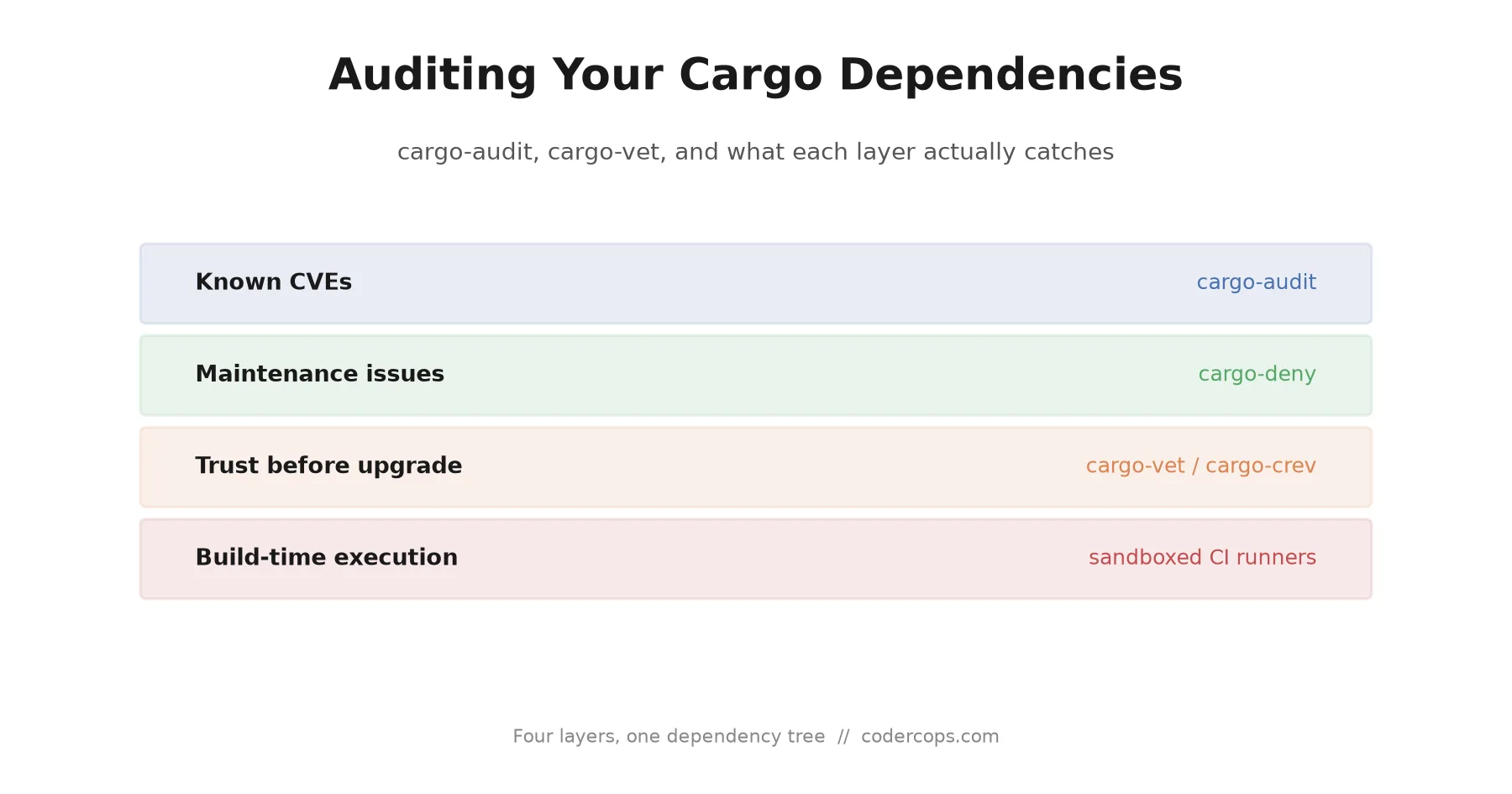
P.18cargo-audit finds known CVEs after the fact; cargo-vet checks trust before you upgrade. Setup for both, and which catches an arrayref-style attack.
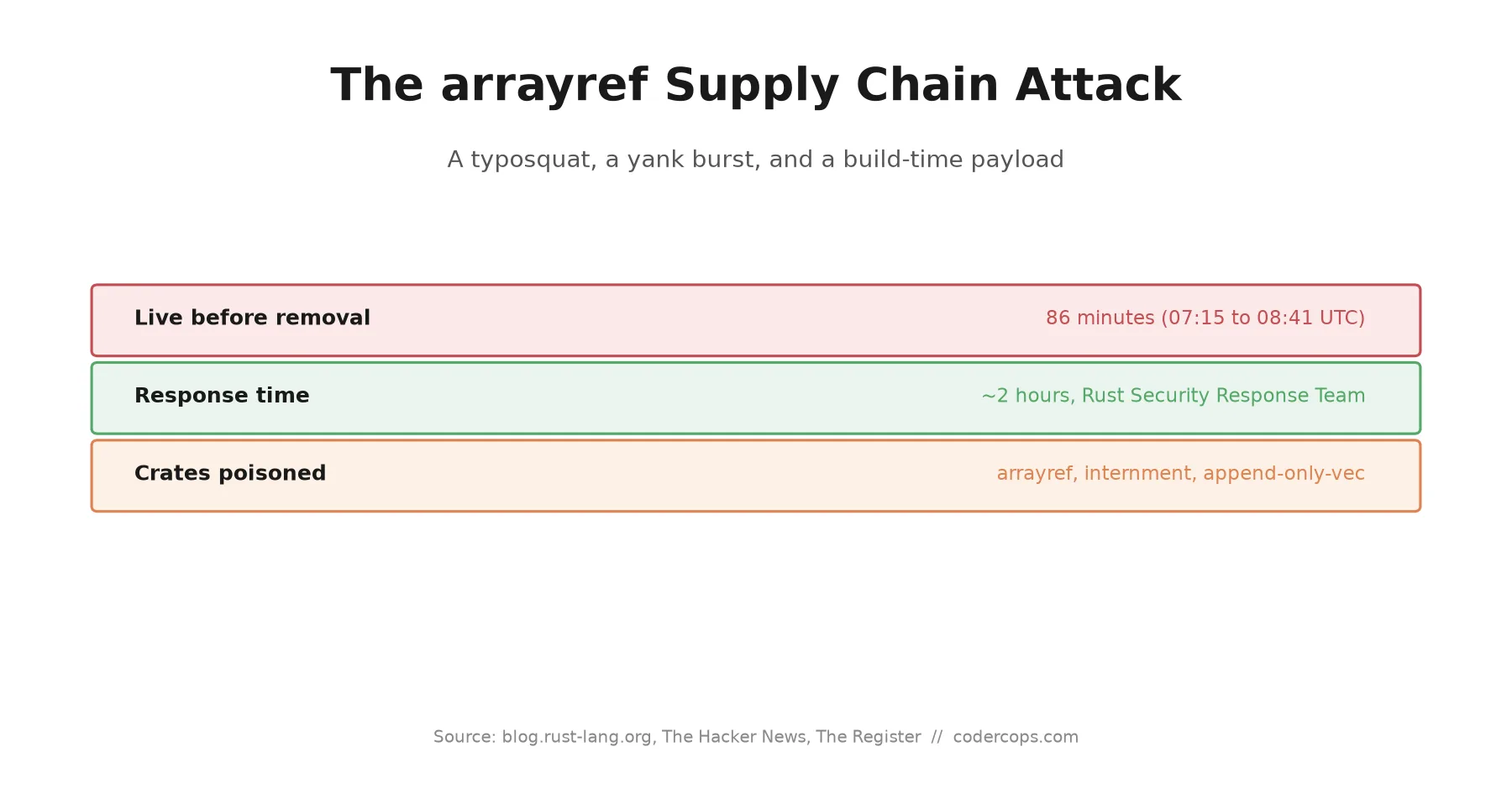
P.19A compromised crates.io account poisoned arrayref, internment, and append-only-vec with a build-time payload, then yanked clean versions. Why it failed fast.
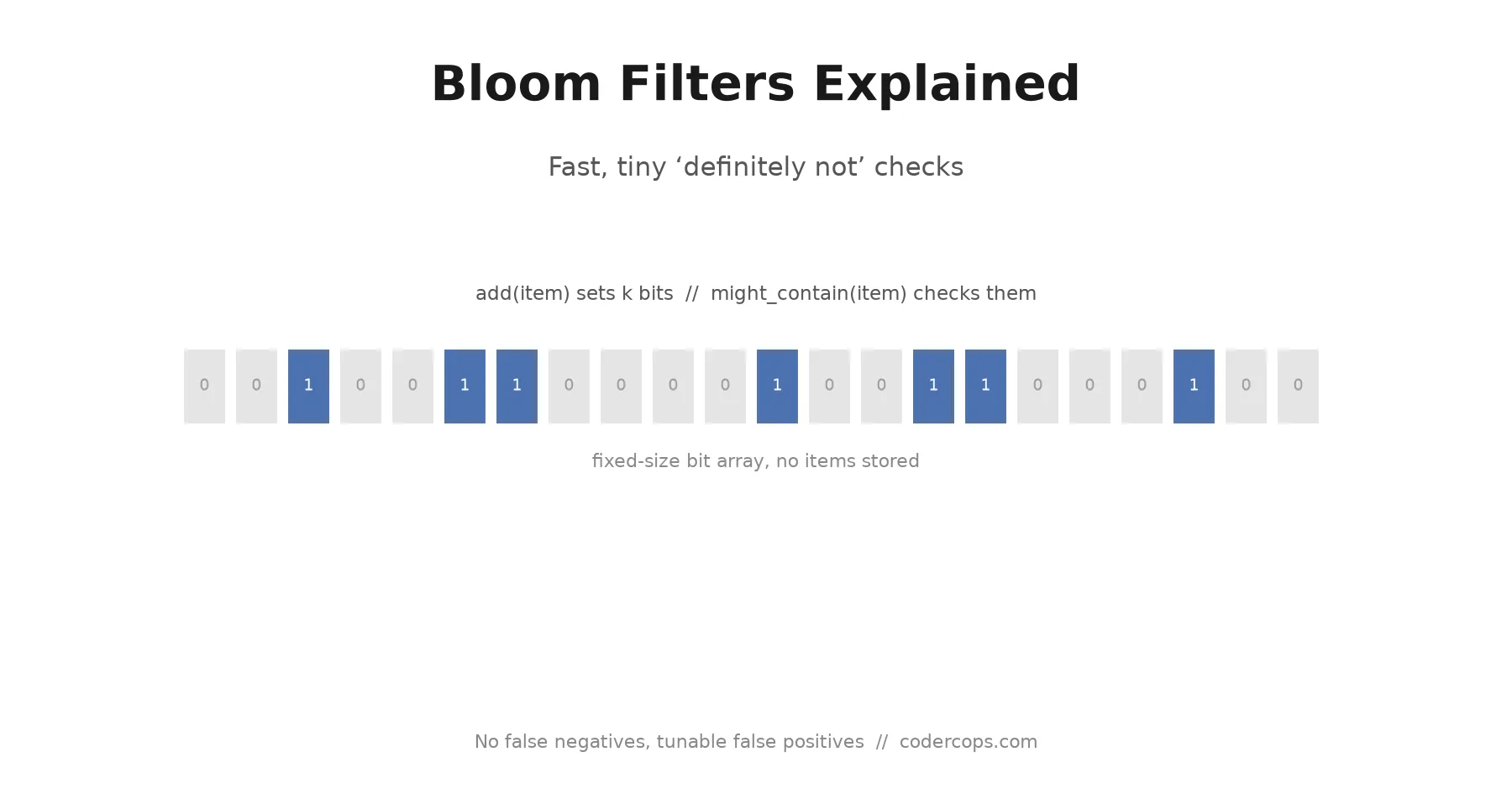
P.20A Bloom filter answers one question in almost no memory: is this definitely absent, or possibly present. How it works, and why false positives are a feature.
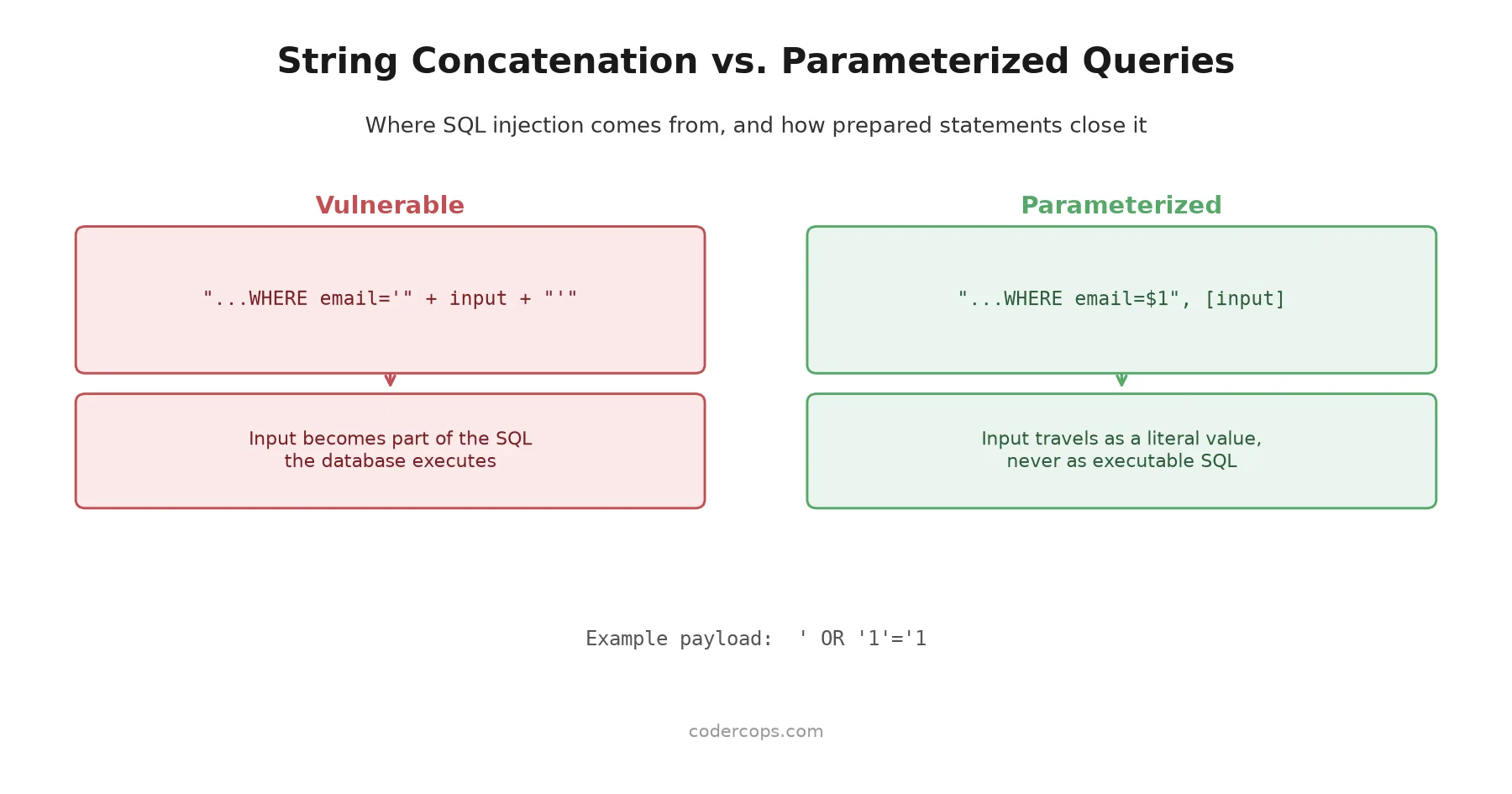
P.21SQL injection still lands CVSS 10.0 bugs in 2026. How parameterized queries stop it, where ORMs quietly reintroduce it, and how to verify your own code.
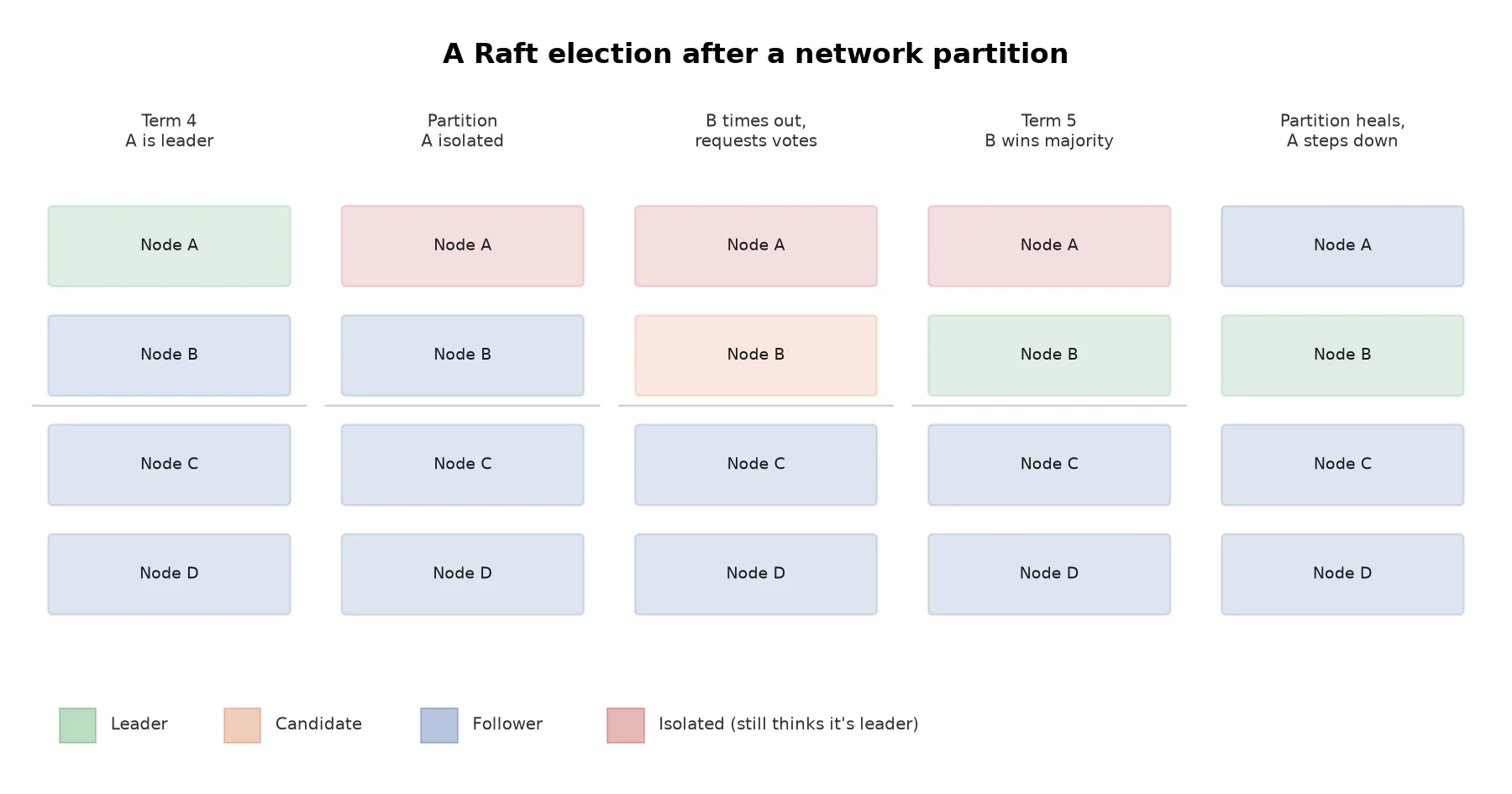
P.22Run three copies of a service and only one should do certain jobs. How leader election works, from Raft's term voting to the etcd lease pattern teams use.
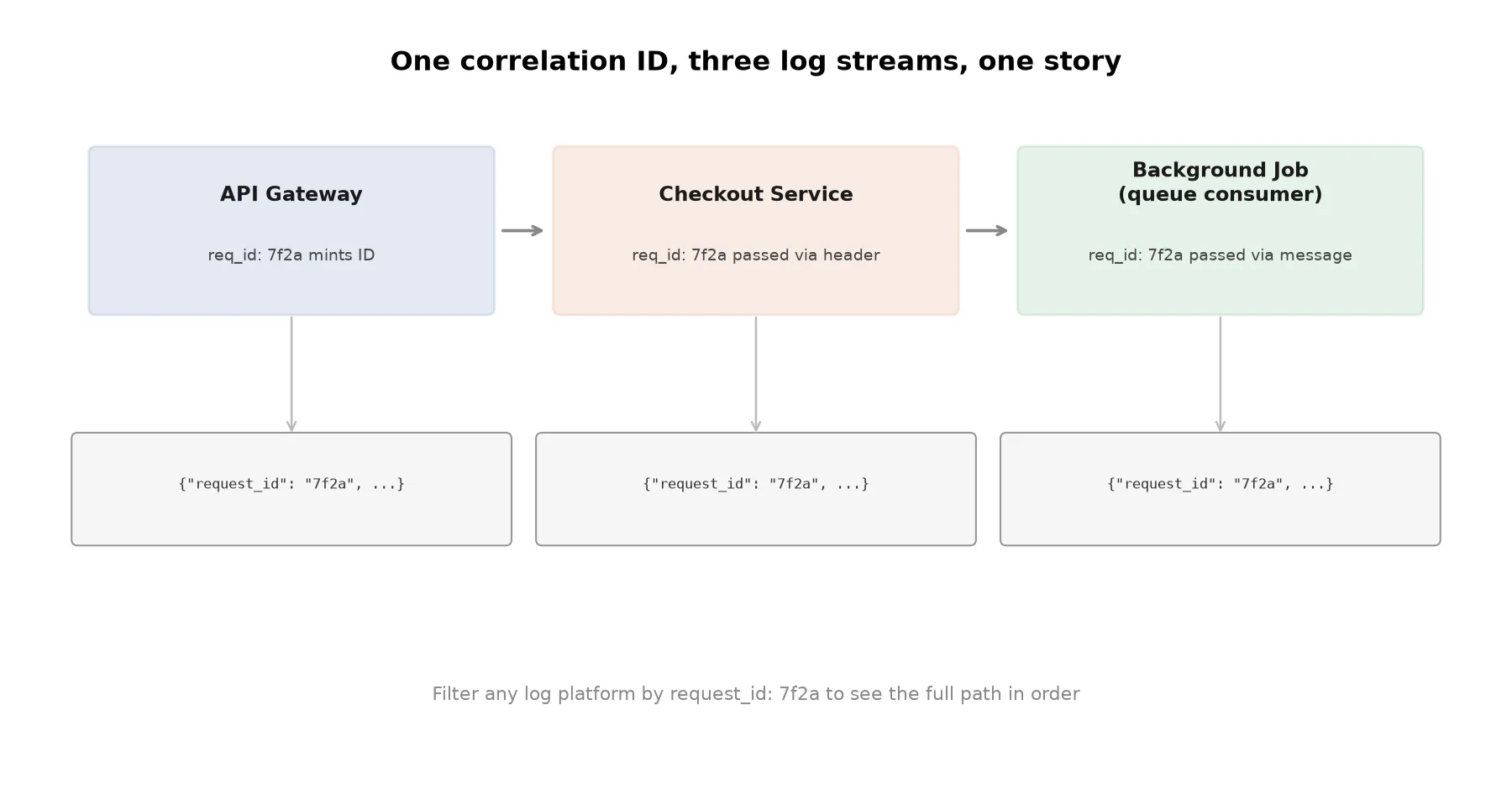
P.23A log line that's just a sentence is fine until you search a million at 2am. How structured logging works, threading a correlation ID, and what to skip.
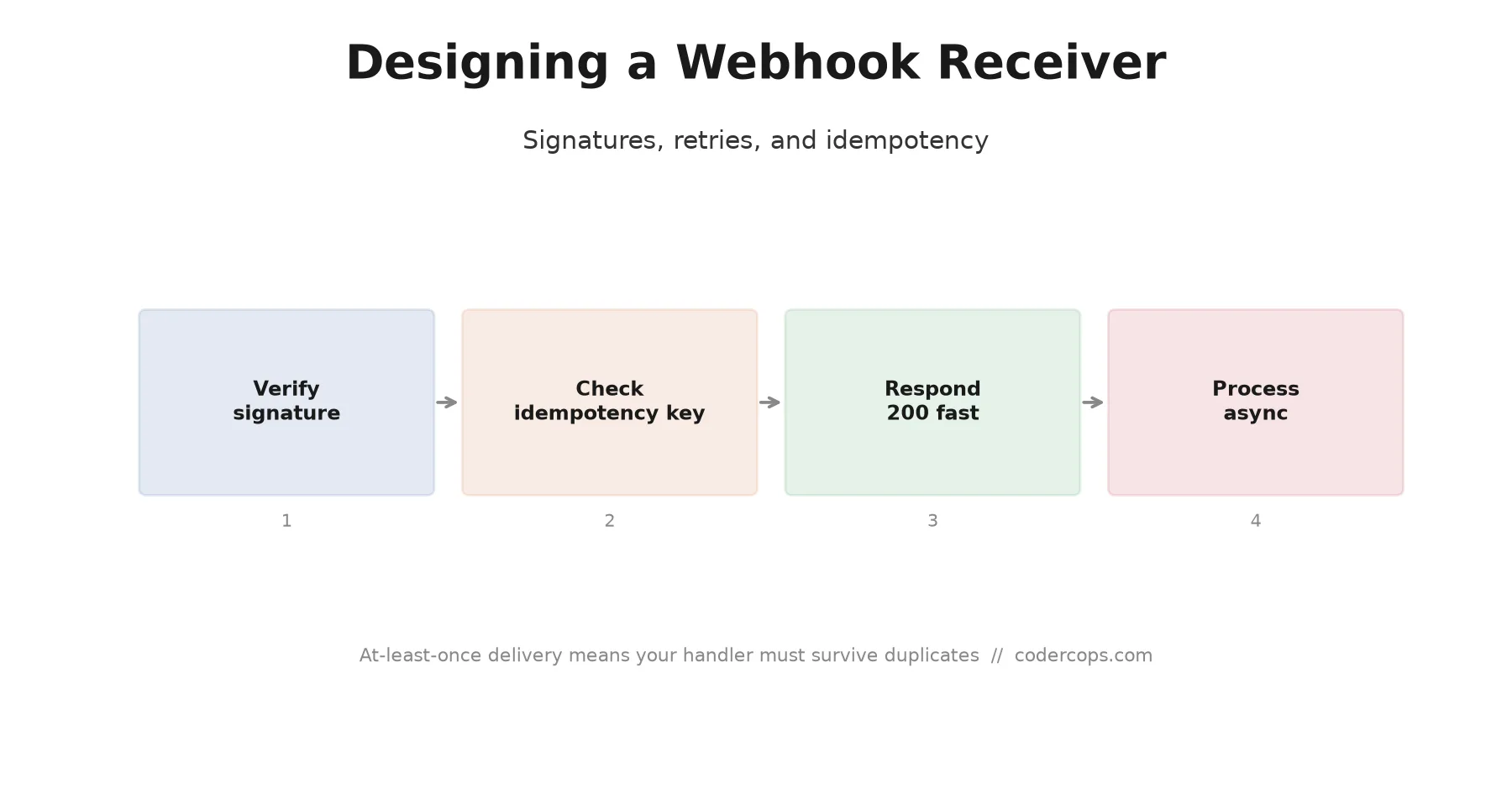
P.24A webhook receiver has to trust a request it can't control the timing, order, or count of. Verifying signatures, handling retries, surviving delivery chaos.
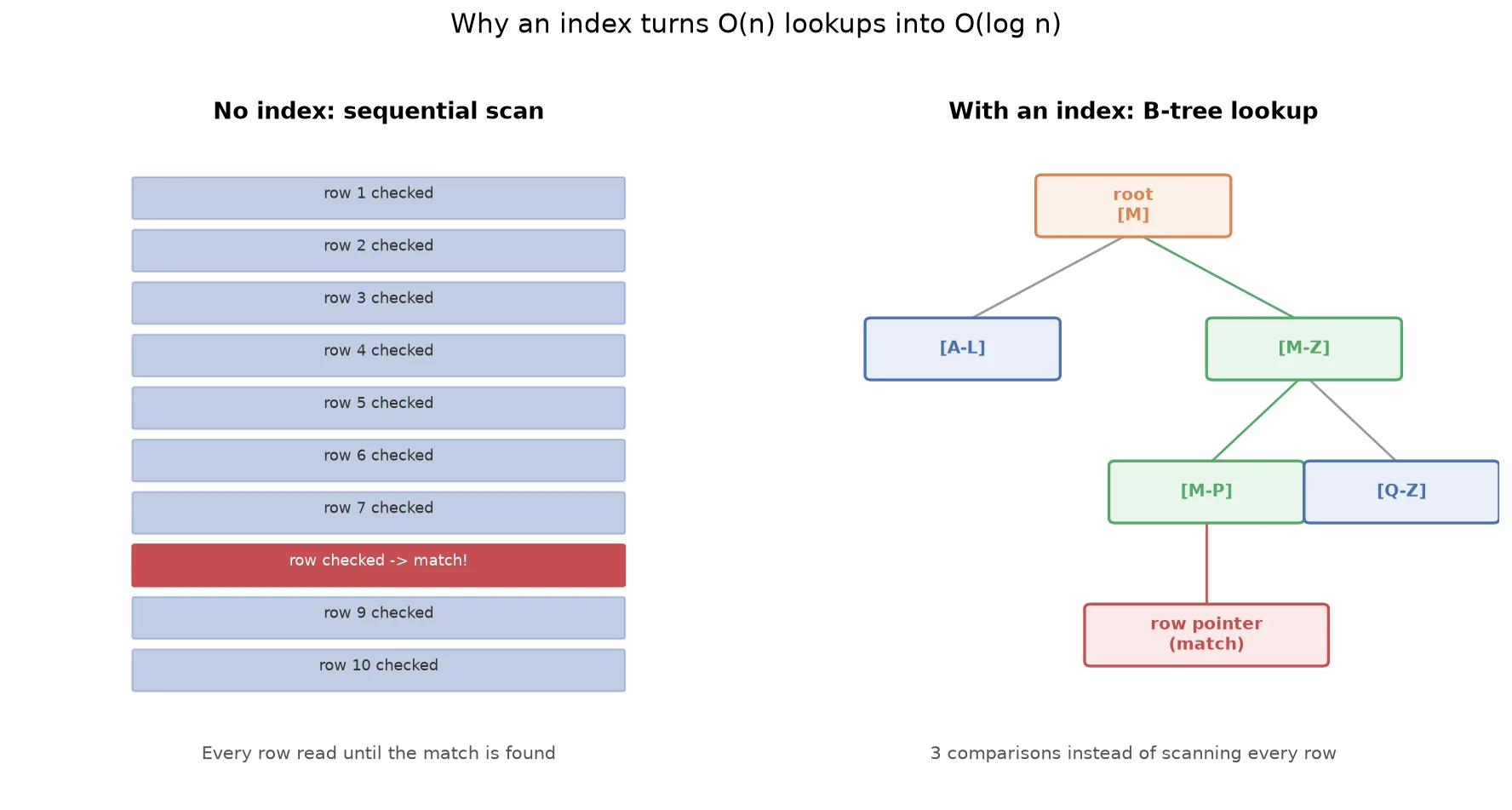
P.25An index turns a table scan into a few comparisons, but only for the queries it was built for. How B-trees work, and the write cost nobody budgets for.
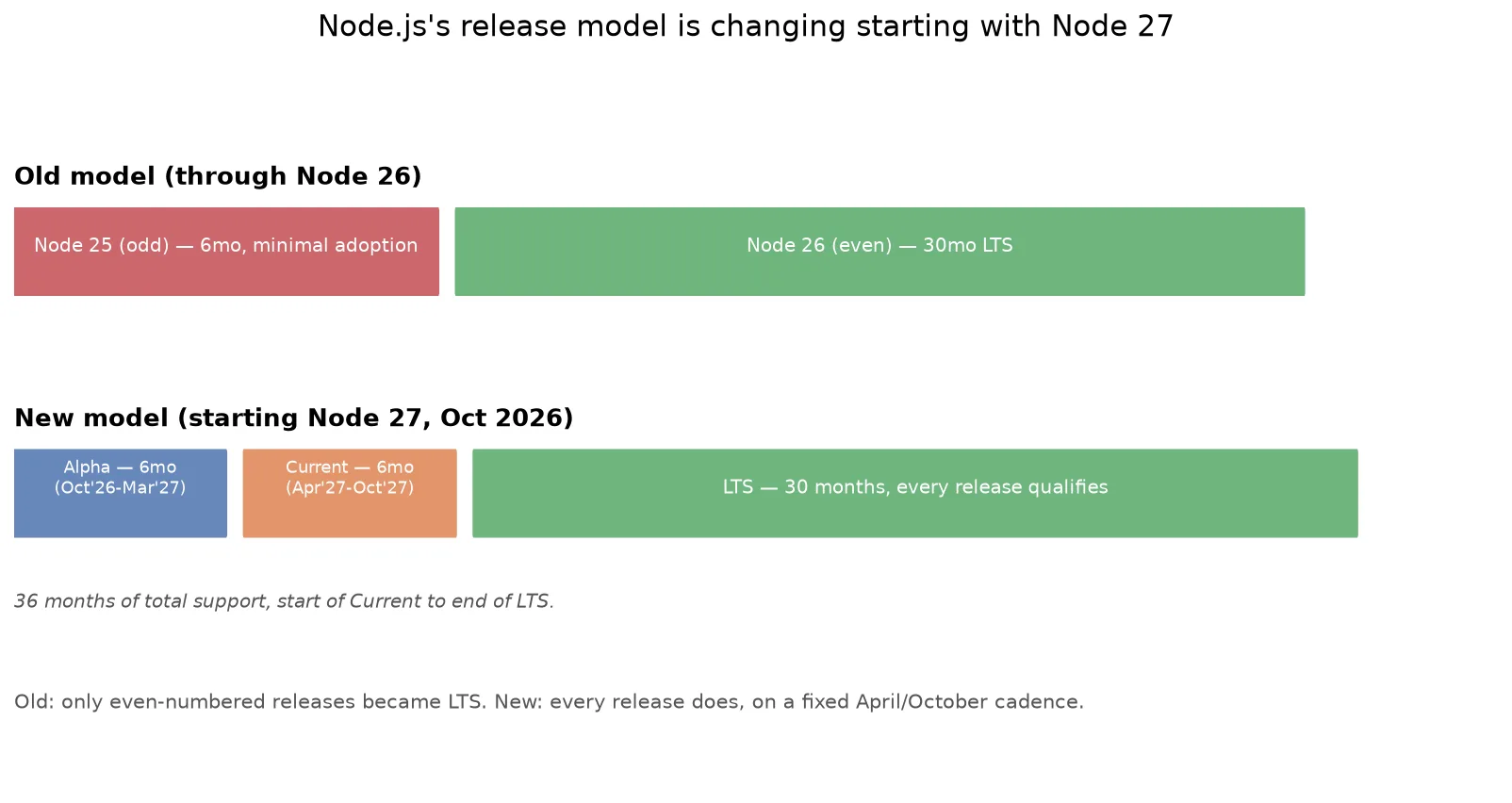
P.26From Node.js 27 in October 2026, Node drops the odd/even model for one major a year, and every release becomes LTS. What changes, and how to plan for it.
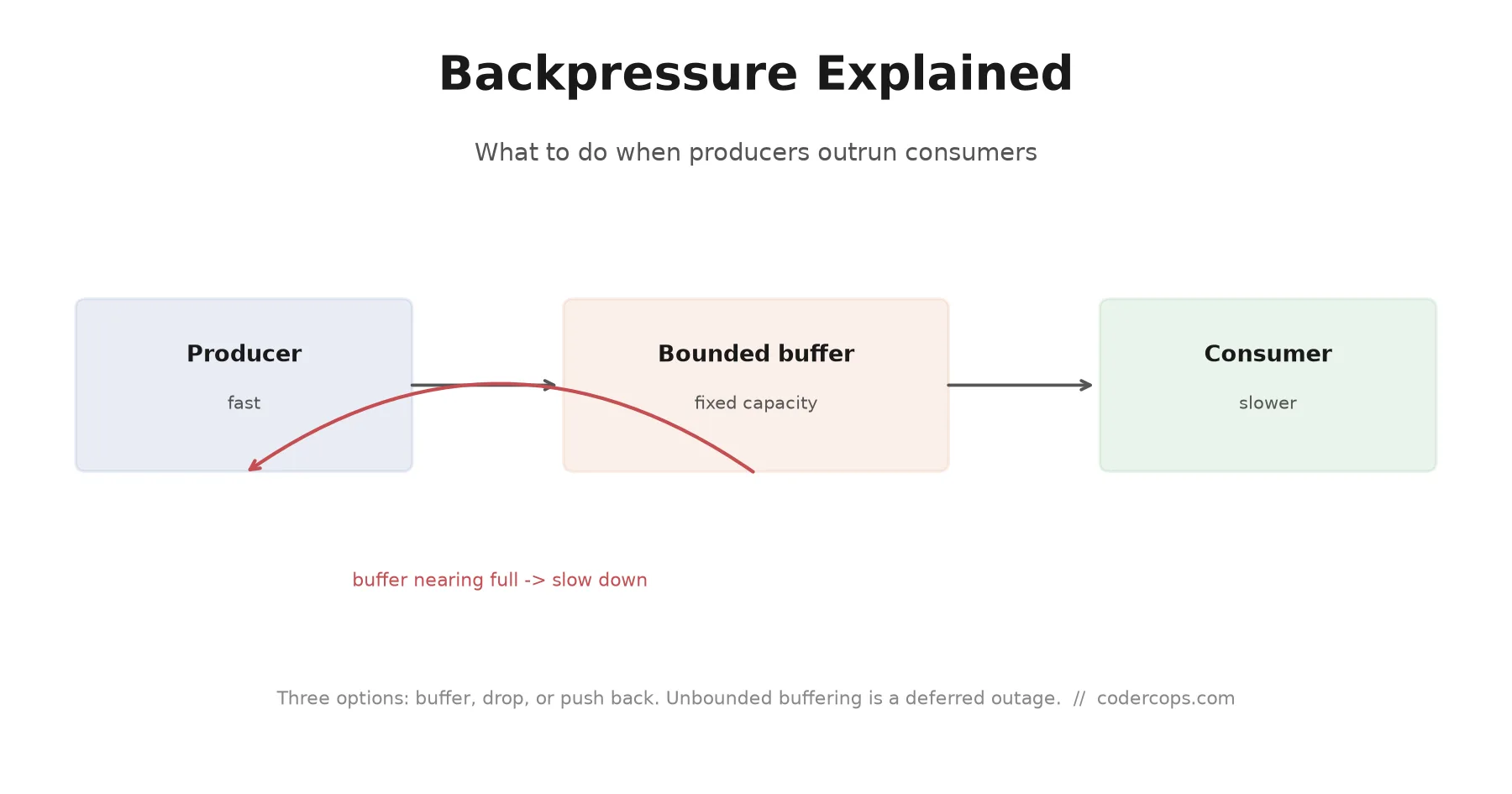
P.27When production outruns consumption, a system must buffer, drop, or push back. How backpressure works across queues, streams, and APIs, with patterns.
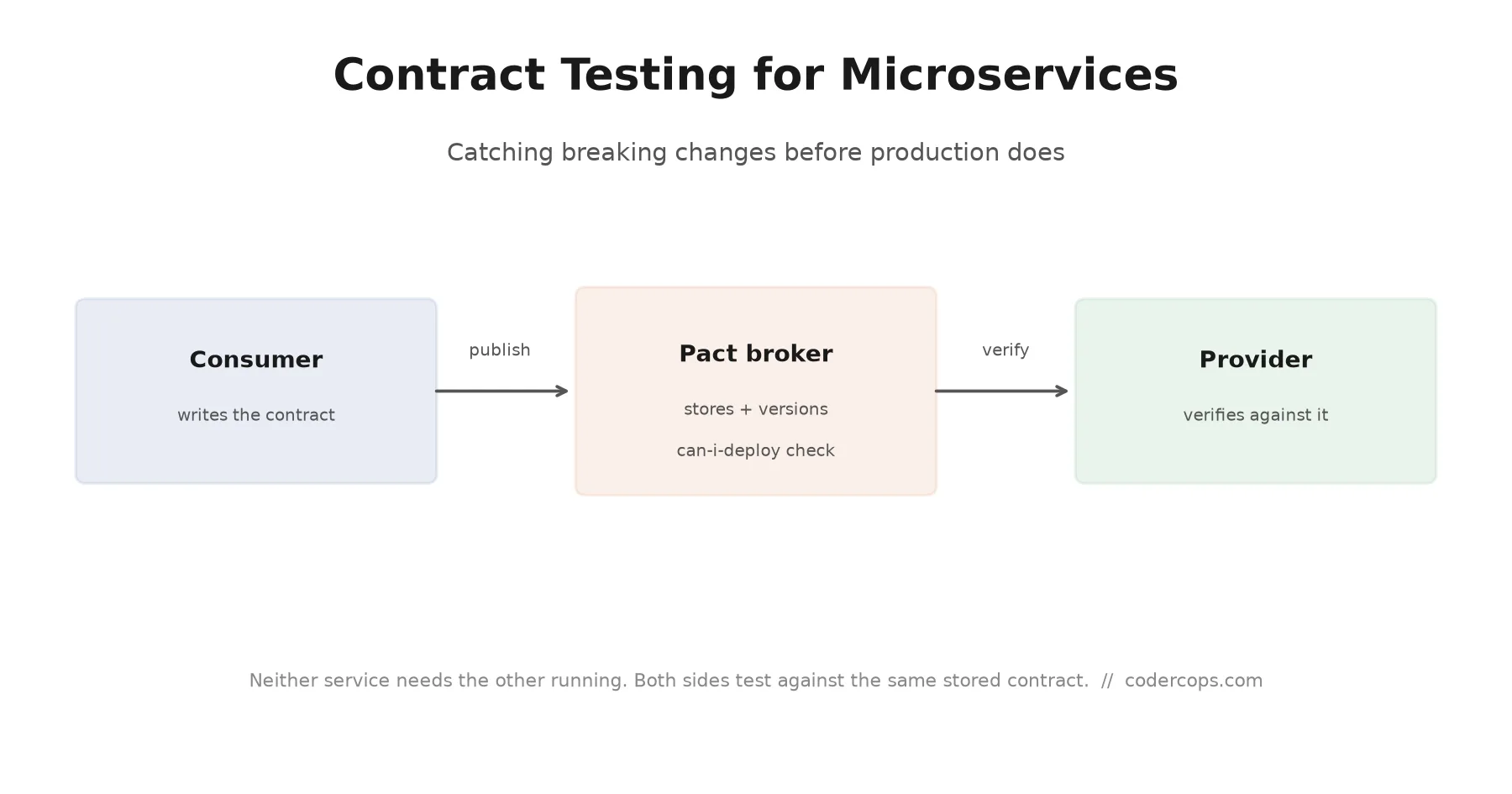
P.28Integration tests that boot every dependency are slow and flaky. Contract testing checks that consumer and provider agree on a shape without either running.
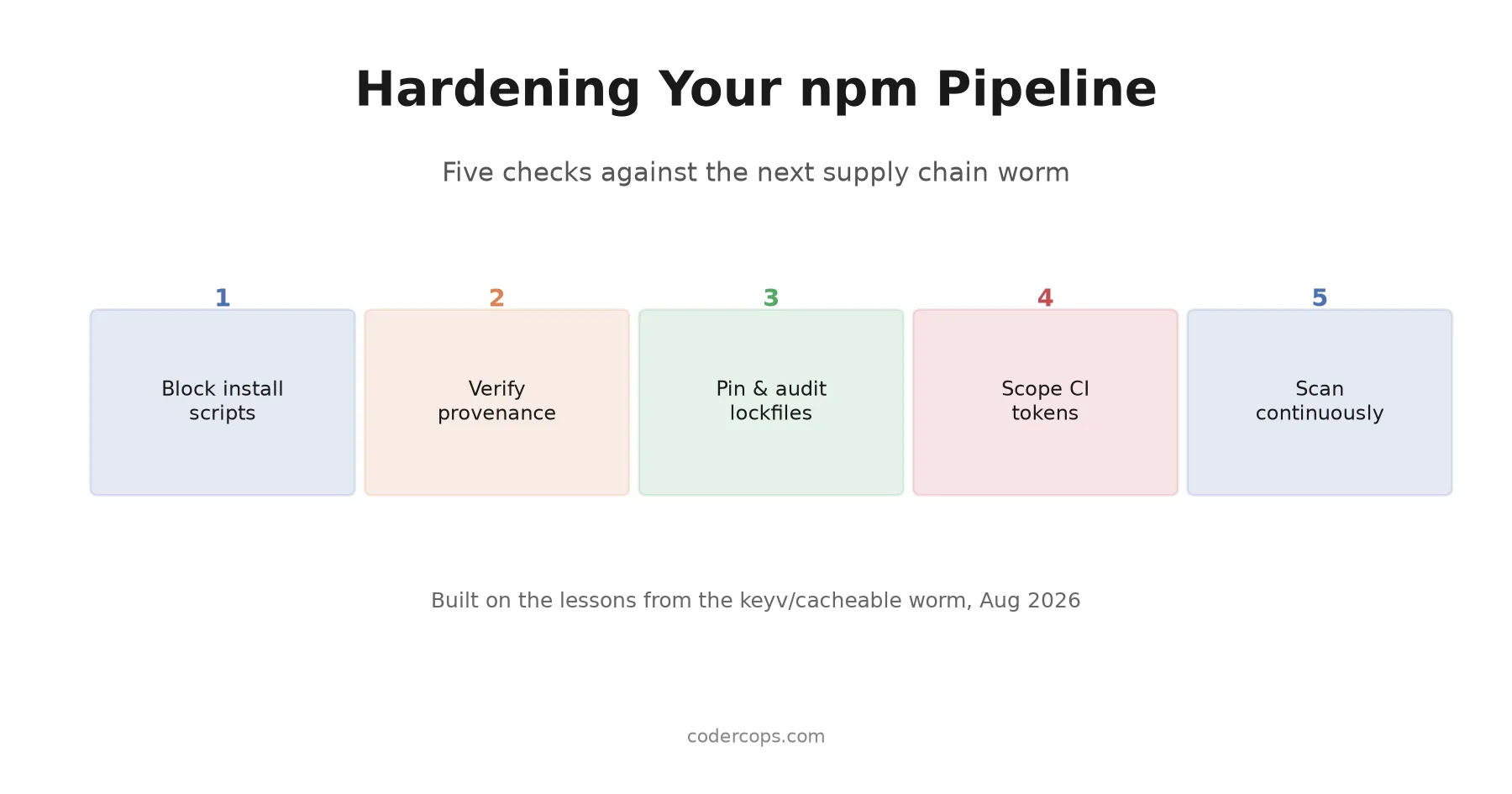
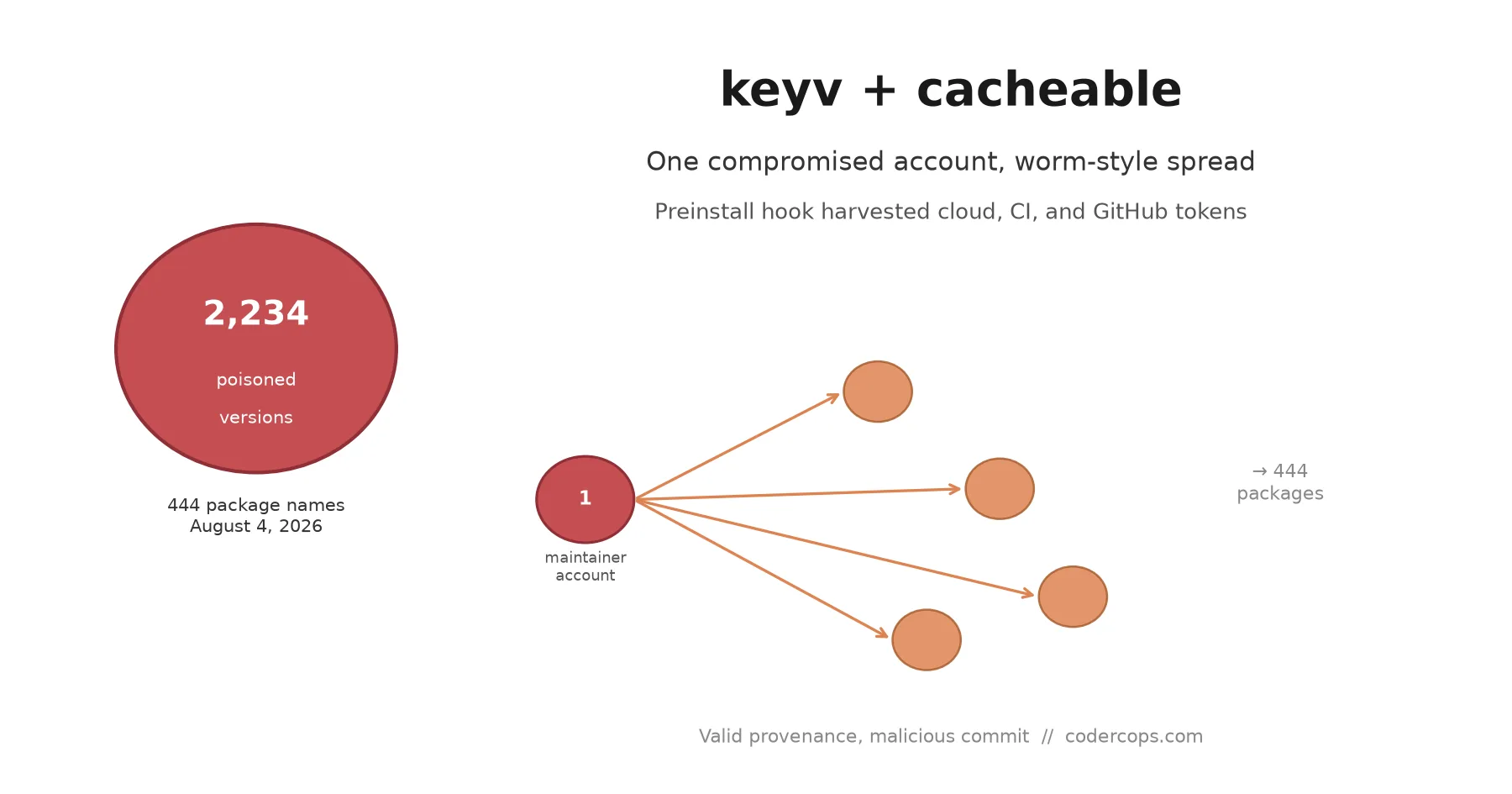
P.29The keyv attack poisoned 2,234 package versions in a day, and it won't be the last. The checklist for install scripts, provenance, lockfiles, and CI tokens.
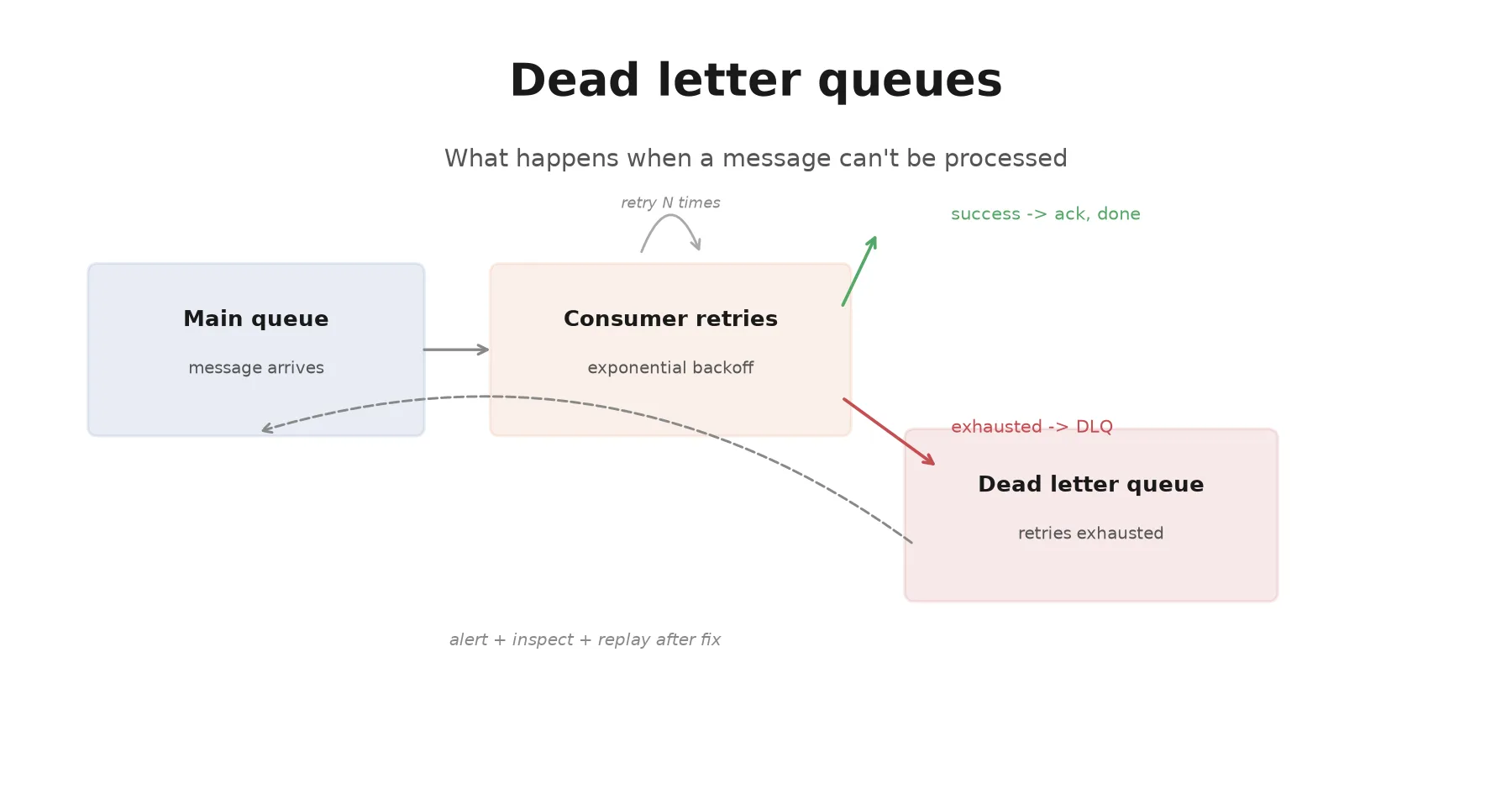
P.30A message that fails every retry shouldn't loop forever or vanish. How dead letter queues catch it, how to set retry limits, and the reprocessing workflow.
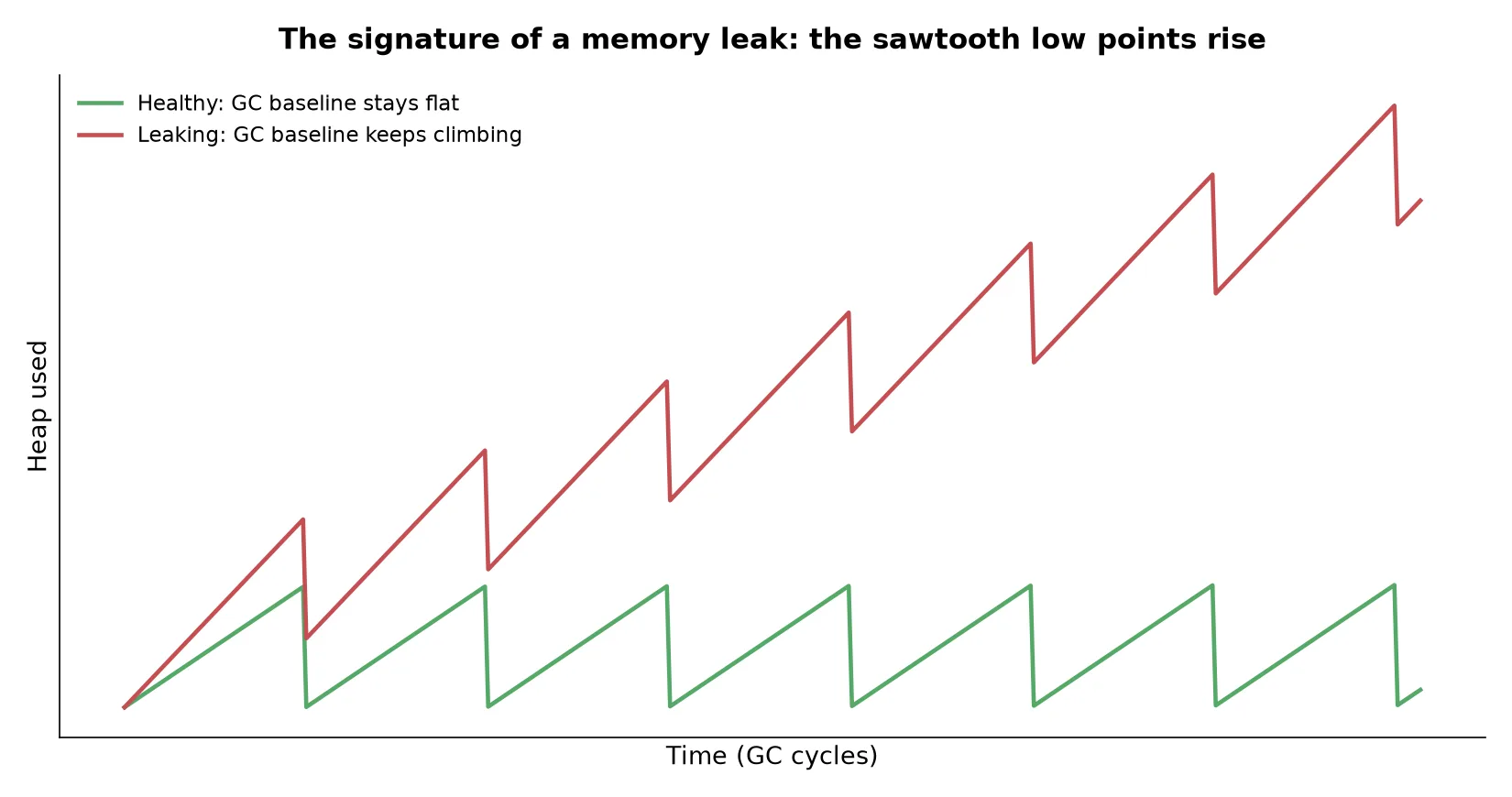
P.31Your Node process climbs until it's OOM-killed and restarting buys hours. The actual workflow: heap snapshot diffing, retainer paths, and the fast tools.
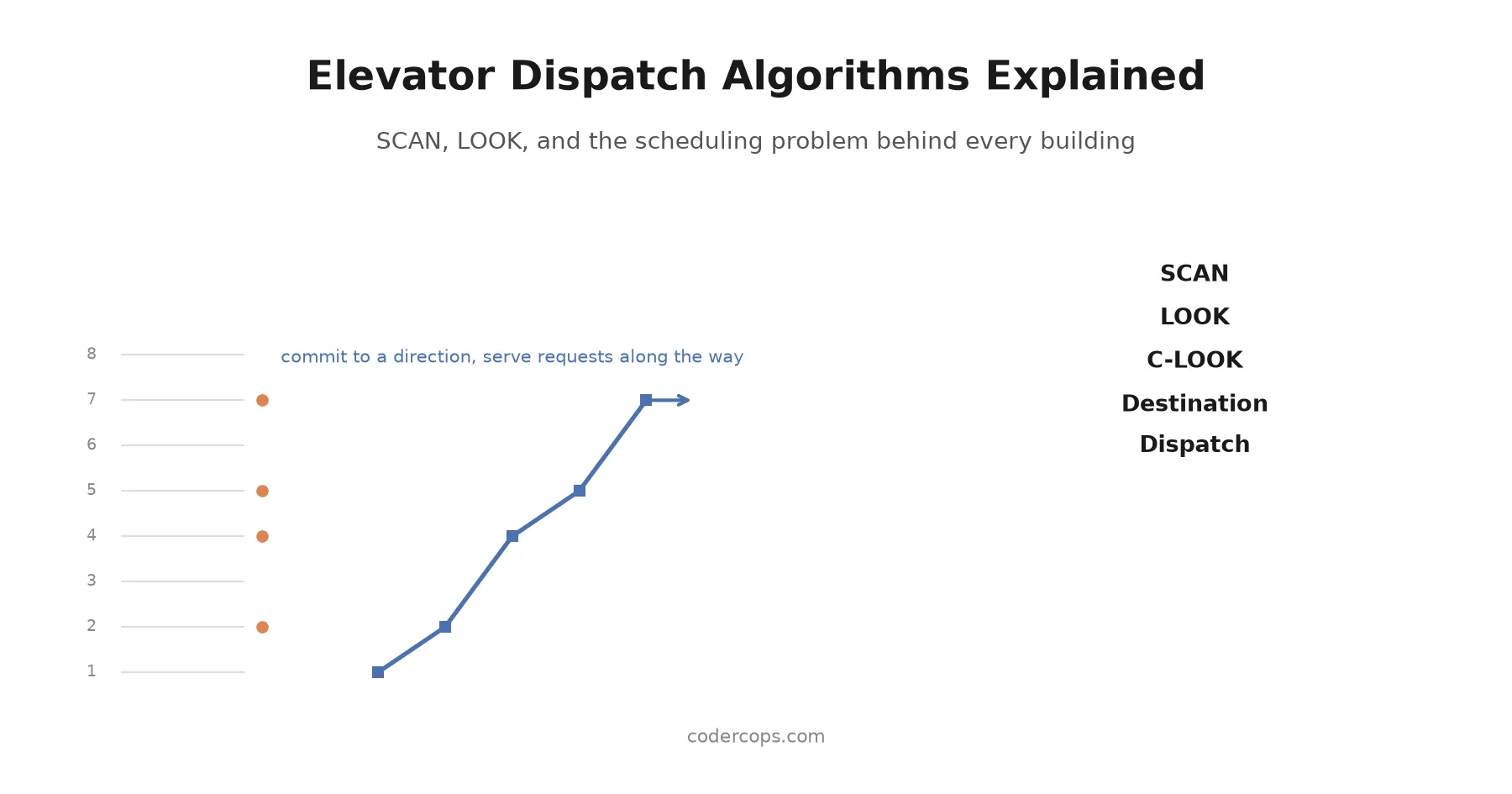
P.32The algorithm choosing your elevator is the same family your kernel uses to schedule disk reads. How SCAN, LOOK, and destination dispatch actually work.
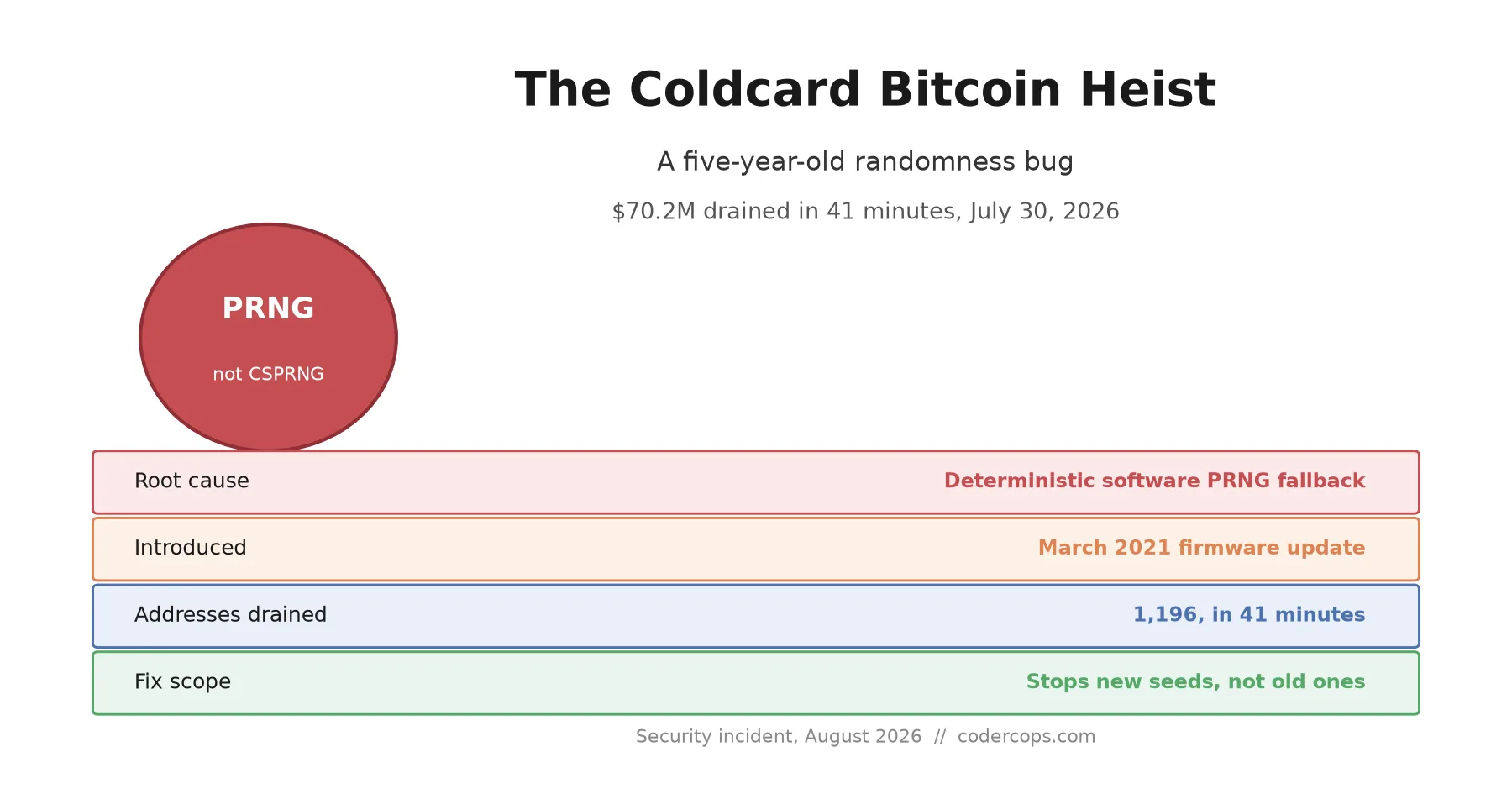
P.33A 2021 firmware error made Coldcard wallets seed from a software PRNG, not hardware. Attackers drained $70M in 41 minutes. The lesson isn't about Bitcoin.
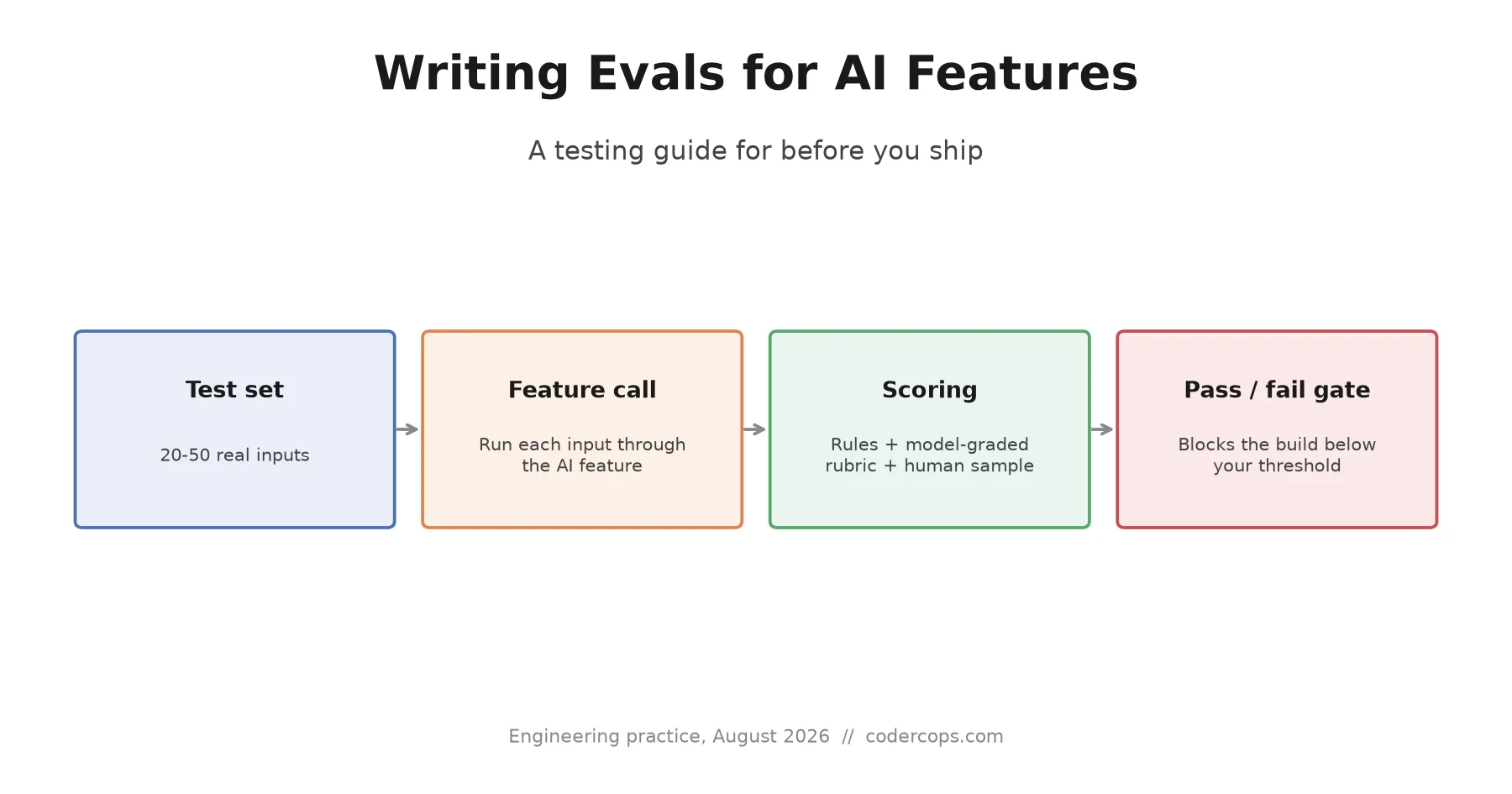
P.34Unit tests don't work on a feature that answers differently every time. Evals do. How to build a practical eval harness for an LLM feature, with real code.
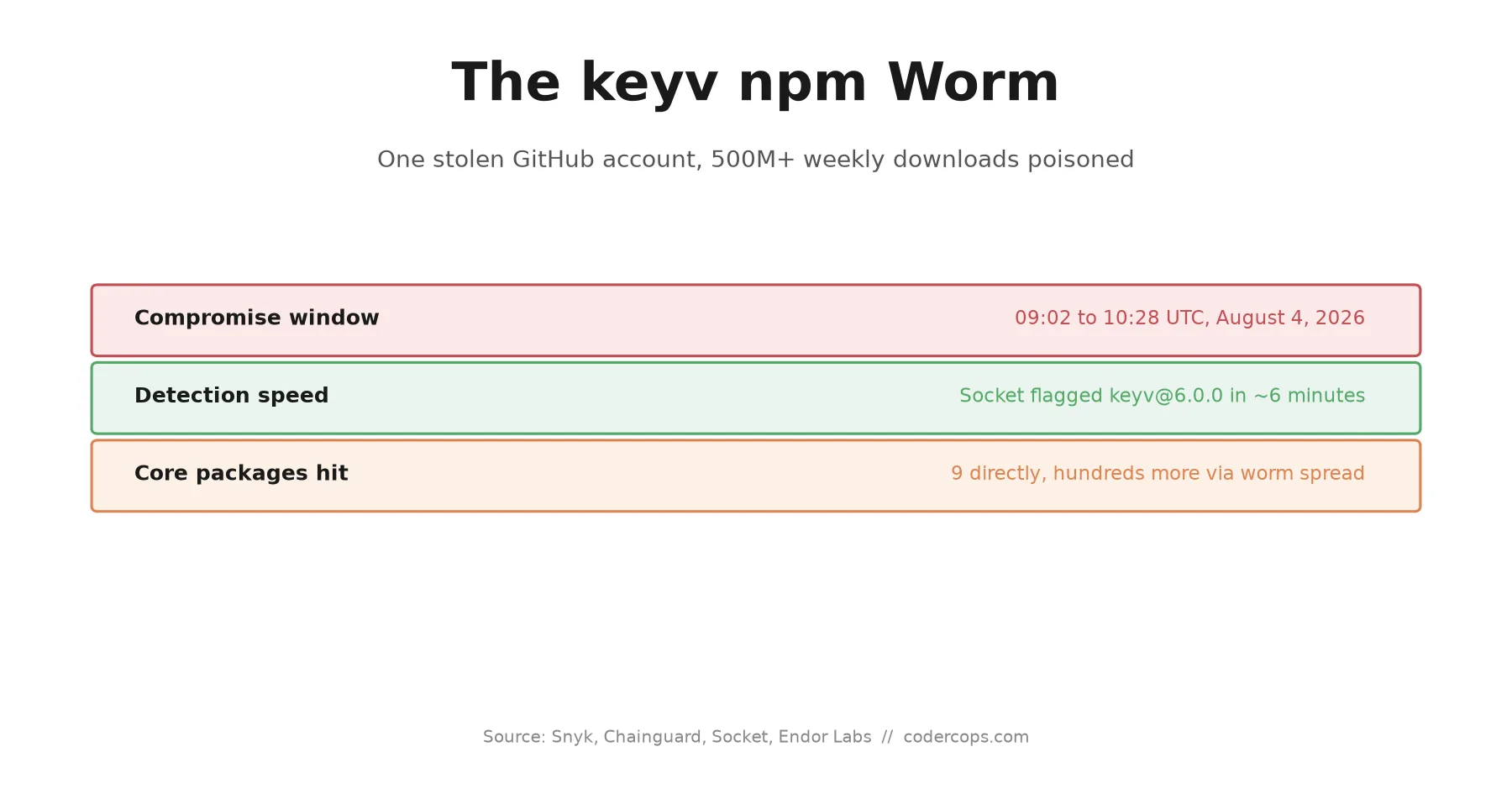
P.35A compromised maintainer account turned keyv and cacheable into a self-propagating npm worm that stole cloud, CI, and GitHub credentials. How to check.
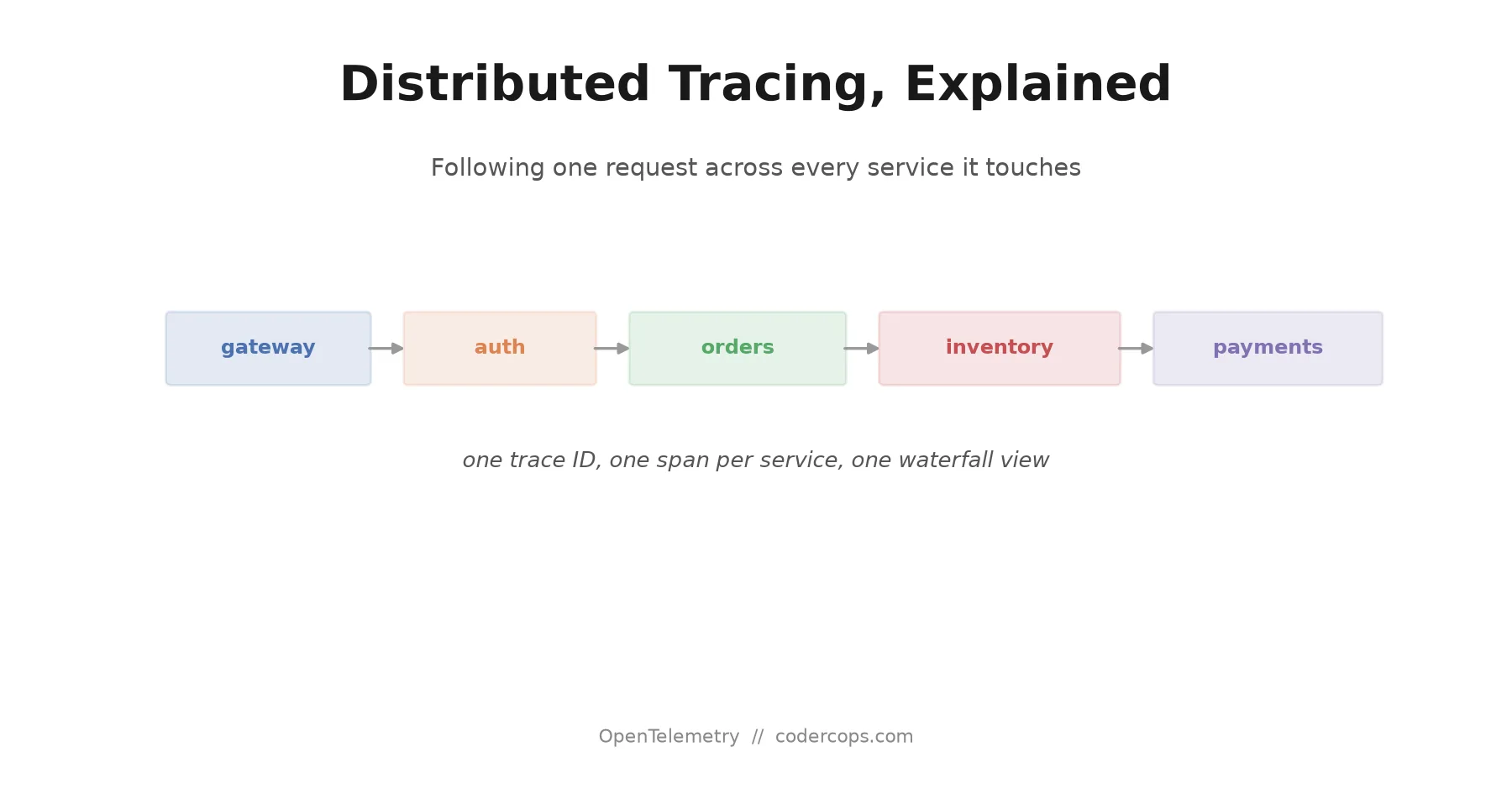
P.36One checkout request touches five services and nobody knows which is slow. How trace IDs, spans, and context propagation fix that, with OpenTelemetry code.
P.37A compromised maintainer account pushed malware into keyv, cacheable, and seven other npm packages. Socket caught it in six minutes. How the worm worked.
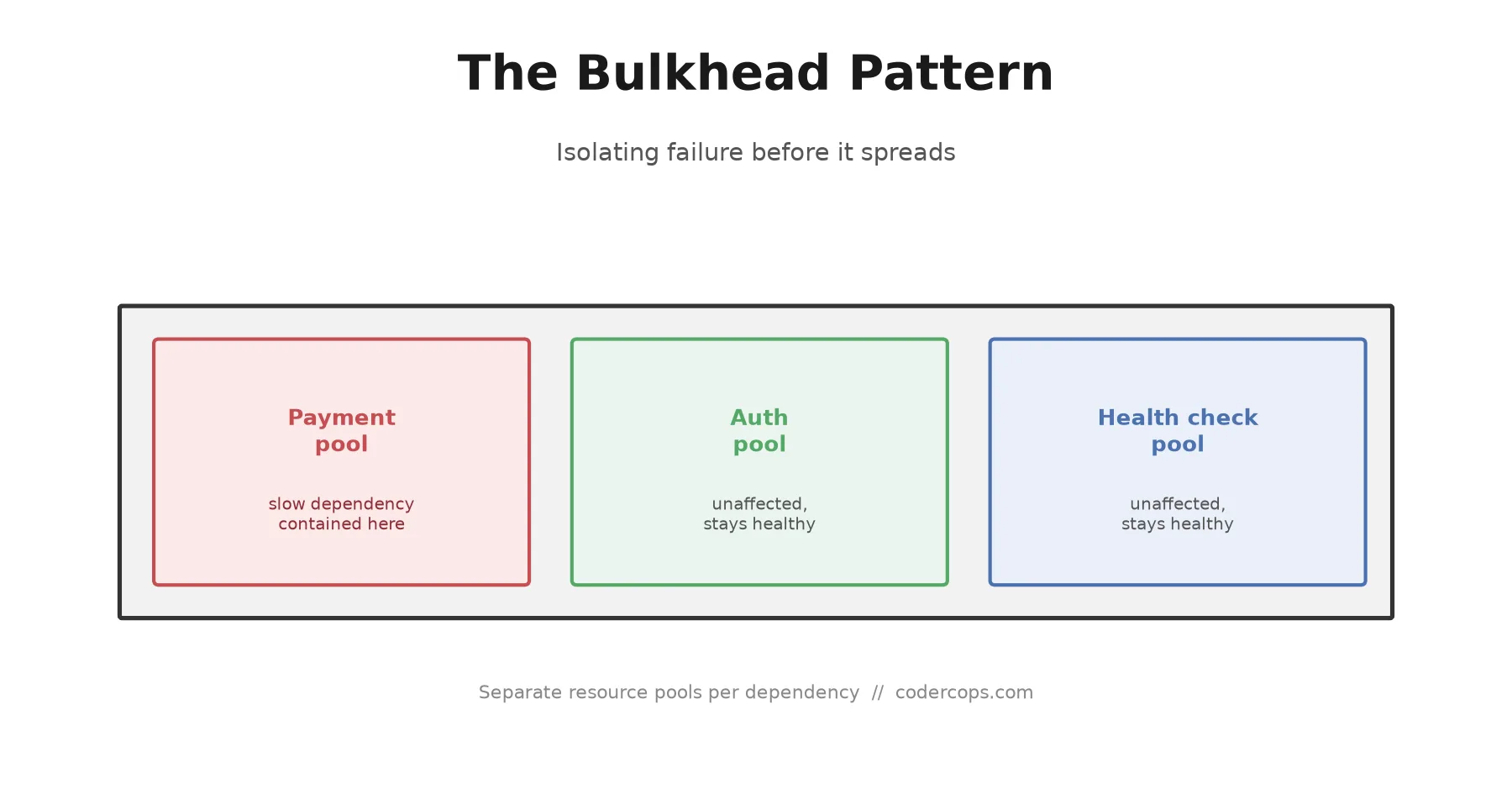
P.38A circuit breaker stops calls to a failed service. A bulkhead stops a merely slow one from eating every thread and starving the rest of your app.
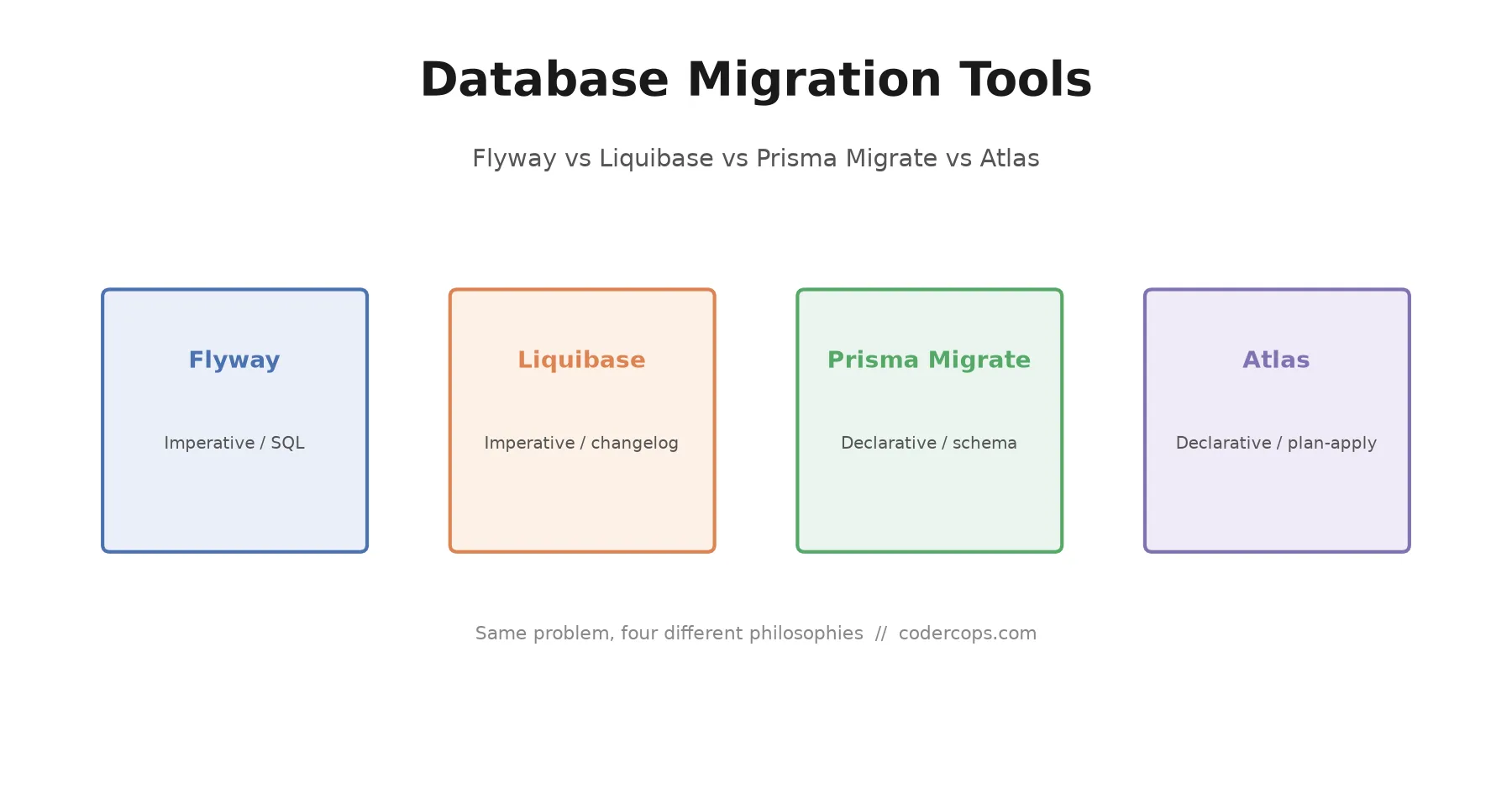
P.39Four philosophies for one problem: moving a schema from what it is to what it should be, safely, in a team. How they differ and which fits your stack.
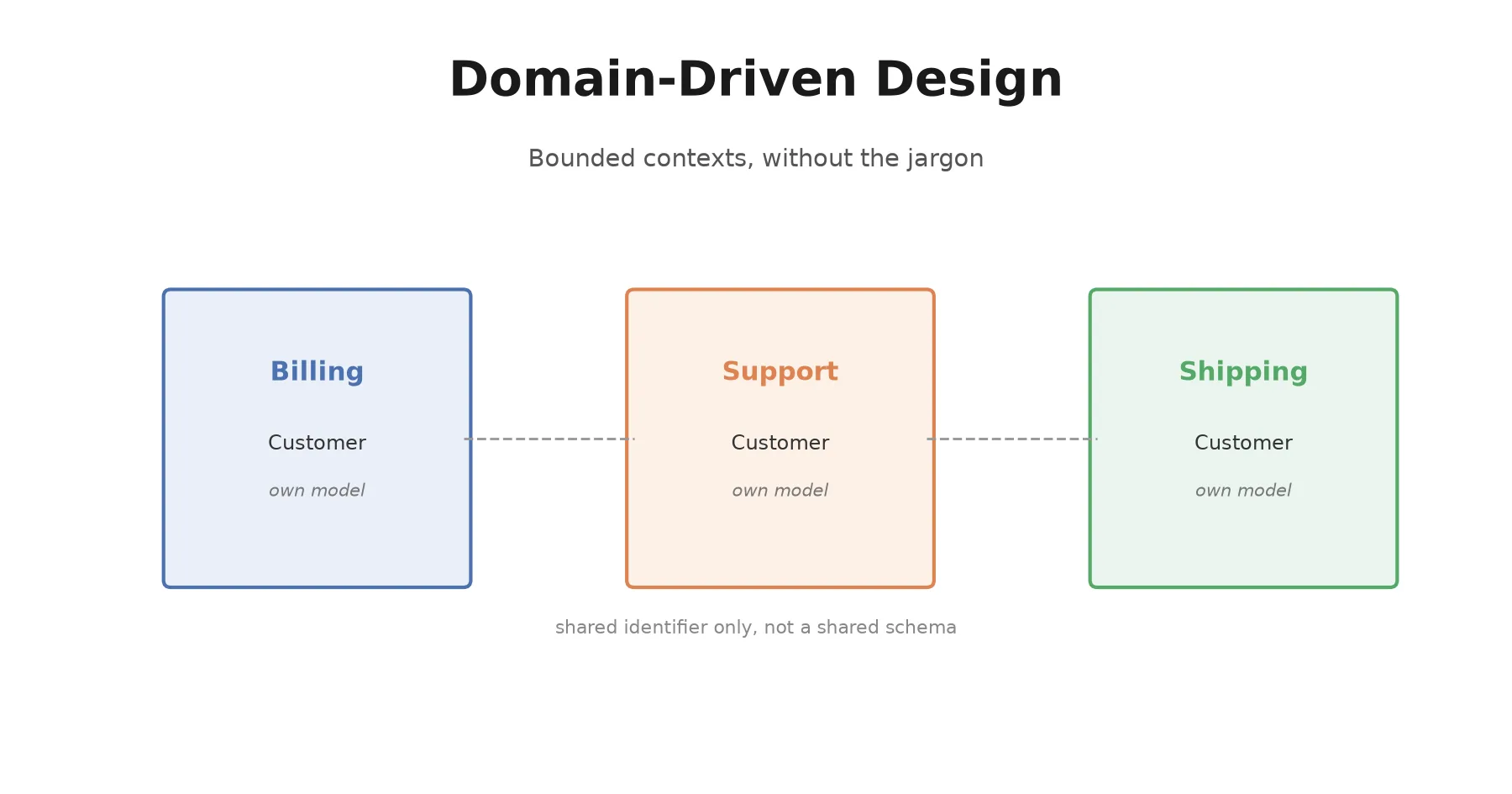
P.40DDD has a reputation for ceremony that scares teams off before they see the idea. The idea is simple and solves a real problem. What it is, and when to use it.
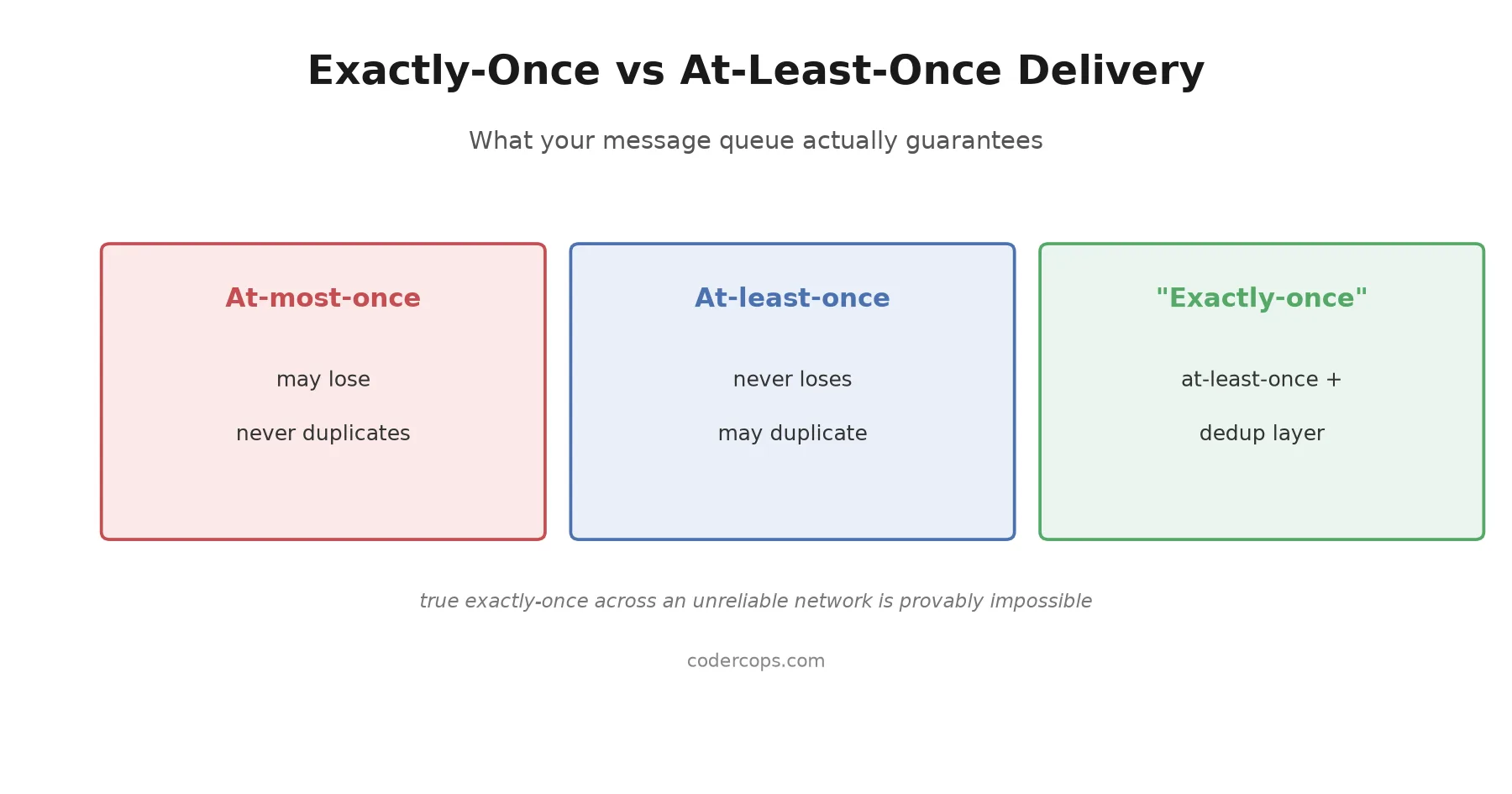
P.41Almost every queue advertising exactly-once actually gives you at-least-once plus a way to make your handler idempotent. The real distinction, and why.
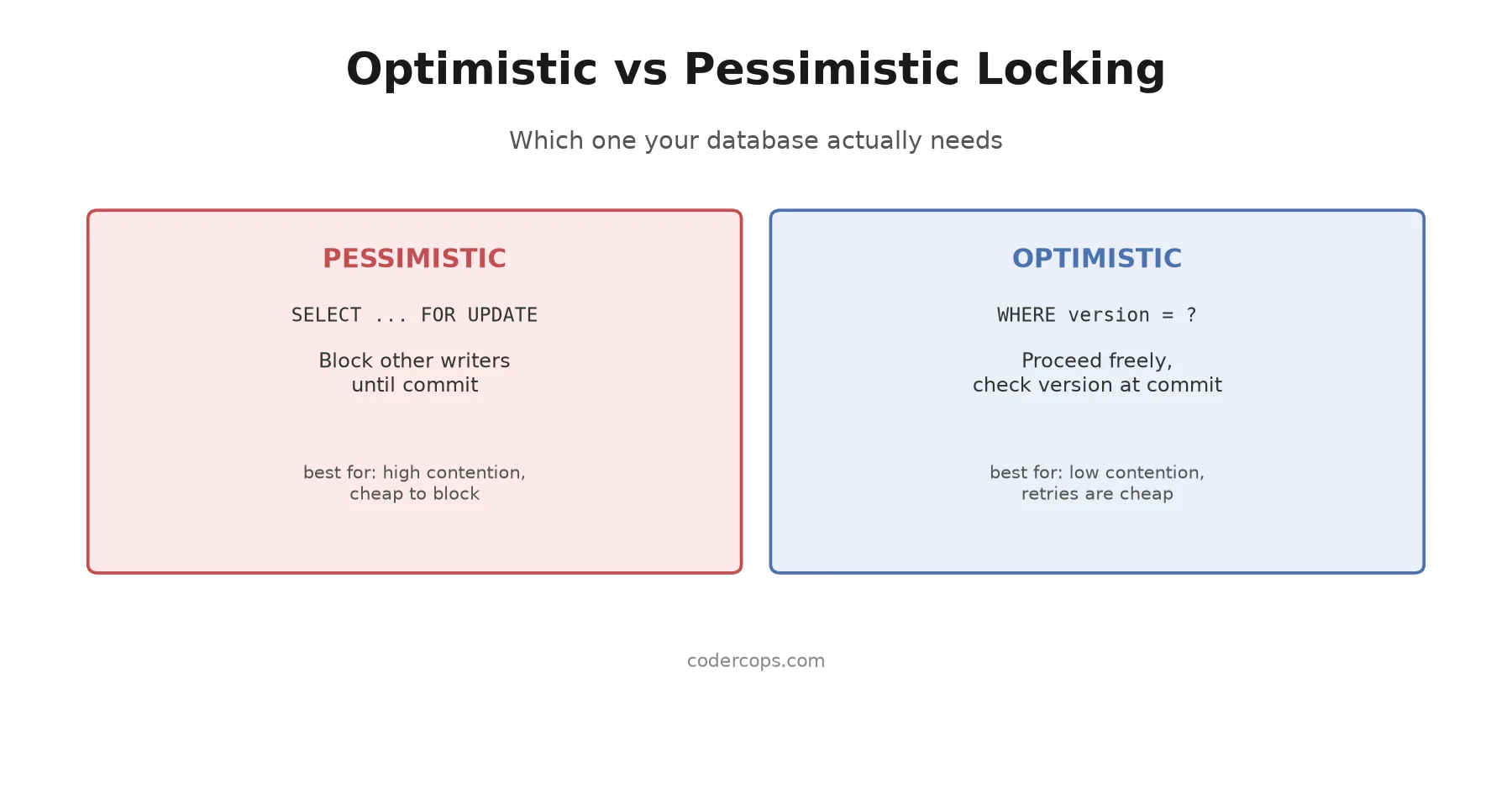
P.42Pessimistic locking stops one request from starting; optimistic lets both run and catches the conflict at the end. How each works, with SQL, and how to pick.
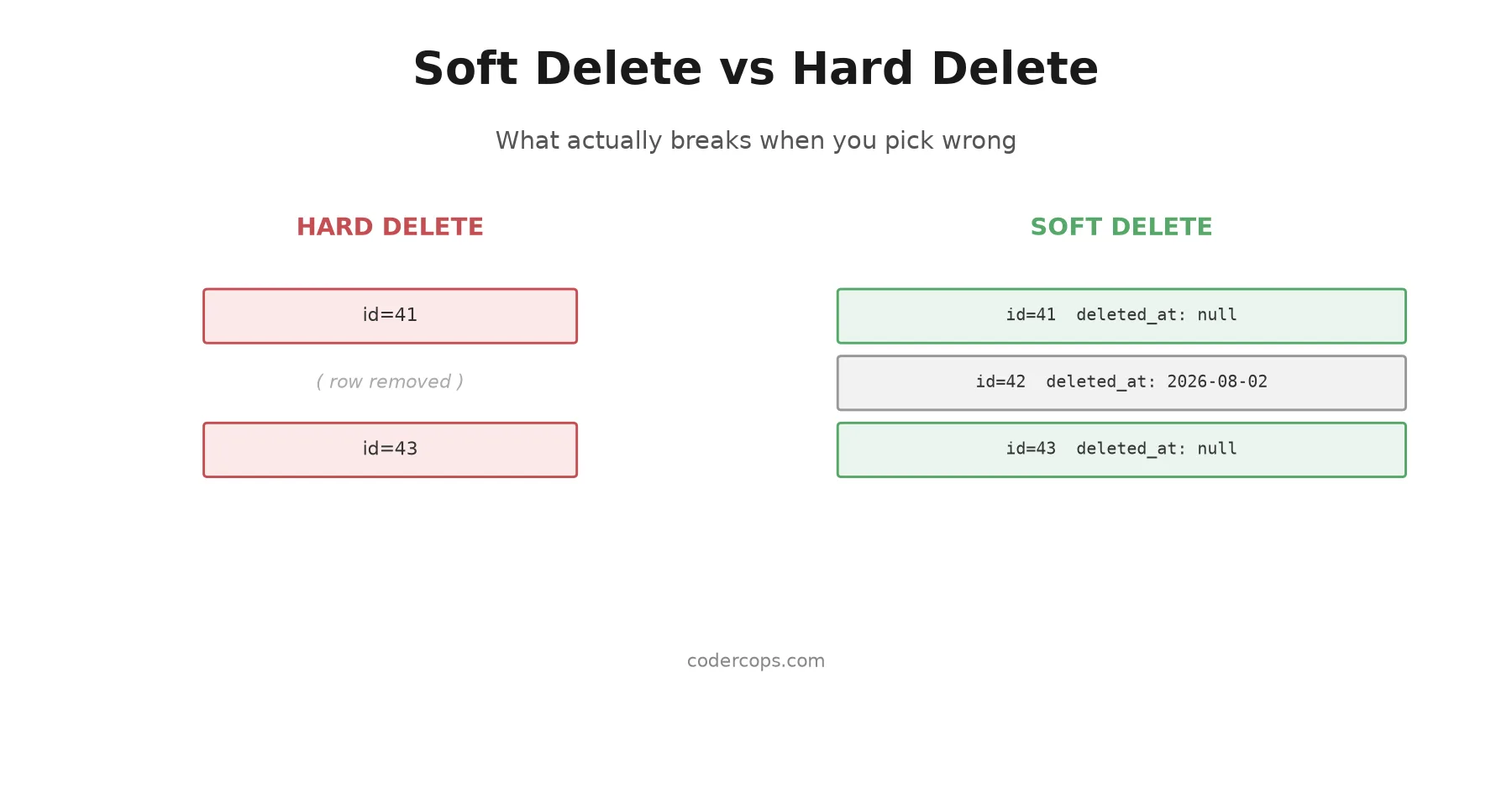
P.43Soft delete sounds like the safe default, but it quietly breaks unique constraints, foreign keys, and query performance unless you design for it up front.
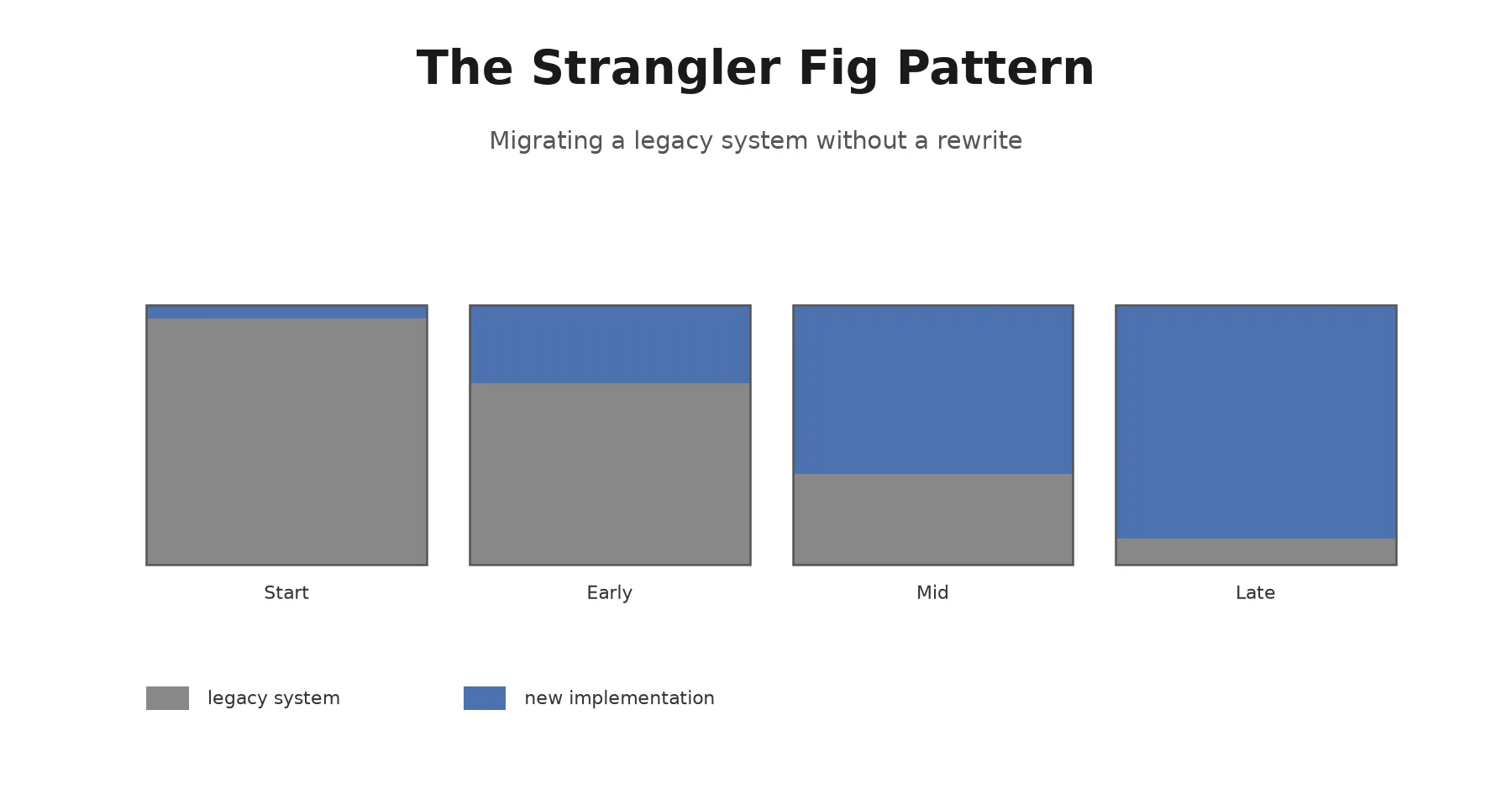
P.44Full rewrites fail because the business can't stand still for two years, not because the new code is bad. How the strangler fig moves traffic piece by piece.
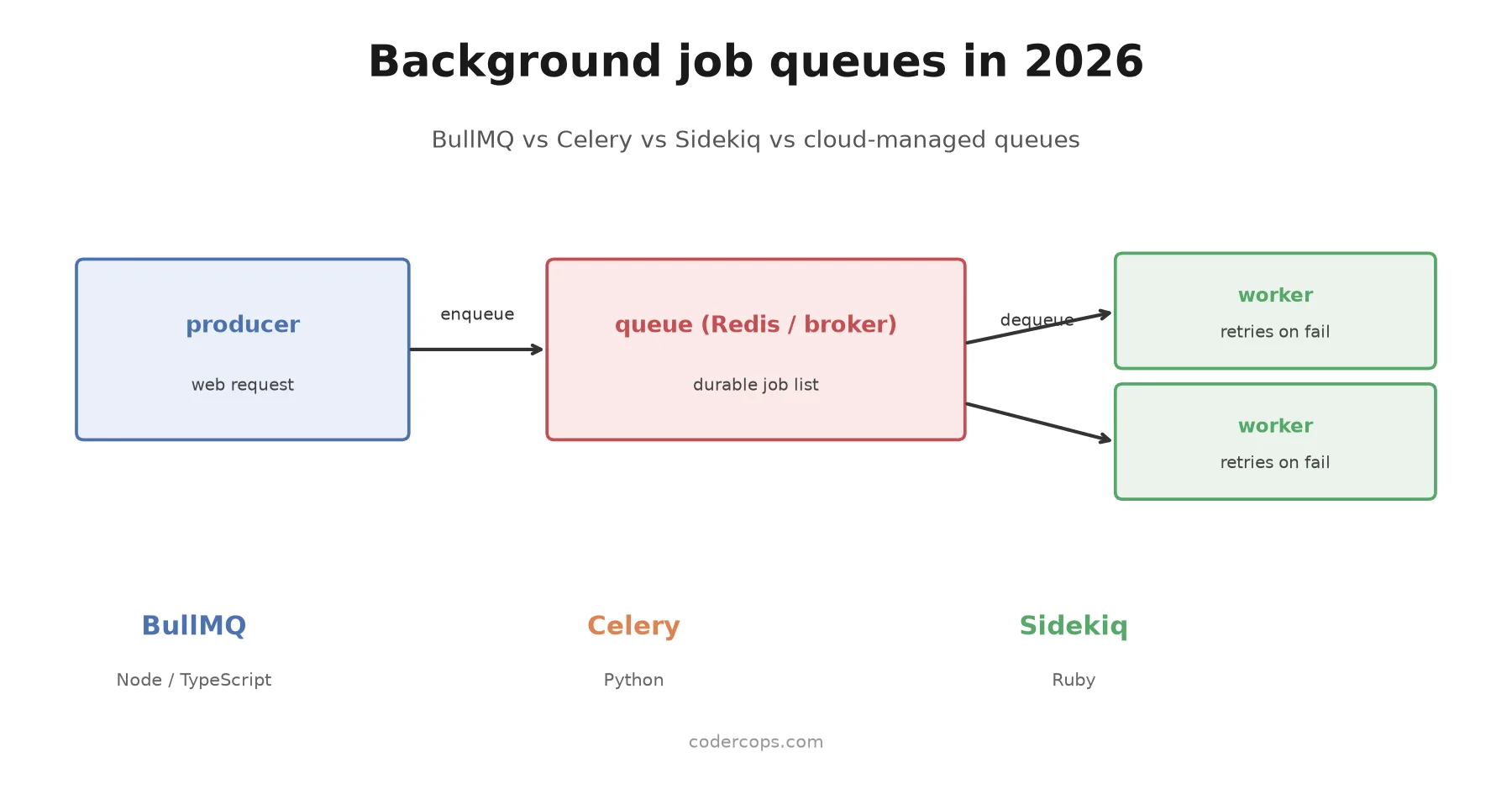
P.45BullMQ for Node, Celery for Python, Sidekiq for Ruby, and Temporal or a cloud queue when you need durability without owning a broker. The reasoning.
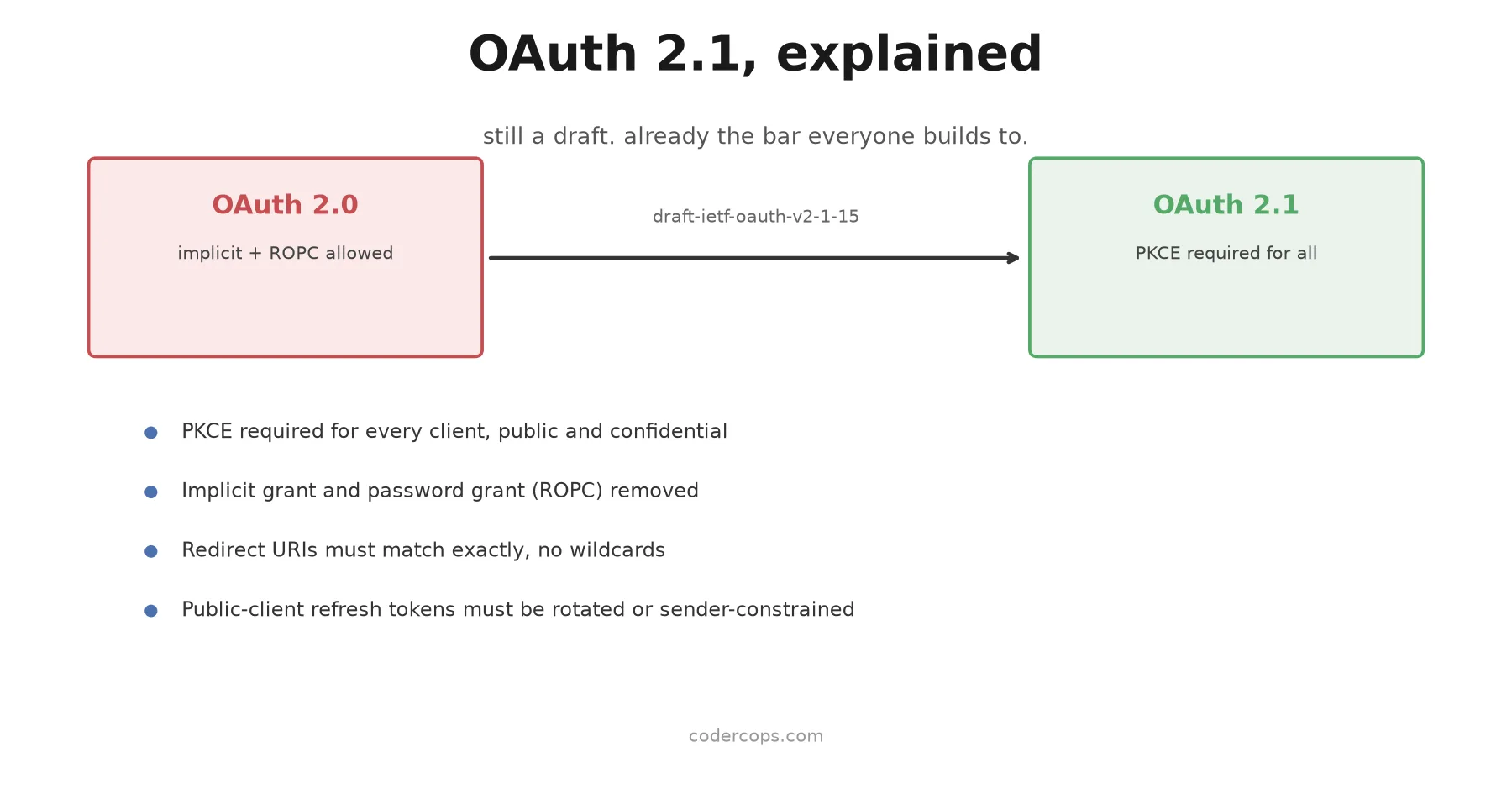
P.46OAuth 2.1 is still an IETF draft, but most providers enforce it already. What changed from 2.0, plus a checklist for auditing your own implementation.
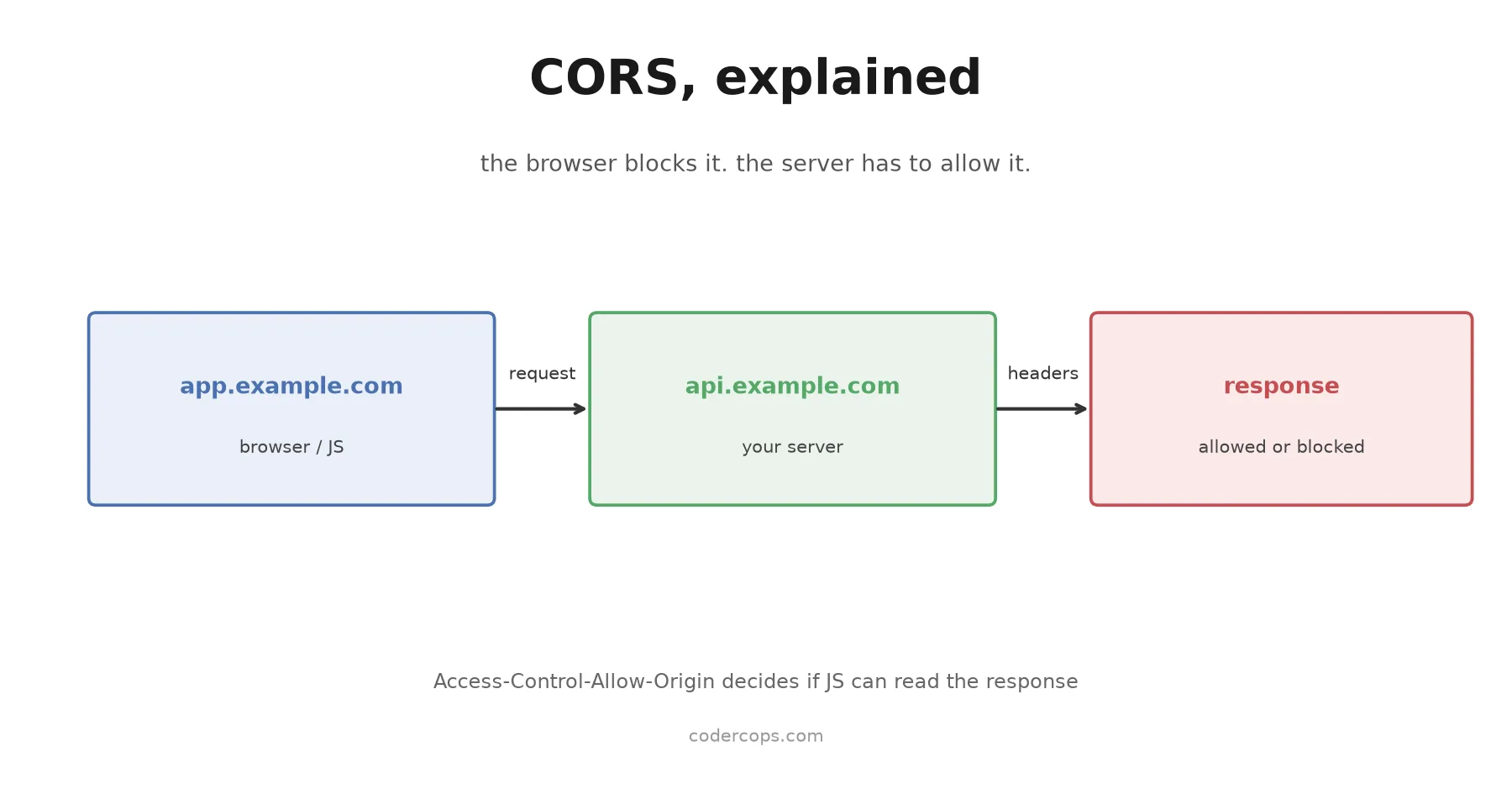
P.47No Access-Control-Allow-Origin is the most Googled web error for a reason. What CORS is, why the browser enforces it, and how to configure it properly.
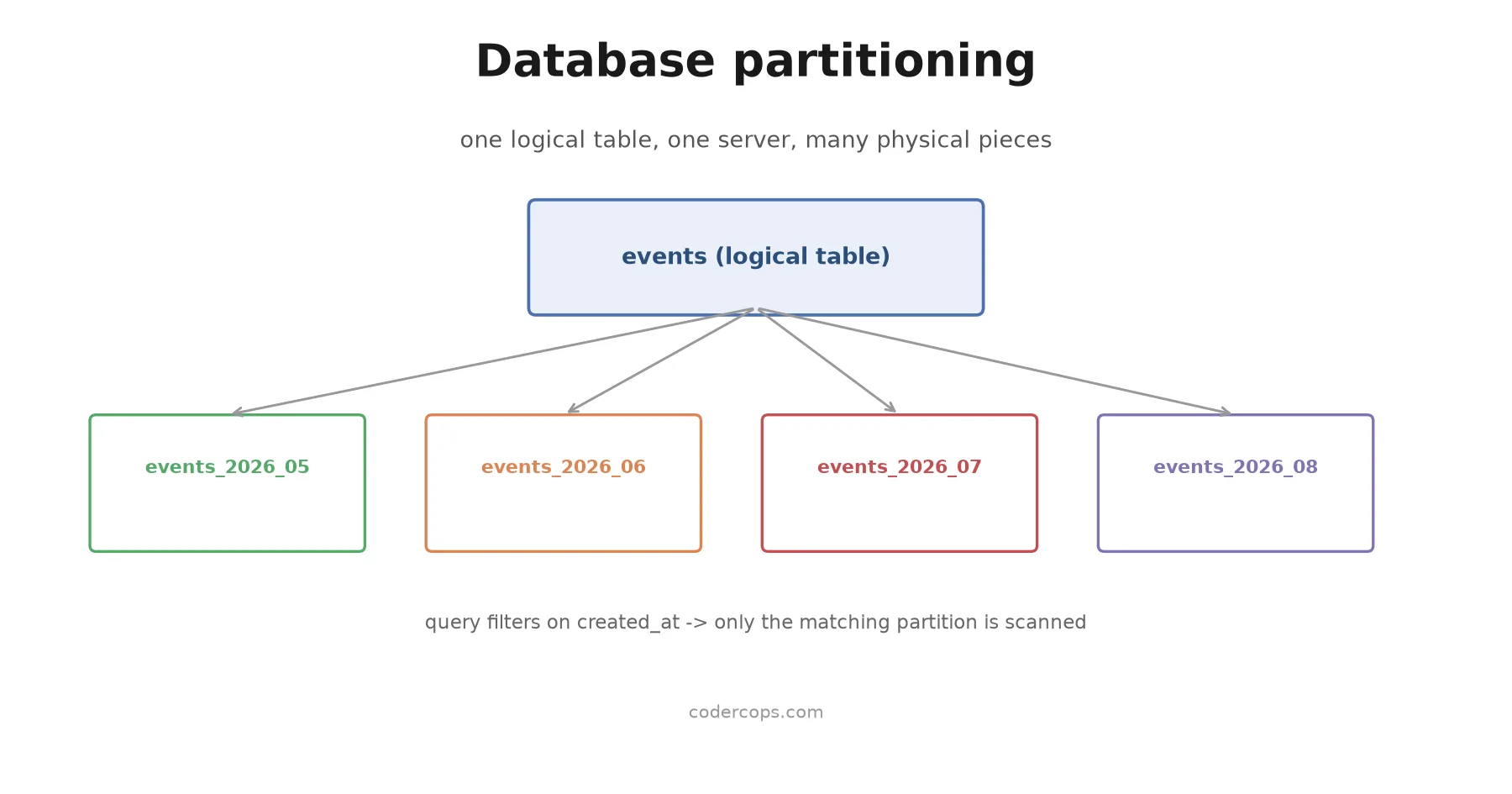
P.48Partitioning and sharding get confused constantly. Partitioning stays on one server. How range, list, and hash work, and when it solves it before sharding.
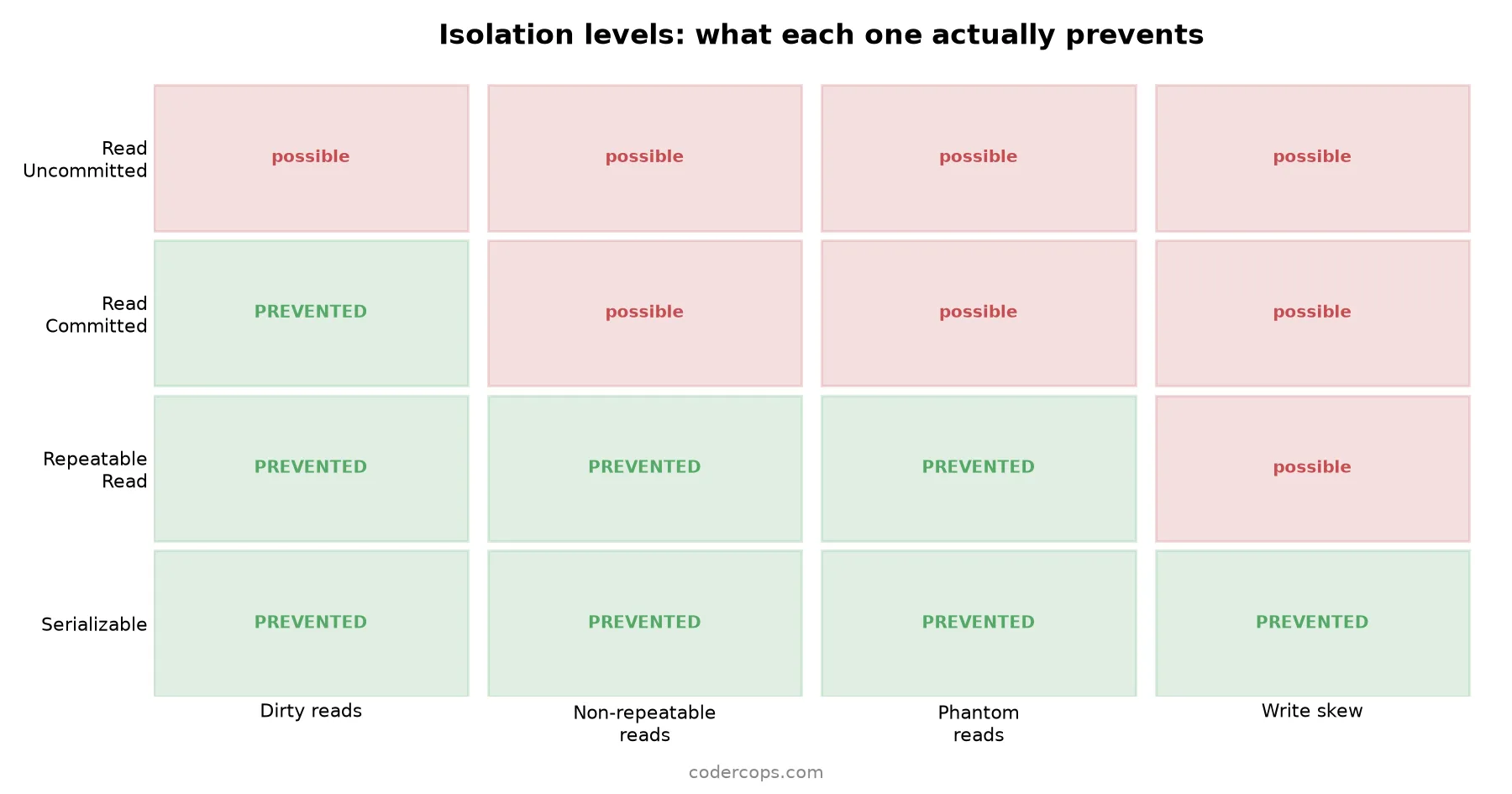
P.49Most developers use whatever their ORM defaults to. What Read Committed, Repeatable Read, and Serializable prevent, what they allow, and how to choose.
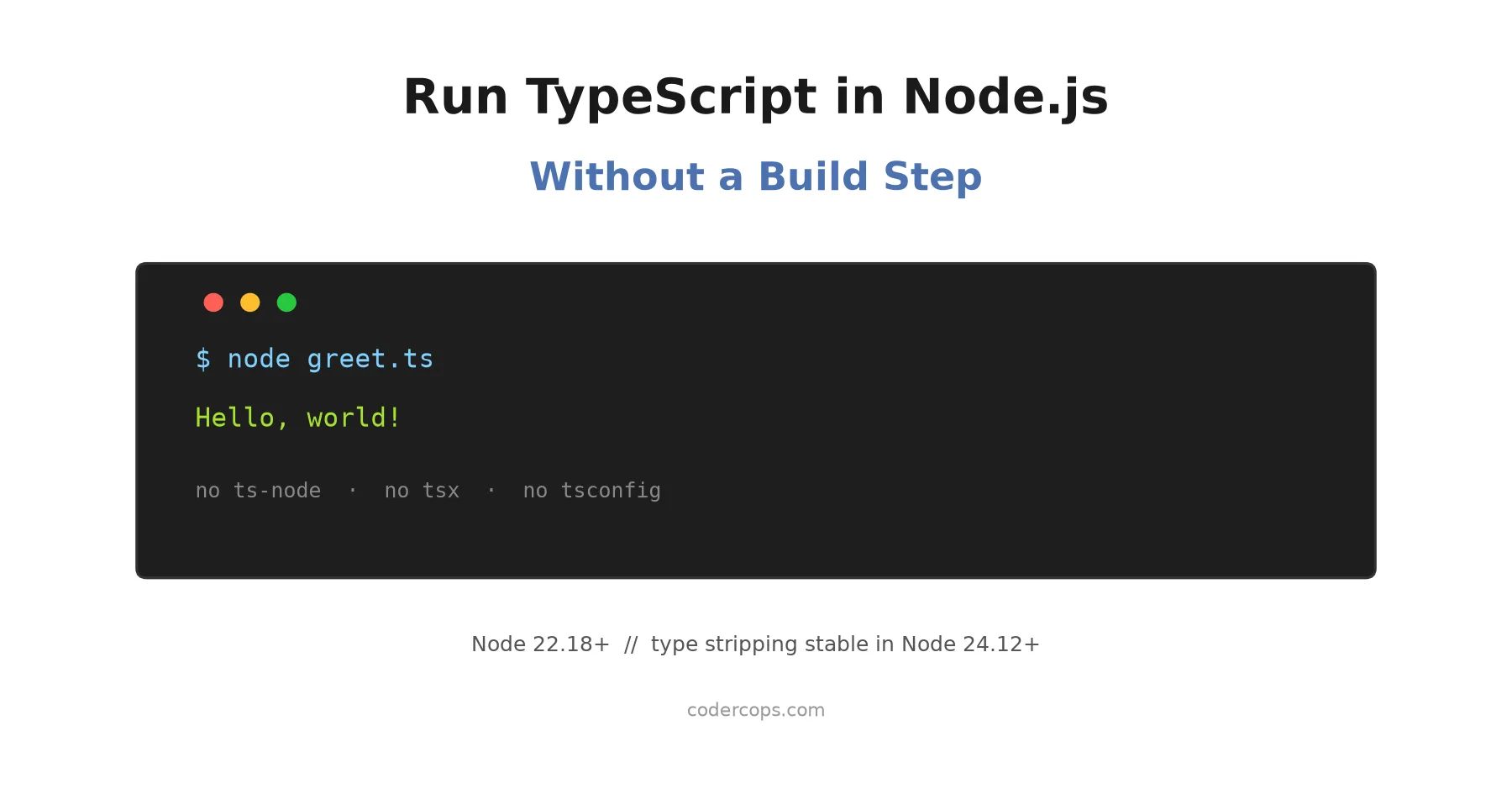
P.50Node.js 24 made type stripping stable and on by default: node file.ts just runs. What that buys you, what syntax it can't handle, and when you compile.
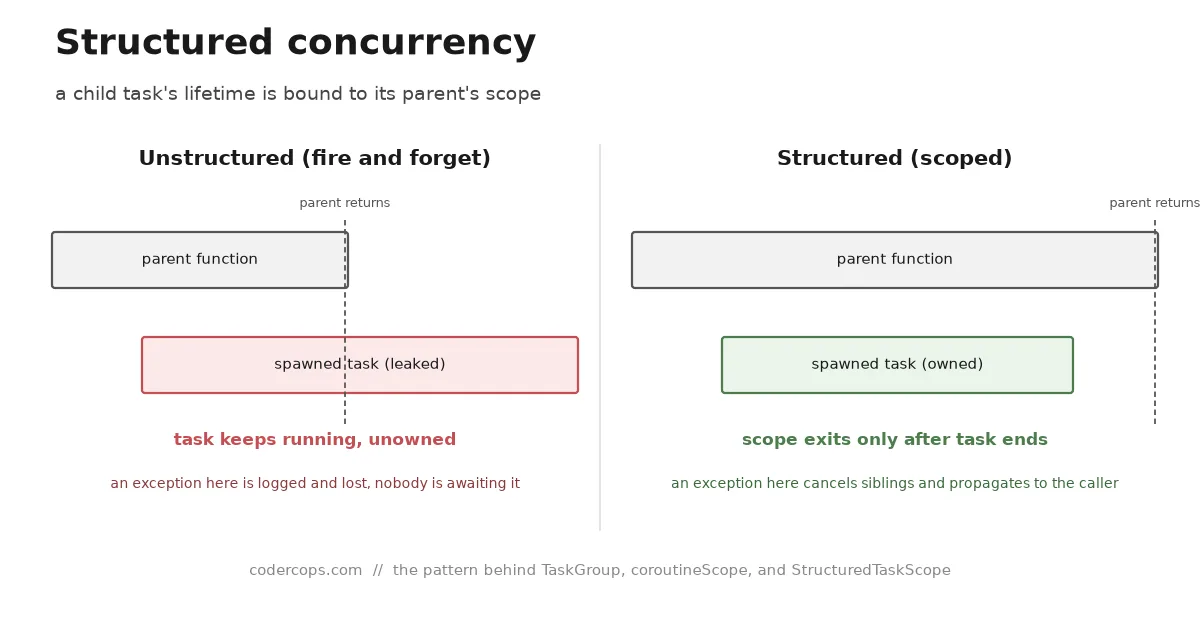
P.51A background task that outlives the function that spawned it is a real production bug. How structured concurrency fixes it in Python, Kotlin, and Swift.
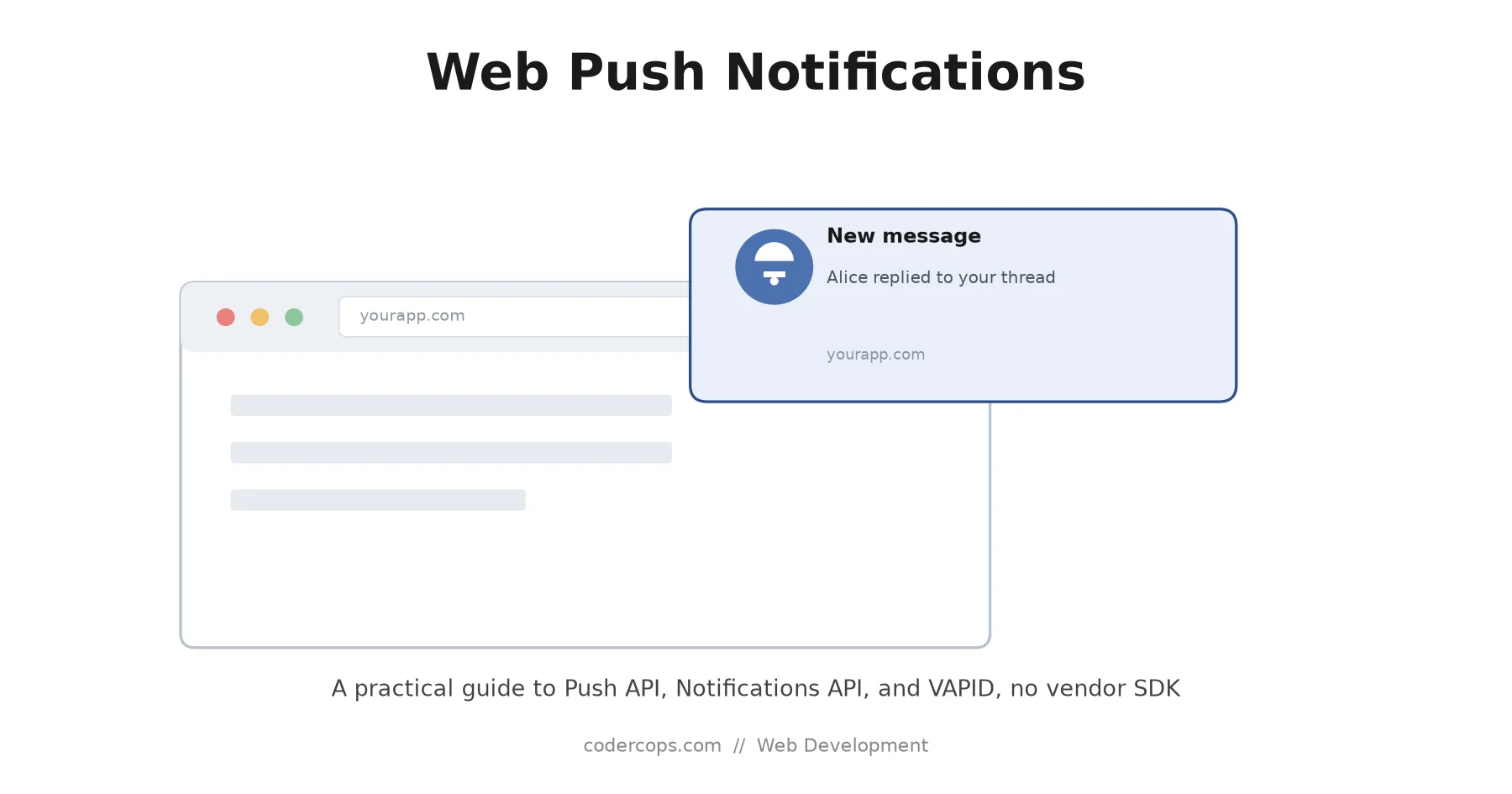
P.52Build browser push yourself with the Push API, Notifications API, and a service worker. No OneSignal, no Firebase. The full setup, VAPID keys included.
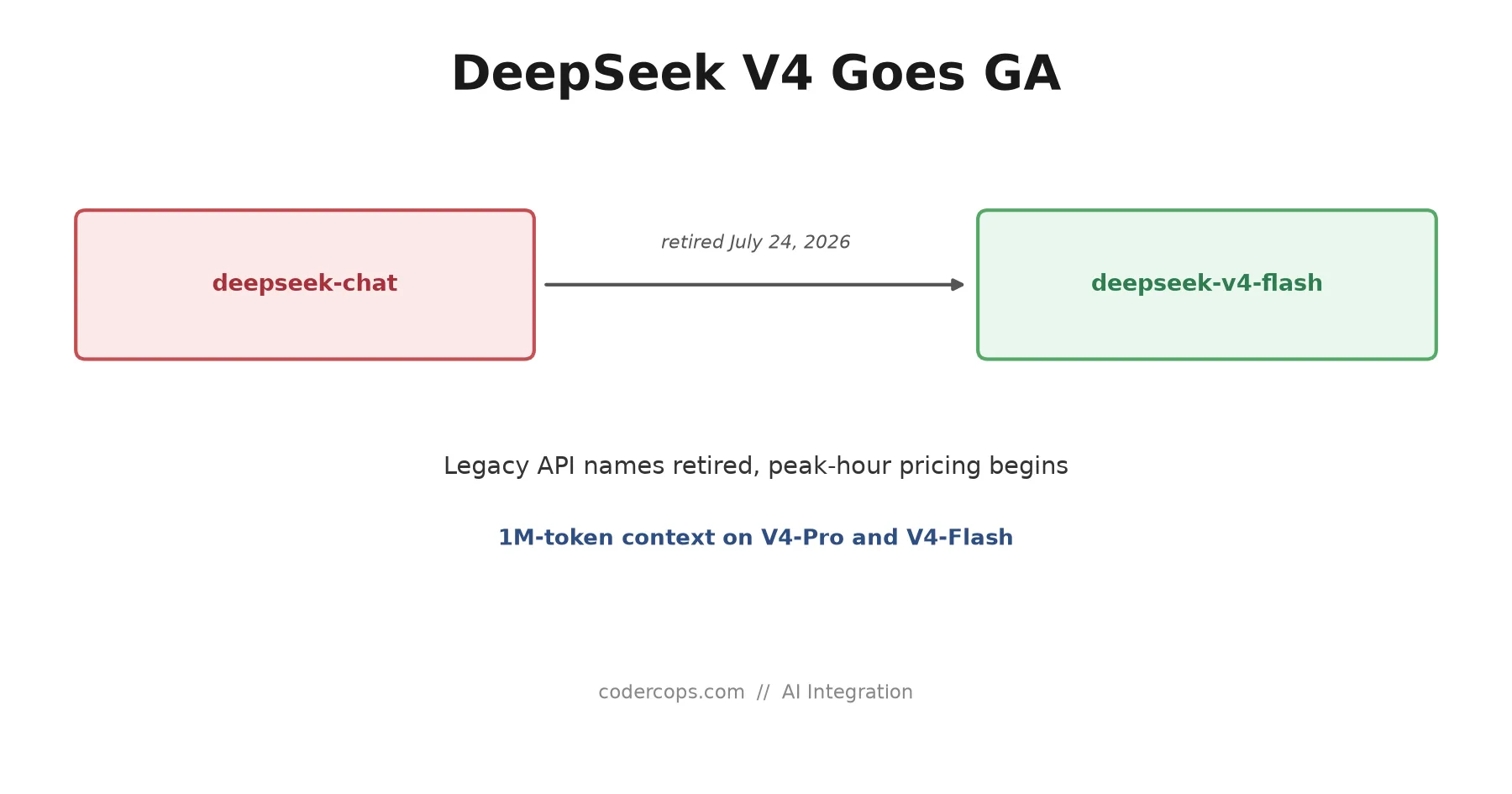
P.53DeepSeek retired deepseek-chat and deepseek-reasoner on July 24, 2026 and added peak-hour pricing. The real fix if your integration broke, not just a rename.
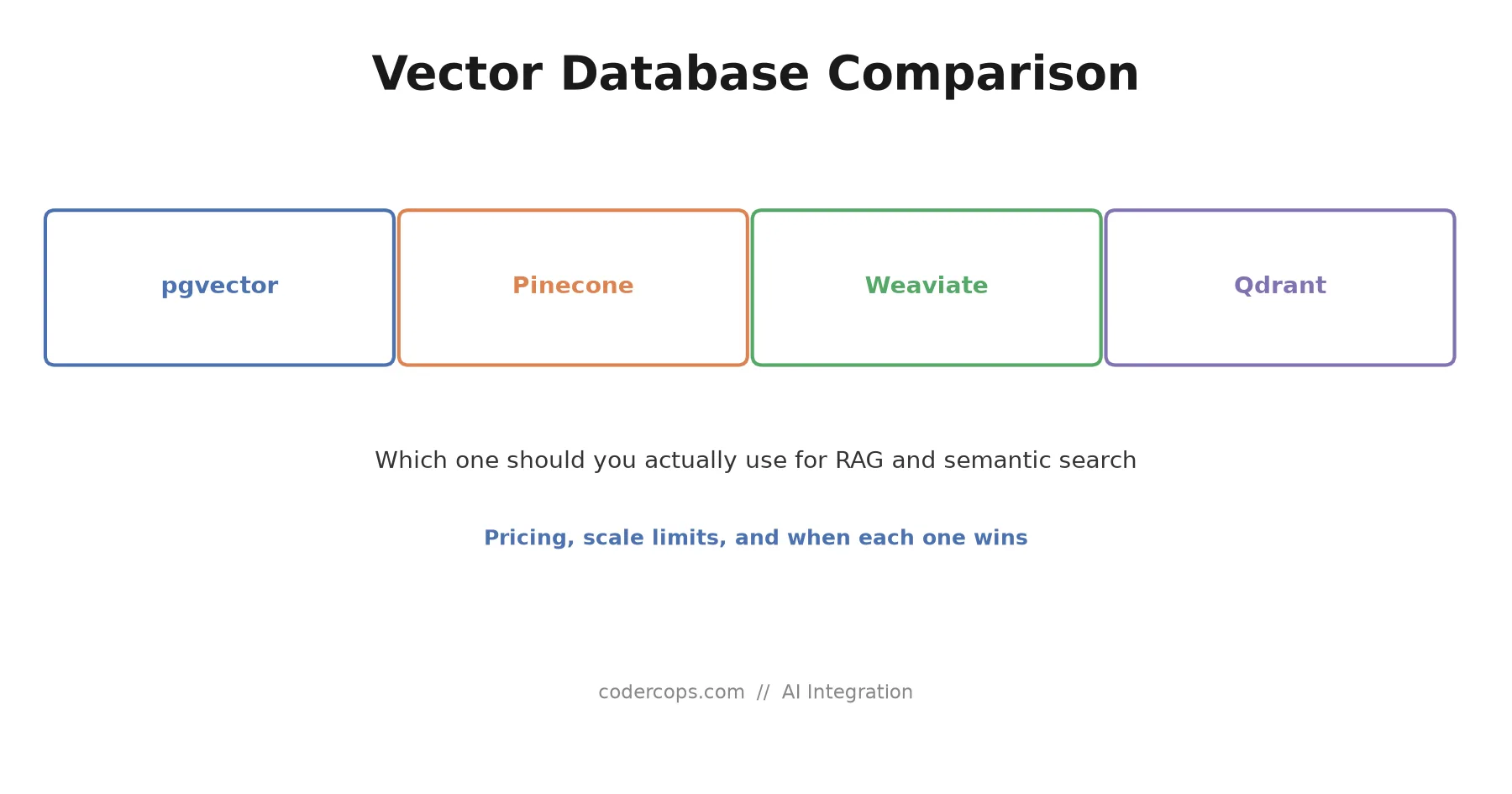
P.54A practical comparison of the four vector databases teams actually shortlist for RAG, with real pricing, when each wins, and the question that decides it.
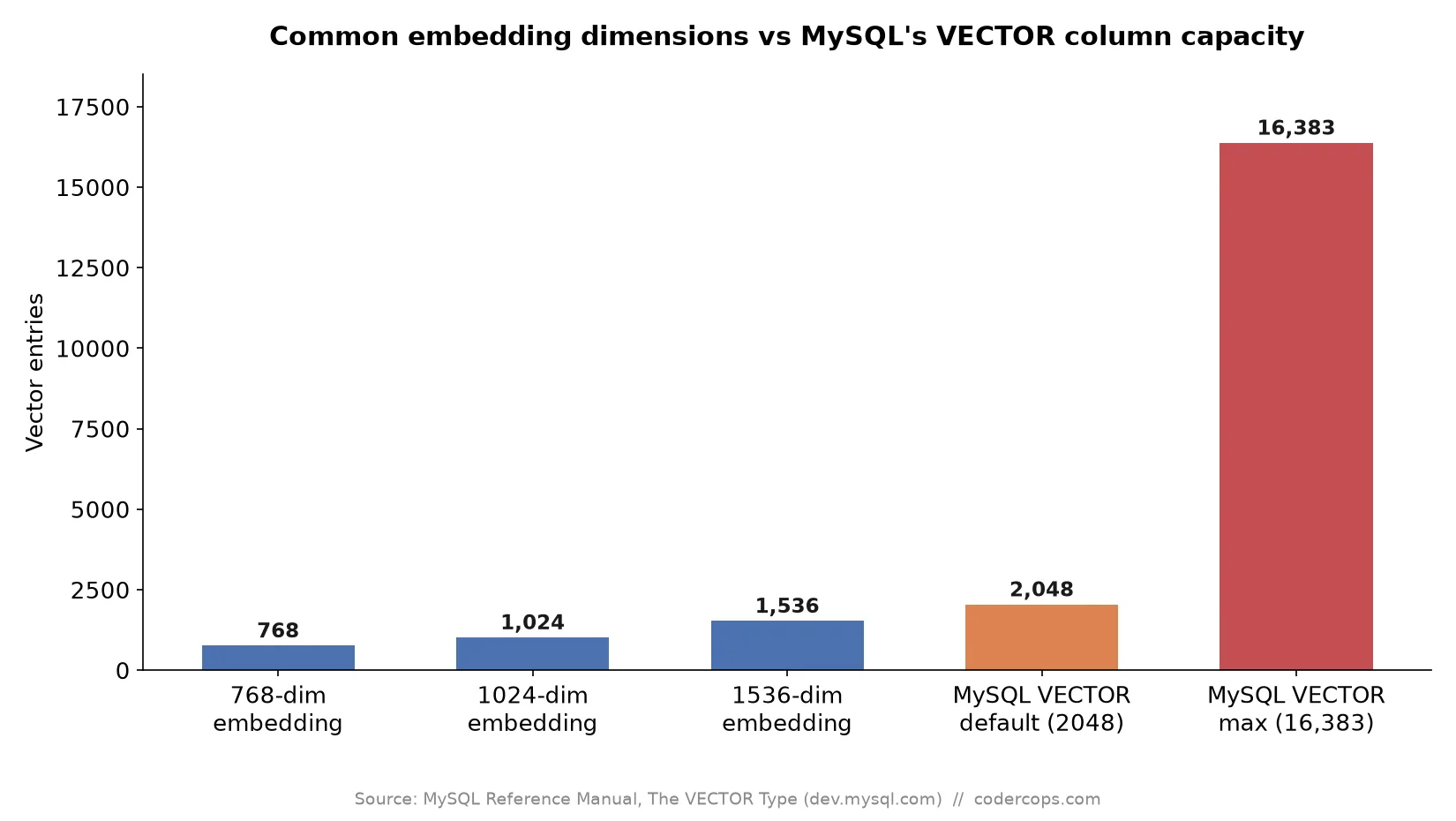
P.55MySQL 9 shipped a native VECTOR type and distance functions, no extension needed. How it compares to Postgres plus pgvector for real semantic search.
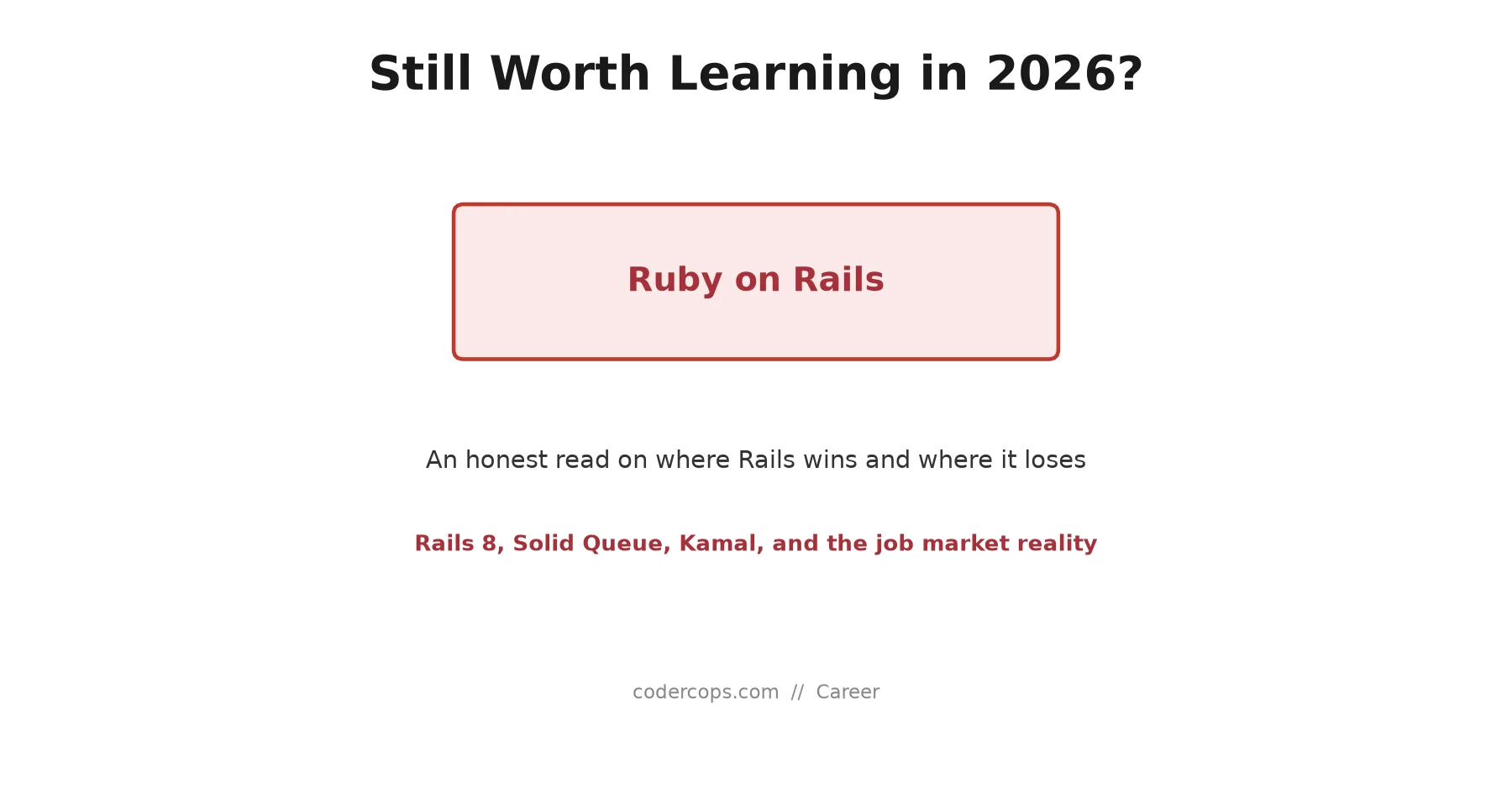
P.56Rails isn't the default startup choice anymore, but it didn't disappear. Where it still wins, where Next.js and Django beat it, and who should learn it.
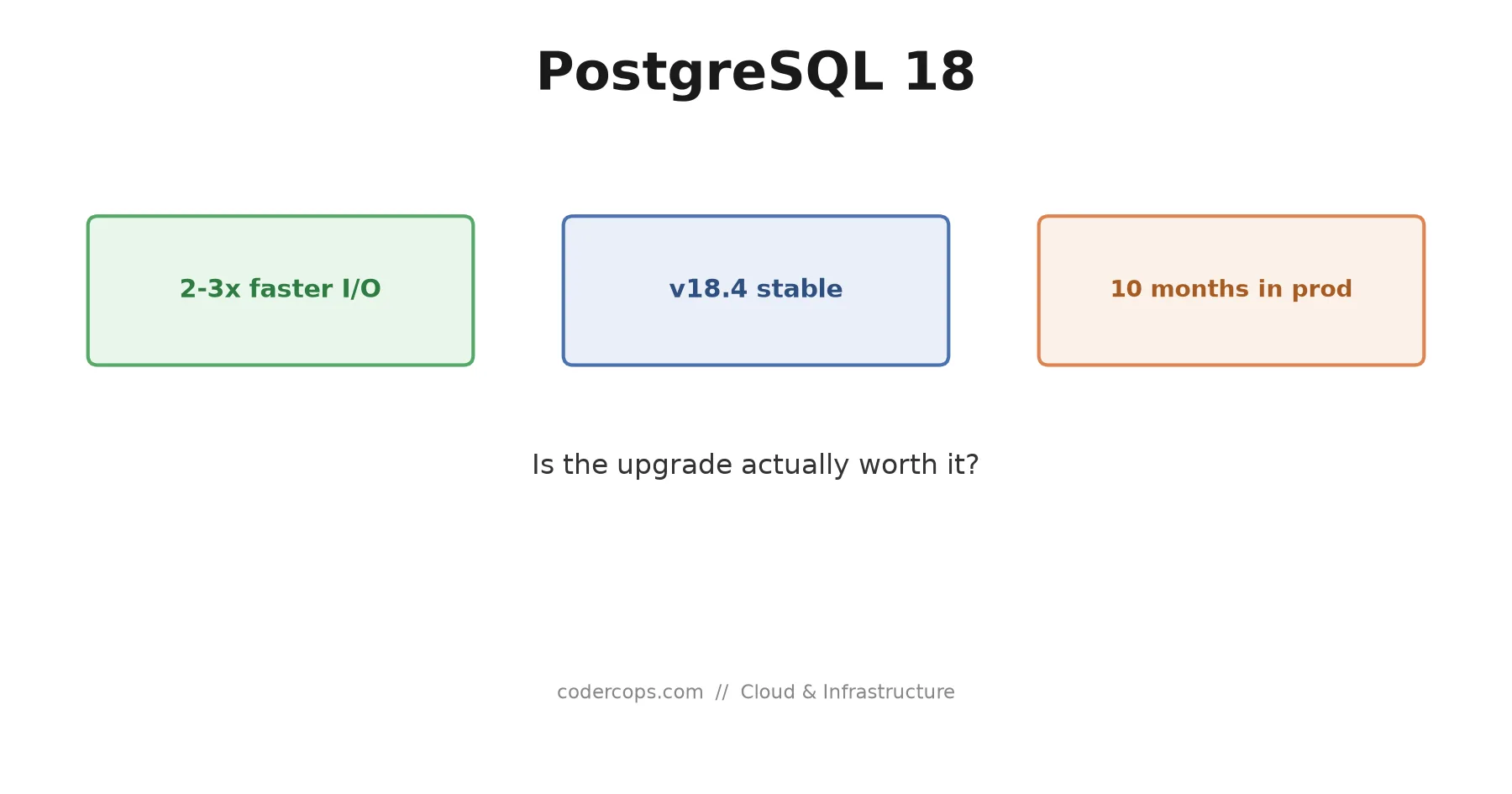
P.57PostgreSQL 18 is on 18.4 and 19 is still beta, so 18 is what you should run today. What async I/O, UUIDv7, and virtual generated columns actually buy you.
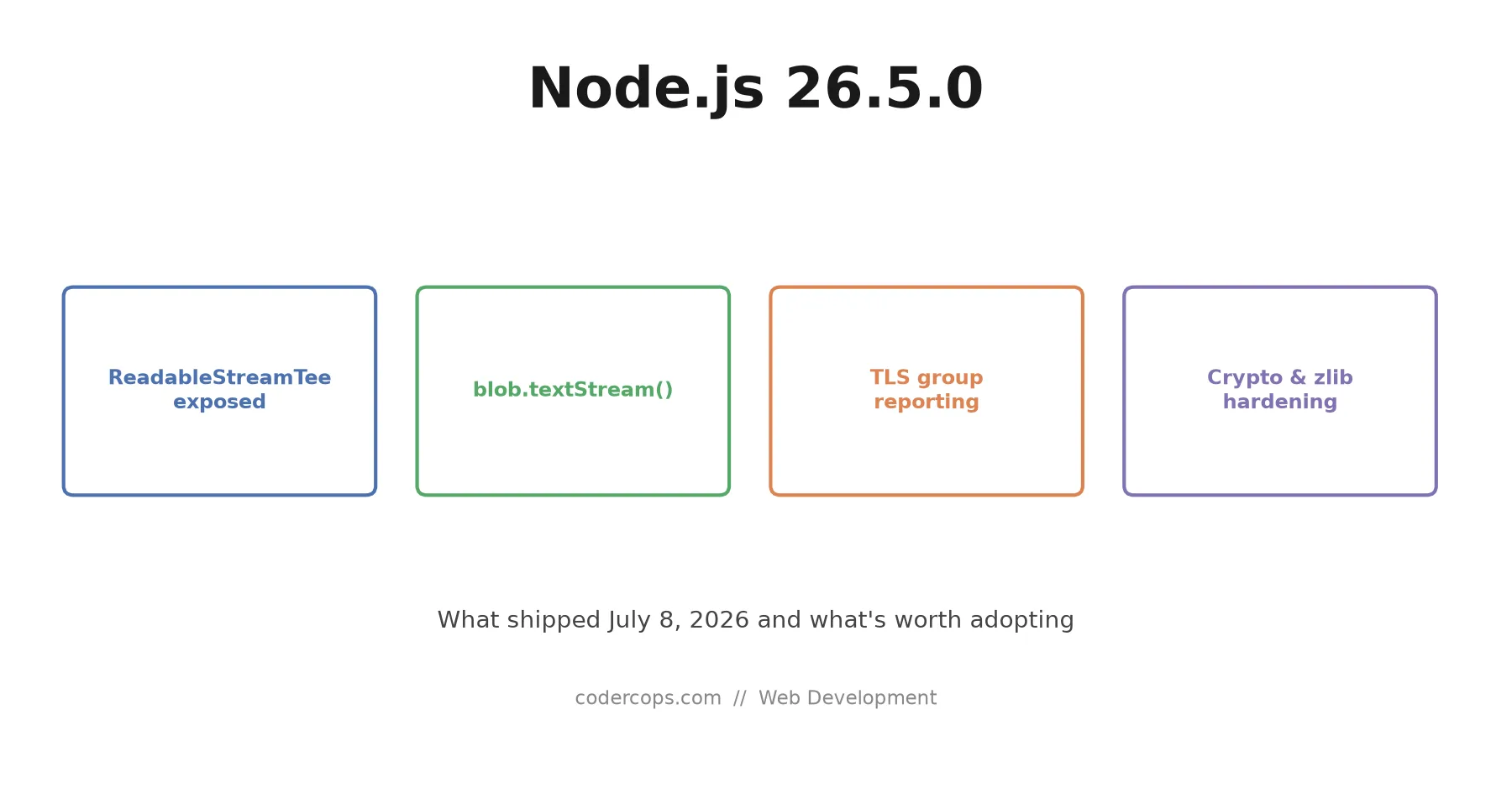
P.58Node.js 26.5.0 exposed ReadableStreamTee, added streaming Blob text reads and TLS group reporting, plus crypto hardening. What's worth adopting now.
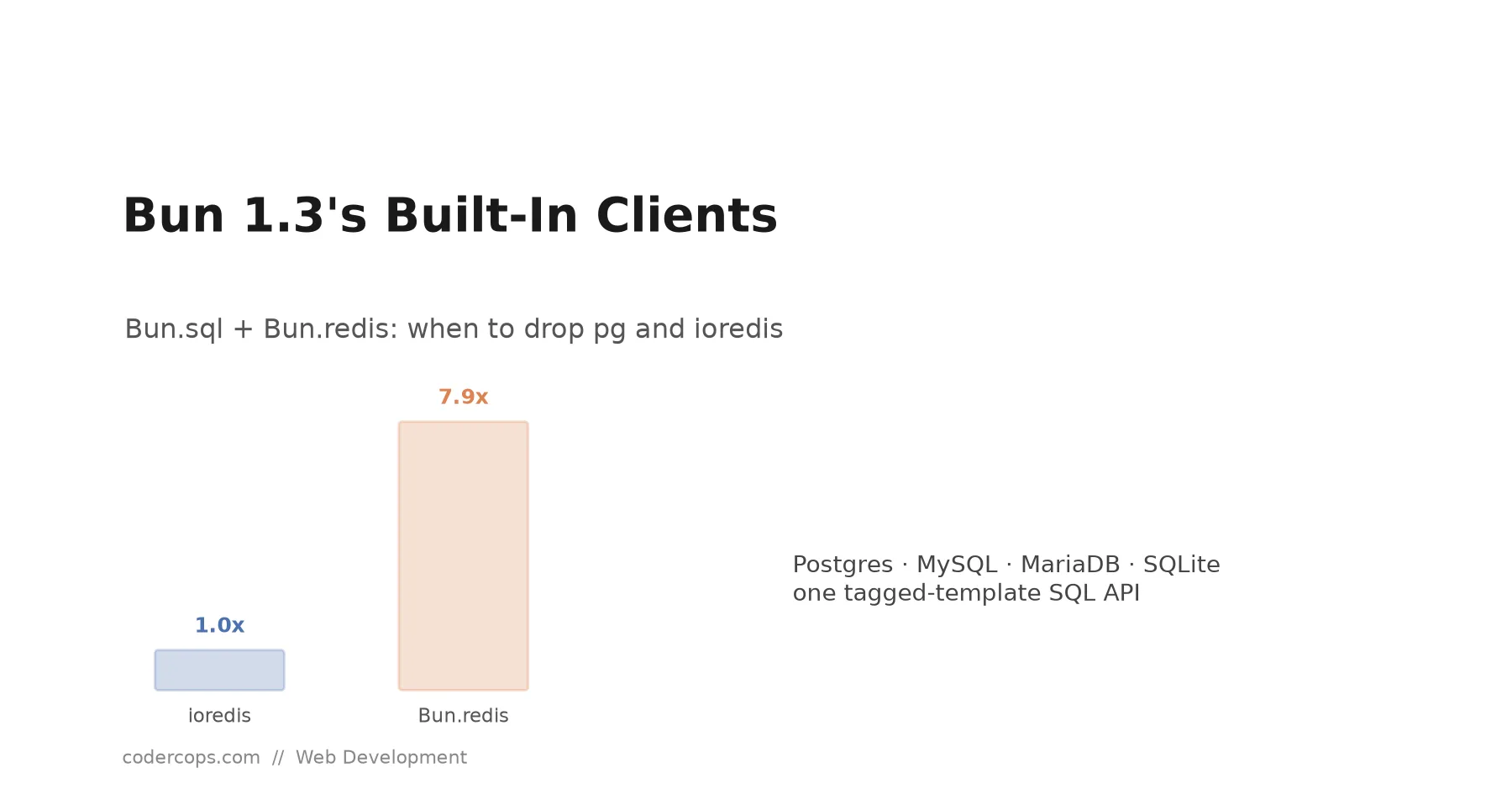
P.59Bun 1.3 ships Bun.sql for Postgres, MySQL, MariaDB, and SQLite, plus a Redis client it claims is 7.9x faster than ioredis. When switching is worth it.
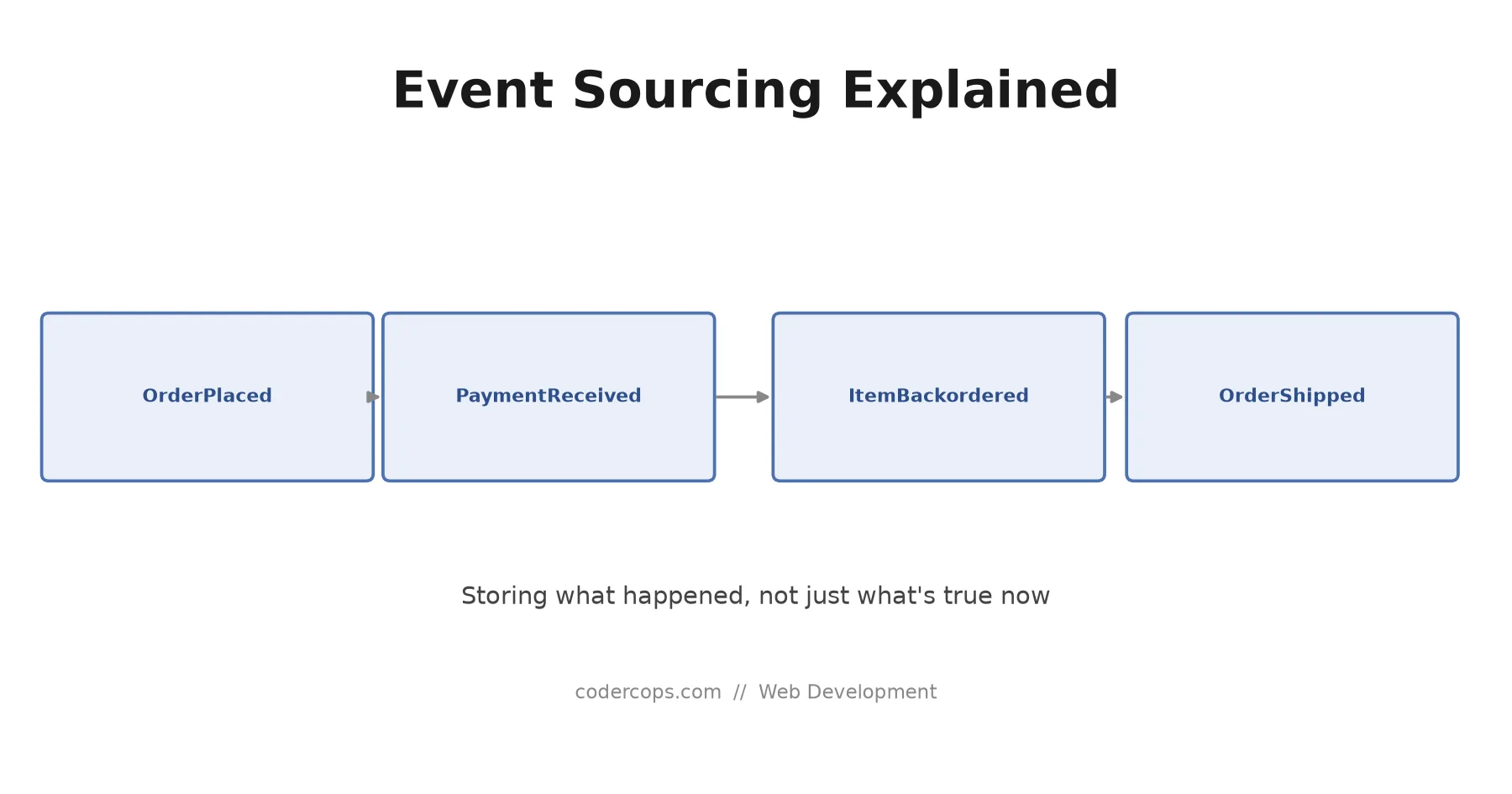
P.60Event sourcing stores every change as an immutable event and replays them for current state. What that buys, and the operational cost most systems skip.
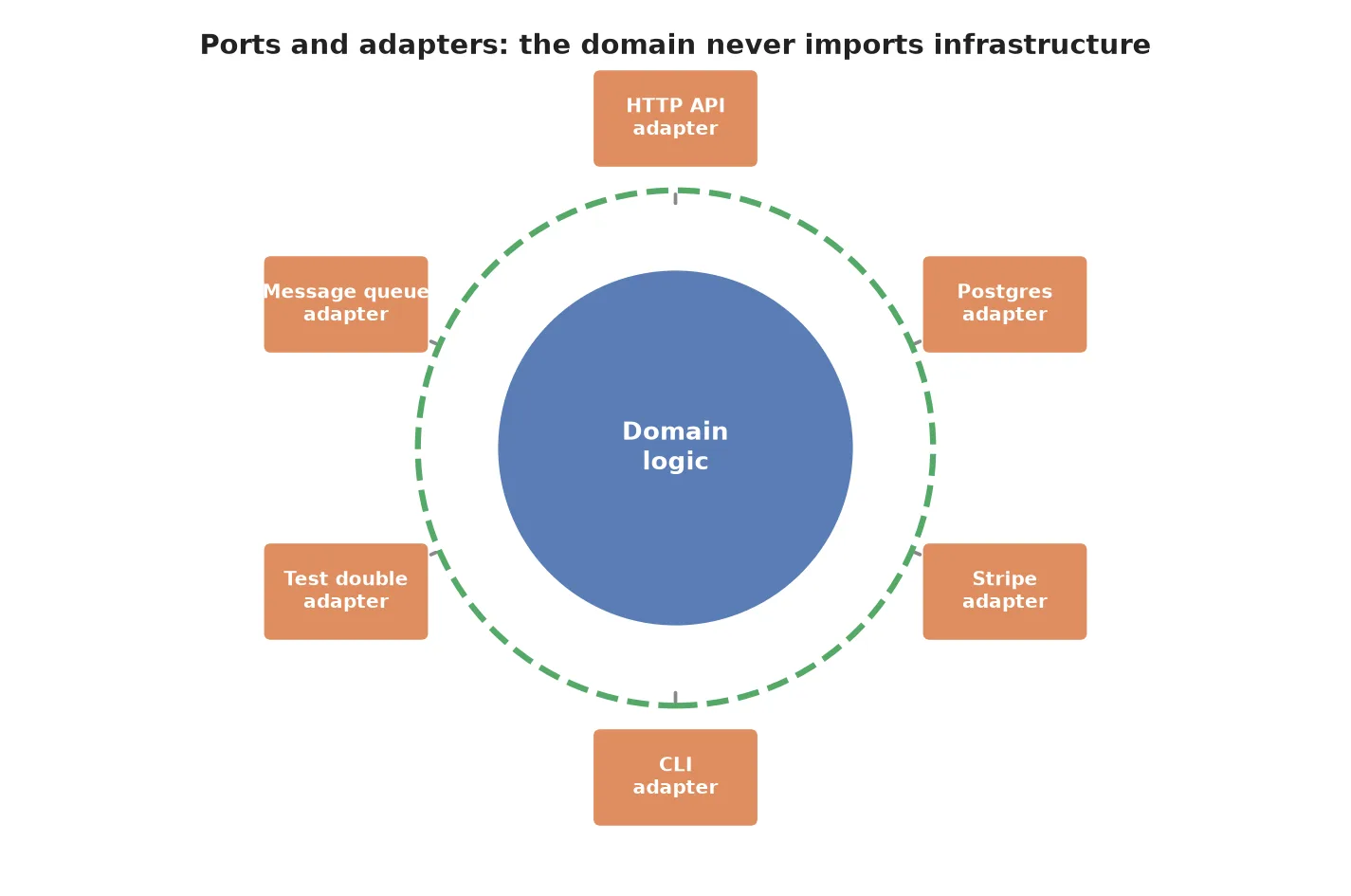
P.61Hexagonal architecture stops business logic importing your database driver or payment SDK. How it works, a working example, and when you don't need it.
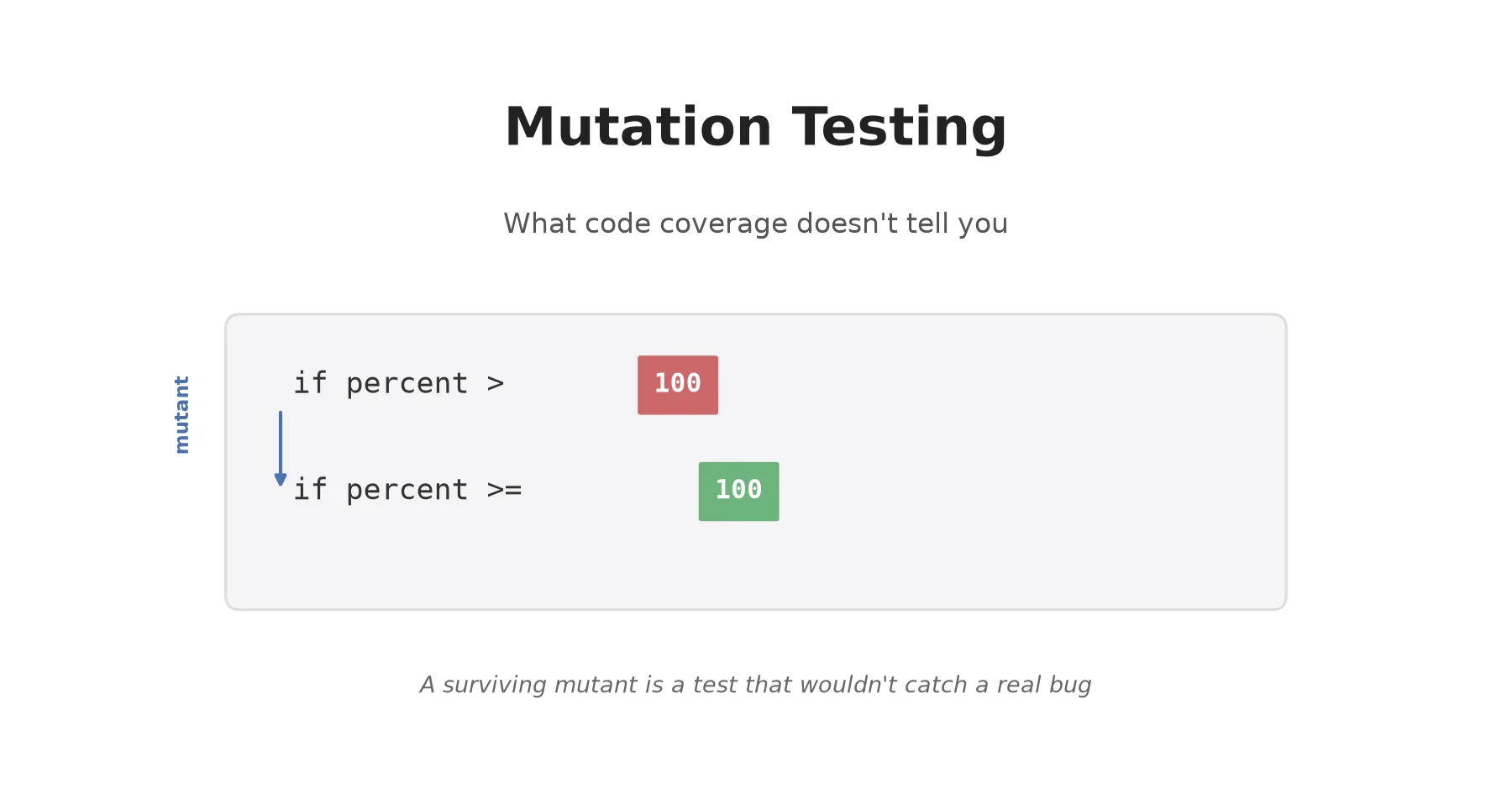
P.62Full coverage means every line ran, not that your tests would notice it breaking. How mutation testing answers that, with Stryker and mutmut.
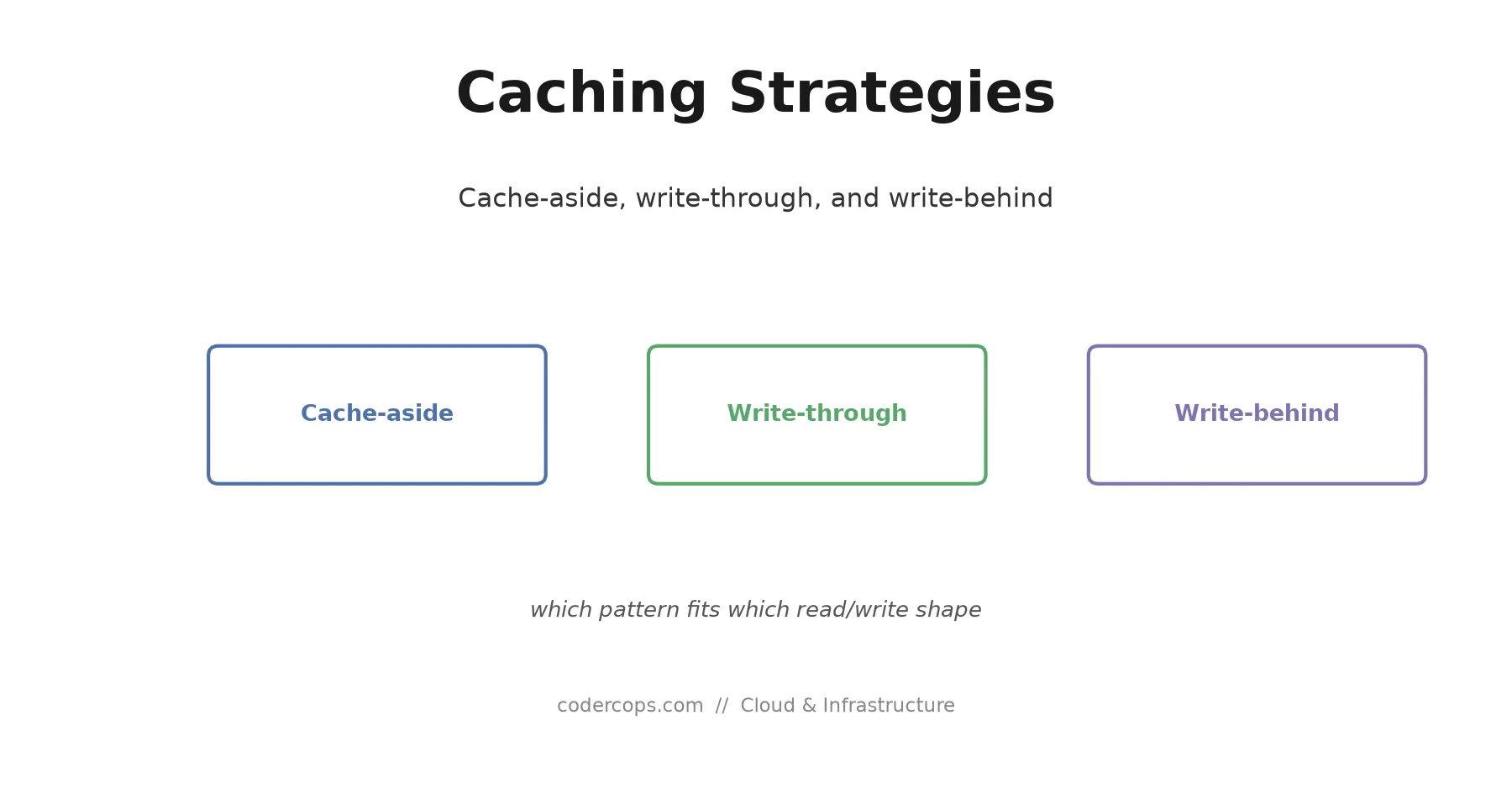
P.63Most teams reach for cache-aside by default and never ask if it's actually the right pattern. Here's how the three main caching strategies behave under real traffic, the consistency gap each one leaves open, and how to pick between them.
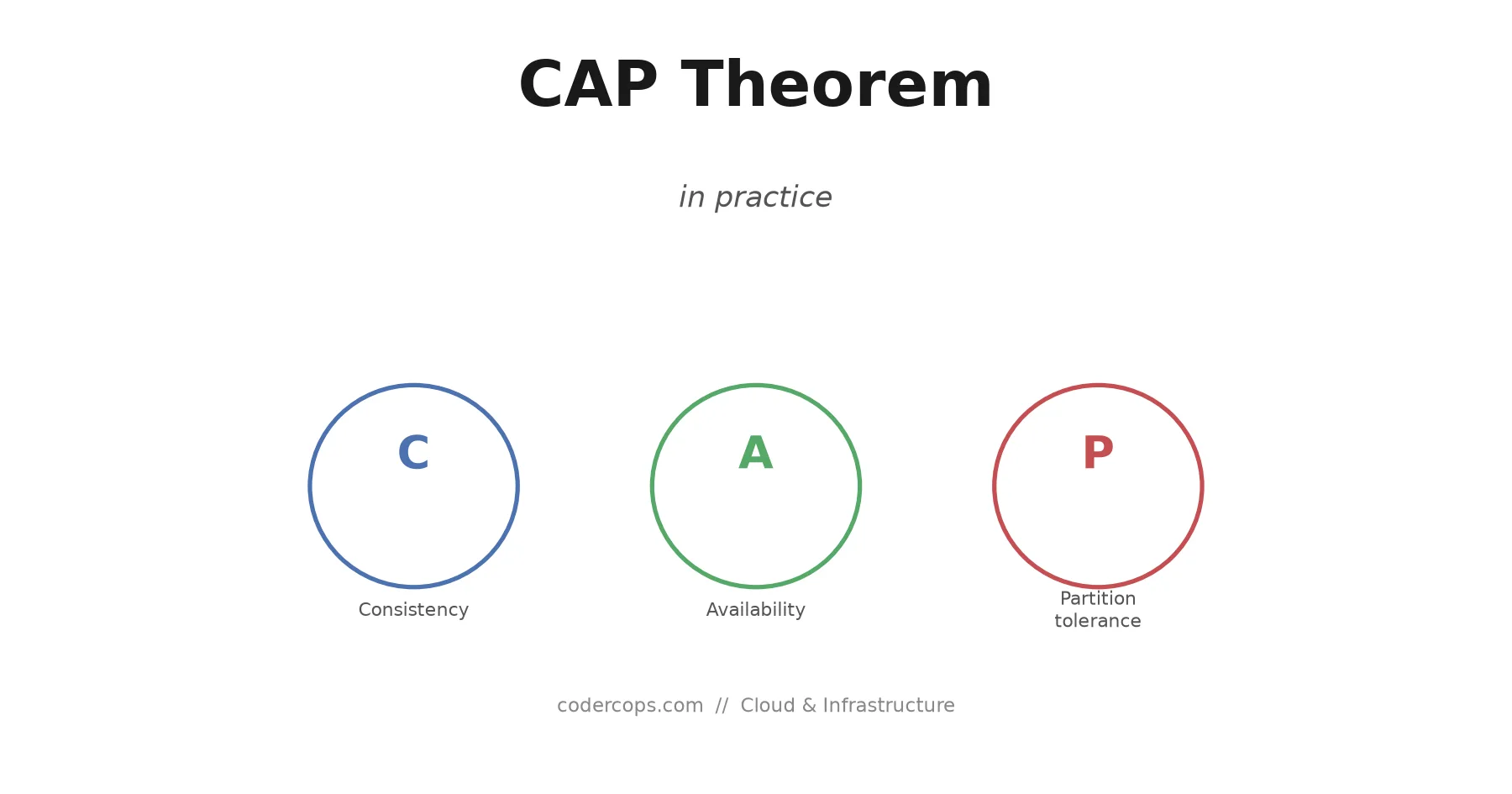
P.64CAP theorem gets summarized as 'pick two of three' so often that the summary has replaced the theorem. Here's what it actually says, why the real constraint only bites during a network partition, and how to pick a consistency model for a system you're actually building.
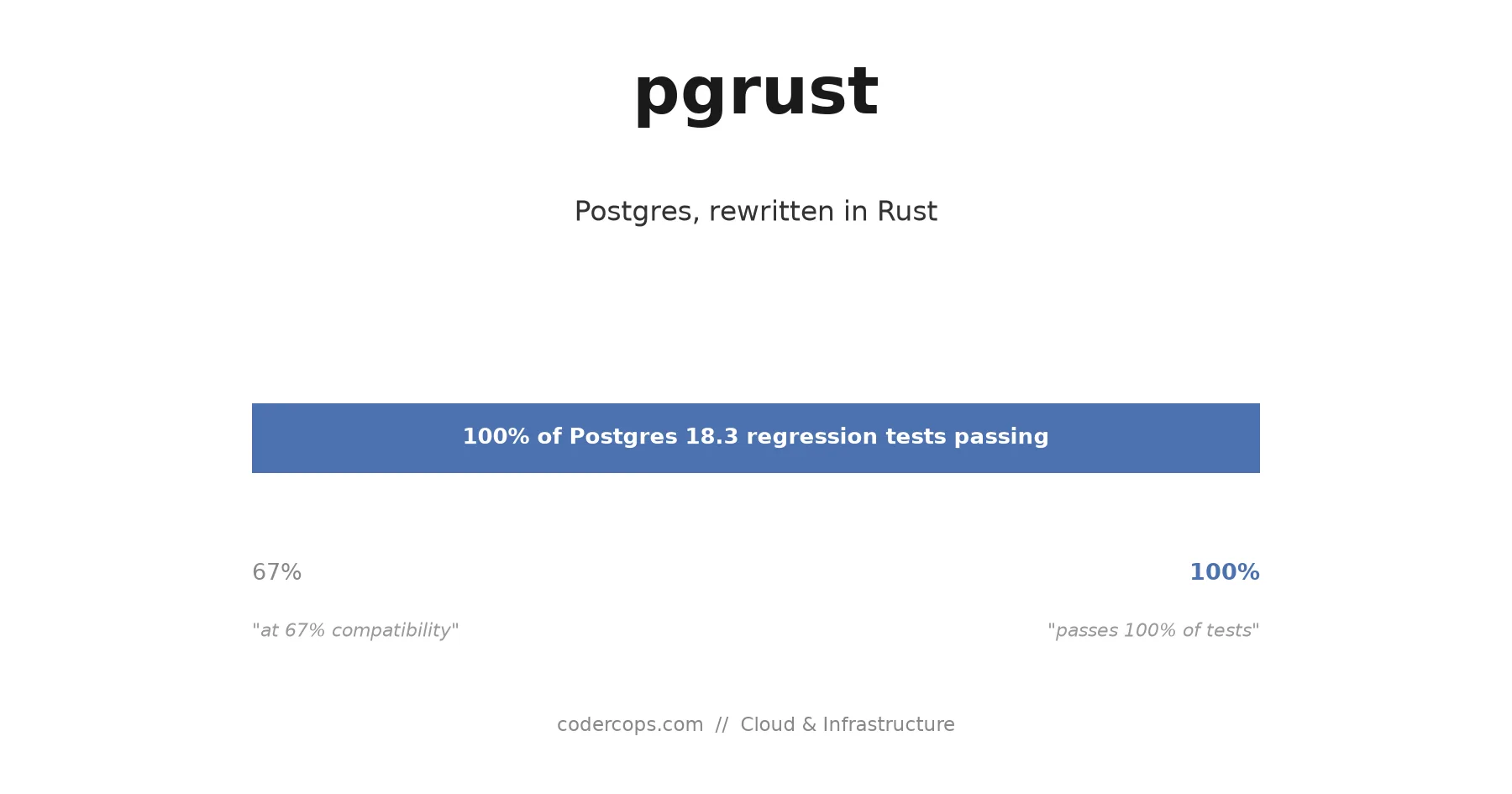
P.65One developer rebuilt Postgres in Rust with AI agents in under three months, and pgrust now matches 18.3 across 46,000+ regression queries. What it isn't.
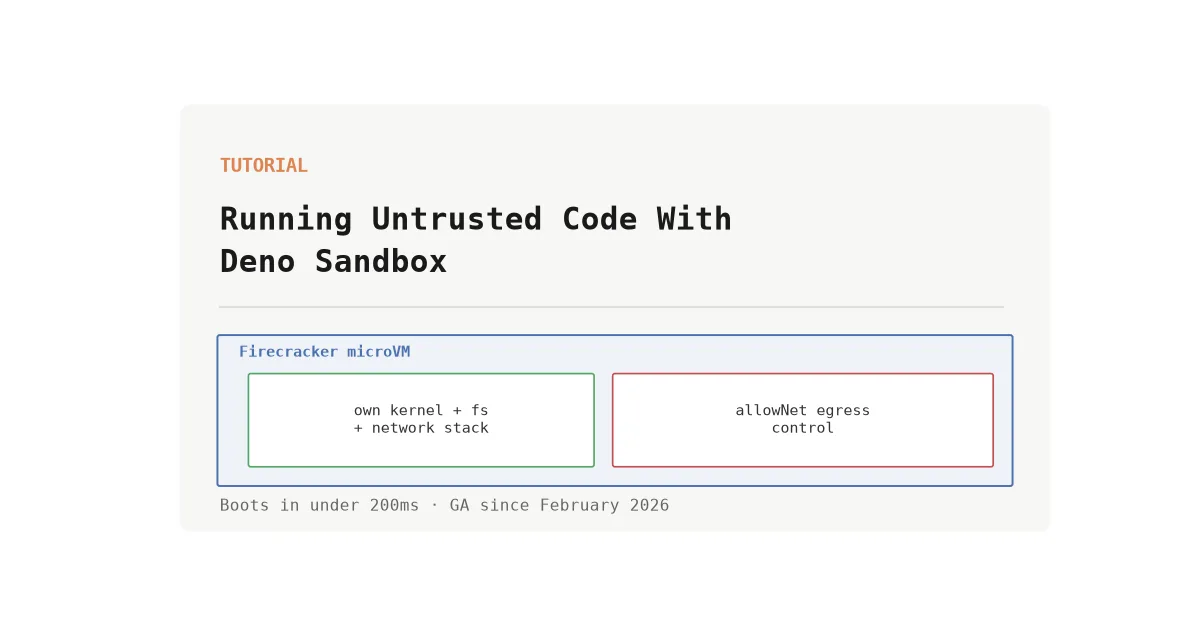
P.66Deno Sandbox spins up isolated Firecracker microVMs in under 200ms for running code you don't trust, AI-agent output included. Here's how it works and a working example.
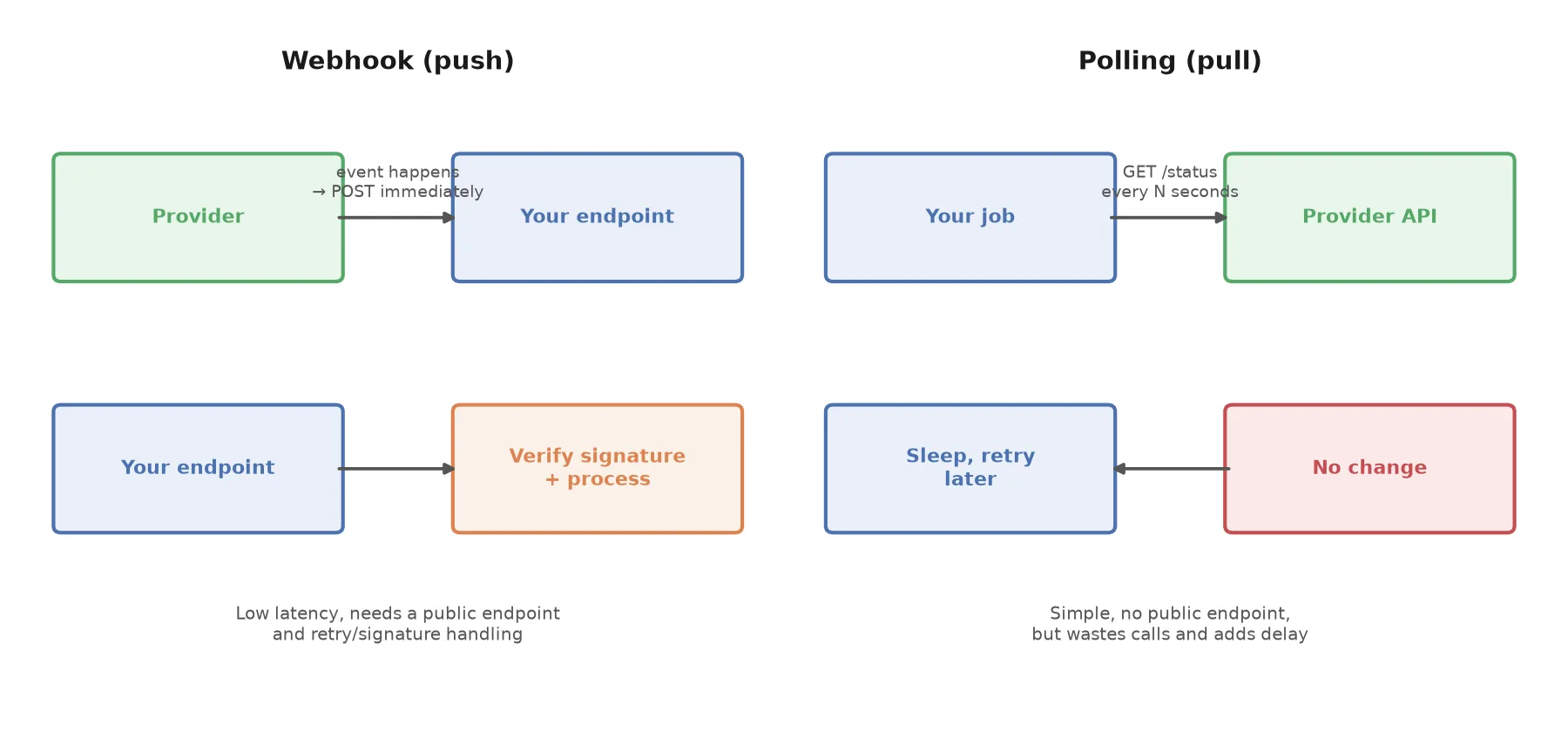
P.67Webhooks push the moment something happens; polling asks repeatedly. How to decide, with code for both, and the hybrid most production systems land on.
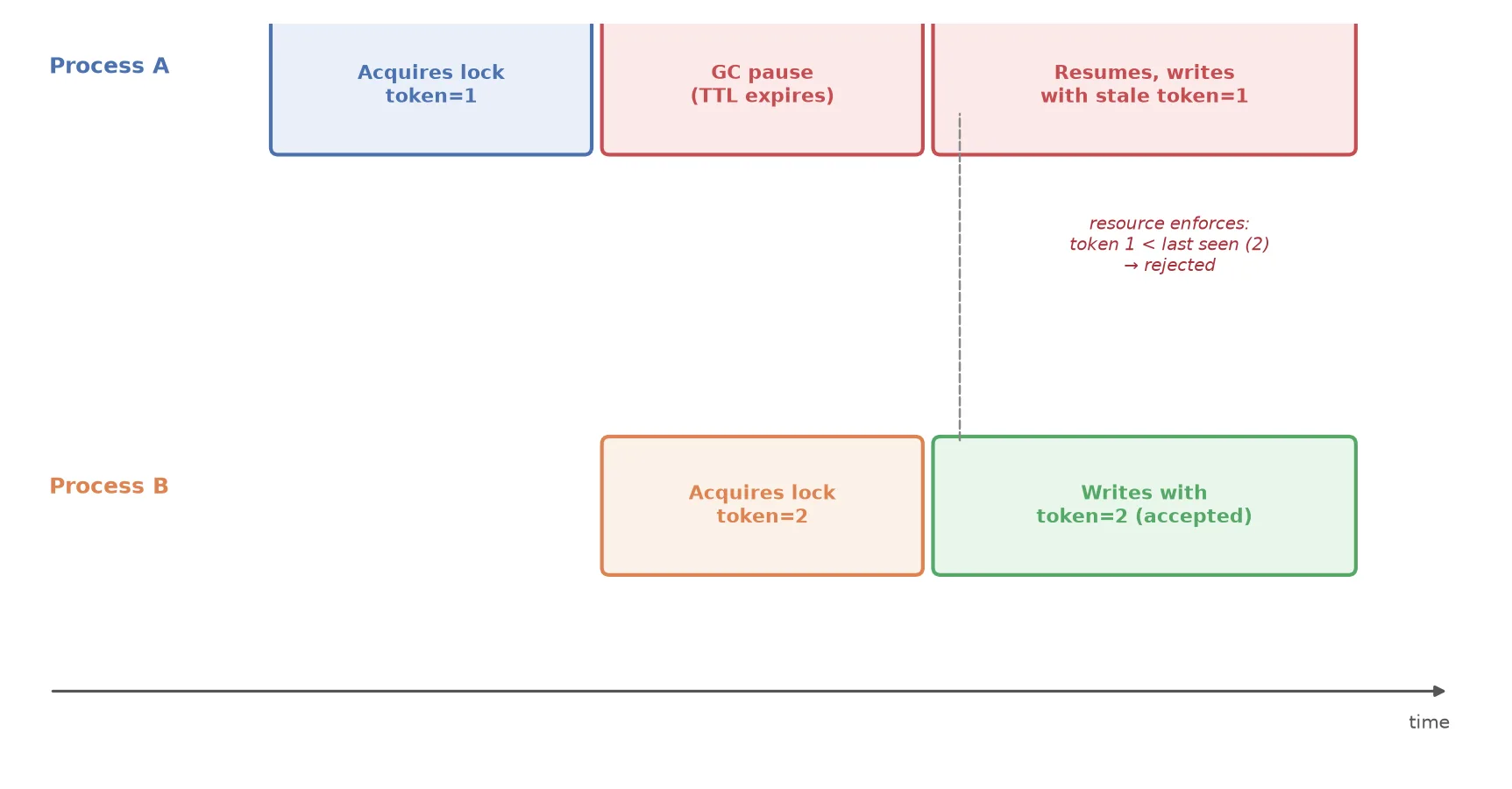
P.68A distributed lock keeps two processes on different machines from touching the same resource at once, but the naive Redis implementation has a gap that lets it fail silently. Here's how the pattern actually works, and the fencing token that closes the gap.
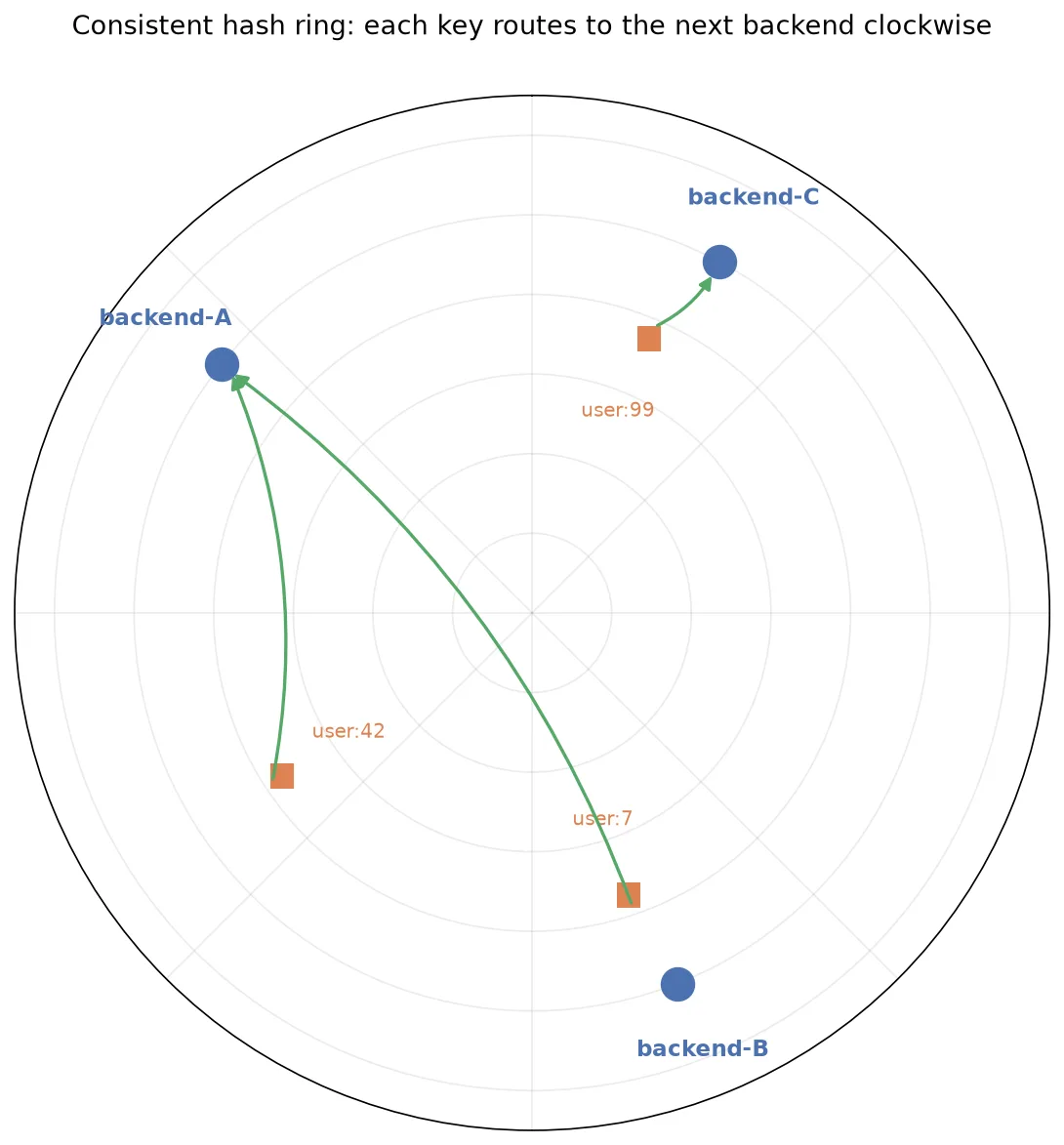
P.69Round robin isn't wrong, but it's the wrong default more often than teams realize. Here's how the main load balancing algorithms actually behave under uneven traffic, when each one earns its complexity, and a working consistent hashing implementation.
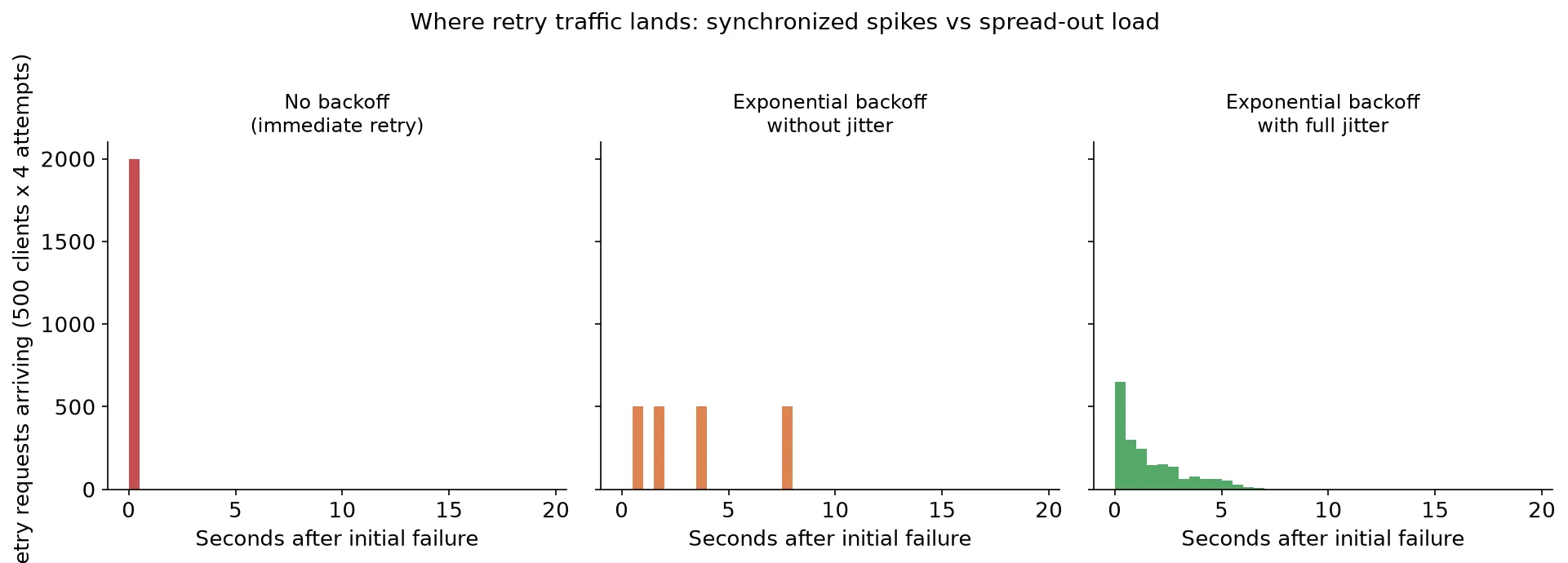
P.70A naive retry loop can turn a brief blip into a full outage by hammering a recovering service the instant it comes back. Here's how exponential backoff and jitter actually prevent that, with working code, not just the formula.
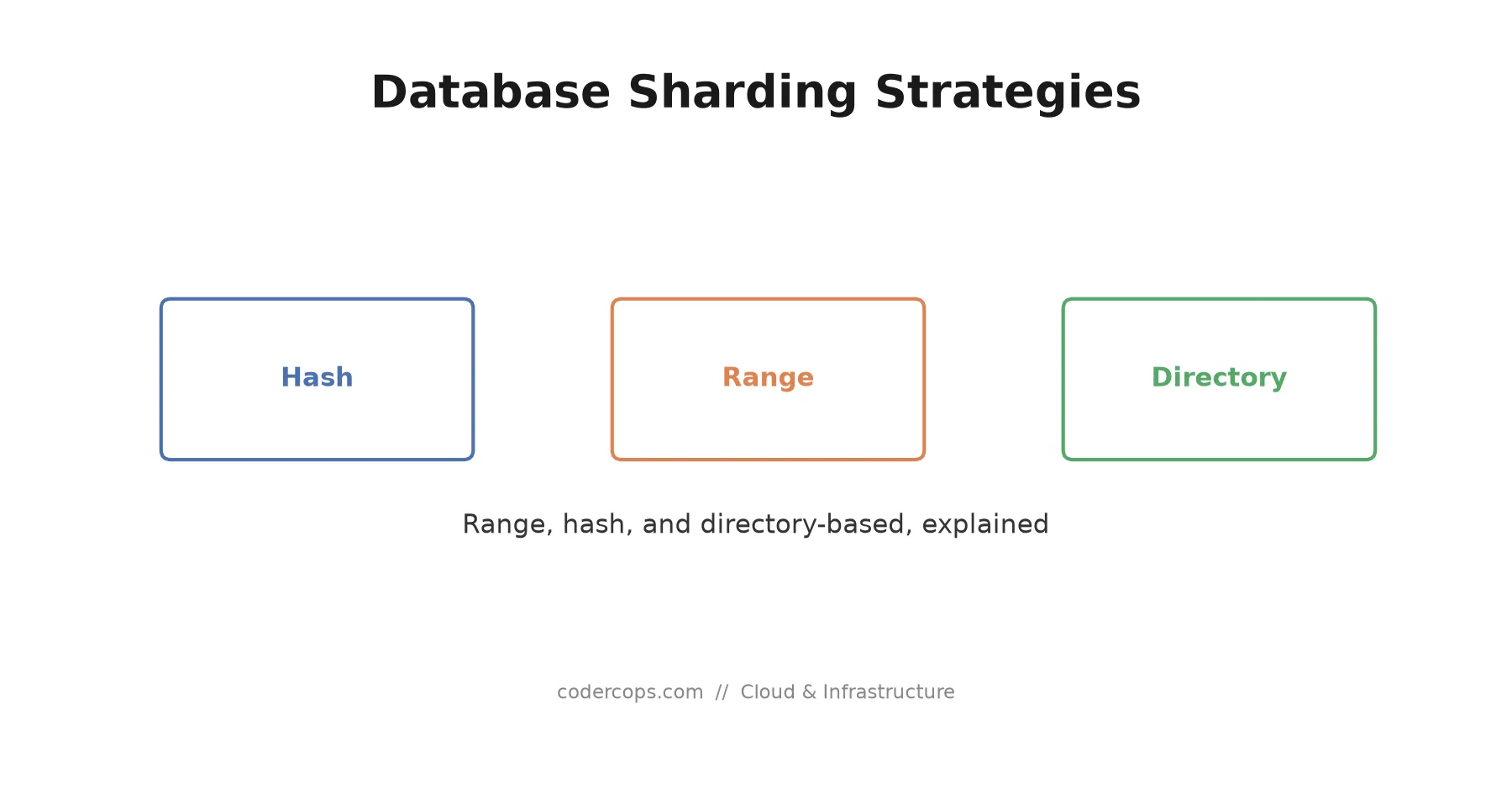
P.71Sharding splits one database across many machines. The strategy you pick decides whether you get hot spots, painful resharding, or something that scales.
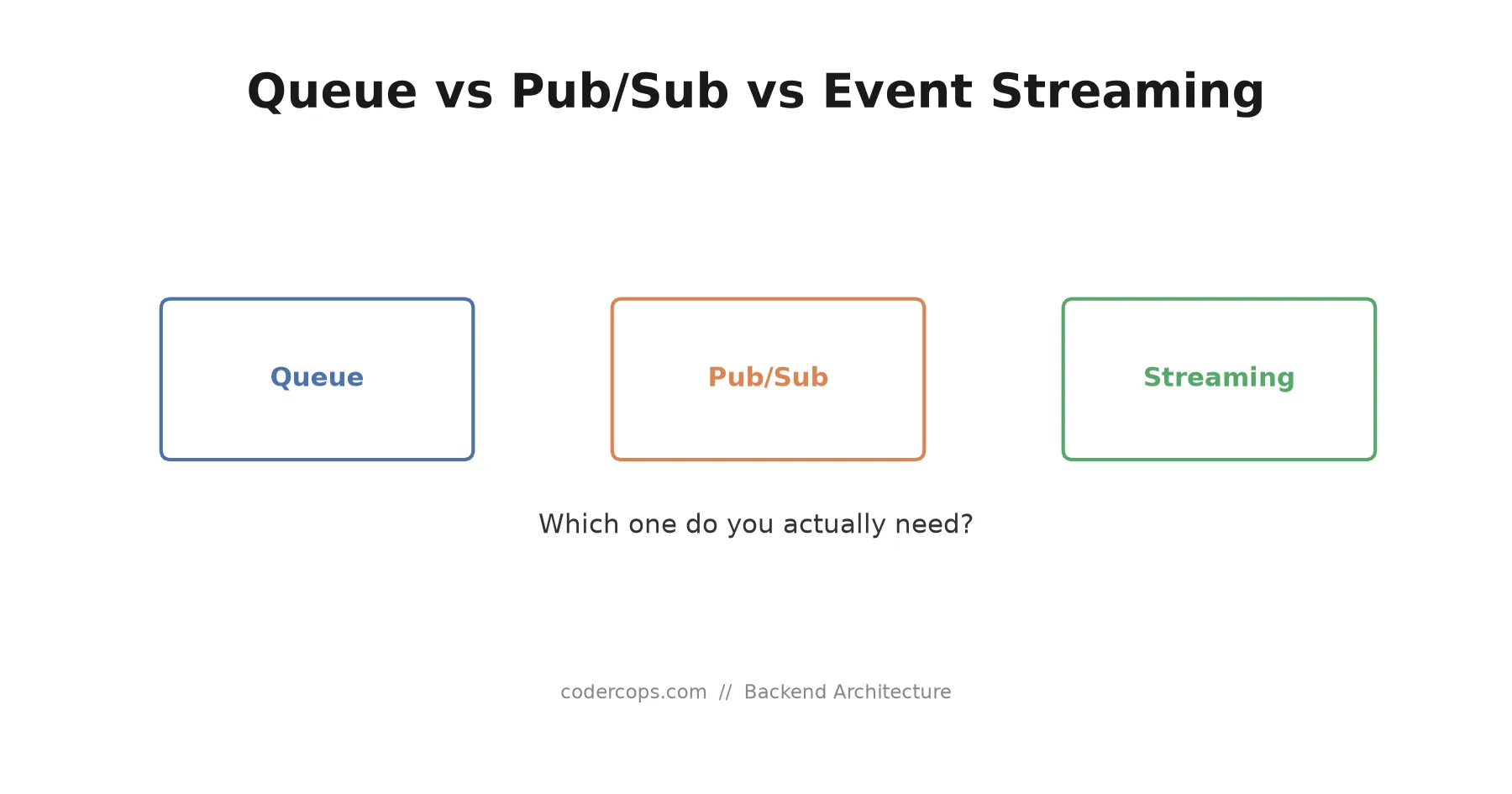
P.72All three move messages between services, but answer different questions about delivery, replay, and who reads what. The decision, and the failure modes.
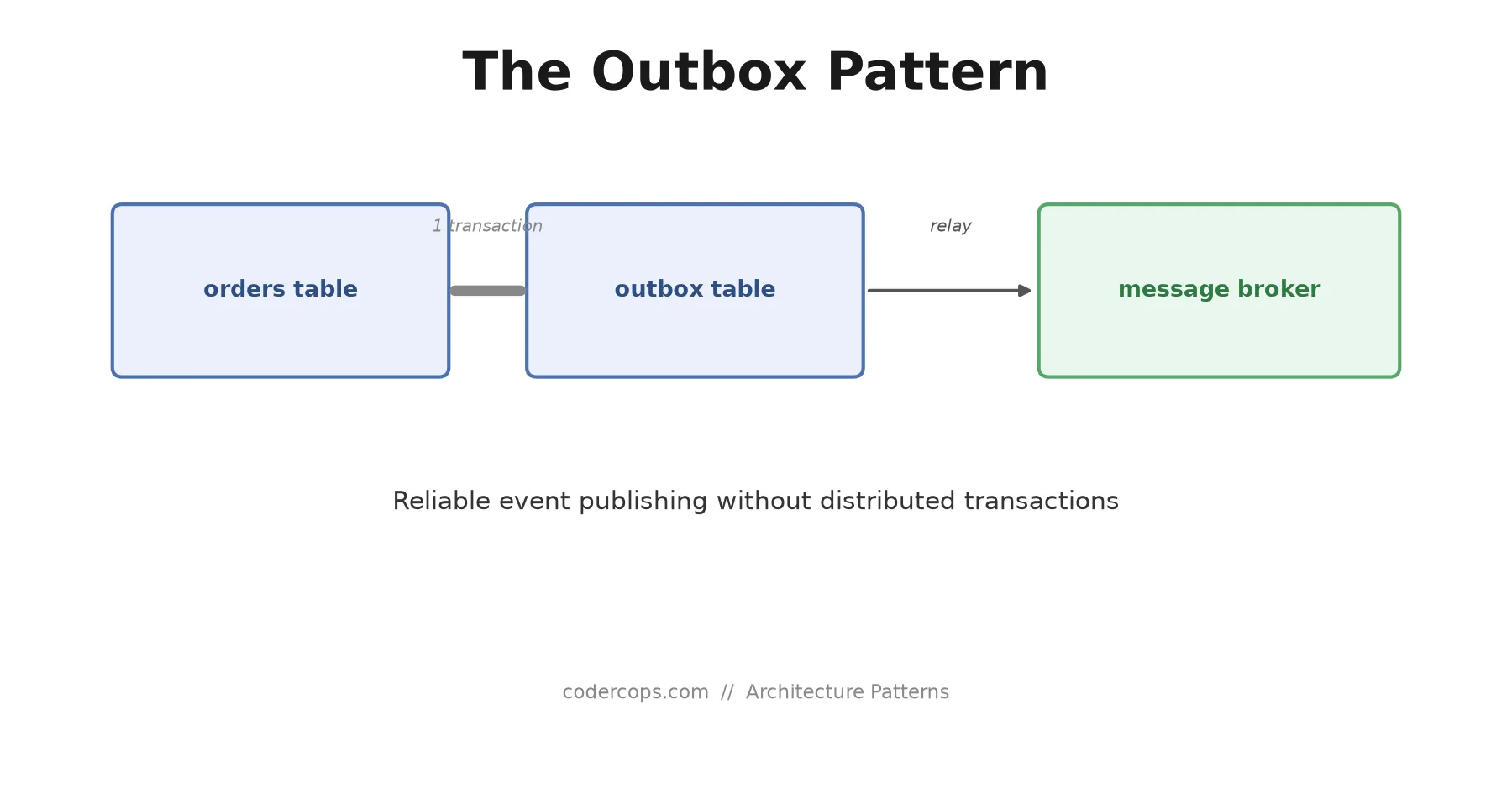
P.73Writing to your database and publishing an event are two operations, and a crash between them loses data silently. How the transactional outbox closes it.
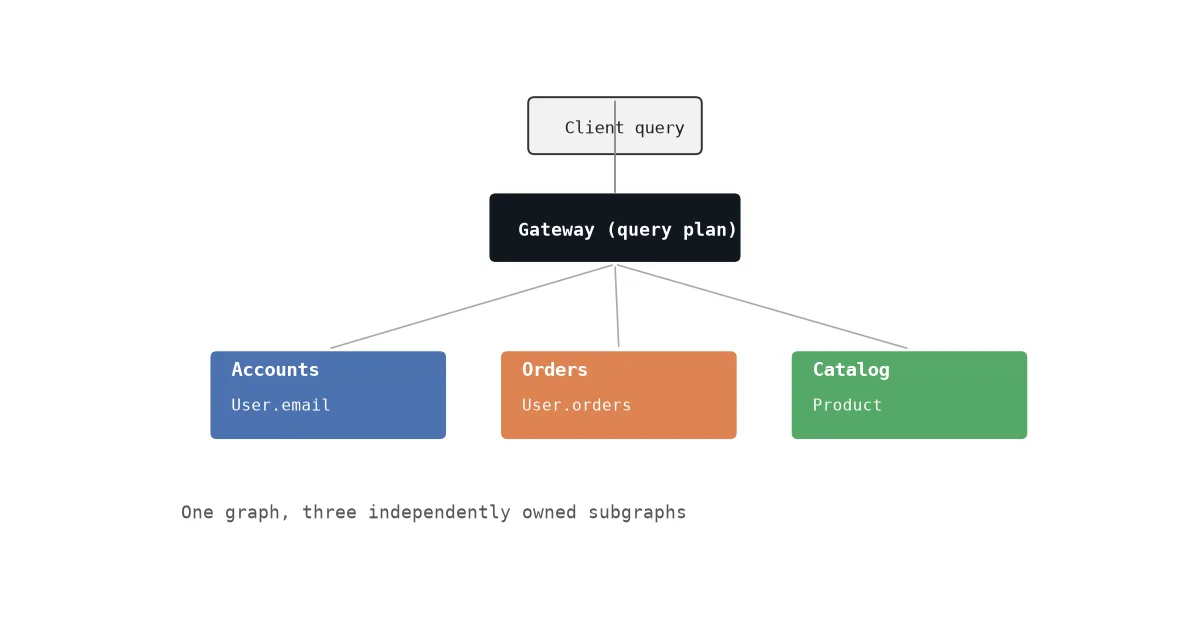
P.74A single GraphQL schema works until several teams own different parts of the data. What federation solves, how Apollo composes subgraphs, and the cost.
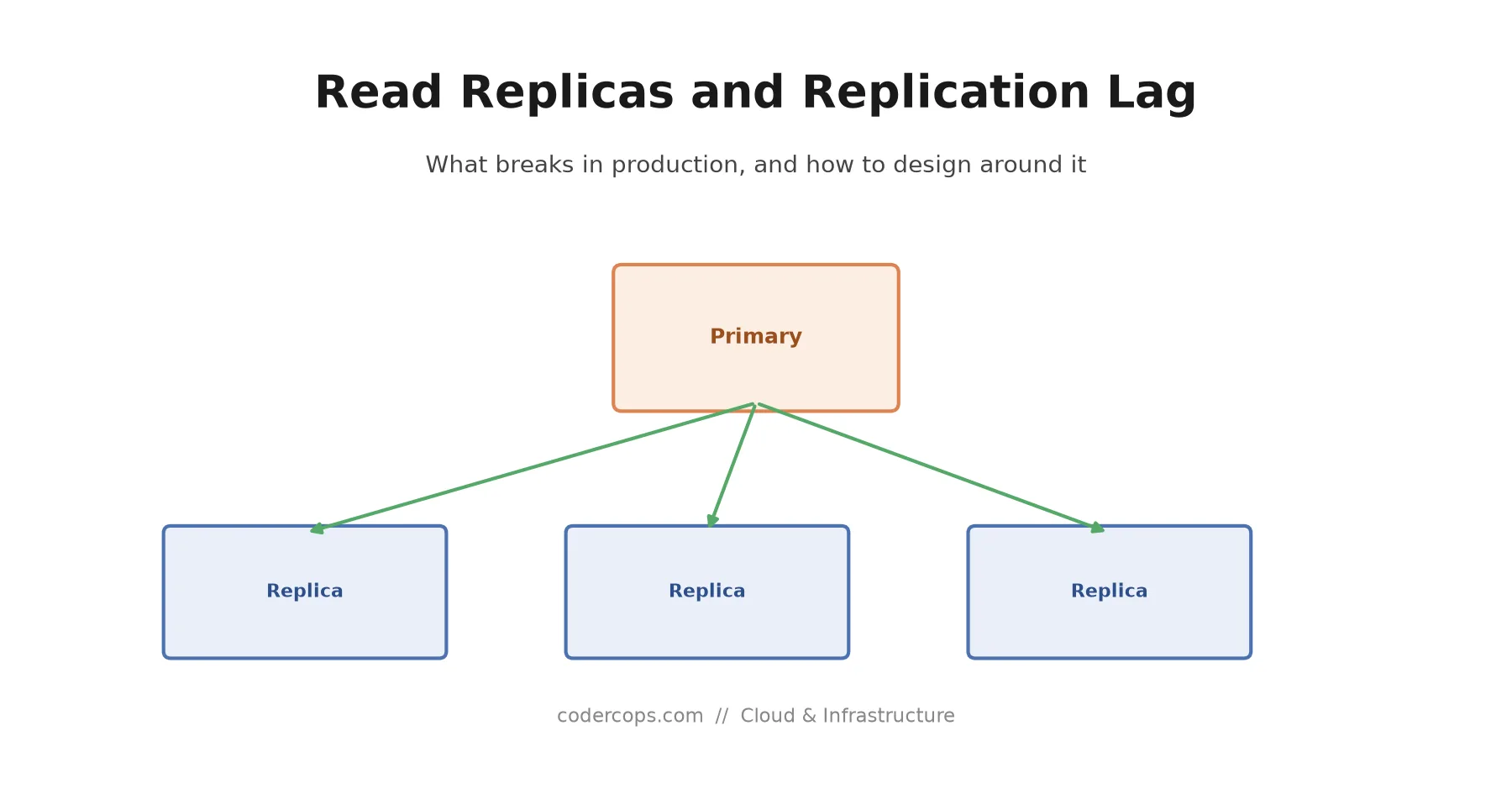
P.75Read replicas are the standard fix for read load, but they open a gap between writing data and reading it back. What lag breaks, and how to design around it.
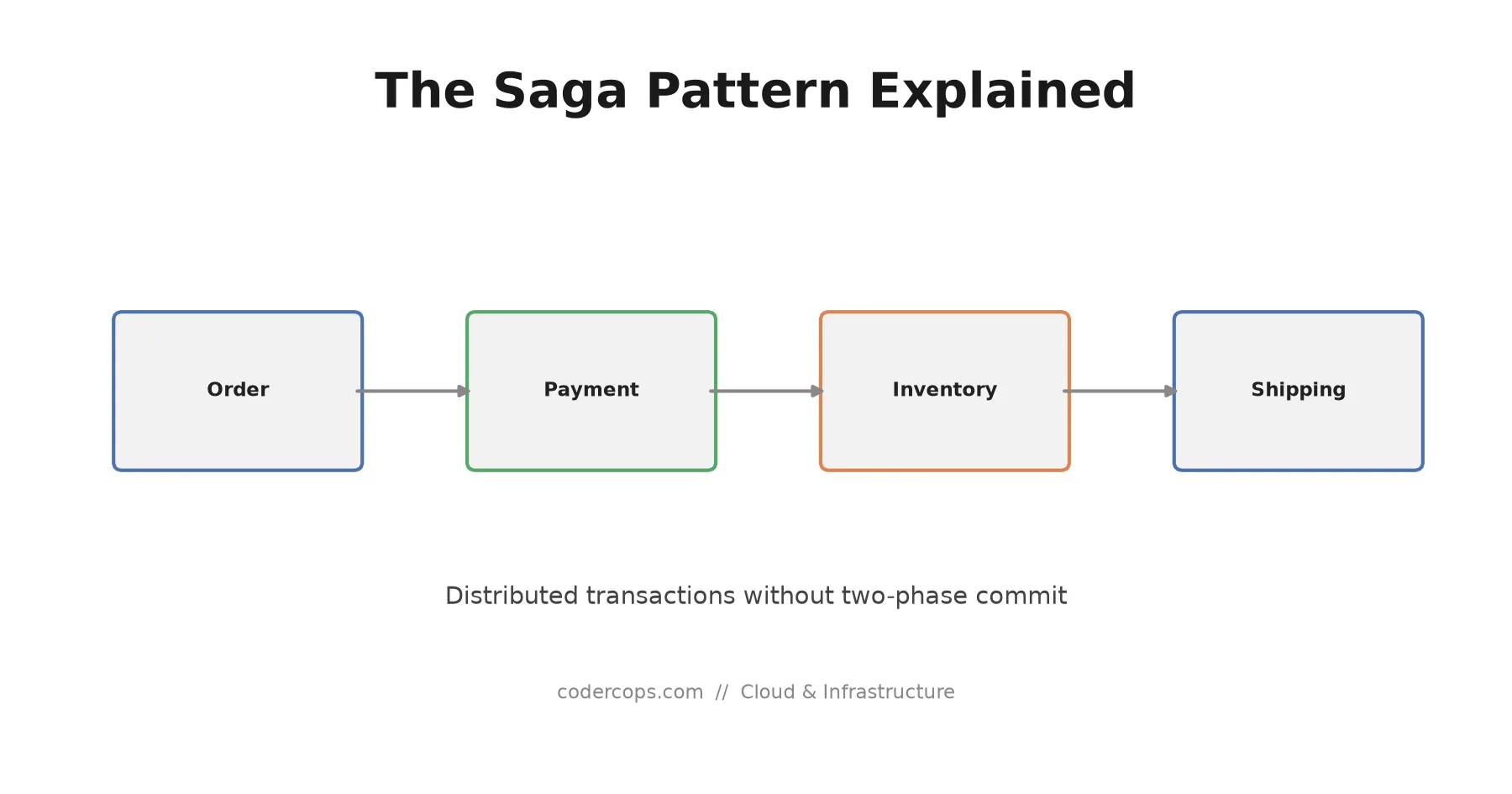
P.76When a transaction spans services you can't wrap it in one database transaction. Sagas use local transactions plus compensating actions. When that pays.
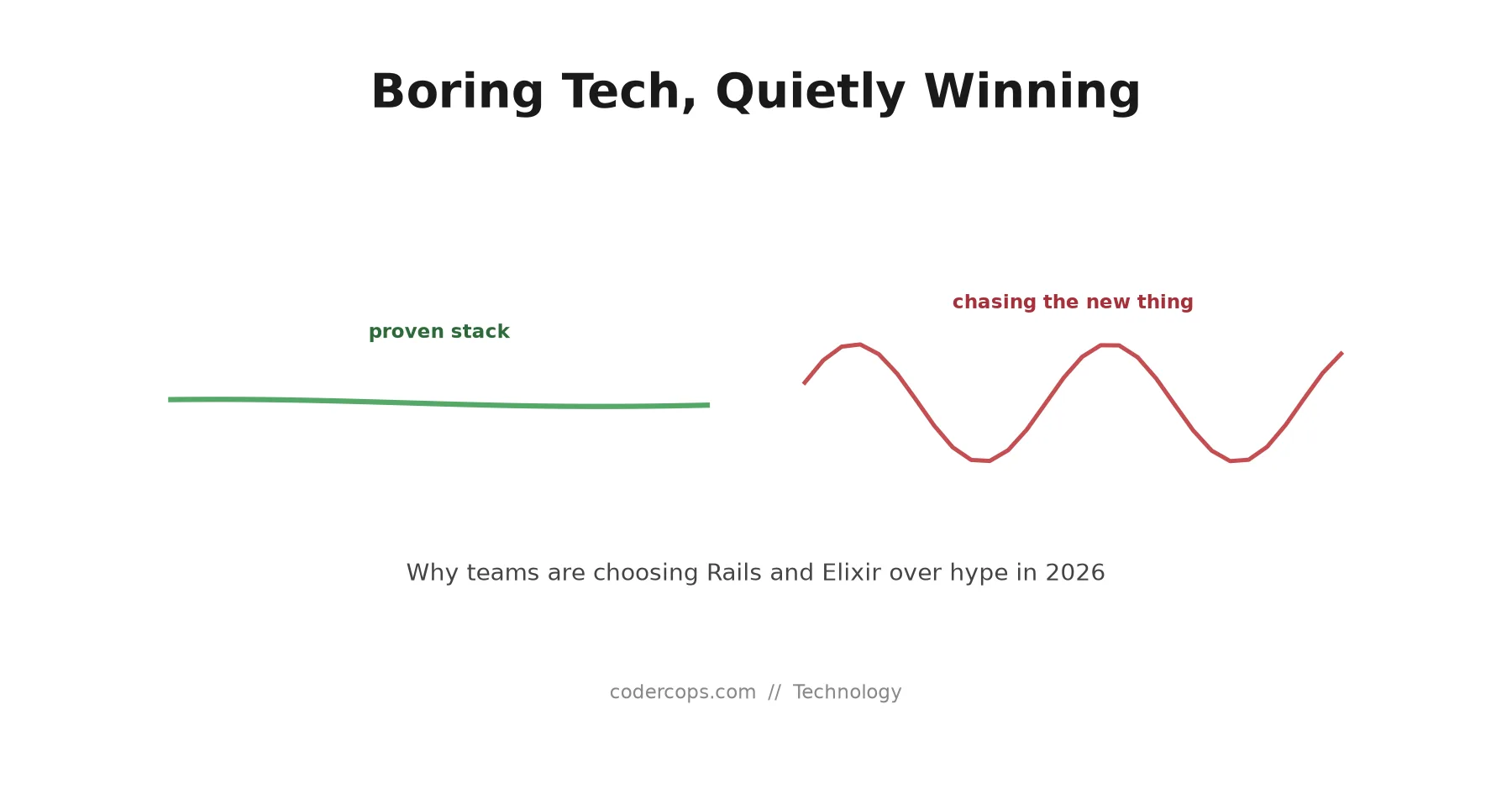
P.77Teams are picking Rails, Elixir, and calmer backends over the framework of the month. Why boring is winning arguments it used to lose, and when it's wrong.
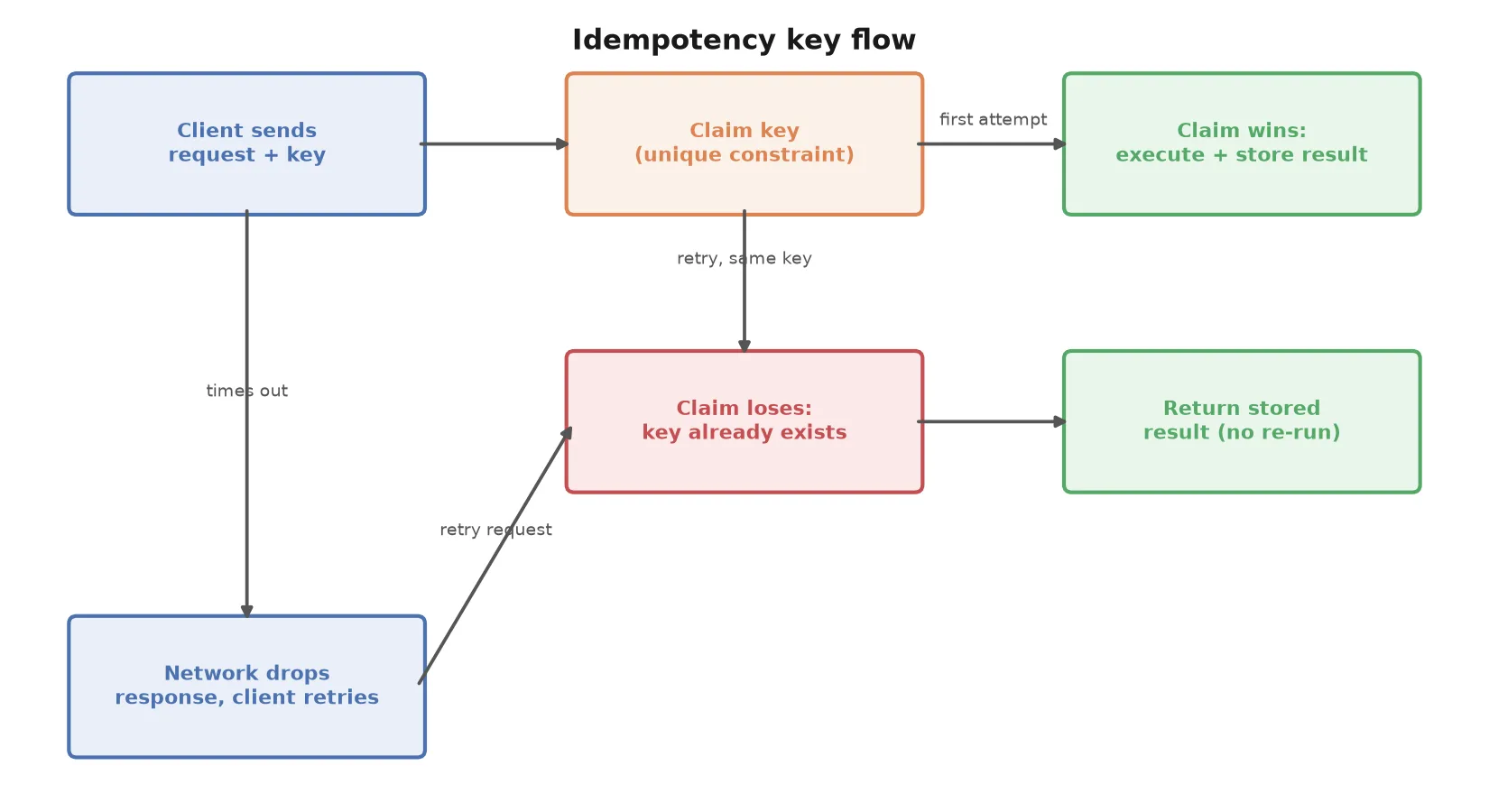
P.78Idempotency keys let a client retry a request that may have already succeeded, without double-charging a card. The pattern, in Postgres and in Redis.
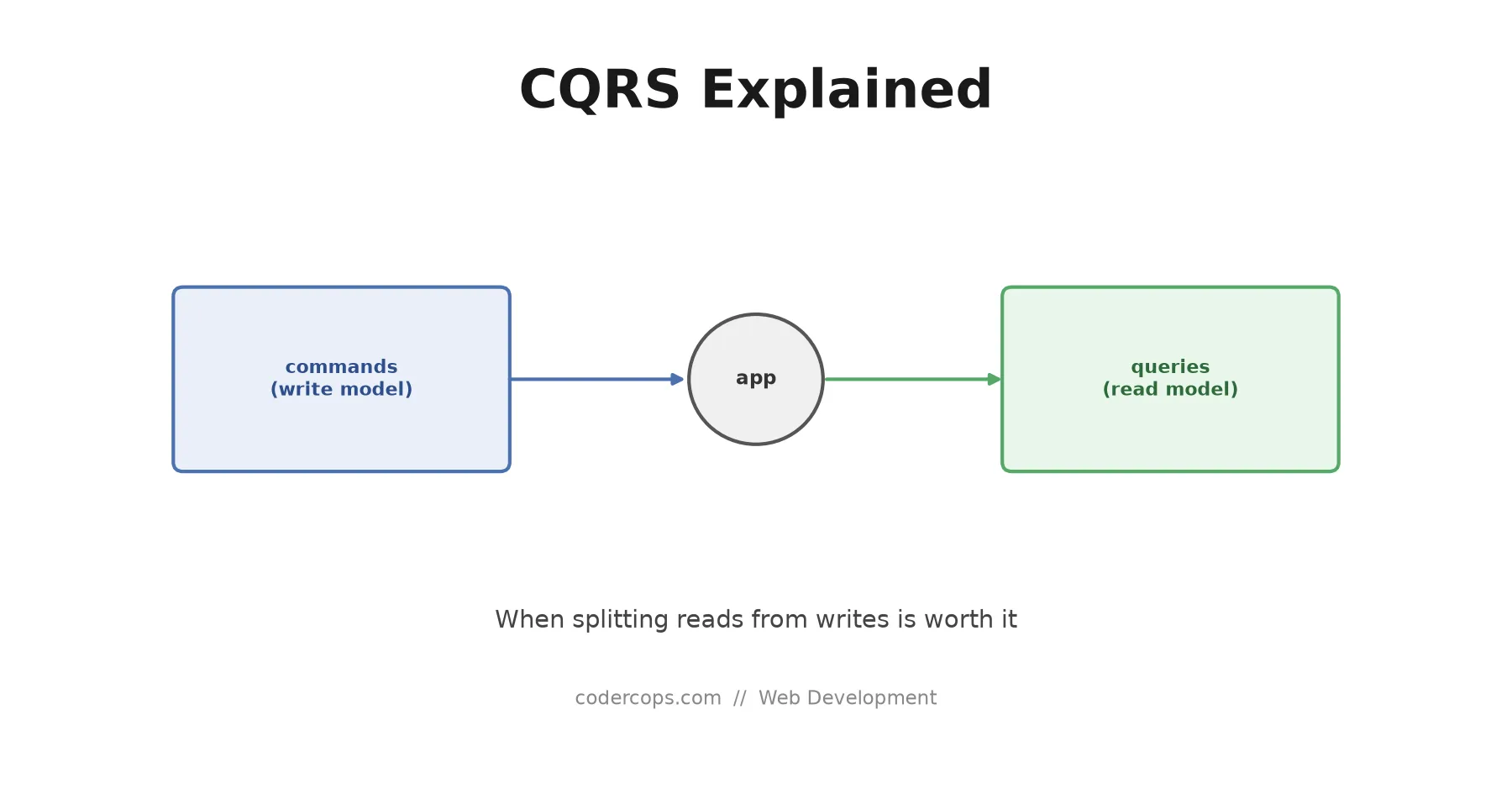
P.79CQRS separates the path that changes data from the path that reads it. It solves real problems and is heavily over-applied. When it earns its complexity.
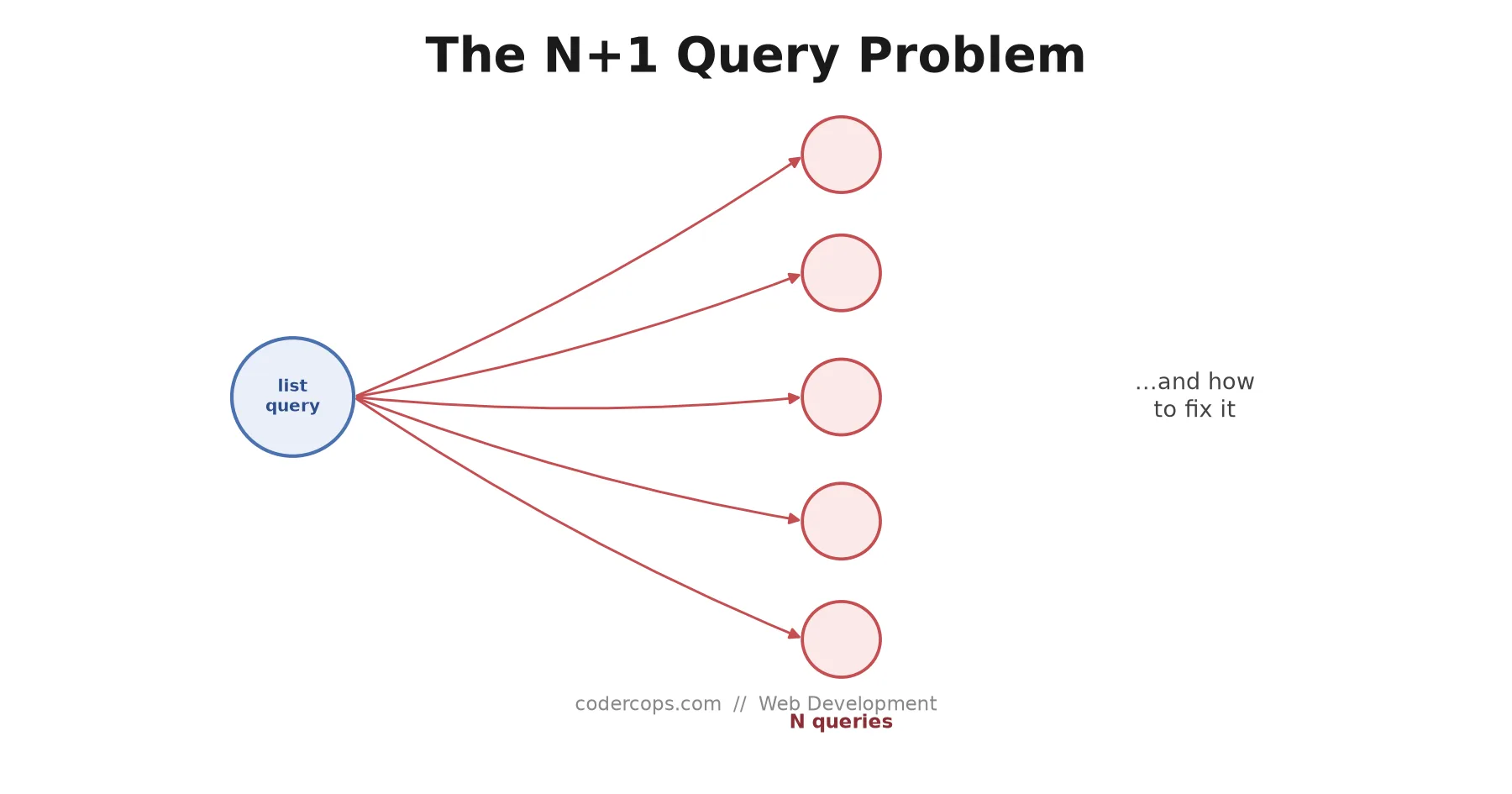
P.80An N+1 bug turns one page load into hundreds of round trips. What causes it, how to spot it in Django, Rails, and Prisma, and the eager-loading fixes.
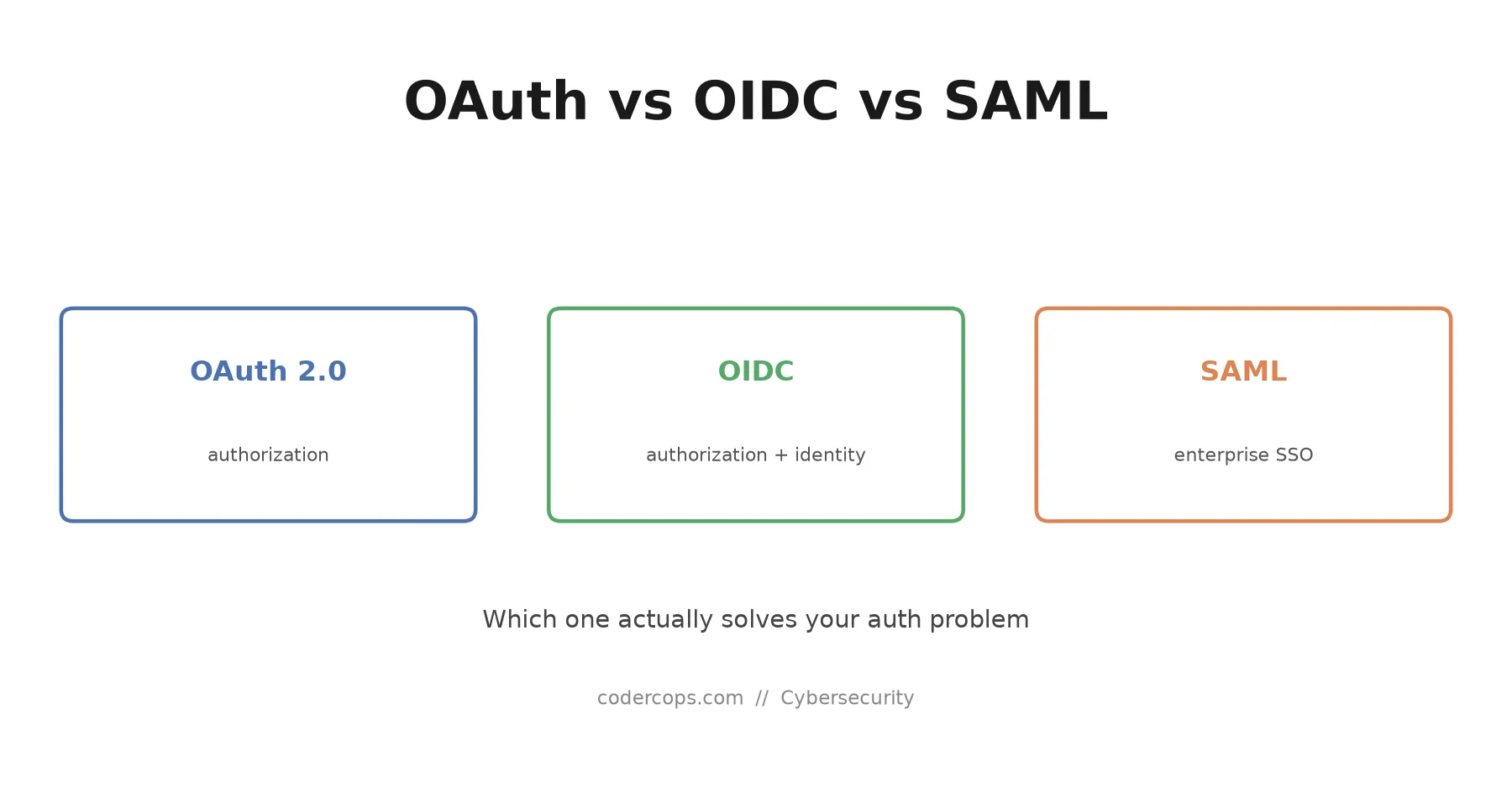
P.81OAuth handles authorization, OIDC adds identity on top, and SAML is the older enterprise SSO standard still running much of the corporate world. How to pick.
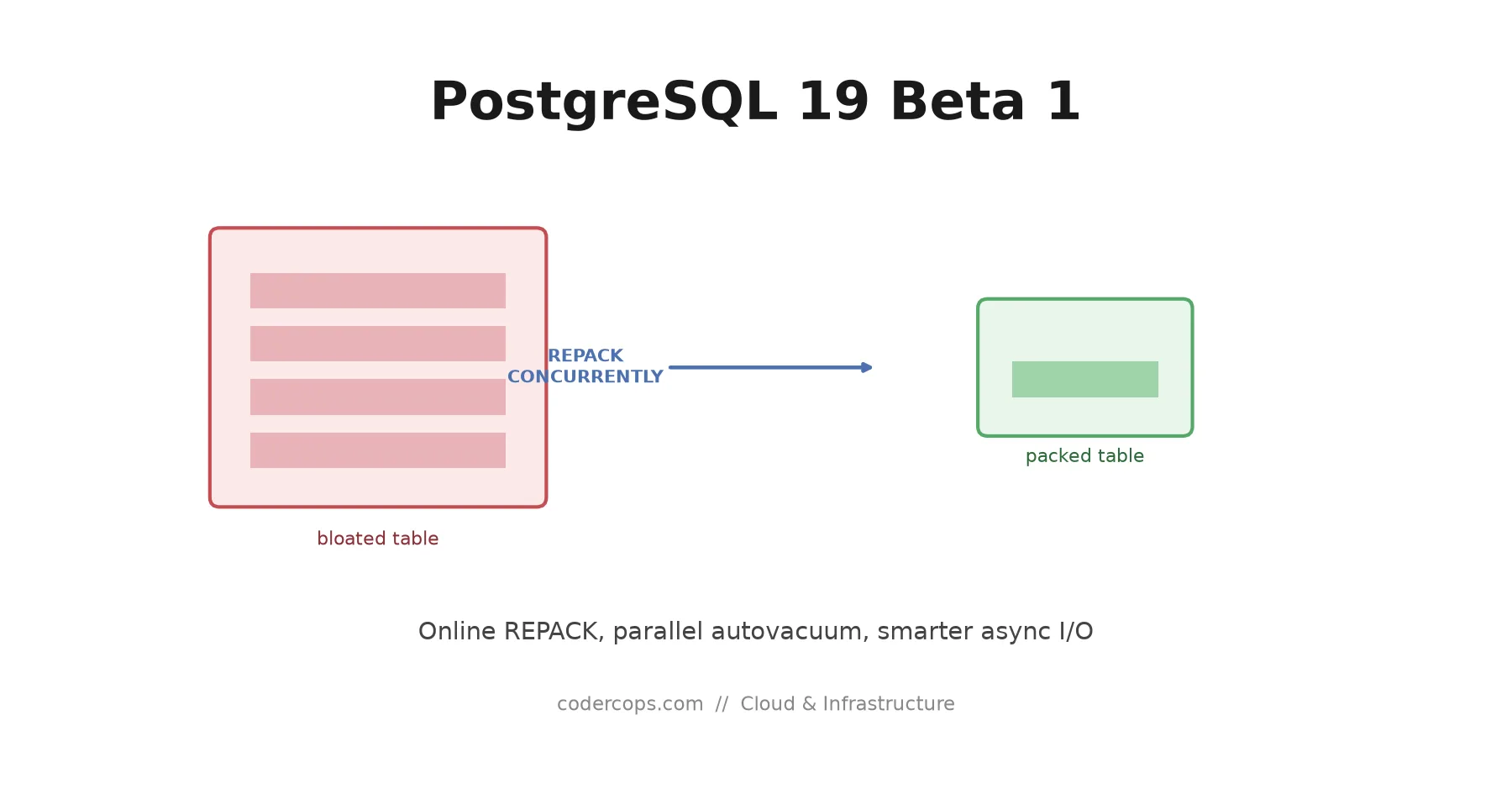
P.82PostgreSQL 19 Beta 1 adds REPACK, which rewrites bloated tables without a maintenance window, plus parallel autovacuum and smarter async I/O.
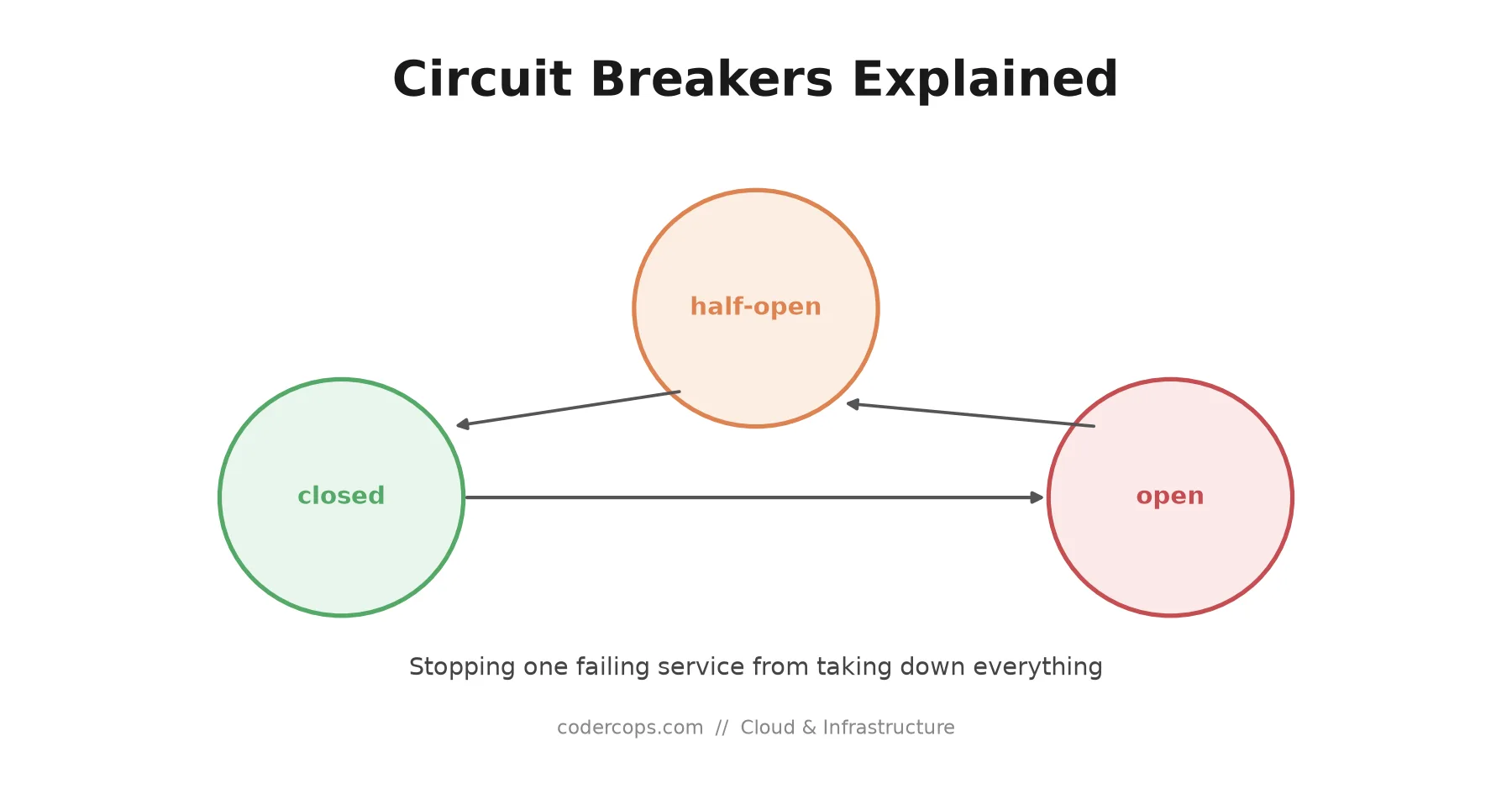
P.83A circuit breaker stops your app hammering a failing dependency until it recovers. The three states, a minimal implementation, and how retries differ.
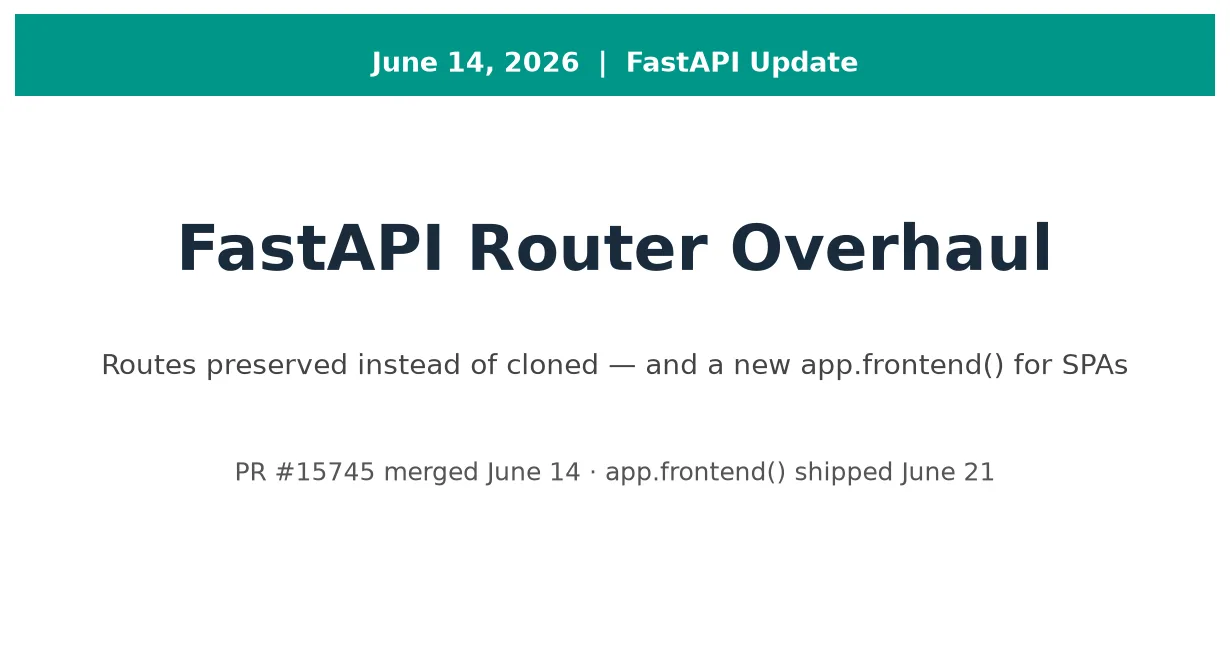
P.84FastAPI's June 2026 refactor preserves routes instead of cloning them, makes dynamic registration work, and adds app.frontend() for serving SPAs.

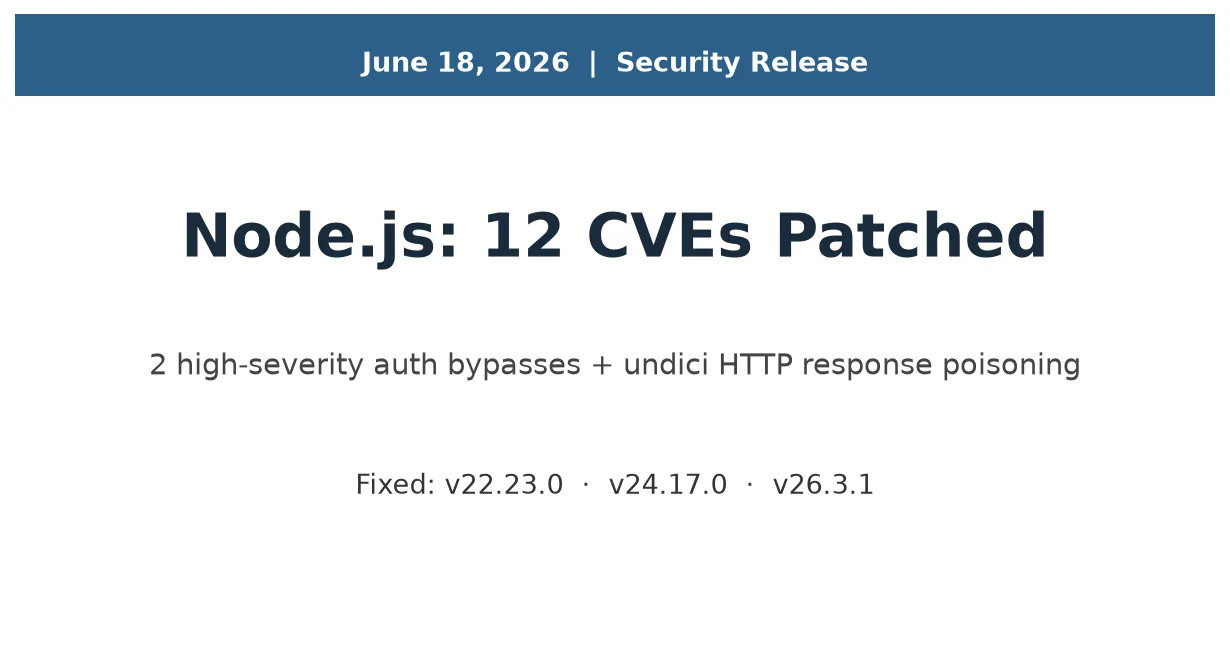
P.85Node.js patched 12 CVEs across v22, v24, and v26 on June 18. Two are auth bypasses, and undici's queue poisoning can hand back the wrong response.
P.86Deno 2.9 ships deno desktop, turning any web project into a native app with no Electron boilerplate. What it's for, and when to stay on Tauri instead.
A database engineer designs schemas and tunes queries; a data engineer builds pipelines. How to screen for the one who keeps your app fast, plus 2026 rates.
Phoenix LiveView is production-ready for real-time web applications. Here is what it enables, where it fits, and why teams choosing it are not making an exotic choice.
C++ covers game engines, embedded, high-frequency trading, and infrastructure. The skills that matter change completely with what you're actually building.
Elixir's talent pool is small, opinionated, and genuinely skilled. How to find the real engineers in it, and why the screen differs from other backend hires.
Firebase's complexity and Supabase's Postgres assumptions don't fit every project. How PocketBase, Appwrite, and Convex differ, and when each one fits.
Both tools keep your dependencies current automatically. Here is how they actually differ, where each one breaks down, and which to choose based on your team's setup.
Kotlin is the default for Android and growing on the JVM backend. What to screen for, how Kotlin skills differ from Java, and what the role really needs.
The .NET platform changed more in three years than the decade before. What a strong .NET developer looks like now, and what marks a 2015 mindset.
Java 21 brought virtual threads; Spring Boot 3 needs Java 17. Most job posts still test for Java 8. What a strong Java developer actually looks like now.
Laravel 12 is a different framework from the one people picture when they dismiss PHP. The stack, the tooling, and when a team should actually reach for it.
Rails 8 changed the deployment and infrastructure story. A developer who kept up looks different from one working off 2019 knowledge. What to screen for.
Rust is growing in backend, systems, and WASM. The challenge is telling developers who understand ownership from those who just fight the borrow checker.
Data engineers build the pipelines, warehouses, and transformation layers. They aren't data scientists, backend developers, or analysts. How to hire for it.
Go runs Kubernetes, Docker, Prometheus, and most cloud tooling. What the language attracts, what it demands, and how to screen for the right profile.
TypeScript is the default now, so the market is full of people who write it without understanding it. The questions that tell the two groups apart.
Node.js has split into async-first, TypeScript-native, and edge-runtime camps. The screen that finds someone who builds production backends, not tutorials.
LLM bills grow faster than usage. Prompt caching, semantic dedup, tiered routing, and batch inference cut 40-80% without degrading output quality.
Three tools, three bets on where complexity belongs. How to choose between BullMQ, Inngest, and Temporal based on what your system needs, not what sounds big.
OpenFeature is a CNCF incubating project with broad SDK support. How to use vendor-neutral feature flags, and why the standard beats the tool behind it.

Comparing LangSmith, Braintrust, and W&B Weave for LLM evaluation: what each does well, where each breaks down, and a minimum viable eval pipeline.
Durable Objects solve edge computing's coordination problem: consistent state across distributed nodes. Here's how they work and when to use them.
While the ecosystem chased Bun, Deno, and edge runtimes, Fastify stayed the production choice for high-throughput Node APIs. Why it still holds up.
Phoenix LiveView builds real-time, interactive UIs with server-side Elixir and minimal JavaScript, patching the DOM over a WebSocket connection.
Kafka is the default answer for message queuing at scale. But for teams running fewer than a million messages per day, NATS JetStream offers persistence, delivery guarantees, and a dramatically simpler operational footprint.
Setting up metrics with Prometheus and dashboards with Grafana: what to instrument, what to skip, and what a dashboard should show during an incident.
Pydantic v2's Rust core made validation 5-50x faster, but the model redesign is what changes how you structure validation logic for real APIs.
Python asyncio fails in production from hidden blocking calls, CPU-bound work stalling the event loop, and cancellation bugs most tutorials skip.
The OWASP API Security Top 10 catalogs the most exploited API vulnerabilities, from broken authorization to unsafe consumption, each fixable with targeted code.
Multi-stage Docker builds cut image size by 80-90%, speeding up pulls, cold starts, and CI, while shrinking your attack surface and registry bill.
Most web apps are missing four or five headers that would neutralize entire classes of attack. Here's what each header does, what to set, and why most defaults leave you exposed.
Both frameworks can build RAG pipelines and agent systems, but they're designed with different priorities. Here's when to reach for each and when to skip both.
Ollama runs Llama, Mistral, Phi-4, and dozens of open-weight models on your laptop with one command. Here's what actually works and when to use it.
R2's zero-egress pricing looks compelling on paper. Here's when it actually saves money, when S3's ecosystem still wins, and how to migrate if you decide to switch.
Deno 2 ships with full Node.js compatibility, npm support, and a revised standard library. Here's what that means for teams evaluating it as a serious Node alternative.
ElysiaJS gives Bun APIs fast routing, TypeBox validation, and type inference that reaches the client with no codegen step. How it works and when to pick it.
Logs say what happened. Error tracking says what broke, for which users, in what context. Setting up Sentry properly, without the alert fatigue.
ClickHouse is a columnar database designed for analytical workloads. It answers queries over billions of rows in seconds that would take minutes in Postgres. Here's what application developers need to know.
dbt turns SQL SELECT statements into a tested, documented, version-controlled data pipeline. Here's how it works and when you should add it to your data stack.
Vercel dominates frontend hosting. AWS dominates enterprise infrastructure. Between those two extremes, Fly.io and Railway are the most practical choices for backend-heavy full-stack apps in 2026.
An ADR captures why a technical choice was made, not just what. One page per decision, stored in the repo. Here's the format and how to make it stick.
Most background job solutions require you to run and monitor a Redis instance, manage worker processes, and wire up your own retry logic. Inngest skips all of that. Here's how it works and when it's the right call.
Rails 8 replaces Redis, Memcached, and Node with Solid Queue, Solid Cache, Solid Cable, and Kamal 2, so a single server and database can run production.
Bruno stores API collections as plain .bru text files in your git repo, no account or cloud sync needed. Here's how it compares to Postman and why teams switch.
Three headless CMS platforms used by agencies, three different bets on where content management is going. Here's how Sanity, Payload, and Contentful actually compare when you're building for clients.
Getting a language model to return reliably structured data is not just about asking nicely. Here's the pattern that actually works at production scale.
MCP is the standard for connecting AI models to external systems. How it works, how to implement a server, and what to lock down before production.
SQLite runs in every phone and browser. Turso extends it to the server and edge with replication, branching, and a network protocol. Here's when it makes sense.
Command-line tools are underrated as developer products, and TypeScript makes them maintainable. Parsing, prompts, output, errors, and distribution.
The Date object has been broken for 30 years. Temporal is its replacement, now shipping in browsers and Node.js. Here's what actually changed and how to use it.
Most slow queries come from a small set of fixable problems: missing indexes, N+1 patterns, and over-fetching. This is the practical diagnostic and fix guide.
Blue-green and canary deployments give you a way to release software without taking down your service or discovering a bug when it's already affecting everyone. Here's how they work and when to use each.
NestJS is Express with structure imposed: modules, dependency injection, decorators. When that pays for its learning curve, and when it does not.
eBPF lets you attach programs to any kernel hook — network packets, system calls, function calls — without patching the kernel or rebooting. Here's what application developers actually need to know.
Clients ask agencies to automate PDFs constantly. Here's how to actually build document extraction pipelines: OCR, vision models, and validation.
Local-first means your app works offline and syncs when connected. The technology (CRDTs and sync engines) is mature enough to use. The question is whether your use case actually needs it.
DuckDB runs OLAP queries directly in your process, on files on your laptop, without a server. Here's how to use it and when it beats spinning up BigQuery or Redshift.
Row Level Security moves data isolation into the database where it belongs. Here's how to set it up for a multi-tenant SaaS, handle common edge cases, and avoid the traps that break it.
Go has real strengths for backend API work, and some persistent limitations. Here's what teams actually gain and give up when they choose it over Node.js or Python for web APIs.
A hands-on comparison of Typesense, Meilisearch, and Algolia for production SaaS search: self-hosting, performance, pricing, and real implementation patterns.
Building SaaS billing on Stripe means handling subscription plans, the Meter API for usage-based pricing, webhook reliability, and the Customer Portal.
Zod is the standard for runtime type validation in TypeScript: one schema drives API contracts, form validation, and environment variables across your stack.
Both approaches customize LLM behavior for your use case, but they solve different problems. Here is how to decide which one you need, how to know when to use both, and what teams consistently get wrong.
OpenTelemetry is the observability standard now. Most tutorials show you how to install the SDK and emit traces. Fewer explain which signals actually matter for web applications and which add noise without helping you debug anything.
Password resets, invoices, and notification emails are infrastructure. Most developers treat them as an afterthought until a client asks why their welcome emails are disappearing. Here is the full picture.
Stripe's API now covers far more than checkout. This breaks down which Stripe products agencies actually need, which are overkill, and where teams get burned.
An agent that forgets everything when the session ends is a limited tool. Here are the practical patterns for building different kinds of memory into your agents.
When your AI agent needs to run the code it writes, you can't let it touch your production servers. Here's how the main isolation options work and when to use each.
HPA scales on CPU and memory. But most production workloads don't scale well on those signals. KEDA, VPA, and Goldilocks fill the gaps that HPA leaves open.
The implicit flow is dead and tutorials still teach it. How authorization code flow with PKCE works, where tokens belong, and where SPA auth goes wrong.
AI makes generating and refreshing technical documentation cheap, but keeping it accurate as code changes is still a process problem, not a model one.
The queries that wreck production Postgres share a few root causes. How to find them, read EXPLAIN ANALYZE properly, and fix them without guessing.
TypeScript leaves errors untyped by default. Effect TS fixes that with typed failures, dependency injection, and structured concurrency.
Hono started as a tiny router for Cloudflare Workers and became the default for edge APIs. What it does well, and why "runs everywhere" actually holds.
Single-provider AI dependencies are a reliability risk. Routing layers like LiteLLM and OpenRouter let you fall back across providers, cap costs, and try smaller models first. Here is the architecture and when it actually matters.
Neon separates storage from compute to make Postgres behave like a serverless resource. The branching feature is what actually changes the development workflow — here's how it works and when it's worth the migration.
gRPC has been available for years but many teams default to REST without thinking through the tradeoffs. Here's how gRPC works, where it fits, and where it doesn't.
Python 3.13 shipped an experimental mode that removes the Global Interpreter Lock. Here's what the GIL actually does, what free-threaded Python changes, and what it still doesn't fix.
Connection exhaustion is one of the most common production failures for apps that scale. Here's how pooling works, which tool fits which setup, and the configuration decisions that matter.
Add similarity search to your existing Postgres database using pgvector. Real setup, indexing strategies, and when you actually need a dedicated vector database.
Python 3.14 shipped in October 2025. Seven months in, the features worth caring about have become clear. Here's what changed, what to upgrade for, and what to ignore.
From .env files to Vault to AWS Secrets Manager: a practical guide to storing credentials, API keys, and certificates without waking up to a breach notification.
Caching is high-leverage and consistently misunderstood. How Cache-Control and ETags actually work, why stale content happens, and how to design for it.
URL versioning, header versioning, and content negotiation compared with real code. Here's how to pick one and retire old versions without stranding clients.
Message queues and event streams solve different problems. Kafka is not always the right answer. Here's how to think through event-driven patterns and choose the right tool for your production workload.
Every SaaS team eventually faces the multi-tenancy decision. The wrong choice creates migration pain later. Here's how to think through database-per-tenant, schema-per-tenant, and row-level security based on what your product actually needs.
Running totals, rankings, moving averages, and lag comparisons without application loops or self-joins. How window functions actually work, in Postgres.
Drizzle is the TypeScript-first alternative to Prisma: schema in TS, migrations in SQL, no query engine binary. How it works, and when to pick it.
OpenAPI-first API development means writing the spec before code, then generating server types, request validation, and client SDKs from it.
Not every real-time feature needs WebSockets. Server-Sent Events handle most push scenarios with far less complexity. Here's how to choose, and what each approach looks like in actual code.
Background jobs that crash mid-run lose their state. Temporal makes workflows durable state machines that survive restarts and deploys. In TS and Python.
Every public API needs rate limiting, but the algorithm you choose shapes the user experience and the failure modes. Here's how each approach works and when to use it.
In March 2024, Redis Ltd. relicensed Redis under a source-available license. Within weeks, the Linux Foundation forked it as Valkey. Two years on, here's how the split played out and what it means for teams choosing an in-memory data store today.
LLM calls are slow and expensive, so caching is the obvious fix. Here's when it backfires and how to implement exact-match and semantic caching.
Getting a language model to return valid, schema-conforming JSON is harder than it looks. Here's what works in production, from native structured output APIs to library-level validation.
ALTER TABLE locks your database. Your migration takes longer than expected. Users get errors. Here's how to handle schema changes that don't interrupt production traffic.
Async Django is production-ready in 2026, but landmines still exist. Four real projects, benchmarks, and a framework for deciding when async actually helps.
We migrated three production projects from Celery to Django's new Tasks framework. Two went smoothly. One was a disaster. Here is everything we learned.
The network latency between your Django app and your FastAPI ML service is probably longer than inference itself. Here is how to serve models from Django directly.
We rebuilt a React SPA as a Django + HTMX app. 847KB of JavaScript became 48KB. Here is every pattern, rough edge, and performance win from the migration.
Most DRF vs FastAPI comparisons are written by people who only use one. We ship both in production. Here is what actually matters and when to choose each.
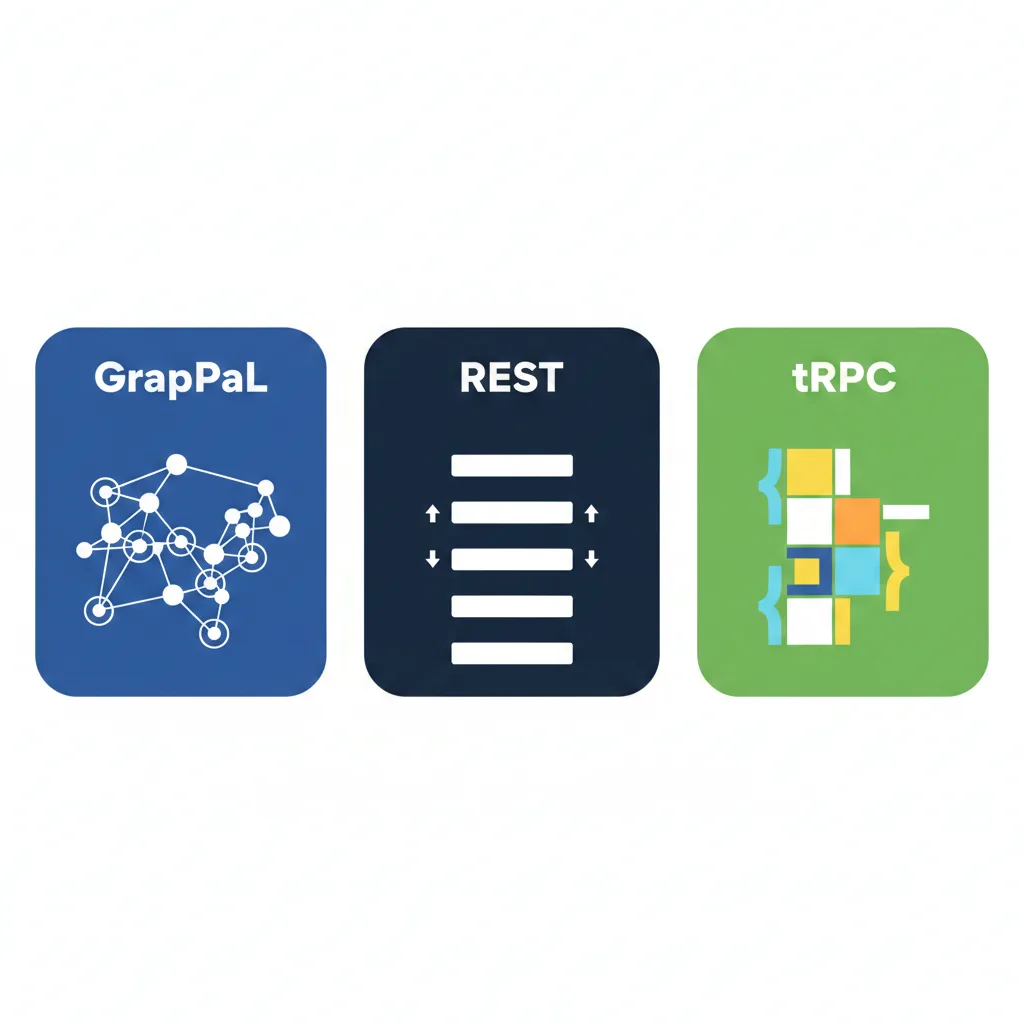
P.187The GraphQL vs REST debate is over: they solve different problems. Here's how to choose between REST, GraphQL, tRPC, and gRPC for your use case.
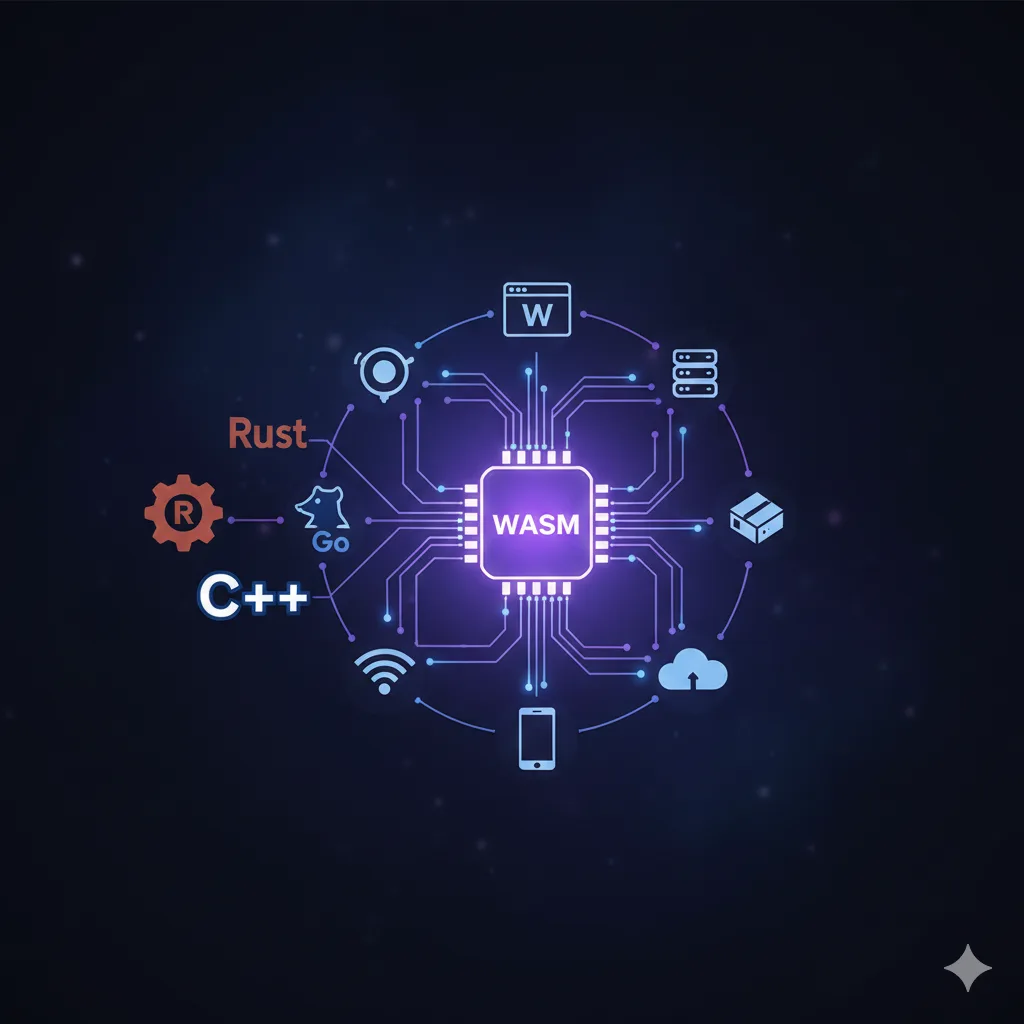
P.188WebAssembly is no longer just a browser technology. Server-side WASM, the component model, and WASI are reshaping how software gets built and deployed.