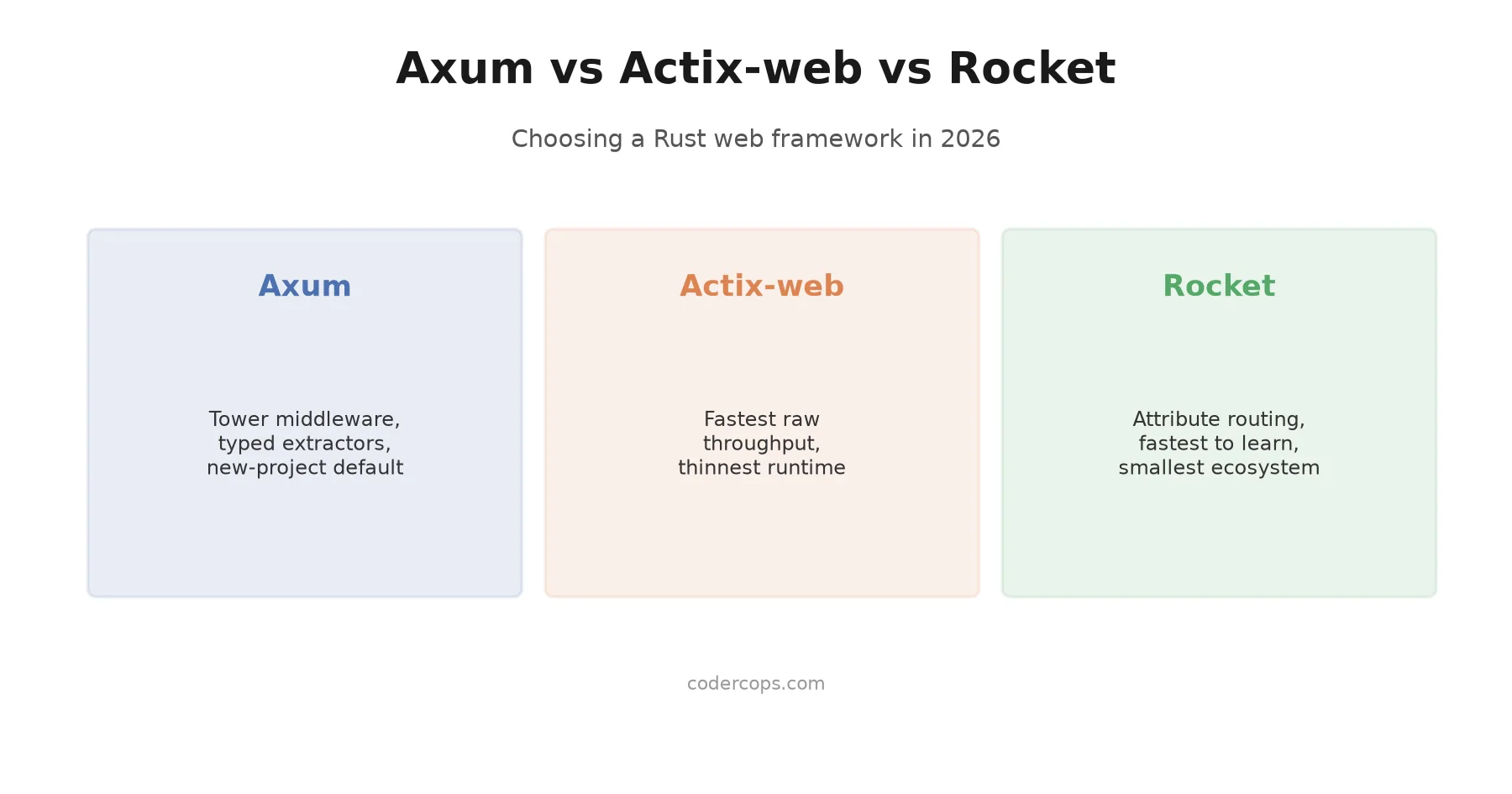
P.01Axum vs Actix-web vs Rocket: Rust Frameworks in 2026
Axum is the default for new Rust APIs in 2026, Actix-web wins on raw throughput, and Rocket wins on ergonomics. Here is which one fits your team.
Tag
80 articles tagged #Performance.
P.01Axum is the default for new Rust APIs in 2026, Actix-web wins on raw throughput, and Rocket wins on ergonomics. Here is which one fits your team.
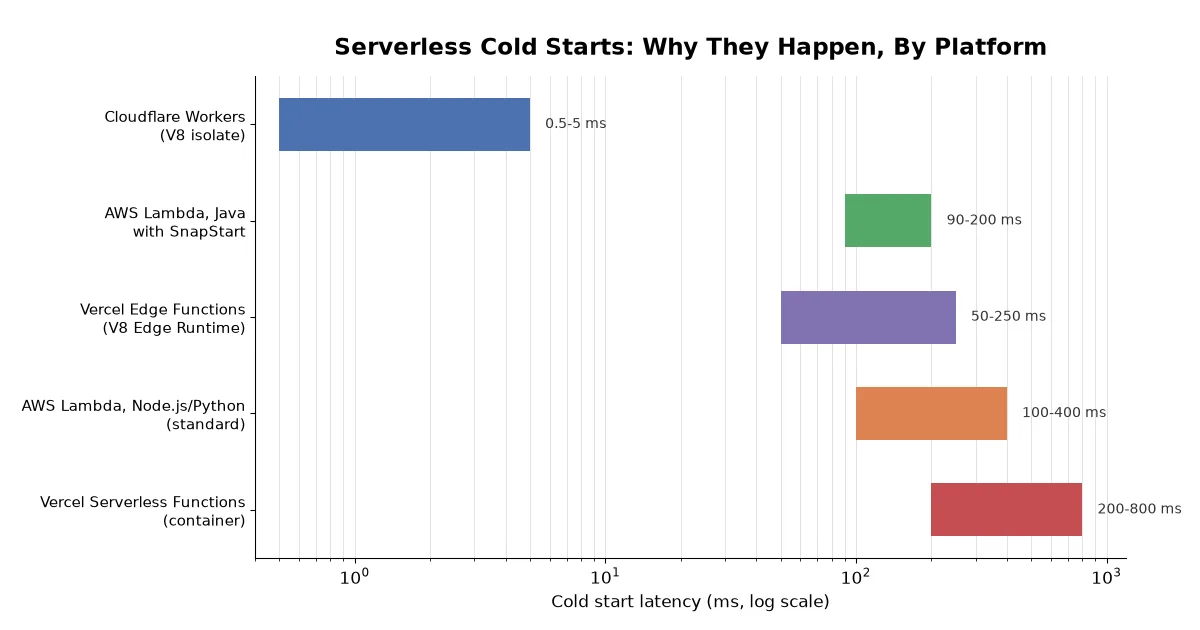
P.02A cold start is the fresh execution environment a platform builds before running your code. Some take 5ms, others 2 seconds. Here's why, and how to cut it.
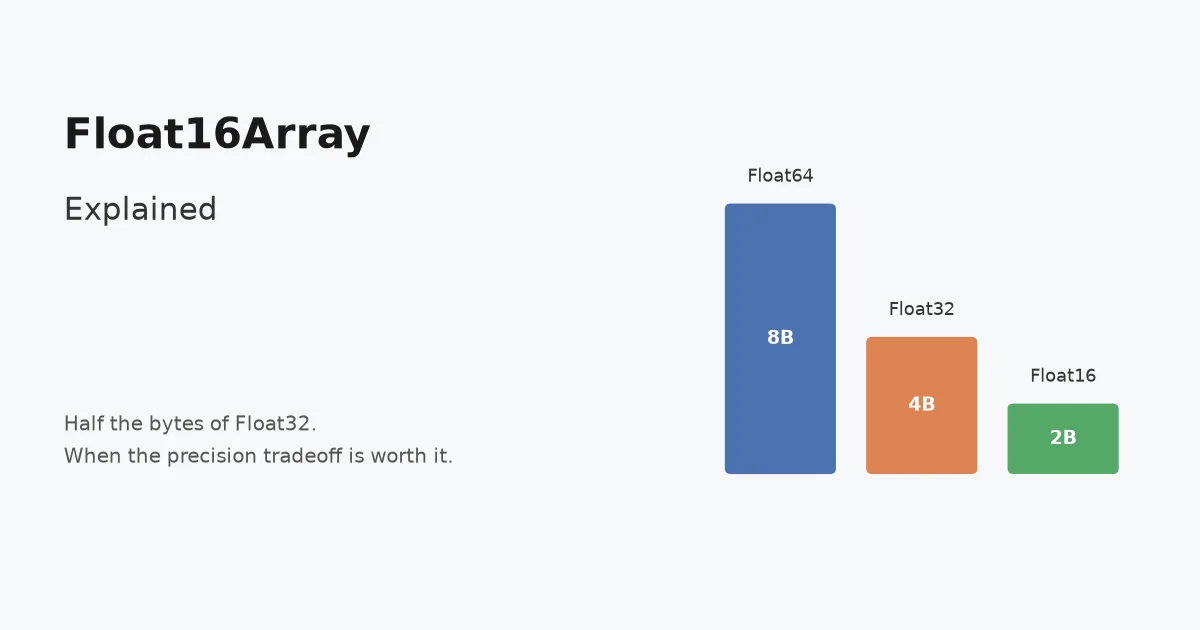
P.03Float16Array stores numbers in half the bytes of Float32Array, trading precision most workloads never used. What it's for, what it costs, where it fails.
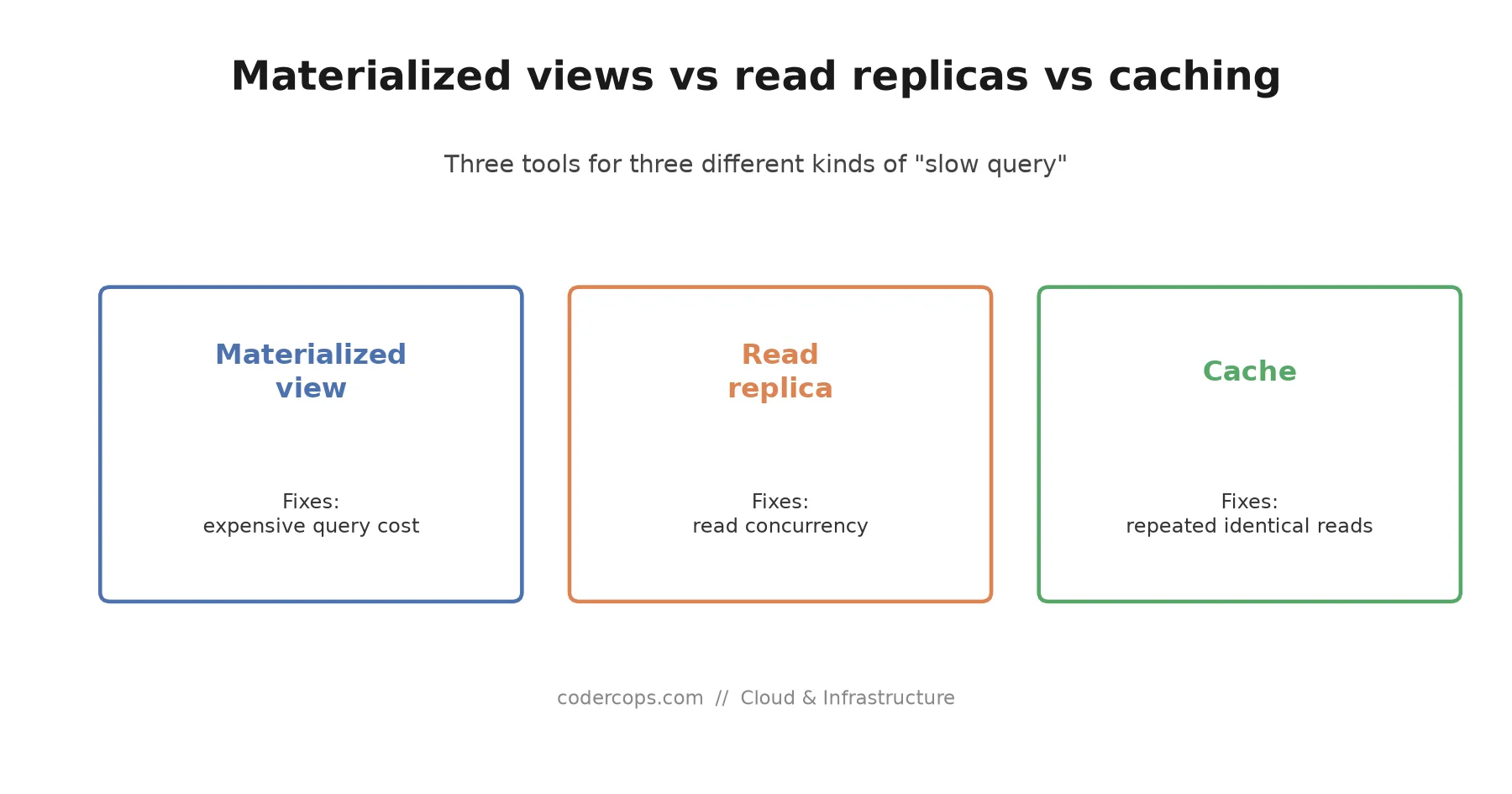
P.04Three tools solve three different versions of "this query is slow." How materialized views, read replicas, and caches differ, and how to pick one.
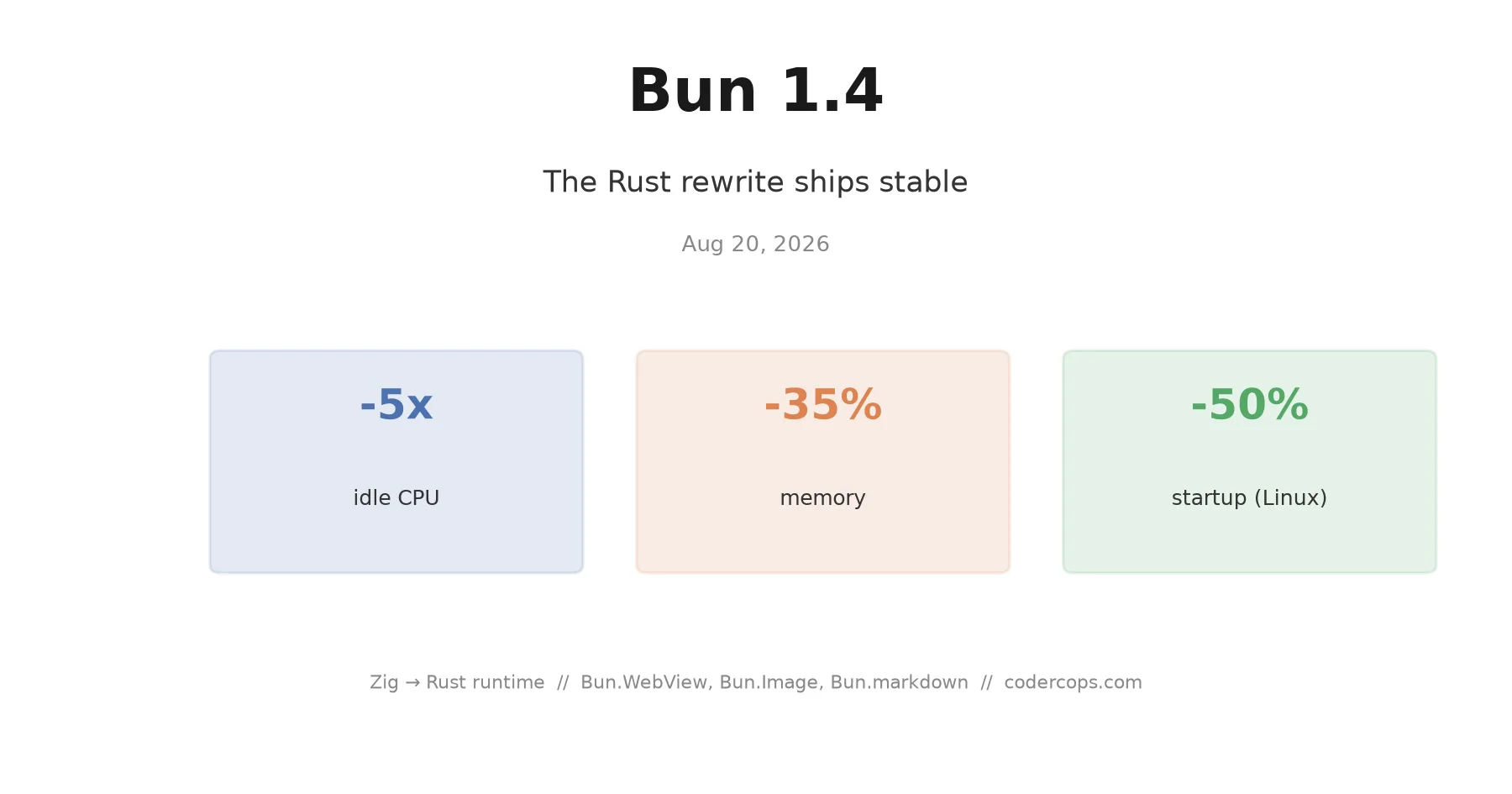
P.05Bun 1.4 is the first stable release on the Rust runtime, adding browser automation, image and markdown APIs, and real speedups. Why it split opinion.
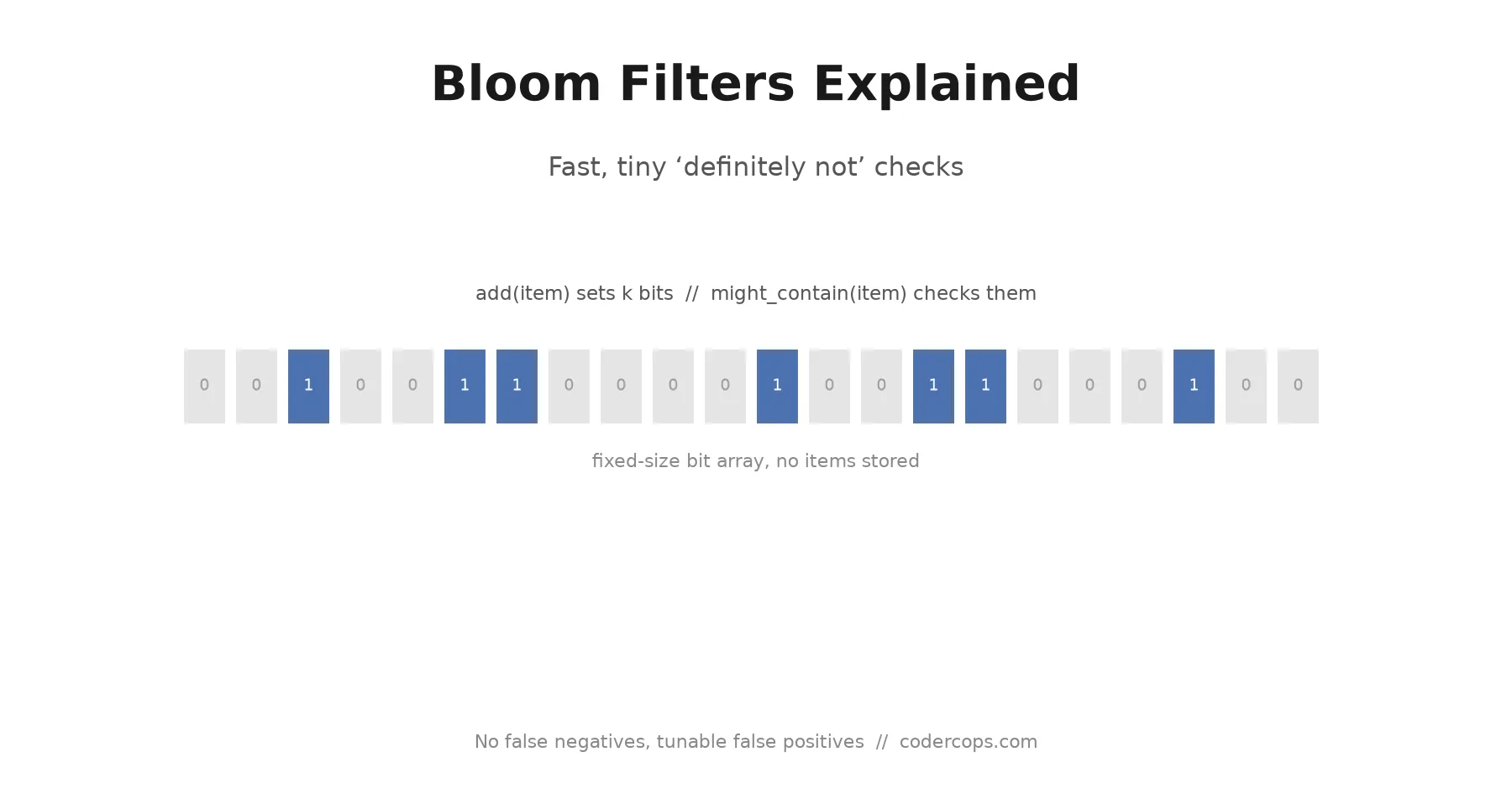
P.06A Bloom filter answers one question in almost no memory: is this definitely absent, or possibly present. How it works, and why false positives are a feature.
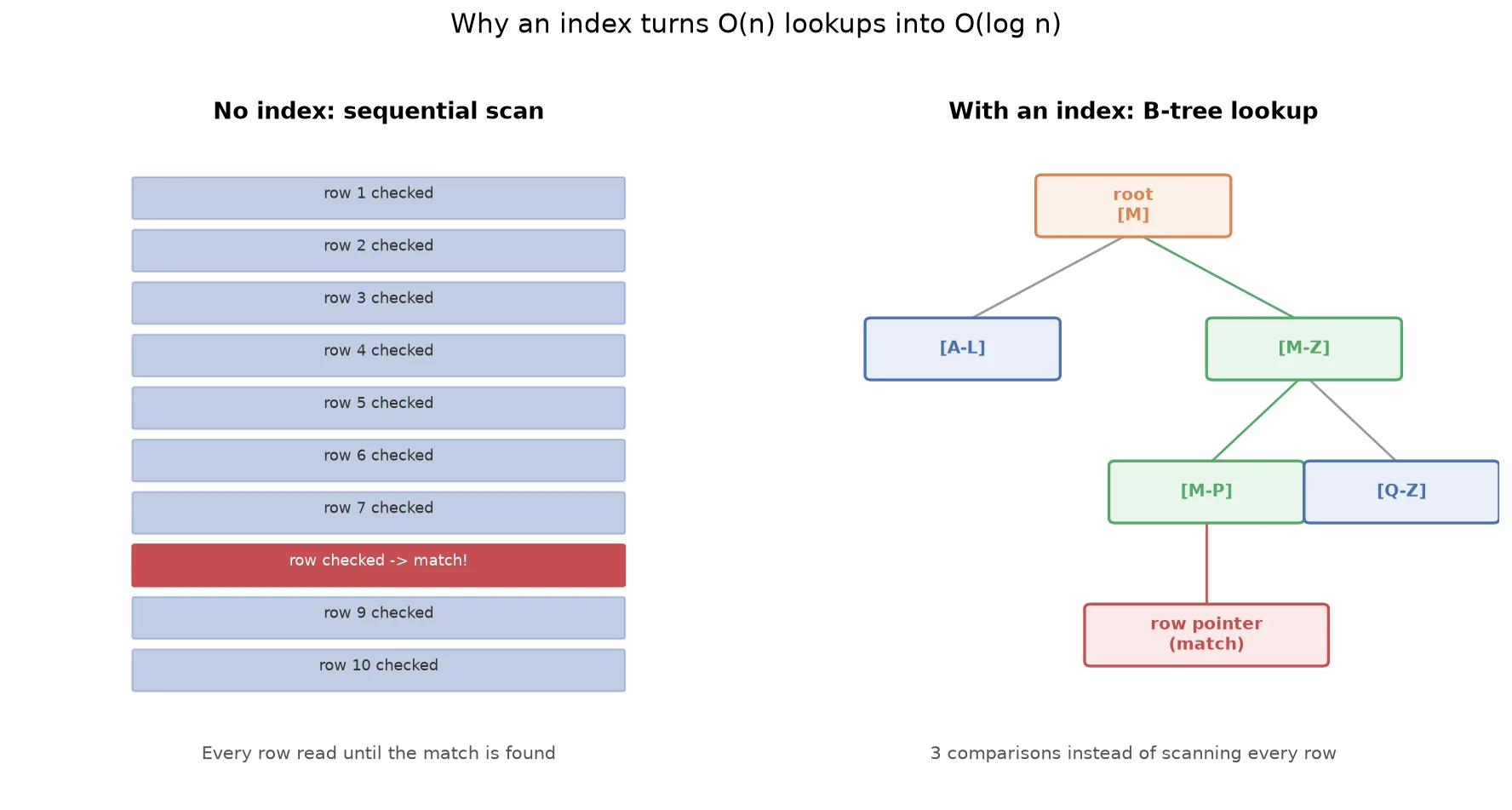
P.07An index turns a table scan into a few comparisons, but only for the queries it was built for. How B-trees work, and the write cost nobody budgets for.
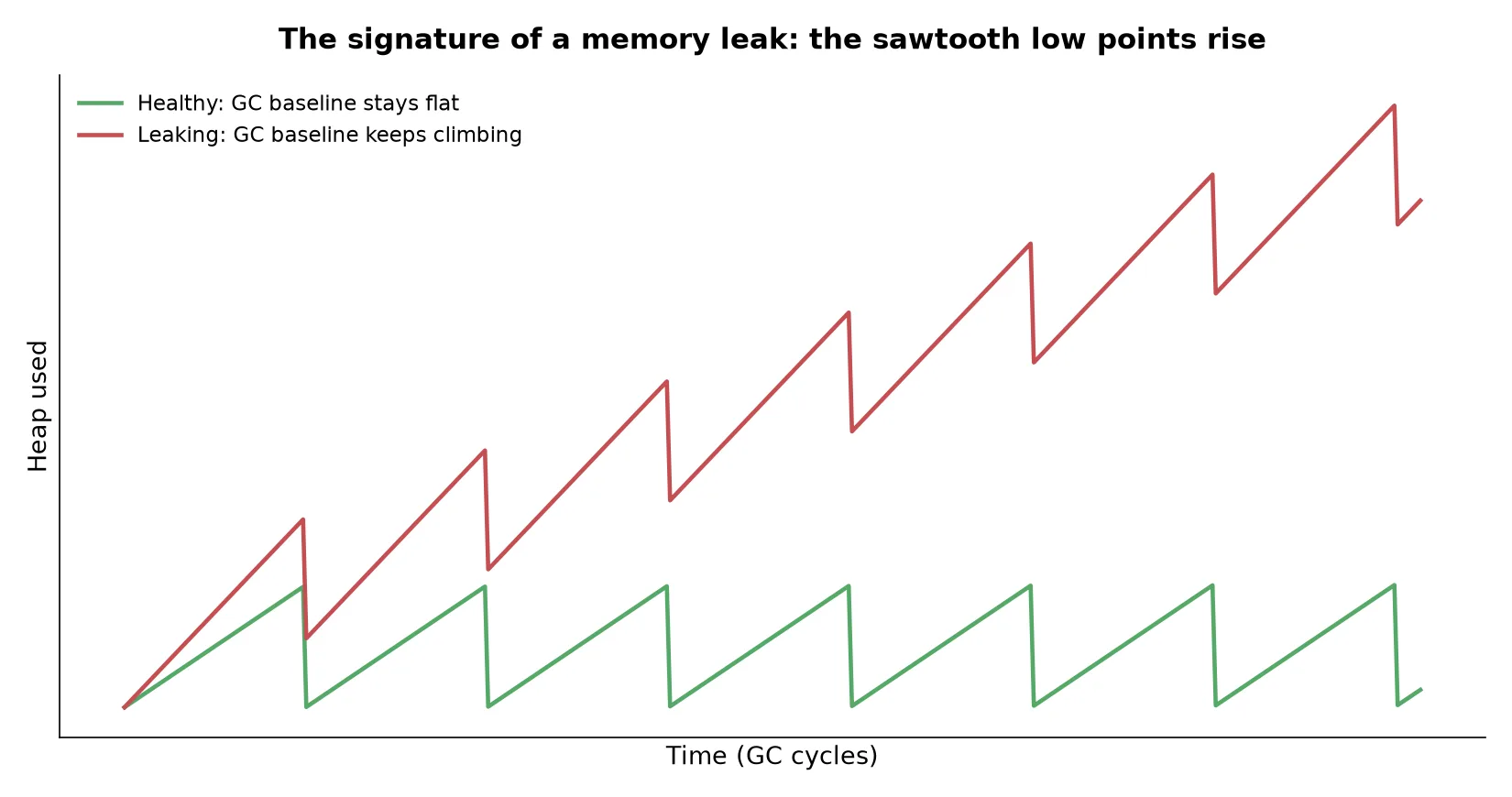
P.08Your Node process climbs until it's OOM-killed and restarting buys hours. The actual workflow: heap snapshot diffing, retainer paths, and the fast tools.
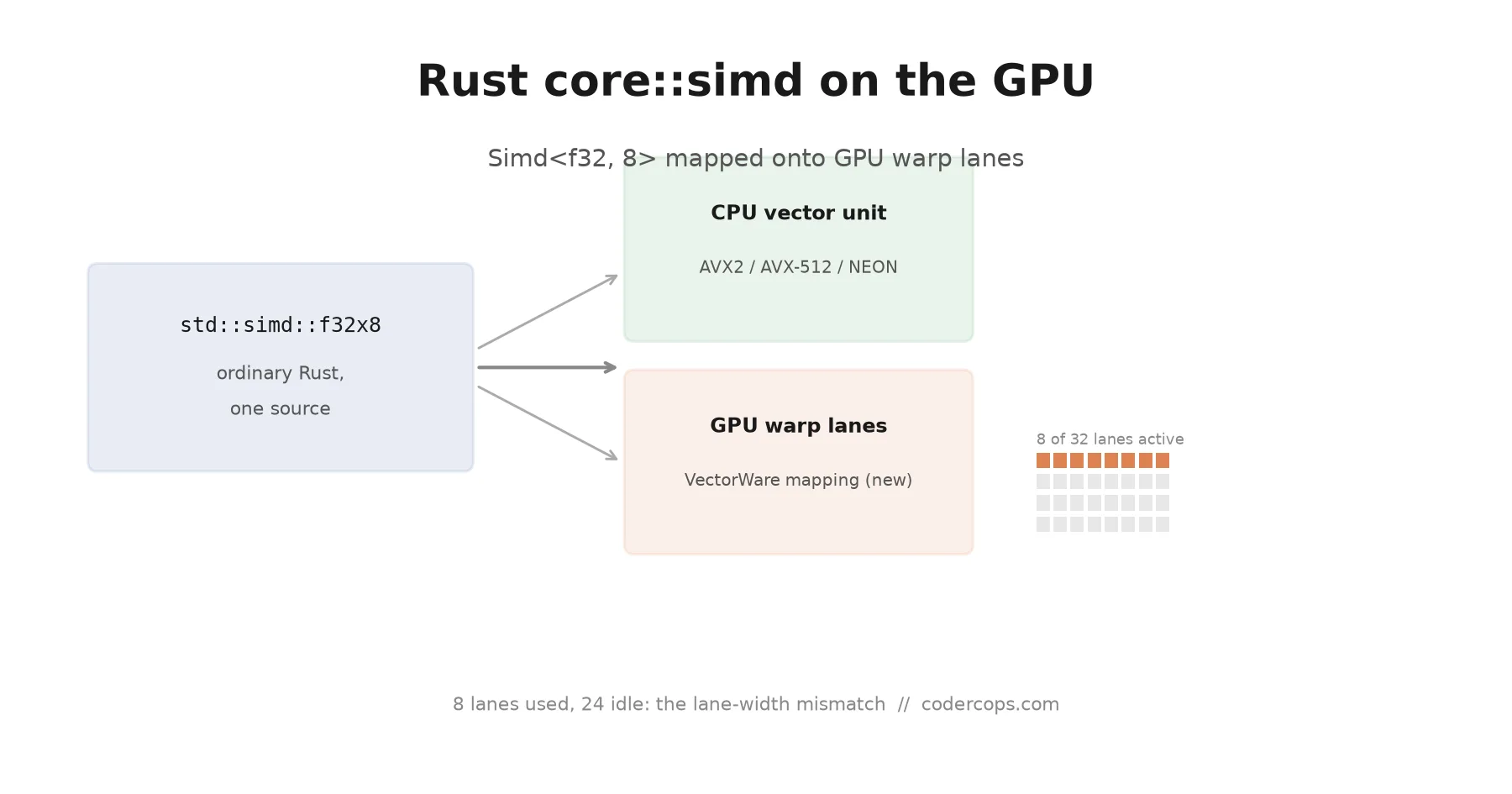
P.09VectorWare maps Rust's std::simd types onto GPU warps, so the same vector code runs on CPU and GPU. What it does, why it's hard, and where it still breaks.
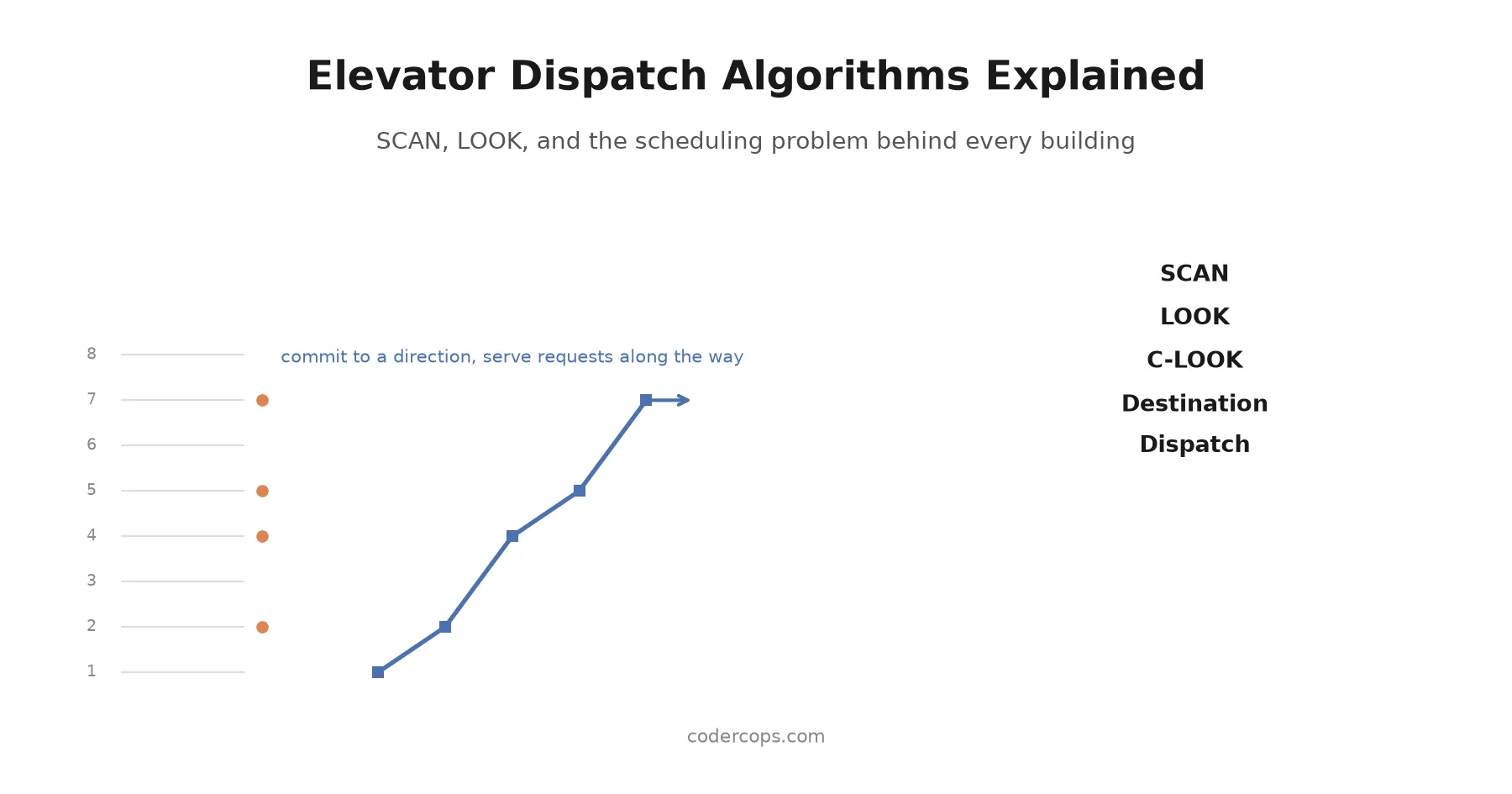
P.10The algorithm choosing your elevator is the same family your kernel uses to schedule disk reads. How SCAN, LOOK, and destination dispatch actually work.
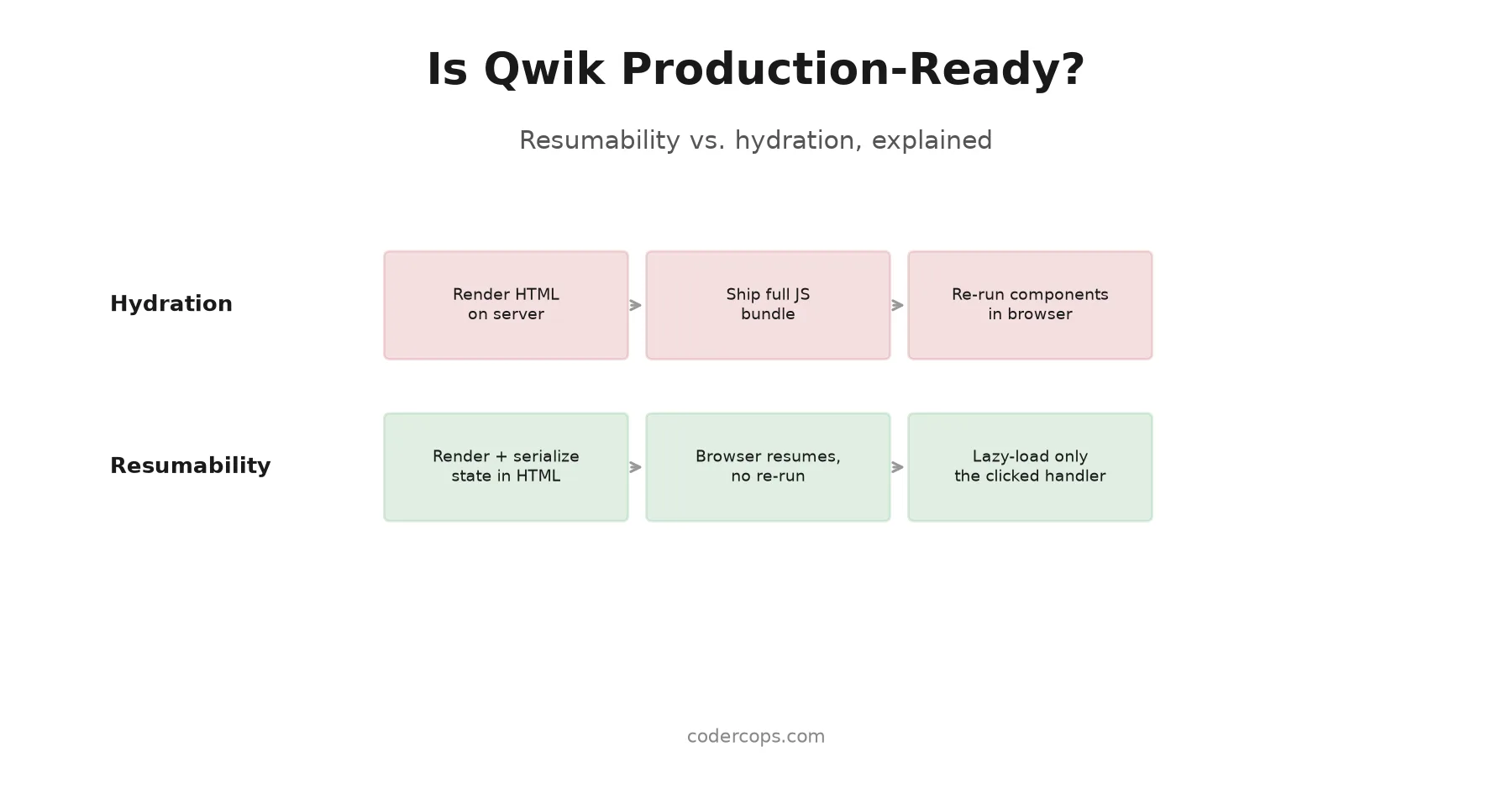
P.11Qwik skips hydration instead of optimizing it. How resumability actually works, what Qwik 2.0 changed, and the honest tradeoffs before you ship on it.
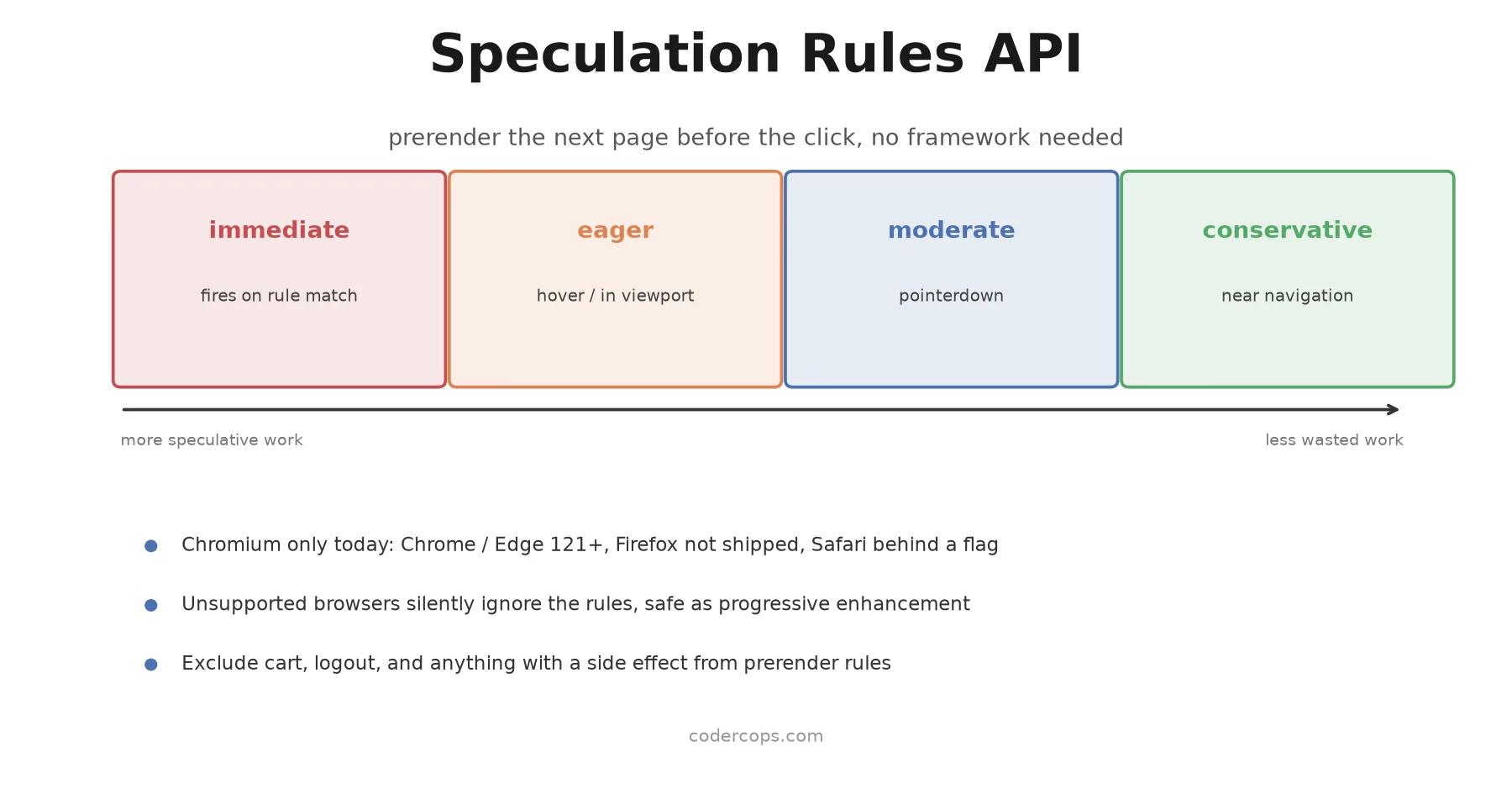
P.12Chrome and Edge can prerender the next page before a user clicks, with no SPA rewrite. How the Speculation Rules API works, what it wastes, and shipping it.
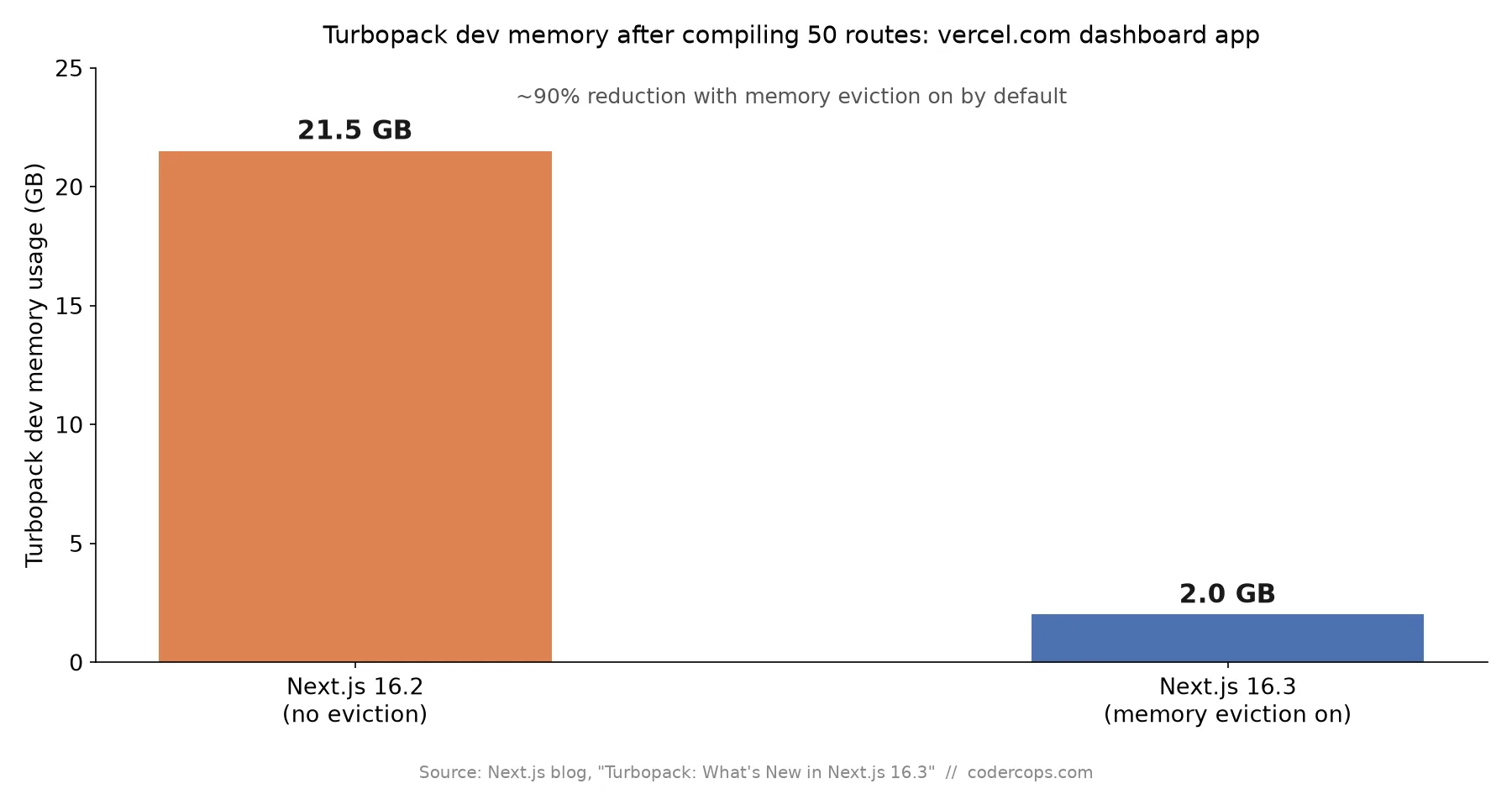
P.13Next.js 16.3 cuts Turbopack dev memory roughly 90% on large apps, extends the disk cache to next build, and ships a native Rust React Compiler.
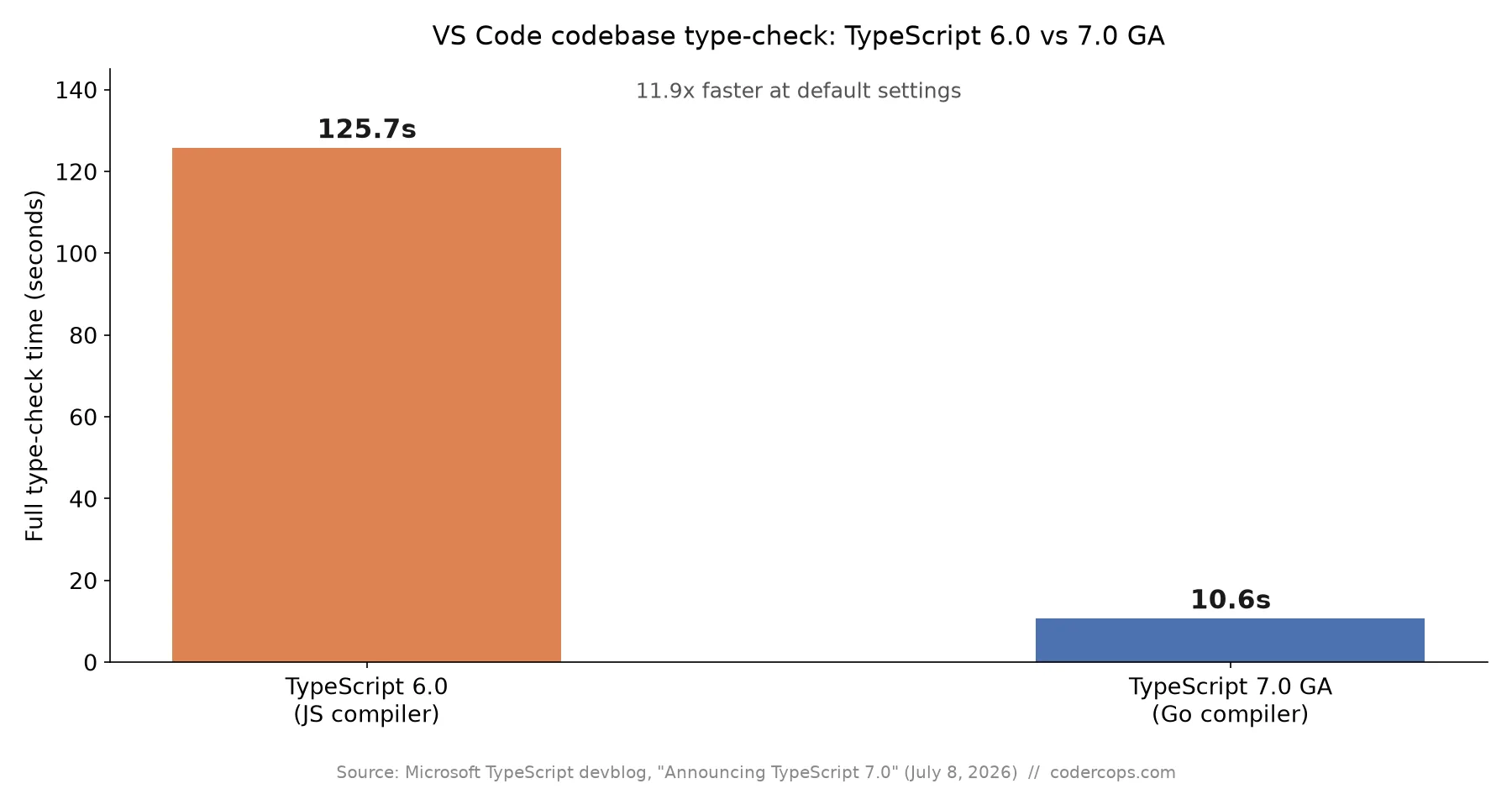
P.14TypeScript 7.0 hit GA on July 8, three weeks after the RC. The real GA benchmark, what strict mode locks in, and why Astro and Vue projects should wait.
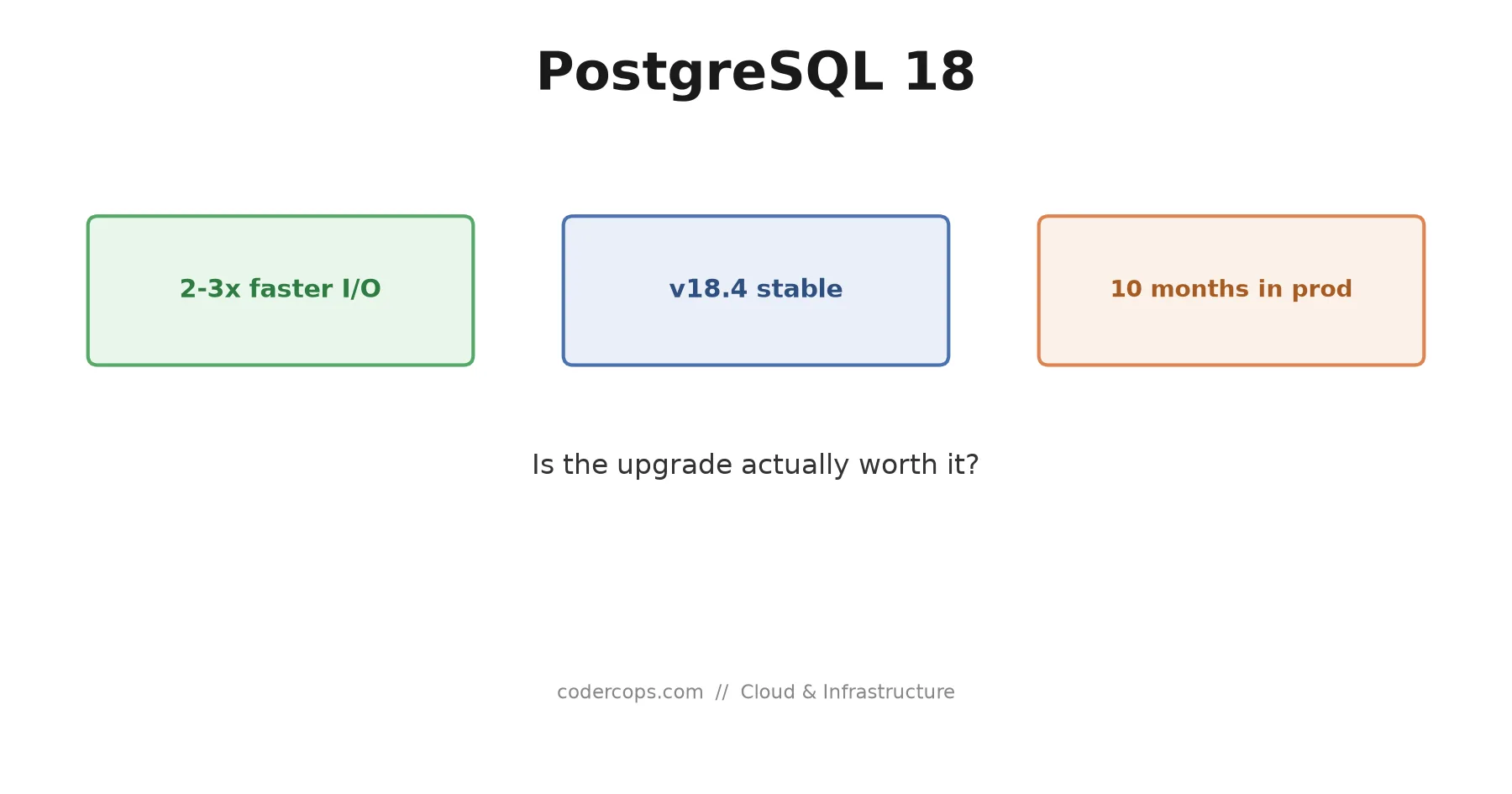
P.15PostgreSQL 18 is on 18.4 and 19 is still beta, so 18 is what you should run today. What async I/O, UUIDv7, and virtual generated columns actually buy you.
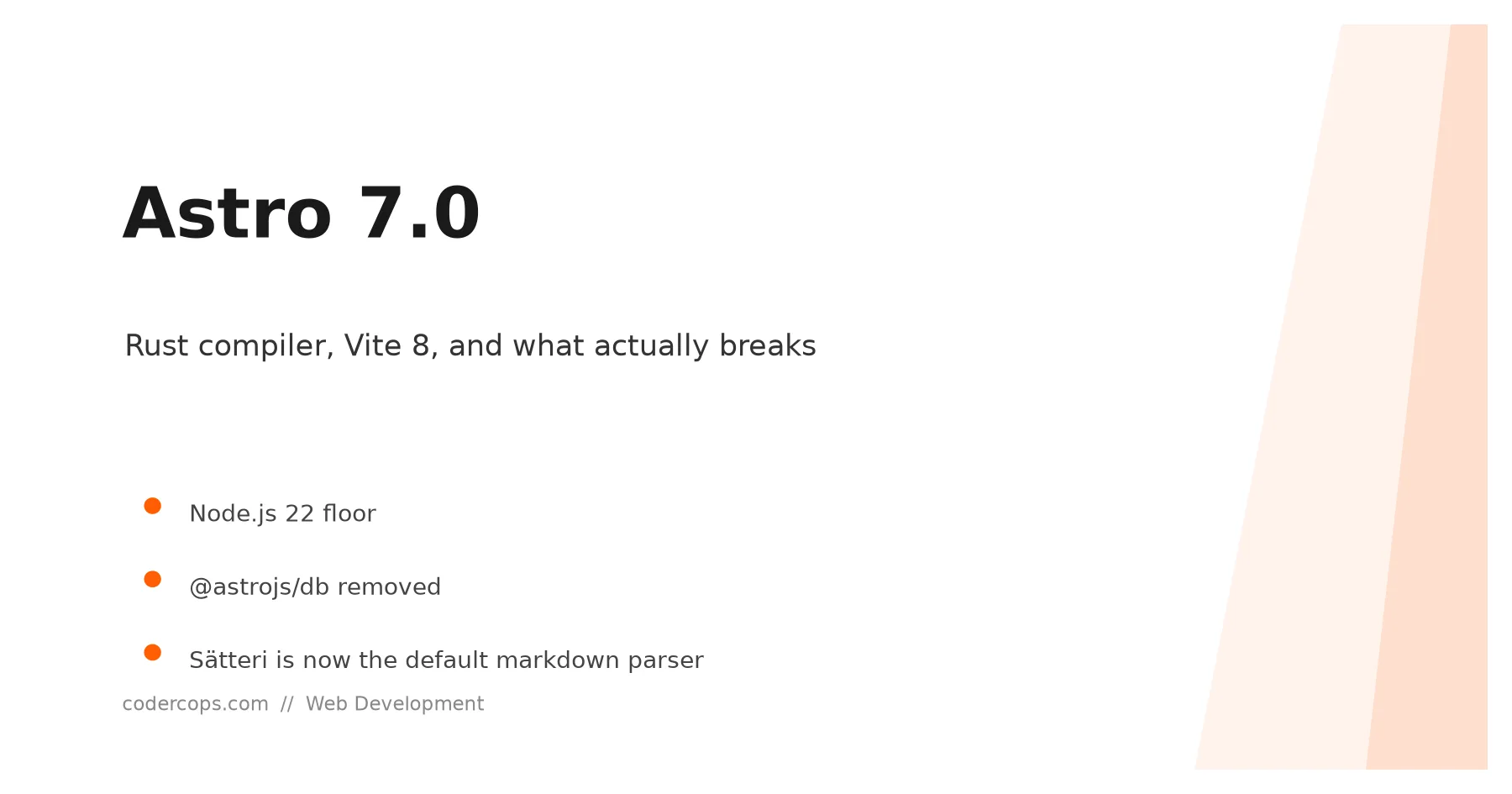
P.16Astro 7.0 rewrote its compiler in Rust, jumped to Vite 8, and switched markdown parsers by default. What changed, what was removed, and how to upgrade.
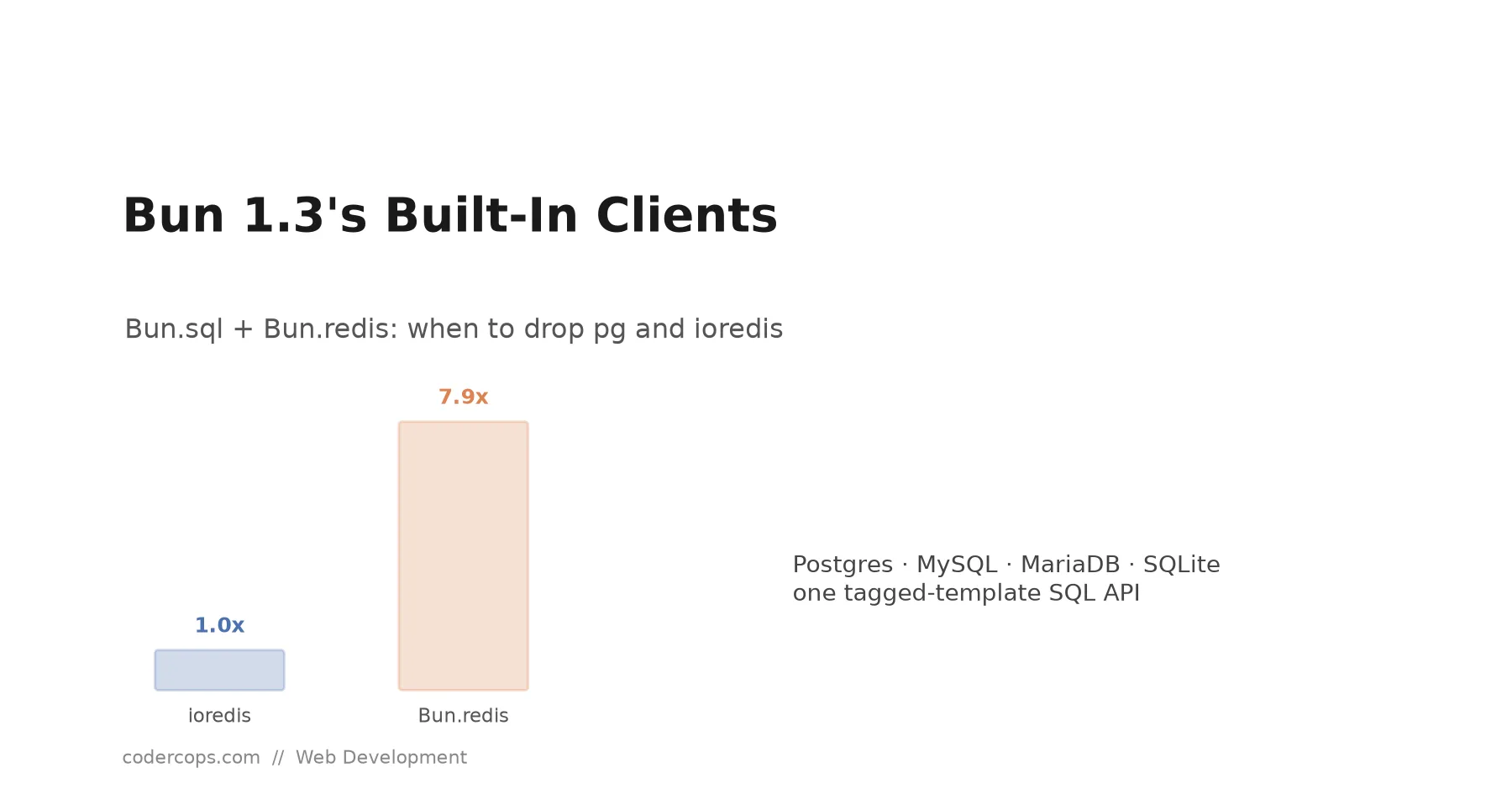
P.17Bun 1.3 ships Bun.sql for Postgres, MySQL, MariaDB, and SQLite, plus a Redis client it claims is 7.9x faster than ioredis. When switching is worth it.
P.18Most teams reach for cache-aside by default and never ask if it's actually the right pattern. Here's how the three main caching strategies behave under real traffic, the consistency gap each one leaves open, and how to pick between them.
P.19Sharding splits one database across many machines. The strategy you pick decides whether you get hot spots, painful resharding, or something that scales.
P.20All three move messages between services, but answer different questions about delivery, replay, and who reads what. The decision, and the failure modes.
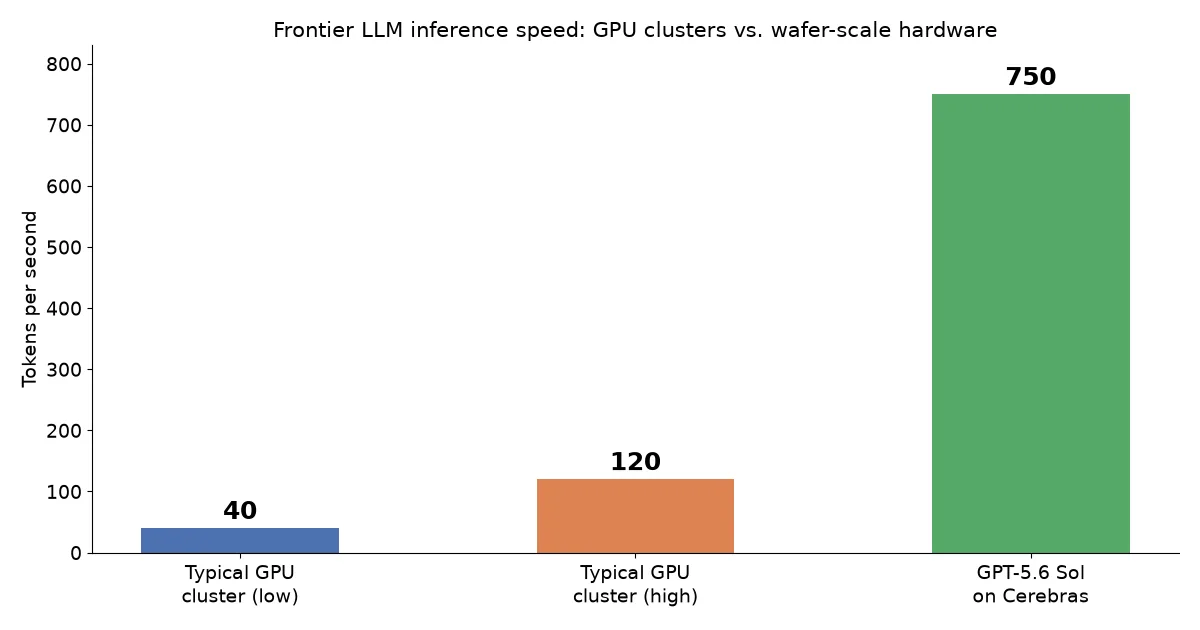
P.21GPT-5.6 Sol runs on Cerebras wafer-scale hardware at up to 750 tokens per second, roughly 10x typical GPU inference. Who that speed is actually for.
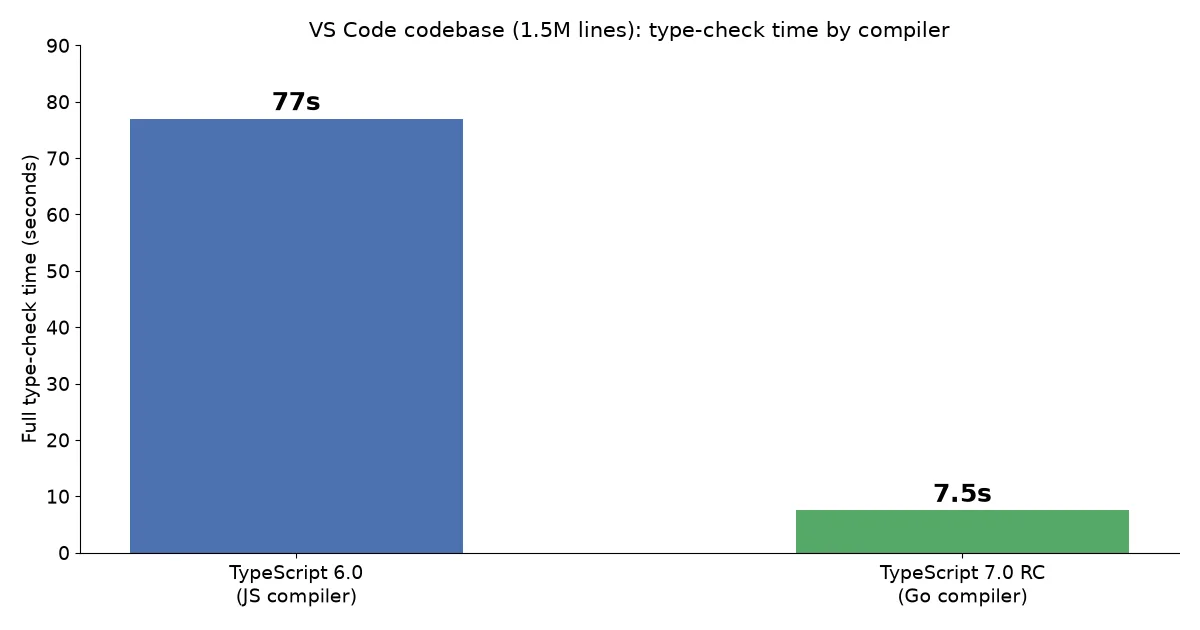
P.22TypeScript 7.0's release candidate landed June 18, 2026 with GA about a month out. What's new since beta, real VS Code benchmarks, and a migration checklist.
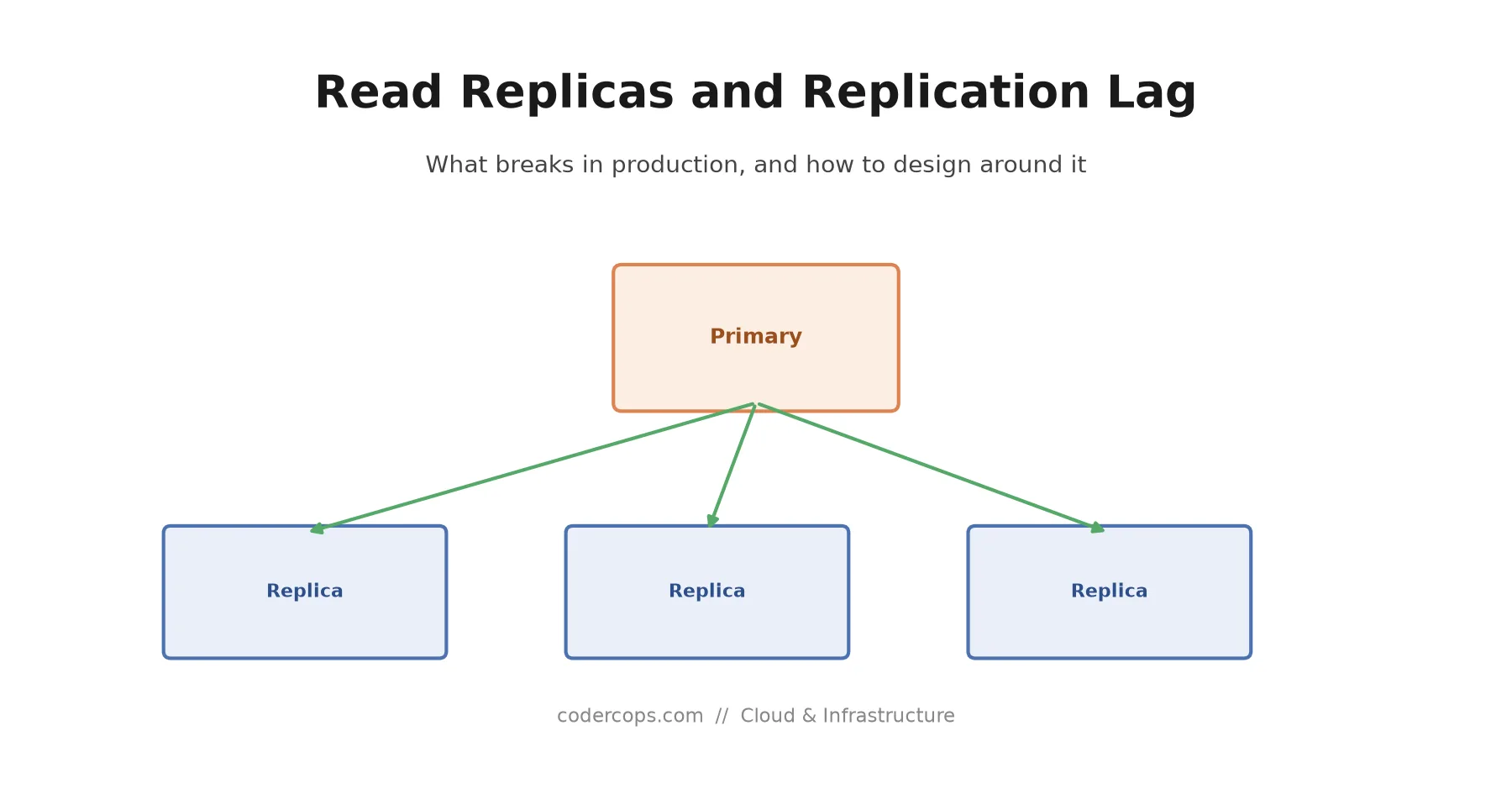
P.23Read replicas are the standard fix for read load, but they open a gap between writing data and reading it back. What lag breaks, and how to design around it.

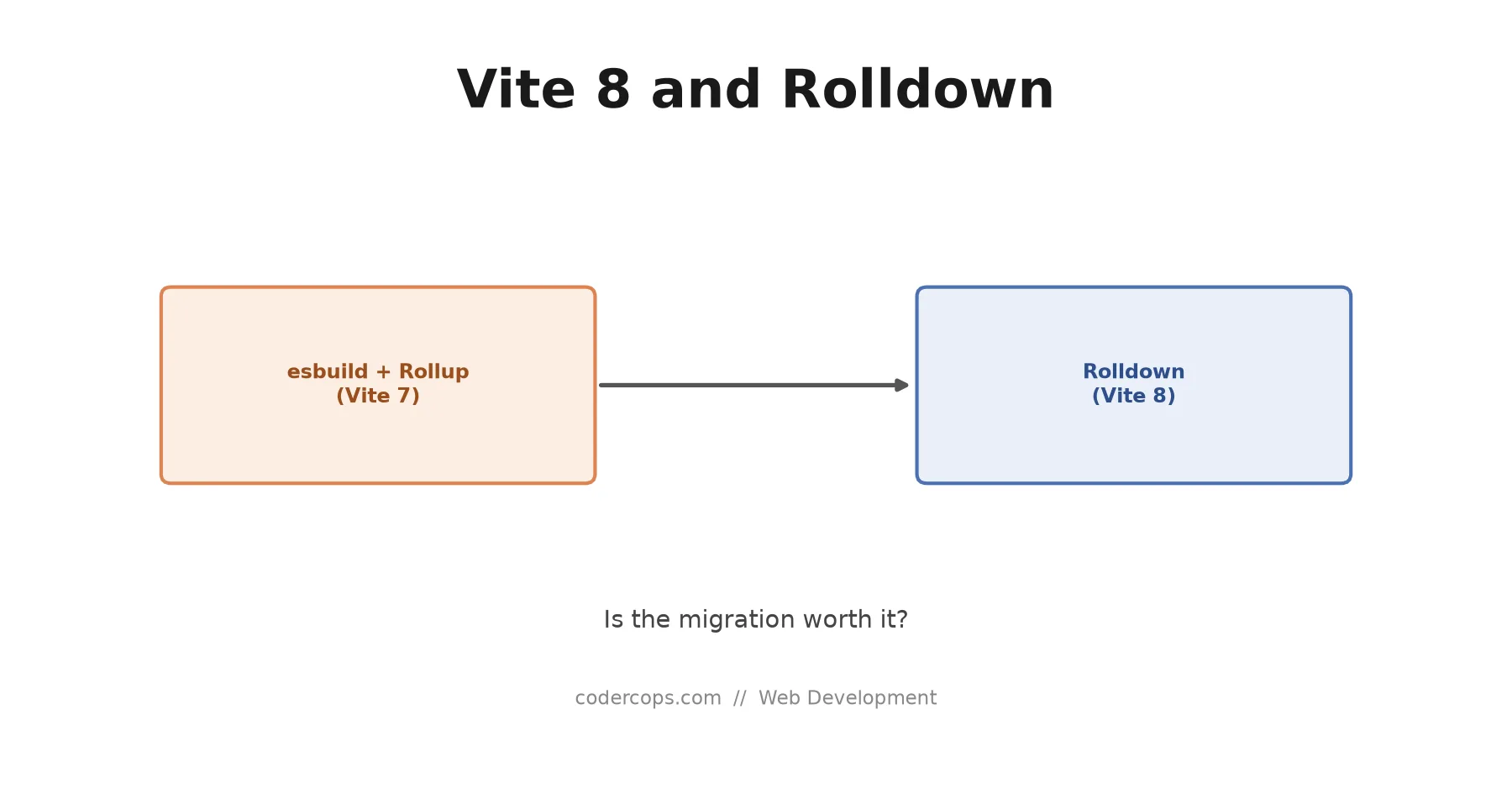
P.24Vite 8 replaced its dual esbuild and Rollup setup with Rolldown, a Rust bundler, by default. What changed, the real build times, and whether migrating pays.
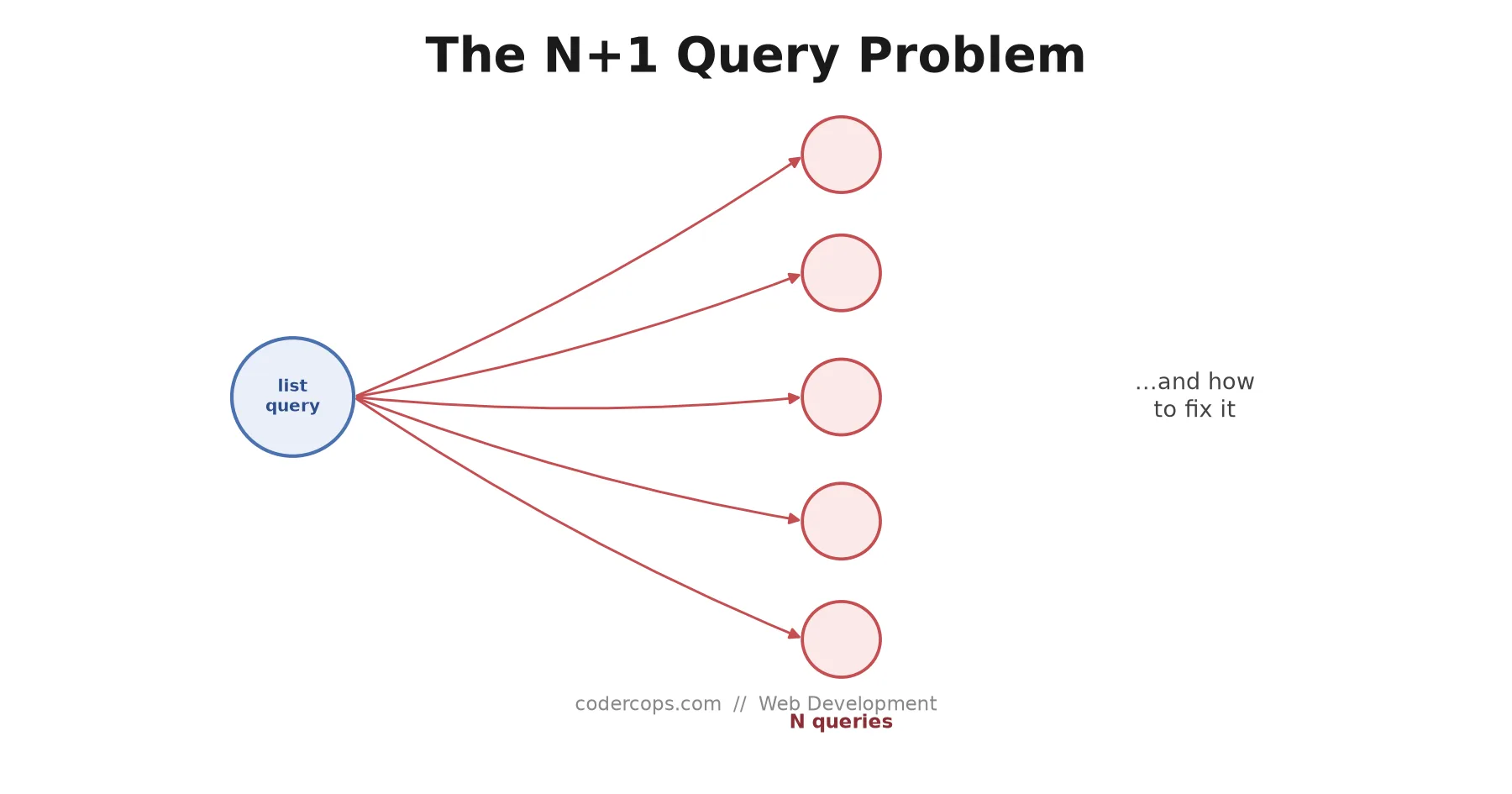
P.25An N+1 bug turns one page load into hundreds of round trips. What causes it, how to spot it in Django, Rails, and Prisma, and the eager-loading fixes.

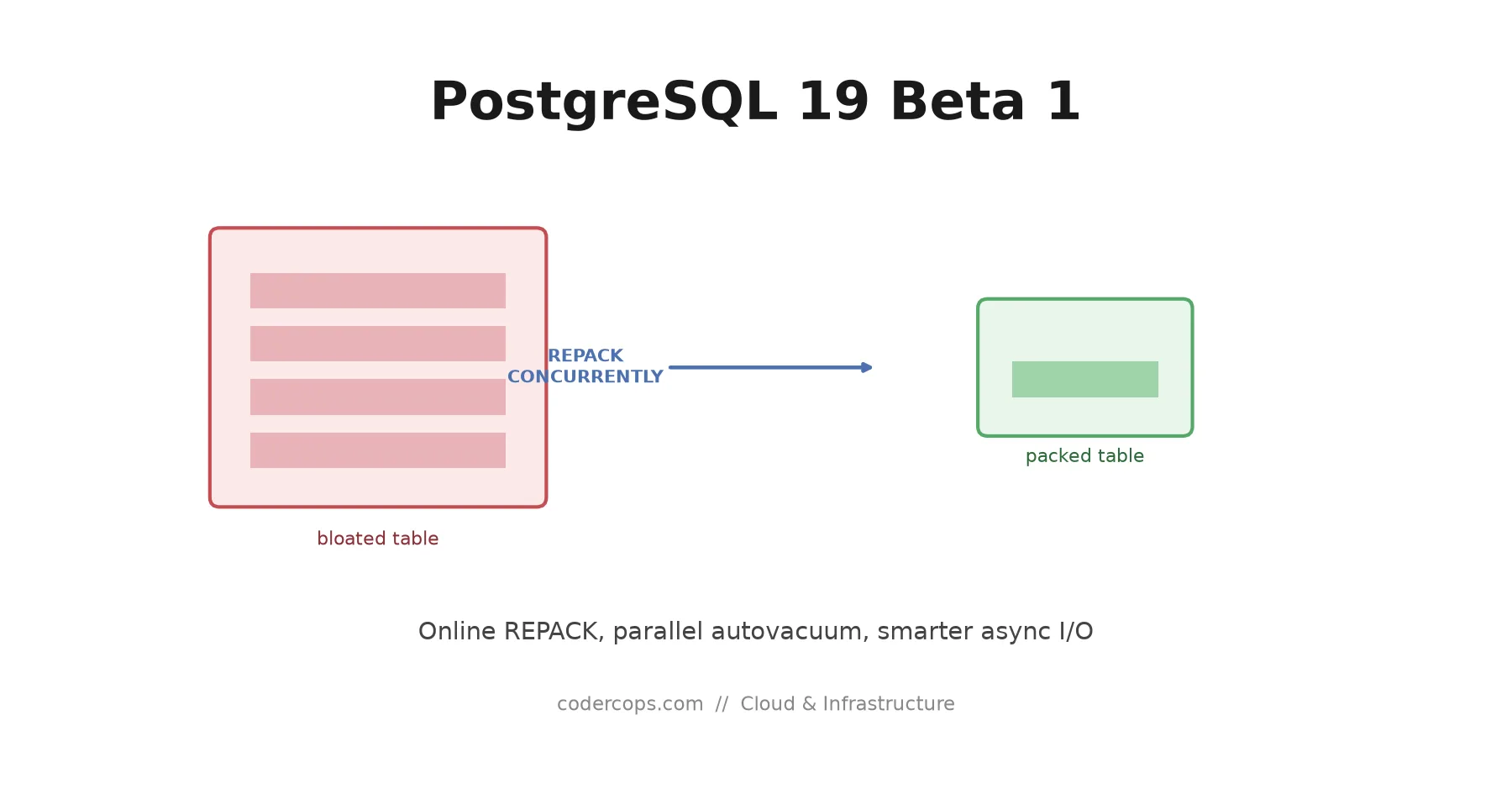
P.26PostgreSQL 19 Beta 1 adds REPACK, which rewrites bloated tables without a maintenance window, plus parallel autovacuum and smarter async I/O.
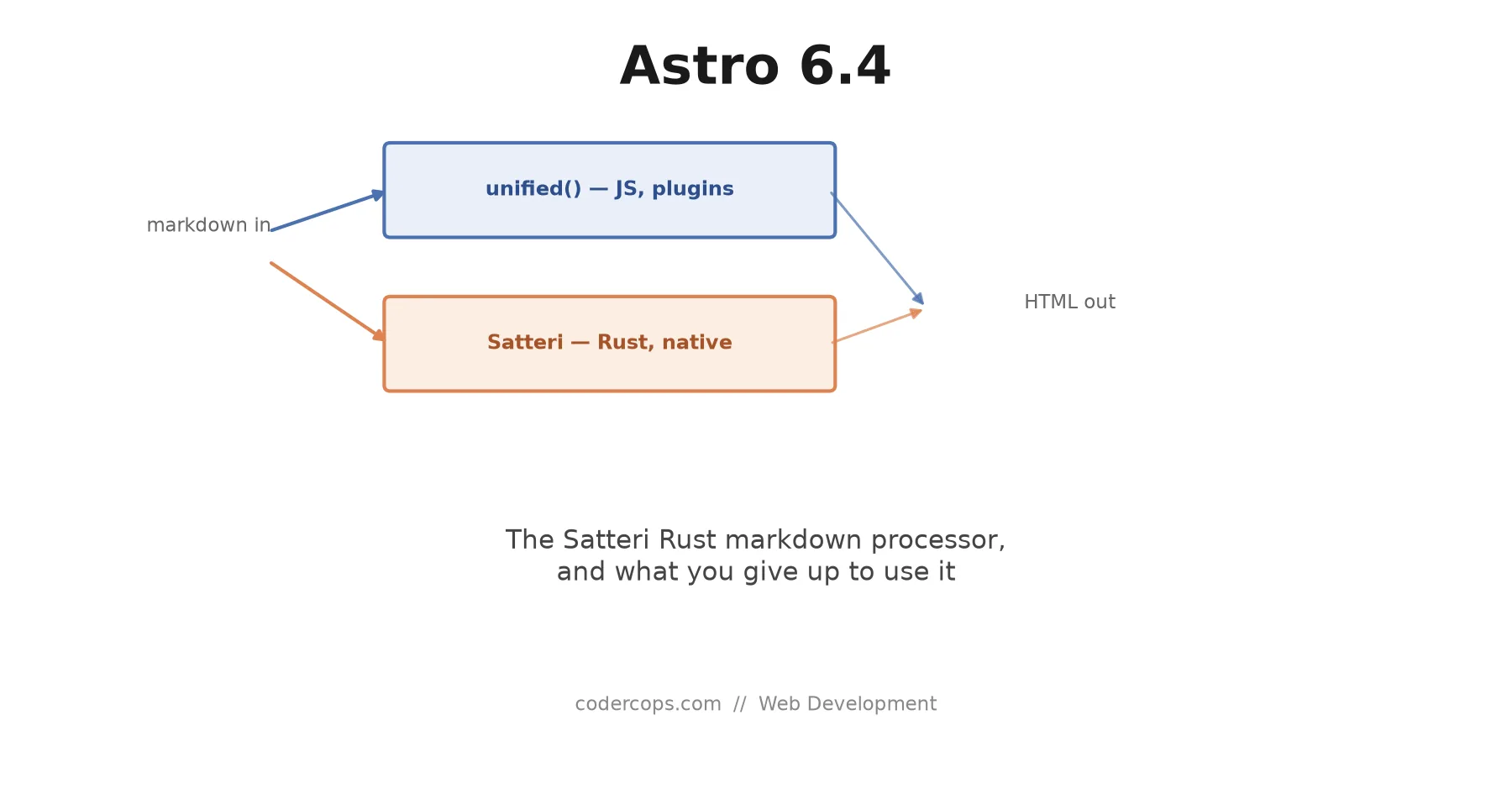
P.27Astro 6.4 ships a pluggable markdown pipeline and Sätteri, a Rust processor that speeds up content-heavy builds. It can't run your remark plugins yet.
P.28Next.js 16.3 preview added Instant Navigations, giving server-rendered apps the snappy feel of a client-side SPA. What changed, and when to use it.
LLM bills grow faster than usage. Prompt caching, semantic dedup, tiered routing, and batch inference cut 40-80% without degrading output quality.
Python asyncio fails in production from hidden blocking calls, CPU-bound work stalling the event loop, and cancellation bugs most tutorials skip.
SolidJS is not React with a different syntax. It compiles to real DOM operations, skips the virtual DOM entirely, and has a different mental model for reactivity. Here's what that means in practice.
Three.js makes WebGL usable. React Three Fiber makes Three.js feel like React. The fastest path to interactive 3D on the web, and how to use it.
Images are the single biggest factor in Largest Contentful Paint for most sites. AVIF has widespread browser support now. Here's the optimization stack worth using and how to implement it.
CSS @layer lets you set explicit priority between your reset, base, components, and utilities. Here's how cascade layers work in production stylesheets.
ClickHouse is a columnar database designed for analytical workloads. It answers queries over billions of rows in seconds that would take minutes in Postgres. Here's what application developers need to know.
SQLite runs in every phone and browser. Turso extends it to the server and edge with replication, branching, and a network protocol. Here's when it makes sense.
Most slow queries come from a small set of fixable problems: missing indexes, N+1 patterns, and over-fetching. This is the practical diagnostic and fix guide.
WebGPU is now in Chrome, Firefox, and Safari: a general-purpose GPU compute layer, not just graphics, for ML inference, image processing, and simulation.
Three different approaches to styling a web application — Tailwind, CSS Modules, and CSS-in-JS libraries — and the team contexts where each one actually makes sense.
eBPF lets you attach programs to any kernel hook — network packets, system calls, function calls — without patching the kernel or rebooting. Here's what application developers actually need to know.
Local-first means your app works offline and syncs when connected. The technology (CRDTs and sync engines) is mature enough to use. The question is whether your use case actually needs it.
Three animation options dominate web development right now: CSS, Framer Motion, and GSAP. Here's how to pick the right one for your project and why the native platform is better than you might expect.
The View Transitions API and scroll-driven animations are now baseline in every major browser. Here's what they replace and working code for both.
DuckDB runs OLAP queries directly in your process, on files on your laptop, without a server. Here's how to use it and when it beats spinning up BigQuery or Redshift.
A hands-on comparison of Typesense, Meilisearch, and Algolia for production SaaS search: self-hosting, performance, pricing, and real implementation patterns.
The decisions behind fast, accessible, maintainable web apps in 2026: Core Web Vitals thresholds, where the performance wins are, and what to test.
OpenTelemetry is the observability standard now. Most tutorials show you how to install the SDK and emit traces. Fewer explain which signals actually matter for web applications and which add noise without helping you debug anything.
Media queries ask 'how wide is the viewport?' Container queries ask 'how wide is my parent?' That shift changes how you think about reusable components.
HPA scales on CPU and memory. But most production workloads don't scale well on those signals. KEDA, VPA, and Goldilocks fill the gaps that HPA leaves open.
Google's crawler runs JavaScript, but on a delay and with different limits than a browser. Here's where JS app SEO actually breaks, and how to test for it.
The queries that wreck production Postgres share a few root causes. How to find them, read EXPLAIN ANALYZE properly, and fix them without guessing.
PWAs got a second wind once iOS 16.4 enabled push notifications and iOS 17 improved install flow. The gap between PWA and native is now narrow enough to matter.
Interaction to Next Paint replaced First Input Delay in 2024, and most sites still haven't caught up. INP is harder to optimize because it measures every interaction, not just the first one.
Client state is easy. Server state, which lives on a backend and changes on its own, is where React apps make a mess. TanStack Query handles it cleanly.
k6 is a load testing tool with JavaScript scripting and CI integration. Writing meaningful tests, reading the results, and catching regressions early.
Python 3.13 shipped an experimental mode that removes the Global Interpreter Lock. Here's what the GIL actually does, what free-threaded Python changes, and what it still doesn't fix.
Connection exhaustion is one of the most common production failures for apps that scale. Here's how pooling works, which tool fits which setup, and the configuration decisions that matter.
Caching is high-leverage and consistently misunderstood. How Cache-Control and ETags actually work, why stale content happens, and how to design for it.
Polars beats pandas on speed through Arrow memory, multi-threading, and lazy evaluation by default. Here's when the switch is worth it and how to migrate.
Biome is a Rust-based toolchain that replaces ESLint and Prettier with one fast binary for linting, formatting, and imports. Here is what migrating looks like.
Not every real-time feature needs WebSockets. Server-Sent Events handle most push scenarios with far less complexity. Here's how to choose, and what each approach looks like in actual code.
Every public API needs rate limiting, but the algorithm you choose shapes the user experience and the failure modes. Here's how each approach works and when to use it.
Most teams treat their CI pipeline as a black box that occasionally fails. A few hours of optimization can cut your CI time by 40-60% and your GitHub Actions bill by a similar margin. Here's exactly how to do it.
LLM calls are slow and expensive, so caching is the obvious fix. Here's when it backfires and how to implement exact-match and semantic caching.
HTTP/3 is in production at every major CDN and supported by all modern browsers. Whether it actually helps your application depends on factors most guides don't explain.
ALTER TABLE locks your database. Your migration takes longer than expected. Users get errors. Here's how to handle schema changes that don't interrupt production traffic.
Five different things people mean by 'update' (content, dependencies, performance, design, full rebuild) and how often each should actually happen.
Bun hits 52K req/sec, Deno 2 achieves full npm compatibility, and Node.js remains the enterprise standard. A practical comparison with benchmarks, code examples, and migration guides.
TypeScript 6 beta rewrites the compiler in Go, delivering 10x faster builds. We analyze benchmarks, ecosystem impact, editor support, and the migration path from TS 5.8.
Zig 0.16 ships an async rewrite, improved comptime, and growing production use at Bun, TigerBeetle, and Uber. Here is why C developers should stop ignoring it.
Async Django is production-ready in 2026, but landmines still exist. Four real projects, benchmarks, and a framework for deciding when async actually helps.
We built Colleatz, a food delivery platform on Next.js, FastAPI, and MongoDB, cutting menu load time to under 200ms and cart abandonment to 22%.
Edge functions win on cold starts (6-18ms), containers win on steady-traffic cost, and serverless wins on developer experience. Real benchmark numbers inside.
CSS has changed more in the last 2 years than the previous 10. Here is what is production-ready, what to adopt now, and what you can stop using.
WebAssembly is not just for browser apps anymore. From edge computing to plugin systems, here are 5 production use cases reshaping how we build software.
Data centers consume 2-3% of global electricity and that number is climbing fast. Green software engineering is no longer a nice-to-have -- it is becoming a regulatory and commercial requirement.
Anders Hejlsberg announced the Go-based TypeScript compiler in March 2025. With TypeScript 7.0 on track for mid-2026, early benchmarks show 10x faster type-checking. We unpack what this means for your projects.
We build client work in Next.js daily and chose Astro 5 for our own site. The bundle numbers, the build times, and where Next.js is still the right call.
A deep dive into edge computing platforms, comparing Cloudflare Workers, Vercel Edge Functions, and Netlify Edge. Learn when to use each and how to optimize for the edge.
Microsoft, Google, and Amazon are migrating critical systems to Rust. Learn why Rust is becoming the default choice for systems programming and how to get started.