Business · Hiring
How to Hire an Angular Developer in 2026
Angular's enterprise comeback is real. Signals, standalone components, and zoneless change detection changed what senior skill looks like. How to hire for it.

Abhishek Gupta
8 min read

Sponsored
Enterprise web development in 2026 still runs largely on Angular. That surprises people who follow the React-dominated frontend conversation, but healthcare portals, banking dashboards, insurance underwriting tools, and government-facing applications are heavily Angular. The framework has been stable, opinionated, and built for teams of ten-plus developers working on the same codebase for years.
What has changed is Angular itself. The framework released in 2016 and the Angular you hire for in 2026 are meaningfully different products. Signals, standalone components, and a path to running without Zone.js have updated the mental model required for senior Angular work. If your screening process was last refreshed more than two years ago, it is testing the wrong things.
Who hires Angular developers and why
Angular is not the right tool for every project. It brings a large runtime, a steep initial learning curve, and strong opinions about how your application should be structured. For a small consumer app or a marketing site, those tradeoffs are rarely worth it.
Where Angular earns its position:
Large team codebases. Angular’s dependency injection, module (and now standalone component) boundaries, and strict TypeScript requirements make it easier to coordinate across many developers without stepping on each other. React gives you more freedom; that freedom becomes coordination overhead at scale.
Enterprise clients with long maintenance windows. A codebase that needs to be maintained by different people over five to ten years benefits from Angular’s opinionated structure. There are fewer ways to solve the same problem, which means fewer surprises when someone new touches the code.
Internal tooling and data-heavy dashboards. Angular Material, the built-in forms system, and Angular’s reactive forms API are well-suited for forms-heavy, data-entry-heavy interfaces. These are common in enterprise internal tools.
If your project fits one of these profiles, you are hiring into the right ecosystem. If it does not, the Angular talent market is thinner than React for good reason.
What changed between Angular 16 and Angular 21
Candidates who learned Angular before 2023 may not have internalized the signal story. Here is what shifted:
Signals (Angular 16+, stable Angular 17). Angular introduced a new fine-grained reactive primitive that works at the component level. A signal holds a value. A computed derives from one or more signals. Effects run when a signal changes. This is the model that is now replacing Zone.js-driven change detection for new Angular code. Signals are not just an API addition, they represent a different mental model for how the template knows what to re-render.
Standalone components (Angular 15+, default Angular 17+). NgModules are no longer required for new Angular code. Standalone components declare their own imports and can be bootstrapped directly. Teams rewriting or building new features should default to standalone; any candidate who defaults to NgModules for new code without a specific reason is lagging.
Zoneless change detection (Angular 18+ experimental, stabilizing Angular 20+). Angular can now run without Zone.js if the entire application uses signals. This eliminates the unpredictable timing issues Zone.js could cause and meaningfully reduces bundle size. Candidates working at the senior level should know this exists and have an opinion about when to adopt it.
Signal-based inputs, outputs, and view queries (Angular 17.1+). The component interface, how a component receives data and emits events, can now be expressed using the signal API rather than decorators. @Input() becomes input(), @Output() becomes output(). This makes parent-to-child data flow part of the same reactive graph as internal state.
The angular.dev documentation has become excellent on all of these. A candidate who has spent meaningful time on the new docs will show it in an interview.
The skills worth screening for
Signals and reactivity
This is the highest-signal question in an Angular screen right now. Ask the candidate to explain how they would model a piece of UI state that is derived from two parent states, updates on user interaction, and also resets when a route changes. Walk through their answer in terms of signals, computeds, effects, and where RxJS still fits.
Good answers distinguish between these tools and have a sense of when each earns its place. Red flags: defaulting to BehaviorSubject for everything (old-school RxJS approach), not knowing what computed() does, or not knowing that effects should be used sparingly and why.
Change detection understanding
Even with signals, change detection matters. Ask the candidate what happens to change detection when you set a component to ChangeDetectionStrategy.OnPush and why you would do that. Then ask what the difference is between markForCheck() and detectChanges() and when you would call each.
This question separates Angular developers who understand what the framework is doing from those who just use it.
RxJS depth
RxJS still powers Angular’s HttpClient, Router events, and reactive forms. The depth required has shifted, you do not need candidates who can write complex combineLatest + switchMap chains from memory, but understanding of core operators, error handling, and avoiding memory leaks (unsubscribing, using takeUntilDestroyed), is still expected at senior level.
A useful prompt: “Walk me through how you handle an HTTP request that can fail, needs a retry, and whose result should be cancelled if the user navigates away.”
Dependency injection
Angular’s DI system is a core differentiator from React. Ask a candidate to explain how they would inject a service at a specific level of the component tree rather than at root level. This tests whether they understand providers, InjectionToken, and providedIn scope options, concepts that matter a great deal in large applications.
Forms
Angular has two forms APIs: template-driven and reactive. Most enterprise Angular apps use reactive forms for complex forms. Ask candidates when they would choose one over the other, and ask them to describe how they would validate a form field whose valid values depend on another field’s value.
A screen that works
For most Angular roles, a three-stage process:
Stage 1, Code review (60-90 minutes async). Send a small Angular component with embedded issues: a memory leak from an uncleaned subscription, a component unnecessarily triggering full change detection, an improper use of ngOnChanges that should be a computed signal. Ask the candidate to review it as if it were a PR from a junior developer. This tests practical judgment without the pressure of writing from scratch.
Stage 2, Short live build (45 minutes). Ask them to build a small feature in a provided Angular starter: a filterable list of items that fetches from a mock API, uses signals for the filter state, and handles loading and error states. You are watching their instincts: do they reach for signals naturally, do they know the async pipe or toSignal(), do they write a component that makes architectural sense?
Stage 3, System design conversation (30 minutes). Describe a real problem from your codebase or a representative one. How would they approach state management for a multi-step form that persists between routes? How do they handle shared state between sibling components? These open-ended questions reveal whether a candidate can design an Angular application or just implement features in one.
Where to find Angular talent
LinkedIn and standard job boards produce candidates, but the Angular talent pool is thinner than React. A few places that index Angular-specifically: the Angular Discord server, local enterprise meetups (Angular communities tend to concentrate in cities with finance and healthcare employers), and the Angular subreddit.
For general hiring process guidance, including how to structure compensation and what the full cost of a hire actually looks like, see what it costs to hire a developer. For broader frontend hiring strategy that includes React and Vue comparisons, see our frontend developer hiring guide.
A note on the Angular vs React decision
If you are early in the process and not yet committed to Angular, that decision belongs upstream of the hiring process. The frameworks are genuinely different in where they work well. For a comparison that might inform whether Angular is the right choice before you go deep on hiring, we cover this in React vs Angular vs Vue in 2026.
If you are already committed, you have an Angular codebase or a team that knows it, the advice above applies directly. The framework has improved substantially, the talent pool is loyal and experienced, and the enterprise-specific knowledge that good Angular developers carry is hard to replicate with a React hire who pivots.
Hire the framework you are actually building on, and screen for the version of it that exists in 2026.
If you would rather skip the search, codercops screens Angular developers and hands you a vetted shortlist. See available Angular developers on codercops and post your role to get matched.
Frequently asked questions
- Is Angular still worth hiring for in 2026?
- Yes, for the right context. Angular is the dominant framework in enterprise development — healthcare systems, financial dashboards, government portals, and large internal tools. It provides a strongly opinionated structure that makes large codebases with many developers easier to maintain. If your project fits that profile, Angular is a strong choice. For smaller consumer-facing apps, React or Svelte are often lighter fits.
- What is the difference between Angular signals and Zone.js change detection?
- Zone.js was Angular's original change detection mechanism — it monkey-patched browser APIs to trigger full change detection cycles whenever anything async happened. Signals are a fine-grained reactive system where only the specific parts of the UI that read a changed signal re-render. Signals are faster, more predictable, and easier to reason about. Angular 18+ supports running without Zone.js at all (zoneless mode), and signals are how you opt into that.
- How much does an Angular developer cost in 2026?
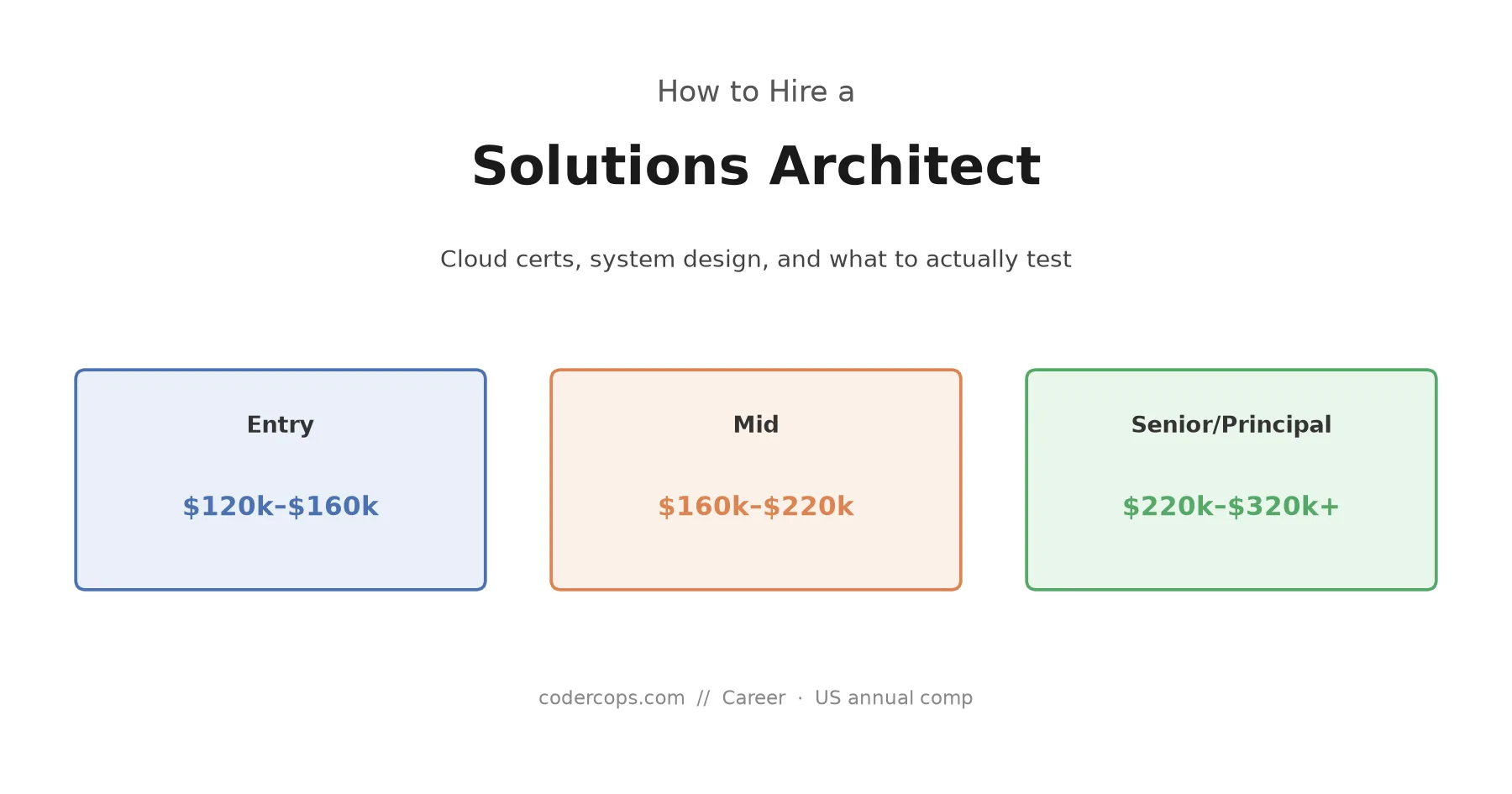
- In the US, a mid-level Angular developer (3-5 years) typically runs $120,000-$160,000. Senior Angular engineers with architecture experience — particularly those who understand signals, state management at scale, and the Zone.js-to-zoneless transition — run $160,000-$220,000. For vetted remote options that significantly reduce that range, see our breakdown in [what it costs to hire a developer](/blog/what-it-costs-to-hire-a-developer-2026/).
- Should I require TypeScript for an Angular role?
- Angular requires TypeScript. This is not a preference — the framework is built on it, and Angular's decorator system, dependency injection, and template type checking all depend on TypeScript being present. Any serious Angular developer writes TypeScript daily. If a candidate struggles with TypeScript concepts (generics, utility types, strict mode), that gap will surface quickly in an Angular codebase.
- What is the Angular talent pool like compared to React or Vue?
- Smaller. Angular has a loyal but concentrated developer base, heavy in the enterprise sector. You will find fewer candidates on job boards than for React roles, but those you do find tend to have more structure and enterprise delivery experience. The average Angular candidate has worked on larger, longer-lived codebases than the average React candidate — which can be exactly what you need.
Sources
Sponsored
Sponsored
Discussion
Join the conversation.
Comments are powered by GitHub Discussions. Sign in with your GitHub account to leave a comment.
Sponsored