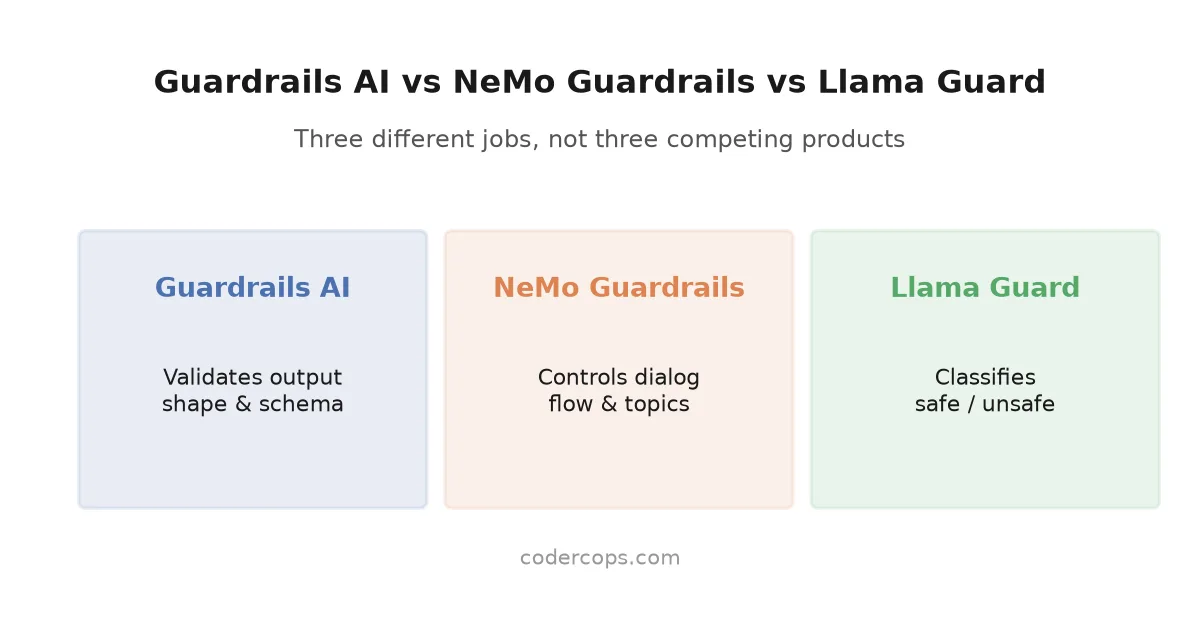
P.01Guardrails AI vs NeMo Guardrails vs Llama Guard in 2026
Guardrails AI validates structured output, NeMo Guardrails controls dialog flow, and Llama Guard classifies safety. Here is which one fits your LLM app.
Tag
91 articles tagged #Production.
P.01Guardrails AI validates structured output, NeMo Guardrails controls dialog flow, and Llama Guard classifies safety. Here is which one fits your LLM app.
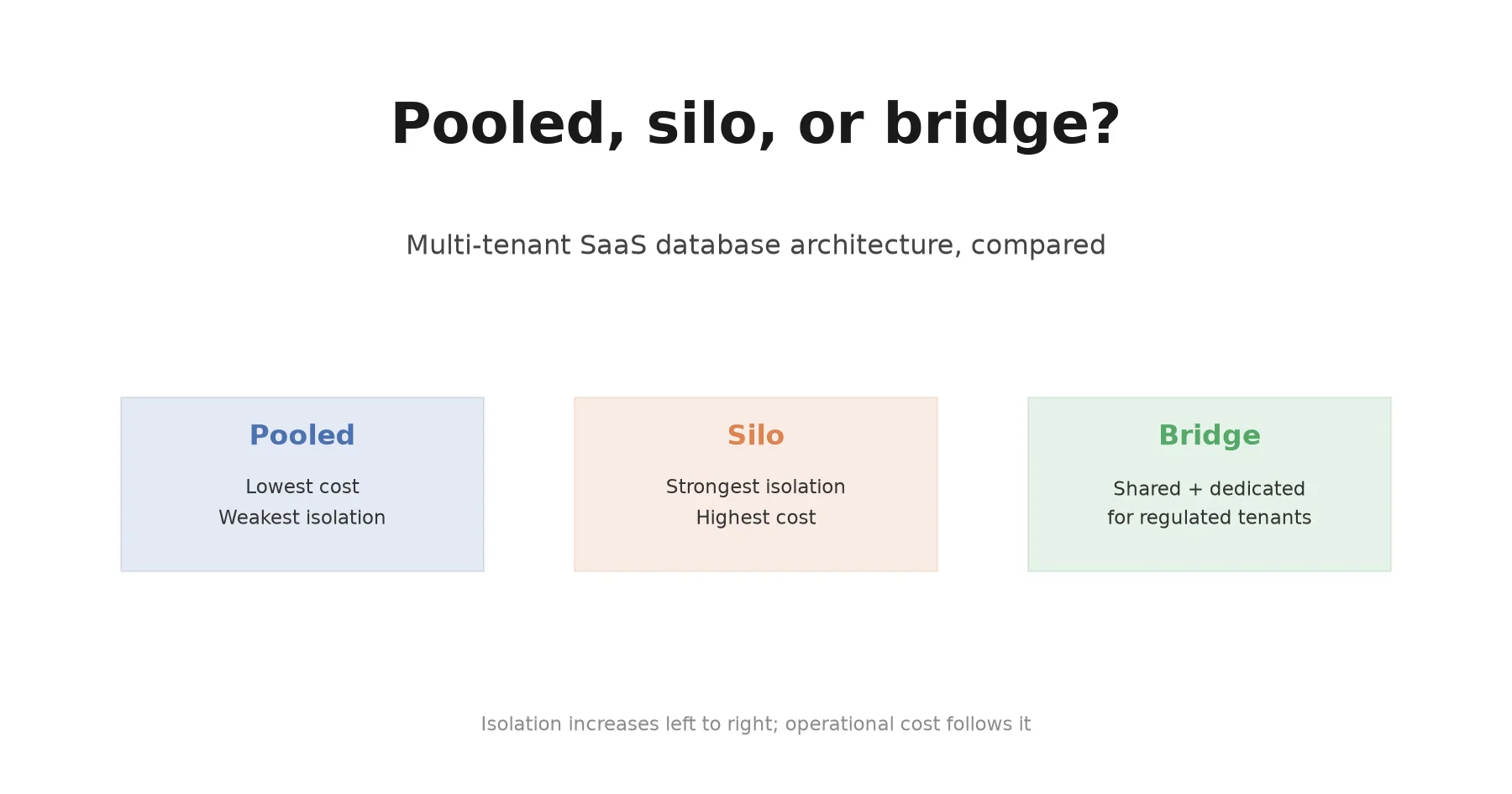
P.02Shared database or one per customer? Most SaaS teams pick wrong for their stage and pay later. How the three patterns trade off, and which one you need.
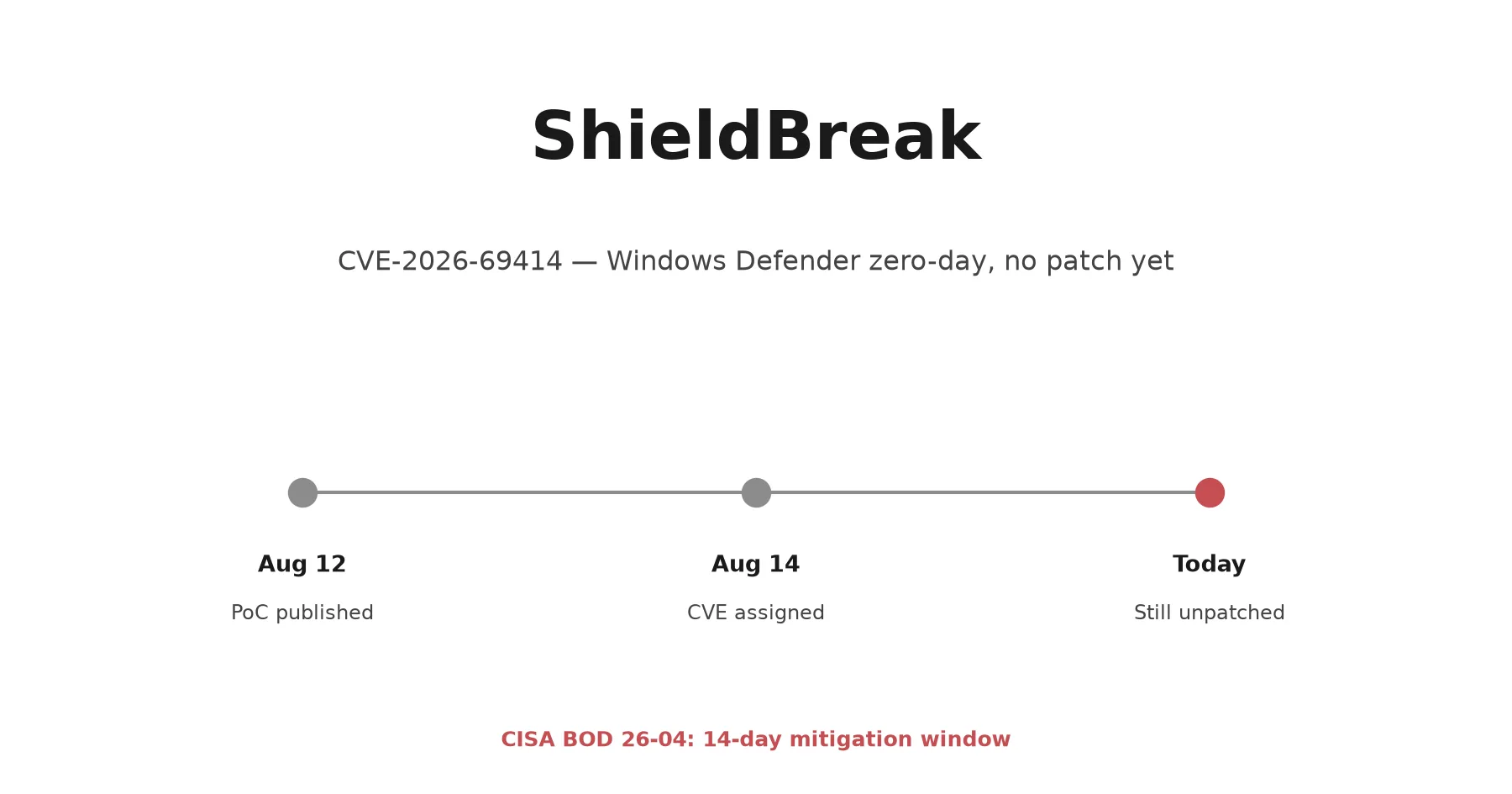
P.03A public proof-of-concept for a Windows Defender privilege-escalation flaw has circulated since August 12 with no fix shipped. What to do about it now.
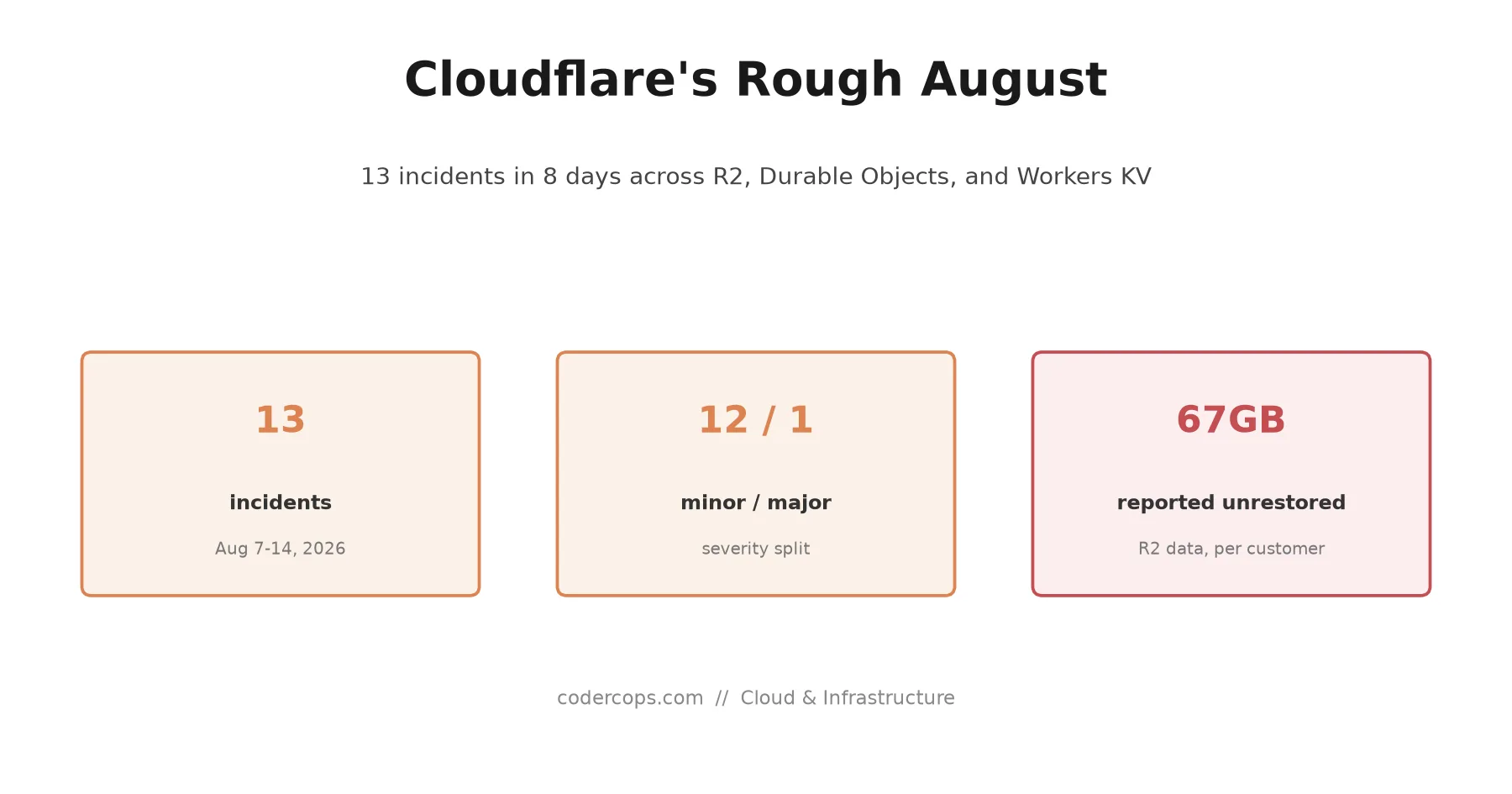
P.04Cloudflare logged 13 incidents between August 7 and 14, touching R2, Durable Objects, and Workers KV. What that means for building on one edge provider.
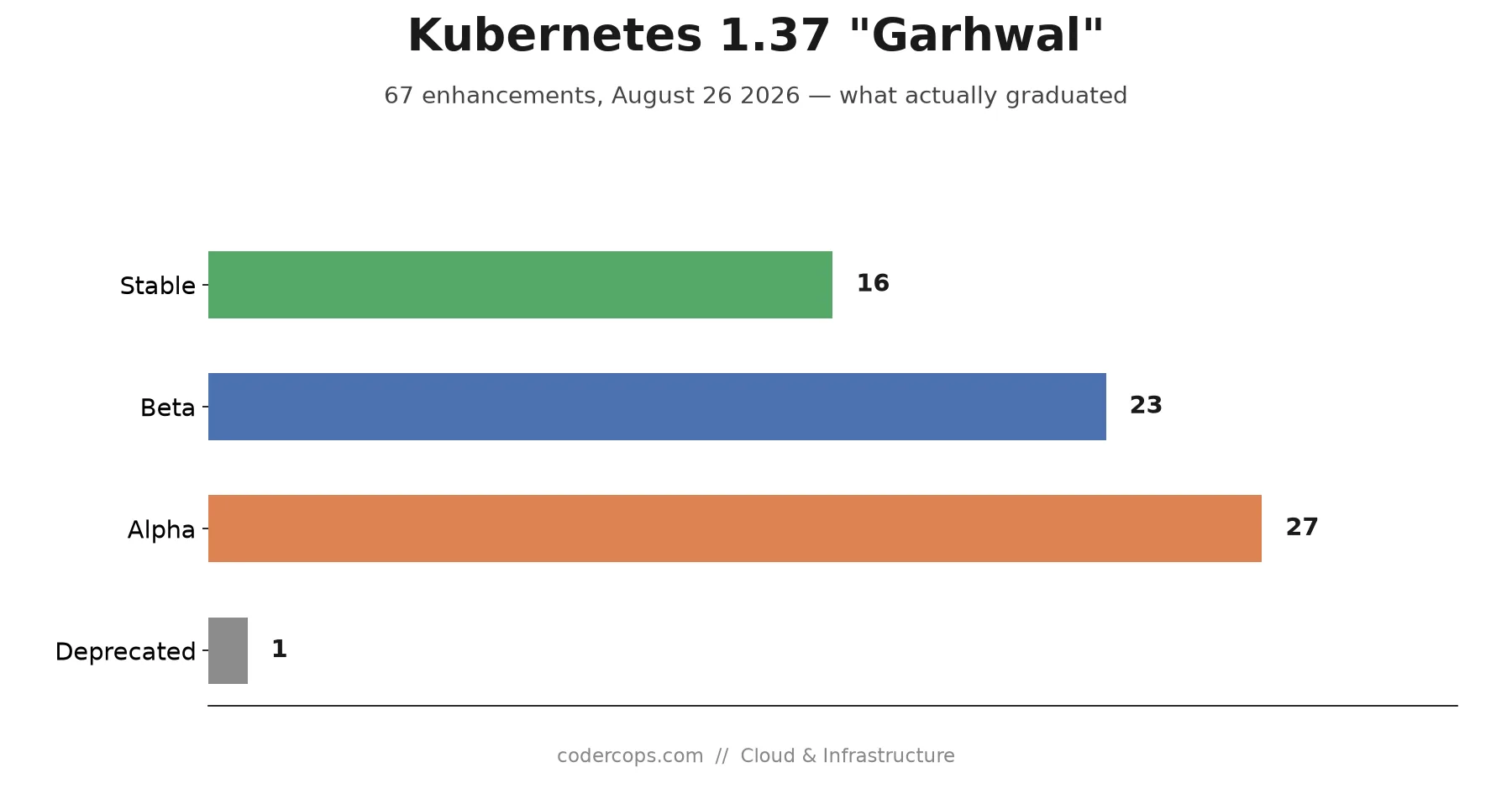
P.05Kubernetes 1.37 shipped August 26 with 67 enhancements. What actually graduated to stable, what's worth testing in beta, and what to leave alone for now.
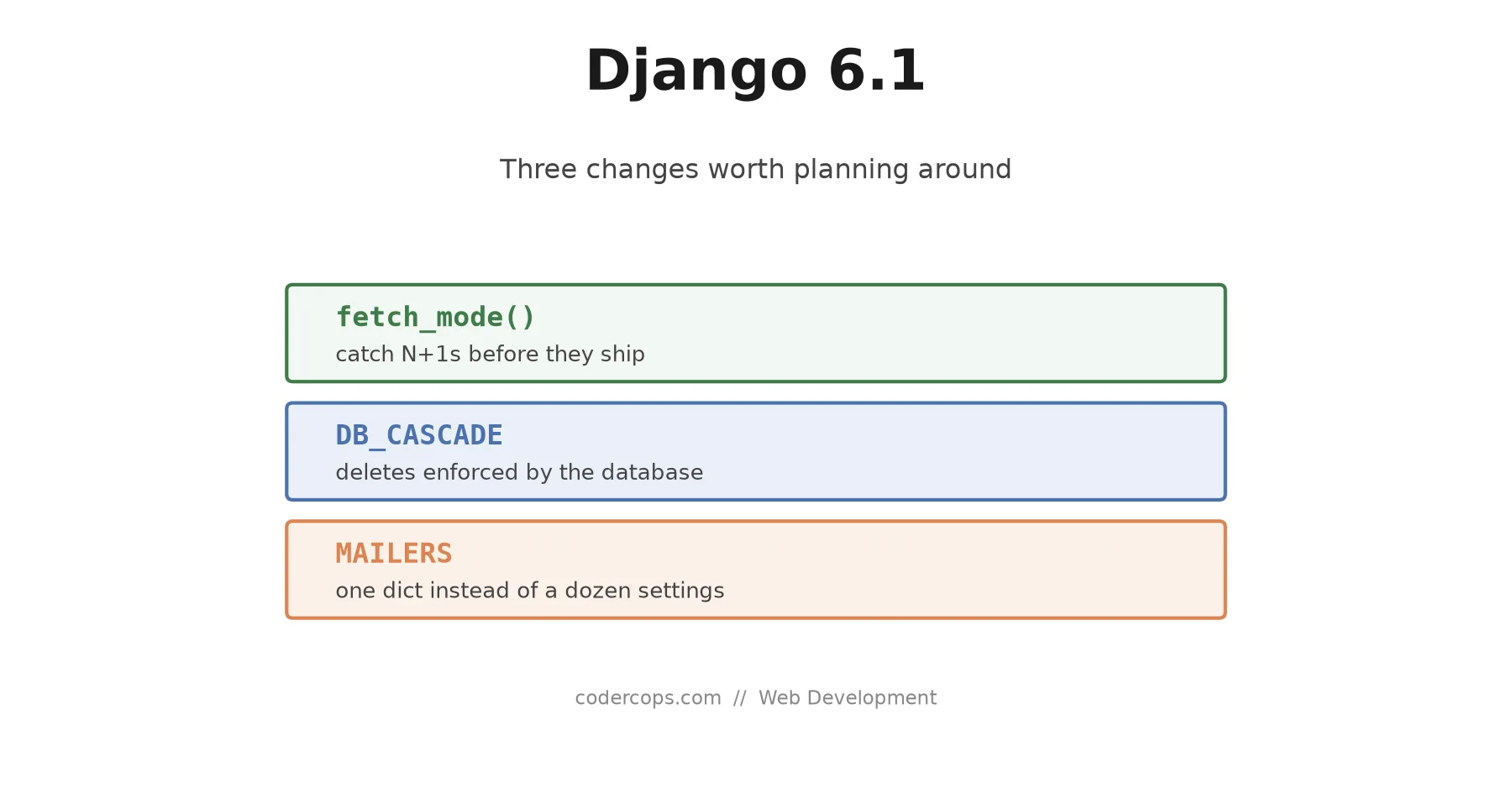
P.06Django 6.1 adds QuerySet.fetch_mode() to catch accidental N+1s, ON DELETE pushed into the database, and one MAILERS setting replacing loose EMAIL_ config.
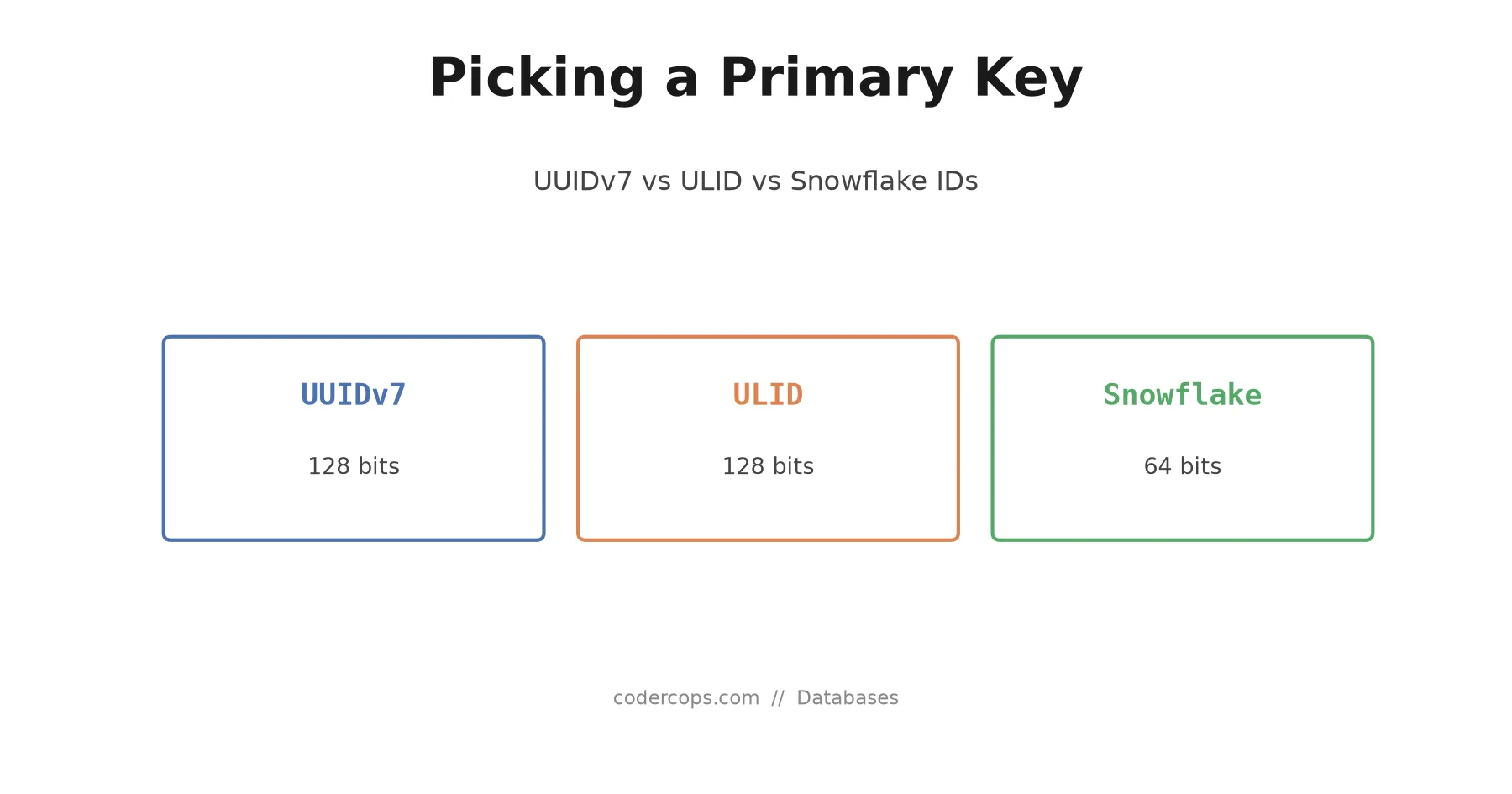
P.07Random UUIDs wreck index locality; auto-increment leaks counts and won't shard. What UUIDv7, ULID, and Snowflake each give you, and the real tradeoffs.
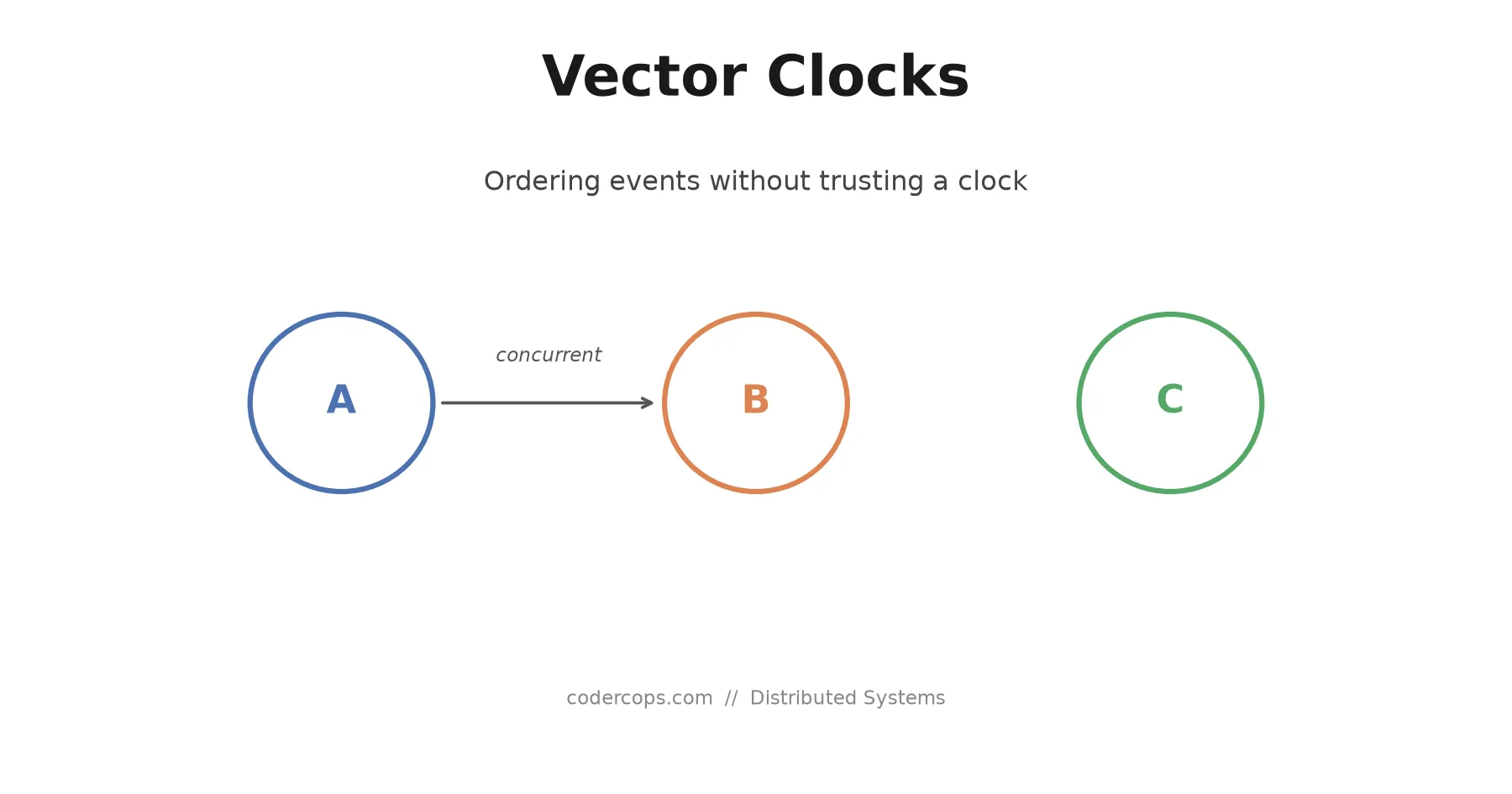
P.08Two writes hit different replicas at once. Which came first? Sometimes neither. How vector clocks tell a real conflict from a false one, without wall time.
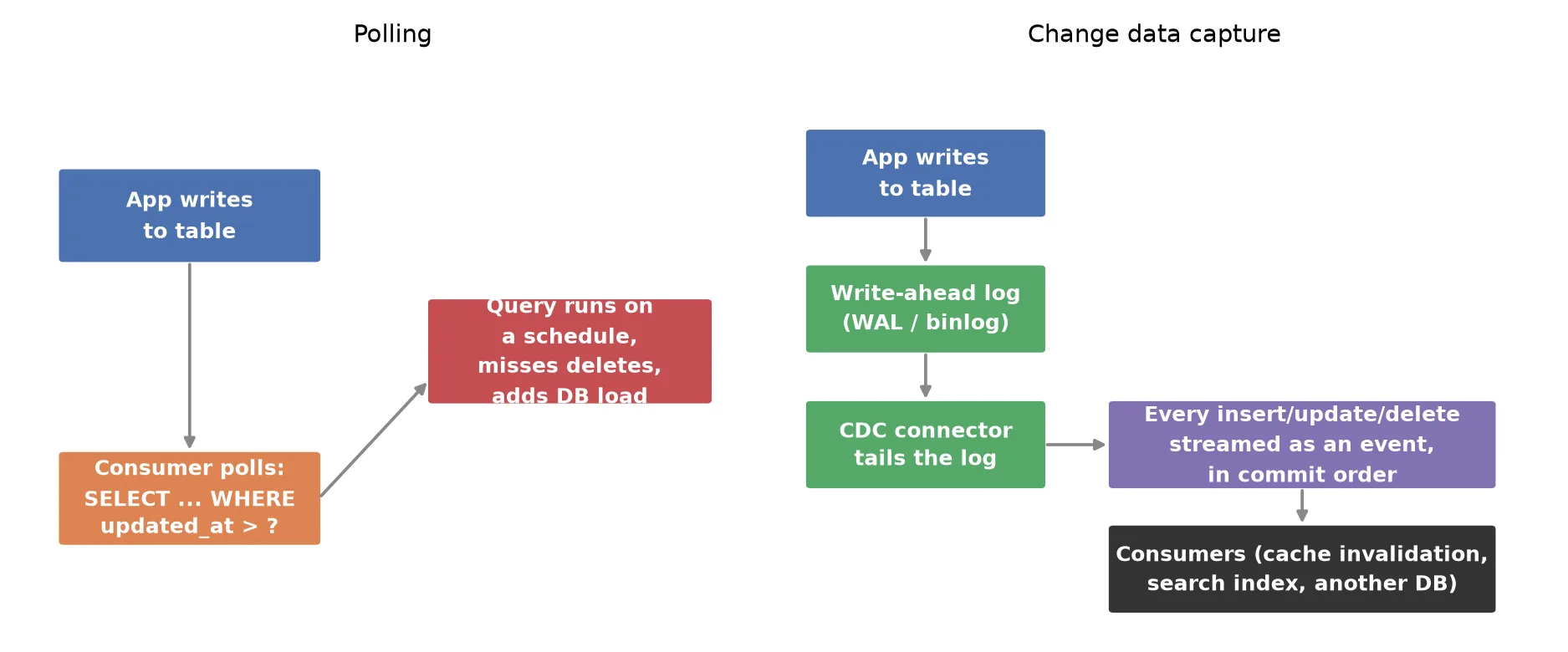
P.09Polling misses deletes, adds load, and always lags. CDC reads the write-ahead log instead, turning every insert, update, and delete into an event stream.
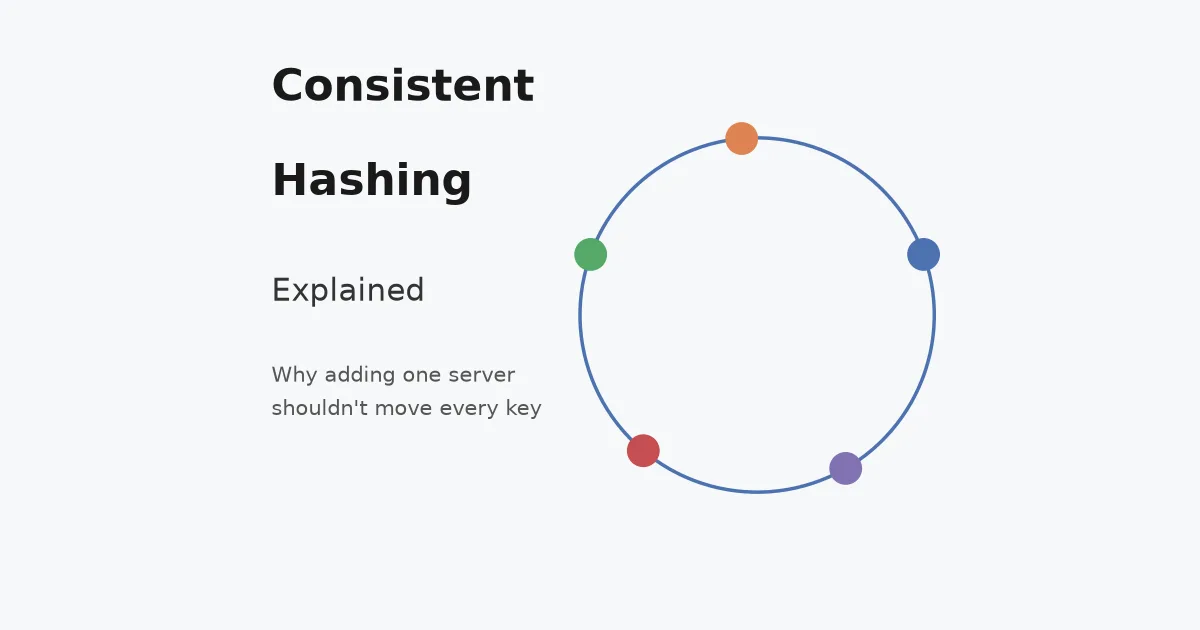
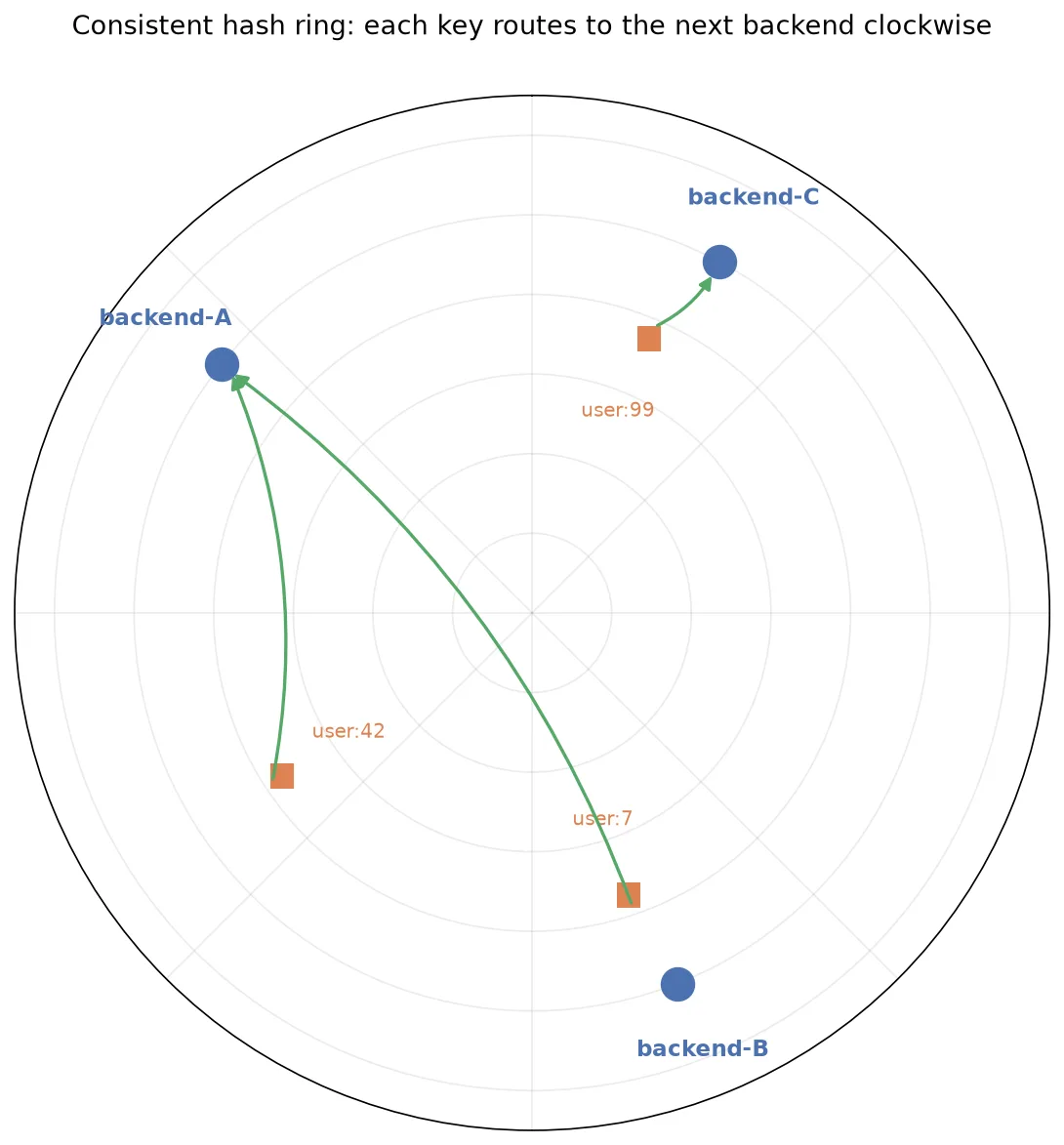
P.10Plain mod-N hashing reshuffles almost every key when you add a server. Consistent hashing moves roughly 1/N instead. Working code and a real simulation.
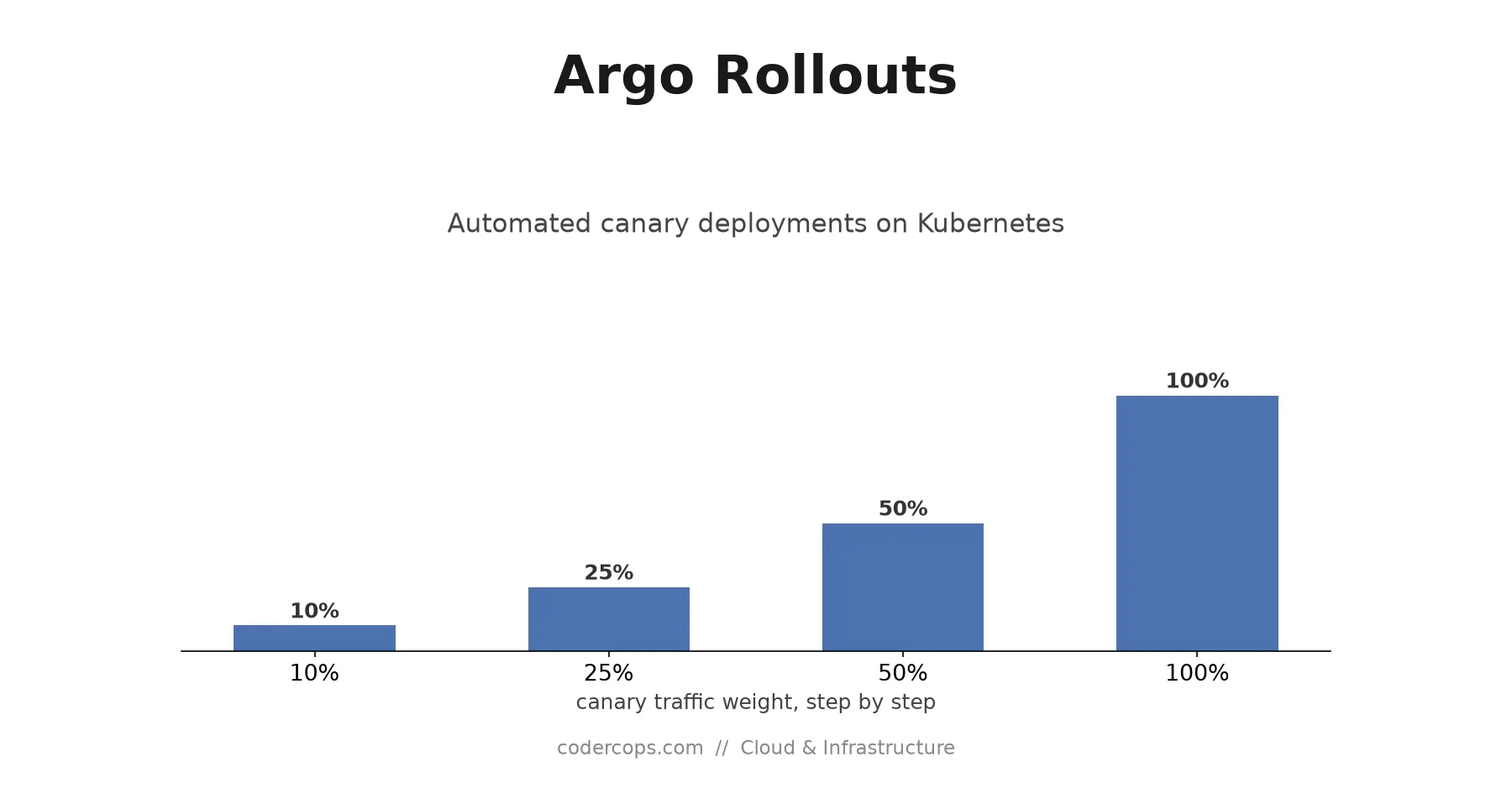
P.11Argo Rollouts replaces a Deployment with a controller that shifts traffic gradually and rolls back on bad metrics. Real manifests, plain Deployment to canary.
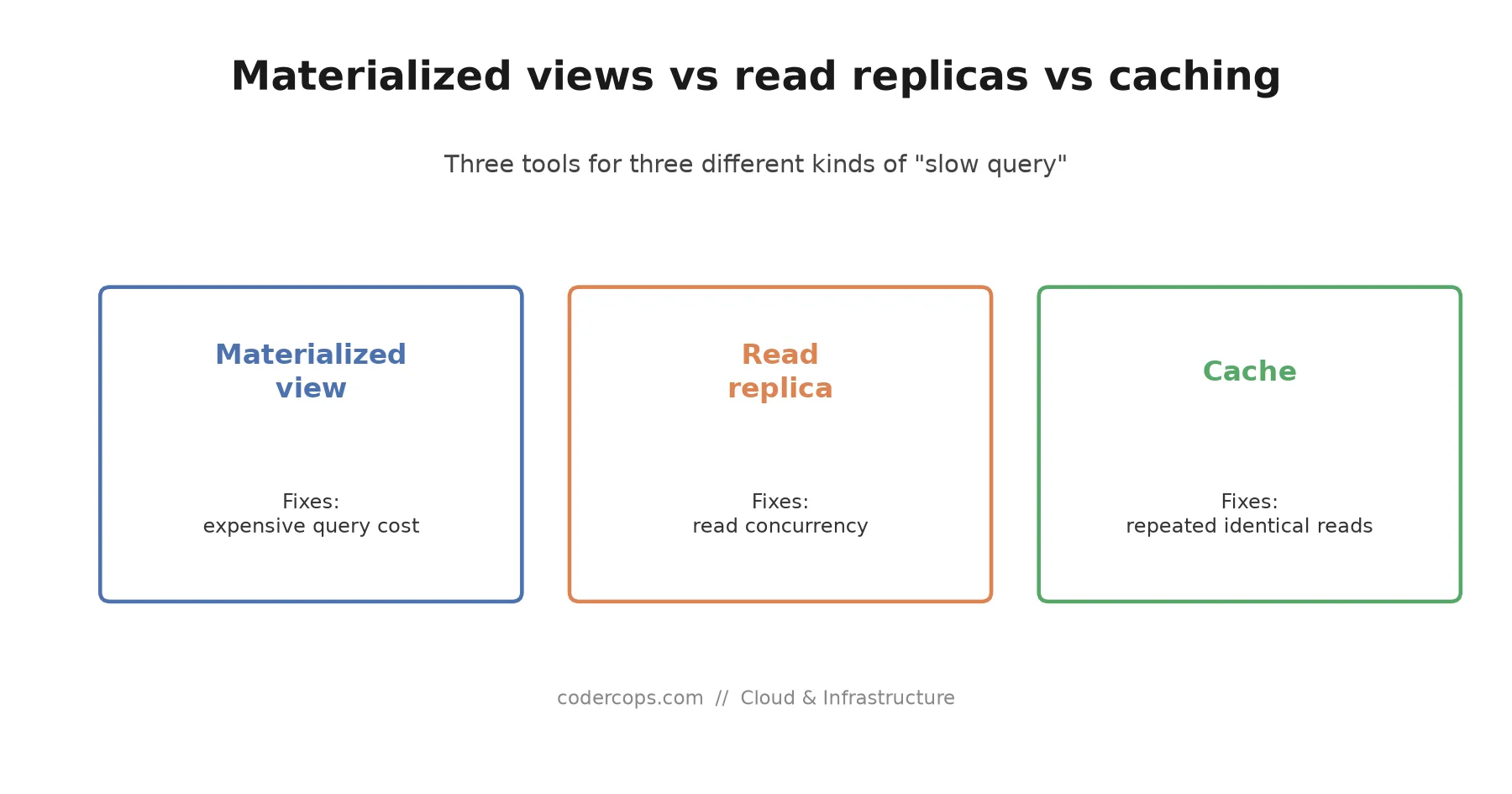
P.12Three tools solve three different versions of "this query is slow." How materialized views, read replicas, and caches differ, and how to pick one.
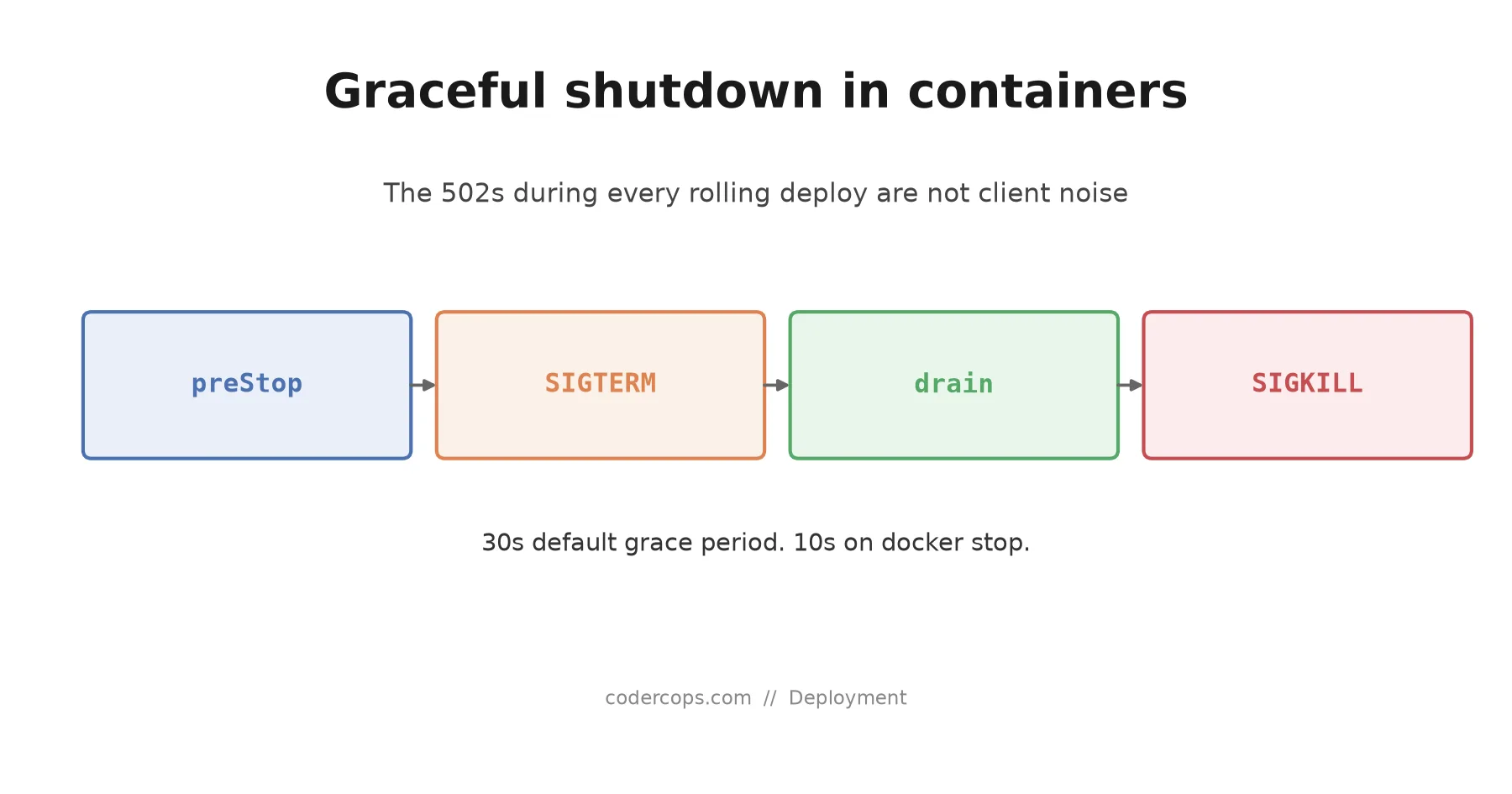
P.13Every rolling deploy drops a few requests and the errors look like client noise. The shutdown sequence, the race behind it, and the code that fixes it.
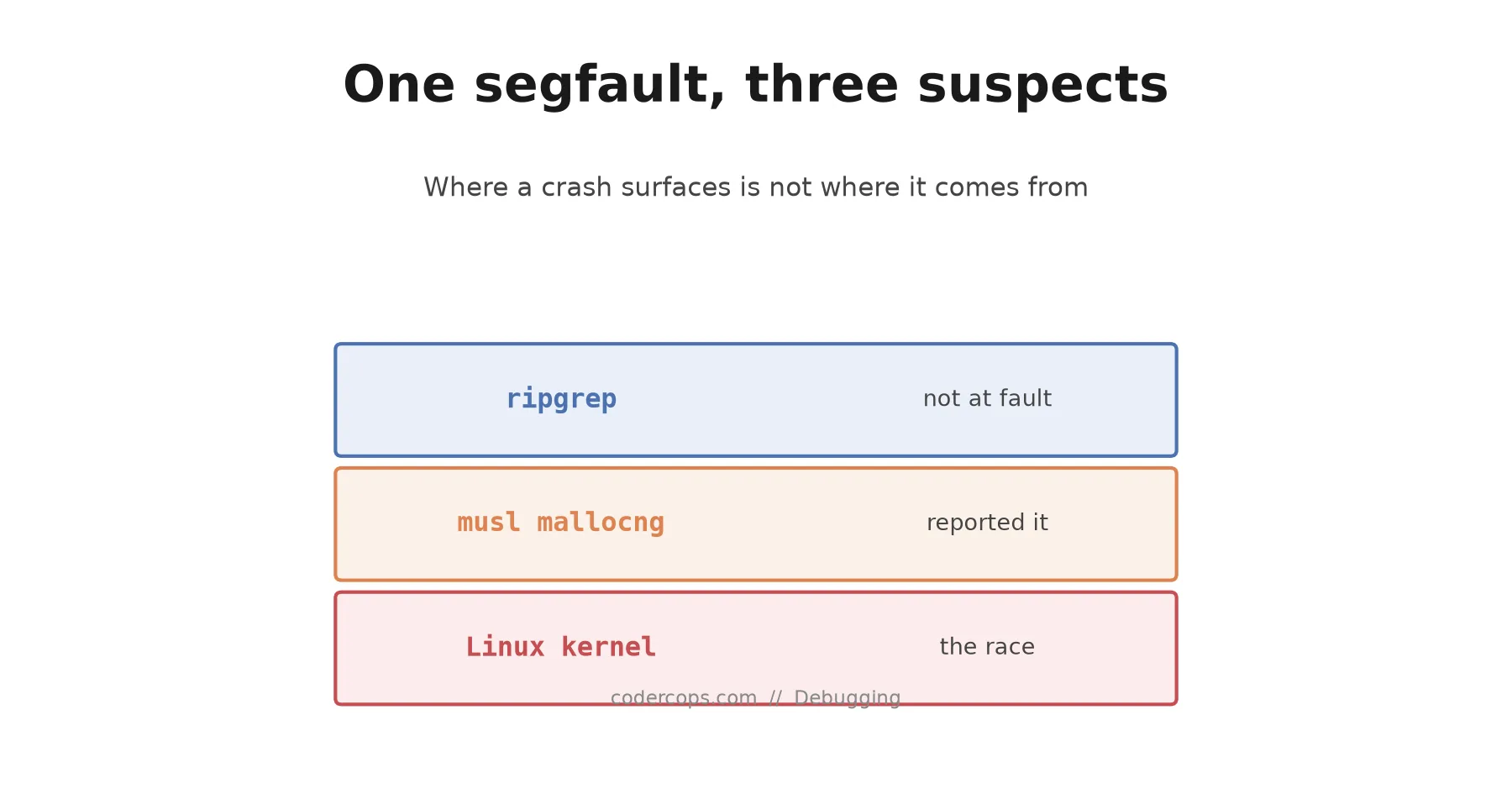
P.14A ripgrep crash on musl looked like an allocator bug, then a threading bug. The real cause was a race in recent Linux kernels. The chain, and the lesson.
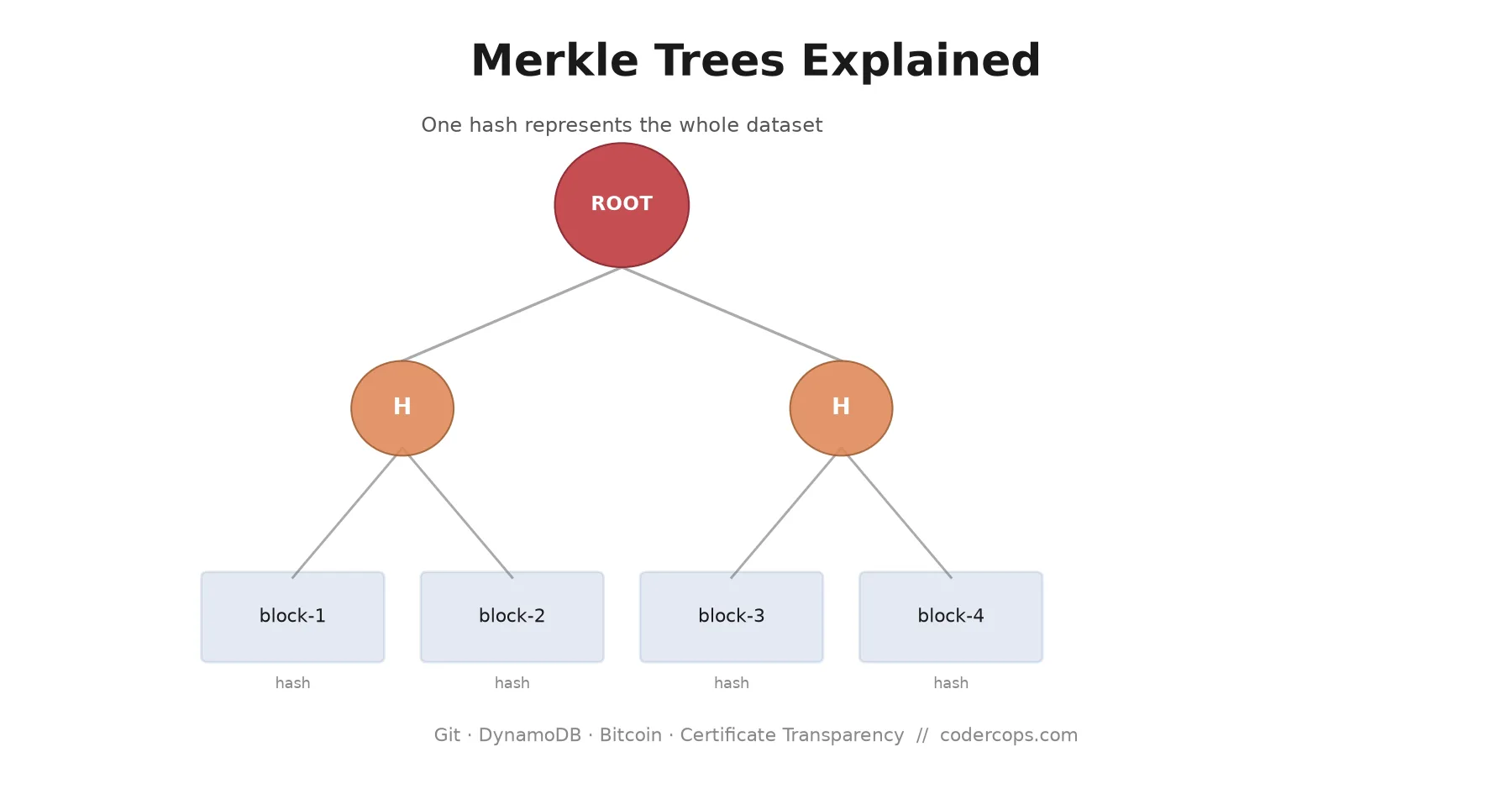
P.15A Merkle tree proves a piece of data belongs to a large dataset, or finds exactly what changed between copies, without reading all of it. How, and where.
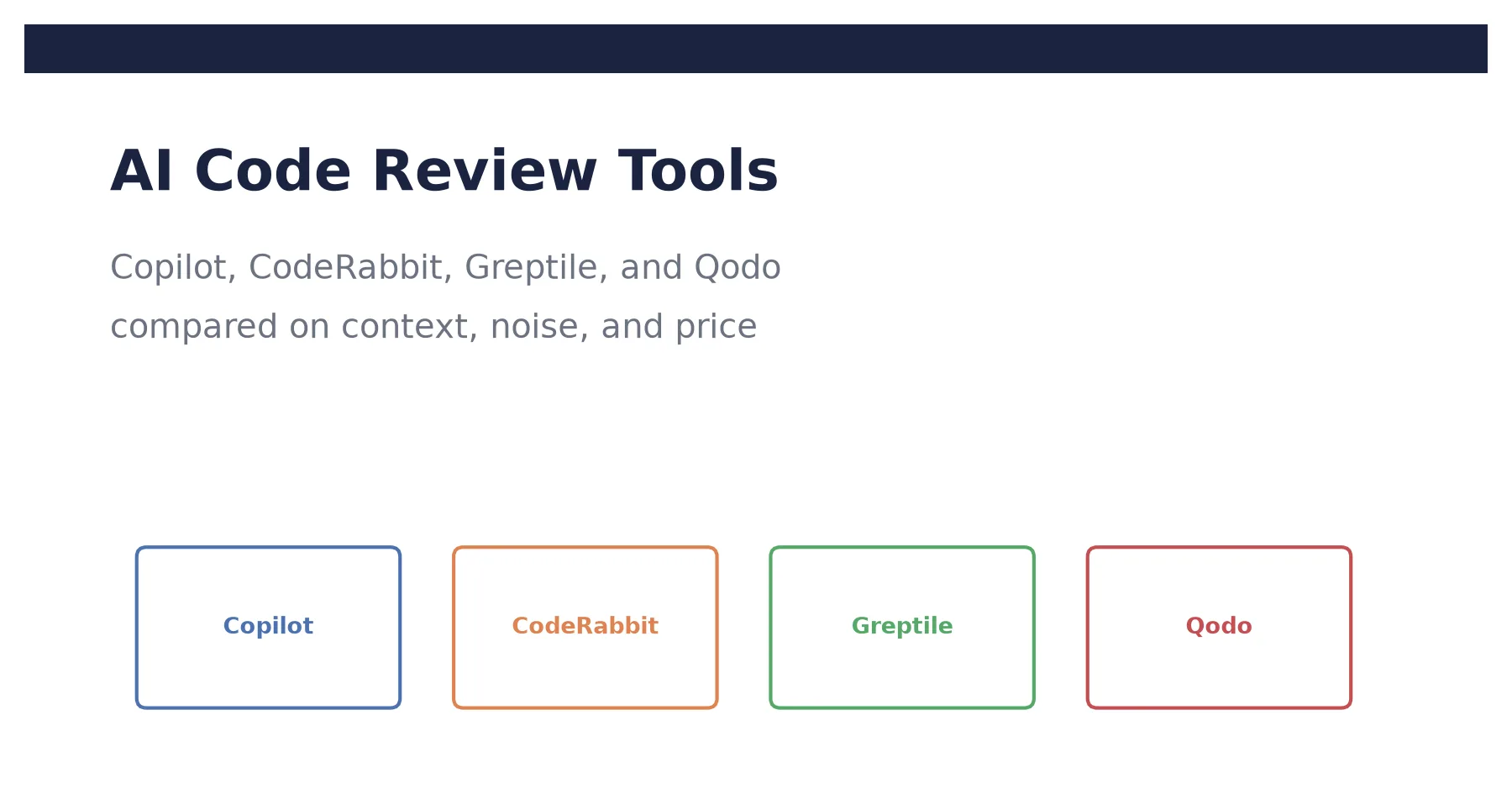
P.16Four AI code review tools, four tradeoffs. What differs between Copilot's built-in review, CodeRabbit, Greptile, and Qodo past the marketing, and seat costs.
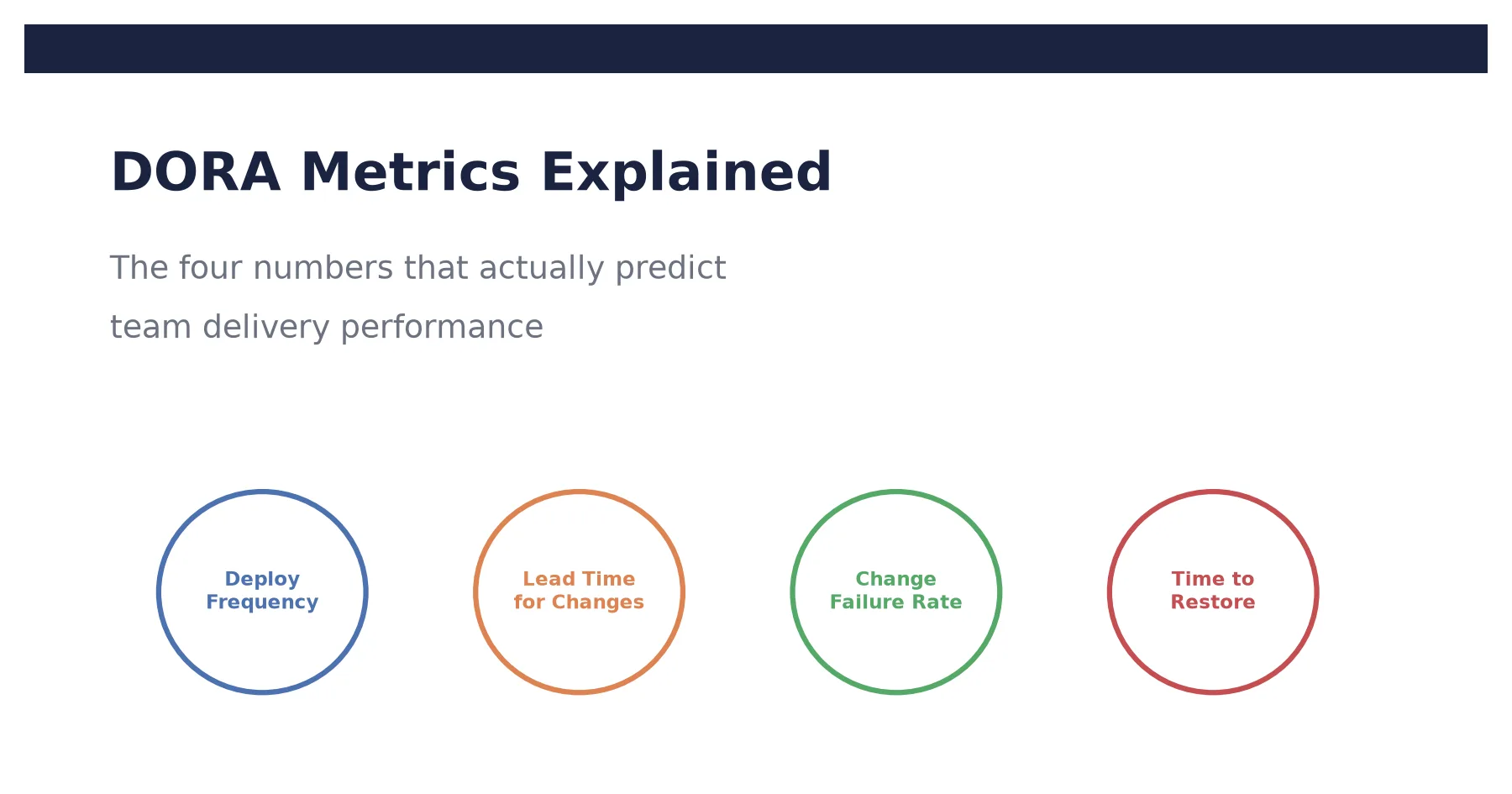
P.17Deployment frequency, lead time, change failure rate, time to restore. What each measures, the tiers that separate elite teams, and where teams misuse them.
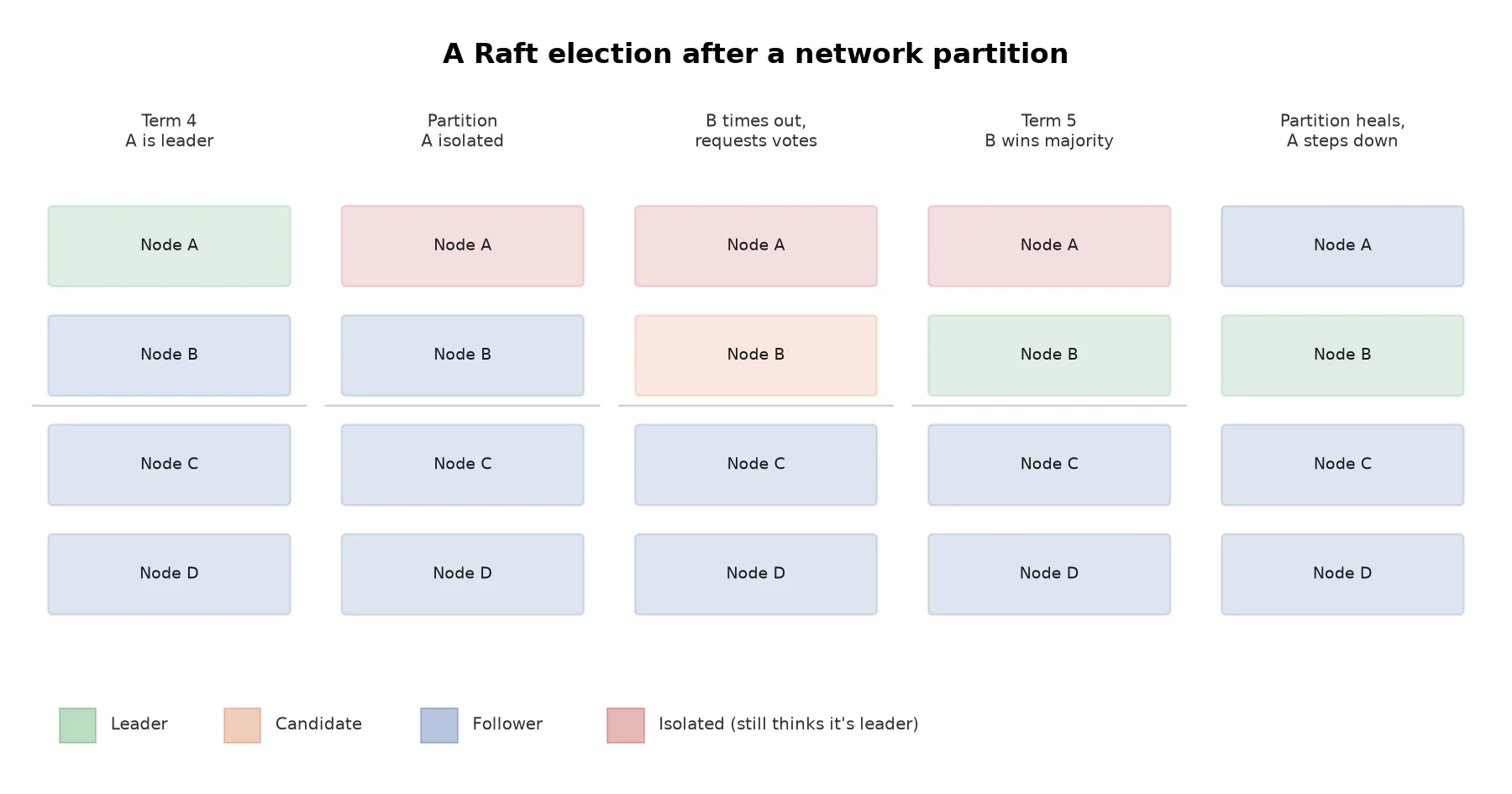
P.18Run three copies of a service and only one should do certain jobs. How leader election works, from Raft's term voting to the etcd lease pattern teams use.
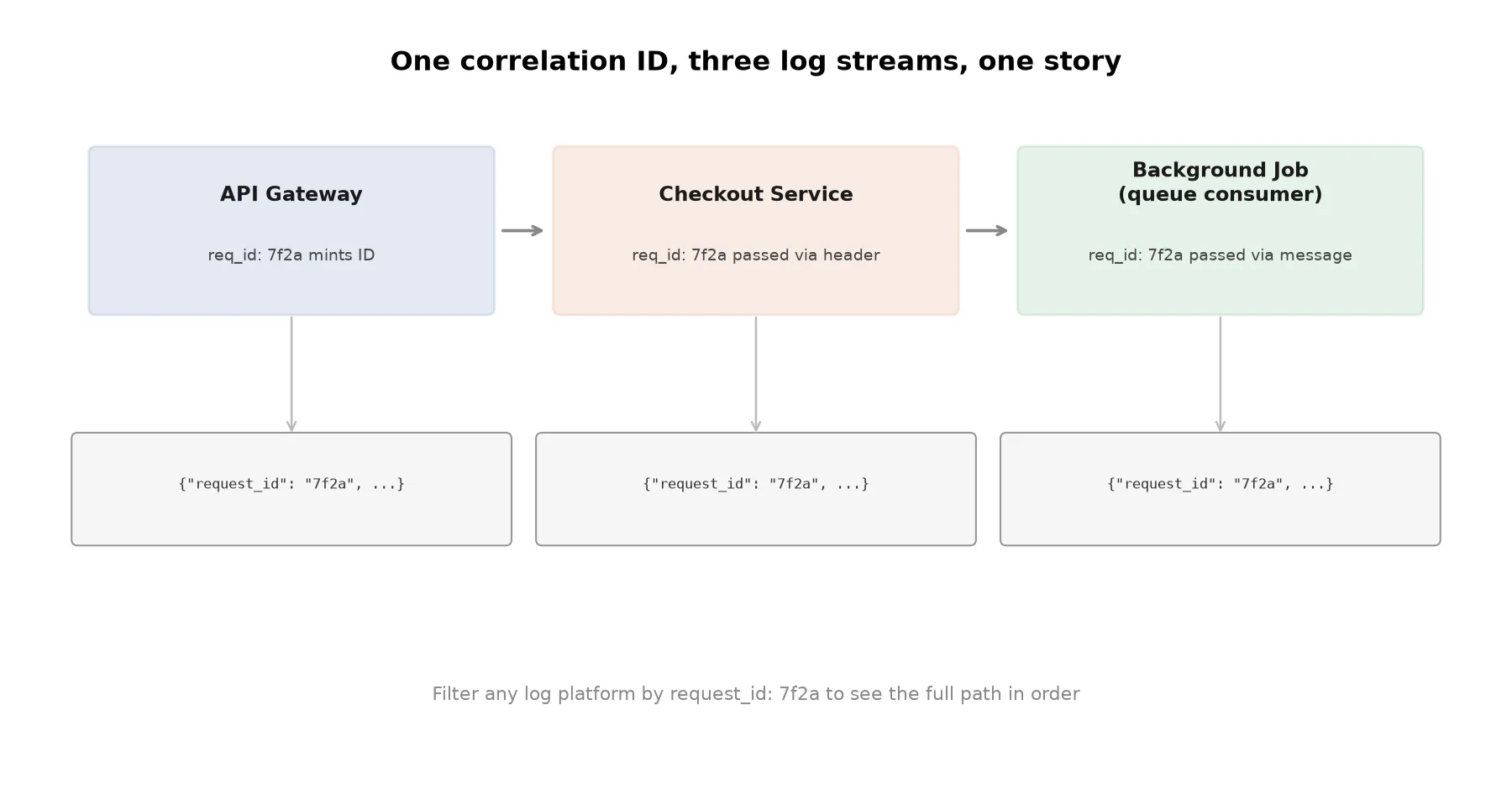
P.19A log line that's just a sentence is fine until you search a million at 2am. How structured logging works, threading a correlation ID, and what to skip.
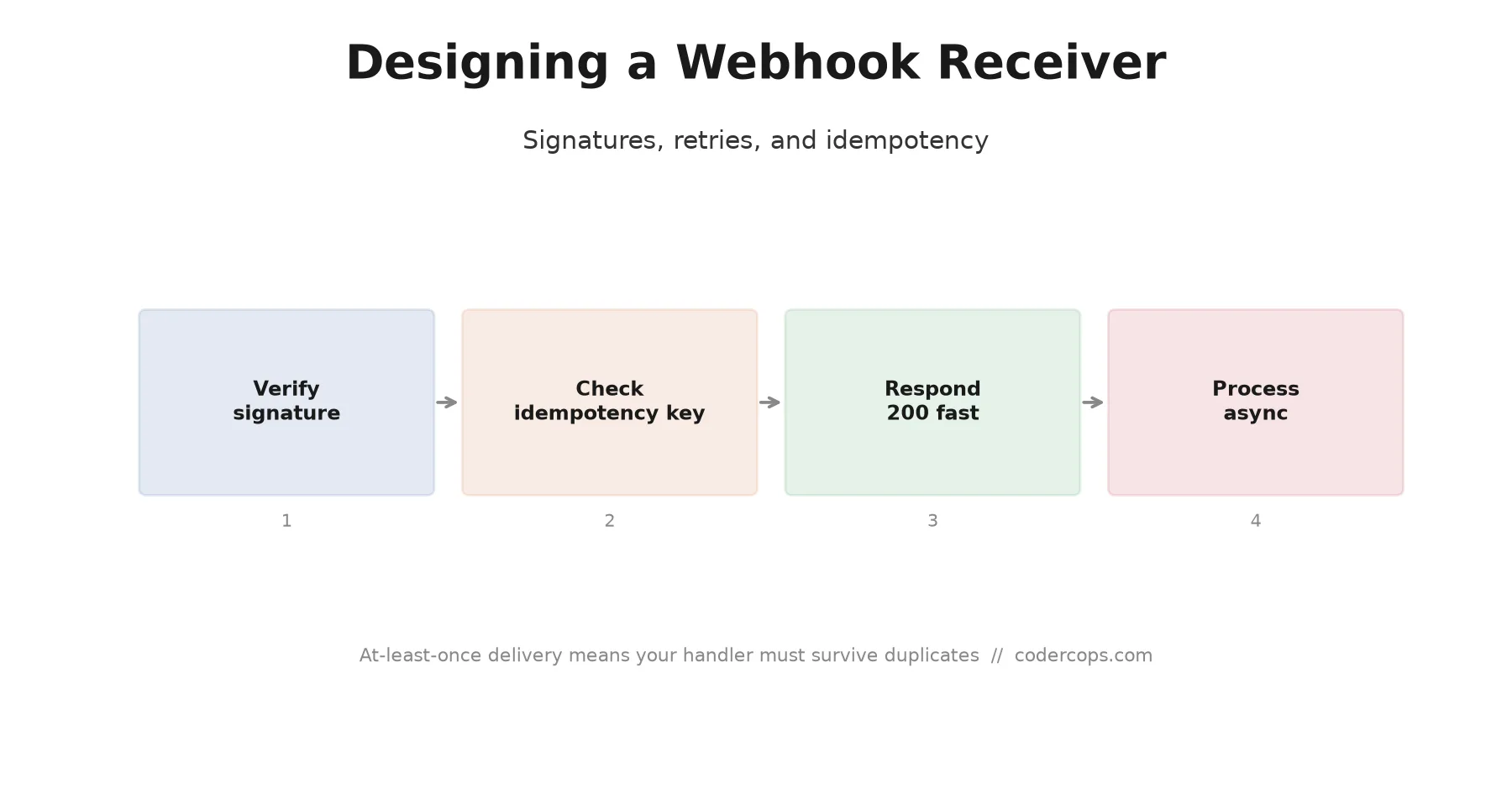
P.20A webhook receiver has to trust a request it can't control the timing, order, or count of. Verifying signatures, handling retries, surviving delivery chaos.
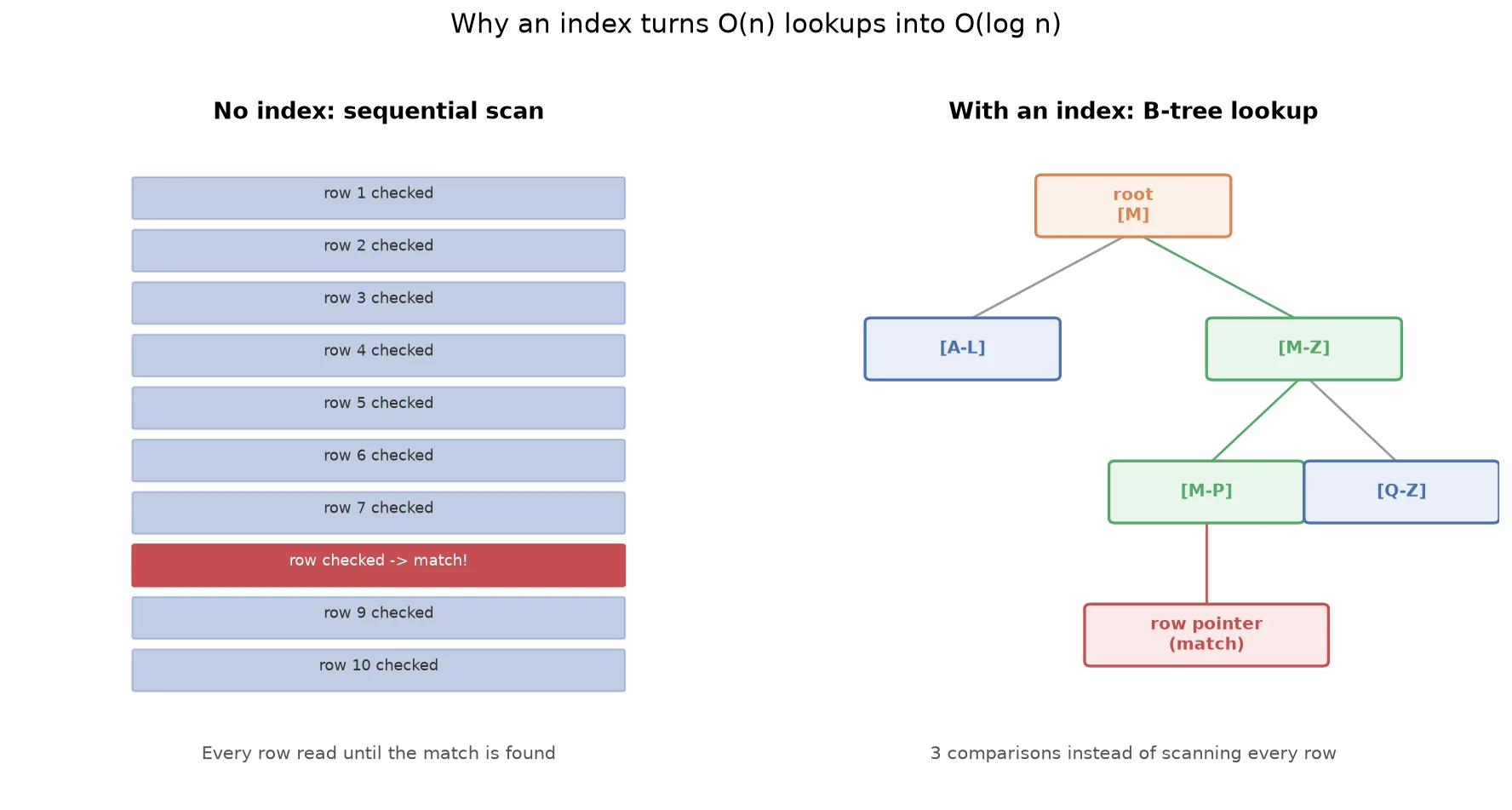
P.21An index turns a table scan into a few comparisons, but only for the queries it was built for. How B-trees work, and the write cost nobody budgets for.
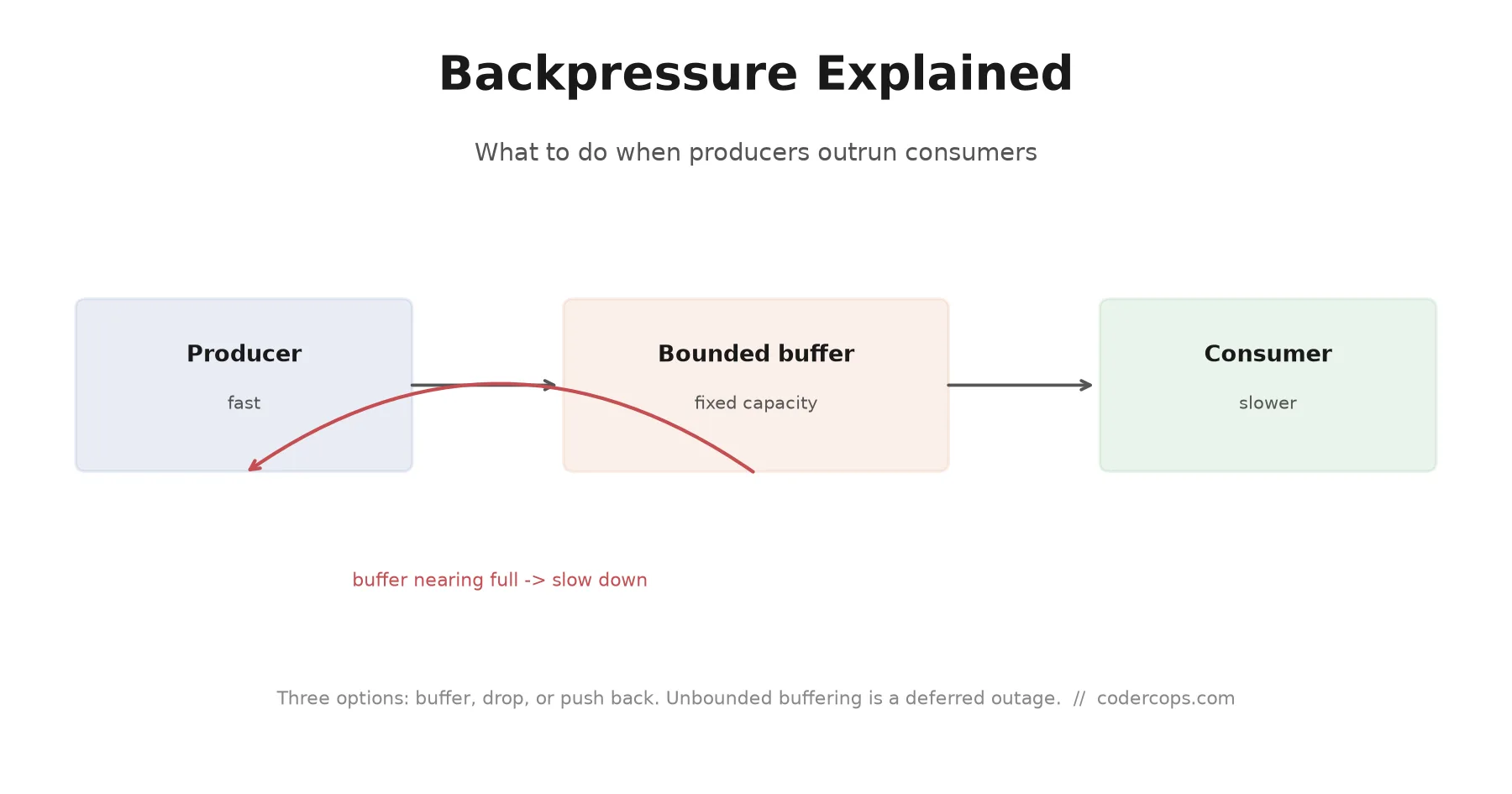
P.22When production outruns consumption, a system must buffer, drop, or push back. How backpressure works across queues, streams, and APIs, with patterns.
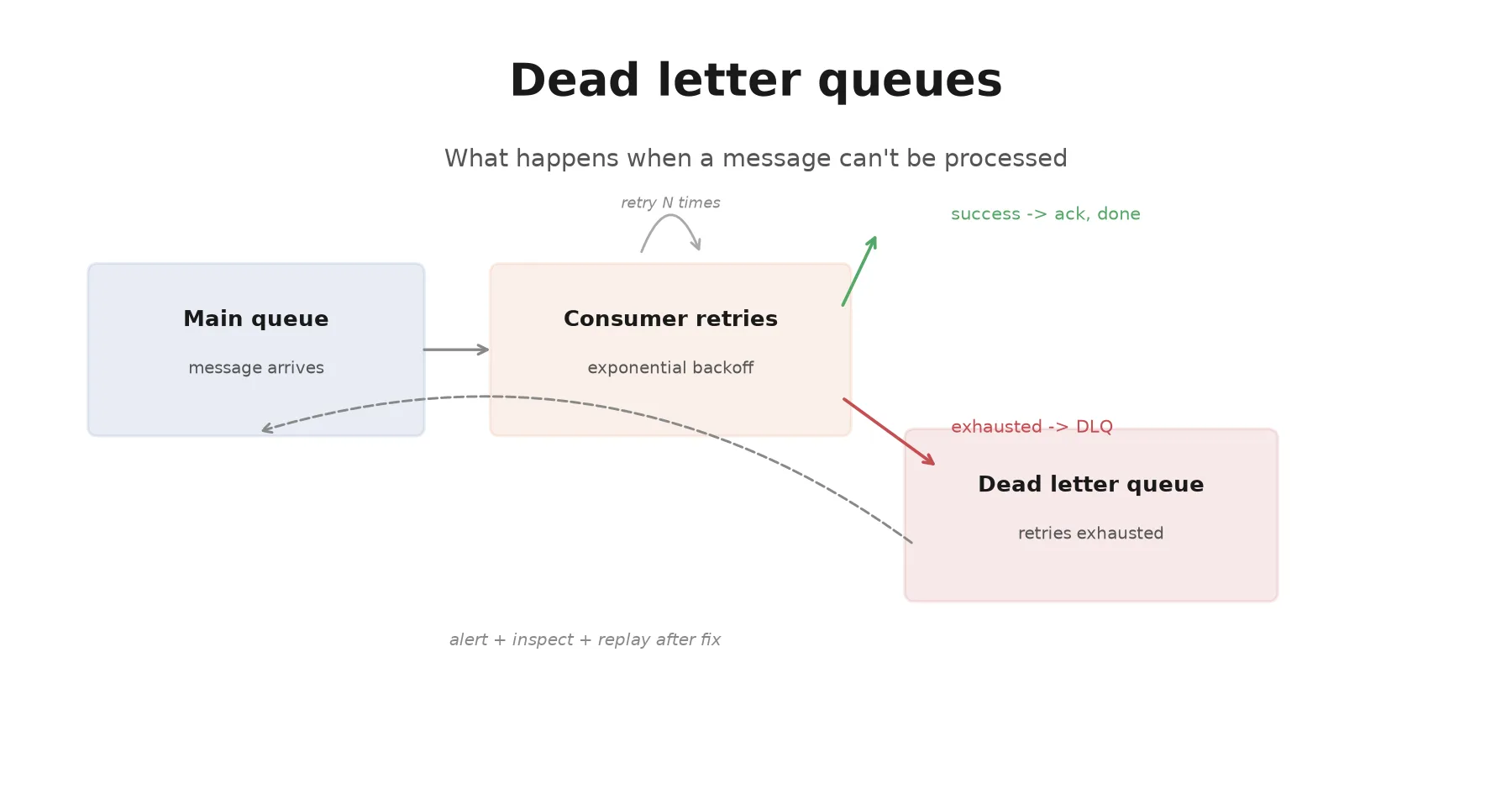
P.23A message that fails every retry shouldn't loop forever or vanish. How dead letter queues catch it, how to set retry limits, and the reprocessing workflow.
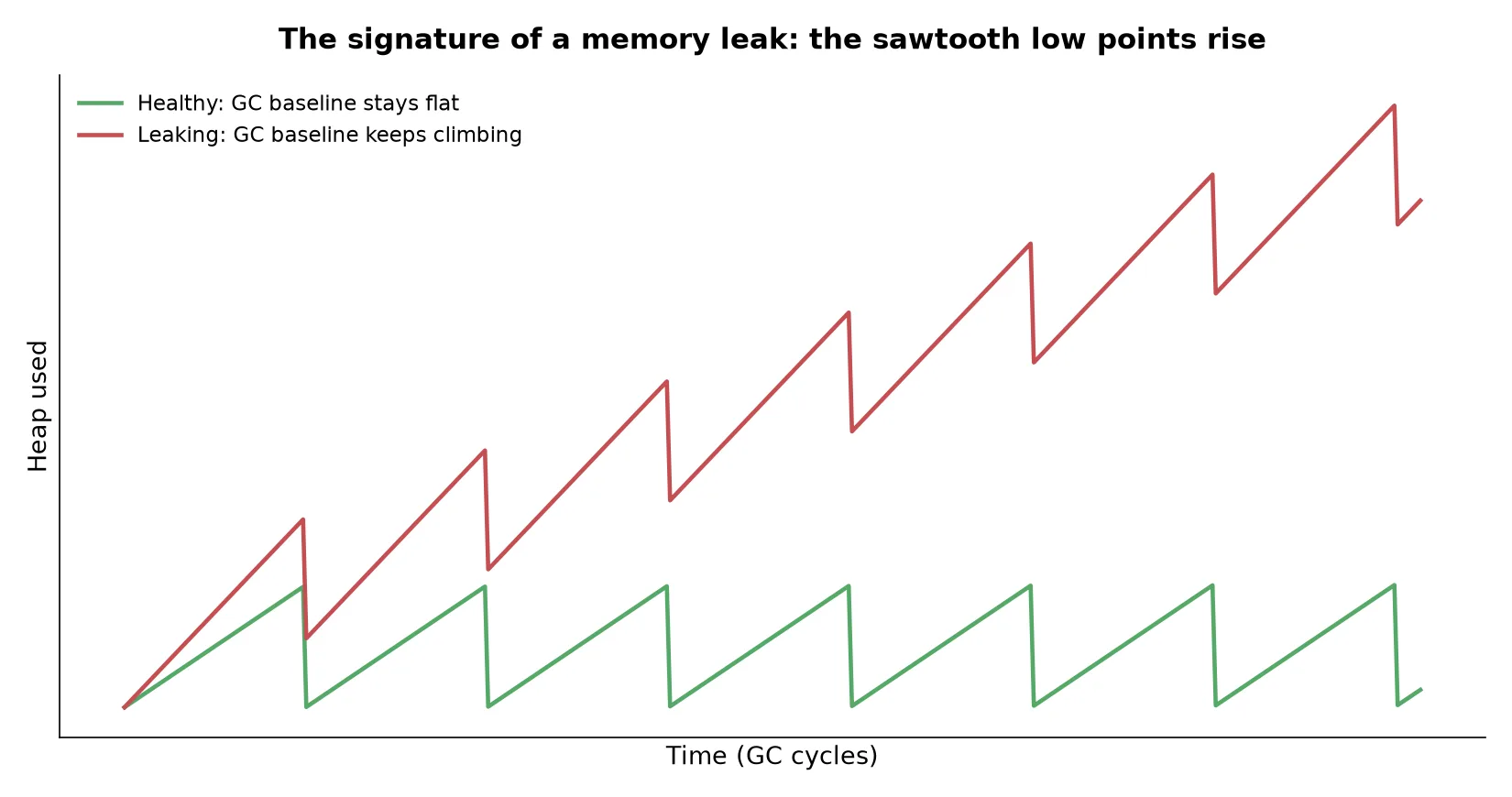
P.24Your Node process climbs until it's OOM-killed and restarting buys hours. The actual workflow: heap snapshot diffing, retainer paths, and the fast tools.
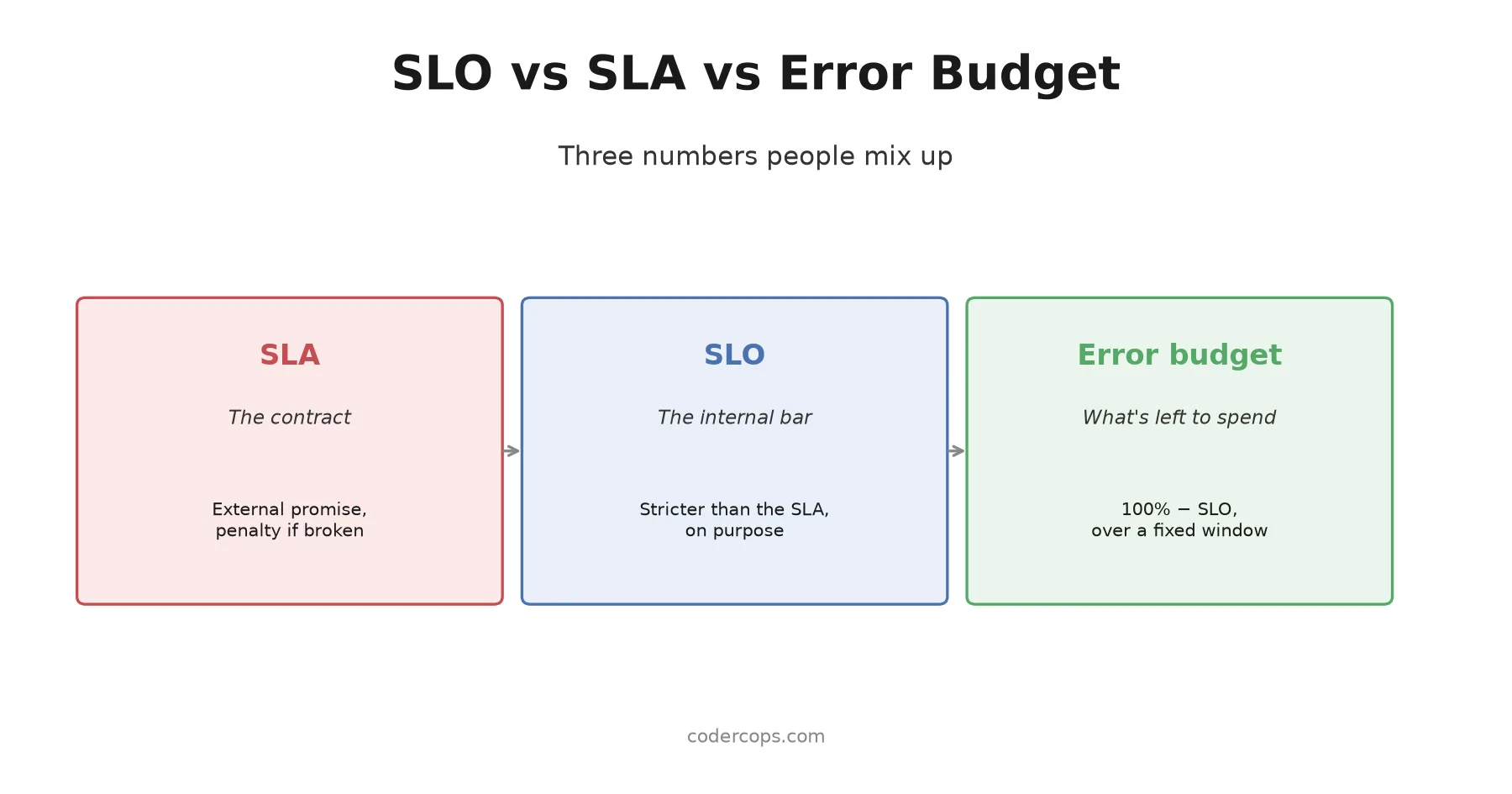
P.25An SLA is a promise with a penalty. An SLO is the internal target that keeps you inside it. An error budget is what's left. The math, on a real example.
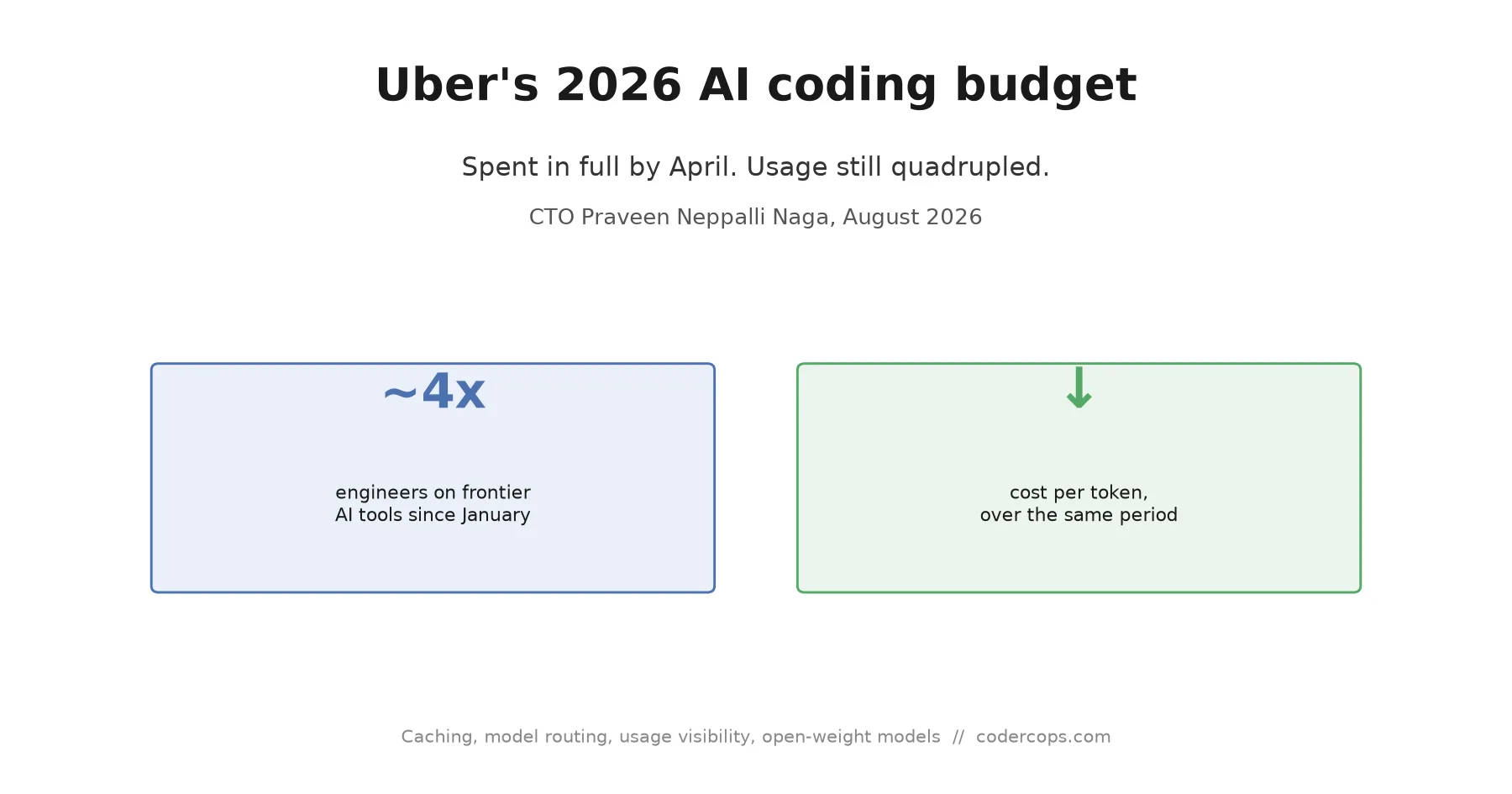
P.26Uber quadrupled frontier AI usage while cutting per-token cost, after blowing a year's coding budget in four months. The CTO's account is a useful playbook.
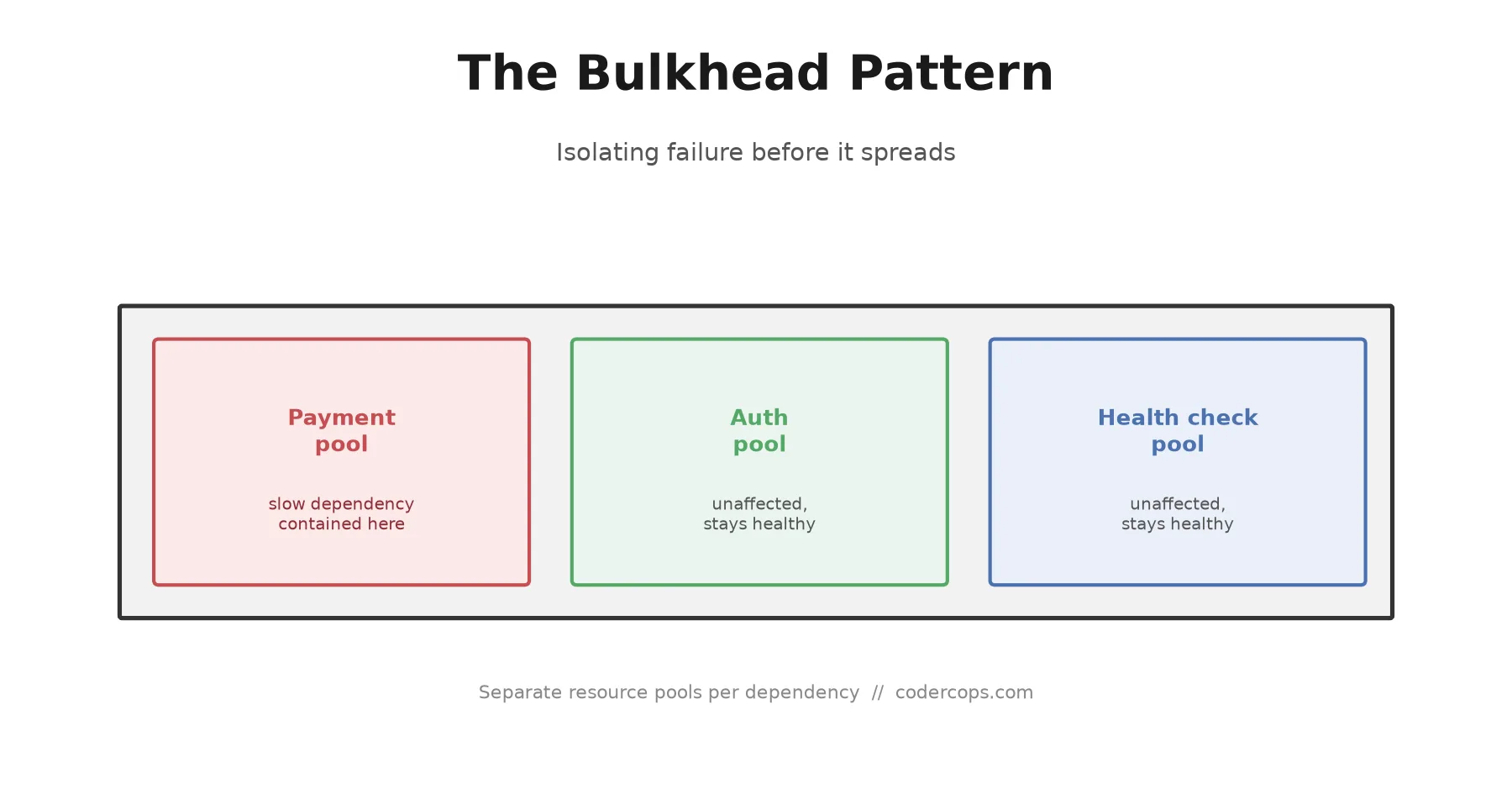
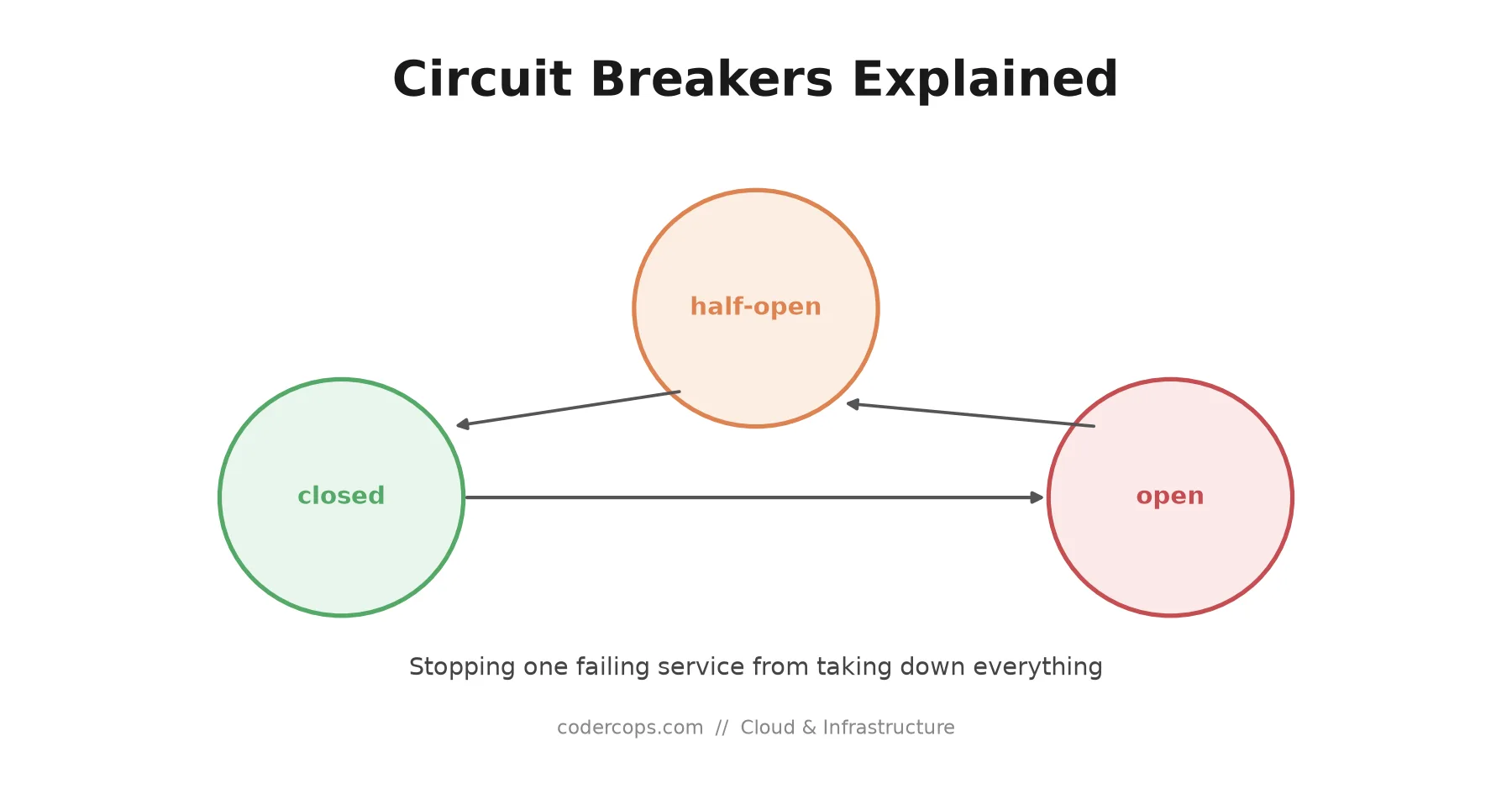
P.27A circuit breaker stops calls to a failed service. A bulkhead stops a merely slow one from eating every thread and starving the rest of your app.
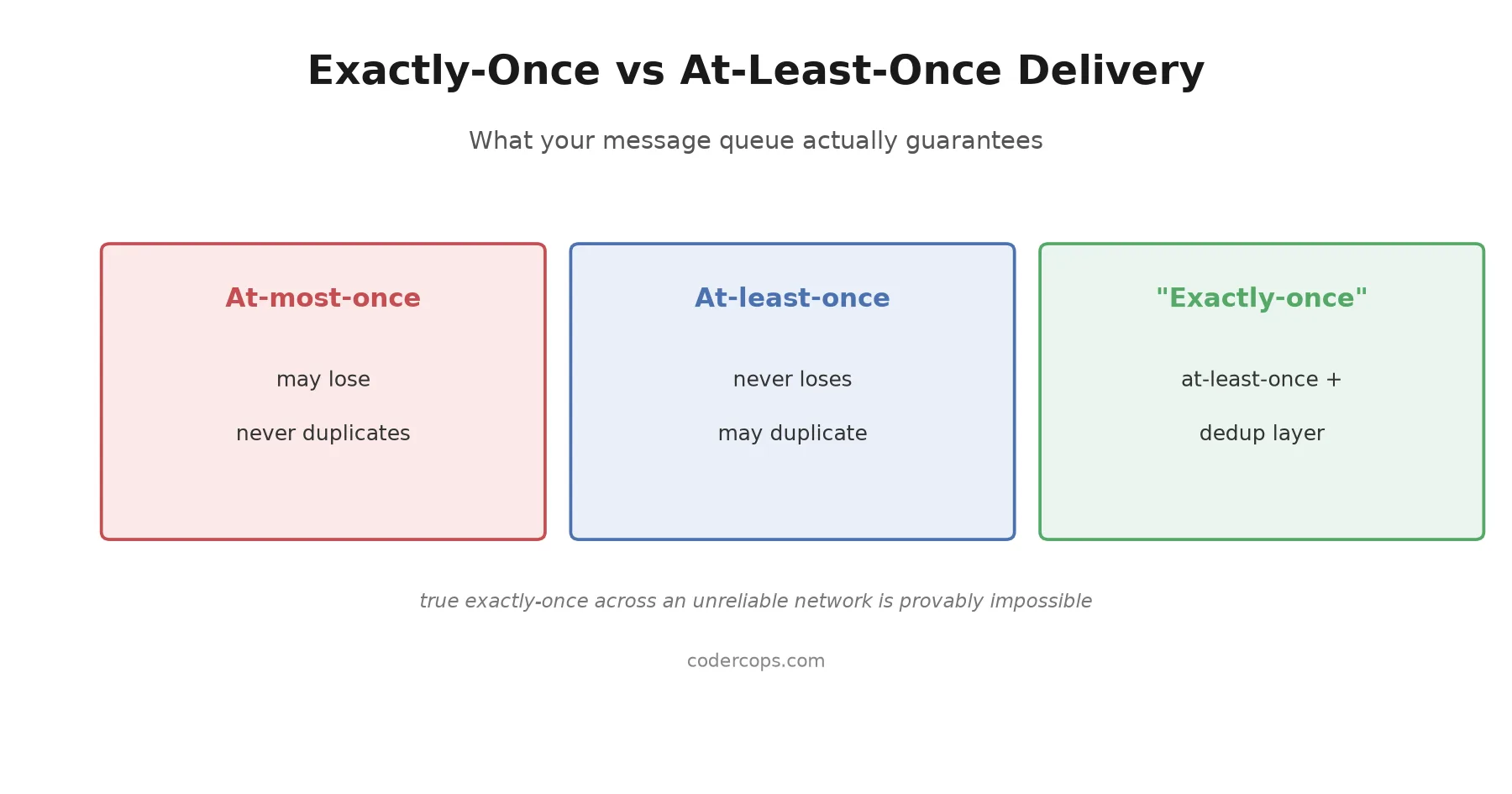
P.28Almost every queue advertising exactly-once actually gives you at-least-once plus a way to make your handler idempotent. The real distinction, and why.
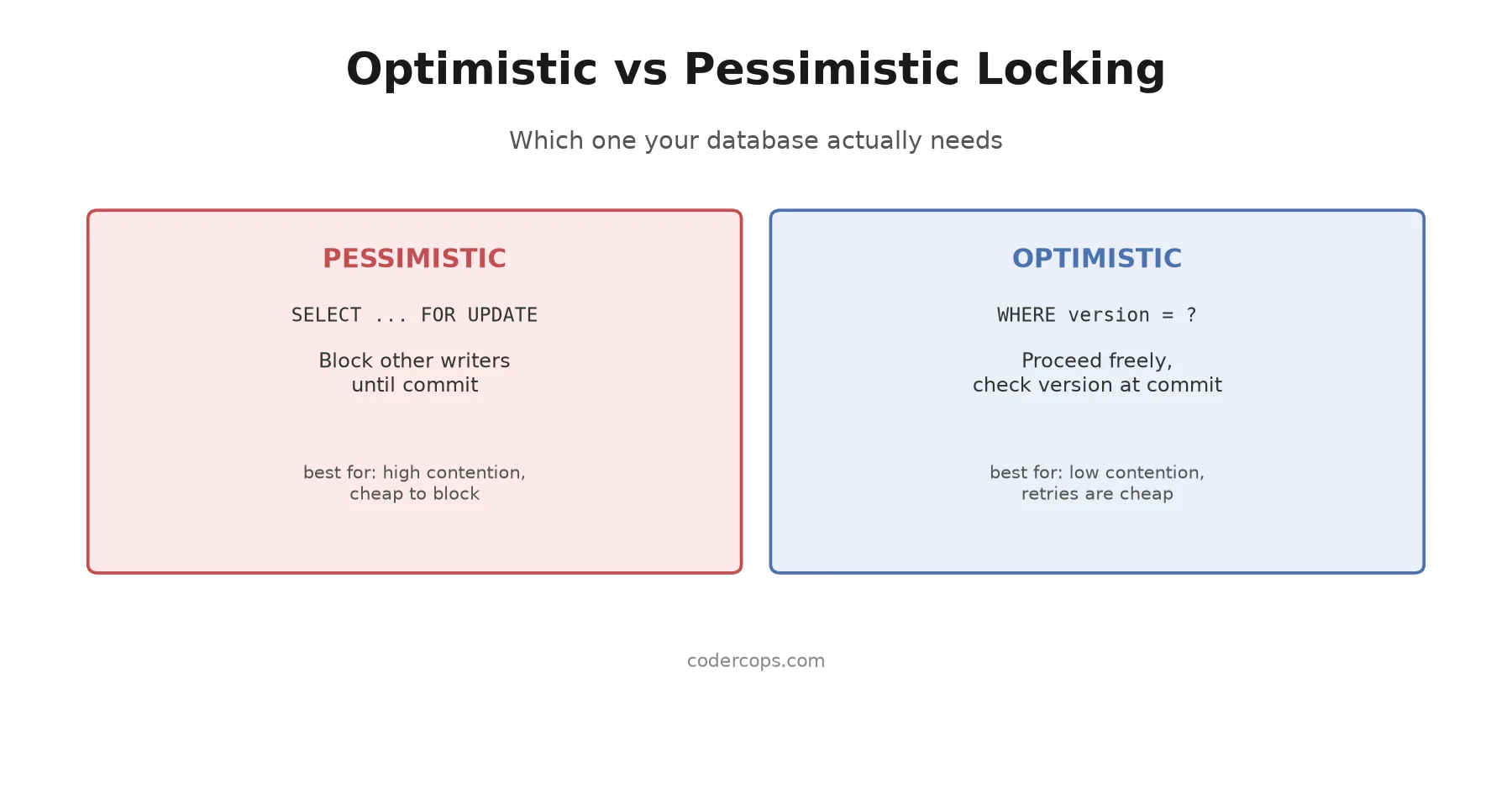
P.29Pessimistic locking stops one request from starting; optimistic lets both run and catches the conflict at the end. How each works, with SQL, and how to pick.
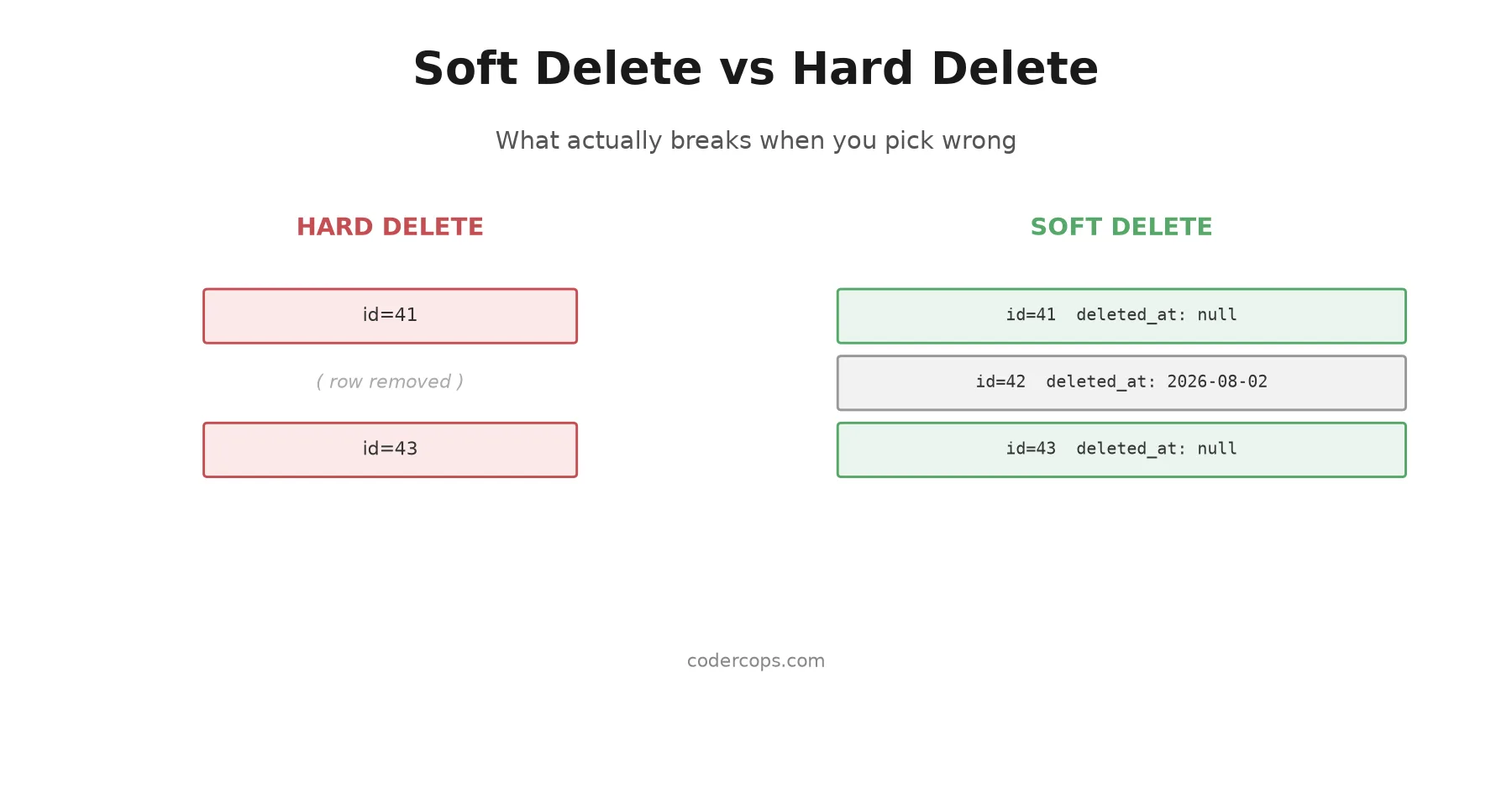
P.30Soft delete sounds like the safe default, but it quietly breaks unique constraints, foreign keys, and query performance unless you design for it up front.
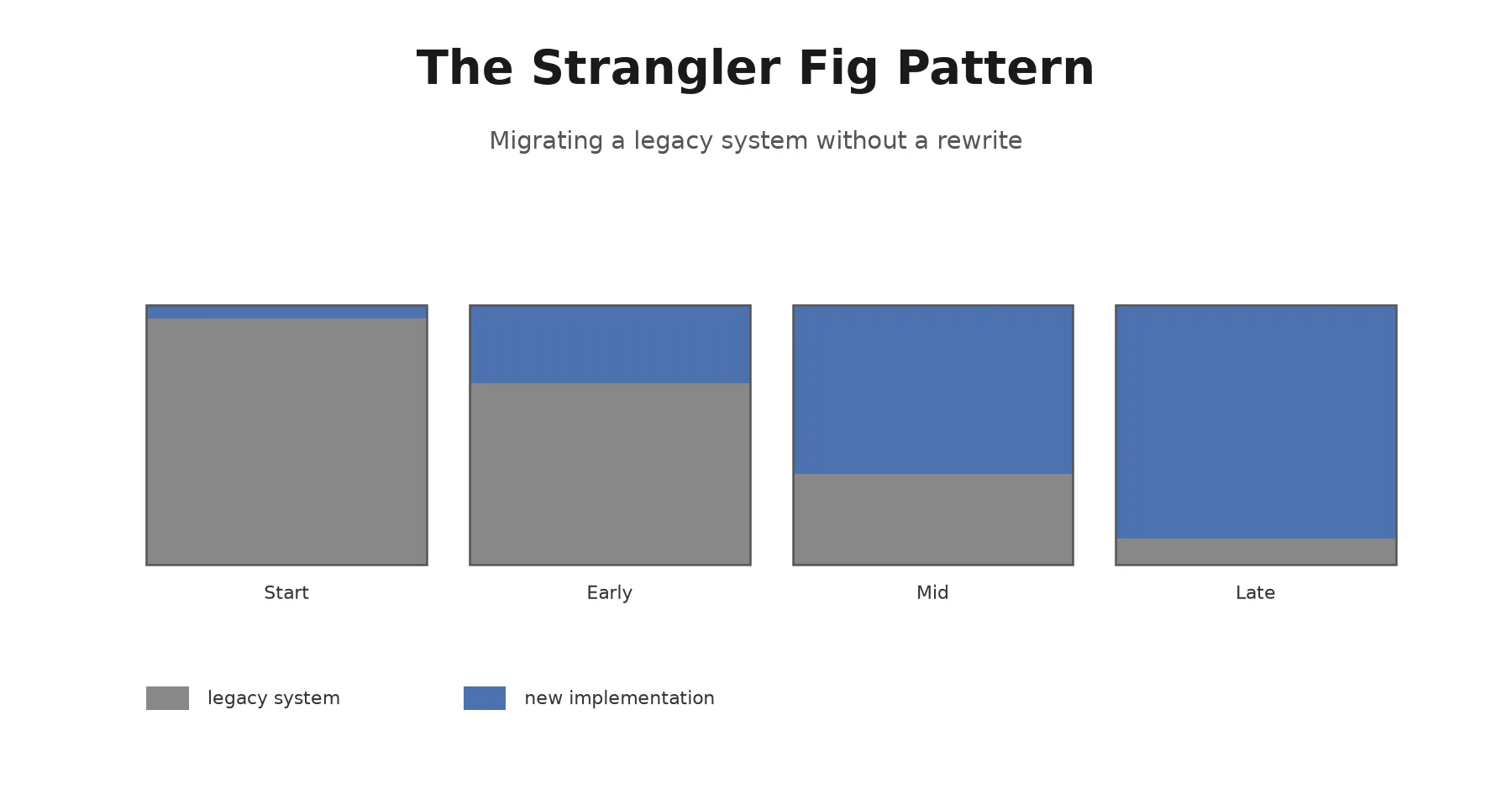
P.31Full rewrites fail because the business can't stand still for two years, not because the new code is bad. How the strangler fig moves traffic piece by piece.
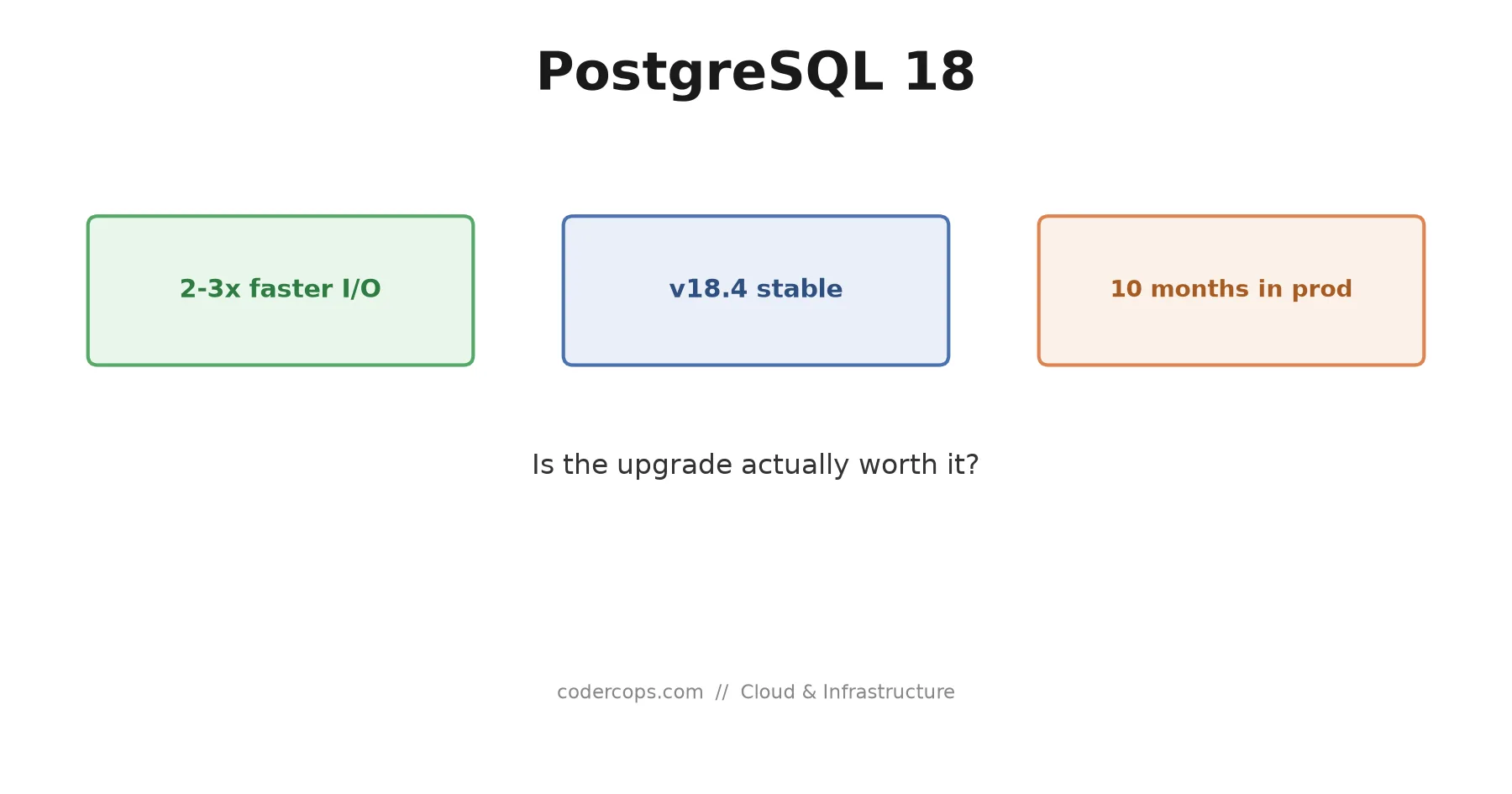
P.32PostgreSQL 18 is on 18.4 and 19 is still beta, so 18 is what you should run today. What async I/O, UUIDv7, and virtual generated columns actually buy you.
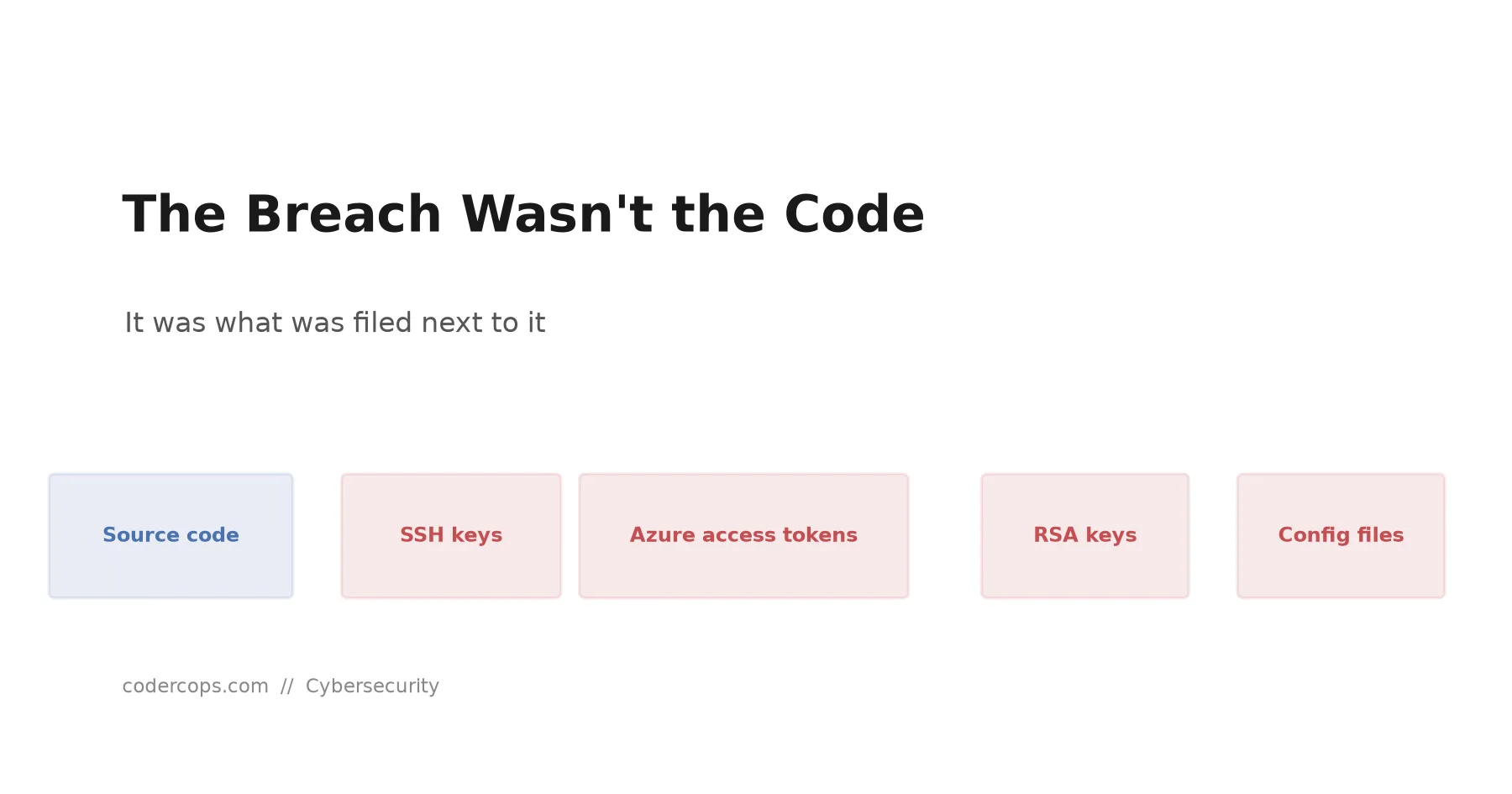
P.33A hacker claimed 35GB from Accenture including RSA and SSH keys and Azure tokens. The code isn't the risk; the credentials next to it are. The audit to run.
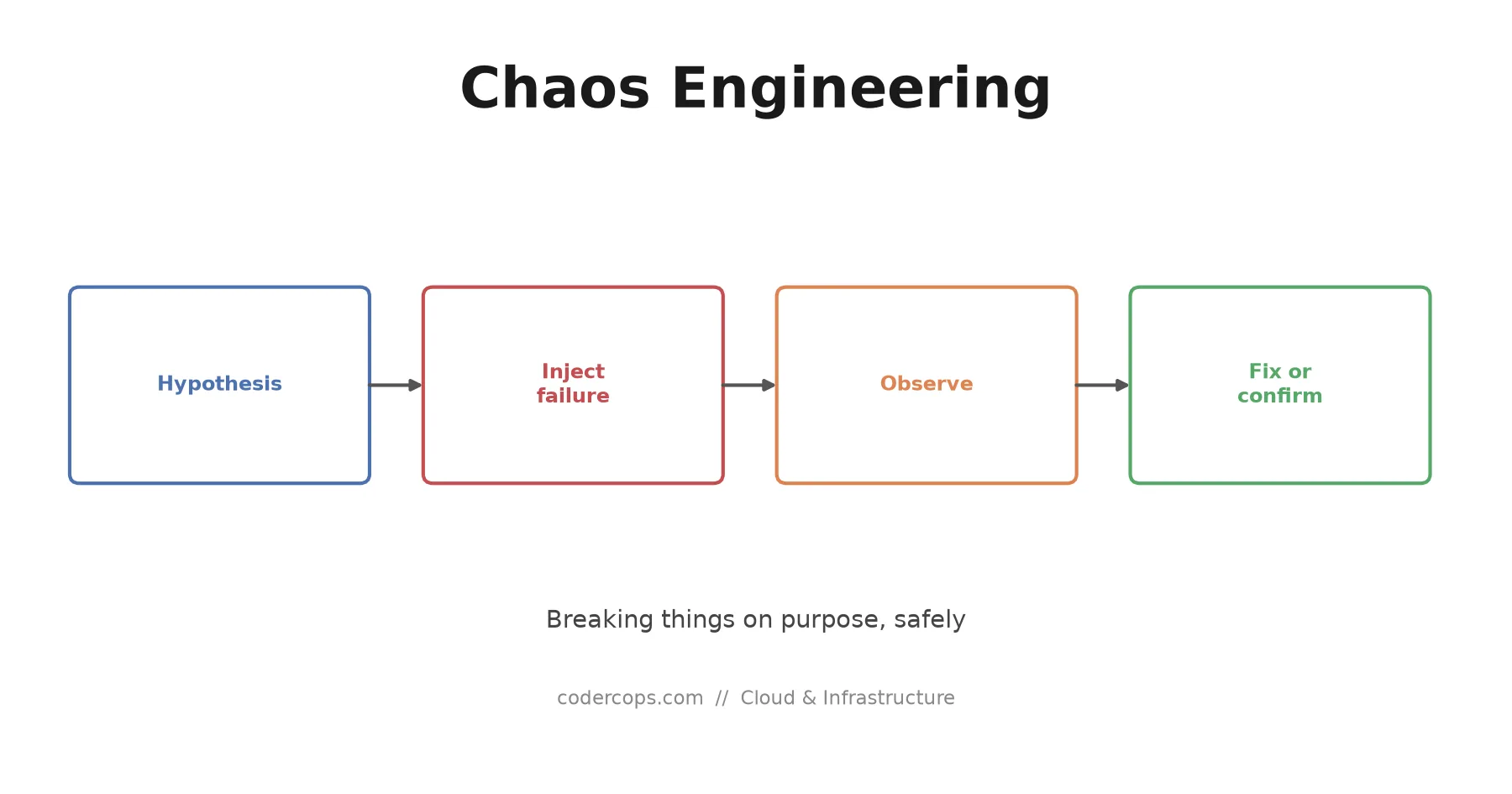
P.34Chaos engineering injects failure into a running system to find weaknesses before an outage does. What it involves, what tools help, and when to skip it.
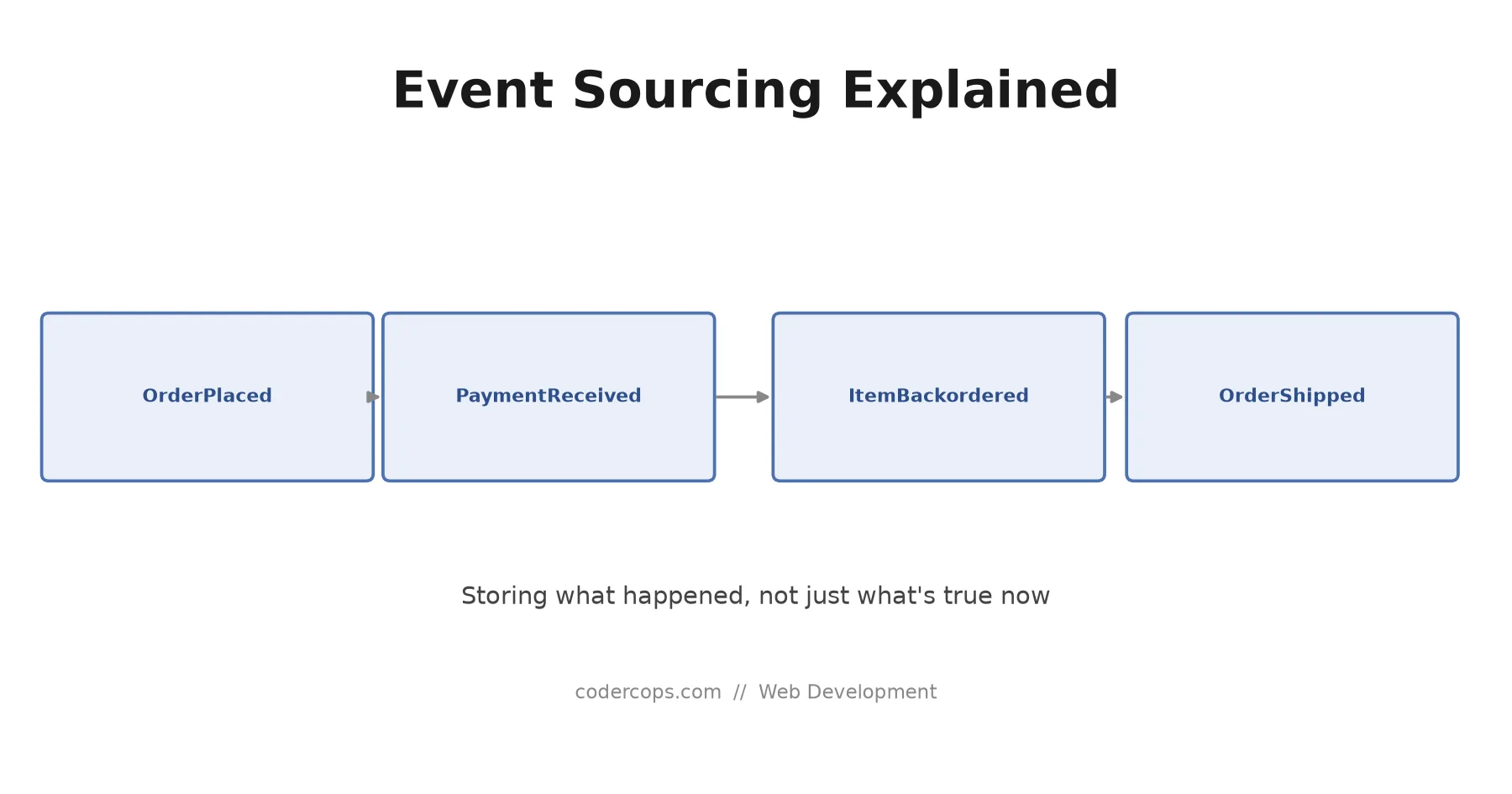
P.35Event sourcing stores every change as an immutable event and replays them for current state. What that buys, and the operational cost most systems skip.
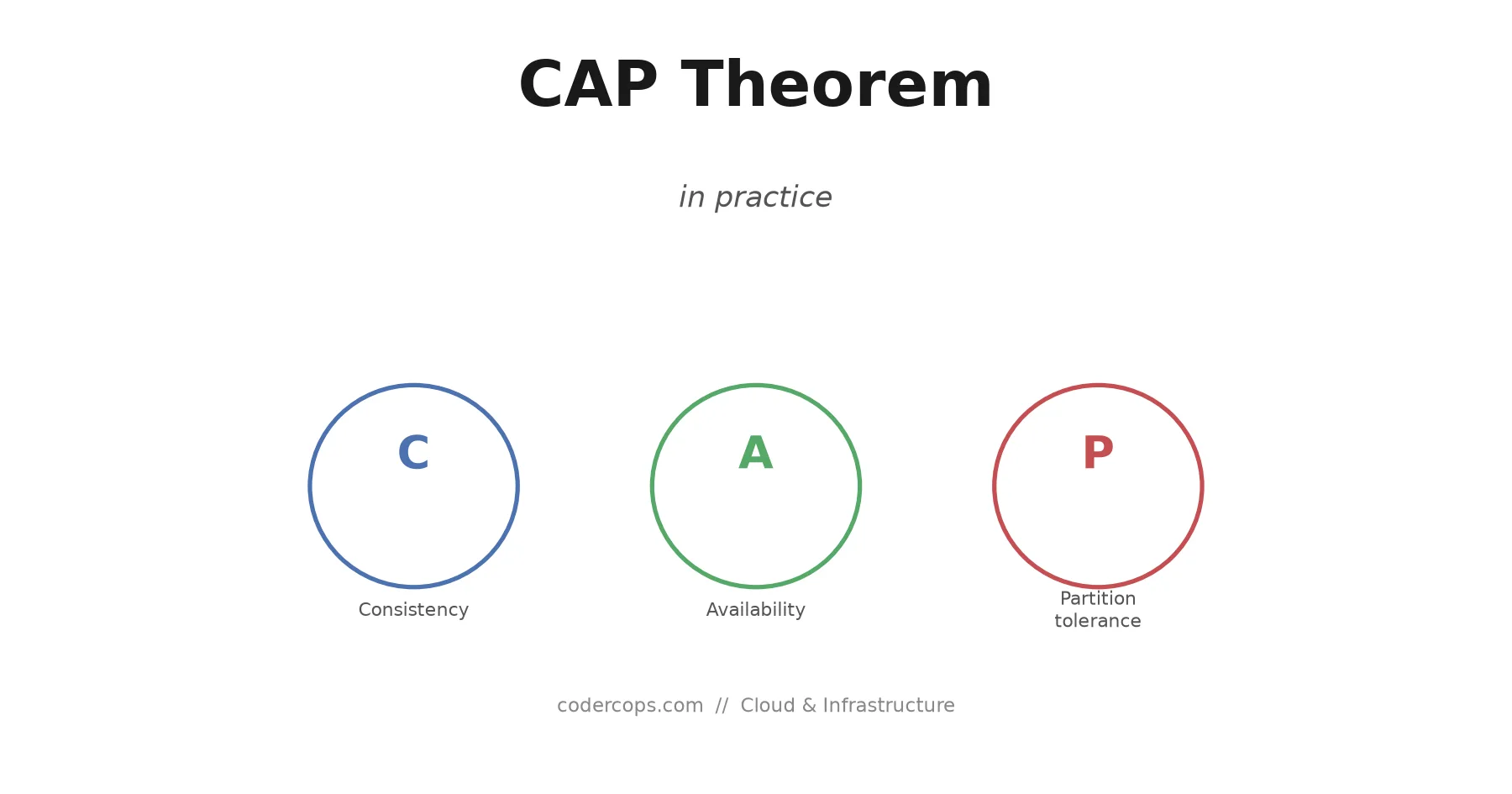
P.36CAP theorem gets summarized as 'pick two of three' so often that the summary has replaced the theorem. Here's what it actually says, why the real constraint only bites during a network partition, and how to pick a consistency model for a system you're actually building.
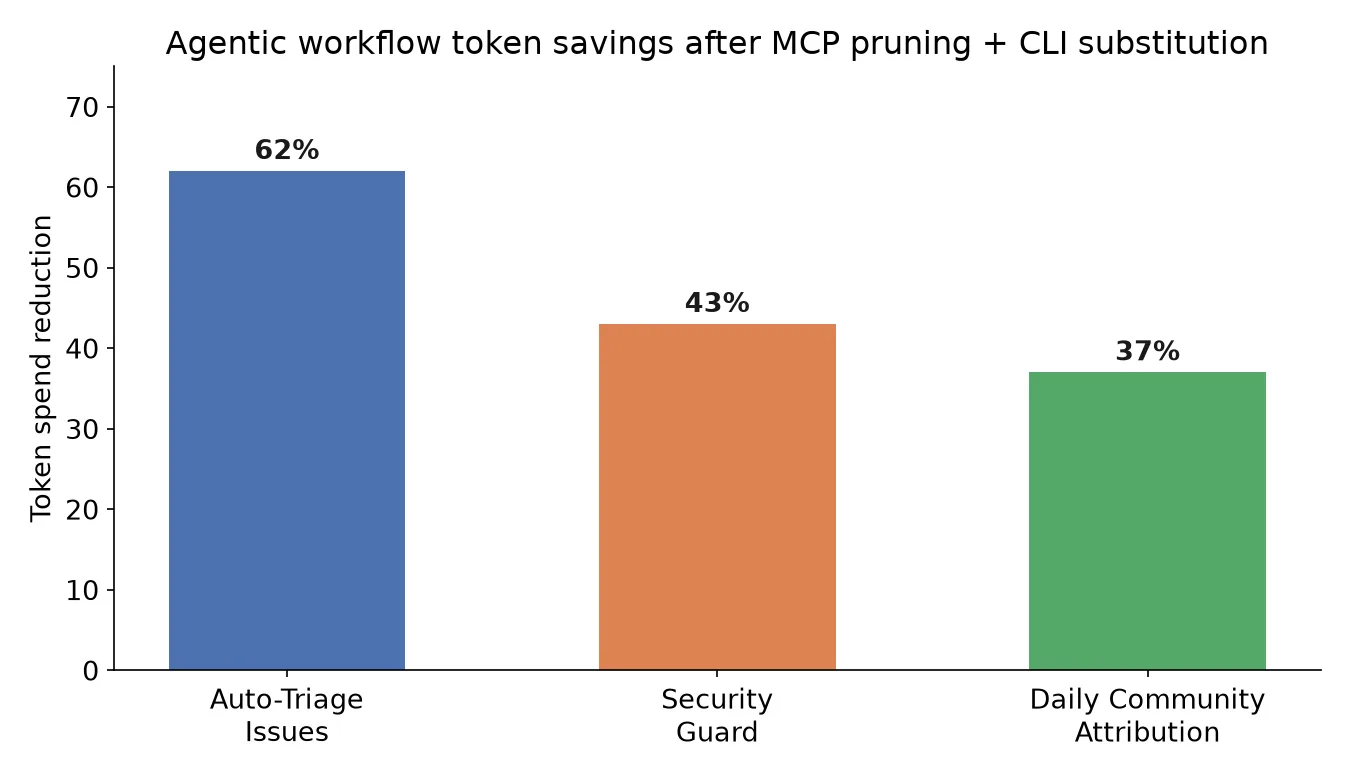
P.37GitHub cut token spend in its agentic CI workflows up to 62% by pruning unused MCP tools and swapping tool calls for CLI commands. How to copy the technique.
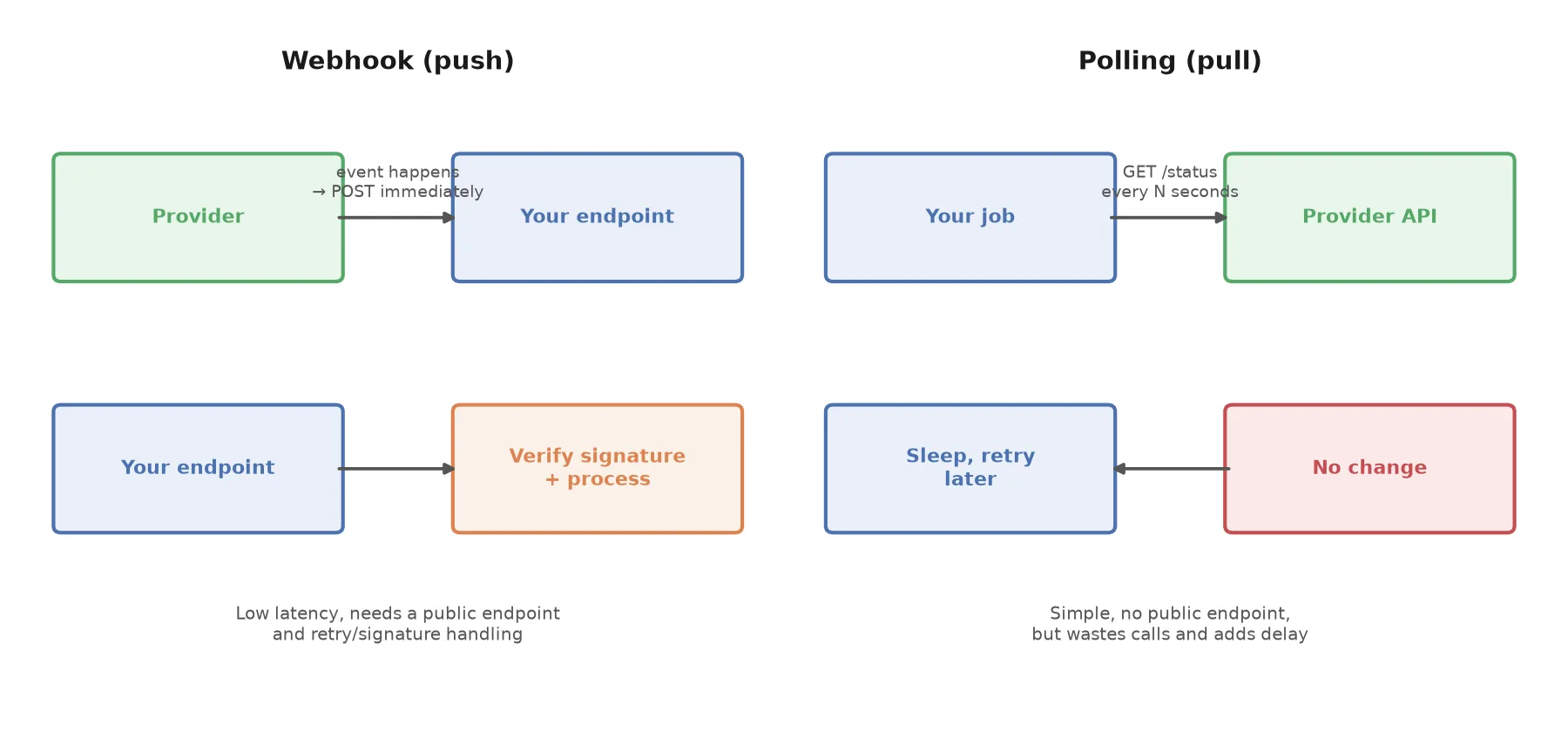
P.38Webhooks push the moment something happens; polling asks repeatedly. How to decide, with code for both, and the hybrid most production systems land on.
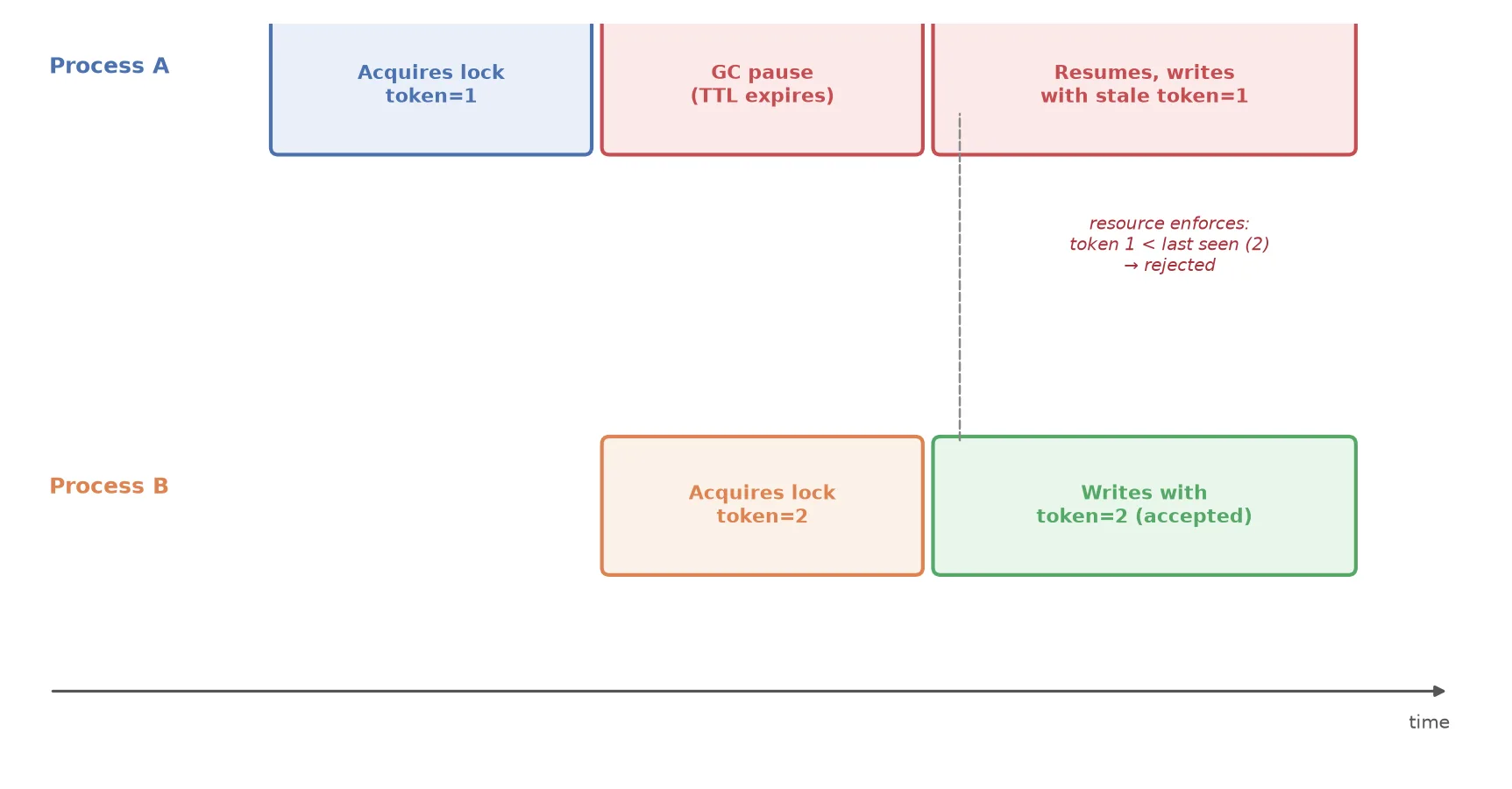
P.39A distributed lock keeps two processes on different machines from touching the same resource at once, but the naive Redis implementation has a gap that lets it fail silently. Here's how the pattern actually works, and the fencing token that closes the gap.
P.40Round robin isn't wrong, but it's the wrong default more often than teams realize. Here's how the main load balancing algorithms actually behave under uneven traffic, when each one earns its complexity, and a working consistent hashing implementation.
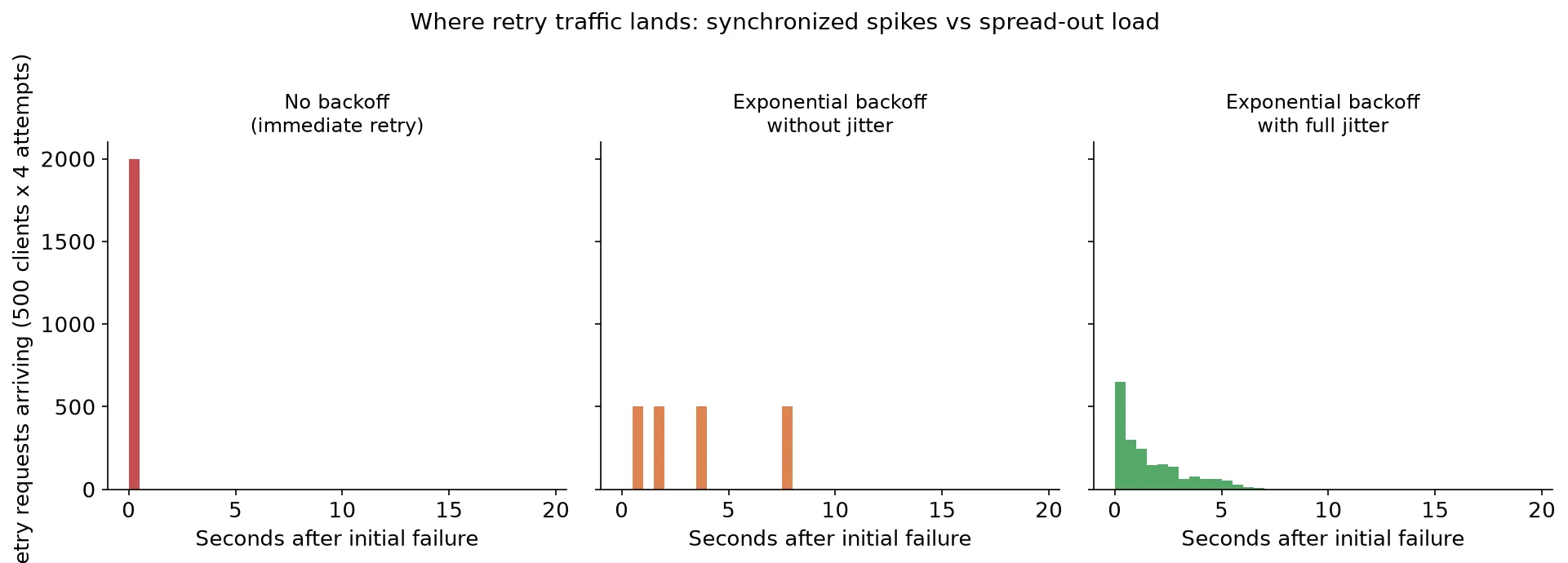
P.41A naive retry loop can turn a brief blip into a full outage by hammering a recovering service the instant it comes back. Here's how exponential backoff and jitter actually prevent that, with working code, not just the formula.
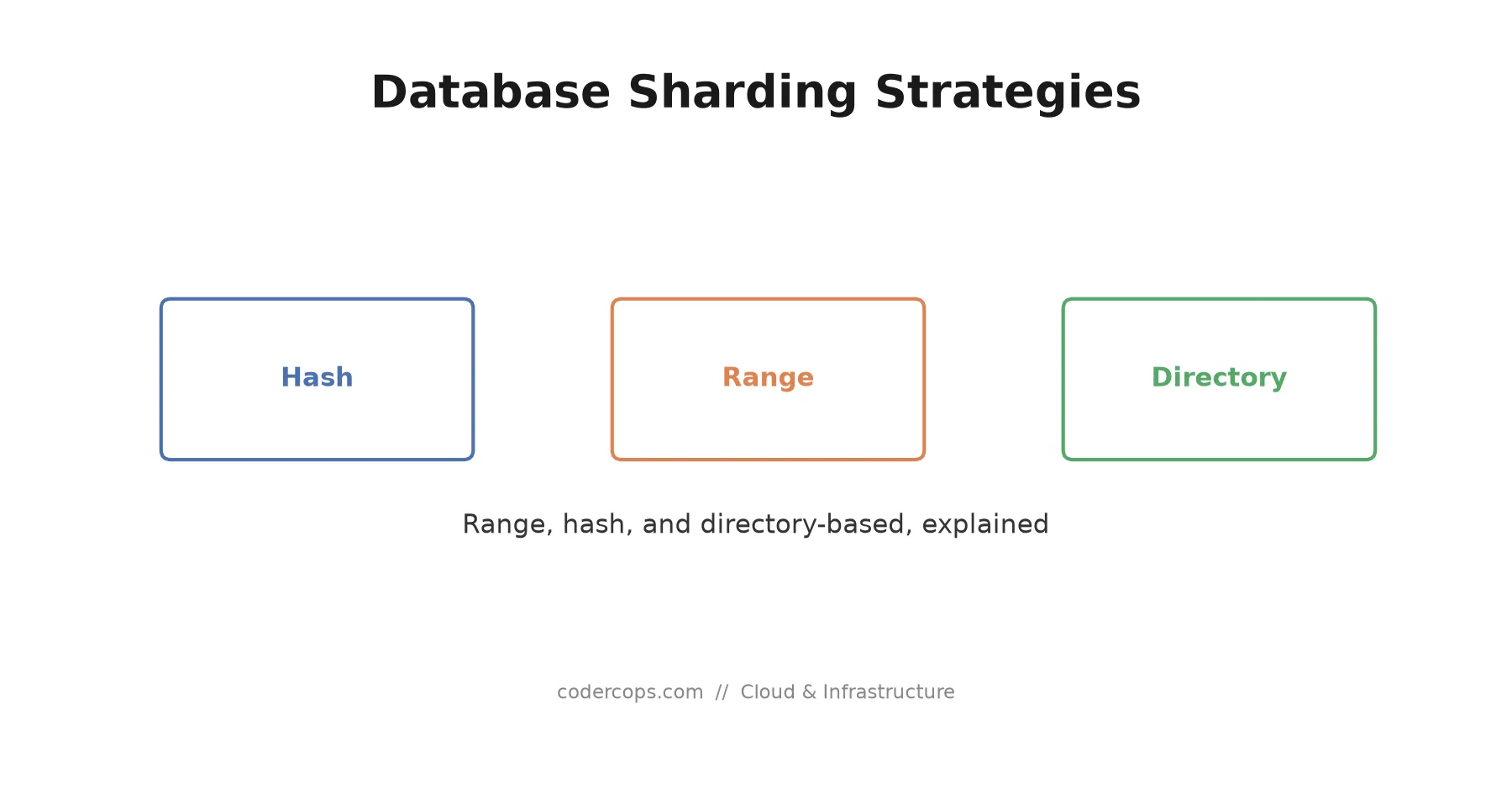
P.42Sharding splits one database across many machines. The strategy you pick decides whether you get hot spots, painful resharding, or something that scales.
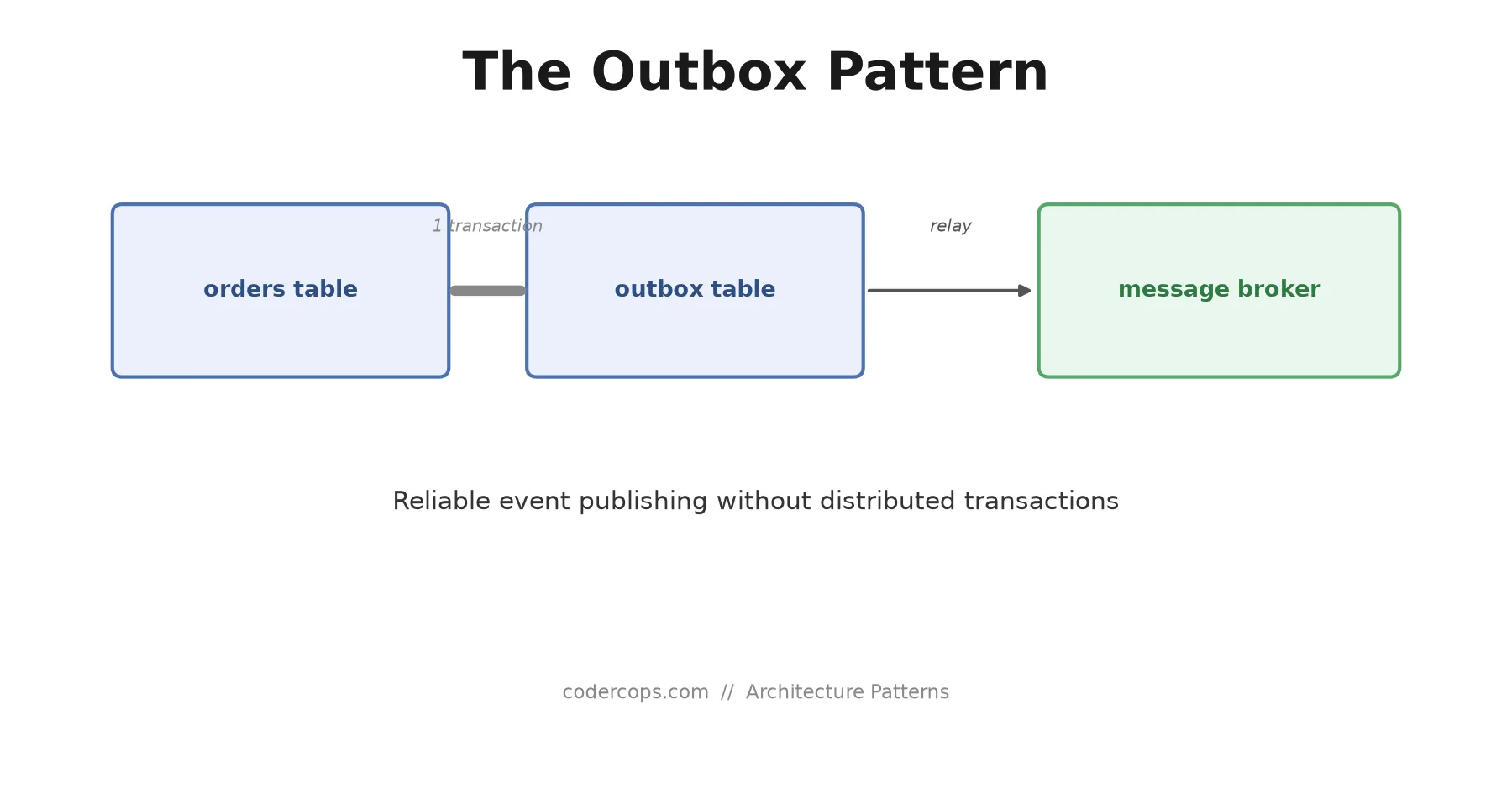
P.43Writing to your database and publishing an event are two operations, and a crash between them loses data silently. How the transactional outbox closes it.
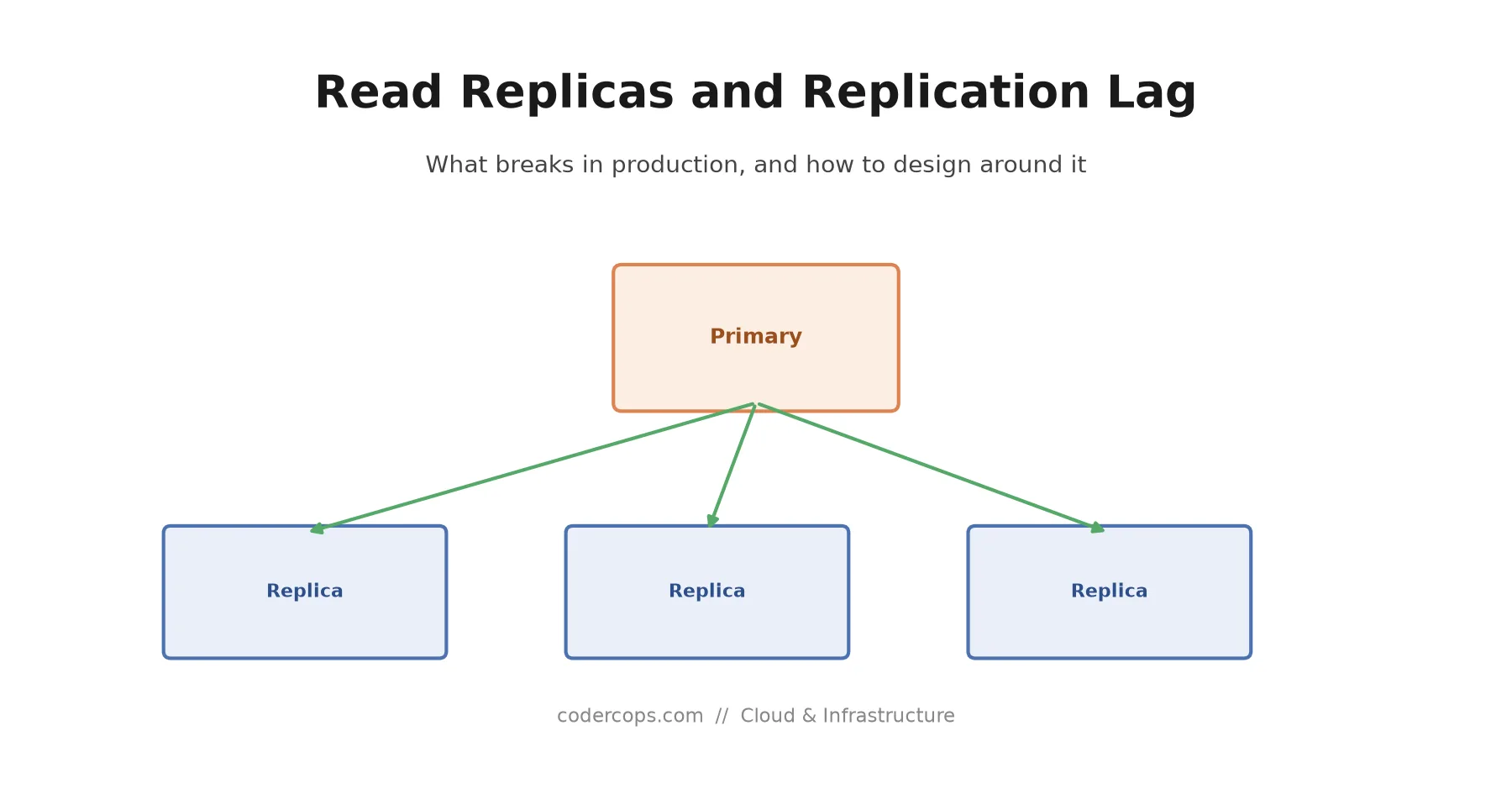
P.44Read replicas are the standard fix for read load, but they open a gap between writing data and reading it back. What lag breaks, and how to design around it.
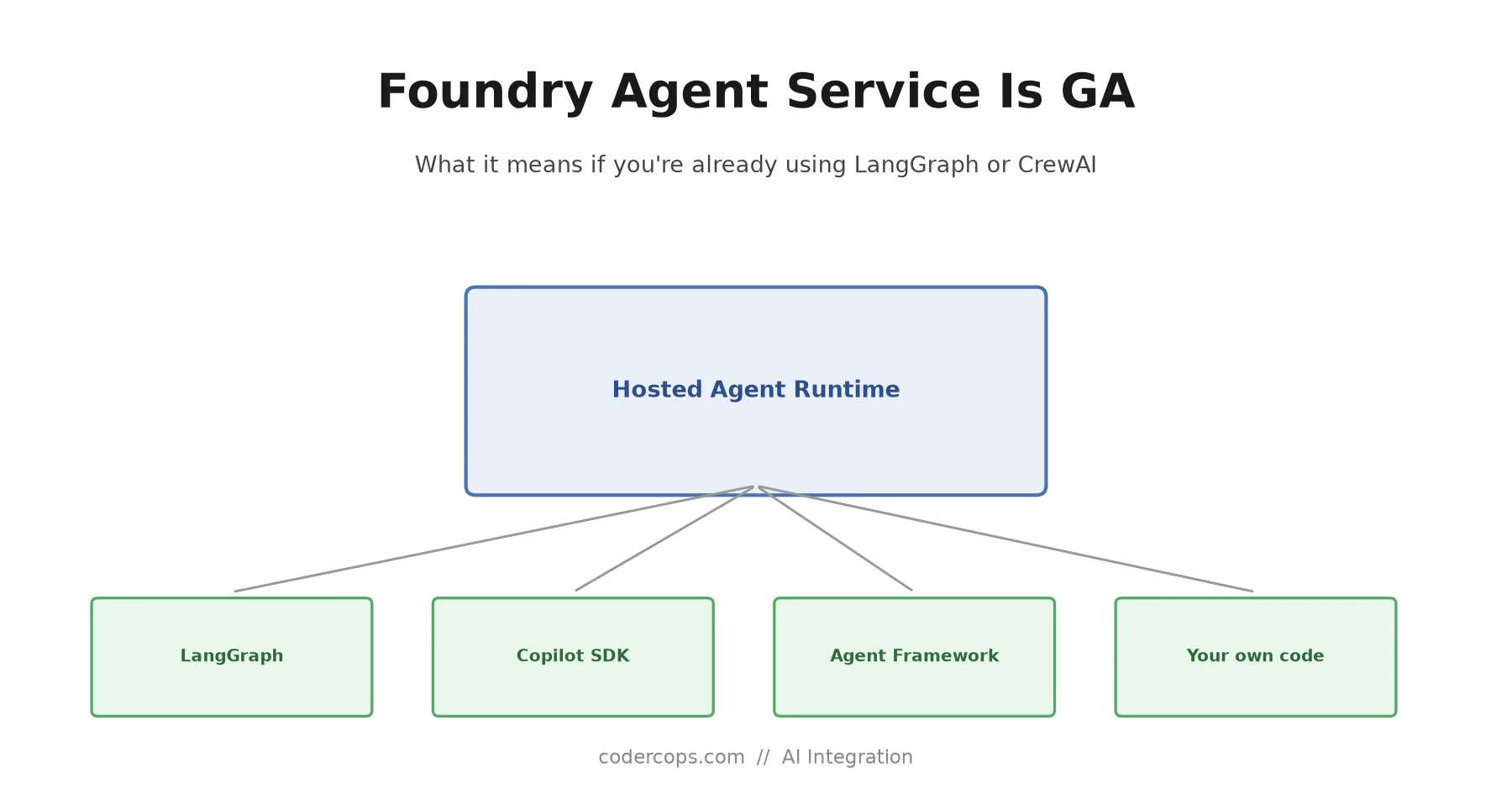
P.45Microsoft's Foundry Agent Service hit GA with a framework-agnostic hosted runtime. What's new, how sandboxing works, and whether LangGraph teams should move.
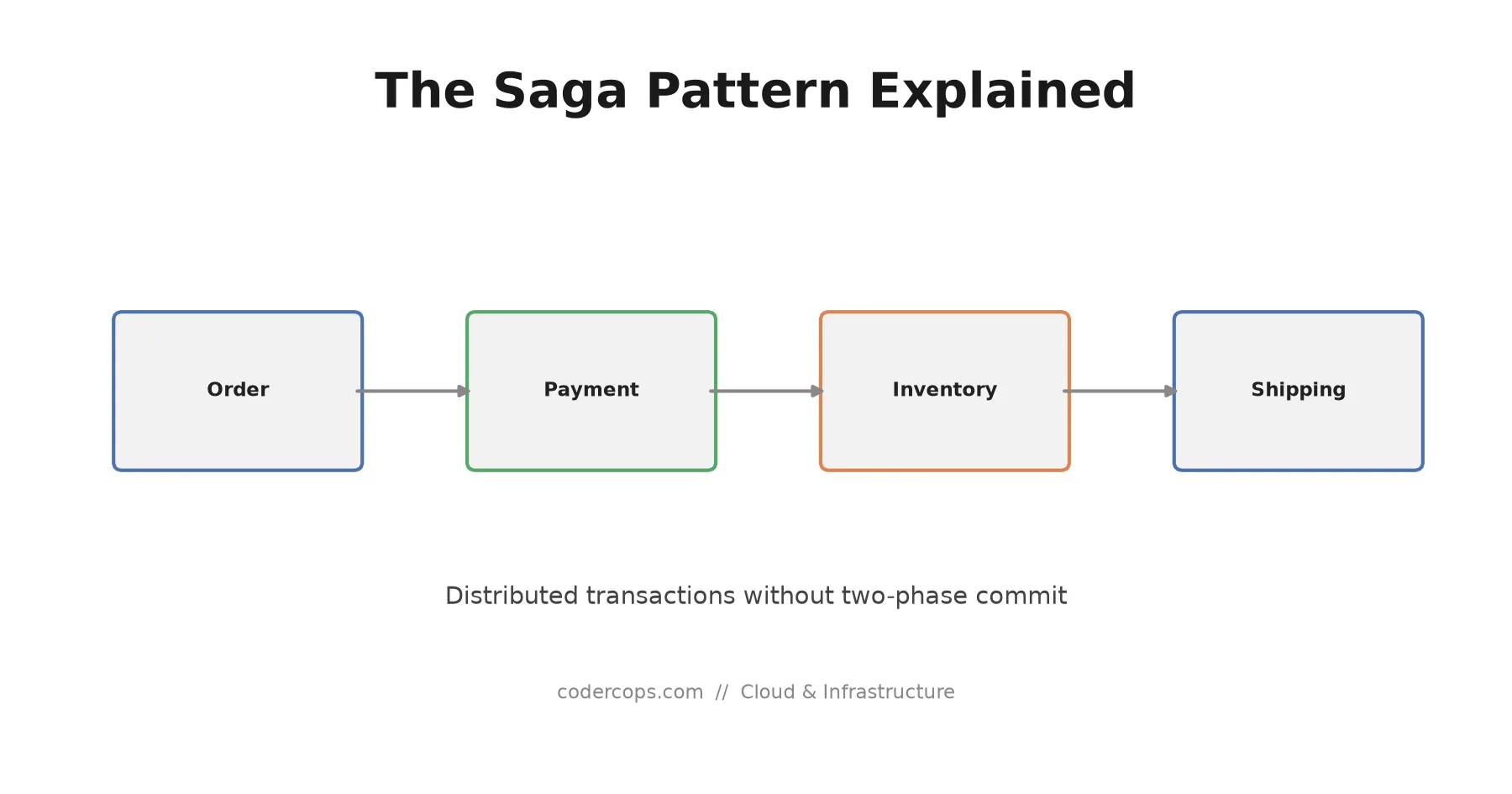
P.46When a transaction spans services you can't wrap it in one database transaction. Sagas use local transactions plus compensating actions. When that pays.
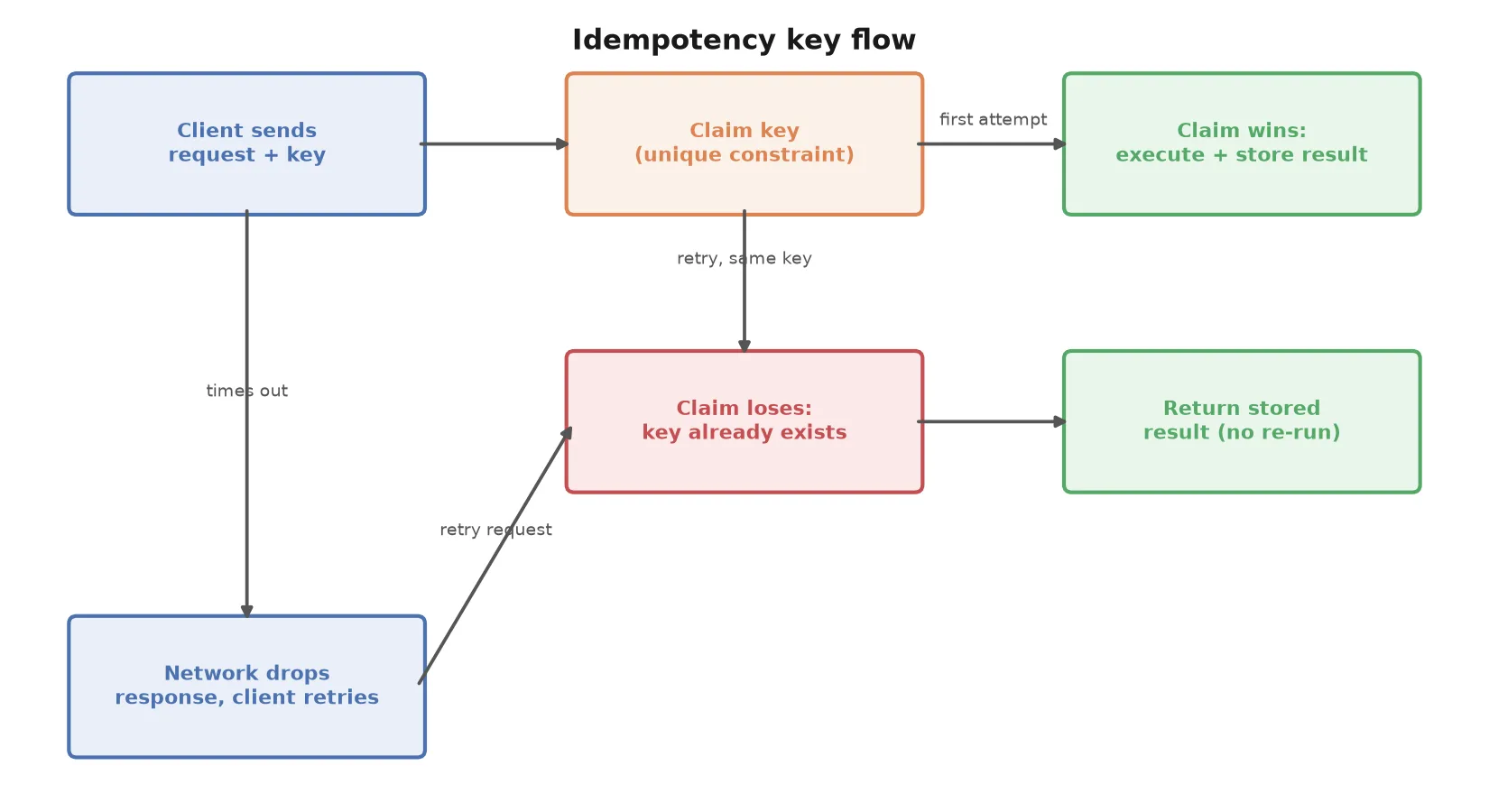
P.47Idempotency keys let a client retry a request that may have already succeeded, without double-charging a card. The pattern, in Postgres and in Redis.
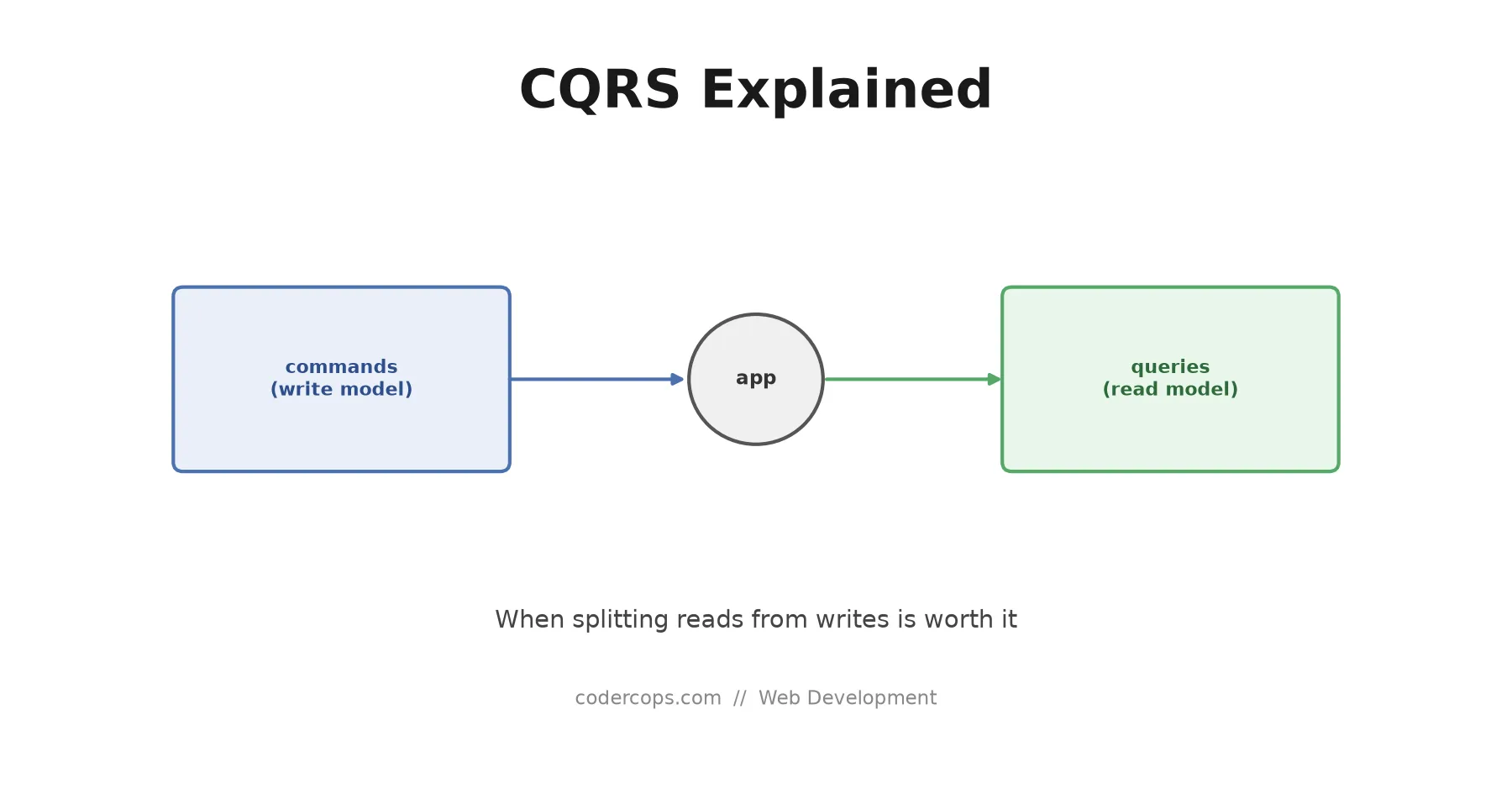
P.48CQRS separates the path that changes data from the path that reads it. It solves real problems and is heavily over-applied. When it earns its complexity.
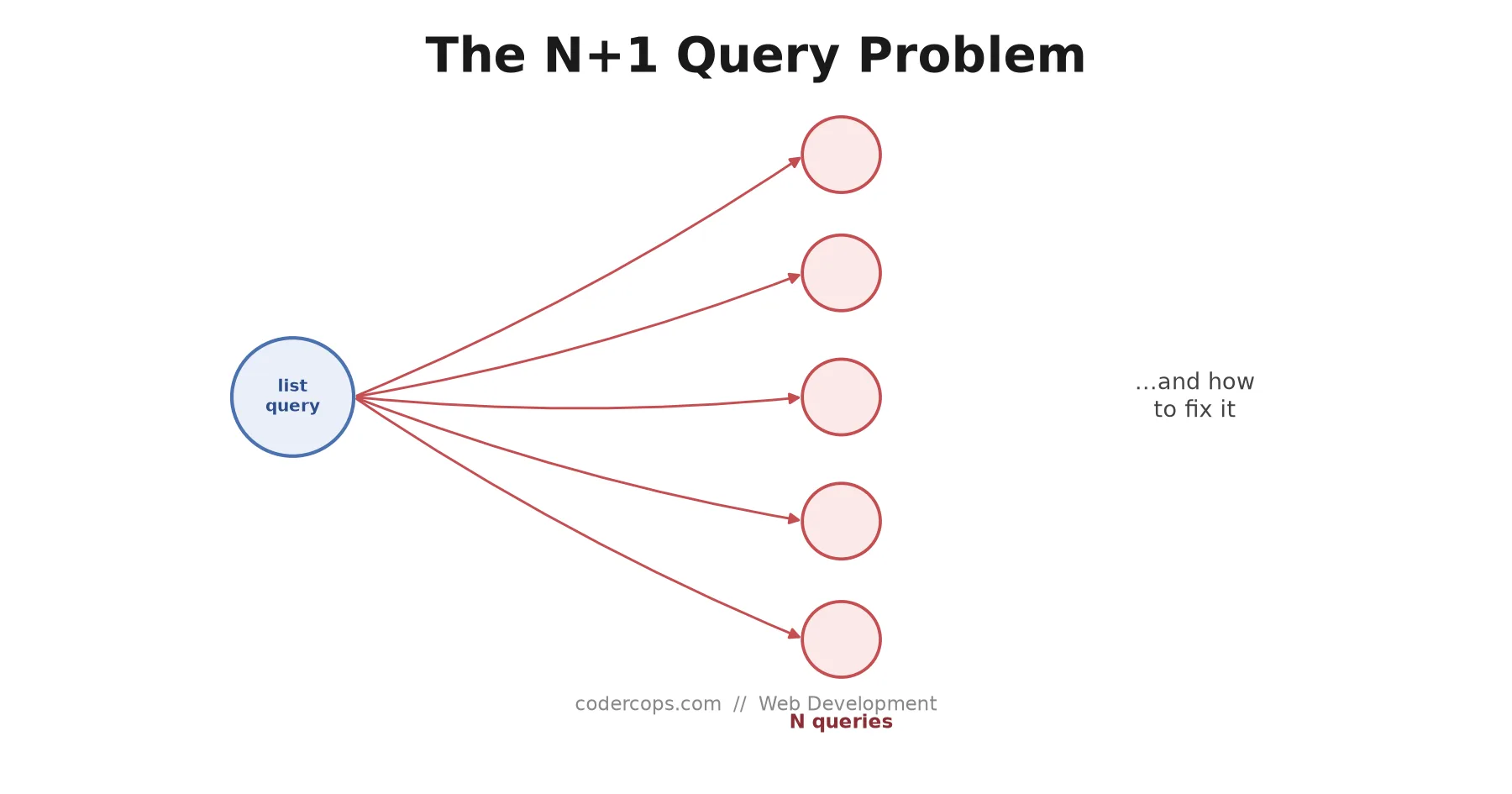
P.49An N+1 bug turns one page load into hundreds of round trips. What causes it, how to spot it in Django, Rails, and Prisma, and the eager-loading fixes.
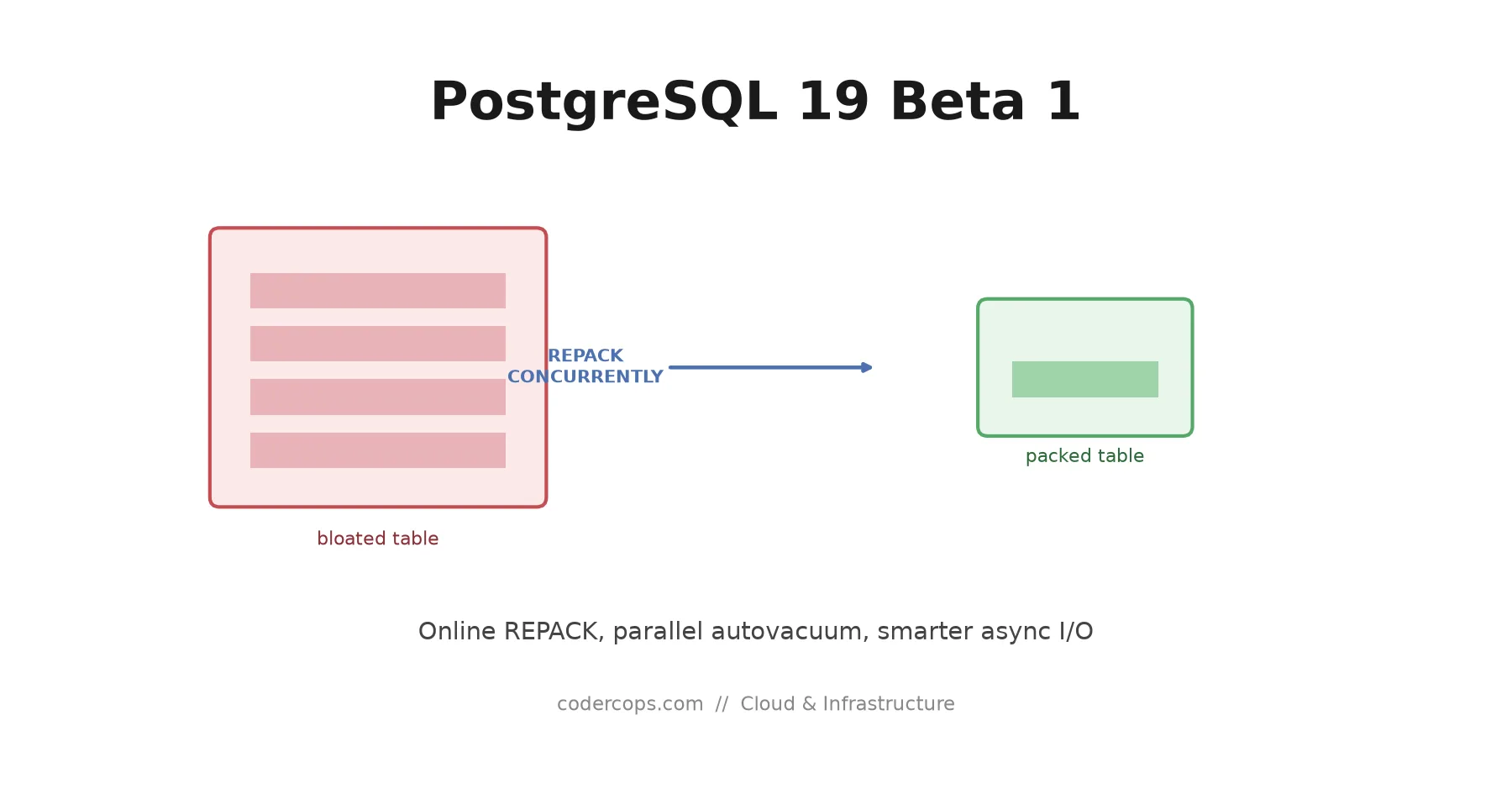
P.50PostgreSQL 19 Beta 1 adds REPACK, which rewrites bloated tables without a maintenance window, plus parallel autovacuum and smarter async I/O.
P.51A circuit breaker stops your app hammering a failing dependency until it recovers. The three states, a minimal implementation, and how retries differ.
Firebase's complexity and Supabase's Postgres assumptions don't fit every project. How PocketBase, Appwrite, and Convex differ, and when each one fits.
LLM bills grow faster than usage. Prompt caching, semantic dedup, tiered routing, and batch inference cut 40-80% without degrading output quality.
Three tools, three bets on where complexity belongs. How to choose between BullMQ, Inngest, and Temporal based on what your system needs, not what sounds big.
OpenFeature is a CNCF incubating project with broad SDK support. How to use vendor-neutral feature flags, and why the standard beats the tool behind it.
Logs say what happened. Error tracking says what broke, for which users, in what context. Setting up Sentry properly, without the alert fatigue.
Rails 8 replaces Redis, Memcached, and Node with Solid Queue, Solid Cache, Solid Cable, and Kamal 2, so a single server and database can run production.
Getting a language model to return reliably structured data is not just about asking nicely. Here's the pattern that actually works at production scale.
MCP is the standard for connecting AI models to external systems. How it works, how to implement a server, and what to lock down before production.
Most slow queries come from a small set of fixable problems: missing indexes, N+1 patterns, and over-fetching. This is the practical diagnostic and fix guide.
Blue-green and canary deployments give you a way to release software without taking down your service or discovering a bug when it's already affecting everyone. Here's how they work and when to use each.
Local-first means your app works offline and syncs when connected. The technology (CRDTs and sync engines) is mature enough to use. The question is whether your use case actually needs it.
Row Level Security moves data isolation into the database where it belongs. Here's how to set it up for a multi-tenant SaaS, handle common edge cases, and avoid the traps that break it.
A hands-on comparison of Typesense, Meilisearch, and Algolia for production SaaS search: self-hosting, performance, pricing, and real implementation patterns.
A practical comparison of PostHog, Amplitude, and Mixpanel for SaaS teams in 2026: pricing, self-hosting, event tracking, and what metrics matter.
Building SaaS billing on Stripe means handling subscription plans, the Meter API for usage-based pricing, webhook reliability, and the Customer Portal.
Zod is the standard for runtime type validation in TypeScript: one schema drives API contracts, form validation, and environment variables across your stack.
Both approaches customize LLM behavior for your use case, but they solve different problems. Here is how to decide which one you need, how to know when to use both, and what teams consistently get wrong.
Password resets, invoices, and notification emails are infrastructure. Most developers treat them as an afterthought until a client asks why their welcome emails are disappearing. Here is the full picture.
An agent that forgets everything when the session ends is a limited tool. Here are the practical patterns for building different kinds of memory into your agents.
Past the chatbot hype, AI is genuinely improving specific e-commerce outcomes. Here are the implementations producing measurable results, and the ones that still mostly disappoint.
The queries that wreck production Postgres share a few root causes. How to find them, read EXPLAIN ANALYZE properly, and fix them without guessing.
TypeScript leaves errors untyped by default. Effect TS fixes that with typed failures, dependency injection, and structured concurrency.
Hallucination is not a bug that gets patched in the next model release. It is a property of how language models work. Here are the patterns that actually reduce it in production systems, and what they cost.
Single-provider AI dependencies are a reliability risk. Routing layers like LiteLLM and OpenRouter let you fall back across providers, cap costs, and try smaller models first. Here is the architecture and when it actually matters.
Neon separates storage from compute to make Postgres behave like a serverless resource. The branching feature is what actually changes the development workflow — here's how it works and when it's worth the migration.
Connection exhaustion is one of the most common production failures for apps that scale. Here's how pooling works, which tool fits which setup, and the configuration decisions that matter.
From .env files to Vault to AWS Secrets Manager: a practical guide to storing credentials, API keys, and certificates without waking up to a breach notification.
A practical incident response process for small teams: severity tiers, on-call rotations, better alerting, and blameless postmortems, no SRE org required.
Leaked credentials are the most preventable breach category. When you need a real secrets manager, which one to pick, and what to do if you're still on .env.
LLM observability means tracking traces, token costs, latency, and output quality to debug production failures instead of guessing. Covers Langfuse and Helicone.
OpenAPI-first API development means writing the spec before code, then generating server types, request validation, and client SDKs from it.
Background jobs that crash mid-run lose their state. Temporal makes workflows durable state machines that survive restarts and deploys. In TS and Python.
Unit tests confirm your code runs. They don't confirm your AI feature gives good answers. Here's how to build an eval pipeline that catches real failures.
Rolling back a bad API endpoint takes seconds. Rolling back a bad LLM integration is harder — the damage may already be in your logs, your users' inboxes, or your clients' feeds. Feature flags are how you ship AI features without betting everything on launch day.
AI features ship fast. Then the monthly API bill arrives. Here's a systematic approach to understanding and reducing LLM costs without breaking the product.
ALTER TABLE locks your database. Your migration takes longer than expected. Users get errors. Here's how to handle schema changes that don't interrupt production traffic.
Async Django is production-ready in 2026, but landmines still exist. Four real projects, benchmarks, and a framework for deciding when async actually helps.
We migrated three production projects from Celery to Django's new Tasks framework. Two went smoothly. One was a disaster. Here is everything we learned.
The network latency between your Django app and your FastAPI ML service is probably longer than inference itself. Here is how to serve models from Django directly.
Most AI agents fail in production. Here are the architecture patterns, error handling strategies, and guardrails we use to build agents that actually ship.