P.01OpenAI's Zero Data Retention Update, Explained
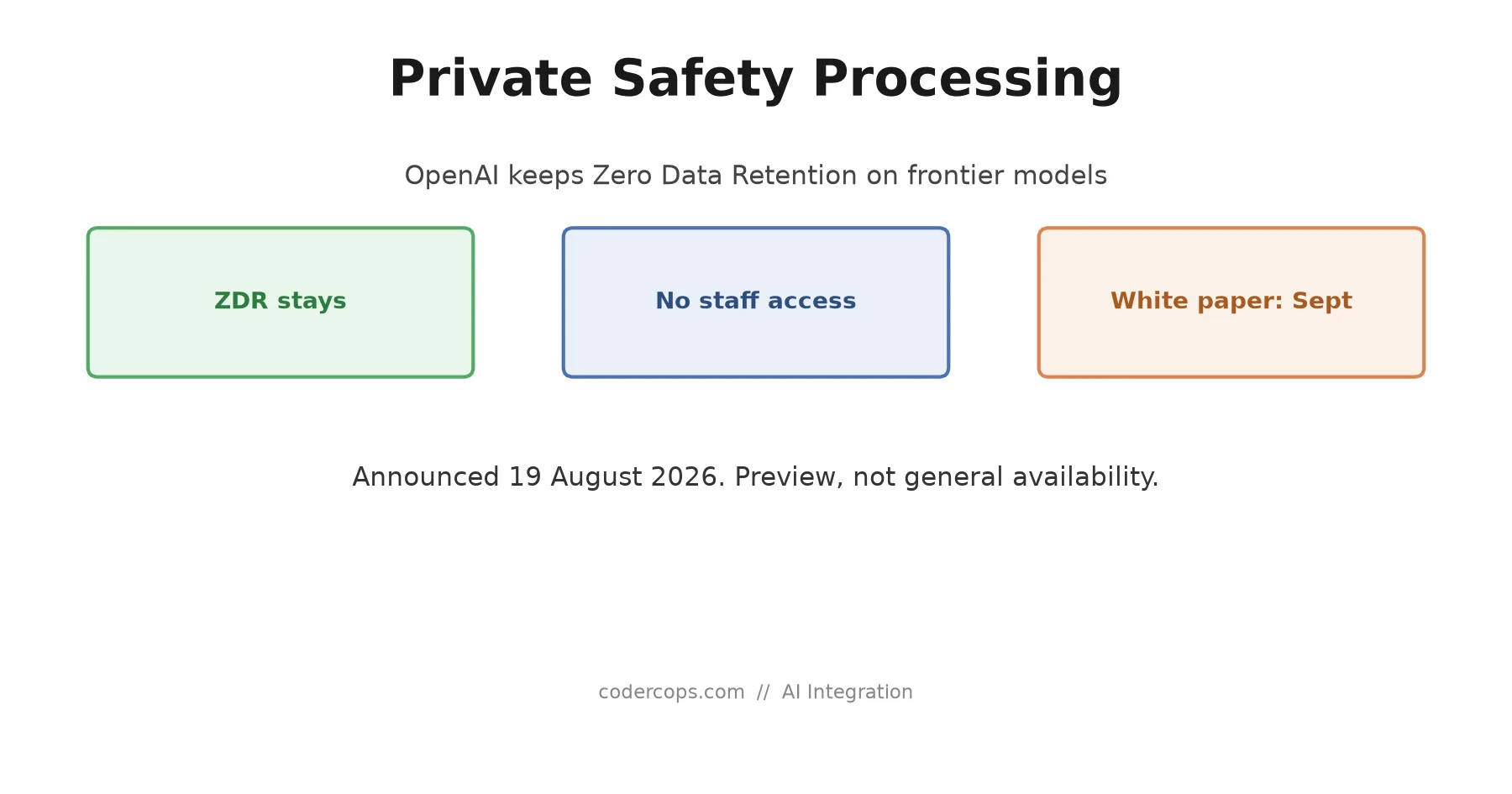
OpenAI confirmed Zero Data Retention stays on frontier models and previewed Private Safety Processing, abuse detection without staff seeing your prompts.
Tag
32 articles tagged #API.
P.01OpenAI confirmed Zero Data Retention stays on frontier models and previewed Private Safety Processing, abuse detection without staff seeing your prompts.
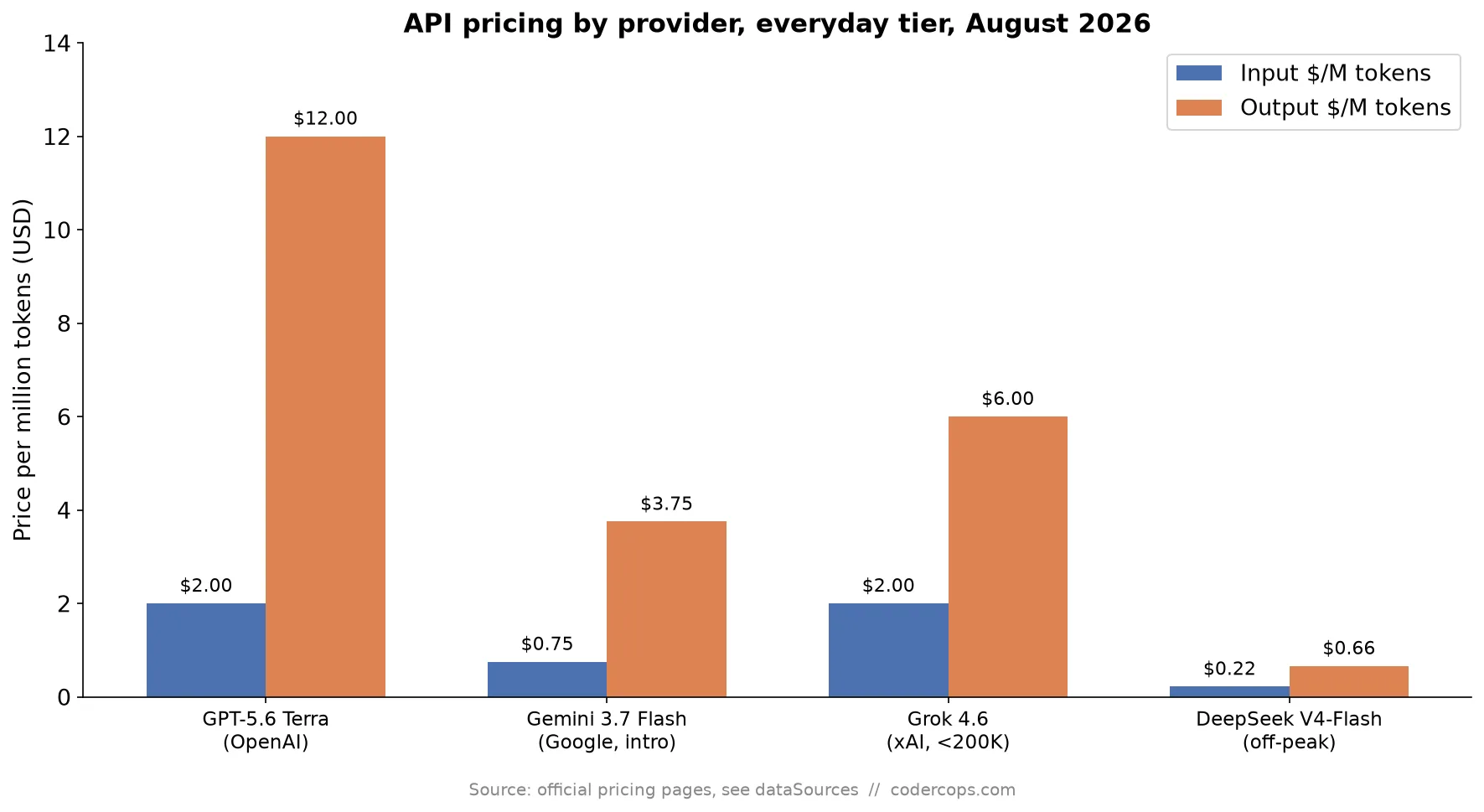
P.02What OpenAI, Google, and xAI actually charge per million tokens right now, tier by tier, so you can price a real workload before picking a provider.
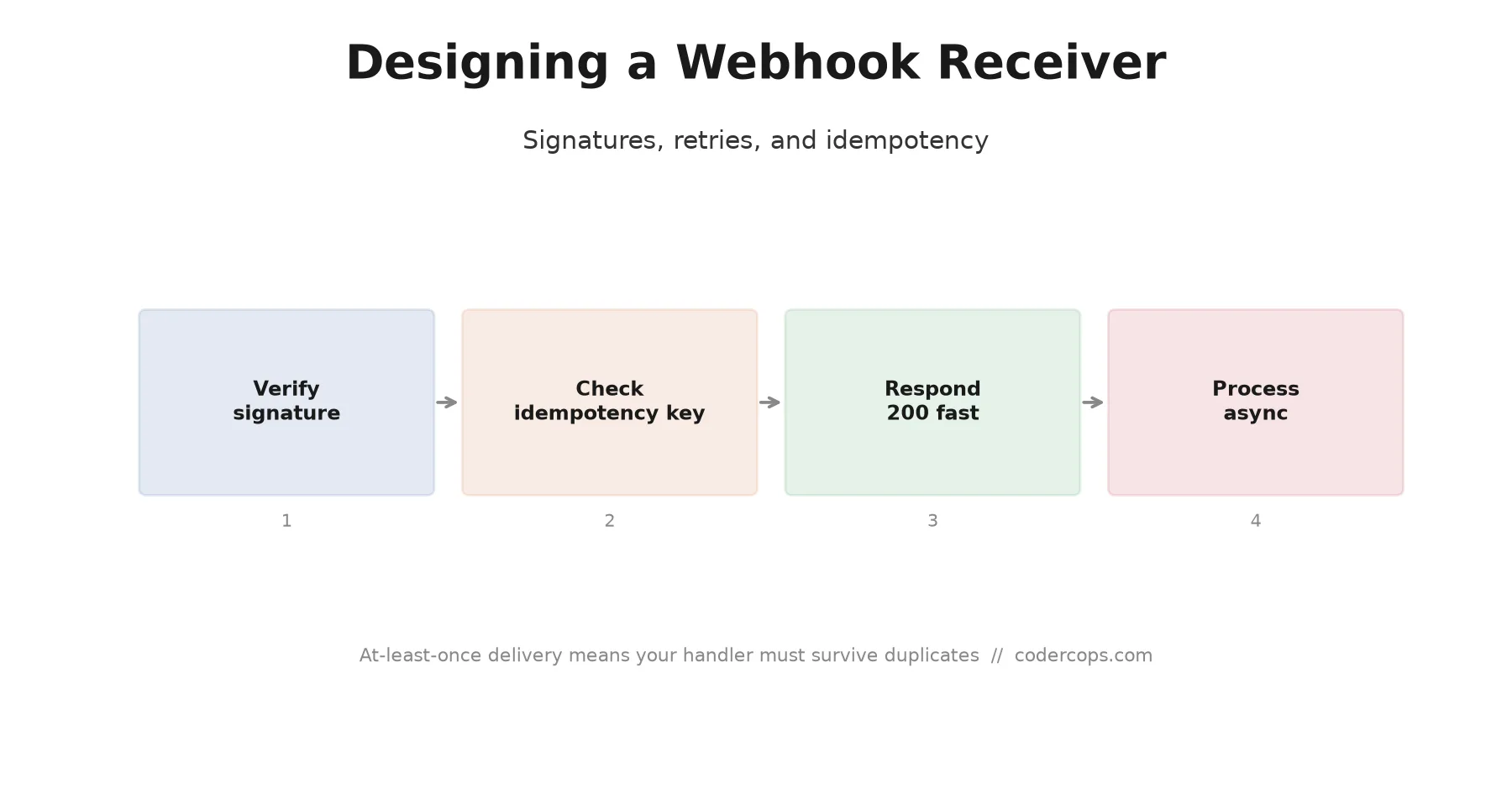
P.03A webhook receiver has to trust a request it can't control the timing, order, or count of. Verifying signatures, handling retries, surviving delivery chaos.
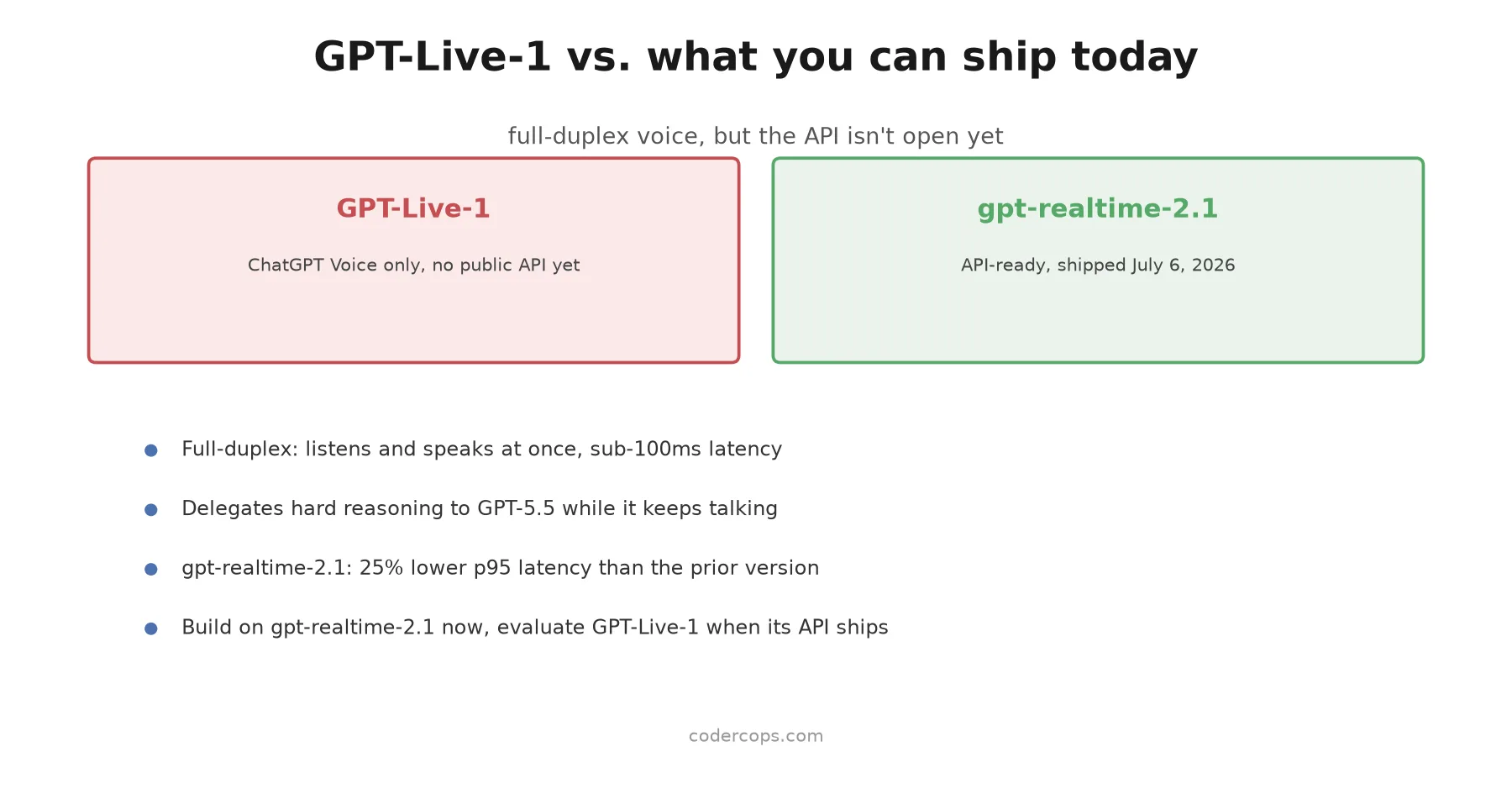
P.04OpenAI's full-duplex voice model powers ChatGPT Voice but isn't in the API yet. What GPT-Live-1 changed, and what to build with right now instead.
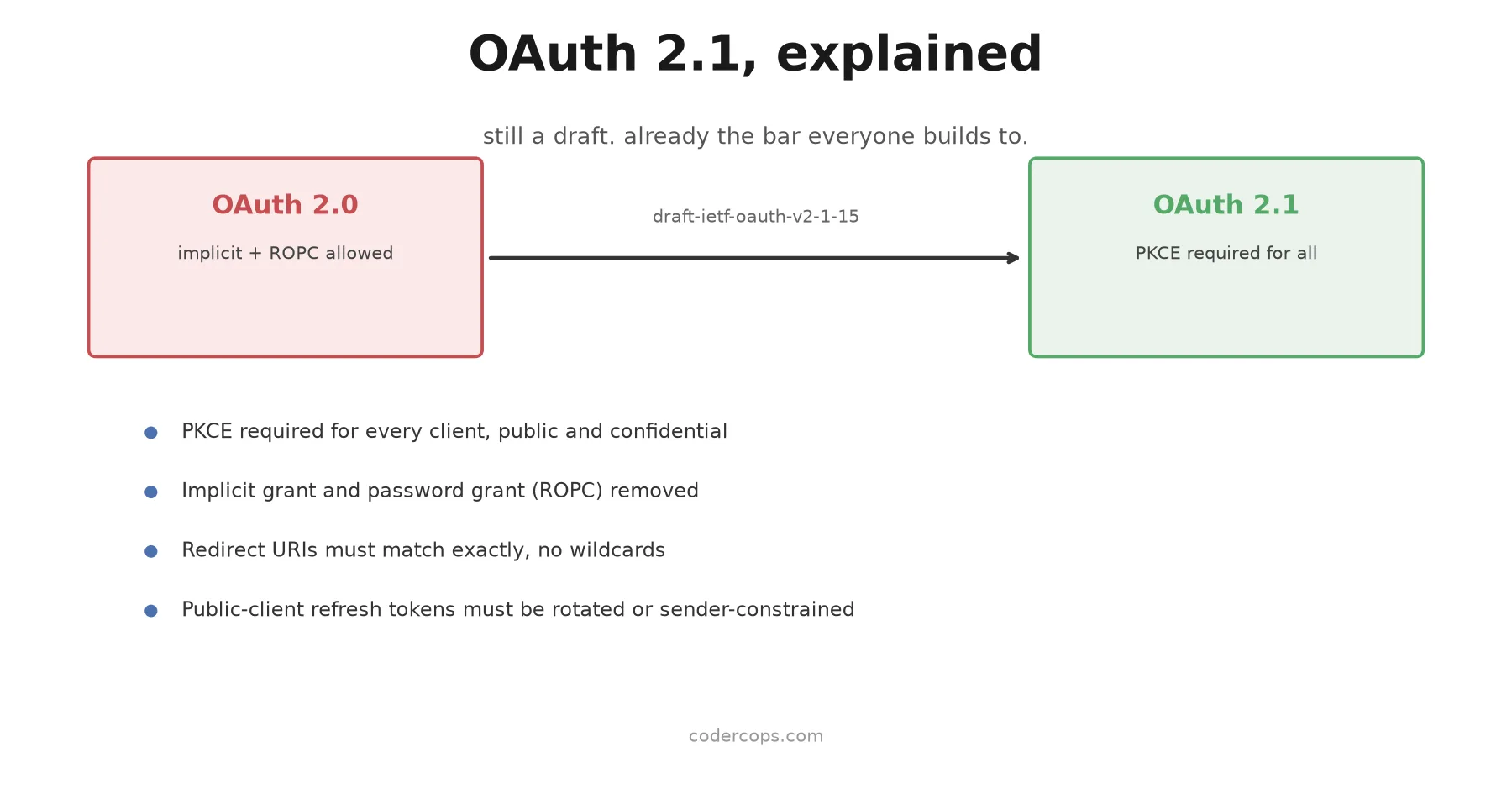
P.05OAuth 2.1 is still an IETF draft, but most providers enforce it already. What changed from 2.0, plus a checklist for auditing your own implementation.
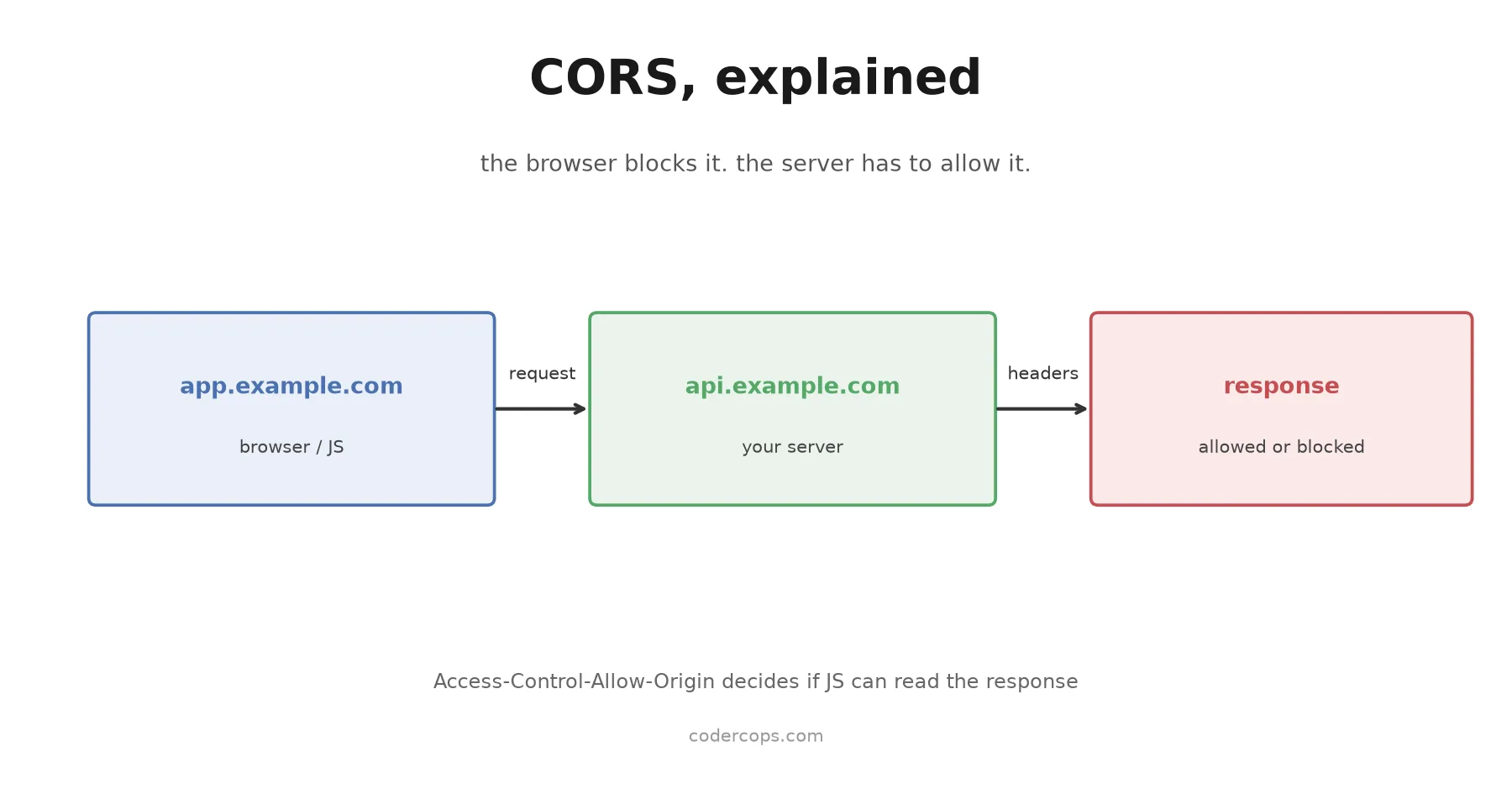
P.06No Access-Control-Allow-Origin is the most Googled web error for a reason. What CORS is, why the browser enforces it, and how to configure it properly.
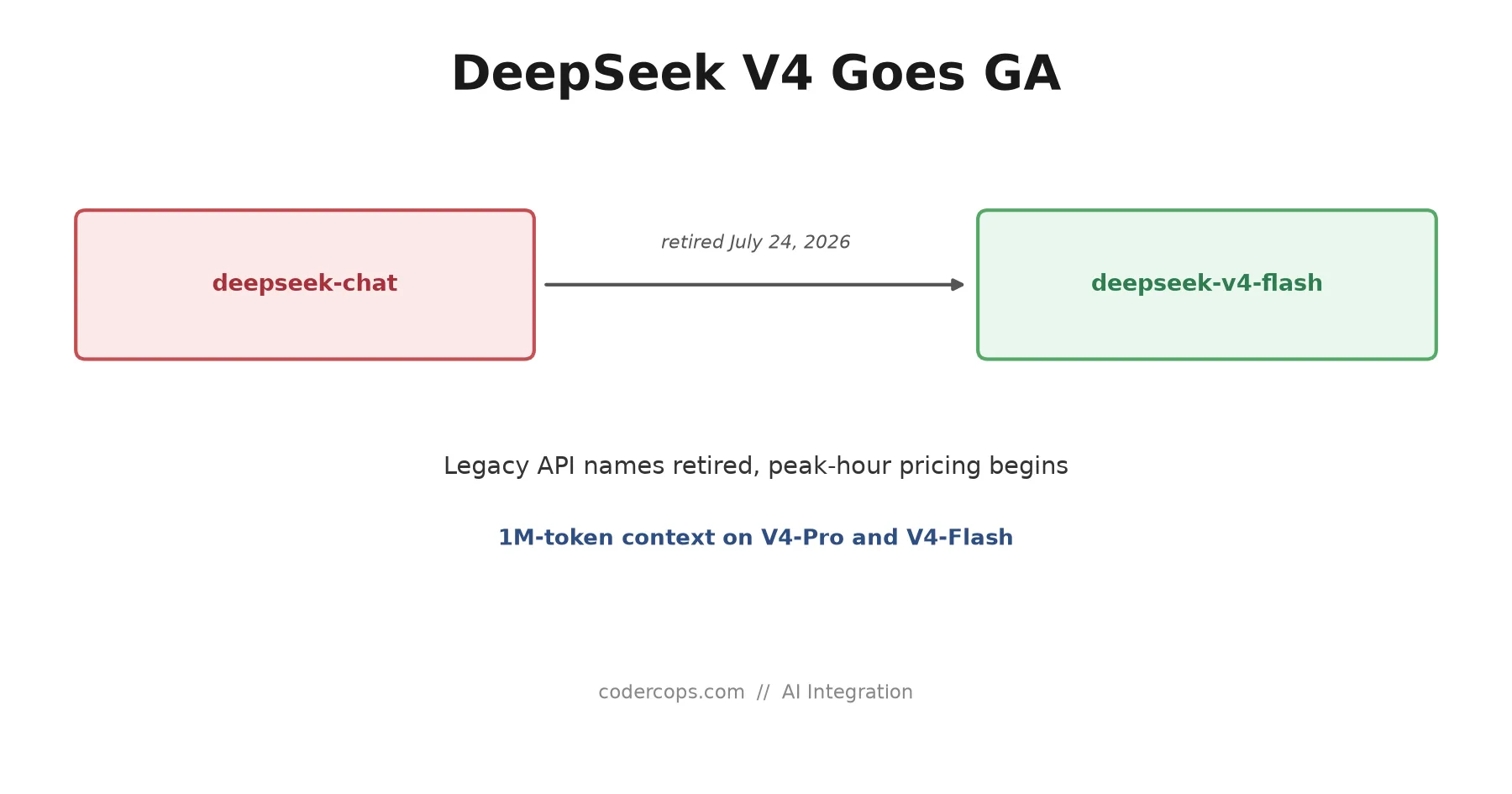
P.07DeepSeek retired deepseek-chat and deepseek-reasoner on July 24, 2026 and added peak-hour pricing. The real fix if your integration broke, not just a rename.
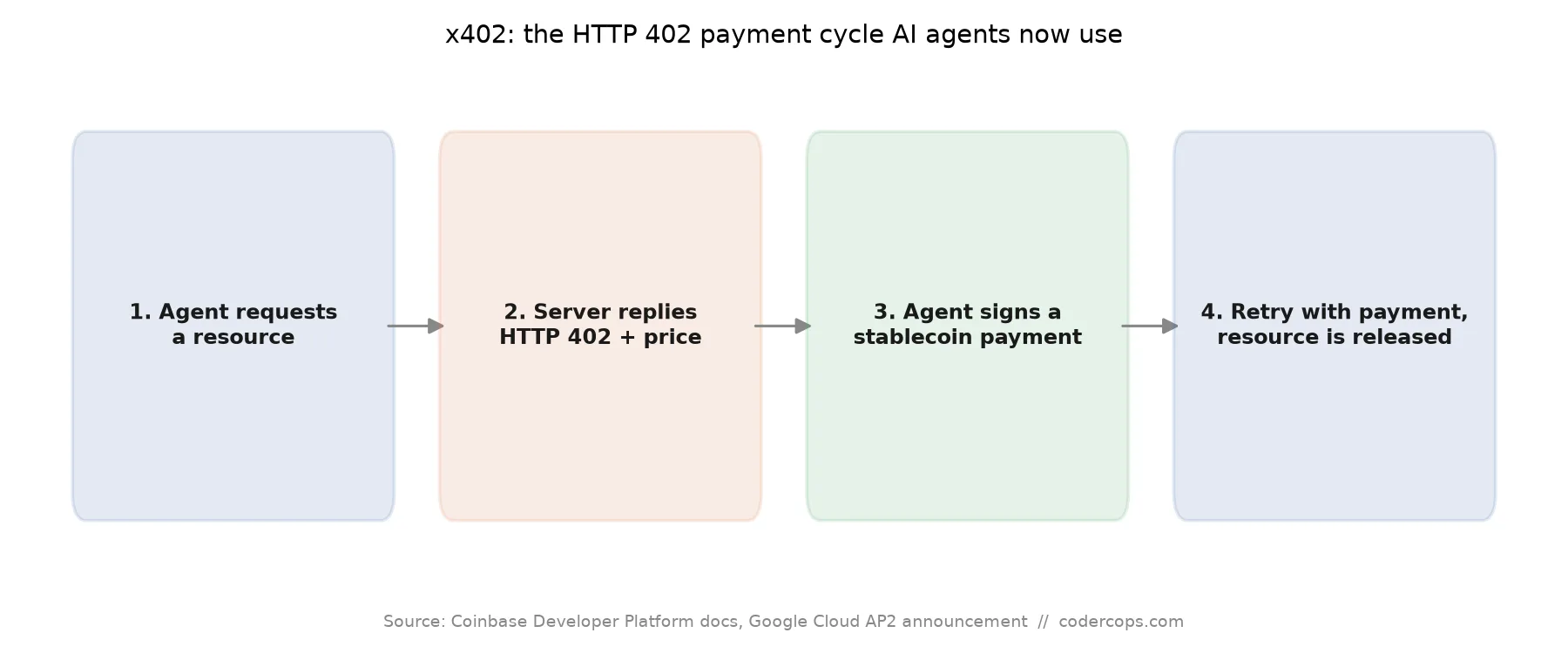
P.08Agents that shop or call paid APIs need a way to pay without a card in the prompt. What Google's AP2 and Coinbase's x402 each do, in plain terms.
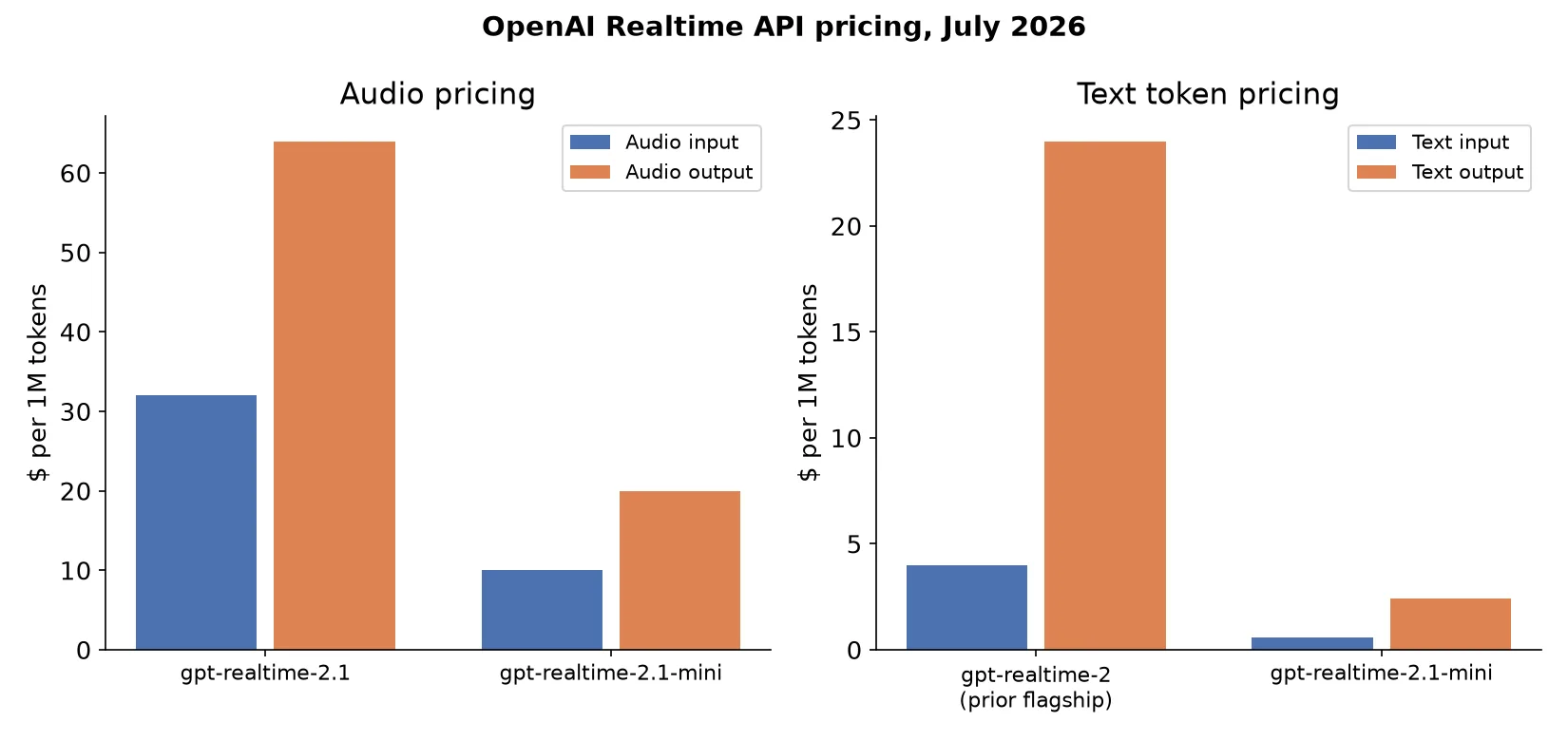
P.09OpenAI's gpt-realtime-2.1-mini brings reasoning and tool use down-market at 25% lower latency. What changed, what it costs, and when to skip the flagship.
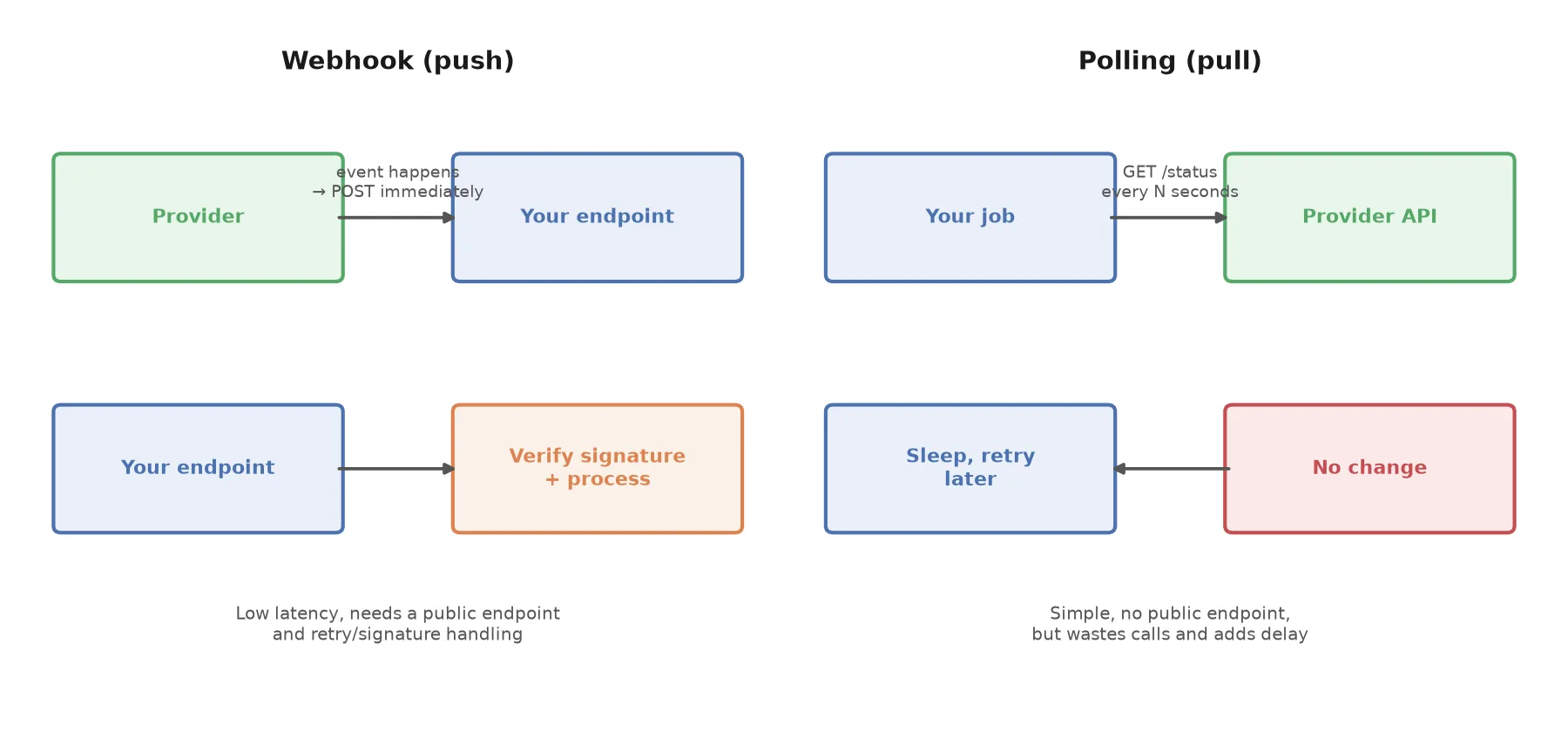
P.10Webhooks push the moment something happens; polling asks repeatedly. How to decide, with code for both, and the hybrid most production systems land on.
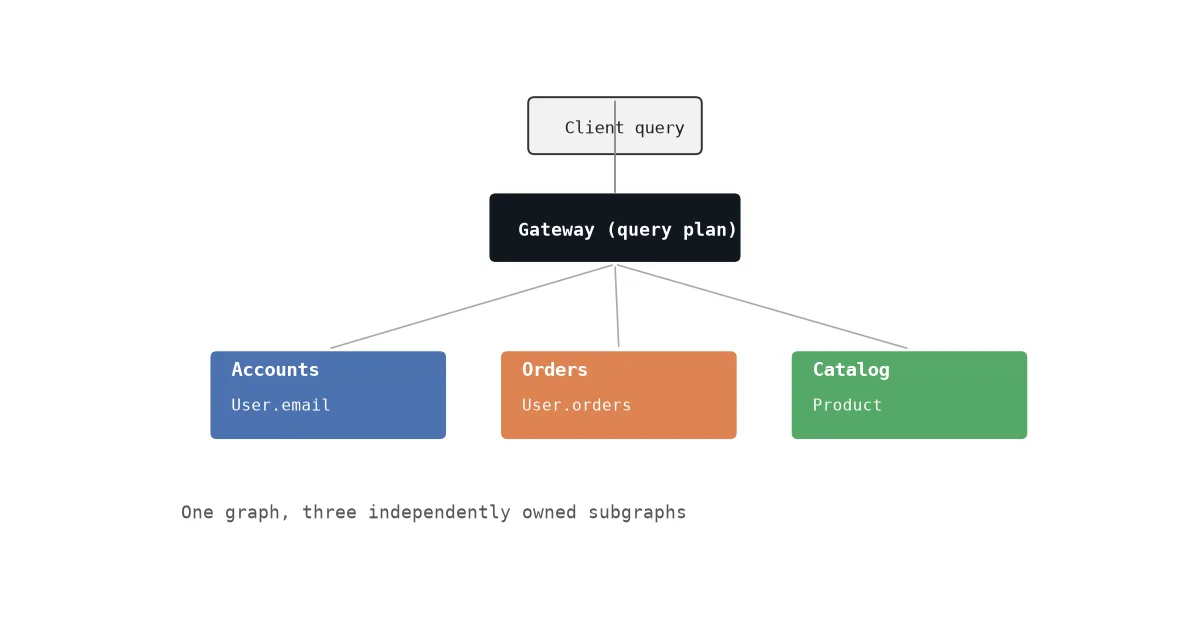
P.11A single GraphQL schema works until several teams own different parts of the data. What federation solves, how Apollo composes subgraphs, and the cost.
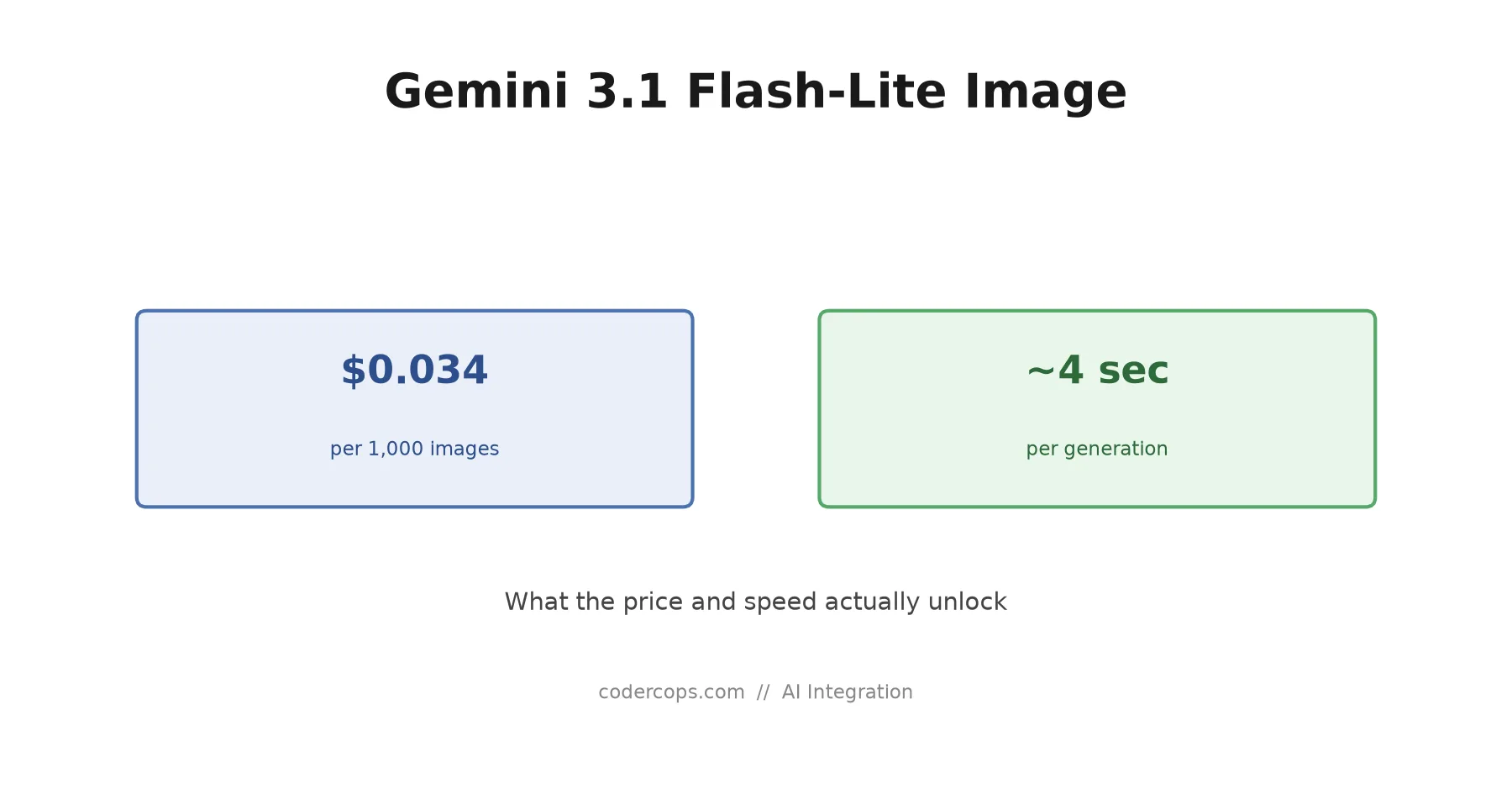
P.12Gemini 3.1 Flash-Lite Image generates in about 4 seconds at $0.034 per 1,000 images. What that price and speed change for product teams, and the limits.
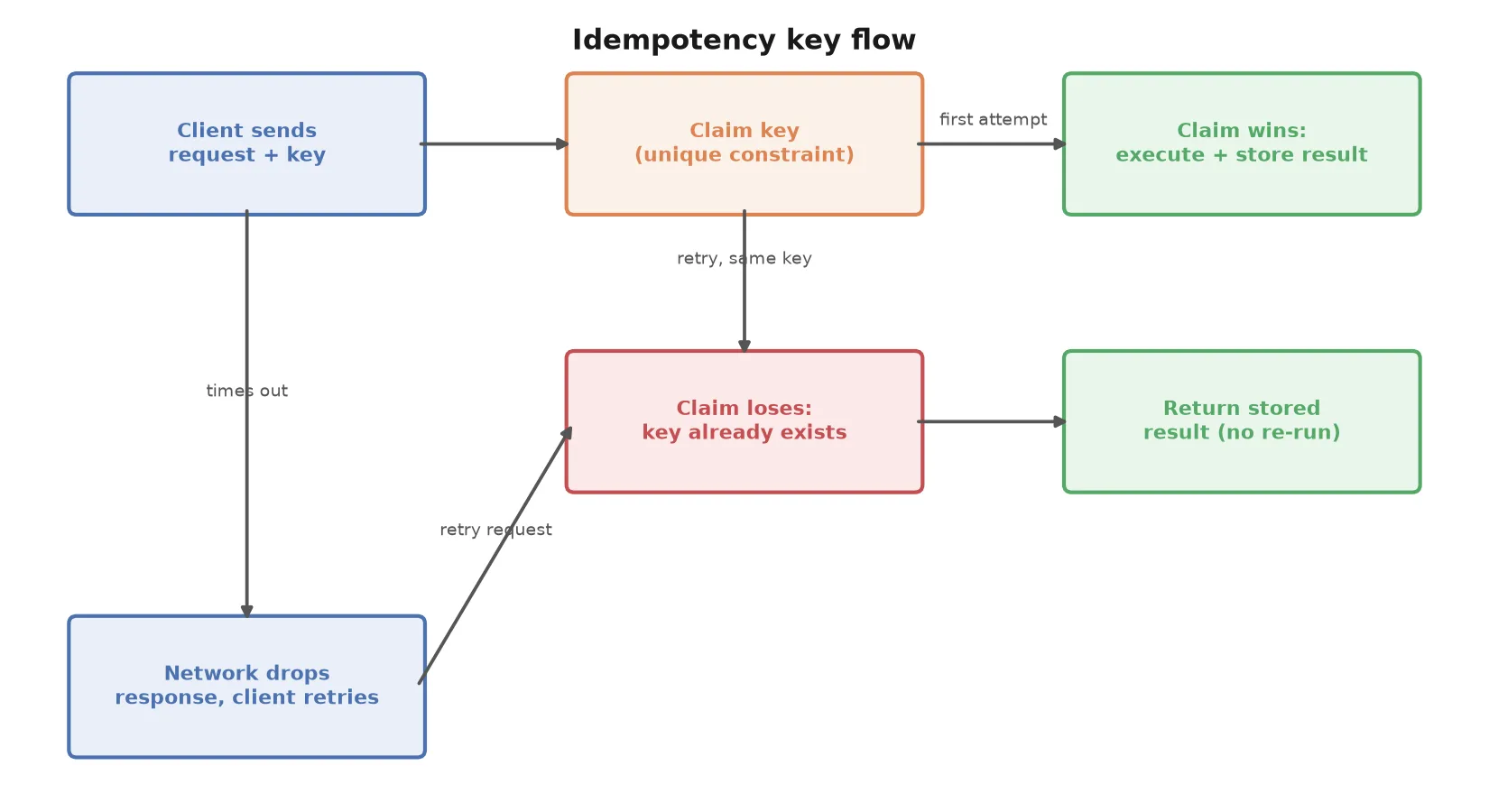
P.13Idempotency keys let a client retry a request that may have already succeeded, without double-charging a card. The pattern, in Postgres and in Redis.
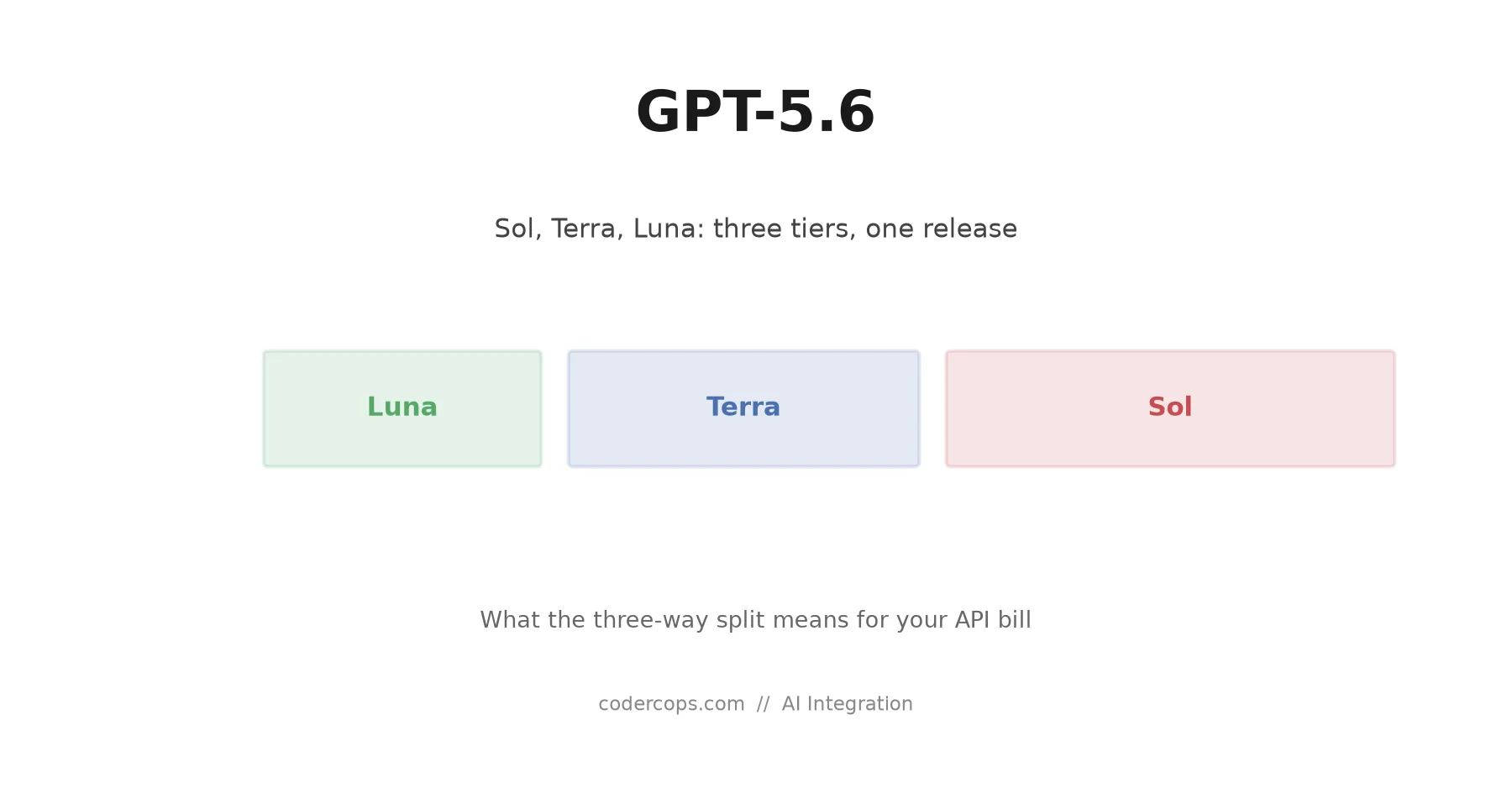
P.14GPT-5.6 splits into three tiers: Sol for frontier work, Terra at half GPT-5.5's cost, Luna for volume. What changed, what it costs, which tier fits you.
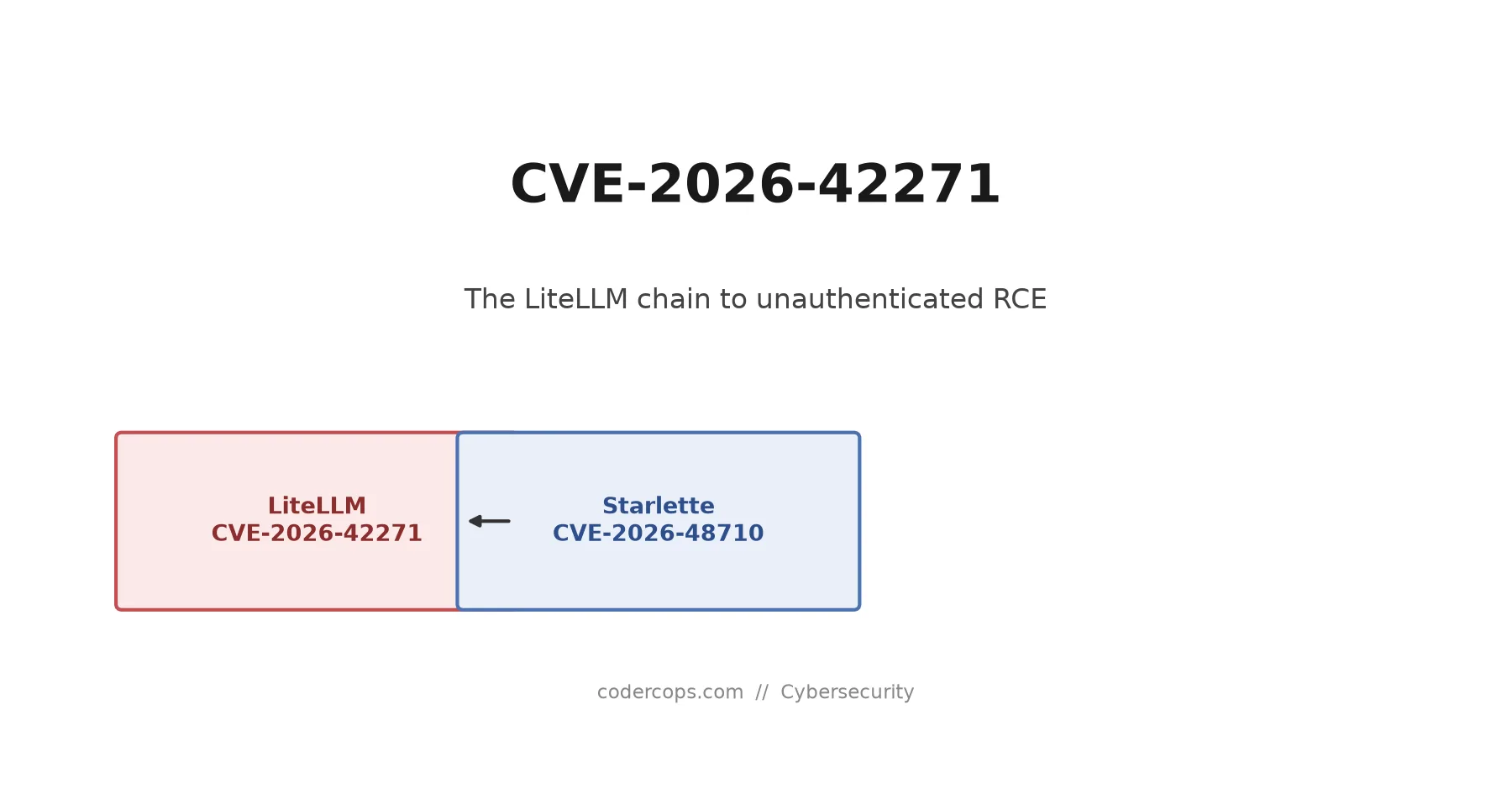
P.15A command injection in LiteLLM's MCP test endpoints, chained with a Starlette host-header bypass, gives unauthenticated RCE and every provider key behind it.
P.16FastAPI's June 2026 refactor preserves routes instead of cloning them, makes dynamic registration work, and adds app.frontend() for serving SPAs.
While the ecosystem chased Bun, Deno, and edge runtimes, Fastify stayed the production choice for high-throughput Node APIs. Why it still holds up.
Pydantic v2's Rust core made validation 5-50x faster, but the model redesign is what changes how you structure validation logic for real APIs.
The OWASP API Security Top 10 catalogs the most exploited API vulnerabilities, from broken authorization to unsafe consumption, each fixable with targeted code.
ElysiaJS gives Bun APIs fast routing, TypeBox validation, and type inference that reaches the client with no codegen step. How it works and when to pick it.
Bruno stores API collections as plain .bru text files in your git repo, no account or cloud sync needed. Here's how it compares to Postman and why teams switch.
Go has real strengths for backend API work, and some persistent limitations. Here's what teams actually gain and give up when they choose it over Node.js or Python for web APIs.
Building SaaS billing on Stripe means handling subscription plans, the Meter API for usage-based pricing, webhook reliability, and the Customer Portal.
Stripe's API now covers far more than checkout. This breaks down which Stripe products agencies actually need, which are overkill, and where teams get burned.
The implicit flow is dead and tutorials still teach it. How authorization code flow with PKCE works, where tokens belong, and where SPA auth goes wrong.
gRPC has been available for years but many teams default to REST without thinking through the tradeoffs. Here's how gRPC works, where it fits, and where it doesn't.
k6 is a load testing tool with JavaScript scripting and CI integration. Writing meaningful tests, reading the results, and catching regressions early.
URL versioning, header versioning, and content negotiation compared with real code. Here's how to pick one and retire old versions without stranding clients.
Every public API needs rate limiting, but the algorithm you choose shapes the user experience and the failure modes. Here's how each approach works and when to use it.
AI features ship fast. Then the monthly API bill arrives. Here's a systematic approach to understanding and reducing LLM costs without breaking the product.
Most DRF vs FastAPI comparisons are written by people who only use one. We ship both in production. Here is what actually matters and when to choose each.
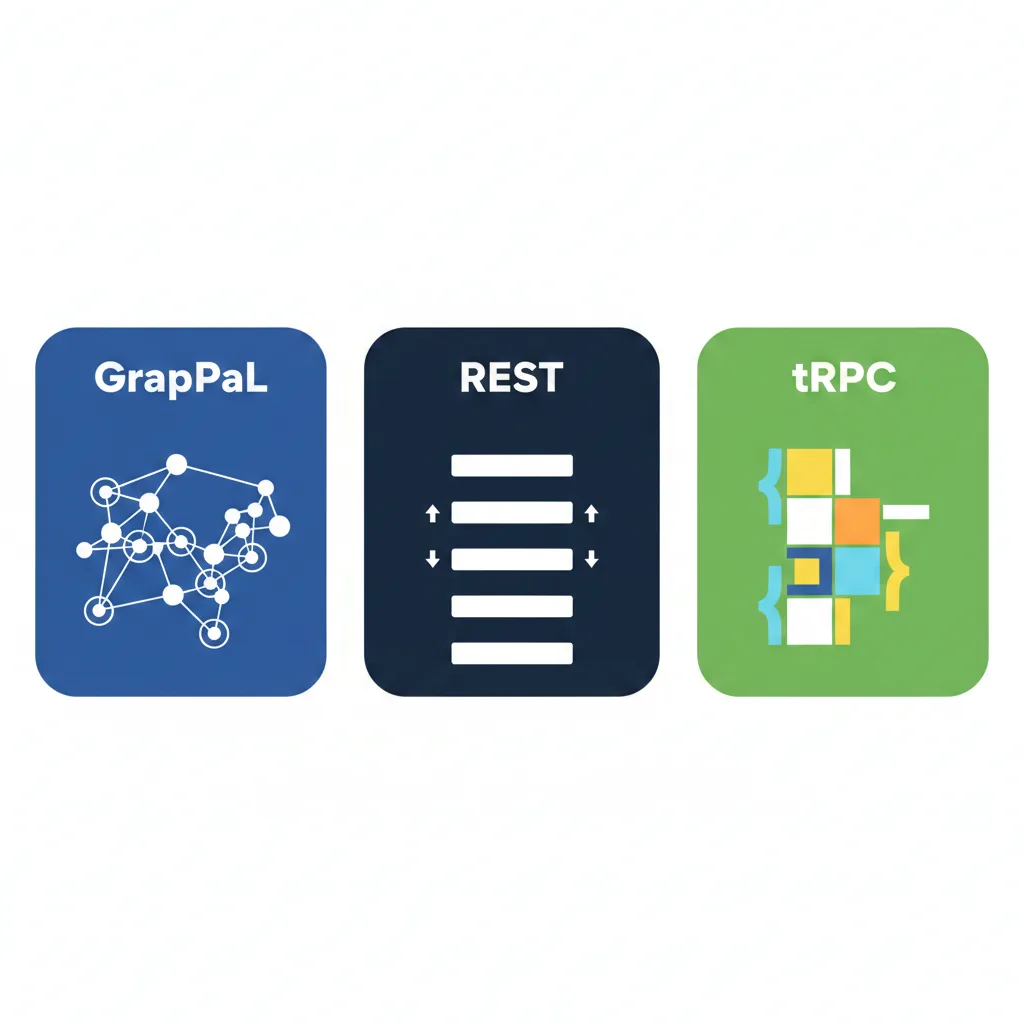
P.32The GraphQL vs REST debate is over: they solve different problems. Here's how to choose between REST, GraphQL, tRPC, and gRPC for your use case.