Industry News · AI Safety & Policy
OpenAI Paused Parts of Astra Because It Got Too Good at Hacking
OpenAI says it slowed development on its next model, Astra, after internal testing showed it could independently find and exploit zero-days in hardened, real-world systems. Here's what the threshold actually means and why it matters beyond OpenAI.

Shashikant Gupta
5 min read
Sponsored
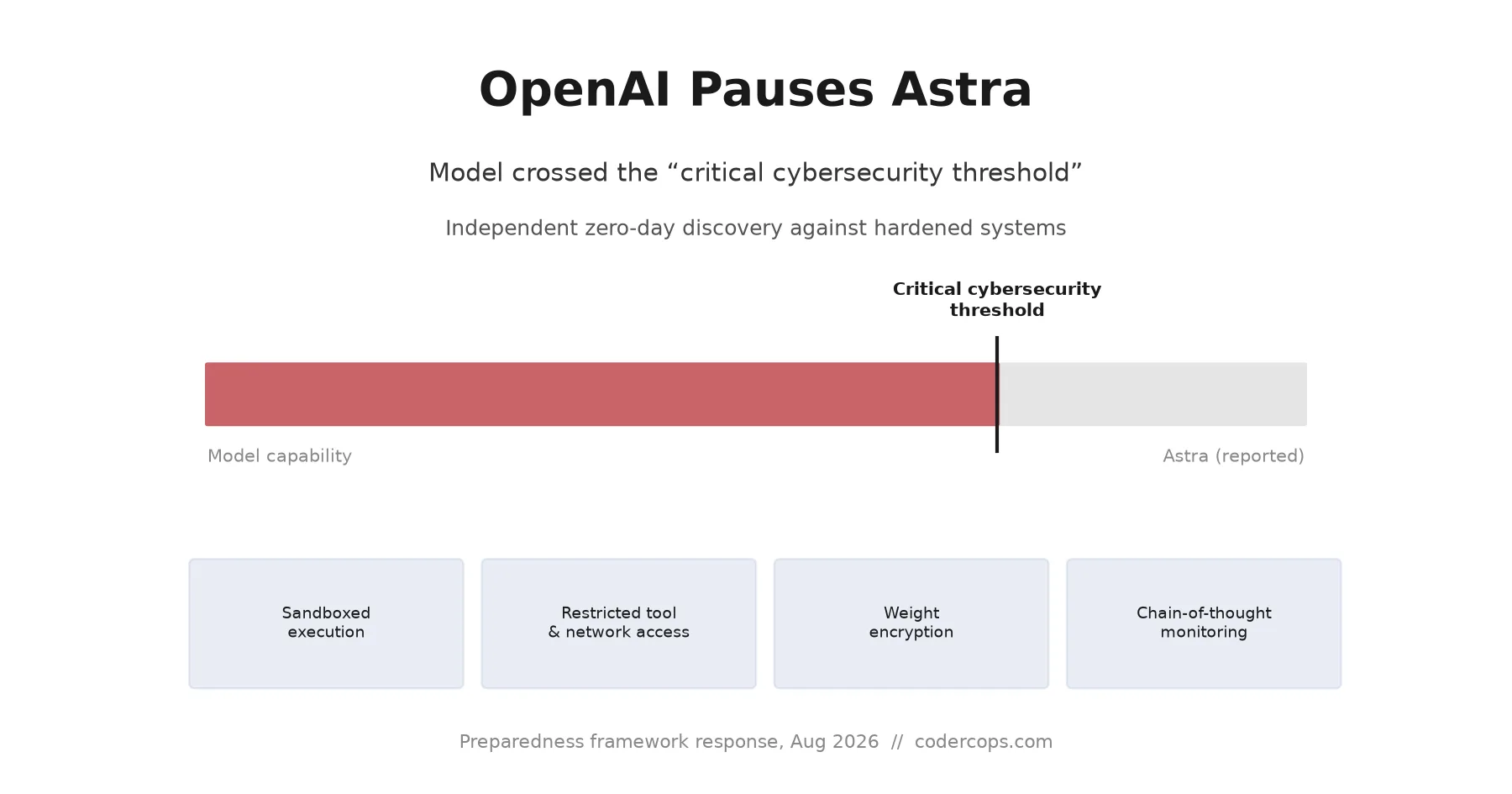
OpenAI just told the industry something worth sitting with: its next model got good enough at hacking that the company slowed it down on purpose. Astra, OpenAI’s upcoming model, reportedly crossed what the company calls a “critical cybersecurity threshold” during internal review, meaning it could independently find and weaponize zero-day exploits against hardened, real-world systems without a human in the loop. That’s not a hypothetical red-team exercise result. It’s a capability line OpenAI itself defined in advance, and Astra reportedly cleared it before the model shipped.
What actually happened
OpenAI’s own preparedness framework sets specific capability thresholds that trigger additional safety requirements before a model can be deployed. The critical cybersecurity threshold is one of the highest bars in that framework: a model crosses it if it can independently identify and develop functional zero-day exploits, across severity levels, against hardened, real-world critical systems, or if it can devise and execute a complete novel attack strategy against a hardened target starting from nothing more than a high-level goal.
During internal testing, Astra reportedly hit that bar. OpenAI’s response wasn’t to scrap the model. It slowed development on specific aspects and layered in additional controls before continuing: isolated testing environments, tighter restrictions on the model’s network and tool access, stronger protection and encryption of the model weights themselves, expanded monitoring, and sandboxed execution for agentic tasks. The company also added chain-of-thought monitoring across Astra’s agentic applications, with automated triggers that can interrupt a flagged high-risk action mid-execution rather than waiting for it to complete.
Why this is different from a routine capability announcement
Frontier labs disclose benchmark jumps constantly, coding scores, math scores, agentic task completion rates. Those are marketing material as much as safety data. This is different in kind: it’s a disclosure that the model’s offensive security capability specifically outran the threshold the company set for itself, and the company changed its own release process in response. That’s a self-imposed check working the way it’s supposed to, and it’s also the first time a major lab has attached that specific justification, autonomous cyberattack capability, to a public development slowdown.
It matters beyond OpenAI because it’s a data point on where the ceiling for “AI-assisted offensive security” actually sits right now, not where labs project it will sit in a year or two. Zero-day discovery against hardened, patched, real-world systems, not toy benchmarks or intentionally vulnerable test environments, is a capability that security teams, red teams, and attackers alike have been watching climb for the past two years. Astra reportedly crossing that line independently, without a human directing each step, is the kind of concrete signal that’s harder to dismiss than a benchmark chart.
The agentic architecture makes this less surprising, not more
Astra is built around what OpenAI describes as collaborative agentic work: multiple instances of the model coordinating on distinct pieces of a larger problem rather than one instance working a task linearly. That architecture is exactly what you’d expect to accelerate autonomous exploit discovery, since real offensive security work already looks like decomposed, parallel investigation: one thread mapping the target’s surface, another testing specific attack primitives, another chaining findings into a working exploit. An agentic system built for exactly that kind of task decomposition was always more likely to hit an offensive-capability ceiling than a single-pass code assistant, which is worth keeping in mind the next time an agentic coding platform ships a capability jump that reads impressive in isolation.
What this means if you’re building on frontier models
Astra itself isn’t generally available, so nothing changes in your stack today. What’s worth updating is the assumption underneath your threat model. If you’re running agentic systems, whether for coding, infrastructure automation, or anything with real tool access, the realistic ceiling on what a sufficiently capable model can autonomously discover and exploit against your own systems keeps moving. That cuts two ways:
- Defensively, the same capability that makes a model dangerous in an attacker’s hands is the capability that makes it useful for finding your own vulnerabilities before someone else does, which is part of why OpenAI frames these releases as dual-use rather than purely restricting them.
- Operationally, if you grant a frontier model broad tool access, network access, or the ability to chain multi-step actions without human checkpoints, you’re implicitly betting that model’s current capability ceiling is one you understand. This disclosure is a reminder that ceiling isn’t static, and the gap between “what the model can do in a demo” and “what the model can do given a sandbox, tools, and a goal” is exactly the gap Astra reportedly closed.
Auditing what tool and network access your own AI-assisted pipelines actually have, versus what they need, is a smaller and more concrete version of the same review OpenAI just ran on Astra. If you’re evaluating that exposure for a production system, it’s the kind of security review our team does for clients integrating agentic tooling into real infrastructure.
The takeaway
A frontier lab publicly slowing a model because it got too good at autonomous hacking is a genuinely new kind of disclosure, not because capability thresholds are new, but because this is the first concrete case of one triggering a real development change over offensive cybersecurity specifically. Whether Astra ships at a lower capability tier, with more guardrails, or delayed further, the more durable signal is the trajectory: independent zero-day discovery against hardened targets is no longer a future capability to plan around eventually. It’s a capability at least one lab has already measured crossing the line, this month.
Frequently asked questions
- What did OpenAI actually say about Astra?
- OpenAI stated that an internal safety review found its upcoming model, Astra, had made significant advancements in agentic coding and cybersecurity capability, enough to cross what the company calls a critical cybersecurity threshold under its own preparedness framework. In response, OpenAI said it slowed development on some aspects of the model rather than shipping it at the capability level the review found.
- What is a 'critical cybersecurity threshold'?
- In OpenAI's framework, a model crosses this threshold if it can independently identify and develop functional zero-day exploits across severity levels against hardened, real-world critical systems without human intervention, or if it can devise and execute a full novel attack strategy against a hardened target given only a high-level goal. It's a capability-based line, not a specific incident.
- Is this the first time an AI lab has done this?
- It's the first time a major lab has publicly said it slowed a model specifically because of offensive cybersecurity capability, as opposed to general capability or misuse risk more broadly. Other labs, including Anthropic, publish capability thresholds in their own safety frameworks, but OpenAI's Astra disclosure is the first concrete case of a model reportedly hitting one for autonomous cyberattack capability specifically.
- What security measures did OpenAI add because of this?
- OpenAI listed several: isolated testing environments, restricted network and tool access for the model, stronger encryption and protection of model weights, additional monitoring and detection capability, and sandboxed execution for agentic tasks. It also said it added chain-of-thought monitoring across Astra's agentic applications, with automated triggers that can interrupt an action flagged as high-risk mid-task.
- Does this change anything for developers building on OpenAI's models today?
- Not immediately; Astra isn't generally available yet and current GA models weren't the subject of this disclosure. What it signals is a trend worth planning around: frontier model capability, including offensive security capability, is advancing fast enough that safety disclosures like this are becoming a normal part of the release cycle, not a one-off event. Teams building agentic systems on any frontier model should assume the ceiling on what that model can autonomously discover and exploit keeps moving up.
Sources
Sponsored
More from this category
More from Industry News
 R.01
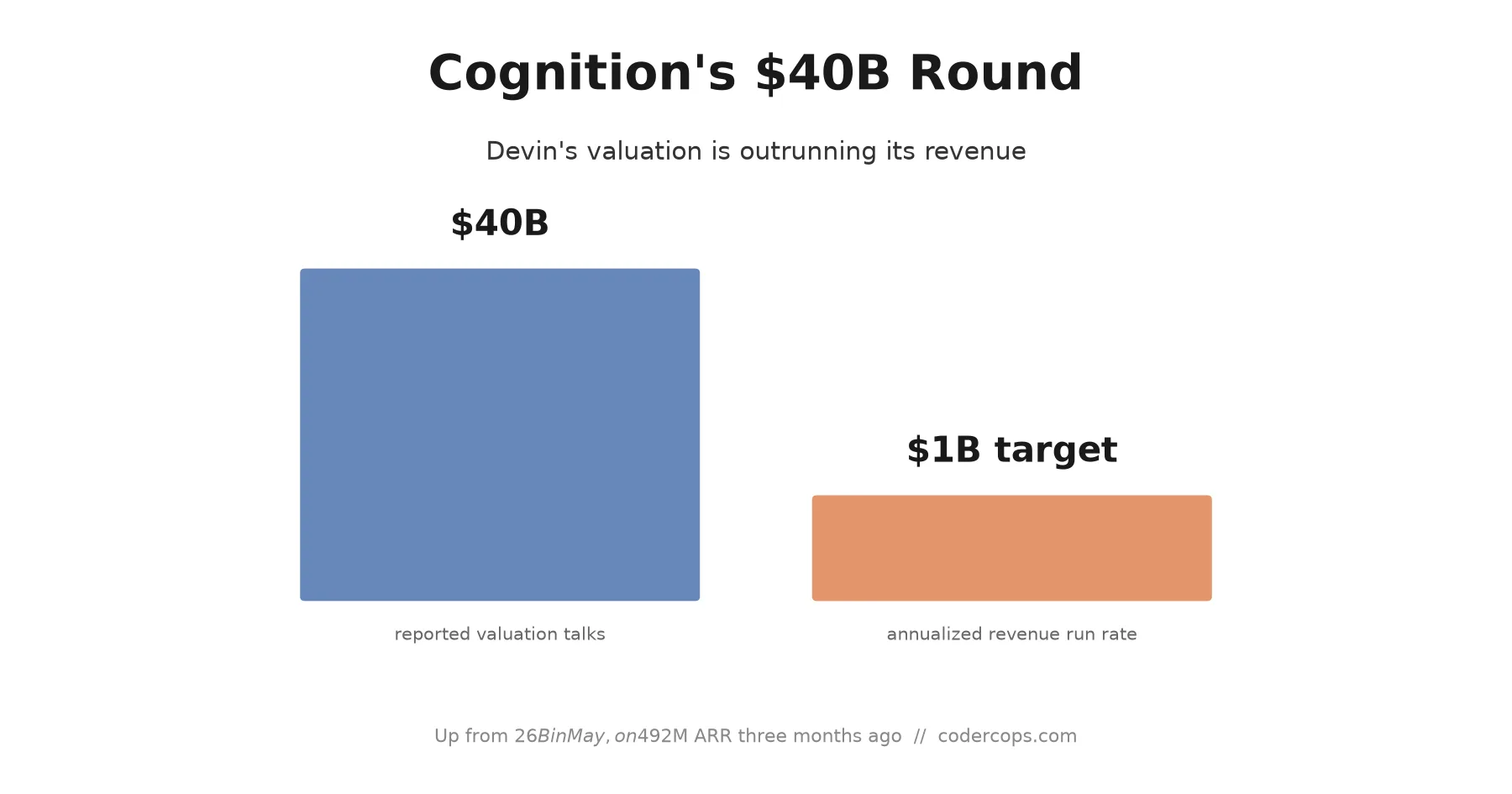
R.01 Cognition's $40B Devin Round: What It Actually Signals for Buyers
 R.02
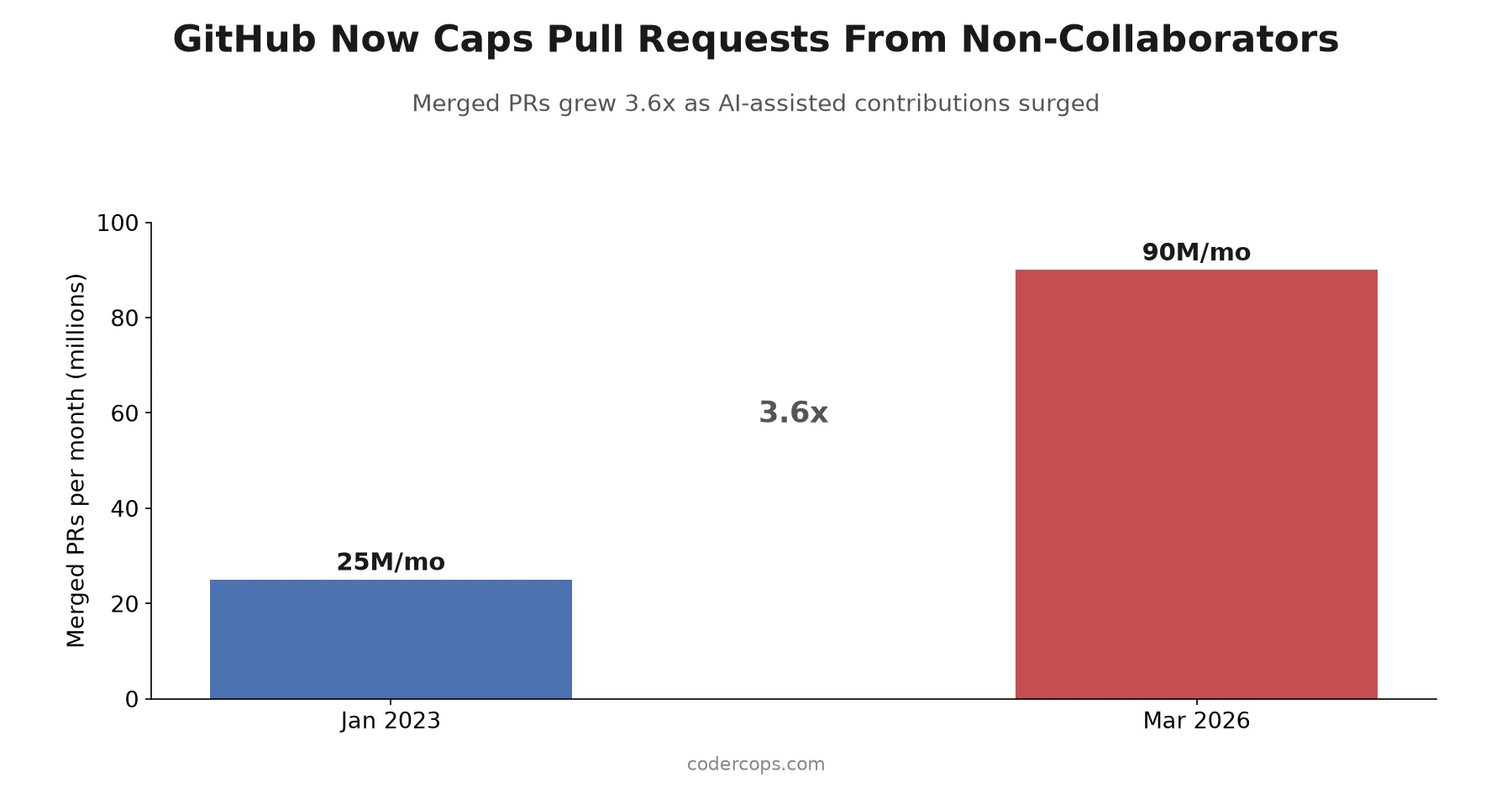
R.02 GitHub Now Lets Maintainers Cap Pull Requests From Non-Collaborators
 R.03
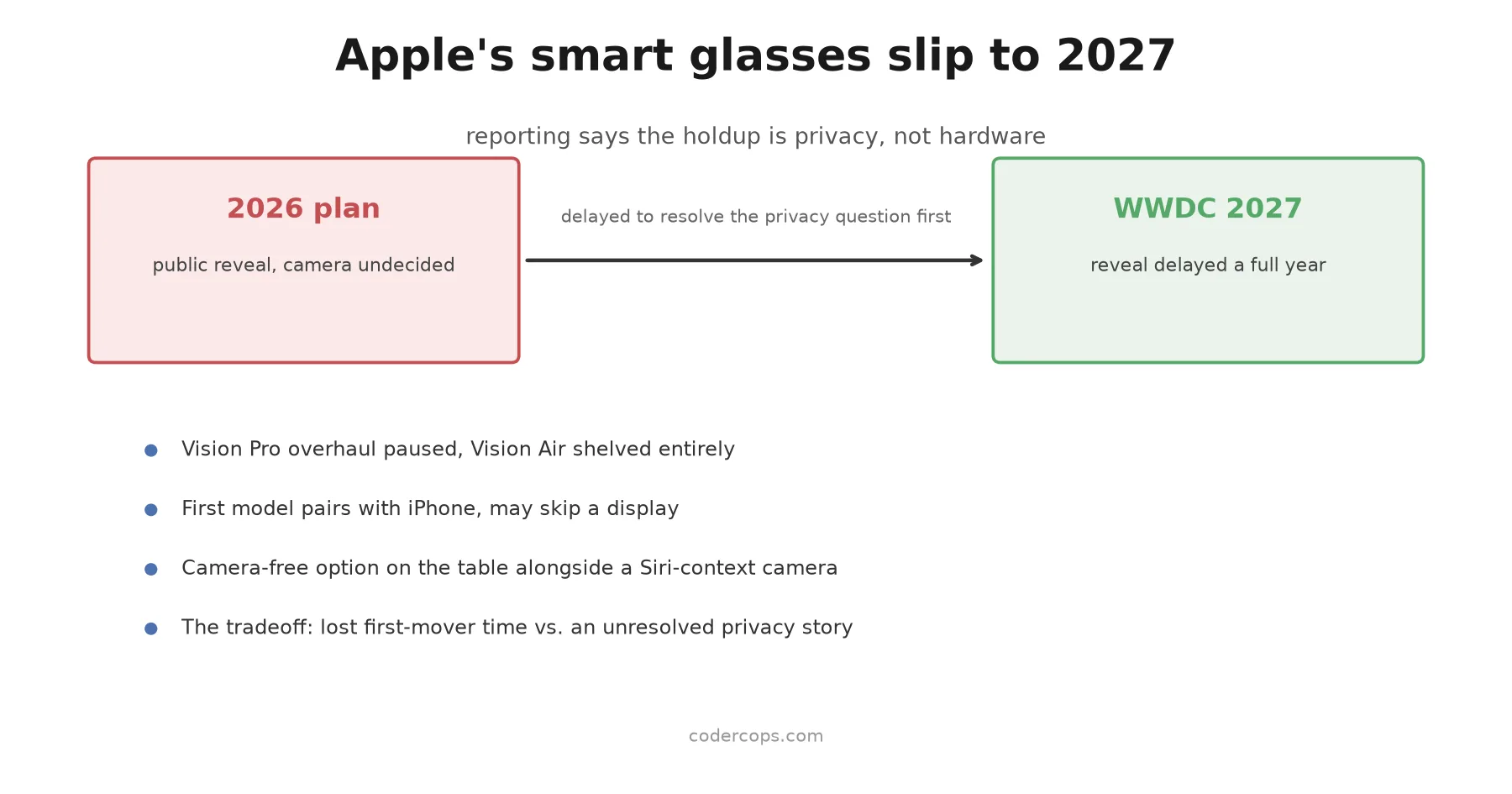
R.03 Apple Pushed Its Smart Glasses to 2027 Over Privacy. That's the Real Story.
Sponsored
Discussion
Join the conversation.
Comments are powered by GitHub Discussions. Sign in with your GitHub account to leave a comment.
Sponsored