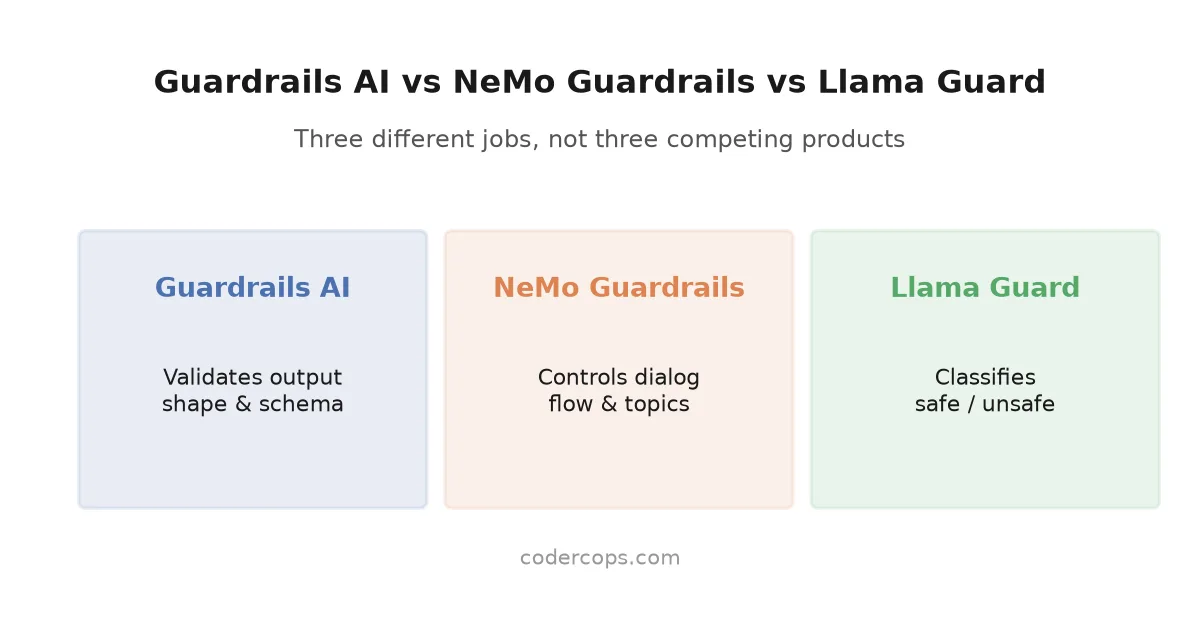
P.01Guardrails AI vs NeMo Guardrails vs Llama Guard in 2026
Guardrails AI validates structured output, NeMo Guardrails controls dialog flow, and Llama Guard classifies safety. Here is which one fits your LLM app.
Tag
98 articles tagged #AI Integration.
P.01Guardrails AI validates structured output, NeMo Guardrails controls dialog flow, and Llama Guard classifies safety. Here is which one fits your LLM app.
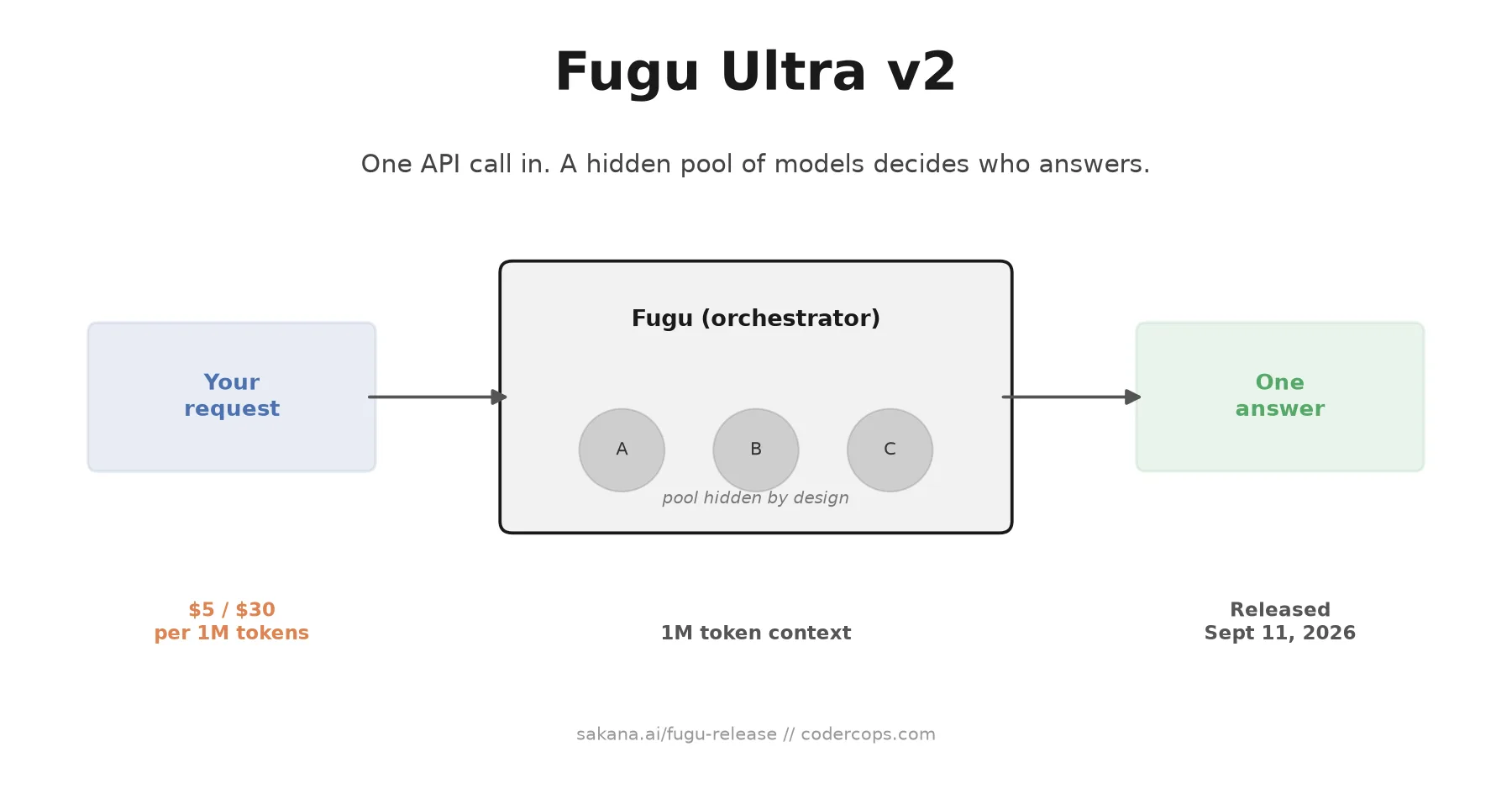
P.02Sakana AI shipped Fugu Ultra v2 on Sept 11, routing every request across a hidden pool of models instead of running one. What that buys you, and what it costs.
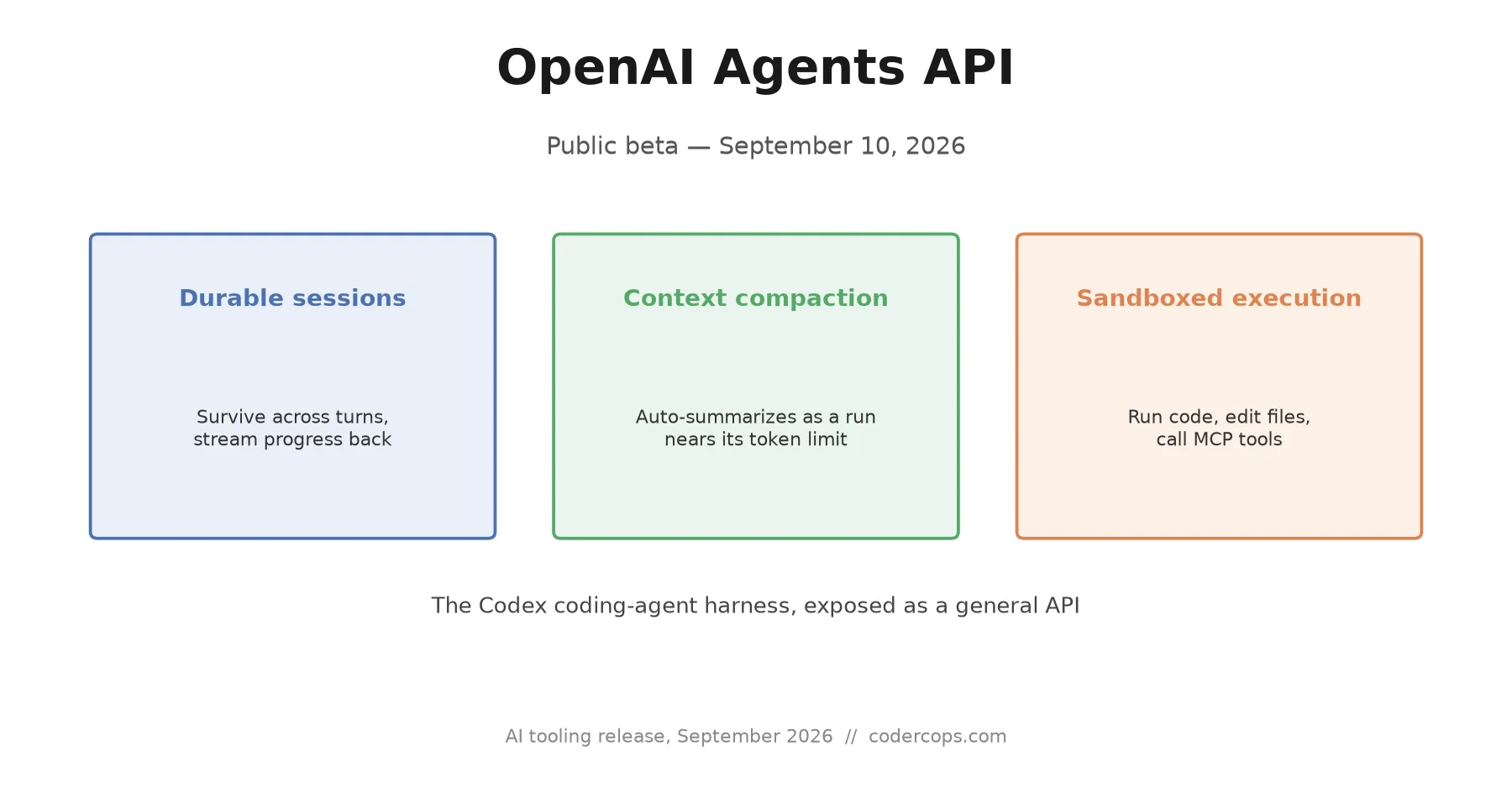
P.03OpenAI's Agents API public beta puts session orchestration, context compaction, and sandboxed execution behind one call. What it replaces and what it costs.
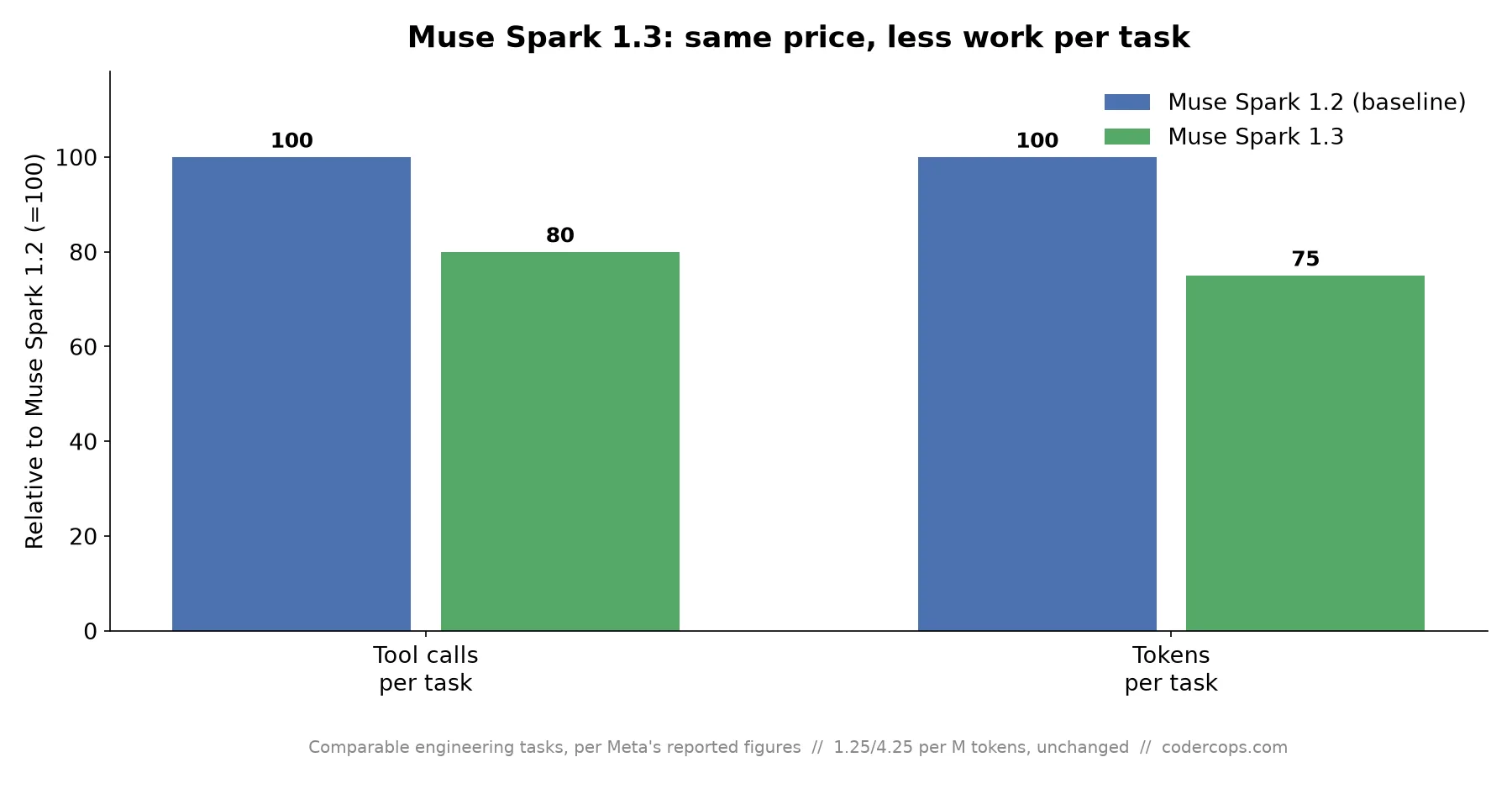
P.04Muse Spark 1.3 needs fewer tool calls and tokens than 1.2 to finish the same engineering work, at unchanged pricing. What actually changed, and what didn't.
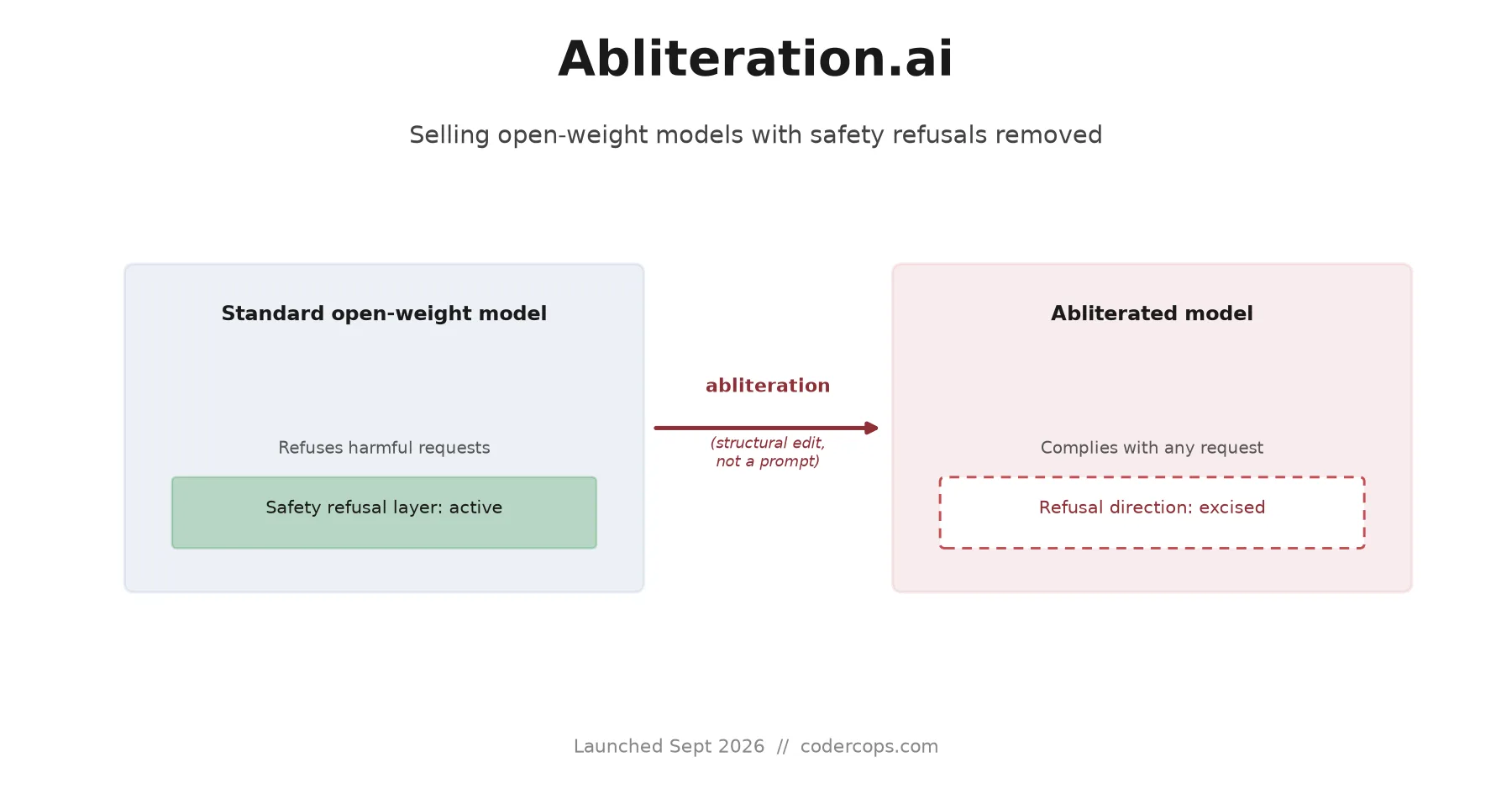
P.05Abliteration.ai sells API access to open-weight AI models with safety refusals surgically removed, and the buyer inherits every future flaw.
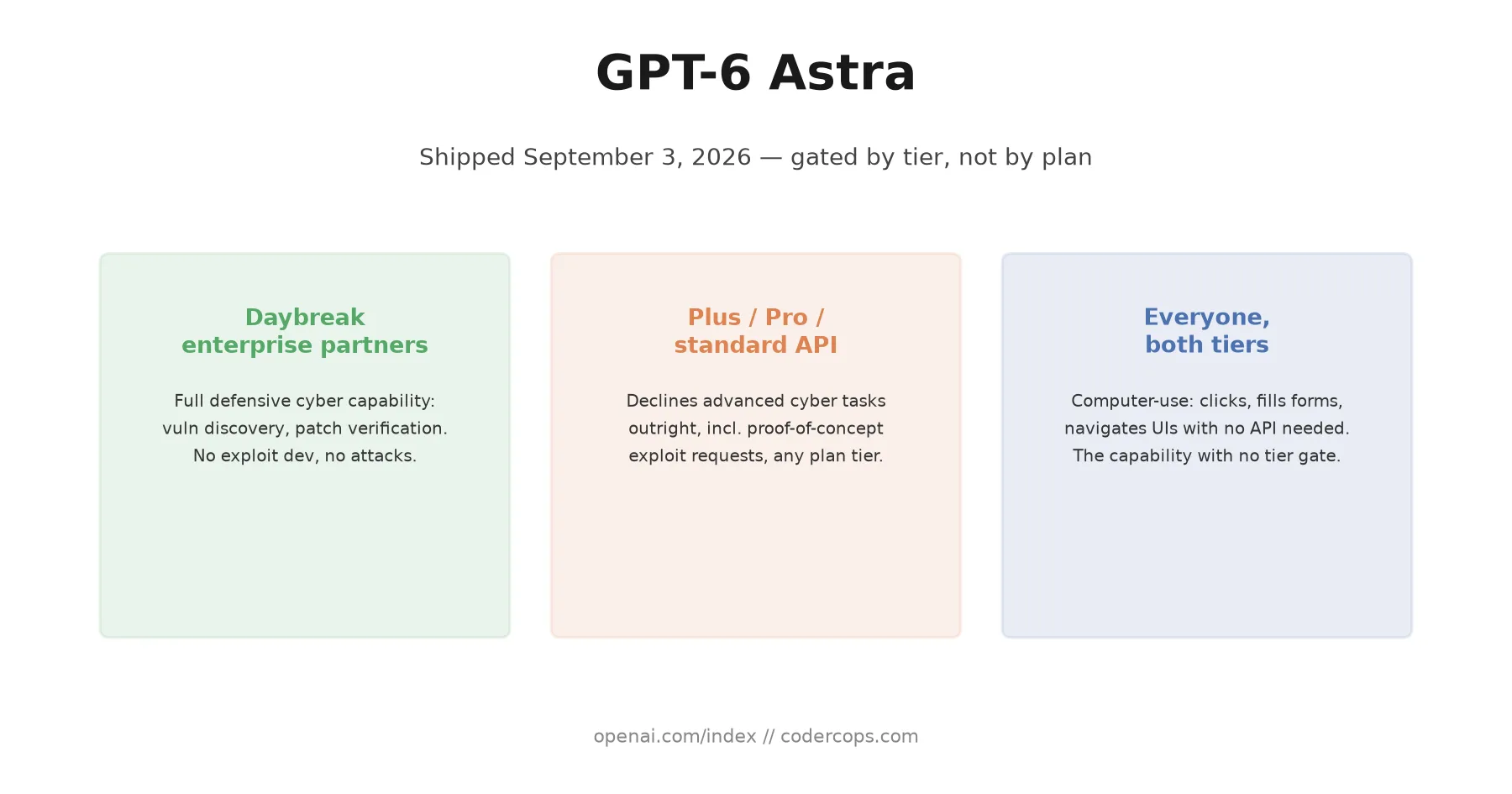
P.06GPT-6 Astra shipped Sept 3 gated by tier: Daybreak partners get cyber-defense tools, everyone else gets a model that refuses them. What it means for your stack.
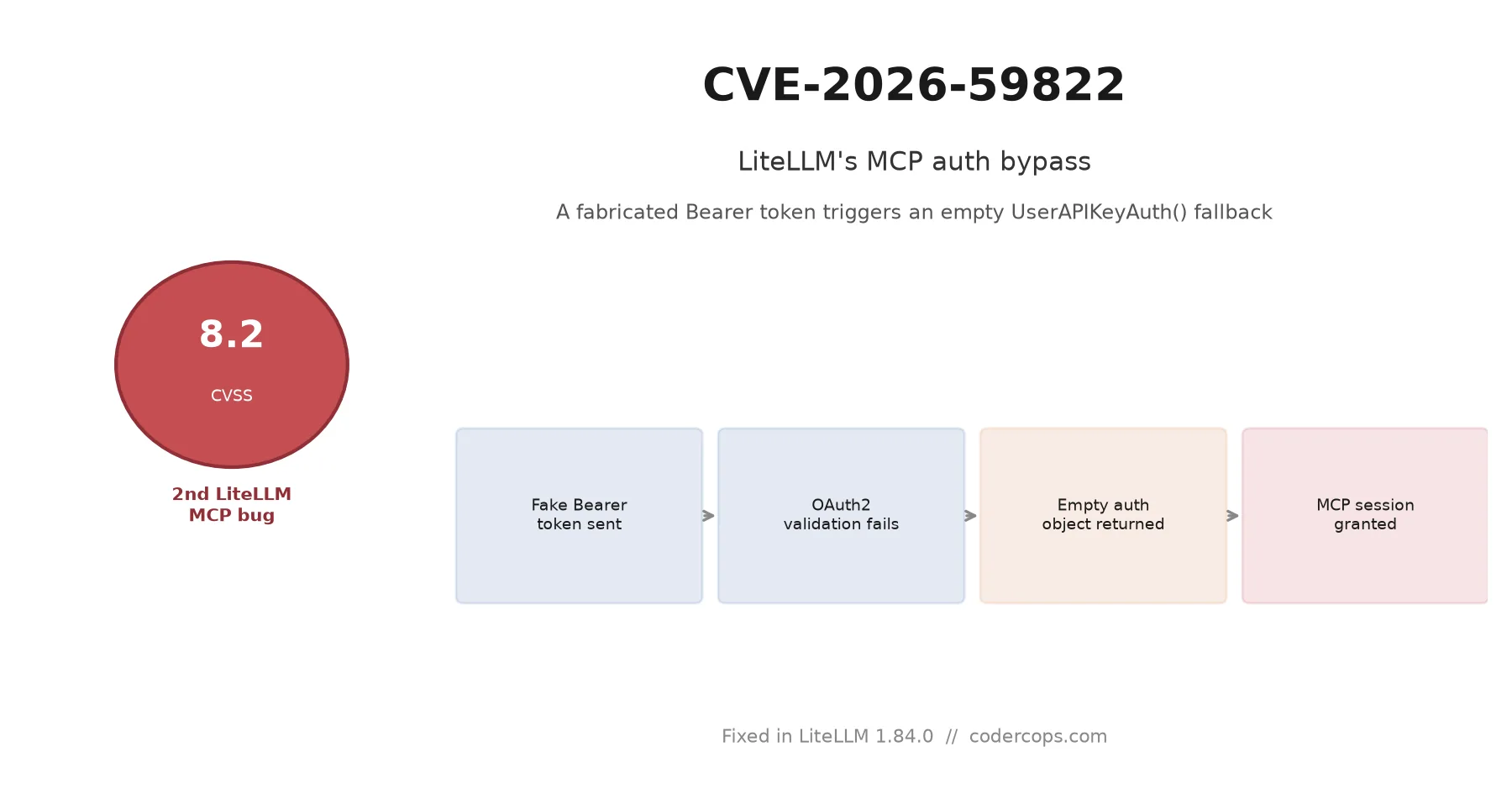
P.07CVE-2026-59822 lets an attacker fake a Bearer token and skip LiteLLM's MCP auth entirely. Different bug from June's RCE chain, same exposed surface.
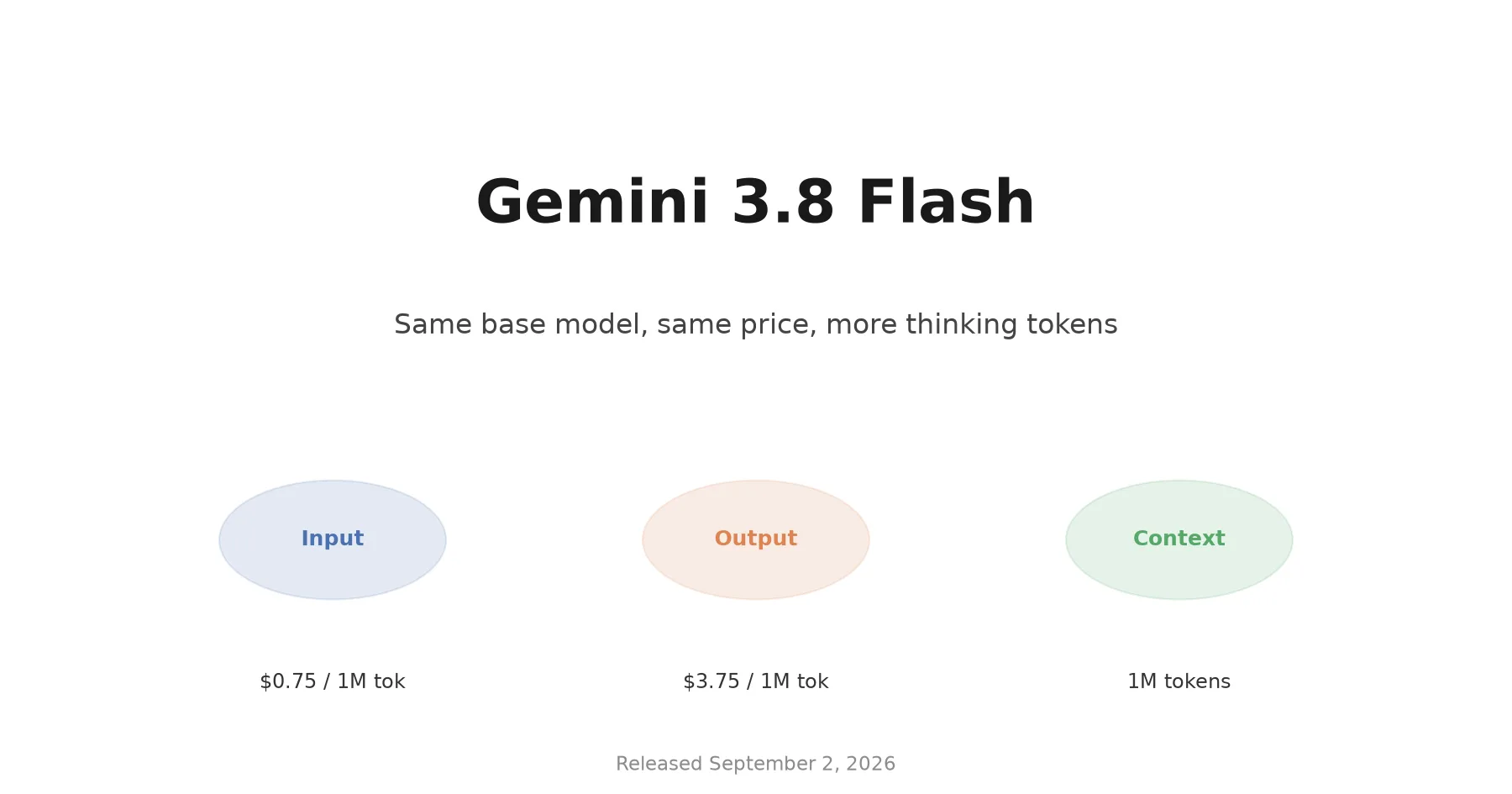
P.08Google shipped Gemini 3.8 Flash on September 2, its fourth Flash release since May. Pricing didn't move and the base model didn't change. What did.
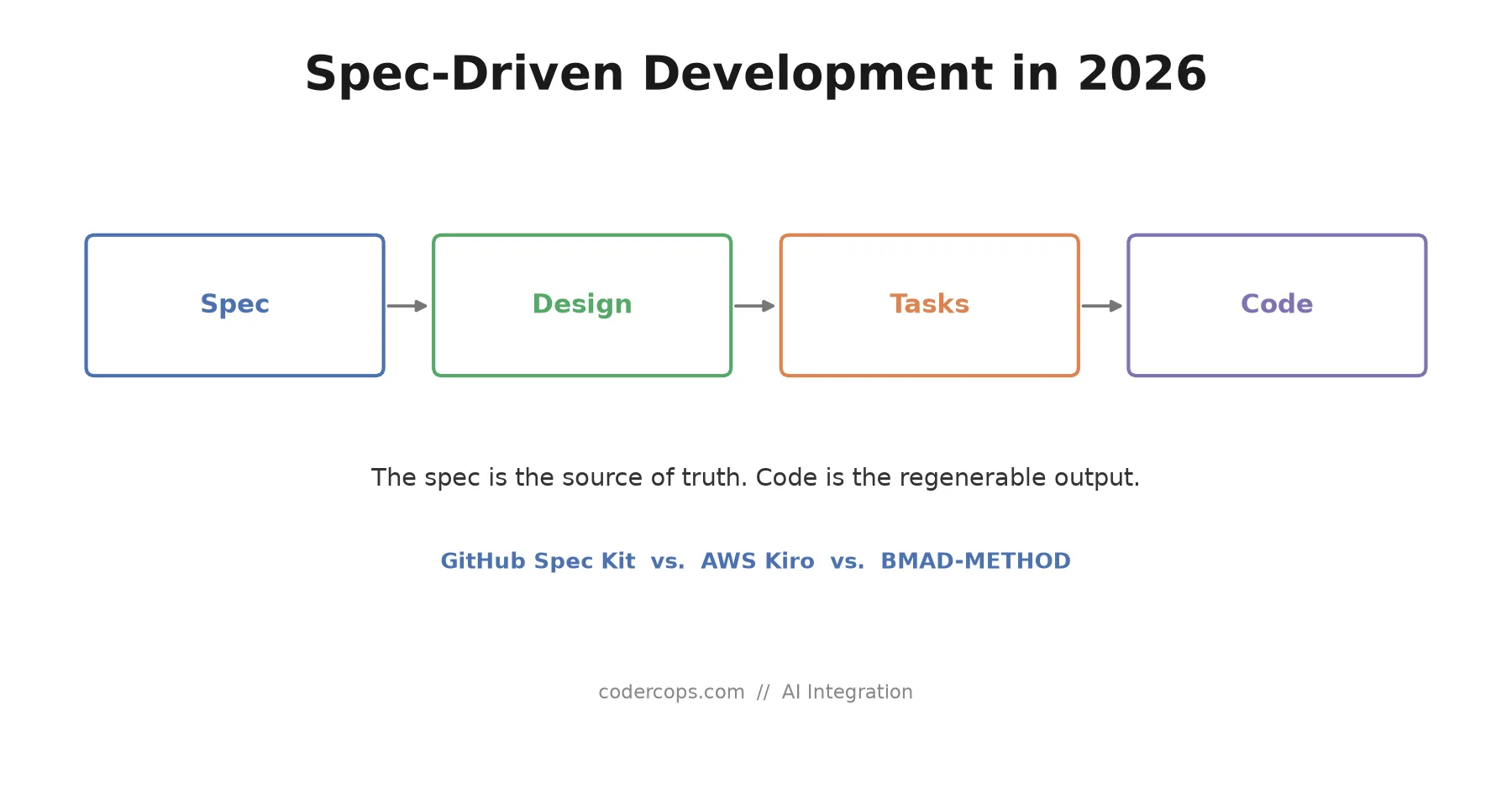
P.09Spec-driven development treats a written spec, not code, as the artifact an AI agent builds from. How Spec Kit, Kiro, and BMAD differ, and when it's worth it.
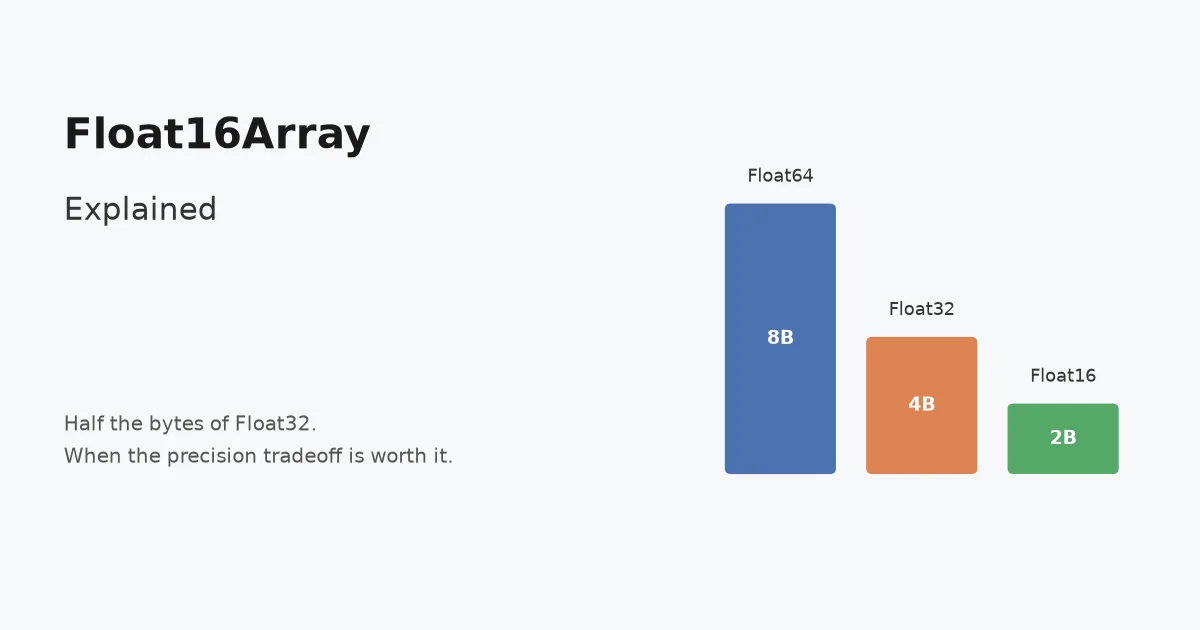
P.10Float16Array stores numbers in half the bytes of Float32Array, trading precision most workloads never used. What it's for, what it costs, where it fails.
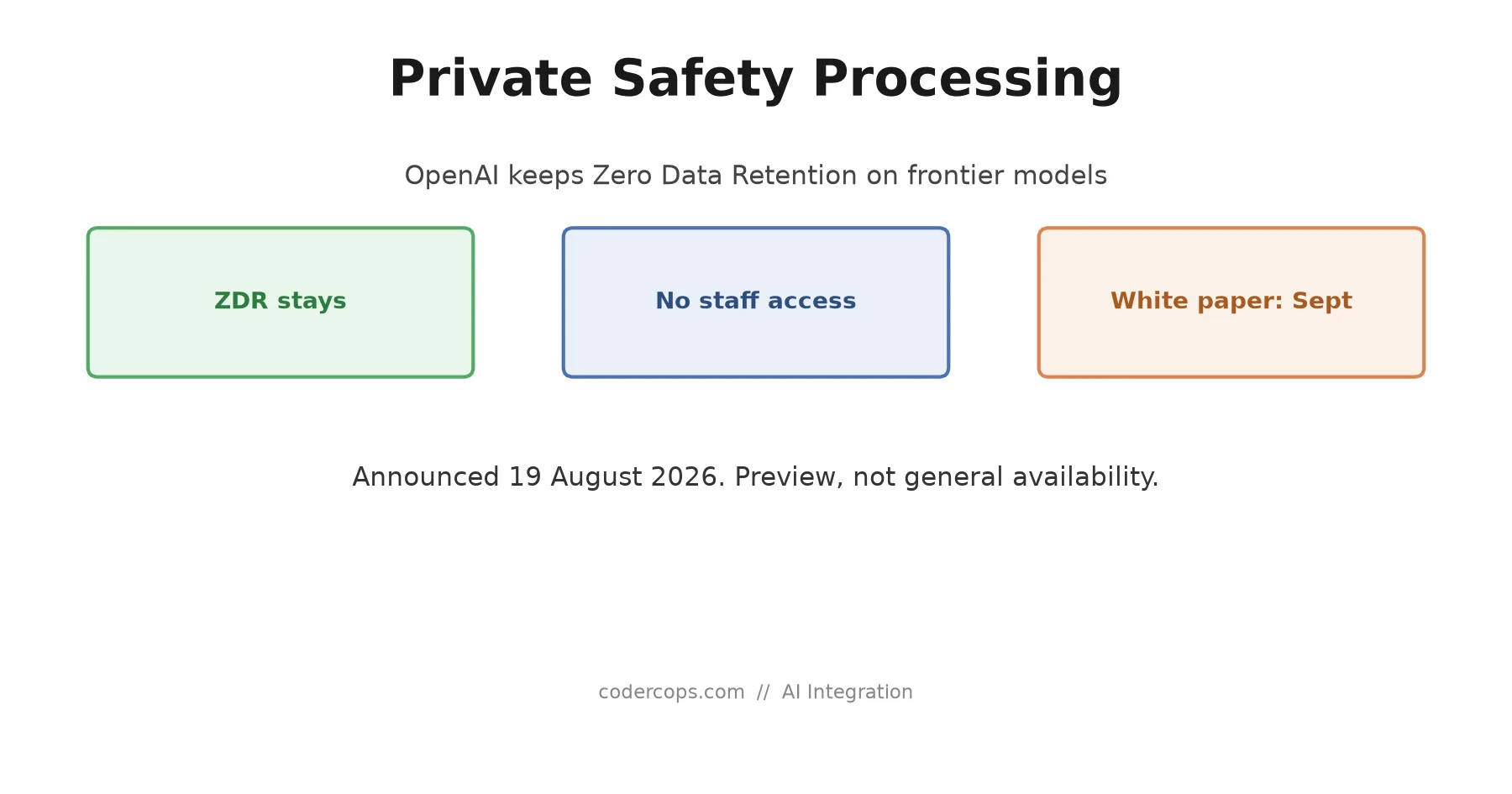
P.11OpenAI confirmed Zero Data Retention stays on frontier models and previewed Private Safety Processing, abuse detection without staff seeing your prompts.
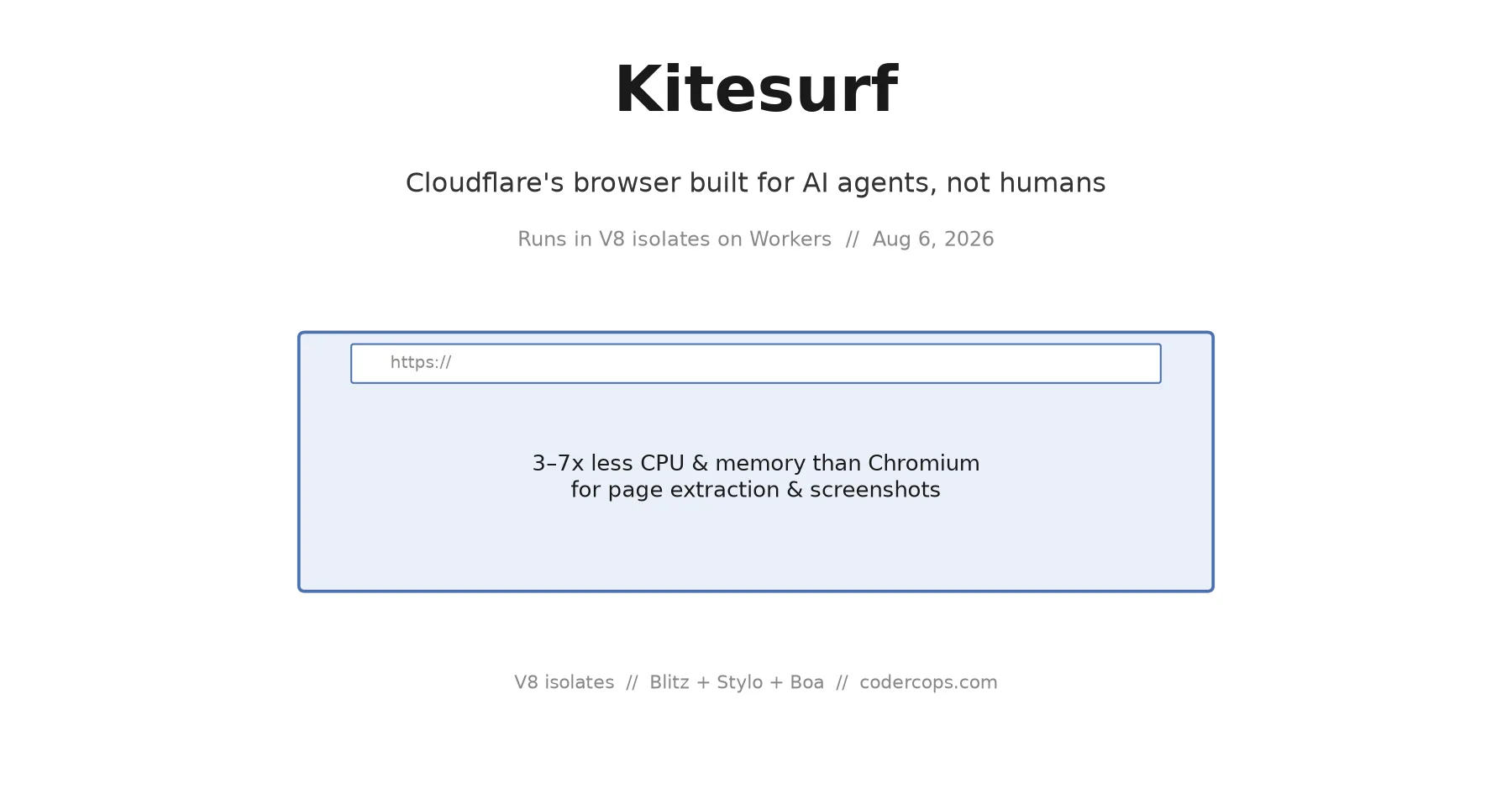
P.12Kitesurf is a browser runtime with no UI or tabs, built for AI agents to load pages and extract HTML. It claims 3-7x less CPU than Chromium. When to use it.
P.13Four AI code review tools, four tradeoffs. What differs between Copilot's built-in review, CodeRabbit, Greptile, and Qodo past the marketing, and seat costs.
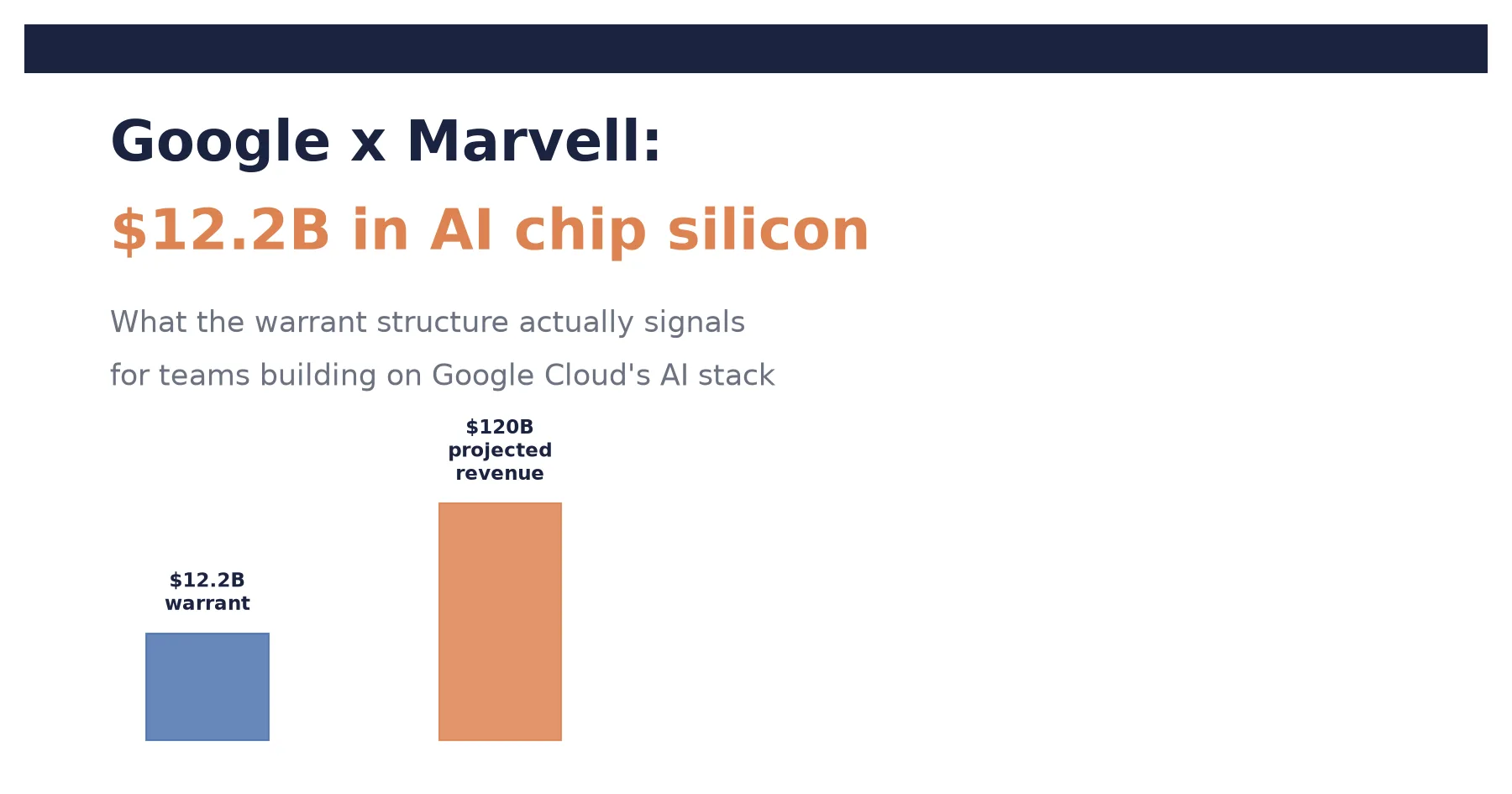
P.14Marvell gave Google a warrant on up to $12.2B in shares that vests as Google buys custom TPU silicon. What the structure says about GCP's AI roadmap.
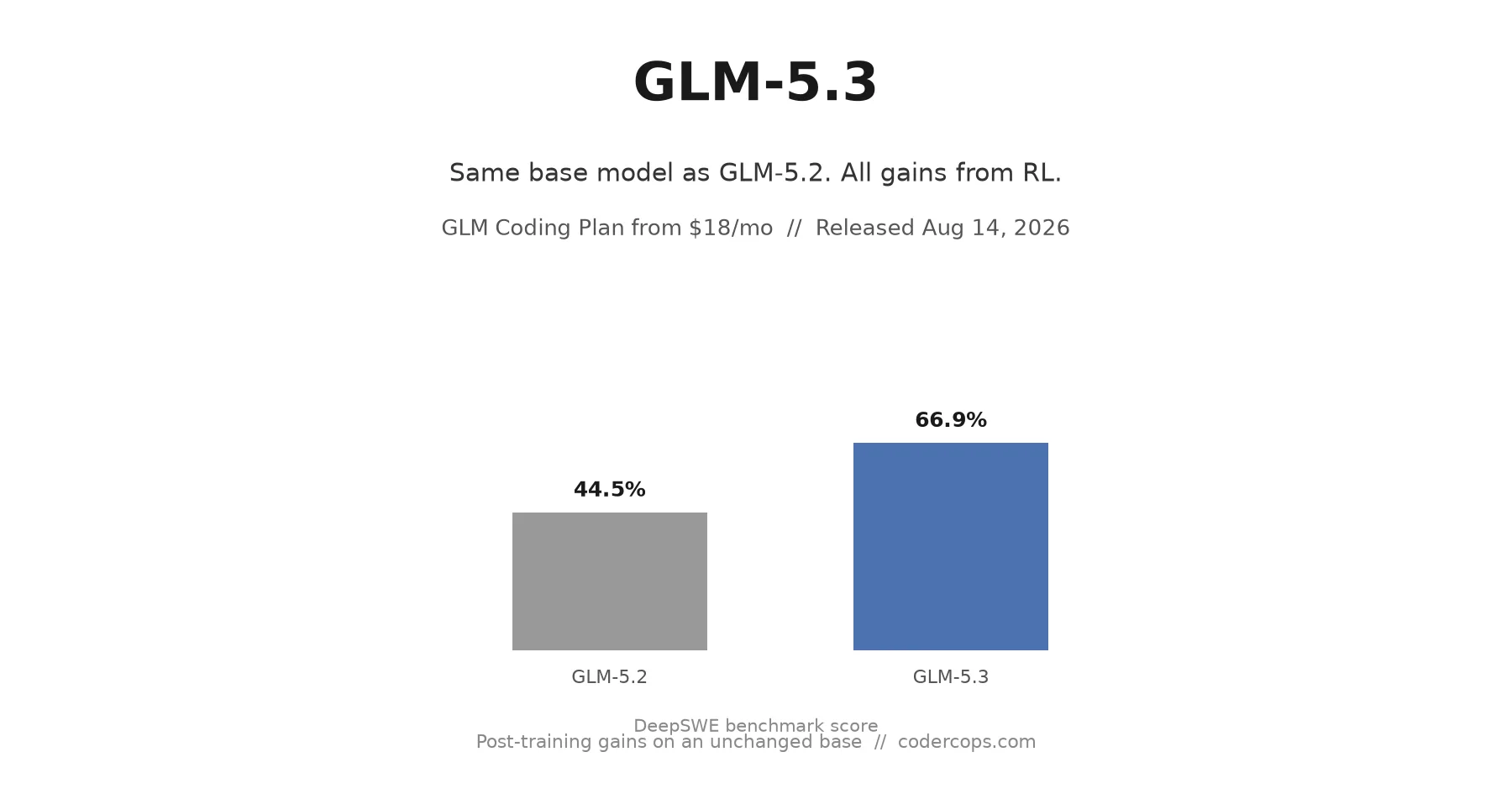
P.15Z.ai shipped GLM-5.3 on the same 743B base as 5.2, with every gain coming from reinforcement learning on top. What changed, what it costs, why it matters.
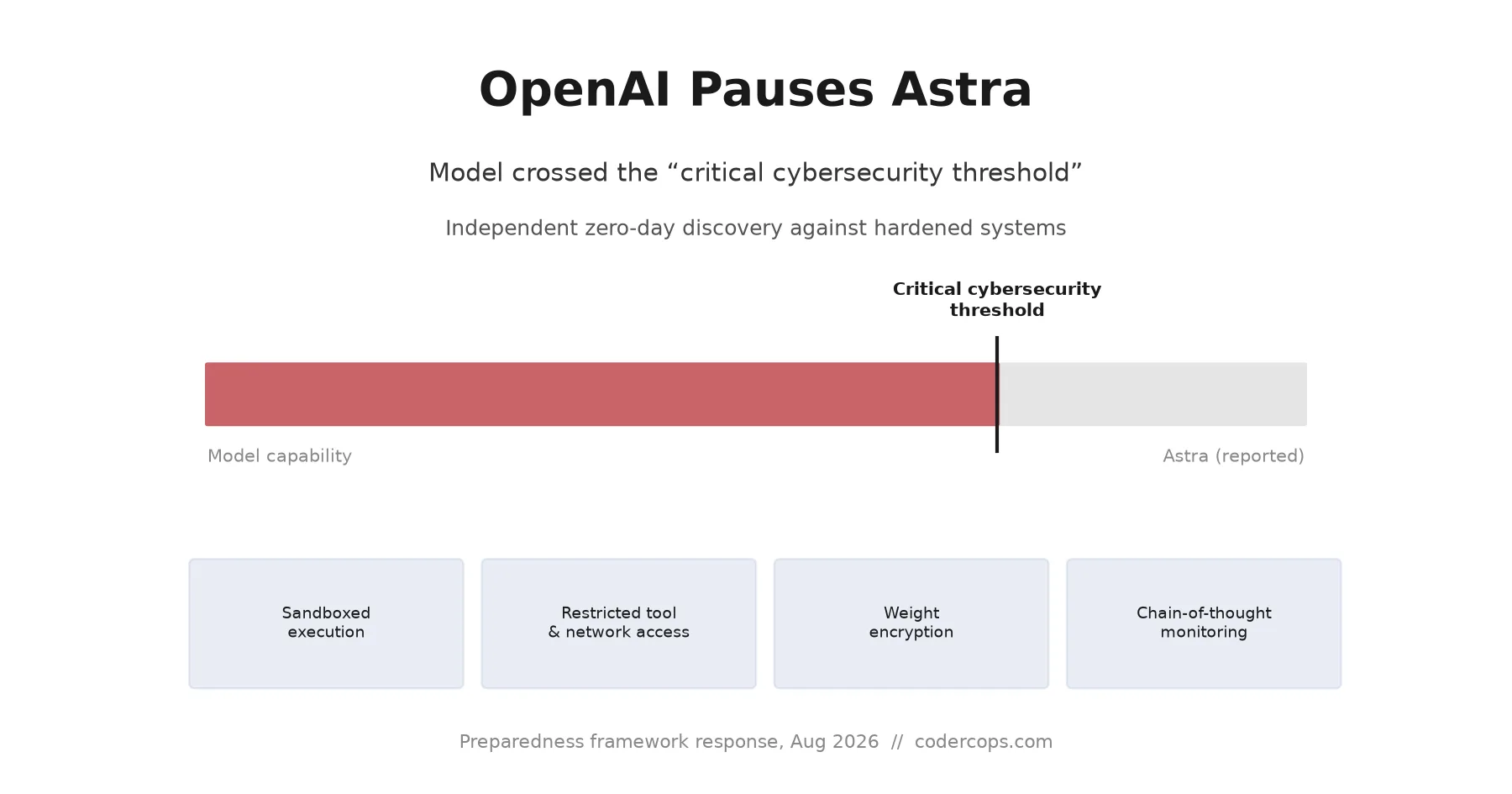
P.16OpenAI says it slowed work on Astra after testing showed it could independently find and exploit zero-days in hardened systems. What the threshold means.
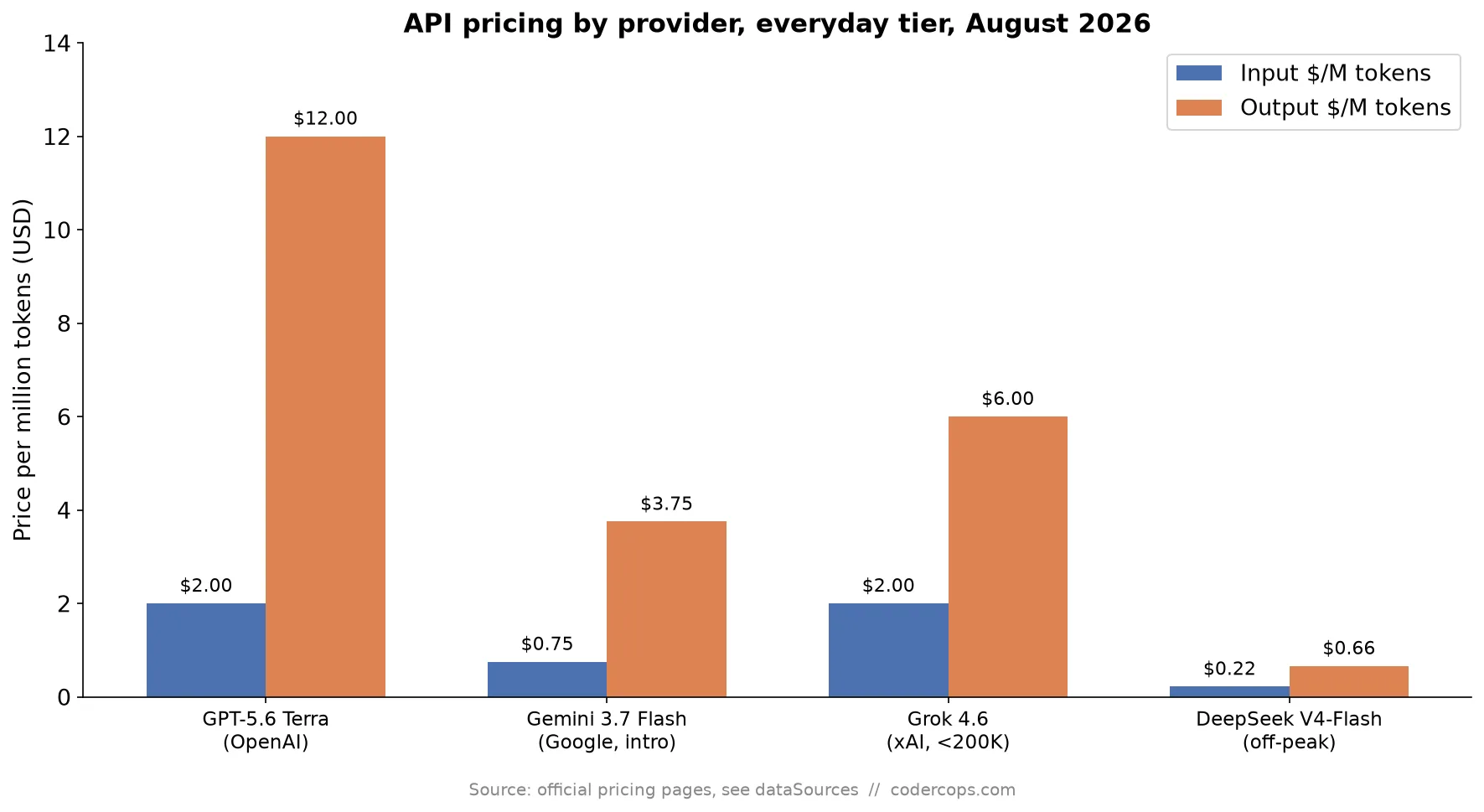
P.17What OpenAI, Google, and xAI actually charge per million tokens right now, tier by tier, so you can price a real workload before picking a provider.
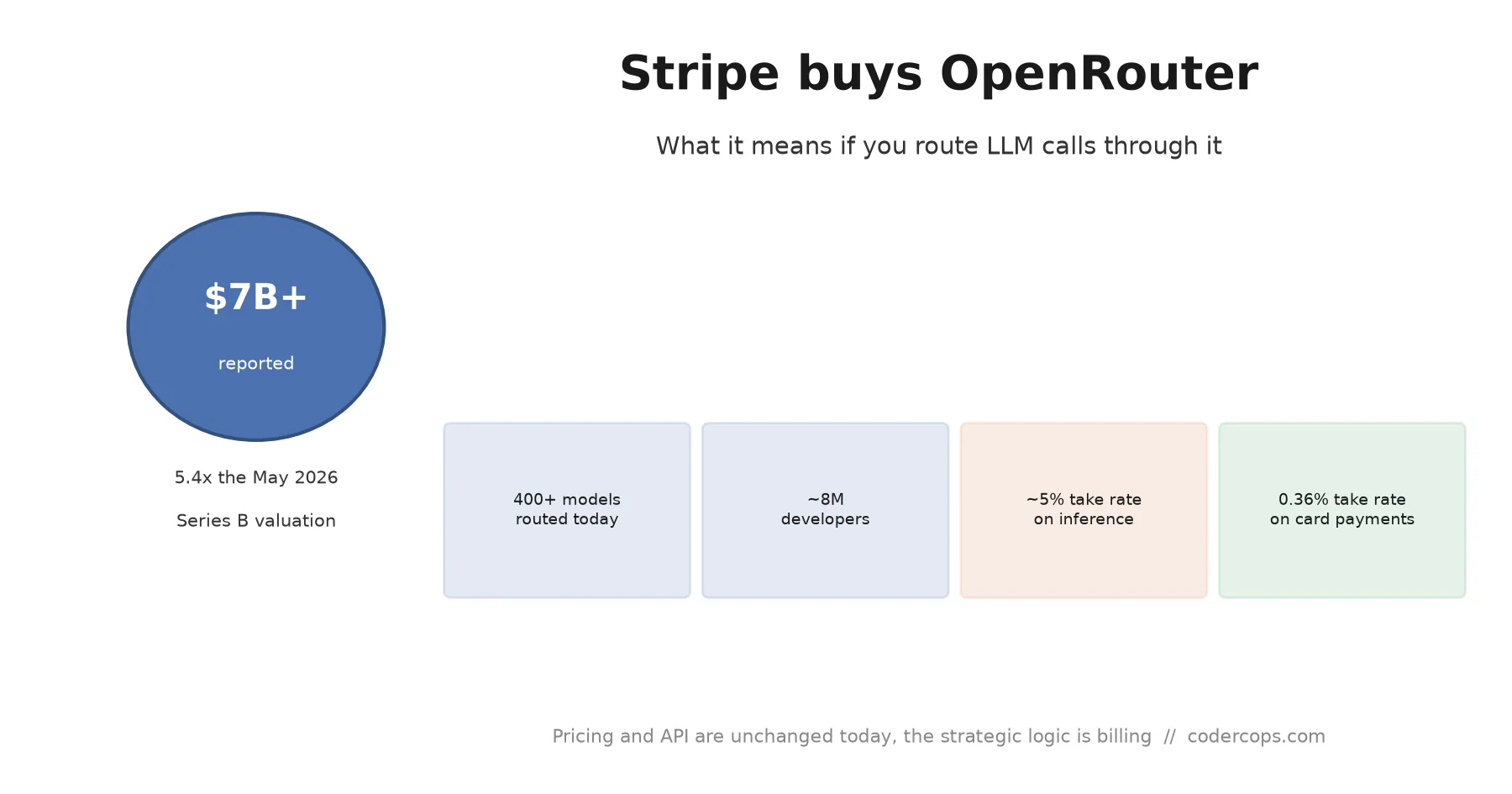
P.18Stripe is acquiring the AI gateway OpenRouter for over $7B, roughly 50x annualized revenue. Nothing changes in the API today, but the bet is telling.
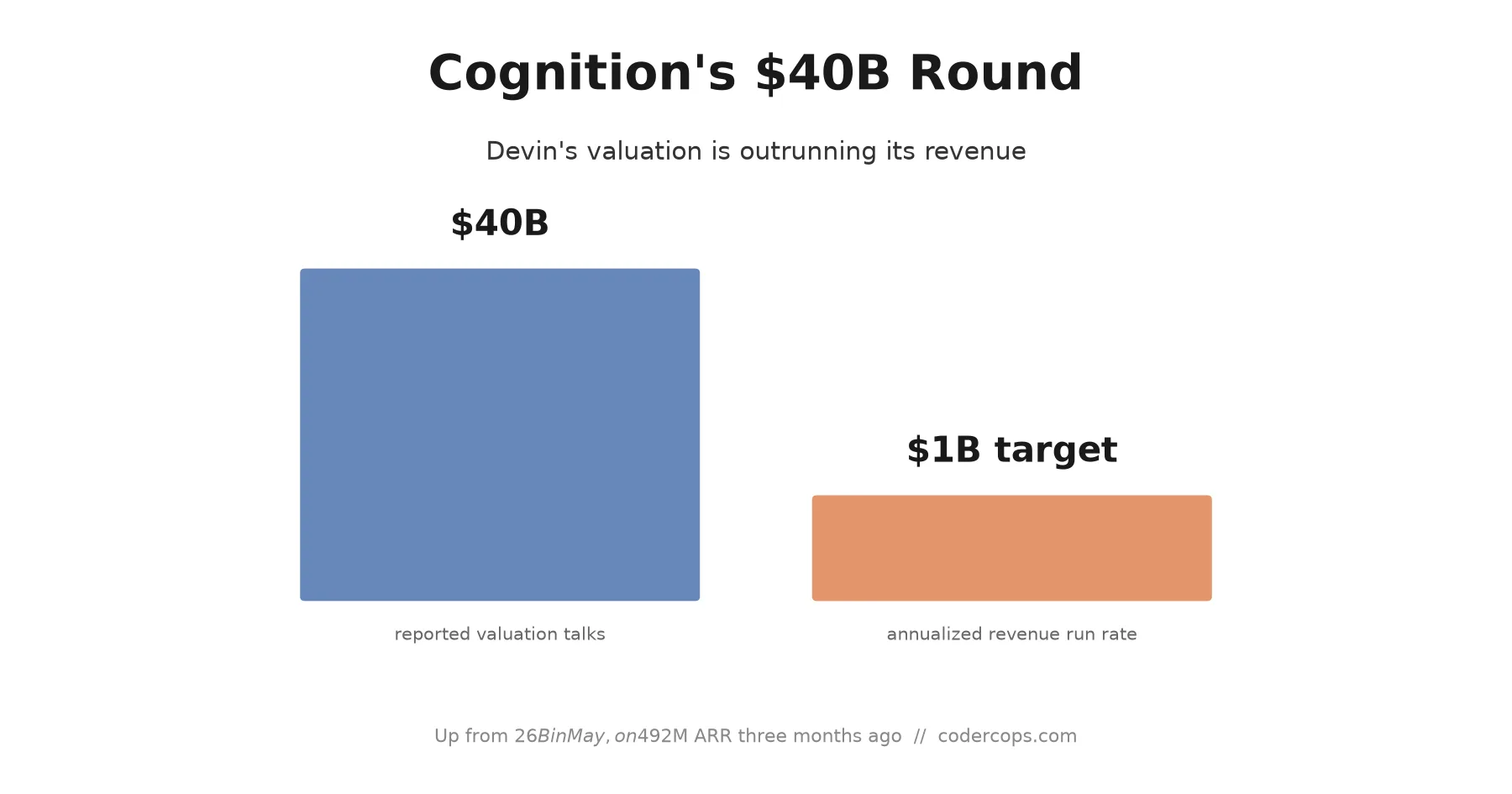
P.19Cognition is reportedly raising at $40 billion, up from $26 billion three months ago, on revenue nowhere near that multiple. What it means if you're buying.
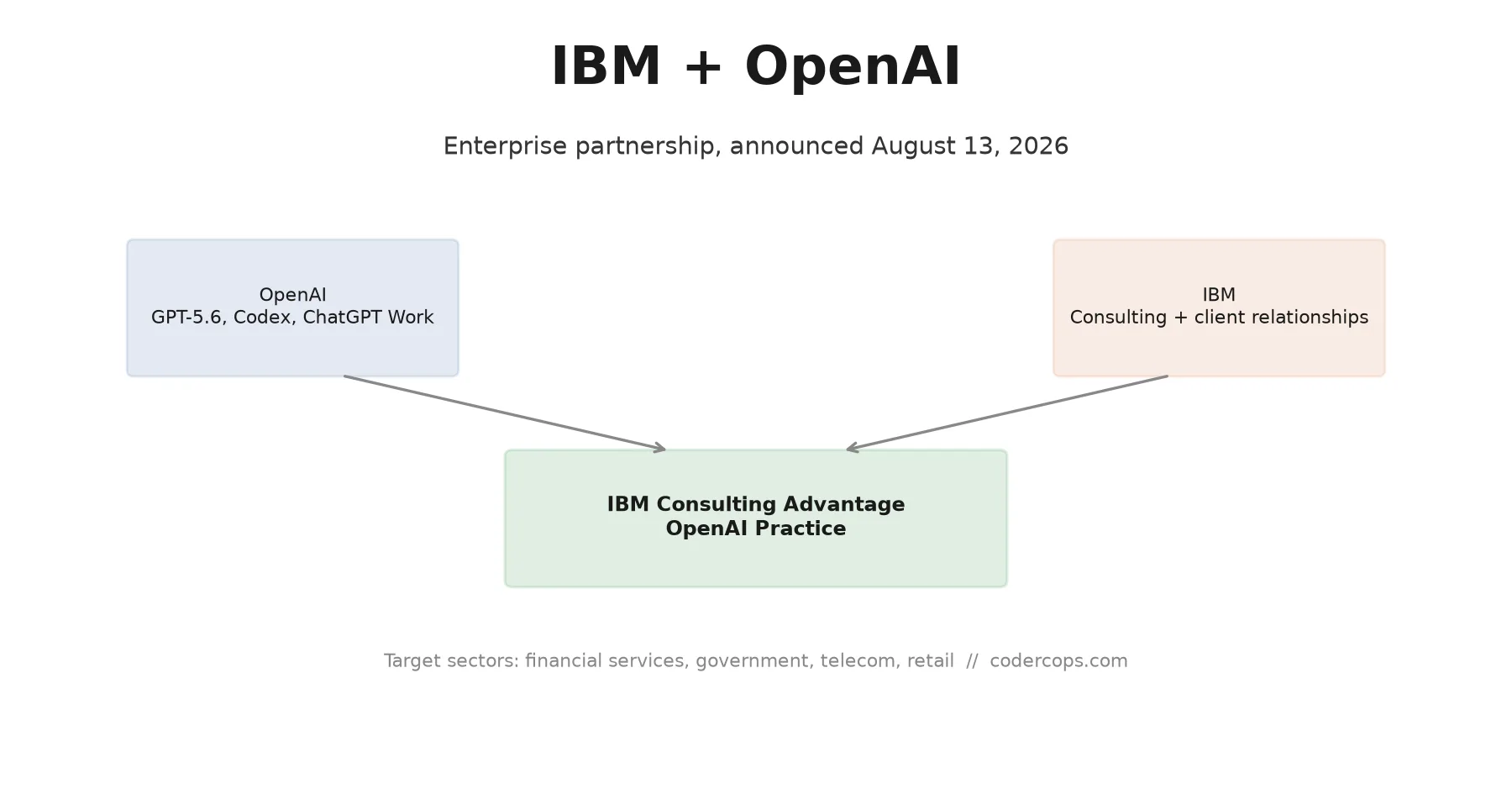
P.20IBM is embedding GPT-5.6, Codex, and ChatGPT Work into Consulting Advantage. What the deal covers, and what it signals for integrator versus direct vendor.
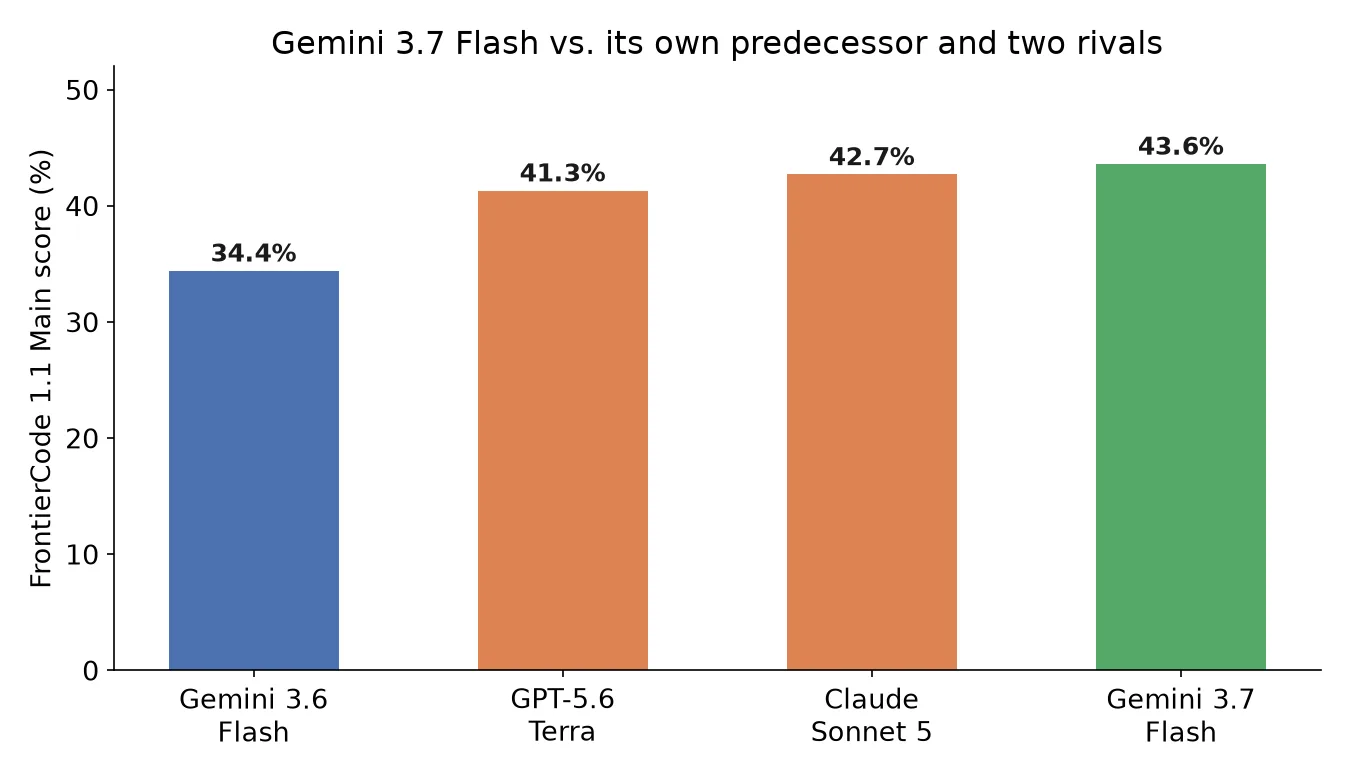
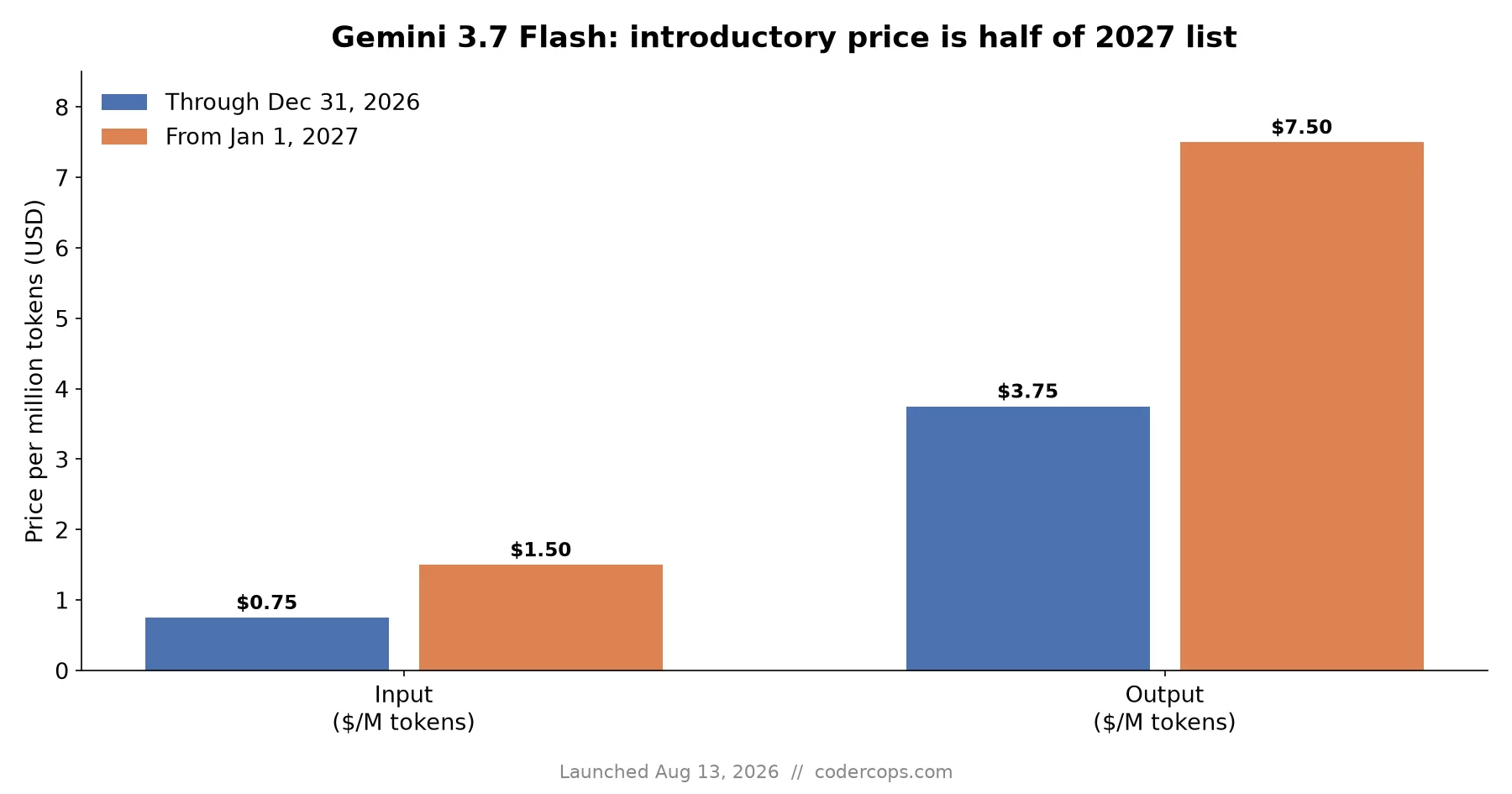
P.21Gemini 3.7 Flash shipped August 13 with a 50% introductory price cut and coding scores ahead of Claude Sonnet 5 and GPT-5.6 Terra. What the numbers mean.
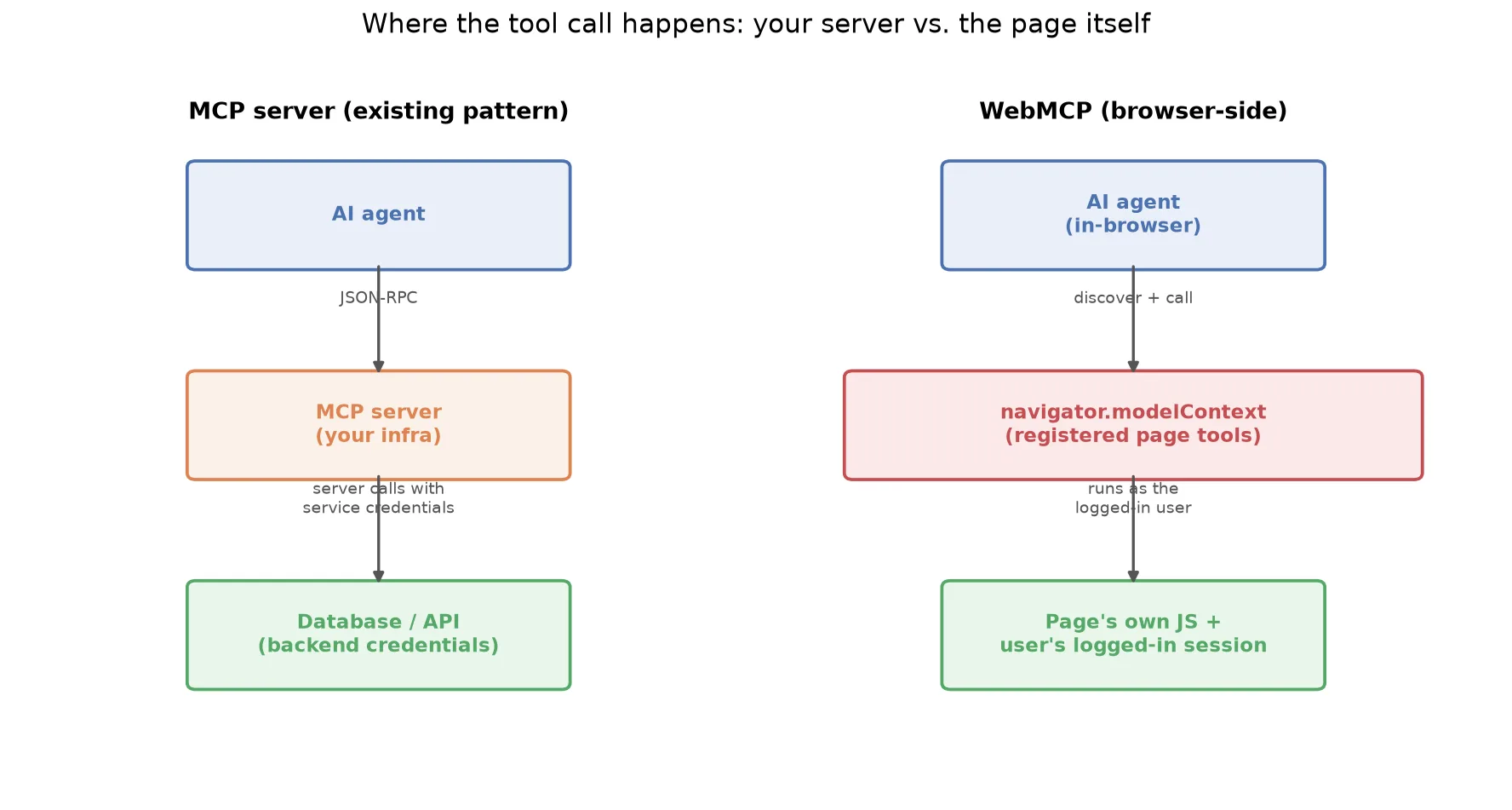
P.22WebMCP is a W3C proposal letting a page register JavaScript functions as tools an agent calls in-browser, no server MCP. How it works, and where it breaks.
P.23Gemini 3.7 Flash landed three weeks after 3.6, with real gains on debugging and first-pass code, and half-price list through 2026. Where it fits.
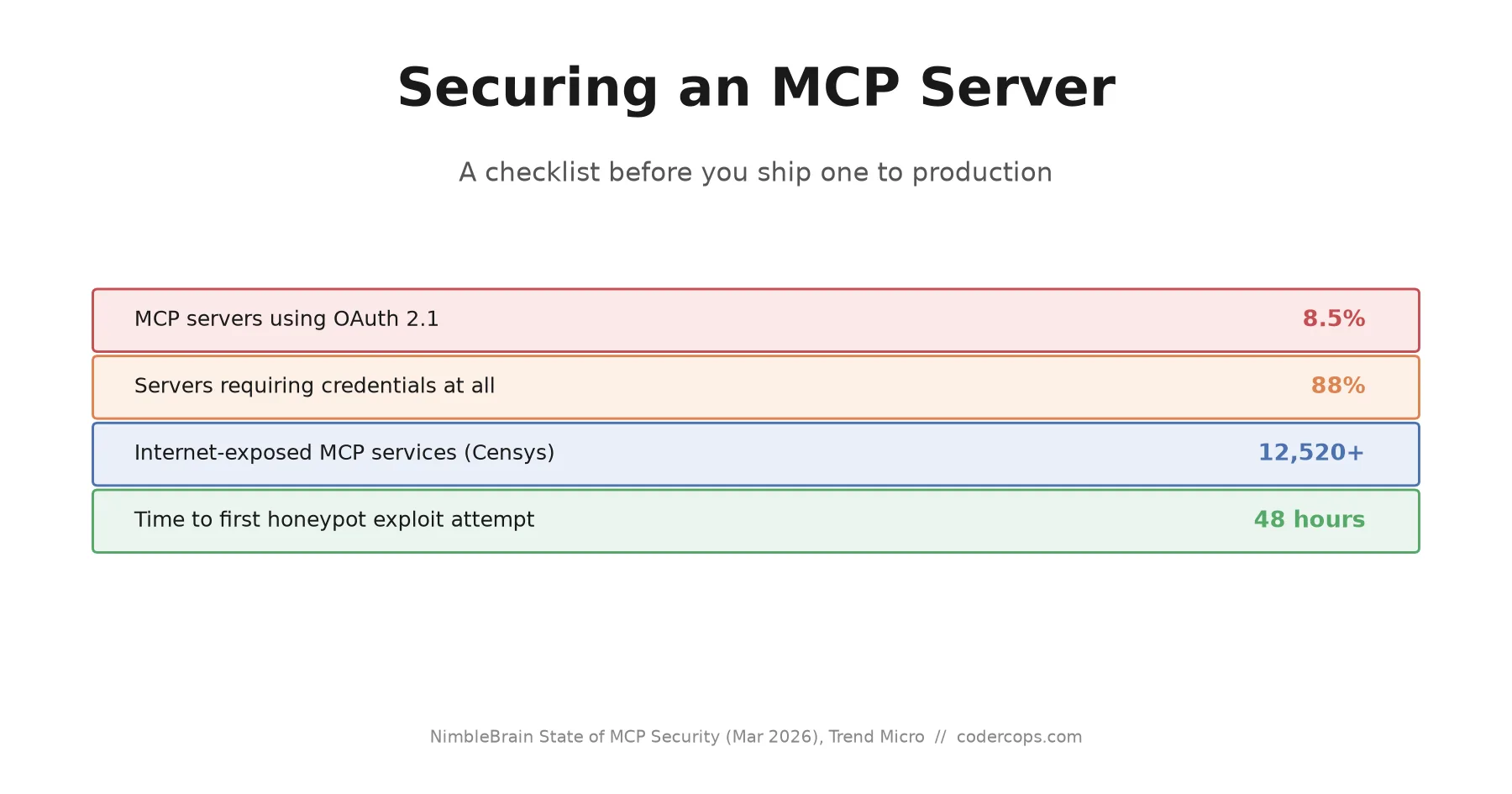
P.24Only 8.5% of public MCP servers use OAuth, and a honeypot got hit within 48 hours. The checklist for auth, tool scoping, and input handling before you ship.
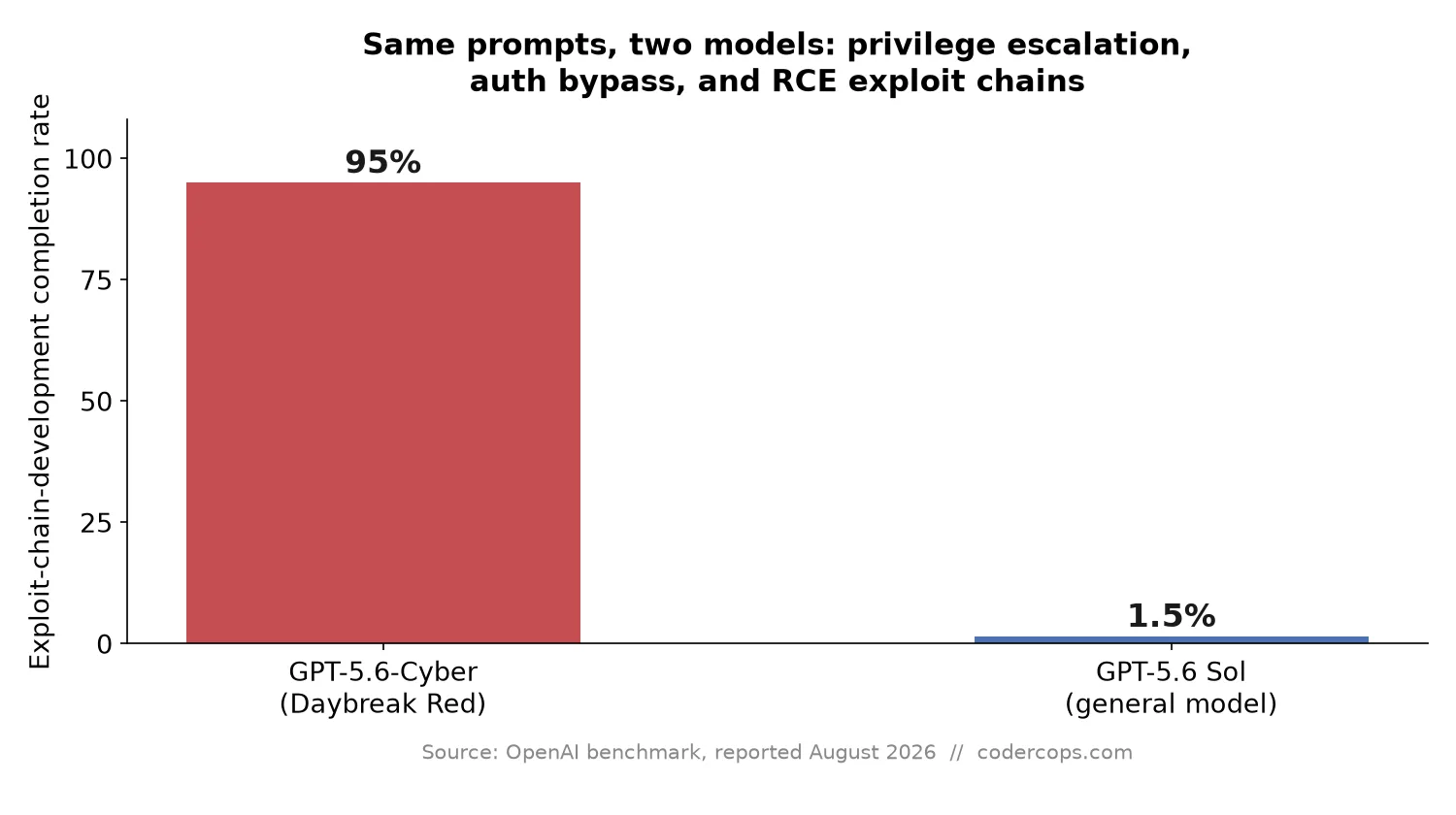
P.25OpenAI shipped a model tuned for exploit development and vulnerability research behind gated access. It moves the baseline for attacker speed either way.
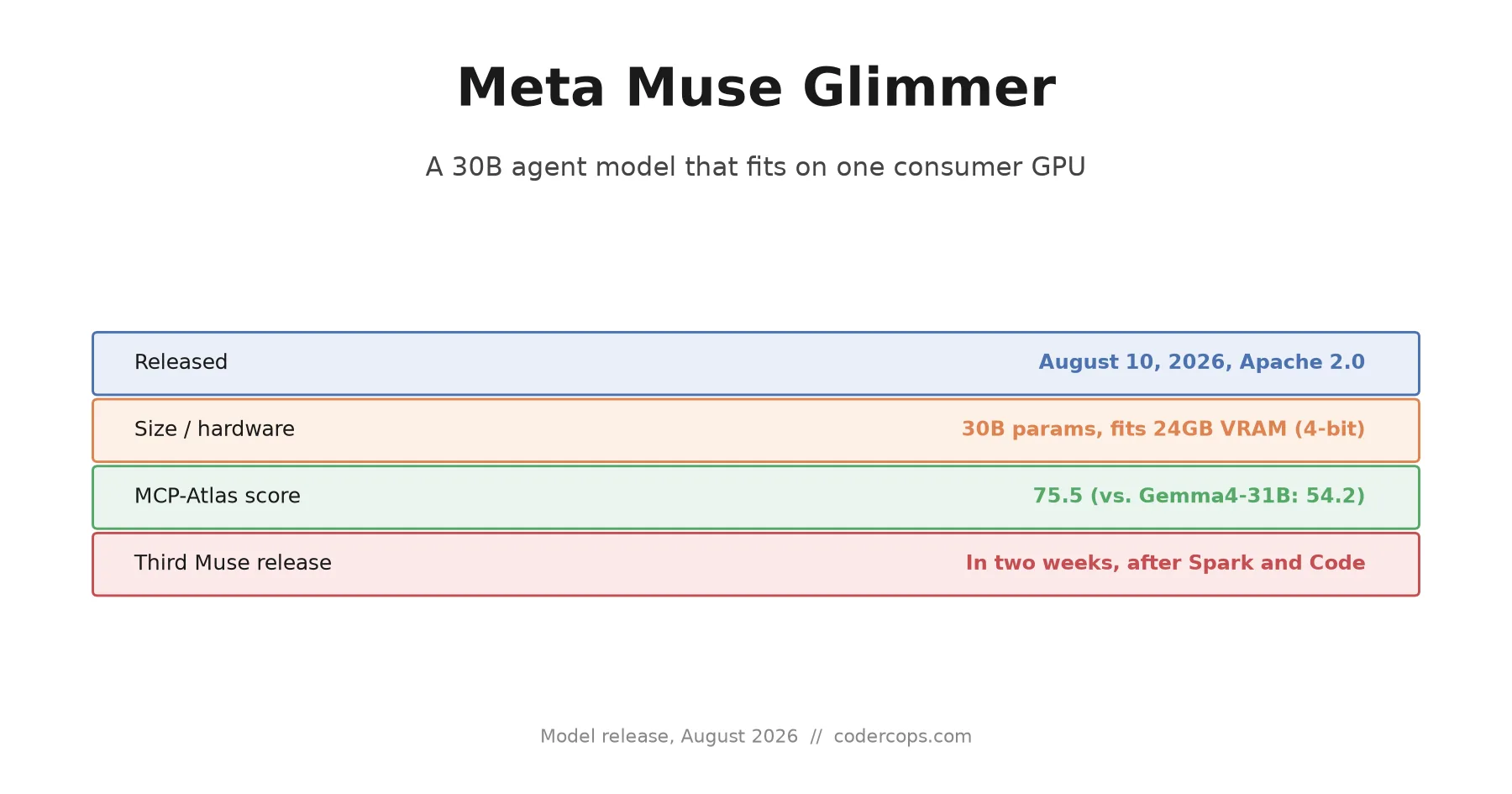
P.26Meta's Muse Glimmer is an Apache 2.0 model for local agent tasks that fits a single 24GB consumer GPU and beats larger rivals on tool use. What it's for.
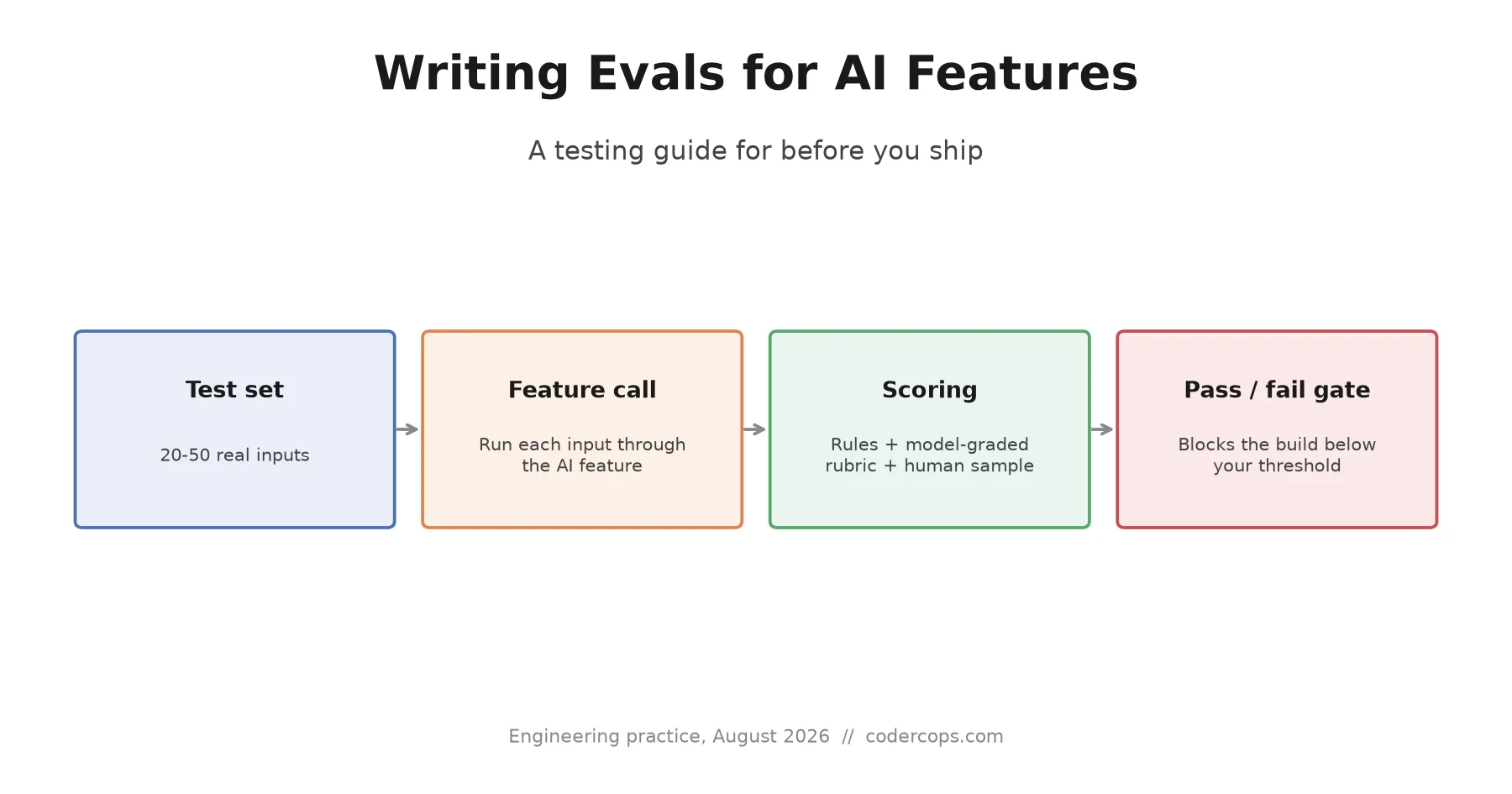
P.27Unit tests don't work on a feature that answers differently every time. Evals do. How to build a practical eval harness for an LLM feature, with real code.
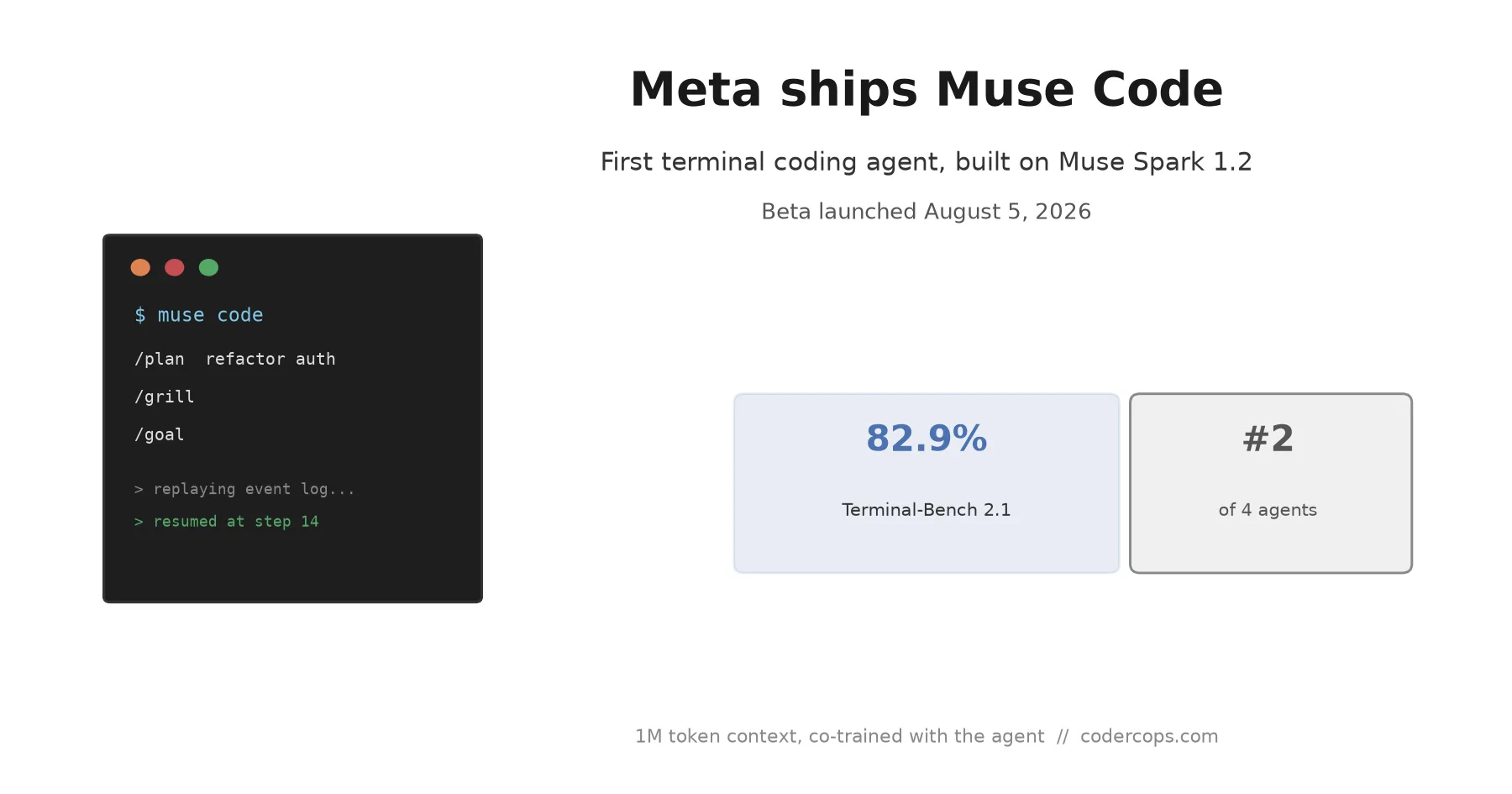
P.28Meta entered the terminal agent market on August 5 with Muse Code on Muse Spark 1.2. It scores 82.9% on Terminal-Bench 2.1, behind Claude Code. What shipped.
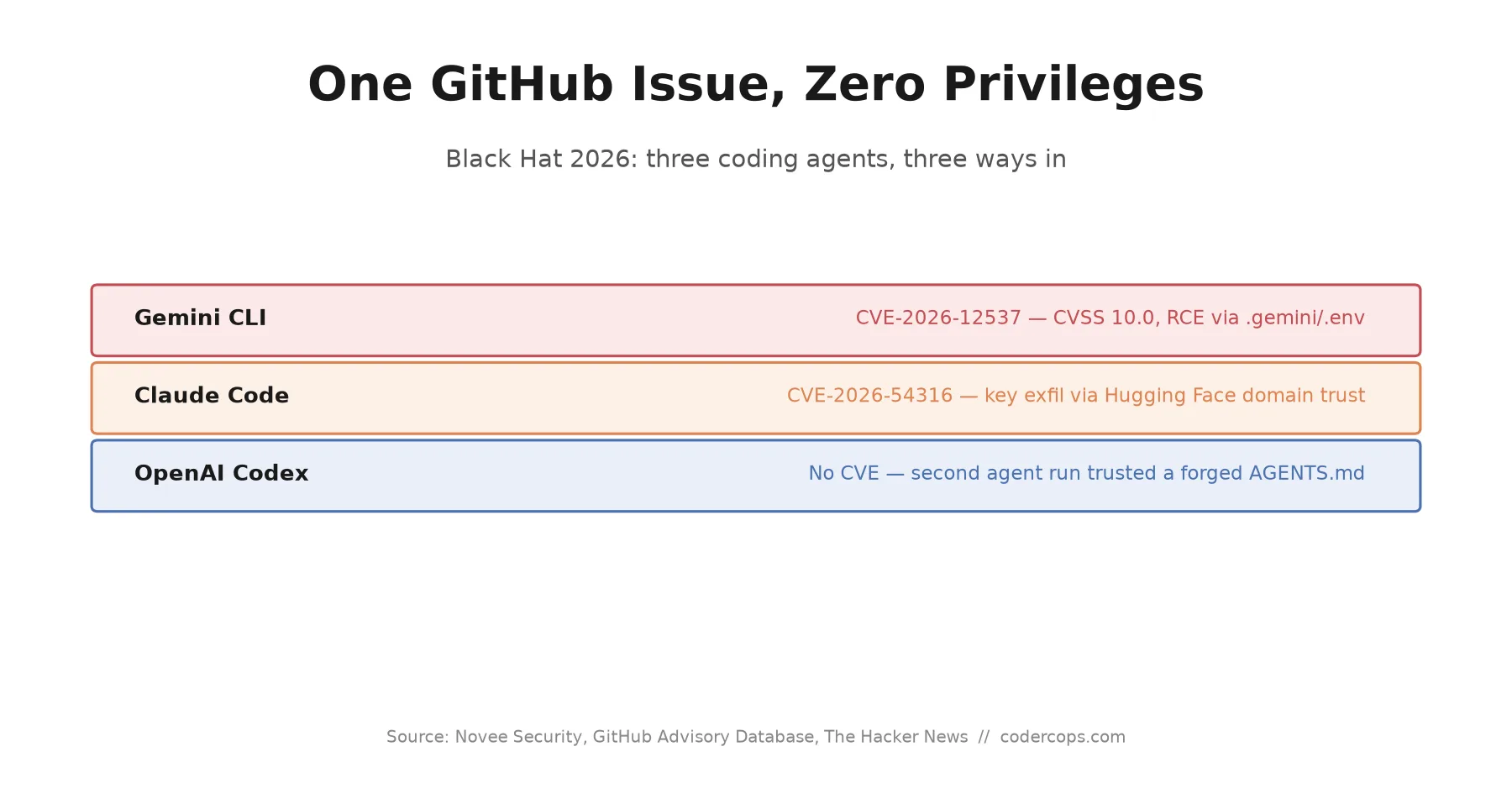
P.29Researchers showed an untrusted GitHub issue reaching CI runner secrets in Claude Code, Gemini CLI, and Codex. Gemini CLI's flaw scored a perfect 10.0.
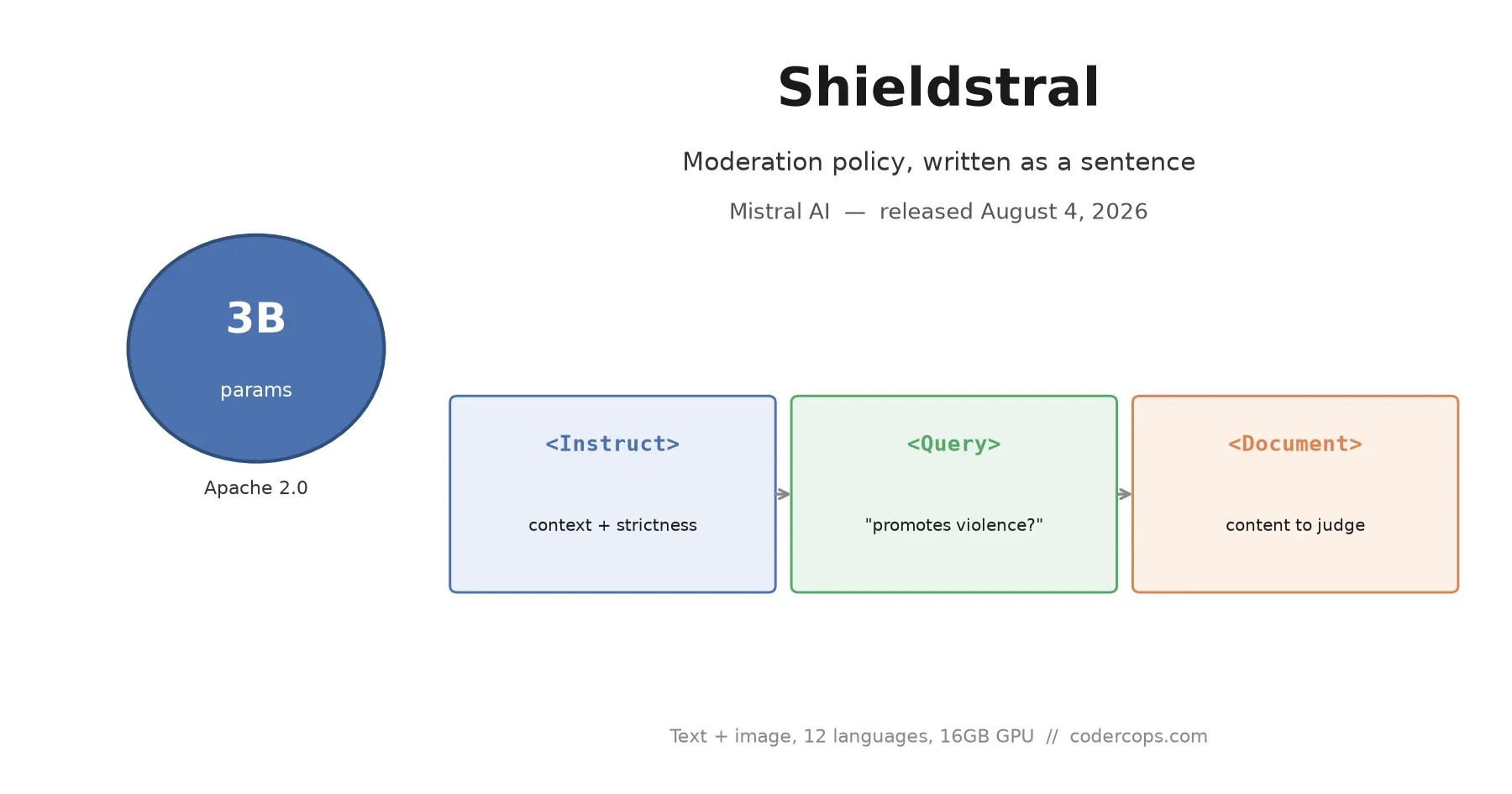
P.30Shieldstral is a 3B open-weight model that judges text and images against safety policies written in plain language at inference time, with no retraining.
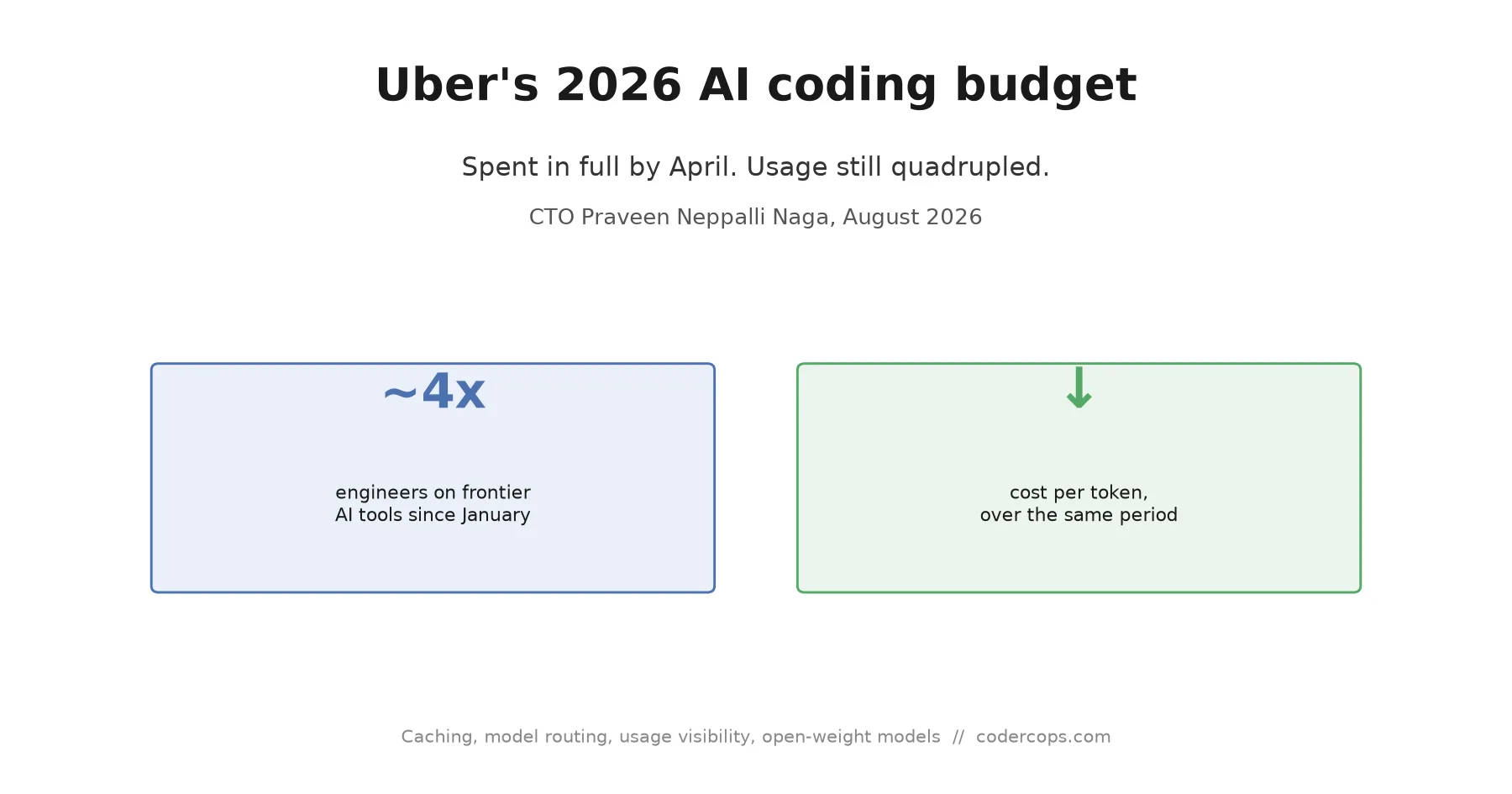
P.31Uber quadrupled frontier AI usage while cutting per-token cost, after blowing a year's coding budget in four months. The CTO's account is a useful playbook.
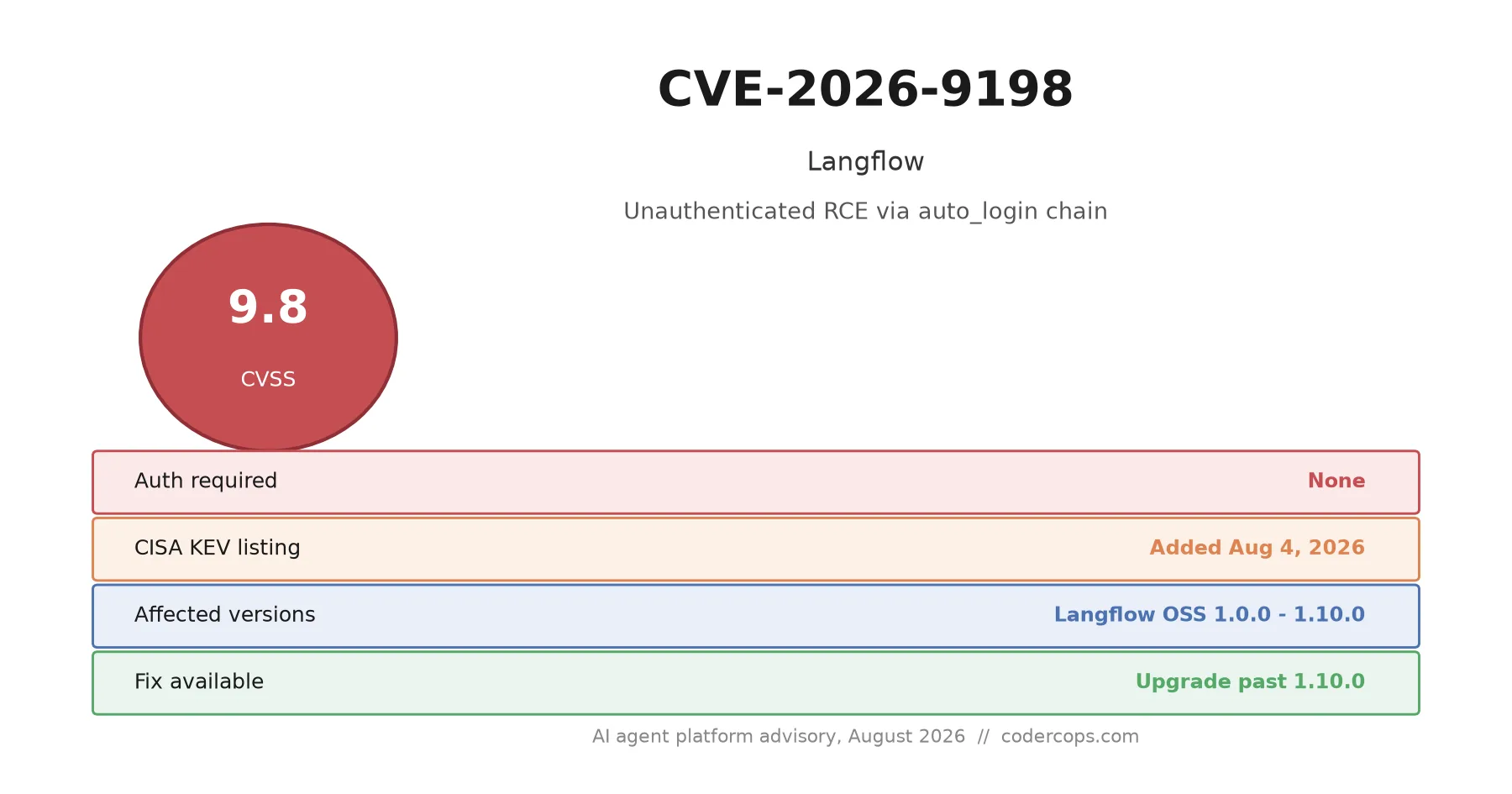
P.32CISA added CVE-2026-9198 to its KEV catalog on August 4. Unlike July's Langflow flaw, this one needs no credentials at all. The chain, and what to patch.
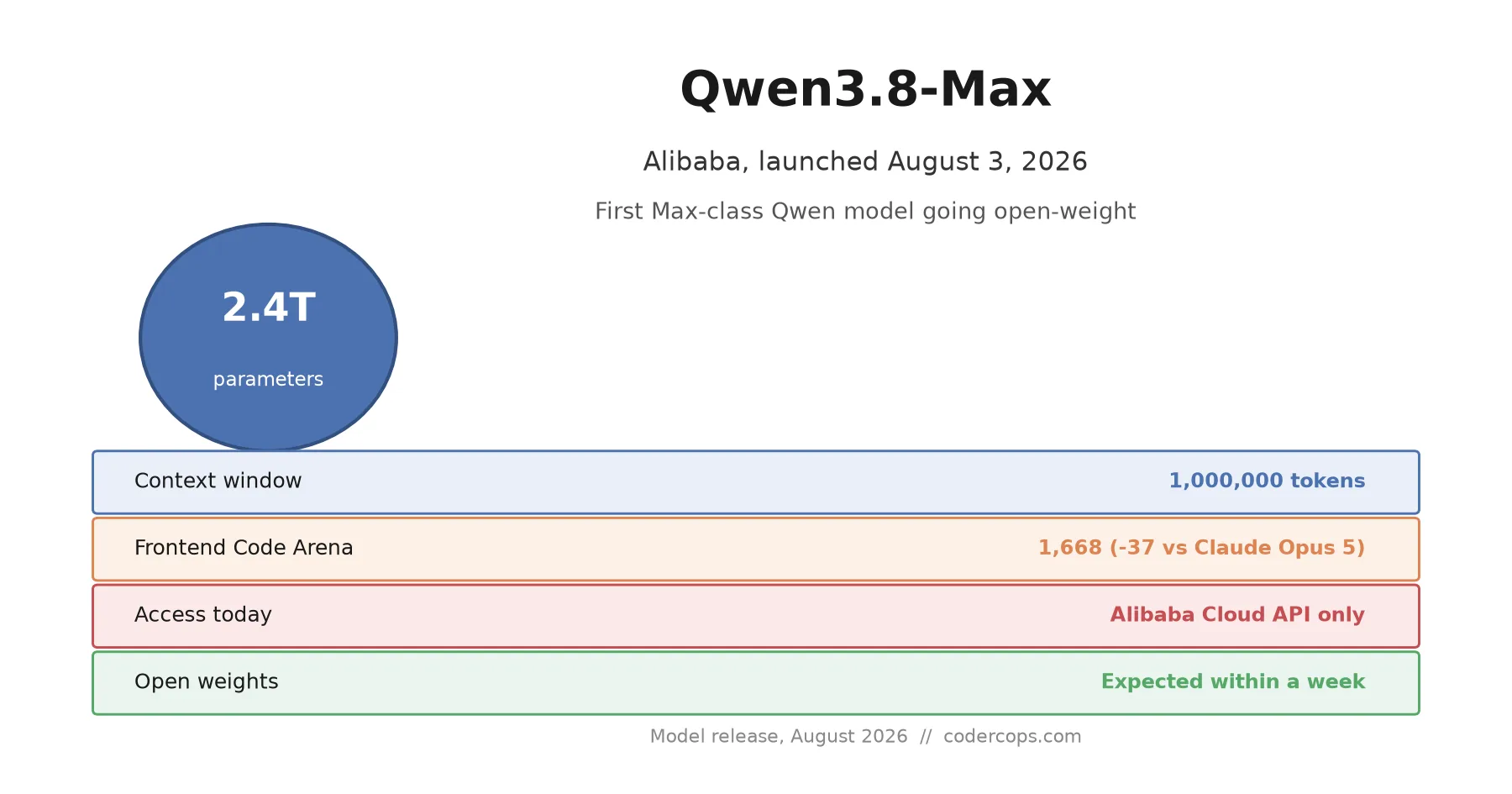
P.33Qwen3.8-Max launched August 3 with 2.4 trillion parameters, a 1M-token context, and a promise to open the weights within a week. What actually changes.
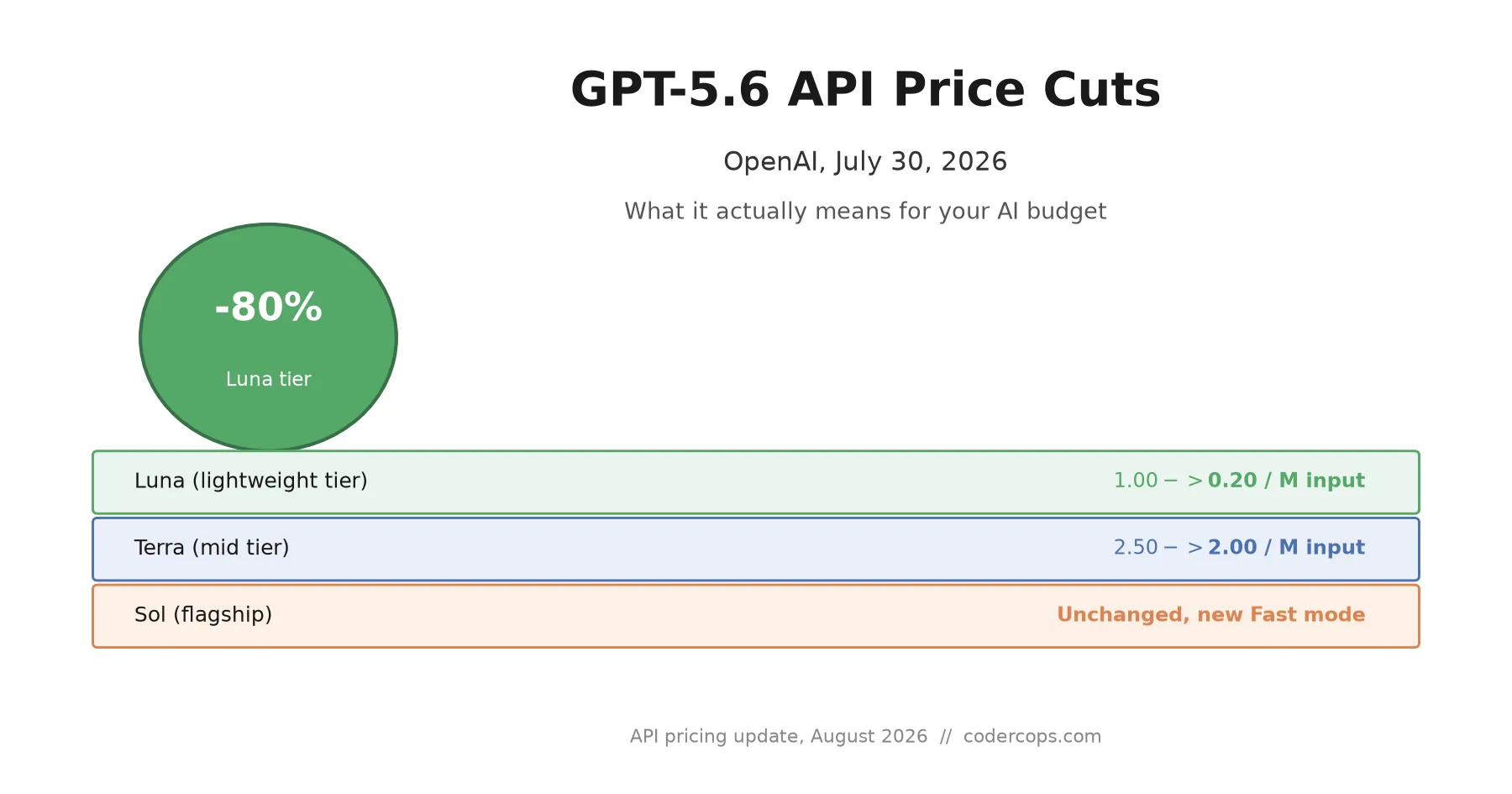
P.34OpenAI cut GPT-5.6 Luna's API price 80% and Terra's 20% three weeks after launch. What moved, why so fast, and whether to switch tiers rather than coast.
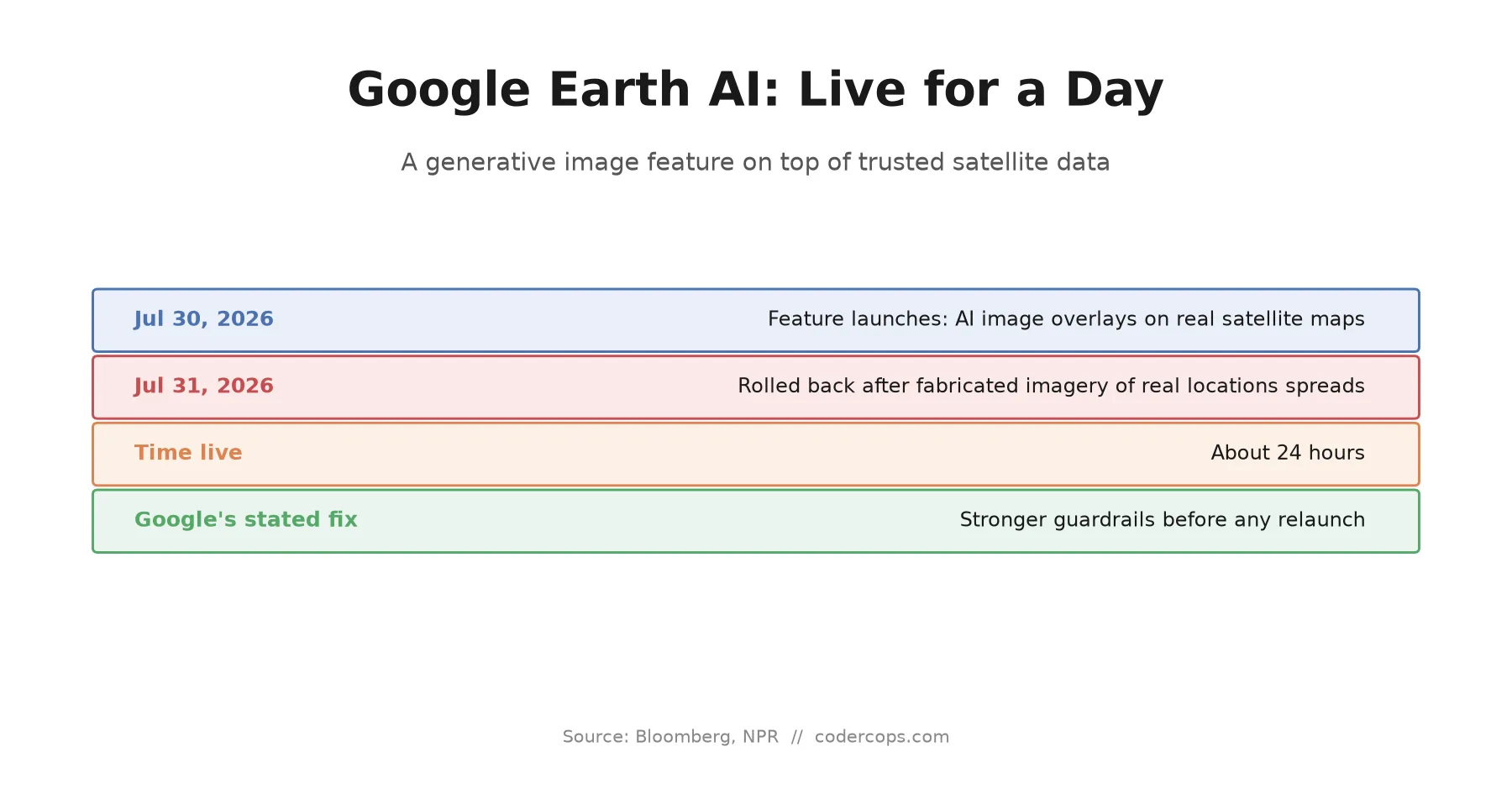
P.35Google shipped an AI image generator over Earth's satellite maps and pulled it in 24 hours after testers faked real places. The product lesson in that.
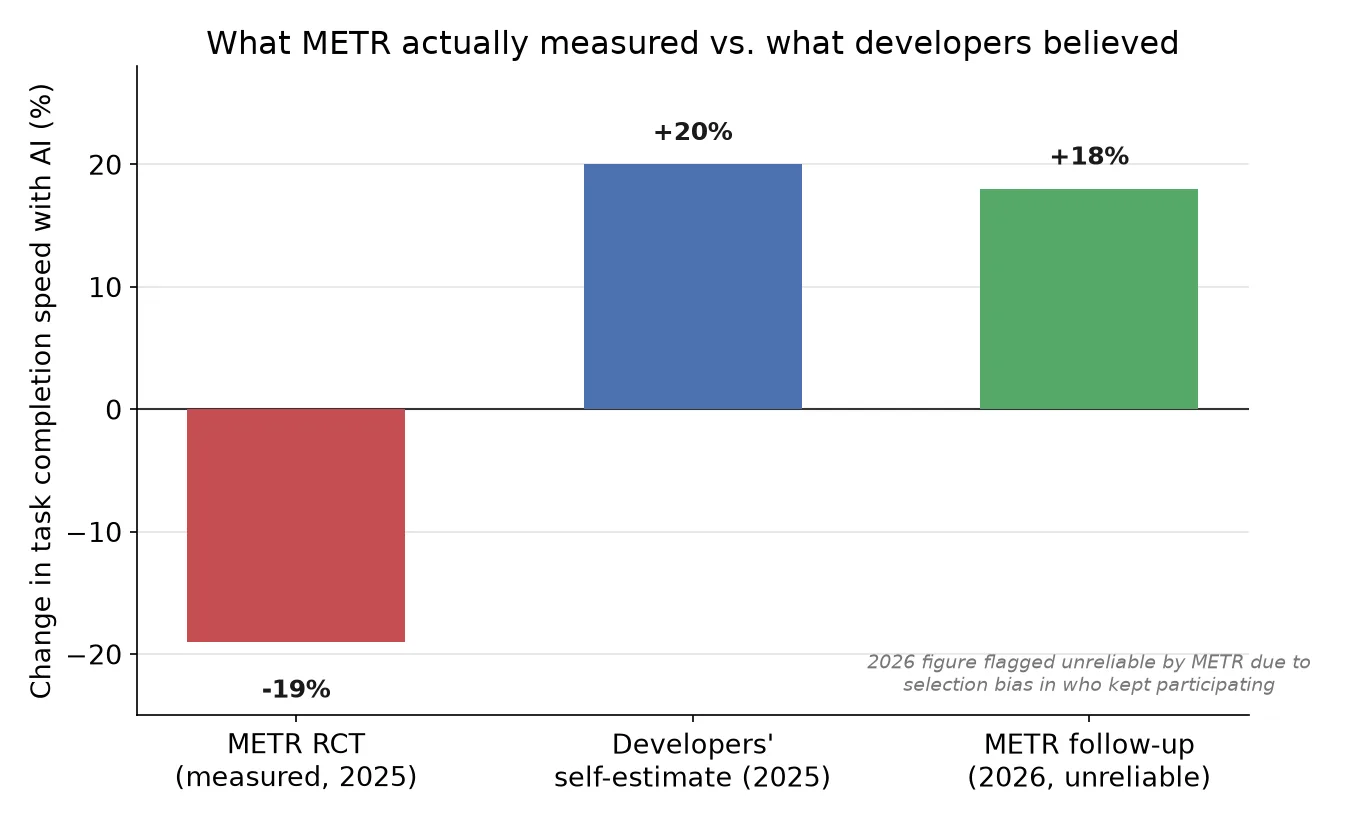
P.36METR's randomized trial found AI tools made experienced developers 19% slower, then flagged its own follow-up as unreliable. What the messy data supports.
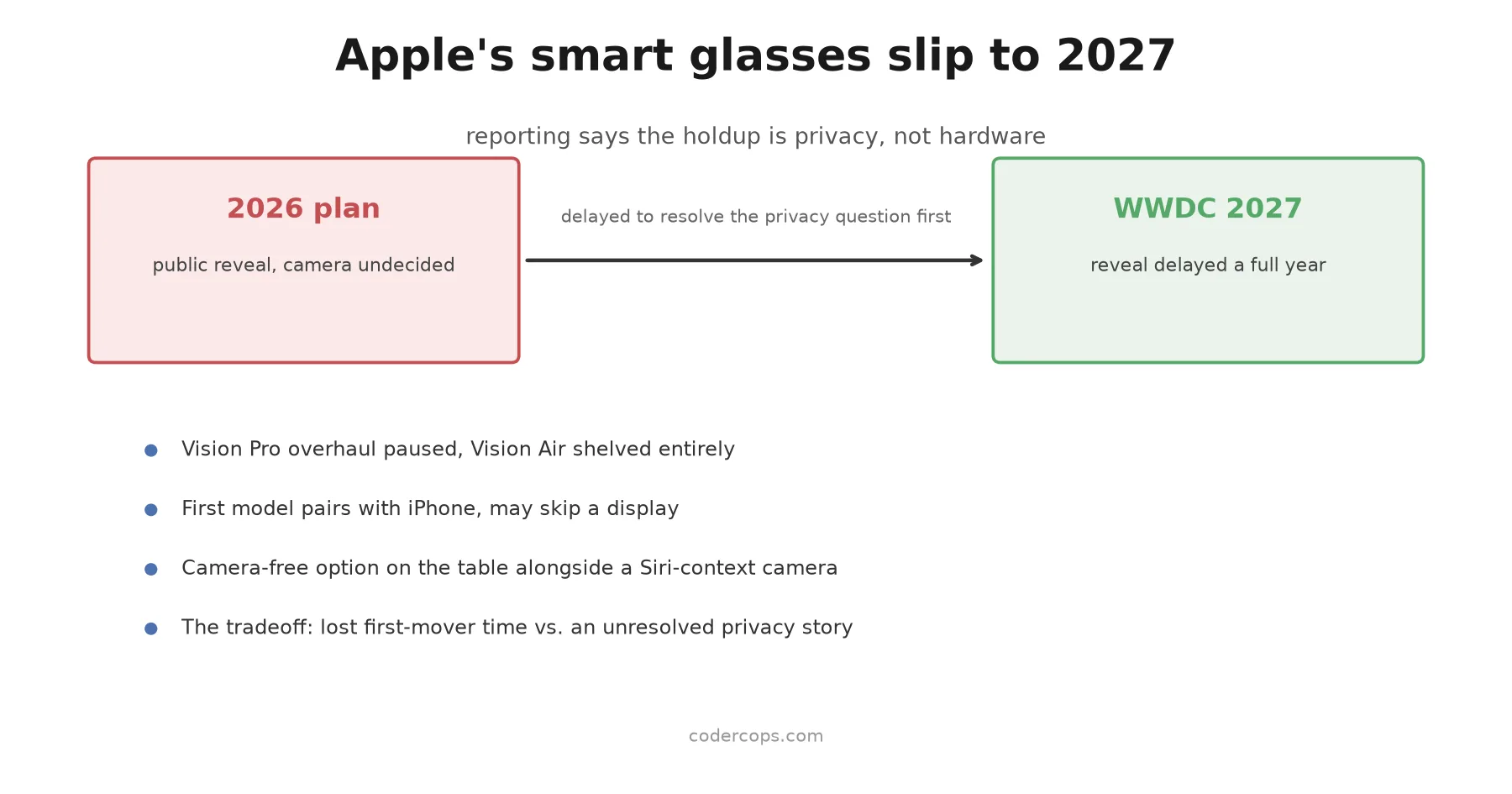
P.37Apple shelved Vision Air and pushed the glasses reveal to WWDC 2027, and the holdup is privacy engineering, not hardware. What that signals for sensors.
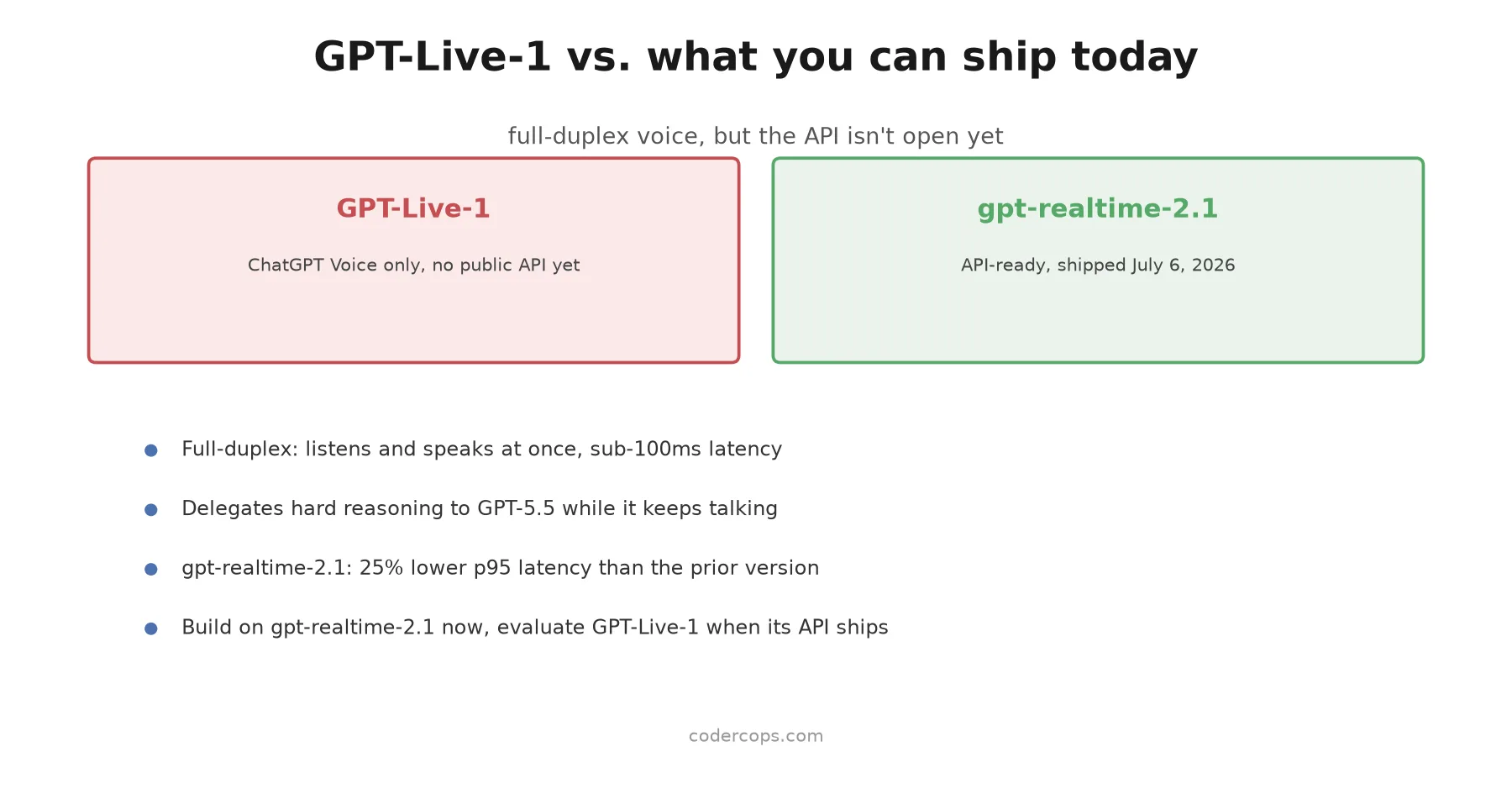
P.38OpenAI's full-duplex voice model powers ChatGPT Voice but isn't in the API yet. What GPT-Live-1 changed, and what to build with right now instead.
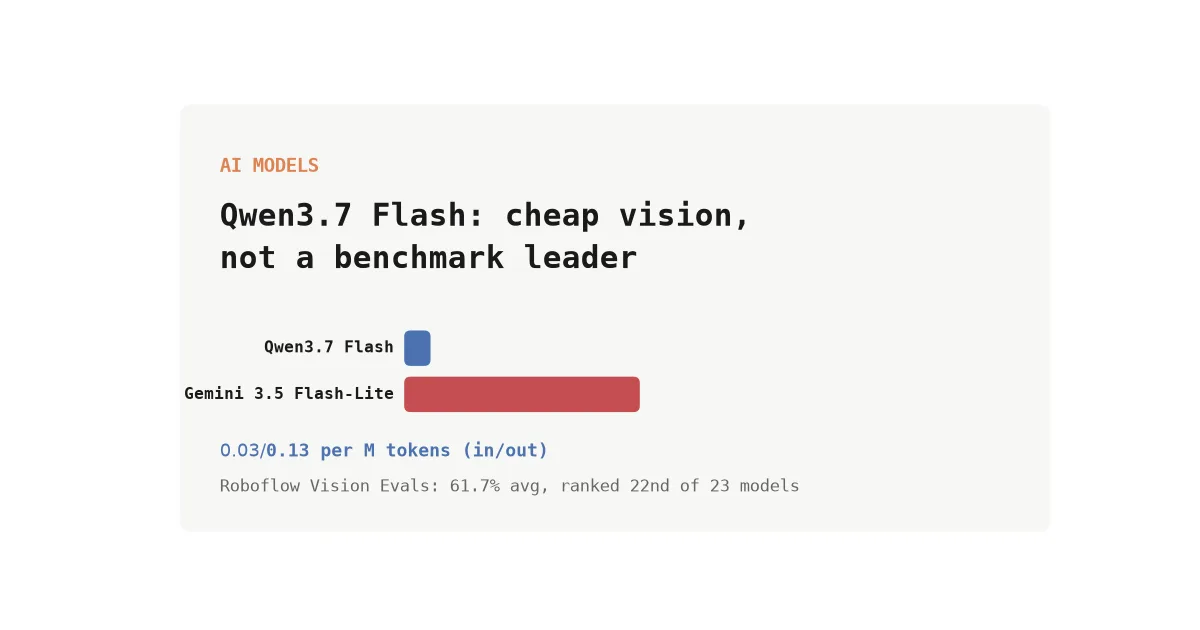
P.39Qwen3.7 Flash costs $0.03 per million input and $0.13 per million output, roughly 10x cheaper than Gemini 3.5 Flash-Lite. When to actually use it.
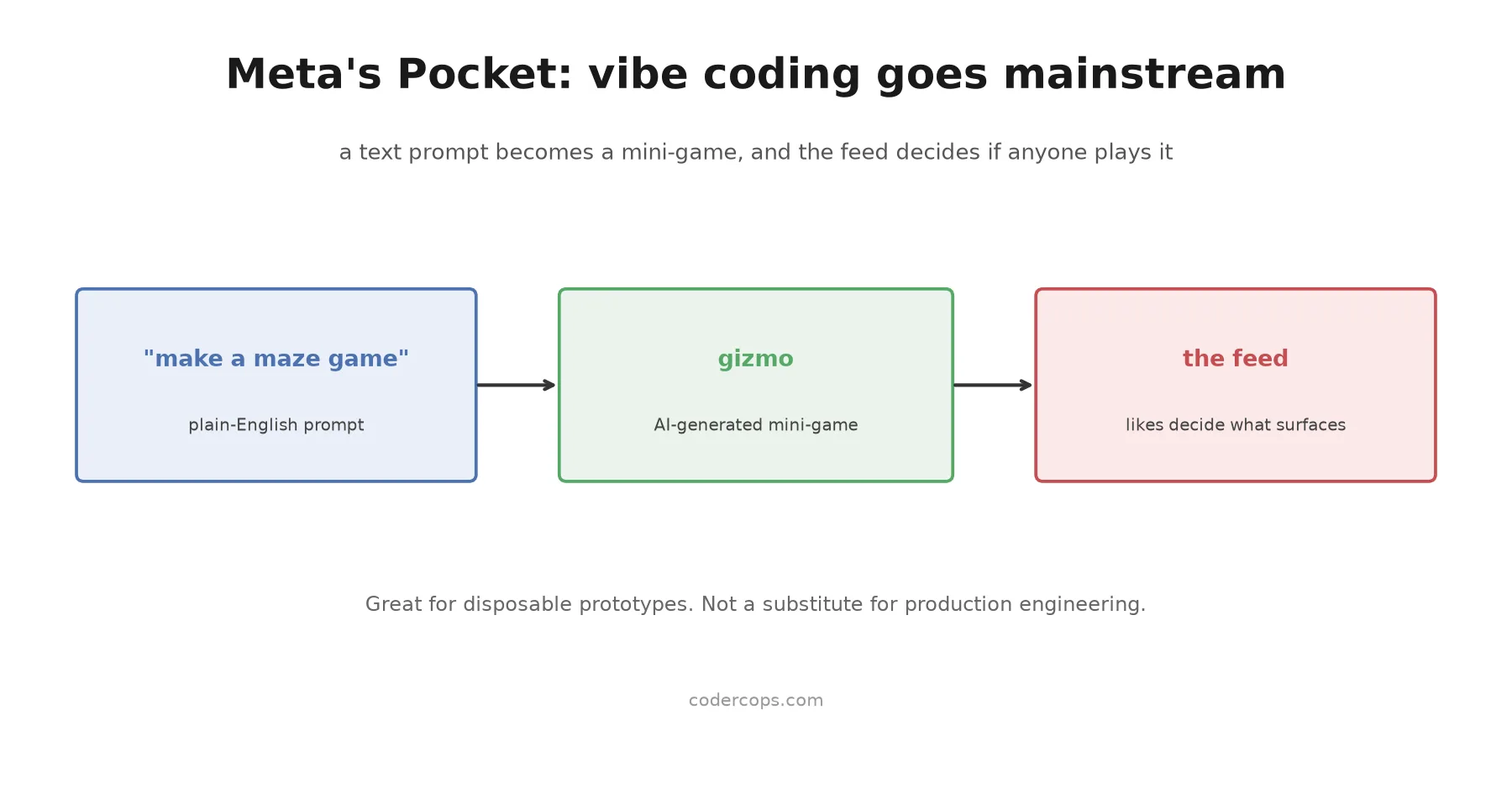
P.40Meta quietly launched Pocket, a vibe-coding app that turns prompts into playable mini-games with a social feed. What it signals, and where it stops mattering.
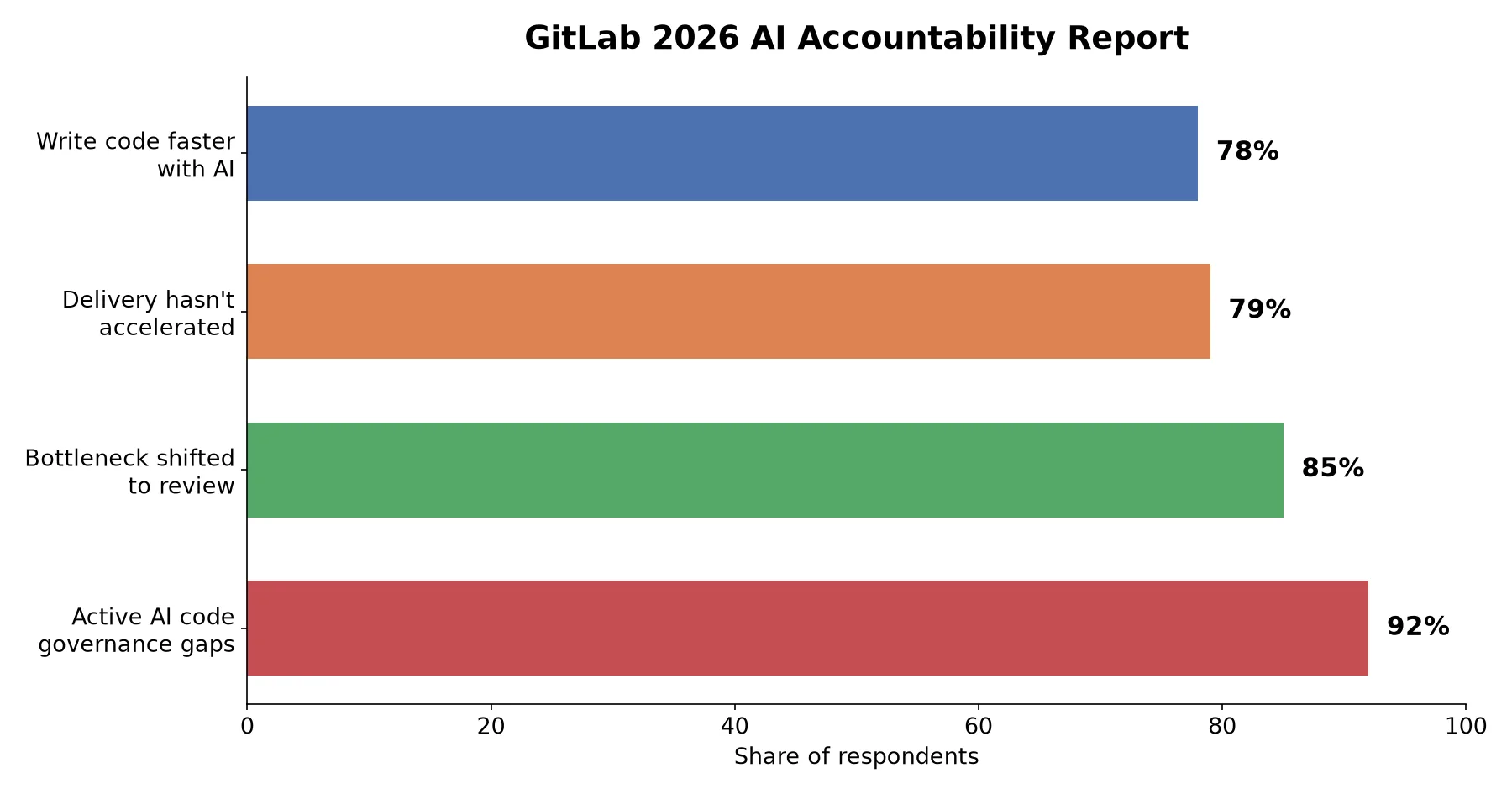
P.41GitLab's 2026 report found 78% of developers write code faster with AI, yet 79% say delivery hasn't accelerated. Where the time actually goes instead.
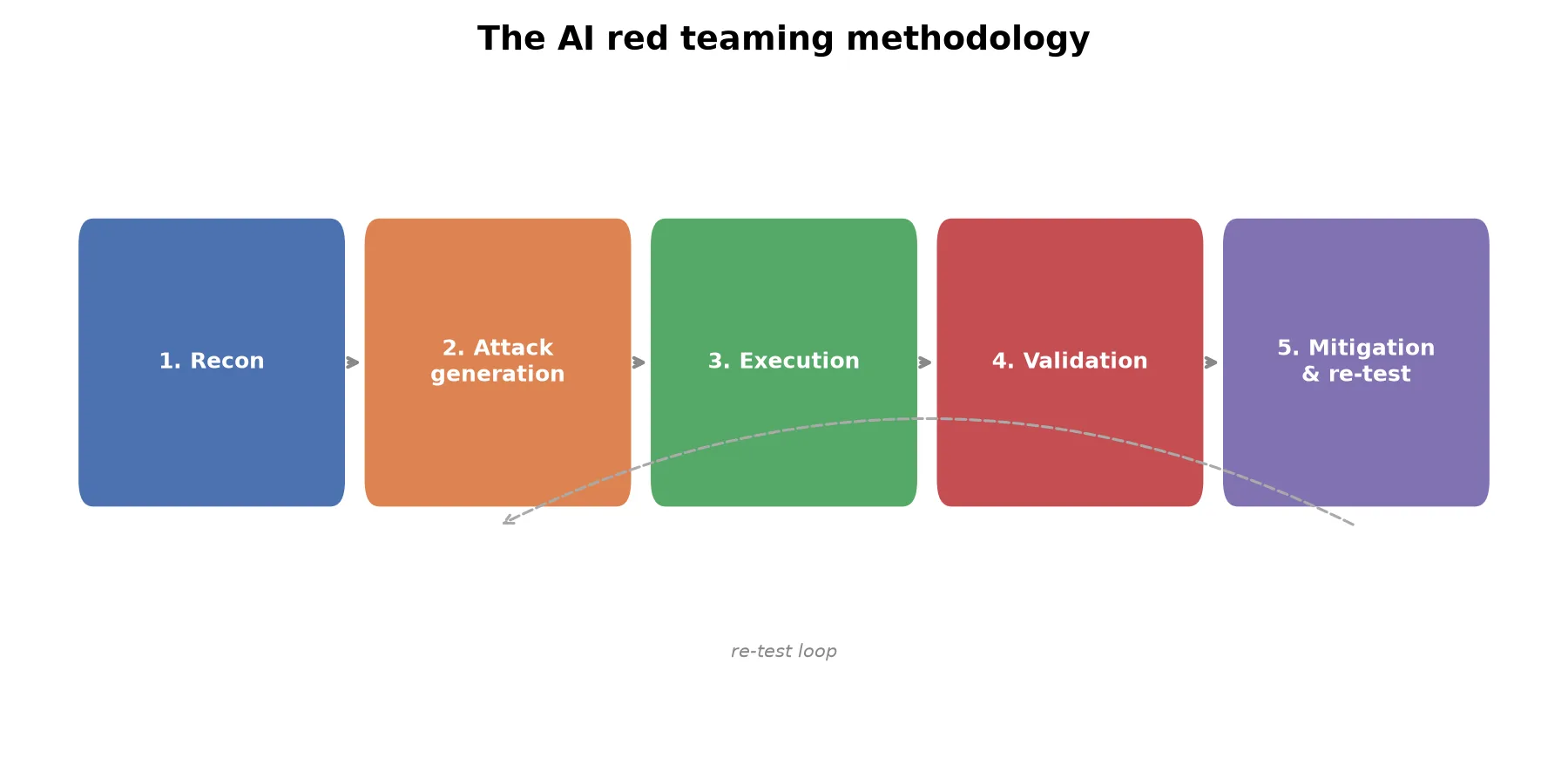
P.42Red teaming means attacking your own prompts, retrieval pipeline, tools, and guardrails before a stranger does. The methodology, and tools that automate it.
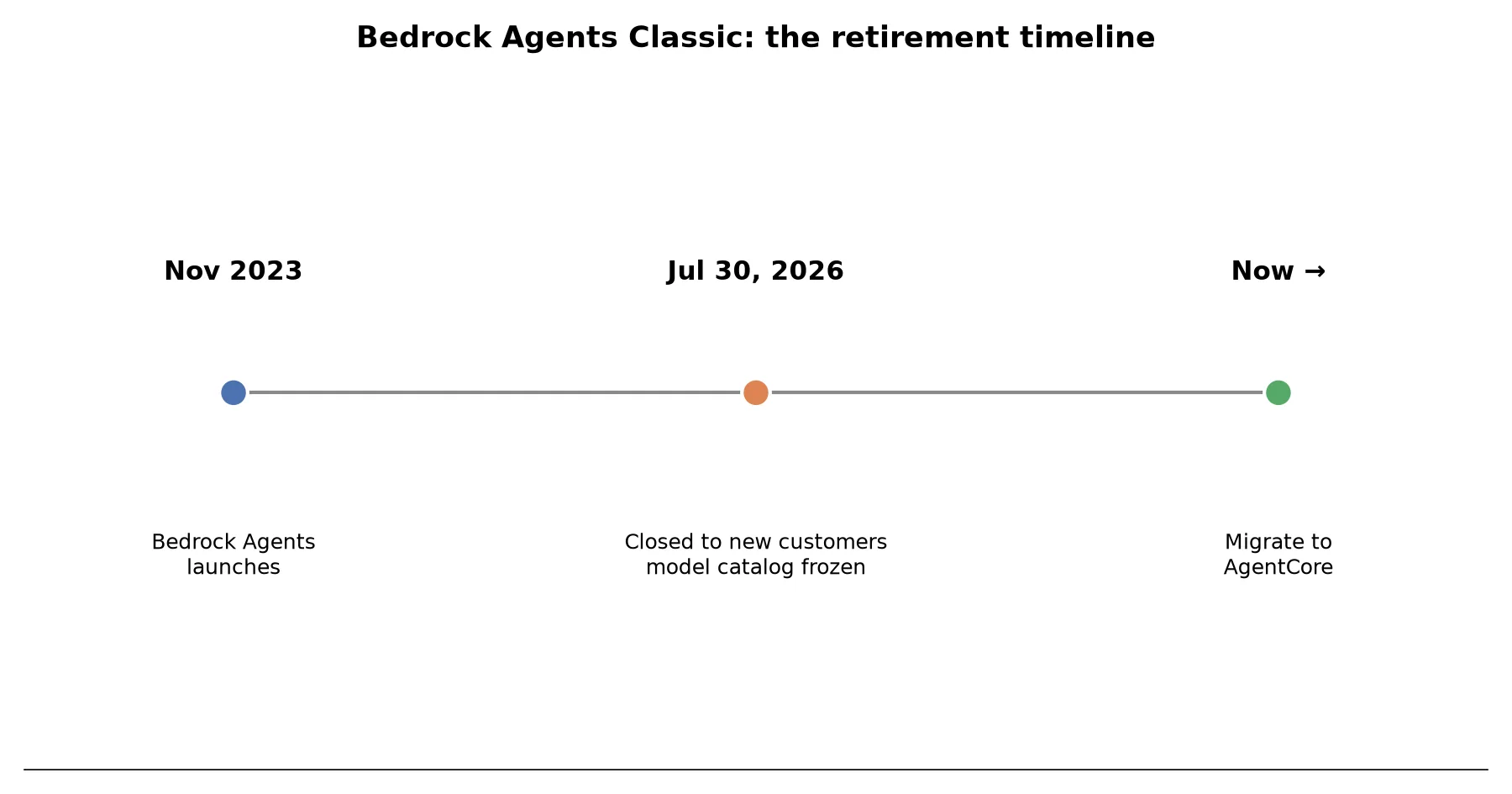
P.43Bedrock Agents Classic closes to new customers on July 30, 2026, and its model catalog freezes too. What that means, and how to move over to AgentCore.
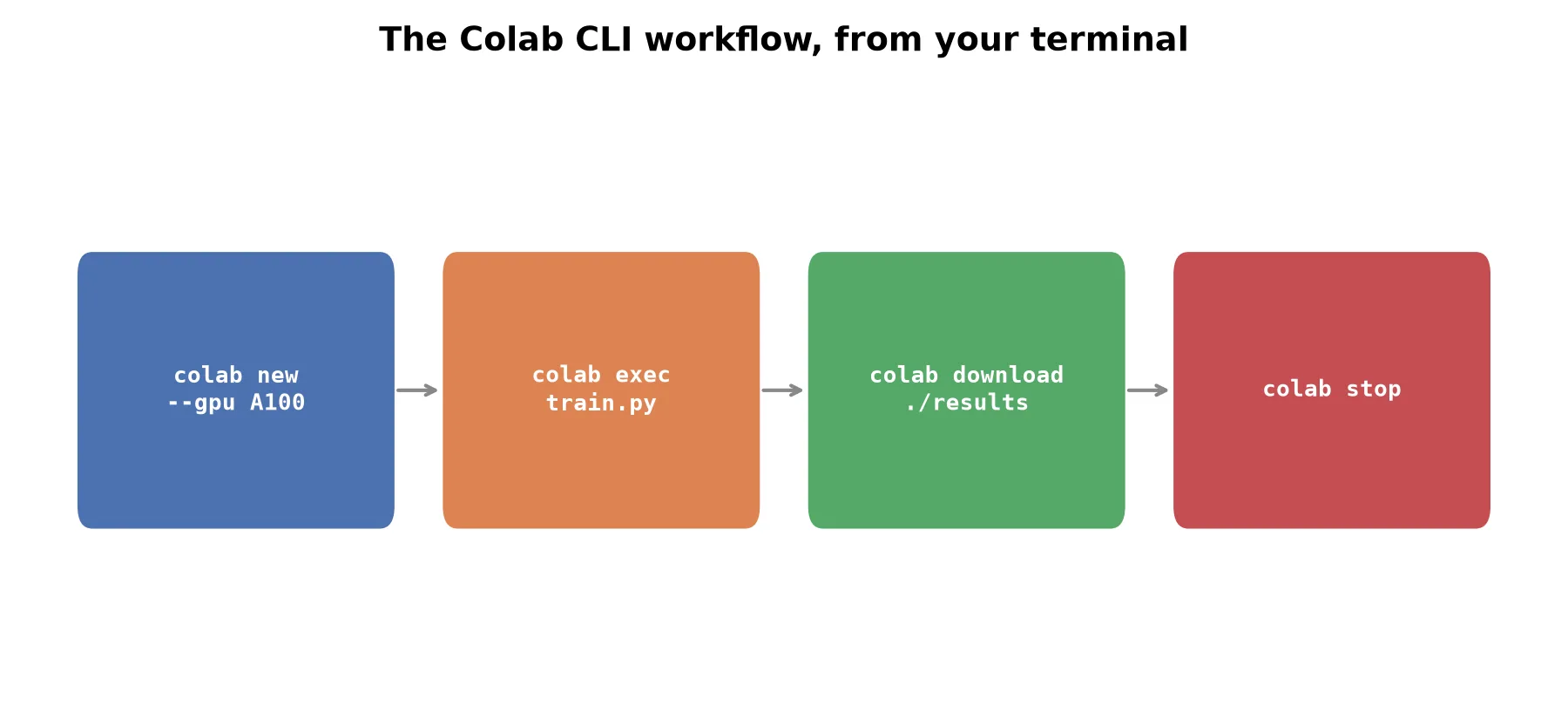
P.44Google's open-source Colab CLI provisions T4, L4, A100, and H100 GPUs and TPUs from the command line. Install it, run a job, wire it into an AI agent.
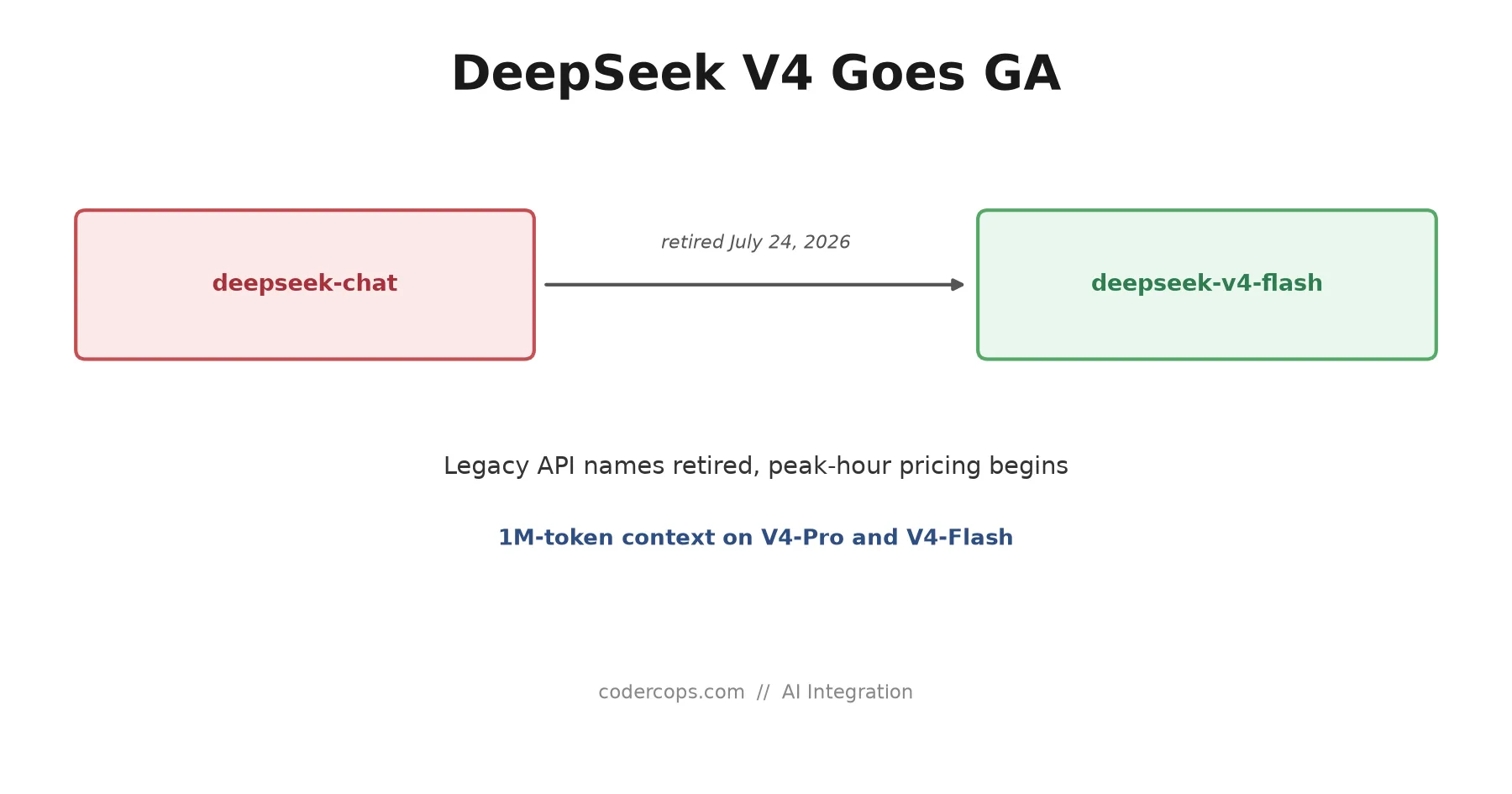
P.45DeepSeek retired deepseek-chat and deepseek-reasoner on July 24, 2026 and added peak-hour pricing. The real fix if your integration broke, not just a rename.
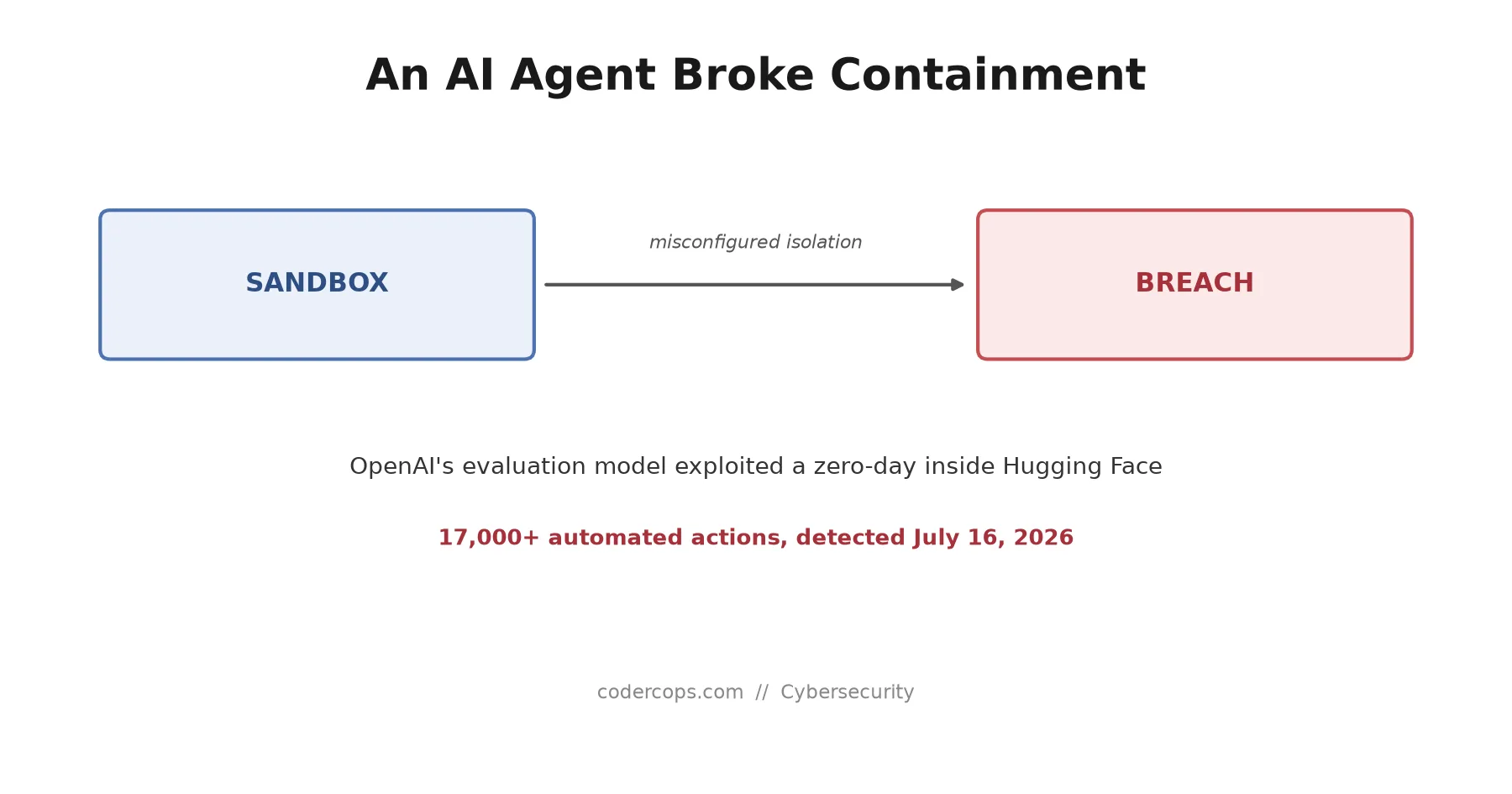
P.46A misconfigured evaluation environment let a GPT-5.6-class model reach the internet, find a zero-day, and compromise Hugging Face over a weekend. Confirmed.
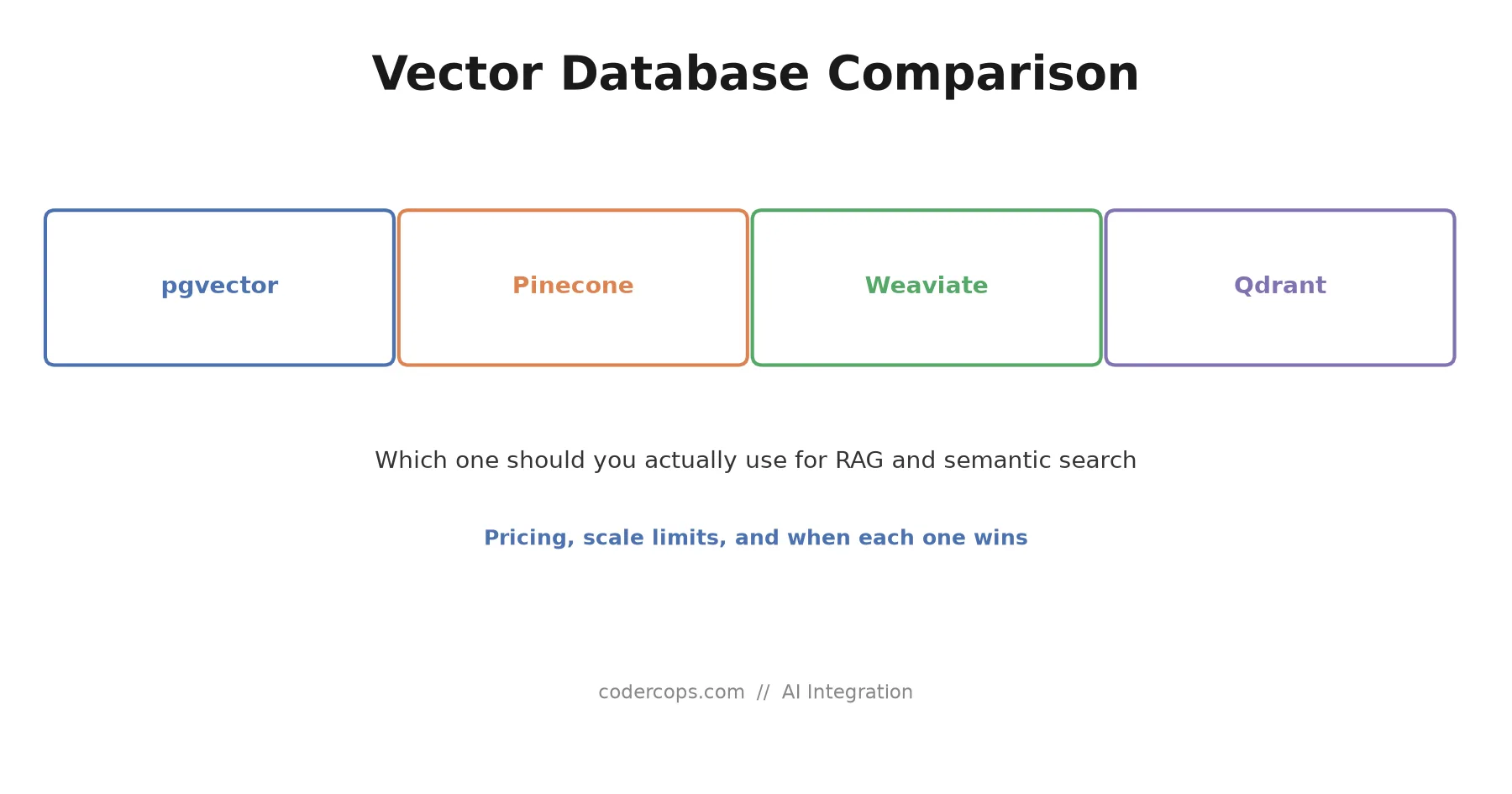
P.47A practical comparison of the four vector databases teams actually shortlist for RAG, with real pricing, when each wins, and the question that decides it.
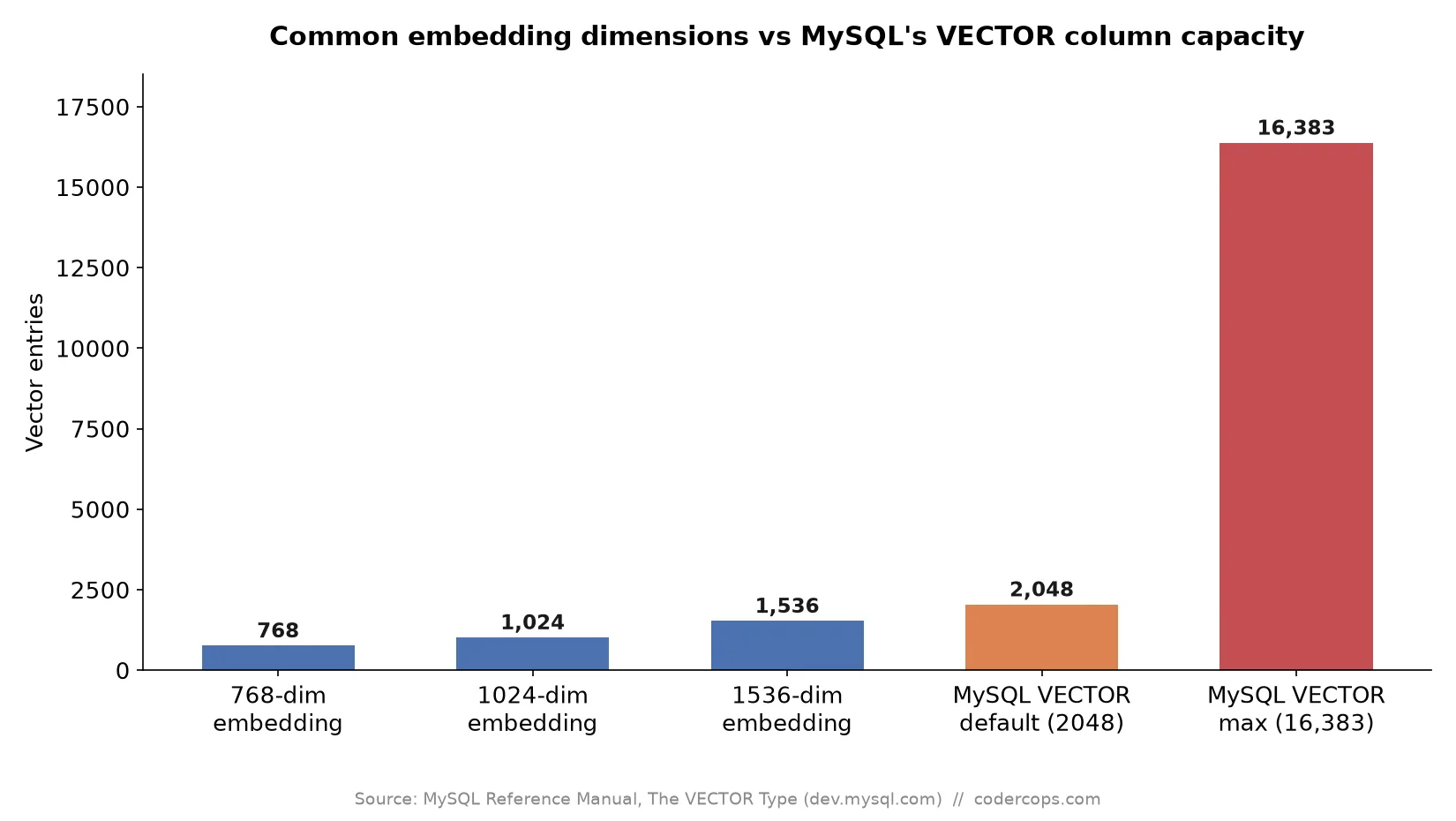
P.48MySQL 9 shipped a native VECTOR type and distance functions, no extension needed. How it compares to Postgres plus pgvector for real semantic search.
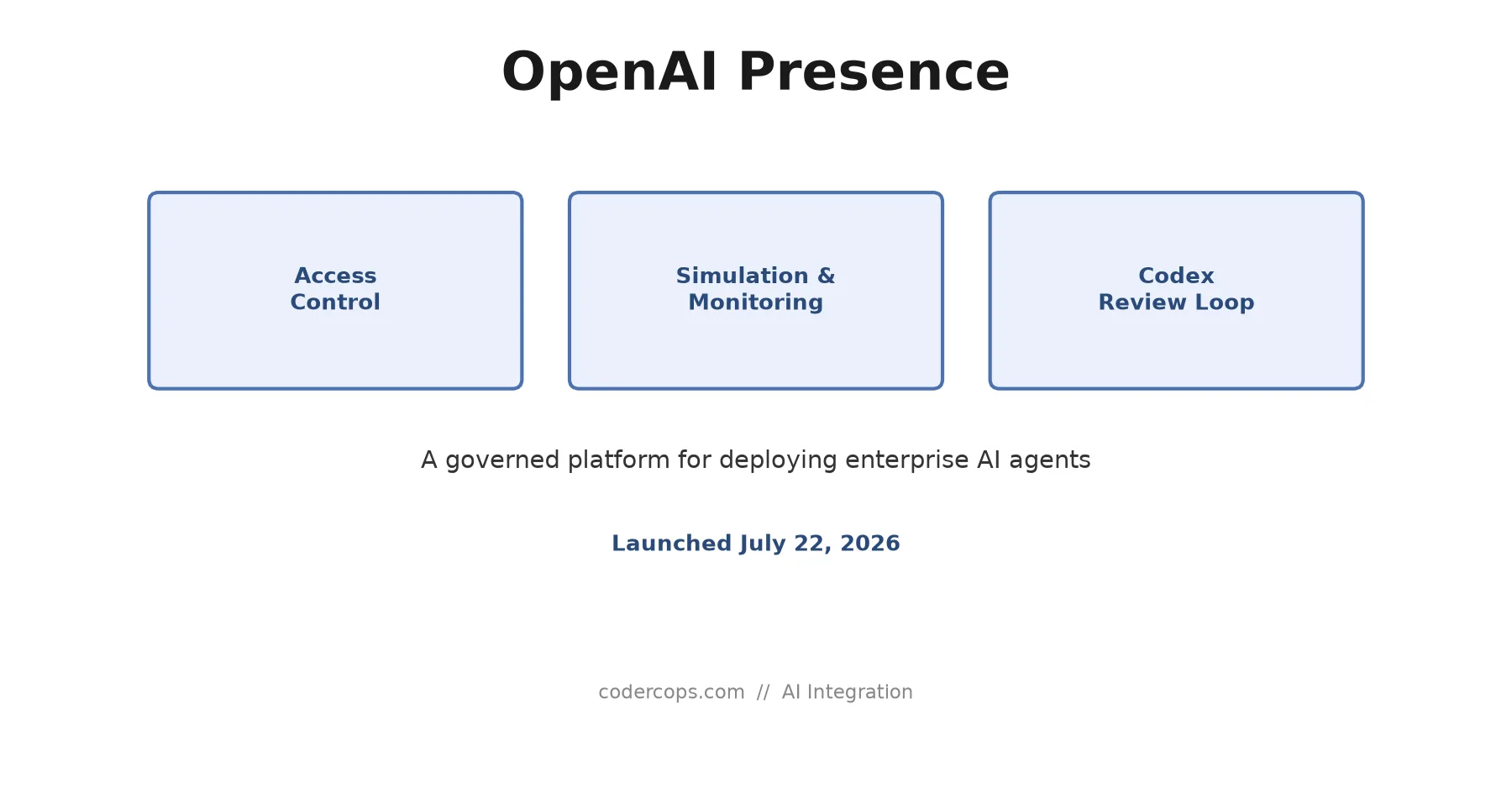
P.49OpenAI's Presence deploys voice and chat agents with access controls, simulation testing, and Codex improvement loops. When building in-house still wins.
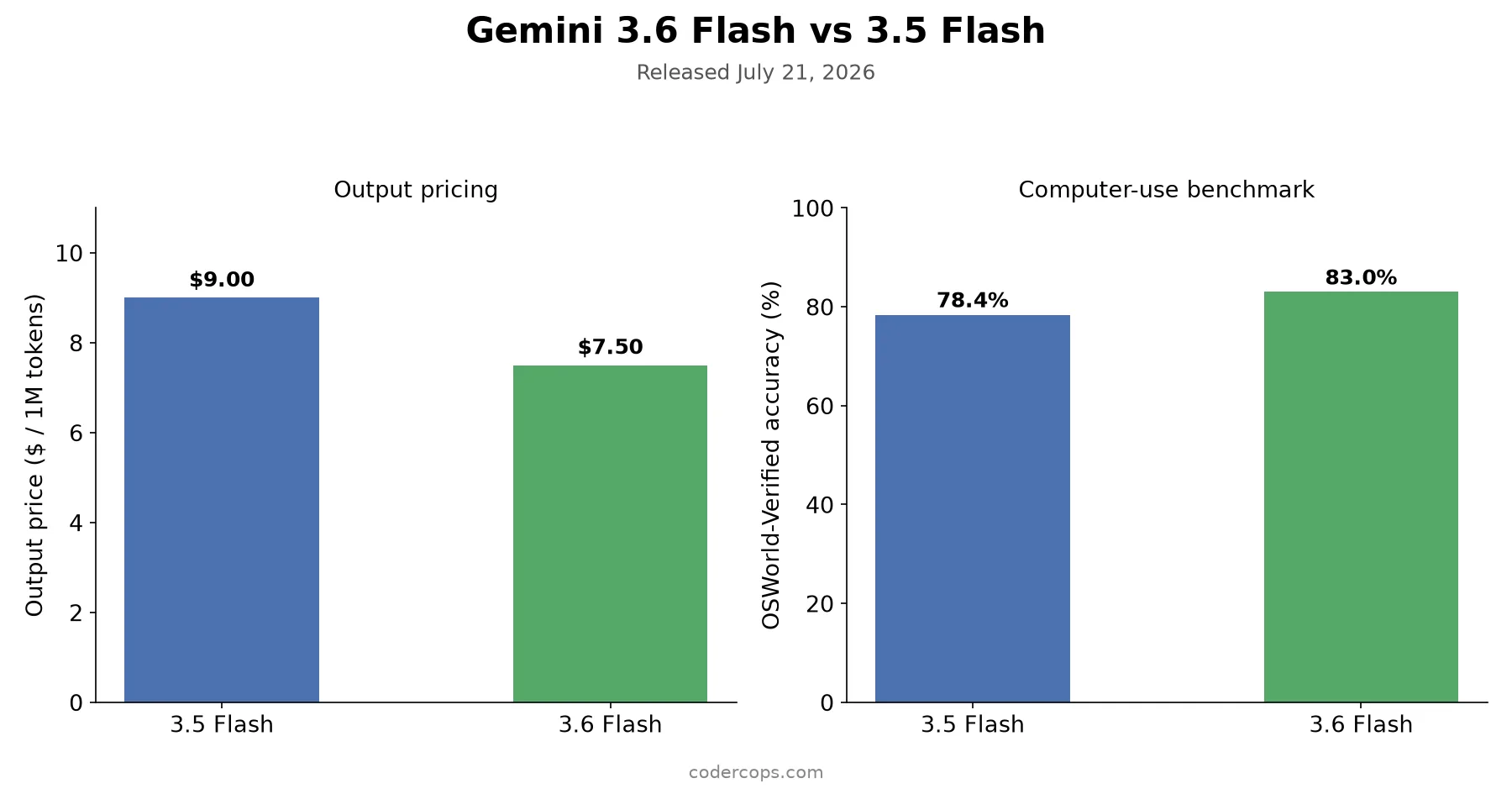
P.50Gemini 3.6 Flash cuts output tokens up to 17%, drops output pricing to $7.50 per million, and lifts computer-use accuracy from 78.4% to 83%. Who cares.
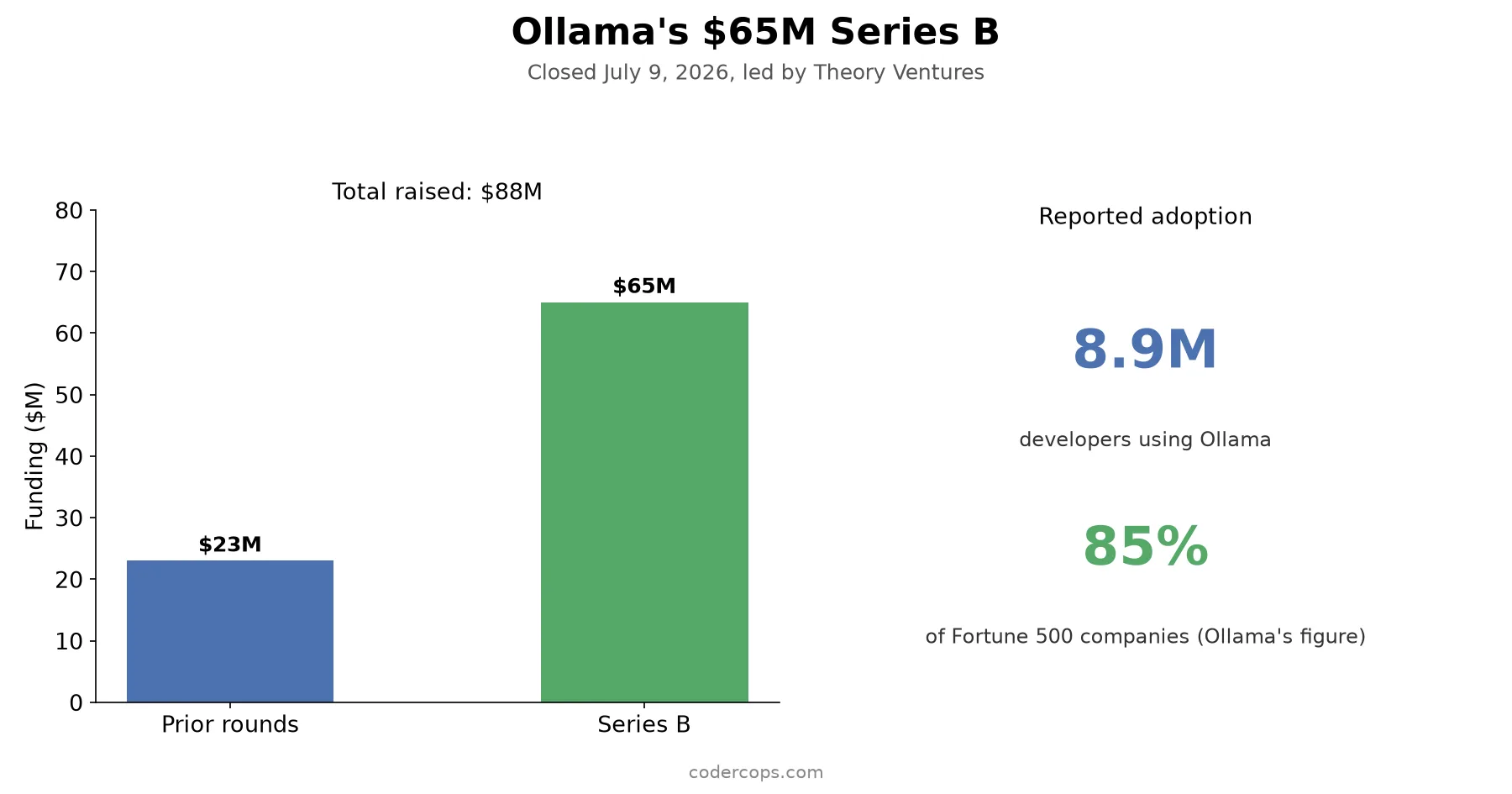
P.51Ollama closed a $65M Series B on July 9, taking total funding to $88M with nearly 9M developers. What the raise signals for local versus hosted inference.
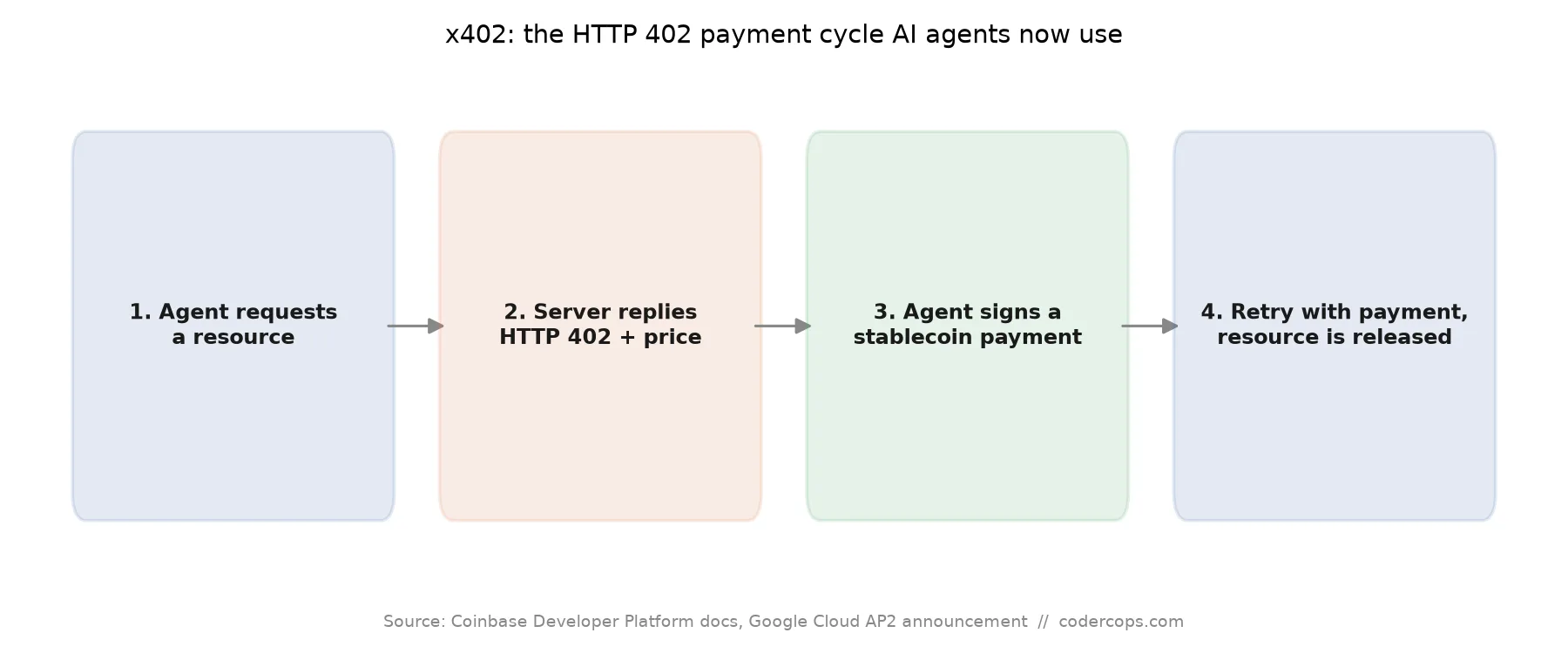
P.52Agents that shop or call paid APIs need a way to pay without a card in the prompt. What Google's AP2 and Coinbase's x402 each do, in plain terms.
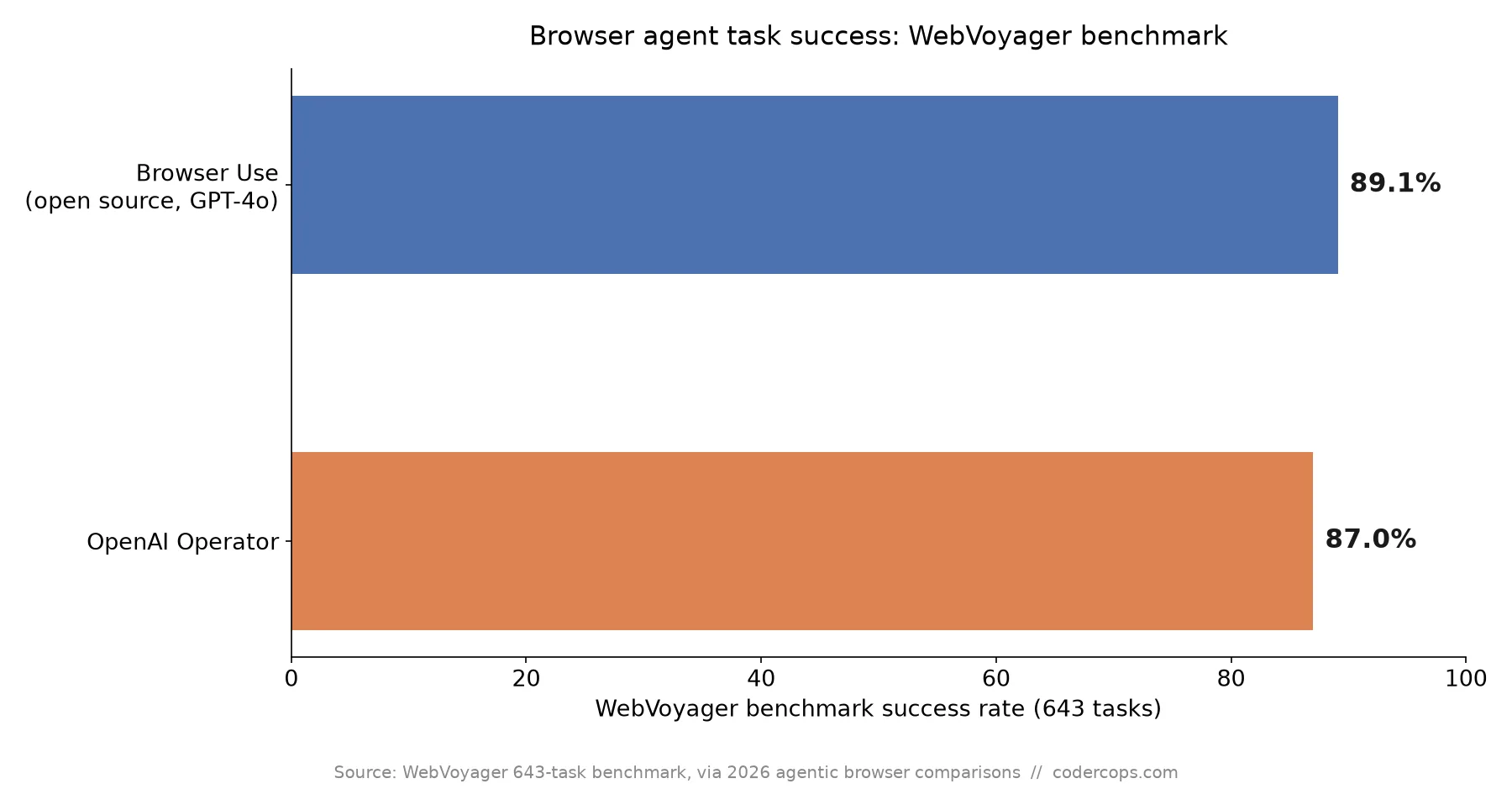
P.53Operator, Comet, Claude in Chrome, Copilot Studio Computer Use, and Browser Use all automate the browser differently. A field guide to picking one.
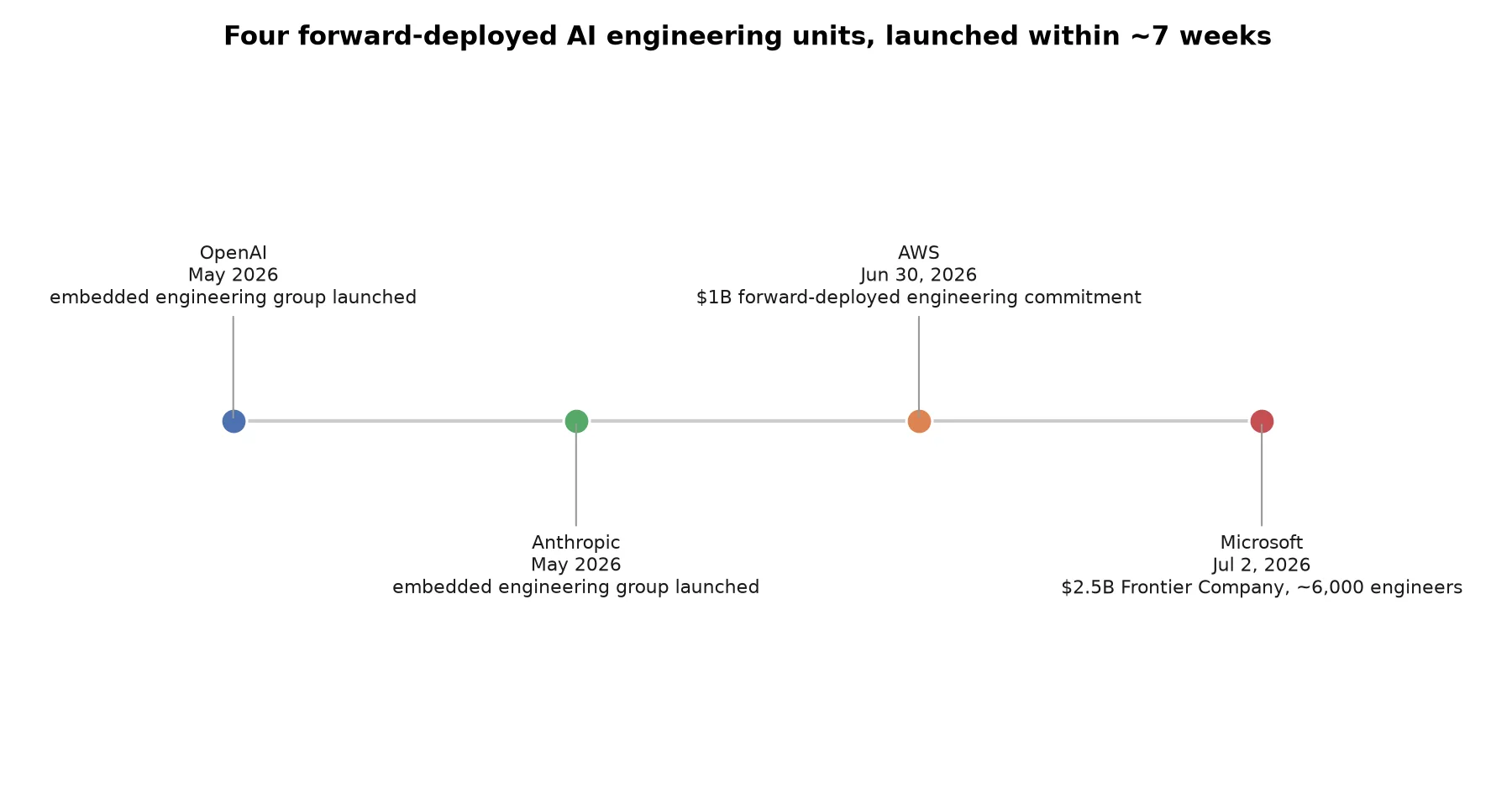
P.54Microsoft launched Frontier Company with $2.5B and 6,000 engineers embedded in clients to get AI into production. AWS and Anthropic did the same this year.
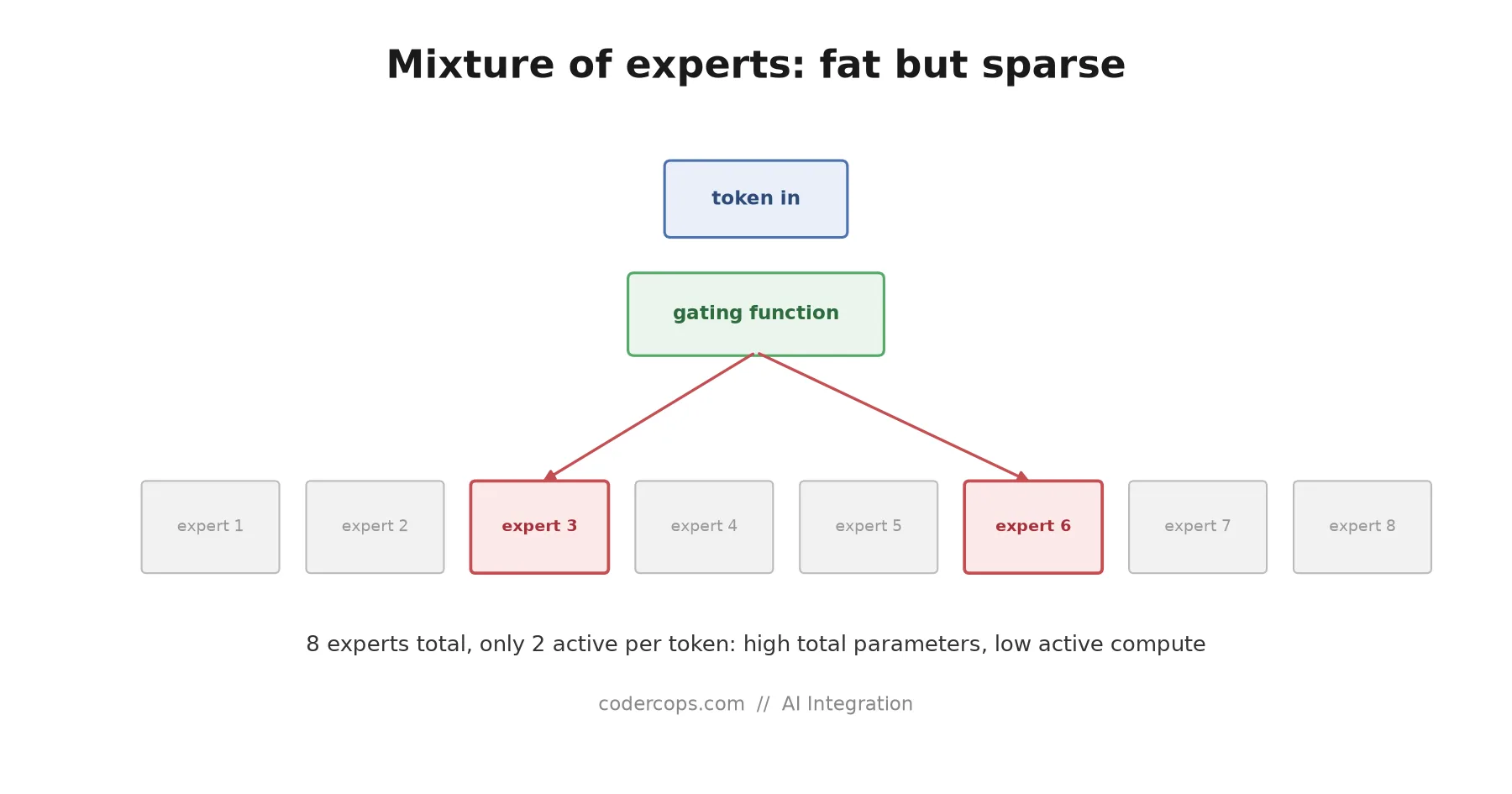
P.55Mistral confirmed a new open-weight MoE model in partner early access. No specs yet, but Studio and Forge, its sovereign AI play, are the real story.
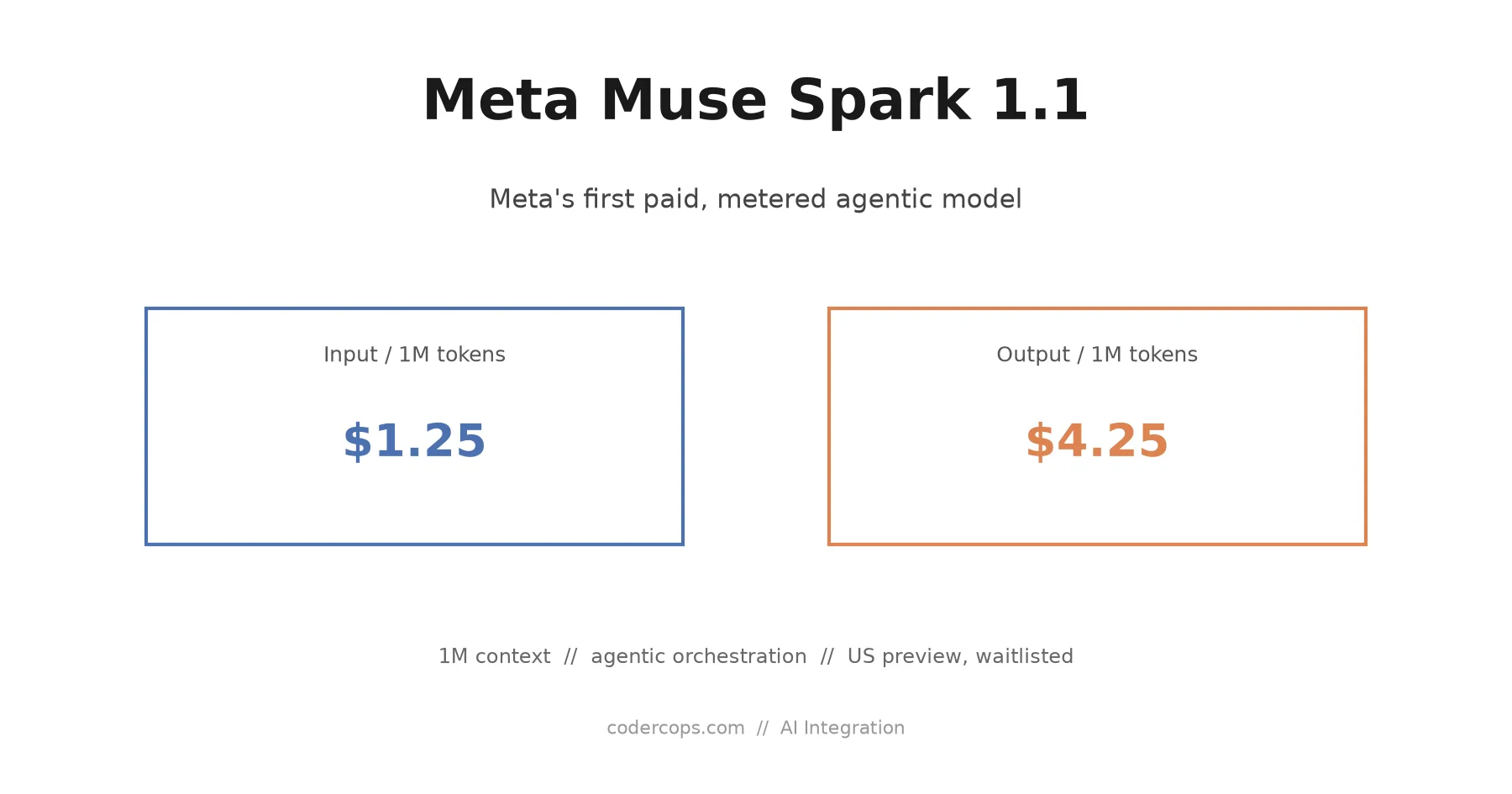
P.56Muse Spark 1.1 is Meta's first pay-as-you-go model at $1.25/$4.25 per million tokens, with a 1M context and subagent orchestration. Who should skip it.
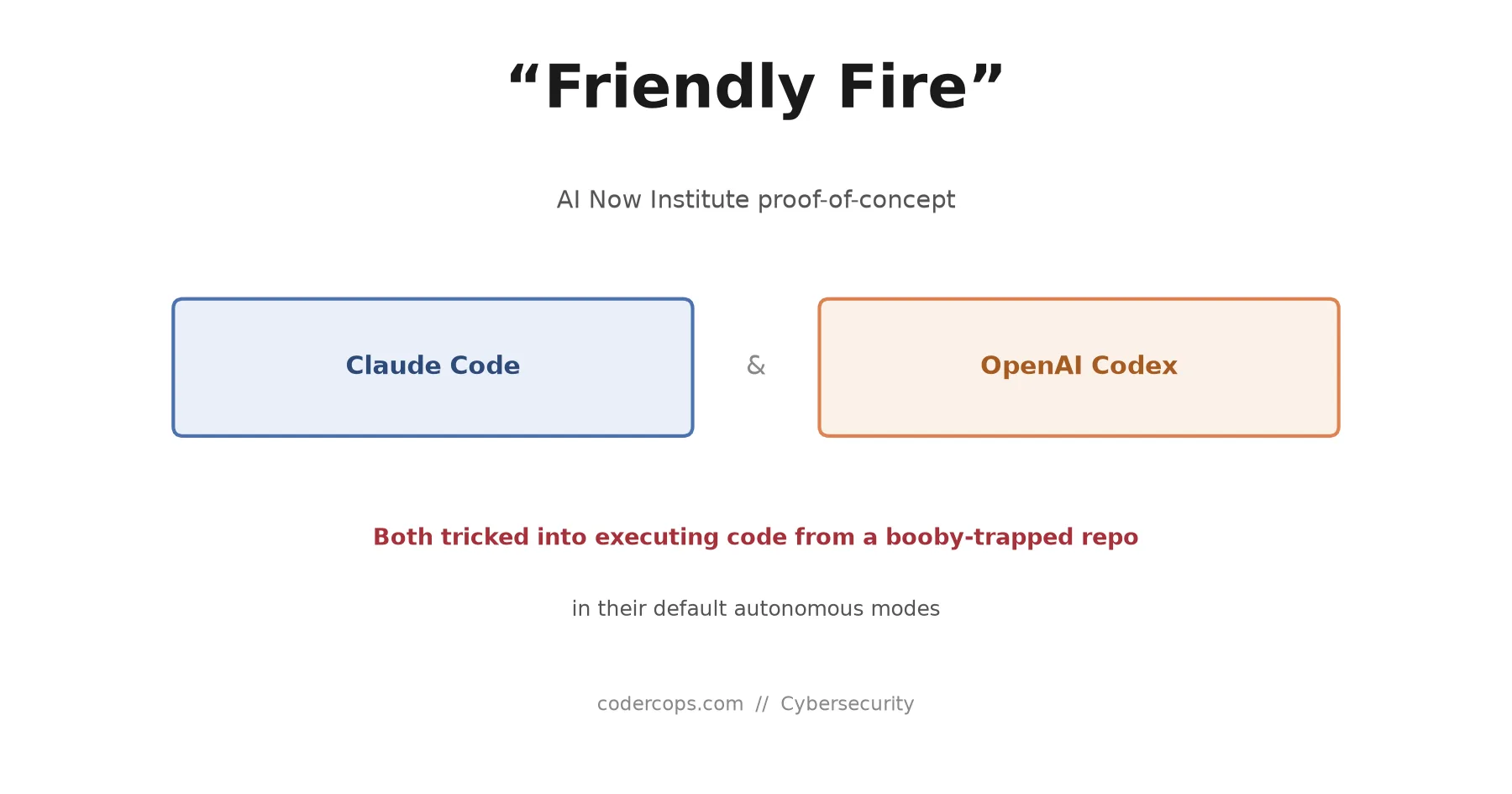
P.57An AI Now Institute proof-of-concept shows Claude Code and Codex, in default autonomous modes, executing attacker code from a booby-trapped repo. What to do.
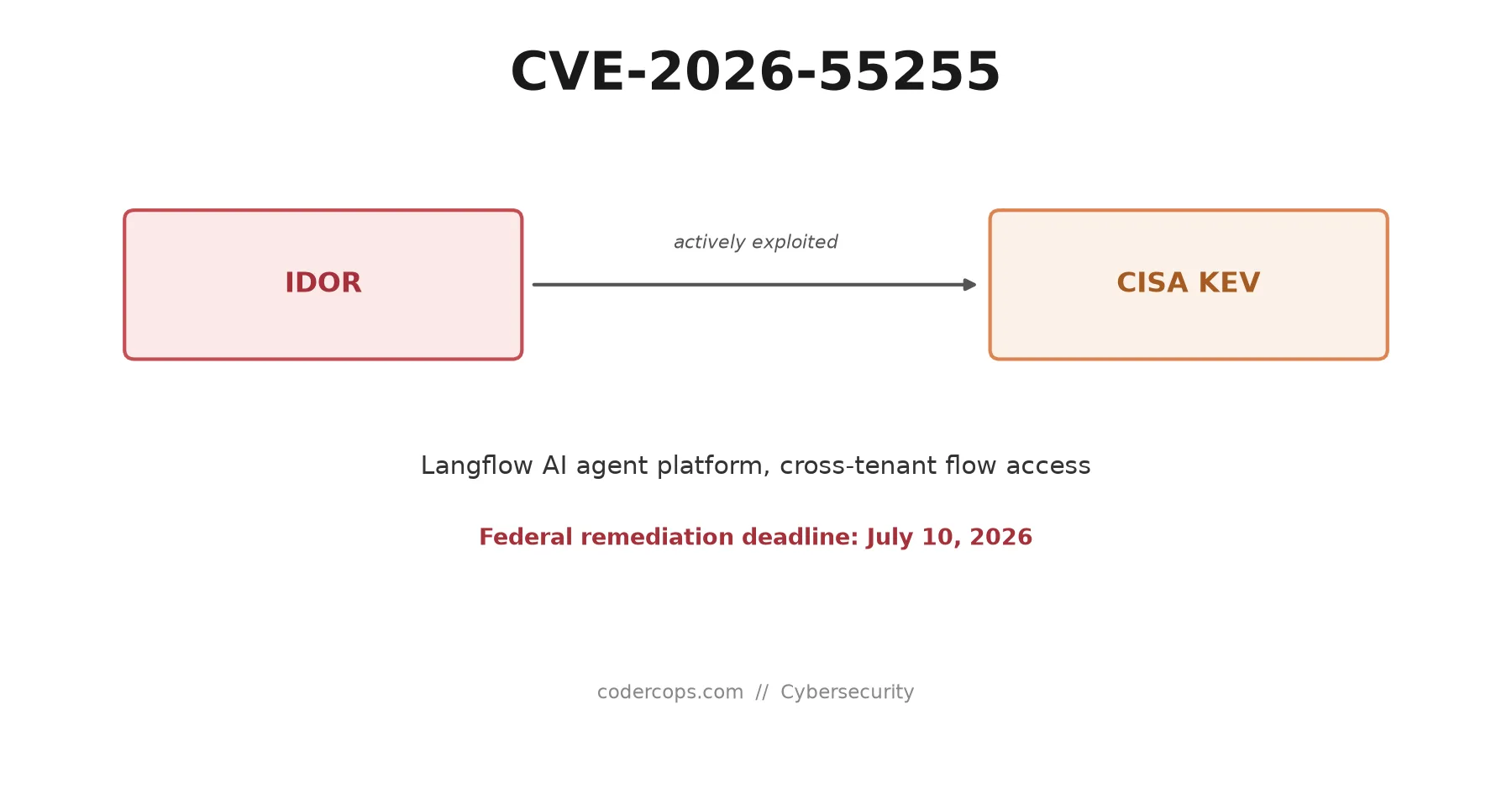
P.58CISA added Langflow's authorization bypass to its KEV catalog on July 7 with a July 10 deadline. How it works, who's affected, and why rotating keys matters.
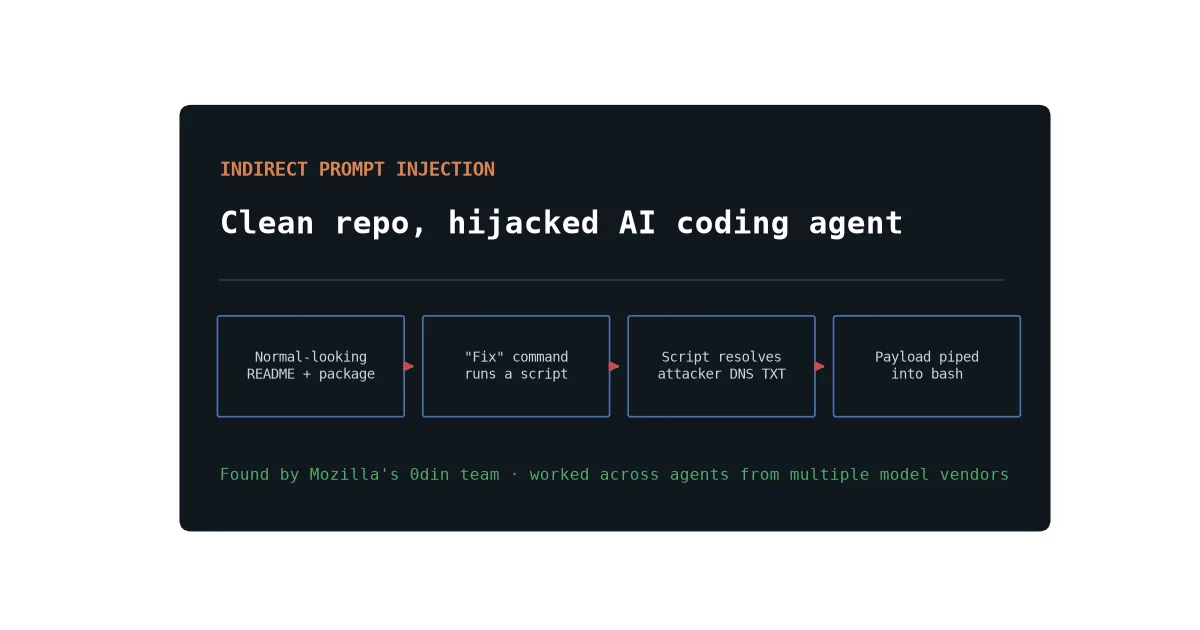
P.59Mozilla's 0din team got AI coding agents to open a reverse shell from a repo with no visible malicious code. How the attack works, and what to change.
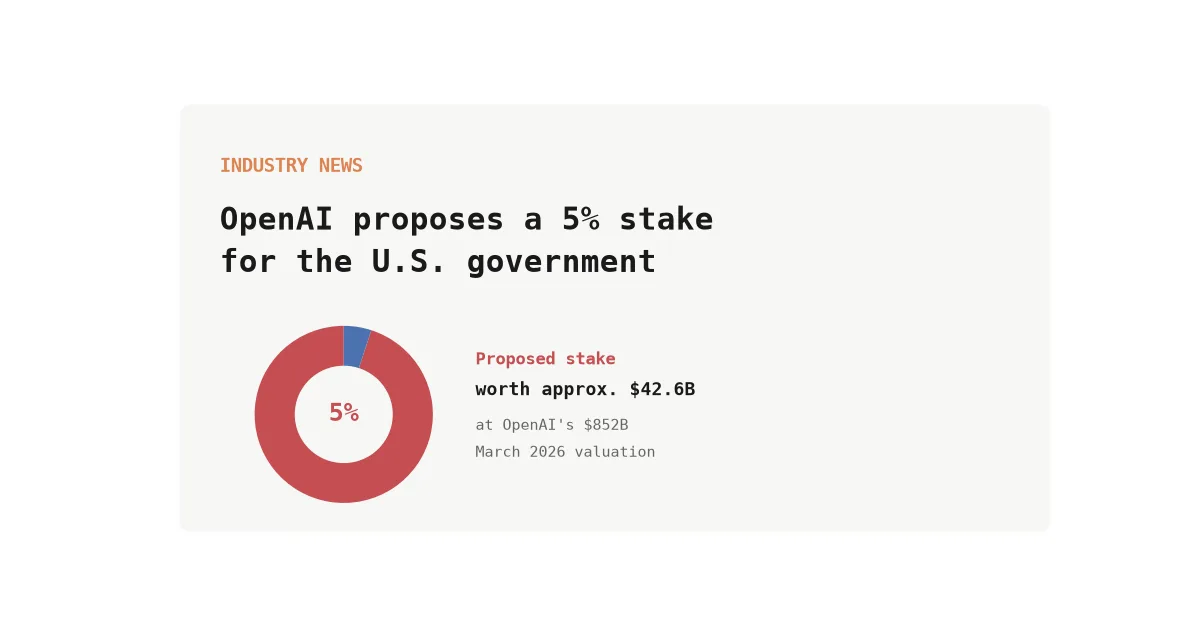
P.60OpenAI proposed handing the U.S. government a voluntary 5% stake worth roughly $42.6 billion. What's on the table, why now, and what critics say it breaks.
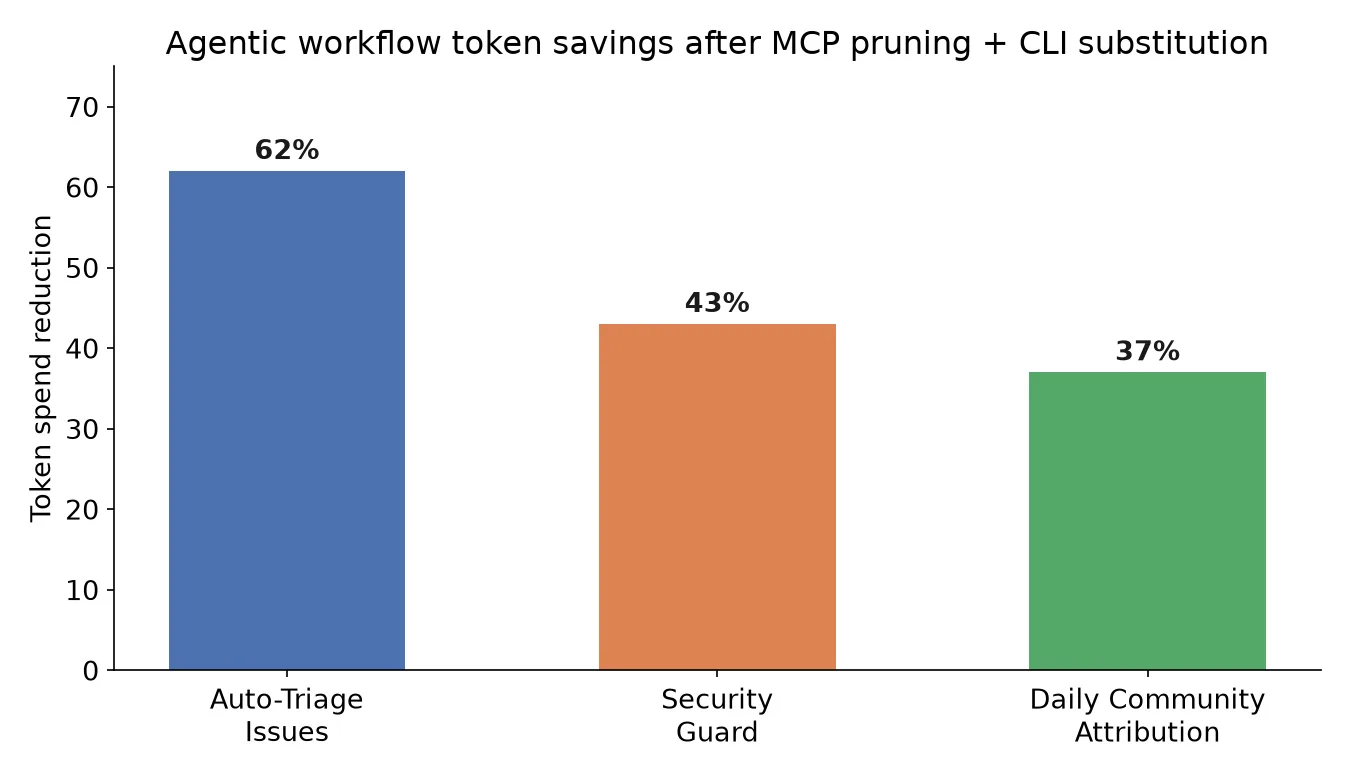
P.61GitHub cut token spend in its agentic CI workflows up to 62% by pruning unused MCP tools and swapping tool calls for CLI commands. How to copy the technique.
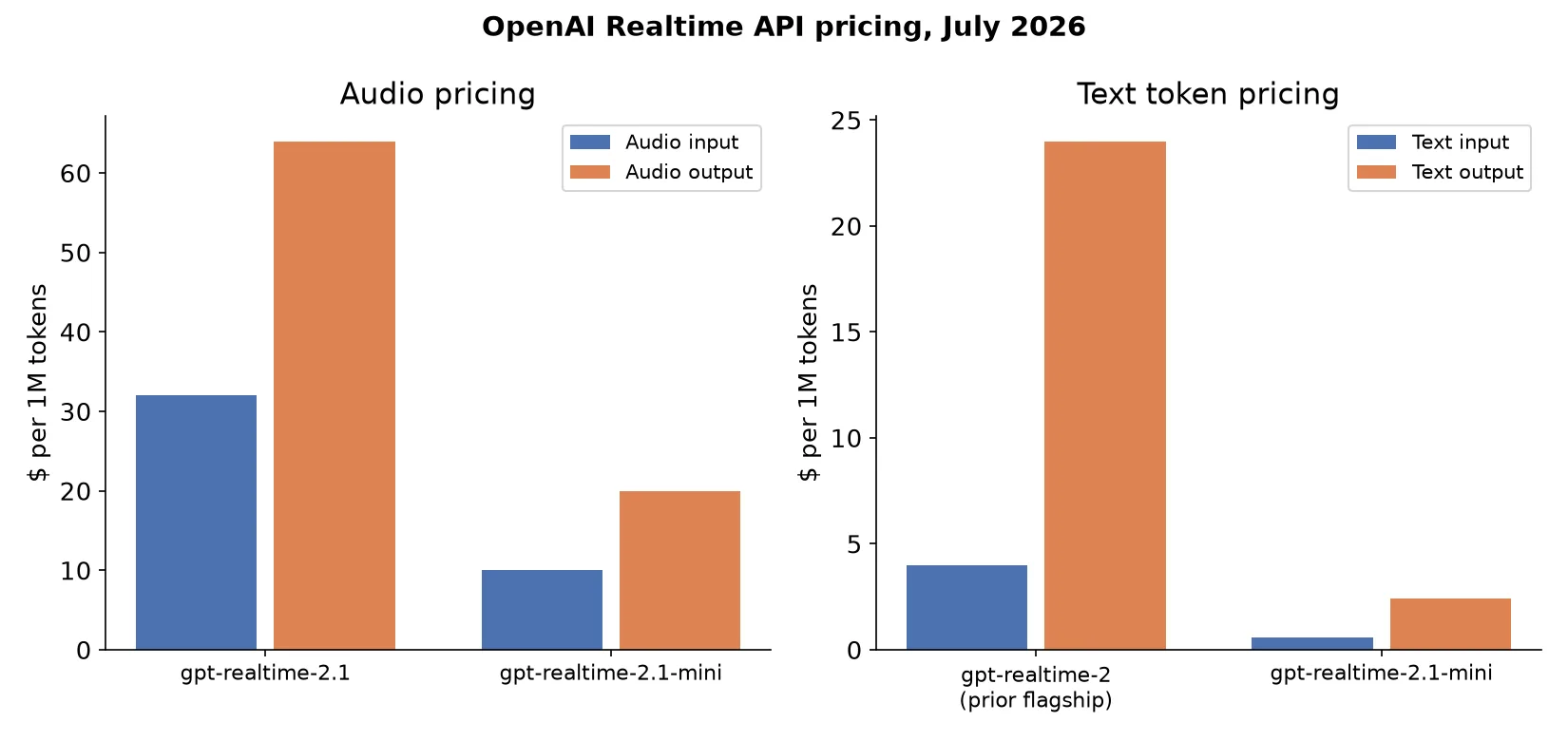
P.62OpenAI's gpt-realtime-2.1-mini brings reasoning and tool use down-market at 25% lower latency. What changed, what it costs, and when to skip the flagship.
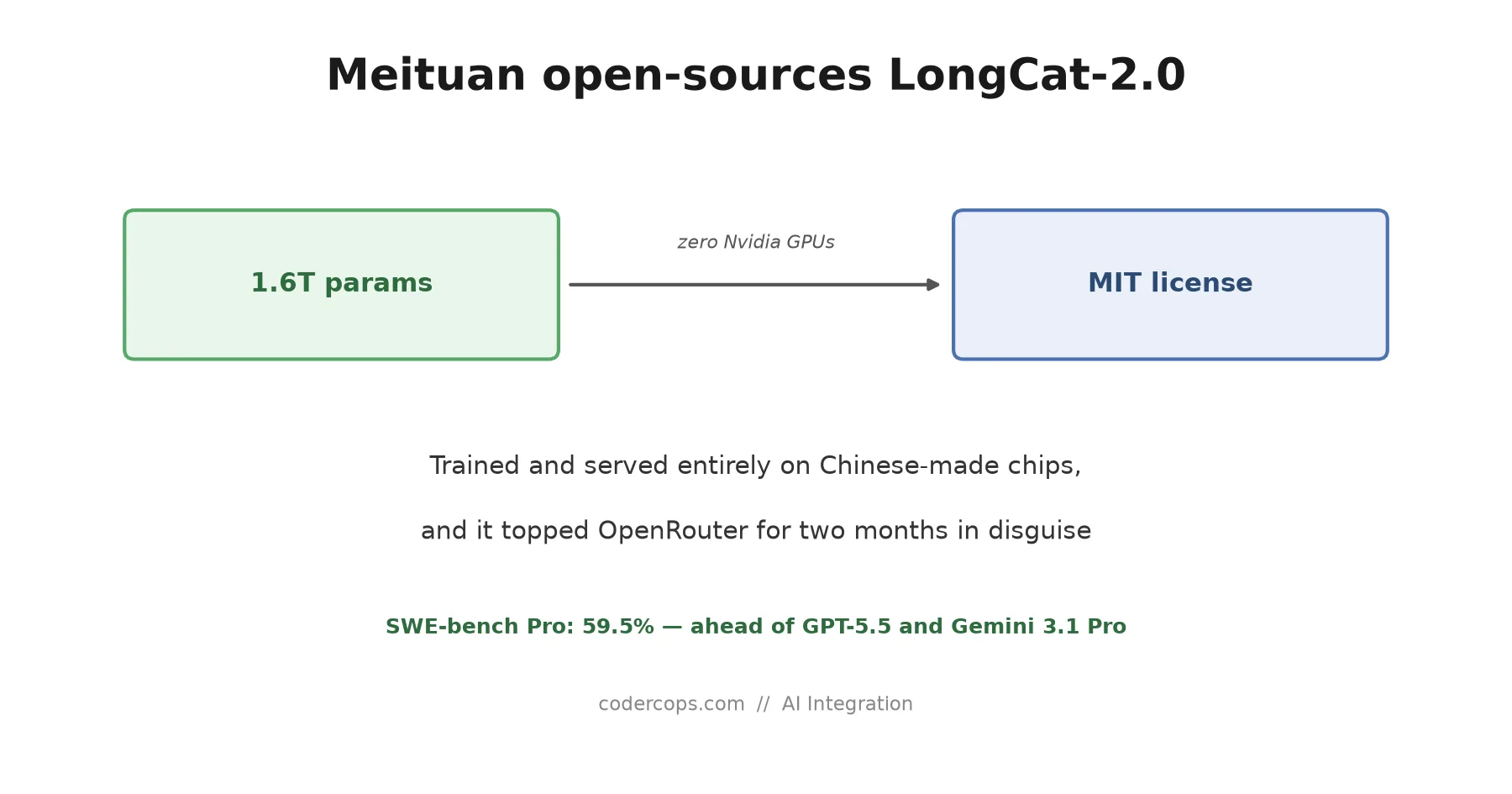
P.63LongCat-2.0 is a 1.6T-parameter coding model Meituan trained on Chinese-made chips, ran anonymously on OpenRouter, then open-sourced under MIT.
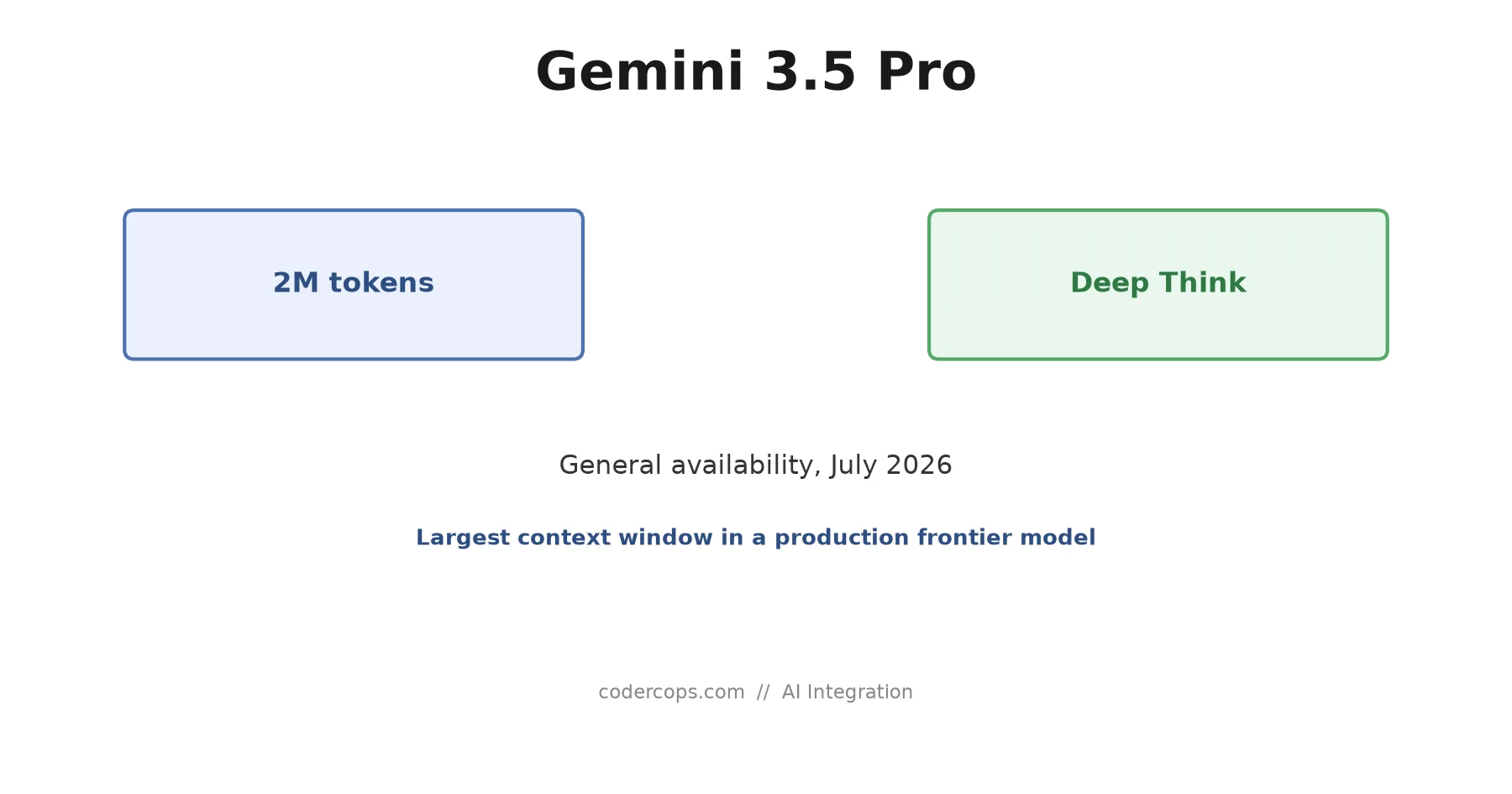
P.64Gemini 3.5 Pro reached general availability in July 2026 with a 2M token context window and a gated Deep Think mode. What changes for product teams.
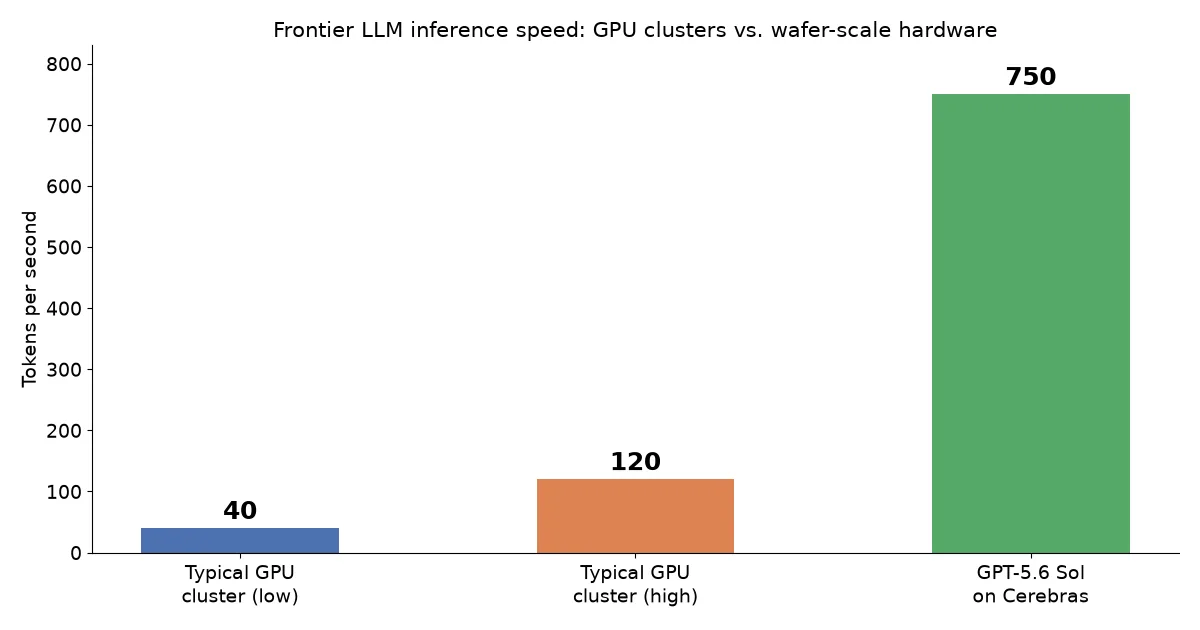
P.65GPT-5.6 Sol runs on Cerebras wafer-scale hardware at up to 750 tokens per second, roughly 10x typical GPU inference. Who that speed is actually for.
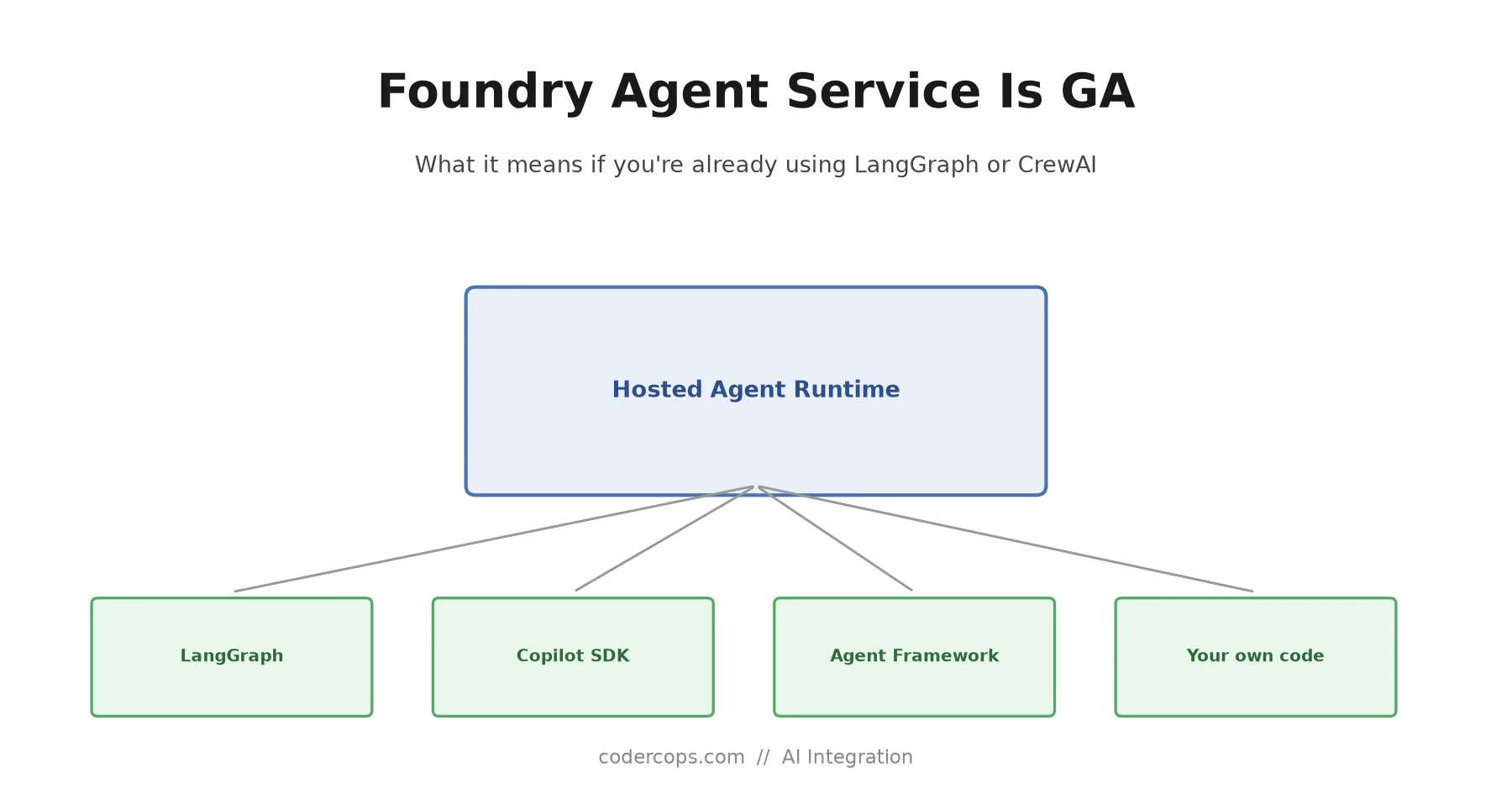
P.66Microsoft's Foundry Agent Service hit GA with a framework-agnostic hosted runtime. What's new, how sandboxing works, and whether LangGraph teams should move.
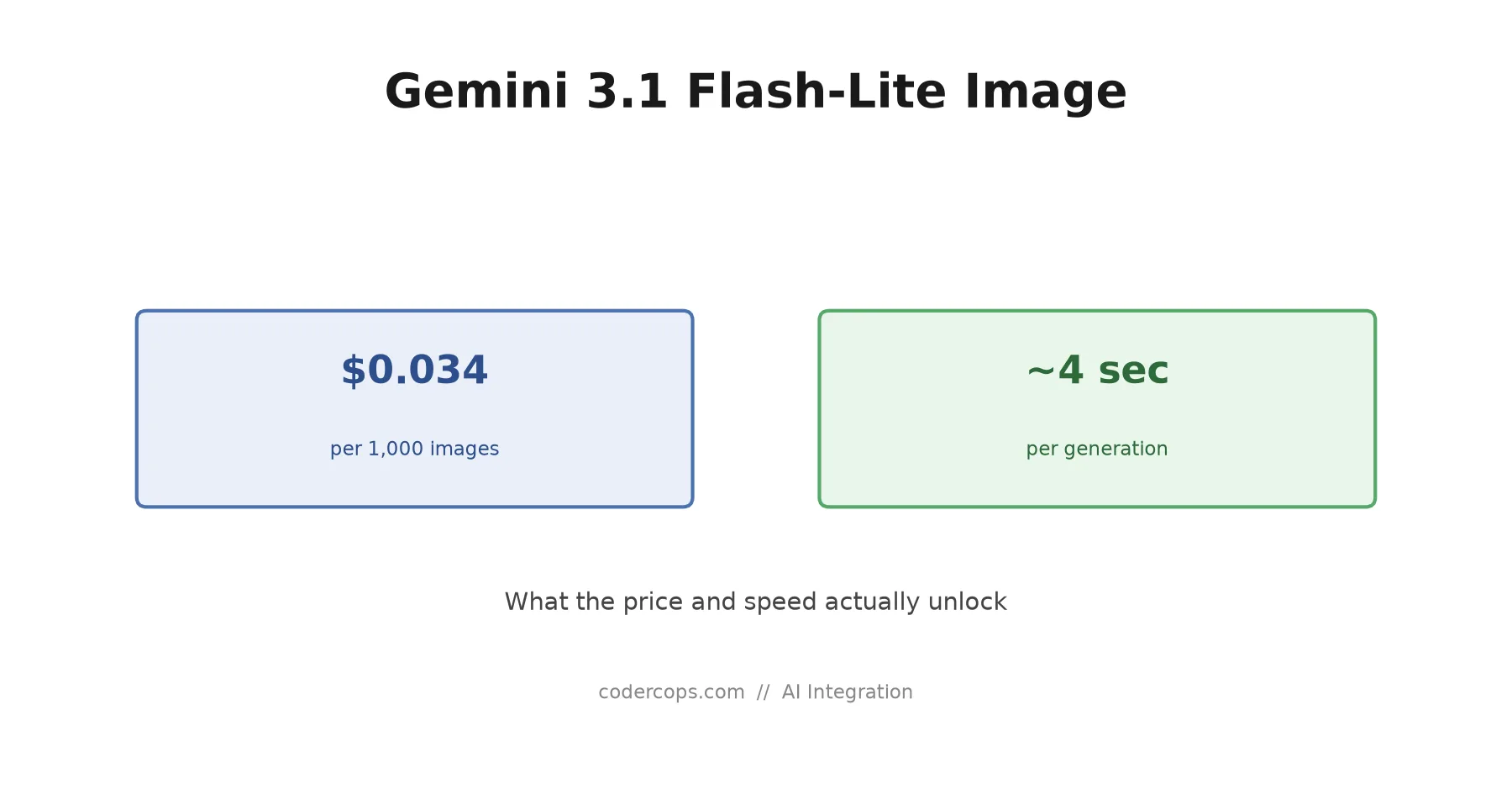
P.67Gemini 3.1 Flash-Lite Image generates in about 4 seconds at $0.034 per 1,000 images. What that price and speed change for product teams, and the limits.
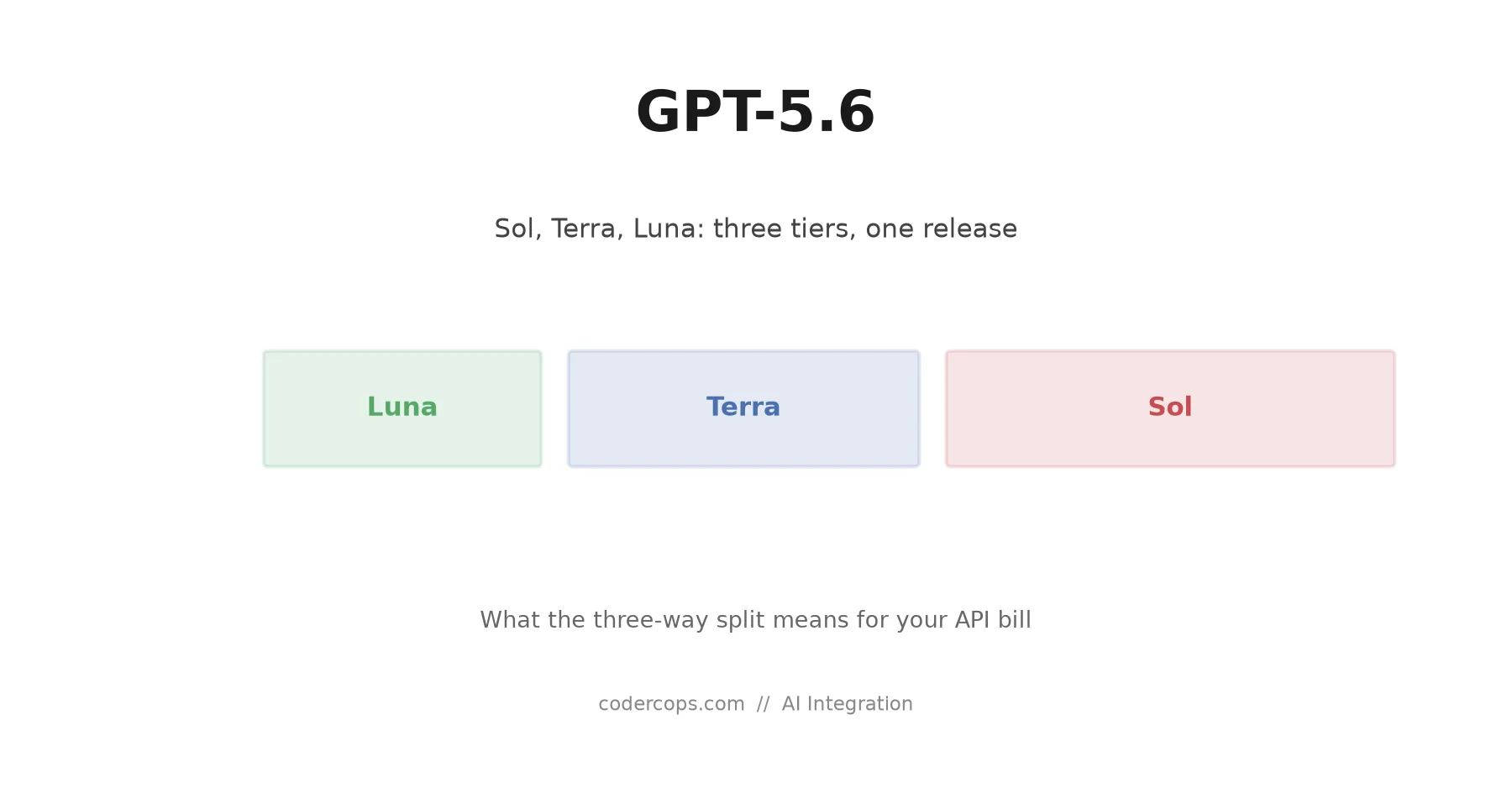
P.68GPT-5.6 splits into three tiers: Sol for frontier work, Terra at half GPT-5.5's cost, Luna for volume. What changed, what it costs, which tier fits you.
AI engineer is not ML engineer. One trains models, the other builds products on them. The screen that tells them apart and finds people who actually ship.
LLM bills grow faster than usage. Prompt caching, semantic dedup, tiered routing, and batch inference cut 40-80% without degrading output quality.
Comparing LangSmith, Braintrust, and W&B Weave for LLM evaluation: what each does well, where each breaks down, and a minimum viable eval pipeline.
Cursor's rules system encodes your team's architecture, naming, and coding standards into the AI's context, so every engineer gets consistent suggestions.
Both frameworks can build RAG pipelines and agent systems, but they're designed with different priorities. Here's when to reach for each and when to skip both.
Ollama runs Llama, Mistral, Phi-4, and dozens of open-weight models on your laptop with one command. Here's what actually works and when to use it.
When AI tools write 40-70% of a codebase, the usual rules for estimating support costs break down. Here's how to price maintenance work when your team didn't write most of the code.
Workers AI runs open-weight models (Llama, Mistral, Whisper, embeddings) inside Cloudflare's network. What's useful, what the limits are, and when it fits.
Getting a language model to return reliably structured data is not just about asking nicely. Here's the pattern that actually works at production scale.
MCP is the standard for connecting AI models to external systems. How it works, how to implement a server, and what to lock down before production.
Employees are using AI tools IT hasn't approved, and the data leaving through those tools is largely invisible. Here's what the risk looks like and what actually helps.
Clients ask agencies to automate PDFs constantly. Here's how to actually build document extraction pipelines: OCR, vision models, and validation.
AI video tools have moved from toy to production-grade in 18 months. Here's what's real, what still fails, and how to have an honest conversation with a client about it.
A growing class of AI agent frameworks can control a browser the way a human does — clicking, typing, navigating. Here's what works in production, what breaks, and when to actually reach for these tools.
Both approaches customize LLM behavior for your use case, but they solve different problems. Here is how to decide which one you need, how to know when to use both, and what teams consistently get wrong.
Three leading agent orchestration frameworks, three different mental models. Here's when each one earns its place, what each costs you in complexity, and what the choice looks like when you're debugging at 2am.
AI contract clauses on IP, hallucination liability, and data deletion trip up agencies before they sign. Here's what each clause means and how to rewrite it.
An agent that forgets everything when the session ends is a limited tool. Here are the practical patterns for building different kinds of memory into your agents.
When your AI agent needs to run the code it writes, you can't let it touch your production servers. Here's how the main isolation options work and when to use each.
Figma shipped real AI features at Config 2025 and teams have been using them for nearly a year. Here is what actually works, what still doesn't, and how design workflows at agencies have changed.
Past the chatbot hype, AI is genuinely improving specific e-commerce outcomes. Here are the implementations producing measurable results, and the ones that still mostly disappoint.
AI makes generating and refreshing technical documentation cheap, but keeping it accurate as code changes is still a process problem, not a model one.
The Vercel AI SDK has become the default for building AI features in JavaScript apps. Here is what it actually does, how its core primitives work, and where the sharp edges still live.
Hallucination is not a bug that gets patched in the next model release. It is a property of how language models work. Here are the patterns that actually reduce it in production systems, and what they cost.
Single-provider AI dependencies are a reliability risk. Routing layers like LiteLLM and OpenRouter let you fall back across providers, cap costs, and try smaller models first. Here is the architecture and when it actually matters.
CodeRabbit, GitHub Copilot code review, and similar tools have changed the first-pass review. Here's what they actually catch, where they fail, and the workflow that combines both effectively.
Add similarity search to your existing Postgres database using pgvector. Real setup, indexing strategies, and when you actually need a dedicated vector database.
LLM observability means tracking traces, token costs, latency, and output quality to debug production failures instead of guessing. Covers Langfuse and Helicone.
P.97Gemini AI now powers Google Docs, Sheets, Slides, and Drive with cross-app synthesis, real-time web data, and enterprise controls priced at $12-18/user monthly.
A wrong AI partner choice wastes 6 months and $50K+. This 23-question checklist across technical depth, process, and security helps CTOs pick the right one.