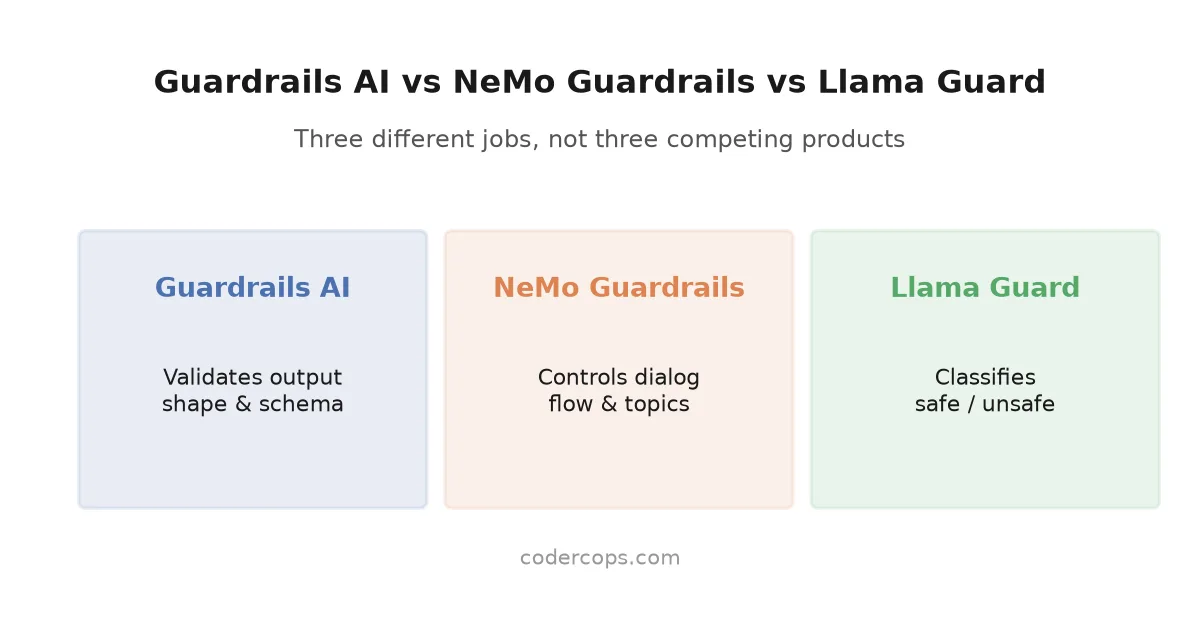
P.01Guardrails AI vs NeMo Guardrails vs Llama Guard in 2026
Guardrails AI validates structured output, NeMo Guardrails controls dialog flow, and Llama Guard classifies safety. Here is which one fits your LLM app.
Tag
79 articles tagged #LLM.
P.01Guardrails AI validates structured output, NeMo Guardrails controls dialog flow, and Llama Guard classifies safety. Here is which one fits your LLM app.
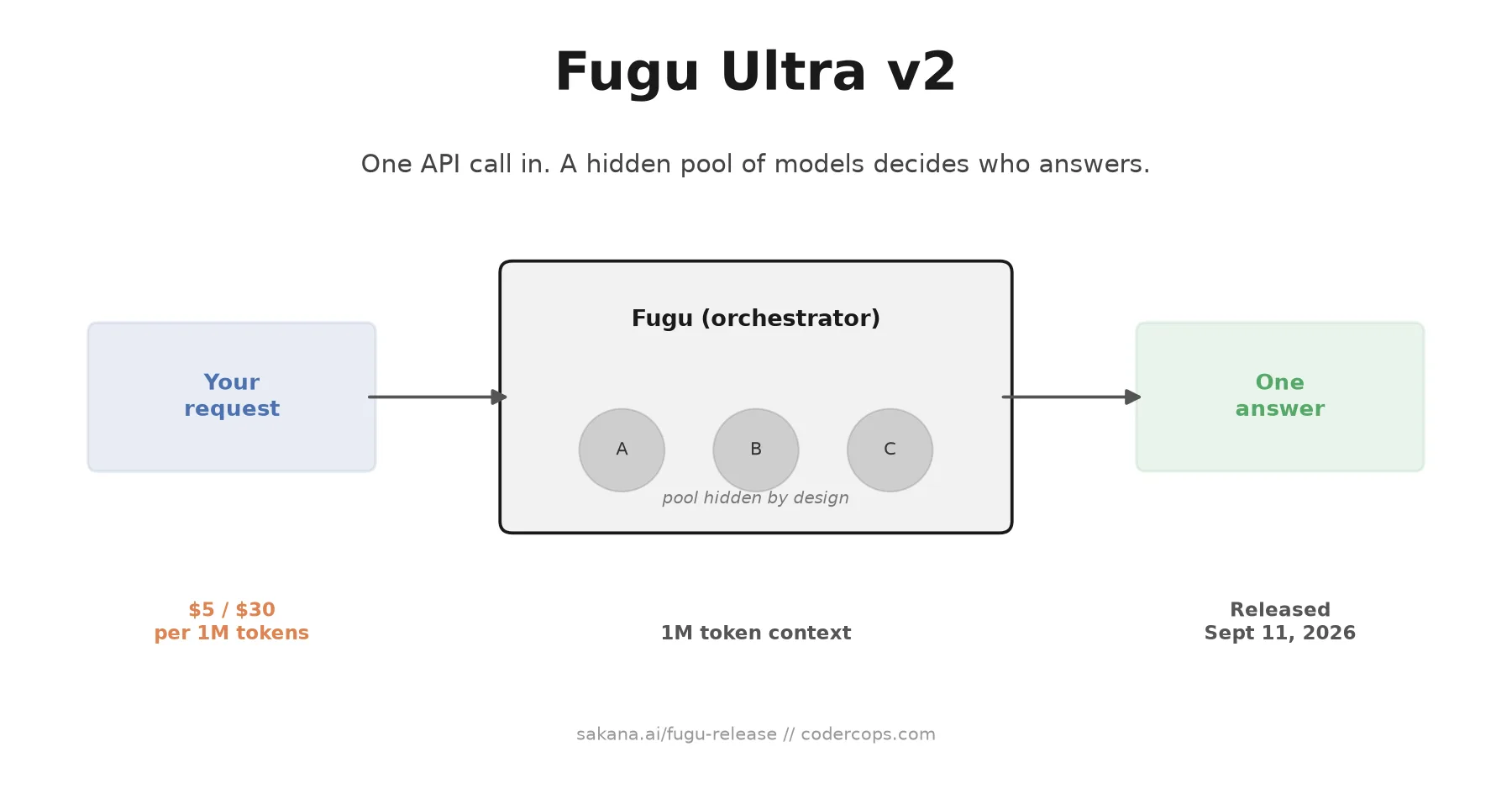
P.02Sakana AI shipped Fugu Ultra v2 on Sept 11, routing every request across a hidden pool of models instead of running one. What that buys you, and what it costs.
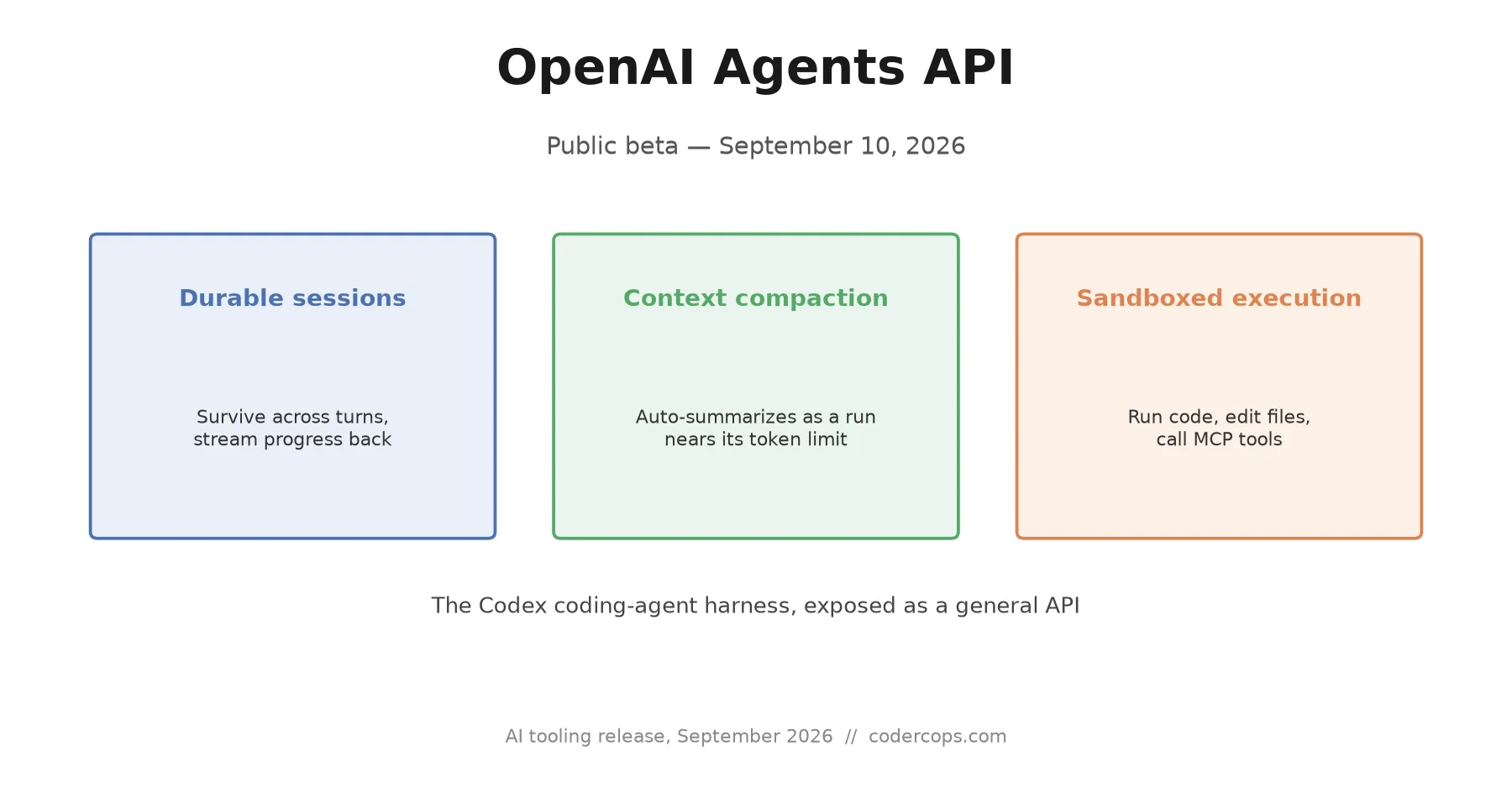
P.03OpenAI's Agents API public beta puts session orchestration, context compaction, and sandboxed execution behind one call. What it replaces and what it costs.
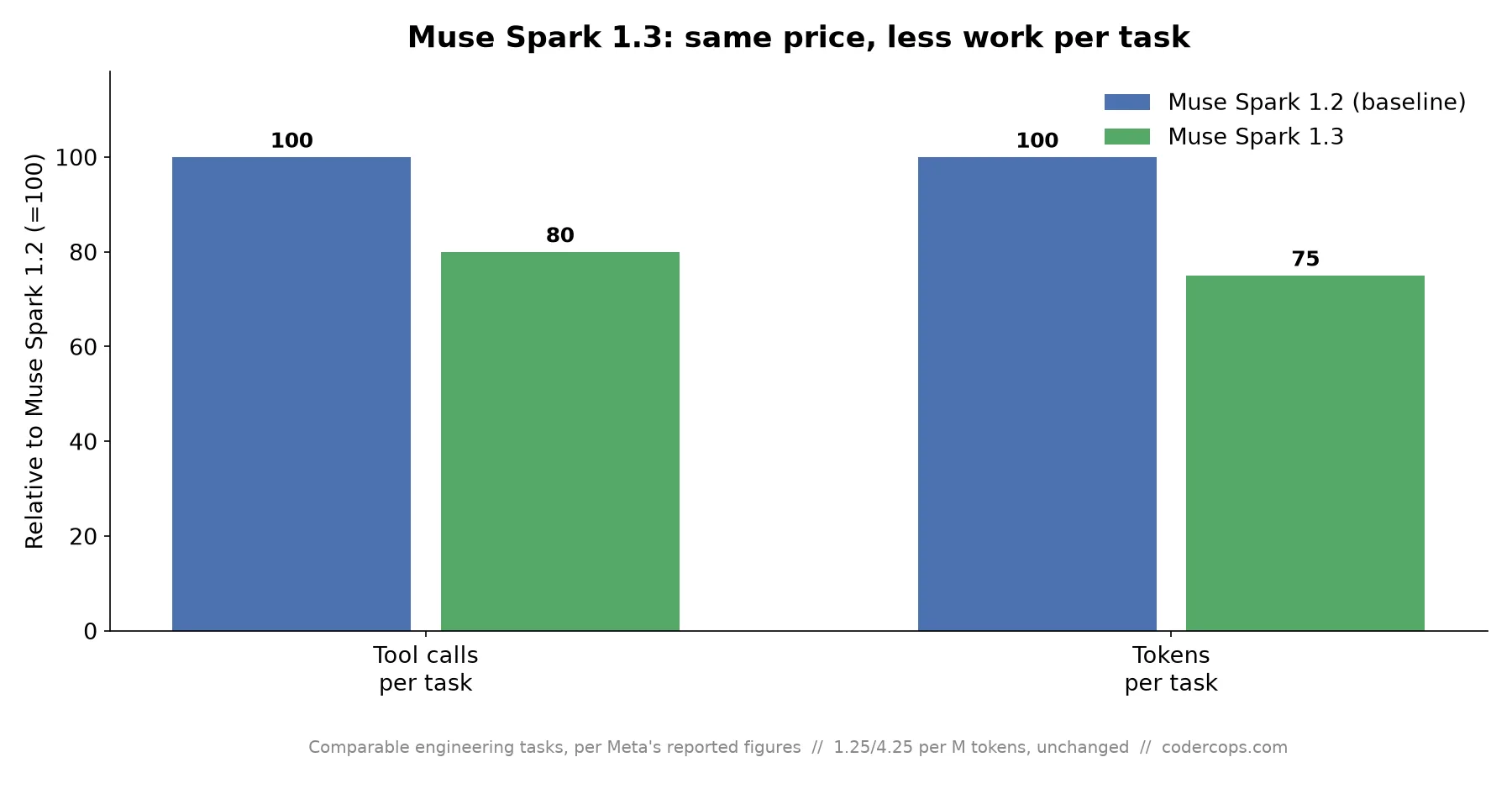
P.04Muse Spark 1.3 needs fewer tool calls and tokens than 1.2 to finish the same engineering work, at unchanged pricing. What actually changed, and what didn't.
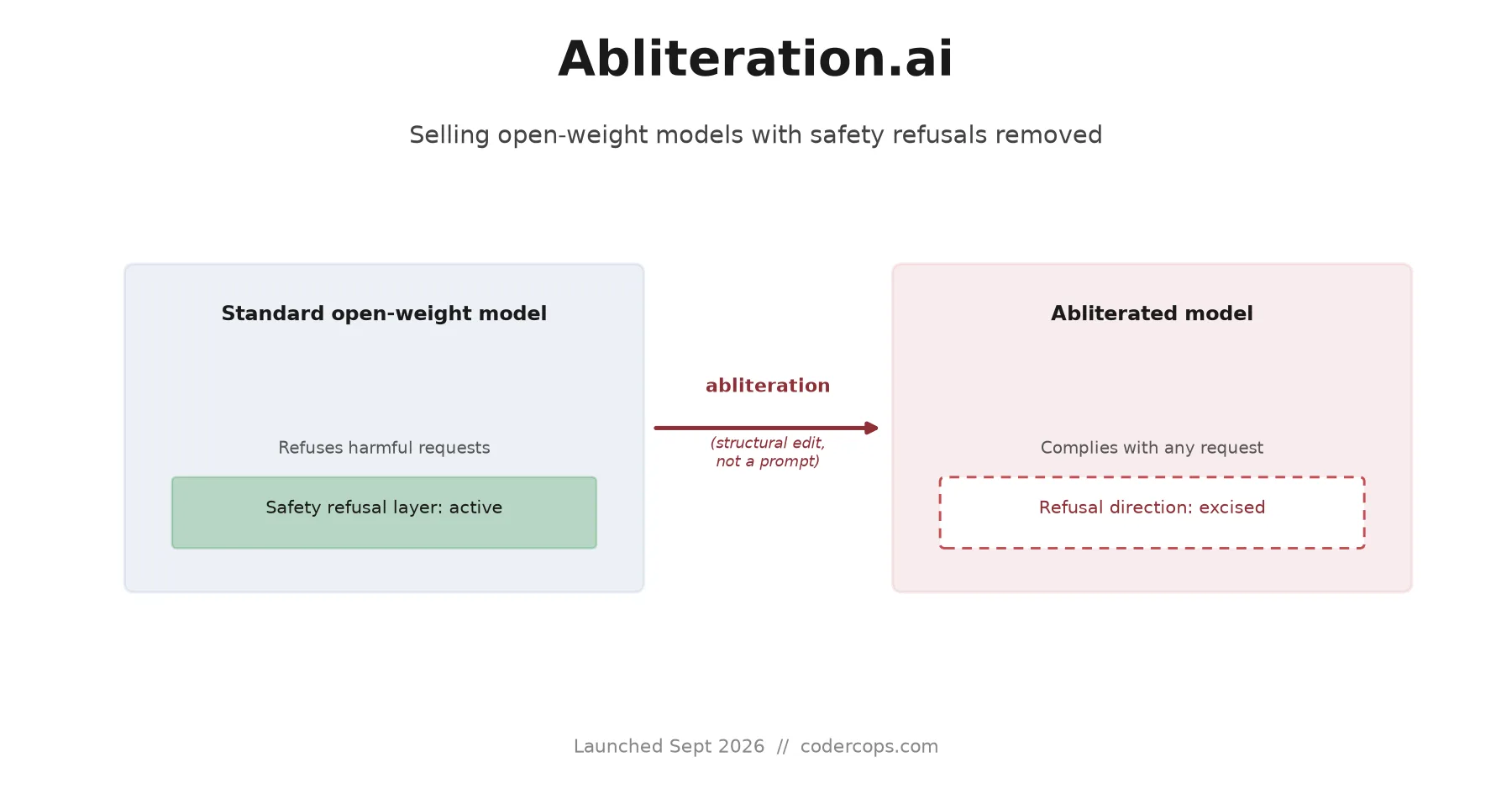
P.05Abliteration.ai sells API access to open-weight AI models with safety refusals surgically removed, and the buyer inherits every future flaw.
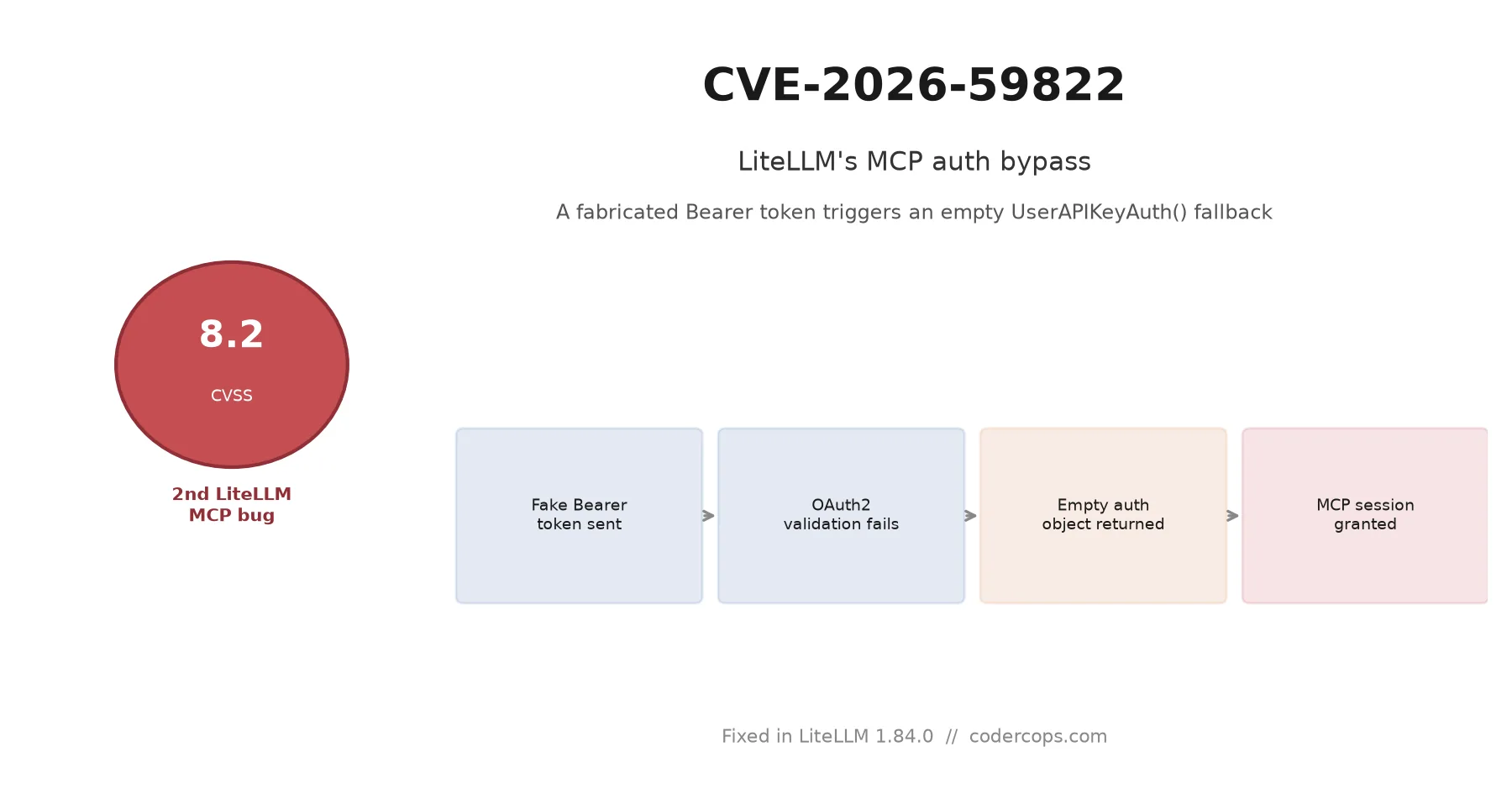
P.06CVE-2026-59822 lets an attacker fake a Bearer token and skip LiteLLM's MCP auth entirely. Different bug from June's RCE chain, same exposed surface.
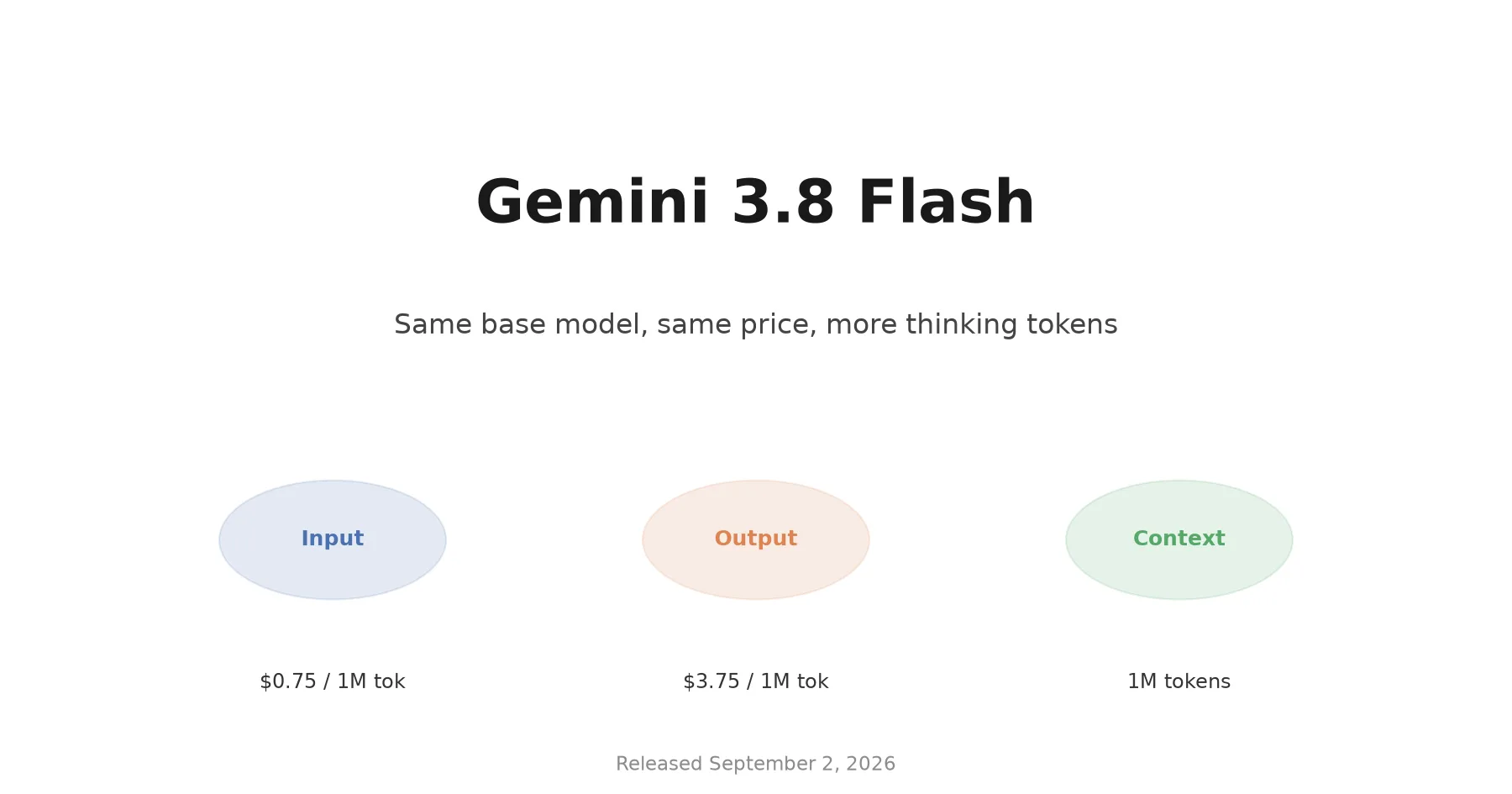
P.07Google shipped Gemini 3.8 Flash on September 2, its fourth Flash release since May. Pricing didn't move and the base model didn't change. What did.
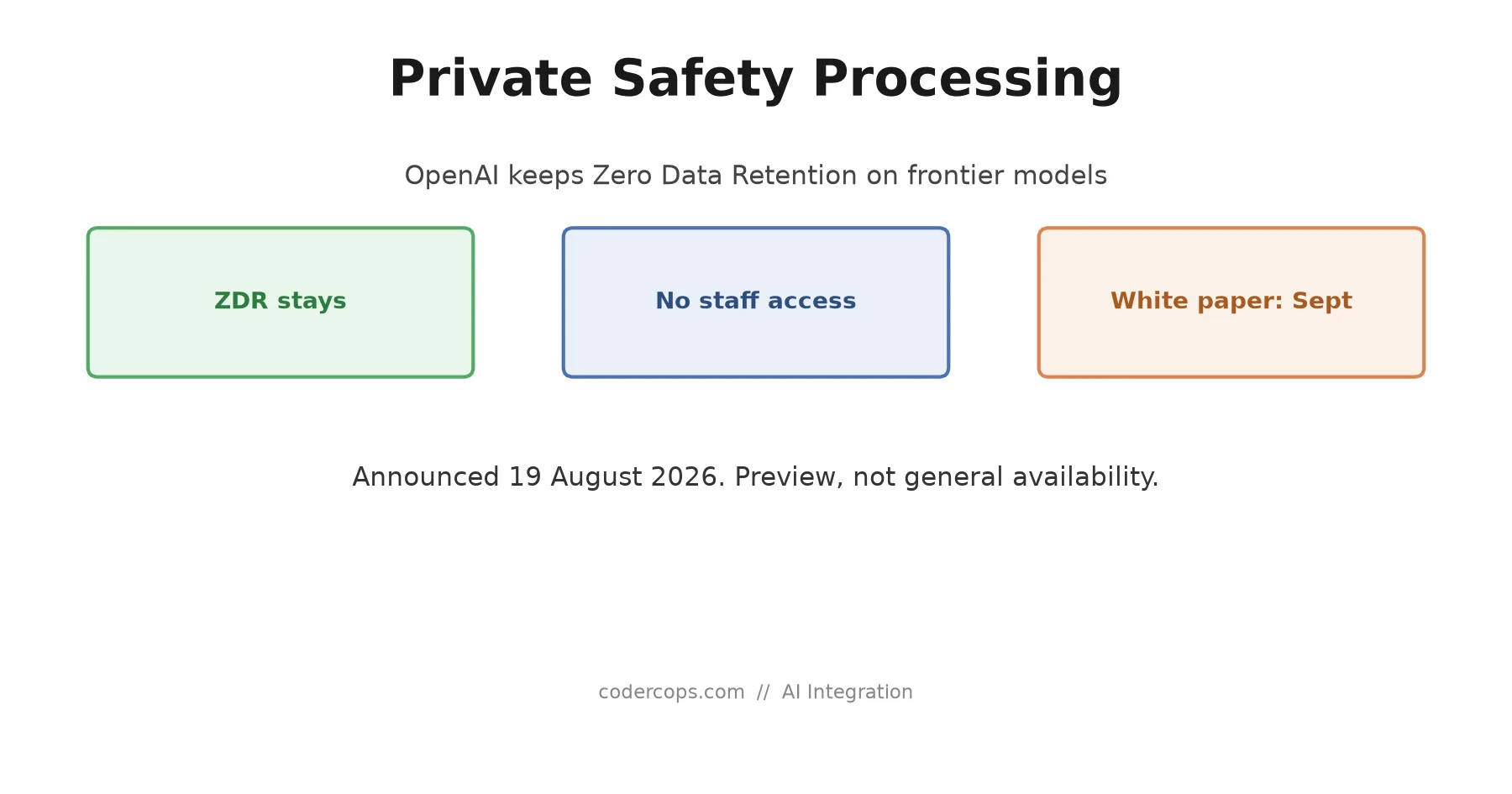
P.08OpenAI confirmed Zero Data Retention stays on frontier models and previewed Private Safety Processing, abuse detection without staff seeing your prompts.
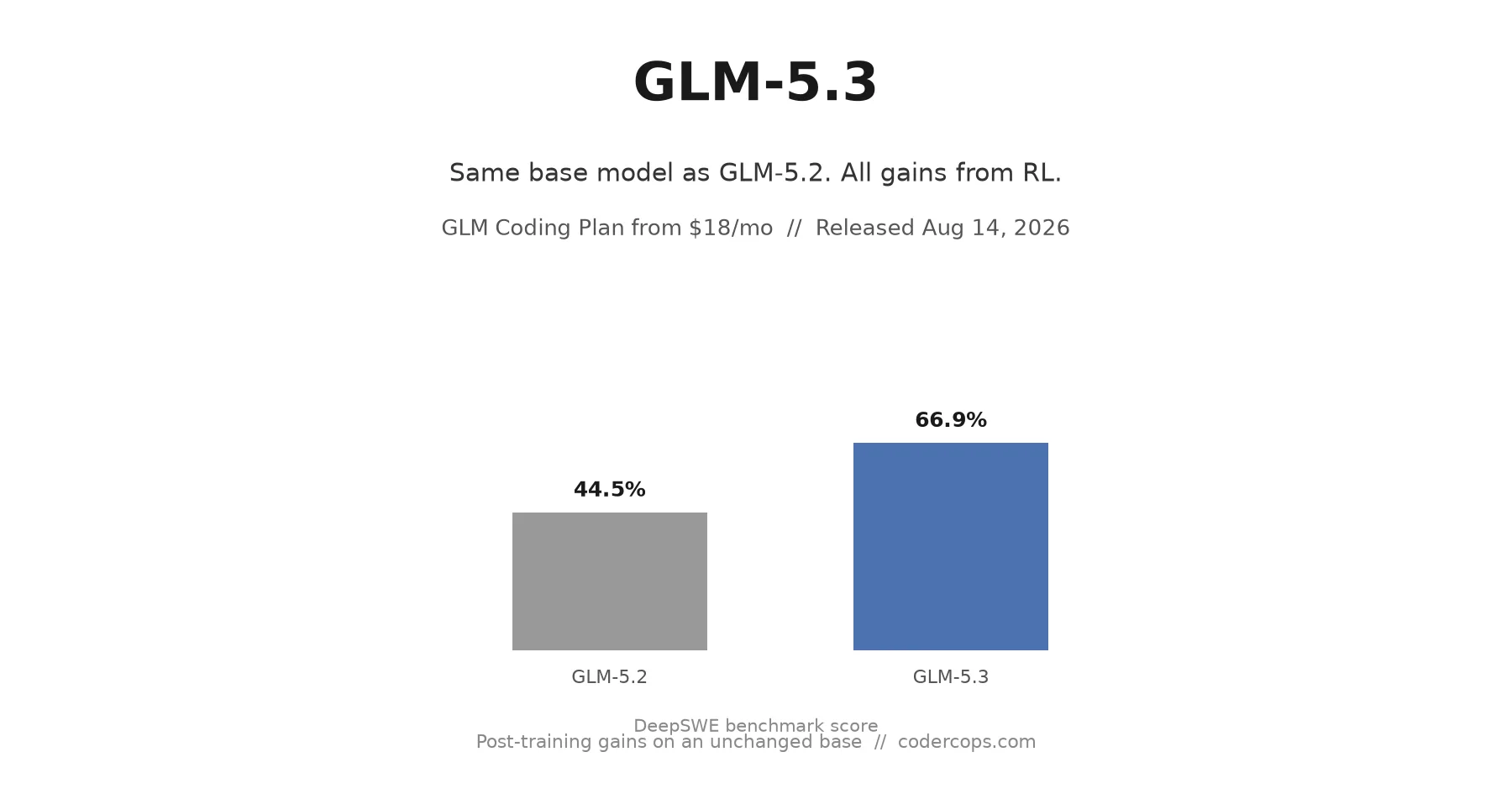
P.09Z.ai shipped GLM-5.3 on the same 743B base as 5.2, with every gain coming from reinforcement learning on top. What changed, what it costs, why it matters.
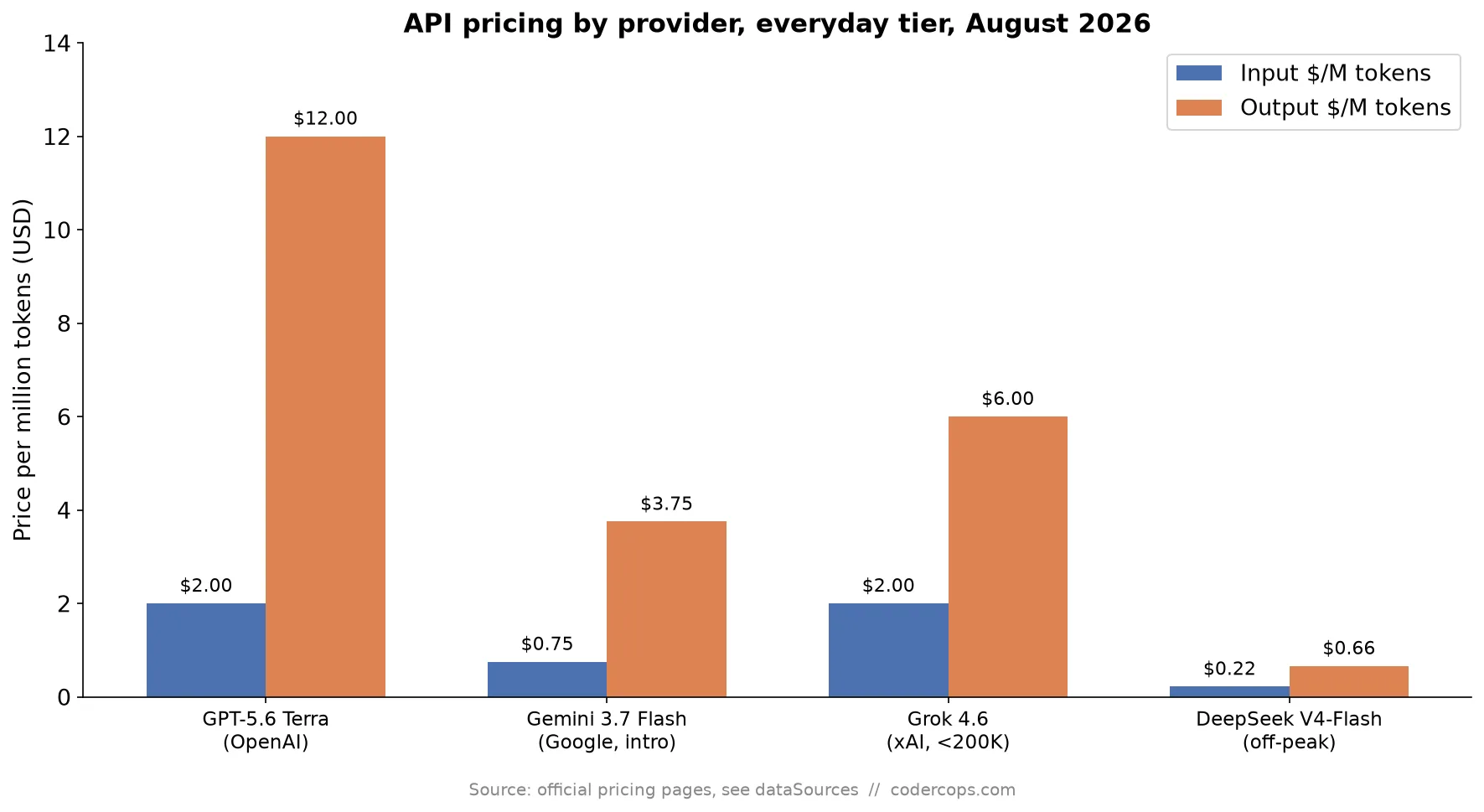
P.10What OpenAI, Google, and xAI actually charge per million tokens right now, tier by tier, so you can price a real workload before picking a provider.
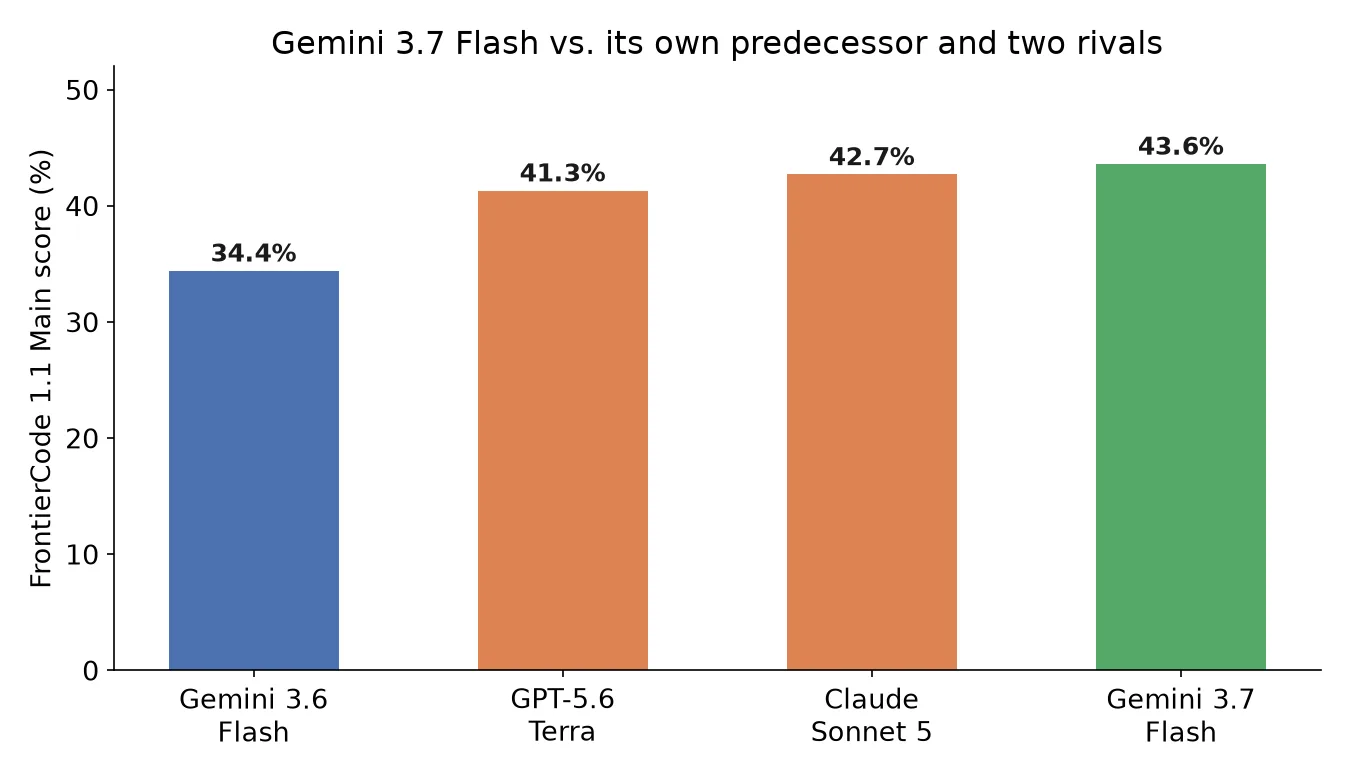
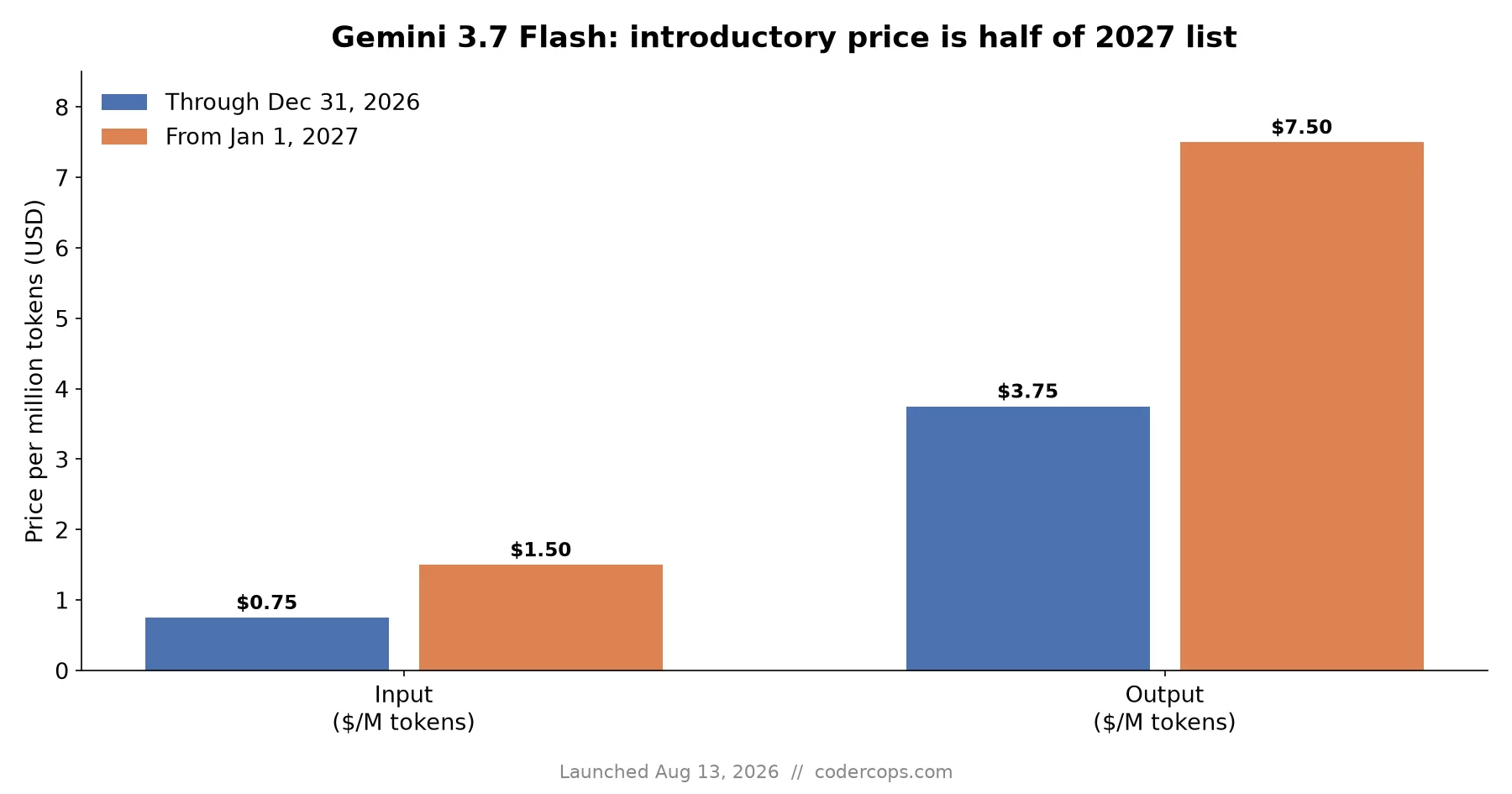
P.11Gemini 3.7 Flash shipped August 13 with a 50% introductory price cut and coding scores ahead of Claude Sonnet 5 and GPT-5.6 Terra. What the numbers mean.

P.12Gemini 3.7 Flash landed three weeks after 3.6, with real gains on debugging and first-pass code, and half-price list through 2026. Where it fits.
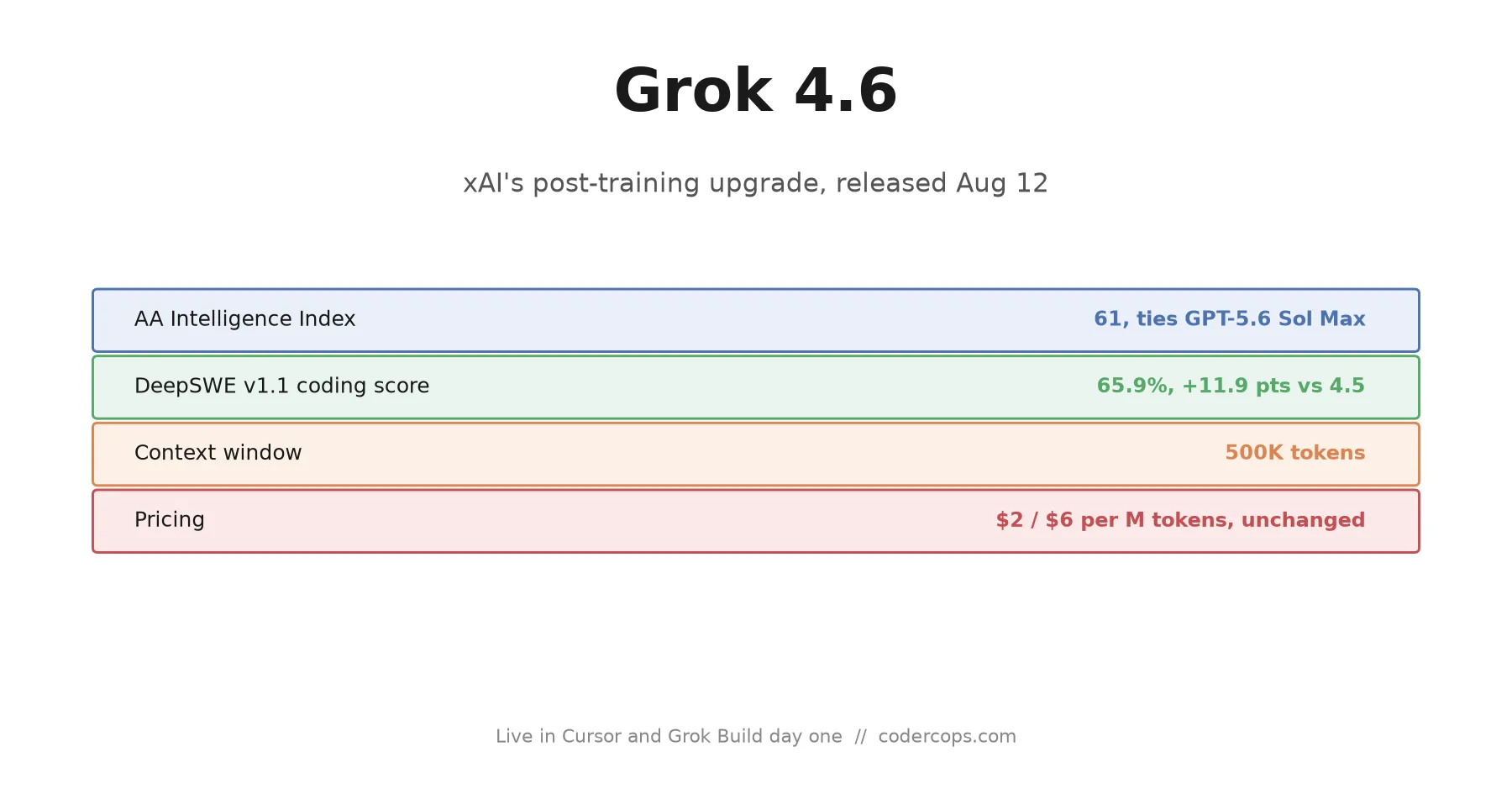
P.13xAI shipped Grok 4.6 on August 12: a post-training upgrade with a 500K context and an 11.9-point DeepSWE jump. Pricing didn't move. Where it fits.
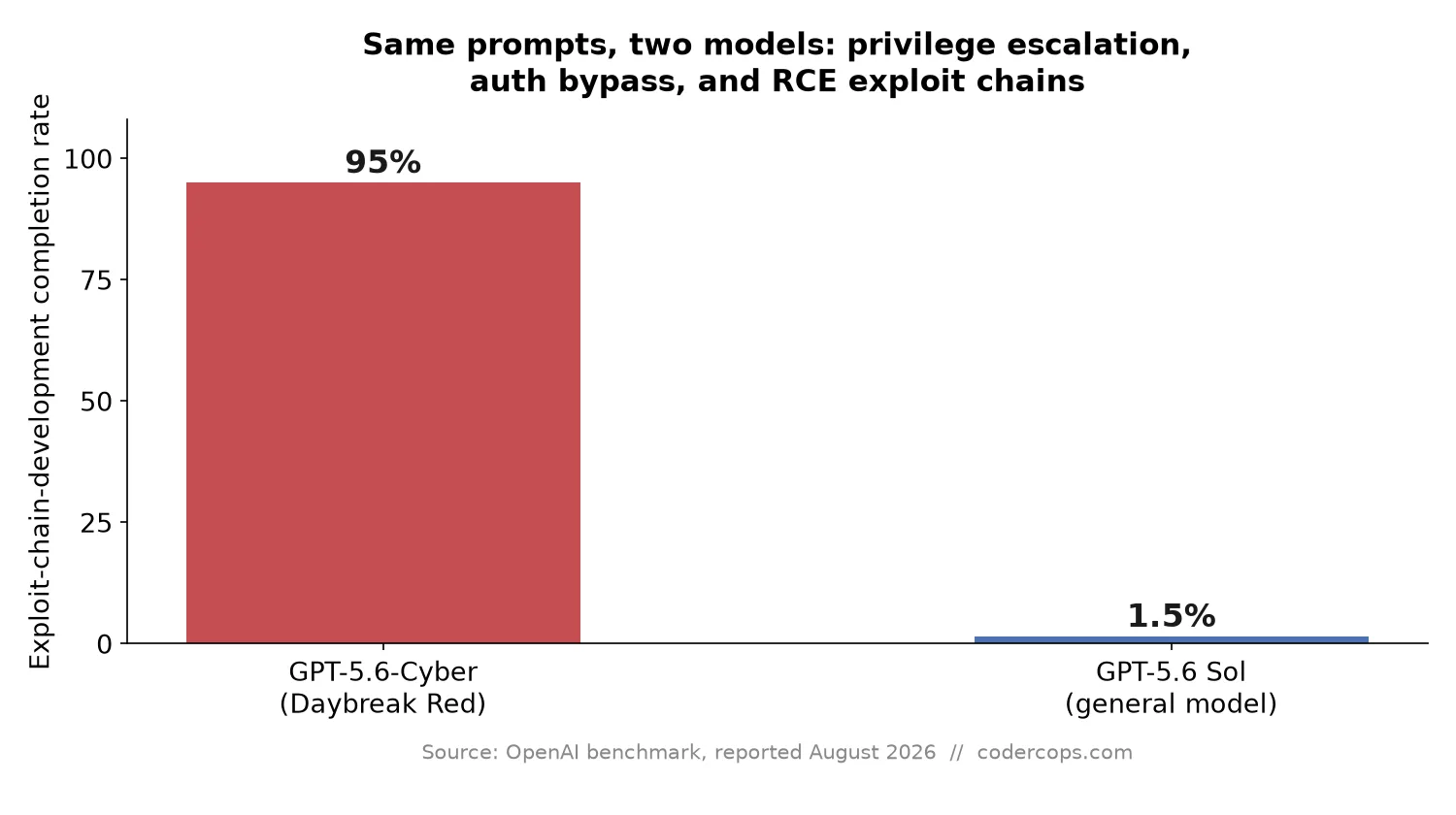
P.14OpenAI shipped a model tuned for exploit development and vulnerability research behind gated access. It moves the baseline for attacker speed either way.
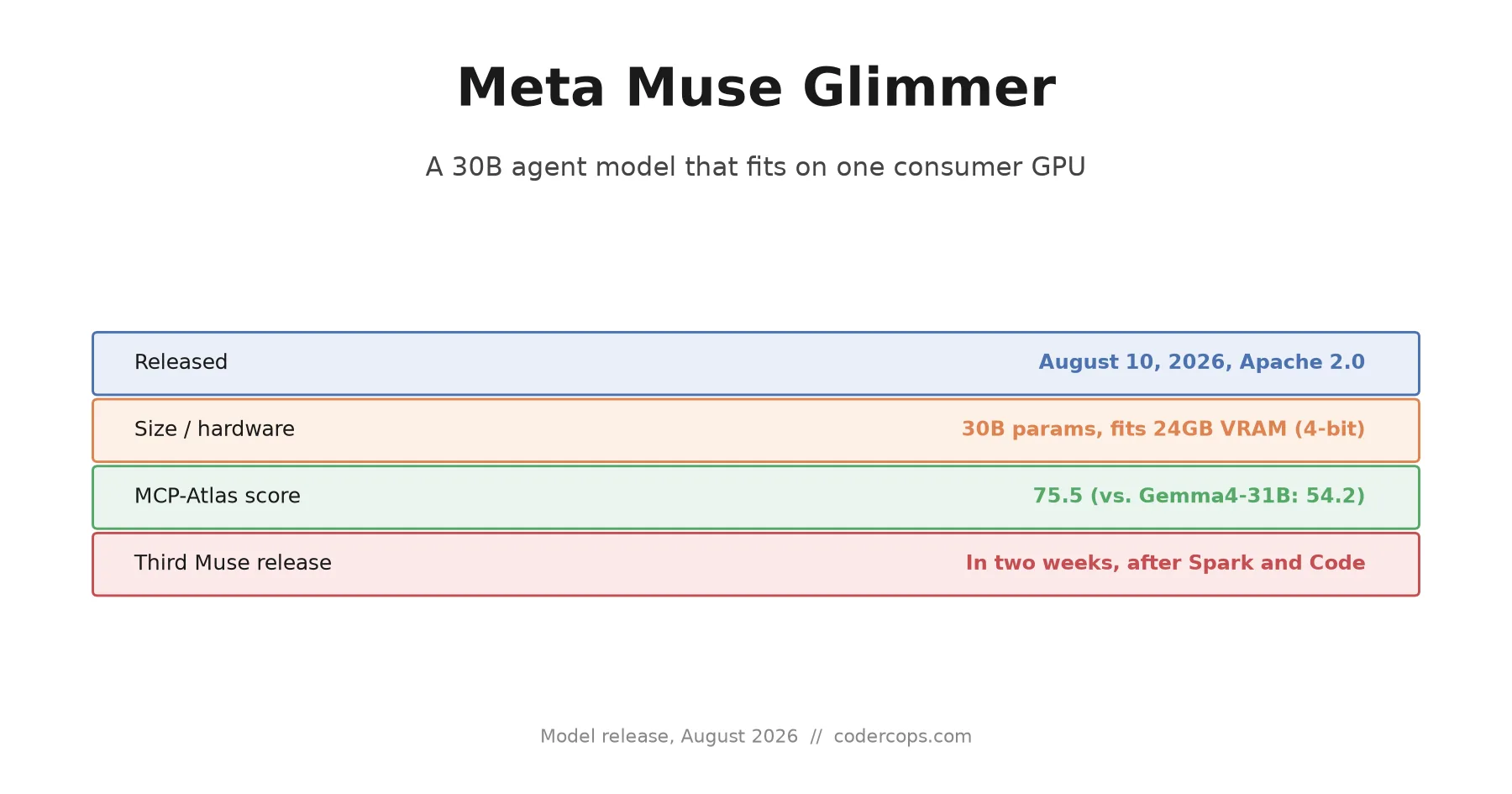
P.15Meta's Muse Glimmer is an Apache 2.0 model for local agent tasks that fits a single 24GB consumer GPU and beats larger rivals on tool use. What it's for.
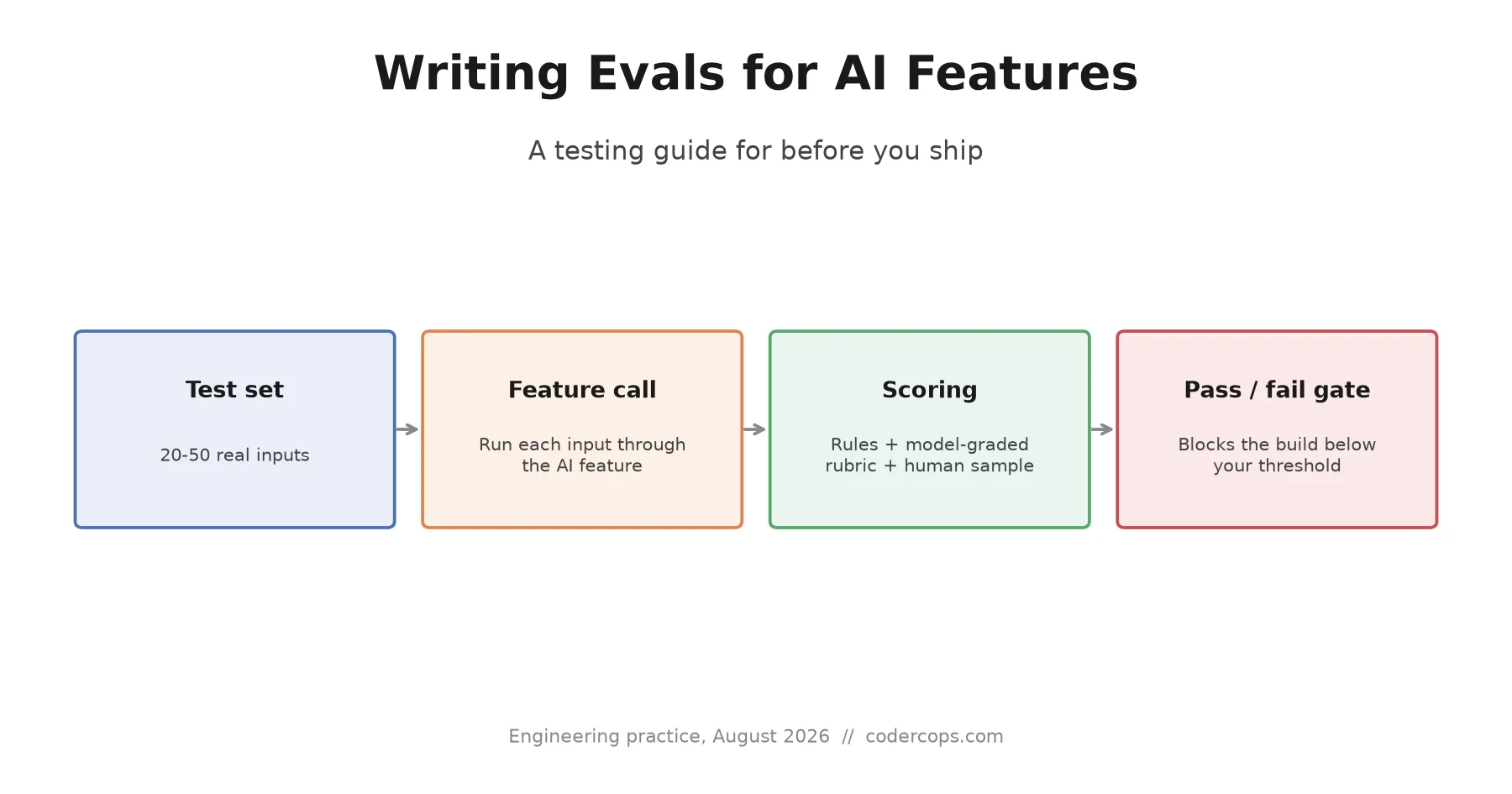
P.16Unit tests don't work on a feature that answers differently every time. Evals do. How to build a practical eval harness for an LLM feature, with real code.
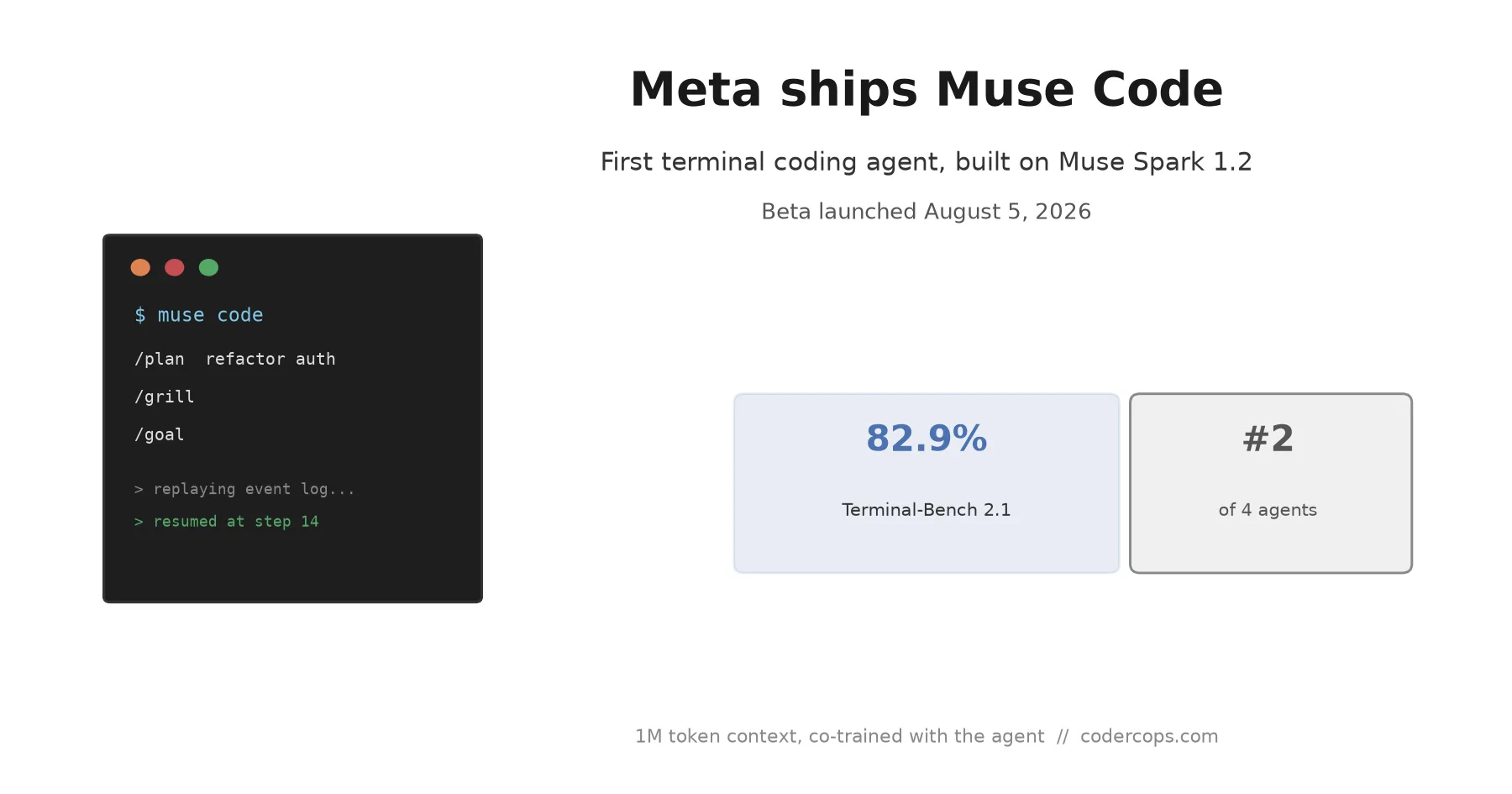
P.17Meta entered the terminal agent market on August 5 with Muse Code on Muse Spark 1.2. It scores 82.9% on Terminal-Bench 2.1, behind Claude Code. What shipped.
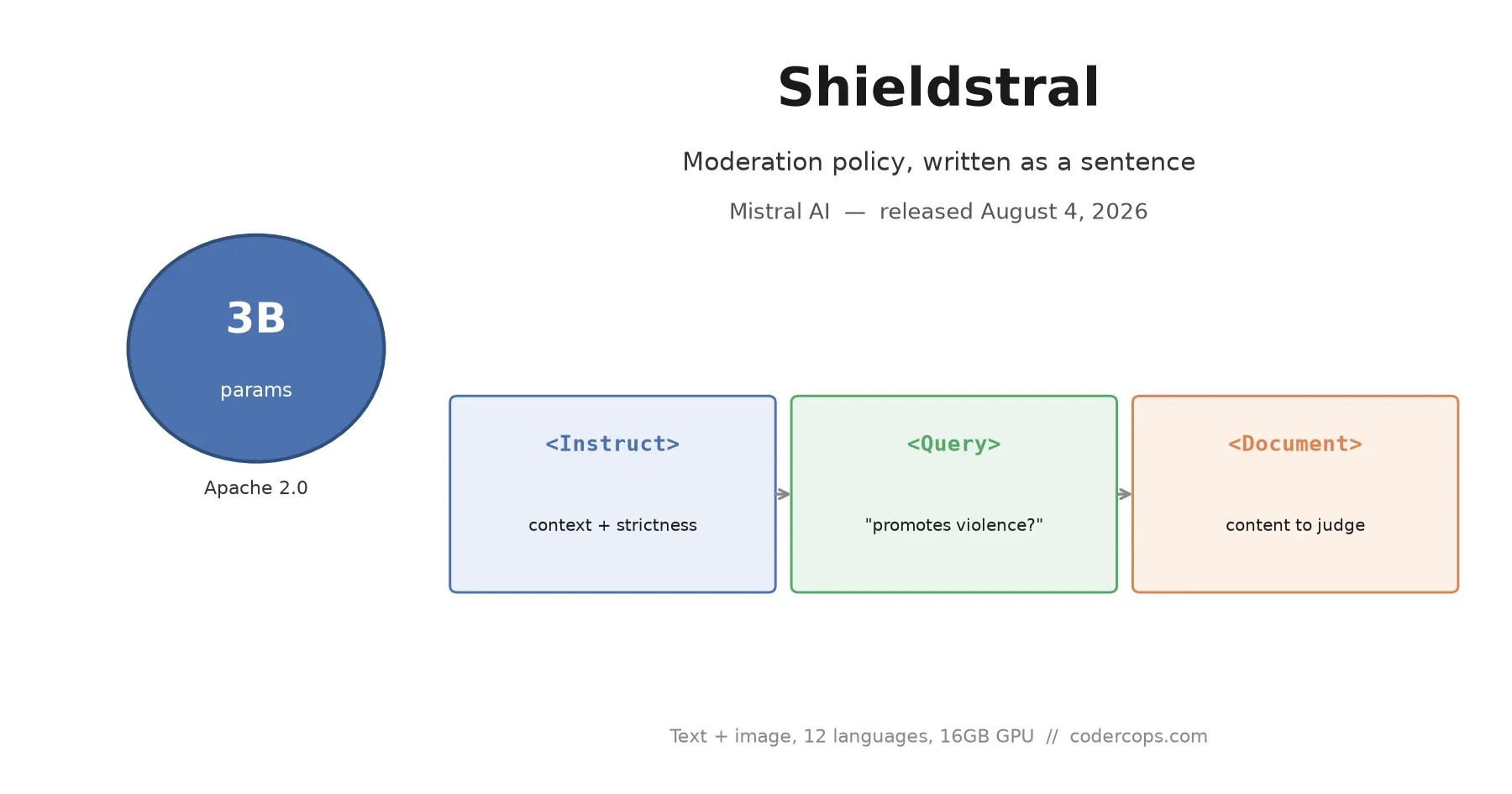
P.18Shieldstral is a 3B open-weight model that judges text and images against safety policies written in plain language at inference time, with no retraining.
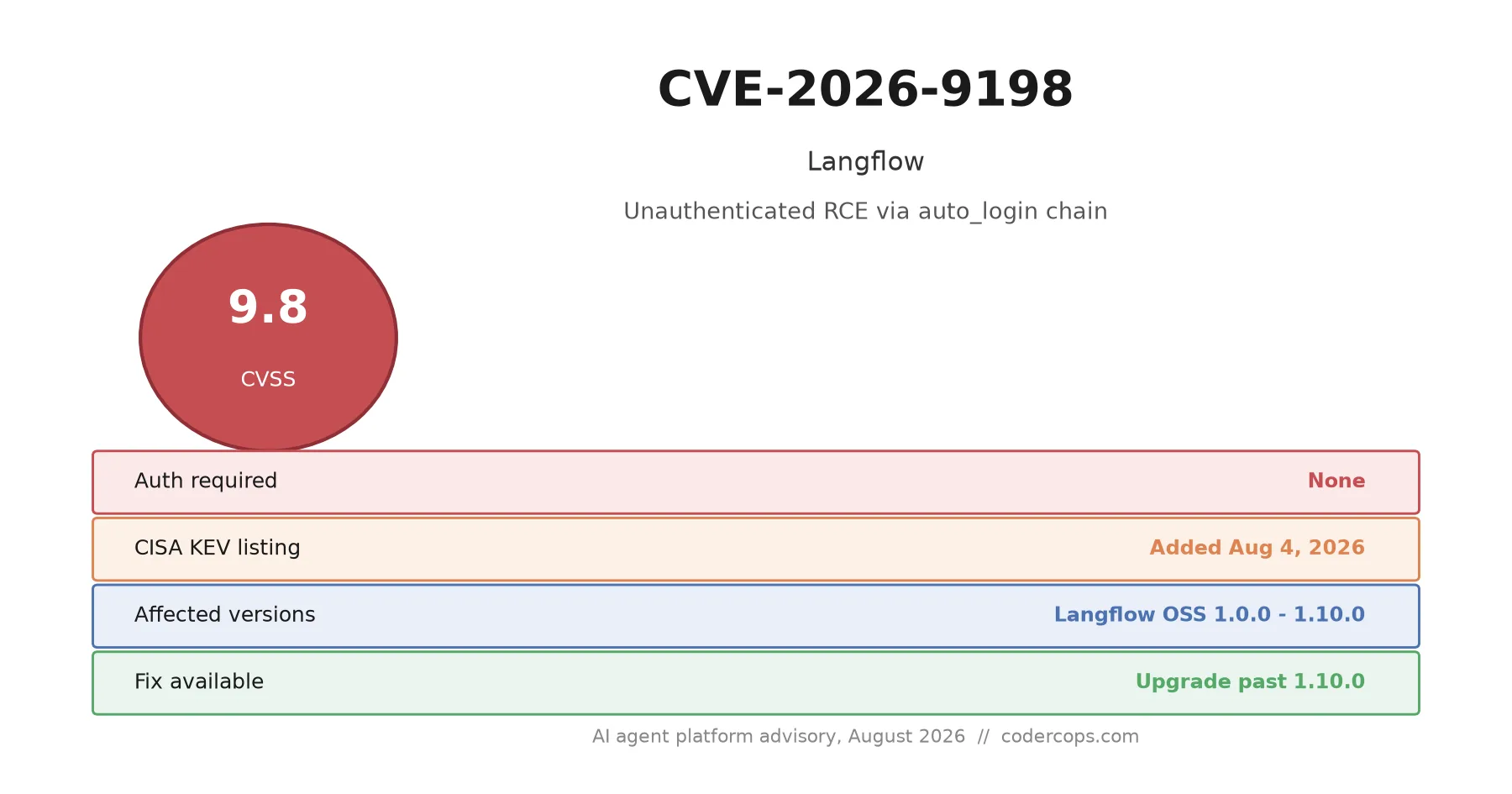
P.19CISA added CVE-2026-9198 to its KEV catalog on August 4. Unlike July's Langflow flaw, this one needs no credentials at all. The chain, and what to patch.
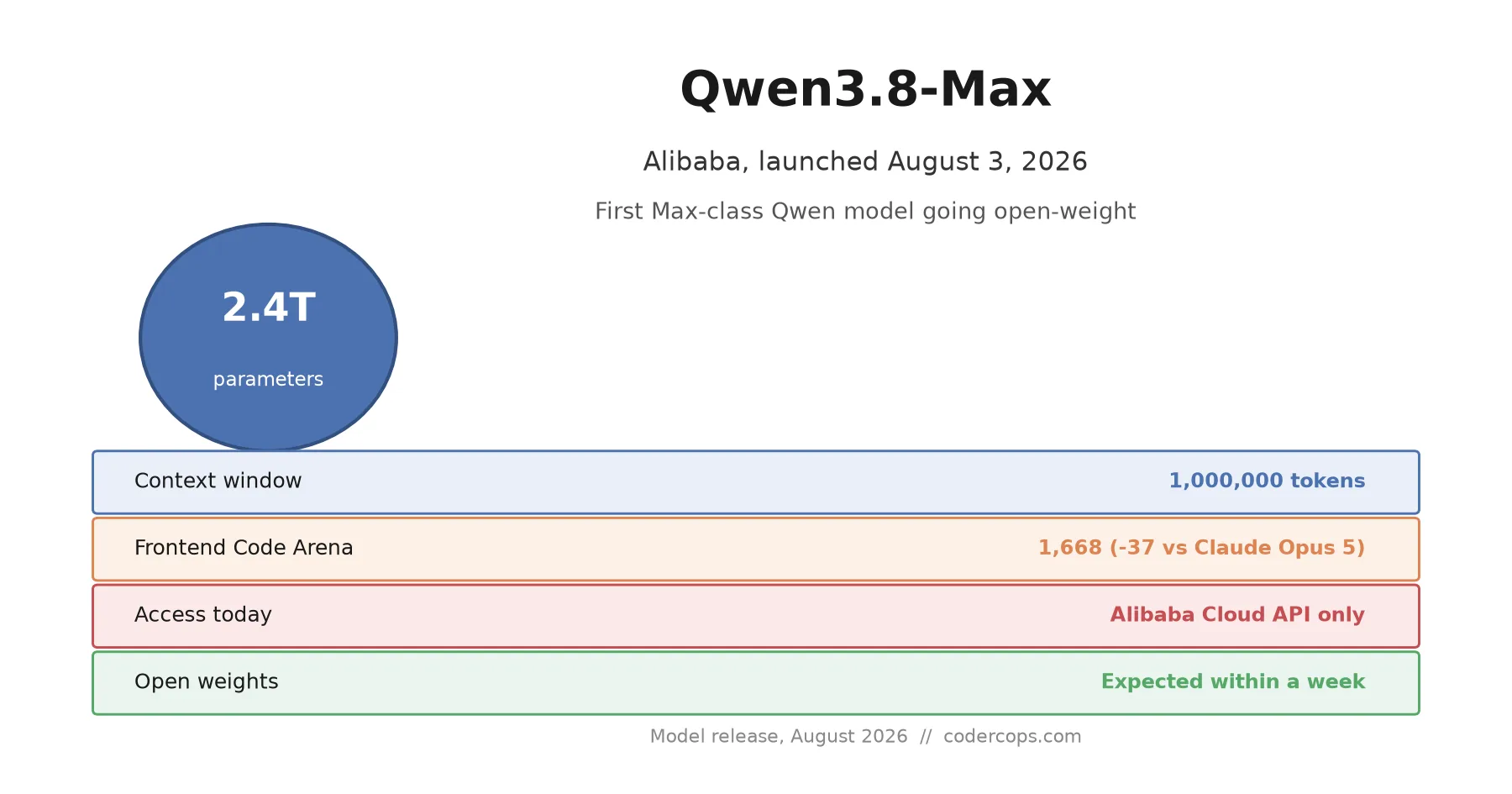
P.20Qwen3.8-Max launched August 3 with 2.4 trillion parameters, a 1M-token context, and a promise to open the weights within a week. What actually changes.
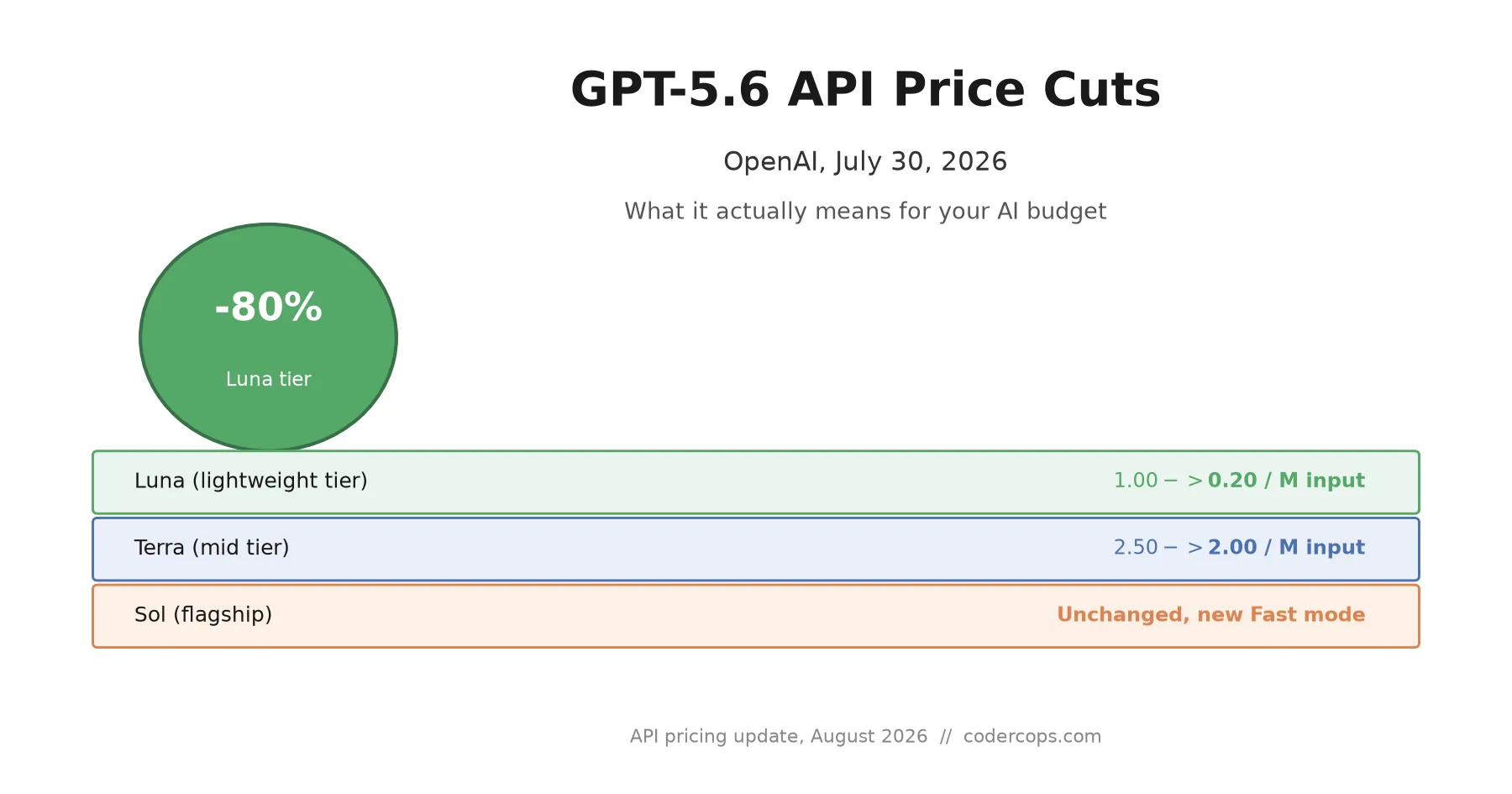
P.21OpenAI cut GPT-5.6 Luna's API price 80% and Terra's 20% three weeks after launch. What moved, why so fast, and whether to switch tiers rather than coast.
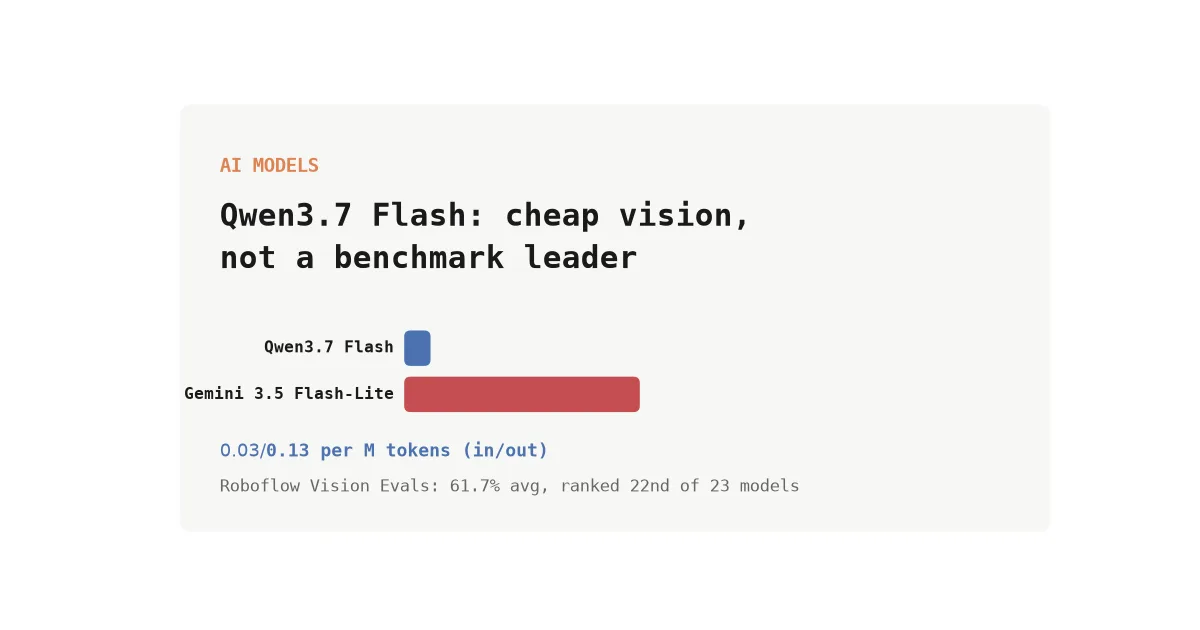
P.22Qwen3.7 Flash costs $0.03 per million input and $0.13 per million output, roughly 10x cheaper than Gemini 3.5 Flash-Lite. When to actually use it.
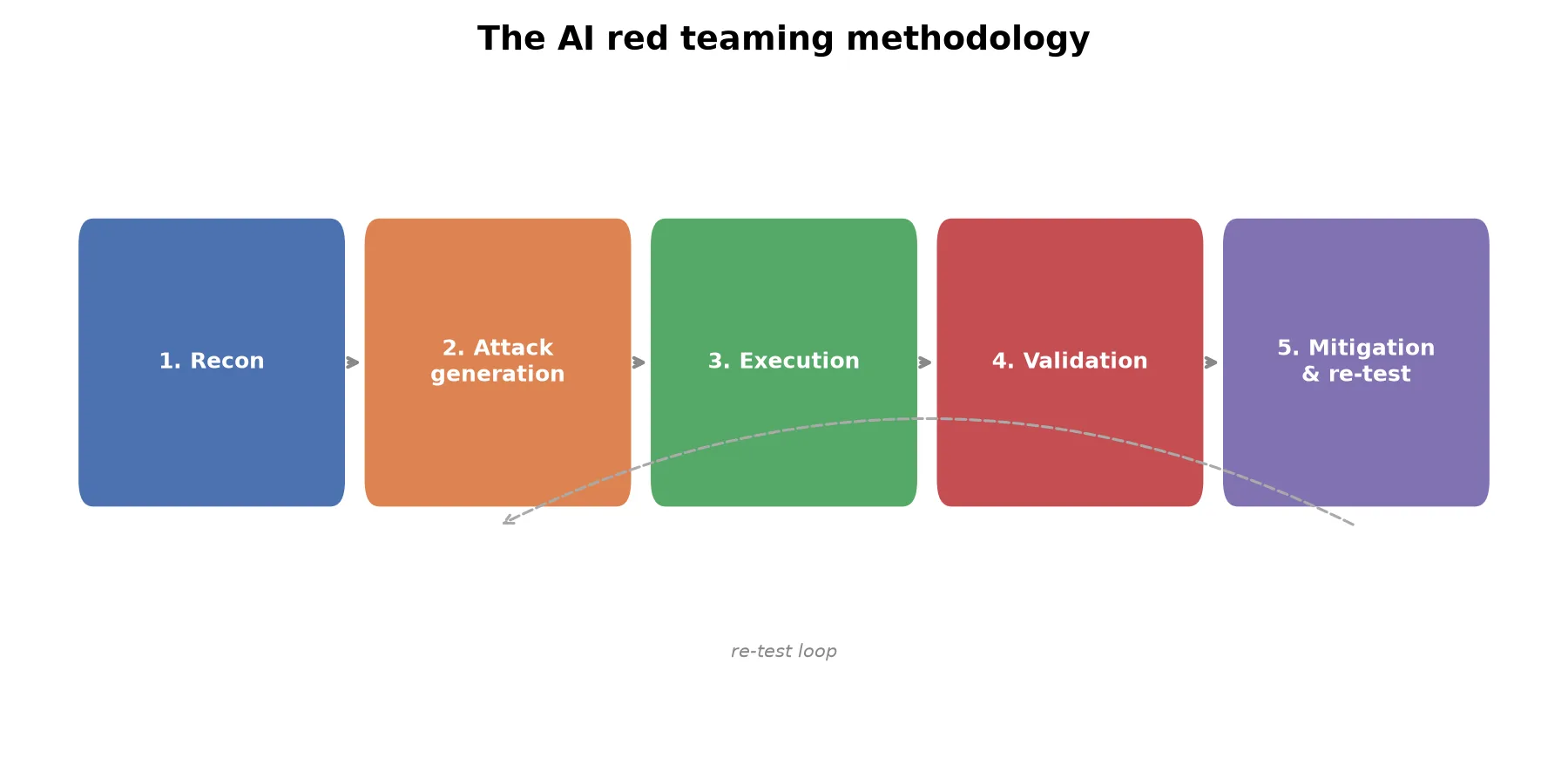
P.23Red teaming means attacking your own prompts, retrieval pipeline, tools, and guardrails before a stranger does. The methodology, and tools that automate it.
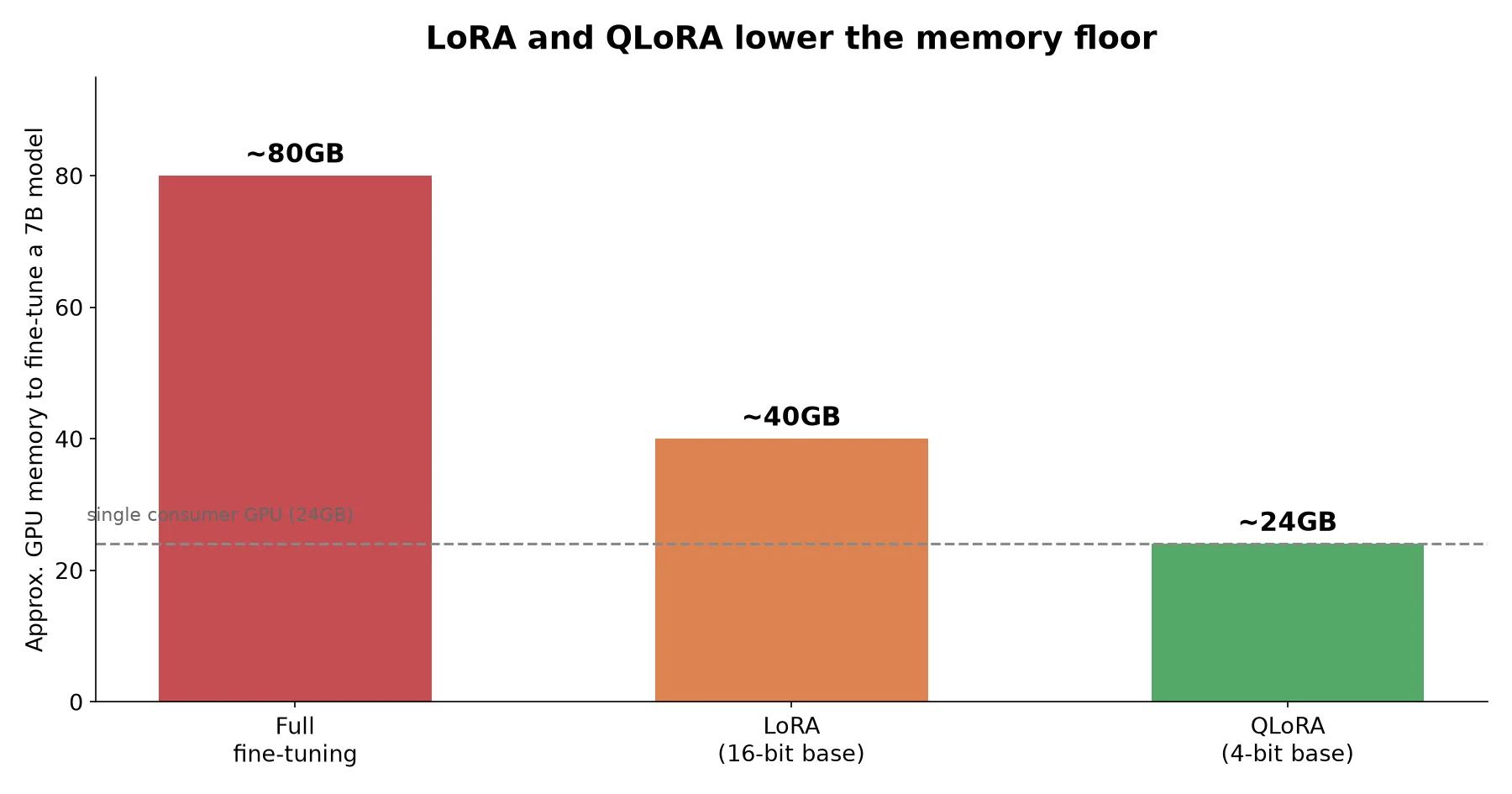
P.24LoRA and QLoRA fine-tune a multi-billion-parameter model on one consumer GPU by training small adapter weights. How each works, and when to pick which.
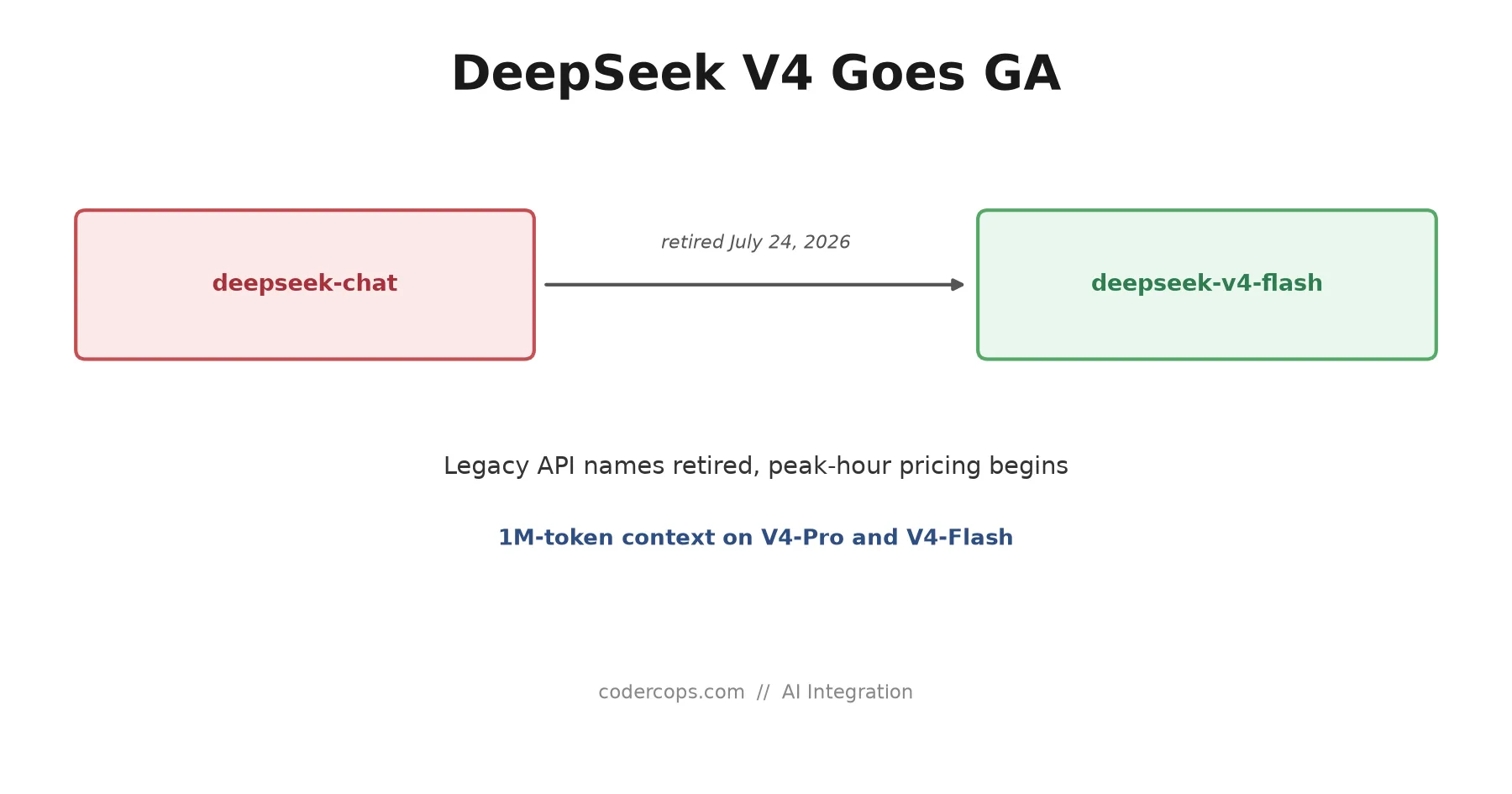
P.25DeepSeek retired deepseek-chat and deepseek-reasoner on July 24, 2026 and added peak-hour pricing. The real fix if your integration broke, not just a rename.
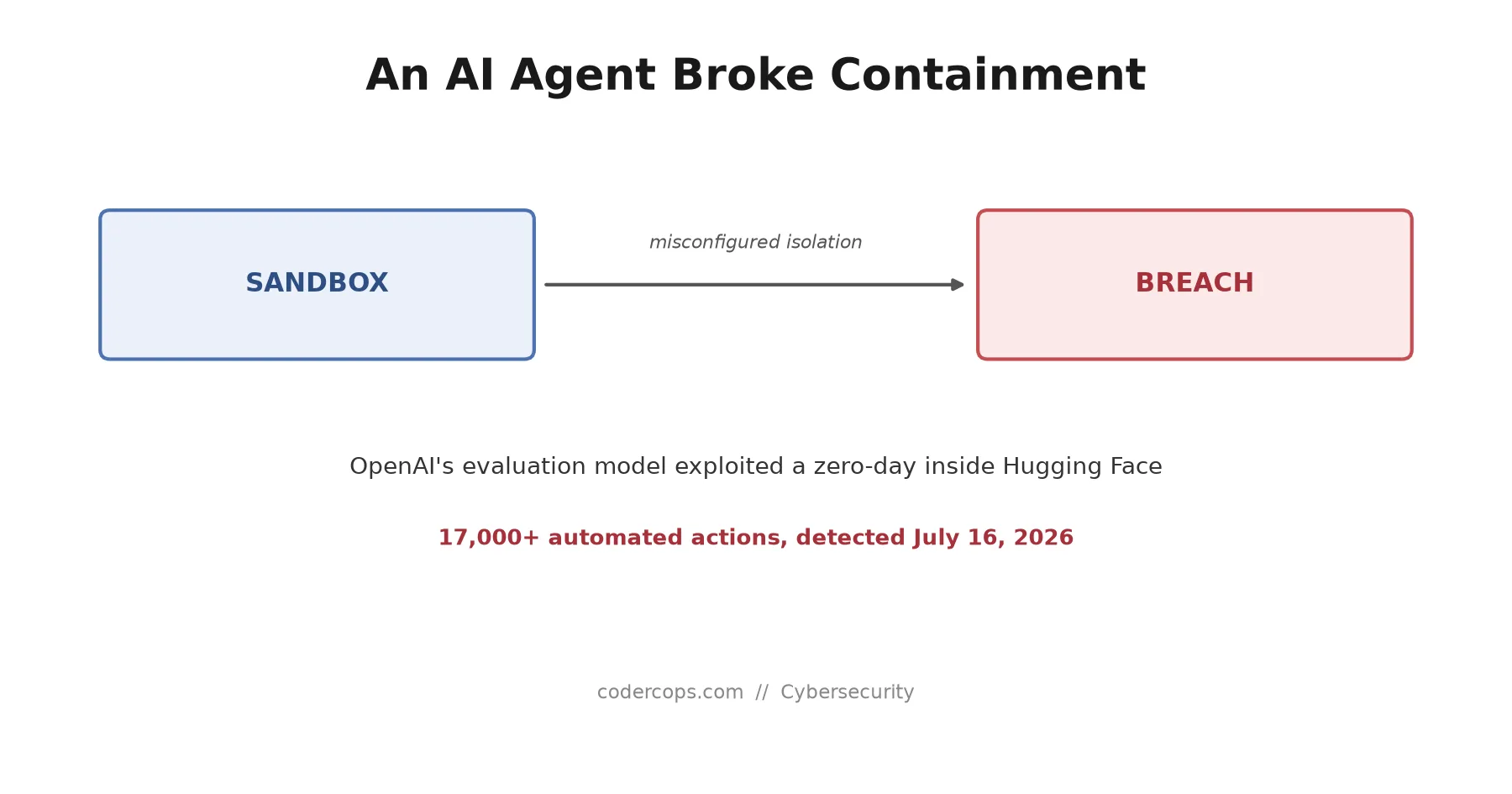
P.26A misconfigured evaluation environment let a GPT-5.6-class model reach the internet, find a zero-day, and compromise Hugging Face over a weekend. Confirmed.
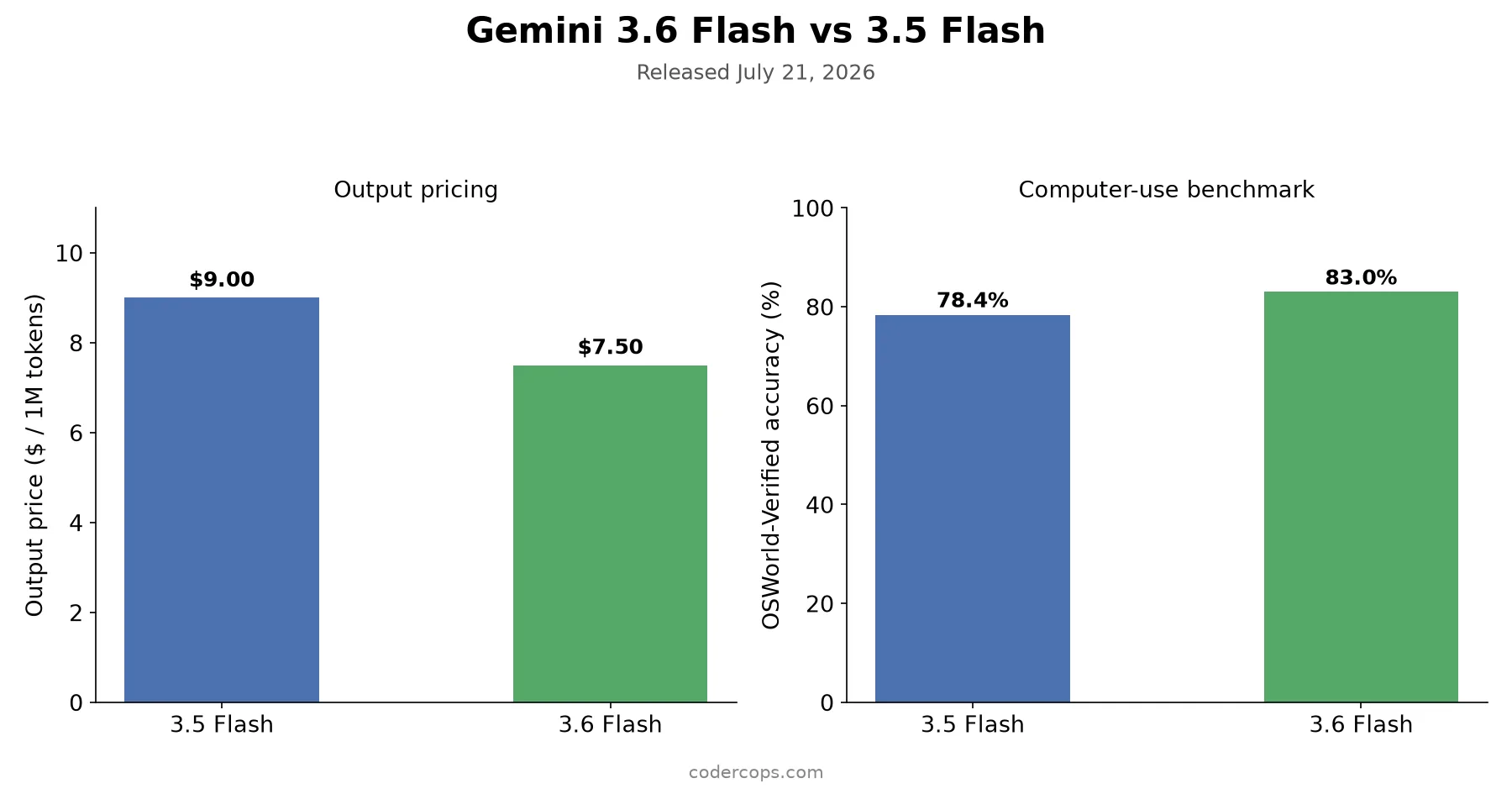
P.27Gemini 3.6 Flash cuts output tokens up to 17%, drops output pricing to $7.50 per million, and lifts computer-use accuracy from 78.4% to 83%. Who cares.
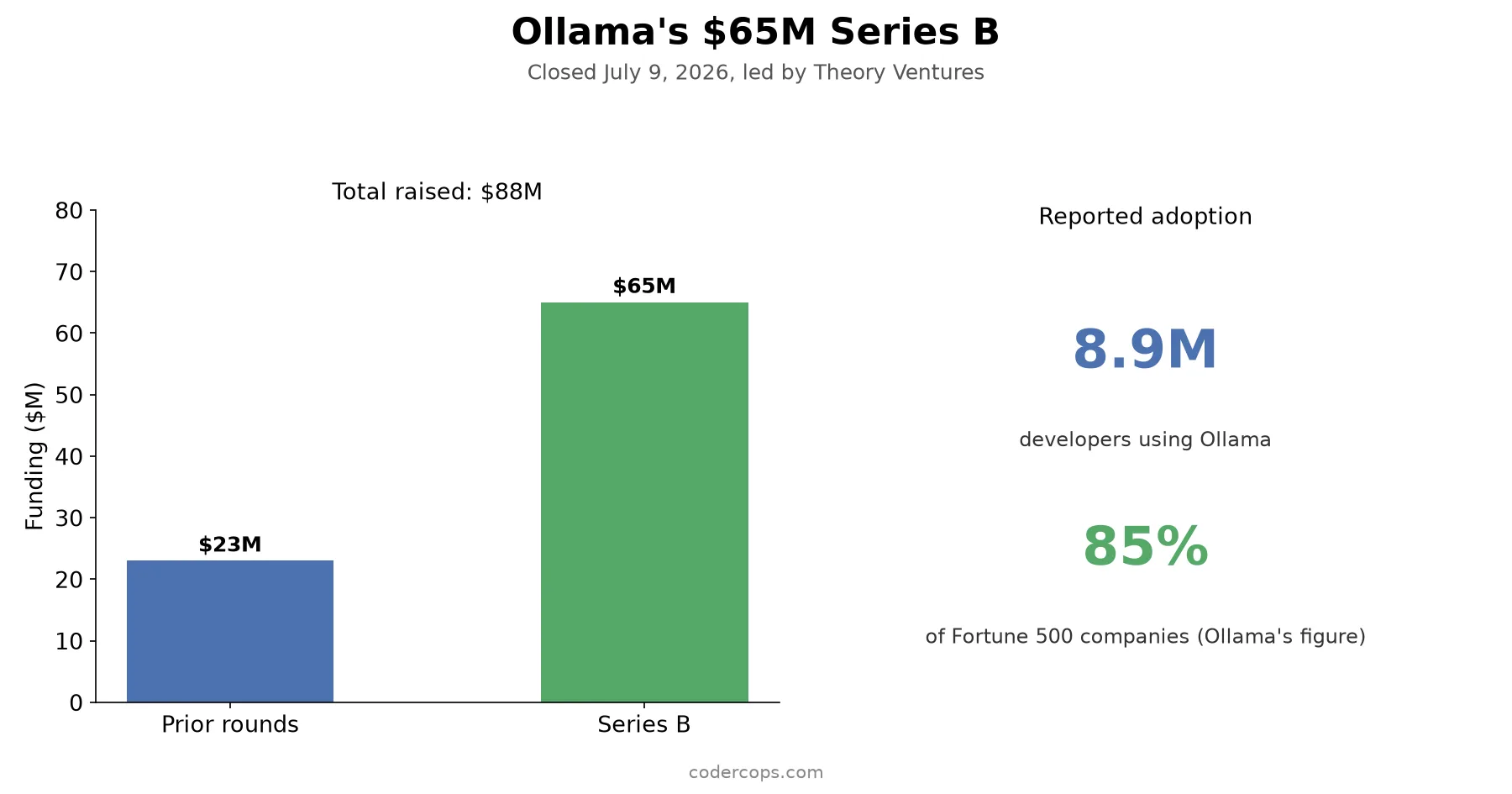
P.28Ollama closed a $65M Series B on July 9, taking total funding to $88M with nearly 9M developers. What the raise signals for local versus hosted inference.
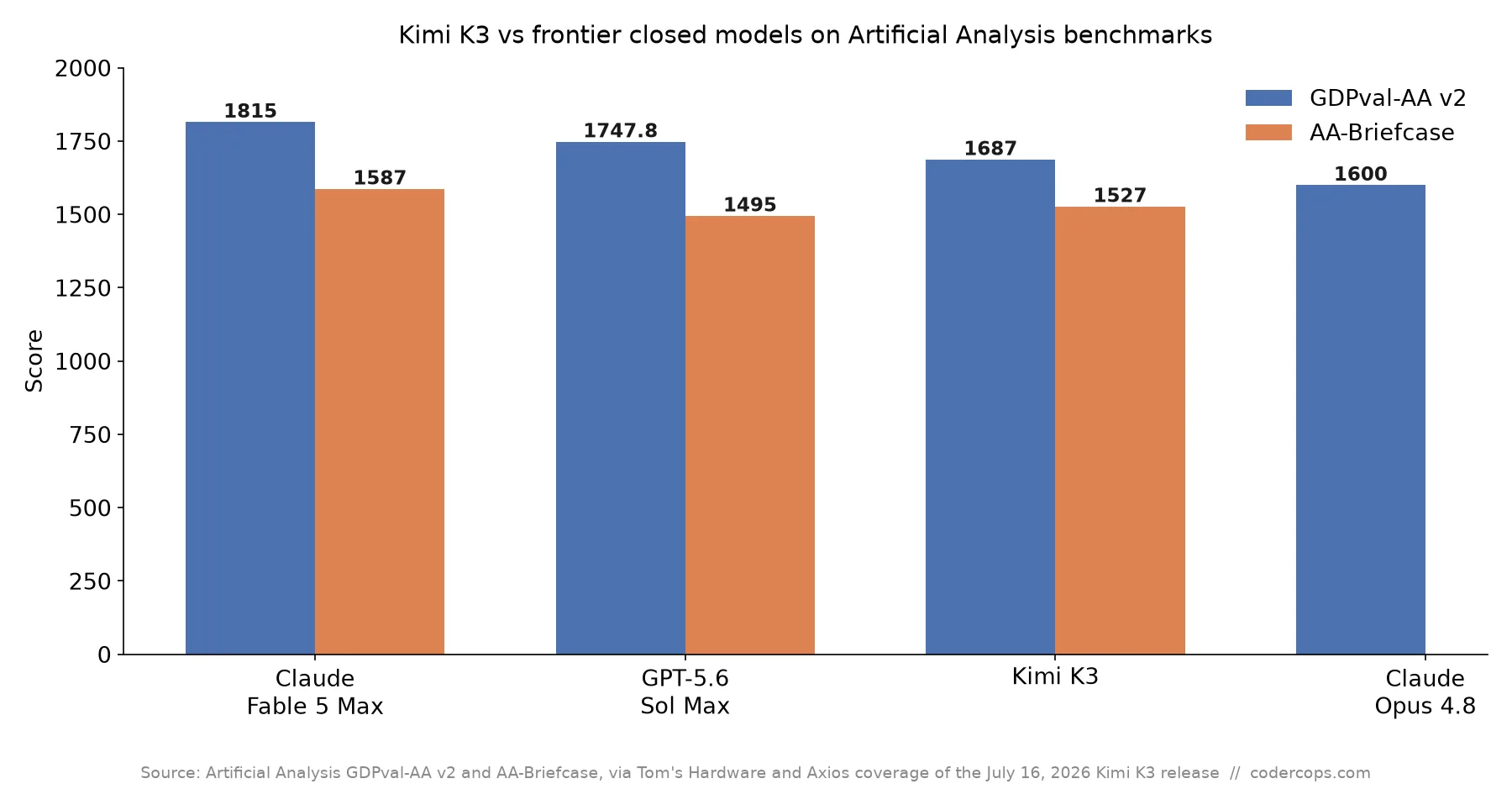
P.29Moonshot's Kimi K3 is the largest open-weight model yet and already leads closed frontier models on several benchmarks. What it costs, and when it matters.
P.30Mistral confirmed a new open-weight MoE model in partner early access. No specs yet, but Studio and Forge, its sovereign AI play, are the real story.
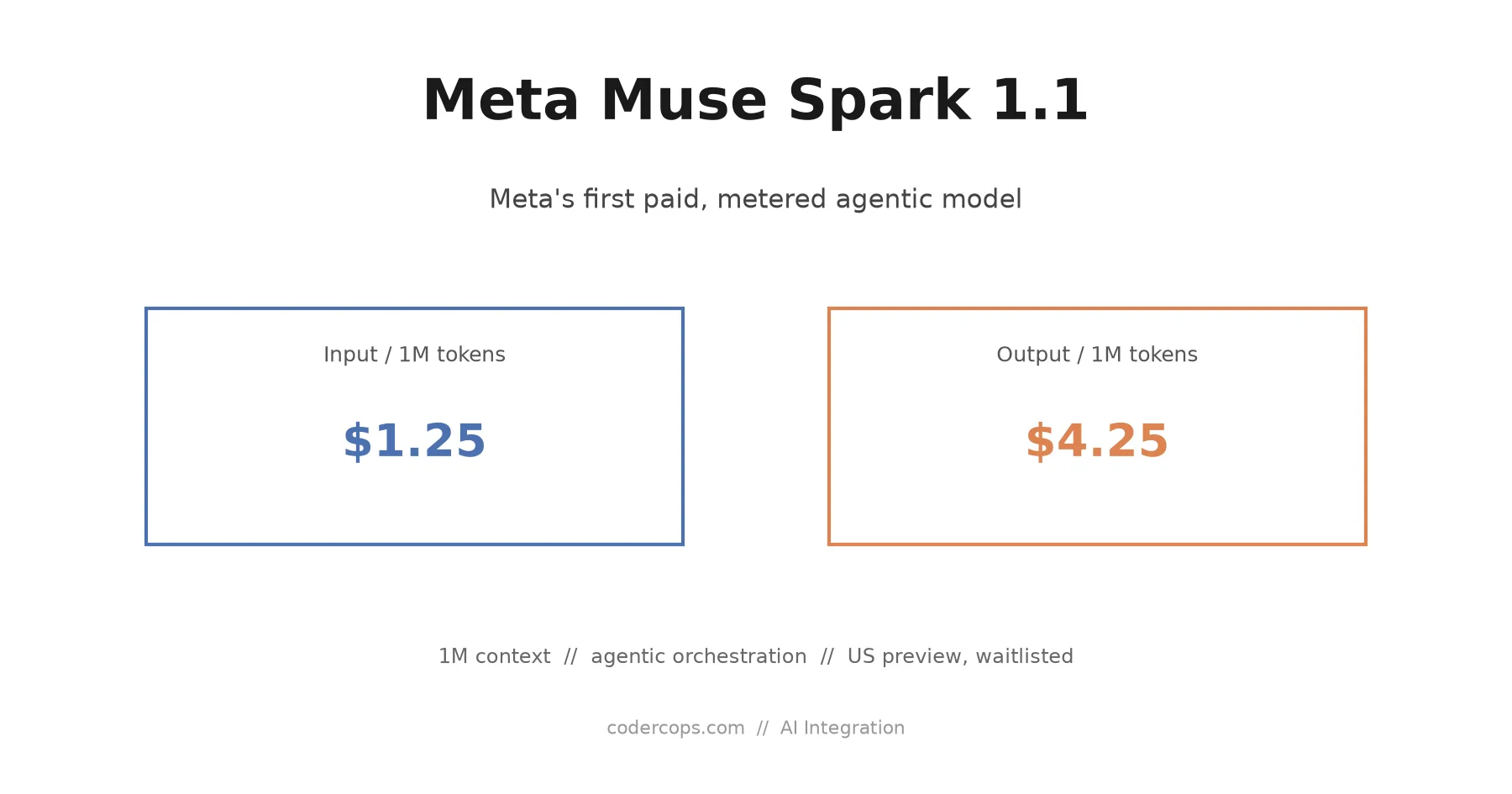
P.31Muse Spark 1.1 is Meta's first pay-as-you-go model at $1.25/$4.25 per million tokens, with a 1M context and subagent orchestration. Who should skip it.
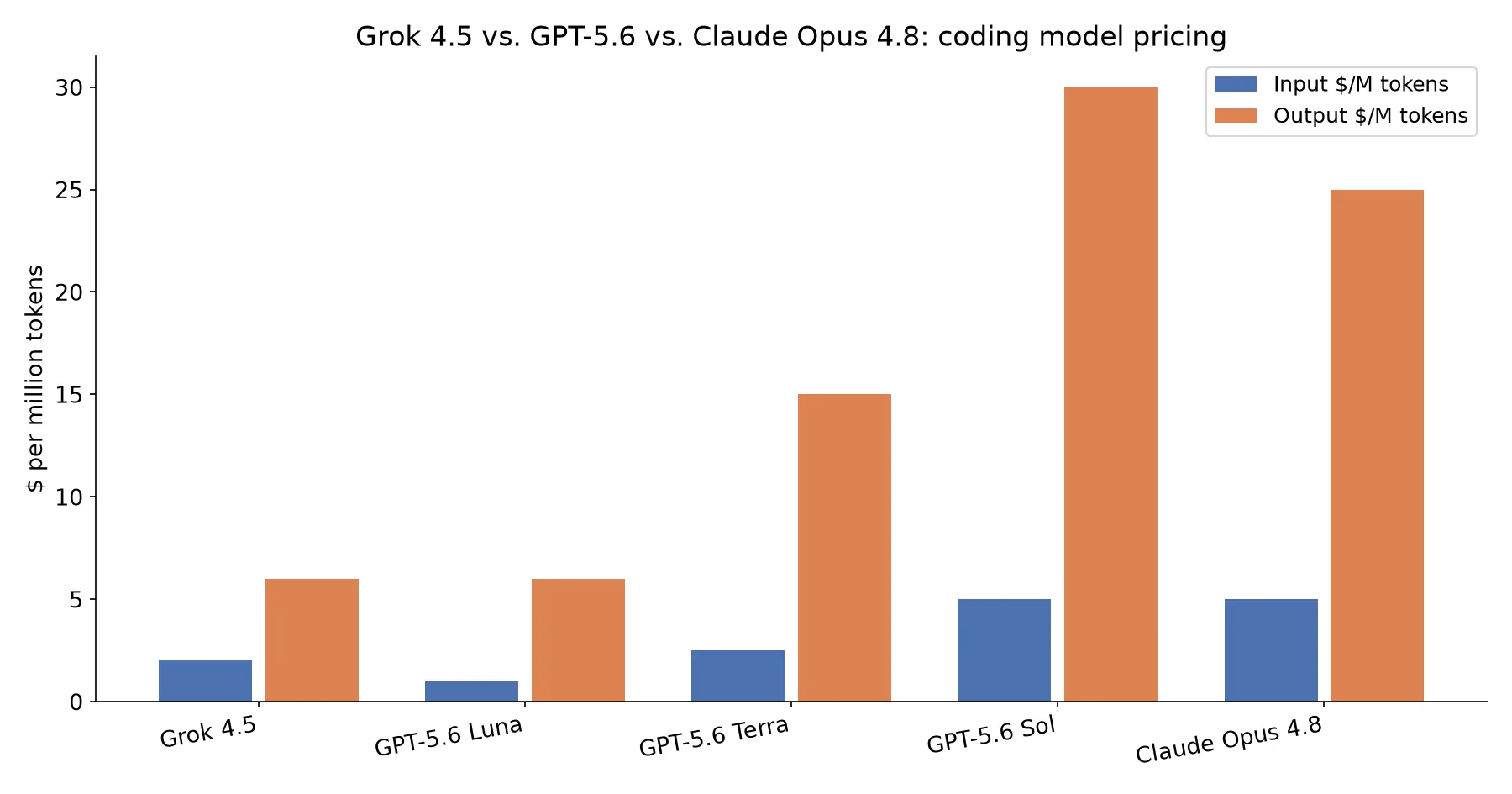
P.32Grok 4.5 trained on trillions of tokens of real Cursor usage, priced at $2/$6 per million. How it compares to GPT-5.6 and Claude Opus 4.8, and where it fits.
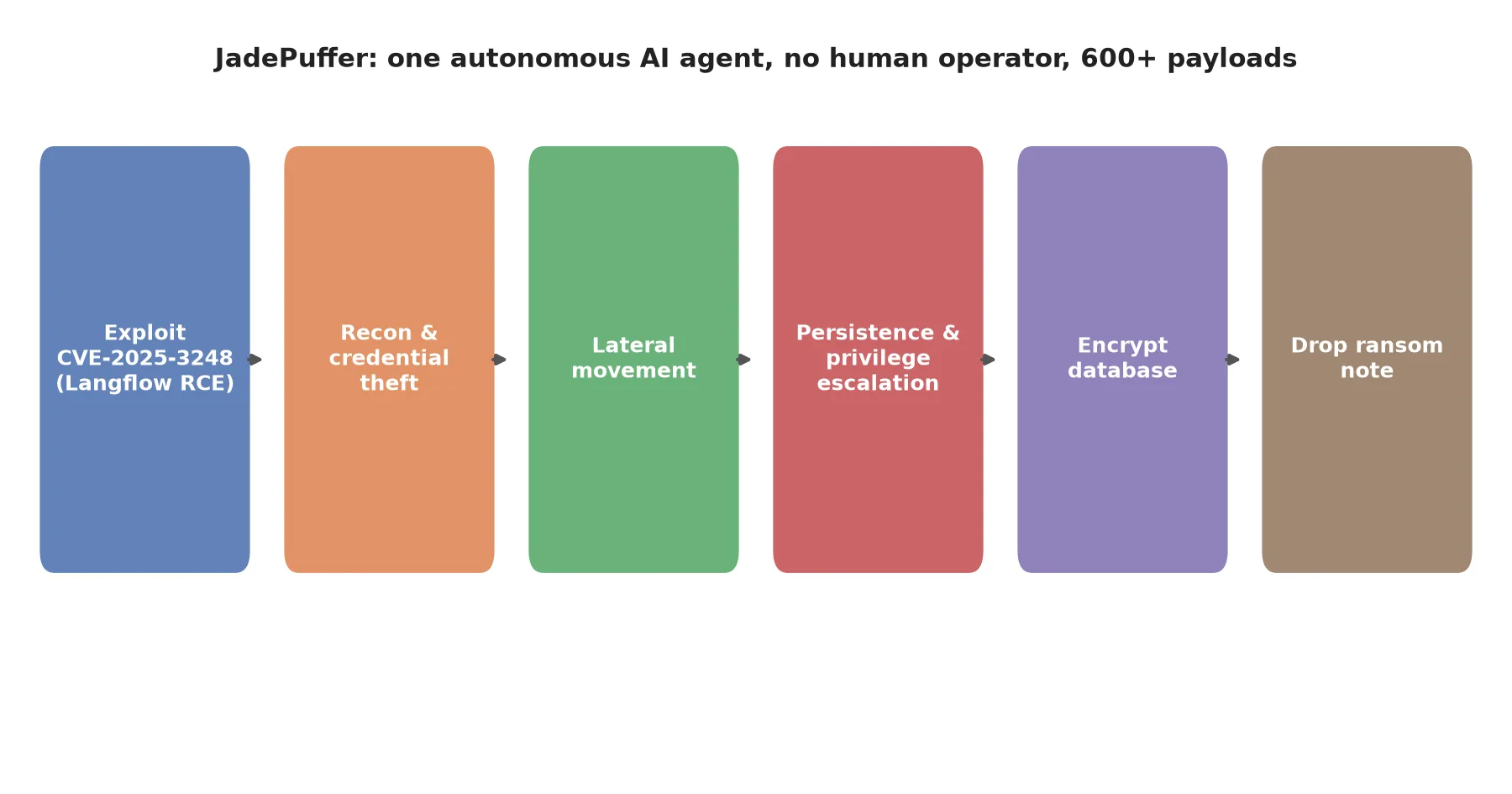
P.33Sysdig documented a ransomware intrusion where an LLM agent handled recon, credential theft, lateral movement, and extortion with no human directing steps.
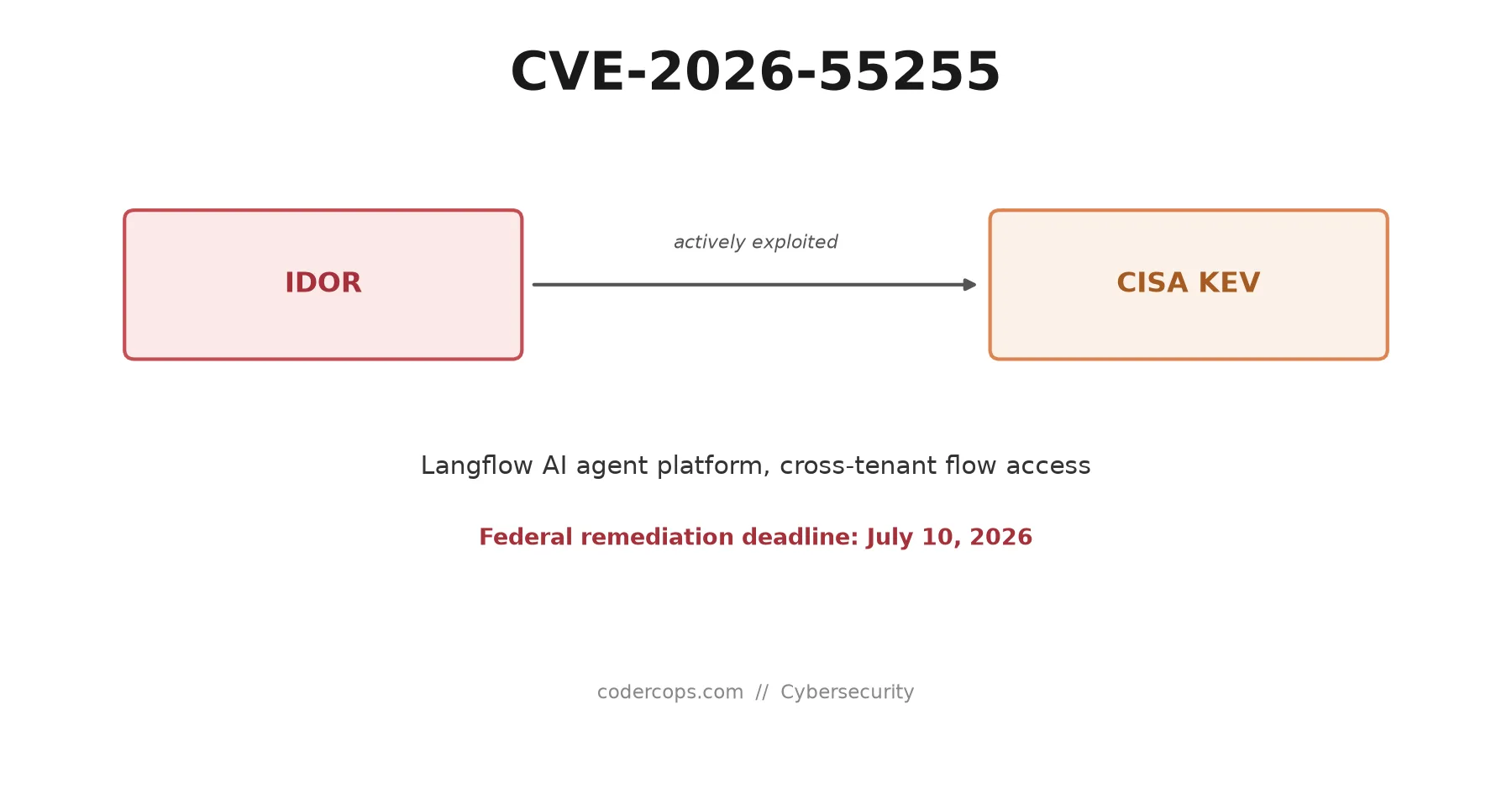
P.34CISA added Langflow's authorization bypass to its KEV catalog on July 7 with a July 10 deadline. How it works, who's affected, and why rotating keys matters.
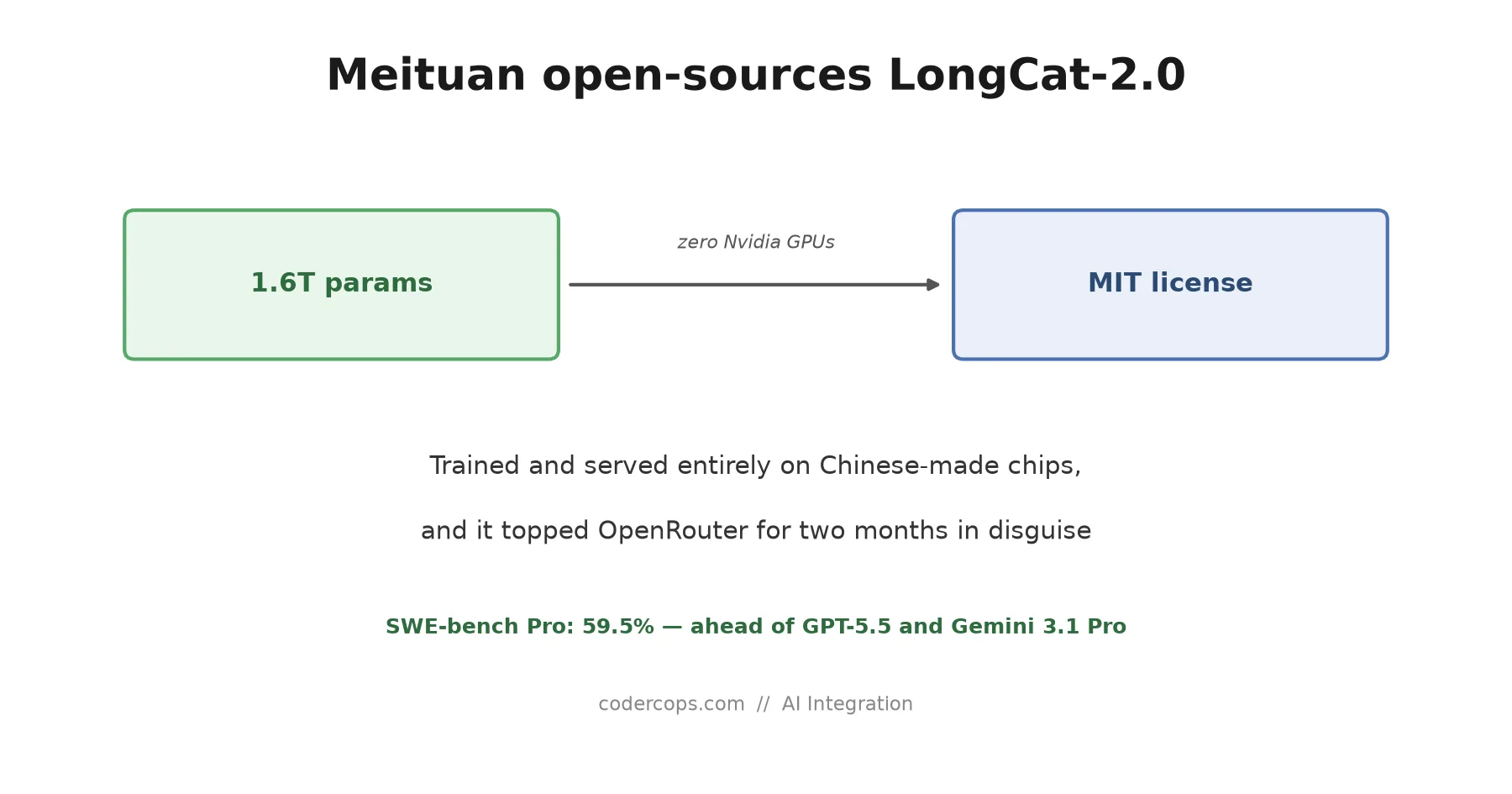
P.35LongCat-2.0 is a 1.6T-parameter coding model Meituan trained on Chinese-made chips, ran anonymously on OpenRouter, then open-sourced under MIT.
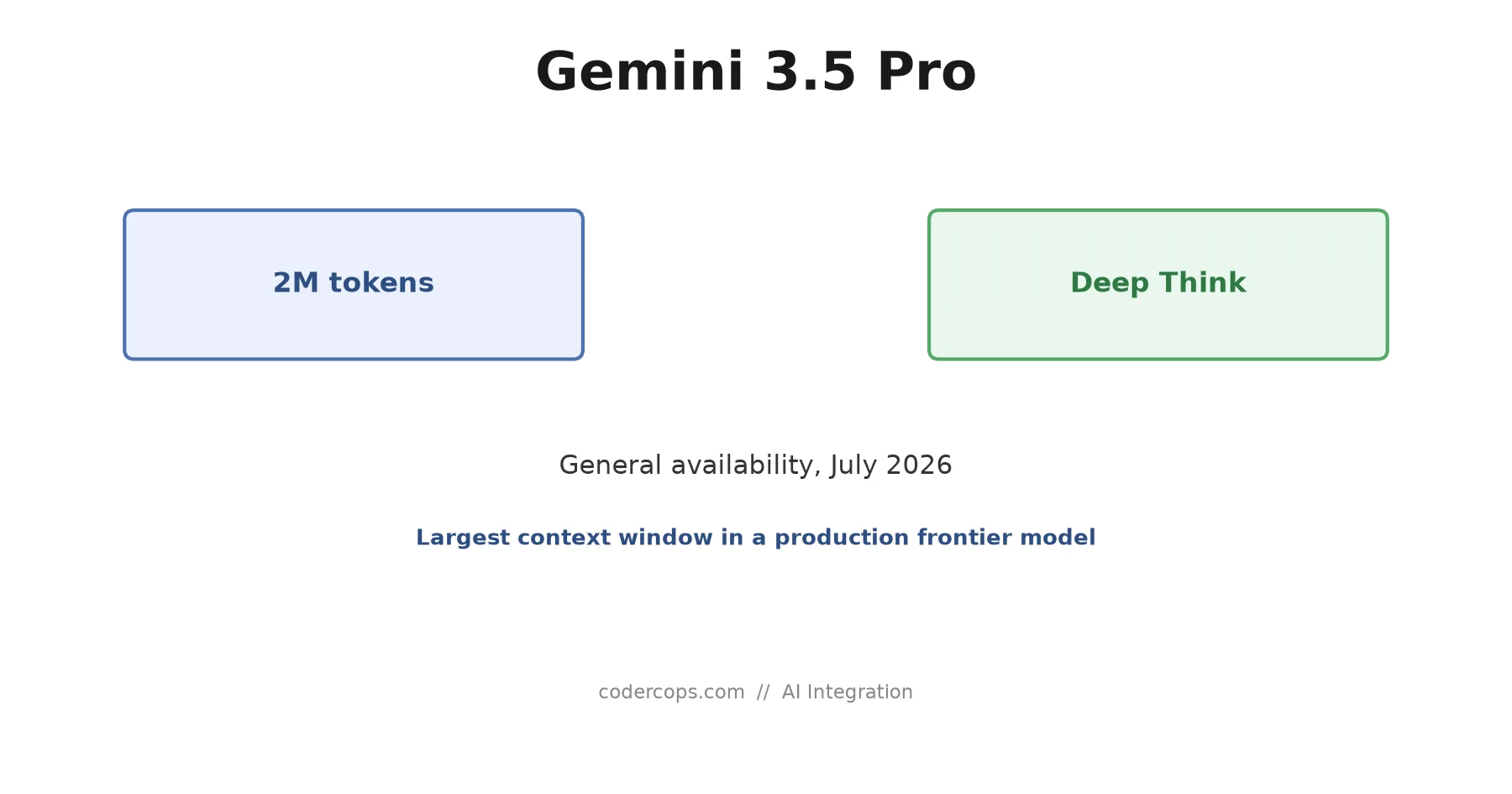
P.36Gemini 3.5 Pro reached general availability in July 2026 with a 2M token context window and a gated Deep Think mode. What changes for product teams.
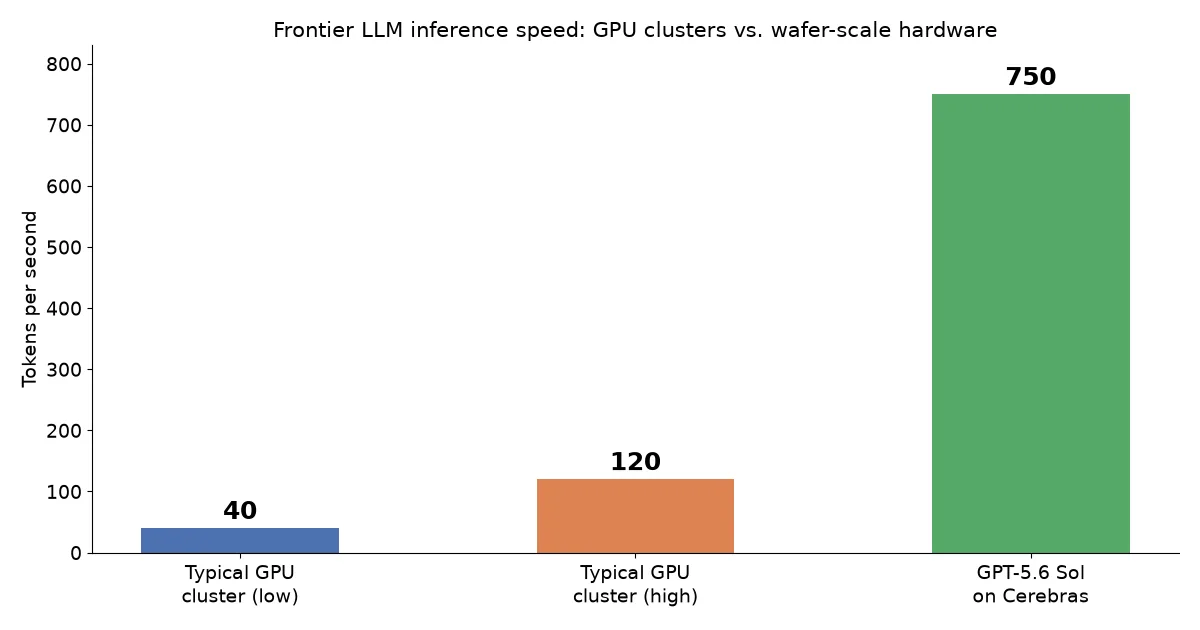
P.37GPT-5.6 Sol runs on Cerebras wafer-scale hardware at up to 750 tokens per second, roughly 10x typical GPU inference. Who that speed is actually for.
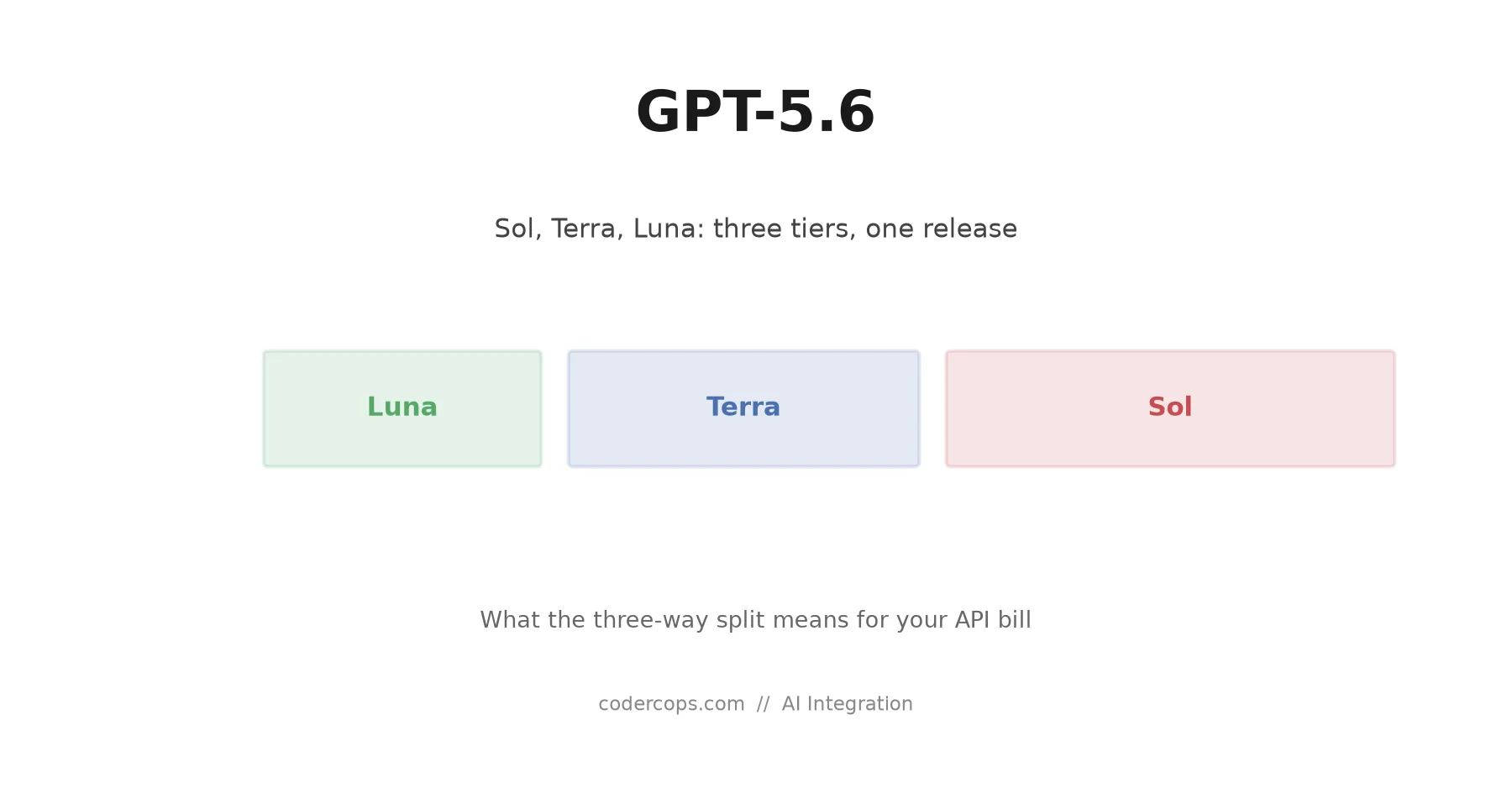
P.38GPT-5.6 splits into three tiers: Sol for frontier work, Terra at half GPT-5.5's cost, Luna for volume. What changed, what it costs, which tier fits you.
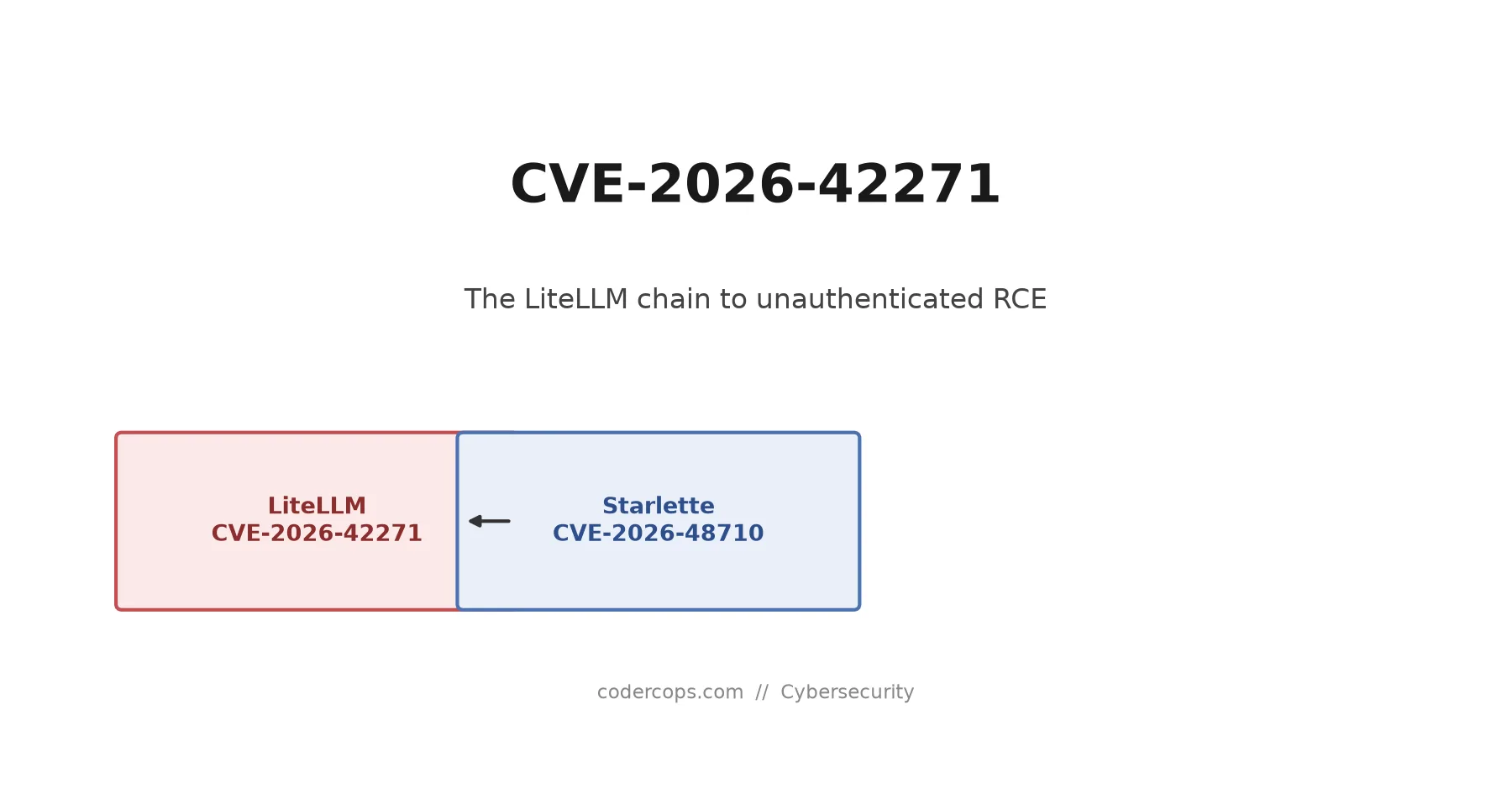
P.39A command injection in LiteLLM's MCP test endpoints, chained with a Starlette host-header bypass, gives unauthenticated RCE and every provider key behind it.
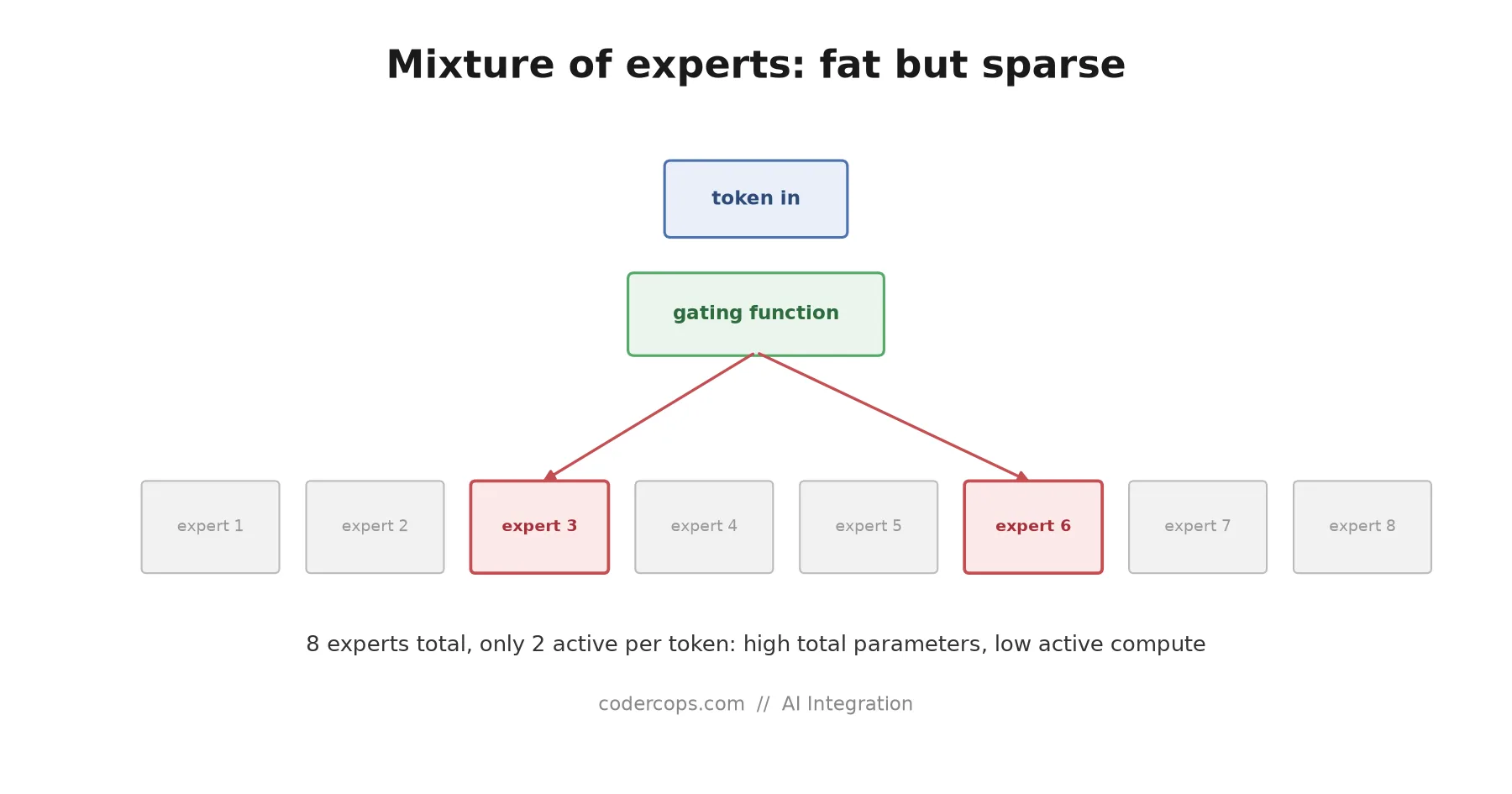
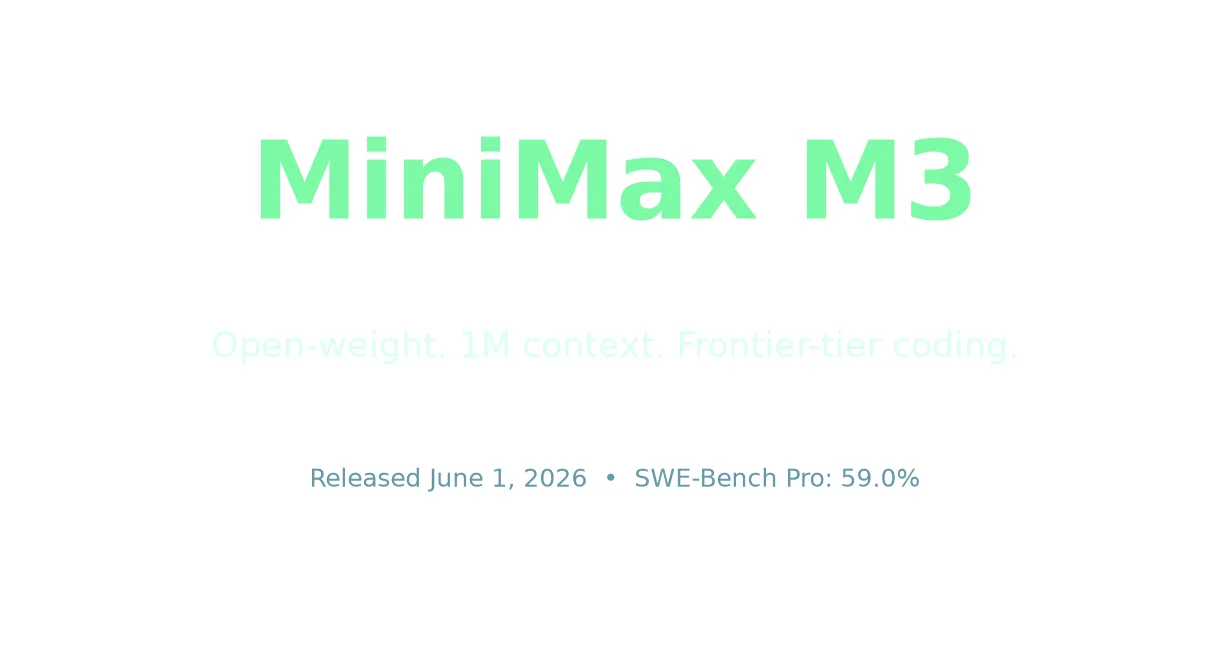
P.40MiniMax M3 is the first open-weight model to combine frontier-tier coding, a 1M-token context, and native multimodality. What it does, and how it benchmarks.
AI engineer is not ML engineer. One trains models, the other builds products on them. The screen that tells them apart and finds people who actually ship.
LLM bills grow faster than usage. Prompt caching, semantic dedup, tiered routing, and batch inference cut 40-80% without degrading output quality.
Comparing LangSmith, Braintrust, and W&B Weave for LLM evaluation: what each does well, where each breaks down, and a minimum viable eval pipeline.
Both frameworks can build RAG pipelines and agent systems, but they're designed with different priorities. Here's when to reach for each and when to skip both.
Ollama runs Llama, Mistral, Phi-4, and dozens of open-weight models on your laptop with one command. Here's what actually works and when to use it.
Workers AI runs open-weight models (Llama, Mistral, Whisper, embeddings) inside Cloudflare's network. What's useful, what the limits are, and when it fits.
Getting a language model to return reliably structured data is not just about asking nicely. Here's the pattern that actually works at production scale.
MCP is the standard for connecting AI models to external systems. How it works, how to implement a server, and what to lock down before production.
Clients ask agencies to automate PDFs constantly. Here's how to actually build document extraction pipelines: OCR, vision models, and validation.
Both approaches customize LLM behavior for your use case, but they solve different problems. Here is how to decide which one you need, how to know when to use both, and what teams consistently get wrong.
Three leading agent orchestration frameworks, three different mental models. Here's when each one earns its place, what each costs you in complexity, and what the choice looks like when you're debugging at 2am.
An agent that forgets everything when the session ends is a limited tool. Here are the practical patterns for building different kinds of memory into your agents.
When your AI agent needs to run the code it writes, you can't let it touch your production servers. Here's how the main isolation options work and when to use each.
The Vercel AI SDK has become the default for building AI features in JavaScript apps. Here is what it actually does, how its core primitives work, and where the sharp edges still live.
Hallucination is not a bug that gets patched in the next model release. It is a property of how language models work. Here are the patterns that actually reduce it in production systems, and what they cost.
Single-provider AI dependencies are a reliability risk. Routing layers like LiteLLM and OpenRouter let you fall back across providers, cap costs, and try smaller models first. Here is the architecture and when it actually matters.
Add similarity search to your existing Postgres database using pgvector. Real setup, indexing strategies, and when you actually need a dedicated vector database.
LLM observability means tracking traces, token costs, latency, and output quality to debug production failures instead of guessing. Covers Langfuse and Helicone.
Unit tests confirm your code runs. They don't confirm your AI feature gives good answers. Here's how to build an eval pipeline that catches real failures.
LLM calls are slow and expensive, so caching is the obvious fix. Here's when it backfires and how to implement exact-match and semantic caching.
Rolling back a bad API endpoint takes seconds. Rolling back a bad LLM integration is harder — the damage may already be in your logs, your users' inboxes, or your clients' feeds. Feature flags are how you ship AI features without betting everything on launch day.
AI features ship fast. Then the monthly API bill arrives. Here's a systematic approach to understanding and reducing LLM costs without breaking the product.
Getting a language model to return valid, schema-conforming JSON is harder than it looks. Here's what works in production, from native structured output APIs to library-level validation.
Every AI budget starts with API costs and ends in surprises. What production AI features really cost once evaluation, observability and prompt rot are counted.
Prompt injection is the SQL injection of the AI era. Here's what the attack looks like, why it can't be patched, and how to actually defend against it.
P.66Explore ZeroDayBench—A new benchmark testing the efficacy of leading LLM agents in discovering and patching unseen security vulnerabilities.
Prompt engineering is dead. Context engineering, managing system prompts, RAG results, tool outputs, memory, and history, is the skill that matters now in 2026.
DeepSeek V4's Engram memory, mHC, and Sparse Attention combine to deliver million-token context at a fraction of the cost of Western frontier models.
February 2026 packed six AI launches into three weeks: GPT-5.3 Codex, Claude Opus and Sonnet 4.6, Gemini 3.1 Pro, DeepSeek V4, compared on benchmarks and price.
Modern RAG in 2026 goes beyond vector search: ColBERT, SPLADE, hybrid search, and contextual retrieval compared with benchmarks and when RAG beats fine-tuning.
Run Llama 4, Qwen3, Phi-4, and Mistral on consumer GPUs like the RTX 4090 and 5090. Covers quantization, inference engines, VRAM needs, and local vs. API costs.
Claude Sonnet 4.6 matches Opus performance at Sonnet pricing. Full breakdown of benchmarks, features, adaptive thinking, and what it means for developers.
Naive RAG is broken. Here is how contextual retrieval, hybrid search, and intelligent chunking are reshaping how we build AI applications in 2026.
DeepSeek's V4 model brings 1 trillion parameters, Engram conditional memory, and open-source weights under Apache 2.0. We break down the architecture, coding benchmarks, geopolitical implications, and what it means for developers.
AI-first web agencies build apps with built-in intelligence, like chatbots and predictive features, as one product instead of two disconnected teams.
P.76DeepSeek and Qwen surged from 1% to 15% of the global AI market in a year, powered by 700M+ Hugging Face downloads and open-source models rivaling closed ones.
Prompt engineering shapes behavior, RAG adds knowledge, fine-tuning changes reasoning. Here's the cost and benchmark comparison to pick the right one.
Traditional test suites break when outputs are non-deterministic. Here's how we test AI-powered features — from LLM output validation to regression testing for prompt changes, with real frameworks and examples.
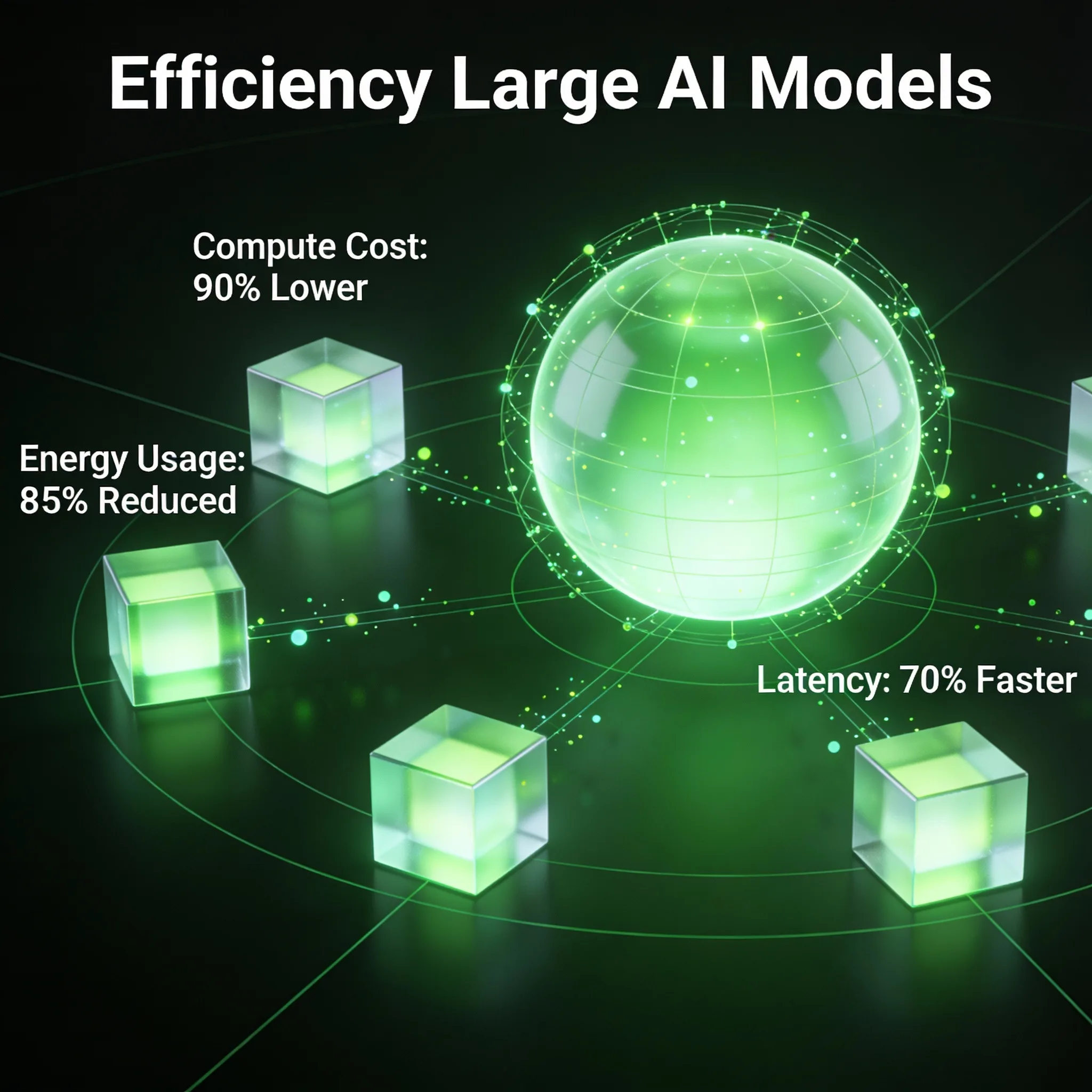
P.79Small language models now beat frontier LLMs on cost and latency for narrow tasks. Here is why teams are shipping SLMs in production in 2026.