P.01WebTransport Explained: A Real WebSocket Alternative Now
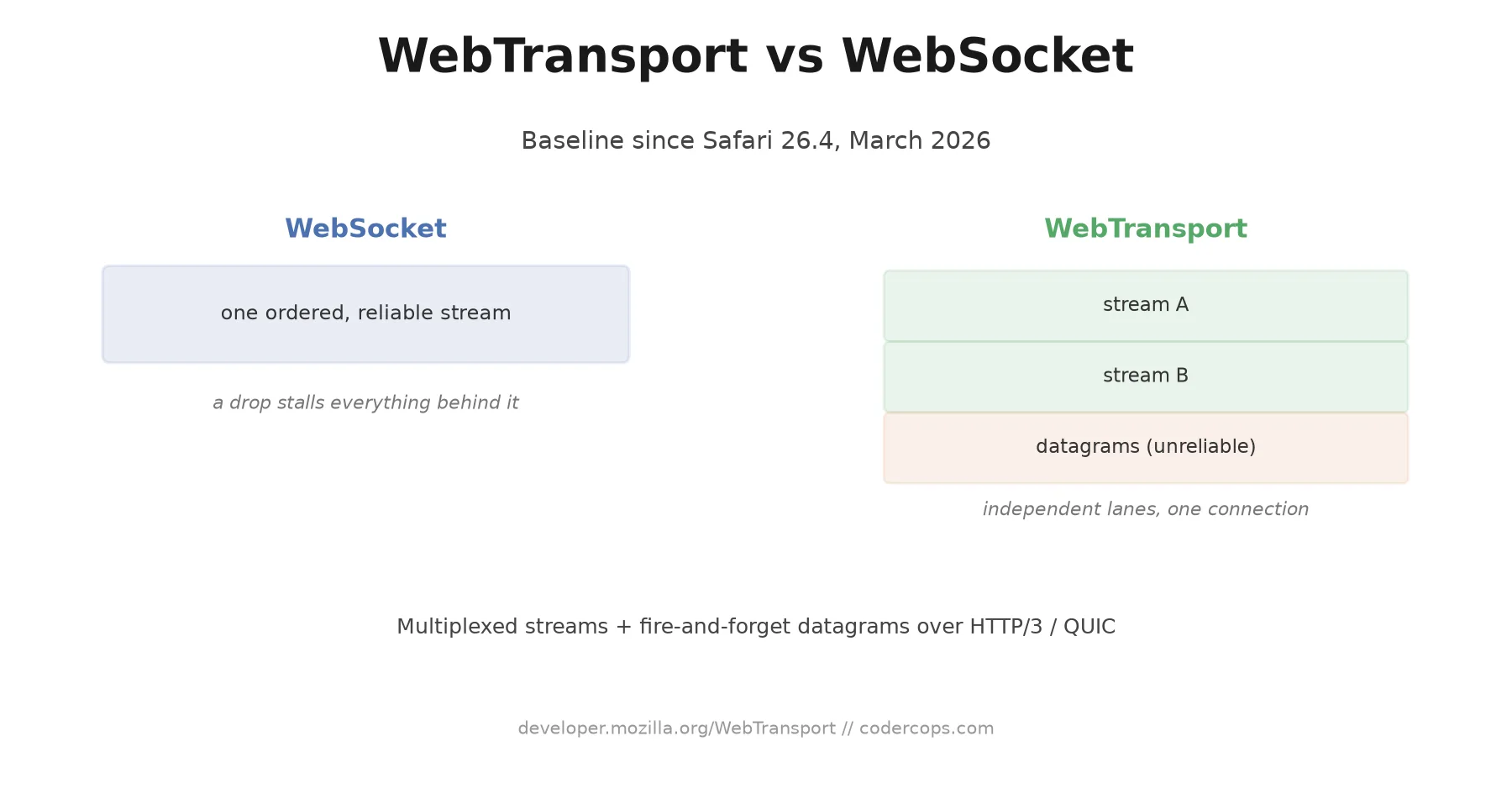
WebTransport hit Baseline in March 2026 when Safari 26.4 shipped it. Here's what it actually does, how it differs from WebSockets, and when to reach for it.
Tag
165 articles tagged #Web Development.
P.01WebTransport hit Baseline in March 2026 when Safari 26.4 shipped it. Here's what it actually does, how it differs from WebSockets, and when to reach for it.
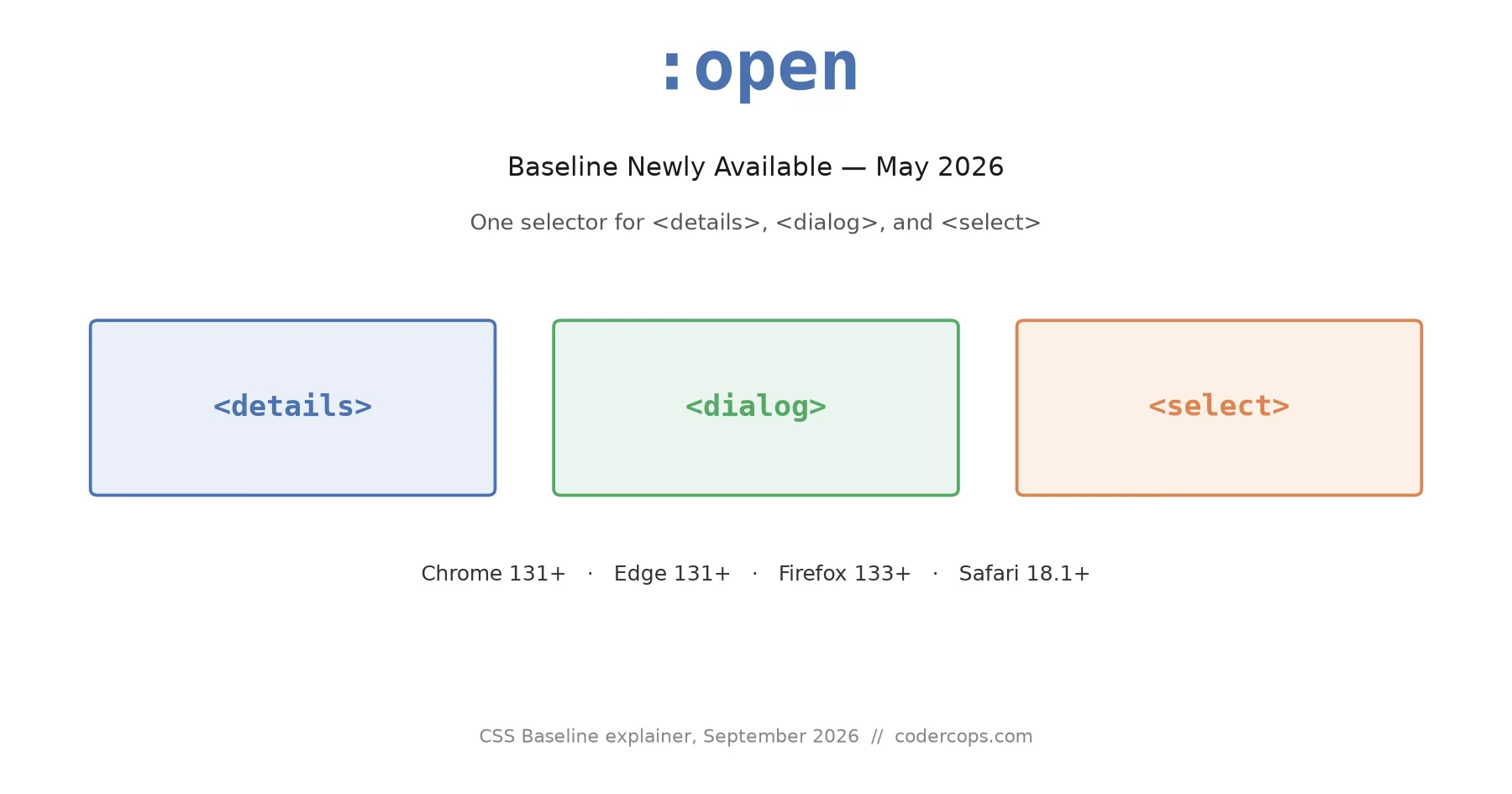
P.02The :open pseudo-class, Baseline since May 2026, styles <details>, <dialog>, and <select> in their expanded state with one selector. No JS classes needed.
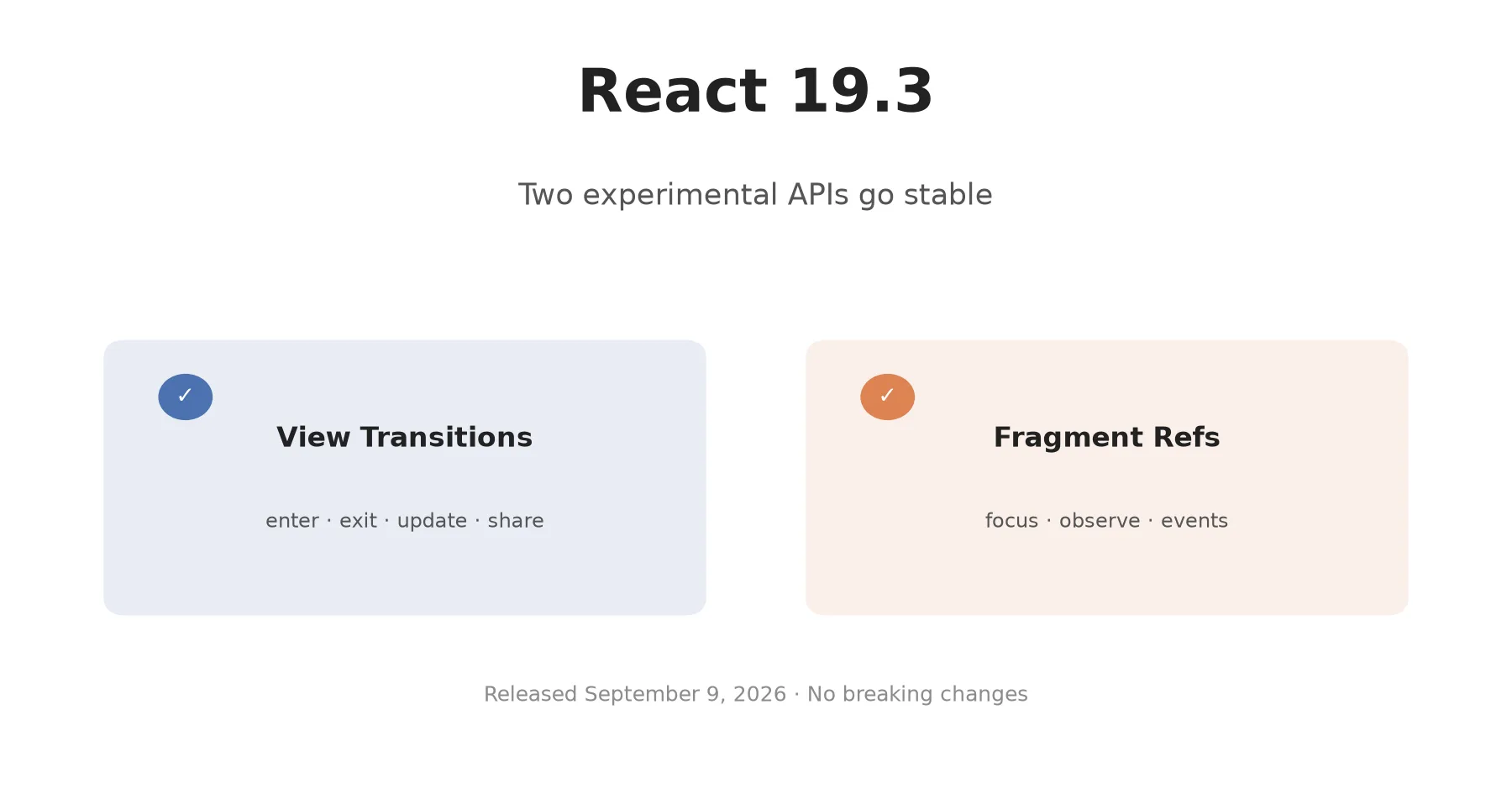
P.03React 19.3 shipped September 9, 2026, and turned two long-experimental APIs stable: View Transitions and Fragment Refs. What changed and whether to upgrade.
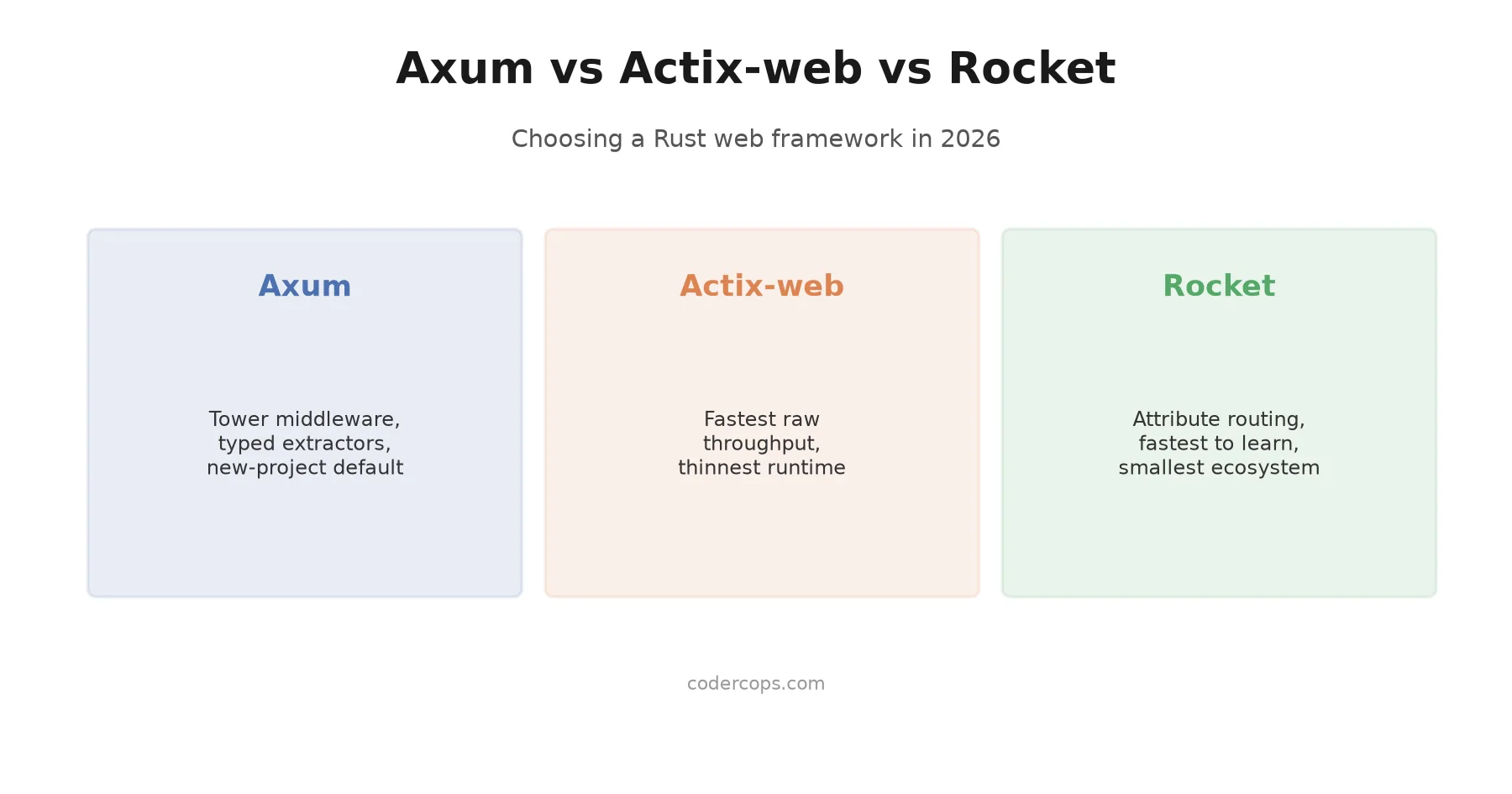
P.04Axum is the default for new Rust APIs in 2026, Actix-web wins on raw throughput, and Rocket wins on ergonomics. Here is which one fits your team.
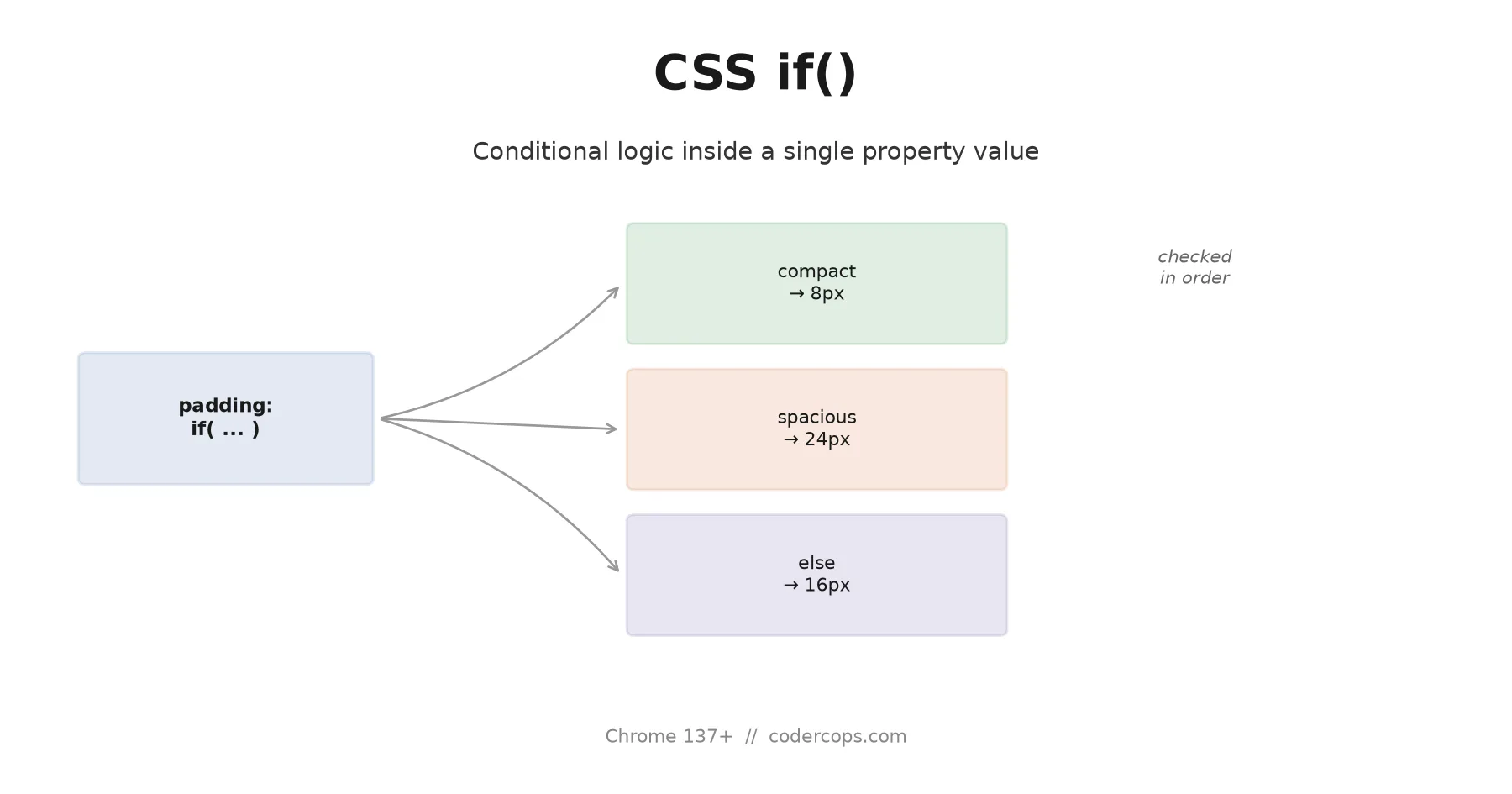
P.05The CSS if() function lets a single property branch on media, container, or feature conditions. What it does, the syntax, and where it still can't replace JS.
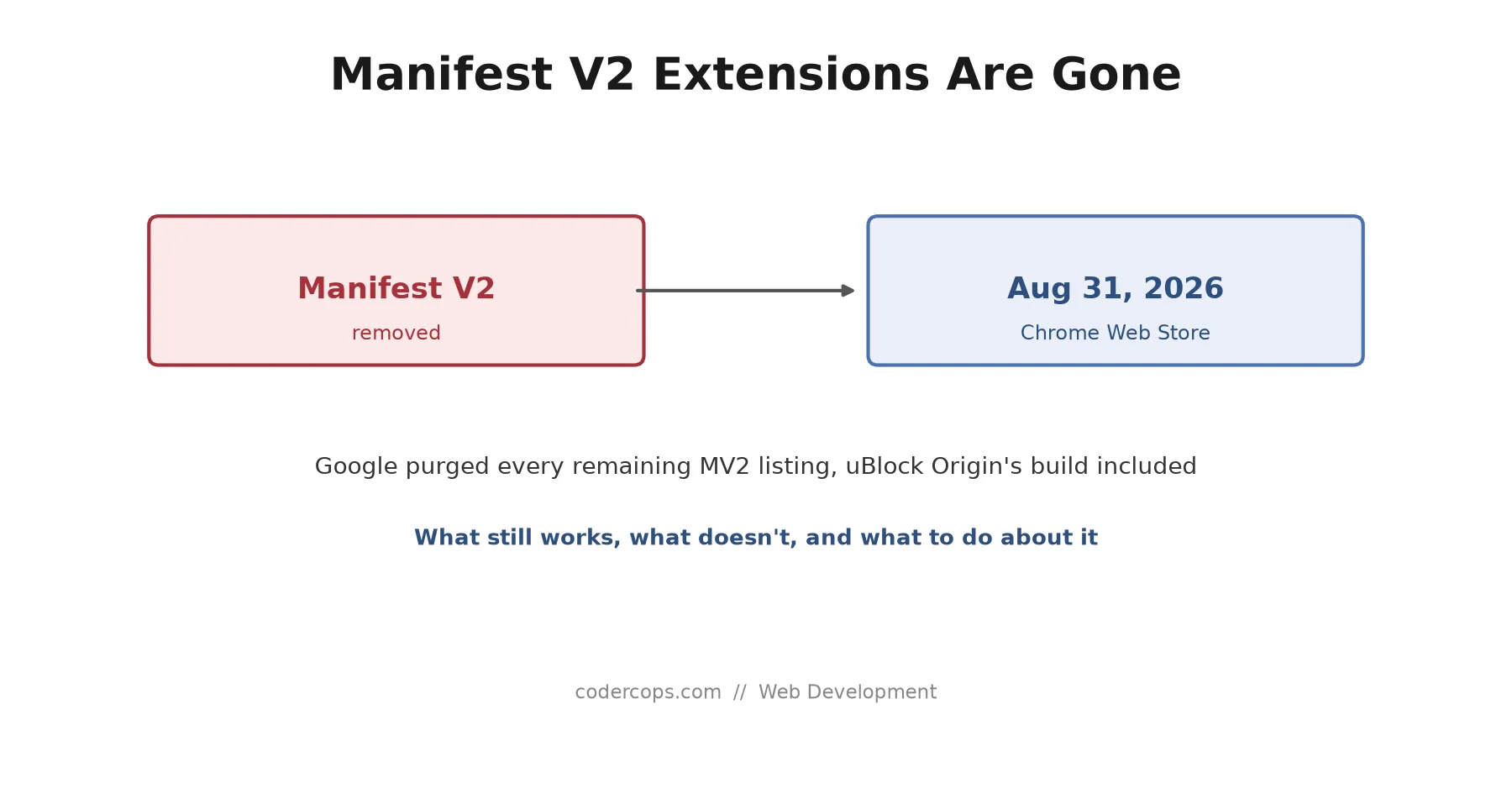
P.06On August 31, 2026 Google deleted every remaining Manifest V2 extension from the Chrome Web Store, including uBlock Origin's MV2 build. What broke.
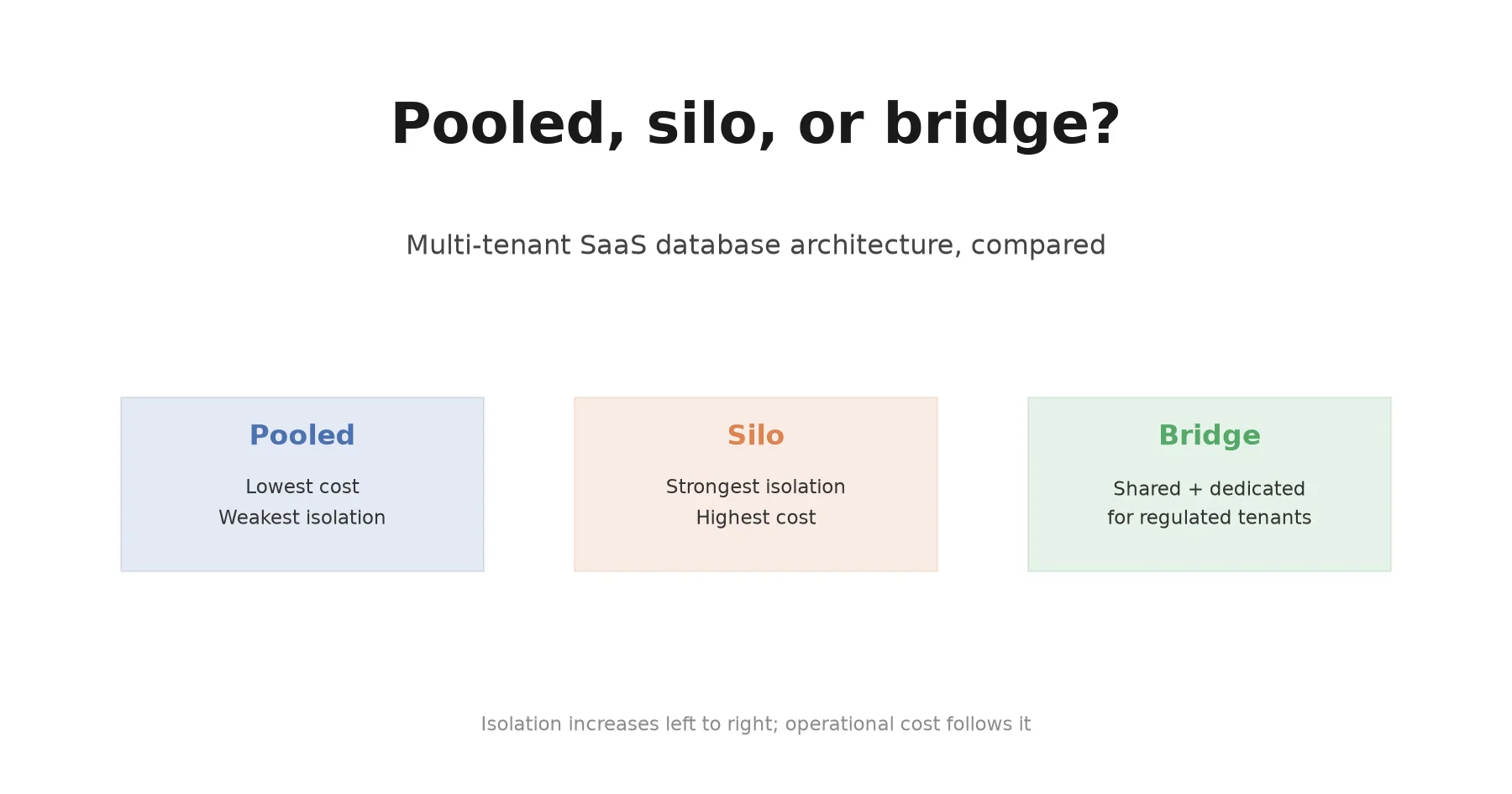
P.07Shared database or one per customer? Most SaaS teams pick wrong for their stage and pay later. How the three patterns trade off, and which one you need.
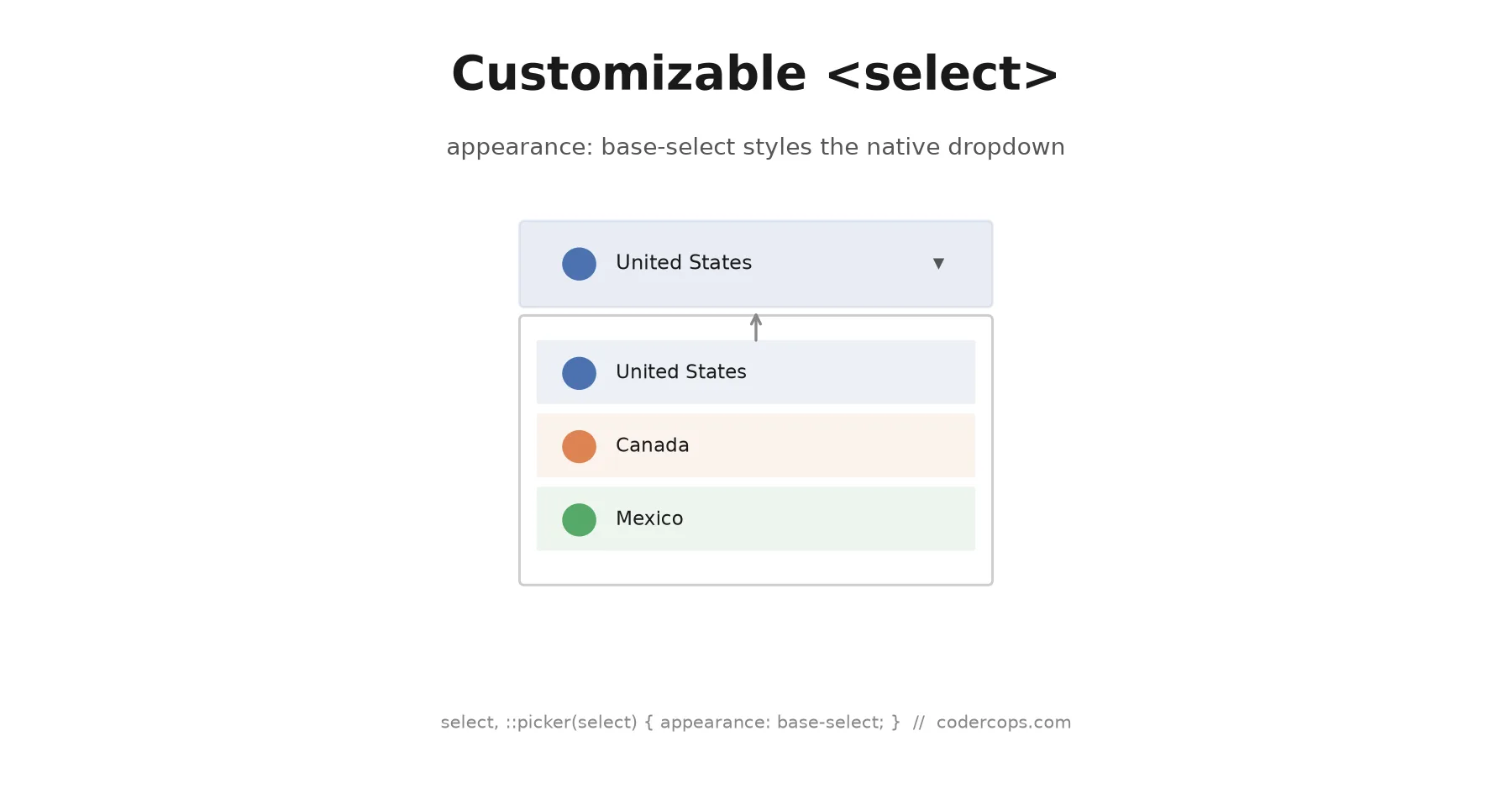
P.08One CSS property finally styles the browser's own select, options and icons included, with no dropdown library. The syntax, an example, and real support.
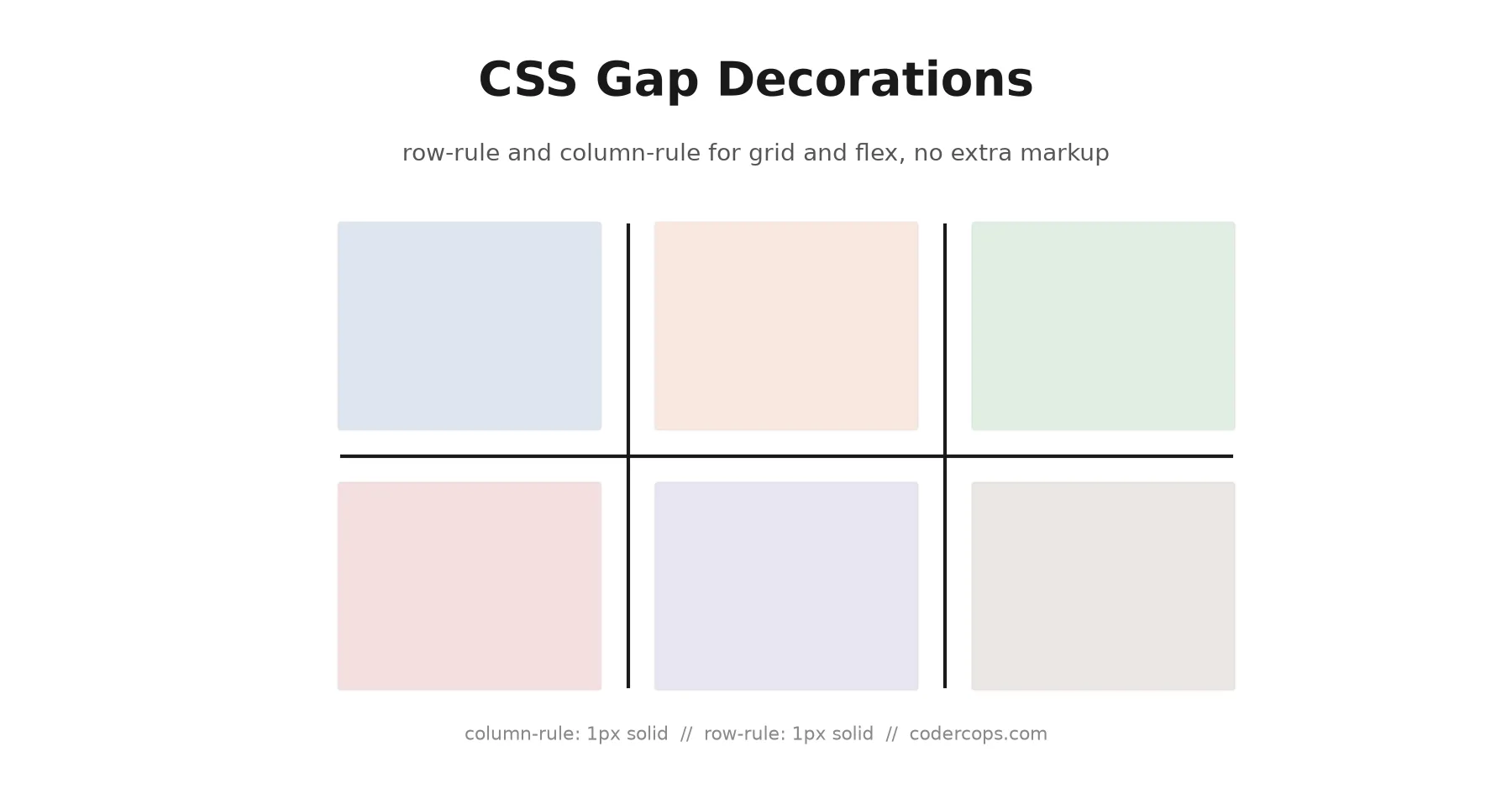
P.09column-rule now works in grid and flexbox, and row-rule joins it. Draw dividers between items in two lines of CSS, plus what to do about support.
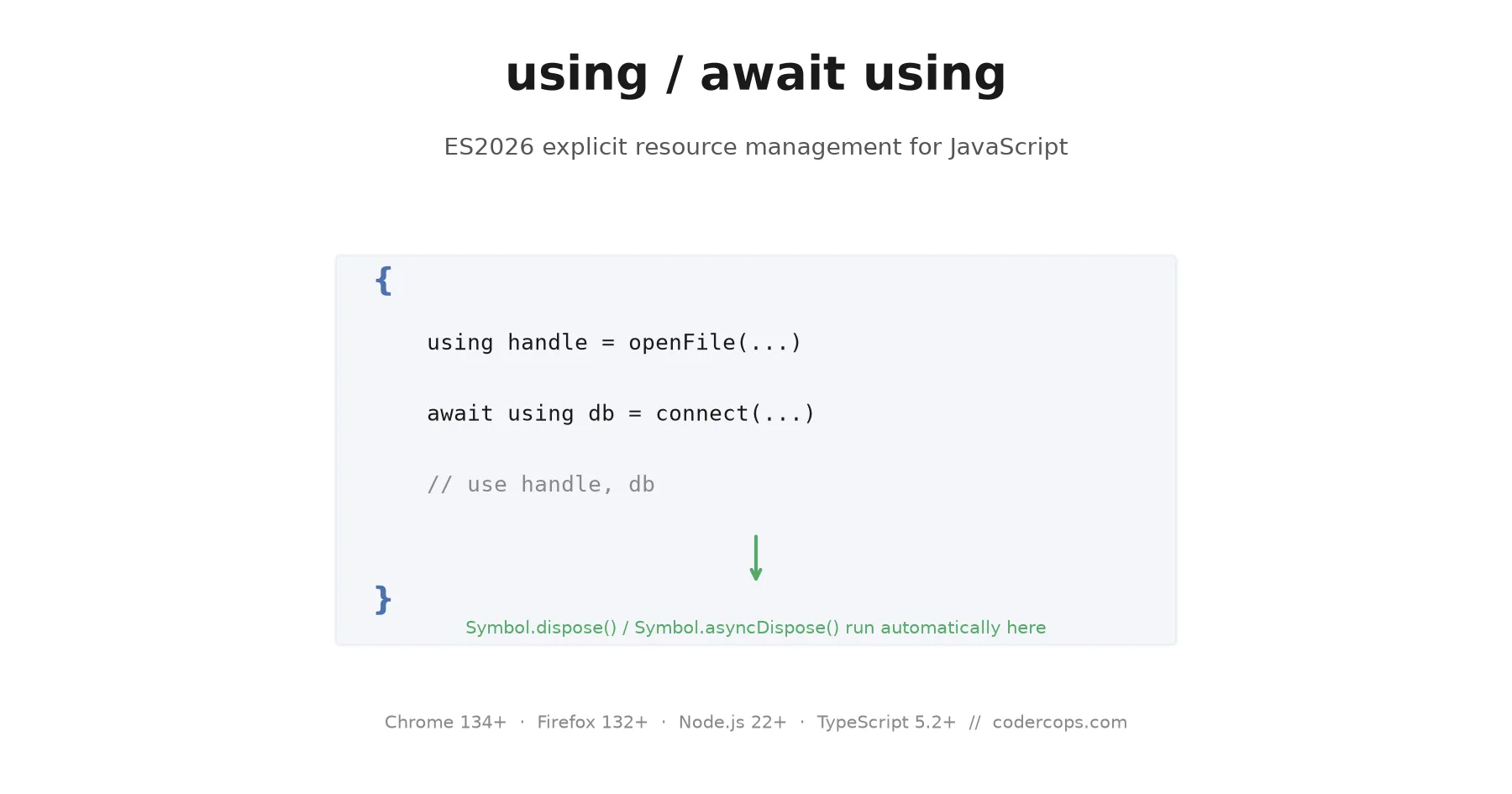
P.10ES2026's using and await using close files, connections, and locks when a block ends, with no try/finally. The syntax, real examples, and support today.
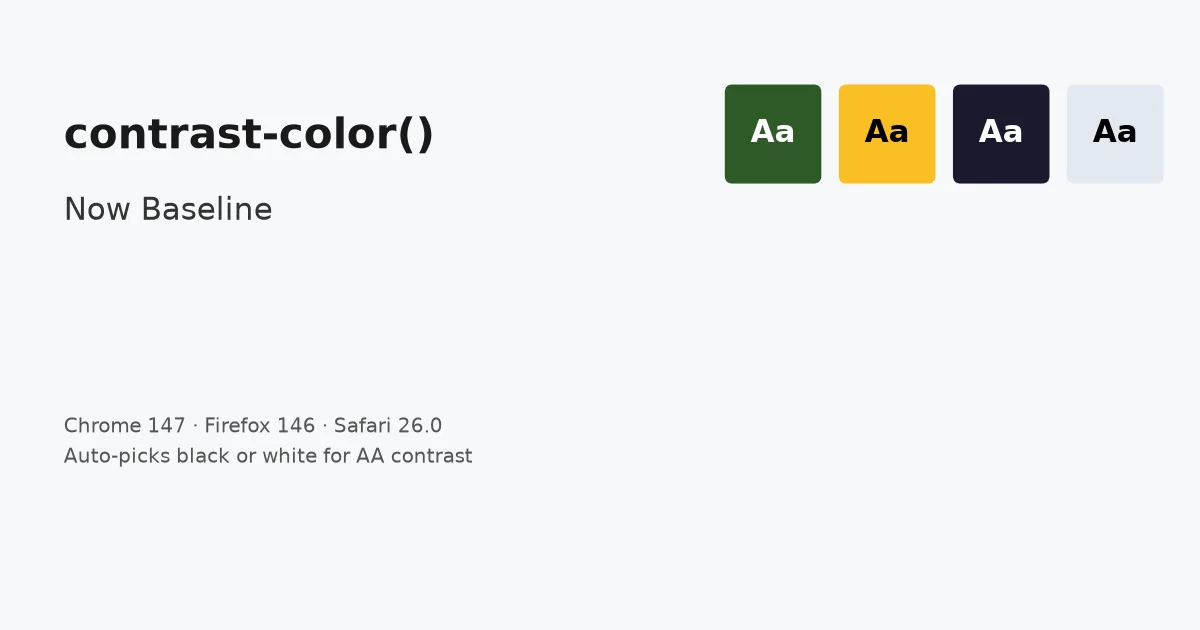
P.11Chrome 147, Firefox 146, and Safari 26 all ship contrast-color(), which picks black or white text to meet WCAG AA on any background. Syntax and fallback.
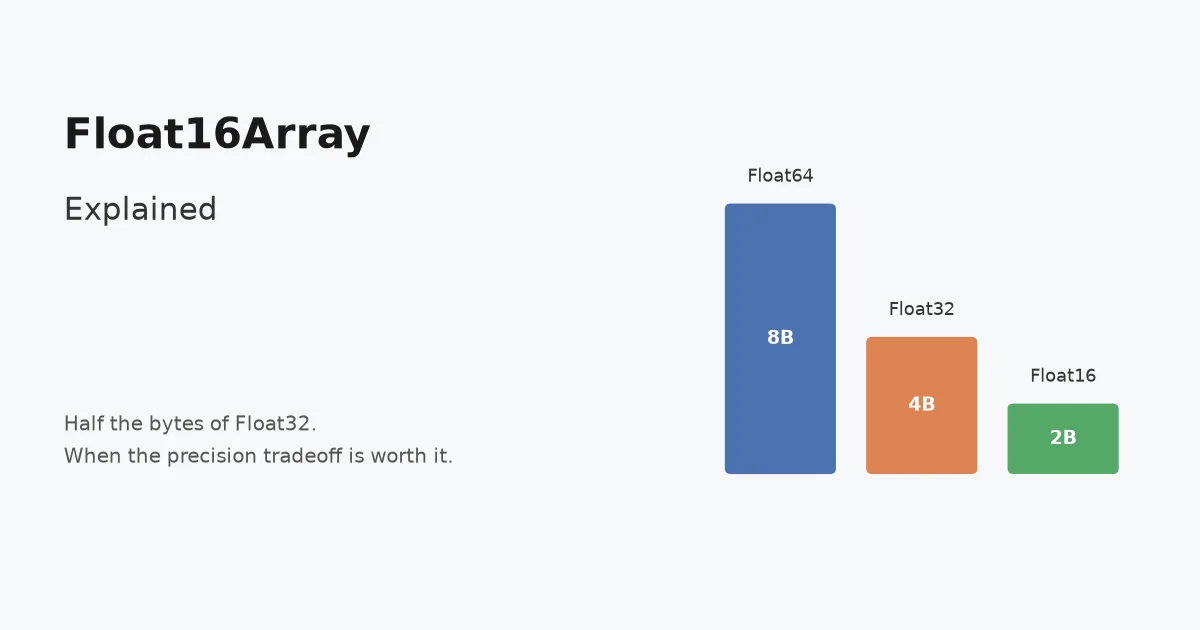
P.12Float16Array stores numbers in half the bytes of Float32Array, trading precision most workloads never used. What it's for, what it costs, where it fails.
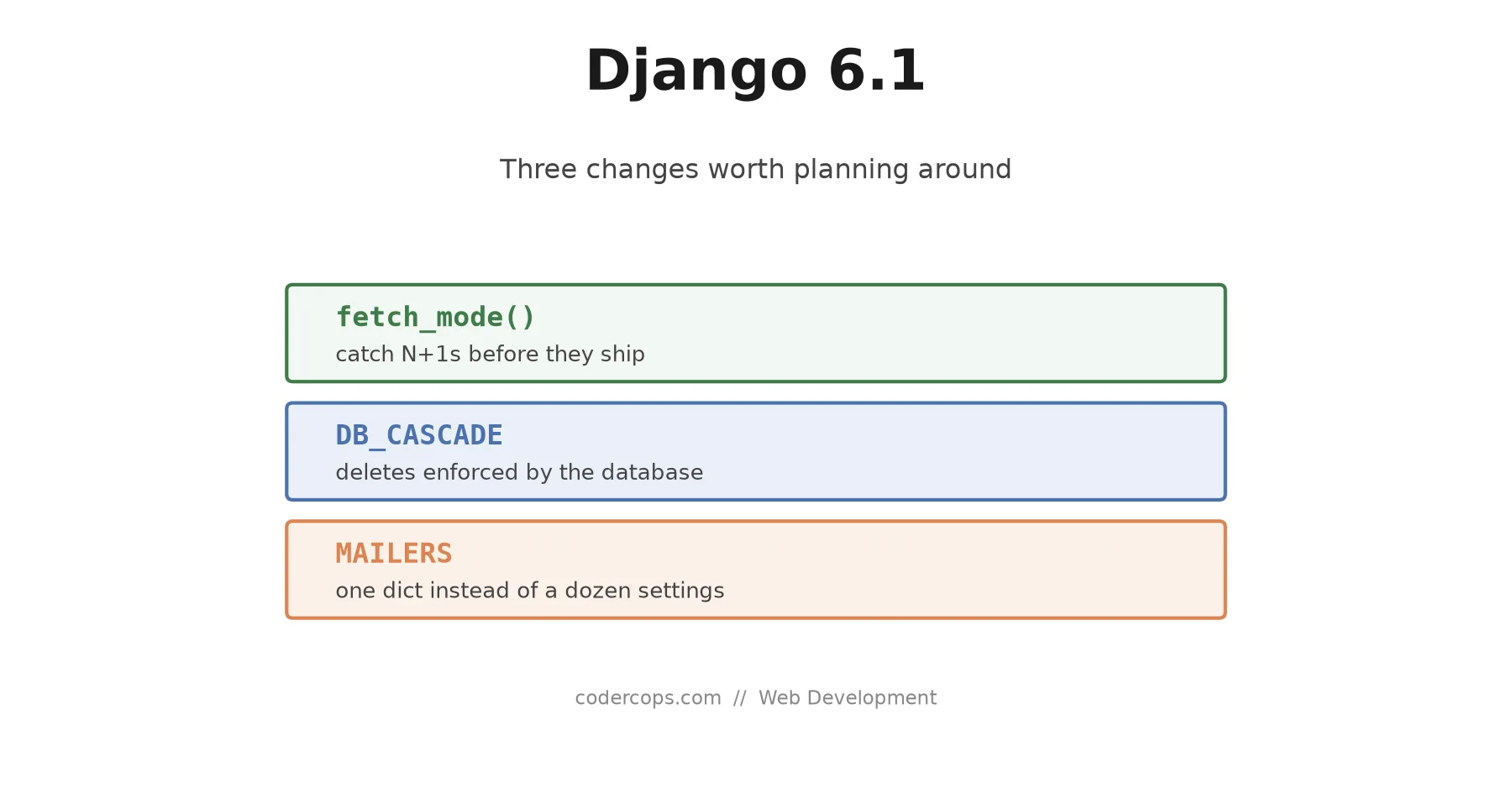
P.13Django 6.1 adds QuerySet.fetch_mode() to catch accidental N+1s, ON DELETE pushed into the database, and one MAILERS setting replacing loose EMAIL_ config.
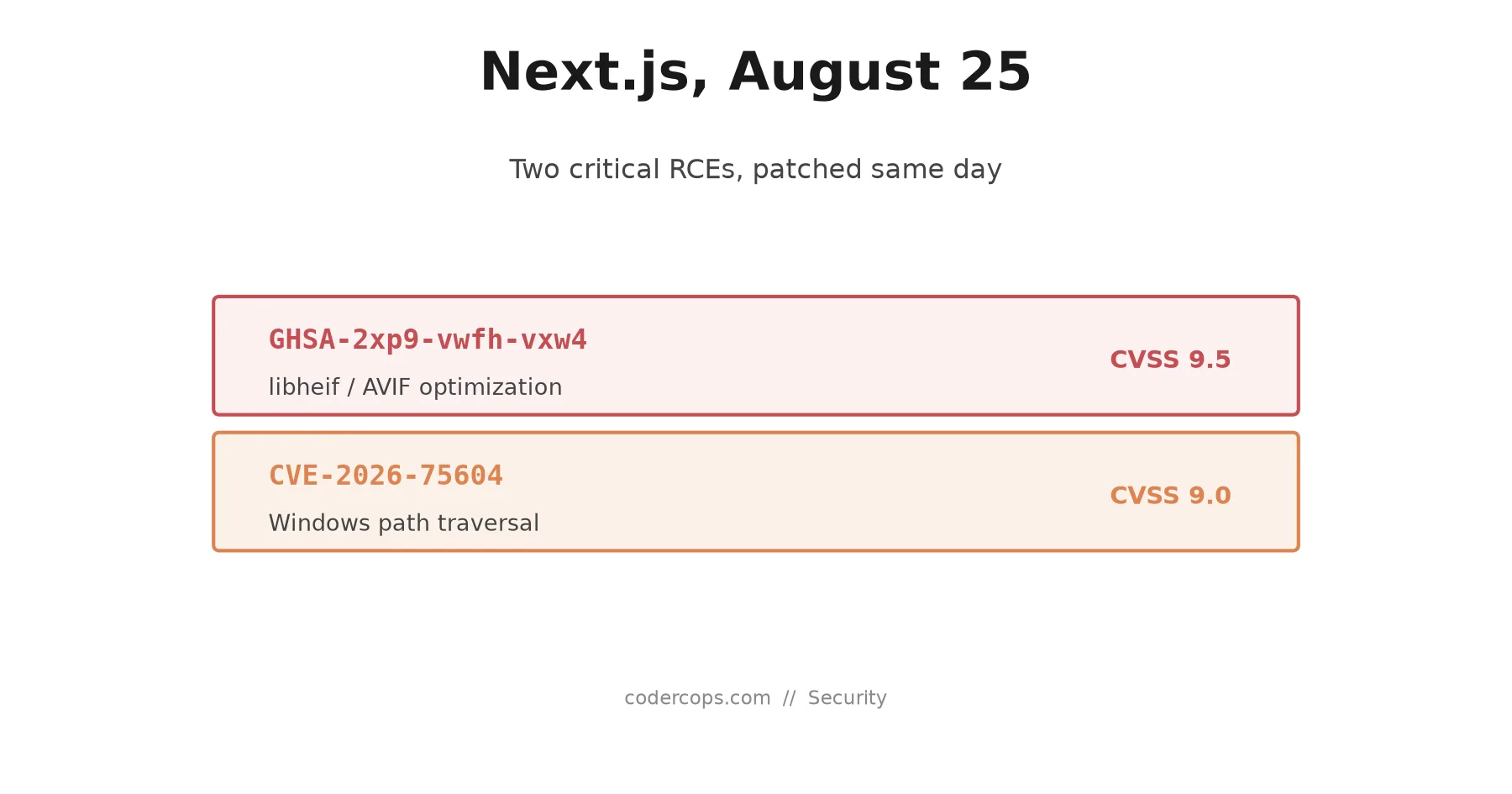
P.14Next.js 16.3.3 and 15.5.24 fix a libheif overflow reachable through AVIF optimization and a path traversal that runs code on Windows hosts. Who's exposed.
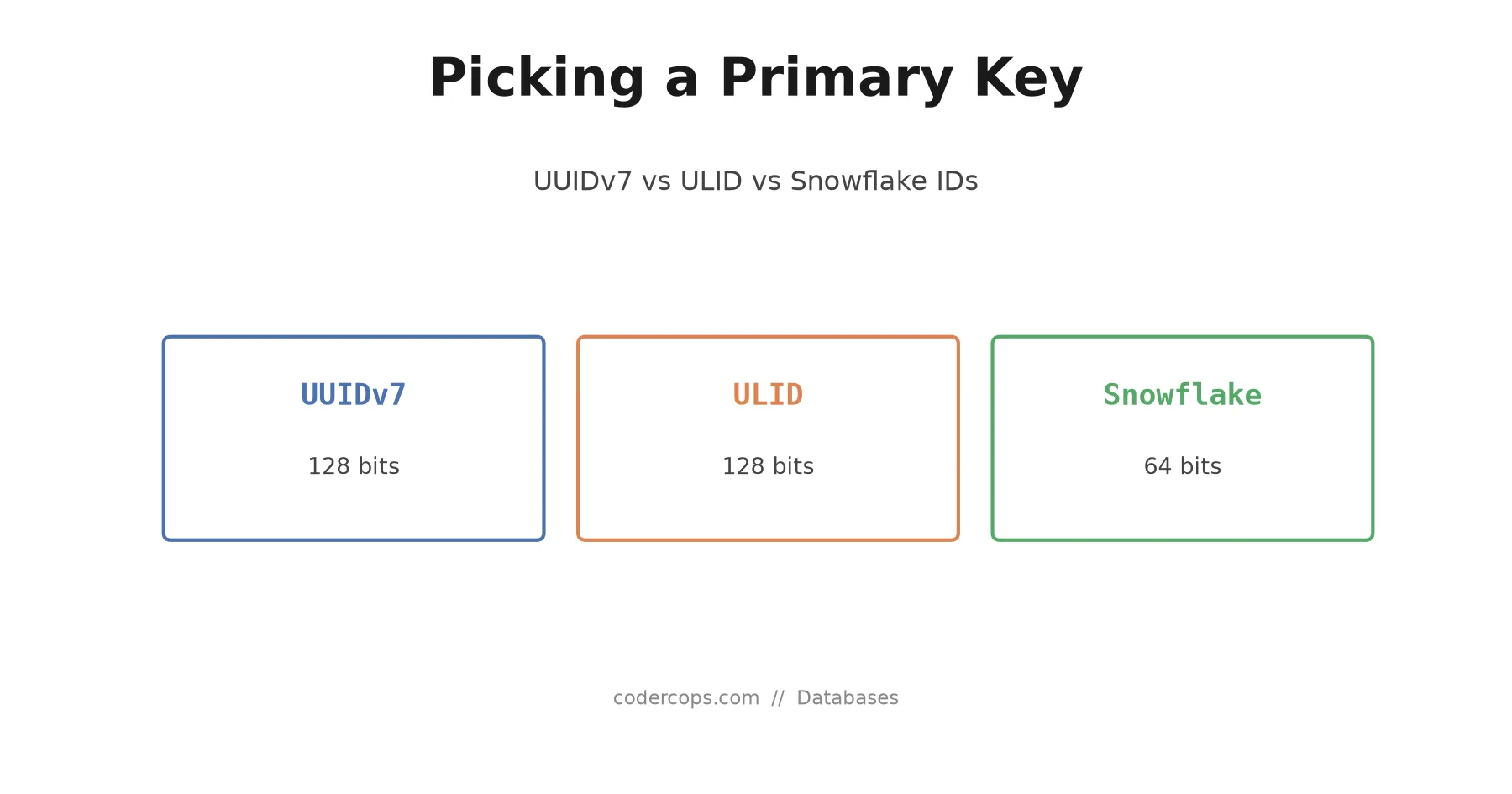
P.15Random UUIDs wreck index locality; auto-increment leaks counts and won't shard. What UUIDv7, ULID, and Snowflake each give you, and the real tradeoffs.
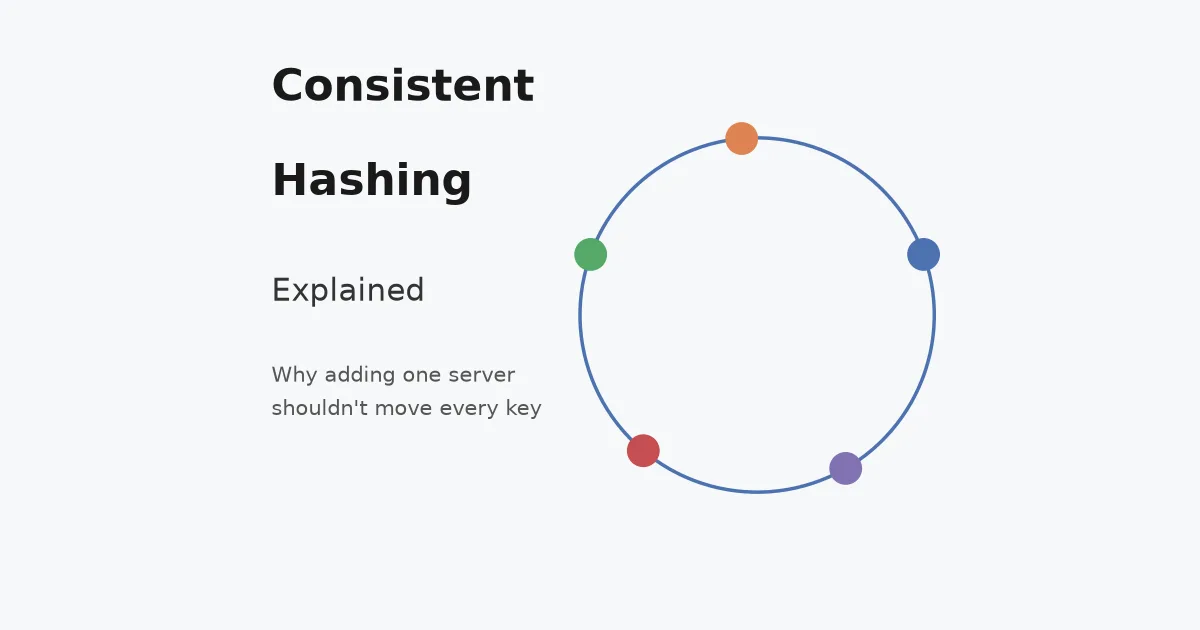
P.16Plain mod-N hashing reshuffles almost every key when you add a server. Consistent hashing moves roughly 1/N instead. Working code and a real simulation.
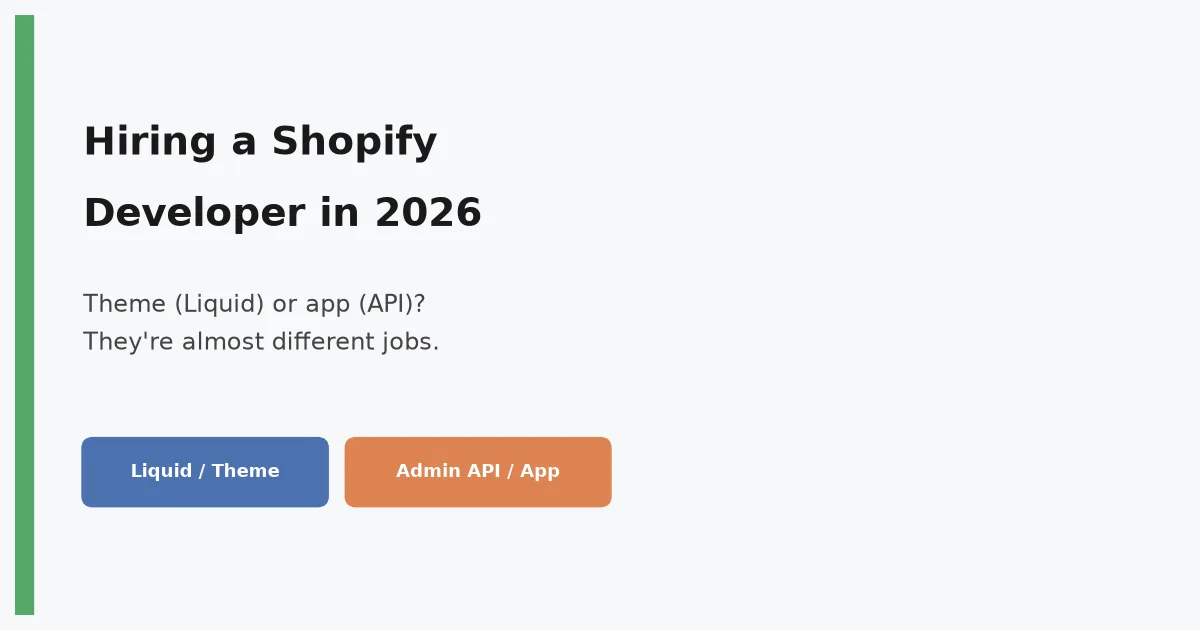
P.17Shopify hiring split into two jobs, theme customization and app or headless work, that share a platform and little else. How to tell which one you need.
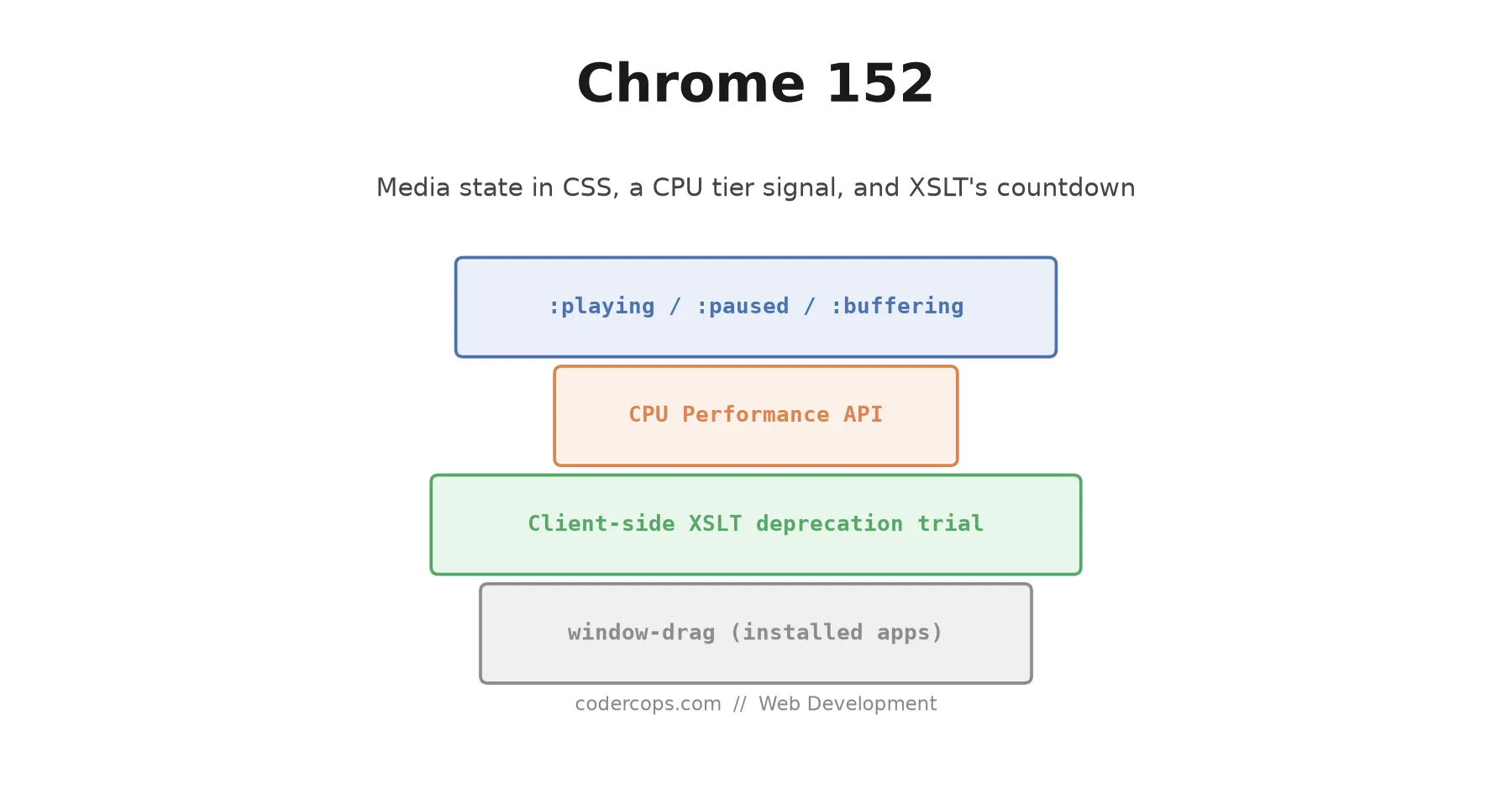
P.18Chrome 152 shipped CSS pseudo-classes matching video and audio state, a CPU Performance API for device tiers, and the start of the end for client-side XSLT.
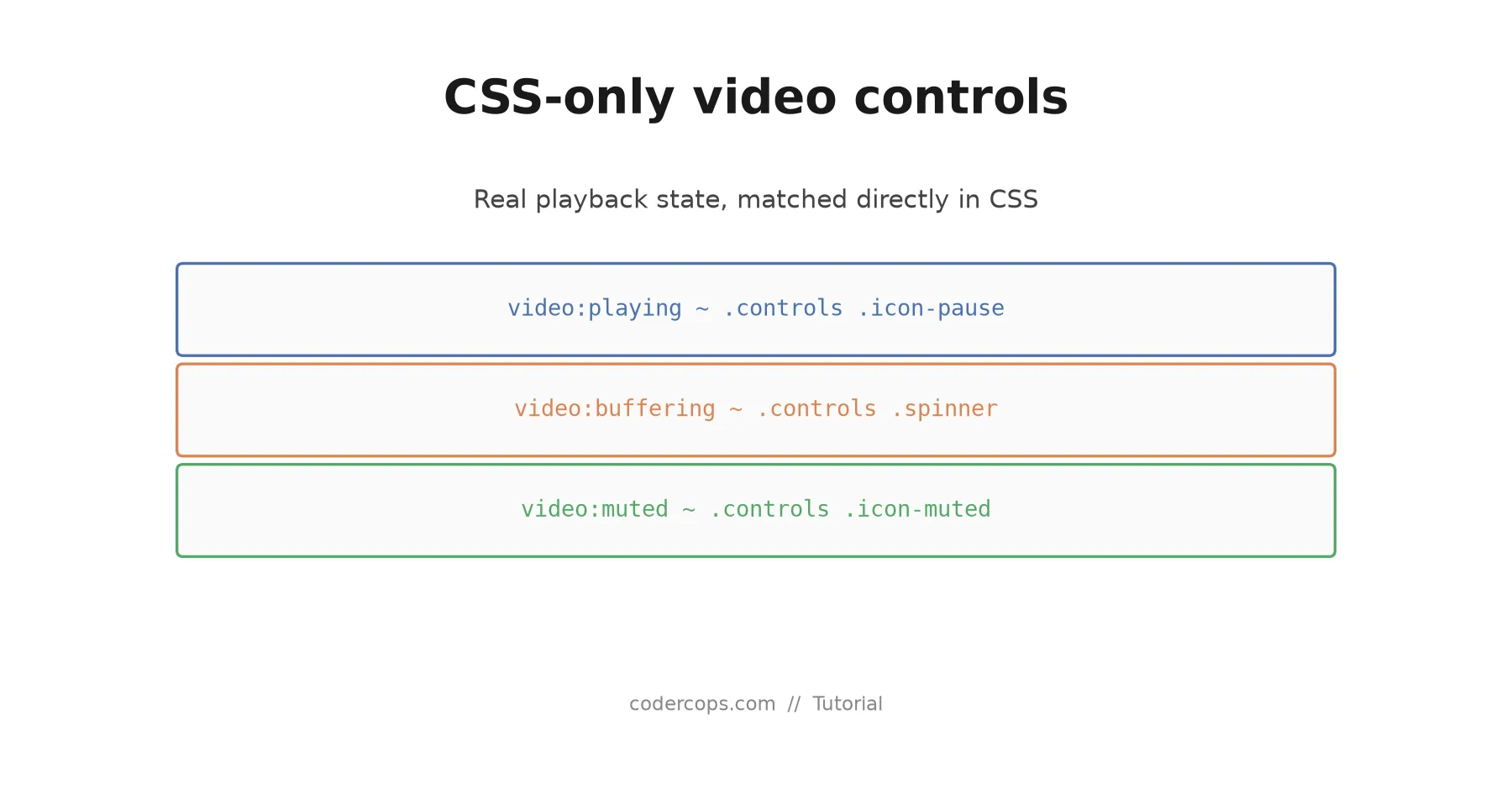
P.19Chrome 152 added :playing, :paused, :buffering, and :muted as real pseudo-classes. A runnable custom player built on them, plus the JS fallback.
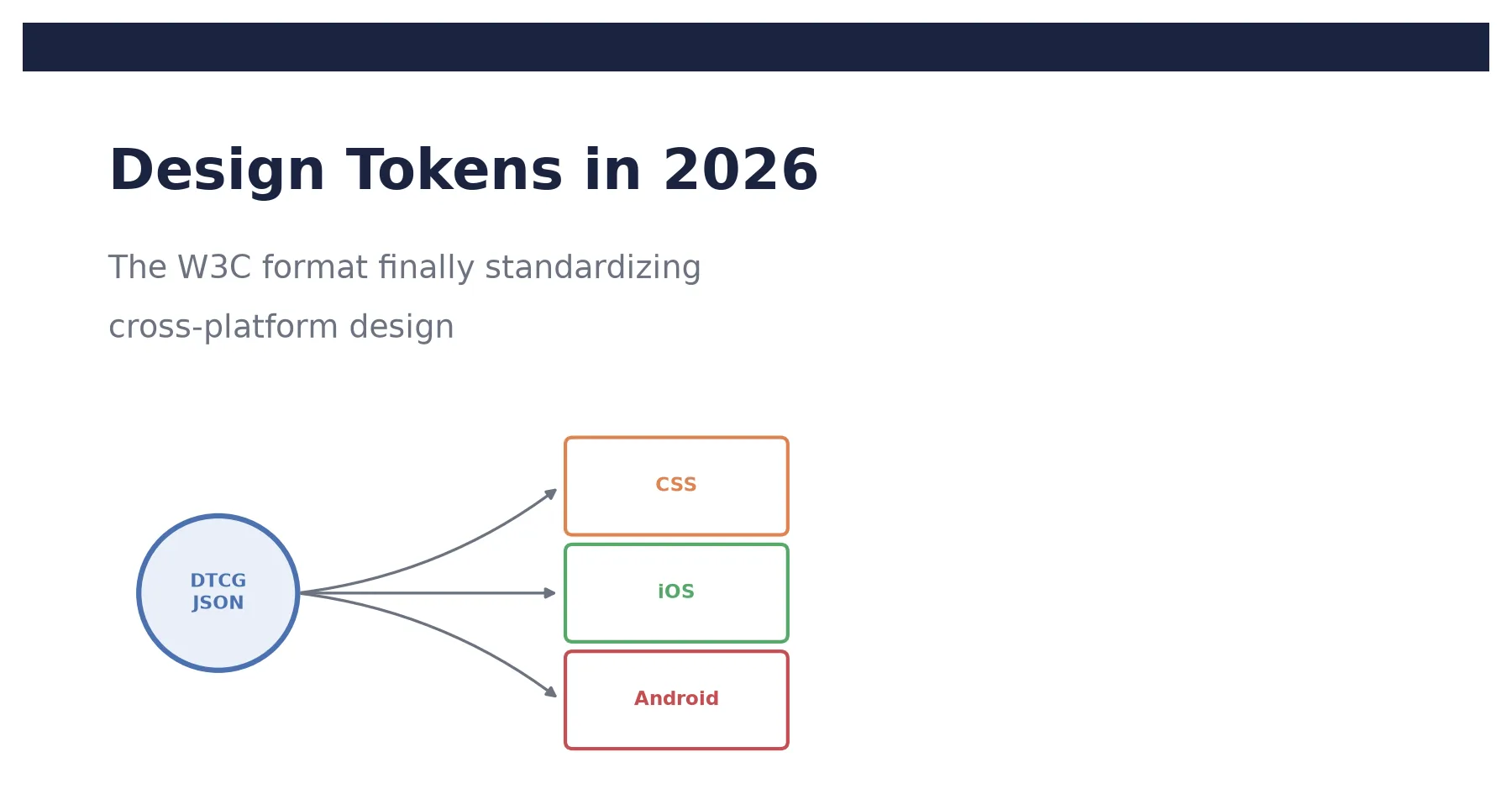
P.20The W3C Design Tokens group shipped a stable exchange format backed by Adobe, Figma, and Google. What it standardizes, and how to migrate an existing setup.
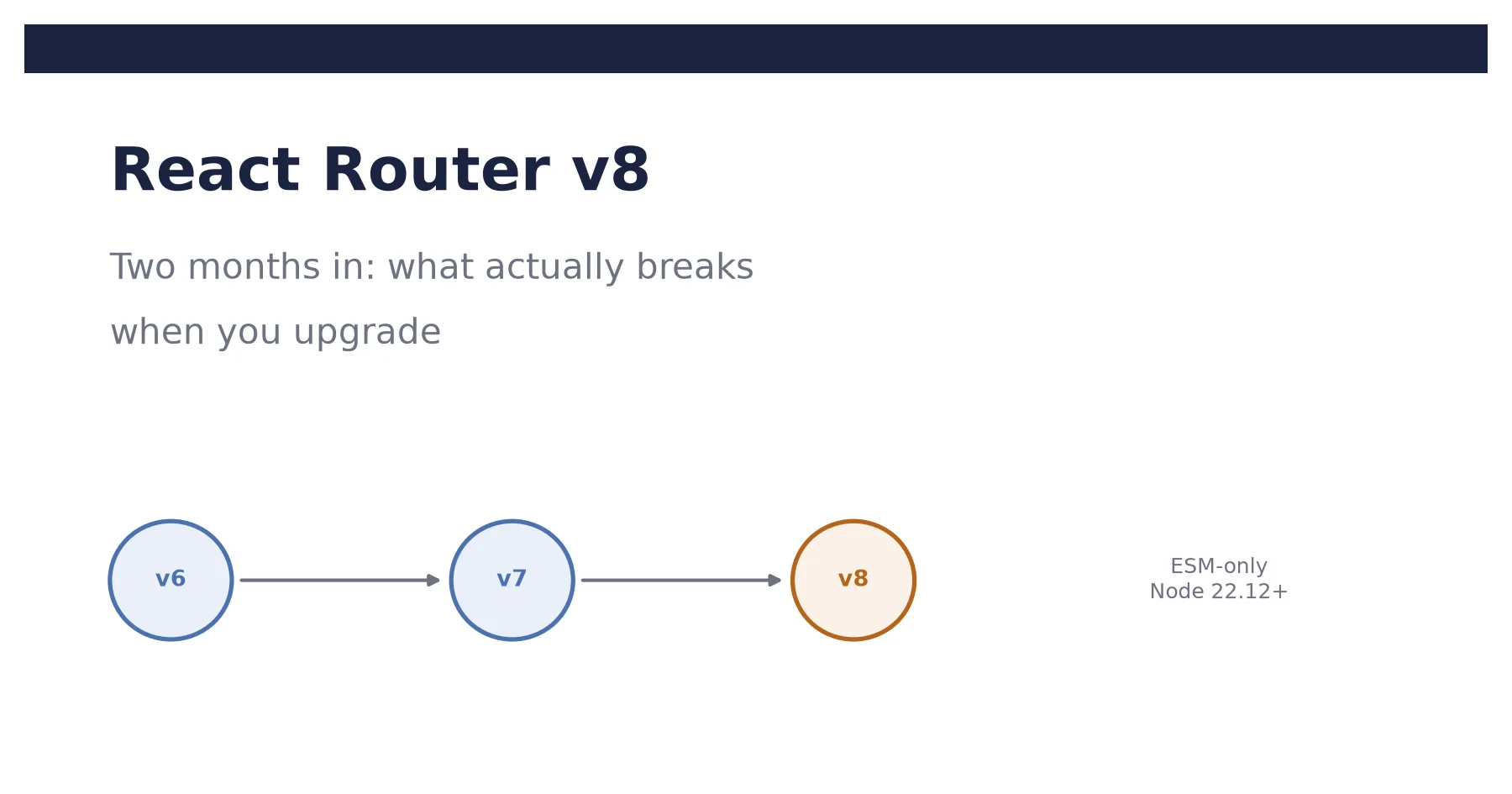
P.21React Router v8 shipped as a deliberately boring release. What the version bump requires, what the codemod handles, and the three things that catch teams.
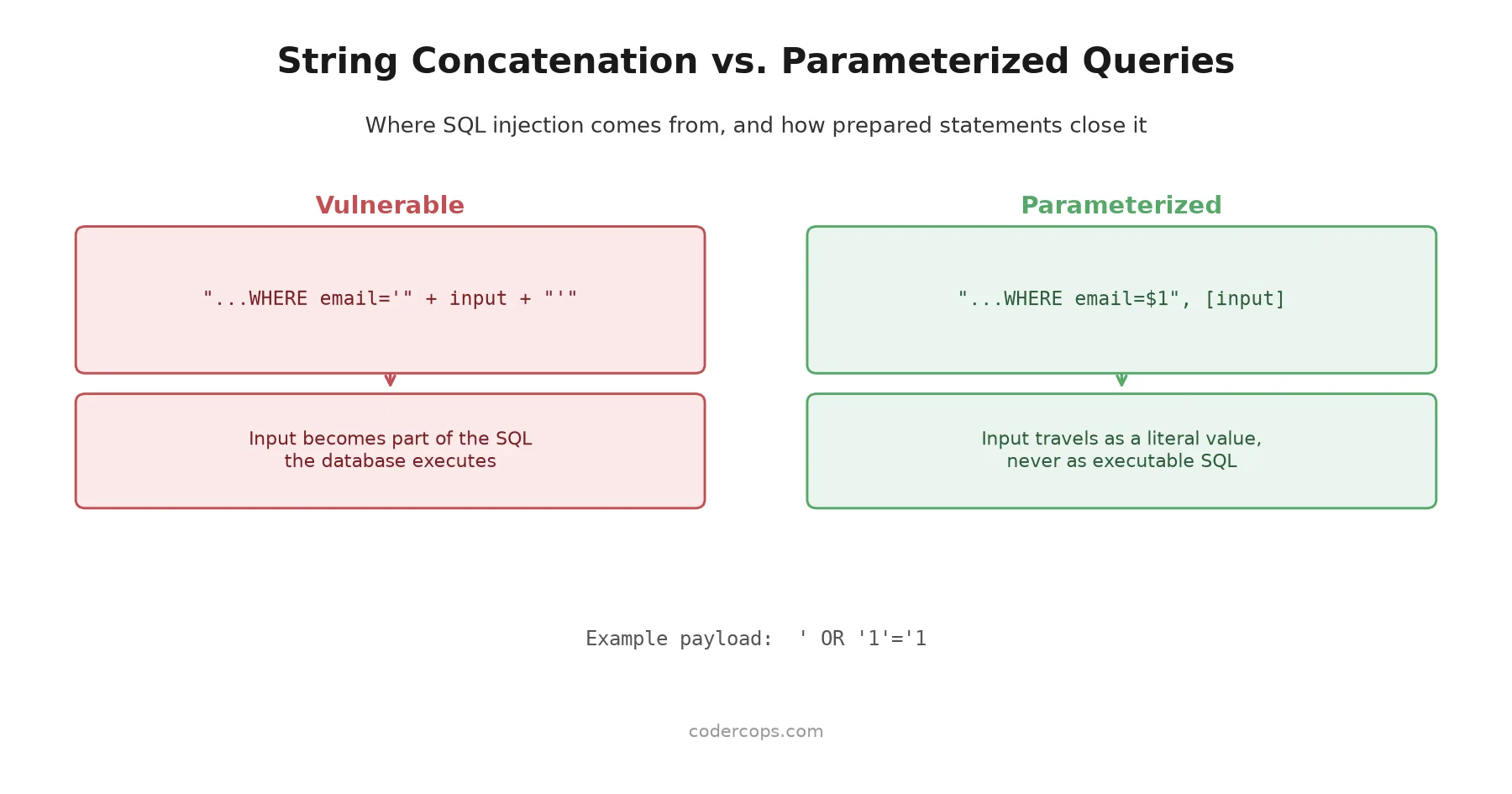
P.22SQL injection still lands CVSS 10.0 bugs in 2026. How parameterized queries stop it, where ORMs quietly reintroduce it, and how to verify your own code.
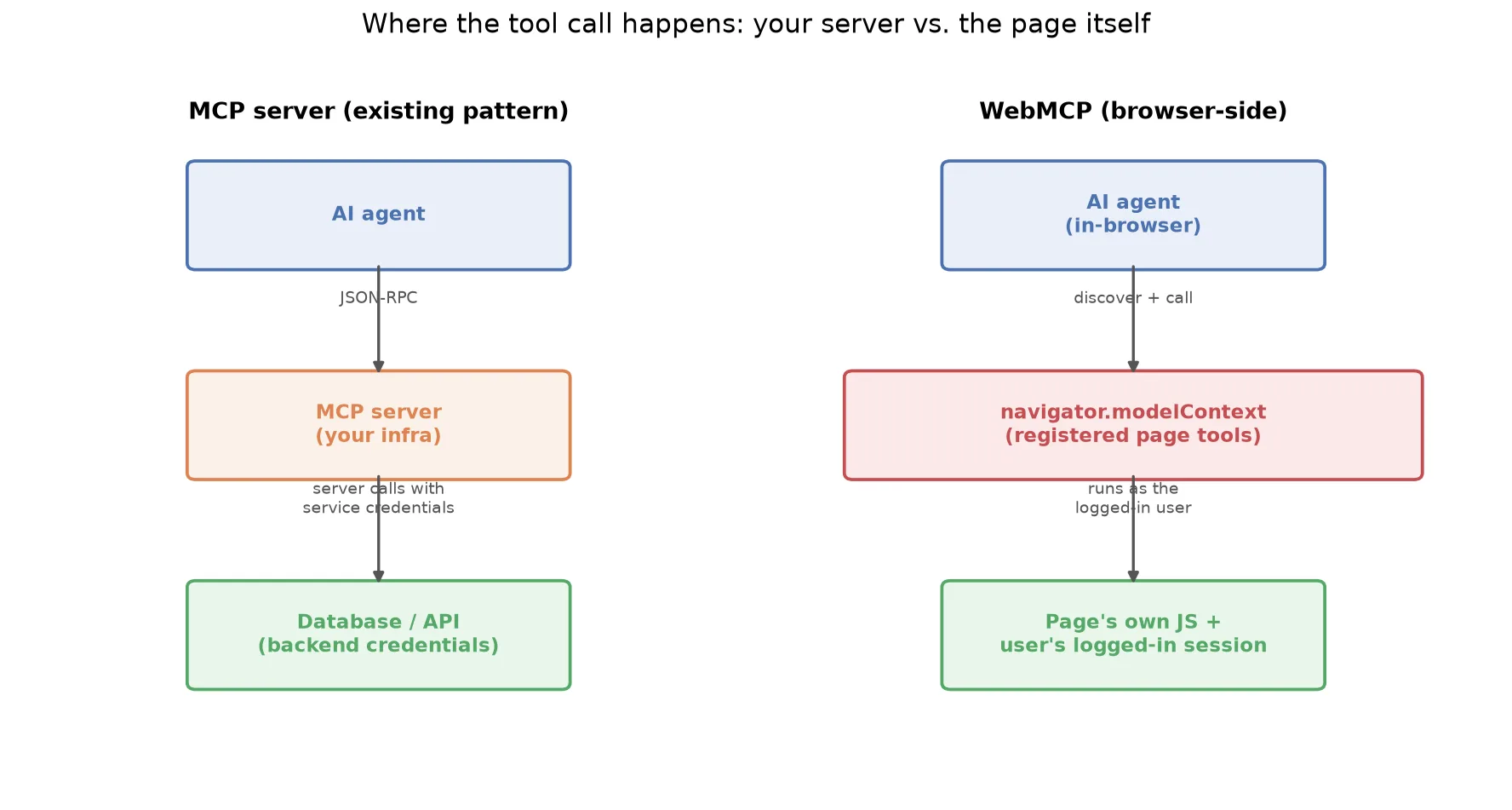
P.23WebMCP is a W3C proposal letting a page register JavaScript functions as tools an agent calls in-browser, no server MCP. How it works, and where it breaks.
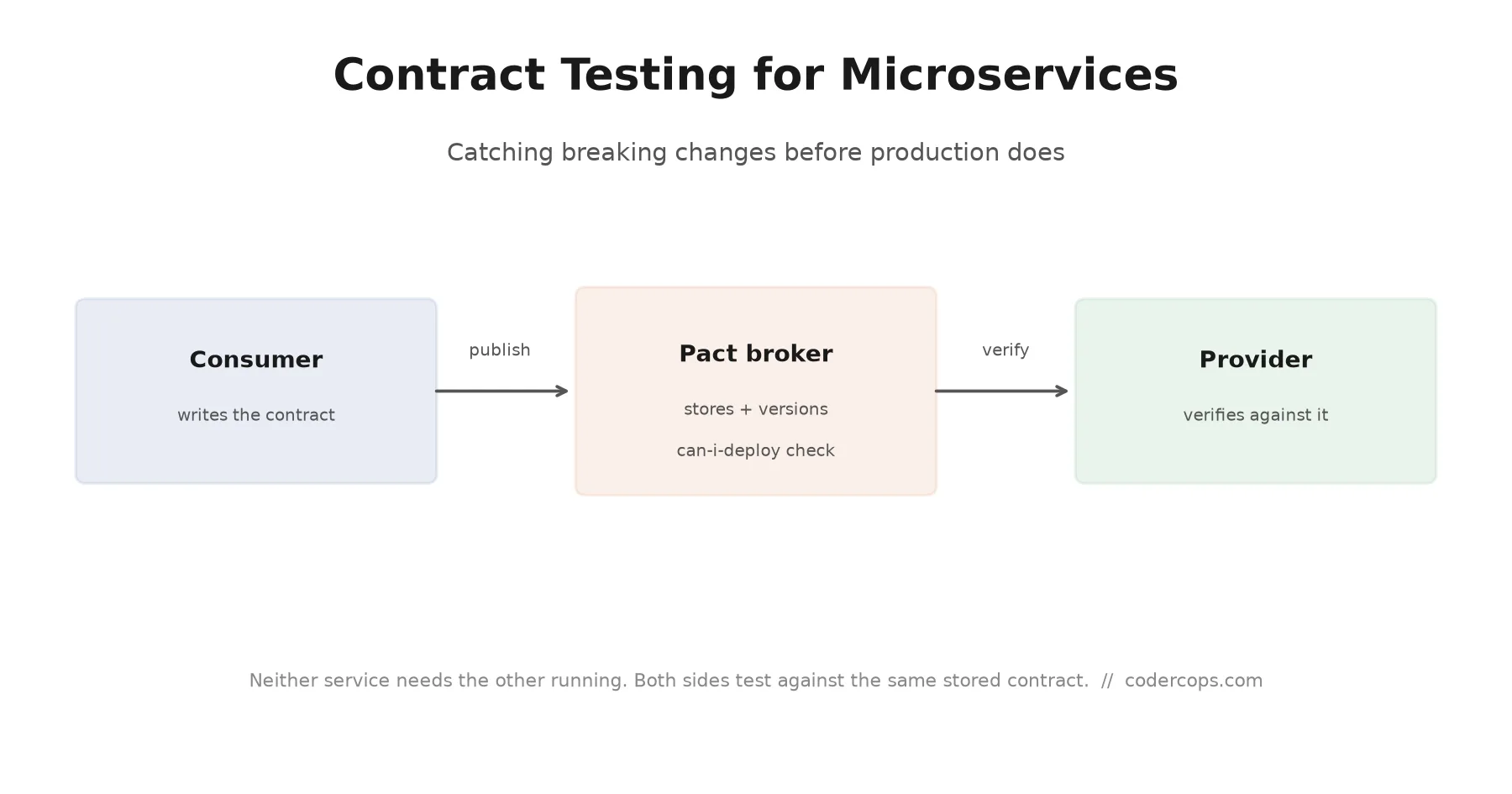
P.24Integration tests that boot every dependency are slow and flaky. Contract testing checks that consumer and provider agree on a shape without either running.
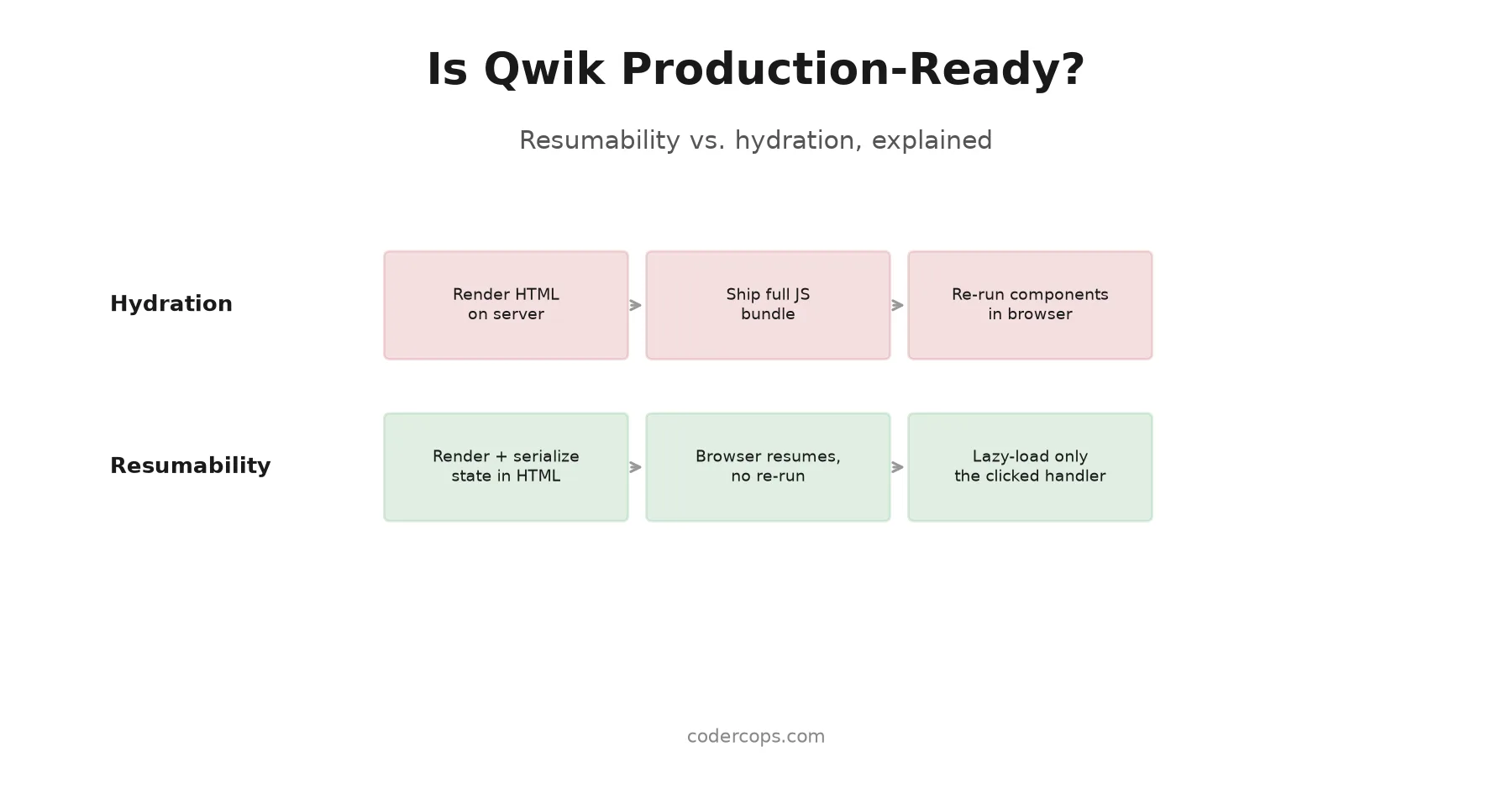
P.25Qwik skips hydration instead of optimizing it. How resumability actually works, what Qwik 2.0 changed, and the honest tradeoffs before you ship on it.
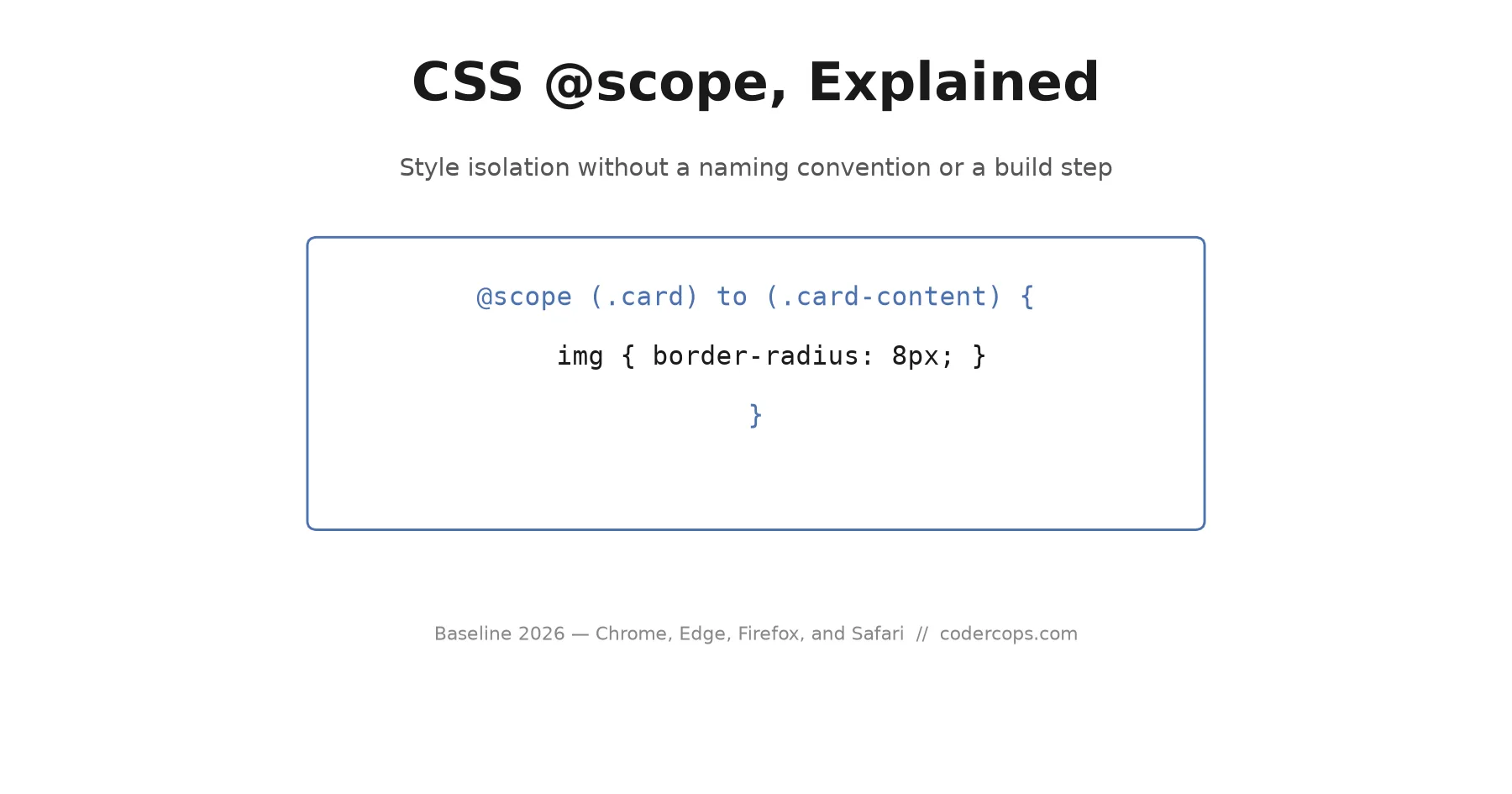
P.26@scope applies CSS only inside part of the DOM, with a lower bound that excludes nested components. No BEM, no Shadow DOM. Syntax and where it falls short.
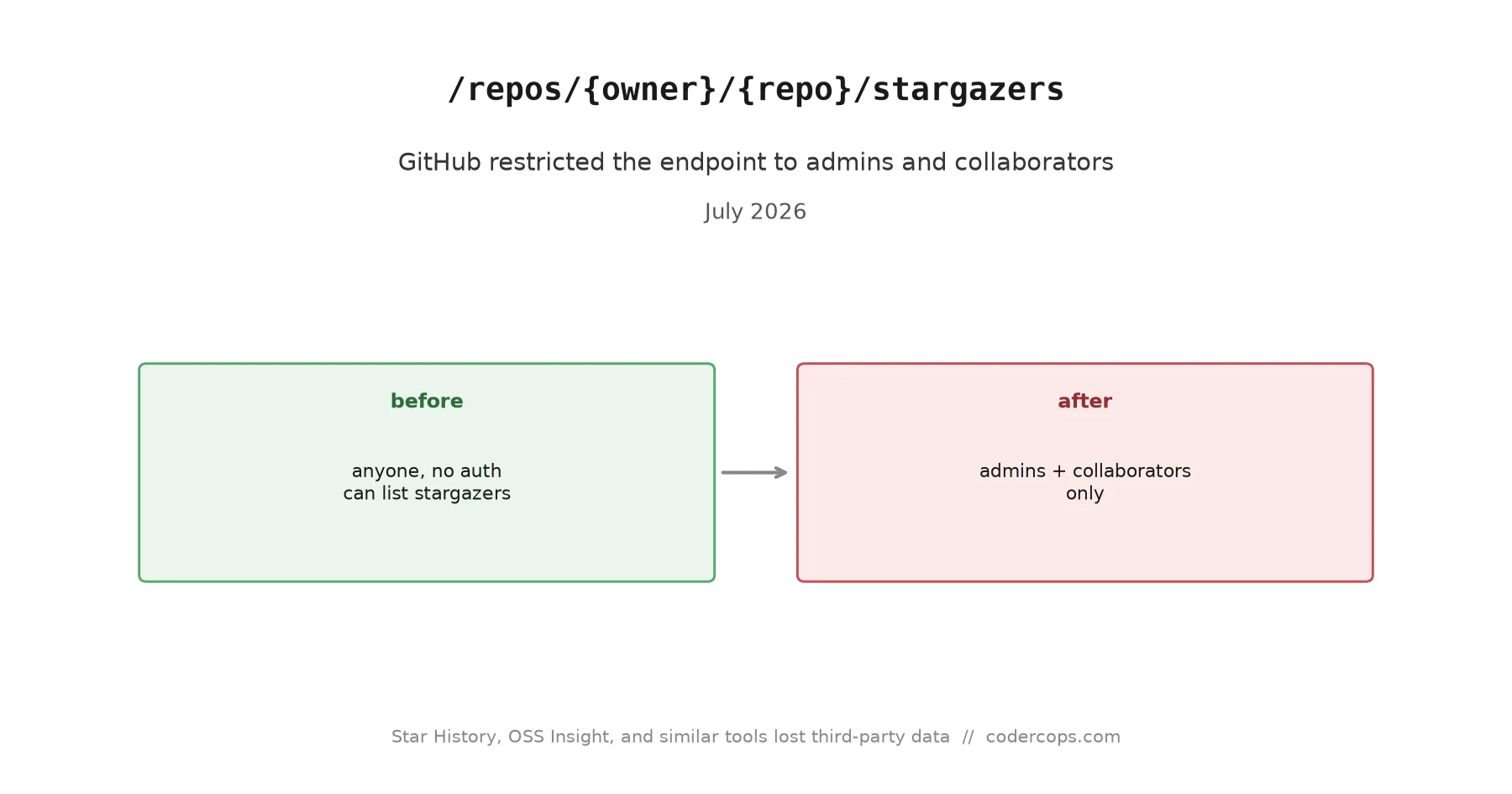
P.27GitHub restricted stargazers and watchers to admins and collaborators in July 2026. It stopped spam scraping, and took Star History and OSS Insight with it.
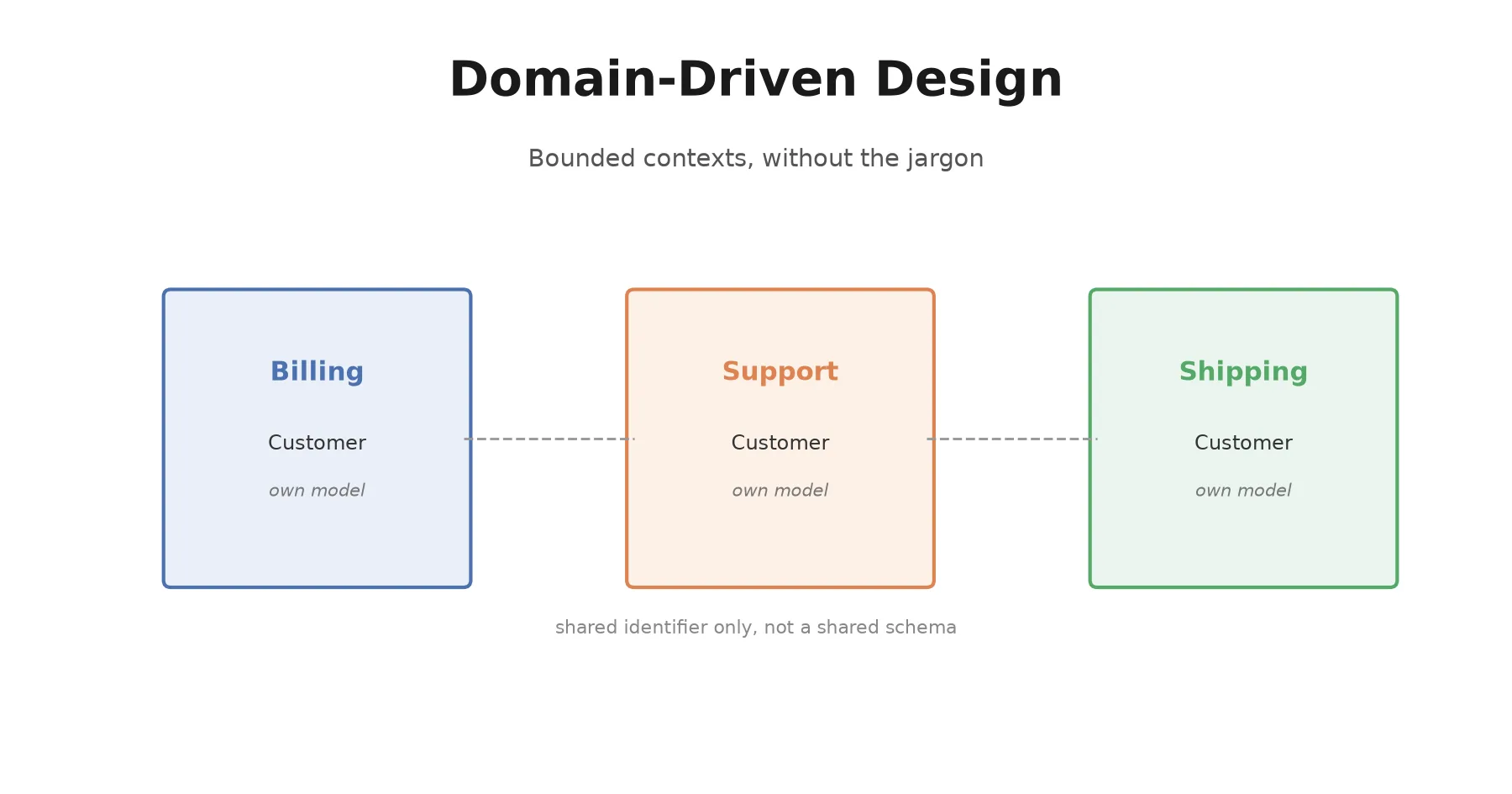
P.28DDD has a reputation for ceremony that scares teams off before they see the idea. The idea is simple and solves a real problem. What it is, and when to use it.
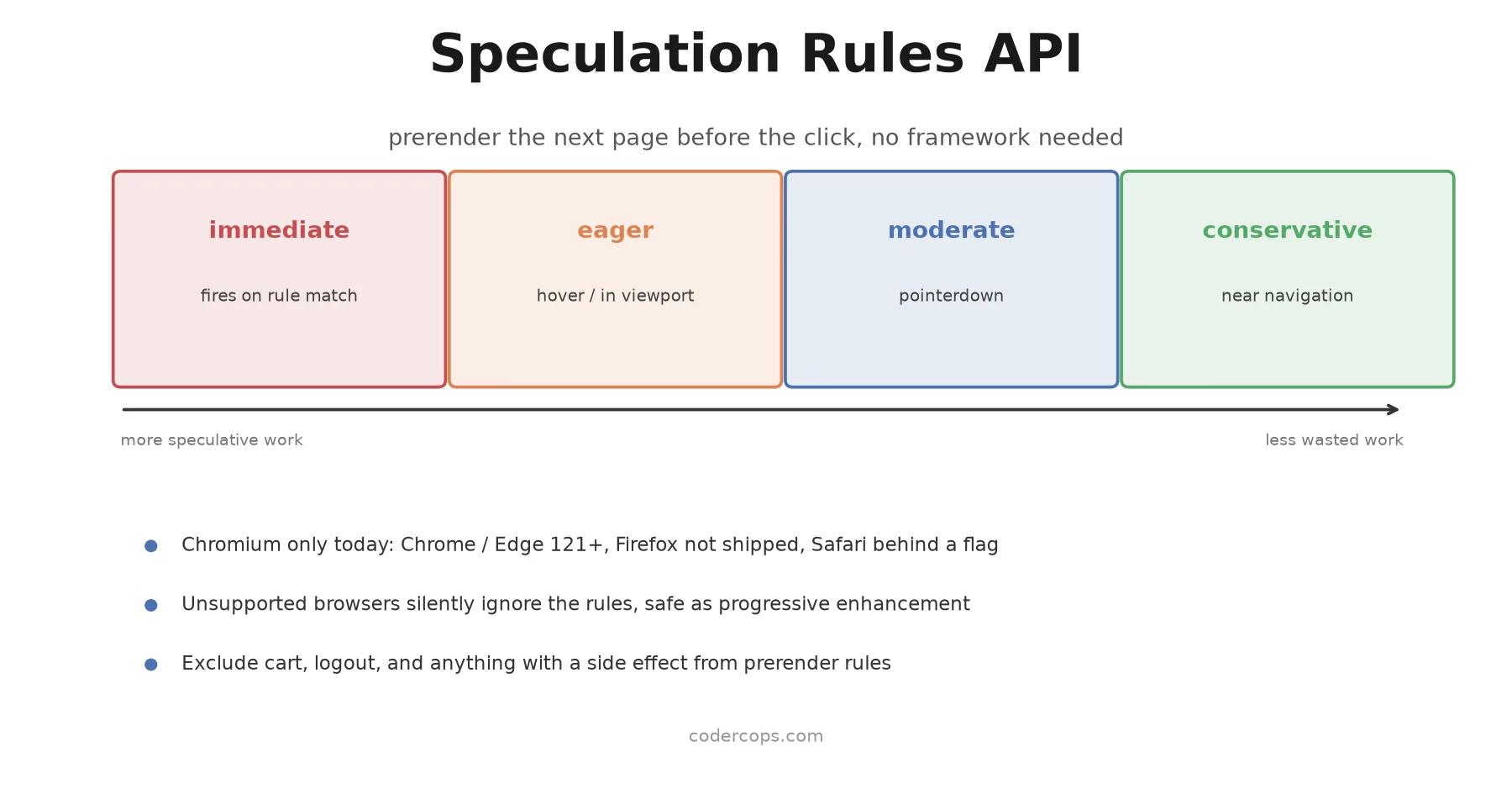
P.29Chrome and Edge can prerender the next page before a user clicks, with no SPA rewrite. How the Speculation Rules API works, what it wastes, and shipping it.
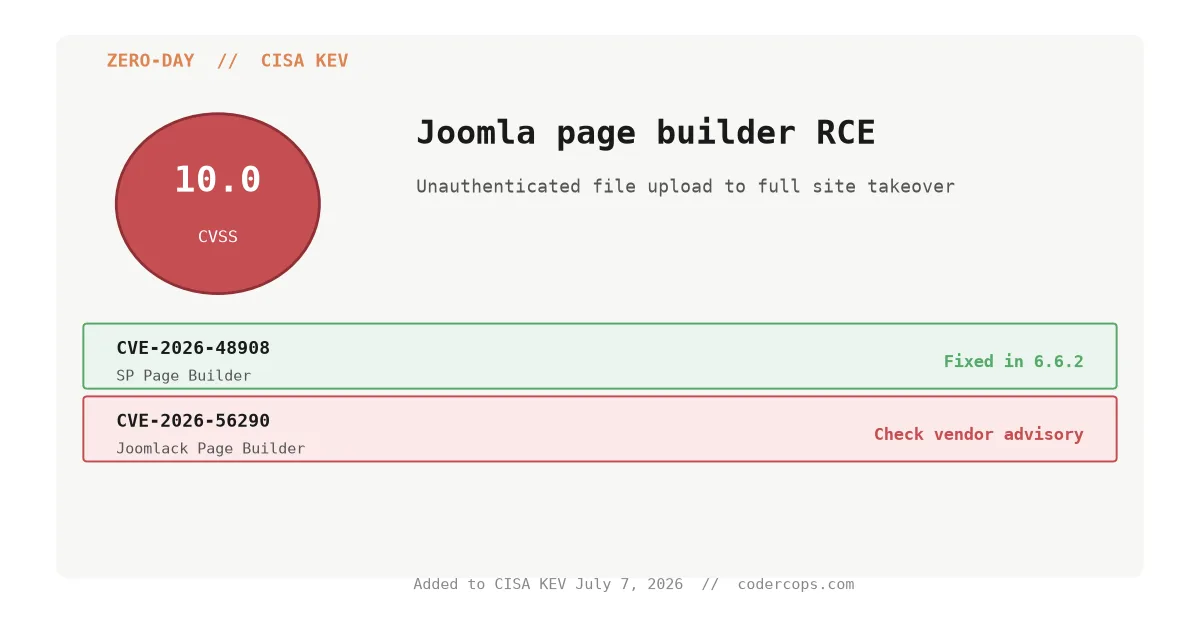
P.30Two CVSS 10.0 zero-days in Joomla page builder plugins are being exploited to plant webshells and create rogue admins. What's affected, and what to patch.
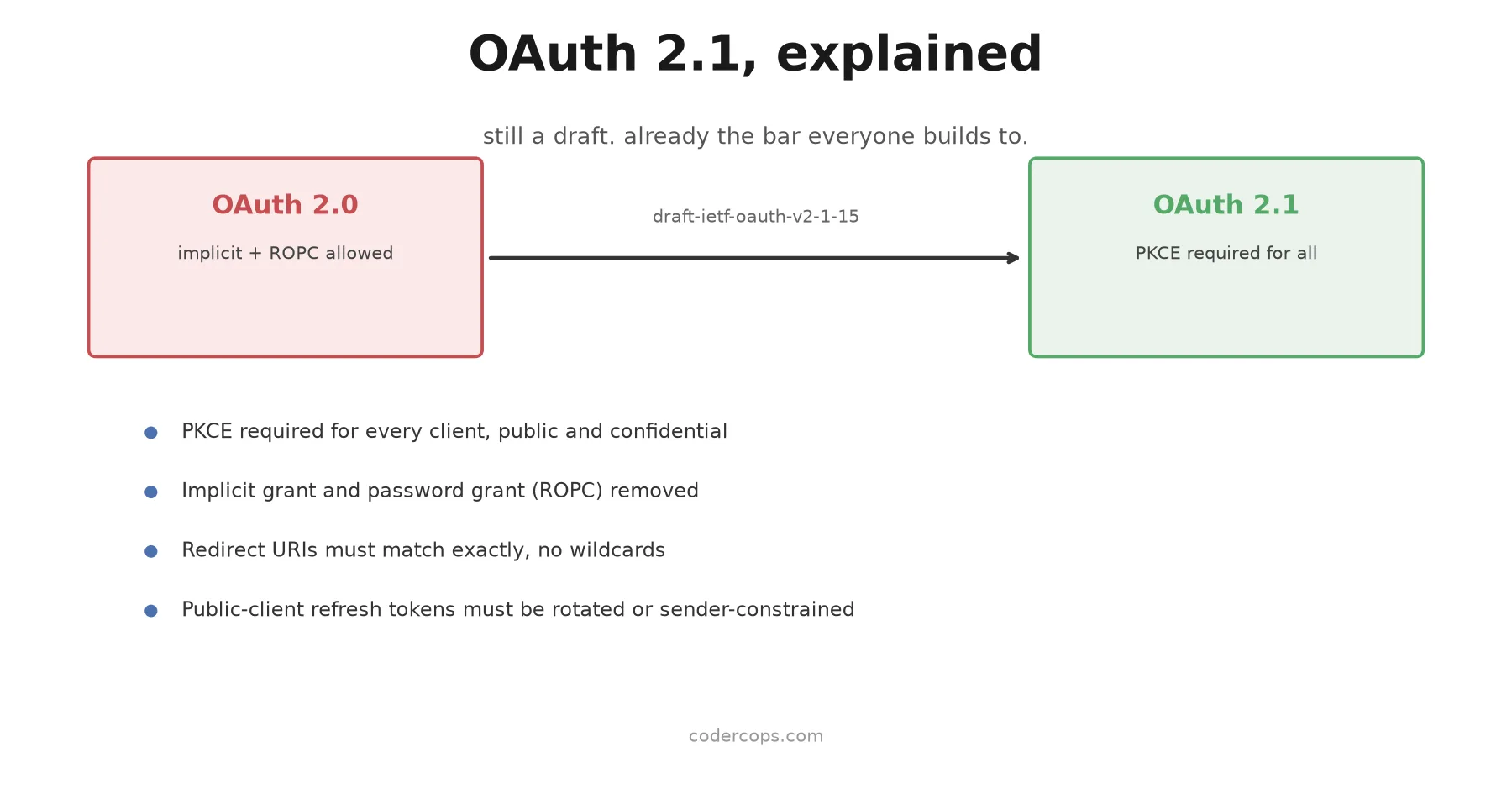
P.31OAuth 2.1 is still an IETF draft, but most providers enforce it already. What changed from 2.0, plus a checklist for auditing your own implementation.
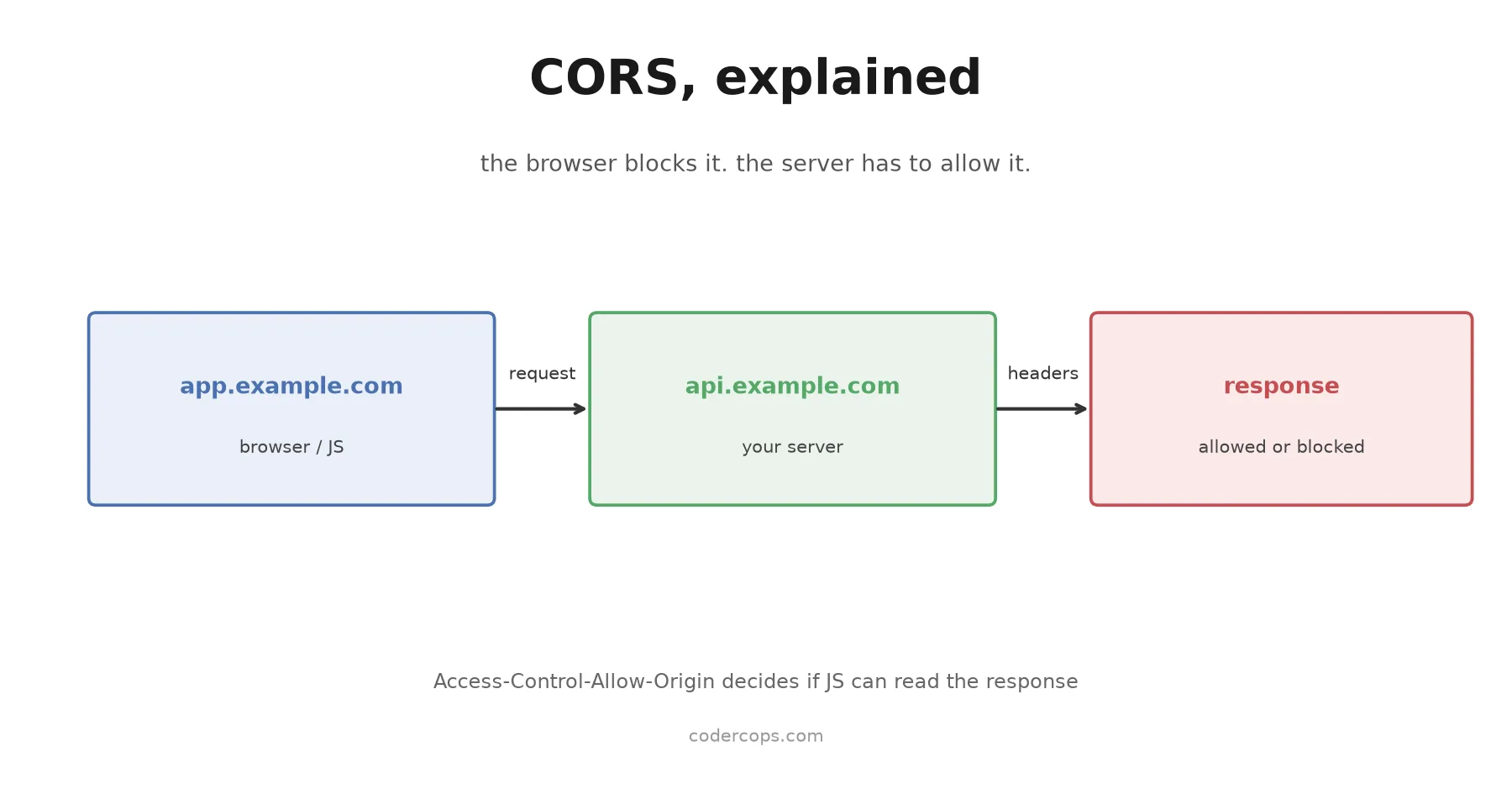
P.32No Access-Control-Allow-Origin is the most Googled web error for a reason. What CORS is, why the browser enforces it, and how to configure it properly.
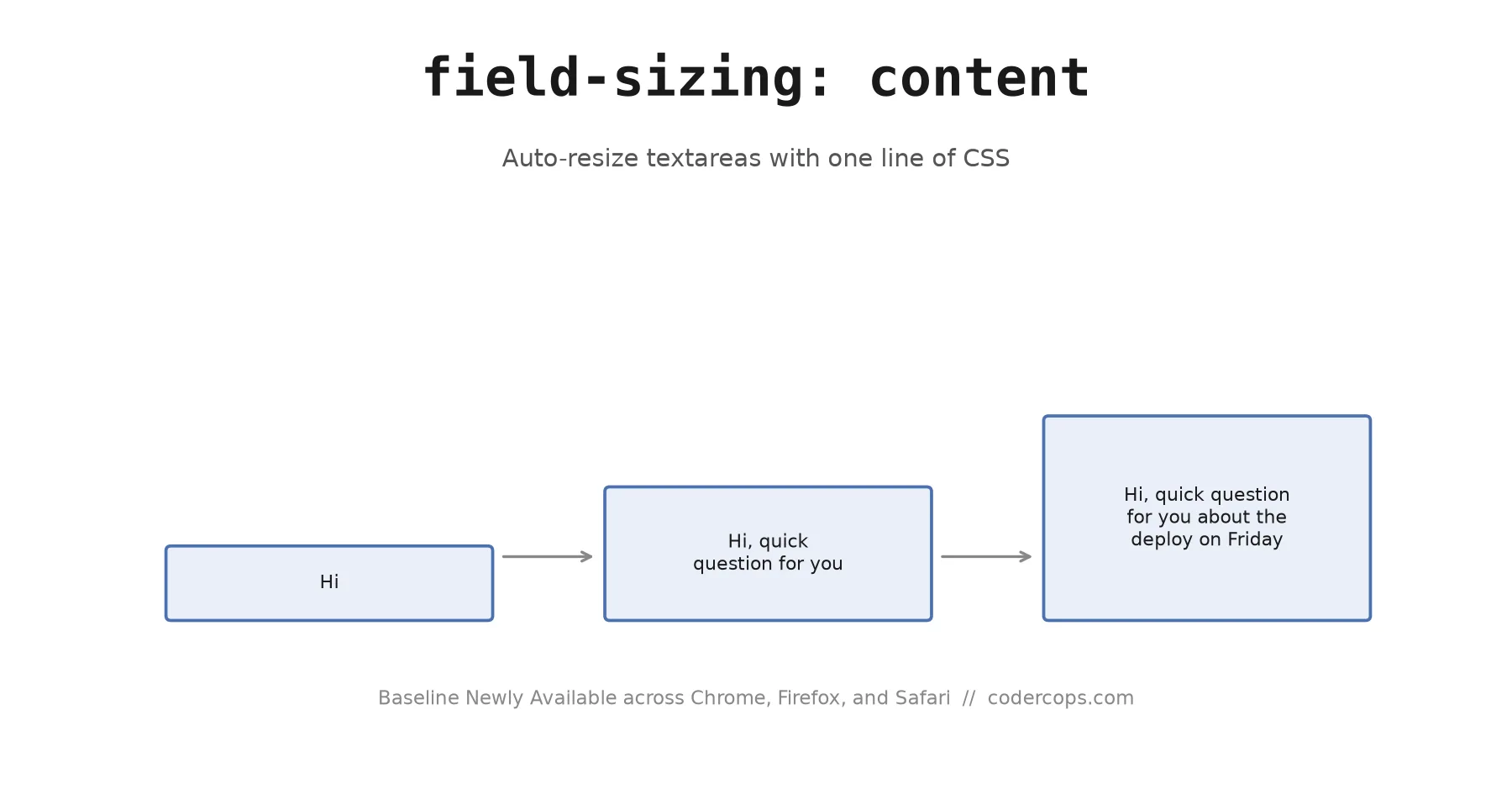
P.33field-sizing: content reached Baseline in June 2026. The one line of CSS that replaces the scrollHeight hack for auto-growing textareas, and where it stops.
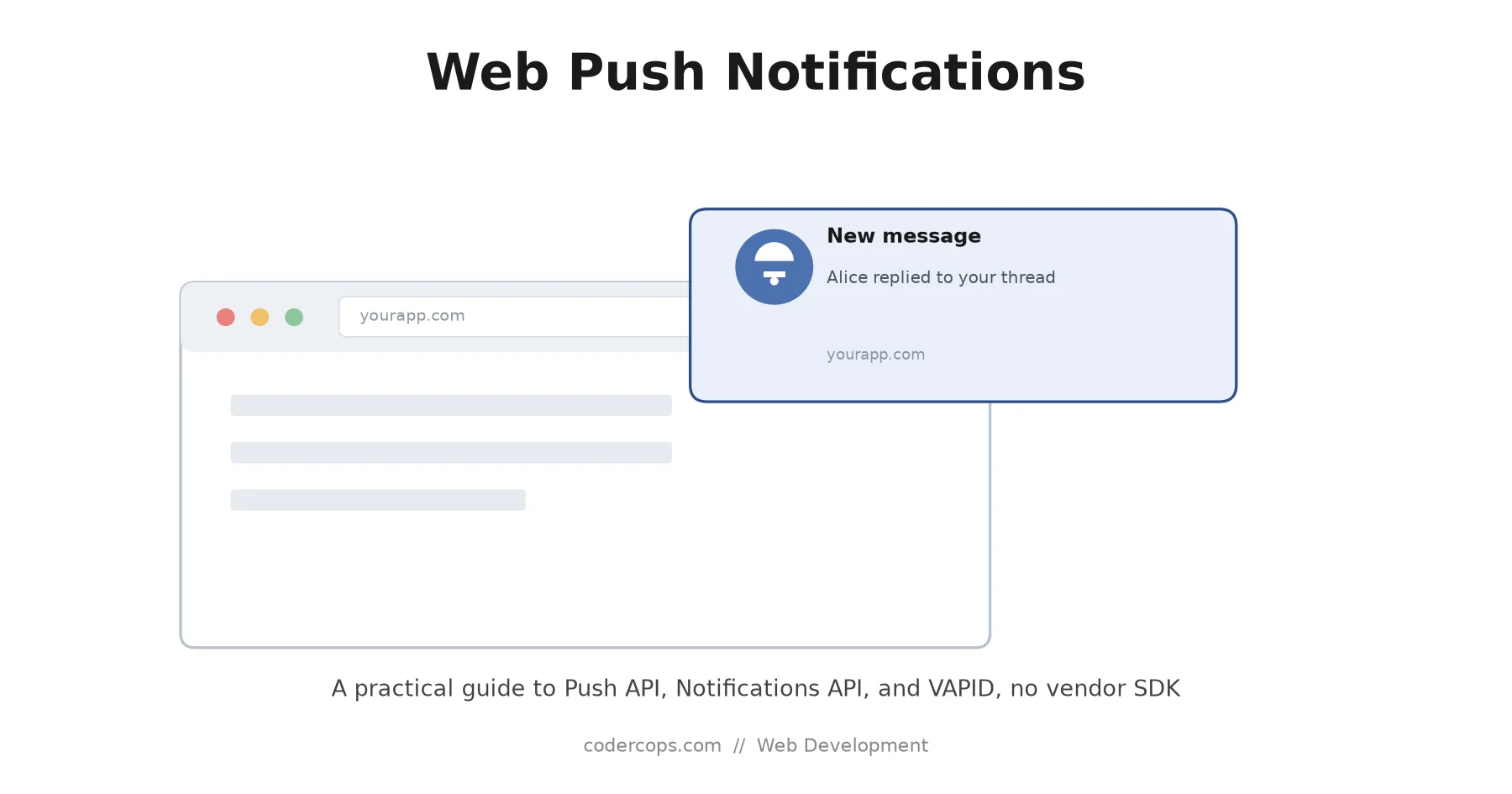
P.34Build browser push yourself with the Push API, Notifications API, and a service worker. No OneSignal, no Firebase. The full setup, VAPID keys included.
P.35Rails isn't the default startup choice anymore, but it didn't disappear. Where it still wins, where Next.js and Django beat it, and who should learn it.
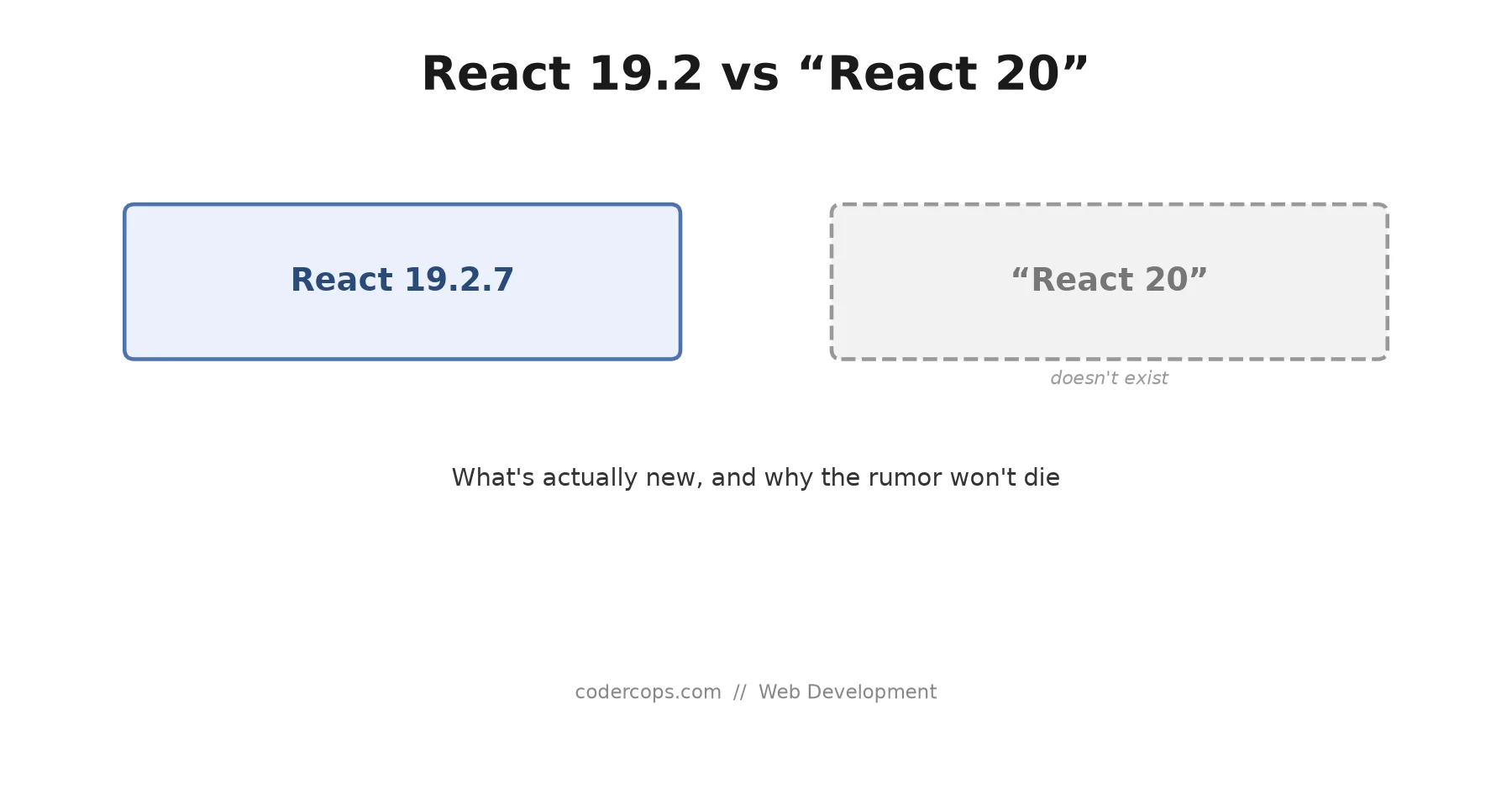
P.36Searches for React 20 keep climbing, but the latest release is 19.2.7. What actually shipped in the 19.2 line, including useEffectEvent, and why.
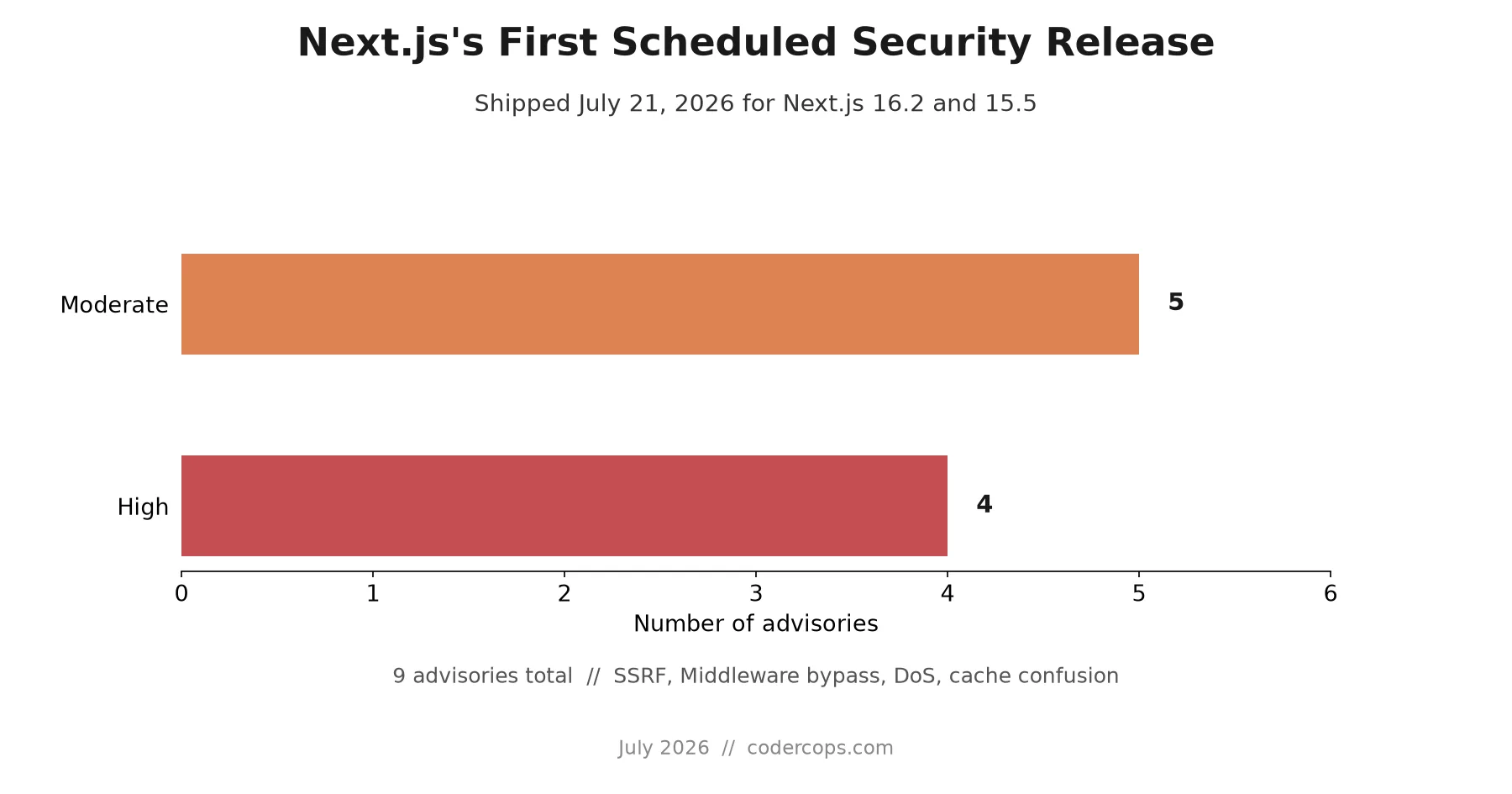
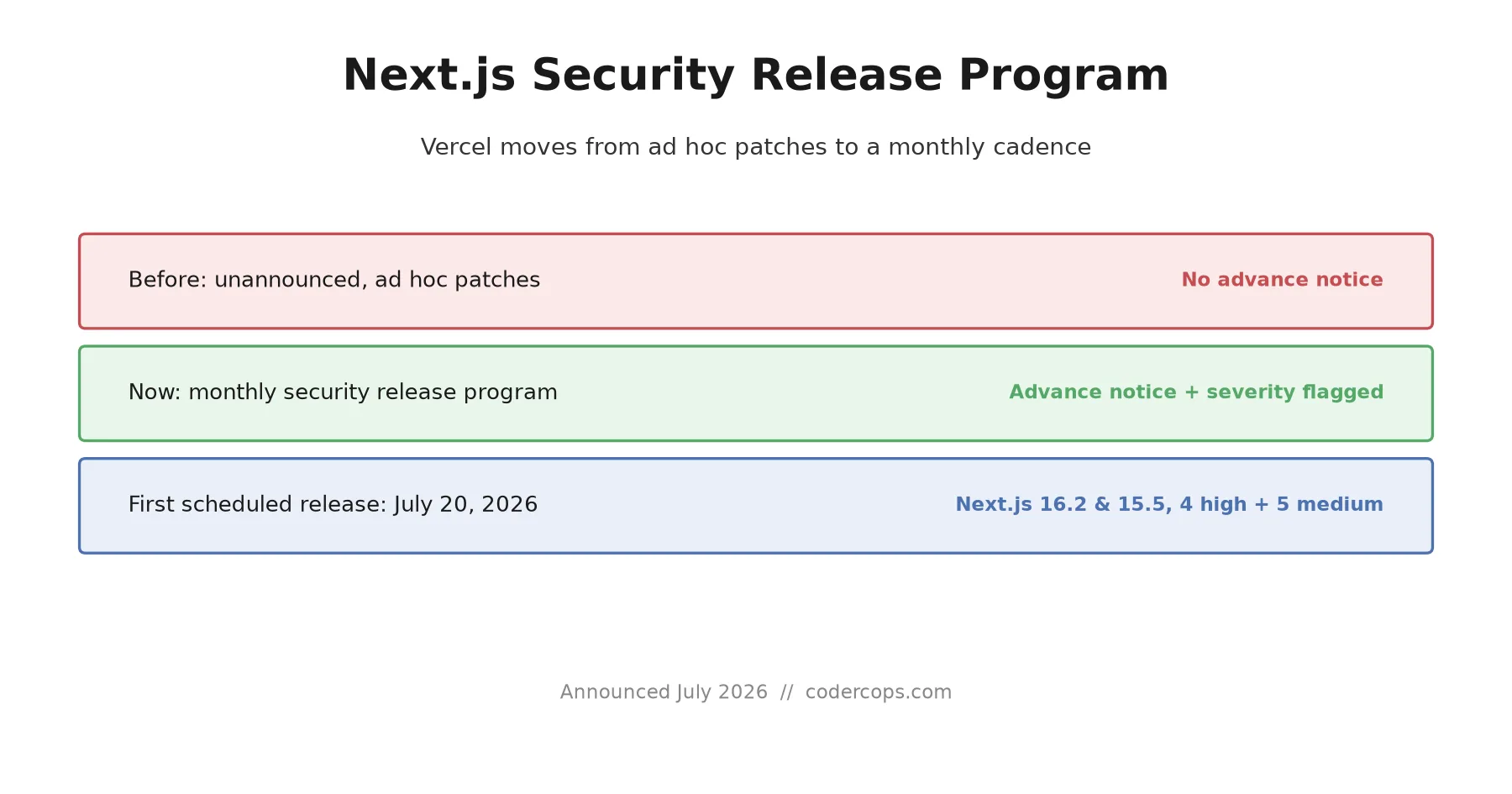
P.37Vercel's first monthly Next.js security release shipped July 21 with 4 high and 5 medium advisories. What they cover, and why Server Actions keep appearing.
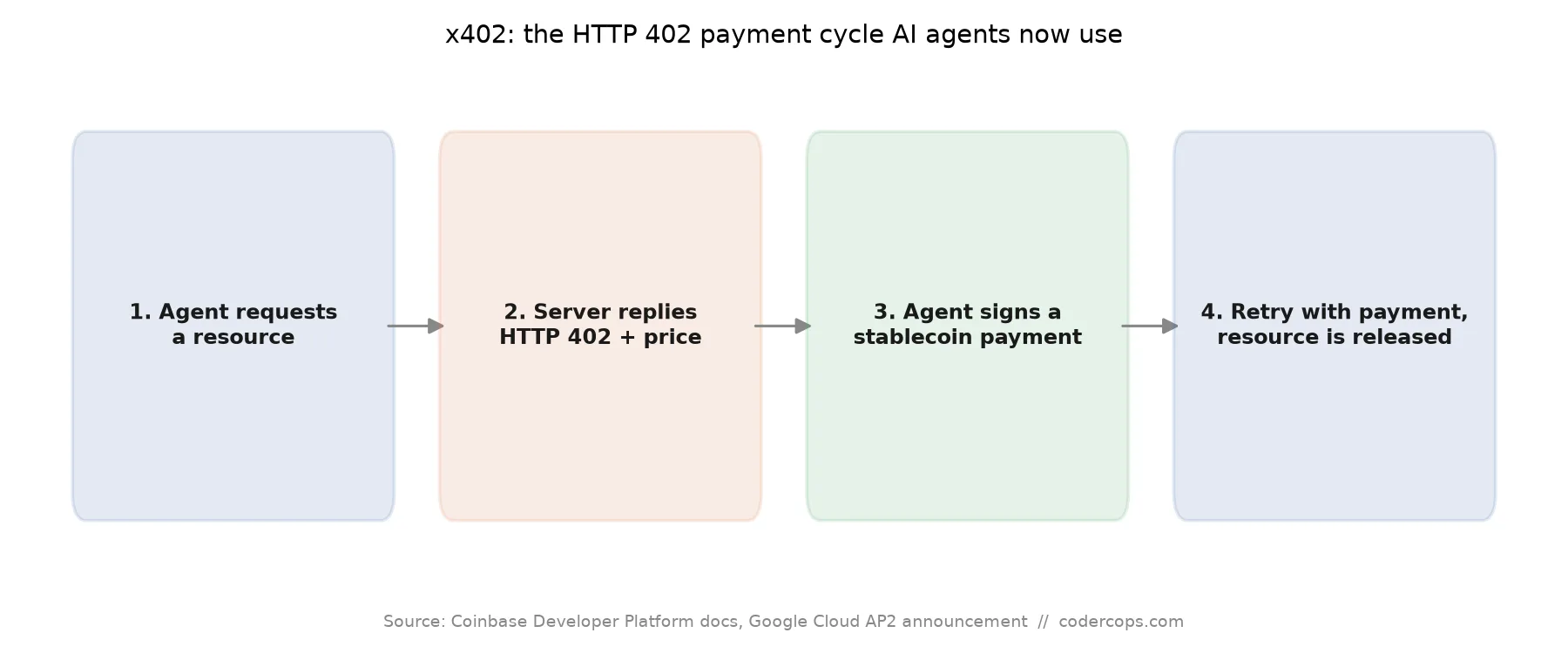
P.38Agents that shop or call paid APIs need a way to pay without a card in the prompt. What Google's AP2 and Coinbase's x402 each do, in plain terms.
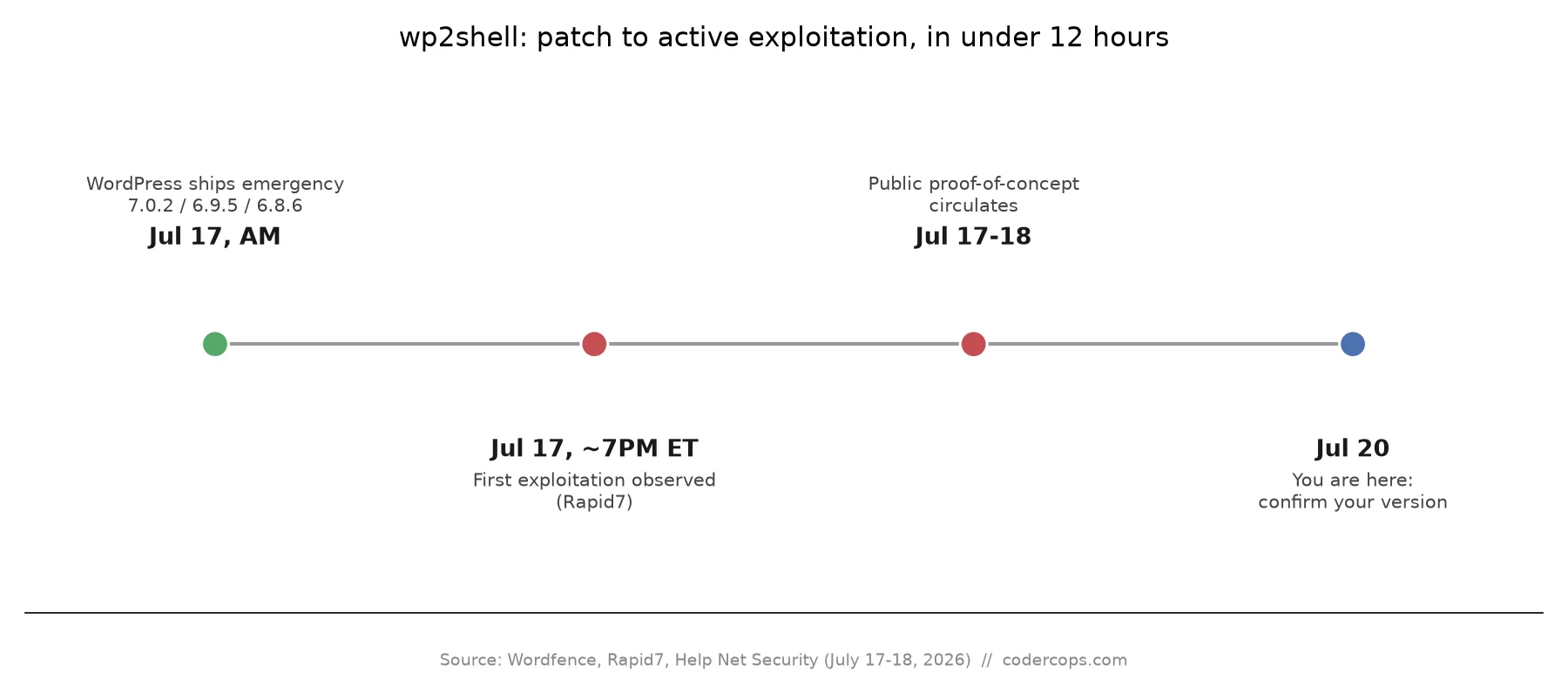
P.39A default WordPress install can be taken over by one anonymous HTTP request. wp2shell chains two core flaws into pre-auth RCE. What's affected, and the fix.
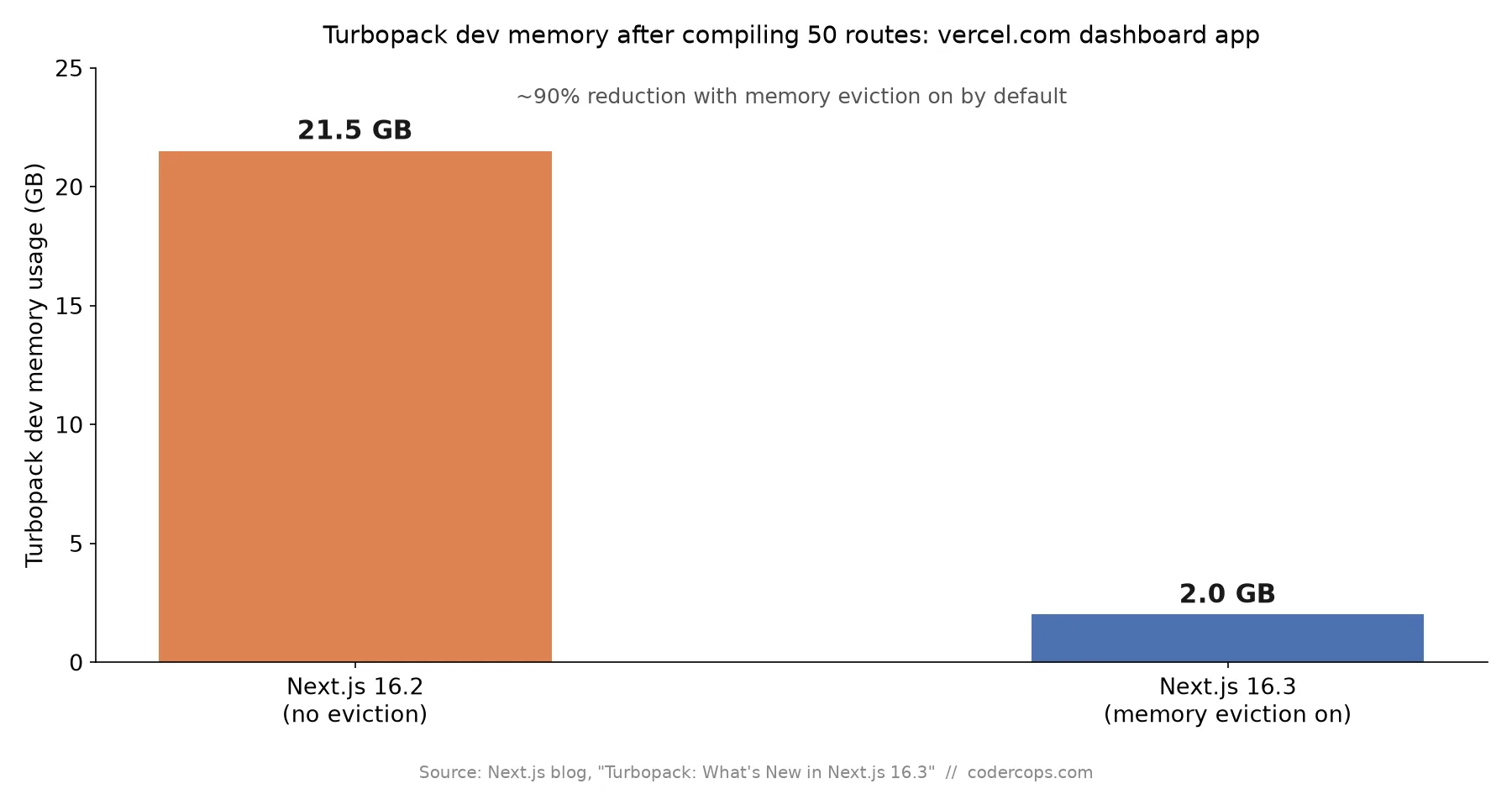
P.40Next.js 16.3 cuts Turbopack dev memory roughly 90% on large apps, extends the disk cache to next build, and ships a native Rust React Compiler.
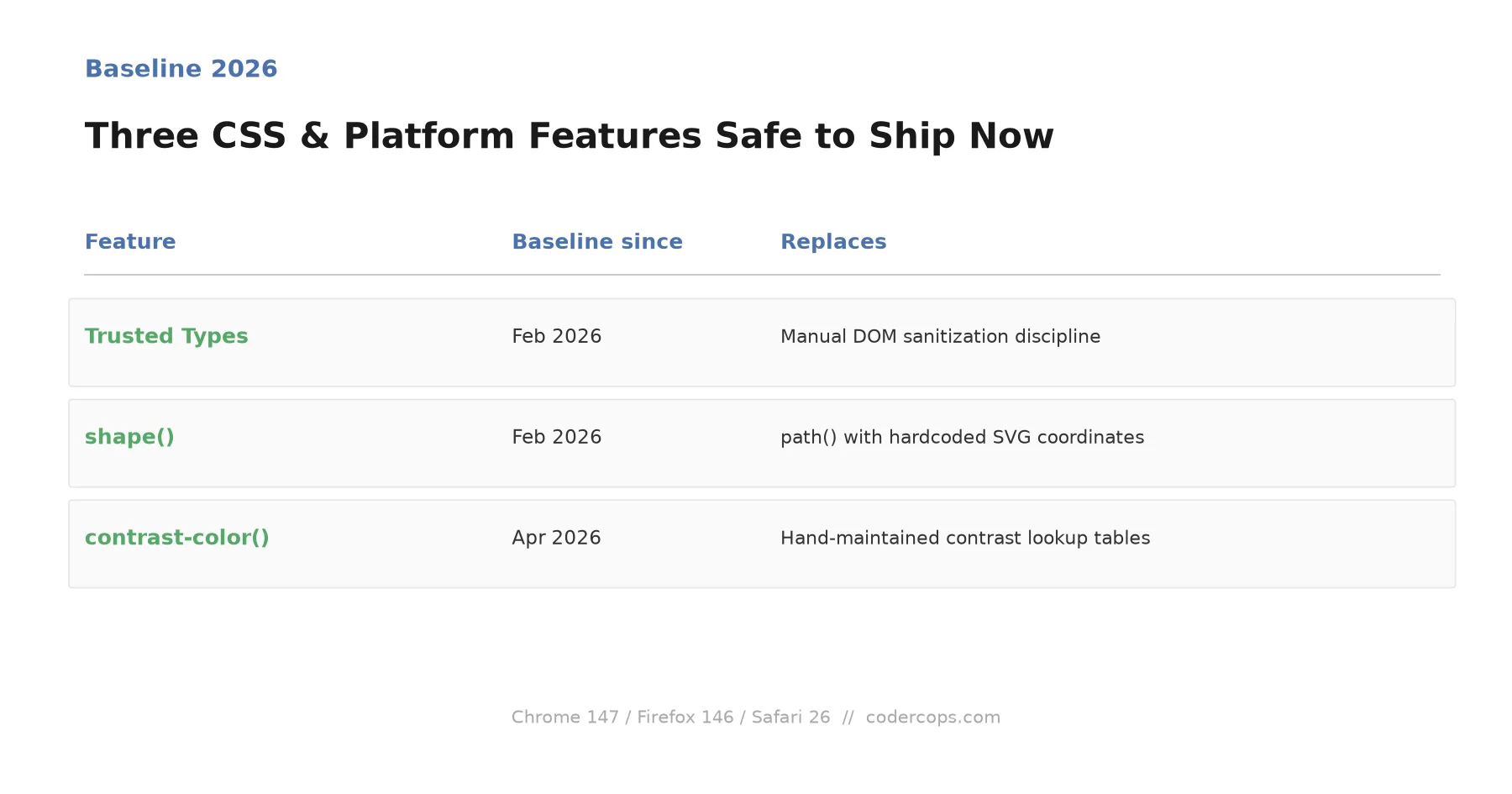
P.41Trusted Types, shape(), and contrast-color() all reached Baseline in early 2026. What each replaces, with working code, and what newly available means.
P.42After a 13-CVE surprise release in May, Vercel moved Next.js to a monthly, pre-announced security cadence. What it promises, and how to plan upgrades.
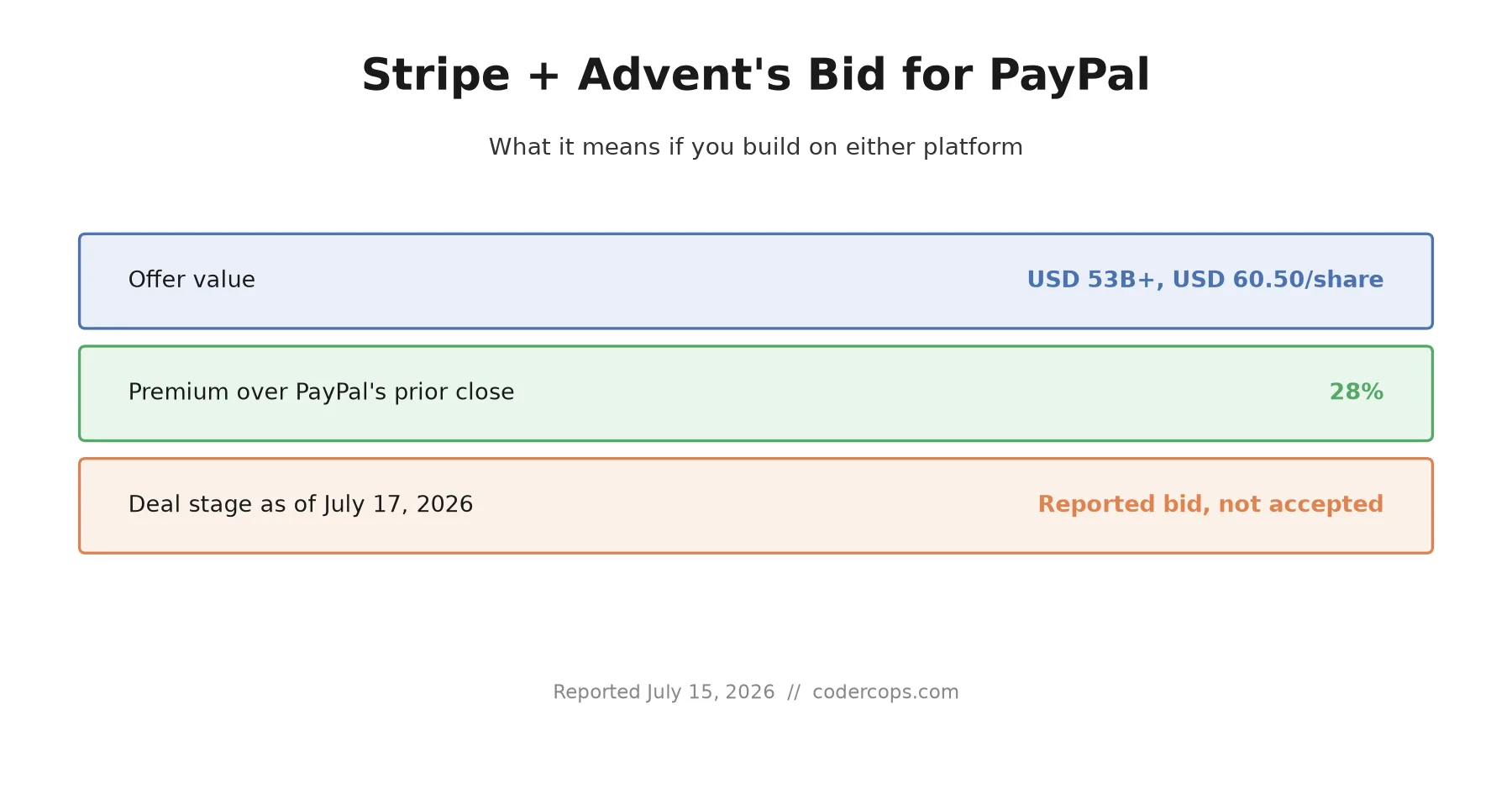
P.43Stripe and Advent offered $60.50 a share, over $53 billion, for PayPal. It's a reported bid, not a deal. The realistic timeline, and what to do now: little.
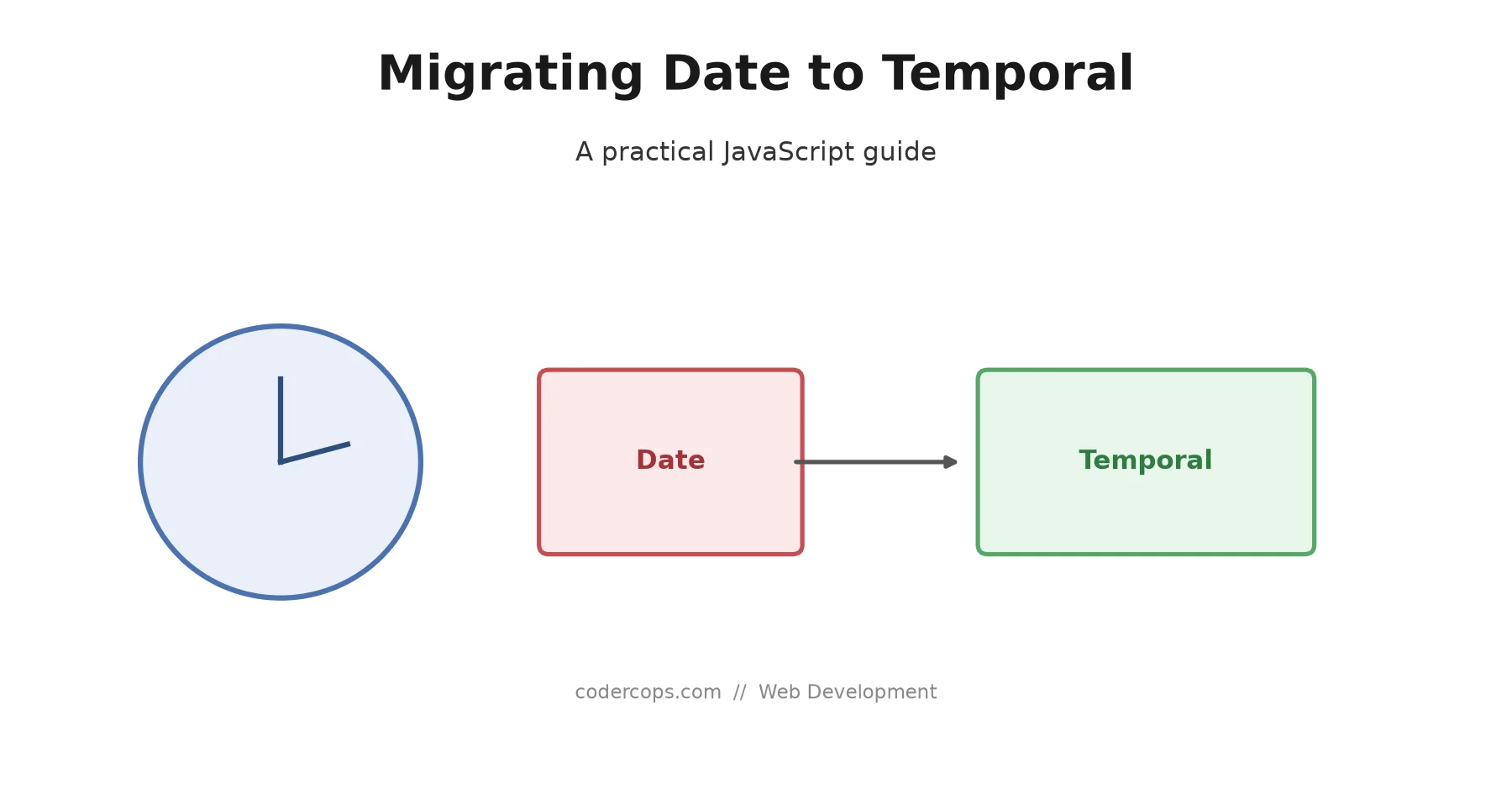
P.44Temporal hit Stage 4 and ships unflagged in Chrome 144, Firefox 139, and Node 26. Migrating common Date patterns to PlainDate, ZonedDateTime, and Duration.
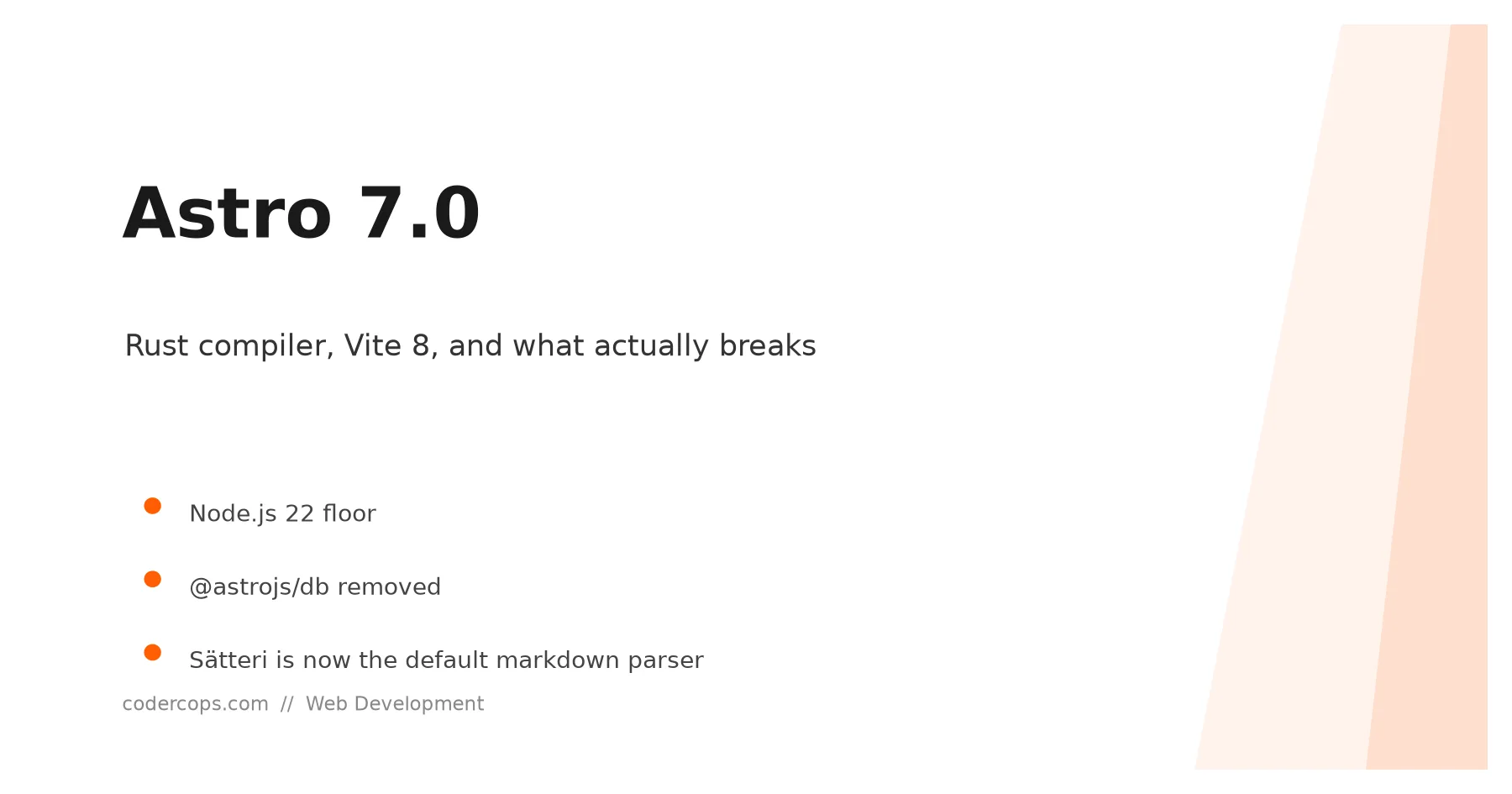
P.45Astro 7.0 rewrote its compiler in Rust, jumped to Vite 8, and switched markdown parsers by default. What changed, what was removed, and how to upgrade.
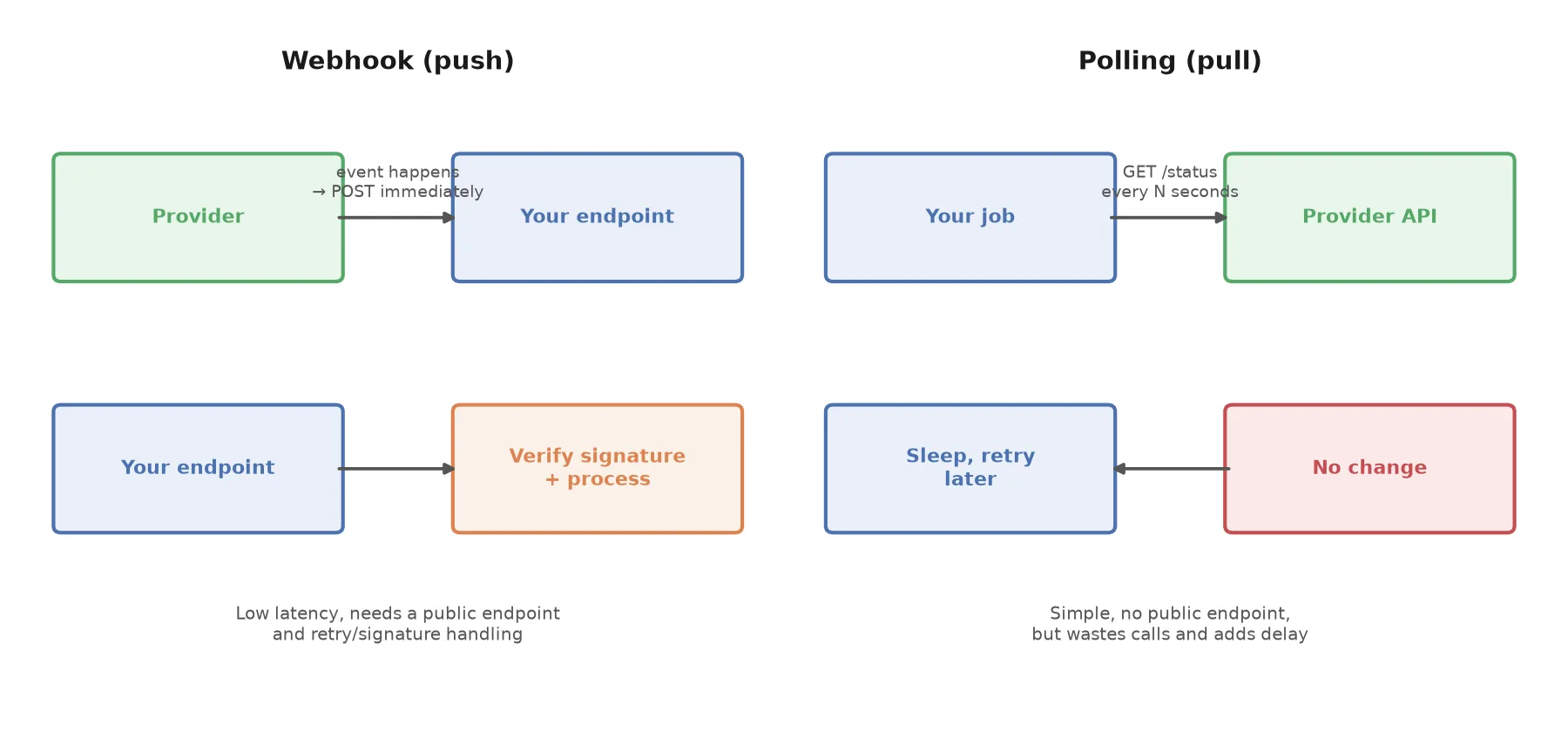
P.46Webhooks push the moment something happens; polling asks repeatedly. How to decide, with code for both, and the hybrid most production systems land on.
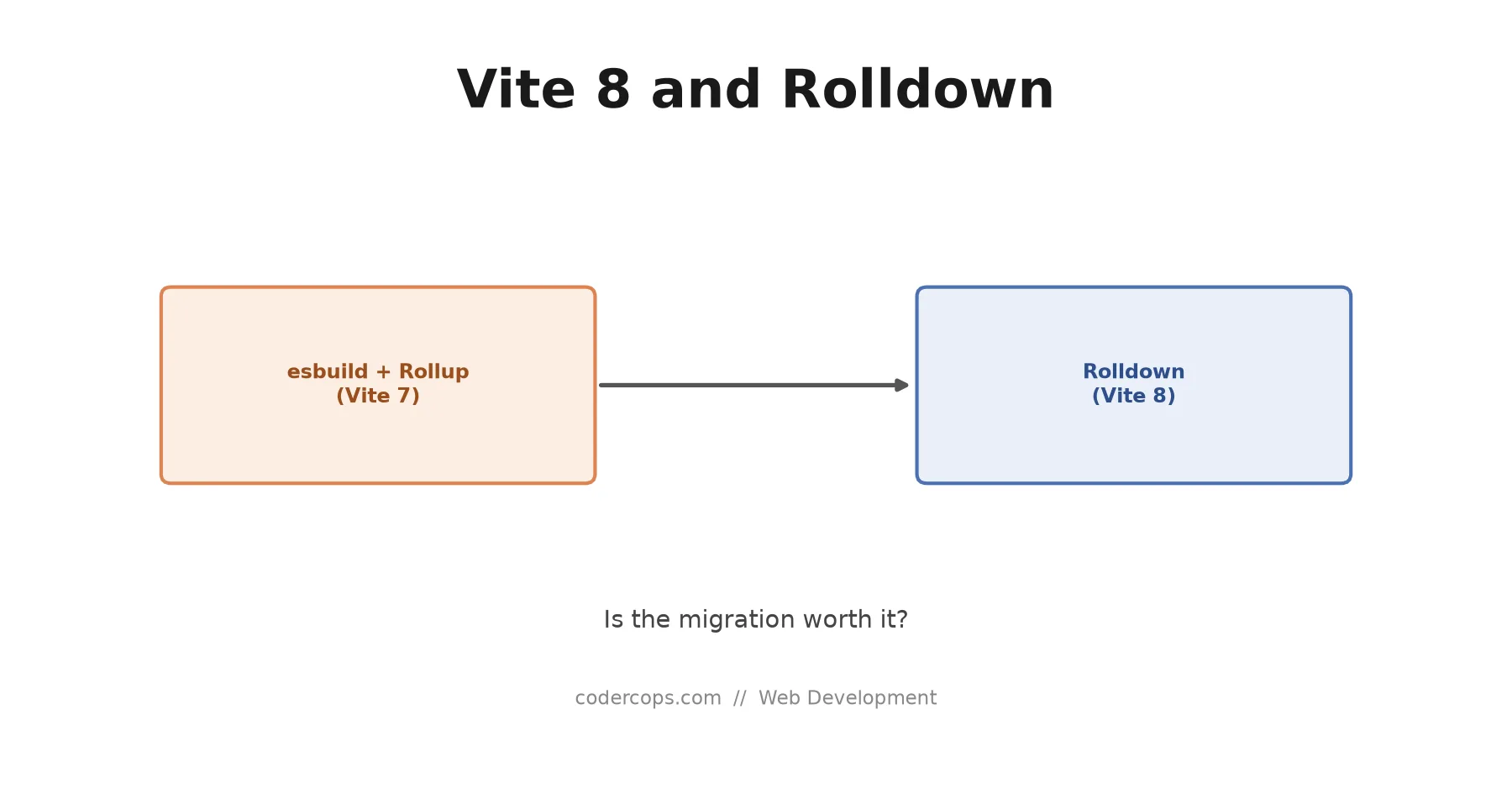
P.47Vite 8 replaced its dual esbuild and Rollup setup with Rolldown, a Rust bundler, by default. What changed, the real build times, and whether migrating pays.
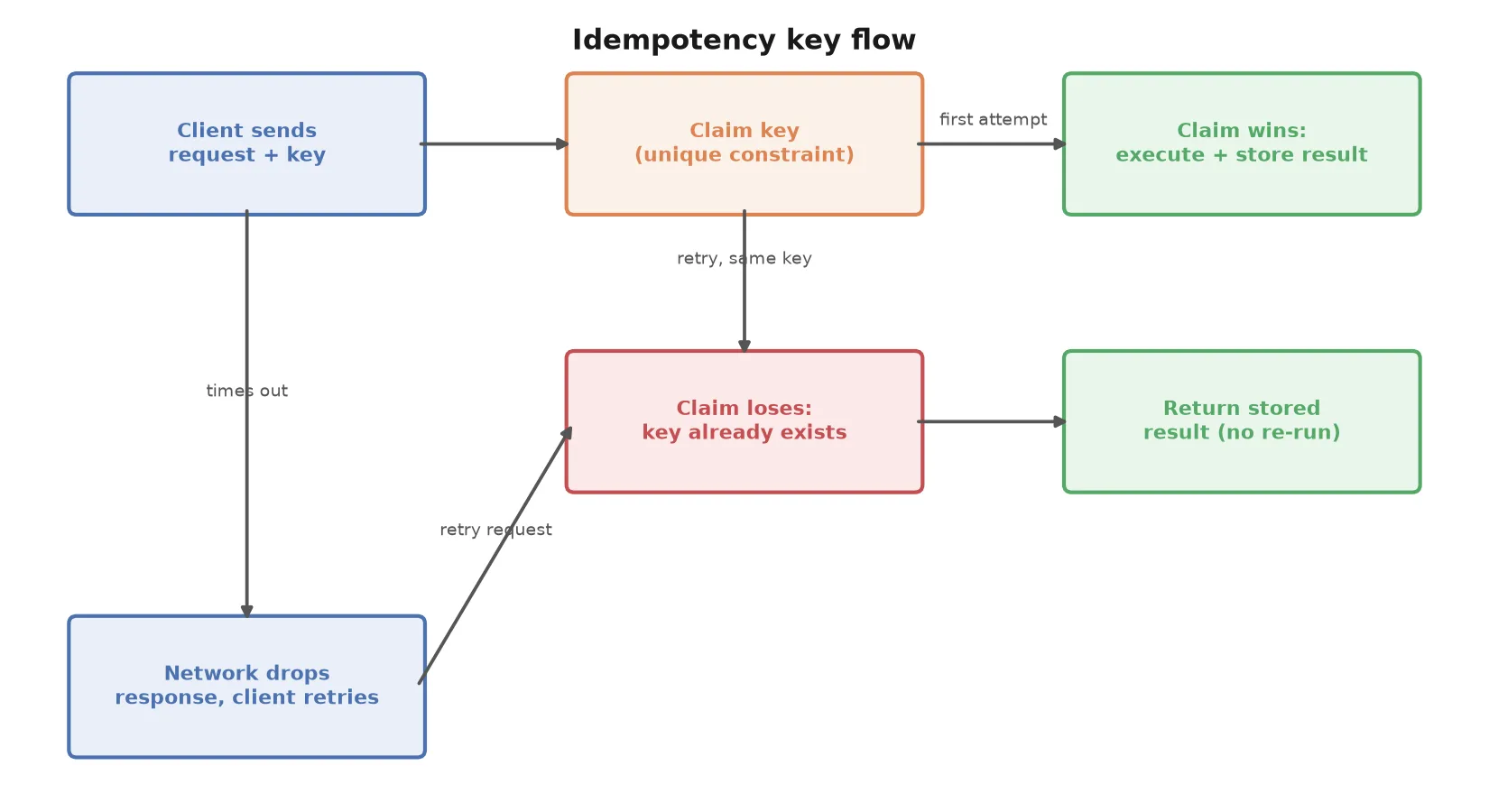
P.48Idempotency keys let a client retry a request that may have already succeeded, without double-charging a card. The pattern, in Postgres and in Redis.
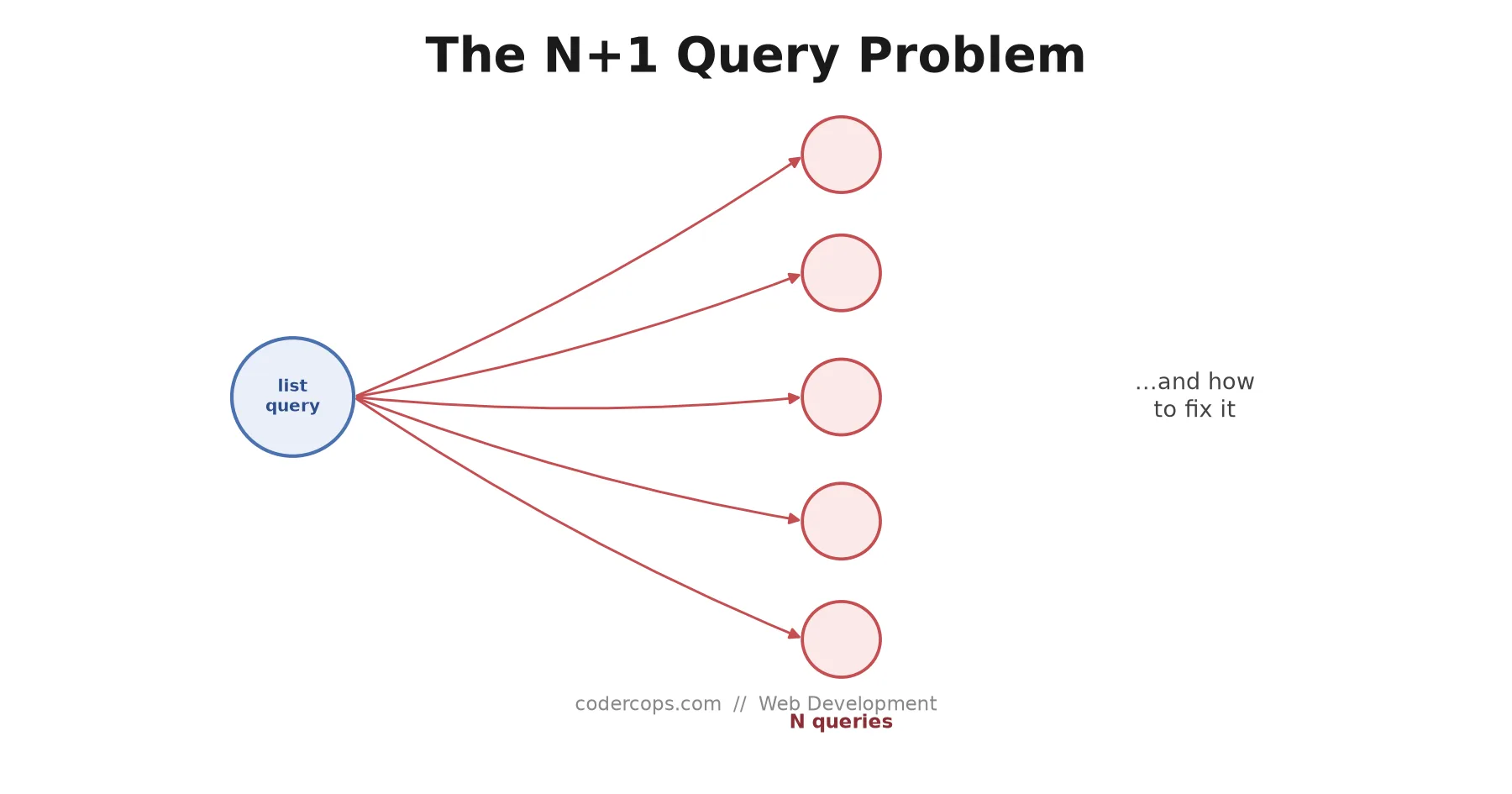
P.49An N+1 bug turns one page load into hundreds of round trips. What causes it, how to spot it in Django, Rails, and Prisma, and the eager-loading fixes.
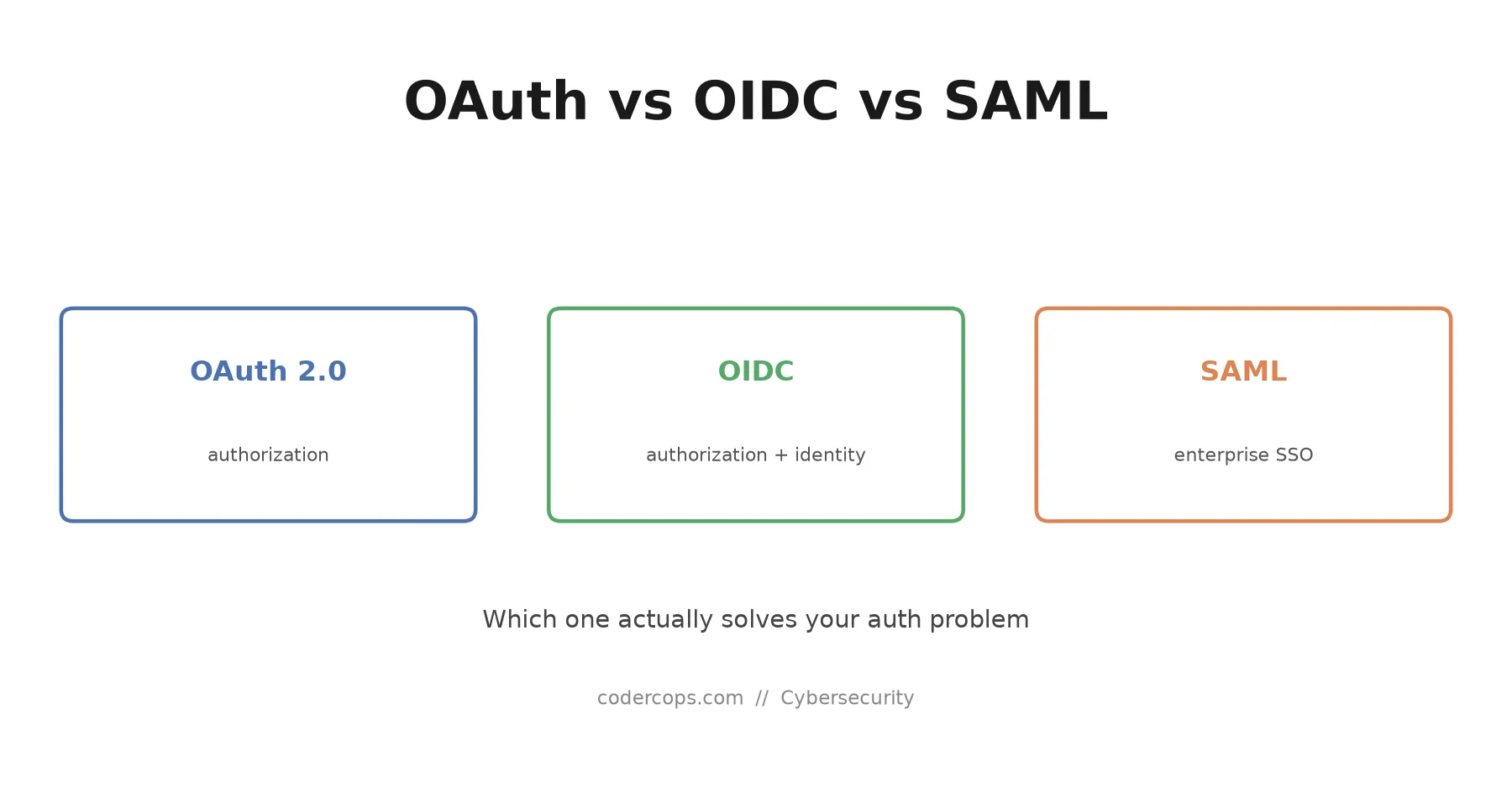
P.50OAuth handles authorization, OIDC adds identity on top, and SAML is the older enterprise SSO standard still running much of the corporate world. How to pick.
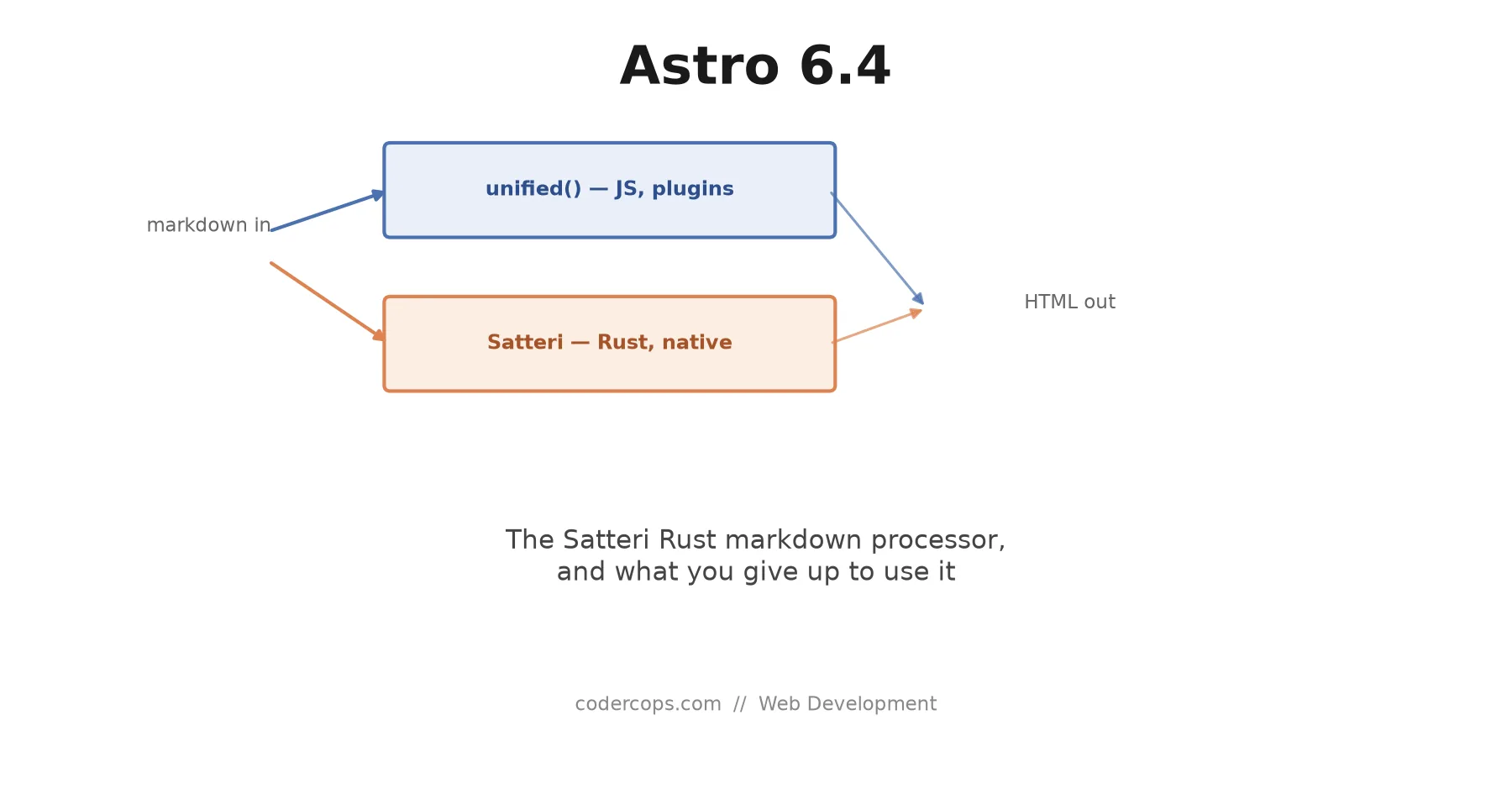
P.51Astro 6.4 ships a pluggable markdown pipeline and Sätteri, a Rust processor that speeds up content-heavy builds. It can't run your remark plugins yet.
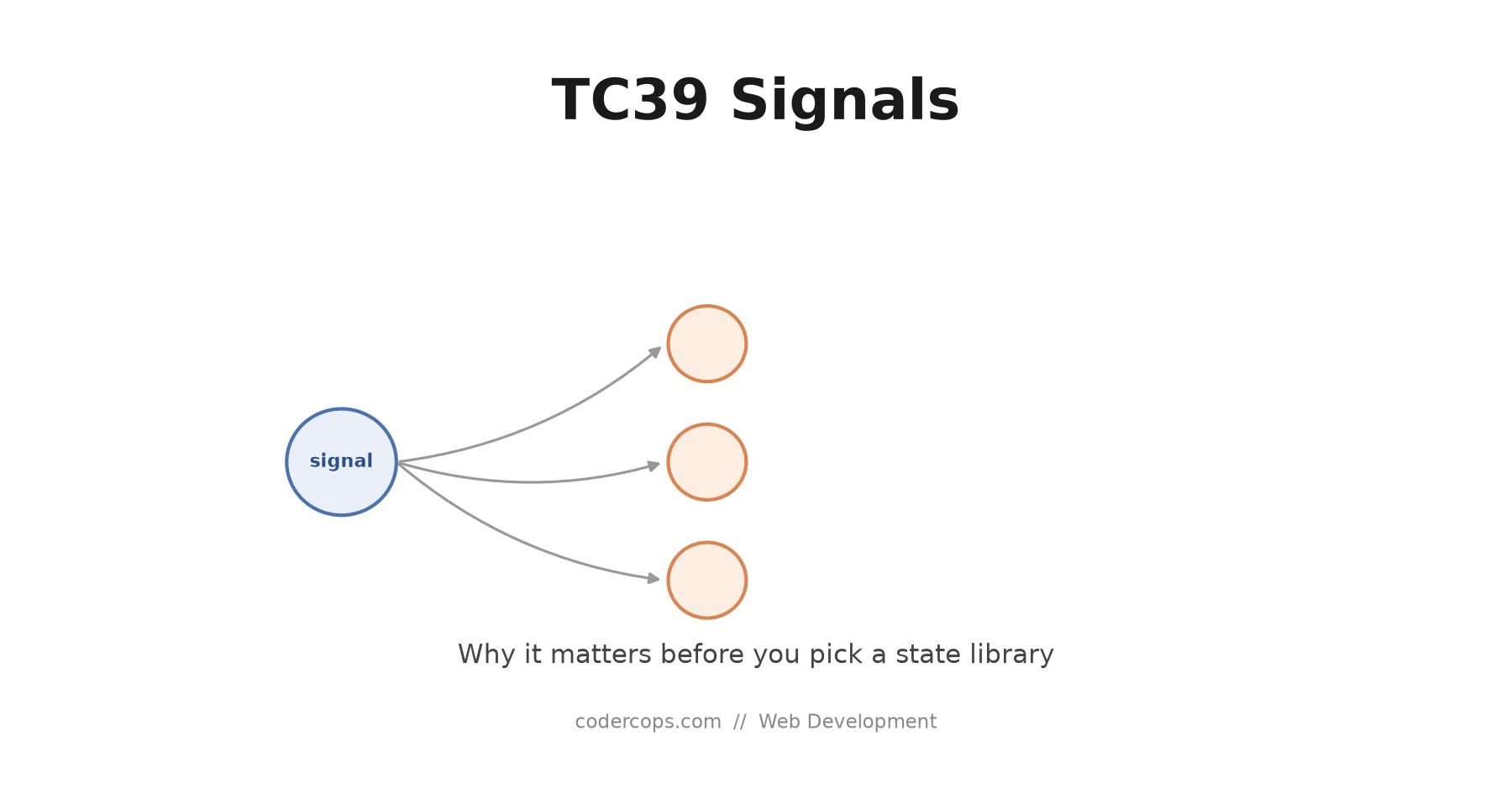
P.52TC39 is standardizing signals, the reactive pattern already inside Vue, Solid, Angular, and Preact. Years from browsers, but it changes what to build on.
P.53FastAPI's June 2026 refactor preserves routes instead of cloning them, makes dynamic registration work, and adds app.frontend() for serving SPAs.

P.5425,000+ responses, and the picture is consolidation, not churn. Vite at 98% satisfaction, TypeScript exclusive for 40%, React dominant but contested.
P.55TC39 finalised eight proposals for ES2026. Temporal gets the headlines, but Iterator Helpers, Set methods, Promise.try, and RegExp.escape matter too.
P.56Deno 2.9 ships deno desktop, turning any web project into a native app with no Electron boilerplate. What it's for, and when to stay on Tauri instead.
Svelte 5 runes changed the reactivity model in ways that matter for hiring. The pool is small but experienced. How to find, screen, and evaluate them.
P.58Next.js 16.3 preview added Instant Navigations, giving server-rendered apps the snappy feel of a client-side SPA. What changed, and when to use it.
All three frameworks matured and all three make different tradeoffs. The four questions we use with clients, and why there's no universally right answer.
P.60TanStack Start hit 1.x stable and is closing on Next.js in downloads. An honest comparison: what each is good at, where each falls short, how to decide.
WordPress runs 43% of the web, but the title covers everyone from theme configurers to block API engineers. How to find one who builds what you need.
Phoenix LiveView is production-ready for real-time web applications. Here is what it enables, where it fits, and why teams choosing it are not making an exotic choice.
Frontend developer means different things to different teams. The core screen: HTML semantics, CSS fundamentals, Core Web Vitals, and skill beyond React.
Laravel 12 is a different framework from the one people picture when they dismiss PHP. The stack, the tooling, and when a team should actually reach for it.
Rails 8 changed the deployment and infrastructure story. A developer who kept up looks different from one working off 2019 knowledge. What to screen for.
Full-stack means something different to every team. How to define what you need, catch specialists in disguise, and know when a generalist is the right call.
Svelte 5's runes replaced magic variable tracking with explicit reactive primitives. A year into production: what changed, what improved, what surprised.
Playwright dominates scraping now, but tooling is the easy part. A practical guide to scraping that works, and the legal lines to know before you ship.
Phoenix LiveView builds real-time, interactive UIs with server-side Elixir and minimal JavaScript, patching the DOM over a WebSocket connection.
The OWASP API Security Top 10 catalogs the most exploited API vulnerabilities, from broken authorization to unsafe consumption, each fixable with targeted code.
SolidJS is not React with a different syntax. It compiles to real DOM operations, skips the virtual DOM entirely, and has a different mental model for reactivity. Here's what that means in practice.
Three.js makes WebGL usable. React Three Fiber makes Three.js feel like React. The fastest path to interactive 3D on the web, and how to use it.
TanStack Router brings full TypeScript inference to URL params, search params, and loader data. Here's what that looks like in practice and when it's worth adopting.
Images are the single biggest factor in Largest Contentful Paint for most sites. AVIF has widespread browser support now. Here's the optimization stack worth using and how to implement it.
XState v5 ships a rewritten API that's smaller and easier to read than v4. Here's how state machines help in production UI, and what the migration looks like.
Cursor's rules system encodes your team's architecture, naming, and coding standards into the AI's context, so every engineer gets consistent suggestions.
Most web apps are missing four or five headers that would neutralize entire classes of attack. Here's what each header does, what to set, and why most defaults leave you exposed.
Alpine.js adds dropdowns, modals, tabs and form behaviour straight in your HTML, with no build step and no framework. When that's exactly right.
Deno 2 ships with full Node.js compatibility, npm support, and a revised standard library. Here's what that means for teams evaluating it as a serious Node alternative.
TypeScript 5.0 replaced experimentalDecorators with the TC39 Stage 3 proposal: different syntax, more capable, now the standard way to write decorators.
CSS @layer lets you set explicit priority between your reset, base, components, and utilities. Here's how cascade layers work in production stylesheets.
ElysiaJS gives Bun APIs fast routing, TypeBox validation, and type inference that reaches the client with no codegen step. How it works and when to pick it.
Redux is overkill for most React apps: Zustand and Jotai cover most state needs with far less boilerplate. Here is when to use each and how they actually work.
An ADR captures why a technical choice was made, not just what. One page per decision, stored in the repo. Here's the format and how to make it stick.
ESLint 9 made flat config the default and deprecated .eslintrc. Here's what changed, why it's better, and how to migrate without breaking your setup.
Git hooks enforced by Lefthook, Husky, or lint-staged can stop broken code, style violations, and type errors before they reach your CI pipeline. Here's how to build a hook setup that teams actually keep.
Choosing between react-i18next, next-intl, and Lingui comes down to your framework: next-intl for Next.js App Router, react-i18next elsewhere.
Most background job solutions require you to run and monitor a Redis instance, manage worker processes, and wire up your own retry logic. Inngest skips all of that. Here's how it works and when it's the right call.
Three real authentication options for Next.js apps, with different trade-offs on control, cost, and setup time. Here's what each one actually involves.
Rails 8 replaces Redis, Memcached, and Node with Solid Queue, Solid Cache, Solid Cable, and Kamal 2, so a single server and database can run production.
Three headless CMS platforms used by agencies, three different bets on where content management is going. Here's how Sanity, Payload, and Contentful actually compare when you're building for clients.
Three viable paths to cross-platform mobile in 2026. Which one makes sense depends on your team, your deadlines, and how much of the device you actually need.
The Date object has been broken for 30 years. Temporal is its replacement, now shipping in browsers and Node.js. Here's what actually changed and how to use it.
Storybook 8 is faster and easier to configure than it was. More useful is the workflow shift: building in isolation makes components genuinely decoupled.
WebGPU is now in Chrome, Firefox, and Safari: a general-purpose GPU compute layer, not just graphics, for ML inference, image processing, and simulation.
Three different approaches to styling a web application — Tailwind, CSS Modules, and CSS-in-JS libraries — and the team contexts where each one actually makes sense.
Manifest V3 changed how Chrome extensions work. Here's what actually matters for developers building extensions today: service workers, declarativeNetRequest, and the gotchas nobody warns you about.
Local-first means your app works offline and syncs when connected. The technology (CRDTs and sync engines) is mature enough to use. The question is whether your use case actually needs it.
Three animation options dominate web development right now: CSS, Framer Motion, and GSAP. Here's how to pick the right one for your project and why the native platform is better than you might expect.
The View Transitions API and scroll-driven animations are now baseline in every major browser. Here's what they replace and working code for both.
Sanity, Contentful, Strapi and Payload compared on the criteria that decide it: who edits the content, where it's hosted, and whether schema lives in git.
A growing class of AI agent frameworks can control a browser the way a human does — clicking, typing, navigating. Here's what works in production, what breaks, and when to actually reach for these tools.
Go has real strengths for backend API work, and some persistent limitations. Here's what teams actually gain and give up when they choose it over Node.js or Python for web APIs.
A hands-on comparison of Typesense, Meilisearch, and Algolia for production SaaS search: self-hosting, performance, pricing, and real implementation patterns.
A practical comparison of PostHog, Amplitude, and Mixpanel for SaaS teams in 2026: pricing, self-hosting, event tracking, and what metrics matter.
Building SaaS billing on Stripe means handling subscription plans, the Meter API for usage-based pricing, webhook reliability, and the Customer Portal.
Zod is the standard for runtime type validation in TypeScript: one schema drives API contracts, form validation, and environment variables across your stack.
A Playwright E2E suite that scales reuses auth state across tests, follows a folder structure built for growth, and configures CI to isolate real flakiness.
Password resets, invoices, and notification emails are infrastructure. Most developers treat them as an afterthought until a client asks why their welcome emails are disappearing. Here is the full picture.
Stripe's API now covers far more than checkout. This breaks down which Stripe products agencies actually need, which are overkill, and where teams get burned.
Media queries ask 'how wide is the viewport?' Container queries ask 'how wide is my parent?' That shift changes how you think about reusable components.
If your design system needs to work in React, Vue, and a legacy jQuery app simultaneously, Web Components are the only native answer. Lit makes them practical to write.
The implicit flow is dead and tutorials still teach it. How authorization code flow with PKCE works, where tokens belong, and where SPA auth goes wrong.
Google's crawler runs JavaScript, but on a delay and with different limits than a browser. Here's where JS app SEO actually breaks, and how to test for it.
PWAs got a second wind once iOS 16.4 enabled push notifications and iOS 17 improved install flow. The gap between PWA and native is now narrow enough to matter.
The Vercel AI SDK has become the default for building AI features in JavaScript apps. Here is what it actually does, how its core primitives work, and where the sharp edges still live.
Hono started as a tiny router for Cloudflare Workers and became the default for edge APIs. What it does well, and why "runs everywhere" actually holds.
Interaction to Next Paint replaced First Input Delay in 2024, and most sites still haven't caught up. INP is harder to optimize because it measures every interaction, not just the first one.
Client state is easy. Server state, which lives on a backend and changes on its own, is where React apps make a mess. TanStack Query handles it cleanly.
Position one element relative to another in pure CSS. No Popper.js, no positioning logic, no recalculation on scroll. How anchor positioning works.
shadcn/ui is now the default starting point for React UIs. Here's what it actually is, why copy-paste beats npm install, and how to use it without accumulating a mess.
Caching is high-leverage and consistently misunderstood. How Cache-Control and ETags actually work, why stale content happens, and how to design for it.
URL versioning, header versioning, and content negotiation compared with real code. Here's how to pick one and retire old versions without stranding clients.
Tailwind v4 moves configuration from JavaScript to CSS, drops the content array, and ships a faster engine. Here's what the breaking changes actually mean for a real project migration.
OpenAPI-first API development means writing the spec before code, then generating server types, request validation, and client SDKs from it.
Not every real-time feature needs WebSockets. Server-Sent Events handle most push scenarios with far less complexity. Here's how to choose, and what each approach looks like in actual code.
Every public API needs rate limiting, but the algorithm you choose shapes the user experience and the failure modes. Here's how each approach works and when to use it.
Passkeys are no longer an experimental feature. Apple, Google, and Microsoft all support them natively. Here's what WebAuthn actually looks like in code and when passkeys make sense for your app.
Playwright E2E tests break because of fragile selectors, shared test state, or overly broad scope, not the tool itself. Fix those and tests survive UI changes.
HTTP/3 is in production at every major CDN and supported by all modern browsers. Whether it actually helps your application depends on factors most guides don't explain.
Video calls, live collaboration, real-time audio — features clients want more than ever. WebRTC makes them possible, but the gap between a working demo and a production deployment is wider than the documentation suggests. Here's what that gap looks like.
The honest read on web developer demand after AI's impact, which roles are hot, which are cooling, and what the working week actually looks like across employment types.
Real revenue, profit margins, and owner take-home for solo, boutique, mid-size, and enterprise web agencies, including the messy parts most income reports skip.
A small-business marketing site runs $5,000-$20,000 with a US agency, or $3,000-$8,000 with a strong in-region partner. Why quotes vary so much.
Five different things people mean by 'update' (content, dependencies, performance, design, full rebuild) and how often each should actually happen.
When proximity actually matters, when it doesn't, and how to evaluate local agencies without falling for the 'we have an office in your city' theatre.
How to choose a B2B website agency that can support long buying cycles, multiple stakeholders, and demand generation outcomes.
A practical Denver website design agency guide covering local fit, process maturity, pricing expectations, and performance-first delivery.
A practical framework for selecting an ecommerce website development agency, with checkout UX, speed, mobile conversion, and platform trade-offs.
How to choose a website development agency in the USA with clear evaluation criteria, pricing models, red flags, and ROI-focused decision checkpoints.
Astro 6 beta ships CSP nonce support, declarative web components, improved server islands, and Vite 7. We break down the architecture decisions and tradeoffs.
Learn how to migrate to Next.js 16 with Turbopack as the default bundler, React Compiler integration, and cache components. Step-by-step guide with code examples.
Svelte 5.49 runes and SvelteKit remote functions transform server-client communication. A practical guide with migration stories, code examples, and React comparisons.
TypeScript 6 beta rewrites the compiler in Go, delivering 10x faster builds. We analyze benchmarks, ecosystem impact, editor support, and the migration path from TS 5.8.
Micro-frontends work when 4+ teams need independent deploys and fail when performance is the priority. We cover Module Federation 2.0 and real tradeoffs.
A deep dive into how we built codercops.com with Astro 5 SSR, Supabase as a CMS, Git-based content, and Edge Functions. Architecture decisions and lessons learned.
Our curated list of npm packages that make it into every CODERCOPS project. Each one battle-tested across 30+ production apps with alternatives we considered.
CSS has changed more in the last 2 years than the previous 10. Here is what is production-ready, what to adopt now, and what you can stop using.
The low-code market will hit $264B by 2032, but that does not mean every app should be built on Bubble or Retool. Here is a framework for knowing when low-code saves you money and when it costs you everything.
P.150Web accessibility is legally required and ethically essential. Here's a practical guide to building accessible applications with WCAG 2.2 compliance.
Cloudflare acquired The Astro Technology Company on Jan 16, 2026, keeping Astro free, open-source, and MIT-licensed. Here's what it means for developers.
Remix 3 drops React for a Preact fork and web-standards-first architecture. Here's why this matters, what it means for React developers, and whether the post-React era is truly upon us.
Astro 6 Beta adds first-class Cloudflare Workers support, a redesigned dev server, stable live collections, and CSP. Here is how to migrate from Astro 5.
jQuery 4.0 shipped January 17, 2026, its first major version in a decade, and it still runs 77% of JS-powered websites. Here's what's new and who should upgrade.
AI-first web agencies build apps with built-in intelligence, like chatbots and predictive features, as one product instead of two disconnected teams.
An honest 2026 comparison of top web development agencies: specialties, tech stacks, pricing, and ideal client fit, so you can pick the right partner.
Choosing a web development agency comes down to portfolio fit, technical depth, process, and references, not price. Covers red flags and key questions to ask.
Choosing a modern web app stack means weighing Next.js vs Astro vs Remix, SQL vs NoSQL, and Vercel vs AWS against your project's actual priorities, not trends.
A CVSS 10.0 pre-auth RCE in React Server Components was exploited within two days of disclosure. Here's the patch guidance and what changed.
From $800 landing pages to $500K enterprise platforms — here's the real breakdown of web development costs in 2026, with pricing by project type, region, and technology stack.
We build client work in Next.js daily and chose Astro 5 for our own site. The bundle numbers, the build times, and where Next.js is still the right call.
A detailed breakdown of what goes into a conversion-optimized landing page at different price points — from $800 starter pages to $2,500 premium builds. With real conversion benchmarks and examples.
From AI-first development to meta-frameworks dominance, discover the key trends shaping web development in 2026 and how to stay ahead of the curve.
React 19 shipped Server Components, Actions, a built-in compiler, and new hooks like useOptimistic and use(). Here's what changed and how to migrate.
Step-by-step guide to configuring a complete full-stack development environment with Python, Django backend, and React frontend.