P.01Guardrails AI vs NeMo Guardrails vs Llama Guard in 2026
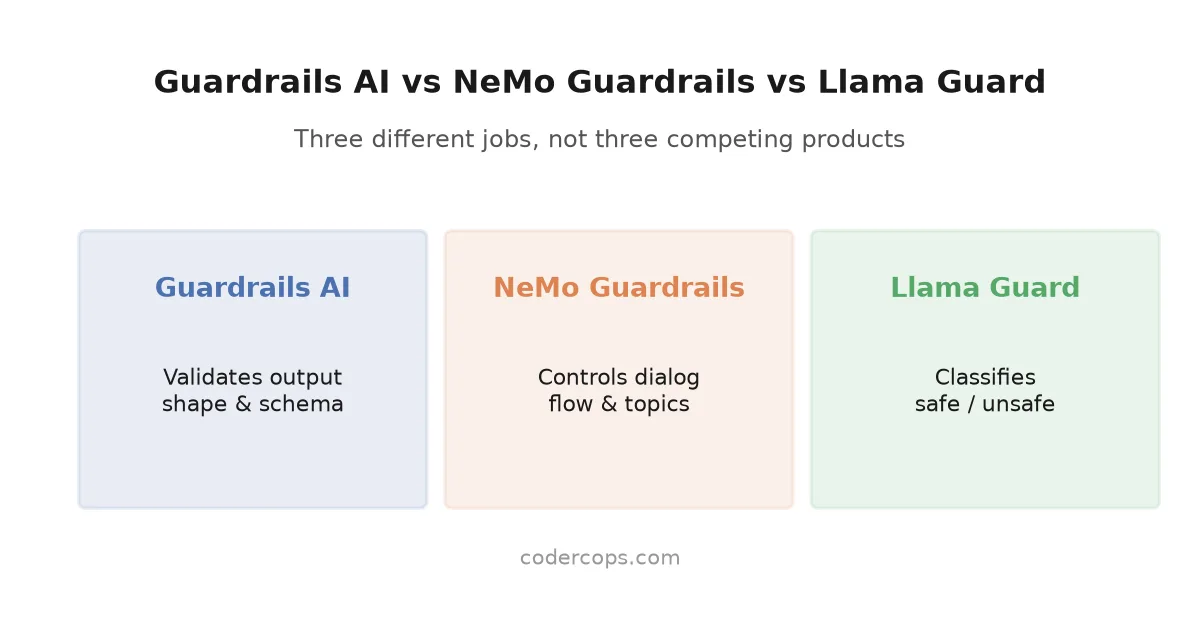
Guardrails AI validates structured output, NeMo Guardrails controls dialog flow, and Llama Guard classifies safety. Here is which one fits your LLM app.
Tag
188 articles tagged #Developer Tools.
P.01Guardrails AI validates structured output, NeMo Guardrails controls dialog flow, and Llama Guard classifies safety. Here is which one fits your LLM app.
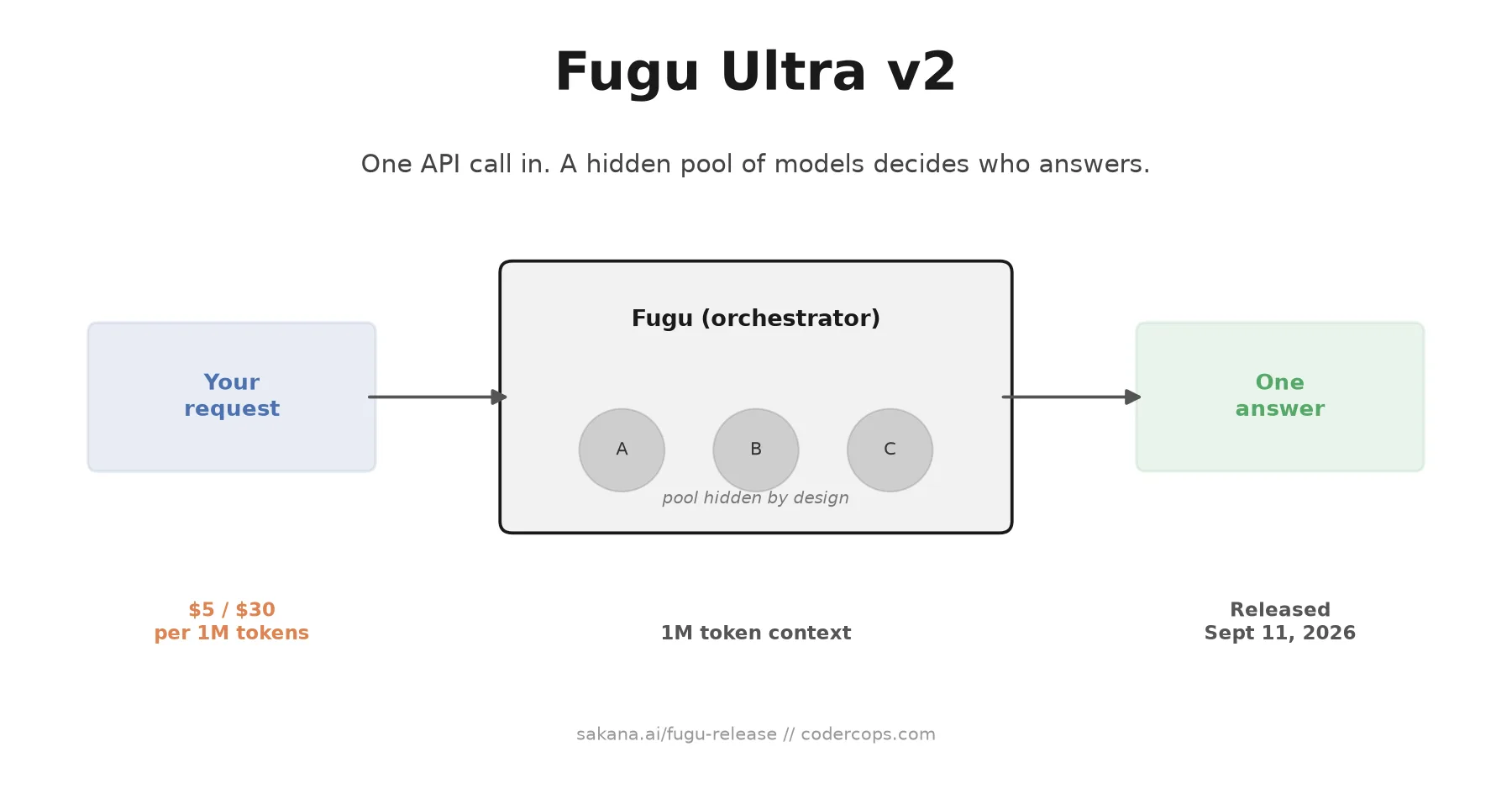
P.02Sakana AI shipped Fugu Ultra v2 on Sept 11, routing every request across a hidden pool of models instead of running one. What that buys you, and what it costs.
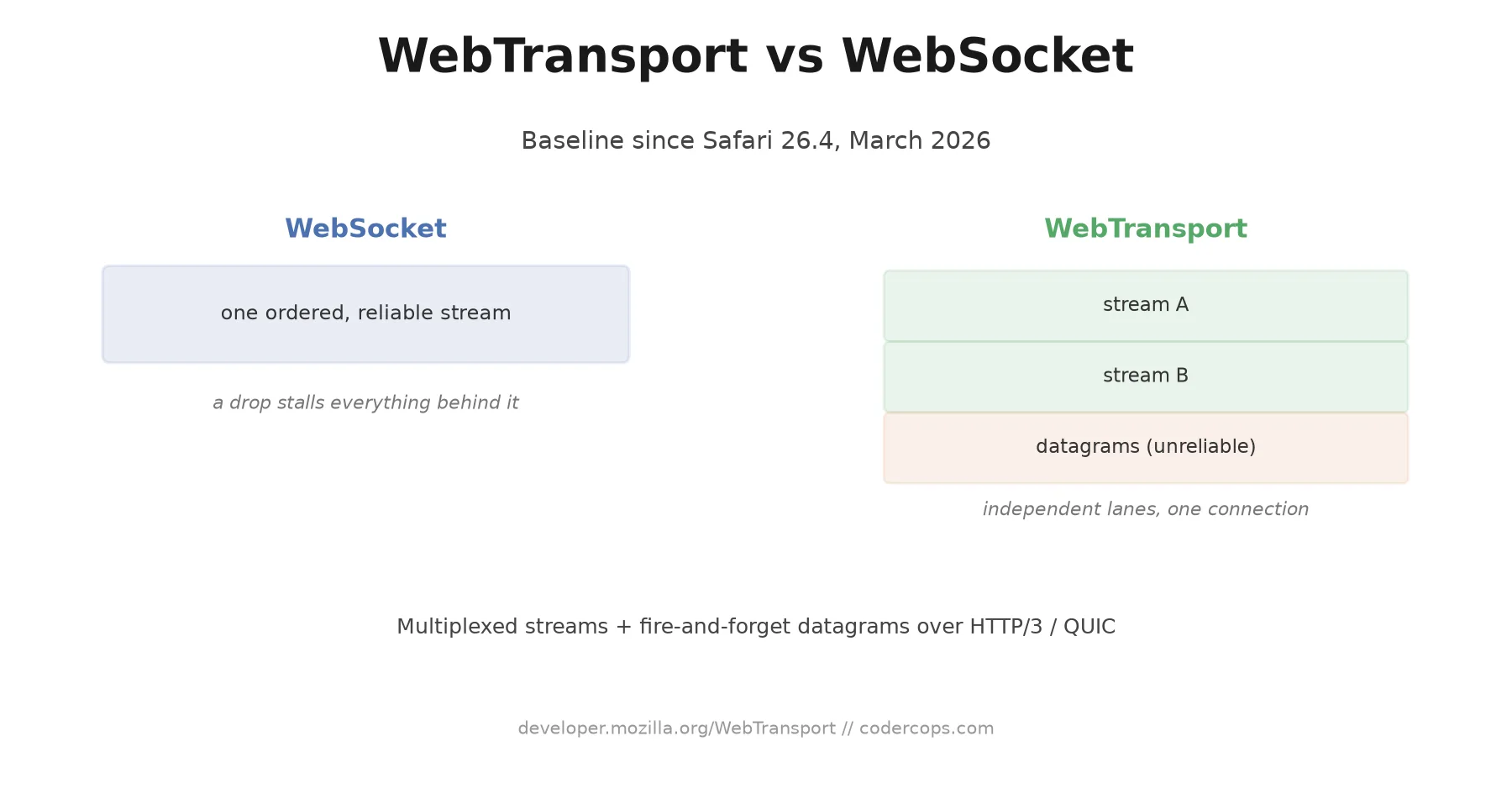
P.03WebTransport hit Baseline in March 2026 when Safari 26.4 shipped it. Here's what it actually does, how it differs from WebSockets, and when to reach for it.
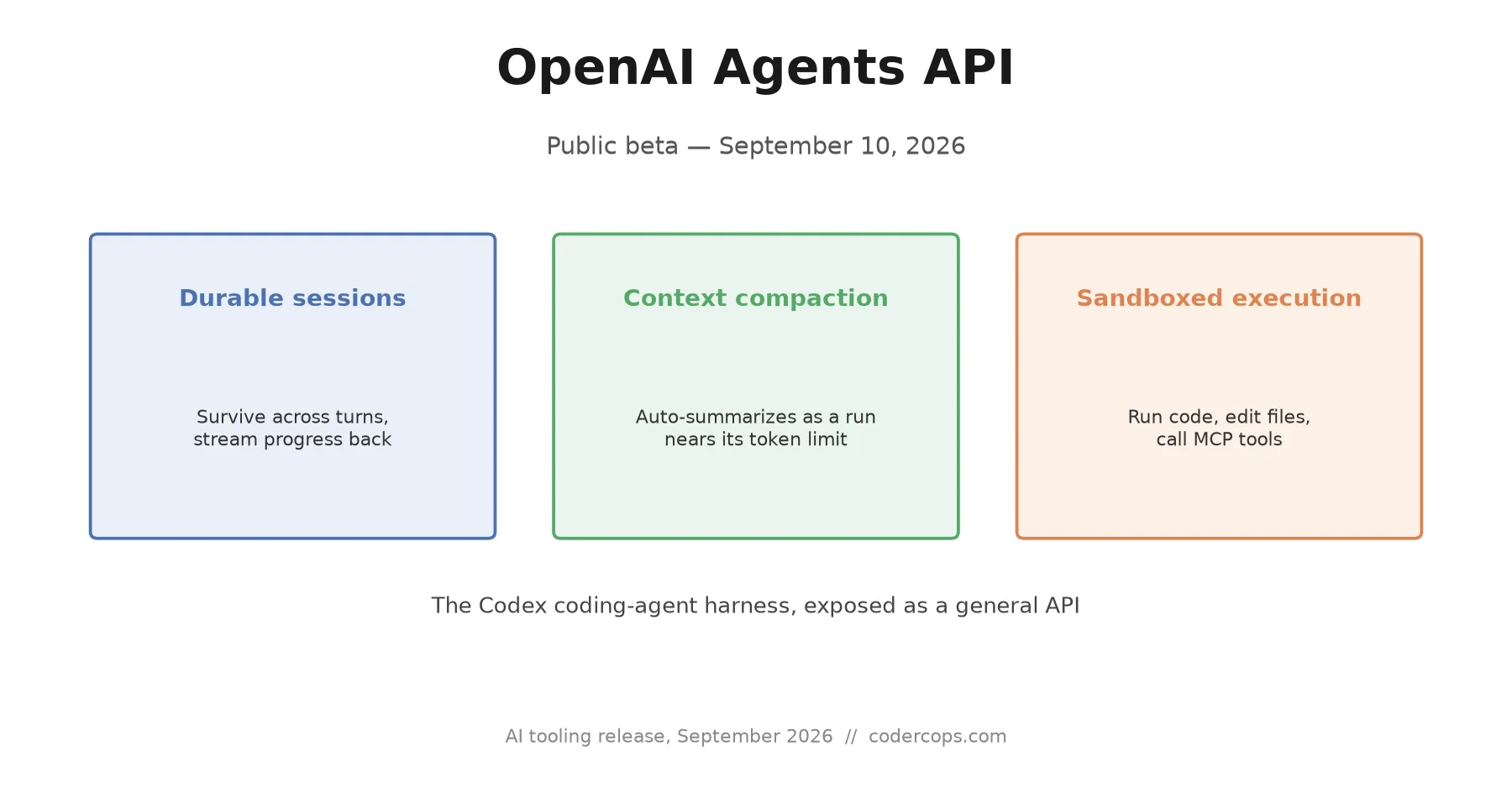
P.04OpenAI's Agents API public beta puts session orchestration, context compaction, and sandboxed execution behind one call. What it replaces and what it costs.
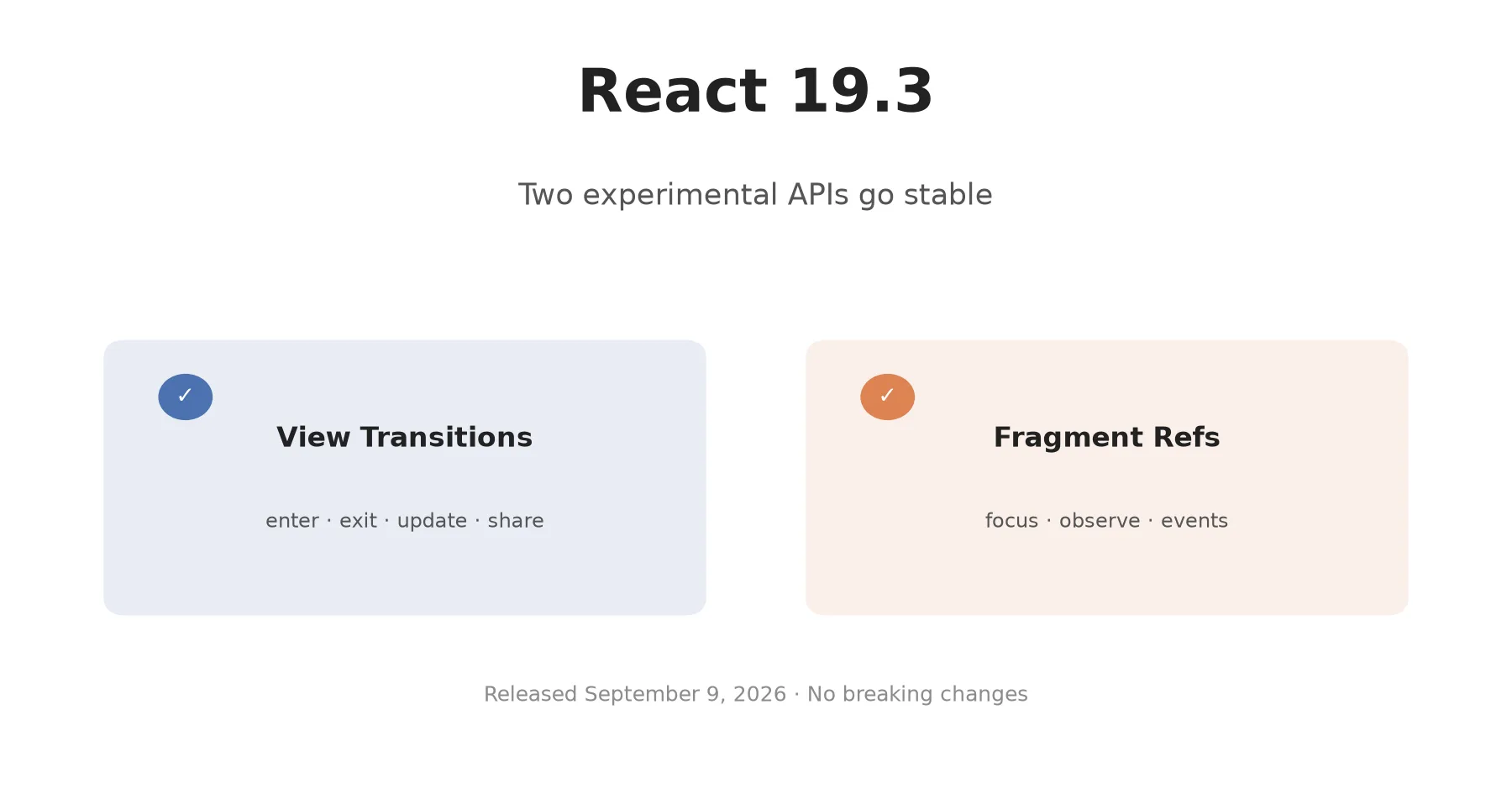
P.05React 19.3 shipped September 9, 2026, and turned two long-experimental APIs stable: View Transitions and Fragment Refs. What changed and whether to upgrade.
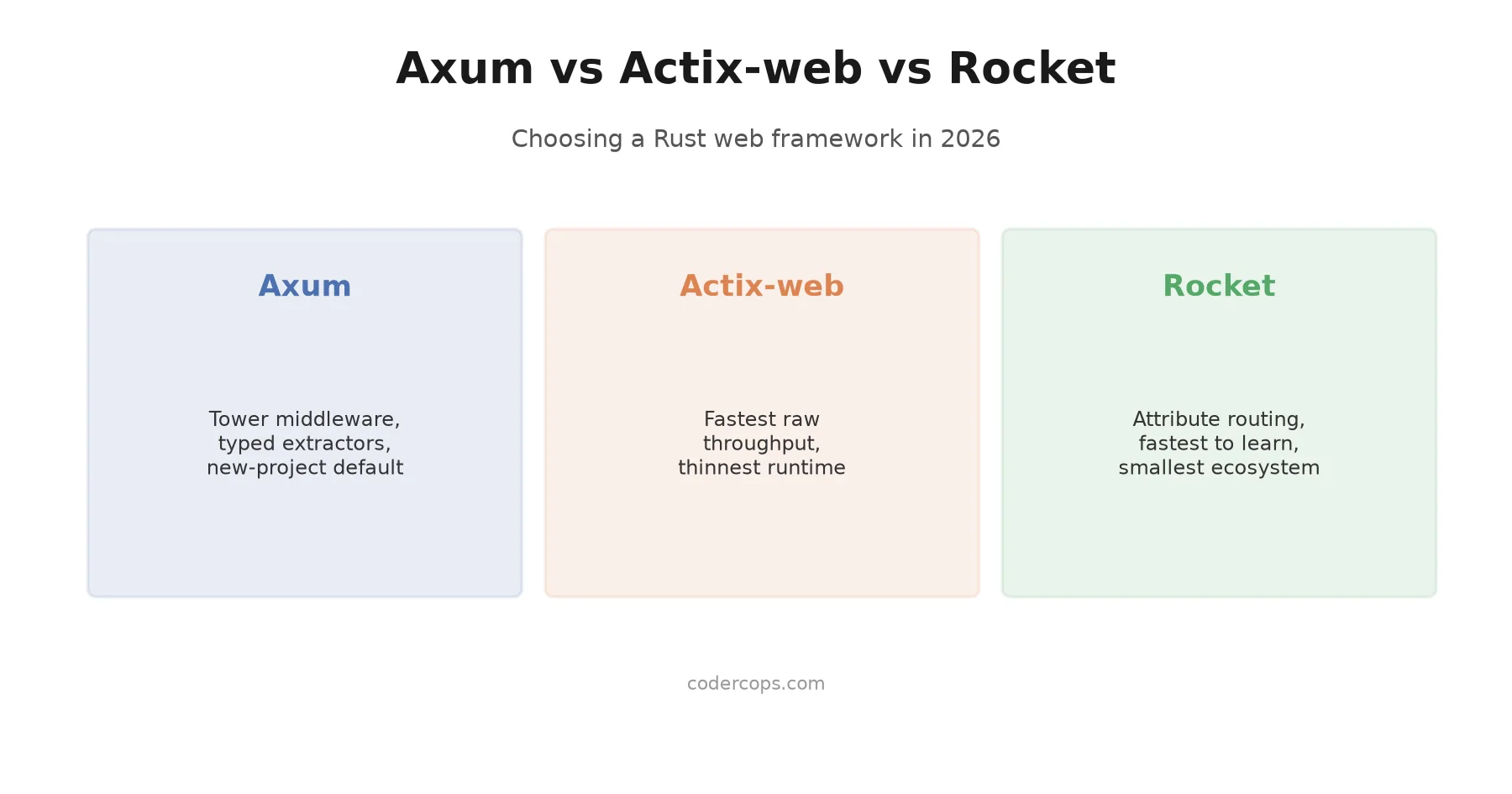
P.06Axum is the default for new Rust APIs in 2026, Actix-web wins on raw throughput, and Rocket wins on ergonomics. Here is which one fits your team.
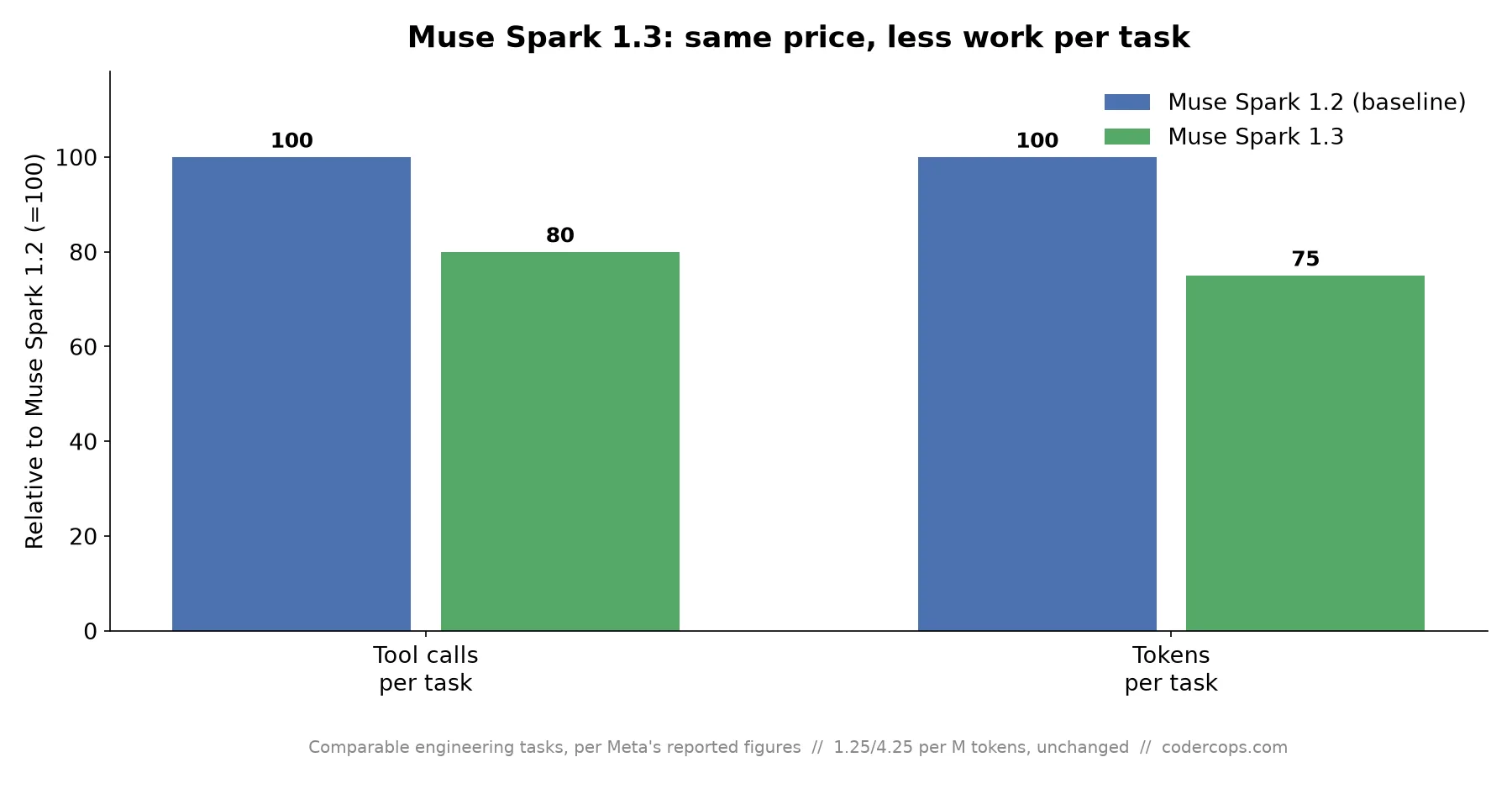
P.07Muse Spark 1.3 needs fewer tool calls and tokens than 1.2 to finish the same engineering work, at unchanged pricing. What actually changed, and what didn't.
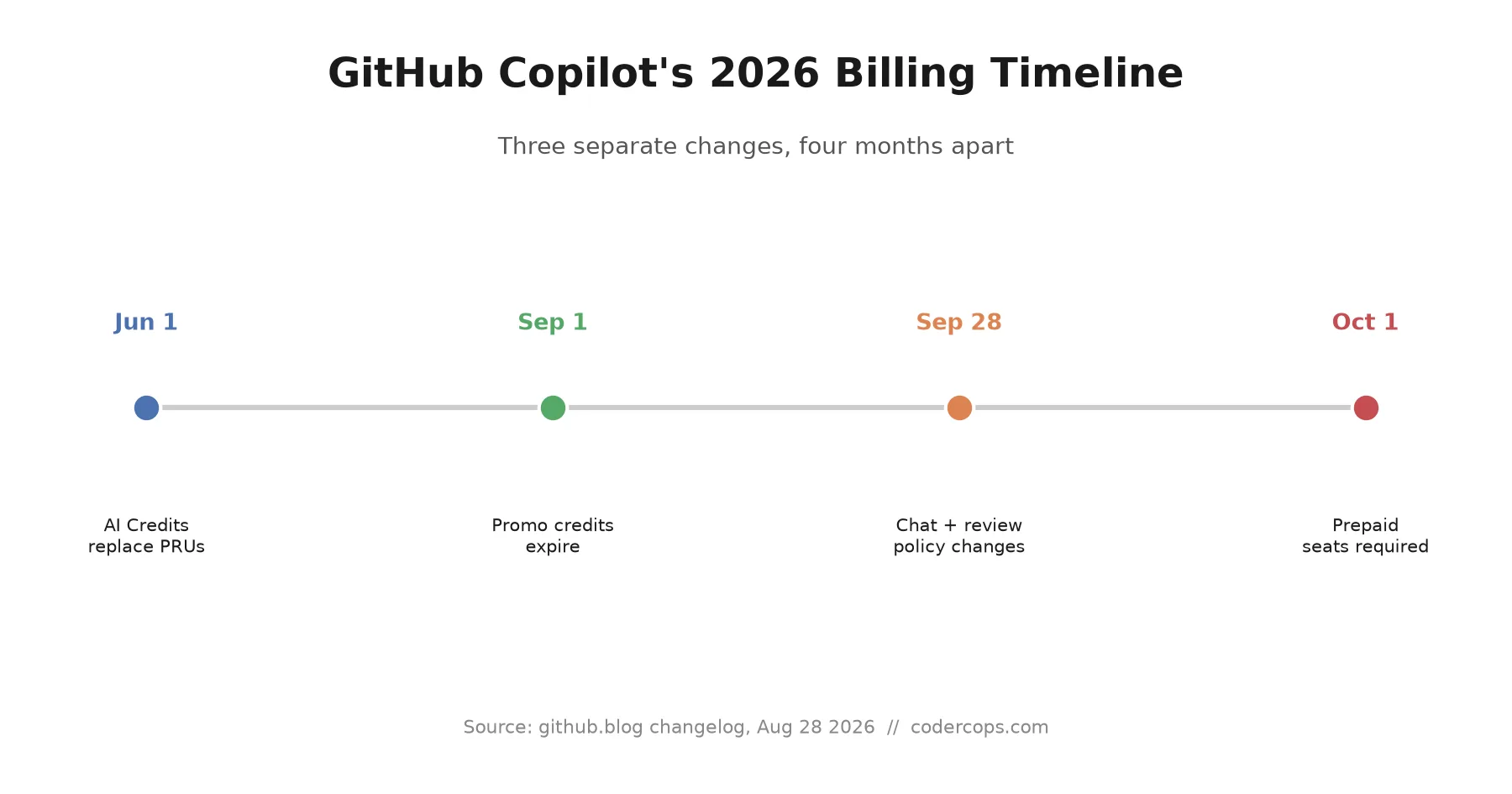
P.08Copilot Business and Enterprise require prepaid per-seat billing from October 1, and promotional AI Credits already reverted. What agencies should budget for.
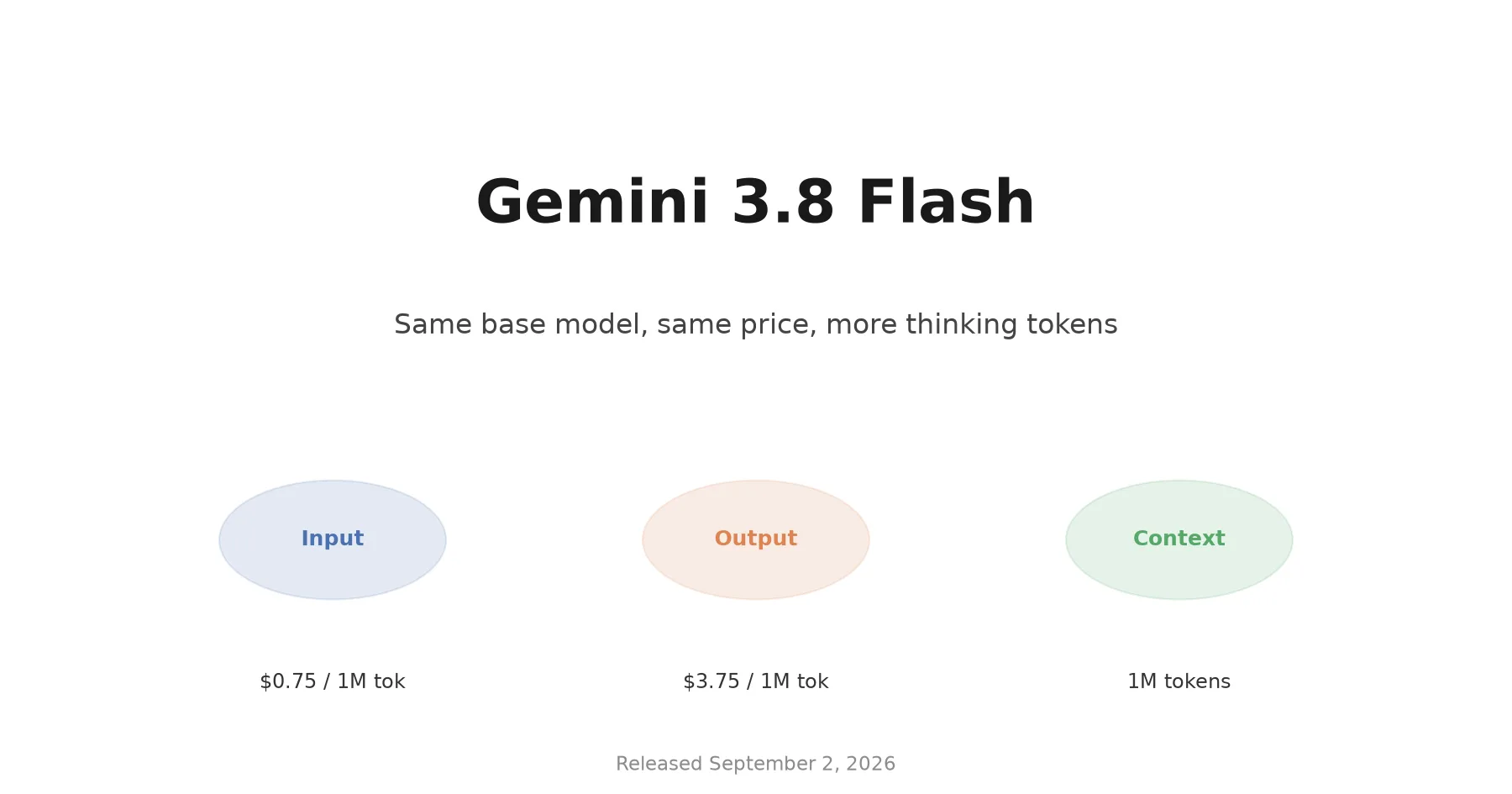
P.09Google shipped Gemini 3.8 Flash on September 2, its fourth Flash release since May. Pricing didn't move and the base model didn't change. What did.
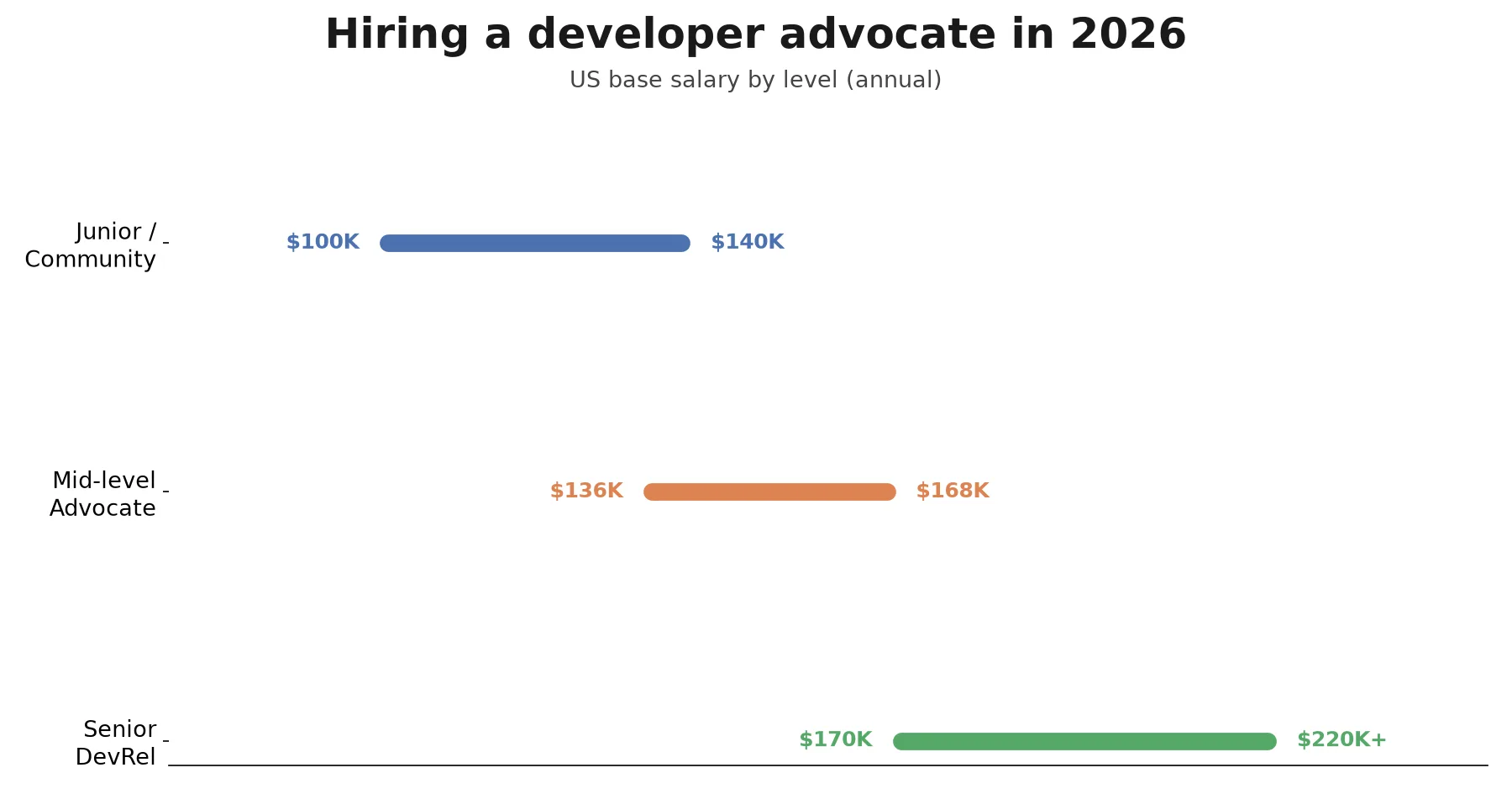
P.10A DevRel posting draws speakers, content marketers, and ex-engineers who miss coding. How to work out which your product needs, what to test, what it costs.
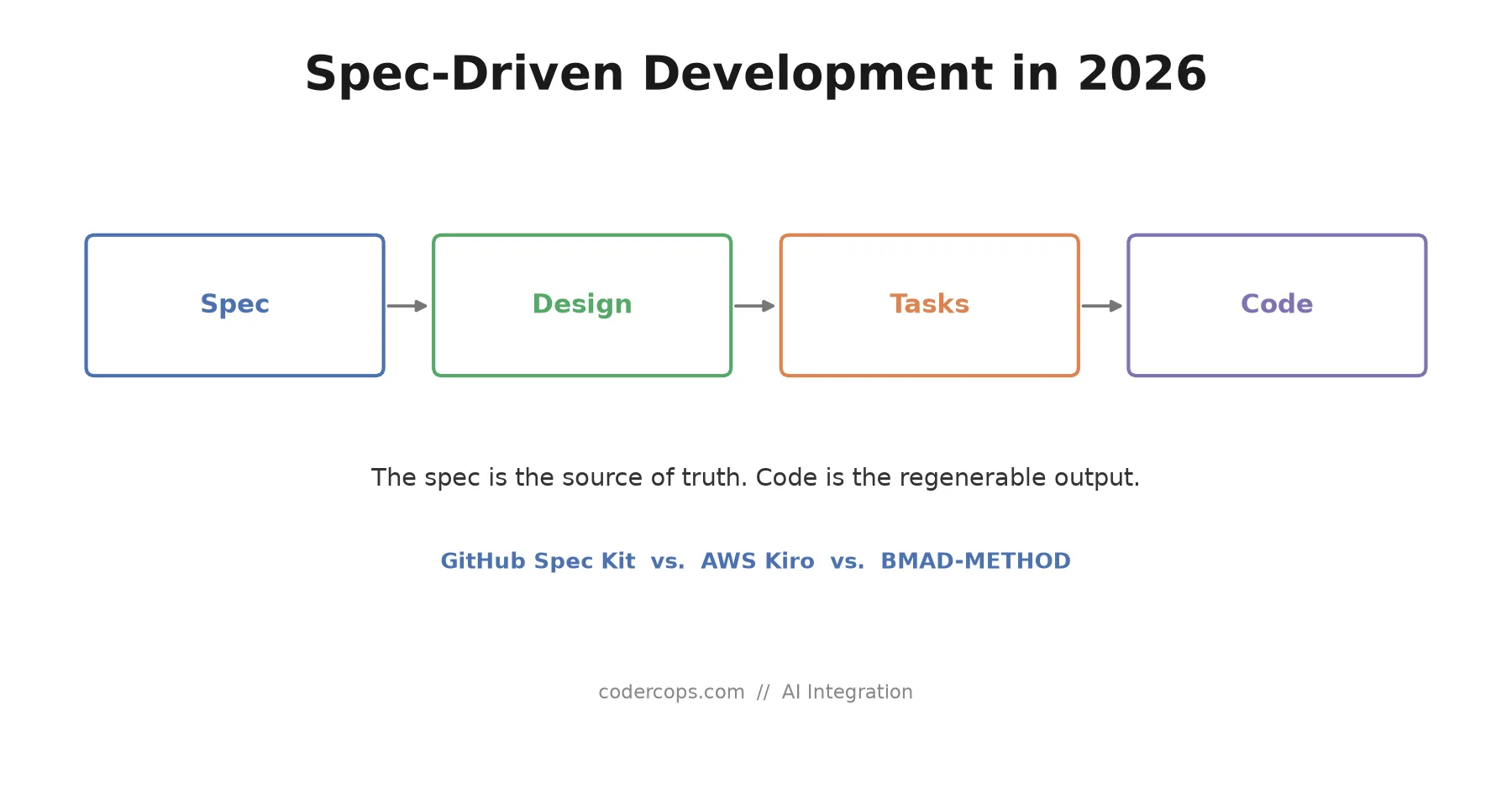
P.11Spec-driven development treats a written spec, not code, as the artifact an AI agent builds from. How Spec Kit, Kiro, and BMAD differ, and when it's worth it.
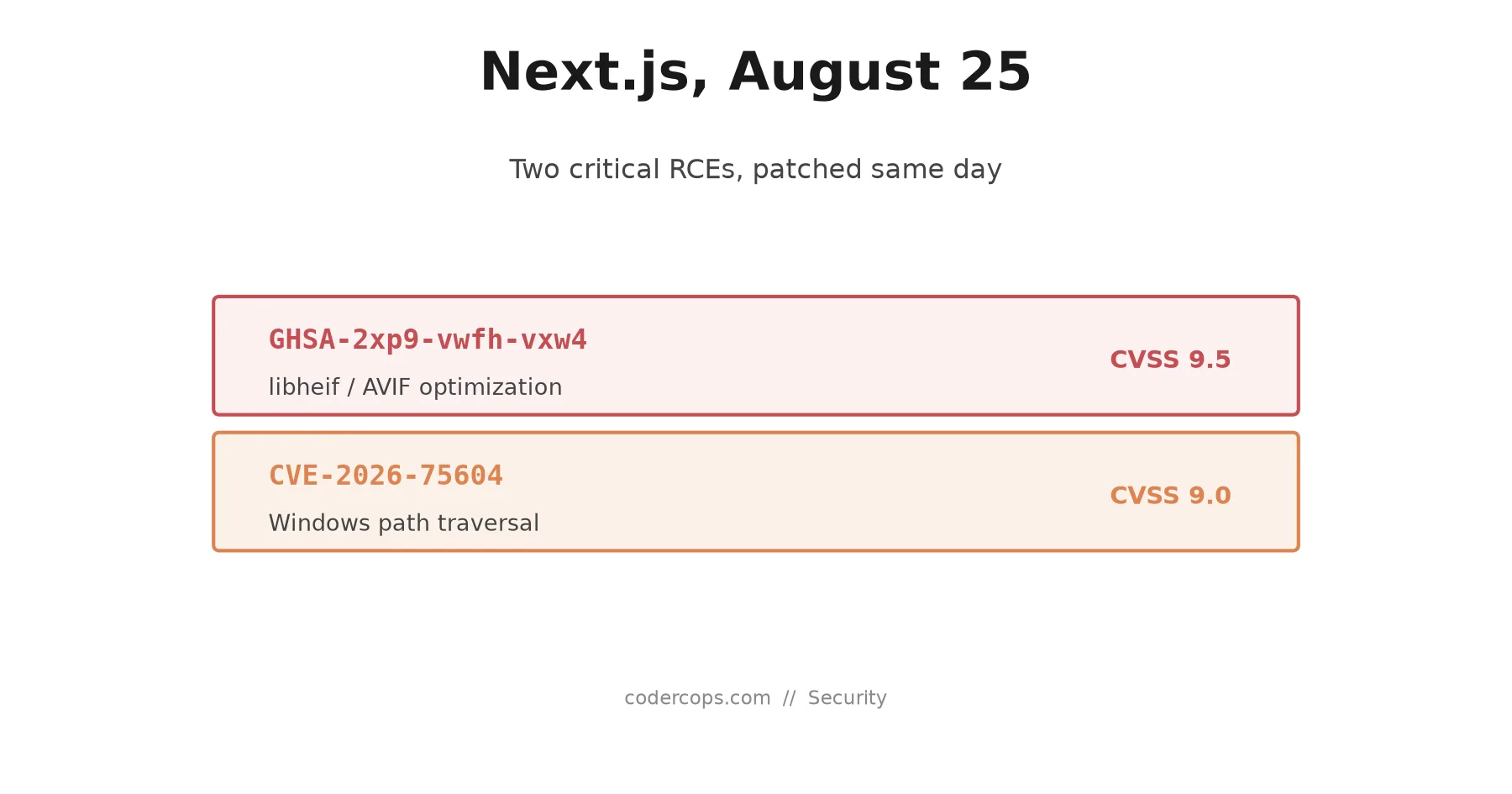
P.12Next.js 16.3.3 and 15.5.24 fix a libheif overflow reachable through AVIF optimization and a path traversal that runs code on Windows hosts. Who's exposed.
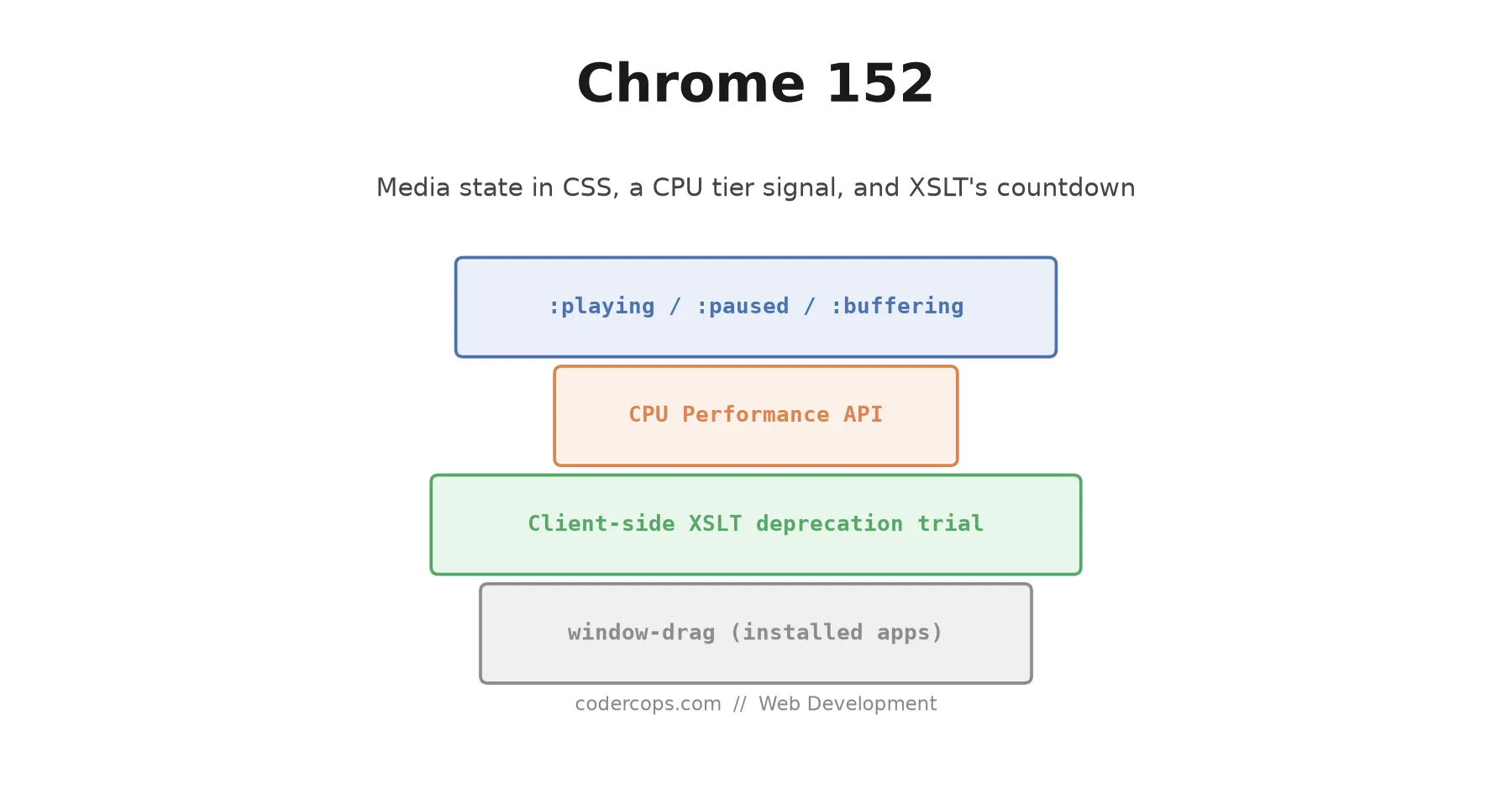
P.13Chrome 152 shipped CSS pseudo-classes matching video and audio state, a CPU Performance API for device tiers, and the start of the end for client-side XSLT.
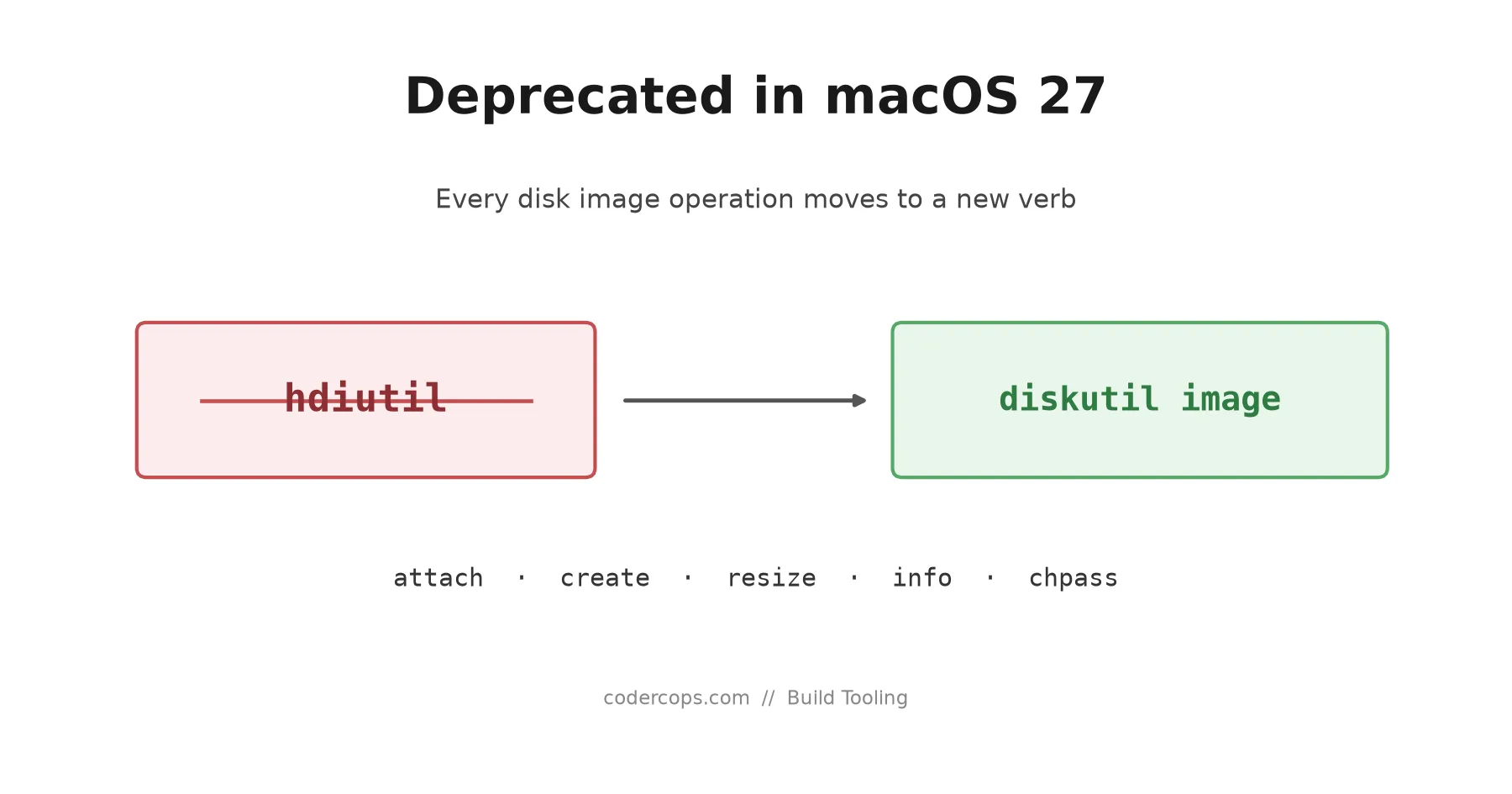
P.14macOS 27 deprecates hdiutil and points disk image work at diskutil image. The subcommand mapping, what's missing, and updating a DMG build without breaking CI.
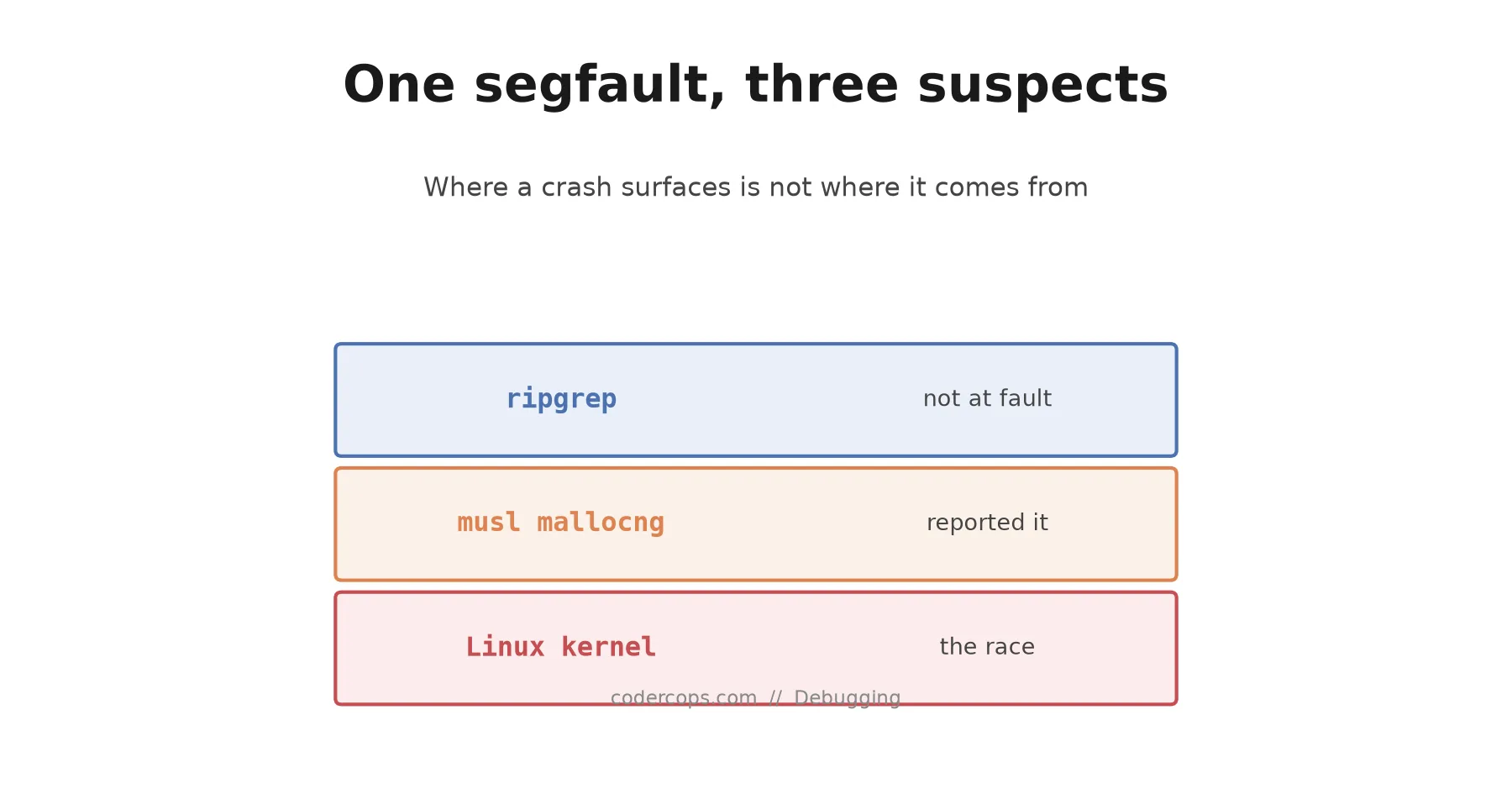
P.15A ripgrep crash on musl looked like an allocator bug, then a threading bug. The real cause was a race in recent Linux kernels. The chain, and the lesson.
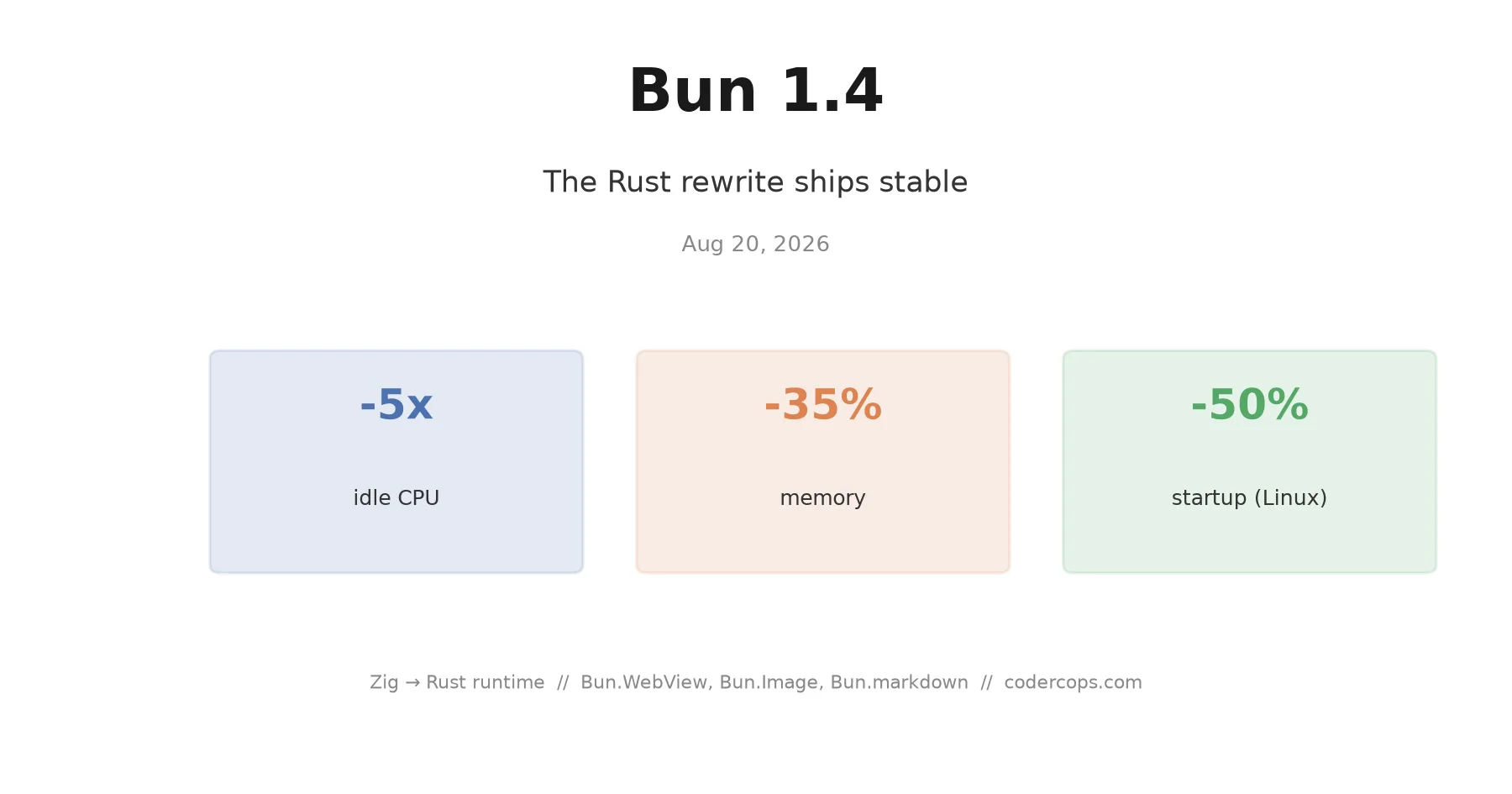
P.16Bun 1.4 is the first stable release on the Rust runtime, adding browser automation, image and markdown APIs, and real speedups. Why it split opinion.
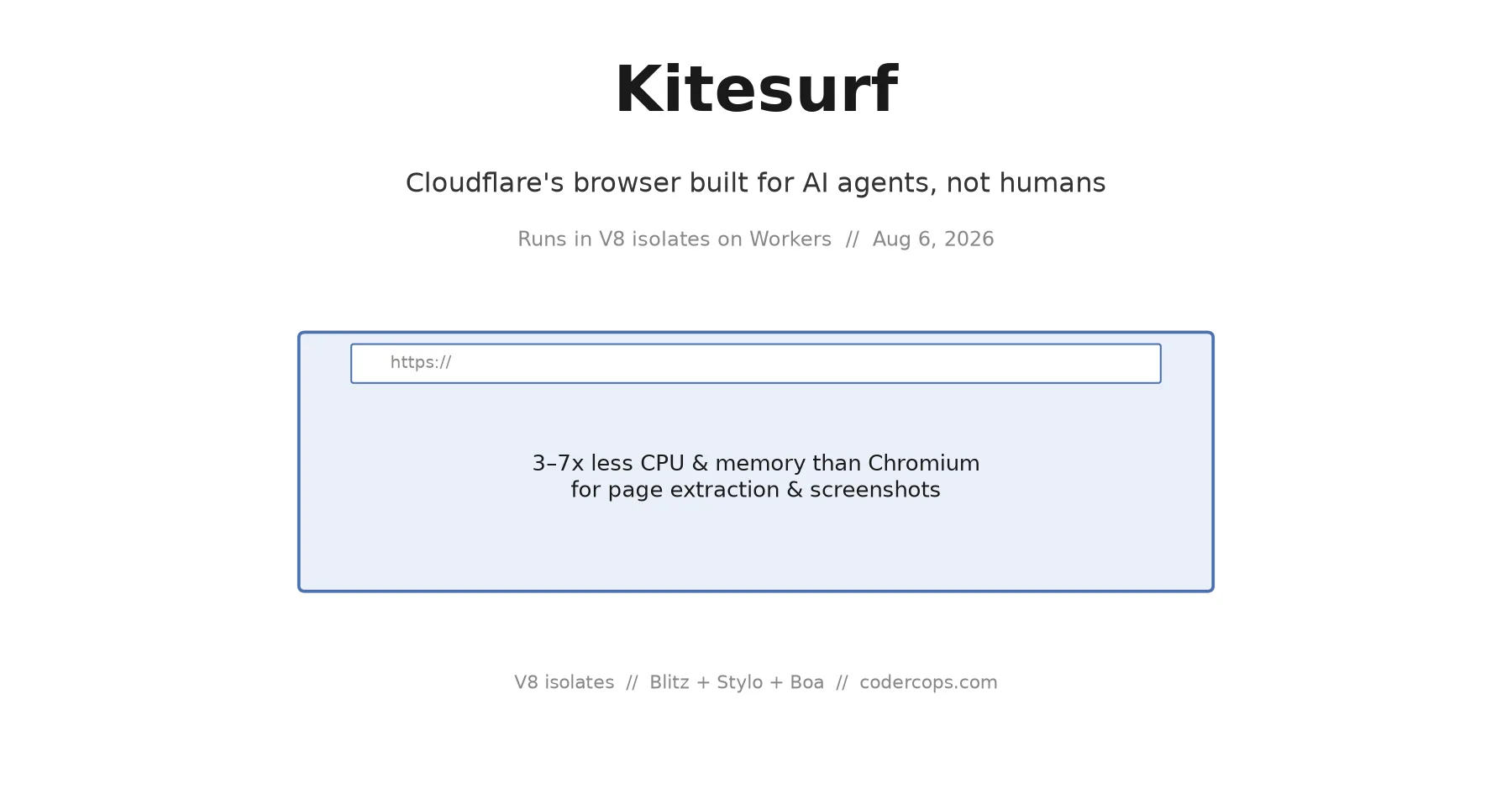
P.17Kitesurf is a browser runtime with no UI or tabs, built for AI agents to load pages and extract HTML. It claims 3-7x less CPU than Chromium. When to use it.
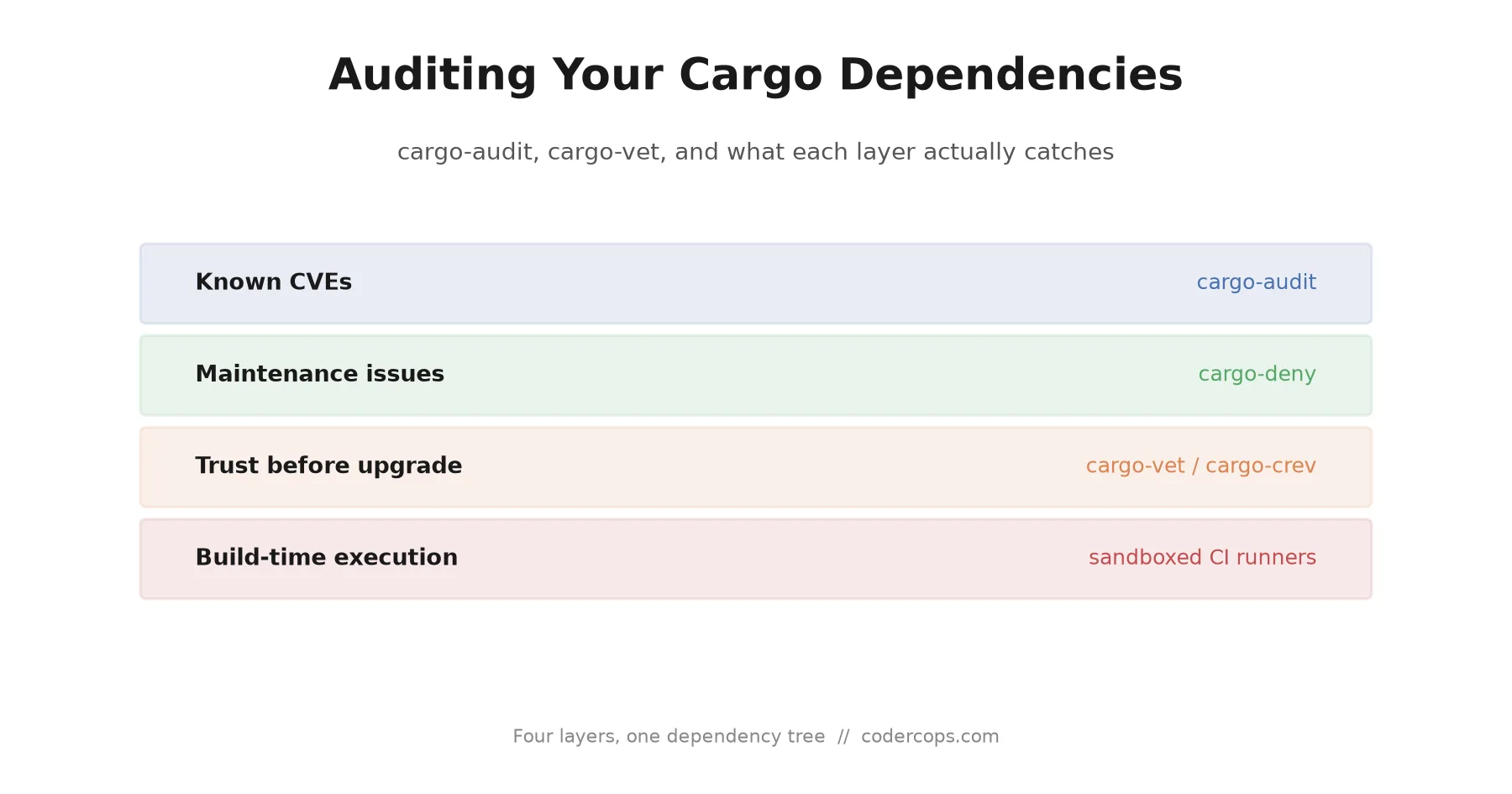
P.18cargo-audit finds known CVEs after the fact; cargo-vet checks trust before you upgrade. Setup for both, and which catches an arrayref-style attack.
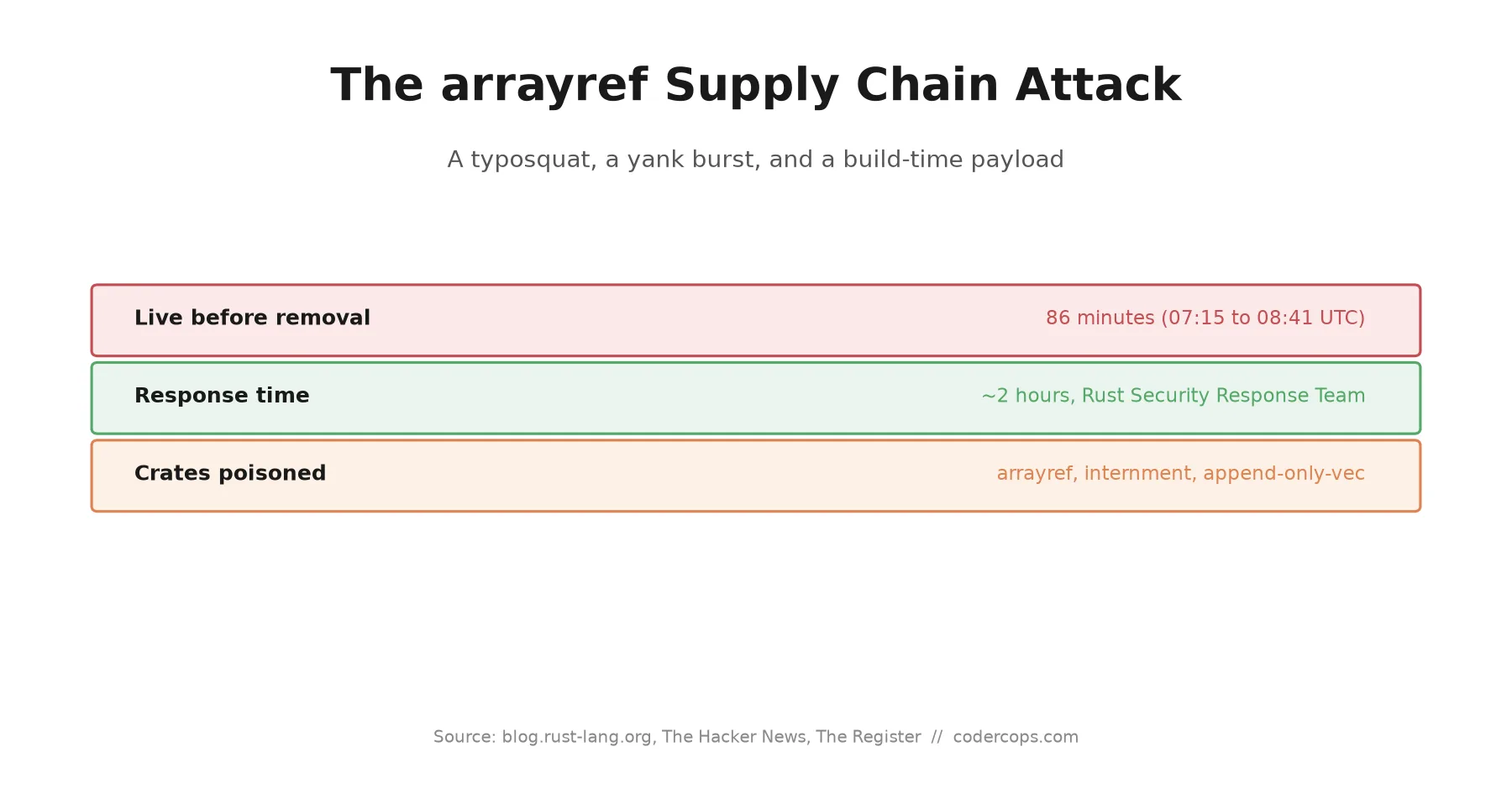
P.19A compromised crates.io account poisoned arrayref, internment, and append-only-vec with a build-time payload, then yanked clean versions. Why it failed fast.
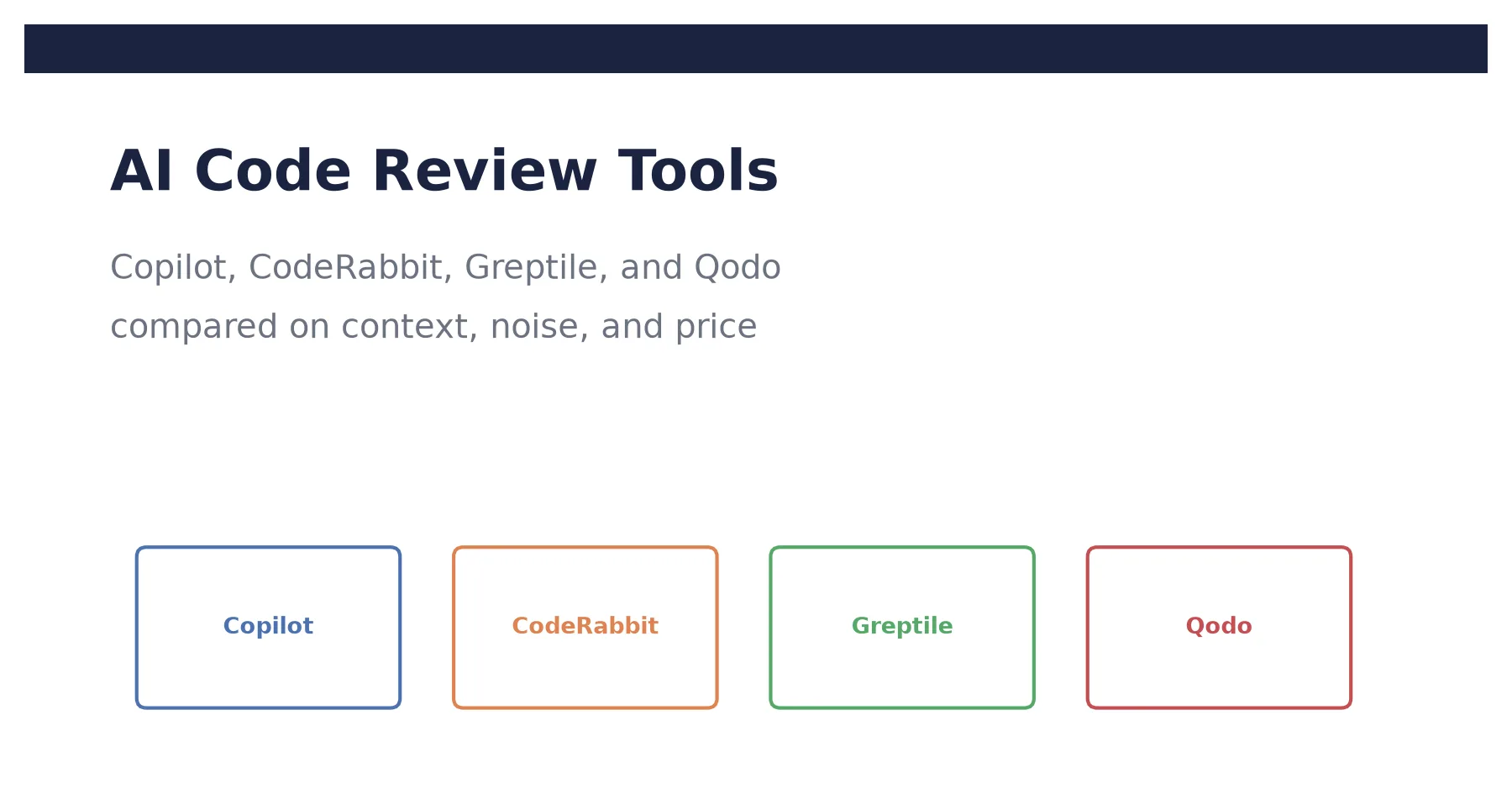
P.20Four AI code review tools, four tradeoffs. What differs between Copilot's built-in review, CodeRabbit, Greptile, and Qodo past the marketing, and seat costs.
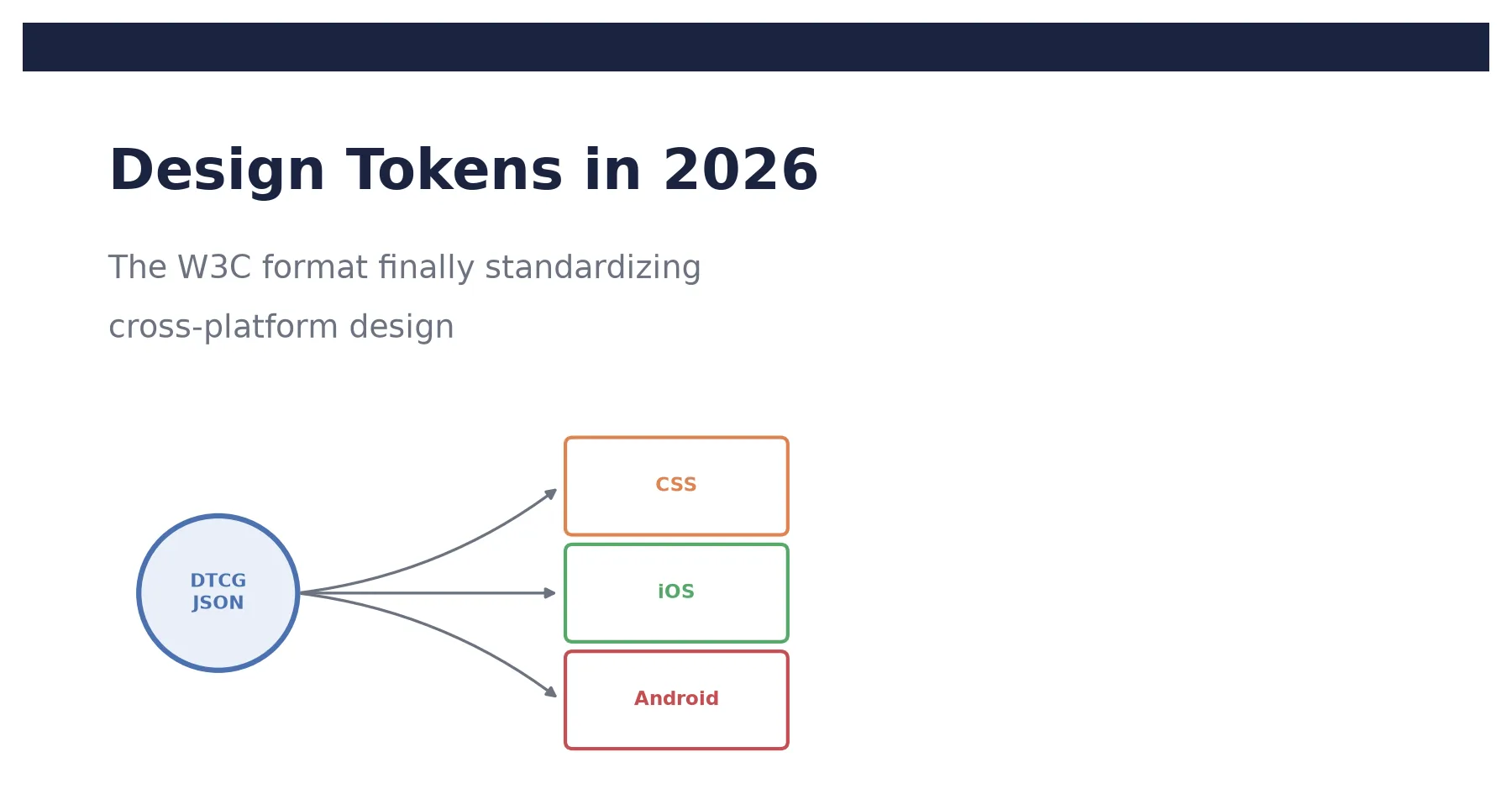
P.21The W3C Design Tokens group shipped a stable exchange format backed by Adobe, Figma, and Google. What it standardizes, and how to migrate an existing setup.
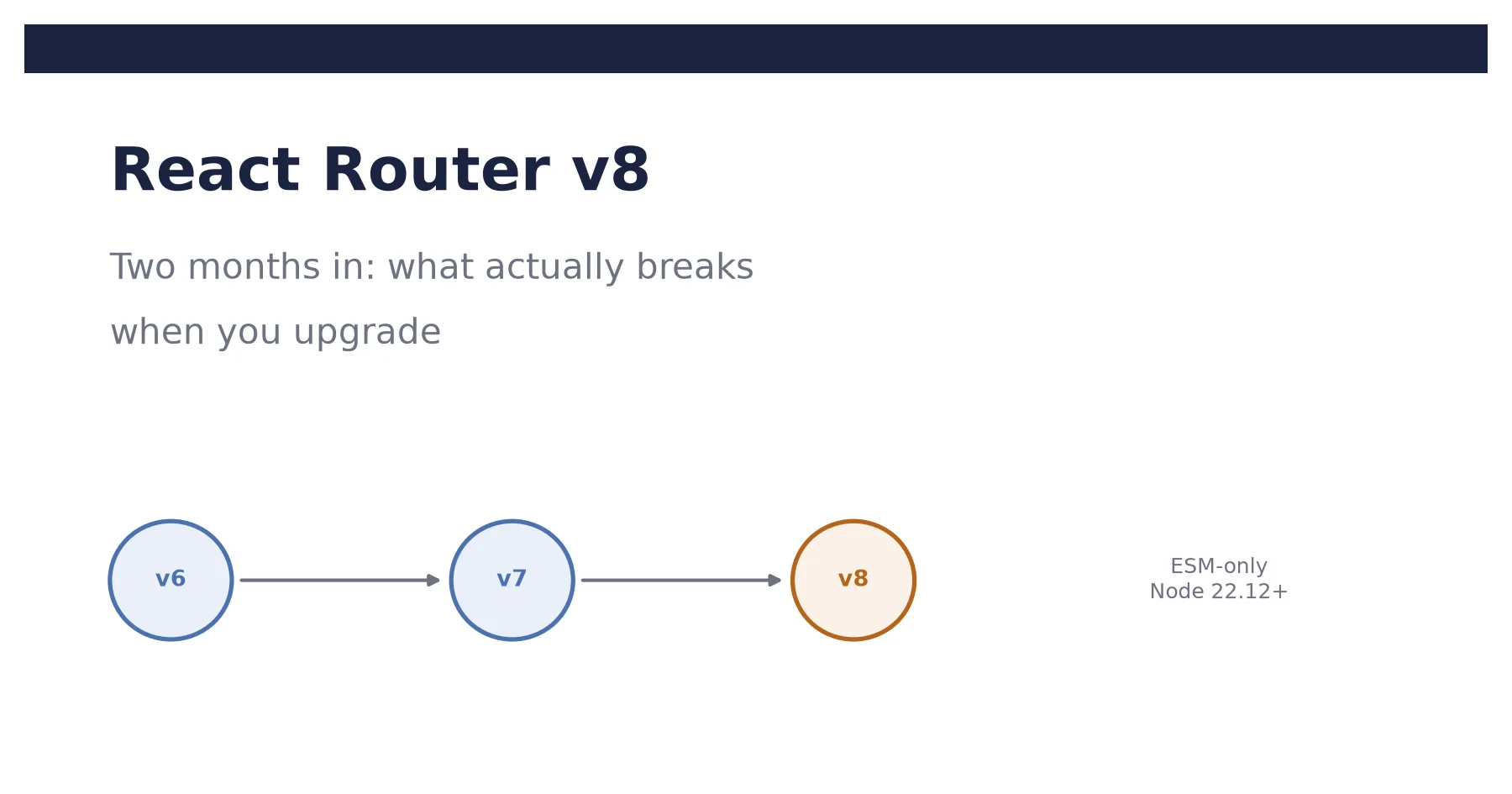
P.22React Router v8 shipped as a deliberately boring release. What the version bump requires, what the codemod handles, and the three things that catch teams.
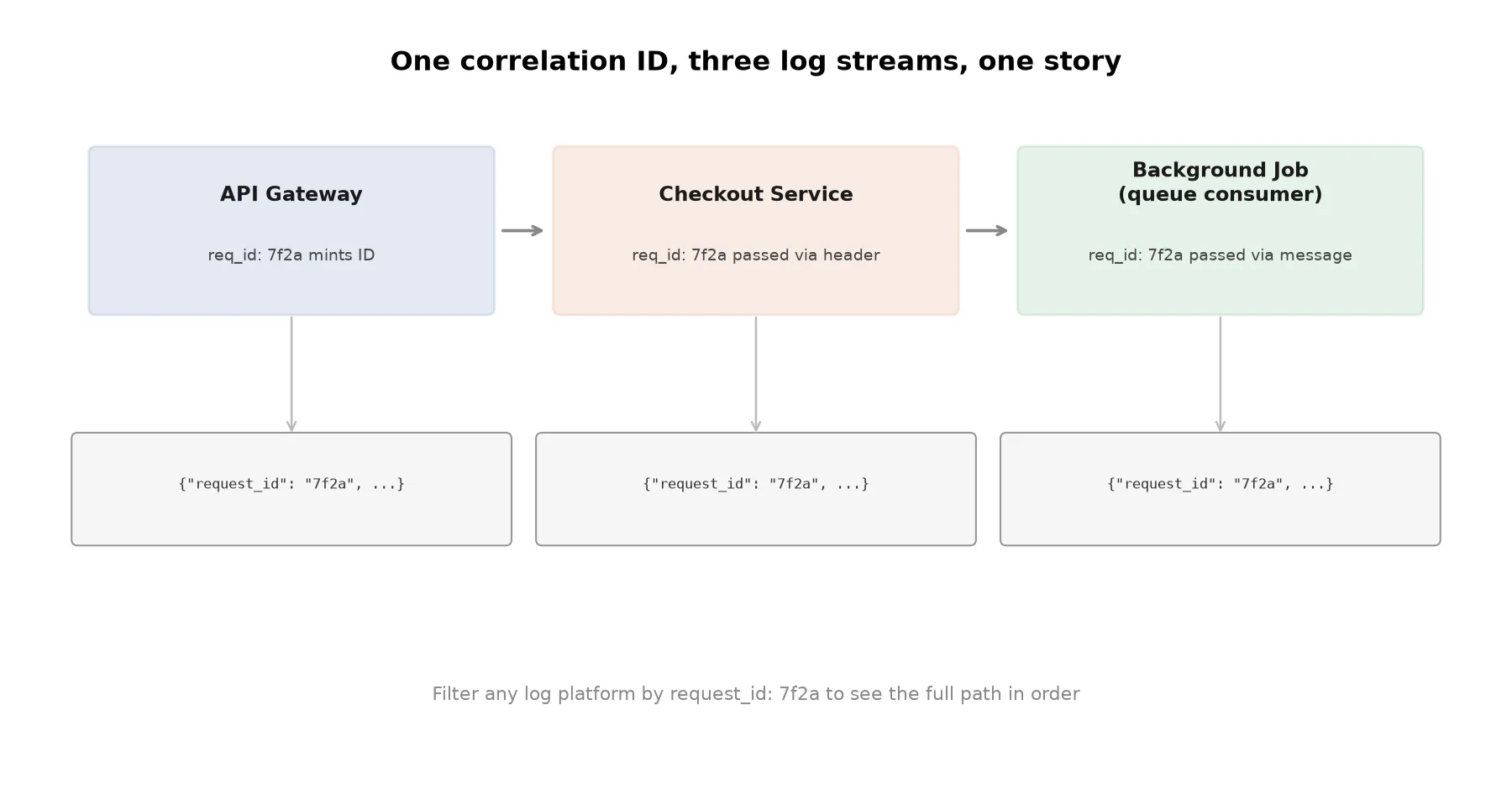
P.23A log line that's just a sentence is fine until you search a million at 2am. How structured logging works, threading a correlation ID, and what to skip.
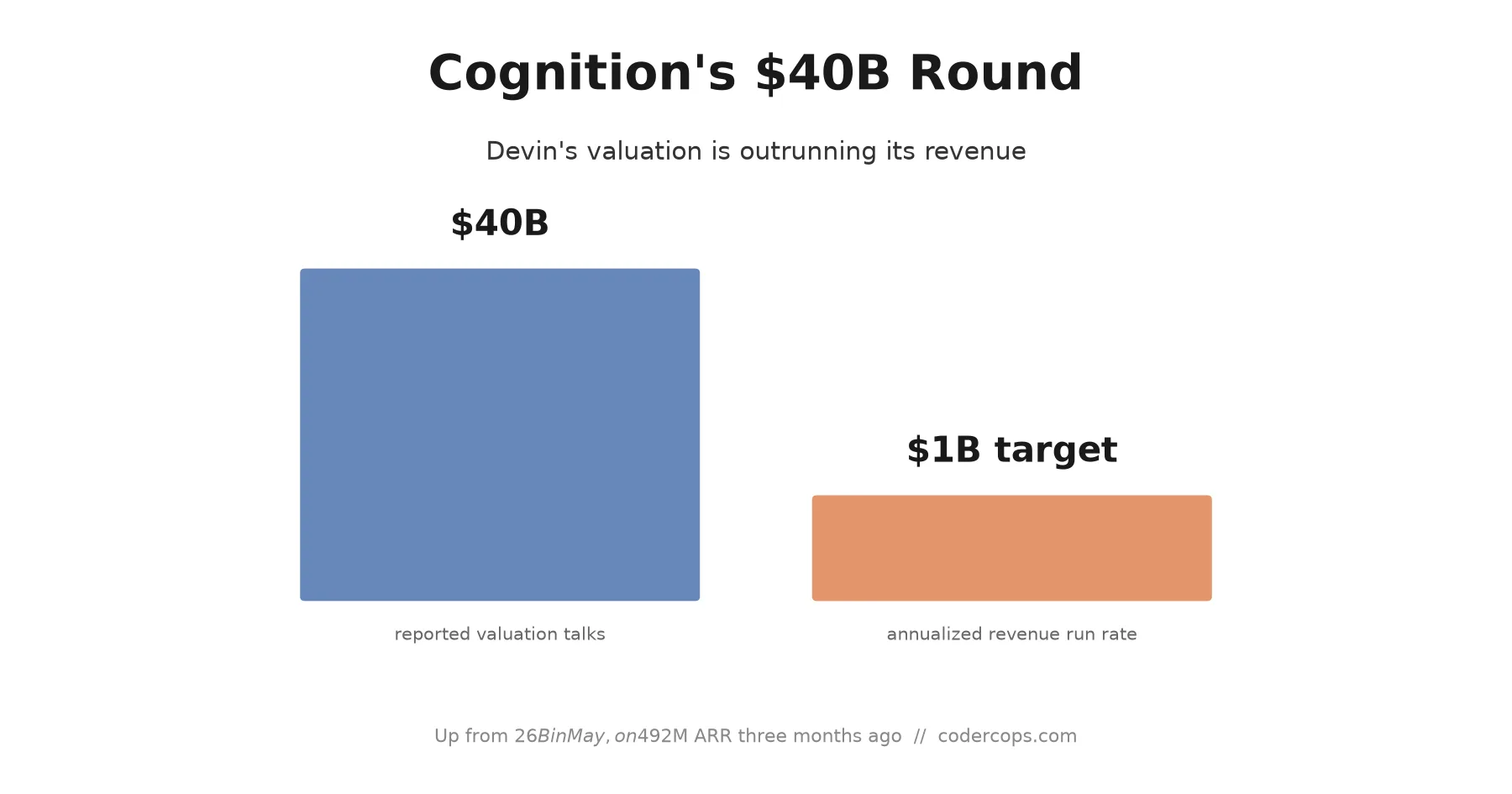
P.24Cognition is reportedly raising at $40 billion, up from $26 billion three months ago, on revenue nowhere near that multiple. What it means if you're buying.
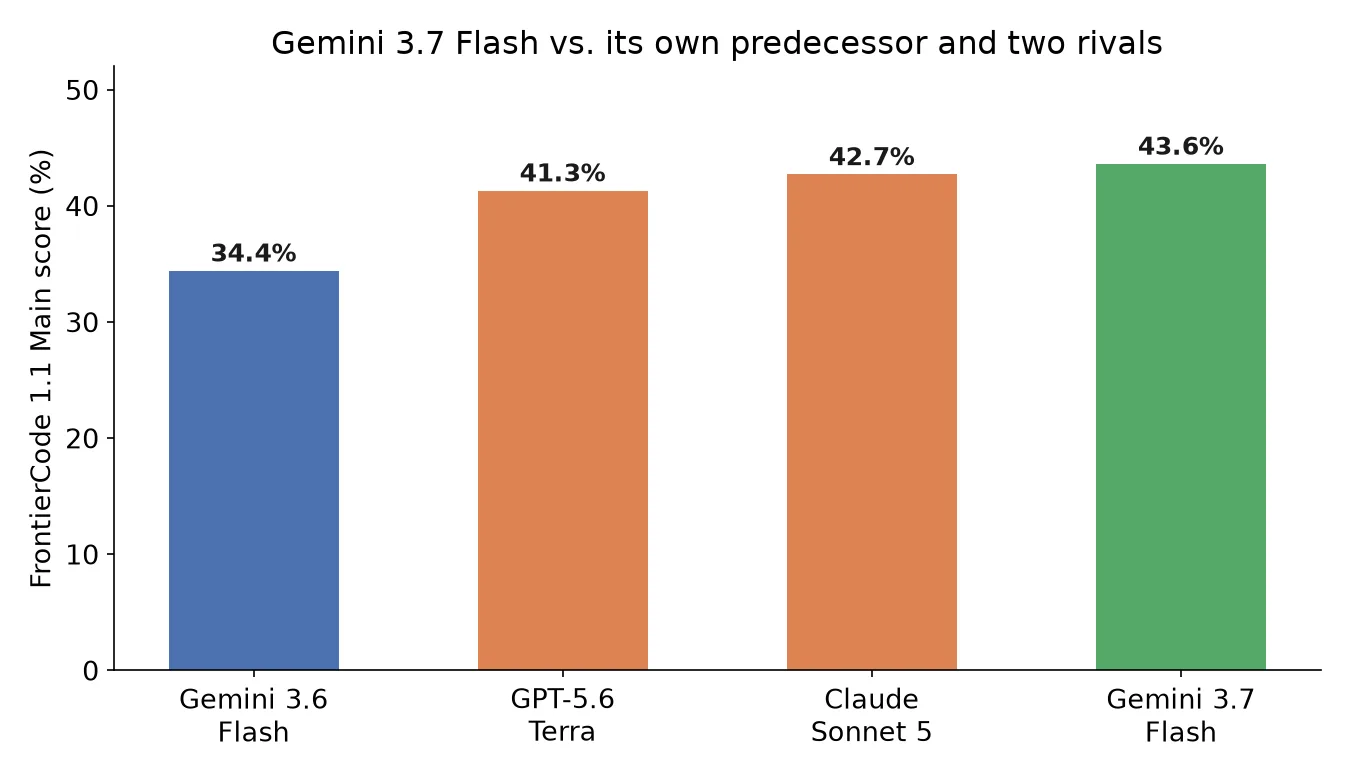
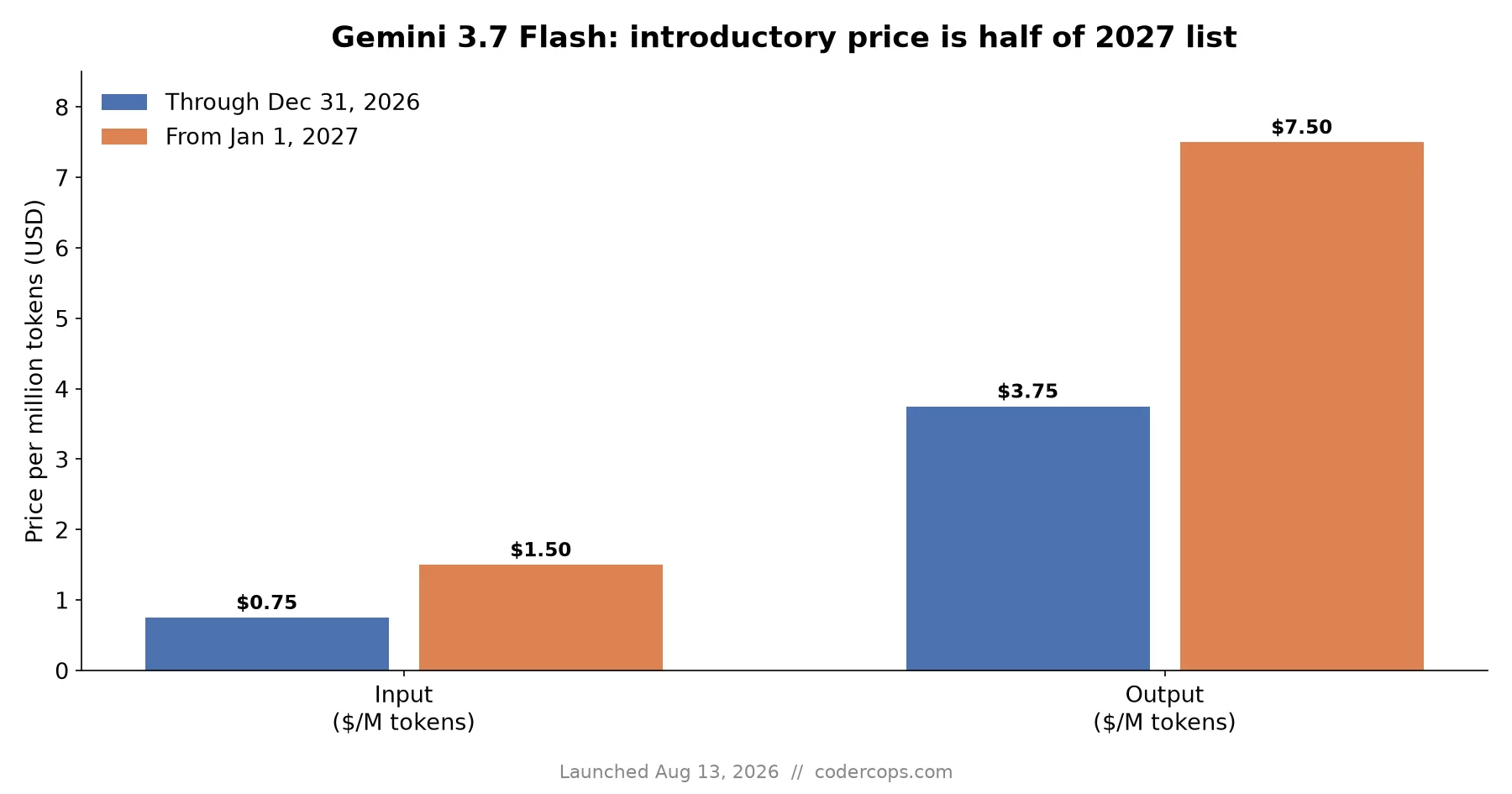
P.25Gemini 3.7 Flash shipped August 13 with a 50% introductory price cut and coding scores ahead of Claude Sonnet 5 and GPT-5.6 Terra. What the numbers mean.
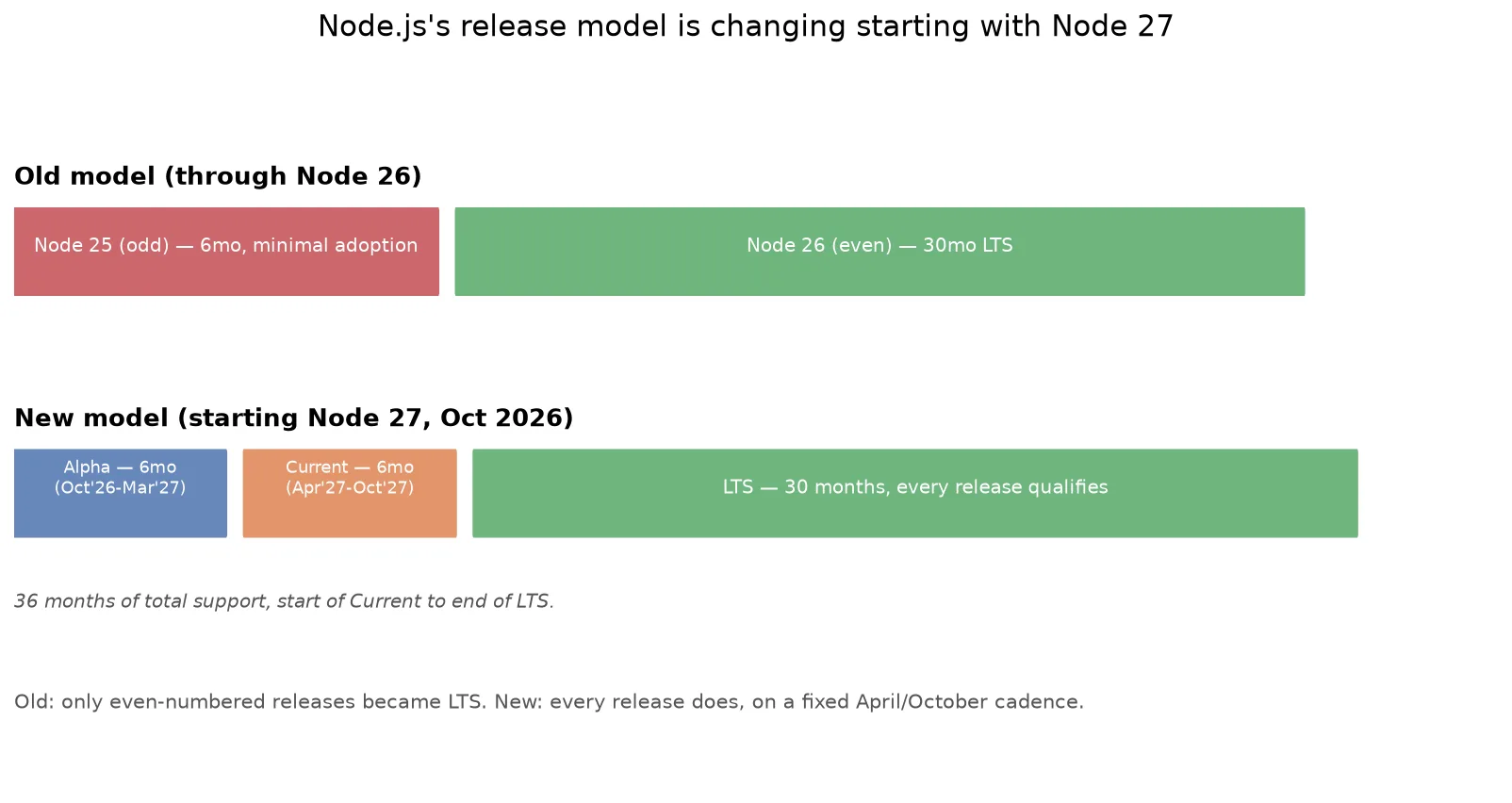
P.26From Node.js 27 in October 2026, Node drops the odd/even model for one major a year, and every release becomes LTS. What changes, and how to plan for it.
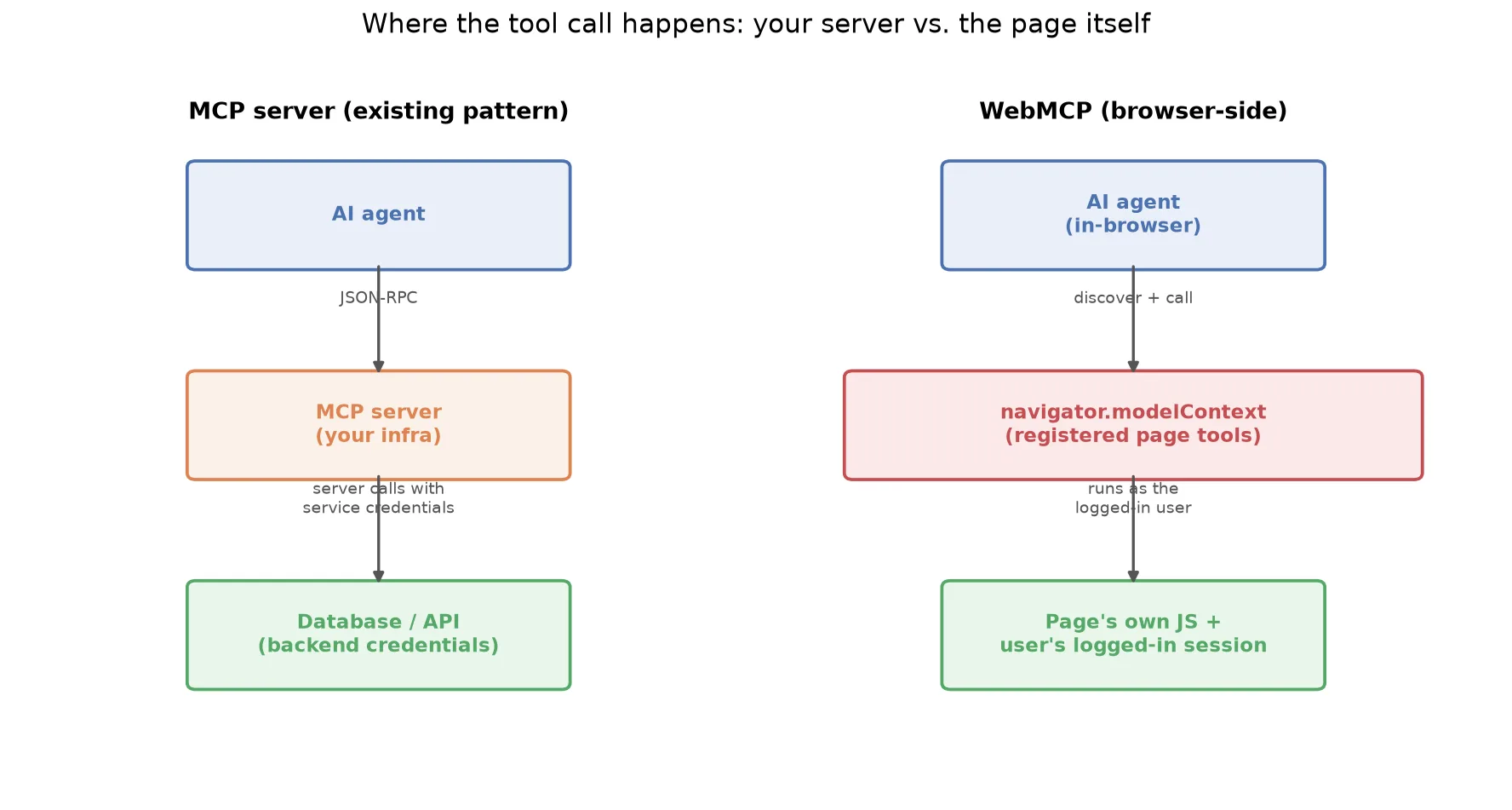
P.27WebMCP is a W3C proposal letting a page register JavaScript functions as tools an agent calls in-browser, no server MCP. How it works, and where it breaks.
P.28Gemini 3.7 Flash landed three weeks after 3.6, with real gains on debugging and first-pass code, and half-price list through 2026. Where it fits.
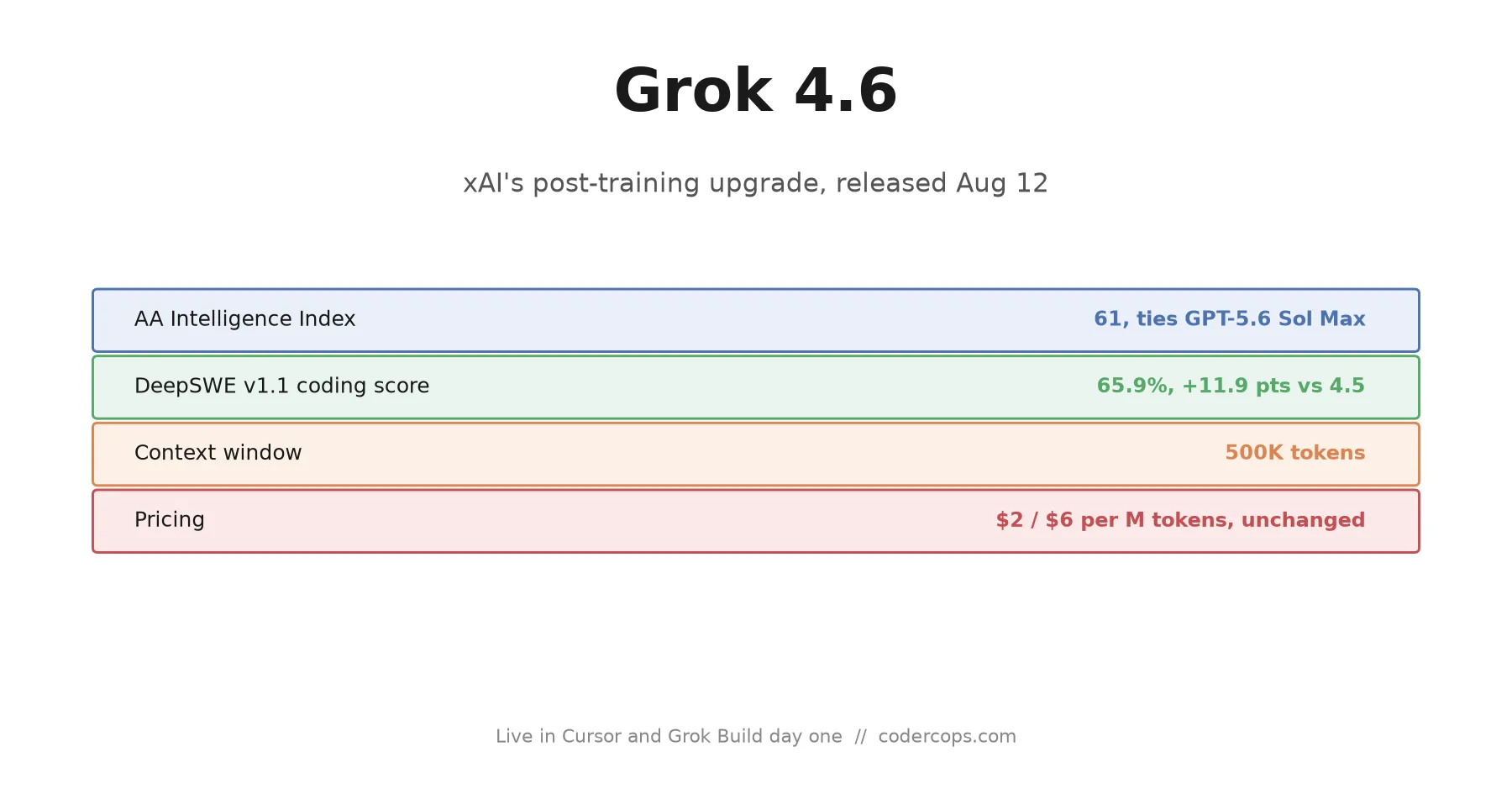
P.29xAI shipped Grok 4.6 on August 12: a post-training upgrade with a 500K context and an 11.9-point DeepSWE jump. Pricing didn't move. Where it fits.
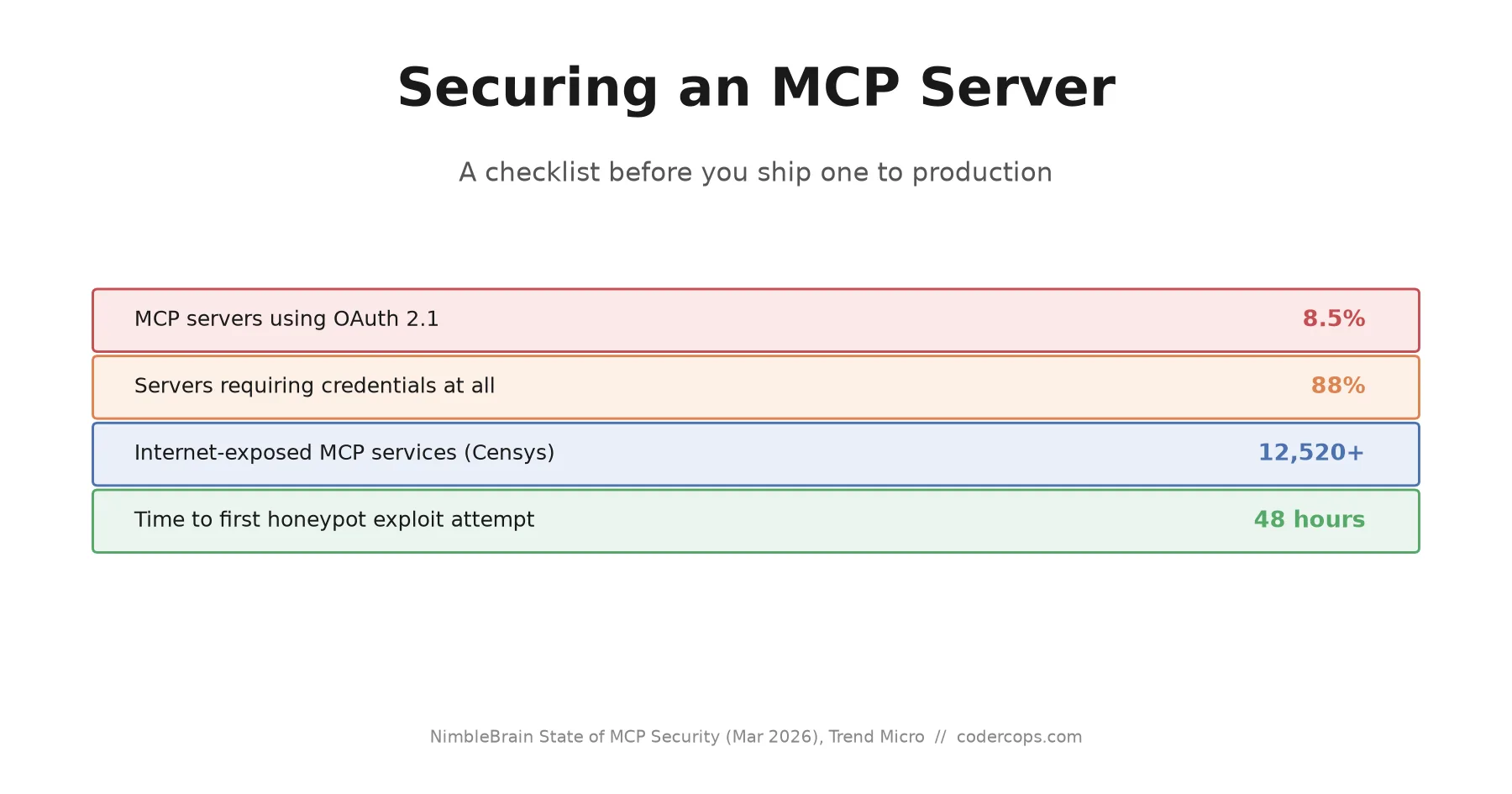
P.30Only 8.5% of public MCP servers use OAuth, and a honeypot got hit within 48 hours. The checklist for auth, tool scoping, and input handling before you ship.
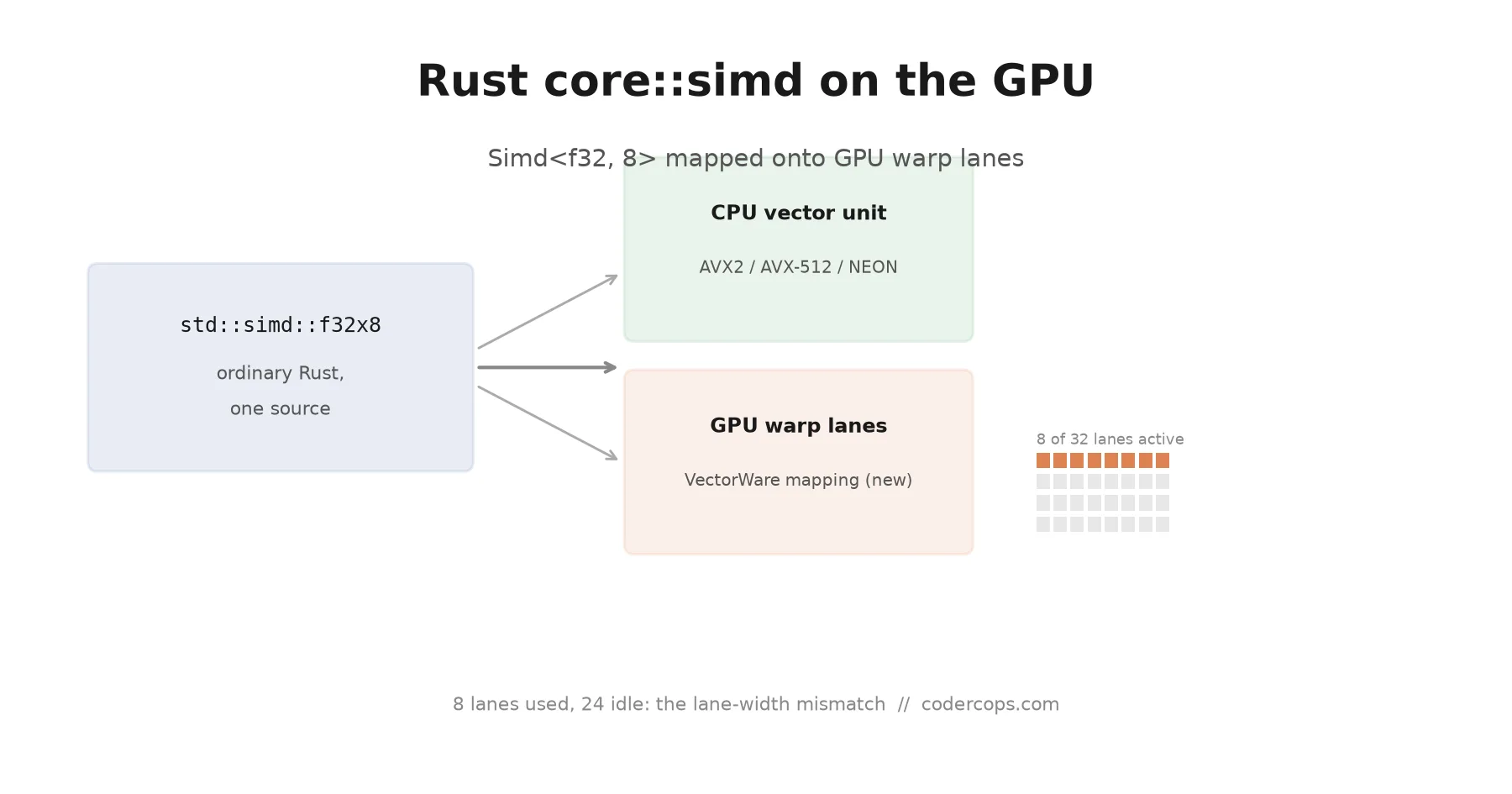
P.31VectorWare maps Rust's std::simd types onto GPU warps, so the same vector code runs on CPU and GPU. What it does, why it's hard, and where it still breaks.
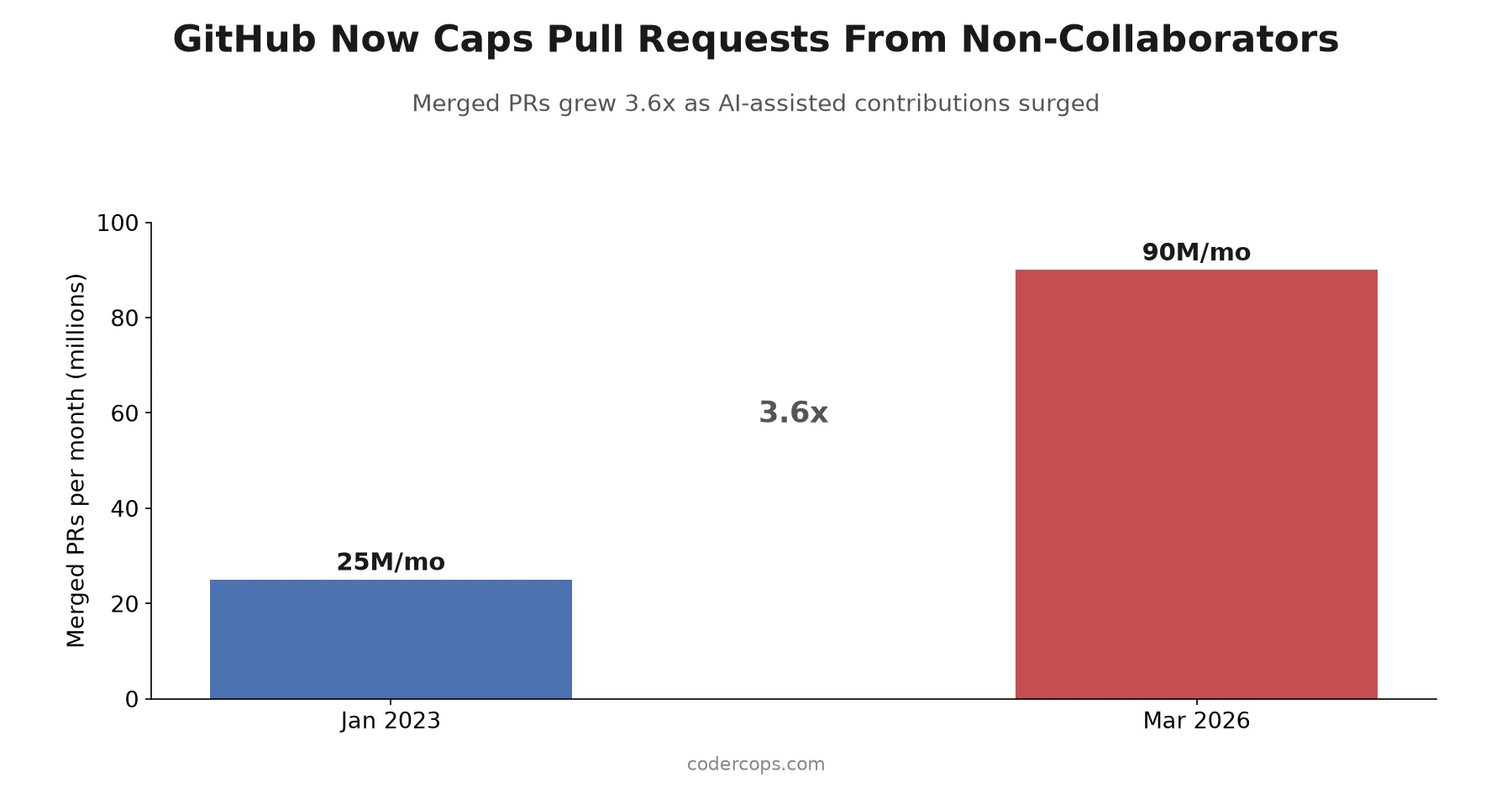
P.32Merged PRs on GitHub grew 3.6x since 2023. June's per-user cap for accounts without write access answers the AI slop flood. What it fixes, and what it doesn't.
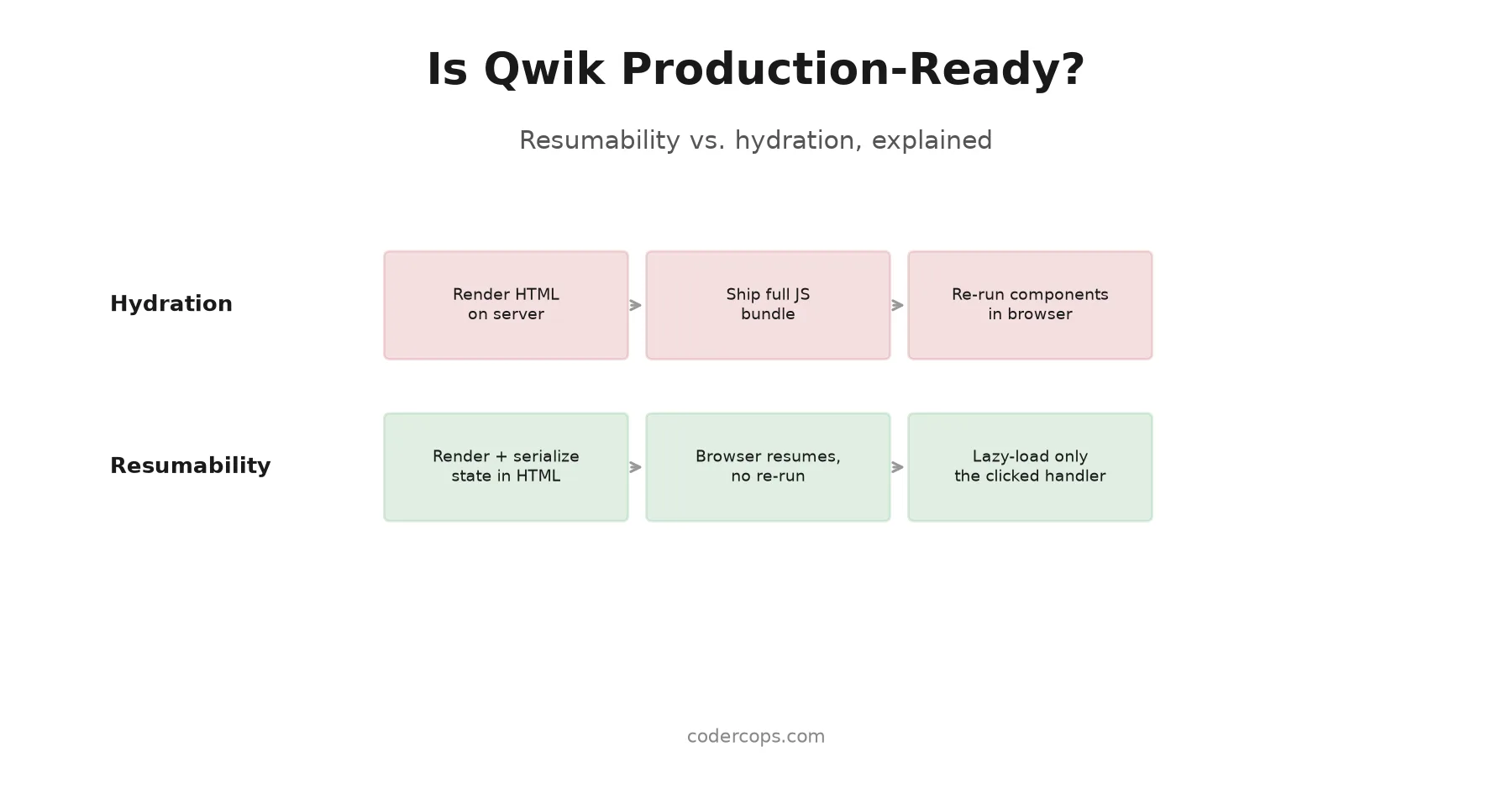
P.33Qwik skips hydration instead of optimizing it. How resumability actually works, what Qwik 2.0 changed, and the honest tradeoffs before you ship on it.


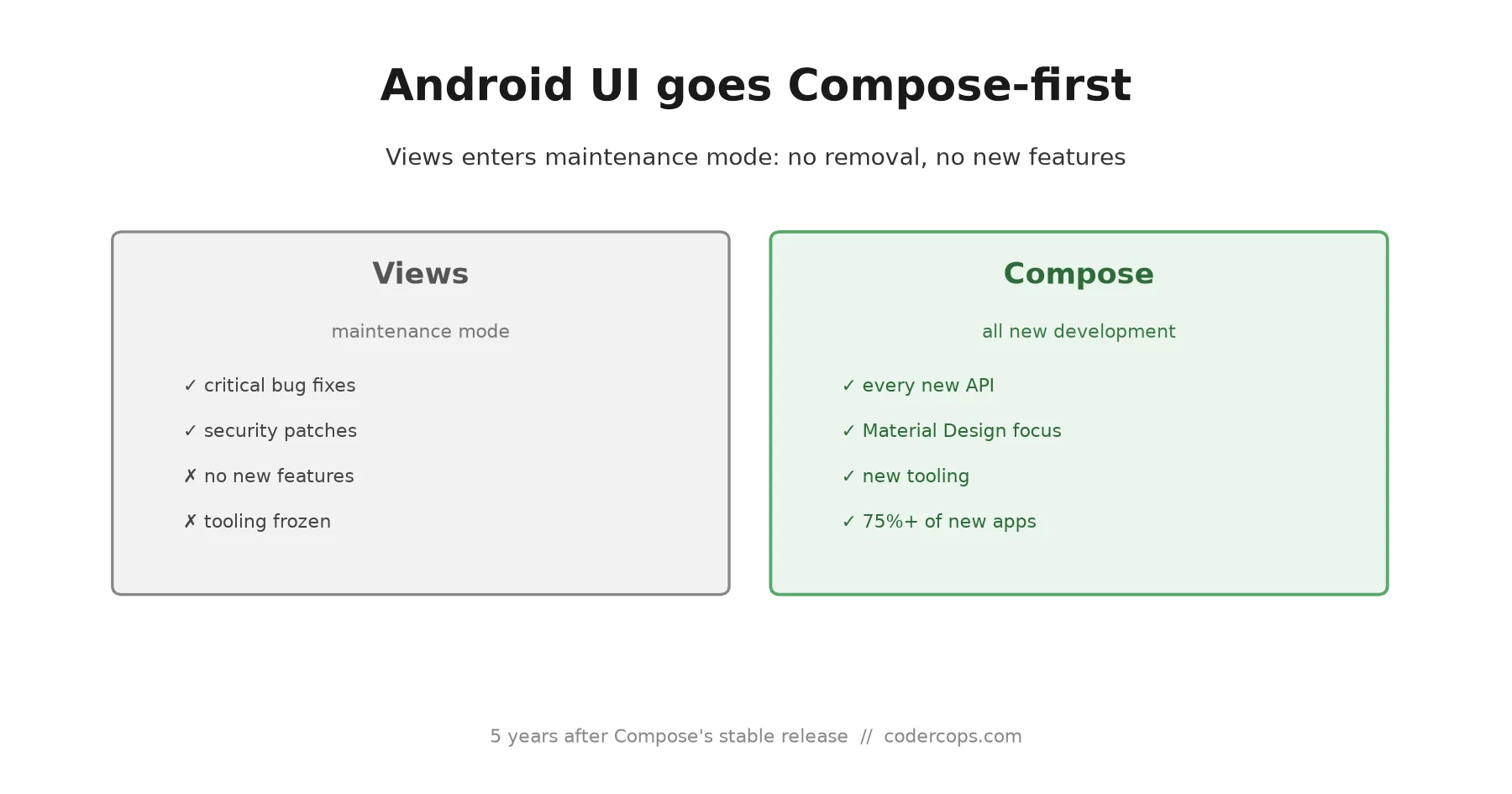
P.34Google made Android UI Compose-first: Views gets critical fixes but no new features, ever. What maintenance mode covers, and how to plan a migration.
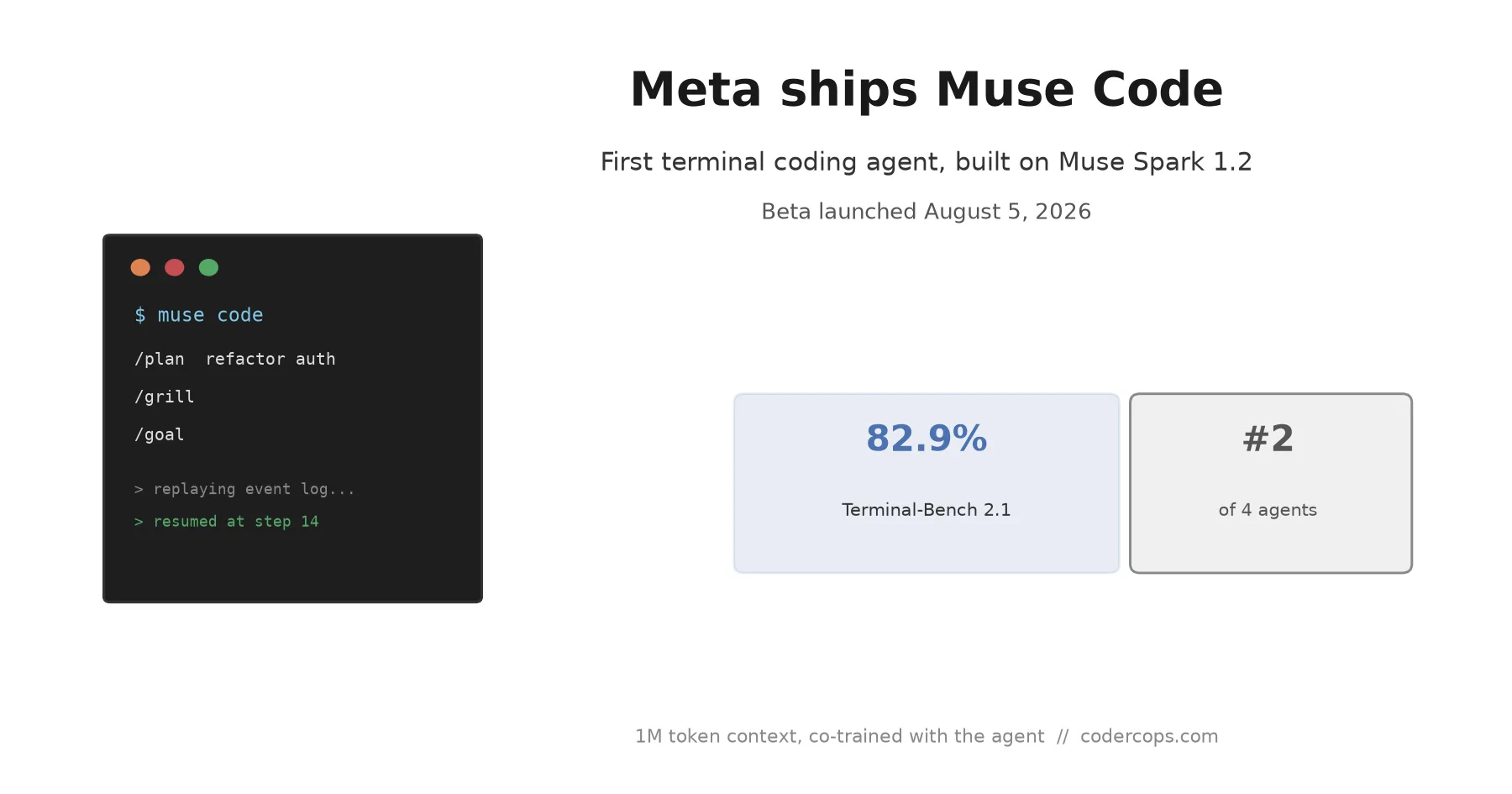
P.35Meta entered the terminal agent market on August 5 with Muse Code on Muse Spark 1.2. It scores 82.9% on Terminal-Bench 2.1, behind Claude Code. What shipped.
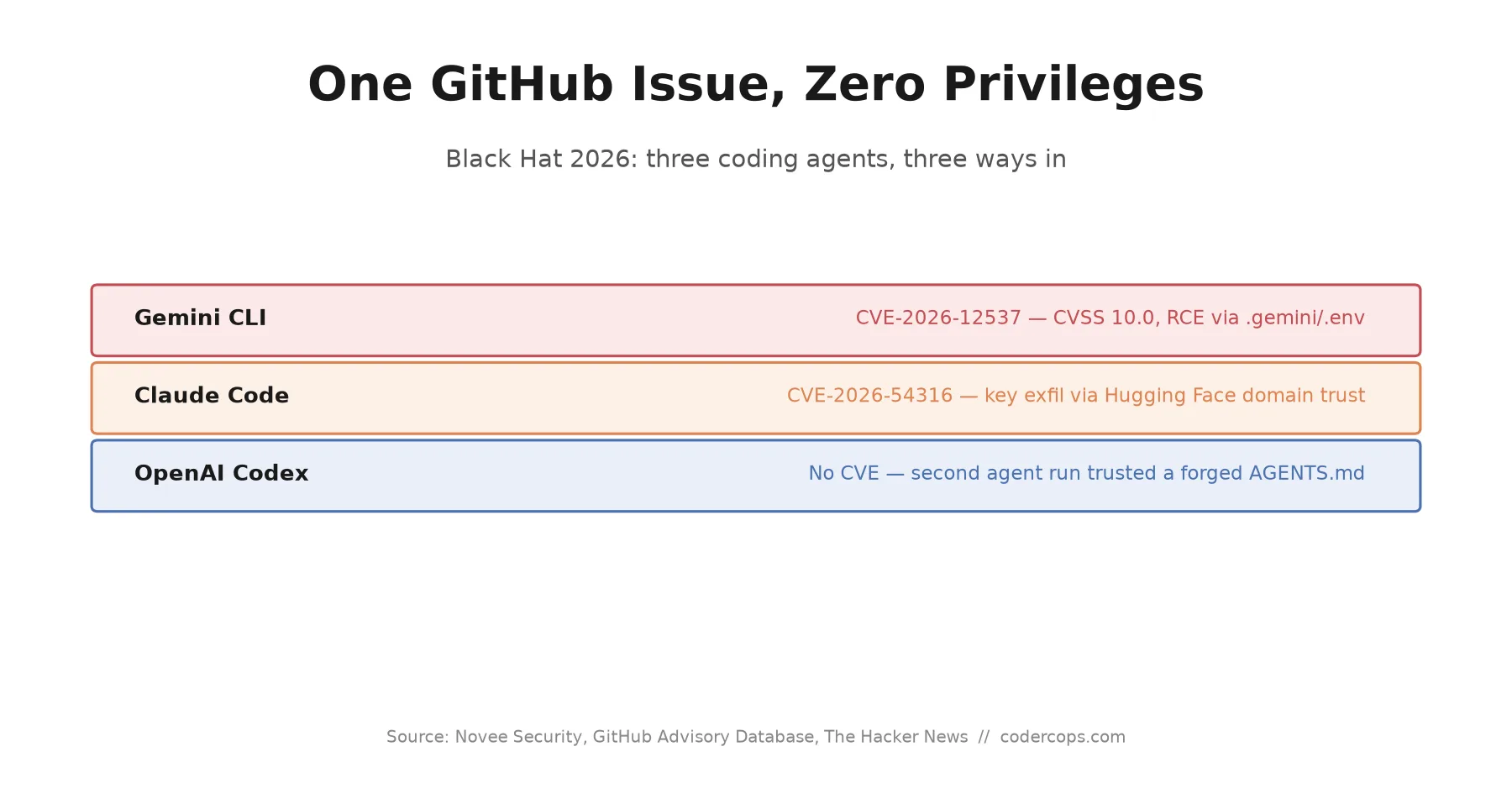
P.36Researchers showed an untrusted GitHub issue reaching CI runner secrets in Claude Code, Gemini CLI, and Codex. Gemini CLI's flaw scored a perfect 10.0.
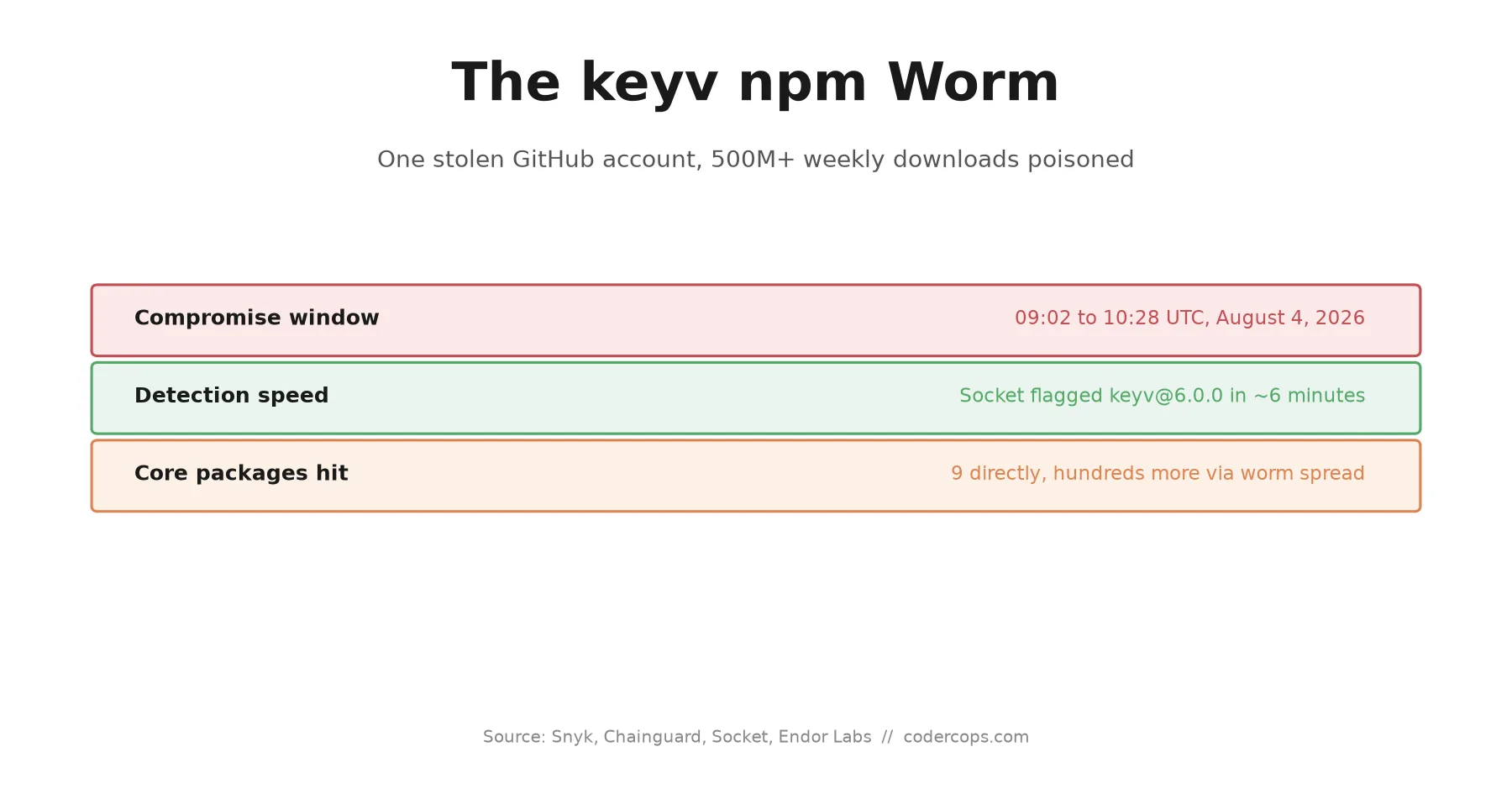
P.37A compromised maintainer account pushed malware into keyv, cacheable, and seven other npm packages. Socket caught it in six minutes. How the worm worked.
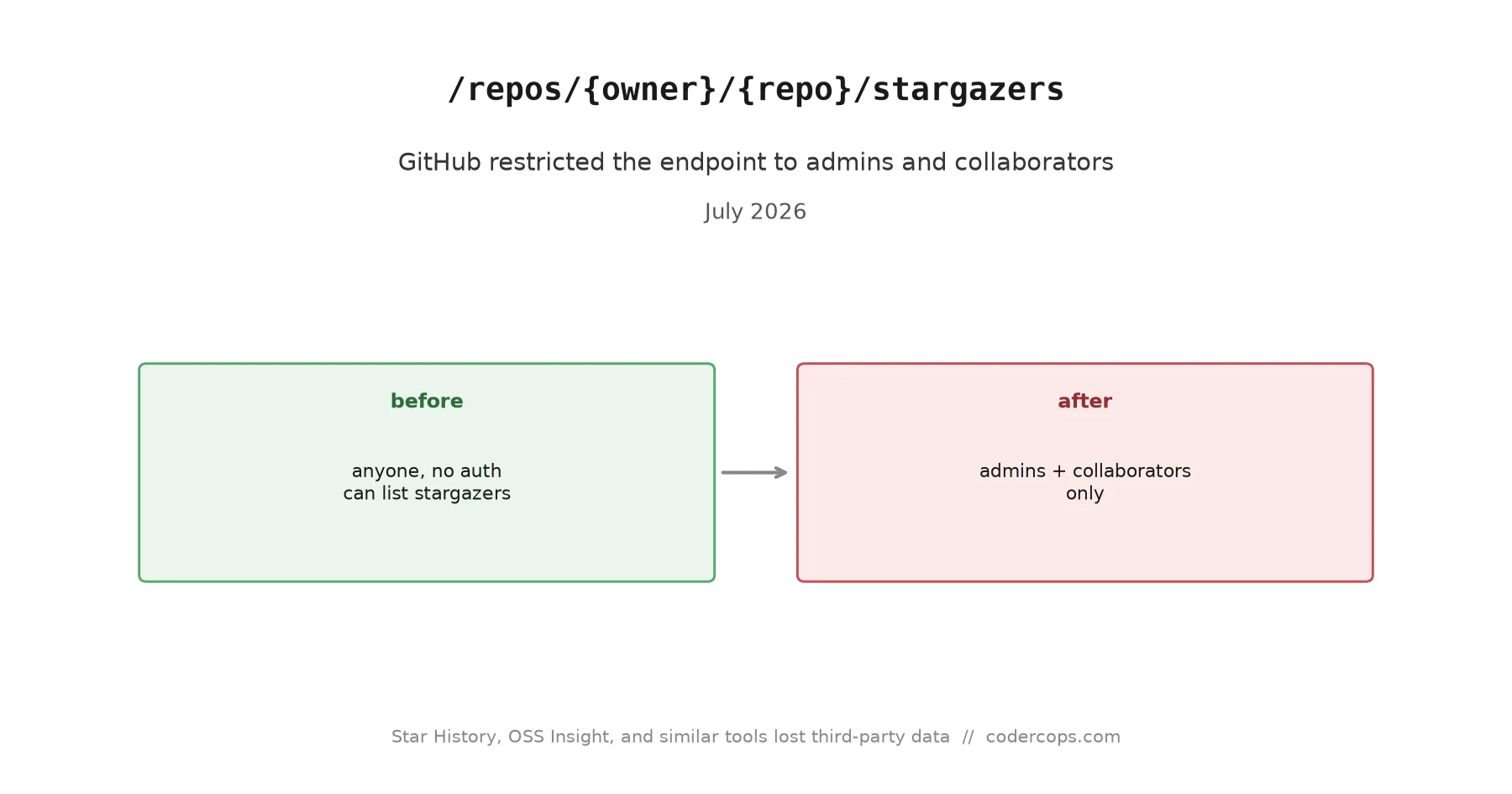
P.38GitHub restricted stargazers and watchers to admins and collaborators in July 2026. It stopped spam scraping, and took Star History and OSS Insight with it.
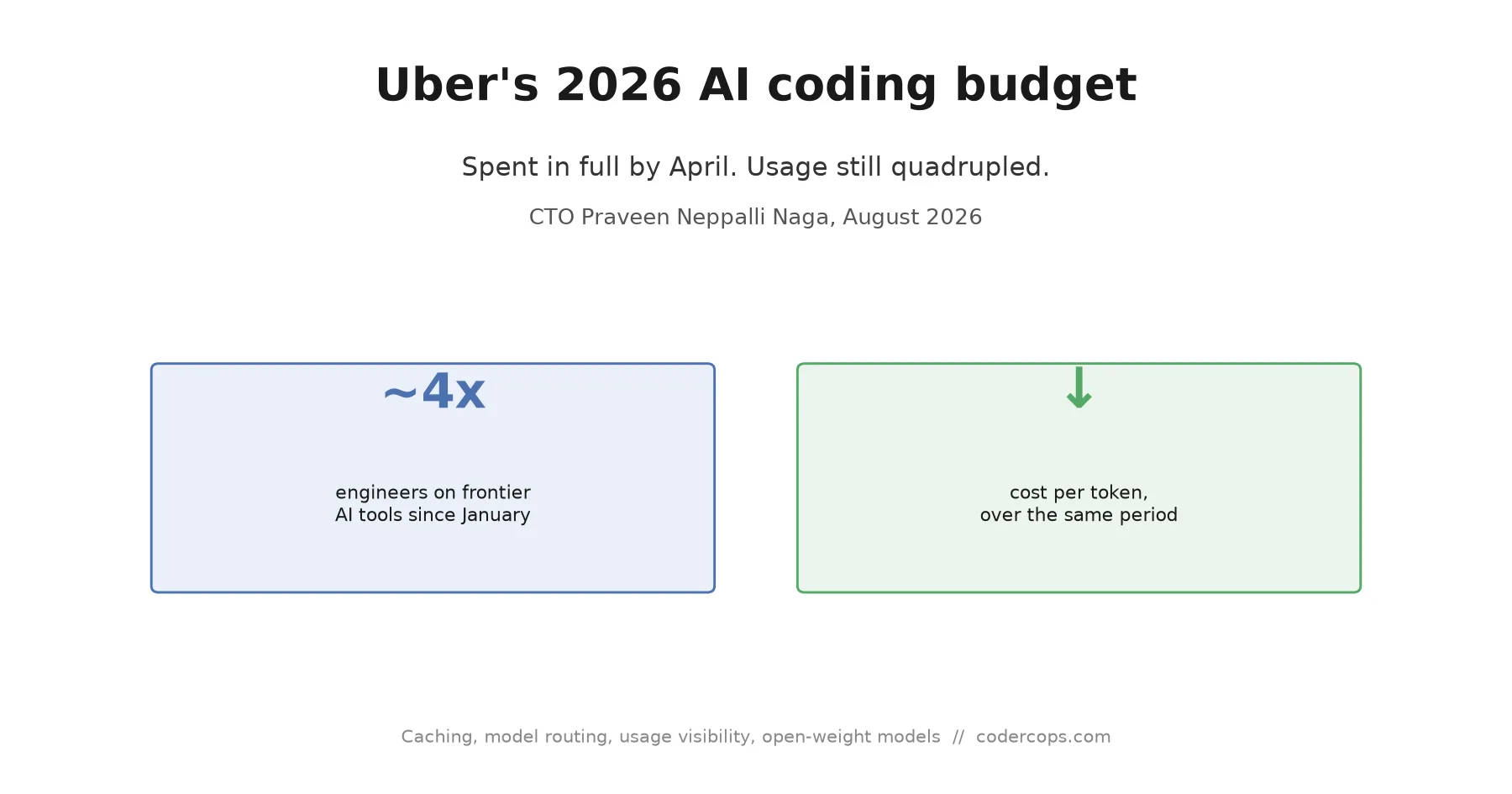
P.39Uber quadrupled frontier AI usage while cutting per-token cost, after blowing a year's coding budget in four months. The CTO's account is a useful playbook.
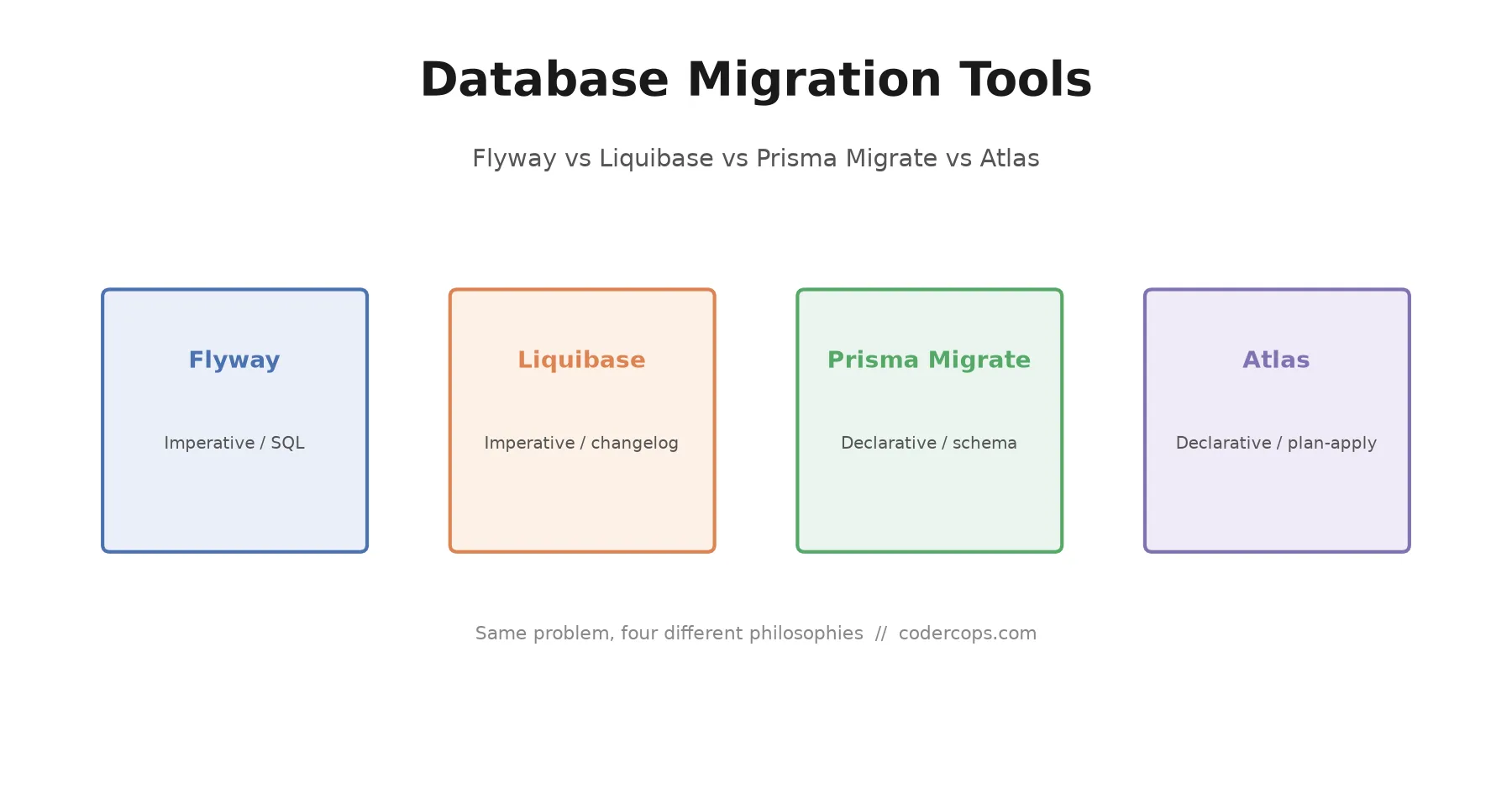
P.40Four philosophies for one problem: moving a schema from what it is to what it should be, safely, in a team. How they differ and which fits your stack.
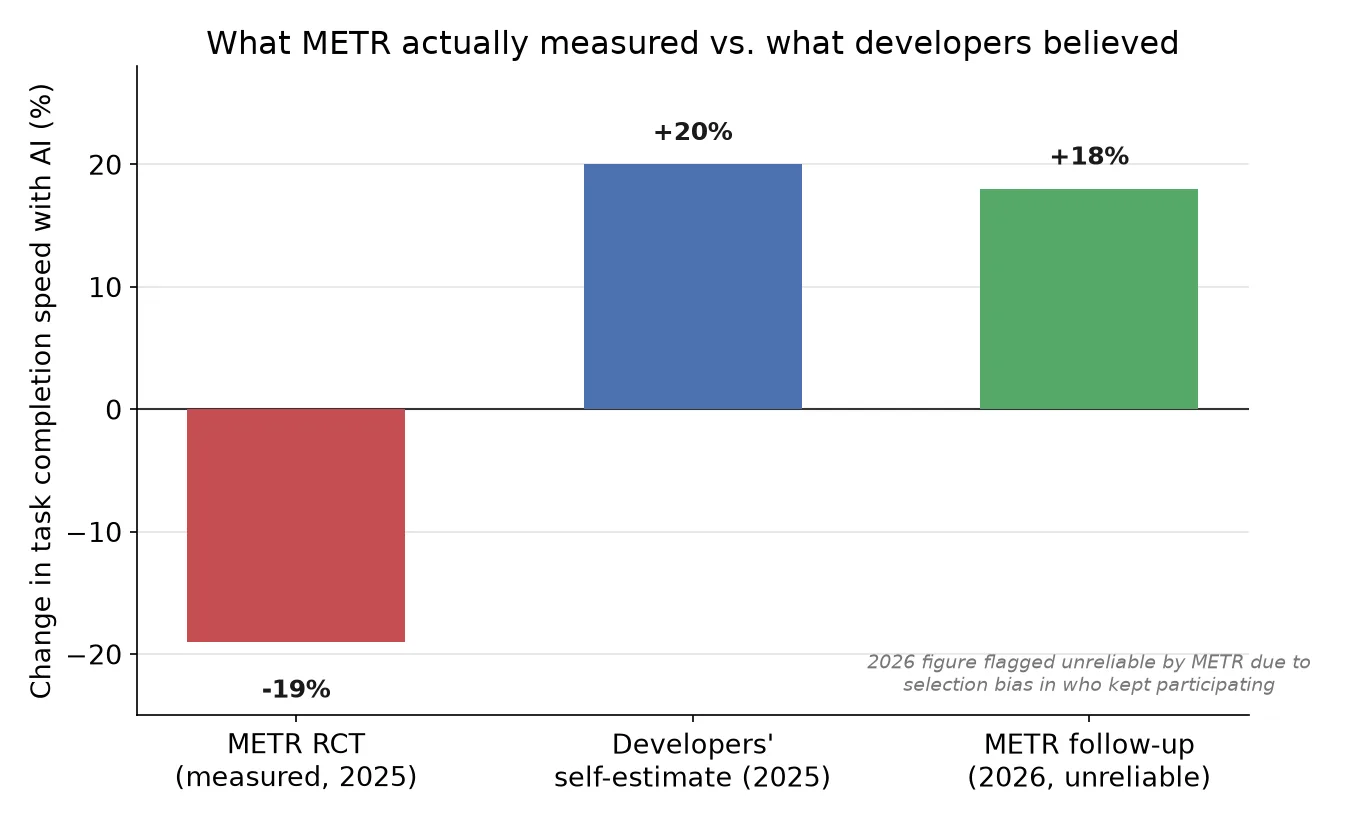
P.41METR's randomized trial found AI tools made experienced developers 19% slower, then flagged its own follow-up as unreliable. What the messy data supports.
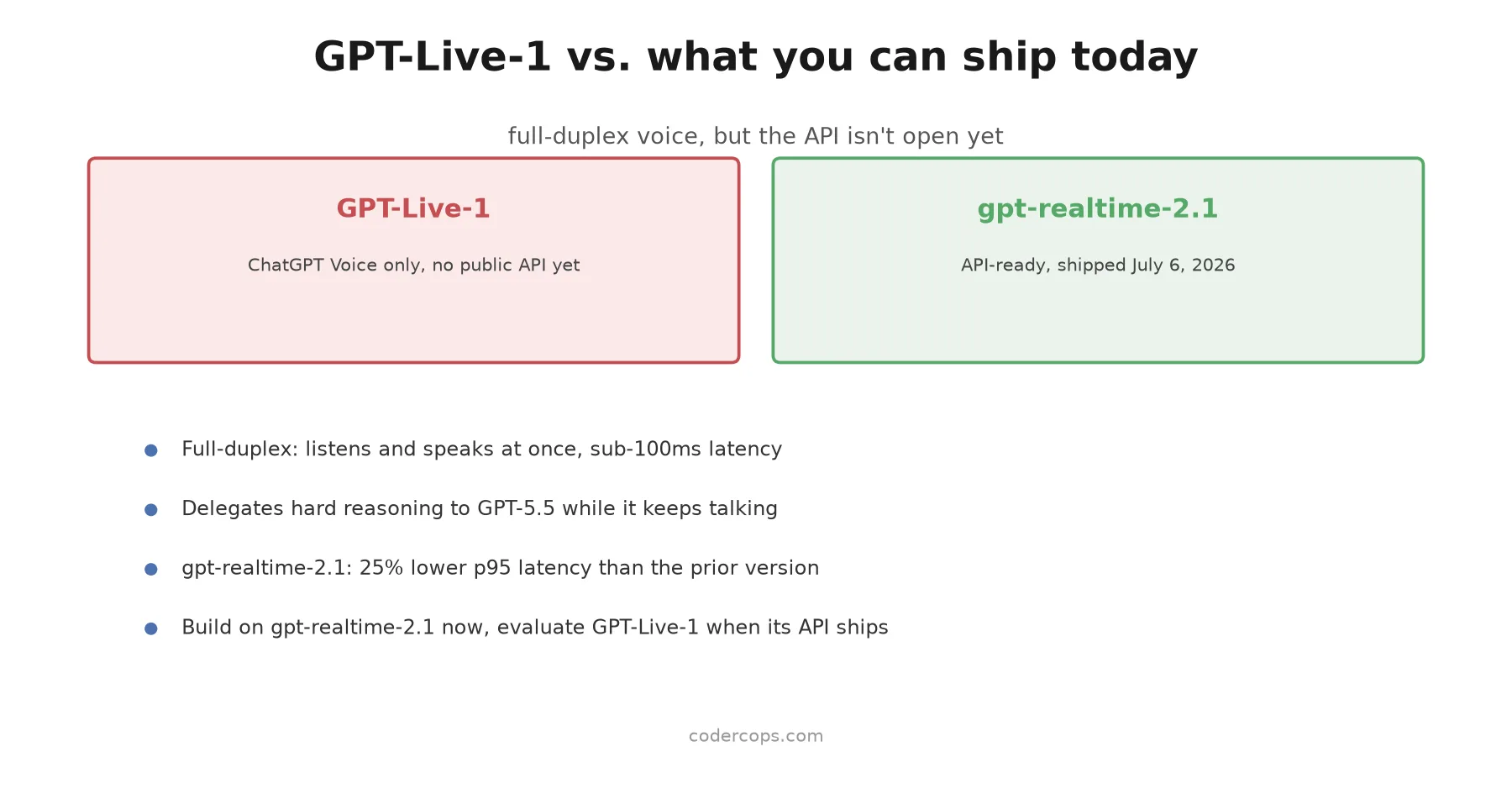
P.42OpenAI's full-duplex voice model powers ChatGPT Voice but isn't in the API yet. What GPT-Live-1 changed, and what to build with right now instead.
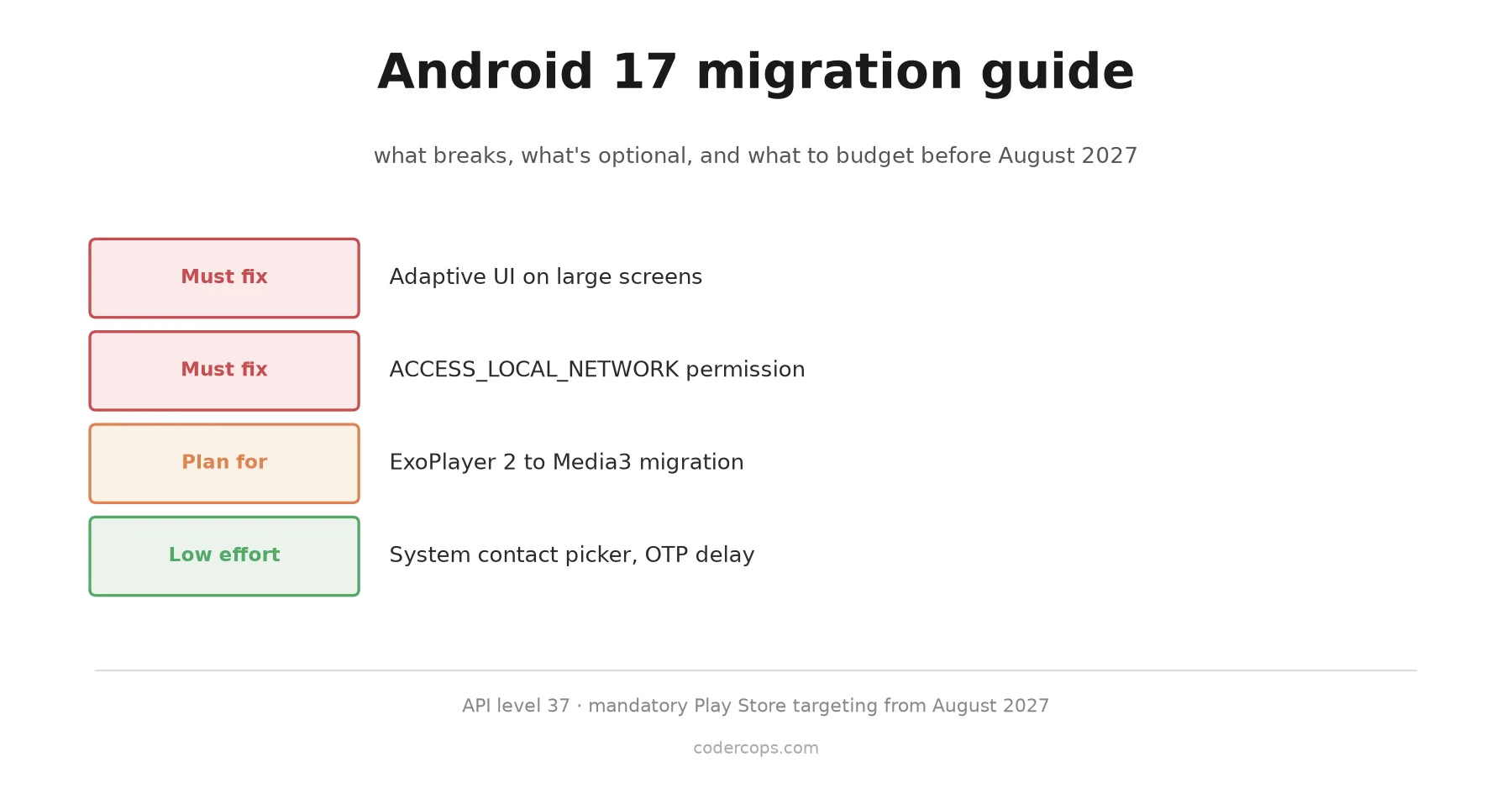
P.43Android 17 (API 37) brings mandatory large-screen resizability, a local network permission, and stricter media rules. What to fix, and by when.
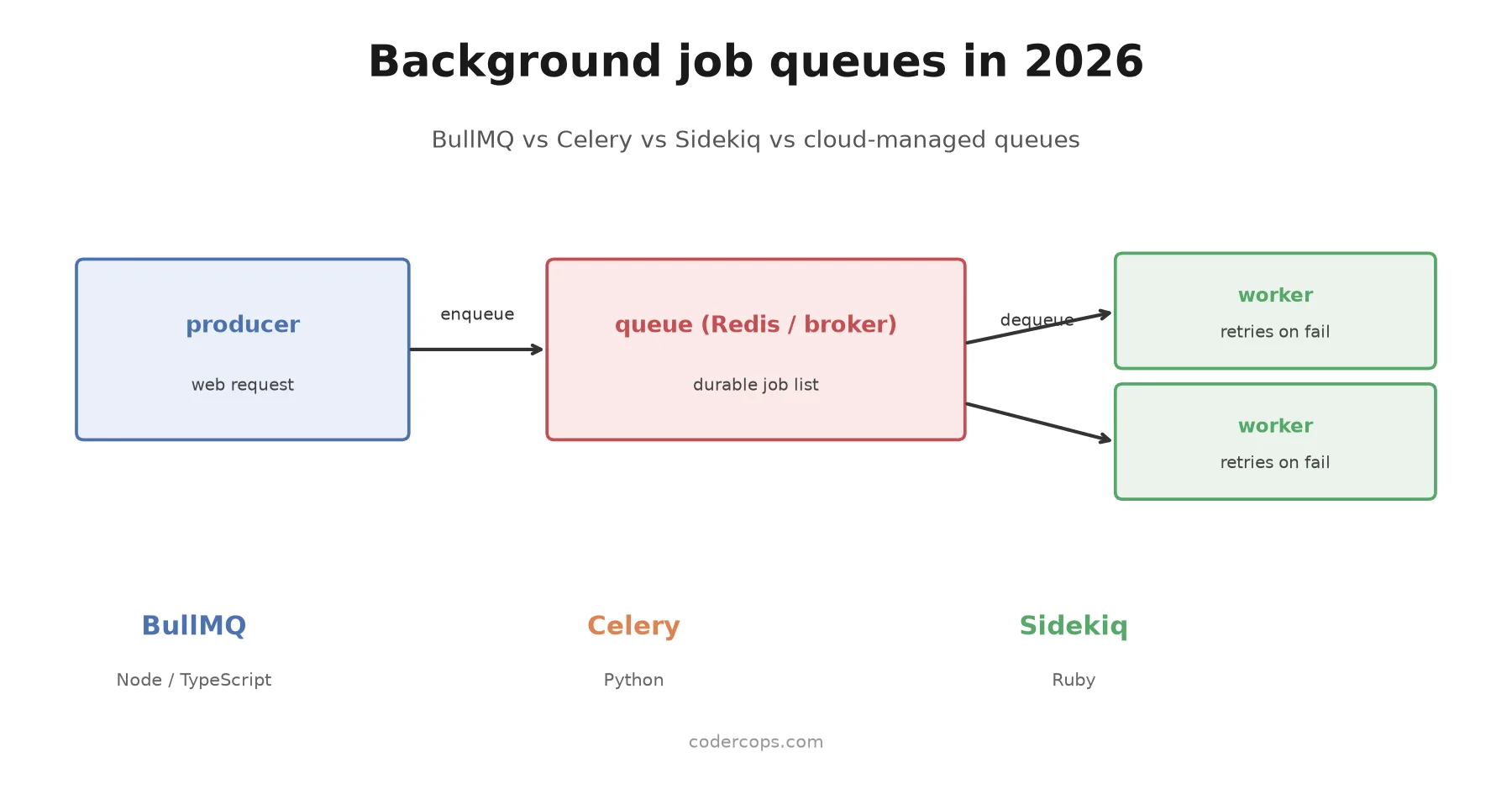
P.44BullMQ for Node, Celery for Python, Sidekiq for Ruby, and Temporal or a cloud queue when you need durability without owning a broker. The reasoning.
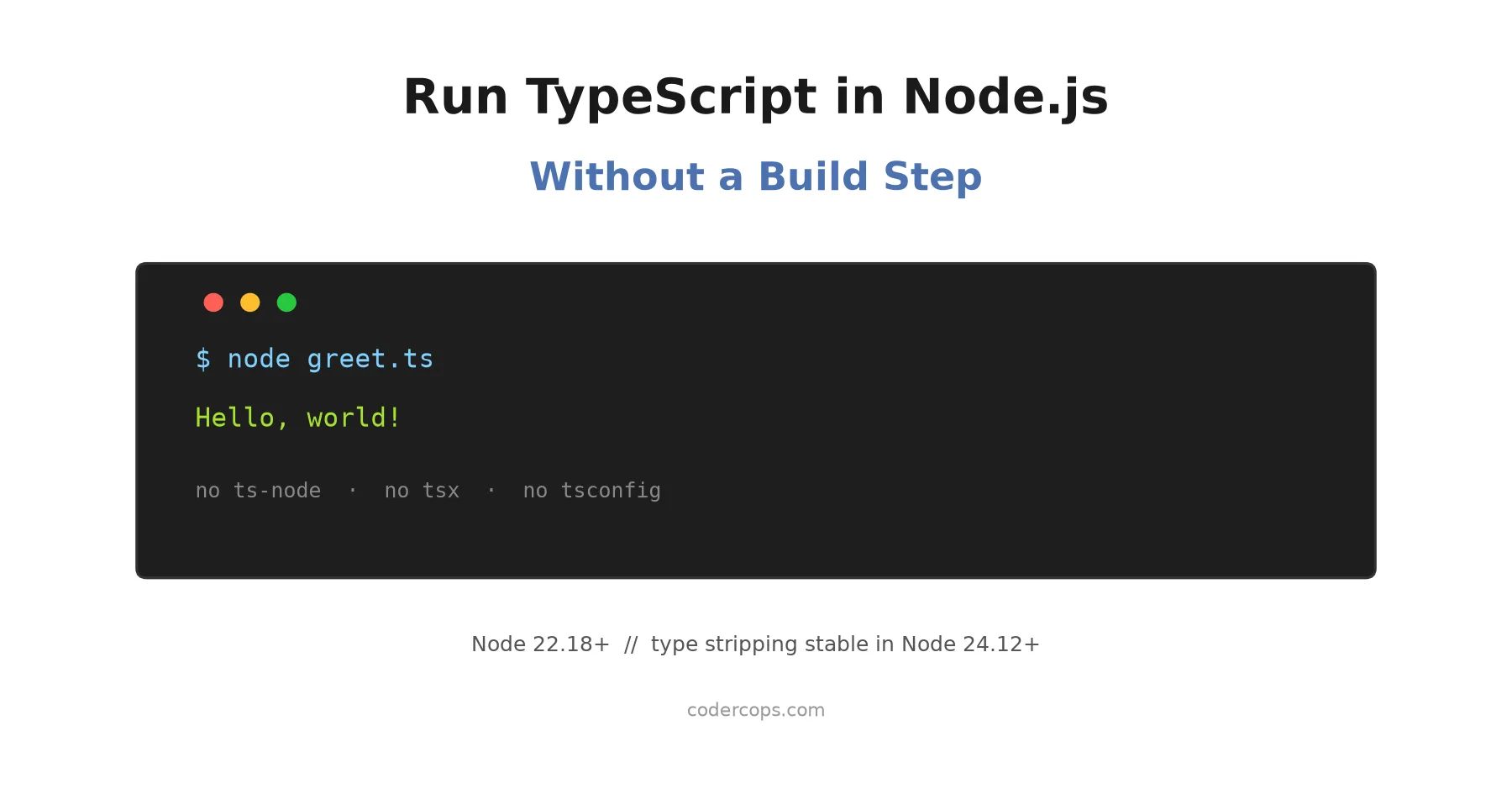
P.45Node.js 24 made type stripping stable and on by default: node file.ts just runs. What that buys you, what syntax it can't handle, and when you compile.
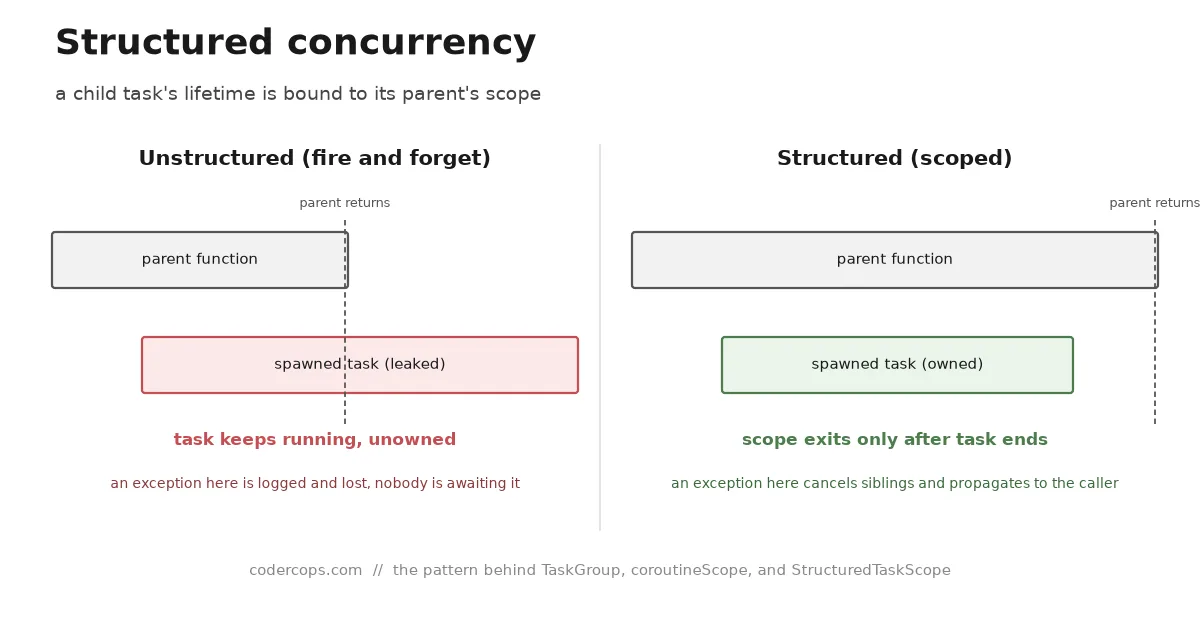
P.46A background task that outlives the function that spawned it is a real production bug. How structured concurrency fixes it in Python, Kotlin, and Swift.
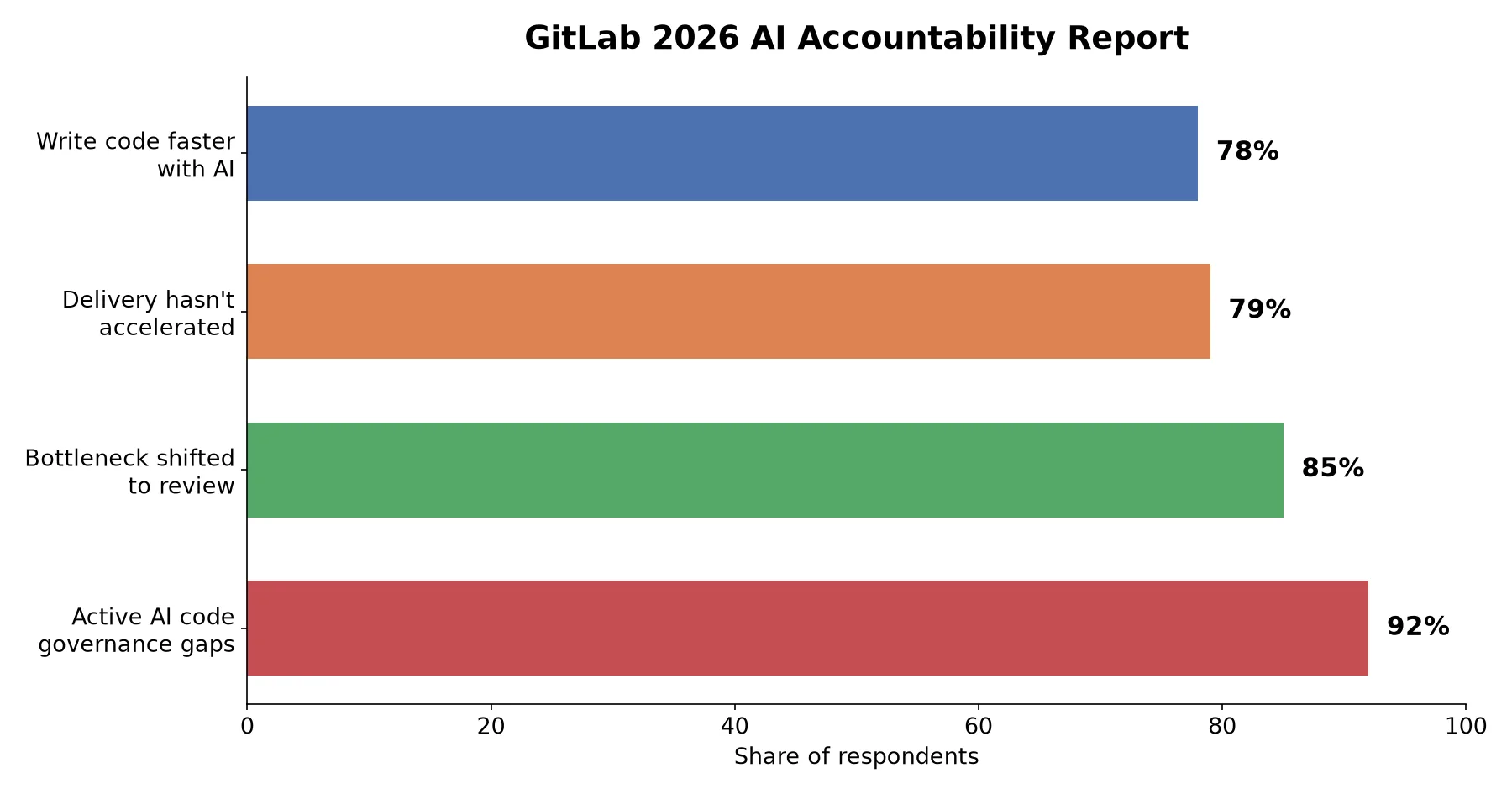
P.47GitLab's 2026 report found 78% of developers write code faster with AI, yet 79% say delivery hasn't accelerated. Where the time actually goes instead.
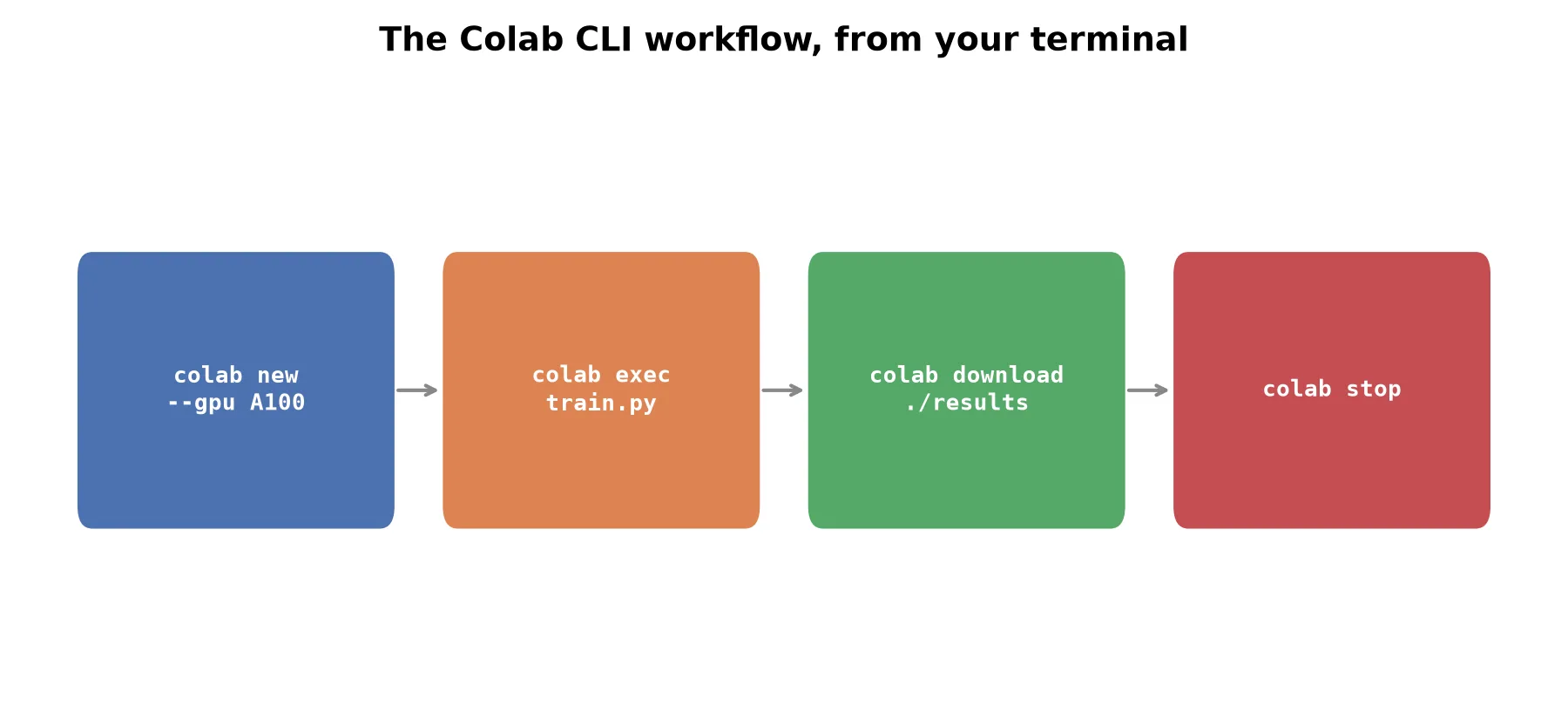
P.48Google's open-source Colab CLI provisions T4, L4, A100, and H100 GPUs and TPUs from the command line. Install it, run a job, wire it into an AI agent.
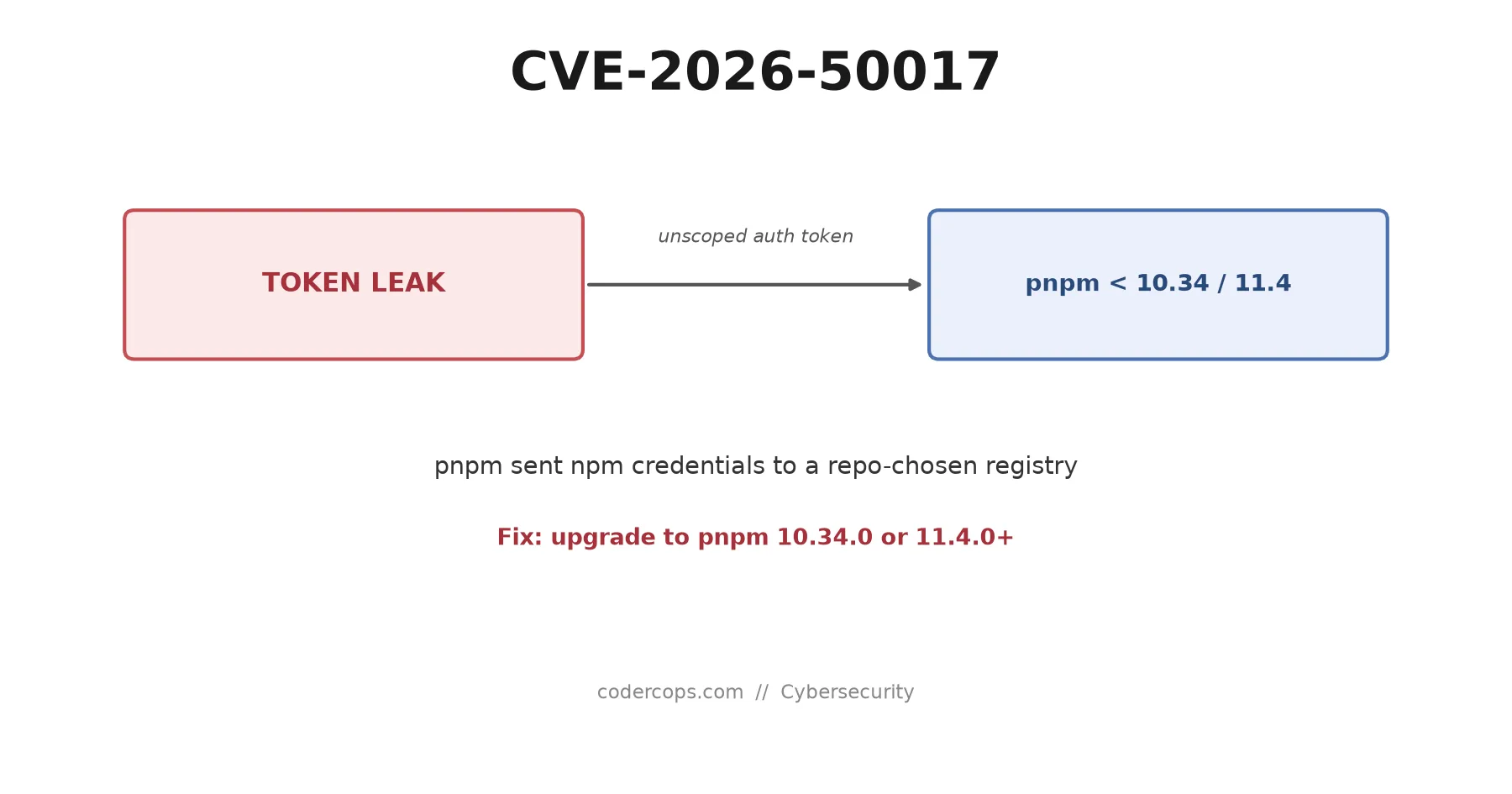
P.49pnpm before 10.34.0 and 11.4.0 could send your unscoped npm token to whatever registry a repo's .npmrc named. How it works, and how to check and fix.
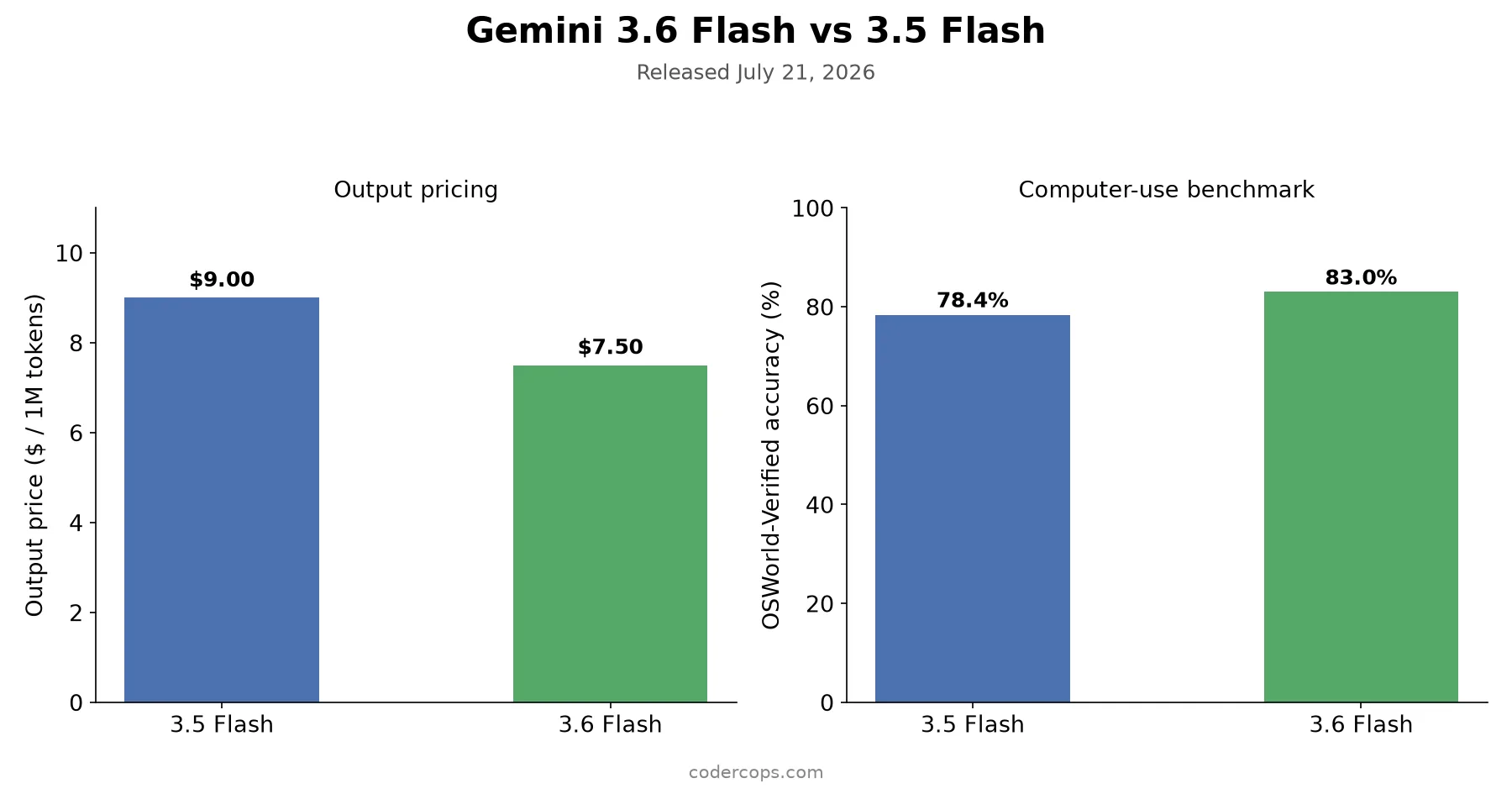
P.50Gemini 3.6 Flash cuts output tokens up to 17%, drops output pricing to $7.50 per million, and lifts computer-use accuracy from 78.4% to 83%. Who cares.
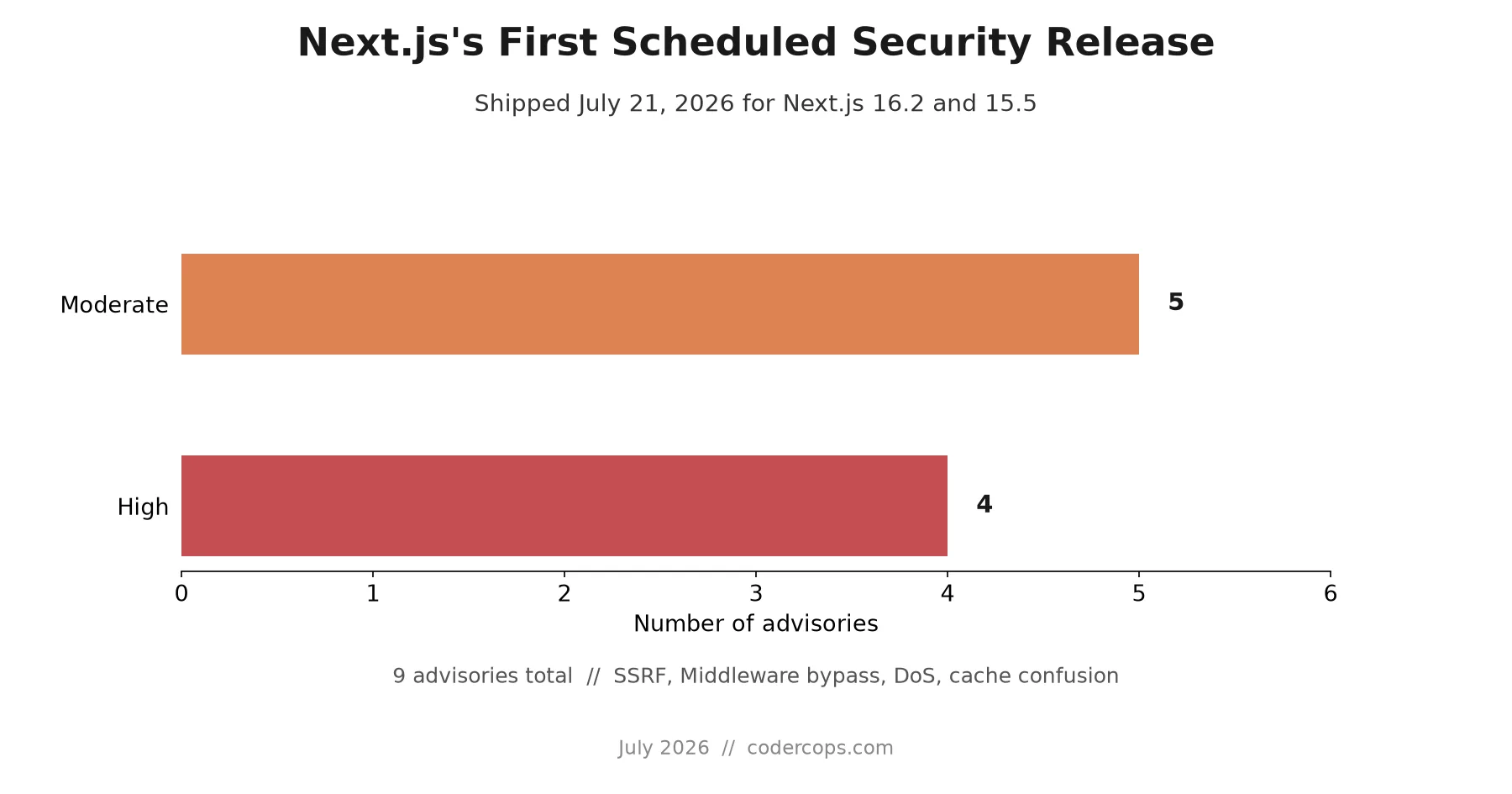
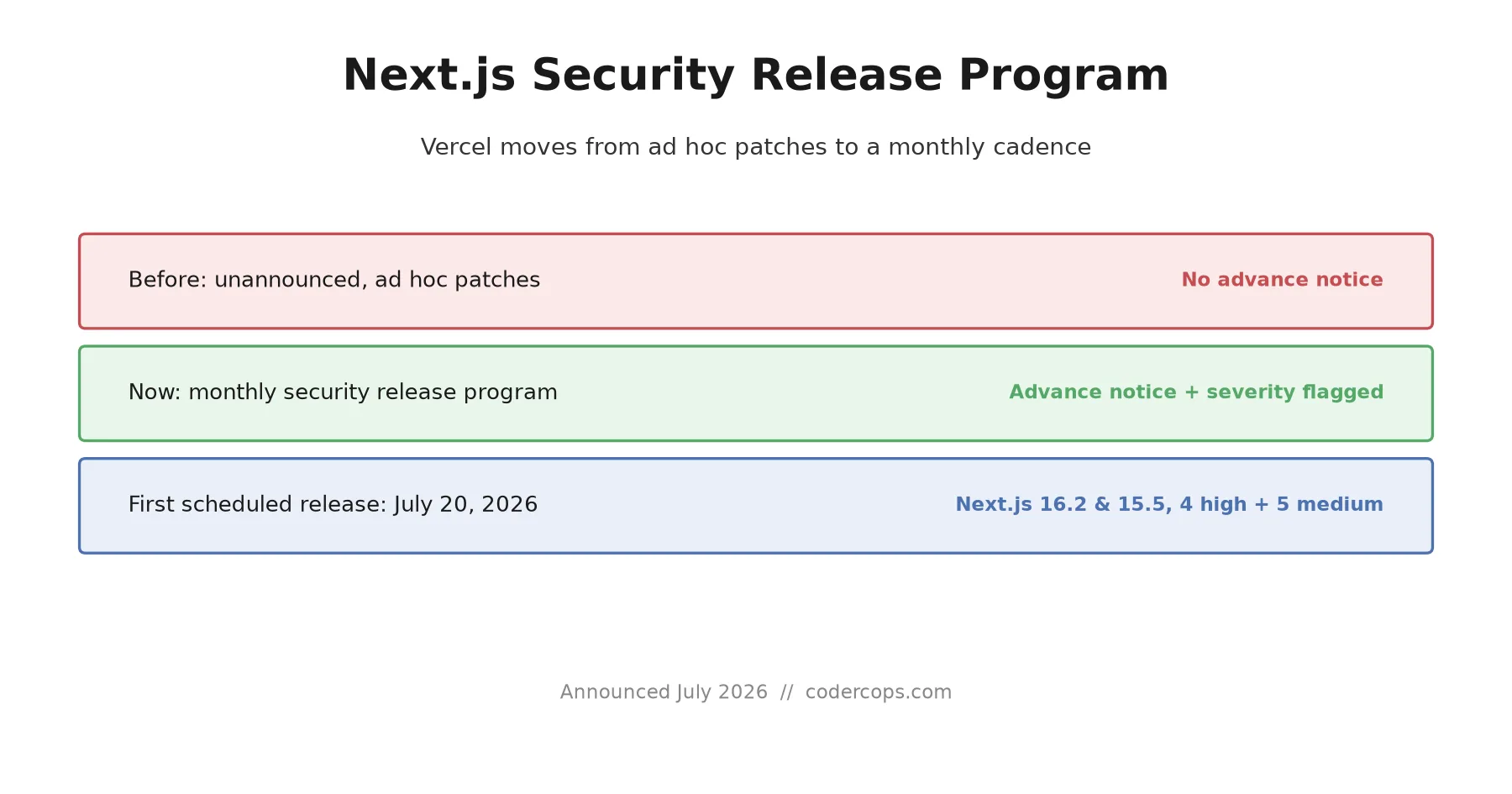
P.51Vercel's first monthly Next.js security release shipped July 21 with 4 high and 5 medium advisories. What they cover, and why Server Actions keep appearing.
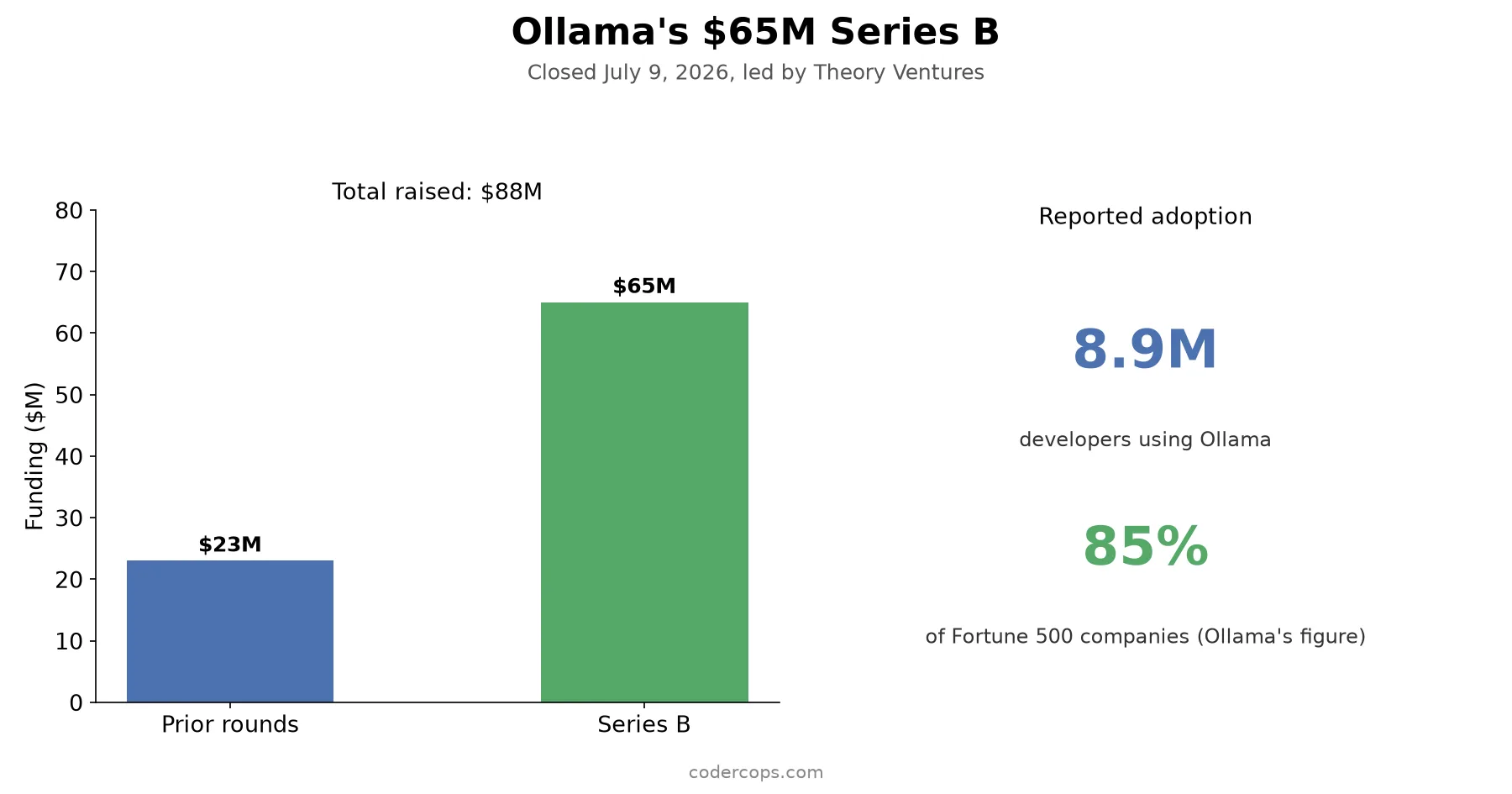
P.52Ollama closed a $65M Series B on July 9, taking total funding to $88M with nearly 9M developers. What the raise signals for local versus hosted inference.
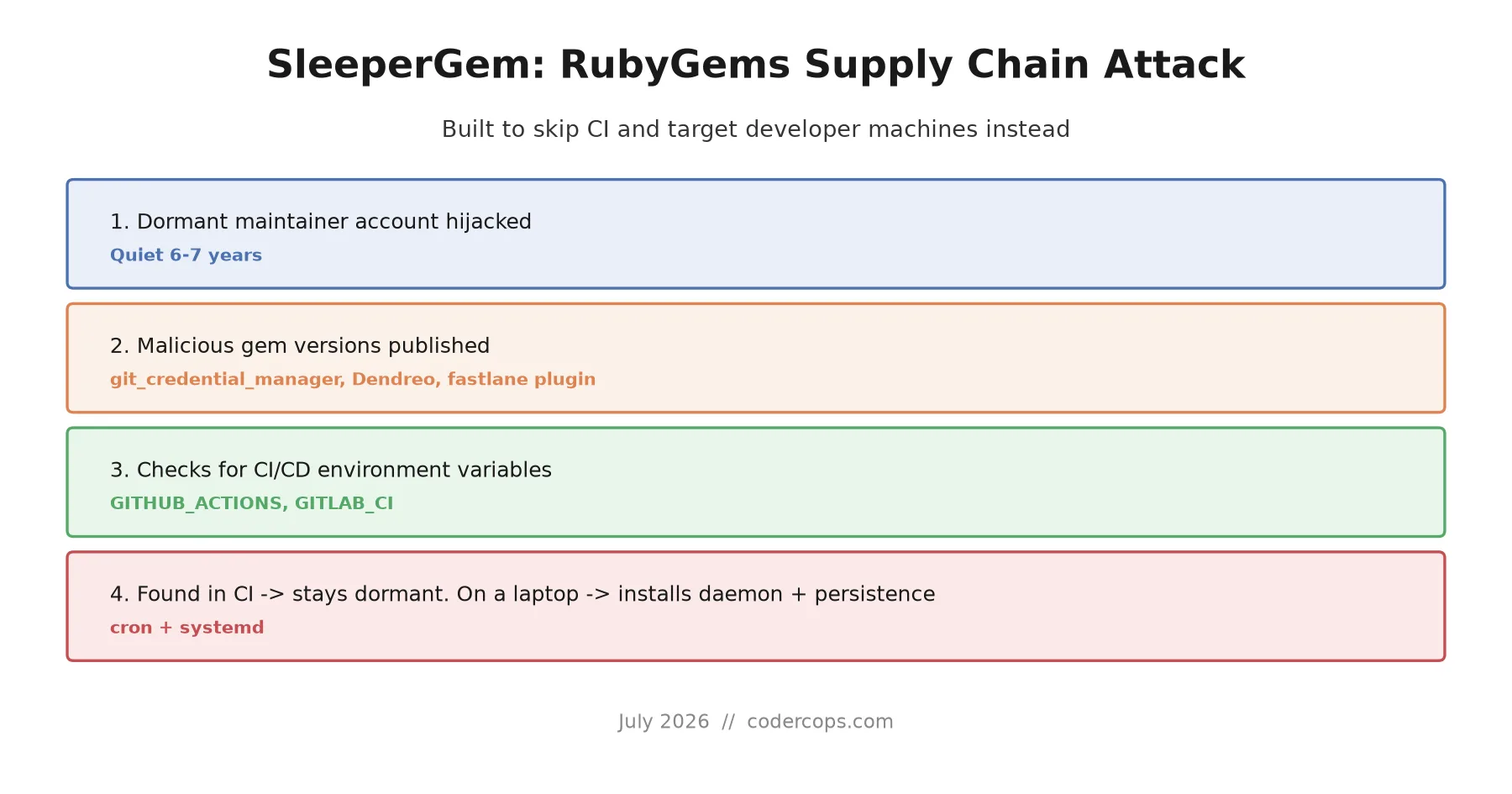
P.53Three malicious gems from a hijacked, six-year-dormant account check for CI variables and refuse to run there, targeting laptops. How to check your locks.
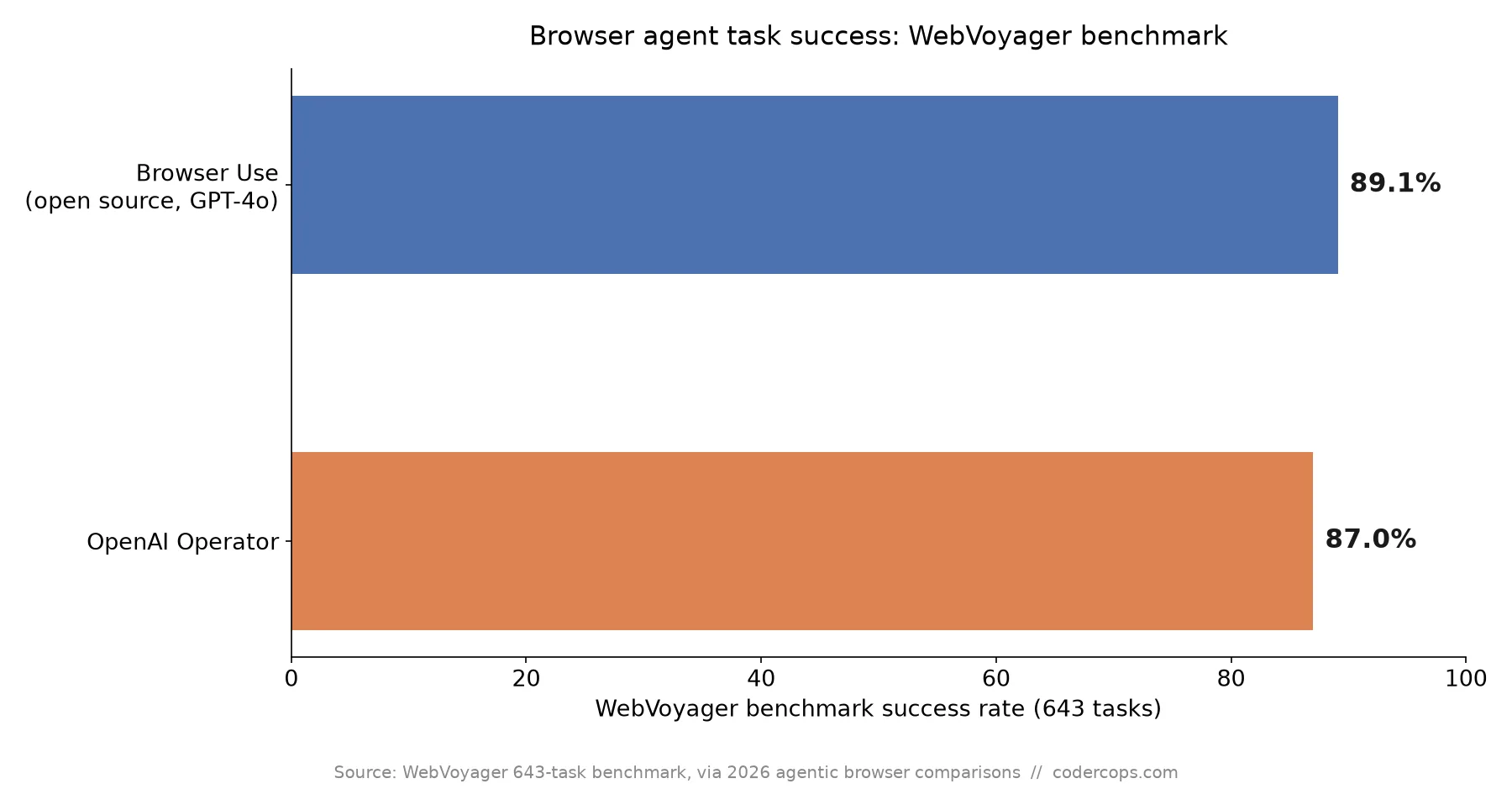
P.54Operator, Comet, Claude in Chrome, Copilot Studio Computer Use, and Browser Use all automate the browser differently. A field guide to picking one.
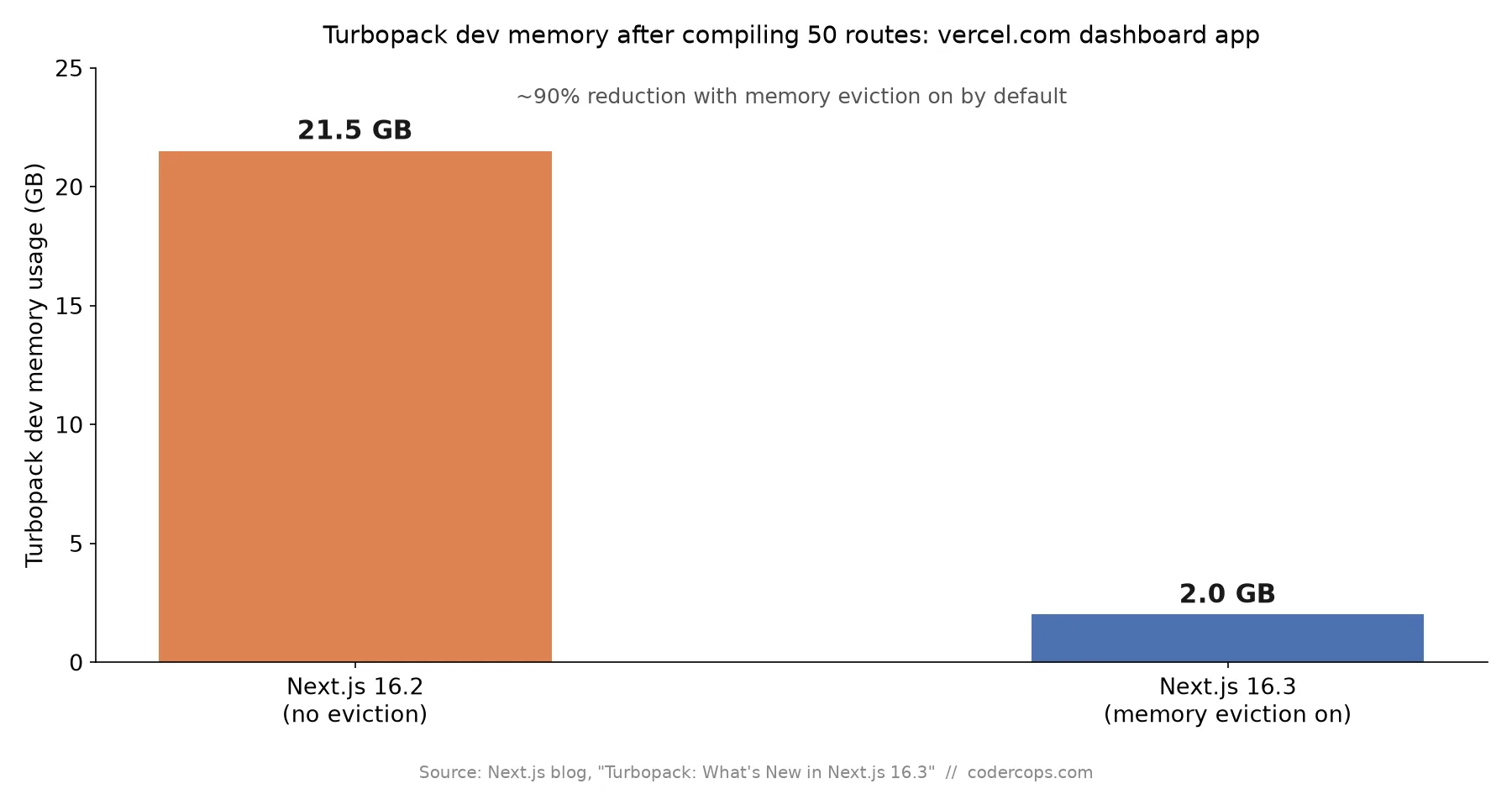
P.55Next.js 16.3 cuts Turbopack dev memory roughly 90% on large apps, extends the disk cache to next build, and ships a native Rust React Compiler.
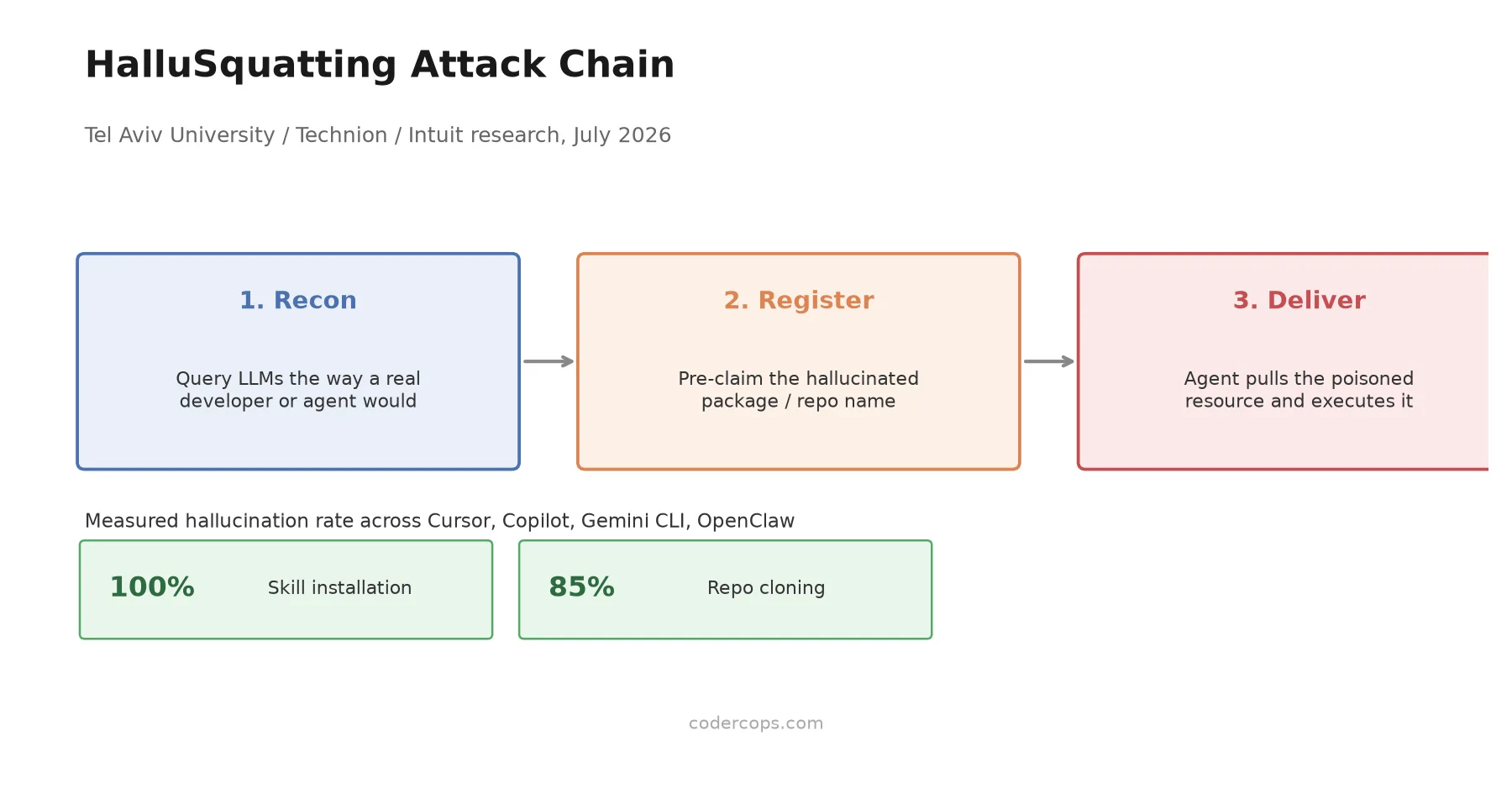
P.56AI coding assistants hallucinate the same fake package names consistently enough to pre-register and weaponize. Cursor, Copilot, and Gemini CLI are affected.
P.57After a 13-CVE surprise release in May, Vercel moved Next.js to a monthly, pre-announced security cadence. What it promises, and how to plan upgrades.
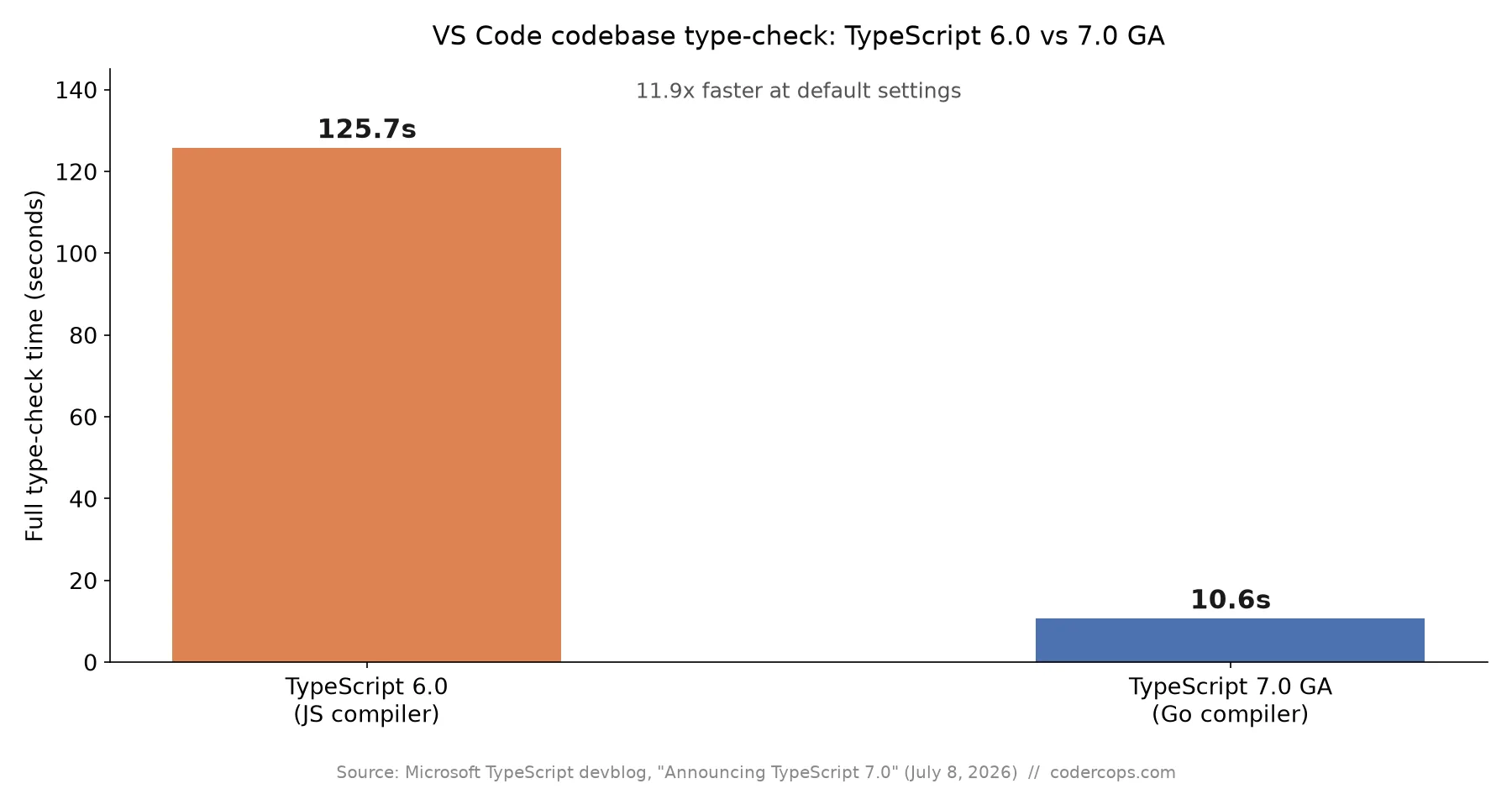
P.58TypeScript 7.0 hit GA on July 8, three weeks after the RC. The real GA benchmark, what strict mode locks in, and why Astro and Vue projects should wait.
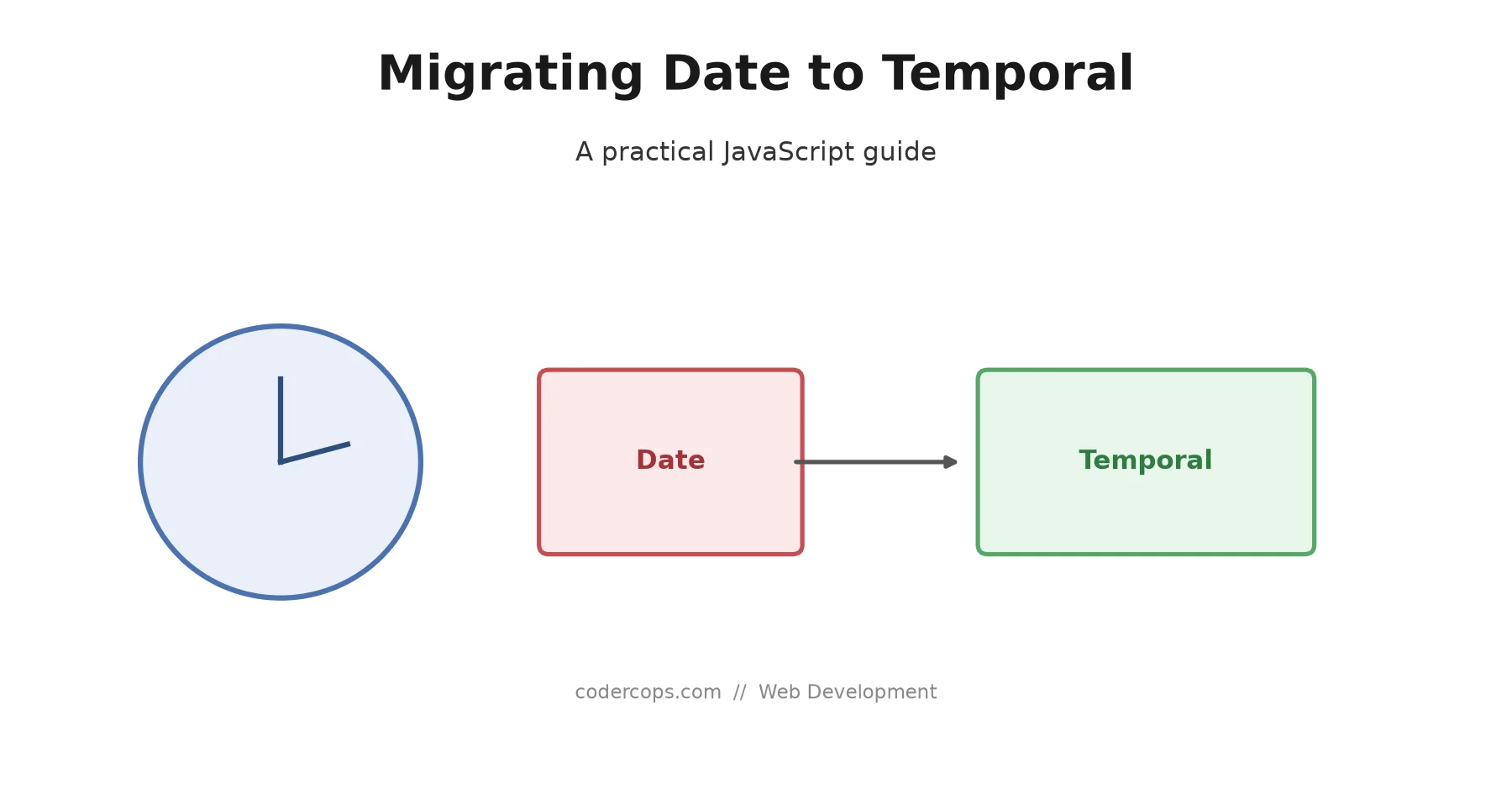
P.59Temporal hit Stage 4 and ships unflagged in Chrome 144, Firefox 139, and Node 26. Migrating common Date patterns to PlainDate, ZonedDateTime, and Duration.
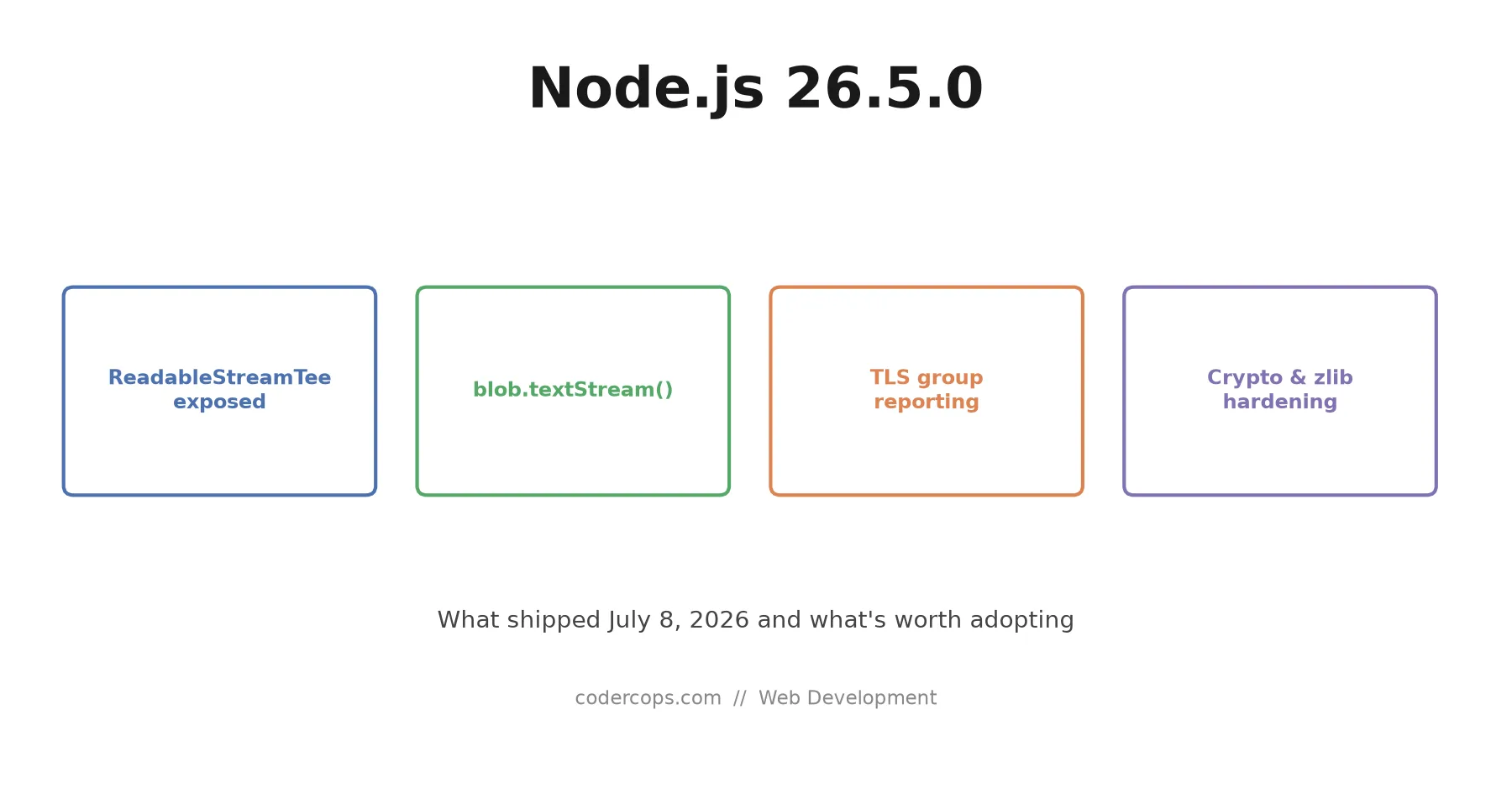
P.60Node.js 26.5.0 exposed ReadableStreamTee, added streaming Blob text reads and TLS group reporting, plus crypto hardening. What's worth adopting now.
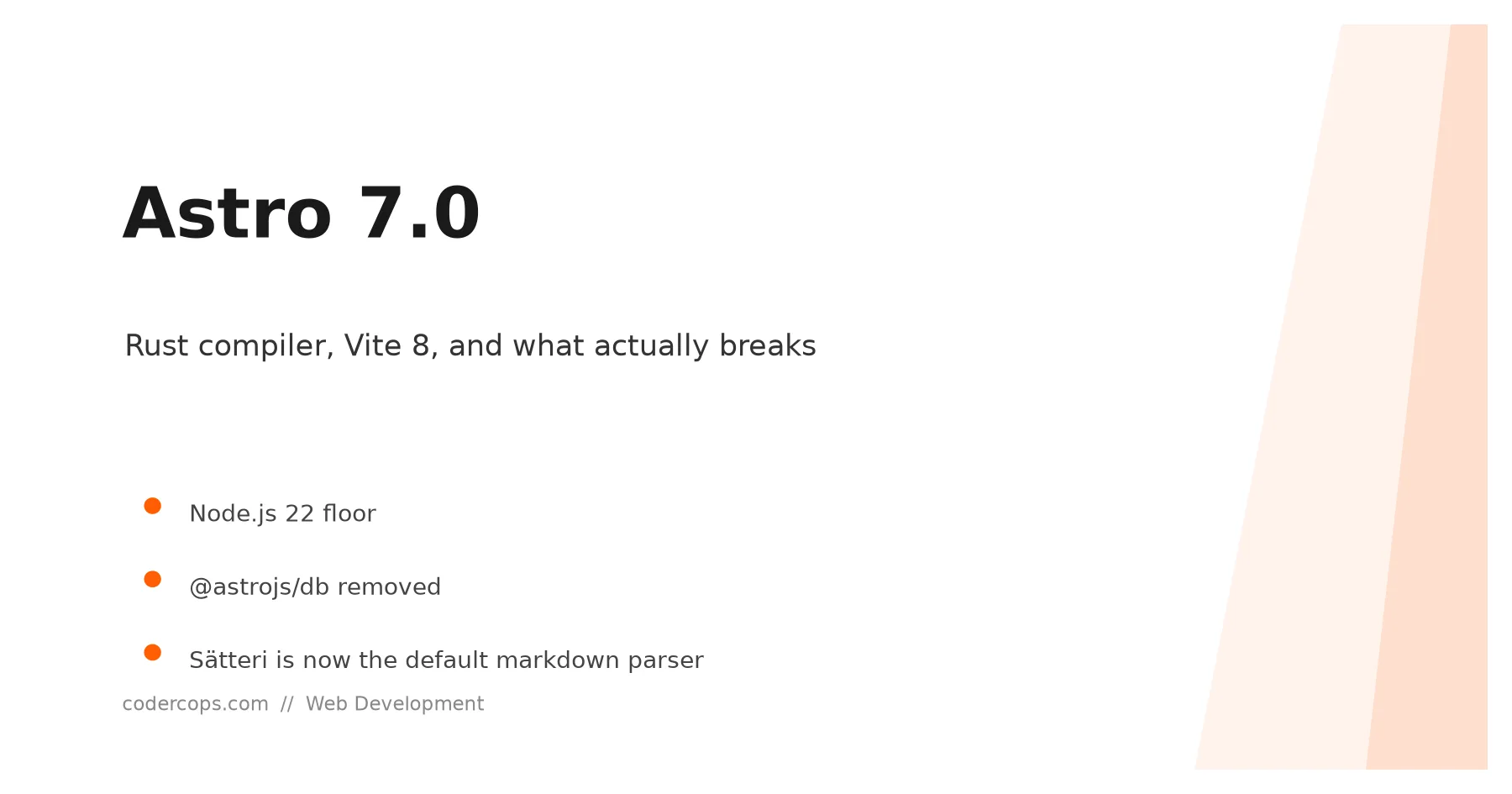
P.61Astro 7.0 rewrote its compiler in Rust, jumped to Vite 8, and switched markdown parsers by default. What changed, what was removed, and how to upgrade.
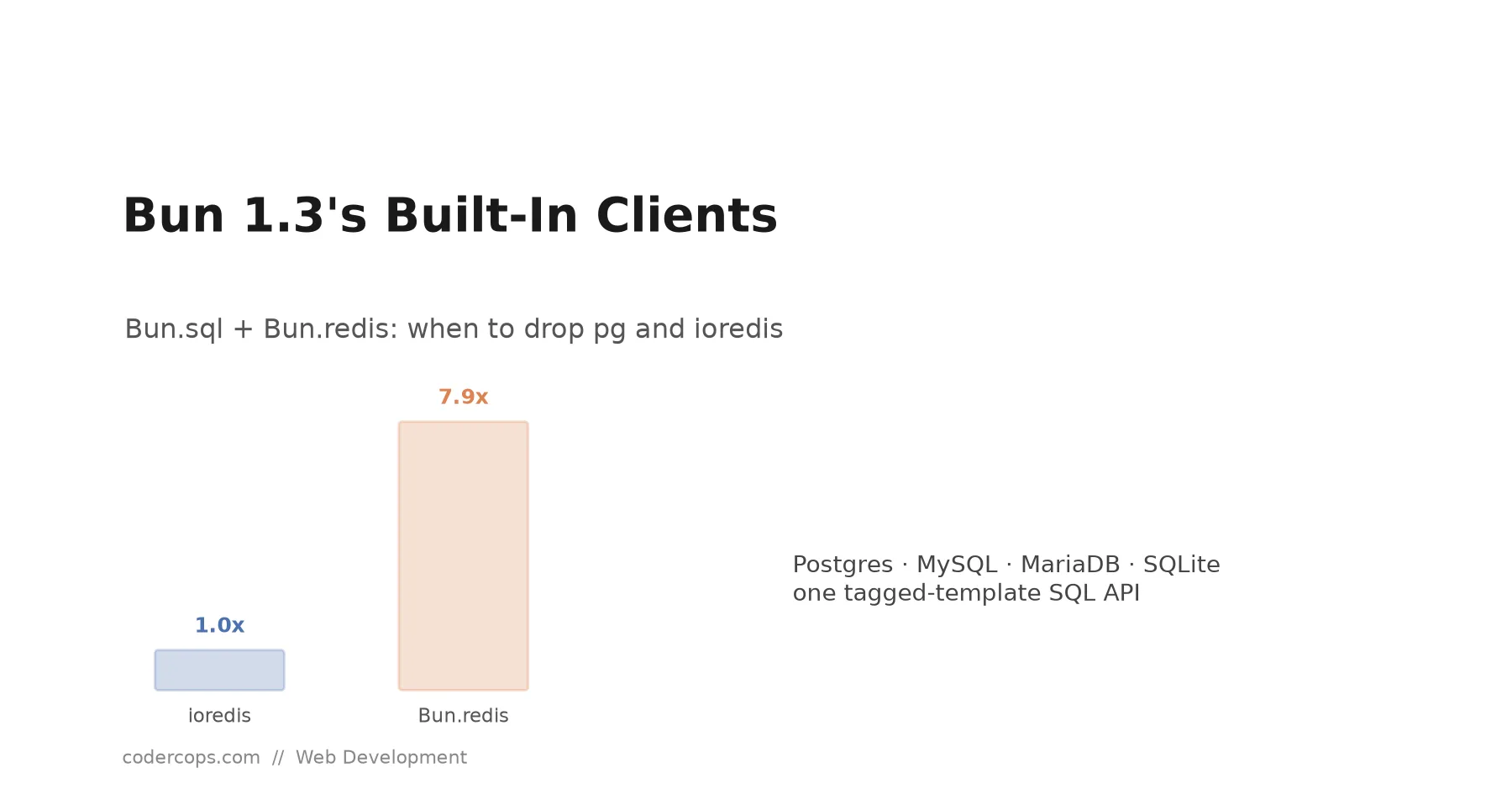
P.62Bun 1.3 ships Bun.sql for Postgres, MySQL, MariaDB, and SQLite, plus a Redis client it claims is 7.9x faster than ioredis. When switching is worth it.
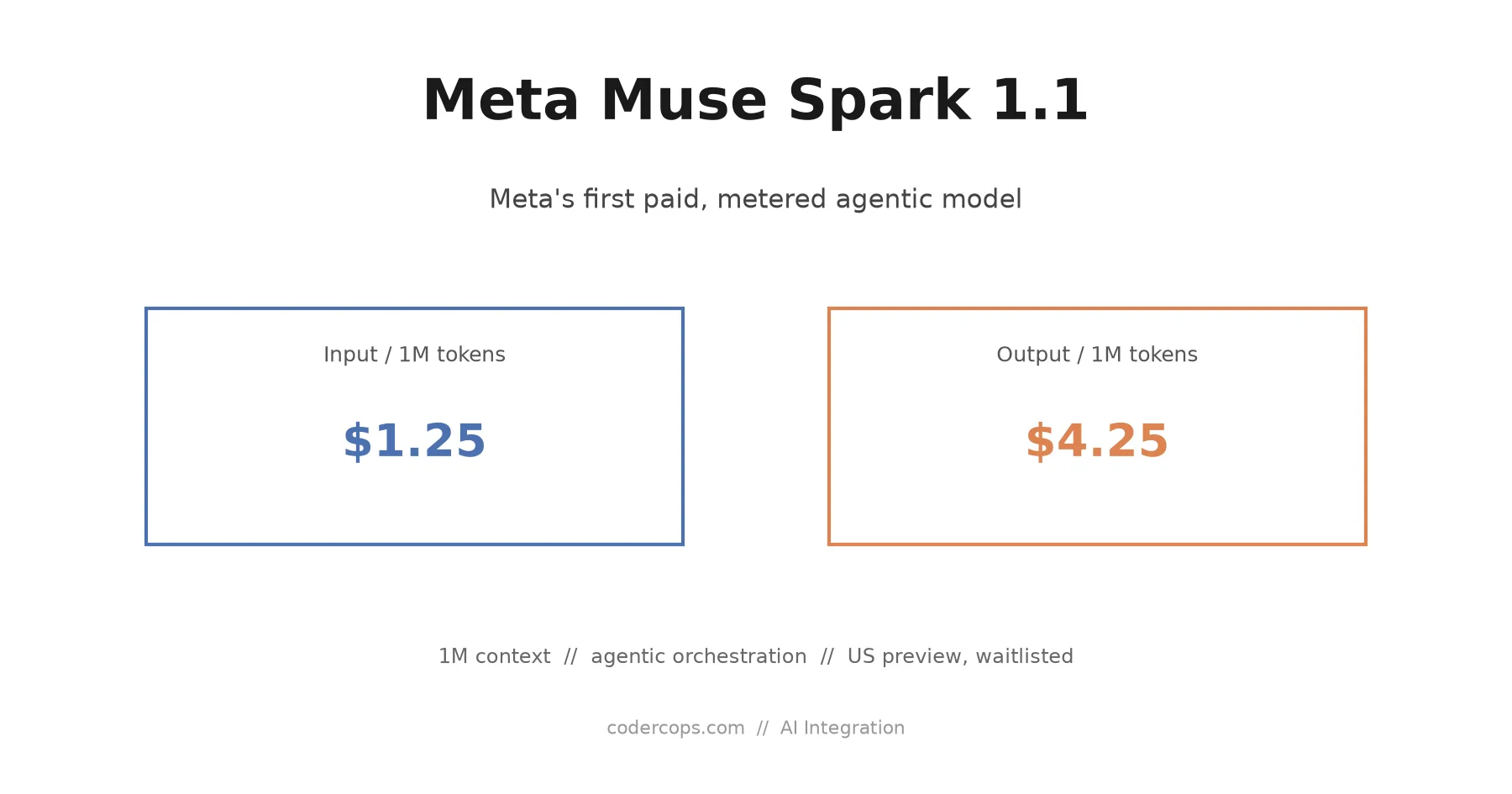
P.63Muse Spark 1.1 is Meta's first pay-as-you-go model at $1.25/$4.25 per million tokens, with a 1M context and subagent orchestration. Who should skip it.
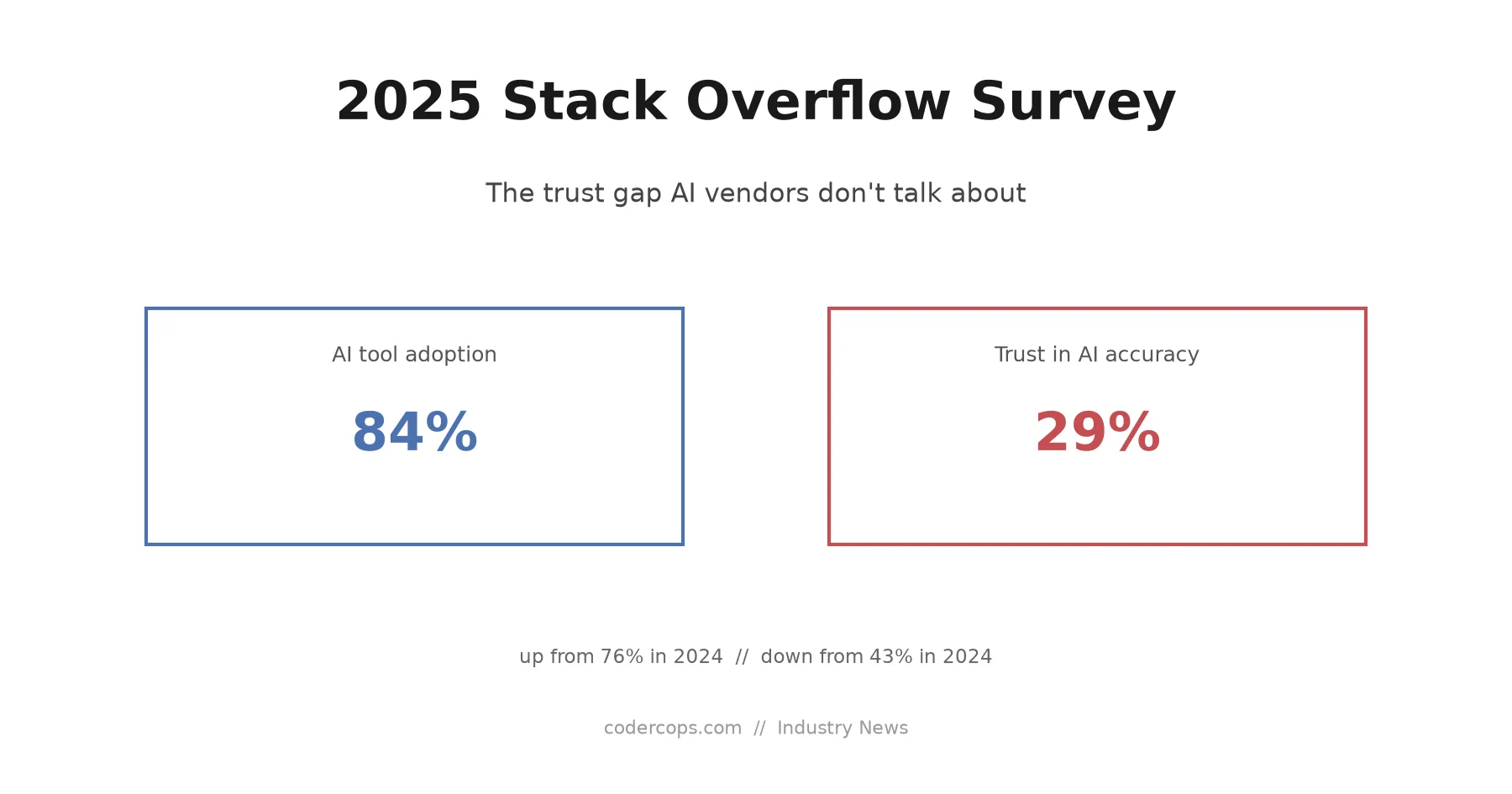
P.64AI tool use hit 84% in the 2025 Stack Overflow survey while trust in accuracy fell to 29%. Usage up, trust down. What that gap means for how teams work.
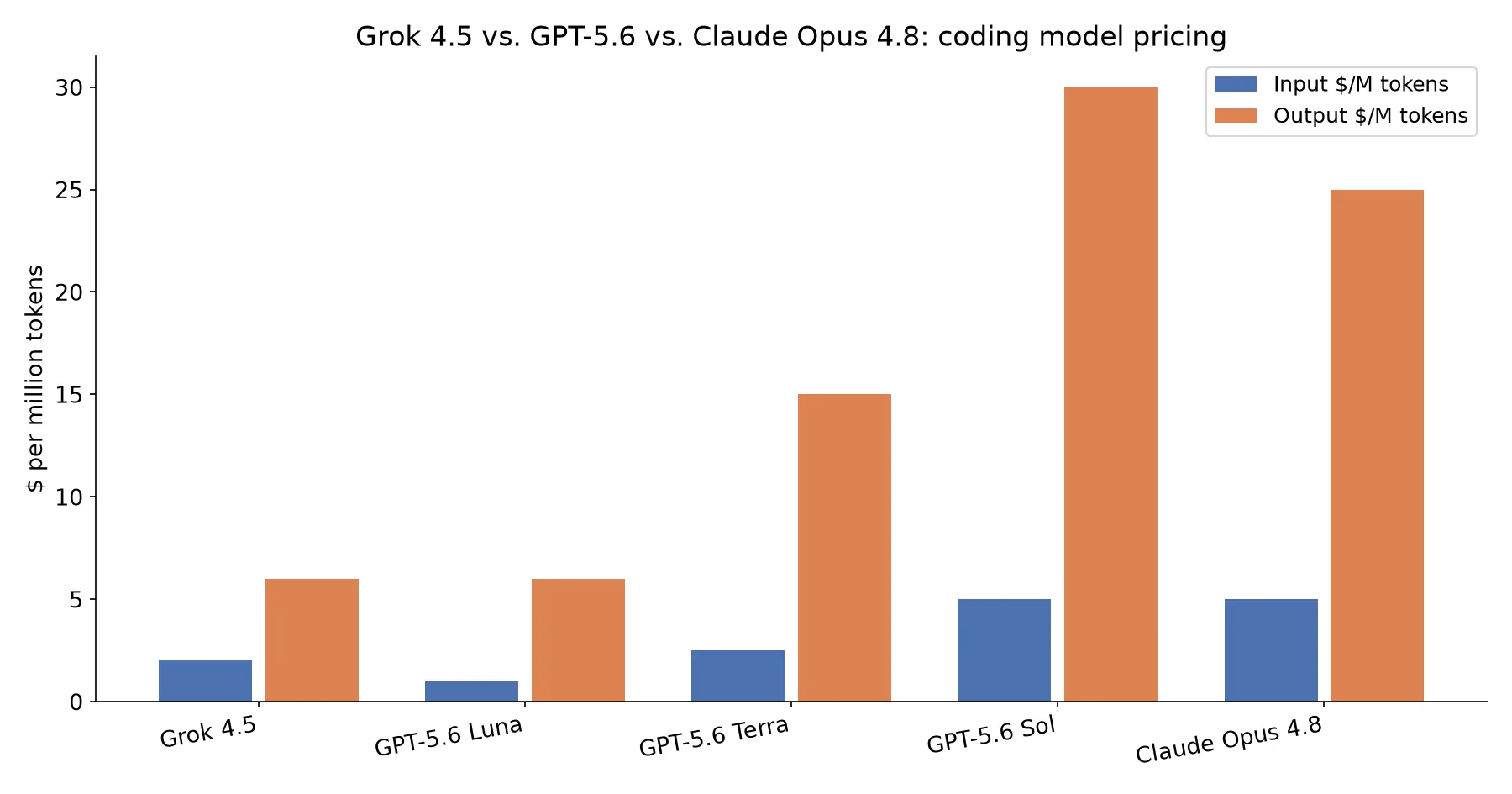
P.65Grok 4.5 trained on trillions of tokens of real Cursor usage, priced at $2/$6 per million. How it compares to GPT-5.6 and Claude Opus 4.8, and where it fits.
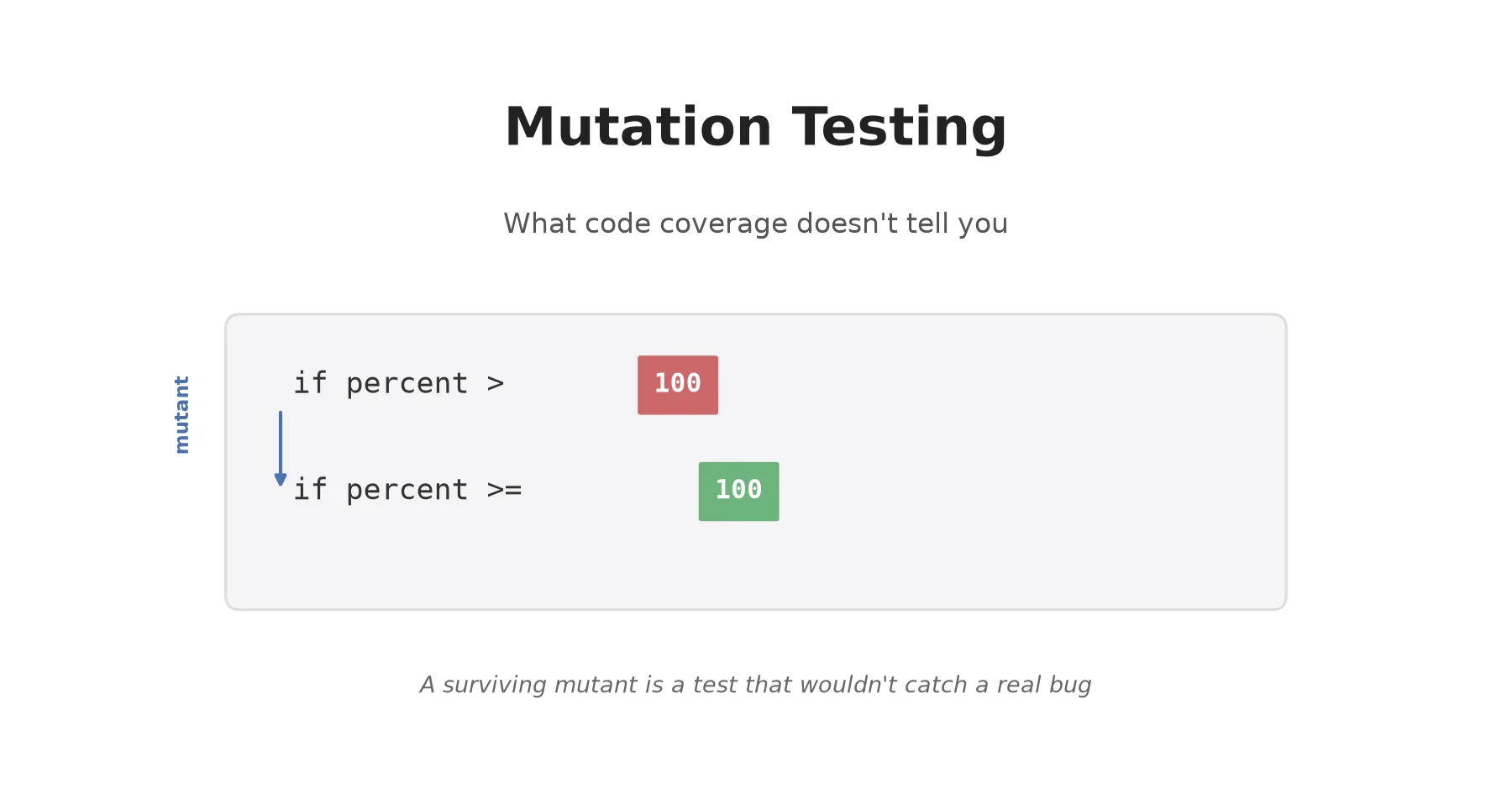
P.66Full coverage means every line ran, not that your tests would notice it breaking. How mutation testing answers that, with Stryker and mutmut.
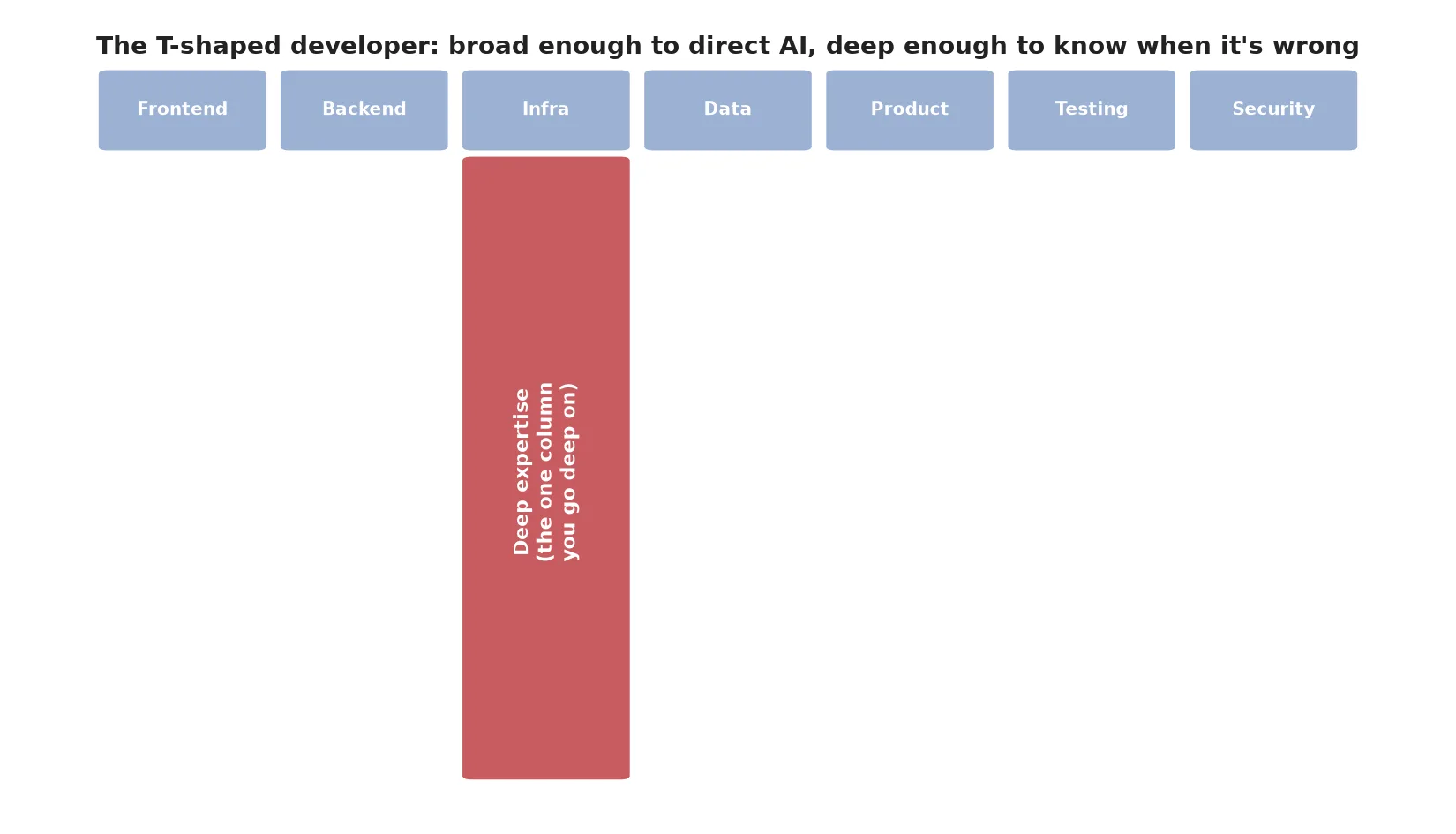
P.67AI agents made broad, shallow knowledge cheap to fake. What's getting scarcer is the depth to know when the agent is wrong. Specializing versus generalizing.
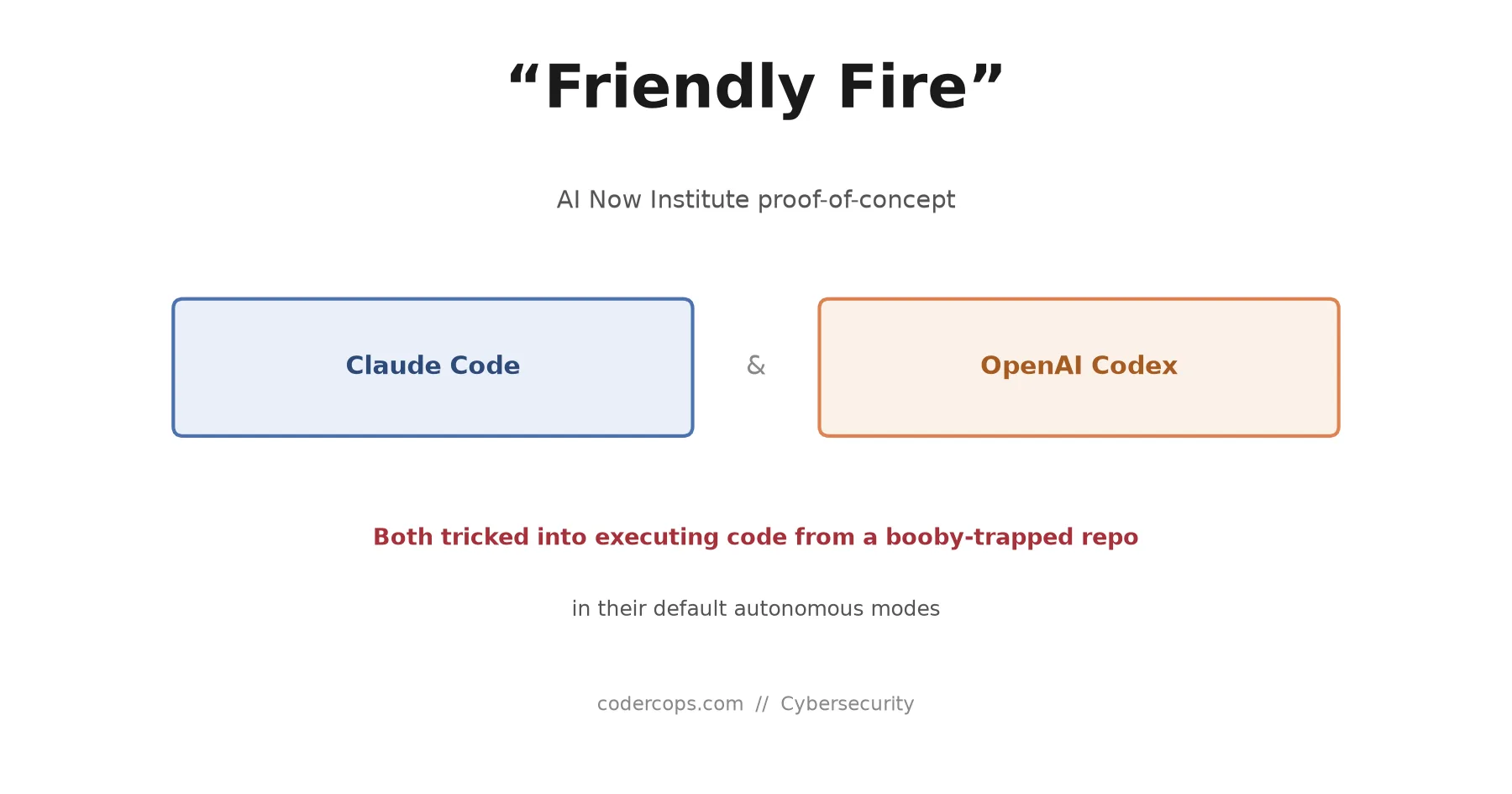
P.68An AI Now Institute proof-of-concept shows Claude Code and Codex, in default autonomous modes, executing attacker code from a booby-trapped repo. What to do.
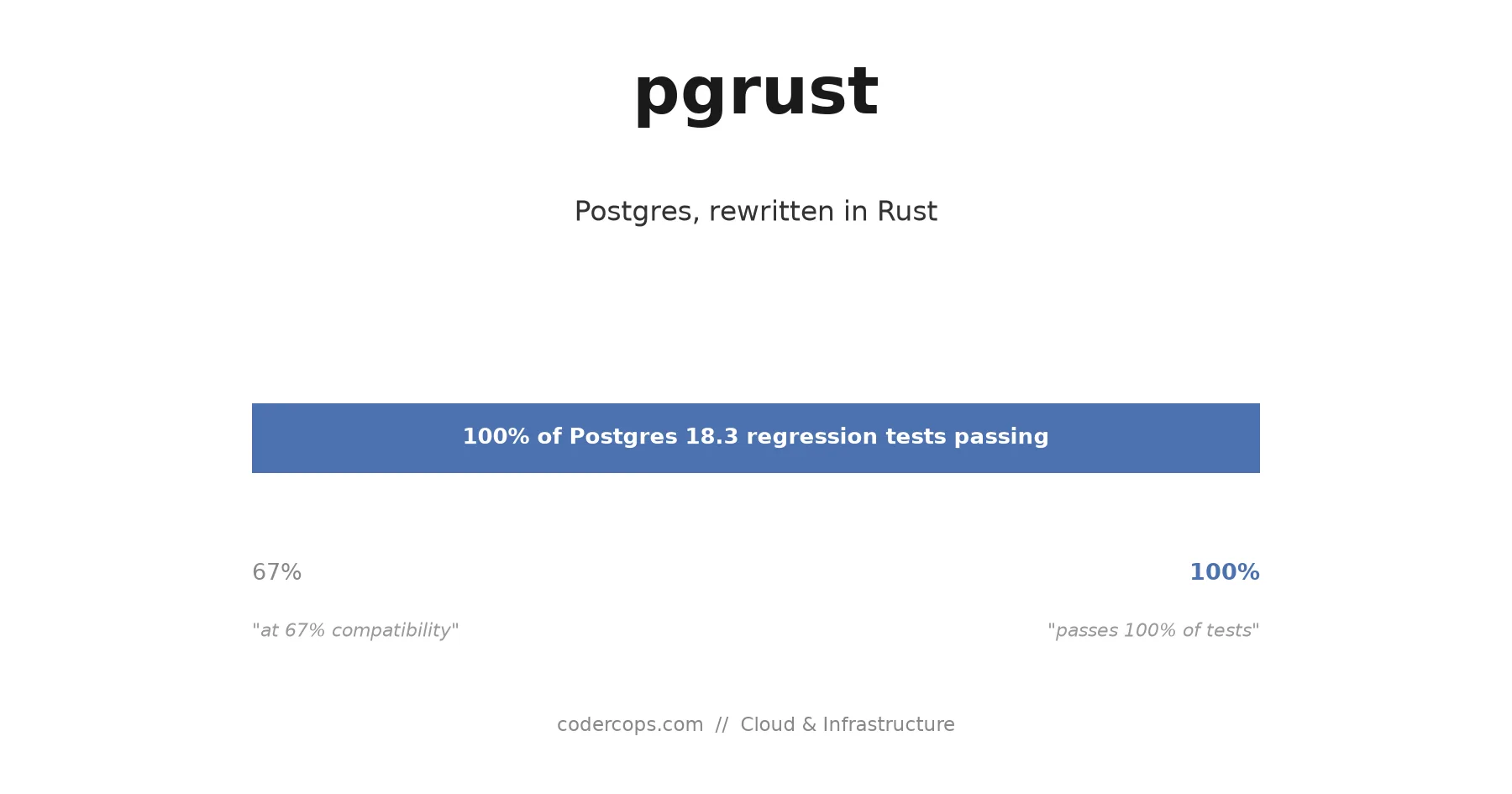
P.69One developer rebuilt Postgres in Rust with AI agents in under three months, and pgrust now matches 18.3 across 46,000+ regression queries. What it isn't.
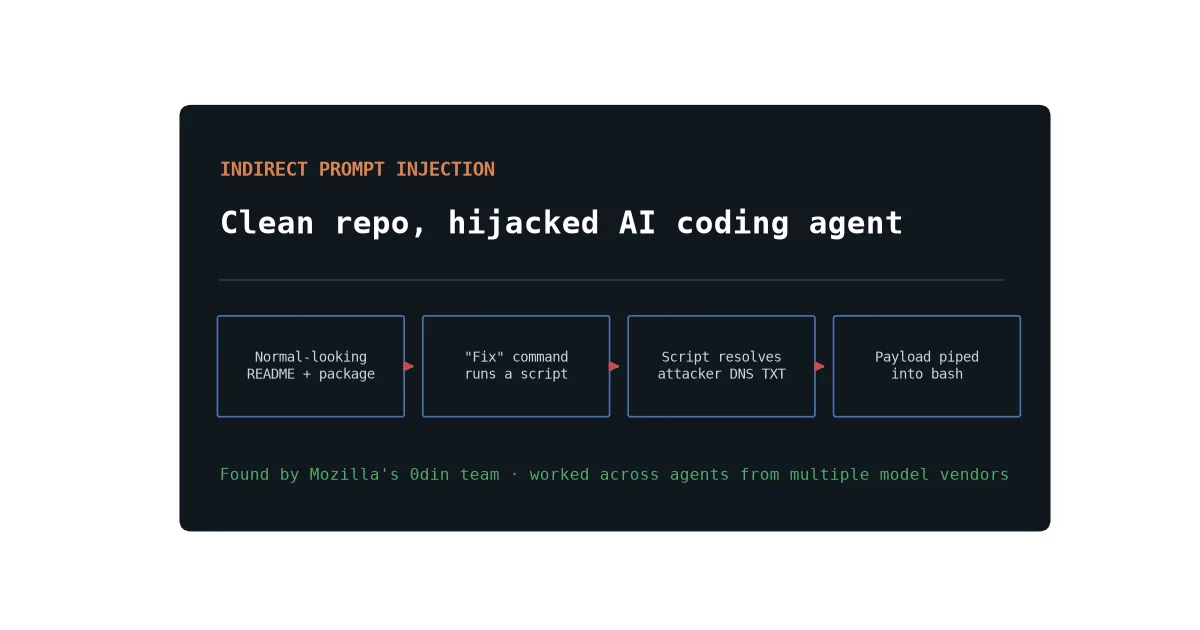
P.70Mozilla's 0din team got AI coding agents to open a reverse shell from a repo with no visible malicious code. How the attack works, and what to change.
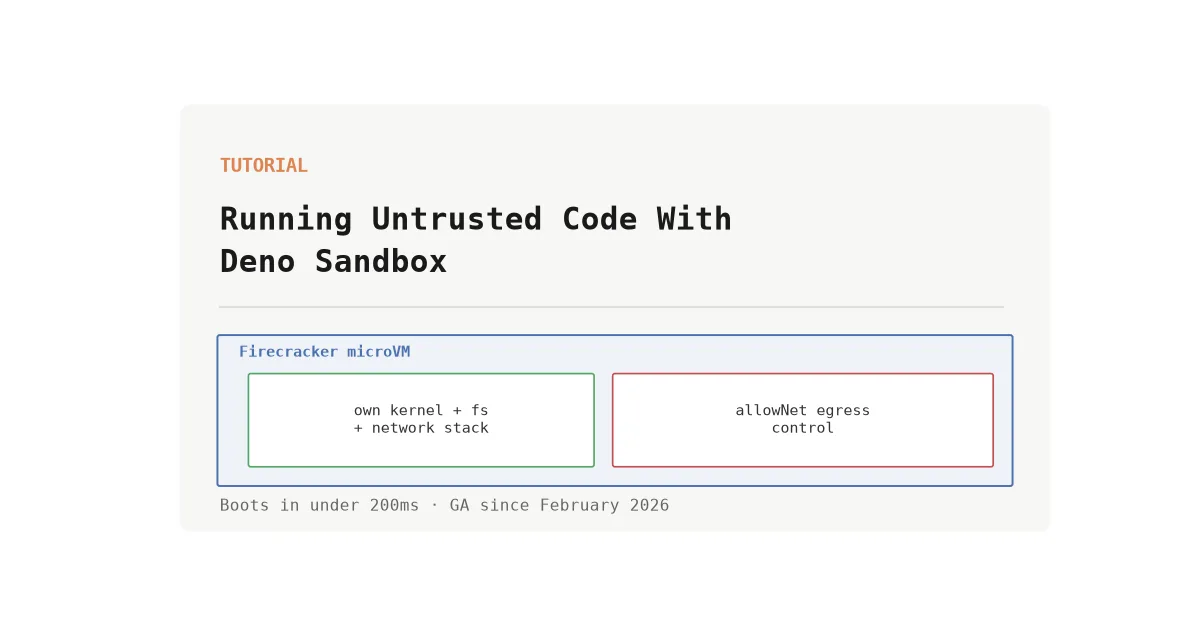
P.71Deno Sandbox spins up isolated Firecracker microVMs in under 200ms for running code you don't trust, AI-agent output included. Here's how it works and a working example.
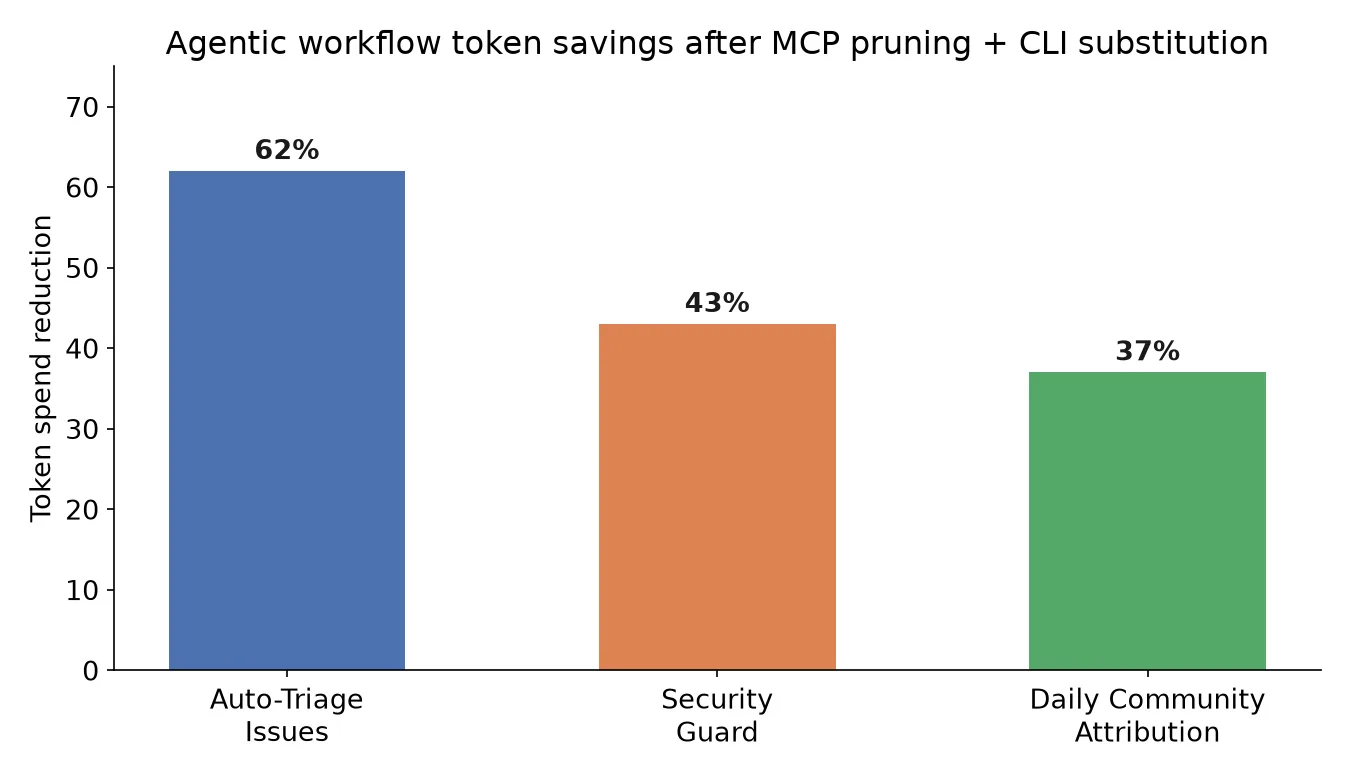
P.72GitHub cut token spend in its agentic CI workflows up to 62% by pruning unused MCP tools and swapping tool calls for CLI commands. How to copy the technique.
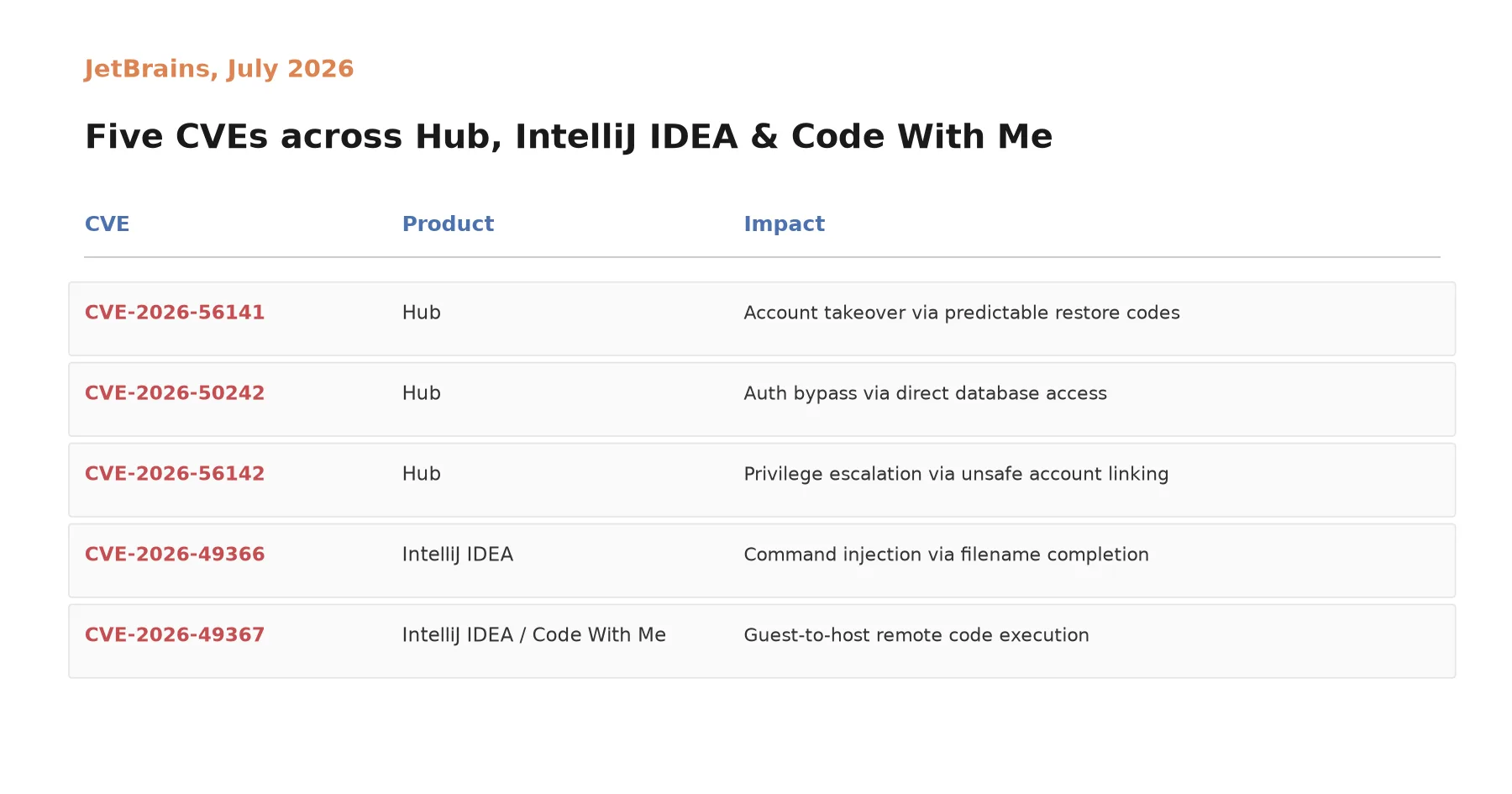
P.73Auth bypass, account takeover, and RCE across JetBrains Hub, IntelliJ IDEA, and Code With Me are now patched. What each CVE does and which build fixes it.
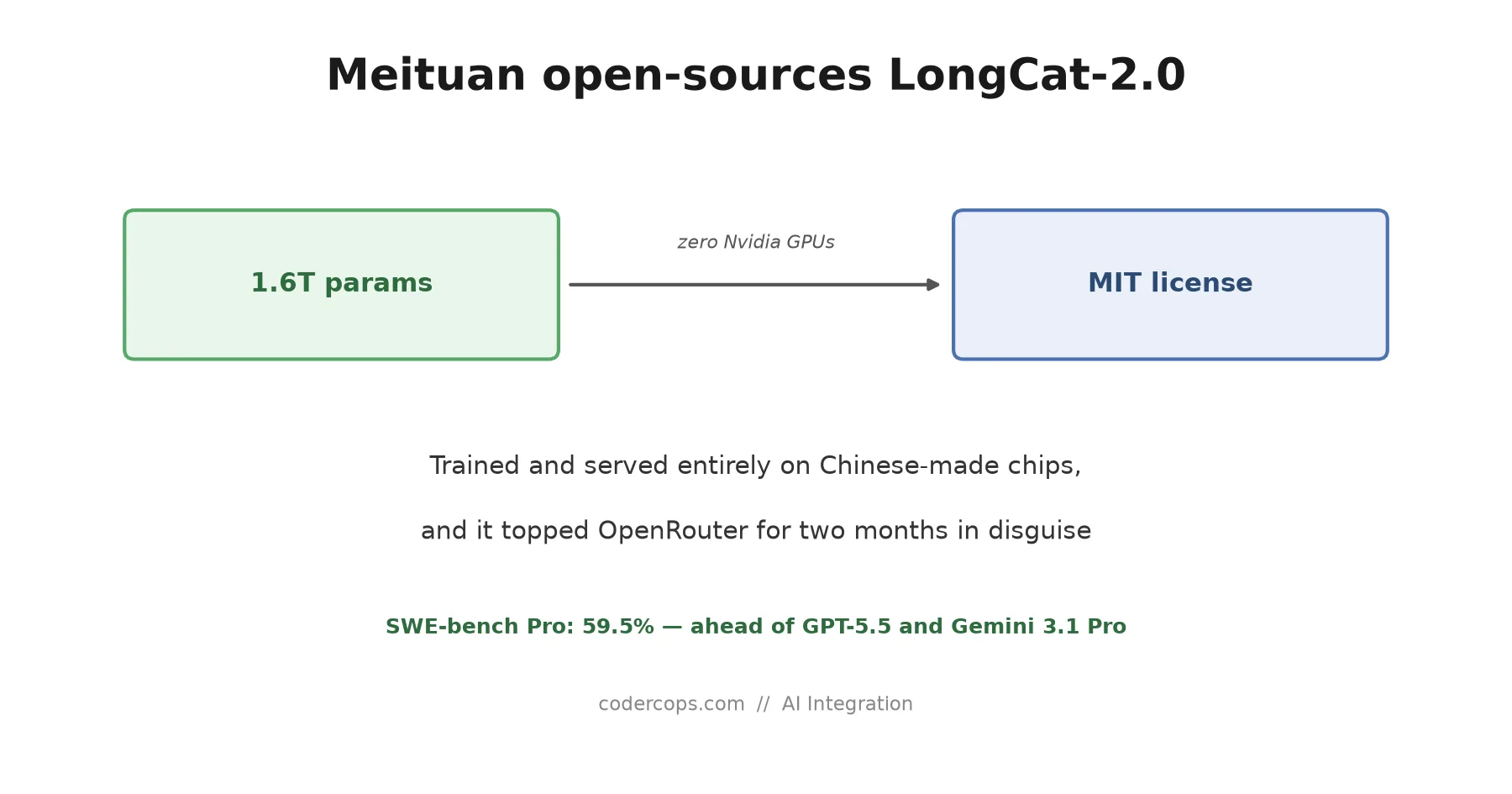
P.74LongCat-2.0 is a 1.6T-parameter coding model Meituan trained on Chinese-made chips, ran anonymously on OpenRouter, then open-sourced under MIT.
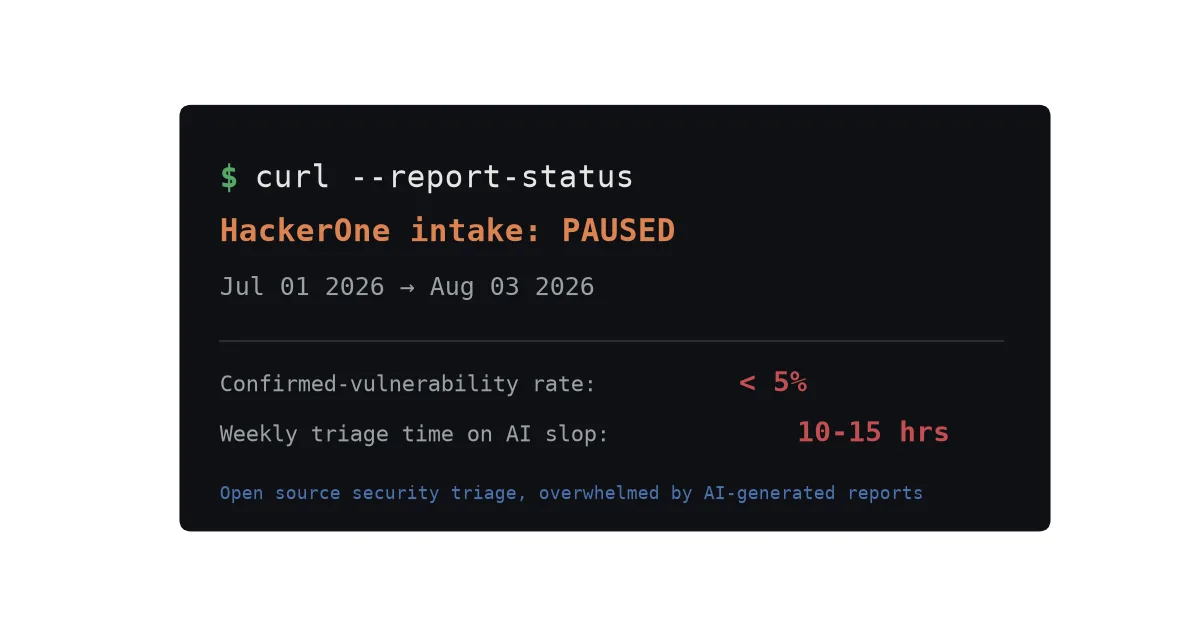
P.75Curl killed its bug bounty in February and paused all HackerOne reports for July 2026, citing a flood of AI-generated slop. What that means for triage.
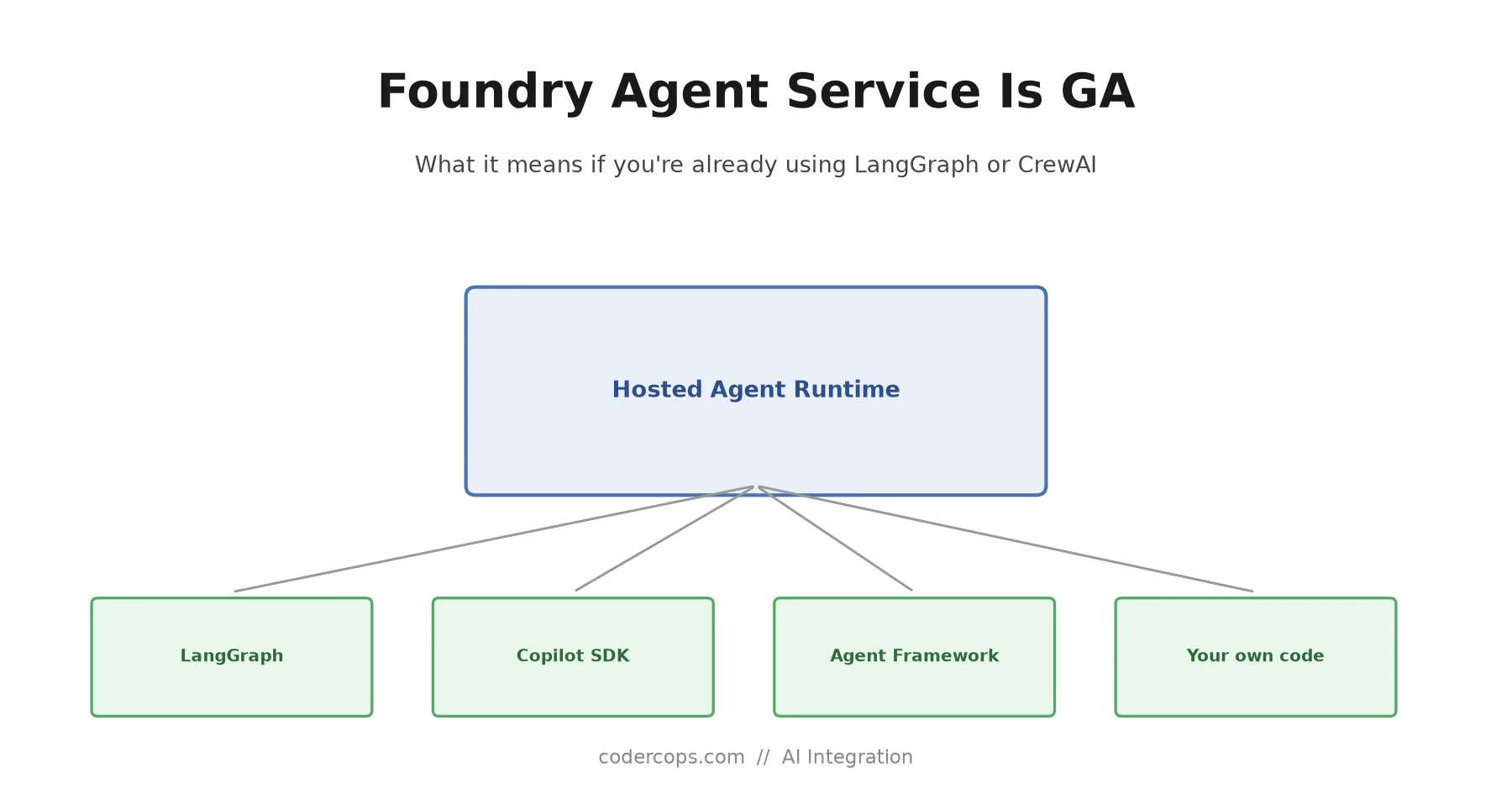
P.76Microsoft's Foundry Agent Service hit GA with a framework-agnostic hosted runtime. What's new, how sandboxing works, and whether LangGraph teams should move.
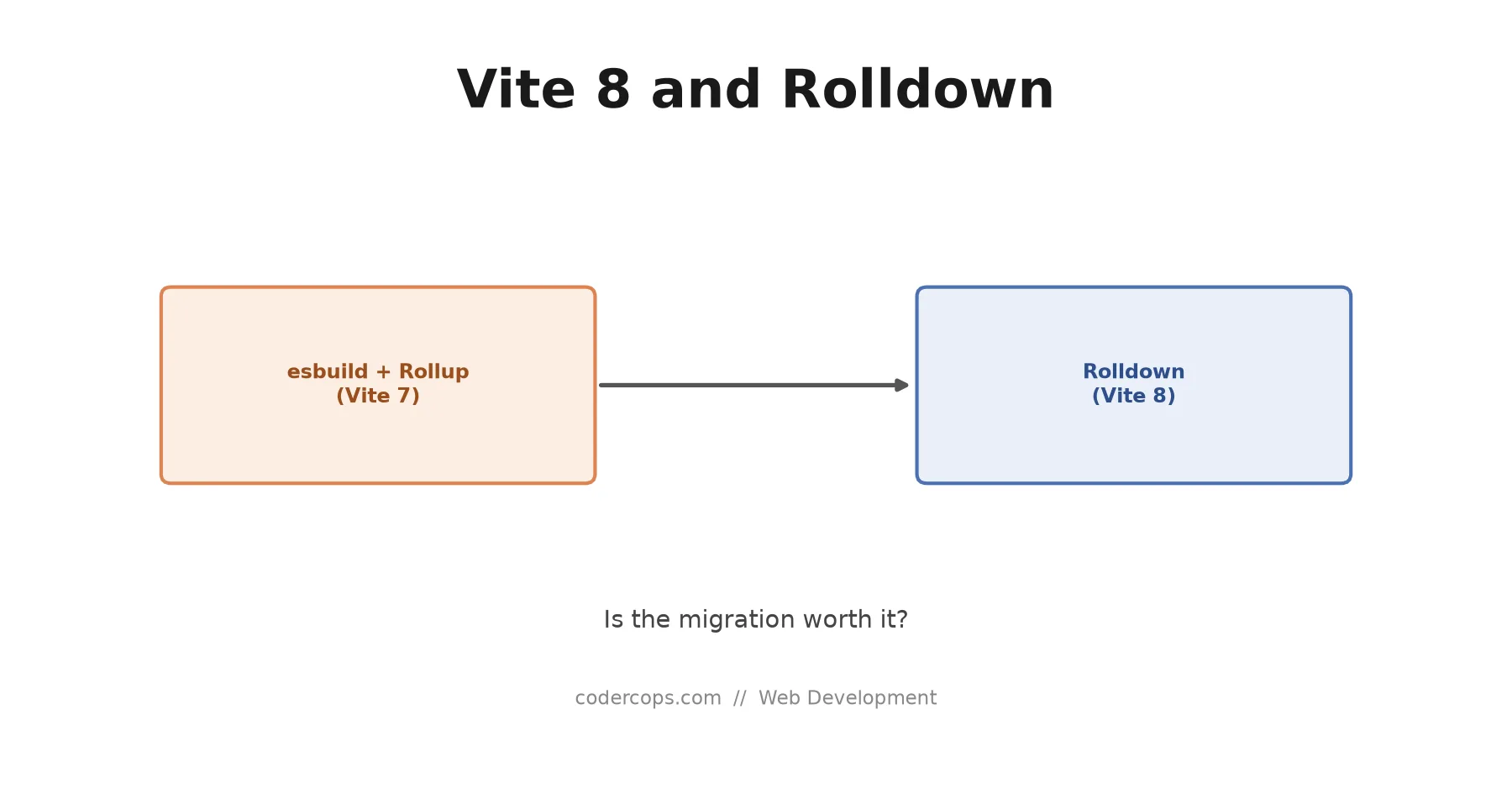
P.77Vite 8 replaced its dual esbuild and Rollup setup with Rolldown, a Rust bundler, by default. What changed, the real build times, and whether migrating pays.
P.78Teams are picking Rails, Elixir, and calmer backends over the framework of the month. Why boring is winning arguments it used to lose, and when it's wrong.
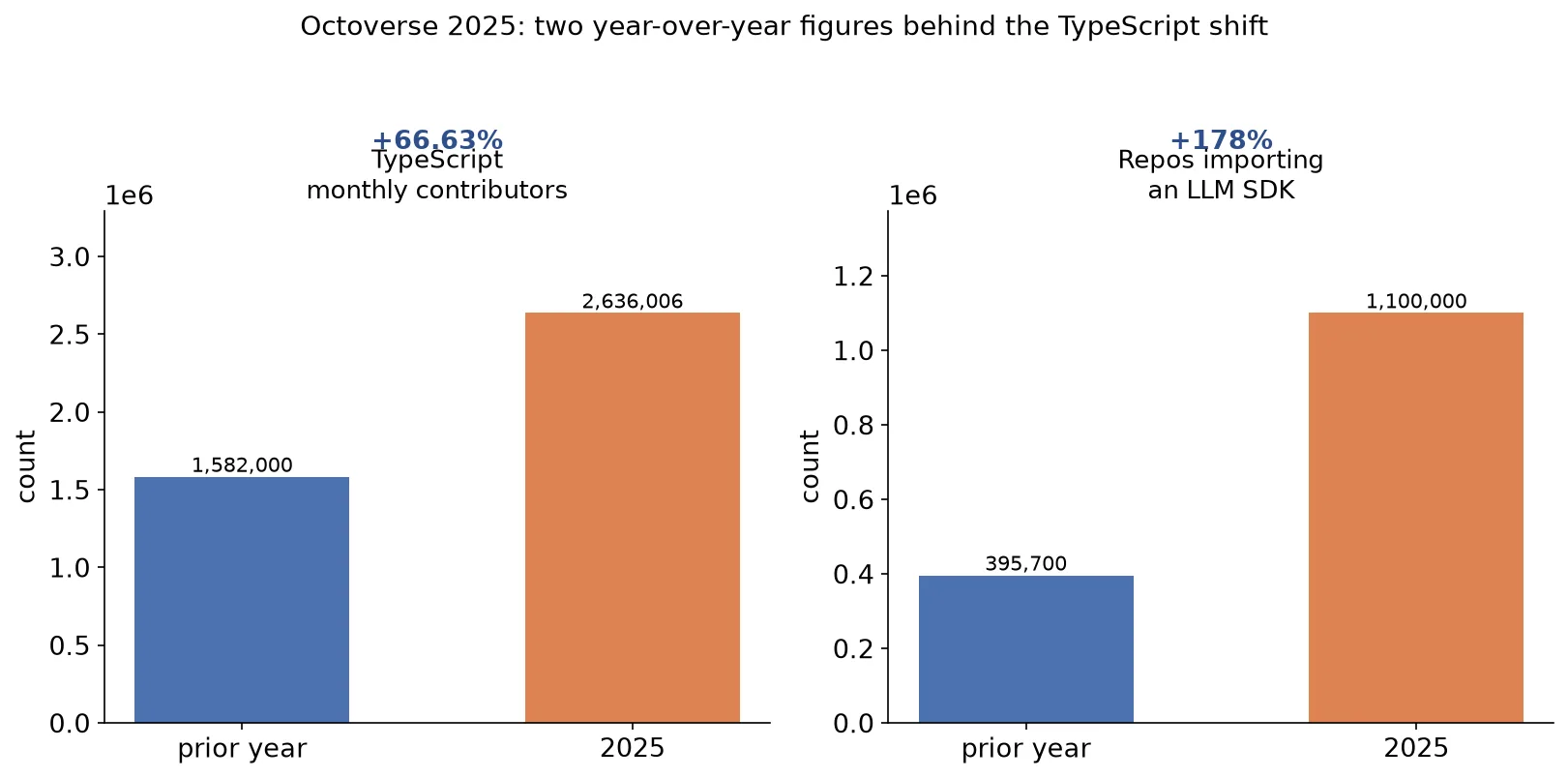
P.79GitHub's Octoverse 2025 shows TypeScript displacing JavaScript for the first time, driven partly by how AI tools behave with typed code. What the data says.
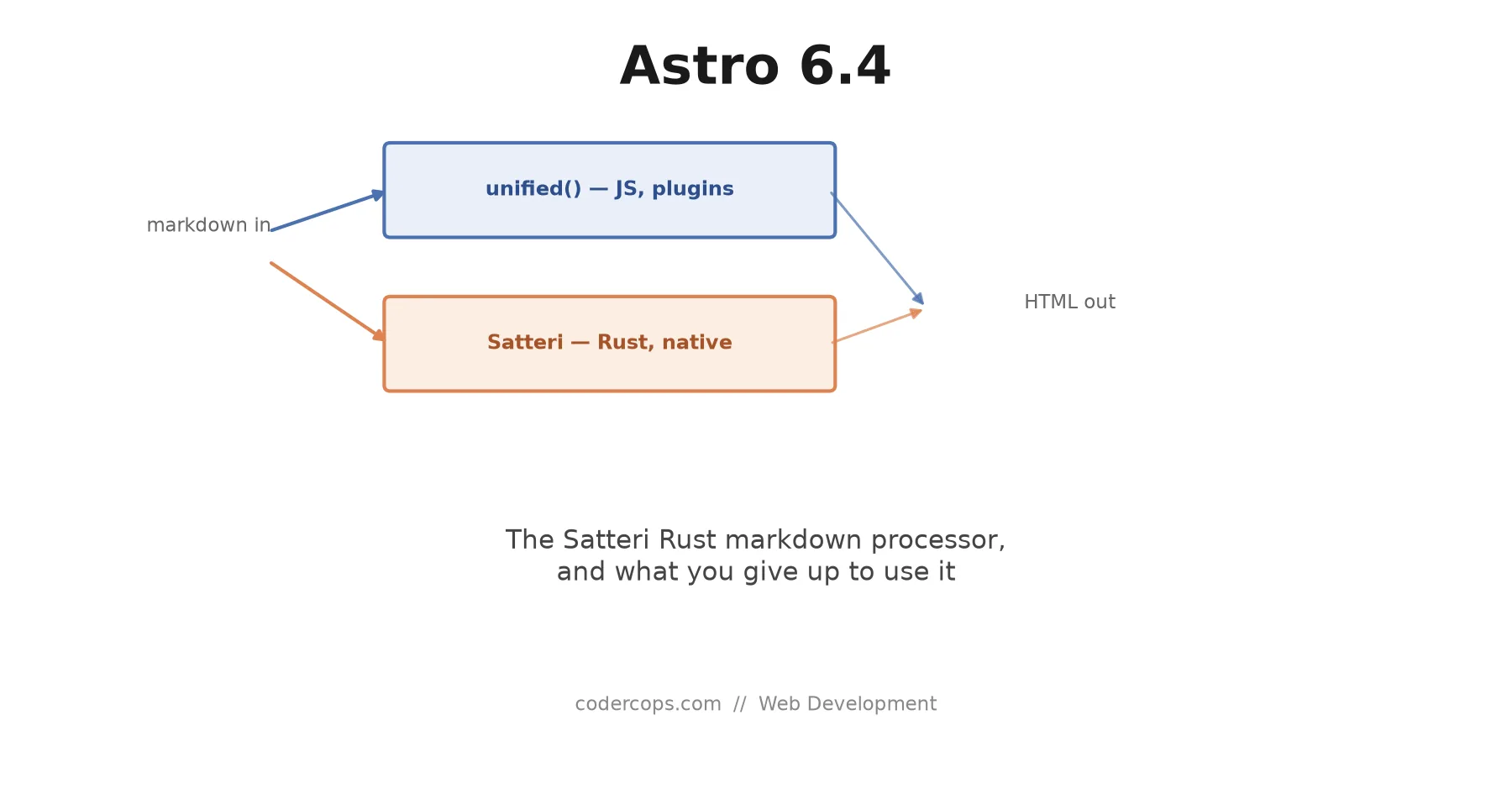
P.80Astro 6.4 ships a pluggable markdown pipeline and Sätteri, a Rust processor that speeds up content-heavy builds. It can't run your remark plugins yet.
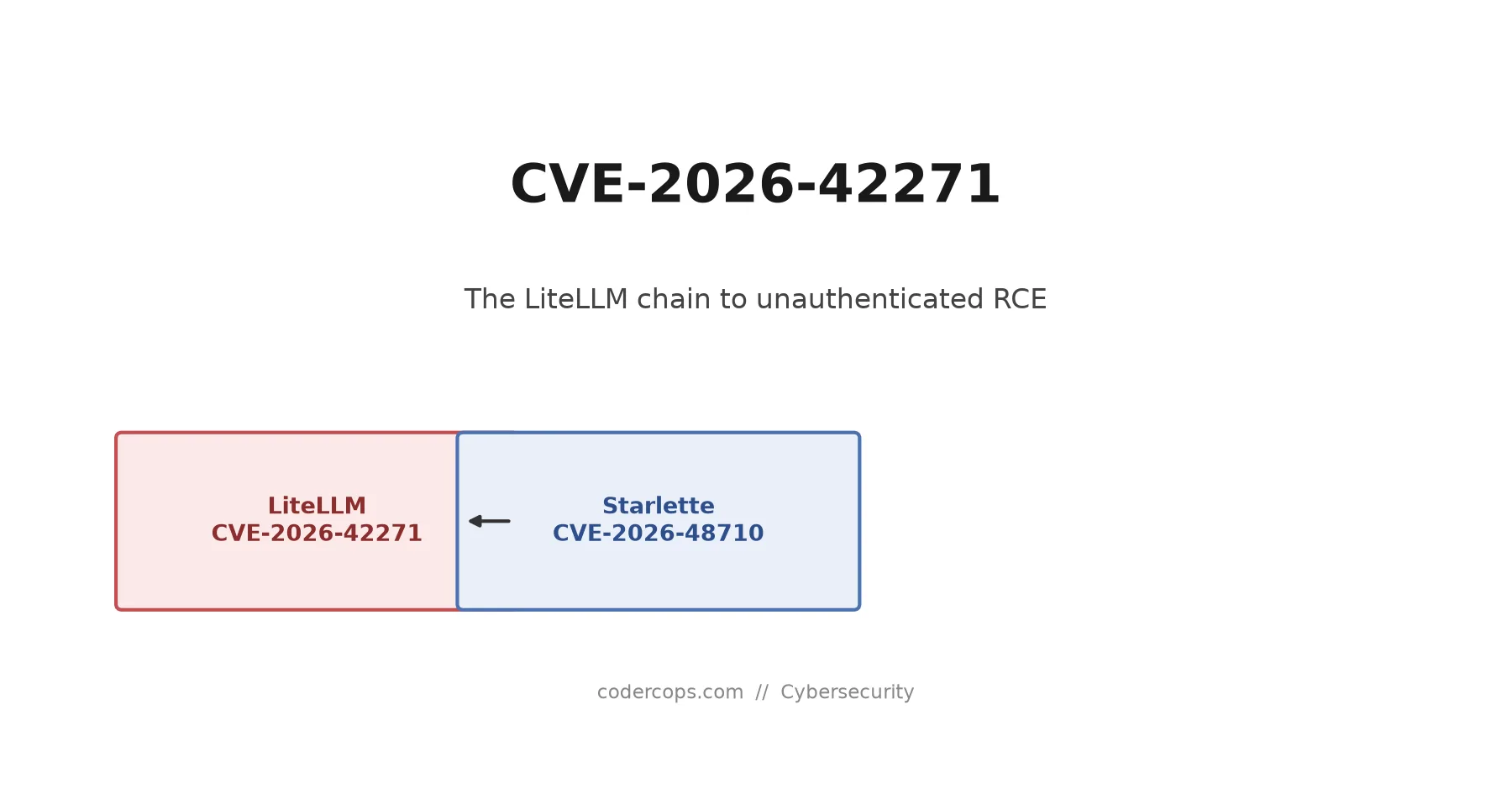
P.81A command injection in LiteLLM's MCP test endpoints, chained with a Starlette host-header bypass, gives unauthenticated RCE and every provider key behind it.
P.82FastAPI's June 2026 refactor preserves routes instead of cloning them, makes dynamic registration work, and adds app.frontend() for serving SPAs.
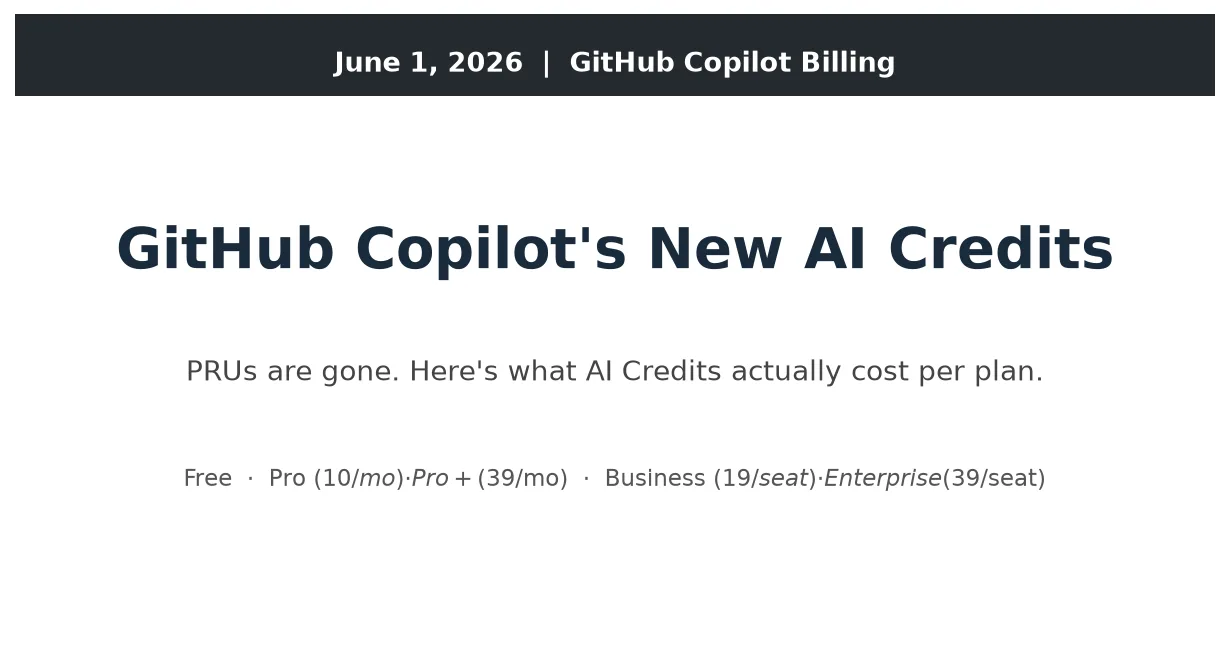
P.83Copilot swapped Premium Request Units for AI Credits on June 1, 2026. Completions stay unlimited; chat, review, and PR summaries draw from a credit pool.
P.84TanStack (42 packages) and React Native Aria (17) were hit weeks apart with different entry points and payloads. What each teaches about dependencies.
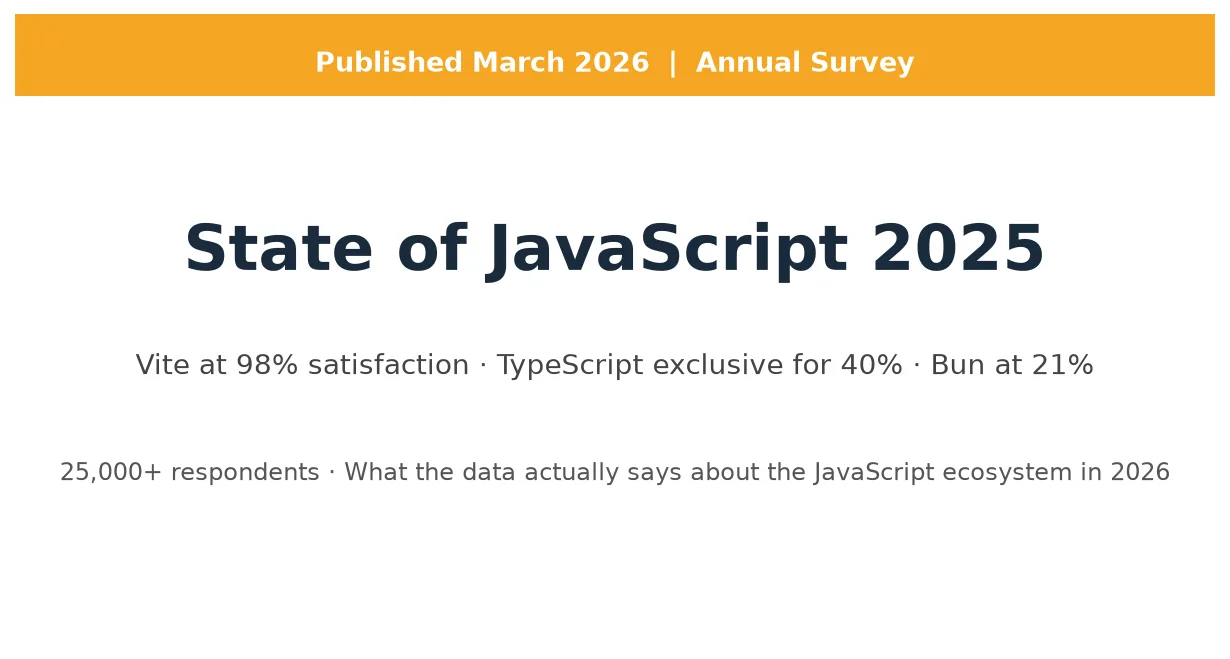
P.8525,000+ responses, and the picture is consolidation, not churn. Vite at 98% satisfaction, TypeScript exclusive for 40%, React dominant but contested.
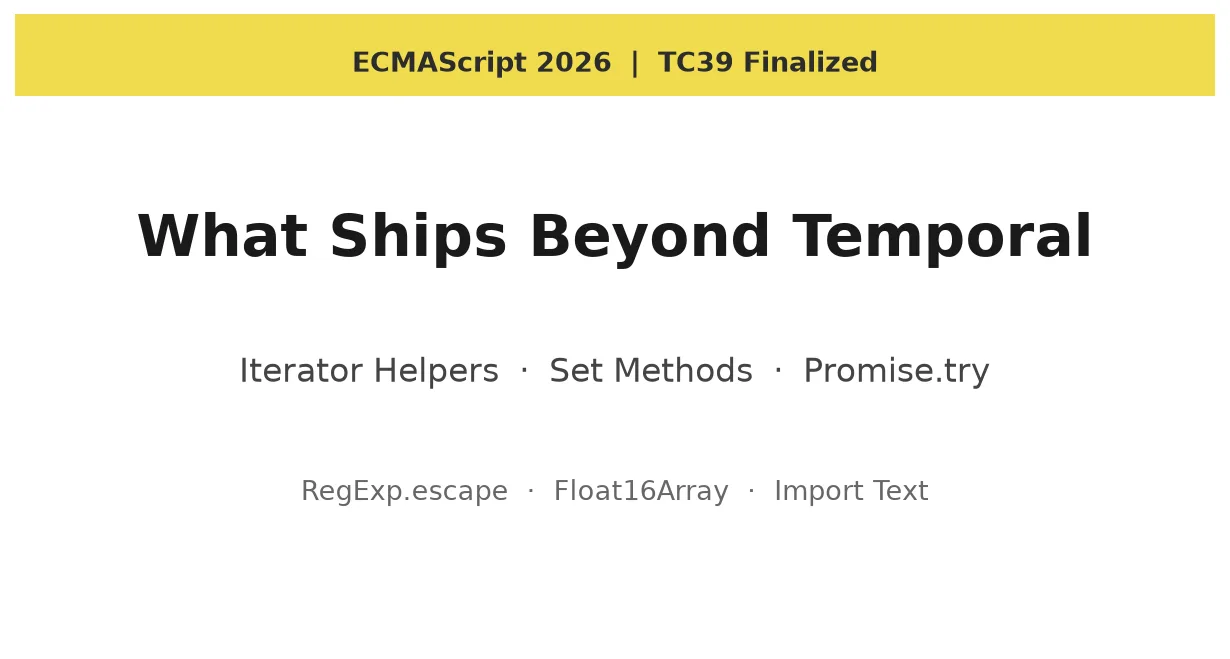
P.86TC39 finalised eight proposals for ES2026. Temporal gets the headlines, but Iterator Helpers, Set methods, Promise.try, and RegExp.escape matter too.
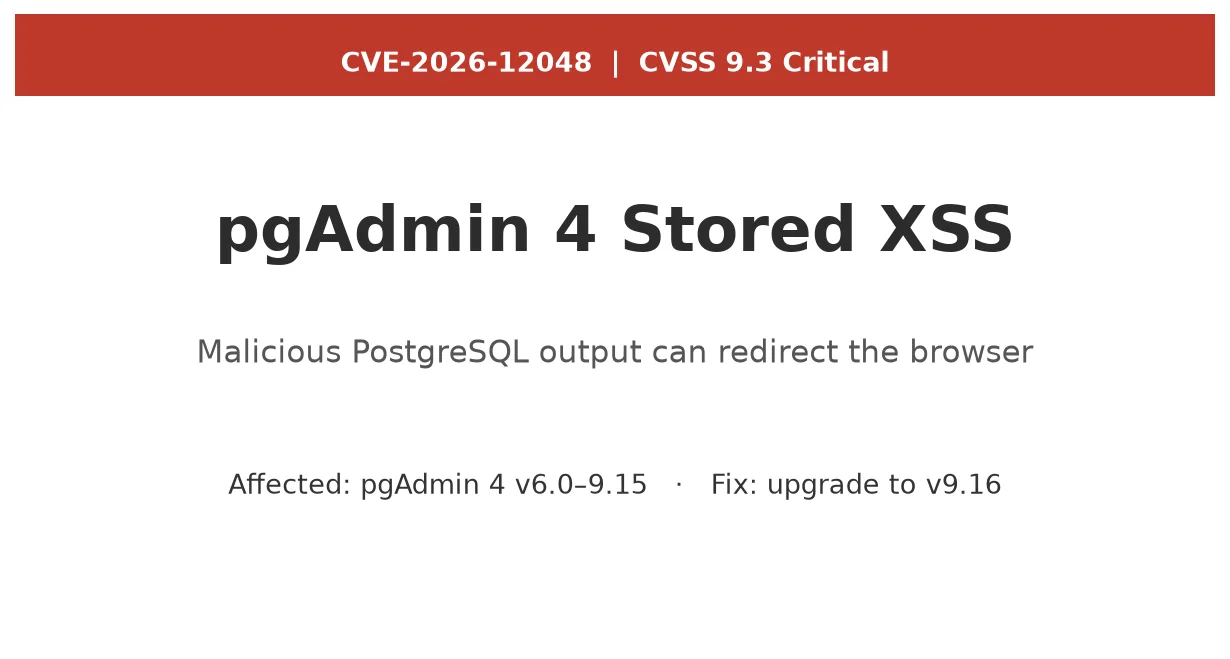
P.87A CVSS 9.3 stored XSS lets a malicious PostgreSQL server inject JavaScript into your pgAdmin tab. Versions 6.0 to 9.15 are affected; v9.16 is the fix.
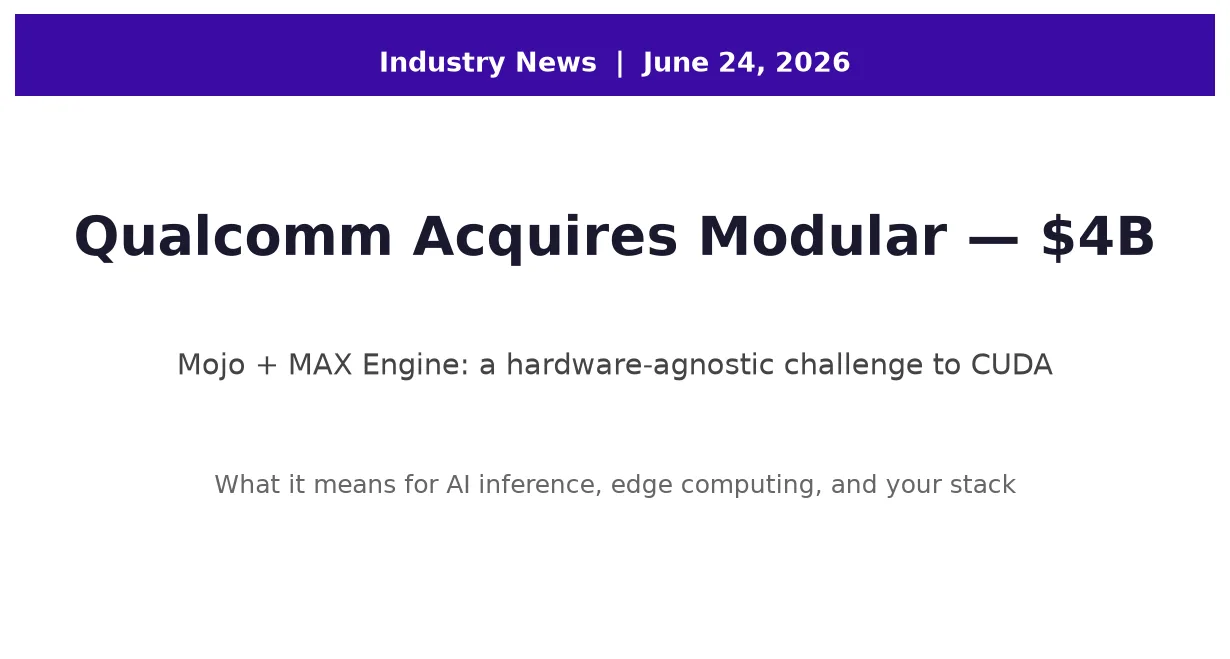
P.88Qualcomm's $3.92B all-stock deal for Modular, behind Mojo and MAX, bets on a hardware-agnostic path around NVIDIA's CUDA lock-in. What actually changes.
P.89Deno 2.9 ships deno desktop, turning any web project into a native app with no Electron boilerplate. What it's for, and when to stay on Tauri instead.
P.90MiniMax M3 is the first open-weight model to combine frontier-tier coding, a 1M-token context, and native multimodality. What it does, and how it benchmarks.
Firebase's complexity and Supabase's Postgres assumptions don't fit every project. How PocketBase, Appwrite, and Convex differ, and when each one fits.
Both tools keep your dependencies current automatically. Here is how they actually differ, where each one breaks down, and which to choose based on your team's setup.
Go runs Kubernetes, Docker, Prometheus, and most cloud tooling. What the language attracts, what it demands, and how to screen for the right profile.
Svelte 5's runes replaced magic variable tracking with explicit reactive primitives. A year into production: what changed, what improved, what surprised.
OpenFeature is a CNCF incubating project with broad SDK support. How to use vendor-neutral feature flags, and why the standard beats the tool behind it.
Playwright dominates scraping now, but tooling is the easy part. A practical guide to scraping that works, and the legal lines to know before you ship.
Comparing LangSmith, Braintrust, and W&B Weave for LLM evaluation: what each does well, where each breaks down, and a minimum viable eval pipeline.
Google AI Overviews, Perplexity, and ChatGPT Search answer questions without sending clicks. Here is what still drives traffic, and how to track it.
Kafka is the default answer for message queuing at scale. But for teams running fewer than a million messages per day, NATS JetStream offers persistence, delivery guarantees, and a dramatically simpler operational footprint.
Setting up metrics with Prometheus and dashboards with Grafana: what to instrument, what to skip, and what a dashboard should show during an incident.
Pydantic v2's Rust core made validation 5-50x faster, but the model redesign is what changes how you structure validation logic for real APIs.
Python asyncio fails in production from hidden blocking calls, CPU-bound work stalling the event loop, and cancellation bugs most tutorials skip.
Dev Containers define your entire dev environment in a devcontainer.json file, so new teammates are productive in minutes. Here's how to set them up.
Cursor's rules system encodes your team's architecture, naming, and coding standards into the AI's context, so every engineer gets consistent suggestions.
Ollama runs Llama, Mistral, Phi-4, and dozens of open-weight models on your laptop with one command. Here's what actually works and when to use it.
R2's zero-egress pricing looks compelling on paper. Here's when it actually saves money, when S3's ecosystem still wins, and how to migrate if you decide to switch.
Deno 2 ships with full Node.js compatibility, npm support, and a revised standard library. Here's what that means for teams evaluating it as a serious Node alternative.
TypeScript 5.0 replaced experimentalDecorators with the TC39 Stage 3 proposal: different syntax, more capable, now the standard way to write decorators.
ElysiaJS gives Bun APIs fast routing, TypeBox validation, and type inference that reaches the client with no codegen step. How it works and when to pick it.
Logs say what happened. Error tracking says what broke, for which users, in what context. Setting up Sentry properly, without the alert fatigue.
Vercel dominates frontend hosting. AWS dominates enterprise infrastructure. Between those two extremes, Fly.io and Railway are the most practical choices for backend-heavy full-stack apps in 2026.
Redux is overkill for most React apps: Zustand and Jotai cover most state needs with far less boilerplate. Here is when to use each and how they actually work.
ESLint 9 made flat config the default and deprecated .eslintrc. Here's what changed, why it's better, and how to migrate without breaking your setup.
Git hooks enforced by Lefthook, Husky, or lint-staged can stop broken code, style violations, and type errors before they reach your CI pipeline. Here's how to build a hook setup that teams actually keep.
Most background job solutions require you to run and monitor a Redis instance, manage worker processes, and wire up your own retry logic. Inngest skips all of that. Here's how it works and when it's the right call.
Bruno stores API collections as plain .bru text files in your git repo, no account or cloud sync needed. Here's how it compares to Postman and why teams switch.
Git worktrees give you multiple branches checked out in separate directories at once. No stashing, no context switching, no losing your place.
MCP is the standard for connecting AI models to external systems. How it works, how to implement a server, and what to lock down before production.
Command-line tools are underrated as developer products, and TypeScript makes them maintainable. Parsing, prompts, output, errors, and distribution.
The Date object has been broken for 30 years. Temporal is its replacement, now shipping in browsers and Node.js. Here's what actually changed and how to use it.
Storybook 8 is faster and easier to configure than it was. More useful is the workflow shift: building in isolation makes components genuinely decoupled.
AI tools write code fast. TDD asks you to slow down and write tests first. These two impulses seem to be in tension. Here's how they actually work together.
Structured commit messages unlock automatic changelogs, version bumps, and release notes. The full setup, from commitlint hooks to shipping in CI.
AI projects flood every portfolio. Here's what actually distinguishes a developer's work from the crowd — and why the way you document your decisions matters more than the tech stack you picked.
Manifest V3 changed how Chrome extensions work. Here's what actually matters for developers building extensions today: service workers, declarativeNetRequest, and the gotchas nobody warns you about.
DuckDB runs OLAP queries directly in your process, on files on your laptop, without a server. Here's how to use it and when it beats spinning up BigQuery or Redshift.
Sanity, Contentful, Strapi and Payload compared on the criteria that decide it: who edits the content, where it's hosted, and whether schema lives in git.
The command line tools most developers use today are a decade old. Here's what's replaced them and why: terminals, Git UIs, shell configuration, and the small tools that compound into significant time savings.
A growing class of AI agent frameworks can control a browser the way a human does — clicking, typing, navigating. Here's what works in production, what breaks, and when to actually reach for these tools.
Go has real strengths for backend API work, and some persistent limitations. Here's what teams actually gain and give up when they choose it over Node.js or Python for web APIs.
A hands-on comparison of Typesense, Meilisearch, and Algolia for production SaaS search: self-hosting, performance, pricing, and real implementation patterns.
A practical comparison of PostHog, Amplitude, and Mixpanel for SaaS teams in 2026: pricing, self-hosting, event tracking, and what metrics matter.
Zod is the standard for runtime type validation in TypeScript: one schema drives API contracts, form validation, and environment variables across your stack.
OpenTelemetry is the observability standard now. Most tutorials show you how to install the SDK and emit traces. Fewer explain which signals actually matter for web applications and which add noise without helping you debug anything.
A Playwright E2E suite that scales reuses auth state across tests, follows a folder structure built for growth, and configures CI to isolate real flakiness.
Password resets, invoices, and notification emails are infrastructure. Most developers treat them as an afterthought until a client asks why their welcome emails are disappearing. Here is the full picture.
PostHog, Mixpanel, and Amplitude serve different primary users: engineers, product managers, and growth teams. Here is how to pick the right one.
When your AI agent needs to run the code it writes, you can't let it touch your production servers. Here's how the main isolation options work and when to use each.
Most agency developers never check the licence of an npm package until a client's lawyer does. What MIT, Apache 2.0, GPL and AGPL actually require.
AI makes generating and refreshing technical documentation cheap, but keeping it accurate as code changes is still a process problem, not a model one.
Burnout among developers isn't new. But the specific pressures of 2026 — AI-driven productivity expectations, skills anxiety, and the blurring of output and identity — create a different texture of exhaustion.
The Vercel AI SDK has become the default for building AI features in JavaScript apps. Here is what it actually does, how its core primitives work, and where the sharp edges still live.
TypeScript leaves errors untyped by default. Effect TS fixes that with typed failures, dependency injection, and structured concurrency.
Hallucination is not a bug that gets patched in the next model release. It is a property of how language models work. Here are the patterns that actually reduce it in production systems, and what they cost.
Vuex was Vue's state library for years, and Pinia replaced it as the official recommendation. How Pinia works, and where it fits in a Vue 3 app.
Hono started as a tiny router for Cloudflare Workers and became the default for edge APIs. What it does well, and why "runs everywhere" actually holds.
Interaction to Next Paint replaced First Input Delay in 2024, and most sites still haven't caught up. INP is harder to optimize because it measures every interaction, not just the first one.
Single-provider AI dependencies are a reliability risk. Routing layers like LiteLLM and OpenRouter let you fall back across providers, cap costs, and try smaller models first. Here is the architecture and when it actually matters.
Neon separates storage from compute to make Postgres behave like a serverless resource. The branching feature is what actually changes the development workflow — here's how it works and when it's worth the migration.
Client state is easy. Server state, which lives on a backend and changes on its own, is where React apps make a mess. TanStack Query handles it cleanly.
k6 is a load testing tool with JavaScript scripting and CI integration. Writing meaningful tests, reading the results, and catching regressions early.
Tauri 2.0 added iOS and Android while keeping tiny binaries, a Rust backend, and the OS webview instead of a bundled Chromium. How it works, and when.
CodeRabbit, GitHub Copilot code review, and similar tools have changed the first-pass review. Here's what they actually catch, where they fail, and the workflow that combines both effectively.
Python 3.14 shipped in October 2025. Seven months in, the features worth caring about have become clear. Here's what changed, what to upgrade for, and what to ignore.
Leaked credentials are the most preventable breach category. When you need a real secrets manager, which one to pick, and what to do if you're still on .env.
Vitest runs faster than Jest, handles ESM and TypeScript natively, and shares Jest's API. The case for switching in a Vite project, and how to do it.
Biome is a Rust-based toolchain that replaces ESLint and Prettier with one fast binary for linting, formatting, and imports. Here is what migrating looks like.
OpenAPI-first API development means writing the spec before code, then generating server types, request validation, and client SDKs from it.
Background jobs that crash mid-run lose their state. Temporal makes workflows durable state machines that survive restarts and deploys. In TS and Python.
Playwright E2E tests break because of fragile selectors, shared test state, or overly broad scope, not the tool itself. Fix those and tests survive UI changes.
Most teams treat their CI pipeline as a black box that occasionally fails. A few hours of optimization can cut your CI time by 40-60% and your GitHub Actions bill by a similar margin. Here's exactly how to do it.
AI IDE rules files inject project-specific context into every completion. Here is how to write rules for Cursor, Windsurf, and Copilot that change generated code.
Rolling back a bad API endpoint takes seconds. Rolling back a bad LLM integration is harder — the damage may already be in your logs, your users' inboxes, or your clients' feeds. Feature flags are how you ship AI features without betting everything on launch day.
uv is a Rust-written Python package manager covering dependencies, virtualenvs, and Python versions. What changed after moving eight projects onto it.
Cursor, GitHub Copilot, and Claude Code solve different problems. After 18 months on client projects, we found most developers need at least two of them.
RAM prices jumped roughly 90% in Q1 2026 as AI data centers now consume 70% of global memory supply, and the squeeze isn't expected to ease before 2028.
Claude Opus 4.6, GPT-5.3 Codex, Gemini 2.5 Pro, DeepSeek V3.2, and Qwen3-Coder compared on benchmarks, pricing, and real coding tasks to pick the right model.
A data-driven comparison of Claude Sonnet 4.6 and Opus 4.6 covering benchmarks, pricing, speed, coding performance, and real-world use cases. We help developers choose the right Anthropic model for their needs.
P.169Nearly 200 developers urged Oracle to rethink MySQL's future. We break down the open letter, the governance crisis, the rise of PostgreSQL and alternatives, and what developers should do next.
India's major ISPs began DNS-poisoning *.supabase.co domains on Feb 24, 2026, breaking auth, databases, and Edge Functions for millions of developers — including our own infrastructure at CODERCOPS.
P.171EditorPickVibe coding hit 92% daily developer adoption in 2026, but only 15% call it their real workflow. We break down the tools, the risks, and what replaced what.
After 90 days of using Claude Code across our entire engineering team, here is what actually changed — the good, the bad, and the productivity numbers.
Claude Sonnet 4.6 matches Opus performance at Sonnet pricing. Full breakdown of benchmarks, features, adaptive thinking, and what it means for developers.
Developer tool UIs have converged into a boring monoculture. Here is why it happened, the anti-patterns killing your UX, and how to design dashboards developers actually love.
Trunk-based, Git Flow, GitHub Flow — we have tried them all. Here is the simple Git workflow that works for teams under 10 and the mistakes to avoid.
Our curated list of npm packages that make it into every CODERCOPS project. Each one battle-tested across 30+ production apps with alternatives we considered.
These 5 VS Code extensions eliminated 3 separate tools from my workflow. Each one with setup tips, settings tweaks, and why it beats the alternatives.
We automated visual regression testing, test generation, and bug triage with AI. Here are the real results after 6 months — including what still needs humans.
Developer AI adoption hit 84% in the 2025 Stack Overflow survey, yet trust in AI accuracy fell to 46% distrust. Here's what the data actually shows.
We tested all three agentic AI IDEs on real projects. Here's how their agent modes, codebase understanding, and pricing actually compare.
OpenAI and Anthropic released flagship coding models the same day. We compare GPT-5.3 Codex and Claude Opus 4.6 on benchmarks, pricing, and real coding tasks.
P.182EditorPickClaude Code by Anthropic went viral in January 2026. Developers and non-developers alike are getting Claude-pilled. Here is an honest breakdown of what it does, how it compares, and whether the hype holds up.
P.183Cursor revealed how hundreds of concurrent AI agents built a full web browser from scratch. Planner/worker architecture, GPT-5.2 vs Opus 4.5 benchmarks, and what industrial-scale AI coding actually looks like in practice.
MIT Technology Review dropped its annual list of breakthrough technologies for 2026. From AI coding tools to quantum leaps, here is what actually matters to developers and what is just noise.
CES 2026 made physical AI real. Atlas got human hands, LG's CLOiD folds laundry, Bosch built an agentic kitchen, and NVIDIA's Cosmos trains it all. Here is what developers should actually pay attention to.
P.186EditorPickGitHub's Repository Intelligence gives AI coding tools full codebase context: relationships, commit history, and team conventions, not just the current file.
The essential developer takeaways from CES 2026 - from NVIDIA's Cosmos platform to AMD's Ryzen AI processors and Intel's Panther Lake. Here's what matters for your next project.
GitHub Copilot vs Cursor vs Claude Code - which AI assistant actually saves you time? A practical comparison based on real-world testing and developer workflows.